Kitchen Lighting Ideas: 47 Inspiring Design Solutions
The right lighting can completely change how your kitchen looks and functions. Whether you cook elaborate meals or grab quick snacks, proper illumination makes every task easier and safer. Your kitchen deserves a thoughtful lighting plan that combines beauty with practicality.
Good kitchen lighting goes beyond a single overhead fixture. It creates layers of light that work together to illuminate your entire space. The best designs blend ambient lighting, task lighting, and accent lighting to create a warm and functional environment.
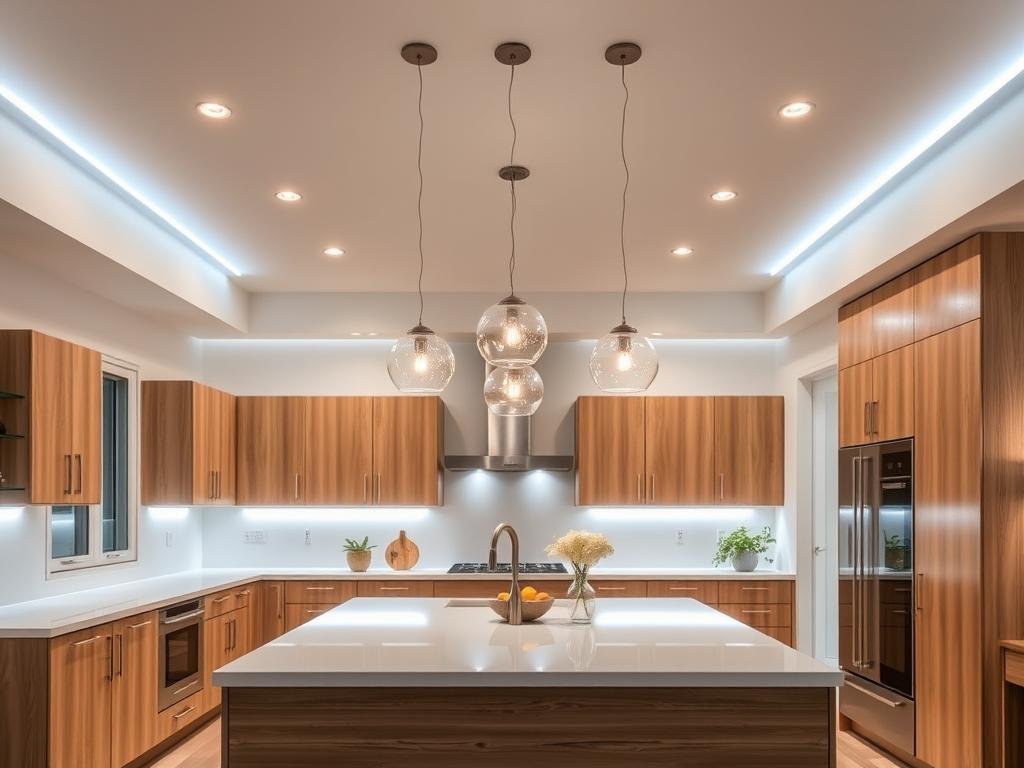
This guide explores creative kitchen lighting ideas that suit various styles and budgets. You will discover how different light fixtures can enhance your space while meeting your specific needs. From statement pendants to subtle under-cabinet strips, each option serves a unique purpose in your kitchen design.
Understanding the Three Essential Lighting Layers
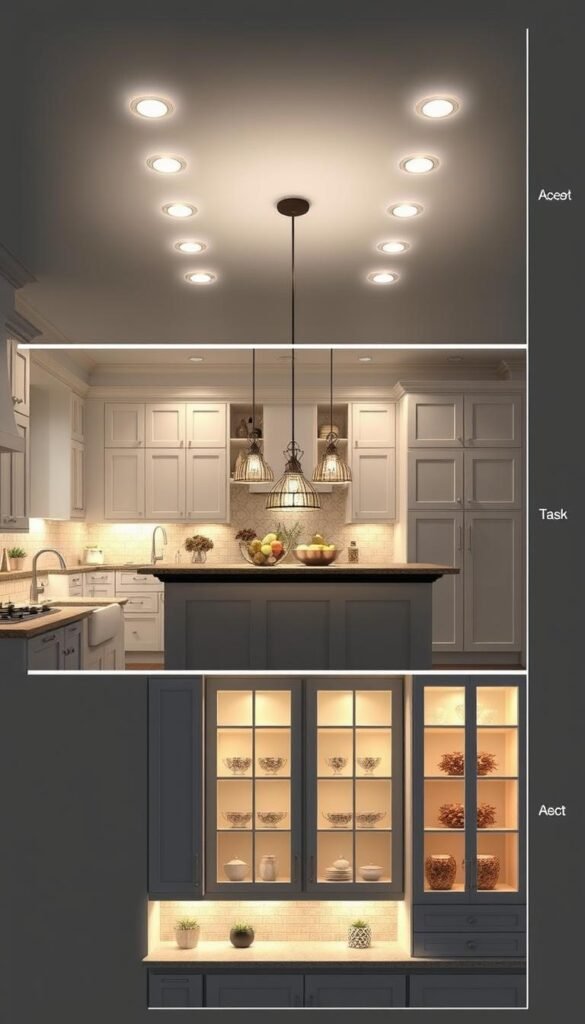
Every well-designed kitchen uses three distinct types of lighting. These layers work together to create a space that looks beautiful and functions perfectly for all your cooking activities.
Ambient Lighting Creates Overall Illumination
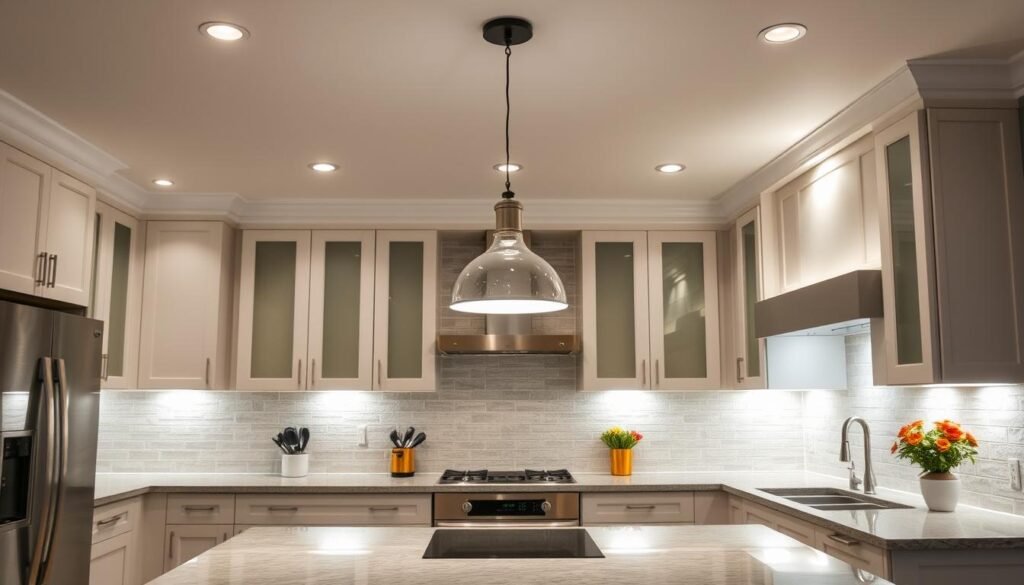
Ambient lighting provides general illumination throughout your kitchen. This foundational layer typically comes from ceiling fixtures that spread light evenly across the entire room. Recessed lights, flush-mount fixtures, and chandeliers all serve this purpose well.
The key to effective ambient lighting is achieving consistent brightness without harsh shadows. Many homeowners combine multiple ceiling fixtures to eliminate dark corners and create a welcoming atmosphere throughout the space.
Task Lighting Focuses on Work Areas
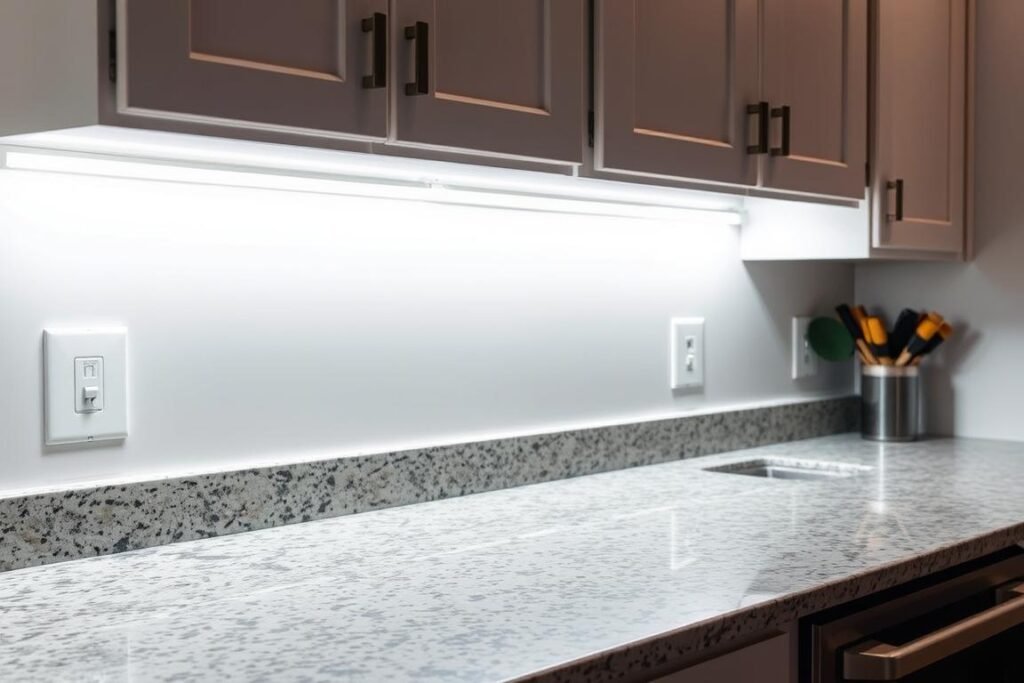
Task lighting directs focused illumination exactly where you need it most. This layer targets specific work zones like countertops, sinks, and stovetops. Under-cabinet lights and pendant lights over islands provide excellent task lighting solutions.
Related Posts:




Proper task lighting prevents eye strain and makes food preparation safer. The light should be bright enough to see clearly but positioned to avoid casting shadows on your work surface.
Accent Lighting Adds Visual Interest
Accent lighting highlights architectural features and creates visual depth in your kitchen. This decorative layer draws attention to display cabinets, artwork, or unique design elements. Small spotlights, toe-kick lighting, and glass-front cabinet lights all work as accent lighting.
While accent lighting is the most decorative layer, it also adds functionality by making your kitchen more visually interesting. The subtle glow creates ambiance that makes your space feel more inviting during evening hours.
Pendant Lights: Statement Pieces Over Your Island
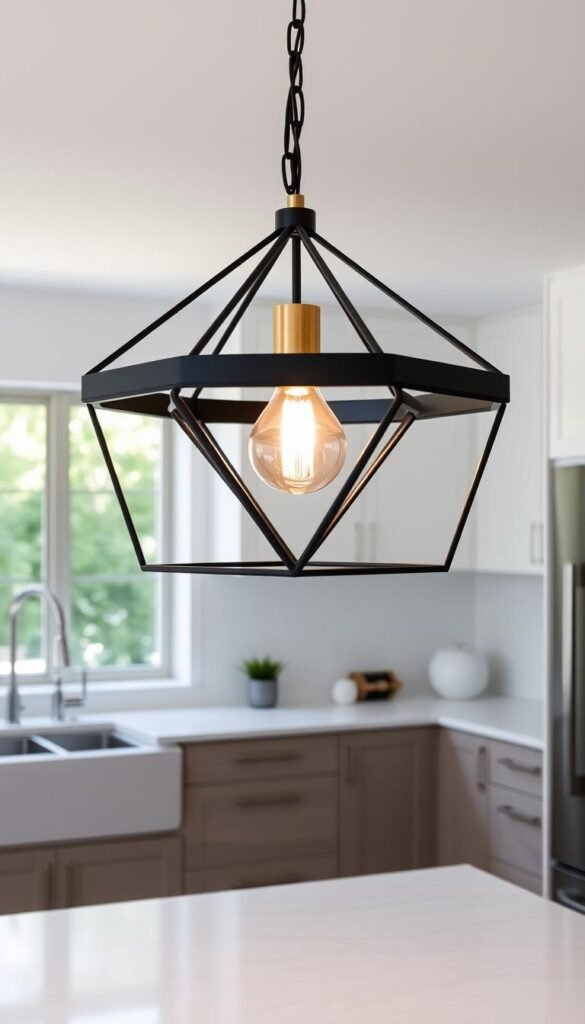
Pendant lights serve as both functional task lighting and stunning focal points in your kitchen. These hanging fixtures draw the eye upward and define your island or dining area with style. The right pendants can transform an ordinary kitchen into a design showcase.
Choosing the Right Size and Number
The size of your island determines how many pendant lights you need. A standard rule suggests spacing pendants about thirty inches apart. For a six-foot island, two or three medium-sized pendants work well. Larger islands might need four or more fixtures to provide adequate coverage.
Pendant height matters just as much as quantity. Hang fixtures about thirty to thirty-six inches above your island countertop. This height provides good task lighting while maintaining clear sight lines across the kitchen.
Popular Pendant Styles for Every Kitchen Design
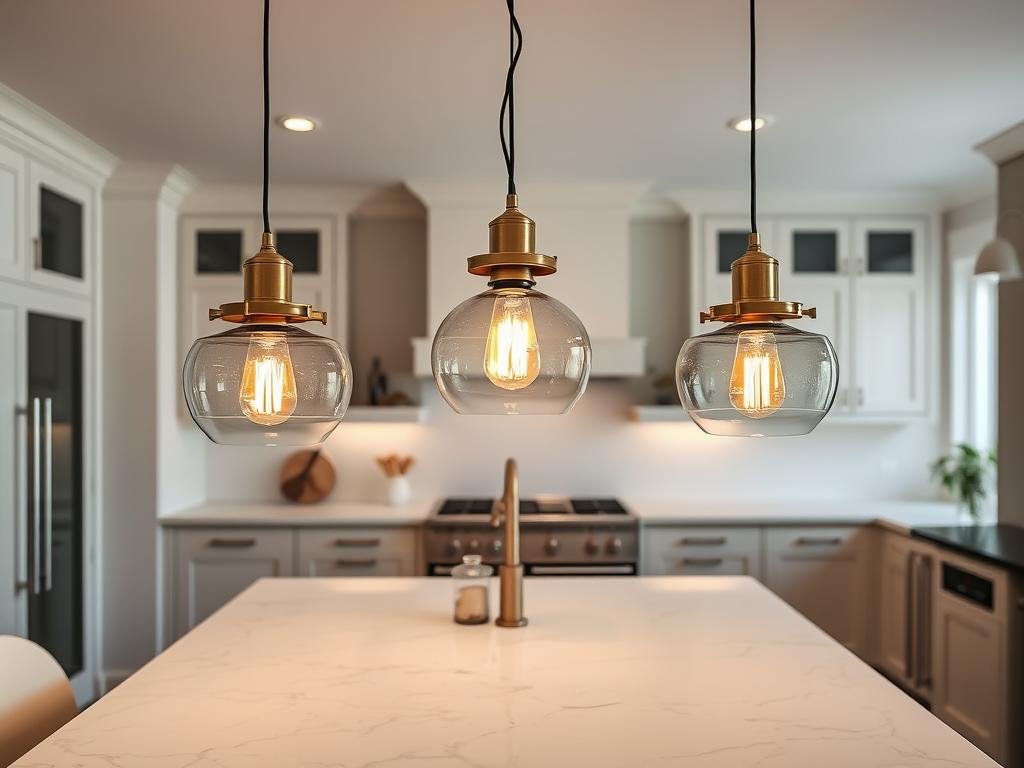
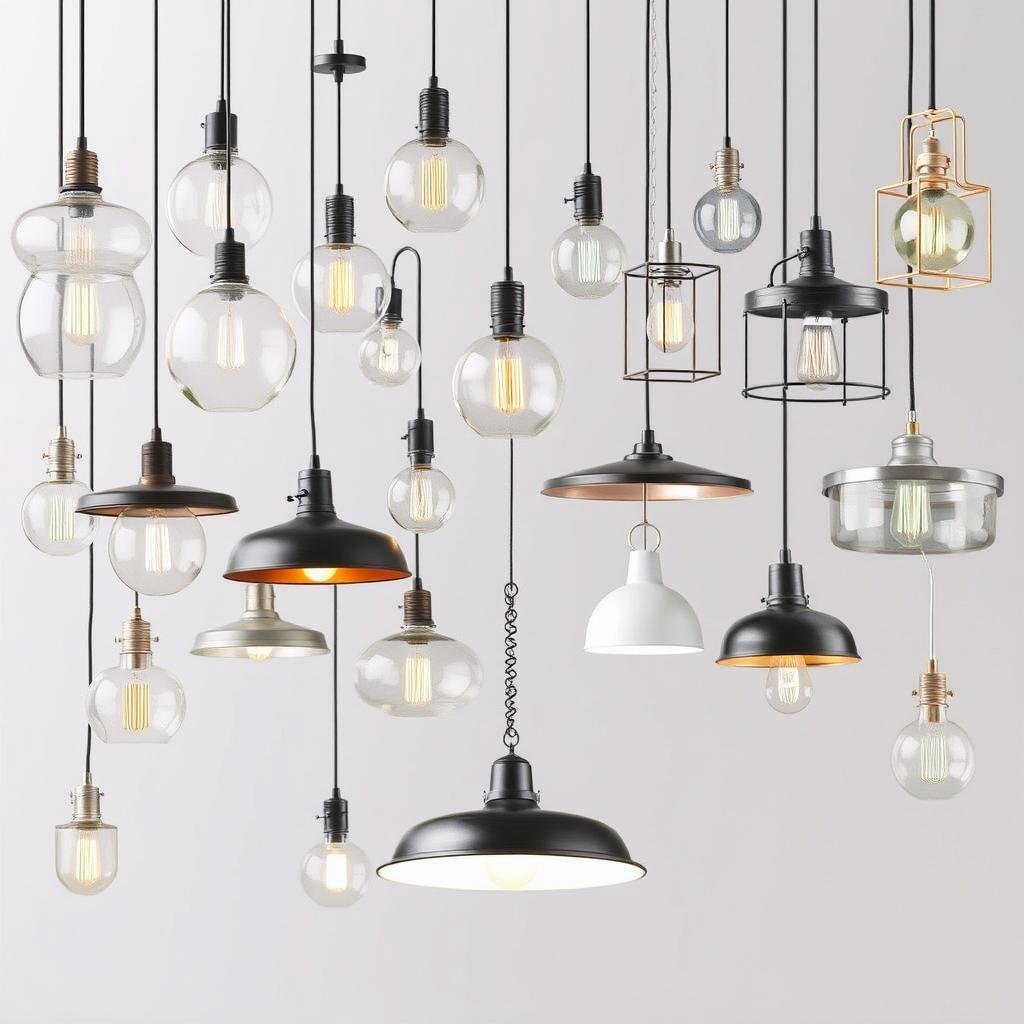
Glass pendant lights offer timeless appeal and work with nearly any kitchen style. Clear glass showcases the bulb and hardware, while frosted or colored glass diffuses light more softly. The transparency helps smaller kitchens feel more open and airy.
Metal pendants in brass, copper, or steel create bold statements in modern and industrial kitchens. These fixtures often feature geometric shapes or clean lines that complement contemporary cabinetry. The metal finish should coordinate with your cabinet hardware and faucet for a cohesive look.
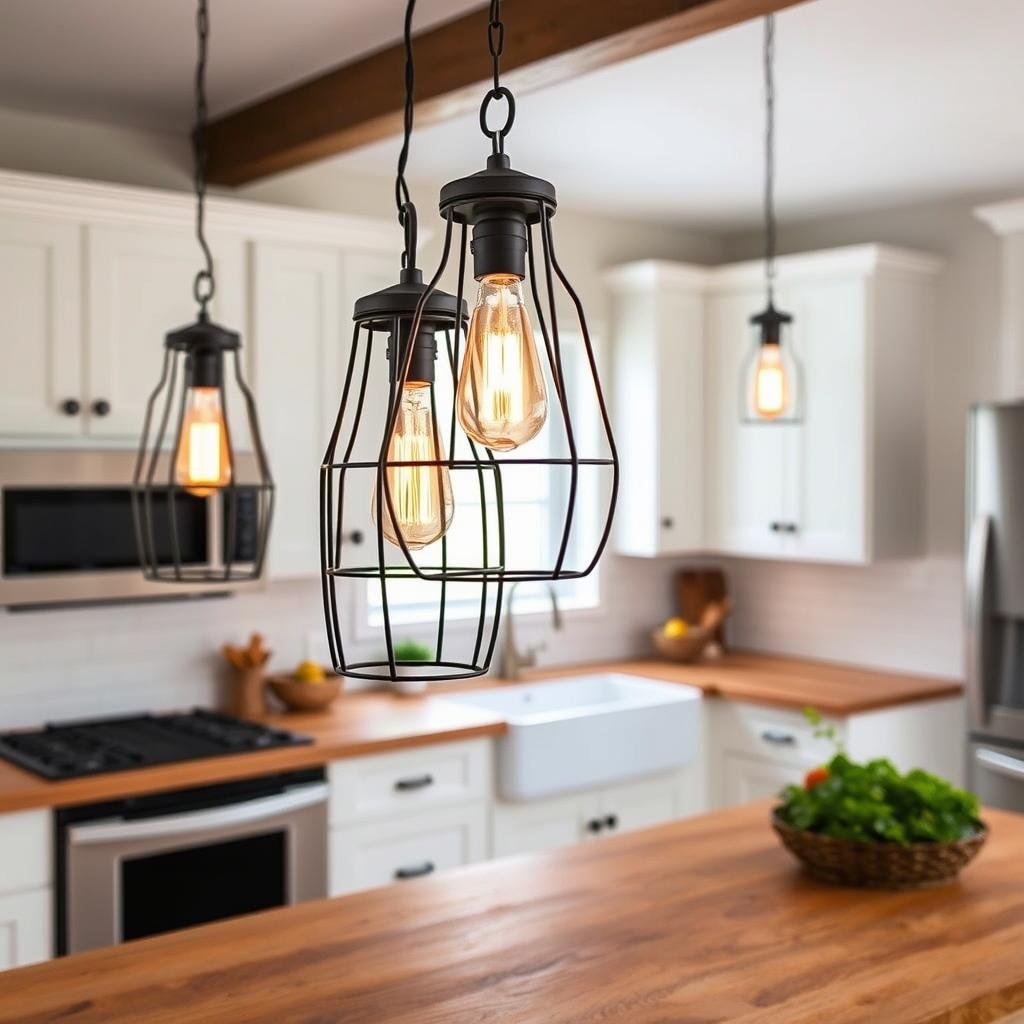
Farmhouse-style pendants bring rustic charm to traditional and transitional kitchens. These fixtures often incorporate vintage details like cage designs, barn-inspired shapes, or weathered finishes. They pair beautifully with wood cabinetry and natural stone countertops.
Mixing Pendant Styles for Visual Interest
Some designers mix different pendant styles over a single island to create an eclectic, collected look. This approach works best when the fixtures share at least one common element like finish, shape, or scale. The varied heights and designs add personality while maintaining visual harmony.
Consider your overall kitchen design when deciding whether to match or mix. Traditional kitchens typically benefit from matching pendants, while contemporary and transitional spaces can handle more variety.
Explore Pendant Light Options for Your Kitchen
Find the perfect pendant lights to illuminate your island and express your personal style. From modern glass designs to rustic farmhouse fixtures, discover options that combine beauty with function.
Under-Cabinet Lighting: Essential Task Illumination
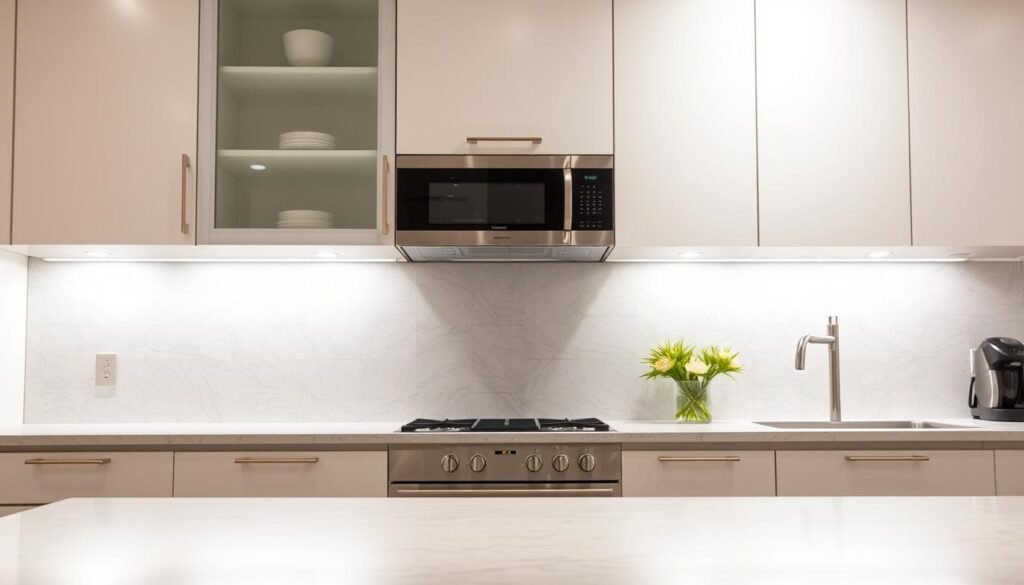
Under-cabinet lighting eliminates shadows on your countertops and makes food preparation safer and more efficient. These fixtures hide beneath your upper cabinets and direct light exactly where you work most. The right under-cabinet lighting transforms dark counters into bright, functional workspaces.
LED Strips Provide Seamless Illumination
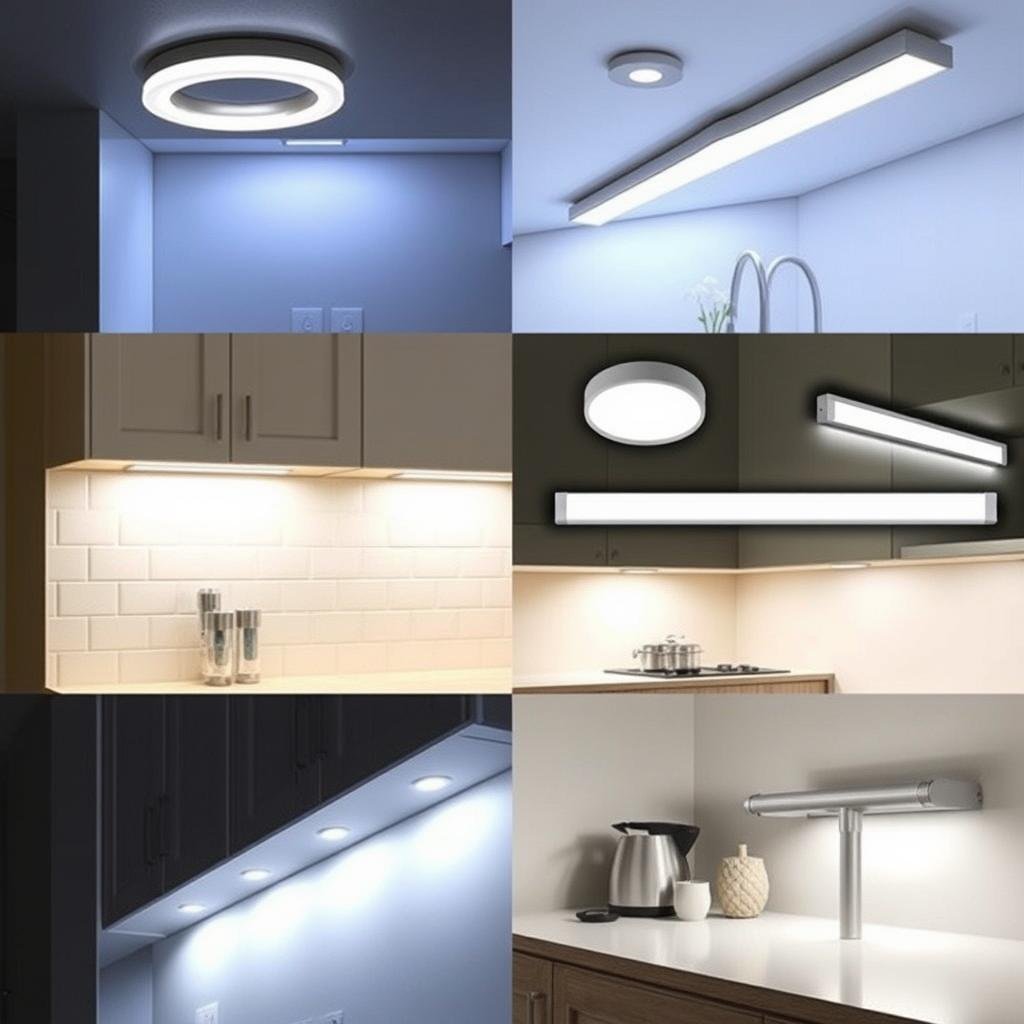
LED strip lights offer the most versatile under-cabinet lighting solution. These thin, flexible strips attach easily beneath cabinets and provide consistent illumination across your entire counter. Many LED strips come with adhesive backing that makes installation simple for any homeowner.
The color temperature of LED strips affects how your kitchen feels and functions. Warm white light creates a cozy atmosphere similar to traditional incandescent bulbs. Cool white provides crisp, bright illumination that helps you see food colors accurately while cooking.
Puck Lights Create Focused Spots
Puck lights are small, round fixtures that mount beneath cabinets at regular intervals. These disc-shaped lights create pools of illumination rather than continuous strips. Puck lights work well when you want targeted lighting over specific work areas rather than full counter coverage.
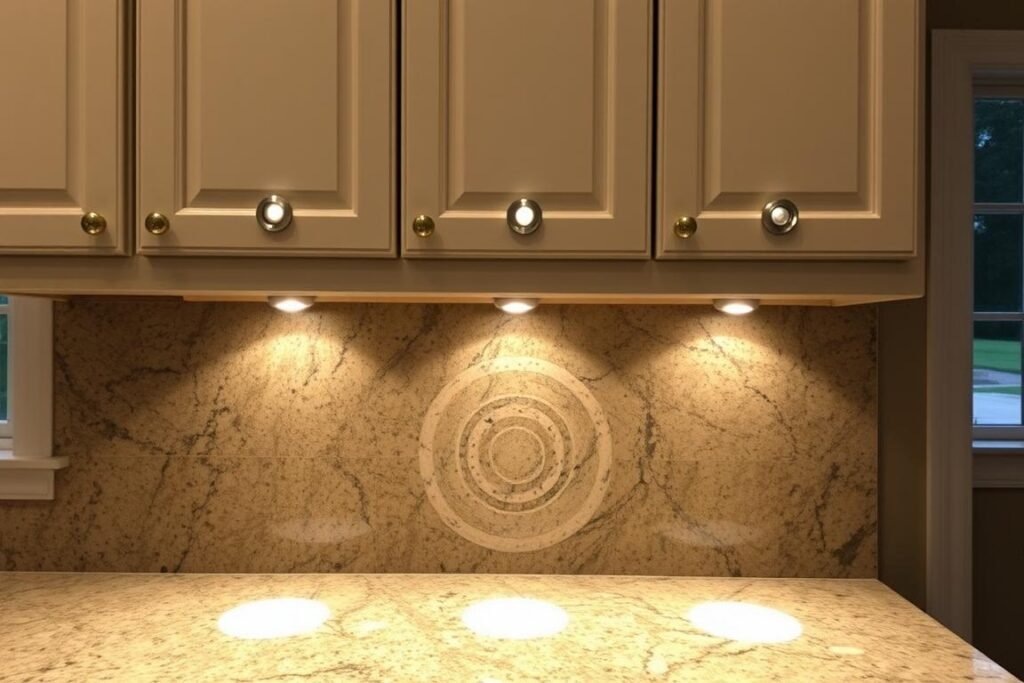
Most puck lights use halogen or LED bulbs. LED versions run cooler and last longer, making them the better choice for most kitchens. Space puck lights about twelve to eighteen inches apart to avoid dark gaps between illuminated areas.
Linear Light Bars for Modern Kitchens
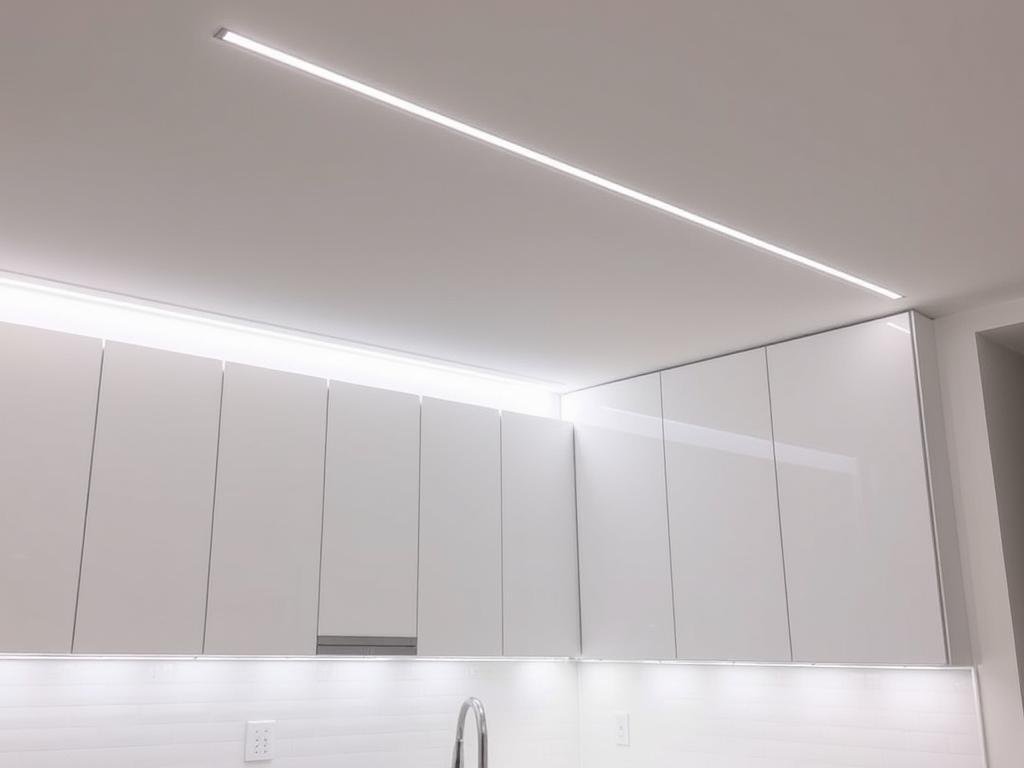
Linear light bars provide a sleeker alternative to strip lights. These rigid fixtures mount beneath cabinets in straight lines and offer a more finished appearance than flexible strips. Many feature aluminum housings that dissipate heat effectively and protect the LEDs.
Light bars come in various lengths that you can link together to span your entire counter. The connecting system allows you to customize the configuration to match your cabinet layout perfectly. Some models include dimming capabilities that let you adjust brightness throughout the day.
Chandeliers: Creating Dramatic Focal Points
A chandelier transforms your kitchen into an elegant space that rivals any formal dining room. These statement fixtures work beautifully over kitchen tables, large islands, or in open-concept areas where the kitchen flows into dining spaces. The right chandelier adds both light and luxury to your home.
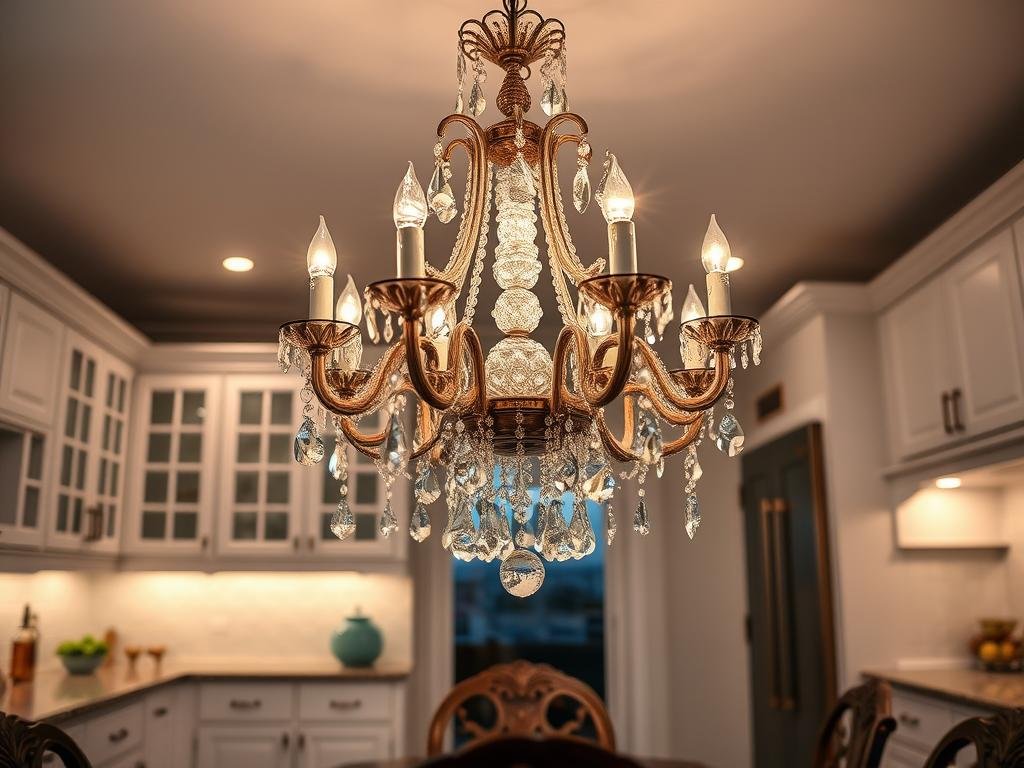
Traditional Crystal Chandeliers
Crystal chandeliers bring timeless elegance to traditional and transitional kitchens. The faceted glass catches and reflects light, creating sparkle that elevates the entire space. These fixtures work especially well in kitchens with high ceilings where they have room to make a grand statement.
Modern interpretations of crystal chandeliers often feature simpler frames with less ornate details. This updated approach suits contemporary kitchens while maintaining the glamorous appeal of crystal. The fixture becomes a bridge between classic and modern design elements.
Industrial and Farmhouse Chandelier Styles
Industrial chandeliers feature metal construction with exposed bulbs and geometric shapes. These fixtures often incorporate materials like iron, steel, or brass in dark or weathered finishes. The raw, utilitarian aesthetic complements both modern industrial kitchens and spaces with vintage character.
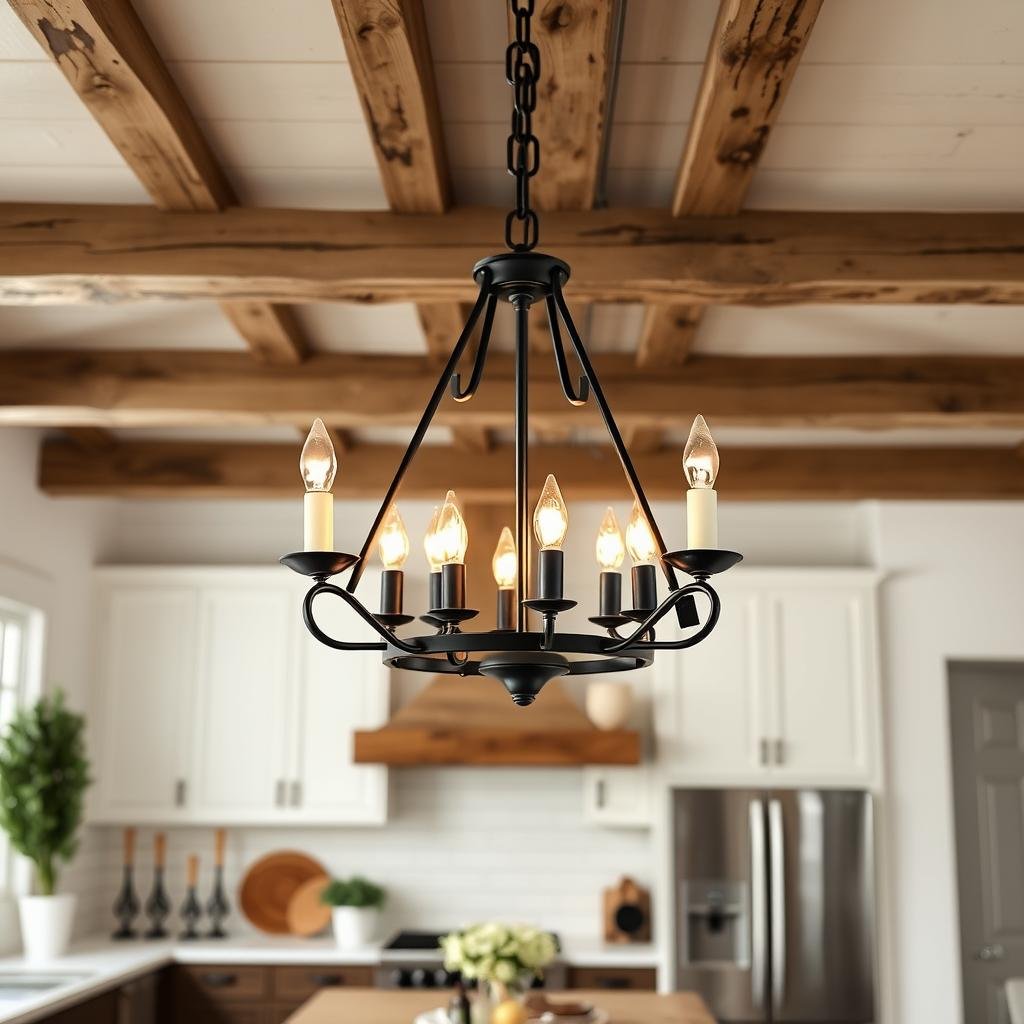
Farmhouse chandeliers embrace rustic charm with wood accents, distressed finishes, and simple candelabra designs. Many feature wagon wheel shapes, mason jar shades, or wrought iron details that reference agricultural heritage. These fixtures pair beautifully with wood tables and natural materials throughout the kitchen.
Contemporary Chandelier Designs
Contemporary chandeliers push design boundaries with unique shapes and unexpected materials. Sputnik-style fixtures with radiating arms create mid-century modern appeal. Geometric cages, oversized globes, and abstract sculptures all serve as chandelier options in modern kitchens.
The finish you choose affects how the chandelier interacts with your kitchen design. Brass and gold finishes add warmth and luxury. Chrome and polished nickel provide cool, sleek sophistication. Matte black creates dramatic contrast against light cabinetry and walls.
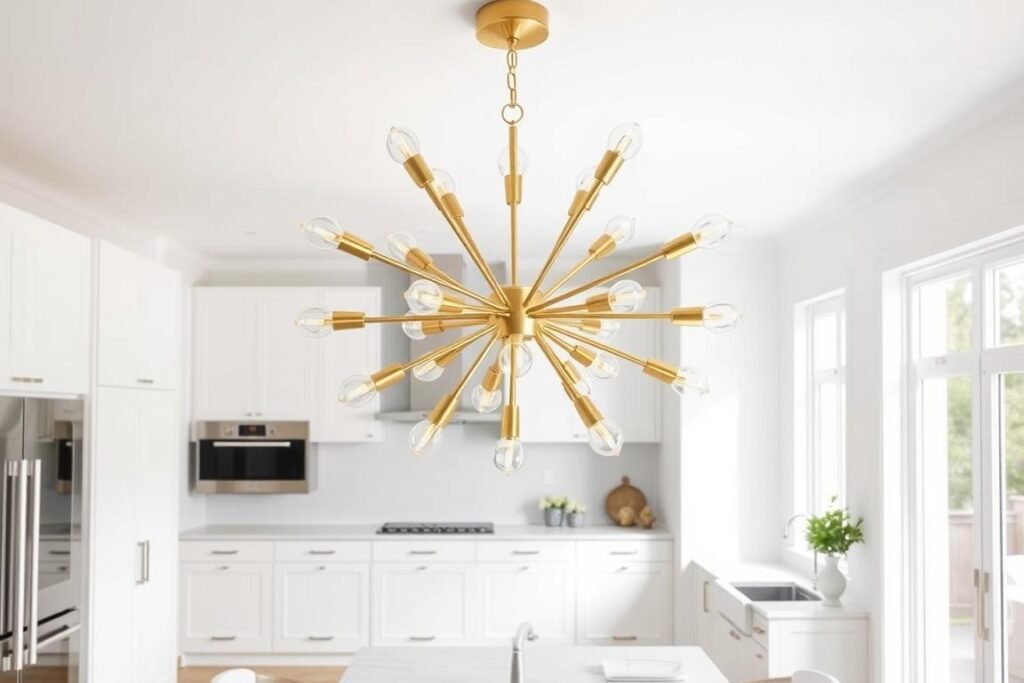
Discover Statement Lighting for Your Kitchen
Transform your kitchen with a stunning chandelier that serves as both functional lighting and artistic centerpiece. Explore styles from traditional crystal to modern geometric designs.
Recessed Lighting: Clean and Versatile Solutions
Recessed lights create smooth, uncluttered ceilings while providing excellent ambient illumination. These fixtures sit flush with your ceiling and direct light downward without visual bulk. The streamlined appearance works with any kitchen style from traditional to ultra-modern.
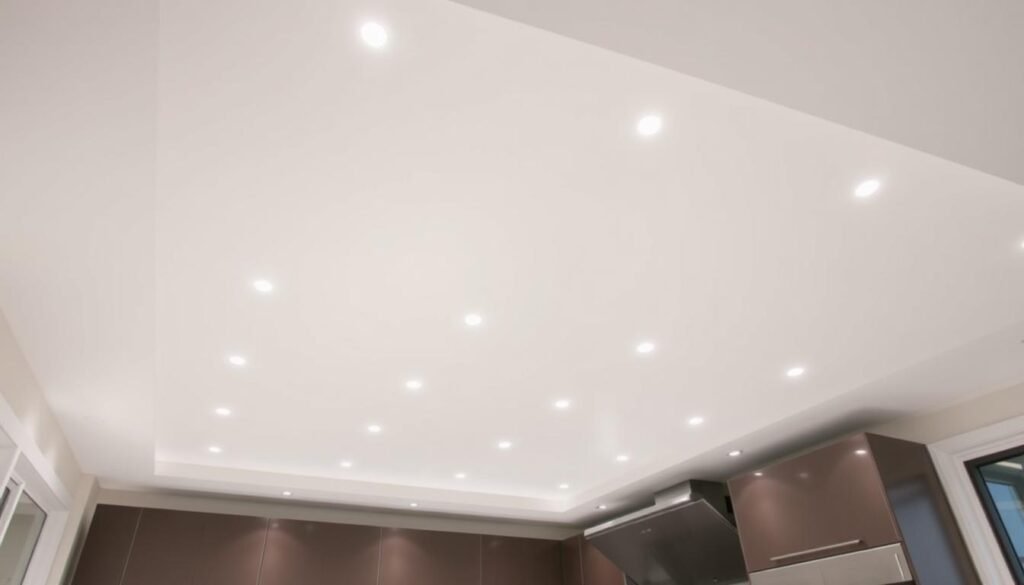
Planning Your Recessed Light Layout
Proper spacing ensures even illumination throughout your kitchen. A common guideline suggests placing recessed lights four to six feet apart in a grid pattern. The exact spacing depends on your ceiling height and the beam spread of your chosen fixtures.
Position recessed lights about eighteen to twenty-four inches from walls and cabinets. This placement prevents shadows along the perimeter and ensures light reaches your counter edges. Additional fixtures over the sink and stove provide focused task lighting in these critical work zones.
Choosing the Right Trim and Bulb Type
Recessed light trim affects both function and appearance. Baffle trim reduces glare with ribbed interior surfaces. Reflector trim maximizes light output with smooth, shiny interiors. Open trim provides a simple, clean look that suits modern kitchens.
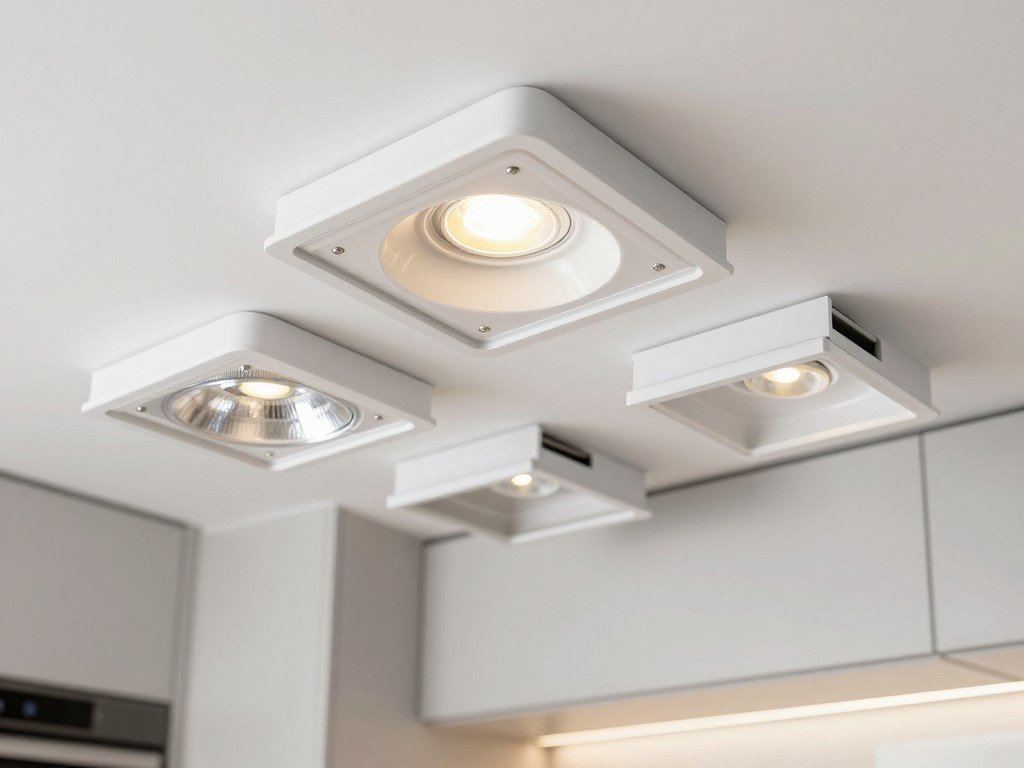
LED bulbs offer the best performance for recessed kitchen lighting. They produce minimal heat, last for years, and consume less energy than halogen alternatives. Dimmable LED bulbs give you control over brightness levels throughout the day. Choose bulbs with high Color Rendering Index values to see food colors accurately while cooking.
Adjustable and Directional Options
Adjustable recessed lights, also called eyeball or gimbal trims, let you angle the light direction. These versatile fixtures work well for highlighting specific areas or creating accent lighting effects. Point them at artwork, architectural details, or areas that need extra illumination.
Wall-wash recessed lights feature special lenses that spread light across vertical surfaces. Use these to illuminate backsplashes or create ambient glow along kitchen walls. The wide beam pattern helps eliminate harsh shadows and makes your kitchen feel larger and more open.
Flush-Mount and Semi-Flush Ceiling Fixtures
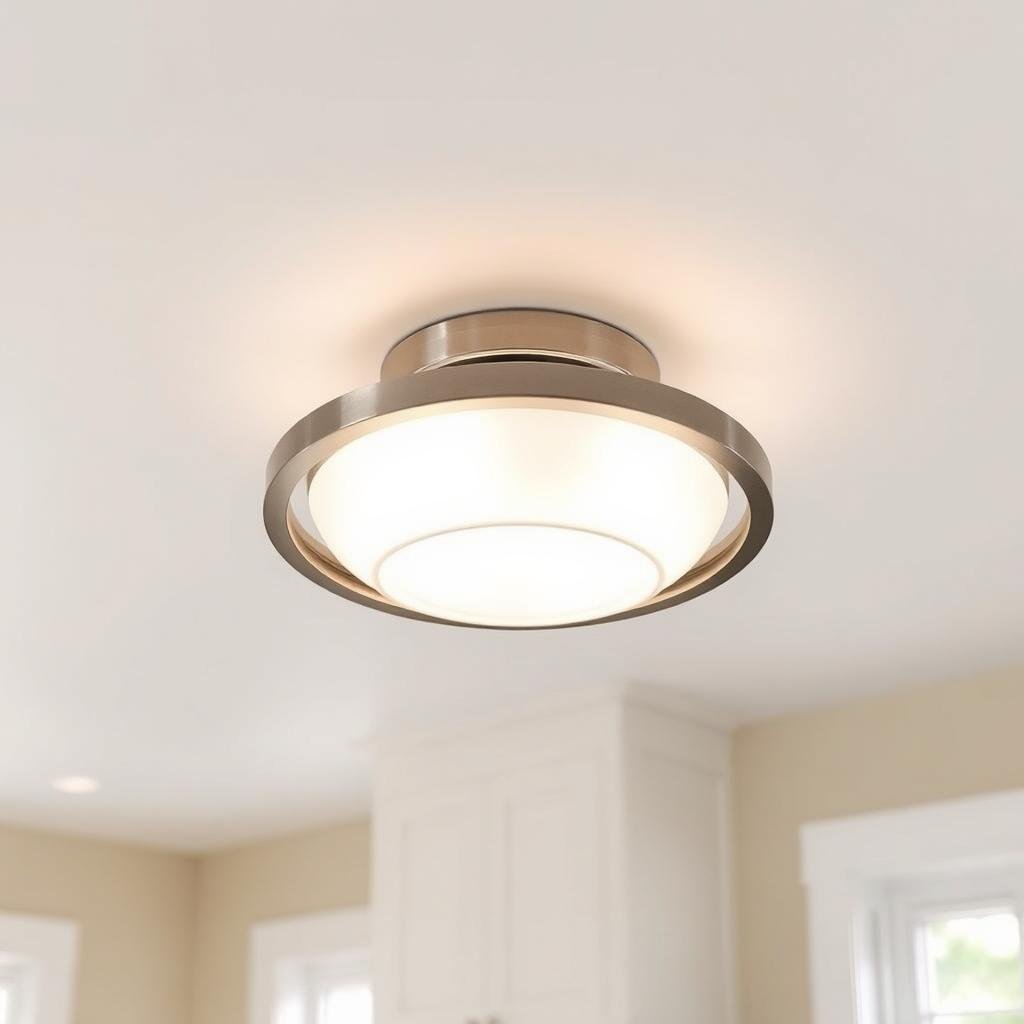
Flush-mount and semi-flush ceiling fixtures provide excellent ambient lighting in kitchens with standard or low ceilings. These fixtures attach directly to the ceiling or hang just a few inches below it. The compact design delivers substantial light without overwhelming your space or limiting headroom.
Flush-Mount Fixtures for Low Ceilings
True flush-mount fixtures sit completely against the ceiling with no gap. These lights work perfectly in kitchens with ceilings lower than eight feet where hanging fixtures would feel oppressive. Modern flush-mounts come in countless styles from simple drum shades to decorative glass designs.
The key to choosing an attractive flush-mount is finding one with interesting details when viewed from below. Look for fixtures with decorative glass patterns, unique shade shapes, or appealing trim finishes. These details catch the eye even though the fixture profile remains minimal.
Semi-Flush Fixtures Add Visual Interest
Semi-flush fixtures hang a few inches below the ceiling on a short stem or chain. This small drop creates more visual presence than a flush-mount while still working in spaces where pendants or chandeliers would hang too low. The gap also allows more light to escape upward and reflect off the ceiling.
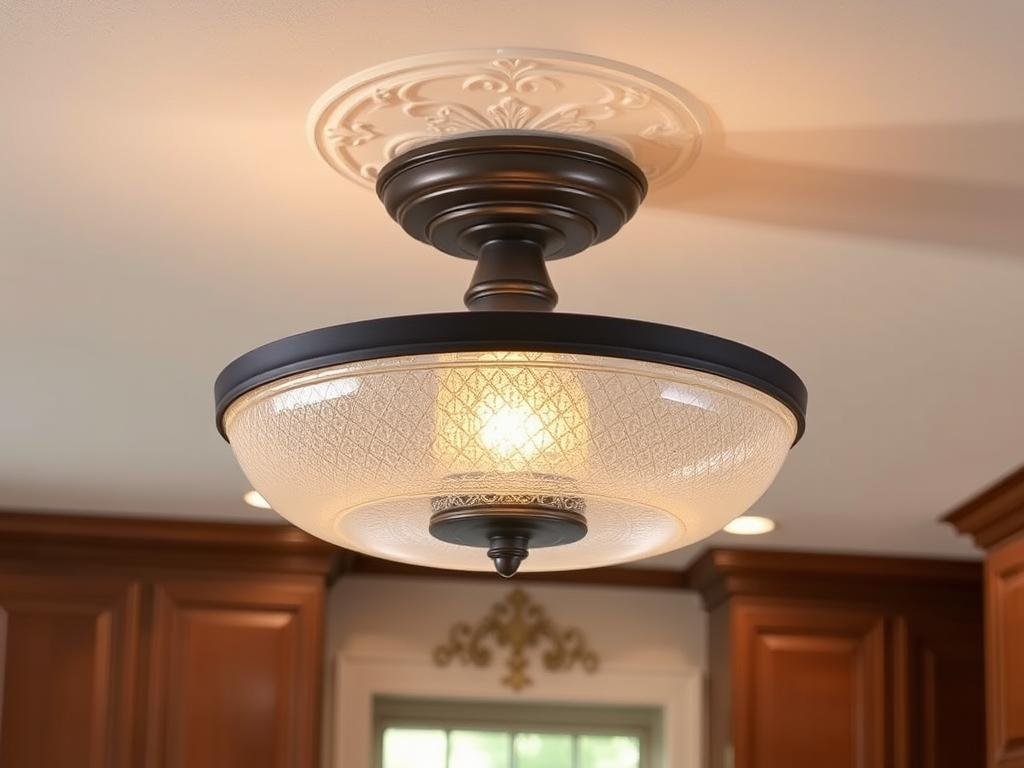
Semi-flush fixtures often feature multiple bulbs that provide brighter illumination than single-bulb flush-mounts. This makes them ideal for primary ambient lighting in medium-sized kitchens. Choose fixtures with exposed bulbs for farmhouse or industrial styles, or opt for shaded designs for traditional and contemporary looks.
Coordinating Ceiling Fixtures with Other Lighting
Your ceiling fixture sets the tone for your entire lighting scheme. Select a finish that matches or complements your pendant lights, cabinet hardware, and faucet. Consistent metal finishes create a cohesive look throughout the kitchen.
Consider how the ceiling fixture works with your other lighting layers. If you have dramatic pendants over your island, choose a more subtle flush or semi-flush fixture for general ambient light. This prevents competing focal points and maintains visual balance in your kitchen design.
Track and Rail Lighting Systems
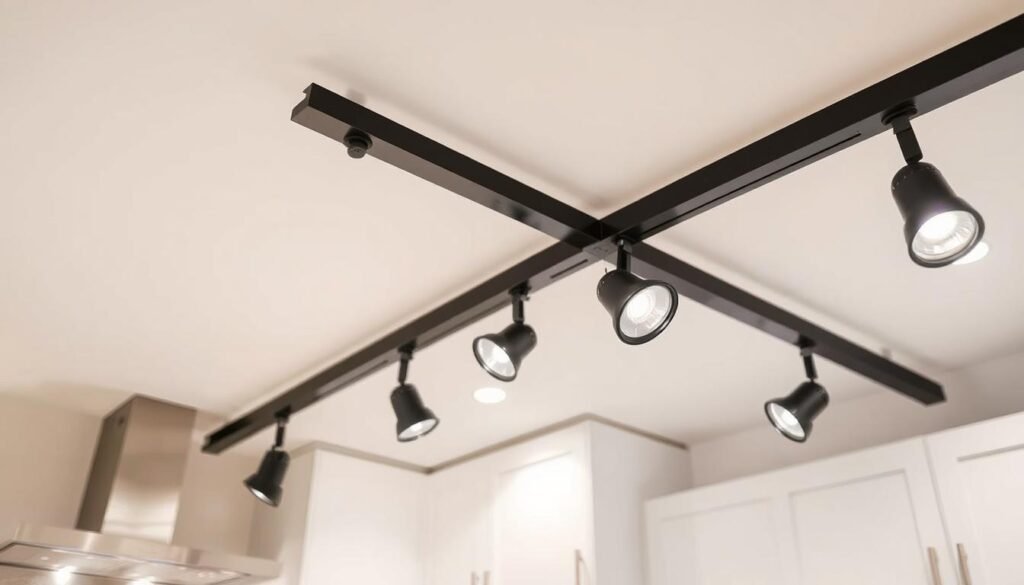
Track lighting offers ultimate flexibility for kitchens that need adjustable illumination. These systems feature multiple light heads mounted on a linear track that you can position and aim wherever needed. The adaptable design works especially well in kitchens where lighting needs change or multiple work zones require focused light.
Fixed Track Systems
Fixed track systems attach directly to your ceiling in straight or curved configurations. Each light head slides along the track and locks into position where you need it. You can angle the heads to direct light at specific areas like countertops, islands, or dining spaces.
Modern track systems use LED technology that provides bright light with minimal heat output. The heads come in various styles from sleek cylinders to decorative shades. Choose a track finish that complements your kitchen hardware for a coordinated look.
Cable and Rail Systems
Cable and rail systems suspend lights from thin cables stretched between mounting points. This approach creates an even more minimal appearance than traditional track lighting. The almost invisible cables let the light fixtures appear to float in your kitchen space.
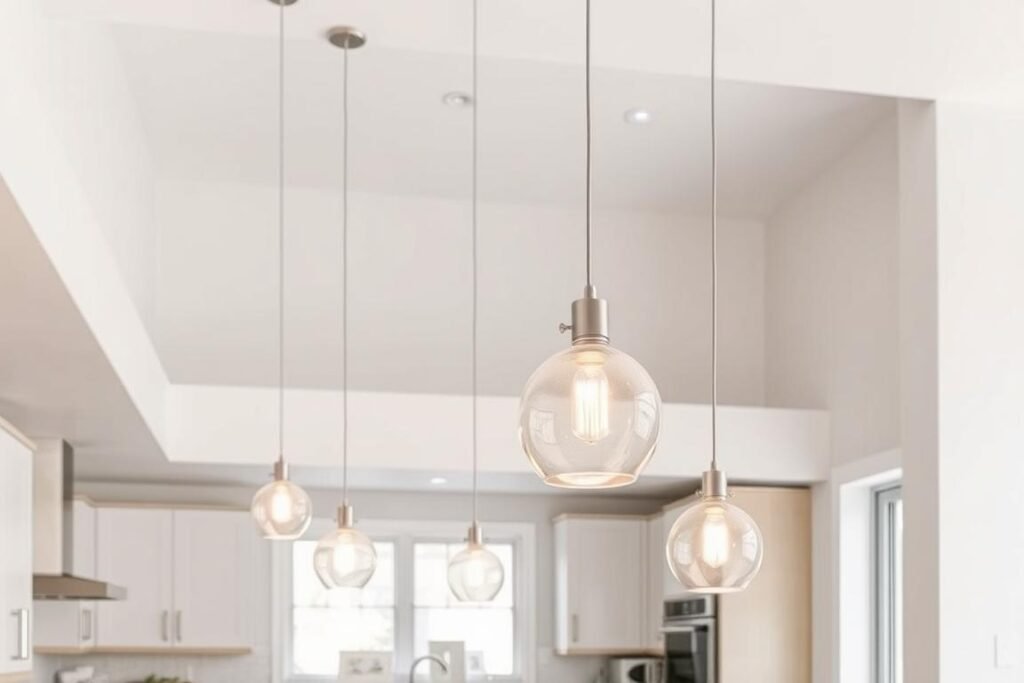
These systems work beautifully in kitchens with high or vaulted ceilings. The cables can span long distances while supporting multiple pendant fixtures at varying heights. This creates visual interest and practical task lighting throughout the space.
Monorail Flexible Track
Monorail systems use a single conductive rail that can bend into curves and custom shapes. This flexibility allows you to create unique lighting layouts that follow your kitchen’s architecture. Curve the rail around islands, along soffits, or in geometric patterns that enhance your design.
The ability to add, remove, or reposition fixtures makes monorail ideal for kitchens that serve multiple purposes. Adjust the configuration when you entertain or redirect light as your needs change over time. This adaptability extends the useful life of your lighting investment.
Find Flexible Lighting Solutions
Explore track and rail lighting systems that adapt to your kitchen’s unique layout and changing needs. Discover adjustable options for ultimate control over your kitchen illumination.
Accent Lighting Techniques for Visual Depth
Accent lighting adds the finishing touch that transforms a functional kitchen into a stunning space. These decorative lights highlight architectural features, create ambiance, and draw attention to your favorite design elements. Strategic accent lighting makes your kitchen feel more luxurious and thoughtfully designed.
Cabinet Interior Lighting
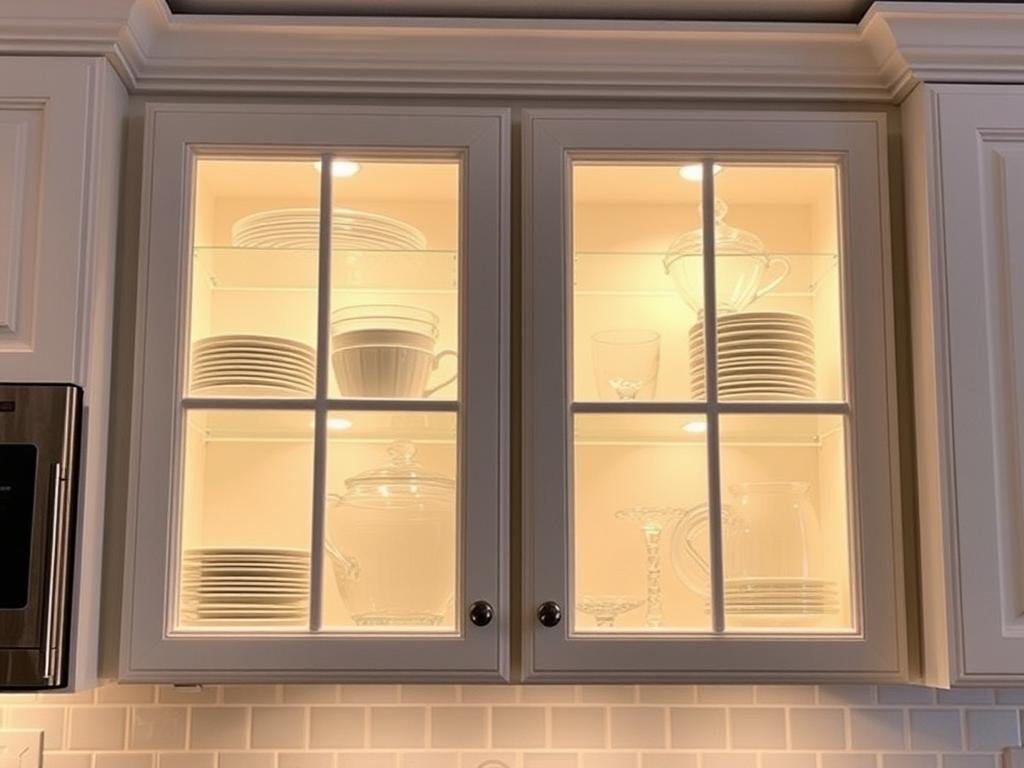
Lighting the inside of glass-front cabinets showcases your dishware and creates a warm glow in your kitchen. Small LED puck lights or strip lights attach to the cabinet top or sides and illuminate your displayed items. This subtle accent makes your cabinets look like custom furniture pieces.
Consider motion-activated or touch-sensitive switches for cabinet lighting. These convenient controls let you easily turn the lights on to find items or create ambiance during evening hours. Dimmable options allow you to adjust brightness based on time of day or mood.
Toe-Kick and Under-Cabinet Accent Lighting
Toe-kick lighting creates a floating effect that makes your cabinets appear to hover above the floor. LED strips installed along the base of your cabinets cast a soft glow downward that serves as both accent light and subtle night lighting. The effect is especially dramatic in modern and contemporary kitchens.
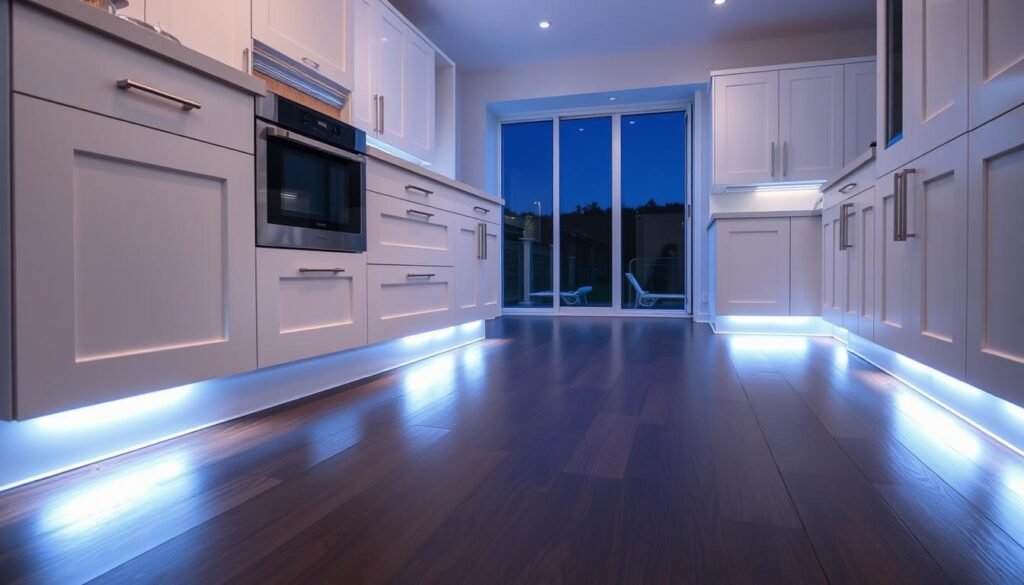
The color of your toe-kick lighting affects the overall mood. Warm white provides a soft, welcoming glow. Cool white creates a more modern, crisp appearance. Some LED systems offer color-changing capabilities that let you switch between different tones to match your preference or occasion.
Display and Shelf Lighting
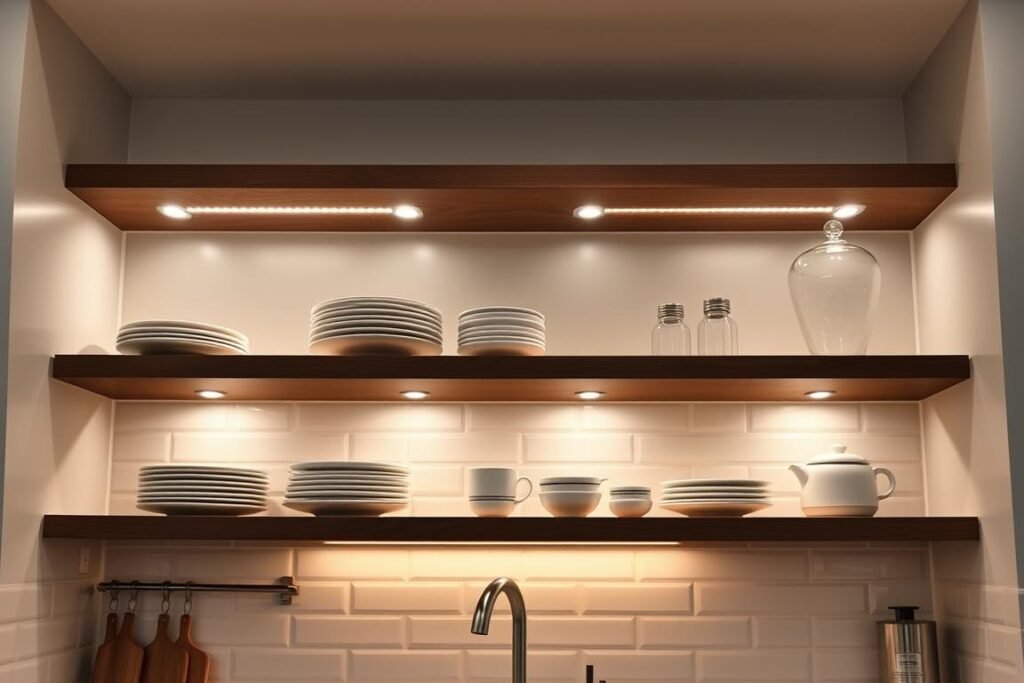
Open shelving benefits from integrated lighting that highlights your displayed items. Small linear LED lights attach beneath each shelf and shine downward on the shelf below. This creates a curated, gallery-like presentation of your cookbooks, pottery, or decorative objects.
The slim profile of modern LED shelf lights makes them nearly invisible when viewed from typical angles. The light itself becomes the focal point rather than the fixture. This clean approach suits minimalist and contemporary kitchen designs where simplicity matters.
Architectural Feature Highlighting
Use small directional spotlights to draw attention to unique architectural elements in your kitchen. Crown molding, coffered ceilings, or textured walls all benefit from carefully placed accent lights. The interplay of light and shadow adds dimension that makes these features more prominent.
Wall sconces provide both functional and decorative accent lighting near doorways, windows, or in dining areas adjacent to your kitchen. Choose sconce styles that complement your overall design while adding vertical interest to your walls. The fixtures themselves become decorative elements even when turned off.
Smart Lighting Technology for Modern Kitchens
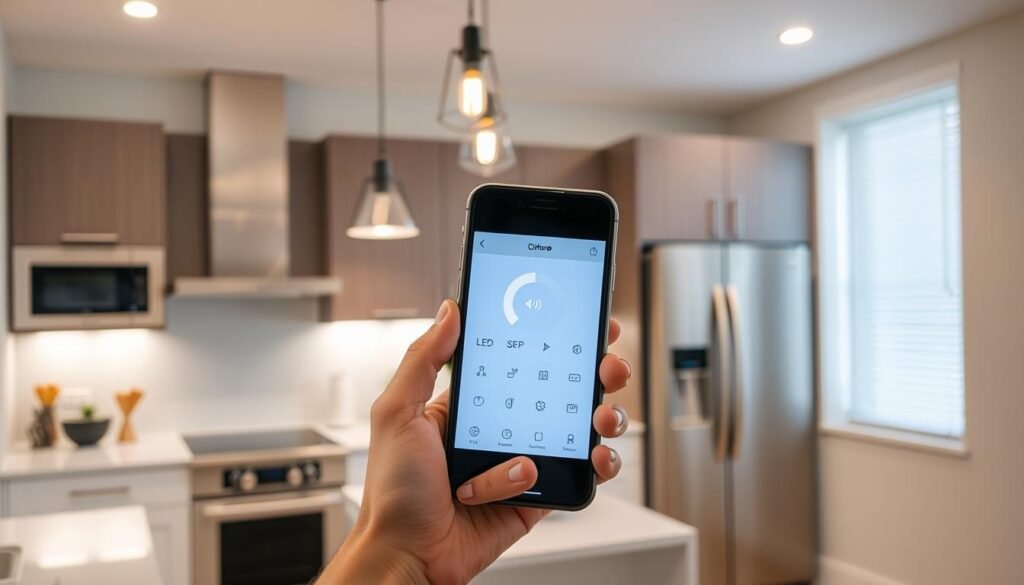
Smart lighting systems bring unprecedented control and convenience to your kitchen. These connected fixtures let you adjust brightness, change colors, set schedules, and create custom lighting scenes from your smartphone or voice commands. The technology makes your kitchen more efficient and adaptable to different activities throughout the day.
Color-Changing LED Capabilities
Smart LED bulbs and strips offer millions of color options that transform your kitchen’s mood instantly. Set warm amber tones for morning coffee, bright white for cooking, and soft blue for evening relaxation. The ability to change color temperature and hue makes one lighting system serve multiple purposes throughout the day.
Many smart lighting systems include preset scenes designed for specific activities. Select a “cooking” scene for bright, focused task lighting or an “entertaining” scene for softer, warmer ambient glow. These one-touch options eliminate the need to manually adjust multiple fixtures and switches.
Voice Control and Automation
Integration with voice assistants like Alexa, Google Assistant, or Siri makes controlling your kitchen lights effortless. Ask your smart speaker to dim the lights, change colors, or turn off all fixtures when you leave home. The hands-free control is especially convenient when cooking with messy hands.
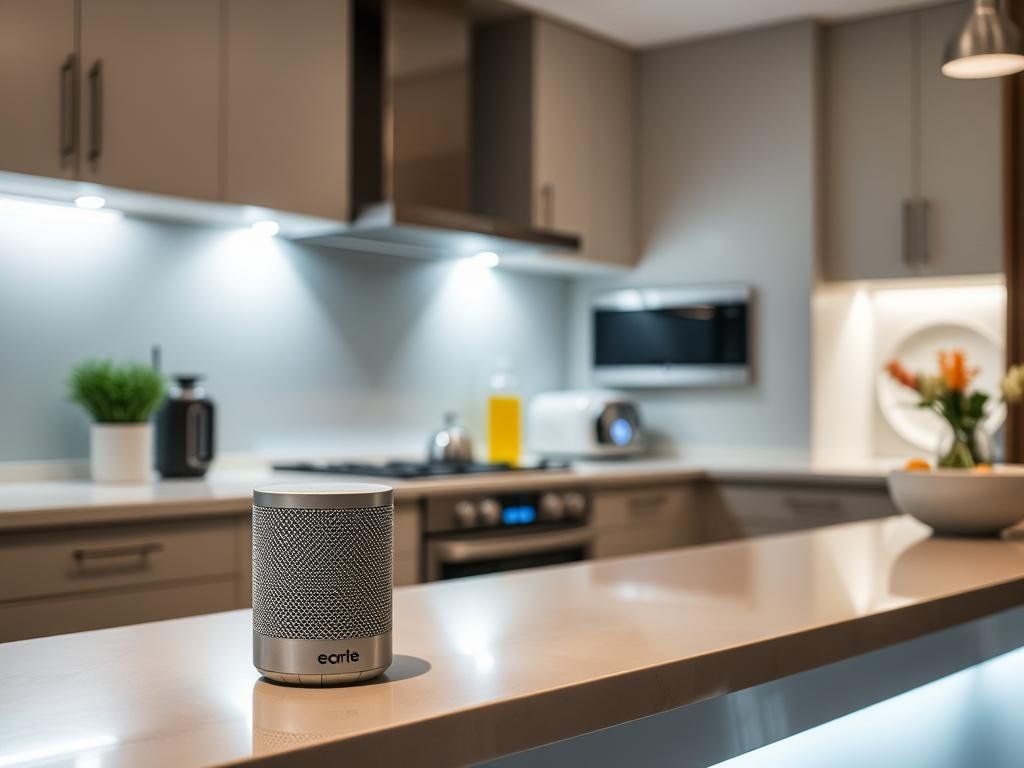
Automated schedules make your lighting work around your routine. Program lights to turn on before you wake up, brighten during cooking hours, and dim gradually in the evening. Motion sensors can trigger lights when you enter the kitchen at night, providing safety and convenience without touching a switch.
Energy Monitoring and Efficiency
Smart lighting systems often include energy monitoring features that show exactly how much electricity your kitchen lights consume. This information helps you make informed decisions about usage patterns and identify opportunities to reduce energy costs. Many systems provide insights and recommendations for optimizing efficiency.
The combination of LED technology and smart controls delivers significant energy savings compared to traditional incandescent lighting. Dimming capabilities extend bulb life while reducing electricity consumption. Automated scheduling ensures lights never stay on unnecessarily when your kitchen is empty.
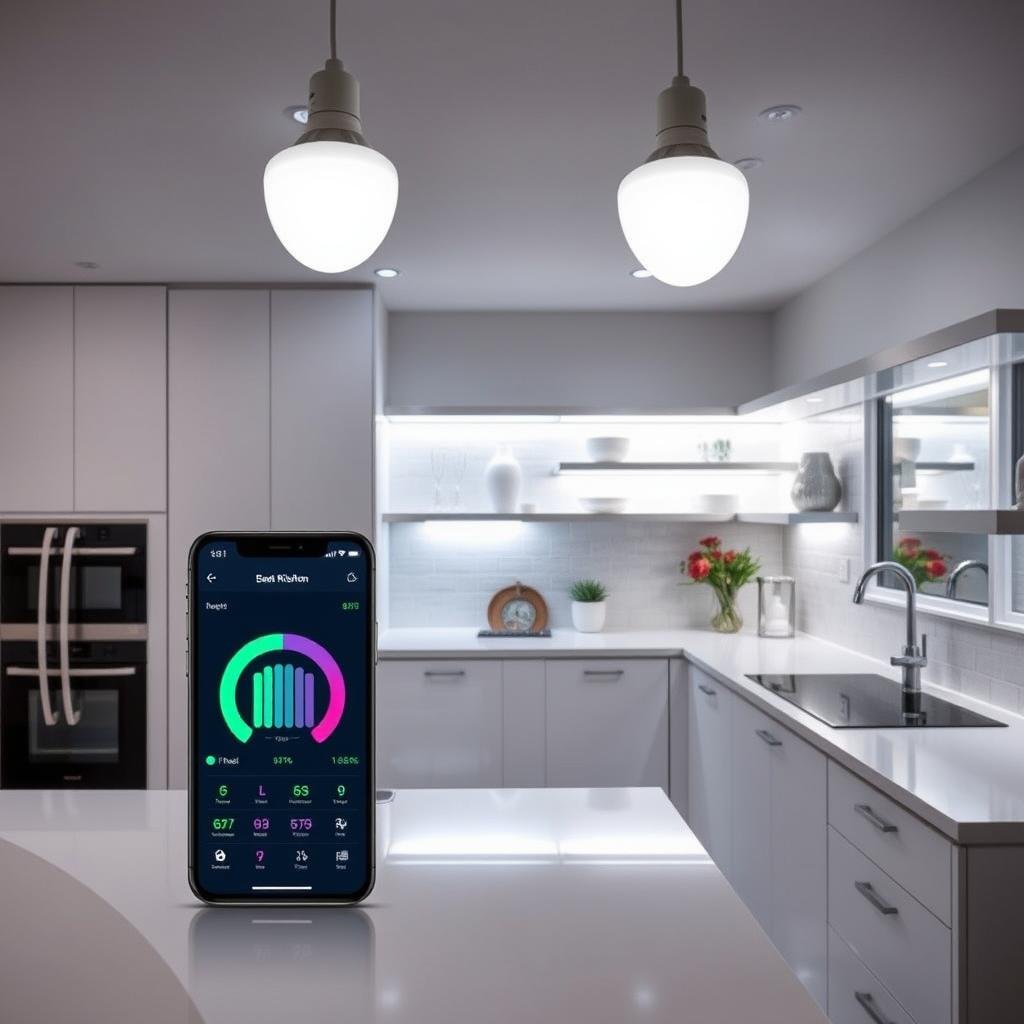
Upgrade to Smart Kitchen Lighting
Experience the convenience and efficiency of smart lighting technology. Control your kitchen’s ambiance with your voice or smartphone while saving energy and creating the perfect atmosphere for any activity.
Matching Lighting to Your Kitchen Style
Your kitchen’s overall design style should guide your lighting choices. The right fixtures enhance your aesthetic while the wrong ones can clash with your carefully planned design. Understanding how different lighting styles pair with kitchen designs helps you create a cohesive, polished look.
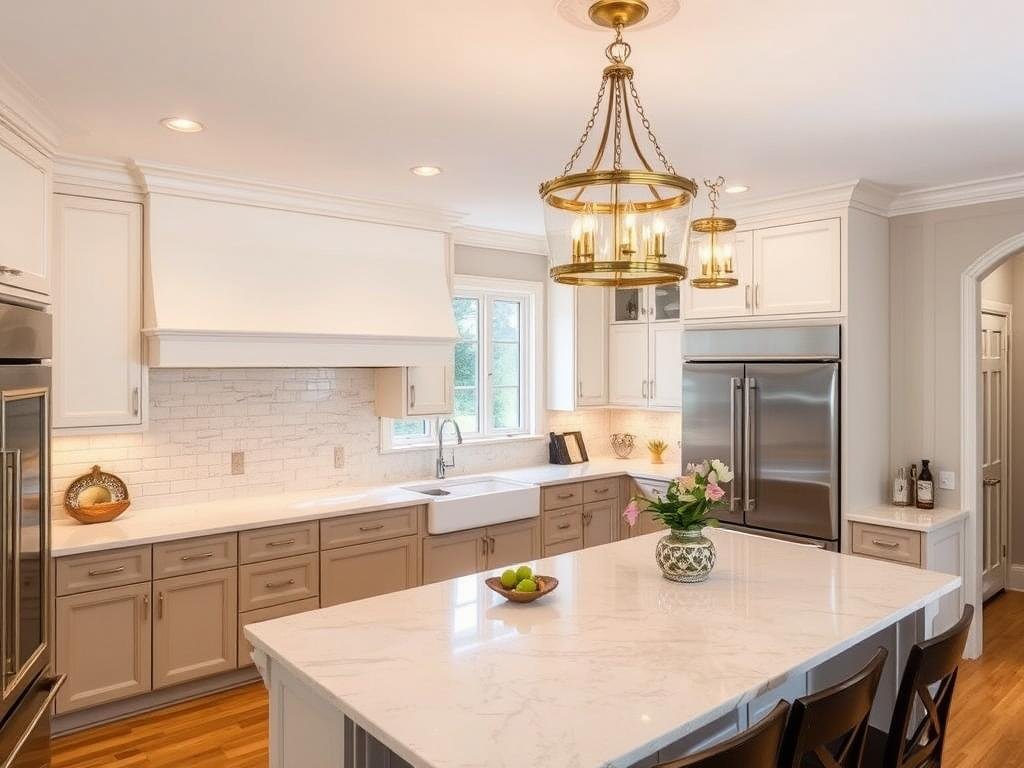
Modern and Contemporary Kitchen Lighting
Modern kitchens benefit from clean-lined fixtures with minimal ornamentation. Geometric pendant shapes, sleek recessed lighting, and chrome or brushed nickel finishes complement the streamlined aesthetic. Look for fixtures that emphasize form and function equally without unnecessary decorative details.
Contemporary lighting often incorporates mixed materials like metal and glass or wood and steel. These combinations add visual interest while maintaining the sophisticated simplicity that defines modern design. Linear LED fixtures and track systems work particularly well in contemporary spaces.
Traditional Kitchen Lighting Choices
Traditional kitchens call for lighting with classic details and warm finishes. Crystal chandeliers, ornate pendant lights, and fixtures with curved lines suit this timeless style. Brass, bronze, and antique finishes provide the warmth and richness that traditional designs require.
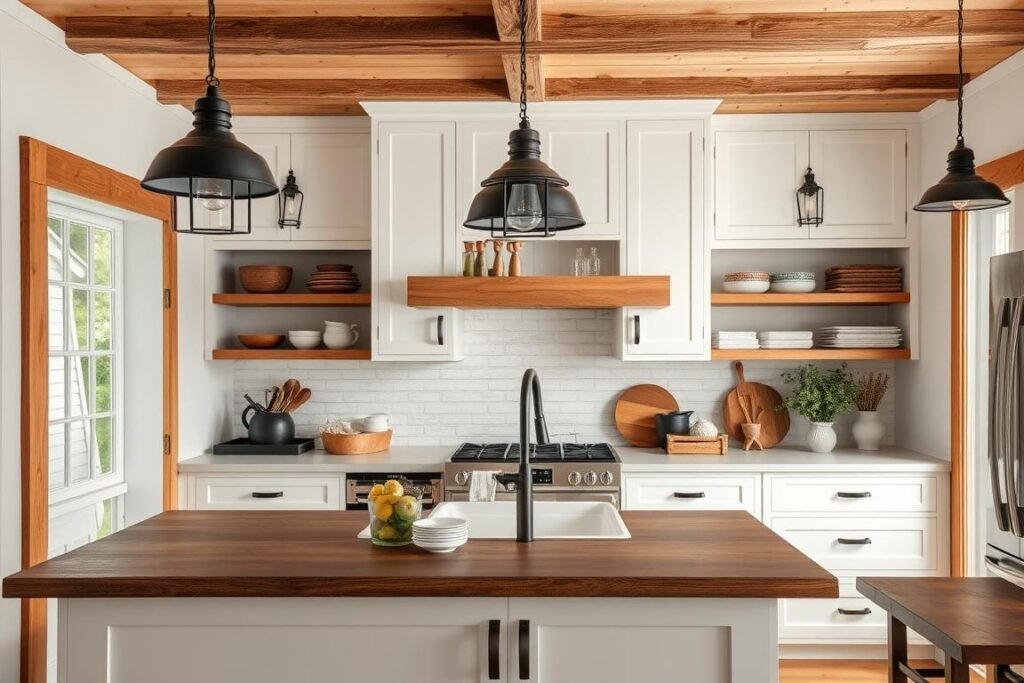
Glass shade options like seeded glass, frosted glass, or etched patterns enhance traditional fixtures without overwhelming the space. These details catch and diffuse light beautifully while adding sophisticated texture. Coordinate your lighting finishes with cabinet hardware and plumbing fixtures for a unified appearance.
Farmhouse and Rustic Lighting
Farmhouse kitchens embrace rustic charm through lighting fixtures with vintage character. Wrought iron chandeliers, galvanized metal pendants, and cage-style lights reference agricultural heritage. Wood accents and distressed finishes enhance the authentic, lived-in feel that defines farmhouse style.
Mason jar pendant lights and fixtures with Edison bulbs capture the nostalgic appeal of early twentieth-century design. These elements pair beautifully with reclaimed wood, apron-front sinks, and open shelving. The lighting becomes part of the storytelling that makes farmhouse kitchens feel warm and inviting.
Industrial Kitchen Lighting
Industrial kitchens feature raw, utilitarian lighting that celebrates exposed materials and mechanical details. Metal shades in black, galvanized steel, or aged copper create the factory-inspired aesthetic. Exposed bulbs, visible cords, and unfinished metal surfaces emphasize function over decoration.
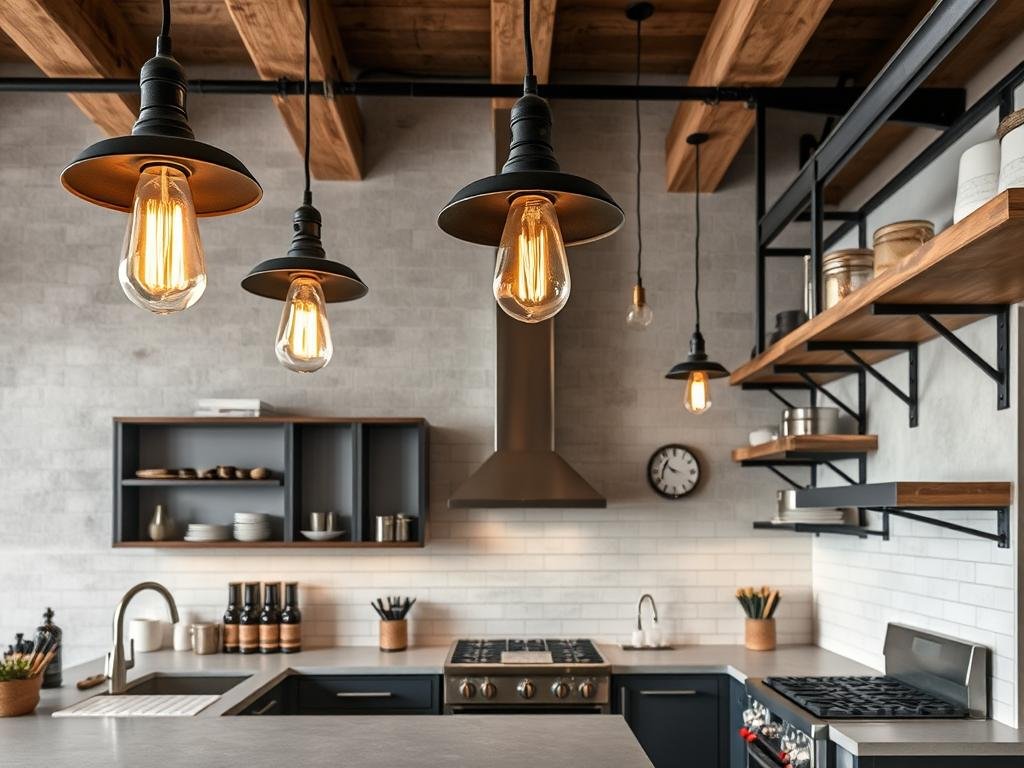
Track lighting and adjustable fixtures suit the industrial aesthetic by providing flexible, practical illumination. The mechanical adjustability aligns with the style’s emphasis on functional design. Pair these fixtures with concrete counters, subway tiles, and stainless steel appliances for authentic industrial appeal.
Maximizing Natural Light in Your Kitchen
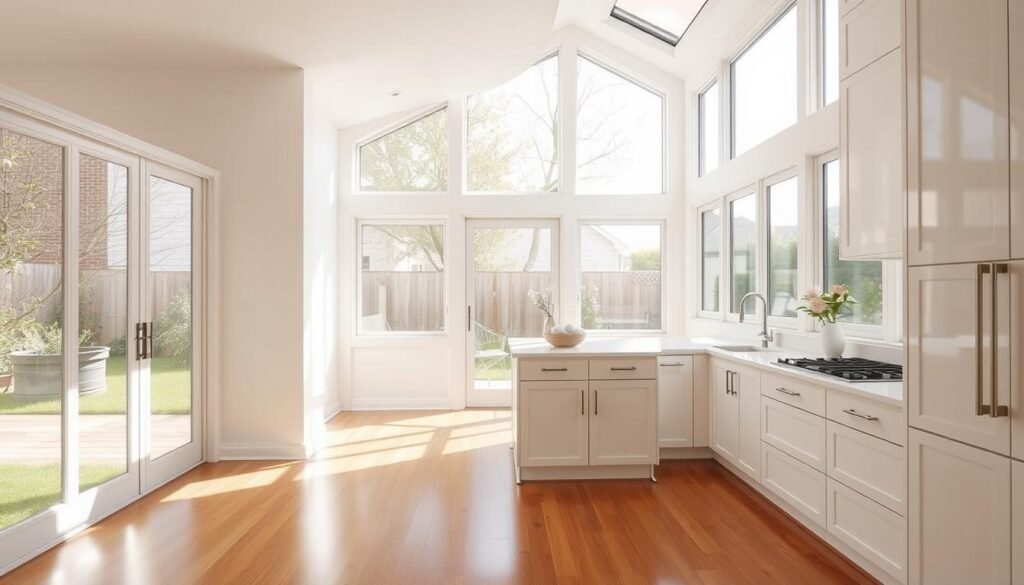
Natural light makes any kitchen feel more spacious, welcoming, and healthy. The changing quality of sunlight throughout the day creates visual interest that artificial lighting cannot replicate. Smart kitchen design maximizes natural light while incorporating artificial fixtures that complement daylight hours.
Window Treatments for Light Control
The right window treatments balance privacy, light control, and style in your kitchen. Sheer curtains filter harsh sunlight while maintaining brightness and airiness. Roman shades offer adjustable coverage that you can raise completely when maximum light is desired.
Consider the direction your windows face when selecting treatments. South-facing windows receive intense direct sunlight that may require UV-filtering shades to protect cabinetry and flooring. North-facing windows provide even, indirect light that typically needs minimal treatment beyond simple valances or bare windows.
Skylights and Light Tubes
Skylights bring natural light into kitchens where traditional windows are limited by layout or neighboring buildings. These overhead windows flood your space with daylight from above while maintaining wall space for cabinetry. Modern skylights include options for ventilation, rain sensors, and remote-controlled shades.
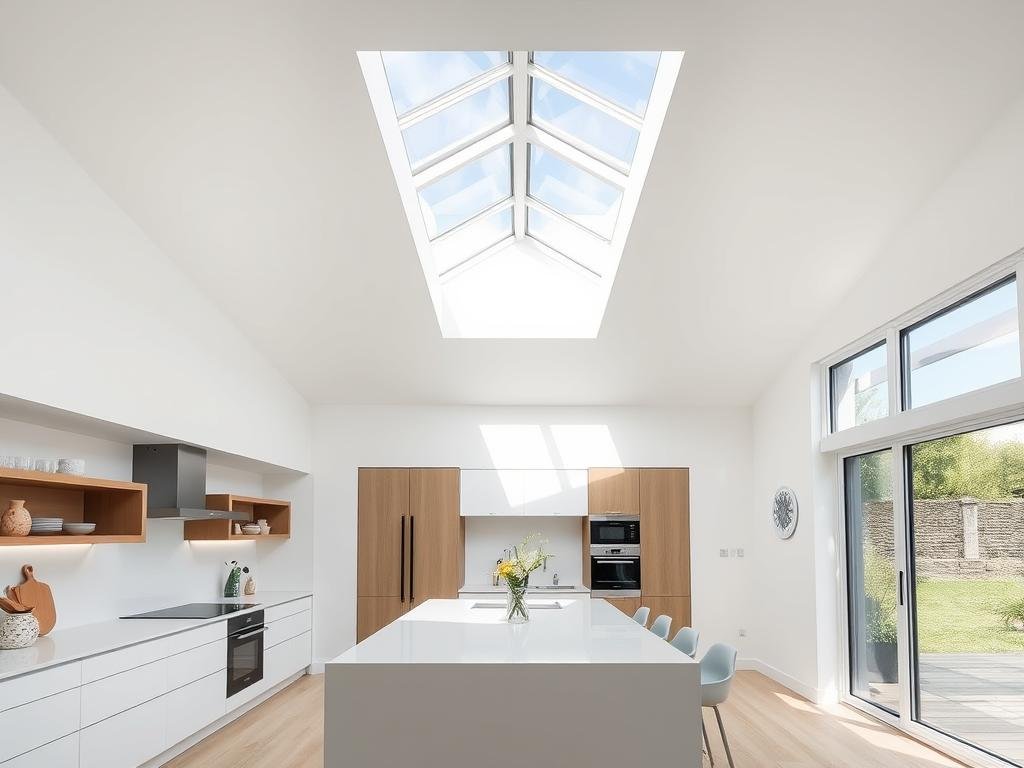
Light tubes, also called solar tubes or sun tunnels, channel daylight through reflective tubes from your roof to interior spaces. These cost-effective alternatives to traditional skylights work well in kitchens where full skylights are impractical. The diffused light they provide mimics the quality of natural north-facing window light.
Reflective Surfaces Amplify Light
Strategic use of reflective materials multiplies the natural light in your kitchen. Glass tile backsplashes bounce light around the room and create sparkle. Glossy cabinet finishes and polished stone countertops reflect light more effectively than matte surfaces.
Mirrors can dramatically increase perceived light in darker kitchens. Consider a mirror backsplash behind your stove or sink to reflect window light throughout the space. The reflective surface doubles your natural light while creating interesting visual depth.
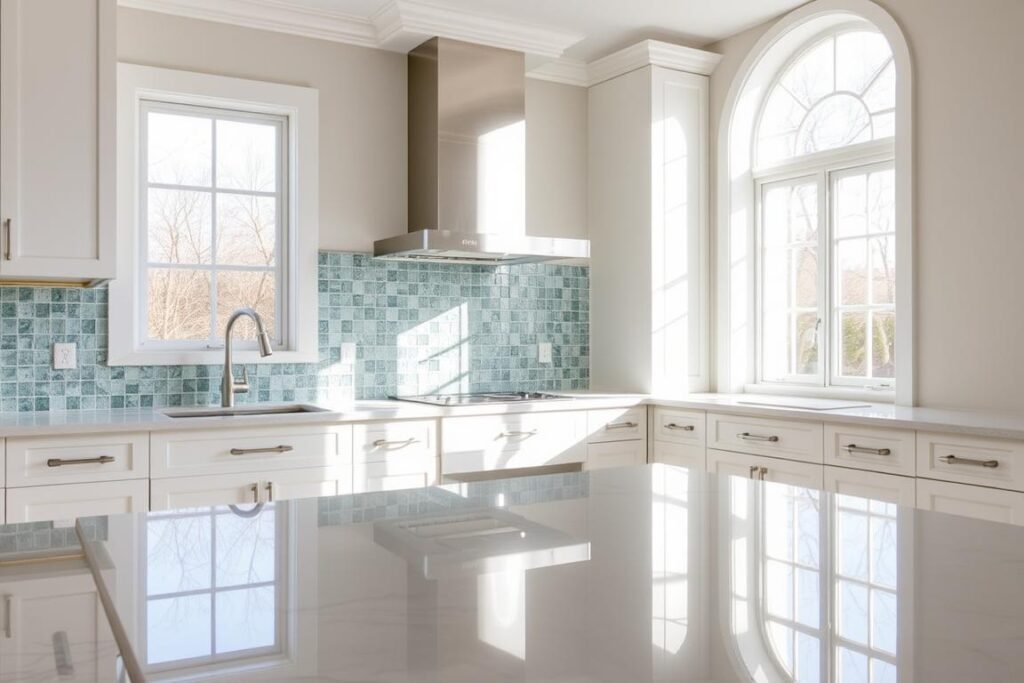
Understanding Color Temperature in Kitchen Lighting
Color temperature dramatically affects how your kitchen looks and feels. Measured in Kelvin, this characteristic determines whether light appears warm and cozy or cool and energizing. Choosing the right color temperature for each lighting layer creates the perfect atmosphere while ensuring you can see clearly for cooking tasks.
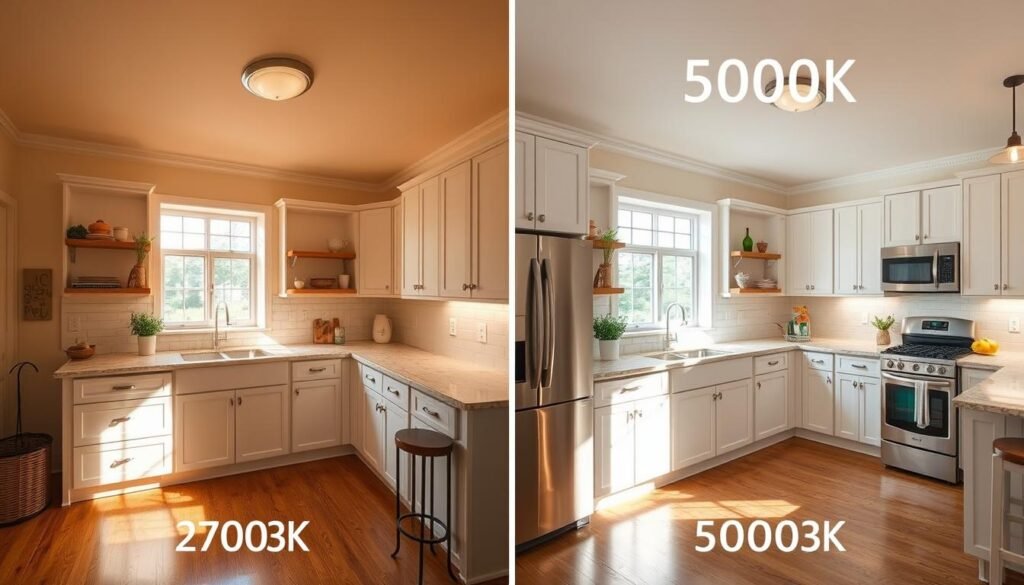
Warm White for Ambient Comfort
Warm white light in the range of two thousand seven hundred to three thousand Kelvin creates a cozy, inviting atmosphere similar to traditional incandescent bulbs. This color temperature works beautifully for ambient lighting in dining areas and general kitchen illumination during evening hours. The yellowish glow makes your kitchen feel comfortable and relaxing.
Use warm white for decorative fixtures like chandeliers and pendant lights that set your kitchen’s mood. The warm tone complements wood cabinetry, brass hardware, and traditional design elements. This temperature also makes food and skin tones appear more appealing, which enhances the dining experience.
Neutral White for Balanced Illumination
Neutral white light between three thousand five hundred and four thousand Kelvin offers a middle ground between warm and cool. This balanced temperature works well throughout your kitchen because it provides good color rendering without feeling too stark or too yellow. Many homeowners find neutral white the most versatile choice for general kitchen lighting.
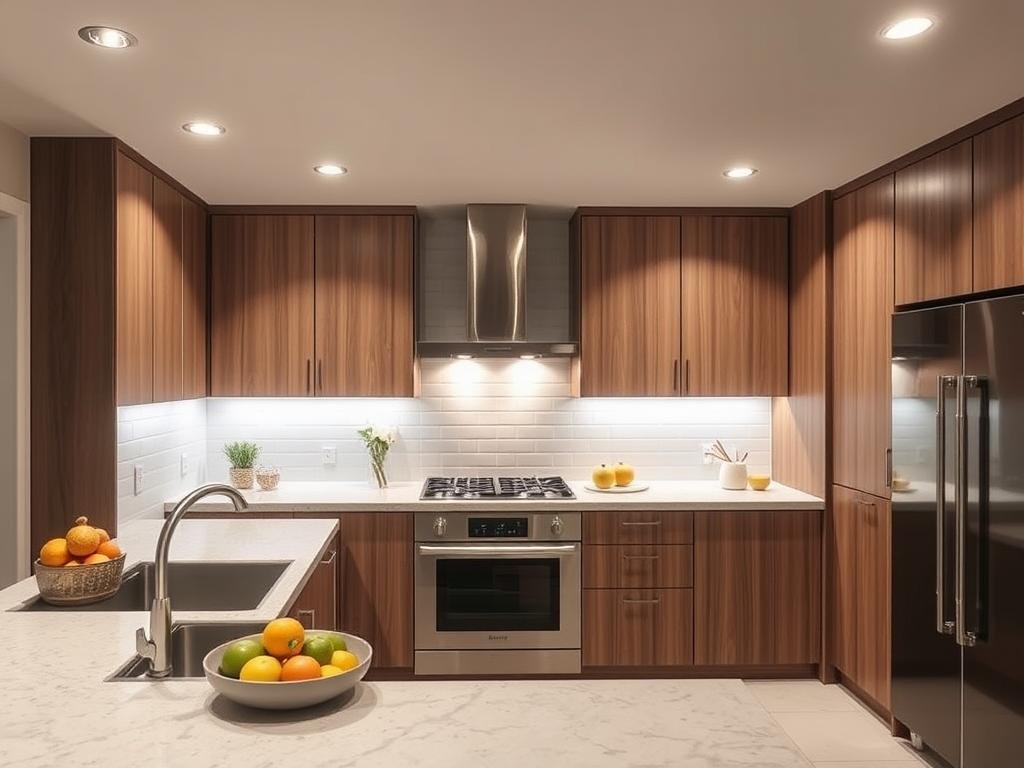
The neutral range mimics natural daylight on an overcast day. This quality makes it ideal for kitchens where you spend significant time during daylight hours. The temperature transitions smoothly between natural and artificial light as the day progresses.
Cool White for Task Precision
Cool white light from five thousand to six thousand five hundred Kelvin provides crisp, energizing illumination perfect for detailed tasks. This color temperature offers the highest color accuracy, making it ideal for under-cabinet task lighting where you prepare food. The bright white helps you see true colors when cooking and cleaning.
Cool white creates an alert, focused atmosphere that suits modern and contemporary kitchen designs. The clean, bright quality enhances white cabinetry and stainless steel appliances. However, this temperature can feel harsh if used exclusively, so balance cool task lighting with warmer ambient fixtures.
Mixing Color Temperatures Strategically
Layering different color temperatures creates depth and functionality in your kitchen. Use cool white for task lighting under cabinets and over work surfaces. Choose warm white for ambient fixtures like pendants and chandeliers. This combination provides accuracy where you need it while maintaining a welcoming overall atmosphere.
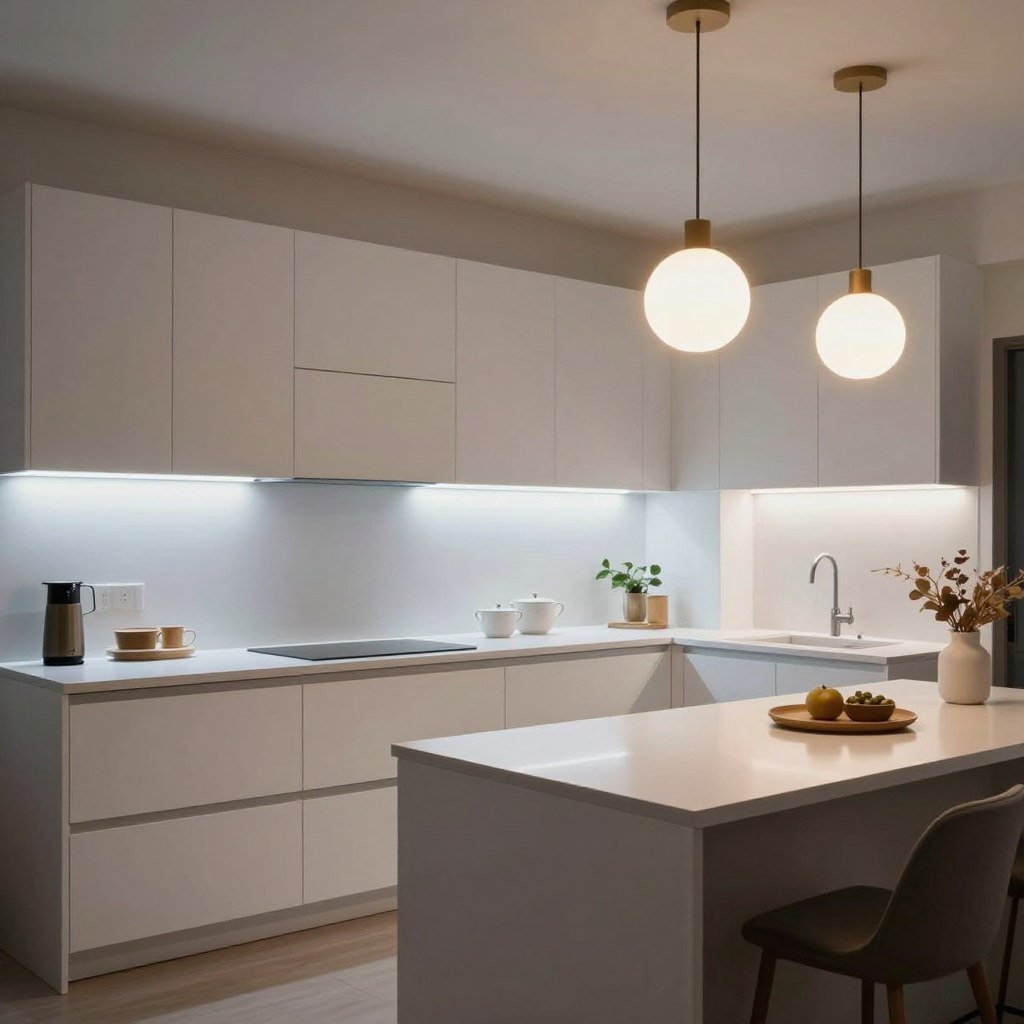
Dimmable lights allow you to adjust brightness and perceived warmth throughout the day. Bright, cool-toned light energizes your morning routine. Dimmed warm light creates a relaxing ambiance for evening meals. This flexibility makes your lighting adapt to your changing needs and activities.
Perfect Your Kitchen’s Light Quality
Discover LED bulbs and fixtures in the ideal color temperature for your kitchen’s needs. From warm ambient glow to crisp task lighting, find options that create the perfect atmosphere while ensuring visibility for all your cooking activities.
Coordinating Lighting Finishes with Kitchen Hardware
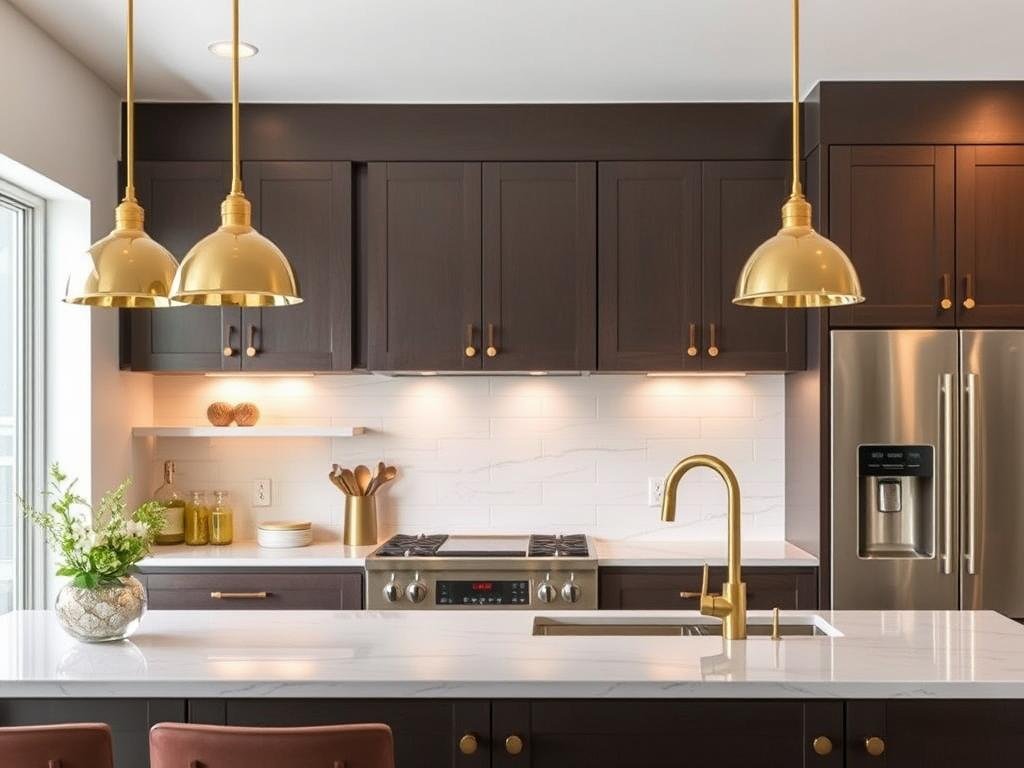
The finish of your light fixtures should harmonize with your kitchen’s other metal elements. Cabinet hardware, faucets, and appliances all contribute to your kitchen’s overall cohesion. Thoughtful finish coordination creates a polished, intentional look that elevates your entire design.
Popular Finish Options
Brushed nickel remains one of the most versatile finishes for kitchen lighting. The soft, silvery tone works with both warm and cool color schemes while hiding fingerprints and water spots better than polished chrome. This finish suits contemporary, transitional, and some traditional kitchen styles.
Brass and gold finishes have returned to popularity in recent years. These warm metals add richness and luxury to kitchen designs. Choose from polished brass for traditional elegance, brushed brass for contemporary sophistication, or aged brass for vintage character. The warm tones complement wood cabinetry and stone countertops beautifully.
Black and Oil-Rubbed Bronze
Matte black fixtures create bold, dramatic contrast in kitchens with light cabinetry and walls. This modern finish works especially well in industrial, contemporary, and farmhouse styles. Black hardware provides visual anchoring that prevents all-white kitchens from feeling too stark or sterile.
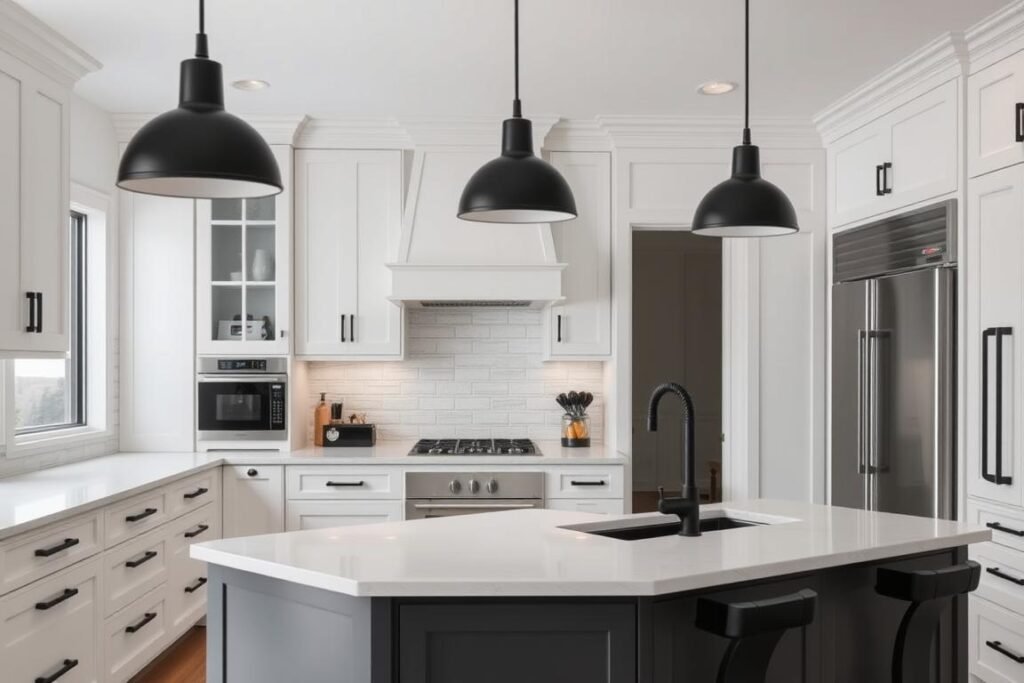
Oil-rubbed bronze offers a warmer alternative to black with subtle brown undertones and slight variations in finish. This aged appearance suits traditional, rustic, and farmhouse kitchens. The finish develops character over time as the protective coating wears in high-touch areas, creating authentic patina.
Chrome and Stainless Steel
Polished chrome delivers maximum shine and reflects light beautifully in modern and contemporary kitchens. The bright, cool finish complements stainless steel appliances and creates a sleek, professional appearance. However, chrome shows water spots and fingerprints more readily than brushed finishes.
Stainless steel finishes bridge the gap between polished and brushed metals. The material’s durability and resistance to corrosion make it practical for kitchen environments. This finish works seamlessly with stainless appliances and creates a cohesive, restaurant-inspired aesthetic.
Mixing Finishes Intentionally
While matching all finishes creates the most cohesive look, intentionally mixing metals can add visual interest to your kitchen. A successful approach combines finishes from the same temperature family. Pair warm metals like brass and bronze together, or combine cool tones like chrome and brushed nickel.
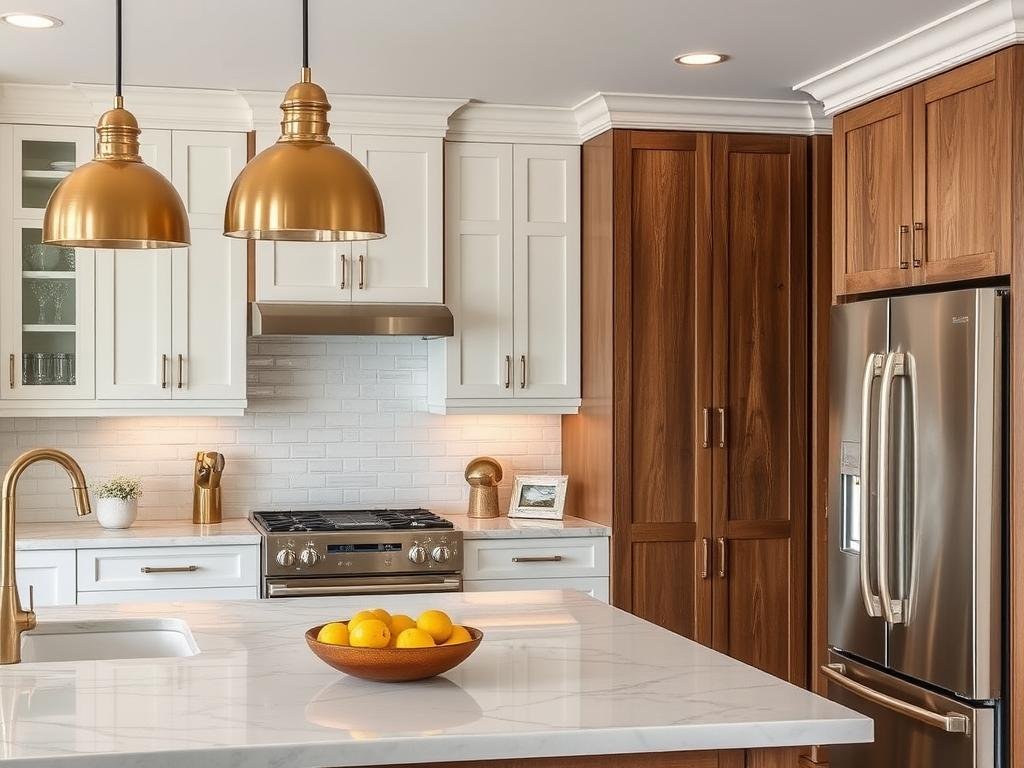
Limit your kitchen to two or three finish types to maintain visual order. Too many different metals create chaos rather than interest. Distribute each finish throughout the space rather than isolating all fixtures of one type in a single area. This repetition creates rhythm and intentionality in your design.
Dimmer Switches and Lighting Controls
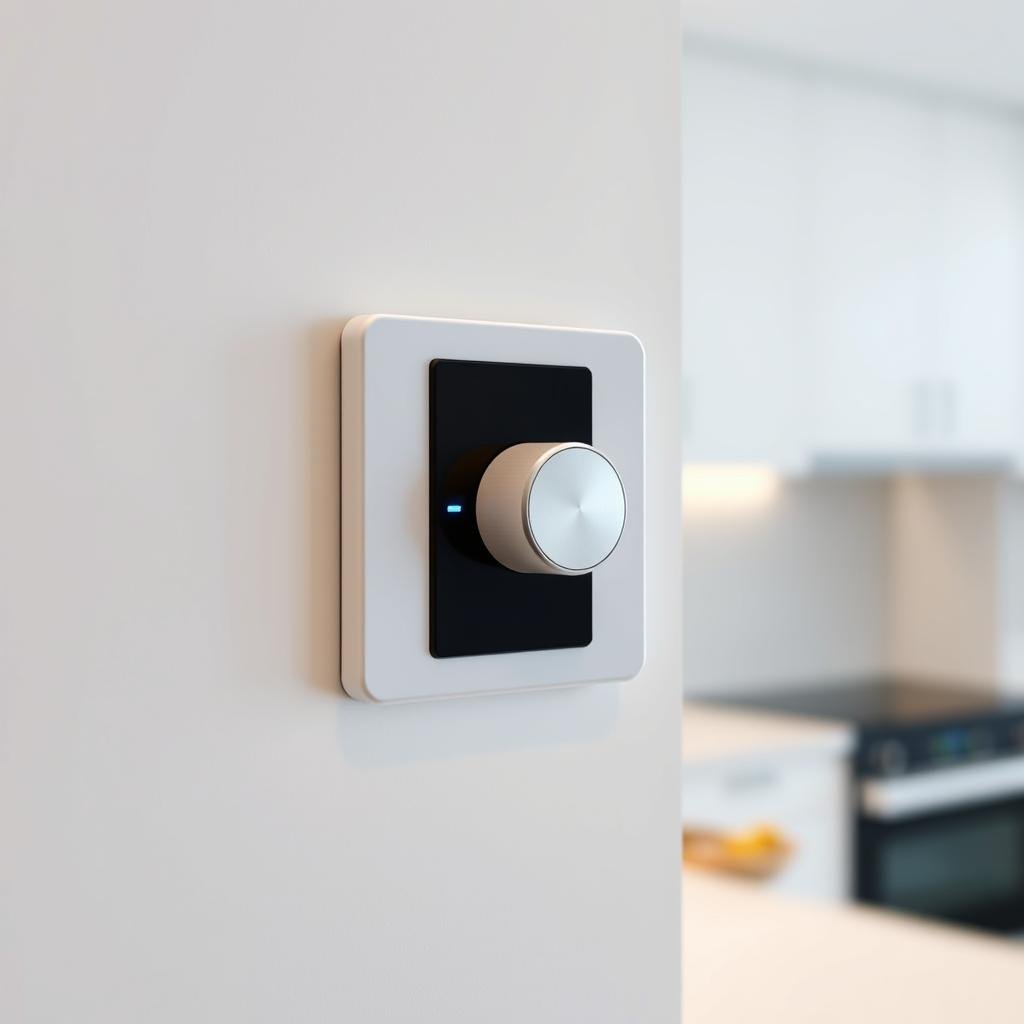
Dimmer switches transform your kitchen lighting from purely functional to truly adaptable. The ability to adjust brightness levels makes your lighting work for different activities and times of day. Proper dimming controls extend bulb life, save energy, and create the perfect ambiance for any occasion.
Types of Dimmer Switches
Rotary dimmers use a dial that you turn to adjust brightness. These traditional controls are straightforward and affordable. Modern versions include push-on/push-off functionality combined with rotary dimming, offering convenience and familiarity in a compact design.
Slider dimmers feature a vertical track with a control that slides up for brighter light and down for dimmer illumination. These intuitive switches provide precise control and often include a separate on/off button. The sliding action feels natural and allows for exact brightness adjustment.
Touchpad dimmers offer the most modern approach with buttons for preset light levels and raise/lower controls. These sophisticated switches remember your preferred brightness settings and allow for programmed scenes. Some models include night-light features that provide subtle illumination for safety.
Smart Dimmer Options
Smart dimmers connect to your home’s Wi-Fi network and integrate with voice assistants and smartphone apps. Control your kitchen lighting from anywhere, set automated schedules, and create custom scenes for different activities. These advanced controls offer unprecedented convenience and energy management.
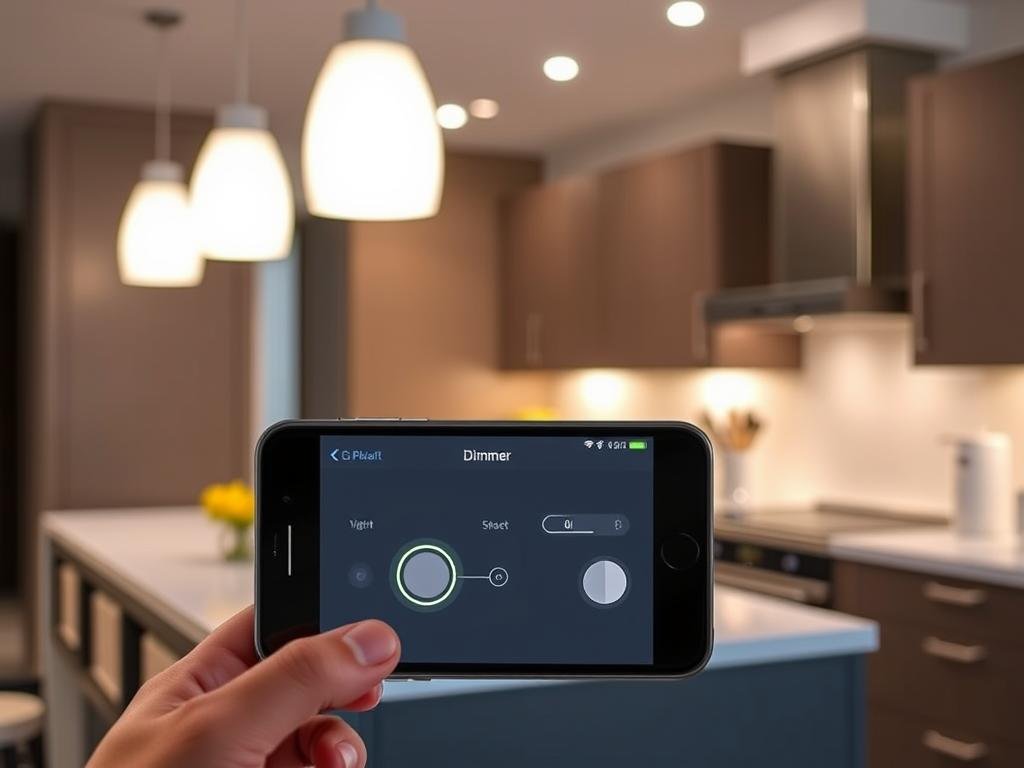
Motion-sensing dimmers automatically adjust lighting based on occupancy and ambient light levels. These energy-efficient controls ensure your kitchen lights operate only when needed. The sensitivity adjusts to prevent false triggers while providing reliable automatic operation during normal use.
Compatibility Considerations
Not all light bulbs work with every dimmer switch. LED bulbs require LED-compatible dimmers to prevent flickering, buzzing, or limited dimming range. Check your bulb packaging for dimmer compatibility information before purchasing switches. Mismatched components create frustrating performance issues.
The total wattage of bulbs controlled by a single dimmer must not exceed the switch’s rated capacity. Calculate the combined wattage of all fixtures on the circuit and select a dimmer rated for at least that load. Oversized dimmers handle the load safely and often provide smoother dimming performance.
Energy-Efficient Kitchen Lighting Solutions
Energy-efficient lighting reduces your electricity bills while minimizing environmental impact. Modern LED technology delivers exceptional light quality that rivals or exceeds traditional incandescent bulbs while using a fraction of the energy. Smart choices in kitchen lighting create long-term savings without sacrificing performance or aesthetics.
LED Technology Advantages
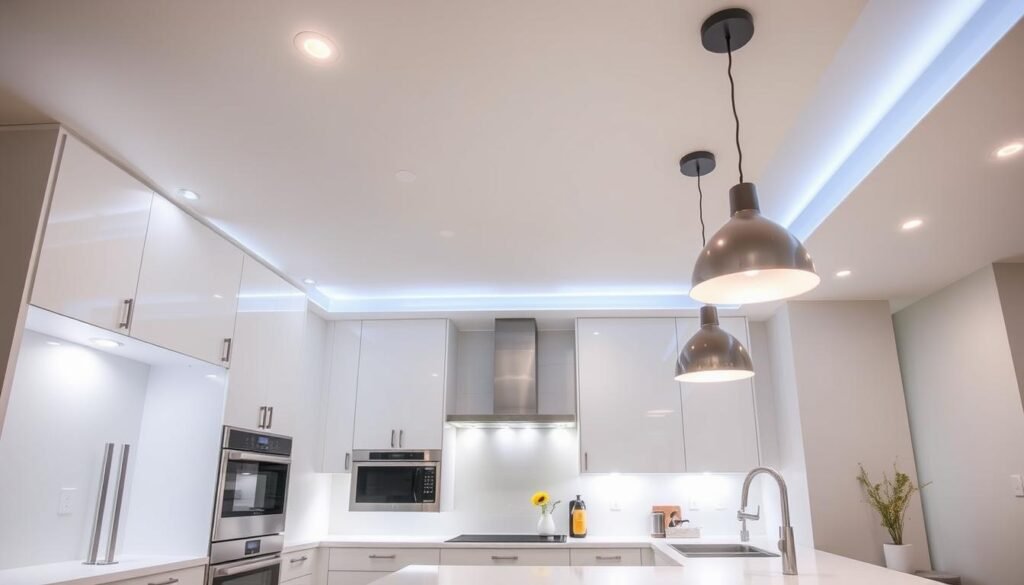
LED bulbs use approximately seventy-five percent less energy than incandescent alternatives while lasting twenty-five times longer. This combination of efficiency and longevity makes LED the clear choice for kitchen lighting. The technology has matured to provide excellent color rendering and a wide range of color temperatures.
Unlike compact fluorescent bulbs, LEDs contain no mercury and reach full brightness instantly without warm-up time. They generate minimal heat, which reduces cooling costs and makes them safe for enclosed fixtures. The solid-state construction withstands vibration and impact better than fragile filament or fluorescent bulbs.
ENERGY STAR Certified Fixtures
ENERGY STAR certification ensures light fixtures meet strict efficiency and quality standards. These certified products use less energy, produce less heat, and last longer than standard fixtures. The certification also guarantees light output, color quality, and distribution meet specific performance criteria.
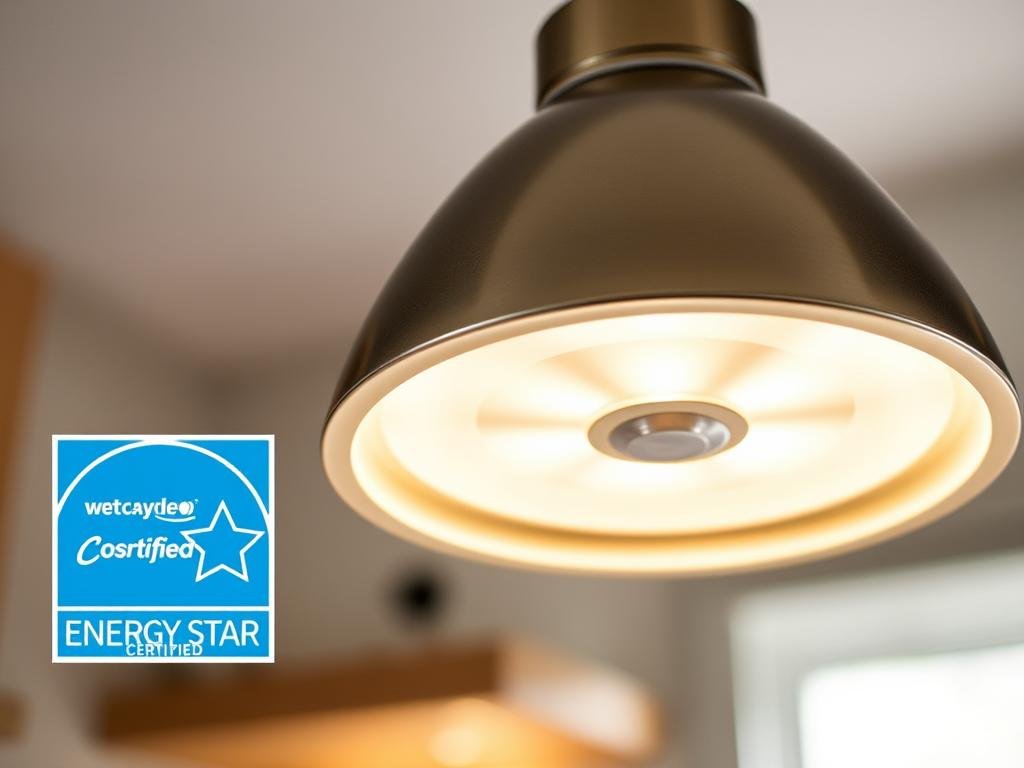
Many utility companies offer rebates for purchasing ENERGY STAR certified lighting products. These incentives reduce your upfront costs while delivering ongoing energy savings. Check with your local utility provider for available programs that make energy-efficient lighting more affordable.
Calculating Lighting Costs and Savings
Compare the total cost of ownership rather than just purchase price when selecting kitchen lighting. An LED bulb may cost more initially but saves money over its lifetime through reduced energy use and replacement costs. Online calculators help you estimate savings based on your usage patterns and local electricity rates.
Consider the payback period for energy-efficient upgrades. Most LED lighting conversions pay for themselves within two years through energy savings. The environmental benefits and improved light quality provide additional value beyond simple financial calculations.
Switch to Energy-Efficient LED Lighting
Reduce your energy costs while enjoying superior light quality with LED technology. Explore ENERGY STAR certified fixtures and bulbs that deliver long-lasting performance and significant savings.
Kitchen Lighting Safety and Installation Considerations
Proper installation ensures your kitchen lighting performs safely and reliably for years. Understanding basic electrical requirements and safety standards helps you make informed decisions about DIY projects versus professional installation. Following code requirements protects your home and family while maintaining your insurance coverage.

When to Hire a Professional Electrician
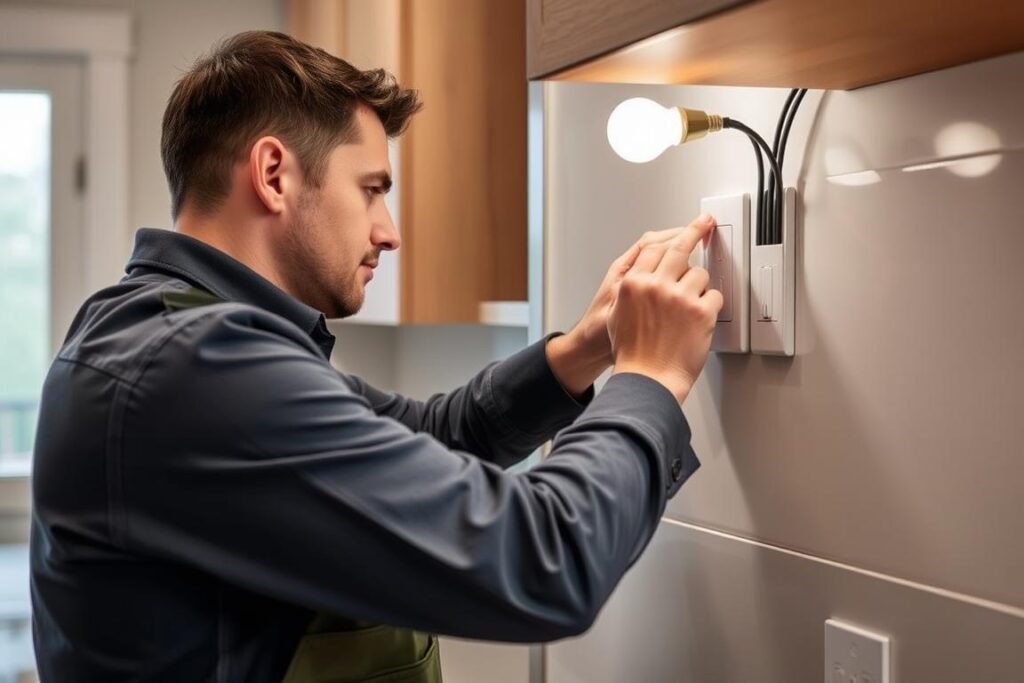
New electrical circuits, recessed lighting installation, and changes to electrical boxes require professional expertise. Licensed electricians understand local building codes and ensure your lighting meets safety standards. Their work includes proper permits and inspections that protect your investment and maintain your home’s value.
Attempting complex electrical work without proper knowledge creates serious safety hazards including fire risk and electric shock danger. The cost of professional installation is worthwhile considering the safety implications and potential insurance issues from improper DIY electrical work.
Moisture and Heat Considerations
Kitchen lighting must withstand moisture from cooking and cleaning activities. Fixtures near sinks require proper ratings for damp or wet locations. Check manufacturer specifications to ensure your chosen lights are rated for their intended installation location.
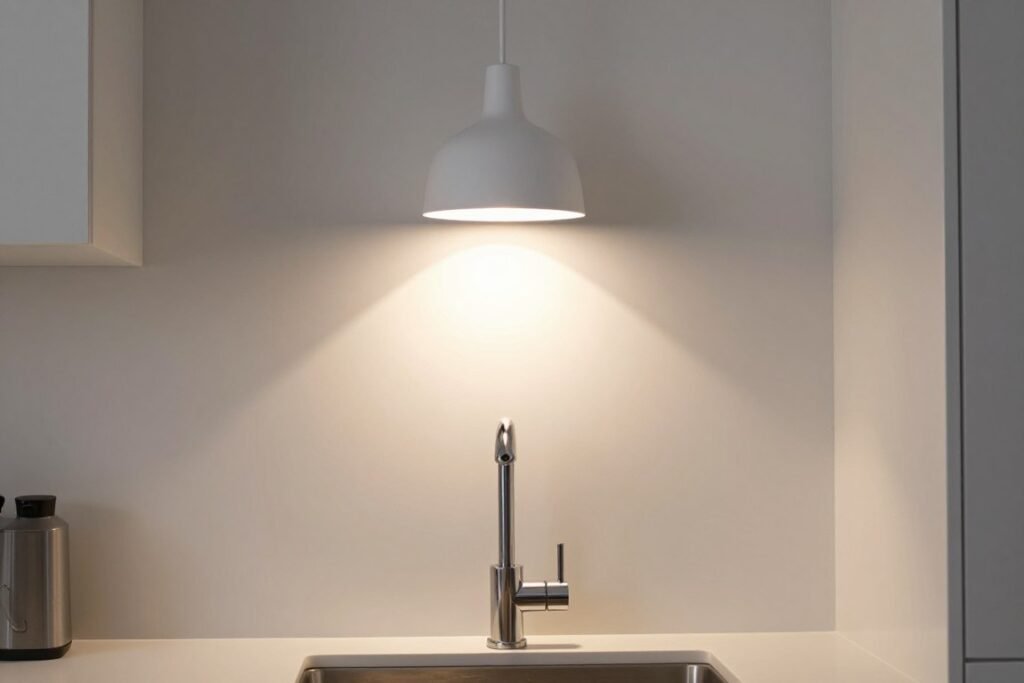
Heat from cooking surfaces affects nearby lighting fixtures. Ensure adequate clearance between light fixtures and your stovetop or oven. Use heat-resistant fixtures and bulbs rated for higher operating temperatures in areas exposed to cooking heat. This prevents premature failure and maintains safe operating conditions.
Proper Fixture Support and Mounting
Heavy fixtures like large chandeliers require ceiling boxes rated for their weight. Standard electrical boxes support fixtures up to fifty pounds, while fan-rated boxes handle heavier loads. Install appropriate support before hanging substantial light fixtures to prevent dangerous failures.
Pendant lights over islands need secure mounting points that distribute weight properly. Multiple pendants on a single canopy require reinforced mounting that accounts for combined weight. Never assume existing electrical boxes can support new fixtures without verifying weight ratings.
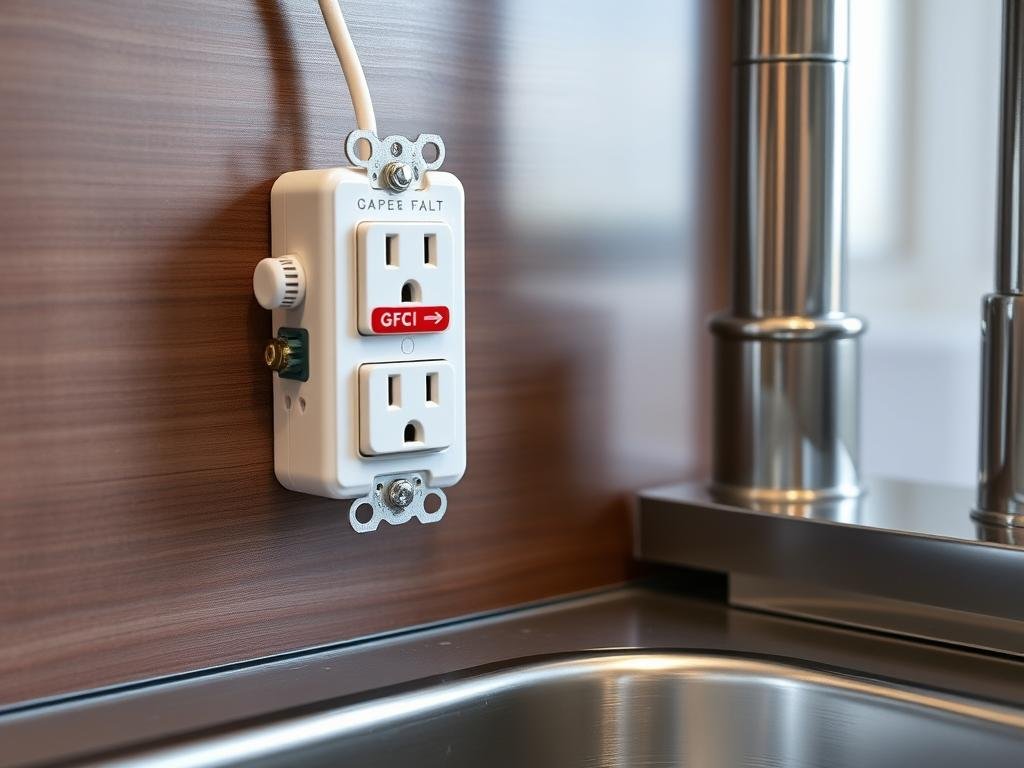
GFCI Protection in Kitchen Areas
Ground Fault Circuit Interrupter protection prevents electric shock in areas where water and electricity might meet. While not always required for overhead lighting, GFCI protection is mandatory for outlets within six feet of sinks. Consider GFCI protection for any lighting circuits in potentially wet locations for added safety.
Lighting Solutions for Small Kitchens
Small kitchens present unique lighting challenges that require thoughtful solutions. The right approach makes compact spaces feel larger and more functional while providing adequate illumination for cooking tasks. Strategic fixture selection and placement maximize your limited space and enhance its perceived size.
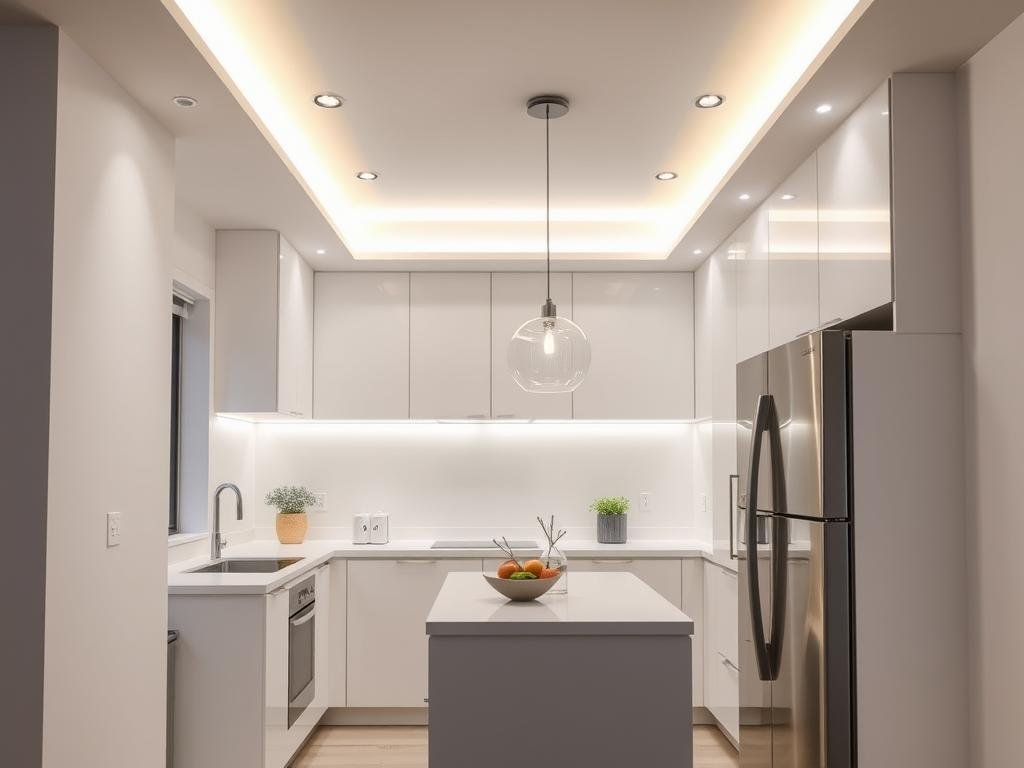
Recessed Lighting Saves Visual Space
Recessed lights provide ambient illumination without consuming visual or physical space. The flush-mounted design keeps your ceiling clean and uncluttered, which helps small kitchens feel more open. Space fixtures carefully to provide even coverage without over-lighting your compact area.
Adjustable recessed trims let you direct light where needed most without additional fixtures. Angle lights toward cabinets, counters, and work zones to maximize functionality from minimal fixtures. This targeted approach provides better illumination than simply flooding the entire space with uniform light.
Under-Cabinet Lighting Expands Usable Space
Under-cabinet lighting is essential in small kitchens where counter space is limited. These fixtures eliminate shadows on work surfaces and make every inch of counter area more functional. The added task lighting compensates for potentially inadequate natural light in compact layouts.
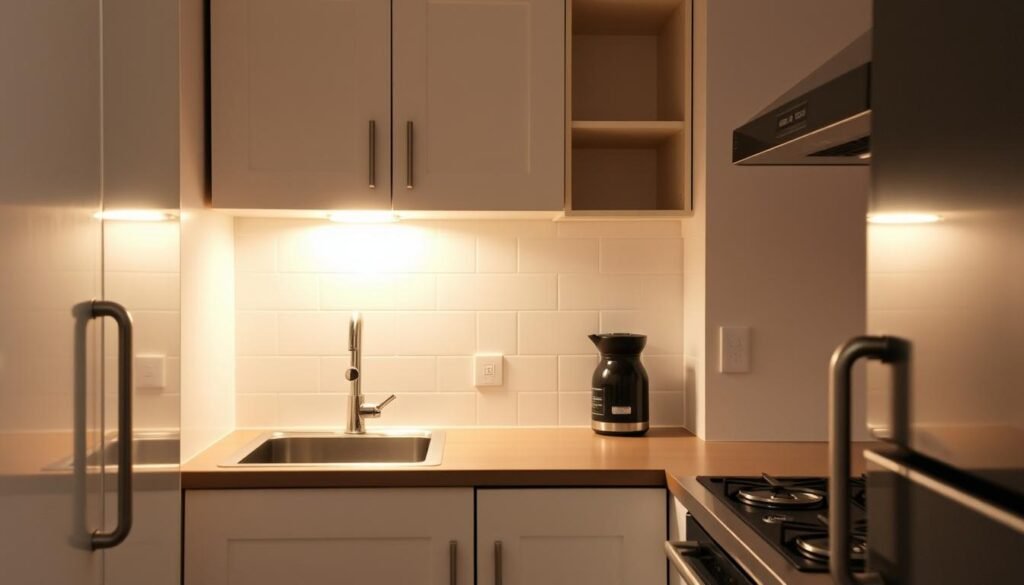
LED strips provide the slimmest profile for under-cabinet installations. The minimal thickness doesn’t reduce your already limited clearance between counters and cabinets. Choose warm white color temperatures to make your small kitchen feel cozy rather than clinical.
Glass and Reflective Fixtures
Glass pendant lights and fixtures with reflective finishes help small kitchens feel larger by maintaining visual openness. Clear or translucent materials allow light to pass through rather than creating visual bulk. These airy fixtures provide necessary illumination without making your ceiling feel crowded.
Avoid large, opaque fixtures that consume visual space and create a closed-in feeling. If you love the look of substantial pendants, choose just one as a focal point rather than multiple fixtures that overwhelm your compact kitchen. Balance this statement piece with minimal recessed or under-cabinet lighting elsewhere.
Light Colors and Reflective Surfaces
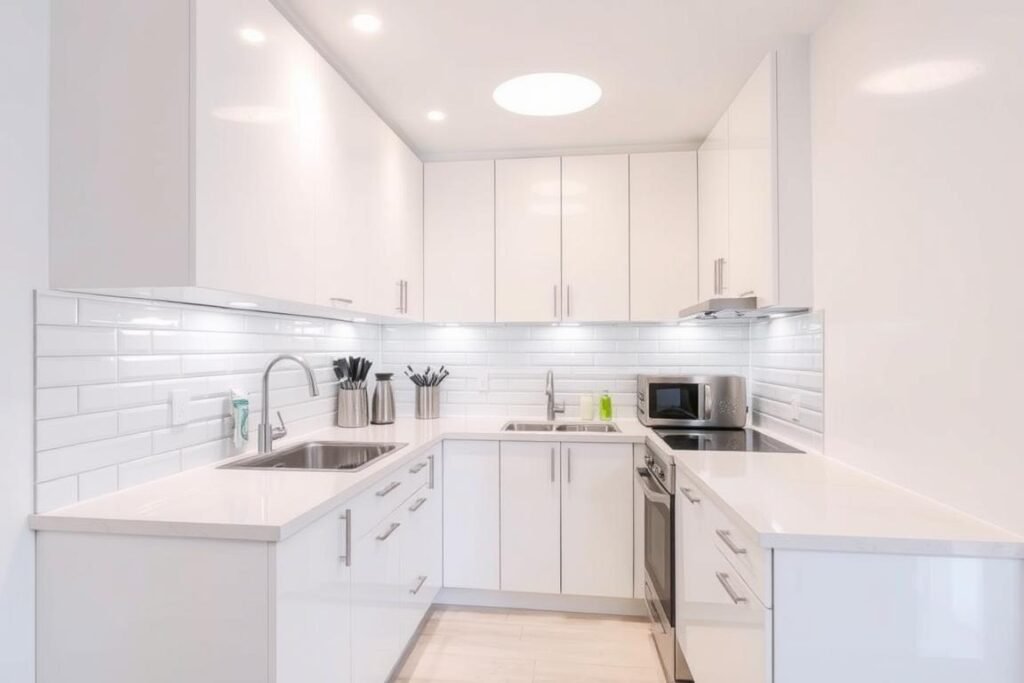
Pair your lighting choices with reflective surfaces that amplify available light. White or light-colored cabinets bounce light around your small kitchen and enhance brightness. Glossy backsplash tiles, glass cabinet doors, and polished countertops all help multiply your lighting effectiveness.
Current Trends in Kitchen Statement Lighting
Kitchen lighting trends evolve as design preferences change and new technologies emerge. Staying current with popular styles helps your kitchen feel fresh and modern. However, choosing timeless elements ensures your lighting investment remains attractive for years beyond temporary fads.
Oversized Fixtures Make Bold Statements
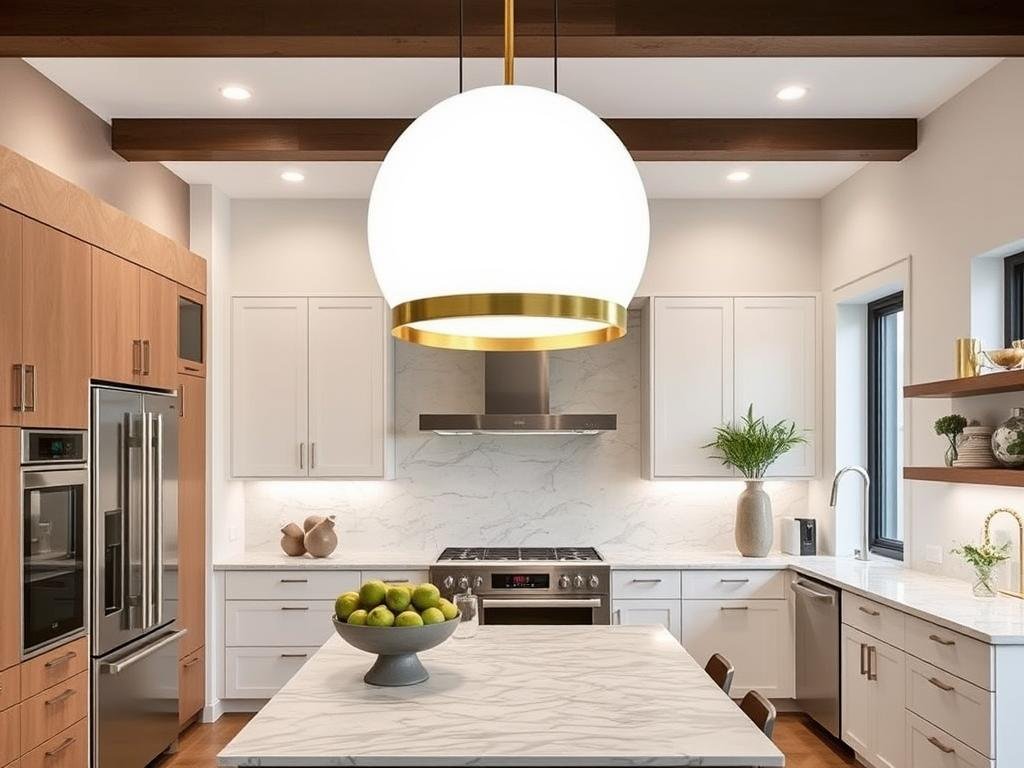
Large-scale lighting fixtures continue to dominate kitchen design trends. Oversized pendants and grand chandeliers create immediate focal points that anchor your kitchen’s visual design. These dramatic fixtures work especially well in spaces with high ceilings or open-concept layouts where they have room to shine.
The key to successful oversized lighting is ensuring the fixture scale matches your space. A pendant that looks perfect in a design magazine might overwhelm your actual kitchen. Consider your ceiling height, island size, and overall room proportions when selecting statement fixtures.
Mixed Metal Finishes
The traditional rule of matching all metals has given way to intentionally mixed finishes. Combining warm brass pendants with brushed nickel hardware and stainless appliances creates sophisticated layering. This trend allows more personal expression and makes kitchen design feel collected rather than formulaic.
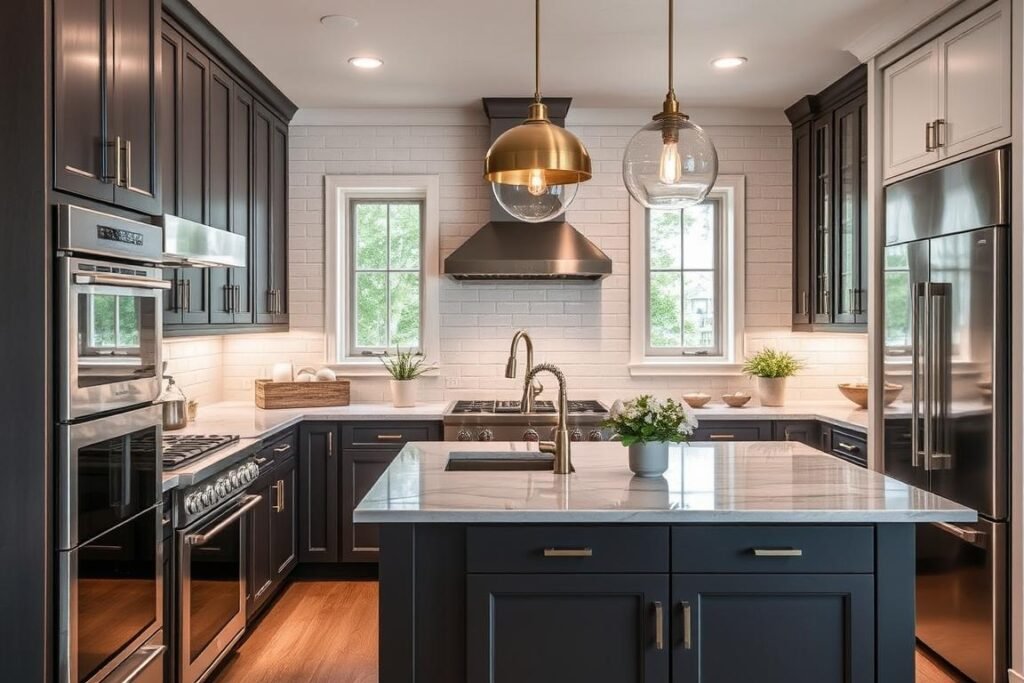
Success with mixed metals requires restraint and repetition. Limit your palette to two or three finishes and distribute each throughout the space. This creates intentional design rather than accidental chaos. Keep one finish dominant with others serving as accents for visual hierarchy.
Geometric and Sculptural Designs
Lighting fixtures with geometric shapes and sculptural qualities add artistic interest to kitchens. Angular cages, spherical clusters, and abstract forms blur the line between lighting and art. These architectural fixtures work beautifully in contemporary and modern kitchens where they can serve as conversation pieces.
Linear pendant designs with clean lines suit minimalist aesthetics while providing visual interest through form rather than ornamentation. The simplicity of these fixtures allows them to complement rather than compete with other design elements in your kitchen.
Natural Materials and Organic Shapes
Wood, rattan, and woven materials bring warmth and texture to kitchen lighting. These natural elements soften modern spaces and add organic appeal to contemporary designs. The trend reflects broader interest in biophilic design that connects interior spaces with nature.
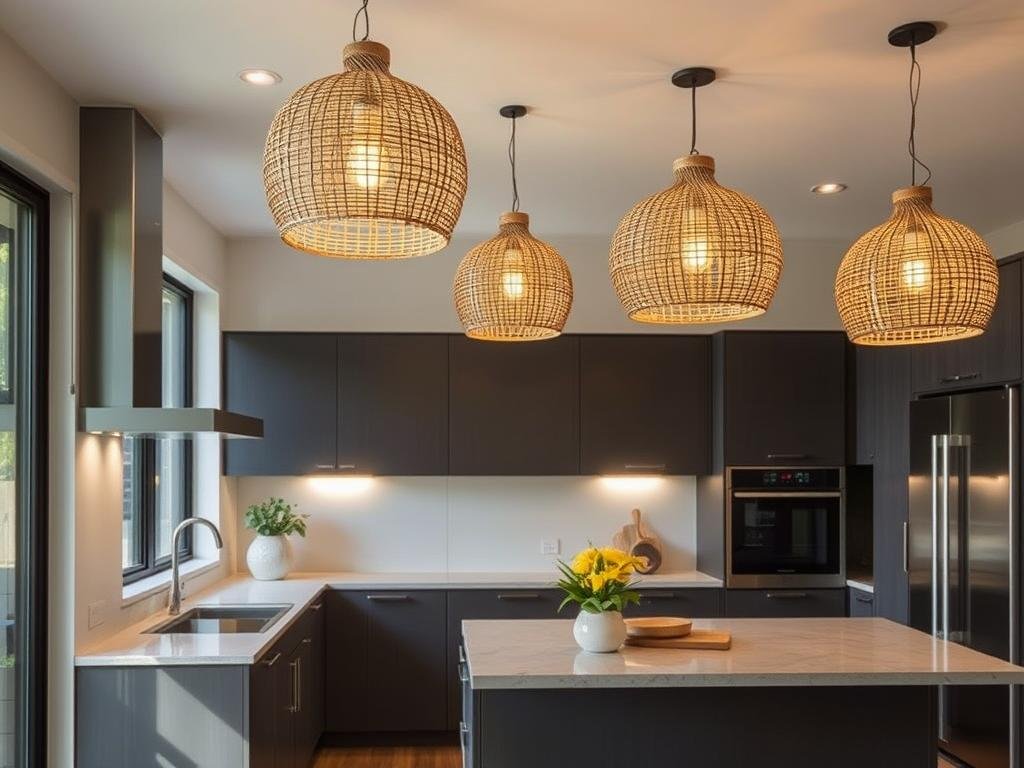
Curved, flowing shapes inspired by nature create softer alternatives to geometric fixtures. These organic forms feel approachable and comfortable while maintaining contemporary appeal. The natural movement in these designs adds visual interest without harsh angles or rigid structure.
Discover Trending Kitchen Lighting Styles
Stay current with the latest kitchen lighting trends while finding timeless pieces that will enhance your space for years. From oversized statement fixtures to natural materials, explore options that combine current style with lasting appeal.
Planning Your Kitchen Lighting Budget
Kitchen lighting costs vary dramatically based on fixture quality, installation complexity, and the scope of your project. Understanding typical price ranges and cost factors helps you create a realistic budget that achieves your vision without financial surprises. Strategic planning ensures you invest wisely in fixtures that provide lasting value.
Fixture Cost Ranges
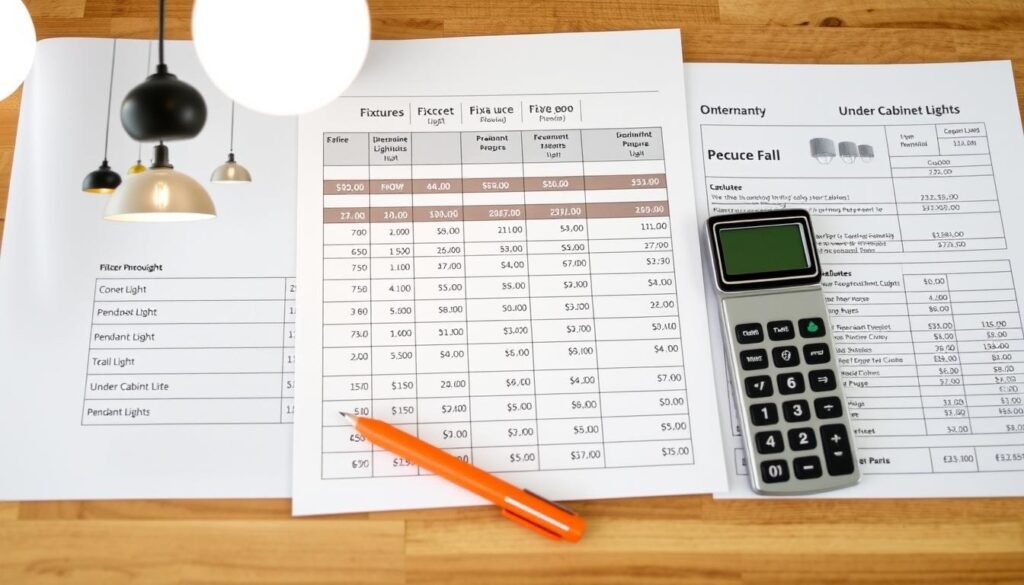
Basic pendant lights start around fifty to one hundred dollars each, while designer fixtures easily exceed five hundred dollars per piece. Your island might require two to four pendants, so this category alone can range from one hundred to two thousand dollars. Set priorities for where you want to invest in higher-end fixtures versus where functional basics suffice.
Under-cabinet lighting costs fifteen to fifty dollars per linear foot for LED strip systems, with higher-end options including dimming and color-changing features. A typical kitchen requires ten to twenty feet of coverage, putting this element in the one hundred fifty to one thousand dollar range depending on quality and features selected.
Installation Costs
Professional electrical installation typically costs seventy-five to one hundred fifty dollars per hour, with simple fixture replacements taking one hour and complex installations requiring four or more hours. Recessed lighting installation runs higher due to ceiling work, often totaling one hundred fifty to three hundred dollars per fixture including labor and materials.
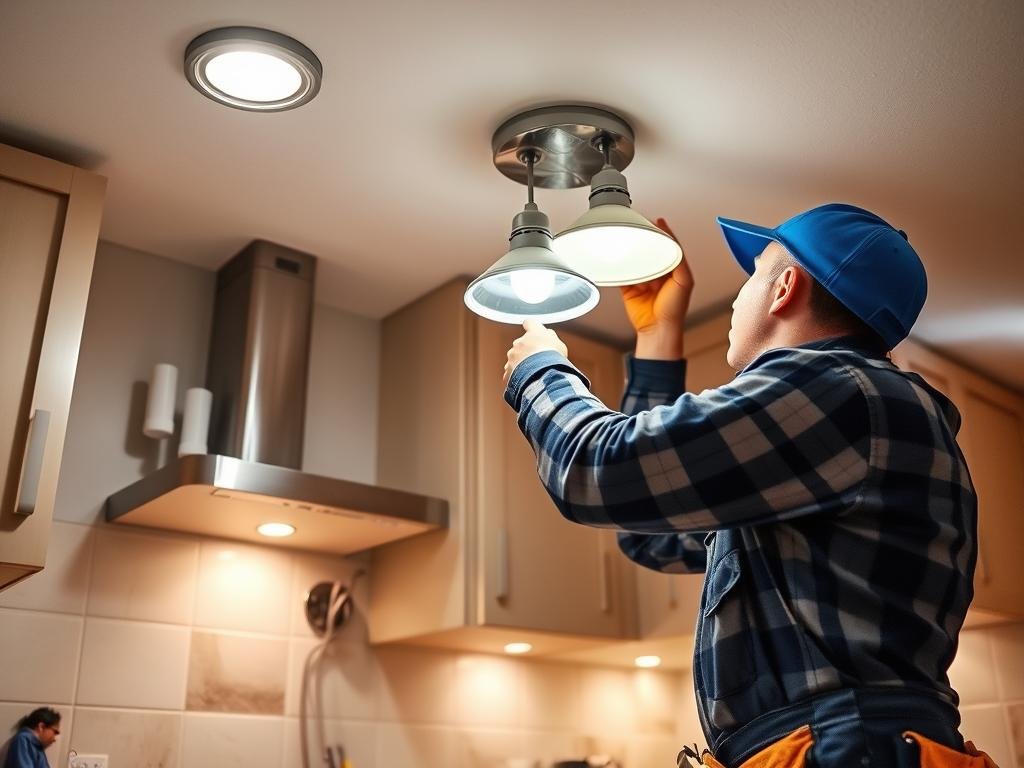
Adding new circuits or significantly modifying existing electrical systems increases costs substantially. These major changes might add one thousand to three thousand dollars to your budget. Discuss the scope of electrical work needed with your contractor during planning to avoid budget surprises later.
Money-Saving Strategies
Prioritize spending on fixtures in highly visible areas like over your island or dining table. Choose less expensive options for utility areas or fixtures that serve purely functional purposes. This strategic approach lets you incorporate some statement pieces without exceeding your budget.
Consider LED retrofit kits for existing recessed fixtures rather than completely replacing them. These kits provide energy-efficient LED technology at a fraction of new fixture costs. The simple installation often qualifies as a DIY project, saving professional installation fees.
Shop during holiday sales and clearance events when retailers offer significant discounts on lighting fixtures. Many home improvement stores clear out previous season’s inventory at fifty percent or more off regular prices. Patient shoppers can outfit entire kitchens with quality fixtures for half the typical cost.
Adjusting Kitchen Lighting Through Seasons
Your kitchen lighting needs change throughout the year as daylight hours and natural light quality vary with seasons. Adapting your artificial lighting to complement seasonal changes creates optimal illumination year-round. Flexible lighting systems respond to these variations and maintain consistent functionality regardless of outdoor conditions.
Summer Lighting Considerations
Long summer days provide abundant natural light that reduces your reliance on artificial fixtures. Take advantage of extended daylight by using minimal lighting during peak hours. Focus artificial light on task areas while letting natural illumination handle ambient lighting needs.
Consider cooler color temperatures during summer months when rooms already feel warm. Cool white task lighting feels refreshing and energizing without adding to heat perception. Dimmed ambient fixtures provide just enough illumination for evening hours without creating uncomfortable warmth.
Winter Lighting Needs
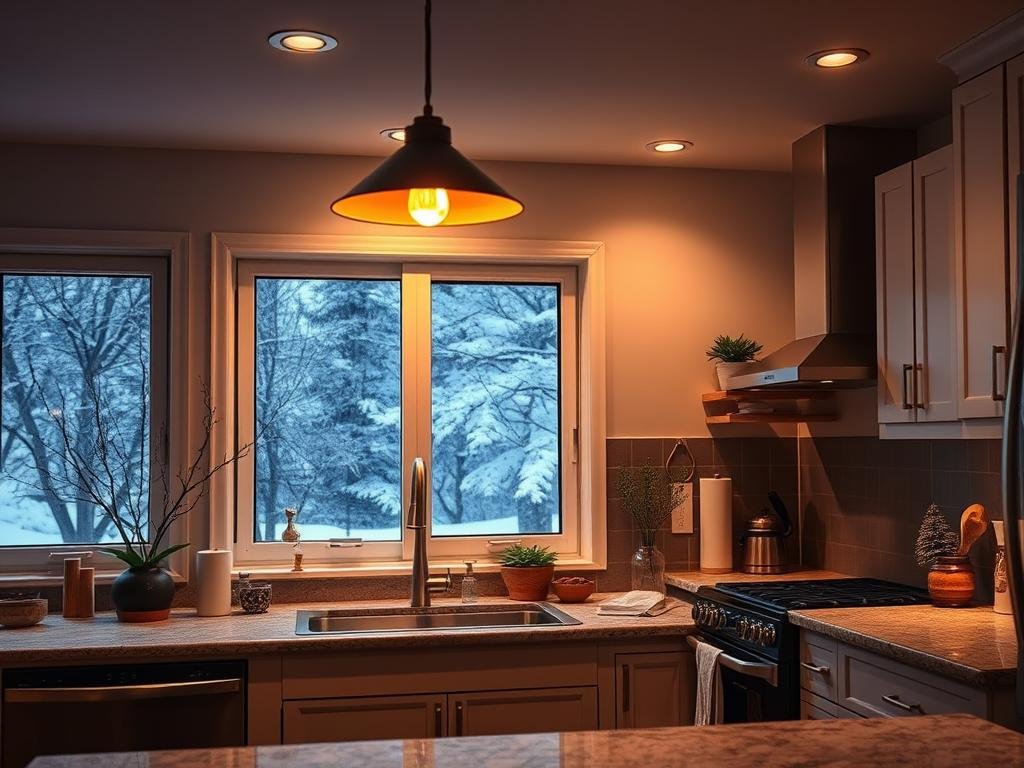
Short winter days require more artificial lighting to compensate for limited daylight hours. Increase ambient lighting levels to combat the darker environment and potential seasonal mood effects. Warm white color temperatures create cozy, welcoming atmospheres during cold months.
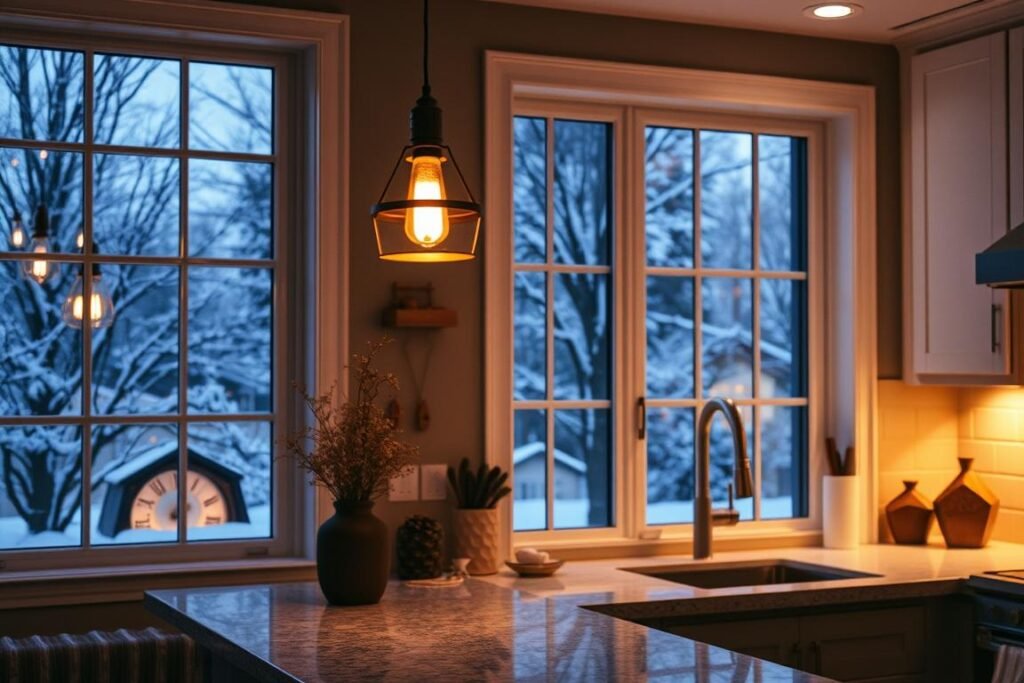
Layer your winter lighting to create depth and visual interest during long evening hours. Combine ambient ceiling fixtures with under-cabinet task lighting and decorative accent lights. This multi-layered approach prevents the flat, one-dimensional feeling that single-source lighting creates.
Transition Season Flexibility
Spring and fall bring rapid changes in daylight hours and intensity. Dimmable lighting systems adapt easily to these transitions without requiring fixture changes. Adjust brightness throughout the day to maintain consistent illumination regardless of unpredictable weather and varying natural light levels.
Smart lighting with automated schedules can adjust to seasonal sunrise and sunset times automatically. Program lights to turn on earlier as fall approaches and later as spring progresses. This automation maintains your routine while adapting to nature’s changing patterns.
Complete Kitchen Lighting Design Checklist
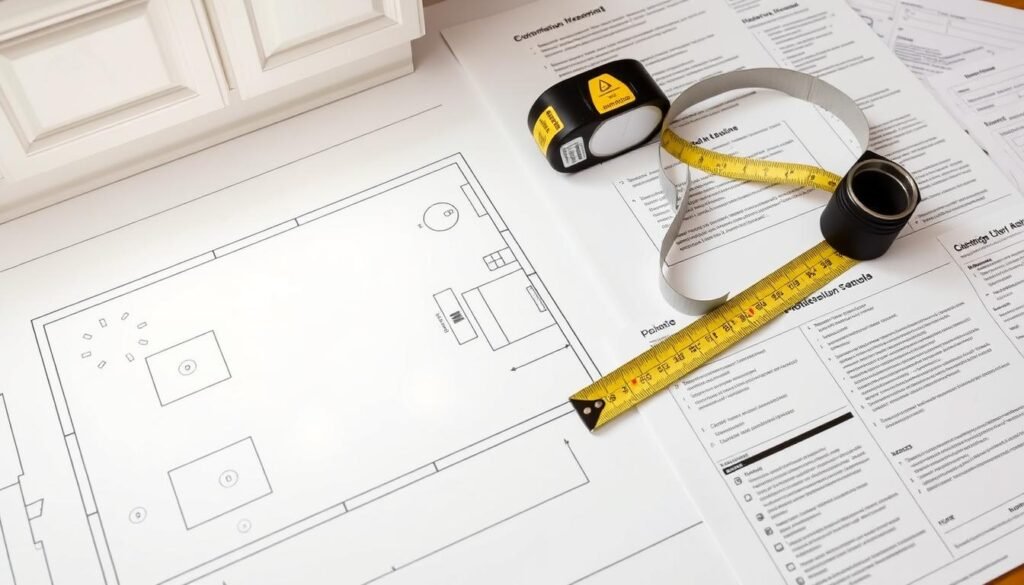
A comprehensive lighting plan considers every element of your kitchen’s illumination needs. This systematic approach ensures you address all lighting layers while creating a cohesive design. Following a detailed checklist prevents overlooked areas and creates truly complete kitchen lighting.
Ambient Lighting Requirements
Assess your overall ambient lighting needs based on kitchen size and ceiling height. Calculate required lumens using approximately fifty lumens per square foot for kitchens. A one hundred fifty square foot kitchen needs roughly seven thousand five hundred lumens from ambient fixtures. Distribute this output across multiple fixtures for even coverage.
Identify ceiling fixture locations that provide comprehensive coverage without dark corners. Consider sight lines from adjacent rooms in open layouts to ensure fixtures look attractive from multiple viewing angles. Plan switch locations for convenient control from all kitchen entry points.
Task Lighting Evaluation
Map all work areas requiring dedicated task lighting. Under-cabinet lights should illuminate entire counter lengths where food preparation occurs. Pendant or recessed lights over islands need positioning to avoid casting shadows on work surfaces. Include task lighting at the sink, range, and any other areas where detailed work happens.
Accent Lighting Opportunities
Identify architectural features, display areas, and design elements that benefit from accent lighting. Glass-front cabinets, open shelving, textured backsplashes, and artwork all become more prominent with dedicated accent lights. These decorative touches complete your lighting design and add personality to your kitchen.
Consider toe-kick lighting for a floating cabinet effect or cove lighting along soffits for indirect ambient glow. These subtle enhancements create visual interest without overwhelming your space with excessive fixtures.
Control and Automation Planning
Plan dimmer switches for all lighting groups to enable brightness adjustment. Separate controls for different lighting layers allow customization based on time of day and activities. Consider smart switches and automated systems for maximum flexibility and convenience.
Create lighting scenes that combine various fixtures at preset levels for different uses. A cooking scene might use bright task lights with moderate ambient lighting. An entertaining scene could dim pendants while activating accent lights for atmosphere.
Pendant Light Collections
Explore comprehensive pendant light options for your kitchen island or dining area. Find styles ranging from modern glass to rustic farmhouse that perfectly complement your design vision.
Under-Cabinet Task Lighting
Discover efficient under-cabinet lighting solutions that eliminate shadows on your workspace. From LED strips to puck lights, find the perfect task lighting for your counter areas.
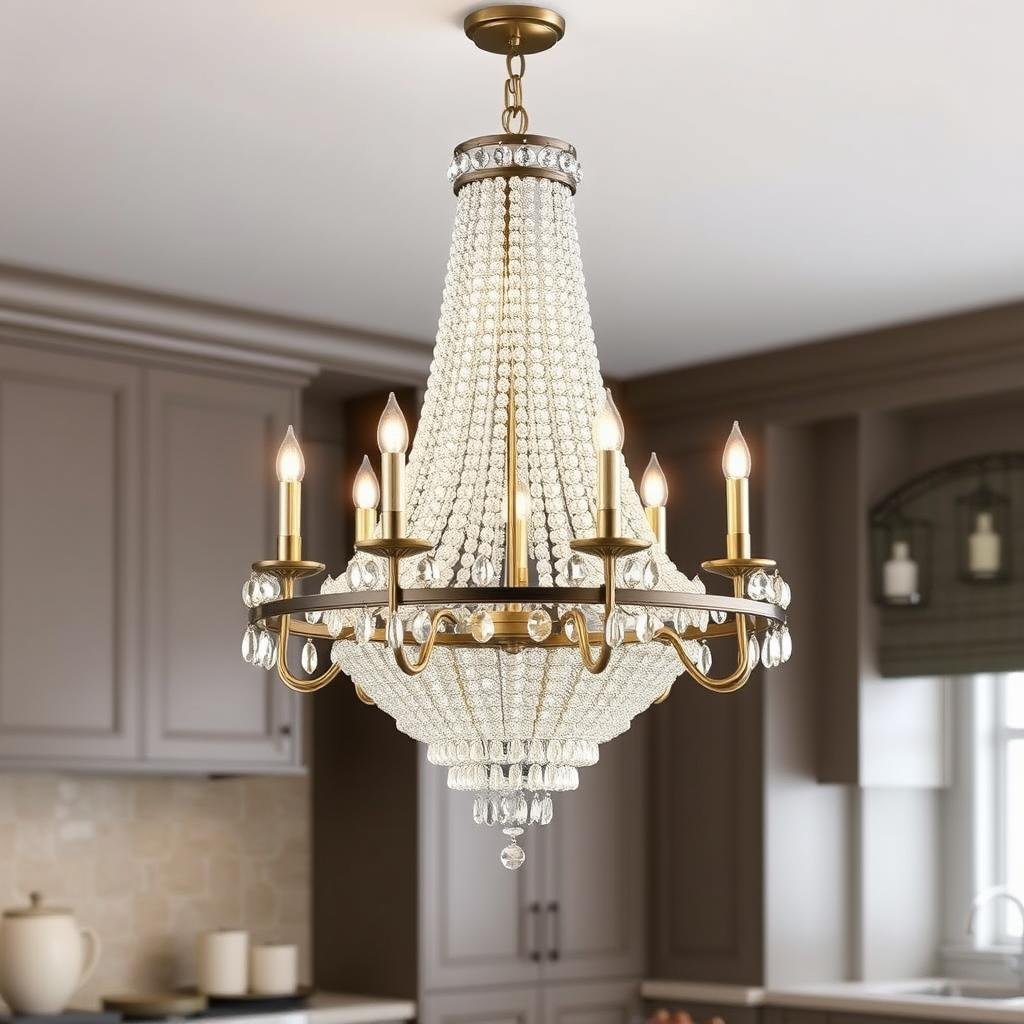
Statement Chandeliers
Transform your kitchen with stunning chandelier options that serve as both functional lighting and artistic centerpieces. Explore traditional crystal to contemporary geometric designs.
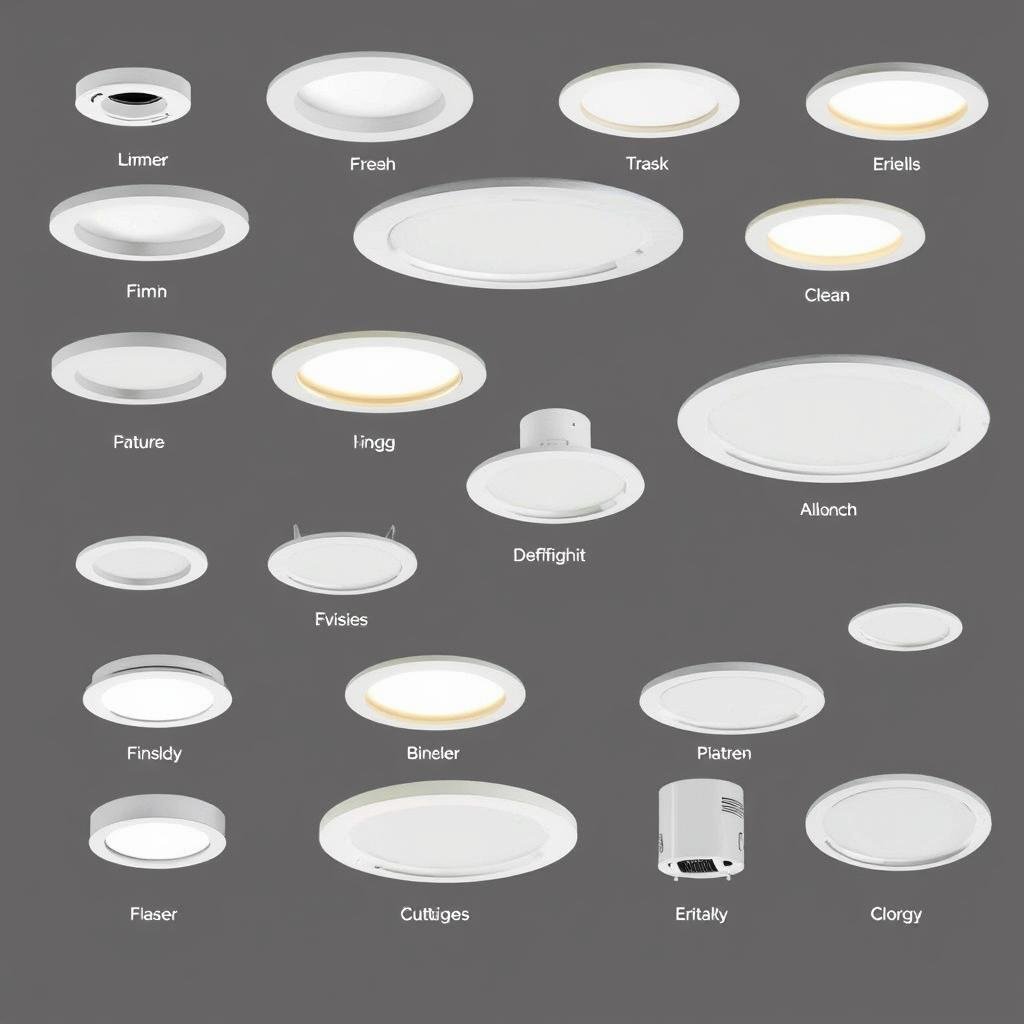
Recessed Lighting Systems
Find recessed lighting solutions for clean, modern ambient illumination. Explore LED retrofit kits and new construction options with various trim styles and finishes.
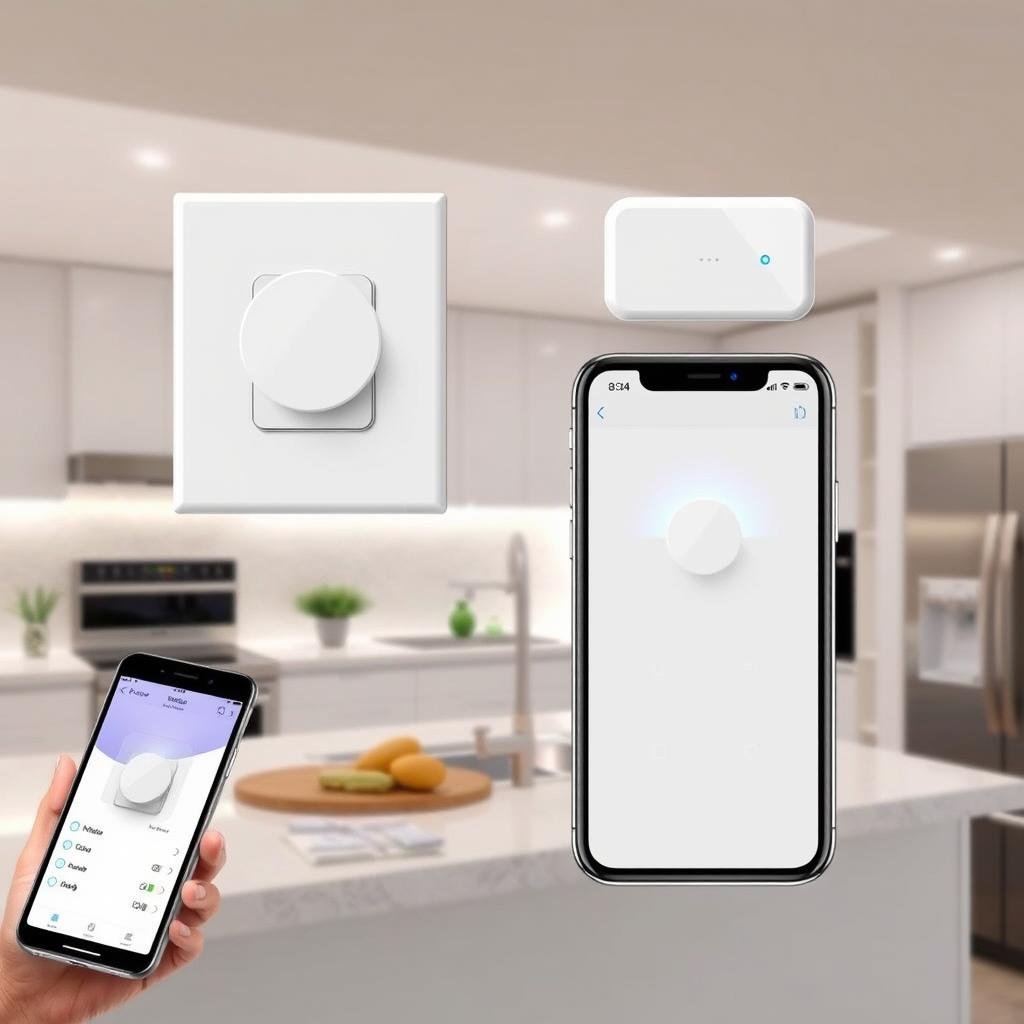
Smart Controls & Dimmers
Upgrade your kitchen with smart dimmer switches and automation systems. Control brightness, create scenes, and save energy with advanced lighting technology.
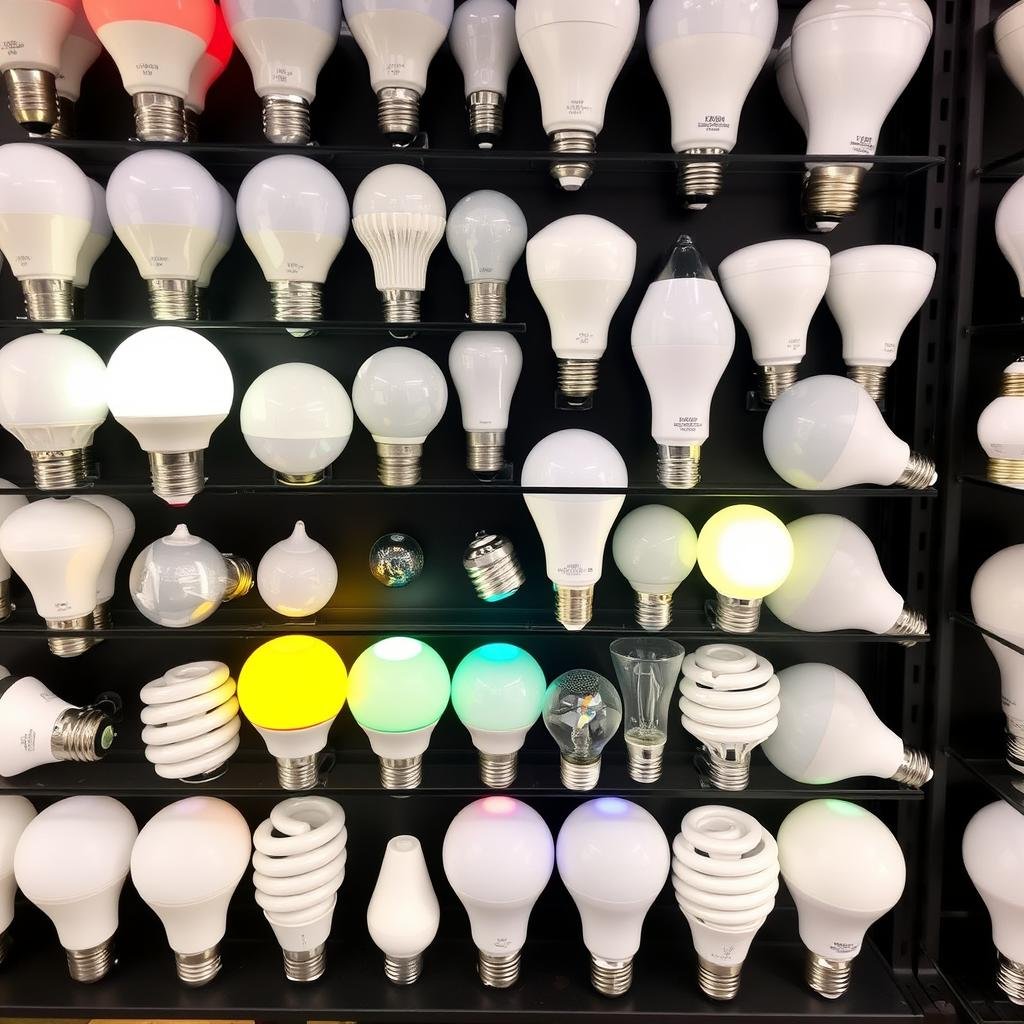
LED Bulbs & Accessories
Complete your lighting project with the perfect LED bulbs. Find options in various color temperatures, shapes, and smart capabilities to suit your exact needs.
Creating Your Perfect Kitchen Lighting Design
Exceptional kitchen lighting combines thoughtful planning with quality fixtures that serve both functional and aesthetic purposes. The layered approach using ambient, task, and accent lighting ensures your kitchen works beautifully at all hours and for every activity. Your investment in proper illumination pays dividends in safety, efficiency, and enjoyment of your space.
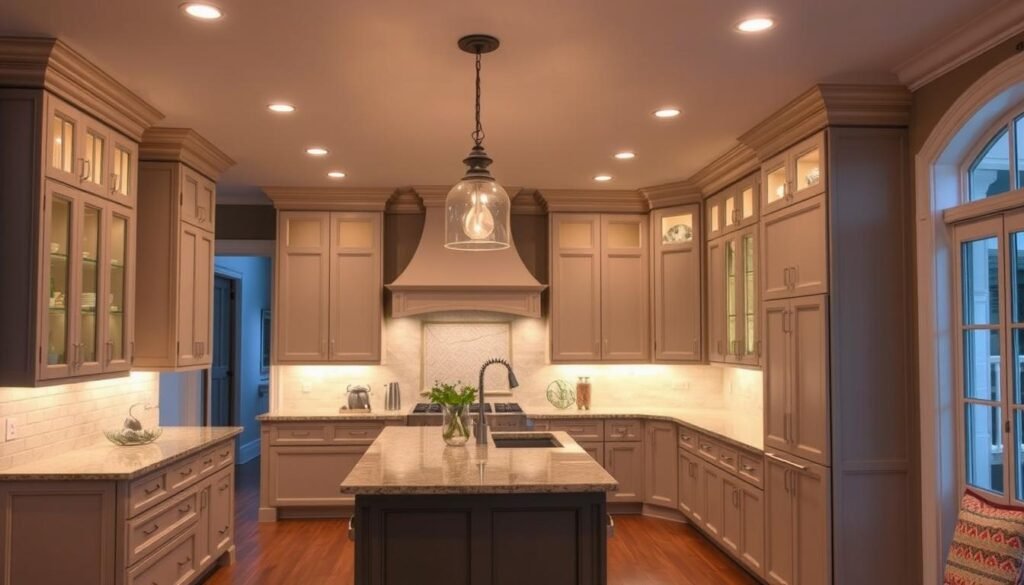
Start your lighting project by assessing your specific needs and prioritizing areas requiring the most attention. Work within your budget by investing in statement fixtures for visible areas while selecting functional basics for utility zones. Remember that proper installation by qualified professionals ensures safety and optimal performance.
Consider both current trends and timeless design principles when selecting fixtures. While fashionable elements add contemporary appeal, classic choices provide lasting value that transcends temporary fads. The most successful kitchen lighting designs balance personality with practicality, creating spaces that function beautifully for years to come.
Your kitchen lighting should evolve with advancing technology and changing needs. Smart systems, energy-efficient LEDs, and flexible controls provide adaptability that extends your lighting investment’s useful life. These modern solutions offer unprecedented convenience while reducing energy consumption and environmental impact.
Take time to plan carefully, research your options thoroughly, and select quality fixtures that align with your vision. The perfect kitchen lighting design transforms your space into a welcoming environment where cooking, dining, and gathering become more enjoyable. Your thoughtfully lit kitchen becomes the heart of your home where family and friends naturally gather.