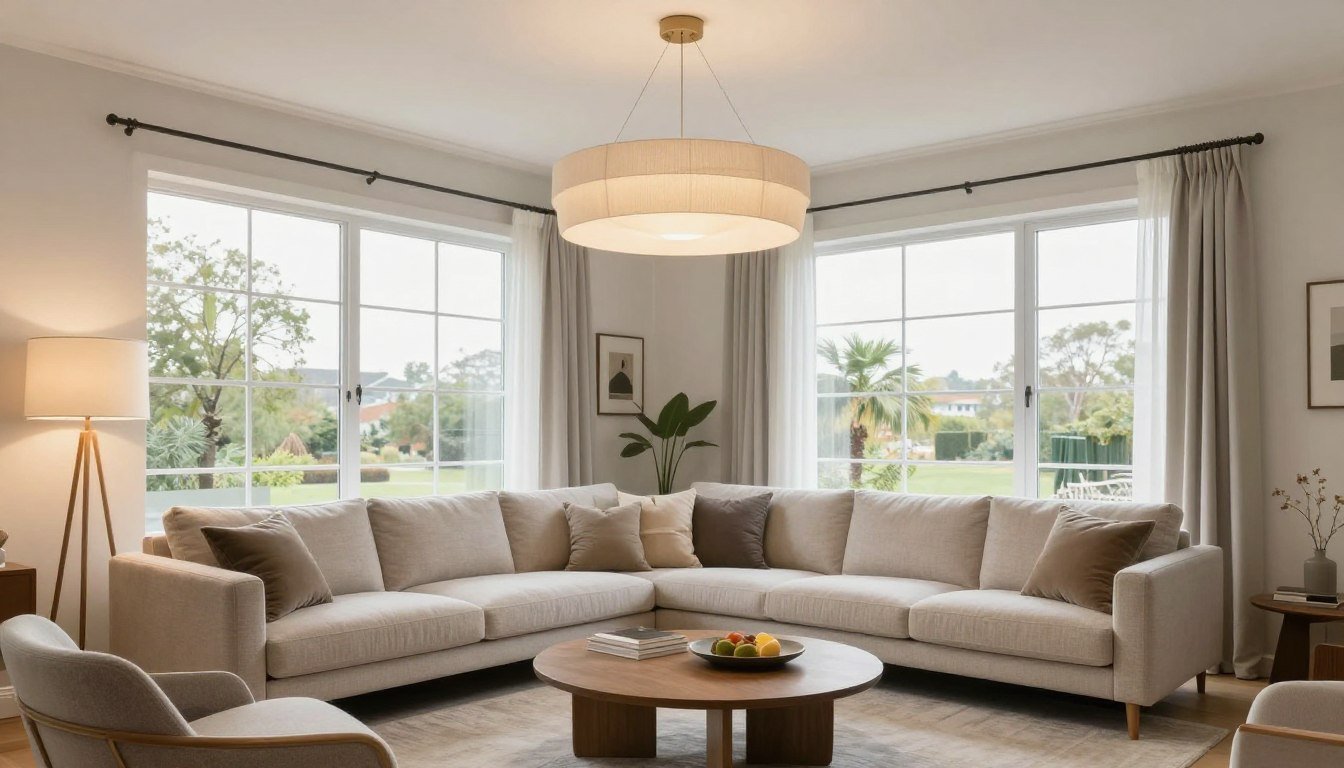
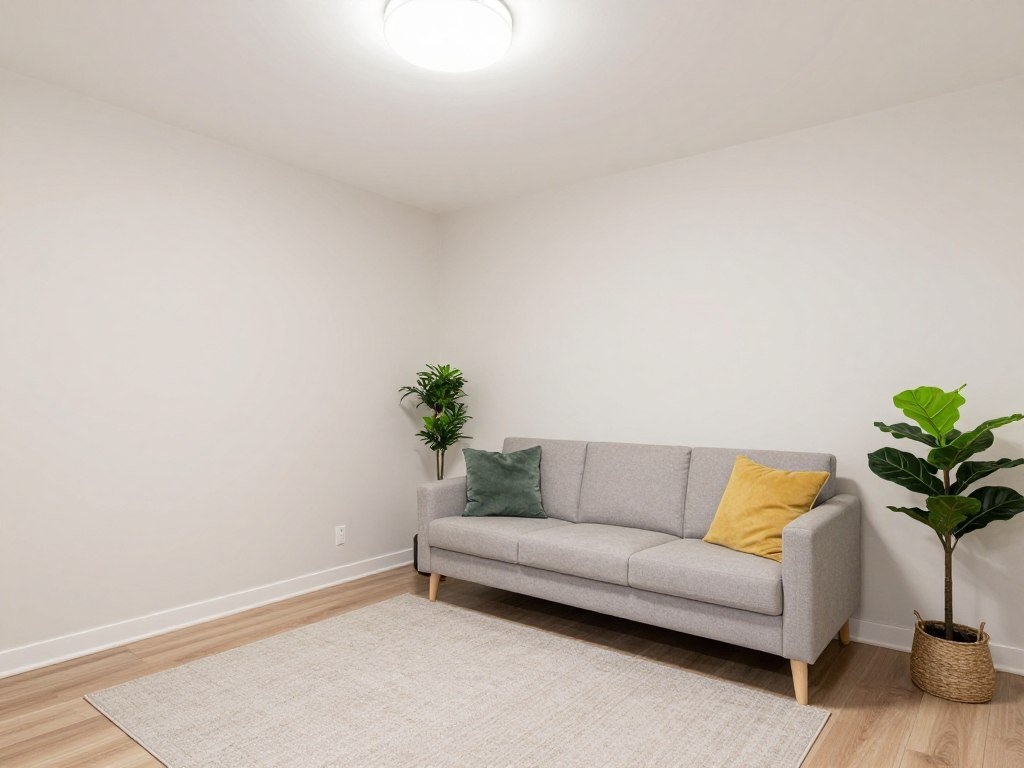
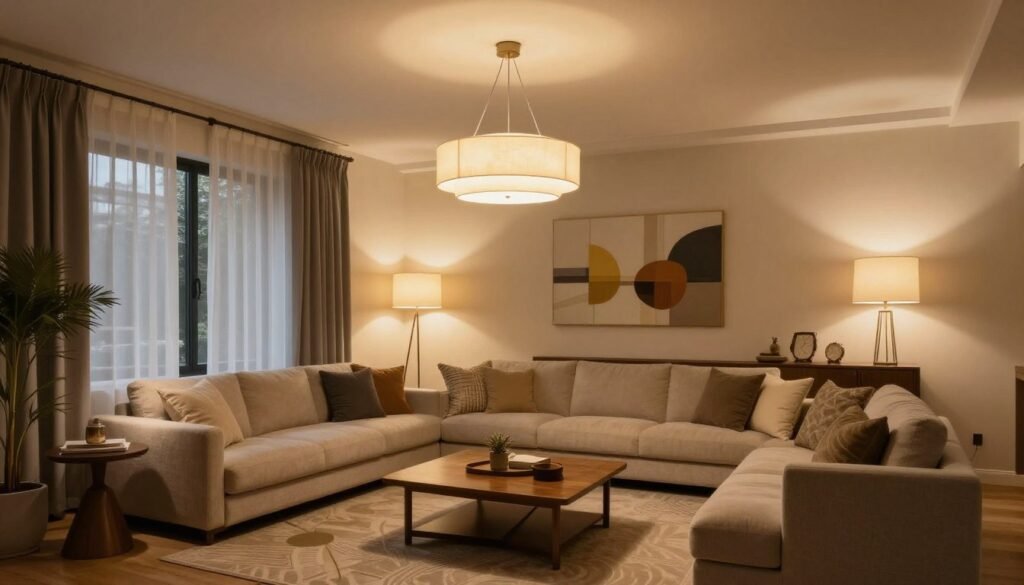
Your living room deserves lighting that does more than just brighten the space. The right lighting ideas can transform your room into a warm sanctuary where you relax after long days. Good lighting design creates depth and brings out the best in your decor.
Many homeowners struggle with dark corners or harsh overhead lights. This guide shares practical living room lighting ideas that work for any space. You’ll discover how to layer different light sources for a professional look.
Whether you have a small living area or an open floor plan, these ideas help you create the perfect glow. Let’s explore how strategic lighting can elevate your home design.
Understanding Lighting Layers
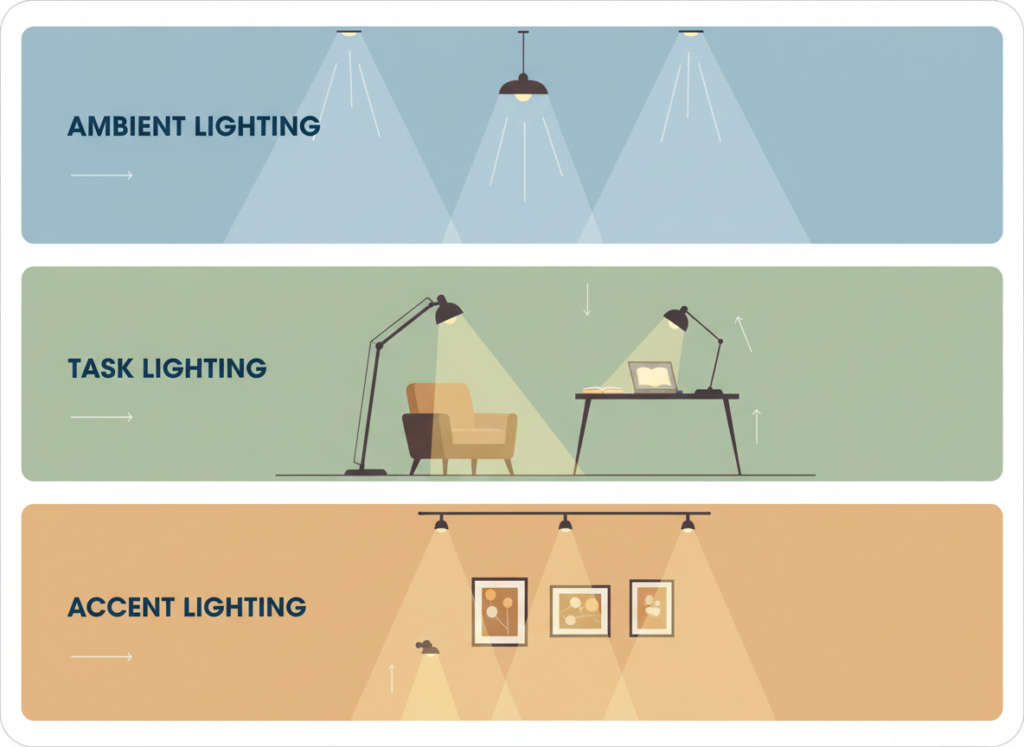
Every well-designed living room uses three types of lighting. Ambient lighting provides overall illumination for the entire space. Task lighting helps you read or work in specific areas.
Accent lighting highlights artwork and architectural features. When you combine these three layers, your room feels balanced and complete. This approach gives you control over the mood and functionality.
Think of lighting design like building blocks. Each layer serves a purpose and works together with the others. The key is finding the right balance for your needs.
Ambient Lighting
This base layer fills your room with general light. Ceiling fixtures and chandeliers typically provide ambient lighting.
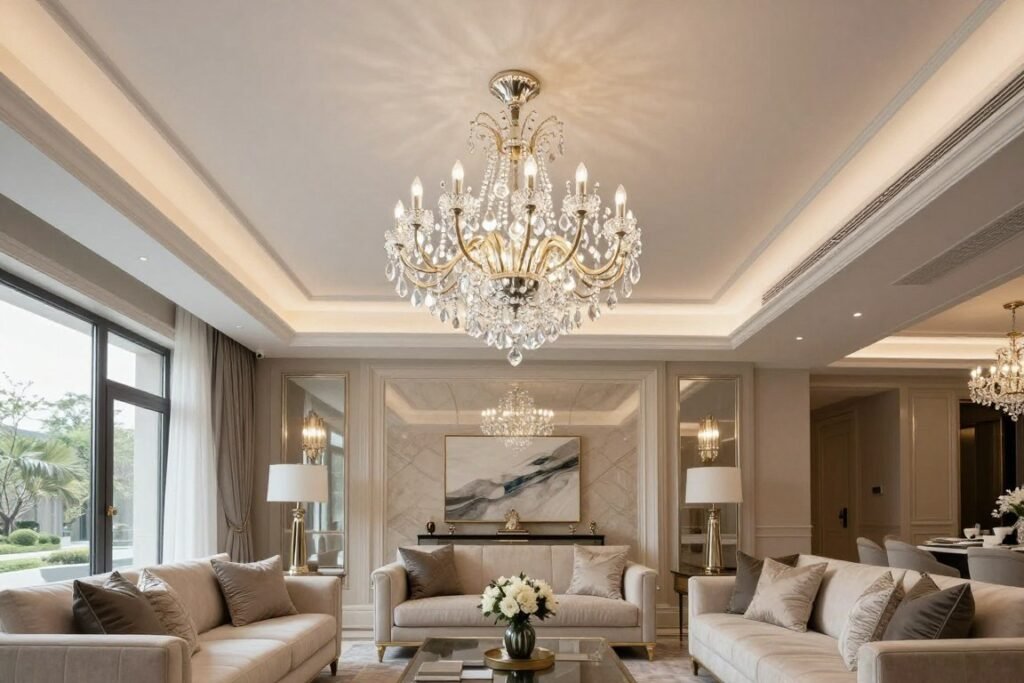
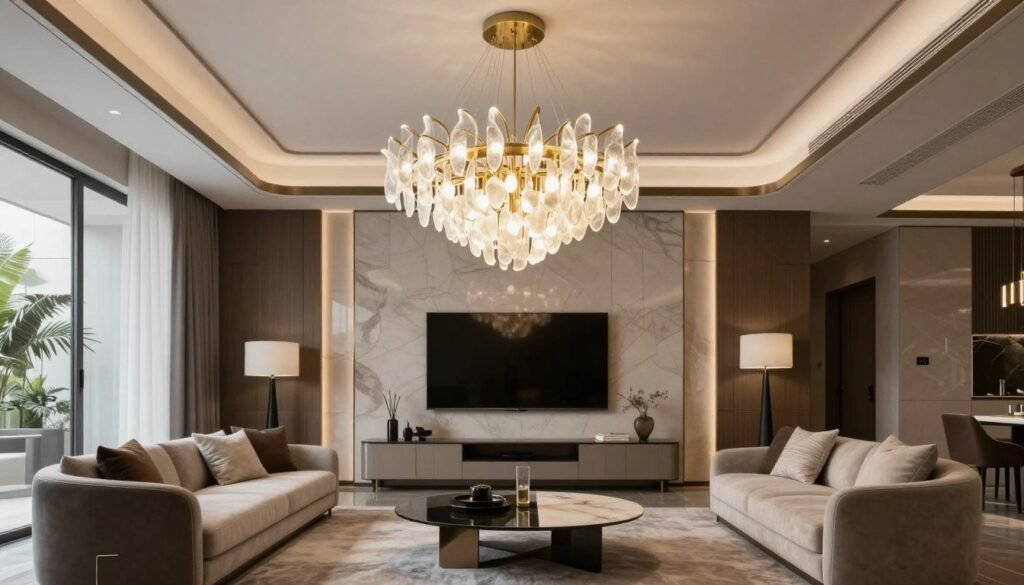
A statement chandelier becomes the jewelry of your living room. These overhead fixtures provide ambient lighting while serving as art pieces. The right chandelier draws the eye upward and makes your ceiling feel higher.
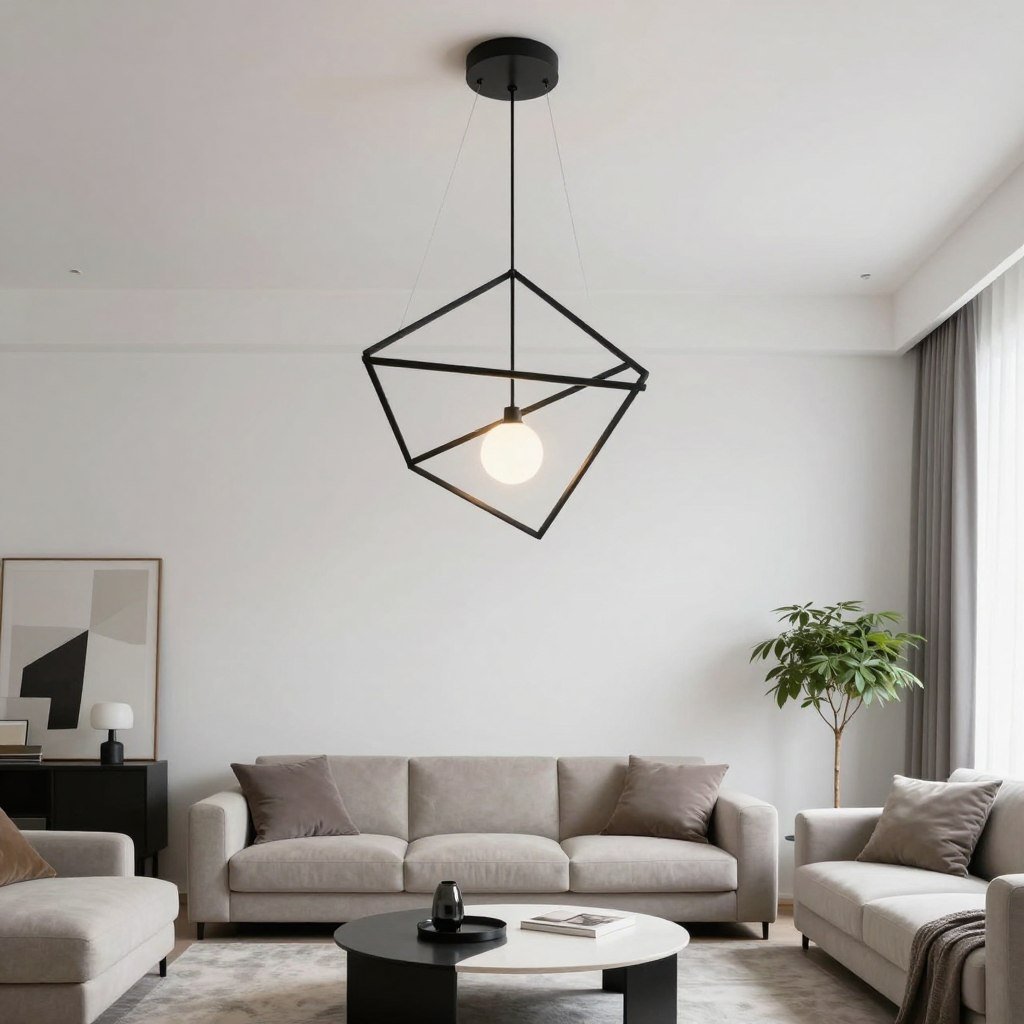
Pendant lights offer similar visual impact with more flexibility. You can hang one large pendant or group several smaller ones together. This approach works especially well in rooms with open floor plans.
Consider the scale of your room when choosing ceiling lights. A small fixture gets lost in a large space. Conversely, an oversized chandelier overwhelms a small living area.
Choosing the Right Size
Measure your room to find the perfect chandelier size. Add the length and width of your room in feet. Convert that number to inches for your ideal fixture diameter.
For example, a room that measures fifteen by twenty feet needs a thirty-five inch chandelier. This simple formula ensures proper proportion. Your ceiling height also affects the right choice.
Style Considerations
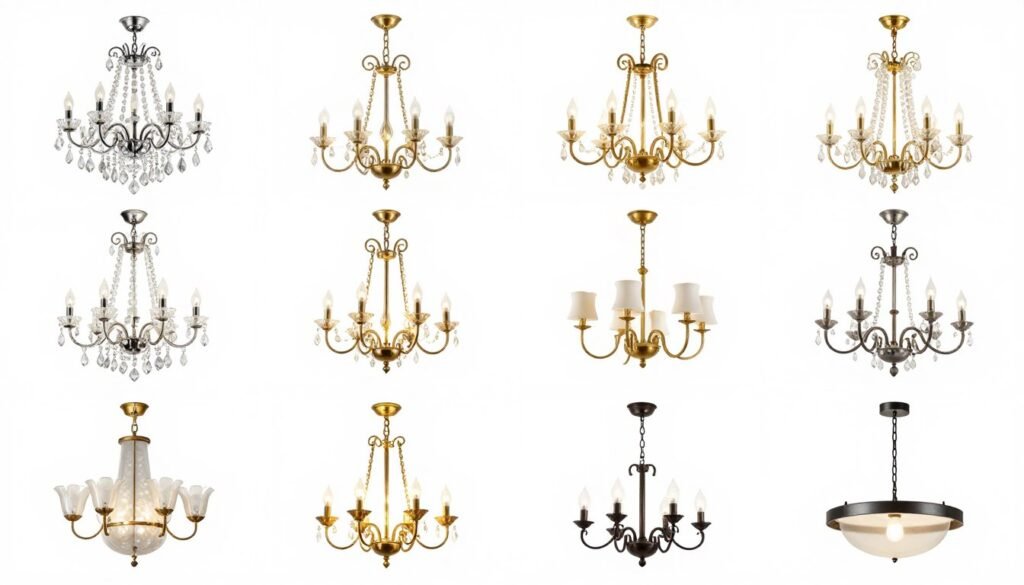
Match your chandelier style to your overall decor. Traditional crystal chandeliers suit classic interiors. Modern geometric fixtures complement contemporary spaces.
Industrial metal designs work well in urban lofts. Rustic wood chandeliers enhance farmhouse style rooms. The fixture should enhance your existing design rather than clash with it.
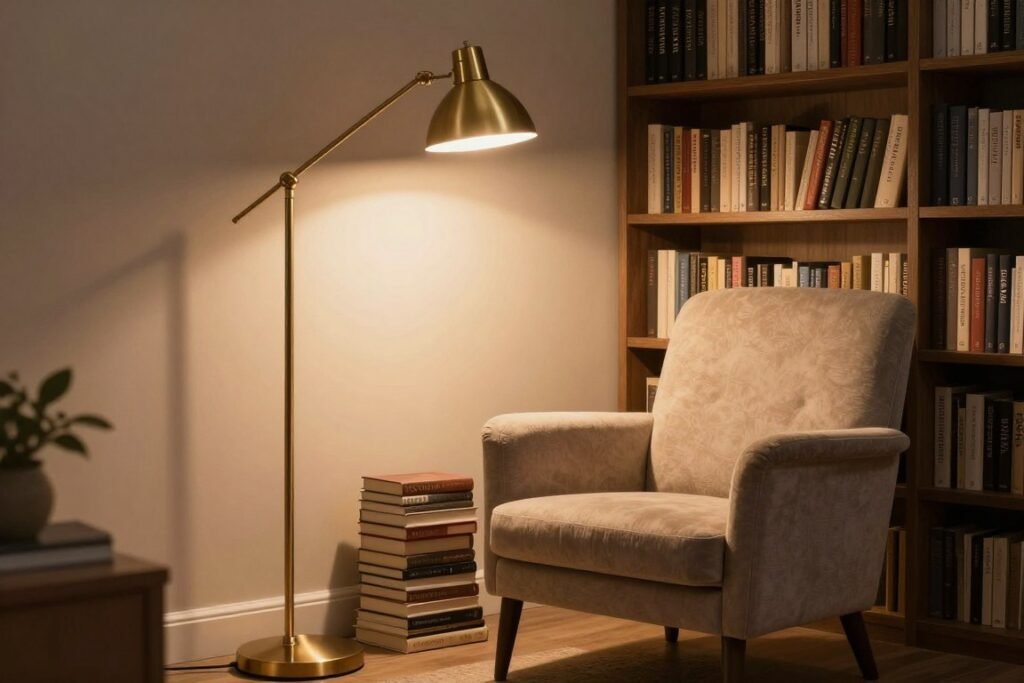
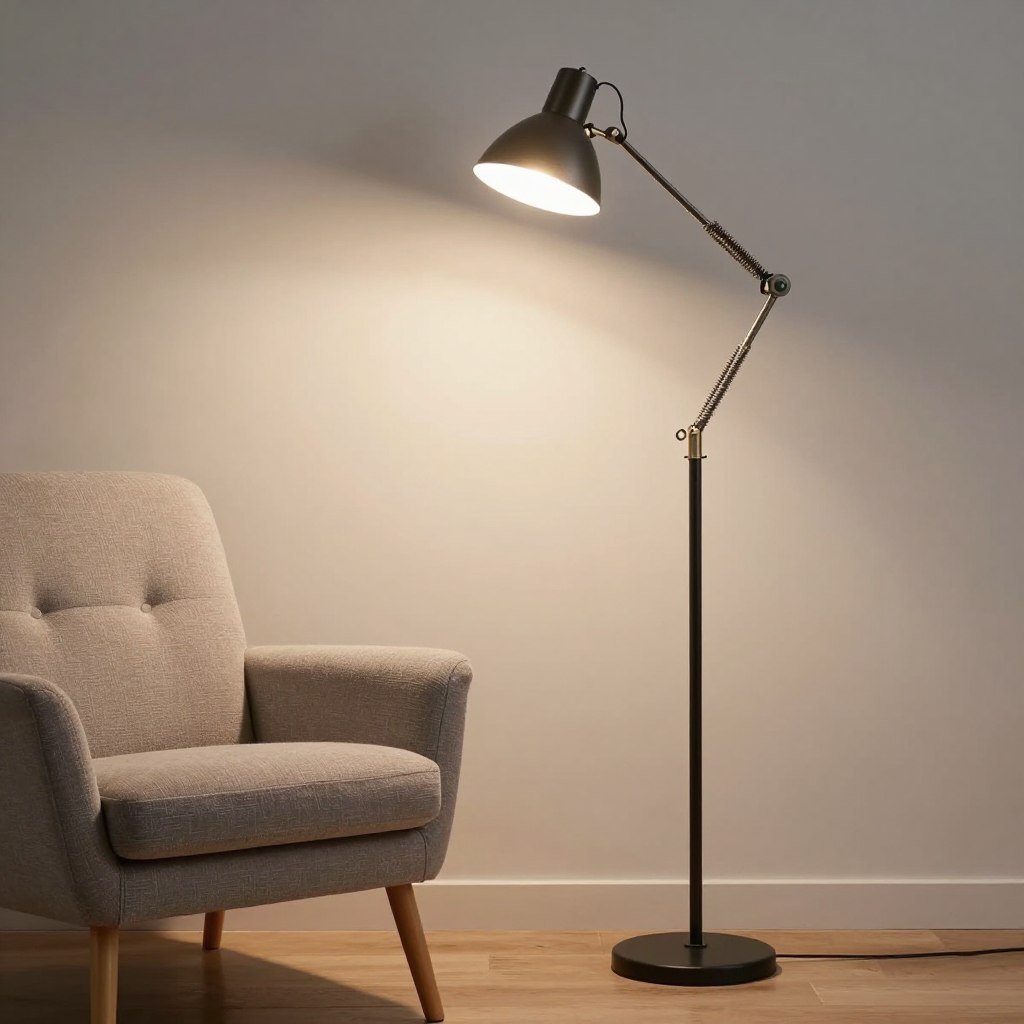
Floor lamps bring light exactly where you need it without permanent installation. These versatile fixtures move easily as your needs change. A well-placed floor lamp fills dark corners and creates inviting reading nooks.
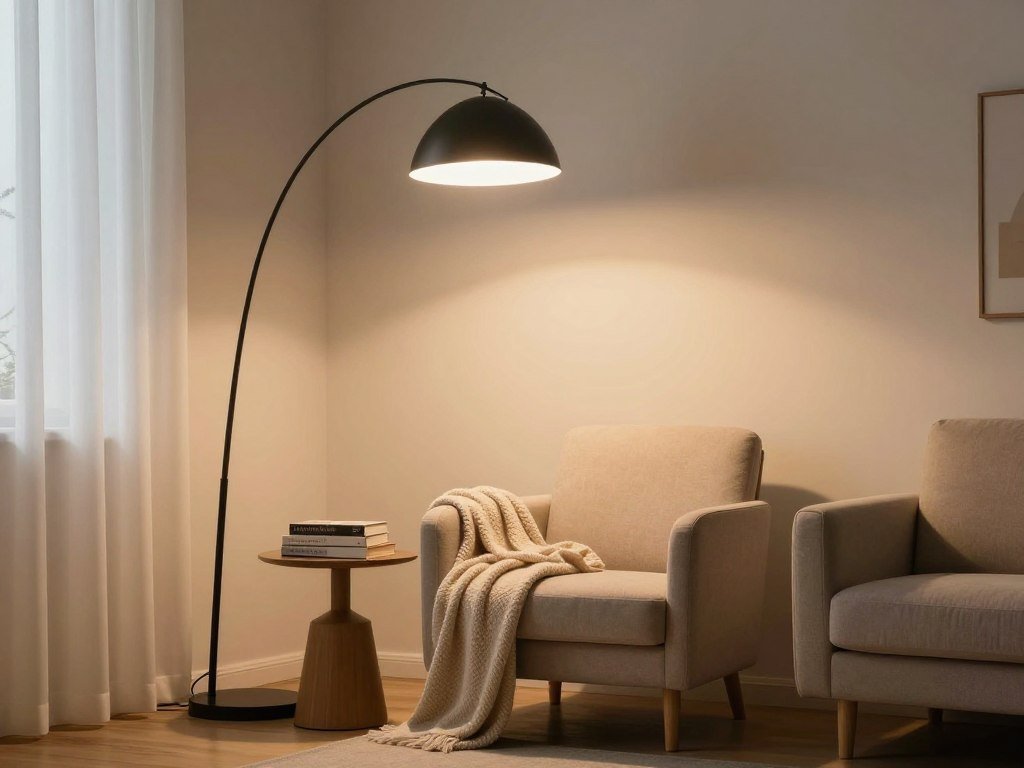
Arc floor lamps extend over seating areas to provide overhead light without ceiling installation. This makes them perfect for renters or anyone who wants flexibility. The curved design adds sculptural interest to your space.
Task-Oriented Floor Lamps
Reading lamps with adjustable arms direct light precisely where you need it. These functional fixtures reduce eye strain during evening activities. Look for models with dimmer switches for ultimate control.
Torchiere lamps shine light upward to bounce off the ceiling. This creates soft, ambient lighting that fills the entire room. They work beautifully in corners where you need general illumination.
Decorative Floor Lamp Options
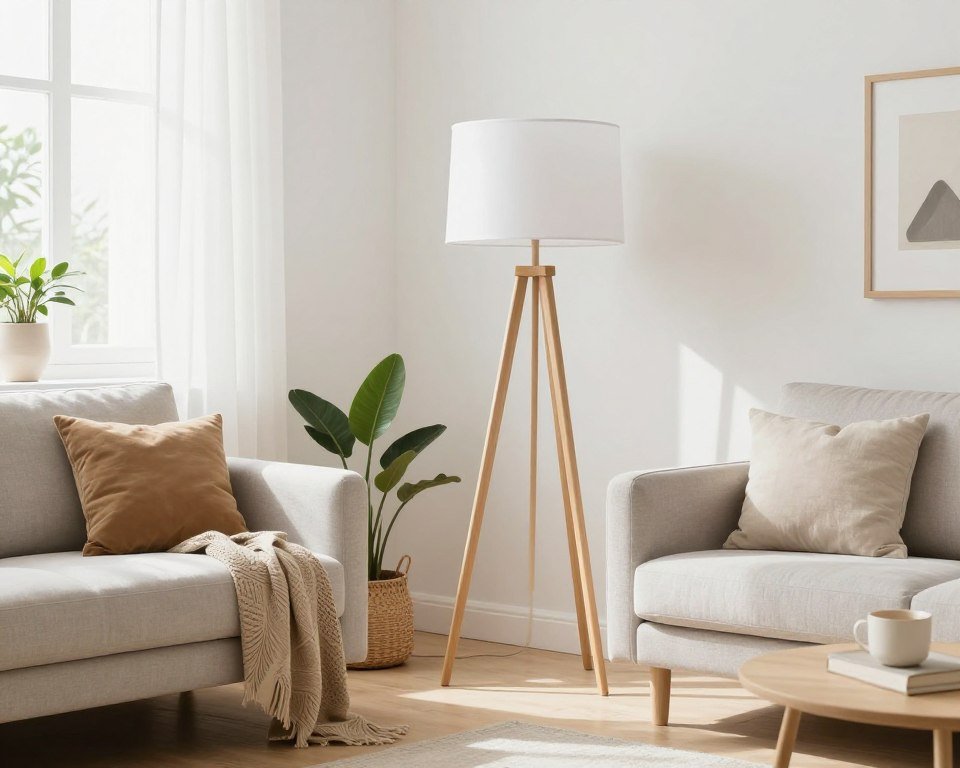
Tripod floor lamps add modern style with their three-legged base. The geometric shape creates visual interest while providing practical lighting. These work especially well in contemporary and mid-century modern spaces.
Tree floor lamps feature multiple arms with individual shades. This design provides light in several directions from one fixture. They’re ideal for illuminating larger seating areas.
Consider the shade material for your floor lamp. Fabric shades create warm, diffused light. Metal shades direct light more precisely. Glass shades offer a clean, modern look.
Find Your Perfect Floor Lamp
Explore hundreds of floor lamp styles to match your decor and lighting needs. From sleek modern designs to classic traditional options.
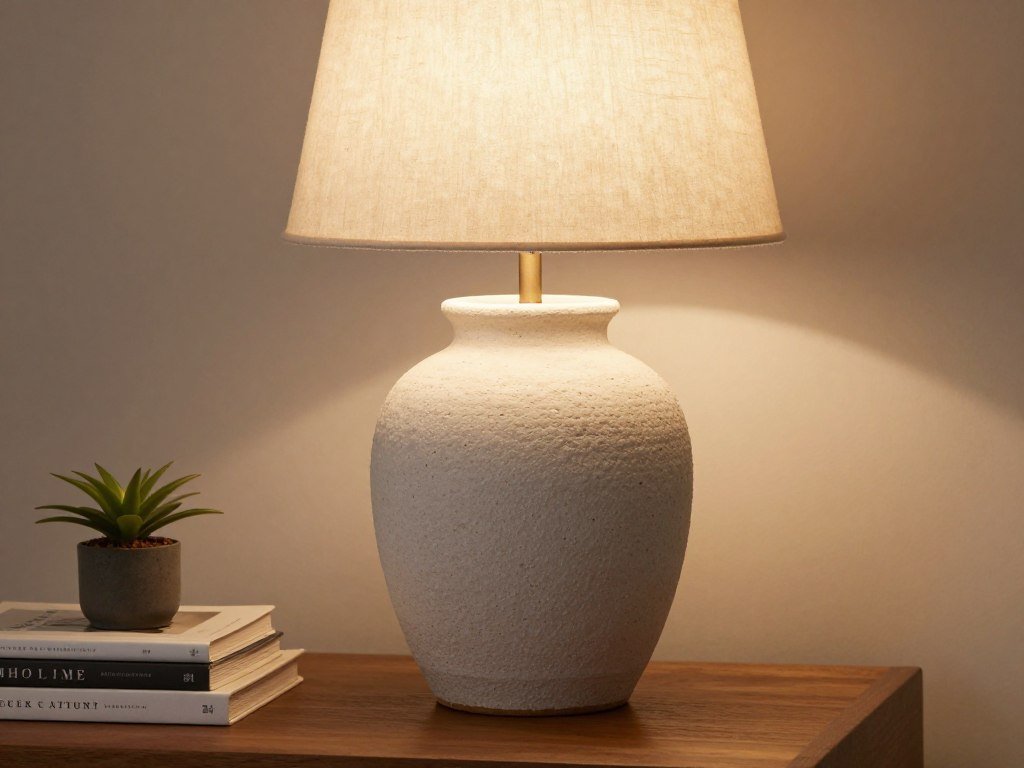
Table lamps bring warmth and personality to your living room. These essential fixtures create pools of light that make spaces feel cozy and inviting. Place them on end tables beside seating for perfect reading light.
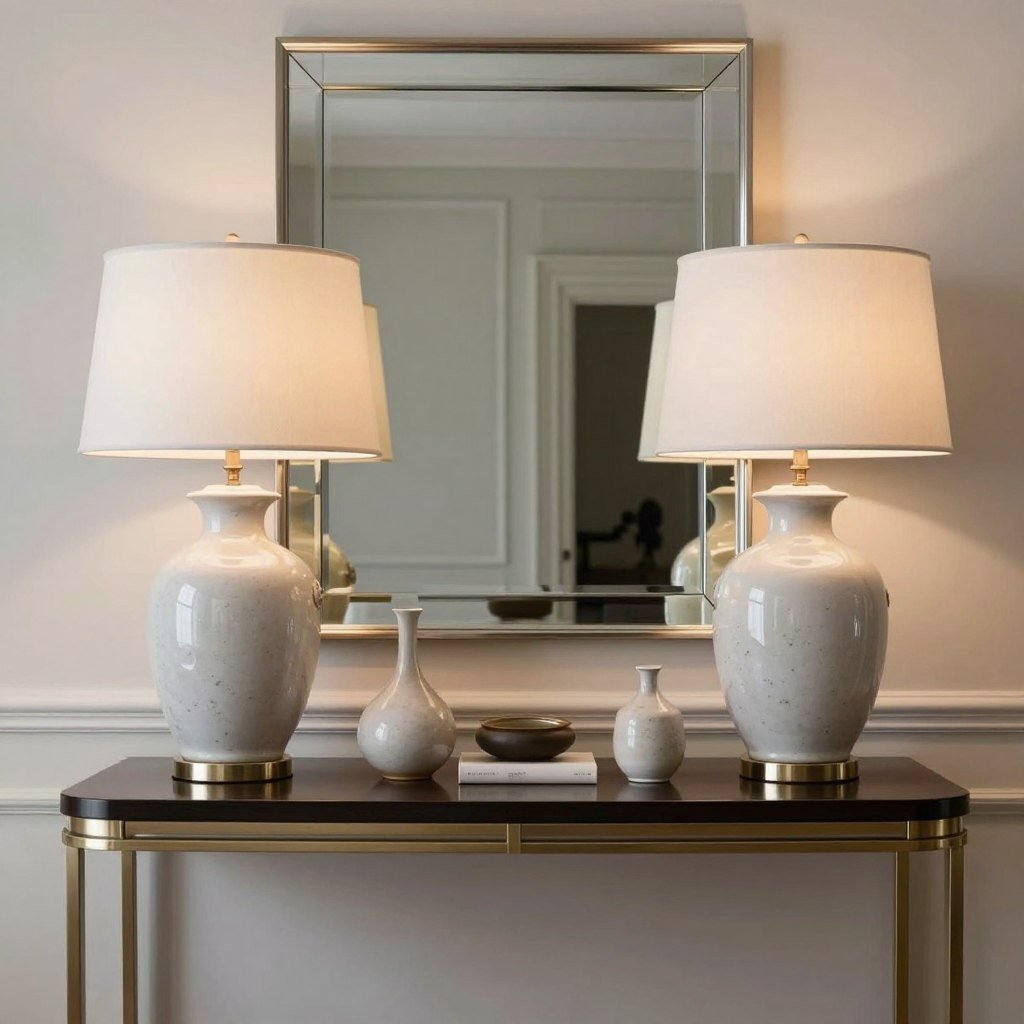
Buffet lamps work beautifully on console tables and sideboards. Their taller, narrower profile suits these surface areas. Paired lamps create symmetry that feels balanced and intentional.
Selecting the Right Height
Your table lamp should relate properly to nearby furniture. The bottom of the shade should sit at eye level when you’re seated. This prevents glare while providing adequate task lighting.
For end tables, choose lamps between twenty-four and thirty-two inches tall. This range works well with standard sofa and chair heights. Taller buffet lamps can reach up to thirty-six inches.
Shade Selection Matters
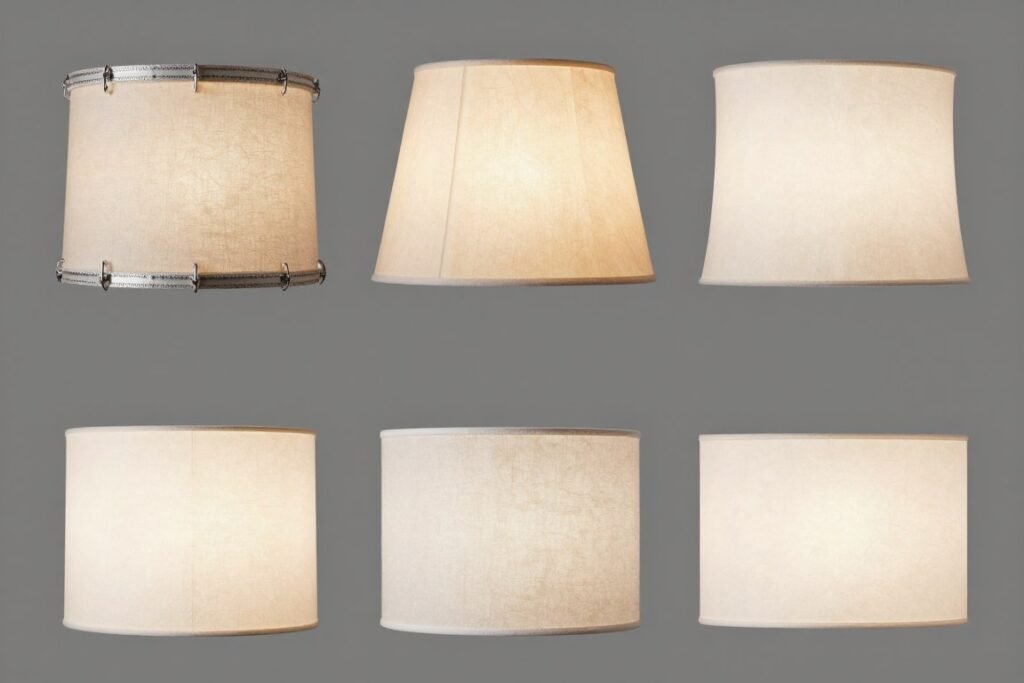
The lamp shade controls how light spreads in your room. Drum shades provide even light distribution in all directions. Empire shades direct more light downward for reading tasks.
Light-colored shades create a softer, more diffused glow. Dark shades produce more dramatic, focused light. The shade material affects the quality of light as well.
Linen and fabric shades filter light gently for a warm ambiance. Paper shades offer a crisp, clean quality. Metal shades create more directional lighting.
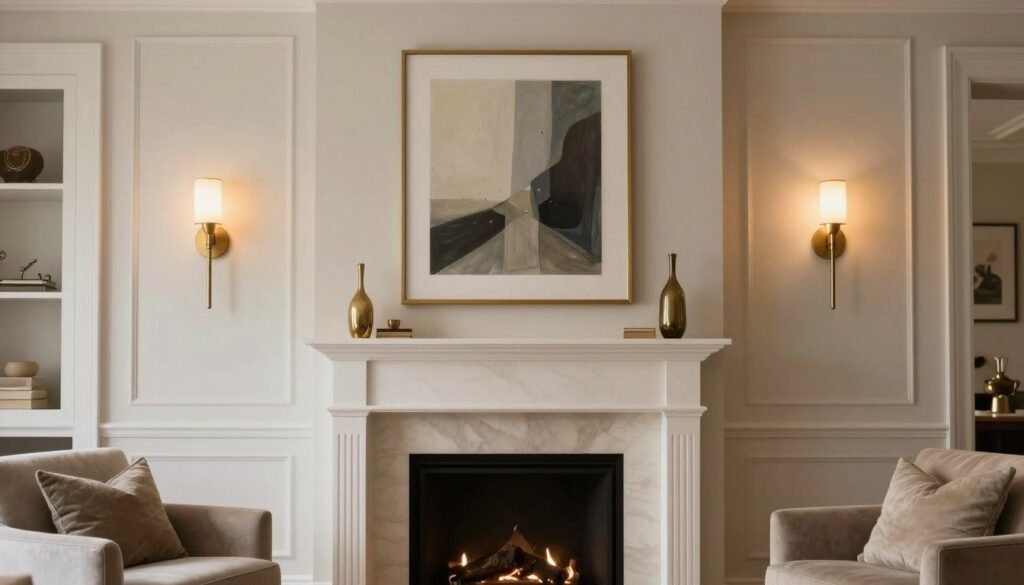
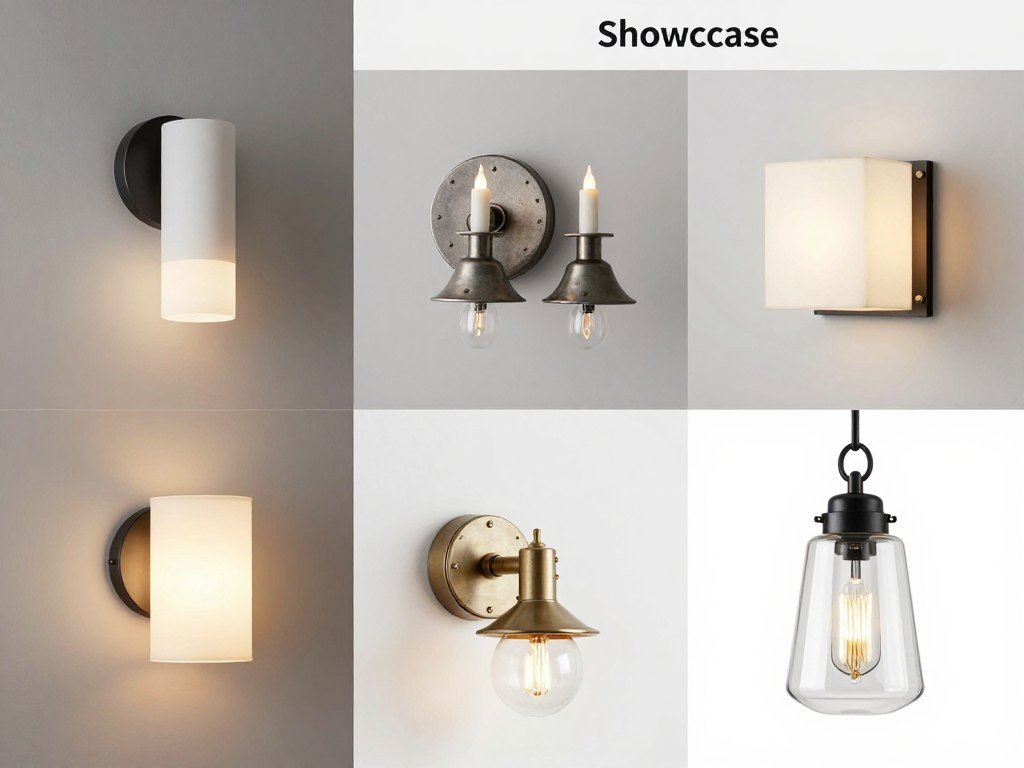
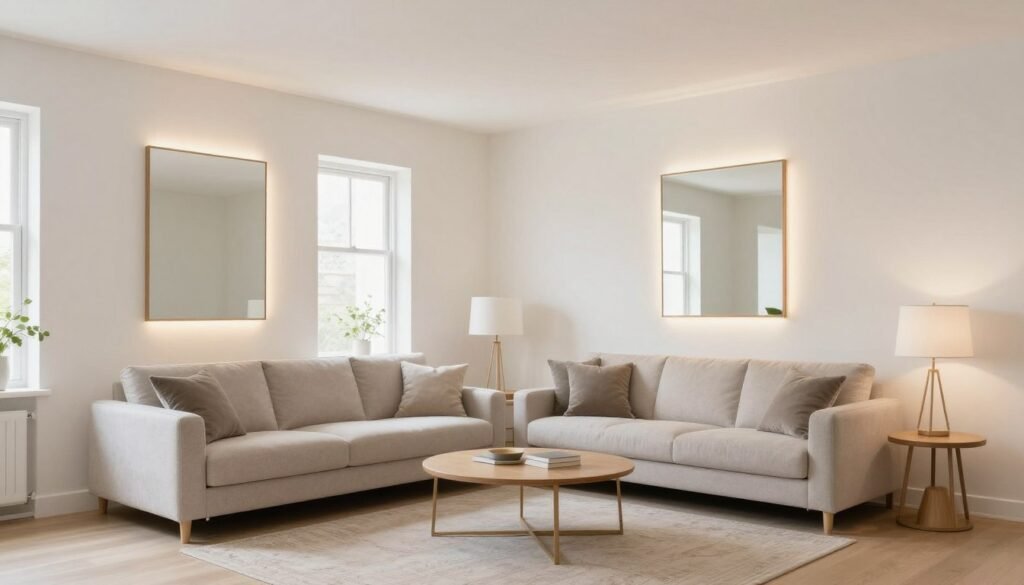
Wall sconces add dimension and visual interest to your walls. These mounted fixtures free up surface space while providing essential lighting. Sconces work beautifully for accent lighting around artwork and architectural features.
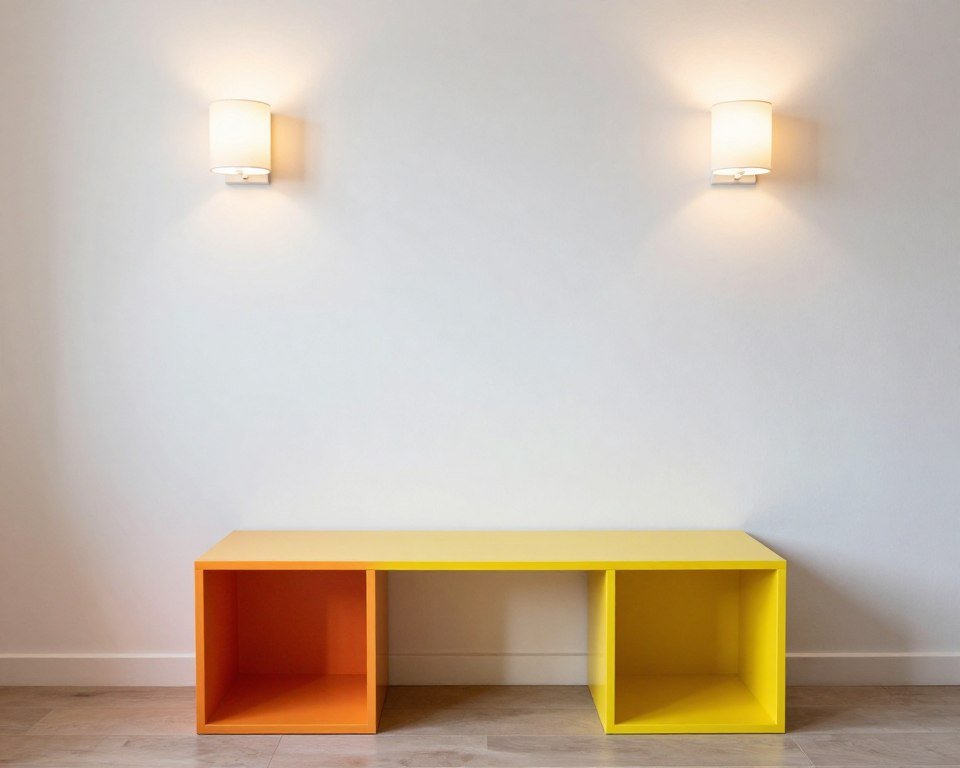
Install sconces in pairs to flank mirrors, fireplaces, or artwork. This symmetrical arrangement creates a polished, designer look. The upward or downward light adds depth to your walls.
Placement Guidelines
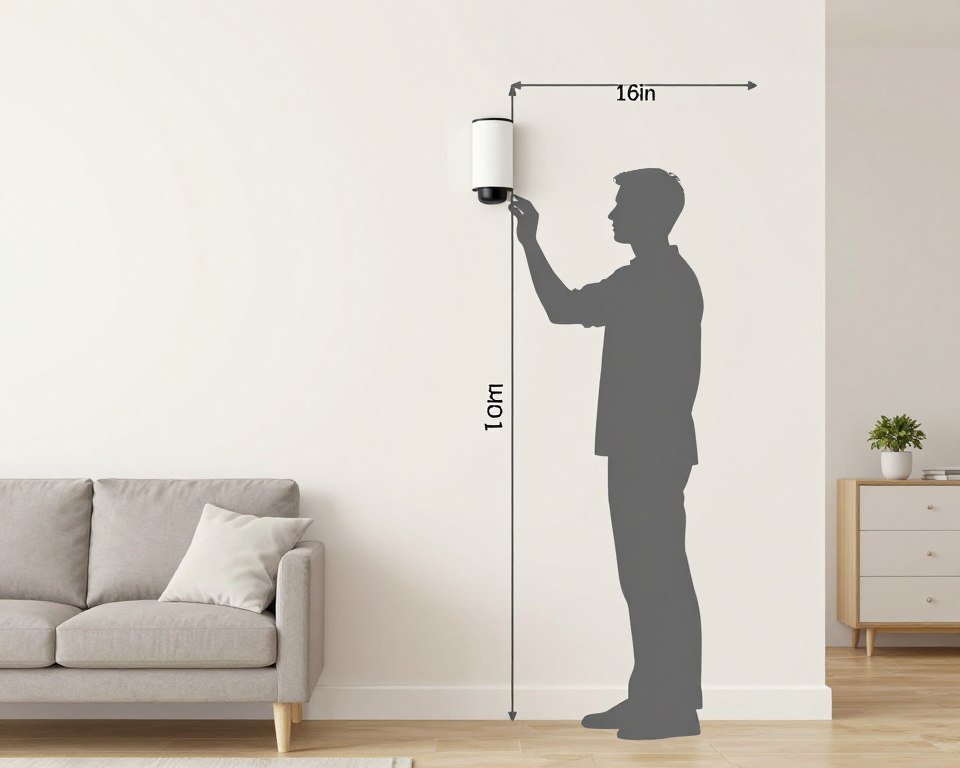
Mount wall sconces at eye level, typically between sixty and seventy inches from the floor. This height works well for most adults and creates pleasant, non-glaring light. Adjust slightly based on your ceiling height.
Space paired sconces based on the width of what they’re flanking. Allow about one-third of the width on each side. For an eight-foot fireplace, place sconces roughly thirty inches from the center.
Sconce Styles and Designs
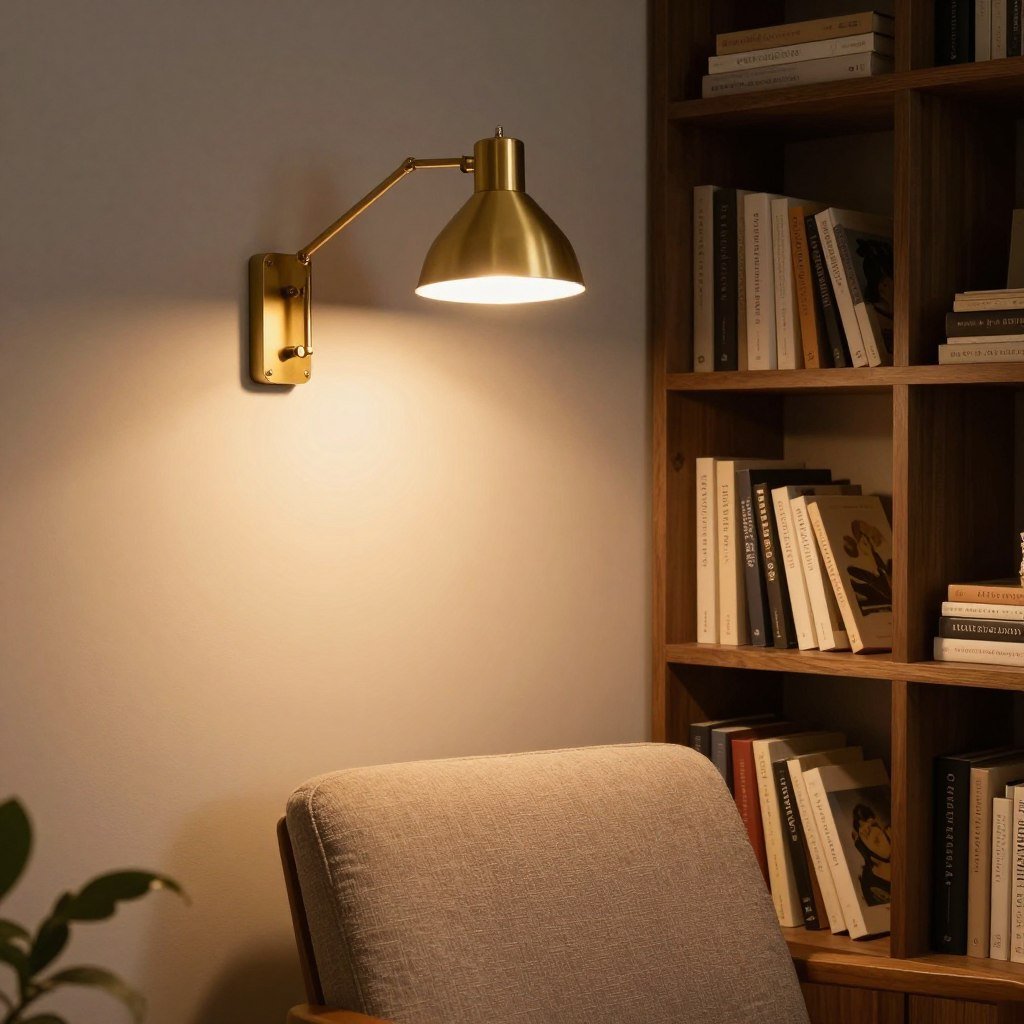
Swing-arm sconces offer adjustable lighting for reading areas. The movable arm lets you direct light exactly where needed. These work perfectly beside seating or in home office areas.
Uplights direct light toward the ceiling to create ambient glow. This indirect lighting feels soft and welcoming. Uplights work well in rooms with beautiful ceiling details.
Downlights cast light downward for more focused illumination. These suit hallways and areas where you need direct light. Many sconces offer both uplight and downlight options.
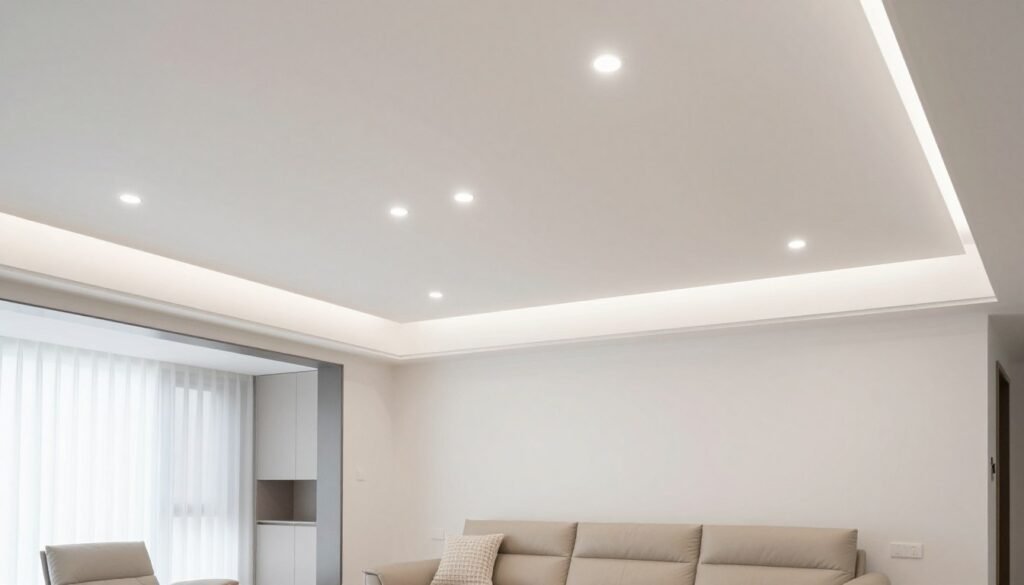
Recessed lights disappear into your ceiling for a streamlined look. These flush-mount fixtures provide ambient lighting without visual clutter. They work exceptionally well in rooms with lower ceilings where hanging fixtures would feel cramped.
Space recessed lights evenly across your ceiling for uniform illumination. This creates a bright, welcoming atmosphere throughout the room. Dimmer switches let you adjust the intensity for different moods.
Planning Your Layout
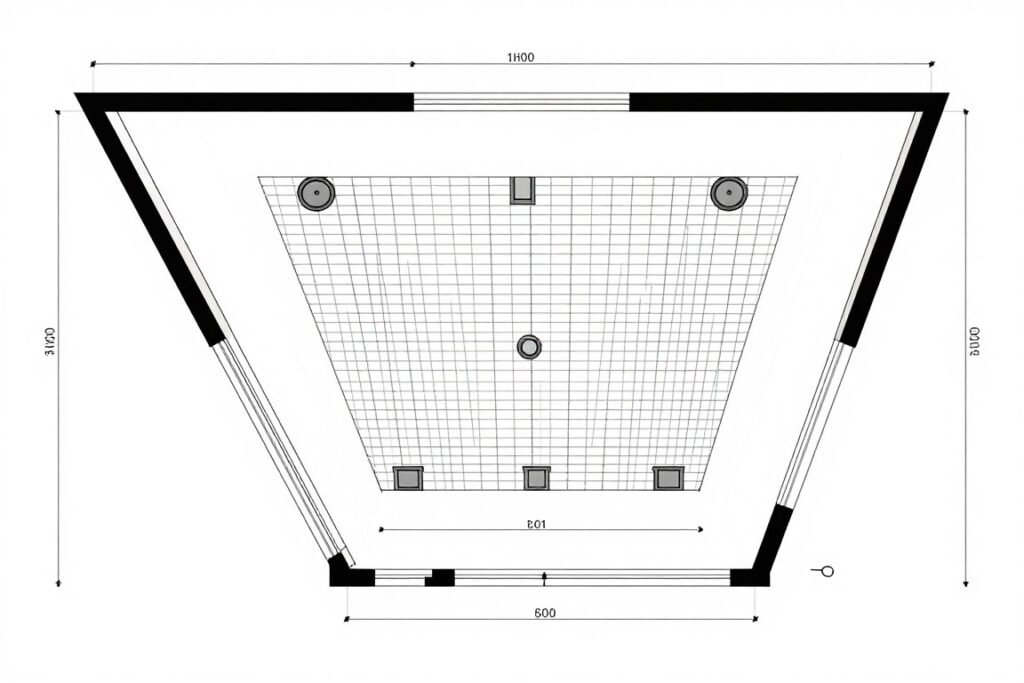
Calculate the number of recessed lights based on your room size. Divide your ceiling area by the coverage area of each light. Most recessed lights cover about twenty-five square feet.
Space lights four to six feet apart for even coverage. Keep them about three feet from walls to avoid harsh shadows. This spacing creates smooth, uniform ambient lighting.
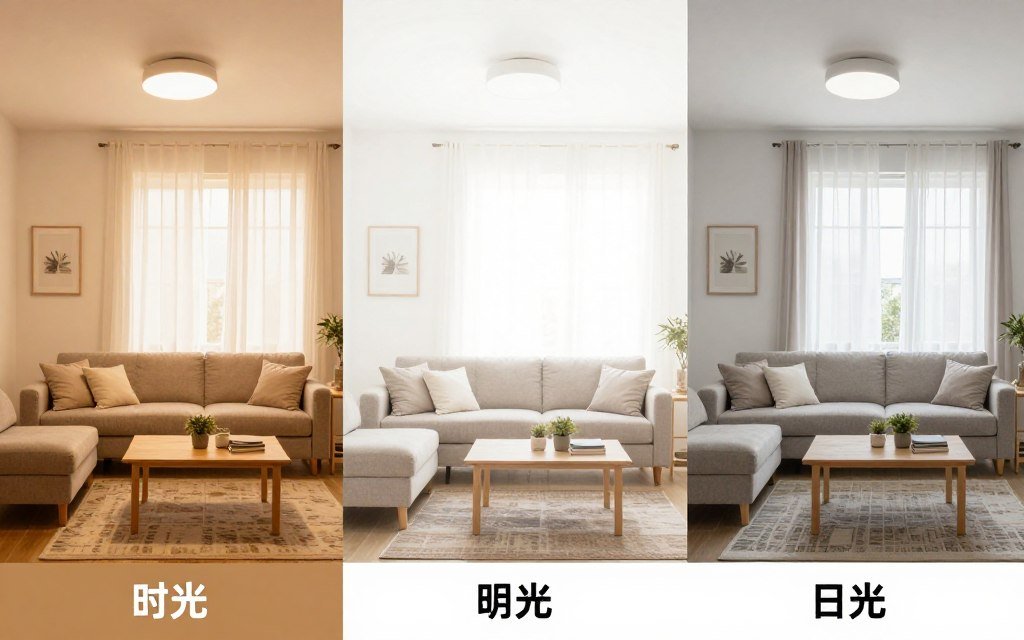
Choosing Bulb Temperature
Light temperature dramatically affects your room’s atmosphere. Warm white bulbs create a cozy, inviting glow perfect for living areas. These measure around two thousand seven hundred Kelvin.
Bright white bulbs offer crisper, more energizing light. These work well if your room serves multiple purposes. Daylight bulbs mimic natural sunlight but may feel too cool for relaxing spaces.
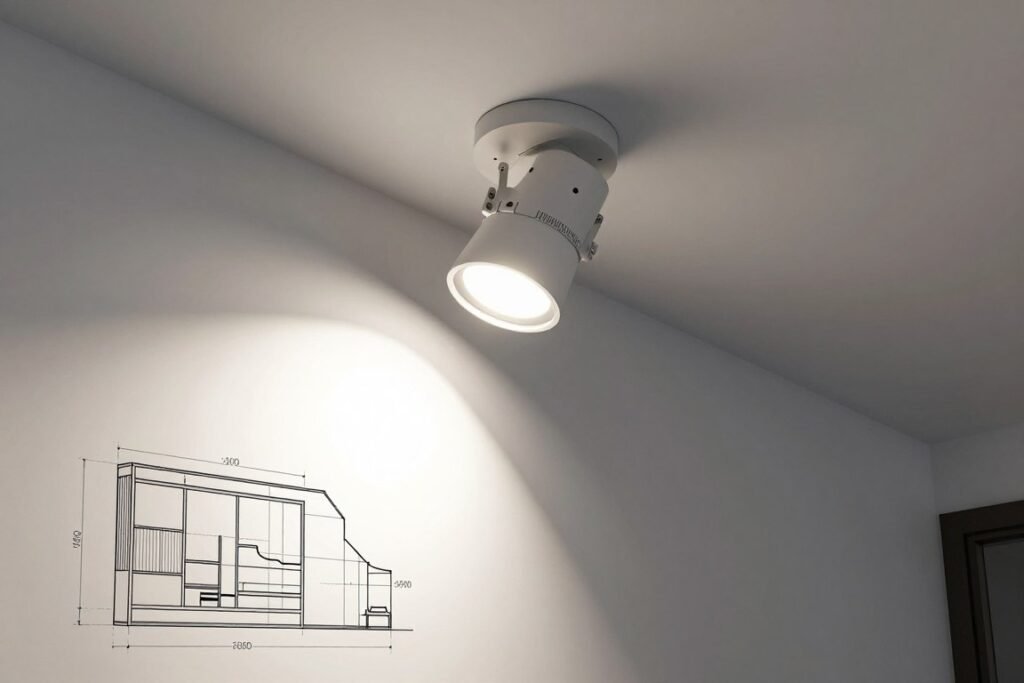
Install adjustable or directional recessed lights to highlight specific areas. These gimbal-style fixtures tilt to aim light at artwork or architectural features. They combine ambient and accent lighting in one fixture.
Track Lighting for Flexibility
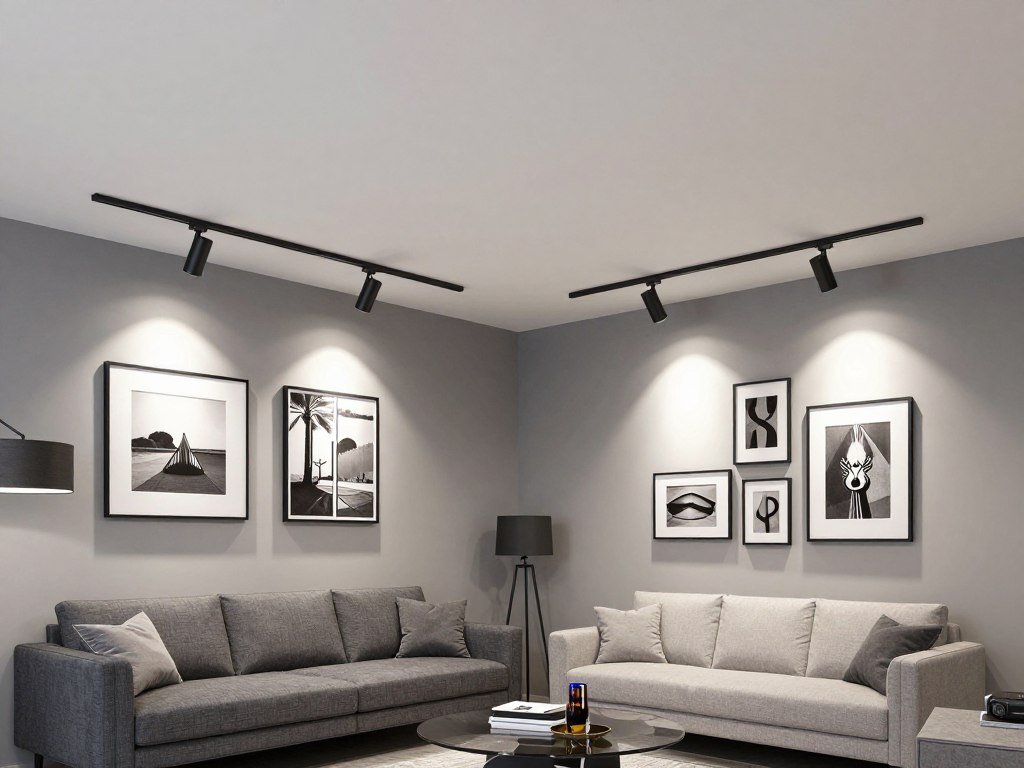
Track lighting offers ultimate flexibility in directing light where you need it. The adjustable heads move along the track to illuminate different areas. This makes track lighting perfect for rooms where your needs might change.
Use track lighting to spotlight artwork collections or create gallery-style wall displays. The individual heads adjust to highlight each piece perfectly. You can easily reposition lights when you rearrange your art.
Track Styles and Configurations
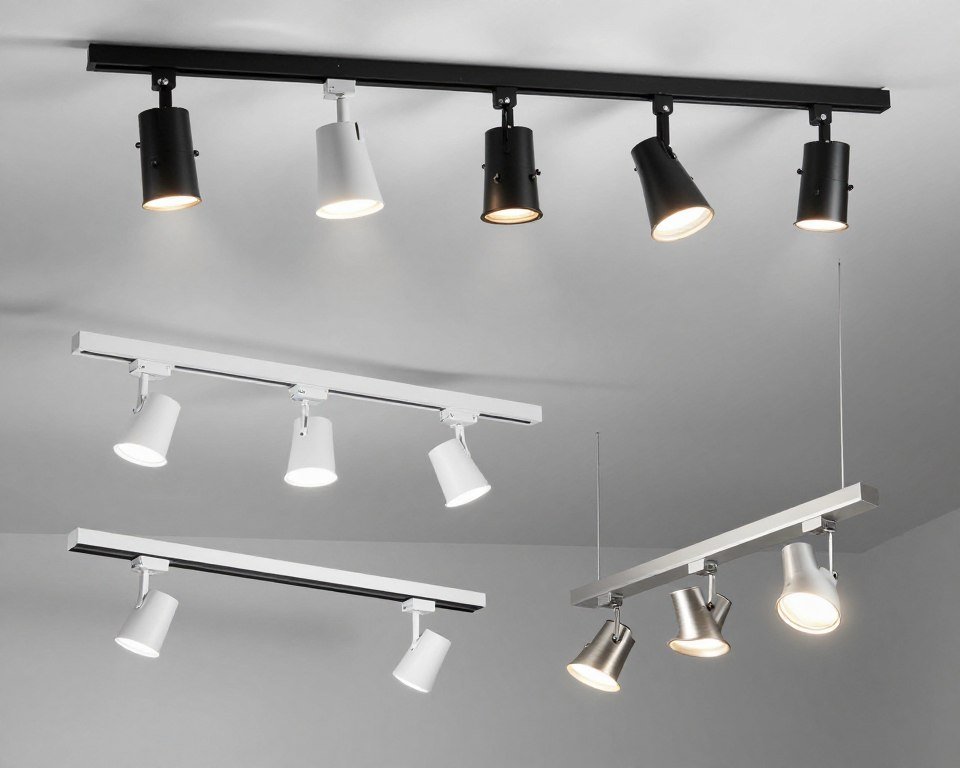
Linear track systems run in straight lines across your ceiling. These work well for rectangular rooms and create clean, modern lines. Flexible track systems curve and bend to follow architectural features.
Monorail systems offer the most design flexibility. The low-voltage cable can curve in any direction. These systems create sculptural lighting installations that serve as art themselves.
Choose track finish to complement your existing metal accents. Black tracks suit industrial and modern spaces. Brushed nickel works with traditional decor. White tracks blend into light ceilings.
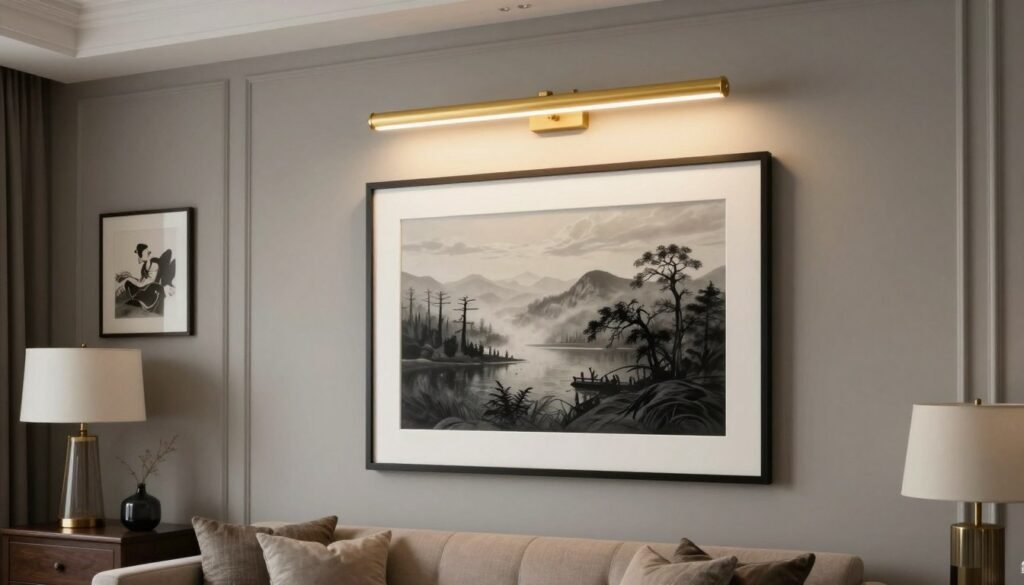
Dedicated picture lights transform your artwork into focal points. These small fixtures mount directly above or below frames to provide focused illumination. The right lighting brings out colors and details that overhead lights miss.
LED picture lights offer energy efficiency and minimal heat output. This protects valuable artwork from heat damage. Battery-operated options work where hardwiring isn’t practical.
Choosing Picture Light Size
Match your picture light width to your artwork size. The light should span one-half to two-thirds of the frame width. This creates even illumination without dark corners.
For large artwork over forty-eight inches wide, consider two smaller lights instead of one large fixture. This prevents a single light from looking overwhelming. The paired lights create more even coverage.
Alternative Accent Lighting
Adjustable ceiling spots can highlight artwork without wall-mounted fixtures. Position these recessed or track lights at a thirty-degree angle from the wall. This angle minimizes glare while illuminating the piece effectively.
LED strip lights installed on floating shelves create a gallery effect. The hidden strips wash light across displayed items. This works beautifully for collections and decorative objects.
Up-lights placed on the floor can dramatically illuminate tall artwork or wall features. This creates theatrical impact and draws attention to architectural details.
Cove and Indirect Lighting
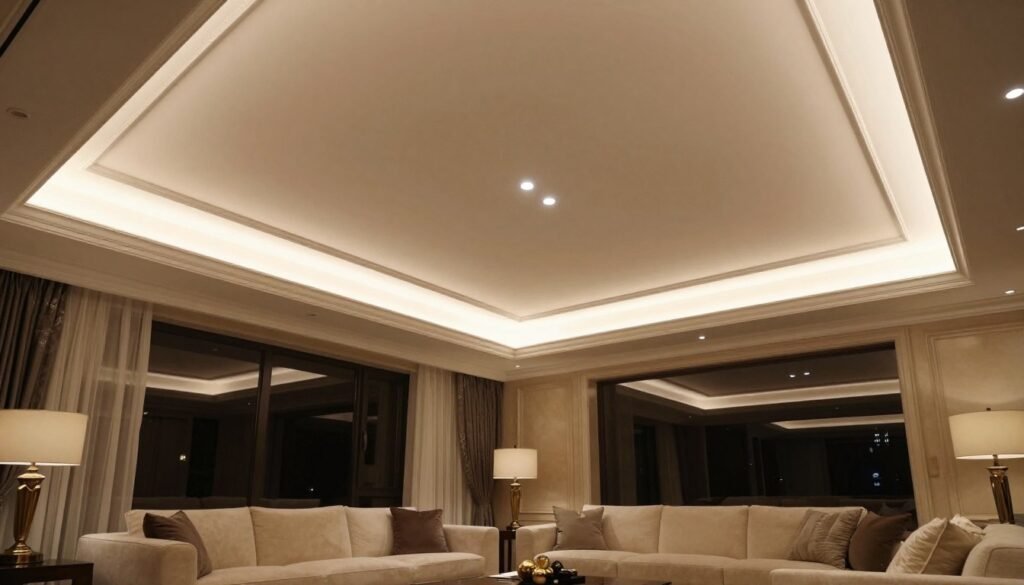
Cove lighting hides light sources in recessed areas to create a soft glow. This indirect lighting bounces off ceilings and walls for gentle, ambient illumination. The effect feels sophisticated and spa-like.
Install LED strips in crown molding, behind valances, or in ceiling coffers. The hidden strips produce light without visible bulbs or fixtures. This creates a floating, ethereal quality.
Creating Depth and Drama
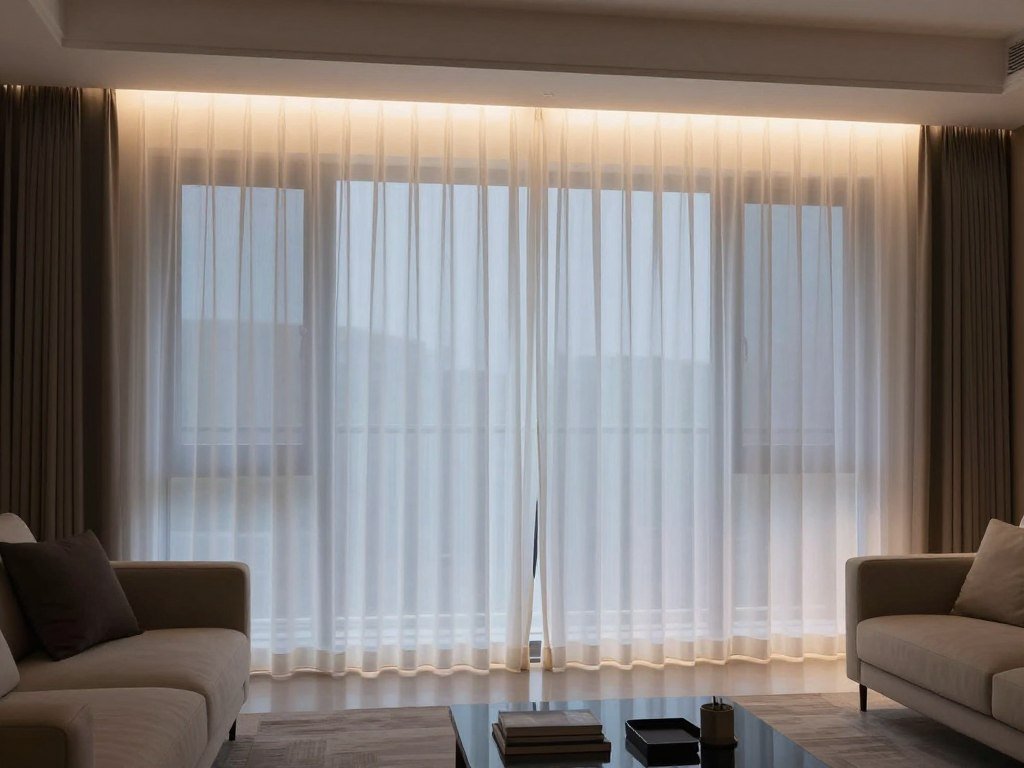
Backlit panels behind sheer curtains produce a warm, diffused glow. This technique makes windows feel larger and more prominent. The soft light creates ambiance even when natural daylight fades.
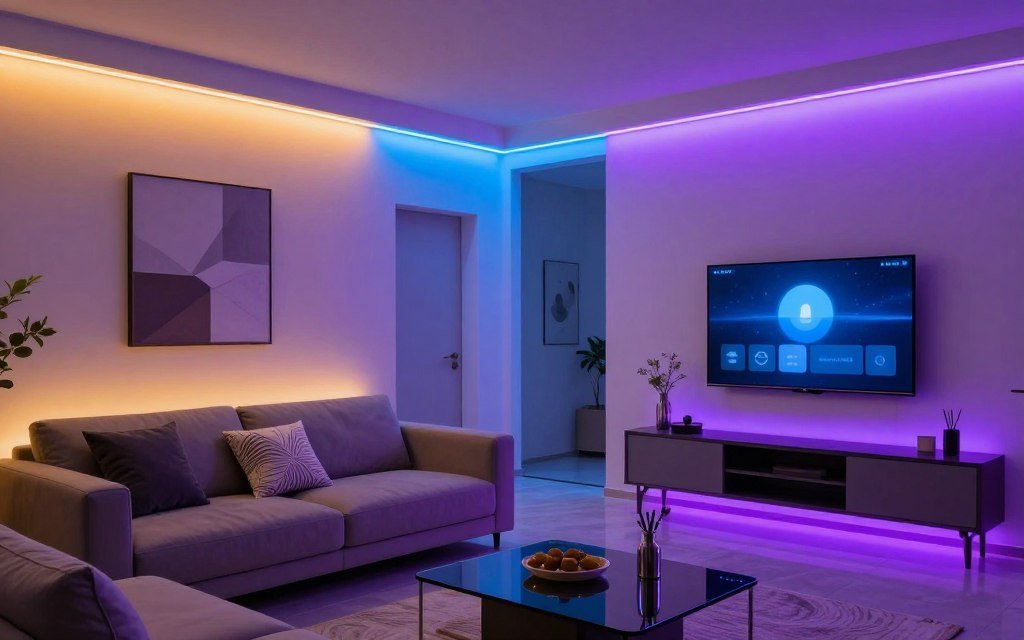
Behind-TV lighting reduces eye strain during viewing. The gentle glow creates contrast between the bright screen and dark wall. This improves comfort during long viewing sessions.
Color-changing LED strips let you adjust the mood with different hues. Warm tones create cozy evenings while cooler tones energize morning routines. Smart controls make adjustments easy.
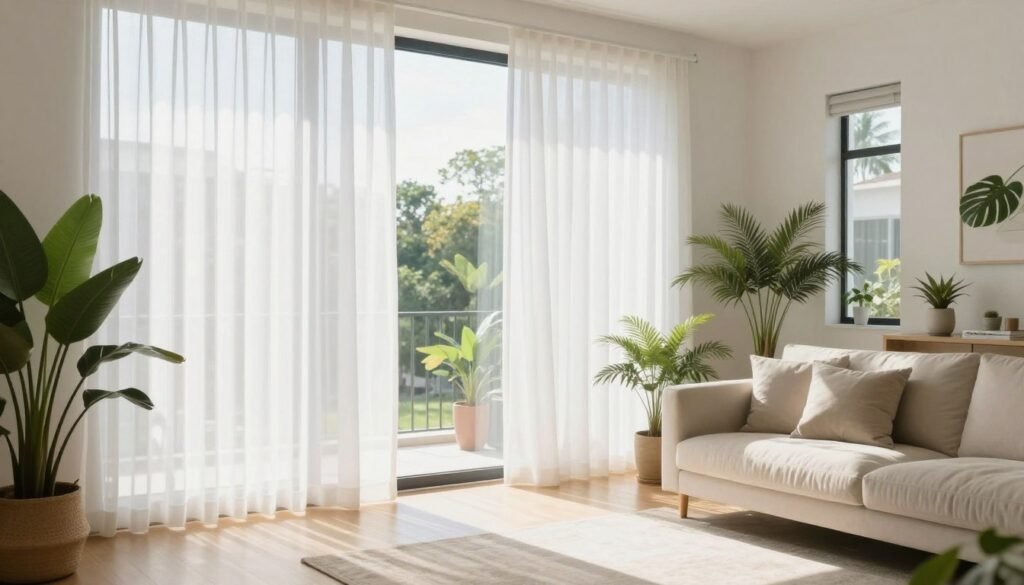
Natural light remains the most beautiful and energy-efficient lighting source. Maximize daylight in your living room through strategic window treatments and reflective surfaces. This reduces your need for artificial lighting during daytime hours.
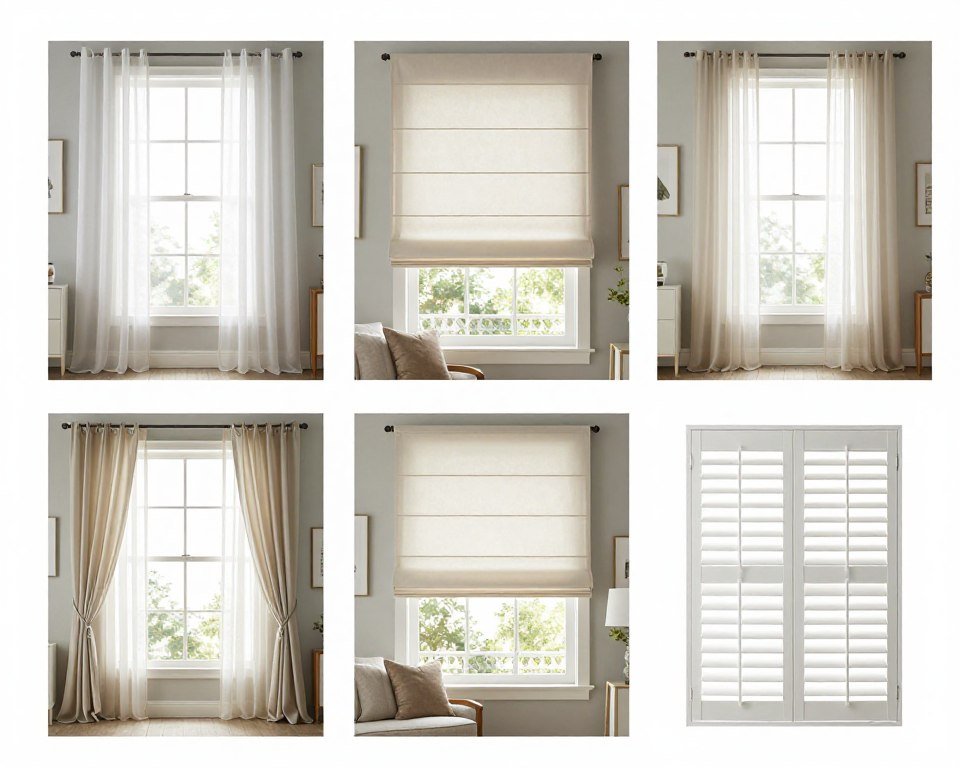
Keep windows clean and unobstructed to allow maximum light penetration. Remove heavy drapes that block sunlight. Choose sheer curtains or light-filtering shades that provide privacy while welcoming daylight.
Reflective Surfaces Strategy
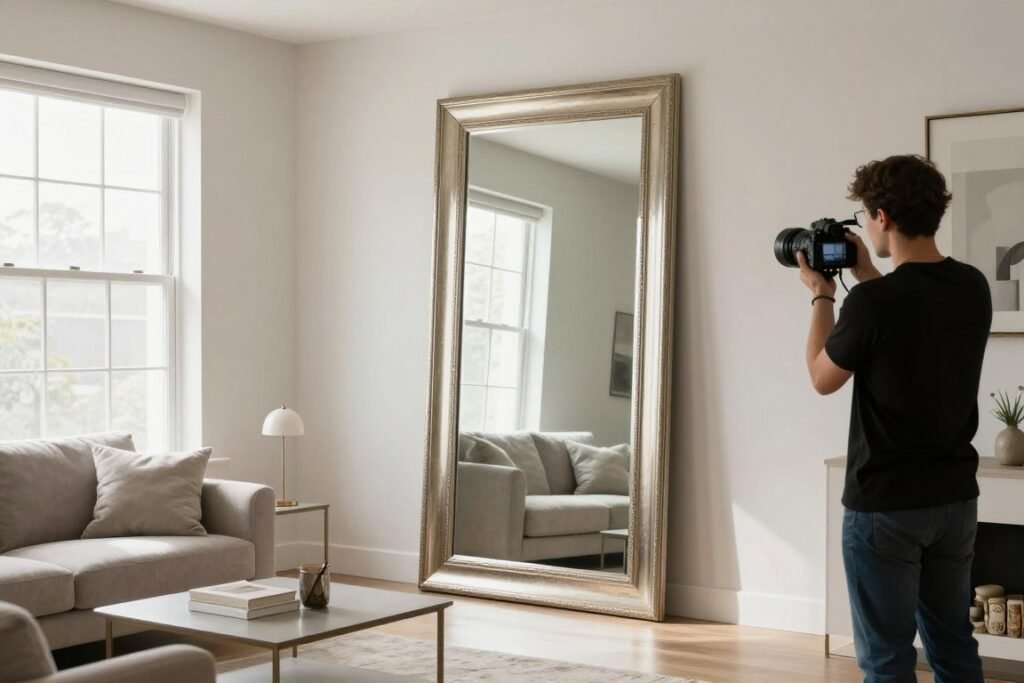
Mirrors placed opposite windows double the natural light in your room. The reflection bounces sunlight deeper into the space. Large mirrors create the illusion of additional windows.
Light-colored walls and ceilings reflect more natural light than dark surfaces. White and cream tones maximize brightness. Glossy or semi-gloss paint finishes reflect more light than flat paint.
Glass and metallic decor elements catch and reflect natural light throughout the day. Crystal vases, metallic picture frames, and glass tables create sparkle and brightness. These reflective accents enhance the overall luminosity.
Window Treatment Options
Cellular shades provide insulation while filtering natural light. The honeycomb design traps air for energy efficiency. Choose light-colored fabrics to maintain brightness.
Roman shades offer a tailored look while allowing light control. These fold neatly when raised to expose the full window. Many styles feature sheer or light-filtering fabric options.
Plantation shutters provide adjustable louvers for precise light control. Tilt the slats to direct sunlight while maintaining privacy. The classic style complements both traditional and modern interiors.
Dimmer Switches and Controls
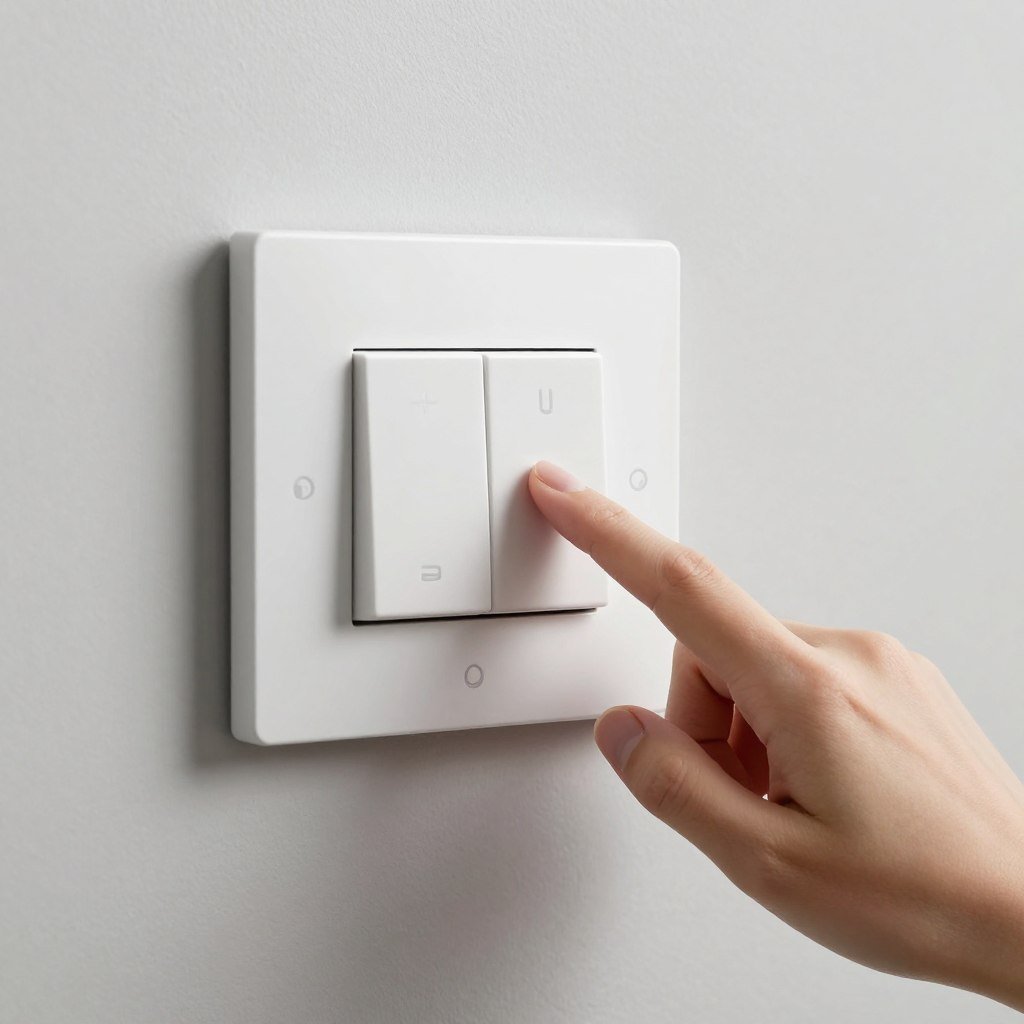
Dimmer switches transform static lighting into flexible mood creators. These controls let you adjust brightness levels for different activities and times of day. Dimming lights in the evening signals your body to wind down.
Install dimmers on all overhead lighting circuits for maximum flexibility. This includes chandeliers, recessed lights, and ceiling fixtures. The investment pays off through energy savings and extended bulb life.
Smart Lighting Integration
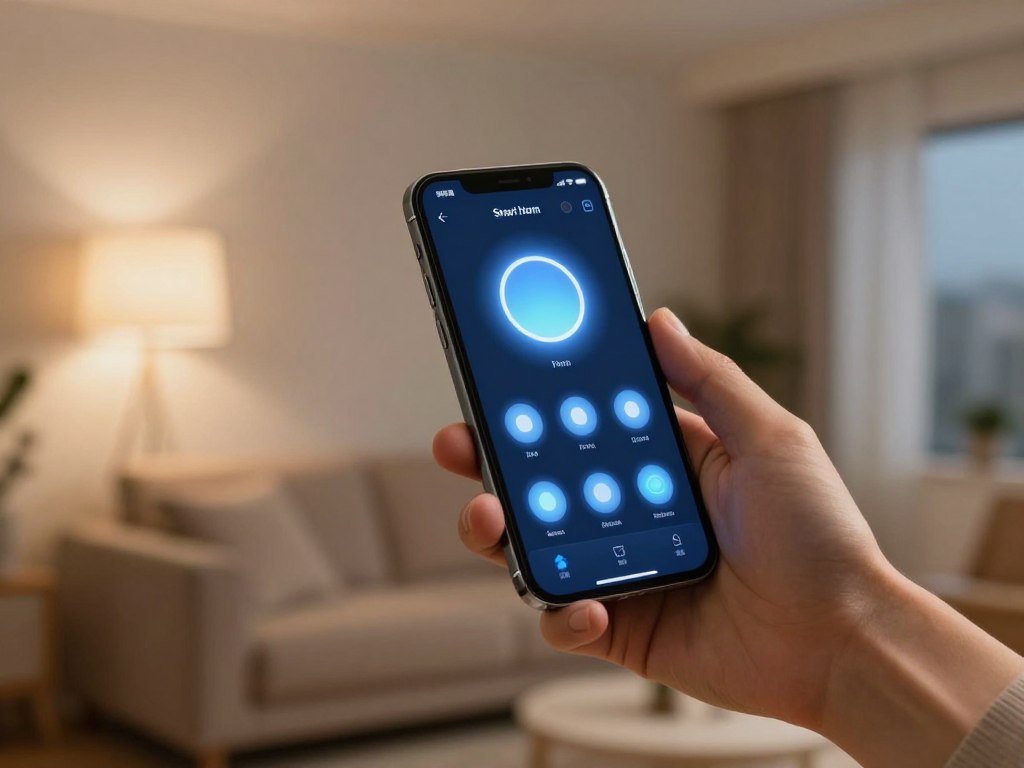
Smart bulbs and switches connect to your home network for app-based control. Adjust lighting from anywhere using your smartphone. Create custom scenes that set multiple lights with one command.
Voice control through smart assistants adds hands-free convenience. Simply speak commands to adjust lighting while cooking, entertaining, or relaxing. This accessibility benefits everyone in the household.
Schedule your lights to automatically adjust throughout the day. Bright lighting in the morning energizes your space. Gradual dimming in the evening creates a relaxing atmosphere. Automated schedules enhance your daily rhythms.
Choosing Compatible Bulbs
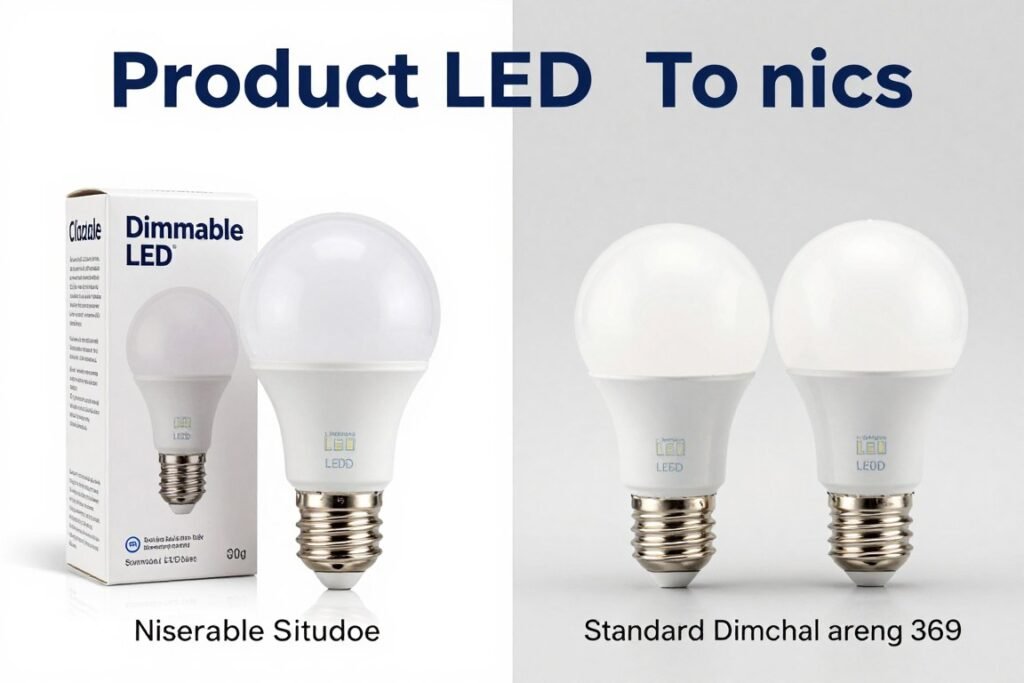
Not all bulbs work with dimmer switches. LED bulbs must be labeled as dimmable to function properly. Non-dimmable LEDs may flicker or fail when used with dimmers.
Check the minimum wattage requirements for your dimmer switch. Some dimmers need a certain load to function correctly. This matters especially when using energy-efficient LED bulbs.
Upgrade to Smart Lighting Control
Explore dimmers, smart switches, and app-controlled lighting systems that give you complete control over your home’s ambiance.
Small living spaces need thoughtful lighting to feel open and inviting. The right lighting makes compact rooms feel larger and more comfortable. Avoid single overhead fixtures that create harsh shadows and emphasize limited square footage.
Layer multiple light sources at different heights throughout your small living area. This creates depth and visual interest. The varied lighting levels trick the eye into perceiving more space.
Space-Saving Fixture Choices
Wall-mounted sconces free up valuable floor and table space in small rooms. These fixtures provide necessary lighting without cluttering surfaces. Mount them high enough to preserve floor area underneath.
Flush-mount ceiling lights work better than hanging chandeliers in rooms with low ceilings. These fixtures provide ambient lighting without reducing perceived ceiling height. Choose designs with upward-facing elements to enhance the sense of height.
Slim floor lamps with small footprints fit into tight corners. Look for designs with narrow bases and vertical orientations. Arc lamps eliminate the need for end tables while providing overhead task lighting.
Brightness and Color Strategy
Bright, even lighting makes small spaces feel larger and more welcoming. Avoid dark corners that make rooms feel cramped. Ensure adequate illumination reaches all areas of your space.
Choose light bulbs with higher lumens for small rooms. This compensates for the limited space to distribute light. Aim for bright white tones that energize rather than dim warm lights.
Light-colored lamp shades in white or cream maximize light output. Dark shades absorb light that small rooms desperately need. Transparent or translucent materials allow maximum light transmission.
Creating Reading Nooks
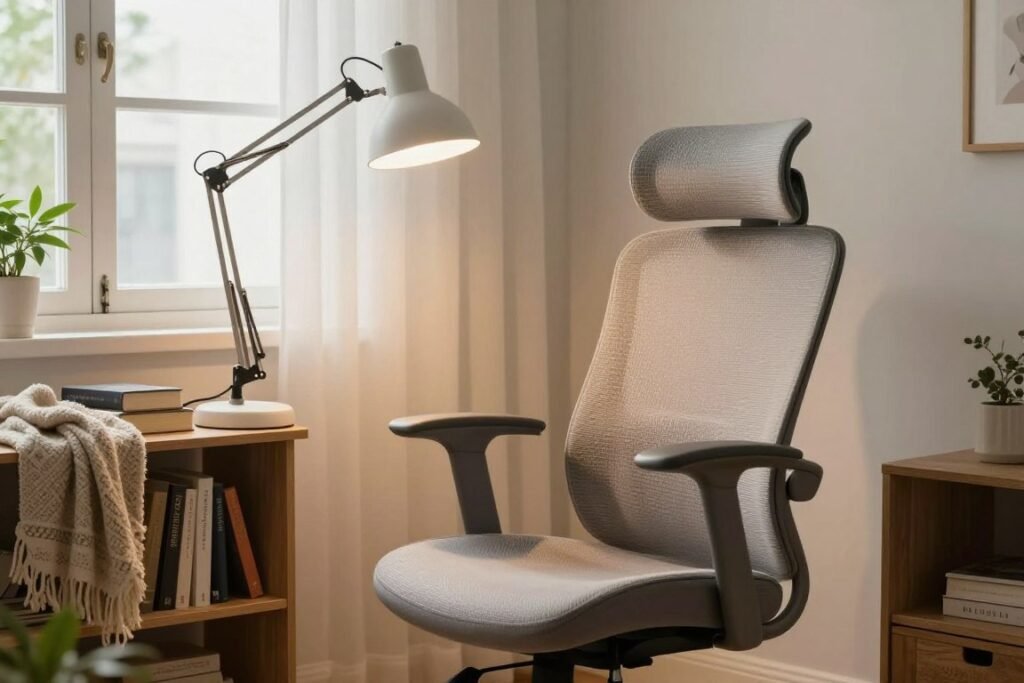
Dedicated reading light makes any corner of your living room perfect for curling up with a book. Task lighting for reading needs to be bright enough to prevent eye strain but not harsh. Position lights to eliminate shadows on your reading material.
Adjustable lamps give you control over light direction and intensity. Swing-arm floor lamps or wall-mounted reading lights work beautifully. The flexibility lets you customize the light for different books and times of day.
Optimal Light Positioning
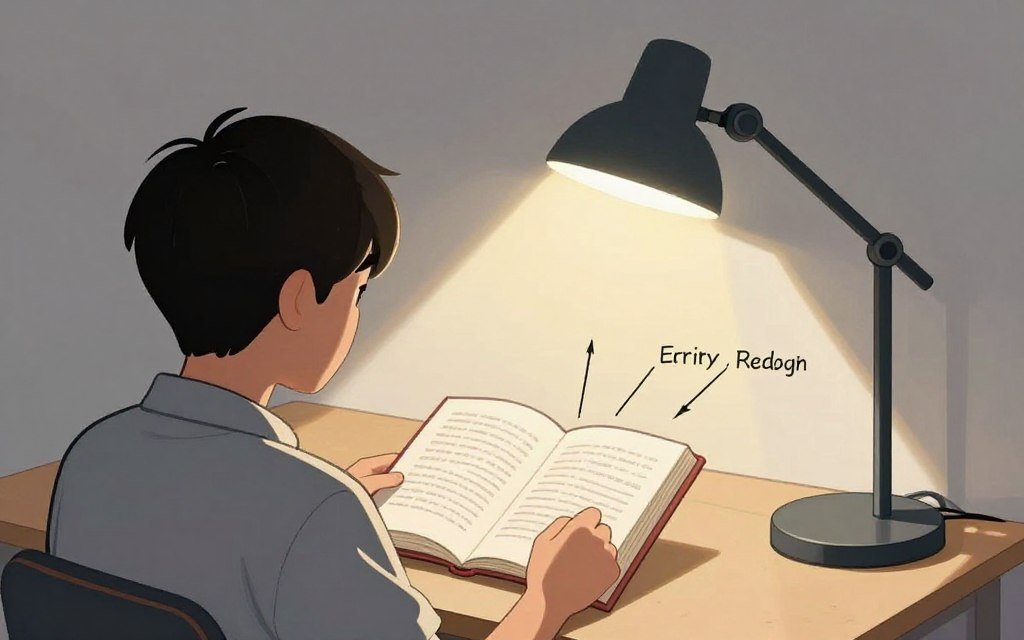
Place reading lights over your shoulder to illuminate pages without creating glare. The light should come from behind and slightly to the side. This prevents shadows from your hands and body falling on the text.
Position the light source about fifteen to twenty inches above your reading material. This height provides adequate coverage without shining directly in your eyes. Adjustable gooseneck or articulating arm lamps make finding the perfect position easy.
Choosing Reading Light Fixtures
Floor lamps with adjustable heads suit armchair reading areas. These freestanding fixtures don’t require installation and move easily. Look for models with dimmer switches built into the base.
Clip-on reading lights attach to book covers or nearby furniture. These portable options work anywhere in your living room. Battery-operated models offer complete freedom from outlets.
Task lamps on side tables provide dedicated lighting for specific seating areas. Choose models with focused downward beams. The concentrated light creates an intimate reading environment.
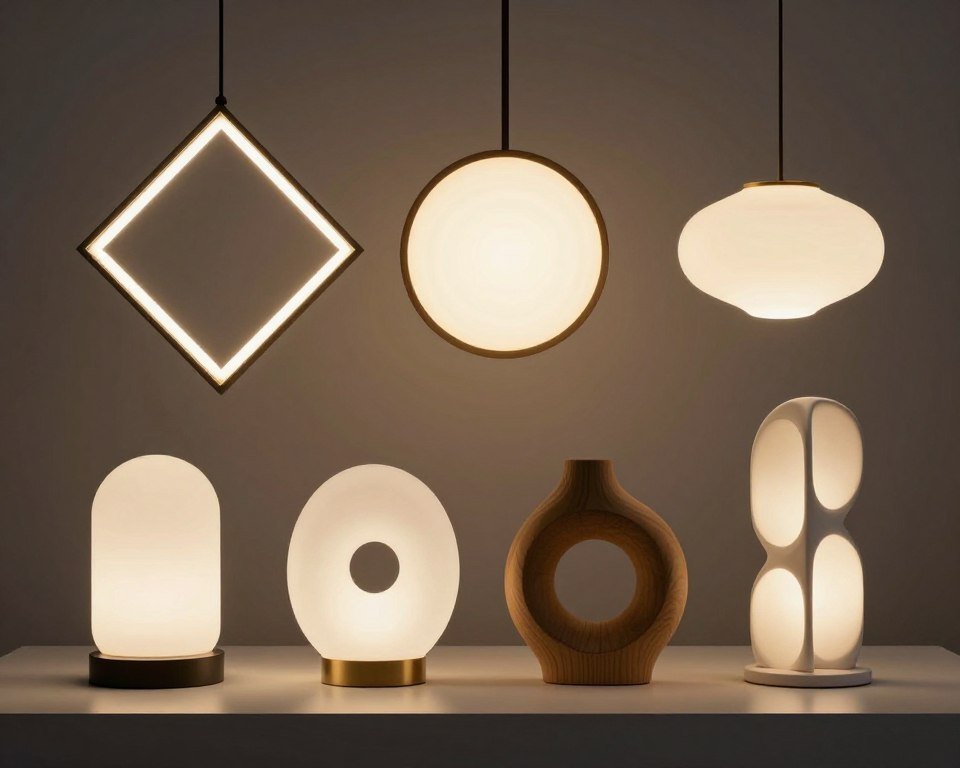
Lighting fixtures serve as functional art in your living room. A dramatic chandelier or unique pendant becomes a conversation piece. These statement fixtures define your room’s style and personality.
Choose one bold lighting piece as your focal point rather than multiple competing fixtures. This creates a clear design hierarchy. The statement piece should complement your furniture and color scheme without overwhelming the space.
Sculptural and Artistic Designs
Modern chandeliers feature abstract shapes and unexpected materials. These artistic pieces blur the line between lighting and sculpture. Look for designs that reflect your personal aesthetic.
Vintage and antique fixtures bring character and history to your space. A restored mid-century chandelier or industrial pendant adds authenticity. These pieces work especially well in eclectic or transitional interiors.
Oversized fixtures make bold statements in rooms with high ceilings. A large-scale chandelier fills vertical space and draws the eye upward. This emphasizes the architectural grandeur of your room.
Mixing Metals and Finishes
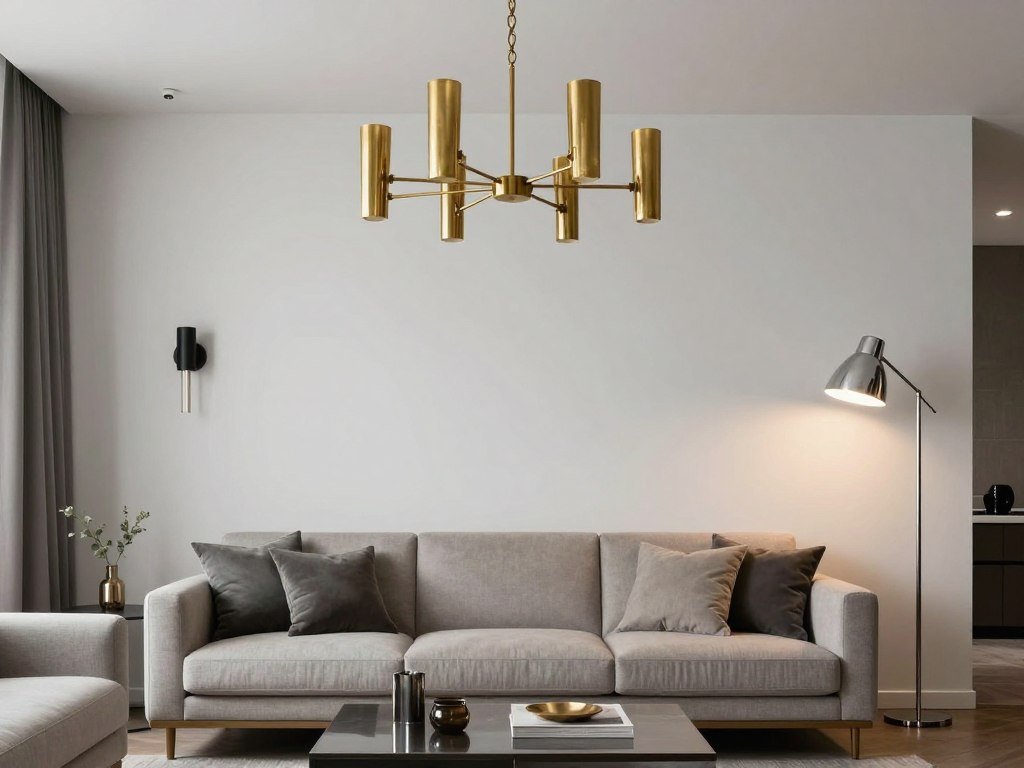
Don’t feel obligated to match all metal finishes in your lighting. Mixed metals create a curated, collected look. Combine brass with black iron or chrome with bronze for visual interest.
Warm metals like brass and copper create a cozy, traditional feel. Cool metals like chrome and nickel suit modern, contemporary spaces. Matte black works across all design styles.
The key to successfully mixing finishes is repeating each metal at least twice in the room. This creates intentional coordination rather than random mismatching. Balance the metals throughout the space.
Seasonal and Mood Lighting
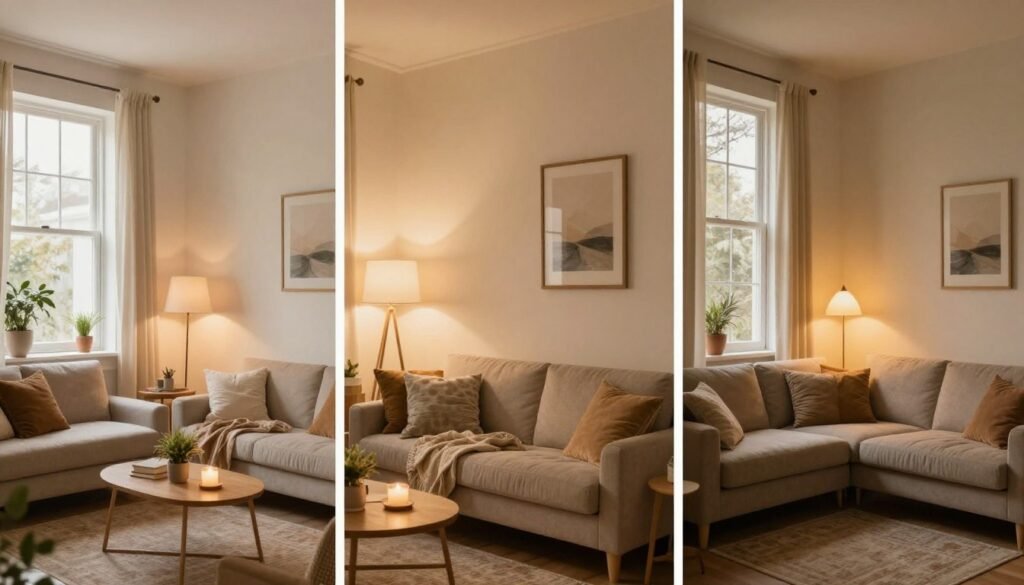
Adapt your lighting throughout the year to match seasonal changes and special occasions. Flexible lighting systems let you create different moods for holidays, parties, or quiet evenings. This versatility keeps your living room feeling fresh and appropriate.
Warm, amber lighting feels cozy during fall and winter months. Cooler, brighter light suits spring and summer seasons. Adjustable color temperature bulbs make seasonal transitions easy without changing fixtures.
Holiday and Special Occasion Lighting
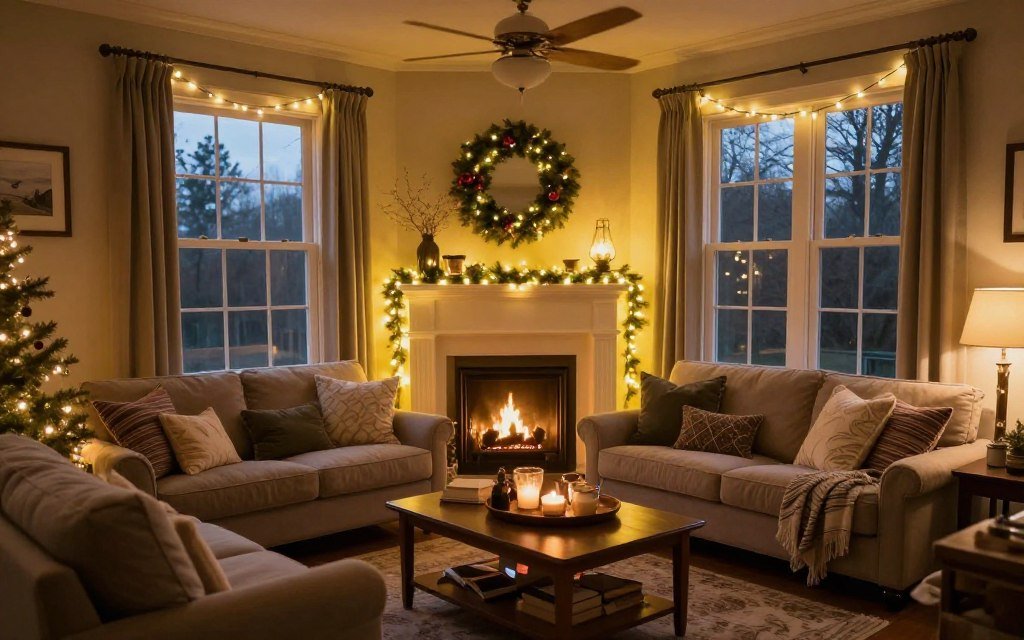
String lights add festive sparkle during celebrations. Drape them along mantels, wrap them around indoor plants, or outline architectural features. Battery-operated options work anywhere without visible cords.
Candles and flameless LED alternatives create intimate atmosphere for romantic evenings or dinner parties. Group candles of varying heights on coffee tables and mantels. The flickering light adds warmth and movement.
Colored bulbs in existing fixtures transform your space for themed parties or holidays. Smart color-changing bulbs offer millions of color options. Create custom scenes for birthdays, game days, or seasonal celebrations.
Circadian Rhythm Support
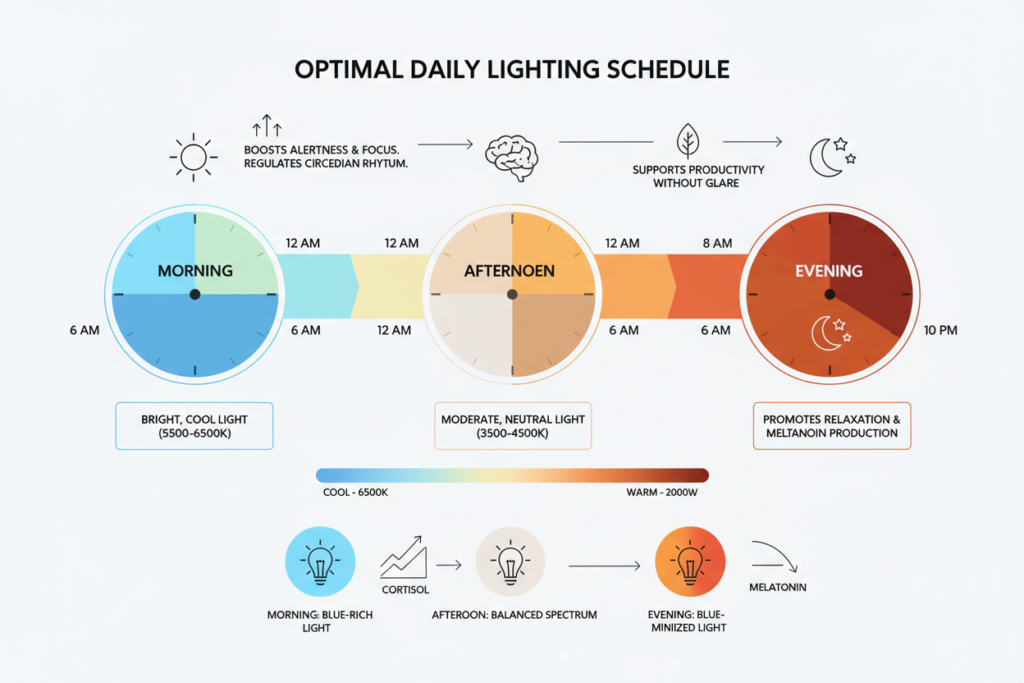
Program your lights to support natural circadian rhythms. Bright, cool light in the morning helps you wake up energized. Gradually dimming warm light in the evening promotes better sleep.
Reduce blue light exposure in the evening by switching to warmer bulbs. Blue light suppresses melatonin production and interferes with sleep. Many smart bulbs automatically adjust color temperature based on time of day.
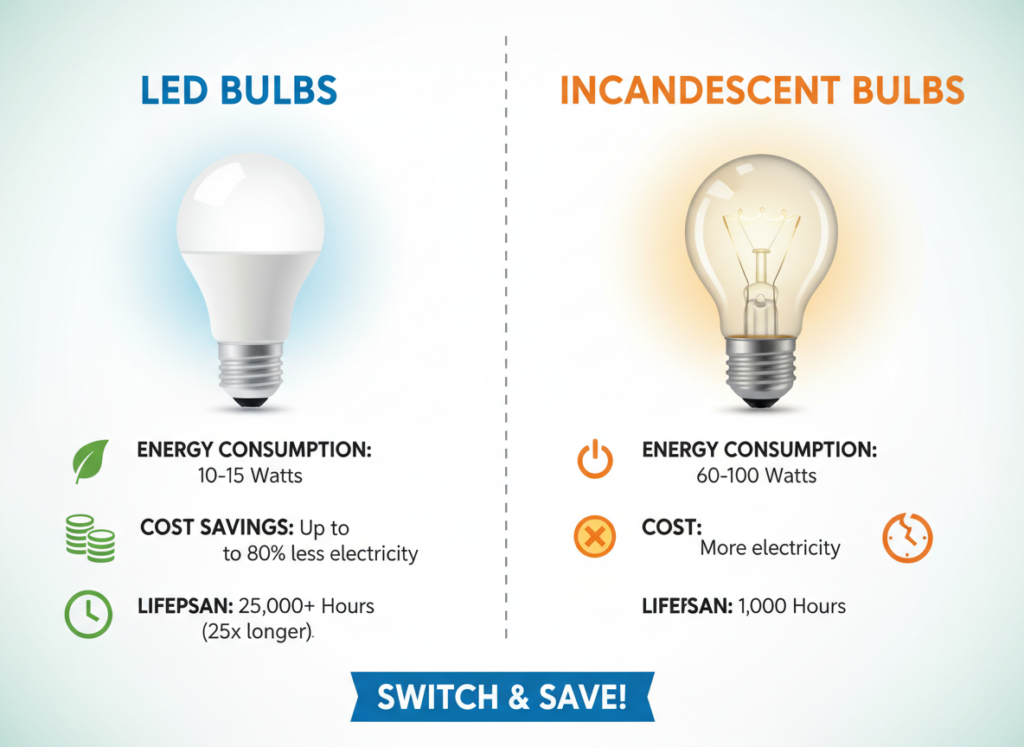
LED bulbs use up to eighty-five percent less energy than traditional incandescent bulbs. This dramatic reduction lowers electricity bills while reducing environmental impact. LED technology has improved significantly in color quality and affordability.
Modern LEDs offer warm, flattering light that rivals traditional bulbs. Gone are the days of harsh, cool LED lighting. Choose bulbs labeled as warm white or soft white for living room comfort.
Understanding LED Specifications
Lumens measure actual light output rather than watts. A sixty-watt incandescent equivalent LED uses only eight to twelve watts. Focus on lumens when shopping to ensure adequate brightness.
Color Rendering Index measures how accurately colors appear under the light. Look for CRI values above eighty for living spaces. Higher CRI means your decor colors look true and vibrant.
LED bulbs last fifteen to twenty-five times longer than incandescent bulbs. This longevity means fewer replacements and less waste. The upfront cost pays back through extended life and energy savings.
Solar and Alternative Options
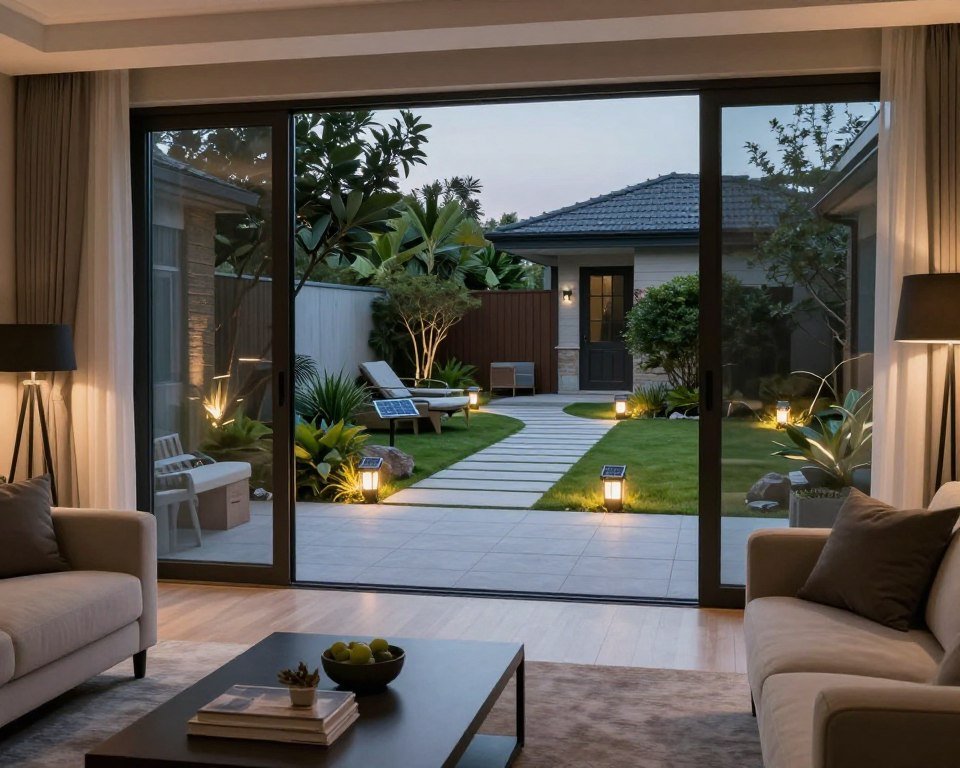
Solar-powered outdoor lights eliminate electricity costs entirely. These fixtures charge during the day and illuminate automatically at night. Use them for patio areas visible from your living room.
Motion sensors reduce energy waste in less-used areas. Lights turn on automatically when you enter and off when you leave. This technology works well in hallways adjacent to living spaces.
Daylight harvesting systems automatically adjust artificial lighting based on available natural light. Sensors dim or brighten lights to maintain consistent illumination levels. This sophisticated approach maximizes energy efficiency.
Lighting Safety and Maintenance
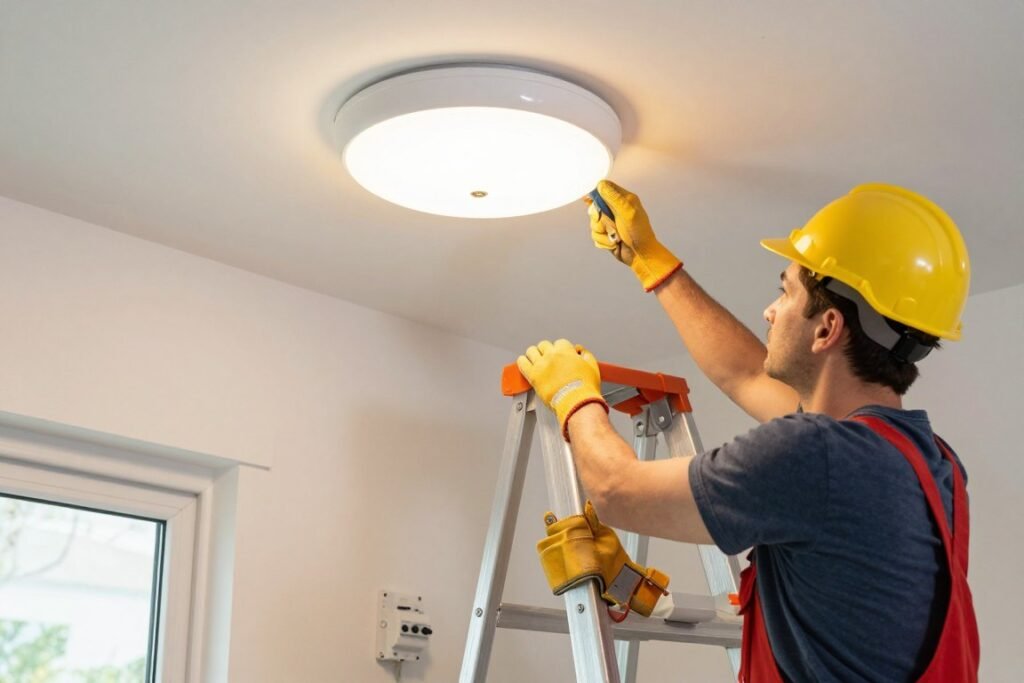
Proper installation and maintenance keep your lighting safe and functional. Always turn off power at the circuit breaker before working on fixtures. Test wires with a voltage tester to confirm power is off.
Hire licensed electricians for complex installations or when working with home wiring. This ensures code compliance and prevents fire hazards. Professional installation may be required for insurance coverage.
Regular Maintenance Tasks
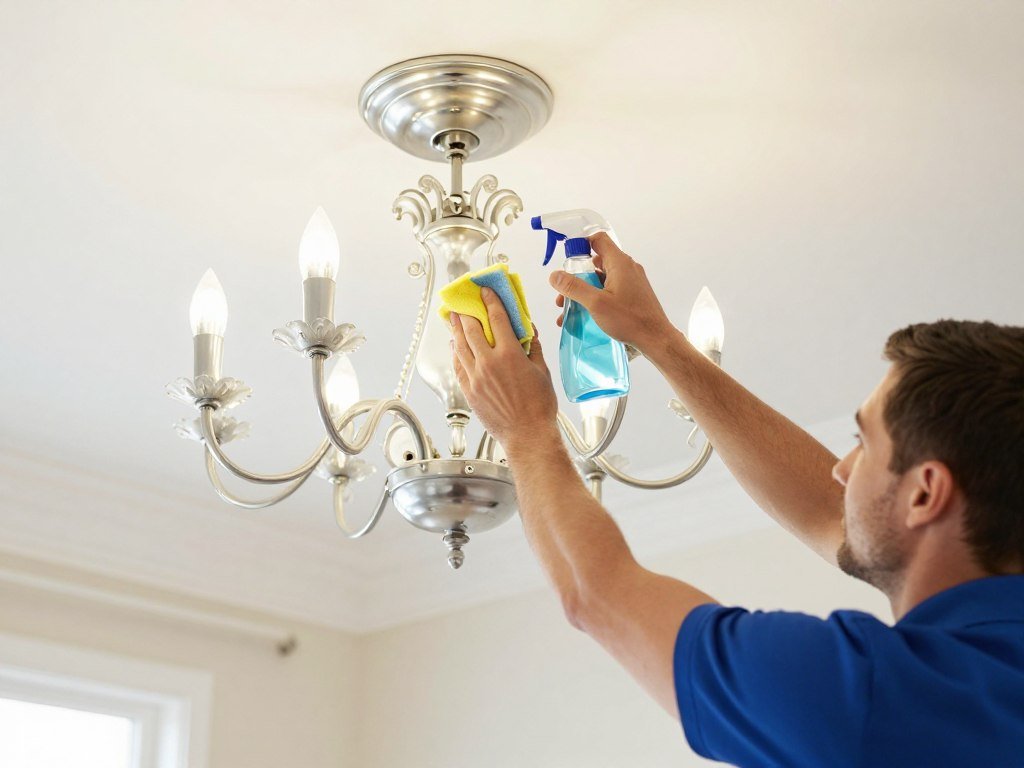
Clean light fixtures and bulbs every few months to maintain brightness. Dust accumulation can reduce light output by up to thirty percent. Turn off lights and allow bulbs to cool before cleaning.
Check for loose connections and frayed cords during regular cleaning. Damaged cords create fire risks and should be replaced immediately. Tighten any loose bulbs or fixture components.
Replace flickering bulbs promptly as they may indicate electrical issues. Persistent flickering after bulb replacement suggests problems with the fixture or wiring. Address these issues before they become dangerous.
Safe Bulb Wattage
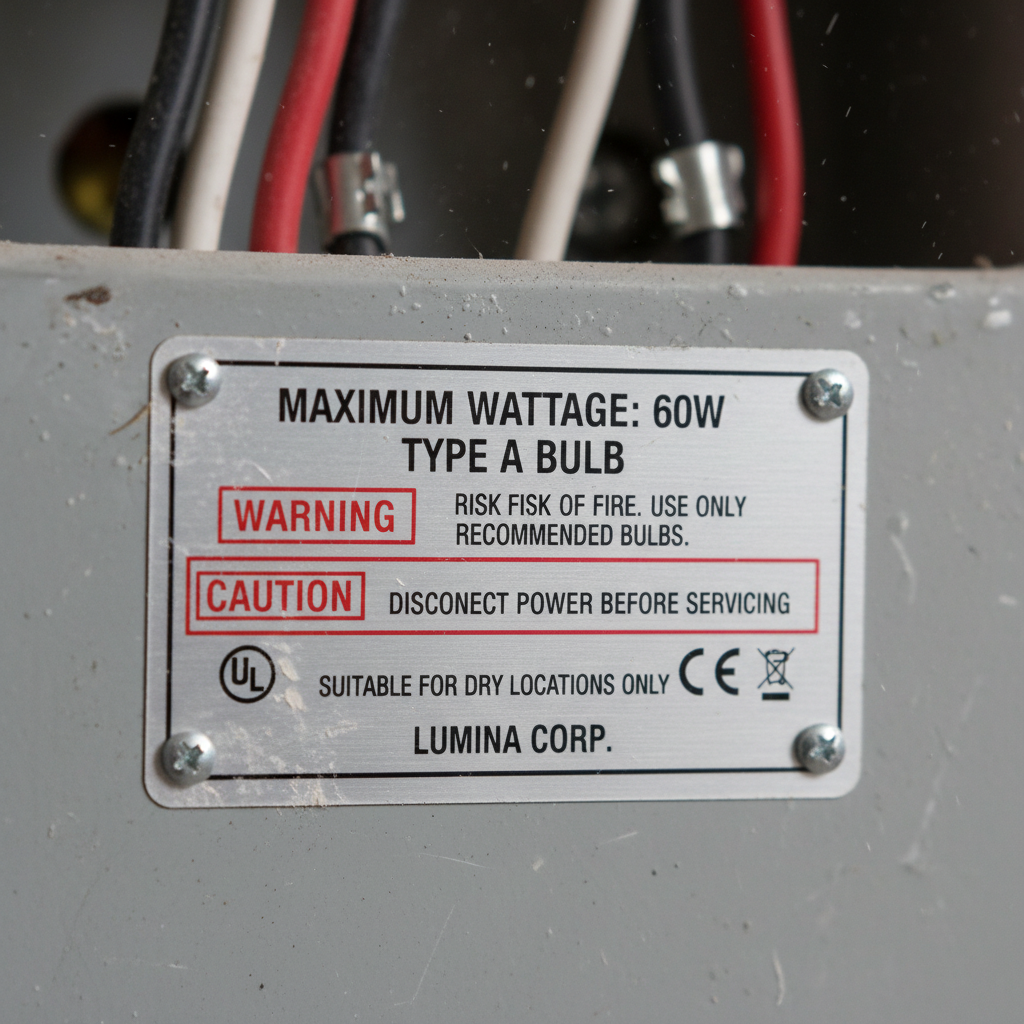
Never exceed the maximum wattage rating printed on your fixture. Higher wattage bulbs generate excessive heat that can damage fixtures or cause fires. LED bulbs make it easier to get bright light within safe wattage limits.
Keep flammable materials away from hot bulbs and fixtures. Lamp shades should fit properly with adequate clearance from bulbs. Replace damaged shades that sit too close to heat sources.
Use outdoor-rated fixtures in areas exposed to moisture or weather. Indoor fixtures in damp locations create shock hazards. Bathroom and covered porch areas require appropriate moisture ratings.
Bringing It All Together
Transforming your living room with thoughtful lighting creates a space that truly serves your lifestyle. The combination of ambient, task, and accent lighting gives you flexibility for every activity. From quiet reading to lively entertaining, proper lighting adapts to your needs.
Start with one area and gradually build your lighting layers. Add a floor lamp for reading, install dimmers on existing fixtures, or introduce accent lighting for artwork. Small improvements create noticeable differences in comfort and ambiance.
Your living room lighting should evolve with your needs and preferences. Experiment with different bulb temperatures and fixture placements. The perfect lighting design reflects your unique style while enhancing everyday living.
Complete Your Lighting Design
Ready to transform your space? Explore thousands of lighting options to find the perfect fixtures for your living room vision.
Babydoll tops have evolved from their lingerie origins into versatile fashion staples that can elevate any wardrobe. With their flattering silhouettes, feminine details, and endless styling possibilities, these tops deserve a special place in your closet. Whether you’re looking for casual weekend wear or elegant evening options, this guide will show you how to create…
Babydoll dress nightwear represents the perfect marriage of comfort and elegance. These flirty, feminine pieces have evolved from their vintage origins to become a modern sleepwear staple. Whether you’re seeking something special for a romantic evening or comfortable yet stylish everyday sleepwear, babydoll nightwear offers versatility that few other styles can match. In this comprehensive…
Planning your wedding brings excitement and endless possibilities. A rustic wedding theme creates warmth and natural beauty that guests remember for years. This style combines earthy elements with personal touches to design a celebration that feels authentic and inviting. The rustic wedding aesthetic embraces natural materials and organic beauty. Wood, greenery, and soft lighting work…
When temperatures rise, the perfect summer dress becomes your wardrobe’s most valuable player. Effortlessly stylish and wonderfully versatile, the right summer dress keeps you cool while looking fabulous for any occasion. From casual beach days to elegant evening events, this guide will help you discover the most flattering and fashionable summer dresses for every body…
Your wedding aisle is more than just a pathway—it’s the grand entrance to your forever. When planning an outdoor wedding, the natural beauty surrounding you provides the perfect canvas for creating a breathtaking ceremony space. From lush floral runners to twinkling lanterns and vintage rugs, outdoor wedding aisle decorations can transform your ceremony into a…
Looking to add unique charm to your garden while being eco-friendly? Tire planters offer the perfect blend of creativity and sustainability. These upcycled treasures transform discarded tires into beautiful garden features that showcase your plants in style. Whether you’re a seasoned gardener or just starting out, this guide will walk you through creating stunning tire…