Transform Your Space with Ambient Lighting: Complete Design Guide
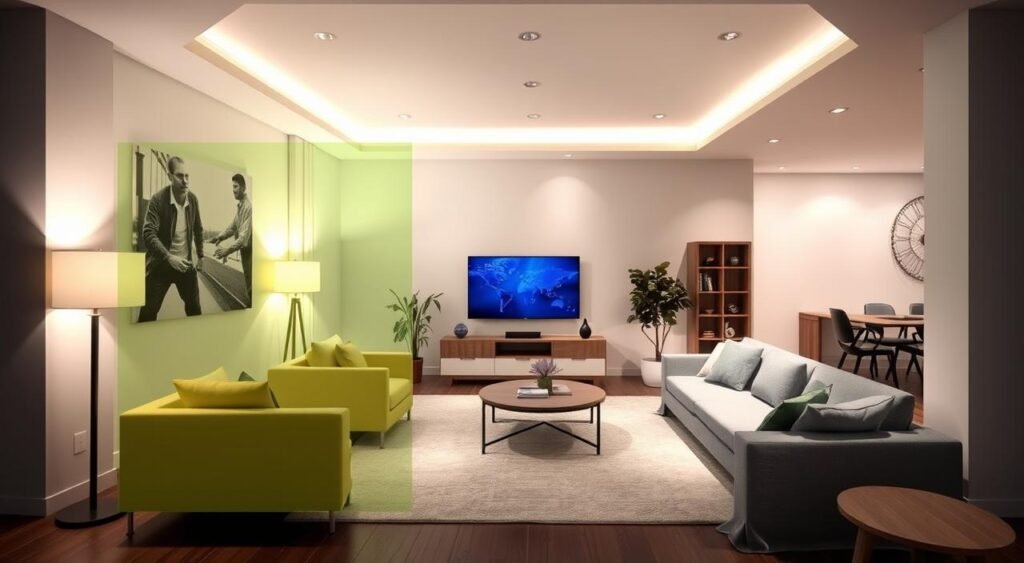
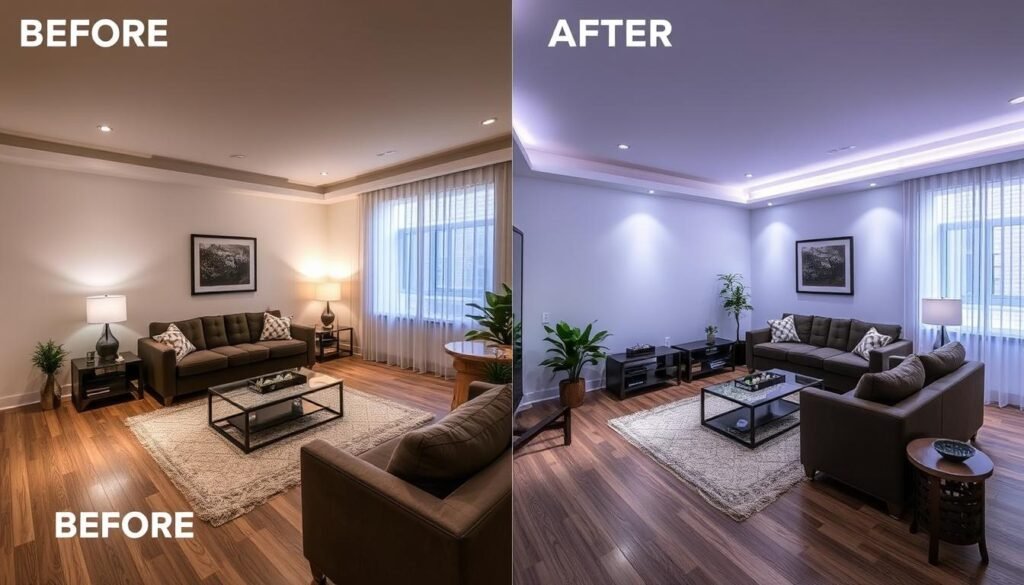
The right ambient lighting transforms any room from ordinary to extraordinary. Whether you want to create a relaxing bedroom retreat or energize your living space, strategic lighting design makes all the difference.
This comprehensive guide explores ambient lighting solutions for every room in your home. You’ll discover practical ideas for LED strip lights, floor lamps, table lamps, and smart lighting systems.
From understanding color temperature to selecting remote control options, we cover everything you need to create the perfect vibe in your space.
Understanding Ambient Lighting Fundamentals
Ambient lighting serves as the foundation of any room’s illumination. It provides overall brightness that allows you to move safely and comfortably through a space.
Unlike task lighting or accent lighting, ambient light creates a general glow. This base layer sets the mood and atmosphere for your entire room.
The Three Essential Lighting Layers
Professional designers use three lighting layers to create balanced interiors. Ambient lighting forms the primary layer, establishing overall brightness levels.
Task lighting focuses on specific activities like reading or cooking. Accent lighting highlights architectural features or decorative elements.
The general illumination that fills your space with comfortable light levels for everyday activities.
Ceiling fixtures and recessed lights
LED strip lights along walls
Floor lamps with diffused shades
Indirect lighting from coves
Task Lighting
Focused illumination for specific activities requiring concentrated light and visibility.
Desk lamps for work areas
Under-cabinet kitchen lights
Reading lights near seating
Vanity lighting in bathrooms
Accent Lighting
Decorative illumination that draws attention to artwork, architecture, or design features.
Picture lights for artwork
Uplights for plants or sculptures
LED strips behind furniture
Spotlights on focal points
Layering Benefits
Combining all three lighting types creates depth, functionality, and visual interest.
Adjustable atmosphere for any occasion
Enhanced room functionality
Greater design flexibility
Improved energy efficiency
Color Temperature Basics
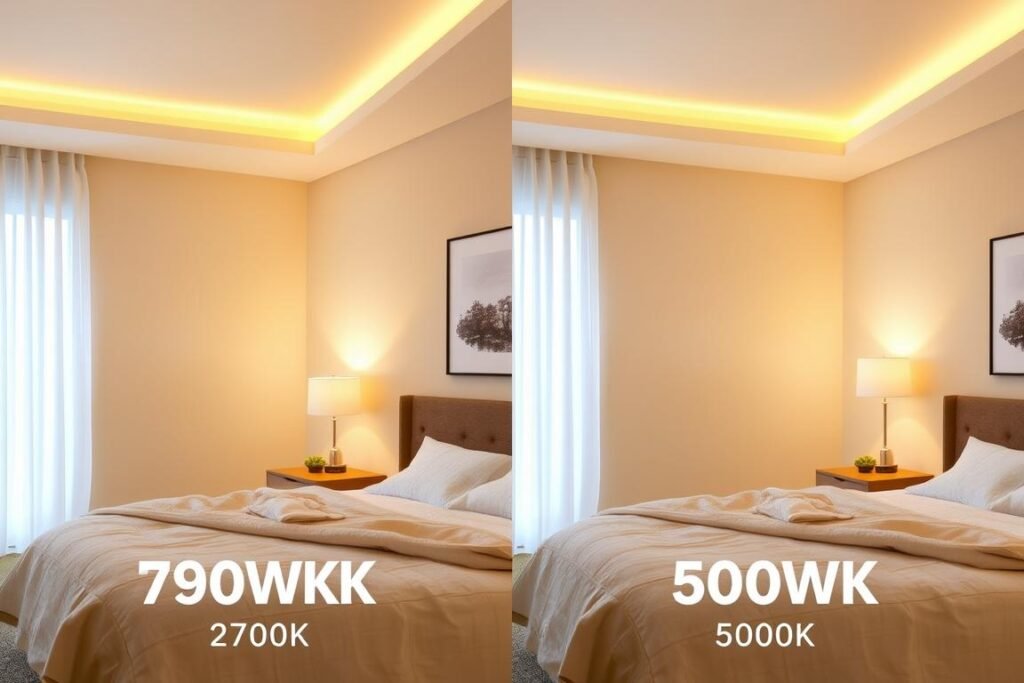
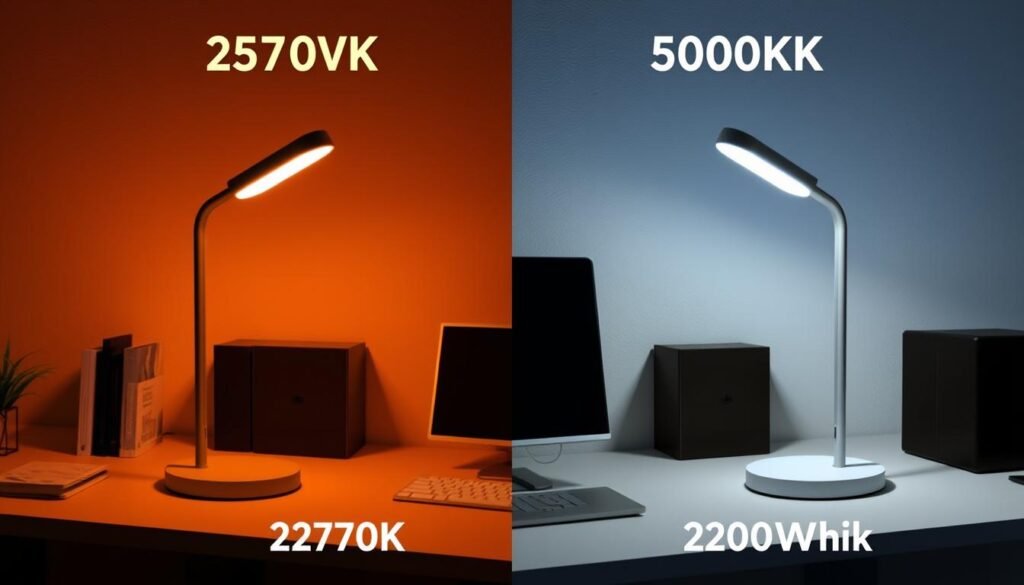
Color temperature dramatically affects the mood your ambient lighting creates. Measured in Kelvin, this specification determines whether light appears warm or cool.
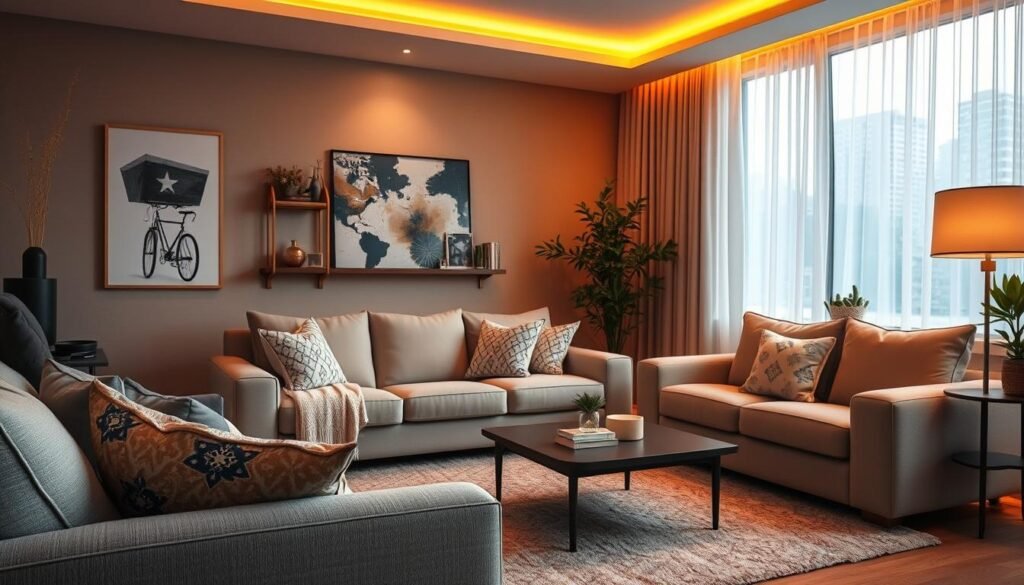
Warm light ranges from 2700K to 3000K, creating cozy, relaxing atmospheres. Cool light from 4000K to 5000K promotes alertness and focus.
Design Tip: Match color temperature to room function. Bedrooms benefit from warm 2700K ambient light, while home offices work better with cooler 4000K temperatures that enhance concentration.
LED Strip Lights for Ambient Lighting
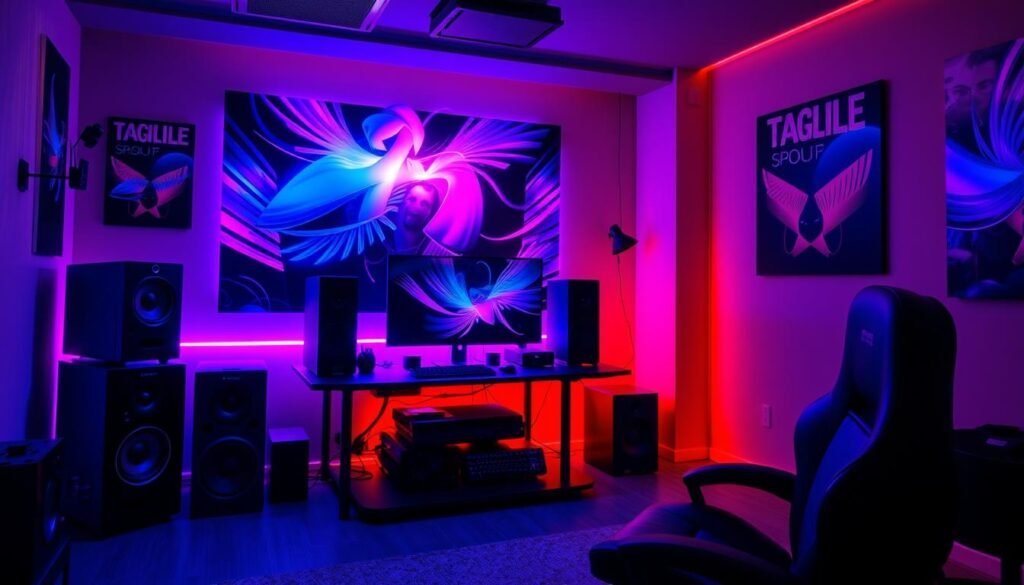
LED strip lights have revolutionized ambient lighting design. These flexible lighting solutions install easily and create stunning effects throughout your home.
Available in various lengths and colors, LED strips adapt to any space. They consume minimal power while delivering impressive brightness and color options.
Types of LED Strip Lights
Single Color LED Strips
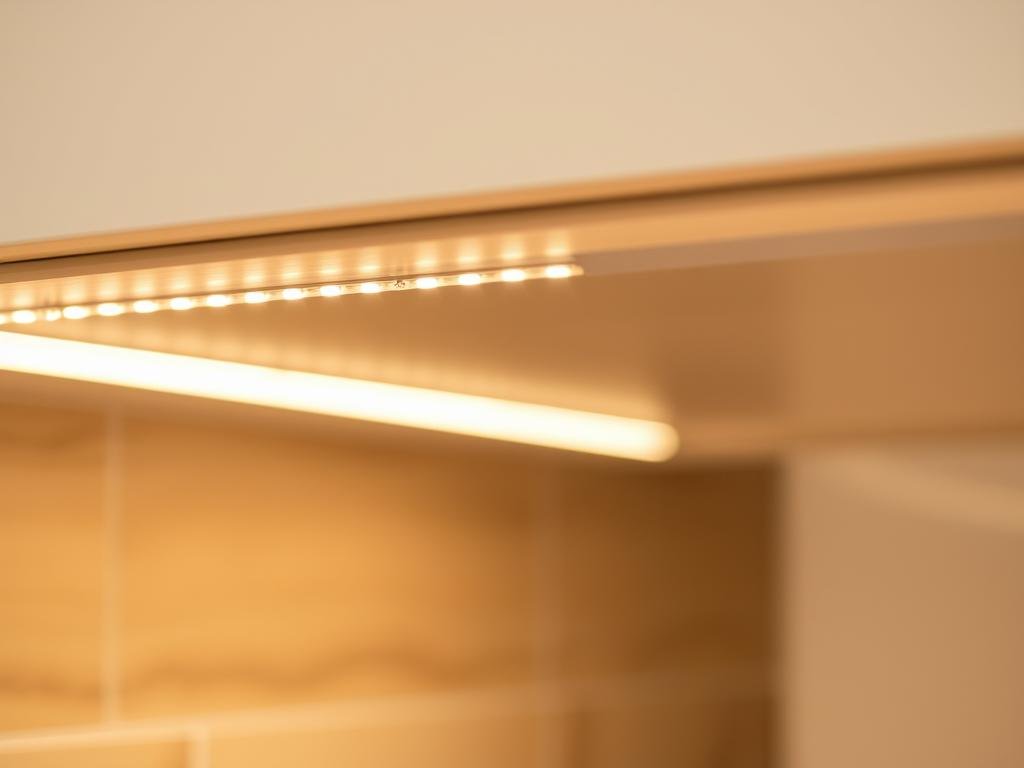
Single color strips offer consistent illumination in warm white, cool white, or neutral tones. Perfect for general ambient lighting needs.
These strips provide reliable, energy-efficient lighting without color-changing complexity. Ideal for kitchen cabinets, closets, and hallways.
RGB Color Changing Strips
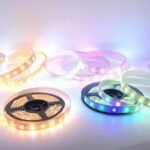
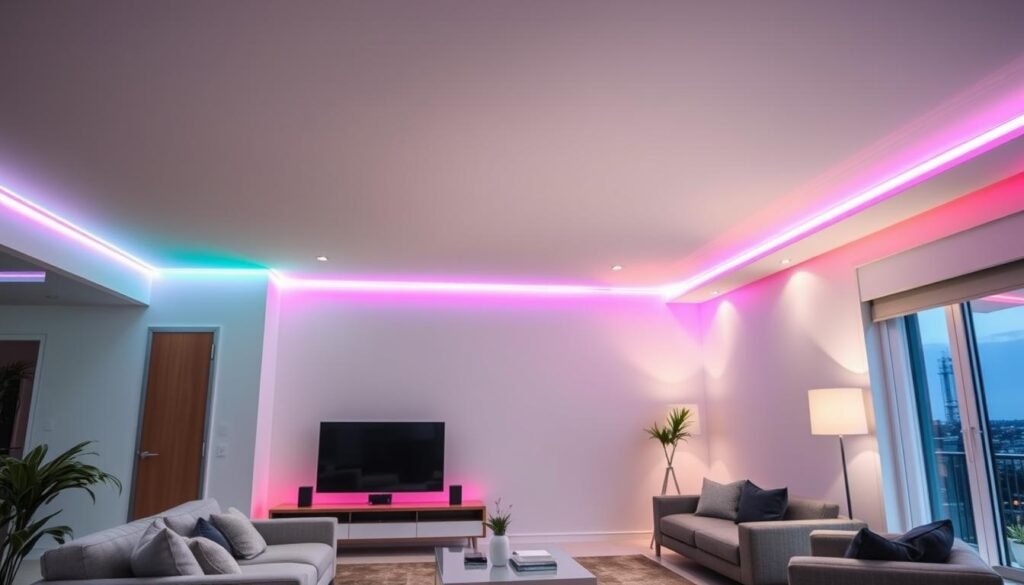
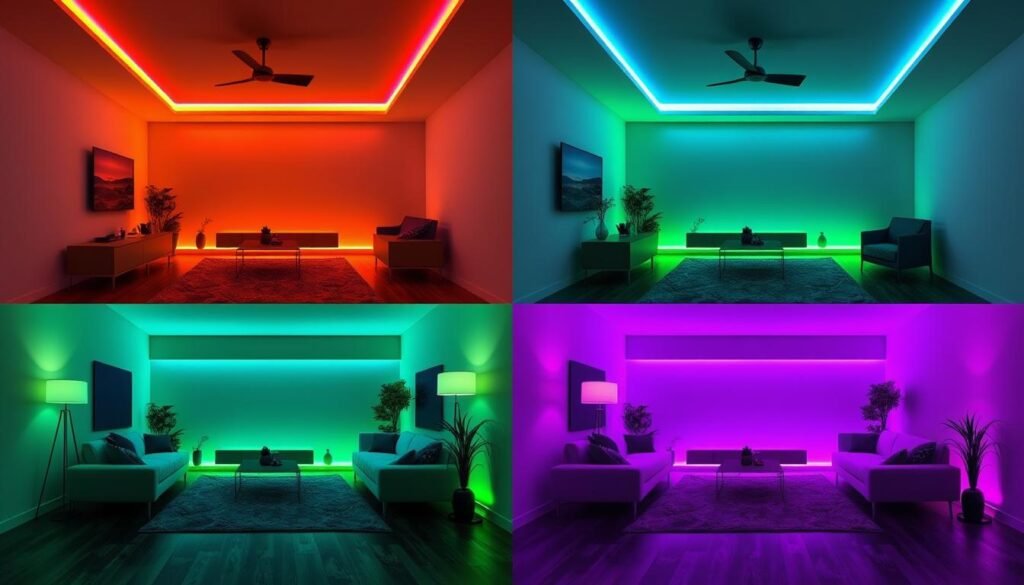
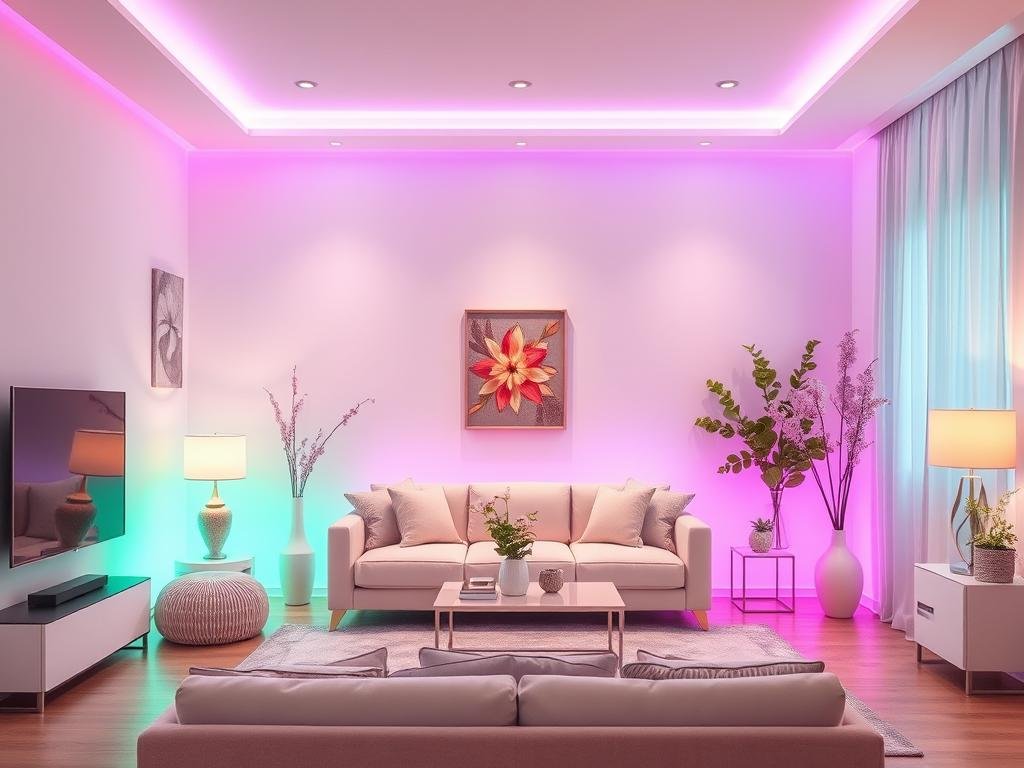
RGB strips create millions of color combinations through red, green, and blue LED mixing. Control colors via remote or smartphone app.
These versatile strips let you change room atmosphere instantly. Popular for entertainment areas and bedrooms where mood flexibility matters.
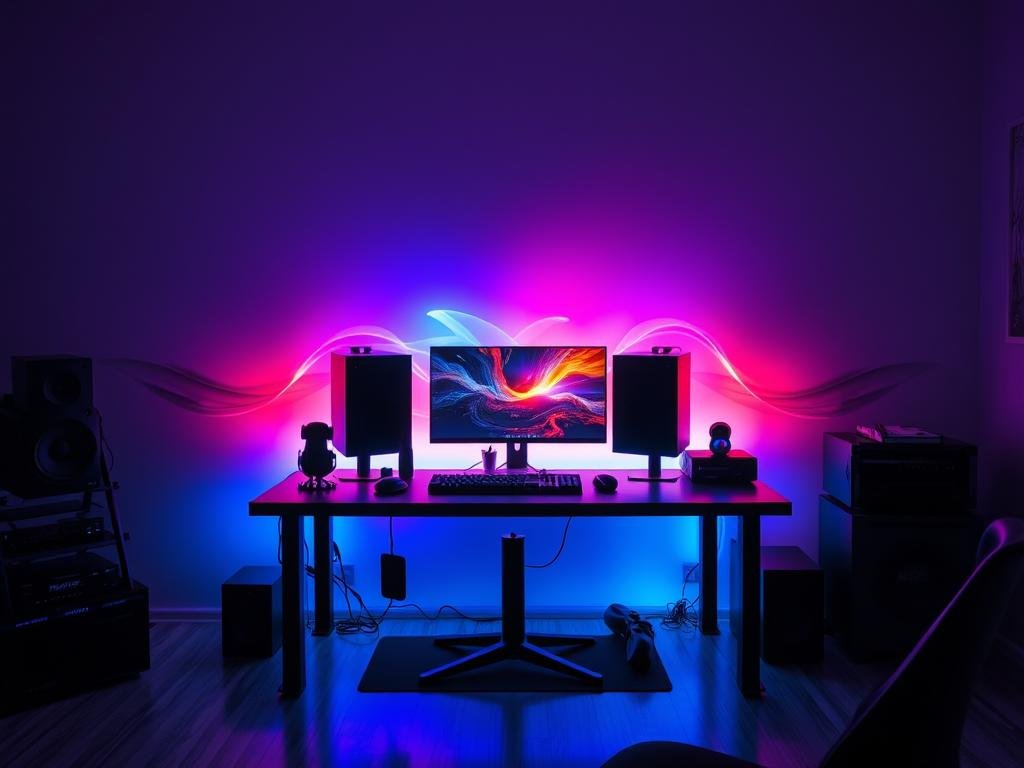
Music Sync LED Strips
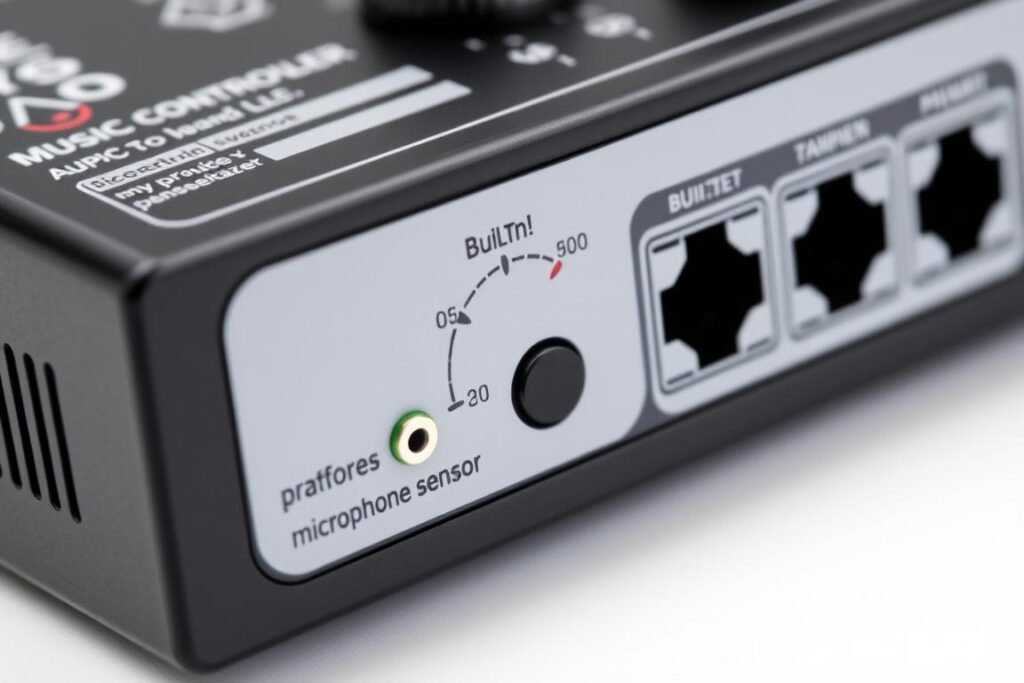
Music sync technology makes LED strips respond to audio. Built-in microphones detect sound and adjust colors and brightness accordingly.
Perfect for home theaters and gaming setups. These reactive strips create immersive experiences that synchronize with your entertainment.
Installation Locations for Maximum Impact
Strategic placement maximizes the ambient lighting effect of LED strips. Consider these high-impact installation locations throughout your home.
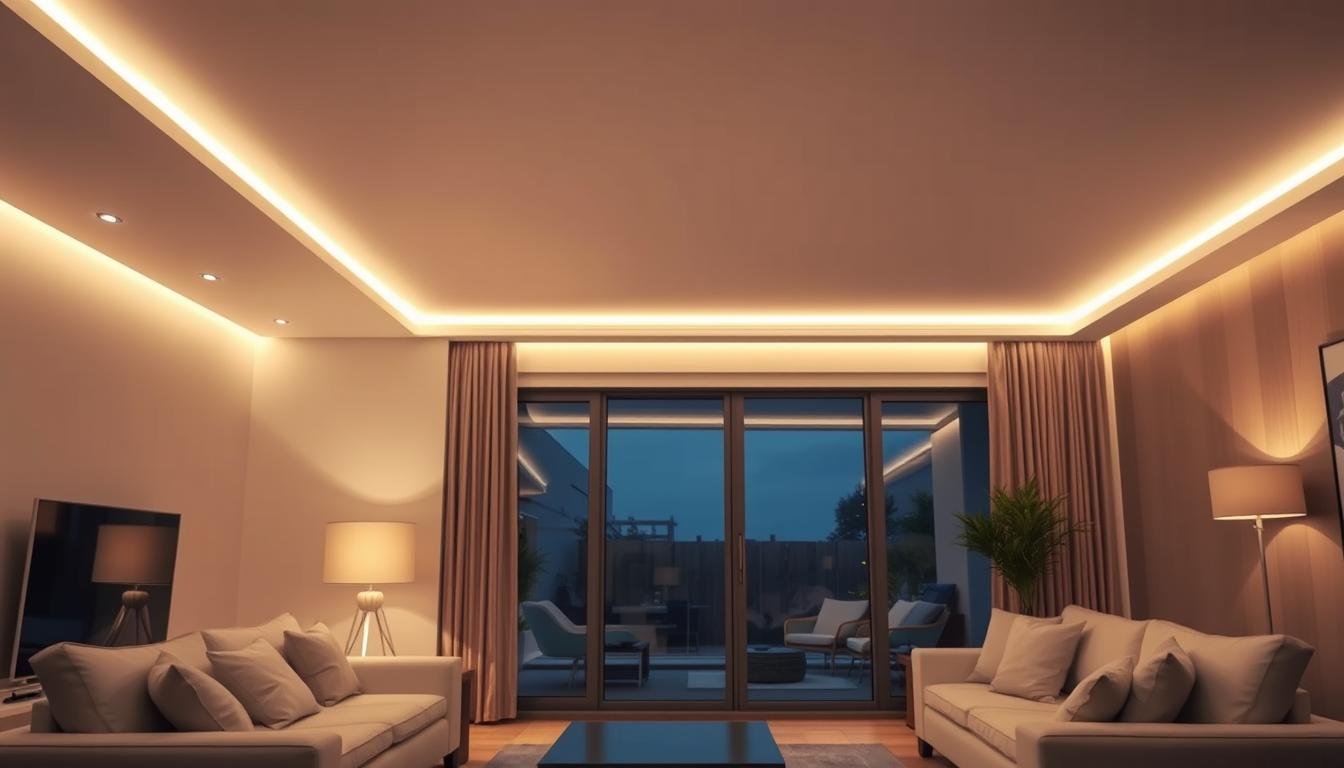
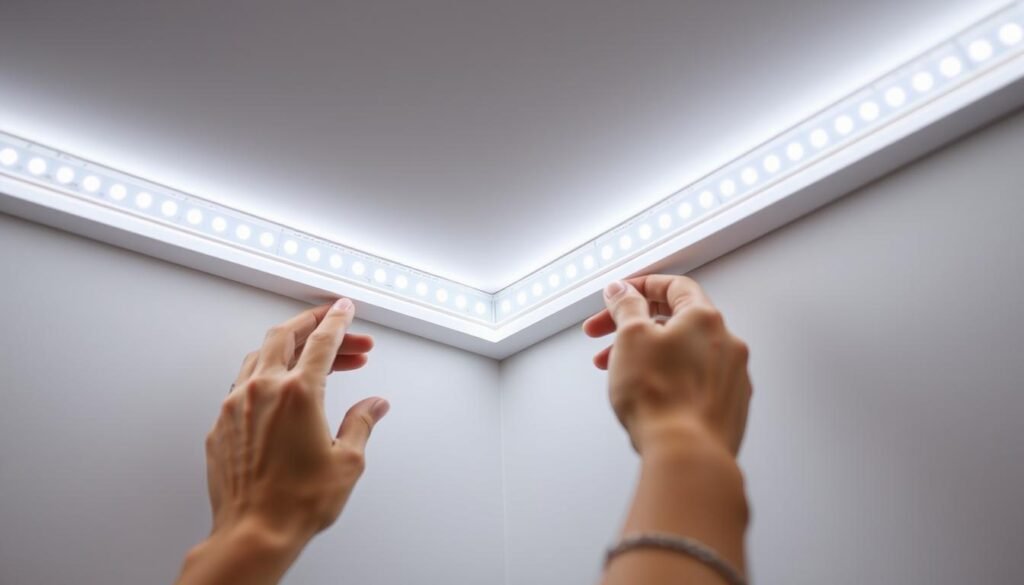
Ceiling & Crown Molding
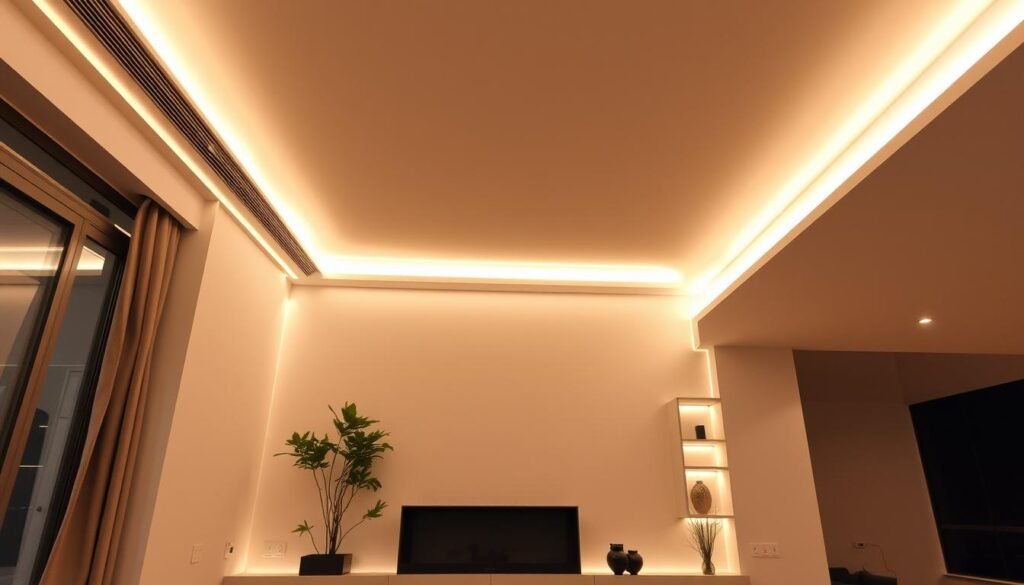
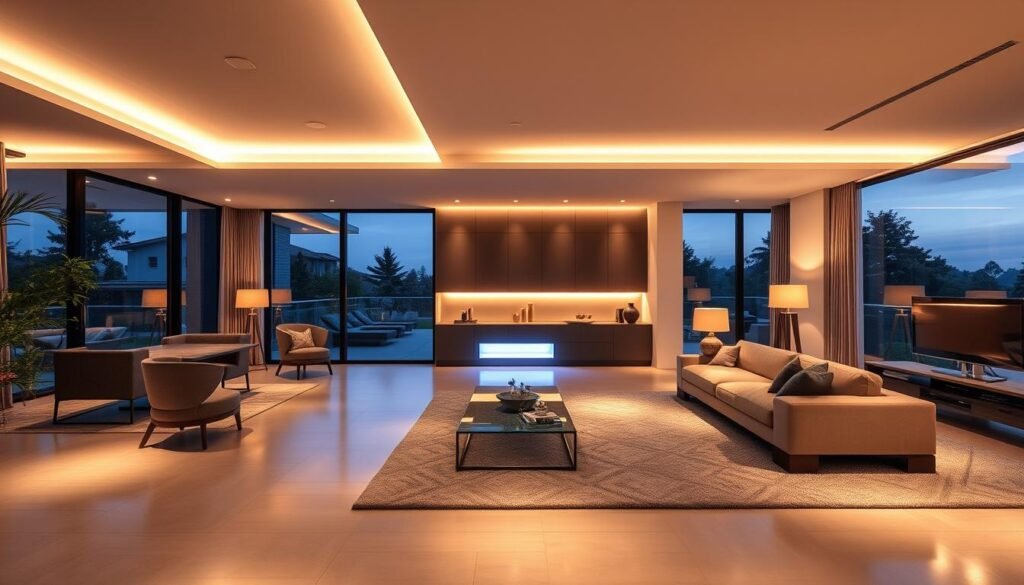
Install strips in ceiling coves for indirect ambient glow
Mount behind crown molding for elegant uplighting
Create floating ceiling effects in modern spaces
Highlight architectural details with subtle illumination
Use warm white for traditional rooms
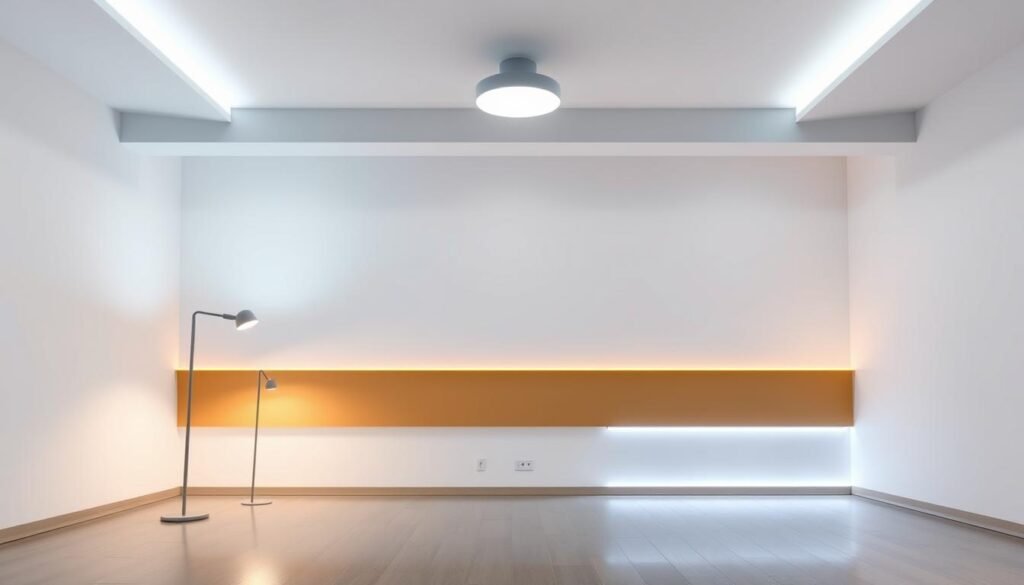
Behind Furniture & TVs
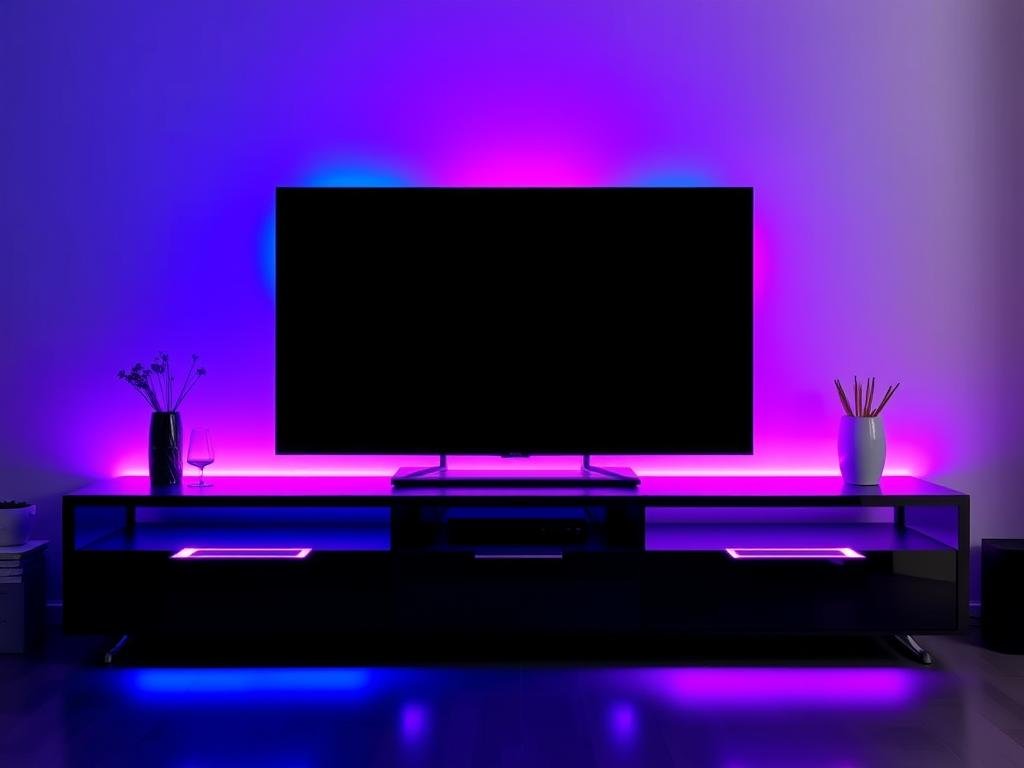
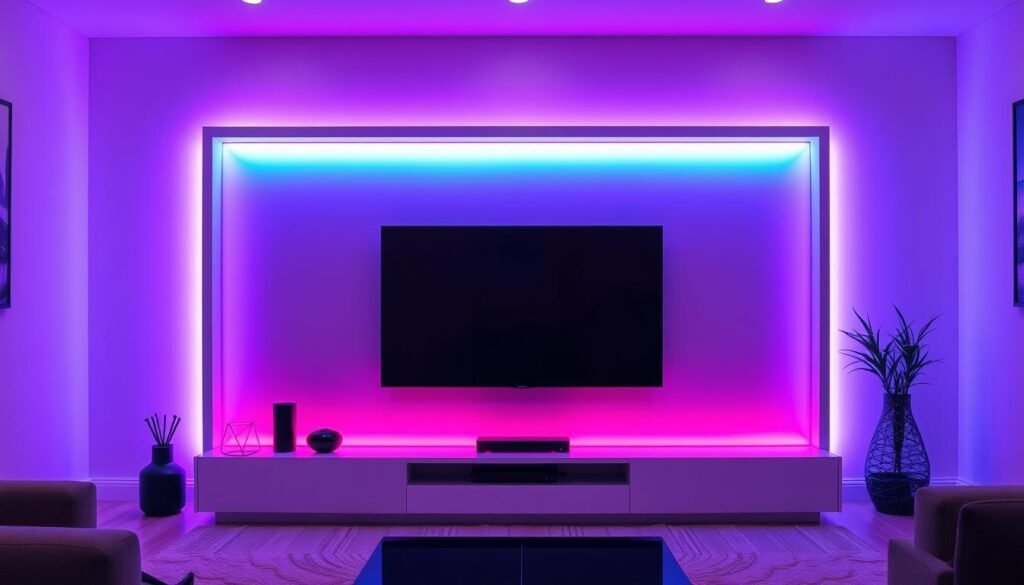
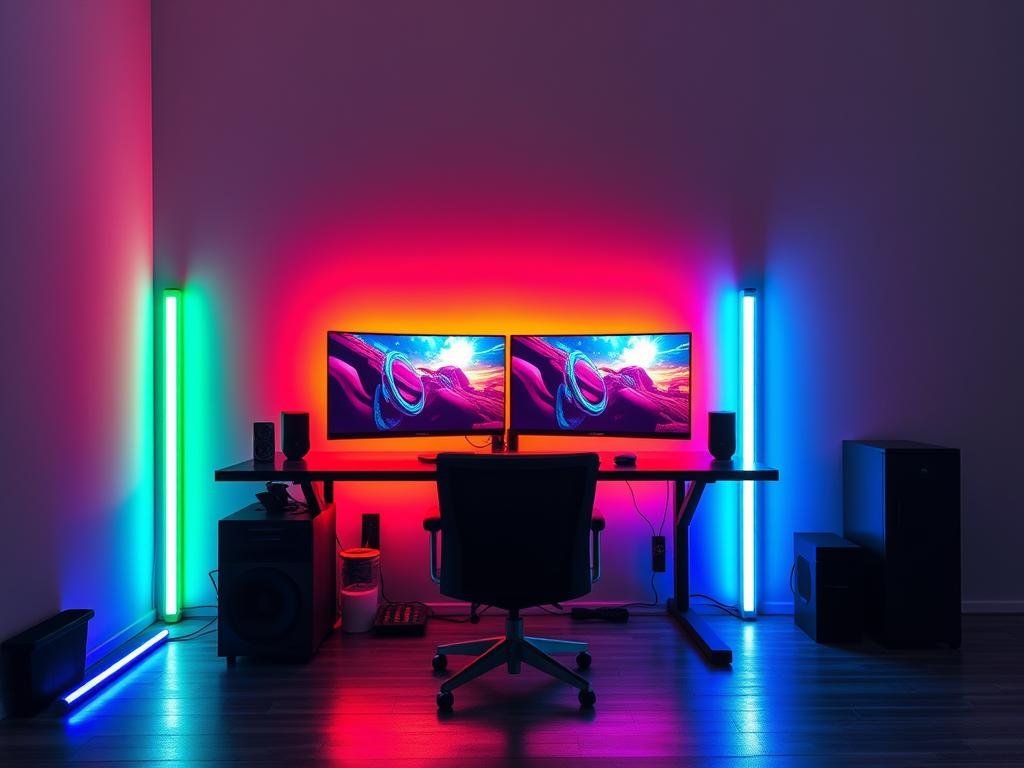
Reduce eye strain with backlighting behind televisions
Create floating furniture effects with under-mounting
Add depth to entertainment centers
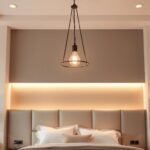
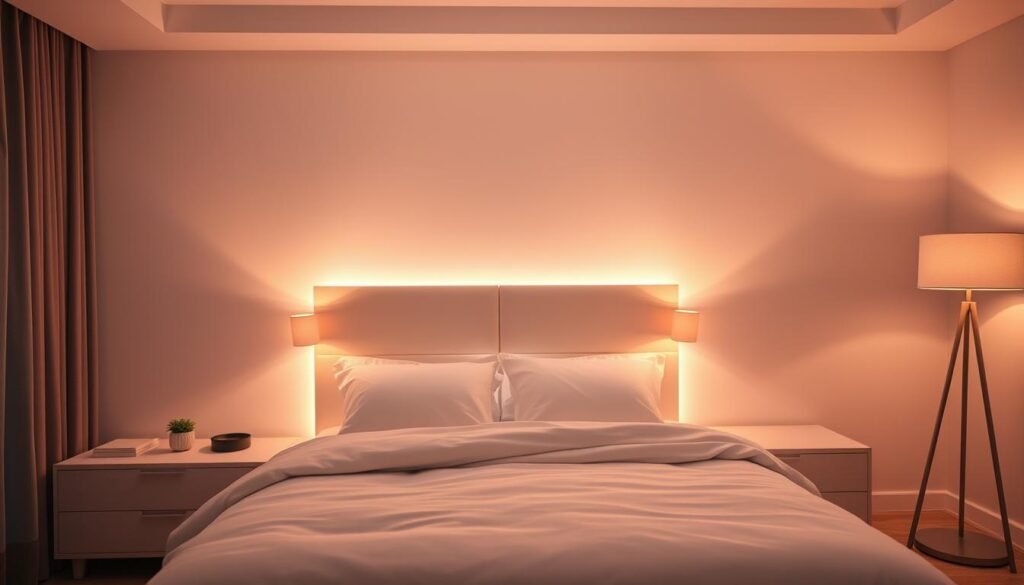
Illuminate headboards for bedroom ambiance
Highlight shelving units and display cases
Under Cabinets & Stairs
Provide functional task lighting in kitchens
Improve safety with stair tread illumination
Create modern toe-kick lighting effects
Light up bathroom vanity areas
Add subtle night lighting throughout homes
Ready to Transform Your Space with LED Strip Lights?
Explore a wide selection of LED strip lights including music sync options, color changing strips, and smart app-controlled solutions perfect for any room in your home.
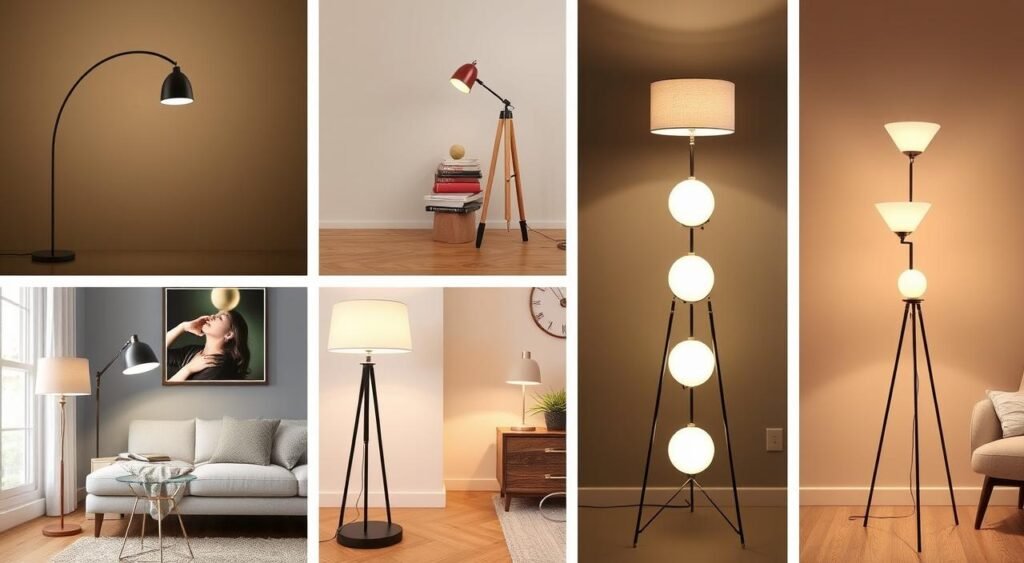
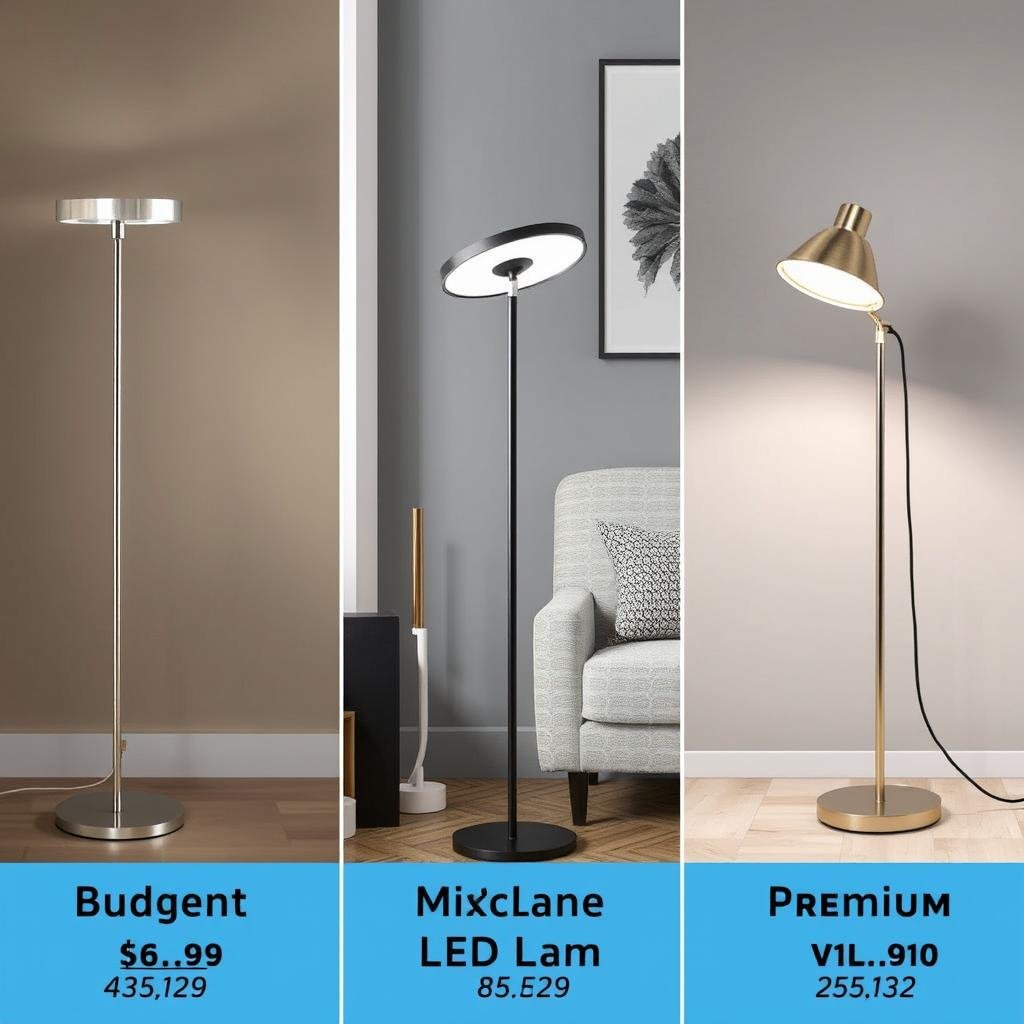
Floor lamps serve dual purposes as functional lighting and decorative elements. They provide flexible ambient lighting that you can position anywhere without installation.
Modern LED floor lamps offer remote control, dimming capabilities, and color temperature adjustment. These features let you customize ambiance for any occasion.
Floor Lamp Styles and Their Best Uses
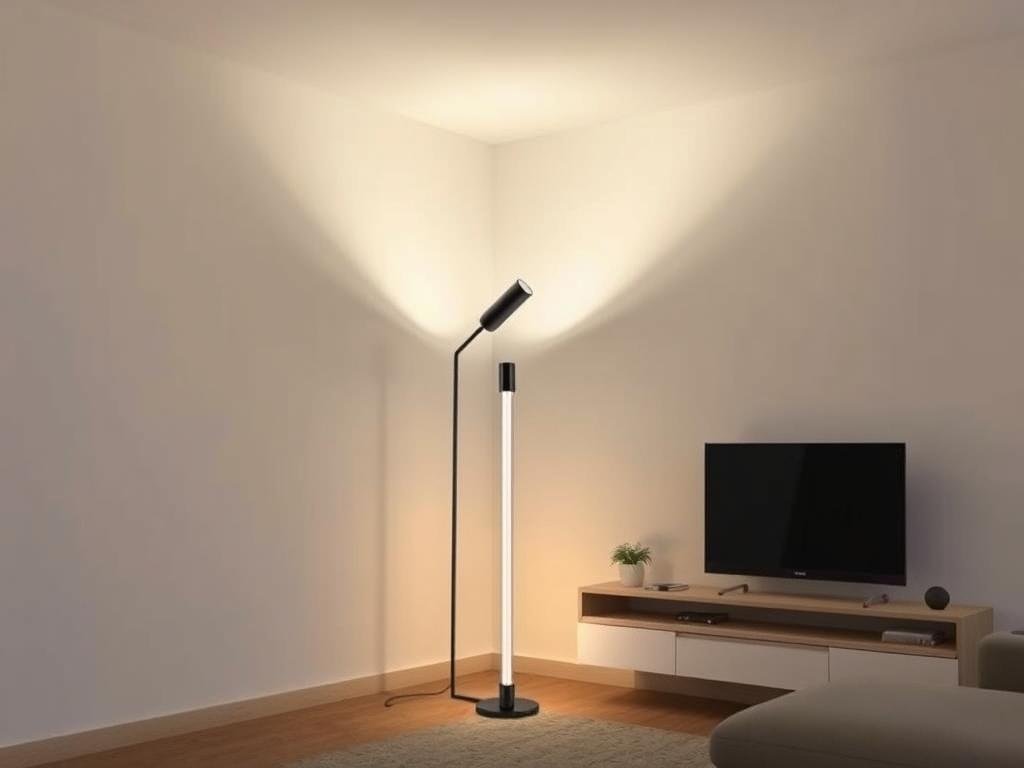
Torchiere Floor Lamps
Torchiere lamps direct light upward toward ceilings. This creates soft, reflected ambient lighting throughout rooms.
The upward-facing design eliminates harsh direct light. Ceilings act as reflectors, distributing illumination evenly.
Perfect for living rooms and bedrooms where gentle ambient light enhances relaxation. Many models include dimmable features for atmosphere control.
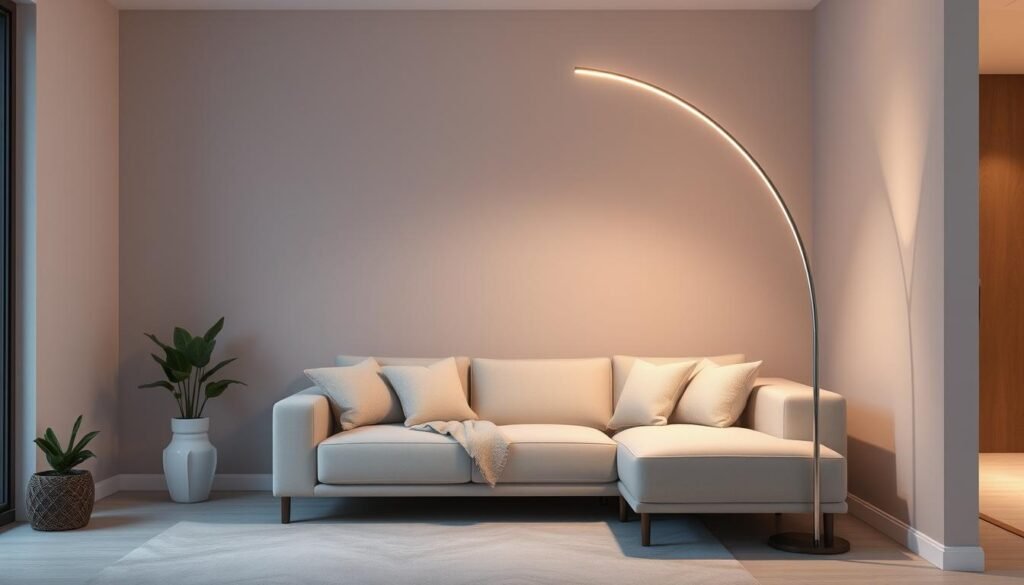
Arc Floor Lamps
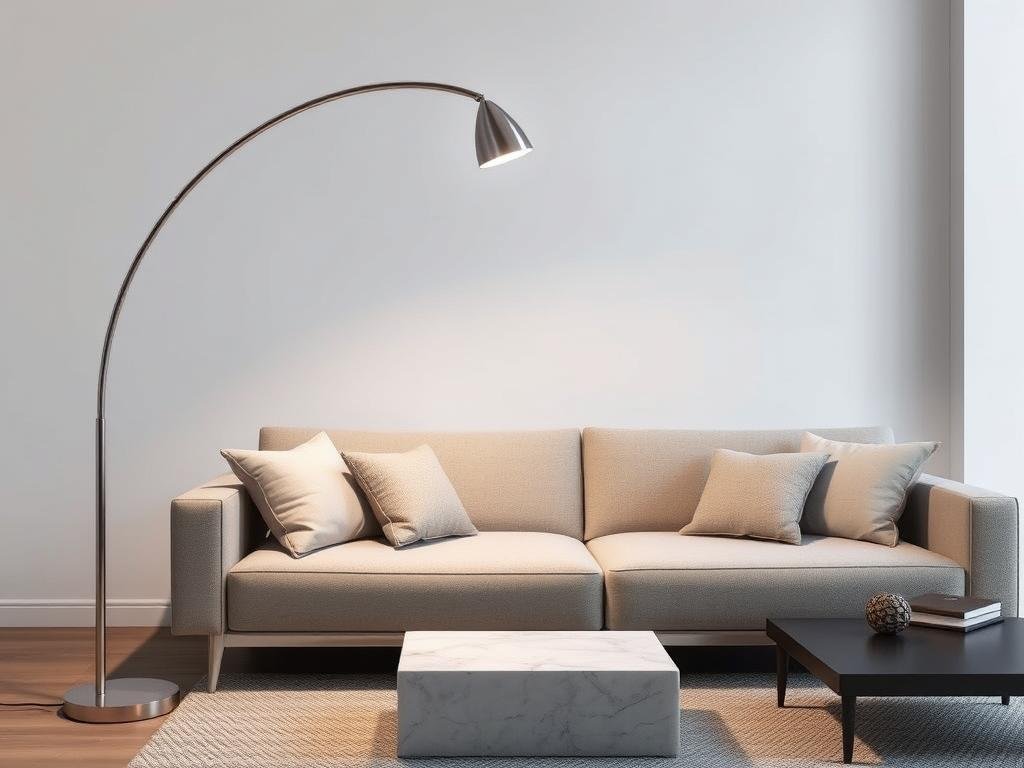
Arc lamps feature curved arms that extend light over seating areas. This design provides overhead ambient illumination without ceiling installation.
The adjustable reach lets you direct light precisely where needed. Popular in reading nooks and conversation areas.
Modern arc lamps incorporate LED technology with dimming and remote control. Many feature marble or weighted bases for stability.
Remote Control and Smart Features
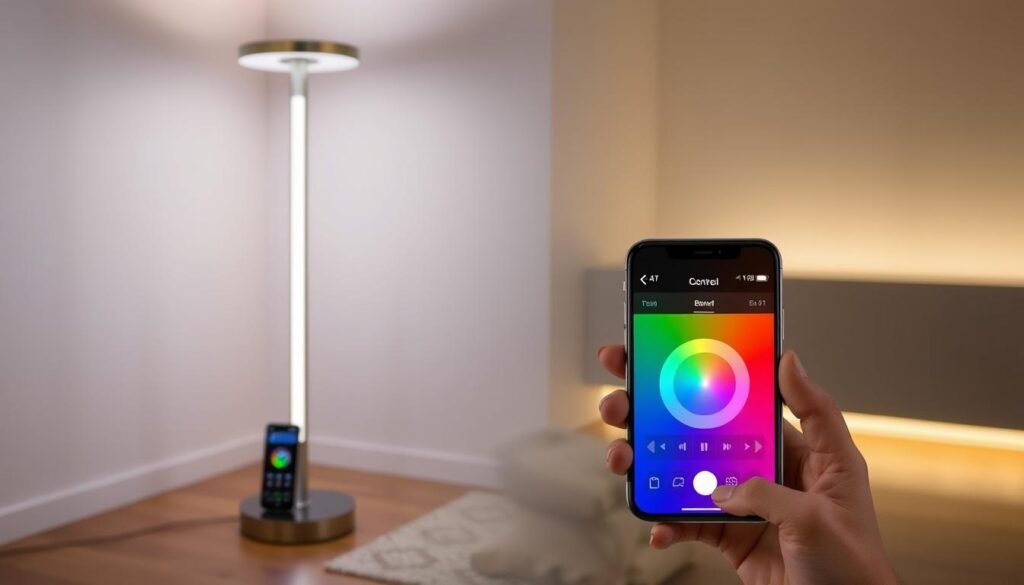
Remote control floor lamps eliminate the need to reach switches constantly. Adjust brightness, color temperature, and power from anywhere in the room.
Advantages of Remote Control Lamps
Adjust lighting without leaving your seat
Fine-tune brightness for different activities
Change color temperature to match time of day
Set timers for automatic on/off schedules
Control multiple lamps simultaneously
Save favorite lighting scenes for quick access
Considerations Before Buying
Remote batteries require periodic replacement
Learning curve for multi-function remotes
Potential for remote misplacement
Higher initial purchase price
Some models require WiFi connectivity
App compatibility varies by manufacturer
Placement Strategies for Optimal Ambient Light
Position floor lamps strategically to maximize their ambient lighting contribution. Corner placement fills dark spaces while avoiding traffic paths.
Place torchiere lamps behind seating to create comfortable reading environments. Arc lamps work best beside sofas where their reach provides overhead illumination.
Pro Tip: Use multiple floor lamps at different heights to create layered ambient lighting. Combine a tall torchiere with a medium-height tripod lamp for dimensional illumination that eliminates shadows.
Find Your Perfect Floor Lamp with Remote Control
Discover LED floor lamps featuring remote control, dimmable settings, color changing capabilities, and smart app integration for the ultimate ambient lighting experience.
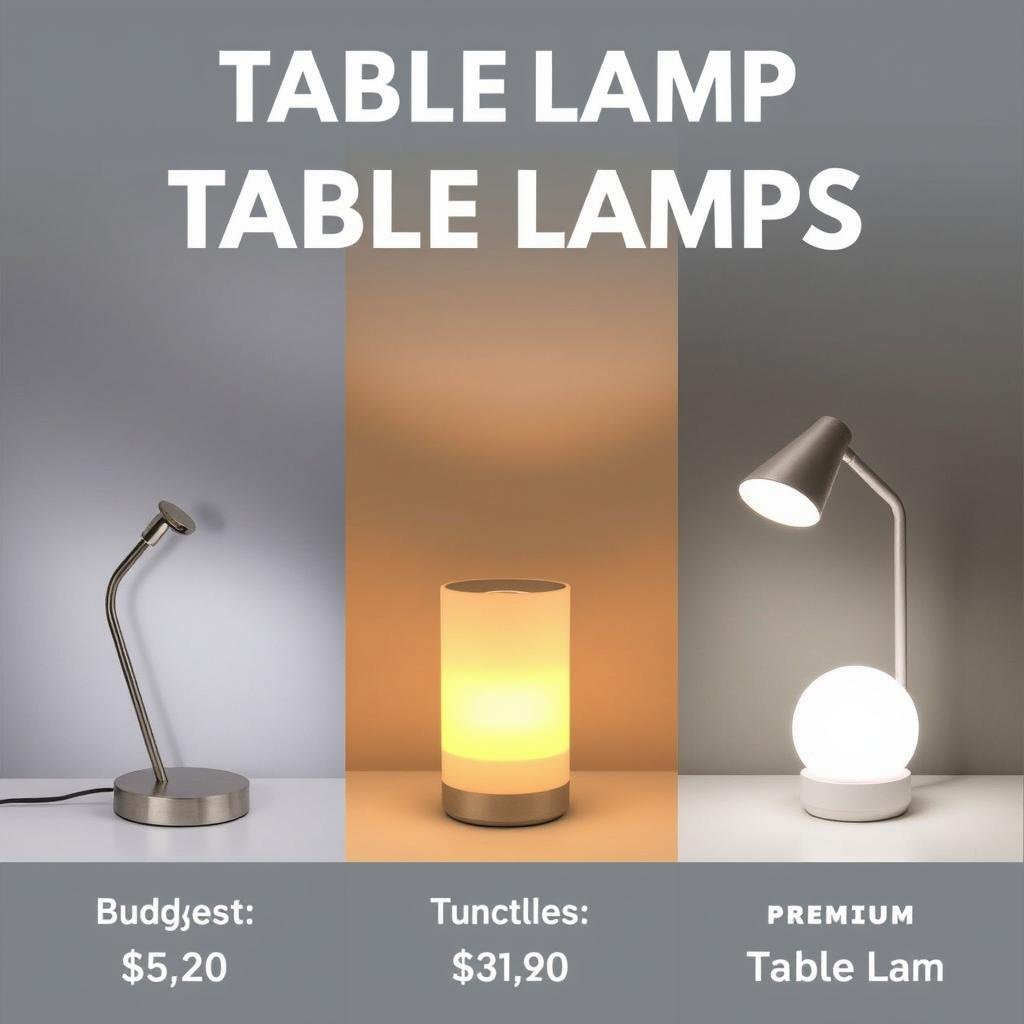
Table lamps provide intimate ambient lighting for specific zones within rooms. Their compact size makes them perfect for nightstands, side tables, and desks.
Modern LED table lamps combine energy efficiency with design versatility. Touch controls, dimming, and USB charging ports add functionality to ambient illumination.
Touch Control and Dimmable Features
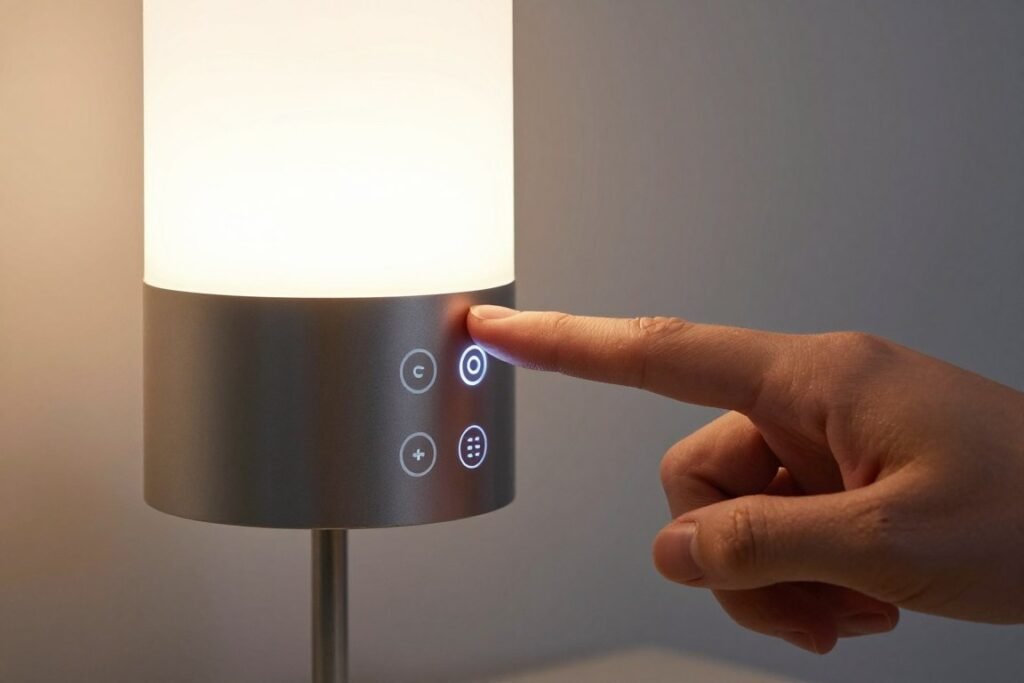
Touch-sensitive table lamps eliminate fumbling for switches in darkness. Simply tap the base or stem to power on, adjust brightness, or change settings.
Dimmable models let you fine-tune light levels for reading, relaxing, or sleeping. Many offer three to five brightness stages with memory functions.
First Touch: Low brightness setting perfect for nighttime navigation and minimal ambient light
Second Touch: Medium brightness ideal for relaxed reading and comfortable ambient illumination
Third Touch: High brightness suitable for tasks requiring clear visibility and maximum light output
Fourth Touch: Power off with memory of last-used brightness level for next activation
Color Temperature Options
Advanced LED table lamps offer adjustable color temperature. Switch between warm white for evening relaxation and cool white for daytime productivity.
4.6
Average Rating for LED Table Lamps
Design Quality
4.6/5
Light Quality
4.7/5
Touch Controls
4.4/5
Durability
4.5/5
Value for Price
4.3/5
Best Rooms for Table Lamp Ambient Lighting
Bedroom Nightstands
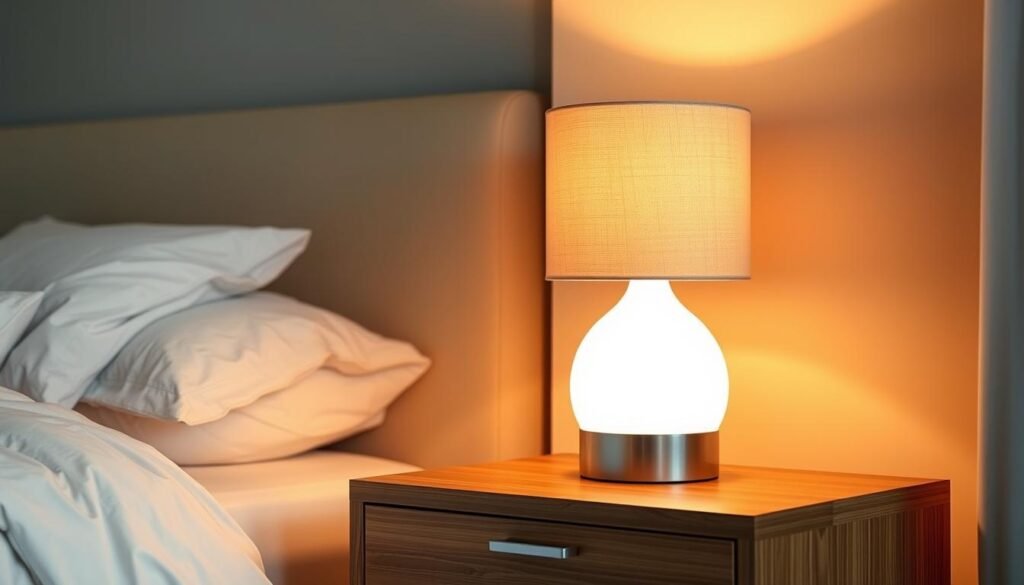
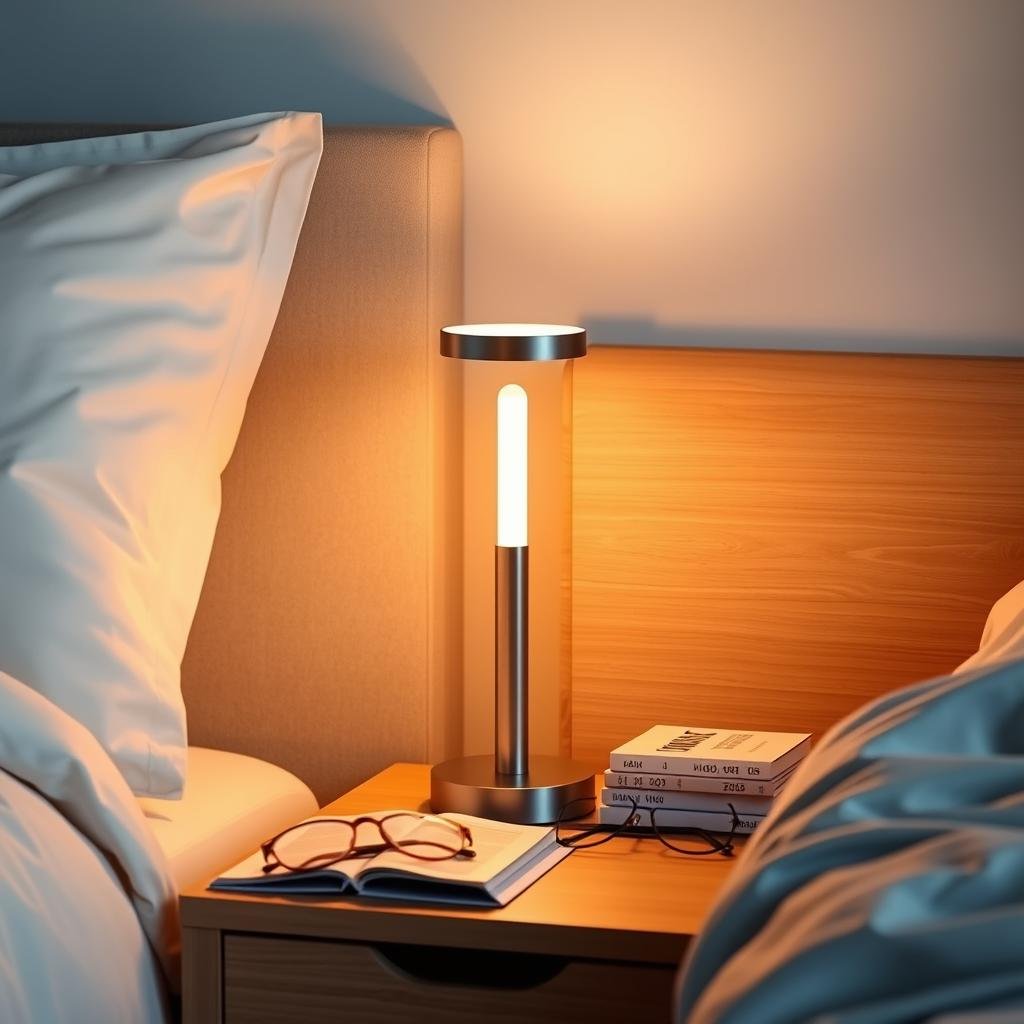
Table lamps on nightstands provide essential ambient lighting for bedrooms. Position lamps on both sides of beds for balanced illumination.
Choose warm color temperatures around 2700K to promote relaxation. Dimmable options let you adjust light as you wind down for sleep.
Living Room Side Tables
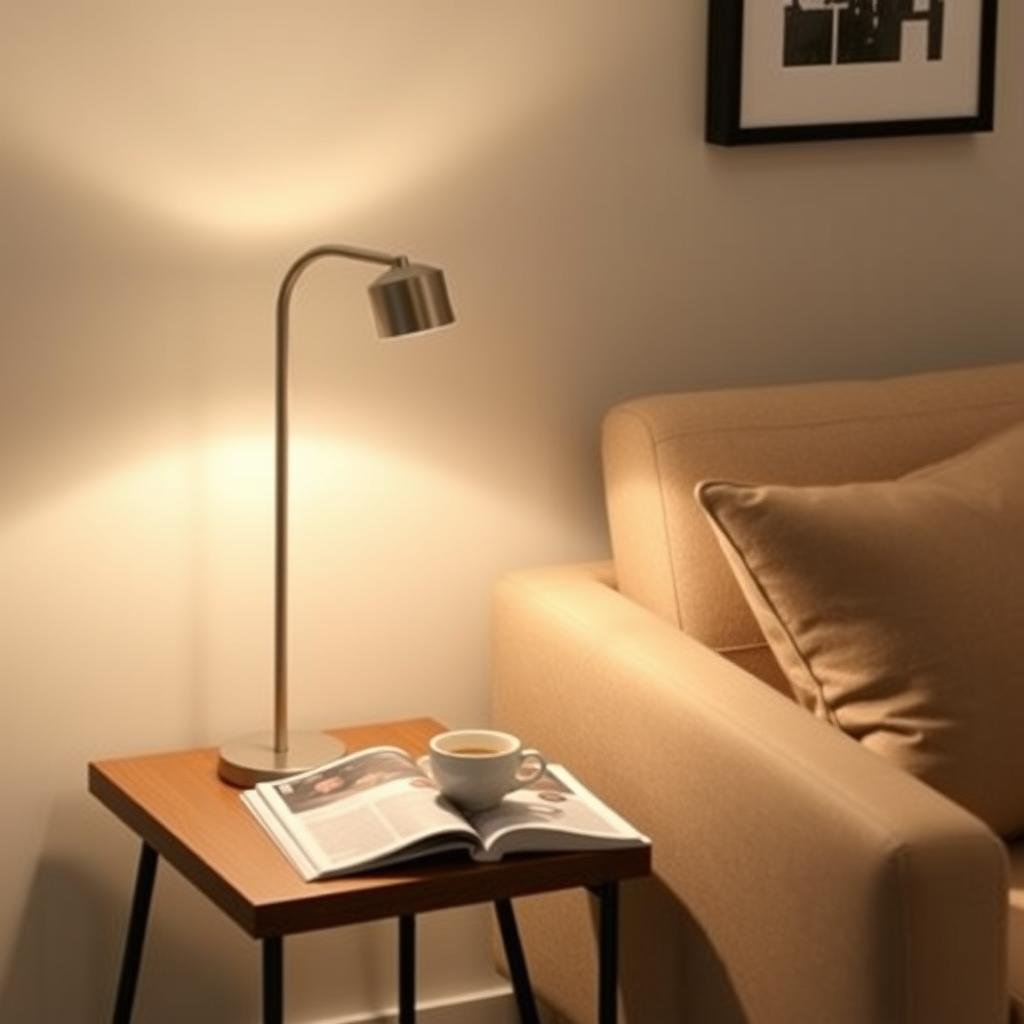
Side table lamps create zones of ambient light in living rooms. They complement overhead lighting while adding decorative interest.
Select designs that match your interior style. Modern LED models offer clean lines and minimalist aesthetics for contemporary spaces.
Home Office Desks
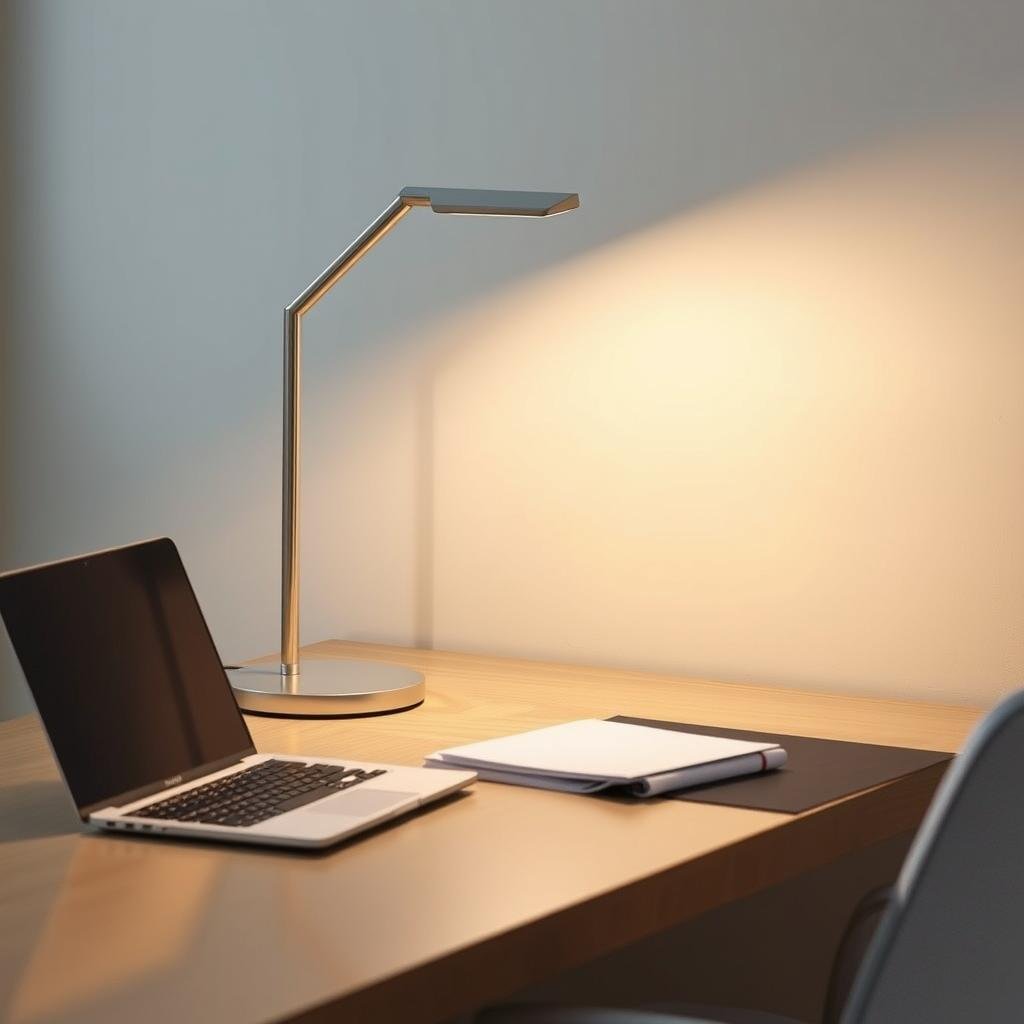
Desk lamps with adjustable color temperature support productivity during work hours. Switch to cooler light for focus and warmer tones for breaks.
USB charging ports in lamp bases add functionality. Power your devices while enjoying customized ambient lighting throughout your workday.
Explore Modern LED Table Lamps
Browse touch control table lamps with dimmable settings, color temperature adjustment, and contemporary designs perfect for bedrooms, living rooms, and home offices.
Bedrooms require carefully planned ambient lighting to support both relaxation and functionality. The right lighting helps you unwind while providing adequate illumination for activities.
Layer multiple light sources to create flexible ambiance. Combine ceiling fixtures, bedside lamps, and accent lighting for complete control over bedroom atmosphere.
Layered Bedroom Lighting Approach
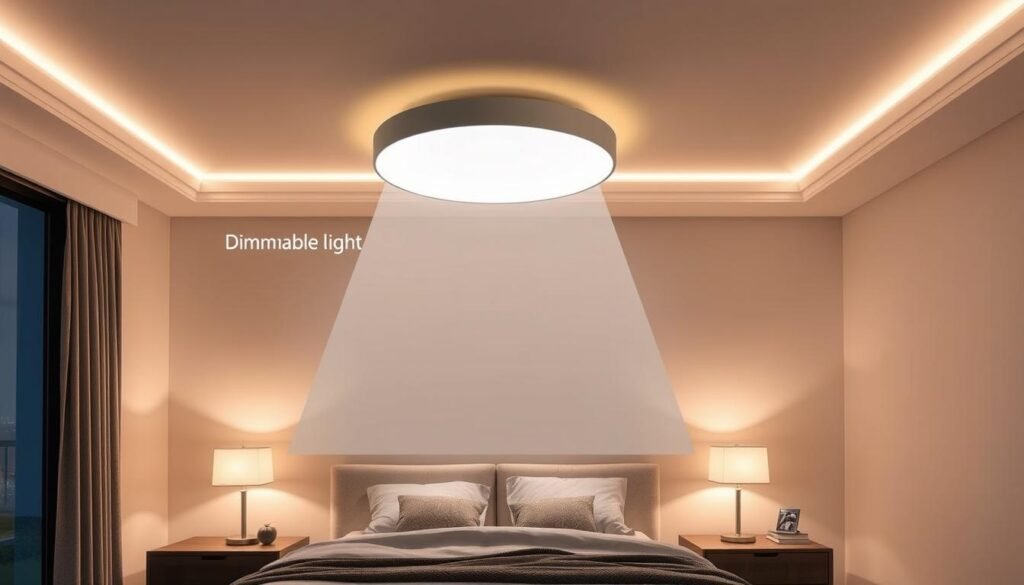
Start with dimmable overhead ambient lighting as your foundation. LED ceiling fixtures or recessed lights provide general illumination adjustable for different times of day.
Add bedside table lamps for reading and nighttime navigation. These create intimate pools of light without disturbing sleeping partners.
Include LED strip lights behind headboards or under bed frames. These provide gentle night lighting and dramatic ambient effects for special occasions.
Color Selection for Sleep Quality
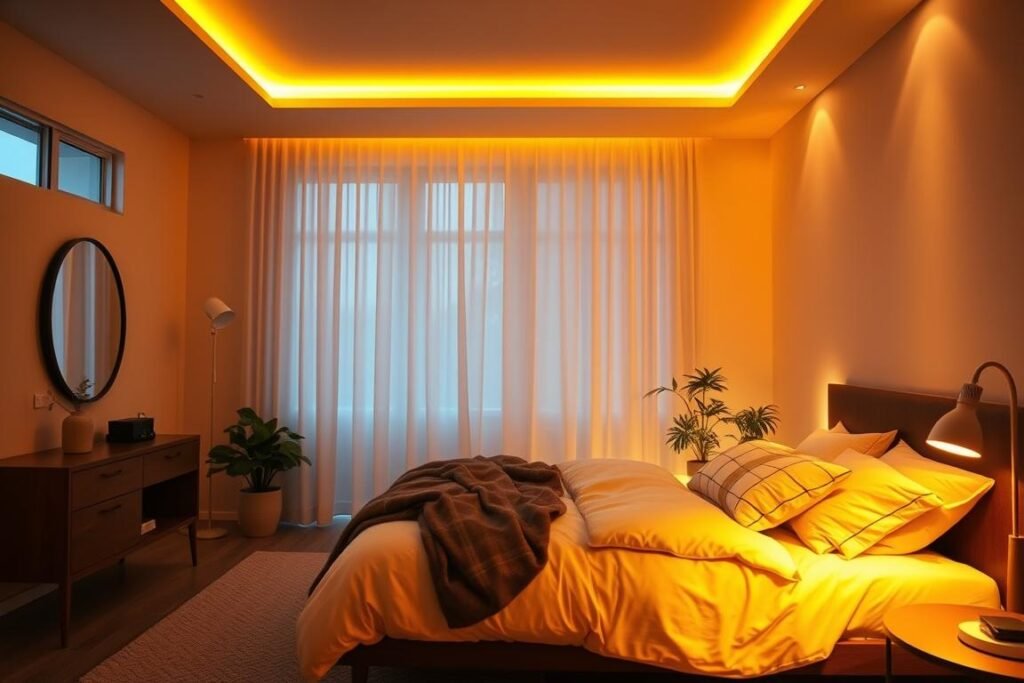
Light color directly impacts sleep quality and circadian rhythms. Warm amber tones promote melatonin production essential for restful sleep.
Sleep Science: Avoid cool blue-tinted light in bedrooms after sunset. Blue wavelengths suppress melatonin and interfere with natural sleep cycles. Choose warm white LEDs rated 2700K or lower for bedroom ambient lighting.
Smart Bedroom Lighting Automation
Smart LED systems automate bedroom lighting based on your schedule. Program lights to gradually dim as bedtime approaches and gently brighten at wake-up time.
Evening Routine
Automated lighting transitions support healthy sleep habits by mimicking natural sunset patterns.
Gradual dimming starting two hours before bed
Automatic color shift to warmer tones
Night light activation at preset time
Motion-sensor bathroom lighting
Morning Routine
Simulated sunrise lighting gently wakes you more naturally than harsh alarms.
Gradual brightening over 30 minutes
Color temperature shift to energizing cool white
Synchronized with alarm clock
Weather-adaptive brightness adjustment
App Control Benefits
Smartphone apps give you complete bedroom lighting control from your device.
Adjust lights without leaving bed
Create custom lighting scenes
Schedule automated routines
Control lights remotely when traveling
Voice Control
Integration with voice assistants adds hands-free convenience to bedroom lighting.
Turn lights on/off with voice commands
Adjust brightness verbally
Activate preset scenes by name
Compatible with major smart home systems
Design Your Ideal Bedroom Ambient Lighting
Find everything you need to create relaxing bedroom ambient lighting including smart LED bulbs, color-changing strips, dimmable bedside lamps, and app-controlled solutions.
Living rooms serve multiple purposes from entertaining guests to family relaxation. Versatile ambient lighting supports all these activities with adjustable illumination.
Design flexible lighting schemes that adapt throughout the day. Morning brightness energizes while evening dimming creates intimate gathering spaces.
Zoning Your Living Room with Light
Divide large living rooms into functional zones using distinct ambient lighting. Create conversation areas, reading nooks, and entertainment spaces with targeted illumination.
Position floor lamps beside seating to define intimate conversation areas. Their pools of light naturally group furniture while contributing to overall ambient illumination.
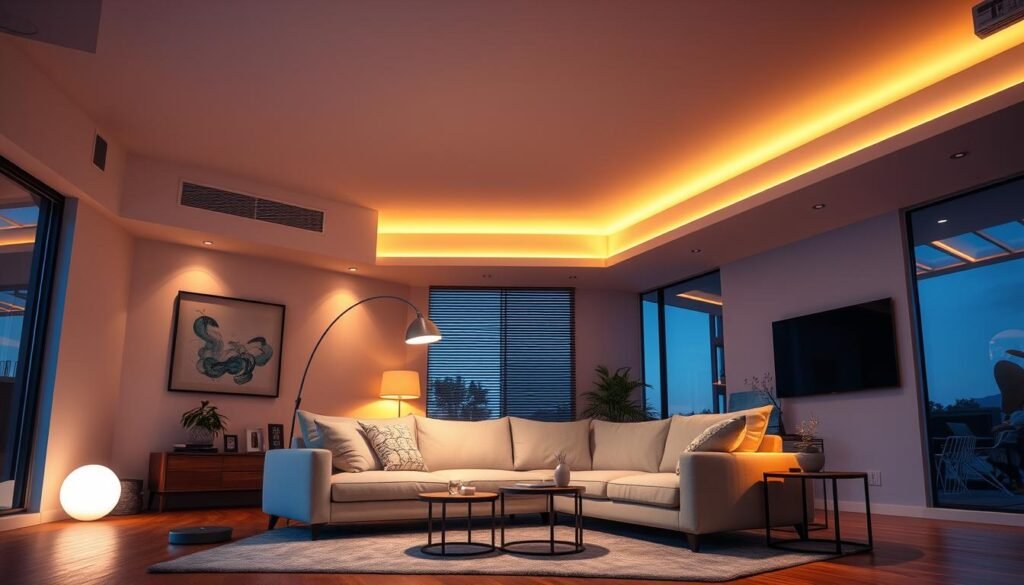
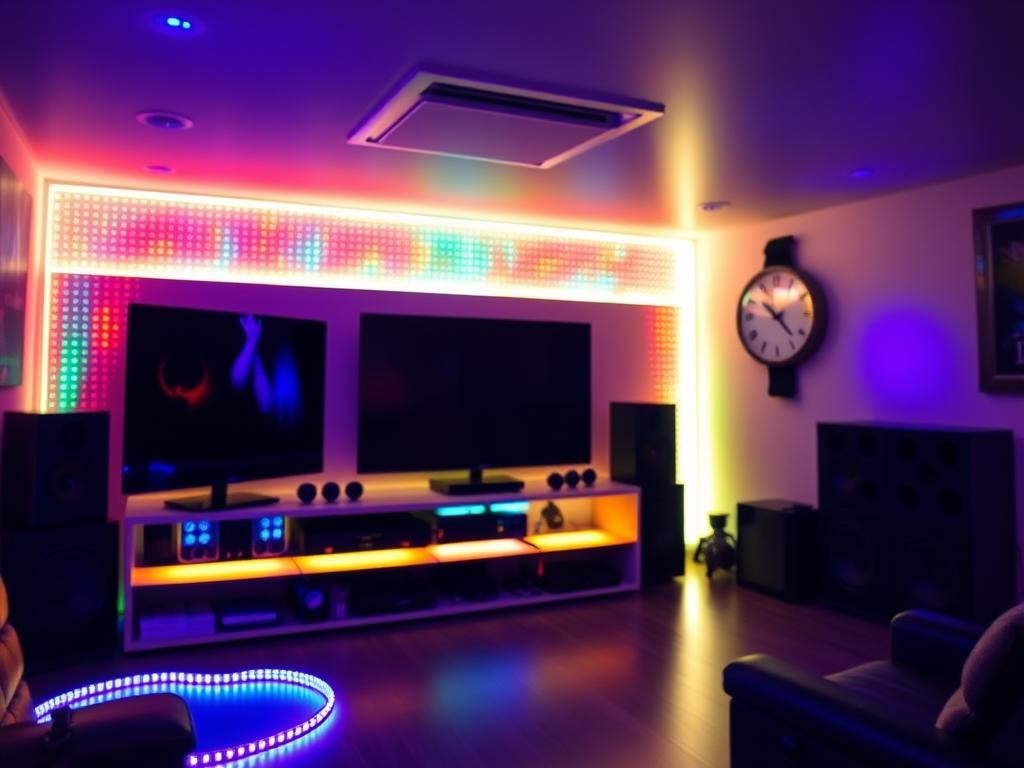
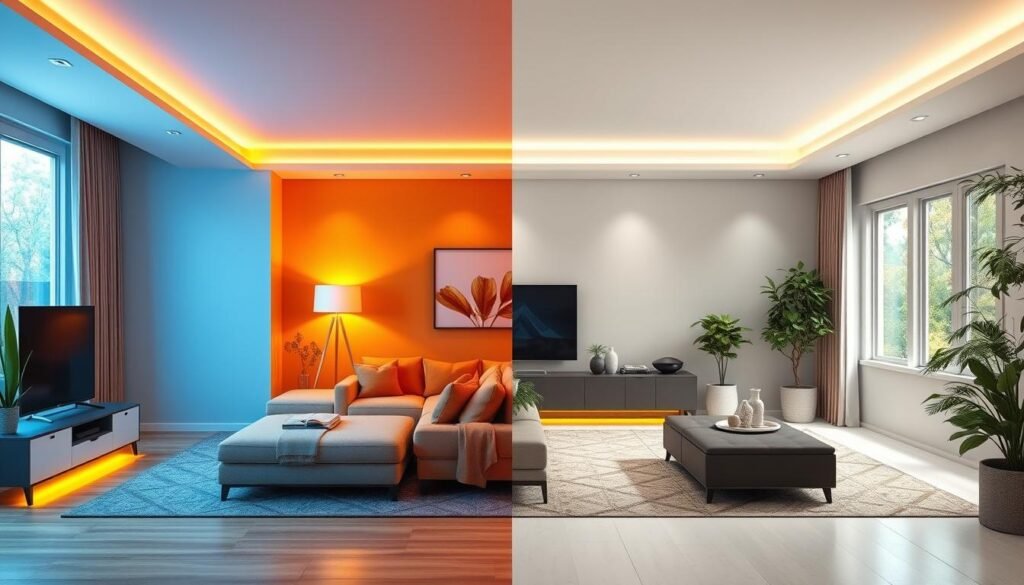
Install LED strip lights behind entertainment centers to reduce eye strain during viewing. This backlighting creates ambient glow without interfering with screen visibility.
Combining Natural and Artificial Light
Balance natural daylight with supplemental ambient lighting throughout the day. Window treatments control brightness while LED fixtures maintain consistent illumination levels.
Rely on natural light; close curtains if too bright
Not typically needed
Afternoon (3PM-6PM)
Decreasing western light
Begin introducing ambient lighting as daylight fades
3500K neutral white
Evening (6PM-10PM)
Minimal to none
Full ambient lighting activated; layer multiple sources
2700K warm white
Night (10PM+)
None
Dim ambient lighting for relaxation and safety
2200K extra warm
Entertainment Center Lighting
TV viewing benefits from ambient backlighting that reduces contrast between screen and surrounding darkness. LED strips mounted behind televisions decrease eye fatigue during extended viewing.
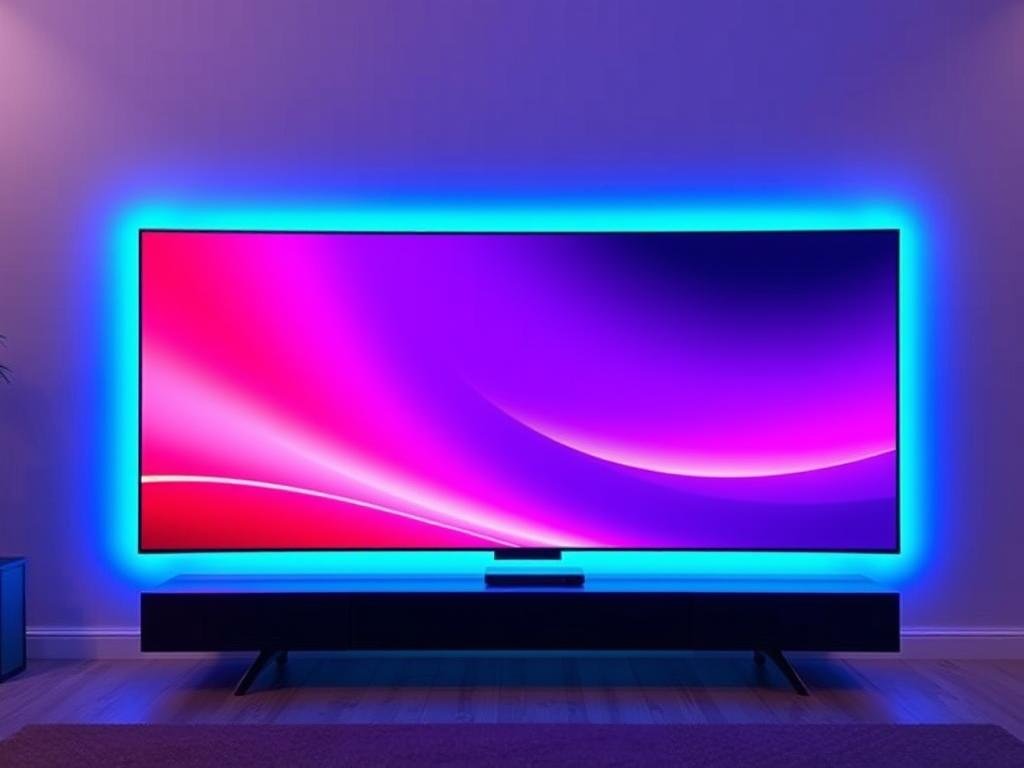
Music sync LED strips add dynamic ambient lighting to audio experiences. These reactive strips pulse and change colors in rhythm with your music playback.
Static Backlighting
Consistent white or single-color LED backlighting provides steady ambient illumination. Best for focused viewing without distraction.
Reduces eye strain during viewing
Lowers perceived screen brightness
Simple installation and control
Energy-efficient operation
Color Changing Ambient
RGB LED strips let you match ambient lighting to content mood. Change colors manually or set automatic transitions for varied atmosphere.
Customize colors for different content
Remote control color selection
Preset color scene options
Gradual color fade effects
Music Sync Reactive
Advanced LED strips with built-in microphones detect music and respond with synchronized lighting effects. Perfect for parties and immersive experiences.
Real-time audio synchronization
Multiple reactive modes available
Adjustable sensitivity settings
Compatible with any audio source
Transform Your Living Room with Smart Ambient Lighting
Discover complete living room lighting solutions including remote control floor lamps, app-controlled LED strips, and smart bulbs that create the perfect atmosphere for any occasion.
Smart lighting systems revolutionize how you control ambient illumination. App-based controls, voice commands, and automation create seamless lighting experiences.
Modern LED products integrate with major smart home platforms. Control individual fixtures or entire rooms from your smartphone or voice assistant.
App-Controlled Lighting Features
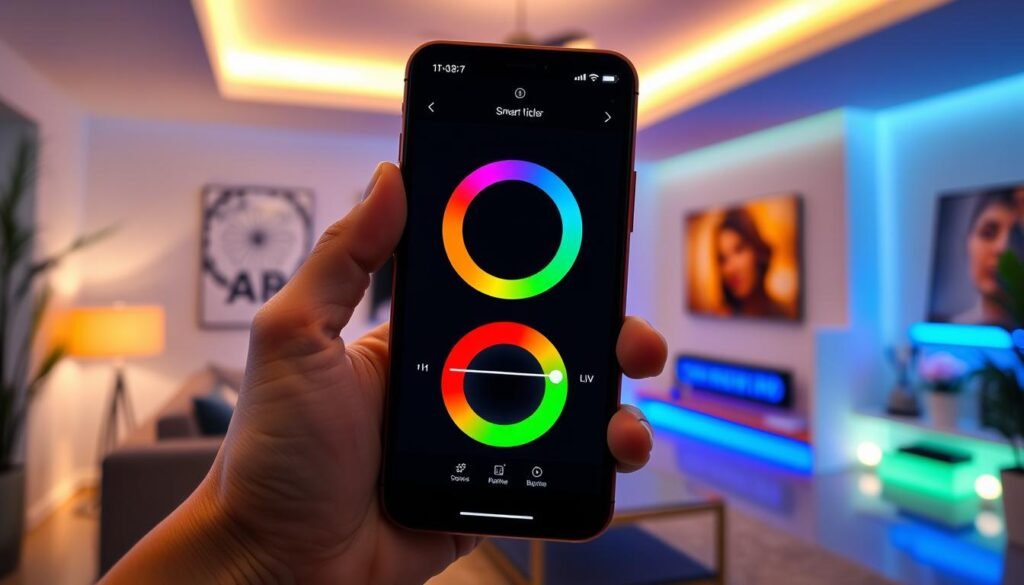
Dedicated smartphone apps give you complete control over ambient lighting characteristics. Adjust brightness, color, and scheduling from anywhere with internet access.
Color Customization
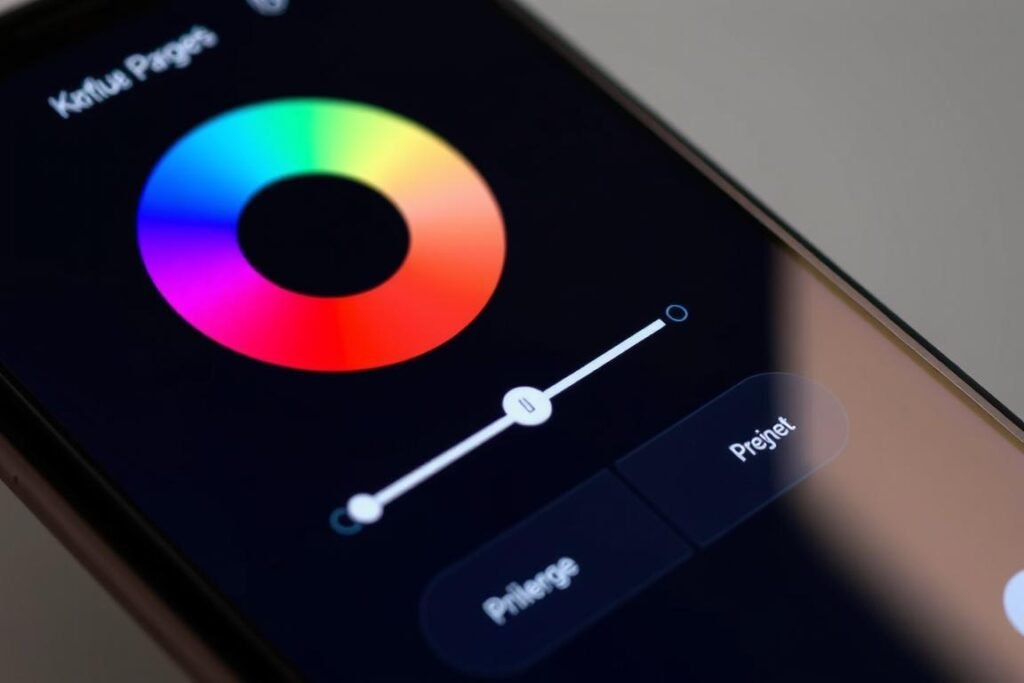
Select from millions of colors using intuitive color wheel interfaces. Save favorite combinations as custom scenes for instant recall.
Adjust saturation and brightness independently to fine-tune exact shades. Create dynamic color transitions that shift gradually over time.
Scheduling Automation
Program lights to activate and adjust automatically based on your daily routine. Set different scenes for morning, afternoon, and evening.
Vacation modes simulate presence by randomizing lighting patterns. Sunrise and sunset automation adapts to seasonal daylight changes.
Group Control
Organize multiple lights into rooms or zones for coordinated control. Adjust entire groups simultaneously or customize individual fixtures.
Create multi-room scenes that set perfect ambiance throughout your home with single tap. Synchronize colors across all connected devices.
Voice Assistant Integration
Compatible smart lighting works with Amazon Alexa, Google Assistant, and Apple HomeKit. Simple voice commands control power, brightness, color, and scenes.
“Alexa, set living room lights to 50% brightness”
“Hey Google, change bedroom lights to warm white”
“Siri, turn on movie mode lighting”
Common Voice Commands for Smart Ambient Lighting
Remote Control Options
Physical remote controls provide simple alternatives to apps and voice commands. Dedicated remotes often include preset buttons for favorite lighting scenes.
Infrared Remotes
Traditional line-of-sight control
No WiFi or pairing required
Battery-powered operation
Direct fixture communication
Instant response time
Limited range requires pointing
RF Radio Remotes
Works through walls and obstacles
Extended control range up to 100 feet
Multi-device pairing capability
No line-of-sight requirement
Zone-based group control
Requires initial device pairing
WiFi Smart Remotes
Integration with smart home systems
Unlimited range via internet
Customizable button functions
Scene and routine activation
Firmware updates for new features
Requires WiFi network connection
Upgrade to App-Controlled Smart Lighting
Explore the latest app-controlled LED lighting systems with voice assistant compatibility, scheduling automation, and millions of color options for ultimate ambient lighting control.
Light color profoundly affects human psychology and behavior. Understanding color psychology helps you create ambient lighting that supports desired emotional states.
Different colors stimulate specific psychological responses. Strategic color selection transforms spaces from energizing to calming with simple adjustments.
Warm Colors for Relaxation
Warm color temperatures from 2200K to 3000K create cozy, inviting atmospheres. These amber and orange tones promote relaxation and social interaction.
Red and orange ambient lighting increase feelings of warmth and intimacy. These colors work exceptionally well in dining rooms where they stimulate appetite and conversation.
Yellow tones bring cheerfulness and optimism to spaces. Gentle yellow ambient lighting creates welcoming entryways and comfortable gathering areas.
Cool Colors for Focus
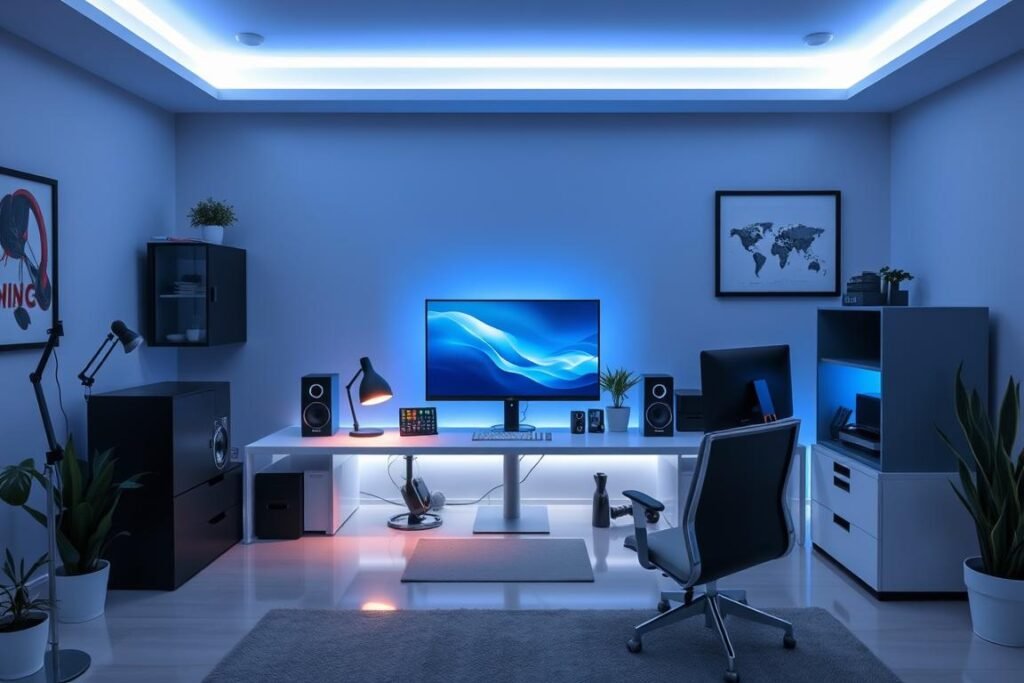
Cool white and blue-tinted lighting enhances alertness and concentration. Color temperatures from 4000K to 5000K support productivity in work environments.
Blue ambient lighting reduces stress and promotes mental clarity. Studies show blue light improves reaction times and task performance during daytime hours.
Important: Limit blue-tinted lighting to daytime hours only. Evening exposure to blue wavelengths disrupts circadian rhythms and interferes with melatonin production necessary for quality sleep.
Color Combinations for Dynamic Moods
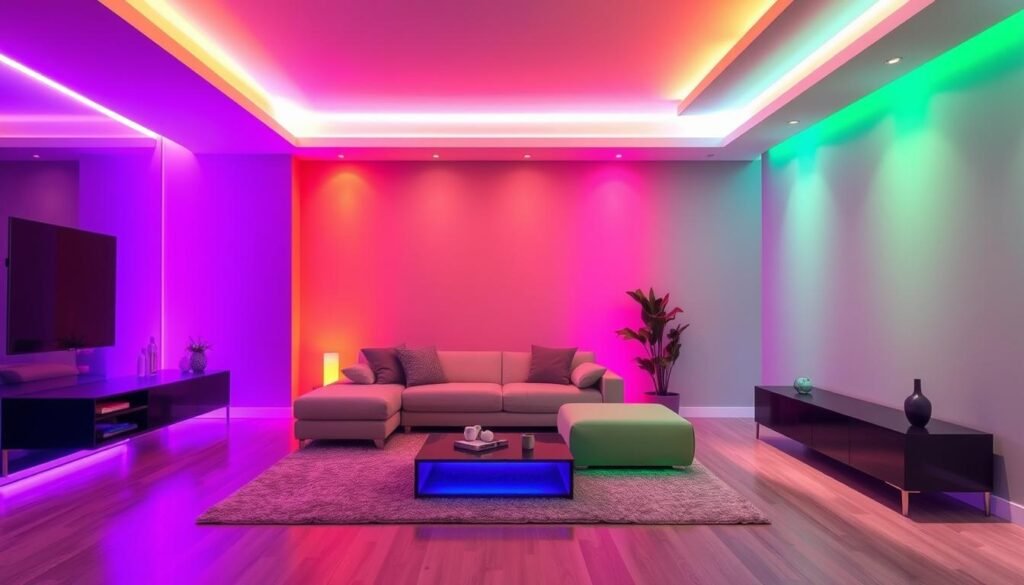
RGB LED systems create unlimited color combinations by mixing red, green, and blue light. These versatile systems adapt ambient lighting to any mood or occasion.
Color Combination
Psychological Effect
Best Use Cases
Time of Day
Warm White (2700K)
Relaxation, comfort, intimacy
Bedrooms, dining rooms, living rooms
Evening and night
Neutral White (3500K)
Balance, natural feeling
Kitchens, bathrooms, hallways
All day versatile
Cool White (5000K)
Alertness, focus, energy
Home offices, workshops, garages
Morning and afternoon
Soft Blue
Calm, peace, concentration
Meditation spaces, bathrooms
Afternoon only
Purple/Violet
Creativity, luxury, spirituality
Creative studios, accent lighting
Evening ambiance
Green
Harmony, balance, nature
Reading areas, home gyms
Any time neutral
Amber/Orange
Warmth, social, appetite
Dining areas, entertainment spaces
Evening gatherings
Installation Tips for Ambient Lighting Success
Proper installation maximizes the impact and longevity of your ambient lighting. Following best practices ensures professional-looking results even for DIY projects.
Most modern LED ambient lighting requires minimal tools and electrical knowledge. Planning placement carefully before installation prevents mistakes and rework.
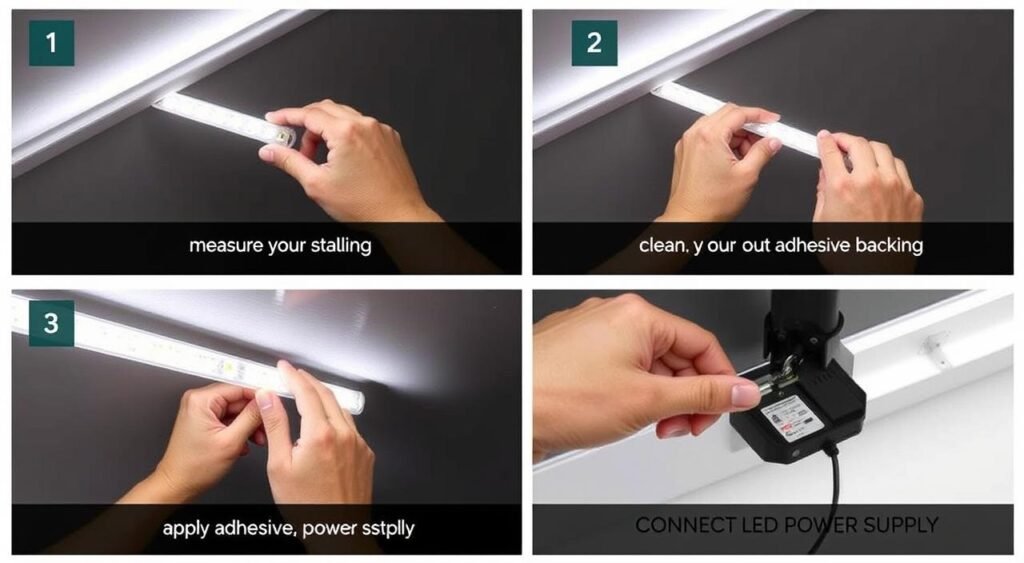
LED Strip Light Installation Steps
LED strip installation begins with surface preparation. Clean mounting surfaces thoroughly to ensure adhesive backing bonds properly for long-term attachment.
Measure and Plan: Measure installation areas precisely and plan strip routing to minimize visible connections and power supply placement
Clean Surface: Wipe mounting surfaces with isopropyl alcohol to remove dust, oil, and debris that prevent proper adhesion
Test Before Installing: Connect strips to power and test functionality including colors and remote control before permanent mounting
Apply Strips Carefully: Remove adhesive backing gradually while pressing strip firmly against surface to prevent air bubbles and ensure secure attachment
Make Clean Cuts: Cut strips only at designated cutting marks indicated by scissor symbols to avoid damaging LED circuits
Use Proper Connectors: Connect strip sections using solderless connectors or corner pieces designed for your specific strip type and voltage
Secure Power Supply: Mount power adapters in ventilated locations away from water and heat sources with proper cable management
Conceal Wiring: Route power cables behind furniture or through cable channels for clean, professional appearance without visible wires
Floor and Table Lamp Placement Guidelines
Strategic lamp positioning creates balanced ambient lighting throughout rooms. Follow the triangle rule by placing three light sources in triangular formation for even illumination.
Height Considerations
Proper lamp height ensures comfortable lighting without glare in eyes when seated.
Floor lamp shades should align with eye level when standing
Table lamp bottoms should sit at shoulder height when seated
Avoid placing lamps where shades create harsh shadows
Position lamps 24-30 inches from seating for reading
Traffic Flow
Position lamps where they enhance ambiance without obstructing movement.
Keep floor lamp bases against walls or furniture
Avoid placing lamps in walkways or doorways
Ensure power cords don’t create tripping hazards
Use cord management solutions for visible cables
Power Accessibility
Consider outlet locations when planning lamp placement for convenient access.
Position lamps within 6 feet of wall outlets
Use extension cords sparingly and safely
Consider smart plugs for remote lamp control
Install additional outlets if needed for flexibility
Visual Balance
Distribute lighting sources evenly to prevent dark corners and bright spots.
Place lamps in opposite room corners for balance
Use pairs of matching lamps symmetrically
Layer different lamp heights for dimension
Combine floor and table lamps throughout space
Common Installation Mistakes to Avoid
Installation Mistakes
Installing LED strips on dusty or greasy surfaces causing poor adhesion
Cutting strips between LEDs instead of at designated cut marks
Overloading single power supplies beyond rated capacity
Mixing incompatible voltage strips and power adapters
Bending strips at sharp angles that damage internal circuits
Exposing non-waterproof strips to moisture or humidity
Placing lamps where cords create tripping hazards
Installing ambient lighting without testing functionality first
Installation Best Practices
Always clean surfaces with alcohol before applying adhesive strips
Cut only at marked points and test each section individually
Calculate total wattage and use appropriately rated power supplies
Match voltage specifications exactly between strips and adapters
Use corner connectors for angles instead of bending strips
Choose IP65 rated waterproof strips for bathrooms and outdoors
Secure all power cables with clips or channels along baseboards
Test complete systems before final installation and mounting
Energy Efficiency and Cost Savings
LED technology delivers exceptional energy efficiency compared to traditional lighting. Switching to LED ambient lighting dramatically reduces electricity consumption and utility costs.
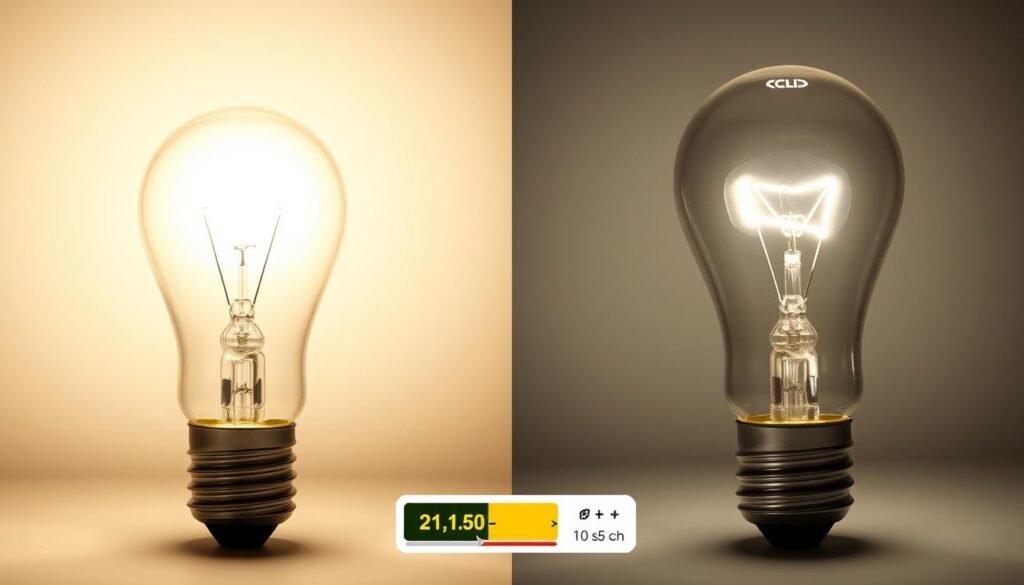
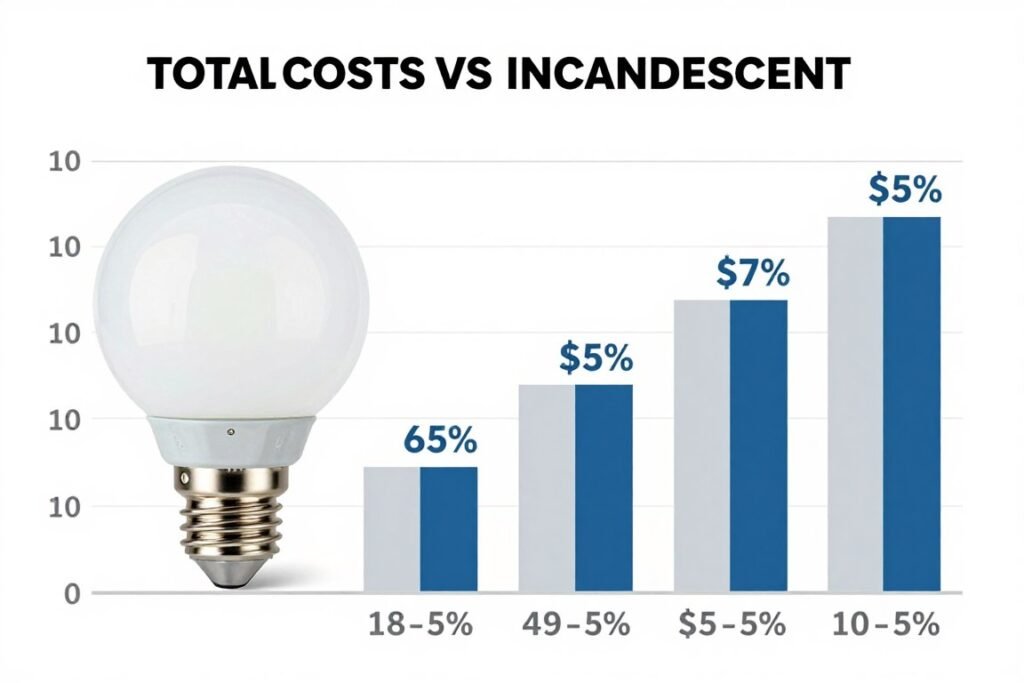
Modern LED fixtures use up to 85% less energy than incandescent bulbs while lasting 25 times longer. These savings quickly offset higher initial purchase prices.
LED Power Consumption Breakdown
Understanding wattage helps you calculate energy costs and select appropriate power supplies. LED efficiency means you need far fewer watts for equivalent brightness.
Light Type
Typical Wattage
Lumens Output
Annual Energy Cost
Lifespan Hours
LED Strip (per meter)
4-14 watts
300-1100 lumens
$1-3
50,000
LED Floor Lamp
12-20 watts
800-1600 lumens
$3-5
25,000
LED Table Lamp
6-12 watts
450-900 lumens
$1.50-3
25,000
Smart LED Bulb
8-15 watts
600-1200 lumens
$2-4
22,000
Incandescent Bulb
60-100 watts
800-1600 lumens
$15-25
1,000
Based on 3 hours daily usage and $0.13 per kWh electricity rate. Your actual costs may vary depending on local utility rates and usage patterns.
Long-Term Cost Analysis
Calculate total ownership costs including purchase price, energy consumption, and replacement frequency. LED lighting delivers substantial lifetime savings despite higher upfront costs.
4.8
LED Ambient Lighting Value Rating
Energy Efficiency
4.9/5
Lifespan Value
4.8/5
Cost Savings
4.7/5
Environmental Impact
4.9/5
Initial Investment
4.3/5
Maximizing Energy Savings
Smart usage patterns and automation further reduce energy consumption. Implement these strategies to maximize your LED ambient lighting efficiency.
Automation Scheduling
Program lights to turn off automatically when rooms are unoccupied. Smart scheduling prevents wasted energy from forgotten lights.
Set timers that align with your daily routine. Lights activate only when needed and dim or shut off during typical away hours.
Motion Sensors
Motion-activated ambient lighting provides illumination only when someone enters spaces. Particularly effective in hallways and bathrooms.
Combine motion sensors with light level detection to prevent daytime activation. Lights engage only in darkness when movement detected.
Dimming Capabilities
Dimmable LED fixtures use proportionally less energy at reduced brightness levels. Every brightness reduction directly decreases power consumption.
Dimming to 50% brightness cuts energy use by approximately 40%. Small brightness adjustments create significant long-term savings.
Switch to Energy-Efficient LED Ambient Lighting
Discover the latest energy-efficient LED lighting solutions including dimmable options, smart controls, and long-lasting fixtures that reduce your electricity bills while enhancing your home.
Music-reactive LED lighting creates immersive entertainment experiences that respond to audio in real-time. Built-in microphones detect sound waves and translate them into synchronized light shows.
These dynamic systems transform any space into an interactive environment. Music sync technology works with any audio source from streaming music to live instruments.
How Music Sync Technology Works
Integrated microphones continuously sample ambient sound levels. Advanced algorithms analyze frequency, rhythm, and volume to determine appropriate lighting responses.
Bass frequencies typically trigger red and warm color responses. Mid-range sounds activate green and yellow. High frequencies often produce blue and purple lighting effects.
Sensitivity adjustments let you calibrate responses for different music volumes. Lower sensitivity settings work for quiet background music while higher sensitivity captures loud party atmospheres.
Best Applications for Music Sync Lighting
Home Theater Systems
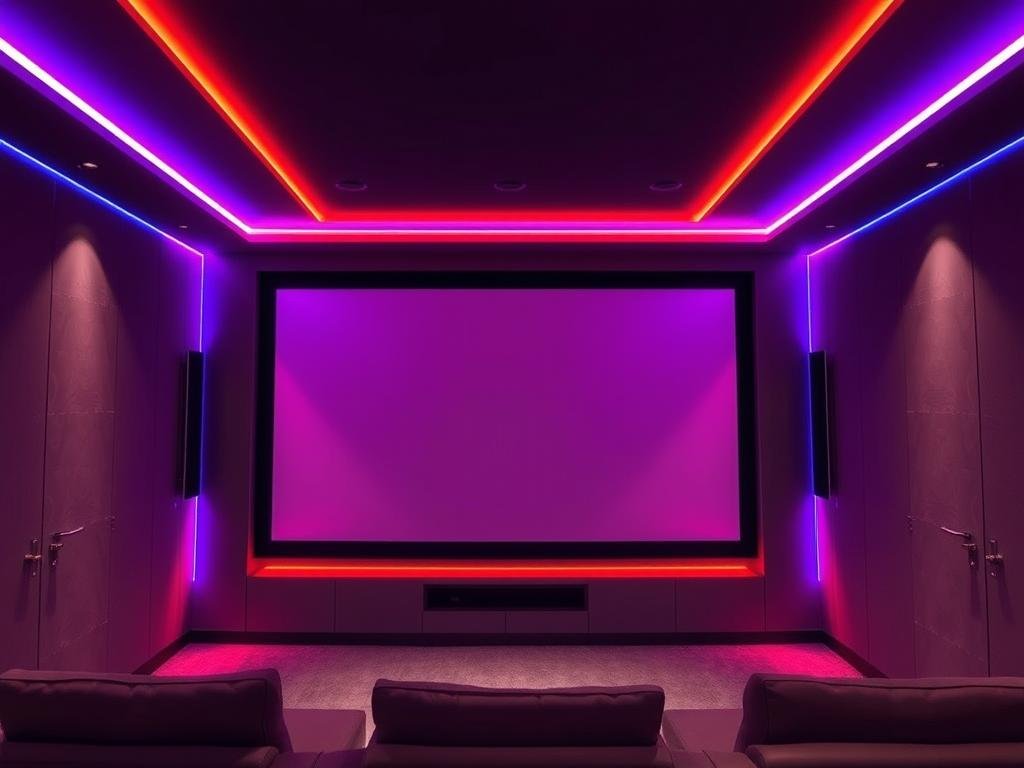
Music sync strips behind televisions and along walls create cinema-quality ambient effects. Lighting responds to movie soundtracks adding visual dimension to viewing.
Enhances action sequences with dynamic colors
Responds to dialogue and background music
Reduces eye strain with adaptive backlighting
Creates immersive viewing atmosphere
Gaming Setups
Gamers enhance immersion with lighting that reacts to in-game audio. Explosions, music, and sound effects trigger corresponding color animations.
Synchronizes with game sound effects
Creates competitive gaming atmosphere
Streaming-ready RGB backgrounds
Customizable sensitivity for different games
Party and Entertainment
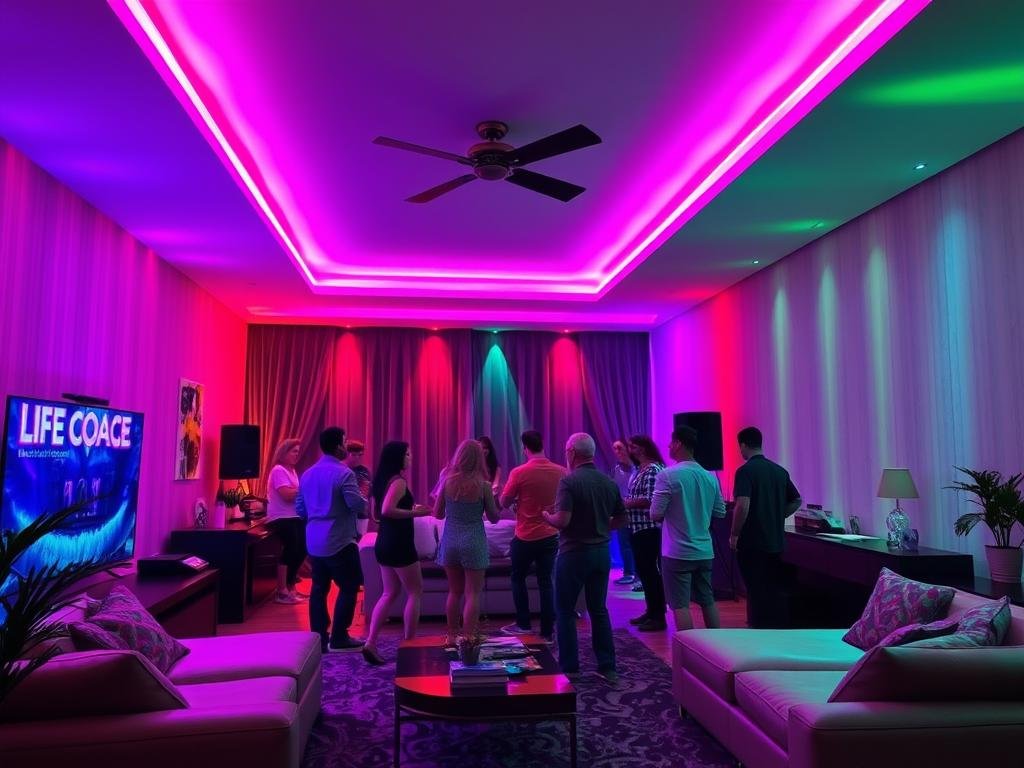
Transform living spaces into dance floors with reactive lighting. Music sync strips pulse with beat creating club-like atmospheres at home.
Responds to DJ mixes and playlists
Creates professional party lighting effects
No programming or setup required
Works with any music source or volume
Choosing Music Sync LED Strips
Select music-reactive strips based on sensitivity range, color options, and control features. Quality models offer multiple reactive modes beyond basic sound activation.
Essential Features
Built-in high-quality microphone for accurate detection
Adjustable sensitivity dial or app control
Multiple music sync modes and patterns
RGB color mixing for full spectrum
Adequate brightness for room size
Advanced Options
Smartphone app with custom mode creation
Frequency-specific color mapping
Multi-zone synchronized operation
Memory function for favorite settings
Integration with smart home systems
Consider Before Buying
Microphone placement affects detection quality
Room acoustics influence light responsiveness
Some modes drain more power than others
Complex settings require learning period
Background noise may trigger unwanted reactions
Create Your Music-Reactive Light Show
Browse the latest music sync LED strip lights with advanced sound detection, multiple reactive modes, and vibrant RGB colors that bring your entertainment to life.
Outdoor ambient lighting extends your living space into gardens, patios, and decks. Weather-resistant LED solutions create inviting outdoor environments for evening entertainment.
Proper outdoor lighting enhances safety while establishing atmosphere. Strategic placement highlights architectural features and landscaping after dark.
Weatherproof LED Strip Applications
IP65 and IP67 rated LED strips withstand rain, humidity, and temperature fluctuations. These waterproof options install safely in exposed outdoor locations.
Deck and Railing Lighting
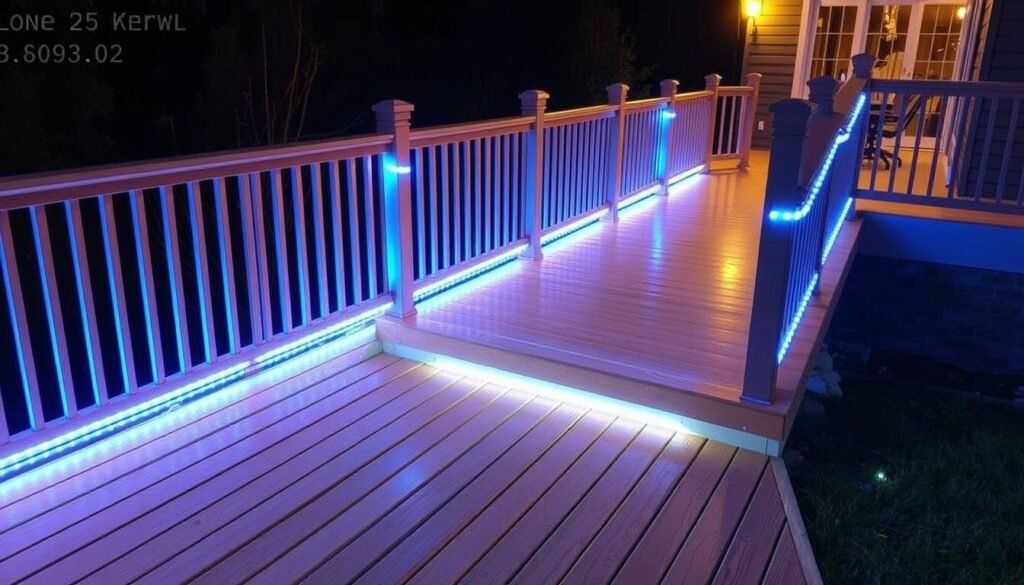
Mount waterproof LED strips along deck railings for safety and ambiance combined.
Illuminate stairs for safe nighttime navigation
Define deck perimeter with continuous lighting
Choose warm white for inviting atmosphere
Install in aluminum channels for protection
Pergola and Gazebo Accents
Outline overhead structures with LED strips creating defined outdoor rooms.
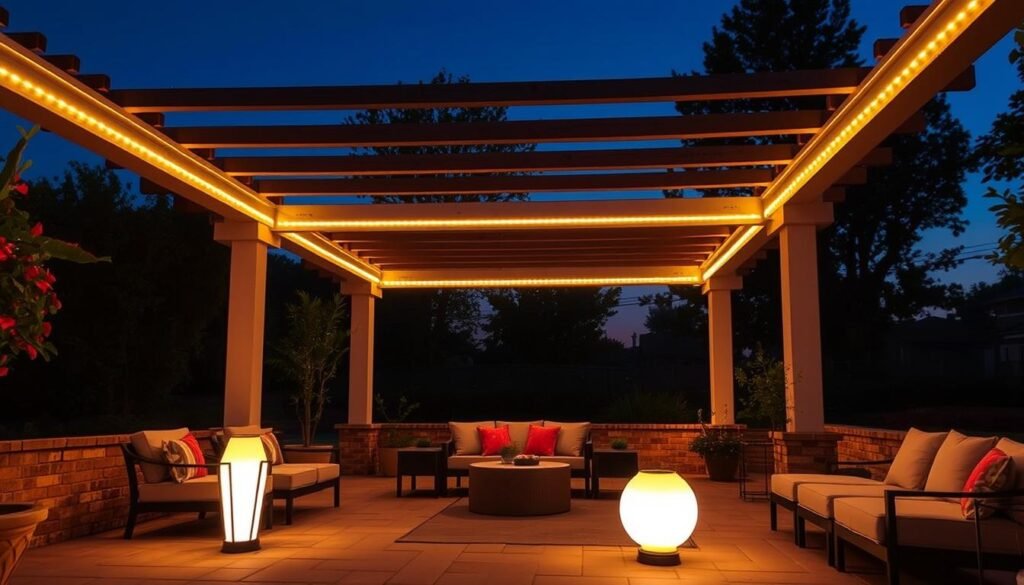
Run strips along pergola beams and rafters
Create starlight effects with downward-facing strips
Use dimmable options for adjustable ambiance
Ensure proper weatherproof connections
Landscape and Garden Features
Highlight plants, pathways, and water features with strategic ambient lighting.
Uplight trees from ground-level fixtures
Line pathways with low-voltage LED markers
Illuminate water features from below surface
Accent architectural plantings with spotlights
Outdoor Entertainment Areas
Create comfortable evening gathering spaces with flexible outdoor ambient lighting.
Install weather-resistant floor lamps in seating areas
Hang string lights overhead for festive atmosphere
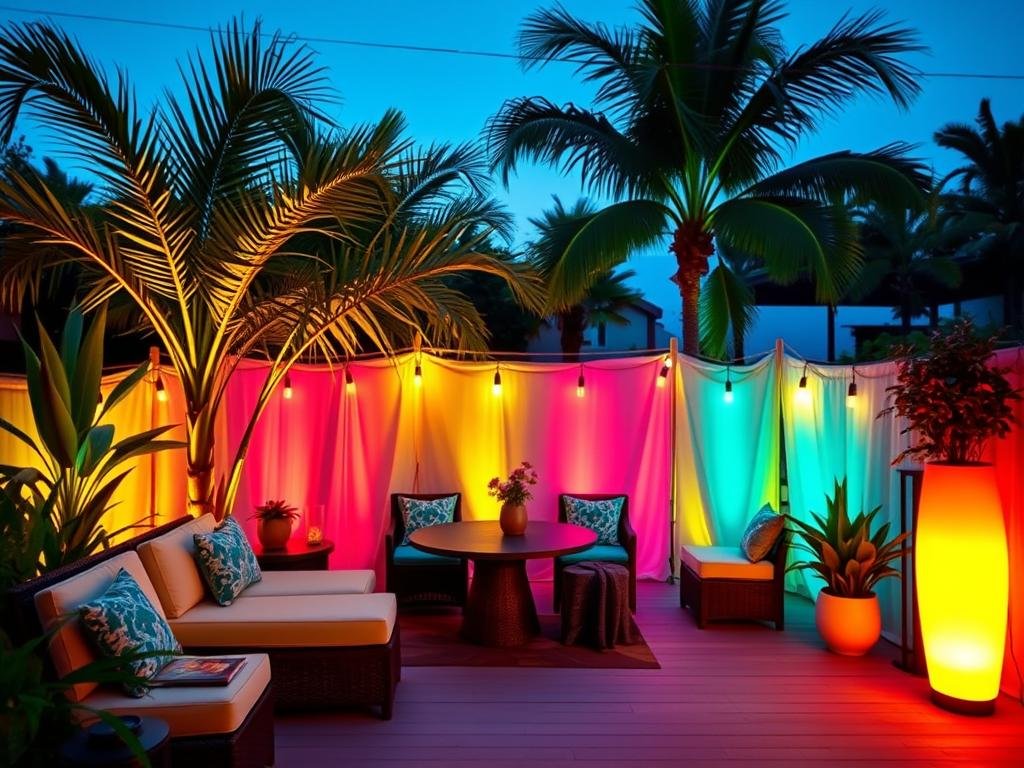
Use color-changing strips for party settings
Add dimmable controls for intimate dinners
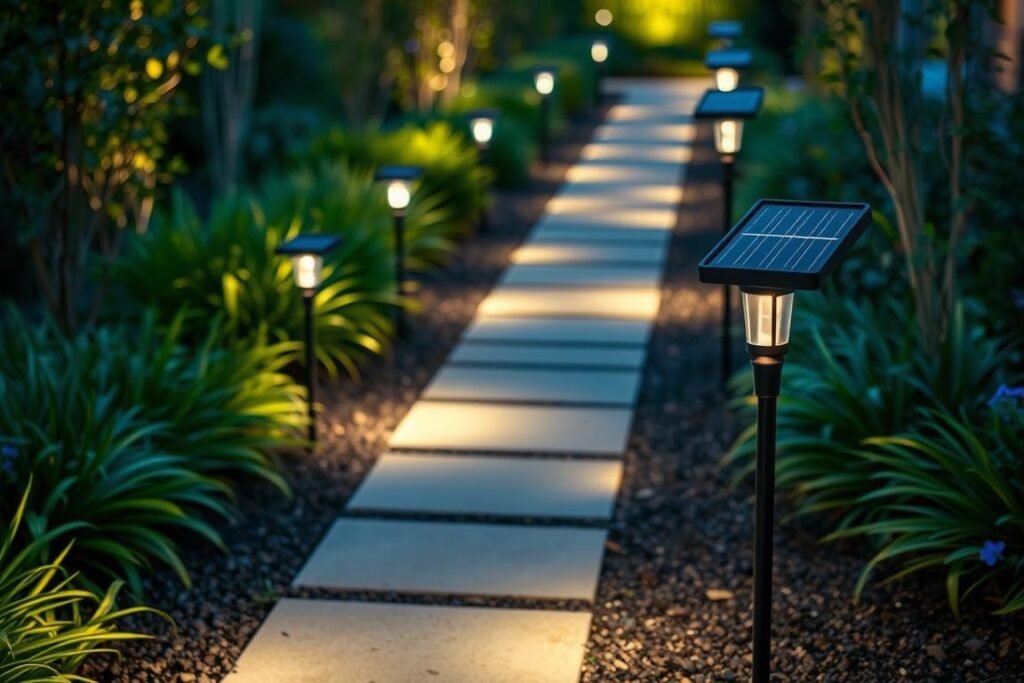
Solar-Powered Ambient Options
Solar LED lights eliminate wiring requirements for remote outdoor locations. Integrated solar panels charge internal batteries during daylight for automatic evening operation.
Modern solar ambient lighting delivers impressive brightness and runtime. Choose models with lithium batteries for reliable performance across seasons.
Solar Tip: Position solar panels in locations receiving at least 6 hours of direct sunlight daily. Clean panels monthly to maintain charging efficiency and maximum nightly runtime.
Troubleshooting and Maintenance
Proper maintenance extends the lifespan of your ambient lighting systems. Regular cleaning and inspection prevent common issues before they affect performance.
Most LED lighting problems stem from simple causes with straightforward solutions. Understanding basic troubleshooting saves time and unnecessary replacements.
Common LED Lighting Issues
Why aren’t my LED strip lights turning on?
Check power supply connections first ensuring plug is fully inserted. Verify the power adapter voltage matches strip requirements.
Inspect connection points between strips and controller for loose contacts. Test the outlet with another device to confirm power availability.
If using extension cables, ensure they are rated for the strip’s power draw. Replace blown fuses in controllers or power supplies.
Why are sections of my LED strips dim or not lighting?
Voltage drop causes dimming in long strip runs over 16 feet. Install additional power injection points every 16 feet for consistent brightness.
Poor connections at solder points or connectors create resistance leading to dimming. Remake connections ensuring solid contact.
Individual LED failure occasionally occurs. Cut out damaged section at nearest cutting mark and rejoin with connector.
Why won’t my remote control work?
Replace remote batteries first as weak batteries cause intermittent operation. Ensure batteries are installed with correct polarity.
Remove any obstacles between remote and receiver as infrared signals require line of sight. Point directly at controller sensor.
Re-pair remote with receiver following manufacturer instructions. Some systems require pressing specific button combinations to sync.
Why are colors incorrect or flickering?
Color issues often indicate incompatible controllers or power supplies. Verify controller specifications match strip type RGB versus RGBW.
Flickering suggests insufficient power capacity. Calculate total wattage and upgrade to higher-capacity power supply if needed.
Loose connections cause intermittent color problems. Check all connector points and reseat firmly ensuring proper contact.
How do I clean LED ambient lighting safely?
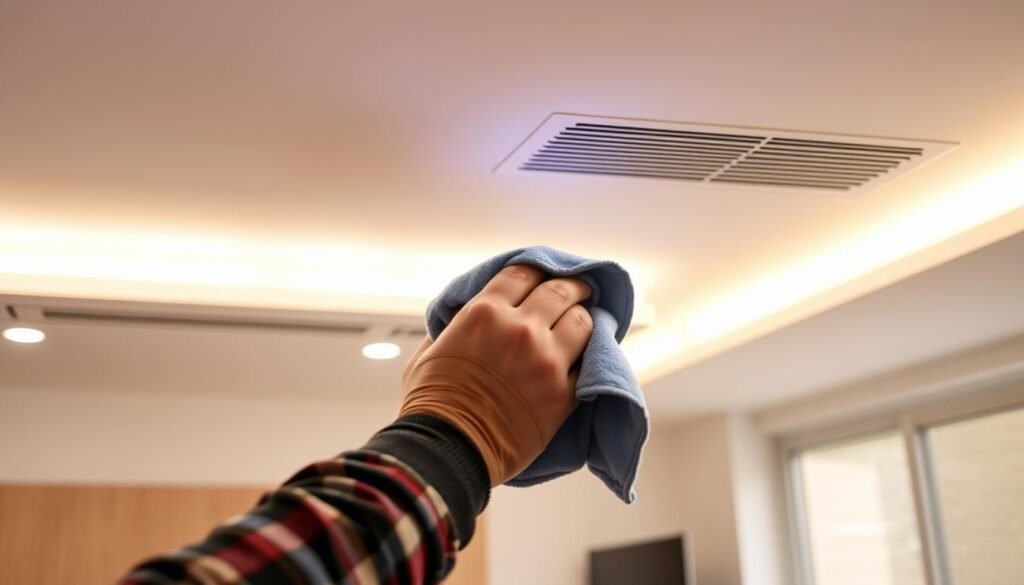
Always disconnect power before cleaning any LED fixtures. Never clean while lights are energized to prevent shock risk.
Use dry microfiber cloths to remove dust from LED strips and lamp surfaces. Avoid liquid cleaners near electrical connections.
For stubborn dirt, lightly dampen cloth with water only after unplugging lights. Allow complete drying before reconnecting power.
Why is my smart lighting not connecting to WiFi?
Ensure lights are within range of your WiFi router with strong signal strength. Move closer during initial setup process.
Most smart lights require 2.4GHz WiFi networks not 5GHz. Check router settings and switch to compatible frequency band.
Reset smart lights to factory settings following manufacturer procedure. Often involves specific power cycling patterns or button holds.
Update companion smartphone apps to latest versions ensuring compatibility with light firmware. Outdated apps cause connection failures.
Preventive Maintenance Schedule
Implement regular maintenance routines to maximize ambient lighting performance and longevity. Simple periodic checks prevent unexpected failures.
Frequency
Maintenance Task
Why It Matters
Monthly
Dust LED strips and lamp shades with dry cloth
Removes buildup that reduces light output and causes overheating
Quarterly
Inspect all electrical connections and plugs
Identifies loose connections before they cause failures or hazards
Quarterly
Test remote controls and replace batteries
Prevents inconvenient failures and ensures responsive operation
Semi-Annually
Check adhesive strip mounting security
Reattaches any loosening sections before complete detachment occurs
Semi-Annually
Update smart lighting firmware and apps
Adds features, fixes bugs, improves security and compatibility
Annually
Deep clean all fixtures and surrounding areas
Maintains appearance and prevents dirt accumulation in crevices
Annually
Review and optimize automation schedules
Adjusts for seasonal daylight changes and updated routines
Budget Planning for Ambient Lighting Projects
Strategic budget planning helps you achieve desired ambient lighting results without overspending. Prioritize high-impact areas and phase installations over time if needed.
Quality LED products represent long-term investments. Balance upfront costs against energy savings and extended lifespan for true value assessment.
Price Ranges by Product Category
Understanding typical price ranges helps set realistic expectations. Quality varies significantly within categories affecting both performance and durability.
LED Strip Lights
Budget ($15-30): Basic single-color strips with simple remote control, adequate for accent lighting.
Mid-Range ($30-60): RGB color-changing strips with app control and music sync capabilities.
Premium ($60-150): Smart WiFi strips with extensive app features, addressable LEDs, and voice control integration.
Floor Lamps
Budget ($25-50): Basic floor lamps with standard on/off switching, limited design options.
Mid-Range ($50-150): LED floor lamps with dimming, remote control, and contemporary designs.
Premium ($150-500): Designer floor lamps with smart features, premium materials, and architectural styling.
Table Lamps
Budget ($15-35): Simple table lamps with basic functionality, standard designs.
Mid-Range ($35-80): LED table lamps with touch control, dimming, and USB charging ports.
Premium ($80-250): Smart table lamps with color control, premium build quality, and designer aesthetics.
Cost-Saving Strategies
Maximize your ambient lighting budget through strategic purchasing and installation approaches. Small savings across multiple areas significantly reduce total project costs.
Smart Shopping Tips
Purchase during seasonal sales and promotional events
Buy complete kits versus individual components for savings
Compare reviews to identify best value within budget
Consider previous generation models at discounted prices
Look for multi-packs when needing multiple identical fixtures
Check manufacturer refurbished options with warranties
Installation Savings
Install LED strips yourself versus hiring electricians
Use plug-in fixtures avoiding costly hardwiring
Reuse existing lamp bases with LED bulb upgrades
Purchase extension cables separately when cheaper than longer strips
Plan layouts minimizing wasted strip lengths from cuts
Watch tutorial videos to avoid installation mistakes
Long-Term Value
Invest in higher quality for frequently used spaces
Select fixtures with replaceable components versus disposable
Buy adequate power supplies avoiding future upgrades
Consider expandable systems for phased installations
Warranty coverage protects against premature failures
Phased Implementation Approach
Spread ambient lighting upgrades across multiple phases to distribute costs over time. Prioritize high-impact rooms and expand systematically.
Phase One – Primary Living Space: Focus initial investment on main living room or bedroom where you spend most time, creating immediate daily impact from ambient lighting improvements
Phase Two – Secondary Rooms: Expand to additional bedrooms, home office, or dining area once budget allows, applying lessons learned from initial installation
Phase Three – Accent Lighting: Add decorative LED strips behind furniture, in alcoves, or along architectural features for enhanced visual interest and atmosphere
Phase Four – Outdoor Spaces: Complete transformation with weatherproof outdoor ambient lighting extending living areas to patios, decks, and landscape features
Phase Five – Smart Integration: Upgrade to smart controls and automation once basic lighting established, adding convenience and advanced features to existing fixtures
Find Ambient Lighting for Every Budget
Explore a complete range of ambient lighting solutions from budget-friendly options to premium smart systems, all designed to transform your space within your price range.
Adapt your ambient lighting throughout the year to reflect seasonal moods and holidays. Color-changing LED systems make seasonal transitions effortless without replacing fixtures.
Strategic color selection enhances seasonal atmosphere while maintaining year-round functionality. Program smart systems with seasonal presets for instant transformation.
Holiday Lighting Themes
RGB LED ambient lighting creates festive atmospheres for every celebration. Save custom color combinations as named scenes for quick holiday activation.
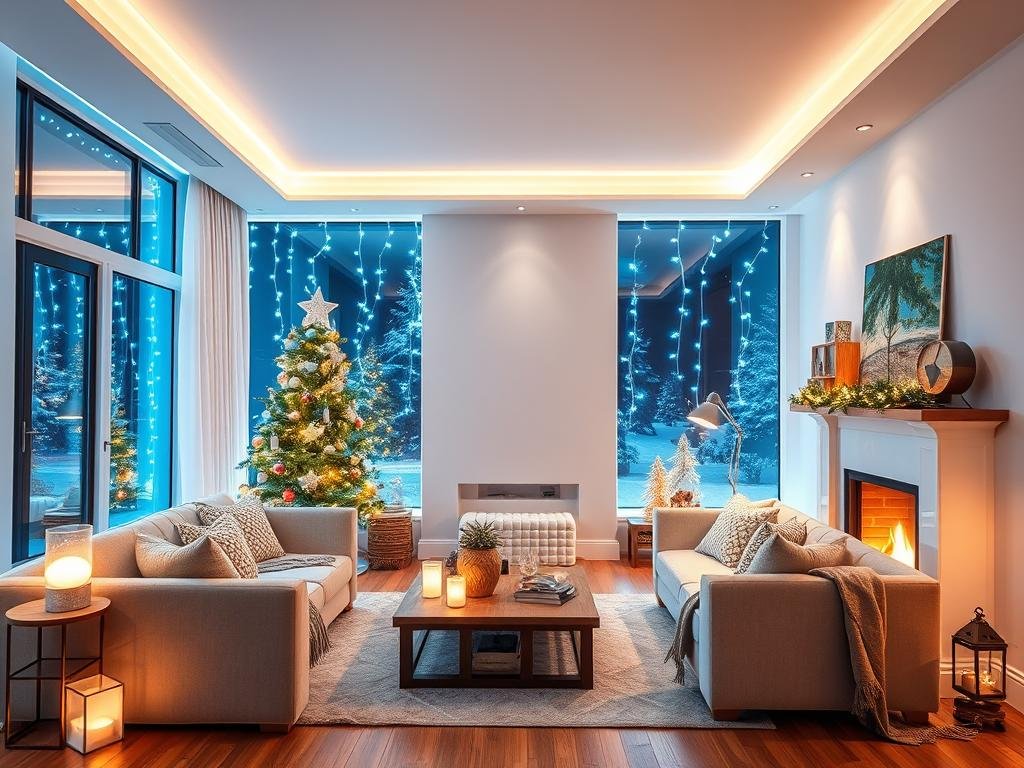
Winter Holidays
Cool whites, icy blues, and silver tones create winter elegance. Add warm amber accents for traditional holiday warmth and welcoming atmosphere.
Pure white LEDs for snow-inspired ambiance
Blue and white combinations for icy effects
Warm amber for traditional cozy gatherings
Twinkling modes simulate falling snow
Spring Celebrations
Soft pastels including light pink, mint green, and lavender reflect spring renewal. Gradually transition from winter whites to fresh spring hues.
Pastel pink for romantic spring evenings
Soft green echoing new plant growth
Lavender for Easter and spring holidays
Gentle color fades between pastel shades
Summer Vibes
Vibrant tropical colors bring energy to summer gatherings. Turquoise, coral, and sunny yellow create beach-inspired outdoor atmospheres.
Bright turquoise for ocean-inspired ambiance
Coral and orange for sunset effects
Sunny yellow for cheerful brightness
Dynamic color transitions for parties
Circadian Rhythm Lighting
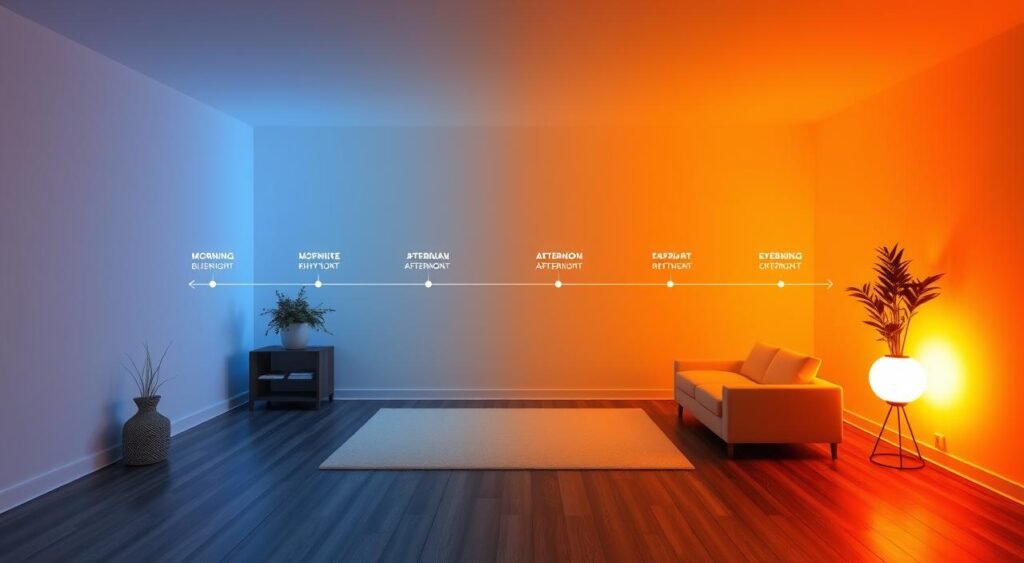
Align ambient lighting with natural circadian rhythms supporting healthy sleep-wake cycles. Smart systems automatically adjust color temperature throughout the day.
Morning lighting uses cooler color temperatures around 5000K promoting alertness. Gradually warm to 3000K by afternoon supporting natural energy patterns.
Evening transitions to warm 2700K or lower suppor melatonin production. Automated circadian lighting improves sleep quality and daytime alertness.
Health Benefit: Studies show circadian-aligned lighting improves sleep quality by up to 20% while increasing daytime alertness and productivity. Program smart LEDs to automatically follow natural light patterns for effortless health benefits.
Frequently Asked Questions
What is the difference between ambient lighting and task lighting?
Ambient lighting provides overall general illumination filling entire spaces with comfortable light levels. It creates the foundation for all room activities.
Task lighting focuses bright light on specific work areas for activities requiring clear visibility like reading, cooking, or detailed work.
Well-designed spaces combine both types with ambient lighting establishing base brightness and task lights supplementing where needed.
How many lumens do I need for ambient lighting?
Calculate lumens based on room size using 20 lumens per square foot for living spaces. Multiply room square footage by 20 for total ambient lighting needs.
A 200 square foot living room requires approximately 4000 lumens total from all ambient light sources combined.
Bedrooms need less at 10-15 lumens per square foot for relaxing atmosphere. Kitchens benefit from 50 lumens per square foot including both ambient and task lighting.
Can LED strip lights be cut to custom lengths?
Yes, LED strips feature designated cutting marks typically every 2-4 inches indicated by scissor symbols and copper pads.
Cut only at these marked locations to avoid damaging LED circuits. Cutting between marks renders that section non-functional.
After cutting, use solderless connectors or solder new power leads to copper pads for extending or reconnecting sections.
Do smart LED lights work without WiFi?
Most smart LEDs retain basic functionality without WiFi including on/off power and previously set colors or brightness levels.
WiFi connection enables app control, voice commands, scheduling automation, and remote access when away from home.
Some models include Bluetooth connectivity providing smartphone control without requiring WiFi network access.
How long do LED ambient lights typically last?
Quality LED fixtures last 25,000 to 50,000 hours depending on usage patterns and build quality. At 3 hours daily use, expect 20+ years lifespan.
LED lifespan exceeds incandescent bulbs by 25 times and compact fluorescents by 5 times offering superior long-term value.
Heat management affects longevity. Well-ventilated installations with proper power supplies maximize LED lifespan potential.
Are LED ambient lights safe to leave on all night?
Yes, LED lights run cool and consume minimal power making them safe for continuous operation as night lights.
Choose warm color temperatures below 2700K for nighttime use to minimize sleep disruption from blue wavelengths.
Dimmed LED ambient lighting provides safety illumination for nighttime navigation while using only pennies of electricity monthly.
Can I install LED strip lights on textured walls?
Heavily textured walls reduce adhesive contact making strips prone to falling. Consider aluminum mounting channels for textured surfaces.
Channels provide smooth mounting surfaces while protecting strips and creating professional finished appearance.
Alternative mounting includes small clips every 6-12 inches securing strips without relying solely on adhesive backing.
What color temperature is best for relaxation?
Warm color temperatures from 2200K to 2700K promote relaxation and melatonin production preparing body for sleep.
These warm amber tones mimic evening firelight and sunset creating psychologically calming effects.
Avoid blue-tinted cool white light above 4000K in evenings as it suppresses melatonin and interferes with sleep quality.
How do I sync multiple LED strips together?
Connect multiple strips to single controller using parallel wiring ensuring total wattage doesn’t exceed power supply capacity.
Use Y-connectors or distribution blocks splitting power from controller to multiple strip sections maintaining synchronized control.
For very long runs, install signal amplifiers every 32 feet preventing color inconsistency and maintaining synchronized effects.
Do LED lights attract bugs like traditional bulbs?
LEDs attract significantly fewer insects than incandescent or fluorescent lights because they emit minimal UV and infrared wavelengths.
Warm white LEDs attract fewer bugs than cool white. Choose 2700K or lower color temperatures for outdoor ambient lighting.
Yellow-tinted LED bulbs specifically designed for bug deterrence provide ambient lighting while minimizing insect attraction further.
Creating Your Perfect Ambient Lighting Atmosphere
Ambient lighting transforms houses into homes through carefully planned illumination. The strategies and solutions covered in this guide empower you to create customized lighting that enhances every room.
Start with one room applying the principles of layered lighting, appropriate color temperature, and strategic fixture placement. Success in a single space builds confidence for expanding throughout your home.
Remember that ambient lighting serves both functional and emotional purposes. It provides safe navigation while establishing atmosphere that reflects your personal style and supports daily activities.
LED technology makes professional-quality ambient lighting accessible and affordable. Energy efficiency and long lifespan justify initial investment through years of enhanced living environments.
Take your first step toward better ambient lighting today. Whether adding simple LED strip accents or implementing whole-home smart systems, improvement begins with action.
Your ideal lighting atmosphere awaits creation. Use this guide as your roadmap, adapt ideas to your unique space, and enjoy the transformation that thoughtful ambient lighting brings to daily life.
Begin Your Ambient Lighting Journey Today
Explore the complete selection of LED strip lights, smart floor lamps, color-changing table lamps, and automation solutions that bring this guide’s inspiration to life in your home.
Planning a western bridal shower brings together rustic charm and cowgirl spirit. This celebration style honors the bride with country flair and memorable touches. Your guests will experience an authentic Western vibe that creates lasting memories. Every detail matters when creating the perfect cowgirl bridal shower. From boots and bubbly themes to ranch-inspired décor, these…
Receiving an invitation to a black tie wedding is both exciting and slightly intimidating. This formal dress code calls for elegance, sophistication, and attention to detail. As a wedding guest, you’ll want to honor the couple’s vision while expressing your personal style within the formal framework. This comprehensive guide will walk you through everything you…
Your 16th birthday marks a special milestone in life. It’s a moment worth capturing through beautiful photos that you’ll treasure for years to come. A sweet photoshoot transforms this important event into lasting memories that celebrate who you are becoming. Planning the perfect sweet 16 photo shoot can feel overwhelming. You want pictures that reflect…
Creating privacy in your backyard doesn’t require a professional contractor or thousands of dollars. With smart planning and the right materials, you can build a stunning privacy fence yourself while staying within budget. Whether you want to block noise from neighbors, create a safe space for children and pets, or simply add visual appeal to…
Your quinceañera marks a beautiful transition into womanhood. This 15th birthday celebration deserves photos that reflect the joy, beauty, and significance of this special moment in your life. The right photoshoot ideas can transform ordinary pictures into treasured memories that last forever. Planning the perfect photo session involves creativity, preparation, and attention to detail. From…
Choosing your wedding color palette marks one of the most exciting steps in planning your big day. The right color combination sets the tone for your entire celebration and creates a cohesive look across every detail. Your wedding colors influence everything from invitations to florals. They create the atmosphere guests experience from the moment they…