Kitchen Island Lighting: Your Complete Style and Selection Guide
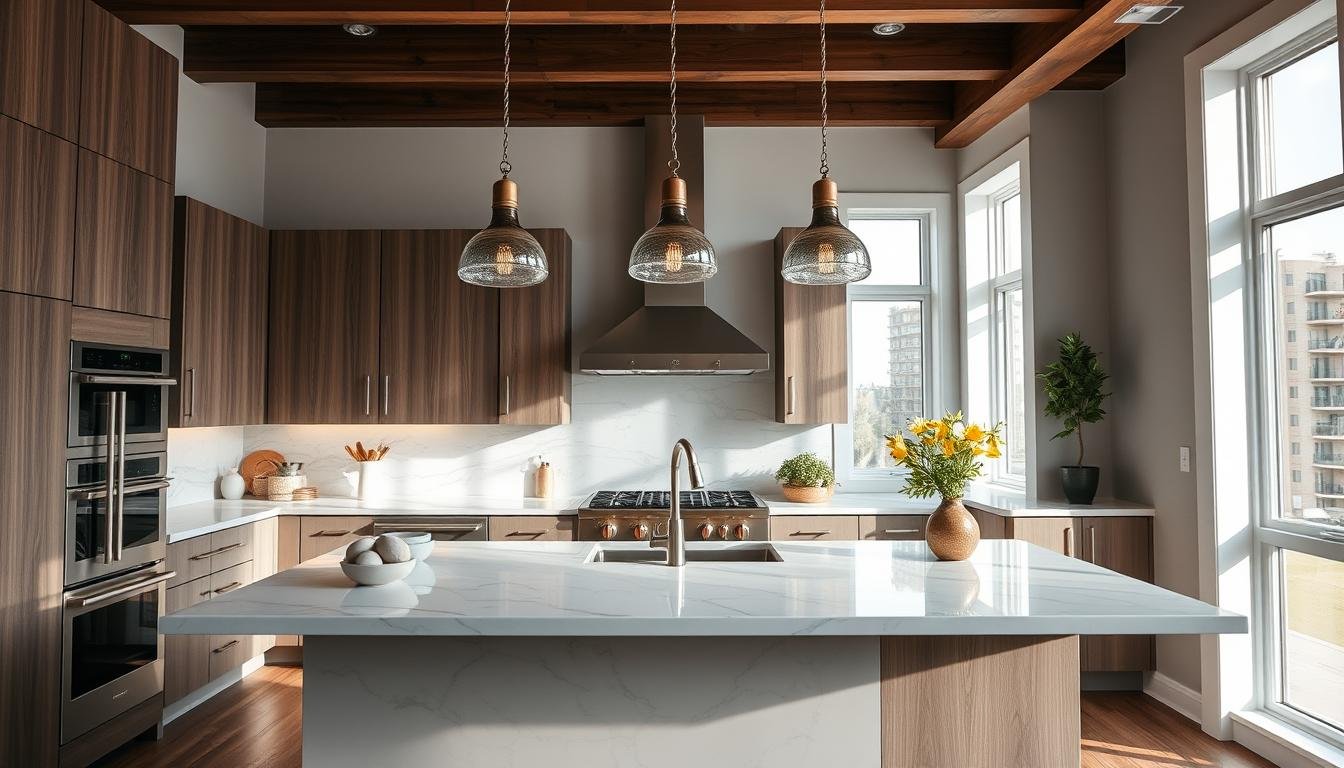
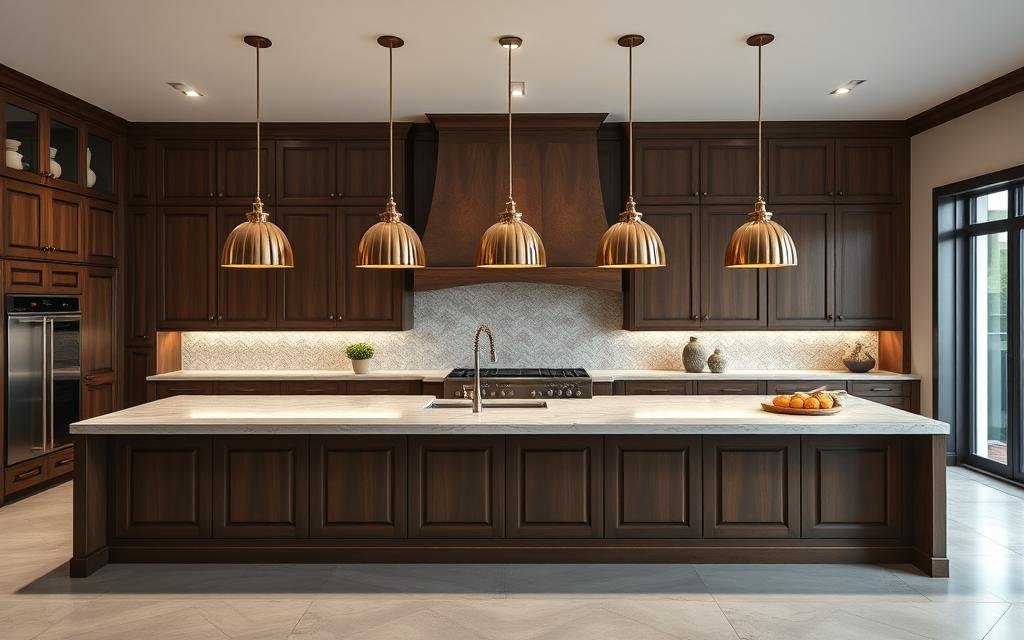
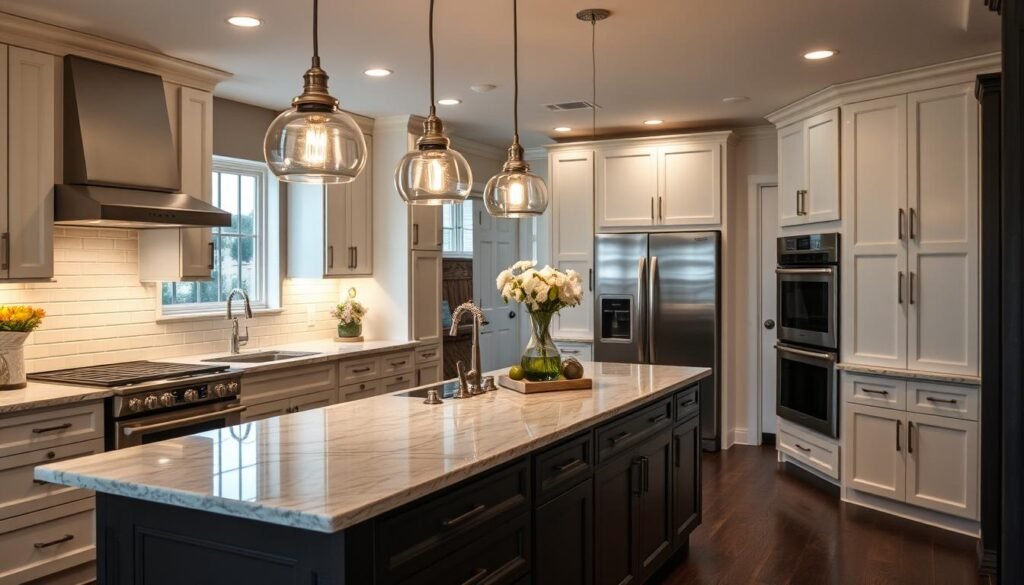
The right lighting transforms your kitchen island from a simple workspace into the stunning centerpiece of your home. Whether you’re preparing meals, gathering with family, or entertaining guests, your island lighting sets the mood and defines the space.
Kitchen island lighting serves multiple purposes beyond basic illumination. It creates visual interest, defines your kitchen’s style, and provides essential task lighting for food preparation.
This comprehensive guide explores everything you need to know about selecting the perfect light fixture for your kitchen island. From understanding different lighting styles to choosing the right size and installation height, you’ll discover practical insights to make an informed decision.
Why Kitchen Island Lighting Matters for Your Space
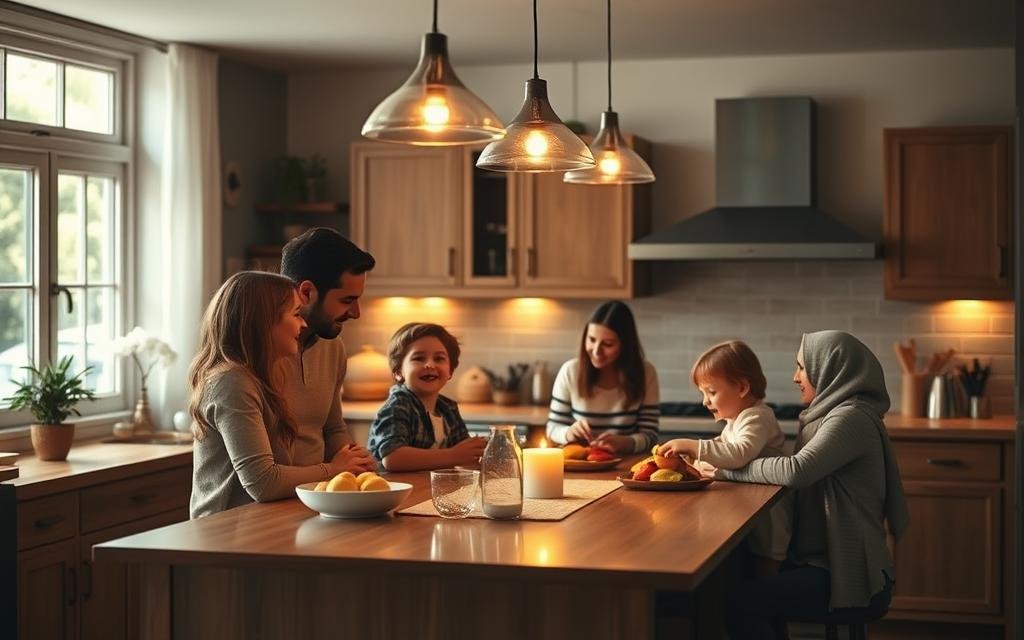
Your kitchen island represents the heart of your home. It’s where meals are prepared, homework gets done, and conversations flow during gatherings. Proper lighting elevates this central space from functional to exceptional.
The fixture you choose impacts both the aesthetic appeal and practical functionality of your kitchen. A well-lit island ensures safe food preparation while creating an inviting atmosphere for your dining room and surrounding areas.
Functional Benefits
Task lighting provides adequate illumination for chopping, reading recipes, and detailed work. The right light fixture eliminates shadows and reduces eye strain during food preparation.
Island lighting serves as a statement piece that defines your kitchen’s character. From modern minimalist designs to rustic farmhouse chandeliers, your fixture choice sets the entire room’s tone.
The placement and style of your island light fixture creates visual balance with other room elements. It draws the eye and establishes a cohesive design flow throughout your kitchen and adjacent dining areas.
Popular Kitchen Island Lighting Styles to Consider
Understanding different lighting styles helps you select fixtures that complement your home’s existing design. Each style brings unique characteristics that influence the overall kitchen atmosphere.
Modern and Contemporary Island Lighting
Modern island lighting features clean lines, geometric shapes, and minimalist designs. These fixtures often incorporate LED technology for energy efficiency and long-lasting performance.
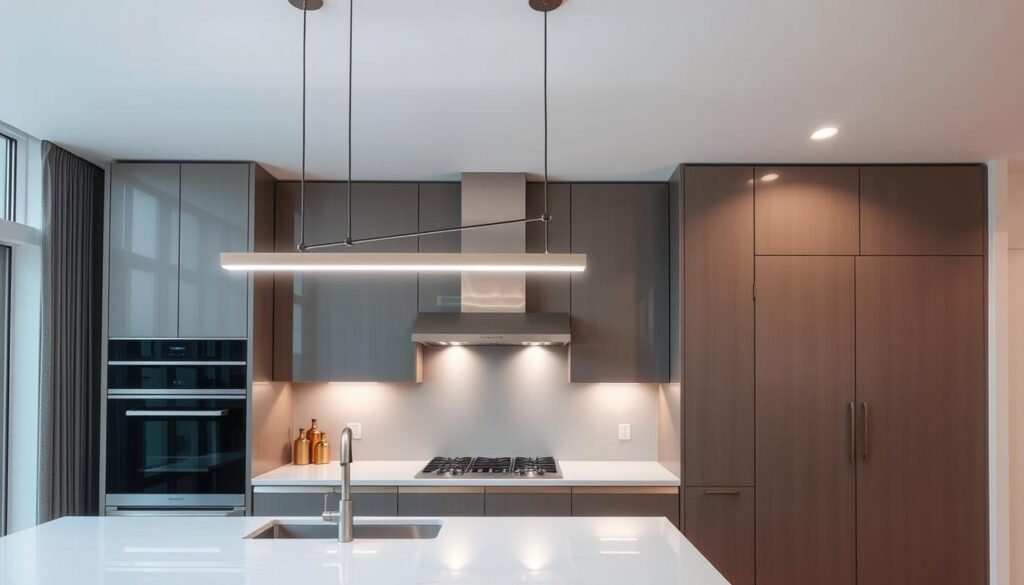
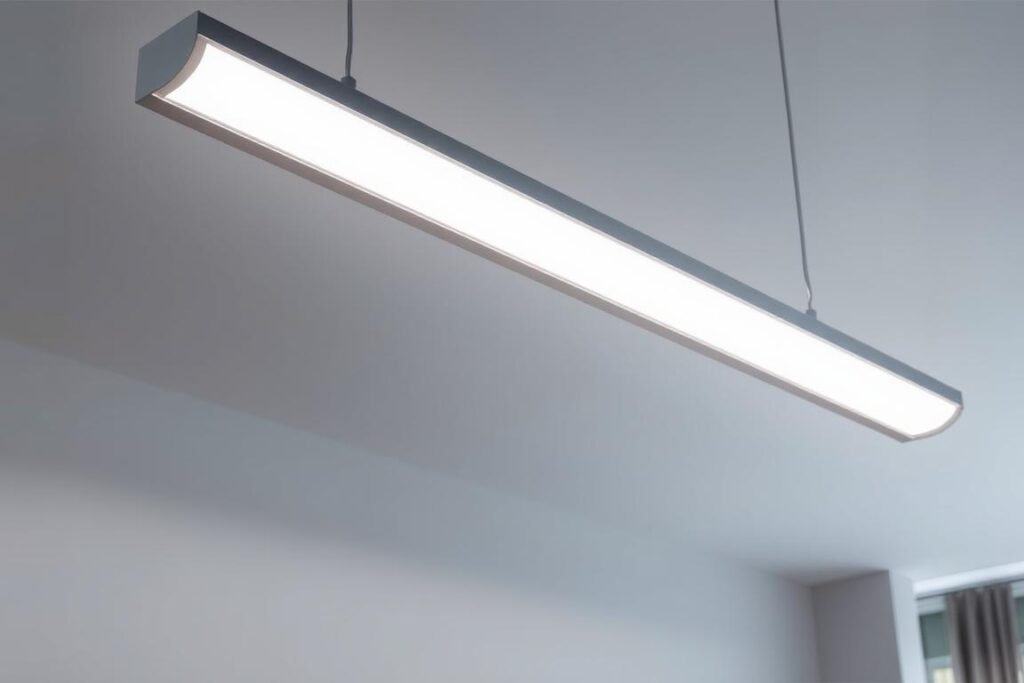
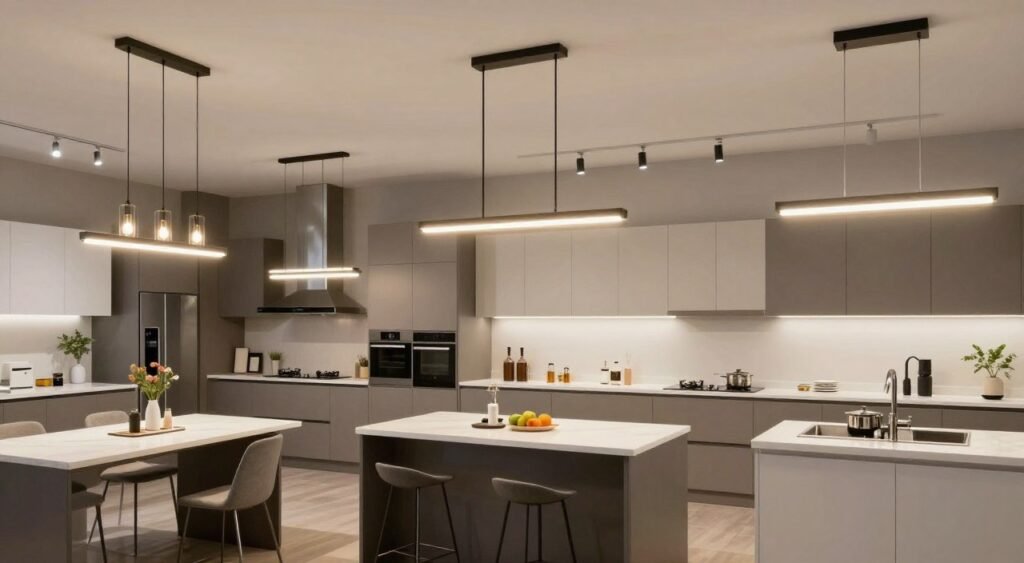
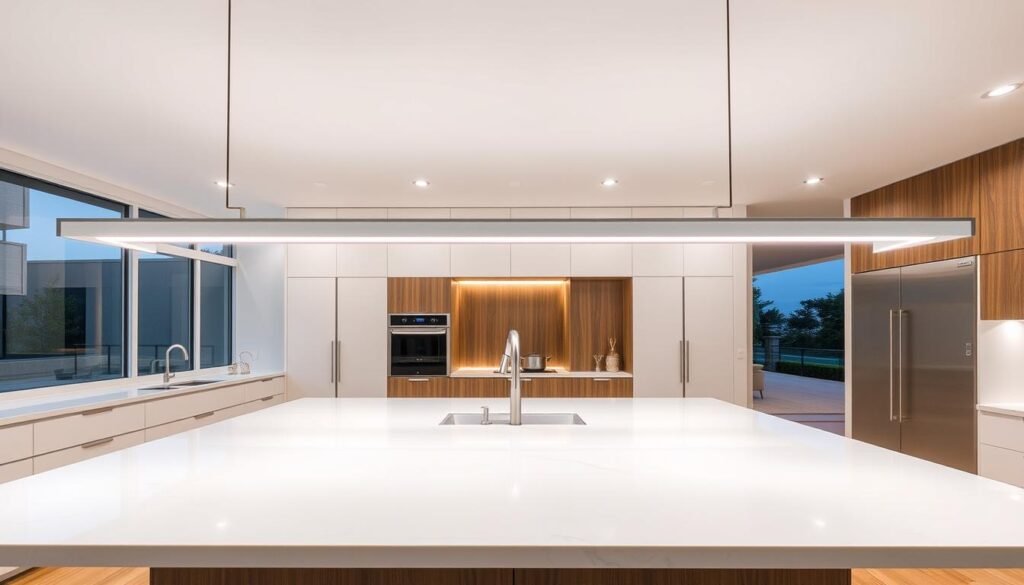
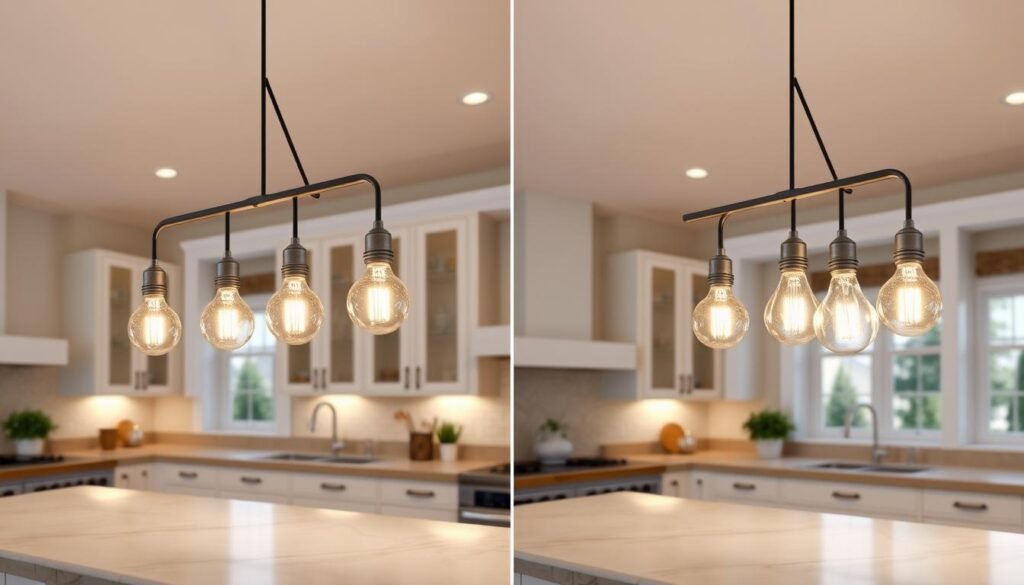
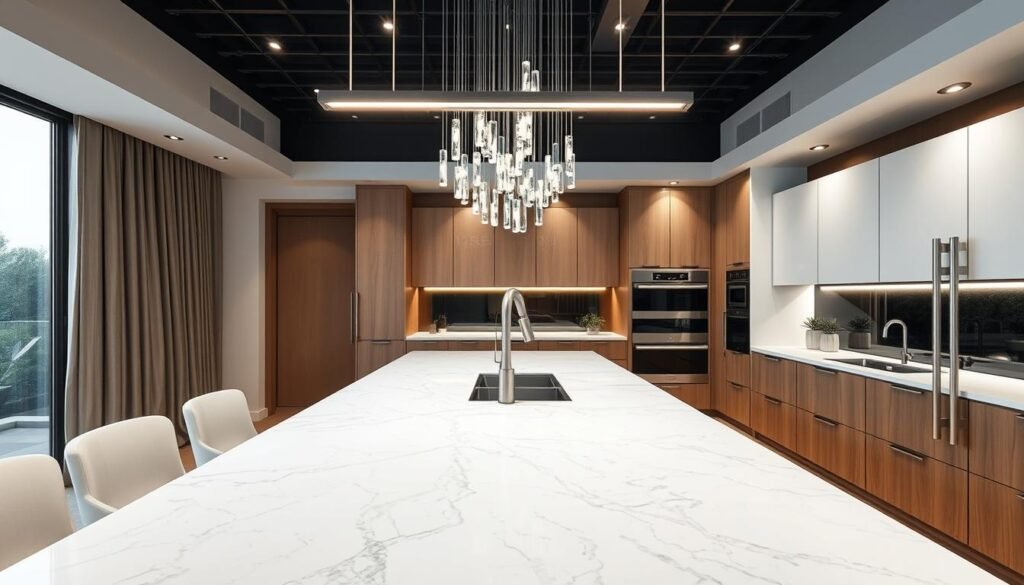
Linear pendant lights and linear LED fixtures work exceptionally well in modern spaces. These designs provide even light distribution across your entire island surface while maintaining a sophisticated appearance.
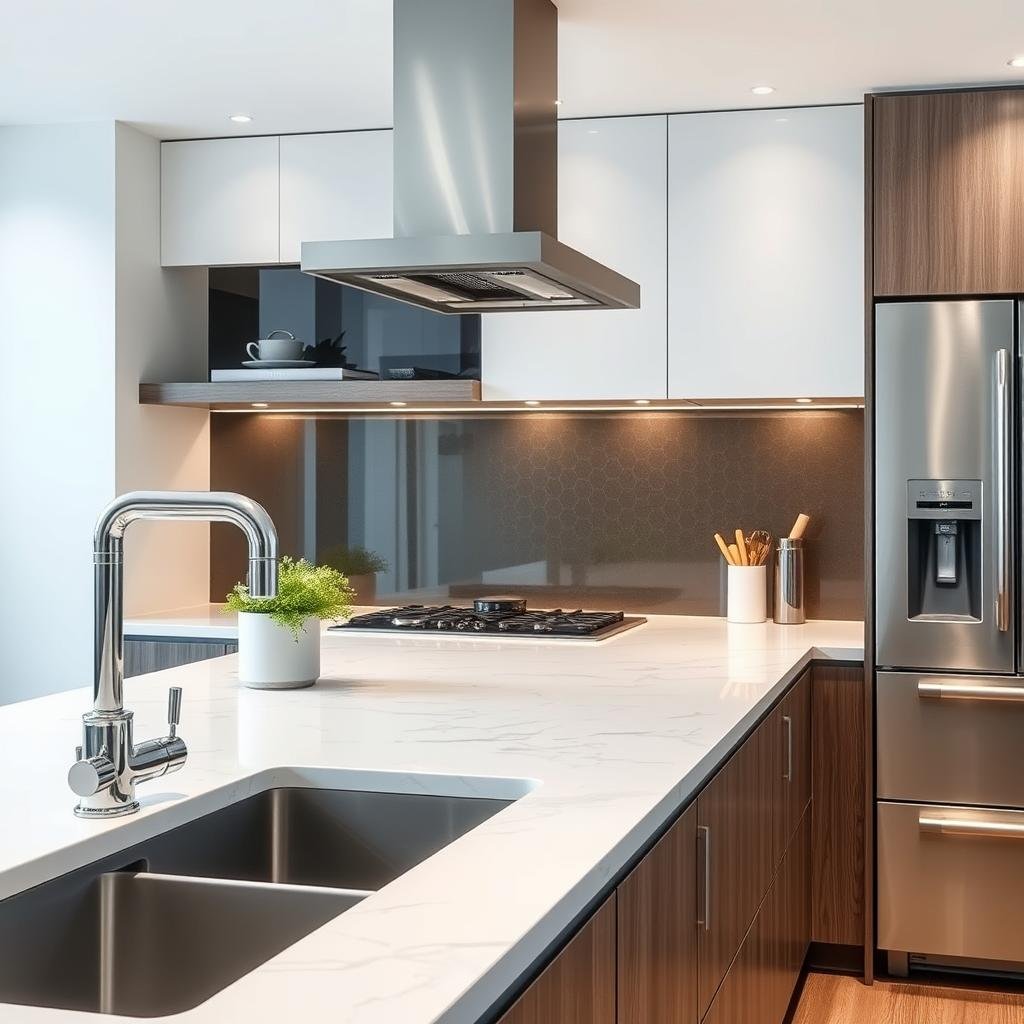
Materials like brushed nickel, chrome, and matte black dominate modern lighting design. Glass shades often feature simple, unadorned shapes that allow the light itself to become the focal point.
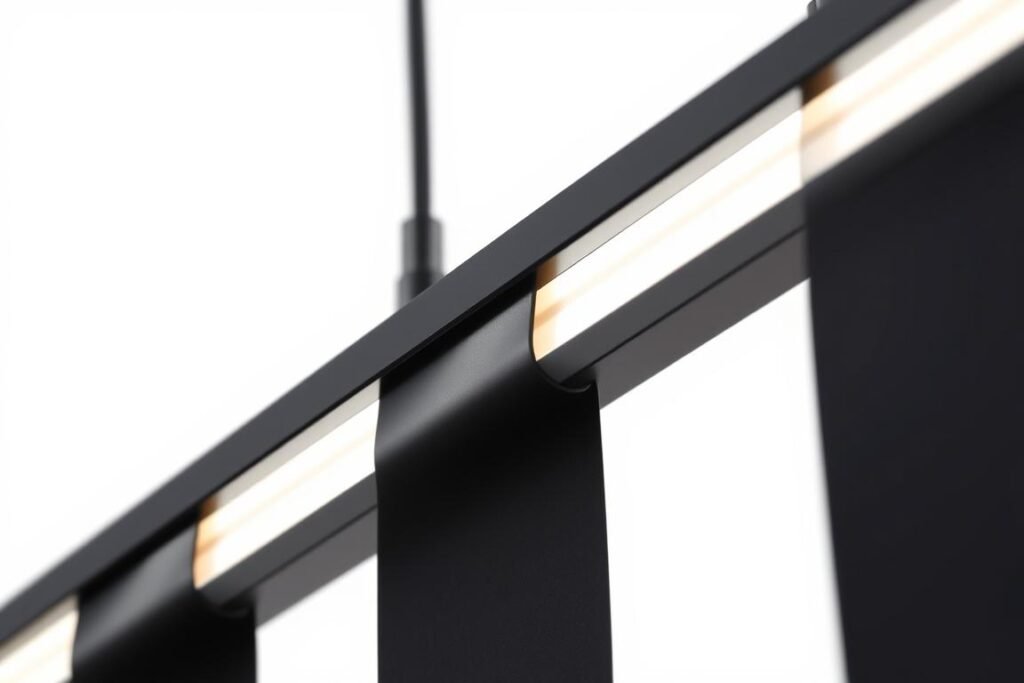
Matte Black Linear Fixtures
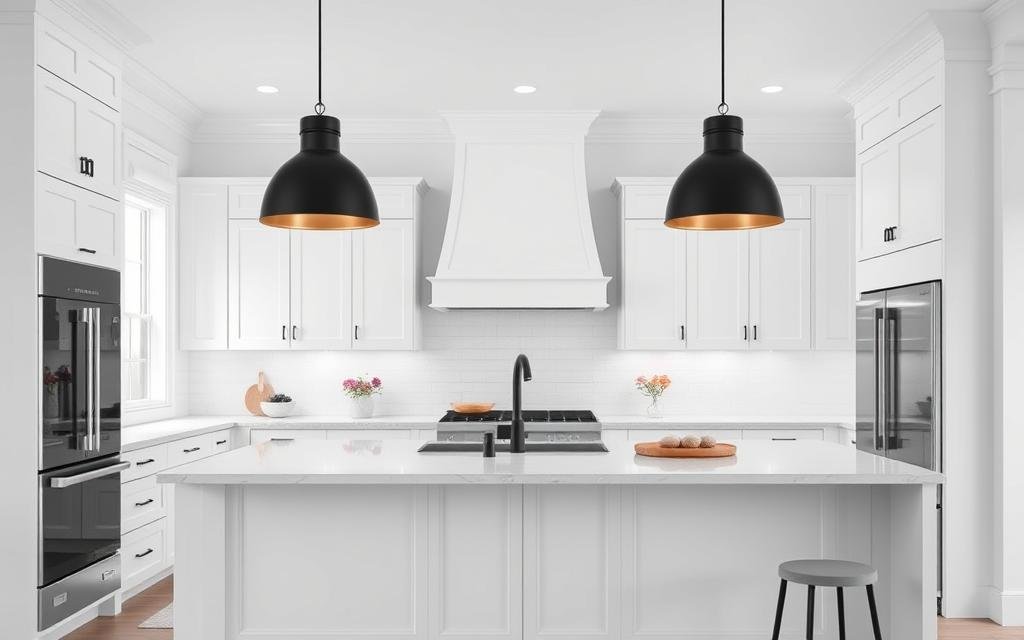
These sleek designs complement contemporary kitchens with bold contrast. The matte black finish adds dramatic visual interest without overwhelming the space.
Works with white or light-colored islands
Provides excellent task lighting coverage
Easy to clean and maintain
LED Linear Chandeliers
Energy-efficient LED island lighting combines functionality with modern aesthetics. These fixtures reduce electricity costs while providing superior illumination.
Significantly lower energy consumption
Longer lifespan than traditional bulbs
Dimmable options available
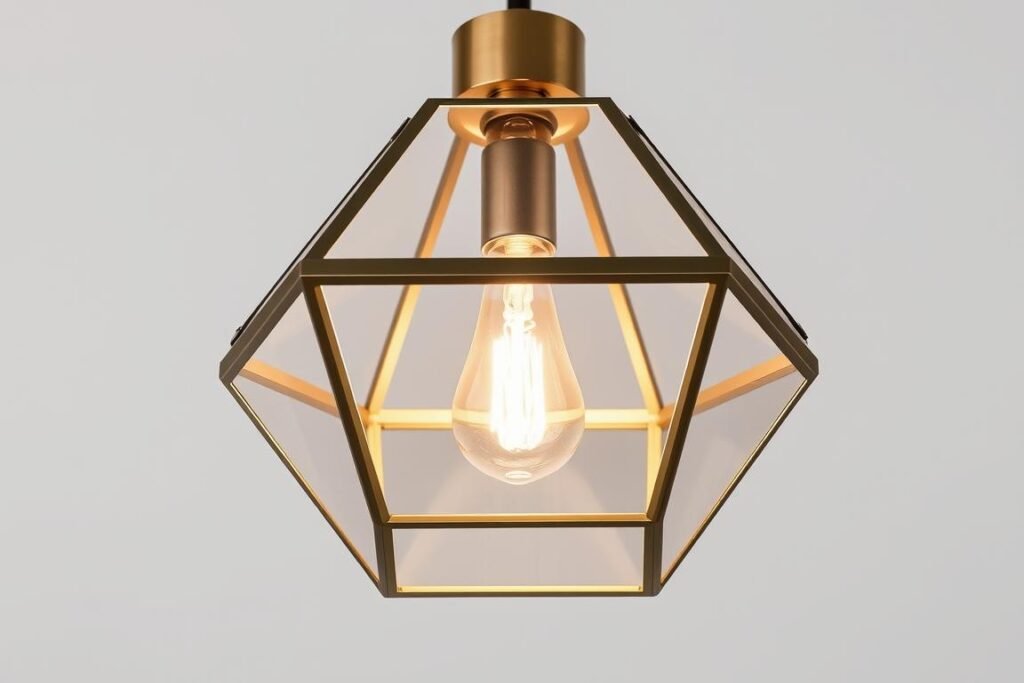
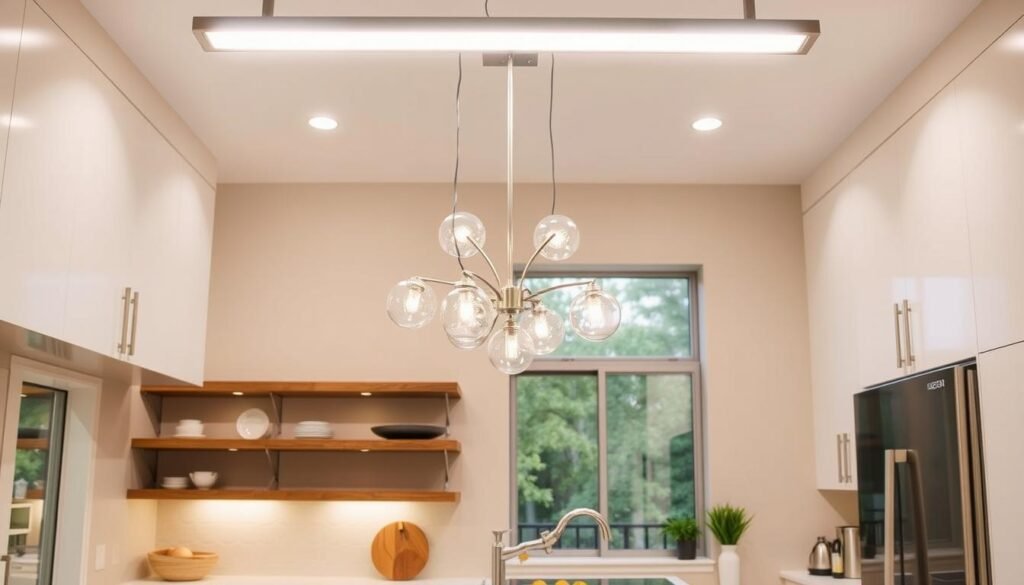
Geometric Glass Pendants
Clear glass fixtures with metal frameworks create an open, airy feeling. These designs work beautifully in kitchens with high ceilings and abundant natural light.
Adds architectural interest
Complements various color schemes
Creates beautiful light patterns
Farmhouse and Rustic Island Lighting
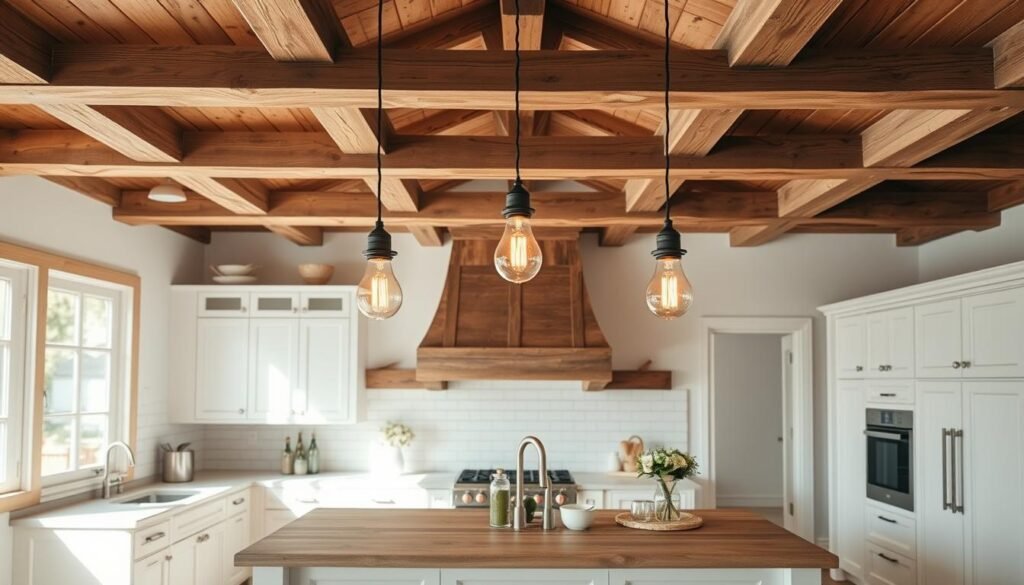
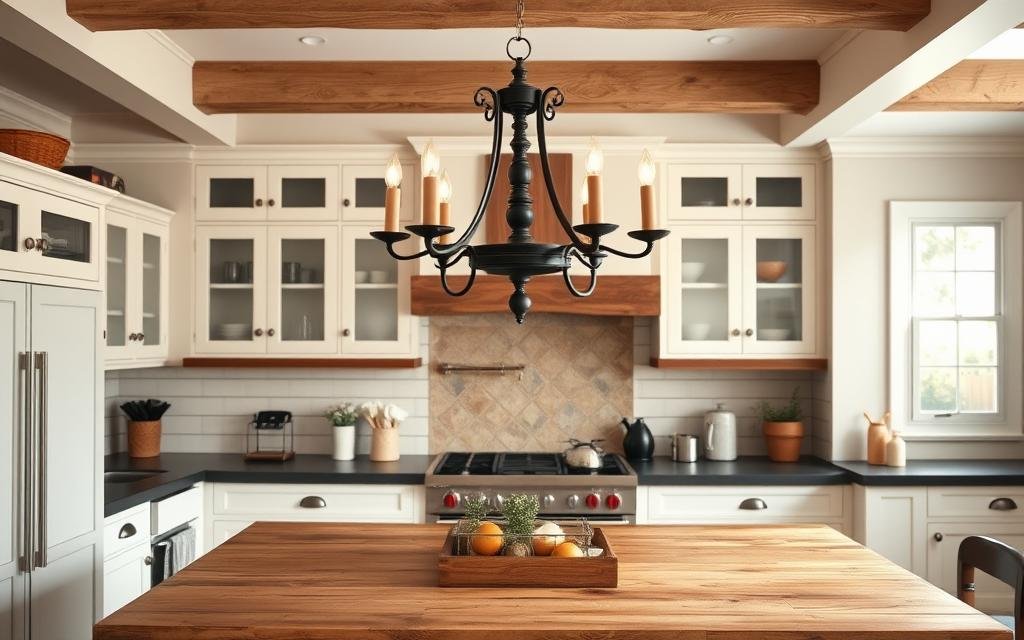
Farmhouse style brings warmth and character to your kitchen island. These fixtures often feature natural materials, vintage-inspired designs, and a cozy, welcoming aesthetic.
Wood elements, wrought iron, and bronze linear finishes define this popular design category. These materials create a lived-in, comfortable atmosphere that makes your kitchen feel like home.
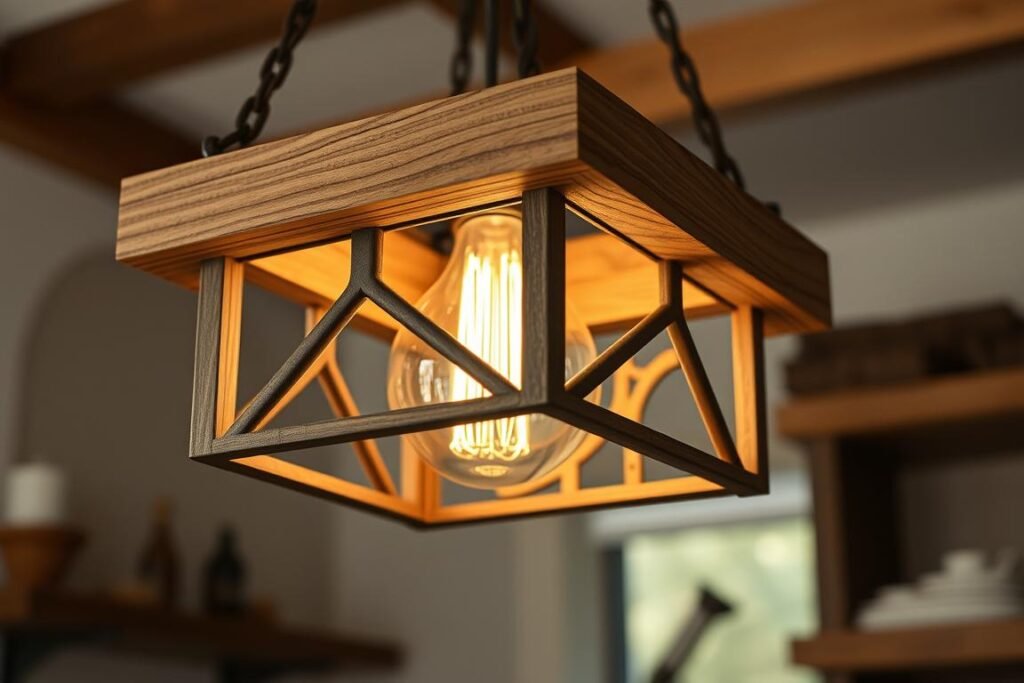
Mason jar fixtures, cage-style pendants, and lantern designs frequently appear in farmhouse kitchens. The oil rubbed bronze finish remains a top choice for homeowners seeking authentic rustic character.
Industrial Kitchen Island Lighting
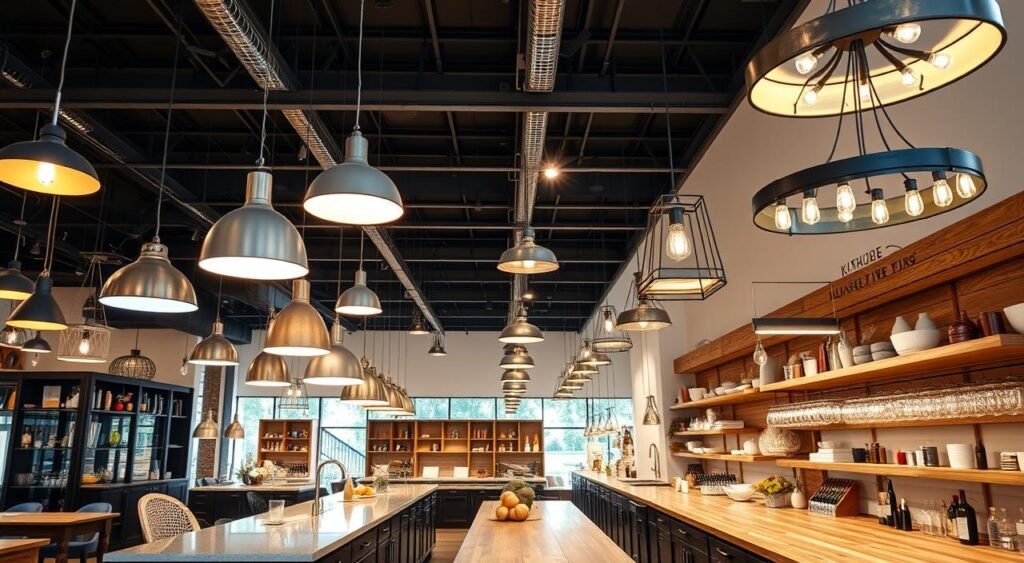
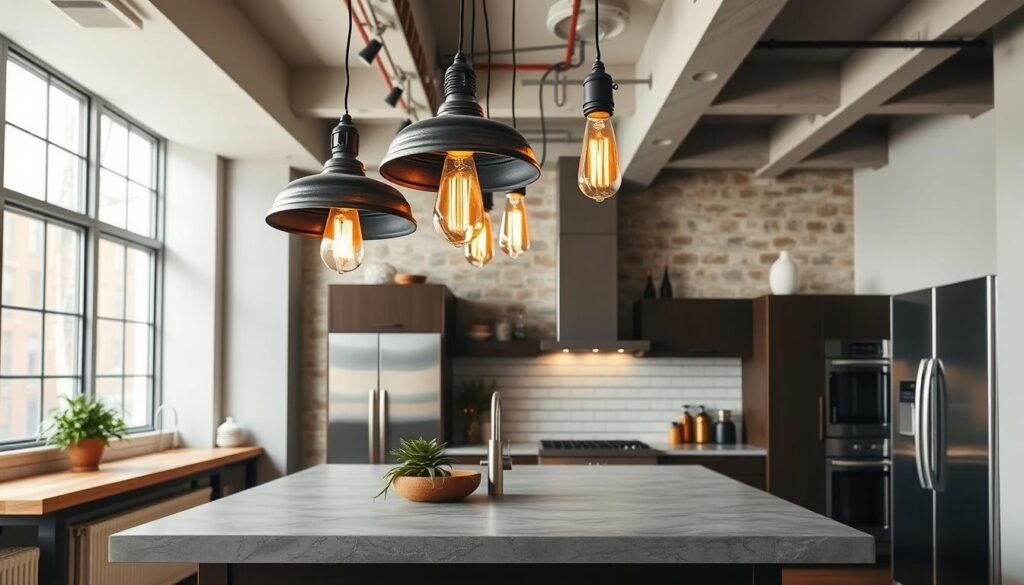
Industrial design brings urban sophistication to kitchen spaces. Exposed hardware, metal construction, and utilitarian aesthetics characterize this bold lighting style.
Black gold linear fixtures combine industrial edge with luxurious accents. This unexpected pairing creates visual drama while maintaining the raw, unfinished aesthetic industrial design demands.
Cage pendants, metal shades, and exposed bulb designs work perfectly in open-concept spaces. These fixtures complement concrete countertops, subway tiles, and stainless steel appliances beautifully.
Traditional and Transitional Fixtures
Traditional lighting offers timeless elegance that never goes out of style. These fixtures blend classic design elements with contemporary functionality for lasting appeal.
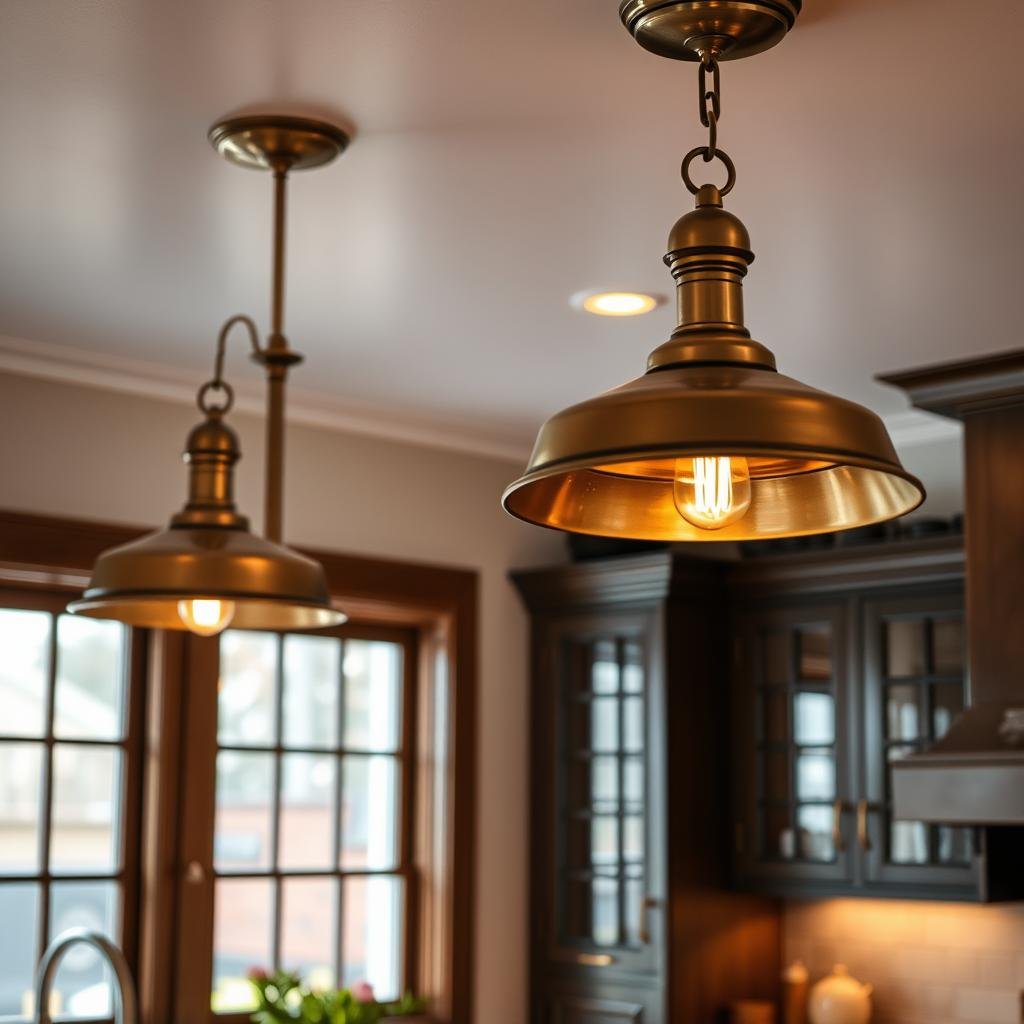
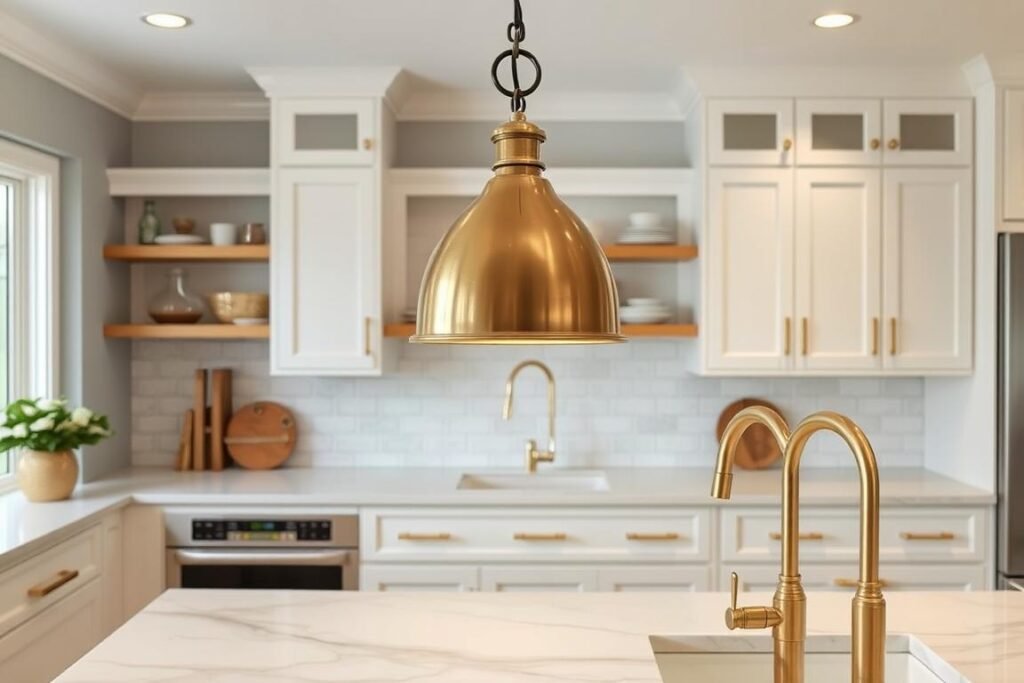
Brass fixtures bring warmth and sophistication to traditional kitchens. The metal’s natural patina develops character over time, adding to the fixture’s charm and authenticity.
Transitional designs bridge traditional and modern aesthetics. These versatile fixtures work in various design schemes, making them excellent choices for homeowners who appreciate both classic and contemporary elements.
Types of Kitchen Island Light Fixtures
Beyond style considerations, understanding different fixture types helps you select the best option for your specific needs. Each type offers unique advantages for island lighting applications.
Island Pendant Lights
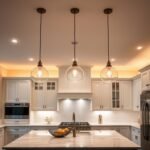
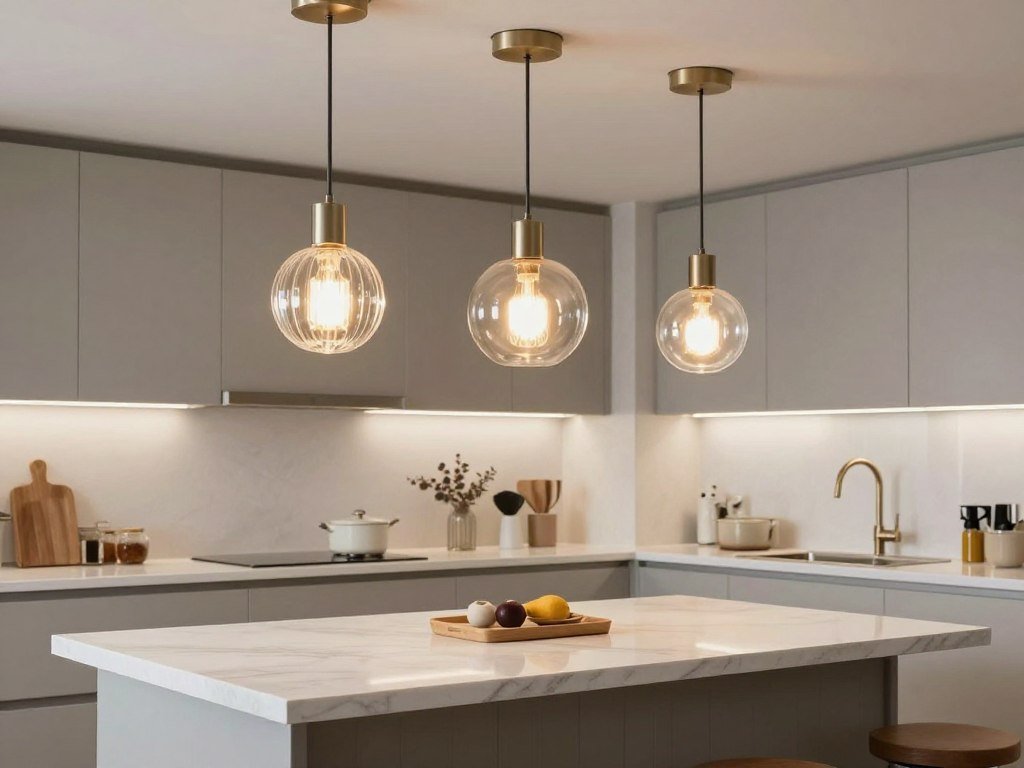
Kitchen island pendant lights remain the most popular choice for homeowners. These hanging fixtures provide focused light directly where you need it most.
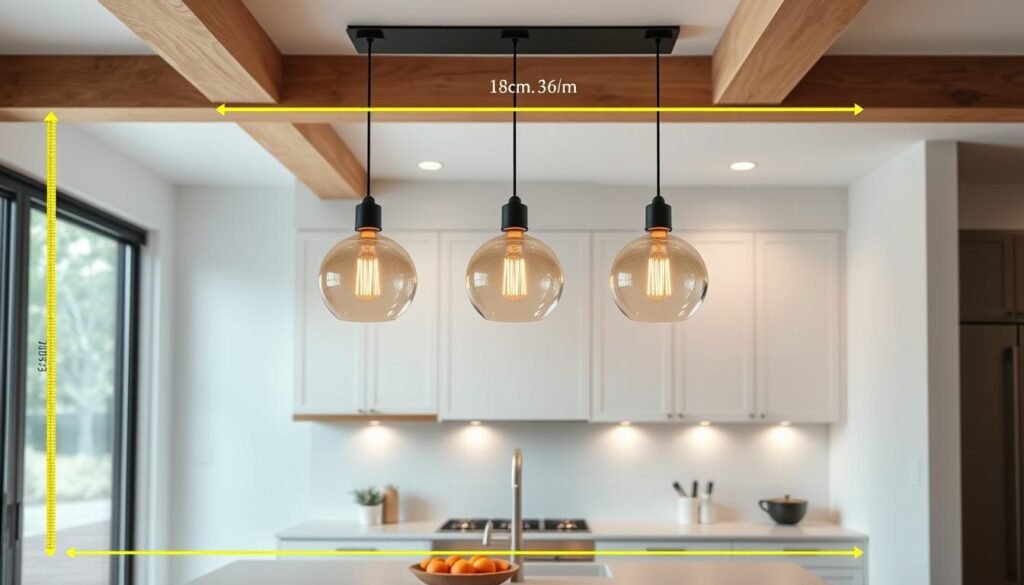
Single pendants work well for smaller islands, while multiple fixtures create visual rhythm on longer surfaces. The key lies in proper spacing and height adjustment for optimal function and appearance.
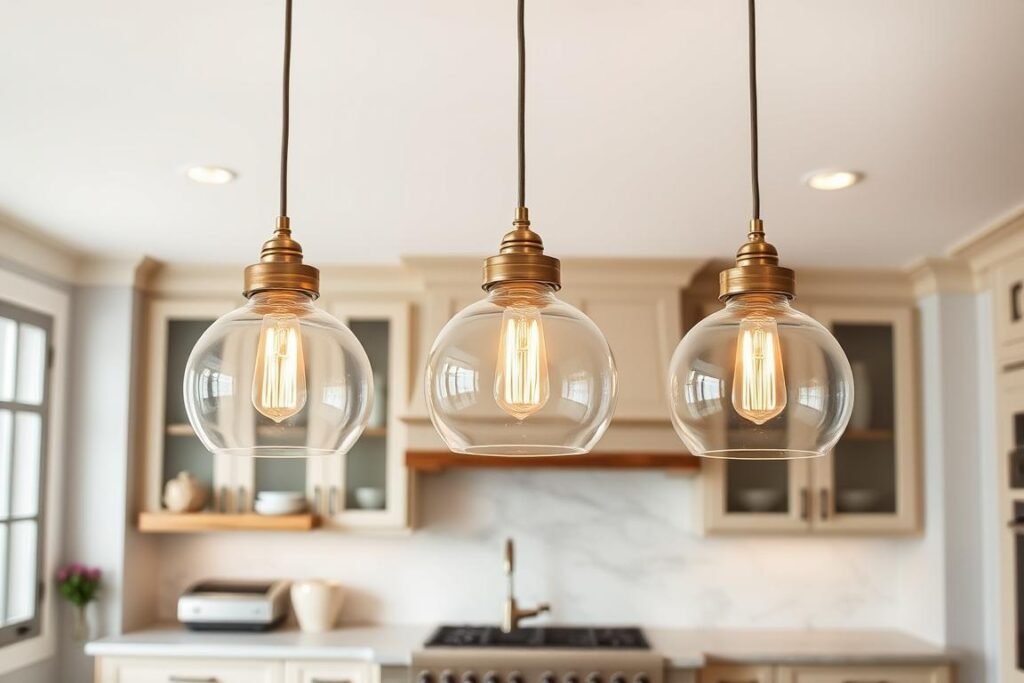
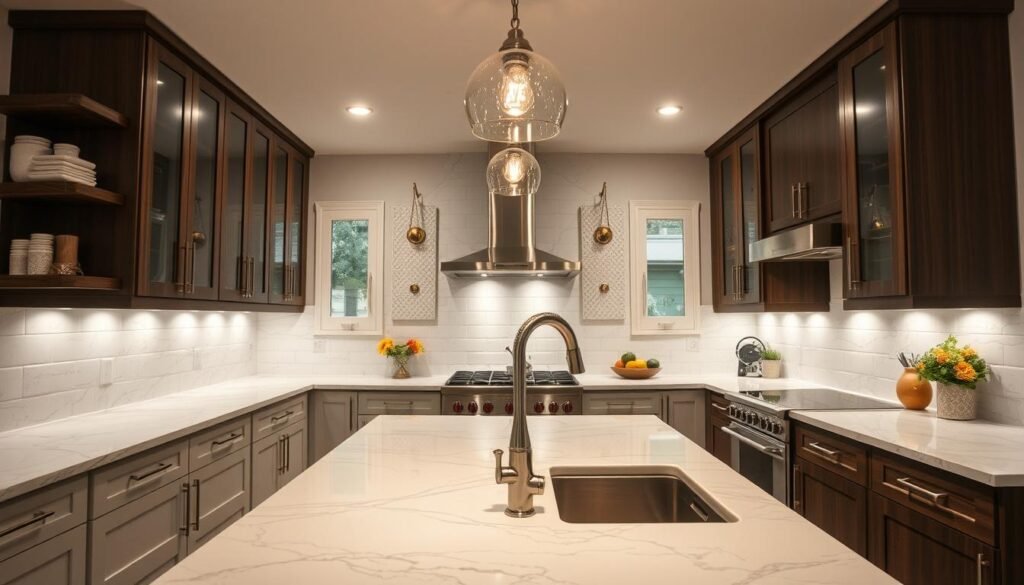
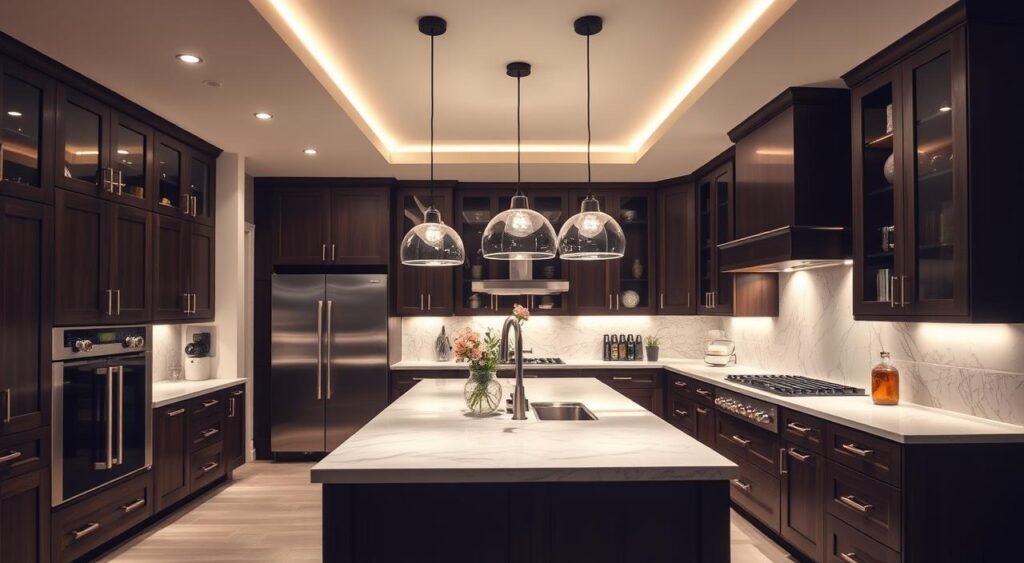
Glass pendant designs allow maximum light transmission while adding decorative interest. Clear glass showcases beautiful bulb designs, while frosted or colored glass diffuses light for softer illumination.
Linear Chandelier Options
Linear chandelier designs provide comprehensive coverage for elongated islands. These fixtures distribute light evenly across the entire work surface without requiring multiple installation points.
LED linear options deliver superior energy efficiency without sacrificing brightness. Many models include dimming capabilities, allowing you to adjust lighting levels for different activities and times of day.
The linear pendant format works exceptionally well in open-concept homes. These fixtures define the kitchen space while maintaining visual connection to adjacent dining and living areas.
Multi-Light Chandeliers
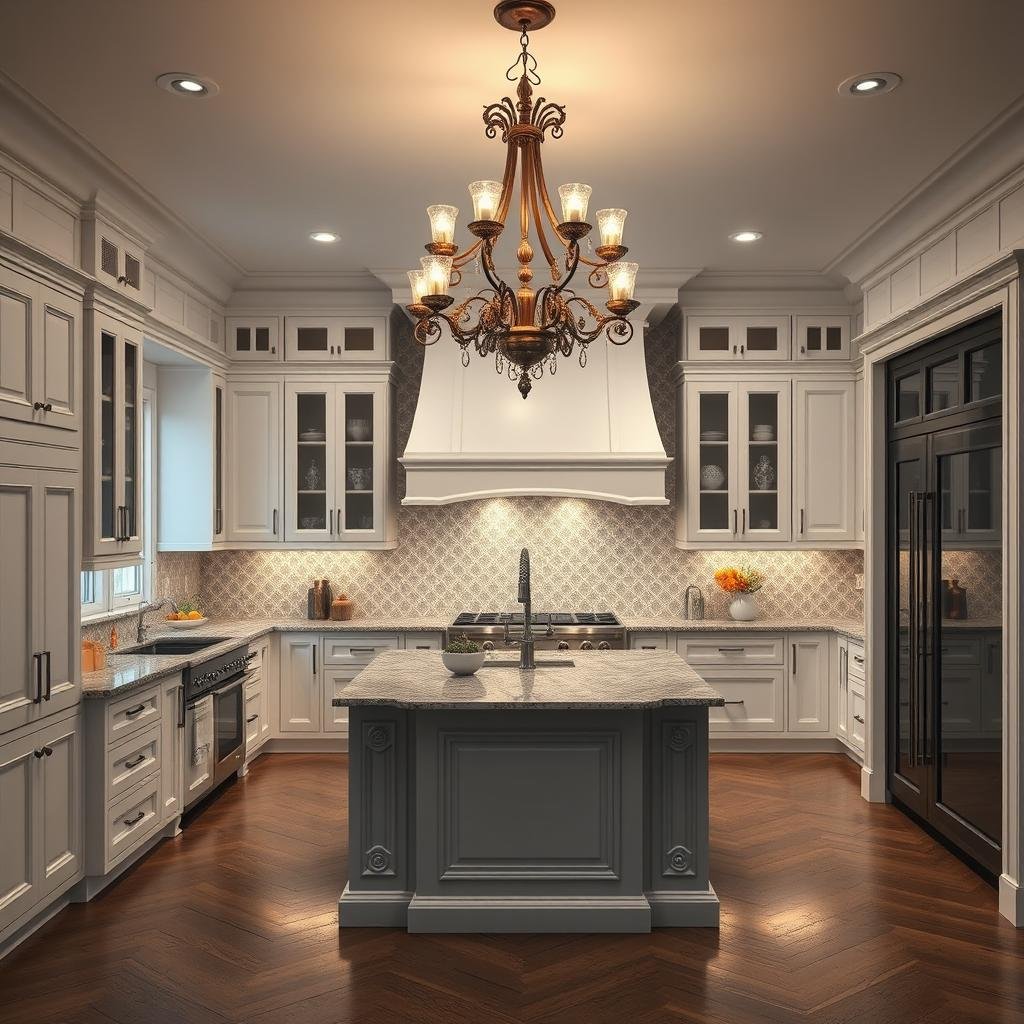
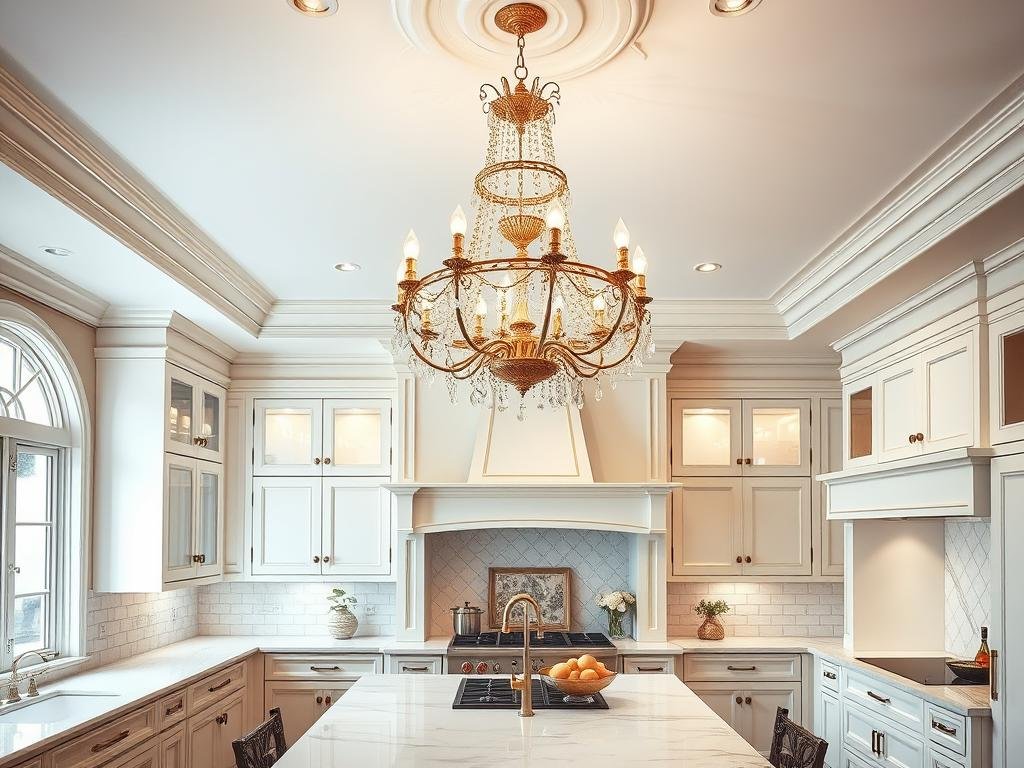
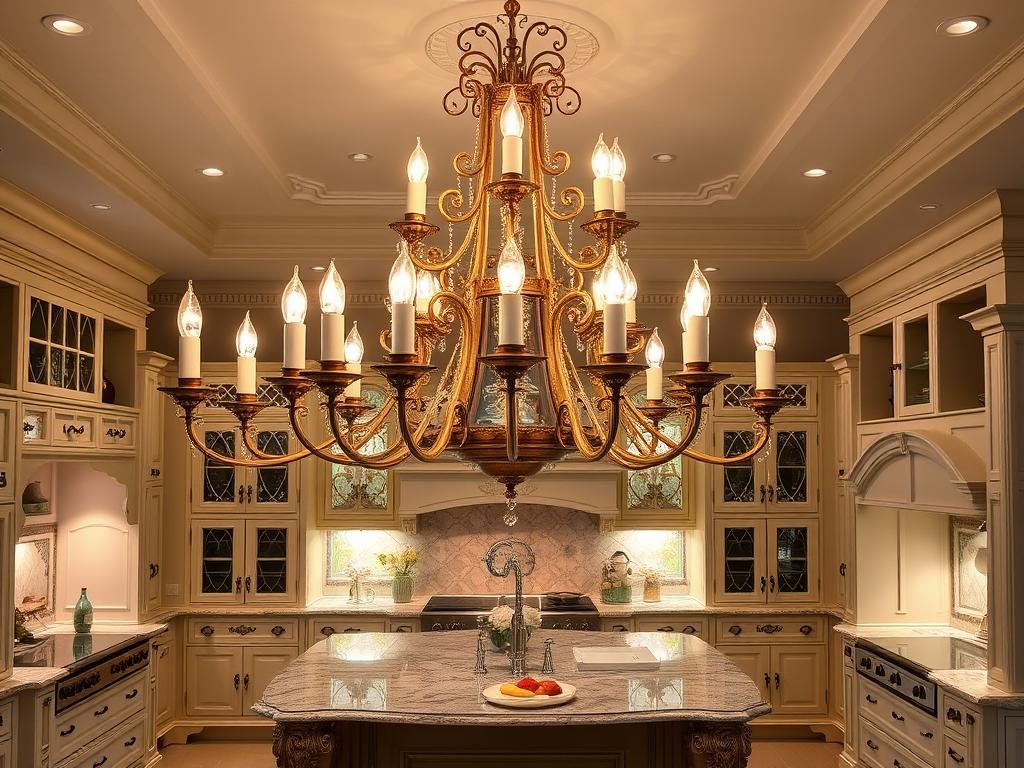
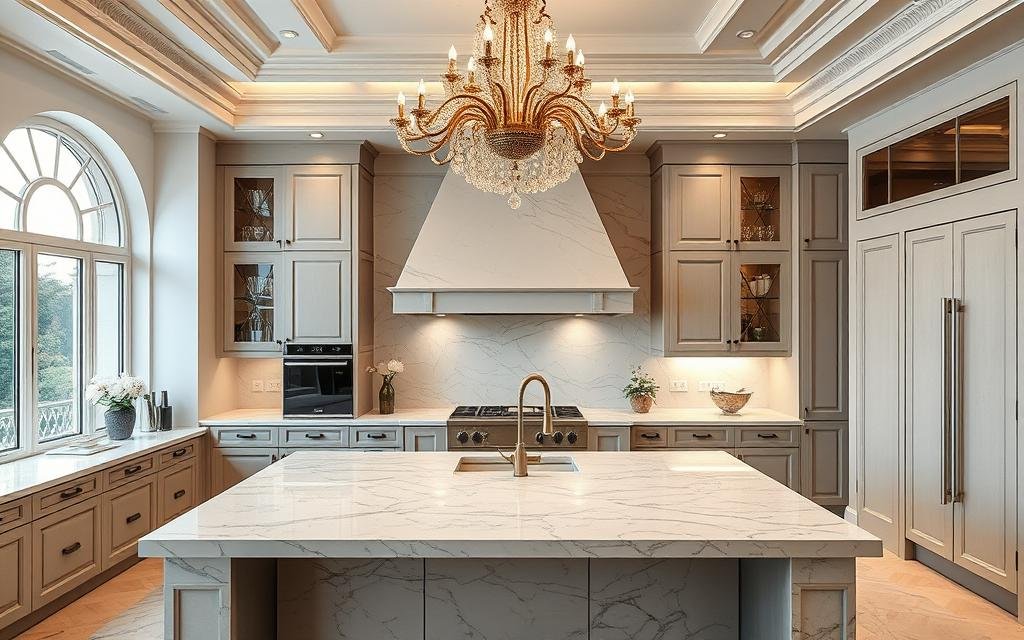
Traditional chandeliers bring elegance and grandeur to larger kitchen islands. These fixtures feature multiple arms or tiers that create impressive visual statements.
Modern interpretations of chandeliers blend classic form with contemporary materials. These updated designs suit transitional kitchens that balance traditional warmth with modern functionality.
Ready to Find Your Perfect Island Lighting?
Explore hundreds of kitchen island lighting options on Amazon. From budget-friendly fixtures to designer pieces, find the perfect match for your style and space.
Proper sizing ensures your light fixture complements rather than overwhelms your kitchen island. Mathematical guidelines help determine ideal dimensions for balanced aesthetics and effective illumination.
Width Considerations
The general rule suggests your fixture should measure approximately two-thirds to three-quarters of your island’s width. This proportion creates visual harmony without blocking sight lines across the space.
For a standard 36-inch wide island, fixtures between 24 and 27 inches wide work best. Wider islands accommodate larger fixtures or multiple smaller pendants spaced evenly across the surface.
Quick Sizing Formula
Measure your island’s length and width in inches. Multiply the width by 0.66 to find the minimum fixture width. Multiply by 0.75 for the maximum recommended width.
For multiple pendants, divide the island length by the number of fixtures plus one. This calculation determines ideal spacing between lights and from island edges.
Remember that fixture size includes the entire span, not just the shade diameter. Account for hardware, chains, and decorative elements when measuring.
Height and Clearance Guidelines
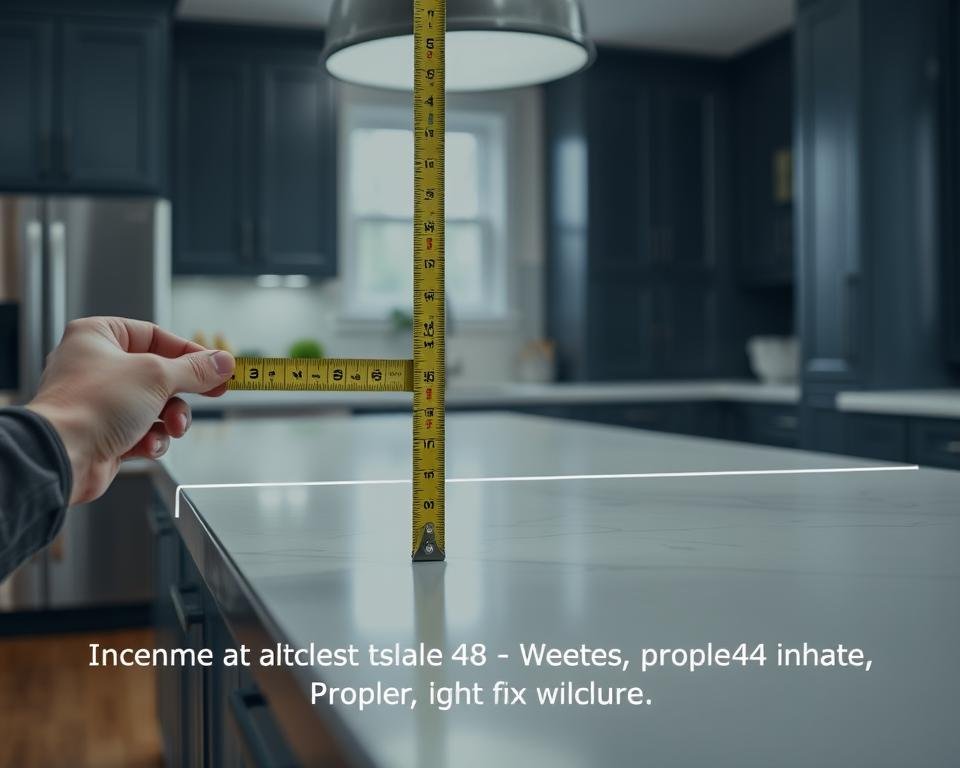
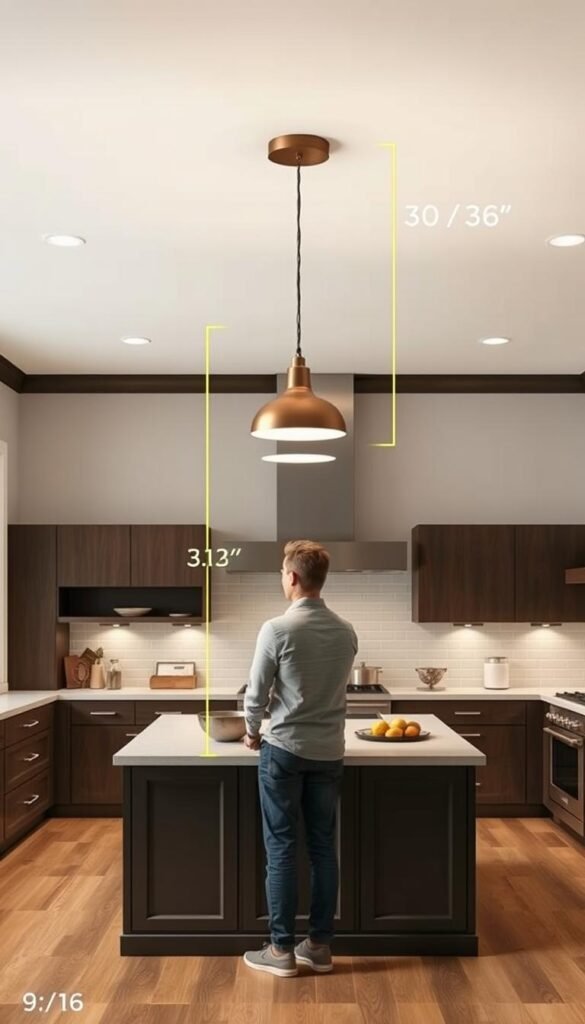
Proper hanging height prevents head bumps while ensuring adequate task lighting. Standard guidelines recommend 30 to 36 inches between the island surface and the bottom of your fixture.
Taller individuals may prefer fixtures hung slightly higher for comfortable movement around the island. Conversely, lower ceilings require careful fixture selection to maintain appropriate proportions.
Adjustable fixtures offer flexibility for achieving the perfect height. Many modern island pendant designs include adjustable cables or chains for customized installation.
Scale for Different Island Sizes
Small islands under four feet long work well with single pendants or compact linear fixtures. These petite spaces require careful fixture selection to avoid visual overcrowding.
Medium islands between four and six feet accommodate two to three pendants or medium-length linear chandeliers. This size range offers the most flexibility for creative lighting arrangements.
Large islands exceeding six feet require substantial fixtures or multiple pendants for adequate coverage. Long linear LED fixtures or groups of four to five pendants work beautifully in these spaces.
LED vs Traditional Bulb Options for Kitchen Islands
The choice between LED and traditional incandescent or halogen bulbs impacts energy consumption, maintenance requirements, and light quality. Understanding these differences helps you make informed decisions.
LED Lighting Advantages
LED technology has revolutionized kitchen island lighting with remarkable energy efficiency. These bulbs consume up to 90 percent less electricity than traditional incandescent options while producing equivalent brightness levels.
LED Benefits
Exceptional energy efficiency reduces utility bills
Lifespan of 25,000 to 50,000 hours
Minimal heat generation improves comfort
Available in various color temperatures
Dimmable options for ambiance control
Environmentally friendly with no mercury
LED Considerations
Higher upfront cost per bulb
Some models incompatible with older dimmers
Color rendering varies by quality
Cannot be used in enclosed fixtures without ventilation
LED island lighting fixtures often integrate bulbs directly into the design. These integrated LED systems eliminate bulb replacement concerns while maintaining sleek, modern aesthetics.
Color Temperature Selection
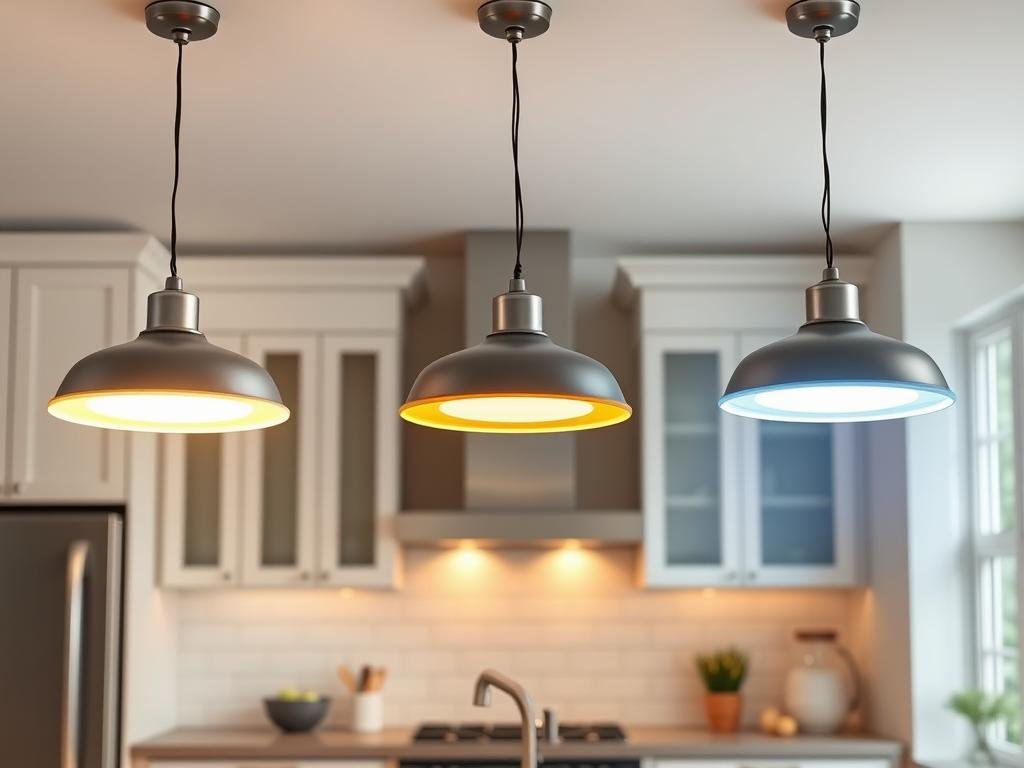
LED bulbs offer precise control over light color through the Kelvin temperature scale. This characteristic allows you to match lighting to your kitchen’s specific needs and preferences.
Warm white LEDs between 2700K and 3000K create cozy, inviting atmospheres similar to traditional incandescent bulbs. These temperatures work beautifully in dining areas and social spaces.
Cool white LEDs from 4000K to 5000K provide crisp, energizing light ideal for task-focused work. Many homeowners prefer these temperatures for food preparation areas requiring detailed visibility.
Neutral white options around 3500K balance warmth and clarity. This versatile temperature suits kitchens serving multiple purposes throughout the day.
Traditional Bulb Applications
Incandescent and halogen bulbs still have roles in specific applications. Their warm, familiar light quality appeals to homeowners preferring traditional aesthetics.
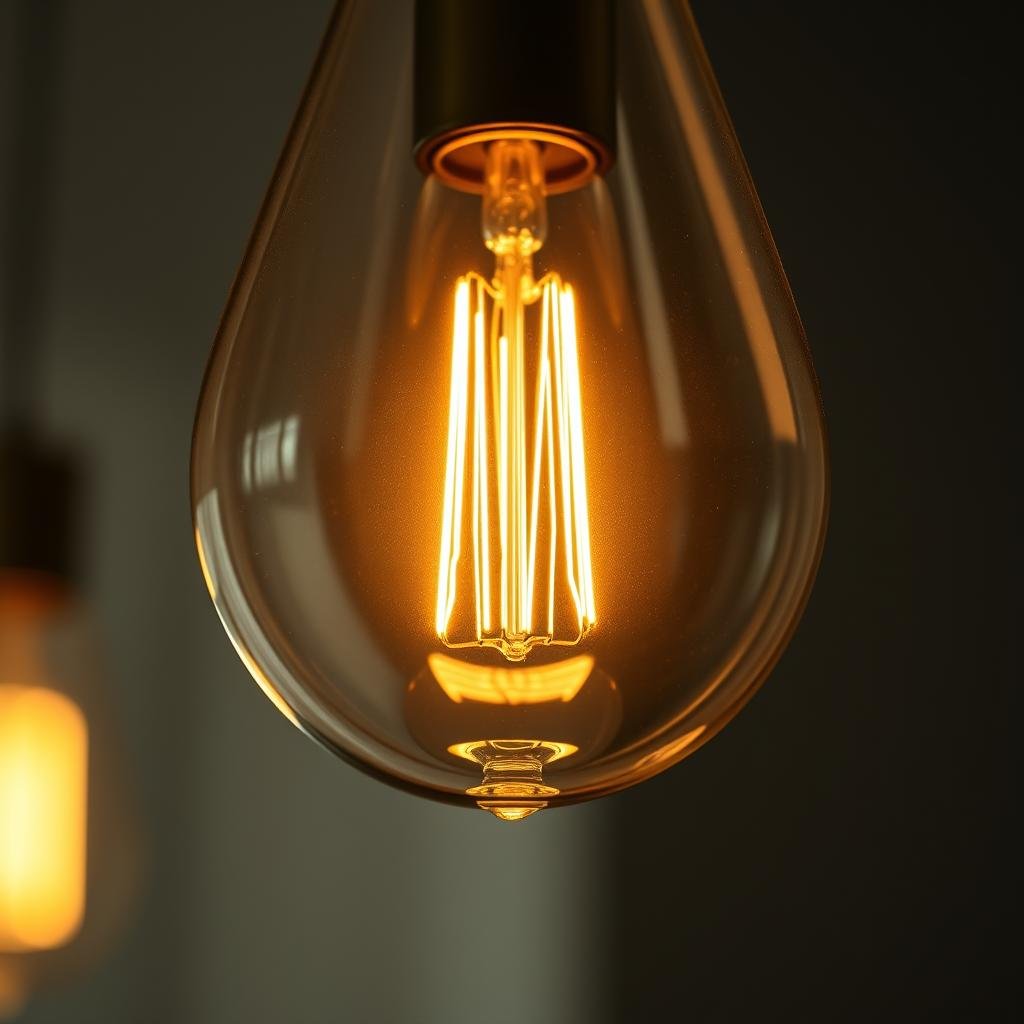
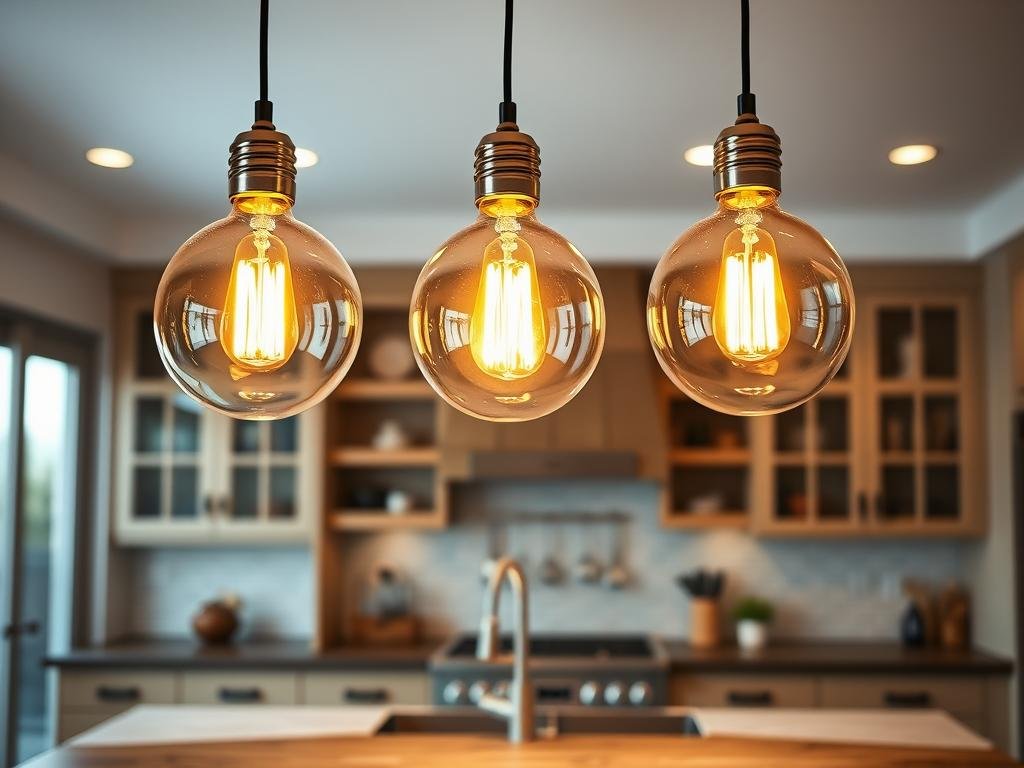
Edison-style bulbs create nostalgic charm in farmhouse and industrial kitchens. These decorative bulbs function as design elements themselves, with visible filaments adding character to clear glass fixtures.
Halogen bulbs offer excellent color rendering for kitchens where accurate color perception matters. Professional cooks and serious home chefs sometimes prefer halogen lighting for food preparation areas.
Installation Tips for Kitchen Island Lighting
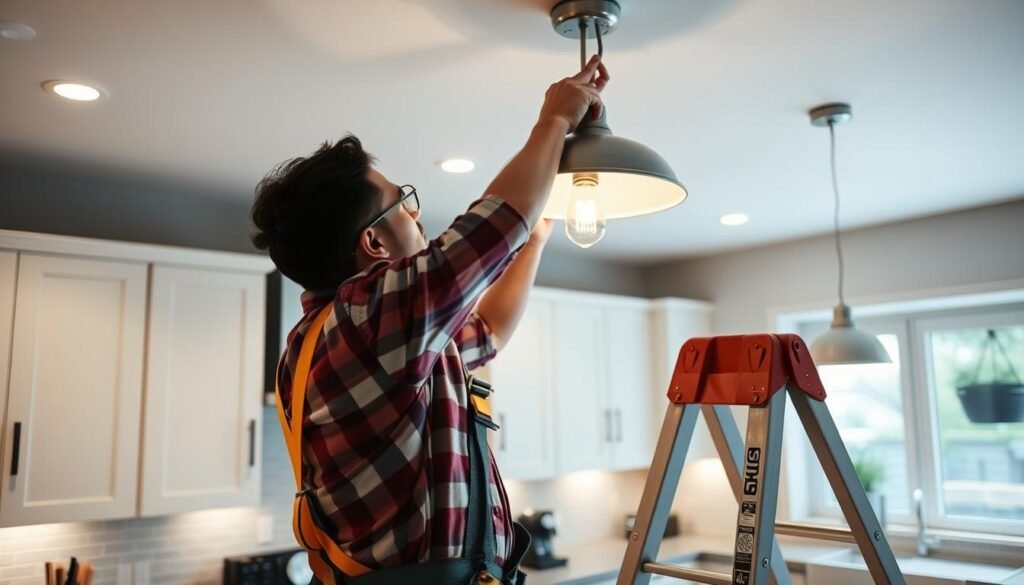
Proper installation ensures your fixture functions safely while looking its best. While professional electricians handle complex electrical work, understanding installation basics helps you plan effectively.
Electrical Box Placement
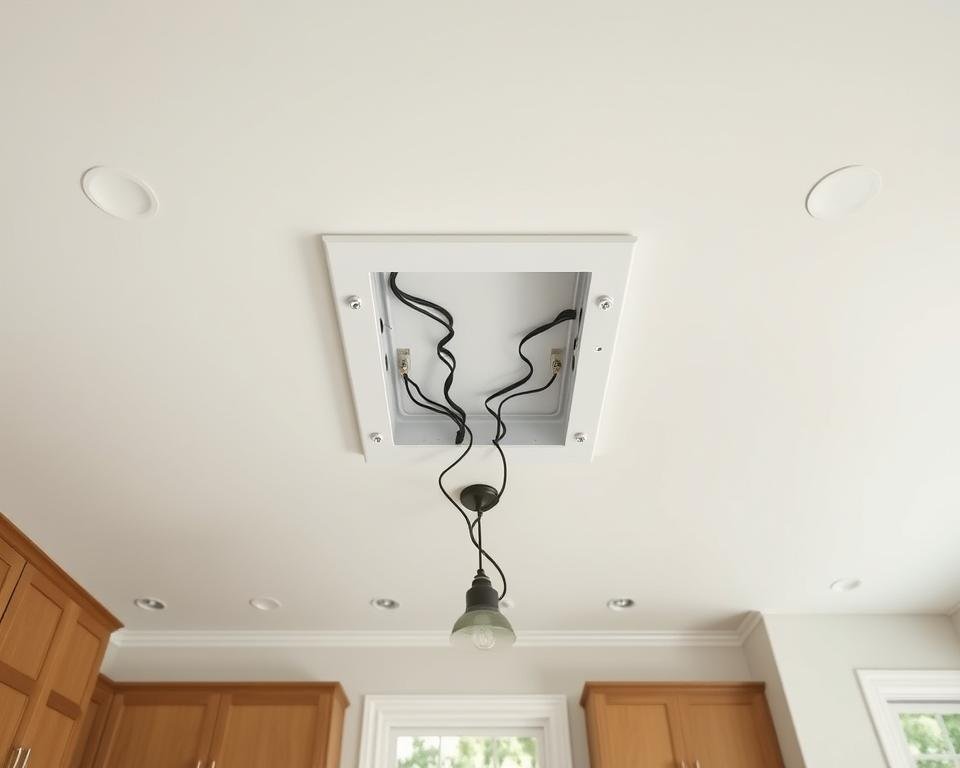
The electrical junction box location determines where your fixture can hang. Proper placement centers the box over your island for balanced visual appeal.
New construction allows perfect positioning before ceiling closure. Existing kitchens may require box relocation, which involves opening ceiling sections and running new electrical wiring.
Multiple pendants require individual junction boxes unless you use a linear track system. Plan box spacing carefully during the design phase to avoid costly modifications later.
Weight Considerations
Heavy fixtures demand proper support beyond standard electrical boxes. Large chandeliers and substantial linear fixtures may require additional ceiling reinforcement for safe installation.
Standard electrical boxes support fixtures up to 50 pounds. Heavier fixtures need fan-rated boxes or independent support systems attached to ceiling joists.
Safety Note: Always verify your electrical box’s weight rating before installing heavy fixtures. Overloaded boxes create serious safety hazards including fixture failure and electrical fires.
Dimmer Switch Integration
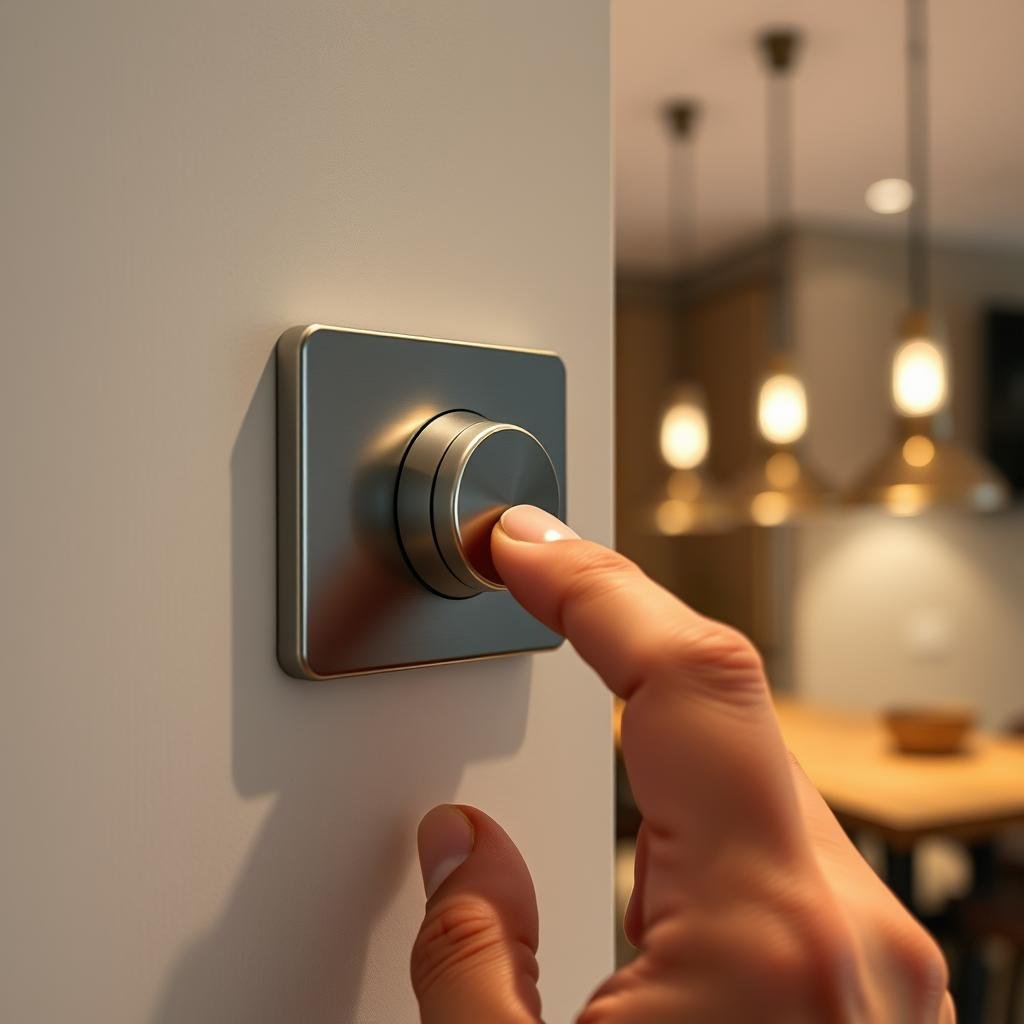
Dimmer switches add versatility to your island lighting system. They allow adjustment from bright task lighting to soft ambient illumination for different activities and times.
LED fixtures require compatible LED dimmers for proper function. Traditional dimmers designed for incandescent bulbs often cause LED flickering, buzzing, or limited dimming range.
Smart dimmers offer remote control through smartphone apps and voice assistants. These advanced systems integrate with whole-home automation for convenient lighting management.
Professional vs DIY Installation
Simple fixture replacements using existing electrical boxes often suit DIY installation. This approach works when swapping similar fixtures without moving junction boxes or adding circuits.
Complex installations requiring new wiring, box relocation, or ceiling modifications demand professional expertise. Licensed electricians ensure code compliance and safe electrical connections.
Professional Installation Benefits: Licensed electricians carry liability insurance, guarantee their work, and understand local building codes. They identify potential issues before they become expensive problems.
Popular Materials and Finishes for Island Fixtures
Material selection influences both aesthetic appeal and long-term durability. Understanding different options helps you choose fixtures that withstand kitchen conditions while complementing your design vision.
Metal Finishes
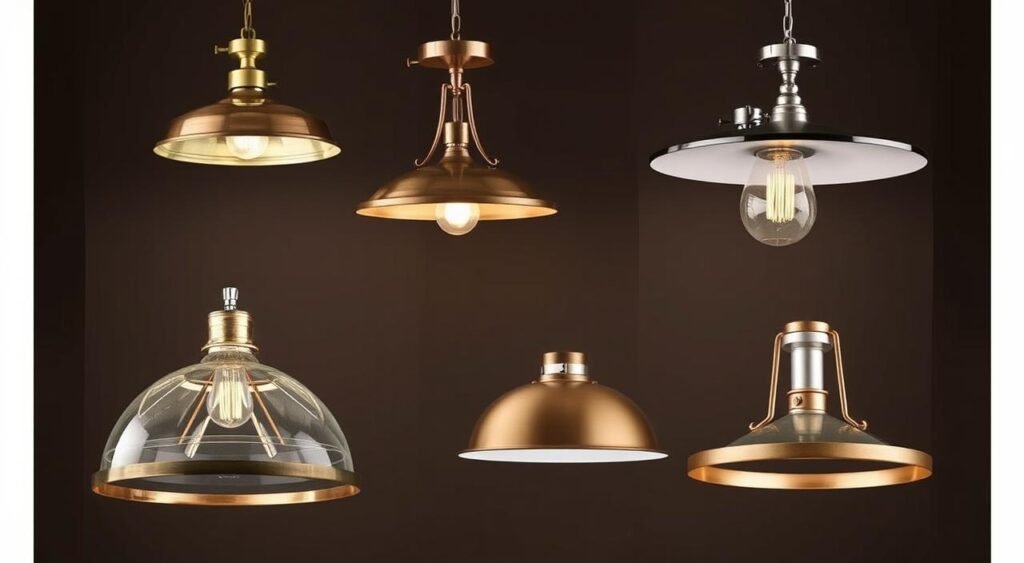
Brass fixtures bring timeless elegance with warm golden tones. This classic metal develops attractive patina over time, adding character and depth to your lighting design.
Black gold linear combinations create stunning visual contrast. The unexpected pairing of matte black with brass or gold accents delivers contemporary sophistication with luxurious undertones.
Oil rubbed bronze maintains popularity in transitional and farmhouse kitchens. This finish offers rich, dark tones with subtle texture variations that hide fingerprints and minor wear.
Matte black finishes provide bold, modern statements in contemporary spaces. This versatile color pairs beautifully with virtually any color scheme while adding dramatic visual weight.
Warm Metal Finishes
Brass – classic golden warmth
Bronze – rich, earthy tones
Copper – unique reddish hues
Gold – luxurious statement pieces
Cool Metal Finishes
Chrome – mirror-like reflective surface
Brushed nickel – subtle matte texture
Stainless steel – industrial durability
Pewter – soft gray sophistication
Glass Elements
Clear glass maximizes light transmission while showcasing beautiful bulb designs. This transparent material creates airy, open feelings in kitchens with limited natural light.
Frosted glass diffuses light for softer, more even illumination. This treatment reduces glare while maintaining clean, contemporary aesthetics suitable for various design styles.
Colored glass adds personality and visual interest to neutral kitchens. Amber, blue, or green glass shades create unique ambiance while filtering light for distinctive effects.
Seeded or textured glass provides visual depth without blocking light. These decorative treatments add character to simple fixture designs while maintaining excellent functionality.
Mixed Material Designs
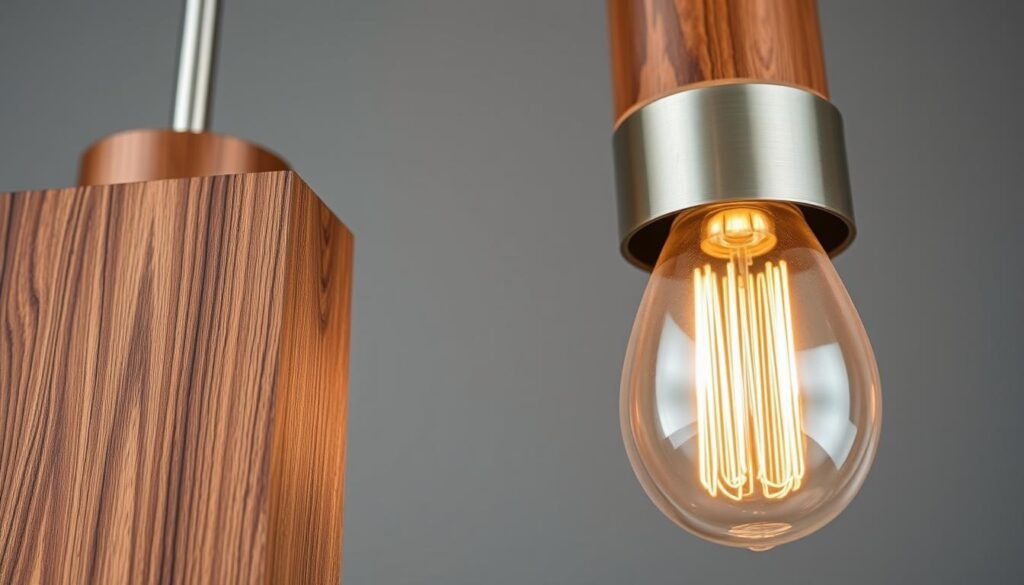
Contemporary fixtures often combine multiple materials for visual richness. Wood and metal pairings bring organic warmth to modern designs while maintaining clean lines.
Glass and metal combinations dominate the market across all style categories. This pairing balances transparency with structural strength for durable, beautiful fixtures.
Discover Your Ideal Finish
Browse kitchen island lighting by finish to find fixtures that perfectly match your existing hardware and design elements.
Quality manufacturers deliver reliable performance, beautiful designs, and customer support. Recognizing respected brands helps you invest wisely in fixtures that last.
Visual Comfort Lighting Collections
Visual Comfort represents one of the most prestigious names in residential lighting. Their extensive collections span traditional to contemporary designs with exceptional build quality.
Visual Comfort Signature offers timeless designs from renowned lighting designers. These fixtures blend classic elegance with modern manufacturing techniques for lasting beauty.
Visual Comfort Studio provides more accessible price points without compromising quality. This line delivers designer aesthetics for budget-conscious homeowners seeking style and value.
Visual Comfort Modern focuses on contemporary and transitional designs. Clean lines, innovative materials, and cutting-edge LED technology define this forward-looking collection.
Specialty Lighting Manufacturers
Kichler Lighting has served homeowners for over 85 years with innovative designs and reliable products. Their extensive kitchen island lighting selection includes options for every style preference and budget level.
Capital Lighting combines European inspiration with American craftsmanship. Their attention to detail and quality materials result in fixtures that become family heirlooms.
Eurofase Lighting specializes in contemporary and modern designs with European sensibilities. Their LED-focused approach delivers energy efficiency without sacrificing style.
Kuzco Lighting creates bold, artistic fixtures that function as sculptural elements. Their Canadian design team pushes boundaries while maintaining practical functionality.
Emerging Design-Forward Brands
Alora Lighting brings fresh perspectives to kitchen island lighting with innovative designs. This newer brand combines artistic vision with competitive pricing for style-conscious consumers.
Matteo Lighting focuses on handcrafted quality and customization options. Their artisanal approach creates unique fixtures with personalized touches rarely found in mass-market products.
Homeplace from Capital Lighting offers classic American designs at accessible prices. This value-oriented line makes quality lighting available to more homeowners.
Budget Planning for Kitchen Island Lighting
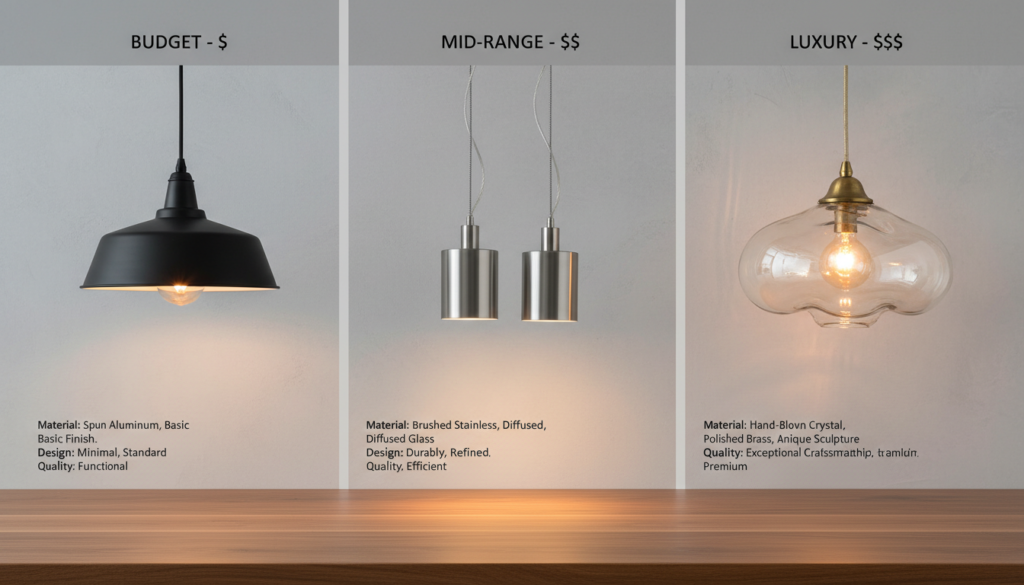
Setting realistic budgets ensures you find fixtures meeting both aesthetic and financial requirements. Understanding price ranges helps you shop effectively across quality tiers.
Entry-Level Options
Budget-friendly fixtures between 50 and 200 dollars provide attractive solutions for cost-conscious renovations. These options deliver decent quality and acceptable aesthetics without premium pricing.
Many sale items from reputable manufacturers fall into this price range. Shopping seasonal sales and clearance events yields significant savings on quality fixtures.
Expect simpler construction and more common designs in this category. While these fixtures may not feature premium materials, they still provide years of reliable service.
Mid-Range Investments
Fixtures priced between 200 and 600 dollars offer excellent balance between quality and affordability. This sweet spot provides access to better materials, more sophisticated designs, and improved warranties.
Most homeowners find ideal options in this price range. The selection includes designer-inspired pieces and solid construction that withstands daily kitchen use.
LED island fixtures in this category often include advanced features like dimming capabilities and smart home integration. These technological additions enhance functionality without reaching luxury price points.
Premium and Luxury Fixtures
High-end fixtures exceeding 600 dollars deliver exceptional craftsmanship and unique designs. These investment pieces become focal points that elevate entire kitchen spaces.
Designer collaborations and limited editions appear in this category. Visual Comfort Signature and similar premium brands offer fixtures that double as art pieces.
Expect superior materials like hand-blown glass, solid brass construction, and innovative LED technology. These fixtures often include lifetime warranties reflecting their exceptional quality.
Hidden Costs to Consider
Professional installation adds 100 to 300 dollars depending on complexity and regional labor rates. Factor this expense into your total budget from the beginning.
Bulb costs vary significantly between traditional and LED options. While LED bulbs cost more initially, their longevity reduces long-term replacement expenses.
Budget Planning Tip: Add 20 percent to your fixture budget for unexpected expenses like additional wiring, dimmer switches, or ceiling reinforcement. This buffer prevents project delays when surprises arise.
Dimmer switches and smart controls add 50 to 200 dollars to installation costs. These upgrades provide valuable functionality worth considering in your planning.
Coordinating Island Lighting With Your Kitchen Design
Successful lighting integration requires considering your entire kitchen aesthetic. Coordinating fixtures with existing elements creates cohesive, professional-looking results.
Matching Cabinet Hardware
Coordinating your light fixture finish with cabinet hardware creates visual harmony. Matching brass, bronze, or chrome elements throughout the space establishes intentional design flow.
Exact matches aren’t necessary for successful coordination. Similar finish families create cohesive looks without appearing overly matched or rigid.
Mixed metal approaches work when handled thoughtfully. Combining warm and cool tones adds visual interest while maintaining overall balance through careful proportion.
Complementing Your Island Style
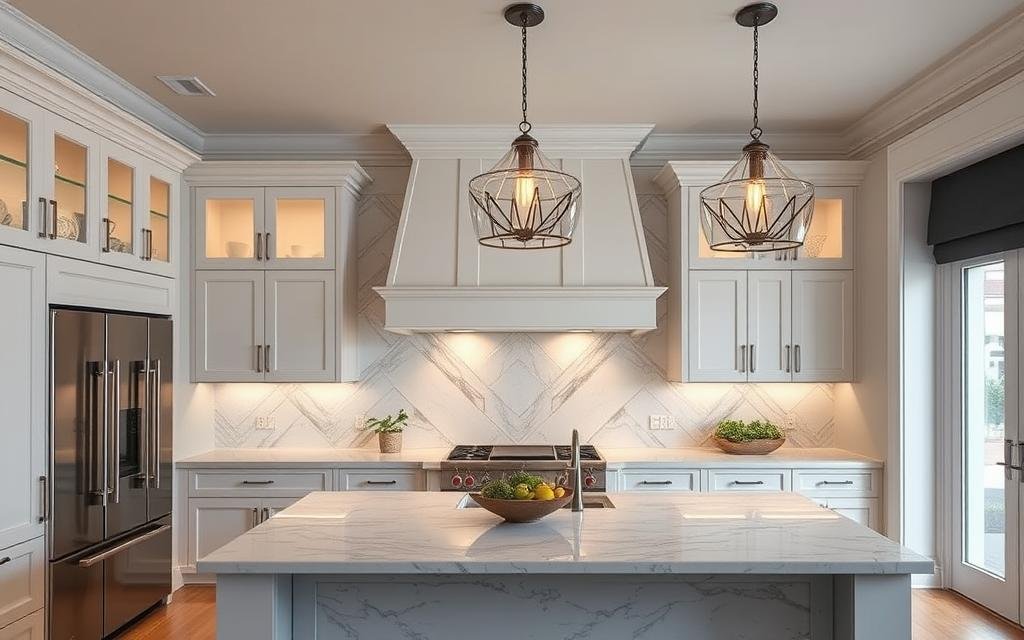
Your kitchen island’s material and design should influence fixture selection. Marble islands pair beautifully with elegant chandeliers, while rustic wood islands suit farmhouse-style pendants.
Modern waterfall countertops demand contemporary lighting designs. The clean lines of quartz or granite waterfalls complement sleek linear LED fixtures perfectly.
Butcher block and reclaimed wood islands benefit from rustic or industrial lighting. The natural material’s warmth balances metal fixtures’ harder edges beautifully.
Balancing With Other Room Lighting
Your island fixture should coordinate with but not exactly match other kitchen lighting. Recessed lights, under-cabinet lighting, and dining room fixtures all contribute to the overall lighting scheme.
Layered lighting creates depth and flexibility in kitchen spaces. Combining ambient ceiling lights, task-focused island lighting, and accent lighting produces professional, spa-like results.
If your kitchen opens to a dining room, consider how island and dining fixtures relate. Similar styles in different scales create intentional connection without redundancy.
Color Scheme Considerations
Light fixtures influence how colors appear throughout your kitchen. Warm light enhances beige, cream, and wood tones while cool light complements gray, white, and blue palettes.
White kitchens offer maximum flexibility for fixture selection. Any finish style works, allowing you to select based purely on design preference.
Dark kitchens benefit from fixtures that provide ample brightness. Consider LED linear options or multiple pendants to ensure adequate task lighting in darker color schemes.
Maintaining Your Kitchen Island Light Fixture
Proper maintenance extends fixture life while preserving its beauty. Simple cleaning routines and occasional adjustments keep your lighting looking and performing like new.
Regular Cleaning Practices
Dust accumulation diminishes light output and dulls fixture appearance. Weekly dusting with microfiber cloths prevents buildup on glass shades and metal surfaces.
Glass elements require more thorough cleaning monthly. Use glass cleaner and soft cloths to remove grease, fingerprints, and kitchen residue that accumulates near cooking areas.
Metal finishes benefit from specialized cleaners formulated for specific materials. Brass cleaners differ from those designed for chrome or bronze, so match products to your fixture.
Bulb Replacement and Upgrades
Replace burned-out bulbs promptly to maintain even lighting across multiple fixtures. Mismatched bulb ages create noticeable color and brightness variations.
When replacing bulbs, upgrade to LED if your fixture allows. The energy savings and reduced replacement frequency justify the higher initial bulb cost.
Keep spare bulbs on hand matching your fixture specifications. This simple preparation prevents dark periods when bulbs fail unexpectedly.
Addressing Common Issues
Flickering lights often indicate loose bulbs or poor electrical connections. Tighten bulbs first, then check wall switches before calling electricians.
Dimmer compatibility issues cause LED buzzing or limited dimming range. Installing LED-compatible dimmers solves these problems permanently.
Maintenance Schedule: Weekly dusting, monthly deep cleaning, annual electrical inspection, and immediate bulb replacement maintains optimal performance and appearance for years.
Frequently Asked Questions About Kitchen Island Lighting
How many pendant lights do I need for my kitchen island?
The number depends on your island length and chosen fixture size. Small islands under four feet work well with one or two pendants. Medium islands between four and six feet typically need two to three fixtures. Large islands over six feet require three to five pendants or a single long linear chandelier for adequate coverage.
Space pendants 24 to 30 inches apart for balanced appearance. Leave 12 to 18 inches from island edges to the first and last fixtures to prevent a crowded look.
What is the ideal height to hang island pendant lights?
Standard guidelines recommend hanging fixtures 30 to 36 inches above the island surface. This range provides adequate task lighting while preventing head bumps during normal movement.
Taller individuals or those who frequently stand at the island may prefer fixtures at the higher end of this range. Lower ceilings require careful measurement to maintain proportional appearance while ensuring safe clearance.
Should kitchen island lighting match my dining room chandelier?
Exact matching isn’t necessary and can appear overly coordinated. Instead, choose fixtures that complement each other through similar finish families, design styles, or shared elements.
For example, pair a modern linear pendant over the island with a contemporary chandelier in the dining room. Both fixtures share clean lines and similar finishes without being identical.
Are LED island lights worth the extra cost?
LED fixtures typically justify their higher upfront cost through energy savings and reduced maintenance. These bulbs consume up to 90 percent less electricity than incandescent alternatives while lasting 25,000 to 50,000 hours.
Calculate long-term savings by comparing electricity costs and bulb replacement frequency. Most homeowners recover the initial investment within two to three years through reduced utility bills.
Can I install kitchen island lighting myself?
Simple fixture replacements using existing electrical boxes suit confident DIYers with basic electrical knowledge. This applies when swapping similar fixtures without moving boxes or adding circuits.
Complex installations requiring new wiring, junction box relocation, or ceiling modifications demand professional electricians. Licensed professionals ensure code compliance and safe connections while carrying liability insurance.
What color temperature works best for kitchen islands?
Warm white LEDs between 2700K and 3000K create inviting atmospheres similar to traditional incandescent bulbs. These temperatures work beautifully for social and dining spaces.
Cool white LEDs from 4000K to 5000K provide crisp, energizing light ideal for detailed food preparation. Neutral white around 3500K balances warmth and clarity for multipurpose kitchen islands.
How do I clean kitchen island light fixtures?
Dust fixtures weekly with microfiber cloths to prevent buildup. Clean glass elements monthly using glass cleaner and soft cloths to remove grease and fingerprints common in kitchen environments.
Use specialized cleaners matched to your fixture’s metal finish. Turn off power at the circuit breaker before deep cleaning to prevent electrical hazards.
Do I need a dimmer switch for island lighting?
Dimmer switches aren’t required but significantly enhance functionality. They allow adjustment from bright task lighting during food preparation to soft ambient illumination for dining and entertaining.
LED fixtures require compatible LED dimmers for proper function. Standard dimmers designed for incandescent bulbs often cause flickering, buzzing, or limited dimming range with LED lights.
Creating Your Perfect Kitchen Island Lighting Plan
Selecting the right kitchen island lighting transforms your space from ordinary to extraordinary. The perfect fixture balances style, function, and budget while reflecting your personal taste and lifestyle needs.
Consider your kitchen’s existing design elements, island dimensions, and daily activities when making selections. Measure carefully, plan thoroughly, and don’t rush decisions that affect your home’s central gathering space.
Whether you choose modern LED linear fixtures, classic brass chandeliers, or rustic farmhouse pendants, the right lighting enhances both the beauty and functionality of your kitchen island. Quality fixtures from reputable manufacturers provide years of reliable service while elevating your home’s value and appeal.
Remember that professional installation ensures safe operation and optimal performance. While DIY installation works for simple replacements, complex electrical work requires licensed expertise.
Your kitchen island lighting represents an investment in daily comfort, safety, and home value. Take time to explore options, compare styles, and select fixtures that will delight you for years to come.
Start Your Kitchen Island Lighting Journey Today
Explore thousands of kitchen island lighting options on Amazon. Find the perfect fixture that matches your style, fits your space, and transforms your kitchen into the home’s true heart.
Face pots and head planters bring personality and artistic flair to any space. These charming vessels transform ordinary plants into expressive characters that spark conversation and add a touch of whimsy to your decor. From classical Greek-inspired busts to modern abstract faces, these unique planters have become increasingly popular for both indoor and outdoor styling….
Jeans and tennis shoes are the ultimate fashion power couple. This timeless combination offers endless styling possibilities while keeping comfort at the forefront. Whether you’re running errands, meeting friends for coffee, or aiming for a casual-chic look at work, the right jeans and sneakers pairing can elevate your style game instantly. In this comprehensive guide,…
Your wedding ceremony is the heart of your celebration—the magical moment when you exchange vows and begin your journey together. The decorations you choose set the tone for this unforgettable experience, creating a backdrop that reflects your love story and personal style. From intimate garden gatherings to grand ballroom affairs, the right wedding ceremony decorations…
Giving cash as a gift has never looked more beautiful. Money bouquets transform ordinary bills into stunning floral arrangements that delight recipients. These creative presentations make cash gifts feel personal and thoughtful. Over the years, people have discovered countless ways to turn money into artistic displays. The best part? You can create these gorgeous bouquets…
Picture saying your vows surrounded by twinkling lights, fragrant evergreen garlands, and the magical atmosphere only the holiday season can create. A Christmas wedding brings together romance and festive cheer in ways other seasons simply cannot match. The sparkling ambiance creates memories your guests will treasure for years. Planning a winter wedding during the holiday…
There’s something truly magical about stepping onto a patio illuminated by the soft glow of string lights. They transform ordinary outdoor spaces into enchanting retreats where memories are made and conversations flow long into the evening. Patio string lights create an ambiance that can’t be replicated by standard outdoor lighting—they add warmth, character, and a…