Your small backyard holds incredible potential waiting to be unlocked. Many homeowners believe limited space means limited possibilities, but that couldn’t be further from the truth. With smart design choices and creative landscaping ideas, even the smallest yard can become your favorite outdoor room.
Small backyard landscaping requires thoughtful planning and strategic design decisions. Every square foot matters when you’re working with limited space. The key lies in creating distinct areas that serve multiple purposes while maintaining visual flow throughout your yard.
Ready to Transform Your Small Backyard?
Get access to professional landscaping plans designed specifically for small spaces. Discover proven design strategies that maximize every inch of your backyard.
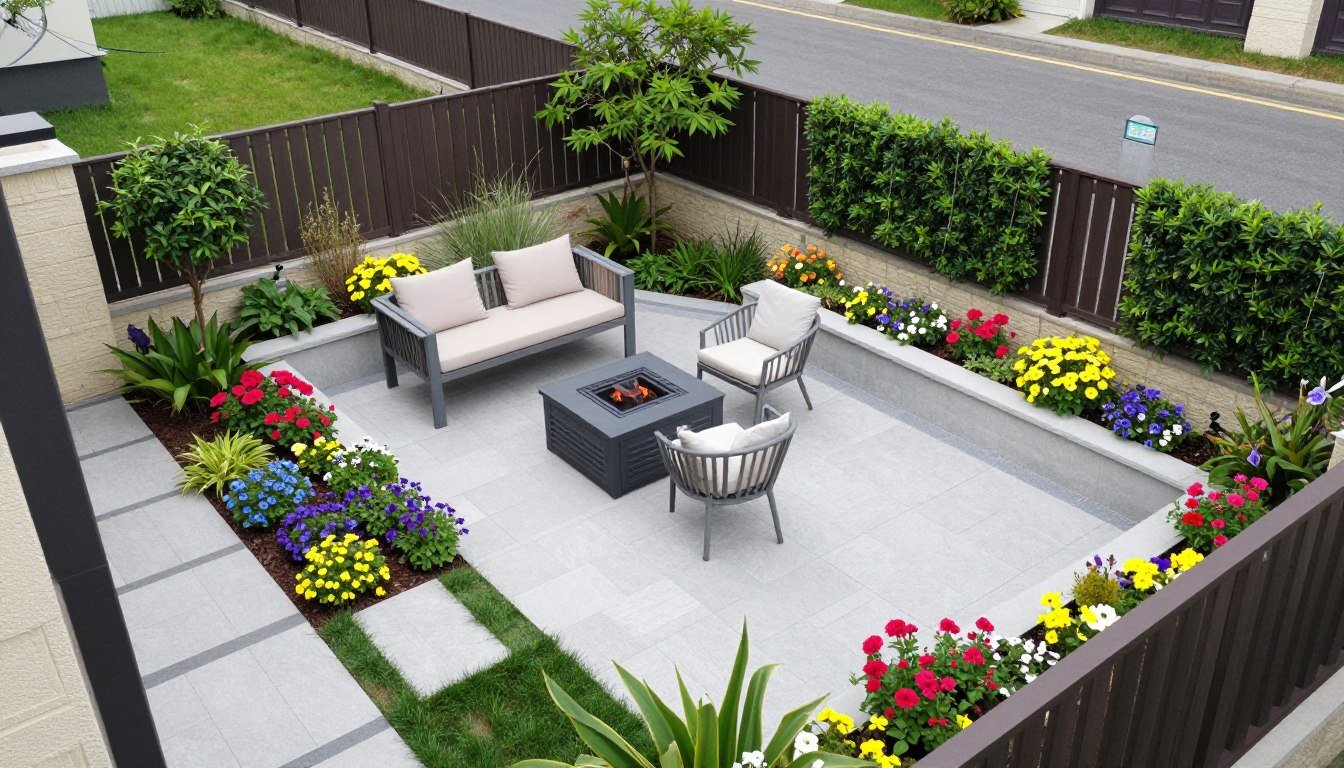
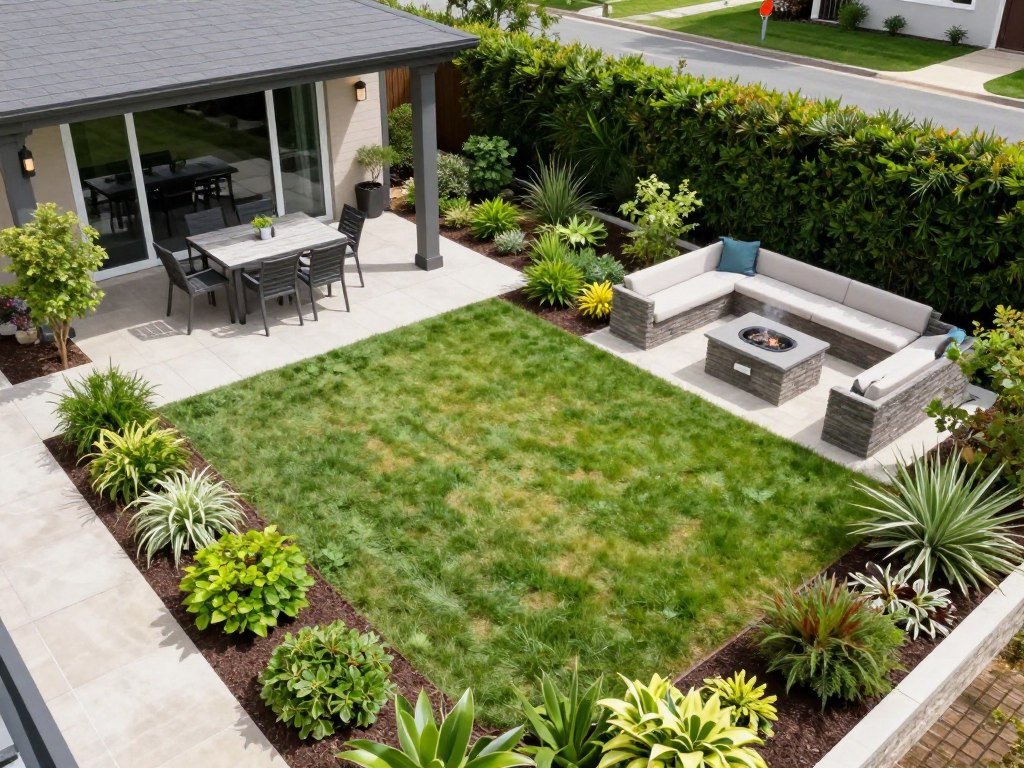
Creating distinct zones in your small backyard makes the space feel larger and more functional. Think of your backyard as a series of outdoor rooms, each serving a specific purpose. This approach transforms cramped quarters into organized, purposeful areas.
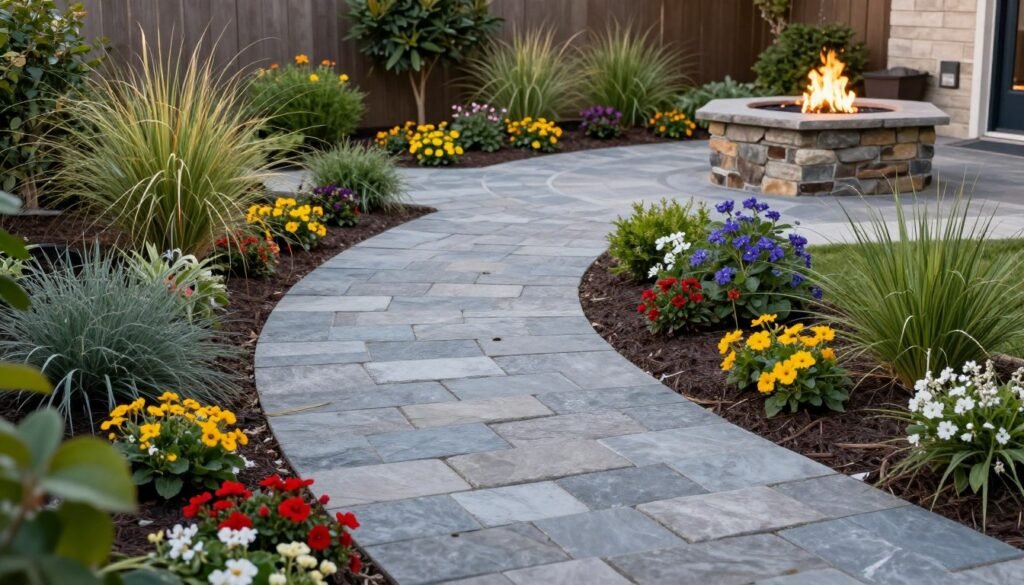
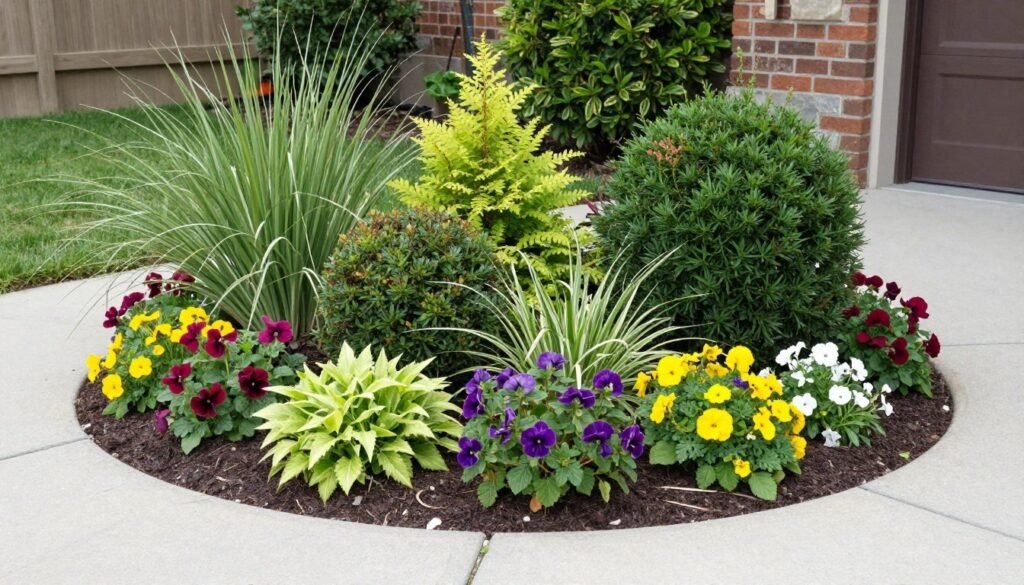
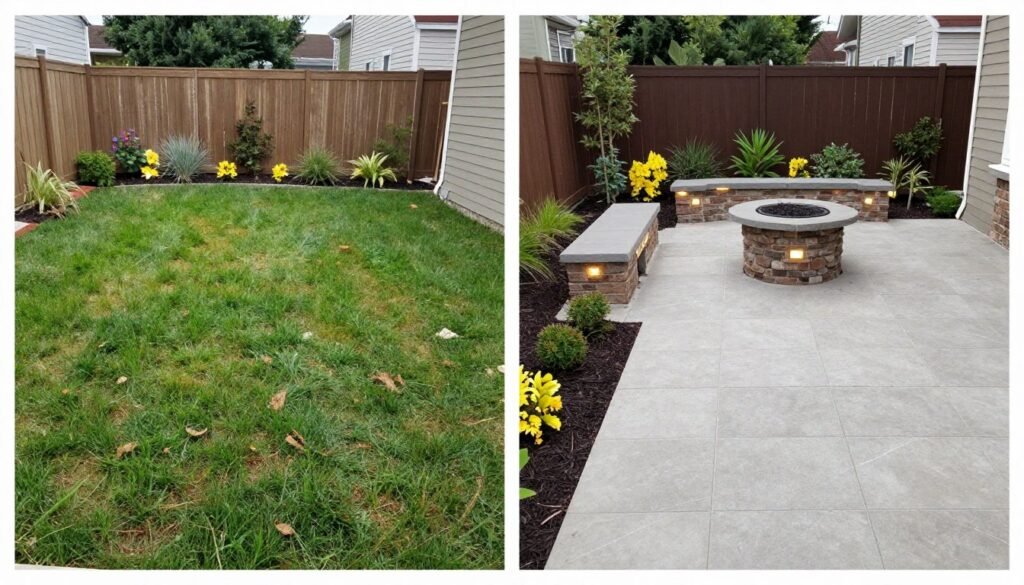
Your backyard space should include areas for relaxation, entertainment, and beauty. A seating area near the house creates an outdoor living room. Garden beds along the perimeter add color and privacy. A fire pit becomes a natural gathering spot for evening conversations.
Define Each Area With Purpose
The dining zone needs enough room for a table and chairs plus walking space. Your seating area should accommodate comfortable furniture without feeling cramped. Garden beds can follow the fence line to maximize usable central space.
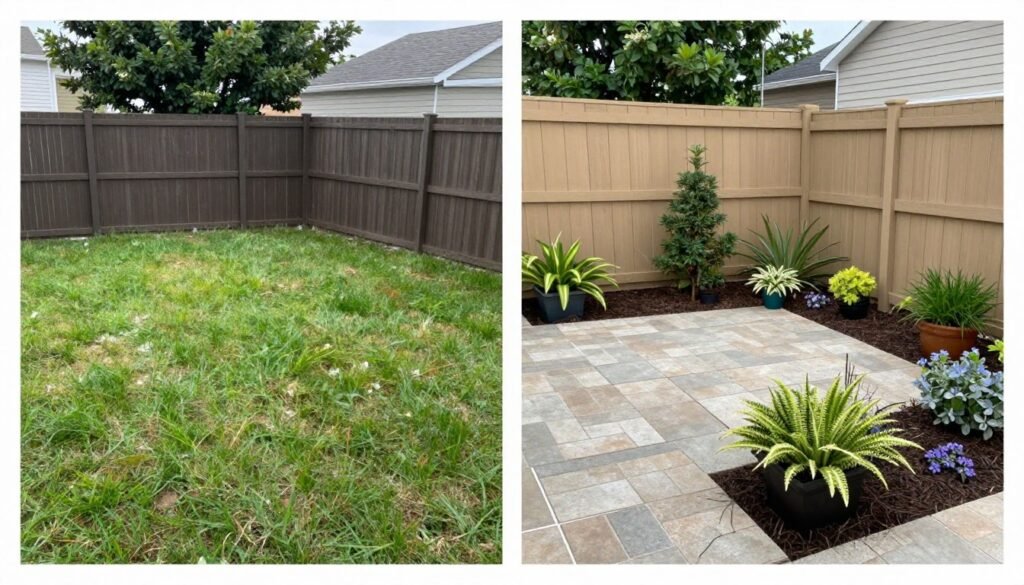
Create visual separation between zones using different materials and elevation changes. A stone patio for dining transitions to gravel for the fire pit area. Raised garden beds define planting spaces while adding dimension to flat yards.
Pathways guide movement through your backyard while connecting different areas. A stepping stone path creates visual interest and directs foot traffic. Gravel walkways cost less than stone but provide the same functional benefits.
The layout of your pathways affects how large your yard feels. Curved paths create the illusion of more space than straight lines. Diagonal walkways make narrow yards appear wider than they actually measure.
Vertical Gardening Solutions for Small Yards
When ground space is limited, look up. Vertical gardening multiplies your planting area without consuming precious square footage. Walls, fences, and vertical structures become valuable real estate for plants and flowers.
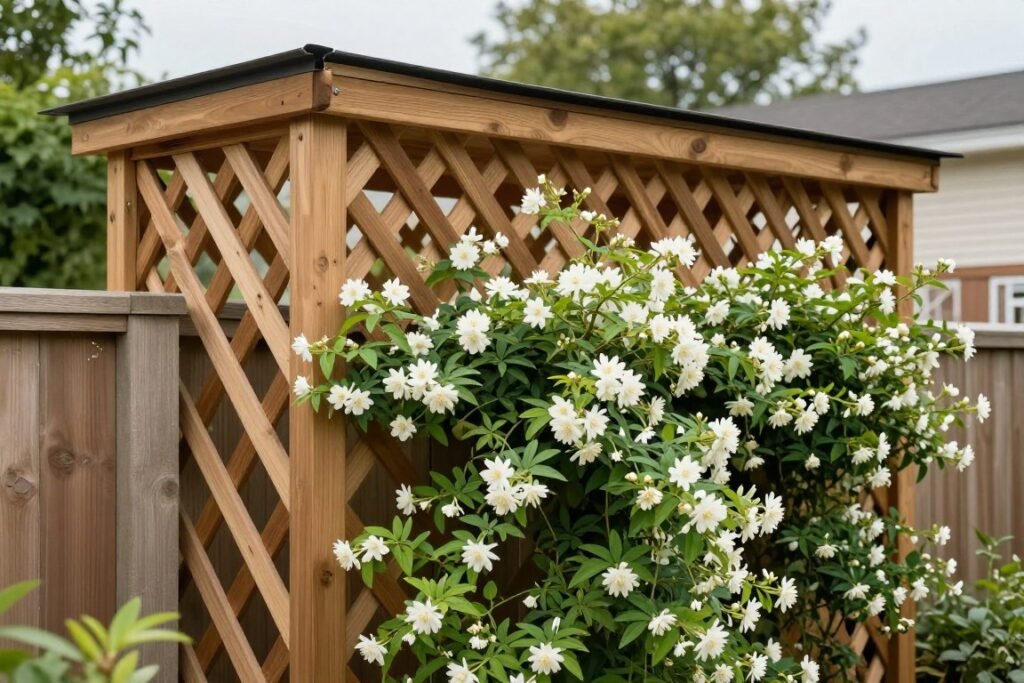
Trellises support climbing plants that add height and privacy to your backyard. Install them against fences or use freestanding structures to create living walls. Climbing roses, clematis, and jasmine provide both beauty and fragrance as they grow vertically.
Wall-Mounted Planter Systems
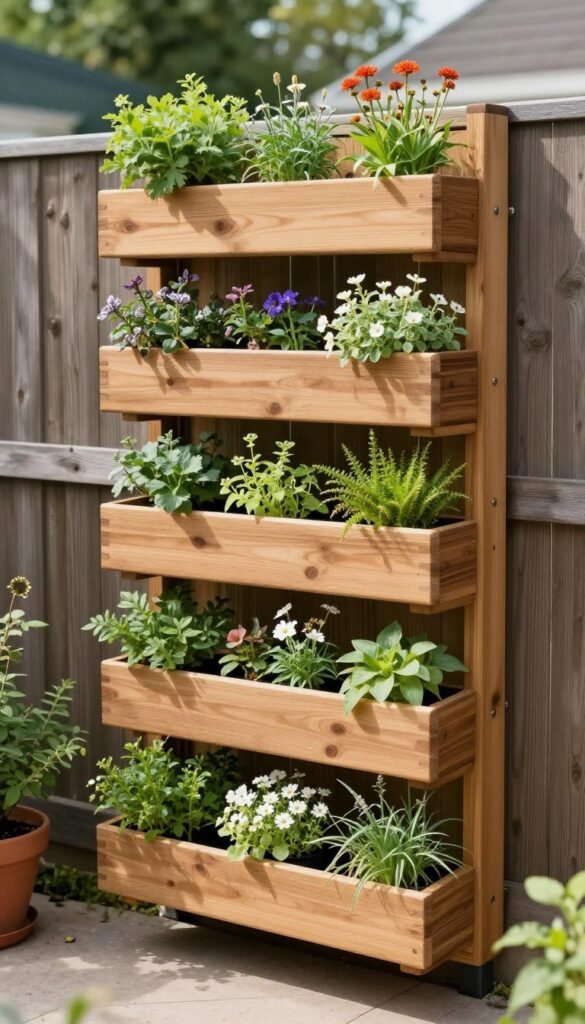
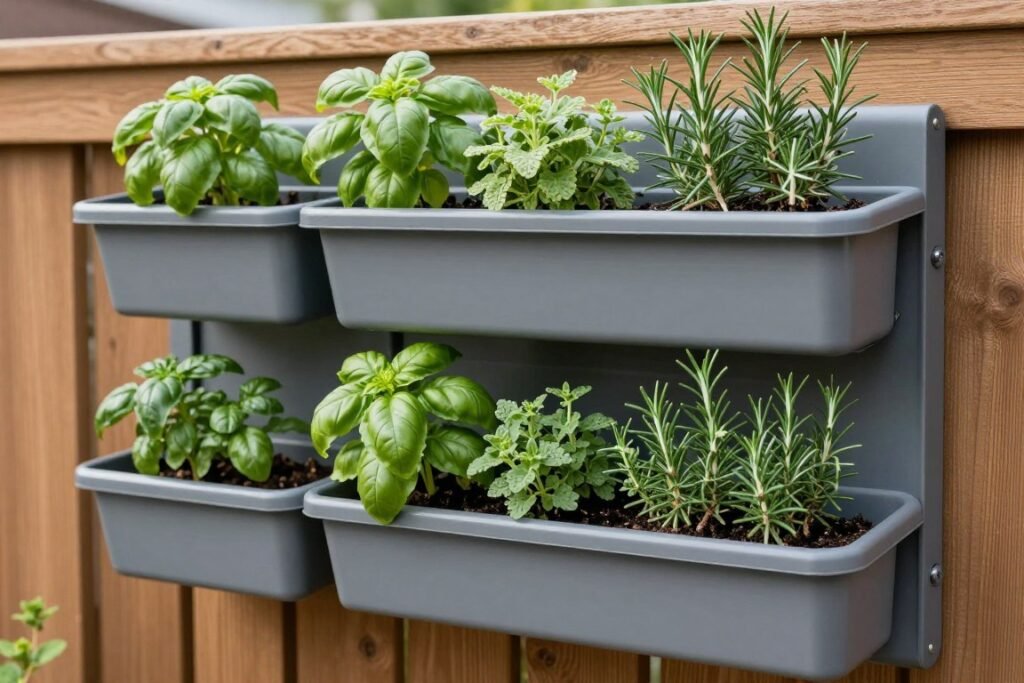
Wall-mounted planters turn blank fence surfaces into thriving gardens. These systems come in various styles from pocket planters to tiered boxes. Fill them with herbs, flowers, or small vegetables for both function and beauty.
Consider the sun exposure your vertical garden will receive. South-facing walls get full sun perfect for tomatoes and peppers. North-facing surfaces suit shade-loving ferns and hostas better than sun-hungry plants.
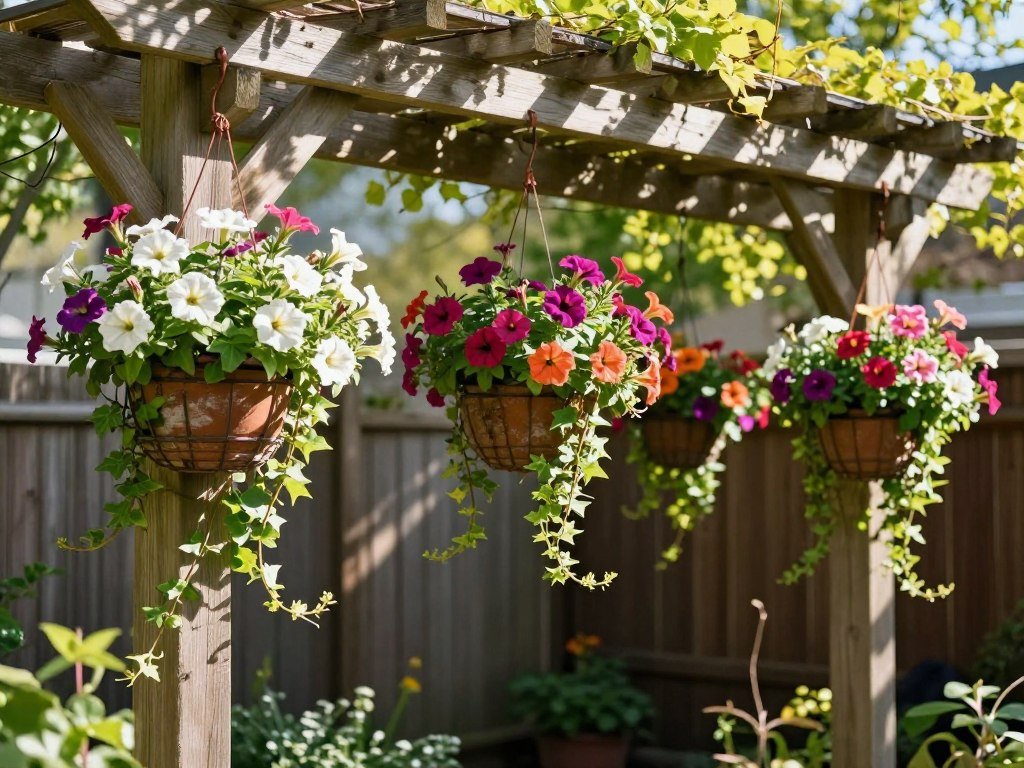
Hanging baskets suspended from pergolas or tree branches add color at eye level. This approach draws the gaze upward, making small yards feel more spacious. Choose trailing plants that cascade downward for maximum visual impact.
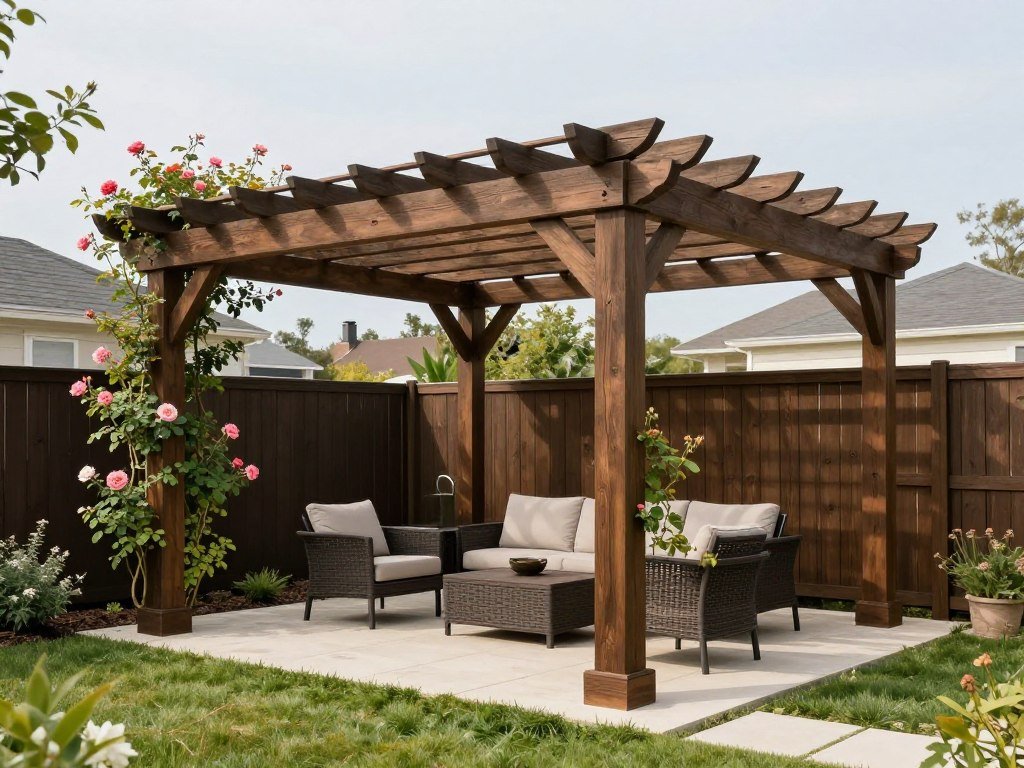
A pergola serves multiple purposes in small backyard landscaping. It defines space, provides shade, and creates vertical growing area. Train grape vines or wisteria over the structure for natural beauty and cooling shade during summer months.
Smart Plant Selection for Compact Spaces
Choosing the right plants makes all the difference in small backyard landscaping. Select varieties that stay compact, serve multiple seasons, and provide maximum visual impact. Avoid plants that quickly outgrow their space or require extensive maintenance.
Dwarf varieties of popular shrubs give you the same beauty without overwhelming your yard. Dwarf hydrangeas reach only three feet tall compared to six feet for standard types. Compact boxwoods maintain shape with minimal pruning while defining garden beds.
Multi-Season Interest Plants
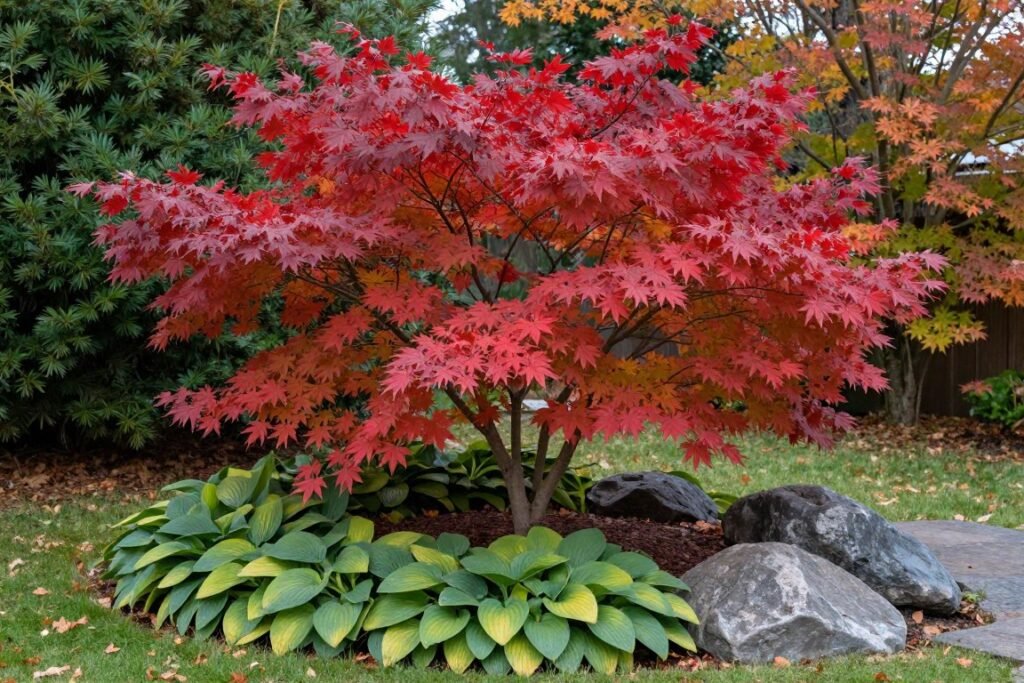
Every plant in a small yard should earn its place. Select trees and shrubs that provide interest across multiple seasons. Japanese maples offer spring foliage, summer shade, and spectacular fall color in one compact tree.
Ornamental grasses add movement and texture throughout the year. They require minimal care once established and provide winter interest when other plants go dormant. Fountain grass and Japanese forest grass thrive in small spaces.
Get Your Complete Plant Selection Guide
Stop guessing which plants work best for small backyards. Access comprehensive planting plans that specify exact varieties, spacing, and placement for stunning results.
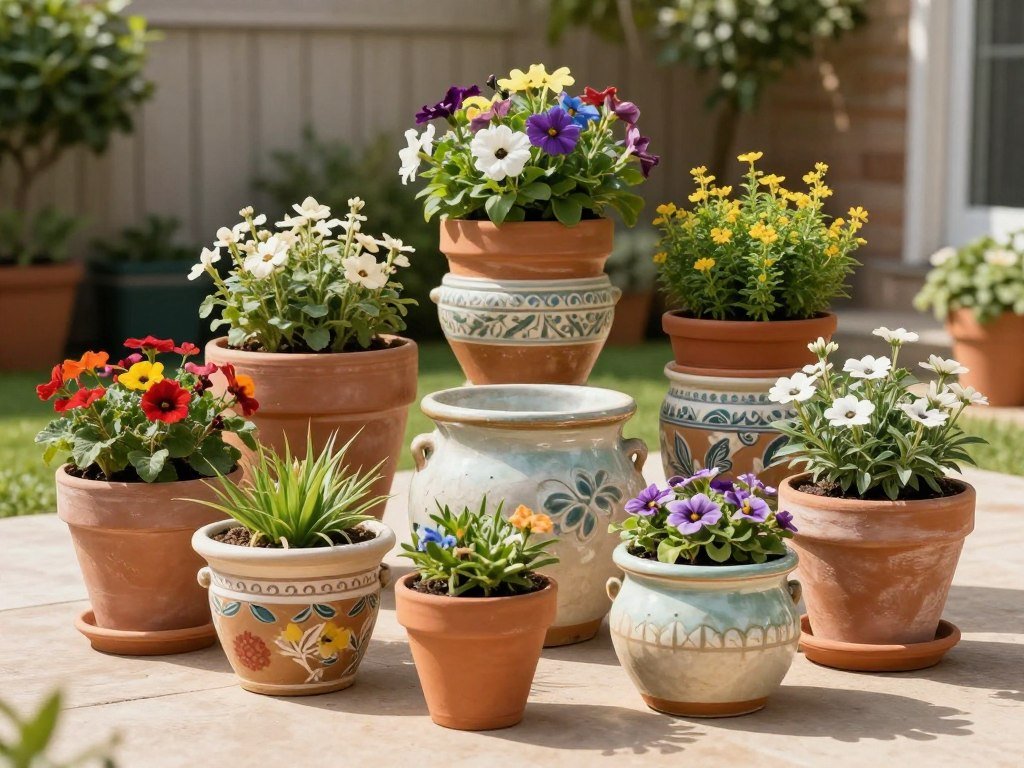
Container gardens provide flexibility that in-ground planting cannot match. Move pots to follow the sun or rearrange your design whenever inspiration strikes. Large containers create focal points while smaller pots add color accents throughout your yard.
Choose containers that complement your landscape design style. Modern spaces benefit from sleek rectangular planters. Traditional gardens look best with classic terracotta or stone urns. Mixing sizes creates visual interest while keeping the overall design cohesive.
Fire Pit Designs for Intimate Gatherings
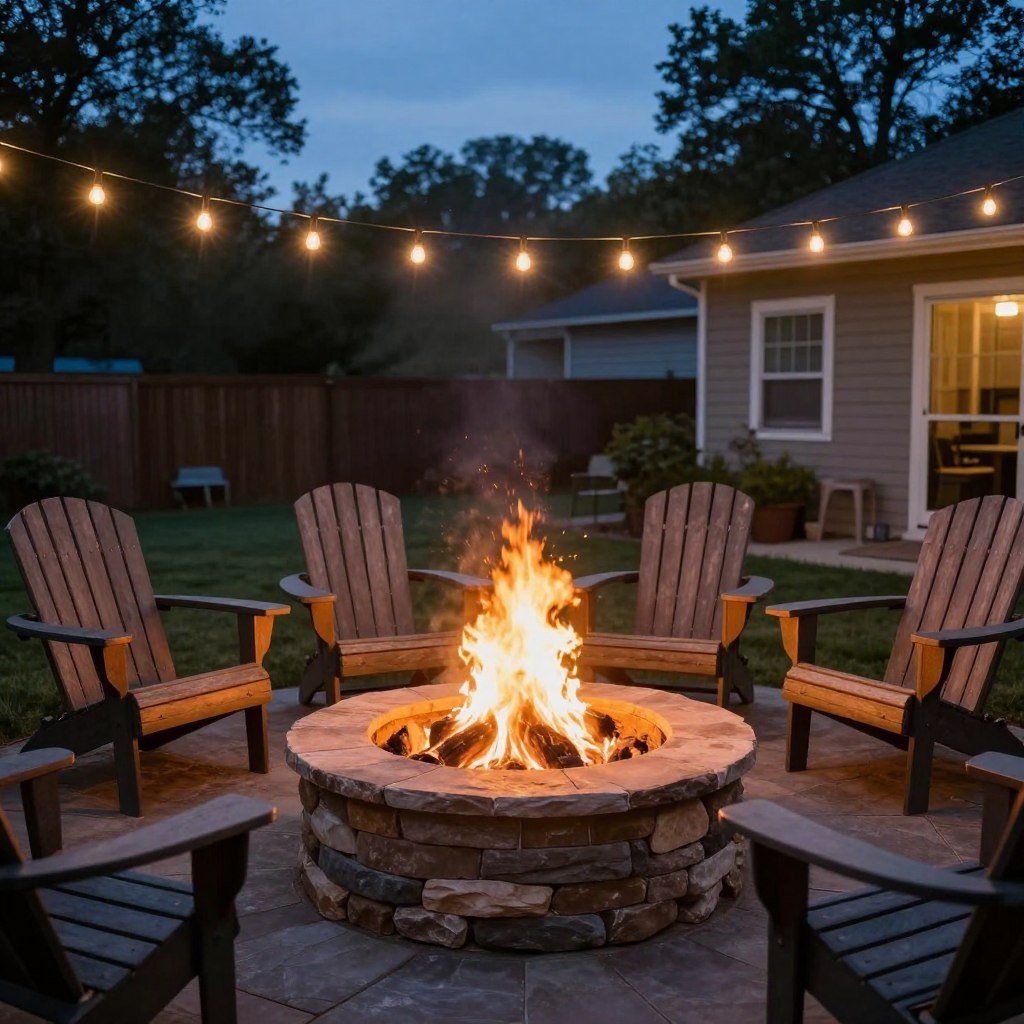
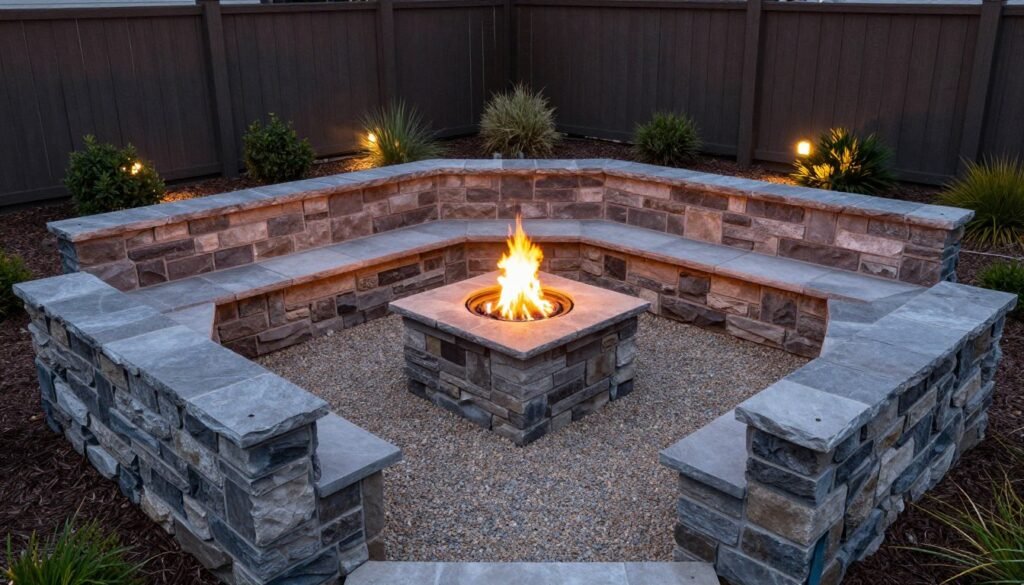
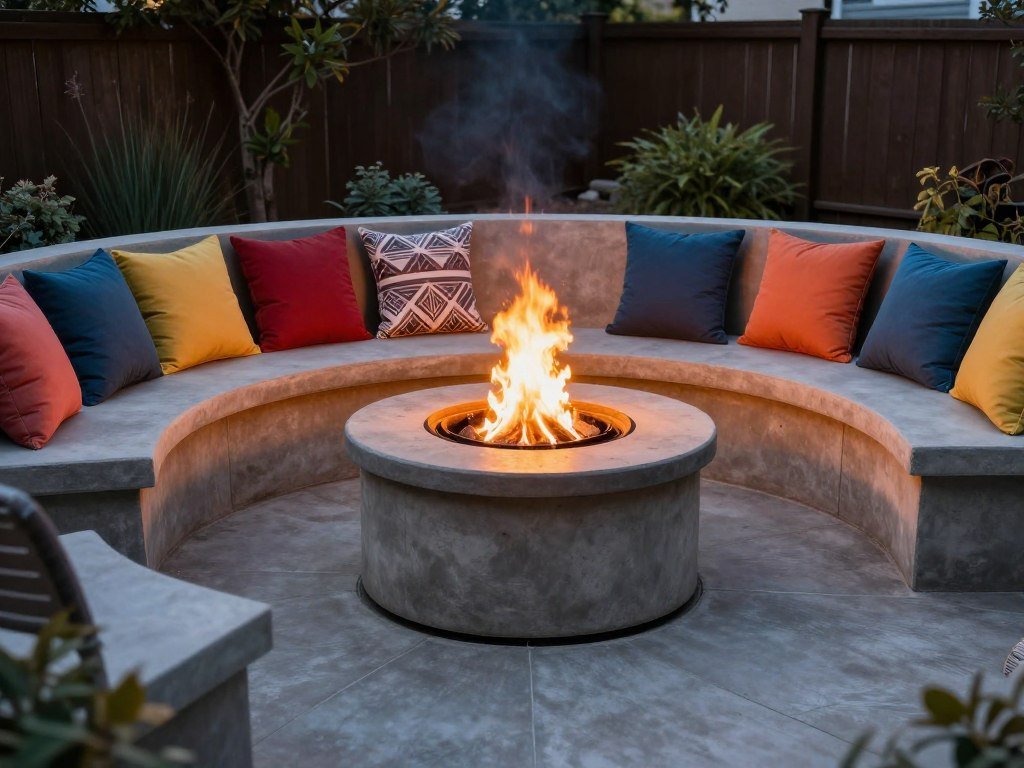
A fire pit transforms your small backyard into a destination for relaxation and socializing. The flickering flames create ambiance while extending outdoor living season into cooler months. Even compact yards can accommodate a properly sized fire feature.
Size your fire pit proportionally to your backyard space. A three-foot diameter pit suits most small yards perfectly. This size provides adequate warmth and ambiance without dominating the available area or creating safety concerns.
Fire Pit Placement Strategies
Place your fire pit at least ten feet from your house, fences, and overhanging trees. This safety clearance protects structures while creating a distinct gathering zone. Corner placement maximizes usable space in rectangular yards.
The area around your fire pit needs heat-resistant surfacing. Stone pavers, gravel, or decomposed granite work well and look attractive. Create a fire pit area that extends at least four feet beyond the pit itself for safe seating placement.
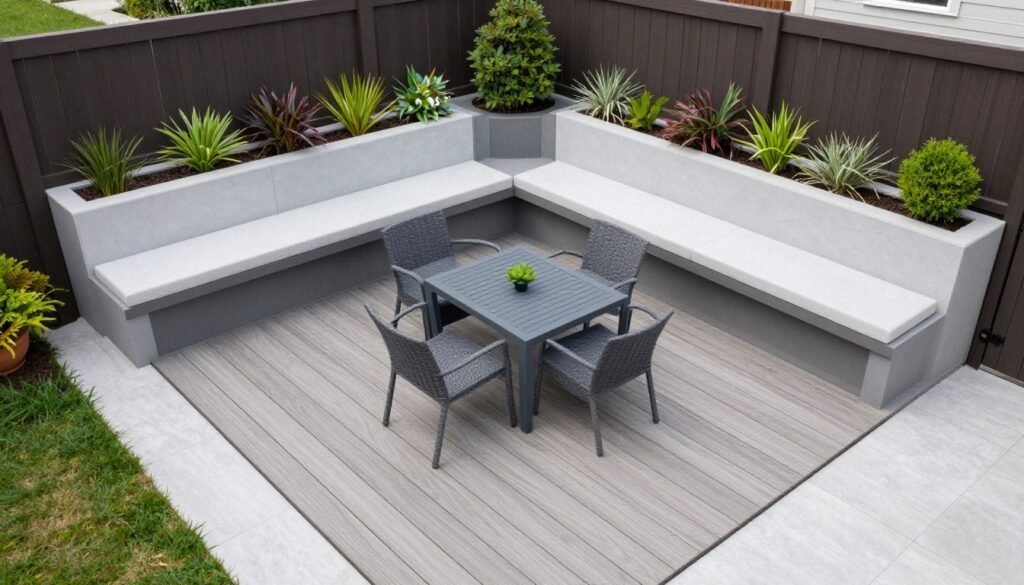
Built-in seating maximizes space efficiency around your fire pit. A stone or concrete bench follows the pit’s curve while saving floor space. Add weather-resistant cushions for comfort without sacrificing the permanent seating advantages.
Movable seating offers flexibility for different group sizes. Four lightweight chairs around the fire pit accommodate intimate gatherings. Stack extra seating against the fence when not needed to keep pathways clear.
Lighting Techniques That Expand Perceived Space
Strategic lighting makes small backyards feel larger and more inviting after sunset. The right lighting extends usable hours while creating depth and dimension. Layer different light sources for a professional landscape design look.
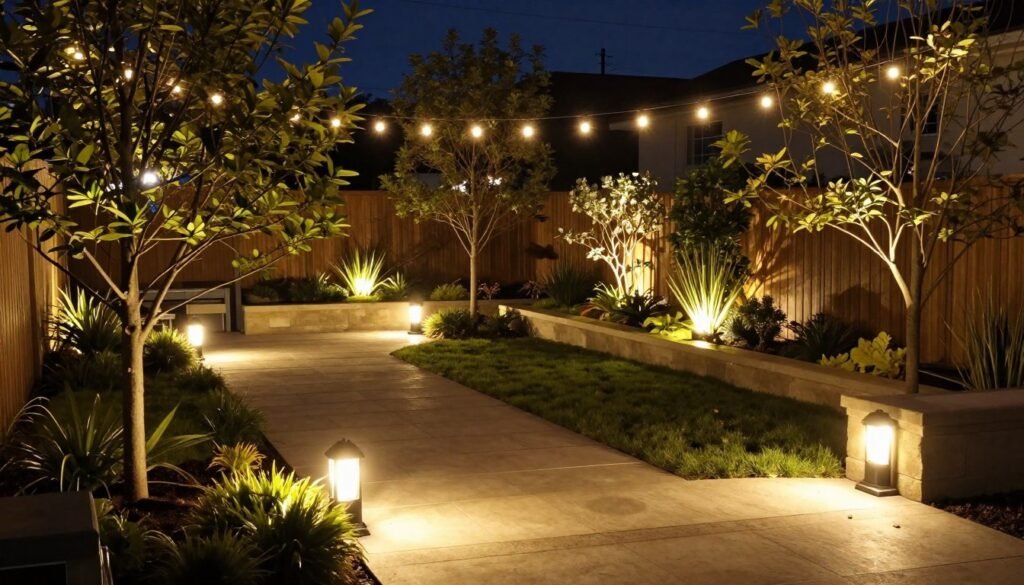
Path lighting guides movement while adding safety and beauty. Solar lights cost nothing to operate and install easily along walkways. Space them every six to eight feet for adequate illumination without excessive brightness.
String Lights Create Magic
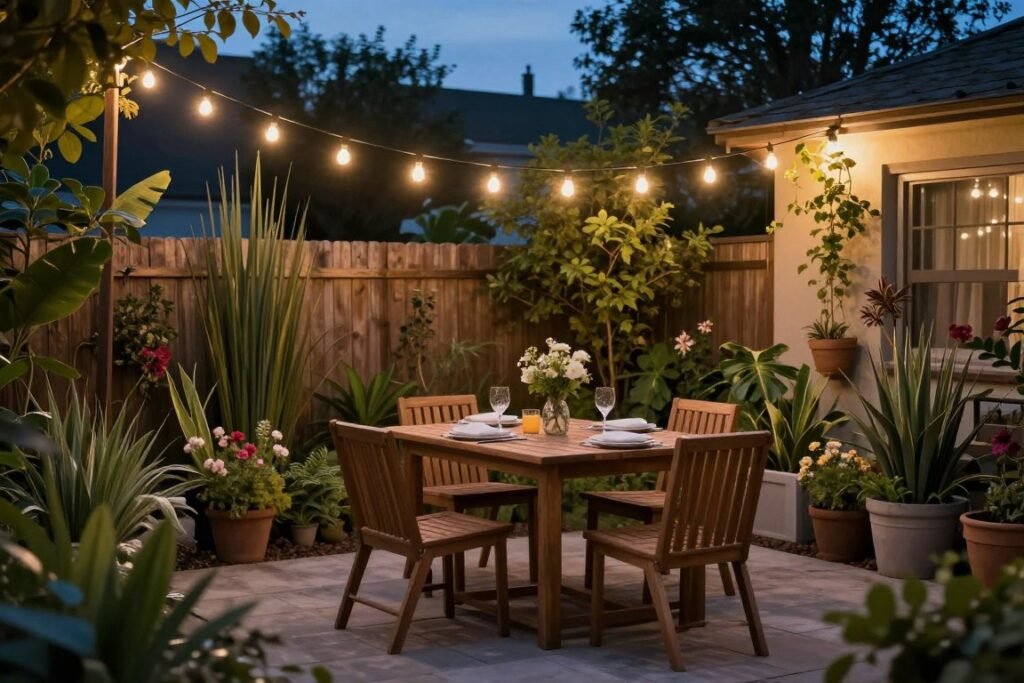
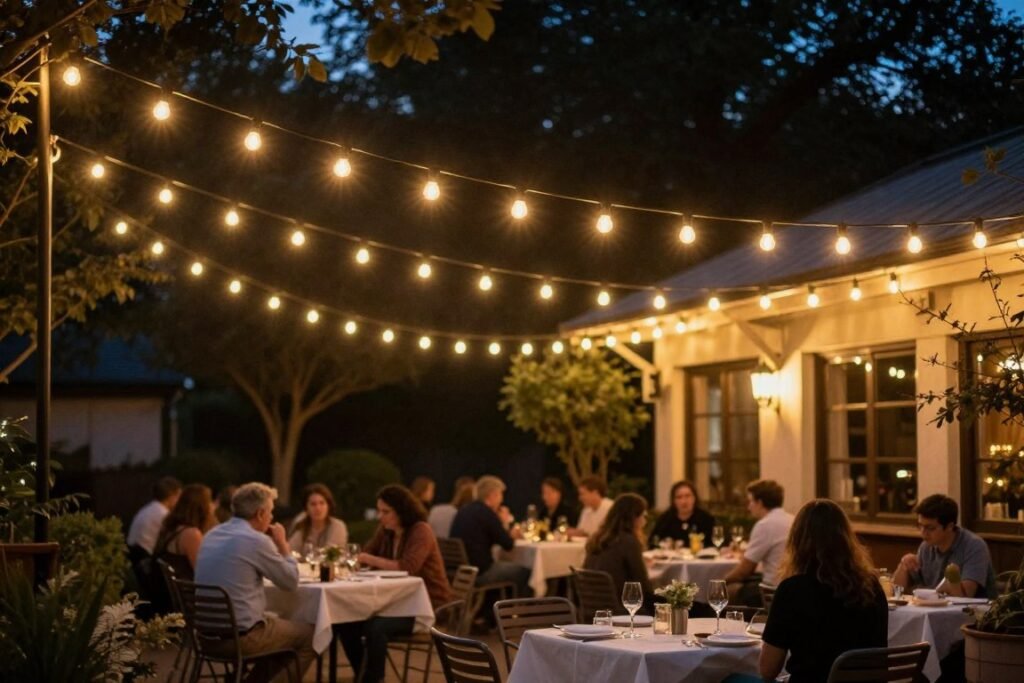
String lights transform any backyard into an enchanted space. Drape them overhead between posts, across a pergola, or along fence lines. The soft glow creates intimate ambiance perfect for evening relaxation or entertaining friends.
Choose warm white bulbs rather than cool white for a more inviting atmosphere. LED string lights use minimal electricity and last for years. Install them on a dimmer switch to adjust brightness based on the mood and occasion.
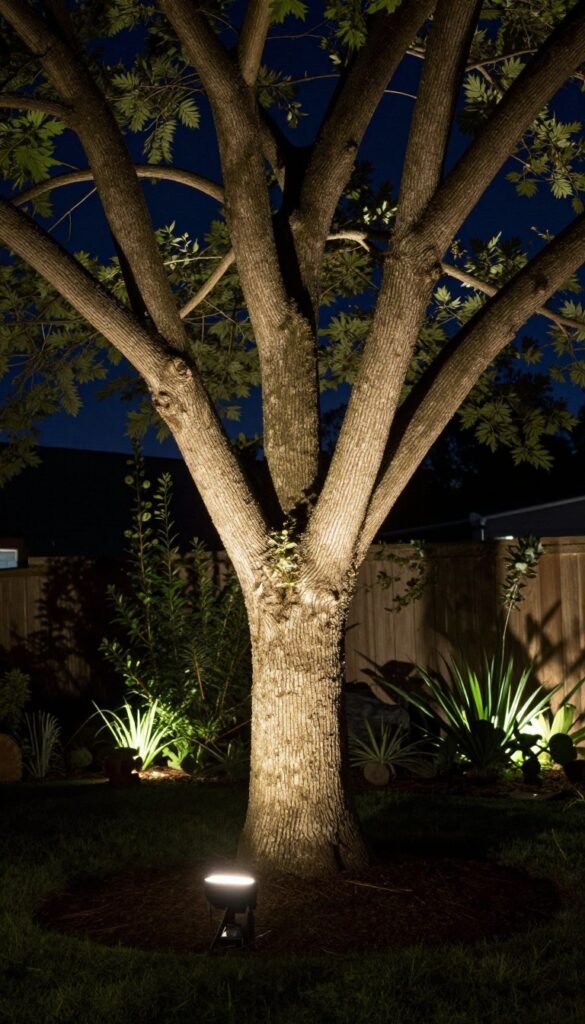
Uplights positioned at the base of trees or shrubs create dramatic shadows and depth. This technique draws attention upward, making your yard feel taller and more spacious. Focus accent lights on your best plants and architectural features.
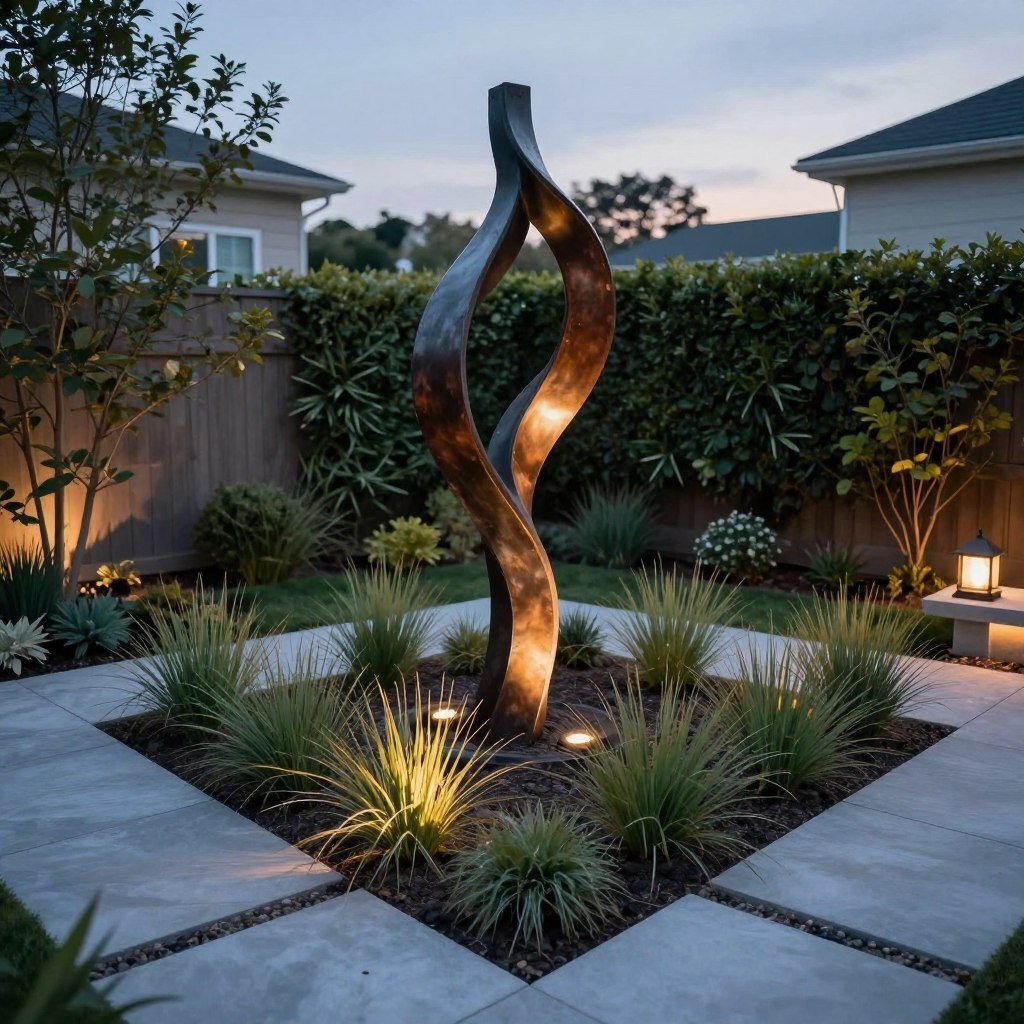
Spotlights highlight focal points like water features, sculptures, or specimen plants. Use them sparingly to avoid a cluttered look. Two or three well-placed accent lights create more impact than many scattered fixtures.
Water Features Add Tranquility to Small Yards
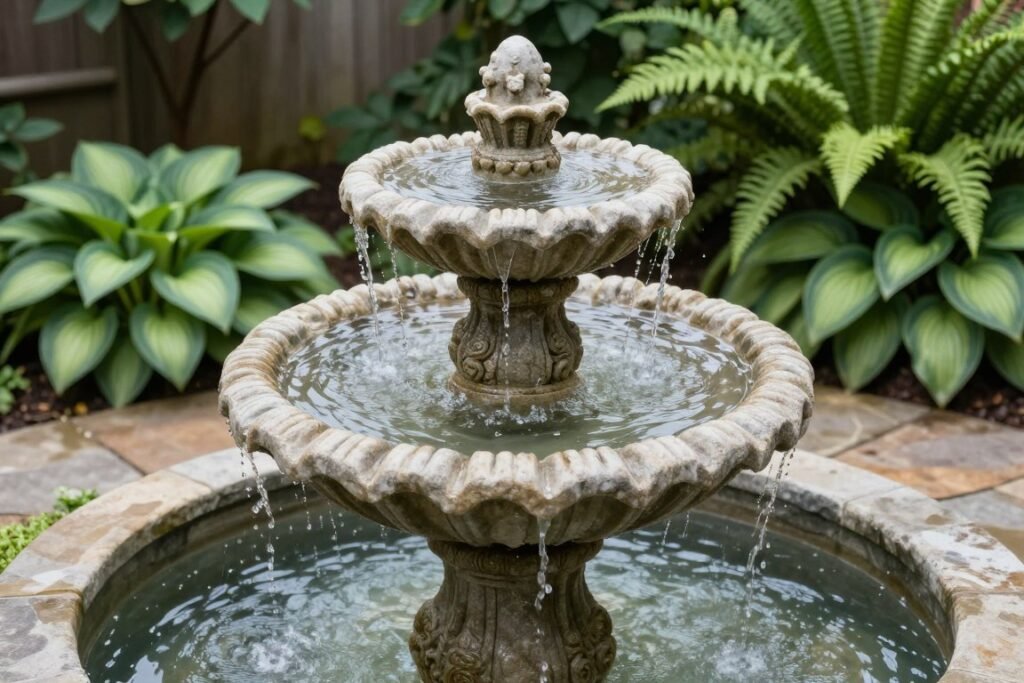
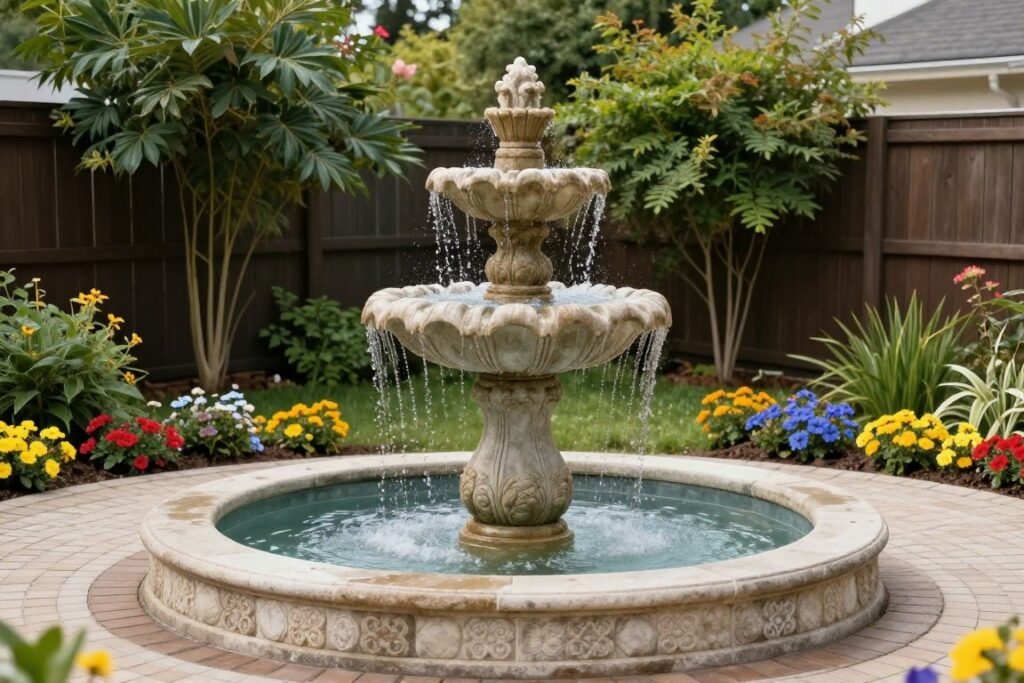
The sound of flowing water creates a peaceful atmosphere while masking neighborhood noise. Small backyard landscaping accommodates various water feature styles from compact fountains to tiny ponds. Even a simple bubbling urn adds sensory appeal to your outdoor space.
Tabletop fountains suit the smallest yards while still providing water’s calming effect. Place one on a patio table or garden pedestal for visual and auditory interest. These features require minimal space and maintenance.
Wall-Mounted Water Features
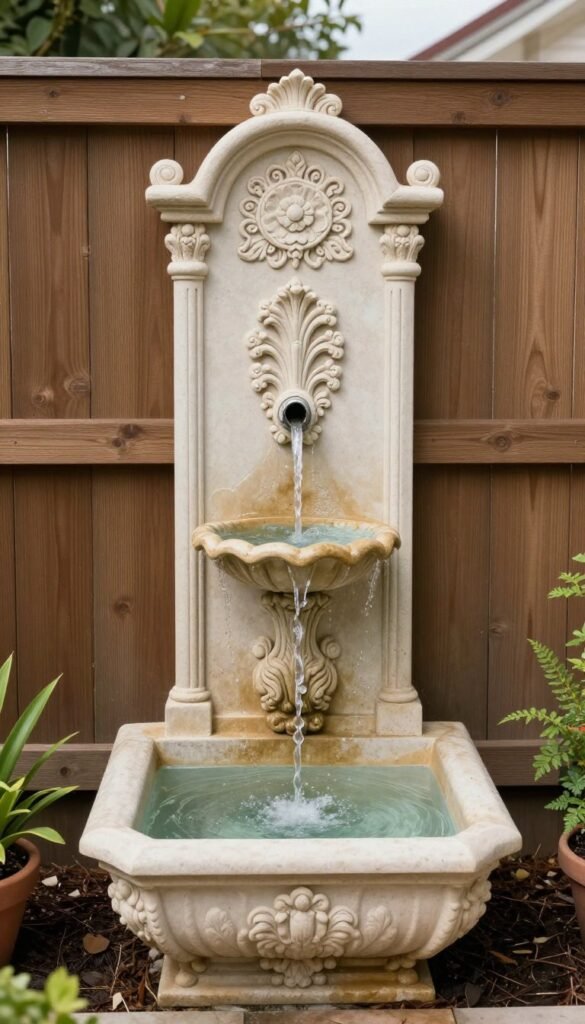
Wall fountains maximize vertical space while adding elegance. Mount them on fences or house walls to create a focal point without consuming floor space. The water cascades down into a small basin, recirculating continuously.
Position your wall fountain where you’ll enjoy it most. Near the seating area lets you appreciate the soothing sounds during relaxation. Make sure electrical outlets are accessible or use solar-powered pump options.
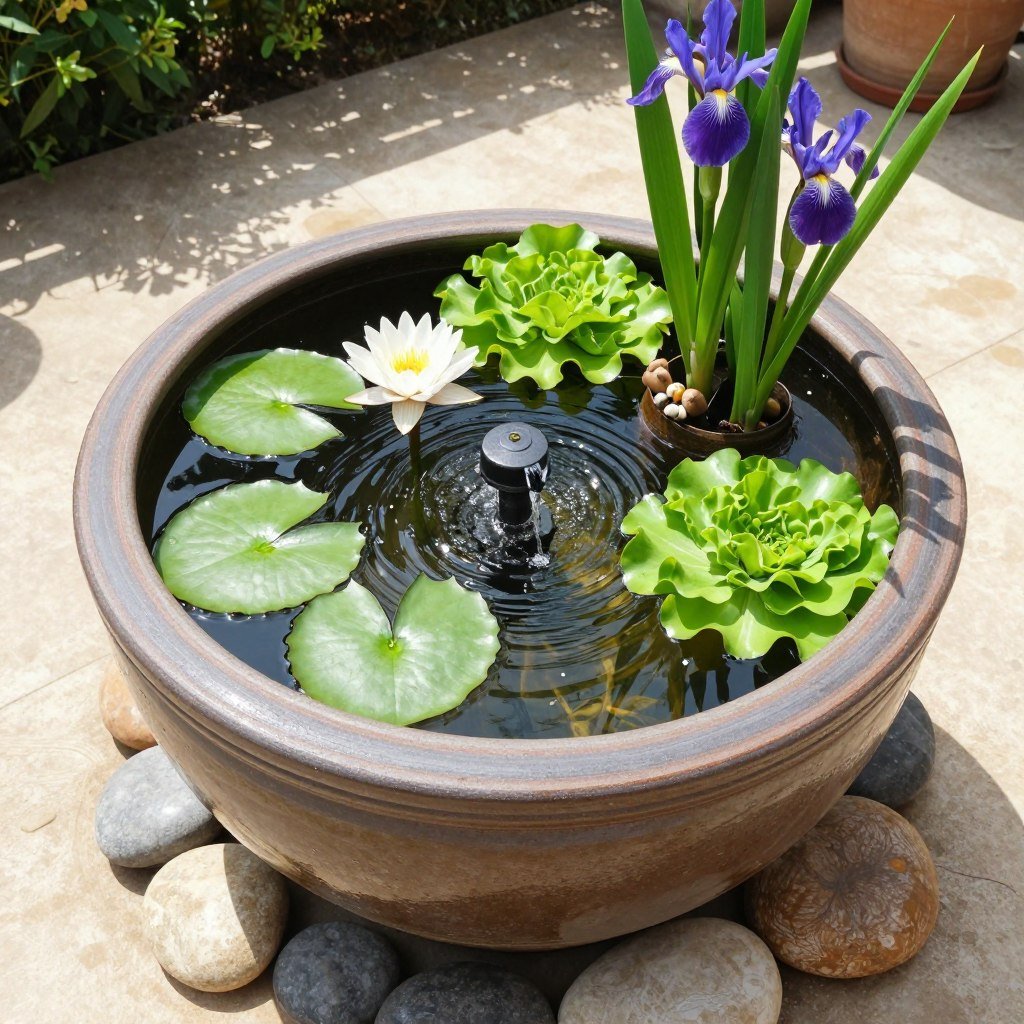
Large decorative containers become miniature ponds with proper preparation. Add a small submersible pump, water plants, and perhaps a goldfish or two. This approach provides water garden beauty without excavation or permanent installation.
Select a container at least 18 inches deep and 24 inches wide for adequate water volume. Larger containers maintain stable water temperature and support more plant varieties. Place the container where it receives morning sun but afternoon shade.
Privacy Solutions Without Sacrificing Space
Creating privacy in small backyards requires creative solutions that don’t consume valuable square footage. Vertical screening provides seclusion while maintaining an open feel. Multiple techniques combine to create intimate outdoor spaces.
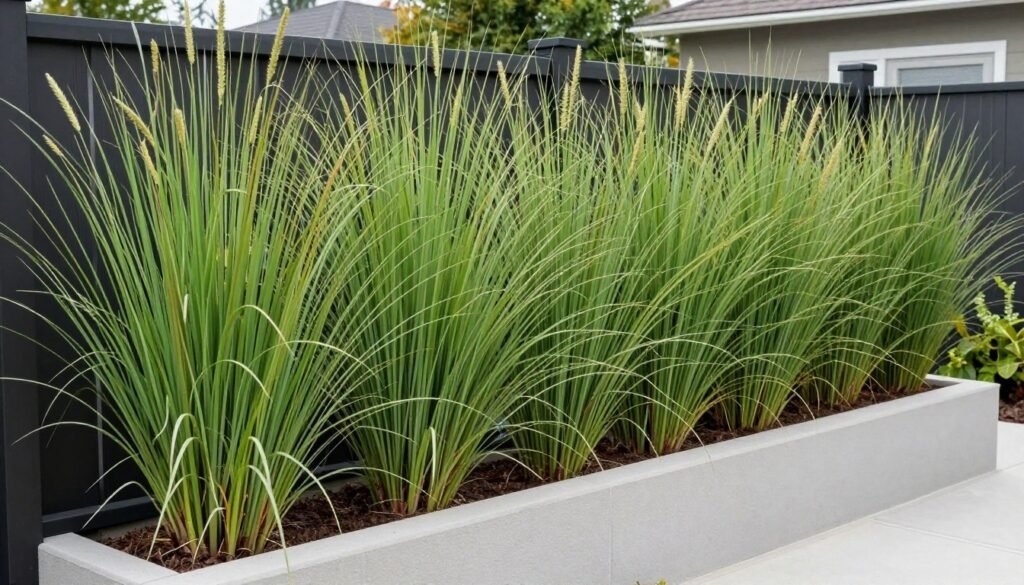
Tall ornamental grasses create natural privacy screens that move gracefully in the breeze. Bamboo varieties grow quickly and densely for fast privacy. Choose clumping bamboo over running types to avoid invasive spreading throughout your yard.
Vertical Privacy Structures
Lattice panels attached to existing fences add height for privacy without occupying ground space. Train climbing vines over the lattice for living privacy screens. This solution works especially well for blocking second-story neighbor views.
Freestanding privacy screens define space and block sightlines strategically. Position screens to shield specific areas like outdoor showers or hot tubs. Choose materials that match your landscape design style from modern metal panels to rustic wooden slats.
Create Your Perfect Private Backyard
Get comprehensive privacy screening plans designed specifically for small yards. Learn exactly which plants, structures, and techniques create maximum privacy without wasting space.
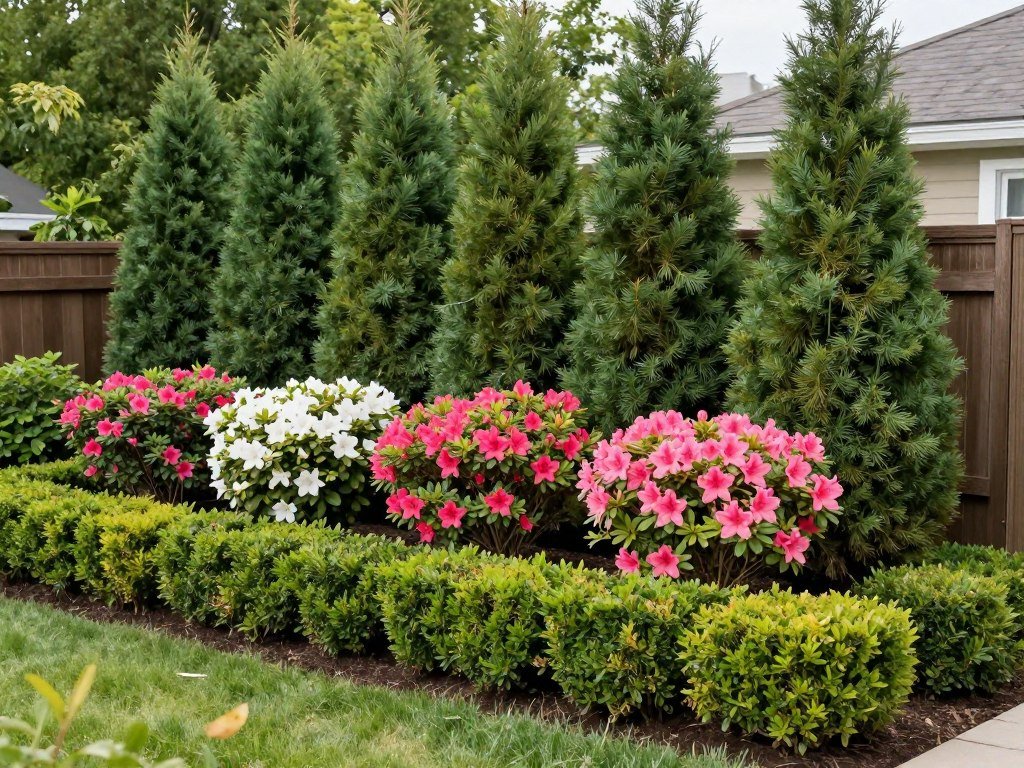
Layer plants at different heights to create dense visual barriers. Tall evergreen shrubs form the backbone, mid-height flowering shrubs add color, and low groundcovers complete the composition. This approach provides year-round privacy with seasonal interest.
Evergreens maintain privacy throughout winter when deciduous plants lose leaves. Arborvitae, hollies, and boxwoods grow well in various climates. Mix evergreens with flowering shrubs for color without sacrificing privacy benefits.
Patio and Deck Design for Outdoor Living
A well-designed patio or deck serves as your outdoor living room. This hardscaping element anchors your small backyard landscaping while providing functional space for furniture and activities. Choose materials and shapes that complement your home’s architecture.
Deck construction elevates living space above ground level, useful for sloped yards. Composite materials require minimal maintenance compared to wood while lasting decades. Built-in seating around the deck perimeter maximizes usable space.
Patio Material Choices
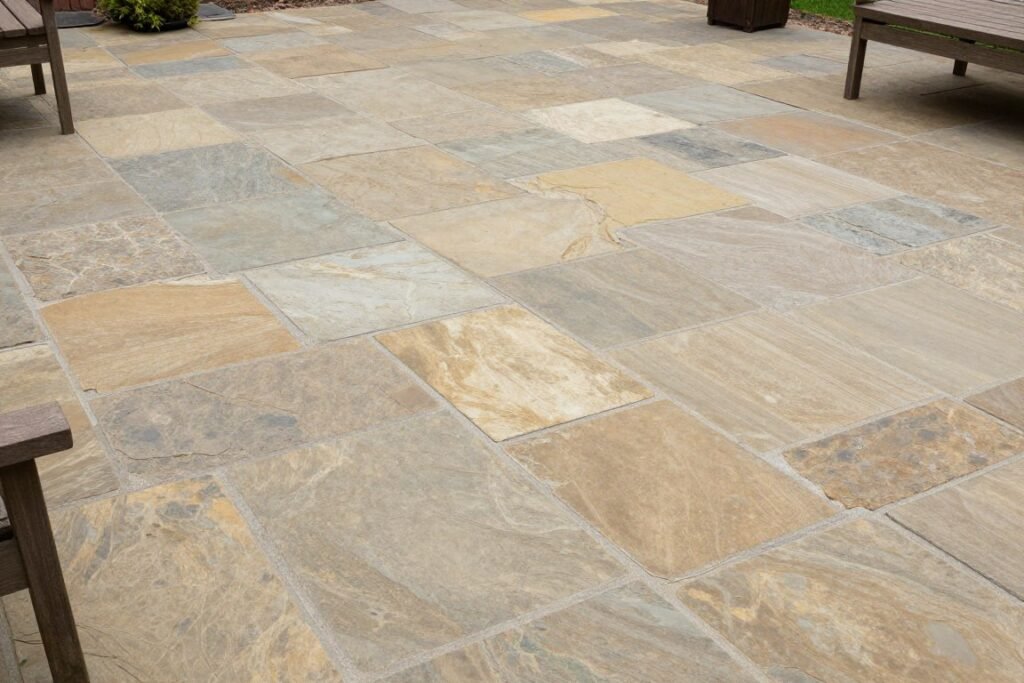
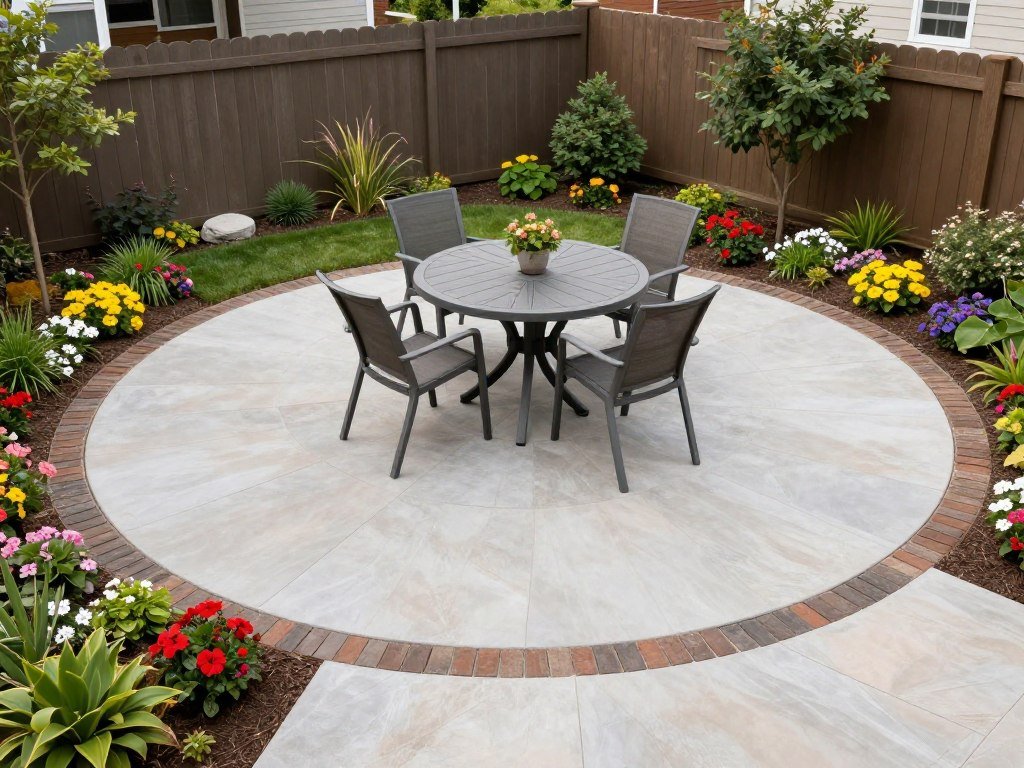
Stone pavers create elegant patios with natural beauty. Irregular flagstone fits together like a puzzle for an organic look. Concrete pavers cost less and come in numerous colors, shapes, and textures to match any design style.
Poured concrete offers the most affordable patio option. Stamped concrete mimics the look of stone or brick at lower cost. Add color to concrete during pouring or stain it afterward for custom appearance.
Rectangular patios suit traditional home styles and maximize square footage. Curved patios create softer lines that complement natural landscapes. Your patio should measure at least 12 feet by 12 feet to accommodate a dining table plus walking space.
Multi-level patios add dimension to flat yards. A step up or down creates visual interest and defines separate zones. The main level holds dining furniture while a lower level accommodates the fire pit area.
Low-Maintenance Landscaping Strategies
Small backyard landscaping should enhance your life, not consume all your free time. Smart design choices reduce ongoing maintenance while keeping your yard beautiful. Focus on features that require minimal care once established.
Native plants require less water, fertilizer, and pest control than exotic varieties. They’ve adapted to your climate over thousands of years. Research plants native to your region and incorporate them throughout your landscape design.
Reduce Lawn Areas
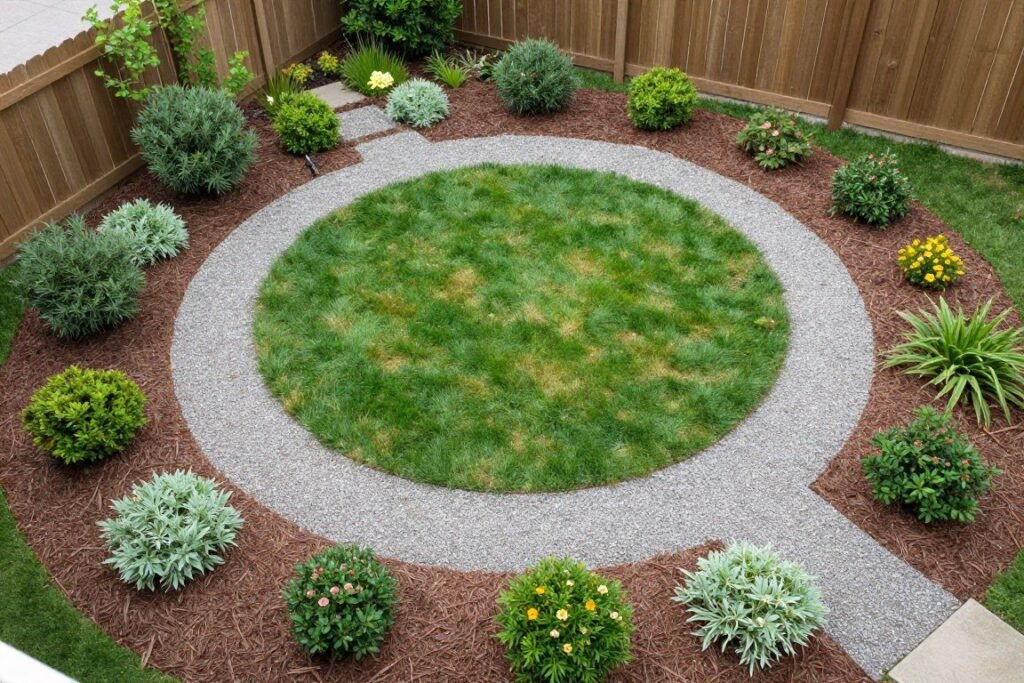
Lawns demand the most maintenance in any yard. Replace grass with ground covers, gravel, or mulched garden beds. Even reducing lawn by half cuts mowing time significantly while adding visual interest to your backyard space.
Ground covers spread to fill spaces between larger plants and prevent weeds. Creeping thyme, ajuga, and sedum require no mowing and minimal watering. These plants handle foot traffic better than traditional lawns in small, high-use areas.
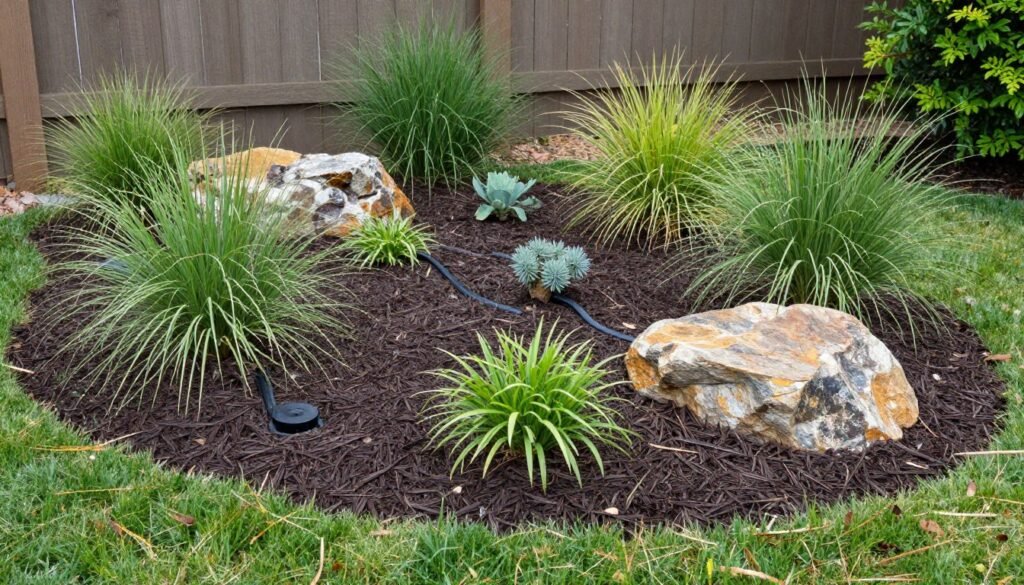
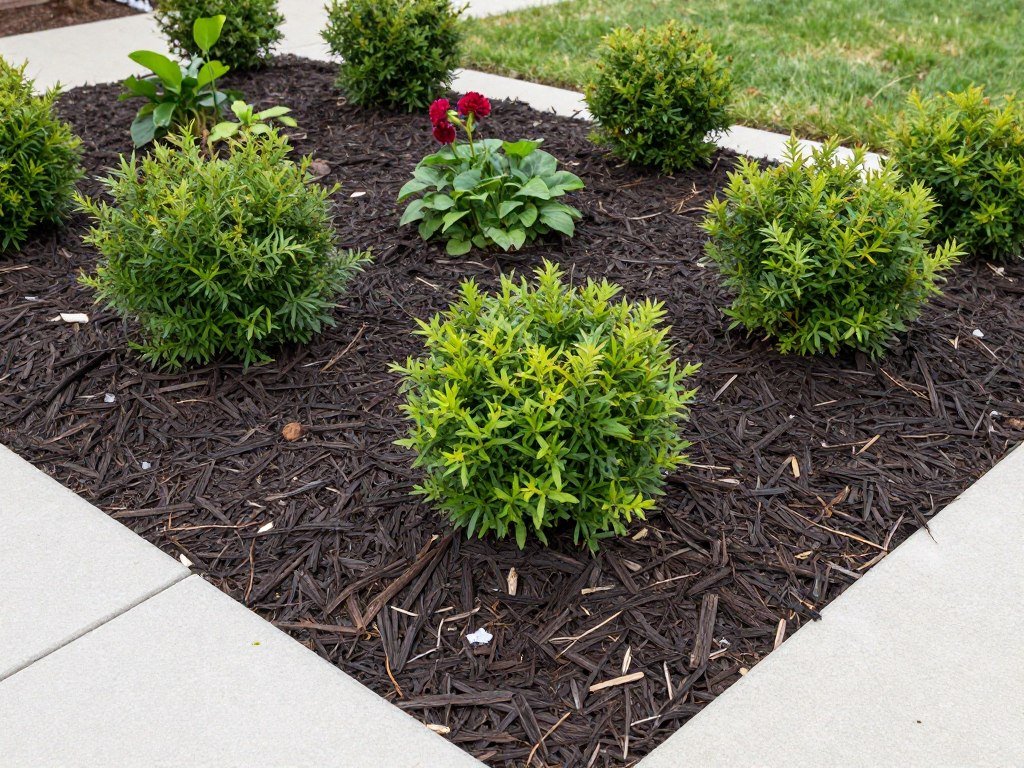
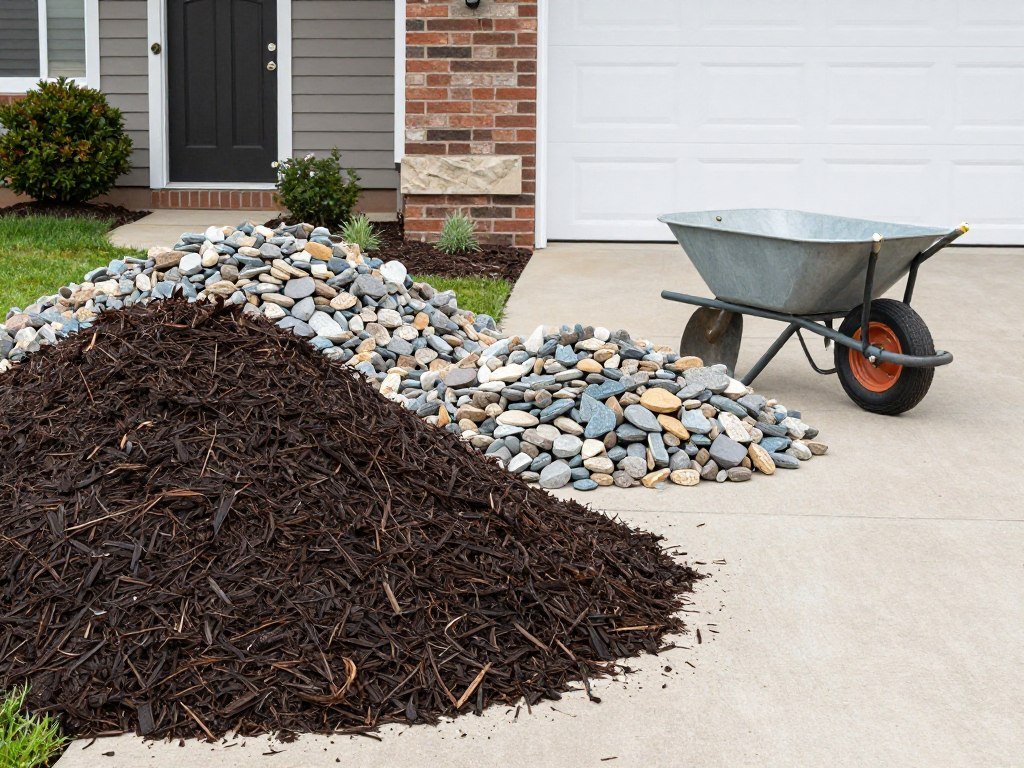
A thick layer of mulch suppresses weeds while retaining soil moisture. Wood chip mulch breaks down over time, improving soil quality. Rock mulch lasts indefinitely but doesn’t add organic matter to beds.
Apply mulch three inches deep to prevent weed germination. Keep mulch pulled back from plant stems to avoid moisture problems. Refresh mulch annually to maintain depth as older material decomposes underneath.
Seasonal Color With Minimal Effort
Maintaining color throughout the year keeps your small backyard interesting across seasons. Choose plants that bloom at different times for continuous flowers. Combine perennials that return yearly with strategic annual plantings.
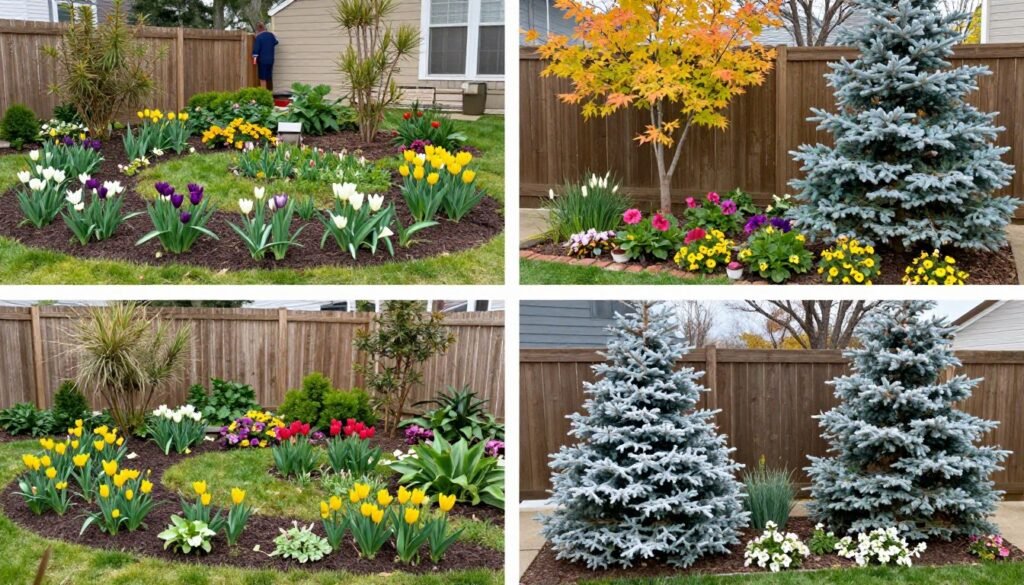
Spring bulbs provide the earliest color when planted the previous fall. Daffodils, tulips, and crocuses emerge through snow to signal winter’s end. These flowers naturalize over years, multiplying without replanting.
Summer Flowering Plants
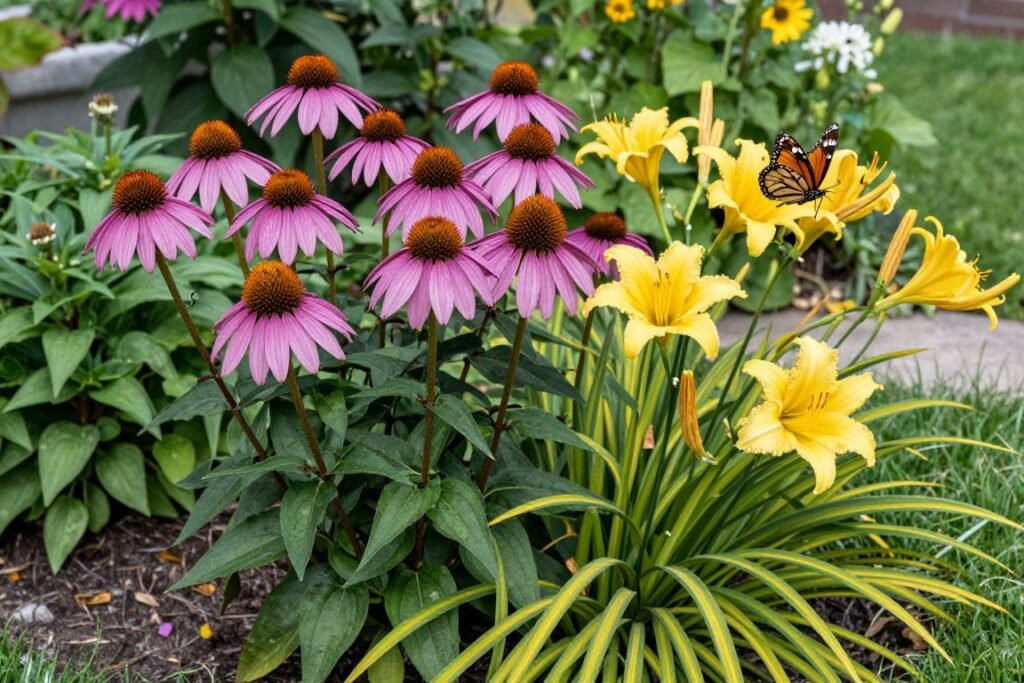
Perennial flowers bloom reliably each summer with minimal care. Daylilies thrive in sun and tolerate drought once established. Coneflowers attract butterflies while providing months of color. Both plants require only annual division every few years.
Annual flowers fill gaps and provide intense color all summer. Plant them in containers for easy seasonal updates. Geraniums, petunias, and marigolds bloom continuously with deadheading and regular watering.
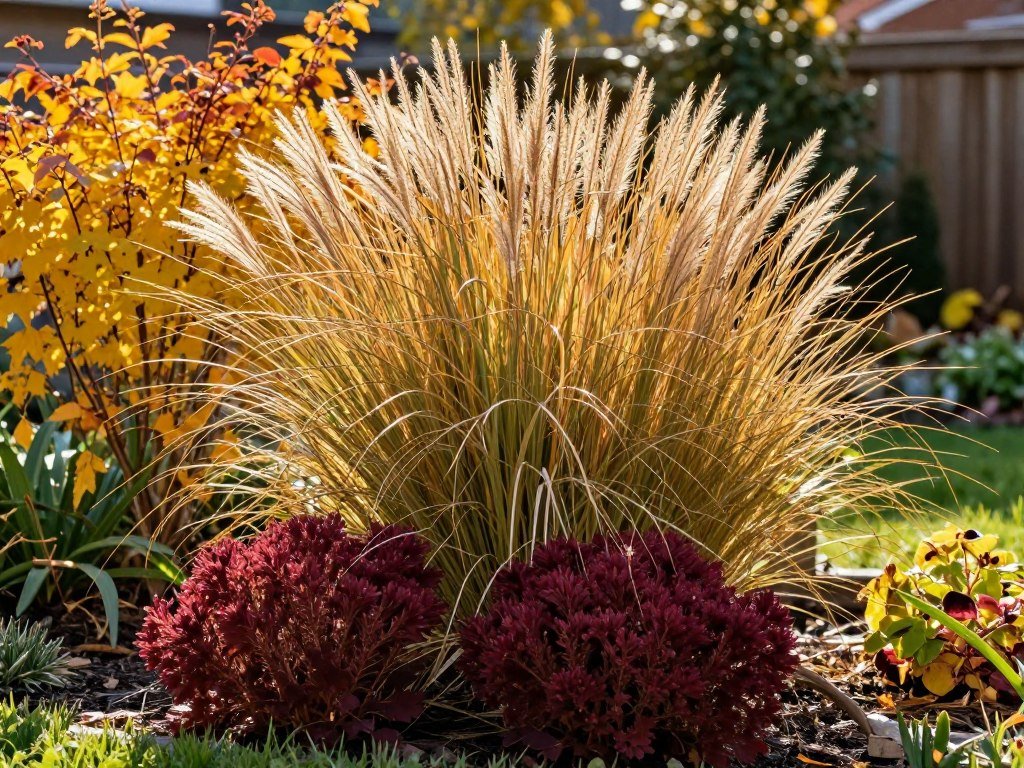
Ornamental grasses provide texture and movement as they turn golden in fall. Their seed heads persist through winter, adding structure when other plants fade. Pair grasses with late-blooming sedums and asters for fall color.
Evergreen shrubs and trees maintain structure through winter. Holly berries add red pops of color against snow. The architectural forms of deciduous trees and shrubs become beautiful when revealed by leaf drop.
Budget-Friendly Landscaping Ideas
Beautiful small backyard landscaping doesn’t require unlimited funds. Smart choices and DIY approaches stretch your budget while achieving professional results. Prioritize projects that deliver maximum visual impact for your investment.
Start with a solid plan before spending money. Knowing exactly what you want prevents costly mistakes and impulse purchases. A detailed landscape design helps you phase the project across seasons or years as budget allows.
DIY Projects Save Money
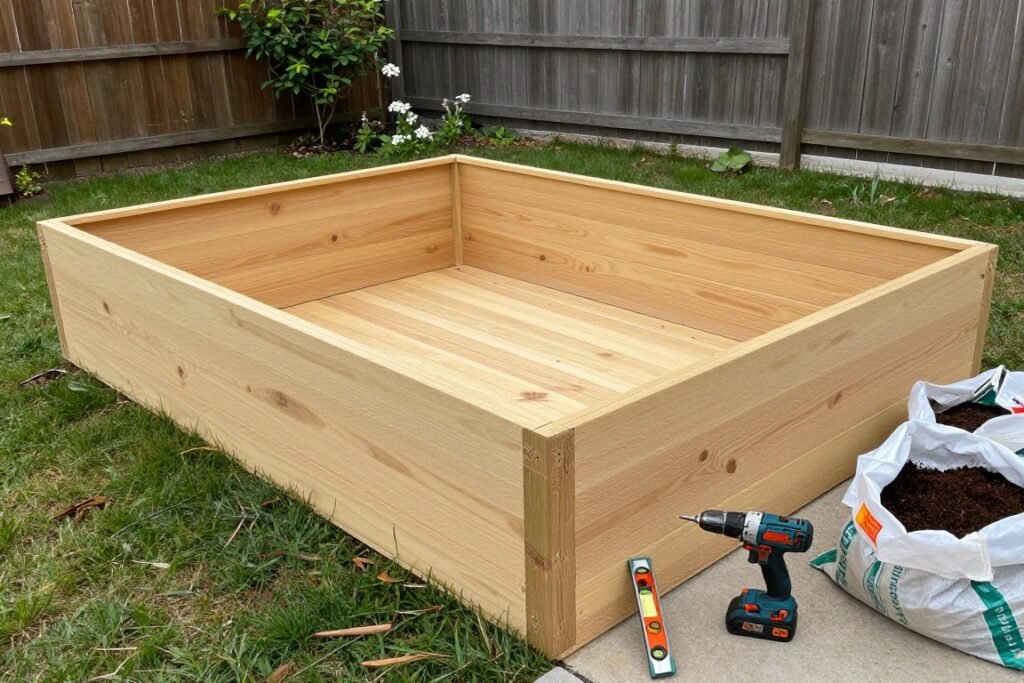
Many landscaping projects suit do-it-yourself installation. Build raised garden beds from untreated lumber or composite boards. Install pavers yourself following online tutorials. Tackle projects in stages rather than hiring contractors for everything at once.
Propagate plants from cuttings or divisions instead of buying new specimens. Many perennials divide easily, creating multiple plants from one purchase. Friends and neighbors often share divisions when dividing their own overgrown plants.
Maximize Your Landscaping Budget
Get complete DIY landscaping plans that show you how to create professional results on any budget. Learn money-saving techniques and phased installation strategies.
Compare prices between local nurseries, big-box stores, and online retailers. Buy plants at season’s end when retailers discount inventory. Purchase mulch and stone in bulk rather than bags to save significantly on materials.
Reclaimed materials add character while saving money. Old bricks make charming pathways. Salvaged wood becomes raised beds or pergola posts. Search online marketplaces and construction salvage yards for affordable materials with history.
Create Focal Points for Visual Impact
Every successful small backyard design includes strong focal points that draw the eye. These features anchor the landscape and create visual interest. Focal points give your yard a finished, intentional appearance.
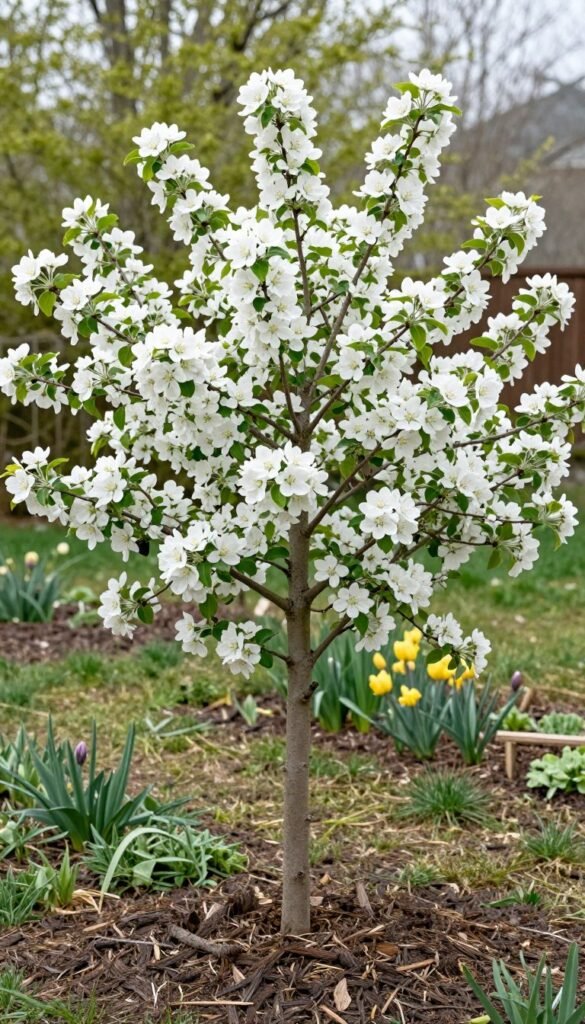
A specimen tree makes an excellent natural focal point. Japanese maples offer year-round beauty in compact size. Flowering trees like crabapples or magnolias provide seasonal drama. Position your focal tree where it’s visible from main viewing areas.
Water Features as Focal Points
Even small water features command attention with movement and sound. A bubbling fountain becomes an instant focal point in any size yard. Place your water feature where you’ll see and hear it from your main seating area.
Lighting your focal points extends their impact into evening hours. Uplight trees from below to showcase their form. Illuminate fountains with submersible lights for magical nighttime ambiance. Spotlights highlight sculptures or special plants after dark.
Pergolas, arbors, and trellises serve as both functional structures and focal points. A pergola over your patio creates an outdoor room while drawing the eye upward. Paint or stain structures to coordinate with your house exterior.
Garden art adds personality to your backyard space. Choose pieces that reflect your style and complement the overall design. One larger sculpture creates more impact than several small pieces scattered throughout the yard.
Edible Landscaping in Small Spaces
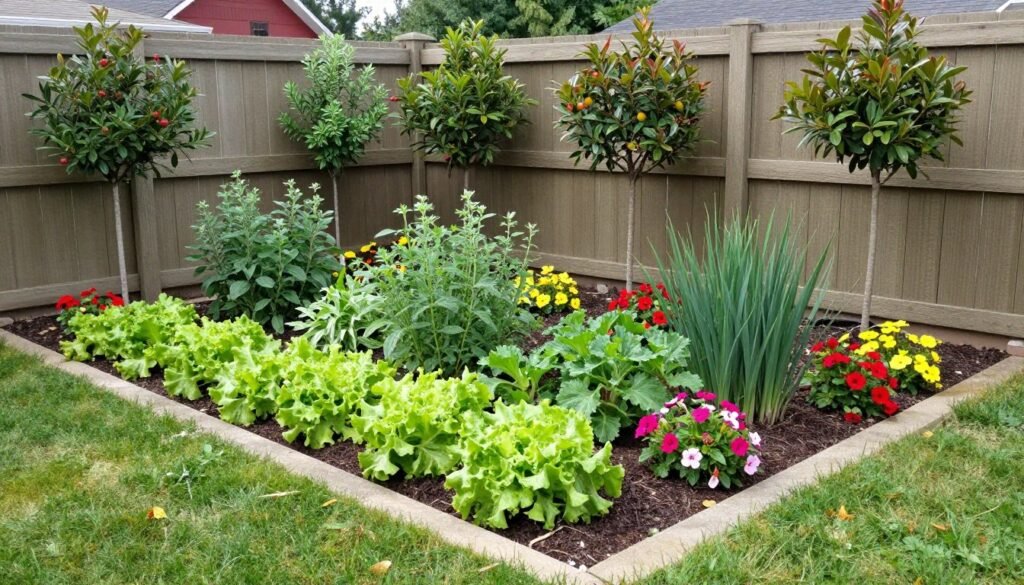
Growing food doesn’t require sacrificing beauty in your small backyard. Edible plants integrate seamlessly into ornamental landscapes. Many vegetables and herbs offer attractive foliage and flowers alongside their harvest.
Raised beds contain vegetables while adding structure to your landscape design. Build beds 18 to 24 inches tall for easy access and excellent drainage. Group three or four beds together to create a functional kitchen garden in limited space.
Herbs for Beauty and Flavor
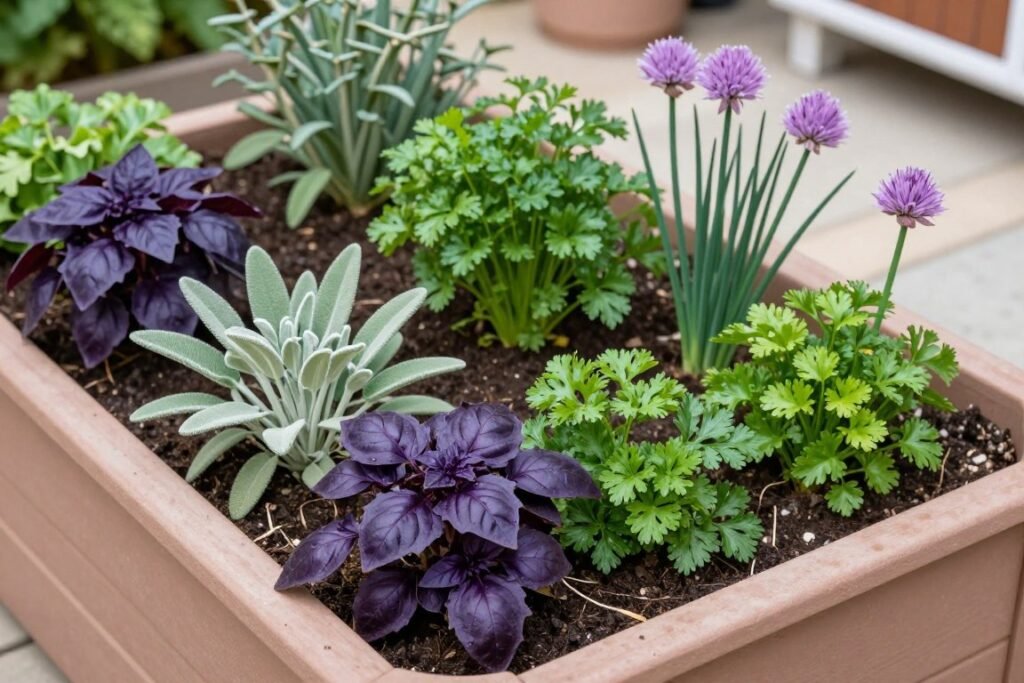
Herb gardens thrive in small spaces and containers. Basil, rosemary, and thyme grow well in pots near your kitchen door. Many herbs offer attractive foliage and flowers beyond their culinary value. Purple basil adds color to ornamental beds.
Perennial herbs return year after year with minimal care. Chives produce pretty purple flowers in spring. Oregano spreads to fill spaces between stones. Mint grows vigorously but contains well in pots to prevent invasive spreading.
Dwarf fruit trees fit perfectly in small backyard landscaping. They produce full-size fruit on compact trees reaching only six to eight feet tall. Apple, peach, and cherry varieties thrive in containers or small planting beds.
Blueberry bushes offer spring flowers, summer fruit, and fall color. These attractive shrubs blend seamlessly with ornamental landscapes. Plant two or more varieties for better pollination and larger harvests.
Transform Your Small Backyard Today
Your small backyard holds incredible potential waiting to be realized. The strategies and ideas covered here provide a foundation for creating your ideal outdoor space. Success comes from careful planning, smart plant selection, and thoughtful design decisions.
Start with a clear vision of how you want to use your backyard space. Prioritize features that align with your lifestyle and maintenance preferences. A detailed plan prevents costly mistakes and ensures cohesive design throughout your yard.
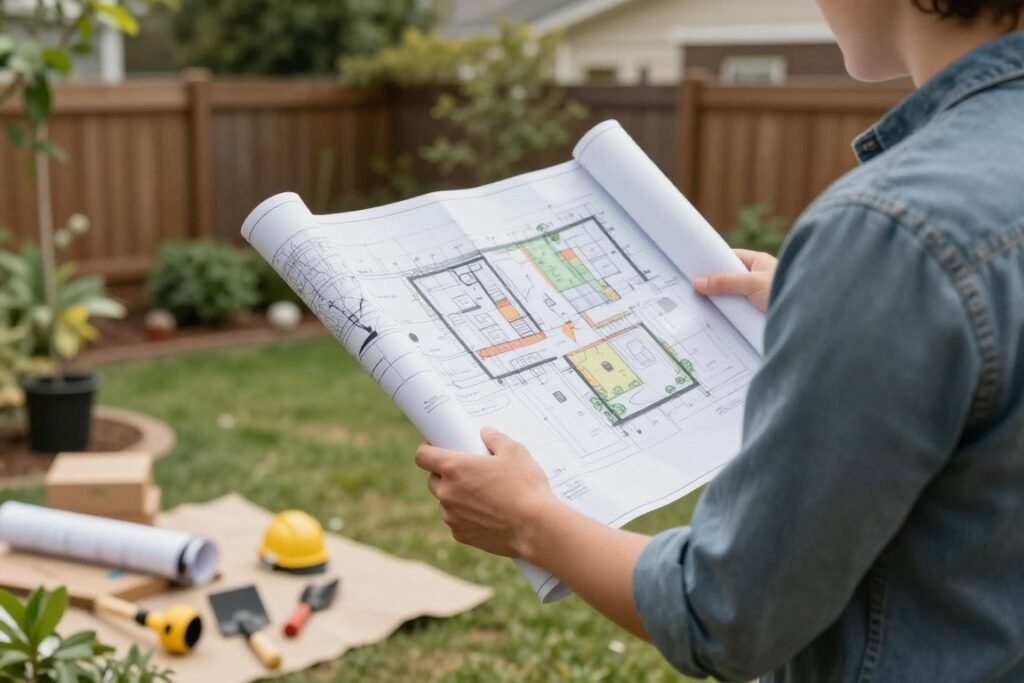
Professional landscape plans take the guesswork out of small backyard design. Complete blueprints show you exactly what to plant where, which materials to use, and how to create stunning results. Detailed instructions guide you through each phase of installation.
Start Your Backyard Transformation Now
Stop dreaming about a beautiful backyard and start creating it. Get instant access to professional landscaping plans designed specifically for small spaces. Comprehensive guides include plant lists, material specifications, and step-by-step installation instructions.
The right resources make all the difference between frustration and success. Professional plans eliminate uncertainty and provide confidence in your design decisions. You’ll know exactly which plants work best, where to position features, and how to maximize your available space.
Don’t let limited space limit your dreams. Small backyards offer unique opportunities to create intimate, personalized outdoor retreats. Every element in a compact yard receives attention and contributes to the overall design.
Your transformed backyard will increase your home’s value while providing daily enjoyment. Outdoor living spaces extend your home’s usable area and create connection with nature. Friends and family will love gathering in your beautiful backyard space.
Take the first step today toward the backyard you’ve always wanted. With proper planning and the right guidance, you’ll create an outdoor space that exceeds your expectations. Your small backyard transformation starts now.
A quinceañera marks a pivotal moment in a young woman’s life—the beautiful transition from childhood to womanhood at age fifteen. This cherished tradition deserves to be celebrated with decorations that capture the essence of this magical milestone. Whether you’re envisioning an elegant fairy tale theme, a vibrant cultural celebration, or a modern glamorous affair, the…
Designer shoes represent more than just footwear—they’re wearable art that can transform an outfit and express your personal style. Whether you’re drawn to the timeless elegance of Italian leather loafers, the bold statement of platform heels, or the casual luxury of designer sneakers, investing in quality footwear is one of the smartest fashion decisions you…
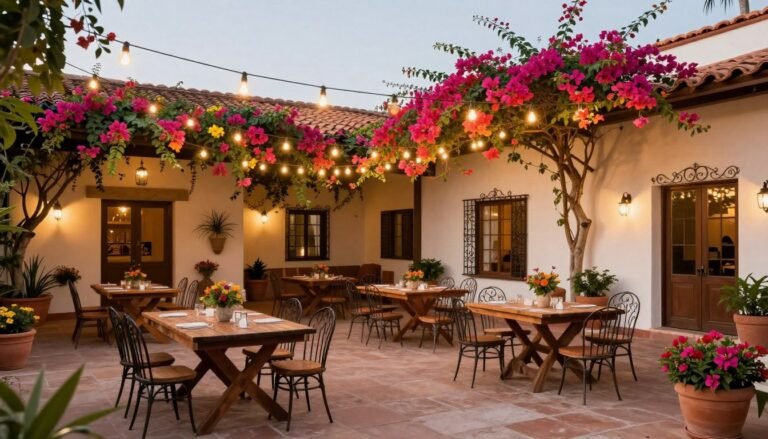
The timeless charm of hacienda wedding decor transforms ordinary venues into romantic, old-world celebrations with Spanish-Mexican flair. These historic estates, with their terracotta tiles, stone archways, and lush courtyards, provide the perfect canvas for couples seeking a wedding filled with warmth, vibrant colors, and rustic elegance. Whether you’re planning a destination wedding in Mexico or…
Your wedding day deserves a bridal party that truly reflects your unique style and personality. Colorful bridesmaid dresses have transformed from bold statement choices into beloved wedding trends that bring joy, personality, and stunning visual impact to your celebration. Gone are the days when bridesmaids wore identical pastel dresses that failed to complement different skin…
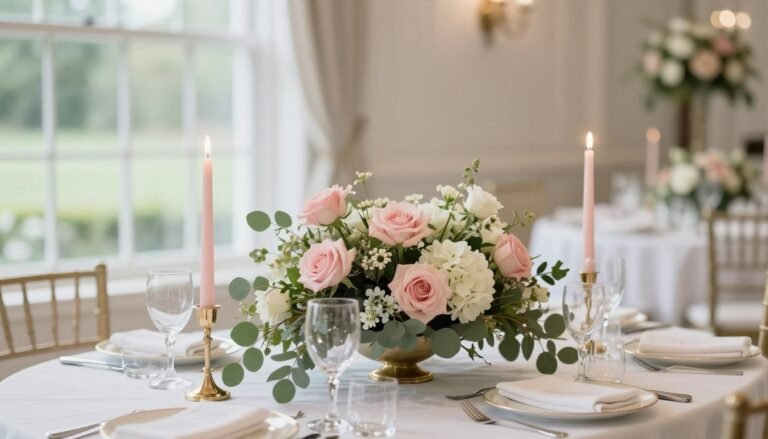
Your wedding tables set the stage for one of life’s most memorable celebrations. The right table decor creates an atmosphere that reflects your love story while delighting every guest who sits down to celebrate with you. Wedding table decoration transforms ordinary reception spaces into extraordinary experiences. Whether you envision romantic candlelit elegance or vibrant bohemian…
Floral wedding guest dresses offer the perfect blend of romance, elegance, and seasonal charm for celebrating love. Whether you’re attending a garden ceremony, a beach wedding, or a formal ballroom affair, the right floral print can elevate your look while honoring the occasion. This comprehensive guide will help you navigate the world of floral patterns,…