Small Backyard Wedding Ideas & Planning Guide 2026
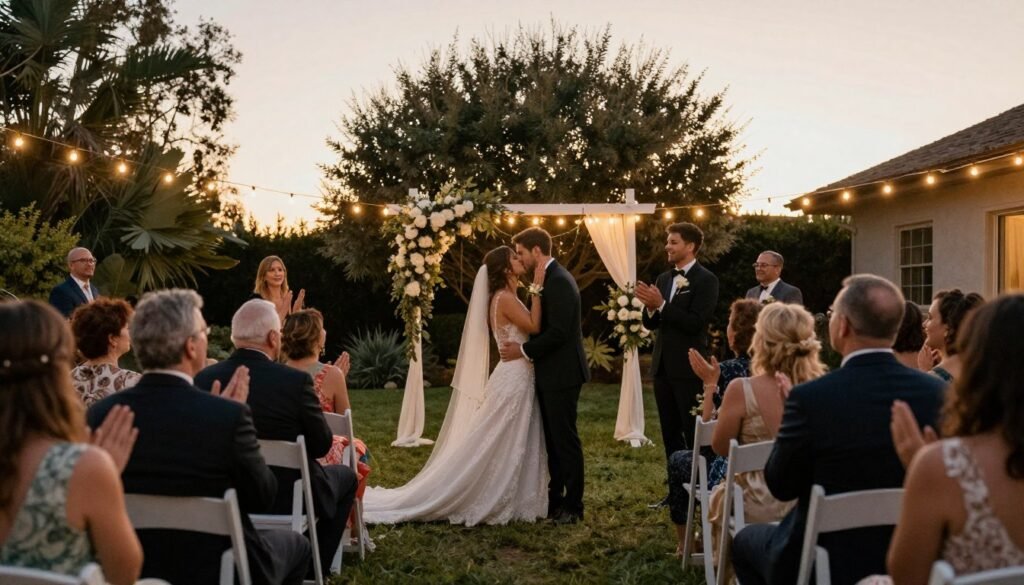
Planning a small backyard wedding offers couples a unique opportunity to create something truly personal. Your own yard transforms into a canvas where memories come to life. Friends and family gather in a space that holds meaning, making the day even more special.
Many couples discover that hosting their ceremony at home provides unexpected benefits. The intimate setting allows you to focus on what matters most. You control every detail, from the color scheme to the guest experience. Budget considerations become more manageable when you eliminate venue rental fees.
This comprehensive guide walks you through everything you need to know. We cover planning essentials, design inspiration, practical logistics, and budget strategies. Whether you have a small yard or spacious grounds, you’ll find actionable advice to bring your vision to life.
Ready to Start Planning Your Dream Backyard Wedding?
Get instant access to our complete wedding planning toolkit with step-by-step guides, checklists, and professional templates designed specifically for backyard celebrations.
Backyard weddings have gained tremendous popularity in recent years. Couples embrace this option for compelling reasons that go beyond simple cost savings. The personal connection to the space creates an atmosphere that no rental venue can replicate.
Personal and Meaningful Setting
Your home carries stories and memories that make your wedding day feel authentic. Every corner of your yard can reflect your personality as a couple. Friends who visit will forever associate that space with your special day. This emotional connection adds depth to your celebration that venues simply cannot provide.
The familiarity of home also reduces stress for many couples. You know the space intimately, which helps with planning. Your neighbors become part of your celebration rather than strangers in a distant location. This comfort level allows you to relax and enjoy the moment more fully.
Venue costs represent one of the largest wedding expenses, often consuming a significant portion of the budget. Eliminating this expense frees up funds for other priorities. You can invest more in catering, photography, or special touches that matter to you.
A typical wedding venue charges anywhere from two thousand to ten thousand dollars or more. Your backyard costs nothing beyond the improvements you choose to make. This financial flexibility allows couples to create their dream wedding without compromising their future financial stability.
Complete Creative Control
Rental venues impose restrictions on decor, timing, and vendor choices. Your backyard follows your rules. You decide when the event starts and ends. There are no mandatory vendor lists or restrictive policies to navigate.
This freedom extends to every aspect of the day. Want to keep the celebration going until midnight? No problem. Prefer a morning ceremony followed by a brunch reception? Your choice. The flexibility empowers you to design an event that truly reflects your vision.
Traditional Venue Limitations
Fixed time slots with strict end times
Restricted vendor selection
Limited decor options and rules
High rental fees and minimums
Impersonal corporate atmosphere
Backyard Wedding Advantages
Flexible timing without restrictions
Choose any vendors you prefer
Unlimited creative freedom
No venue rental costs
Personal, meaningful setting
Intimate Guest Experience
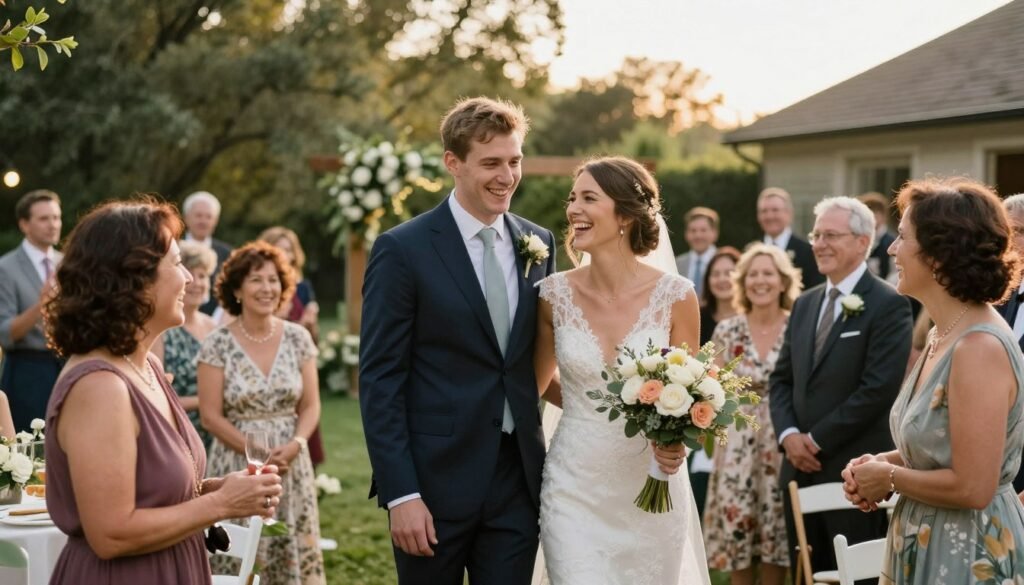
Small backyard weddings naturally create an intimate atmosphere. Guests feel like valued participants rather than audience members. The limited space encourages meaningful interactions between people who might not otherwise connect.
This intimacy also affects the overall tone of your celebration. Conversations flow more naturally in a familiar setting. People relax more quickly when they’re not in a formal ballroom. Your wedding becomes less like a production and more like a heartfelt gathering of loved ones.
Planning Your Small Backyard Wedding Timeline
Successful backyard weddings require thoughtful planning ahead of time. The timeline differs slightly from traditional venue weddings because you handle logistics that venues typically manage. Starting early prevents last-minute stress and ensures you secure necessary vendors and rentals.
Six Months Before the Wedding
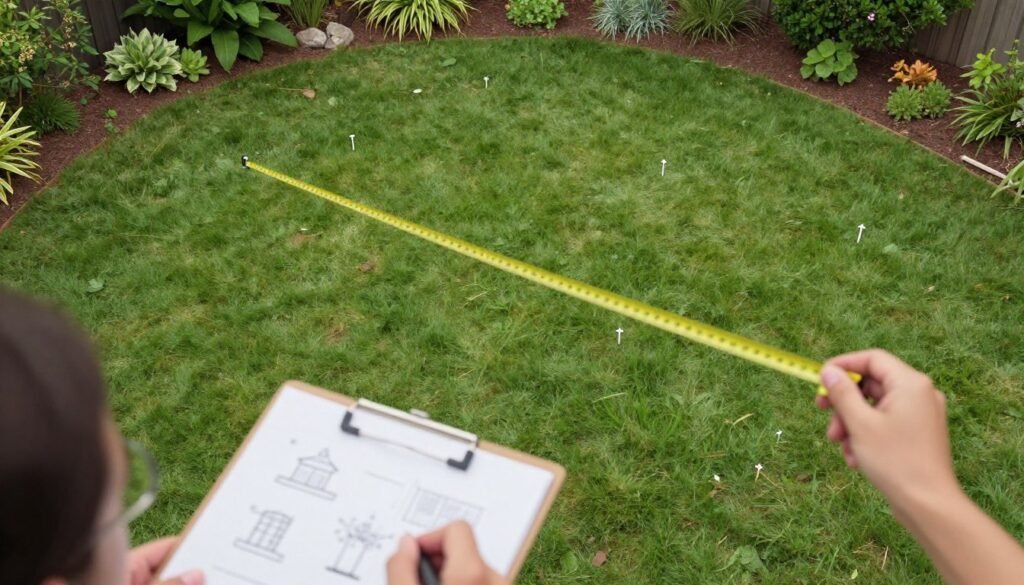
This early planning phase establishes your foundation. Begin by assessing your yard’s capacity and condition. Walk through the space at different times of day to understand lighting and flow. Consider how many people can comfortably fit in your available space.
Set your budget during this time and communicate with family members who might contribute. Research and book your photographer, as the best ones get reserved quickly. Start exploring catering options, whether that means hiring a professional or planning a different approach.
Check local regulations about hosting events at your home. Some areas require permits for gatherings above certain sizes. Contact your homeowners insurance to discuss liability coverage for the event. These administrative tasks take time but prevent complications later.
Three to Four Months Out
Focus on the details that require lead time during this period. Order or rent tables and chairs based on your final guest count. Research tent rental companies if weather protection seems necessary. Book any additional vendors like musicians, florists, or officiants.
Create a detailed layout plan for your yard. Mark where the ceremony will take place, where guests will sit, and where you’ll position tables for the reception. Consider foot traffic patterns and accessibility for all guests. This planning prevents confusion on the actual day.
Begin addressing yard improvements or landscaping projects. Plant flowers that will bloom in time for your wedding. Arrange for lawn care services to maintain the space in the weeks leading up to the event. These aesthetic preparations ensure your backyard looks its absolute best.
Simplify Your Planning Process
Our comprehensive planning toolkit includes detailed timelines, vendor comparison sheets, and budget trackers specifically designed for backyard weddings. Stop feeling overwhelmed and start making progress today.
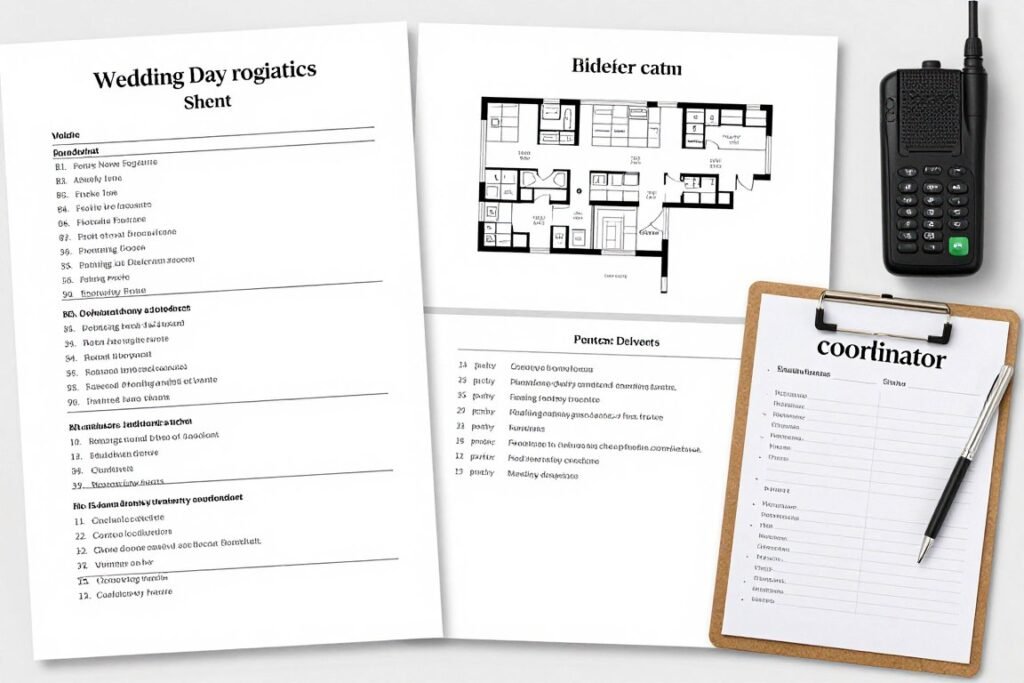
Finalize all vendor contracts and confirm details in writing. Create a detailed timeline for the wedding day itself, sharing it with all vendors and key family members. This coordination ensures everyone knows where to be and when.
Arrange for bathroom facilities if your home cannot accommodate all guests comfortably. Portable restroom rentals come in various quality levels, including upscale options that match your wedding aesthetic. Order any remaining rental items like linens, dishes, or serving ware.
Plan your parking situation carefully. Determine where guests will park and consider hiring a valet service if space is limited. Notify neighbors about the event as a courtesy. Some couples even invite neighbors to join the celebration to maintain good relationships.
Two Weeks Before the Big Day
Conduct a final walkthrough of your yard with key helpers. Identify any last-minute tasks or potential issues. Arrange for deep cleaning of your home and yard. Consider pressure washing patios, cleaning outdoor furniture, and addressing any maintenance needs.
Confirm delivery and setup times with all rental companies. Create a staging area for deliveries so items don’t clutter your space. Designate a friend or family member to coordinate vendor arrivals on the wedding day so you can focus on getting ready.
Stock up on essentials like ice, beverages, and paper products. Create an emergency kit with items like stain remover, safety pins, and pain relievers. These preparations help you handle unexpected situations without panic.
Assessing Your Backyard Space
Understanding your yard’s capabilities and limitations guides every subsequent planning decision. Not all outdoor spaces work equally well for weddings. Honest assessment helps you maximize strengths and compensate for challenges.
Measuring Your Available Space
Start by measuring the actual dimensions of usable areas. Account for garden beds, trees, and other permanent features that limit guest placement. A good rule suggests allowing about ten to twelve square feet per guest for comfortable seating and movement.
Calculate capacity based on your planned layout. Ceremony seating requires less space than reception tables. Most couples use different areas for different parts of the event. The ceremony might take place in one section while reception tables occupy another spot.
Consider sight lines and acoustics in your space. Will everyone be able to see and hear the ceremony? Trees or structures might block views or deaden sound. Test these elements by having someone stand where you’ll take vows while others sit in potential guest seating areas.
Evaluating Ground Conditions
The surface where guests will walk and sit matters tremendously. Uneven ground creates tripping hazards, especially for guests in dress shoes. Walk your entire yard looking for holes, roots, or slopes that might pose problems.
Level ground works best for tables and chairs. Rental companies can sometimes accommodate slight slopes with leg extensions, but significant inclines require creative solutions. You might need to create a level platform for dining areas or choose a different section of your yard.
Grass conditions affect both aesthetics and practicality. Plan your wedding after your lawn has fully greened for the season but not during the hottest, driest part of summer when grass goes dormant. Consider protective measures like plywood under heavy rental items to prevent damage.
Weather Protection Considerations
Outdoor events always carry weather risk. Develop a comprehensive backup plan even if forecasts look perfect. The day before the wedding, you’ll need to make final decisions about weather protection measures.
Tent rentals provide insurance against rain and harsh sun. Various styles exist from simple pole tents to elegant sailcloth options. Transparent tents allow natural light while protecting guests. Calculate the size you need based on your guest count and table arrangement.
Partial coverage offers a compromise between full tent rental costs and going completely uncovered. A tent over dining areas while leaving the ceremony space open to the sky works for many couples. This approach reduces costs while still protecting the meal service and reception.
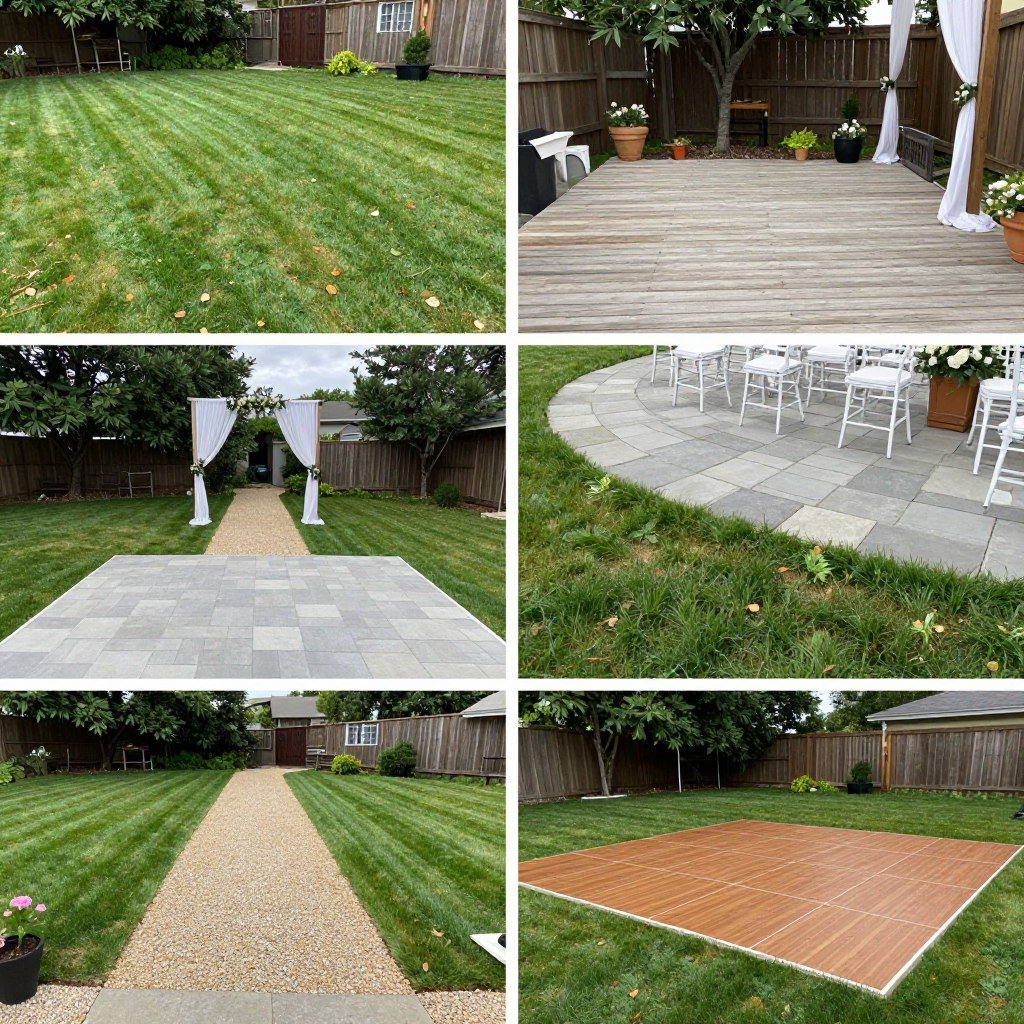
Ground Surface Options
Natural grass provides classic wedding aesthetic
Patio or deck offers stable, level surface
Gravel areas work for pathways and accents
Temporary flooring creates dance space anywhere
Combination of surfaces adds visual interest
Access and Flow Planning
Guest movement patterns determine how comfortable people feel throughout your event. Plan clear pathways from parking areas to ceremony seating to reception space. Mark these routes with lighting or decor to guide guests naturally.
Consider the journey your guests will take. Do they enter through your house or via a side gate? Where will they place gifts or find the restroom? Minimizing confusion creates a more relaxed atmosphere for everyone.
Accessibility for all guests requires special attention. Ensure wheelchair users and elderly guests can navigate your space safely. You might need to create temporary ramps, designate closer parking spots, or arrange special seating areas.
Design and Decor Ideas for Small Backyard Weddings
Your backyard wedding style sets the tone for the entire celebration. The intimate scale allows for detailed personal touches that larger venues cannot accommodate. Every element contributes to creating an atmosphere that feels uniquely yours.
Choosing Your Wedding Style
Backyard settings naturally complement certain aesthetic approaches. Rustic themes work beautifully with natural surroundings. Garden romance styles enhance existing landscaping. Modern minimalist designs create striking contrast with organic settings.
Consider your home’s architecture when selecting a style. A farmhouse aesthetic fits a country property, while sleek contemporary decor suits modern homes. Consistency between your house and wedding design creates visual harmony that guests notice and appreciate.
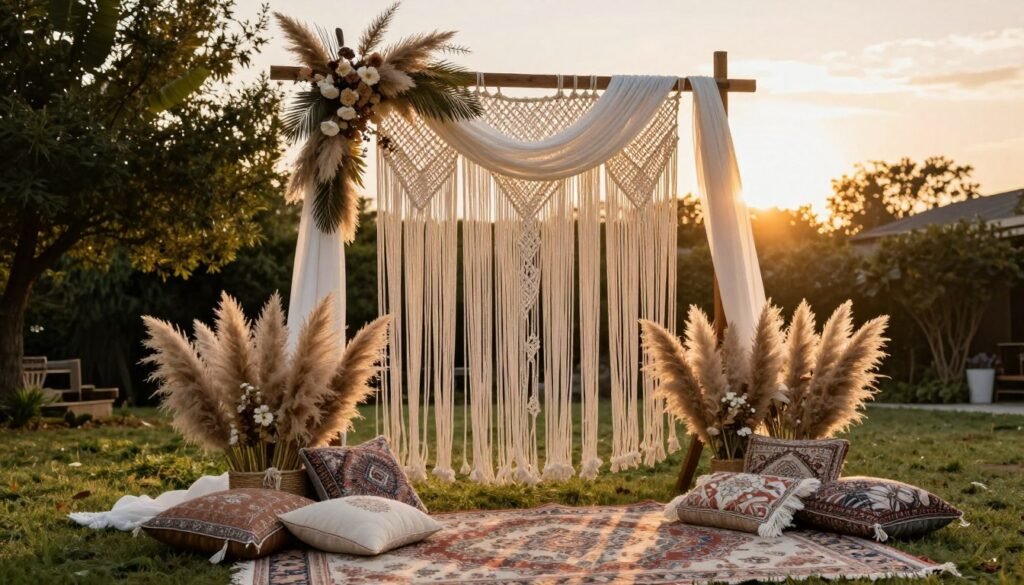
Your personal style matters more than trends. If you love vintage items, incorporate family heirlooms and antique pieces. Bohemian couples might add macrame, pampas grass, and eclectic textiles. The intimate setting allows your personality to shine through every detail.
Ceremony Space Design
The ceremony area serves as your wedding’s focal point. Create a clear backdrop that photographs beautifully and draws guest attention. This might be an existing feature like a beautiful tree or garden, or something you construct specifically for the event.
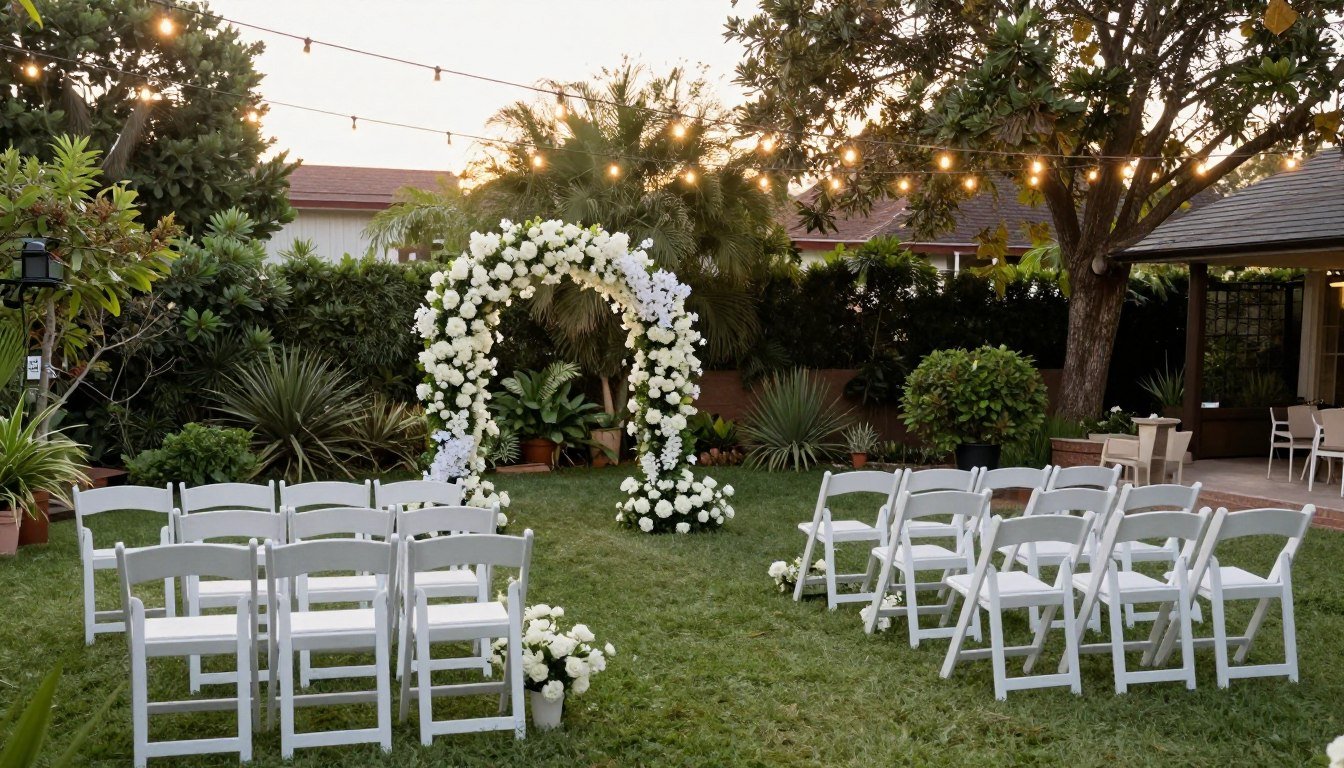
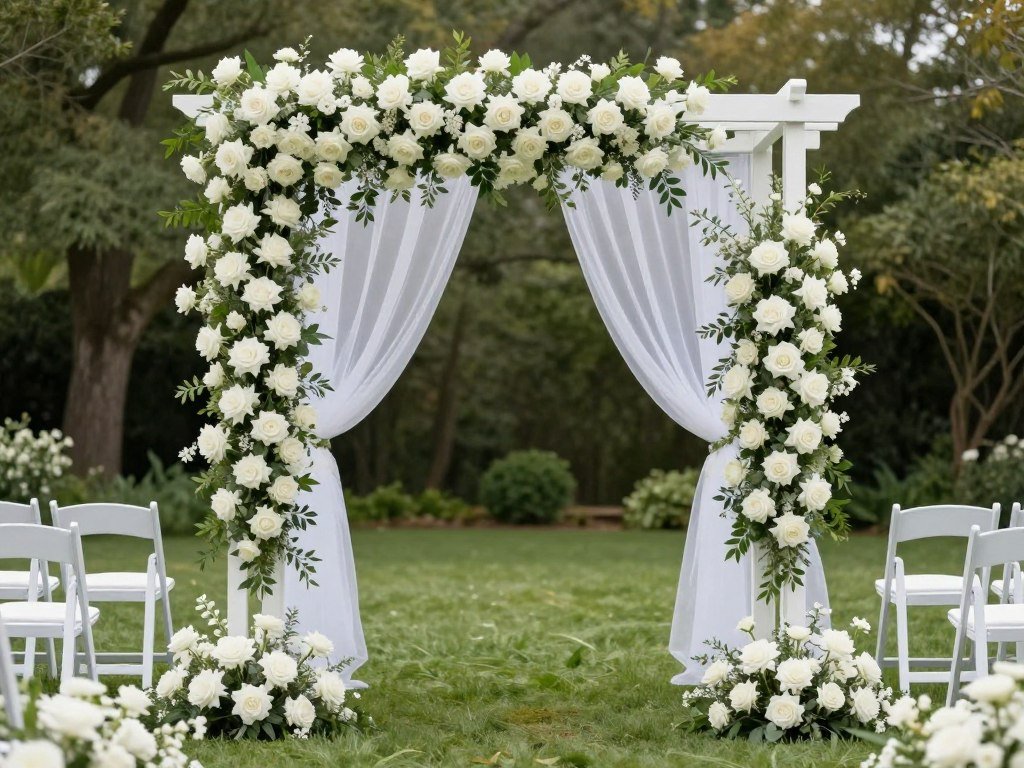
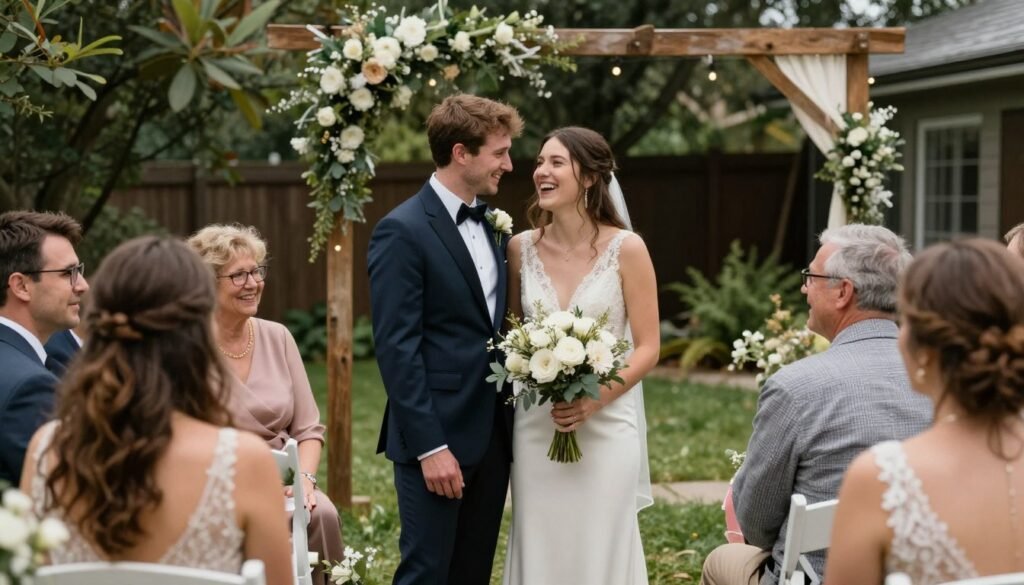
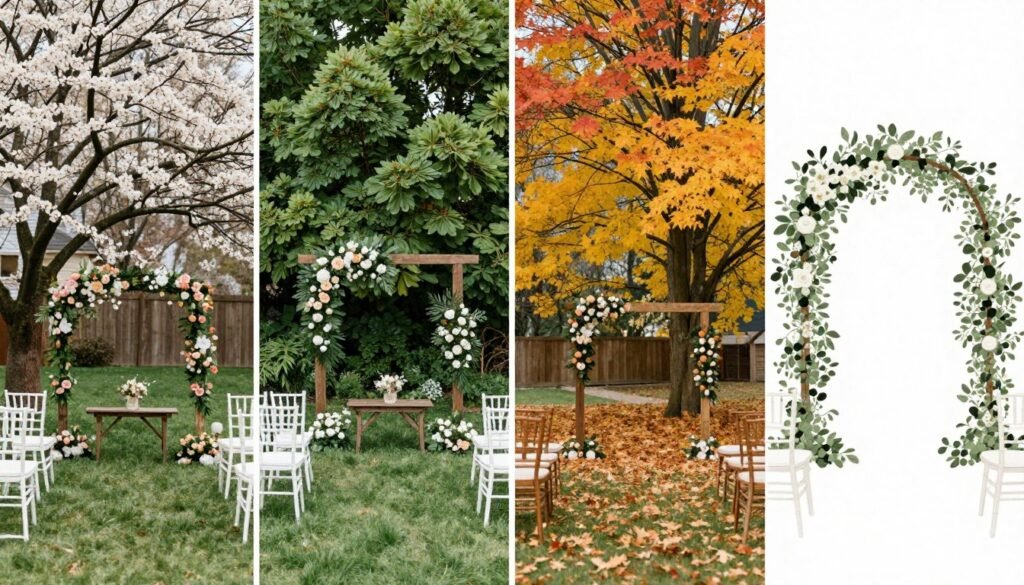
Arches and arbors define the ceremony space and frame you during vows. DIY options include wooden structures adorned with flowers, fabric-draped frames, or natural elements like birch branches. Rental companies offer elaborate options if building isn’t your preference.
Seating arrangements for ceremonies vary widely. Traditional rows of chairs work well in most yards. Hay bales with cushions fit rustic themes. Blankets on the grass create ultra-casual vibes. Mix seating types to accommodate different guest needs and add visual interest.
Reception Area Styling
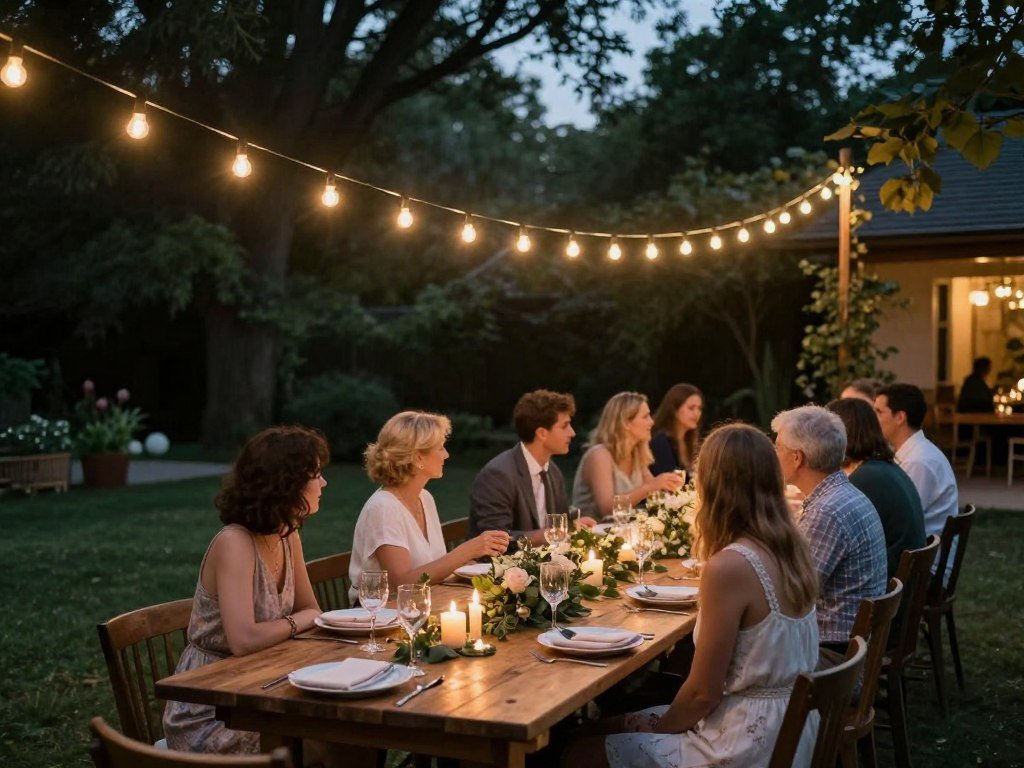
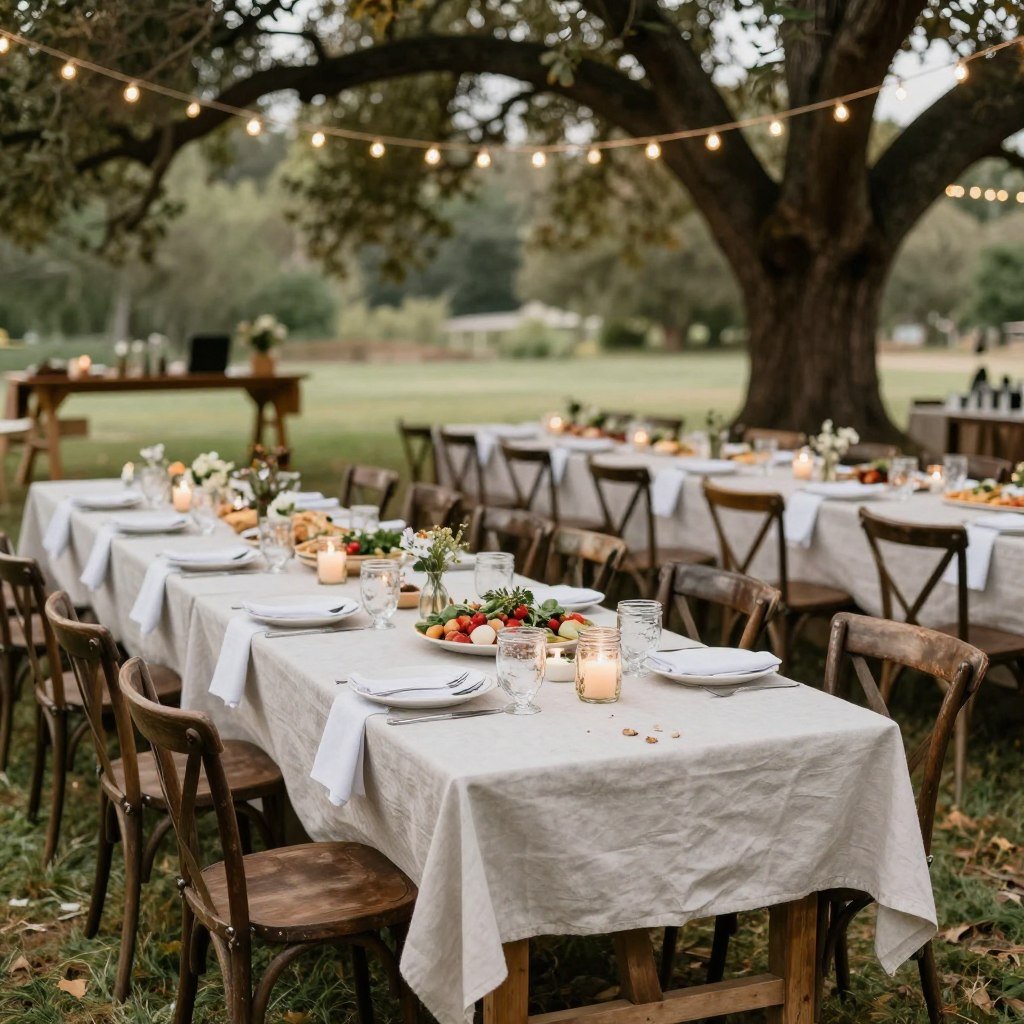
Table arrangements influence both aesthetics and guest interaction. Long farm tables encourage conversation across larger groups. Round tables create intimate clusters. A mix of both adds visual variety while serving different social dynamics.
Linens dramatically impact your overall look. Crisp white tablecloths create classic elegance. Natural burlap runners add rustic texture. Bold colored linens make dramatic statements. Layer different textures and patterns for sophisticated depth.
Centerpieces anchor each table’s design. Keep arrangements low enough for conversation across tables. Incorporate elements beyond flowers, such as candles, fruit, books, or personal items. Varying centerpiece heights throughout the space creates dynamic visual interest.
Our recommended planning resource includes detailed design templates and decor checklists to help you create a cohesive, stunning aesthetic for your backyard celebration.
Lighting for Ambiance
Lighting transforms your backyard from everyday space to magical wedding venue. Plan for different times of day, as natural light changes dramatically. Evening events require more artificial lighting than afternoon ceremonies.
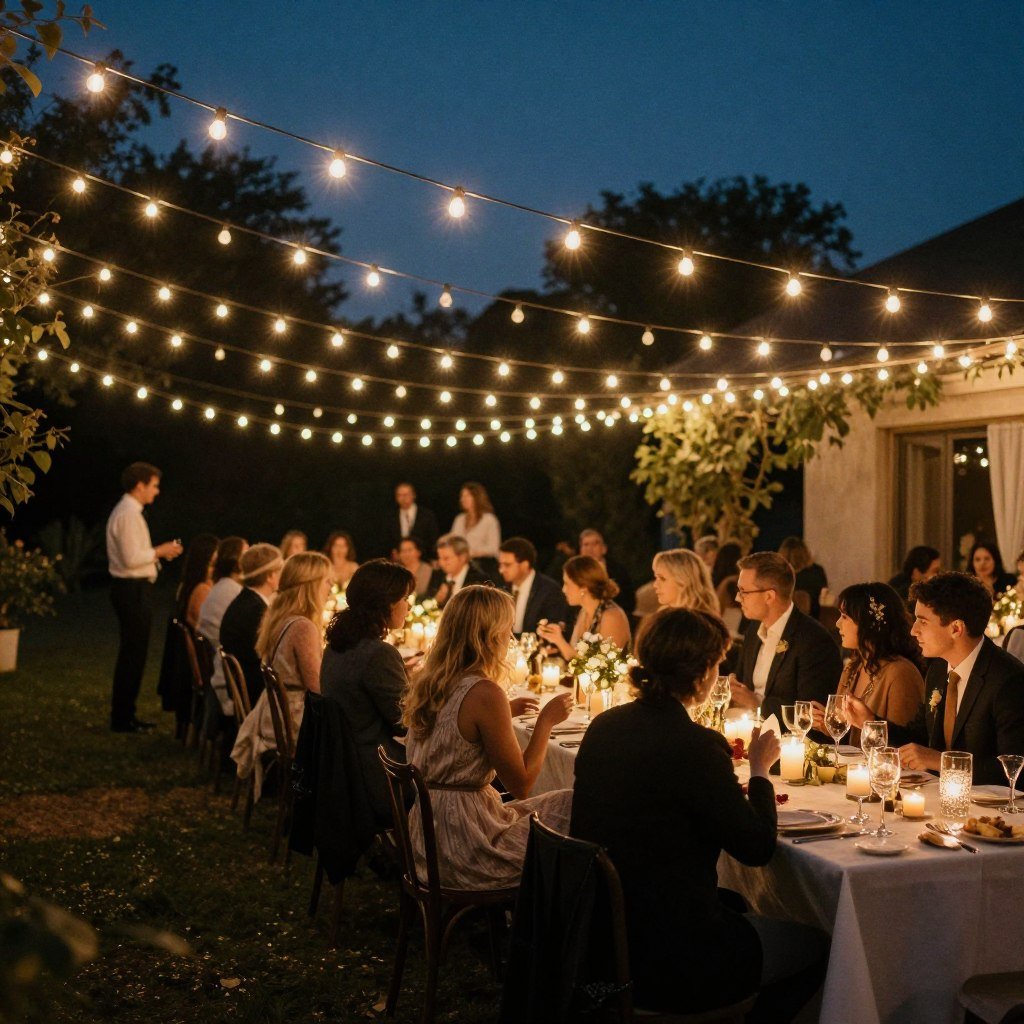
String lights remain the most popular backyard wedding lighting choice. They create instant ambiance while providing functional illumination. Hang them overhead in patterns that define different spaces. Combine different bulb styles for varied effects.
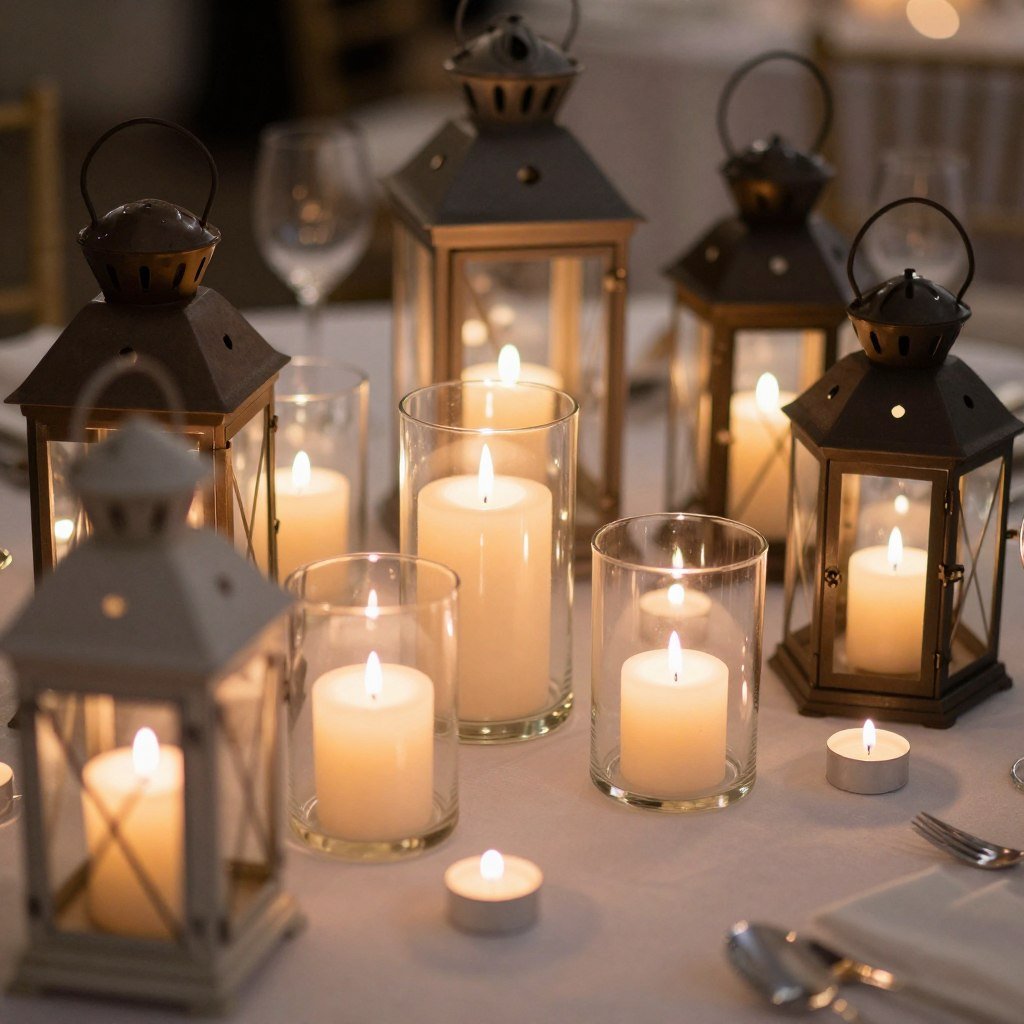
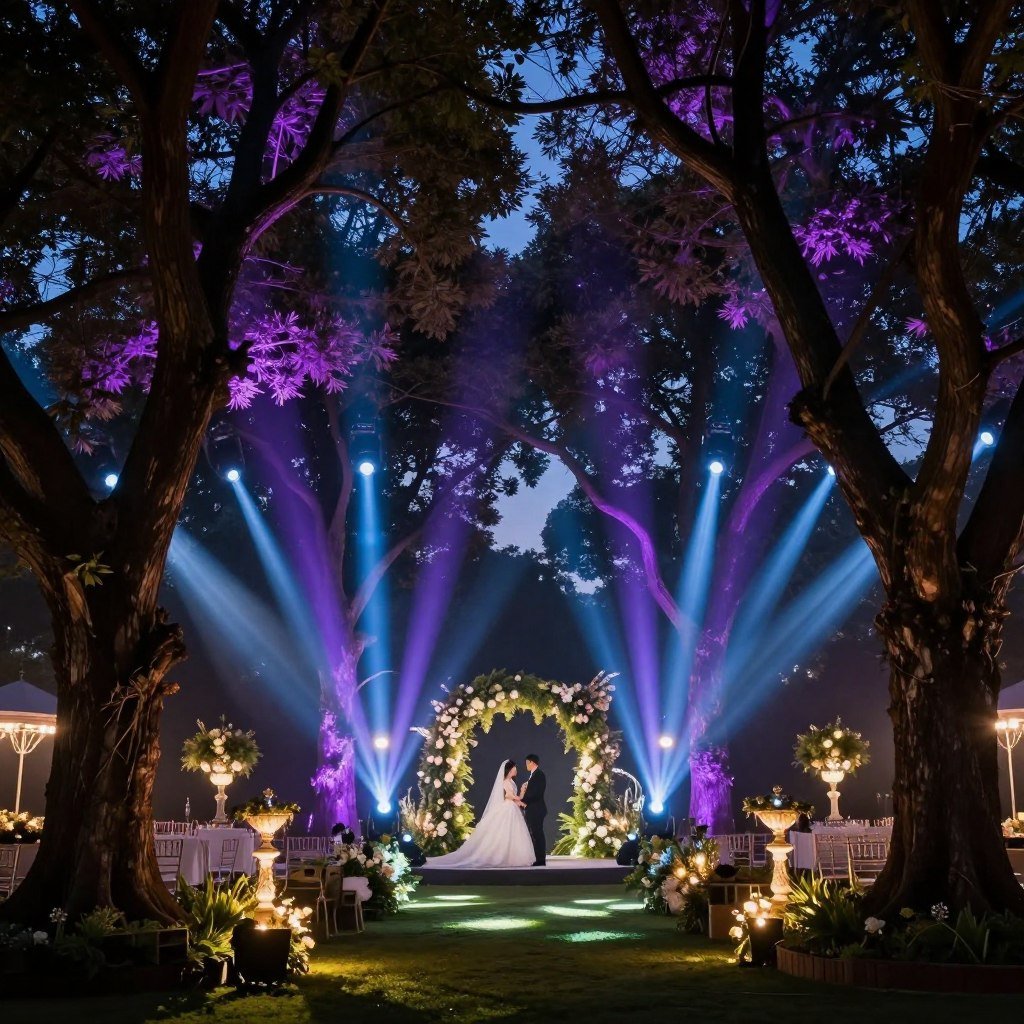
Lanterns, candles, and uplighting add layers of illumination. Paper lanterns provide soft glow. Pillar candles on tables create romantic intimacy. Uplighting on trees or structures adds dramatic shadows. Test your lighting setup at night before the wedding to ensure adequate coverage.
Overhead String Lights
Classic bistro lights create warm ambiance across entire space. Easy to install and highly effective for evening events.
Lanterns and Candles
Layered lighting with lanterns and candles adds romantic depth. Creates intimate pockets of warm light throughout venue.
Uplighting and Accents
Strategic spotlights highlight trees and architectural features. Colored gels create mood and define different areas.
Floral Arrangements
Flowers bring color, fragrance, and natural beauty to your celebration. Work with your existing landscaping rather than competing with it. Choose flowers that complement your garden’s natural palette and seasonal blooms.
Budget-conscious couples can reduce floral costs significantly. Use more greenery and fewer premium flowers. Purchase wholesale flowers and arrange them yourself with help from artistic friends. Potted plants serve double duty as decor and later garden additions.
Consider flower alternatives that last longer and cost less. Silk flowers have improved dramatically in quality and realism. Dried arrangements create stunning bohemian looks. Incorporate non-floral elements like feathers, grasses, or even vegetables for unique centerpieces.
Personal Touches and Details
Small weddings allow for details that larger events cannot accommodate. Create a welcome area with photos documenting your relationship. Display family wedding photos to honor those who came before. These personal elements make guests feel connected to your story.
Signature drinks named after meaningful places or inside jokes add personality. Custom signage guides guests while reinforcing your theme. Handwritten notes at each place setting make people feel individually valued. These thoughtful details create memories that outlast the event itself.
Interactive elements engage guests and create entertainment. Photo booths with props encourage fun pictures. Lawn games like cornhole or croquet fill cocktail hour. Polaroid cameras on tables let guests create instant memories. These activities work especially well in casual backyard settings.
Create a Stunning Backyard Wedding Design
Get access to professional design templates, color palette guides, and decor shopping lists tailored specifically for intimate backyard celebrations. Transform your space into a breathtaking venue.
Successful backyard weddings require careful coordination of numerous logistical elements. Unlike traditional venues where staff handles these details, you take responsibility for ensuring everything functions smoothly. Thoughtful planning prevents day-of complications.
Rental Coordination
Tables and chairs form the foundation of most backyard wedding rentals. Calculate quantities carefully based on your confirmed guest list. Most rental companies recommend specific quantities based on party size and setup style. Order extras to account for last-minute additions.
Tent rental decisions depend on your risk tolerance and weather patterns. Research typical weather for your wedding date in your location. Consider partial tent coverage over critical areas like food service and dining while leaving ceremony spaces open to natural elements.
Coordinate delivery and pickup times to minimize disruption. Rental companies typically deliver the day before and pick up the day after. Designate a clear staging area away from your setup zones. Confirm ground conditions allow their trucks to access delivery points without damaging your yard.
Power and Utilities Management
Outdoor events require more power than typical home use. Caterers need electricity for warming equipment. DJs or bands require dedicated circuits. Lighting demands significant power. Calculate your total needs and determine if your home’s electrical system can handle the load.
Generator rentals solve power shortage issues. Position generators away from guest areas to minimize noise. Professional generators produce cleaner power than consumer models, protecting sensitive audio equipment. Test all electrical connections before the wedding day.
Water access matters for catering setup and guest comfort. Ensure outdoor water sources work properly. Consider the distance from your kitchen to outdoor prep areas. Long distances might require additional equipment or staff to manage food service effectively.
Bathroom Facilities
Guest comfort depends heavily on adequate restroom access. Your home bathrooms might accommodate small gatherings, but larger events typically require supplemental facilities. Calculate needs based on guest count and event duration.
Portable restroom rentals range from basic units to luxury trailers with air conditioning and running water. Upscale options blend seamlessly with wedding decor and provide amenities guests appreciate. Position restrooms conveniently but discreetly, ideally screened by landscaping or decorative elements.
Stock bathrooms with everything guests might need. Extra toilet paper, hand soap, towels, and even amenities like mints or lotion show thoughtfulness. Assign someone to check facilities periodically throughout the event and replenish supplies as needed.
Essential Rental Items
Tables and chairs for all guests
Linens, napkins, and table runners
Plates, glassware, and flatware
Serving dishes and chafing dishes
Tent or canopy for weather protection
Additional lighting equipment
Portable restroom facilities
Dance floor if needed
Setup Day Coordination
Create delivery schedule for all vendors
Designate staging areas for rentals
Assign setup coordinator role to capable friend
Test all electrical connections
Verify water access points
Check ground stability for structures
Prepare backup supplies and tools
Conduct final walkthrough before guests arrive
Parking Solutions
Guest parking requires advance planning, especially in residential neighborhoods. Assess how many vehicles can fit in your driveway and on the street near your home. Research local parking regulations to avoid citations for guests.
Valet service solves parking challenges while adding an elegant touch. Professional valet companies manage the process efficiently, parking cars safely off-site if necessary. This service particularly benefits elderly guests or those with mobility challenges.
Clear signage directs guests to appropriate parking areas. Mark reserved spots for vendors who need equipment access. Notify neighbors about expected congestion and consider reserving spaces if they’re willing to help. Good communication prevents neighborhood tension.
Food Service Logistics
Catering at home requires more coordination than restaurant-based venues. Discuss kitchen access needs with your caterer during the planning phase. Professional caterers bring equipment, but they need space to work and store items safely.
Food safety becomes your responsibility for home events. Ensure proper refrigeration for perishables. Maintain hot foods at safe temperatures. Work with experienced caterers who understand these requirements and bring appropriate equipment.
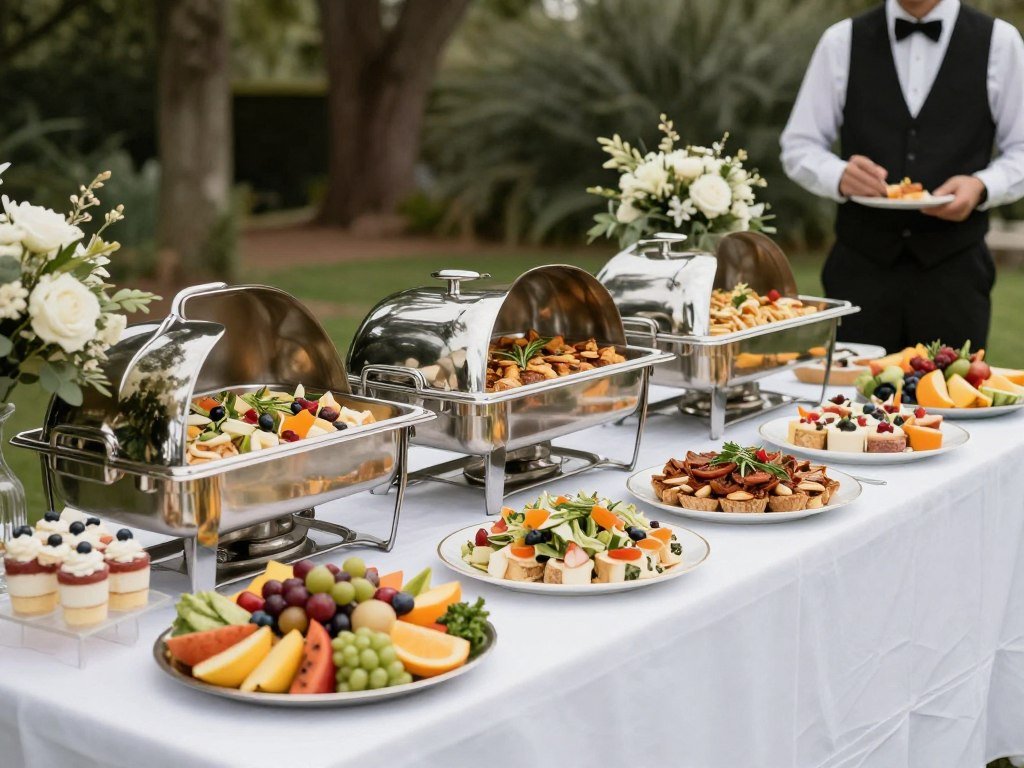
Serving style affects both logistics and guest experience. Buffet service requires less staff but more space and equipment. Plated meals need more servers but create formal elegance. Food stations encourage mingling while distributing guest flow. Choose based on your space, budget, and desired atmosphere.
Weather Contingency Planning
Every outdoor event needs a backup plan. Monitor weather forecasts closely in the week before your wedding. Make your final tent decision two to three days ahead based on the most current predictions.
Communicate your weather plan to all vendors and key family members. Everyone should know at what point you’ll implement plan B. Having predetermined trigger points eliminates last-minute confusion and stress.
Some weather elements you can accommodate easily. Light rain under a tent creates cozy ambiance. Fans or portable air conditioners address heat. Heaters extend your season into cooler months. Professional event planners help determine what weather conditions your setup can handle comfortably.
Budget Planning for Small Backyard Weddings
Budget management separates successful backyard weddings from stressful ones. While eliminating venue rental saves money, other costs emerge. Understanding where money goes helps you allocate funds effectively and avoid surprise expenses.
Understanding True Costs
Many couples underestimate backyard wedding expenses. You save significantly on venue rental but assume responsibilities that venues typically handle. Rental items, staffing needs, and infrastructure improvements add up quickly.
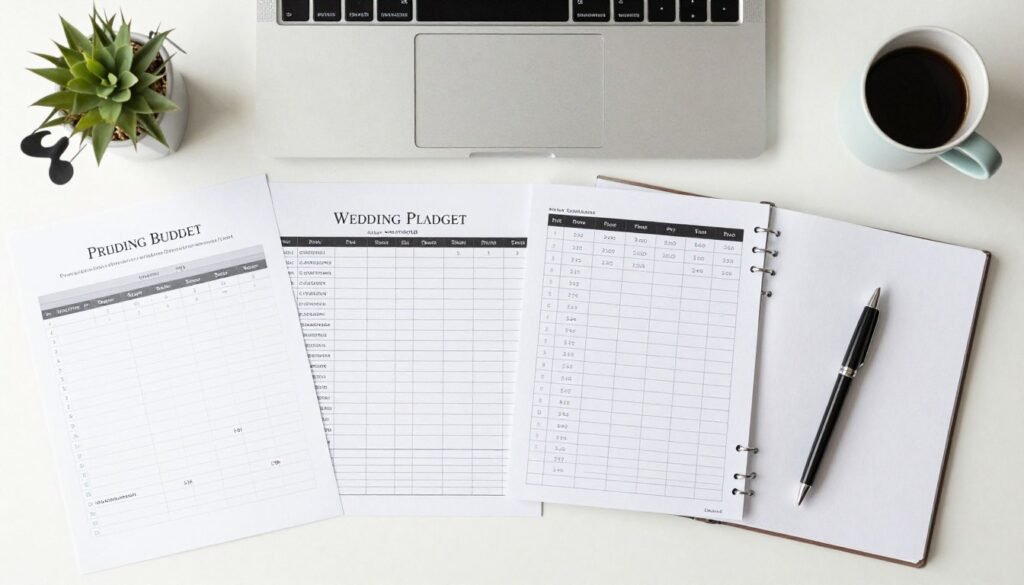
Average small backyard wedding costs range from five thousand to fifteen thousand dollars, depending on guest count and choices. This represents substantial savings compared to traditional venues but still requires careful planning. Create a detailed budget spreadsheet that tracks every category.
Hidden costs catch couples off guard. Yard improvements, generator rentals, extra insurance, and cleanup services might not appear in initial budgets. Build a contingency fund of at least ten to fifteen percent of your total budget for unexpected expenses.
Major Budget Categories
Catering typically consumes the largest portion of any wedding budget. Professional caterers charge per person rates that include food, service staff, and basic equipment. Budget approximately forty to one hundred dollars per guest depending on menu complexity and service style.
Rental items represent another significant expense. Tables, chairs, linens, dishes, and serving equipment add up quickly. Tent rentals alone can cost several thousand dollars. Get detailed quotes from multiple companies to compare options and negotiate better rates.
Photography preserves your memories forever, making it worth prioritizing. Professional photographers charge anywhere from one thousand to five thousand dollars or more. Review portfolios carefully and meet photographers before booking to ensure style compatibility.
Playlist instead of DJ, friend musicians, streaming services
Invitations and Stationery
2-3%
$200 – $500
Digital invitations, printed templates, simplified designs
Miscellaneous and Contingency
10-15%
$500 – $1,500
Shop sales, borrow items, accept imperfections
Money-Saving Strategies
DIY elements reduce costs substantially when done thoughtfully. Create your own invitations, centerpieces, or favors. Enlist artistic friends to help with projects. Be realistic about your skill level and available time to avoid last-minute frustration.
Borrowing items from friends and family cuts rental costs. Chairs, tables, serving dishes, and decor items might already exist in your social circle. People generally love contributing to weddings and appreciate being asked to help.
Seasonal timing affects costs across multiple categories. Peak wedding season commands premium prices. Consider off-peak dates when vendors offer discounts. Late fall or early spring weddings cost less while potentially offering beautiful weather.
The lot of money saved through a backyard wedding allows for splurges on what matters most to you. If photography tops your priority list, invest there while economizing elsewhere. A bit of strategic spending creates the wedding experience you truly want.
Master Your Wedding Budget
Get our complete budget planning toolkit with detailed spreadsheets, vendor negotiation scripts, and money-saving strategies specifically designed for backyard weddings. Take control of your spending today.
Not all wedding elements deserve equal investment. Identify your top three priorities as a couple. If amazing food matters most, allocate more budget there. If you want professional photos forever, invest in a skilled photographer.
Guest experience should guide spending decisions. Comfortable seating matters more than elaborate floral arrangements. Good food creates lasting positive impressions. Adequate lighting ensures safety and atmosphere. Focus on elements that affect how people feel.
Some costs offer poor return on investment. Elaborate favors often get left behind. Excessive floral arrangements wilt quickly. Matching custom items for every detail drain budgets. Question whether each expense truly enhances your celebration or simply follows tradition.
Working With Vendors on Budget
Vendor costs vary dramatically based on your specific requests. Be upfront about budget limitations from your first conversation. Professional vendors appreciate honesty and can often suggest creative solutions to maximize value.
Package deals from vendors can save money compared to à la carte selections. Ask if bundling services reduces costs. Some photographers offer engagement session discounts when booking wedding coverage. Caterers might reduce per-person costs for larger minimums.
Negotiation often succeeds with wedding vendors. Ask about weekday discounts, off-season rates, or last-minute availability deals. Offer to provide testimonials or social media exposure for emerging vendors building their portfolios. Many vendors prefer booking confirmed work over holding dates speculatively.
Catering and Food Service for Backyard Weddings
Food service significantly impacts both your budget and guest satisfaction. The casual backyard setting offers flexibility that formal venues cannot match. You can choose from numerous approaches based on your style, budget, and preferences.
Full-Service Catering
Professional caterers handle everything from food preparation to service and cleanup. This turnkey approach removes stress but represents your largest single expense. Interview multiple caterers, sample their food, and get detailed proposals before deciding.
Experienced caterers understand backyard event challenges. They bring necessary equipment, manage food safety, and provide trained staff. The cost justifies itself through peace of mind and professional execution on your wedding day.
Menu selection affects both price and guest satisfaction. Heavy hors d’oeuvres receptions cost less than plated dinners. Buffet service falls in the middle price range. Consider your guest demographic, time of day, and overall event tone when choosing service style.
Food Truck or Restaurant Service
Food trucks bring unique appeal to casual backyard weddings. Local favorites add personality while often costing less than traditional catering. Verify the truck can access your property and that you have adequate power for their equipment.
Restaurant catering offers another alternative. Many restaurants cater off-site events at competitive rates. Order family-style platters or individual boxed meals. This approach works particularly well for cuisines that travel well, like barbecue, Mexican, or Italian food.
Coordinate serving logistics carefully with non-traditional caterers. They may not provide the same level of service as dedicated catering companies. You might need to supply tables, serving ware, or additional staff to manage food service.
Potluck or Family-Style Contributions
Ultra-casual backyard weddings sometimes feature potluck elements. Family members contribute signature dishes, creating a communal celebration. This approach requires excellent coordination to ensure balanced offerings and food safety.
Make sure you clearly communicate food safety requirements. Items need proper refrigeration or heating. Label dishes with ingredient lists for guests with allergies. Provide adequate serving utensils and maintain appropriate temperatures throughout the event.
Assign specific dishes to avoid duplicates. Create a master list of needed items and coordinate with contributors. Have contingency plans if someone cannot deliver their assigned dish. The effort pays off in reduced costs and personal touches.
Plated Dinner Service
Most formal option with servers delivering individual plates to seated guests. Higher cost but elegant presentation.
Professional presentation
Controlled portions and timing
Requires more staff
Higher per-person cost
Buffet Style Service
Guests serve themselves from central food stations. Balances formality with casual interaction and flexibility.
Variety of options for guests
More budget-friendly
Encourages guest mingling
Requires adequate space
Food Station Approach
Multiple themed stations throughout venue encourage circulation and offer diverse options for different tastes.
Creates interactive experience
Distributes guest traffic
Accommodates dietary needs
Unique and memorable
Beverage Service Planning
Drinks require as much planning as food. Decide whether you’ll offer beer and wine only or a full bar. Calculate quantities based on guest count, duration, and drinking preferences of your crowd.
Self-serve beverage stations work well for backyard weddings. Stock coolers with beer, wine, and soft drinks. Create a signature cocktail that guests can mix themselves or serve pre-batched. This approach reduces staffing costs while maintaining a party atmosphere.
Professional bartending services add polish to beverage service. Licensed bartenders know proper portions, can check IDs, and manage consumption responsibly. Many rental companies offer mobile bar setups with all necessary equipment included.
Dessert and Cake Alternatives
Traditional wedding cakes cost hundreds or thousands of dollars. Consider alternatives that taste great while reducing costs. Cupcake towers, donut walls, or pie bars offer variety and visual interest.
Local bakeries often provide better value than dedicated wedding cake designers. Order a small decorative cutting cake for photos and supplement with sheet cakes for serving guests. This classic trick saves money while maintaining tradition.
Interactive dessert stations create memorable experiences. S’mores bars around a fire pit fit backyard settings perfectly. Ice cream sundae bars delight guests of all ages. Cookie decorating stations engage people while serving as both activity and dessert.
Creating Memorable Guest Experiences
Your guests’ comfort and enjoyment determine your wedding’s success. The intimate backyard setting allows for personal touches that larger venues cannot accommodate. Thoughtful details show appreciation for the people who share your special day.
Comfort Considerations
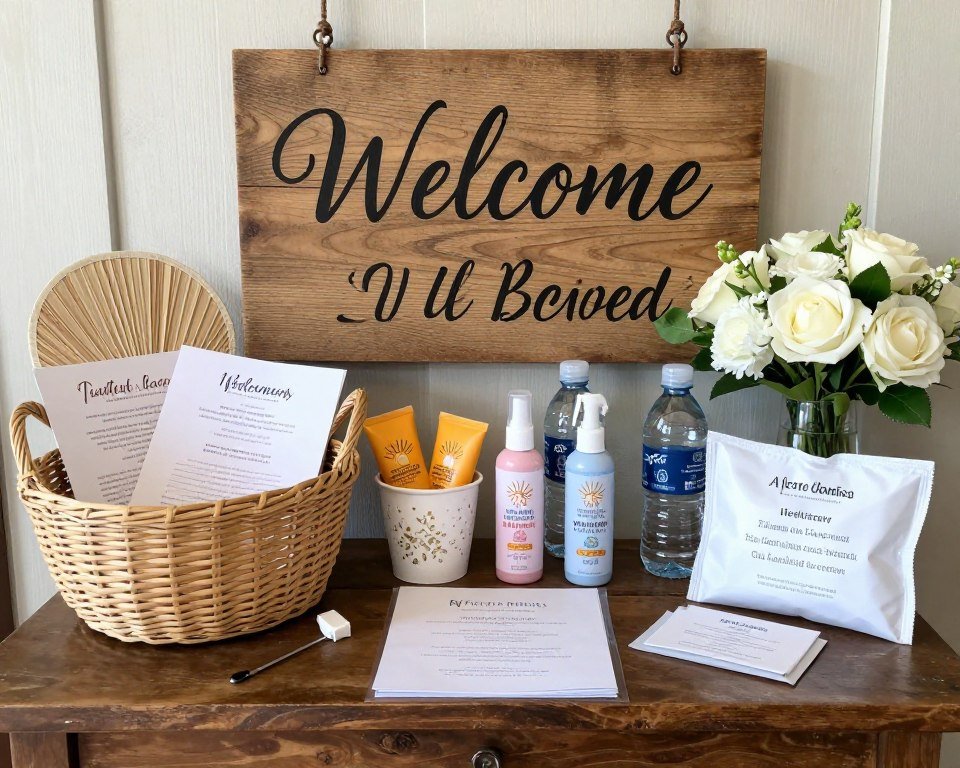
Weather protection goes beyond tents. Provide fans or portable air conditioners for hot day celebrations. Offer blankets or heaters for cool evening events. Stock sunscreen and insect repellent in restrooms for day events. These small touches prevent discomfort.
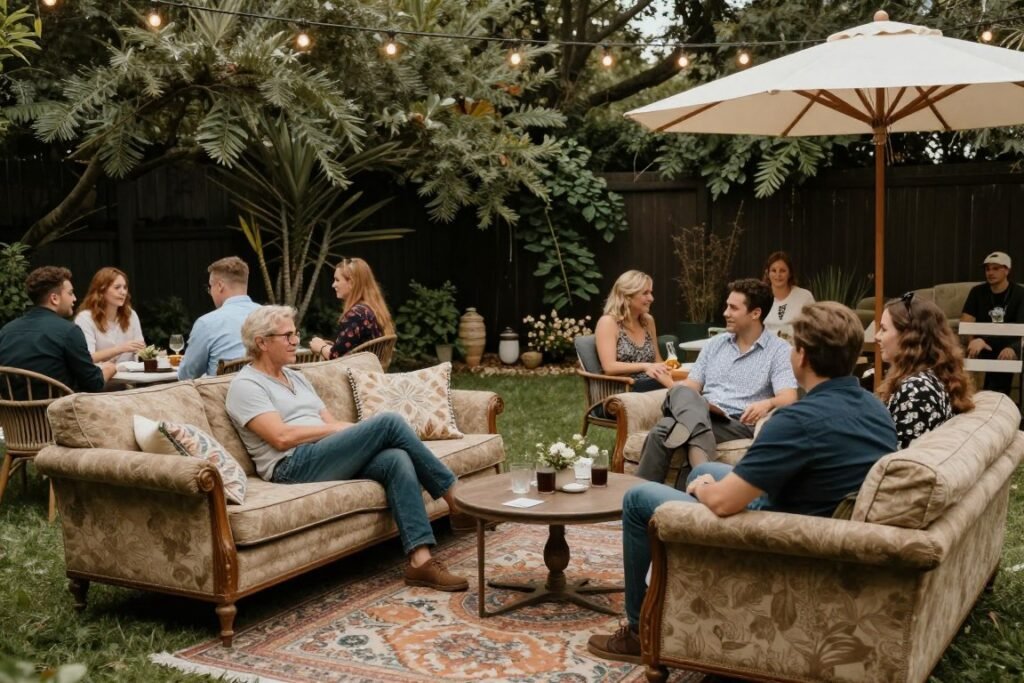
Seating variety accommodates different guest needs. Provide chairs with arms for elderly guests. Offer cushions for hard surfaces. Create a few lounge areas with comfortable furniture where people can relax away from main activity. Not everyone wants to stand the entire time.
Shade becomes critical for daytime events. If natural shade is limited, add umbrellas or additional canopy coverage. Dehydration and heat exhaustion ruin celebrations quickly. Position water stations throughout your space and encourage regular hydration.
Clear Communication and Signage
Custom signage helps guests navigate your space while reinforcing your aesthetic. Direct people to parking, ceremony seating, restrooms, and food service. Make signs large enough to read from a distance and place them at decision points.
Program details help guests understand event flow. Include ceremony details, reception timeline, and any special instructions. Programs double as fans for outdoor summer events. Make them available at entrance points so everyone gets one.
Communicate dress code clearly on invitations. “Garden party attire” or “backyard casual” gives guidance without being restrictive. Mention if heels might be impractical on grass. Clear expectations help guests feel comfortable and appropriately dressed.
Interactive Elements and Entertainment
Lawn games provide natural entertainment between event segments. Set up cornhole, giant Jenga, croquet, or bocce ball. These activities particularly help during cocktail hour when guests need something to do besides drink.
Photo opportunities beyond the professional photographer engage guests. Create an Instagram-worthy backdrop with your wedding hashtag. Provide instant cameras at tables with instructions to capture candid moments. These guest photos often capture authentic emotions professionals miss.
Live music elevates atmosphere significantly. Even a solo acoustic guitarist during cocktail hour adds special ambiance. Music fills space in outdoor settings better than recorded tracks. Consider your budget and priorities when deciding between live musicians and DJ services.
Guest Comfort Checklist
Weather-appropriate measures in place
Clear directional signage posted
Adequate seating including variety of types
Easy restroom access with supplies
Shaded areas for hot day relief
Water stations positioned throughout
First aid kit easily accessible
Designated quiet space for overwhelmed guests
Parking assistance if needed
Special accommodations for mobility challenges
Accommodating Dietary Needs
Request dietary restrictions on RSVPs and communicate this information to your caterer. Common restrictions include vegetarian, vegan, gluten-free, and various allergies. Label buffet items clearly with ingredients to help guests make informed choices.
Consider including universally appealing options in your menu. Grilled vegetables, rice dishes, and salads accommodate many dietary needs. A varied menu ensures everyone finds something they can eat without calling attention to their restrictions.
Follow up directly with guests who indicated severe allergies. Verify your caterer understands the seriousness and can prevent cross-contamination. This personal attention shows care for your guests’ wellbeing and safety.
Family and Children Considerations
If inviting children, plan specifically for their needs. Create a kid-friendly zone with activities like coloring books, bubbles, or lawn games. This designated space gives parents peace of mind and keeps children entertained.
Adjust menu offerings to include kid-friendly options. Chicken tenders, pasta, or simple sandwiches ensure children eat happily. Consider earlier event timing if many young children will attend, as late night events challenge families.
Communicate clearly whether children are invited. Adults-only celebrations are perfectly acceptable but require explicit communication. If budgets or space limit your ability to host children, most guests understand and appreciate the clarity.
Wedding Day Coordination and Management
Even the most meticulously planned wedding requires active coordination on the actual day. Someone needs to manage vendor arrivals, handle unexpected issues, and ensure everything runs on schedule. This role should not fall to the couple or immediate family.
Designating a Day-of Coordinator
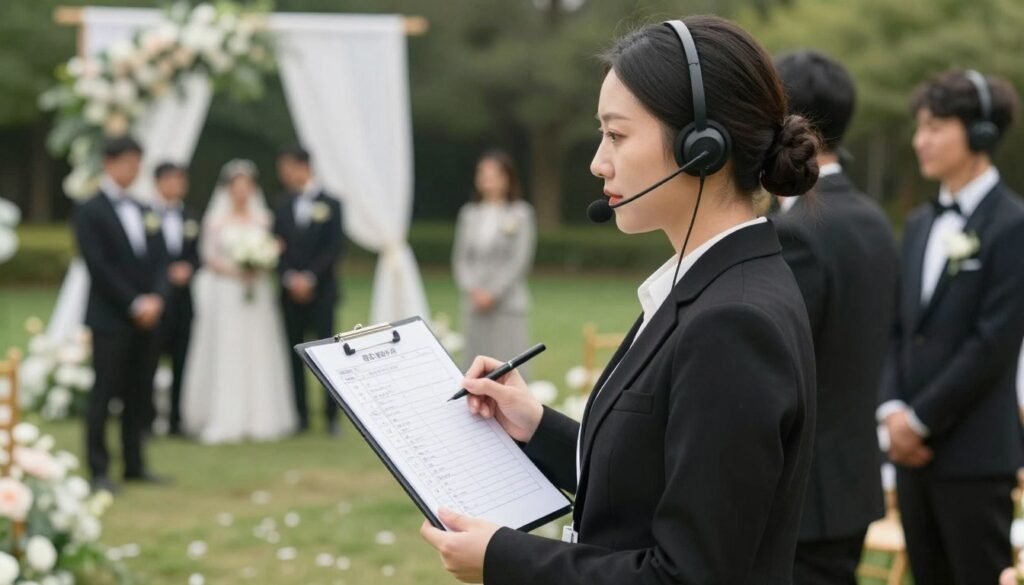
Hire a professional coordinator or designate an extremely organized friend. This person serves as the point of contact for all vendors and handles problems as they arise. They should not be someone with other wedding responsibilities like a member of the wedding party.
Provide your coordinator with detailed timelines, vendor contact information, and layout plans. Walk through your vision together so they understand expectations. Authorize them to make decisions in your absence so you can focus on getting ready and enjoying the day.
The coordinator should arrive several hours before guests to oversee setup. They ensure rentals are positioned correctly, direct vendors to appropriate areas, and conduct a final check of all details. This oversight prevents last-minute surprises.
Vendor Management
Create a master vendor list with contact names, phone numbers, arrival times, and specific needs. Share this document with your coordinator and key family members. Clear communication prevents confusion when multiple vendors arrive simultaneously.
Designate parking and staging areas for each vendor. Caterers need kitchen access. Musicians need power sources. Florists need workspace for arrangements. Planning these logistics ahead prevents vendors from blocking each other or disrupting setup flow.
Confirm all vendor details again two days before the wedding. Verify arrival times, delivery addresses, and any last-minute changes. This final check catches miscommunications before they become problems.
Timeline Management
Create a detailed timeline for the entire day, starting with vendor arrivals and ending with cleanup. Share this schedule with everyone involved. Build in buffer time between events for inevitable delays.
Typical backyard wedding timelines include more setup time than traditional venues. Rentals, decor, and catering require installation periods. Start preparations early in the day or even the evening before if possible.
Communicate timeline expectations to your wedding party. Make sure everyone knows where to be and when. A smooth schedule reduces stress for everyone and keeps the celebration flowing naturally.
Ensure Flawless Wedding Day Execution
Our day-of coordination toolkit includes detailed timeline templates, vendor management checklists, and emergency response guides. Everything you need to ensure your wedding day runs smoothly from start to finish.
Assemble an emergency kit with items that solve common problems. Include stain remover, safety pins, pain relievers, band-aids, tissues, and tape. Add a sewing kit, extra batteries, and a phone charger. These supplies handle minor crises before they escalate.
Prepare backup plans for critical elements. Know what you’ll do if weather turns bad. Have extra bulbs for lighting. Keep vendor backup contacts in case someone doesn’t show. Planning for worst-case scenarios provides peace of mind.
Designate someone to handle guest issues or questions. This person greets late arrivals, directs lost guests, and manages any concerns that arise. They shield you from disruptions so you can stay present in the moment.
Family Roles and Responsibilities
Assign specific tasks to willing family members ahead of time. Someone can oversee gift table management. Another person might coordinate guest book signing. Clear assignments prevent duplication of effort and ensure nothing gets overlooked.
Communicate that certain people should not have responsibilities on wedding day. Parents and wedding party members should be free to participate fully in the celebration. Save grunt work for extended family or friends who volunteer to help.
Have a trusted person handle payments and tips for vendors. Prepare envelopes with appropriate amounts ahead of time. Designate when tips should be distributed, typically at the end of service. This advance planning prevents awkward money situations on your wedding day.
Post-Event Coordination
Plan for cleanup before the wedding happens. Professional cleaning services handle the bulk of work for a reasonable cost. Arrange for rental pickup and trash removal. Your first day as newlyweds should not involve scrubbing your yard.
Designate people to secure leftover food, gifts, and personal items at the end of the night. Items easily get misplaced during the celebration. Having a plan ensures nothing important goes missing.
Return borrowed items promptly to friends and family. Send thank-you notes to people who contributed time, space, or resources. These gestures maintain relationships and show genuine appreciation for their help.
Real Small Backyard Wedding Inspiration
Learning from couples who’ve successfully executed backyard weddings provides valuable insights. These real examples showcase different styles, budgets, and creative solutions. Each demonstrates how personal vision translates into beautiful celebrations.
Rustic Garden Romance
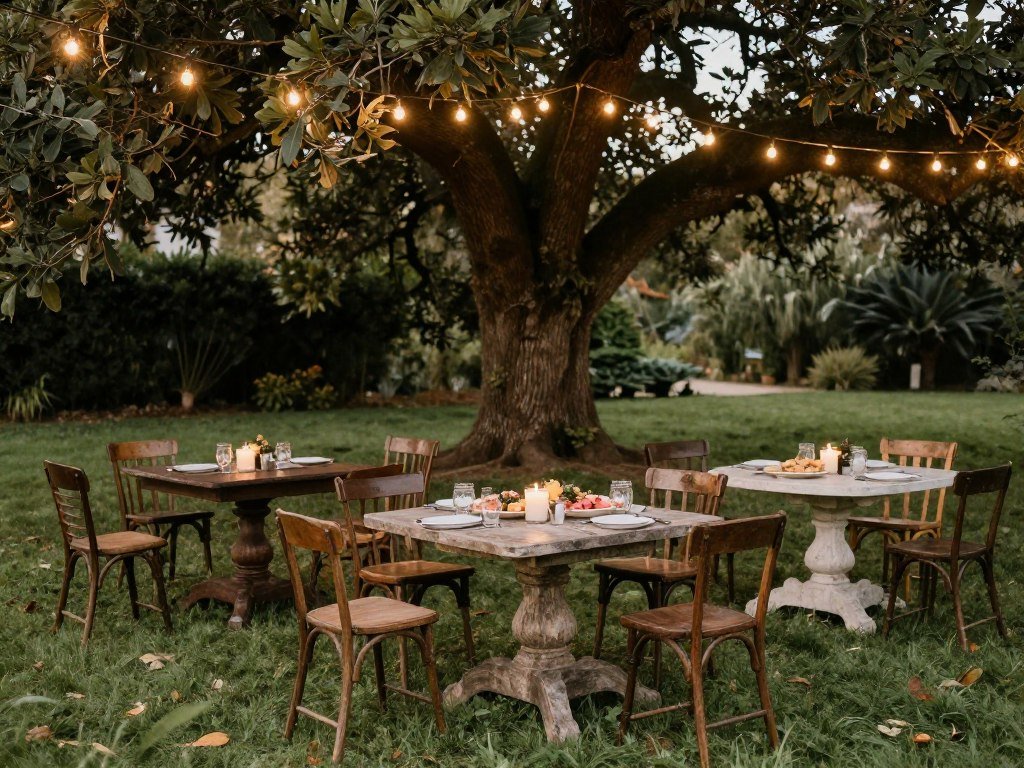
Sarah and Mike transformed their quarter-acre suburban backyard into a garden paradise. They maximized existing landscaping with additional potted plants and flowers. The ceremony took place under a century-old oak tree requiring no additional arch or backdrop.
Their fifty guests sat in vintage wooden chairs borrowed from a local church. Reception tables used mismatched linens from thrift stores, creating an eclectic but cohesive look. String lights crisscrossed overhead while mason jar candles provided table lighting.
The couple saved money by having Mike’s cousin, a chef, cater family-style platters of Italian food. Friends baked desserts instead of ordering a traditional cake. Total cost came to around seven thousand dollars. The intimate scale allowed them to focus on quality over quantity in every element.
Modern Minimalist Celebration
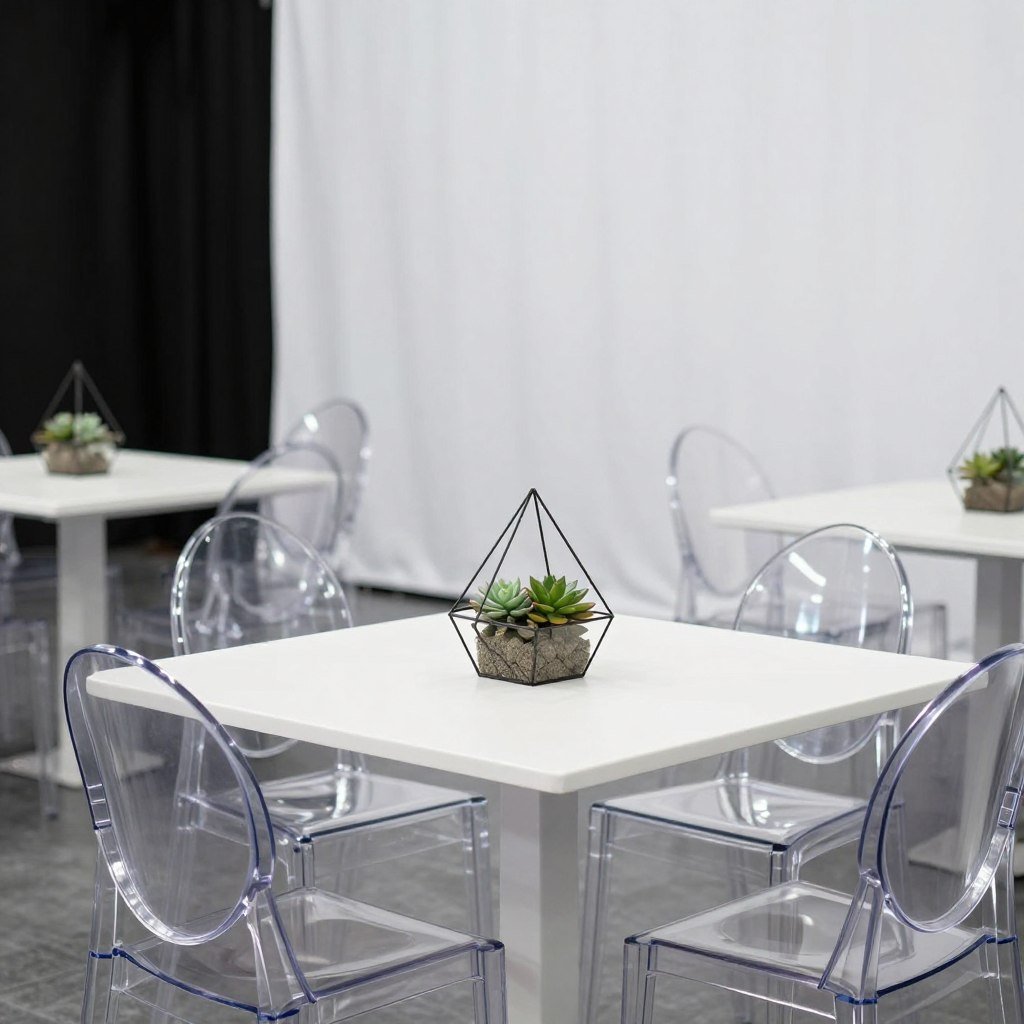
Jennifer and Alex embraced clean lines and minimal decor for their contemporary home’s backyard. They rented sleek acrylic chairs and simple white tables. Geometric terrariums with succulents served as centerpieces requiring no flowers.
The ceremony backdrop consisted of a simple white fabric panel suspended between two poles. This blank canvas looked stunning in photos while costing almost nothing. The color palette stuck to white, black, and greenery for sophisticated simplicity.
Food trucks serving gourmet tacos and a craft beer selection fit their casual vibe. The couple spent more on photography and less on decor, prioritizing lasting memories. Their thirty-five person wedding cost approximately nine thousand dollars but felt luxurious through thoughtful details.
Bohemian Backyard Festival
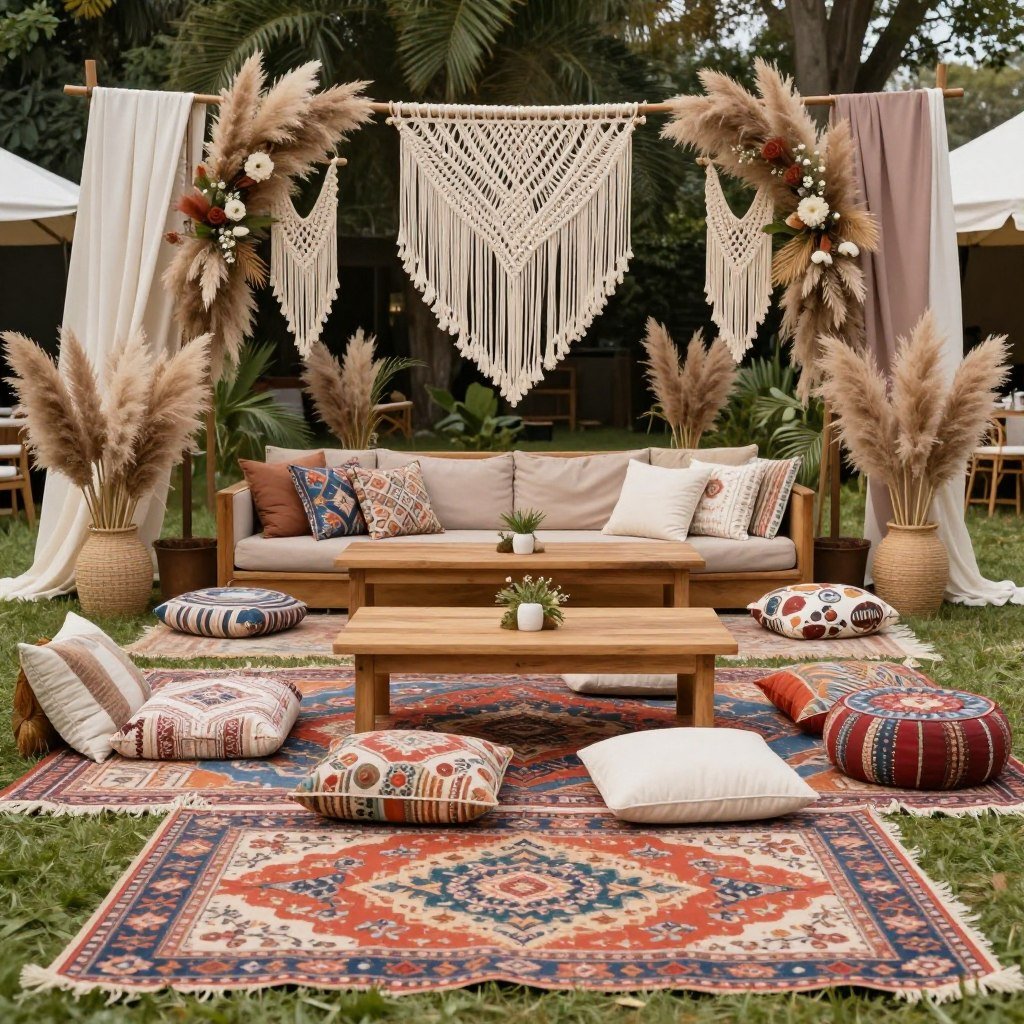
Emma and James created a boho festival atmosphere in their rural property’s large yard. Guests sat on vintage rugs and floor cushions during the ceremony. Pampas grass, macrame, and flowing fabrics defined the aesthetic.
Multiple lounge areas with mismatched furniture encouraged guests to mingle throughout the space. Food stations offered various options from different cuisines. A live acoustic duo played throughout the evening.
The couple DIYed most decor elements over several months. Friends contributed handmade items. Total budget of six thousand dollars stretched far through creativity and borrowed items. The wedding felt personal and reflected their free-spirited personalities perfectly.
Budget: $6,000
Forty-five guests in a rural backyard. Heavy DIY approach with borrowed and handmade items. Live acoustic music. Food stations with various cuisines.
Budget: $9,000
Thirty-five guests in a contemporary backyard. Minimalist aesthetic with rental furniture. Gourmet food trucks. Professional photography prioritized in budget.
Budget: $7,000
Fifty guests under an oak tree. Rustic garden theme with borrowed and thrifted items. Family-style Italian catering. Friend-baked desserts instead of cake.
Lessons From Real Couples
Successful backyard weddings share common elements regardless of style. Couples who start planning early experience less stress. Those who clearly communicate their vision to helpers achieve better results. Everyone emphasizes the importance of adequate lighting for evening events.
Many couples wish they had invested more in coordination help. The DIY approach saves money but requires tremendous effort. Having at least one dedicated coordinator makes the day significantly smoother for everyone involved.
Almost every couple mentions that guests commented on the intimate, personal feel. The backyard setting created connection and warmth that larger venues cannot replicate. Many called their wedding the best they’d ever attended because it felt genuine rather than produced.
Common Mistakes to Avoid
Learning from others’ missteps saves time, money, and stress. Certain pitfalls appear repeatedly in backyard wedding planning. Understanding these common errors helps you avoid making them yourself.
Underestimating Rental Needs
Many couples discover too late that they need more items than initially planned. Calculate quantities carefully and add ten percent for buffer. Better to have too many chairs than not enough seating for elderly guests who cannot stand long periods.
Underordering tables creates cramped dining conditions. Each person needs about two feet of table space. Round tables seat fewer people than you might think. Verify capacities with your rental company rather than guessing.
Forgetting essential items causes day-of scrambling. Serving utensils, trash cans, ice buckets, and guest book pens are easily overlooked. Create comprehensive rental checklists organized by category to ensure nothing gets missed.
Ignoring Weather Contingencies
The biggest mistake couples make is failing to have weather backup plans. “It won’t rain” is not a strategy. Even if rain seems unlikely, have a plan that makes you feel secure. The peace of mind justifies the planning effort.
Extreme heat or cold can ruin outdoor celebrations as surely as rain. Have cooling or heating plans appropriate to your climate and season. Uncomfortable guests cannot enjoy even the most beautiful wedding.
Wind often gets overlooked in weather planning. Lightweight decor items blow away easily. Candles get extinguished. Sound systems struggle with wind noise. Secure all items properly and have backup lighting plans if candles prove impractical.
Smart Planning Moves
Order extra rentals beyond minimum needs
Create detailed weather contingency plans
Hire or designate experienced day-of coordinator
Test all technical elements before wedding day
Build buffer time into timeline
Communicate parking plan to guests ahead of time
Invest in adequate lighting for evening events
Provide clear signage throughout space
Common Planning Mistakes
Underestimating quantity of rental items needed
No backup plan for bad weather
Taking on too much DIY without help
Inadequate lighting for evening celebrations
No designated day-of coordinator
Forgetting to inform neighbors about event
Underestimating setup and breakdown time
Failing to test sound system in advance
Overcommitting to DIY Projects
The DIY approach appeals to budget-conscious couples but can quickly become overwhelming. Each project requires more time than anticipated. Attempting too many handmade elements leads to stress and potentially incomplete items.
Be realistic about your skills and available time. Focus DIY efforts on a few signature elements rather than trying to handmake everything. Prioritize projects that genuinely save significant money or add meaningful personalization.
Enlist help early for DIY projects. Craft nights with friends make work enjoyable while distributing the load. Having backup help means projects get completed even if unexpected life events derail your original timeline.
Inadequate Parking Planning
Parking problems affect guest experience from the moment they arrive. Failing to communicate parking arrangements causes confusion and delays. Consider how many cars you expect and whether your street can accommodate them legally.
Notify neighbors well in advance about temporary parking congestion. Most neighbors appreciate courtesy and might even offer their driveways to help. This proactive communication prevents complaints and maintains good relationships.
Consider valet service if parking seems challenging. The relatively small cost provides tremendous convenience for guests. Valet also solves problems in neighborhoods with limited street parking or confusing layouts.
Poor Sound System Planning
Outdoor acoustics differ dramatically from indoor spaces. Sound dissipates quickly outside, requiring more powerful systems. Test your setup at actual volume levels before the wedding day to verify coverage.
Assume you need more power than you think. Wind, traffic noise, and lack of sound-reflecting surfaces mean outdoor events need amplification even for small groups. Invest in quality equipment or hire professionals with appropriate gear.
Consider your neighbors’ tolerance when planning music volume and timing. Loud music late at night creates problems even in rural areas. Communicate your plans and potentially end amplified music by a reasonable hour.
Seasonal Considerations for Backyard Weddings
Each season presents unique opportunities and challenges for backyard celebrations. Understanding seasonal factors helps you plan appropriately and set realistic expectations. Time of year affects everything from decor to guest comfort to budget.
Spring Backyard Weddings
Spring offers beautiful natural blooms that reduce floral costs. Gardens come alive with color requiring minimal additional decor. Mild temperatures make outdoor events comfortable without extensive climate control measures.
Rain becomes more likely in spring months in many regions. Tent rentals or solid backup plans become essential. Have a clear decision point for implementing your weather contingency plan.
Allergies affect many guests during peak spring bloom. Consider providing allergy medications in restroom baskets. Choose ceremony times that avoid peak pollen periods, typically mid-morning. Your consideration helps guests enjoy the day more comfortably.
Summer Backyard Weddings
Summer provides the most predictable weather in most areas. Long daylight hours mean ceremonies can start later while still having natural light. Warm temperatures encourage casual, comfortable attire and relaxed vibes.
Heat management becomes critical for summer events. Provide shade, fans, cold beverages, and encourage light clothing. Consider earlier start times or evening ceremonies to avoid the hottest part of the day.
Insects present challenges during summer months. Citronella candles, bug spray stations, and professional pest control treatments help manage the issue. Address standing water sources where mosquitoes breed in the week before your wedding.
Spring Wedding Advantages
Natural blooms reduce floral costs
Comfortable mild temperatures
Fresh green landscaping
Off-peak vendor pricing
Renewal and growth symbolism
Spring Wedding Challenges
Higher rainfall probability
Muddy ground conditions possible
Pollen and allergy concerns
Unpredictable temperature swings
Some landscaping still dormant
Summer Wedding Advantages
Most predictable weather patterns
Long daylight hours
Lush green landscapes
Warm temperatures for outdoor events
Vacation season for travel guests
Summer Wedding Challenges
Extreme heat management needed
Insects and bugs more prevalent
Peak season higher vendor costs
Competing with vacation schedules
Lawn maintenance more intensive
Fall Backyard Weddings
Fall brings spectacular natural color that enhances any decor scheme. Cooler temperatures return, making outdoor events comfortable again. The season’s natural beauty requires minimal enhancement, reducing decoration costs.
Shorter days mean lighting becomes critical earlier. Plan ceremony times that maximize remaining daylight. Invest in ample artificial lighting for reception hours when darkness falls quickly.
Falling leaves create both beauty and maintenance challenges. Schedule lawn care close to your wedding date. Have a plan for managing leaves on walkways and seating areas where they create slipping hazards.
Winter Backyard Weddings
Winter weddings offer unique magical possibilities. Snow creates stunning backyard landscapes. Cozy elements like fire pits, blankets, and hot beverages add special charm. Off-season pricing makes winter attractive from a budget perspective.
Cold weather requires extensive planning. Heated tents become necessary rather than optional. Provide blankets, heaters, and warm beverages. Communicate dress code clearly so guests come prepared for outdoor conditions.
Daylight limitation affects timeline planning. Winter ceremonies must start early to capture natural light for photos. Evening receptions rely entirely on artificial lighting. The cozy atmosphere this creates can feel incredibly romantic.
Seasonal Budget Implications
Peak wedding season from May through October commands premium pricing from vendors. Booking off-season dates can save twenty to thirty percent across multiple categories. Vendors appreciate steady work during slower months and often negotiate more freely.
Seasonal flowers cost significantly less than out-of-season imports. Working with naturally available blooms reduces floral expenses considerably. Discuss seasonal options with your florist to maximize beauty while minimizing cost.
Climate control costs vary dramatically by season. Summer might require fan or air conditioner rentals. Winter demands heated tents and warming equipment. Spring and fall typically need minimal temperature intervention, reducing this expense category.
Final Tips for Small Backyard Wedding Success
Your small backyard wedding represents a deeply personal celebration. The effort you invest in planning pays off in authentic moments and cherished memories. These final insights help ensure your day unfolds beautifully.
Start Planning Early
Time remains your most valuable resource in wedding planning. Starting early provides space to make thoughtful decisions rather than rushed compromises. Popular vendors book months in advance, especially for peak season dates.
Early planning also spreads costs over longer periods. You can purchase items on sale or wait for seasonal discounts. DIY projects happen at a manageable pace rather than becoming overwhelming last-minute scrambles.
Use planning time to research thoroughly. Read reviews, compare options, and make informed choices. Rushed decisions often lead to regrets or additional expenses fixing problems.
Embrace Your Personal Style
Your wedding should reflect who you are as a couple. Ignore trends that don’t resonate with you. Pinterest inspiration is helpful, but slavishly copying someone else’s vision creates a wedding that feels inauthentic.
Include elements that tell your story. Display photos from your relationship. Incorporate hobbies or interests into decor. Serve your favorite foods rather than traditional wedding fare. These personal touches make your celebration memorable and meaningful.
Give yourself permission to do things differently. Not every wedding needs a first dance, cake cutting, or bouquet toss. Keep traditions that matter to you and skip those that don’t. Your wedding, your rules.
Communicate Openly With Helpers
Clear communication prevents misunderstandings and hurt feelings. When asking people to help, be specific about what you need. Provide deadlines and detailed instructions. This clarity helps people assist you effectively.
Express gratitude frequently throughout the planning process. People volunteer time because they care about you. Acknowledging their effort maintains goodwill and enthusiasm. Small thank-you notes or gestures show genuine appreciation.
Be willing to compromise on details that matter more to your helpers than to you. If your mother wants to contribute centerpieces and you’re ambivalent about that detail, graciously accept her offer. Pick your battles and save firm positions for elements that truly matter.
Start Planning Your Dream Backyard Wedding Today
Transform your vision into reality with our complete backyard wedding planning system. Get instant access to detailed guides, customizable checklists, budget trackers, vendor questionnaires, and design templates. Everything you need to create the intimate celebration you’ve always wanted.
Wedding planning easily becomes consumed with details. Step back regularly to remember why you’re doing this. The ceremony celebrates your commitment to each other. The party honors the people who support your relationship.
Perfection is impossible and unnecessary. Something will inevitably go wrong or differently than planned. How you respond matters more than the problem itself. Flexibility and humor carry you through challenging moments.
Prioritize experiences over appearances. Guests remember how they felt more than specific decor details. Focus energy on creating an atmosphere where people connect, celebrate, and feel valued. These intangibles define successful weddings.
Document the Process
Take photos throughout your planning journey, not just on the wedding day. The preparation process contains its own special moments. You’ll appreciate having memories of DIY sessions, dress shopping, and setup day chaos.
Consider hiring a photographer for getting-ready coverage. These intimate moments before the ceremony often produce the most emotional images. Professional documentation ensures you have these memories forever.
Designate someone to gather items for safekeeping after the wedding. Invitations, guest book, cake topper, and other mementos easily get lost in the chaos. Having one person responsible prevents accidental disposal of items you want to preserve.
Take Care of Yourselves
Wedding planning creates stress even for the most organized couples. Make time for self-care and relationship maintenance. Date nights without wedding talk help maintain perspective. Regular exercise and adequate sleep prevent burnout.
The week before your wedding, finish major tasks early. Your final days should focus on rest and presence rather than frantic last-minute preparations. Trust that you’ve done enough and allow yourself to enjoy the anticipation.
On your wedding day, pause periodically to absorb the moment. Weddings pass quickly. Intentionally look around, notice details, and feel the emotions. These conscious pauses help you remember the day more vividly later.
Enjoy Your Creation
After months of planning, remember to actually enjoy your wedding. Let your coordinator and helpers manage logistics. Your only job that day is to be present with each other and your guests.
Accept that not everything will match your original vision. The reality might differ from plans but still be absolutely beautiful. Flexibility transforms potential disappointments into charming imperfections that add character.
Your small backyard wedding offers something larger venues cannot provide. Intimacy, authenticity, and personal meaning create celebrations that guests remember for years. Trust in your vision, execute your plan thoughtfully, and embrace the joy of the moment.
Creating Your Perfect Small Backyard Wedding
Planning a small backyard wedding empowers you to create an authentic celebration that reflects your values and style. The process requires significant effort but offers tremendous rewards. Your home becomes the backdrop for one of life’s most important milestones.
Every element discussed in this guide contributes to your success. Thoughtful space assessment ensures comfortable guest experiences. Strategic budget planning maximizes your resources. Careful vendor coordination prevents day-of chaos. Personal design choices create an event that feels uniquely yours.
The intimate scale of backyard weddings creates connection that larger events cannot replicate. Guests feel valued as participants rather than spectators. The familiar setting relaxes everyone and encourages genuine interaction. These elements combine to create celebrations that people genuinely enjoy rather than merely attend.
Remember that perfection is neither possible nor necessary. Your wedding will have unexpected moments and minor imperfections. How you respond defines the memory more than the hiccup itself. Flexibility, humor, and perspective transform potential problems into amusing stories you’ll share for years.
Focus your energy on elements that enhance guest experience and reflect your relationship. Beautiful tables matter less than comfortable seating. Elaborate centerpieces impress less than delicious food. Professional photography preserves memories longer than perfectly coordinated linens. Choose wisely where you invest time and money.
Your backyard wedding journey begins with a vision and concludes with cherished memories. The planning process itself becomes part of your story as a couple. Challenges you navigate together strengthen your partnership. Creative problem-solving reveals strengths you might not have known you possessed.
As you move forward with your planning, trust in your abilities and vision. Thousands of couples have created beautiful backyard celebrations with fewer resources than you have available. Your unique combination of creativity, determination, and love will produce something special.
The day will arrive faster than you imagine. When it does, you’ll gather with the people who matter most in a place that holds meaning. You’ll speak vows that change your lives. You’ll celebrate love in its most authentic form. No rented venue can provide what your backyard naturally offers.
Start your planning journey today with confidence and excitement. Each step forward brings you closer to the intimate celebration you envision. Your small backyard wedding awaits, ready to become the perfect beginning to your married life together.
Begin Your Backyard Wedding Journey Now
Don’t let overwhelm prevent you from creating the wedding of your dreams. Our comprehensive planning system guides you through every step with proven strategies, detailed checklists, and professional templates. Join thousands of couples who’ve successfully planned stunning backyard celebrations. Your perfect wedding starts here.
Your wedding day deserves to be surrounded by beauty that reflects your unique love story. The right wedding decorations transform ordinary spaces into enchanting environments where memories are made. Whether you’re dreaming of a rustic barn celebration, an elegant ballroom affair, or a bohemian garden party, thoughtfully chosen decorations set the tone for your entire…
A well-lit garage isn’t just about being able to see—it’s about creating a functional, safe, and inviting space that enhances your home’s value. Whether you’re rebuilding engines, crafting woodworking masterpieces, or simply trying to find holiday decorations, proper garage lighting ideas can make all the difference between frustration and enjoyment. In this comprehensive guide, we’ll…
Your wedding day creates countless precious moments worth remembering forever. A wedding shadow box transforms those cherished items into stunning wall art that tells your unique love story. These three-dimensional displays bring your memories to life in ways traditional photo albums cannot match. Creating a shadow box lets you preserve delicate flowers, meaningful paper keepsakes,…
Antique engagement rings carry stories from the past, each one a unique treasure with character that modern mass-produced jewelry simply cannot replicate. These historical pieces offer not just stunning craftsmanship but also sustainable and ethical advantages for today’s conscious couples. From delicate Victorian designs to bold Art Deco statements, these rings connect your love story…
Your anniversary marks another year of shared memories, growth, and love. This special day deserves more than just another dinner reservation. Whether you’re celebrating your first anniversary or your fiftieth, the right date can reignite romance and create lasting memories. Finding the perfect anniversary date ideas can feel overwhelming. You want something meaningful that honors…
Affiliate Disclosure: This article contains Amazon Associate links. We may earn a small commission from qualifying purchases at no additional cost to you. This helps support our content creation. Butter yellow brings warmth and sophistication to any bridal party. This soft, creamy shade flatters every skin tone and photographs beautifully in natural light. Unlike bold…