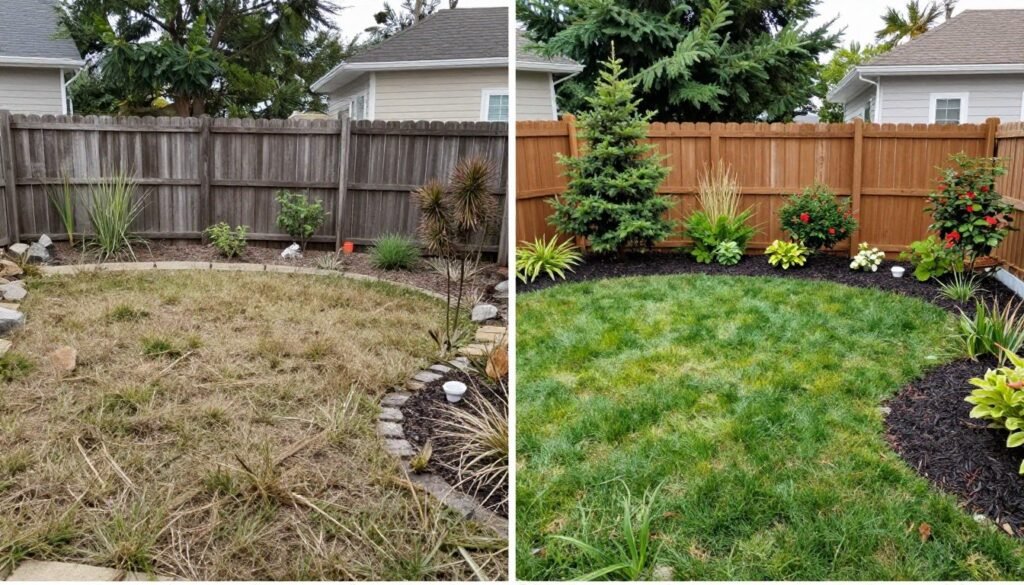
DIY Backyard Landscaping: 50+ Ideas to Transform Your Yard
Your backyard holds incredible potential. Every yard can become a stunning outdoor retreat with the right approach and creative vision. This guide reveals practical strategies to transform any space into your personal oasis.
Whether you have a small patio or expansive grounds, landscaping projects offer rewarding ways to enhance your home. The following ideas provide step-by-step guidance for creating beautiful outdoor areas that reflect your style while increasing property value.
Planning Your Landscape Design
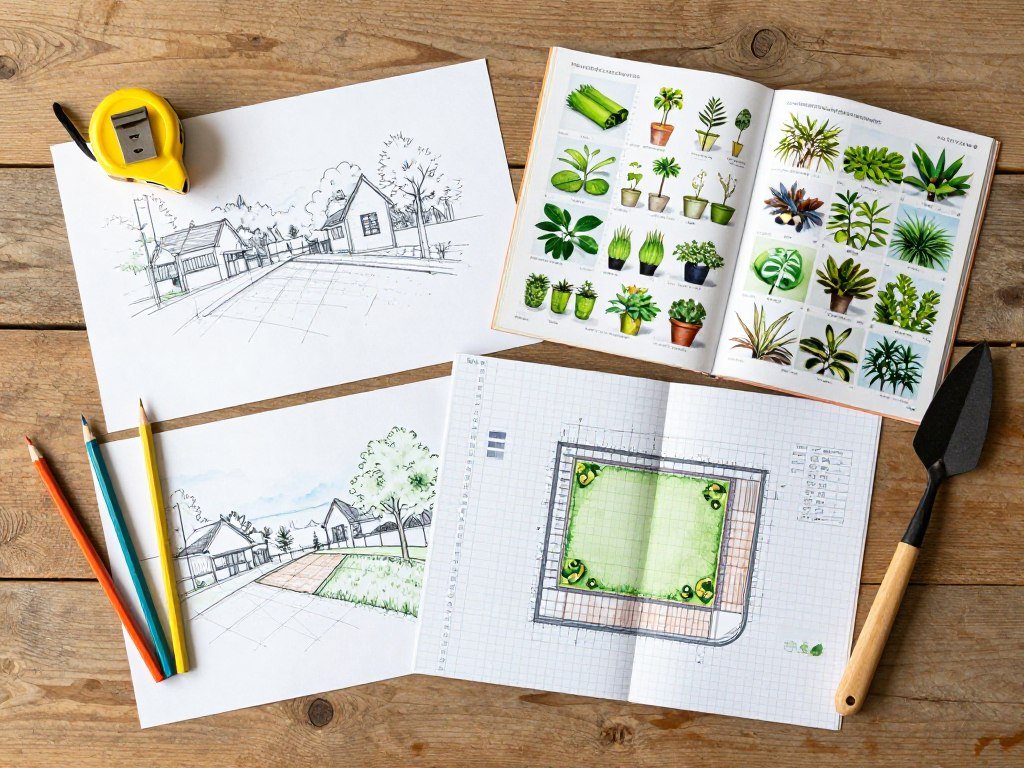
Successful landscaping starts with thoughtful planning. Taking time to map your space prevents costly mistakes and ensures cohesive results. Begin by assessing your yard’s unique characteristics.
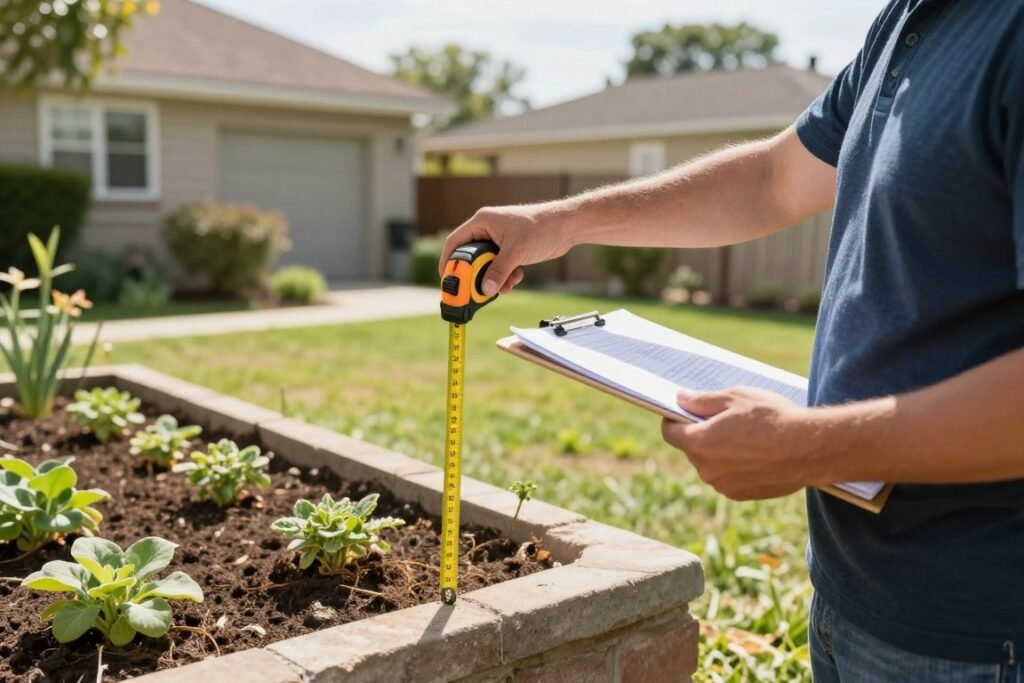
Measure your outdoor area carefully. Note existing features like trees, slopes, and structures. Consider how sunlight moves across the space throughout the day. These observations guide plant selection and project placement.
Assessing Your Space and Needs
Walk through your yard at different times. Morning light differs from afternoon shade. Identify problem areas where grass struggles or water pools. Understanding these zones helps you work with nature rather than against it.
Think about how you want to use the space. Do you need play areas for children? Would an outdoor kitchen enhance your lifestyle? Defining functional zones creates purpose for each section.
Setting a Realistic Budget
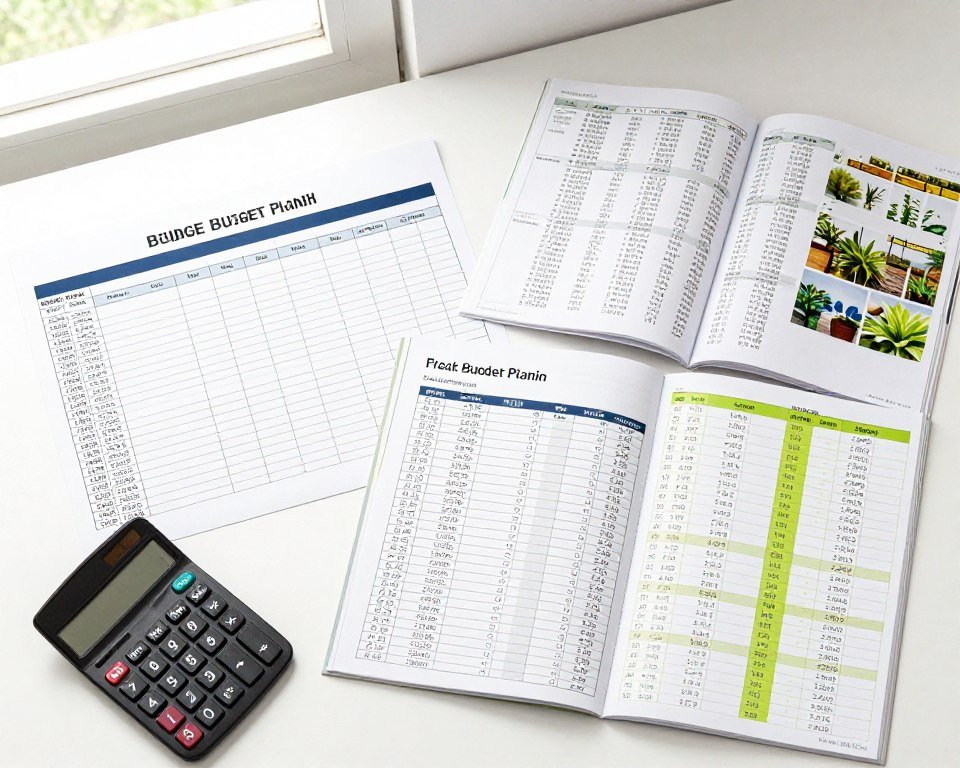
Quality landscaping doesn’t require unlimited funds. Strategic spending on key features delivers impressive impact. Prioritize projects that address your biggest concerns first.
Compare material costs at multiple suppliers. Many landscaping elements cost less when purchased in bulk. Consider phasing projects over several seasons to spread expenses while maintaining steady progress.
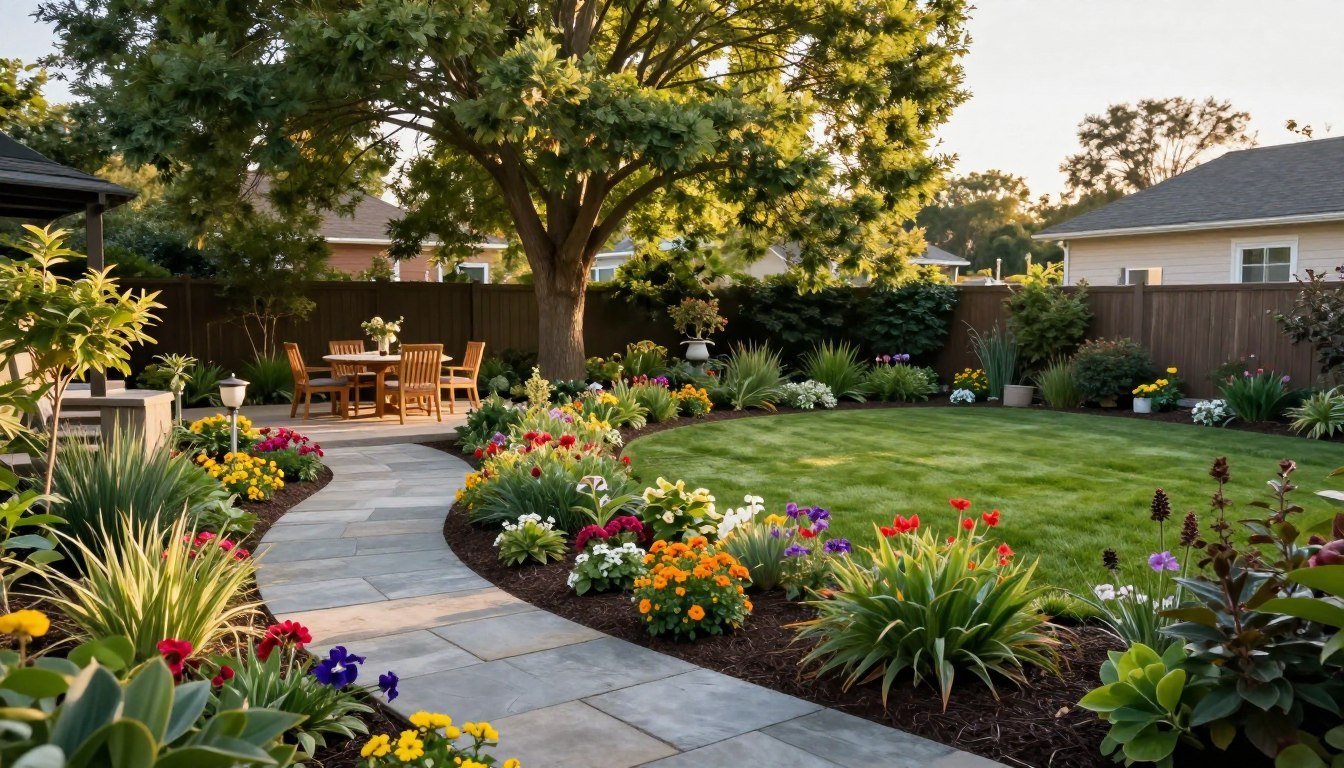
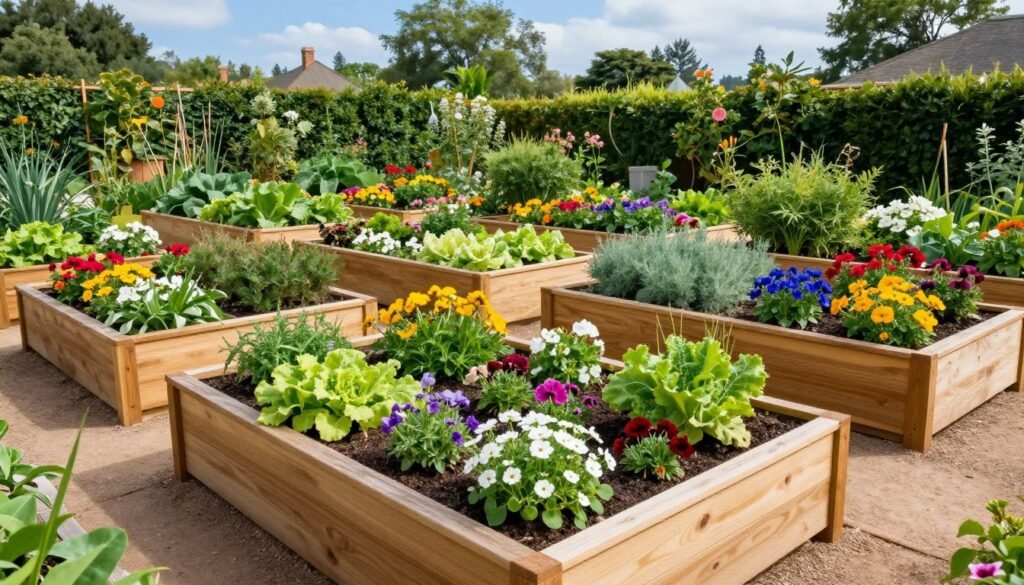
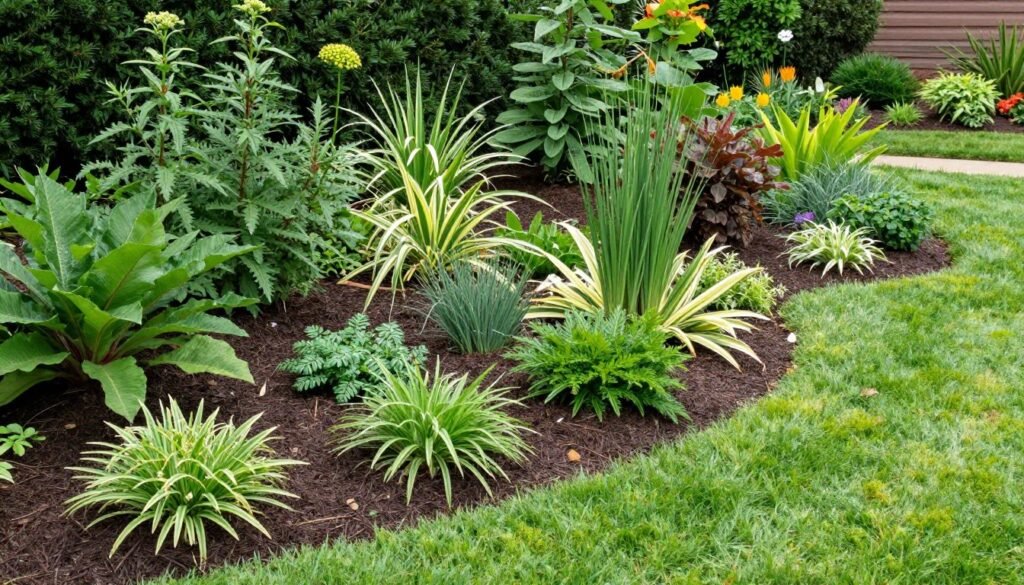
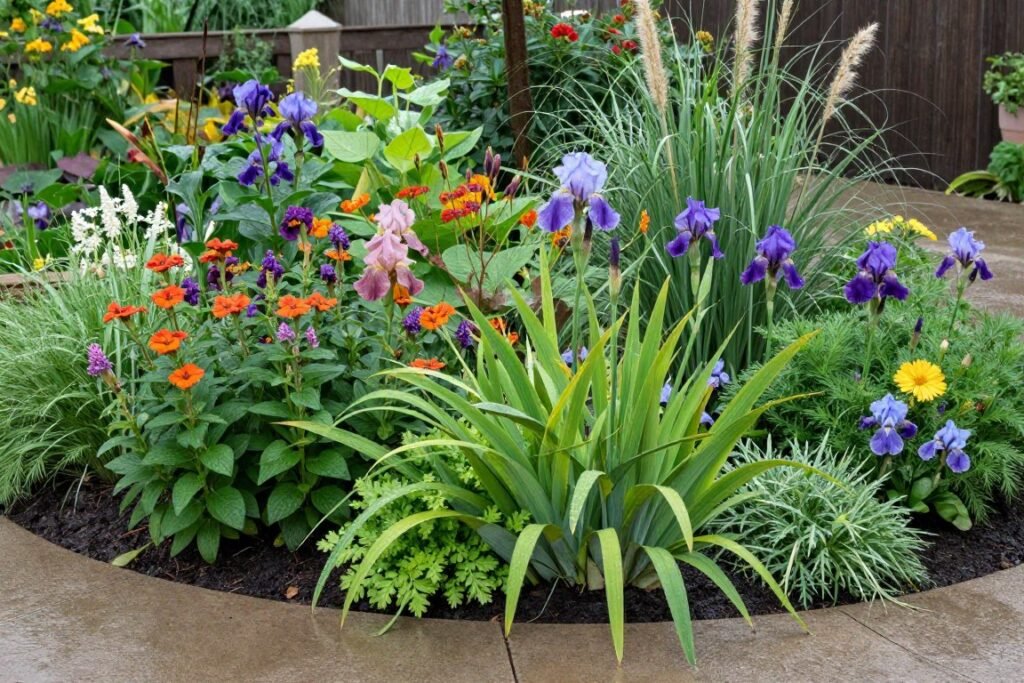
Garden beds anchor your landscape design. These defined planting areas add structure while showcasing your favorite plants. Building beds transforms flat yards into dynamic outdoor spaces with visual depth.
Choose locations that receive appropriate sunlight for your desired plants. Most flowering plants and vegetables need six hours of direct sun daily. Shade-loving plants thrive under trees or beside structures that block afternoon rays.
Raised Bed Construction
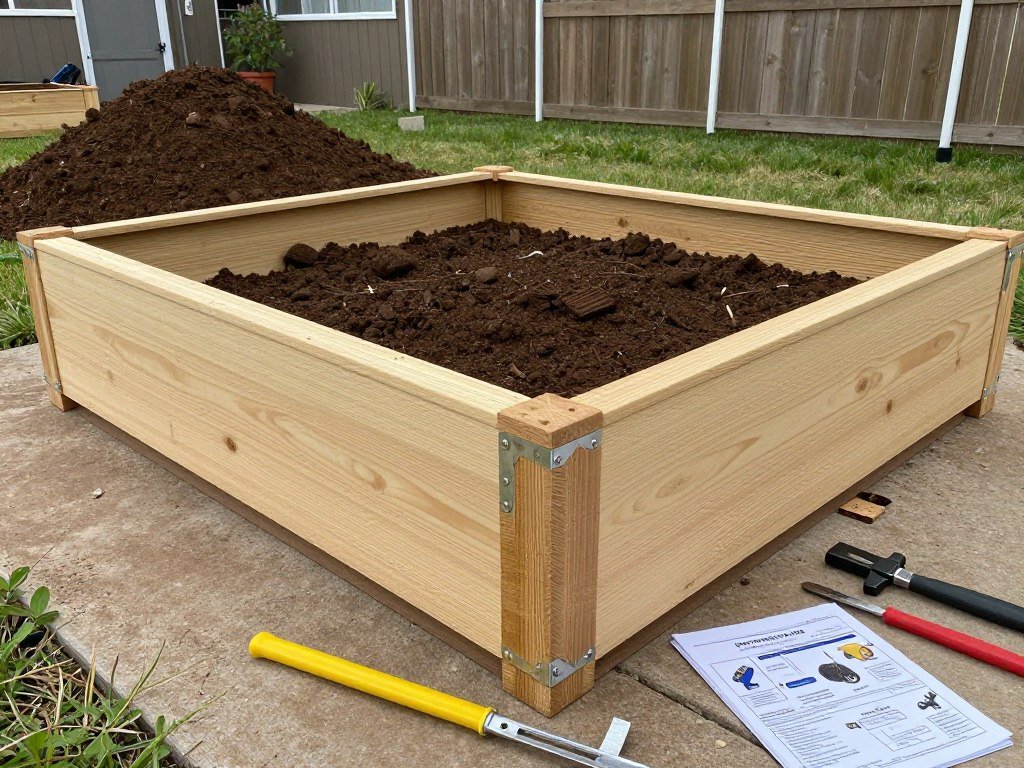
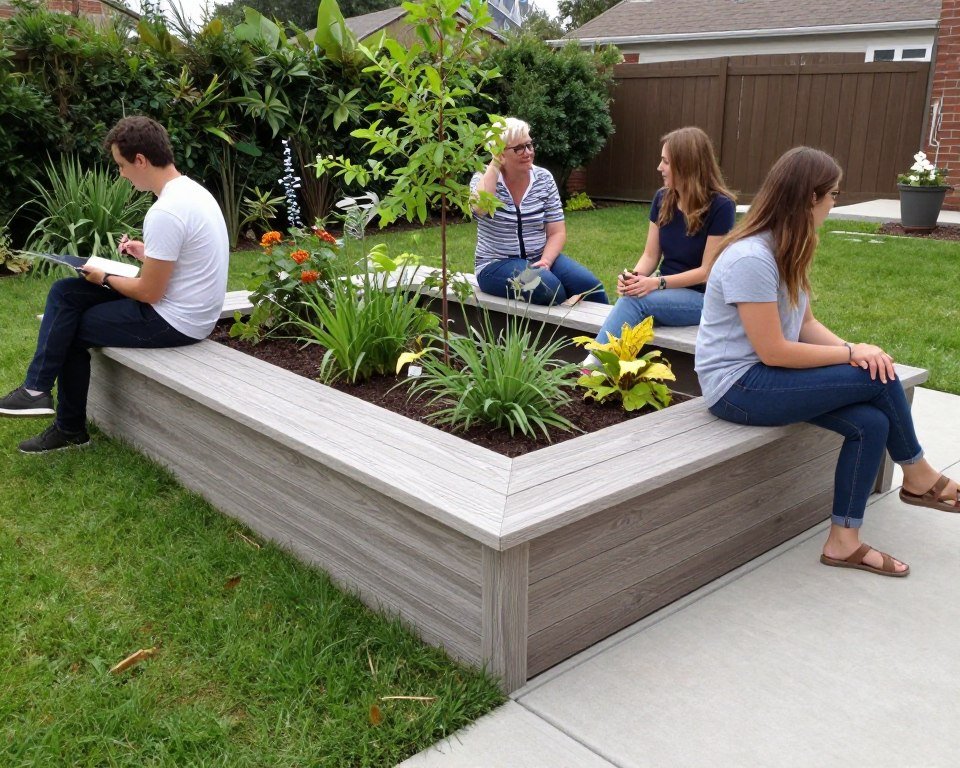
Raised beds offer numerous advantages for home gardeners. These structures improve drainage, reduce bending, and extend the growing season by warming soil faster in spring. Build frames from rot-resistant wood like cedar or composite materials for longevity.
Height matters for both aesthetics and function. Beds between twelve and eighteen inches deep accommodate most root systems. Taller beds suit gardeners who prefer working without stooping. Keep width under four feet for easy access from all sides.
Border and Edge Design
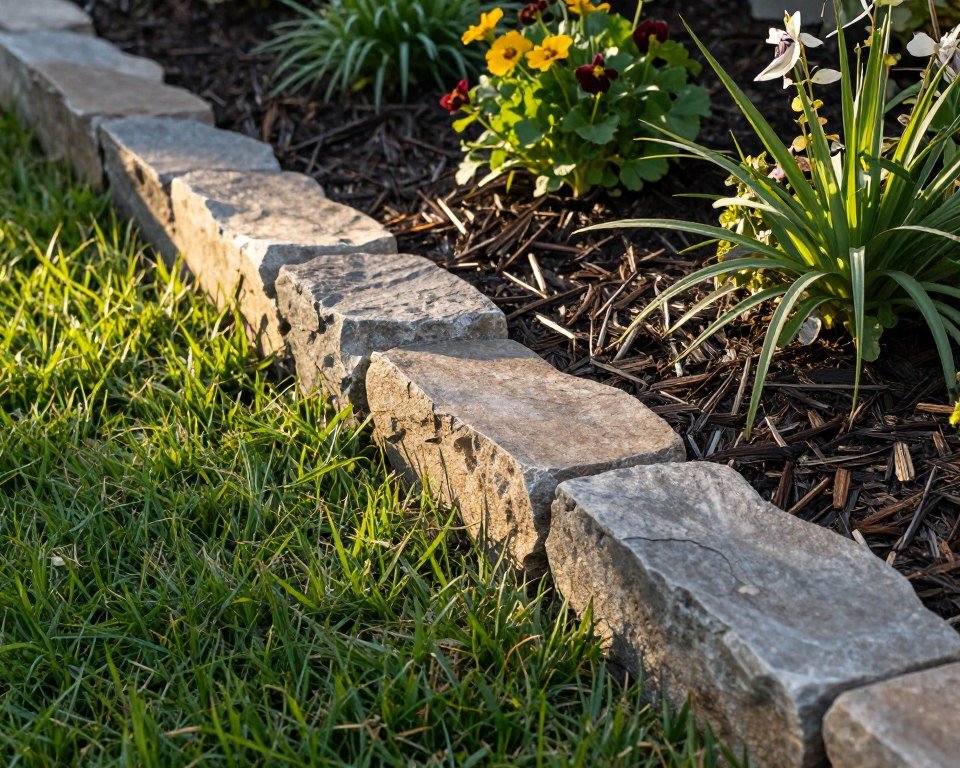
Clean edges separate beds from lawn and paths. This definition creates professional polish while simplifying maintenance. Several materials work effectively as borders depending on your style and budget.
Stone edging provides timeless appeal and durability. Stack flat stones for rustic charm or set uniform pavers for modern precision. Metal edging offers sleek lines that disappear into the landscape while containing mulch and soil.
Plant Selection for Impact
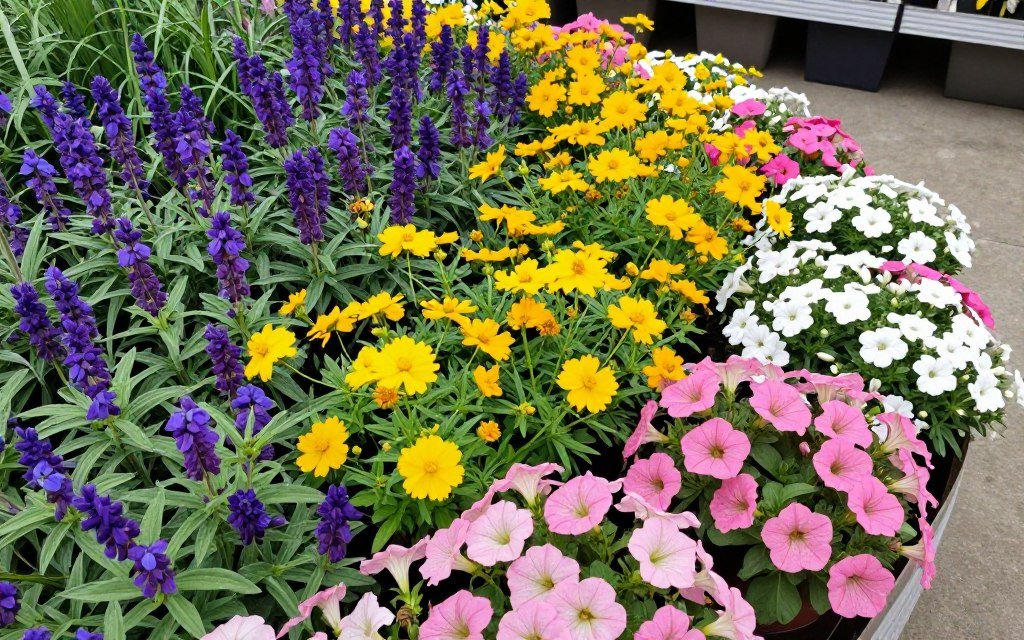
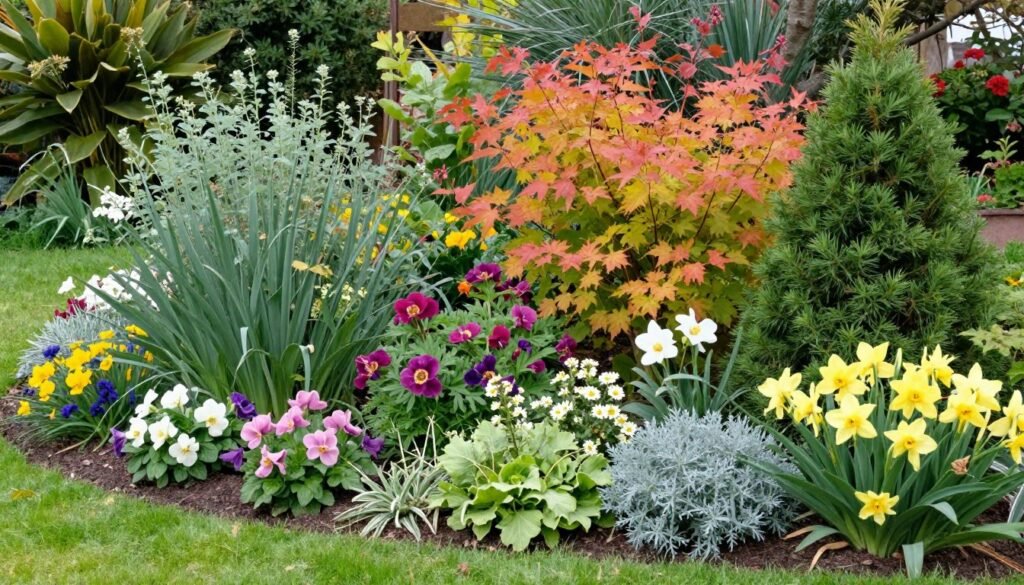
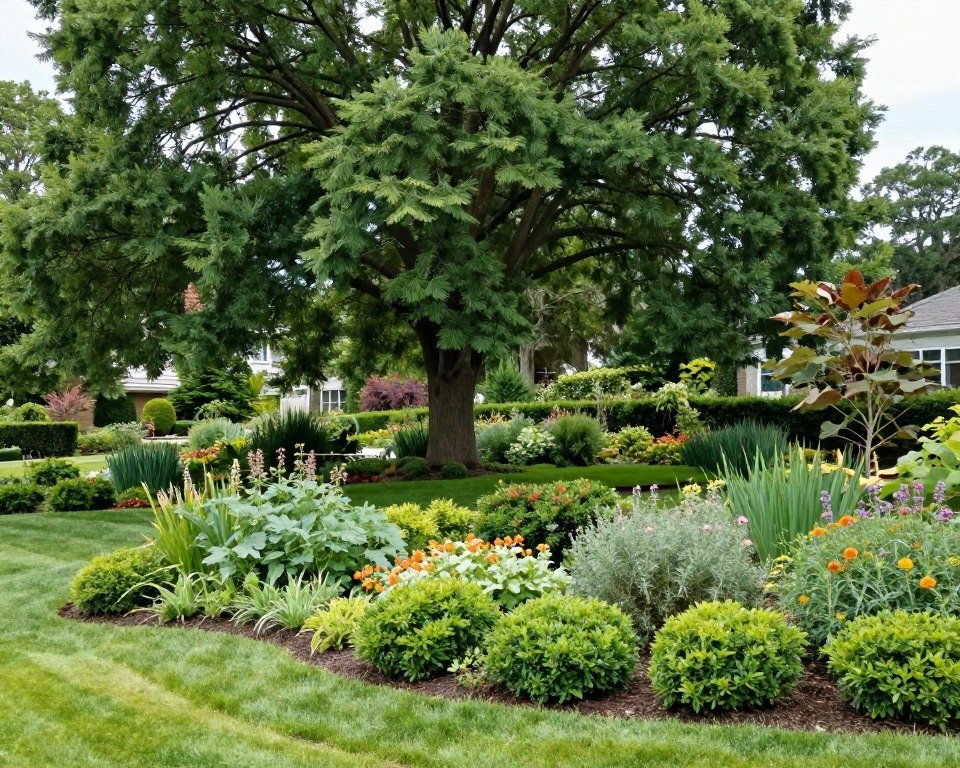
Layer plants by height for maximum visual impact. Position tall specimens at the back of beds, medium plants in the middle, and low growers along front edges. This tiered approach ensures every plant receives sunlight while creating dimension.
Combine different bloom times for continuous color throughout the growing season. Early spring bulbs give way to summer perennials, followed by fall-blooming sedums and asters. This succession keeps beds interesting from March through October.
Master Garden Design Like a Professional
Discover the insider techniques landscape designers use to create stunning garden beds that bloom beautifully all season. Get instant access to expert planting strategies, color combination guides, and maintenance schedules that save hours of work.
Hardscape elements provide structure and functionality to outdoor spaces. These permanent features include patios, walkways, walls, and other non-living components. Quality hardscaping creates usable areas while reducing lawn maintenance needs.
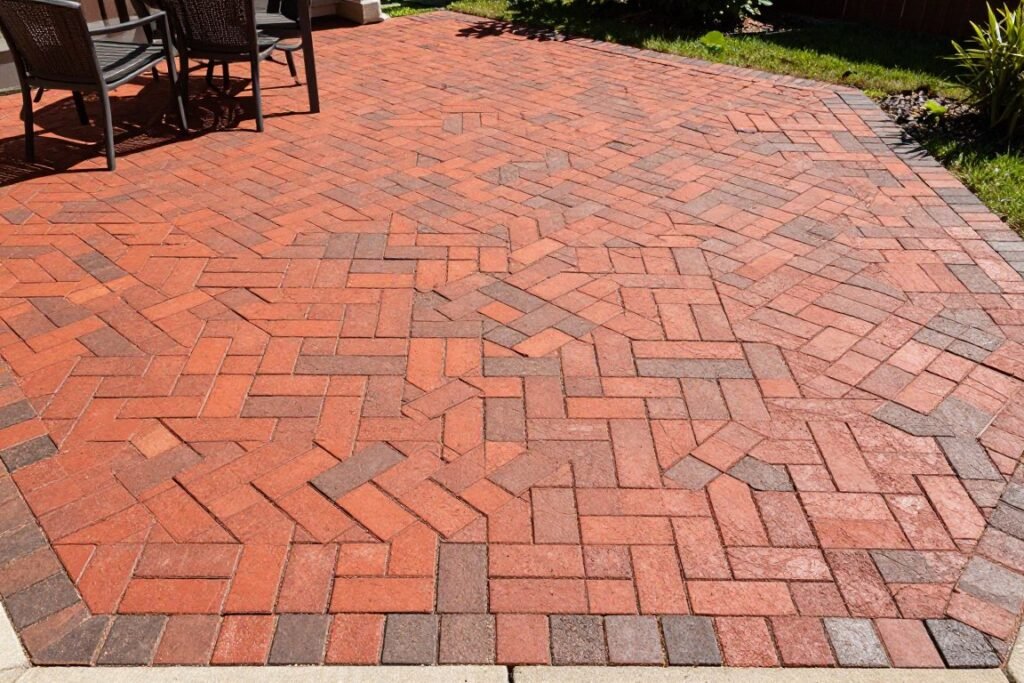
Materials range from natural stone to modern concrete pavers. Each option offers distinct aesthetic qualities and practical benefits. Consider your home’s architectural style when selecting hardscape materials for cohesive design.
Patio Construction Options
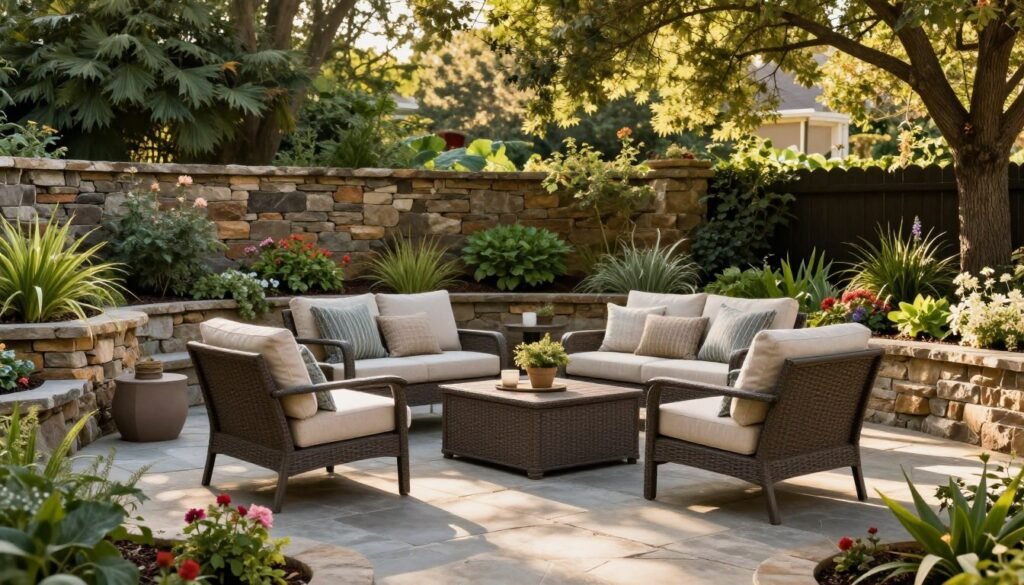
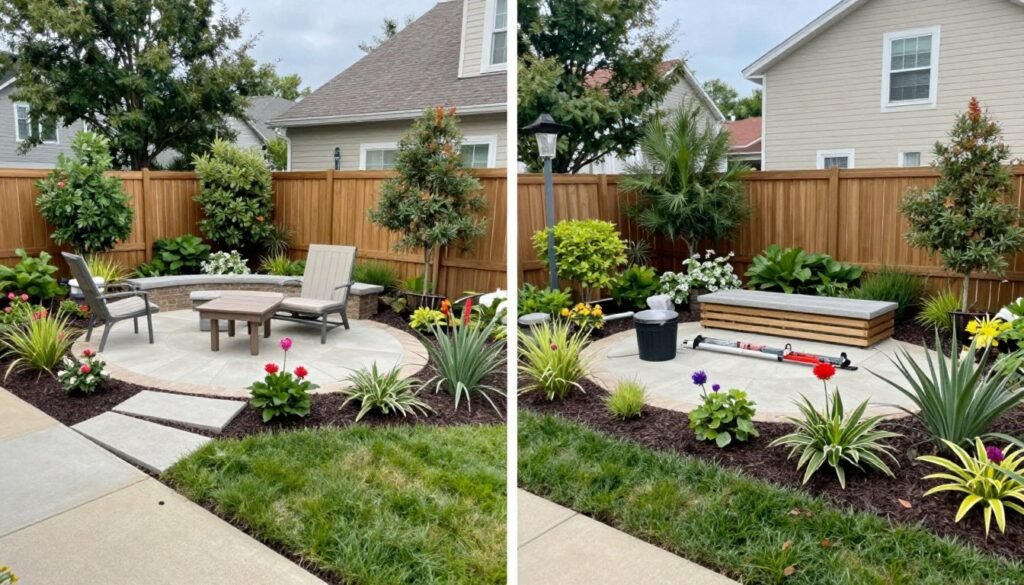
Patios expand living space beyond your home’s walls. These gathering areas accommodate dining, relaxing, and entertaining. Size your patio based on intended furniture and expected guest numbers, allowing comfortable circulation.
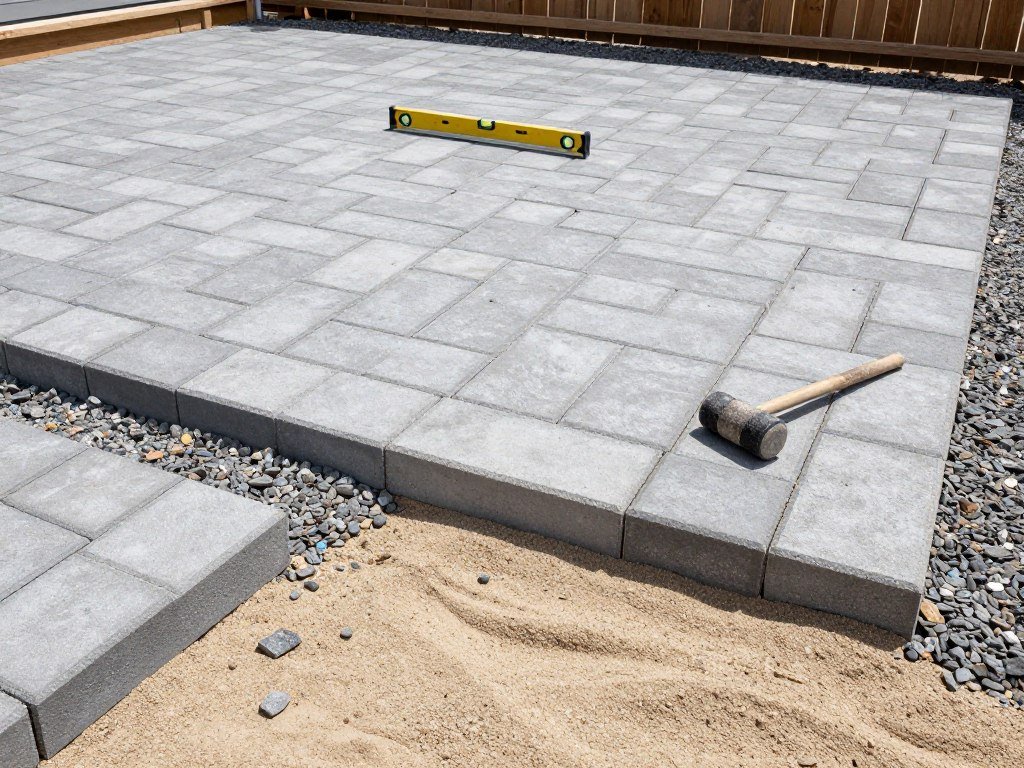
Concrete pavers offer design flexibility with numerous colors, shapes, and patterns available. Installation involves excavating soil, adding compacted gravel base, leveling sand, and setting pavers. This multi-layer approach prevents settling and ensures longevity.
Walkways and Paths
Pathways guide movement through your yard while protecting grass from wear. Design paths that follow natural traffic patterns between frequently accessed areas. Curved walks create visual interest compared to straight lines.
Width affects both function and aesthetics. Main paths should accommodate two people walking side by side, requiring minimum forty-eight inch width. Secondary garden paths can be narrower, typically thirty to thirty-six inches.
Retaining Walls and Borders
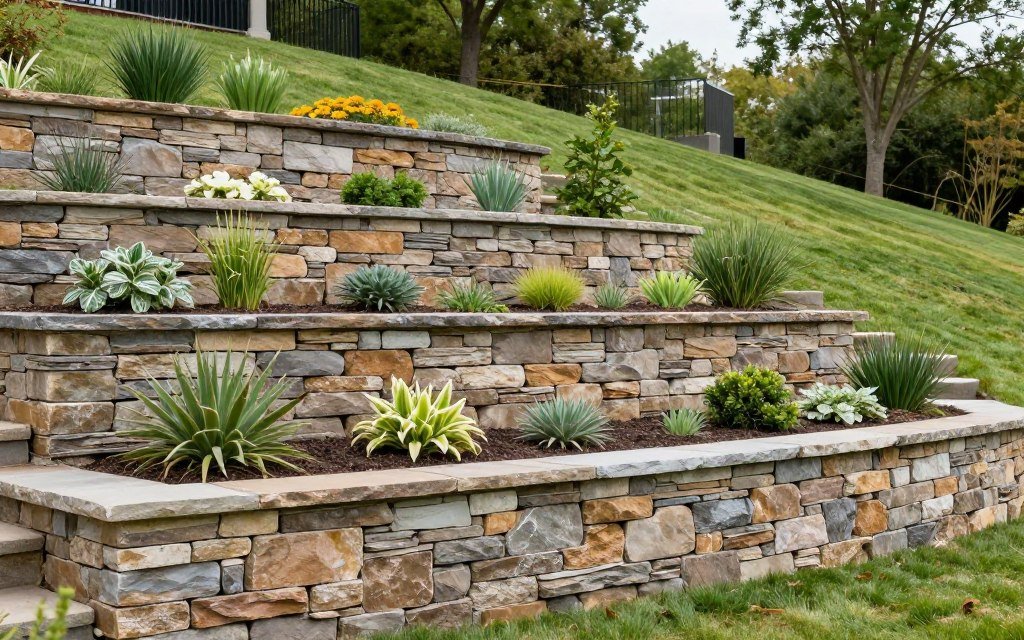
Sloped yards present both challenges and opportunities. Retaining walls hold soil in place while creating level planting areas. These structures transform difficult terrain into functional outdoor rooms with distinct purposes.
Natural stone walls complement traditional landscapes with timeless appeal. Stack stones without mortar for rustic charm and improved drainage. Alternatively, manufactured retaining wall blocks offer uniform appearance and simplified installation with interlocking design.
Water Features for Tranquility
Water adds sensory richness to outdoor spaces. The sight and sound of moving water creates peaceful ambiance while attracting wildlife. Features range from simple fountains to elaborate pond systems, scaling to fit any yard size.
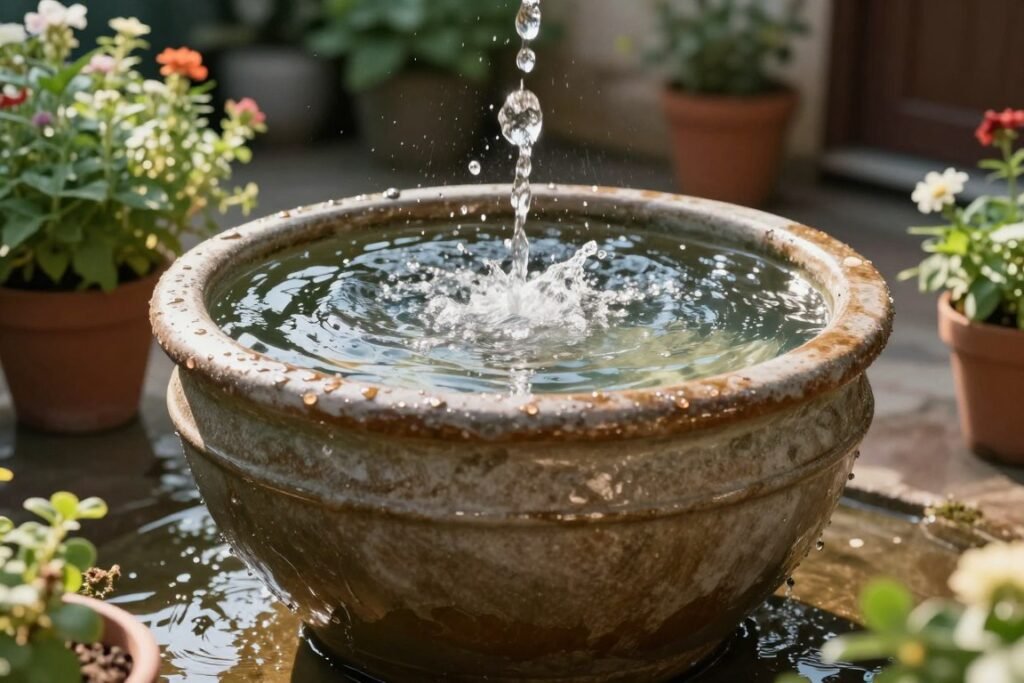
Even small water elements make significant impact. A bubbling urn fountain occupies minimal space while providing soothing sounds. Larger properties can accommodate ponds that support fish and aquatic plants for complete ecosystems.
Fountain Installations
Self-contained fountains offer easiest maintenance among water features. These units include reservoir, pump, and decorative element in one package. Simply fill with water, plug in, and enjoy instant tranquility.
Position fountains near seating areas where you’ll appreciate the calming sounds. Ensure access to electrical outlets or consider solar-powered options for remote locations. Clean pump filters monthly to maintain optimal performance and water clarity.
Building a Backyard Pond
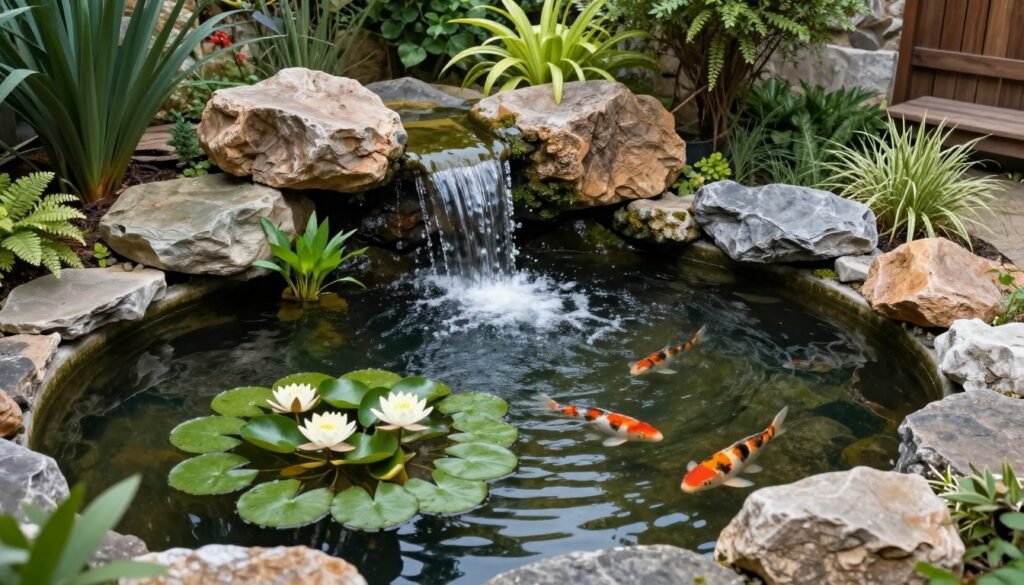
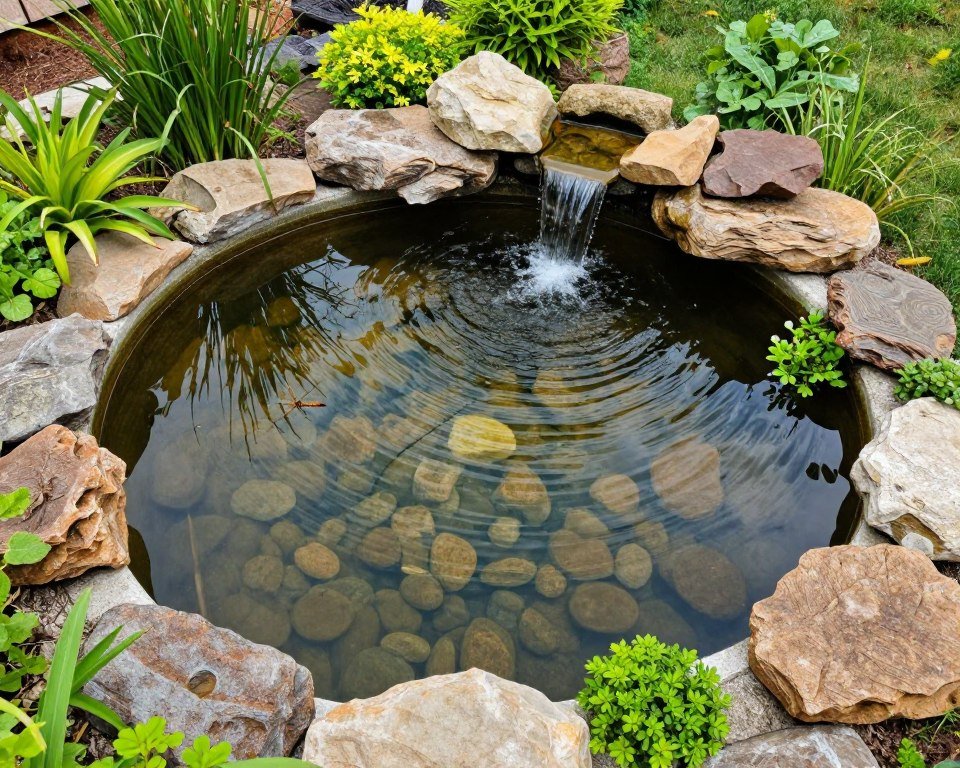
Ponds require more planning than fountains but reward with living aquatic gardens. Choose locations away from trees to minimize leaf debris. Partial shade prevents excessive algae growth while full sun supports blooming water plants.
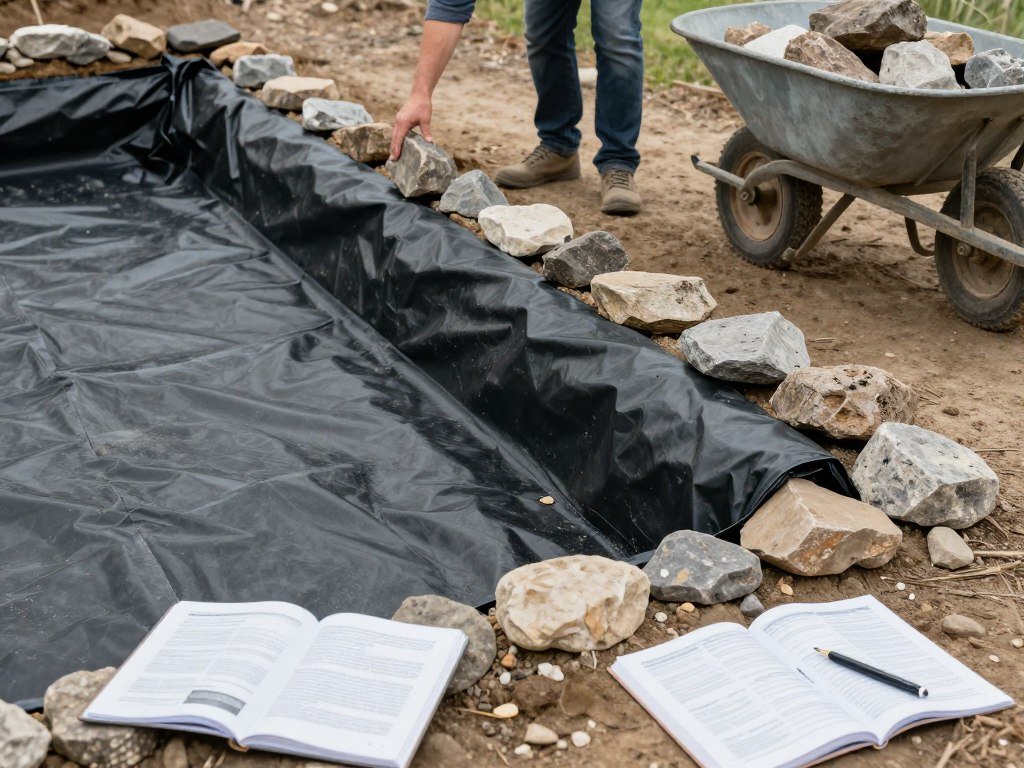
Flexible pond liners simplify installation compared to rigid preformed shells. Dig your desired shape, install underlayment fabric, add liner, and fill with water. Edge with flat stones to hide liner and create natural appearance.
Modern yards function as extensions of indoor living areas. Dedicated outdoor rooms for cooking, dining, and relaxing expand usable square footage while connecting you with nature. These spaces increase home value and enhance daily life.
Climate considerations influence design choices. Hot regions benefit from shade structures, while cooler areas may include fire features for warmth. Plan spaces that suit your local weather patterns and extend seasonal use.
Outdoor Kitchens
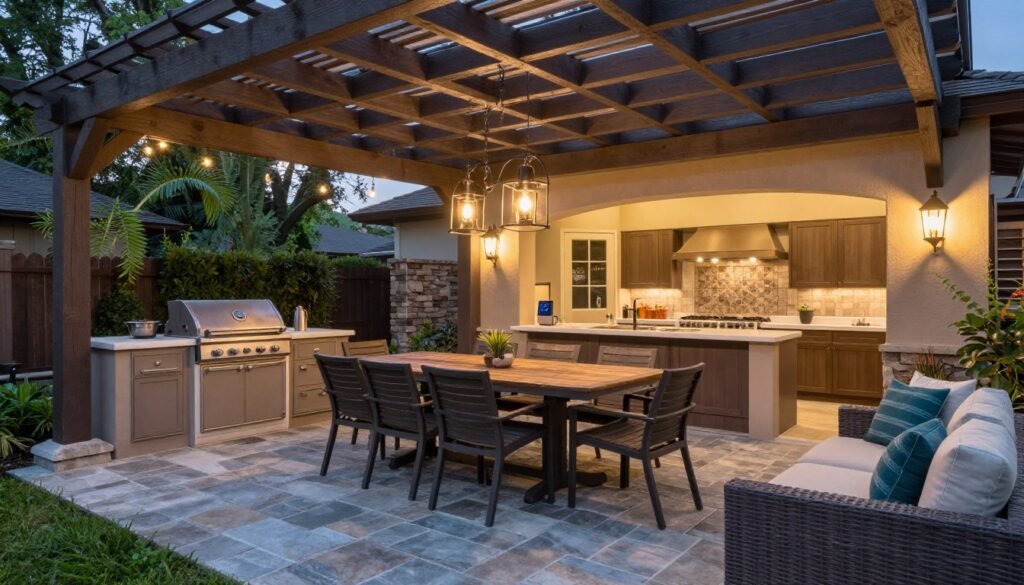
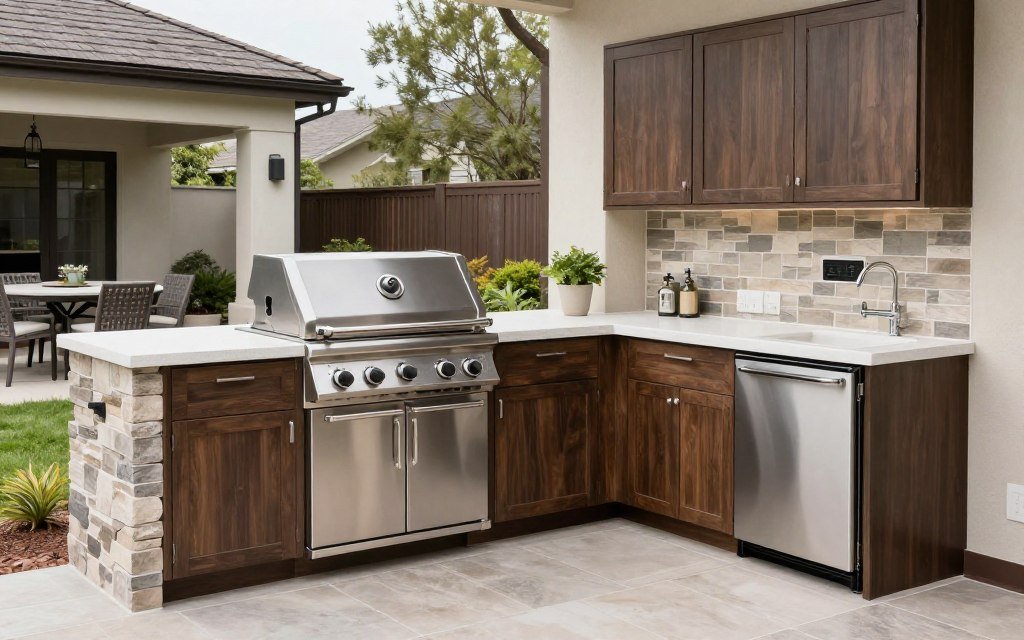
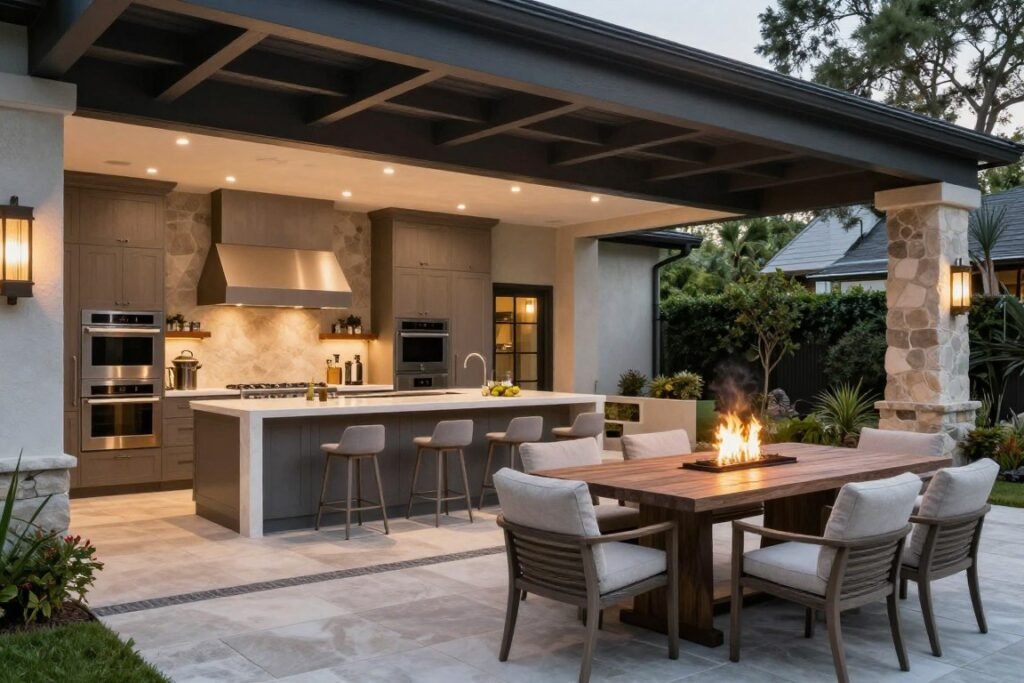
Cooking outdoors keeps heat outside during summer while creating entertainment focal points. Start with essential elements: grill, prep counter, and storage. Expand based on budget and cooking style with additions like pizza ovens or smokers.
Weather-resistant materials ensure longevity. Stainless steel appliances withstand elements better than painted finishes. Stone or concrete countertops handle temperature changes without damage. Position kitchens convenient to indoor spaces for easy food transport.
Pergolas and Shade Structures
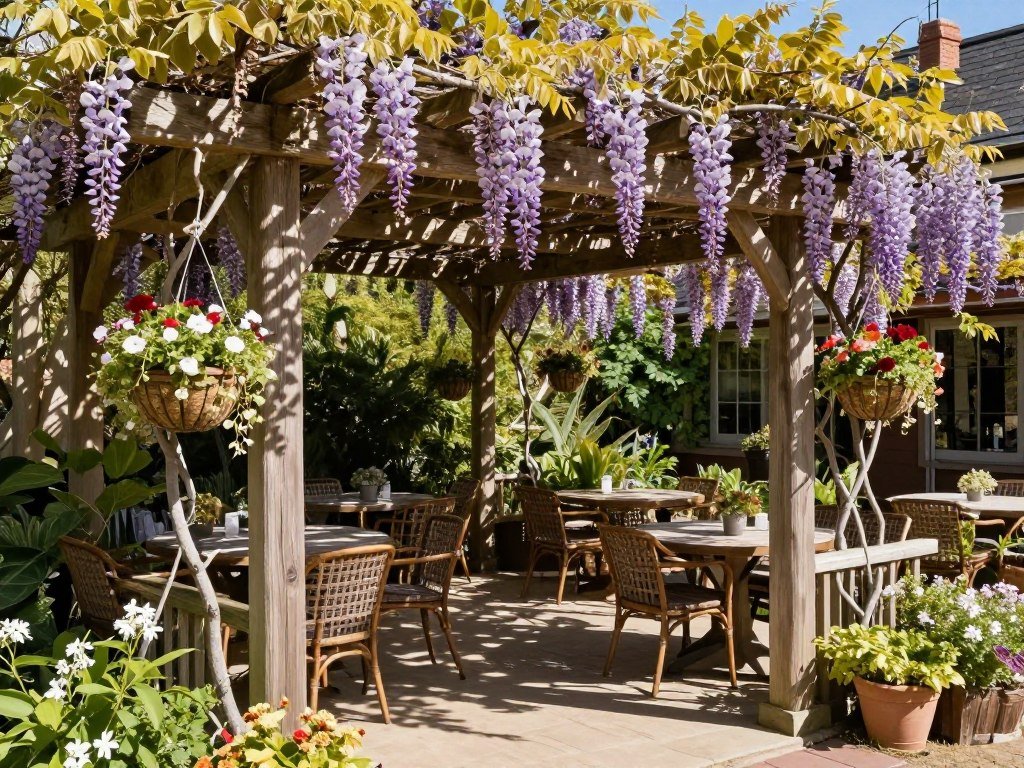
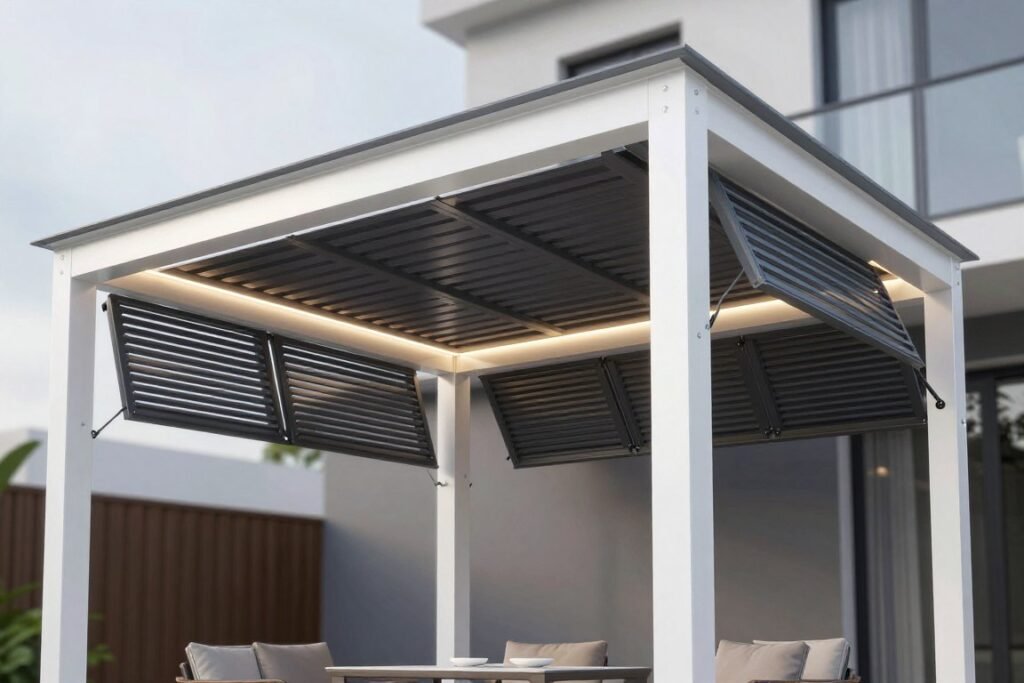
Overhead structures define space while providing sun protection. Pergolas feature open-beam roofs that allow partial sunlight and air circulation. Train climbing plants over beams to increase shade coverage naturally over time.
Solid roof structures offer complete weather protection, creating year-round usable space. Combine with ceiling fans and outdoor heaters to maximize comfort across seasons. Consider building codes and permit requirements before construction begins.
Fire Features
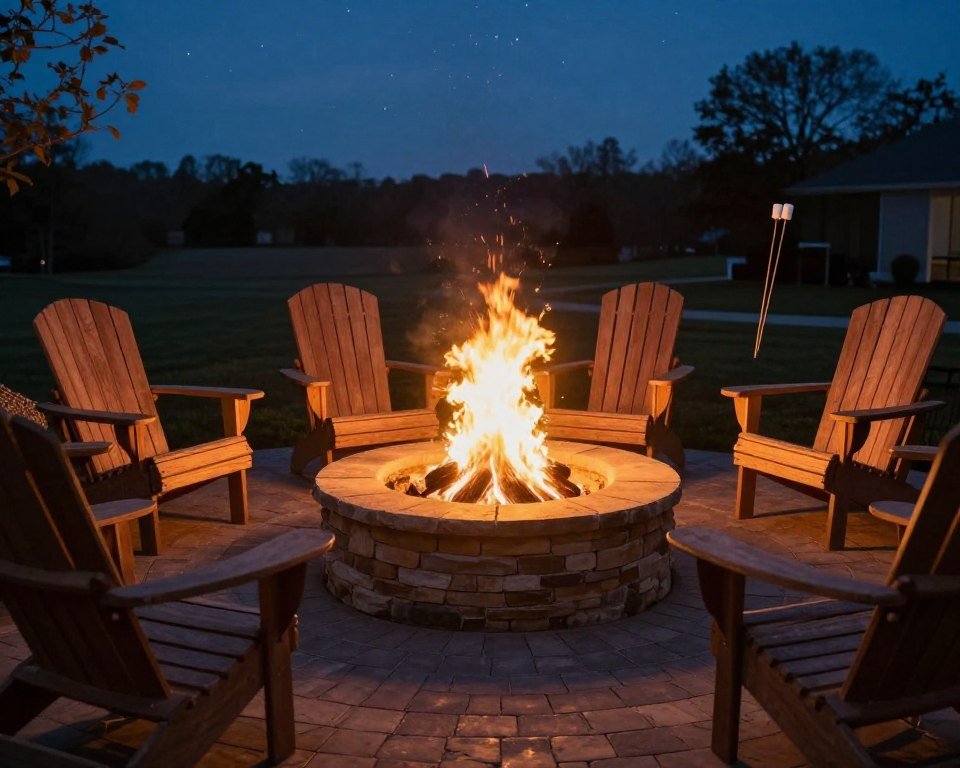
Fire pits and fireplaces extend outdoor season into cooler months. Gathering around flames creates natural social settings while providing warmth. Choose between wood-burning options for authentic ambiance or gas versions for convenience.
Safety considerations include maintaining adequate clearance from structures and overhanging branches. Built-in fire features integrate seamlessly with hardscaping, while portable units offer flexibility to rearrange as needs change.
Create Your Dream Outdoor Living Space
Stop dreaming and start building the backyard retreat you deserve. Access professional design plans, material lists, and step-by-step construction guides for every outdoor living feature. From simple fire pits to complete outdoor kitchens, get the knowledge to build it right the first time.
Vertical elements maximize planting space in small yards while adding privacy screening. Growing upward rather than outward makes efficient use of limited square footage. These solutions suit urban gardens and compact areas perfectly.
Privacy concerns find natural solutions through strategic plant placement. Living screens provide softer boundaries than solid fences while still obscuring views. Layered plantings with various heights create effective barriers.
Trellises and Climbing Plants
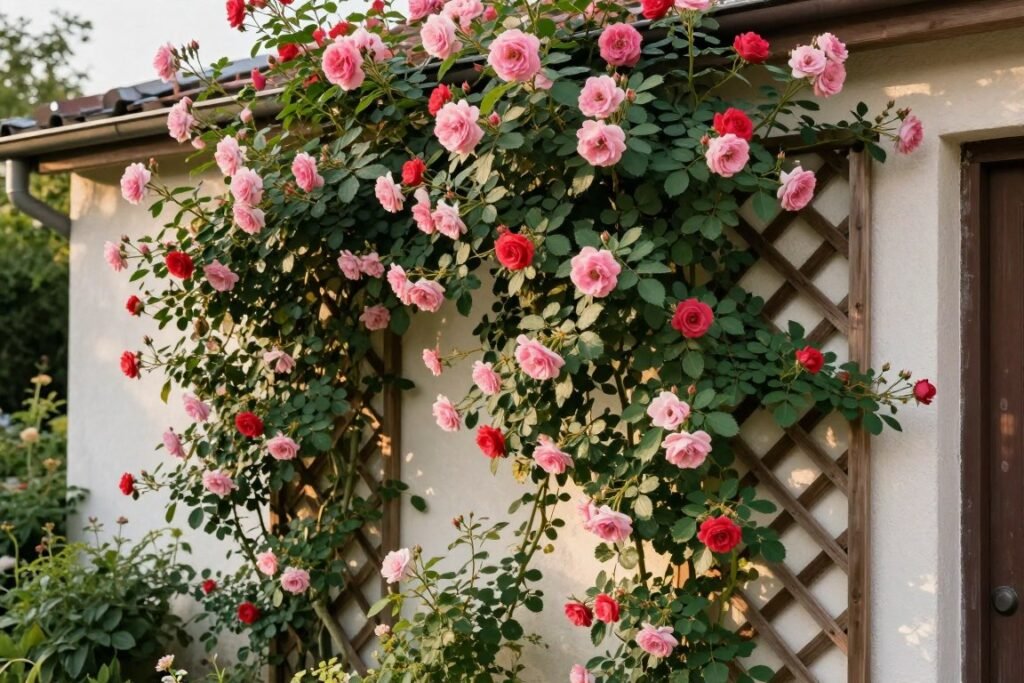
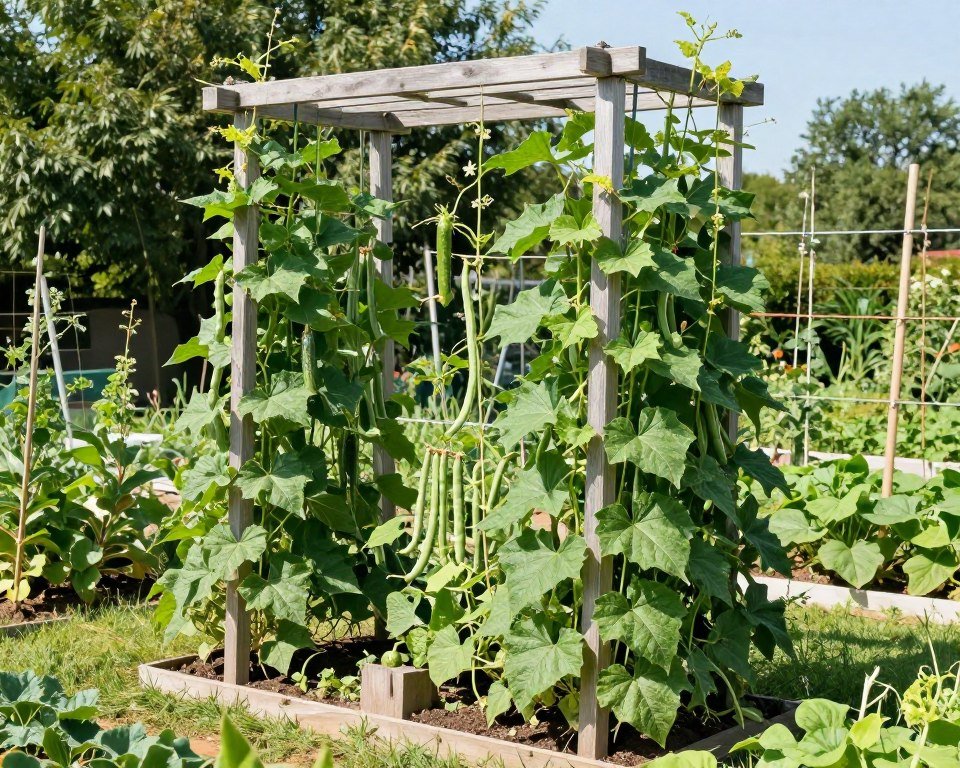
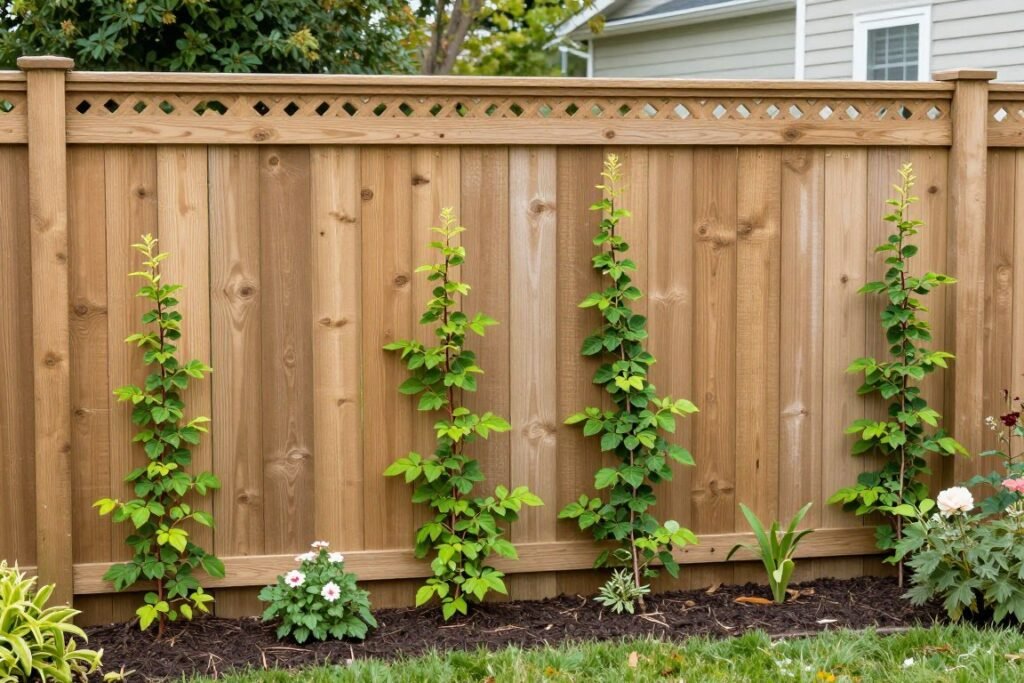
Trellises support climbing plants while adding architectural interest. Install against walls, fences, or as freestanding garden elements. Sturdy construction matters since mature vines grow heavy with foliage and flowers.
Select climbing plants based on your climate and maintenance preference. Annual vines like morning glories provide quick coverage for seasonal screening. Perennial clematis and climbing roses offer lasting beauty with proper care and support.
Living Walls and Vertical Planters
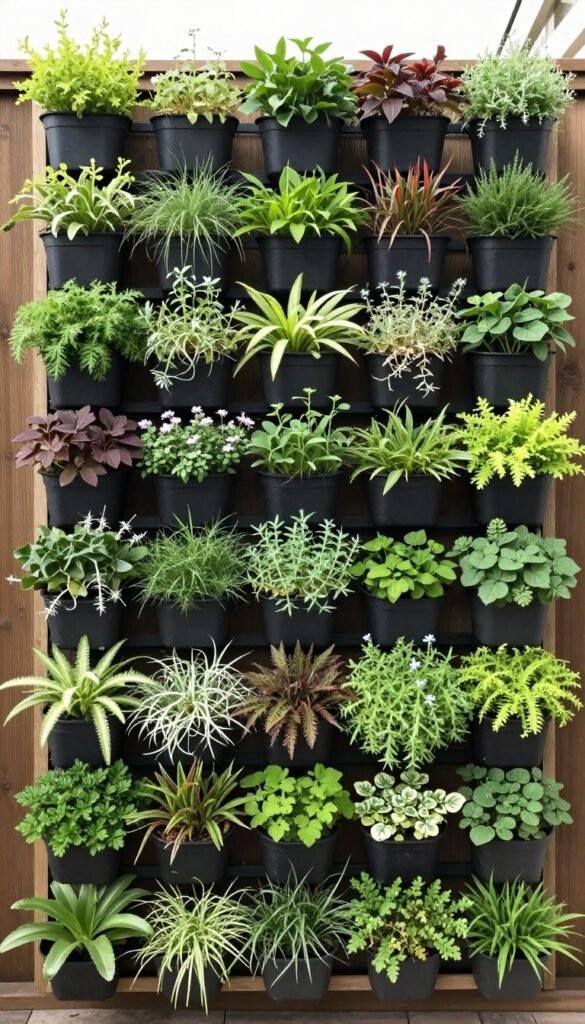
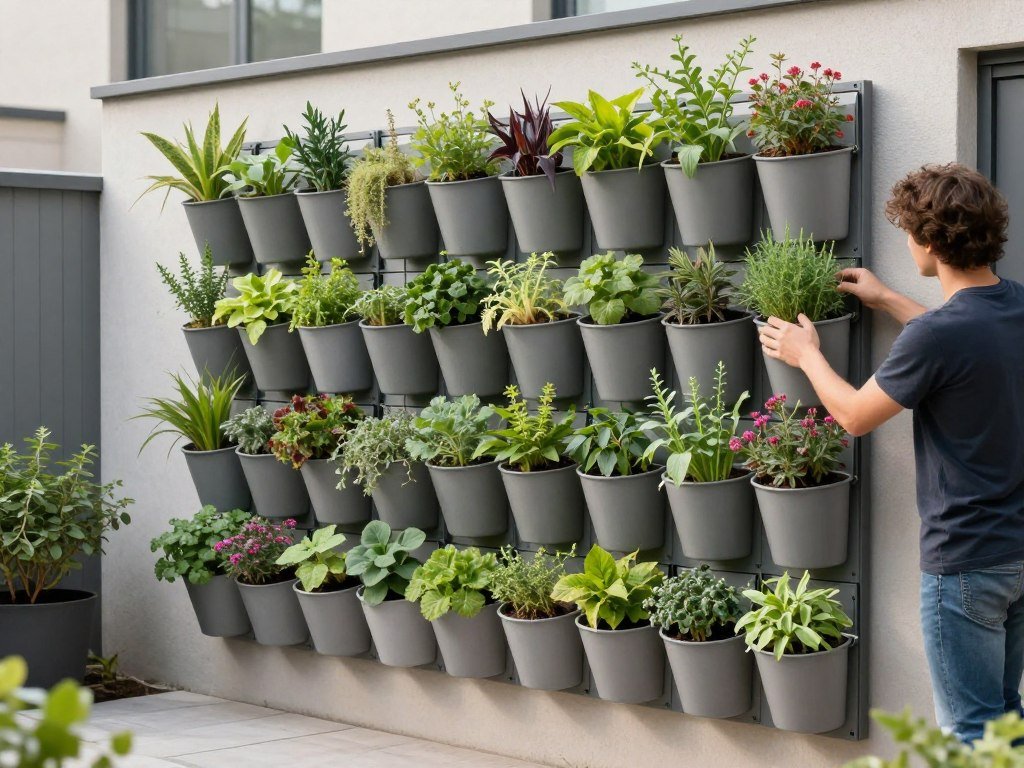
Vertical planter systems transform walls into productive growing spaces. Modular units attach to existing structures, allowing custom configurations. These systems work excellently for herb gardens near outdoor kitchens.
Irrigation requires special attention for vertical gardens. Drip systems prevent water waste while ensuring even moisture distribution. Position plants with similar water needs together for efficient care and resource management.
Fence and Hedge Screening
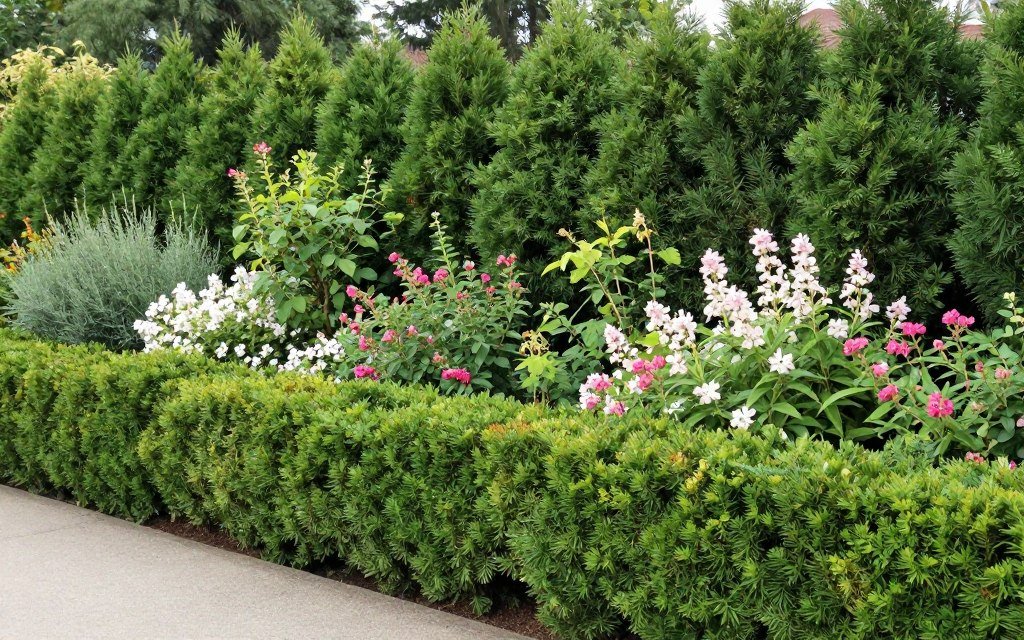
Dense hedges form natural privacy barriers while supporting local wildlife. Evergreen varieties maintain screening year-round, while deciduous options offer seasonal changes. Plant hedges slightly closer than mature width to encourage dense growth.
Wooden fences provide instant privacy but soften with plant additions. Attach trellises to fence tops for extra height, or plant climbing vines at the base. Combining hardscape and plants creates layered screening with visual interest.
Lawn Alternatives and Ground Covers
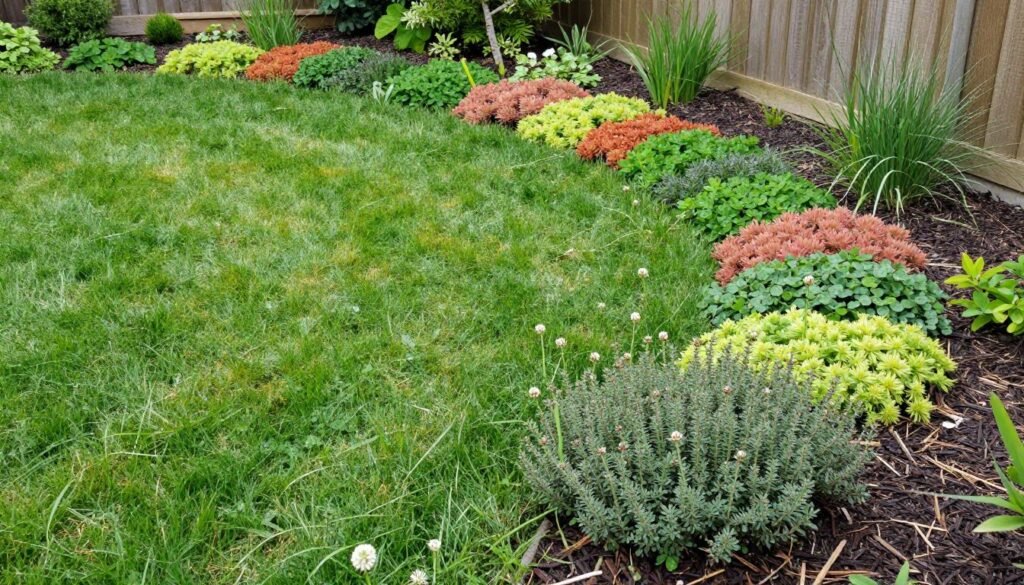
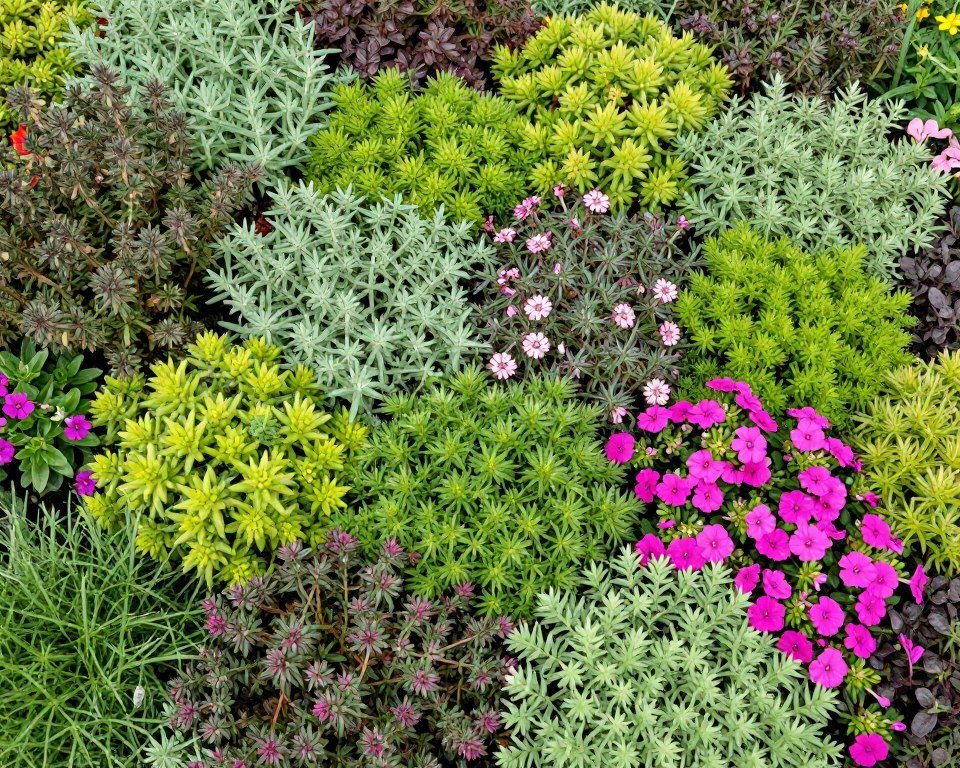
Traditional grass lawns demand significant water, chemicals, and maintenance time. Alternative ground covers offer beauty with reduced upkeep. These options suit both environmental concerns and busy lifestyles seeking lower maintenance.
Climate and foot traffic determine best alternatives. Some ground covers tolerate walking, while others serve purely decorative purposes. Match selections to specific yard areas based on intended use and conditions.
Clover and Low-Growing Options
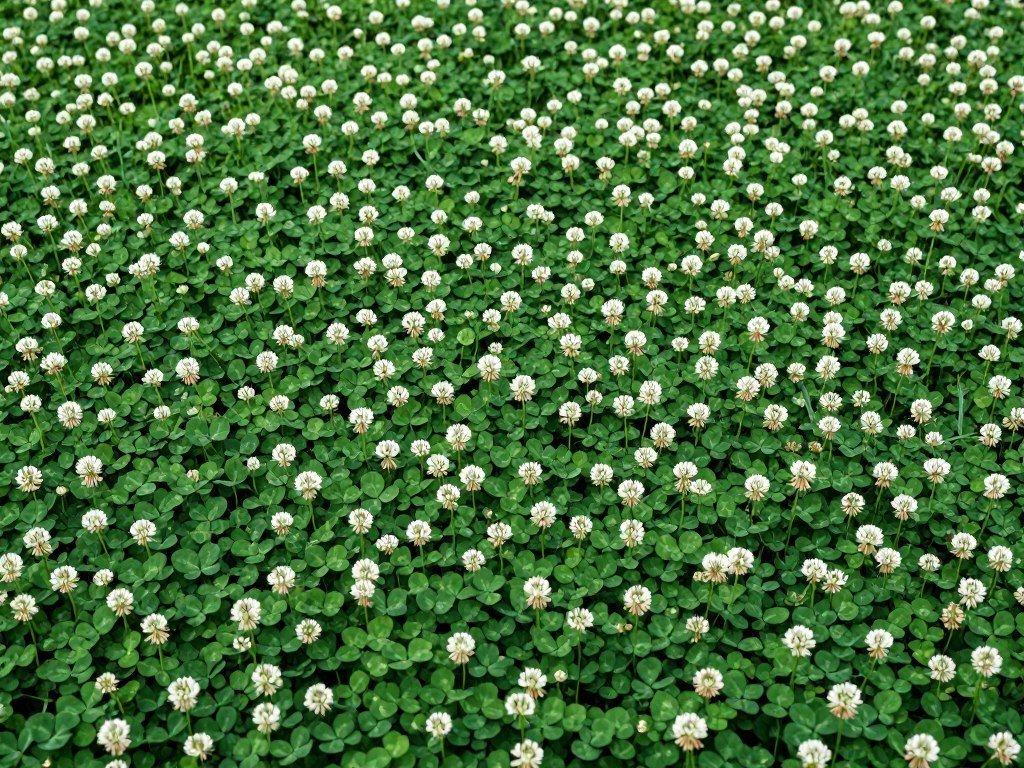
White clover creates soft green carpets that stay attractive with minimal care. This nitrogen-fixing plant improves soil naturally while requiring no fertilization. Tiny white flowers attract beneficial pollinators to your yard throughout summer.
Microclover varieties blend with traditional grass for mixed lawns. These newer cultivars feature smaller leaves and fewer flowers than standard clover. The combination reduces mowing needs while maintaining classic lawn appearance.
Creeping Thyme and Stepable Plants
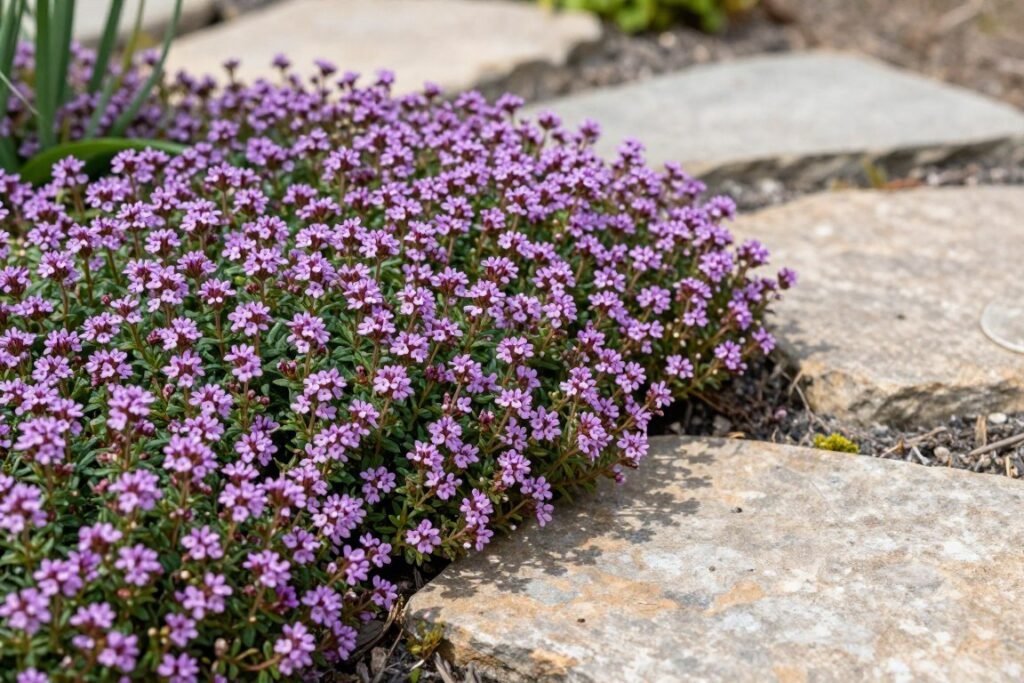
Creeping thyme tolerates light foot traffic while releasing pleasant fragrance when brushed. This low-growing perennial forms dense mats that suppress weeds naturally. Purple summer blooms attract butterflies and bees.
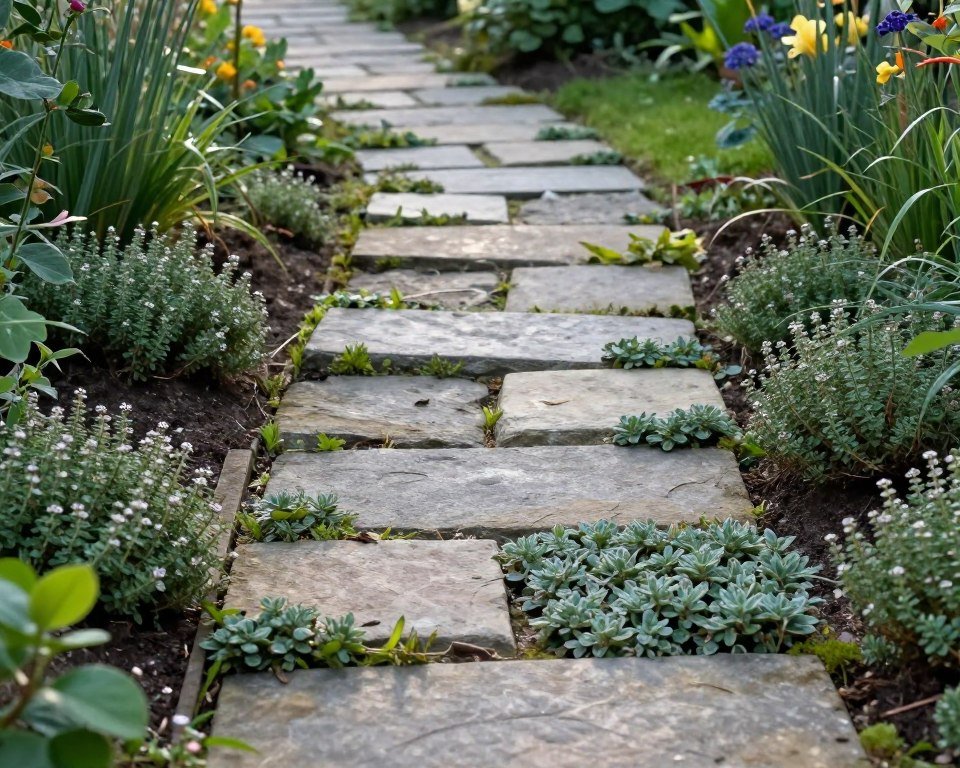
Plant thyme between pavers or stepping stones for living pathways. Established plants handle occasional walking while filling spaces with texture. This approach reduces paving materials needed while creating softer transitions.
Gravel and Rock Gardens
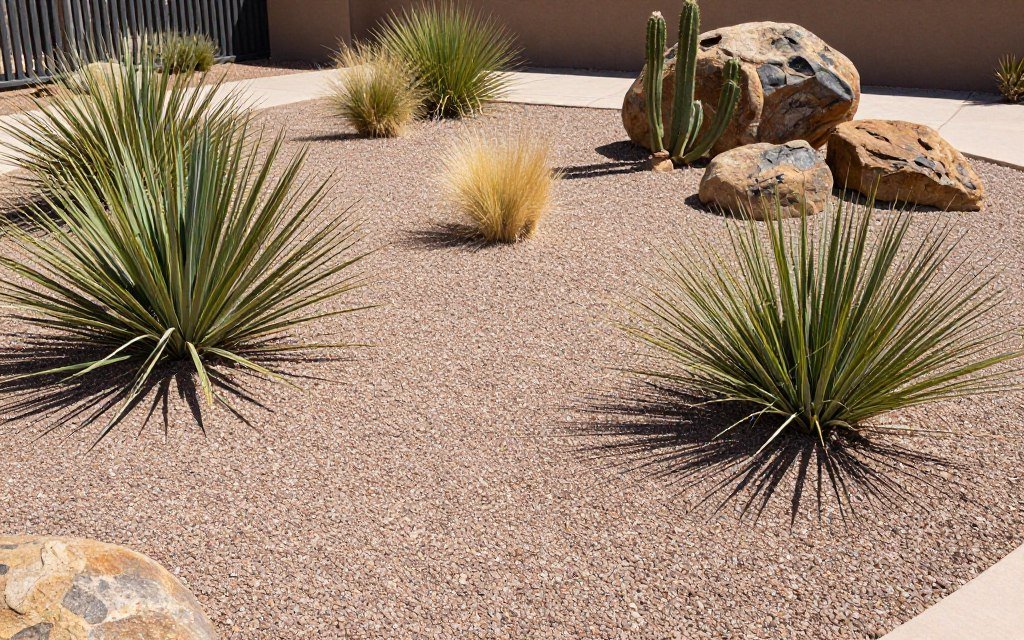
Gravel areas eliminate mowing entirely while providing clean modern aesthetic. Use landscape fabric underneath to prevent weed growth. This approach works particularly well for side yards and areas receiving minimal use.
Rock gardens combine stones of various sizes with alpine plants. Arrange larger boulders as focal points, filling between with smaller rocks and drought-tolerant plants. This style suits arid climates and well-drained slopes.
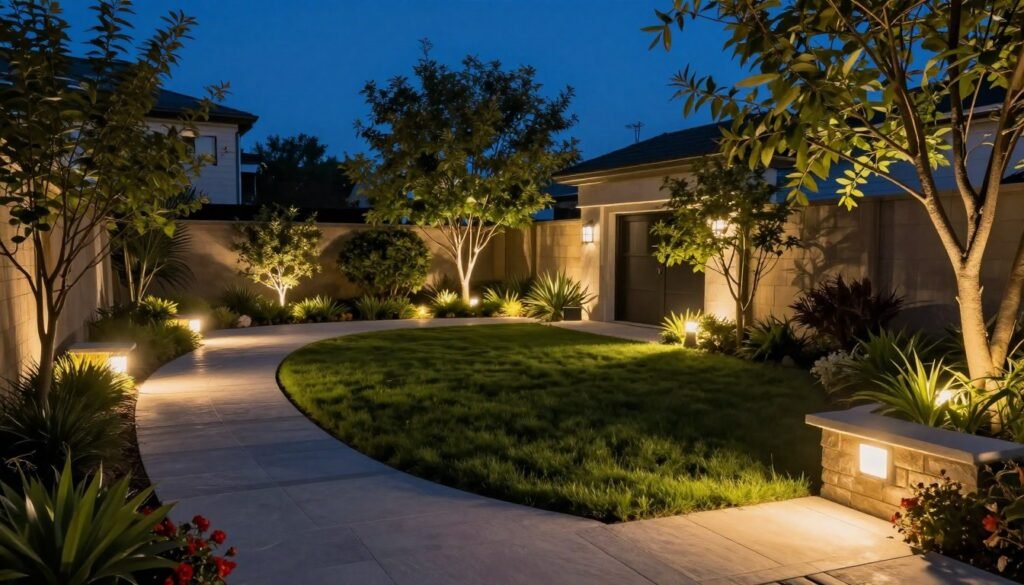
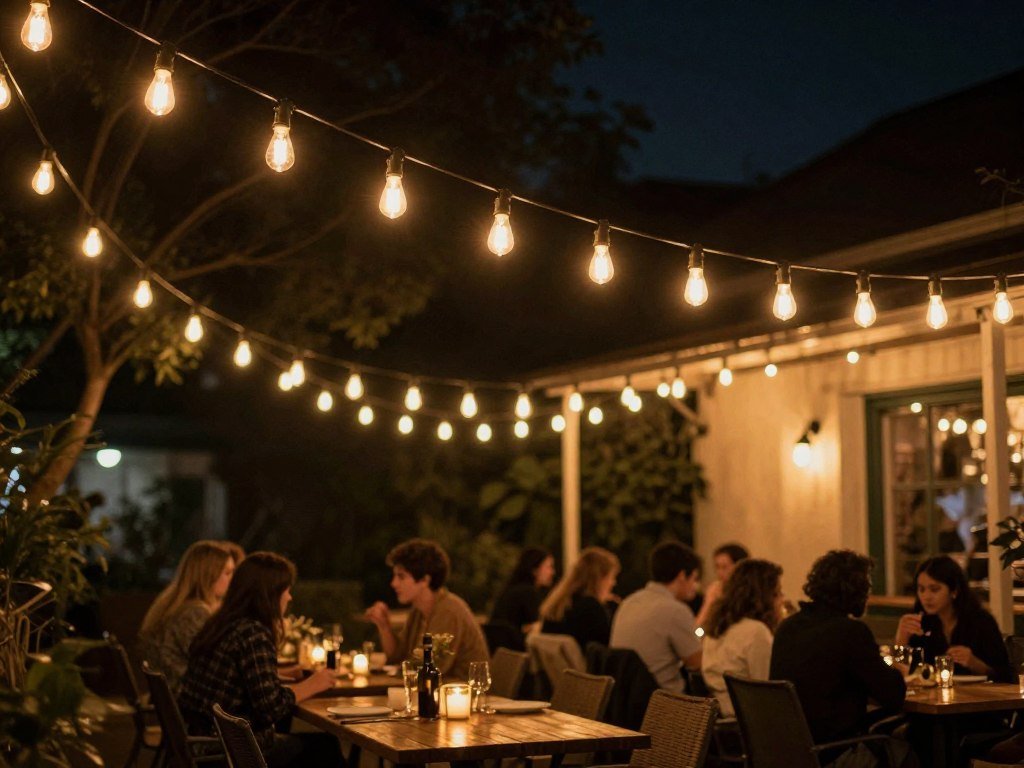
Thoughtful lighting extends yard enjoyment beyond daylight hours. Strategic illumination enhances safety while highlighting landscape features. Modern LED fixtures provide energy efficiency with minimal maintenance requirements.
Layer different lighting types for professional results. Combine path lighting for safety, accent lights for focal points, and ambient lighting for gathering areas. This variety creates depth and interest throughout the space.
Path and Safety Lighting
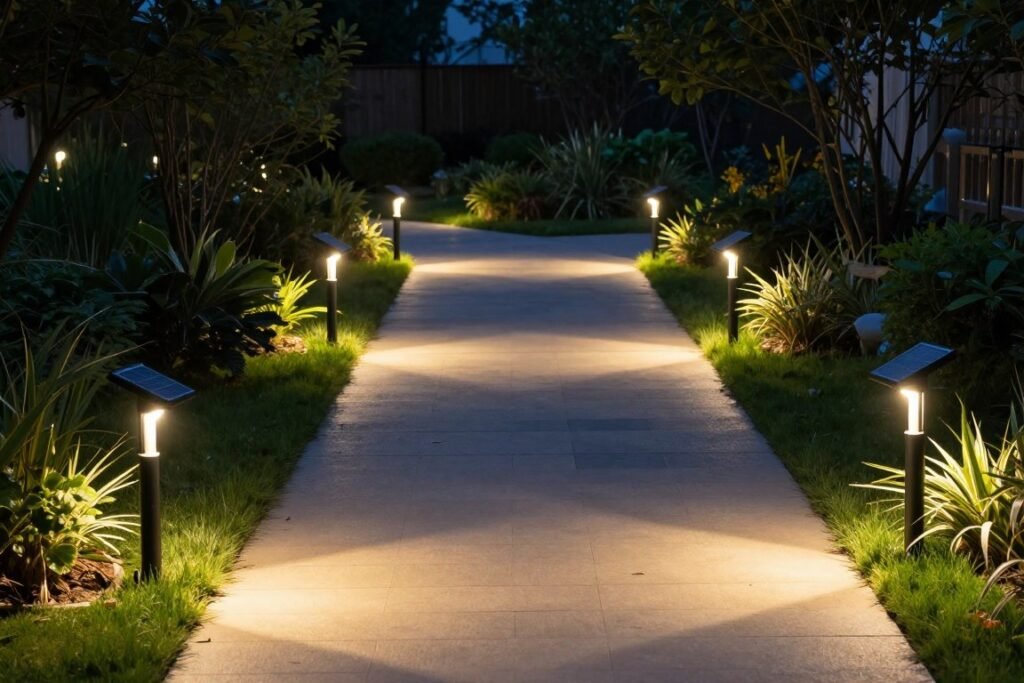
Pathway lighting prevents trips and falls while guiding movement through dark yards. Space fixtures every six to eight feet along walks for adequate coverage. Solar options eliminate wiring needs, though electric systems provide brighter, more reliable illumination.
Step lights mount into risers or nearby walls, directly illuminating elevation changes. These small fixtures prevent accidents on stairs and slopes. Position lights to wash treads with light while avoiding glare that reduces night vision.
Accent and Feature Lighting
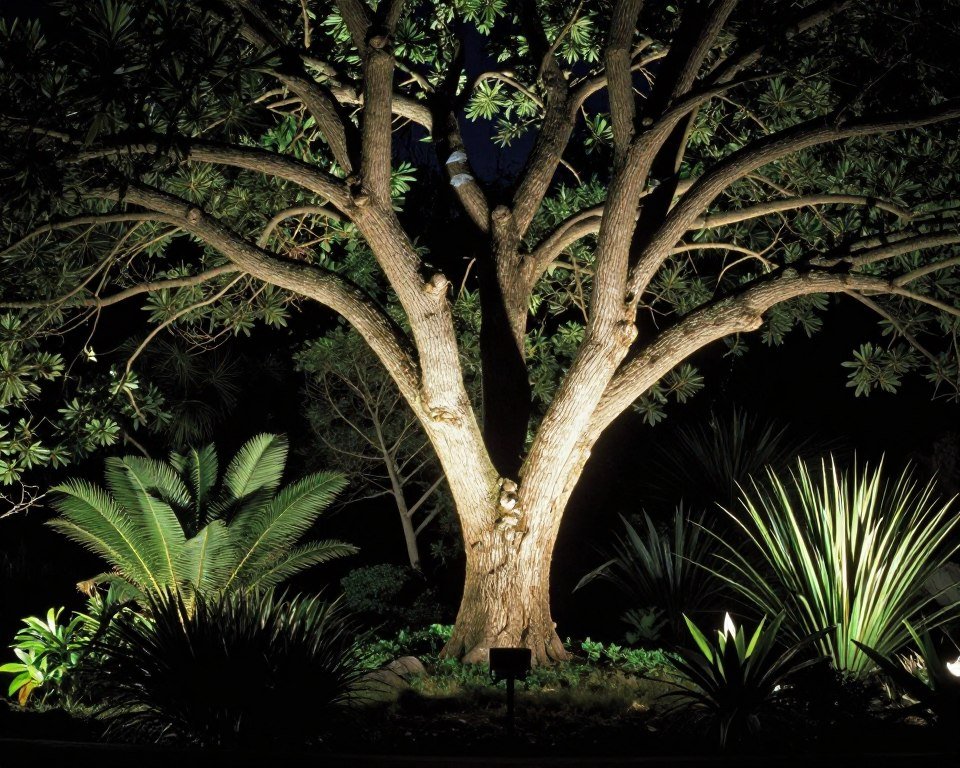
Accent lights showcase special landscape elements. Uplight trees from below to create dramatic silhouettes. Highlight sculptures, fountains, or architectural features with focused beams. Use narrow beam angles for specific targets and wider spreads for larger areas.
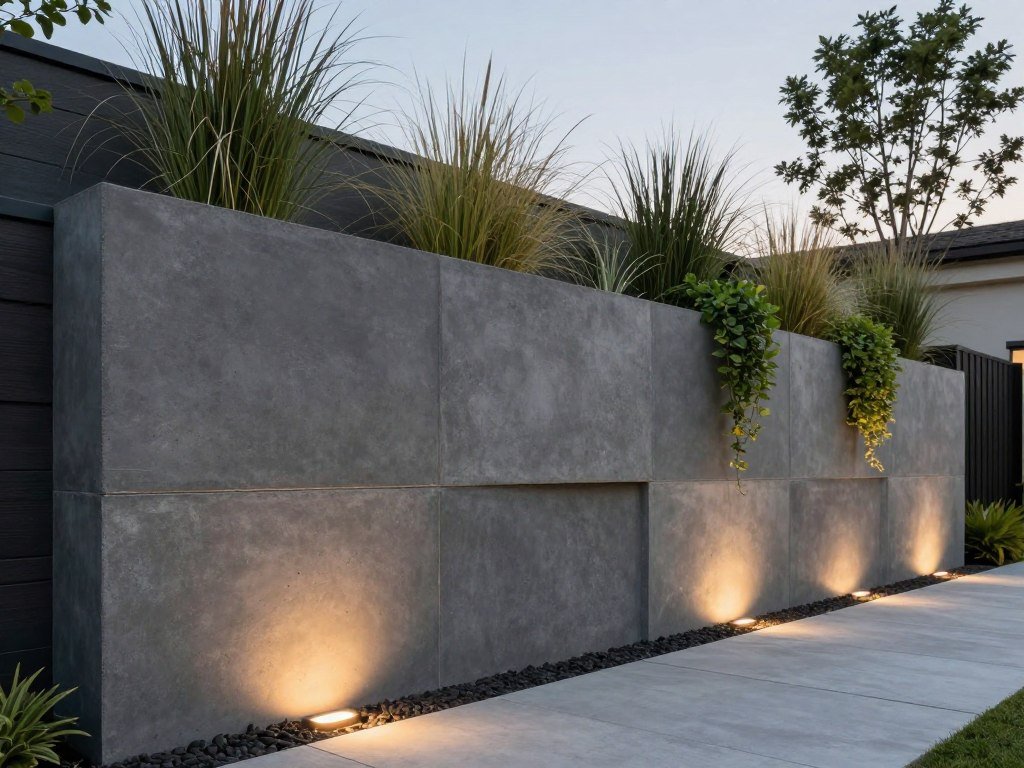
Wall grazing emphasizes texture on stone or brick surfaces. Position fixtures close to walls, directing light across the surface at shallow angles. This technique reveals depth and character that disappears under flat overhead lighting.
Smart Lighting Controls
Modern lighting systems offer programmable controls and smartphone integration. Set schedules to automatically illuminate your yard at specific times. Adjust brightness levels to suit activities and create different moods.
Motion sensors activate lights when needed, improving security while conserving energy. Position sensors to detect approach from driveways and entry paths. Adjust sensitivity to avoid false triggers from small animals.
Year-Round Color and Interest
Strategic plant selection maintains visual interest across all seasons. Combine specimens that peak at different times throughout the year. This approach ensures your yard never looks bare or lifeless.
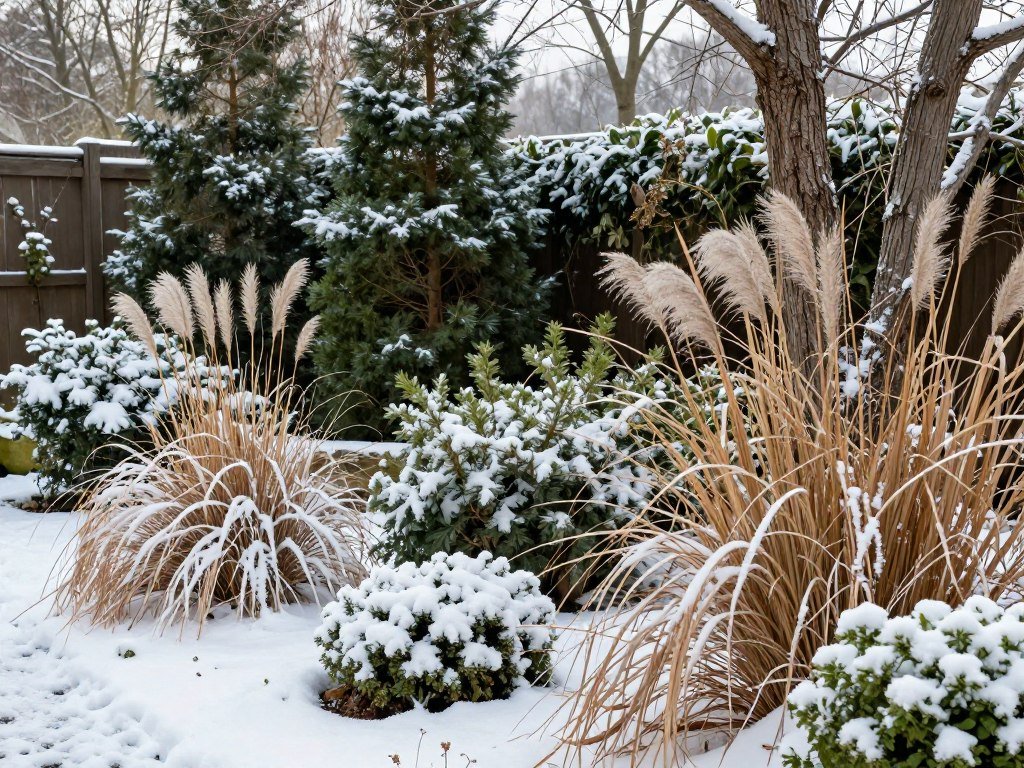
Structure plants provide bones that remain attractive year-round. Evergreens, ornamental grasses, and interesting bark all contribute winter appeal. Build on this framework with seasonal color from flowering plants.
Spring Bulbs and Early Bloomers
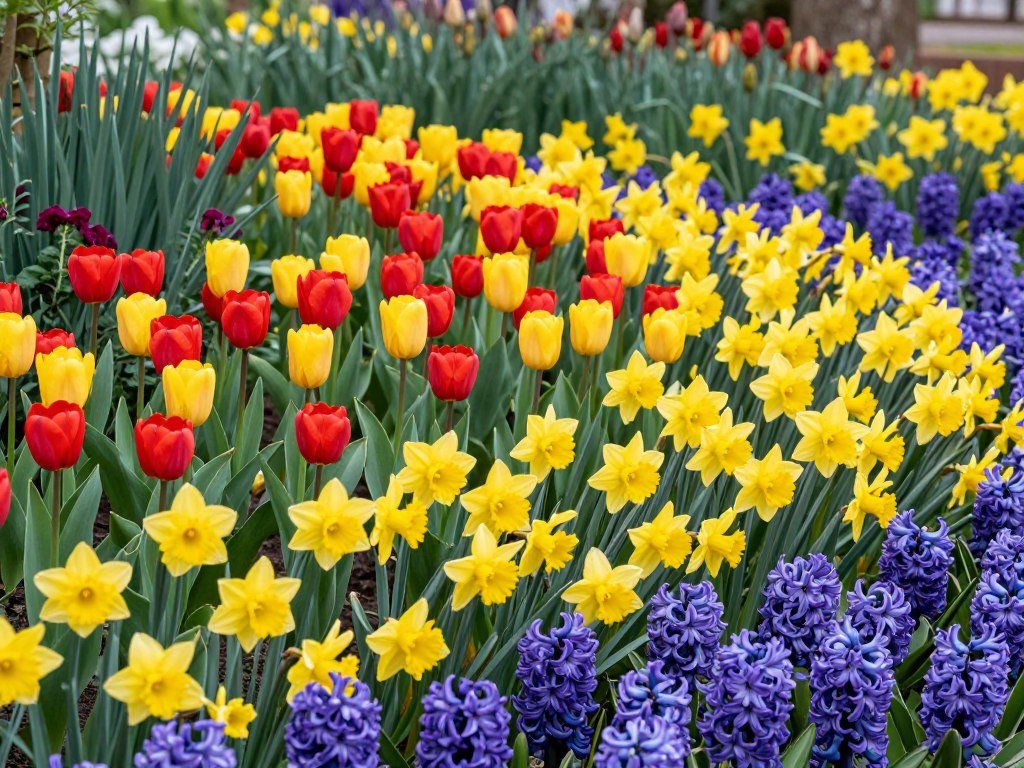
Spring bulbs provide earliest garden color after winter dormancy. Plant bulbs in fall for spring bloom. Layer different varieties at various depths for extended flowering from early crocuses through late tulips.
Flowering trees and shrubs add height to spring displays. Magnolias, redbuds, and flowering cherries create spectacular overhead shows. Underplant with shade-tolerant bulbs and woodland flowers for complete seasonal gardens.
Summer Flower Power
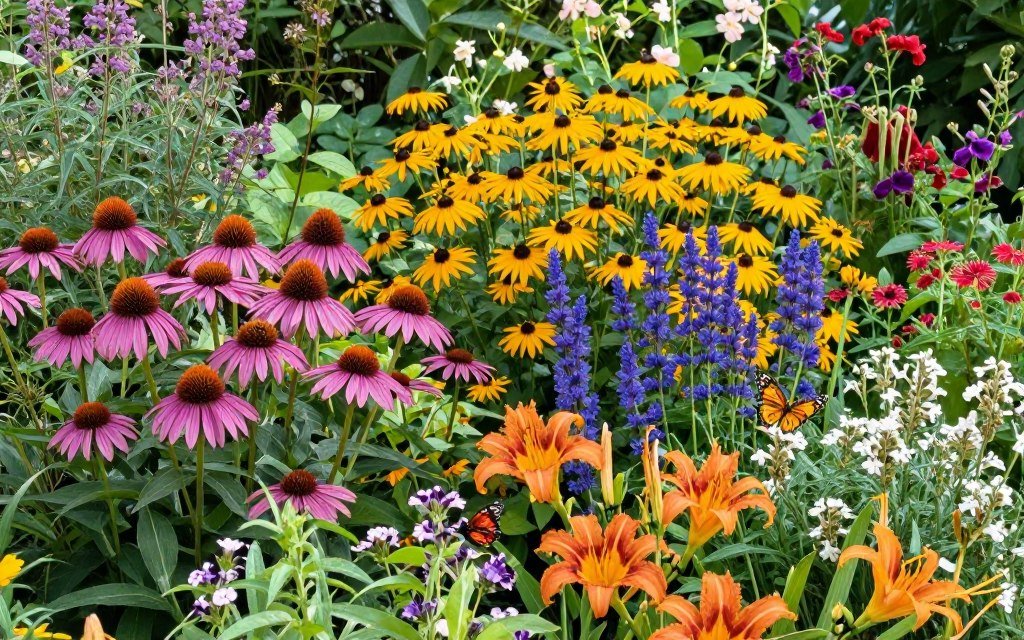
Summer brings peak flowering season across most regions. Combine annuals for constant bloom with perennials that return yearly. Deadhead spent flowers to encourage continued production throughout summer months.
Heat-tolerant selections survive challenging conditions. Coneflowers, black-eyed susans, and daylilies thrive despite high temperatures and occasional drought. These reliable performers reduce maintenance while providing consistent color.
Fall Foliage and Late Bloomers
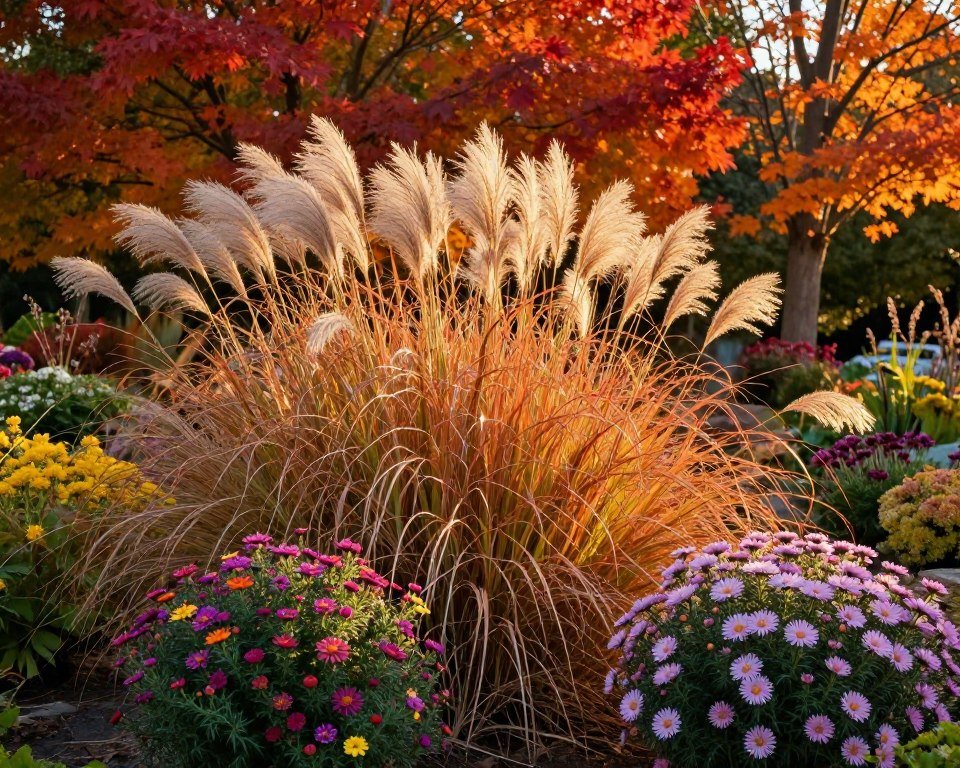
Autumn transforms landscapes with vibrant foliage colors. Maples, oaks, and other deciduous trees provide overhead drama. Underplant with fall-blooming perennials like asters and sedums that extend flower season.
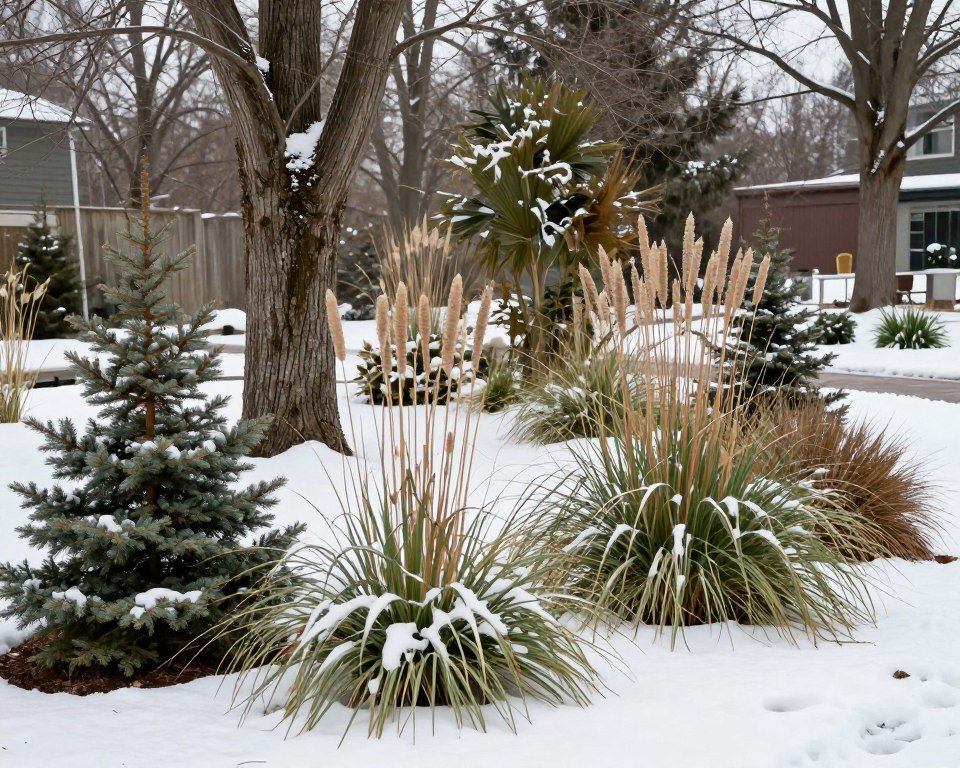
Ornamental grasses shine in fall landscapes. Feathery plumes catch autumn light while providing movement. Many varieties remain attractive through winter, adding structure to otherwise dormant gardens.
Winter Structure and Evergreens
Winter gardens reveal landscape bones through simplified composition. Evergreens maintain color when deciduous plants drop leaves. Choose varieties with varied foliage colors including blue-green, golden, and dark green for contrast.
Leave ornamental grass plumes and perennial seedheads standing through winter. These elements catch snow and frost for magical effects. Structural interest compensates for lack of flowers during coldest months.
Master the Art of Four-Season Gardening
Stop settling for gardens that only look good three months per year. Learn professional strategies for selecting and combining plants that create stunning displays in every season. Get complete plant lists, design templates, and maintenance schedules for year-round beauty.
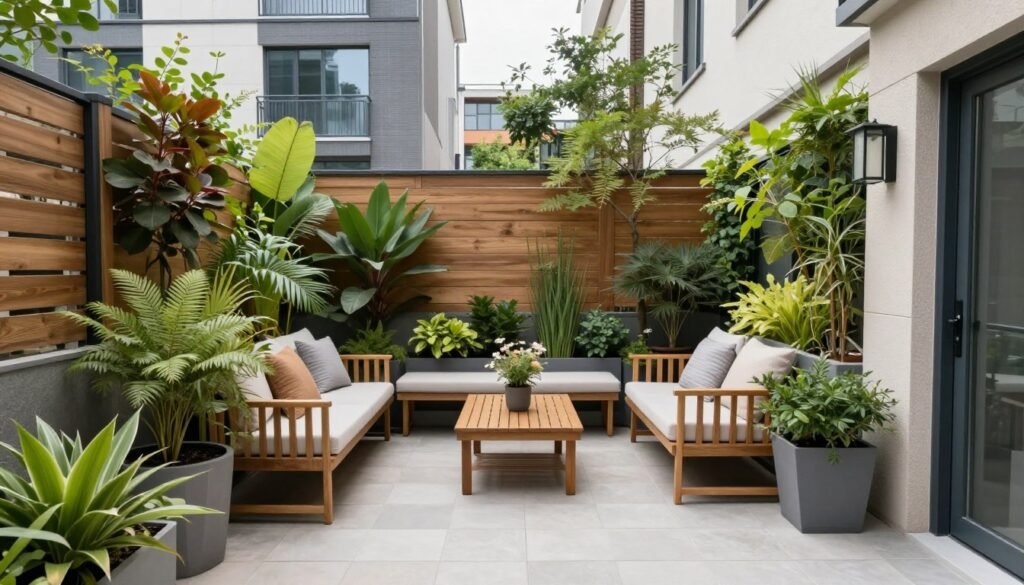
Limited square footage demands creative approaches that maximize every inch. Small yards can feel spacious through strategic design choices. Focus on multi-functional elements and vertical growth patterns.
Containers offer flexibility in tight quarters. Move pots to rearrange as seasons change or needs shift. This adaptability suits renters and those exploring different design styles before committing to permanent installations.
Container Garden Strategies
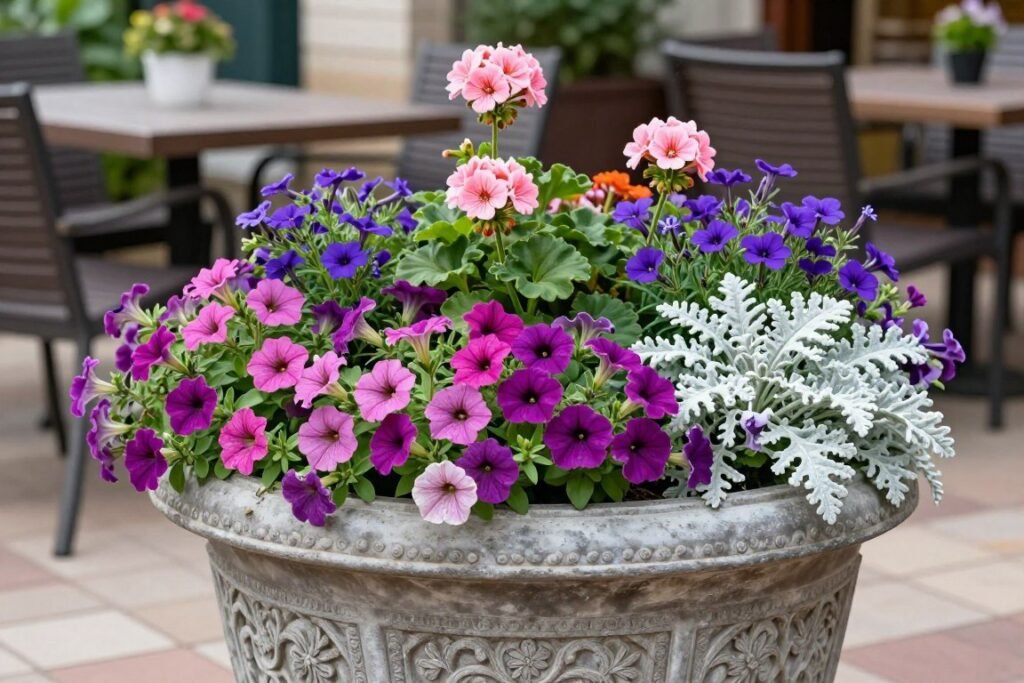
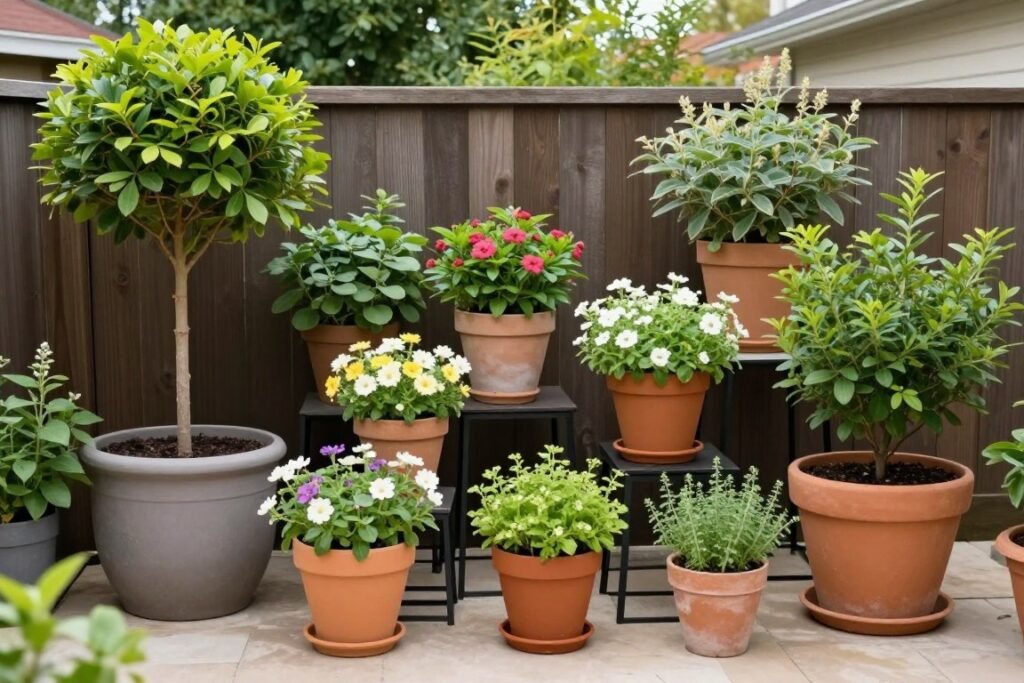
Large containers support substantial plants including dwarf trees and shrubs. These create permanent structure comparable to in-ground plantings. Ensure pots have adequate drainage holes and use quality potting mix for best results.
Group containers in odd-numbered clusters for visual appeal. Vary heights by using plant stands or upturned pots as risers. This arrangement creates dimension and prevents monotonous rows.
Maximizing Vertical Space
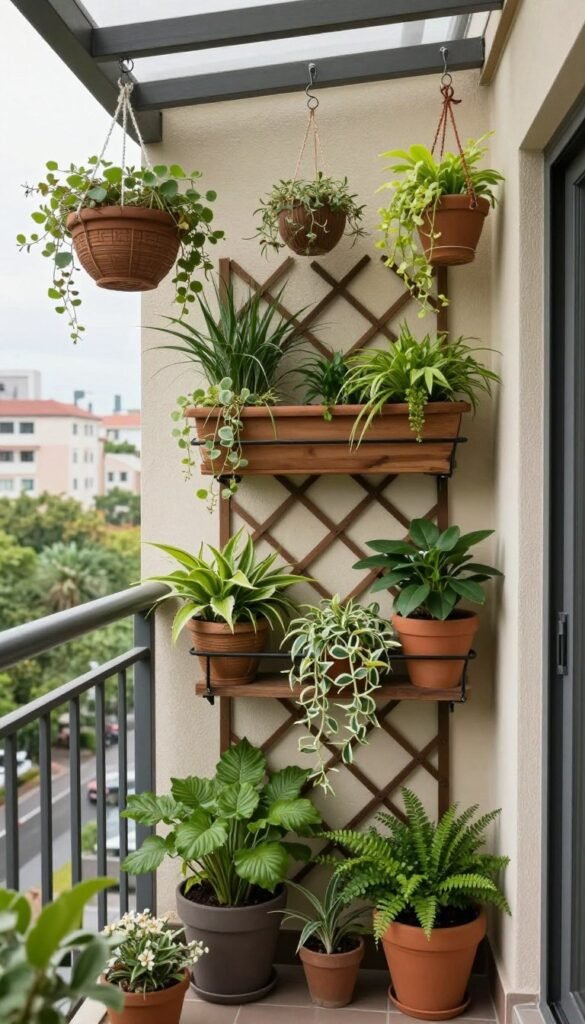
Wall-mounted planters attach directly to fences and building walls. Stack several rows to create living walls without sacrificing floor space. This approach works excellently for herb gardens near doors and windows.
Hanging baskets utilize overhead space often overlooked. Suspend from pergola beams, porch ceilings, or dedicated hooks. Choose trailing varieties that create cascading effects while maintaining adequate headroom below.
Multi-Functional Features
Built-in seating with storage underneath serves dual purposes. Bench lids lift to reveal space for cushions, tools, and supplies. This integration keeps small spaces organized while providing comfortable gathering spots.
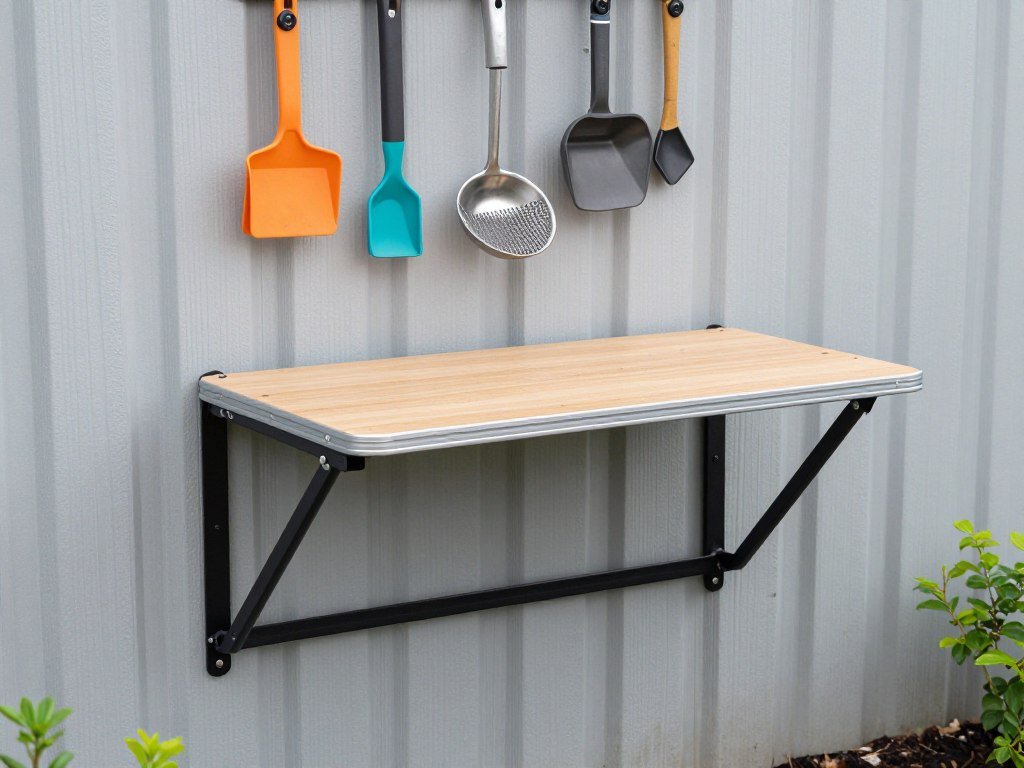
Fold-down work surfaces attach to walls or fences, providing temporary prep areas that disappear when not needed. This flexibility prevents furniture from overwhelming limited square footage while maintaining functionality.
Sustainable Landscaping Practices
Environmentally responsible landscaping benefits both your property and the broader ecosystem. Sustainable practices reduce resource consumption while supporting local wildlife. These approaches often decrease maintenance requirements and long-term costs.
Native plants form the foundation of sustainable gardens. These species evolved in local conditions, requiring minimal supplemental water and fertilizer once established. They support regional insect populations that feed birds and other wildlife.
Water Conservation Methods
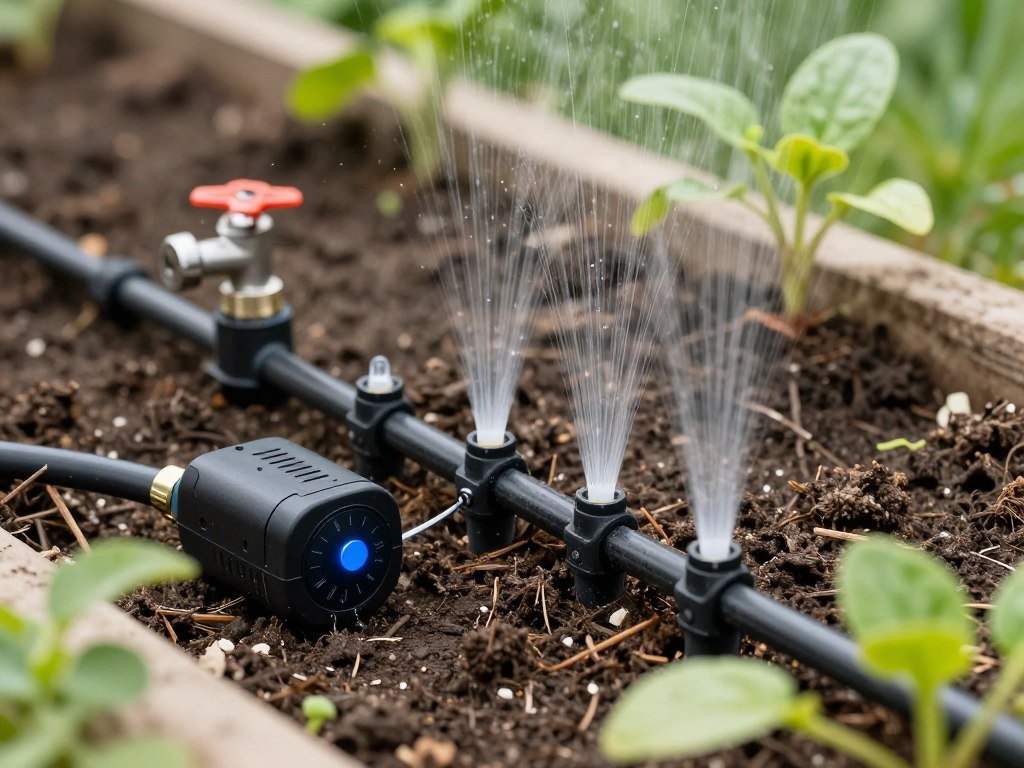
Drip irrigation delivers water directly to root zones, reducing evaporation loss. Install systems on timers to water during cooler morning hours. This efficient approach uses significantly less water than traditional sprinklers while promoting healthier plants.
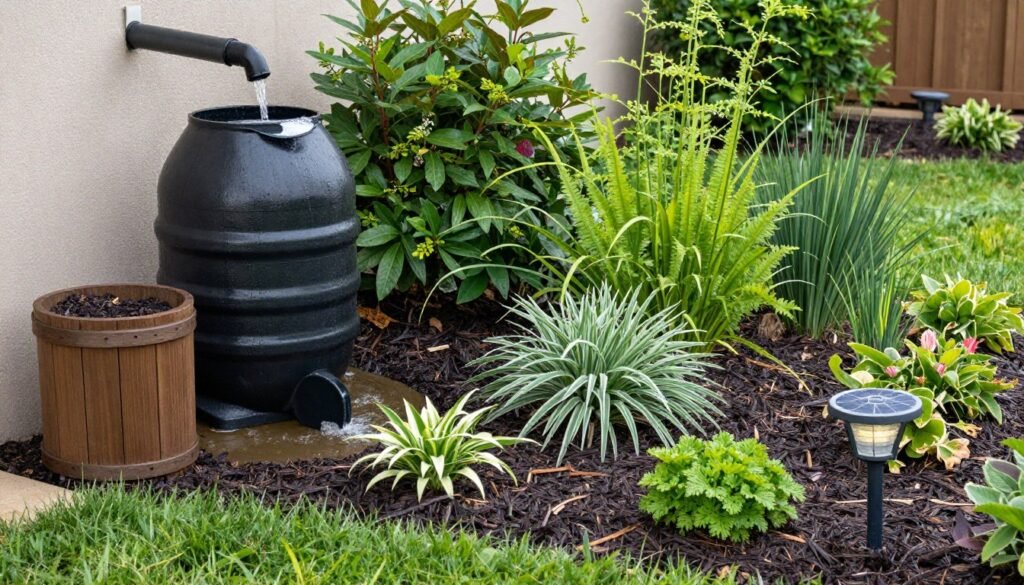
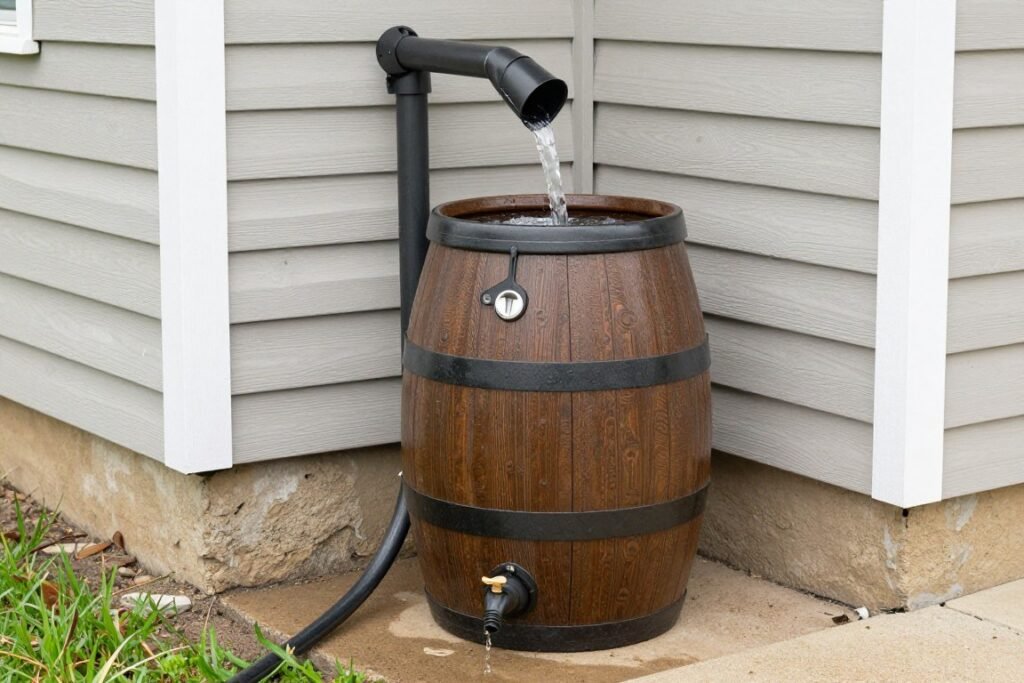
Rain barrels capture roof runoff for later garden use. Position barrels beneath downspouts to collect free water during storms. Use this harvested water for containers and garden beds during dry periods.
Composting and Soil Health
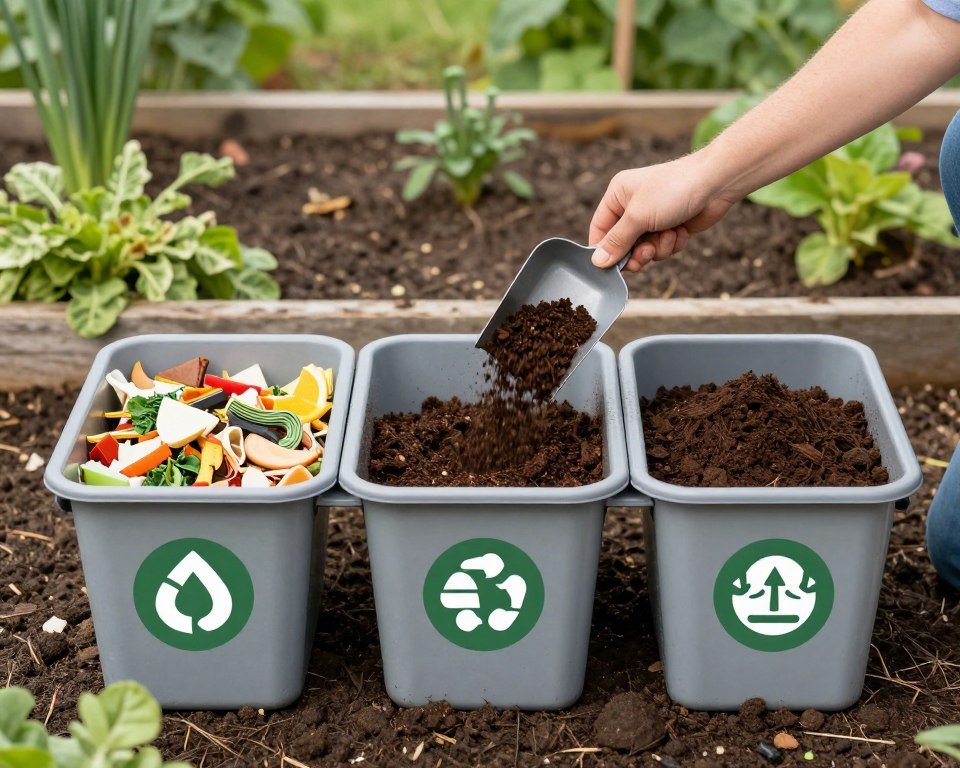
Composting transforms yard waste and kitchen scraps into valuable soil amendment. Layer brown materials like dried leaves with green materials including grass clippings. Turn piles regularly to accelerate decomposition and prevent odors.
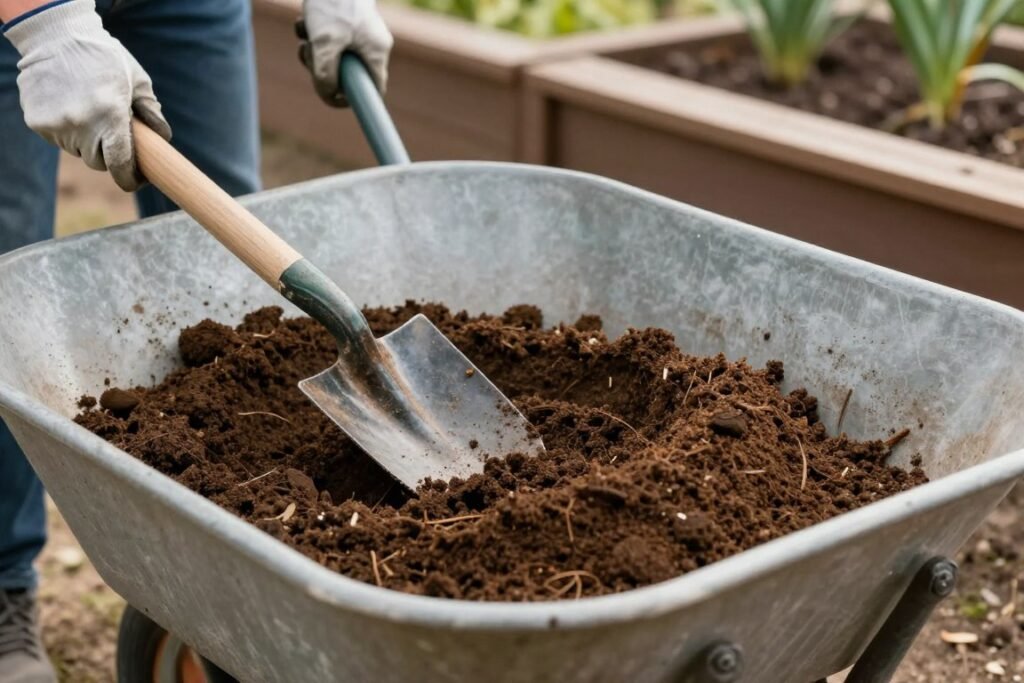
Finished compost improves soil structure, adds nutrients, and increases moisture retention. Spread two to three inches around plants annually. This free fertilizer reduces need for synthetic products while recycling organic matter.
Integrated Pest Management
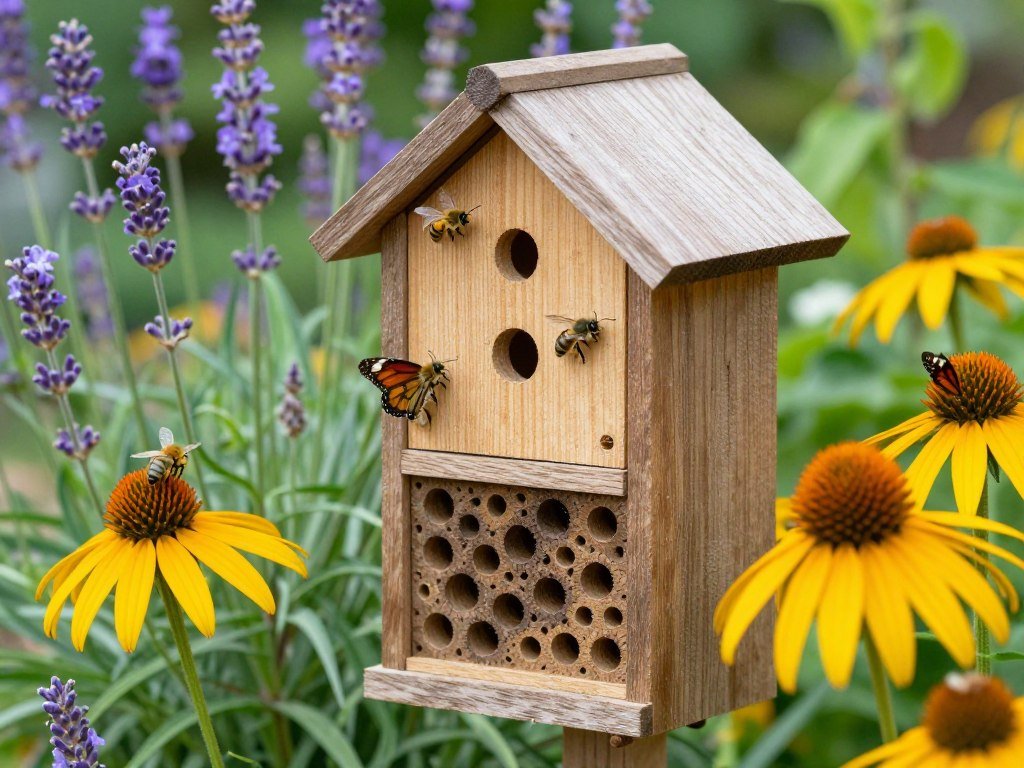
Healthy gardens naturally resist pest problems through biodiversity. Encourage beneficial insects by planting diverse species that bloom at different times. Avoid broad-spectrum pesticides that kill helpful predators along with pests.
Physical barriers prevent damage without chemicals. Row covers protect vegetables from insects, while copper tape deters slugs. Hand-picking larger pests like hornworms provides effective control for small gardens.
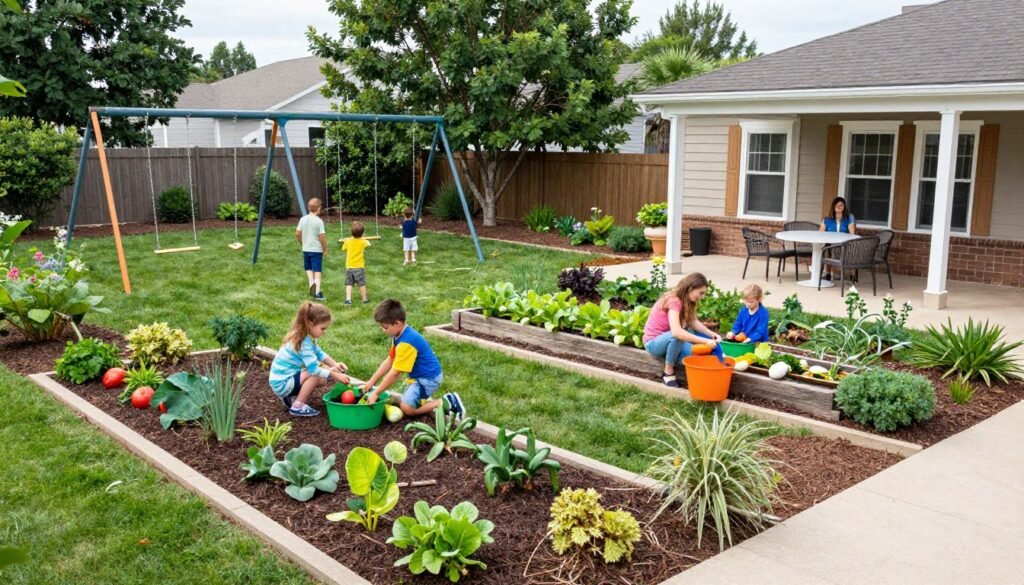
Family yards balance adult aesthetics with children’s needs. Design spaces that encourage outdoor play and learning while maintaining attractive landscapes. Durable plant selections withstand occasional rough treatment from active play.
Safety considerations guide material choices and feature placement. Avoid toxic plants in areas where young children play. Ensure adequate sight lines from house windows to supervise outdoor activities.
Play Areas and Activity Zones
Dedicated play zones contain activities while protecting other garden areas. Define boundaries with low fencing or plantings. Position play equipment on soft surfaces like wood chips or rubber mulch to cushion falls.
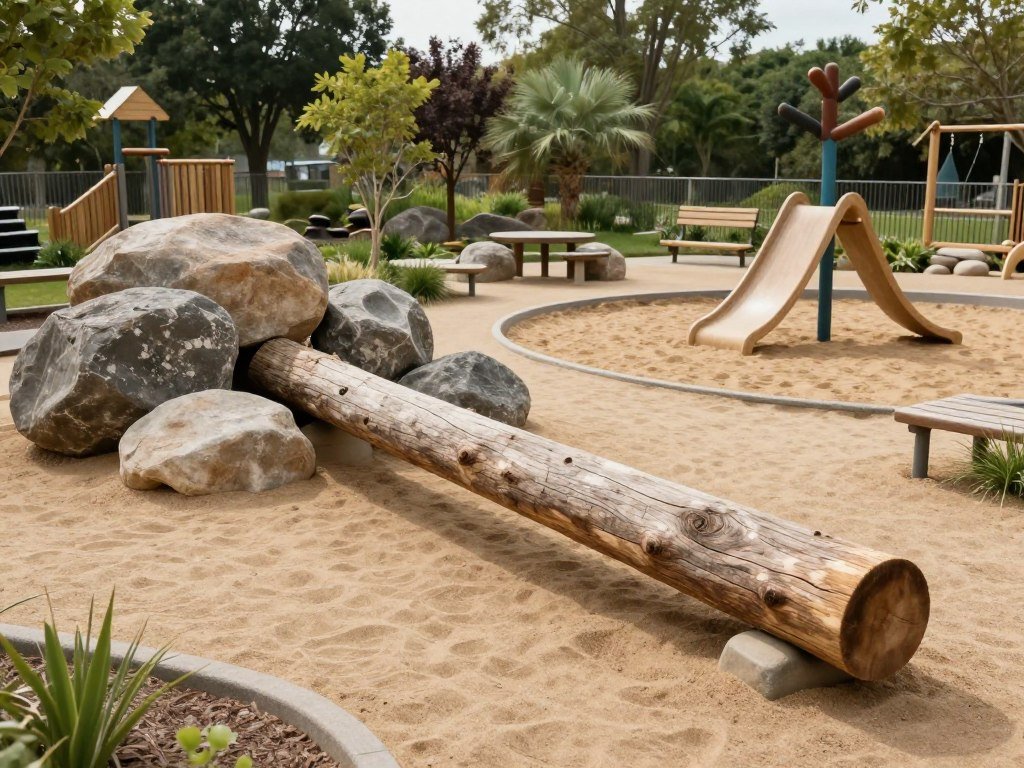
Natural play elements spark imagination while blending into landscapes. Large boulders provide climbing challenges. Log rounds create stepping paths. Sand pits offer sensory play and construction opportunities.
Teaching Gardens
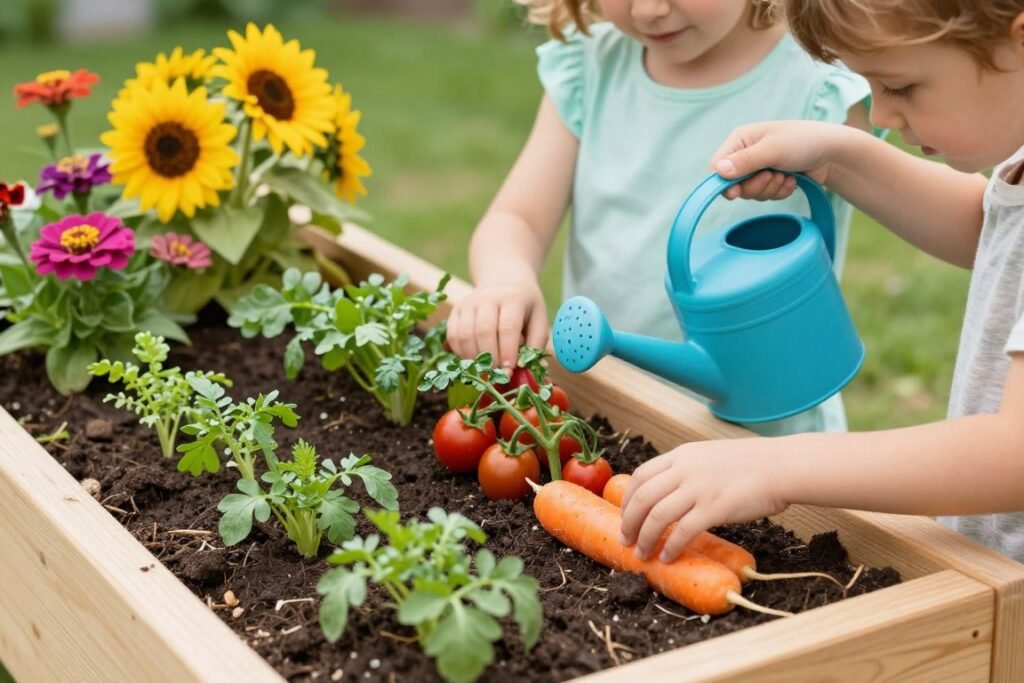
Children learn responsibility through garden care. Assign beds or containers for kids to manage independently. Choose fast-growing plants that provide quick results, maintaining interest through rapid changes.
Vegetable gardens teach food origins while encouraging healthy eating. Grow easy crops like radishes, lettuce, and cherry tomatoes. Children more willingly try vegetables they’ve grown themselves.
Pet-Friendly Landscaping
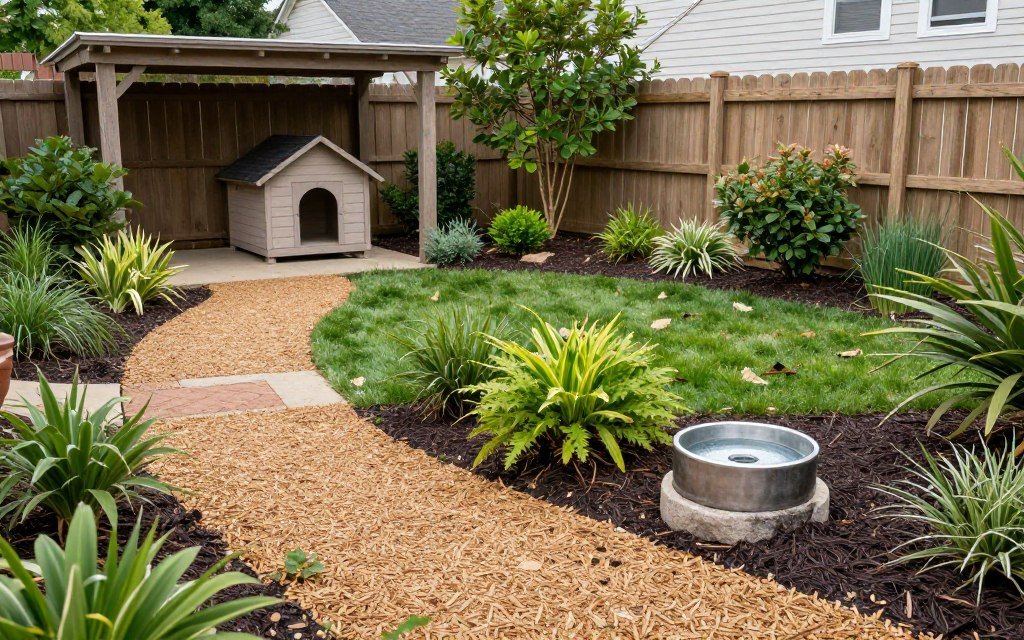
Pet-owning households need landscapes that accommodate animal activities. Create designated paths where dogs naturally patrol borders. These routes prevent random trails across planted areas.
Avoid plants toxic to pets in areas where animals spend time. Many common landscape plants cause illness if ingested. Research safe alternatives or position questionable plants beyond pet access.
Budget-Friendly Landscaping Strategies
Beautiful landscapes don’t require unlimited budgets. Strategic planning and phased implementation create impressive results within modest means. Focus spending on high-impact areas visible from main living spaces.
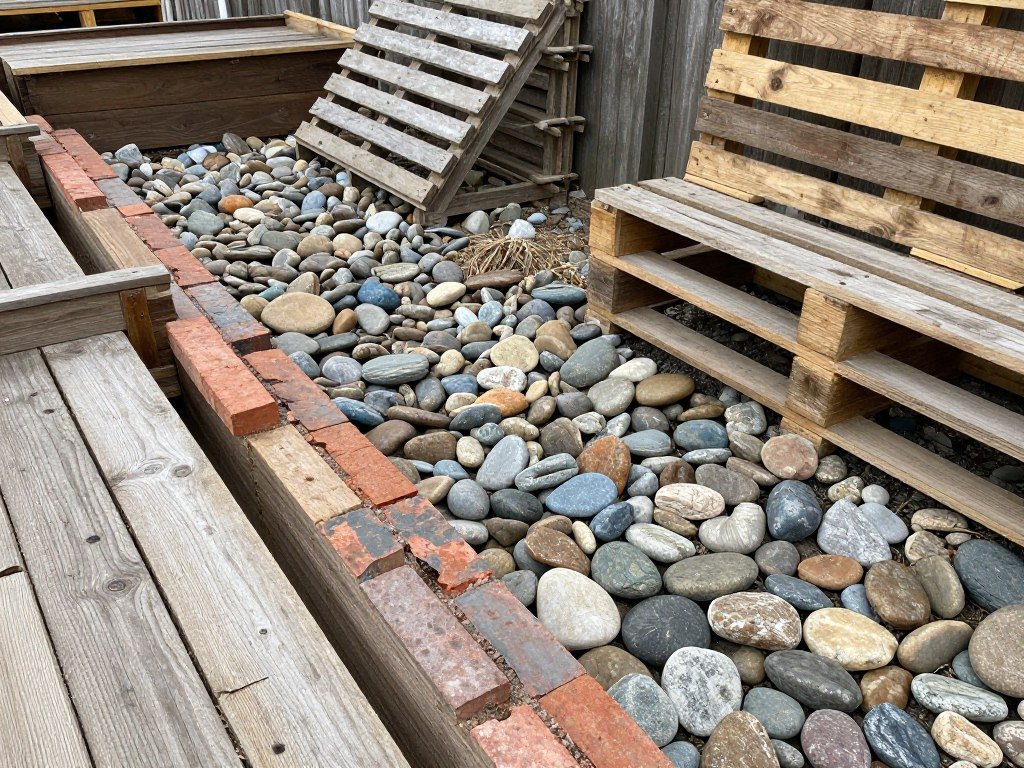
Many landscape materials cost nothing when sourced creatively. Reclaimed materials add character while reducing expenses. Free resources exist throughout communities for those willing to invest time.
Finding Free and Recycled Materials
Local buy-nothing groups and online marketplaces offer free landscaping materials. People regularly give away excess stone, bricks, and lumber from completed projects. Monitor these sources regularly as good materials disappear quickly.
Municipalities often provide free mulch and compost from yard waste programs. Call your local public works department about availability. These programs help residents while reducing landfill burden.
Propagation and Plant Swaps
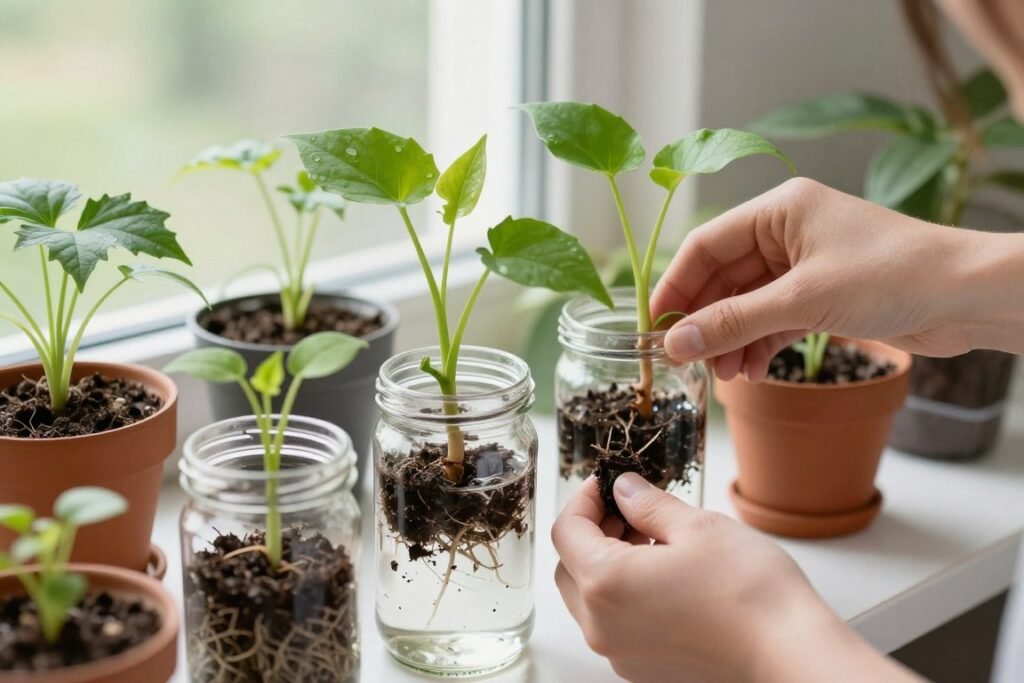
Propagating existing plants generates new specimens at no cost. Many perennials divide easily, creating multiple plants from one. Take cuttings from shrubs and root in water or potting mix for additional landscape material.
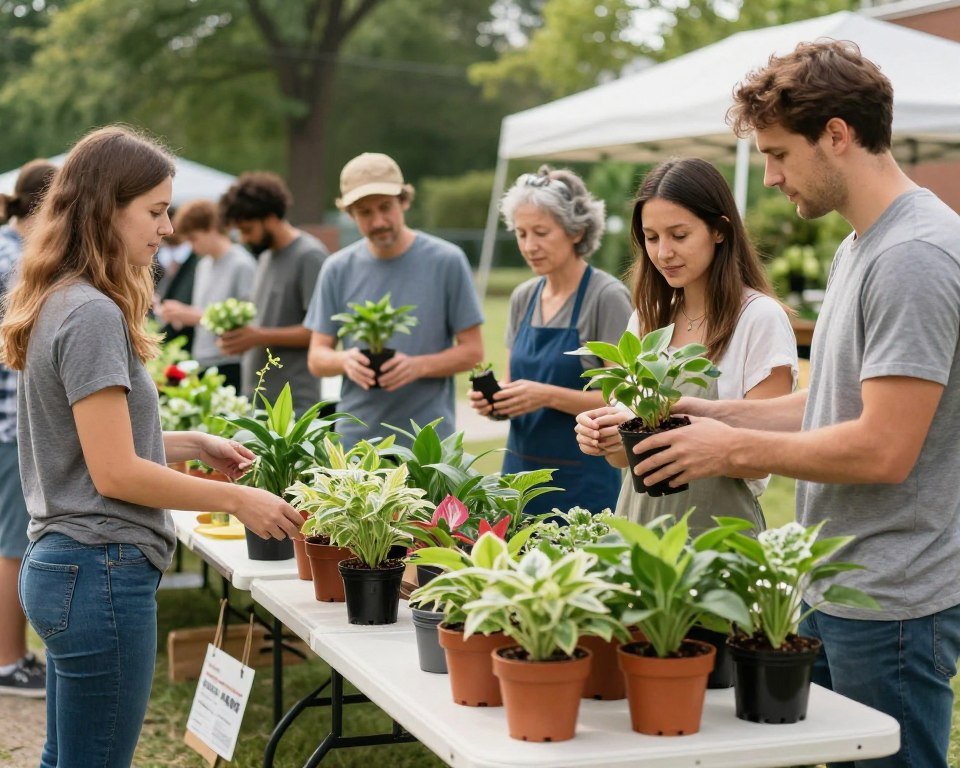
Garden clubs and neighborhood groups often host plant swaps. Bring divisions from your garden to trade for species you lack. These events build community while expanding plant collections economically.
Phased Project Planning
Complete landscapes develop over multiple seasons through phased approach. Prioritize functional improvements like drainage correction before aesthetic enhancements. This strategy spreads costs while allowing design evolution.
Establish permanent features first, including hardscaping and major plantings. Fill gaps temporarily with annuals until budget allows desired perennials. This progression prevents bare spots while maintaining flexibility.
Achieve Professional Results on Any Budget
You don’t need a fortune to create stunning outdoor spaces. Discover insider strategies for sourcing affordable materials, prioritizing projects for maximum impact, and stretching every dollar further. Get complete budget planning guides, material sourcing secrets, and cost-comparison calculators that help you make smart financial decisions.
Initial installation represents only the beginning of landscape investment. Ongoing maintenance preserves beauty and protects financial commitment. Establishing routines prevents small issues from becoming expensive problems.
Maintenance requirements vary significantly between design styles. Low-maintenance landscapes emphasize durable materials and self-sufficient plants. Higher-maintenance designs feature more elaborate gardens requiring regular attention.
Seasonal Task Schedules
Create written schedules outlining tasks by season. Spring involves planting, mulching, and lawn care startup. Summer focuses on watering, deadheading, and pest monitoring. Fall brings cleanup, planting, and winterization. Winter allows tool maintenance and planning.
Spread demanding tasks across multiple sessions rather than marathon work days. Spending thirty minutes several times weekly maintains landscapes more effectively than neglect followed by exhausting catch-up sessions.
Mulching and Weed Control
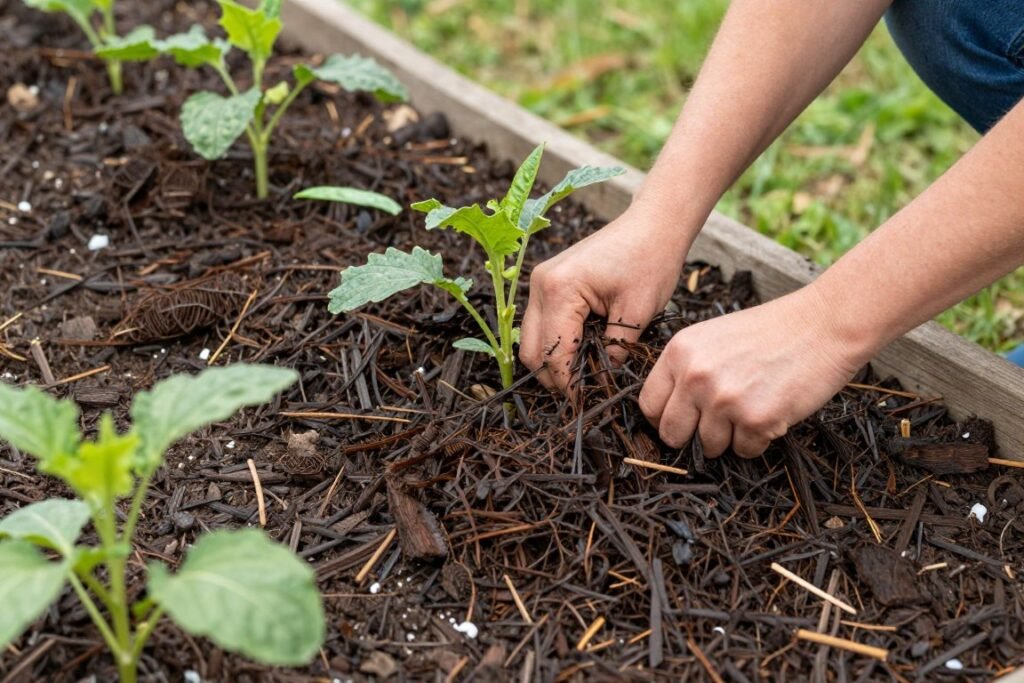
Organic mulch serves multiple functions while improving aesthetics. Two to three inch layers suppress weeds, retain moisture, and moderate soil temperatures. Replenish annually as material decomposes and enriches soil.
Address weeds promptly before they set seed. Small seedlings pull easily from mulched beds. Allow weeds to mature and removal becomes labor-intensive while spreading future problems throughout gardens.
Irrigation Management
Efficient watering conserves resources while promoting plant health. Water deeply but infrequently to encourage deep root growth. Shallow frequent watering creates weak plants dependent on constant moisture.
Adjust irrigation seasonally as plant needs change. Spring’s rapid growth requires more water than fall’s slowing metabolism. Smart controllers automate adjustments based on weather data, preventing waste while ensuring adequate hydration.
Pruning and Plant Care
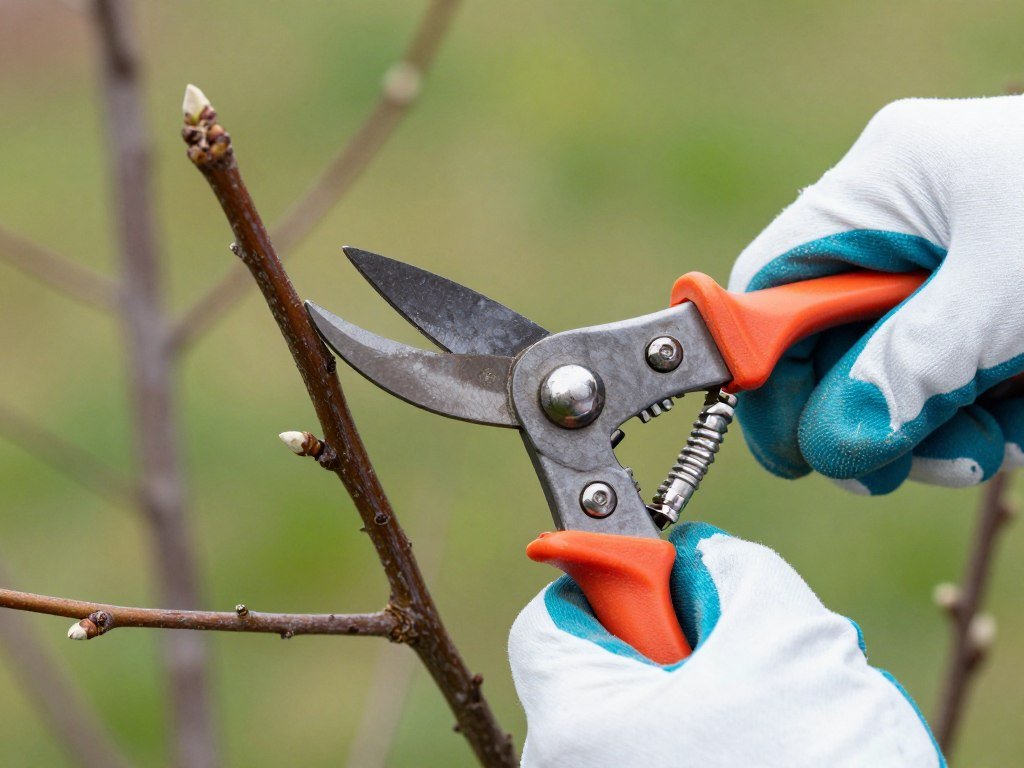
Proper pruning maintains plant health, controls size, and enhances flowering. Learn specific requirements for each plant type, as timing varies significantly. Spring-flowering shrubs require pruning immediately after blooming, while summer bloomers tolerate early spring cuts.
Remove dead, damaged, or diseased wood anytime noticed. Make clean cuts at proper angles to promote healing. Sharp tools prevent crushing stems that invite disease.
Common Landscaping Challenges and Solutions
Every yard presents unique challenges requiring creative solutions. Difficult conditions become opportunities to showcase problem-solving skills. Understanding issues thoroughly leads to effective remedies.
Professional help makes sense for complex problems beyond DIY scope. Major drainage issues, steep slopes, and structural concerns warrant expert assessment. This investment prevents costly mistakes and safety hazards.
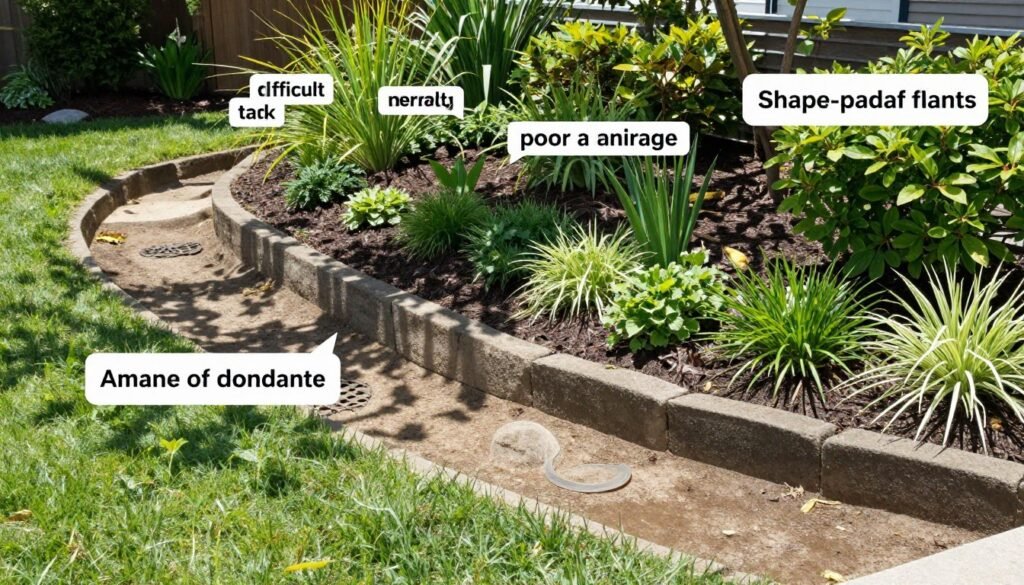
Poor Drainage Solutions
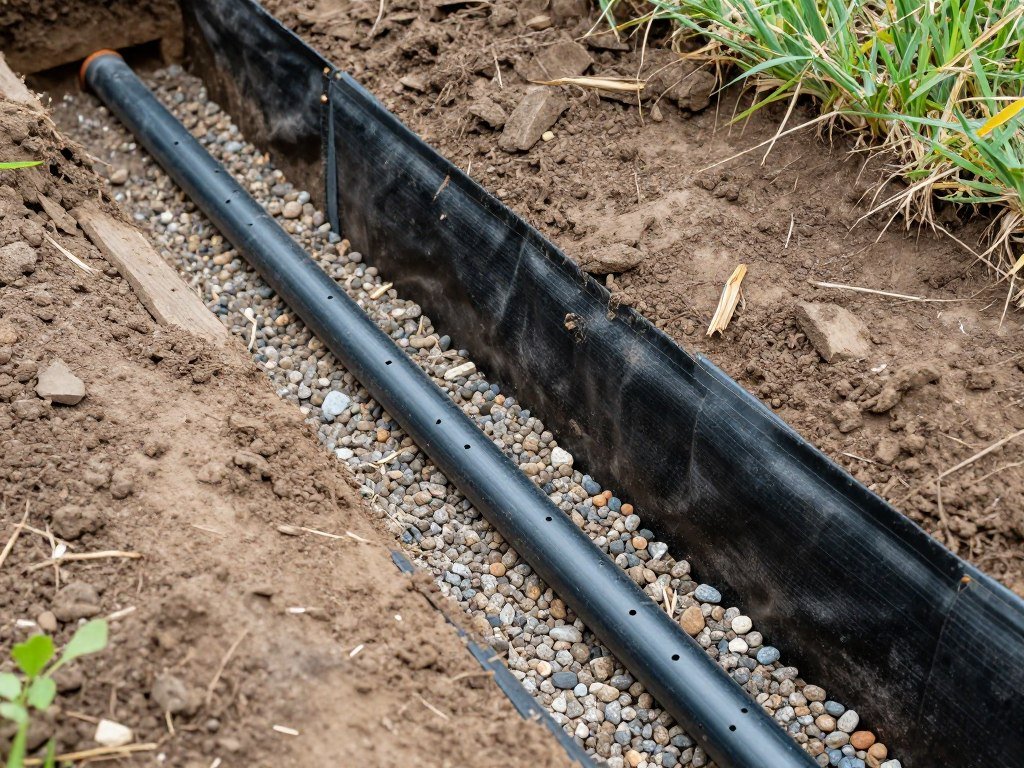
Standing water kills plants and damages structures. French drains collect and redirect excess moisture to appropriate drainage areas. Install perforated pipe in gravel-filled trenches that slope toward drainage points.
Rain gardens turn drainage problems into features. Create shallow depressions planted with water-tolerant species. These gardens temporarily hold runoff, allowing gradual soil absorption while creating habitat for wildlife.
Steep Slope Management
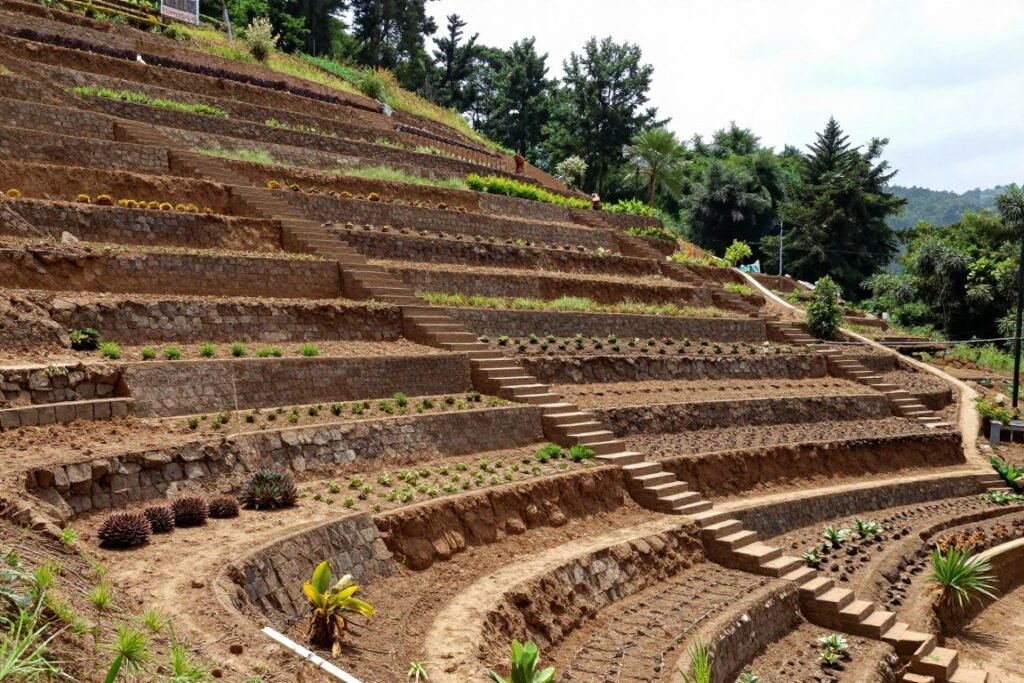
Slopes cause erosion and complicate mowing. Terracing with retaining walls creates level areas suitable for planting and recreation. This approach stabilizes soil while dramatically increasing usable space.
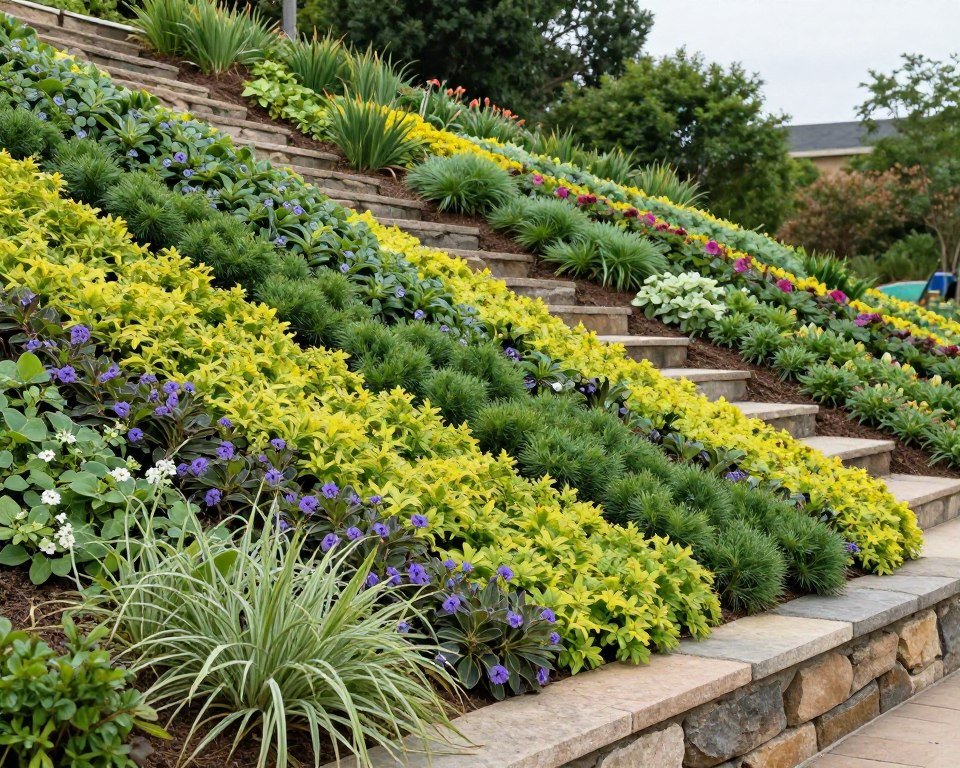
Ground covers prevent erosion on slopes too steep for terracing. Select vigorous spreading plants with strong root systems. These living carpets hold soil while eliminating dangerous mowing on inclines.
Dealing with Shade
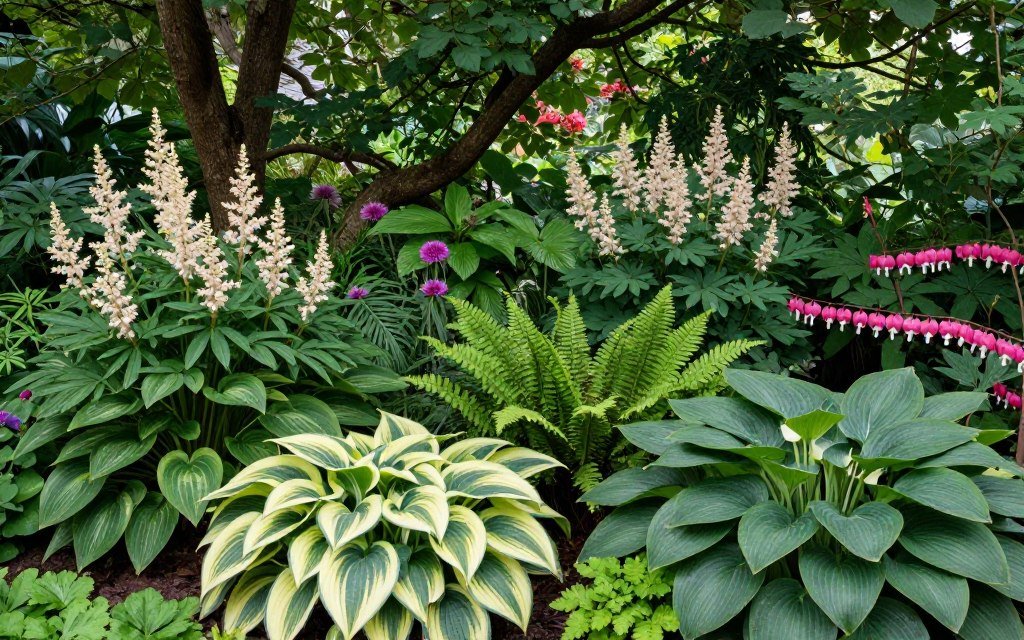
Dense shade challenges many gardeners accustomed to sun-loving plants. Embrace shade with appropriate plant selections. Numerous beautiful species thrive without direct sunlight, creating lush woodland gardens.
Improve challenging shade areas by removing lower tree branches. This selective pruning increases light penetration while maintaining tree health. Open understory allows wider plant selections while creating airier feel.
Deer and Wildlife Damage
Wildlife browsing frustrates gardeners in many regions. Fencing provides most reliable protection but impacts aesthetics. Eight-foot heights prevent deer jumping while angled designs deter climbing.
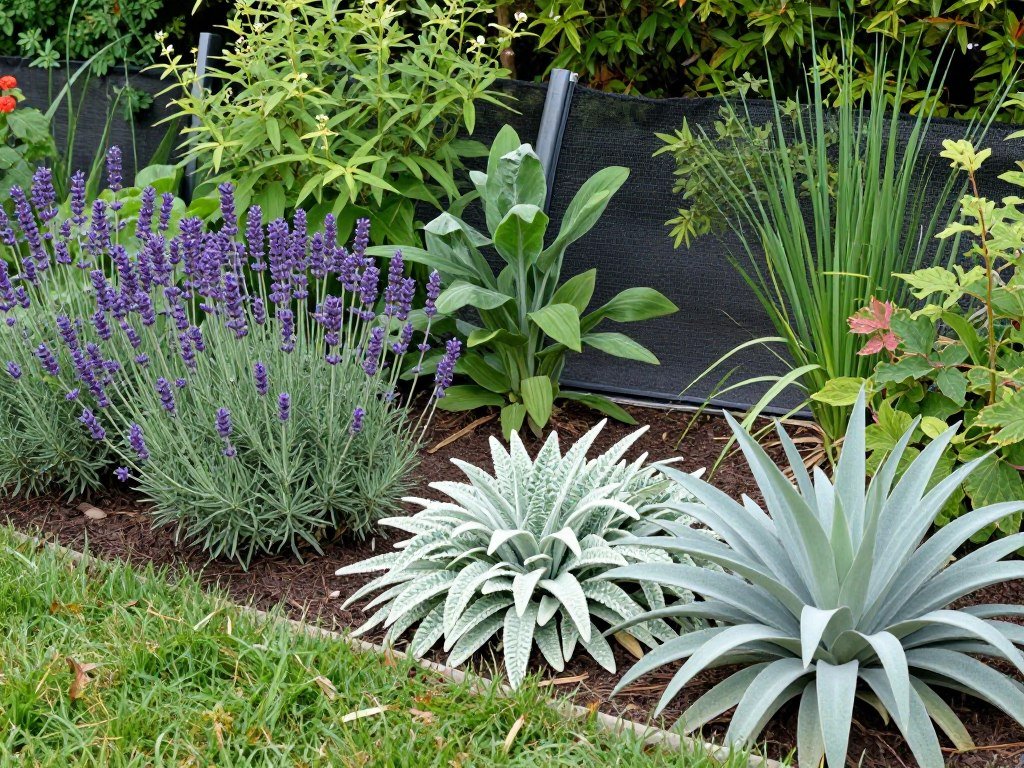
Plant selection reduces damage in unfenced areas. Deer avoid strongly scented herbs, fuzzy foliage, and toxic species. No plant proves completely deer-proof when animals face starvation, but preferences exist.
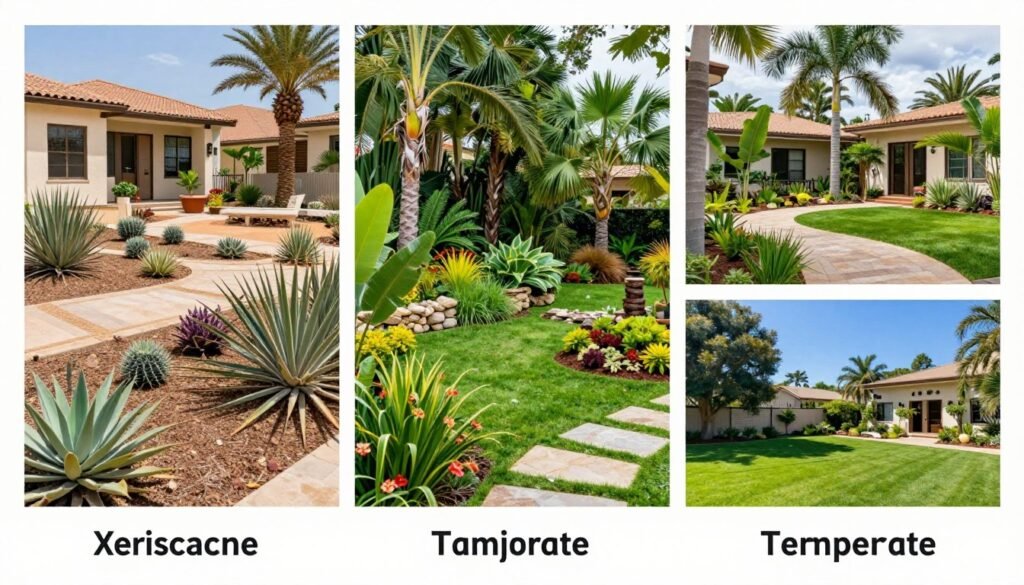
Geographic location dramatically influences landscape success. Climate, soil type, and native plants vary significantly across regions. Working with local conditions produces better results than fighting natural characteristics.
Research successful landscapes in your area for inspiration. Notice which plants thrive in neighborhood gardens. Local conditions that challenge some species create ideal circumstances for others.
Hot and Arid Climates
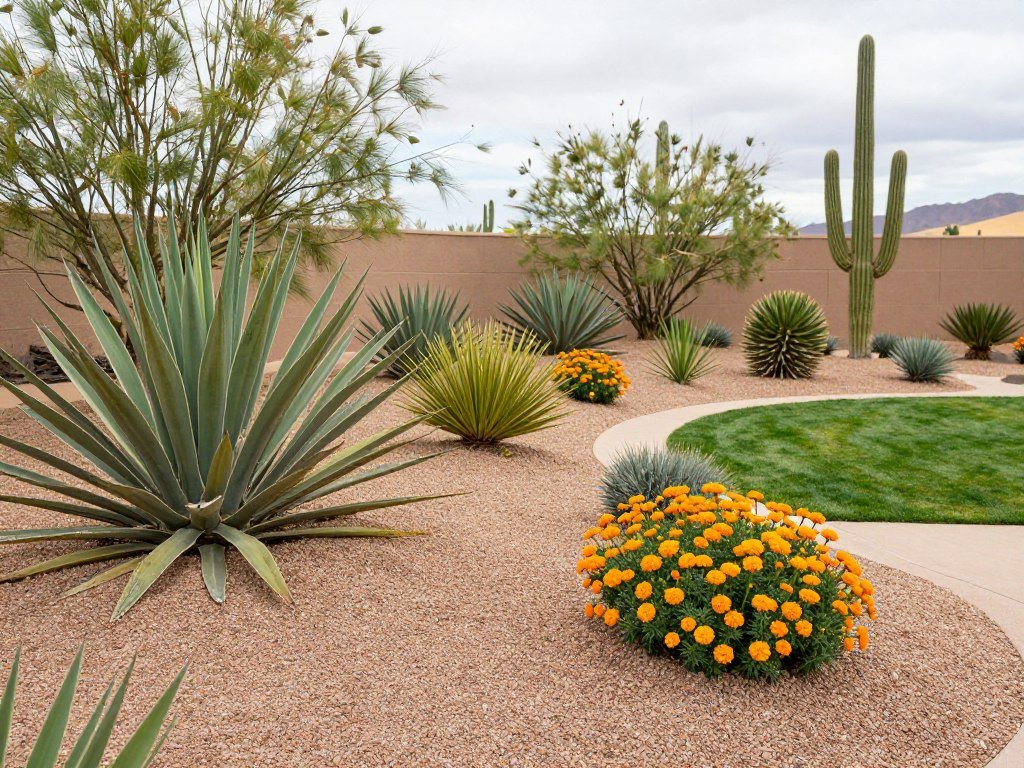
Desert and arid regions demand water-wise approaches. Xeriscaping principles create attractive landscapes using minimal irrigation. Native cacti, succulents, and adapted shrubs provide beauty without constant watering.
Reduce turf grass to smallest functional area. Replace lawn with attractive gravel, decomposed granite, or artificial turf where appropriate. These alternatives eliminate water-hungry grass while maintaining usable space.
Humid and Wet Regions
High rainfall areas face opposite challenges from arid regions. Drainage and disease-resistant plants become priorities. Select species tolerant of consistent moisture without developing root rot.
Raised beds improve growing conditions in areas with poor drainage or heavy clay soils. Elevating roots above saturated ground prevents many common problems while extending plant palette options.
Cold Climate Landscaping
Northern regions require cold-hardy plant selections that survive harsh winters. Check hardiness zones carefully before purchasing. Many attractive options thrive despite freezing temperatures.
Winter interest becomes crucial in areas with long dormant seasons. Select plants with attractive bark, persistent berries, or strong structural forms. These elements ensure gardens remain visually appealing during leafless months.
Coastal Conditions
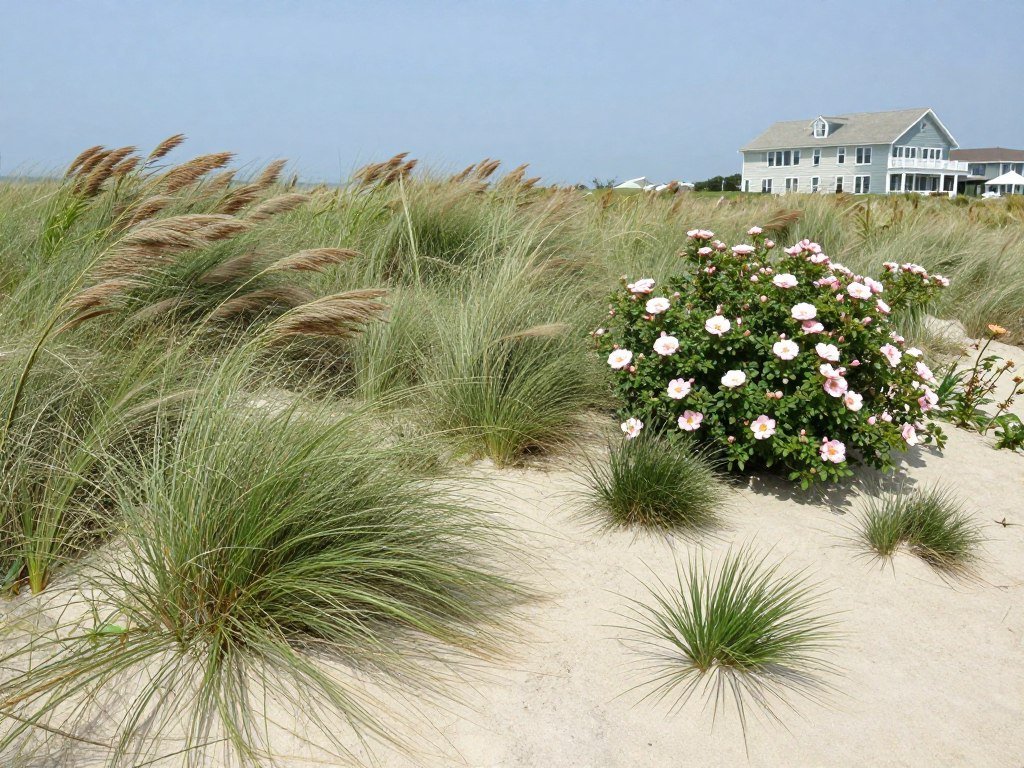
Salt spray, sandy soil, and persistent winds challenge coastal gardeners. Choose plants specifically adapted to maritime conditions. Many attractive natives evolved to handle these stresses.
Windbreaks protect both plants and people from constant breezes. Fencing, walls, or hardy shrub hedges create sheltered microclimates. Protected areas support wider plant varieties while improving comfort.
Landscaping for Property Value
Quality landscaping represents sound financial investment beyond aesthetic value. Well-designed outdoor spaces increase property values while reducing time on market. Strategic improvements yield measurable returns.
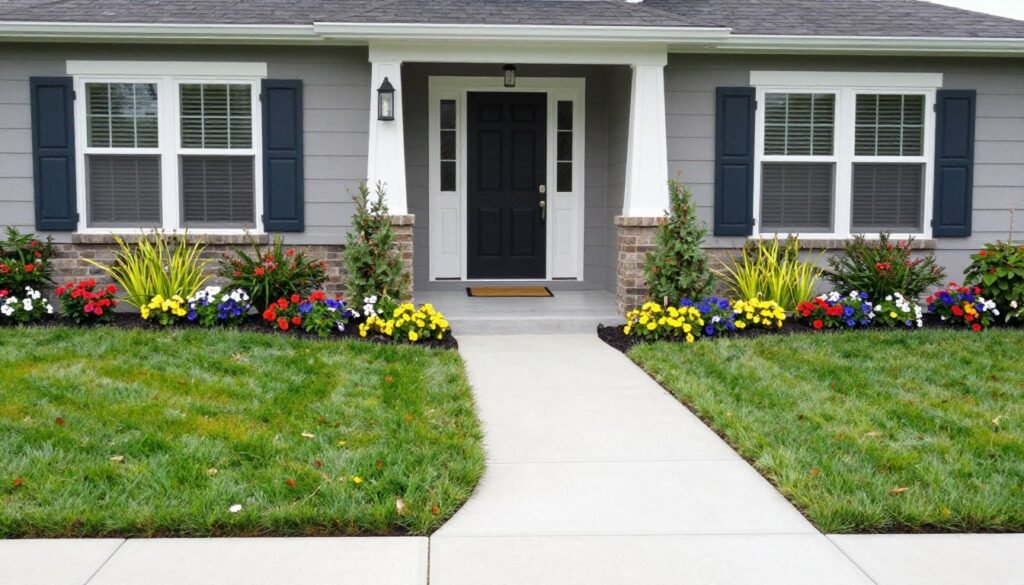
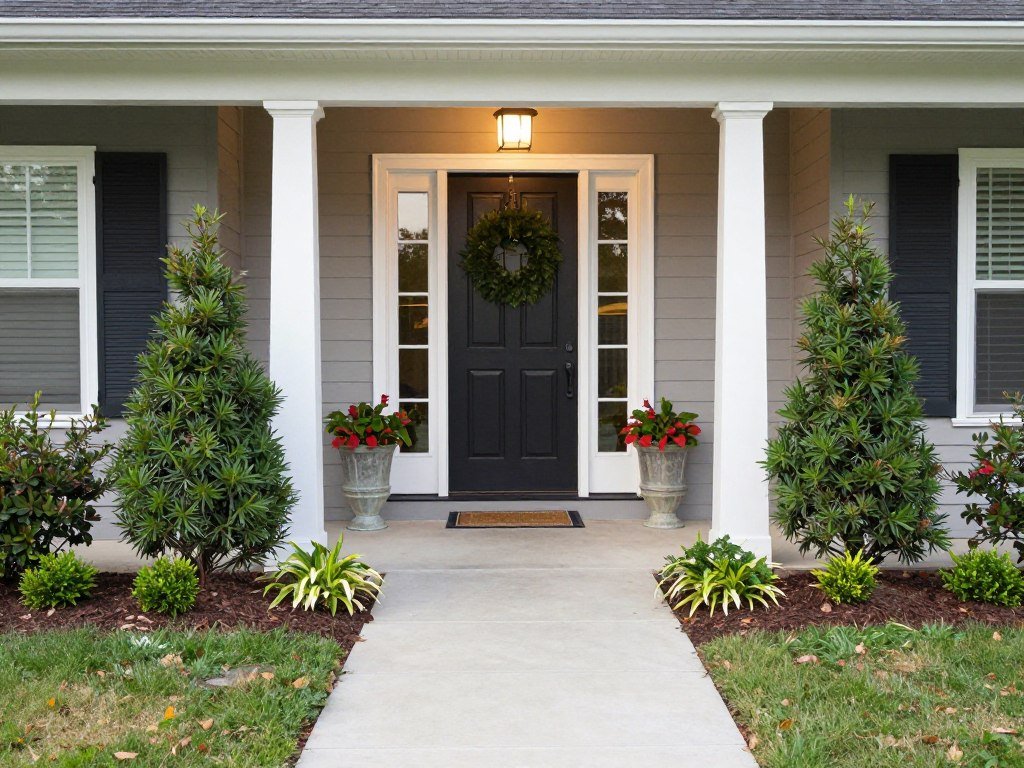
Focus improvements where they create maximum impact. Front yards receive most attention from potential buyers. Inviting entries and well-maintained plantings create positive first impressions that influence entire home perception.
Curb Appeal Essentials
Clean edges, healthy plants, and fresh mulch signal property care. These simple maintenance tasks dramatically improve appearance with modest investment. Buyers associate landscape condition with overall home maintenance.
Define walkways clearly with borders and lighting. Guests should never question the proper route to your door. Wide paths accommodate multiple people and create generous, welcoming feeling.
Outdoor Living Spaces Add Value
Outdoor kitchens, fire features, and covered seating areas deliver strong value returns. These improvements extend living space while appealing to buyer desires for entertainment areas. Quality construction using durable materials ensures lasting appeal.
Professional installation of permanent features often justifies cost through increased sale price. Built-in elements become home features rather than personal touches, transferring value to future owners.
Mature Landscape Development
Mature plantings command premium prices impossible to achieve with new installations. Large trees provide immediate shade and seasonal beauty. Well-established gardens demonstrate long-term property care and investment.
Document landscape improvements and maintenance for potential buyers. Receipts, installation photos, and care records demonstrate investment while justifying asking prices. This information helps buyers appreciate landscape value.
Create Landscapes That Increase Home Value
Make smart investments that boost your property value and create outdoor spaces you’ll love. Learn which improvements deliver the best returns, how to prioritize projects for maximum impact, and professional design strategies that make your home stand out in the market. Whether you’re planning to sell soon or simply want to build equity, discover how strategic landscaping pays dividends.
Transforming your yard into a beautiful outdoor retreat represents an achievable goal. The strategies and techniques covered provide comprehensive guidance for creating landscapes that reflect your personal style while functioning beautifully.
Start with careful planning that addresses your specific needs and site conditions. Implement projects systematically, focusing on fundamentals before decorative elements. This measured approach prevents overwhelm while building toward your complete vision.
Remember that landscapes evolve over time. Plants mature, tastes change, and new ideas emerge. View your outdoor space as a living canvas that welcomes ongoing refinement. Each season brings opportunities to adjust and improve.
The most successful landscapes balance beauty with practicality. Consider maintenance requirements honestly when making design decisions. Stunning gardens that demand more time than you can provide ultimately disappoint.
Don’t hesitate to start small and expand gradually. Even modest improvements create noticeable impact. A single well-designed bed outshines an ambitious project left half-finished.
Your yard holds tremendous potential waiting to be unlocked. Armed with knowledge, realistic planning, and commitment to ongoing care, you can create outdoor spaces that enhance your daily life for years to come. The journey toward your ideal landscape begins with a single project.
Take the Next Step in Your Landscaping Journey
You’ve learned the fundamentals—now it’s time to implement with confidence. Get instant access to detailed project plans, professional design templates, complete material lists, and step-by-step video tutorials that guide you through every phase of landscape transformation. Join thousands of homeowners who have already created their dream outdoor spaces. Your backyard oasis is closer than you think.
The timeless appeal of hacienda wedding decor brings together rustic elegance and Old World charm to create a truly magical celebration. Drawing inspiration from the historic estates of Spain and Mexico, a hacienda-themed wedding combines earthy textures, vibrant colors, and natural elements to transport your guests to a place of warmth and romance. This comprehensive…
Asking your closest friends to stand by your side on your wedding day deserves a moment as special as the relationship you share. A bridesmaid proposal has become a cherished tradition that honors the important people in your life. This meaningful gesture shows appreciation for those who will support you through every step of your…
Receiving an invitation to a formal wedding brings both excitement and a touch of anxiety. What exactly does “formal” mean? How can you look elegant without upstaging the couple? Whether you’re attending a black-tie affair or a formal evening celebration, navigating dress codes doesn’t have to be stressful. This comprehensive guide will walk you through…
The moment you decide to ask your girlfriend to marry you marks the beginning of an incredible journey. This proposal will become a story you both tell for the rest of your lives. Your partner deserves a moment that reflects your unique relationship and the love you share together. Planning the perfect proposal idea doesn’t…
An engagement party marks the beautiful beginning of your wedding journey. Creating a magical atmosphere with the right decorations not only honors this special milestone but also sets the tone for the celebrations to come. From elegant table settings to eye-catching backdrops, the perfect engagement party decorations transform any space into a celebration-worthy venue that…
Asking your best friends to stand by your side on your wedding day should feel special. The moment you pop the question to your bridal party deserves thought and care. But here’s the wonderful truth: you don’t need to spend a fortune to create a memorable bridesmaid proposal. Many brides feel pressure to match the…