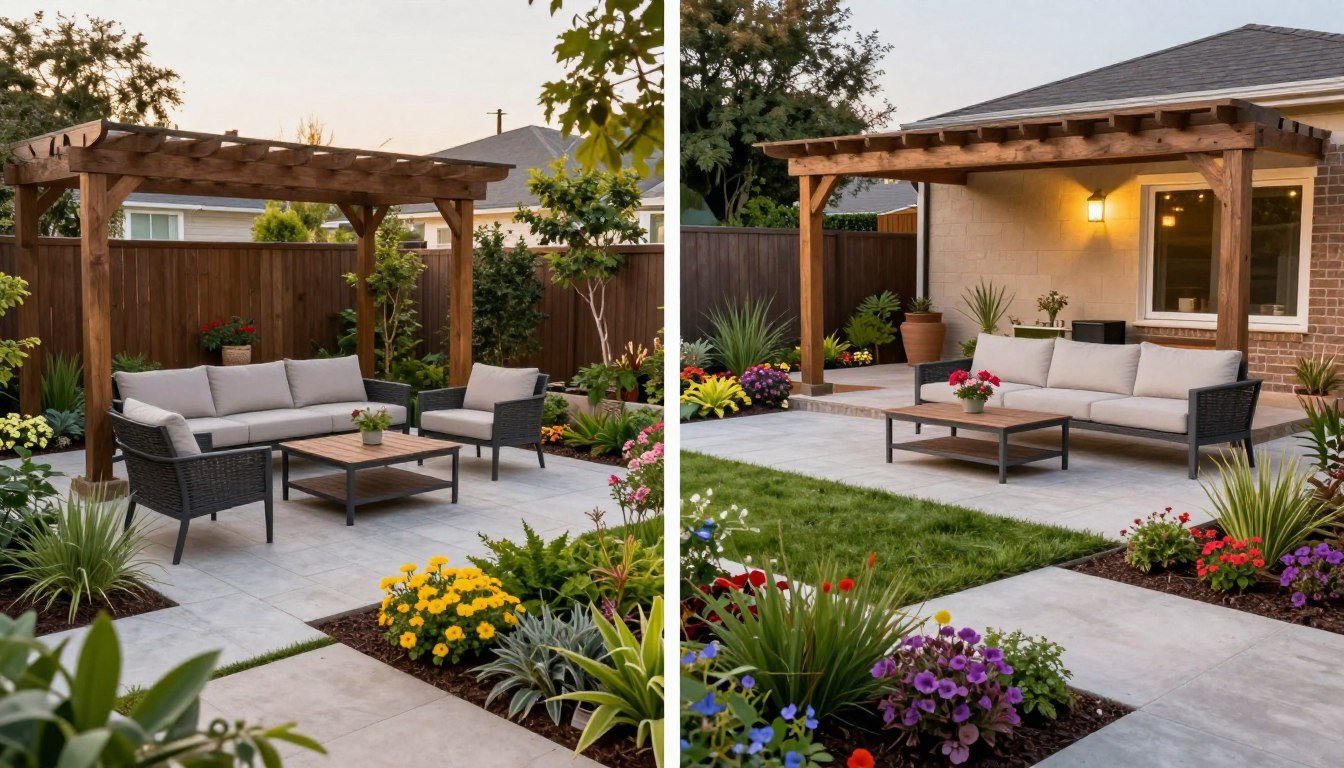
Transform Your Yard: Best Backyard Projects for 2026
Your backyard holds incredible potential for becoming an outdoor oasis. Many homeowners overlook this valuable space. The right projects can turn an ordinary yard into a stunning retreat for family gatherings, peaceful relaxation, or entertaining friends.
Creating beautiful outdoor spaces doesn’t require massive budgets or professional contractors. Smart planning and creative ideas make remarkable transformations possible for any skill level. This guide explores practical backyard projects that add value, beauty, and functionality to your home.
From simple weekend tasks to larger undertaking ventures, these ideas cover various styles, budgets, and time commitments. Each project brings unique benefits to enhance your outdoor living experience throughout the year.
Successful backyard projects start with thoughtful planning. Assessment of your available space determines which projects fit best. Consider sunlight patterns, existing structures, and drainage issues before breaking ground.
Budget planning prevents overspending and helps prioritize projects. Break larger plans into phases to spread costs over time. This approach allows you to complete one project well before starting another.
Your lifestyle needs should guide project selection. Families with children benefit from play areas and durable materials. Entertainment enthusiasts might prioritize outdoor dining spaces and ambient lighting features.
Measuring and Mapping Your Space
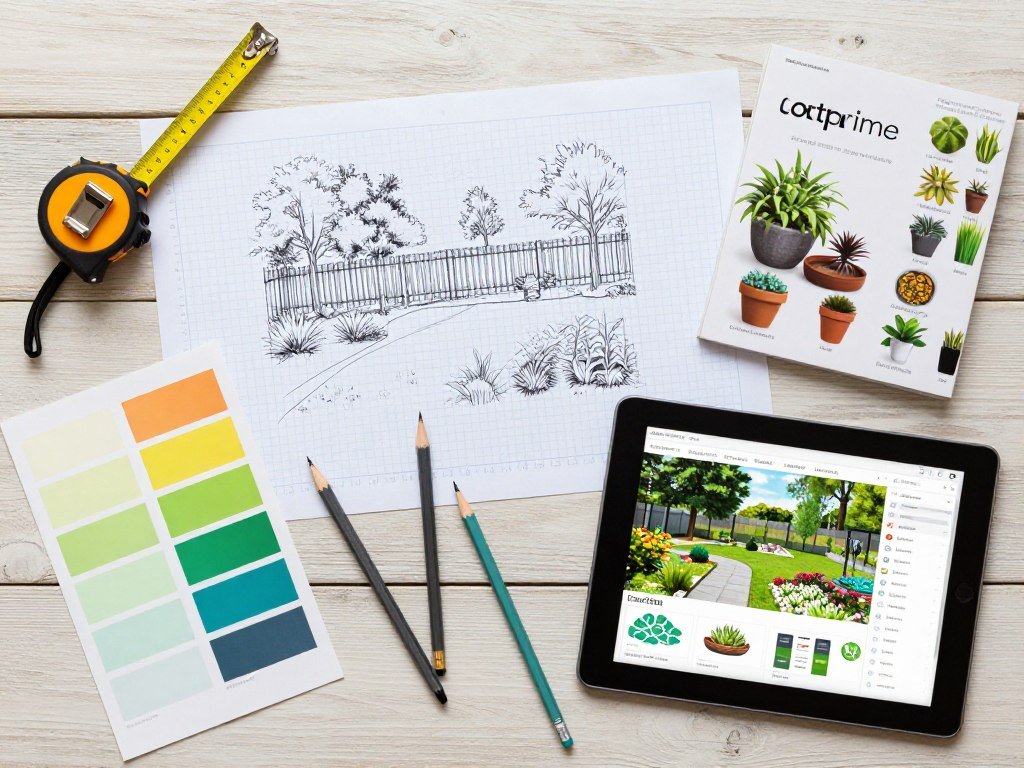
Accurate measurements form the foundation of successful projects. Measure your yard’s dimensions and note existing features like trees, slopes, and utility locations. Simple sketches help visualize potential layouts before purchasing materials.
Digital tools and apps simplify the design process. Many free applications allow you to create scaled drawings and experiment with different arrangements. These tools save time and reduce costly mistakes during implementation.
Understanding Your Soil and Climate
Soil quality affects plant selection and project success. Test your soil’s pH level and composition to determine which plants thrive best. Local garden centers provide testing services and recommendations for amendments.
Climate considerations influence material choices and project timing. Research your hardiness zone to select appropriate plants. Weather patterns in your area determine the best seasons for outdoor construction work.
Creating Comfortable Outdoor Living Areas
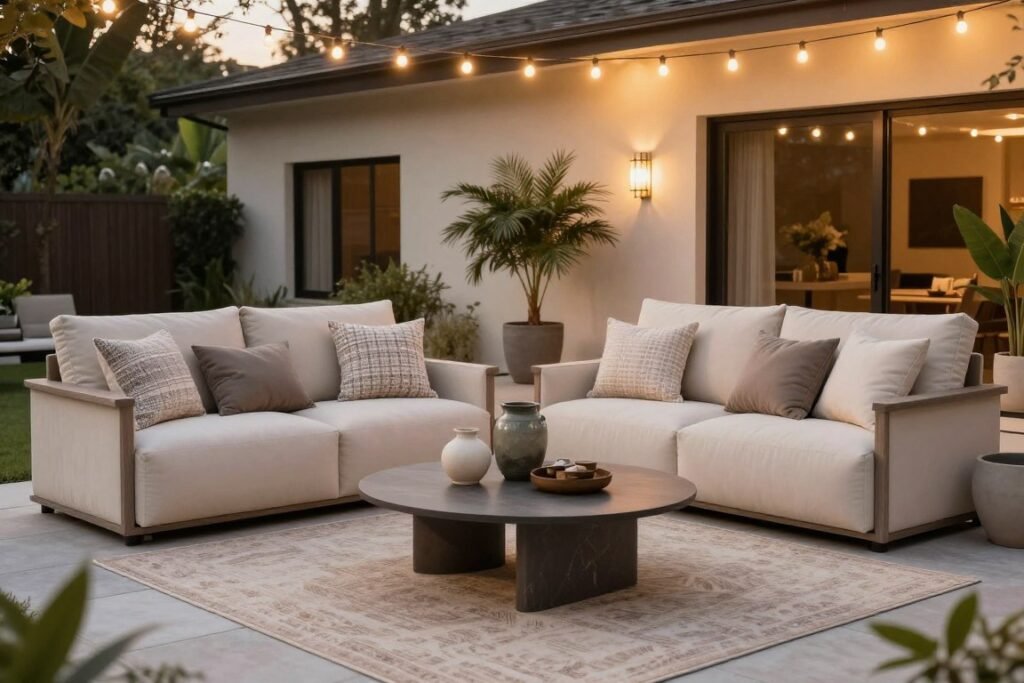
Outdoor living spaces extend your home’s usable area into the backyard. These zones provide comfortable settings for relaxation and social gatherings. Thoughtful furniture placement creates intimate conversation areas while maintaining traffic flow.
Weather-resistant furniture ensures longevity and reduces maintenance needs. Select pieces that withstand your local climate conditions. Storage solutions protect cushions and accessories when not in use.
Building a Patio Foundation
Patios serve as the anchor for outdoor living spaces. Concrete, pavers, and stone each offer distinct advantages for different budgets and aesthetics. Proper base preparation prevents settling and cracking over time.
The patio size should accommodate your typical gathering size plus furniture. Allow at least three feet of clearance around seating areas for comfortable movement. Level surfaces prevent water pooling and improve safety.
Materials selection impacts both appearance and maintenance requirements. Natural stone creates elegant looks but costs more than concrete. Pavers offer design flexibility with moderate price points and easier repairs.
Installing a Pergola for Shade
Pergolas add architectural interest while providing partial shade coverage. These structures define outdoor rooms without completely blocking sunlight. Wood, vinyl, and metal options suit various design preferences and budgets.
Strategic pergola placement maximizes afternoon shade during hot months. Orient slats perpendicular to the sun’s path for optimal coverage. Add climbing plants to increase shade and natural beauty over time.
Height considerations affect both aesthetics and functionality. Standard eight-foot clearance accommodates most furniture and allows comfortable standing. Taller structures create more dramatic presence in larger yards.
Ready to Build Your Dream Outdoor Space?
Access detailed blueprints, material lists, and step-by-step instructions for every project. Save time and avoid costly mistakes with professional-grade plans.
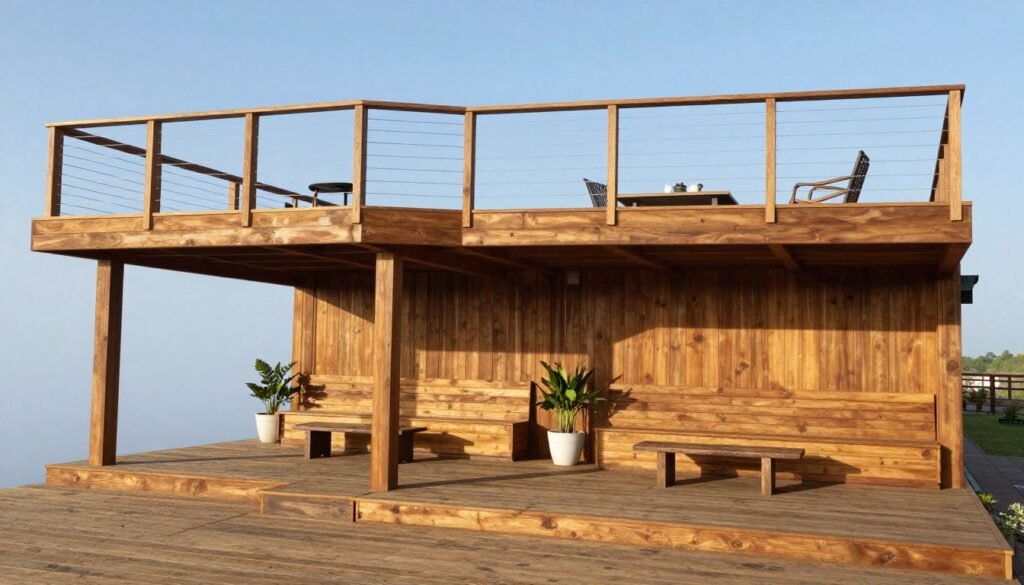
Decks provide elevated outdoor spaces perfect for entertaining and relaxation. Wood and composite materials each present benefits worth considering. Pressure-treated lumber offers traditional appeal at lower costs while composite materials reduce maintenance needs.
Deck design should complement your home’s architecture and backyard layout. Multiple levels create visual interest and define separate activity zones. Proper spacing between deck boards allows water drainage and air circulation.
Foundation and Framing Basics
Strong foundations prevent deck settling and structural issues. Concrete footings below the frost line ensure stability through temperature changes. Post placement follows specific spacing requirements based on deck size and local building codes.
Joist spacing affects deck strength and board support. Standard sixteen-inch spacing suits most applications. Rim joists and ledger boards require secure attachment to maintain structural integrity.
Railing and Safety Features
Building codes mandate railings for decks above certain heights. Check local requirements before finalizing your design. Balusters must space closely enough to prevent small children from slipping through.
Railing style impacts overall deck appearance significantly. Traditional wood railings match classic designs. Cable or glass railings maintain sight lines for better views.
Stair construction requires careful attention to rise and run measurements. Consistent step heights prevent tripping hazards. Handrails on both sides improve safety for all users.
Garden and Planting Projects
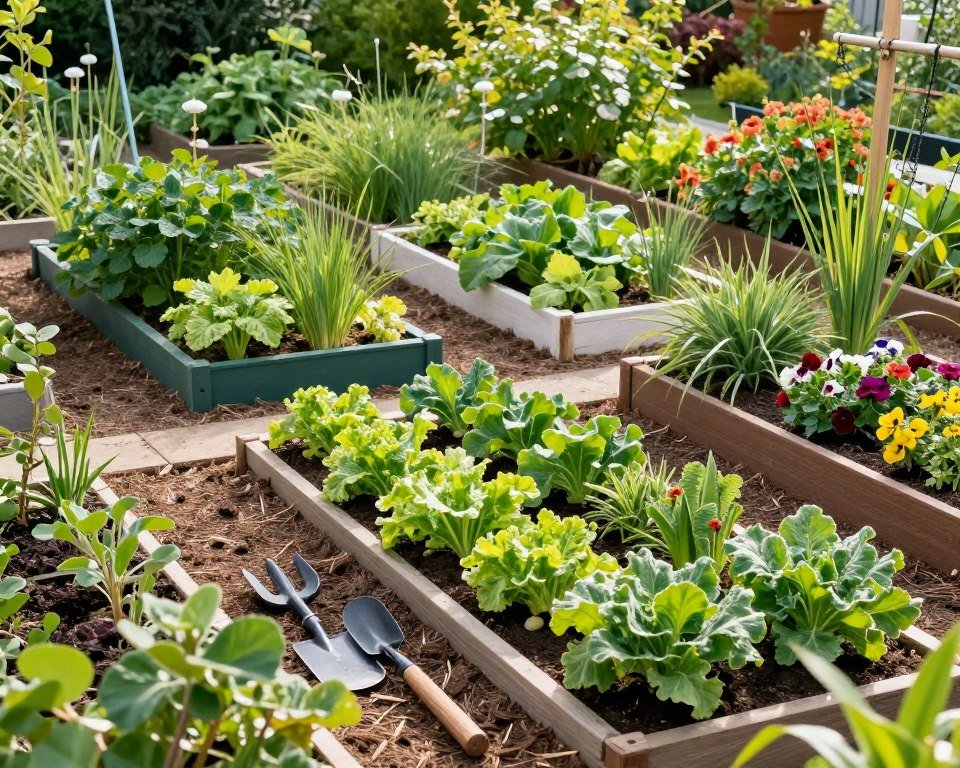
Gardens bring life, color, and fresh produce to backyard spaces. Raised beds simplify soil management and improve drainage for healthier plants. These structures make gardening accessible for people with mobility limitations.
Plant selection should match your climate zone and available sunlight. Native plants require less water and maintenance than exotic varieties. Grouping plants with similar needs streamlines watering and care routines.
Building Raised Garden Beds
Raised beds elevate plants above ground level for better growing conditions. Wood, stone, and metal materials all create effective garden boxes. Cedar and redwood resist rot naturally without chemical treatments.
Bed dimensions affect accessibility and planting options. Four-foot widths allow reaching the center from either side. Heights between twelve and twenty-four inches accommodate different root depths.
Proper soil mixtures promote healthy plant growth. Combine quality topsoil with compost and peat moss for ideal drainage and nutrients. Fill beds completely to prevent settling as organic matter decomposes.
Creating Focal Points with Plants
Strategic plant placement guides the eye through your yard. Tall specimens serve as anchors for garden bed designs. Layer plants by height with tallest varieties in back or center positions.
Color combinations create visual harmony or exciting contrasts. Complementary colors placed together make both hues appear more vibrant. Monochromatic schemes using various shades of one color provide sophisticated looks.
Seasonal variety ensures year-round garden interest. Select plants with different blooming times for continuous color. Include evergreens for structure during winter months.
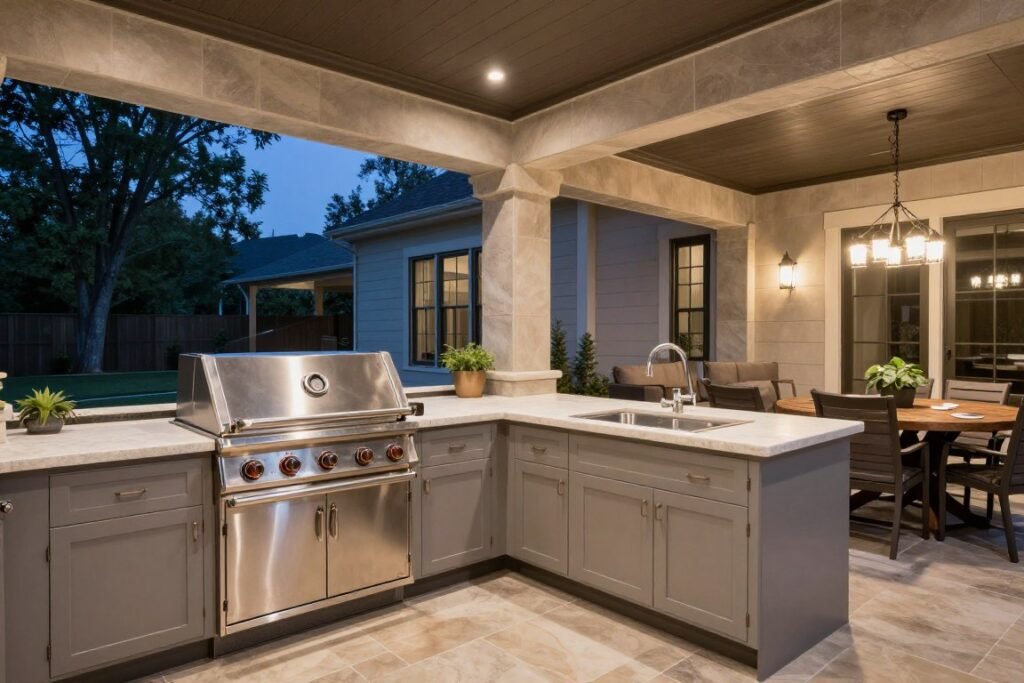
Outdoor kitchens transform backyards into entertainment destinations. Even simple setups with a grill and prep table enhance cooking experiences. Built-in features add value and create permanent entertainment zones.
Counter space near cooking areas improves functionality significantly. Weather-resistant materials like stone or concrete withstand exposure to elements. Storage cabinets keep utensils and supplies conveniently accessible.
Dining Area Configurations
Dining tables should accommodate your typical guest count comfortably. Allow twenty-four inches of table space per person for adequate elbow room. Place dining areas close to kitchen zones for convenient food service.
Shade coverage makes dining more comfortable during bright afternoon hours. Pergolas, umbrellas, or retractable awnings provide protection from sun. Consider prevailing wind directions when positioning dining furniture.
Lighting extends dining area usability into evening hours. String lights create festive atmospheres for casual gatherings. Focused task lighting over prep areas improves cooking safety and convenience.
Building an Outdoor Bar
Bars provide serving stations and social gathering points. Simple designs using weather-resistant materials offer functionality without major construction. Include storage underneath for beverages and glassware.
Bar height differs from standard table dimensions. Typical bar counters measure forty-two inches high. Pair with appropriate bar-height stools for comfortable seating.
Water Features and Elements
Water features add soothing sounds and visual interest to outdoor spaces. Fountains, ponds, and waterfalls create peaceful atmospheres for relaxation. These elements attract birds and beneficial wildlife to your yard.
Scale water features appropriately for your space size. Small fountains suit compact yards while larger properties accommodate substantial ponds. Placement near seating areas maximizes enjoyment of water sounds.
Installing a Garden Fountain
Fountains range from simple container styles to elaborate tiered designs. Self-contained models require only electrical connections for operation. Recirculating pumps move water efficiently while minimizing water usage.
Fountain placement affects sound levels and visibility. Position features where water sounds enhance rather than overwhelm conversation areas. Adequate electrical access simplifies installation and operation.
Regular maintenance keeps fountains operating smoothly. Clean pumps and remove debris weekly during active seasons. Winterize features in cold climates to prevent freeze damage.
Creating a Natural Pond
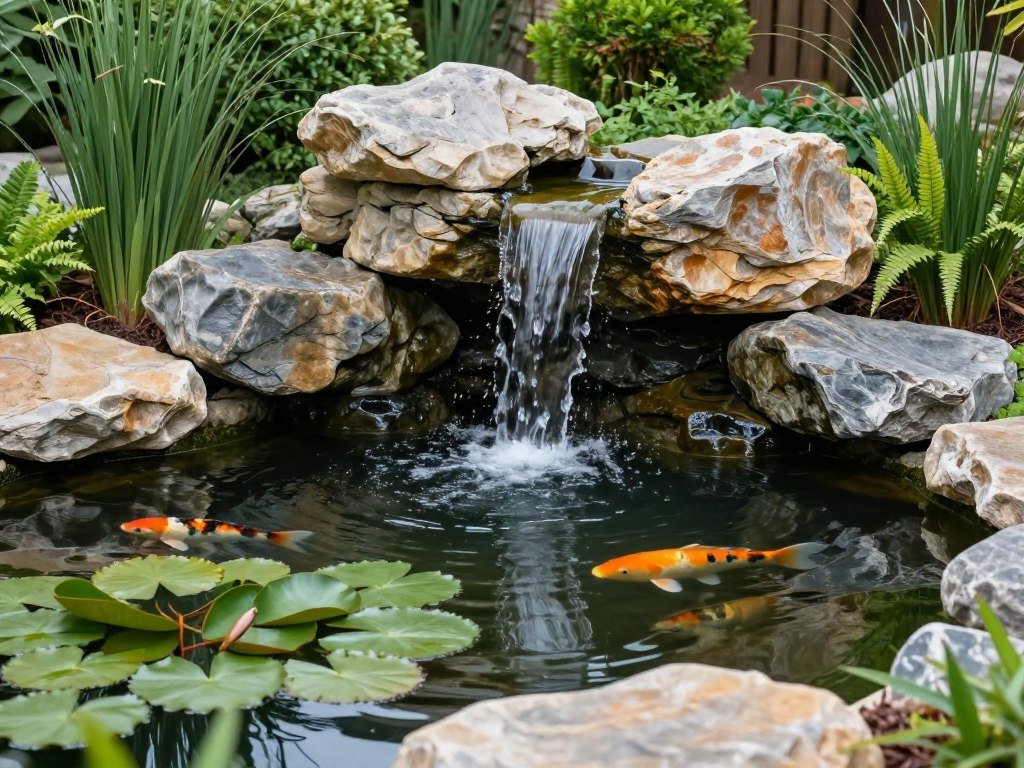
Ponds support aquatic plants and fish for dynamic backyard ecosystems. Flexible pond liners simplify installation compared to concrete construction. Adequate depth prevents complete freezing in winter climates.
Filtration systems maintain water quality for fish health. Pumps circulate water to prevent stagnation and mosquito breeding. Balance biological and mechanical filtration for best results.
Aquatic plants serve functional and aesthetic purposes. Submerged plants oxygenate water naturally. Floating varieties provide shade and reduce algae growth.
Fire Features for Ambiance
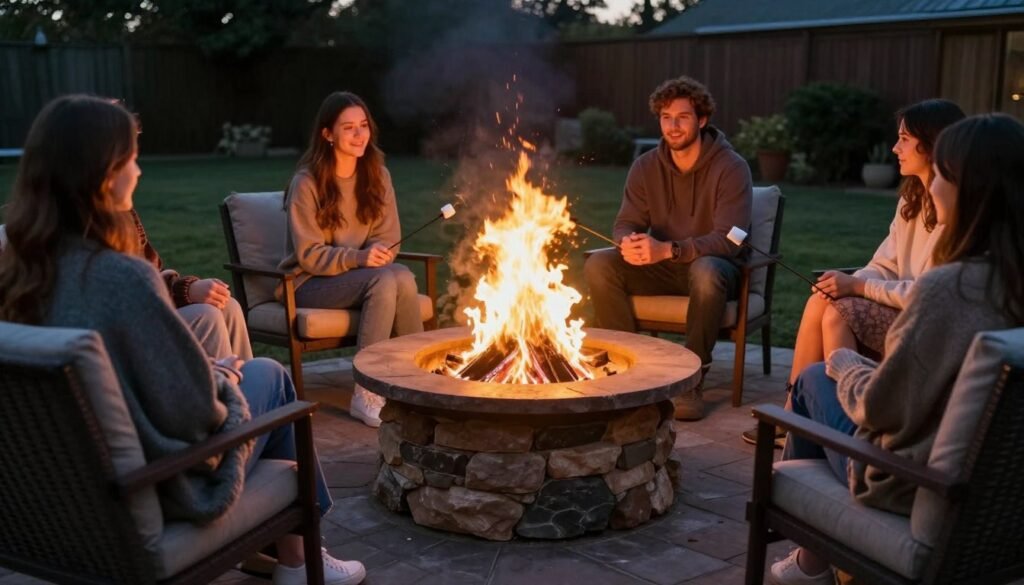
Fire features extend outdoor season usability into cooler months. Fire pits and fireplaces create gathering spots for family and friends. Dancing flames provide natural entertainment and warming comfort.
Safety considerations guide fire feature placement and design. Maintain adequate clearance from structures and overhanging branches. Non-combustible surfaces underneath prevent grass fires and property damage.
Building a Fire Pit
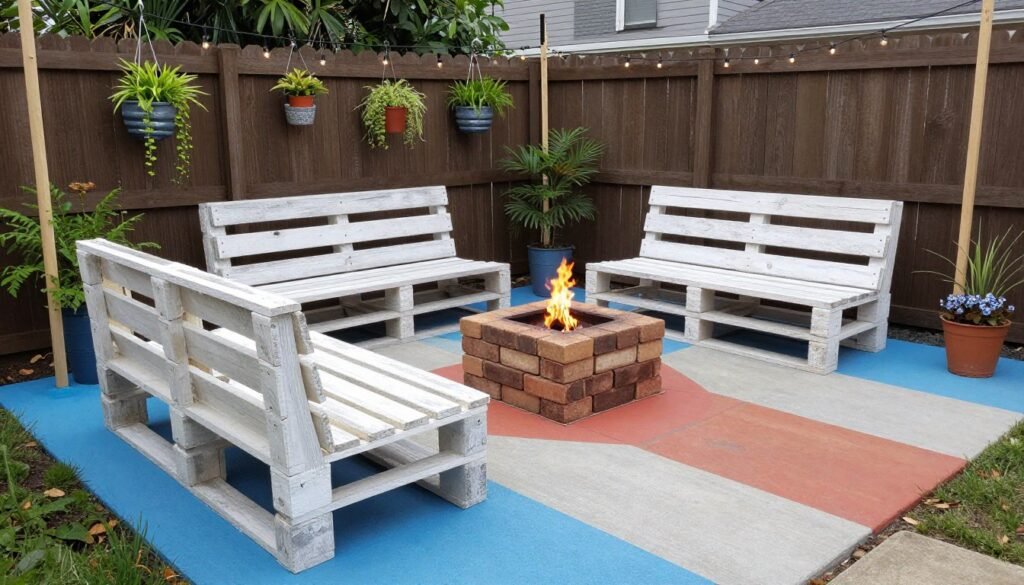
Fire pits offer flexibility in design and fuel types. Simple stone rings provide rustic appeal for wood-burning fires. Gas-powered options eliminate smoke and simplify lighting procedures.
Pit depth and diameter affect functionality and safety. Deeper pits contain embers better while shallow designs radiate more heat outward. Circle diameters between thirty-six and forty-four inches accommodate most gatherings.
Seating arrangements should maintain safe distances from flames. Position chairs at least three feet from fire pit edges. Provide multiple seating options to accommodate varying comfort preferences.
Master Fire Feature Installation
Get expert guidance on safe fire pit construction, material selection, and placement strategies. Professional plans ensure code compliance and family safety.
Fireplaces provide more focused heat than open fire pits. Vertical structures create architectural statements in outdoor living areas. Chimneys direct smoke upward away from seating zones.
Material choices affect both appearance and heat retention. Brick and stone absorb heat during burning and radiate warmth afterward. Metal fireplace units heat quickly but cool faster than masonry.
Lighting Design Strategies
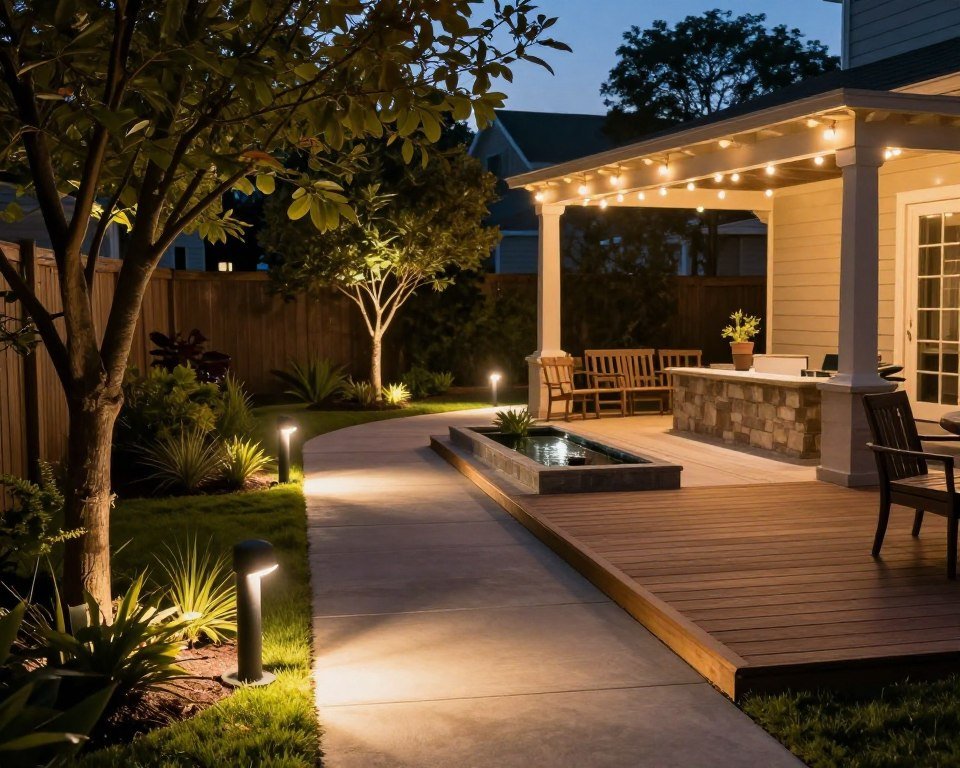
Thoughtful lighting transforms backyard spaces for nighttime enjoyment. Multiple light sources at various levels create depth and visual interest. Proper illumination improves safety while enhancing aesthetic appeal.
Layer different lighting types for versatile functionality. Ambient lighting provides overall illumination for movement and activities. Task lighting focuses on specific work areas like grills or outdoor kitchens.
Path and Walkway Lighting
Path lights prevent tripping hazards along walkways and stairs. Low-voltage LED fixtures offer energy efficiency and long bulb life. Space lights every six to eight feet for adequate coverage.
Fixture styles should complement your overall design theme. Modern homes pair well with sleek contemporary lights. Traditional architecture benefits from classic lantern-style fixtures.
Accent and Uplighting Techniques
Accent lights highlight architectural features and landscape elements. Uplighting placed at tree bases creates dramatic shadows and silhouettes. Downlighting from elevated positions mimics natural moonlight effects.
Color temperature affects ambiance significantly. Warm white tones create inviting atmospheres for entertaining. Cooler temperatures suit task lighting applications.
Smart lighting systems allow remote control and scheduling features. Program lights to activate automatically at dusk. Adjust brightness levels without leaving comfort of indoor spaces.
Smart Storage Solutions
Adequate storage keeps yards organized and tools protected from weather. Sheds, cabinets, and benches with hidden compartments maximize available space. Well-planned storage reduces clutter and improves backyard aesthetics.
Storage placement should provide convenient access without dominating visual space. Position larger sheds along property edges or behind screening plants. Integrate smaller storage pieces into seating areas and functional zones.
Building a Storage Shed
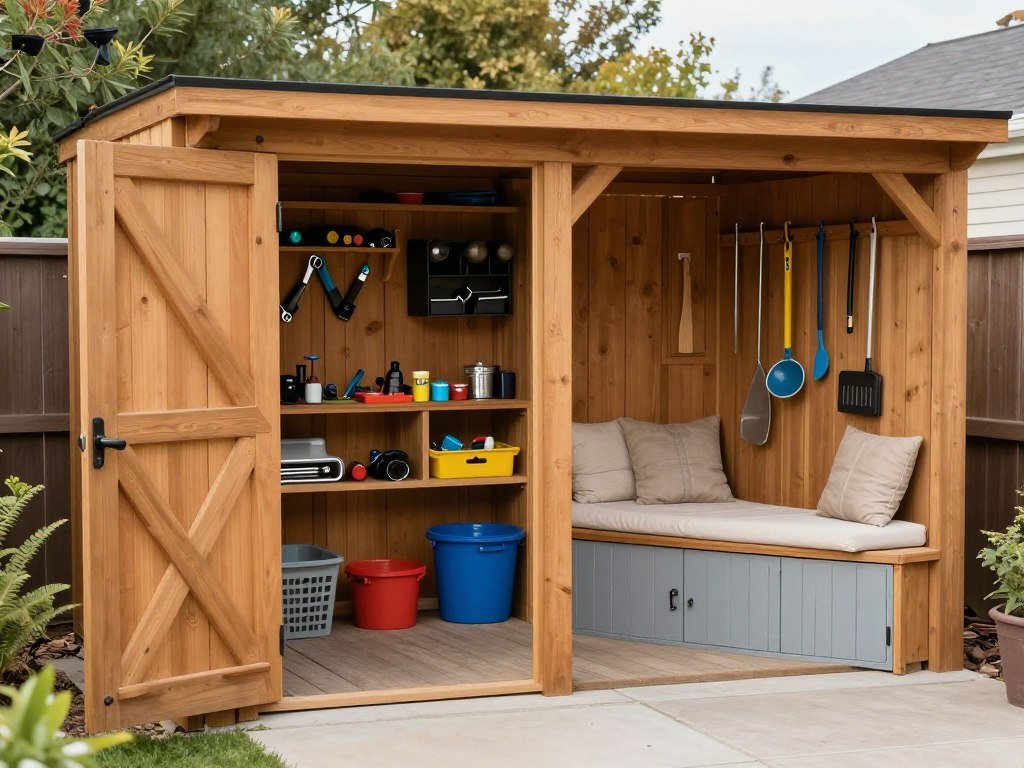
Sheds protect equipment from rain, snow, and sun damage. Size requirements depend on tools and materials needing storage. Consider future needs when selecting shed dimensions.
Shed foundations prevent moisture damage and structural settling. Gravel bases with pressure-treated floor frames resist rot effectively. Concrete pads provide permanent solutions for larger structures.
Interior organization maximizes storage capacity and accessibility. Install shelving, hooks, and pegboards for tool management. Group similar items together for efficient retrieval.
Creating Hidden Storage
Benches with lift-up seats conceal cushions and outdoor accessories. These dual-purpose pieces provide seating while hiding clutter. Weather-resistant construction ensures contents stay dry.
Deck storage boxes blend into outdoor living spaces seamlessly. Place units near activity areas for convenient access to frequently used items. Lockable options secure valuable equipment and power tools.
Privacy Screening Options
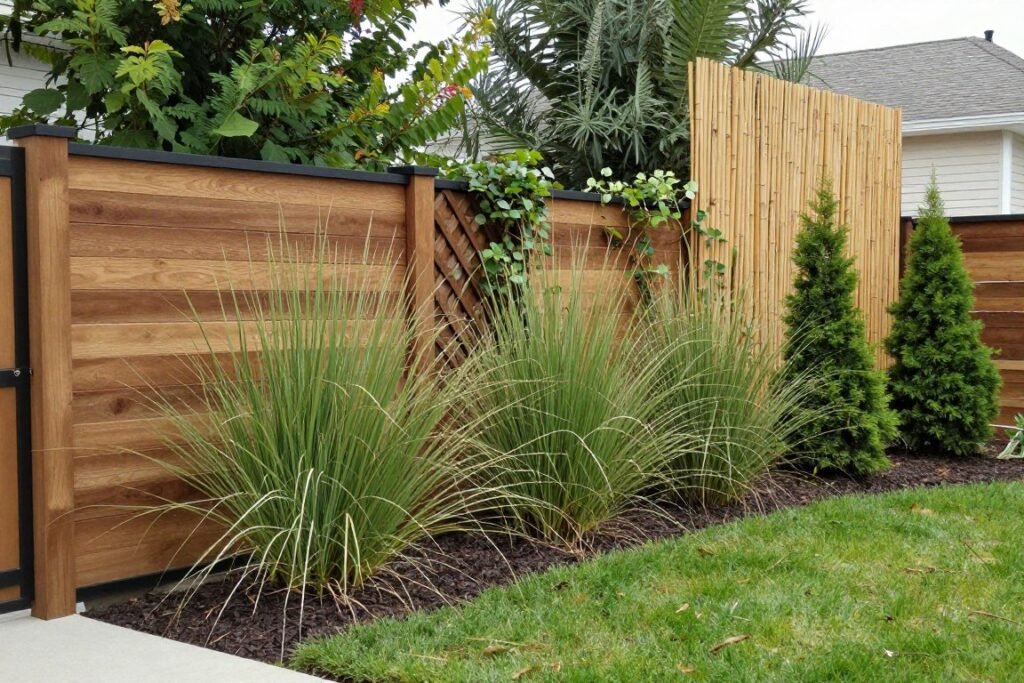
Privacy screens create secluded retreats within your backyard space. Fences, walls, and living screens block unwanted views while defining property boundaries. Strategic placement balances openness with desired seclusion.
Screen heights affect both privacy levels and visual impact. Six-foot fences block standing sight lines effectively. Shorter barriers define spaces without creating enclosed feelings.
Fence Installation Techniques
Fence styles range from solid panels to decorative pickets. Solid fences provide maximum privacy and wind protection. Open designs maintain air circulation and sight lines.
Proper post installation ensures fence longevity and stability. Dig post holes below frost lines to prevent heaving. Concrete anchoring adds strength for tall or heavy fence sections.
Material selection impacts maintenance requirements and appearance. Wood fences offer traditional beauty but require periodic staining. Vinyl and composite materials eliminate painting needs.
Living Privacy Screens
Hedges and screening plants provide natural privacy solutions. Evergreen varieties maintain coverage throughout all seasons. Fast-growing options like bamboo or privet establish quickly.
Plant spacing determines how quickly screens fill in. Position plants closer together for faster coverage at higher initial costs. Wider spacing reduces expense but requires patience for maturity.
Regular pruning maintains hedge shape and density. Most screening plants benefit from annual trimming. Remove dead or damaged branches promptly to maintain plant health.
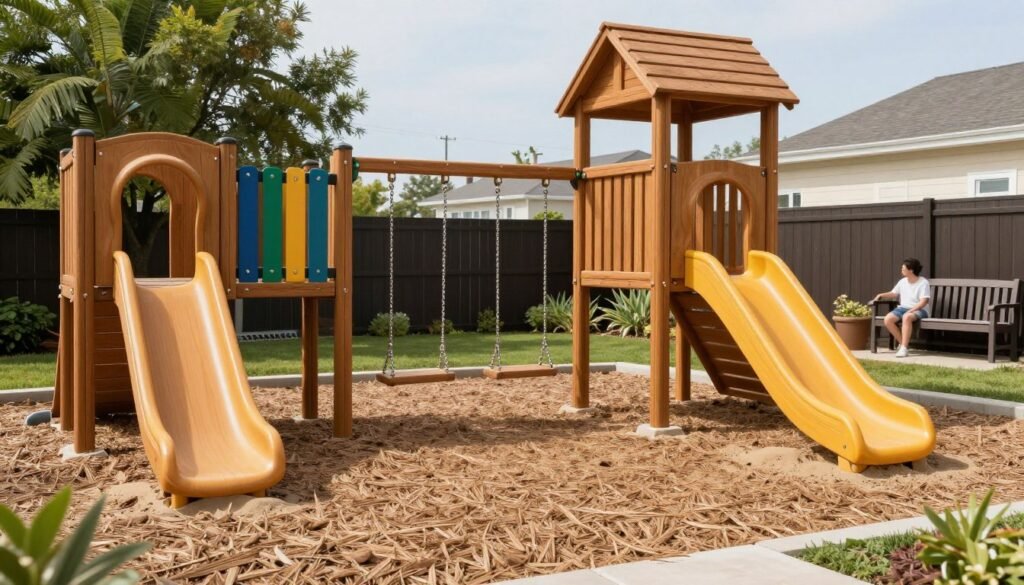
Dedicated play spaces keep children active and entertained at home. Equipment selection should match age ranges and activity preferences. Safety surfacing materials under equipment prevent injury from falls.
Play area placement requires balancing supervision needs with aesthetic considerations. Position zones visible from indoor living spaces and outdoor seating areas. Avoid placing equipment near pools or water features.
Choosing Play Equipment
Swing sets provide versatile play options for various ages. Quality construction ensures stability and long-term safety. Metal frames resist weathering better than wood alternatives.
Climbing structures develop physical skills and confidence. Height-appropriate equipment challenges children without excessive risk. Enclosed platforms provide safe elevated play zones.
Sand and water play areas stimulate creativity and sensory development. Covered sandboxes prevent animal contamination when not in use. Water tables offer contained aquatic fun for younger children.
Safety Considerations
Impact-absorbing surfaces reduce injury severity from falls. Rubber mulch, wood chips, or rubber tiles meet safety standards. Maintain adequate depth according to equipment height specifications.
Regular equipment inspections identify wear and potential hazards. Check for loose bolts, splinters, and deteriorating materials. Address issues immediately to maintain safe play conditions.
Clear zone requirements prevent equipment interference and collision injuries. Maintain six feet of clearance around swings and slides. Remove obstacles like rocks or roots from fall zones.
Hardscaping Fundamentals
Hardscaping elements provide structure and definition to outdoor spaces. Pathways, walls, and edging create visual boundaries between different zones. These permanent features reduce lawn maintenance while adding character.
Material consistency throughout hardscaping creates cohesive designs. Repeat stone types, colors, or patterns across multiple elements. Coordinate hardscaping with existing home architecture and materials.
Creating Pathways and Walkways
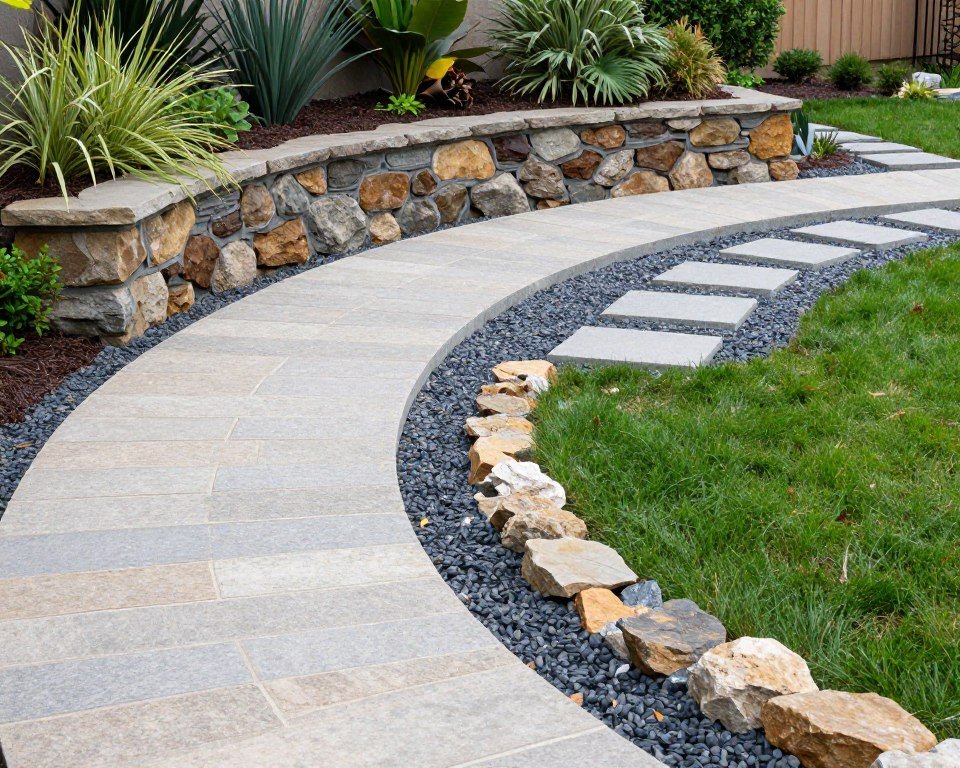
Pathways direct traffic flow and protect lawn areas from wear. Width determines formality and usage capacity. Three-foot paths accommodate single-file walking while five-foot widths allow side-by-side movement.
Pathway materials affect maintenance and appearance significantly. Gravel paths install quickly at low cost but require edging containment. Flagstone creates natural looks while pavers offer precision and variety.
Base preparation prevents settling and weed growth. Excavate pathway areas to appropriate depths for chosen materials. Layer landscape fabric, gravel base, and sand before installing surface materials.
Building Retaining Walls
Retaining walls manage slopes and create level planting areas. Proper drainage behind walls prevents pressure buildup and failure. Include weep holes or drainage pipes in wall construction.
Wall height determines whether engineering assistance is required. Simple walls under three feet suit DIY construction. Taller structures require professional assessment for safety and code compliance.
Block systems simplify wall construction with interlocking designs. Natural stone offers organic appearance but demands more skill. Ensure solid foundations for all wall types to prevent movement.
Vertical Gardening Ideas
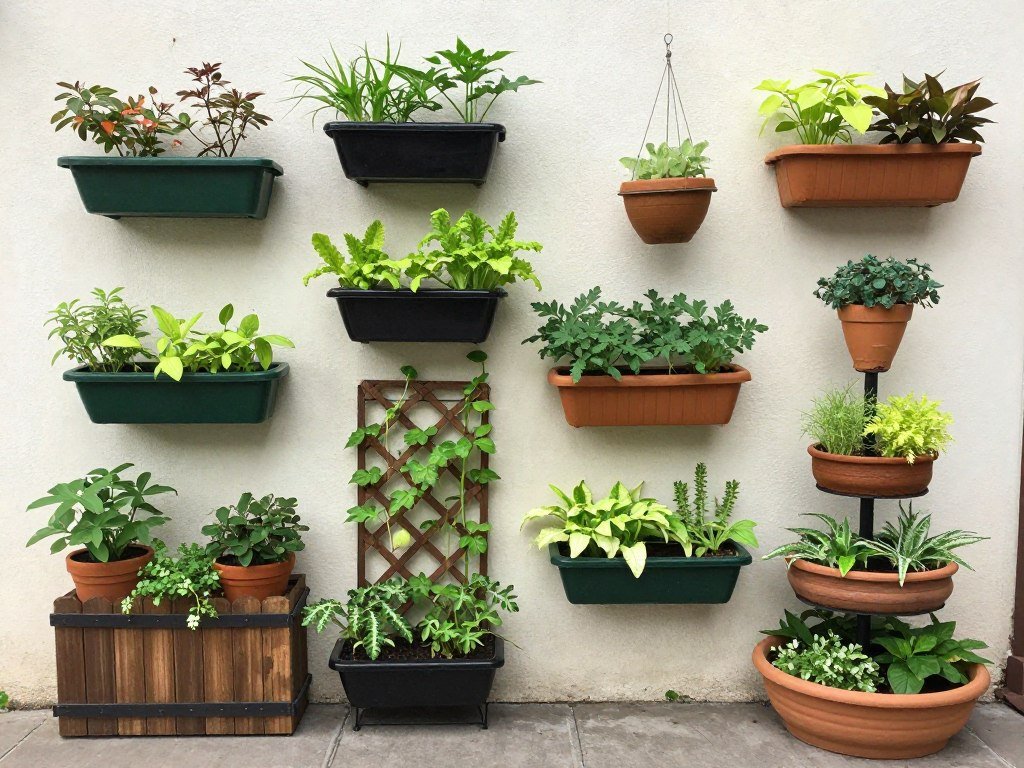
Vertical gardens maximize planting space in compact yards. Wall-mounted planters and trellises add greenery without consuming ground area. These solutions work particularly well for small urban backyards.
Plant selection should consider weight and growth habits. Lightweight container plants suit wall-mounted systems better than heavy specimens. Climbing varieties naturally adapt to vertical growing structures.
Installing Trellis Systems
Trellises support climbing plants while adding architectural interest. Wood, metal, and vinyl materials each offer distinct advantages. Position trellises to receive adequate sunlight for chosen plant varieties.
Trellis patterns affect both function and aesthetics. Grid patterns provide maximum climbing support. Decorative designs create focal points even before plants fill in.
Secure mounting prevents collapse under plant weight and wind loads. Attach trellises firmly to fence posts or building walls. Ground-mounted structures require adequate foundation depth.
Creating Living Walls
Living walls transform vertical surfaces into lush gardens. Modular pocket systems simplify installation and plant management. Ensure adequate irrigation reaches all planting pockets evenly.
Herb walls provide fresh ingredients within steps of outdoor kitchens. Select culinary herbs that tolerate your climate and sun exposure. Harvest regularly to encourage continued growth.
Transform Small Spaces Into Green Oases
Learn vertical gardening techniques that maximize every inch. Professional blueprints show exactly how to build productive vertical gardens regardless of yard size.
Regular maintenance preserves backyard project investments throughout the year. Seasonal tasks prevent small issues from becoming expensive repairs. Creating maintenance schedules ensures nothing gets overlooked during busy periods.
Spring maintenance focuses on repairs and preparation for growing season. Inspect structures for winter damage and make necessary fixes. Power wash surfaces and apply fresh stain or paint as needed.
Spring and Summer Care
Growing season maintenance keeps plants healthy and spaces attractive. Establish regular watering schedules adjusted for rainfall and temperature. Mulch garden beds to retain moisture and suppress weed growth.
Furniture and fabric care extends the life of outdoor pieces. Clean cushions and store during severe weather. Treat wood furniture with appropriate sealers to prevent weathering.
Pest control prevents damage to plants and structures. Monitor regularly for early detection of insect problems. Use integrated pest management strategies before resorting to chemical treatments.
Fall and Winter Preparation
Autumn tasks prepare yards for dormant periods. Drain irrigation systems and water features before freezing temperatures arrive. Store or cover furniture and equipment vulnerable to winter damage.
Winterizing efforts prevent cold-weather damage to plants and materials. Wrap tender plants or move containers to protected locations. Apply winter fertilizer to lawns for spring green-up.
Snow removal plans protect hardscaping and prevent safety hazards. Clear pathways promptly after snowfall. Avoid salt damage to plants by using alternative de-icing materials.
Budget-Friendly Improvements
Impressive backyard transformations don’t require unlimited budgets. Creative solutions and DIY efforts stretch dollars significantly. Prioritizing projects based on impact and cost creates effective spending strategies.
Repurposing materials reduces costs while adding unique character. Pallets transform into furniture and vertical gardens. Broken concrete pieces become rustic pathway materials.
DIY Project Savings
Labor costs typically exceed material expenses for most projects. Handling installation yourself cuts project costs substantially. Research techniques thoroughly and gather appropriate tools before starting.
Phased project completion spreads costs over time. Complete one section fully before beginning another area. This approach maintains momentum while accommodating budget constraints.
Material selection significantly impacts project budgets. Compare prices across multiple suppliers before purchasing. Consider alternative materials that achieve similar looks at lower cost.
High-Impact Low-Cost Ideas
Paint transforms tired surfaces into fresh focal points. Update fences, furniture, and planters with weather-resistant paints. Bold colors create dramatic changes for minimal investment.
Lighting additions extend usability and ambiance inexpensively. String lights provide affordable atmosphere for evening entertainment. Solar-powered fixtures eliminate electrical installation costs.
Container gardens offer flexibility and affordability. Group pots in varying sizes for visual interest. Move arrangements seasonally to maximize sun exposure and aesthetic appeal.
Sustainable Backyard Practices
Environmentally conscious choices benefit both planet and property. Sustainable practices often reduce maintenance costs and resource consumption. Native plants and efficient irrigation conserve water while supporting local ecosystems.
Composting reduces waste while creating nutrient-rich soil amendments. Kitchen scraps and yard waste transform into valuable garden material. Proper composting techniques prevent odors and pest attraction.
Water Conservation Strategies
Smart irrigation reduces water waste and utility bills. Drip systems deliver moisture directly to plant roots efficiently. Group plants with similar water needs for targeted watering.
Rain barrels collect natural precipitation for garden use. Position barrels beneath downspouts to capture roof runoff. Use collected water during dry periods to supplement irrigation needs.
Drought-tolerant plants thrive with minimal watering once established. Native species adapt naturally to local rainfall patterns. Xeriscaping principles create beautiful landscapes using less water.
Wildlife-Friendly Features
Pollinator gardens support beneficial insects and birds. Include plants with various bloom times for season-long food sources. Avoid pesticide use to protect visiting wildlife.
Bird feeders and houses attract species that control insect populations naturally. Position feeders away from window collision zones. Clean feeding stations regularly to prevent disease spread.
Brush piles and log features provide habitat for beneficial creatures. These natural elements shelter helpful insects and small animals. Place wildlife features in less-visible yard areas.
Compact yards require creative approaches to maximize functionality. Multi-purpose features serve several needs within limited footprints. Vertical elements add interest without consuming precious ground space.
Color and design tricks create illusions of larger spaces. Light colors make areas feel more open and spacious. Mirrors strategically placed reflect light and expand perceived boundaries.
Space-Saving Furniture Solutions
Folding and stackable furniture provides flexibility in tight spaces. Store pieces when not needed to free up area. Multi-functional items like storage benches serve dual purposes efficiently.
Built-in seating maximizes usable space along walls and edges. Bench seats with back cushions offer comfortable lounging. Incorporate storage underneath seating for additional functionality.
Creating Zones in Compact Yards
Define separate activity areas even in small backyards. Use rugs, planters, or level changes to establish boundaries. Distinct zones prevent spaces from feeling cluttered or purposeless.
Corner utilization captures often-wasted space. Position focal features like fountains or sculptures in corners. Triangular planters fit naturally into these areas.
Transparent materials maintain sight lines while providing function. Glass tabletops and acrylic chairs minimize visual bulk. Open railing designs prevent enclosed feelings on small decks.
Finishing Touches That Complete Your Space
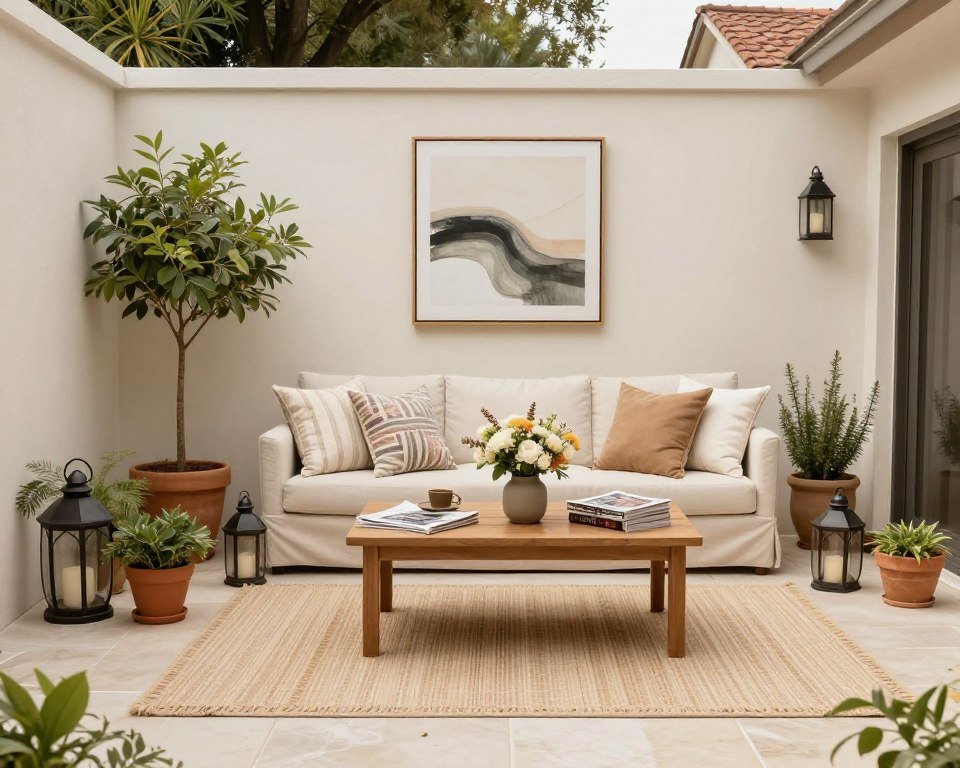
Accessories and decorative elements personalize backyard spaces. Textiles add color, comfort, and style to outdoor furniture. Cushions, pillows, and rugs withstand weather exposure while softening hard surfaces.
Decorative objects create personality and visual interest. Sculptures, wall art, and ornamental pieces reflect personal taste. Weather-resistant materials ensure longevity of outdoor decorations.
Selecting Outdoor Fabrics
Solution-dyed acrylic fabrics resist fading and mildew. These materials maintain appearance through multiple seasons of use. Removable covers simplify cleaning and seasonal storage.
Pattern and color selection affects overall space aesthetics. Bold patterns add energy to neutral settings. Solid colors provide sophisticated backdrops for varied decor.
Adding Personal Style Elements
Collections displayed outdoors showcase interests and hobbies. Group similar items for greater visual impact. Weatherproof cases protect delicate pieces from elements.
Seasonal decorations keep spaces fresh throughout the year. Rotate accessories to reflect holidays and changing seasons. Store off-season items properly to maintain condition.
Art installations create conversation-starting focal points. Metal sculptures withstand outdoor conditions best. Position pieces where they catch interesting light throughout the day.
Complete Your Perfect Backyard Today
Stop piecing together incomplete advice. Get comprehensive project plans that cover every detail from materials to finishing touches. Professional guidance ensures successful results.
Transforming your backyard creates lasting value for home and family. Each completed project builds confidence for tackling more ambitious endeavors. The journey from ordinary yard to outdoor oasis rewards both effort and creativity.
Start with projects matching your current skill level and available time. Success builds momentum toward larger transformations. Remember that even small improvements significantly enhance outdoor enjoyment.
Your backyard holds unlimited potential waiting to be discovered. With proper planning, quality materials, and consistent effort, dream outdoor spaces become reality. Take the first step today toward creating the backyard you’ve always imagined.
Blue bridesmaid dresses have become a timeless choice for wedding parties across the country. This versatile color offers countless shades that complement nearly every wedding theme. From deep navy to soft sky blue, each hue brings its own character to your bridal party. The right shade can enhance your wedding colors while flattering different skin…
Receiving a black-tie wedding invitation for a summer celebration presents both an exciting opportunity and a unique style challenge. The formal dress code calls for elegance and sophistication, while the season demands breathability and comfort. Finding that perfect balance between black-tie formality and summer-appropriate styling requires thoughtful consideration of fabrics, silhouettes, and accessories. This comprehensive…
Your wedding head table serves as the visual anchor of your reception—a special space where you and your new spouse will share your first meal as a married couple. As all eyes naturally gravitate toward this focal point throughout the celebration, thoughtfully designed head table wedding decorations can transform this space into a breathtaking statement…
Pink Adidas shoes have become a fashion staple for those looking to add a playful yet stylish touch to their footwear collection. These iconic sneakers blend the perfect combination of athletic performance and fashion-forward design, making them versatile for both workout sessions and casual outings. The soft pink hues range from subtle blush tones to…
Gone are the days when running shoes were purely functional pieces of equipment with limited color options and bulky designs. Today’s athletic footwear market has embraced the perfect marriage of style and performance, giving rise to an exciting array of cute running shoes that don’t compromise on functionality. Whether you’re training for a marathon, enjoying…
Creating your dream home doesn’t have to drain your bank account. With thoughtful planning, strategic decisions, and creative approaches, building a house on a budget is not only possible but can result in a beautiful, functional home that meets your needs. This comprehensive guide will walk you through every phase of budget-conscious home building—from initial…