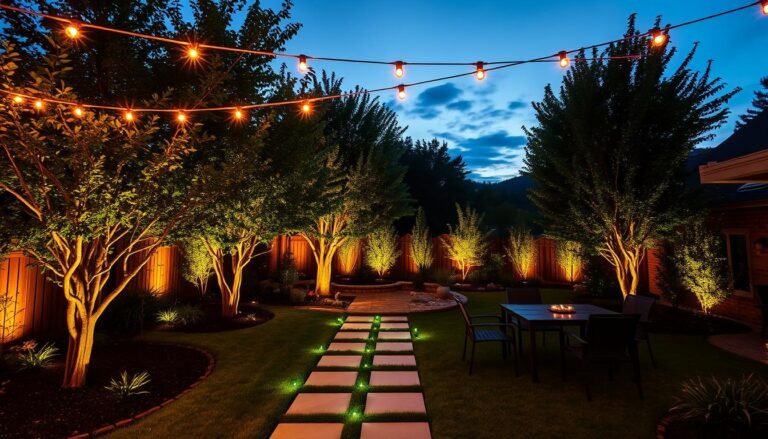
Your backyard doesn’t need acres of land to become a stunning retreat. Small yards offer unique opportunities to create intimate outdoor spaces that feel both functional and beautiful. The key lies in smart design choices that maximize every square foot while reflecting your personal style.
Many homeowners struggle with limited outdoor space. They wonder how to fit a seating area, garden beds, and functional elements into a compact yard. The good news is that size constraints often inspire the most creative solutions.
This guide presents practical backyard ideas for small yards that work in real homes. You’ll discover proven landscaping techniques, space-saving designs, and creative approaches that transform cramped outdoor areas into inviting retreats.
Ready to Design Your Dream Backyard?
Access professional landscaping plans and detailed design guides created specifically for small outdoor spaces.
Every small backyard has hidden potential waiting to be unlocked. The first step involves looking at your space with fresh eyes. Consider how sunlight moves across your yard throughout the day. Notice which areas stay shaded and which spots receive full sun.
Your yard’s dimensions matter less than how you use the available space. A narrow side yard can become a charming garden path. A small square patch can accommodate multiple functions through clever zoning.
Think about your lifestyle needs. Do you want space for entertaining guests? Are you hoping to grow vegetables or flowers? Would a quiet reading nook suit your style? These questions guide your design decisions.
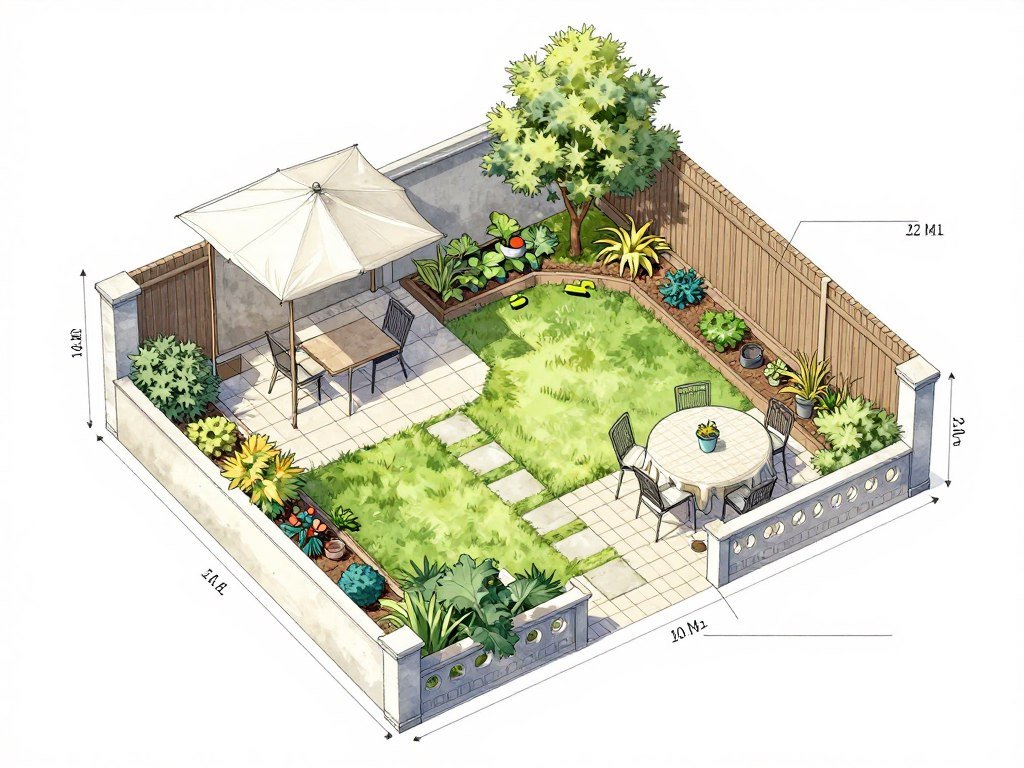
Start by measuring your backyard accurately. Note permanent structures like fences, sheds, or existing patio areas. This information helps you plan realistic improvements that fit your actual space.
Vertical Gardening Solutions That Save Space
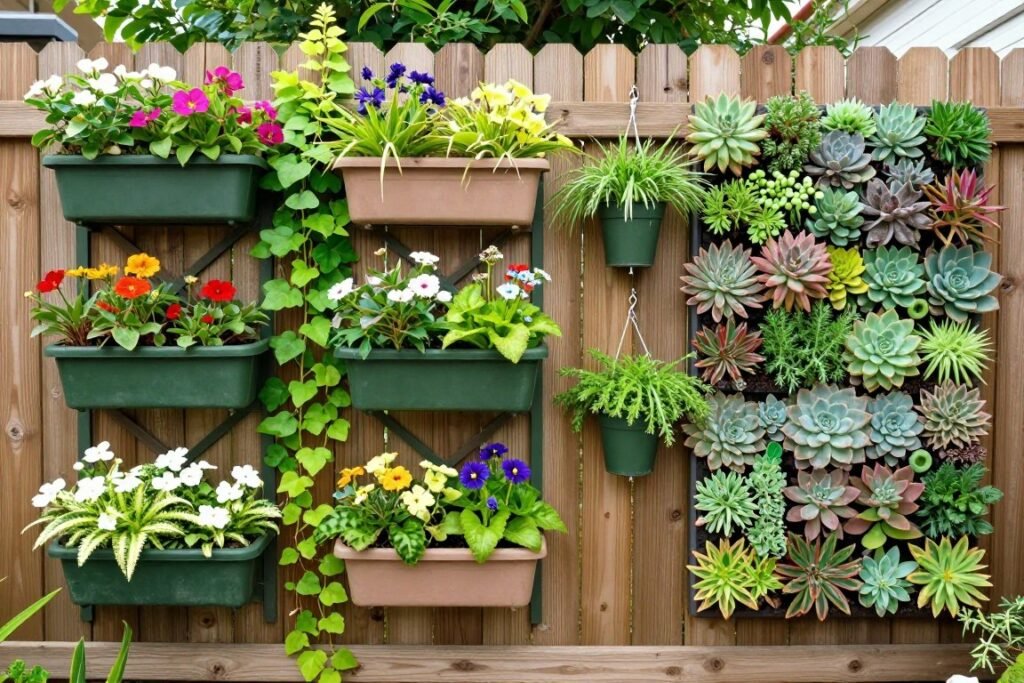
When ground space runs short, look up. Vertical gardening transforms walls, fences, and posts into productive growing areas. This approach adds greenery without sacrificing valuable floor space in your small backyard.
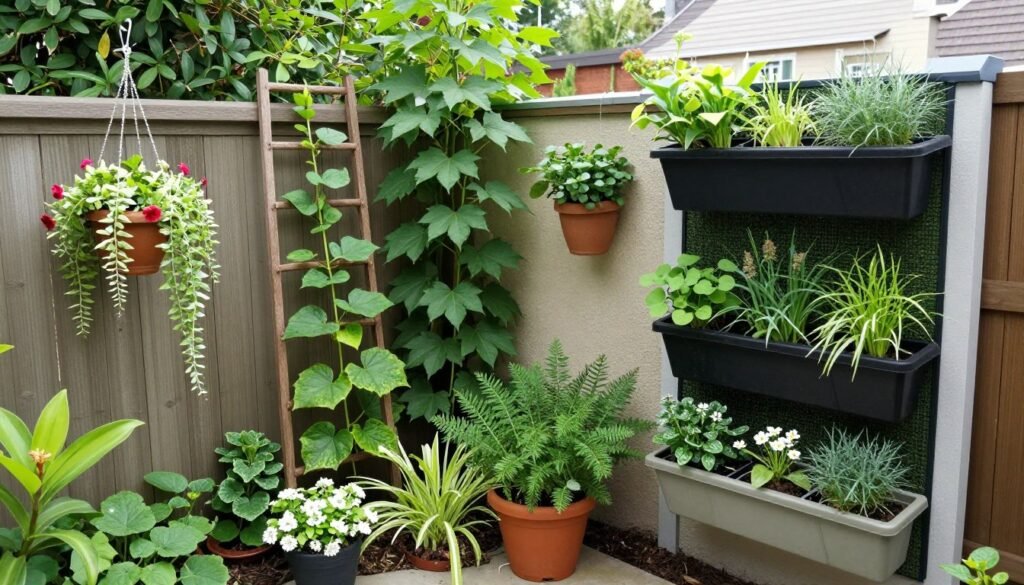
Wall-mounted planters attach directly to fences or exterior walls. They hold flowers, herbs, or small vegetables at eye level. This makes garden maintenance easier while creating an attractive focal point.
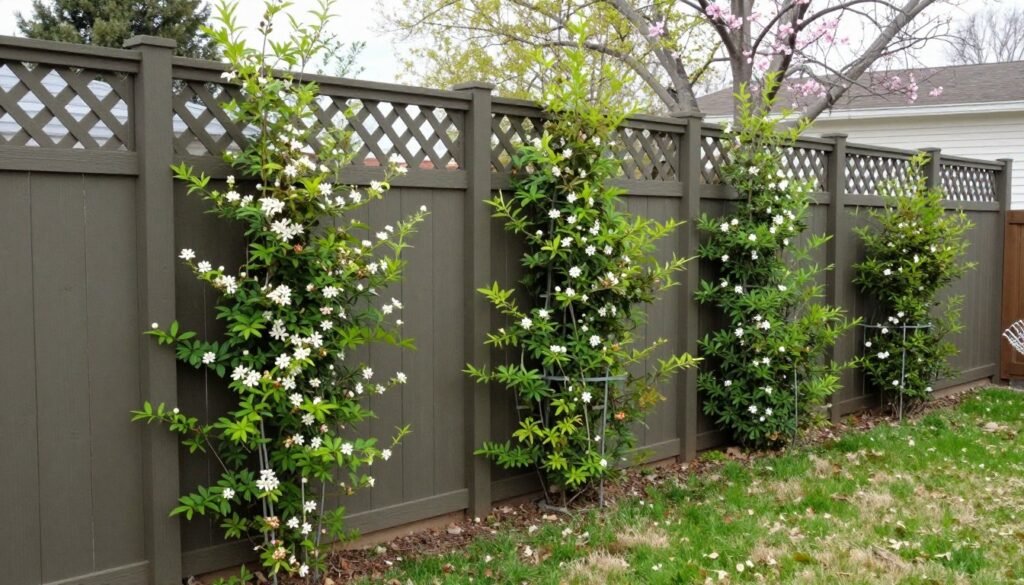
Trellises support climbing plants that grow upward rather than outward. Vines, roses, and vegetables like cucumbers thrive on these structures. A simple trellis adds vertical interest and creates natural privacy screening.
Best Plants for Vertical Growing
Climbing Vines
Clematis for colorful blooms
Climbing roses for classic beauty
Jasmine for fragrant flowers
Morning glories for fast coverage
Container-Friendly Plants
Herbs like basil and thyme
Lettuce and leafy greens
Cherry tomatoes in hanging baskets
Trailing flowers like petunias
Hanging planters suspend from pergola posts or overhead structures. They bring plants to eye level and create layers of color throughout your yard. Choose lightweight containers to avoid strain on support structures.
Living walls consist of modular panels that hold multiple plants. These systems include built-in irrigation for easy watering. A living wall turns a blank fence into a stunning garden feature.
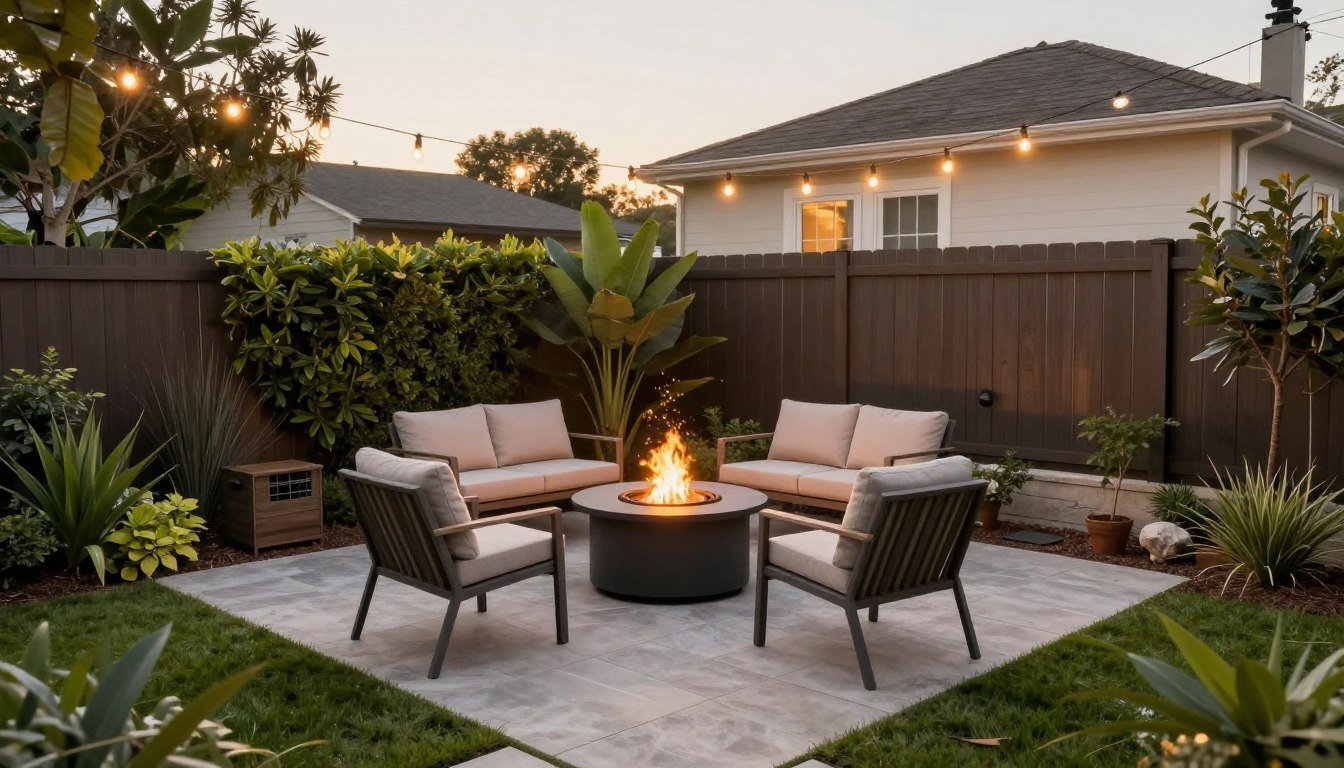
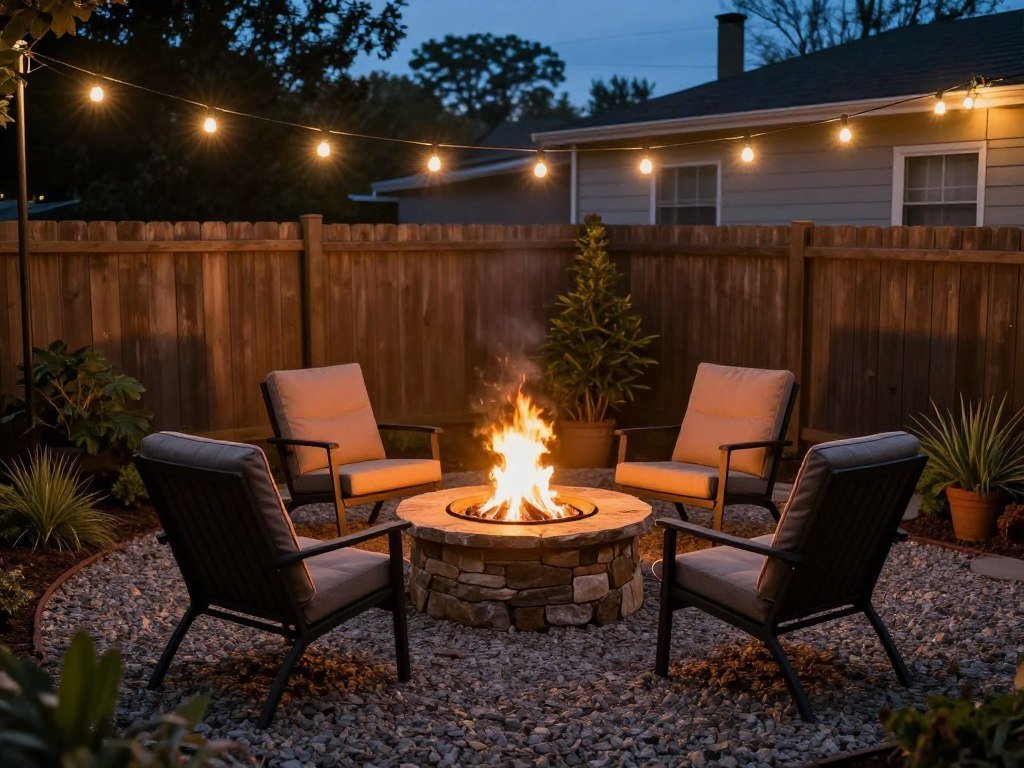
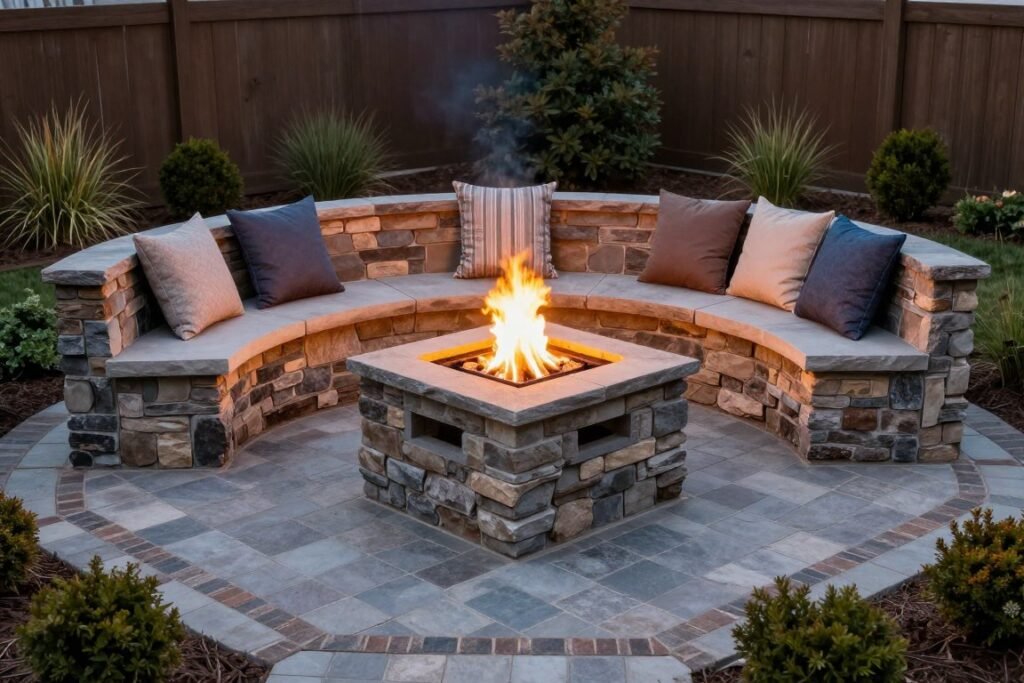
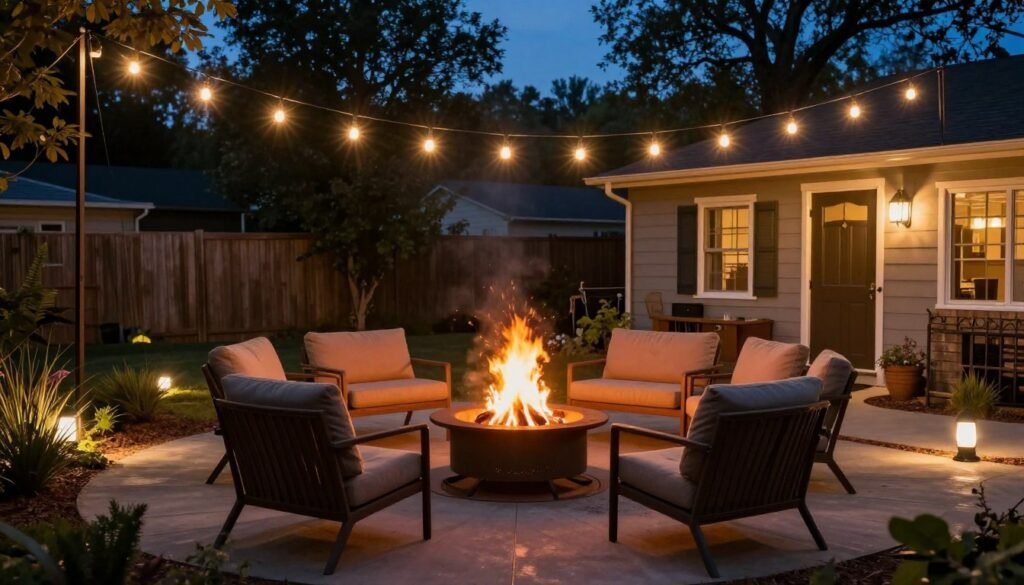
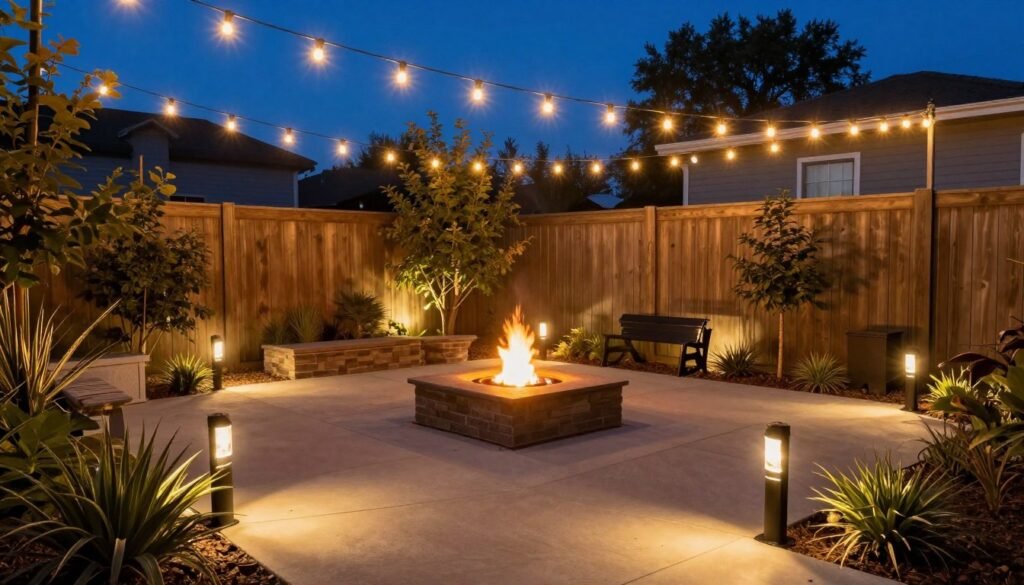
A fire pit becomes the heart of your small backyard. This feature provides warmth on cool evenings and creates a natural gathering spot for family and friends. Even compact yards can accommodate a well-designed fire pit area.
Choose the right fire pit size for your space. Compact models measure 24 to 30 inches across. This size provides adequate warmth without overwhelming a small yard. Consider portable fire pits that move when you need the space for other activities.
Location matters for safety and enjoyment. Place your fire pit at least 10 feet from structures, fences, and overhanging trees. Select a level spot with good drainage. The area should allow comfortable seating arrangements around the fire.
Fire Pit Seating Options
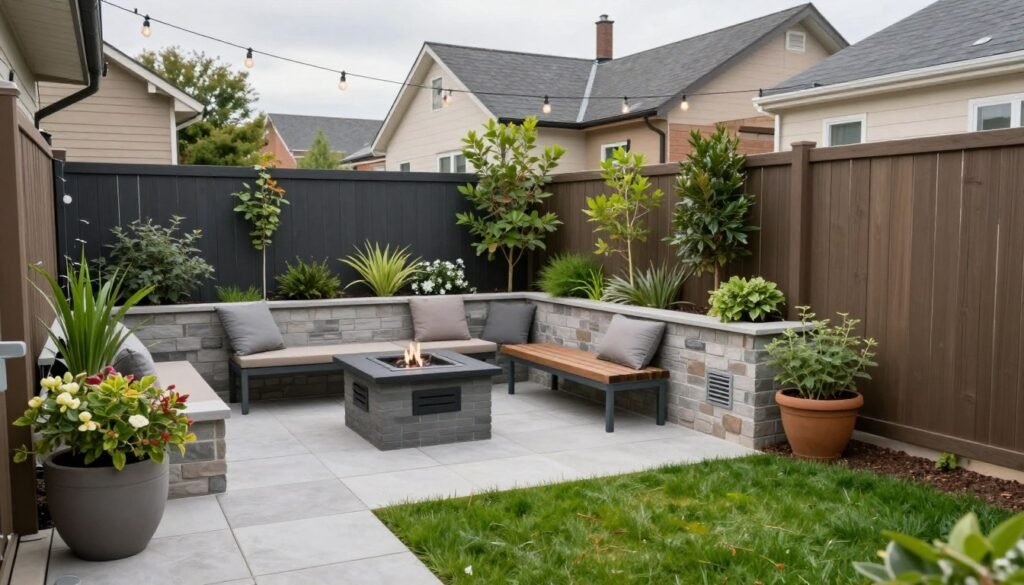
Built-in stone benches circle the fire pit for permanent seating. This design saves space by eliminating the need for separate chairs. Add cushions for comfort during long evening conversations.
Movable chairs offer flexibility for different group sizes. Choose lightweight options that stack or fold for storage. Position chairs close enough for conversation but far enough from flames for safety.
Low walls made from stone or brick define the fire pit zone. These structures double as extra seating when needed. The walls also help contain the area and prevent fire spread.
Wood-Burning Fire Pits
Traditional ambiance with crackling sounds and authentic wood smoke aroma. Requires firewood storage space and produces ash that needs regular cleaning.
Gas Fire Pits
Clean-burning convenience with instant ignition and adjustable flames. Connects to propane tanks or natural gas lines. No ash cleanup required after use.
Gel Fuel Fire Pits
Portable and smokeless option perfect for small spaces. Uses gel fuel canisters that provide flame without requiring permanent installation or gas connections.
Enhancing Your Fire Pit Space
Add lighting around the fire pit area for safety and atmosphere. String lights hung overhead create a magical canopy effect. Solar-powered path lights mark walkways leading to the seating area.
Ground surfaces need heat-resistant materials. Gravel provides excellent drainage and won’t crack from fire heat. Concrete pavers create a stable, level base. Stone or brick looks attractive and handles temperature changes well.
Screen the fire pit area with low shrubs or ornamental grasses. These plants add privacy without blocking heat circulation. Choose fire-resistant species like lavender or sage that thrive in warm conditions.
Design Your Perfect Fire Pit Space
Get detailed plans with measurements, material lists, and step-by-step installation guides for creating a stunning fire pit area in your small yard.
Multi-Functional Patio Designs for Small Backyards
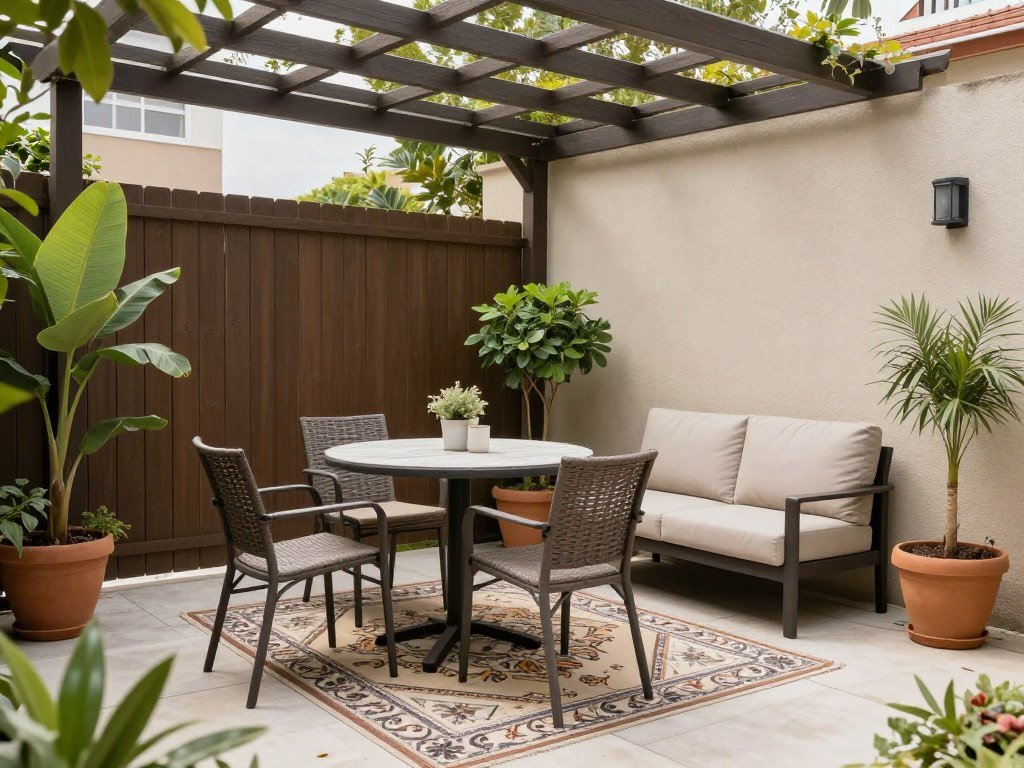
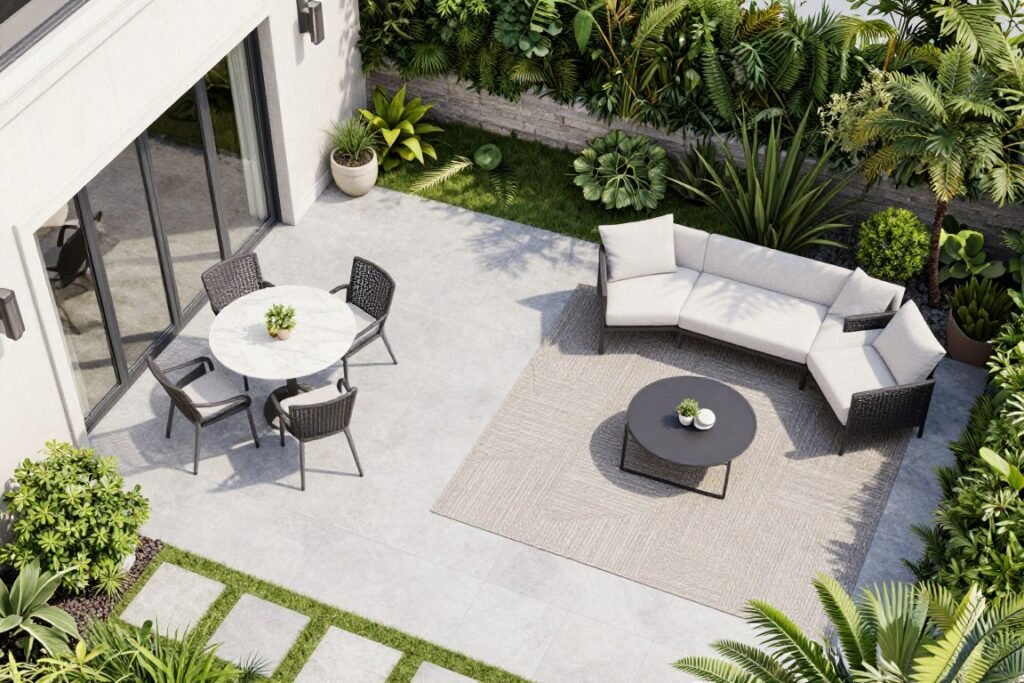
A well-designed patio serves multiple purposes in a small yard. This hardscaped area provides a stable surface for dining, entertaining, and relaxation. Smart patio design makes your outdoor space feel larger and more usable.
Size your patio appropriately for your yard. A 10×10 foot patio accommodates a small dining set. A 12×14 foot area allows both dining and lounge seating. Keep the patio proportional to avoid overwhelming your backyard.
Material choices affect both appearance and maintenance. Concrete pavers come in many colors and patterns. Stone creates an upscale natural look. Brick offers classic appeal. Gravel provides the most affordable option for budget-conscious projects.
Zoning Your Patio Space
Divide your patio into distinct areas using furniture arrangement. Place a dining table near the house for easy kitchen access. Position lounge chairs in a sunny corner for afternoon relaxation. This zoning creates separate rooms within your outdoor space.
Outdoor rugs define different zones without permanent structures. A rug under the dining table separates that area from the rest of the patio. Choose weather-resistant materials that withstand moisture and sun exposure.
Built-in benches along patio edges maximize seating without requiring extra floor space. Add cushions and pillows for comfort. These benches often include storage underneath for outdoor supplies and tools.
Dining Zone Elements
Compact bistro or round table
Folding or stackable chairs
Shade from umbrella or pergola
Nearby access to the house
Level surface for stability
Lounge Zone Elements
Comfortable outdoor seating
Side tables for drinks and books
Soft lighting for evening use
Plants for natural screening
Fire pit for warmth and ambiance
Patio Furniture Selection
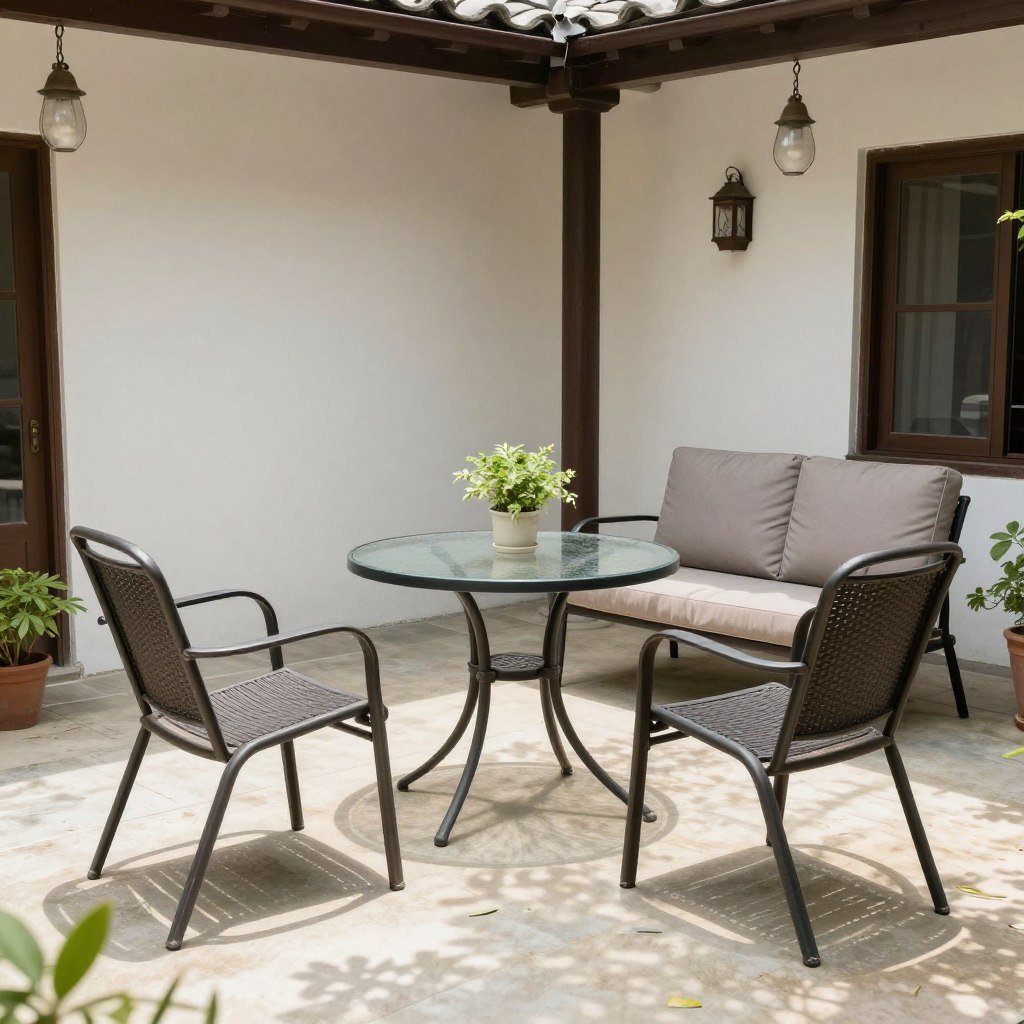
Choose furniture scaled for small spaces. Oversized pieces make a patio feel cramped. Look for slim profiles and open designs that allow visual flow. Glass or acrylic tables take up less visual space than solid wood.
Folding furniture stores away when not needed. This flexibility allows you to clear the patio for different activities. Stackable chairs nest together to save storage space when not in use.
Multi-purpose furniture increases functionality. An ottoman serves as extra seating, a footrest, and a coffee table. Benches with lift-top seats provide hidden storage. These pieces work harder in limited space.
Shade and Privacy Solutions
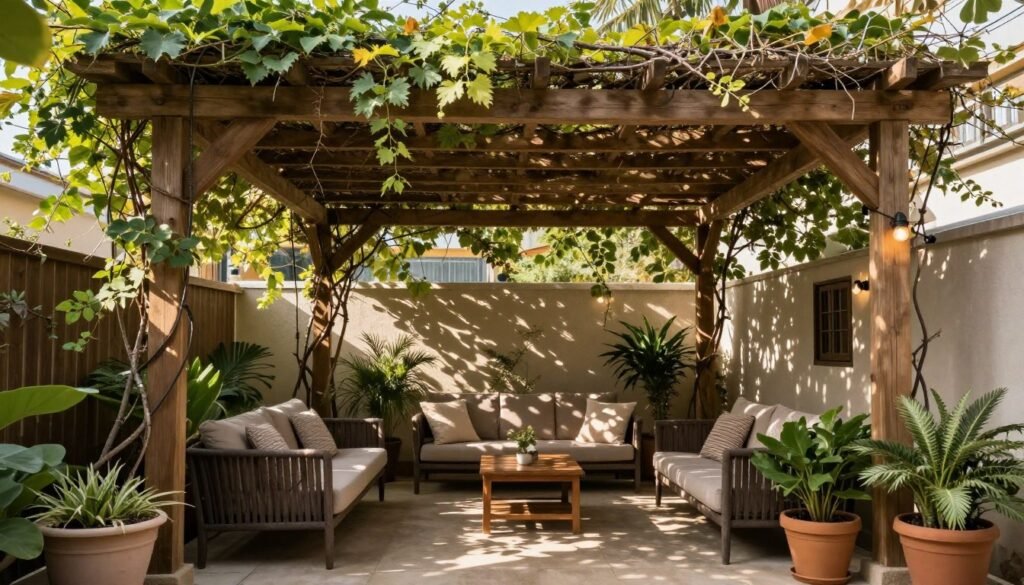
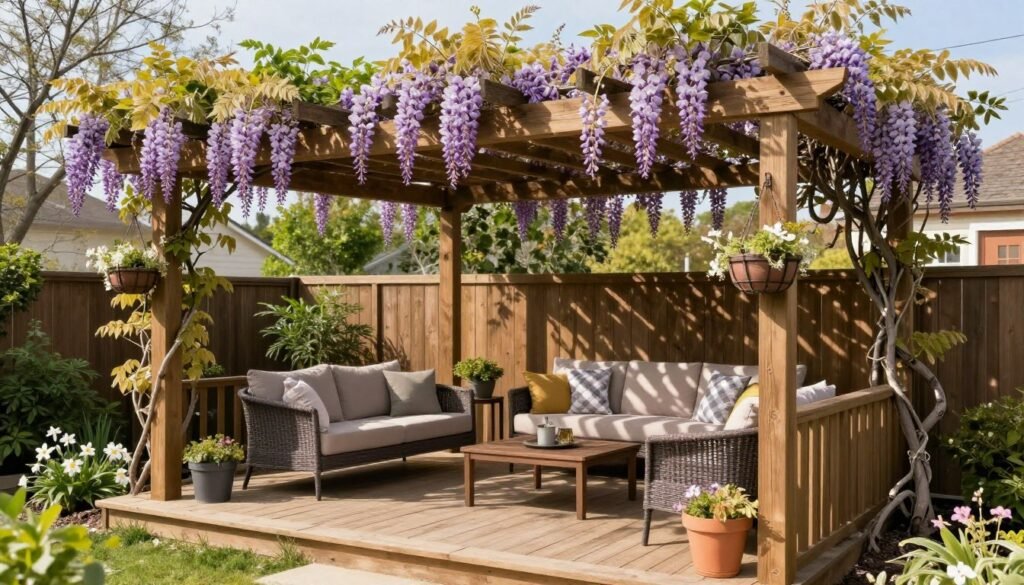
Pergolas provide overhead structure without blocking too much light. Train climbing plants over the pergola posts and beams for natural shade. This creates a living canopy that keeps the patio cool during hot afternoons.
Retractable awnings extend when needed and roll up when you want full sun. This adjustability makes them perfect for variable weather. Choose neutral colors that complement your home’s exterior.
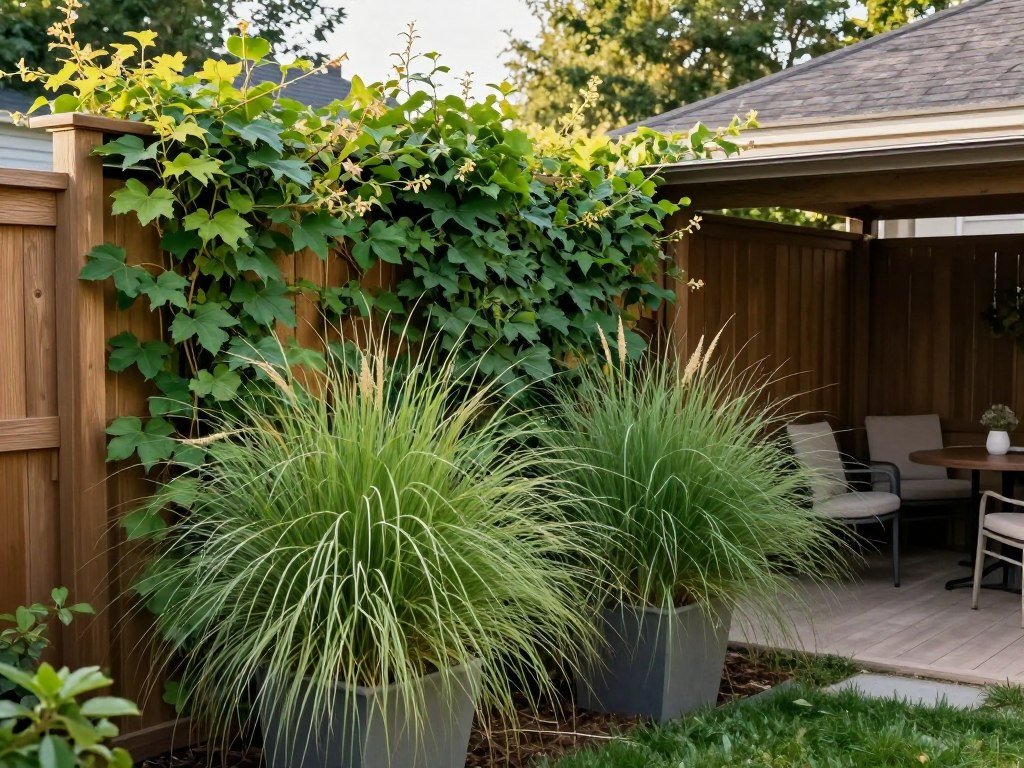
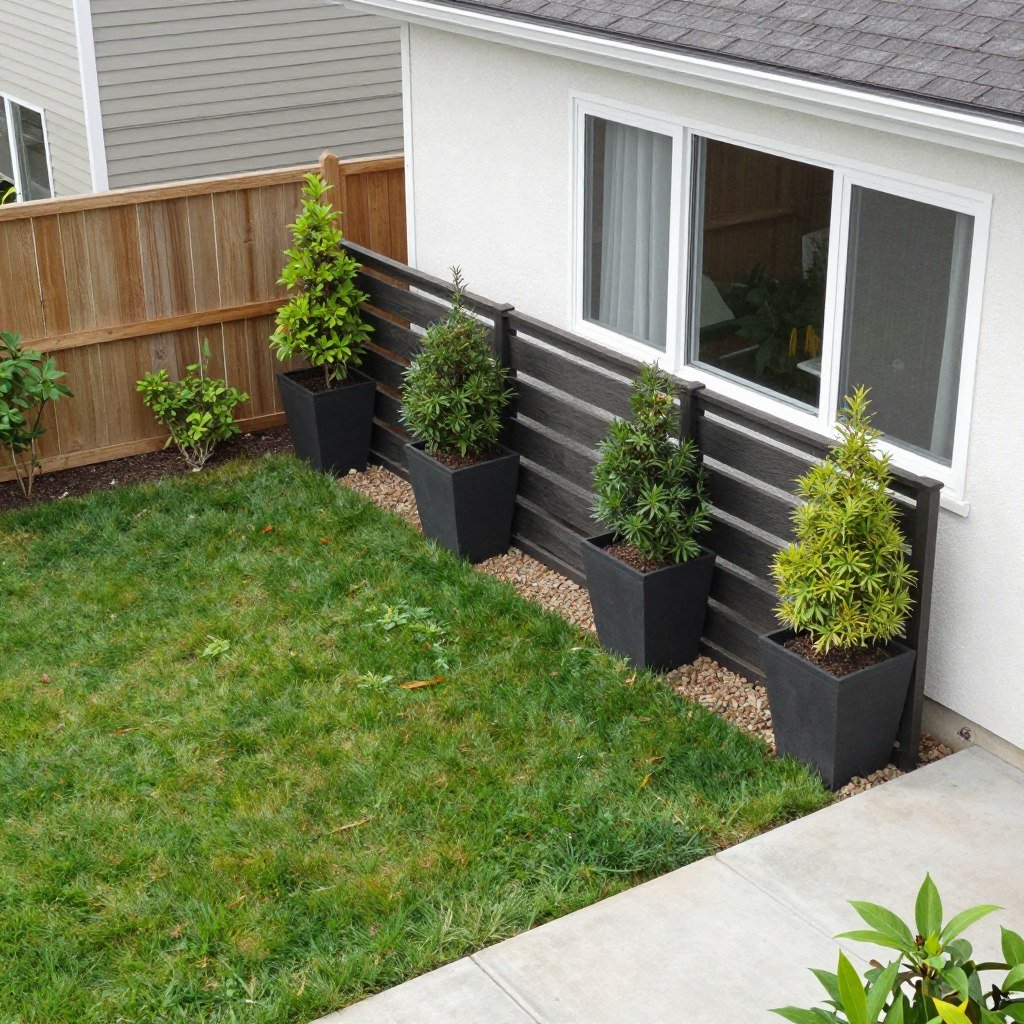
Privacy screens block views from neighbors without solid fencing. Lattice panels with climbing plants create attractive living walls. Tall planters with bamboo or ornamental grasses provide mobile privacy that moves as needed.
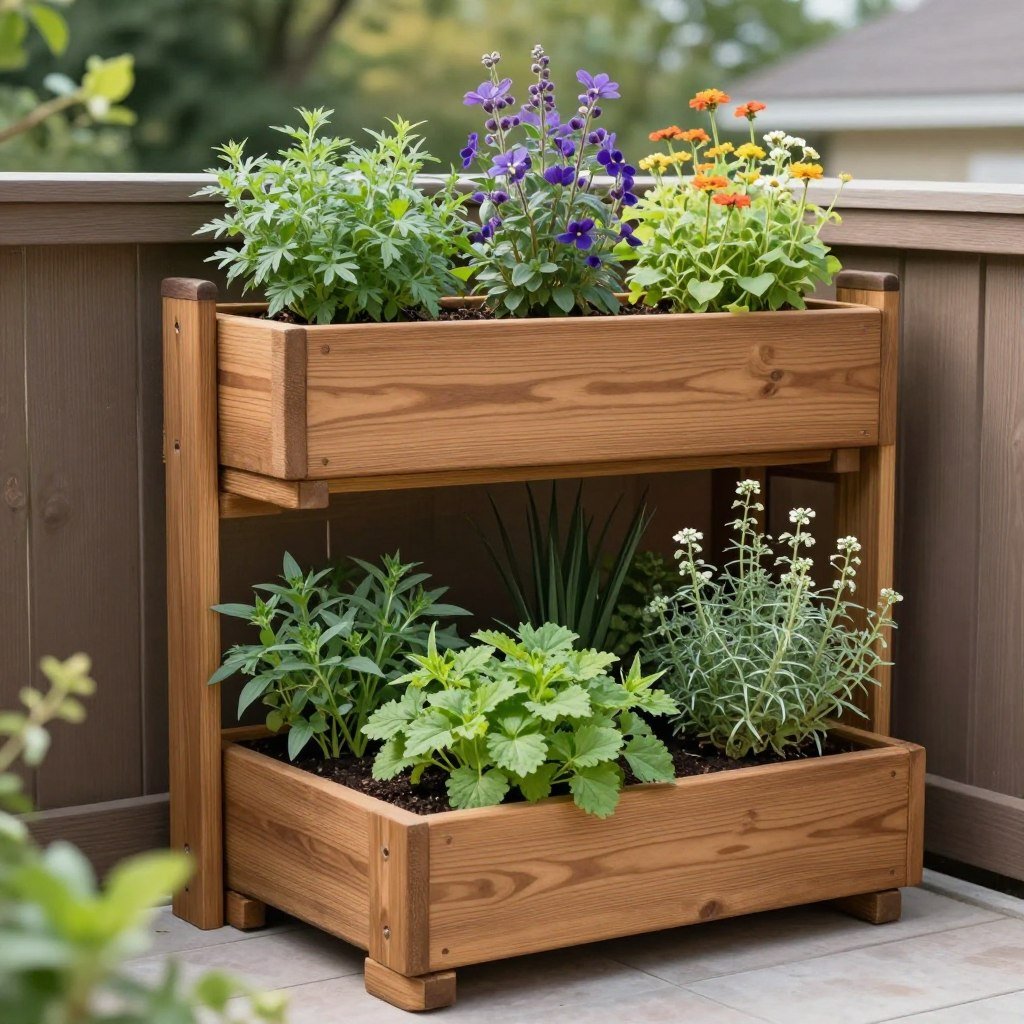
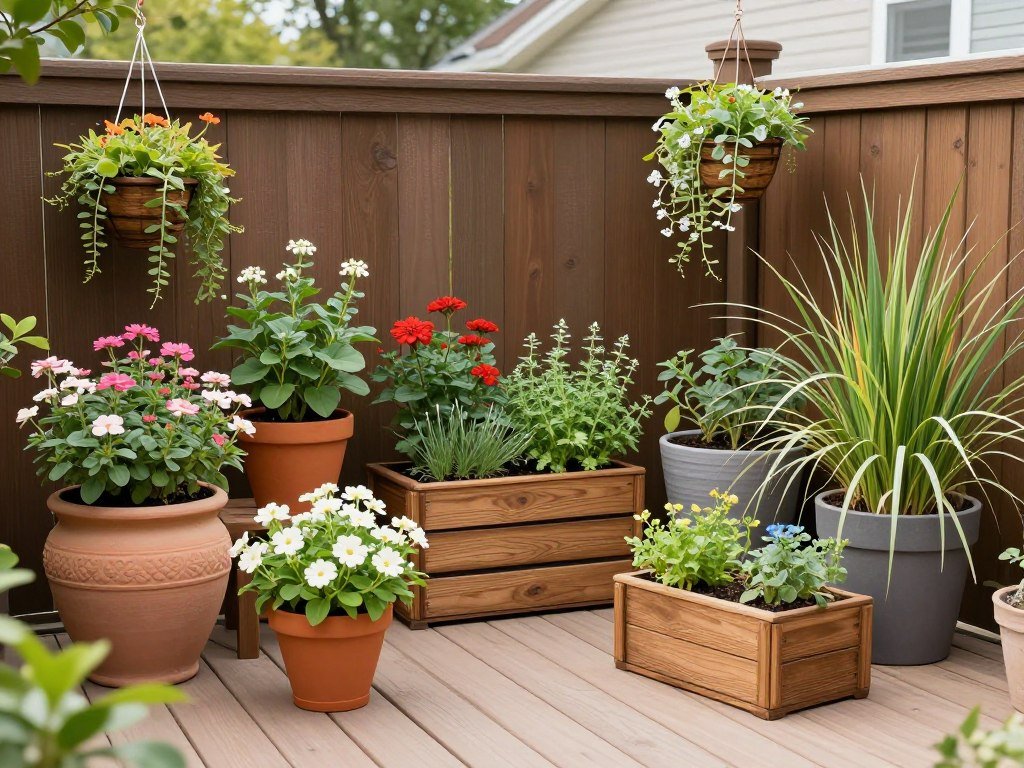
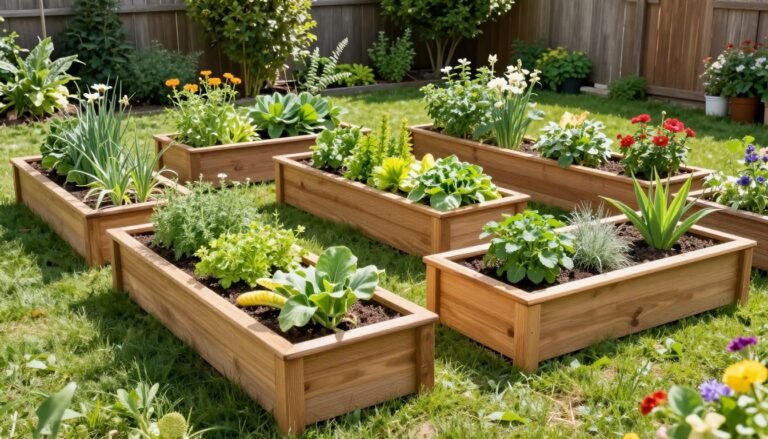
Container gardens bring flexibility to small backyard landscaping. Pots and planters let you grow flowers, herbs, and vegetables anywhere in your yard. You can rearrange containers to change your design whenever you want a fresh look.
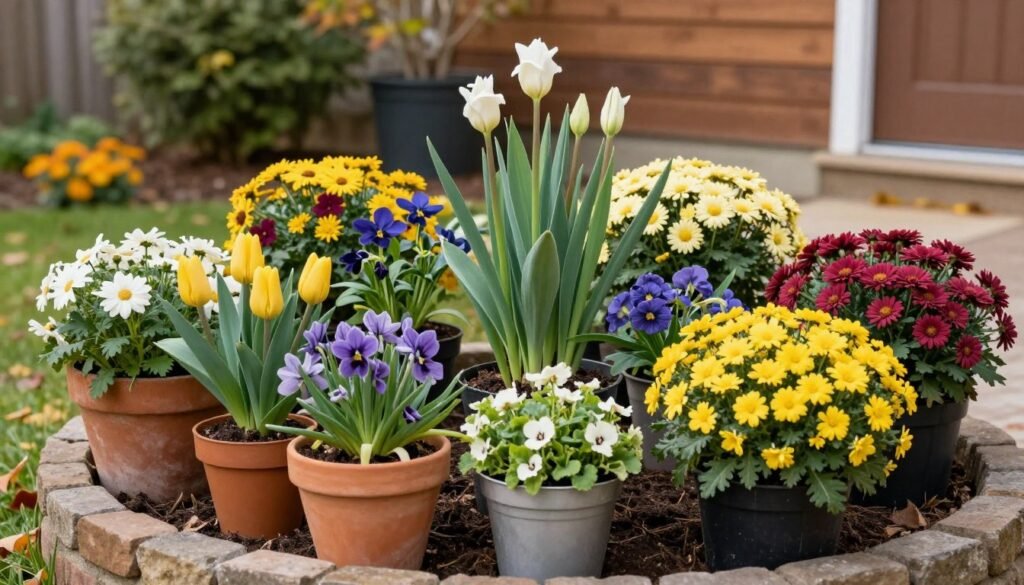
Choose containers of different sizes and heights. Large pots anchor corners and create focal points. Medium planters work well on tables or benches. Small containers fill gaps and add detail. This variety creates visual interest through layering.
Mixing container materials adds texture to your design. Ceramic pots offer color and pattern options. Wood planters provide natural warmth. Metal containers bring modern style. Concrete urns create architectural presence.
Strategic Container Placement
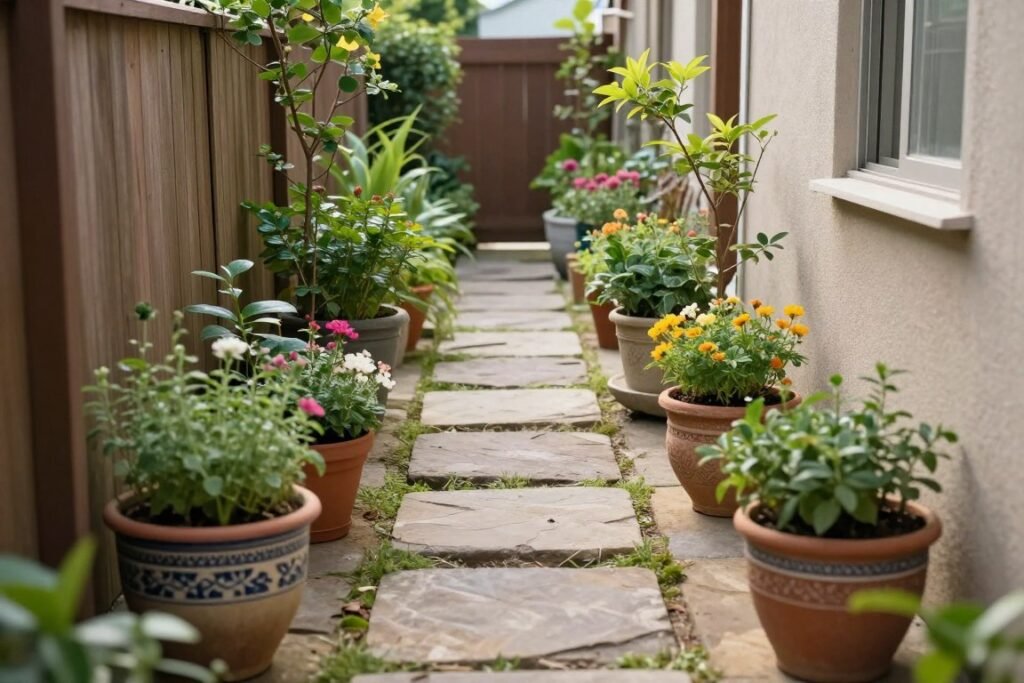
Line walkways with container gardens to define paths. This guides traffic flow while adding greenery along edges. Choose plants that stay compact and won’t obstruct movement through your yard.
Group containers in odd numbers for pleasing arrangements. Three or five pots together create a garden vignette. Vary heights by placing smaller pots on plant stands or inverted containers underneath.
Position containers where they’ll receive appropriate light. Sun-loving plants need spots that get six hours of direct sunlight. Shade plants thrive under trees or on north-facing sides. Match plant needs to available conditions.
Best Plants for Container Growing
Colorful Flowers
Petunias bloom all summer with minimal care. Geraniums handle heat well. Marigolds deter pests while adding bright color. Zinnias attract butterflies.
Fresh Herbs
Basil grows quickly in warm weather. Rosemary thrives in containers for years. Mint stays controlled in pots. Thyme cascades beautifully over container edges.
Compact Vegetables
Cherry tomatoes produce abundantly in large pots. Lettuce grows well in shallow containers. Peppers adapt perfectly to container life. Radishes mature quickly.
Container Maintenance Tips
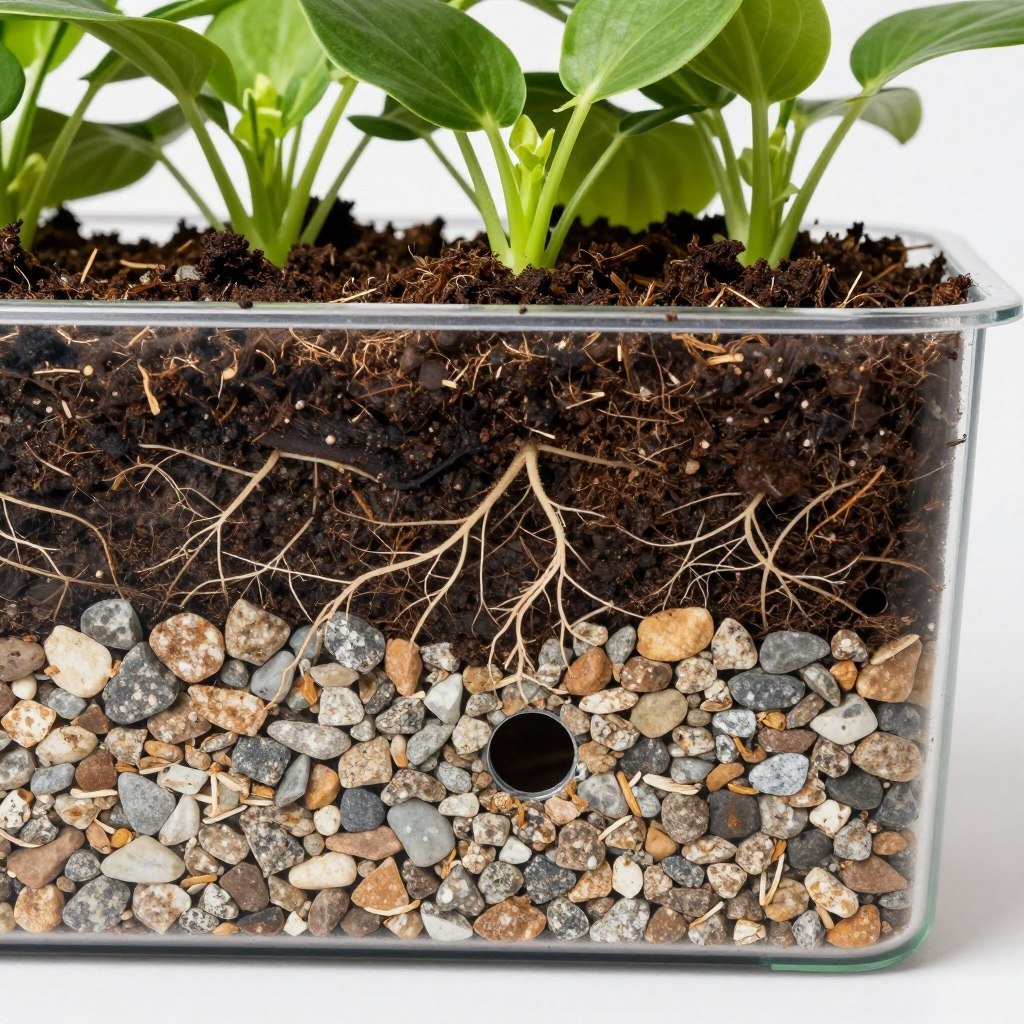
Proper drainage prevents root rot and plant death. Containers must have holes in the bottom. Add a layer of gravel before soil to improve water flow. Raise containers slightly off the ground with pot feet.
Container plants need regular watering because pots dry out faster than ground soil. Check moisture daily during hot weather. Water until liquid drains from bottom holes. Early morning watering reduces evaporation loss.
Feed container plants every two weeks during the growing season. Nutrients wash out with frequent watering. Use balanced liquid fertilizer at half the package strength. This regular feeding keeps plants healthy and blooming.
Seasonal Container Rotation
Change your container plantings with the seasons. Spring bulbs give way to summer annuals. Fall brings mums and ornamental kale. Winter evergreens provide year-round interest. This rotation keeps your yard fresh throughout the year.
Store empty containers during off-seasons to reduce clutter. Clean and stack pots in a shed or garage. This protects containers from weather damage and frees up valuable space in your small backyard.
Master Container Gardening Techniques
Access comprehensive guides covering plant selection, arrangement design, care schedules, and seasonal rotation plans for stunning container gardens.
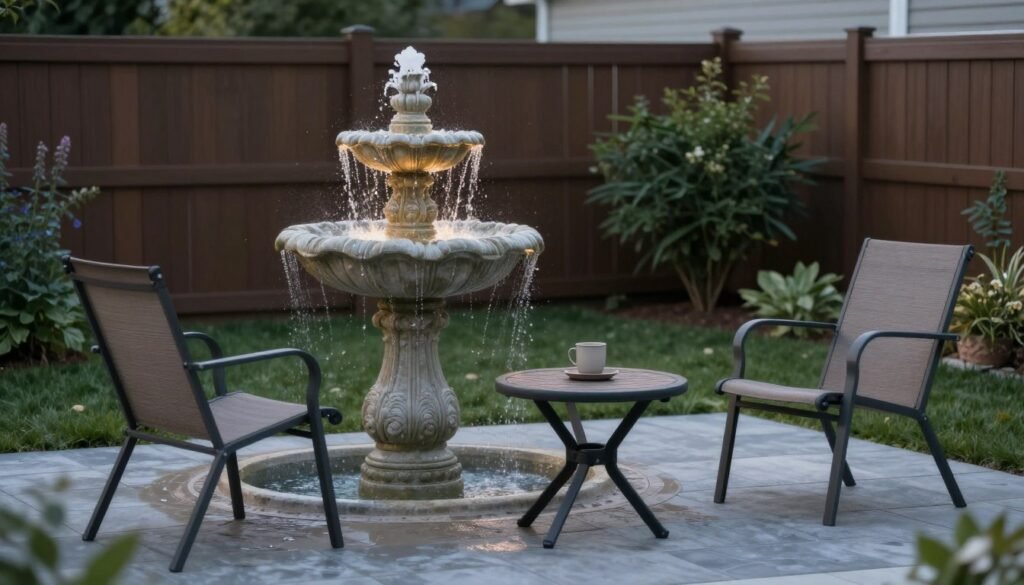
Water features add soothing sounds and visual appeal to compact yards. The gentle trickle creates a peaceful atmosphere that masks neighborhood noise. Even tiny backyards can accommodate the right water element.
Tabletop fountains provide water movement without taking up floor space. These small features sit on patio tables or ledges. They run on solar power or plug into outdoor outlets. Moving water creates ambiance while requiring minimal maintenance.
Wall-mounted water features attach to fences or exterior walls. Water flows down a decorative panel into a small basin. This vertical design saves valuable ground space while creating a striking focal point.
Fountain Styles for Compact Yards
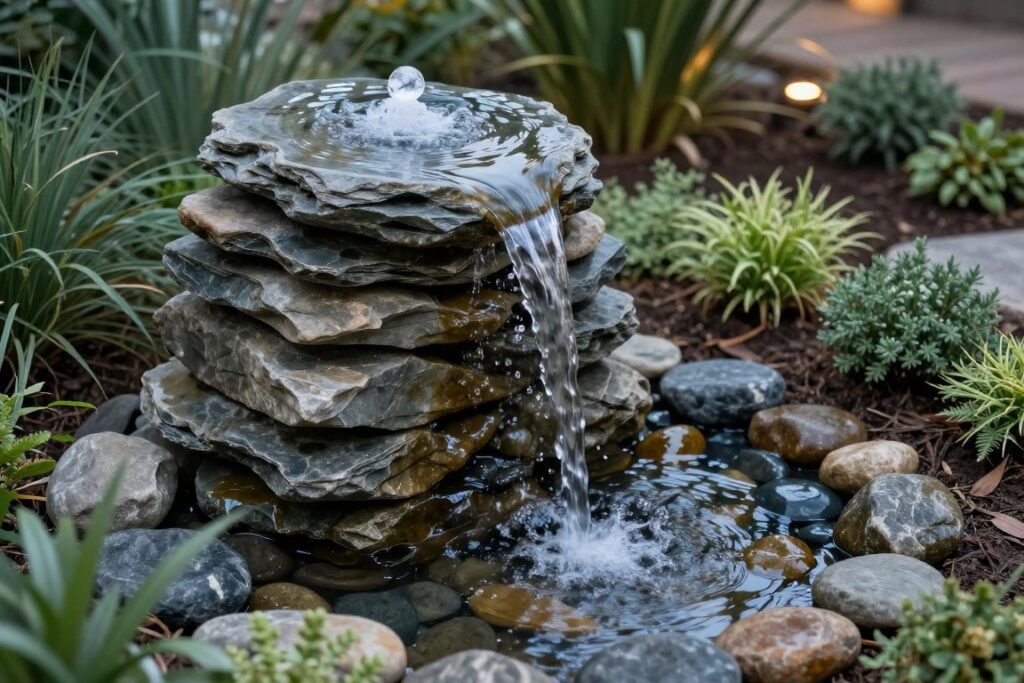
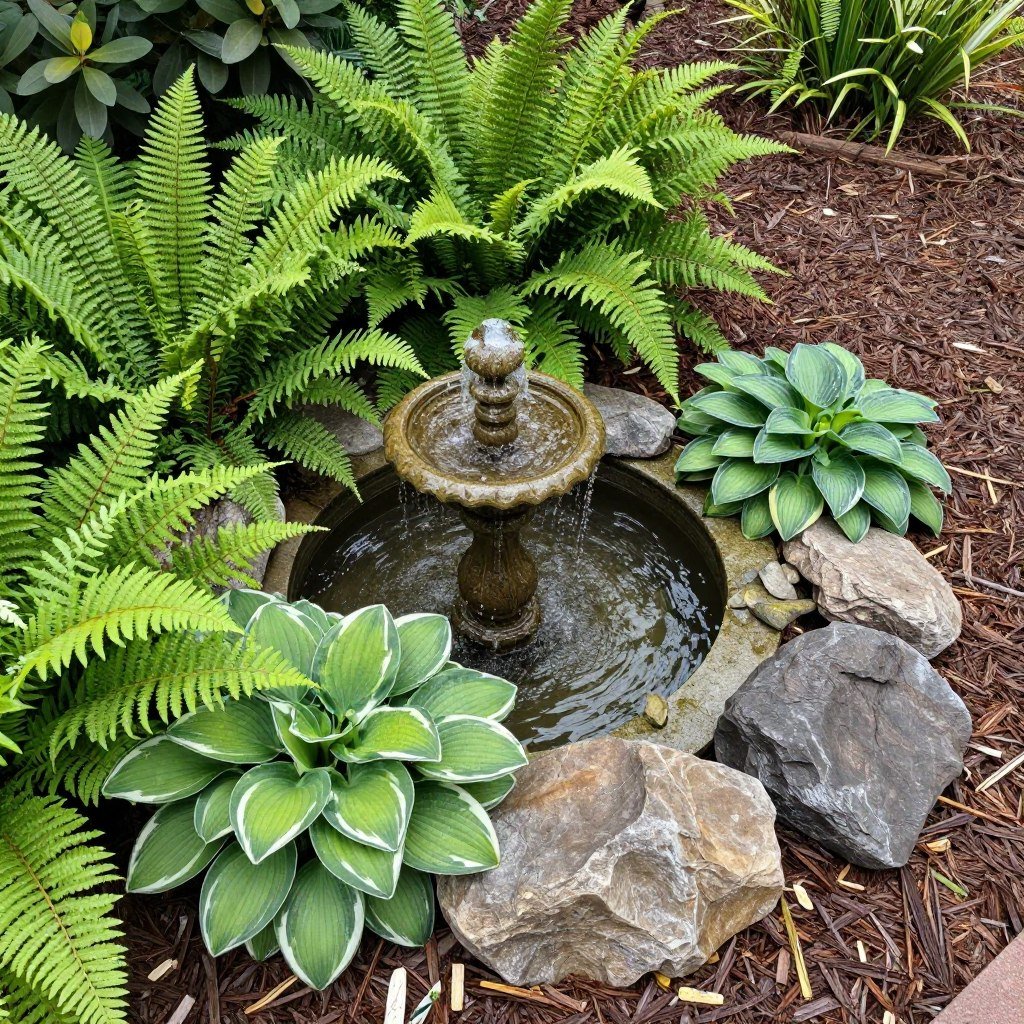
Bubbler fountains emerge from decorative containers or stones. Water bubbles up through river rocks in a basin. This design works well in garden beds or at patio edges. The low profile suits small spaces perfectly.
Birdbath fountains serve dual purposes. Birds visit for drinking and bathing while you enjoy gentle water sounds. These standalone features move easily to different spots as your design evolves.
Pondless waterfalls create the look of a stream without a pond. Water disappears into rocks and recirculates through hidden pumps. This safe design eliminates standing water concerns while providing waterfall ambiance.
Water Feature Benefits
Masks unwanted neighborhood noise
Attracts birds and beneficial wildlife
Creates calming atmosphere
Adds visual focal point
Increases property appeal
Provides soothing background sounds
Maintenance Considerations
Clean pump filters monthly
Refill water lost to evaporation
Remove leaves and debris regularly
Winterize in cold climates
Check for leaks periodically
Treat algae growth as needed
Positioning Your Water Feature
Place water features near seating areas to maximize enjoyment. The sound carries better when the fountain sits close to where you spend time. Avoid spots under trees where falling leaves create constant maintenance.
Access to electricity simplifies installation. Position fountains within extension cord reach of outdoor outlets. Solar-powered features offer flexibility but may not run continuously on cloudy days.
Consider sight lines from both inside and outside. Your water feature should be visible from indoor rooms and outdoor seating spots. This placement maximizes your enjoyment throughout the year.
Creating a Focal Point
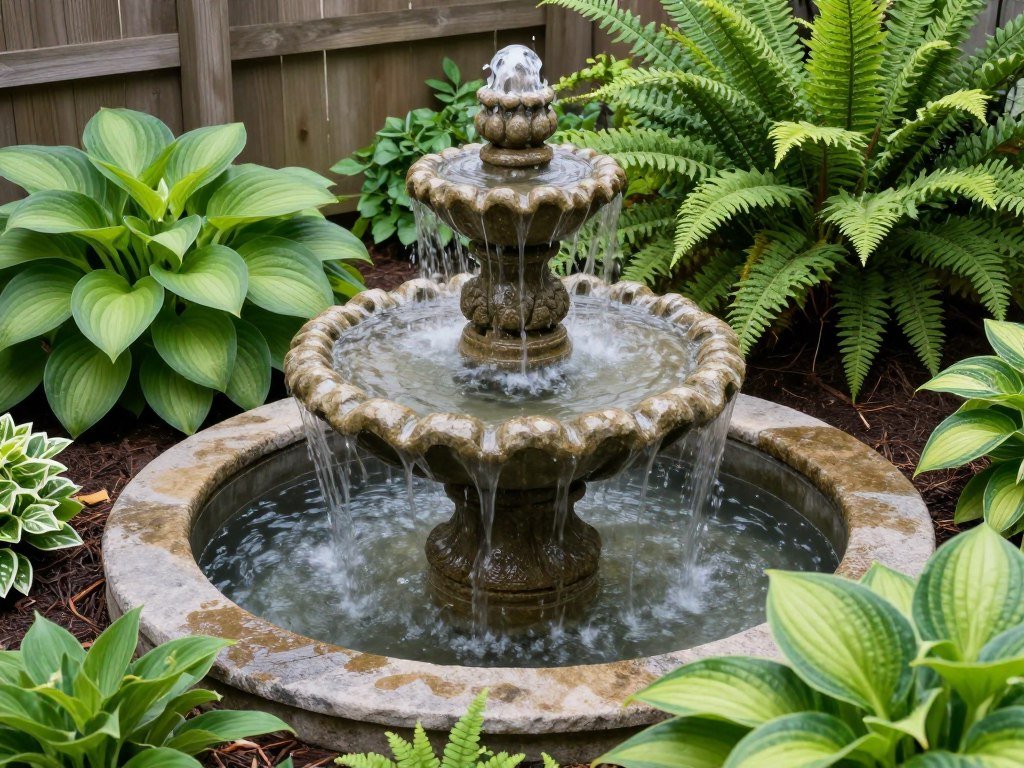
Surround your water feature with complementary plants. Ferns and hostas thrive in the moist environment. Their lush foliage enhances the water garden feel. Keep plants low to avoid blocking views of the fountain.
Add lighting to highlight your water feature at night. Submersible LED lights create dramatic effects. Spotlights positioned near the fountain draw attention after dark. This extends your enjoyment into evening hours.
Choose fountain materials that match your overall design style. Stone fountains suit natural gardens. Modern metal designs complement contemporary spaces. Ceramic options add color and pattern to traditional yards.
Proper landscape lighting transforms your small backyard into a usable space after sunset. Strategic illumination provides safety, security, and atmosphere. The right lighting plan makes your yard feel larger and more inviting at night.
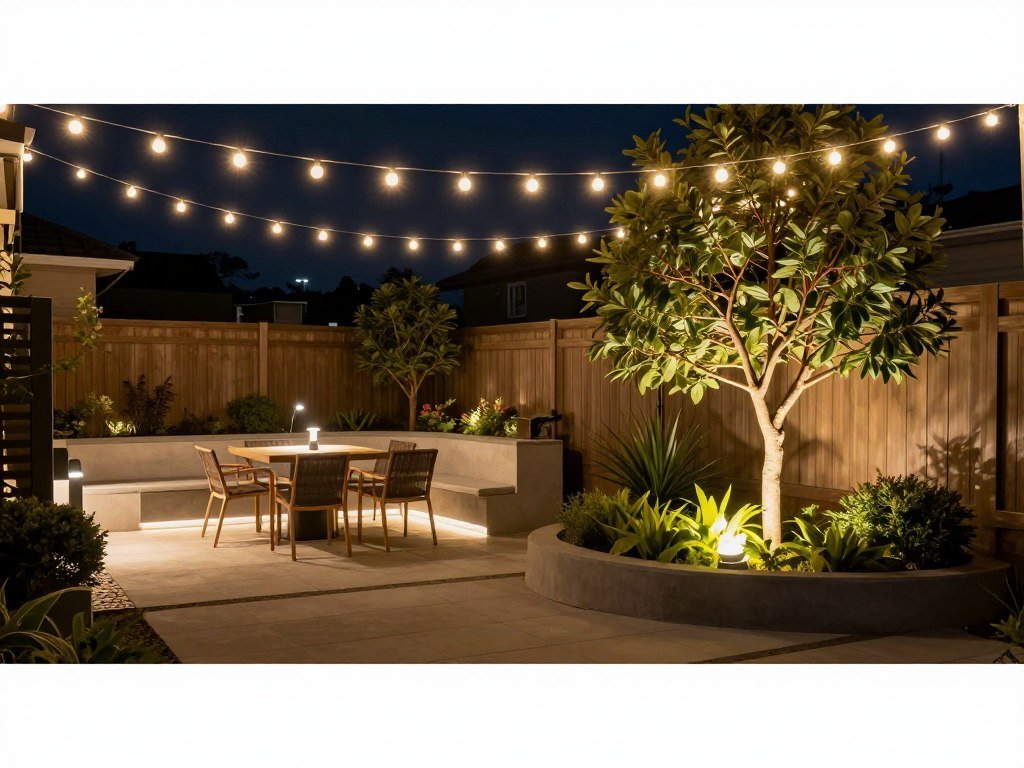
String lights create instant atmosphere overhead. Hang them between posts, along fence tops, or under pergola beams. These lights cast a warm glow that encourages outdoor evening activities. LED versions use minimal electricity and last for years.
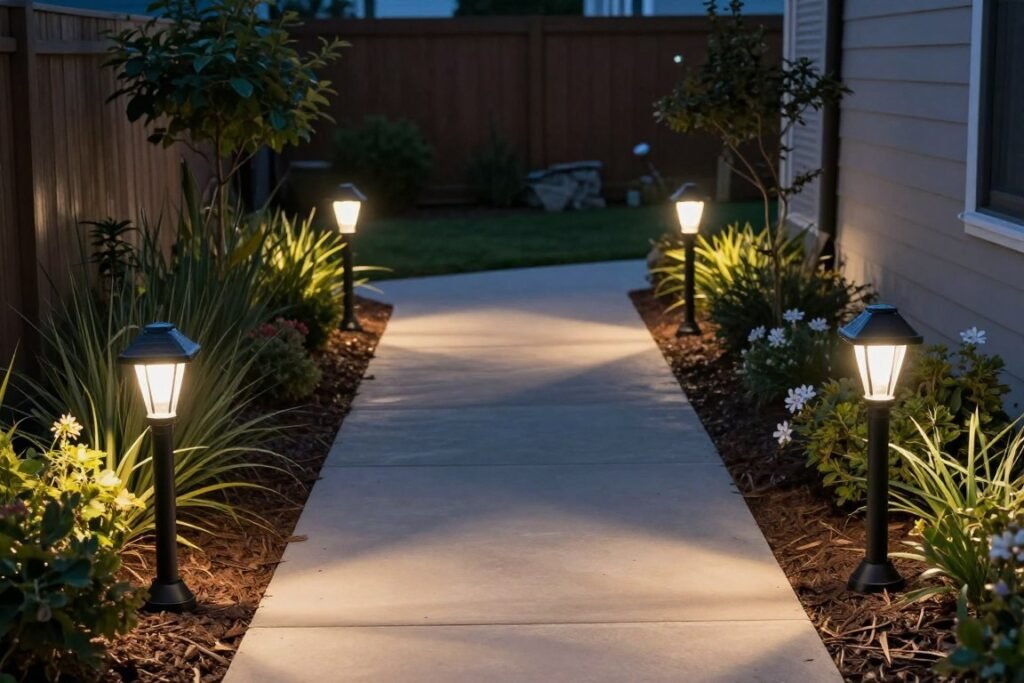
Path lighting ensures safe navigation through your yard after dark. Solar-powered stake lights mark walkways without wiring. Space them every six to eight feet along paths. Low-voltage systems provide brighter, more reliable illumination.
Layered Lighting Approach
Ambient lighting provides overall illumination across your yard. String lights and lanterns create this base layer. They make the space usable without harsh brightness. This soft glow sets a relaxing mood for evening entertainment.
Task lighting focuses on specific activity areas. Install brighter lights over grills, outdoor kitchens, or dining tables. These fixtures make functional tasks easier. Dimmers allow you to adjust brightness based on needs.
Accent lighting highlights focal points and landscape features. Uplight trees to create dramatic shadows. Spotlight water features or sculpture. These purposeful lights add depth and visual interest to your small backyard.
String Light Options
Edison bulbs provide vintage charm. Globe lights create a festive atmosphere. Fairy lights add delicate sparkle. Choose warm white for cozy ambiance.
Path Light Types
Solar stake lights require no wiring. Low-voltage systems offer brighter output. Bollard lights provide modern style. Recessed lights stay flush with surfaces.
Accent Fixtures
Well lights install flush with ground. Bullet lights clip to stakes or trees. Wash lights cover larger areas. Spotlights focus on specific features.
Power Source Considerations
Solar lighting requires no electrical work. Panels charge during the day and illuminate at night. This eco-friendly option works best in sunny locations. Battery life limits brightness and duration.
Low-voltage systems connect to a transformer that reduces household electricity to safe 12 volts. These lights shine brighter and more consistently than solar options. Professional installation ensures proper operation and safety.
Battery-powered lights offer portability without solar limitations. Lanterns and flameless candles move wherever needed. Rechargeable batteries reduce ongoing costs. These flexible fixtures adapt to changing needs.
Smart Lighting Controls
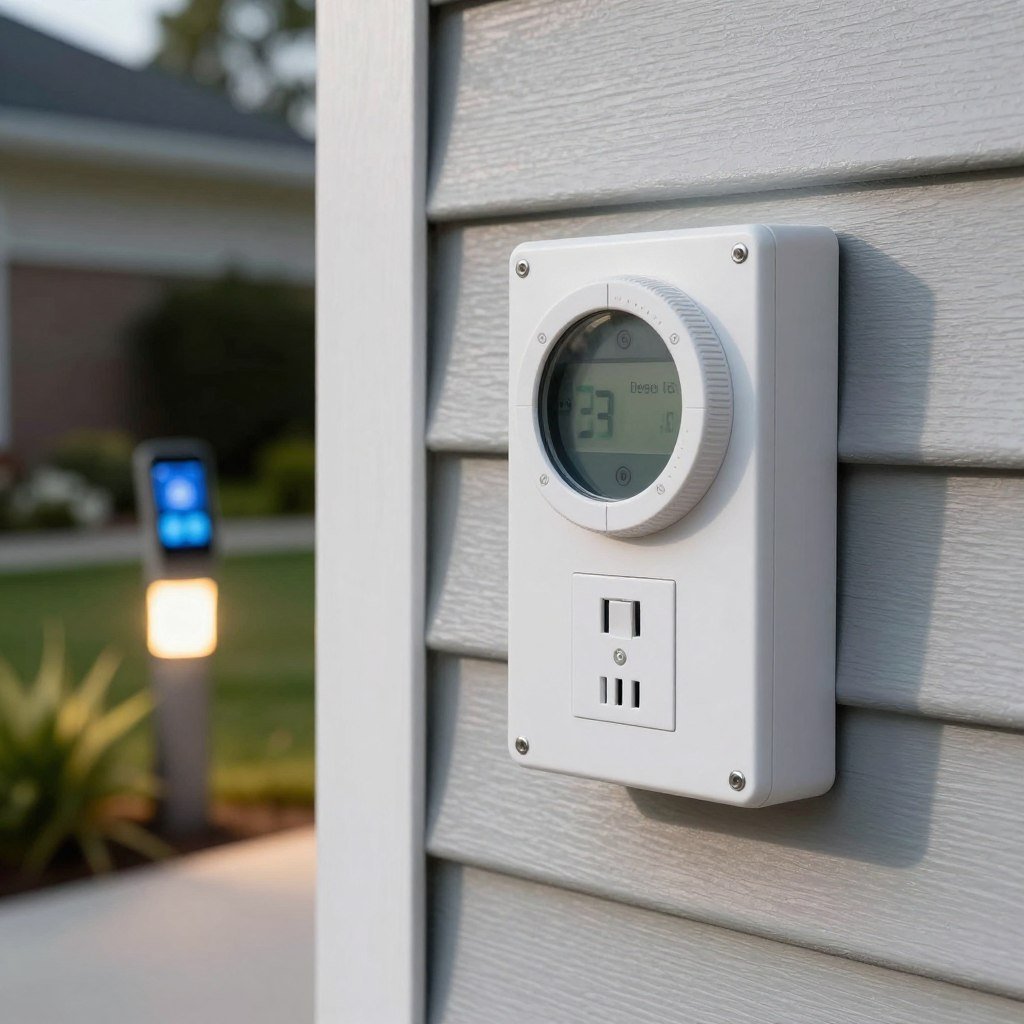
Timers automate your lighting schedule. Lights turn on at dusk and off at bedtime without manual switching. This convenience saves energy while maintaining security. Programmable timers adjust automatically for seasonal changes.
Motion sensors activate lights when needed. This security feature deters intruders while saving electricity. Adjustable sensitivity prevents false triggers from small animals. Place sensors to cover entry points and dark corners.
Smart bulbs and fixtures connect to phone apps. Control brightness, color, and timing from anywhere. Voice commands through home assistants add convenience. These upgrades make lighting management effortless.
Safety and Code Compliance
Outdoor electrical work must meet local building codes. Hire licensed electricians for hard-wired installations. Proper wiring prevents fires and electric shock. Ground fault circuit interrupters protect outdoor circuits from moisture.
Keep fixtures away from water sources unless rated for wet locations. Check manufacturer specifications for appropriate placements. Cover connections with waterproof enclosures. This protection extends equipment life and maintains safety.
Create Your Perfect Lighting Plan
Get detailed lighting layouts, fixture recommendations, and installation guides designed specifically for small backyard spaces.
Creating privacy in a small backyard requires smart screening techniques. The right approach blocks unwanted views while maintaining an open, airy feel. Effective privacy solutions help your yard feel like a secluded retreat.
Living screens made from plants provide natural privacy that evolves with seasons. Fast-growing shrubs create dense barriers quickly. Evergreens maintain coverage year-round. Deciduous plants offer seasonal screening while allowing winter light.
Fences establish immediate boundaries and privacy. Wood fences blend naturally with garden settings. Vinyl options require less maintenance. Metal panels add modern architectural style. Choose fence heights that balance privacy needs with open sky views.
Plant-Based Privacy Options
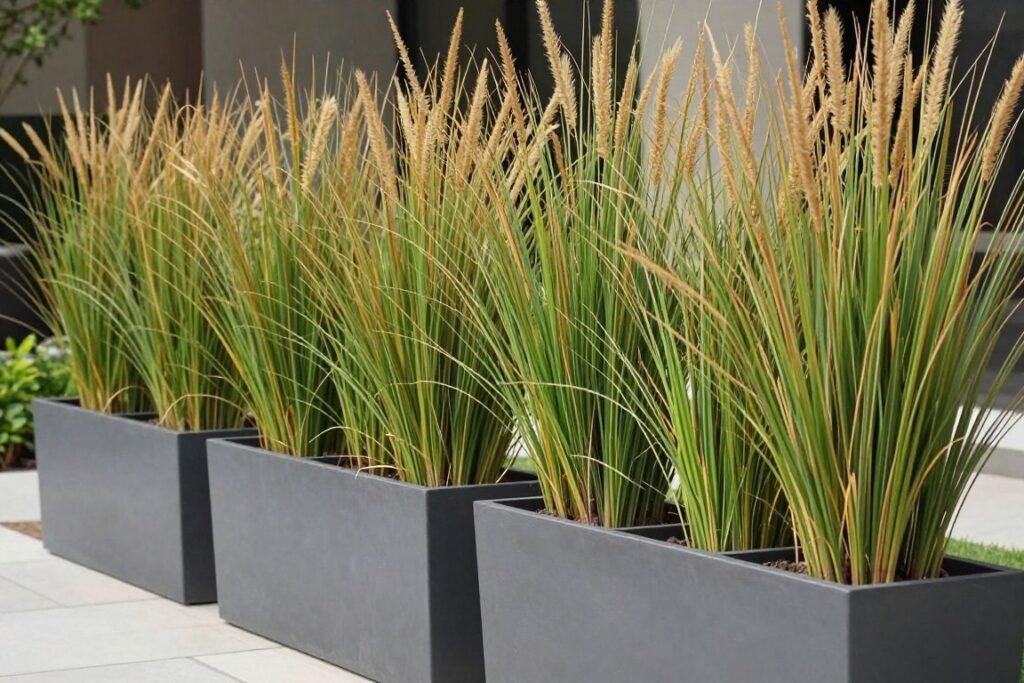
Tall ornamental grasses grow quickly and require minimal care. Bamboo reaches heights of 10 to 15 feet in just a few years. Plant in containers to prevent aggressive spreading. The rustling foliage adds pleasant sounds to your yard.
Columnar evergreens fit narrow spaces between properties. These vertical plants grow up instead of out. Varieties like arborvitae and Italian cypress stay slim while reaching significant heights. Space them close together for solid screening.
Climbing vines transform fences and trellises into living walls. Clematis produces colorful blooms. Ivy creates year-round coverage. Climbing roses add beauty and fragrance. Train vines on support structures for fast privacy development.
Fast-Growing Privacy Plants
Leyland cypress grows 3 feet yearly
Green Giant arborvitae reaches 15 feet in 5 years
Clumping bamboo provides instant screening
Privet hedges fill in within 2 seasons
Photinia offers colorful new growth
Low-Maintenance Options
Boxwood requires minimal trimming
Holly thrives with little attention
Juniper handles drought well
Yew adapts to shade conditions
Laurel provides dense coverage naturally
Structure-Based Screening
Lattice panels offer semi-privacy that allows air circulation. Mount them on fence tops to add height without solid blocking. Train climbing plants on lattice for enhanced coverage. This combination creates attractive, functional privacy screens.
Pergolas with side panels create private outdoor rooms. Attach lattice or slat screens to pergola sides. Add climbing plants for natural coverage. The overhead structure provides shade while sides block views from neighbors.
Privacy screens made from weather-resistant materials stand independently. Metal screens feature decorative cutouts that partially obscure views. Wood screens offer natural warmth. Position these portable dividers to block specific sight lines as needed.
Strategic Placement Tips
Identify problem views before installing privacy solutions. Stand in areas where you spend time. Note which angles need screening. Focus efforts on blocking these specific sight lines rather than enclosing your entire yard.
Layer different screening elements for effective coverage. Combine fence height with plantings in front. Add taller elements in key spots rather than uniform screening everywhere. This varied approach feels less closed-in while providing needed privacy.
Consider seasonal changes when planning privacy solutions. Deciduous plants lose leaves in winter. Account for this by mixing evergreens with seasonal plants. Balance screening needs with winter light access to your house and garden beds.
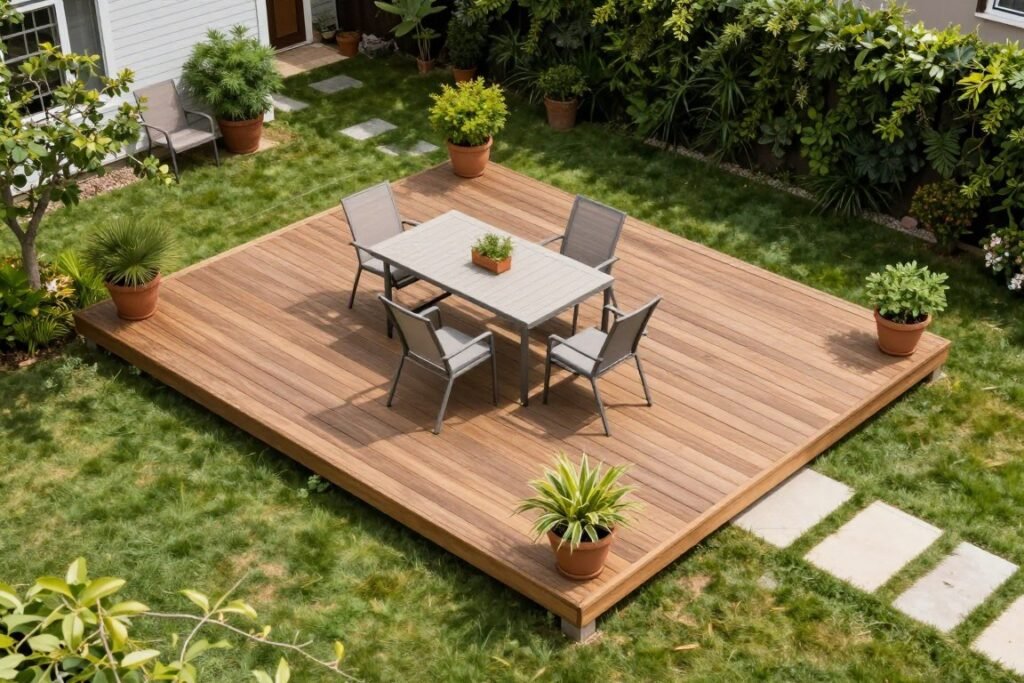
A well-designed deck expands your living space into the backyard. This elevated platform provides a clean, level surface for outdoor activities. Even small yards benefit from a compact deck that serves multiple functions.
Multi-level decks create distinct zones within small footprints. A lower platform serves as a dining area. An upper level provides lounge space. Steps between levels define separate functions while maintaining flow through the space.
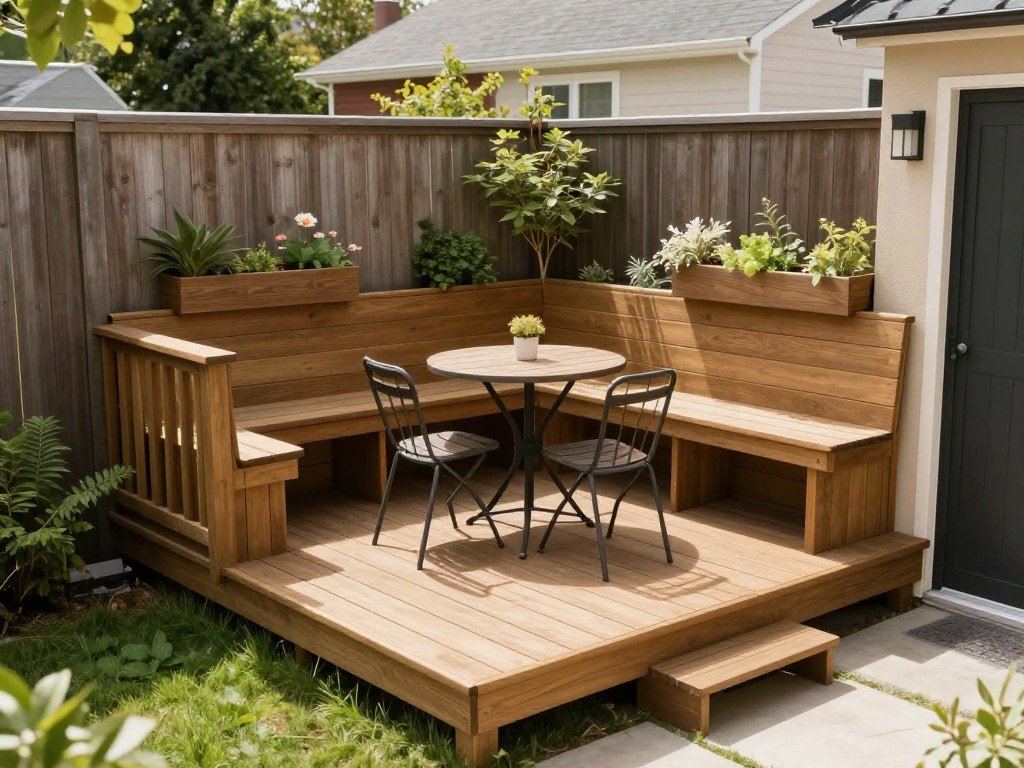
Built-in features maximize deck functionality. Benches along the perimeter provide seating without requiring separate furniture. Planters integrate greenery into the deck structure. Storage boxes double as seating while hiding outdoor supplies.
Deck Size and Shape Options
Rectangle decks fit most yards and simplify construction. A 10×12 foot deck accommodates a small dining set. A 12×16 foot platform allows multiple furniture groupings. Keep proportions balanced with your overall yard size.
L-shaped decks wrap around corners of your house. This design provides more usable space than rectangular shapes of similar square footage. The configuration creates natural zones for different activities along each leg of the L.
Octagonal or round decks work well as focal points in small yards. These shapes soften the geometry of square spaces. A round deck creates an intimate gathering spot perfect for conversation areas or fire pit locations.
Deck Material Choices
Pressure-Treated Wood
Most affordable decking option. Requires regular staining and sealing. Lasts 15-20 years with proper maintenance. Natural wood appearance at budget-friendly prices.
Composite Decking
Low-maintenance alternative to wood. Resists rot, insects, and fading. Never needs staining or sealing. Higher upfront cost with minimal ongoing expenses.
Cedar or Redwood
Naturally rot-resistant wood species. Beautiful grain patterns and color. Requires less maintenance than pressure-treated. Premium pricing for quality materials.
Integrated Shade Structures
Pergolas built over decks provide architectural interest and partial shade. Train climbing plants over beams for natural cooling. The dappled shade allows breezes while reducing direct sun exposure. This structure defines the deck as an outdoor room.
Retractable awnings mount to your house and extend over the deck. Pull them out for shade during hot afternoons. Retract them to enjoy evening stars. This flexibility adapts to changing weather and activities.
Shade sails attach to posts at different heights. These modern fabric canopies block sun at specific angles. Multiple sails in layers create interesting geometric patterns. Choose colors that complement your house and landscape.
Railing Design Considerations
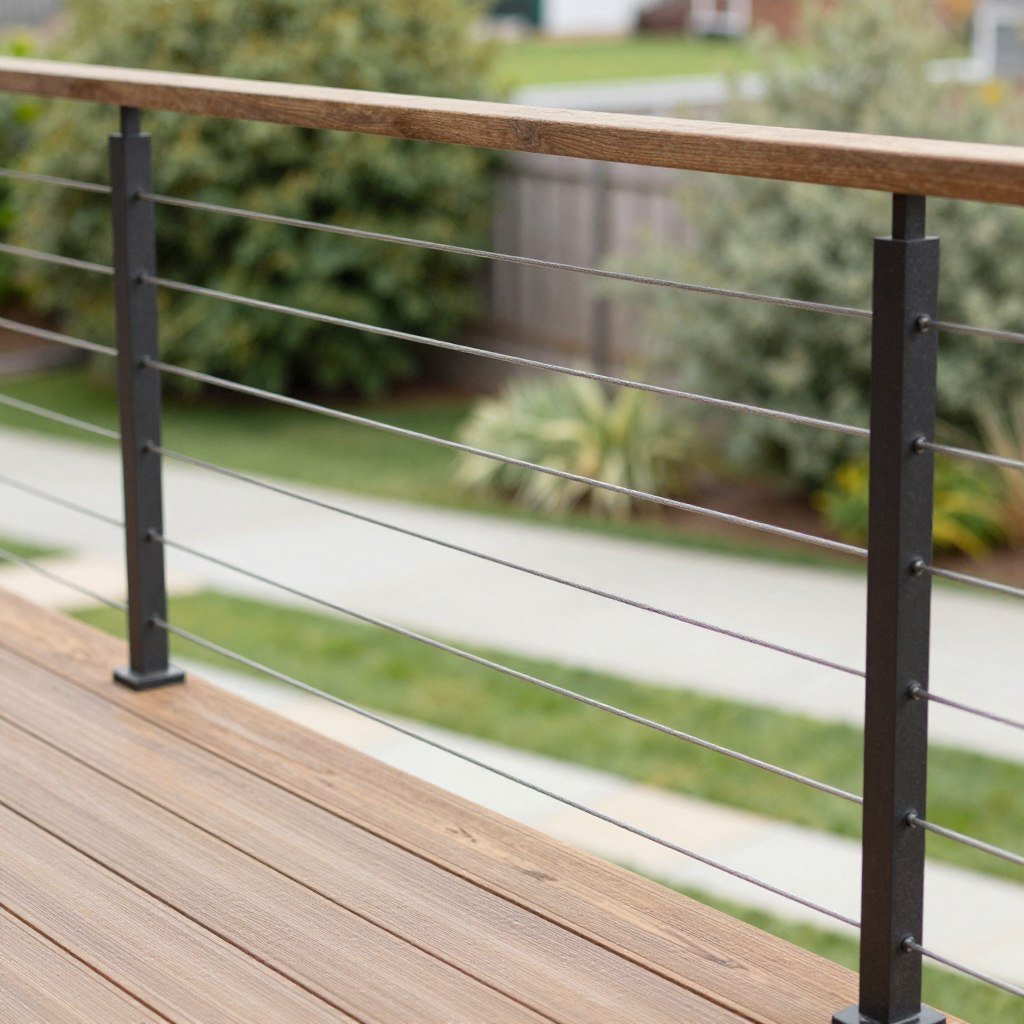
Open railings maintain visual flow in small yards. Cable rails provide safety with minimal visual blockage. Glass panels offer unobstructed views while creating secure barriers. These transparent options make spaces feel larger.
Decorative railings add character while serving functional purposes. Vertical balusters in interesting patterns create privacy screening. Wide top rails double as ledges for plants or drinks. Consider how railing design impacts both safety and aesthetics.
Built-in planters attach to deck railings. These elevated gardens save floor space while adding greenery. Choose trailing plants that cascade over railing edges. This vertical gardening approach softens the deck’s hard edges.
Build Your Perfect Deck
Access detailed deck plans with material lists, construction steps, and design variations specifically created for small backyard spaces.
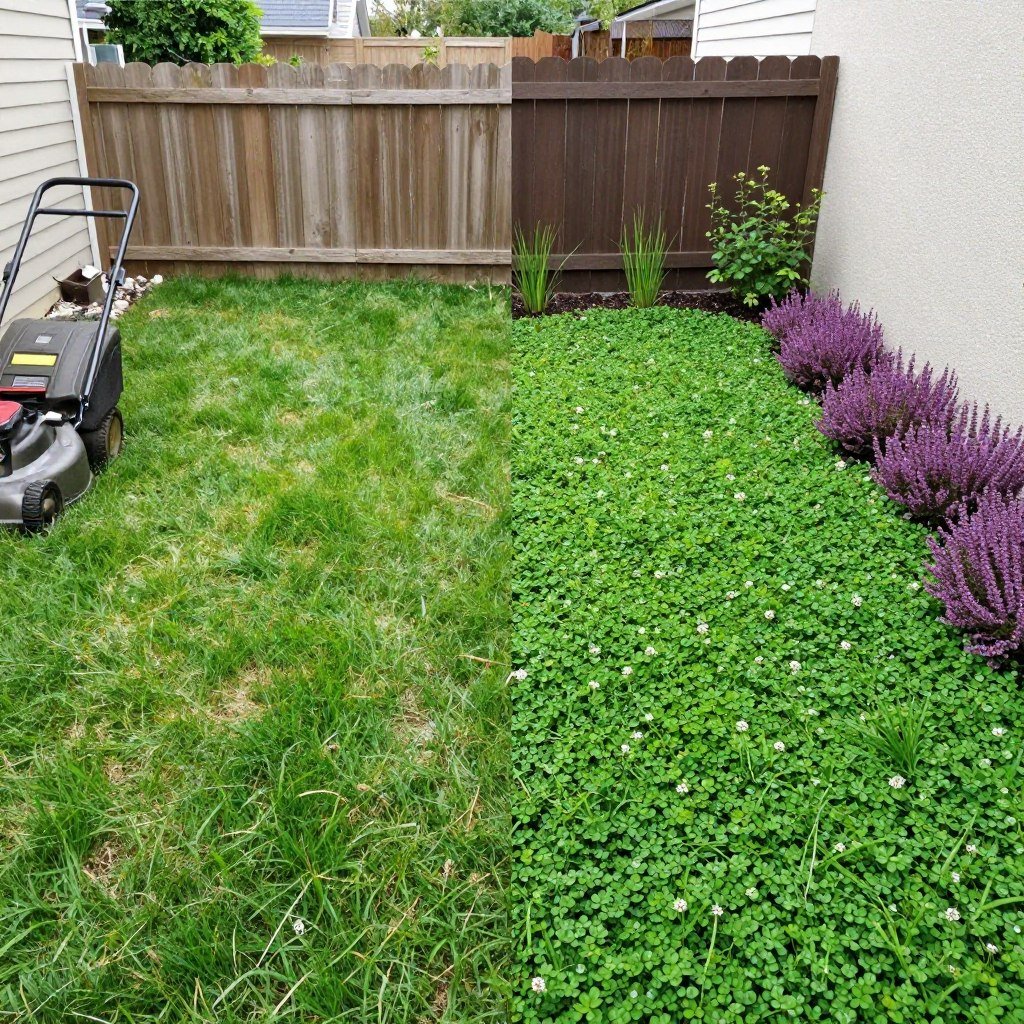
Traditional grass lawns demand significant maintenance in small yards. Ground cover alternatives reduce mowing, watering, and upkeep while adding visual interest. These options create attractive outdoor surfaces with less work and lower water consumption.
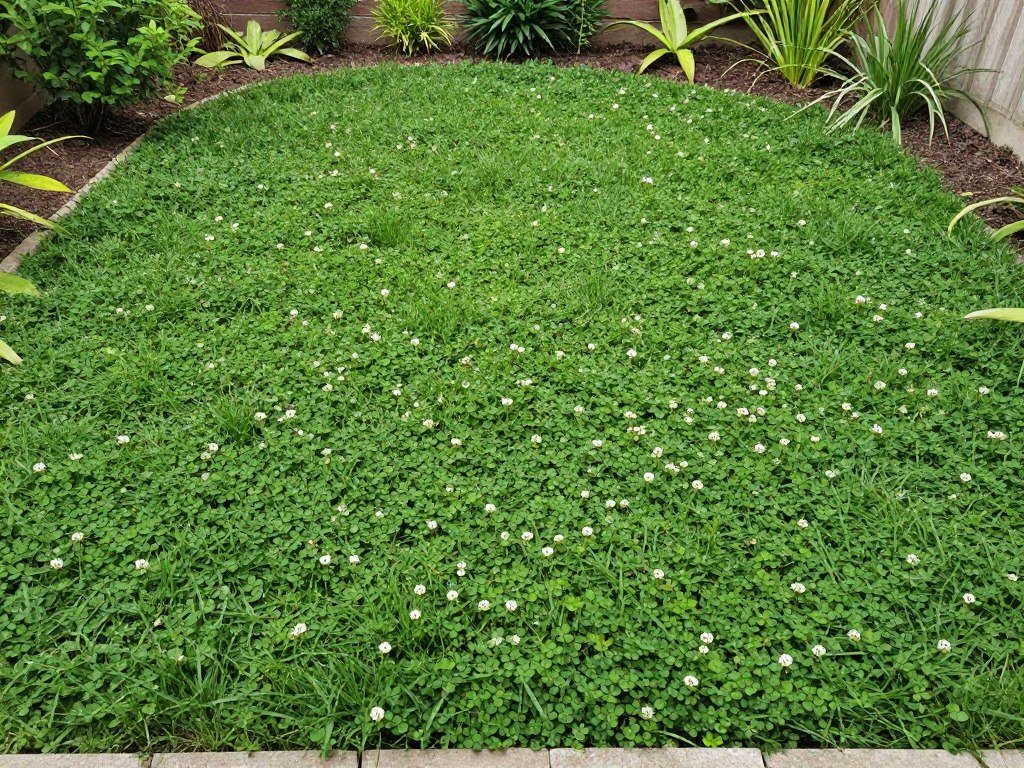
Clover creates a soft, green carpet that stays lush with minimal water. This nitrogen-fixing plant improves soil health naturally. It tolerates foot traffic well and rarely needs mowing. White clover blooms attract beneficial pollinators to your yard.
Creeping thyme spreads into a fragrant mat that releases scent when walked upon. This drought-tolerant ground cover thrives in sunny areas. Small flowers attract bees during bloom periods. Thyme handles moderate foot traffic and requires no mowing.
Hardscape Ground Cover Options
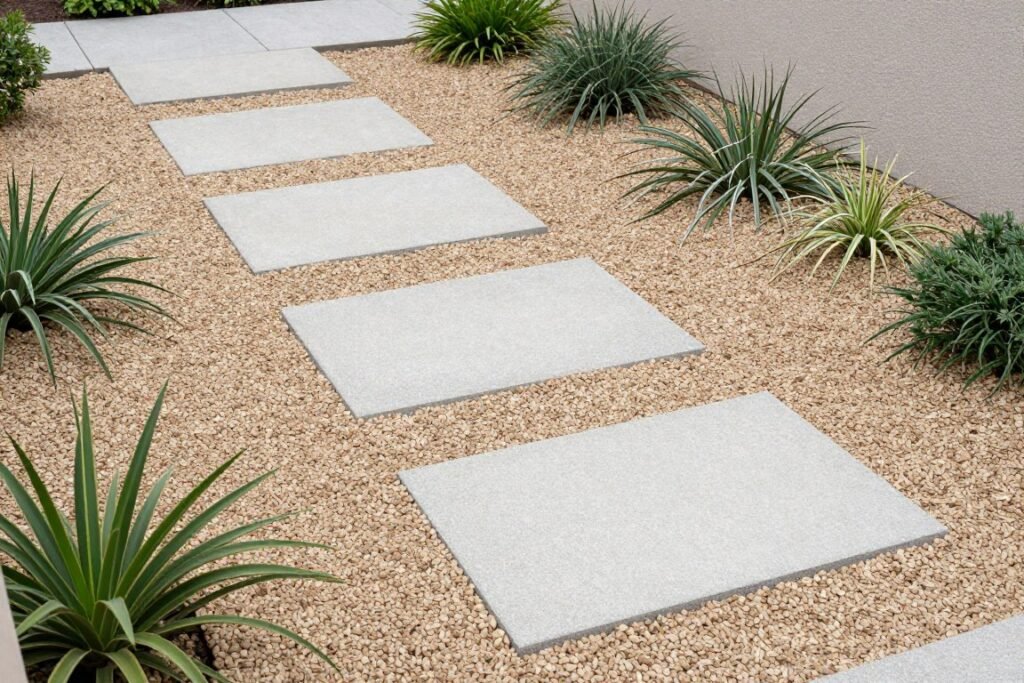
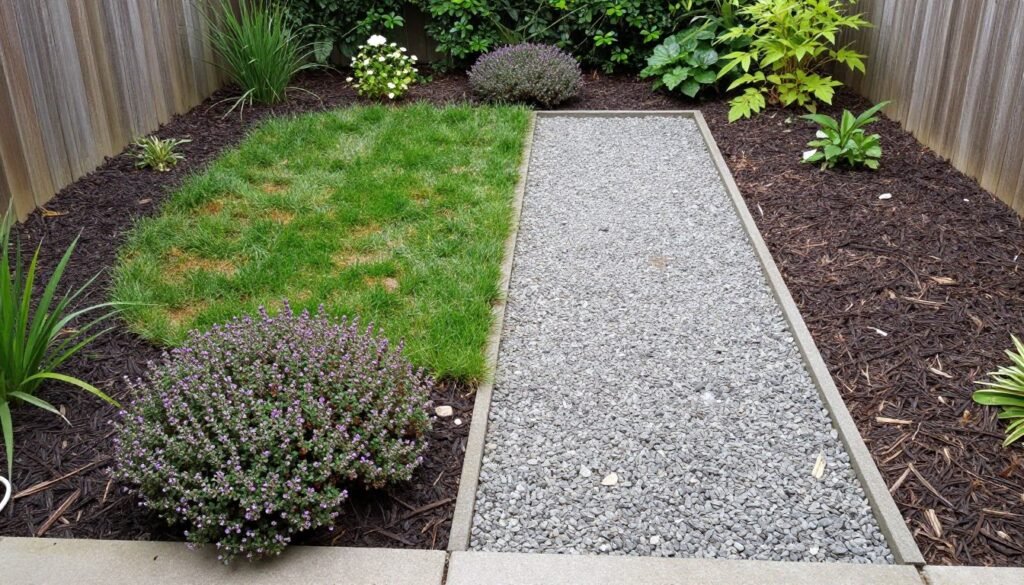
Gravel provides excellent drainage and comes in various colors and sizes. This permeable surface allows water to reach soil below. Gravel paths and sitting areas need minimal maintenance. Edge with metal or plastic barriers to prevent spreading.
Mulch covers soil between plants in garden beds. Wood chips provide organic material that enriches soil as it decomposes. Rubber mulch lasts longer and doesn’t wash away. This ground cover suppresses weeds while retaining soil moisture.
Pavers set in patterns create attractive hardscaped areas. Leave gaps between pavers for low-growing plants. This combination softens the hard surface while maintaining a walkable area. Choose permeable pavers that allow water drainage.
Low-Growing Ground Covers
Moss creates carpet in shade
Sedum thrives in sunny spots
Mondo grass stays evergreen
Irish moss forms dense mats
Ajuga spreads quickly in part shade
Creeping Jenny adds yellow foliage
Hardscape Materials
Decomposed granite compacts firmly
River rock provides texture
Crushed stone improves drainage
Brick creates formal appearance
Flagstone offers natural beauty
Concrete pavers allow patterns
Combination Approach
Mix different ground covers to create interest and function. Use grass in high-traffic zones where you need durable surfaces. Plant ground cover in side yards or shady spots where grass struggles. Add gravel or stone paths through planted areas.
Create a patchwork effect by blending compatible ground covers. Combine different thyme varieties for color variation. Mix sedum species for texture diversity. This mosaic approach adds visual appeal while maintaining low maintenance benefits.
Define edges clearly between different ground cover types. Metal edging creates clean lines. Stone borders provide natural-looking divisions. Proper edging prevents aggressive spreaders from invading adjacent areas.
Maintenance Requirements
Most ground cover alternatives need less care than traditional lawns. Clover requires occasional mowing to maintain height. Thyme needs trimming after flowering. Gravel areas benefit from raking to maintain even coverage. These tasks demand far less time than regular grass maintenance.
Water requirements drop significantly with drought-tolerant ground covers. Established thyme needs minimal supplemental watering. Clover stays green with less water than grass. Hardscape options eliminate irrigation needs entirely in covered areas.
Weed control becomes easier with dense ground covers. Plants that spread quickly choke out weeds naturally. Mulch and gravel suppress weed growth mechanically. This reduces the need for chemical herbicides or constant hand weeding.
Storage challenges plague small backyards where every item competes for limited space. Smart storage solutions keep tools, cushions, and supplies organized while maintaining an attractive yard. The right approach hides clutter without sacrificing valuable square footage.
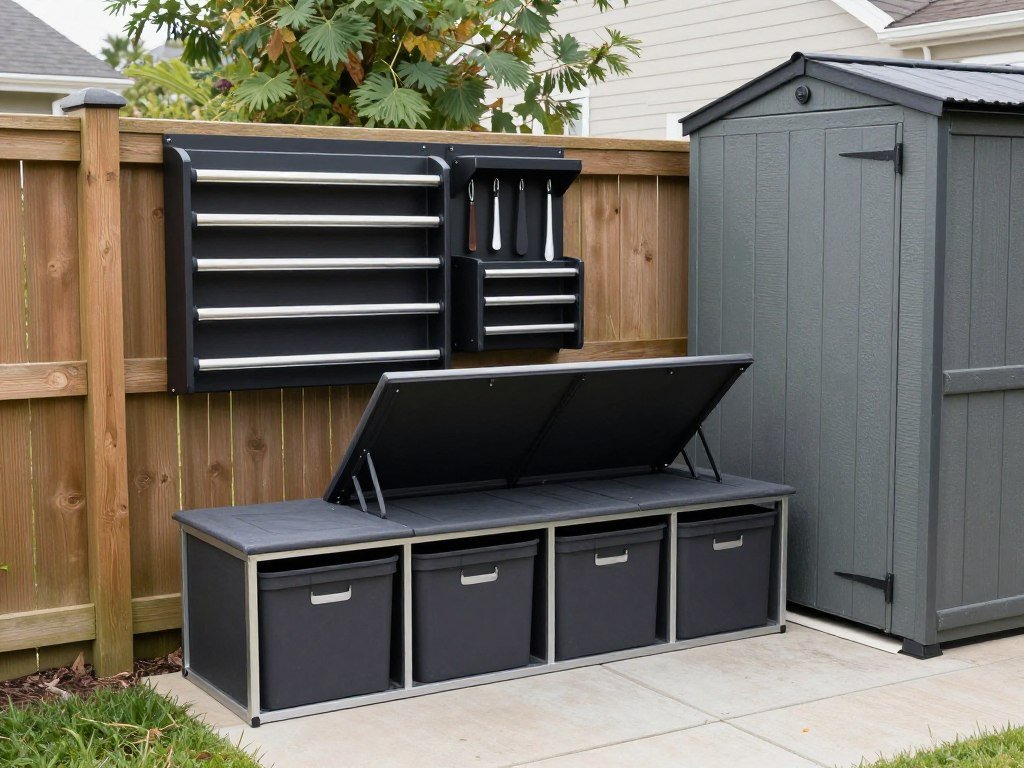
Storage benches serve dual purposes in small yards. The seat provides comfortable outdoor seating. The interior compartment holds cushions, garden tools, or toys. These pieces work especially well on patios or decks where they blend seamlessly with furniture.
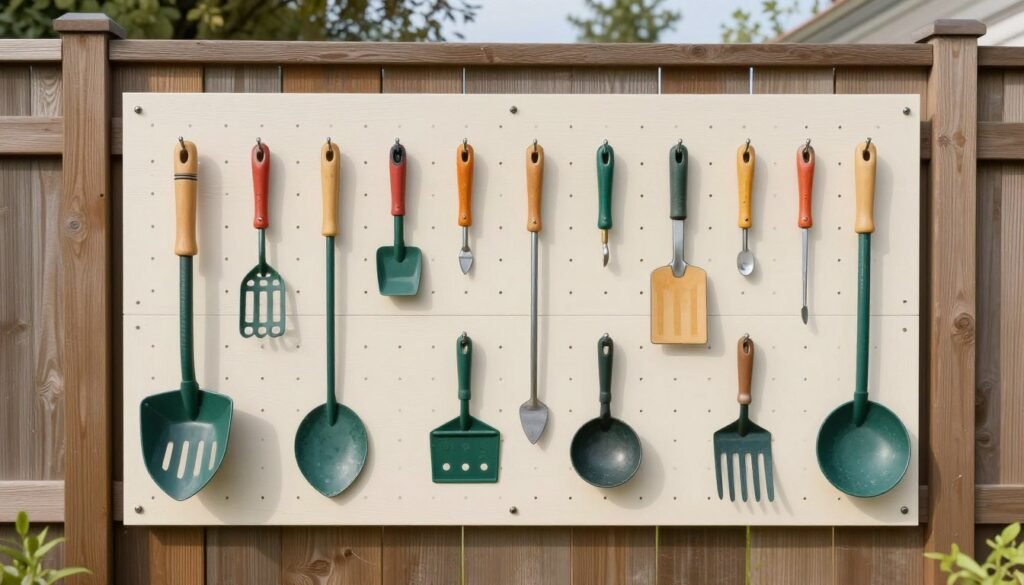
Vertical storage maximizes wall and fence space. Mount hooks for tools, hoses, and outdoor equipment. Install shelving units for pots and supplies. This upward approach keeps items accessible while freeing ground space for other uses.
Shed and Cabinet Options
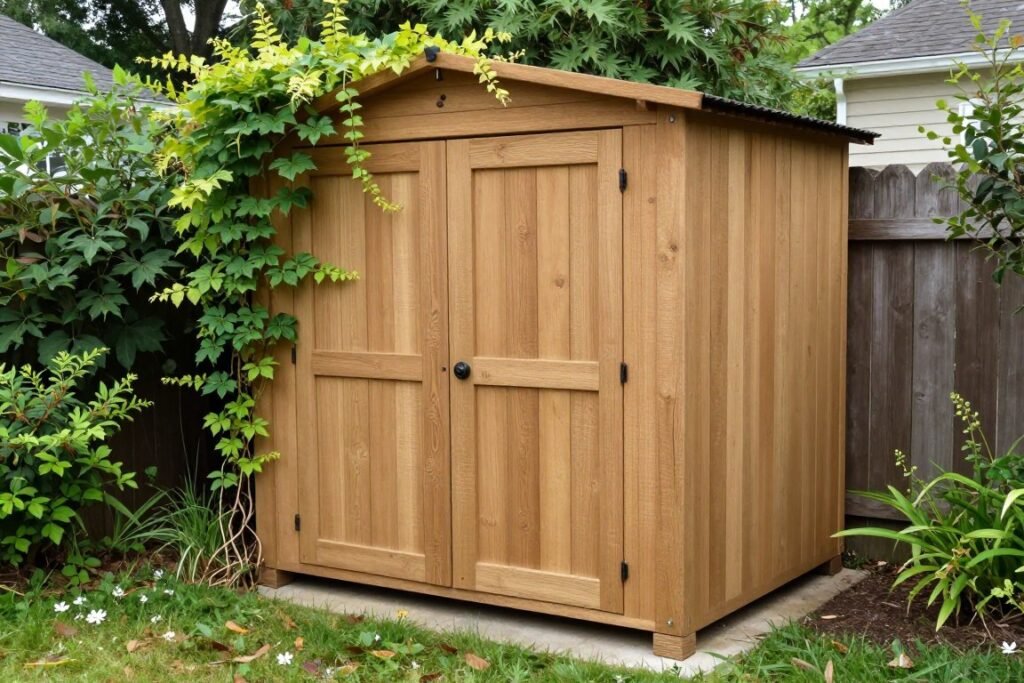
Compact sheds fit into small yard corners. Models measuring 4×6 feet provide surprising storage capacity. Choose vertical designs that go up instead of out. Position sheds where they’re accessible but don’t dominate the landscape.
Deck boxes store cushions, pool supplies, and outdoor accessories. These weatherproof containers protect contents from moisture. Many models feature tops that double as extra seating. Choose boxes that complement your outdoor furniture style.
Wall-mounted cabinets keep items protected from weather. Install lockable units to secure valuable tools or chemicals. Position cabinets on garage exteriors or fence walls. This location keeps storage convenient without taking up yard space.
Hidden Storage Ideas
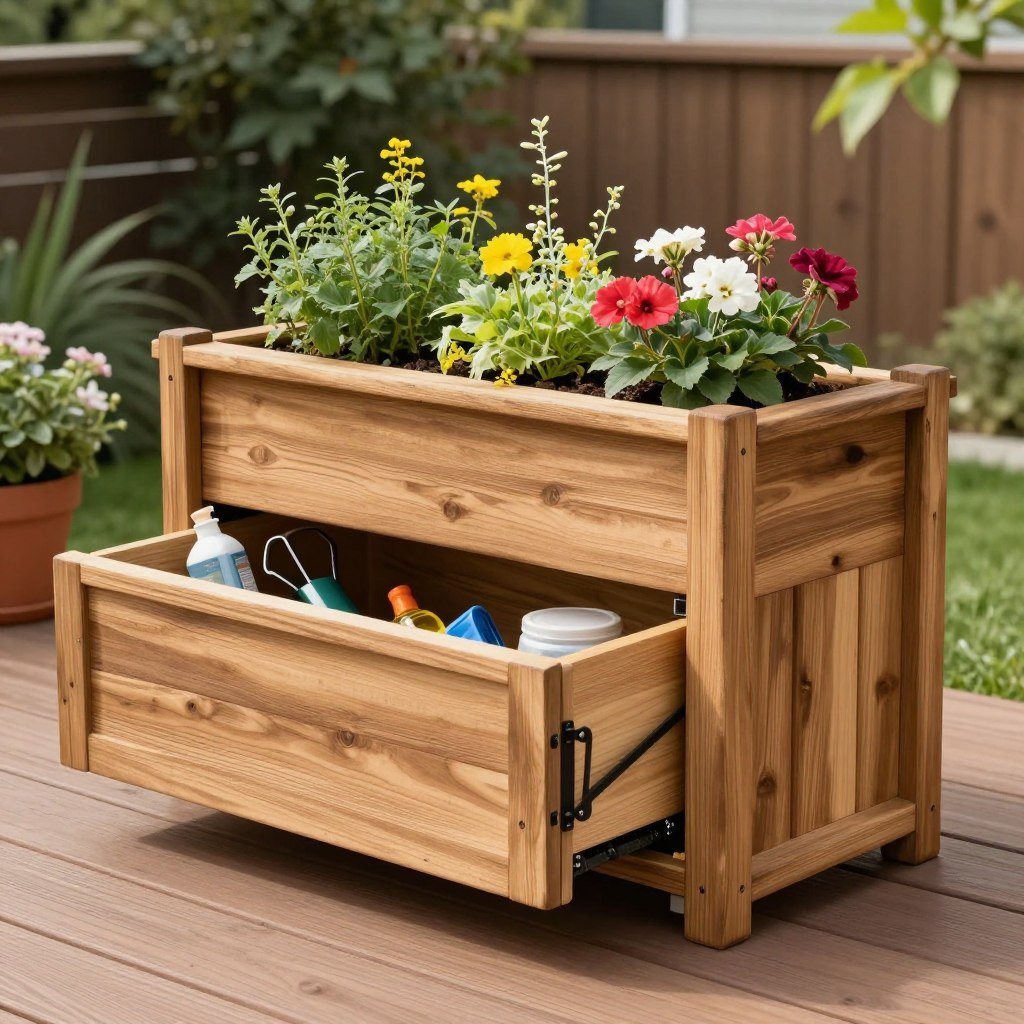
Built-in planters with storage compartments hide tools while displaying flowers. The bottom section holds garden supplies. The top planter contains soil and plants. This dual-function design looks attractive while serving practical purposes.
Under-deck storage utilizes wasted space beneath raised decks. Screen the area with lattice panels. Install shelving or cabinets in this protected zone. This hidden storage keeps items out of sight while remaining easily accessible.
Hollowed tree stumps create natural-looking storage spots. Remove the stump interior and add a waterproof liner. Hide spare keys, small tools, or outdoor toys inside. Replace the lid to maintain the natural appearance.
Items Needing Storage
Garden tools and equipment
Outdoor cushions and pillows
Grilling accessories
Kids’ outdoor toys
Pool and lawn maintenance supplies
Seasonal decorations
Storage Location Ideas
Under deck spaces
Fence-mounted systems
Corner shed placement
Behind plants or screens
Inside built-in benches
Overhead garage racks
Organizing Small Spaces
Pegboard systems mounted on fence or shed walls keep tools organized and visible. Outline each tool’s position for easy returns. This visual organization system works especially well in small storage areas where items stack easily.
Magnetic strips hold metal tools securely on walls. These strips save space compared to tool racks. The magnetic system keeps items visible and within reach. Install strips at comfortable heights for easy access.
Stackable containers maximize vertical cabinet space. Clear plastic bins let you see contents without opening. Label each container for quick identification. This system works well for seasonal items or specialized supplies.
Organize Your Outdoor Space
Get comprehensive guides covering storage solutions, organization systems, and space-saving strategies designed for small backyards.
Small backyards benefit from plants that provide color across multiple seasons. Strategic selection ensures your yard looks attractive throughout the year. This approach creates a landscape that evolves with changing seasons rather than going dormant.
Spring bulbs emerge early to kick off the growing season. Daffodils, tulips, and crocuses provide the first color after winter. Plant bulbs in fall for spring blooms. Their early flowers bring life to the yard when most plants remain dormant.
Summer perennials deliver sustained color during warm months. Coneflowers, black-eyed Susans, and daylilies bloom for weeks. These plants return yearly without replanting. Stagger bloom times by selecting varieties that flower at different points in summer.
Fall Interest Plants
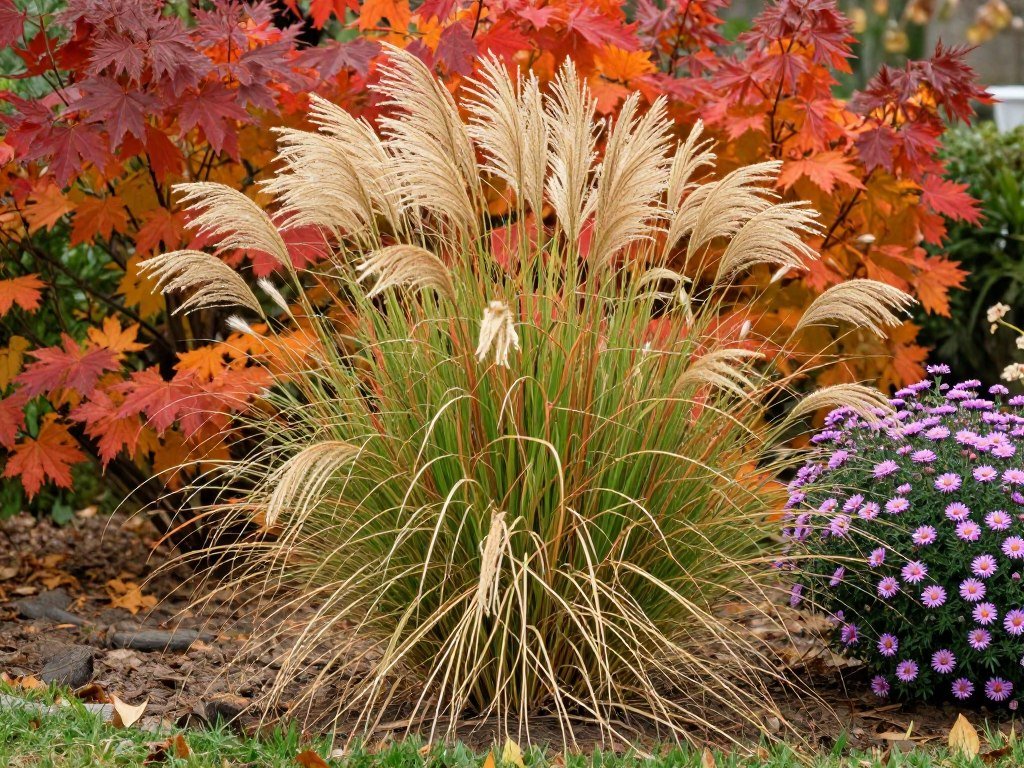
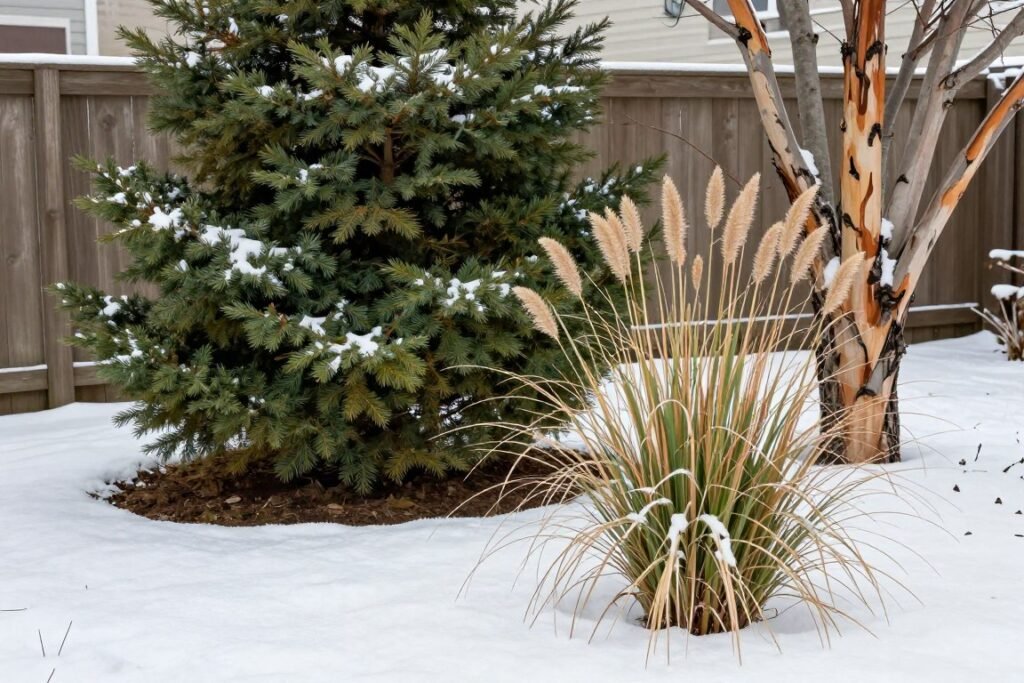
Ornamental grasses provide texture and movement as temperatures cool. Their seed heads remain attractive through fall and winter. Foliage often changes to golden or bronze tones. These plants require minimal maintenance while offering extended seasonal appeal.
Trees and shrubs with fall foliage create dramatic seasonal displays. Japanese maples turn brilliant red. Burning bush lives up to its name with fiery autumn color. Even small yards can accommodate compact varieties of these colorful plants.
Late-blooming perennials extend color into fall. Asters and mums provide flowers when summer plants fade. Sedum develops deep pink blooms in September and October. These plants bridge the gap between summer and winter.
Winter Structure and Interest
Evergreens maintain color and structure through cold months. Boxwood, holly, and juniper provide green foliage year-round. These plants create a backbone that holds the garden together when deciduous plants lose leaves.
Plants with interesting bark add visual appeal during leafless months. River birch displays peeling cinnamon-colored bark. Red twig dogwood features bright red stems. These architectural elements create beauty even when plants aren’t flowering.
Winterberry holly produces bright red berries that persist through cold weather. Birds eventually eat the berries, adding wildlife interest. The colorful fruit provides striking contrast against snow. Plant both male and female plants for berry production.
Spring Bloomers
Bulbs like tulips and daffodils. Early perennials including hellebores and primrose. Flowering shrubs like forsythia and azaleas provide spring color bursts.
Summer Stars
Long-blooming perennials like coneflowers. Annuals including petunias and marigolds. Ornamental grasses and roses keep summer vibrant.
Fall and Winter
Late bloomers like asters and sedum. Trees with fall color. Evergreens and plants with interesting bark maintain winter appeal.
Layering for Continuous Color
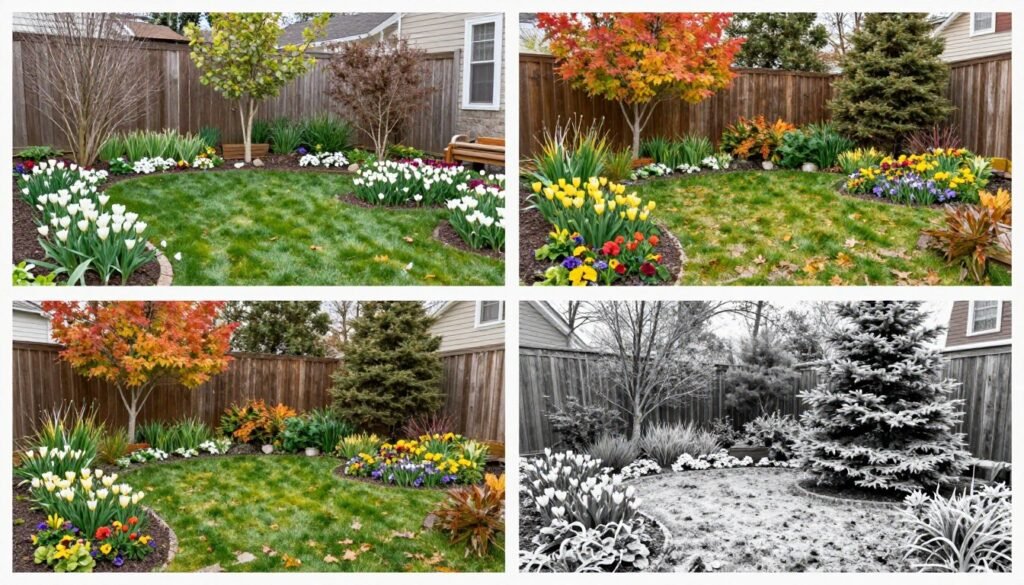
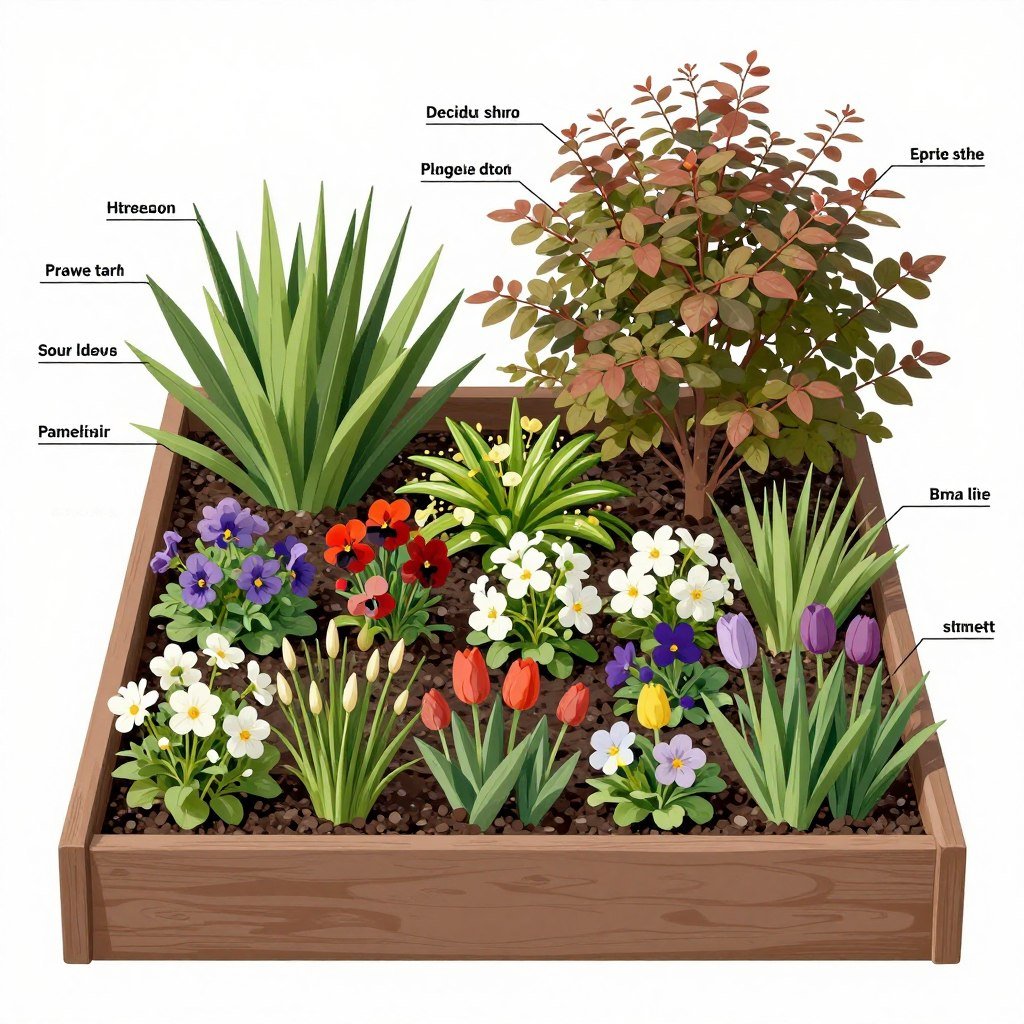
Plant in layers to ensure something always looks attractive. Place spring bulbs under deciduous shrubs. The bulbs bloom before leaves emerge. Later, the shrub foliage hides fading bulb leaves while providing its own interest.
Combine plants with different bloom times in the same bed. Early spring flowers give way to summer perennials. Fall bloomers finish the season. This succession planting maintains color from spring through fall without gaps.
Add annuals to fill temporary color gaps. These plants bloom continuously from planting until frost. Position annuals in containers or between perennials. Replace them seasonally to refresh your color palette without permanent commitments.
Small yards offer tremendous potential when designed thoughtfully. The ideas presented in this guide demonstrate that limited space doesn’t limit creativity or functionality. Your compact backyard can become an outdoor retreat that rivals much larger properties.
Success comes from prioritizing your needs and working within your space constraints. Focus on elements that matter most to your lifestyle. A small fire pit area might take priority over a large lawn. Container gardens can replace traditional beds. These choices make your yard work for you.
Start with one project rather than attempting complete renovation at once. Add a patio this season. Install lighting next year. Build a fire pit the following summer. This phased approach makes backyard improvement manageable and affordable.
Remember that small spaces benefit from careful editing. Each element should serve a purpose or bring significant beauty. Remove features that don’t add value. This discipline creates yards that feel spacious despite limited square footage.
Your backyard represents an extension of your home’s living space. Thoughtful design transforms unused or awkward outdoor areas into places where you want to spend time. The investment in your small yard pays dividends in enjoyment, property value, and quality of life.
Start Your Backyard Transformation
Get instant access to complete design plans, detailed guides, and professional resources for creating your dream backyard in any size space.
Take action on your backyard vision today. The perfect outdoor space awaits your creative touch. With the right ideas and guidance, your small yard will become the retreat you’ve always wanted.
A balcony garden offers a slice of nature in urban living, turning concrete spaces into vibrant green retreats. Whether you have a sun-drenched south-facing balcony or a shady north-facing nook, there’s a perfect collection of balcony plants waiting to transform your outdoor space. This comprehensive guide will help you select the right plants, create stunning…
Choosing the perfect bridesmaid dress sets the tone for your entire wedding day. Light blue bridesmaid dresses have become a beloved choice for modern brides seeking elegance and versatility. This shade brings a refreshing, romantic atmosphere to any wedding celebration. Whether you envision a beach ceremony or a garden reception, these dresses adapt beautifully to…
Raised planter boxes transform ordinary outdoor spaces into thriving garden havens. These versatile structures elevate your plants, improve drainage, prevent back strain, and create defined garden spaces that look amazing. Whether you’re a seasoned gardener or just starting out, building your own DIY raised planter boxes gives you complete control over size, materials, and design…
Your backyard holds incredible potential after the sun goes down. The right outdoor lighting transforms a simple yard into an enchanting outdoor living space where memories are made and moments are savored. Whether you want to create a cozy atmosphere for evening gatherings or improve safety along dark pathways, thoughtful lighting design makes all the…
Balenciaga shoes have revolutionized the luxury footwear landscape with their bold designs, innovative silhouettes, and cultural impact. From the chunky Triple S that sparked the “dad shoe” revolution to the sleek Speed Trainers that blend sock-like comfort with futuristic aesthetics, Balenciaga continues to push boundaries in footwear design. This comprehensive guide will walk you through…
Finding the perfect engagement ring is a meaningful journey that symbolizes your commitment and love. Silver engagement rings offer a beautiful, affordable alternative that doesn’t compromise on style or significance. These elegant rings combine timeless appeal with modern sensibility, making them an increasingly popular choice for couples who value both aesthetics and practicality. Whether you’re…