Outdoor Lighting Ideas House Entrance: 50+ Inspiring Designs
Your house entrance sets the tone for your entire home. The right outdoor lighting ideas can transform a simple doorway into a stunning focal point that welcomes guests and enhances your property’s curb appeal. Whether you’re looking to improve safety, highlight architectural features, or create an inviting atmosphere, strategic lighting makes all the difference.
From classic wall lanterns to modern LED fixtures, the world of exterior lighting offers endless possibilities. This guide explores practical and beautiful outdoor lighting ideas specifically designed for house entrances. You’ll discover options for every home style, budget, and design preference.
Creating the perfect entrance lighting involves balancing functionality with aesthetics. The best designs layer different light sources to eliminate dark spots while creating visual interest. Let’s explore how you can illuminate your home’s entrance with style and purpose.
Wall Sconces: Timeless Entrance Lighting
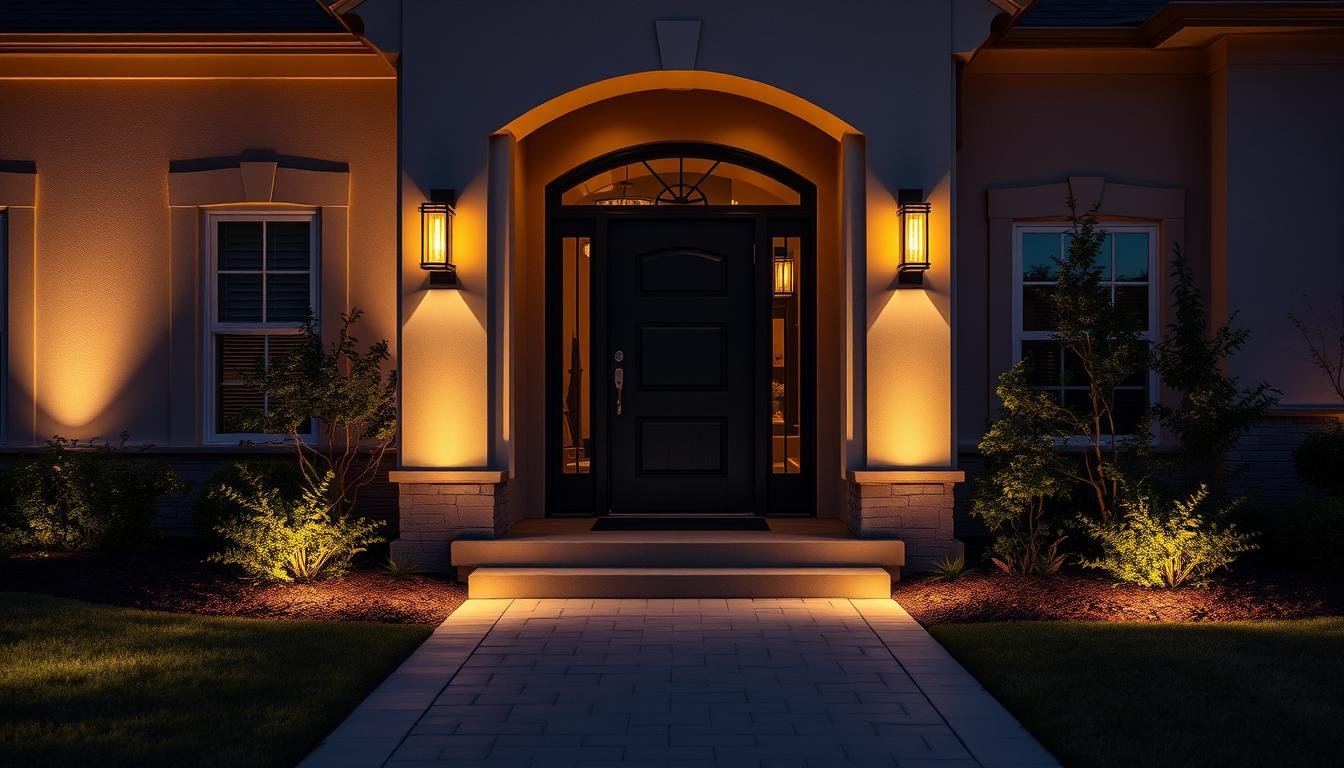
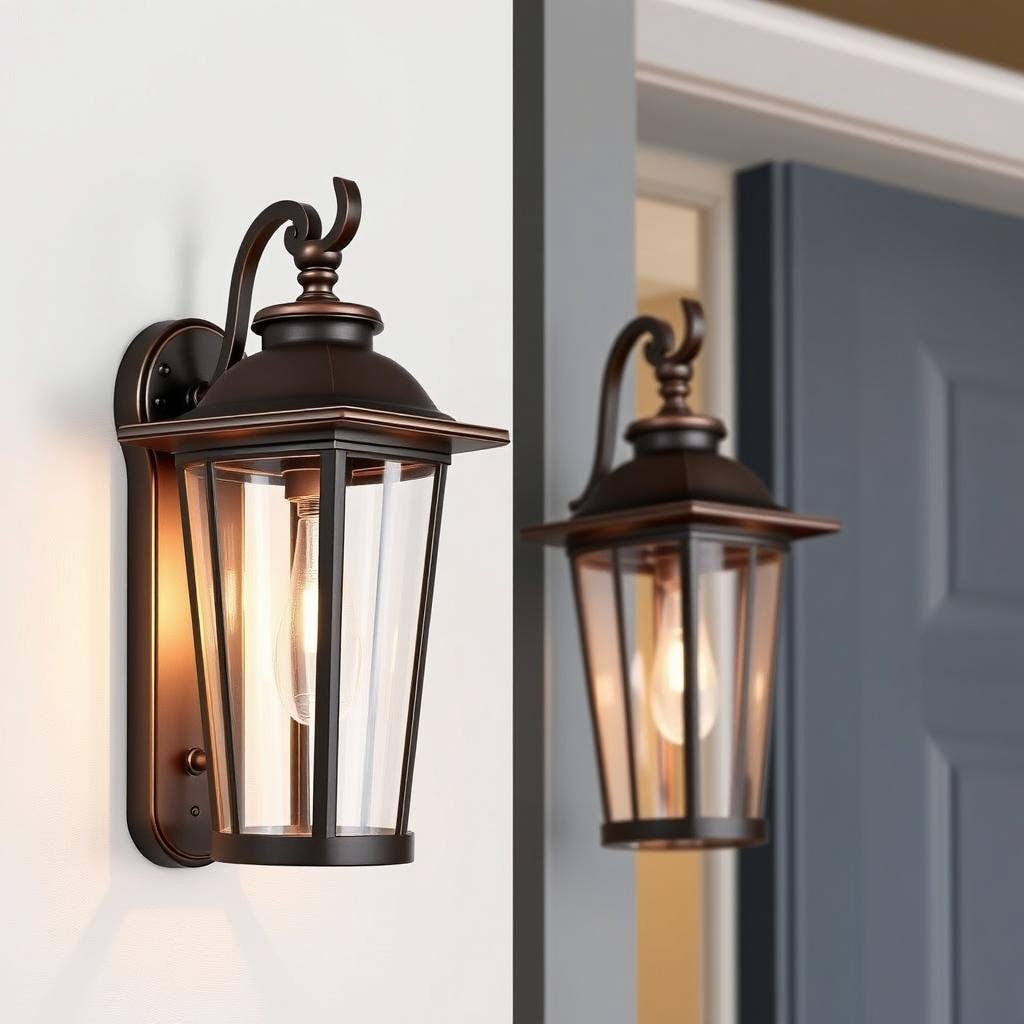
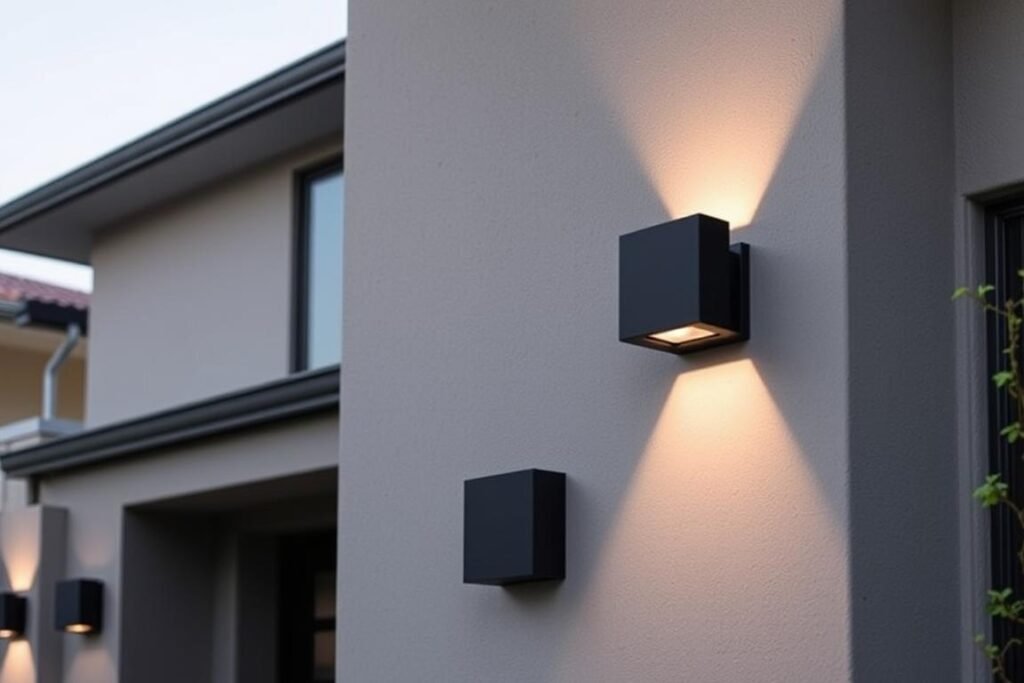
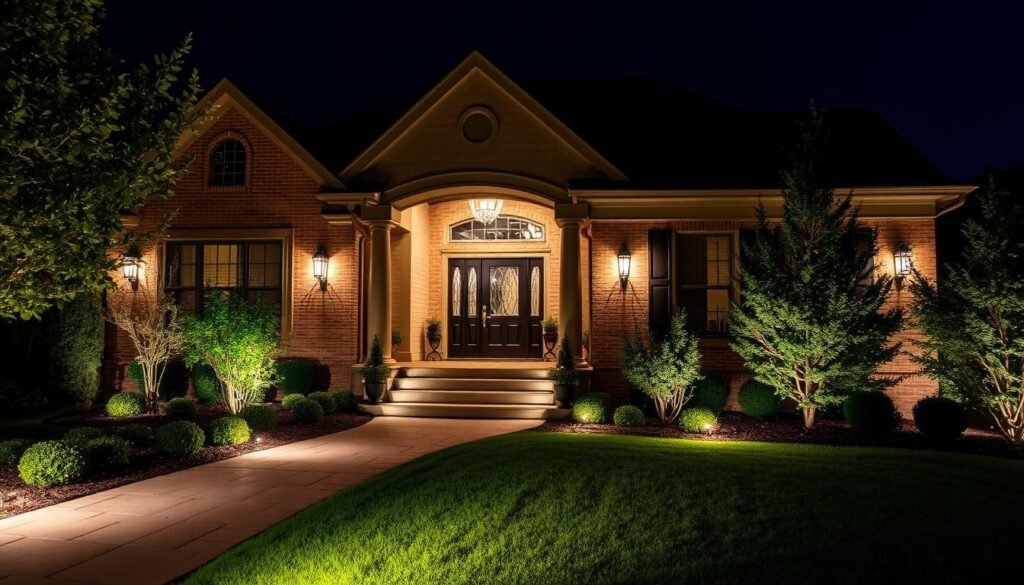
Wall sconces remain one of the most popular outdoor lighting ideas for house entrances. These fixtures mount directly to your home’s exterior walls, providing essential illumination right where you need it most. Wall lights frame your front door beautifully while offering practical light for unlocking doors and greeting guests.
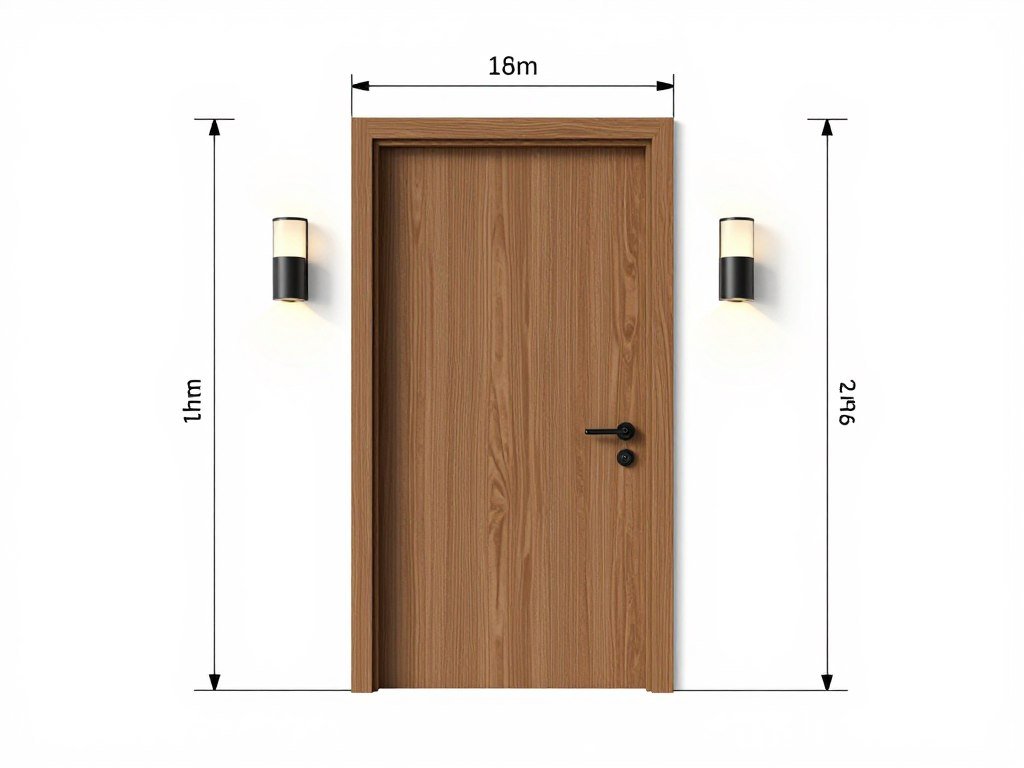
The placement of wall sconces significantly impacts their effectiveness. Mount fixtures at eye level, typically between five and six feet from the ground. This height provides optimal lighting without creating harsh shadows on faces. For standard-sized doors, position sconces about one-third of the door’s width away from each side.
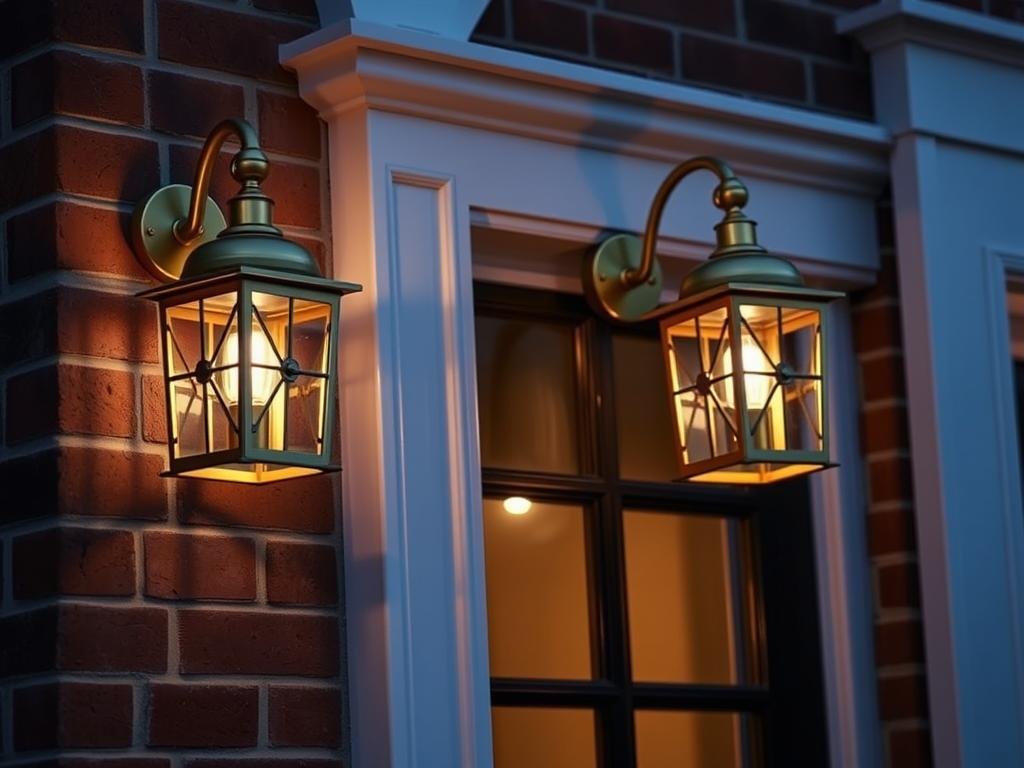
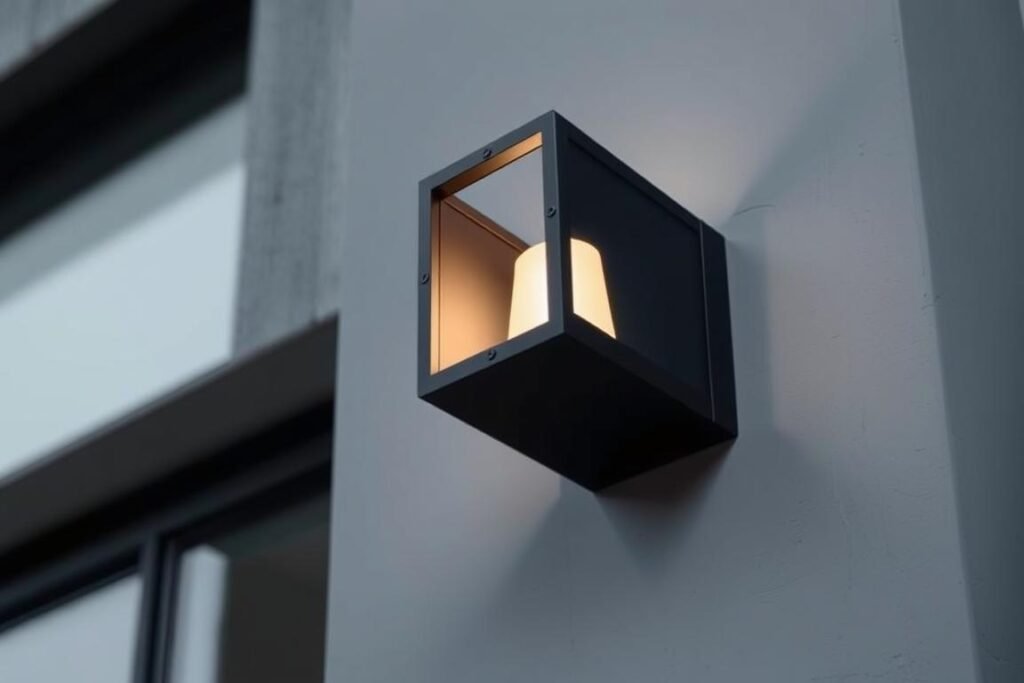
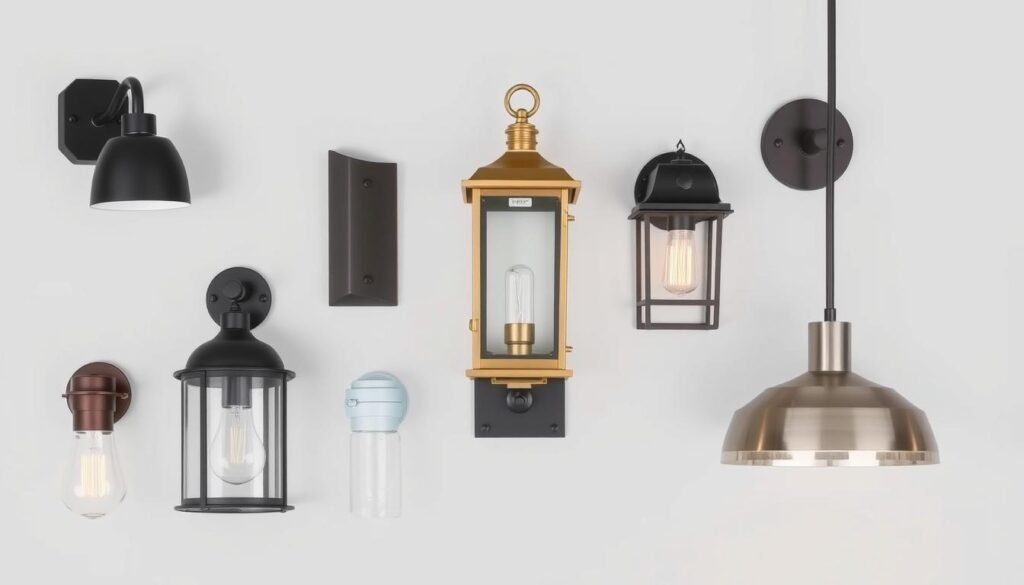
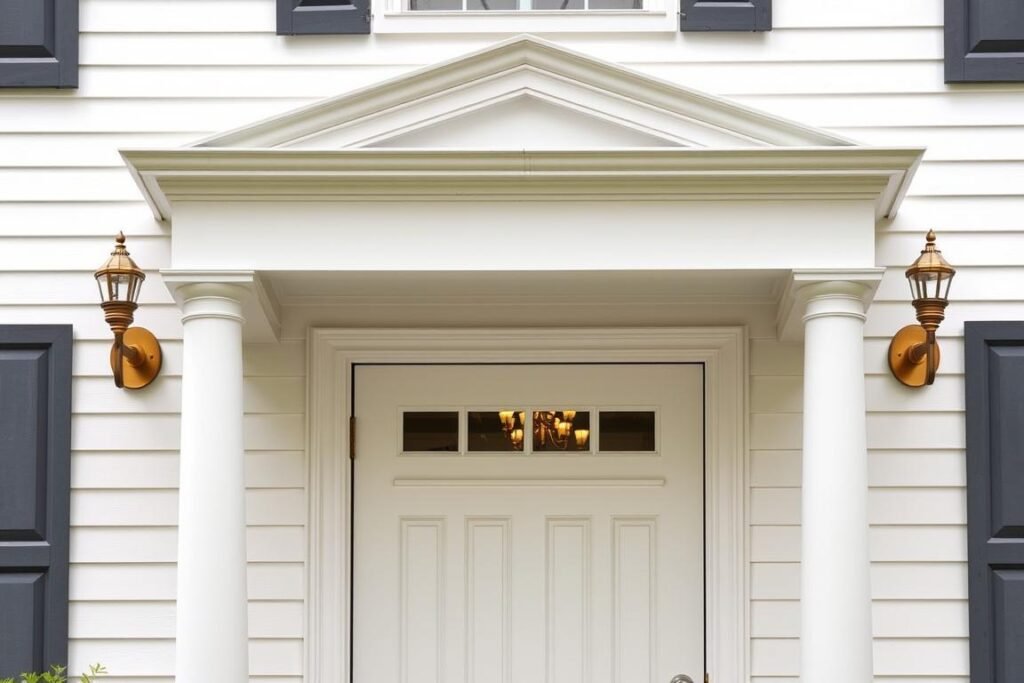
Wall sconces come in countless styles to match any home exterior. Traditional lanterns with brass or bronze finishes complement colonial and craftsman architecture. Modern homes benefit from sleek fixtures with geometric shapes and matte black or brushed nickel finishes. Coastal properties often feature nautical-inspired wall lights with weathered finishes.
Consider the light direction when selecting wall sconces. Downward-facing fixtures create focused pools of light on your porch or steps. Upward-facing designs highlight architectural details above the door. Many homeowners choose fixtures that cast light both up and down for balanced illumination.
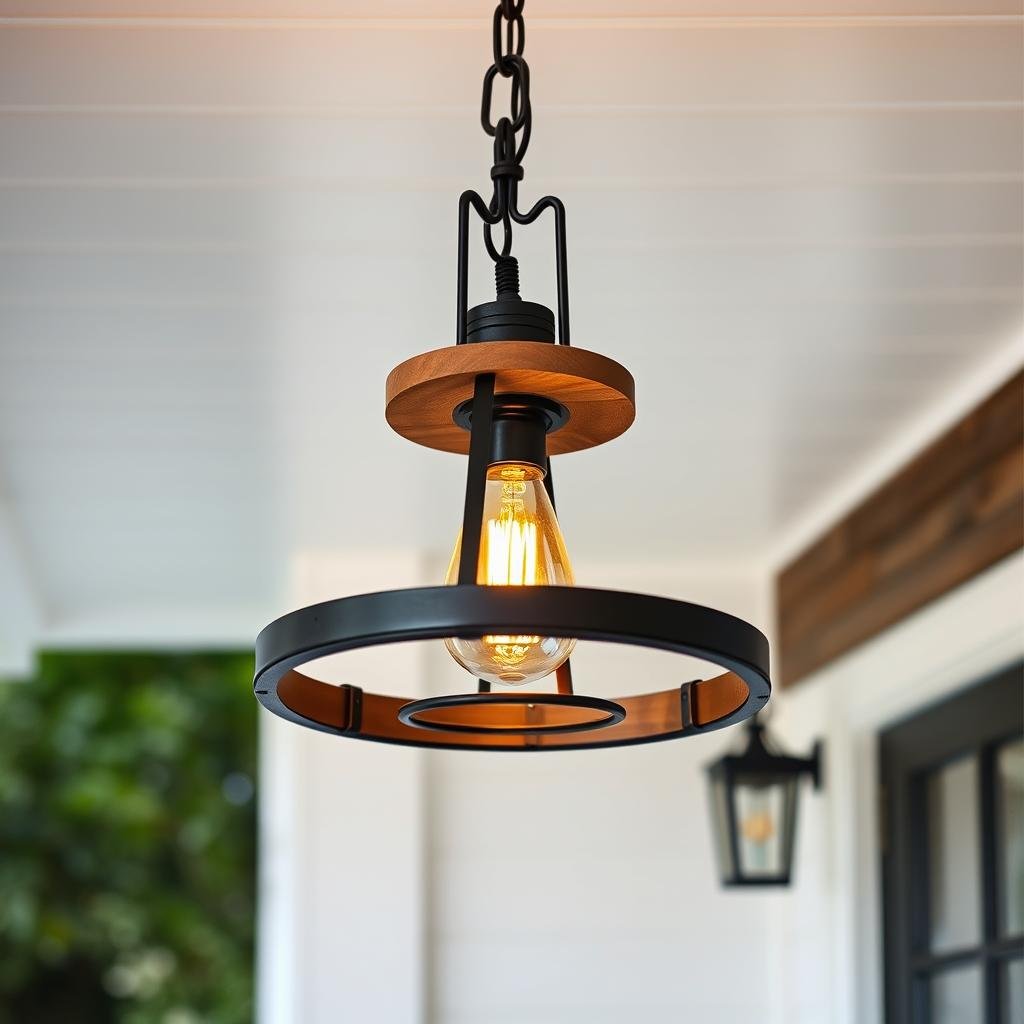
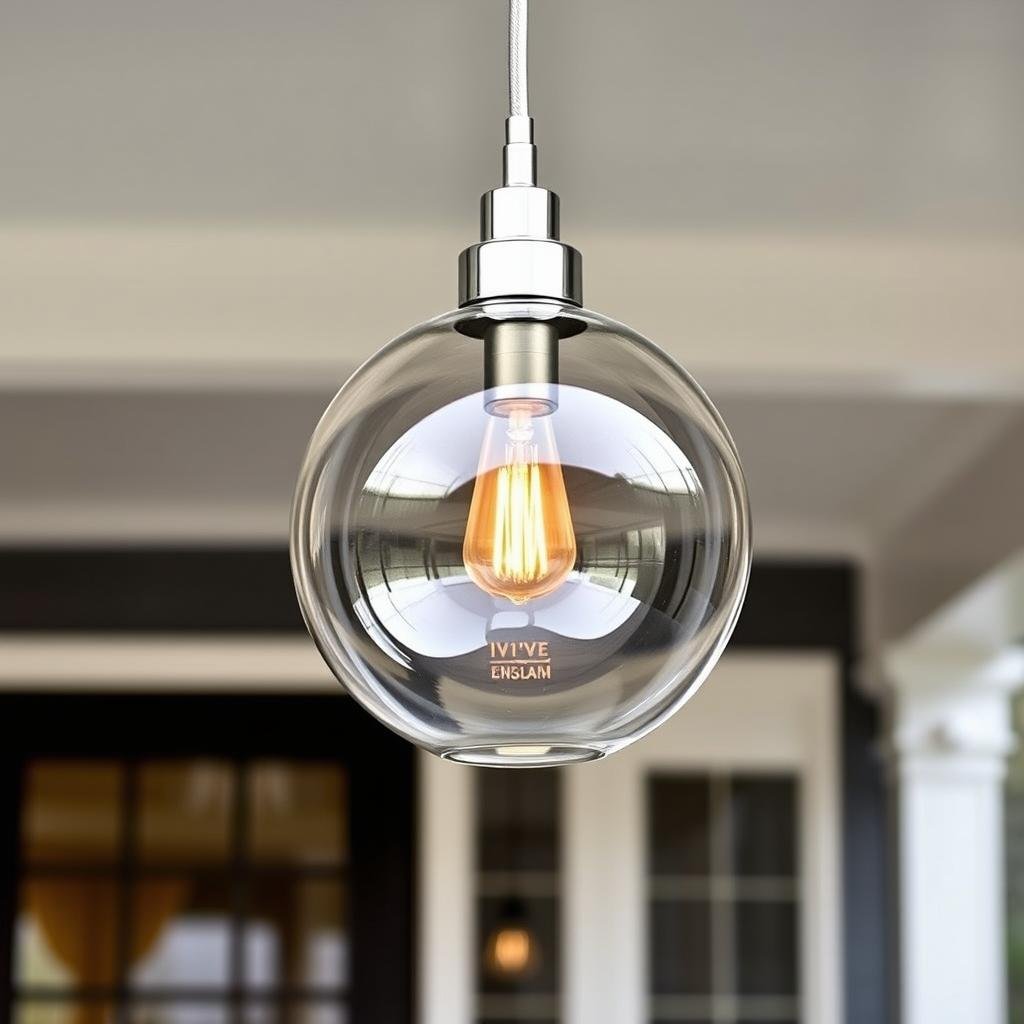
Pendant lights bring drama and elegance to covered entrances. These hanging fixtures work perfectly in porches with sufficient ceiling height. A well-chosen pendant becomes an instant focal point that enhances your home’s character while providing excellent downward lighting.
The scale of your pendant light matters tremendously. A fixture that’s too small disappears visually, while an oversized pendant can overwhelm the space. For standard eight-foot porch ceilings, choose pendants between twelve and twenty inches in diameter. Higher ceilings accommodate larger fixtures that make bold design statements.
Hanging height requires careful consideration for both aesthetics and function. The bottom of your pendant should hang at least seven feet above the porch floor to prevent tall guests from bumping into it. For visual balance, center the fixture over the main seating area or walkway rather than directly above the door.
Pendant lights excel at creating ambiance while serving practical purposes. Choose fixtures with diffused glass or shades to prevent harsh glare. Multiple smaller pendants arranged in a row work beautifully for long covered porches. This approach distributes light evenly while adding visual interest to your entrance design.
Landscape Lighting: Pathway Illumination
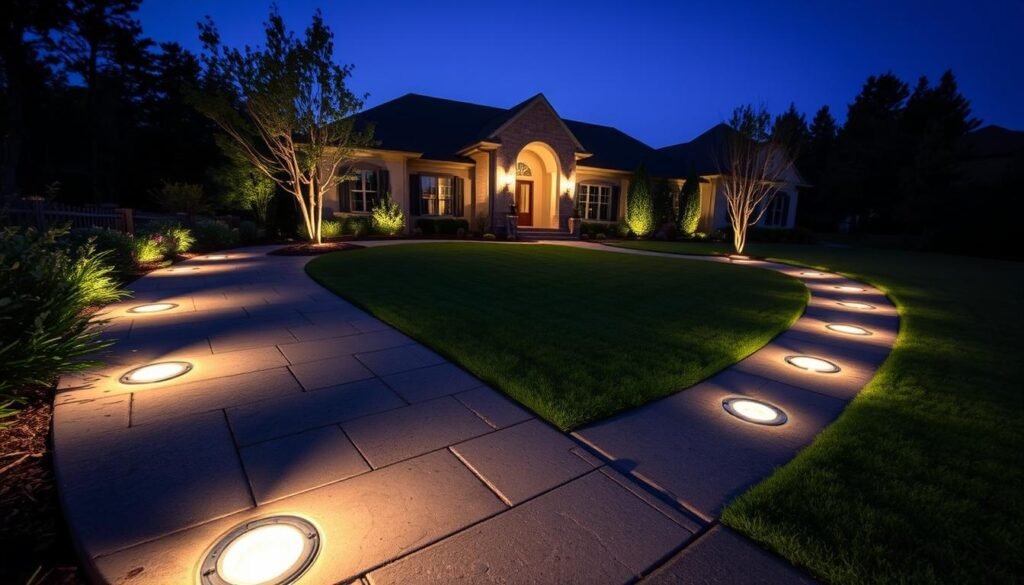
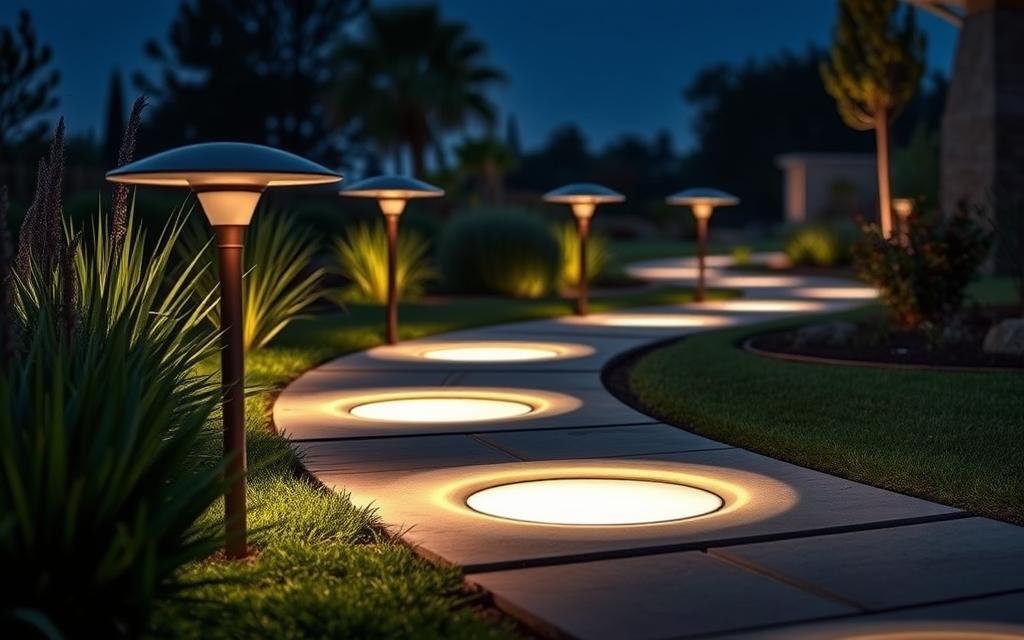
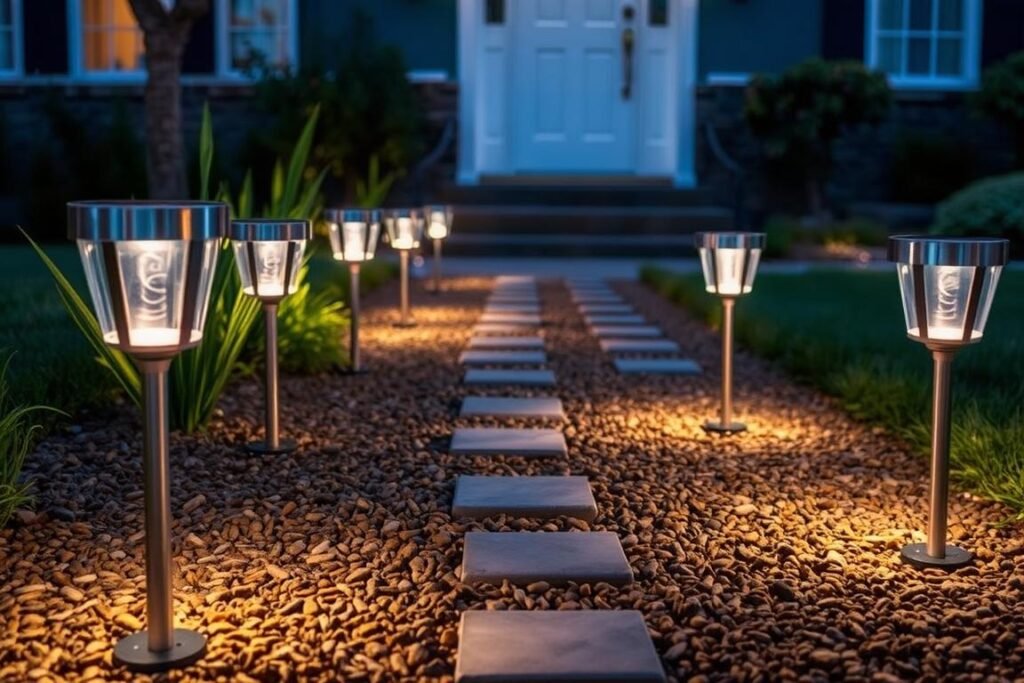
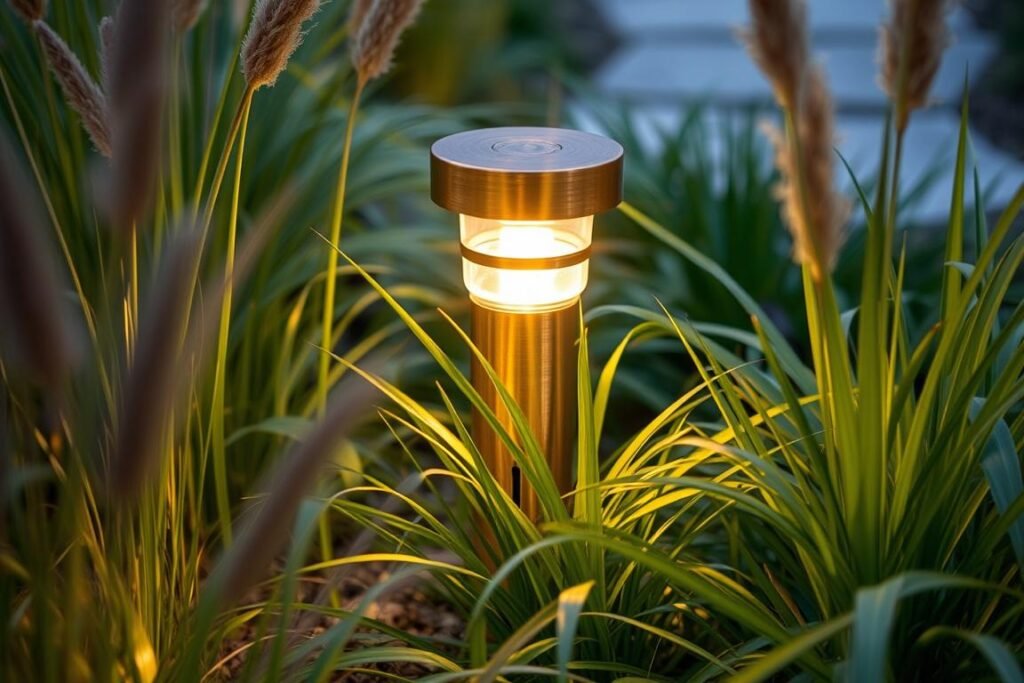
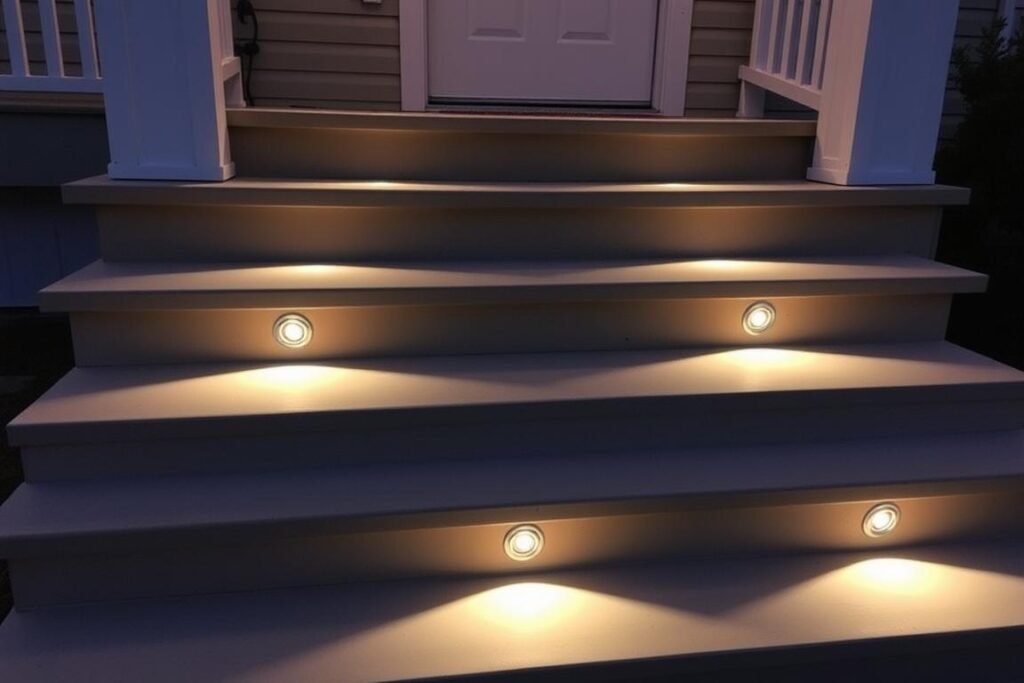
Landscape lighting ideas extend beyond the front door to create a welcoming path for visitors. Pathway lights guide guests safely from the driveway or street to your entrance while enhancing your home’s curb appeal. These ground-level fixtures transform your front yard into an inviting nighttime landscape.
Proper spacing ensures adequate illumination without creating a runway effect. Place pathway lights every six to eight feet along walkways. This spacing provides continuous lighting while maintaining a natural, uncluttered appearance. Stagger fixtures on alternating sides for a more organic look that still lights the entire path.
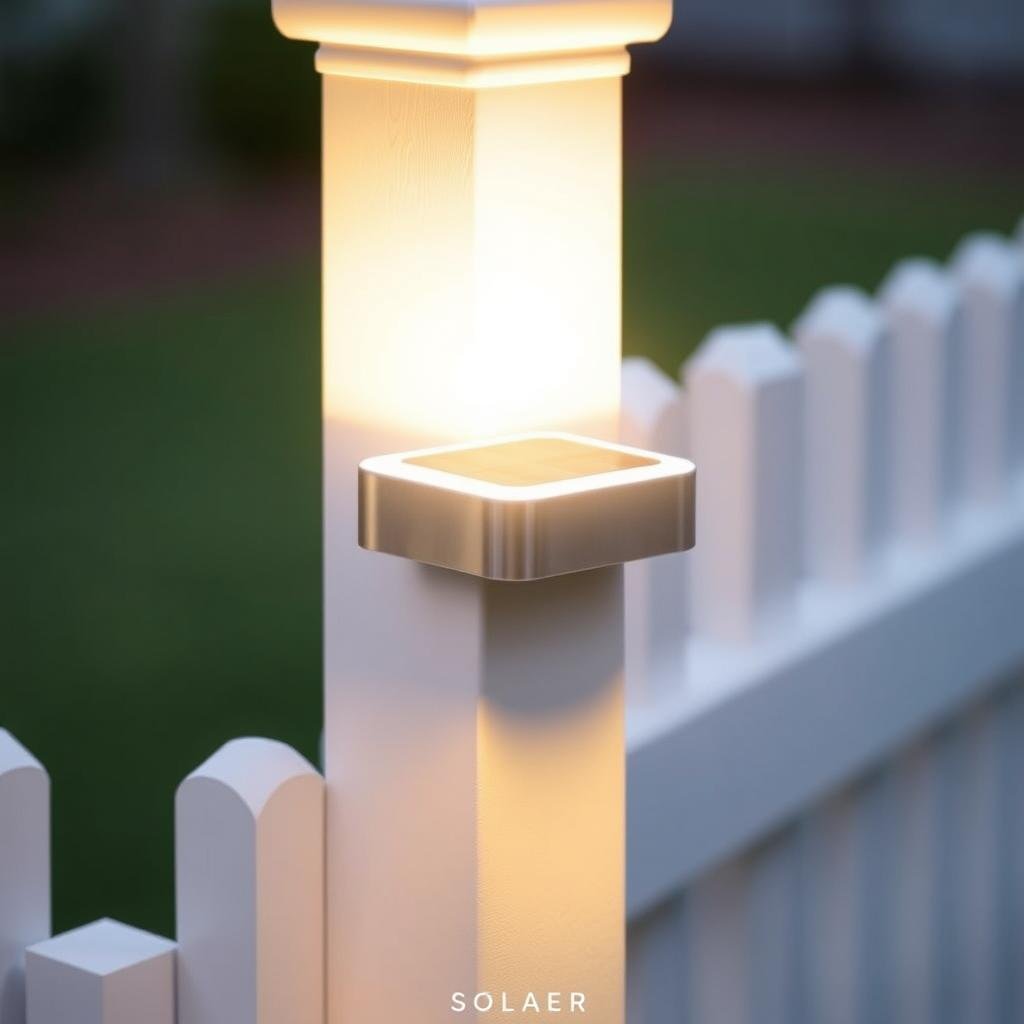
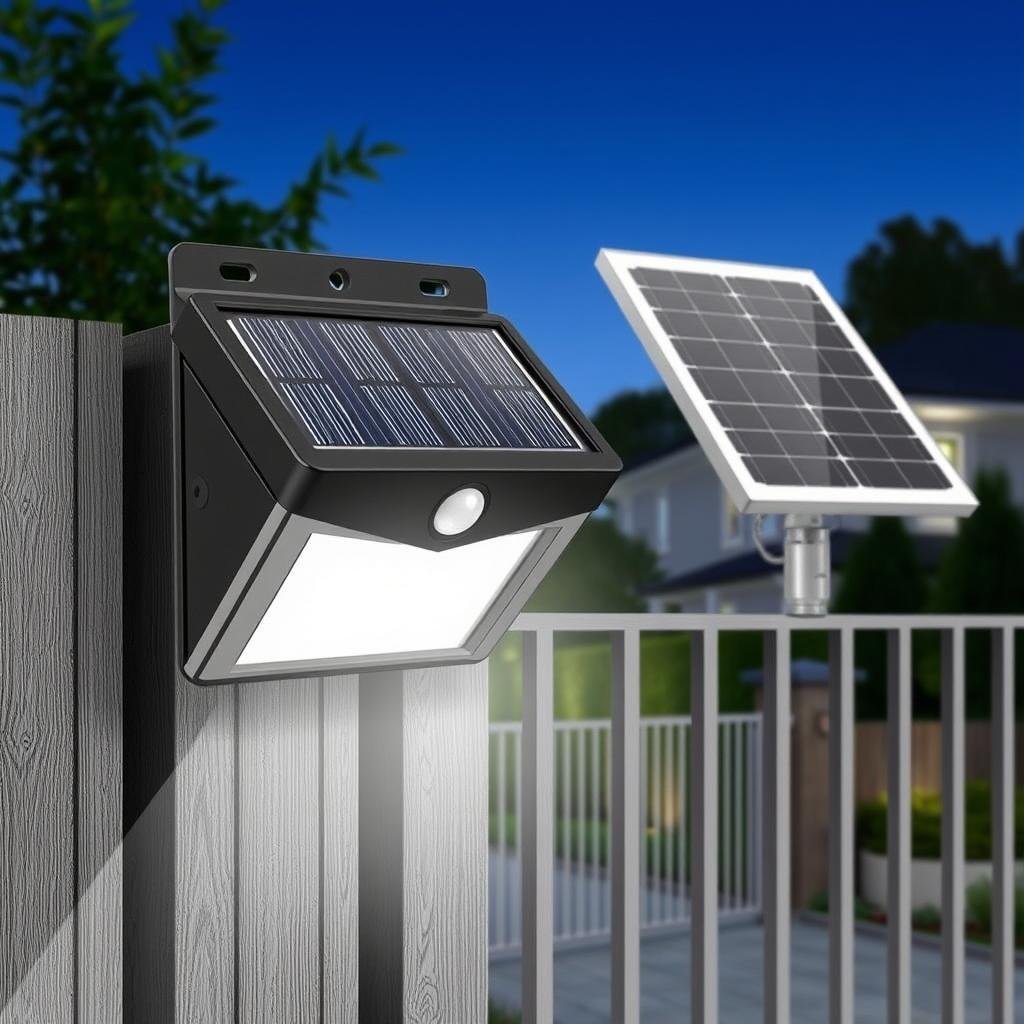
The style of landscape lights should complement your home’s architecture and overall lighting design. Traditional homes pair well with classic lantern-style path lights on decorative posts. Modern properties benefit from sleek, minimalist fixtures that sit close to the ground. Solar-powered options offer easy installation without electrical wiring, though they provide less consistent brightness.
Layer landscape lighting for maximum impact around your entrance. Combine pathway lights with spotlights aimed at trees or architectural features. Add downlighting from overhead tree branches for a moonlighting effect. This layered approach creates depth and dimension in your front yard while ensuring safe passage to your door.
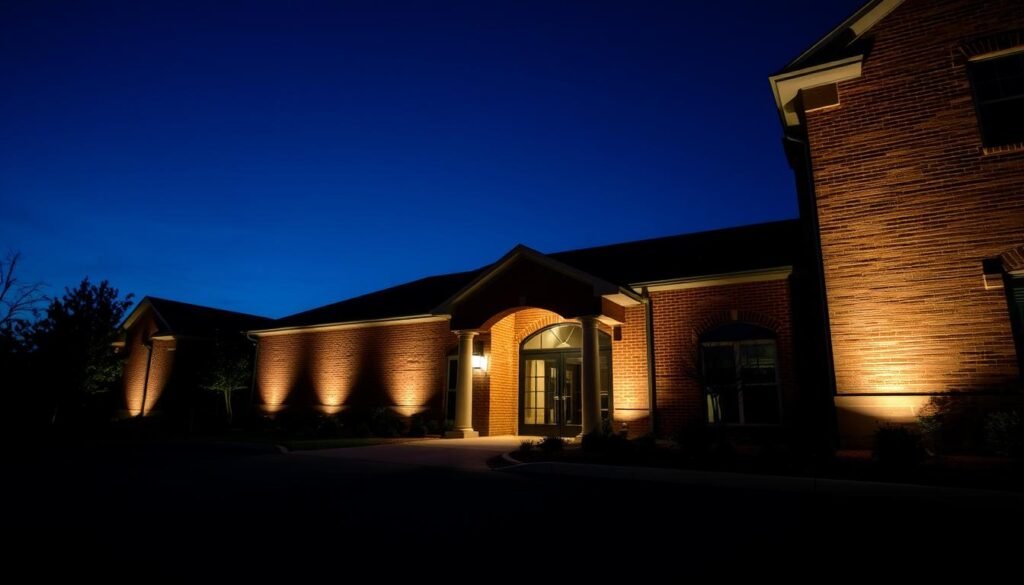
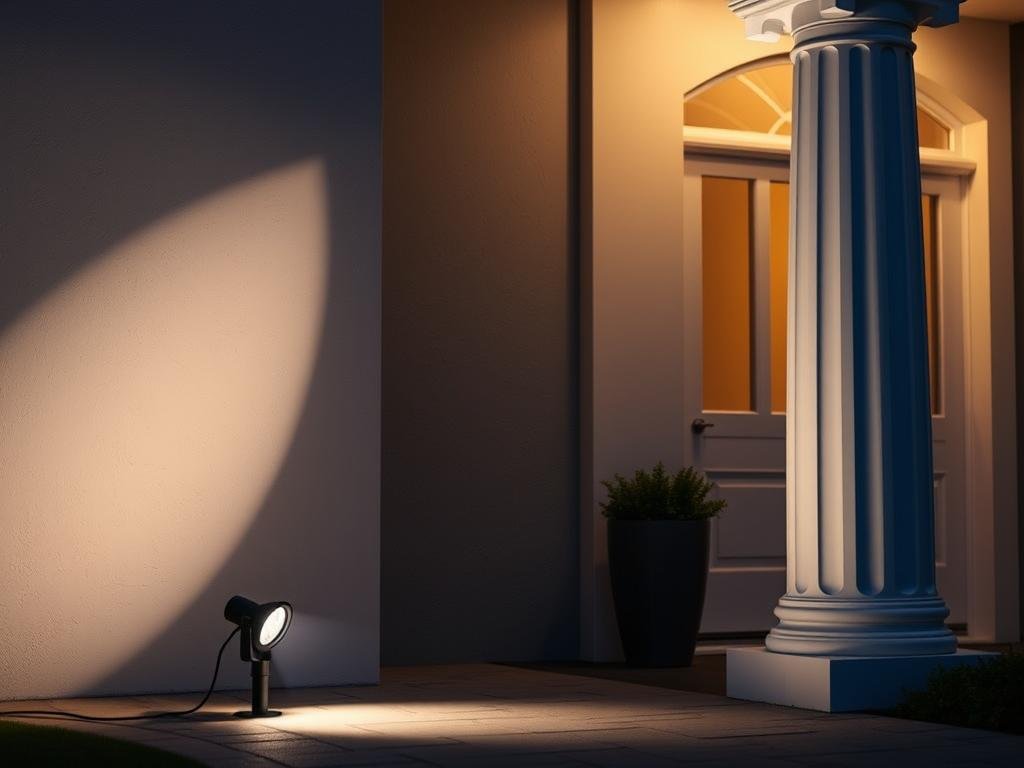
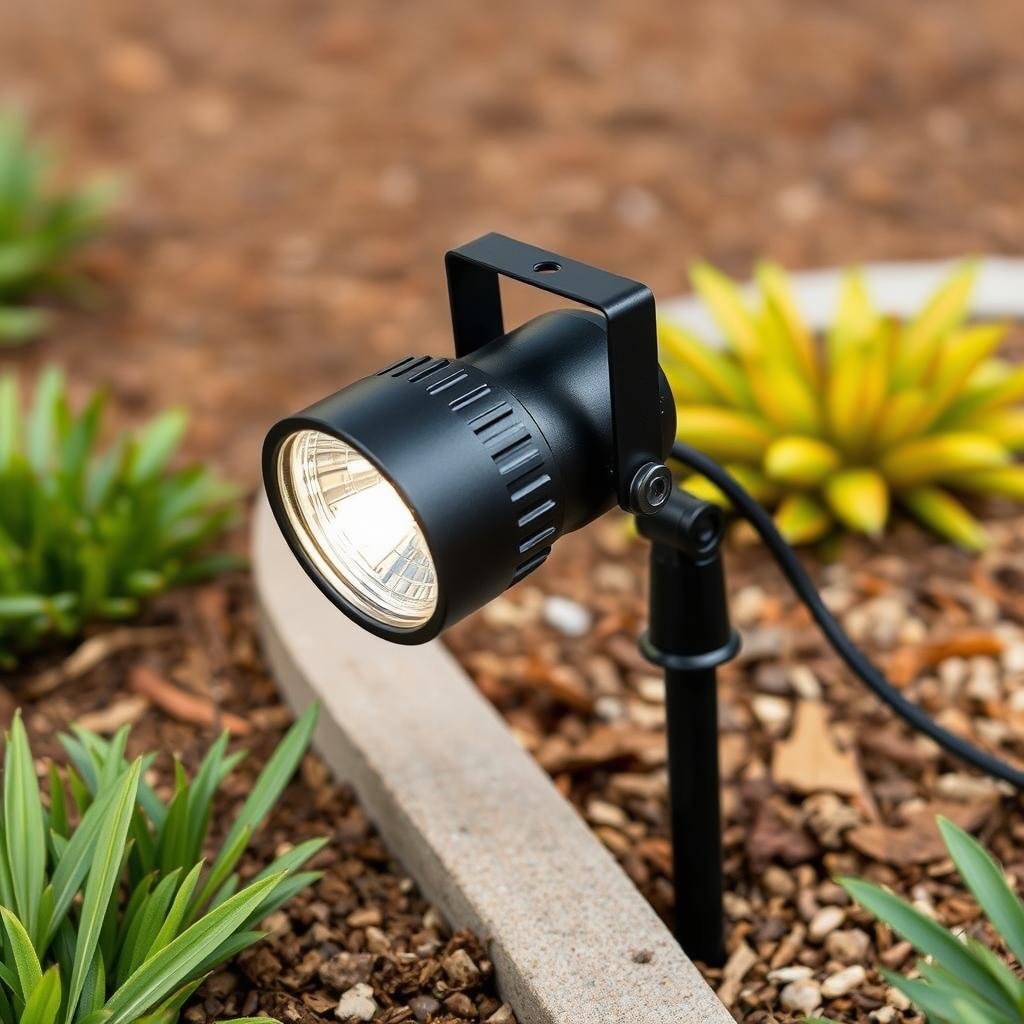
Spot lights add dramatic flair to outdoor lighting ideas for house entrances. These focused fixtures highlight architectural details, columns, or landscaping features that frame your doorway. Strategic spotlighting creates visual interest and draws attention to your home’s best features after dark.
Position spotlights at the base of elements you want to emphasize. Uplighting columns or pillars flanking your entrance creates an elegant, sophisticated effect. Angle fixtures at approximately thirty degrees to showcase texture in stone or brick walls. Experiment with placement before permanent installation to achieve the desired effect.
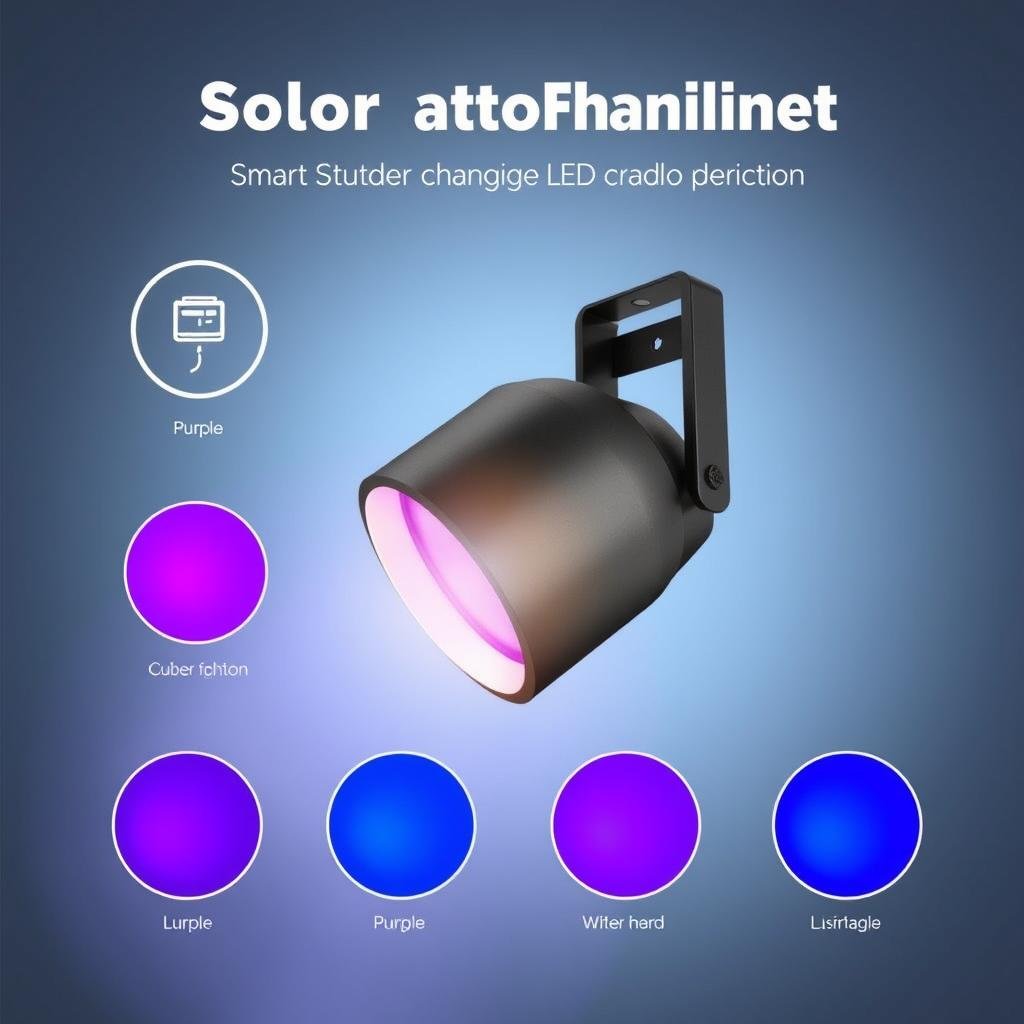
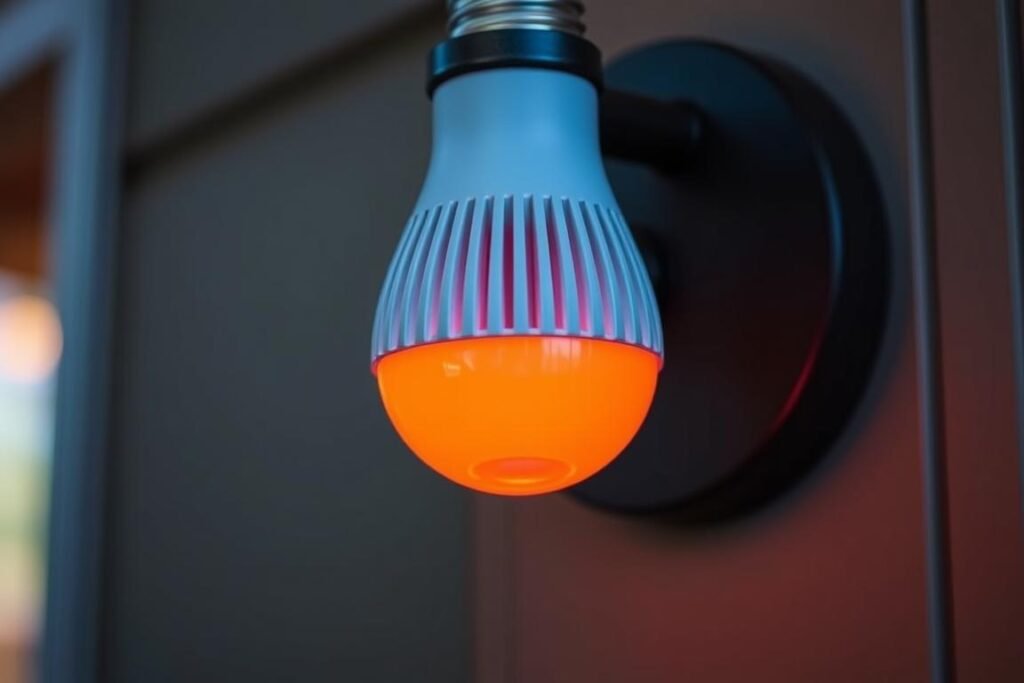
LED technology has revolutionized outdoor spotlighting. Modern LED spot lights consume minimal energy while producing brilliant, long-lasting light. Many feature adjustable brightness and color temperature settings, allowing you to customize the ambiance. Smart LED fixtures can change colors for holidays or special occasions.
Consider the beam angle when selecting spotlights for your entrance. Narrow beams concentrate light on specific features like address numbers or decorative ironwork. Wider flood-style beams work better for illuminating larger areas such as garage doors or broad facade sections. Combining different beam angles creates the most dynamic lighting design.
Layer spotlights with other outdoor lighting types for a cohesive entrance design. Use spots to highlight landscaping while wall sconces illuminate the door itself. This combination ensures both safety and beauty. Always aim spotlights away from windows to prevent interior glare and maintain nighttime privacy.
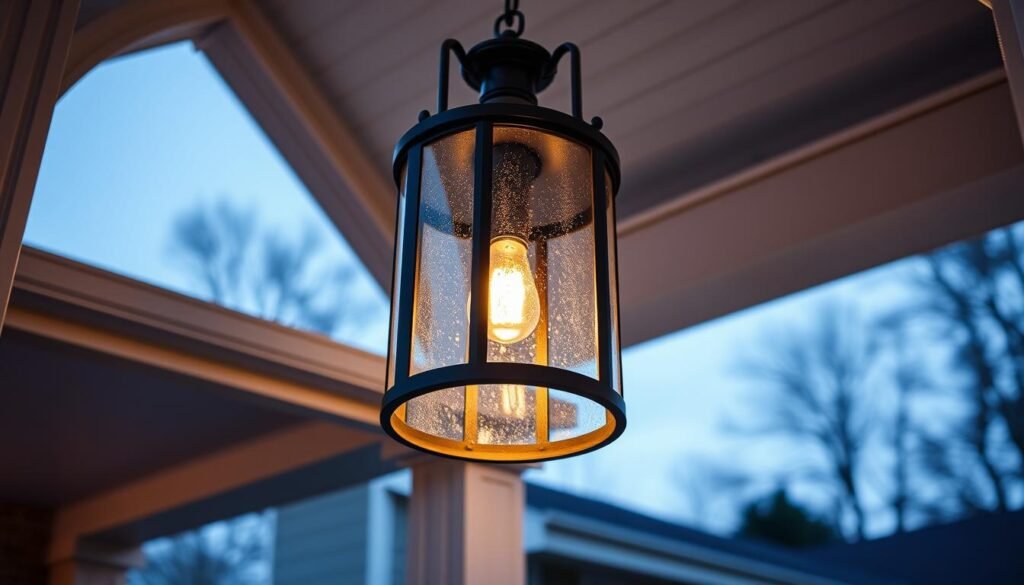
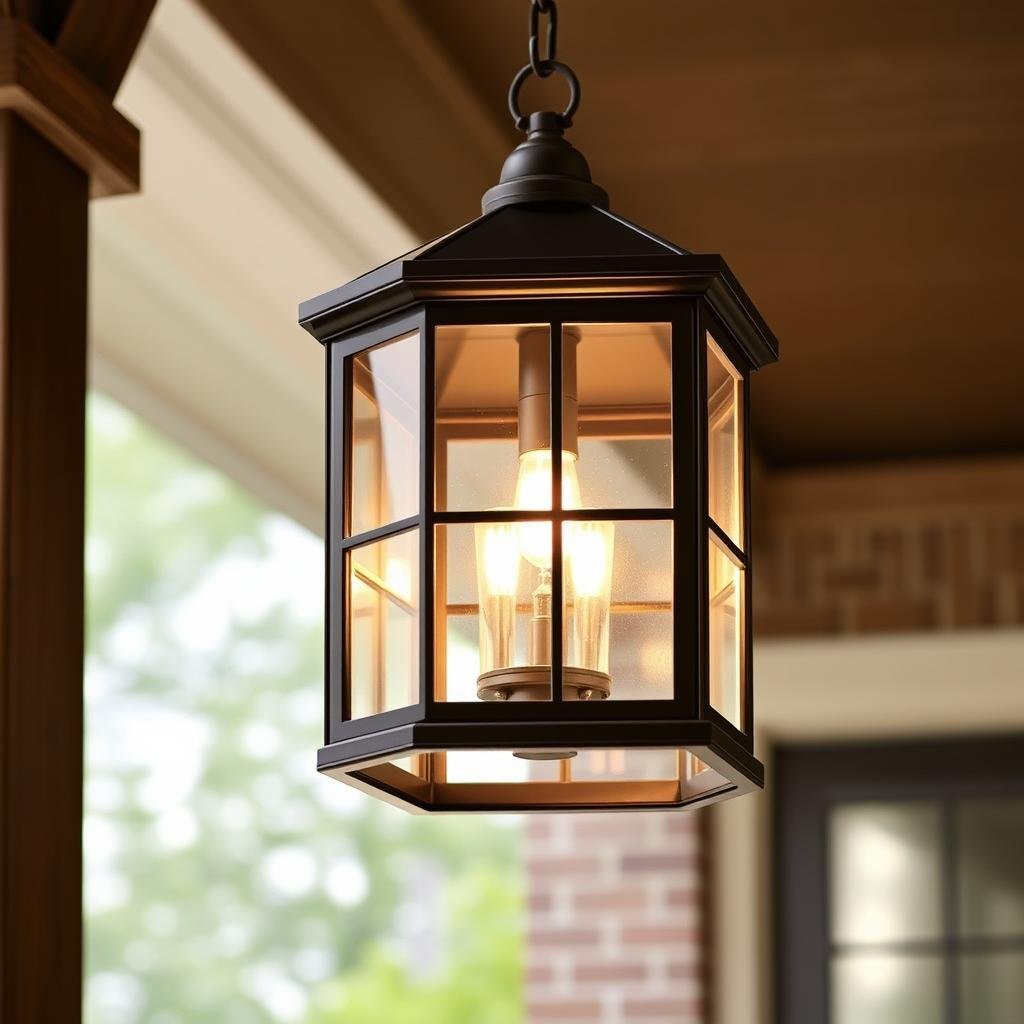
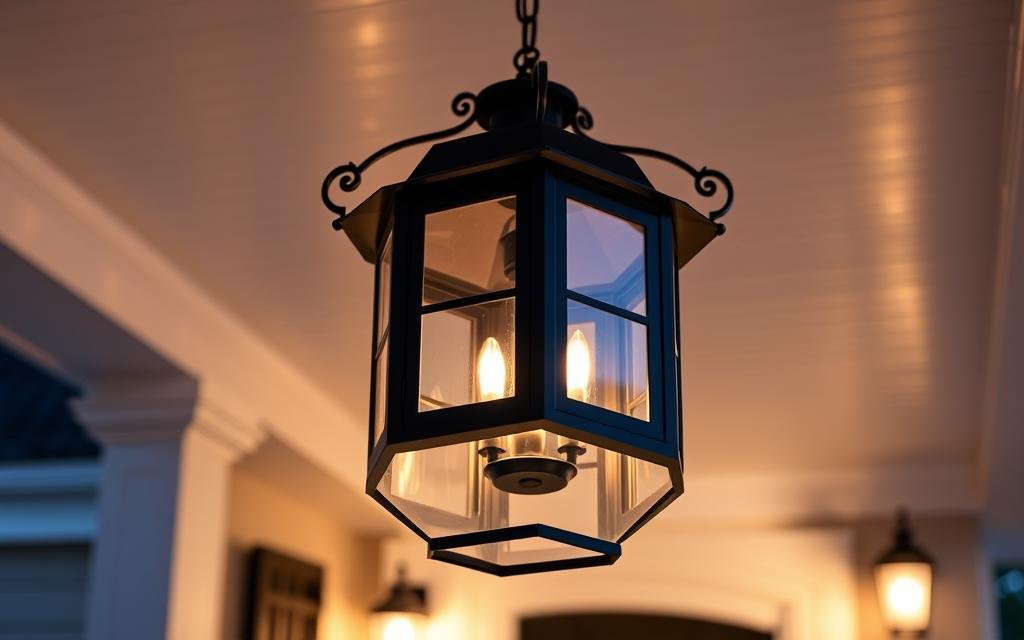
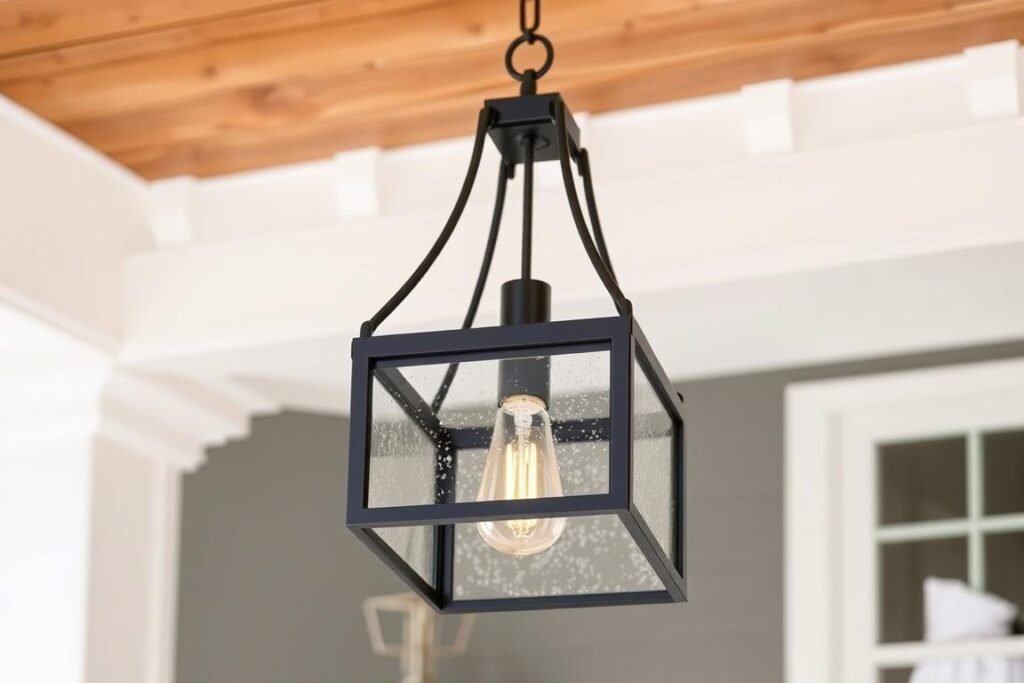
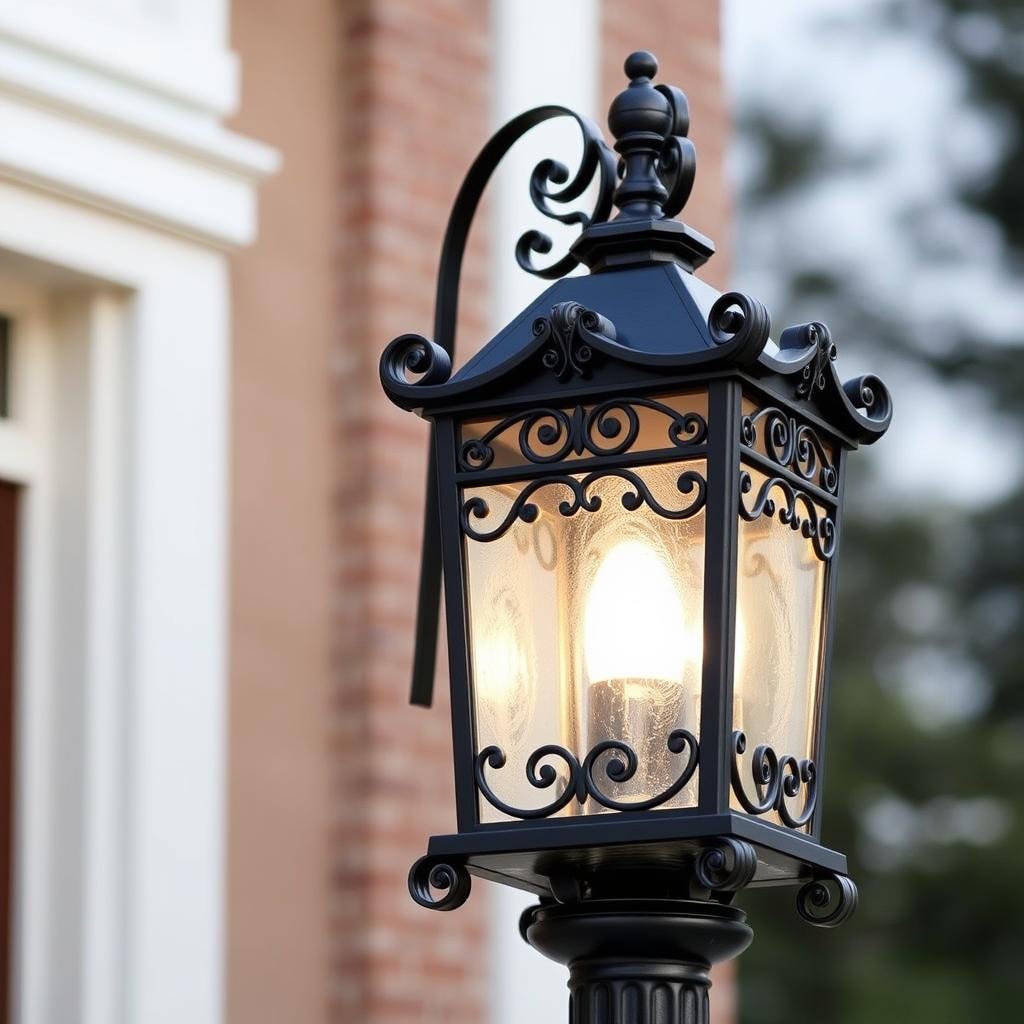
Hanging lanterns bring timeless elegance to covered entrances and porches. These classic fixtures reference historical lighting while incorporating modern technology. A well-chosen hanging lantern creates a warm, welcoming glow that invites guests to your door.
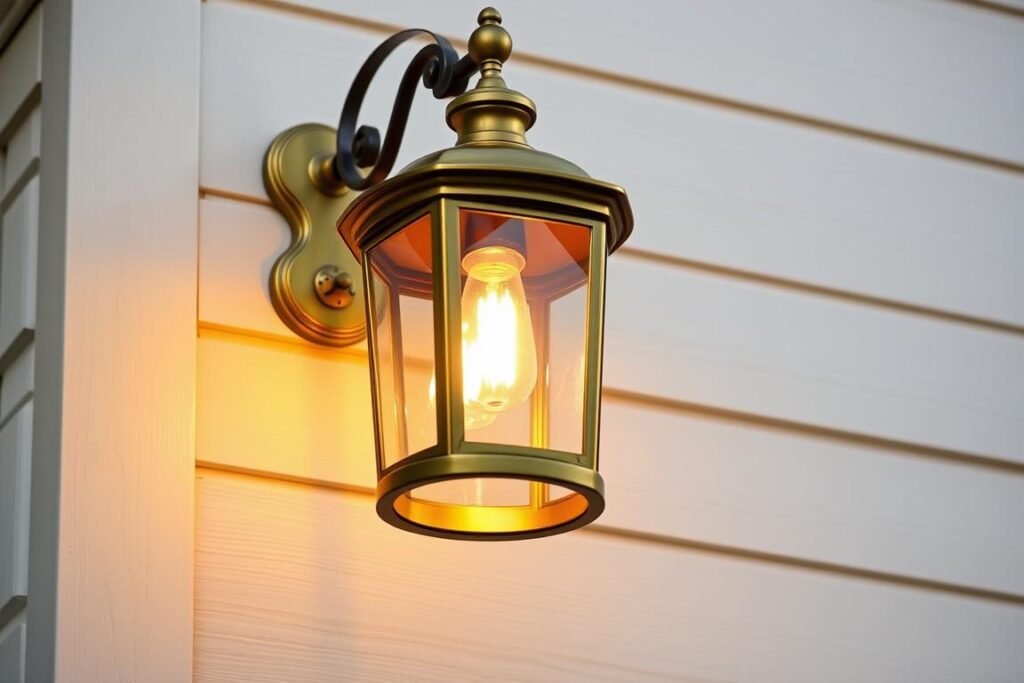
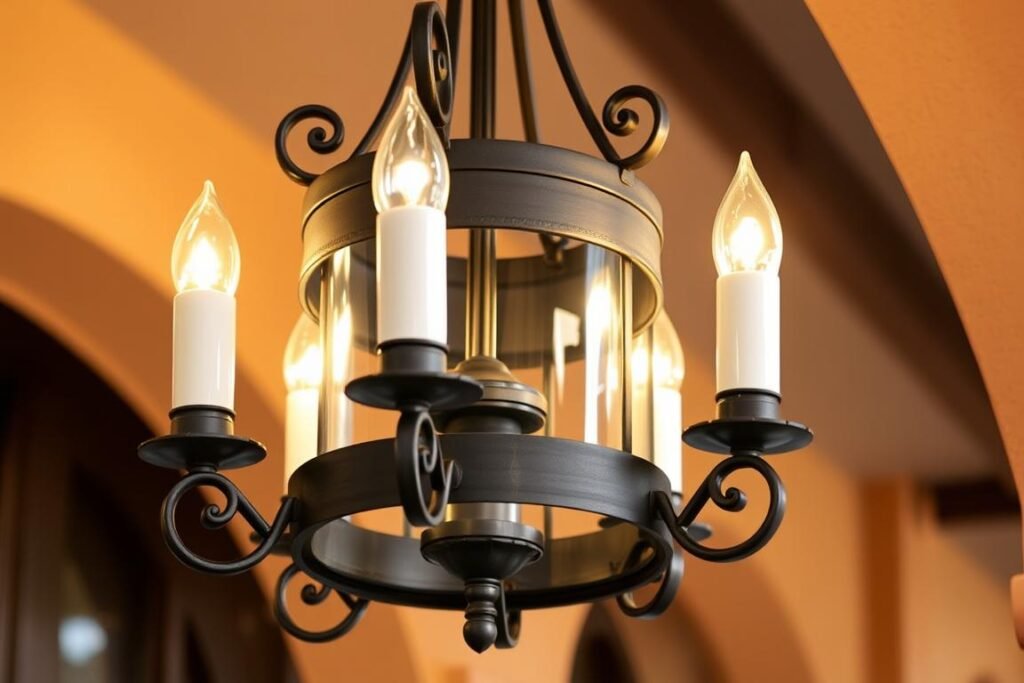
The size and style of your hanging lantern should reflect your home’s architecture. Colonial homes pair beautifully with traditional coach lanterns in brass or bronze finishes. Farmhouse-style properties benefit from rustic metal lanterns with Edison bulbs. Mediterranean homes shine with wrought iron lanterns featuring decorative scrollwork.
Proper installation height ensures both function and visual appeal. Hang lanterns so the bottom sits at least seven feet above the floor, higher for very large fixtures. The lantern should hang low enough to be noticed but high enough to avoid head bumps. For porches with seating areas, position the fixture to provide ambient light without creating harsh shadows on faces.
Consider glass options when selecting hanging lanterns. Clear glass maximizes light output, perfect for entrances needing bright illumination. Seeded or frosted glass diffuses light for a softer, more atmospheric glow. Some homeowners prefer open-cage lanterns that showcase decorative bulbs as part of the design.
Post Lights: Driveway and Entrance Markers
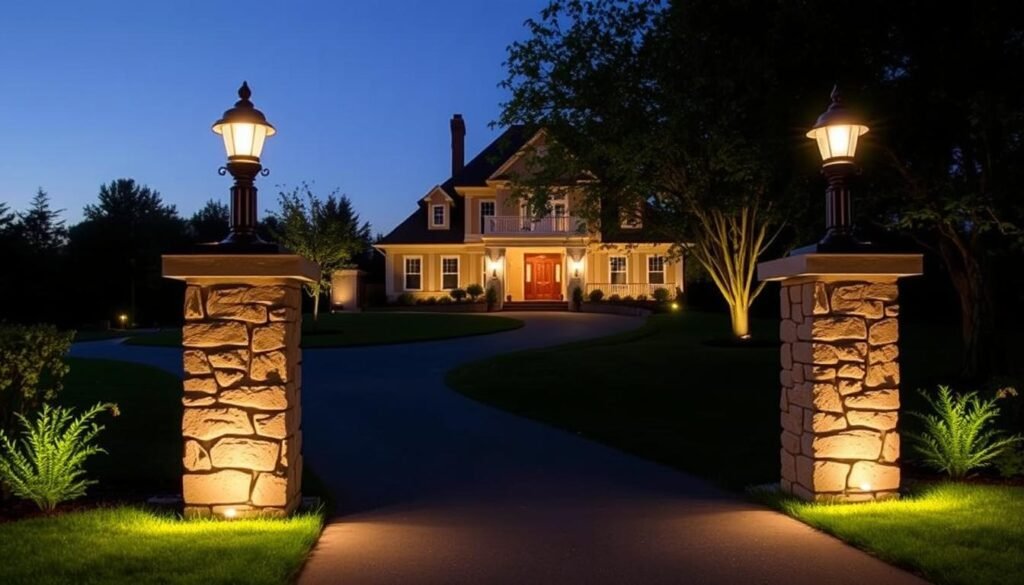
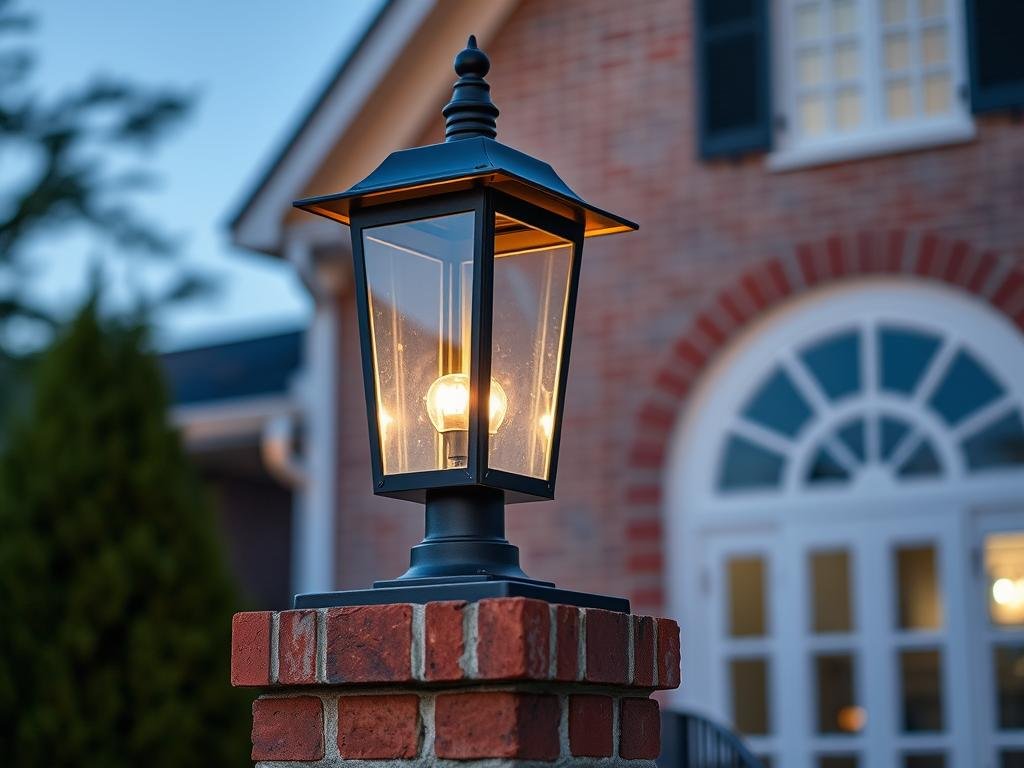
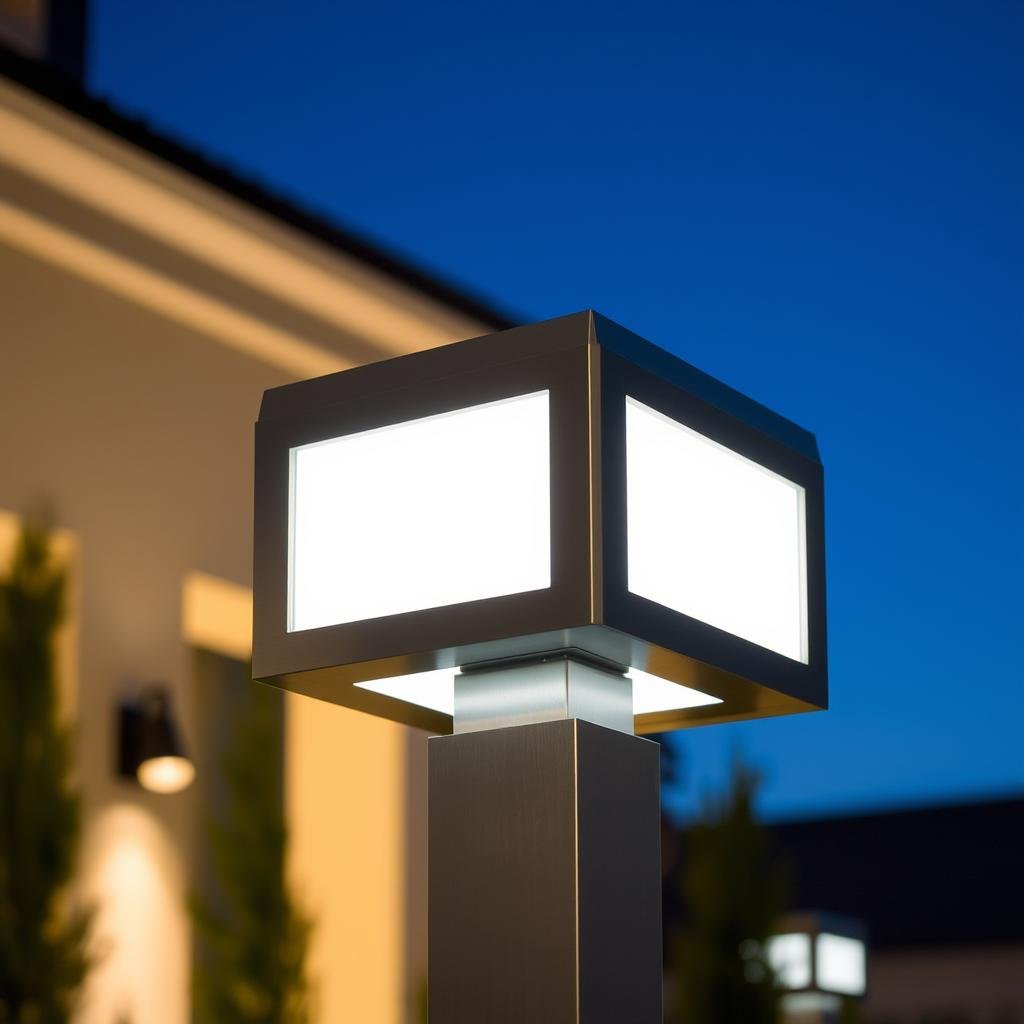
Post lights serve as elegant markers for driveways and property entrances. These freestanding fixtures mount atop decorative columns or dedicated light posts, creating a grand entrance to your property. Post lights work particularly well for homes set back from the street or with circular driveways.
The height and scale of post lights should match the surrounding landscape. Standard post lights stand between six and eight feet tall. Larger estate-style properties can accommodate taller fixtures that make bold statements. The light fixture itself should be proportional to the post, typically one-fourth to one-third of the total post height.
Placement of post lights requires strategic planning. For driveway entrances, install matching fixtures on columns flanking each side. This symmetrical arrangement clearly defines the entry point while adding stately elegance. Single post lights can mark walkway beginnings or highlight landscape focal points near the main entrance.
Coordinate post light style with your home’s exterior and other lighting fixtures. Traditional lantern-style post lights complement classic architecture and match well with similar wall sconces. Modern homes benefit from contemporary post lights with clean lines and simple geometric shapes. Ensure all entrance lighting shares a cohesive design language for professional results.
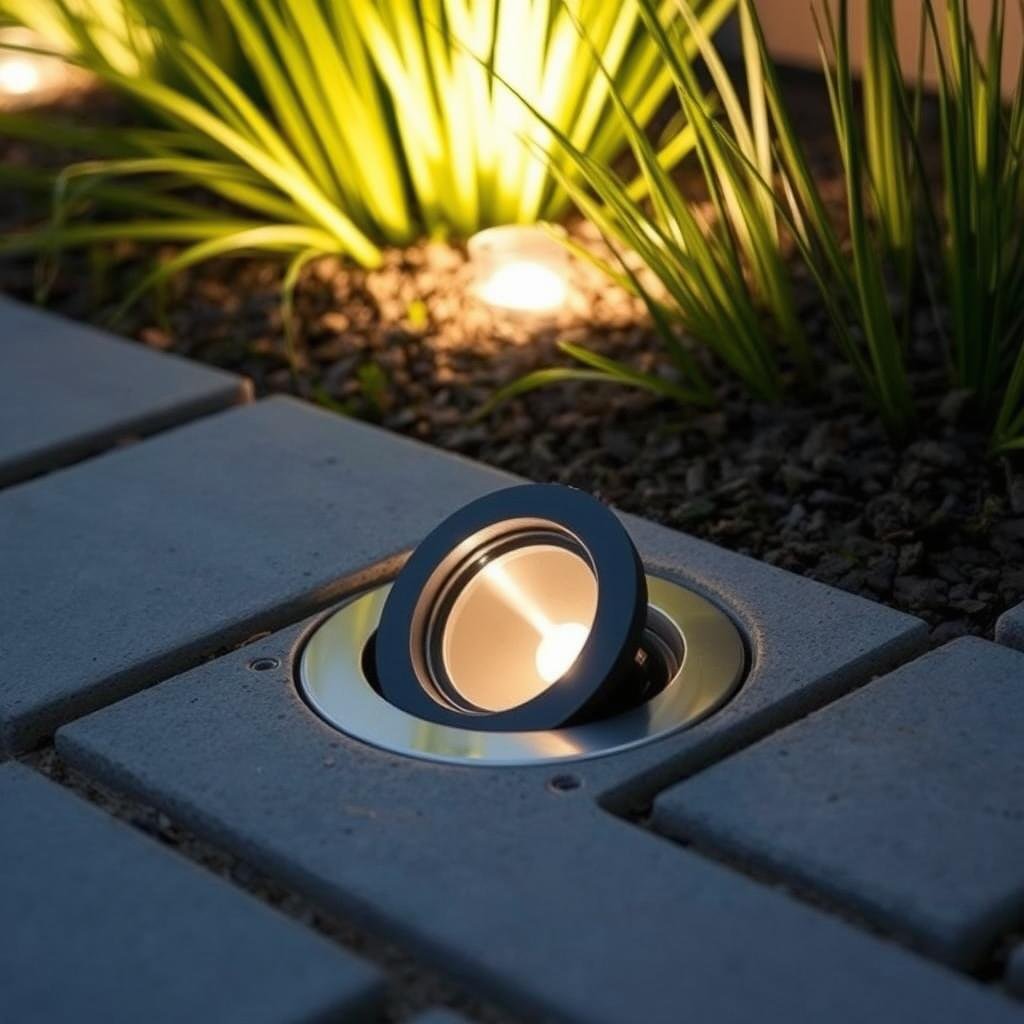
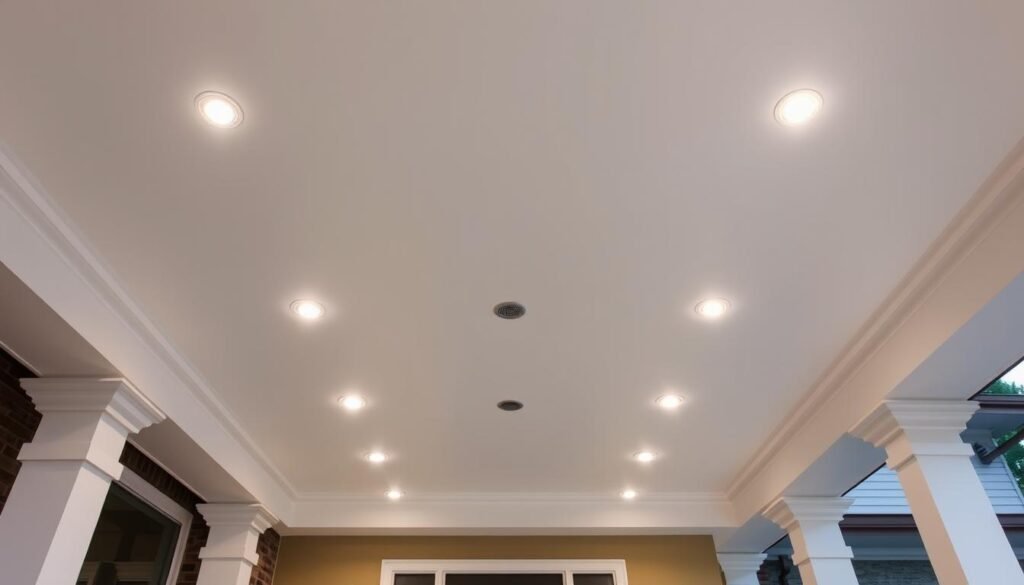
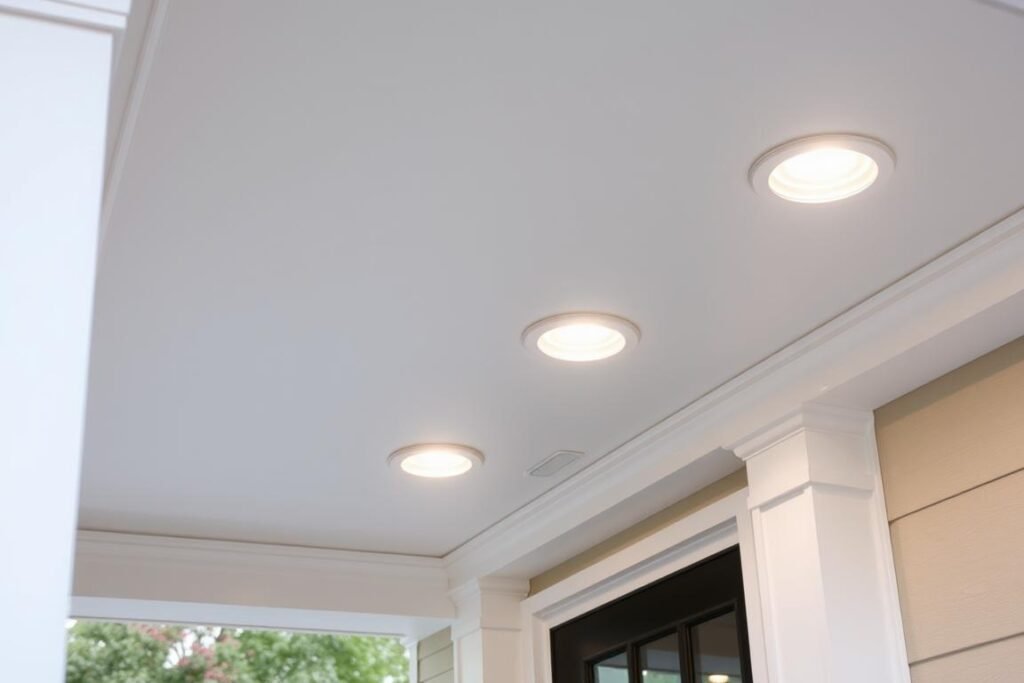
Recessed lighting provides clean, unobtrusive illumination for covered entrances. These fixtures mount flush with ceilings or soffits, creating a streamlined appearance that suits modern and traditional homes alike. Recessed lights distribute even illumination across porch areas without visual clutter.
Strategic placement ensures adequate coverage without over-lighting. Space recessed fixtures approximately four to six feet apart for balanced illumination. Install lights closer together in areas requiring brighter light, such as directly above the door. Avoid placing fixtures too close to walls, which creates unflattering shadows.
LED recessed lights offer superior performance for outdoor applications. These energy-efficient fixtures withstand temperature fluctuations and moisture better than traditional bulbs. Many LED options feature adjustable color temperature, allowing you to choose warm white for cozy ambiance or cool white for security-focused brightness.
Combine recessed lighting with decorative fixtures for layered entrance illumination. Use recessed lights for general ambient lighting while statement pendants or sconces provide visual interest. This combination delivers both function and style, ensuring your entrance stays well-lit and beautiful.
Security Lighting: Motion-Activated Fixtures
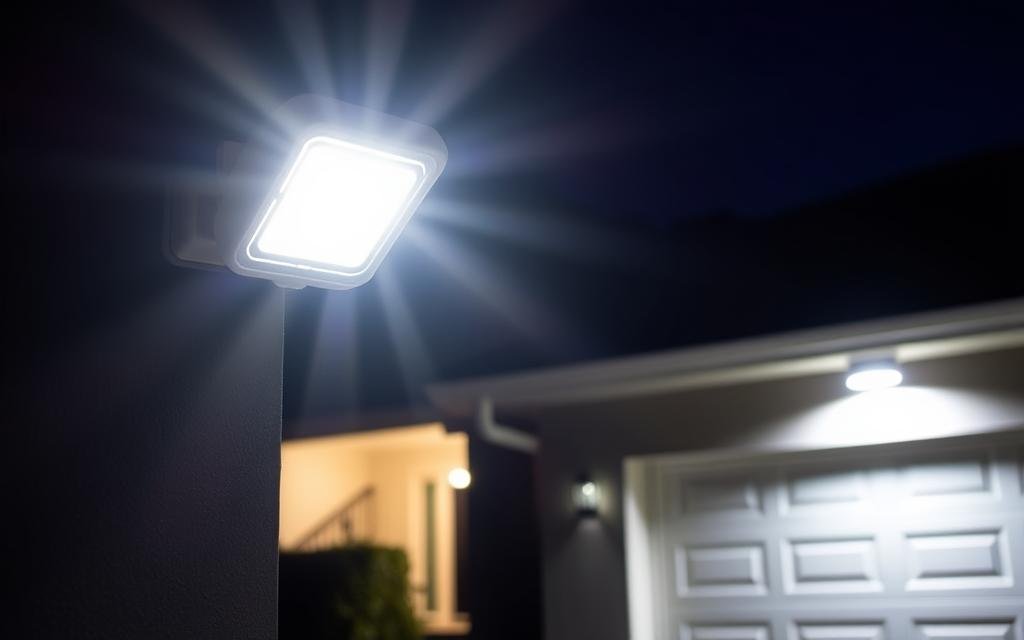
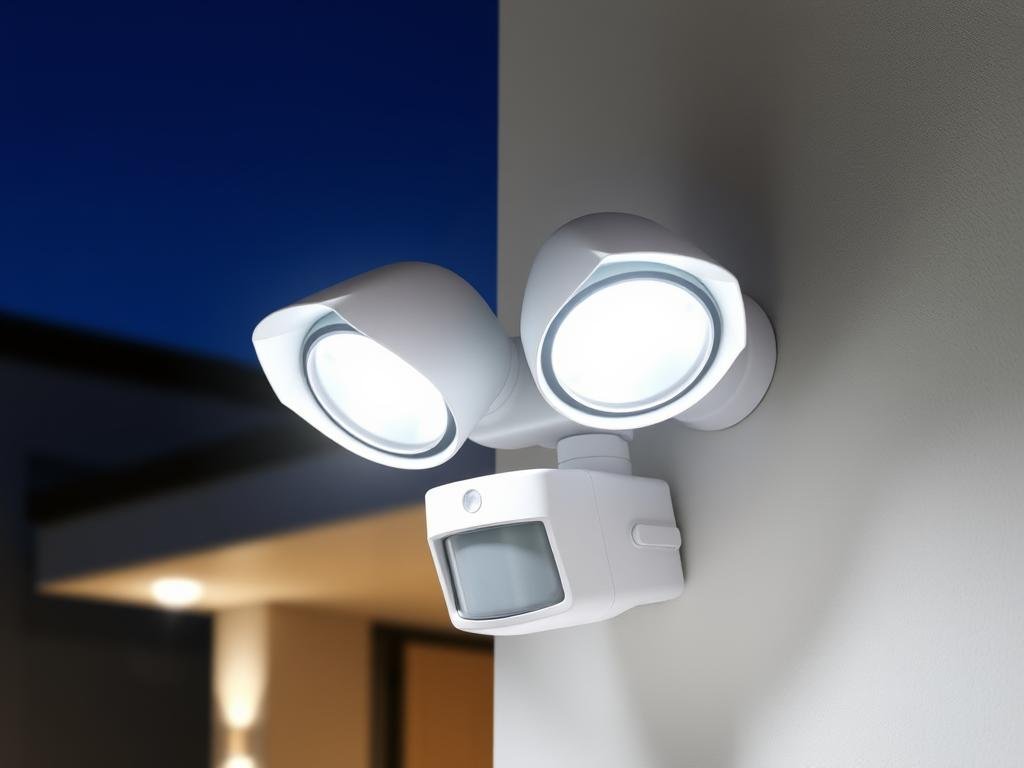
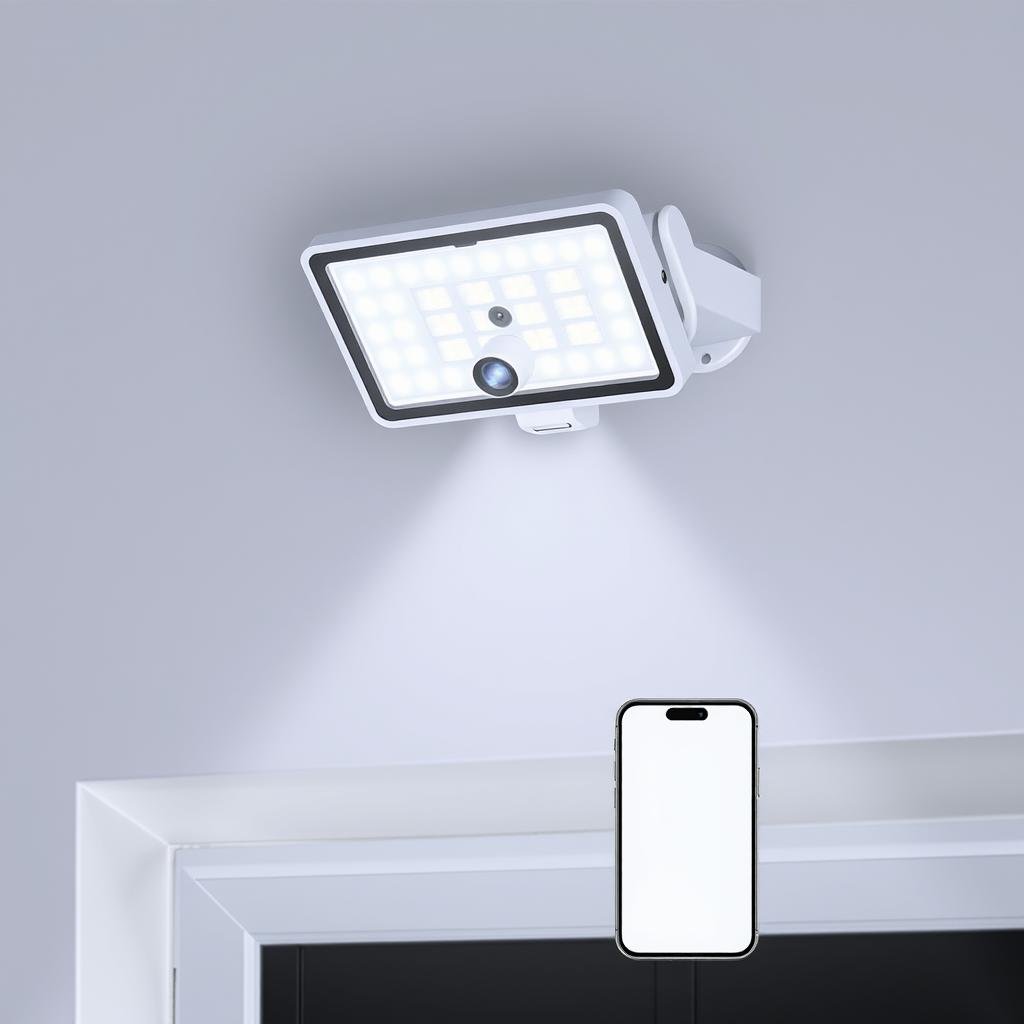
Security-focused outdoor lighting ideas combine safety with energy efficiency. Motion-activated fixtures provide bright illumination when needed while conserving electricity when your entrance sits empty. These practical lights deter unwanted visitors while welcoming expected guests with automatic lighting.
Modern motion sensors detect movement with impressive accuracy. Quality fixtures distinguish between people, vehicles, and small animals, reducing false activations. Adjustable sensitivity settings let you customize detection range and duration of illumination. Position sensors to cover main approach paths without triggering from street traffic.
Balance security needs with aesthetic preferences by choosing attractive motion-sensor fixtures. Many manufacturers now offer decorative wall sconces and pendant lights with integrated motion detection. These fixtures blend seamlessly with your entrance design while providing security benefits. Look for fixtures with manual override options for continuous lighting during gatherings.
Complement motion-activated security lights with always-on ambient fixtures. This layered approach maintains curb appeal with decorative lighting while security fixtures activate as needed. The combination ensures your entrance always looks welcoming while providing extra brightness when someone approaches.
Smart Lighting: Connected Control
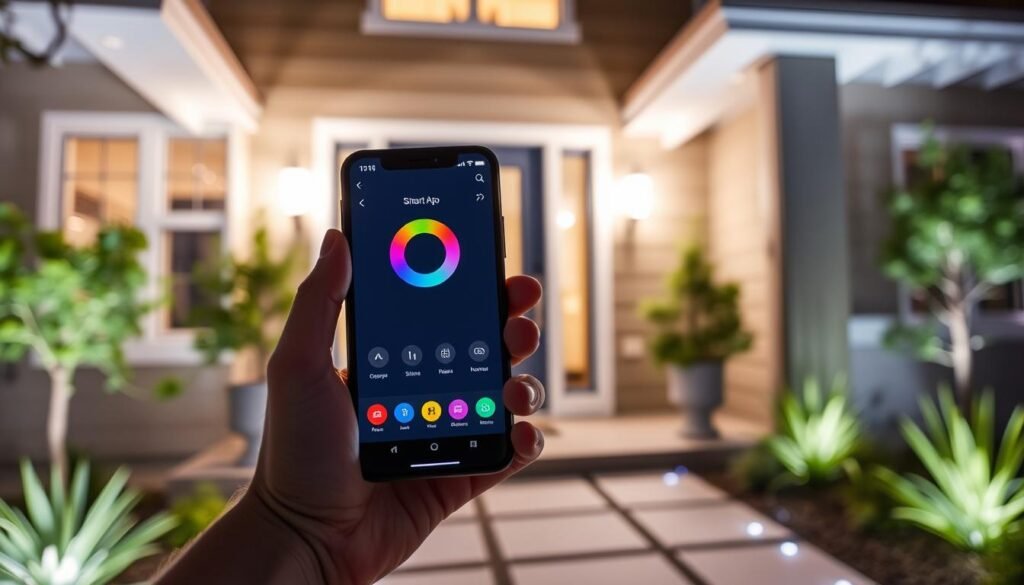
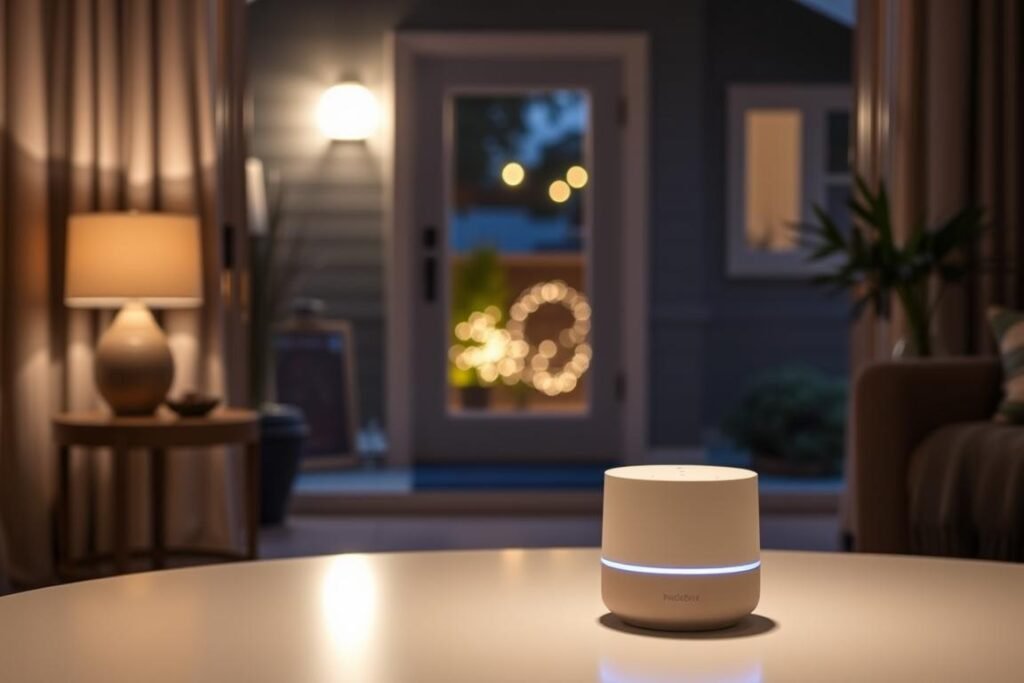
Smart outdoor lighting brings unprecedented control to entrance illumination. These connected fixtures integrate with home automation systems, allowing control via smartphone apps or voice commands. Smart lights offer scheduling, dimming, color changes, and automation based on sunrise, sunset, or occupancy.
Installation flexibility makes smart lighting appealing for various entrance types. Replace existing bulbs with smart LED versions for the simplest upgrade path. Install smart switches to control traditional fixtures remotely. Purpose-built smart outdoor fixtures offer the most features but require more involved installation.
Create custom lighting schedules that enhance security and convenience. Program entrance lights to turn on at sunset and dim at bedtime. Set vacation modes that randomize lighting patterns to simulate occupancy. Integrate with smart doorbells or security cameras for automatic activation when visitors arrive.
Smart lighting systems excel at creating ambiance for special occasions. Change color temperature from warm white for everyday use to cool white for parties. Set colored lights for holidays without physical decorating effort. Dim lights for intimate gatherings or brighten them for enhanced security when needed.
Ready to Upgrade Your Entrance Lighting?
Explore the full range of outdoor lighting options to find the perfect fixtures for your home’s entrance. From traditional lanterns to modern smart lights, discover solutions that enhance both beauty and security.
Your outdoor lighting fixtures should complement your home’s architecture rather than clash with it. Traditional colonial homes call for classic lanterns in brass, bronze, or black finishes. Craftsman-style houses pair beautifully with mission-style fixtures featuring clean lines and natural materials. Modern homes demand contemporary fixtures with geometric shapes and minimalist designs.
Consider Finish and Material Durability
Outdoor light fixtures face constant exposure to weather elements. Choose finishes specifically rated for exterior use that resist corrosion and fading. Brass develops an attractive patina over time but requires maintenance for shine. Bronze finishes hide wear better and suit most architectural styles. Powder-coated aluminum offers excellent durability in coastal environments.
Material quality directly impacts fixture longevity. Solid brass or copper fixtures cost more initially but last decades with minimal maintenance. Cast aluminum provides good durability at moderate prices. Avoid purely decorative finishes over steel, which may rust through over time despite protective coatings.
Light Color Temperature and Brightness
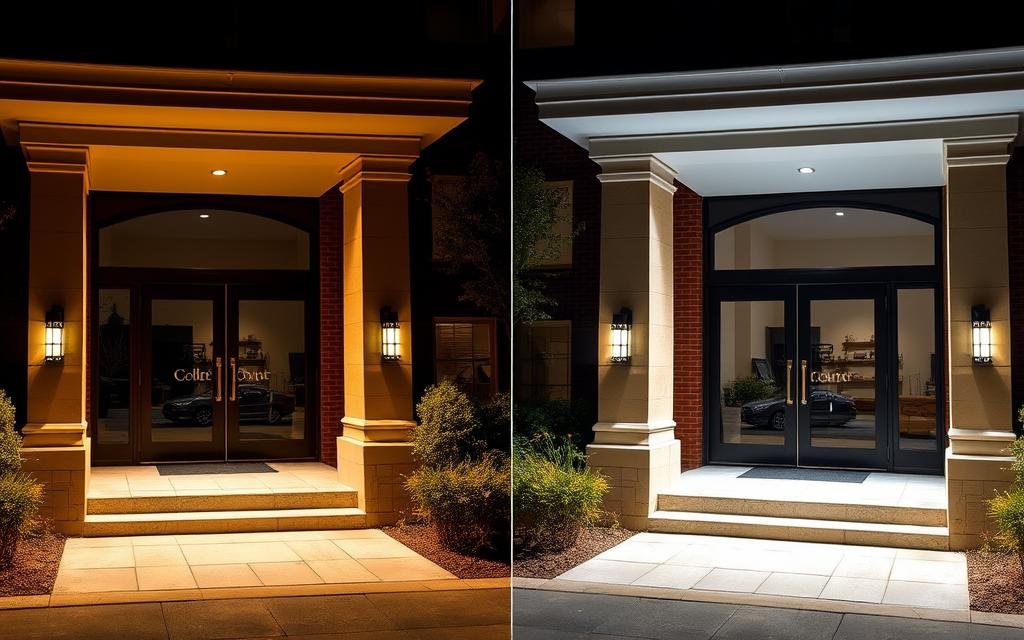
Color temperature dramatically affects the mood your entrance lighting creates. Warm white bulbs ranging from two thousand seven hundred to three thousand Kelvin produce a cozy, inviting glow. Cool white light above four thousand Kelvin appears crisp and modern but may feel sterile for residential entrances. Most homeowners prefer warm tones for welcoming ambiance.
Brightness requirements vary based on fixture purpose and placement. Ambient lighting for covered porches typically needs bulbs between four hundred and eight hundred lumens. Task lighting near doors benefits from brighter bulbs around one thousand to fifteen hundred lumens. Accent spotlights may range from three hundred to one thousand lumens depending on the distance to highlighted features.
Energy Efficiency and Bulb Type
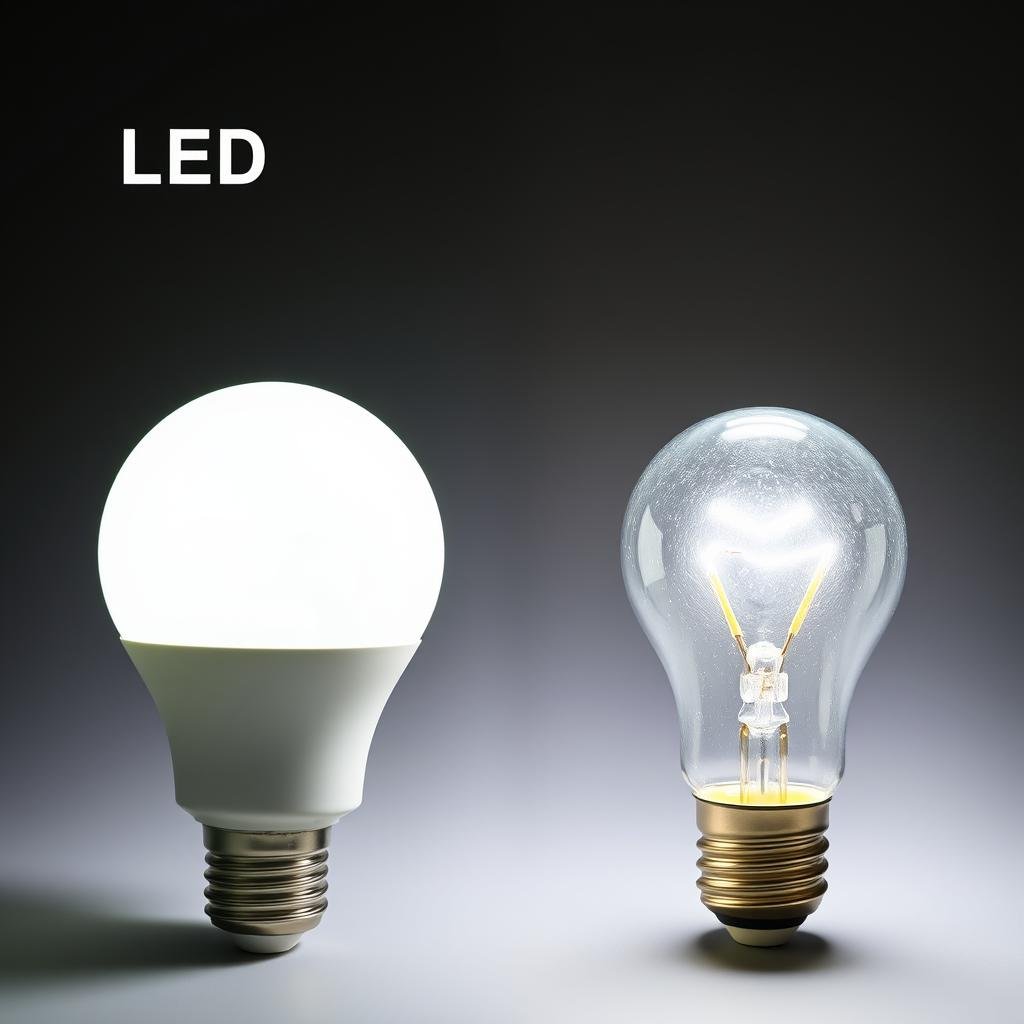
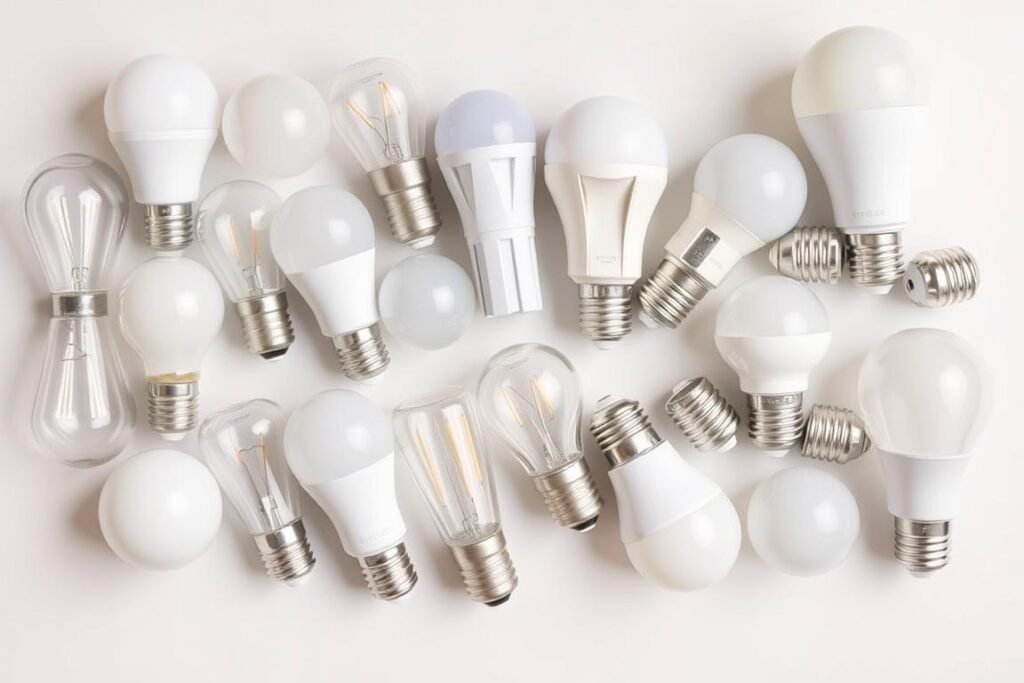
LED technology dominates modern outdoor lighting for good reasons. LED bulbs consume seventy-five percent less energy than incandescent alternatives while lasting twenty-five times longer. The reduced maintenance alone justifies the higher initial cost, especially for hard-to-reach fixtures. Quality LED bulbs maintain consistent color and brightness throughout their lifespan.
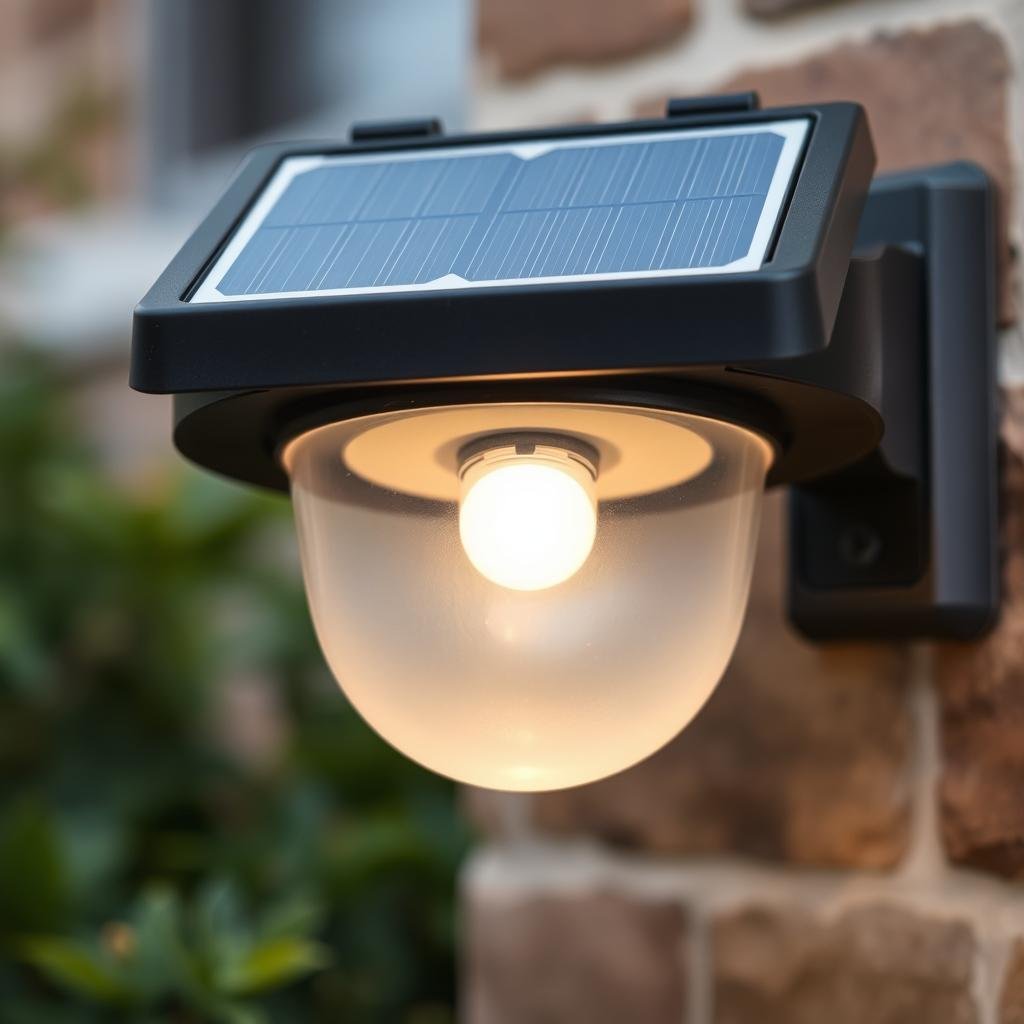
Consider total system energy use when planning entrance lighting. Low-voltage landscape lighting systems operate at twelve volts, offering safety benefits and energy savings for pathway and accent lights. Solar-powered fixtures eliminate electricity costs entirely, though performance depends on sunlight exposure. Calculate long-term operating costs alongside purchase prices for true value comparison.
Installation Tips for Professional Results
Electrical Safety Comes First
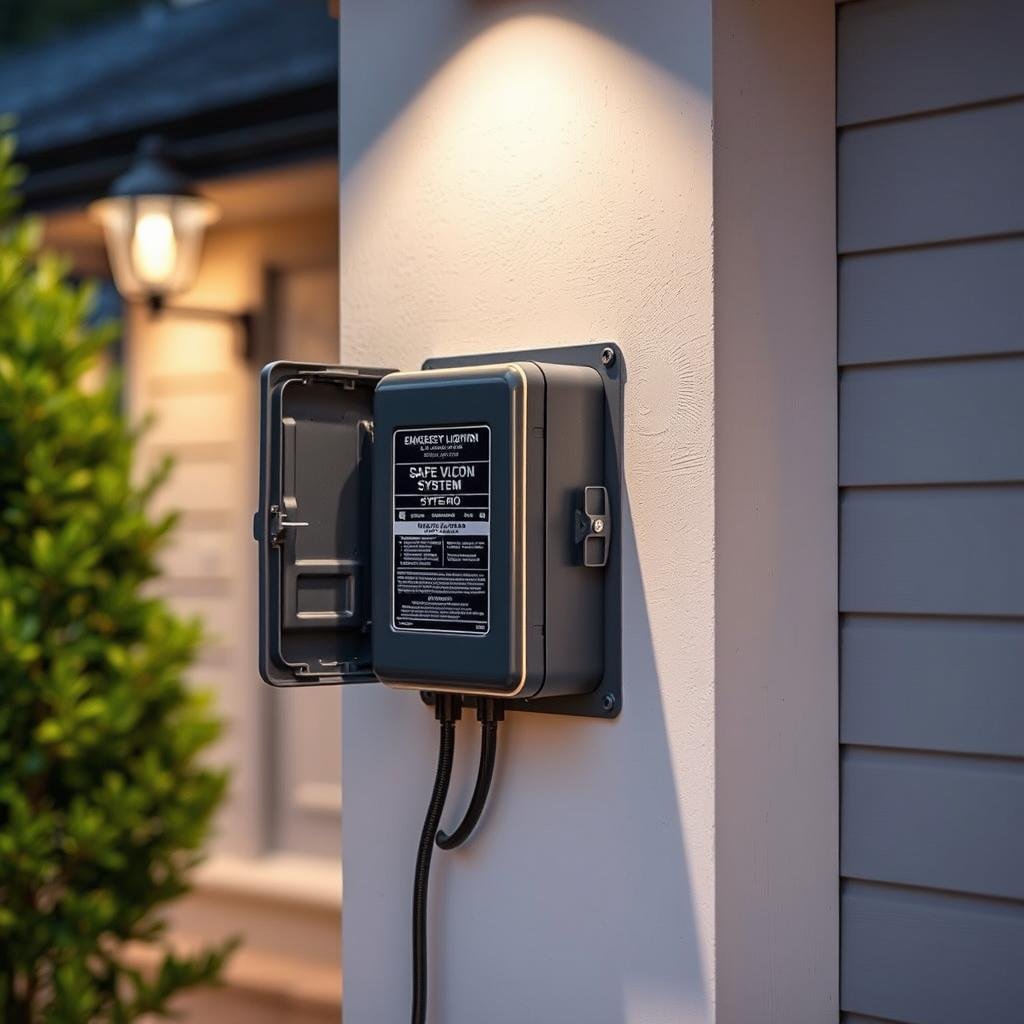
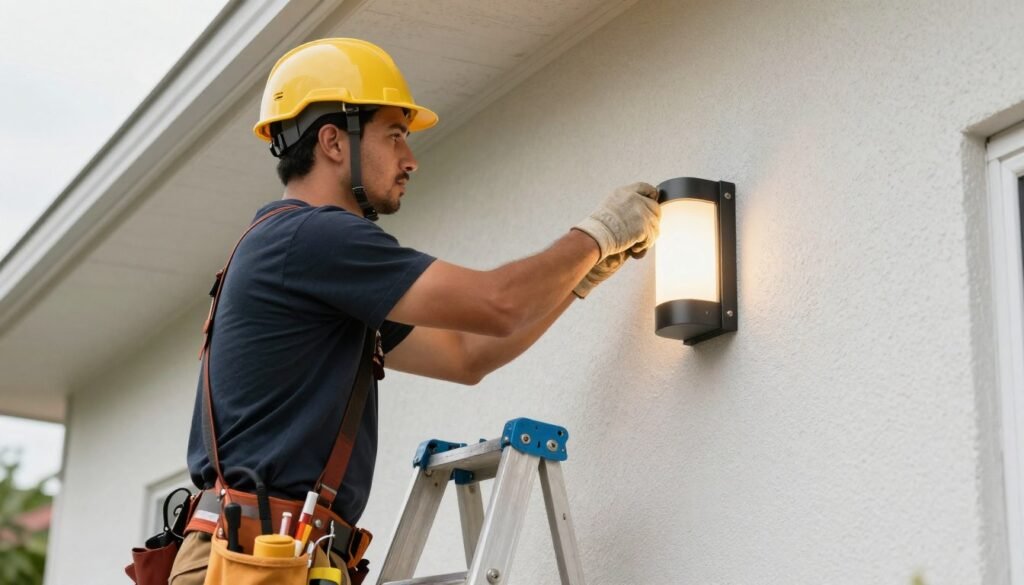
Working with outdoor electrical systems requires strict safety precautions. Always turn off power at the circuit breaker before beginning any installation. Test wires with a voltage detector to confirm power is off. Outdoor circuits should be protected by ground fault circuit interrupter outlets for safety. When in doubt, hire a licensed electrician for installations involving new wiring or circuit additions.
Weatherproofing protects connections from moisture damage. Use weatherproof electrical boxes rated for outdoor use. Seal all connections with silicone caulk to prevent water infiltration. Apply outdoor-rated wire nuts and wrap connections with electrical tape for extra protection. Properly weatherproofed fixtures last years longer than poorly sealed installations.
Proper Mounting Heights and Positions
Correct fixture placement ensures both aesthetics and function. Wall sconces should center on the vertical plane of your door, typically positioned sixty-six inches from the ground to the fixture center. Space paired fixtures approximately one-third of the door width from each edge. This creates balanced illumination without crowding the entry.
Pathway lights require consistent spacing for even illumination. Mark positions before digging to ensure straight lines and equal intervals. Bury low-voltage wiring at least six inches deep to protect from garden tools. Use waterproof wire connectors at all junction points. Test the entire system before backfilling trenches to avoid troubleshooting buried connections.
Aiming and Adjusting Fixtures
Fine-tuning fixture positions after installation optimizes lighting effects. Adjust spotlight angles to eliminate harsh shadows and highlight desired features. Tilt wall sconces slightly downward if they create uncomfortable glare at eye level. Test lighting at night before finalizing positions to see actual effects.
Consider bulb choices during the adjustment phase. If fixtures seem too bright, try lower-wattage bulbs before repositioning hardware. If illumination feels insufficient, verify you’re using maximum-rated bulbs before adding fixtures. Sometimes simple bulb swaps solve lighting issues more easily than major installation changes.
Maintenance: Keeping Your Lights Beautiful and Functional
Regular Cleaning Schedules
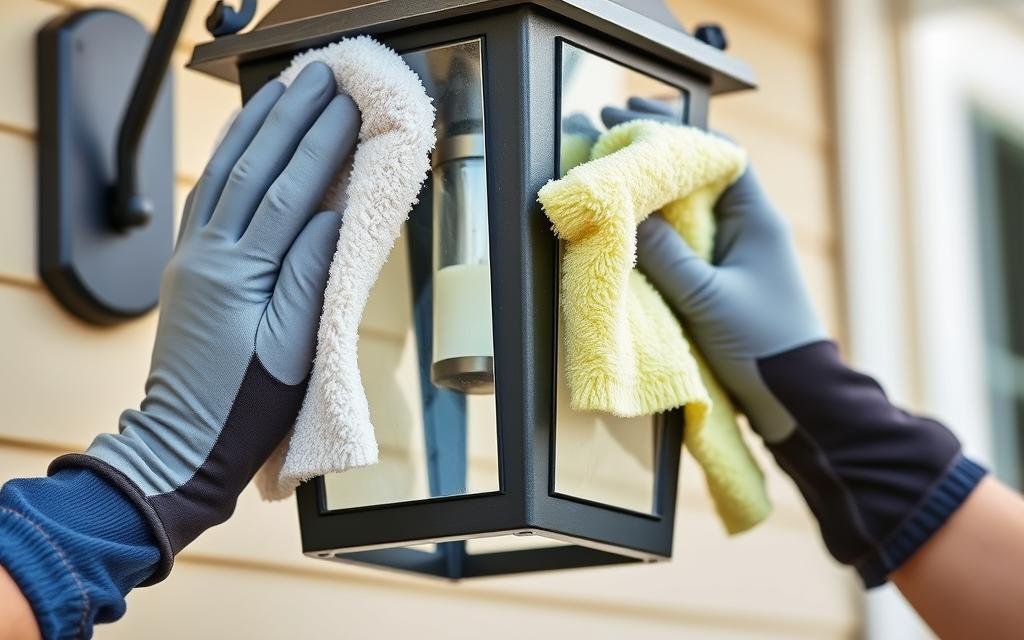
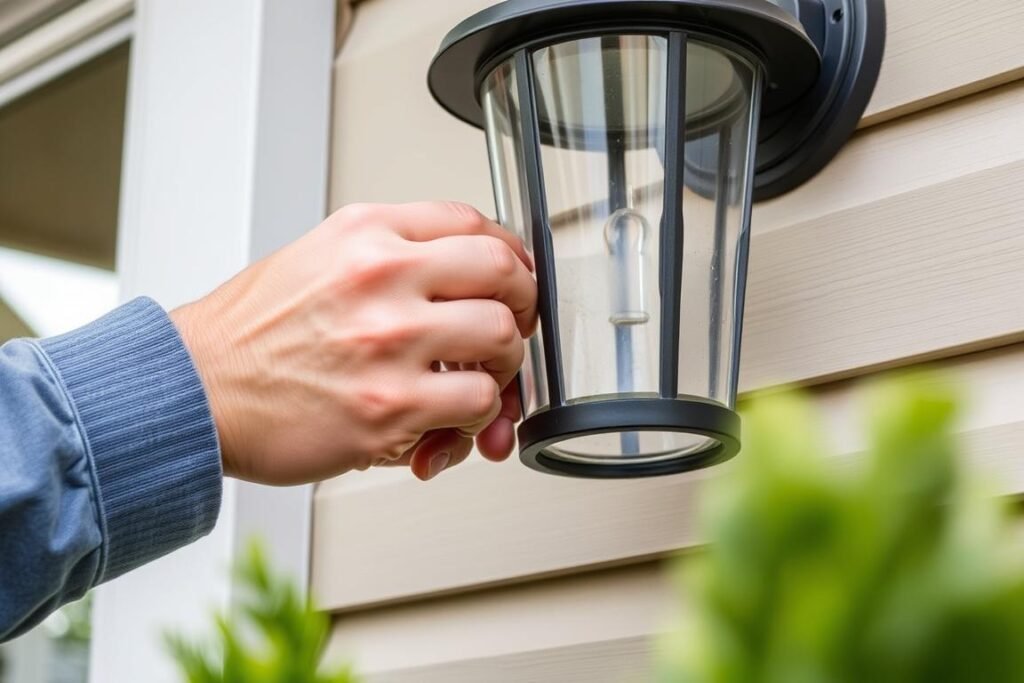
Outdoor lighting fixtures accumulate dirt, pollen, and insect debris that diminish light output. Clean fixture glass or lenses quarterly using mild soap and water. Avoid abrasive cleaners that scratch protective finishes. Dry thoroughly to prevent water spots that reduce clarity. Well-maintained fixtures provide noticeably better illumination than neglected ones.
Inspect fixtures during cleaning sessions for signs of wear or damage. Check for loose mounting screws, cracked glass, or corroded connections. Tighten hardware as needed and replace damaged components promptly. Early attention to minor issues prevents costly repairs or complete fixture replacement later.
Seasonal Bulb Checks and Replacements
Even long-lasting LED bulbs eventually fail or dim significantly. Test all entrance lights seasonally, replacing any burnt-out or significantly dimmed bulbs. Keep spare bulbs on hand to avoid delays when replacements are needed. Group bulb changes by season to maintain consistent color temperature across all fixtures.
Protecting Fixtures from Weather
Harsh weather can damage even well-built outdoor fixtures. Apply car wax to metal finishes annually to protect against moisture and corrosion. This simple step dramatically extends fixture life in coastal or humid climates. Clear silicone caulk around mounting points prevents water infiltration behind fixtures that causes interior wall damage.
Winter brings unique challenges to outdoor lighting. Remove snow and ice buildup from fixtures to prevent damage from weight or moisture intrusion. Ensure drainage holes remain clear to prevent water accumulation inside fixtures. In areas with extreme cold, verify gaskets and seals remain pliable and effective.
Upgrading and Updating Over Time
Technology advances make periodic lighting upgrades worthwhile. Replace aging incandescent fixtures with LED equivalents for energy savings. Upgrade to smart bulbs or fixtures for added convenience and control. Even keeping existing fixtures, simple bulb upgrades deliver better light quality and lower operating costs.
Monitor fixture styles and finishes for signs of dating. Outdoor lighting trends evolve, and fixtures that felt current ten years ago may now appear outdated. Strategic updates maintain curb appeal and home value. Focus upgrade budgets on the most visible fixtures first for maximum impact.
Creating Your Perfect Entrance Lighting Design
Transforming your house entrance with thoughtful outdoor lighting ideas creates lasting impact. The right combination of fixtures enhances safety, highlights architectural beauty, and welcomes visitors with warm illumination. Whether you choose traditional lanterns, modern sconces, or smart lighting technology, quality fixtures properly installed deliver years of reliable service.
Start your lighting project by assessing your entrance’s specific needs. Consider the architectural style, existing light levels, and how you use the space. Layer different light types for depth and functionality. Combine ambient lighting for overall illumination with accent lights that highlight special features. Don’t overlook practical considerations like motion sensors for security and LED technology for efficiency.
Remember that great entrance lighting balances form and function. Beautiful fixtures contribute to curb appeal while providing essential visibility for safe entry and exit. Take time to plan placement carefully, select appropriate brightness levels, and choose finishes that withstand your local climate. The investment in quality outdoor lighting pays dividends in enhanced home value, improved security, and nightly enjoyment of your home’s exterior beauty.
Start Your Entrance Lighting Transformation
Discover the perfect lighting solutions for your home’s entrance. Explore options by category to find fixtures that match your style, budget, and functional needs.
A small balcony can become your favorite spot at home with the right decor approach. That tiny outdoor space—whether in a city apartment or suburban condo—holds incredible potential as a personal sanctuary, dining nook, or green retreat. The key is thoughtful planning and creative solutions that maximize every inch while reflecting your personal style. This…
Finding the perfect november wedding guest dress requires balancing seasonal style with comfort. November weddings blend autumn warmth with winter elegance. Your dress choice matters. This guide helps you navigate fall wedding fashion. We explore dress lengths, fabrics, colors and styling tips. You will discover options that suit November weather perfectly. Whether the celebration takes…
Asking your best friends to stand by your side on your wedding day deserves more than a simple text message. The moment when you present your bridesmaid proposal creates a memory that lasts far beyond the wedding itself. These carefully curated gift boxes transform a question into an experience, wrapping your love and appreciation into…
Planning an outdoor wedding comes with the magical opportunity to create a completely personalized space under the open sky. Wedding tent decorations transform a simple canvas structure into an enchanting venue that reflects your unique style and vision. Whether you’re dreaming of a rustic celebration, an elegant affair, or a bohemian paradise, the right decorative…
Celebrating fifty years of marriage stands as one of life’s most remarkable milestones. When a couple reaches their 50th wedding anniversary, they deserve a celebration that honors their enduring love and commitment. This golden anniversary represents decades of shared memories, challenges overcome together, and a lifetime of devotion. Planning the perfect party requires thoughtful consideration…
Imagine stepping into your backyard on a warm summer evening, the tantalizing aroma of grilled food filling the air as friends and family gather around your custom outdoor grill station. More than just a cooking space, a well-designed outdoor grill station becomes the heart of your outdoor entertaining area – a place where memories are…