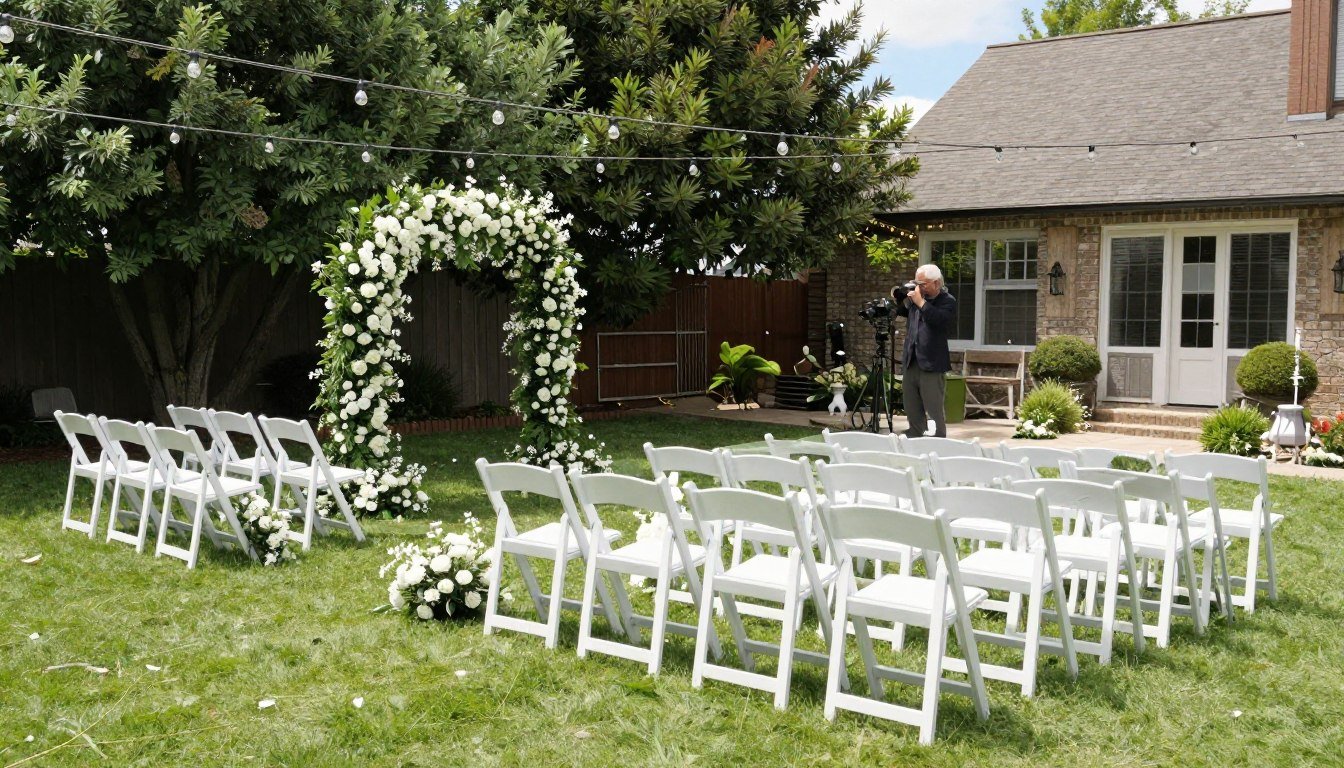
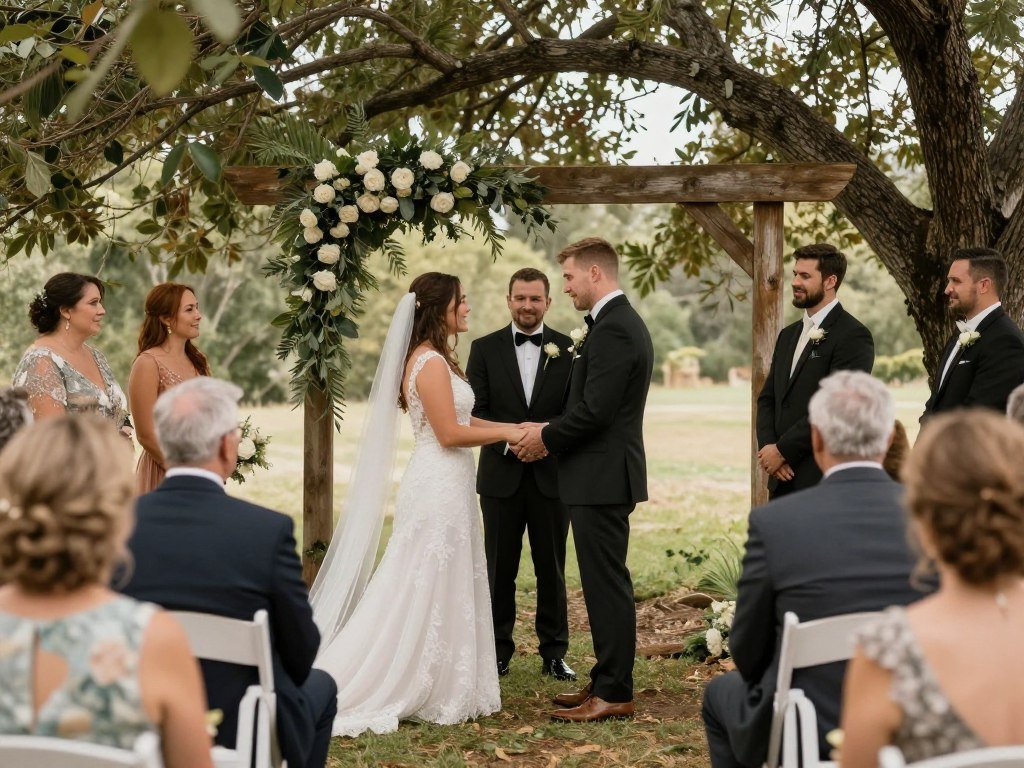
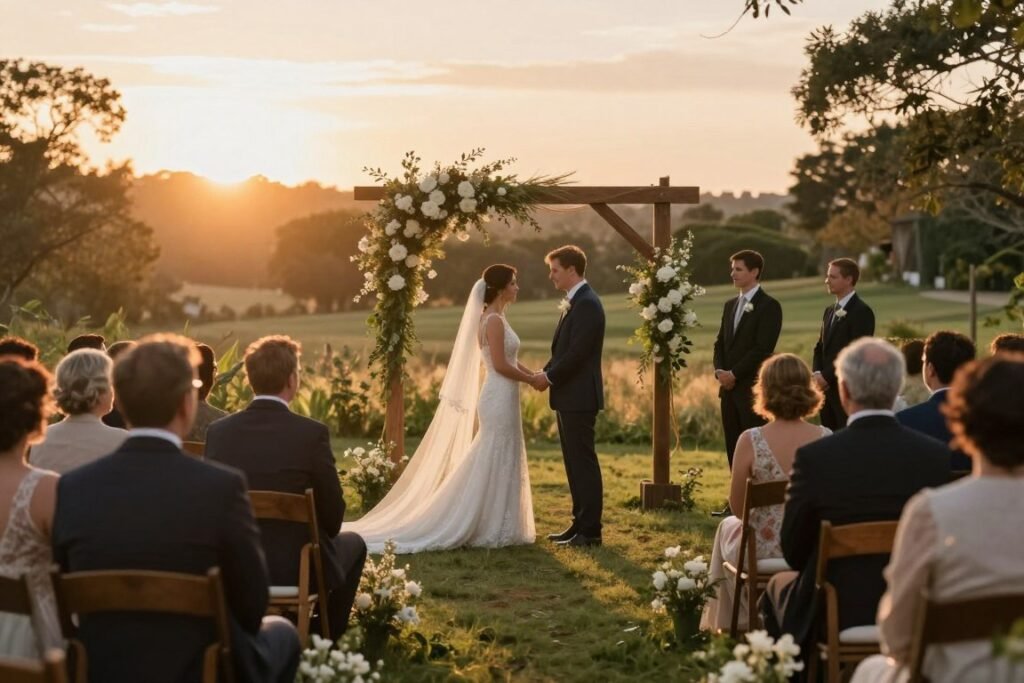
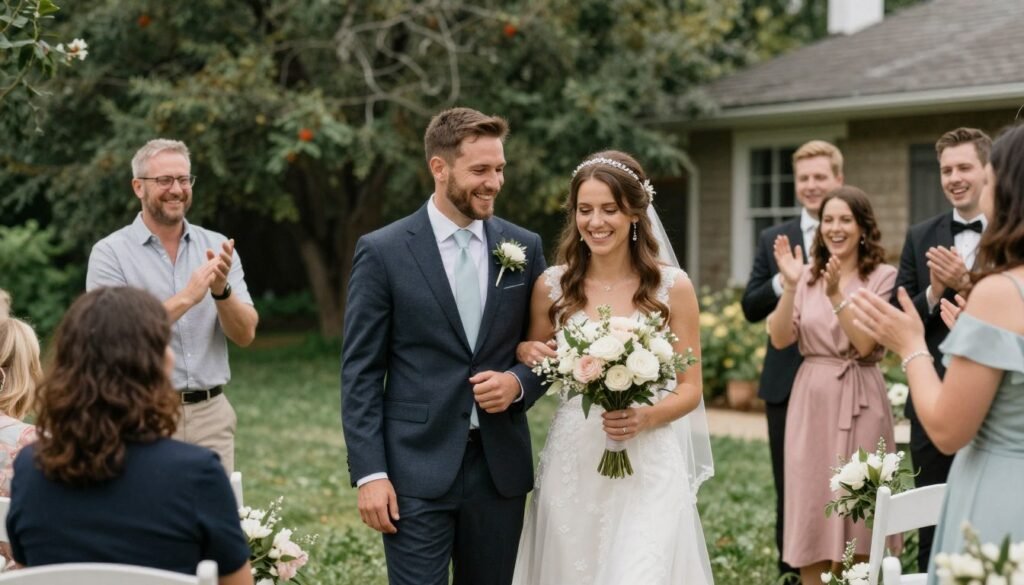
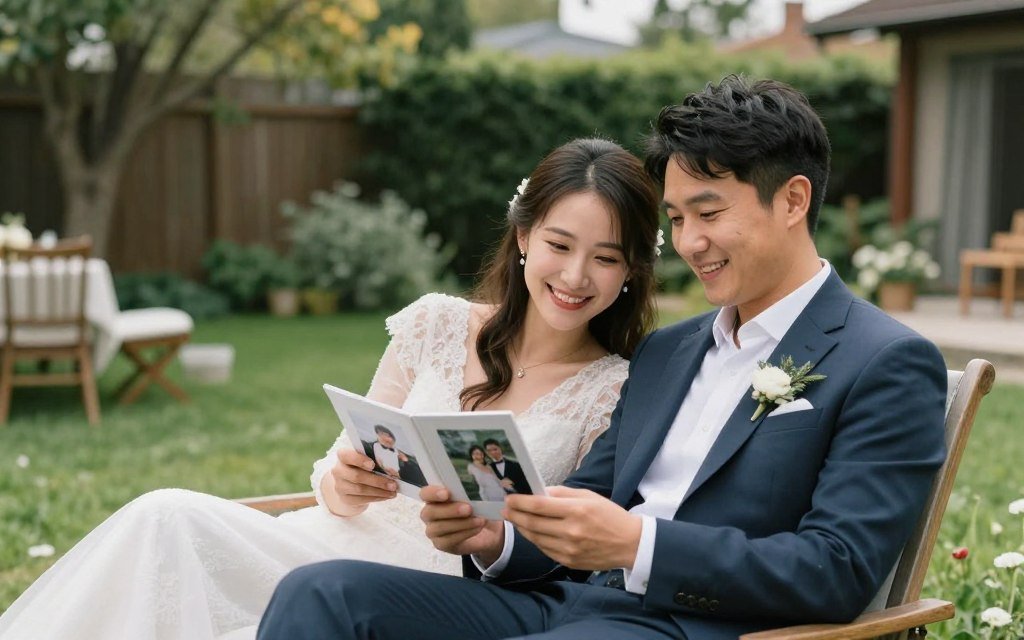
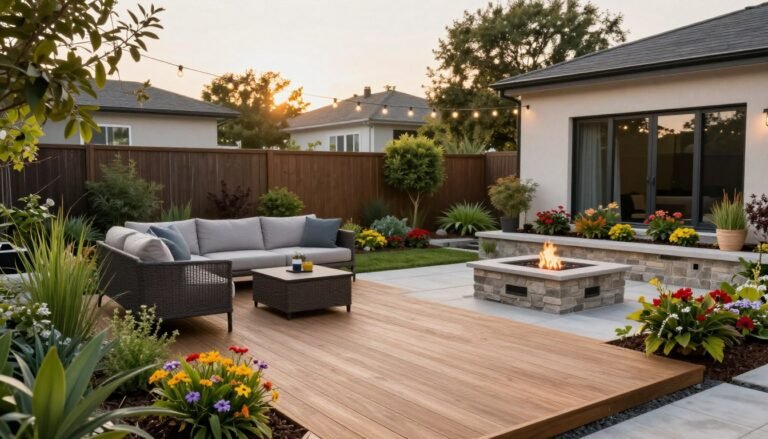
Your backyard wedding ceremony can become the intimate celebration you have always dreamed about. Many couples today choose to exchange vows in their own outdoor space or at a family member’s home. This personal approach creates memories that traditional venues simply cannot match.
Planning a backyard wedding offers unique advantages that appeal to modern couples. You gain complete control over your budget, timeline, and every small detail of your special day. The familiar setting brings comfort to both you and your guests while allowing creative freedom that commercial venues often restrict.
This comprehensive guide walks you through each step of planning your perfect backyard wedding ceremony. From initial preparations to final touches, you will discover practical strategies that transform your outdoor space into a stunning venue. Whether you envision an elegant affair or a relaxed gathering, these proven tips help you create an event that reflects your unique style and love story.
Why Choose a Backyard Wedding Ceremony for Your Special Day
A backyard wedding brings tremendous value beyond just cost savings. The personal connection to your chosen space adds meaningful depth to your ceremony. Couples who select this option often report feeling more relaxed and authentic on their wedding day.
Cost Advantages and Budget Flexibility
Traditional wedding venues charge premium rates that quickly consume your budget. Most commercial spaces require minimum spending amounts and restrict vendor choices. Your backyard eliminates venue rental fees entirely, allowing you to allocate funds toward elements that matter most to you.
The average couple spends between fifteen and thirty thousand dollars on their wedding. A backyard ceremony reduces this amount significantly. You decide where each dollar goes, whether toward exceptional catering, professional photography, or elaborate florals.
Start Planning Your Dream Backyard Wedding Today
Get access to comprehensive planning checklists, budget templates, and expert timelines designed specifically for backyard weddings. Simplify your planning process with proven tools that guide you through every decision.
Commercial venues impose rules that limit your creative vision. Strict timelines, approved vendor lists, and decoration restrictions constrain your choices. Your backyard removes these barriers completely.
You select every aspect of your ceremony and reception. The decor reflects your personality without compromise. Music plays as late as local ordinances allow. Your chosen caterer prepares exactly the menu you desire. This freedom creates an authentic celebration that truly represents your relationship.
Intimate Atmosphere and Sentimental Value
Family homes carry memories and emotional significance that commercial spaces lack. Perhaps you grew up in this yard, or it belongs to beloved relatives. These connections infuse your wedding with deeper meaning.
Guests feel the warmth of a familiar, comfortable setting. The casual environment encourages genuine interaction and celebration. People tend to relax more quickly in a home environment compared to formal venues. This atmosphere often results in more heartfelt moments and authentic connections throughout your event.
Essential Planning Steps for Your Backyard Wedding
Successful backyard weddings require thoughtful preparation months in advance. Unlike traditional venues that provide built-in infrastructure, your outdoor space needs careful evaluation and enhancement. These planning fundamentals ensure your day proceeds smoothly from ceremony to reception.
Evaluating Your Space and Guest Capacity
Walk through your yard with a critical eye before committing to this venue choice. Measure the available area and consider how many people it can comfortably accommodate. A good rule suggests allocating at least ten square feet per person for ceremony seating alone.
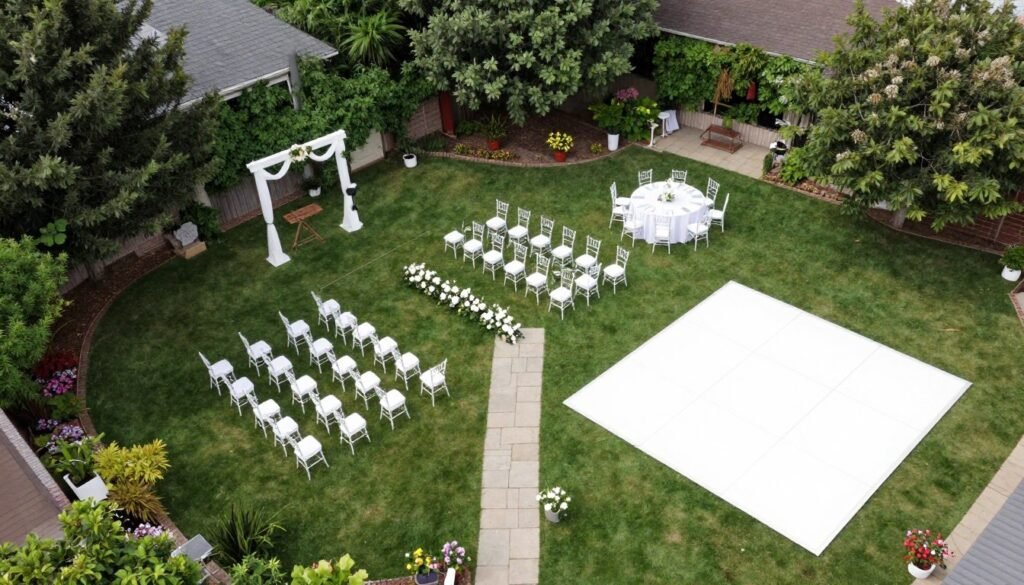
Account for multiple functional zones within your space. The ceremony area requires clear sightlines and adequate seating. Your reception needs room for tables, a dance floor, and a bar area. Add space for catering operations, restrooms, and guest circulation. Most backyards work well for gatherings between thirty and one hundred guests.
Checking Local Permits and Regulations
Contact your local municipality well before your wedding date. Many areas require special event permits for gatherings exceeding certain guest counts. Noise ordinances may restrict music volume or establish end times for your celebration.
Parking regulations often affect residential events. Your neighborhood might limit street parking or require permits for guest vehicles. Some homeowner associations impose restrictions on tent installations or temporary structures. Research these requirements early to avoid complications as your date approaches.
Creating a Realistic Timeline and Checklist
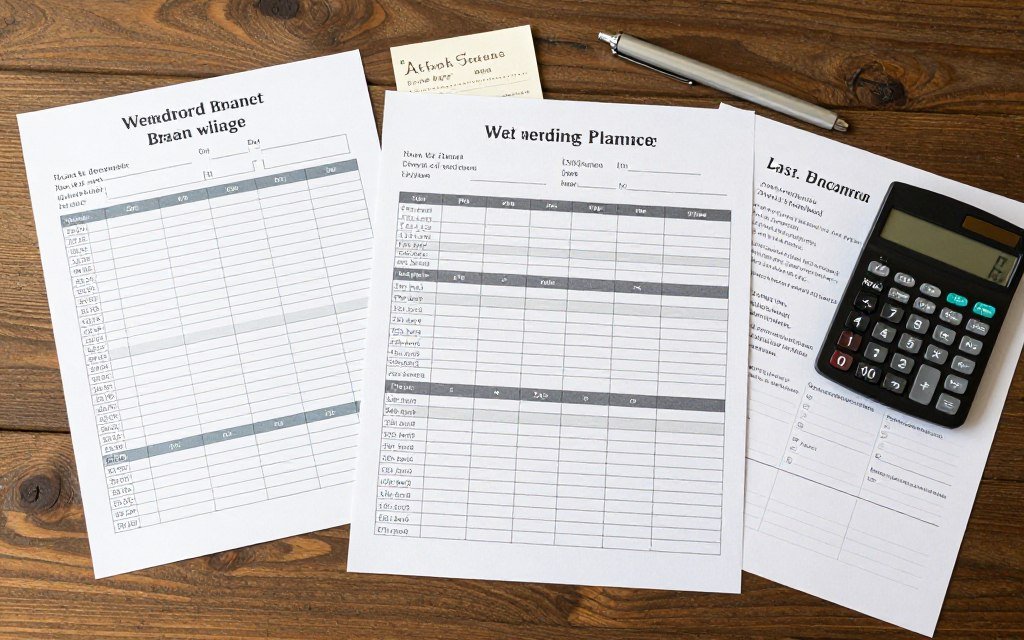
Begin planning your backyard wedding at least nine to twelve months ahead. This timeframe allows you to secure vendors, order rentals, and make necessary property improvements. Break your planning into monthly milestones that keep you on track.
Your first three months focus on major decisions and bookings. Select your date, finalize your guest list, and hire essential vendors like your caterer and photographer. Months four through six involve detailed planning such as menu selection, decor choices, and rental orders.
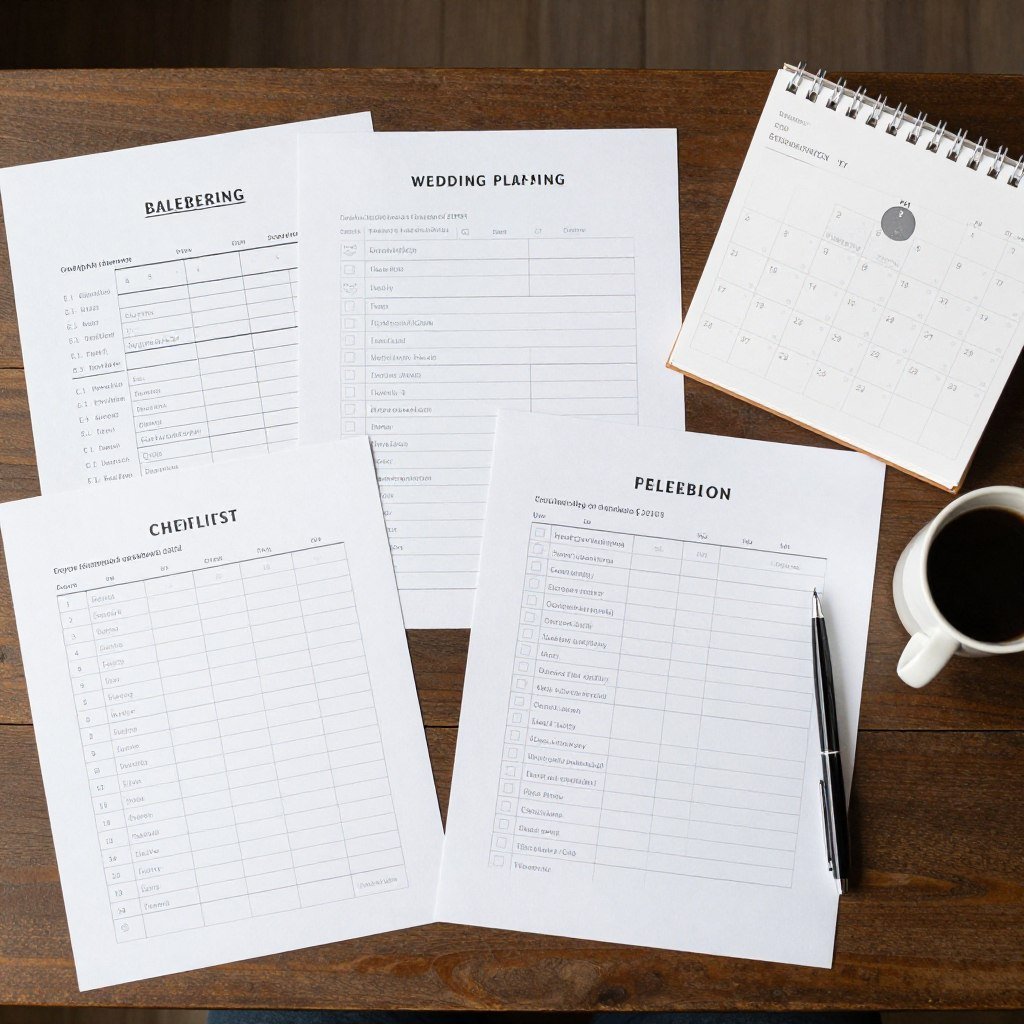
The final three months shift toward execution and coordination. Confirm all vendor details, create your ceremony program, and arrange day-of logistics. Professional planning templates help you track these tasks systematically and ensure nothing falls through the cracks.
Key Planning Milestones
Nine months out: Book caterer and photographer
Six months out: Order rentals and finalize decor plan
Three months out: Confirm all vendor contracts
One month out: Create detailed day-of timeline
Two weeks out: Final guest count to caterer
One week out: Conduct site walkthrough
Setting Your Budget and Prioritizing Expenses
Even without venue costs, backyard weddings involve significant expenses. Tent rentals, furniture, lighting, and catering represent your largest budget categories. Create a detailed spreadsheet that tracks estimated costs against actual spending.
Allocate your budget based on your priorities as a couple. Some people invest heavily in food and beverages to create a memorable culinary experience. Others focus their spending on photography to capture lasting memories. Determine what matters most to you before distributing your funds.
Build a contingency fund of at least fifteen percent above your planned budget. Unexpected costs always emerge during the planning process. This financial cushion prevents stress when you need to rent extra chairs or add weather protection.
Infrastructure and Logistics for Backyard Weddings
Transforming your yard into a functional wedding venue requires careful attention to practical necessities. These infrastructure elements separate amateur attempts from professional-quality events. Address each component systematically to ensure guest comfort and smooth operations throughout your celebration.
Tent and Weather Contingency Planning
Weather poses the biggest risk to outdoor celebrations. Even with favorable forecasts, you need backup plans that protect your guests and your investment. A quality tent provides insurance against unexpected rain, excessive sun, or temperature extremes.
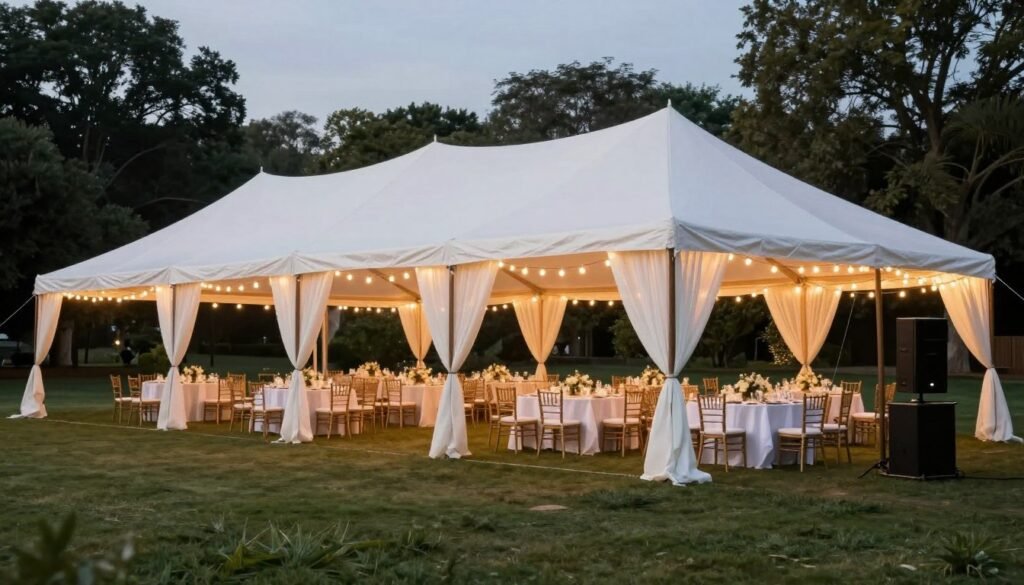
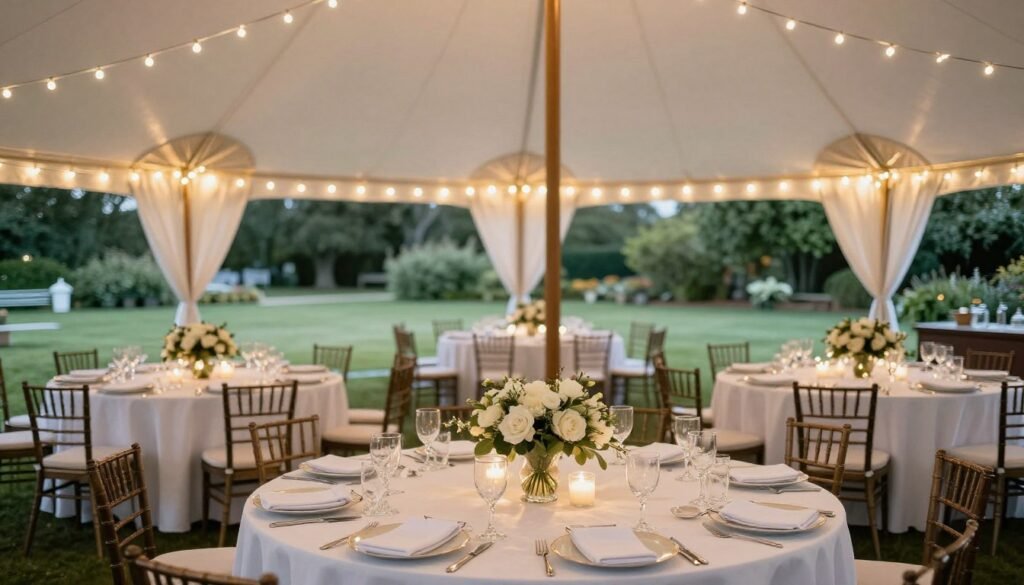
Frame tents offer the most versatile solution for backyard weddings. These structures stand independently without center poles that obstruct views. Size your tent to accommodate all seated guests plus dance floor and bar areas. Rental companies calculate capacity based on both your guest count and desired layout.
Reserve your tent at least four months before your wedding date. Peak season availability becomes limited as spring and summer approach. Discuss delivery logistics with your rental company, including ground stake requirements and access points for their installation crew.
Access Expert Weather Contingency Plans
Download detailed backup planning guides that cover every weather scenario. Learn professional strategies for seamless plan transitions and guest communication protocols that keep everyone comfortable regardless of conditions.
Quality rental furniture elevates your backyard from casual to elegant. Standard folding chairs work for budget-conscious couples, but upgraded options create more refined aesthetics. Chiavari chairs or cross-back farm chairs add sophistication without excessive cost.
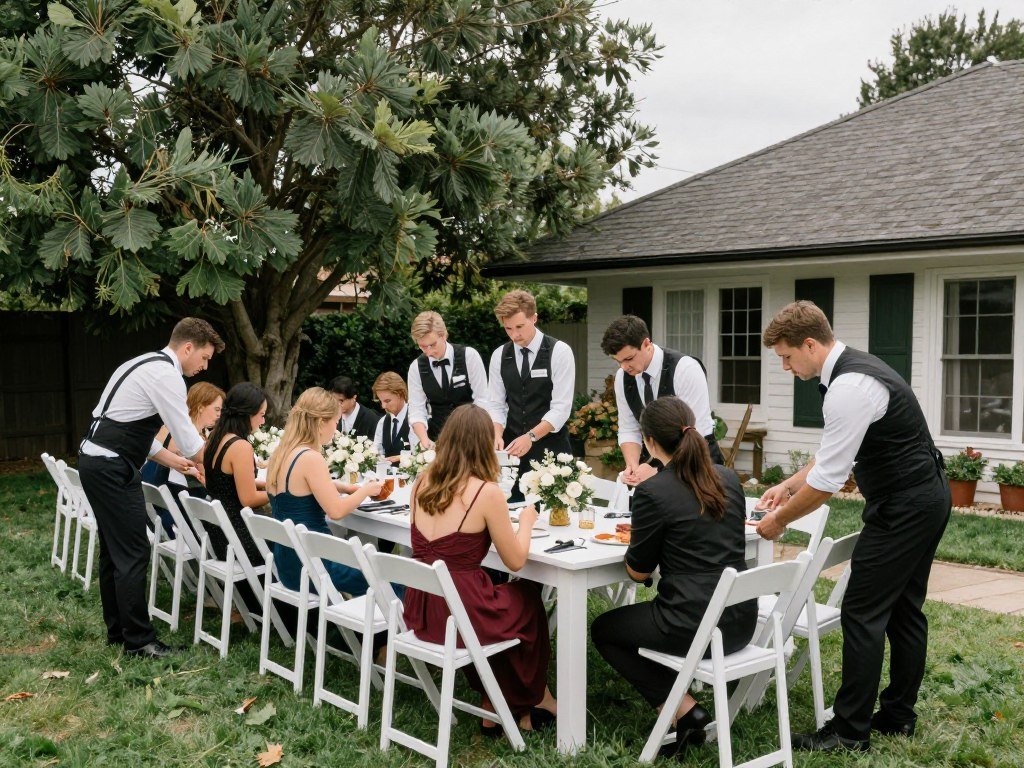
Plan your table arrangements based on your guest count and reception style. Round tables encourage conversation and work well for smaller gatherings. Long farm tables create a communal atmosphere perfect for family-style dining. Calculate eight to ten guests per sixty-inch round table or eight to twelve people per eight-foot rectangular table.
Order rentals six to eight weeks before your wedding. Provide your rental company with a detailed site map showing delivery locations. Arrange delivery for the day before your event to allow time for setup adjustments. Most companies offer packages that bundle tables, chairs, and linens at discounted rates.
Power Supply and Lighting Requirements
Adequate power supply runs essential equipment from sound systems to catering appliances. Assess your home electrical capacity before your event. Standard residential circuits provide limited power that may not support all your needs simultaneously.
Hire a licensed electrician to evaluate your system and recommend solutions. Many backyard weddings require temporary power distribution or generator rentals. Generators provide reliable electricity but need proper placement away from guest areas due to noise.
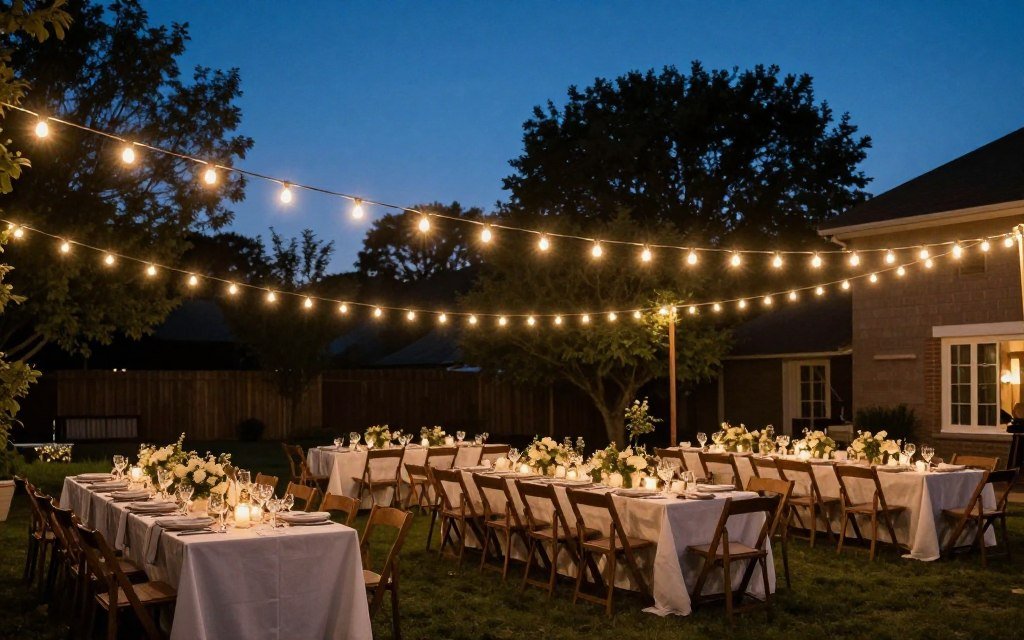
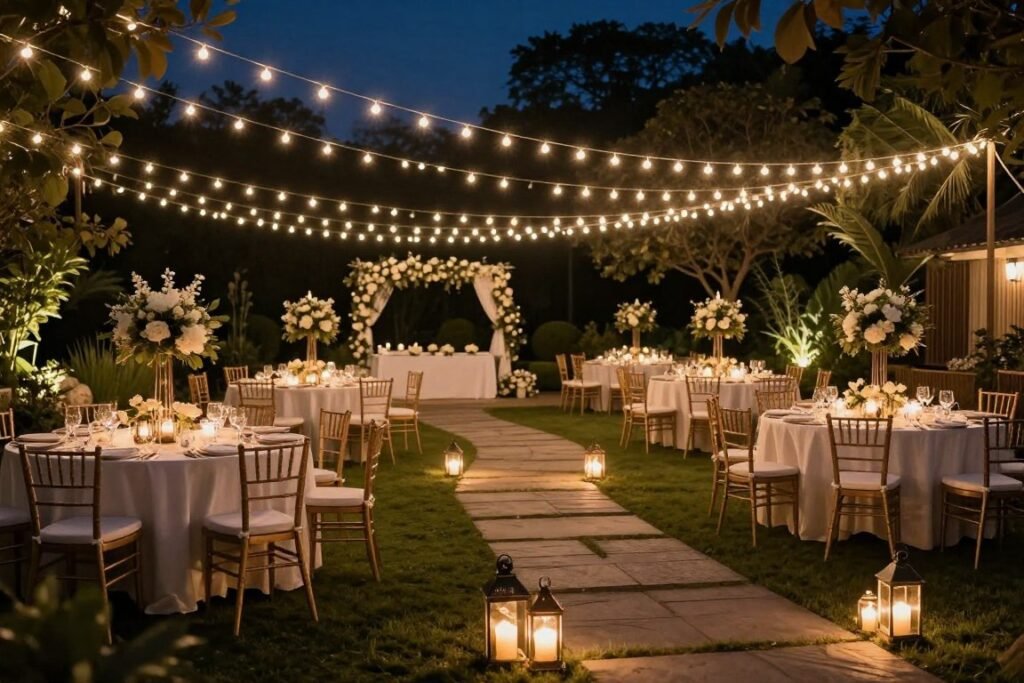
Lighting transforms your space as daylight fades. String lights create romantic ambiance while providing functional illumination. Market lights with larger bulbs work well for general area lighting. Bistro string lights add delicate accent lighting to specific zones.
Position uplights to highlight trees, architectural features, or your ceremony backdrop. Pathway lighting guides guests safely between different areas of your property. Work with a lighting professional or rental company to create a comprehensive plan that addresses both aesthetic and safety needs.
Restroom Facilities and Guest Comfort
Bathroom access presents unique challenges for home-based events. Your household restrooms may not accommodate guest volume adequately. Consider the ratio of facilities to guests when making decisions about additional rentals.
Luxury portable restroom trailers provide upscale alternatives that maintain event elegance. These units feature running water, climate control, and attractive interiors that rival traditional facilities. Standard portable toilets work for budget-conscious couples but require strategic placement away from main gathering areas.
Place hand sanitizing stations near restrooms and food service areas. Provide baskets in bathrooms stocked with essentials like tissues, mints, and personal care items. These small touches demonstrate hospitality and keep guests comfortable throughout your event.
Designing Your Perfect Backyard Wedding Ceremony
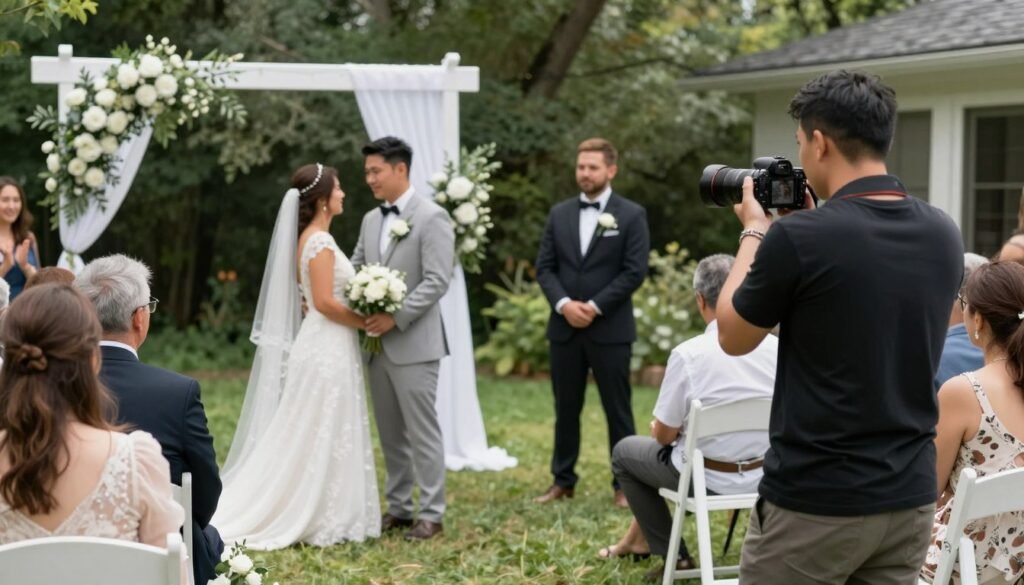
Your ceremony represents the heart of your wedding day. This sacred moment deserves thoughtful design that creates beauty while maintaining focus on your vows and commitment. Backyard settings offer natural charm that requires enhancement rather than complete transformation.
Selecting and Preparing Your Ceremony Location
Walk your property at different times of day to identify the most photogenic spot. Consider sun angles during your planned ceremony time. Late afternoon light creates gorgeous photos but may shine directly in your guests’ eyes depending on positioning.
Look for natural focal points that enhance your ceremony backdrop. Mature trees, garden beds, or architectural elements provide visual interest without additional decoration. Ensure your chosen spot offers level ground for stable seating and clear sightlines from all guest positions.
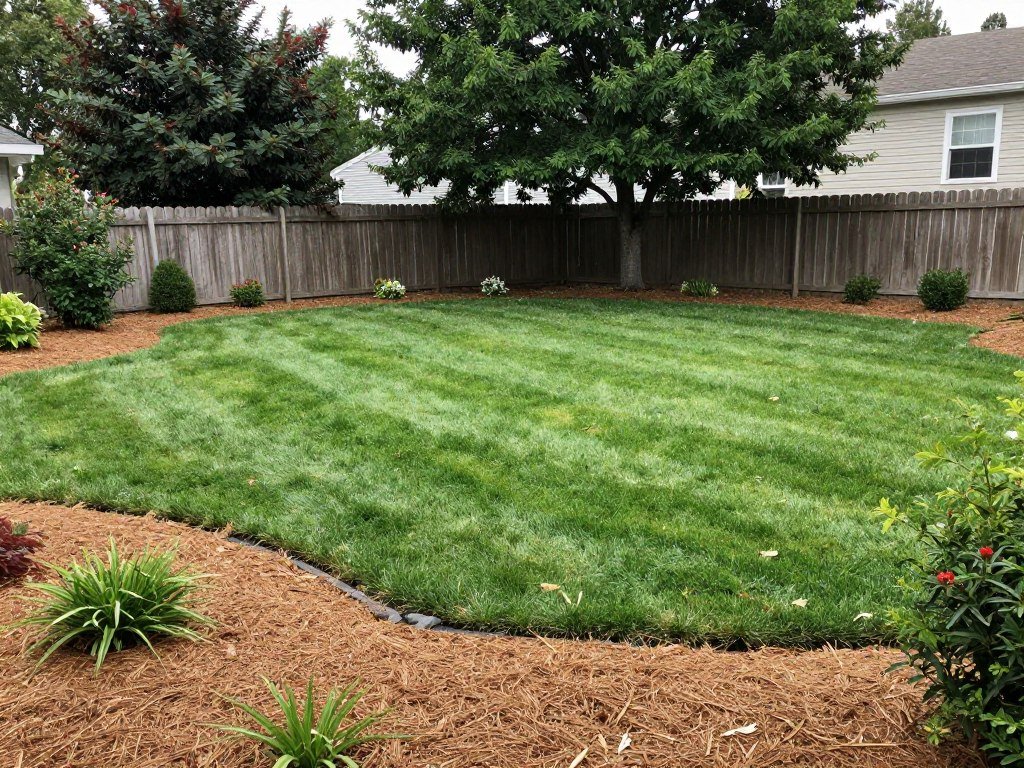
Prepare the area weeks before your wedding. Remove any dead plants, trim overgrown vegetation, and refresh mulch in visible beds. Address bare lawn patches with seed or sod. A well-maintained landscape requires less decoration and photographs more beautifully.
Altar and Backdrop Design Ideas
Your ceremony altar anchors your entire design aesthetic. This structure frames you during your vows and features prominently in photographs. Choose a style that complements your overall wedding theme while remaining stable in outdoor conditions.
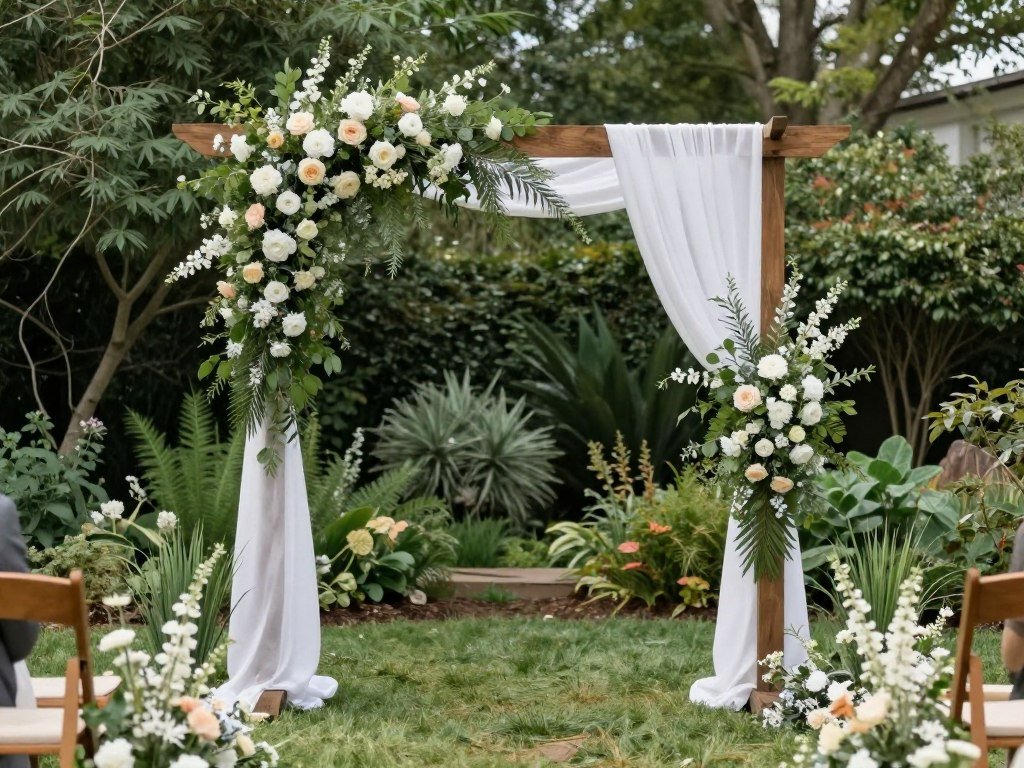
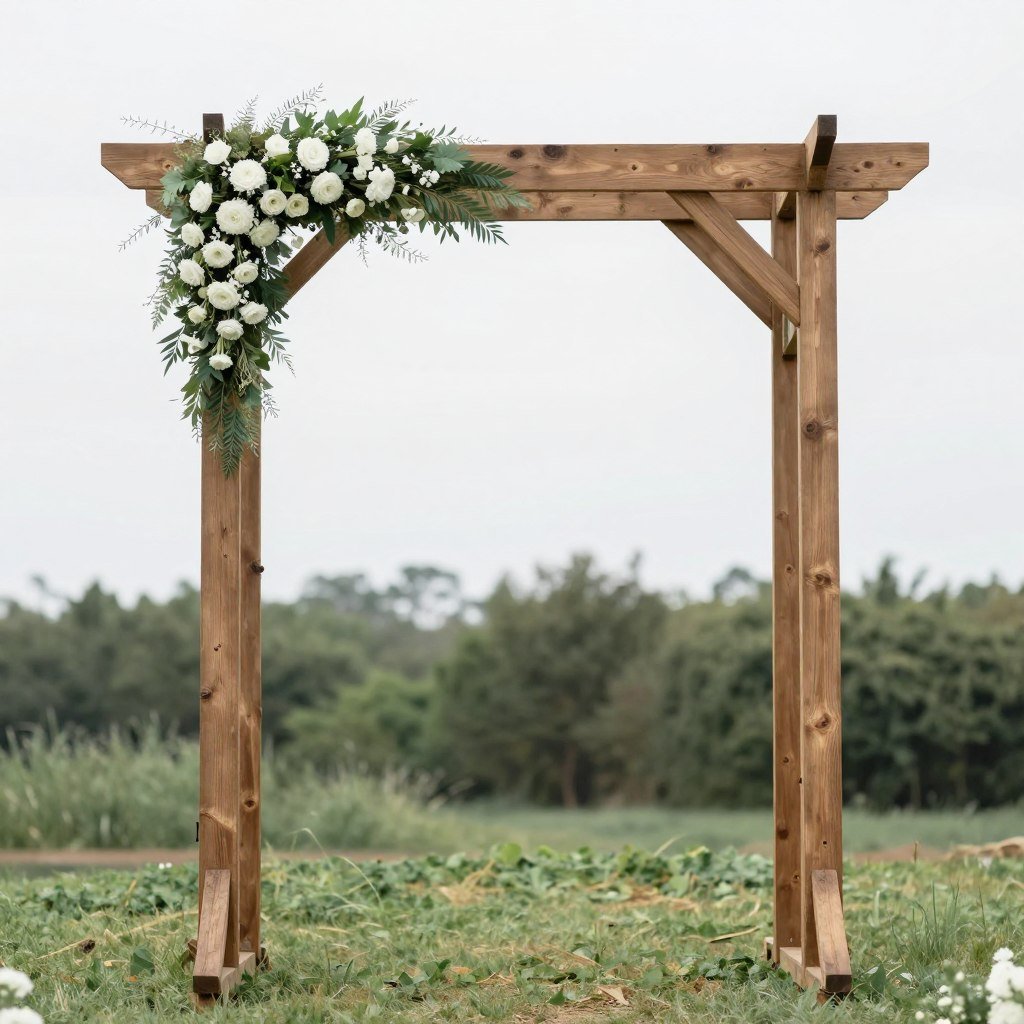
Wooden arches offer versatile foundations for various decoration styles. Dress them with flowing fabric, fresh flowers, or simple greenery garlands. Metal arbors provide modern elegance and support heavier floral installations. Freestanding circles or geometric shapes create contemporary statement pieces.
Simple backdrops often photograph more beautifully than elaborate constructions. Your natural surroundings provide much of the visual appeal. Add strategic floral clusters or fabric swags rather than covering entire structures. This restraint maintains focus on you rather than your decorations.
Rustic Elegance
Natural wood structures with organic floral accents create timeless beauty. This style complements most backyard settings and photographs exceptionally well.
Modern Minimalism
Clean geometric shapes and restrained decoration appeal to contemporary couples. Metal frameworks in brass or matte black finishes provide striking visual elements.
Aisle Design and Guest Seating Arrangements
Your aisle creates the path for your entrance and focuses guest attention toward your ceremony space. Mark this walkway with clear definition using petals, lanterns, or potted plants. Most couples choose a center aisle, but side aisles work well for narrow yards.
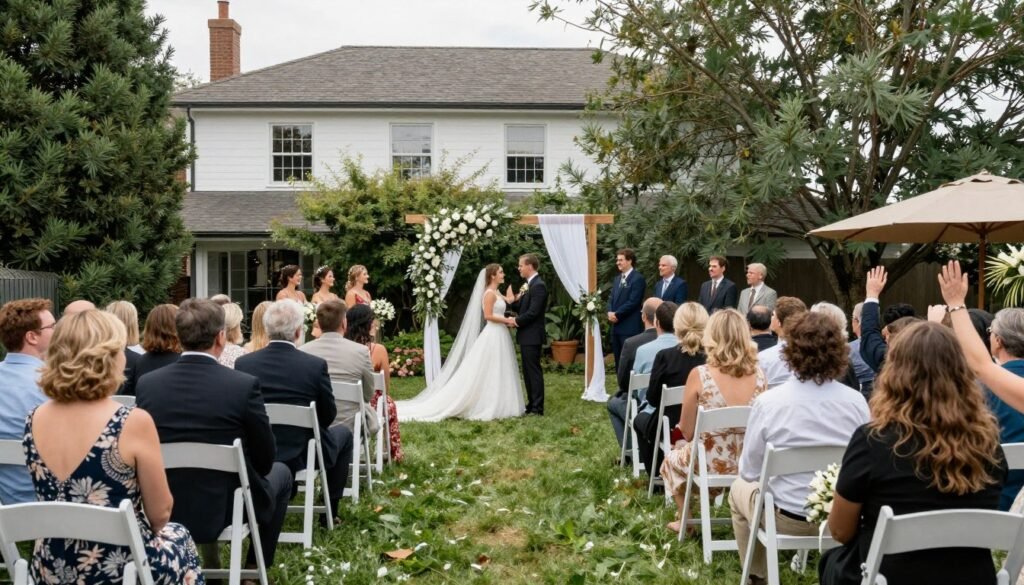
Arrange seating to optimize guest views while maintaining intimacy. Semicircular arrangements bring guests closer to your ceremony than traditional straight rows. This configuration works particularly well for smaller gatherings of fifty people or fewer.
Calculate seating needs allowing eighteen to twenty-four inches per person. Leave adequate aisle width for comfortable passage, typically three to four feet. Reserve front rows with clear signage or small floral arrangements designating family seating.
Consider sight lines from all positions when placing your altar. Guests seated at the sides should see your faces during vows rather than viewing your profiles. Angle your altar slightly or position it further from front rows to improve visibility.
Outdoor acoustics differ dramatically from indoor spaces. Sound disperses quickly without walls to contain it. A quality sound system ensures all guests hear your ceremony clearly, especially in larger yards or when traffic noise exists.
Rent or borrow professional-grade speakers rather than relying on consumer equipment. Position speakers strategically to provide even coverage without creating dead zones. Test your system at full guest capacity if possible, as people absorb sound significantly.
Create a detailed music cue sheet for your sound operator or DJ. List specific songs for processional, unity ceremonies, and recessional with exact start points noted. Assign a reliable friend or hire a professional to manage music transitions so you focus on your ceremony rather than technical details.
Planning Your Backyard Wedding Reception
Your reception allows guests to celebrate your marriage through food, music, and shared joy. This portion of your event requires more complex logistics than your ceremony. Careful planning ensures smooth operations that keep guests comfortable and entertained throughout the evening.
Layout and Flow for Reception Spaces
Divide your reception area into distinct functional zones that encourage natural guest movement. Your dining area should connect easily to the dance floor and bar. Position these high-traffic zones centrally while placing quieter conversation areas at the periphery.
Create clear pathways between zones that prevent bottlenecks during peak times. Guests should access restrooms, bars, and food service without navigating through seated dining areas. Allow at least four feet for main circulation paths and three feet for secondary walkways.
Consider the progression of your event when arranging spaces. Guests typically spend more time at tables during dinner service. As the evening advances, they gravitate toward the dance floor and bar. Your layout should accommodate these shifting patterns throughout your celebration.
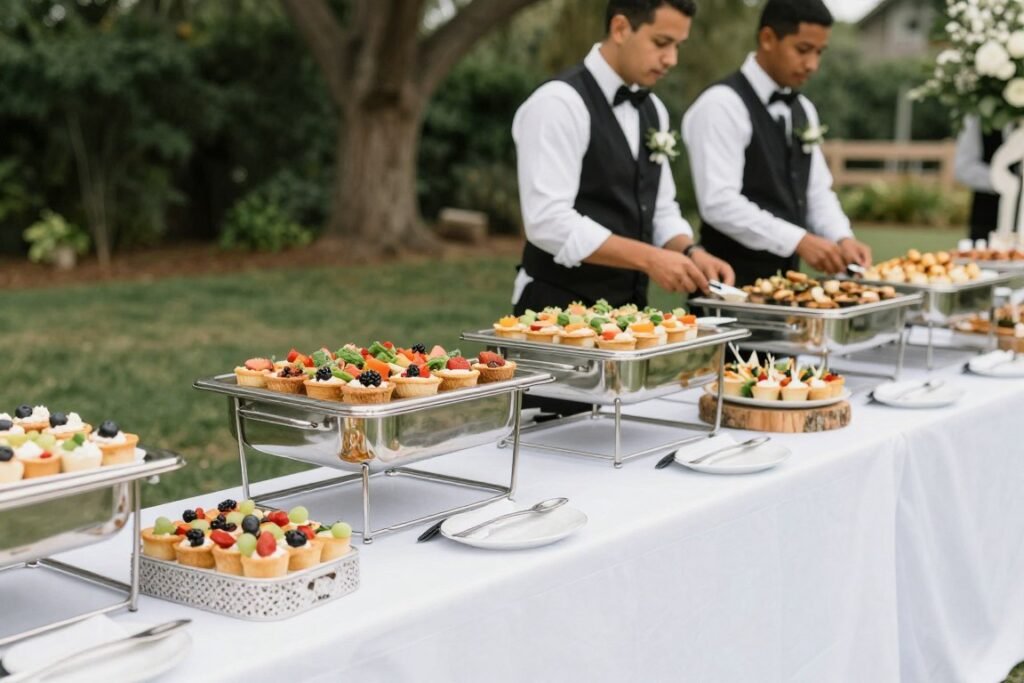
Catering Solutions and Food Service Options
Your caterer handles one of your wedding’s most critical elements. Professional catering companies bring both culinary expertise and essential equipment. They provide everything from cooking appliances to serving staff, china, and beverage service.
Food trucks offer trendy alternatives that reduce costs while adding unique character to your event. Multiple trucks provide variety and appeal to diverse guest preferences. This approach works particularly well for casual celebrations with relaxed timing.
Discuss logistics thoroughly with any caterer before signing contracts. Your backyard lacks commercial kitchen facilities, so they need adequate space for food preparation and holding. Most require access to power, water, and level ground for their equipment.
Plan your menu considering outdoor serving conditions. Hot weather limits certain food options due to safety concerns. Select items that maintain quality when held at proper temperatures. Your caterer can recommend dishes that travel well and present beautifully in outdoor settings.
Buffet service works efficiently for most backyard weddings. This format reduces staff requirements while allowing guests to select portions matching their appetites. Family-style service creates intimate dining experiences but requires more coordination and larger tables to accommodate shared platters.
Bar Setup and Beverage Service
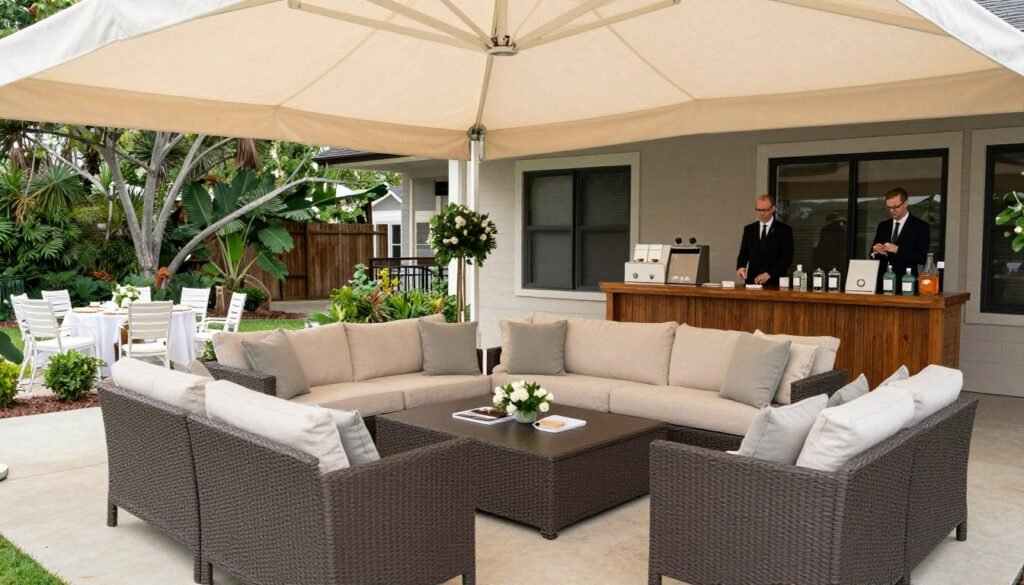
Your bar location influences guest flow significantly. Position this high-traffic area where it’s easily accessible but doesn’t create congestion near dining tables. Many couples establish two smaller bars in different locations rather than one large central station.
Decide between hosted and cash bar service based on your budget and guest expectations. Fully hosted bars eliminate cost concerns for guests but require careful quantity planning. Limited hosted options like wine and beer control costs while still providing hospitality.
Calculate beverage quantities using standard formulas that account for drinking preferences and event duration. Plan for two drinks per person during the first hour, then one drink per hour for the remainder of your reception. Adjust upward if your crowd includes enthusiastic drinkers or if your event extends beyond four hours.
Stock your bar with adequate ice, at least one pound per person for drinks plus additional amounts for cooling beverages. Provide diverse options including non-alcoholic choices for designated drivers and non-drinkers. Signature cocktails add personal touches while simplifying service.
Full-Service Bar
Complete liquor selection
Beer and wine varieties
Signature cocktails
Professional bartender
All mixers and garnishes
Beer and Wine Bar
Curated wine selection
Craft and domestic beers
Champagne for toasts
Simplified service
Lower overall cost
Signature Cocktail Bar
Two custom cocktails
Wine and beer options
Personalized drink names
Simplified ingredient list
Unique guest experience
Dance Floor and Entertainment Areas
Dancing brings energy and celebration to your reception. Designate adequate space for this activity even if you expect modest participation. Once a few people start dancing, others typically join, requiring more room than initially anticipated.
Portable dance floors provide stable surfaces that protect both dancers and your lawn. These modular systems install quickly and work on any terrain. Size your floor allowing about three square feet per guest, though only thirty to forty percent of guests typically dance simultaneously.
Position your dance floor centrally where it becomes a natural focal point. Place DJ equipment or band staging near but not on the dance floor itself. This arrangement keeps entertainment visible and accessible while preserving dance space.
Entertainment options extend beyond music. Lawn games create activity zones for guests who prefer socializing over dancing. Cornhole, giant Jenga, and croquet offer interactive fun that appeals to various ages. Position these activities away from dining areas to prevent disruption.
Creating Beautiful Decor and Ambiance
Thoughtful decoration transforms your backyard into a cohesive celebration space. The goal involves enhancement rather than complete transformation. Your outdoor environment provides natural beauty that simply needs strategic highlighting and complementary touches.
Color Schemes and Design Themes
Select colors that harmonize with your natural surroundings rather than competing against them. Garden settings pair beautifully with soft pastels, while wooded yards suit richer jewel tones. Consider what your yard looks like during your wedding season when choosing your palette.
Limit your color scheme to three main hues plus neutrals. This restraint creates visual cohesion without overwhelming your space. Use your primary color as the dominant element, your secondary color for accents, and your tertiary color sparingly for interest.
Themes should feel organic to your setting rather than forced. Rustic elegance complements most backyard environments naturally. Garden romance works beautifully in floral landscapes. Modern minimalist approaches suit contemporary homes with architectural landscaping.
Carry your theme throughout all elements from invitations through favors. Consistent design choices create professional polish that elevates your entire event. Small details like coordinated signage, matching linens, and complementary florals reinforce your aesthetic vision.
Floral Arrangements and Natural Elements
Flowers bring life and romance to your celebration while connecting your decor to the natural setting. Focus your floral budget on high-impact areas like your ceremony altar, reception entrance, and guest tables. Strategic placement creates impressive visual effect without requiring flowers everywhere.
Choose seasonal blooms that thrive in your wedding month. These flowers cost less and hold up better in outdoor conditions than out-of-season imports. Consult with your florist about hardy varieties that withstand heat or sun exposure throughout your event.
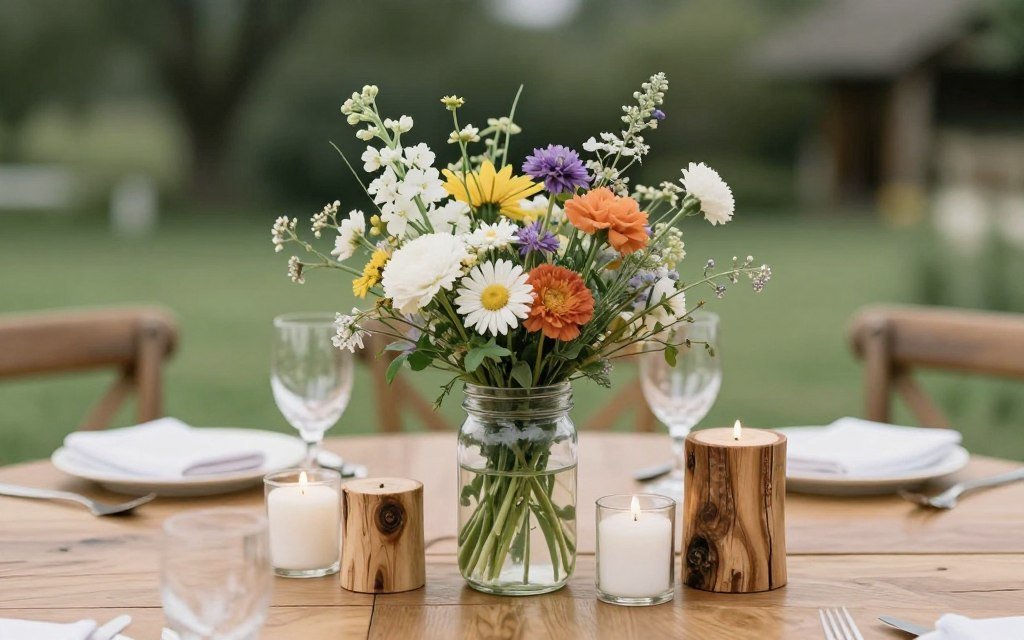
Incorporate non-floral natural elements that add texture and interest. Potted herbs double as decor and favors. Branches and greenery provide structure in arrangements while reducing flower quantities. Fruit, vegetables, or even wheat sheaves work beautifully in seasonal celebrations.
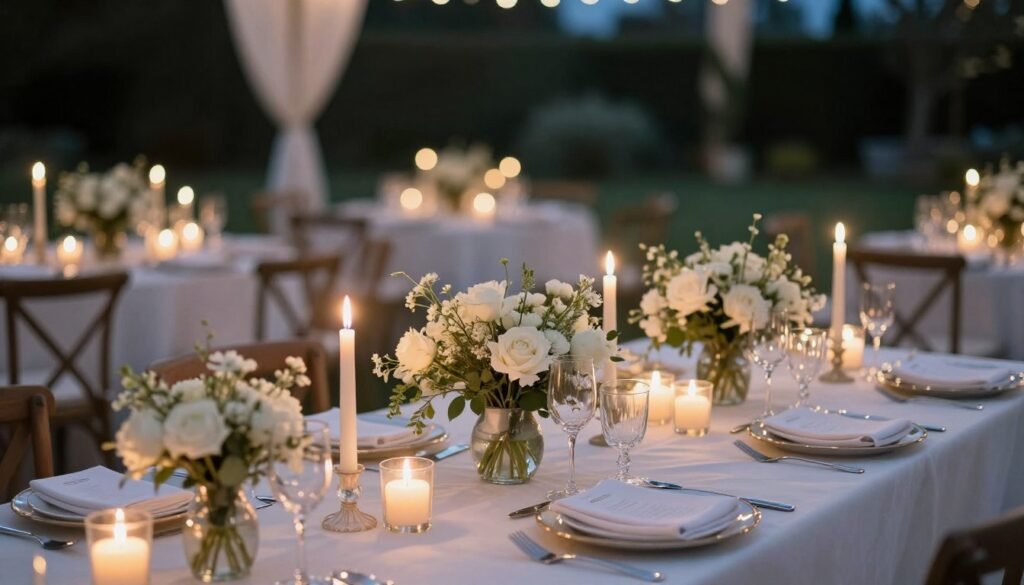
Centerpieces anchor your table design and provide conversation pieces. Keep arrangements low enough that guests see across tables easily. Height restrictions for centerpieces should not exceed fourteen inches or must rise above twenty-four inches on elevated stands.
Design Your Perfect Wedding Aesthetic
Access hundreds of decor templates, color palette guides, and DIY tutorials. Learn professional design principles that create cohesive, stunning environments regardless of budget or experience level.
Lighting serves dual purposes at outdoor events, providing both functionality and atmosphere. Your lighting plan must address practical needs like pathway safety while creating romantic ambiance as daylight fades. Layer different lighting types to achieve professional results.
String lights represent the most popular and effective backyard wedding lighting. These versatile fixtures create instant romance while illuminating large areas affordably. Hang them in straight lines across your space or drape them in swags for softer effect.
Market lights with large Edison-style bulbs provide brighter general illumination than delicate bistro strings. This option works well over dining areas where guests need adequate light for eating. Space bulbs eighteen to twenty-four inches apart for even coverage without dark spots.
Accent lighting highlights specific features and adds depth to your space. Uplights positioned at tree bases create dramatic effects as they illuminate branches overhead. Pathway lights guide guests safely while adding ground-level interest. Lanterns on tables or hanging from shepherds’ hooks introduce intimate warmth.
Candles contribute unmatched romance but require careful management outdoors. Wind can extinguish flames quickly without proper protection. Use hurricane glasses or lanterns to shield candles from breezes. Battery-operated LED candles provide worry-free alternatives that look remarkably realistic.
Test your complete lighting plan before your wedding day. Set up all elements and observe the effect at your actual event time. Adjust placement and intensity to eliminate dark zones while preventing harsh overlighting. Photograph your setup to ensure it appears as beautiful on camera as it does in person.
Signage, Table Numbers, and Small Details
Well-designed signage serves practical purposes while reinforcing your aesthetic theme. Welcome signs greet guests and set the tone for your celebration. Directional signs guide people to parking, ceremony, and reception areas. These elements should coordinate with your overall design while remaining clearly legible.
Table numbers help guests locate their assigned seats efficiently. These markers range from simple tent cards to elaborate displays. Match their style to your theme, whether rustic wood slices, elegant framed numbers, or creative alternatives like book pages or vintage photos.
Small details create layers of visual interest throughout your space. Place card displays organize seating assignments while serving as decorative focal points. Menu cards at each place setting add elegance while informing guests about their meal. Favor displays double as decor elements before guests take them home.
Create cohesive looks through consistent materials and design elements. If you use wood for your welcome sign, incorporate wood tones in other signage and decor. When you select script fonts for invitations, continue that typography in your programs and menus. These connections create professional polish that guests notice subconsciously.
Hiring and Coordinating Wedding Vendors
Professional vendors bring expertise that transforms your vision into reality. Backyard weddings present unique challenges that experienced professionals navigate easily. Selecting the right team and coordinating their efforts ensures your day proceeds smoothly regardless of unexpected complications.
Essential Vendors for Backyard Weddings
Your caterer ranks as your most important vendor for backyard events. They manage food quality and service while often coordinating other logistics. Select caterers experienced with outdoor events who understand the complications your setting presents.
Photography captures memories that last beyond your celebration. Choose photographers familiar with outdoor lighting challenges and backyard venues. Review portfolios specifically for outdoor wedding work to assess their skill with natural light and informal settings.
Rental companies provide essential infrastructure from tents to tables. Establish relationships with reputable suppliers who deliver quality equipment on schedule. Their advice on quantities and setup proves invaluable throughout your planning process.
Consider hiring a day-of coordinator even if you plan everything yourself. This professional manages vendor arrivals, handles last-minute issues, and ensures your timeline stays on track. Their presence allows you and your family to enjoy the day without managing logistics.
Questions to Ask Potential Vendors
Interview vendors thoroughly before signing contracts. Ask about their backyard wedding experience specifically, as these events differ from traditional venue work. Request references from couples whose events resembled yours in size and style.
Discuss logistics that your home setting presents. How do vendors access your property? Where do they park their vehicles? What do they need from you in terms of power, water, or workspace? Clear communication prevents day-of surprises.
Understand exactly what each vendor provides versus what you must supply. Caterers might include china and glassware or require you to rent those items separately. Photographers may offer engagement shoots or second shooters at additional costs. Clarify all inclusions in writing before committing.
Caterer Questions
Previous backyard event experience
Equipment and power requirements
Staff-to-guest ratio provided
Food safety protocols for outdoor service
Backup plans for weather issues
China, glassware, and flatware inclusion
Photographer Questions
Outdoor wedding portfolio examples
Coverage hours and overtime rates
Second shooter availability and cost
Approach to family photo organization
Delivery timeline and format
Rights to share and print images
Creating Vendor Timelines and Coordination Plans
Develop a comprehensive timeline that details every vendor’s responsibilities throughout your event. This document becomes your master plan that keeps all parties synchronized. Share it with your entire team at least two weeks before your wedding.
Schedule vendor arrivals strategically to prevent congestion and confusion. Rental companies typically arrive first to install tents and major infrastructure. Florists need access after rental setup but before other vendors arrive. Caterers come later to begin food preparation as other elements finalize.
Designate a point person who manages vendor questions and issues on your wedding day. This role should not fall to you, your partner, or immediate family members. A coordinator, responsible friend, or hired day-of assistant handles these communications so you remain focused on celebrating.
Build buffer time into your schedule for inevitable delays and adjustments. Setup always takes longer than anticipated, especially outdoors where conditions vary. Extra time prevents stress cascades when one delayed element affects subsequent tasks.
Your guests’ comfort directly impacts their enjoyment and their memories of your celebration. Backyard settings require extra attention to details that traditional venues provide automatically. Thoughtful planning demonstrates hospitality while preventing common outdoor event challenges.
Weather Protection and Comfort Measures
Temperature extremes affect guest comfort significantly at outdoor events. Summer celebrations require shade, cooling stations, and cold beverages readily available. Provide paper fans as favors that double as functional cooling tools. Consider renting portable air conditioning units for tented spaces during extreme heat.
Sun protection extends beyond shade structures. Offer sunscreen at convenient locations, especially for daytime ceremonies. Position ceremony seating so guests face away from direct sun when possible. Afternoon ceremonies work better than midday events when sun intensity peaks.
Cool weather events need warming elements that keep guests comfortable. Outdoor heaters extend comfort as temperatures drop in evening hours. Provide blankets in baskets for guests to use during ceremony or reception. Serve warm beverages like coffee, tea, or hot cider as the night progresses.
Rain contingencies require complete planning even when forecasts look favorable. Weather changes quickly, and preparation prevents panic. Your tent serves as primary rain protection, but also consider umbrella stations and covered walkways between key areas.
Parking and Guest Arrival Logistics
Parking challenges represent common backyard wedding complications. Most residential streets lack capacity for large gatherings. Research options well ahead including street parking regulations and neighbor tolerance for temporary congestion.
Arrange off-site parking with shuttle service if your property cannot accommodate guest vehicles. Local churches, schools, or businesses may allow temporary use of their lots. Hire shuttle services or coordinate rideshare options that transport guests between parking and your home.
Direct guests clearly with signage placed at every decision point from main roads to your door. Mark your street address prominently. Place directional signs at intersections leading to your home. Create designated parking areas with attendants who guide arriving vehicles efficiently.
Valet parking services add elegance while solving congestion problems. Professional valets maximize space utilization and eliminate guest confusion. This service costs less than many couples assume and significantly improves arrival experiences.
Accessibility Considerations
Ensure all guests can navigate your property regardless of mobility levels. Examine your space for obstacles like stairs, uneven ground, or narrow passages. Create accessible routes between parking, ceremony, and reception areas that avoid these barriers.
Temporary ramps make stairs negotiable for wheelchairs and walkers. Rental companies provide these along with accessible restroom facilities when needed. Place seating for guests with mobility challenges near aisle ends for easy access without navigating tight rows.
Consider sensory needs beyond physical accessibility. Provide quiet spaces where guests overwhelmed by noise or activity can retreat temporarily. Clearly mark restroom locations to assist guests with cognitive challenges. These accommodations demonstrate thoughtfulness that all guests appreciate.
Creating Comfortable Guest Zones
Designate distinct spaces for various activities and comfort levels throughout your property. Not everyone enjoys constant activity or loud music. Quiet conversation areas away from the dance floor accommodate guests who prefer calmer interaction.
Lounge areas with comfortable seating encourage relaxation between dancing and dining. Arrange furniture in small groupings that facilitate conversation. Add ambient lighting and perhaps cocktail tables that give these spaces purpose beyond mere rest stops.
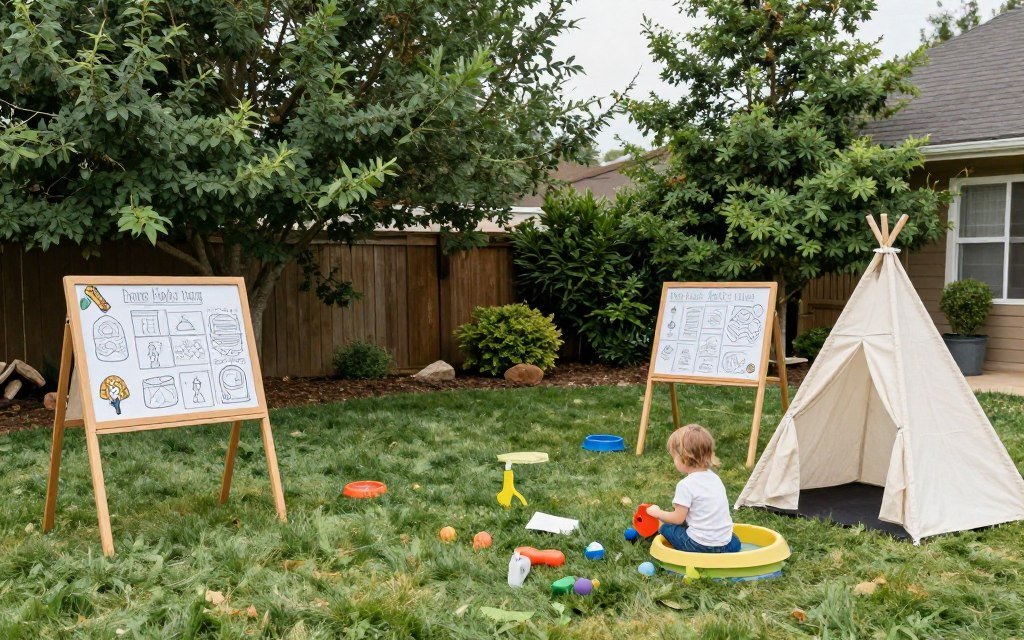
Children need special consideration at family-friendly events. Create kid zones with age-appropriate activities that keep younger guests entertained. Simple options like coloring stations, lawn games, or even movie screenings in separate areas prevent boredom that leads to behavioral issues.
Final Preparations and Day-Of Management
The weeks leading to your wedding shift from planning to execution mode. These final preparations ensure smooth operations when your celebration arrives. Attention to detail during this period prevents last-minute stress and allows you to enjoy your day fully.
Property Preparation and Landscaping
Begin intensive property preparation about one month before your event. This timing allows improvements to settle naturally without looking overly manicured. Address major landscaping issues first, then refine details as your date approaches.
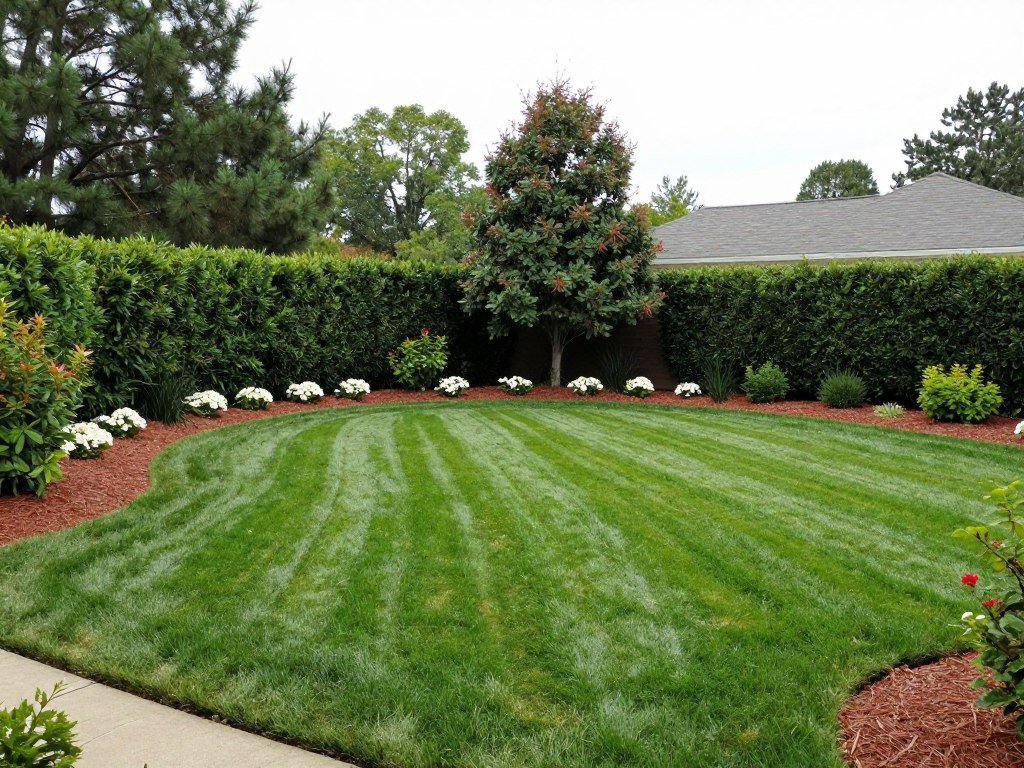
Professional lawn care creates pristine surfaces for your ceremony and reception. Schedule mowing two days before your wedding so grass looks fresh but hasn’t grown noticeably. Edge walkways and beds for clean, defined lines. Apply treatments for weeds or bare spots at least three weeks ahead.
Power wash all visible hardscapes including patios, walkways, and house exteriors. These surfaces accumulate dirt gradually that becomes obvious in photos. Rent equipment if you don’t own a pressure washer, as the investment pays dividends in improved appearance.
Prune overgrown plants that obstruct views or create tripping hazards. Remove dead flowers and foliage that detract from your landscape’s beauty. Add fresh mulch to planting beds for polished, finished looks. These improvements require minimal investment but dramatically enhance overall impressions.
Setup Schedule and Task Delegation
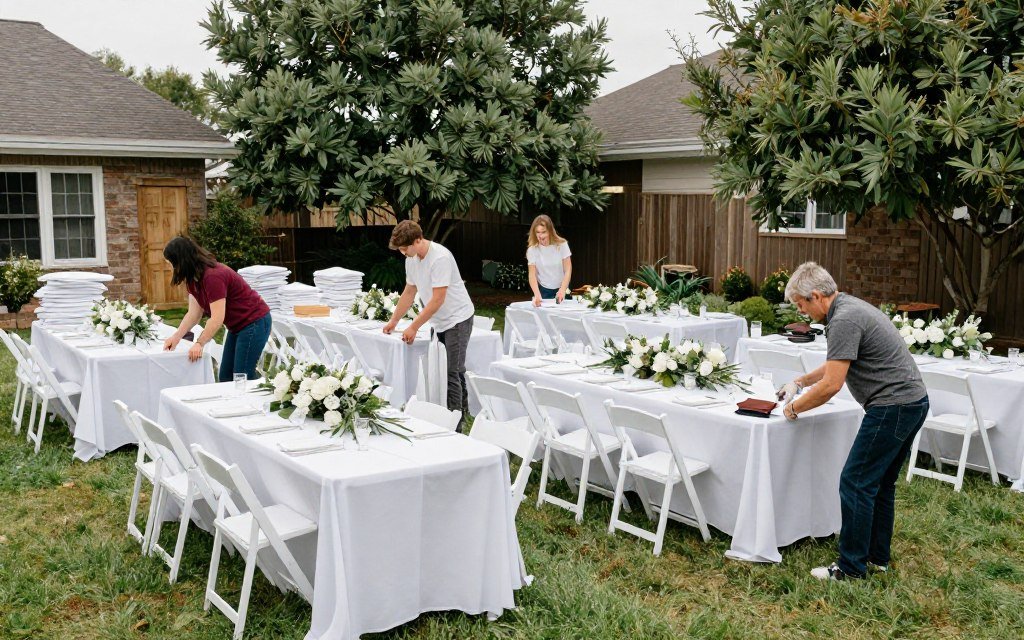
Create detailed setup plans that assign specific responsibilities to reliable helpers. Breaking work into manageable tasks prevents overwhelm and ensures completion. Start setup the day before when possible, leaving only final touches for your wedding morning.
Rental deliveries should occur at least one day ahead when companies allow. This timing provides opportunity to address any issues or missing items before your event. Check quantities against your order immediately upon delivery rather than discovering shortages later.
Designate area captains responsible for different zones of your property. One person oversees ceremony setup while another manages reception space. These leaders coordinate volunteers within their areas, reporting completion to your main coordinator.
Protect yourself from setup stress by hiring professionals for complex tasks. Floral designers, lighting technicians, and tent installers work faster and achieve better results than amateur attempts. Reserve your energy for final decisions rather than physical labor.
Master Your Wedding Day Timeline
Download detailed day-of schedules, delegation worksheets, and emergency protocol guides. Professional planning tools eliminate stress and ensure flawless execution from setup through teardown.
Prepare comprehensive emergency kits that address common wedding day crises. These supplies prevent minor issues from becoming major disruptions. Assign someone trustworthy to manage the kit and address problems as they arise.
Your emergency kit should include sewing supplies for wardrobe malfunctions, stain remover for spills, and extra bobby pins for hair emergencies. Add pain relievers, antacids, and bandages for health issues. Include batteries, tape, safety pins, and scissors for equipment problems.
Weather backup plans require advance preparation rather than day-of improvisation. Confirm your tent can close sides if rain or wind develops. Arrange indoor backup space if your event cannot proceed outdoors. Communicate contingency plans clearly to all vendors and key family members.
Test all equipment several days before your wedding. Sound systems, lighting, and any technical elements should undergo full operational checks. This verification identifies malfunctions when you still have time to repair or replace problematic items.
Day-Of Coordination and Troubleshooting
Wedding day coordination begins before guests arrive and continues until the last person departs. Your coordinator or designated point person manages the timeline, cues vendors, and addresses issues. This role should never fall to someone in your wedding party who needs to focus on other responsibilities.
Create a communication plan among vendors and key helpers. Provide phone numbers and establish check-in protocols. Consider using walkie-talkies for large properties where phone service may be unreliable or where immediate communication proves necessary.
Establish a decision-making hierarchy for issues that arise. Your coordinator handles most problems independently. Designate a parent or trusted friend for decisions requiring family input. Reserve only critical, irreversible choices for yourself as the couple.
Build flexibility into your timeline that accommodates inevitable delays. Traffic, late vendors, or technical issues happen despite careful planning. Extra time between major events prevents one delay from cascading through your entire schedule.
Budget Management and Cost-Saving Strategies
Backyard weddings offer significant savings compared to traditional venues, but costs still accumulate quickly without careful management. Strategic planning and smart spending allow you to create beautiful celebrations that honor your budget. These proven strategies help you maximize value in every category.
Hidden Costs to Anticipate
Budget planning must account for expenses beyond obvious categories. Permit fees, property insurance riders, and utility costs add up quickly. Many municipalities require special event permits that cost several hundred dollars. Contact your homeowner’s insurance about coverage for large gatherings.
Restroom rentals represent major expenses that couples often underestimate. Quality portable facilities or luxury trailers cost considerably more than standard units. Factor these necessities into early budget planning rather than discovering the expense late in your process.
Generator rentals provide power but come with substantial costs. Professional units that operate quietly and supply adequate electricity run several hundred dollars per day. Some events require multiple generators depending on electrical demands from catering, lighting, and entertainment.
Property preparation expenses catch many couples by surprise. Lawn care, landscaping improvements, and cleaning add up quickly. Budget at least five to ten percent of your total wedding costs for property-related preparations and post-event restoration.
DIY Projects Worth Considering
Selective DIY efforts reduce costs while adding personal touches to your celebration. Focus your handmade efforts on items that don’t require professional skills and won’t add stress near your wedding date. Simple projects completed months ahead work best.
Invitations and paper goods represent excellent DIY opportunities. Online templates and home printers produce professional results at fraction of professional costs. Start these projects early and recruit friends for assembly parties that make work enjoyable.
Simple centerpieces come together easily with wholesale flowers and basic supplies. Create arrangements several days ahead and store them properly. This project works well with help from artistic friends or family members who enjoy crafting.
Signage and small decor elements lend themselves to DIY execution. Hand-lettered signs, painted table numbers, and decorated mason jars add charm without requiring expert skills. These projects also provide opportunities to involve wedding party members in meaningful ways.
Best DIY Projects
Invitations and paper goods
Simple centerpieces
Welcome signs and table numbers
Mason jar decorations
Favor packaging and assembly
Playlist curation for reception
Avoid DIY For
Wedding cake or desserts
Professional photography
Hair and makeup services
Complex floral installations
Sound system setup
Day-of coordination
Negotiating with Vendors and Timing Purchases
Vendor negotiation requires confidence and market knowledge. Research typical pricing in your area before discussions. Request itemized quotes that break down all costs so you understand exactly what you’re purchasing.
Book vendors during off-season or on less popular dates for better rates. Friday or Sunday weddings often cost less than Saturdays. Winter and early spring dates receive discounts in most markets. These savings can reach twenty to thirty percent off peak pricing.
Bundle services when possible to leverage better deals. Vendors who provide both ceremony and reception services often discount total costs. Rental companies offer package deals that reduce per-item prices compared to individual orders.
Timing major purchases strategically saves money through seasonal sales and promotions. Buy decorations after holidays when retailers clear inventory. Purchase non-perishable items during annual sales rather than paying full price closer to your date.
Consider renting rather than buying single-use items. Quality linens, china, and glassware cost less to rent than purchase. The rental company also handles cleaning and management, saving you time and effort along with money.
Distribute your budget according to your personal priorities rather than following standard percentages. Some couples value exceptional food and invest heavily in catering. Others prioritize photography to ensure beautiful lasting memories. Identify what matters most to you before allocating funds.
Generally, catering represents your largest expense at thirty to forty percent of total costs. Photography typically consumes ten to fifteen percent. Rentals and decor together might reach twenty to thirty percent depending on what your property requires. Allocate remaining funds across other categories based on your values.
Create line items for every expense category no matter how small. Postage, tips, and marriage license fees add up to significant amounts collectively. Tracking everything prevents surprise overages that bust your carefully planned budget.
Maintain a contingency fund of at least fifteen percent above your target budget. Every wedding encounters unexpected costs regardless of thorough planning. This financial cushion prevents stress when you need last-minute additions or encounter price increases.
Capturing Beautiful Photos and Creating Lasting Memories
Your wedding photography preserves memories you’ll treasure for decades. Backyard settings offer unique opportunities for creative, personal images that capture your authentic celebration. Working effectively with your photographer ensures you receive photos that exceed your expectations.
Selecting the Right Wedding Photographer
Choose photographers whose portfolios demonstrate outdoor wedding expertise. Backyard lighting presents challenges that require technical skill and creative vision. Review multiple weddings in their gallery rather than judging from single favorite images.
Interview potential photographers about their approach to backyard events specifically. Ask how they handle variable lighting, incorporate natural settings, and manage informal atmospheres. Their answers reveal whether they understand your venue type’s unique considerations.
Discuss coverage needs including hours, number of photographers, and deliverable quantities. Standard packages typically include six to eight hours of coverage. Consider extending time for large events or if you want getting-ready photos and post-ceremony portraits.
Understand delivery timelines and final product formats. Most photographers provide digital files plus printing rights. Some include albums or prints in packages while others charge separately. Clarify exactly what your investment includes before signing contracts.
Creating a Photo Shot List
Develop comprehensive shot lists that ensure your photographer captures all important moments and people. This document serves as a guide rather than rigid script. Include must-have photos while allowing creative freedom for spontaneous moments.
List key family groupings you want photographed formally. Provide names and relationships to help your photographer identify important people. Designate a family member who can gather people efficiently during portrait sessions rather than expecting your photographer to locate guests.
Identify special details you want documented including decor elements, personal touches, and meaningful locations around your property. Point out the garden where you got engaged or the tree you planted together. These details add narrative depth to your wedding story.
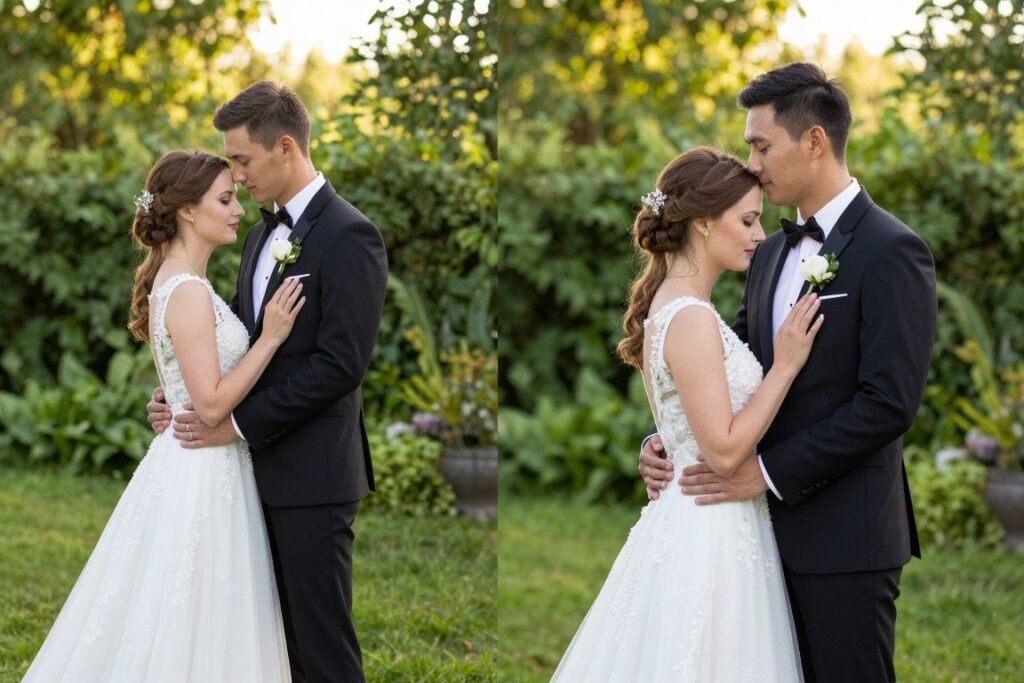
Request specific couple portraits in favorite locations around your yard. Perhaps the front porch holds significance or the backyard gate creates beautiful framing. Sharing these preferences helps photographers deliver images with personal meaning beyond technical excellence.
Optimal Timing for Outdoor Photography
Schedule your ceremony and reception timeline considering natural light quality throughout the day. The hour before sunset, called golden hour, produces the most flattering outdoor light for portraits. Position couple photo sessions during this magical time when possible.
Harsh midday sun creates unflattering shadows and causes guests to squint in photos. If you must host daytime events, position ceremony seating in shade or wait for cloud cover. Your photographer can also use reflectors and off-camera lighting to manage difficult conditions.
Evening receptions extend past natural light, requiring artificial lighting strategy. String lights and uplighting create beautiful ambiance but may not provide adequate illumination for sharp photos. Discuss lighting plans with both your photographer and rental company to ensure technical and aesthetic success.
Allow adequate time for portraits without rushing through this important part of your day. Most couples need thirty to forty-five minutes for formal family photos plus another thirty minutes for couple portraits. Build these sessions into your timeline with buffer for inevitable delays.
Incorporating Your Property’s Unique Features
Showcase what makes your backyard special through intentional photo planning. Beautiful trees, interesting architecture, or meaningful landscape features deserve spotlight in your wedding gallery. Point these elements out during your photographer’s site visit.
Create photo opportunities that wouldn’t exist at commercial venues. Perhaps your childhood treehouse, the garden shed where you store memories, or the patio where you spend summer evenings. These personal spaces tell your story in ways generic venues cannot.
Consider how different property areas photograph at various times of day. Morning light might beautifully illuminate your front garden while late afternoon suits your back patio. Plan your timeline to utilize these natural advantages rather than fighting against less favorable conditions.
Prepare your property thoroughly before your photographer arrives. Clear away garden hoses, tools, and everyday items that detract from wedding aesthetics. These small efforts ensure your photos focus on celebration rather than residential clutter.
Post-Event Cleanup and Property Restoration
Your celebration doesn’t truly end until your property returns to normal condition. Proper planning for teardown and cleanup prevents prolonged disruption to your daily life. These strategies ensure efficient restoration while protecting your investment in property improvements.
Scheduling Vendor Pickup and Removal
Coordinate rental pickups for the day after your wedding when possible. Most companies charge reasonable fees for extended rental periods that prevent late-night teardown stress. This timing allows proper celebration without worrying about immediate cleanup obligations.
Provide vendors with detailed pickup instructions and access information. Your rental company needs to know where items were placed and how to access your property if you’re absent. Leave clear notes and ensure someone responsible can grant entry if necessary.
Remove personal items and decorations before vendors begin breakdown. Rentals and your belongings can easily get mixed together in cleanup chaos. Designate storage areas for your property that vendors won’t accidentally pack into their trucks.
Inspect all areas after vendors complete pickup to confirm nothing was left behind. Check for damage to your property from tent stakes, heavy equipment, or foot traffic. Document any issues immediately while memories remain fresh and before evidence disappears.
Organizing Cleanup Volunteers
Recruit reliable friends or family members who commit to helping with post-event cleanup. Many guests offer assistance during celebrations, but enthusiasm wanes the next morning. Confirm specific helpers before your wedding rather than hoping volunteers appear spontaneously.
Provide cleaning supplies, garbage bags, and clear direction for your team. Break tasks into specific assignments rather than expecting people to identify work independently. Someone collects decorations while another person handles trash removal and a third group manages remaining food.
Consider hiring professional cleaning services instead of recruiting volunteers. This investment costs less than many expect and dramatically reduces stress during your exhausted post-wedding period. Professionals complete work faster and more thoroughly than even enthusiastic amateurs.
Lawn and Landscape Recovery
Heavy foot traffic, tent installations, and equipment stress your lawn significantly during multi-day events. Begin recovery immediately after equipment removal to minimize lasting damage. Most yards bounce back quickly with proper care following temporary disruption.
Water areas where grass appears stressed or compacted from heavy use. Deep watering encourages root growth and helps turf recover from compression. Avoid the temptation to fertilize immediately, as stressed grass can burn from nutrient application.
Fill divots and repair bare spots damaged by tent stakes or concentrated traffic. Reseed affected areas if damage occurred during growing season. Fall oversowing helps repair summer damage before winter dormancy arrives.
Mulch beds may require refreshment after your event displaces material or reveals thin coverage. This final touch restores your landscape to pre-wedding condition. Address these details within two weeks while motivation remains high rather than letting them become permanent eyesores.
Real Backyard Wedding Stories and Inspiration
Learning from couples who successfully executed backyard weddings provides valuable insights and inspiration. These real experiences highlight creative solutions, unexpected challenges, and the profound satisfaction that comes from personalizing every aspect of your celebration.
Budget-Conscious Celebration Success
Sarah and Michael created their dream wedding for under twelve thousand dollars by leveraging family resources and strategic priorities. They focused spending on exceptional food and professional photography while DIYing decorations and borrowing furniture from relatives.
Their backyard ceremony featured a simple wooden arch decorated with grocery store flowers arranged by talented friends. String lights purchased online created magical evening ambiance for minimal investment. The couple allocated savings toward a renowned local caterer whose food became the event’s highlight.
This approach demonstrates how clear priorities and practical planning create beautiful celebrations without excessive spending. Their wedding looked expensive because they invested strategically in visible, impactful elements while economizing on less noticeable details.
Overcoming Weather Challenges
Jennifer and David faced unexpected thunderstorms on their wedding day despite favorable forecasts. Their comprehensive backup plan transformed potential disaster into a cozy, memorable celebration that guests still discuss years later.
The couple had rented a tent with sidewalls specifically for weather protection, though they hoped not to need them. When storms rolled in two hours before ceremony time, their coordinator quickly deployed the walls and arranged heating. The enclosed space created intimate warmth that enhanced rather than diminished their celebration.
Their experience emphasizes why thorough weather planning matters regardless of predictions. The investment in proper contingencies provided peace of mind before the event and proved invaluable when conditions changed unexpectedly.
Multi-Cultural Fusion Celebration
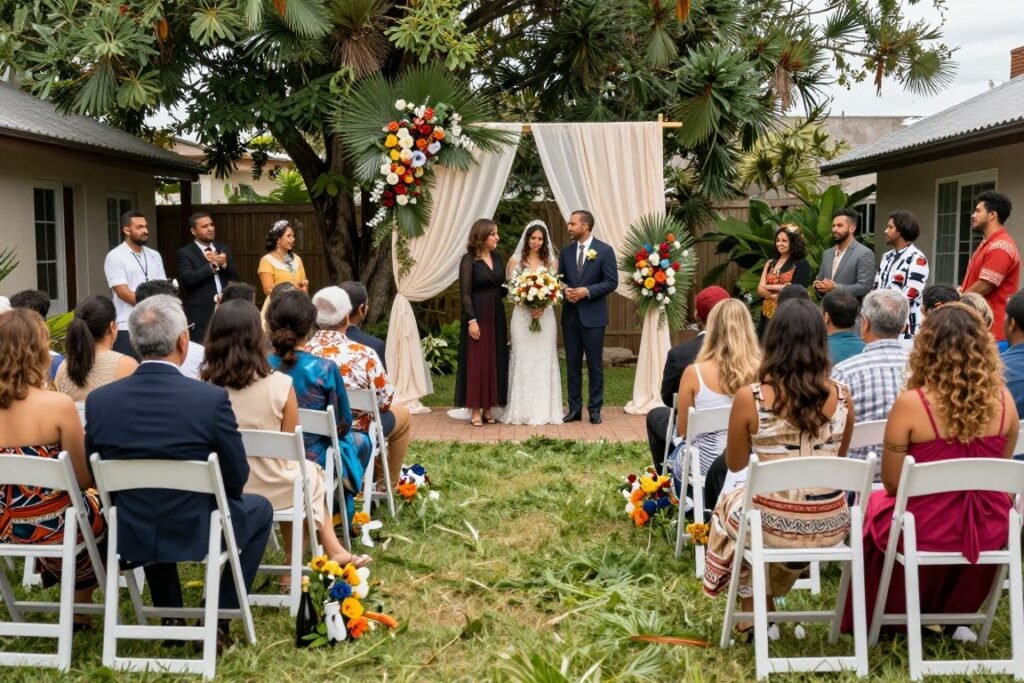
Priya and James blended Indian and Irish traditions in their backyard wedding that honored both families’ heritages. The ceremony incorporated elements from both cultures while the reception featured fusion cuisine that delighted adventurous guests.
Their backyard provided the perfect setting for this cultural celebration. Traditional venues would have constrained their creative vision with restrictions and time limits. At home, they controlled every detail from ceremony length to music choices that reflected their diverse backgrounds.
The intimate setting encouraged cultural exchange among guests who might have felt intimidated in formal venues. Family members taught traditional dances, shared stories, and built connections that persist beyond the wedding day itself.
Intimate Family Gathering
Emma and Robert chose to celebrate with only thirty close family members in the backyard where Emma grew up. This intentional intimacy allowed meaningful interaction with every guest and created a relaxed atmosphere impossible at larger events.
They eschewed traditional reception formalities in favor of family-style dinner around long tables. Toasts happened organically throughout the evening rather than following rigid schedules. This casual approach reflected their personalities while honoring the significance of their commitment.
Their wedding demonstrates how backyard celebrations accommodate couples seeking alternatives to traditional wedding formats. The familiar setting supported their vision for relaxed elegance that prioritized relationships over performance.
Creating Your Perfect Backyard Wedding Ceremony
Your backyard wedding ceremony represents more than just a budget-friendly alternative to traditional venues. This choice reflects values of authenticity, intimacy, and personal meaning that resonate deeply with modern couples. The familiar setting allows you to craft celebrations that genuinely represent your relationship and priorities.
Success requires thorough planning that addresses both logistical challenges and creative opportunities. From permits and power supply to lighting design and guest comfort, each element demands thoughtful consideration. The investment of time and energy pays dividends through a celebration that feels uniquely yours.
Remember that perfection lies in personal meaning rather than magazine-worthy aesthetics. Your guests will remember the warmth of your hospitality, the joy of your celebration, and the love evident in every detail. These emotional connections matter far more than flawless execution of trendy design elements.
Start your planning early with realistic timelines and comprehensive checklists. Build your vendor team carefully, prioritizing experience with outdoor events. Invest in weather contingencies that protect your celebration regardless of conditions. Most importantly, maintain perspective that your wedding celebrates commitment rather than hosting prowess.
Begin Planning Your Dream Backyard Wedding Today
Access our complete backyard wedding planning system with detailed checklists, budget templates, vendor questionnaires, and day-of timelines. Join thousands of couples who have created beautiful celebrations with our proven planning tools and expert guidance.
Your backyard holds unlimited potential for creating the wedding day you’ve always imagined. Whether you envision elegant sophistication, rustic charm, or relaxed casual celebration, your outdoor space can bring that vision to reality. Trust your instincts, embrace your personal style, and enjoy the process of planning this significant milestone.
The memories you create in your backyard will hold special significance throughout your marriage. Each time you spend time in this space, you’ll remember the day you committed to your partner surrounded by loved ones. This lasting connection transforms your property into a permanent reminder of your love story’s most important chapter.
Begin your planning journey with confidence knowing that countless couples have successfully navigated this path before you. Their experiences inform the strategies and insights shared throughout this guide. Your unique vision combined with proven planning principles creates the foundation for an unforgettable backyard wedding ceremony that exceeds your highest expectations.
The perfect engagement ring is more than just a beautiful piece of jewelry—it’s a symbol of your unique love story and personal style. Today’s couples are increasingly seeking engagement rings that break from tradition, choosing designs that reflect their individuality and shared journey. Whether you’re drawn to vintage-inspired settings, colored gemstones, or avant-garde designs, unique…
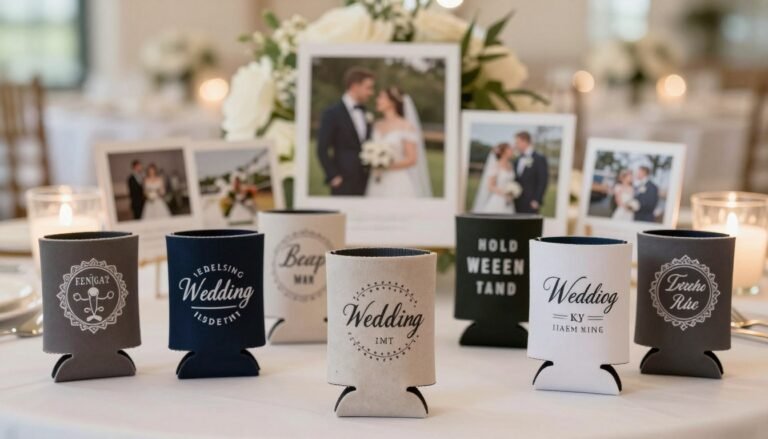
Your wedding day deserves favors that guests will treasure long after the celebration ends. Wedding koozies combine practicality with personalization, creating memorable keepsakes that remind loved ones of your special day. These versatile drink coolers protect beverages while showcasing your unique style. Whether you prefer rustic charm or modern elegance, the perfect koozie design awaits….
Step into the world of Hoka shoes, where cloud-like cushioning meets innovative design. Born in the mountains of France in 2009, Hoka has revolutionized the footwear industry with their maximalist approach to cushioning and unique meta-rocker technology. Whether you’re a dedicated marathon runner, weekend hiker, or simply someone who values all-day comfort, Hoka’s distinctive silhouette…
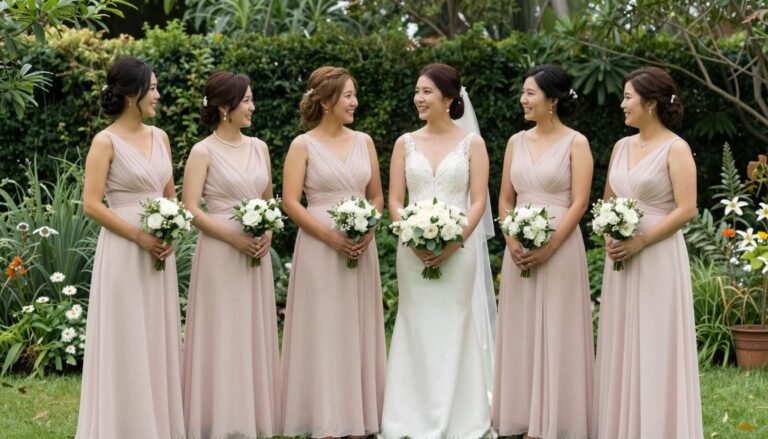
Blush pink has become the most beloved color for bridesmaid dresses in recent wedding seasons. This soft, romantic shade flatters every skin tone and complements countless wedding themes. Whether you’re planning a garden ceremony or an elegant ballroom reception, blush pink bridesmaid dresses create a timeless, sophisticated look for your entire wedding party. Finding the…
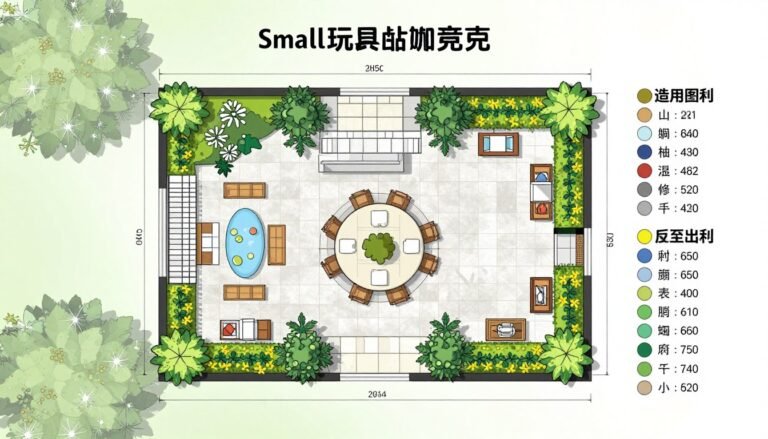
Transforming a small backyard into a beautiful outdoor retreat doesn’t have to drain your savings. With some creativity and strategic planning, you can create a backyard oasis that maximizes every square foot while keeping costs down. Whether you’re looking to create a cozy seating area, grow your own vegetables, or simply add some visual interest…
Your backyard holds incredible potential to become the ultimate retreat right outside your door. Whether you have a sprawling yard or a compact space, the right design choices can turn any outdoor area into a stunning oasis. This comprehensive guide brings together innovative backyard ideas that blend style with functionality. You will discover practical solutions…