Very Small Wedding Ideas for Your Most Intimate Celebration
Planning a very small wedding opens up a world of possibilities that larger celebrations simply cannot offer. When your guest list includes only your closest loved ones, every detail becomes more meaningful and personal.
The beauty of intimate weddings lies in their flexibility. You can choose unique venues that wouldn’t accommodate large groups. Your budget stretches further, allowing you to invest in quality over quantity.
Small weddings create space for genuine connection. You’ll actually have time to talk with each guest. Every person present plays a significant role in your life story.
This guide explores creative ideas for planning a memorable small wedding. From unconventional venues to personalized touches, you’ll discover how intimate celebrations can be just as magical as traditional large weddings.
Understanding What Makes a Wedding “Very Small”
The definition of a very small wedding varies among couples and wedding planners. Generally, these intimate celebrations include between 5 and 30 guests. Some couples plan micro weddings with fewer than 10 people, while others consider 20 to 30 guests still quite small.
Your guest list size directly impacts every aspect of your wedding day. With fewer people attending, you gain flexibility in venue selection and budget allocation. Small weddings allow for more personalized experiences that simply aren’t possible with larger groups.
The number of guests influences your celebration’s overall atmosphere. A wedding with 10 guests feels different from one with 25 people. Both can be intimate, but the dynamics change as your list grows.
These ultra-intimate celebrations typically include only immediate family members and closest friends. Couples often choose micro weddings for elopement-style ceremonies with a small group of witnesses.
Immediate family only
Parents and siblings
Best friend or two
Maximum flexibility in venue choice
Small Weddings (16-30 Guests)
This range accommodates extended family members and a select group of close friends. You maintain intimacy while including more people who matter most in your life.
Close family members
Inner circle of friends
Key family members from both sides
Still manageable for personal interaction
Deciding on your ideal guest list small wedding size requires honest conversation with your partner. Consider who you genuinely want present during this significant moment. Remember that smaller doesn’t mean less meaningful.
Why Couples Choose Very Small Wedding Ideas
More couples are embracing small weddings for reasons beyond budget considerations. The shift toward intimate celebrations reflects changing priorities about what makes a wedding day truly special.
Financial Freedom and Flexibility
Small weddings significantly reduce overall costs. You’ll spend less on catering, venue rental, and decorations. This money saved can be redirected toward other priorities.
Many couples use wedding budget savings for dream honeymoons or down payments on homes. Others invest in higher-quality elements for their small celebration. The financial flexibility creates opportunities that large weddings don’t allow.
Venue options expand dramatically with fewer guests. Spaces that accommodate only 20 people become viable choices. Private estates, unique restaurants, and scenic outdoor locations suddenly fit your needs.
Meaningful Personal Connections
The biggest advantage of very small weddings is quality time with guests. You can actually have real conversations with everyone present. No rushing from table to table trying to greet hundreds of people.
Your wedding party remains small and manageable. Coordinating with two or three close friends is simpler than organizing a group of eight bridesmaids. Less complexity means less stress during planning.
Every person at a small wedding plays an important role in your relationship. You’re not inviting distant relatives out of obligation. Each guest has a genuine connection to your story as a couple.
Planning Tip: Small weddings allow you to personalize elements that would be impractical for large groups. Consider handwritten notes for each guest or customized favors that reflect your relationships.
Reduced Planning Stress
Organizing a wedding for 20 guests involves far fewer logistics than planning for 150 people. Fewer decisions need to be made. Less coordination is required. The entire planning process becomes more enjoyable.
You’ll spend less time managing vendor communications. Seating charts become simple. Dietary restrictions are easier to accommodate when you’re feeding a small group.
Getting married on your preferred date becomes more achievable. Popular venues often have availability for small weddings when larger dates are booked. You gain flexibility in scheduling your celebration.
Creative Venue Ideas for Small Wedding Celebrations
Small weddings unlock venue possibilities that larger celebrations can’t access. Unique locations that would never work for 100 guests become perfect intimate settings. Your ceremony location can reflect your personalities in ways traditional venues cannot.
Outdoor and Natural Settings
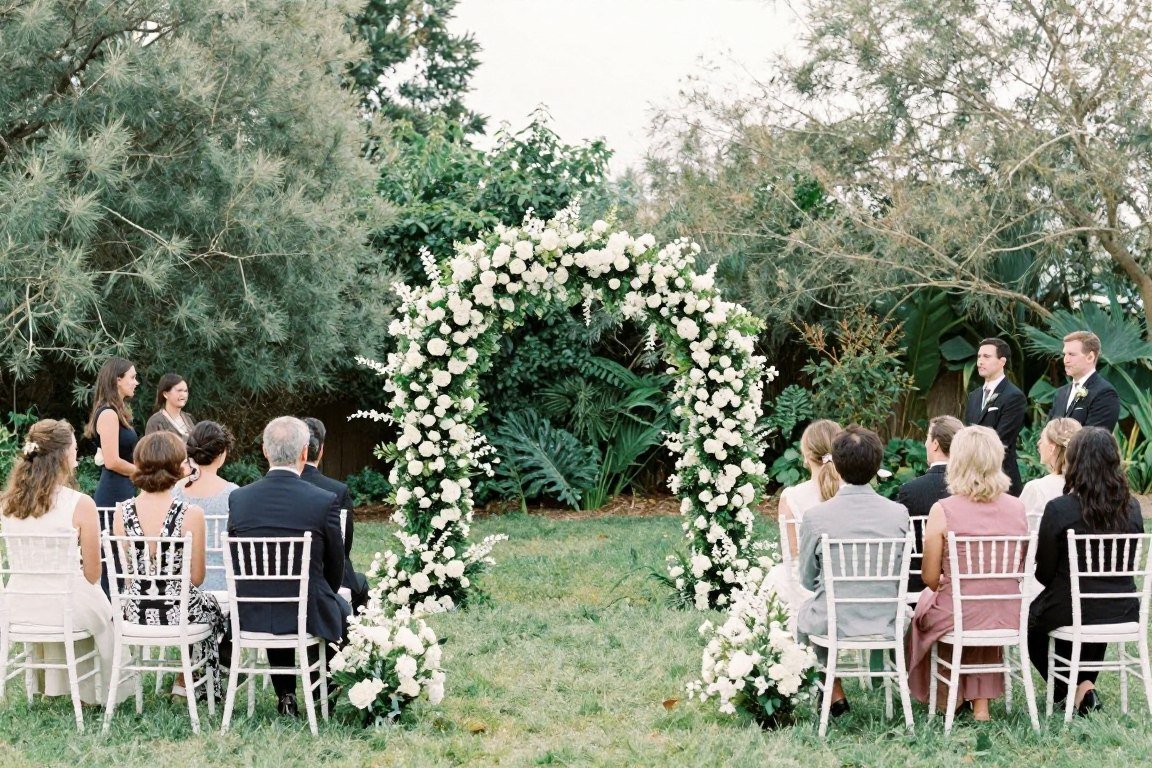
Nature provides stunning backdrops for intimate ceremonies. Your backyard becomes a viable wedding venue when your guest list is small. Family property offers sentimental value that commercial venues cannot match.
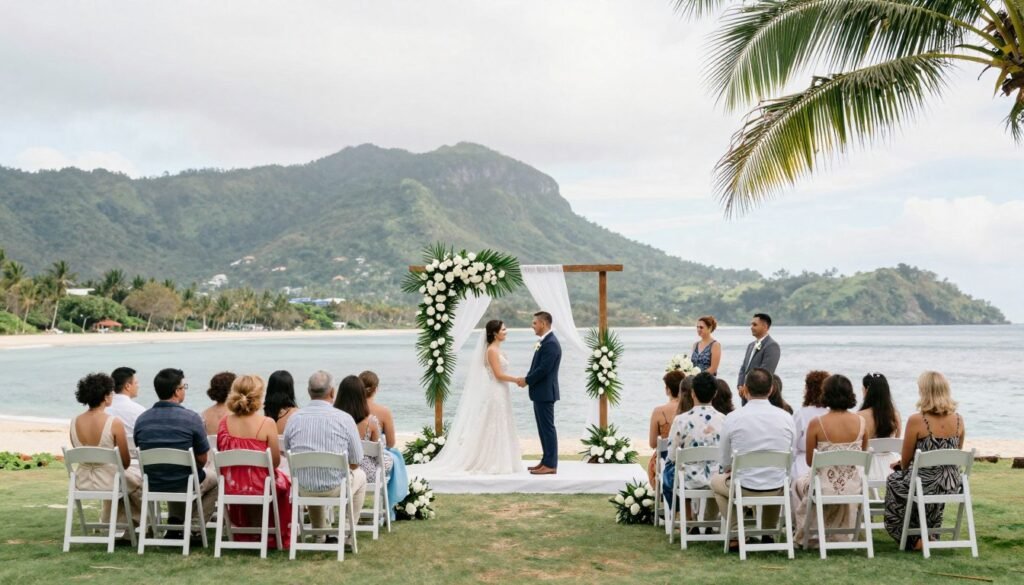
National parks and scenic overlooks welcome small wedding groups. These destination spots restrict large gatherings but accommodate intimate ceremonies perfectly. Mountain views, beach settings, and forest clearings create memorable ceremony locations.
Botanical gardens often offer private spaces for small groups. The natural beauty requires minimal additional decoration. Many gardens have specific areas designed for intimate weddings.
Private beach sections for oceanside ceremonies
Mountain cabin retreats with scenic views
Vineyard estates with small event spaces
Historic gardens with secluded ceremony areas
Lakeside docks or waterfront locations
Unconventional Indoor Spaces
Small guest counts make unusual indoor venues practical. Art galleries provide sophisticated settings with built-in visual interest. Museums offer unique cultural backdrops that large weddings rarely access.
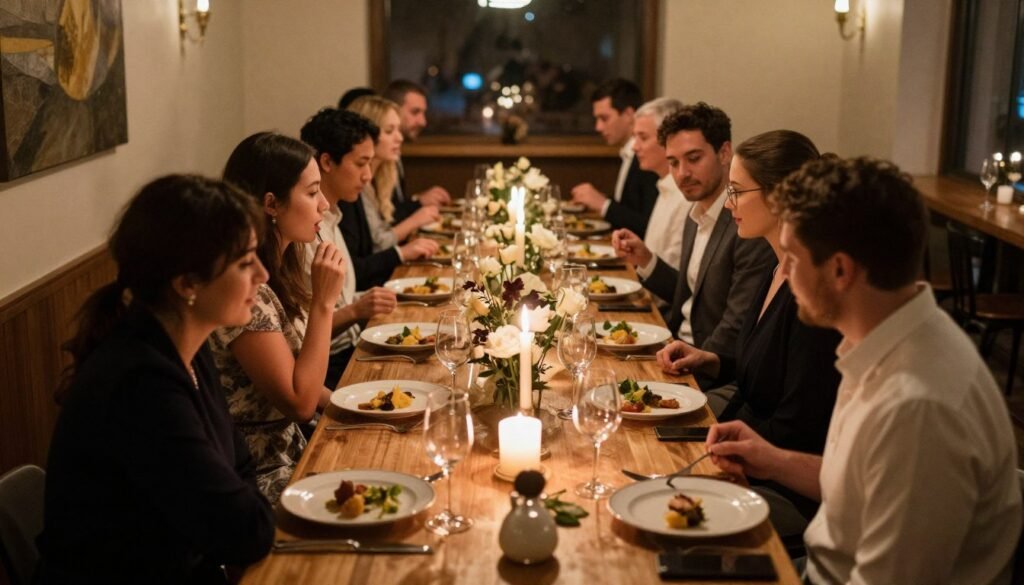
Private dining rooms in upscale restaurants combine ceremony and reception seamlessly. You enjoy professional catering without typical wedding venue markups. The intimate room creates a dinner party atmosphere rather than formal reception.
Historic homes and estates frequently accommodate small weddings. These venues preserve architectural character that modern event spaces lack. Your celebration gains charm from the location’s history and unique features.
Boutique hotels often have elegant spaces designed for small groups. Library rooms, rooftop terraces, and private lounges provide distinctive settings. Many hotels offer accommodation packages that simplify logistics for destination small weddings.
Need Venue Decoration Inspiration?
Explore beautiful decoration ideas and essentials to transform any small venue into your dream wedding space.
Destination weddings work exceptionally well for small groups. Travel naturally limits your guest list to those closest to you. The shared experience of exploring a new location together creates lasting memories beyond the ceremony itself.
Beach resorts cater specifically to intimate destination weddings. All-inclusive packages simplify planning when you’re organizing from a distance. Your small group can enjoy resort amenities throughout your celebration weekend.
European cities offer romantic settings that large weddings cannot easily access. Small wedding groups can marry in historic churches, picturesque town squares, or scenic countryside locations. The destination becomes part of your love story.
Ceremony Ideas That Embrace Intimacy
Traditional wedding ceremonies can feel impersonal when adapted to tiny groups. Intimate weddings benefit from ceremony formats designed specifically for small numbers. Your ceremony should reflect the close relationships you share with every person present.
Circle Ceremonies and Guest Participation
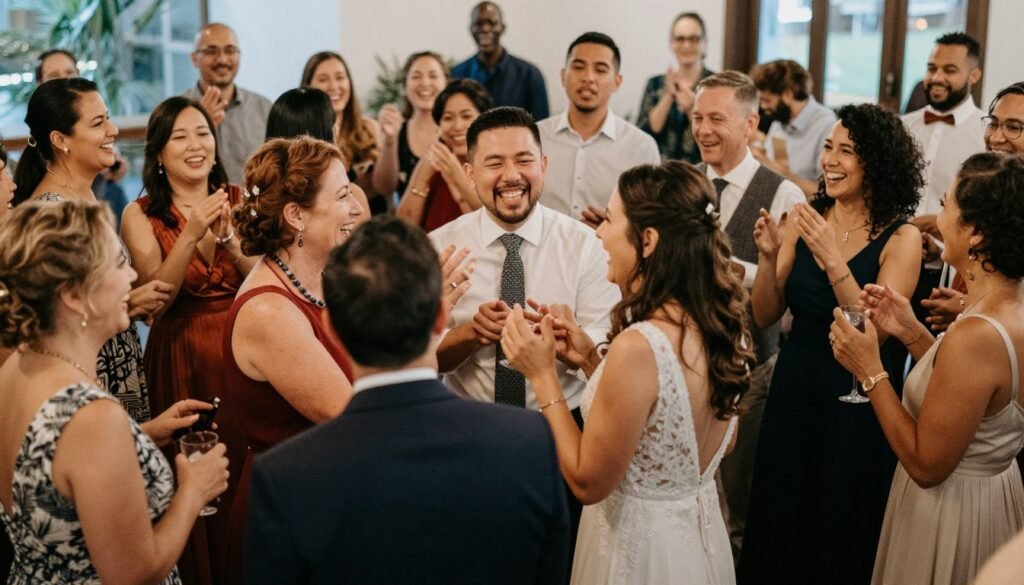
Circle ceremonies place guests surrounding the couple rather than seated in rows. This arrangement creates visual equality and emotional connection. Everyone feels equally involved in witnessing your vows.
Guest participation transforms passive observers into active ceremony participants. Each person might share a brief blessing or reading. This involvement makes your ceremony more meaningful for your small group.
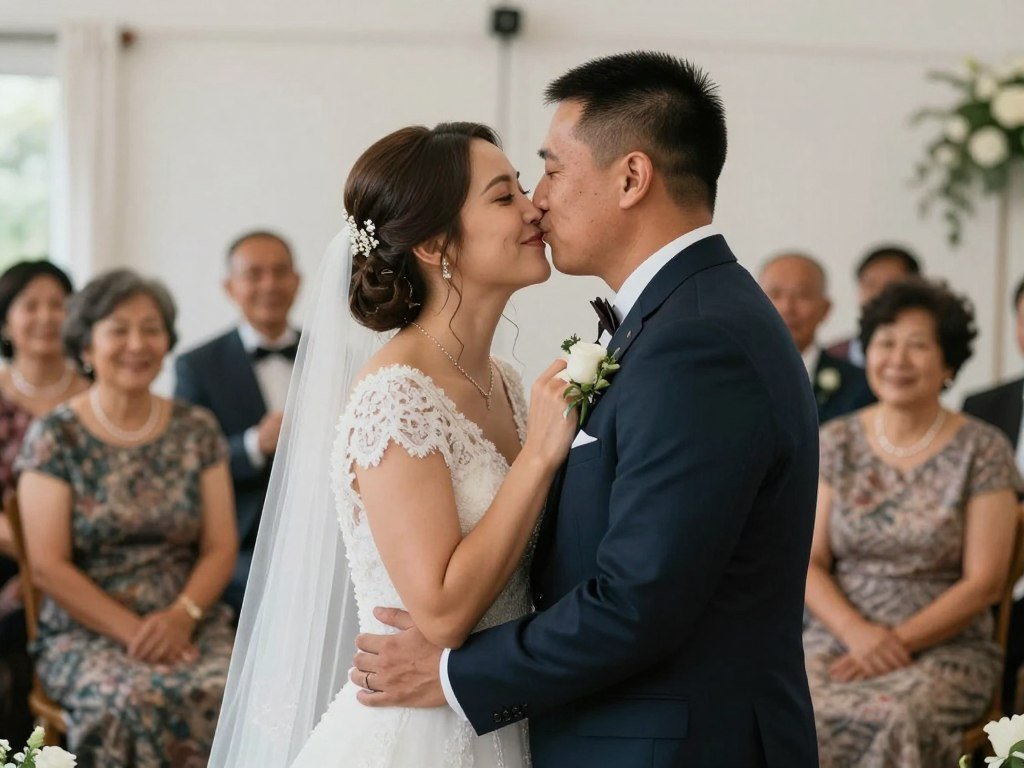
Ring warming ceremonies work beautifully in intimate settings. Your wedding rings pass through each guest’s hands before you exchange them. Each family member and friend offers silent blessings as they hold your rings.
Personalized Vows and Storytelling
Small weddings allow for longer, more detailed personal vows. You can speak from the heart without worrying about holding a large crowd’s attention. Your vows become genuine conversations rather than performances.
Consider having your officiant tell your relationship story. With fewer guests, you can include details that would bore distant acquaintances. Your closest people appreciate hearing how your love developed.
Multiple readings from different guests add personal touches. Each family member or friend contributes to the ceremony through poetry, religious texts, or meaningful quotes. The variety keeps your small group engaged.
Casual and Non-Traditional Formats
Very small weddings can abandon traditional ceremony structures entirely. Standing ceremonies without formal seating create relaxed atmospheres. Your celebration feels more like an intimate gathering than a formal event.
Breakfast or lunch weddings offer alternatives to evening ceremonies. Morning celebrations feel fresh and unique. Starting your married life with a daytime ceremony sets a different tone than traditional evening weddings.
Some couples skip the formal ceremony altogether. They legally marry at city hall, then celebrate with a small group at dinner. This approach eliminates ceremony stress while maintaining celebration with loved ones.
Reception Ideas for Very Small Wedding Groups
Small wedding receptions differ fundamentally from large party receptions. Traditional reception elements often don’t translate well to intimate gatherings. Your celebration should feel like an elevated dinner party rather than a scaled-down big wedding.
Dinner Party Style Receptions
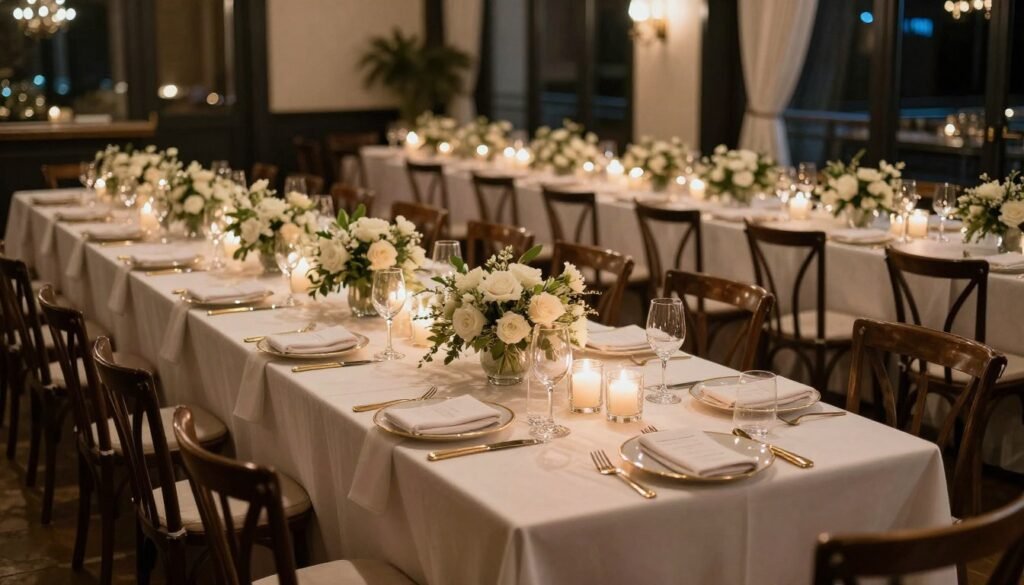
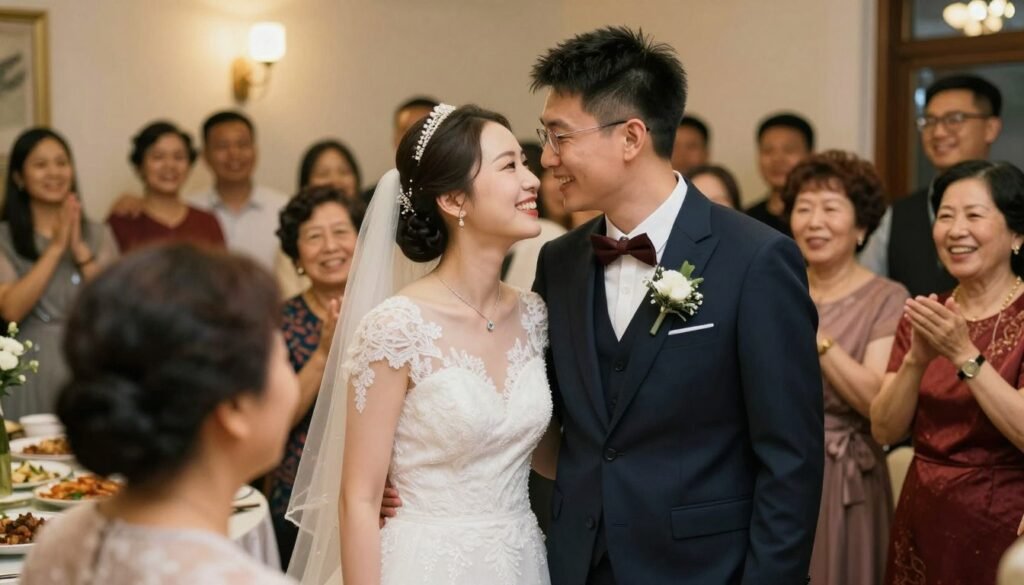
A single long table creates intimacy that individual round tables cannot match. Everyone dines together, facilitating conversation across your entire guest list. This family-style seating feels warm and inclusive.
Family-style food service encourages interaction and sharing. Large platters passed around the table create a homey atmosphere. This serving style costs less than plated meals while adding a personal touch.
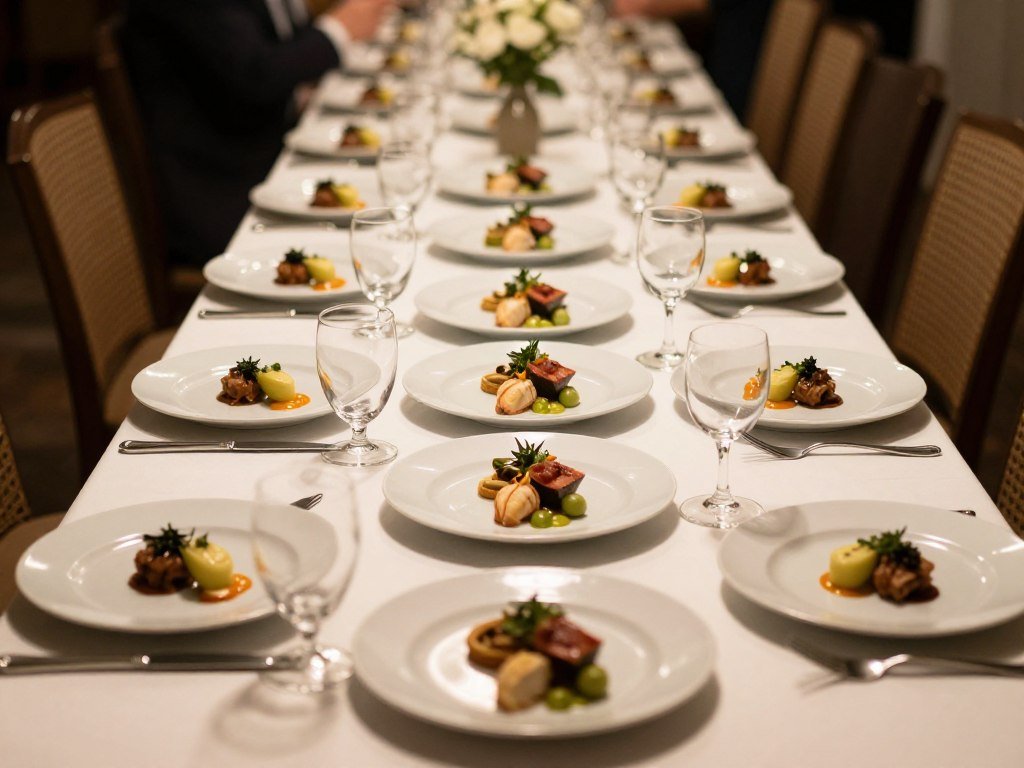
Multi-course tasting menus elevate small wedding dinners into culinary experiences. With fewer guests, you can afford higher-quality food. Your dinner becomes the entertainment rather than just the meal portion of your reception.
Consider hiring a private chef instead of traditional catering companies. Personal chefs often cost less for small groups than wedding caterers. You get customized menus and more attentive service.
Alternative Reception Formats
Cocktail receptions work well for very small weddings. Passed appetizers and small bites replace sit-down dinners. This format encourages mingling and creates a sophisticated party atmosphere.
Dessert and champagne receptions offer elegant alternatives to full meals. Schedule your ceremony in late afternoon, then celebrate with sweets and drinks. This option significantly reduces costs while maintaining celebration quality.
Brunch receptions provide unique timing that feels special. Morning celebrations often cost less than evening events. Brunch menus offer creative food options that differ from typical wedding fare.
Some couples host celebration weekends instead of single-day receptions. Your small group spends an entire weekend together at a retreat location. Multiple meals and activities replace the traditional one-evening reception.
Planning Your Reception Table?
Find elegant tableware, linens, and centerpiece ideas to create a beautiful reception dinner for your intimate wedding.
Traditional wedding DJs and bands often overpower intimate receptions. Acoustic musicians or solo performers better suit small venue sizes. Live music creates ambiance without overwhelming conversation.
Curated playlists through quality speakers replace expensive entertainment. You control the music selection completely. This approach costs nothing while maintaining the party atmosphere.
Interactive activities work better than passive entertainment for small groups. Lawn games, photo activities, or group toasts keep your limited number of guests engaged. Everyone participates rather than watching performances.
Decoration Ideas That Enhance Small Wedding Spaces
Small wedding venues require different decoration approaches than large reception halls. Over-decorating tiny spaces creates cluttered feelings. Strategic, quality decorations make bigger impacts than abundant cheap items.
Minimalist and Elegant Approaches
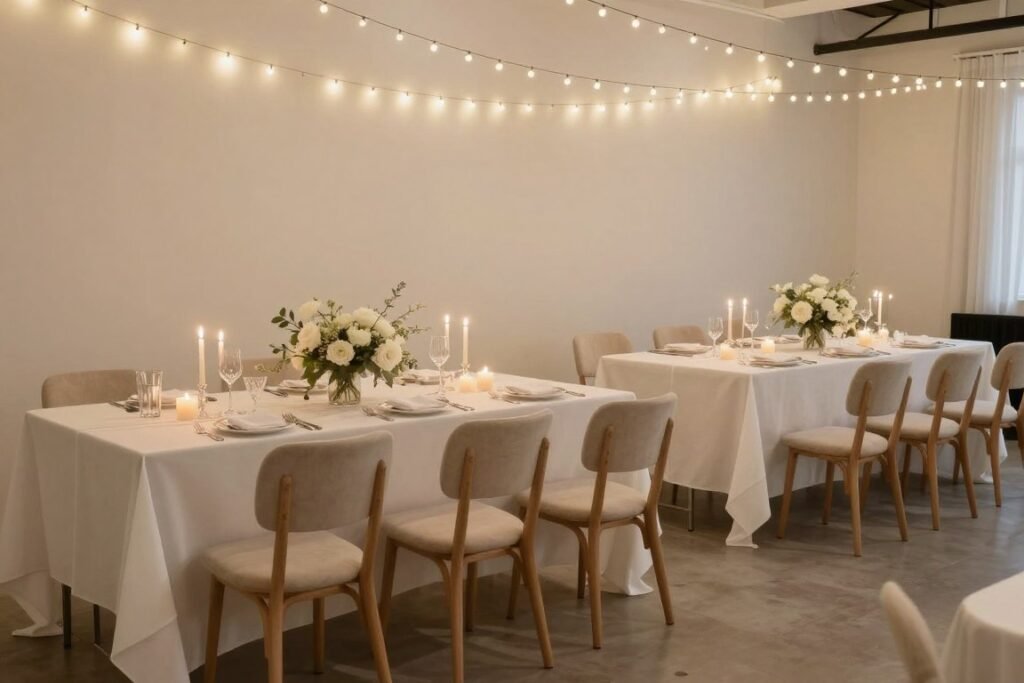
Less is genuinely more when decorating intimate wedding spaces. A few statement pieces create sophistication that numerous small decorations cannot achieve. Focus your budget on quality rather than quantity.
Single large floral arrangements make stronger impressions than many small ones. One stunning centerpiece per table suffices for small weddings. Your guests appreciate beauty without feeling overwhelmed by flowers everywhere.
Candlelight provides affordable elegance for evening celebrations. Varied candle heights add visual interest without requiring expensive decor. The warm glow creates romantic ambiance perfect for intimate gatherings.
Quality over quantity in all decoration choices
Statement pieces rather than numerous small items
Natural elements like greenery and branches
Strategic lighting to enhance venue ambiance
Personal photos and meaningful objects as decor
Personal and Meaningful Decorations
Small weddings allow for personalized decoration that large events cannot incorporate. Display photos documenting your relationship throughout your venue. Your guests enjoy seeing your story unfold visually.
Family heirlooms as decorations add sentimental value to your celebration. Grandparents’ wedding photos, vintage items, or inherited objects make your decor meaningful. These personal touches resonate with your small guest group.
Handmade elements show care and thoughtfulness appropriate for intimate weddings. DIY centerpieces, hand-painted signs, or crafted favors demonstrate effort. Your small group appreciates the personal investment.
Seasonal and Natural Themes
Embrace your wedding season through natural decoration elements. Fall leaves, spring flowers, summer fruits, or winter evergreens provide built-in themes. Seasonal decor often costs less than out-of-season imports.
Outdoor venue locations need minimal decoration when nature provides the backdrop. Mountain views, beach settings, or garden landscapes speak for themselves. Add only accent pieces that complement natural surroundings.
Potted plants make excellent eco-friendly decorations. Guests can take plants home as living favors. This approach eliminates waste while providing functional decor during your celebration.
Budget Planning for Very Small Wedding Ideas
Small weddings cost significantly less than large celebrations, but budget allocation differs substantially. Where you spend money matters more than total amounts. Strategic investments create memorable experiences within modest budgets.
Average Costs and Savings
The average small wedding costs between $5,000 and $15,000 depending on location and choices. Compare this to traditional wedding averages of $30,000 or more. Your savings come primarily from reduced guest counts.
Catering represents your largest potential savings. Feeding 20 people costs a fraction of feeding 150 guests. You might spend $50 per person on excellent food for a small group versus $30 per person for mediocre meals for large crowds.
Venue rental fees decrease dramatically with small guest counts. Many unique locations charge flat rates regardless of party size. Your per-person venue cost drops significantly when divided among fewer guests.
Where to Invest Your Budget
Allocate your small wedding budget toward elements that create lasting impact. Quality in key areas matters more than covering all traditional wedding elements.
Professional photography to document your intimate day
High-quality food and drinks for your small group
Your attire and personal appearance
Unique venue that reflects your style
Meaningful favors or gifts for guests
Where to Save Money
Many traditional wedding expenses become unnecessary for very small celebrations. Eliminate these costs without sacrificing celebration quality.
Expensive invitations (digital or simple paper work well)
Large wedding party attire and gifts
Extensive floral arrangements
Professional entertainment or DJs
Elaborate multi-tier cakes
DIY Opportunities and Limitations
Small weddings make DIY projects more manageable than large events. Creating decorations for 20 guests differs vastly from crafting for 150 people. Your time investment remains reasonable when quantities stay small.
Consider which DIY projects genuinely save money versus those that consume time without savings. Hand-making invitations for 20 guests takes a few hours. Creating centerpieces for three tables is achievable. Both projects save hundreds of dollars.
Some elements deserve professional investment even for small weddings. Photography captures memories that last beyond your wedding day. Professional photos justify their cost regardless of guest list size.
Catering is another area where professionals often provide better value than DIY efforts. Unless you or family members are experienced cooks, attempting to prepare wedding food adds unnecessary stress. Small wedding caterers or restaurant private dining remove this pressure.
Managing Your Guest List for Small Weddings
Creating your guest list small presents unique challenges that large weddings don’t face. Deciding who makes the cut requires difficult conversations. Every person invited (or not invited) carries more weight when your total number is tiny.
Deciding Who to Invite
Start your guest list by identifying non-negotiable attendees. Who absolutely must witness your marriage? These core people form your foundation before considering anyone else.
Immediate family typically comes first, but family dynamics vary. Some couples include only parents and siblings. Others extend to grandparents, aunts, uncles, and first cousins. Your family structure dictates your baseline guest count.
Close friends compete with extended family for limited spots. Decide whether your wedding prioritizes family or chosen relationships. Neither choice is wrong, but inconsistent criteria create complications.
Establish clear criteria before making your list. Rules like “only family” or “only people we’ve seen in the past year” provide objective frameworks. Clear guidelines help explain decisions to those not invited.
Handling Difficult Conversations
Some people will feel hurt by not receiving invitations. Extended family members or long-time friends might expect inclusion. Prepare honest explanations for why your wedding remains very small.
Emphasize that your guest list small reflects your desire for intimacy, not lack of care. Explain that every person attending plays a specific role in your daily lives. Frame your decision as preference for quality time over large gatherings.
Consider hosting separate celebrations for those excluded from your wedding day. Casual parties after your honeymoon allow broader circles to celebrate your marriage. This compromise softens the impact of your small wedding.
Be consistent with your criteria across all relationships. Inviting some cousins but not others creates family friction. Either include all within a category or none. Exceptions to your rules multiply hurt feelings.
Communication Tip: Address your small wedding size upfront when sharing engagement news. Setting expectations early prevents people from assuming they’ll be invited to a traditional large wedding.
Plus-Ones and Children Considerations
Plus-one policies become more critical with very small weddings. Every additional guest represents a larger percentage of your total attendees. A plus-one policy for 10 primary guests could double your wedding size.
Limit plus-ones to married or long-term partners. Casual dating relationships don’t warrant inclusion when space is extremely limited. Your closest people should understand these restrictions for intimate celebrations.
Children present similar dilemmas for small wedding planning. Including one couple’s children might obligate inviting all kids in your social circle. Decide whether your celebration accommodates children before issuing any invitations.
Child-free weddings make sense for very small intimate celebrations. Explain that your wedding focuses on adult relationships and conversation. Most parents understand when celebrations aren’t designed for children.
Food and Drink Ideas for Small Wedding Receptions
Catering for small weddings offers opportunities that large receptions cannot match. Your limited guest count allows for creative menus and personalized service. Food becomes a central element rather than just fuel for dancing.
Intimate Dining Experiences
Chef’s tasting menus transform your wedding dinner into a culinary event. Multiple small courses keep guests engaged throughout the meal. This elevated dining experience justifies itself as evening entertainment.
Wine pairing with each course adds sophistication without massive expense. Your small group makes expert wine selection affordable. Sommeliers can guide pairings that enhance your menu.
Interactive food stations work beautifully for small groups. Cheese and charcuterie boards, build-your-own appetizers, or dessert bars encourage guest interaction. Everyone participates in the culinary experience together.
Family-style serving creates homey feelings appropriate for intimate celebrations. Large platters passed around your table facilitate sharing and conversation. This casual approach feels warmer than formal plated service.
Menu Ideas for Small Budgets
Local restaurants often cater small weddings at lower prices than traditional wedding caterers. Private dining rooms come with professional kitchens and service staff. You pay menu prices rather than inflated wedding packages.
Brunch menus cost significantly less than dinner while offering delicious variety. Eggs Benedict, quiches, fresh pastries, and seasonal fruits create special meals. Mimosas and coffee service complete morning celebrations affordably.
Cocktail receptions with heavy appetizers replace expensive plated dinners. Choose substantial passed bites that satisfy without formal seating. This approach cuts costs while maintaining elegance and sophistication.
Potluck-style contributions from talented cooking family members work for ultra-casual small weddings. When your guest list includes gifted home cooks, their dishes add personal meaning. This approach succeeds only with genuinely relaxed celebrations.
Creating Your Reception Tablescape?
Discover beautiful serving pieces, glassware, and dining accessories to create an unforgettable reception dinner experience.
Full open bars are unnecessary for very small weddings. Signature cocktails plus wine and beer cover most preferences. Your limited group allows quality over extensive variety.
Self-serve bars work fine for casual intimate weddings. Stock a table with bottles, mixers, and ice. Your small group comfortably serves themselves throughout your celebration.
Wine and champagne only receptions offer elegant simplicity. Select several quality bottles rather than stocking full bars. This refined approach suits sophisticated small wedding aesthetics.
Consider hosting at BYOB venues to eliminate alcohol costs entirely. Guests contribute bottles, creating variety without budget impact. This works for ultra-casual celebrations among close friends.
Capturing Memories of Your Small Wedding Day
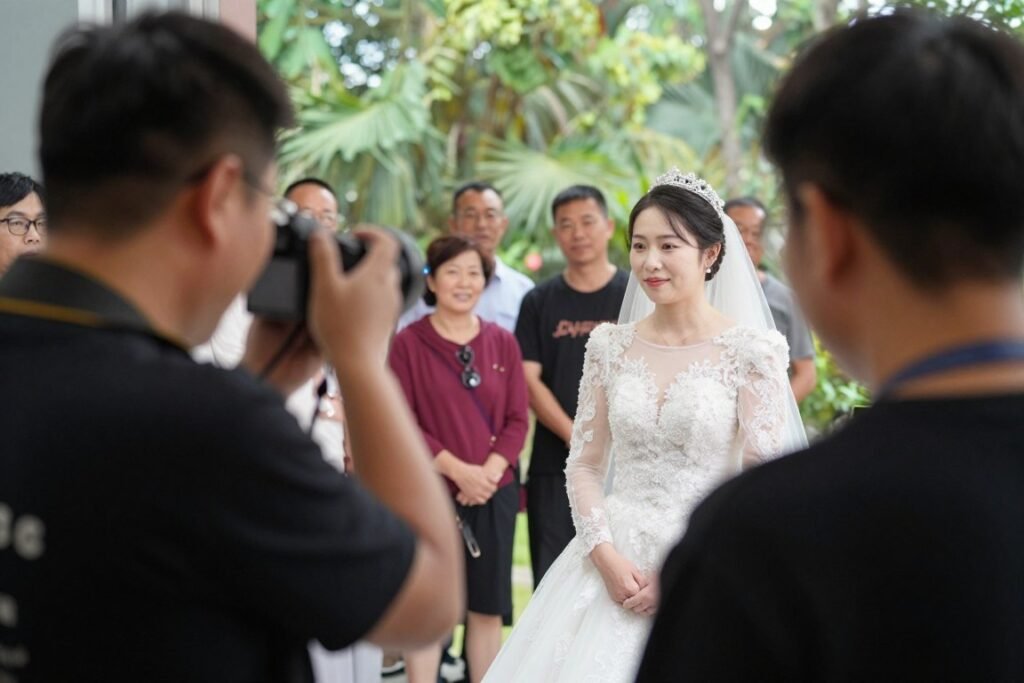
Professional photography deserves priority in small wedding budgets. Your intimate celebration creates unique photo opportunities that large weddings miss. Photographers can capture genuine emotions and connections when working with small groups.
Professional Photography Considerations
Hire photographers experienced with intimate weddings rather than those specializing in large events. Small wedding photography requires different skills than managing crowd shots. Look for portfolios emphasizing emotional moments over posed large group photos.
Your photography timeline can be more relaxed with fewer people. Formal portraits finish quickly when you’re only photographing 20 guests. More time goes toward candid moments and creative shots.
Consider hiring photographers for shorter time periods. Four hours often suffices for small wedding coverage versus eight-hour packages for large events. Reduced hours mean lower costs without sacrificing quality.
Discuss your small guest list with potential photographers during consultations. Some photographers reduce rates for intimate weddings since they require less equipment and assistants. Others charge flat rates regardless of size.
DIY and Guest Photography Options
Guest photography supplements professional work beautifully for small weddings. Designate one artistic friend as secondary photographer. Their different perspective adds variety to your photo collection.
Disposable cameras at each table setting encourage guest participation. Your small group will actually use cameras rather than leaving them untouched. Developing these rolls reveals fun candid moments professionals miss.
Create shared online albums where guests upload their photos. Small wedding groups actively contribute when they know their photos matter. You’ll receive diverse perspectives on your celebration day.
Instant cameras like Polaroids serve dual purposes as entertainment and guestbook elements. Guests take photos, then add them to your guestbook with messages. This interactive activity works perfectly for intimate gatherings.
Video and Other Memory-Keeping Ideas
Wedding videography often costs less for small weddings. Fewer hours of footage and simpler editing reduce final prices. Short highlight films beautifully capture intimate ceremony emotions.
Audio recordings preserve ceremony vows and toasts without video expense. Simple recording devices capture heartfelt words spoken during your celebration. These audio files become treasured keepsakes.
Guest interview videos create unique wedding memories. Have someone record each guest sharing advice, memories, or well-wishes. These personal messages mean more when coming from your closest people.
Written guestbooks remain valuable despite digital alternatives. Your small group has time to write meaningful messages rather than quick signatures. Read these heartfelt notes on future anniversaries.
Wedding Attire and Style for Small Celebrations
Small wedding attire can differ dramatically from traditional formal wear. Your intimate setting influences appropriate style choices. Comfort and personality often trump traditional formality for very small weddings.
Bride and Groom Attire Options
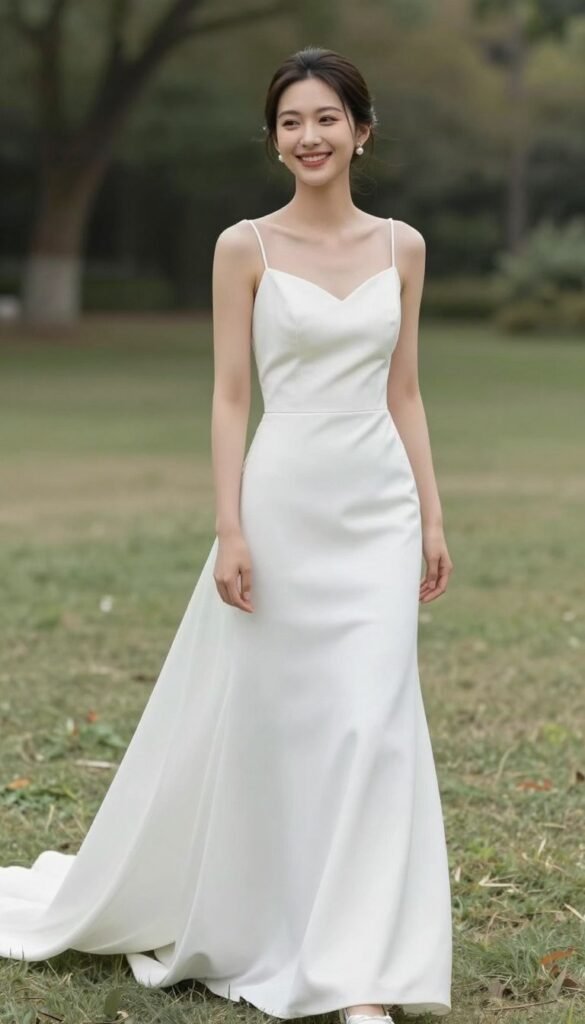
Simple, elegant wedding dresses suit intimate celebrations beautifully. Save money on elaborate gowns designed to impress large crowds. Choose dresses you’ll genuinely feel comfortable wearing all day.
Short wedding dresses or cocktail-length options work wonderfully for casual small weddings. These styles feel appropriate for intimate gatherings without sacrificing bridal aesthetics. Shorter dresses also cost less than formal gowns.
Jumpsuits and pantsuits offer modern alternatives to traditional dresses. These options suit brides who prefer non-traditional styles. Your small wedding provides freedom to wear whatever makes you feel beautiful.
Grooms might skip formal tuxedos for small weddings. Well-fitted suits or even dress shirts with nice trousers suffice for casual celebrations. Match your attire formality to your venue and overall wedding style.
Wedding Party and Guest Attire
Small wedding party members need less formal coordination than large groups. Two bridesmaids don’t require matching dresses. Give your limited party freedom to choose styles they’ll actually wear again.
Forgo traditional wedding party attire entirely for very casual weddings. Your best friend doesn’t need a special dress to stand beside you. Relaxed dress codes suit intimate celebration atmospheres.
Guest attire guidelines should match your venue and formality level. Backyard weddings call for garden party attire. Restaurant celebrations warrant cocktail attire. Make expectations clear on invitations.
Consider providing minimal guidance and letting your small group dress as they prefer. Your closest people know appropriate formality levels. Trust removes stress from both you and your guests.
Accessorizing Your Wedding Day Look?
Find beautiful jewelry, veils, shoes, and accessories to complete your small wedding day style with elegant touches.
Adding Personal Touches to Your Intimate Celebration
Small weddings allow personalization that large events cannot practically incorporate. Every detail can reflect your unique relationship. Your intimate guest list appreciates thoughtful touches that honor your connections.
Customized Elements for Guests
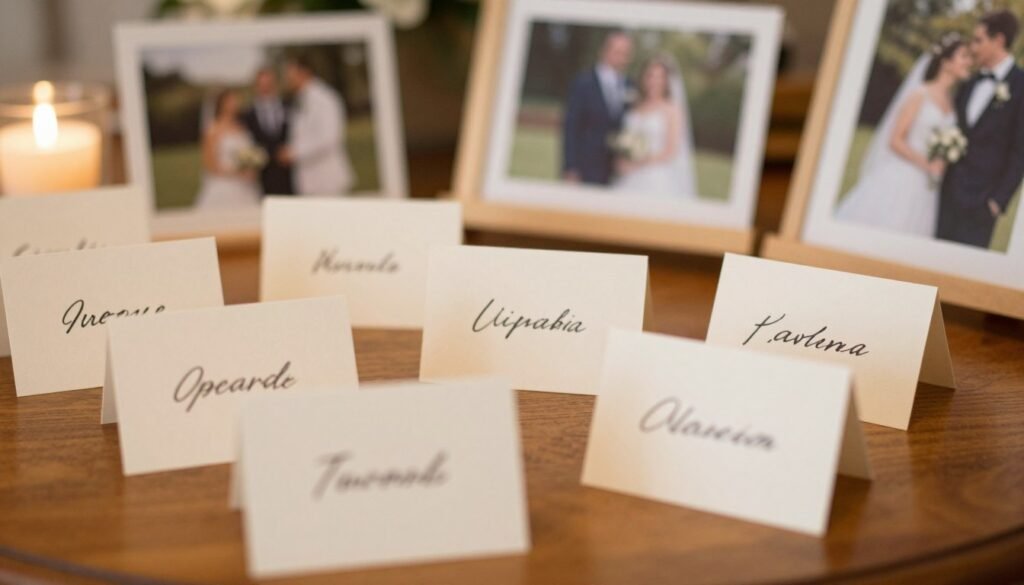
Handwritten notes at each place setting show care impossible for large weddings. Write personal messages thanking each guest for their specific role in your life. These meaningful words become keepsakes guests treasure.
Customized favors that actually relate to each guest demonstrate thoughtfulness. Consider individual gifts reflecting your relationship with each person. This level of personalization works only with very small numbers.
Seating arrangements can tell stories with small groups. Explain why you placed certain people together. Share anecdotes about the connections between tablemates. This works beautifully when everyone knows each other.
Menu selections catering to individual dietary preferences show consideration. You can actually accommodate each person’s needs when feeding 20 people. This attention to detail enhances guest experience significantly.
Meaningful Ceremony Inclusions
Unity ceremonies involving all guests create collective participation. Sand ceremonies where each guest adds colored sand, or stone ceremonies where everyone contributes a rock, engage your entire group meaningfully.
Group blessings or circle prayers work powerfully in intimate settings. Everyone joins hands and contributes to blessing your marriage. This spiritual connection feels authentic with close loved ones.
Acknowledge each guest individually during your ceremony or reception. Share how each person impacted your relationship or supported your journey. Public recognition honors your small group’s importance.
Display photos of each guest with you throughout your venue. Create visual timeline showing your relationships developing. This personal touch resonates deeply with intimate wedding attendees.
Creative Guestbook Alternatives
Traditional guestbooks often go unread after weddings. Creative alternatives for small weddings provide interactive experiences. Choose options you’ll actually use and display after your celebration.
Quilt squares where guests write messages you later assemble
Wooden blocks guests sign that stack into decorative displays
Recipe cards where guests share favorite dishes with marriage advice
Polaroid photos with written messages creating instant albums
Fingerprint tree art where guests add colored prints as leaves
Mad Libs style fill-in-the-blank advice cards
Video messages recorded at a designated station
Planning Timeline for Very Small Wedding Ideas
Small wedding planning timelines differ from large event schedules. You need less advance planning time for intimate celebrations. However, certain popular vendors still require early booking regardless of guest count.
How Far in Advance to Plan
Most small weddings require only three to six months planning time. This condensed timeline reflects simplified logistics. Fewer decisions need to be made when your guest list and venue options remain flexible.
Some couples plan micro weddings in weeks rather than months. Last-minute small weddings work when you’re flexible about dates and venues. This spontaneity is impossible for large traditional weddings.
Book photographers and venues first if your wedding falls during peak season. These vendors fill calendars months ahead regardless of event size. Secure your must-have elements before finalizing other details.
Off-season and weekday weddings allow extremely short planning periods. Vendors have abundant availability for Tuesday small weddings in February. Take advantage of this flexibility for quick planning.
3-Month Planning Checklist
Finalize guest list small group
Book venue and photographer
Order or purchase attire
Arrange catering or restaurant reservations
Send invitations (4-6 weeks before)
Plan ceremony details
Purchase decorations and supplies
Last Month Tasks
Confirm all vendor arrangements
Finalize day-of timeline
Complete DIY projects
Have final menu tastings
Prepare personal vows
Organize day-of details
Enjoy your last weeks before getting married
Simplifying the Planning Process
Eliminate unnecessary wedding traditions that don’t suit small celebrations. You don’t need save-the-dates for 20 guests. Skip engagement parties if they feel excessive. Focus only on elements that matter to you.
Digital invitations work perfectly for intimate weddings. Services like Paperless Post offer elegant designs at fraction of print costs. Your small group won’t judge electronic invitations negatively.
Combine your ceremony and reception at single locations. This eliminates transportation logistics and venue-change stress. Everything happening in one place simplifies your wedding day tremendously.
Limit your vendor list to absolute essentials. You might only need a venue, photographer, and caterer. Small weddings don’t require the dozen vendors large events demand.
Legal and Practical Considerations for Small Weddings
Small weddings still require the same legal steps as large celebrations. Don’t overlook practical necessities while focusing on intimate celebration details. Certain formalities remain regardless of your guest list size.
Marriage License and Officiant Requirements
Research marriage license requirements for your ceremony location. Timelines and regulations vary by state and country. Apply for your license within required timeframes before your wedding day.
Choose an officiant authorized to perform marriages in your location. Friends or family can become ordained online in many places. Verify that your chosen officiant’s credentials satisfy local legal requirements.
Witness requirements vary by jurisdiction. Most locations require two witnesses present during your ceremony. Your tiny wedding must still include enough people to meet legal minimums.
Destination small weddings require extra legal research. Marrying abroad involves additional paperwork and validation steps. Some couples legally marry at home, then celebrate with ceremonies at destinations.
Insurance and Contingency Planning
Wedding insurance costs little but provides peace of mind. Policies cover vendor cancellations, venue issues, and other unexpected problems. Small weddings benefit from this protection despite lower overall costs.
Weather contingency plans remain essential for outdoor ceremonies. Have backup indoor locations identified even for very small weddings. Don’t assume your intimate celebration can easily move at last minute.
Vendor contracts should be reviewed carefully regardless of wedding size. Understand cancellation policies, payment schedules, and service details. Small wedding vendors still require professional agreements.
Consider what happens if guests cannot attend your very small wedding. One or two cancellations significantly impact intimate celebrations. Discuss possibilities with your partner before your wedding day.
Small Wedding Ideas by Season
Each season offers unique opportunities for very small wedding celebrations. Seasonal elements provide natural themes and decoration inspiration. Your wedding planning should embrace rather than fight your chosen season.
Spring Small Wedding Ideas
Spring gardens provide stunning natural backdrops requiring minimal decoration. Blooming flowers and fresh greenery create romantic settings. Many botanical gardens offer affordable rates for small wedding groups during spring months.
Outdoor brunch receptions perfectly suit spring weather. Morning ceremonies in pleasant temperatures allow outdoor celebrations. Fresh seasonal menus featuring spring vegetables and fruits feel appropriate.
Pastel color palettes naturally complement spring small weddings. Soft pinks, lavenders, and greens reflect blooming surroundings. These gentle colors photograph beautifully in spring natural lighting.
Consider cherry blossom season for spectacular photo opportunities. Many locations feature peak bloom periods lasting only weeks. Your small wedding can schedule around these brief spectacular windows.
Summer Small Wedding Ideas
Beach weddings work wonderfully for intimate summer celebrations. Your small group comfortably gathers on beaches without requiring permits. Sunset ceremonies provide dramatic natural lighting for photographs.
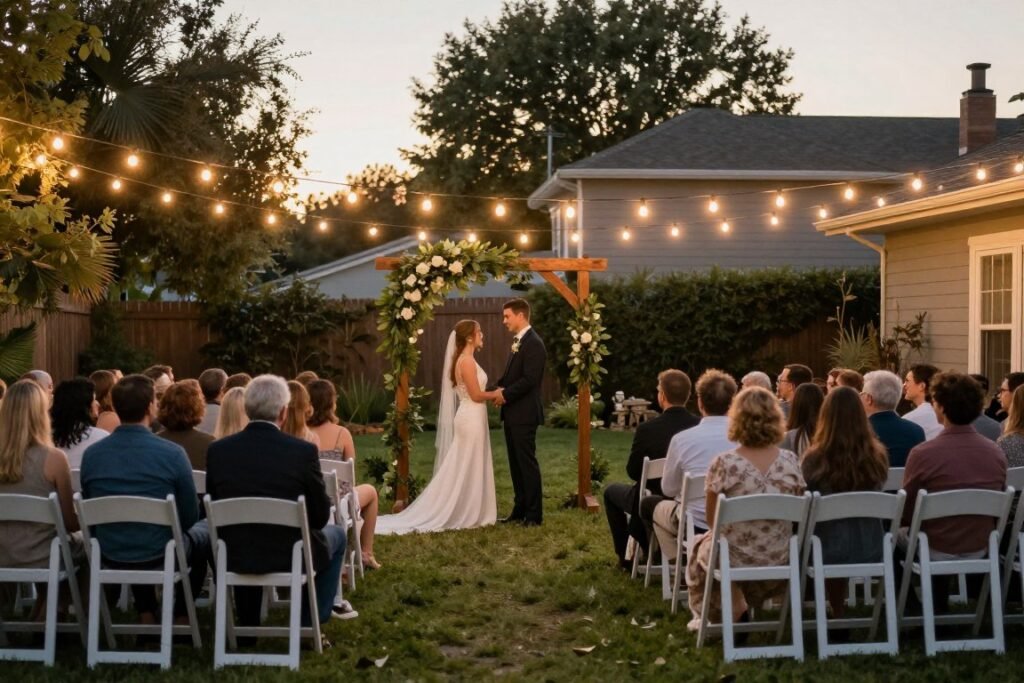
Backyard weddings thrive during summer months. Your property or family member gardens offer free venues with personal meaning. String lights transform ordinary backyards into magical evening celebration spaces.
Weekend celebration retreats suit summer small weddings perfectly. Rent lake houses or mountain cabins for your intimate group. Multiple days together create deeper connections than single-evening receptions.
Casual outdoor dining feels natural for summer small wedding receptions. Picnic-style meals, barbecues, or seafood boils create relaxed celebration atmospheres. Your guests appreciate informal summer gathering vibes.
Fall Small Wedding Ideas
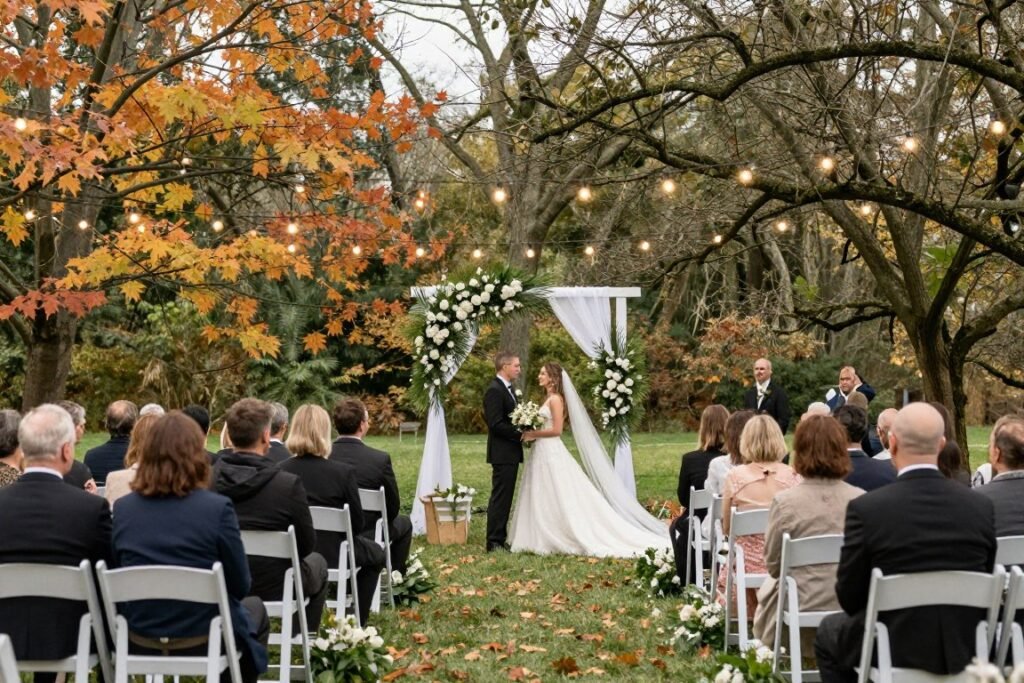
Fall foliage provides spectacular free decoration for outdoor ceremonies. Mountains, forests, and parks showcase nature’s color during autumn months. Your small group can access hiking locations for unique ceremony settings.
Cozy indoor venues suit fall small wedding aesthetics perfectly. Historic homes, libraries, or restaurants with fireplaces create intimate autumn atmospheres. Warm interior spaces welcome guests as weather cools.
Seasonal food options enhance fall wedding menus naturally. Harvest vegetables, apple desserts, and warm spices reflect autumn flavors. These seasonal choices often cost less than out-of-season imports.
Earlier sunset times create romantic golden hour lighting for fall ceremonies. Schedule your celebration to capture stunning autumn light. Photographers love fall wedding opportunities for dramatic natural images.
Winter Small Wedding Ideas
Holiday season small weddings benefit from existing decorations everywhere. Cities, venues, and homes already feature festive lighting and decor. Your wedding piggybacks on existing beauty without additional decoration costs.
Ski resort weddings offer unique winter destination options. Your small group can combine celebration with vacation activities. Mountain lodge settings provide stunning snowy backdrops for ceremonies.
Indoor intimate venues feel especially cozy during winter months. Candlelit dinners, warm fireplaces, and close gatherings suit cold weather perfectly. Your guests appreciate warm indoor celebrations.
New Year’s Eve or holiday week weddings create memorable dates. Guests already have time off work during these periods. Your anniversary forever coincides with existing celebration seasons.
Micro Wedding vs Elopement: Understanding the Difference
Couples often confuse micro weddings with elopements. While both involve small guest counts, they represent different celebration philosophies. Understanding these distinctions helps clarify your wedding vision.
What Defines a Micro Wedding
Micro weddings typically include 5 to 20 guests at planned celebrations. These events feature traditional wedding elements scaled down for intimate groups. You still have ceremonies, receptions, and structured celebrations.
Planning timelines for micro weddings resemble traditional weddings but simplified. You book venues, hire vendors, and organize reception details. The process just involves fewer logistics and smaller numbers.
Micro weddings prioritize guest experience and connection. Every element focuses on quality time with your closest people. These celebrations feel like elevated dinner parties rather than performances.
What Defines an Elopement
Traditional elopements involve only the couple getting married, often spontaneously. Modern elopements might include a few witnesses but remain extremely intimate. The focus stays entirely on the couple’s experience.
Elopements emphasize adventure and spontaneity over planning. Couples might marry in stunning destinations with minimal preparation. The journey and experience matter more than organized celebration details.
Less structure characterizes elopements compared to micro weddings. There might not be formal receptions or structured timelines. Couples focus on their commitment rather than hosting duties.
Which Option Fits Your Vision
Choose micro weddings if community celebration matters to you. These events honor your closest relationships through shared experience. Your people witness and celebrate your marriage together.
Select elopements if you want focus entirely on your relationship. No hosting responsibilities or guest considerations. Your wedding day belongs completely to you as a couple.
Consider hybrid approaches combining both elements. Legally marry in intimate elopement settings, then host small receptions later. This compromise gives you private moments plus community celebration.
Planning Destination Small Weddings
Destination weddings naturally limit guest lists to your closest people. Travel requirements create self-selecting attendance. Those who make the trip demonstrate significant commitment to celebrating with you.
Benefits of Destination Small Weddings
Combining your wedding and honeymoon at one destination saves money and time. You’re already at your dream location for celebrating and vacationing. Extended stays allow quality time with your small guest group.
Destination locations provide built-in entertainment and activities. Your guests enjoy vacation experiences beyond just attending your wedding. Multi-day celebrations feel natural at destination locations.
Spectacular settings enhance intimate ceremonies dramatically. Beach sunsets, mountain vistas, or historic European cities create unforgettable backdrops. These locations elevate simple ceremonies into extraordinary experiences.
All-inclusive resorts simplify planning for destination small weddings. Package deals cover venues, food, accommodations, and coordination. You eliminate many typical planning stresses through resort services.
Logistical Considerations
Research marriage requirements for international destinations thoroughly. Some countries impose waiting periods or residency requirements. Legal complications might require marrying at home before destination ceremonies.
Provide guests detailed travel information well in advance. Share flight options, accommodation recommendations, and itinerary details. Your small group needs time to arrange travel and prepare budgets.
Consider hosting multiple small celebrations for those who cannot travel. Destination weddings plus local receptions accommodate everyone important to you. This approach includes distant family without forcing their travel.
Plan activities for guests throughout their destination stay. Organize group dinners, excursions, or adventures beyond your wedding day. Your small group creates lasting memories together during extended celebrations.
Preparing for Destination Travel?
Find travel accessories, packing organizers, and destination wedding essentials to prepare for your celebration journey.
Small wedding etiquette differs from traditional large celebration expectations. Your intimate guest list creates unique social dynamics. Understanding appropriate protocols prevents hurt feelings and awkward situations.
Invitation Etiquette
Address small wedding sizes directly in your communications. Let people know upfront that you’re planning intimate celebrations. This transparency prevents assumptions about invitation expectations.
Send invitations to your small guest list only. Don’t share details with others who aren’t invited. Discretion prevents hurt feelings among those not included in your intimate celebration.
Consider whether formal invitations are even necessary for very small weddings. Phone calls or personal emails might feel more appropriate for groups under 15. Match your invitation style to your celebration’s intimacy level.
Be prepared to explain your small wedding choice to inquiring acquaintances. Have consistent messaging ready about preferring intimate celebrations. Blame venue size limitations if direct honesty feels too uncomfortable.
Gift Registry Considerations
Small wedding gift registries should remain modest. Requesting expensive gifts from tiny guest lists can feel presumptuous. Consider whether registries are necessary at all for intimate celebrations.
Many small wedding couples request no gifts. When your wedding is genuinely intimate, material gifts matter less. Guest presence represents the meaningful gift.
If creating registries, include affordable options for your small group. Not everyone can afford expensive gifts even for close friends. Provide diverse price points or suggest group gifts.
Consider charitable donations instead of traditional registries. Ask guests to contribute to meaningful causes. This approach eliminates gift awkwardness while supporting important organizations.
Post-Wedding Announcements
Send wedding announcements to those not invited to your intimate ceremony. These formal notices inform extended circles about your marriage without implying invitation snubs. Announcements arrive after your wedding date.
Share photos on social media thoughtfully after small weddings. Consider who might feel hurt seeing celebration photos. Private sharing with wedding guests before public posting shows consideration.
Some couples host post-wedding receptions for broader groups. Casual parties weeks after intimate ceremonies include those excluded from wedding days. These relaxed gatherings celebrate without recreating full wedding experiences.
Common Mistakes to Avoid with Small Weddings
Small wedding planning presents unique pitfalls that large event planning doesn’t face. Understanding common mistakes helps you avoid them. Learn from others’ experiences to create your best intimate celebration.
Planning and Expectation Errors
Don’t assume small weddings require no planning. Intimate celebrations still need organization and coordination. Reduced scale doesn’t mean you can wing it without preparation.
Avoid trying to include all traditional wedding elements in scaled formats. Not everything translates well to small groups. Choose elements that suit intimate celebrations rather than forcing large wedding traditions.
Don’t neglect your guest experience while focusing on intimacy. Your small group still deserves comfortable seating, good food, and appropriate timing. Size doesn’t excuse poor hosting.
Resist pressure to expand your guest list beyond your comfort level. Friends and family will push for additions. Stay firm on your intimate wedding vision despite external pressure.
Budget and Spending Mistakes
Don’t assume everything automatically costs less for small weddings. Some vendors charge minimum fees regardless of guest count. Research actual small wedding costs rather than making assumptions.
Avoid overspending on elements that don’t matter for intimate celebrations. You don’t need elaborate decorations that large venues require. Invest in quality experiences rather than impressive displays.
Don’t forget to budget for unexpected costs. Small weddings still encounter surprise expenses. Maintain financial buffers for unplanned needs or last-minute changes.
Guest Management Errors
Avoid inconsistent invitation criteria that create family drama. If you invite some cousins, expect others to feel slighted. Establish clear rules and follow them consistently.
Don’t forget to properly communicate expectations to invited guests. Share dress codes, timing details, and any special instructions. Your small group needs clear information despite informal vibes.
Resist the urge to micromanage your intimate guest group. Trust your closest people to behave appropriately. Over-controlling small weddings creates uncomfortable atmospheres.
Real Small Wedding Ideas and Inspiration
Real wedding examples provide concrete inspiration for planning your own intimate celebration. These actual small wedding stories demonstrate how couples successfully executed very small wedding ideas. Learn from their creative solutions and personal touches.
Backyard Micro Wedding Example
Sarah and James married in Sarah’s parents’ backyard with 15 guests. Their ceremony took place under a simple floral arch that James built himself. The couple exchanged personal vows they’d written together over several weeks.
Their reception featured a long farm table decorated with wildflowers from a local market. A family friend who’s a professional chef prepared a four-course meal served family-style. The intimate dinner lasted three hours filled with stories and laughter.
Total cost for their backyard wedding was $3,500. Major expenses included photography, flowers, and catering. They saved thousands by using family property and keeping decorations simple.
Destination Beach Wedding Example
Maria and David eloped to Costa Rica with 8 close friends and family members. They rented a beachfront villa that accommodated their entire small guest group. The ceremony took place at sunset on the private beach.
Their celebration spanned four days of shared activities. The group went zip-lining, explored rainforests, and enjoyed group dinners. The wedding itself was just one element of their destination adventure together.
Including travel costs, their destination micro wedding cost approximately $8,000. The villa rental was their biggest expense. They considered it combined wedding and honeymoon spending.
Restaurant Private Dining Wedding Example
Alex and Jordan booked a private dining room at their favorite restaurant for 22 guests. The ceremony occurred in a nearby park with just immediate family. Everyone then walked to the restaurant for their reception dinner.
The restaurant’s private room provided elegant ambiance without additional decoration. The chef created a custom tasting menu for their group. Wine pairings accompanied each course throughout the evening.
Their restaurant wedding cost $6,000 including ceremony flowers and photography. The intimate venue required minimal additional spending. Guests raved about the exceptional food and cozy atmosphere.
Weekday City Hall Wedding Example
Emma and Chris married at city hall on a Tuesday afternoon with 12 guests. They chose a historic courthouse with beautiful architecture. The simple ceremony lasted 20 minutes but felt deeply meaningful.
After the ceremony, their group celebrated at a nearby cocktail bar they’d reserved. Appetizers and drinks continued for several hours of casual celebration. The relaxed atmosphere felt perfect for their friend group.
Total spending was under $2,000 for their weekday small wedding. Attire and the photographer represented their largest costs. The affordable celebration allowed them to save for their future together.
Making Your Small Wedding Feel Special and Complete
Some couples worry that small weddings might feel incomplete or less significant. These concerns are understandable but ultimately unfounded. Your intimate celebration can feel just as special as any large traditional wedding.
Reframing Your Expectations
Release attachment to traditional wedding imagery from media and culture. Those large celebrations represent one valid option, not the only meaningful way to marry. Your small wedding creates its own perfect experience.
Focus on what small weddings offer rather than what they lack. Intimate celebrations provide genuine connection that large weddings cannot achieve. Your wedding day will feel special because of quality interactions, not guest quantity.
Remember that wedding significance comes from your commitment, not event size. The marriage matters more than the wedding celebration. Your intimate ceremony honors your relationship authentically.
Creating Ceremony Significance
Invest time in writing meaningful personal vows. These spoken commitments become your ceremony’s emotional centerpiece. Heartfelt words resonate powerfully in intimate settings.
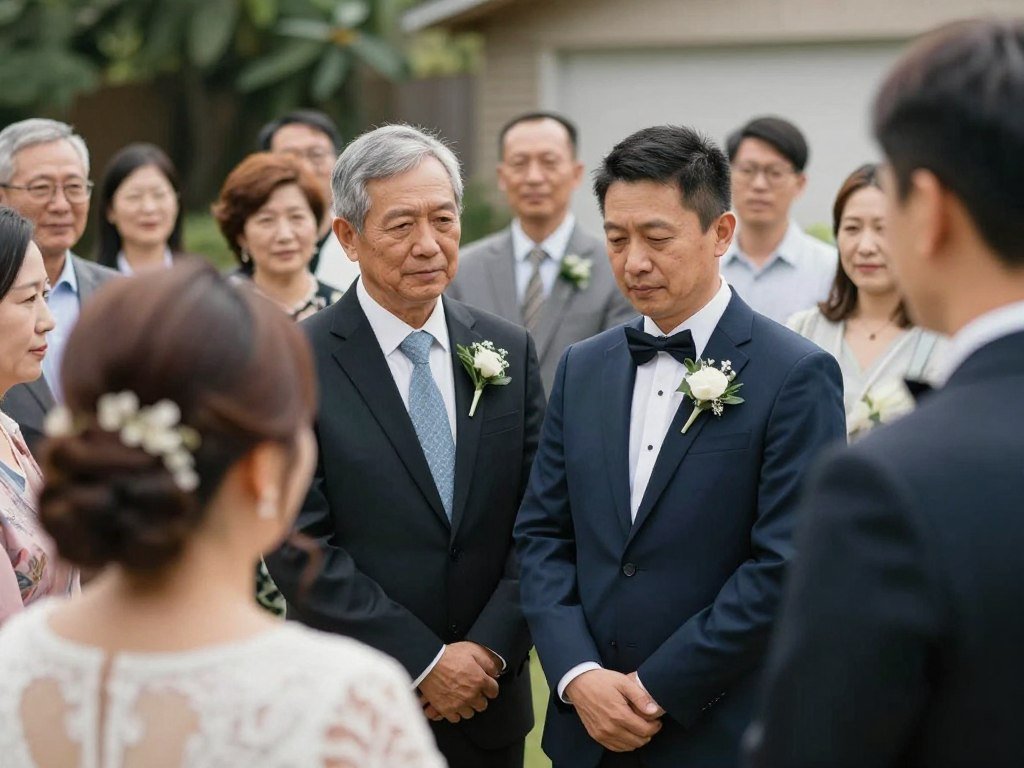
Include meaningful rituals that reflect your values or heritage. Unity ceremonies, religious blessings, or cultural traditions add depth to simple ceremonies. These elements create significance beyond just legal marriage proceedings.
Ask trusted people to contribute readings or blessings. Each guest’s participation increases ceremony meaning. Your small group’s involvement makes your wedding feel communal despite limited numbers.
Honoring the Moment
Be fully present during your small wedding day. Without hundreds of guests to greet, you can actually experience each moment. This mindful presence makes your celebration more meaningful than rushing through large event obligations.
Take time for private moments together during your wedding day. Step away from even your small group for quiet connection. These intimate pauses become treasured memories.
Document your day thoroughly through photography and video. Professional documentation validates your celebration’s importance. Looking back at beautiful images reinforces that your small wedding was complete and special.
Preserving Your Wedding Memories?
Discover beautiful wedding albums, frames, and memory-keeping supplies to treasure your intimate celebration forever.
Planning a very small wedding represents a meaningful choice about how you want to celebrate your marriage. These intimate celebrations prioritize what truly matters: your commitment and connections with closest loved ones. Your wedding day becomes about authentic experience rather than impressive displays.
Small weddings offer advantages that extend beyond budget savings. The flexibility, reduced stress, and genuine connections make intimate celebrations incredibly rewarding. Many couples report that their small weddings exceeded expectations precisely because of their intimate nature.
Your very small wedding ideas should reflect your unique relationship and values. Don’t feel pressured to include traditions that don’t resonate with you. Create the celebration that feels right for you as a couple.
Remember that the size of your wedding has no correlation to the strength of your marriage. Some of the happiest couples marry in tiny ceremonies with just witnesses present. Others celebrate with dozens of close friends and family members. Both approaches create meaningful beginnings for married life.
Trust your instincts throughout the planning process. If something feels wrong or uncomfortable, change it. Your small wedding gives you freedom to make choices that larger events don’t allow. Use this flexibility to create your ideal celebration.
The memories you create on your wedding day will last far longer than the event itself. Focus on elements that will matter in five, ten, or twenty years. Quality moments with loved ones endure while elaborate decorations and expensive details fade from memory.
Embrace your very small wedding with confidence and joy. Your intimate celebration is a perfect way to begin your marriage journey. The people who matter most will surround you as you commit to your partner. That’s what makes any wedding truly special.
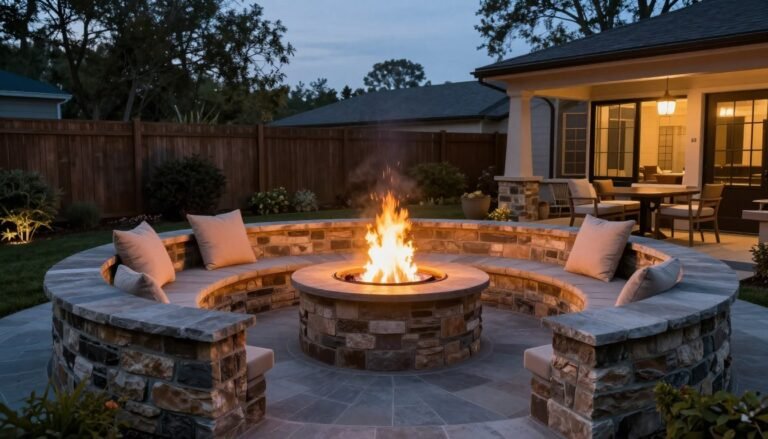
Creating a backyard retreat starts with the right focal point. A fire pit transforms ordinary outdoor space into a gathering spot where family and friends create lasting memories. Whether you want a simple stone fire pit or an elaborate concrete design, the possibilities are endless. Your outdoor living area deserves a centerpiece that combines function…
Red shoes are the ultimate statement piece that can transform even the simplest outfit into something extraordinary. Whether you’re drawn to fiery stilettos, casual sneakers, or classic flats, red footwear demands attention and exudes confidence. But many of us hesitate, wondering exactly how to style these bold beauties without looking overdone. This comprehensive guide will…
Creating a dedicated craft space doesn’t have to drain your bank account. With some creativity and smart planning, you can design a functional and inspiring craft room without spending a fortune. Whether you’re working with a spare bedroom, closet, or just a corner of your living room, these budget-friendly craft room ideas will help you…
When it comes to blending style, comfort, and versatility, cute Adidas shoes have become the ultimate fashion staple for trendsetters everywhere. From the iconic three stripes to the perfect balance of athletic heritage and fashion-forward design, Adidas continues to create footwear that captures hearts (and Pinterest boards!) worldwide. Whether you’re looking for a casual everyday…
Desi wedding decor transforms ordinary venues into magical spaces that celebrate South Asian heritage while creating unforgettable memories. From the vibrant colors of marigold garlands to the intricate details of mandap designs, these decorative elements tell the story of your love while honoring centuries of tradition. Whether you’re planning an intimate ceremony or a grand…
Green Adidas shoes have become a standout fashion statement, adding a vibrant pop of color to countless outfit combinations. Whether you’ve just purchased a pair of emerald Gazelles, forest green Stan Smiths, or mint Sambas, knowing how to style these eye-catching sneakers can transform your everyday look from basic to bold. In this comprehensive guide,…