2000s Cake Ideas: Nostalgic Designs That Defined a Decade
The 2000s brought us unforgettable cake trends that transformed ordinary desserts into edible works of art. From reality TV-inspired wedding cakes to Myspace-era birthday celebrations, this decade created cake decorating trends we still love today.
This era introduced bold fondant work, intricate buttercream piping, and celebrity-inspired designs that made every celebration feel special. Whether you hosted family gatherings or planned elaborate birthdays for people in your life, these cakes captured the essence of early millennium style.
Let’s explore the iconic 2000s cake ideas that defined an entire generation of dessert lovers.
Buttercream Flower Cakes: The Signature 2000s Style
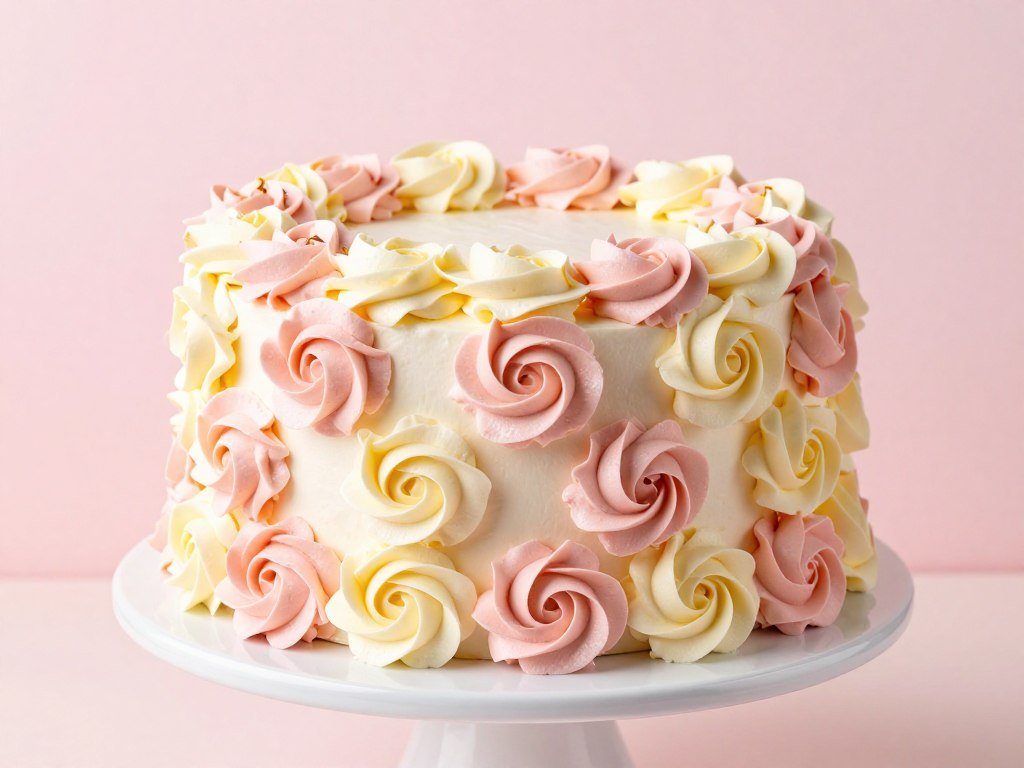
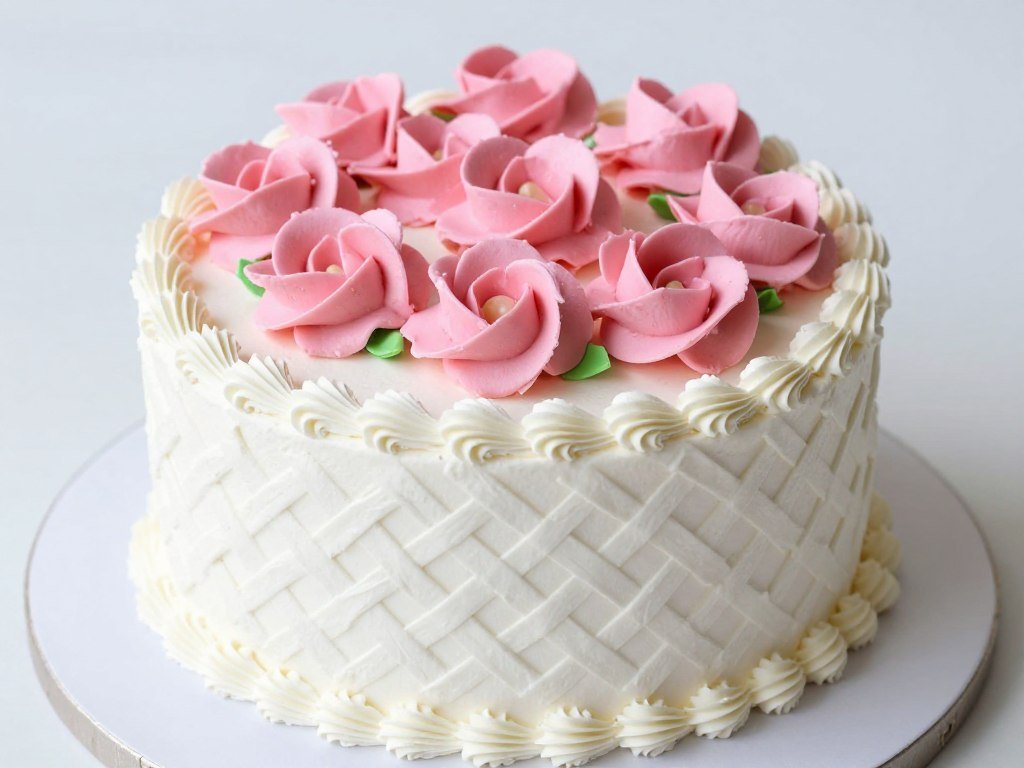
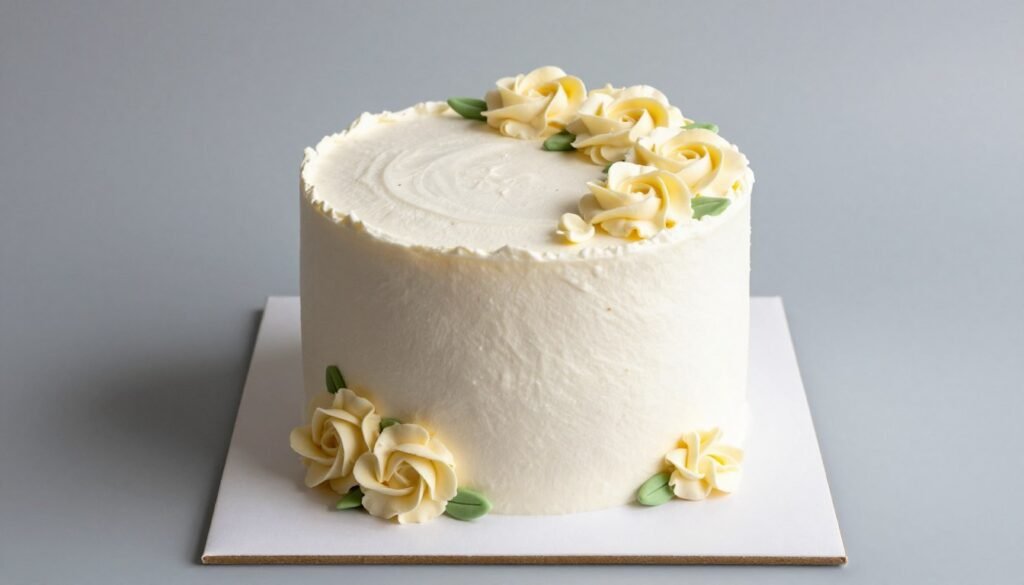
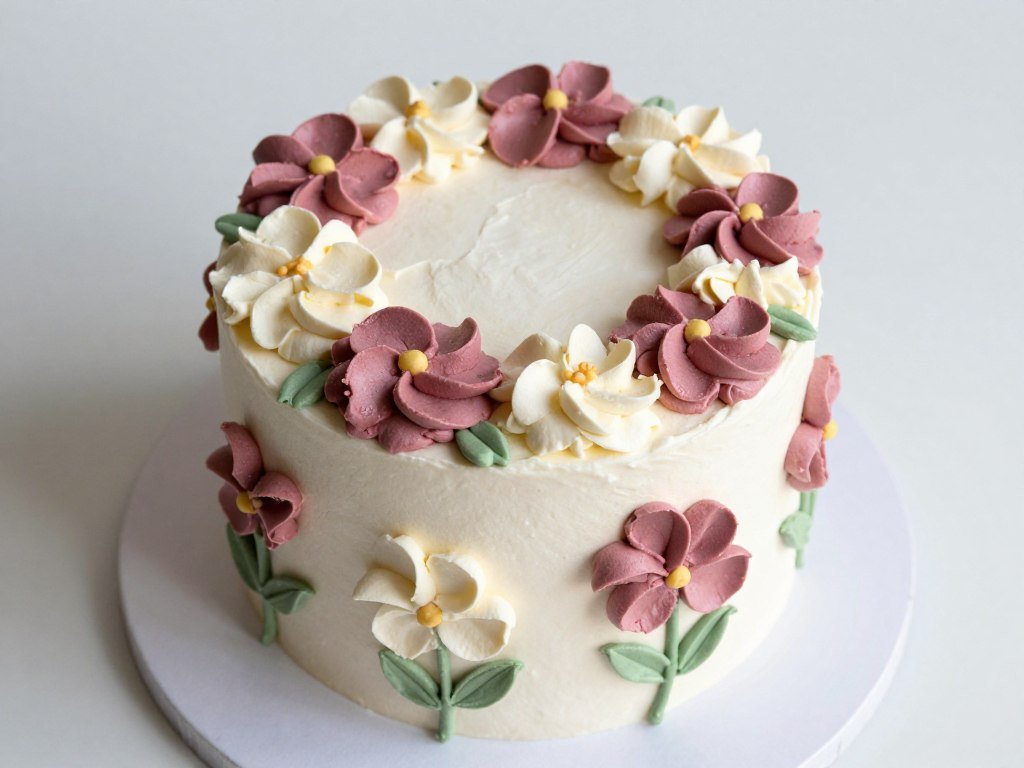
Buttercream flower cakes dominated birthday celebrations throughout the 2000s. These elegant designs featured dozens of hand-piped roses, daisies, and carnations that covered entire cake surfaces.
Classic Rose Piping Techniques
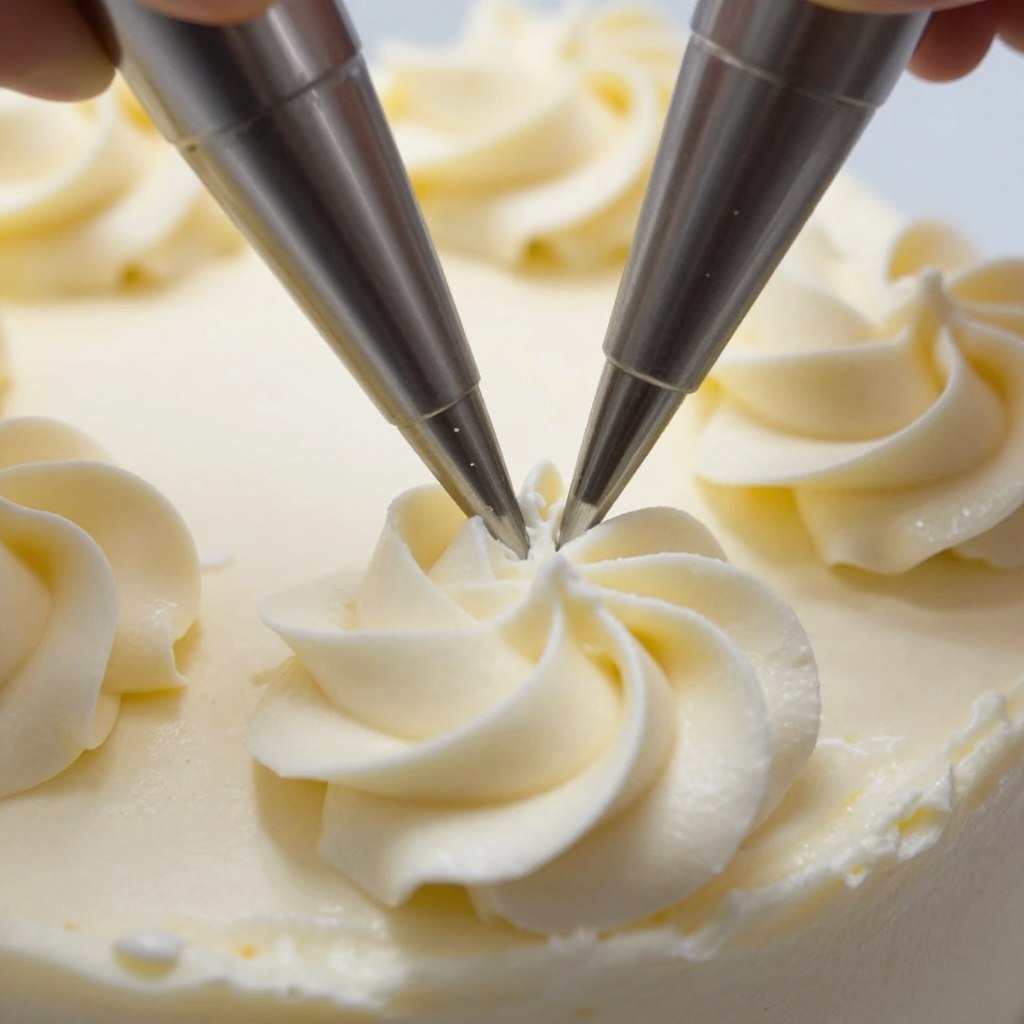
The Russian piping tip revolution started in the late 2000s. Bakers discovered these specialty tips created elaborate flowers with a single squeeze. Each cup of frosting could produce stunning floral arrangements that looked professionally crafted.
Traditional rose piping required steady hands and the right ingredients. Bakers mixed cups of butter with powdered sugar to achieve the perfect consistency. The recipe for stable buttercream included vanilla extract for flavor enhancement.
Basket weave techniques created textured cake sides that looked like woven baskets. This classic 2000s technique used flat piping tips to create over-under patterns. Customer requests for these designs filled bakery order books during this era.
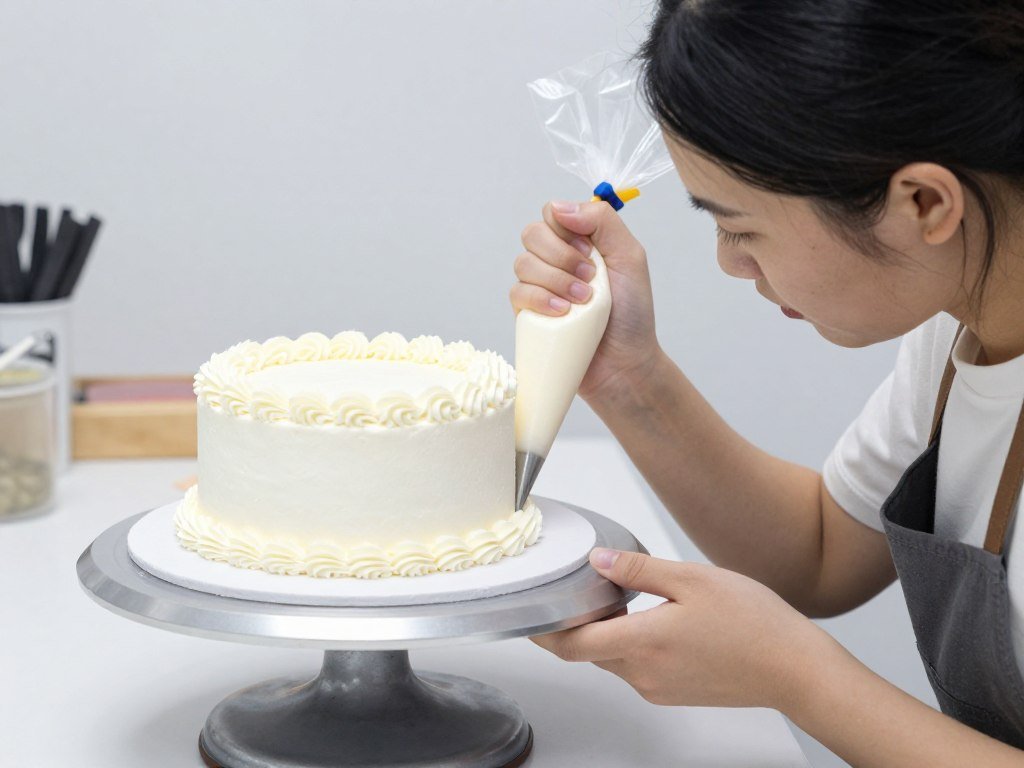
Decorative borders finished every professionally decorated cake. Shell borders, rope borders, and star tip designs framed cake bases and tiers. These details separated amateur baking from professional-quality results.
The Fondant Revolution of the 2000s
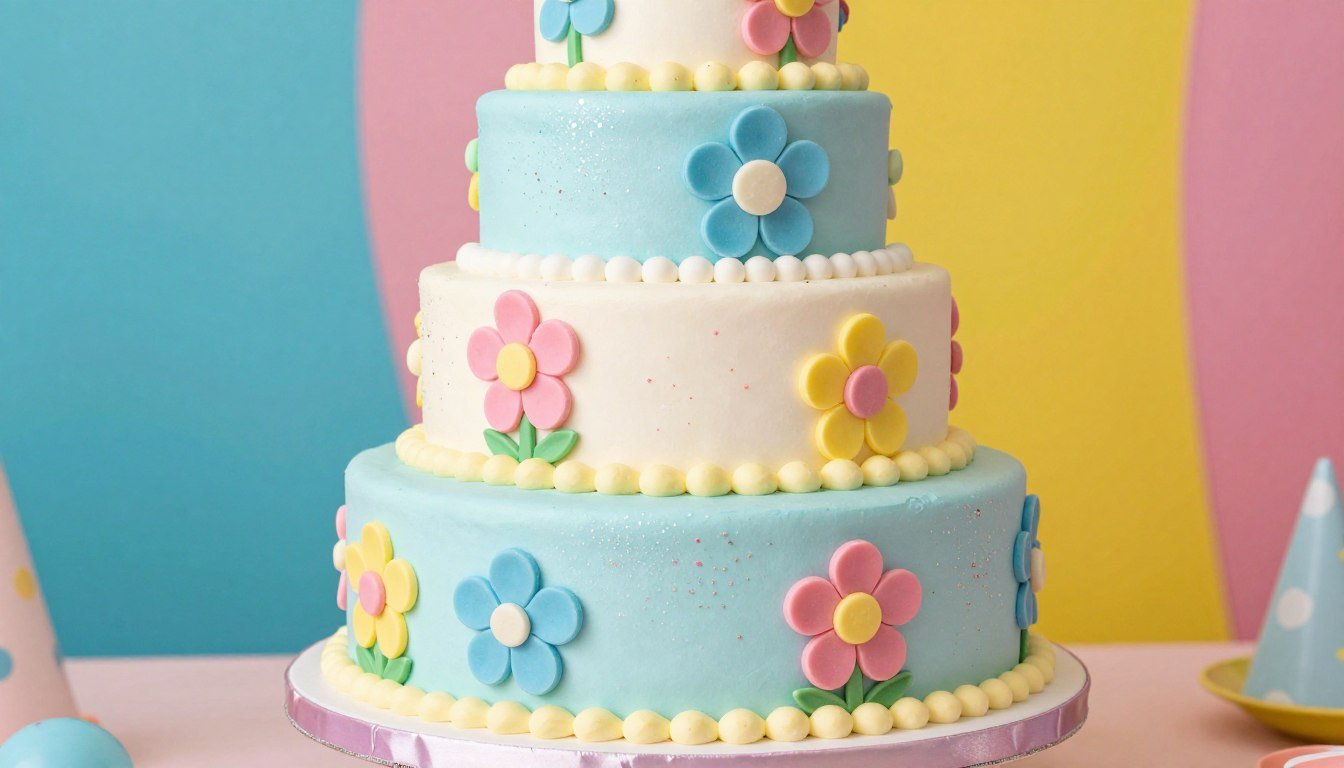
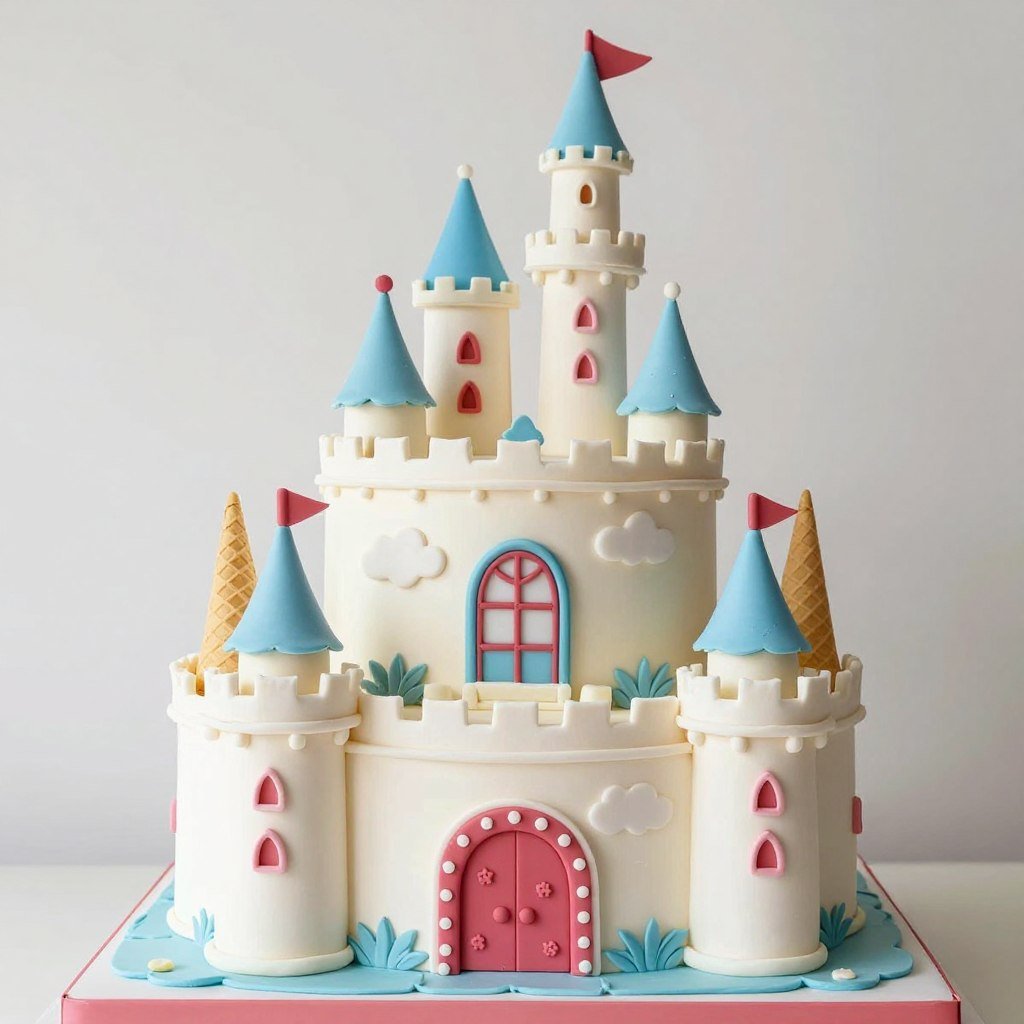
Fondant transformed cake decorating when reality TV shows showcased its possibilities. This smooth, pliable icing allowed bakers to create perfectly flat surfaces and three-dimensional sculptures.
Working With Rolled Fondant
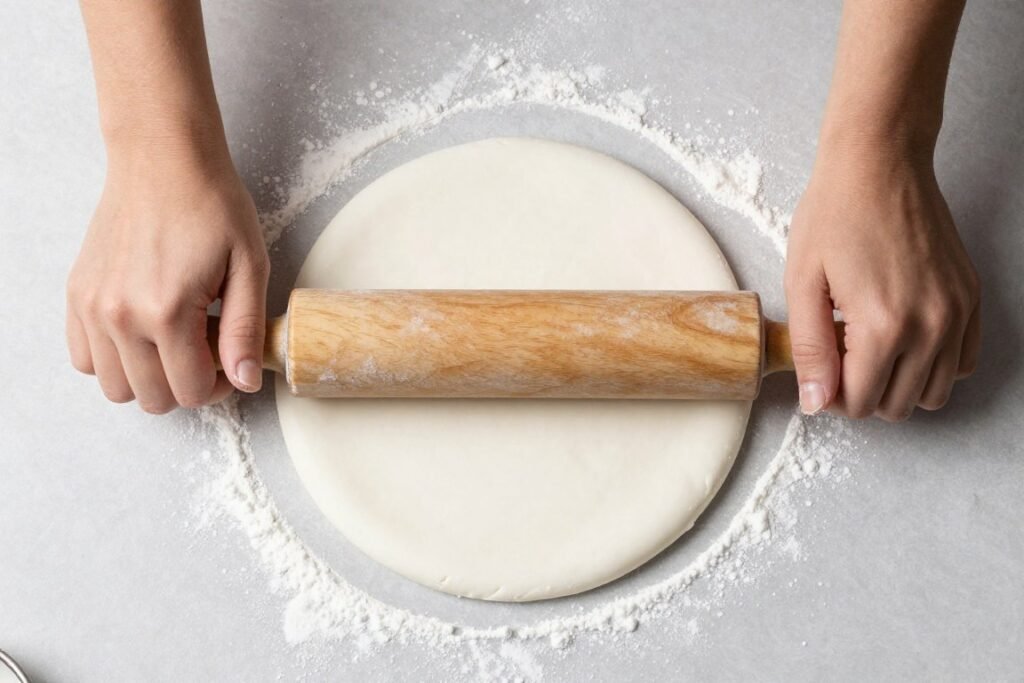
Rolling fondant required specific techniques for success. Bakers dusted surfaces with powdered sugar or cornstarch to prevent sticking. The material needed careful handling to avoid tears or air bubbles.
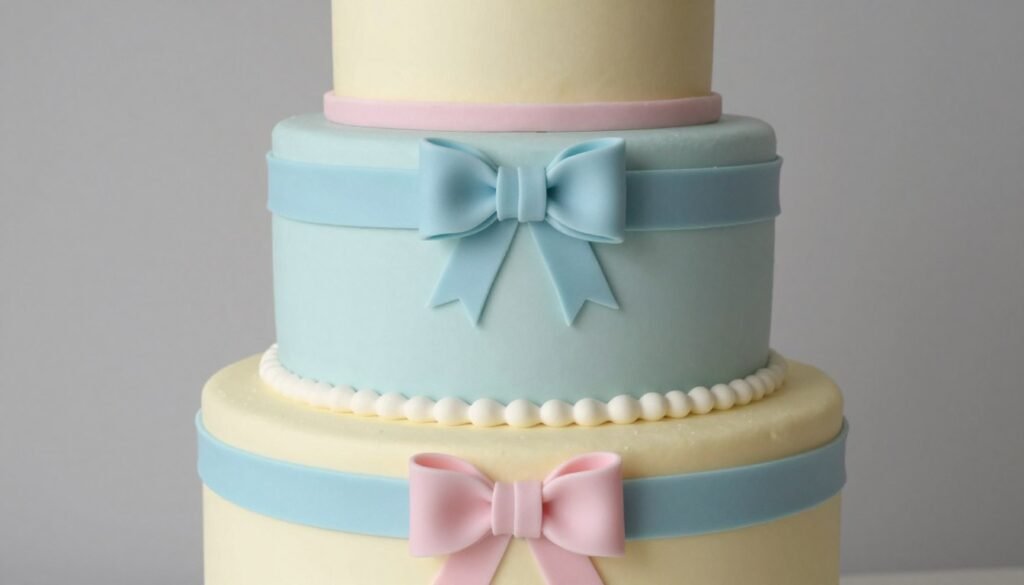
Perfectly smooth fondant became the hallmark of professional cakes. This technique required crumb coating the cake first with a thin layer of frosting. The process created the flawless canvas that defined 2000s wedding and birthday cakes.
Pro Tip: Always knead fondant until it reaches room temperature before rolling. This prevents cracking and creates smoother coverage.
Fondant Decorations and Figures
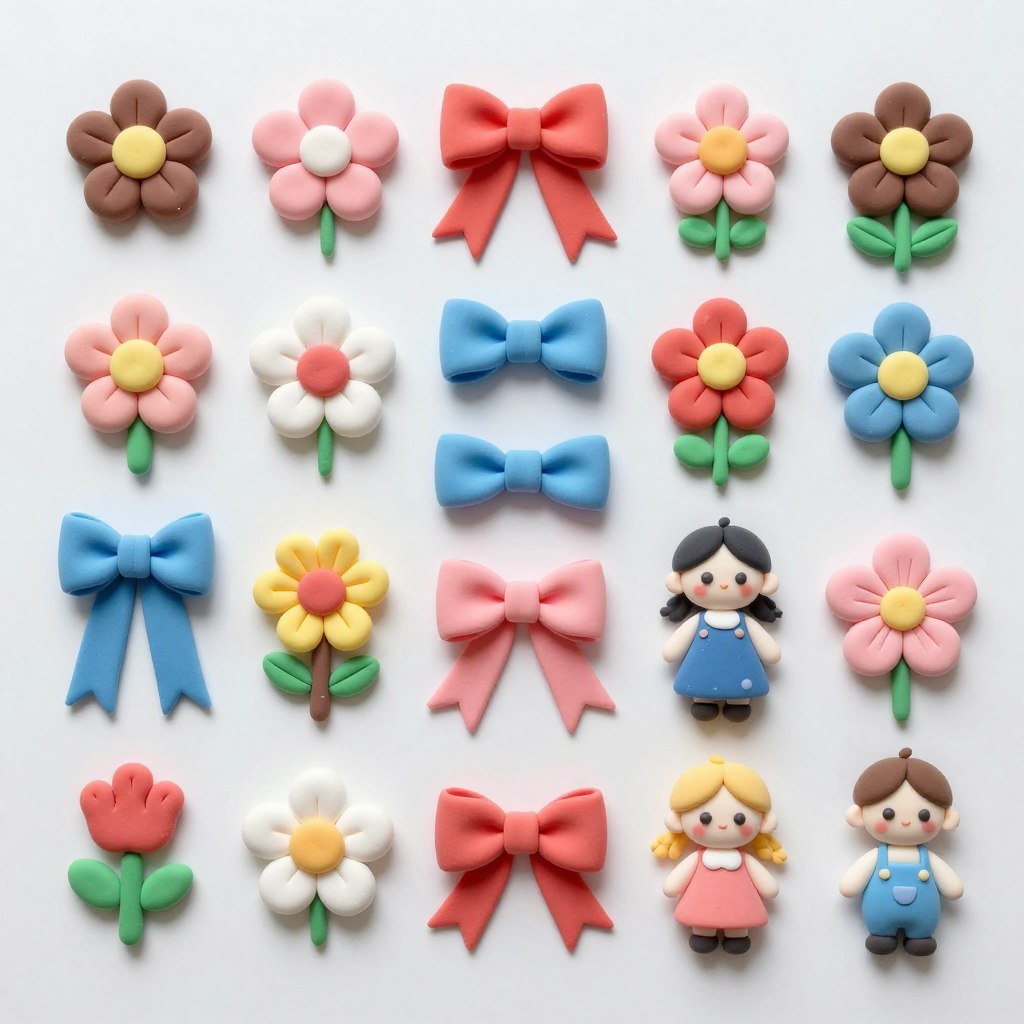
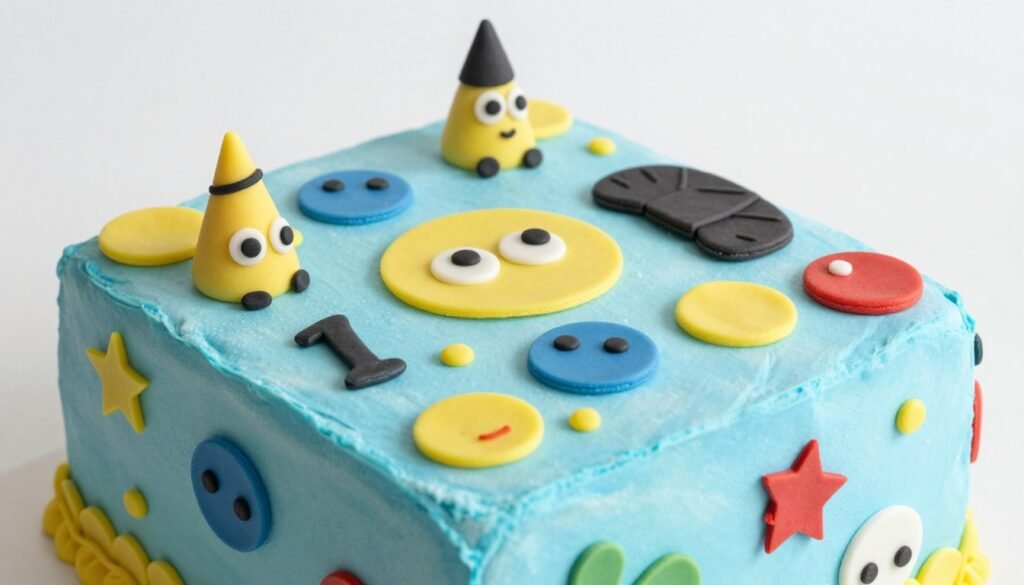
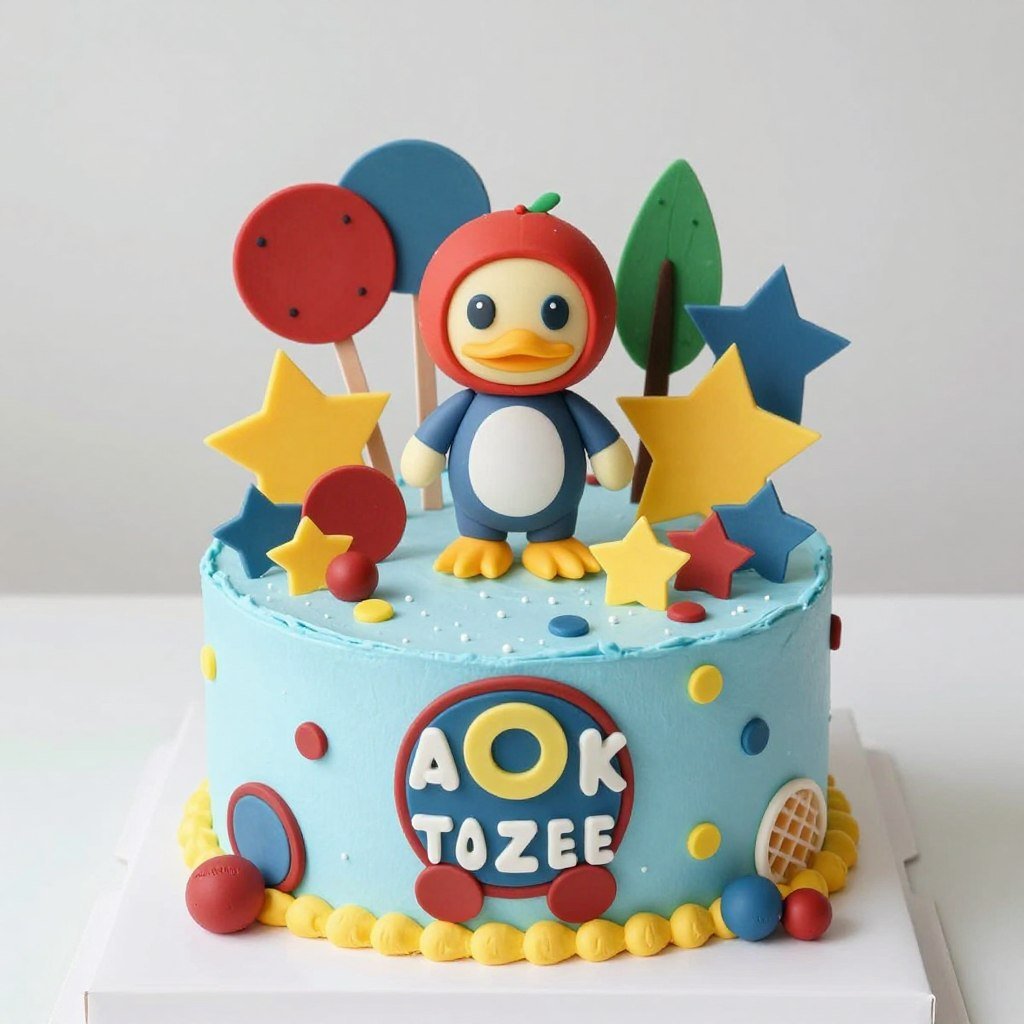
Creating fondant figures became an art form during the 2000s. Bakers crafted everything from cartoon characters to elaborate flowers using this versatile medium. Each decoration required food coloring, patience, and artistic skill.
Gum paste offered an alternative for delicate decorations. This sugar-based material dried harder than fondant, making it perfect for flowers and standing figures. Many bakers combined both materials for different effects.
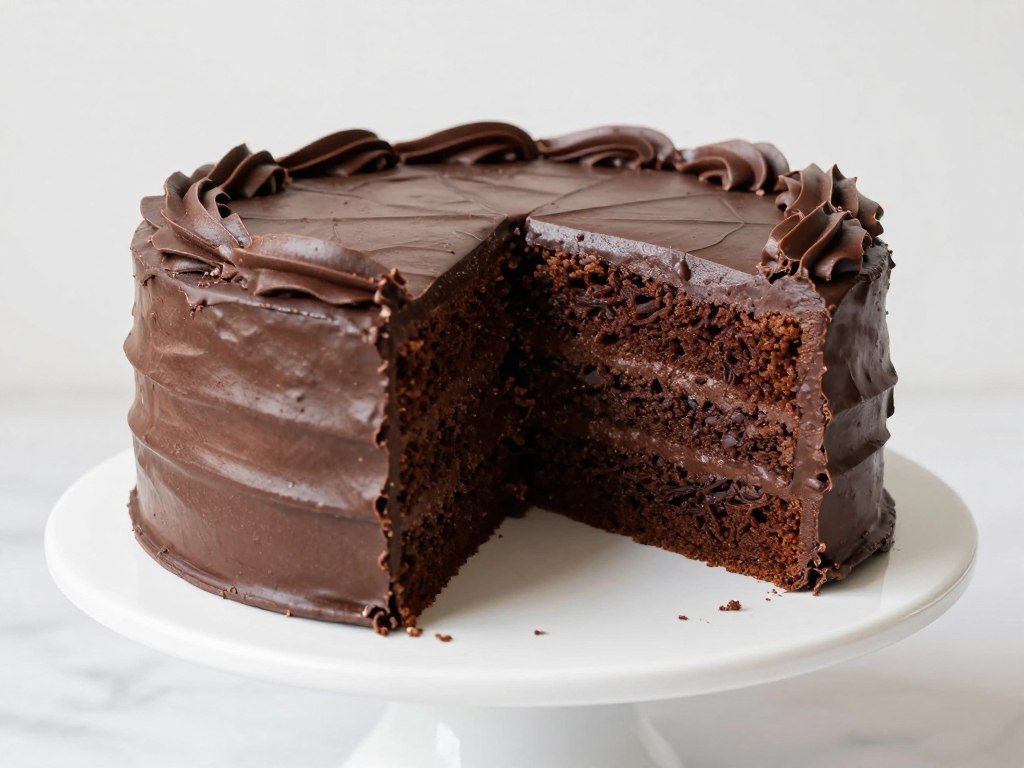
The perfectly chocolate cake recipe circulated through every family gathering during the 2000s. Rich chocolate flavor combined with moist texture made these desserts unforgettable at birthdays and celebrations.
Classic Chocolate Layer Cake Recipe
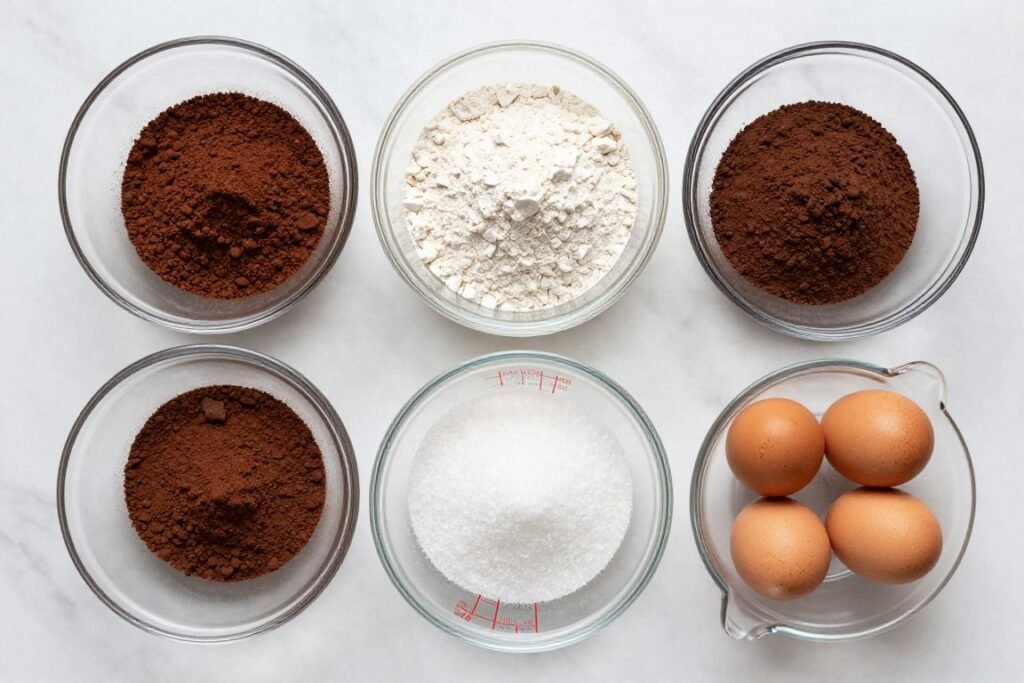
The most popular chocolate cake recipe included simple ingredients found in every kitchen. This cake recipe required precise measurements of flour, sugar, cocoa powder, baking soda, and vanilla extract for consistent results.
Essential Ingredients
All-purpose flour – 2 cups
Granulated sugar – 2 cups
Unsweetened cocoa powder – 3/4 cup
Baking soda and baking powder
Eggs – 2 large
Whole milk – 1 cup
Vegetable oil – 1/2 cup
Vanilla extract – 2 teaspoons
Boiling water – 1 cup
Baking Tips for Perfect Results
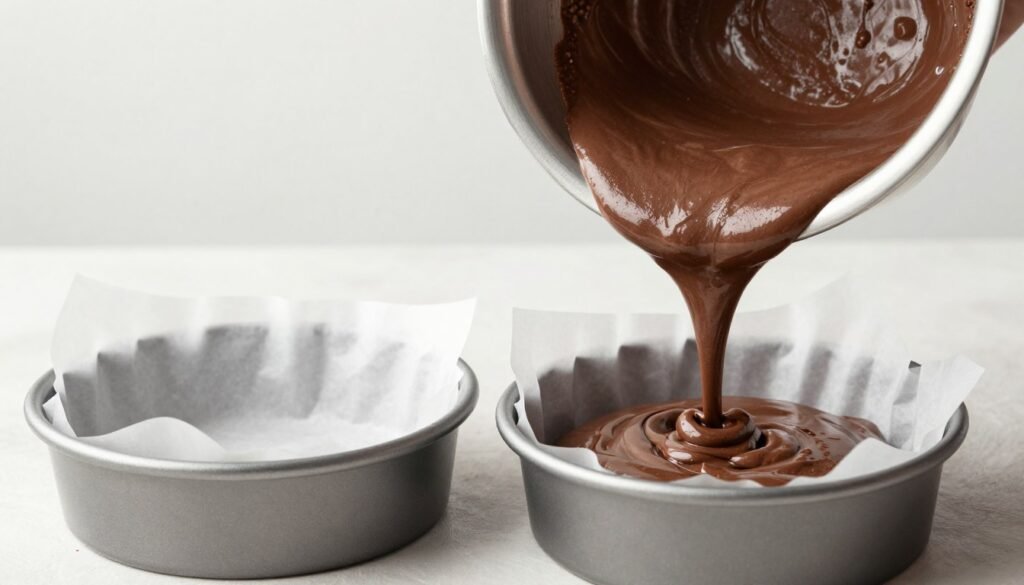
Temperature control made the difference between dry cake and perfectly moist chocolate dessert. Preheating ovens to exactly 350 degrees Fahrenheit ensured even baking. Using room temperature ingredients helped the batter mix smoothly.
The coffee trick enhanced chocolate flavor without adding coffee taste. Adding brewed coffee or hot water to the batter deepened the chocolate notes. This secret ingredient appeared in every bakery’s chocolate cake recipe.
Baking Success: Test cake doneness by inserting a toothpick in the center. It should come out with a few moist crumbs, not wet batter.
Frosting and Filling Combinations
The right frosting transformed simple cake into spectacular dessert. Chocolate buttercream, cream cheese frosting, and whipped ganache each offered distinct flavors and textures for different cake styles.
Chocolate Buttercream Variations
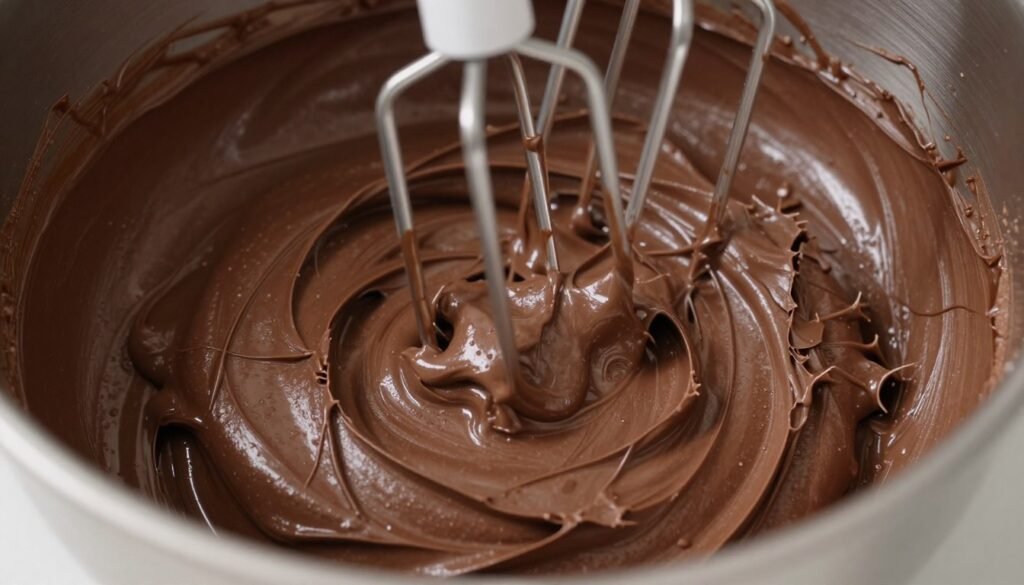
Perfectly chocolate buttercream required the right ratio of butter to cocoa. Mixing softened butter with cocoa powder and powdered sugar created the foundation. Adding heavy cream adjusted consistency for spreading or piping.
American buttercream dominated home baking for its simplicity. This frosting style used powdered sugar as the primary ingredient. Swiss and Italian meringue buttercreams offered smoother textures for special occasions.
American Buttercream
Simplest recipe with powdered sugar base
Sweet flavor profile
Holds shape well for piping
Best for casual family birthdays
Swiss Meringue Buttercream
Silky smooth texture
Less sweet than American style
Requires heating egg whites
Professional bakery standard
Cream Cheese Frosting Perfection
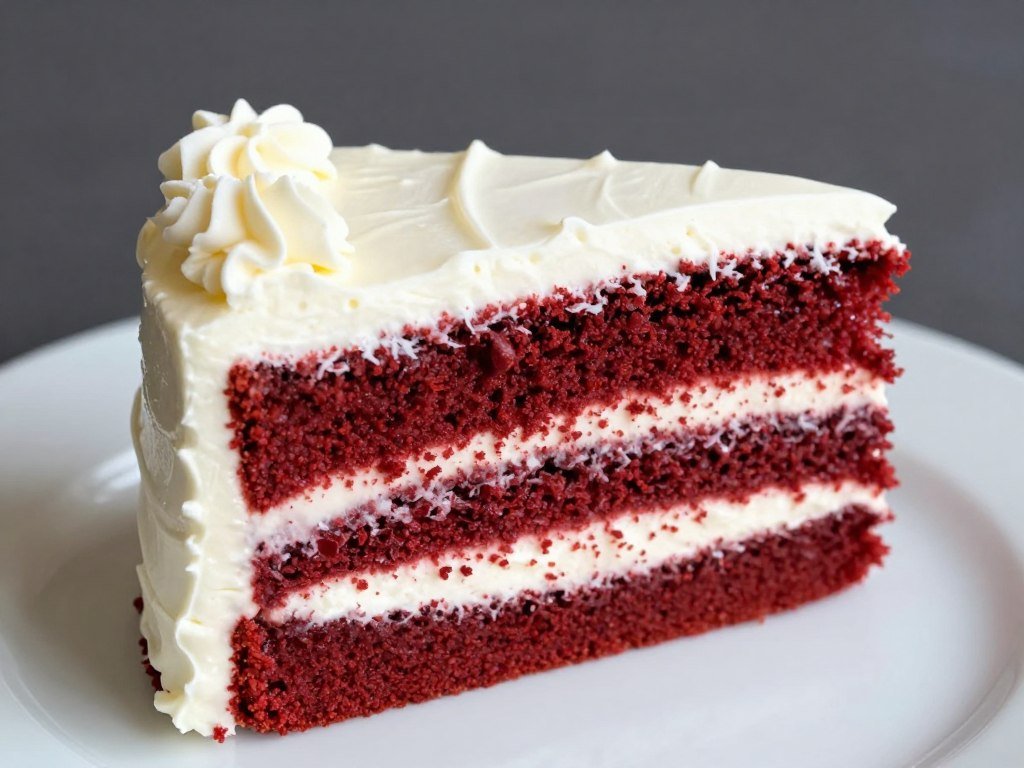
Cream cheese frosting paired perfectly with vanilla and chocolate cakes throughout the 2000s. The tangy flavor balanced sweet cake layers. This recipe required full-fat cream cheese for best texture and stability.
Reality television transformed cake decorating into entertainment during the 2000s. Shows featuring elaborate cake creations inspired home bakers to attempt increasingly ambitious designs for birthdays and special events.
Wedding Cake Trends of the Era
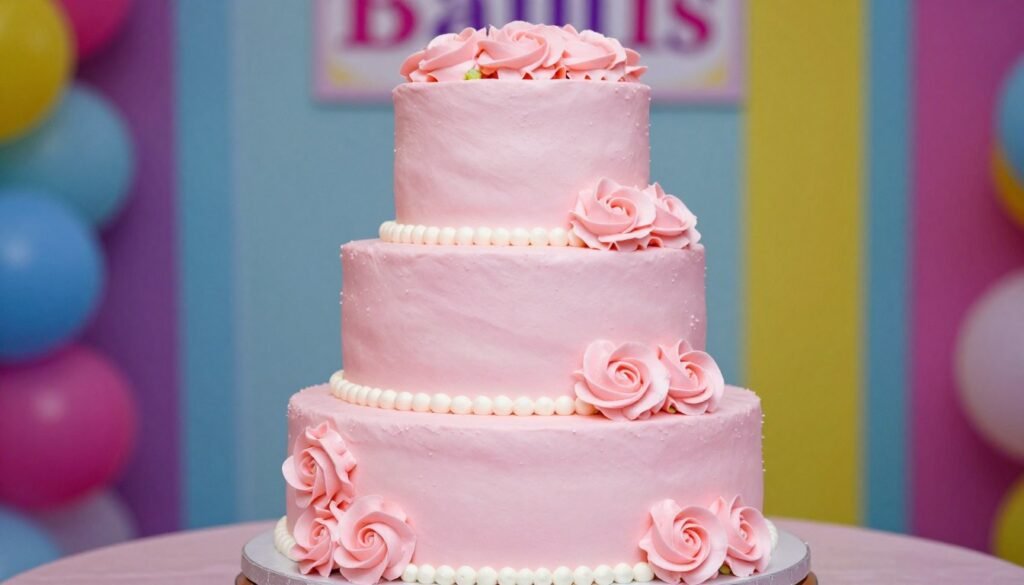
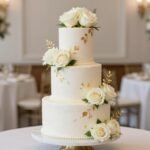
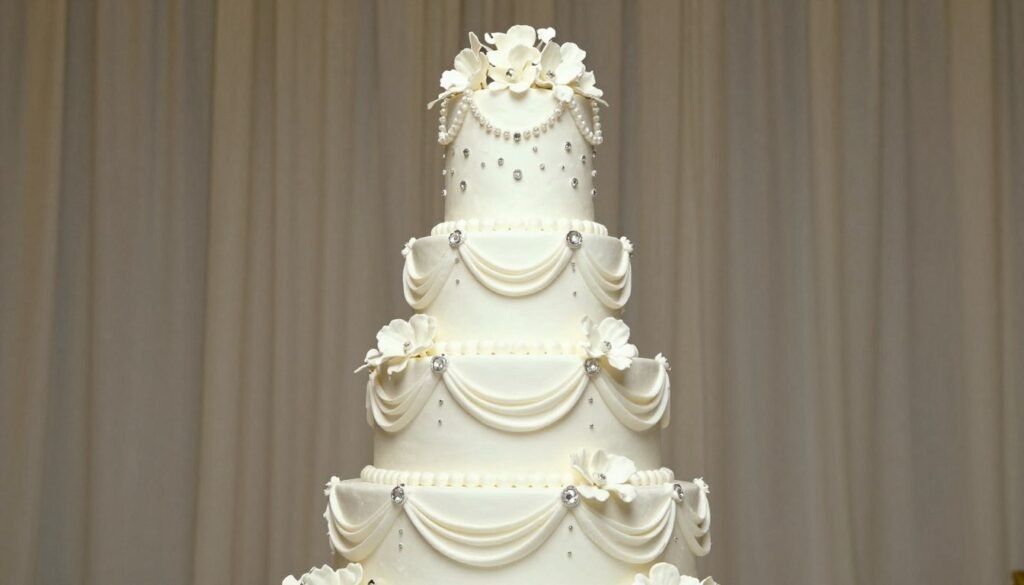
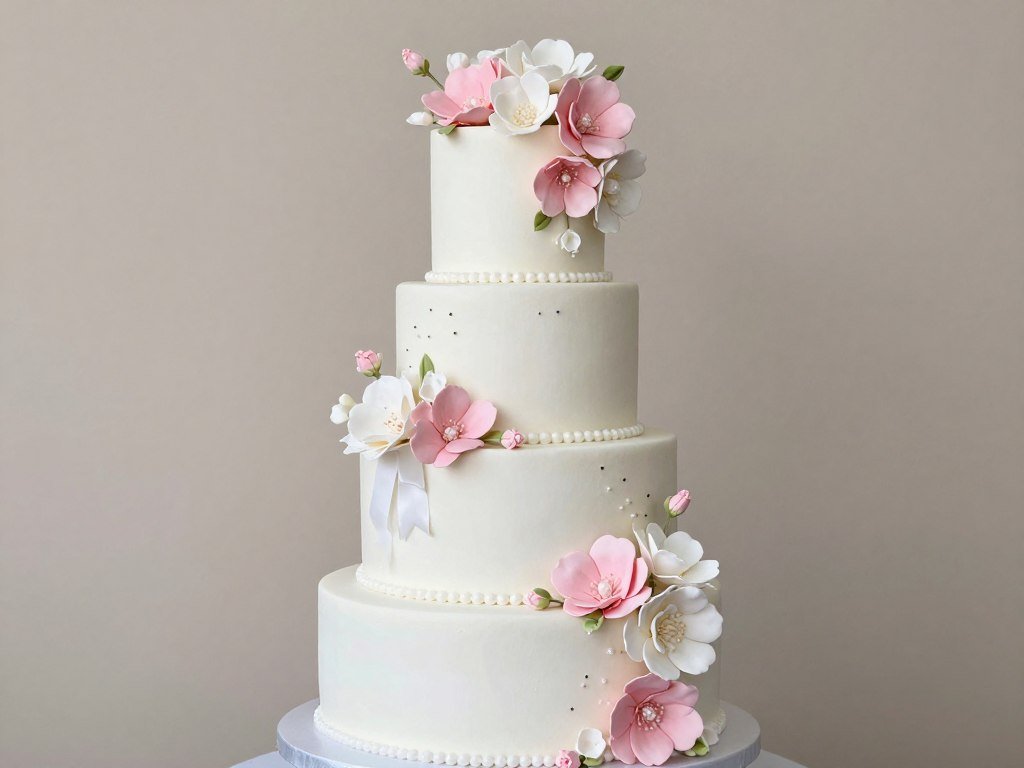
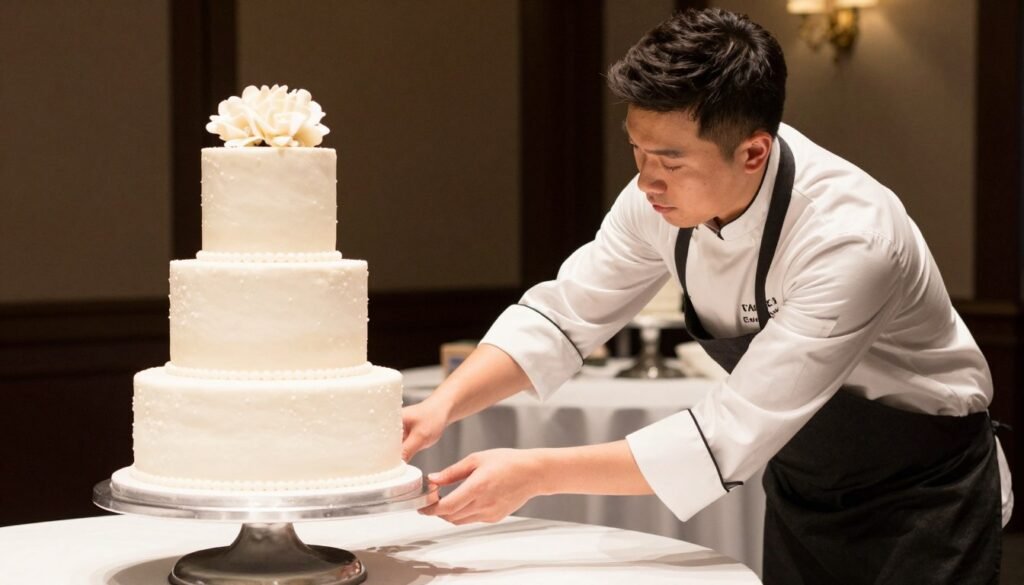
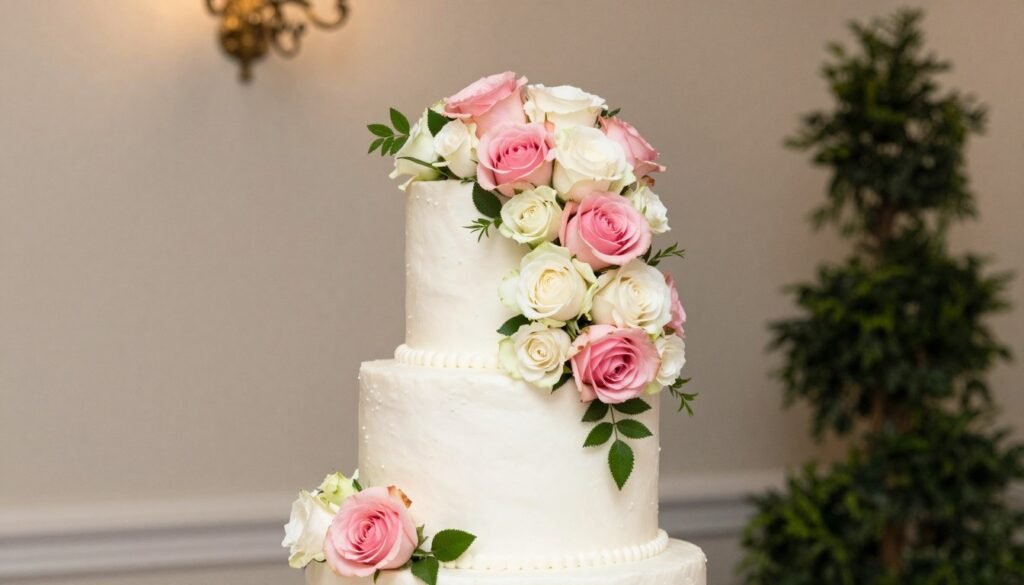
Towering wedding cakes with multiple tiers became standard during the 2000s. Each tier featured different decoration styles, from smooth fondant to textured buttercream. Crystal embellishments and sugar flowers added glamorous touches.
The cake table became a focal point at receptions. Couples invested significant portions of their food budget into these centerpiece desserts. Each creation reflected personal style and current trends.
Character and Theme Cakes
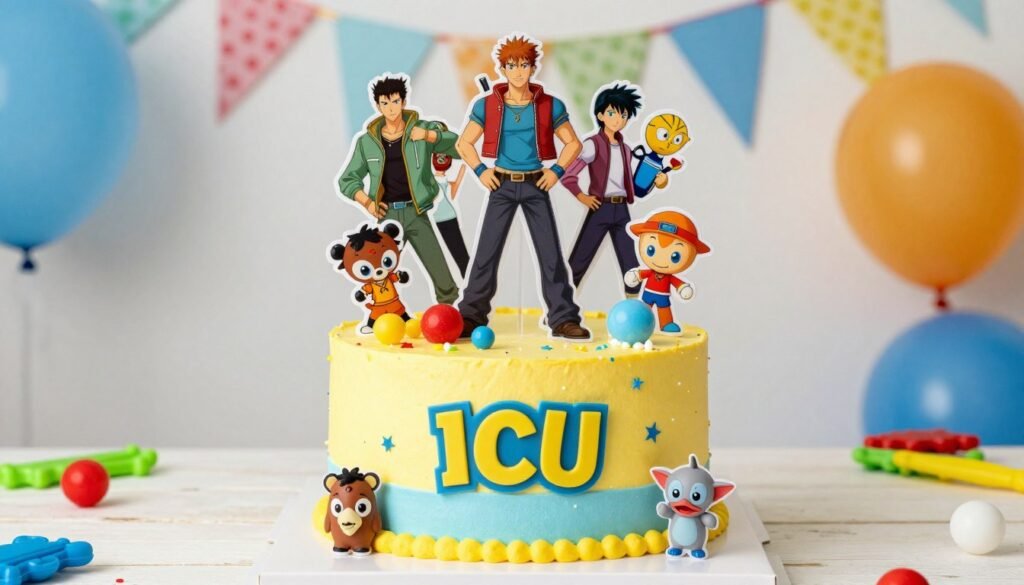
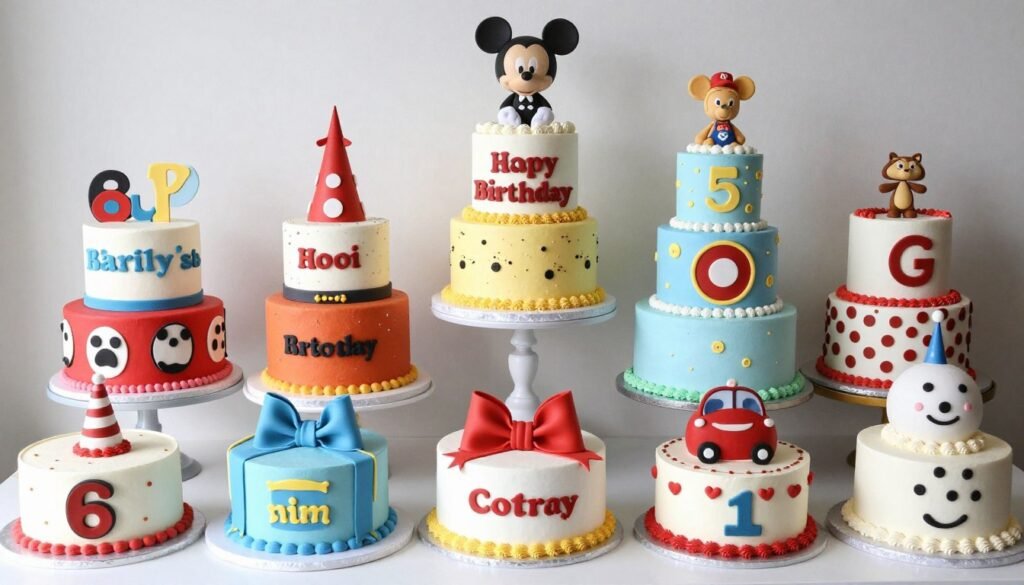
Licensed character cakes dominated children’s birthdays throughout the decade. From cartoon favorites to movie characters, these cakes required sculpting skills and creative decoration techniques.
Rainbow Cakes and Bold Color Palettes
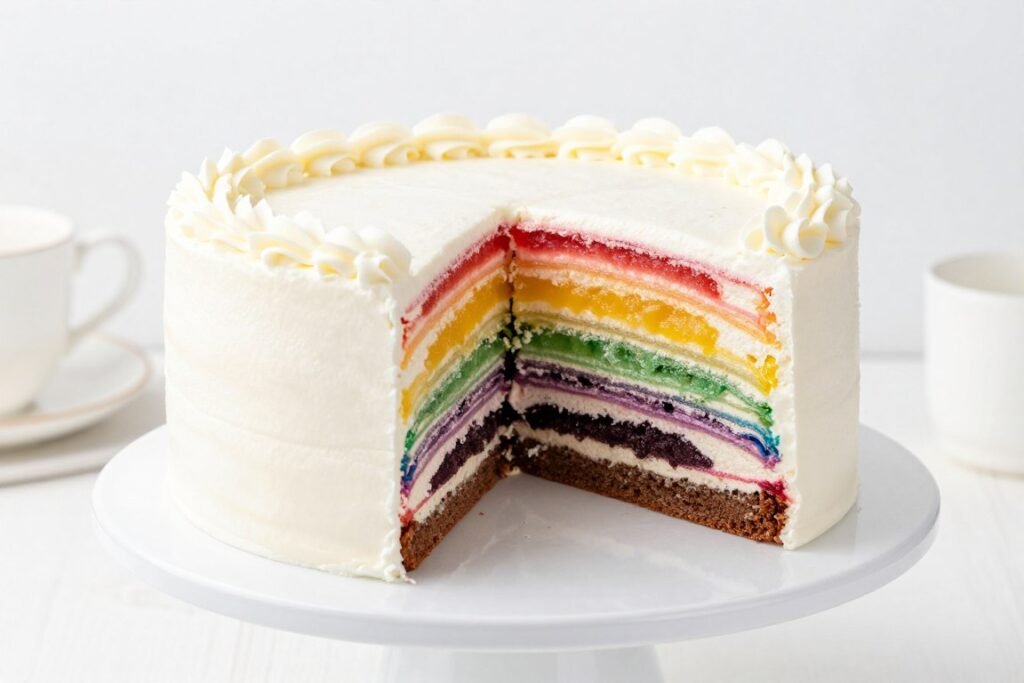
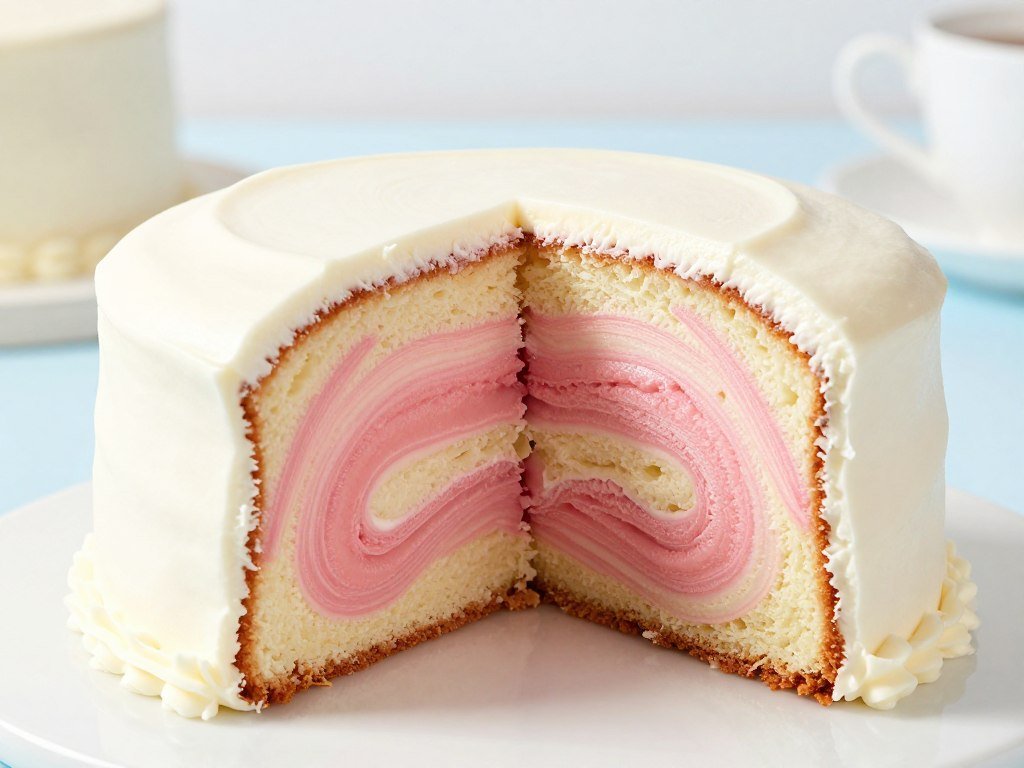
Hidden rainbow layers inside cakes surprised party guests throughout the 2000s. Cutting into white frosted cakes revealed vibrant colored layers that made ordinary dessert extraordinary.
Creating Vibrant Colored Layers
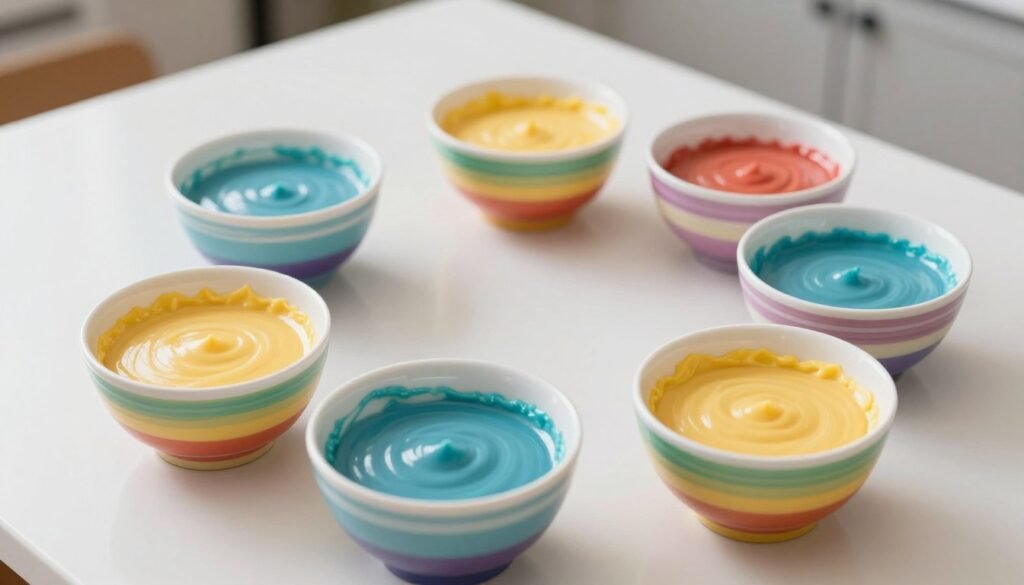
Achieving bold colors required gel food coloring rather than liquid versions. Gel colorants provided intense hues without adding excess liquid to cake batter. Each cup of batter received specific amounts of coloring for consistent results.
Dividing a single cake recipe into multiple bowls created the foundation for rainbow cakes. Baking each color separately in individual pans produced distinct layers. Stacking them with frosting between created the dramatic effect.
Color Mixing Tip: Start with small amounts of gel coloring and add gradually. Colors intensify during baking, so slightly lighter batters produce perfectly vibrant finished cakes.
Tie-Dye and Marble Effects
Swirled batter created marble and tie-dye effects inside cakes. This technique involved dropping different colored batters into pans and gently swirling with a knife. The result mimicked 2000s fashion trends in edible form.
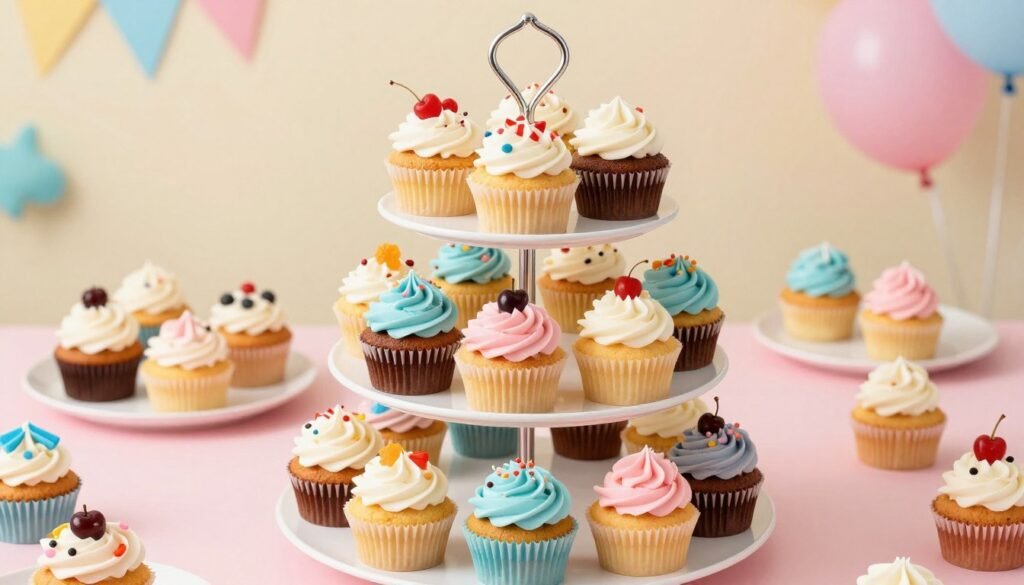
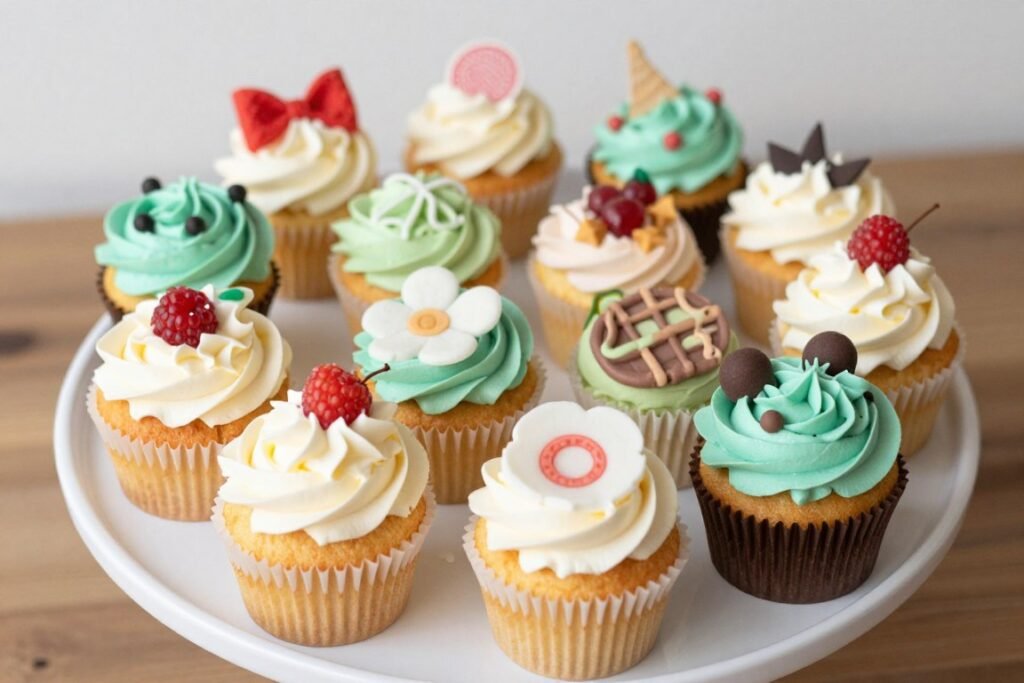
Specialty cupcake bakeries emerged across the United States during this decade. These individual desserts replaced traditional sheet cakes at many birthday celebrations and corporate events.
Gourmet Cupcake Flavors
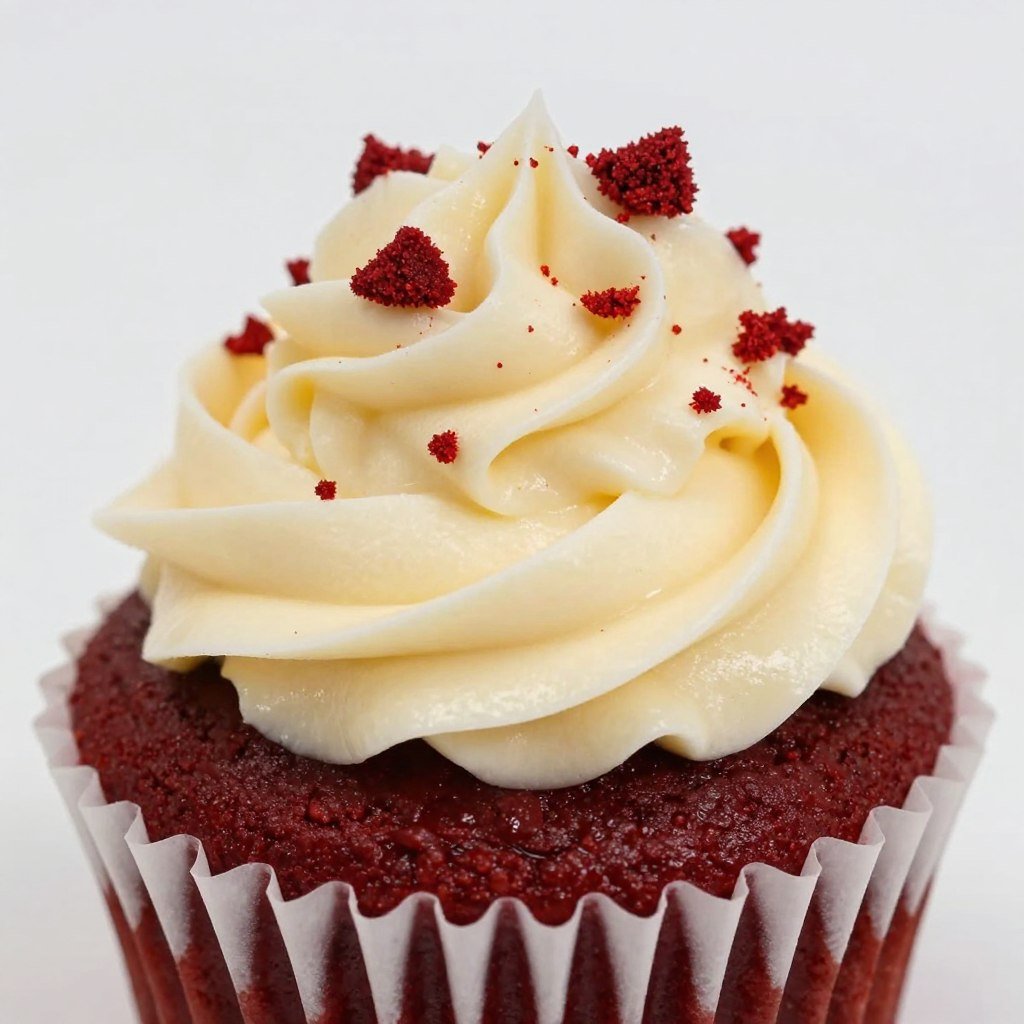
Red velvet cupcakes became signature offerings at boutique bakeries. The dramatic red color paired with cream cheese frosting created Instagram-worthy desserts before Instagram existed. Each cupcake required precise measurements of cocoa and red food coloring.
Salted caramel, cookies and cream, and lemon blueberry joined traditional vanilla and chocolate flavors. These creative combinations elevated simple muffin-sized cakes into gourmet desserts worth premium prices.
Elaborate Cupcake Decorating
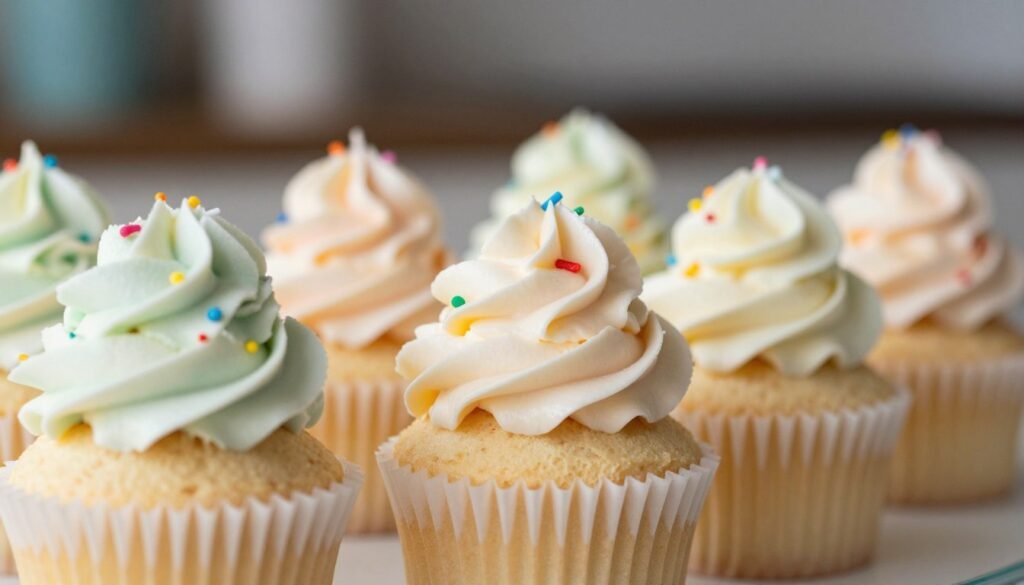
High-swirl frosting techniques transformed plain cupcakes into miniature works of art. Large piping tips created towering frosting peaks that exceeded cupcake base size. This dramatic presentation style defined the era.
Sheet Cake Decorating Ideas
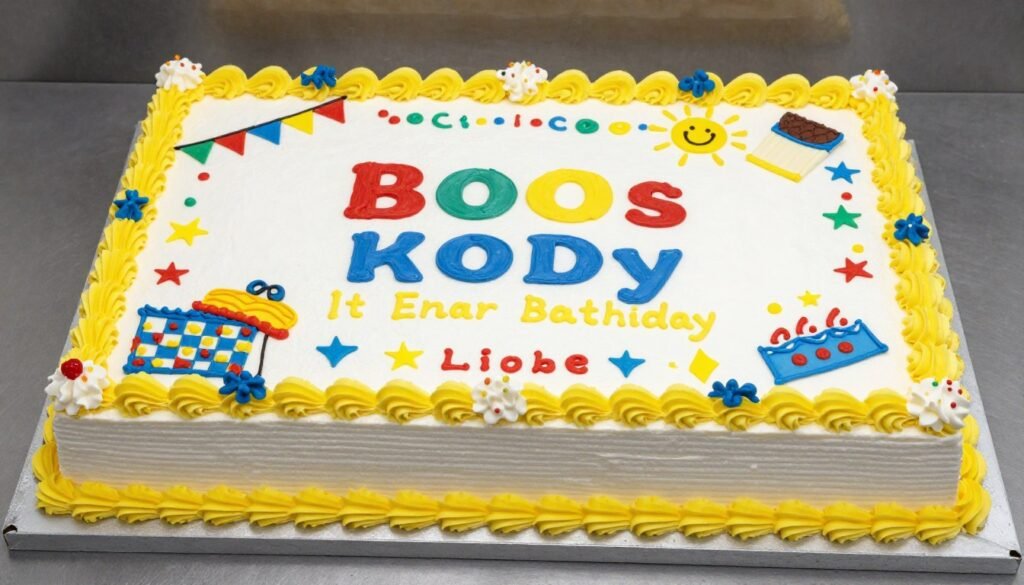
Sheet cakes fed large groups at reasonable costs throughout the 2000s. These rectangular desserts provided blank canvases for creative decoration at birthday parties, graduations, and office celebrations.
Borders and Writing Techniques
Grocery store bakeries perfected sheet cake decoration during this era. Borders framed cake edges with shells, stars, or rope designs. The center area featured messages, images, or simple decorative elements.
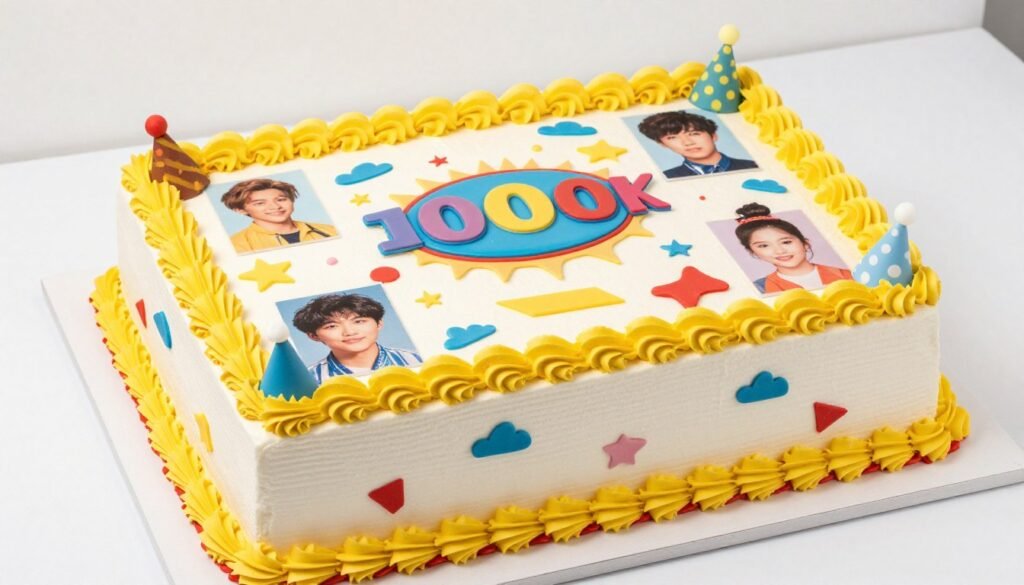
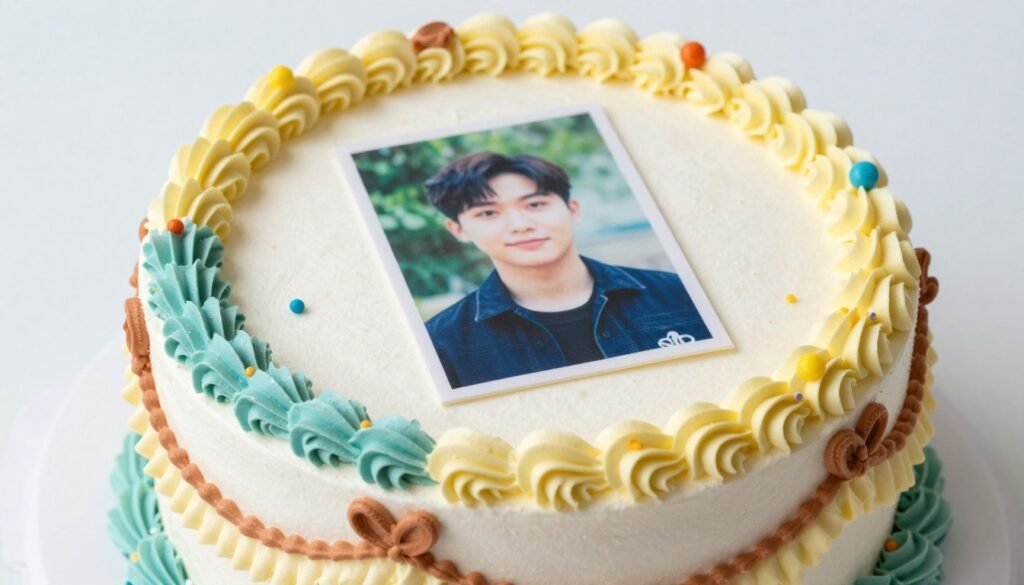
Edible image technology transformed sheet cake decoration. Digital photos printed on frosting sheets allowed any image to appear on cakes. This innovation made personalization accessible to every customer.
Photo Cakes and Personalization
Photo cakes captured memories in edible form. Families brought favorite pictures to bakeries for reproduction on frosting sheets. These personalized desserts made birthdays feel extra special for people of all ages.
Themed Birthday Party Cake Ideas
Theme parties required matching cake designs during the 2000s. Every popular trend from movies to music influenced cake decoration styles for birthdays and celebrations.
Princess and Fairy Tale Designs
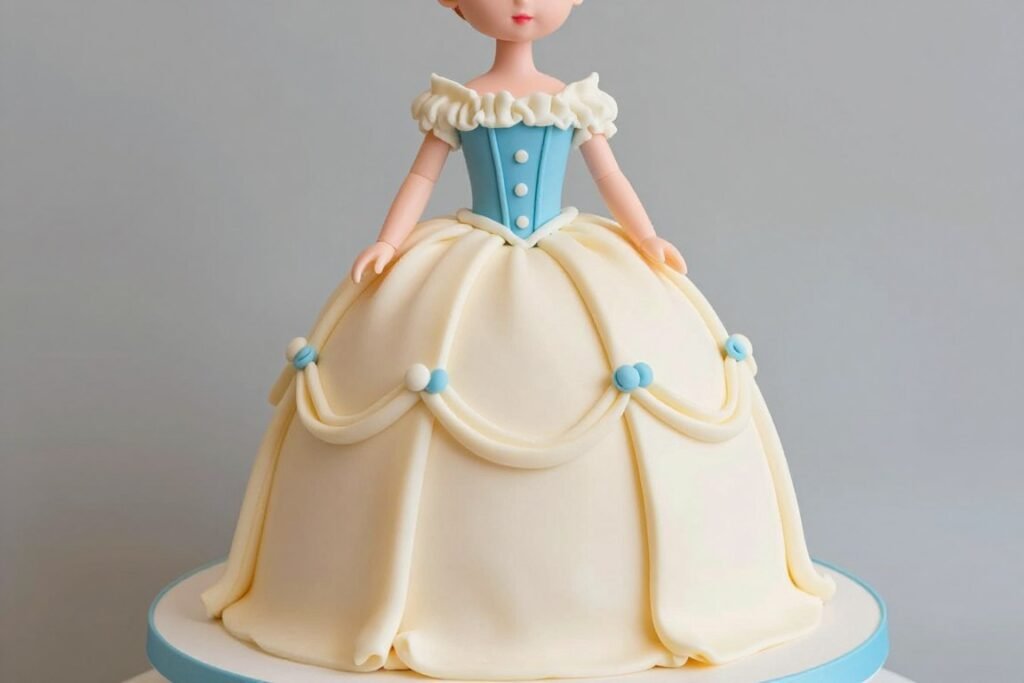
Princess cakes dominated little girl birthdays throughout the decade. These designs often featured doll cake pans that created dress-shaped cakes. Elaborate frosting details transformed simple vanilla cake into fairytale creations.
Sports and Hobby Themed Cakes
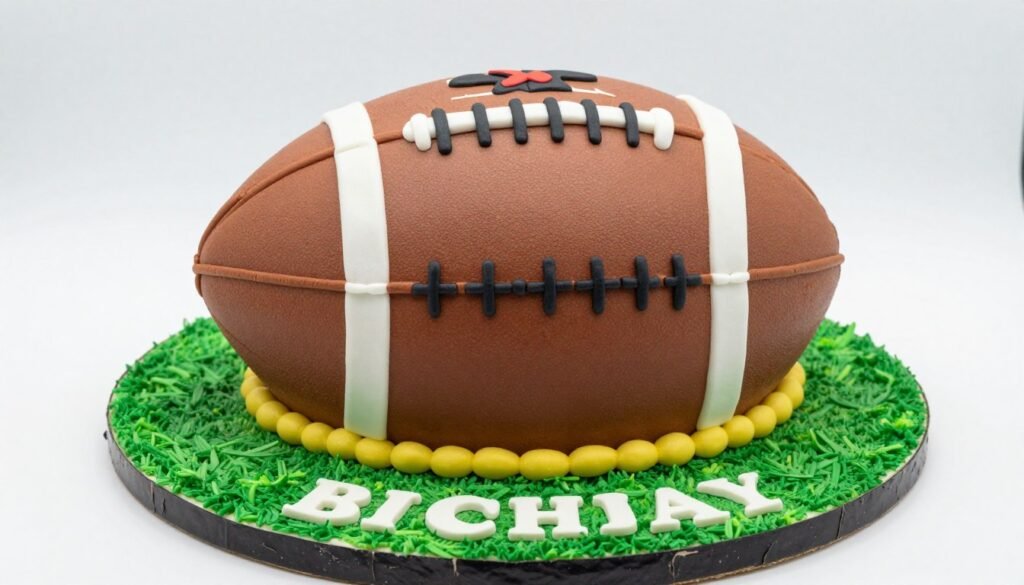
Sports team cakes celebrated favorite teams and athletic achievements. These designs used team colors and edible logos. Shaped pans created football, baseball, and basketball cakes that looked like actual equipment.
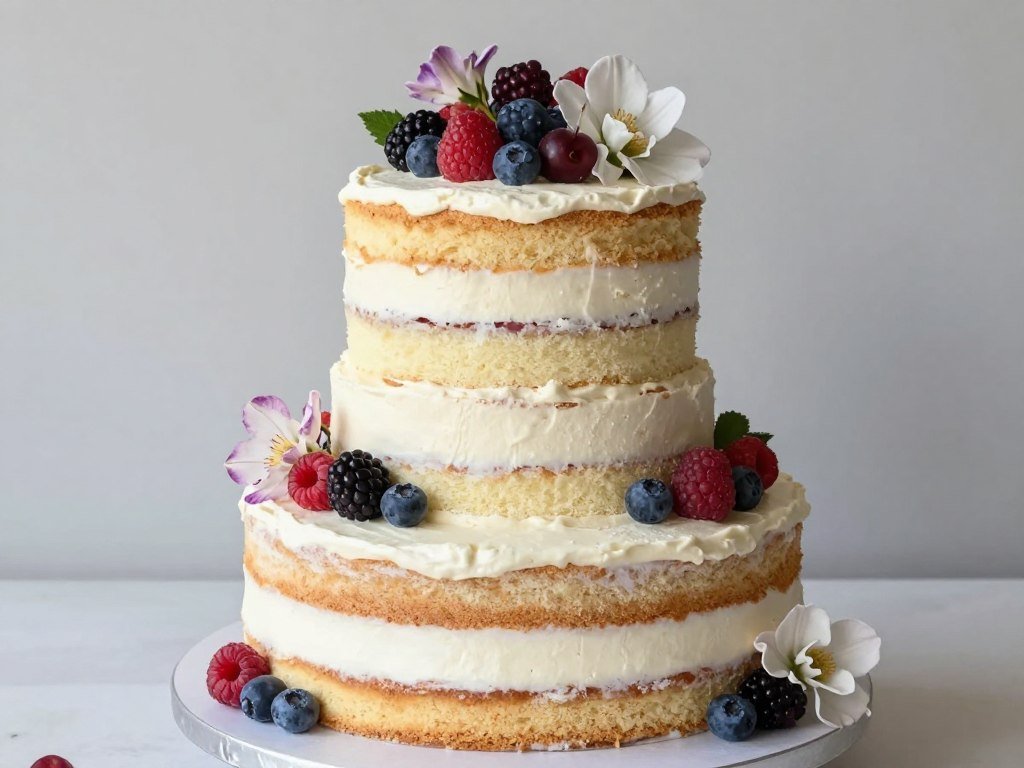
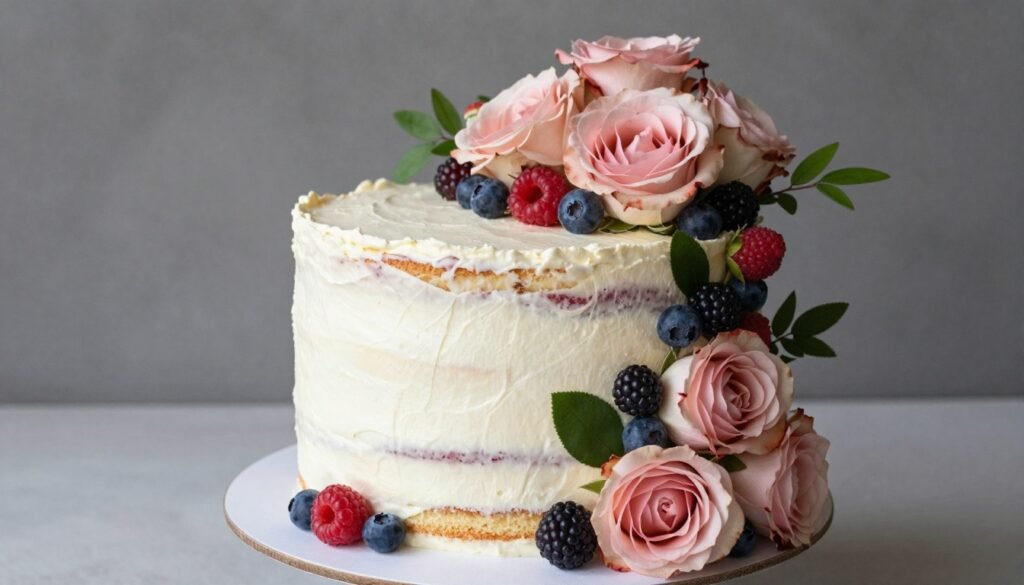
Partially frosted “naked” cakes emerged as a trend toward the end of the 2000s. These rustic designs showed cake layers with minimal frosting between them. The style rejected perfectionism in favor of natural beauty.
Rustic Decoration Approaches
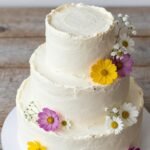
Fresh flowers and fruit became primary decorations for naked cakes. These natural elements complemented the unfinished frosting look. The style worked particularly well for outdoor weddings and garden parties.
The technique required excellent cake texture since imperfections showed clearly. Bakers focused on perfectly level layers and strategic frosting application. Less decoration meant more attention to fundamental cake quality.
Ganache Drip Cake Designs
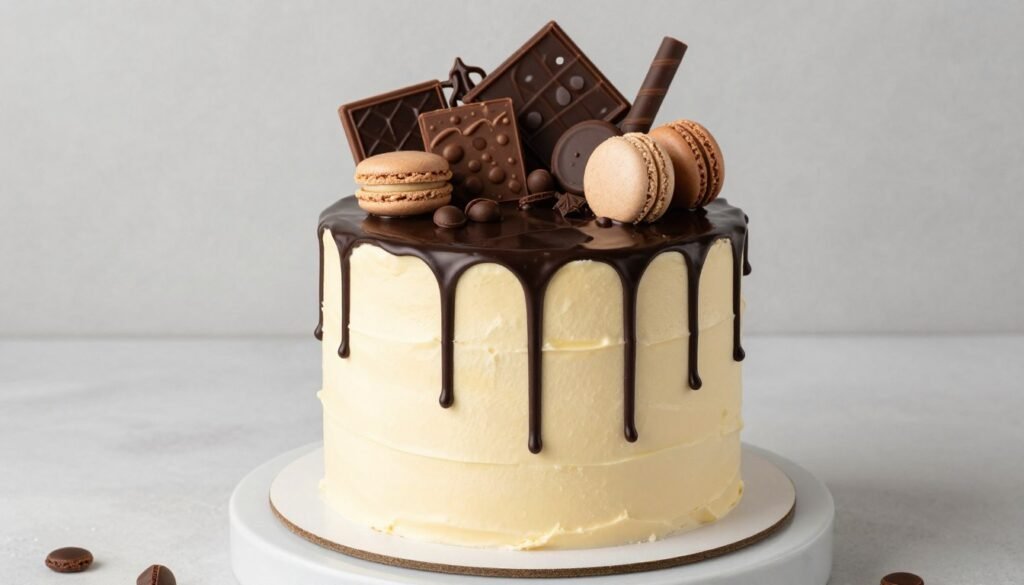
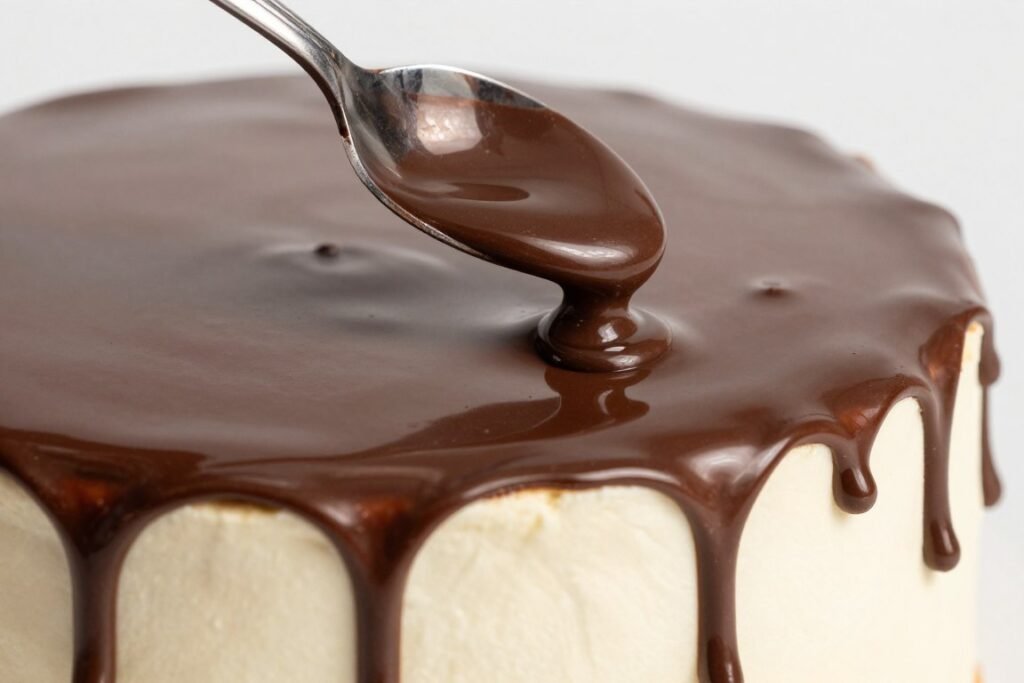
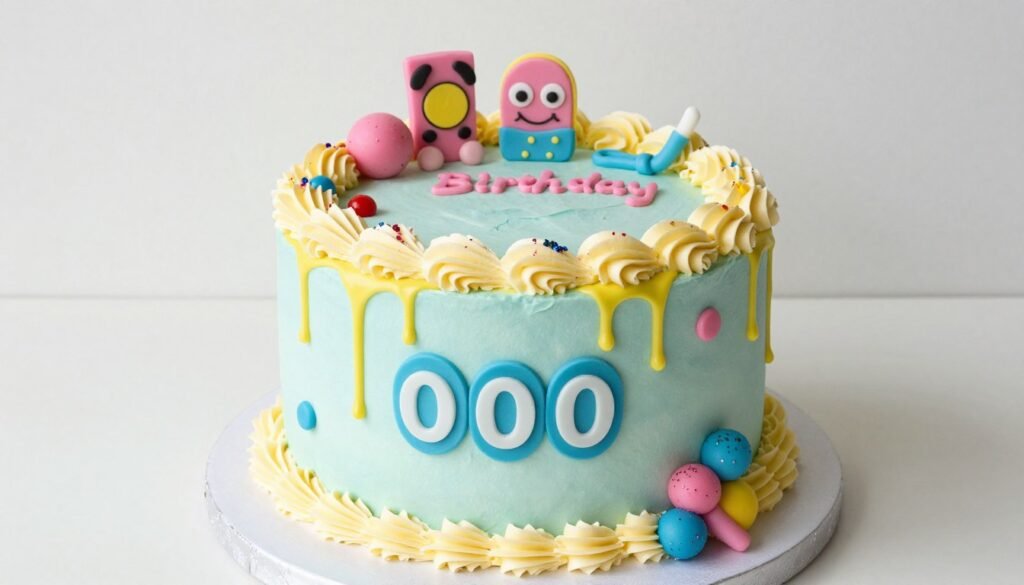
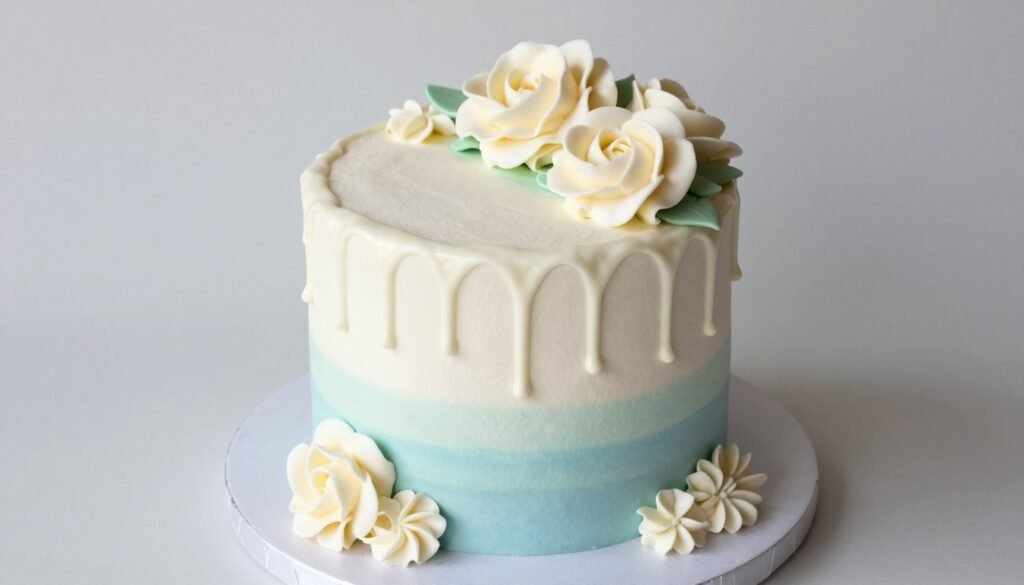
Chocolate ganache drips became a signature look in the late 2000s. This technique involved pouring slightly cooled ganache over cake edges to create dramatic drips down the sides.
Creating Perfect Drips
Temperature control determined drip success. Ganache that was too hot ran off completely. Too cool ganache created short, stubby drips. The perfect consistency came from testing on a small section first.
White chocolate ganache offered an alternative to dark chocolate drips. Tinting it with food coloring created custom drip colors. This versatility made the technique work for any cake theme or color scheme.
Dark Chocolate Ganache Recipe
8 oz dark chocolate, chopped
1 cup heavy cream
Heat cream until simmering
Pour over chocolate
Cool to 90-95°F for drips
White Chocolate Variation
12 oz white chocolate
1/2 cup heavy cream
Add gel coloring if desired
Cool to similar temperature
Test consistency before applying
Ombré and Gradient Effects
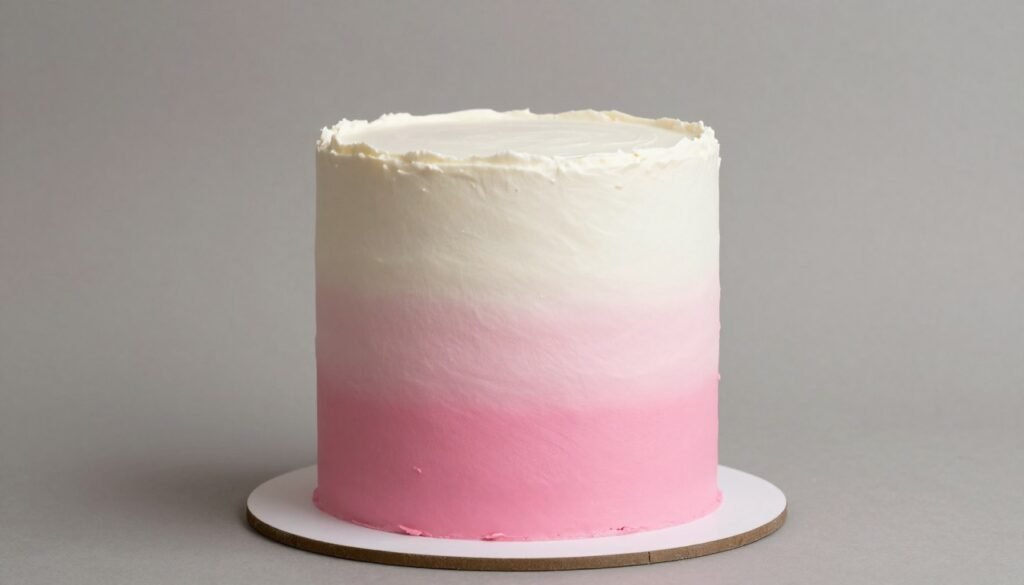
Ombré frosting created smooth color transitions across cake surfaces. This technique required patience and multiple frosting shades. The result looked painterly and sophisticated.
Exterior Ombré Techniques
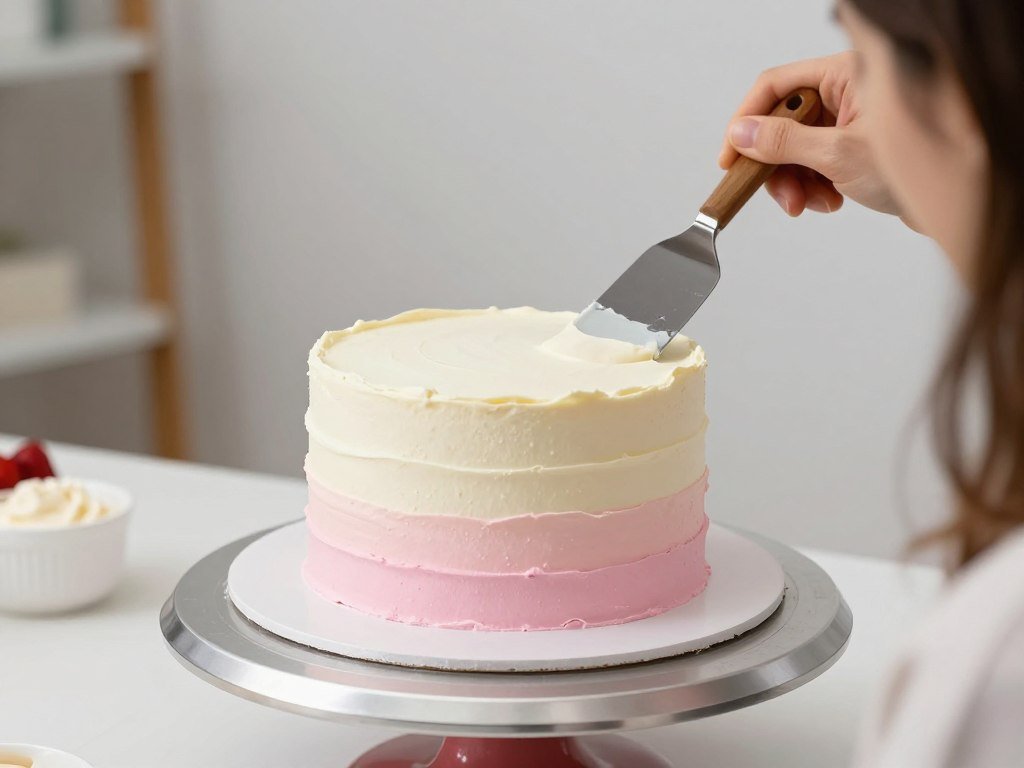
Creating smooth ombré required preparing frosting in graduated shades. Bakers mixed food coloring into separate bowls, each slightly lighter than the previous. Applying and blending these created seamless transitions.
The bench scraper became essential for smooth finishes. This tool removed excess frosting while blending color transitions. Multiple passes created increasingly smooth gradients.
Interior Ombré Layers
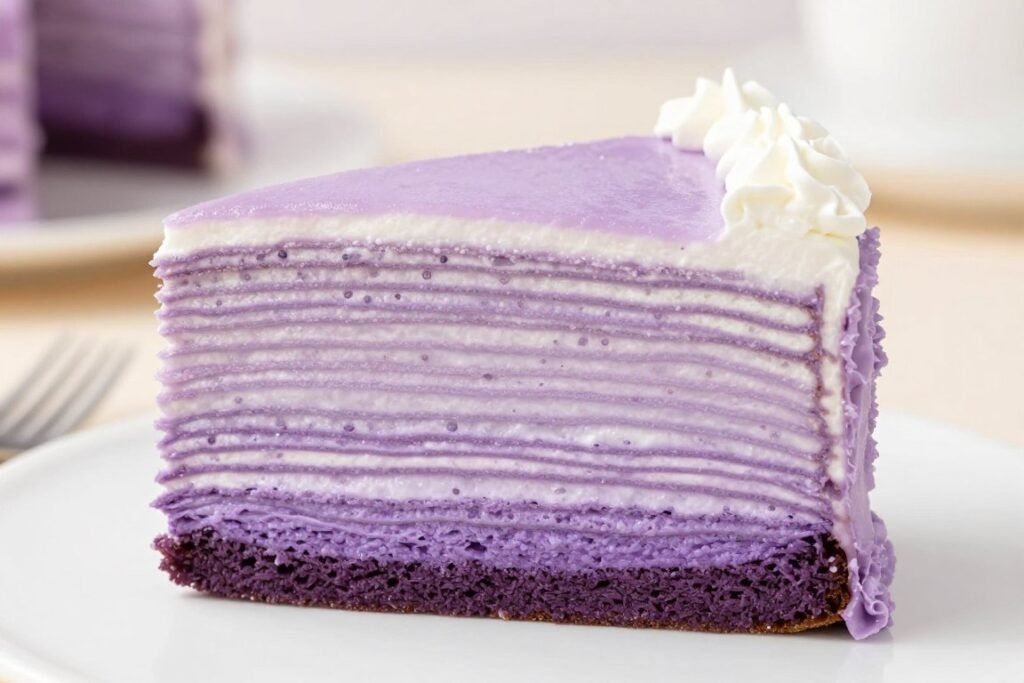
Hidden ombré layers inside cakes surprised guests when cut. Each layer used progressively lighter or darker batter. This internal gradient matched exterior decoration for cohesive design.
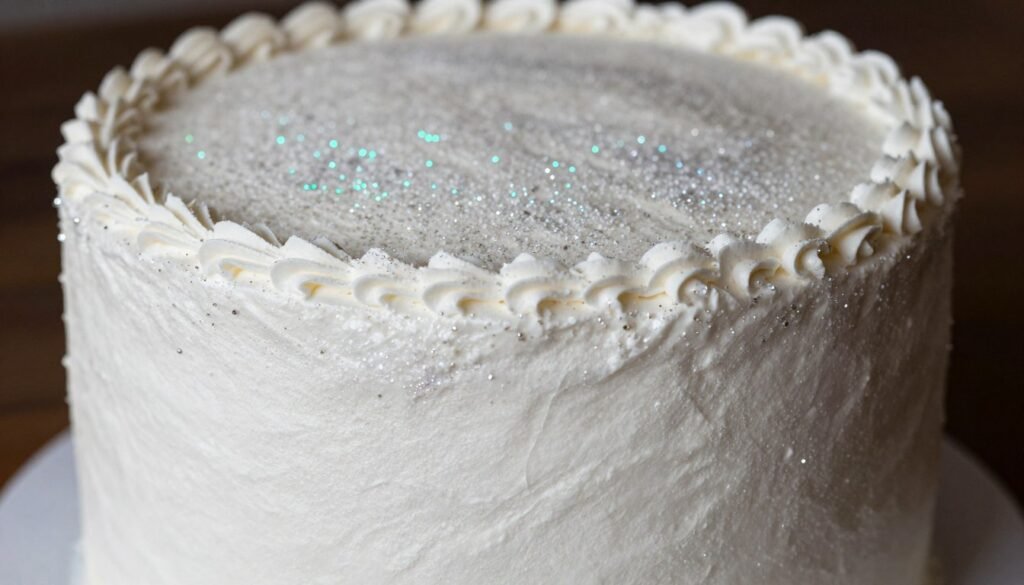
Edible glitter transformed ordinary cakes into glamorous desserts throughout the 2000s. This decoration trend added sparkle to everything from children’s birthdays to elegant weddings.
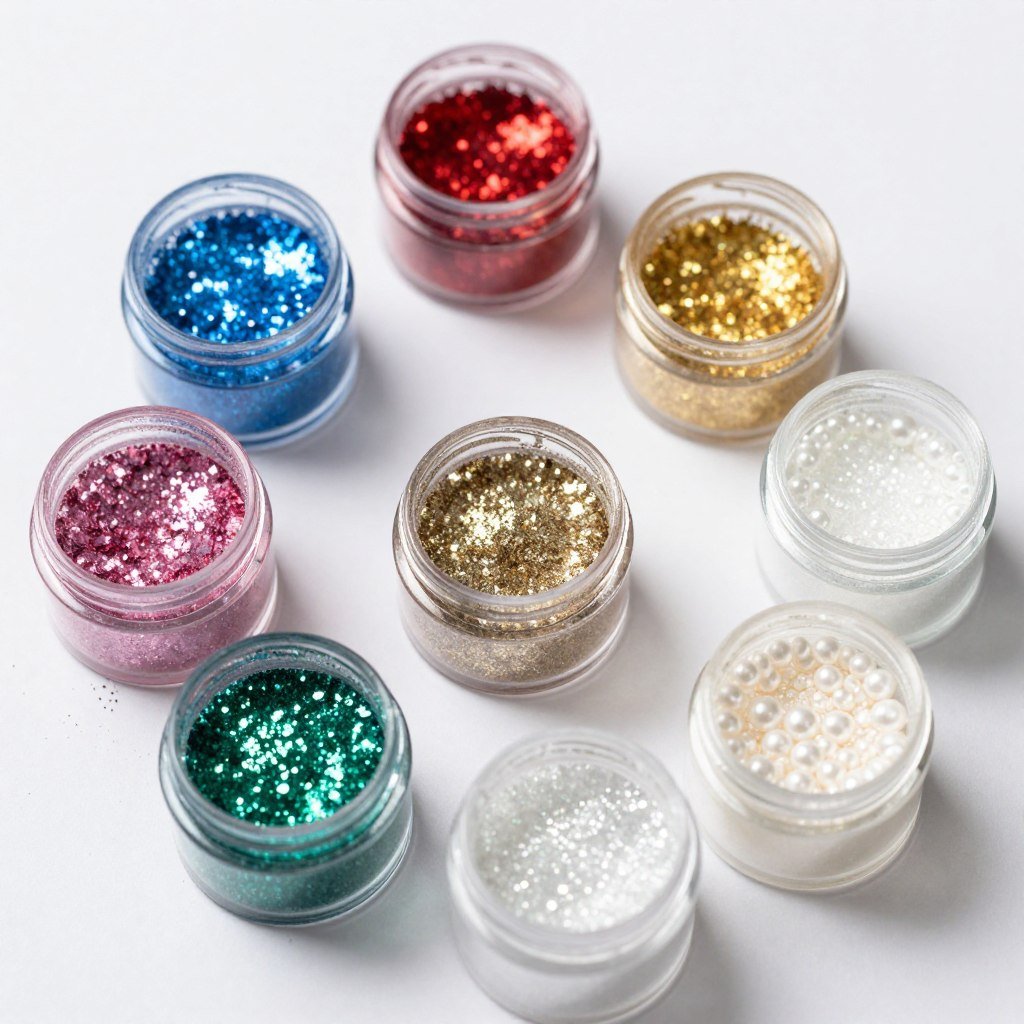
Types of Edible Sparkle
Different products created various sparkle effects. Disco dust provided intense metallic shine. Sanding sugar offered subtle sparkle with texture. Each product served different decoration purposes for cake designs.
Application methods varied by product type. Some sparkles mixed into frosting. Others dusted onto wet surfaces. Airbrush techniques allowed precise sparkle placement for detailed designs.
Combining Sparkle With Other Techniques
Glitter enhanced other decoration styles rather than standing alone. Sparkly buttercream roses added extra dimension. Fondant details gained visual interest with pearl dust accents. The combination created cakes that truly sparkled at celebrations.
Building Stable Multi-Tier Cakes
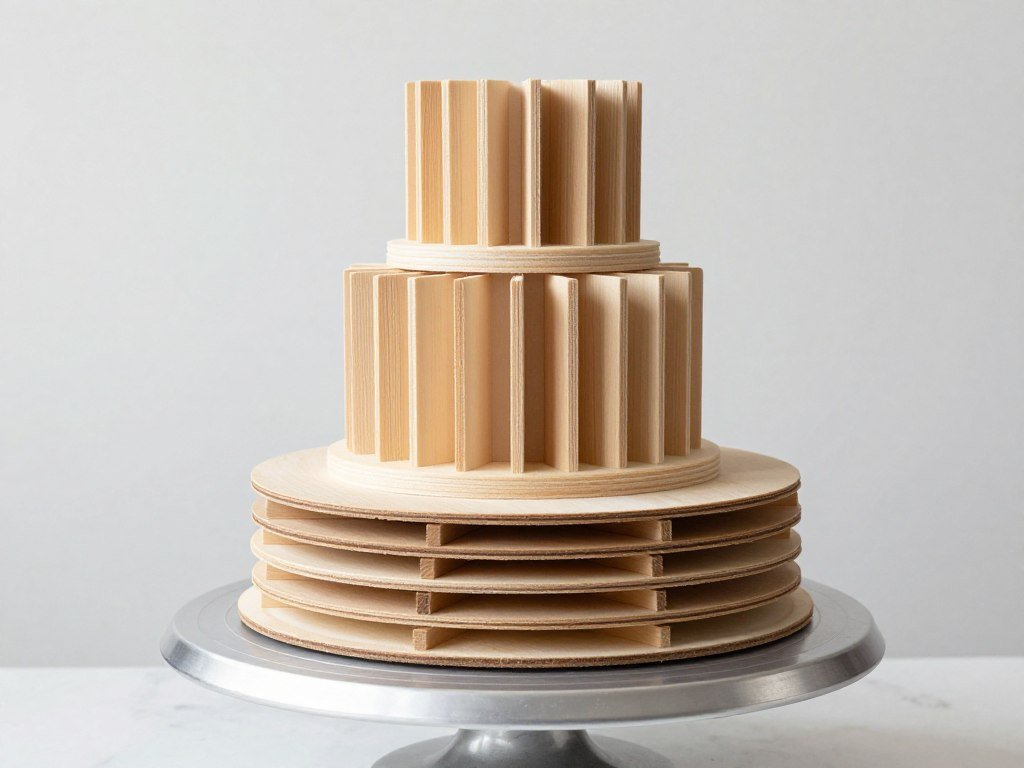
Creating towering cakes required engineering knowledge alongside baking skills. Support systems prevented cake collapse while maintaining beautiful presentation.
Dowel and Support Systems
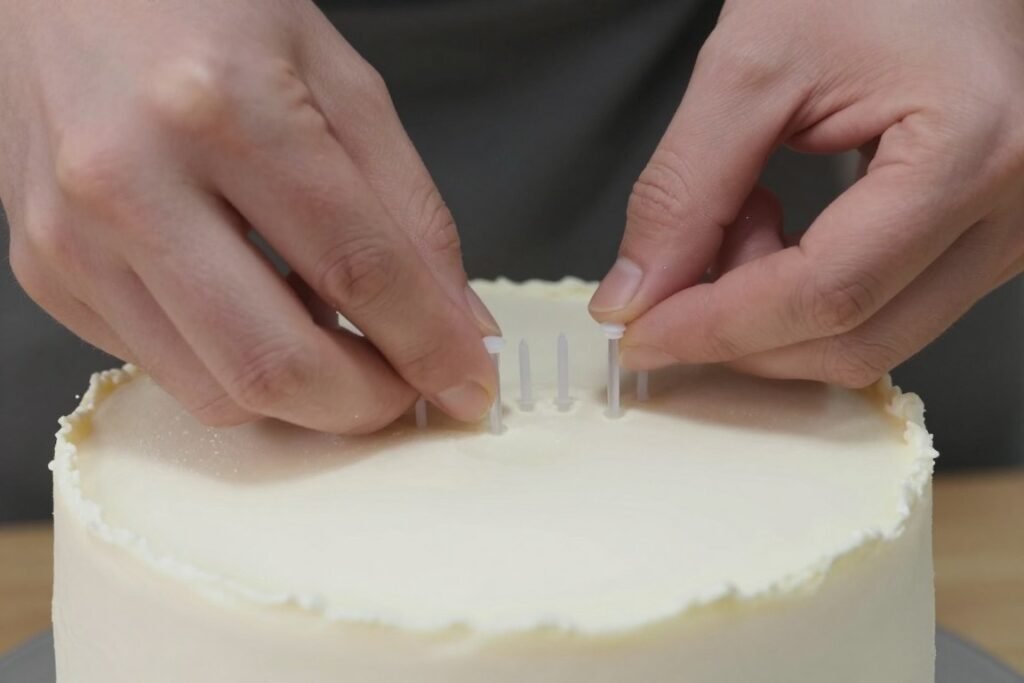
Wooden or plastic dowels inserted into lower tiers supported upper cake weight. Bakers measured and cut dowels to exact heights. This hidden support system allowed dramatic heights without structural failure.
Cake boards separated each tier while distributing weight. Cutting boards to slightly smaller dimensions than cake diameters kept them hidden. This system became standard in professional bakeries during the 2000s.
Safety First: Always use food-safe dowels and boards. Calculate weight carefully before stacking tiers to ensure adequate support.
Transportation and Setup
Moving multi-tier cakes required careful planning. Many bakers assembled tiers at event locations rather than transporting complete cakes. This approach prevented disasters during transit.
Popular Flavor Pairings of the 2000s
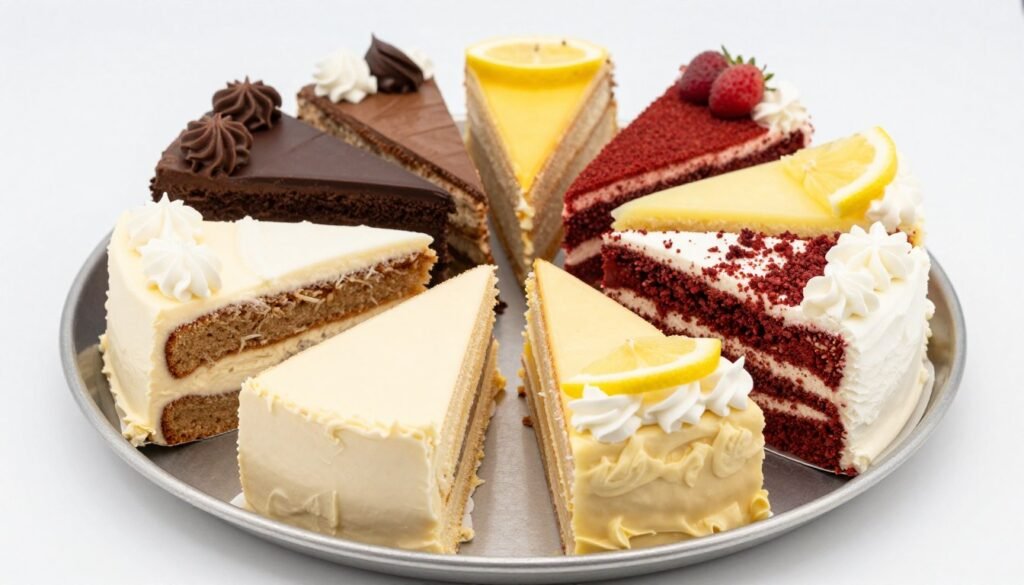
Beyond vanilla and chocolate, adventurous flavor combinations emerged during this decade. Bakers experimented with ingredients that elevated simple cake recipes into gourmet desserts.
Lemon and Berry Combinations
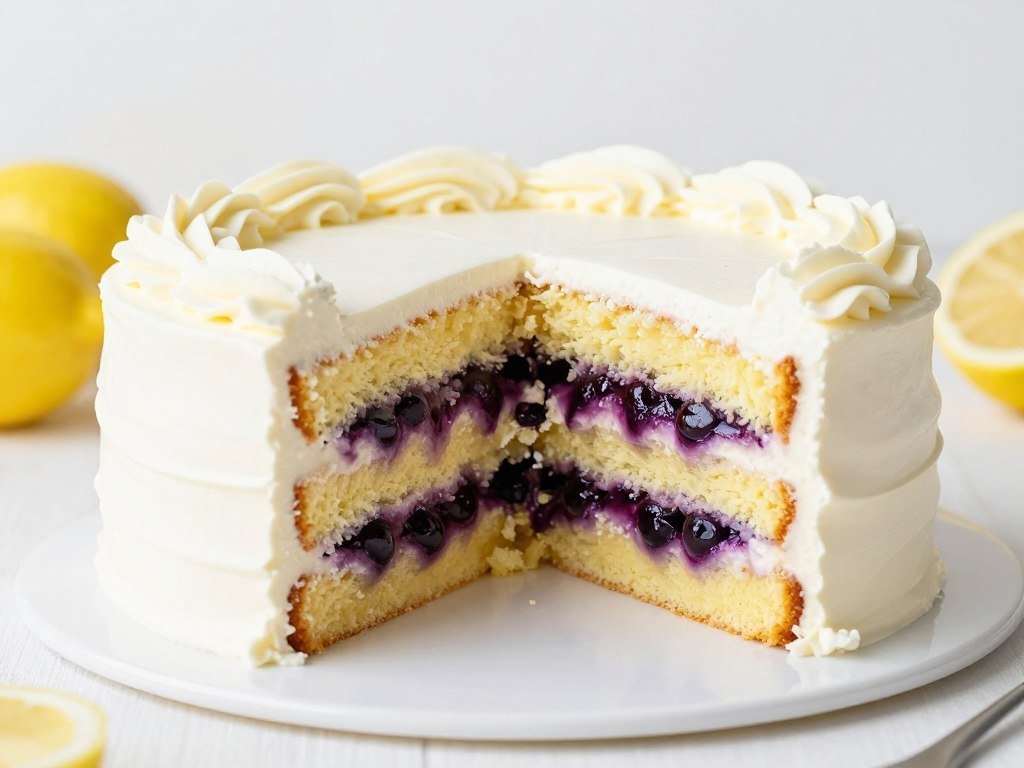
Lemon cake paired with raspberry or blueberry filling created fresh-tasting summer desserts. These combinations worked particularly well for outdoor celebrations and garden parties. The bright flavors appealed to people seeking lighter alternatives to chocolate.
Fresh fruit additions required proper preparation to avoid excess moisture. Bakers used fruit reductions or preserves rather than fresh berries in fillings. This technique preserved cake structure while delivering intense fruit flavor.
Salted Caramel and Chocolate Pairings
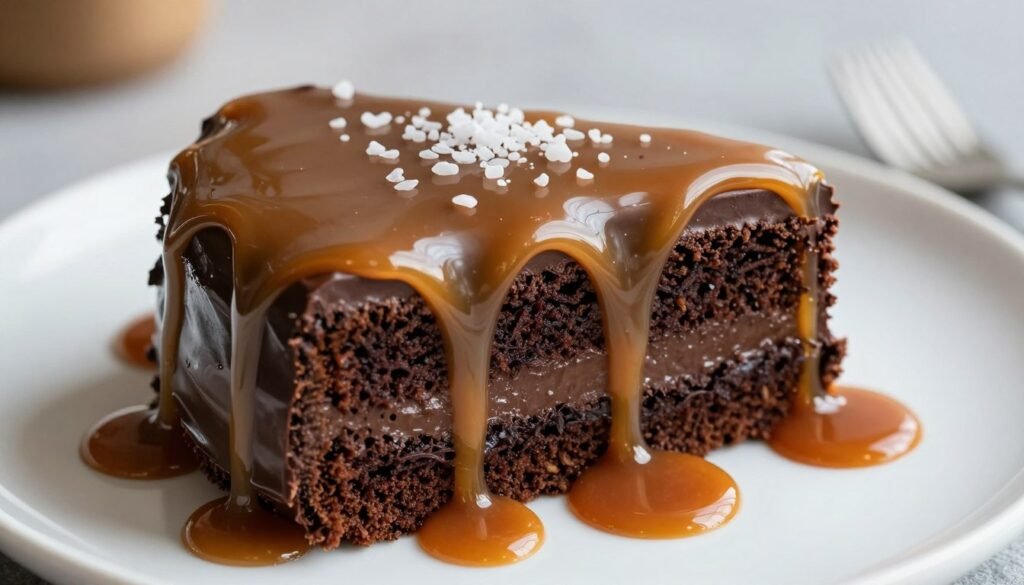
Salted caramel became the flavor of the decade during the late 2000s. Combined with chocolate cake, it created sophisticated desserts that appealed to adult palates. The salt enhanced sweetness rather than competing with it.
The finishing touch on 2000s cakes came from creative toppers. These decorative elements ranged from traditional to whimsical, reflecting party themes and personal style.
Number and Letter Toppers
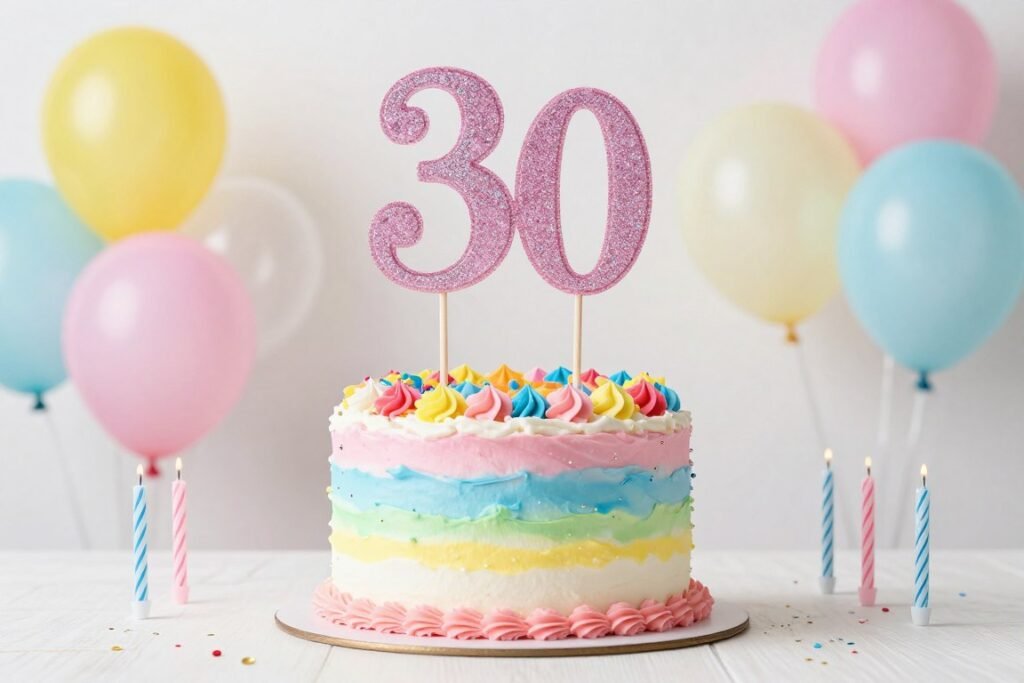
Age numbers became prominent birthday cake features. Large acrylic or wooden numbers sat atop cakes or inserted into frosting. These clear indicators celebrated milestone birthdays for people of all ages.
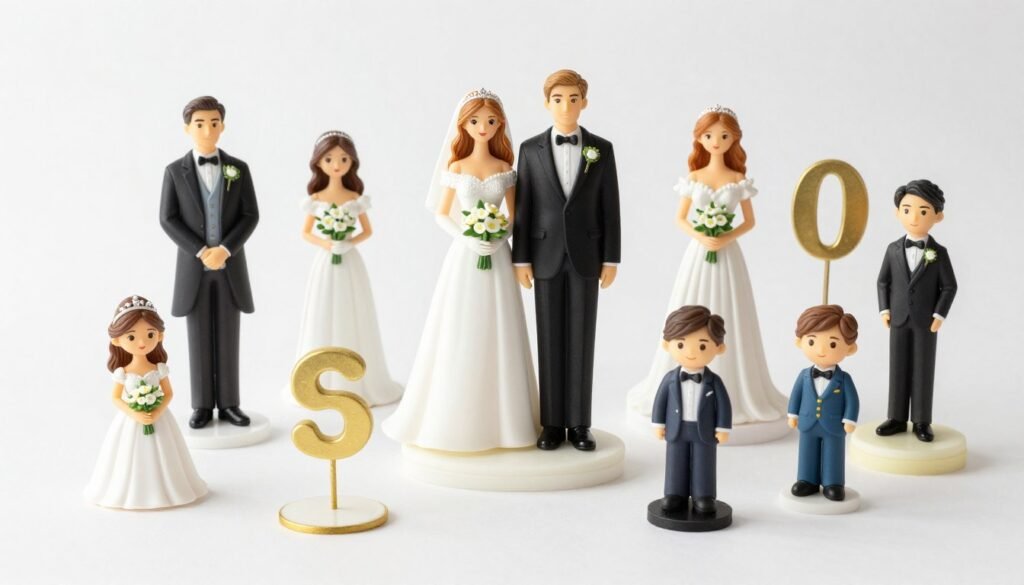
Monogram letters personalized wedding and anniversary cakes. These elegant toppers came in various finishes including gold, silver, and crystal-covered. They served as both decoration and keepsake after celebrations ended.
Fresh Flower Cake Decorations
Real flowers topped many elegant cakes throughout the decade. This natural decoration approach required food-safe preparation. Florists and bakers collaborated to select appropriate blooms that complemented cake designs without introducing toxins.
Essential Cake Decorating Tools
Assembling the right tools made ambitious cake projects achievable at home. The 2000s saw expansion of available supplies for amateur bakers seeking professional-looking results.
Piping Bags and Tips
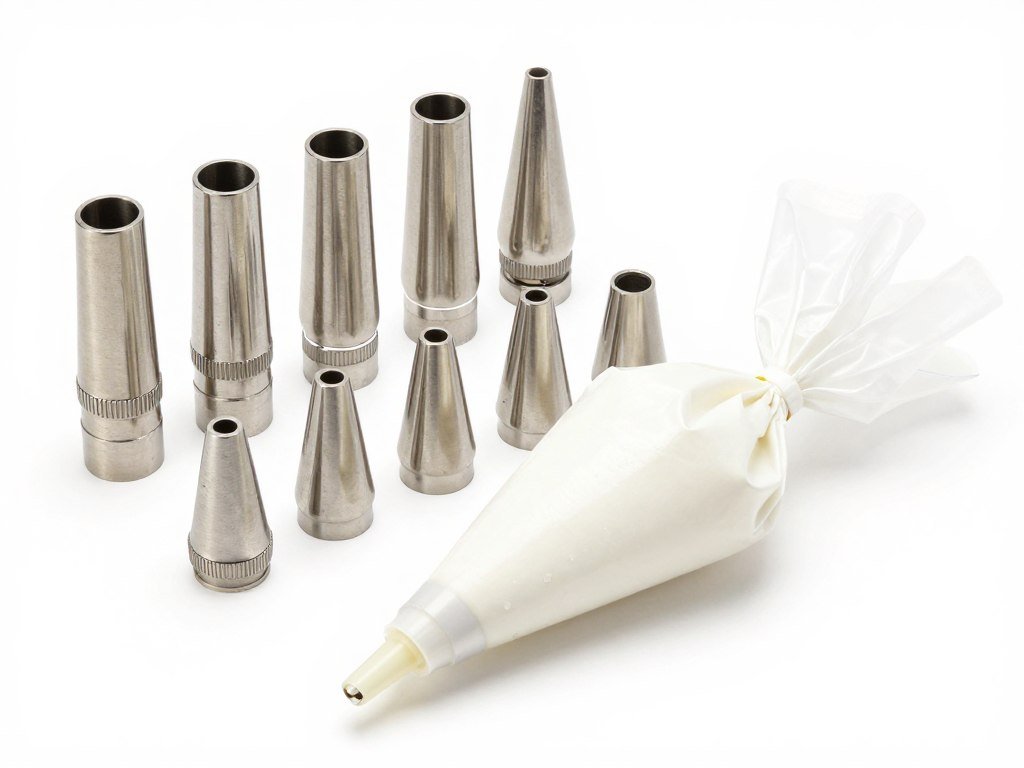
Disposable piping bags revolutionized home decorating during this era. These convenient bags eliminated washing traditional fabric versions. Coupled with coupler systems, they allowed quick tip changes without transferring frosting.
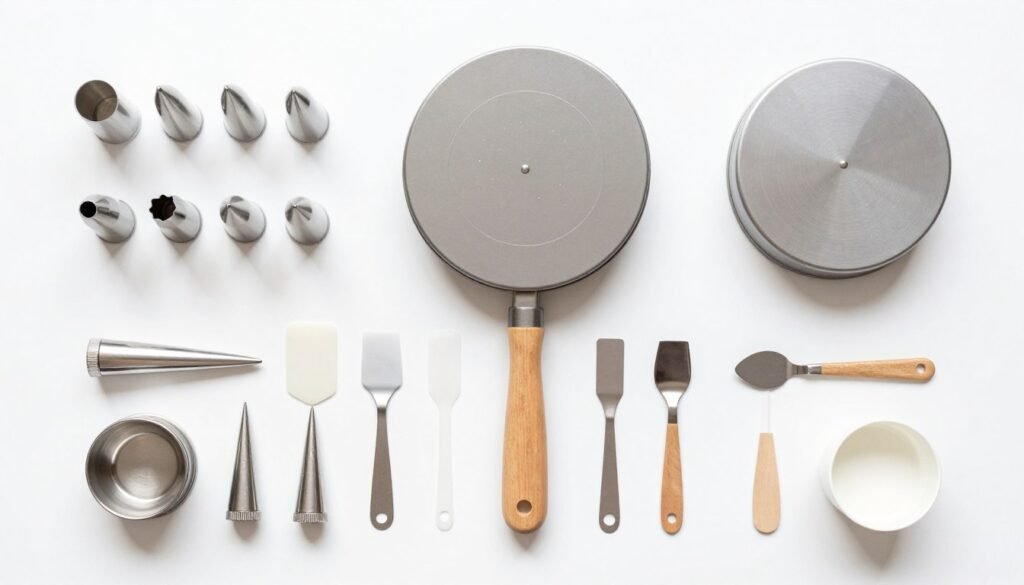
Building a tip collection happened gradually for most home bakers. Starting with basic round, star, and petal tips covered most decoration needs. Specialty tips for specific techniques came later as skills developed.
Beginner Essential Tips
Round tips (sizes 2, 4, 12)
Star tips (sizes 16, 21, 32)
Petal tip 104
Leaf tip 352
Grass tip 233
Advanced Specialty Tips
Russian piping tips
Multi-opening tips
Basket weave tip 47
Drop flower tips
Specialty border tips
Turntables and Smoothing Tools
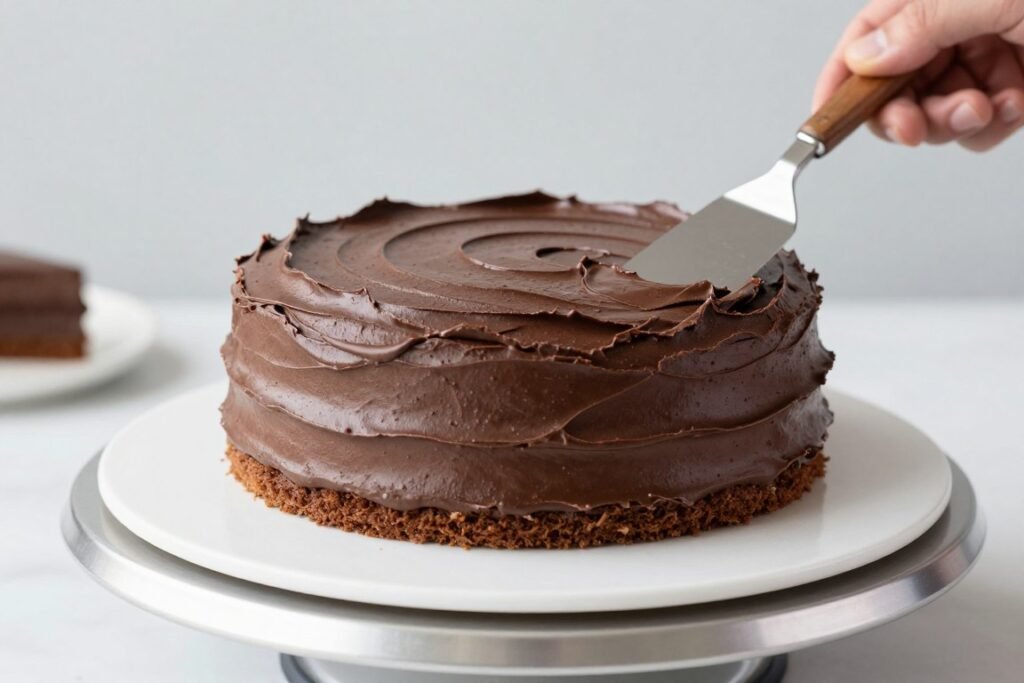
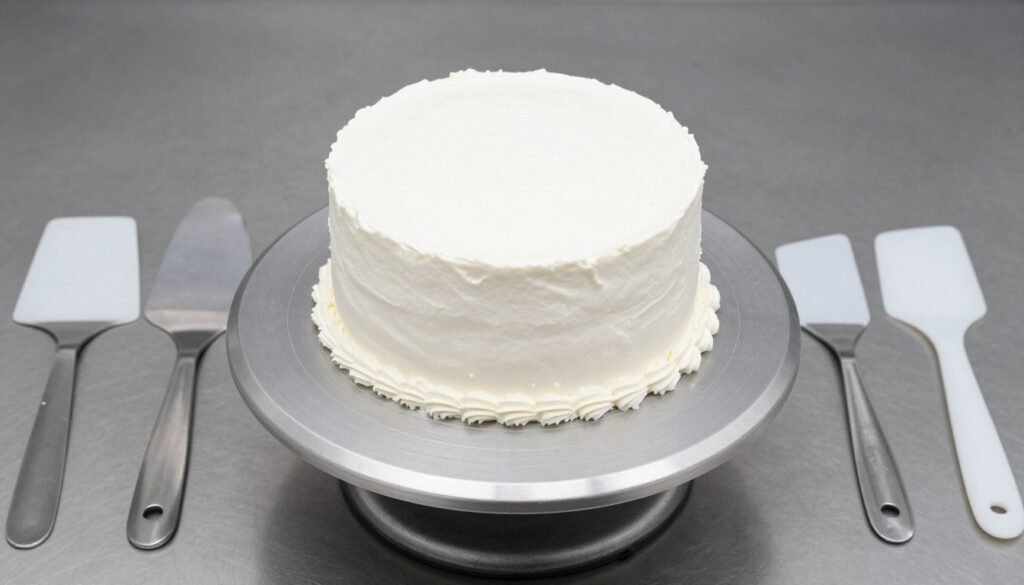
Rotating cake stands transformed frosting application. These turntables allowed smooth, even coverage as bakers held spatulas steady while spinning cakes. The investment paid dividends in finished cake appearance.
Start Your 2000s Cake Journey Today
Ready to create nostalgic cake designs? Stock your kitchen with essential decorating supplies and bring these iconic 2000s styles back to life for your next celebration.
Nostalgia drives current interest in 2000s cake aesthetics. Modern bakers combine vintage techniques with contemporary sensibilities to create updated versions of classic designs.
Updated Color Palettes
Today’s versions of 2000s cakes use more sophisticated color schemes. Muted pastels replace bright primary colors. Metallic accents add modern elegance to retro designs. The core techniques remain the same with refined execution.
Social media influences how people present nostalgic cakes today. Photography-friendly designs incorporate throwback elements while maintaining Instagram aesthetic standards. This balance honors the past while embracing current visual trends.
Combining Old and New Techniques
Modern decorators layer multiple 2000s trends onto single cakes. A drip cake might feature ombré frosting, fondant accents, and buttercream flowers simultaneously. These mashups celebrate the decade’s diversity while creating unique contemporary designs.
Celebrating Two Decades of Cake Evolution
The 2000s transformed cake decorating from occasional special skill into widespread creative pursuit. These techniques democratized beautiful cake creation, making professional-looking results accessible to home bakers everywhere.
Whether recreating exact replicas or drawing inspiration from this iconic era, these cake ideas continue influencing dessert design today. The bold creativity, willingness to experiment, and joy in elaborate decoration defined cakes that made every birthday and celebration memorable.
From perfectly chocolate cake recipes passed through families to elaborate fondant creations that pushed boundaries, the 2000s gave us decoration approaches that remain relevant and beloved. These nostalgic designs prove that great cake decorating transcends trends, creating lasting memories with every slice served.
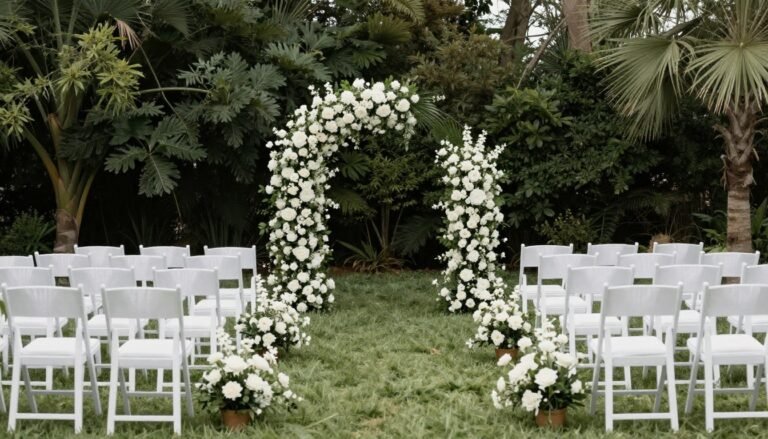
Finding the right wedding guest outfit can feel overwhelming. You want to look stunning while respecting the couple’s big day. This comprehensive guide will help you navigate dress codes, seasons, and venues. You’ll discover outfit ideas that make you feel confident and comfortable. Whether you’re attending a beach ceremony or formal ballroom reception, we’ve got…
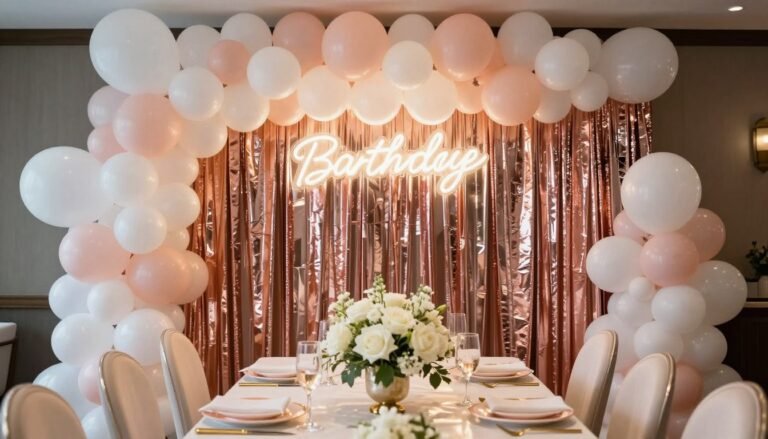
Picture this: your best friend walks into the room, and her jaw drops. The space is transformed into a celebration that feels uniquely hers. Every detail whispers celebration, from the shimmering backdrop catching the light to the perfectly coordinated table settings that beg to be photographed. That magical moment starts with the right bachelorette party…
Looking to add a touch of green to your home or garden? Planter boxes offer the perfect blend of functionality and style, allowing you to create stunning displays of flowers, herbs, or vegetables in even the smallest spaces. Whether you’re working with a spacious backyard, a cozy balcony, or a sunny windowsill, these planter box…
Planning a wedding starts with one crucial decision: choosing the perfect venue. Your wedding venue sets the tone for your entire celebration and significantly impacts your wedding budget. Many couples find themselves overwhelmed by the countless venue options available today. The right space can transform your vision into reality. Whether you dream of a rustic…
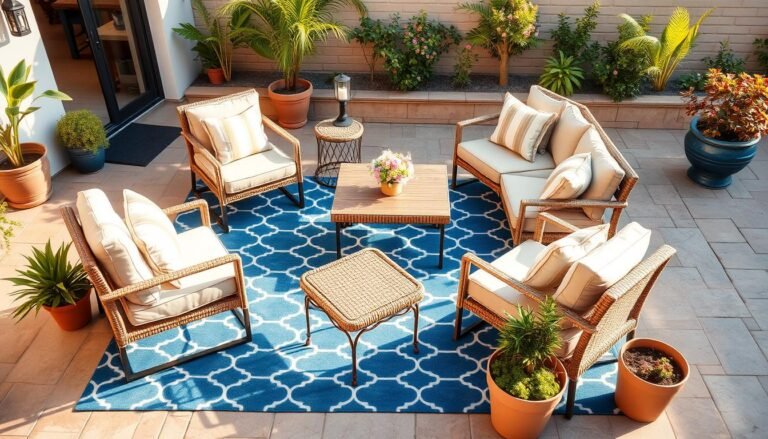
Outdoor rugs have become essential elements in creating inviting exterior spaces that feel like natural extensions of our homes. Whether you’re looking to define a cozy conversation area on your patio, add comfort to a deck, or bring color and texture to a balcony, the right outdoor rug can completely transform your space. These versatile…
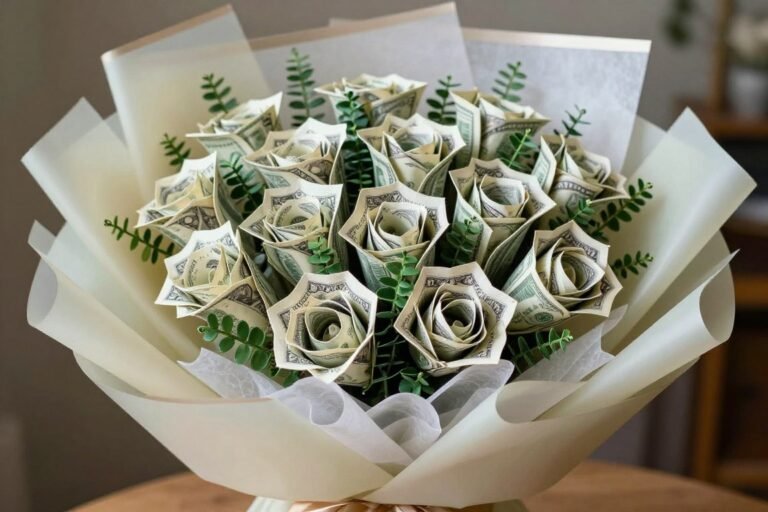
Giving cash as a gift has never looked more beautiful. Money bouquets transform ordinary bills into stunning floral arrangements that delight recipients. These creative presentations make cash gifts feel personal and thoughtful. Over the years, people have discovered countless ways to turn money into artistic displays. The best part? You can create these gorgeous bouquets…