Wildflower Cake Ideas: Beautiful Designs for Every Celebration
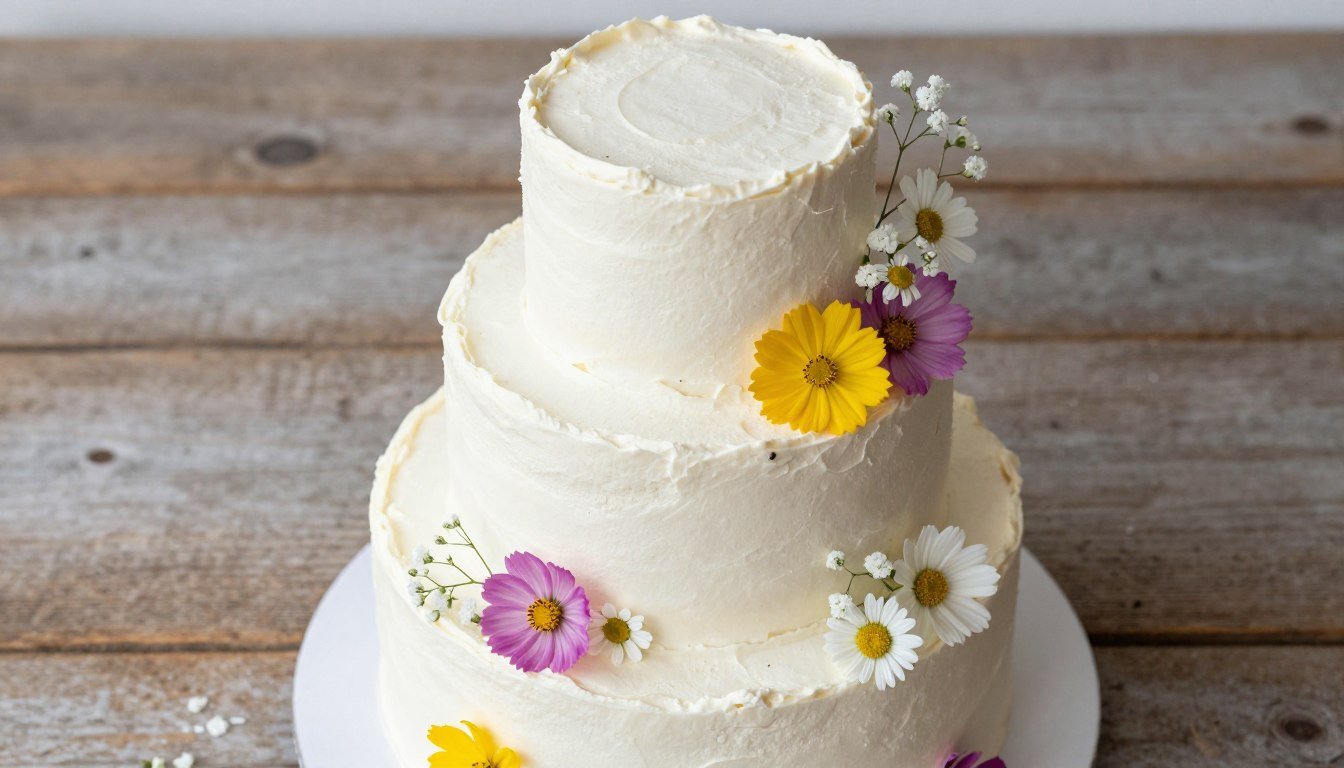
Wildflower cakes bring the untamed beauty of meadows and gardens to your dessert table. These stunning creations capture nature’s effortless charm through delicate sugar blooms, fresh florals, and artistic buttercream work.
Whether you’re planning a wedding, birthday party, or baby shower, wildflower cake designs offer endless possibilities. From rustic country themes to elegant garden celebrations, these cakes make unforgettable centerpieces.
This comprehensive guide explores over fifty wildflower cake ideas. You’ll discover techniques for buttercream flowers, fresh floral arrangements, and creative design elements that transform simple cakes into botanical masterpieces.
Understanding Wildflower Cake Aesthetics
Wildflower cakes embrace organic beauty and natural imperfection. Unlike formal floral arrangements, these designs celebrate the carefree spirit of meadow blooms and countryside gardens.
The wildflower aesthetic features several defining characteristics. Colors tend toward soft pastels and vibrant earth tones. Flowers appear scattered rather than symmetrically placed. Textures mix smooth buttercream with rough, natural elements.
Key Design Elements
Successful wildflower cakes incorporate multiple design layers. The foundation typically features textured buttercream that mimics natural surfaces. Flowers cascade across tiers in seemingly random patterns that actually require careful planning.
Color palettes draw from nature’s own wildflower meadows. Think sunset pinks, lavender purples, sunshine yellows, and sky blues. These hues blend together like watercolors rather than standing in stark contrast.
Related Posts:
Color Combinations
Popular wildflower palette choices create different moods for your celebration.
- Pastel meadow: soft pink, lavender, cream, sage green
- Summer garden: bright yellow, coral, purple, white
- Romantic sunset: peach, dusty rose, mauve, gold
- Rustic field: burgundy, mustard, cream, forest green
Texture Techniques
Various frosting methods add dimension and visual interest to wildflower designs.
- Rough buttercream: creates organic, natural finish
- Smooth ombre: blends colors like watercolor paintings
- Ruffled layers: adds movement and softness
- Naked or semi-naked: exposes cake layers naturally
Flower Placement
Strategic positioning creates balanced yet organic-looking arrangements.
- Cascading clusters: flowers flow down one side
- Crown topper: blooms encircle the top tier
- Scattered accent: individual flowers dot the surface
- Asymmetric spray: dramatic diagonal arrangement
Supporting Elements
Additional botanical touches enhance the wildflower theme throughout your cake.
- Greenery sprigs: eucalyptus, ferns, olive branches
- Berries: adds pops of color and texture
- Grasses: brings meadow authenticity
- Vines: creates flowing, organic lines
Choosing Your Wildflower Style
Different wildflower approaches suit various celebrations and personal preferences. Understanding these styles helps you select the perfect design direction for your event.
Rustic wildflower cakes feature rough textures and earthy tones. They pair perfectly with barn weddings, outdoor parties, and country-themed celebrations. The frosting often has visible texture, and decorations include natural elements like twine or burlap.
Elegant wildflower designs offer refined sophistication. These cakes use delicate sugar flowers, precise piping work, and sophisticated color palettes. They suit formal garden weddings, bridal showers, and upscale events.
Whimsical wildflower cakes embrace playful creativity. Bright colors, unexpected combinations, and fun accents define this style. Perfect for birthday parties, baby showers, and joyful celebrations.
Buttercream Wildflower Techniques
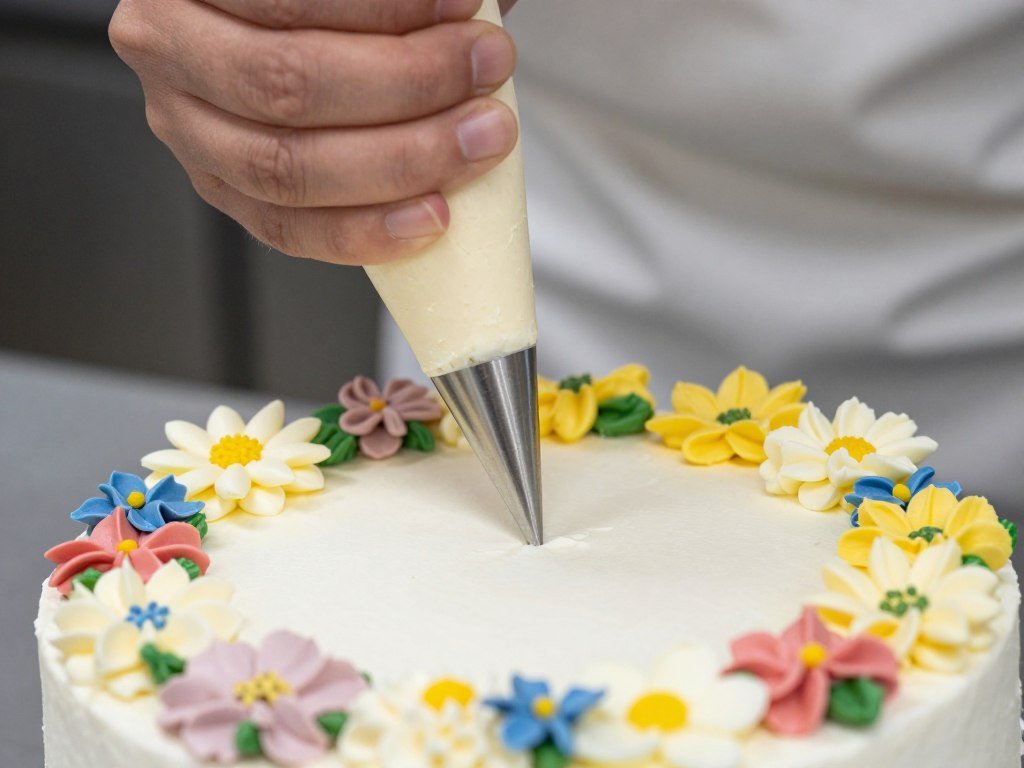
Buttercream flowers offer incredible versatility for wildflower cake designs. These edible blooms allow complete creative control over colors, sizes, and placement while remaining entirely edible.
Creating buttercream wildflowers requires the right consistency frosting. The buttercream should hold peaks firmly but pipe smoothly through tips. Too soft, and flowers lose definition. Too stiff, and piping becomes difficult.
Essential Piping Tips for Wildflowers
Different piping tips create various wildflower varieties. Petal tips form daisies, cosmos, and similar blooms. Star tips produce textured flowers like asters. Round tips create simple but charming blossoms.
Start with basic five-petal flowers before advancing to complex varieties. Simple daisies require only a petal tip and steady hand. Pipe petals around a central point, overlapping slightly for natural appearance.
Essential Buttercream Decorating Tools
Professional piping tips make creating beautiful wildflower designs easier. Find complete decorating tip sets that include petal, star, and leaf tips perfect for any wildflower cake project.
Popular Buttercream Wildflower Varieties
Cosmos flowers feature delicate petals and cheerful centers. Use a small petal tip to create thin, slightly cupped petals radiating from a yellow or orange center dot.
Buttercream daisies bring classic charm to any cake. White or yellow petals surround contrasting centers. Pipe these directly onto the cake or create them on parchment paper for transfer later.
Wildflower rosettes add texture and volume. Unlike traditional roses, these blooms feature looser, more organic spirals. Varying pressure while piping creates natural petal movement.
Textured Buttercream Backgrounds
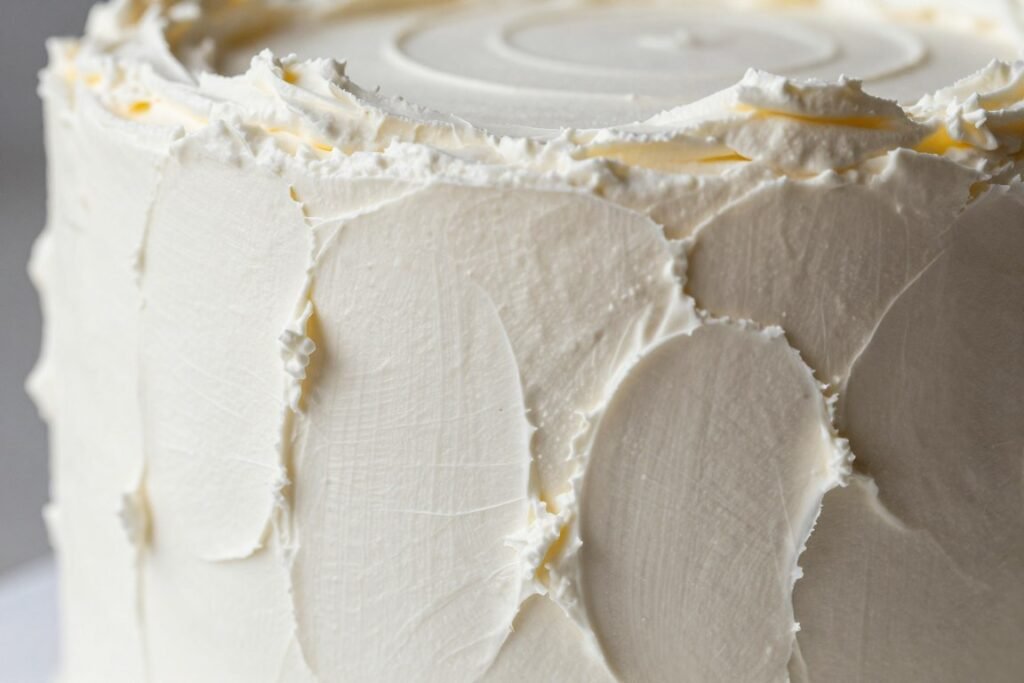
The cake surface beneath wildflowers matters as much as the blooms themselves. Textured buttercream creates depth and interest that complements floral decorations.
Palette knife techniques produce organic, painterly effects. Spread buttercream in varying thicknesses, creating natural-looking ridges and valleys. This rough texture mimics tree bark or natural stone.
Combing tools create lined patterns that suggest wooden fences or garden trellises. Draw the tool vertically or horizontally through buttercream for consistent texture.
Stippling sponges add subtle dimension. Dab natural sea sponges into buttercream for soft, cloud-like effects perfect for garden-themed cakes.
Color Blending for Natural Effects
Wildflowers rarely appear in single, solid colors. Nature creates gradients, variations, and subtle color shifts that make blooms interesting.
Loading piping bags with multiple buttercream colors creates automatic blending. Place two or three colors side by side in the bag. As you pipe, colors naturally merge and swirl.
Dusting finished buttercream flowers with petal dust adds realistic shading. Focus darker tones toward petal bases and lighter highlights on tips and edges.
Ombre effects work beautifully for wildflower designs. Gradually transition frosting colors across cake tiers or within individual flowers for sunset-inspired palettes.
Fresh Flower Wildflower Cakes
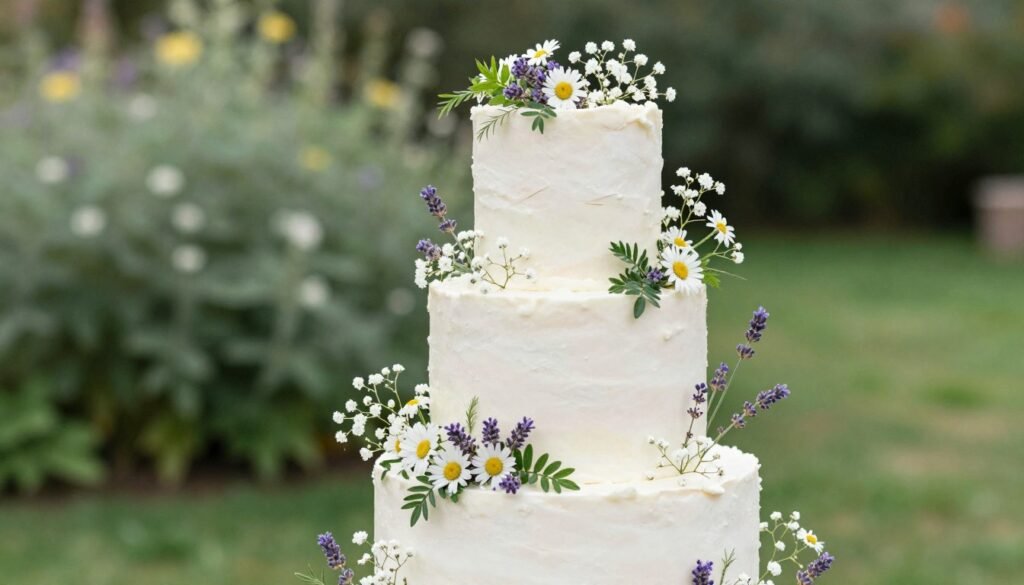
Fresh flowers bring authentic beauty and natural fragrance to wildflower cakes. Real blooms create stunning visual impact that perfectly captures meadow and garden aesthetics.
Food safety remains paramount when using fresh flowers on cakes. Not all flowers are edible or safe for direct contact with frosting. Understanding proper handling prevents health risks.
Food-Safe Fresh Flowers
Many common wildflowers work safely for cake decoration. Roses, pansies, violets, lavender, and chamomile are both beautiful and edible. Baby’s breath, while popular, should only touch non-edible surfaces.
Always verify flower safety before placing blooms on cakes. Purchase flowers from sources that guarantee pesticide-free growing. Grocery store bouquets often contain chemicals unsafe for food contact.
Creating barriers between flowers and cake protects against contamination. Wrap stems in floral tape, then insert into plastic flower picks. This prevents direct stem contact with buttercream or cream cheese frosting.
Important Safety Note: Never use flowers from florists, garden centers, or roadside stands on cakes unless specifically labeled food-safe and pesticide-free. Many decorative flowers contain harmful chemicals. Source edible flowers from specialty food suppliers or organic growers.
Popular Fresh Wildflowers for Cakes
Baby’s breath creates delicate, cloud-like accents. These tiny white blooms fill spaces between larger flowers beautifully. Use them abundantly for romantic, ethereal effects.
Lavender adds purple elegance and gentle fragrance. The slim stems work perfectly tucked between cake layers or cascading down sides. Both flowers and greenery contribute to the design.
Garden roses in soft pastels complement wildflower themes. Choose spray roses or small garden varieties rather than large formal roses. These maintain the organic, natural aesthetic.
Cosmos flowers offer vibrant pinks, whites, and purples. Their delicate petals and cheerful faces perfectly capture wildflower charm. These blooms photograph beautifully and last well.
Arranging Fresh Flowers on Cakes
Fresh flower placement requires planning and proper technique. Create your arrangement vision before assembling the cake to avoid excessive handling.
Start with greenery as your foundation. Eucalyptus, ferns, or olive branches create lush bases for flowers. Insert stems into the cake at slight angles for natural flow.
Add larger blooms first, establishing focal points. Space these statement flowers around the cake, creating balance without perfect symmetry. Step back frequently to assess overall composition.
Fill gaps with smaller flowers and additional greenery. These supporting elements create cohesion and fullness. Vary depths by inserting some flowers deeper into the arrangement.
Fresh Flower Cake Supplies
Safely incorporate fresh flowers with proper tools. Flower picks protect your cake while supporting beautiful blooms, and floral tape creates clean barriers between stems and frosting.
Timing and Preservation
Fresh flowers wilt quickly once placed on cakes. Timing your decoration becomes crucial for maintaining beauty throughout your event.
Decorate cakes with fresh flowers as close to the event as possible. Ideally, complete floral arrangements within two to three hours of serving time. This ensures maximum freshness and visual appeal.
Misting flowers lightly with water helps maintain hydration. Use a fine spray bottle, avoiding excessive moisture that could damage buttercream. Focus spray on flower petals and leaves rather than stems.
Refrigeration extends fresh flower life but affects frosting. If your cake requires refrigeration, remove it thirty minutes before display. This allows buttercream to soften while flowers remain fresh.
Rustic Wildflower Cake Designs
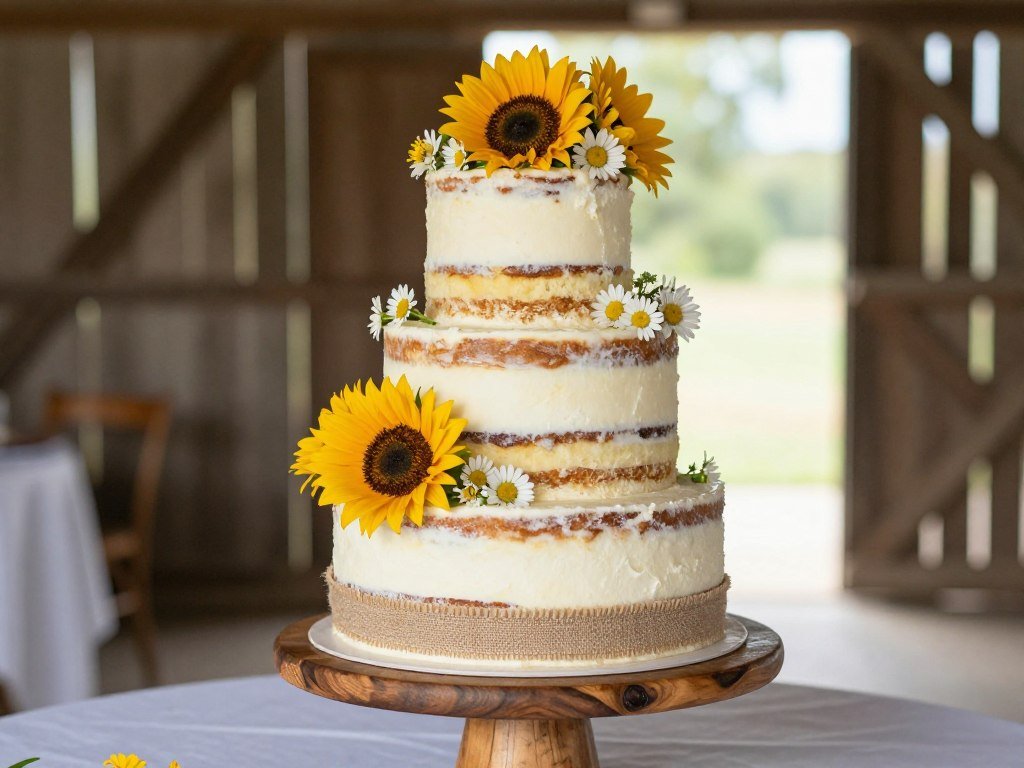
Rustic wildflower cakes embrace natural imperfection and countryside charm. These designs suit barn weddings, outdoor celebrations, and events with vintage or farmhouse themes.
The rustic aesthetic celebrates visible texture and organic elements. Frosting techniques intentionally show brushstrokes and rough edges. Decorations include natural materials like wood, burlap, and twine.
Semi-Naked and Naked Cake Styles
Naked cakes expose bare cake layers between minimal frosting. This stripped-down approach highlights quality ingredients while creating rustic appeal.
Semi-naked cakes feature thin buttercream layers that partially cover cake edges. The technique requires skillful application—enough frosting for stability, but not so much that it conceals the cake completely.
These styles work best with moist, flavorful cakes. Chocolate, spice, and fruit cakes show beautifully through minimal frosting. The exposed layers become part of the design rather than something to hide.
Wildflowers enhance naked cake aesthetics perfectly. Fresh blooms cluster at tier junctions or cascade down sides. The natural cake layers provide neutral backgrounds that make flowers pop.
Woodland and Meadow Themes
Woodland wildflower cakes incorporate forest elements alongside meadow blooms. Moss, bark-textured frosting, and mushroom decorations create enchanted forest vibes.
Tree stump cake stands enhance woodland presentations. These natural platforms complement rustic cake designs while adding height and visual interest to dessert tables.
Meadow-themed cakes feature abundant wildflowers in scattered arrangements. Think field daisies, clover, and grass accents. Colors tend toward sunny yellows, fresh whites, and sky blues.
Edible moss made from colored coconut adds realistic ground cover effects. Sprinkle this around cake bases or between tiers for authentic meadow appearance.
Rustic Color Palettes
Earth tones dominate rustic wildflower designs. These natural hues create warmth and organic beauty.
- Warm autumn: burgundy, rust, mustard yellow, cream
- Natural wood: brown, tan, ivory, sage green
- Sunset field: coral, peach, gold, dusty pink
- Country garden: sunflower yellow, barn red, cream, green
Texture Techniques
Various methods create the rough, organic surfaces characteristic of rustic cakes.
- Spatula swirls: create visible tool marks
- Bark texture: achieved with palette knife dragging
- Rough patches: intentionally uneven coverage
- Drip effects: casual caramel or chocolate drips
Natural Accent Materials
Non-edible natural elements enhance rustic wildflower cakes. These materials add authentic countryside charm when used thoughtfully.
Burlap ribbons wrap around cake tiers for farmhouse appeal. Secure these with pins inserted into cake boards rather than directly into frosting. The rough texture contrasts beautifully with smooth buttercream.
Twine creates simple, organic binding effects. Wrap it around cake tiers or use it to bundle herb sprigs and flower stems. Natural jute twine offers the most authentic appearance.
Wood slices serve multiple purposes. Use them as cake bases, tier separators, or decorative accents. Their natural rings and imperfections add character.
Wildflower seed paper decorations combine beauty with purpose. These plantable papers transform into flowers after the celebration, extending your theme beyond the event day.
Create Your Rustic Masterpiece
Rustic cake designs require specific tools and decorative elements. Find everything from textured spatulas to natural ribbon materials perfect for achieving authentic countryside aesthetics.
Elegant Wildflower Wedding Cakes
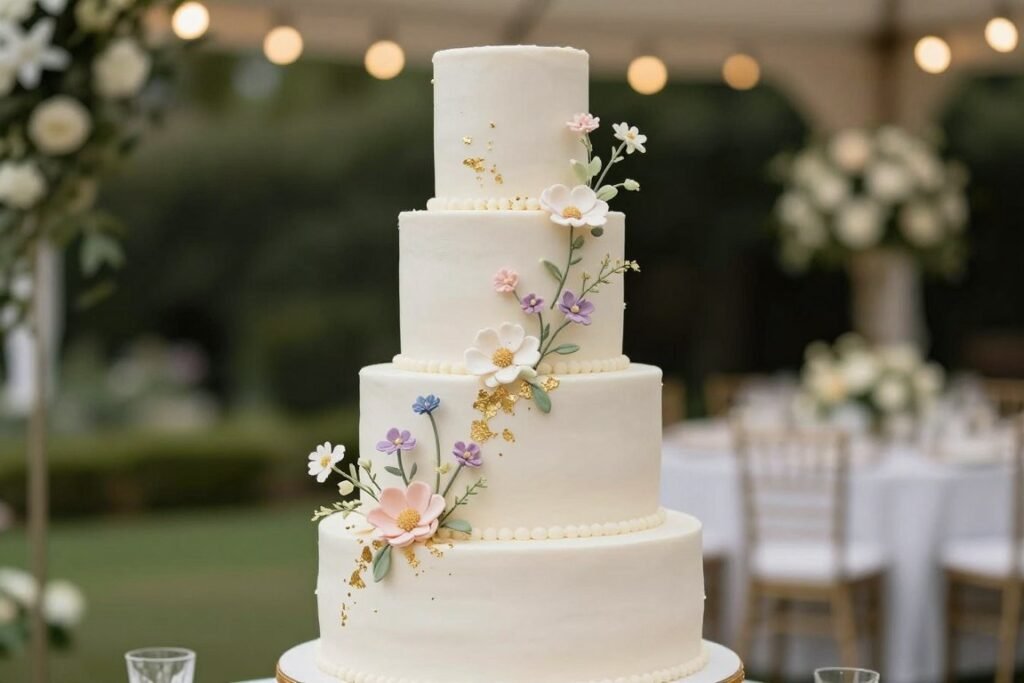
Elegant wildflower wedding cakes balance natural beauty with refined sophistication. These designs suit formal garden weddings, upscale venues, and couples seeking romantic yet polished aesthetics.
The elegant approach uses wildflower motifs with precision and artistry. Sugar flowers replace fresh blooms for perfect, lasting beauty. Color palettes lean toward soft pastels and metallics.
Sugar Flower Wildflower Designs
Sugar flowers offer unmatched detail and durability. These edible blooms withstand weather, maintain perfect appearance, and allow creation of impossible-in-nature colors.
Gum paste creates the most delicate, realistic sugar flowers. This pliable medium dries hard, holding intricate petal shapes and fine details. Individual petals attach to wires, building dimensional blooms.
Common wildflowers translate beautifully into sugar. Cosmos, poppies, anemones, and sweet peas all work well. The key lies in studying real flower anatomy before attempting sugar versions.
Creating sugar wildflowers requires patience and practice. Each petal receives individual attention—shaping, thinning edges, adding veining, and dusting with color. The process is time-intensive but produces stunning results.
Sophisticated Color Schemes
Elegant wildflower cakes use restrained, harmonious color palettes. These combinations create visual impact without overwhelming sophistication.
Monochromatic designs in varying shades of one color offer timeless elegance. Imagine all-white cakes with ivory, cream, and pure white wildflowers. The subtle variation creates depth without bright color.
Pastel palettes bring soft romance to elegant designs. Blush pink, lavender, pale yellow, and mint green create dreamy, garden-inspired combinations. These hues photograph beautifully and suit spring and summer weddings.
Metallic accents elevate wildflower designs. Gold leaf highlights, silver dragees, or pearl dust on sugar petals add luxury. Use these sparingly for maximum impact.
Classic Romance
Soft, timeless combinations for traditional weddings.
- Blush pink and ivory
- Champagne and cream
- Dusty rose and sage
- White and gold
Garden Elegance
Fresh, natural palettes inspired by English gardens.
- Lavender and mint
- Peach and eucalyptus
- Lilac and silver
- Coral and sage
Modern Luxe
Contemporary combinations with sophisticated edge.
- Navy and gold
- Mauve and copper
- Charcoal and blush
- Emerald and ivory
Cascading Floral Arrangements
Cascading wildflower arrangements create dramatic, elegant focal points. These designs feature blooms flowing from top tier to bottom in graceful arrangements.
Plan cascade direction carefully. Consider how guests will view the cake from different angles. Most cascades flow from top-front toward one side, creating asymmetric beauty.
Mix flower sizes throughout cascades for natural appearance. Large statement blooms anchor arrangements, medium flowers fill space, and tiny blossoms add delicate detail.
Greenery plays crucial supporting roles in cascades. Eucalyptus, ivy, or fern fronds create flowing lines that guide the eye. These elements connect individual flowers into cohesive arrangements.
Hand-Painted Wildflower Details
Hand-painted wildflowers offer artistic elegance. These designs transform cakes into edible canvases featuring watercolor-style blooms.
Food coloring gels mixed with clear alcohol create paint-like consistency. Apply these with fine brushes directly onto fondant or buttercream surfaces. The alcohol evaporates, leaving vibrant color.
Watercolor techniques work beautifully for wildflower designs. Layer translucent washes to build depth and dimension. Allow each layer to dry before adding details.
Combining painted flowers with dimensional sugar blooms creates stunning contrast. Paint backgrounds or side panels, then attach three-dimensional flowers as focal points.
Professional Cake Painting Supplies
Create beautiful hand-painted wildflowers with professional-grade food coloring and fine brushes designed specifically for cake decorating artistry.
Seasonal Wildflower Cake Themes
Seasonal wildflower cakes celebrate nature’s changing beauty throughout the year. Each season offers unique color palettes, flower varieties, and design opportunities.
Matching cake designs to seasons creates cohesion with your event timing. Spring celebrations call for fresh pastels and delicate blooms. Summer events shine with vibrant colors and abundant flowers.
Spring Wildflower Cakes
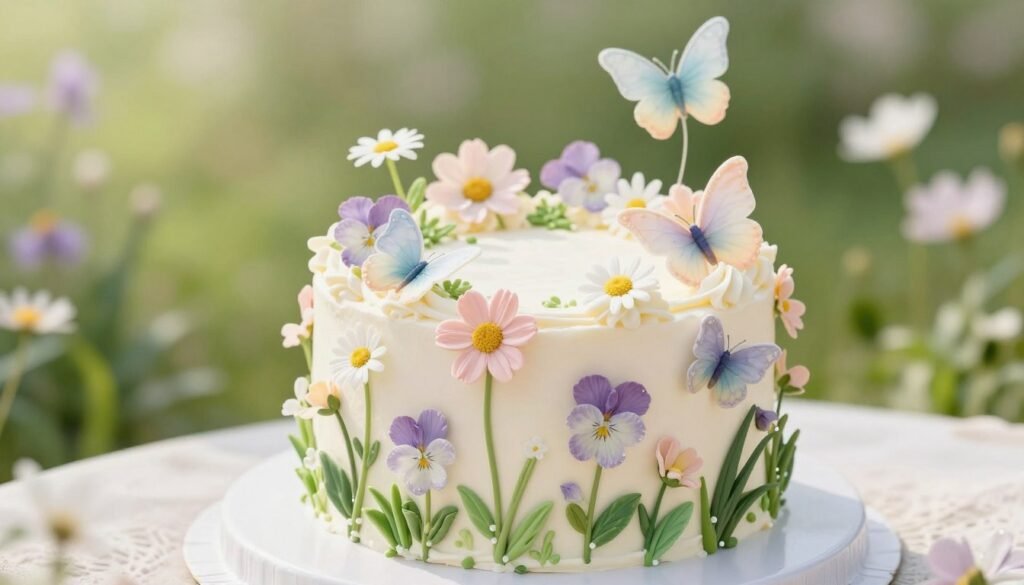
Spring wildflower designs capture renewal and fresh beginnings. Pastel colors dominate these cakes—soft pinks, baby blues, gentle yellows, and mint greens.
Popular spring wildflowers include daisies, violets, cherry blossoms, and tulips. These early bloomers signal warmer weather and new growth. Incorporate them in both sugar and fresh versions.
Easter and spring baby showers benefit from these themes. The fresh, clean aesthetic suits celebrations of new life and seasonal joy.
Butterfly and bee decorations enhance spring wildflower themes. These pollinators add movement and whimsy while reinforcing garden connections.
Summer Wildflower Celebrations
Summer wildflower cakes embrace bold colors and abundant florals. This season allows maximum creativity with bright, cheerful palettes.
Sunflowers, zinnias, cosmos, and black-eyed Susans define summer wildflower designs. These hearty blooms withstand heat and bring sunshine to any celebration.
Vibrant color combinations work perfectly for summer. Think hot pink with orange, bright purple with yellow, or rainbow assortments. Summer permits bold choices that other seasons might not.
Outdoor summer weddings and garden parties benefit from these exuberant designs. The cakes complement natural settings while standing out against green landscapes.
Autumn Harvest Wildflowers
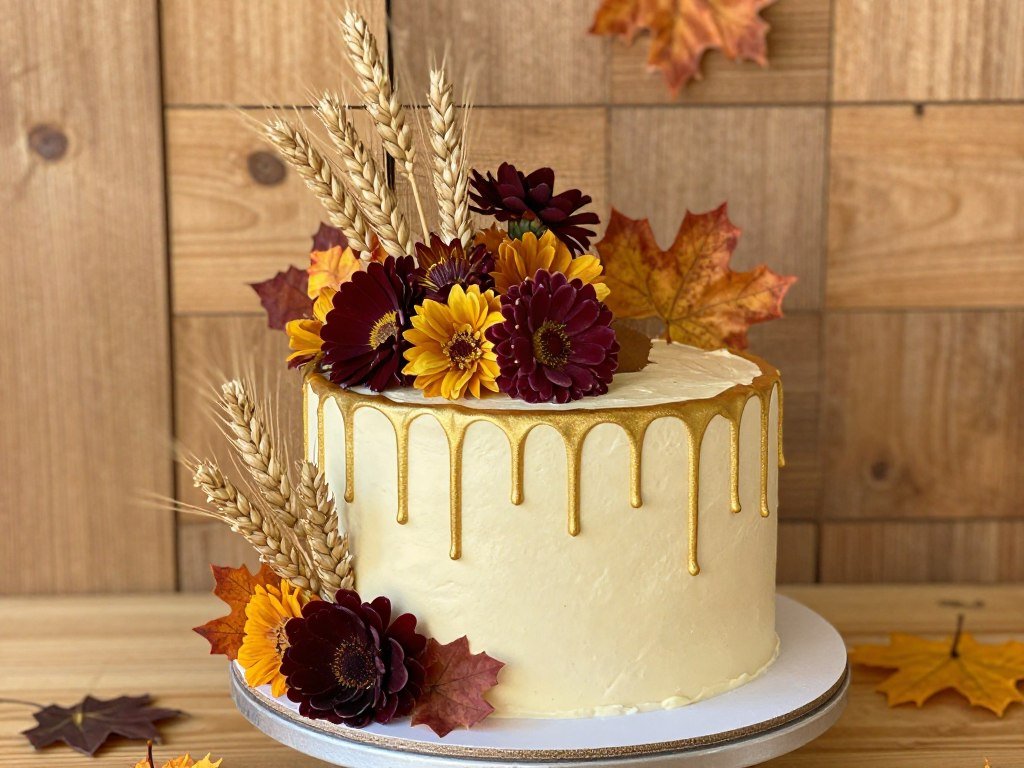
Autumn wildflower cakes feature rich, warm colors. Burgundy, rust, burnt orange, and deep gold create harvest-inspired palettes.
Fall blooms like chrysanthemums, asters, and dahlias work beautifully. These flowers naturally appear in autumn gardens, making them seasonally appropriate choices.
Incorporating wheat, berries, and fall leaves enhances autumn themes. These natural elements add texture and reinforce seasonal connections.
Thanksgiving celebrations and autumn weddings showcase these designs perfectly. The warm tones complement fall décor and seasonal tables.
Winter Wildflower Magic
Winter wildflower cakes might seem contradictory, but they offer unique opportunities. Think preserved flowers, winter berries, and evergreen accents.
Color palettes lean toward cool tones with warm accents. Ice blue, silver, white, and deep evergreen provide bases. Add pops of burgundy, cranberry, or copper for warmth.
Winter berries like holly, cranberries, and rosehips add natural color. Combine these with white sugar flowers for elegant winter garden effects.
Evergreen sprigs and pinecones enhance winter wildflower themes. These elements bring forest beauty to dessert presentations.
Holiday parties and winter weddings benefit from these unexpected combinations. The designs feel fresh and unique compared to traditional winter cakes.
Color Theory for Wildflower Cakes
Understanding color theory transforms good wildflower cakes into extraordinary ones. Strategic color choices create mood, enhance theme, and ensure visual harmony.
Color wheels guide effective combinations. Complementary colors sit opposite each other and create vibrant contrast. Analogous colors neighbor each other and blend harmoniously.
Creating Harmonious Palettes
Successful wildflower cakes typically feature three to five colors maximum. Too many hues create visual chaos. Limited palettes feel intentional and sophisticated.
Start with a dominant color that covers approximately sixty percent of visible design. This primary hue sets overall tone and anchors the palette.
Add a secondary color covering about thirty percent. This shade complements the primary while adding interest. Choose colors that enhance rather than compete.
Accent colors comprise the final ten percent. These pops of contrast draw the eye and add excitement. Use them sparingly for maximum impact.
Color Psychology for Events
Colors communicate emotions and set celebration tones. Understanding these associations helps create appropriate designs.
Pink conveys romance, sweetness, and femininity. Perfect for bridal showers, baby girls’ celebrations, and romantic weddings. Varying shades from blush to hot pink create different moods.
Blue brings calm, trust, and serenity. Suitable for baby boy showers, beach themes, and peaceful garden parties. Combine with white for classic elegance or yellow for cheerful contrast.
Yellow radiates happiness, energy, and optimism. Ideal for summer celebrations, birthday parties, and joyful events. Pair with white and green for fresh, clean looks.
Purple suggests luxury, creativity, and sophistication. Works beautifully for elegant weddings, milestone birthdays, and upscale events. Lavender offers softer, more romantic options.
Green represents nature, growth, and renewal. Essential for garden themes and eco-conscious celebrations. Sage and eucalyptus tones add sophistication to wildflower designs.
Ombre and Gradient Effects
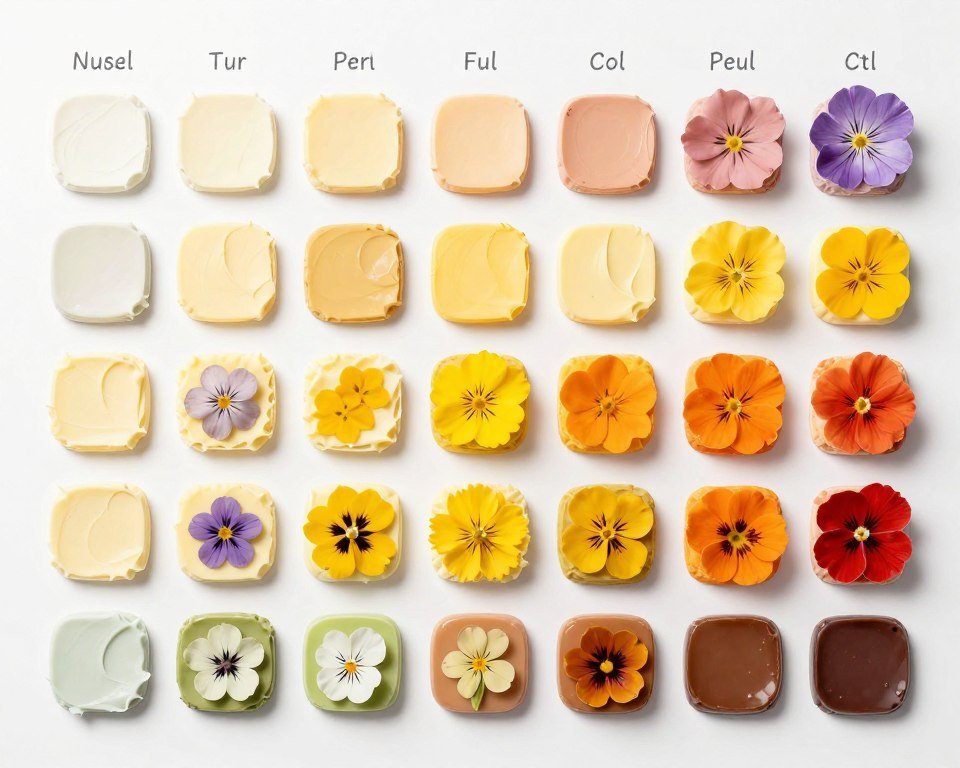
Ombre techniques create smooth color transitions that mimic natural phenomena. These effects work beautifully for wildflower cake backgrounds.
Vertical ombre transitions from dark at bottom to light at top. This mirrors natural landscape perspectives where ground appears darker than sky.
Horizontal ombre moves across tiers or around individual layers. This technique creates sunset or horizon effects perfect for outdoor celebration themes.
Creating smooth ombre requires patience. Apply frosting in bands of gradually lightening or darkening shades. Blend boundaries with offset spatulas for seamless transitions.
Ombre works for both buttercream and fondant applications. Buttercream allows more forgiving blending while fondant creates ultra-smooth gradients.
Metallic Accents and Highlighting
Metallic touches elevate wildflower designs from pretty to spectacular. Gold, silver, and copper accents add luxury without overwhelming natural beauty.
Edible gold leaf creates elegant highlights. Apply small pieces to buttercream flowers, cake edges, or sugar blooms. The irregular application feels organic and intentional.
Metallic luster dust brushed onto finished decorations adds subtle shimmer. Focus on flower centers, petal edges, or leaves for natural-looking enhancement.
Gold or copper drips provide contemporary contrast. Let metallic ganache drip from tier edges for modern elegance that complements vintage wildflower aesthetics.
Wildflower Cake Flavors and Fillings
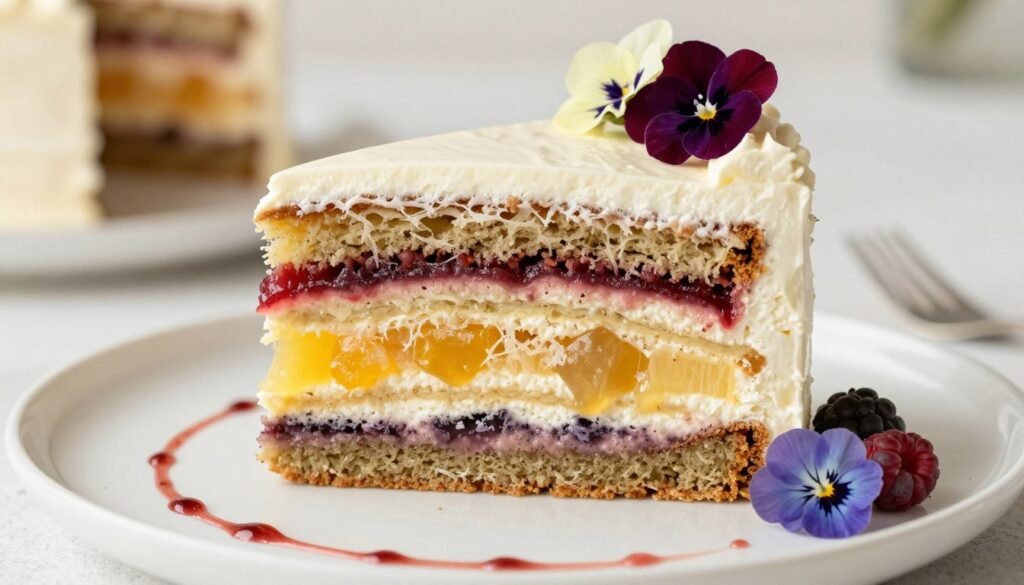
Beautiful wildflower decorations deserve equally impressive flavors. Choosing the right cake and filling combinations ensures your creation tastes as amazing as it looks.
Match flavors to season and theme for cohesive experiences. Spring cakes might feature lemon or strawberry. Summer celebrations call for fresh fruit flavors. Fall designs pair well with spice or apple.
Classic Cake Flavors for Wildflower Designs
Vanilla cake provides neutral backgrounds for any wildflower color scheme. This crowd-pleasing flavor suits all ages and pairs with virtually any filling.
Chocolate cake offers rich contrast to light, airy wildflower aesthetics. Dark chocolate layers peek beautifully through semi-naked frosting. The deep color creates dramatic visual impact.
Lemon cake brings bright, fresh flavor perfect for spring and summer celebrations. The sunny color complements yellow and white wildflower themes naturally.
Red velvet creates stunning visual contrast. The deep red layers look gorgeous against white buttercream and colorful wildflowers. The mild chocolate flavor appeals to many palates.
Almond cake provides subtle, sophisticated flavor. This option works particularly well for wedding cakes where refined taste matters.
Seasonal Flavor Combinations
Spring wildflower cakes pair beautifully with fresh berry fillings. Strawberry, raspberry, or mixed berry compotes add fruity brightness. These flavors complement pastel color schemes.
Summer celebrations benefit from tropical or citrus flavors. Passion fruit, mango, or key lime fillings bring sunshine to dessert tables. These bold tastes match vibrant summer wildflower palettes.
Autumn wildflower designs work wonderfully with spice cake layers. Cinnamon, nutmeg, and ginger create warm flavors that complement fall color schemes. Apple or pumpkin fillings enhance seasonal connections.
Winter celebrations call for rich, indulgent flavors. Dark chocolate, peppermint, or champagne-infused fillings add luxury. These sophisticated options suit elegant winter wildflower designs.
Buttercream Fillings
Classic buttercream options that pair perfectly with wildflower aesthetics.
- Swiss meringue: silky, less sweet, stable
- Italian meringue: light, glossy, pipes beautifully
- American buttercream: sweet, easy, versatile
- French buttercream: rich, custard-based, elegant
- Cream cheese frosting: tangy, pairs with red velvet
Specialty Fillings
Unique options that add surprise and sophistication to cake layers.
- Fruit compotes: fresh, seasonal, colorful
- Lemon curd: bright, tangy, smooth
- Chocolate ganache: rich, decadent, luxurious
- Pastry cream: traditional, vanilla-based, smooth
- Caramel: sweet, flowing, indulgent
Dietary Considerations
Modern celebrations often require accommodating various dietary needs. Wildflower cakes adapt beautifully to these requirements.
Gluten-free cakes work perfectly for wildflower designs. Almond flour or gluten-free blend cakes maintain moisture and texture. The decorating techniques remain identical to traditional versions.
Vegan wildflower cakes use plant-based ingredients without sacrificing beauty. Vegan buttercream pipes just as beautifully as dairy versions. Many guests cannot tell the difference.
Sugar-free options allow diabetic guests to enjoy celebrations. Alternative sweeteners replace traditional sugar in both cake and frosting. The wildflower decorations adapt to any recipe base.
Offering small tasting cakes in multiple flavors pleases diverse preferences. Create a dessert table featuring several wildflower-decorated cakes in different flavors. Guests appreciate choices.
Premium Baking Ingredients
Quality ingredients make noticeable differences in cake flavor and texture. Find premium vanilla extract, professional food coloring, and specialty baking supplies for your wildflower masterpiece.
Wildflower Cake Sizes and Structures
Proper cake sizing and structural support ensure wildflower designs look beautiful while serving all guests. Understanding portion sizes and engineering prevents disasters.
Guest counts determine base cake sizes. Standard serving sizes measure approximately two inches tall, one inch wide, and one inch deep. This translates to fourteen servings per nine-inch round layer.
Single Tier Wildflower Cakes
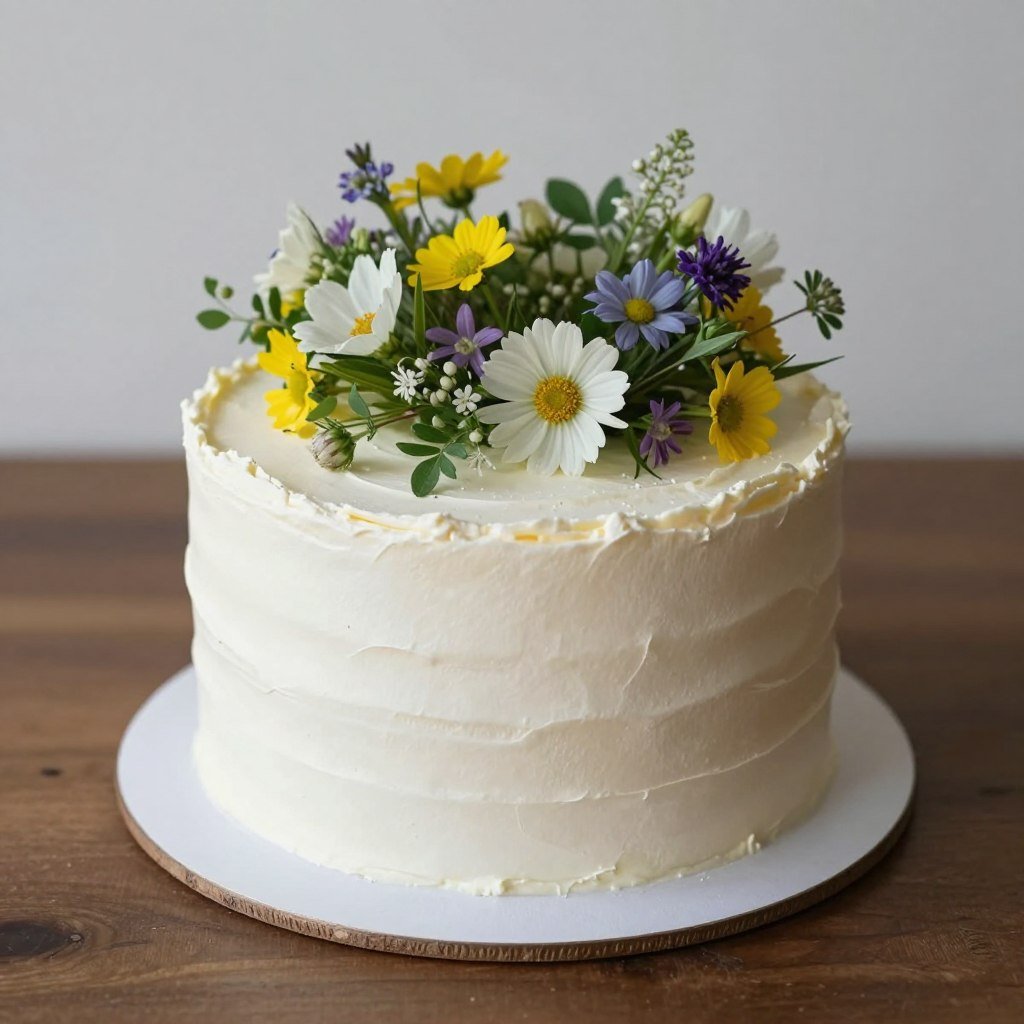
Single tier cakes suit small gatherings and intimate celebrations. These designs range from six to twelve inches in diameter, serving twelve to forty guests.
Tall single tiers create impressive presence without multiple layers. Stack three or four thin layers of the same diameter for height. This technique provides more surface area for decoration.
Wildflower arrangements on single tiers typically crown the top or cascade down one side. Without multiple tiers, focus decorative efforts on creating one stunning focal point.
These cakes work beautifully for birthday parties, small showers, and anniversary celebrations. The manageable size makes them perfect for home bakers attempting wildflower designs.
Multi-Tier Structures
Multi-tier cakes create dramatic presentations for larger events. Wedding cakes typically feature three to five tiers, serving one hundred to three hundred guests.
Proper support systems prevent catastrophic failures. Insert dowel rods into lower tiers before stacking. These supports bear the weight of upper layers, preventing sinking or collapse.
Tier sizes decrease as cakes rise. Common combinations include twelve-inch, nine-inch, and six-inch rounds. This creates pleasing proportions and stable structures.
Wildflower decorations can flow between tiers or remain isolated on individual layers. Cascading arrangements connect multiple tiers visually, creating cohesive designs.
Alternative Cake Shapes
Square and hexagonal cakes offer modern alternatives to traditional rounds. These shapes provide more servings per tier and create contemporary aesthetics.
Square tiers stack beautifully while offering clean lines. Wildflower decorations soften geometric angles, creating interesting contrasts between organic blooms and precise edges.
Hexagonal cakes feel both traditional and modern. The six-sided shape provides multiple surfaces for decoration while maintaining elegant symmetry.
Oval and petal-shaped cakes create unique presentations. These organic shapes enhance wildflower themes through form itself. Consider these for statement cakes where creativity matters most.
Small Events
Cake sizes for intimate gatherings of twelve to thirty guests.
- Single 8-inch tier: 12-16 servings
- Single 10-inch tier: 20-24 servings
- Two-tier (8″ + 6″): 24-28 servings
Medium Events
Appropriate sizes for parties of forty to one hundred guests.
- Two-tier (10″ + 8″): 40-48 servings
- Three-tier (10″ + 8″ + 6″): 54-62 servings
- Two-tier (12″ + 10″): 68-76 servings
Large Events
Sizes needed for weddings and celebrations exceeding one hundred guests.
- Three-tier (12″ + 10″ + 8″): 100-112 servings
- Four-tier (14″ + 12″ + 10″ + 8″): 150-168 servings
- Five-tier (16″ + 14″ + 12″ + 10″ + 8″): 220-240 servings
Transportation and Setup
Moving wildflower cakes requires careful planning. These delicate creations need special handling to arrive intact.
Transport tiers separately when possible. Stack cakes at the venue rather than attempting to move fully assembled structures. This reduces stress on supports and decorations.
Cake boxes with tall sides protect decorations during transport. Ensure boxes provide at least two inches clearance above tallest decorations. Secure boxes to prevent sliding.
Climate control matters tremendously. Buttercream melts in heat while fresh flowers wilt. Transport cakes in air-conditioned vehicles and avoid direct sunlight.
Final decorating at the venue reduces transport risks. Bring fresh flowers, additional buttercream blooms, and repair supplies. Apply delicate elements after the cake arrives safely.
DIY Wildflower Cake Tutorials
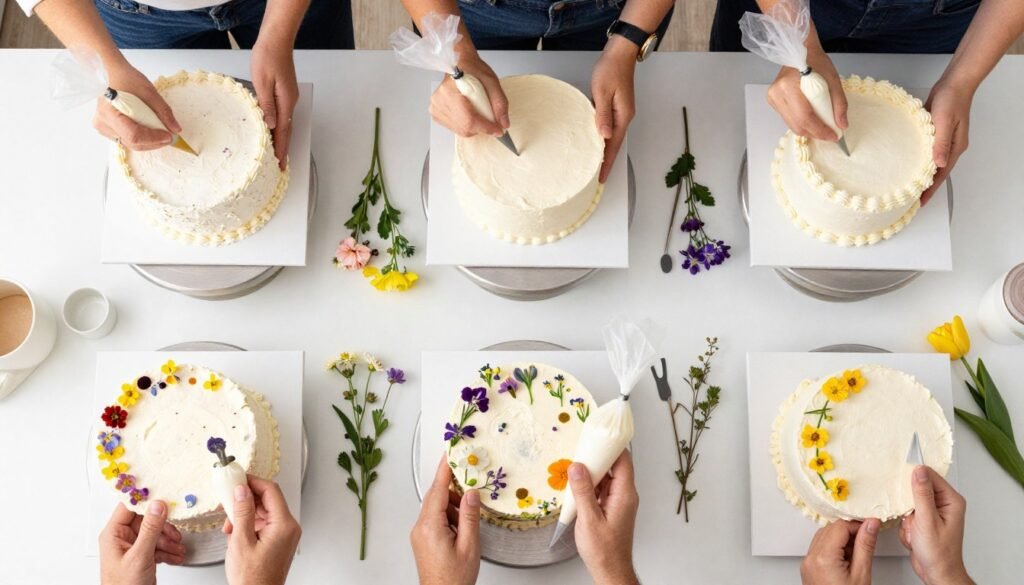
Creating wildflower cakes at home becomes achievable with proper guidance. These step-by-step approaches break complex designs into manageable tasks.
Success requires preparation and patience. Gather all supplies before beginning. Allow adequate time for each step without rushing the creative process.
Beginner-Friendly Wildflower Cake
Start with a simple single-tier cake featuring fresh flowers. This project introduces basic techniques without overwhelming new decorators.
Bake a nine-inch round cake in your chosen flavor. Allow it to cool completely before attempting any frosting work. Warm cakes cause buttercream to melt and slide.
Prepare a simple buttercream recipe using butter, powdered sugar, vanilla, and cream. Beat until light and fluffy. The consistency should spread easily but hold shape.
Apply a crumb coat—a thin layer of buttercream that seals loose crumbs. Refrigerate for thirty minutes. This step ensures your final coat appears smooth and professional.
Add the final buttercream layer. Use an offset spatula to create smooth or textured finish based on preference. For rustic looks, leave visible spatula marks.
Arrange fresh wildflowers while buttercream remains soft. Insert stems into small plastic picks first. Position flowers in a crown around the top edge or cluster them on one side.
Intermediate Buttercream Flower Cake
This project adds piped buttercream flowers to cake surfaces. The technique requires piping bags, tips, and steady hands.
Frost your cake with smooth or textured buttercream base. Choose a neutral color that complements planned flower shades.
Prepare several colors of buttercream in separate bowls. Fit piping bags with appropriate tips—petal tips for most wildflowers, star tips for textured blooms.
Practice piping flowers on parchment paper before decorating the cake. This builds confidence and muscle memory. The paper flowers can be frozen and transferred later.
Pipe flowers directly onto the cake or create them separately for transfer. Work from bottom to top to avoid smudging completed blooms.
Add buttercream leaves and stems using leaf tips or small round tips. These connecting elements create cohesive arrangements from individual flowers.
Complete Cake Decorating Kit
Everything needed for DIY wildflower cakes in one convenient package. Find complete decorating kits with multiple tips, bags, couplers, and accessories perfect for beginners and experienced bakers.
Advanced Sugar Flower Creation
Sugar flowers require specialized tools and considerable practice. This advanced technique produces the most realistic, detailed blooms.
Gum paste serves as the medium for sugar flowers. This pliable sugar dough dries hard, maintaining delicate shapes indefinitely.
Roll gum paste extremely thin—almost translucent for realistic petals. Use petal cutters to create uniform shapes, then thin edges further with ball tools.
Shape petals individually over curved surfaces like spoons or foam pads. This creates natural cupping and dimension. Allow petals to dry partially before assembly.
Attach petals to wire centers using edible glue. Build flowers petal by petal, starting from the innermost layer. This mimics natural flower construction.
Dust dried flowers with petal dust for realistic coloring. Layer colors from dark bases to light tips. Set colors by steaming briefly or using specialized setting spray.
Wire completed flowers into arrangements using floral tape. Create small bouquets or cascading sprays before attaching to cakes with royal icing.
Common Mistakes and Solutions
Even experienced decorators encounter challenges. Understanding common problems helps prevent and correct issues.
Buttercream too soft causes flowers to lose shape. Solution: refrigerate buttercream briefly or add more powdered sugar to stiffen consistency.
Fresh flowers wilting quickly ruins designs. Solution: decorate closer to event time, mist flowers lightly, keep cake cool until display.
Colors bleeding together creates muddy appearance. Solution: allow each color to set before adding adjacent colors, use parchment paper barriers.
Uneven cake layers produce lopsided tiers. Solution: level layers with serrated knife before stacking, use cake levelers for precision cuts.
Decorations sliding off cake indicates frosting problems. Solution: ensure buttercream has proper consistency, refrigerate between decoration stages, avoid overhandling.
Wildflower Cake Inspiration Gallery
Visual inspiration fuels creativity and helps refine personal style preferences. This curated collection showcases diverse wildflower cake approaches for various celebrations.
Romantic Garden Wedding Cakes
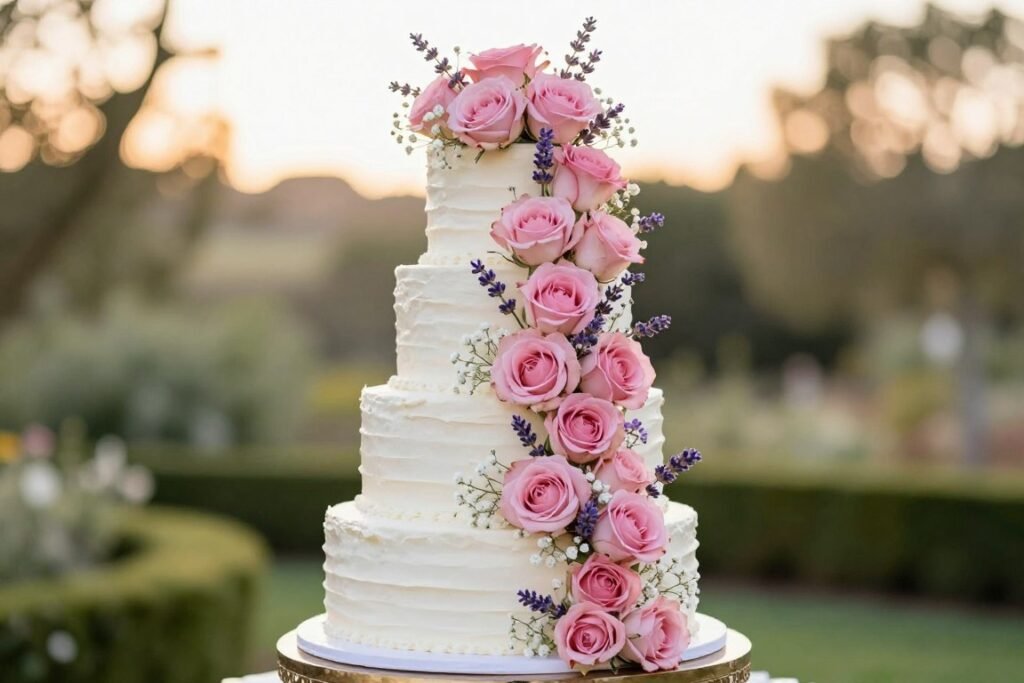
Garden wedding cakes embrace soft romance through delicate flowers and elegant presentation. These designs suit outdoor ceremonies and reception venues with natural beauty.
Pastel color palettes dominate romantic garden styles. Blush pink, lavender, sage green, and cream create dreamy combinations. Gold or silver accents add subtle luxury.
Fresh flower cascades define these cakes. Roses, peonies, ranunculus, and sweet peas flow naturally down tiers. Baby’s breath fills gaps and softens overall appearance.
Whimsical Birthday Celebrations
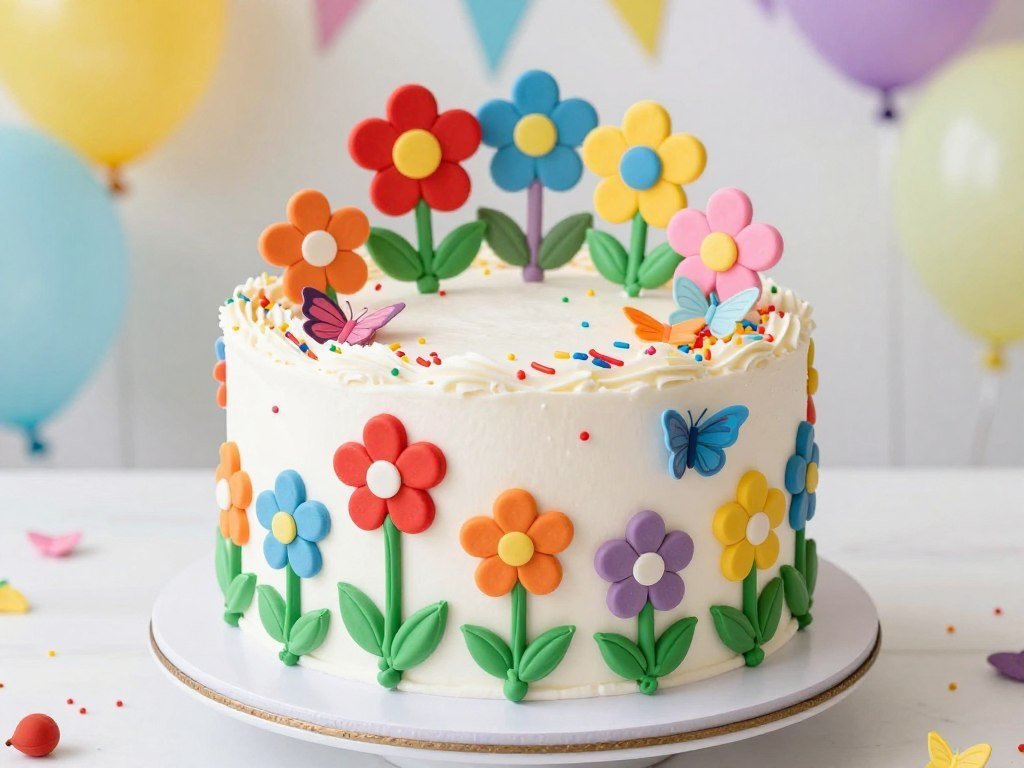
Birthday wildflower cakes allow playful creativity. Bright colors, unexpected combinations, and fun accents celebrate joy and individuality.
Rainbow flower arrangements bring maximum color impact. Mix every hue imaginable for cakes that photograph beautifully and delight children and adults alike.
Adding butterflies, bees, or dragonflies enhances whimsy. These sugar or paper accents suggest garden activity and movement.
Elegant Baby Shower Designs
Baby shower wildflower cakes balance sweetness with sophistication. Gender-neutral options increasingly replace traditional pink or blue themes.
Soft yellows, mint greens, and warm creams create welcoming palettes. These colors work for any baby gender while maintaining elegance.
Small, delicate flowers suit baby celebration scales. Tiny buttercream blooms, miniature sugar flowers, or sparse fresh flower accents prevent overwhelming proportions.
Modern Minimalist Approaches
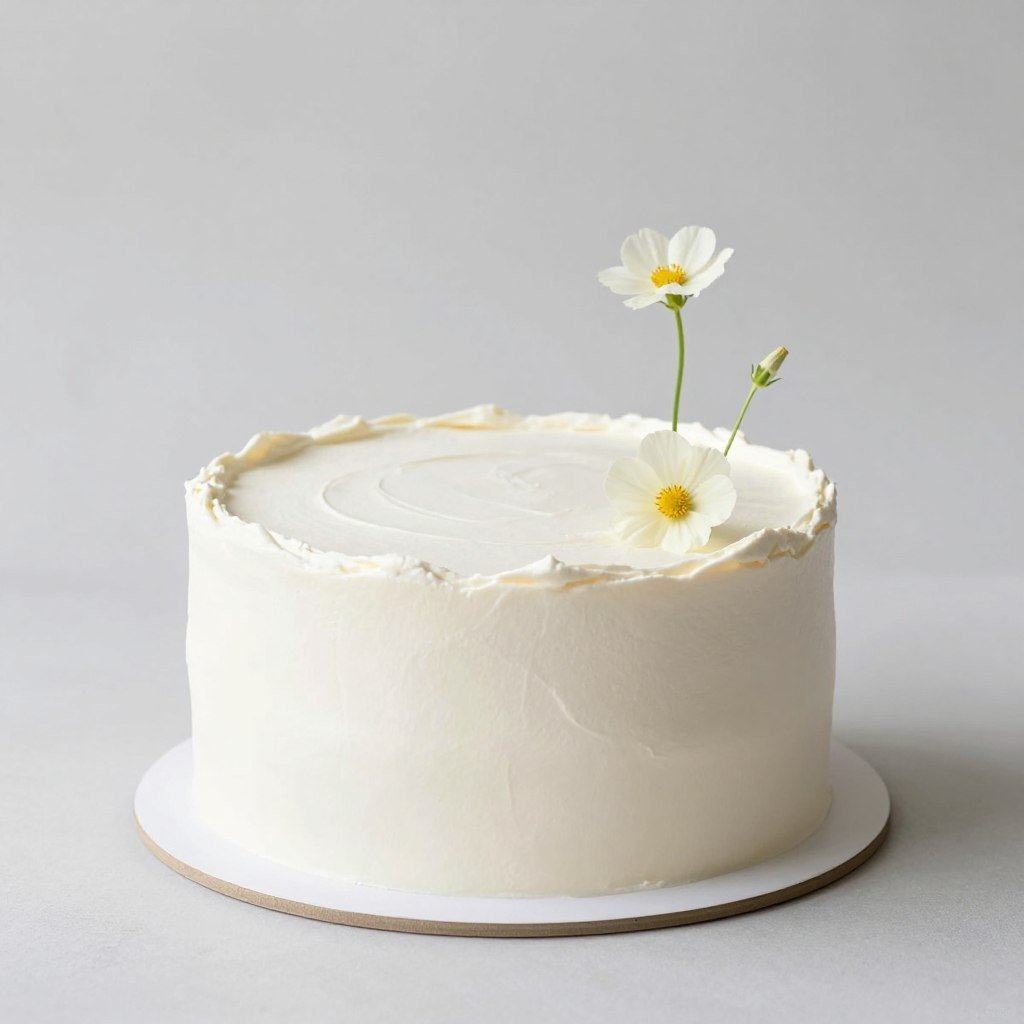
Minimalist wildflower cakes prove less can be more. These designs use restraint and negative space to create striking impact.
Single-color schemes maintain minimalist aesthetics. All-white cakes with ivory flowers or monochrome designs in one hue create sophisticated simplicity.
Sparse flower placement emphasizes each bloom’s beauty. Rather than covering surfaces, position flowers strategically for maximum effect with minimum elements.
Professional Tips and Tricks
Professional cake decorators develop techniques that separate amateur from expert results. These insider tips improve efficiency and final appearance.
Achieving Smooth Buttercream Finish
Perfectly smooth buttercream requires proper tools and technique. Professional decorators use bench scrapers, turntables, and patience.
Apply more buttercream than needed initially. Excess frosting allows smoothing without creating thin spots. Remove extra frosting during smoothing process.
Use a bench scraper held at consistent angle while rotating the turntable. One continuous motion produces smoother results than multiple choppy movements.
Dip scrapers in hot water between passes. The warmth slightly melts buttercream, filling small imperfections for glass-like finishes.
Refrigerate cakes between smoothing stages. Chilled buttercream firms up, allowing final smoothing passes without disturbing previous work.
Color Matching and Consistency
Achieving exact color matches across batches requires systematic approaches. Professional decorators maintain detailed records and proper mixing techniques.
Record recipes including exact amounts of each gel color used. This allows recreating shades precisely for multi-tier cakes or future projects.
Mix all buttercream for one color in a single large batch. This ensures consistency across tiers rather than trying to match multiple small batches.
Allow colored buttercream to rest before judging final shade. Colors often deepen slightly as they sit, particularly with certain gel colors.
Test colors on white surfaces in natural light. What appears perfect under kitchen lights may look different in venue lighting.
Pro Tip: Take photos of colored buttercream next to color swatches or inspiration images. This creates visual records for future projects and helps verify accuracy before committing to full cake decoration.
Time Management for Complex Designs
Wildflower cakes require significant time investment. Professional decorators plan meticulously to meet deadlines without stress.
Create detailed timelines working backward from delivery. Account for drying time, refrigeration periods, and decoration stages.
Prepare components days in advance when possible. Sugar flowers, colored buttercream, and certain decorative elements keep well when properly stored.
Schedule uninterrupted decoration time. Constant interruptions affect consistency and increase errors. Dedicate focused periods to cake work.
Build buffer time for problems and changes. Unexpected issues arise frequently. Extra time prevents panic and rushed work.
Photography for Portfolio Building
Documenting finished cakes builds portfolios and marketing materials. Quality photos showcase work to potential clients and inspire others.
Photograph cakes in natural light when possible. Position near windows during golden hour for soft, flattering illumination.
Use neutral, non-distracting backgrounds. White, grey, or natural wood surfaces keep focus on the cake itself.
Capture multiple angles including straight-on, three-quarter view, and detail shots. Variety provides options for different uses.
Include environmental shots showing cakes at events. These context photos help clients envision finished products at their own celebrations.
Professional Cake Photography Setup
Quality photos require proper equipment. Find photography backgrounds, reflectors, and lighting solutions perfect for documenting your wildflower cake creations.
Current Wildflower Cake Trends
Cake decoration trends evolve constantly. Staying current ensures designs feel fresh and relevant while honoring timeless aesthetics.
Pressed Flower Decorations
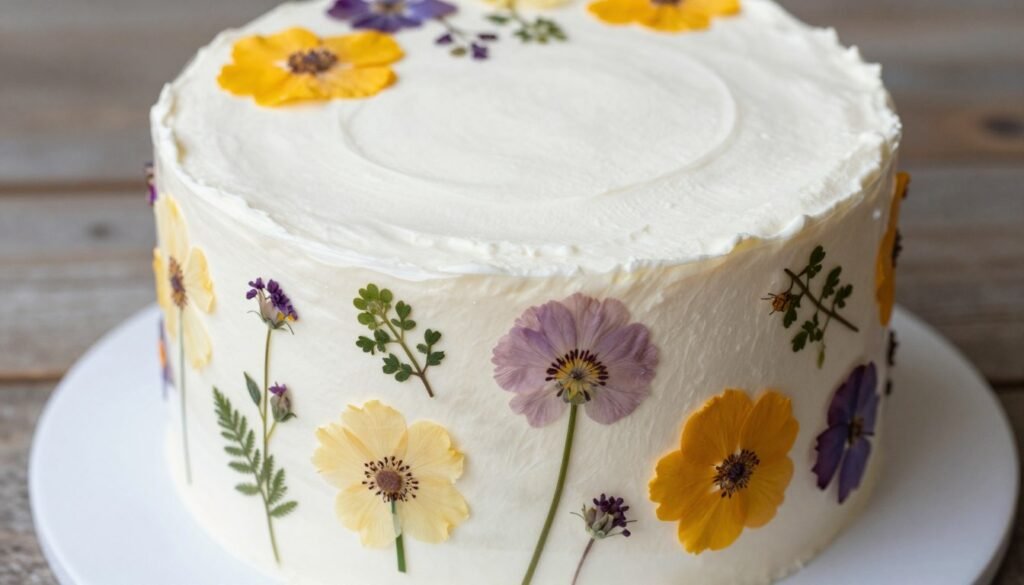
Pressed flower decorations create botanical art on cake surfaces. This trend combines vintage herbarium aesthetics with modern cake design.
Edible flowers get pressed between parchment paper, dried completely, then applied to fondant or buttercream. Clear piping gel seals them in place.
The technique works beautifully for spring and summer celebrations. The preserved flowers maintain color and detail while creating unique, artistic presentations.
Geode and Crystal Accents
Combining wildflower softness with crystalline hard edges creates stunning contrasts. Rock candy or isomalt crystals nestle among buttercream blooms.
These elements add unexpected glamour to natural designs. The juxtaposition between organic flowers and geometric crystals feels both modern and timeless.
Color choices determine overall effect. Clear crystals maintain elegance while colored versions add drama and personality.
Watercolor and Artistic Painting
Hand-painted watercolor effects transform cakes into edible canvases. This trend emphasizes artistic skill and one-of-a-kind designs.
Food coloring diluted with alcohol creates watercolor consistency. Brushstrokes layer to build depth and dimension on fondant or buttercream surfaces.
Abstract wildflower interpretations allow creative freedom. Rather than realistic depictions, these designs suggest flowers through color and movement.
Sustainable and Eco-Friendly Choices
Environmental consciousness influences modern cake design. Couples and hosts increasingly request sustainable decoration options.
Locally sourced, seasonal flowers reduce environmental impact. These blooms often cost less while supporting local growers and reducing transportation emissions.
Organic, pesticide-free flowers ensure safety for direct food contact. Specialist growers increasingly cater to food industry needs.
Reusable cake stands and decorations minimize waste. Investing in quality stands and separator plates reduces single-use items.
Plantable decorations extend celebration impact beyond the event. Seed paper flowers and herbs in biodegradable pots serve dual purposes as décor and party favors.
Troubleshooting Common Problems
Even experienced decorators face challenges. Knowing how to identify and fix problems saves time and reduces stress.
Buttercream Issues
Buttercream problems rank among the most common cake decorating challenges. Temperature, consistency, and mixing technique all affect results.
Separated or curdled buttercream appears grainy and broken. Solution: continue beating—the mixture often comes back together. If not, try gentle heating while mixing.
Too-soft buttercream slides off cakes or cannot hold piped shapes. Solution: refrigerate briefly, add more powdered sugar, or add small amounts of shortening for stability.
Air bubbles create pockmarks in smooth finishes. Solution: beat buttercream on low speed after mixing to remove air, or smooth out bubbles with heated spatula.
Color streaking indicates inadequate mixing. Solution: mix colored buttercream thoroughly, scraping bowl sides frequently. Allow to rest, then remix before using.
Fresh Flower Problems
Fresh flowers present unique challenges due to their perishable nature and potential safety concerns.
Wilting flowers ruin carefully planned designs. Solution: choose hardy varieties, add flowers at the last possible moment, keep cake refrigerated until display, mist flowers lightly.
Flowers falling off cakes create gaps in arrangements. Solution: secure stems properly in flower picks, use enough picks to support weight, position flowers at slight upward angles.
Color bleeding from flowers stains buttercream. Solution: create barriers with plastic wrap or parchment, choose varieties less prone to bleeding, avoid very wet flowers.
Structural Failures
Cake structure problems range from minor inconveniences to complete disasters. Proper support systems prevent most issues.
Leaning or sinking tiers indicate inadequate support. Solution: use proper doweling systems, ensure dowels reach cake boards, check level surfaces before stacking.
Sliding tiers create dangerous situations. Solution: use non-slip materials between layers, ensure each tier sits on firm cake board, avoid moving fully assembled cakes.
Cracking fondant reveals poor application or dry conditions. Solution: knead fondant thoroughly before rolling, work in humid environments, apply to properly prepared surfaces.
Emergency Repairs: Keep emergency supplies on hand including extra buttercream in several colors, fresh flowers, piping bags and tips, offset spatulas, and toothpicks. These items enable quick fixes for most decoration problems without complete redesigns.
Wildflower Cake Supply Checklist
Having proper supplies prevents mid-project trips to stores. This comprehensive checklist covers essentials for wildflower cake creation.
Basic Baking Equipment
Quality baking tools form the foundation of successful cake projects. These items support every cake regardless of decoration style.
Pans and Baking Basics
- Round cake pans in multiple sizes (6″, 8″, 10″, 12″)
- Parchment paper circles for easy cake release
- Cooling racks allowing air circulation
- Measuring cups and spoons for accuracy
- Mixing bowls in various sizes
- Stand mixer or hand mixer for efficient beating
- Rubber spatulas for thorough mixing
- Cake leveler for even layers
Decorating Essentials
- Offset spatulas in small and large sizes
- Bench scraper for smooth sides
- Rotating cake turntable for easy access
- Piping bags (disposable and reusable)
- Coupler sets for tip changes
- Piping tips (petal, star, round, leaf)
- Cake boards in multiple sizes
- Dowel rods for tiered support
Wildflower-Specific Supplies
Certain tools specifically support wildflower decoration techniques. These specialized items enable particular effects and finishes.
Fresh Flower Tools
- Plastic flower picks in various sizes
- Floral tape for wrapping stems
- Wire cutters for stem trimming
- Spray bottles for misting
- Scissors for precise cutting
Sugar Flower Equipment
- Gum paste and fondant
- Flower cutters in various shapes
- Ball tools for shaping petals
- Foam pads for working surface
- Rolling pins for thin paste
- Floral wire and tape
- Petal dust colors
- Edible glue or egg whites
Coloring and Painting
- Gel food coloring in multiple colors
- Petal dust for realistic shading
- Luster dust for shimmer
- Edible gold or silver leaf
- Fine paintbrushes (food-safe)
- Clear alcohol for mixing paints
Ingredient Essentials
Quality ingredients directly impact final results. Stock these items for successful wildflower cake creation.
Buttercream Ingredients
- Unsalted butter (room temperature)
- Powdered sugar (confectioners’ sugar)
- Pure vanilla extract
- Heavy cream or milk
- Salt for flavor balance
- Shortening for stability (optional)
Cake Components
- All-purpose or cake flour
- Granulated and brown sugar
- Eggs (fresh, room temperature)
- Baking powder and soda
- Vegetable or canola oil
- Buttermilk or sour cream
- Flavor extracts (almond, lemon, etc.)
Complete Your Wildflower Cake Toolkit
Find everything you need to create stunning wildflower cakes. From professional piping tips to specialty ingredients, equip your kitchen with quality supplies that make decorating easier and more enjoyable.
Wildflower Cake Pricing Guide
Understanding cake costs helps set realistic budgets and appreciate the value of custom designs. Prices vary based on size, complexity, and decorator experience.
Factors Affecting Cake Prices
Multiple variables influence final cake costs. Decorators consider all these elements when quoting prices.
Size and serving count directly impact pricing. Larger cakes require more ingredients, time, and materials. A cake serving fifty costs significantly more than one serving twenty.
Decoration complexity affects labor investment. Simple buttercream swirls take minutes while intricate sugar flowers require hours. Complex wildflower arrangements command premium pricing.
Ingredient quality influences costs. Organic flour, premium vanilla, and real butter cost more than standard alternatives. These quality ingredients affect both price and flavor.
Fresh flowers versus sugar blooms create different price points. Fresh flowers may cost less initially but require last-minute work. Sugar flowers need advance creation time but offer permanence.
Typical Price Ranges
Market rates vary by region and decorator reputation. These general ranges provide baseline expectations.
| Cake Type | Serving Size | Price Range | Typical Features |
| Simple Wildflower | 20-30 servings | $75-$150 | Single tier, fresh flowers, basic buttercream |
| Standard Celebration | 40-60 servings | $200-$350 | Two tiers, mixed decorations, moderate detail |
| Elegant Wedding | 100-150 servings | $450-$800 | Three to four tiers, sugar flowers, complex design |
| Luxury Custom | 150-250 servings | $900-$2000+ | Four to five tiers, extensive sugar work, unique elements |
DIY Cost Considerations
Creating wildflower cakes at home reduces costs but requires time investment. Calculate total expenses including tools, ingredients, and your labor value.
Initial tool investment ranges from one hundred to three hundred dollars for basic supplies. These purchases support multiple projects, spreading costs over time.
Ingredient costs vary by cake size and quality choices. A simple two-tier cake might cost thirty to fifty dollars in ingredients. Premium or specialty ingredients increase expenses.
Fresh flowers from grocery stores typically cost twenty to forty dollars per arrangement. Specialty edible flowers from food suppliers may cost more but ensure safety.
Factor in your time when comparing DIY to professional options. A beginner might spend ten to fifteen hours on a project professionals complete in four to six hours.
Preserving Cake Memories
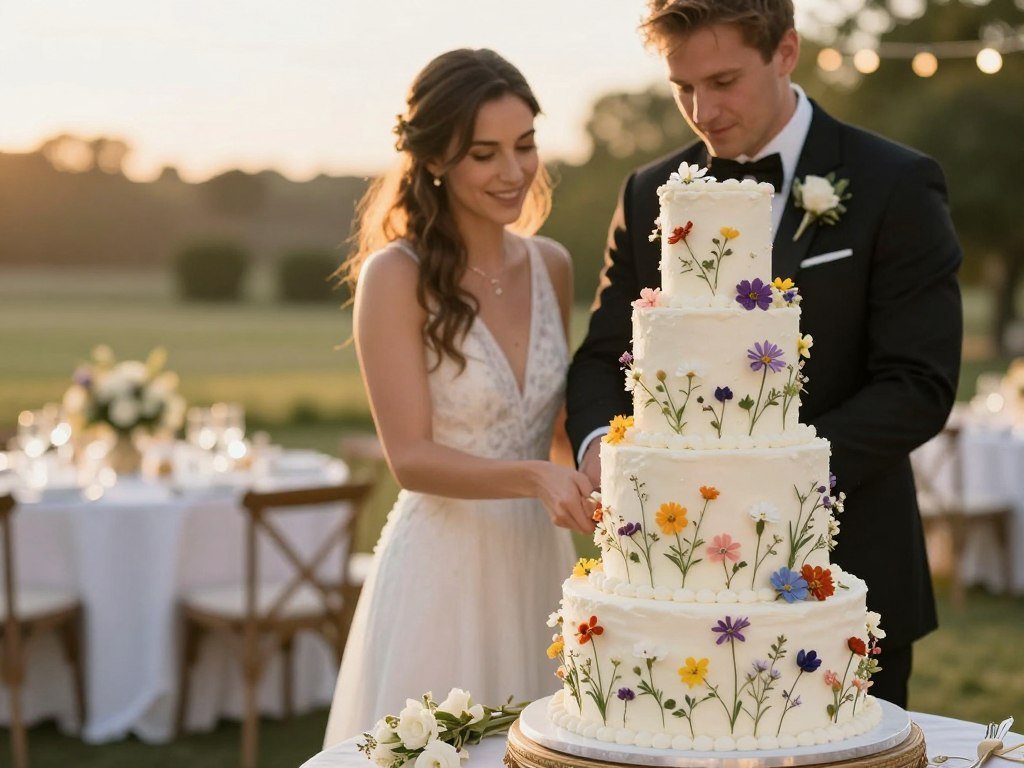
Cakes disappear quickly during celebrations, but memories can last forever. Multiple methods preserve these special creations beyond the event.
Professional Photography
Hiring professional photographers ensures high-quality cake documentation. These experts understand lighting, angles, and composition that showcase designs beautifully.
Request specific cake photos during events. Many photographers focus on people and miss detailed cake shots. Explicit requests ensure adequate coverage.
Photograph cakes before cutting when possible. Pristine, uncut cakes photograph more beautifully than partially served versions. Schedule photo time before guests arrive.
Capture detail shots alongside full cake views. Close-ups of sugar flowers, texture work, or specific decorative elements preserve artistic details.
Top Tier Preservation
Many couples preserve wedding cake top tiers for first anniversaries. Proper freezing techniques maintain quality for this tradition.
Freeze cake before flowers wilt or decorations deteriorate. Wrap tightly in plastic wrap, then aluminum foil. Place in airtight containers for maximum protection.
Remove fresh flowers before freezing. These decorations cannot withstand freezing and thawing cycles. Sugar flowers freeze successfully.
Thaw frozen cake gradually in refrigerator over twenty-four hours. This prevents condensation damage and maintains texture better than room temperature thawing.
Alternative Keepsakes
Beyond eating and photos, creative options preserve cake memories in unique ways.
Commission paintings or illustrations of your cake. Artists create watercolor or digital renditions that become lasting artwork.
Press and preserve fresh flowers from cake decorations. Frame these botanical specimens as anniversary gifts or wall art.
Save cake toppers as heirlooms. Sugar flowers, custom elements, or special decorations can be preserved in shadow boxes.
Create recipe books including your celebration cake recipe. Document the flavor, frosting, and decoration notes for future recreation attempts.
Creating Your Perfect Wildflower Cake
Wildflower cakes transform celebrations into unforgettable experiences. These botanical beauties capture nature’s charm while showcasing creative artistry and personal style.
Whether you choose fresh blooms or buttercream flowers, rustic simplicity or elegant sophistication, wildflower designs offer endless possibilities. Each cake becomes a unique expression of your vision and the celebration it honors.
Start your wildflower cake journey with clear inspiration and realistic expectations. Gather quality supplies, practice techniques, and allow adequate time for the creative process. Remember that imperfections often add to the organic, natural charm that defines wildflower aesthetics.
The most successful wildflower cakes balance beauty with practicality. Consider your event timing, guest count, and venue conditions when planning designs. Choose decoration methods and flower types that suit your specific circumstances.
Most importantly, enjoy the creative process. Cake decorating combines artistry with celebration, skill with joy. Whether you’re creating your first simple single-tier cake or an elaborate multi-tier masterpiece, each wildflower cake represents love, creativity, and the natural beauty that makes life’s celebrations special.
Let these ideas inspire your next dessert creation. From intimate birthday parties to grand wedding celebrations, wildflower cakes bring garden magic to every table they grace.