Wedding Rehearsal Dinner Ideas: Creative Inspiration for Your Perfect Pre-Wedding Celebration
Planning your wedding rehearsal dinner can feel overwhelming. You want something special that honors your closest family and friends. But where do you start?
Your rehearsal dinner sets the tone for your wedding weekend. It’s an intimate celebration before the big day. This gathering brings together the people who matter most.
The good news? Creating a memorable rehearsal dinner doesn’t require stress or endless budgets. With the right ideas and planning, you can host an event that feels authentic to your love story.
This guide walks you through everything you need to know. From creative themes to budget-friendly options, you’ll find inspiration for every style. Whether you envision an elegant sit-down meal or a casual backyard party, we’ve got you covered.
Understanding the Wedding Rehearsal Dinner
A wedding rehearsal dinner happens the night before your wedding ceremony. This event follows the ceremony rehearsal. It brings together your wedding party, immediate family, and sometimes out-of-town guests.
Traditionally, the groom’s parents host the dinner. However, modern couples often share hosting duties. Some couples even host the event themselves.
The rehearsal dinner serves several important purposes. It allows your wedding party to practice ceremony details. Everyone learns their roles and timing. This practice reduces stress on your actual wedding day.
Your guest list typically includes specific groups. The wedding party always attends. This includes bridesmaids, groomsmen, flower girls, and ring bearers. Close family members are essential guests too.
Parents from both sides should receive invitations. Grandparents and siblings often attend as well. The officiant who performs your ceremony usually joins the celebration.
Some couples expand their guest list further. Out-of-town guests who traveled far might be included. Close friends who aren’t in the wedding party sometimes attend. The size depends on your budget and venue space.
Traditional vs. Modern Approaches
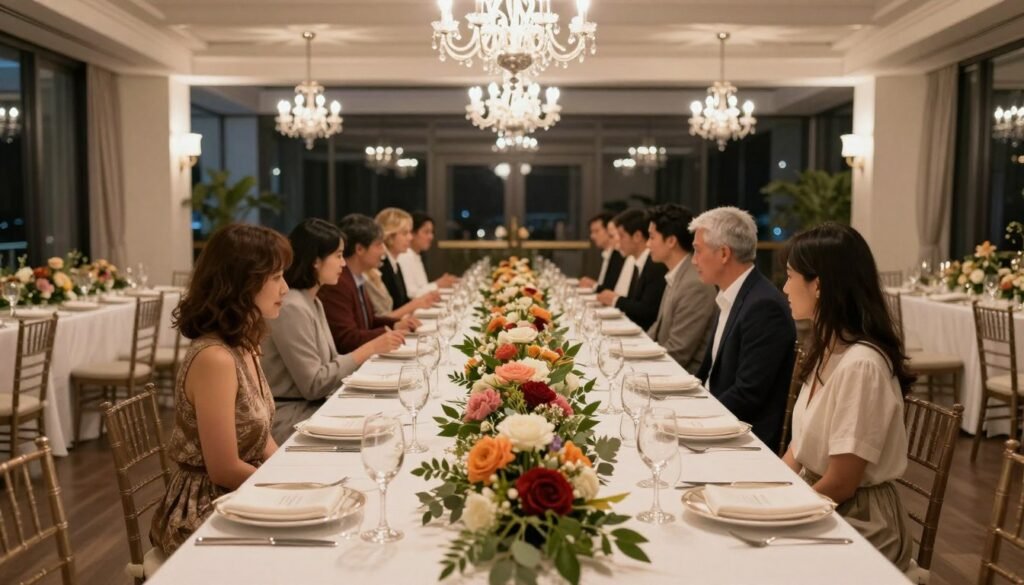
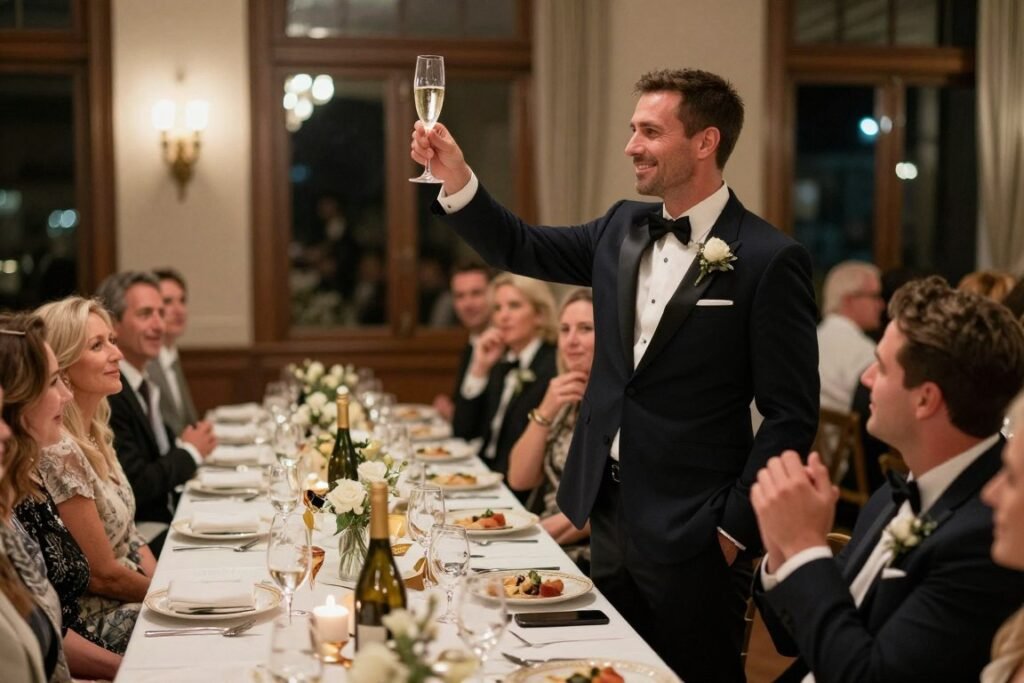
Traditional rehearsal dinners follow formal structures. They include speeches from parents and wedding party members. The meal is typically a sit-down affair at a restaurant.
Modern couples embrace more flexibility. Casual venues like backyards or breweries are popular. The atmosphere focuses on fun and connection rather than formality.
Many couples blend old and new traditions. They might keep the speech tradition but choose a casual venue. Others skip speeches entirely and focus on games or activities.
Your rehearsal dinner should reflect your personalities. There’s no single right way to celebrate this special occasion.
Popular Rehearsal Dinner Ideas and Themes
Choosing a theme creates cohesion for your event. A well-selected theme guides your decisions about food, decorations, and atmosphere. Here are the most popular themes that couples love.
Rustic and Outdoor Celebrations
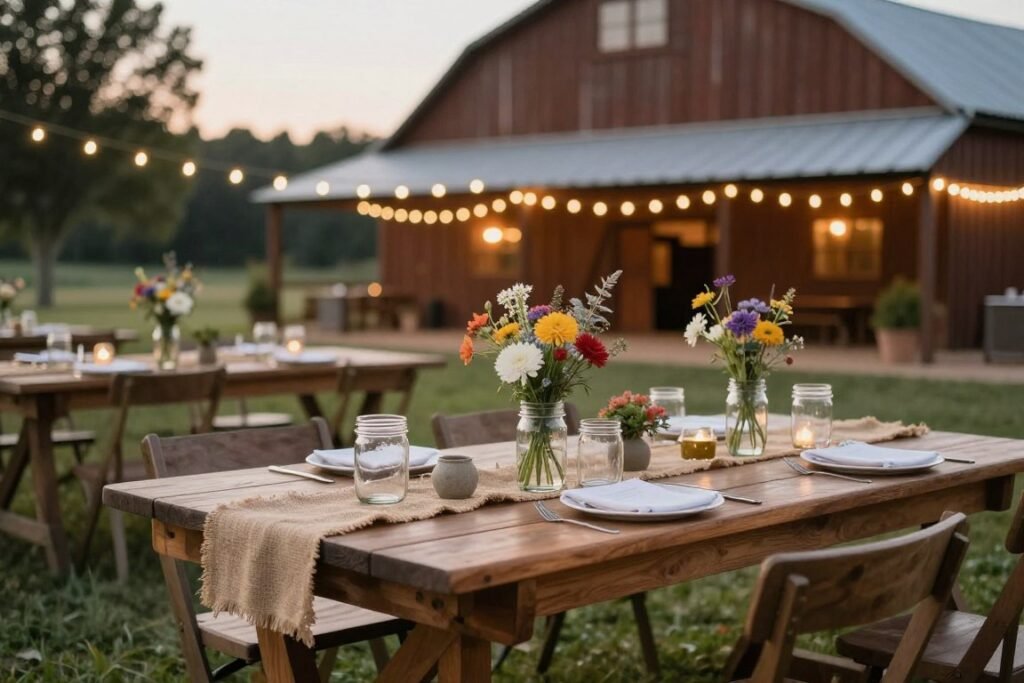
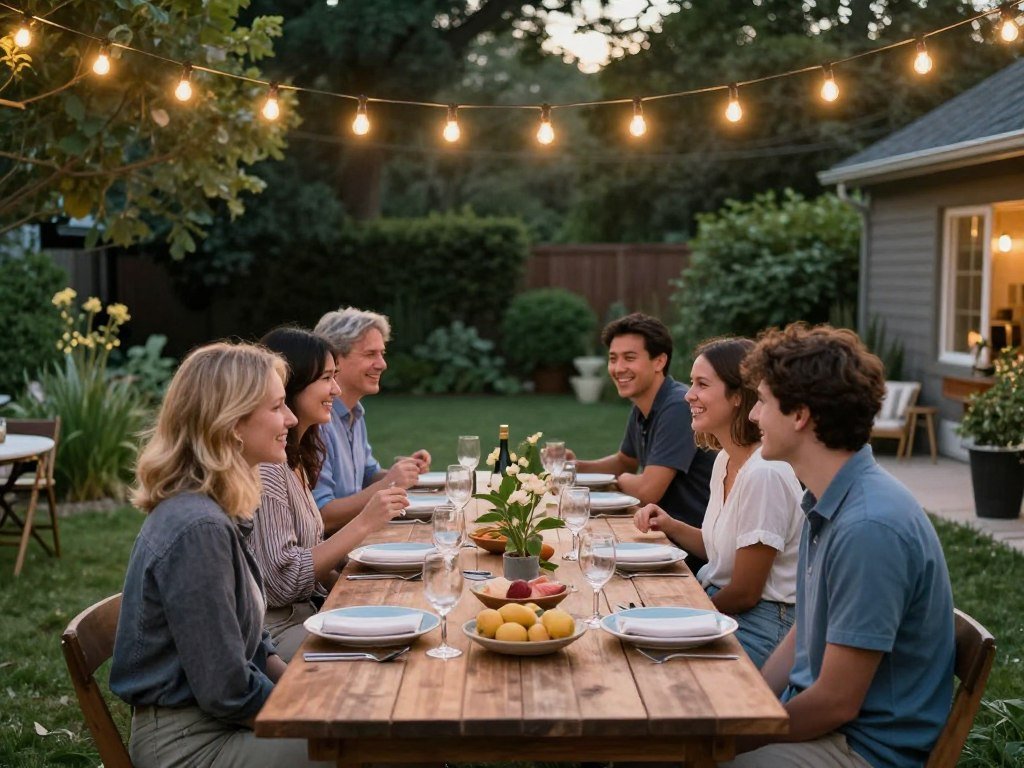
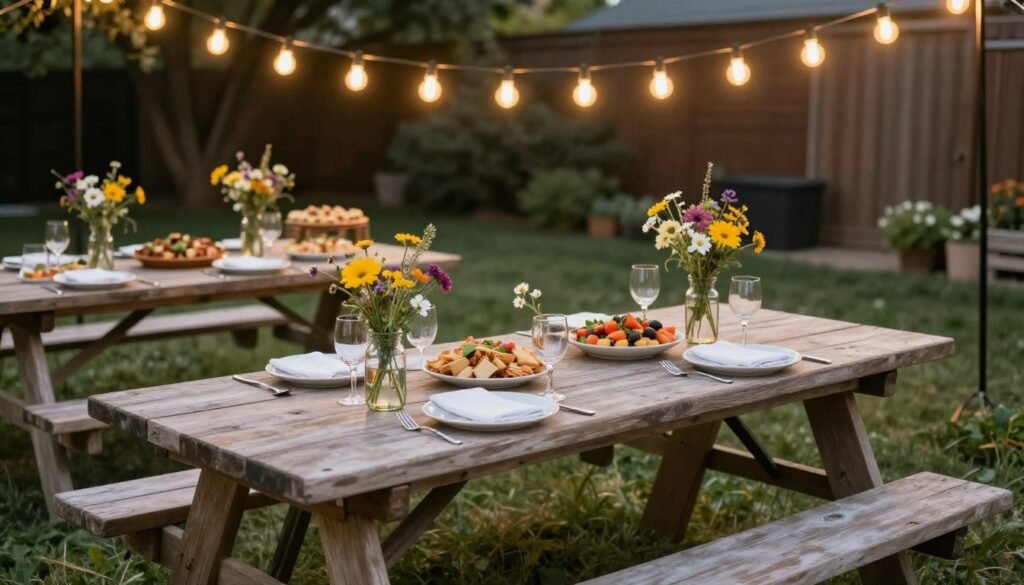
Rustic themes bring natural beauty to your rehearsal dinner. Think wooden tables, wildflowers, and string lights. These elements create a warm, inviting atmosphere.
Barn venues work perfectly for this style. Farm-to-table restaurants also fit the theme. Even a backyard can transform into a rustic paradise.
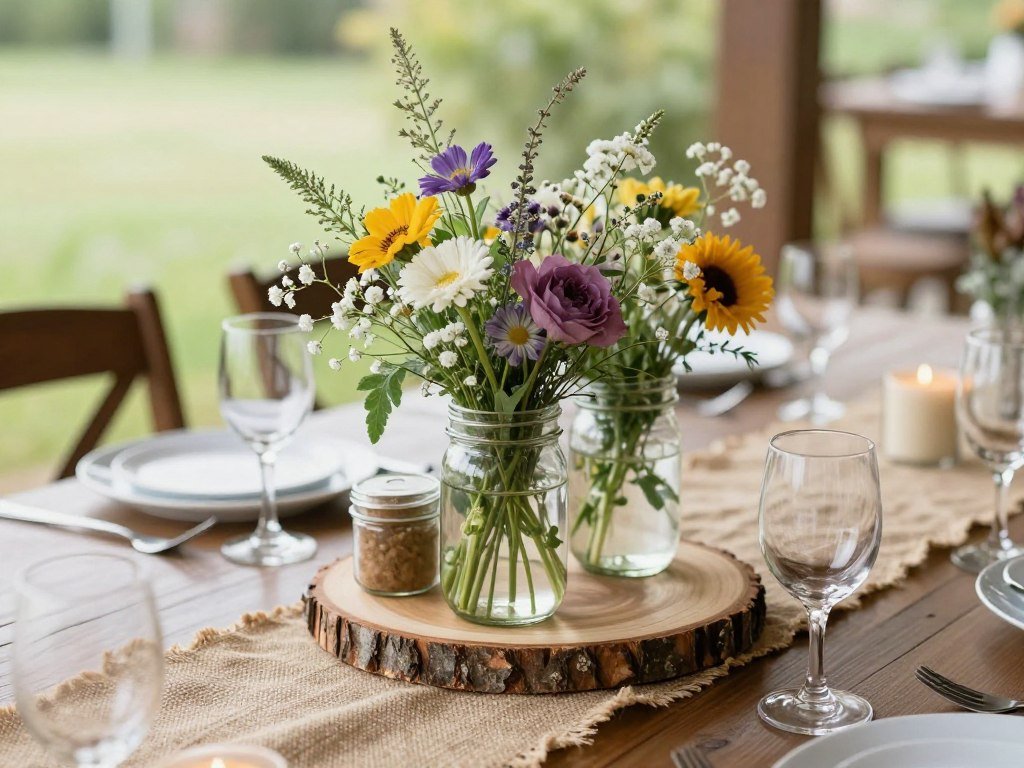
The key is using natural materials. Wood, burlap, and greenery dominate the decor. Mason jars serve as drinking glasses and flower vases. Candles in various heights add romantic lighting.
Food for rustic dinners often features comfort dishes. Think barbecue, family-style sides, and homemade desserts. The casual nature encourages conversation and connection.
Beach and Nautical Themes
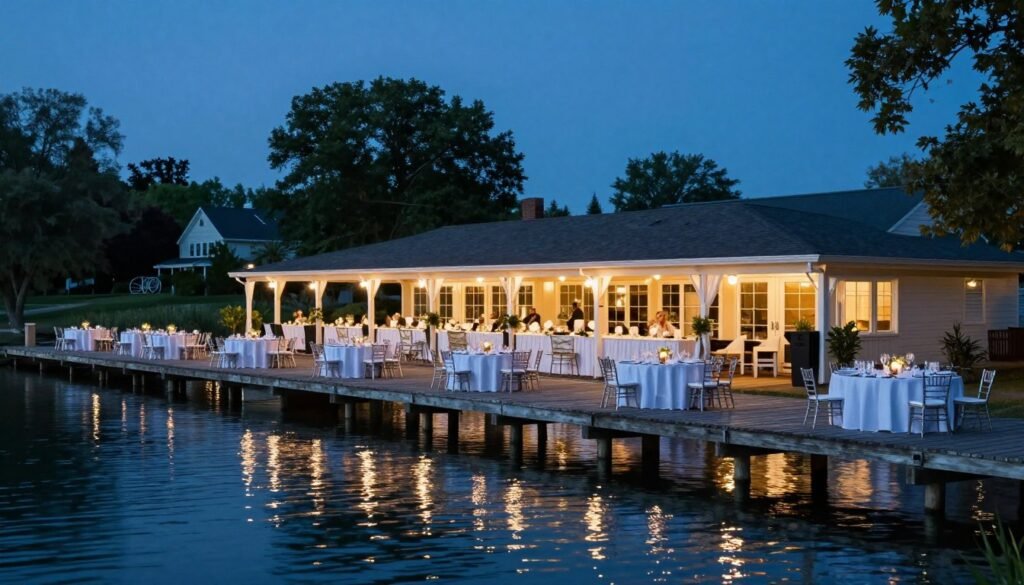
Beach themes suit waterfront wedding locations. The ocean provides a stunning natural backdrop. Your decorations can embrace coastal elements.
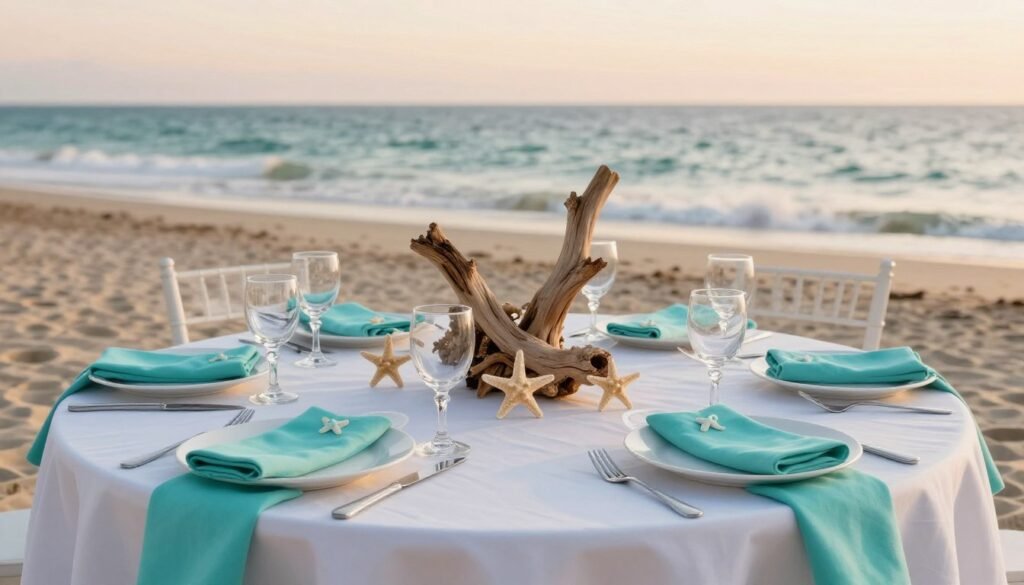
Color schemes typically include blues, whites, and sandy neutrals. Seashells, starfish, and coral make great centerpieces. Driftwood adds textural interest to tables.
For venues, consider beachside restaurants or private beach areas. Some couples rent beach houses for intimate gatherings. Timing matters – sunset dinners create magical moments.
Seafood naturally fits this theme. Fresh fish, shrimp, and oysters delight guests. Tropical drinks and light appetizers match the relaxed vibe.
Garden Party Elegance
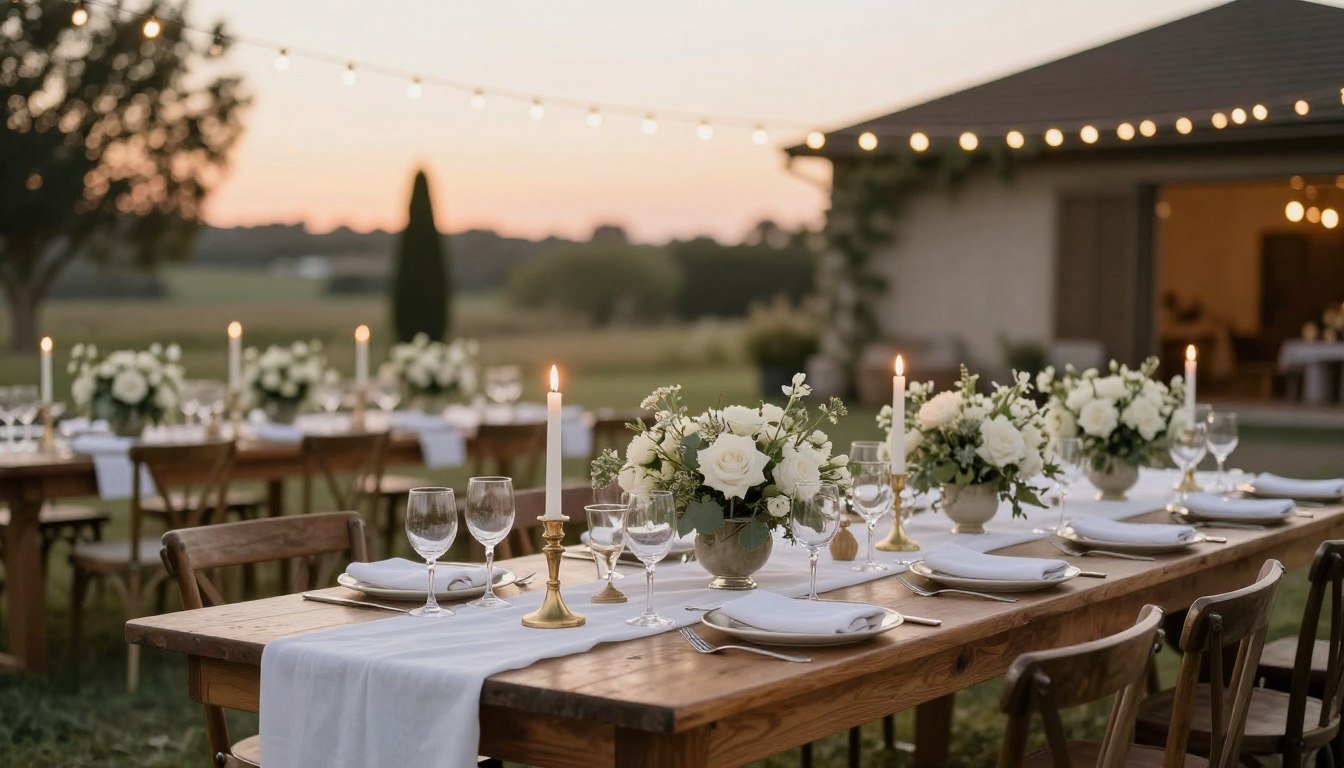
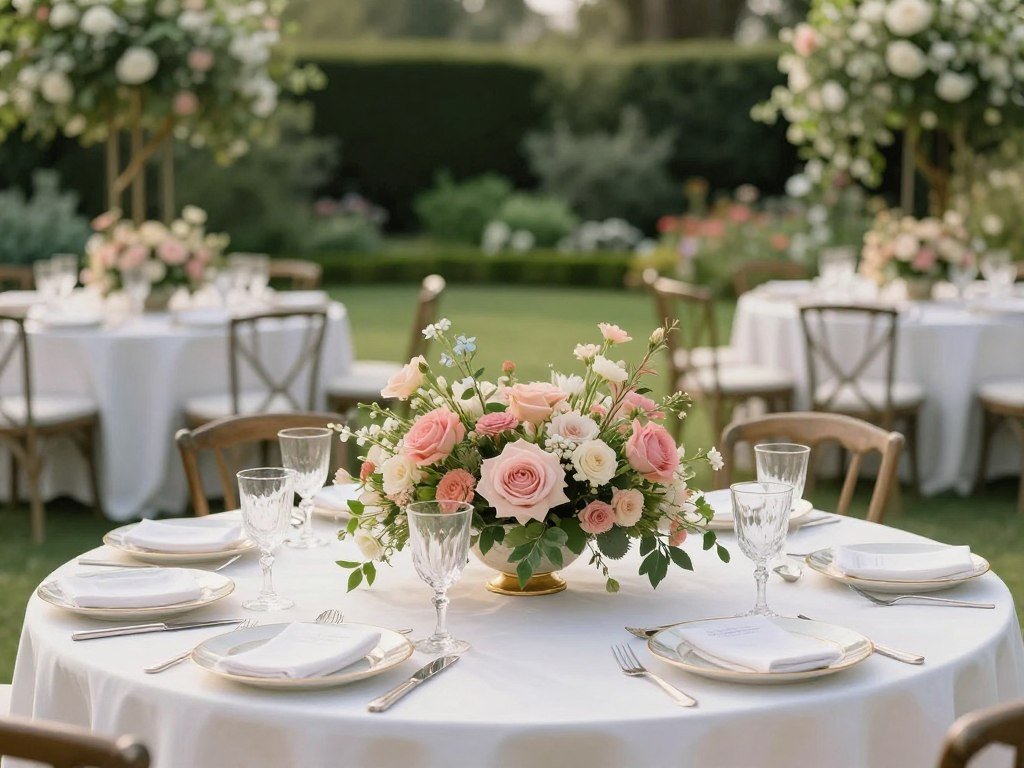
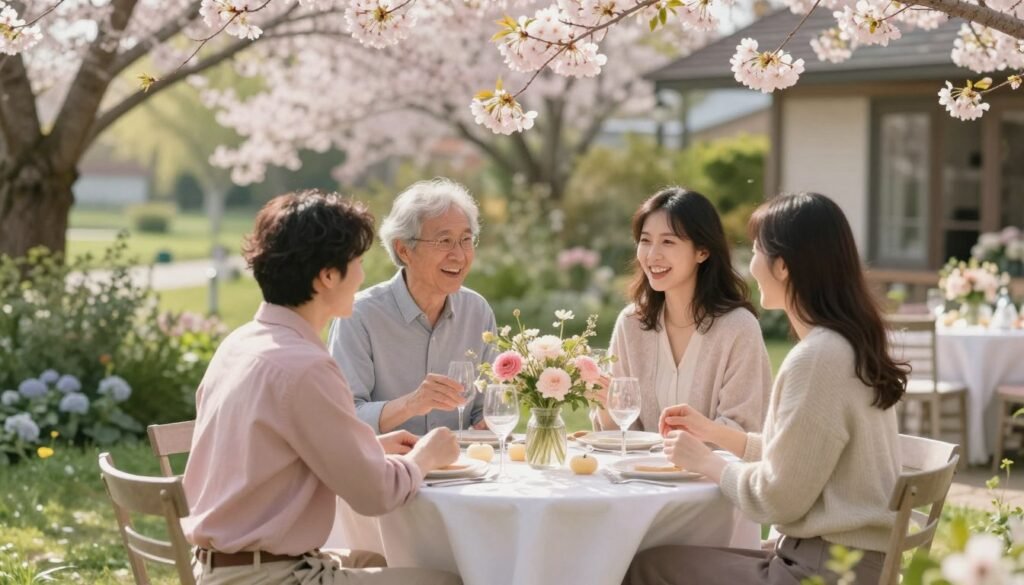
Garden themes bring sophistication and natural beauty together. Outdoor garden venues or conservatories work wonderfully. The flowers provide built-in decorations.
This theme allows for various formality levels. You can create an elegant tea party atmosphere. Or lean toward a casual picnic-style gathering.
Fresh flowers dominate the decor. Lots of blooms in soft colors create romance. Consider roses, peonies, hydrangeas, and garden roses. Vintage china and delicate linens enhance the refined feel.
Food presentation matters for garden parties. Individual plated meals look beautiful. Light, fresh options like salads and grilled proteins fit the theme.
Italian Family-Style Feast
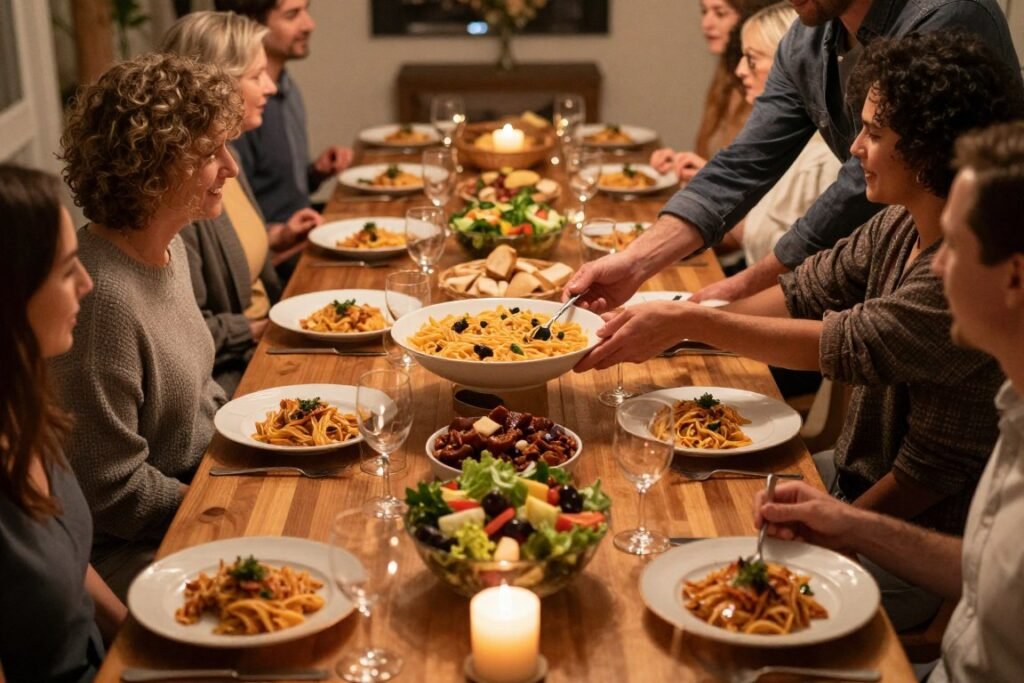
Italian-themed dinners emphasize family and togetherness. Long tables encourage conversation across the group. Family-style service means dishes are passed and shared.
This theme creates a warm, communal atmosphere. Everyone serves themselves and interacts naturally. The setup breaks down formality and encourages bonding.
Italian restaurants make easy venue choices. You can also recreate this at home or in a private space. Red and white checkered tablecloths add authentic touches.
The menu focuses on classic Italian dishes. Pasta, pizza, antipasti platters, and Italian bread are staples. Wine flows freely, and the meal lasts several hours.
Backyard BBQ and Casual Cookouts
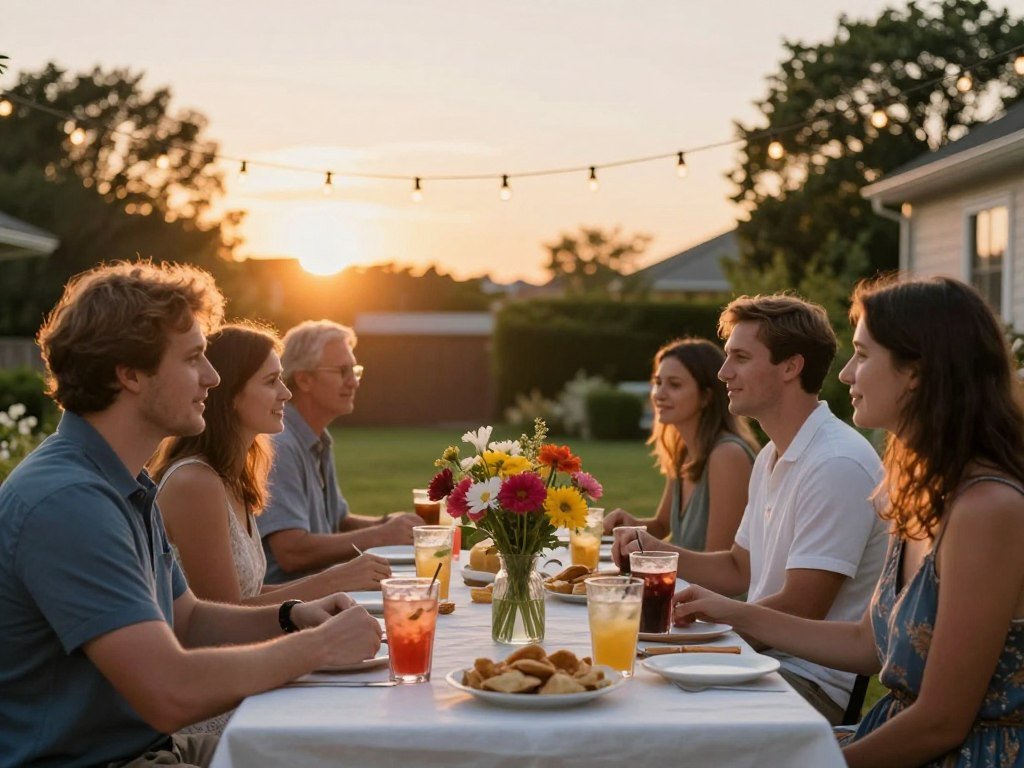
Backyard barbecues offer the ultimate in relaxed entertaining. This approach works especially well for summer weddings. Guests can mingle freely in a comfortable setting.
The beauty lies in simplicity. Grilled meats, classic sides, and cold beverages satisfy everyone. Picnic tables with simple decorations create the right mood.
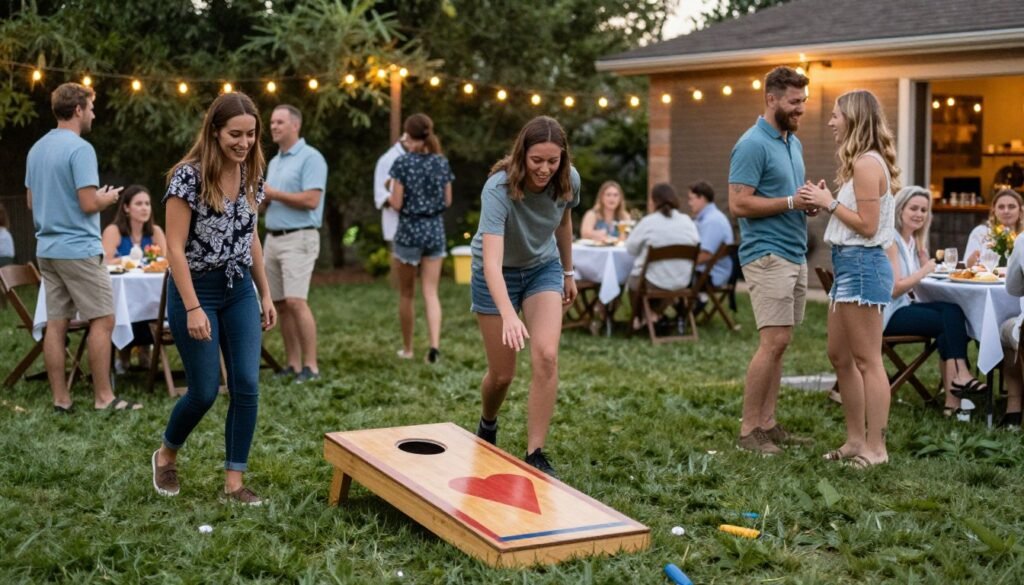
Lawn games add entertainment between courses. Cornhole, bocce ball, and croquet keep people engaged. Music can be as simple as a curated playlist.
This theme typically costs less than formal options. You can DIY many elements yourself. Friends and family often enjoy helping with preparation.
Elegant Restaurant Dinner
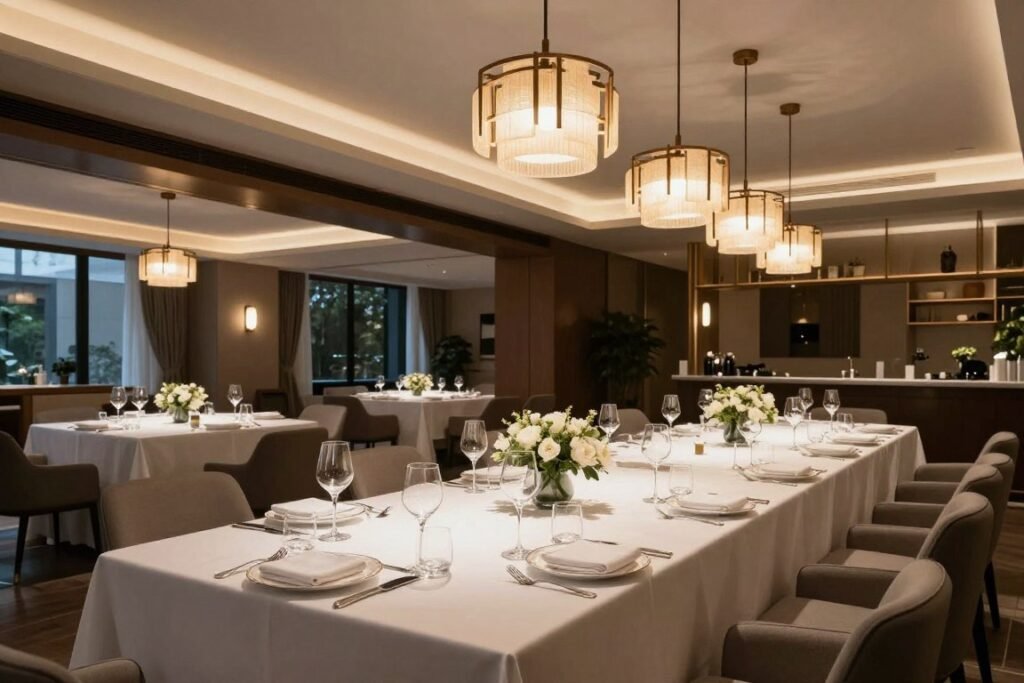
Private dining rooms at nice restaurants provide stress-free hosting. The restaurant handles all food preparation and service. You simply show up and enjoy.
This option suits couples who prefer polished, professional service. It works well in urban settings. No setup or cleanup duties fall on you or your family.
Choose a restaurant that reflects your tastes. Whether you love steakhouses, seafood, or farm-to-table cuisine, pick what you enjoy. The menu should suit most guests’ preferences.
Decorations in restaurants are usually minimal. The venue’s ambiance does most of the work. You might add small centerpieces or place cards for personalization.
Ready to Bring Your Theme to Life?
Discover beautiful decorations and party supplies that match your rehearsal dinner vision. From rustic centerpieces to elegant table settings, find inspiration for your perfect celebration.
Your venue choice shapes the entire event atmosphere. The right space enhances your theme and makes planning easier. Consider these creative options for your rehearsal dinner.
Restaurant Private Rooms
Private dining rooms remove most planning stress. Restaurants handle food, service, drinks, and ambiance. You focus on enjoying time with loved ones.
Many restaurants offer special event menus. These prix fixe options simplify ordering. Everyone gets to choose from several appealing dishes.
Book well in advance, especially during peak wedding season. Popular restaurants fill up quickly. Visit potential venues to see the space and taste the food.
Ask about minimum spending requirements. Some venues charge room fees. Others waive fees if you meet food and beverage minimums.
Backyard and Home Settings
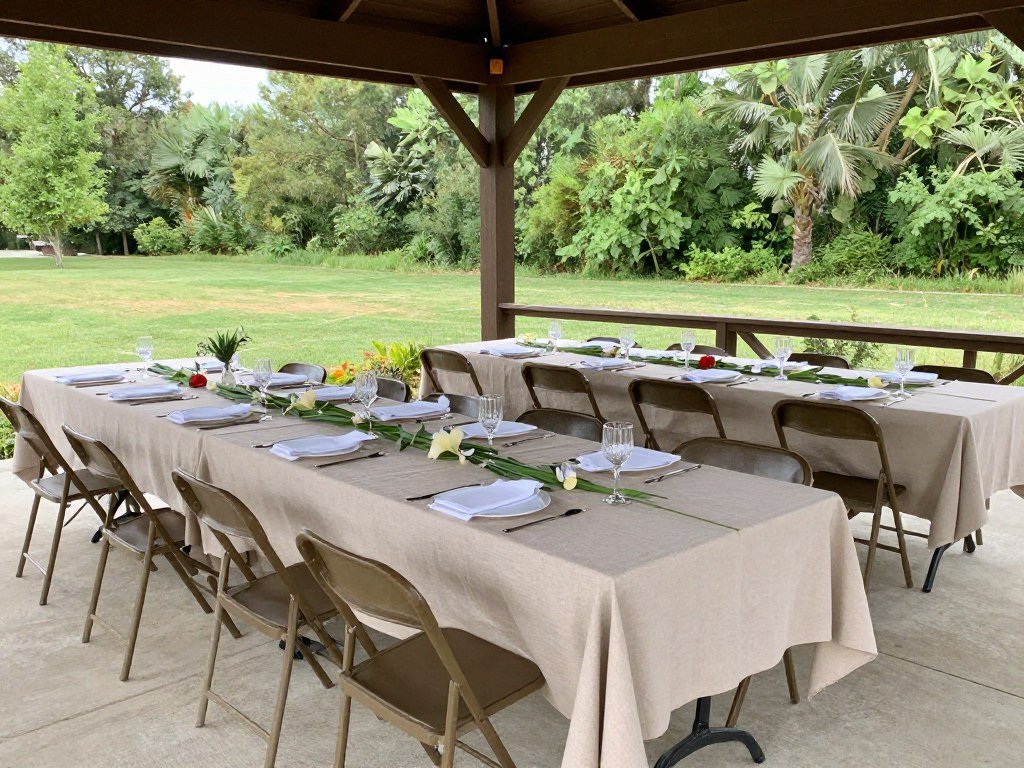
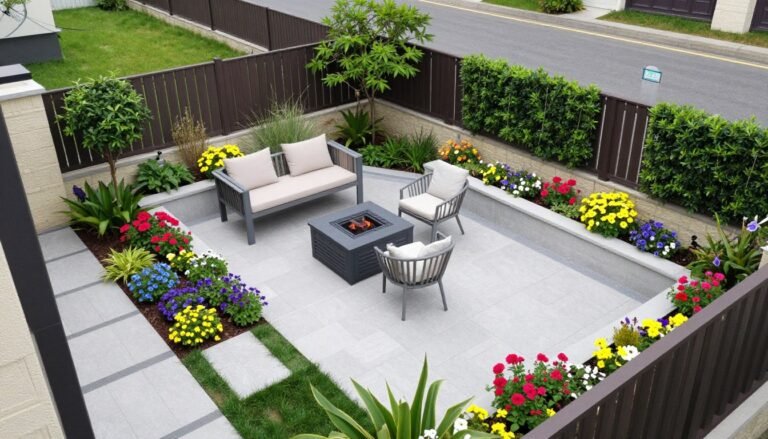
Home venues create intimate, personal atmospheres. Your own backyard or a family member’s house works beautifully. This option offers maximum flexibility and cost savings.
You control every detail in home settings. The timeline is yours to determine. Decorations can be as simple or elaborate as you wish.
Consider logistics carefully. You’ll need adequate seating and table space. Rental companies provide tables, chairs, and linens. Weather backup plans are essential for outdoor spaces.
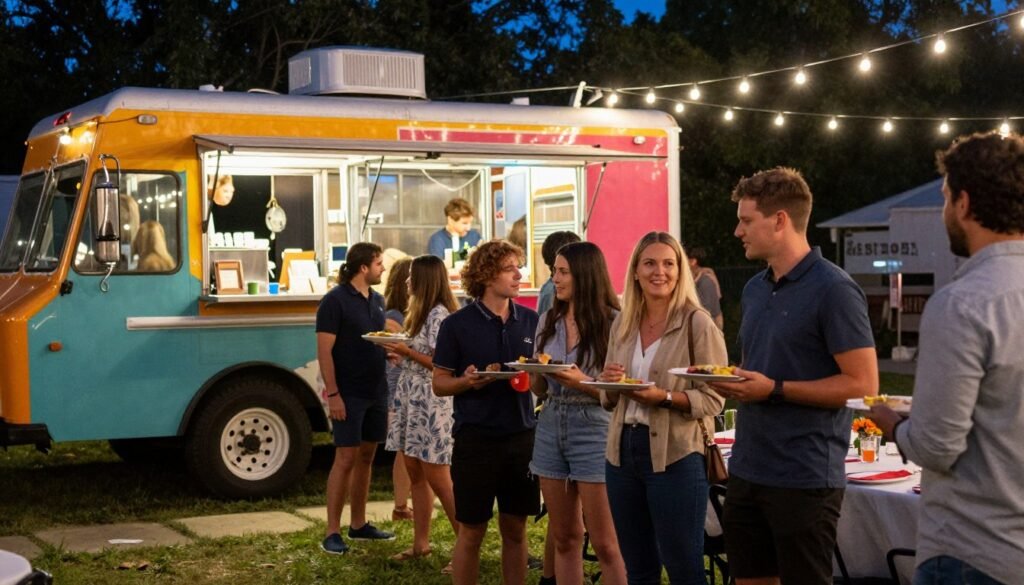
Catering options range from full-service to DIY. Food trucks offer fun, casual service. Potluck-style contributions from family can reduce costs.
Unique Venues with Character
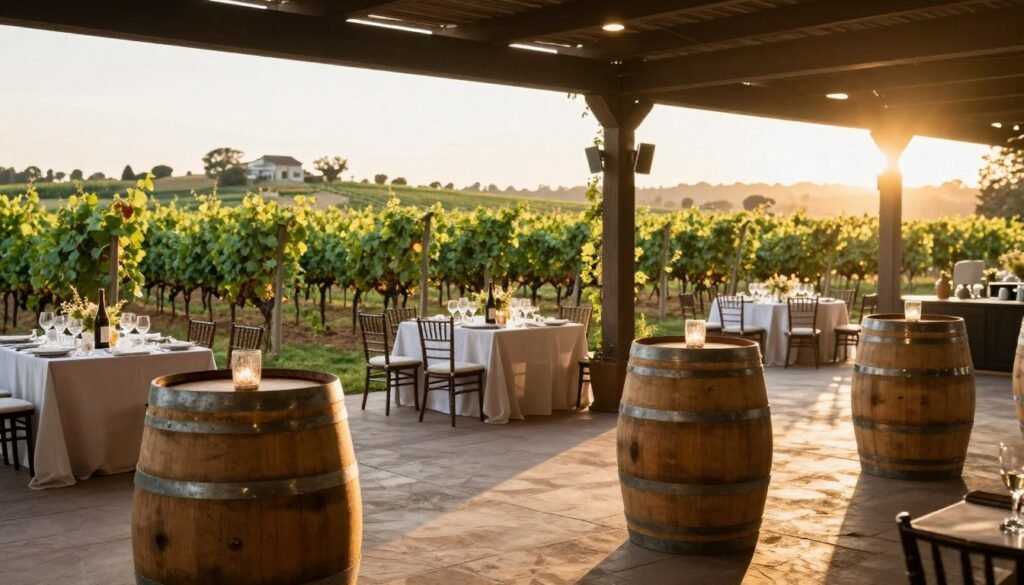
Unique spaces make memorable impressions. Breweries and wineries combine great atmospheres with built-in beverages. Museums and art galleries offer sophisticated backdrops.
Historic buildings provide architectural interest. Barns and farms create rustic charm. Rooftop spaces in cities deliver stunning views.
These venues often require outside catering. Some have preferred vendor lists. Always ask about restrictions before committing.
Rental fees vary widely for unique spaces. Factor in additional costs for catering, rentals, and decorations. The atmosphere might justify higher expenses.
Waterfront Locations
Water views create natural beauty. Beaches, lakes, and rivers provide serene backdrops. Marina restaurants combine convenience with scenery.
Beach venues work for casual affairs. Consider picnic-style setups on the sand. Timing around sunset creates magical lighting.
Boat cruises offer moving venues. Dinner cruises handle everything from food to entertainment. The water journey adds a special element.
Wind and weather considerations are important. Have blankets available for cooler evenings. Covered areas provide backup if needed.
Parks and Public Gardens
Public parks often allow private events. Pavilions and sheltered areas protect from weather. Natural surroundings minimize decoration needs.
Check permit requirements early. Some parks require reservations months ahead. Fees are typically reasonable compared to private venues.
You’ll need to bring in everything. Tables, chairs, food, and decorations all require planning. Setup and cleanup take more time and effort.
The tradeoff is cost savings and natural beauty. Parks work especially well for daytime events. Morning or afternoon parties take advantage of natural light.
Menu Planning and Dinner Ideas
Food brings people together at any celebration. Your rehearsal dinner menu should satisfy diverse tastes while fitting your chosen theme. Consider these approaches to meal planning.
Family-Style Service
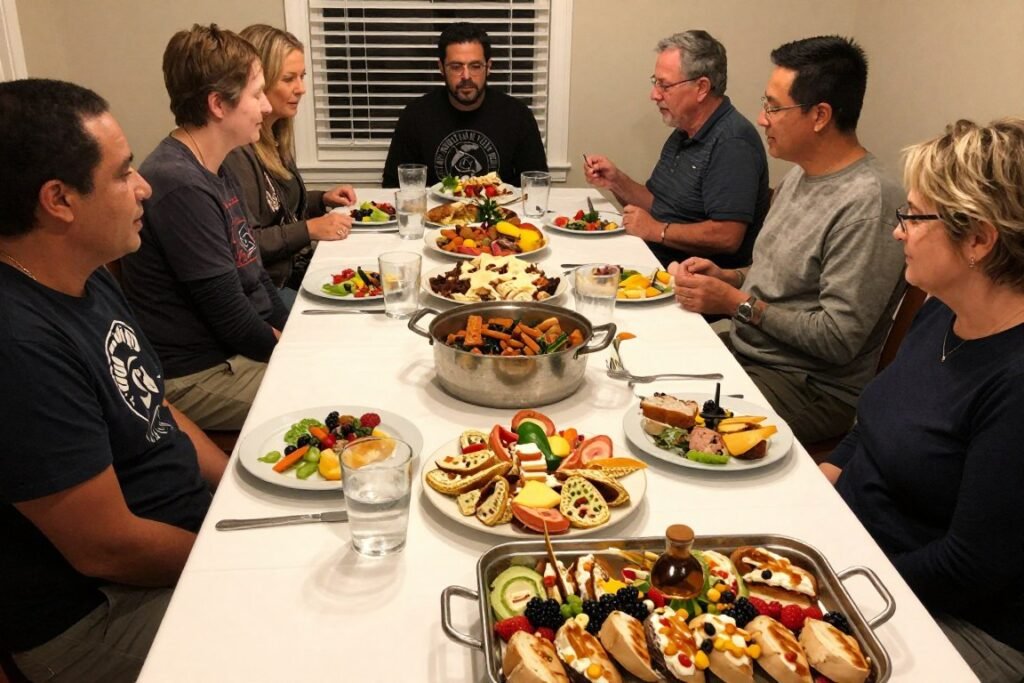
Family-style dining encourages sharing and conversation. Large platters and bowls are placed on tables. Guests pass dishes and serve themselves.
This service style feels warm and inclusive. It works for various cuisine types. Italian, Southern comfort food, and American classics all adapt well.
Plan generous portions for sharing. Calculate about 25% more food than individual plating requires. People tend to take more when serving themselves.
Choose dishes that hold well at room temperature. Food sits on tables longer with this service style. Warm bread baskets and fresh salads complement hot entrees.
Buffet and Station Setups
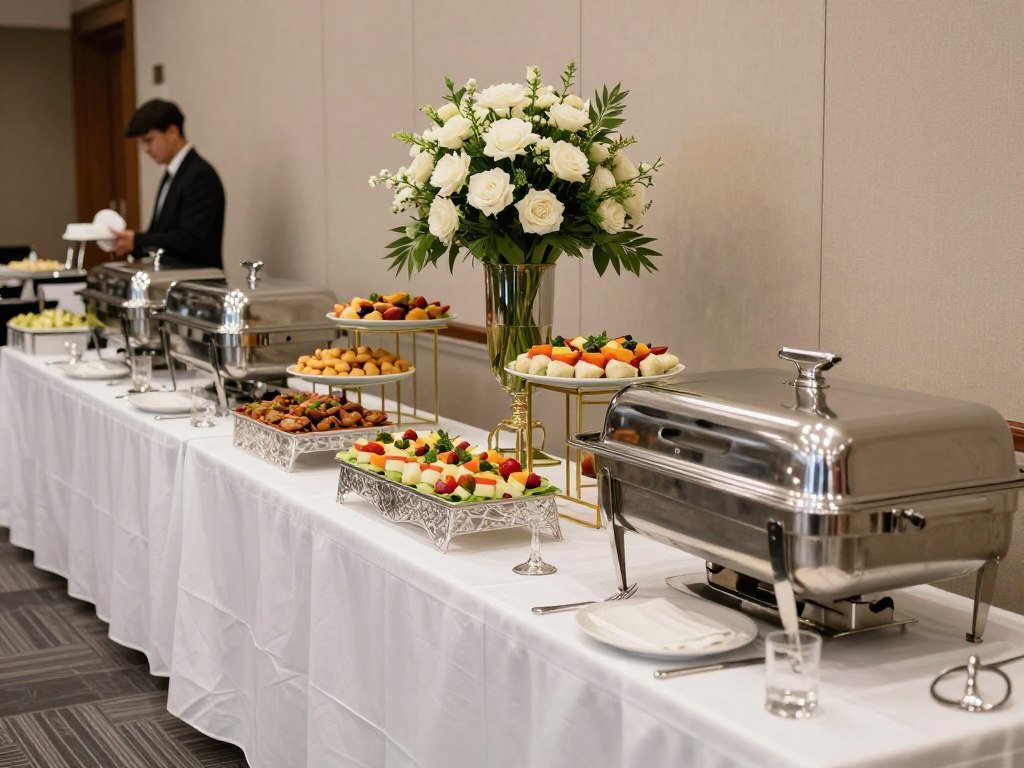
Buffets give guests complete control over portions. People with dietary restrictions can easily navigate options. This setup also allows for variety.
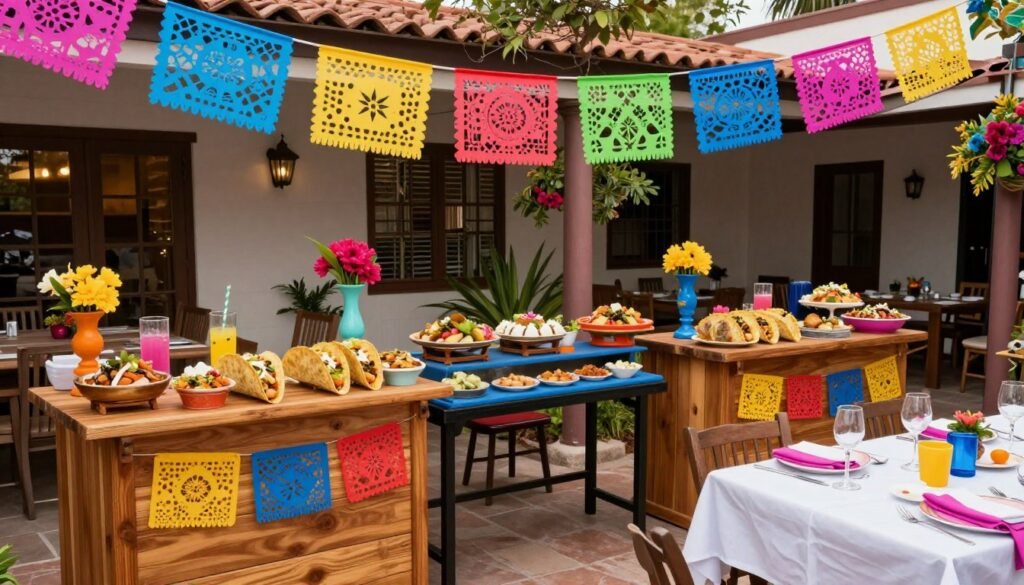
Food stations create interactive experiences. A taco bar lets people build custom plates. Pasta stations offer various sauces and toppings. Carving stations add elegance.
Station setups keep guests moving and mingling. They reduce wait times compared to single buffet lines. Multiple stations prevent crowding.
Label dishes clearly, especially for allergens. Provide serving utensils for each item. Keep hot foods hot and cold foods cold for safety.
Plated Dinner Service
Plated service offers the most formal dining experience. Waitstaff deliver individual meals to each guest. This option works best for smaller, elegant dinners.
Choose a limited menu selection. Typically offer two or three entree choices. Collect selections in advance if possible. This helps with accurate counts.
Courses can include salad, soup, entree, and dessert. Pacing matters with plated service. Allow adequate time between courses for conversation.
This service style costs more due to staffing needs. However, presentation is impeccable. Food arrives at proper temperatures looking beautiful.
Casual Food Truck or BBQ
Food trucks bring fun, casual vibes to rehearsal dinners. Guests order directly from the truck. Options range from tacos to gourmet grilled cheese.
Research trucks that serve your area. Taste their food before booking. Discuss timing and setup requirements thoroughly.
Barbecue offers another casual option. Pulled pork, ribs, and smoked brisket please crowds. Classic sides like coleslaw and baked beans complete the meal.
These casual approaches reduce formality. Guests relax and enjoy without strict table assignments. The laid-back atmosphere encourages mingling.
Pizza Party Options
Pizza works surprisingly well for rehearsal dinners. It’s universally loved and easily customizable. Gourmet pizza elevates this casual favorite.
Order variety to accommodate different tastes. Include vegetarian and meat options. Specialty pizzas with unique toppings add interest.
You can enhance pizza with upscale elements. Serve it on nice platters with proper utensils. Add sophisticated salads and appetizers.
Local pizzerias often cater events. Some bring portable ovens for fresh-baked pizza. This interactive element entertains guests.
Dietary Considerations
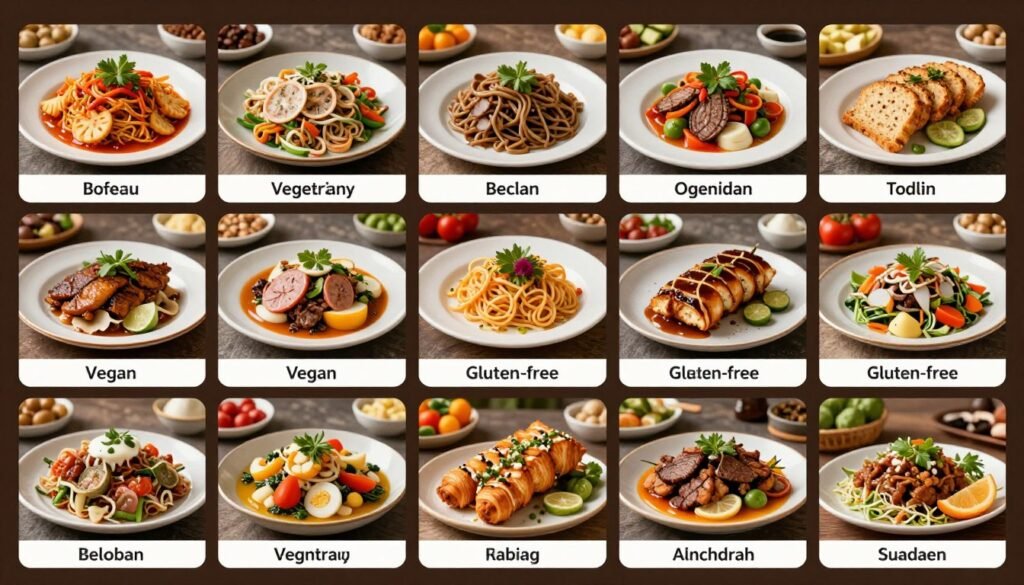
Always accommodate dietary restrictions. Ask about allergies and preferences when sending invitations. Common concerns include vegetarian, vegan, gluten-free, and dairy-free needs.
Plan at least one option for each restriction. Vegetarian dishes should be substantial, not just side dishes. Label foods clearly at buffets.
Work with caterers or restaurants to create inclusive menus. Most are experienced with dietary accommodations. Communication prevents day-of issues.
Consider children’s preferences if kids attend. Simple options like plain pasta or chicken tenders help. Not every child enjoys adventurous cuisine.
Create Your Perfect Table Setting
Find stunning tableware, serving pieces, and dining essentials that make your rehearsal dinner shine. Quality table settings enhance any meal and create lasting impressions.
Decorations transform ordinary spaces into special settings. Your styling choices communicate your theme and create atmosphere. These ideas help you design beautiful, cohesive decor.
Centerpiece Ideas
Centerpieces anchor your table design. They create focal points without blocking conversation. Height and scale matter for guest comfort.
Floral arrangements remain classic choices. Mix flowers with greenery for texture. Varying heights add visual interest. Keep arrangements low or very tall to maintain sight lines.
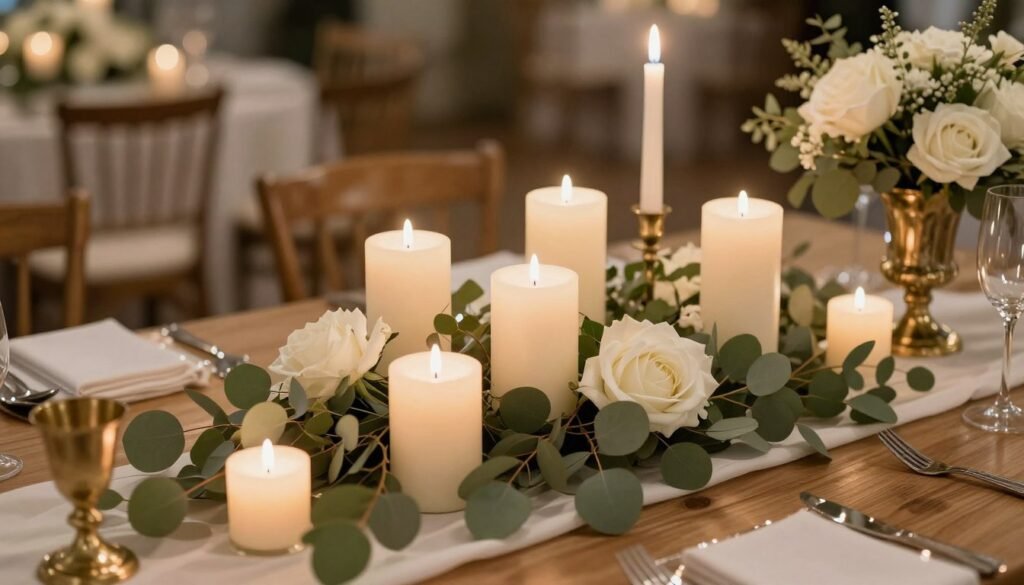
Candles create instant romance. Group pillar candles of different heights. Taper candles in elegant holders add sophistication. Battery-operated candles work for venues with flame restrictions.
Non-floral options offer creativity. Books stacked with small plants on top. Lanterns filled with sand and shells for beach themes. Vintage bottles with single stems.
Consider theme-appropriate elements. Mini potted herbs for garden themes. Citrus fruits in glass bowls for summer dinners. Pinecones and evergreens for winter celebrations.
Lighting Design
Lighting sets the mood dramatically. Proper illumination makes spaces feel warm and inviting. Layer different light sources for best effect.
String lights work almost everywhere. They create magical ambiance for outdoor events. Drape them overhead or wrap around trees and structures.
Candles provide warm, flattering light. Use them generously throughout the space. Mix pillar candles on tables with votives scattered around.
Uplighting transforms plain walls. Colored lights can match your theme. Spotlights highlight specific features like cake tables or head tables.
For daytime events, work with natural light. Position tables to take advantage of windows or outdoor views. Sheer curtains soften harsh sunlight.
Table Setting Essentials
Table settings show attention to detail. Proper place settings make guests feel valued. Even casual dinners benefit from thoughtful arrangements.
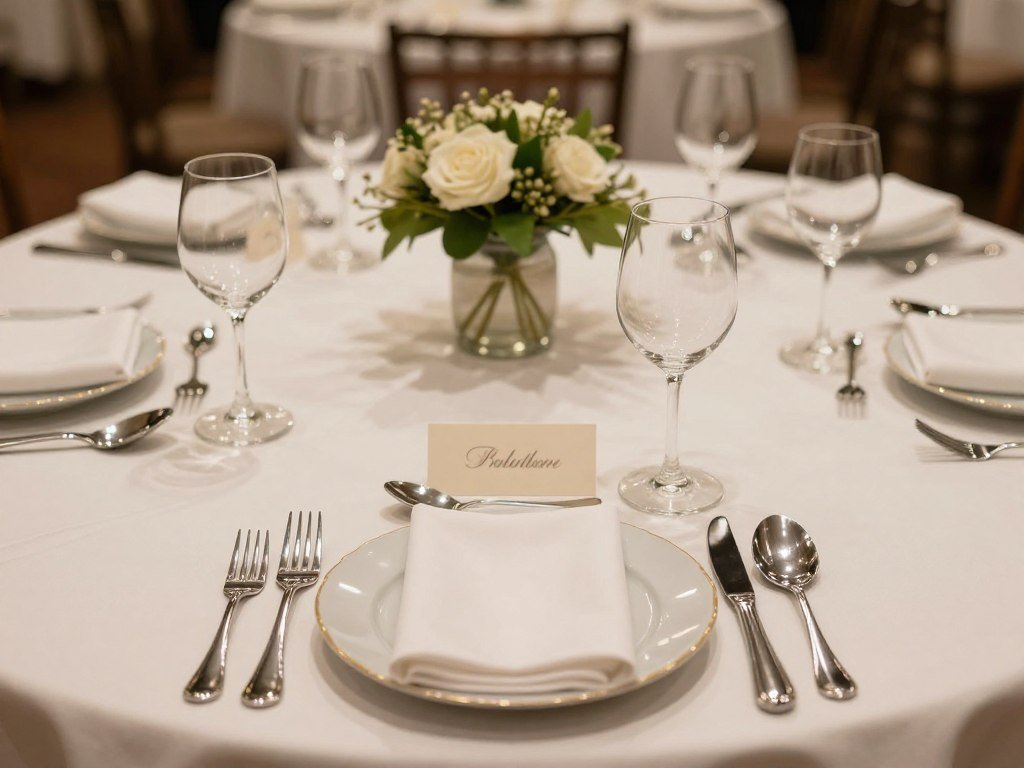
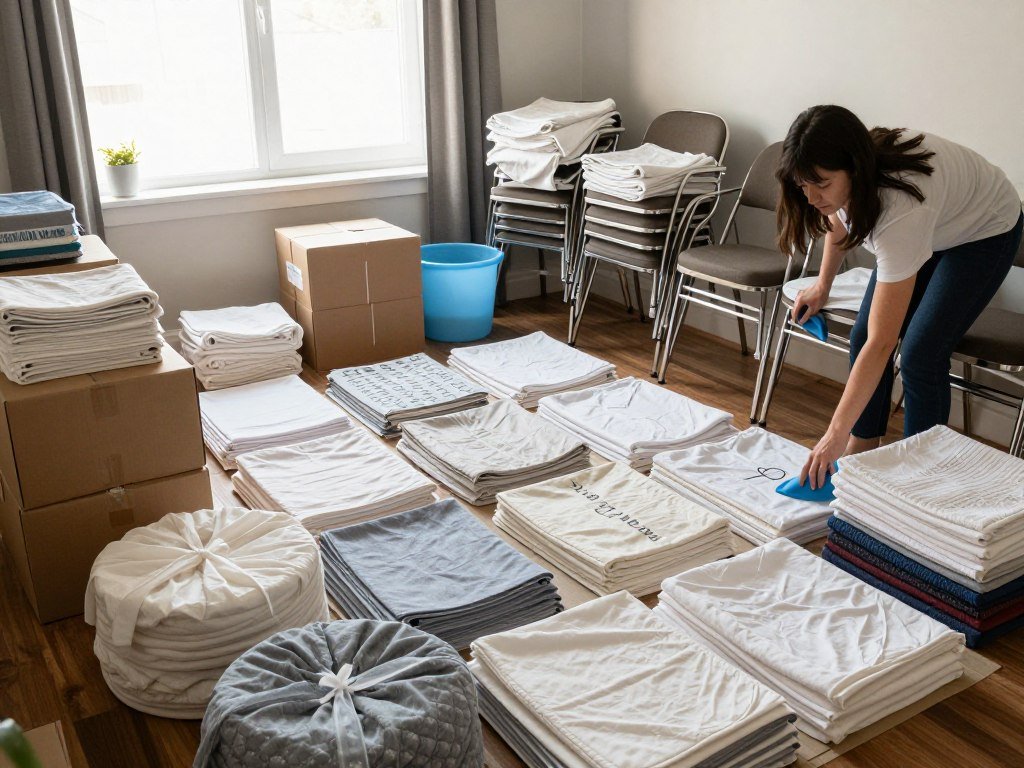
Start with quality linens. Tablecloths or runners provide foundation. Choose colors that complement your theme. Cloth napkins feel more special than paper.
Plates and glassware should coordinate. You don’t need matching sets. Mix and match for eclectic charm. Ensure you have adequate quantities.
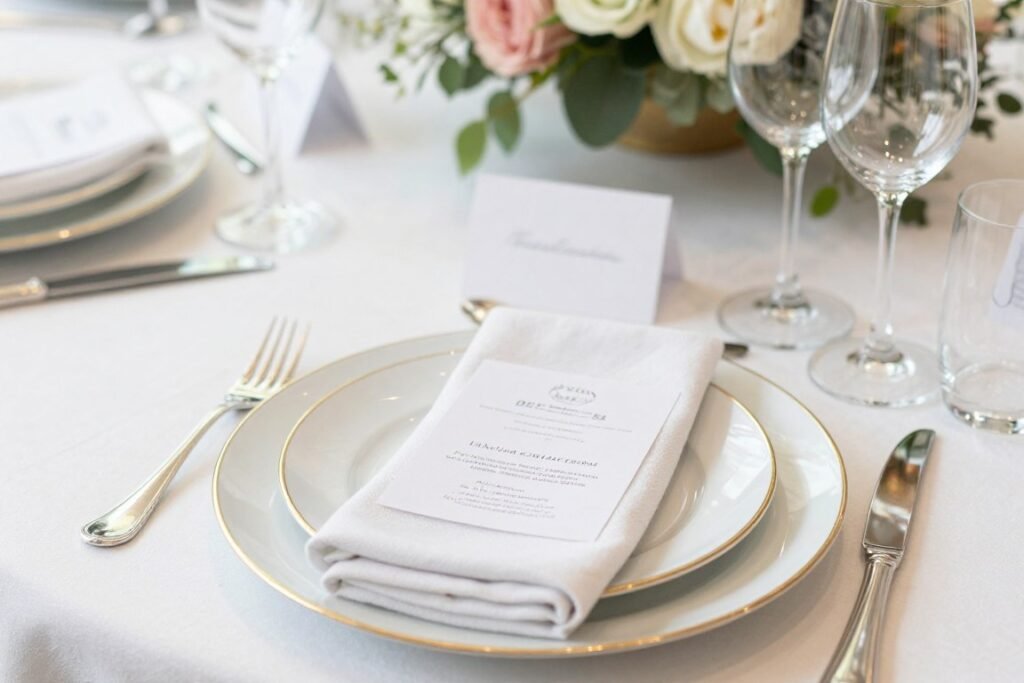
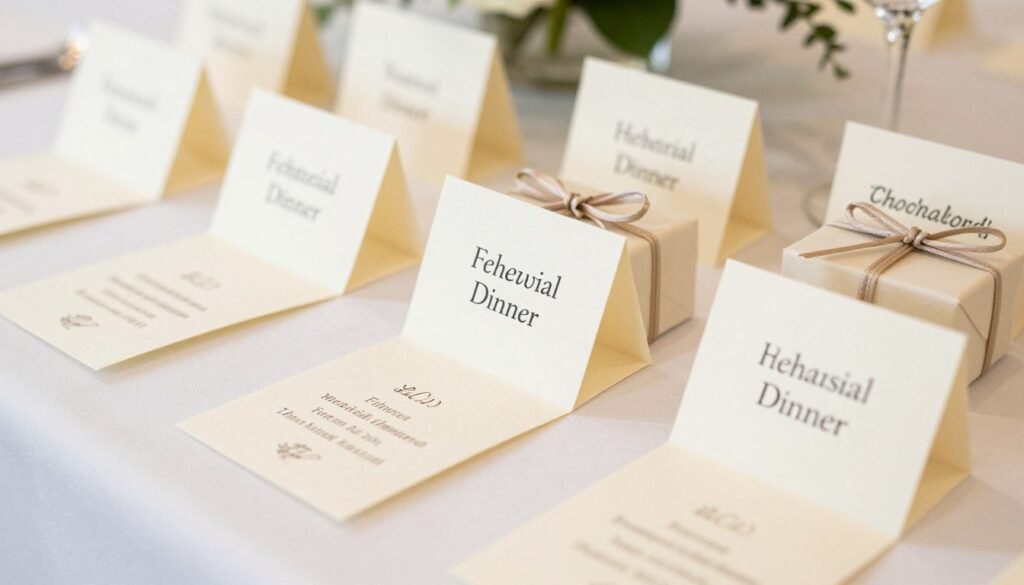
Place cards help with seating. They also add decorative elements. Handwrite names for personal touches. Creative holders make them memorable.
Small details matter. Folded napkins look polished. Menu cards inform guests. Favor boxes or small gifts add surprise.
Long Table vs. Round Table Setups
Table arrangement affects social dynamics. Long tables create communal atmospheres. Everyone sits together along one or two tables.
Long tables suit family-style service well. Passing dishes feels natural. The setup encourages cross-table conversation.
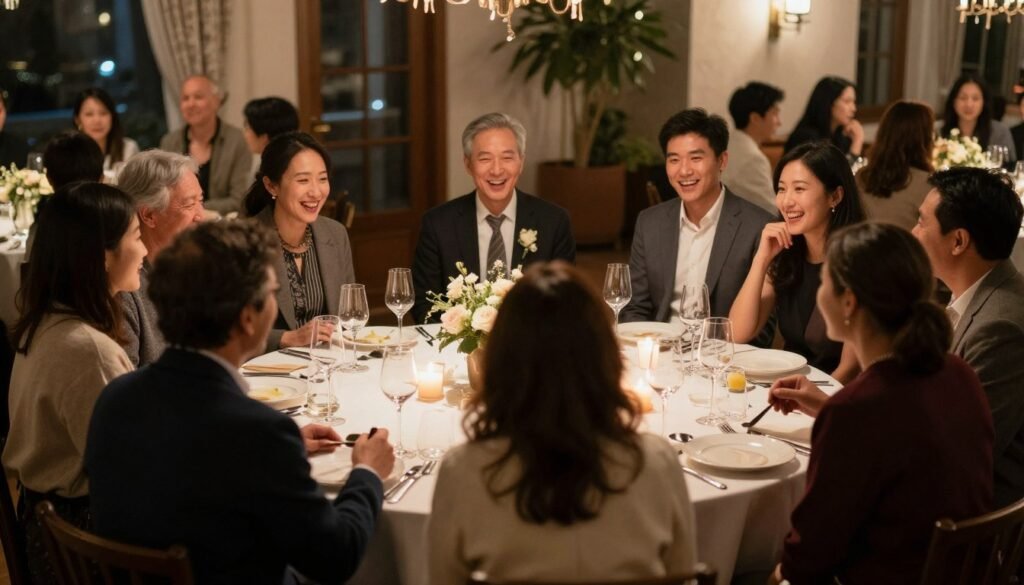
Round tables offer intimate groupings. People sit in small circles facing each other. This arrangement works well for larger guest counts.
Consider your venue shape when choosing. Narrow spaces favor long tables. Square rooms accommodate round tables better.
Some couples mix both styles. A head table for the couple and wedding party. Round tables for other guests. This combination balances intimacy and inclusion.
Seasonal Decoration Ideas
Embrace your wedding season in decorations. Seasonal elements look natural and often cost less. They’re readily available and photogenic.
Spring celebrations feature pastel colors and fresh blooms. Tulips, daffodils, and cherry blossoms shine. Light fabrics and airy arrangements match the season.
Summer allows bold, bright colors. Sunflowers, daisies, and hydrangeas work beautifully. Outdoor settings need minimal additional decoration. Citrus accents add fresh vibes.
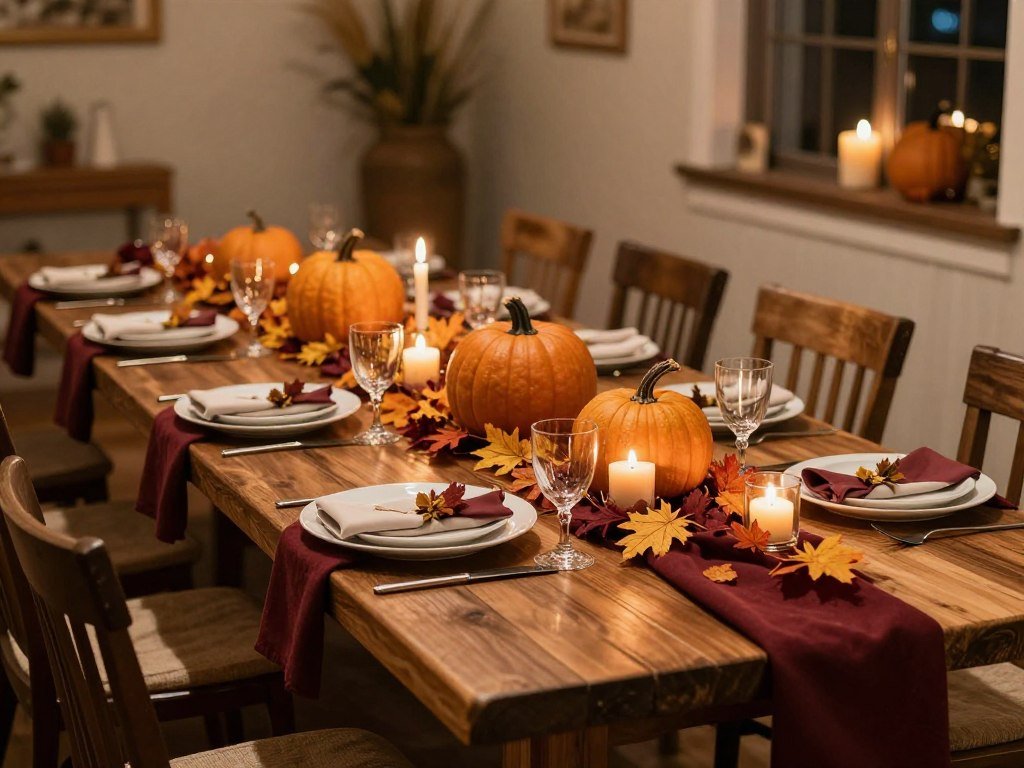
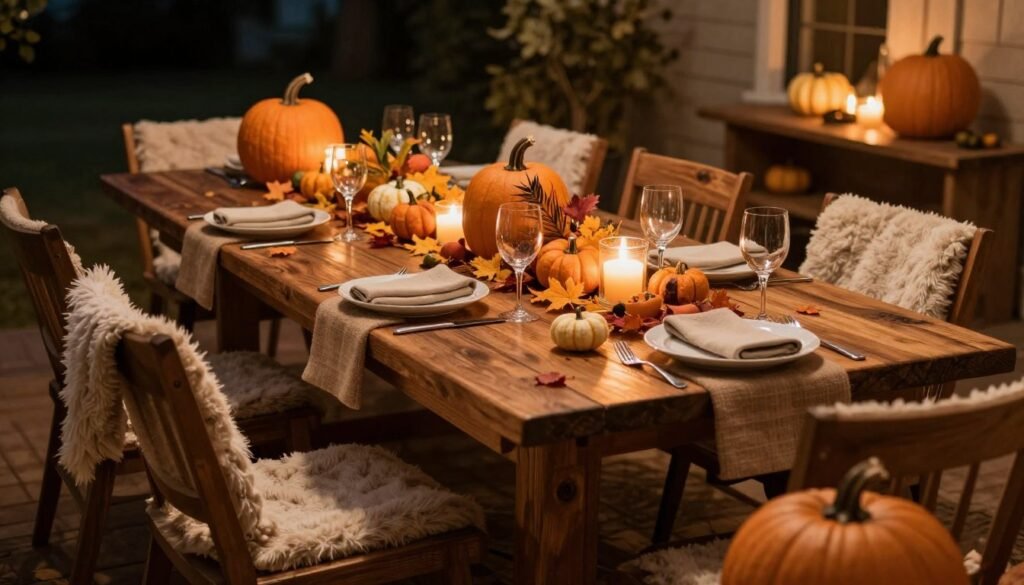
Fall brings rich, warm tones. Pumpkins, gourds, and autumn leaves create atmosphere. Deep red and orange flowers complement the season. Lanterns with candles add cozy warmth.
Winter dinners embrace elegance. Evergreens, pinecones, and white flowers create sophisticated looks. Metallic accents add glamour. Warm blankets for outdoor areas show thoughtfulness.
Find Beautiful Centerpiece Inspiration
Discover centerpiece ideas and decorative elements that bring your tables to life. From candles to vases to creative displays, create stunning focal points for your celebration.
Entertainment keeps energy high throughout your event. Activities encourage mingling and create memorable moments. Choose options that match your crowd and venue.
Games and Interactive Fun
Games break the ice among guests who don’t know each other. They add playful energy to the celebration. Choose activities appropriate for your setting.
Lawn games suit outdoor venues perfectly. Cornhole boards are wedding favorites. Bocce ball and croquet offer gentler competition. Giant Jenga adds drama and laughs.
Table games work for any venue. Wedding trivia about the couple entertains everyone. Mad Libs create funny stories. Advice cards for the couple provide keepsakes.
Photo booths capture fun moments. Set up a simple backdrop with props. Instant cameras let guests create physical memories. Digital options can share photos immediately.
Scavenger hunts add adventure. Create lists of tasks or items to find. Include wedding-related challenges. Small prizes reward winners.
Music and Sound
Music creates ambiance and sets the pace. Volume and style should match your event’s formality. Consider your venue’s acoustics when planning.
Curated playlists offer affordable options. Choose songs that reflect your taste. Include music from different eras for broad appeal. Test volume levels in advance.
Live musicians add special touches. Acoustic guitarists create intimate vibes. Jazz trios suit elegant dinners. Local bands bring energy to casual parties.
Keep music at conversation-friendly volumes. Guests should talk without shouting. Save louder music for after the meal ends.
Toasts and Speeches
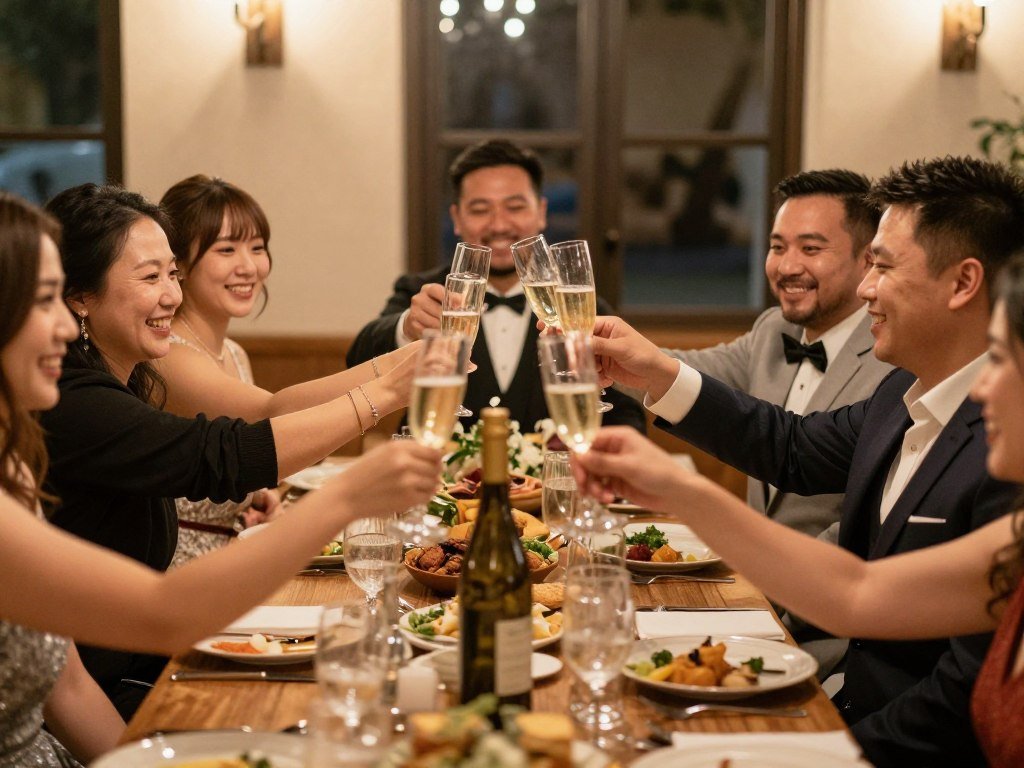
Speeches honor relationships and share stories. They provide structure to the evening. Plan who speaks and when to avoid chaos.
Traditional speakers include parents and the couple. The best man and maid of honor often participate. Keep the list manageable to respect everyone’s time.
Schedule speeches during or after the meal. Between courses works well. After dessert allows people to relax first.
Set time limits to keep things moving. Three to five minutes per speaker is ideal. Provide guidelines in advance to speakers.
Keep speeches lighthearted and appropriate. Funny stories work better than long histories. Save extremely personal content for smaller moments.
Slideshow or Video Presentations
Visual presentations entertain while people eat. They share your story with guests. Keep them short and engaging.
Photo slideshows work well during cocktail hour or dinner. Include childhood photos and relationship milestones. Add music that means something to you.
Video montages can feature family interviews. Ask loved ones to share wishes or memories. Surprise elements add emotional moments.
Test technology beforehand. Ensure venues have necessary equipment. Have backup plans if technical issues arise.
Budget-Friendly Rehearsal Dinner Ideas
Creating a beautiful rehearsal dinner doesn’t require unlimited funds. Smart planning stretches your budget further. These strategies help you save money without sacrificing quality.
Setting Realistic Budget Expectations
Rehearsal dinner costs vary widely. Location, guest count, and style all affect expenses. Understanding typical costs helps you plan appropriately.
Traditional advice suggests spending about 15% of your wedding budget on the rehearsal dinner. However, this isn’t a firm rule. Spend what feels comfortable for your situation.
Break your budget into categories. Venue costs, food and beverage, decorations, and entertainment need separate allocations. Don’t forget taxes and gratuities in calculations.
Keep a detailed spreadsheet of expenses. Track actual costs against estimates. This practice prevents overspending and identifies where money goes.
Cost-Saving Venue Ideas
Venue rental often eats the largest chunk of budget. Free or low-cost spaces save significant money. Home settings eliminate rental fees entirely.
Public parks usually charge minimal permit fees. Many have covered pavilions available. Community centers offer affordable indoor options.
Some restaurants waive private room fees with minimum spending. Others offer lunch prices significantly lower than dinner. Weekday events cost less than weekend celebrations.
Consider daytime events to reduce costs. Brunch or lunch rehearsals need less elaborate setups. Alcohol consumption is typically lower at earlier times.
DIY Decoration Options
Handmade decorations save money while adding personal touches. Simple crafts create big impact. Enlist friends and family to help.
Wildflowers cost far less than formal arrangements. Pick them yourself or buy at farmers’ markets. Mason jars make perfect free vases.
Create your own centerpieces using items from home. Stack books, add candles, include family photos. These personal elements often mean more than expensive flowers.
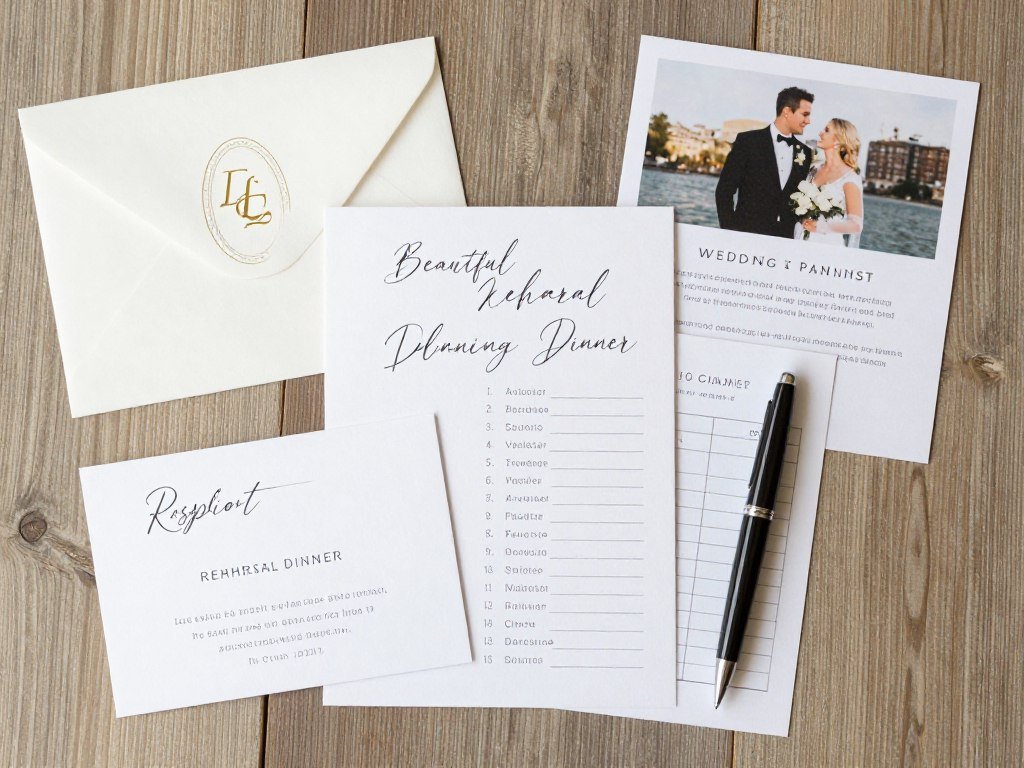
Print your own menus and place cards. Free templates exist online. Quality cardstock from craft stores looks professional. Handwritten elements add charm.
Borrow items instead of buying. Ask friends for extra vases, linens, or serving pieces. Wedding groups on social media often share or loan items.
Affordable Food Options
Food typically represents the second-largest expense. Creative approaches reduce costs without disappointing guests.
Potluck dinners spread costs among families. Each family contributes a dish. This approach works well for close-knit groups. Coordinate dishes to ensure variety.
Casual cuisine costs less than formal meals. Pizza parties satisfy everyone at reasonable prices. Taco bars allow self-service with built-in variety.
Limit alcohol service to reduce costs. Wine and beer only saves versus full bars. Signature cocktails use less liquor than open bars.
Consider having the rehearsal dinner at non-meal times. A dessert and coffee reception costs significantly less. Late afternoon cake and punch works too.
Smart Guest List Management
Guest count directly impacts total costs. Smaller gatherings naturally cost less. Be strategic about your invitation list.
Traditional rehearsal dinners include only wedding party and immediate family. This keeps numbers manageable. Save larger celebrations for the wedding day.
If you want to include more people, consider alternatives. Host a separate casual gathering for extended guests. This could be a bonfire or cocktail hour.
Out-of-town guests appreciate invitations but understand budget limits. A simple welcome reception serves the same purpose at lower cost.
Shop Smart for Party Essentials
Find budget-friendly party supplies and decorative items that help you create a beautiful celebration without overspending. Quality doesn’t have to mean expensive.
Proper timing makes rehearsal dinner planning less stressful. Starting early prevents last-minute scrambling. This timeline guides you through the process.
Three to Six Months Before
Begin planning as soon as your wedding date is set. Early action secures your preferred vendors and venues. This timeframe allows for thoughtful decision-making.
Finalize your guest list first. Knowing numbers drives all other decisions. Discuss with your partner and families who should attend.
Research and book your venue. Popular locations fill up quickly during wedding season. Visit potential spaces in person before committing.
Decide on your theme and overall style. This guides subsequent choices about food, decorations, and attire. Pinterest boards help visualize concepts.
Create a preliminary budget. Determine who’s contributing financially. Allocate funds to different categories based on priorities.
Two Months Before
Finalize food and beverage arrangements at this point. Book caterers or confirm restaurant reservations. Taste menu options if possible.
Send save-the-dates to out-of-town guests. They need time to arrange travel. Local guests can receive invitations closer to the date.
Order or create invitations. Mail them four to six weeks before the event. Include all necessary details like dress code and directions.
Plan your decoration scheme in detail. Make purchase lists for needed items. Start collecting or creating DIY elements.
Book entertainment if desired. Musicians and photographers need advance notice. Confirm all details in writing.
One Month Before
Confirm final guest count with your venue or caterer. Most require numbers two to four weeks ahead. Track RSVPs carefully.
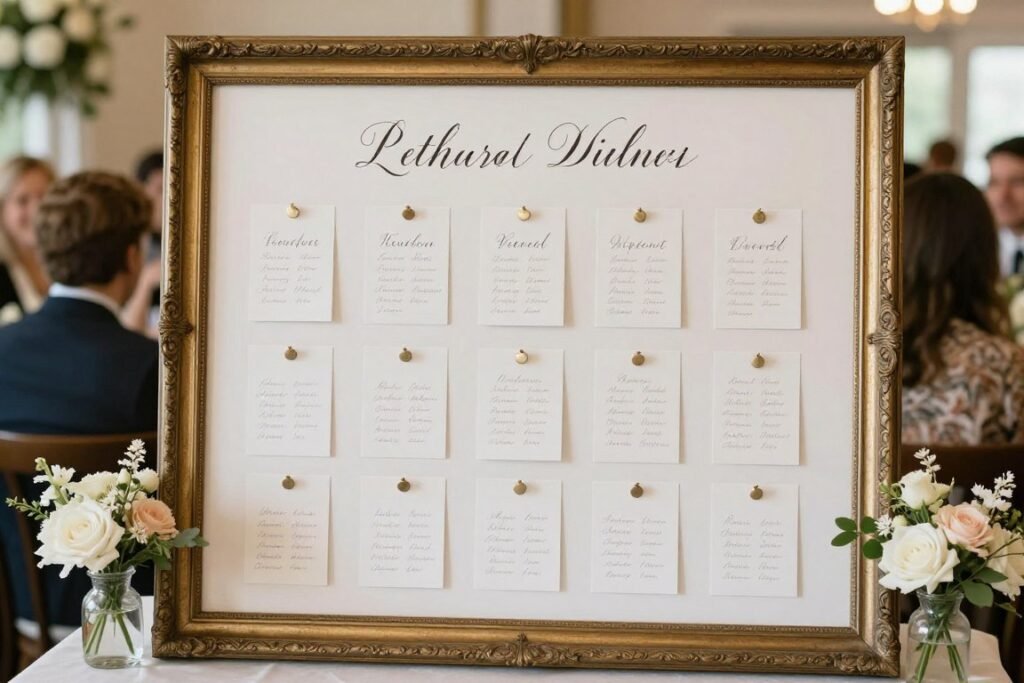
Create your seating chart if using assigned seating. Consider personality dynamics and relationships. Place cards help guests find their spots.
Finalize all vendor details. Reconfirm times, locations, and specific requests. Ensure everyone has correct contact information.
Purchase or complete all decorations. Test any DIY projects to ensure they work as planned. Assign setup helpers.
Plan the evening’s schedule. Decide when speeches happen and who gives them. Communicate timing to key participants.
One Week Before
Do a final walkthrough of your venue. Confirm table and chair arrangements. Verify where different elements will go.
Confirm final guest count with all vendors. Make last-minute adjustments to food orders. Communicate any changes to helpers.
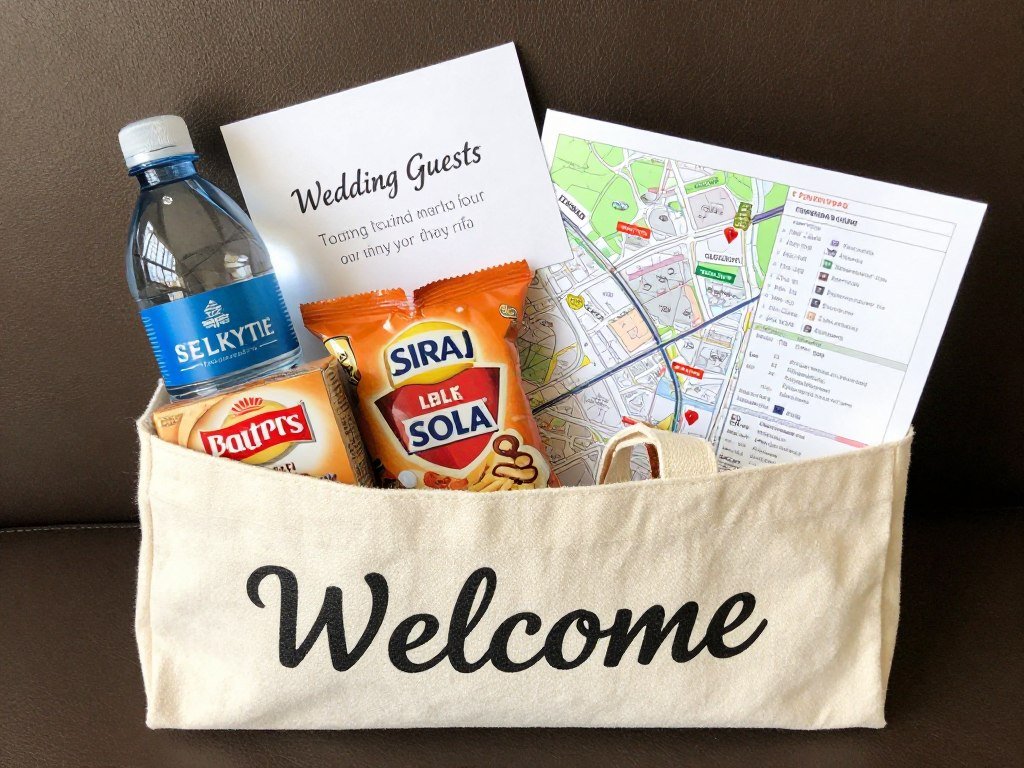
Prepare welcome bags for out-of-town guests if applicable. Include local information, snacks, and wedding weekend schedules.
Create a detailed day-of timeline. Share it with family members helping with setup. Include contact numbers for all vendors.
Pack an emergency kit with supplies. Include tape, scissors, safety pins, and pain relievers. Delegate someone to bring it.
Day-Of Logistics
Assign a point person to handle logistics. This shouldn’t be the couple. A reliable friend or family member works well.
Arrive early to oversee setup. Ensure decorations are placed correctly. Test any audio or visual equipment.
Designate someone to direct guests upon arrival. Clear signage helps people find the right location. Parking instructions prevent confusion.
Keep the ceremony rehearsal on schedule. Start on time even if some people are late. The meal follows shortly after.
Relax and enjoy your party. Trust that your planning will carry the event. Focus on connecting with loved ones.
Special Touches and Personalization Ideas
Personal elements make your rehearsal dinner uniquely yours. Thoughtful touches show appreciation for your guests. These ideas add meaning to your celebration.
Welcome Gifts and Favors
Small favors thank guests for attending. They serve as mementos of your special evening. Choose items that reflect your personalities or theme.
Edible favors always please guests. Mini bottles of local honey or jam work well. Personalized cookies or chocolates add sweet touches.
Practical items get used and remembered. Bottle openers with your names and date stay useful. Candles create ambiance in guests’ homes.
For out-of-town guests, consider local specialty items. Regional snacks or products introduce your area. Include notes about why you chose each item.
Keep favors simple and meaningful. Elaborate gifts aren’t necessary. A heartfelt note often means more than expensive items.
Memory Sharing Activities
Encourage guests to share memories and advice. These activities create connection and laughter. They also provide keepsakes for you.
Advice cards ask guests to share wisdom. Provide prompts like marriage tips or date night ideas. Collect cards in a decorative box.
Memory jars collect written stories about the couple. Guests write down favorite memories. Read them together during your first year of marriage.
Photo displays showcase your relationship journey. Include childhood photos and relationship milestones. Guests enjoy seeing your story unfold.
Guest books offer creative alternatives to traditional formats. Polaroid photo books let guests add pictures and notes. Puzzle piece books create collaborative art.
Meaningful Seating Arrangements
Thoughtful seating enhances conversation and comfort. Strategic placement helps people connect. Consider personality types and relationships.
Mix friend groups to encourage new connections. Seat outgoing people with quieter guests. Balance tables with various age ranges.
Family dynamics matter when arranging seating. Be sensitive to divorced parents or family tensions. Strategic placement prevents awkwardness.
Consider creating a head table for the wedding party. This honors your closest friends. Alternatively, sit with your families.
Place cards show guests their assigned seats. Make them decorative elements too. Creative holders add visual interest.
Story-Sharing Time
Dedicate time for guests to share stories. These moments create laughter and connection. They help people understand your relationships.
Ask parents to share childhood stories. These anecdotes embarrass you lovingly. Guests enjoy learning about your backgrounds.
Siblings can tell funny relationship moments they witnessed. Friends might share how they knew you were perfect together. Keep contributions brief and appropriate.
Consider structuring story time. Give speakers advance notice. This prevents rambling or inappropriate content.
Thank You Speeches from the Couple
Take time to thank everyone meaningfully. Acknowledge specific people’s contributions. Express genuine gratitude for their presence.
Thank your parents first for hosting or contributing. Recognize their emotional and financial support. Acknowledge the wedding party’s time and effort.
Mention out-of-town guests who traveled far. Their sacrifice deserves recognition. Express appreciation for everyone’s role in your journey.
Keep the tone warm and genuine. Avoid inside jokes that exclude people. Speak from the heart about what this gathering means.
Rehearsal Dinner Etiquette and Traditions
Understanding rehearsal dinner traditions helps you navigate planning. Etiquette guidelines prevent awkward situations. Modern couples adapt traditions to fit their preferences.
Who Traditionally Hosts
Traditionally, the groom’s parents host the rehearsal dinner. This custom dates back generations. It was their primary wedding-related responsibility.
Modern practice shows much more flexibility. Couples often host their own rehearsal dinners. Both sets of parents might split hosting duties.
Some couples’ parents are unable to contribute financially. This shouldn’t cause stress or guilt. Hosting responsibilities shift to whoever can manage them.
Discuss hosting early in planning. Clear communication prevents assumptions and hurt feelings. Be gracious whoever ends up hosting.
Guest List Guidelines
The guest list typically includes specific groups. The wedding party always receives invitations. This includes all bridesmaids, groomsmen, and attendants.
Immediate family members should attend. Parents, siblings, and grandparents are standard guests. Some couples extend invitations to aunts and uncles.
The ceremony officiant usually receives an invitation. Spouses or significant others of all invited guests should be included. Children of wedding party members often attend.
Out-of-town guests present a gray area. Some couples invite all travelers. Others limit it to wedding party and family only.
Keep your budget in mind when expanding the guest list. There’s no obligation to invite everyone. Your wedding day includes everyone important.
Dress Code Considerations
Dress code depends on your venue and formality level. Communicate expectations clearly on invitations. This prevents guests feeling over or underdressed.
Casual dinners call for nice casual attire. Think sundresses and khakis. Beach venues might mean sandals are appropriate.
Semi-formal events require dressier options. Cocktail dresses and suits work well. This level suits most restaurant dinners.
Formal rehearsal dinners need corresponding attire. Long dresses and tuxedos might be appropriate. This level is less common but acceptable.
Consider weather and venue when setting dress codes. Outdoor summer events should acknowledge heat. Winter celebrations might need warmth considerations.
Toast Order and Timing
Traditional toast order follows specific patterns. The host typically offers the first toast. This welcomes everyone and sets the tone.
The father of the groom traditionally speaks next. His toast welcomes the bride’s family. He might share stories about the groom.
The father of the bride often follows. He expresses joy about the upcoming marriage. His toast might include memories of the bride.
The best man and maid of honor may speak. Their toasts tend to be lighter and funnier. They share stories about the couple.
Finally, the couple thanks everyone. They express gratitude for support and attendance. This closes the formal toast portion.
Modern couples often adjust this order. Some skip certain toasts entirely. Others invite additional speakers they want to hear from.
Gift Giving Customs
The rehearsal dinner provides opportunity for certain gift exchanges. Couples traditionally give attendant gifts at this time. These thank the wedding party for their service.
Gifts don’t need to be expensive. Thoughtful, personalized items work best. Consider each person’s interests and personality.
Some couples give gifts to parents. This acknowledges their support throughout planning. Sentimental items often mean more than costly ones.
Guests don’t typically bring gifts to rehearsal dinners. Wedding gifts come later. If guests do bring something, accept graciously.
Find Perfect Thank You Gifts
Browse wedding party gifts and thank you presents for the special people who’ve supported your journey. Show your appreciation with thoughtful tokens they’ll treasure.
Each season offers unique opportunities and challenges. Weather, available ingredients, and natural beauty vary throughout the year. Plan according to your wedding season.
Spring Celebrations
Spring brings fresh energy and blooming flowers. The season offers moderate temperatures perfect for outdoor events. Natural beauty minimizes decoration needs.
Take advantage of spring blooms in decorations. Tulips, daffodils, and cherry blossoms are abundant. Pastel color palettes feel fresh and appropriate.
Spring weather can be unpredictable. Have indoor backup plans for outdoor venues. Provide shawls or blankets for cool evening temperatures.
Fresh, light menu options suit spring perfectly. Seasonal vegetables like asparagus and peas shine. Lighter proteins like fish and chicken work well.
Summer Events
Summer provides long daylight hours for evening events. Warm weather encourages outdoor celebrations. Guests generally feel more relaxed in summer.
Heat requires special considerations. Provide shade for daytime events. Ensure adequate water and cooling options. Fans or misting stations help guests stay comfortable.
Bright, bold colors work for summer themes. Sunflowers, daisies, and tropical flowers fit the mood. Fresh fruit displays add color and refreshment.
Menu planning should account for heat. Light appetizers and salads appeal more than heavy dishes. Cold beverages and possibly ice cream desserts satisfy.
Insects can be nuisances at outdoor summer events. Provide bug spray discreetly. Citronella candles help without being obvious.
Fall Festivities
Fall offers comfortable temperatures and stunning natural colors. Harvest season provides abundant local ingredients. The season feels naturally celebratory.
Embrace rich, warm color palettes. Deep reds, oranges, and golds dominate fall decor. Pumpkins, gourds, and autumn leaves create atmosphere.
Cozy elements enhance fall celebrations. Blankets for outdoor seating add comfort. Fire pits create gathering spots. Warm beverages like apple cider delight guests.
Hearty comfort foods suit fall perfectly. Roasted vegetables and warm soups feel appropriate. Apple desserts and pumpkin dishes embrace the season.
Winter Gatherings
Winter rehearsal dinners often happen indoors. This season lends itself to elegant, intimate celebrations. Shorter days mean evening events start earlier.
Embrace winter’s elegance in decorations. Evergreens, pinecones, and white flowers create sophistication. Metallic accents add glamour. Candles provide essential warm lighting.
Keep guests warm and comfortable. Heated outdoor spaces extend venue options. Provide blankets for transitioning between areas. Hot beverage stations welcome guests.
Rich, warming foods suit winter celebrations. Hearty proteins and root vegetables satisfy. Hot chocolate bars or coffee stations serve as dessert.
Holiday season rehearsal dinners have extra considerations. Venue and vendor availability may be limited. Book extra early during November and December.
Common Planning Mistakes to Avoid
Learning from others’ mistakes saves stress and money. These common pitfalls trip up many couples. Awareness helps you avoid similar issues.
Overcomplicating the Event
Some couples treat rehearsal dinners like mini weddings. This creates unnecessary stress and expense. Remember this is a warm-up, not the main event.
Keep decorations simple and meaningful. Elaborate setups rarely prove worth the effort. Focus on atmosphere over perfection.
Don’t feel pressured to include every detail. Your wedding day is for comprehensive celebration. The rehearsal dinner can be more relaxed.
Simplicity often creates better experiences. Guests appreciate authentic gatherings over staged productions. Relax and enjoy this intimate time.
Poor Communication with Vendors
Assumptions about vendor services cause problems. Always get agreements in writing. Confirm details multiple times before the event.
Ask questions about everything unclear. What exactly is included in pricing. What are additional fees. When do final payments occur.
Provide vendors with detailed timelines. Include setup times, event flow, and breakdown expectations. Clear communication prevents day-of confusion.
Keep all vendor contact information organized. Create a master list with phone numbers and emails. Share this with your point person.
Ignoring Weather Contingencies
Outdoor events need backup plans. Weather rarely cooperates perfectly with our plans. Having alternatives reduces stress dramatically.
Book venues with indoor options when possible. Tent rentals provide coverage for backyard events. Make decisions well before the event day.
Communicate weather plans to guests if conditions look uncertain. This prevents arrival confusion. Update people through text or email.
Check forecasts regularly in the week before. Be prepared to implement backup plans. Stay flexible rather than stubbornly sticking to original ideas.
Neglecting Dietary Needs
Forgetting to accommodate dietary restrictions disappoints guests. People with allergies or preferences deserve consideration. Planning ahead prevents issues.
Ask about restrictions when sending invitations. Include a line for dietary needs on RSVPs. Follow up with guests who note restrictions.
Work with caterers to create suitable alternatives. Vegetarian options should be more than side dishes. Ensure allergies are taken seriously.
Label buffet dishes clearly. Include ingredients that might cause allergies. This helps guests make safe choices independently.
Overspending on Unnecessary Items
Budget overruns cause stress during wedding planning. Rehearsal dinners don’t need every expensive detail. Prioritize what matters most.
Expensive decorations often go unnoticed by guests. People remember food, company, and atmosphere. Save money on items with little impact.
DIY projects sometimes cost more than purchasing. Calculate time and material costs honestly. Sometimes buying ready-made items makes more sense.
Don’t feel pressured by Pinterest perfection. Real celebrations are messy and imperfect. Your guests care about connection, not matching napkins.
Day-After Cleanup and Follow-Up
Planning doesn’t end when the party does. Cleanup and follow-up tasks need attention. Proper handling of these details shows appreciation and responsibility.
Cleanup Responsibilities
Determine cleanup duties before the event. Don’t assume venues handle everything. Clear expectations prevent morning-after scrambles.
Assign helpers to specific tasks. Someone should handle decorations. Another person manages leftover food. A third coordinates rental returns.
Pack carefully any items you want to keep. Label boxes clearly for easy identification later. Store centerpieces and decorations that might work for the wedding.
Check the venue thoroughly before leaving. Look for personal items guests might have left. Ensure all your belongings are collected.
Rental Returns and Vendor Payments
Schedule rental returns promptly. Most companies charge fees for late returns. Clean items according to contract requirements.
Complete any outstanding vendor payments. Follow the payment schedules agreed upon. Keep receipts and confirmation emails organized.
Leave reviews for vendors you appreciated. Positive feedback helps their businesses grow. Constructive criticism helps future clients too.
Thank You Notes
Send thank you notes to hosts and key helpers. Handwritten notes show genuine appreciation. Mention specific ways people helped.
Thank your parents for their contributions. Whether financial or practical, acknowledge their support. Express how much their involvement meant.
Recognize vendors who exceeded expectations. Brief notes or positive reviews make their day. Building good relationships benefits everyone.
Don’t delay writing thank you notes. Complete them within two weeks. The event feels fresh and gratitude feels immediate.
Get Organized for Your Big Day
Find planning tools, organizers, and supplies that keep your wedding preparations on track. From checklists to storage solutions, set yourself up for success.
Your rehearsal dinner celebrates the beginning of your wedding weekend. This gathering honors the people who matter most in your lives. It sets a joyful tone for the festivities ahead.
Planning doesn’t have to overwhelm you. Start with clear priorities about what matters to you. Build your celebration around those core values.
Whether you choose an elegant restaurant dinner or a casual backyard barbecue, authenticity matters most. Your guests want to celebrate you, not perfection. They’ll remember the warmth and connection, not whether napkins matched perfectly.
Budget considerations shouldn’t diminish your joy. Beautiful celebrations happen at every price point. Creativity and thoughtfulness often mean more than expensive details.
Use this guide as your starting point. Adapt ideas to fit your unique situation. Mix elements from different themes to create something distinctly yours.
Remember why you’re gathering everyone together. This celebration marks the beginning of your marriage journey. It brings together the communities that have shaped both of you.
Take time during your rehearsal dinner to truly be present. Put away your phone. Look around at the faces of people who love you. These moments become the memories you’ll treasure forever.
The best rehearsal dinners reflect who you are as a couple. They showcase your values, humor, and style. Don’t try to create someone else’s perfect event. Create yours.
As you plan, stay flexible and maintain perspective. Some things will go differently than imagined. That’s perfectly okay. The love surrounding you matters more than any logistical detail.
Your wedding rehearsal dinner launches your celebration weekend. Make it meaningful, memorable, and uniquely yours. Then relax, enjoy, and savor every moment with the people you love most.
A beach proposal captures the essence of romance in its purest form. The natural beauty of sand meeting ocean creates a backdrop that photographs beautifully and feels intimately connected to nature. This moment represents the beginning of your forever, and the beach setting adds timeless elegance to your engagement story. Planning a beach proposal requires…
Creating a beautiful outdoor patio doesn’t have to drain your bank account. With some creativity and smart shopping, you can transform your outdoor space into a cozy retreat that feels both luxurious and personal. Whether you have a tiny balcony or a spacious backyard, these budget-friendly patio ideas will help you make the most of…
In a world where extravagance often takes center stage, there’s something profoundly beautiful about simplicity. Simple engagement rings have captured the hearts of couples seeking timeless elegance without unnecessary embellishments. These rings focus on what truly matters – the beauty of the center stone and the enduring symbol of your commitment. Whether you’re drawn to…
Your small backyard holds incredible potential waiting to be unlocked. Many homeowners believe limited space means limited possibilities, but that couldn’t be further from the truth. With smart design choices and creative landscaping ideas, even the smallest yard can become your favorite outdoor room. Small backyard landscaping requires thoughtful planning and strategic design decisions. Every…
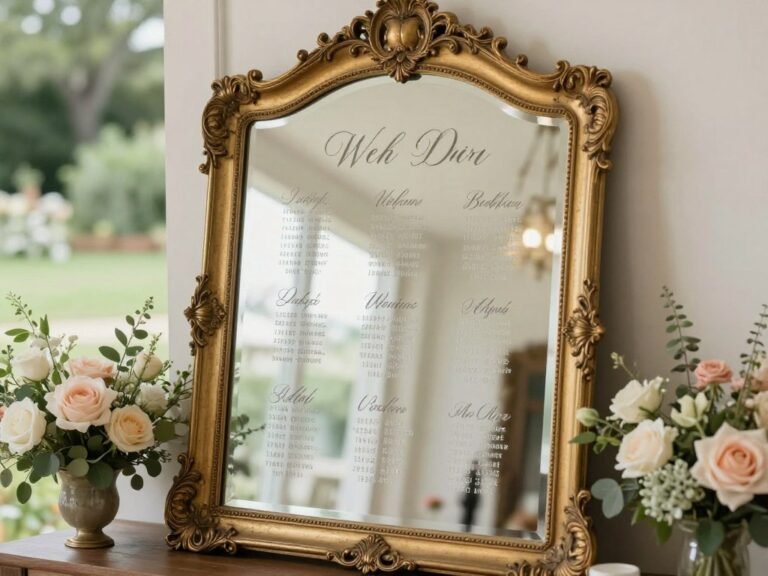
Mirrors bring magic to wedding celebrations in ways few other decorative elements can match. Their reflective surfaces catch light beautifully while adding depth and elegance to your special day. From vintage framed mirrors displaying guest seating arrangements to contemporary mirror signs welcoming loved ones, these versatile pieces create unforgettable visual moments. The beauty of wedding…
The moment you decide to propose marks the beginning of your next chapter together. While grand gestures have their place, there’s something uniquely intimate about proposing in the comfort of your own home. The familiar walls that have witnessed your relationship grow become the backdrop for one of life’s most significant questions. Home proposals carry…