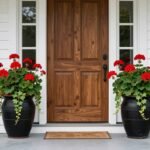
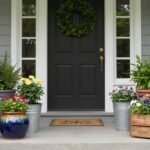
Creating stunning planter arrangements is an art form that combines color, texture, and plant varieties to transform ordinary containers into extraordinary focal points. Whether you’re decorating a porch, patio, or indoor space, the right combination of plants can create a lush, professional-looking display that brings joy throughout the seasons. In this guide, we’ll explore the principles of designing beautiful planter arrangements, from selecting the perfect container to combining plants that complement each other in both form and function.
The Art of the Thriller, Filler, Spiller Method
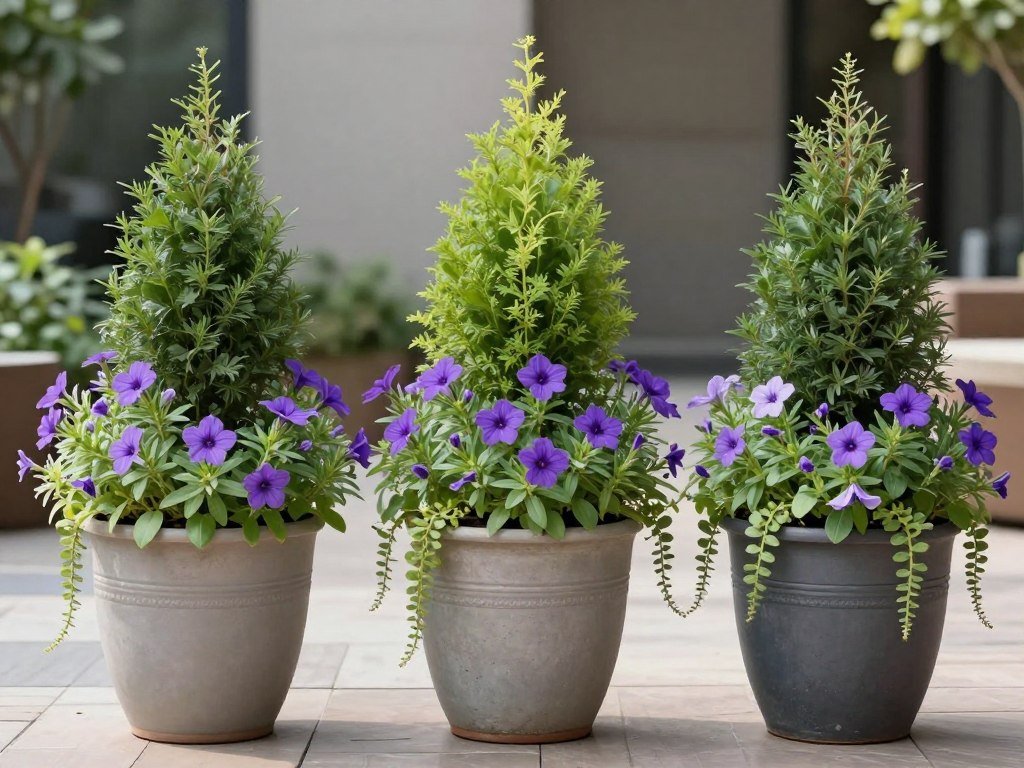
The “thriller, filler, spiller” approach is the foundation of successful planter arrangements. This tried-and-true formula creates visual interest and dimension in any container garden. Let’s break down this essential technique:
Thrillers: Creating Height and Drama
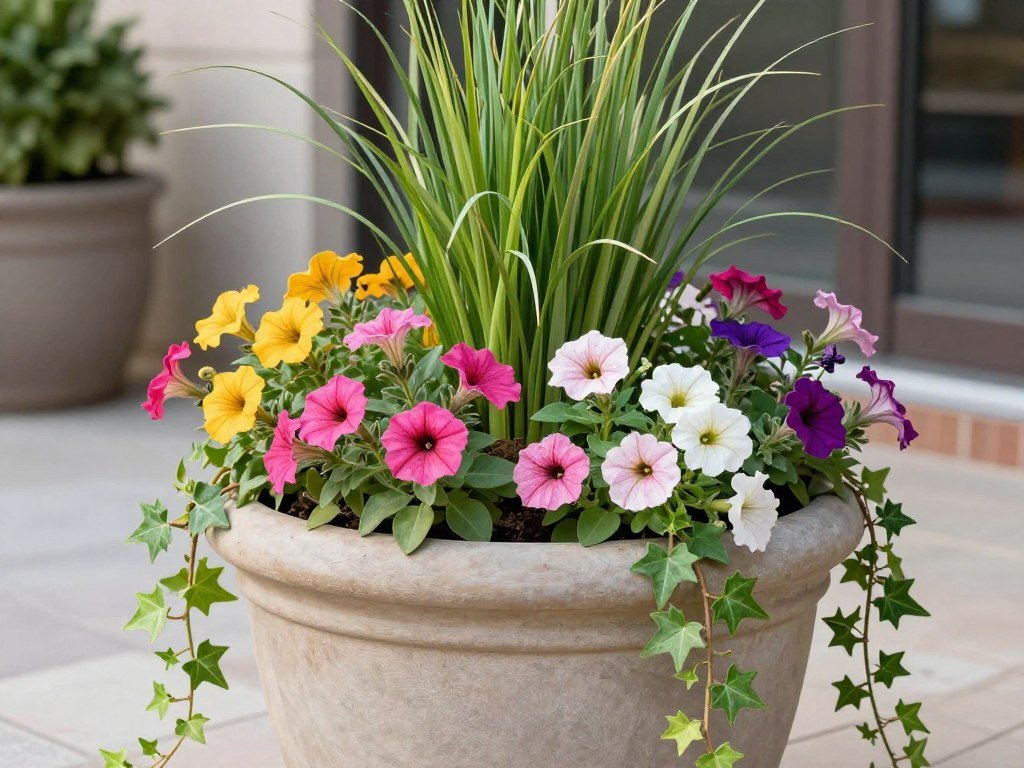
Thrillers are the vertical elements that add height and serve as the focal point of your arrangement. These eye-catching plants should be placed in the center of round containers or at the back of arrangements that will be viewed from one side. Great thriller options include ornamental grasses, cannas, tall flowering plants like angelonia, or even decorative elements like garden obelisks that can support climbing plants.
Fillers: Adding Fullness and Color
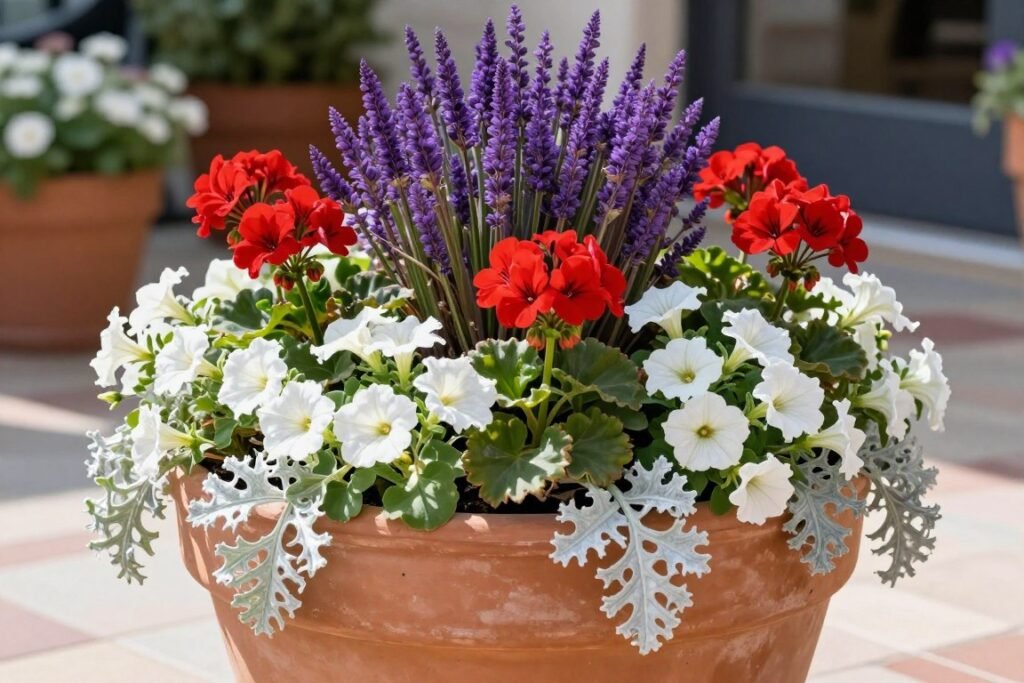
Fillers are the medium-height plants that surround your thriller, creating fullness and often providing the most color in your arrangement. These plants should complement your thriller while filling the middle ground of your container. Popular fillers include geraniums, petunias, verbena, begonias, and coleus. When selecting fillers, consider how their colors will work with both your thriller and spillers for a cohesive look.
Spillers: Cascading Over Edges
Spillers are trailing plants that drape over the edges of your container, softening the arrangement and creating a lush, abundant look. These plants add movement and help connect your planter to its surroundings. Excellent spillers include sweet potato vine, dichondra silver falls, trailing petunias, ivy, and vinca vine. For the most dramatic effect, place spillers near the container’s edge where they have room to cascade downward.
Choosing the Right Container for Your Planter Arrangement
The container you choose sets the stage for your planter arrangement and can dramatically influence its overall aesthetic. Consider these factors when selecting the perfect vessel for your plants:
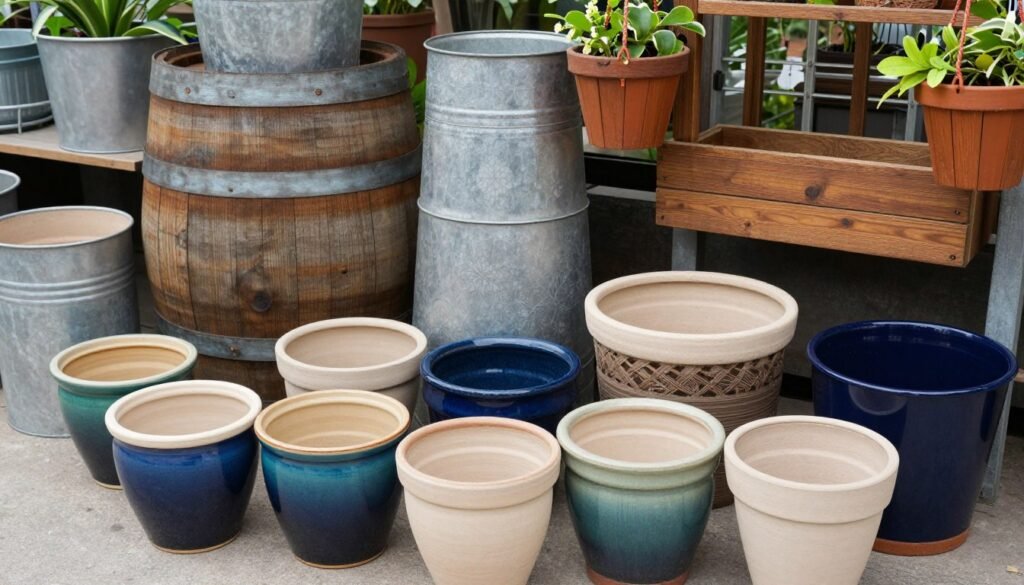
Container Materials
Each material offers different benefits and aesthetics:
Ceramic and terracotta: Classic look with excellent breathability, though heavier and more fragile
Plastic and resin: Lightweight, affordable, and available in many styles that mimic more expensive materials
Metal: Modern appearance but can heat up in direct sun
Wood: Natural look that complements many garden styles but requires maintenance
Concrete: Extremely durable with a contemporary feel, though very heavy
For a timeless look that works with almost any plant arrangement, consider glazed ceramic planters that come in a variety of colors and finishes.
Size and Proportion
The size of your container should be proportional to both the space it will occupy and the plants it will hold:
Small spaces: 8-12 inch containers work well for tabletops and small areas
Medium spaces: 14-16 inch containers are versatile for most porches and patios
Large spaces: 18-24+ inch containers make a dramatic statement
Height considerations: Taller planters elevate arrangements and create more visual impact
Remember that larger containers also provide more soil volume, which means better root development and less frequent watering. For areas that receive full sun, consider self-watering planters to help maintain consistent moisture levels.
Drainage Matters
Proper drainage is essential for healthy plants. Always select containers with drainage holes, or be prepared to drill your own. For containers without drainage, consider creating a layer of small rocks at the bottom or using them as cache pots (decorative outer containers that hold a plain pot with drainage). Remember to leave about 1-2 inches of space between the soil surface and the container rim to prevent overflow when watering.
Top Plants for Stunning Planter Arrangements
Selecting the right plants is crucial for creating beautiful planter arrangements. Here are some outstanding options for each component of the thriller, filler, spiller formula:
Pentas – butterfly magnets with star-shaped flowers
Best Spiller Plants
Sweet Potato Vine – fast-growing in lime, purple, or black
Dichondra Silver Falls – stunning silver cascades
Trailing Petunias – flowers that flow over container edges
Creeping Jenny – bright chartreuse foliage
Vinca Vine – reliable green or variegated trails
Bacopa – delicate white or purple flowers
English Ivy – classic trailing foliage
When selecting plants, consider their growing requirements. All plants in a single container should have similar needs for sunlight, water, and soil conditions. For easy-care arrangements, look for drought-tolerant container plants that can withstand occasional neglect.
Color Theory for Planter Arrangements
Understanding color theory can elevate your planter arrangements from pretty to spectacular. Here’s how to use color effectively:
Color Schemes That Work
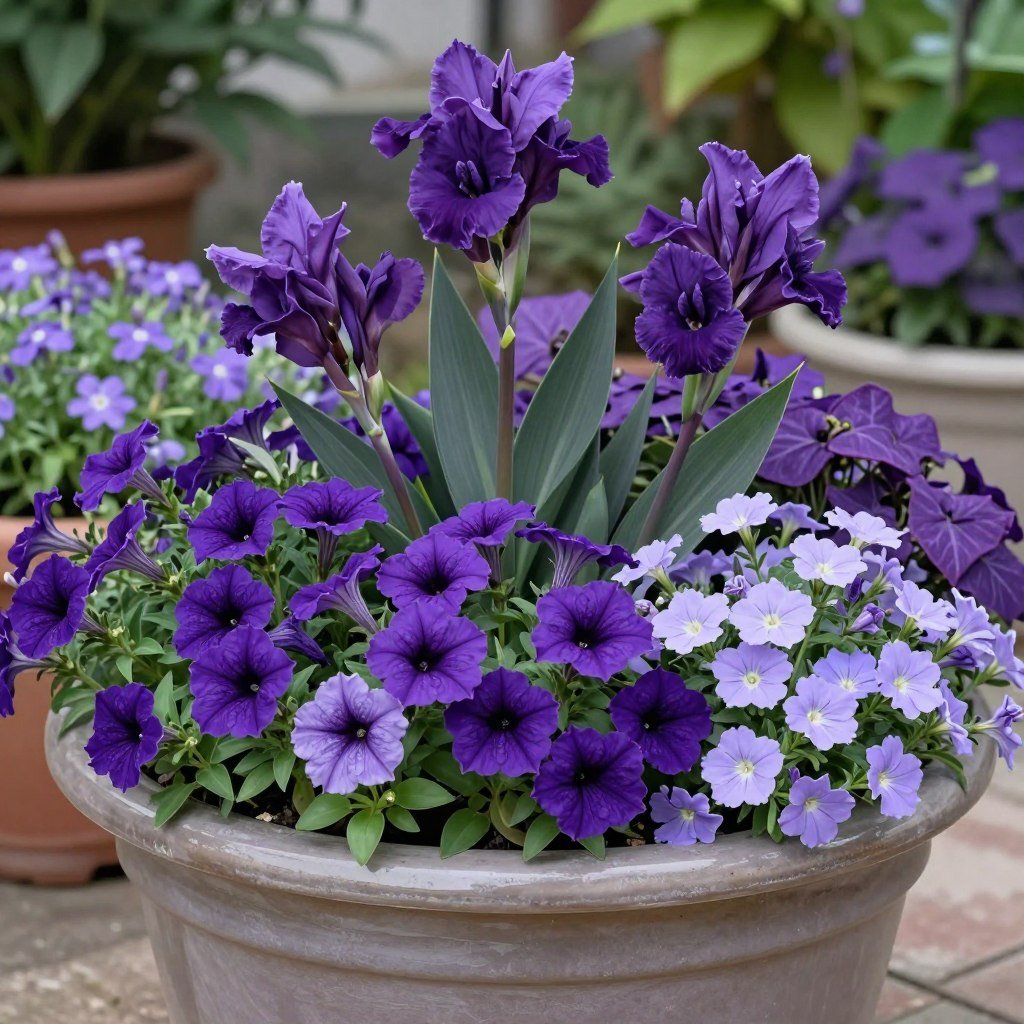
Monochromatic: Using different shades of a single color creates a sophisticated, cohesive look. Try various shades of purple from lavender to deep eggplant.
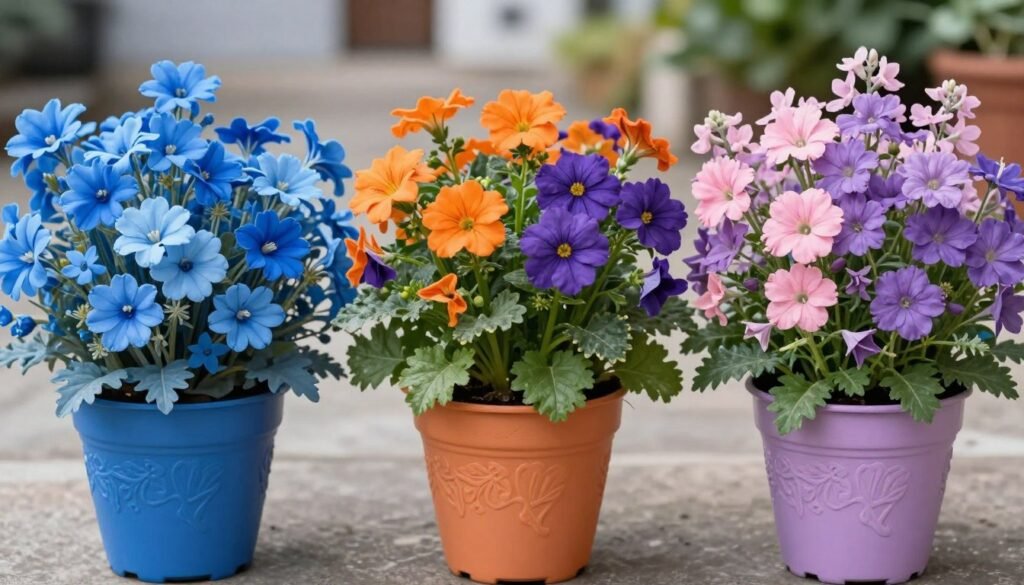
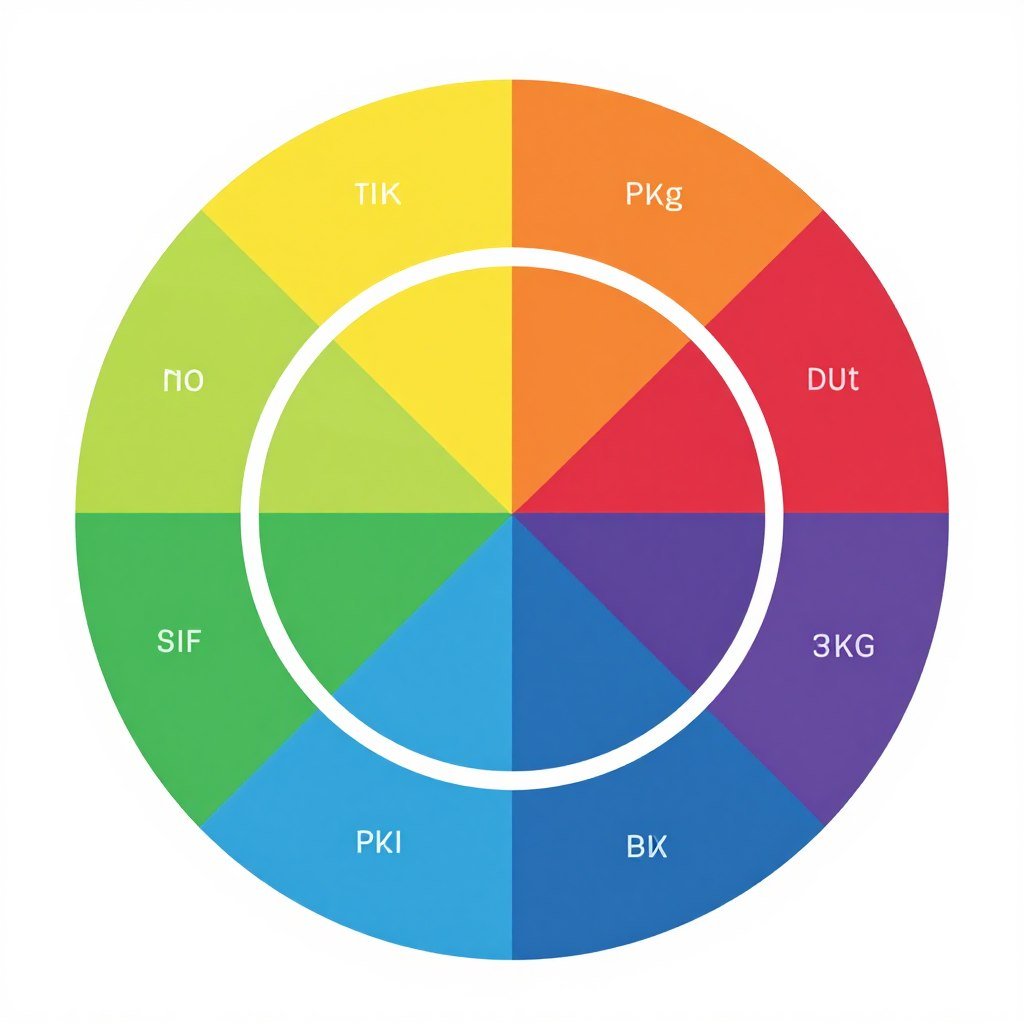
Complementary: Colors opposite each other on the color wheel (blue/orange, purple/yellow, red/green) create vibrant, high-energy combinations.
Analogous: Colors adjacent on the color wheel (blue/purple/pink or yellow/orange/red) offer harmony while maintaining interest.
Triadic: Three colors equally spaced on the color wheel create balanced yet colorful arrangements.
Using Foliage for Color
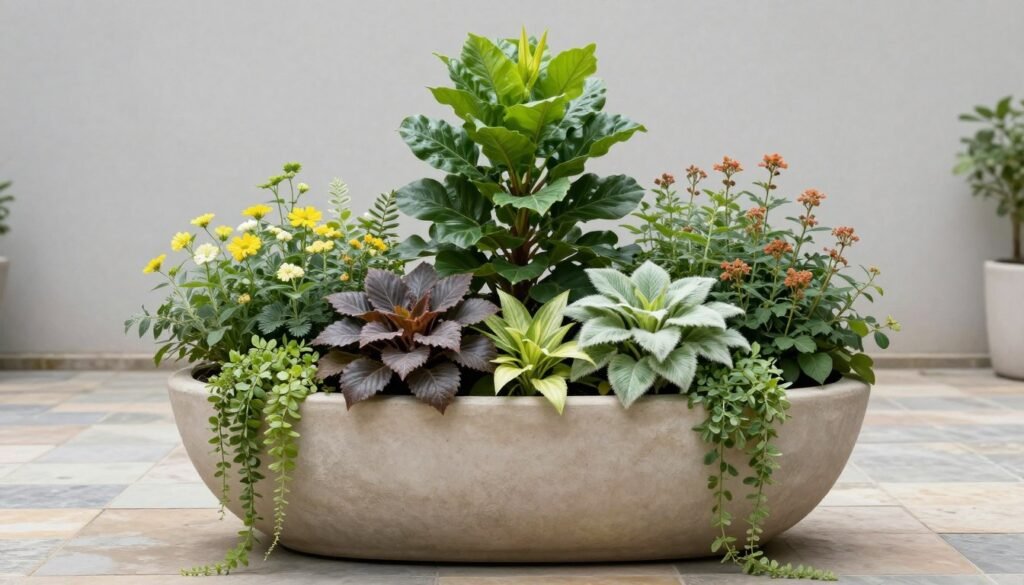
Don’t rely solely on flowers for color. Foliage plants like coleus, heuchera, and sweet potato vine come in stunning shades of chartreuse, burgundy, silver, and variegated patterns that provide lasting color even when blooms fade. For dramatic foliage combinations, consider colorful foliage plants that can serve as the backbone of your arrangements.
Ready to Create Your Color Masterpiece?
Find the perfect colorful plants for your next container garden project.
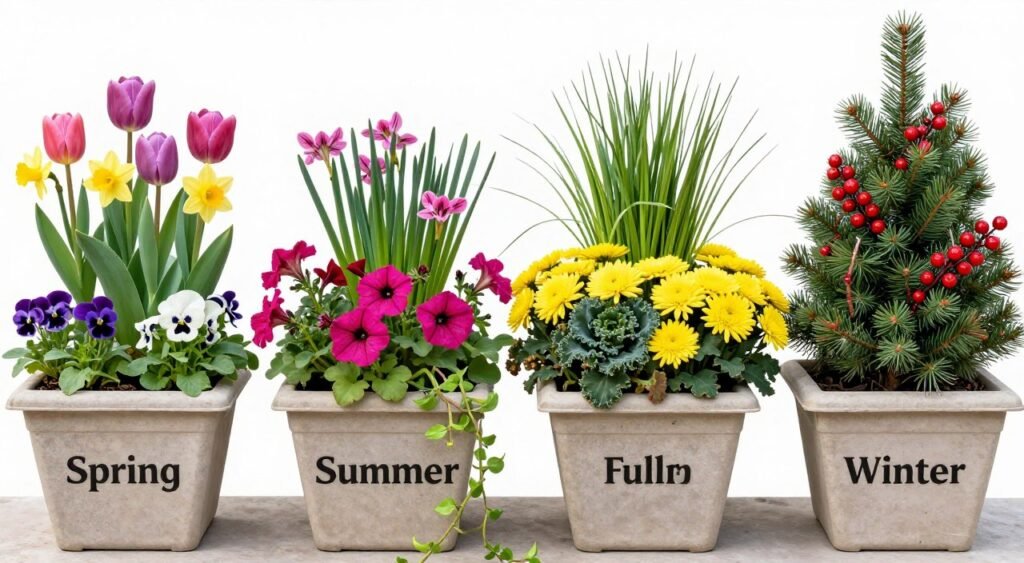
One of the joys of container gardening is the ability to refresh your planter arrangements throughout the year. Here’s how to create seasonal interest:
Spring Planter Arrangements
Spring containers celebrate renewal with fresh, often pastel colors. Focus on early-blooming plants like pansies, violas, tulips, daffodils, and primroses. For structure, add small evergreens or spring-flowering shrubs like azaleas. Cool-season ornamental grasses and early herbs can add texture and fragrance. Spring is also the perfect time to incorporate spring flowering bulbs that can be layered in containers for successive blooms.
Summer Planter Arrangements
Summer allows for the most diverse and vibrant planter arrangements. This is when the thriller, filler, spiller method truly shines. Use heat-loving plants like salvias, zinnias, verbena, and petunias for long-lasting color. Tropical plants like cannas, elephant ears, and banana plants make dramatic thrillers. Don’t forget to include plants that attract pollinators, adding movement and life to your arrangements.
Fall Planter Arrangements
As temperatures cool, transition to fall arrangements featuring chrysanthemums, ornamental kale and cabbage, pansies, and ornamental peppers. Ornamental grasses reach their peak beauty in fall, with many varieties developing striking seed heads. Incorporate plants with autumn-colored foliage like heuchera, coleus, and sweet potato vine. Small pumpkins and gourds can be tucked into arrangements for seasonal flair.
Winter Planter Arrangements
Winter containers focus on structure and evergreen elements. Dwarf conifers, boxwood, and holly provide a living foundation. Add interest with colorful twigs like red-twig dogwood, contorted filbert, or curly willow. For cold-hardy color, include winter pansies, ornamental cabbage, and heuchera. In colder regions, consider winter container decorations like pinecones, berries, and festive ornaments to enhance your evergreen base.
Design Principles for Professional-Looking Planter Arrangements
Beyond the thriller, filler, spiller formula, these design principles will elevate your planter arrangements to professional quality:
Proportion and Scale
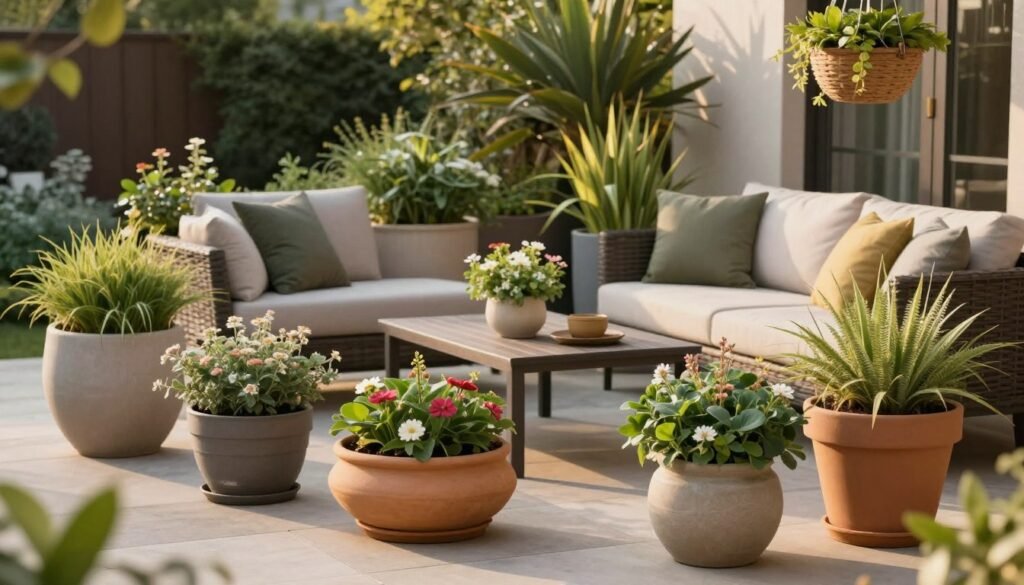
The size relationship between your container and plants is crucial. As a general rule, the height of your tallest plant should be about 1.5 to 2 times the height of your container for visual balance. For width, plants should extend slightly beyond the container’s edge but not overwhelm it. When using multiple containers in a grouping, vary their heights and sizes for visual interest while maintaining a cohesive look through similar materials or colors.
Texture and Contrast
Combining different textures creates visual interest even in single-color arrangements. Mix plants with large leaves (like cannas or caladiums) with fine-textured plants (like asparagus fern or Mexican feather grass). Contrast glossy leaves with matte or fuzzy ones. The interplay of different textures adds depth and sophistication to your arrangements.
Repetition and Rhythm
Professional designers often repeat certain plants or colors throughout a container or across multiple containers to create cohesion. This repetition creates a visual rhythm that guides the eye through the composition. Try using the same spiller plant in several containers, or echo a distinctive color across different plant varieties.
For creating multiple coordinated containers, consider investing in quality container gardening tools that will make planting and maintaining your arrangements easier and more enjoyable.
Care Tips for Lasting Planter Arrangements
Creating beautiful planter arrangements is just the beginning. Proper care ensures they’ll thrive throughout their intended season:
Watering Wisdom
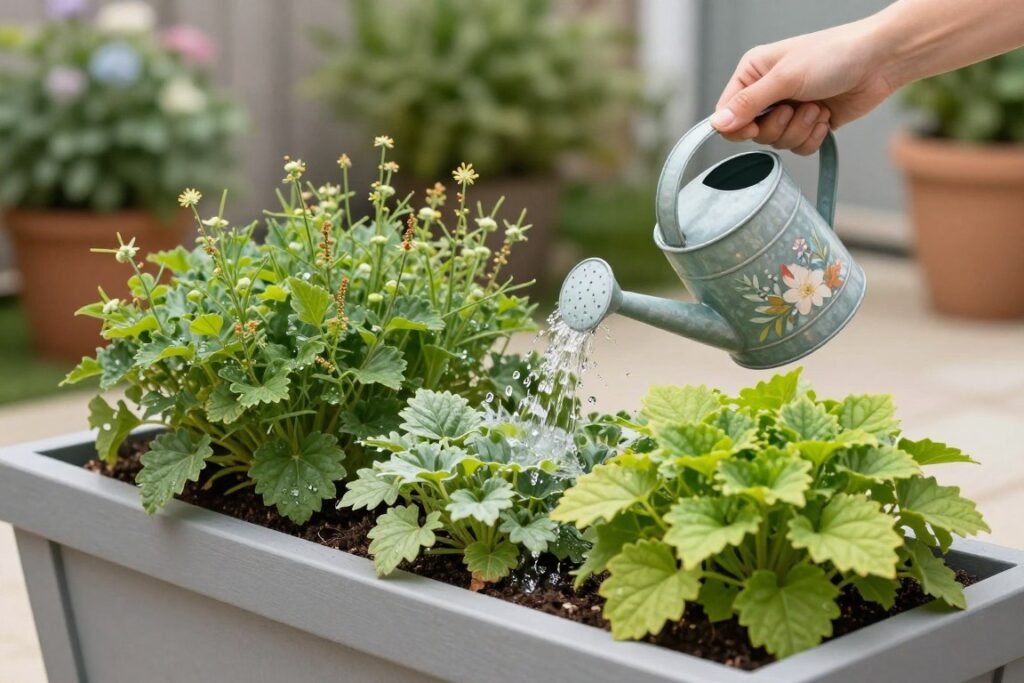
Container plants typically need more frequent watering than in-ground plants. Check moisture levels daily during hot weather by inserting your finger about an inch into the soil. Water thoroughly until it flows from drainage holes, but avoid waterlogged soil. Morning watering is ideal, allowing foliage to dry before evening. For consistent moisture, consider self-watering systems or moisture-retaining soil additives.
Fertilizing for Continuous Blooms
Container plants quickly deplete nutrients in their limited soil volume. For flowering plants, use a bloom-boosting fertilizer (higher in phosphorus) every 1-2 weeks during the growing season. Slow-release fertilizers provide a steady nutrient supply with less maintenance. Always follow package directions to avoid burning plants with excess fertilizer.
Deadheading and Pruning
Regular deadheading (removing spent flowers) encourages continued blooming. Pinch back leggy growth to promote bushier plants. If a plant in your arrangement starts to decline, don’t hesitate to replace it to maintain the overall appearance. Strategic pruning helps maintain the desired shape of your arrangement throughout the season.
How many plants should I use in my container?
The number of plants depends on container size and plant varieties. As a general guideline:
10-12 inch containers: 3-4 plants
14-16 inch containers: 5-7 plants
18-24 inch containers: 7-9 plants
Adjust these numbers based on plant vigor. Fast-growing, spreading plants like sweet potato vine or Supertunia petunias require fewer plants per container than compact varieties.
Can I mix plants with different sun requirements?
It’s best to combine plants with similar light requirements. Mixing sun-loving and shade-preferring plants will result in some plants struggling. Instead, create separate arrangements for different light conditions. If your heart is set on a particular combination, place the container where the shade-lovers get protection from intense afternoon sun.
Creative Planter Arrangement Ideas to Try
Beyond the traditional container garden, here are some creative planter arrangement ideas to inspire your next project:
Edible Arrangements
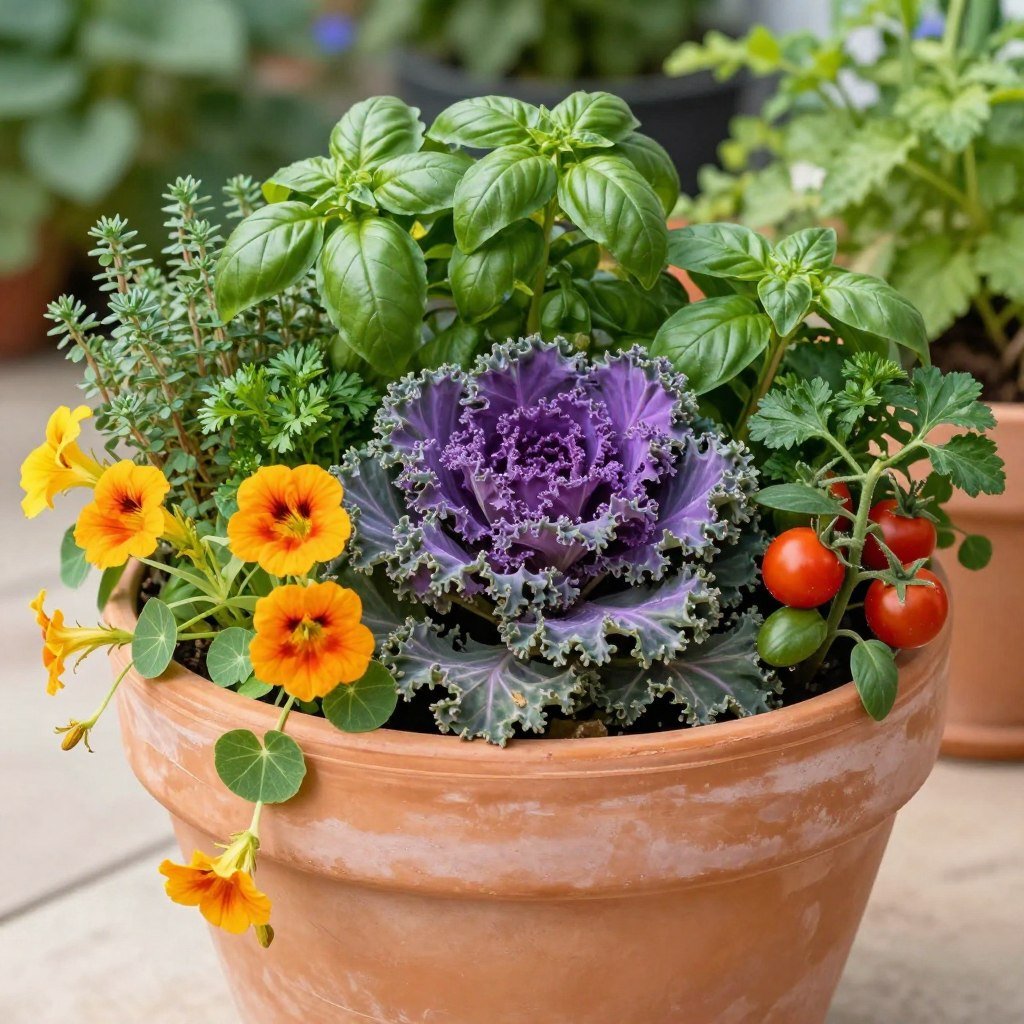
Combine ornamental and edible plants for beautiful arrangements you can harvest. Mix trailing nasturtiums (edible flowers) with compact herbs and decorative vegetables like purple kale or rainbow chard. Small-fruited peppers and cherry tomatoes can serve as colorful thrillers in sunny locations.
Monochromatic Magic
Create sophisticated arrangements using plants in varying shades of a single color. A white garden container with silver foliage plants, white blooms, and cream variegated trailing plants creates an elegant, moonlight garden effect. Try this with purples, blues, or yellows for different moods.
Upcycled Containers
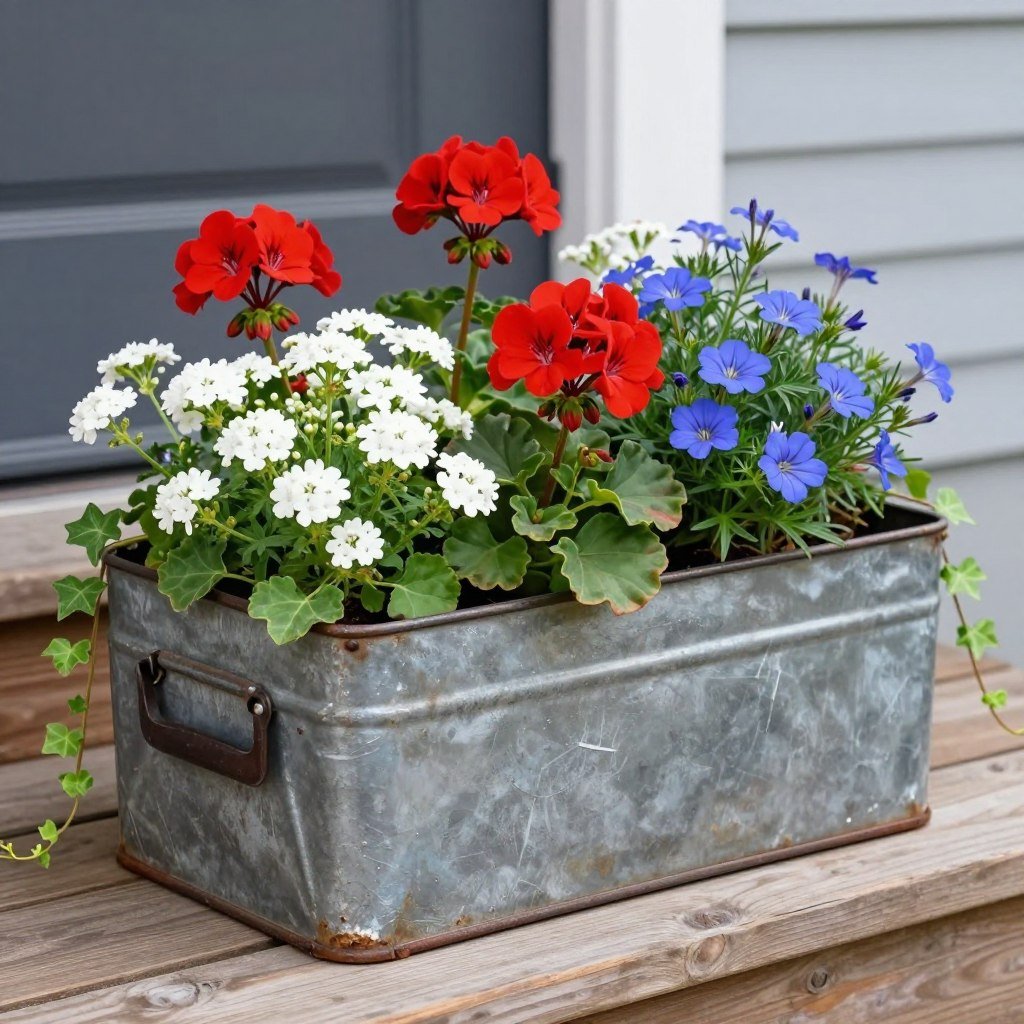
Transform unexpected items into unique planters. Vintage toolboxes, old boots, wooden crates, or even colanders can become charming containers. Ensure proper drainage and consider lining metal or wood containers to protect from rot and rust. The contrast between rustic containers and lush plants creates appealing visual tension.
For more unique container ideas, explore unique garden planters that can become conversation pieces in your garden or on your patio.
Bringing Your Planter Arrangements to Life
Creating beautiful planter arrangements is a rewarding way to express your creativity while enhancing your living spaces. By following the thriller, filler, spiller method and applying basic design principles, you can create container gardens that look professionally designed. Remember that successful arrangements balance artistry with plant science—choosing plants with compatible needs ensures your creation will thrive.
Start with quality materials, including premium potting soil specifically formulated for containers. Experiment with different combinations, and don’t be afraid to adjust your arrangements as they grow. The beauty of container gardening is its flexibility—you can always move, add, or replace plants as needed.
Whether you’re decorating a tiny apartment balcony or an expansive patio, planter arrangements offer endless possibilities for bringing color, texture, and life to your spaces throughout the seasons. Happy planting!
Ready to Create Your Own Stunning Planter Arrangements?
Get started with quality containers and supplies that will help your plants thrive.
Finding the perfect plus size wedding guest dress that flatters your curves, suits the occasion, and makes you feel confident can be a delightful journey. Whether you’re attending a black-tie affair, a garden celebration, or a casual beach wedding, this comprehensive guide will help you navigate dress codes, understand flattering silhouettes, and discover stunning options…
Your wedding day represents one of life’s most treasured moments. Every couple dreams of creating a celebration that reflects their unique love story. The right wedding decoration ideas can transform any venue into a magical space that leaves guests talking for years to come. Planning wedding decorations doesn’t have to feel overwhelming. Whether you’re envisioning…
Your wedding seating chart sets the tone for your reception celebration. It welcomes guests and guides them to their seats with style. Planning this essential detail deserves attention and creativity. The right seating chart reflects your wedding theme and personality. From rustic wooden displays to modern acrylic designs, endless possibilities await. Your choice creates a…
Your balcony, no matter how compact, deserves to be a beautiful extension of your home. With the right small balcony furniture, even the tiniest outdoor space can transform into a cozy retreat for morning coffee, evening relaxation, or entertaining friends. This guide will help you discover space-saving solutions, versatile pieces, and design inspiration to create…
Looking to add unique charm to your garden while being eco-friendly? Tire planters offer the perfect blend of creativity and sustainability. These upcycled treasures transform discarded tires into beautiful garden features that showcase your plants in style. Whether you’re a seasoned gardener or just starting out, this guide will walk you through creating stunning tire…
Transforming your outdoor space into a relaxing backyard oasis doesn’t have to drain your bank account. With some creativity, strategic planning, and a willingness to roll up your sleeves, you can create a stunning retreat that feels luxurious without the hefty price tag. This guide will walk you through affordable ideas, DIY projects, and smart…