Backyard Landscape Design Ideas: Transform Your Outdoor Space
Your backyard holds incredible potential waiting to be unlocked. Whether you have a small patio or sprawling lawn, the right landscape design can turn ordinary outdoor space into your personal sanctuary. This comprehensive guide explores proven ideas that blend beauty with functionality.
Creating an inviting backyard doesn’t require professional training. With thoughtful planning and inspiration, you can craft an outdoor area that reflects your style and meets your family’s needs. From selecting the perfect plants to designing captivating focal points, every element contributes to your landscape’s overall appeal.
The journey to your dream backyard begins with understanding core design principles. Color coordination, texture variety, and strategic plant placement create visual interest throughout the seasons. Your landscape should invite exploration while providing comfortable areas for relaxation and entertainment.
Ready to Transform Your Backyard?
Discover professional landscape design plans and expert guidance to bring your outdoor vision to life. Get instant access to proven design strategies.
Every memorable backyard features at least one captivating focal point that draws the eye and anchors the overall design. These strategic elements provide visual interest and create natural gathering spots for family and guests. Your focal point choice depends on available space, budget, and personal preferences.
Fire Pit Areas That Bring Warmth and Charm
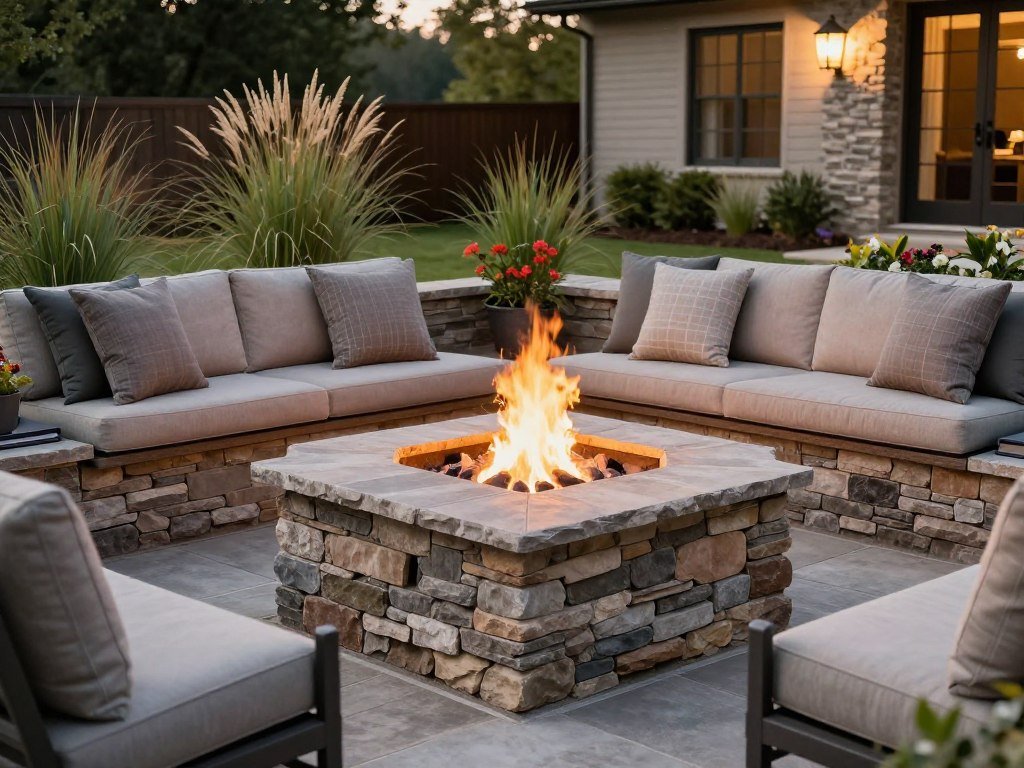
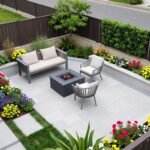
A fire pit transforms any backyard into a year-round entertainment space. This focal point creates ambiance while extending your outdoor season into cooler months. Position your fire pit away from the house and overhanging trees, allowing at least eight feet of clearance on all sides for safety.
Surround your fire pit with comfortable seating arranged in a circle to encourage conversation. Stone or brick materials create a permanent, polished look, while portable metal fire pits offer flexibility. Add landscape lighting along pathways leading to the fire pit area for safe evening access.
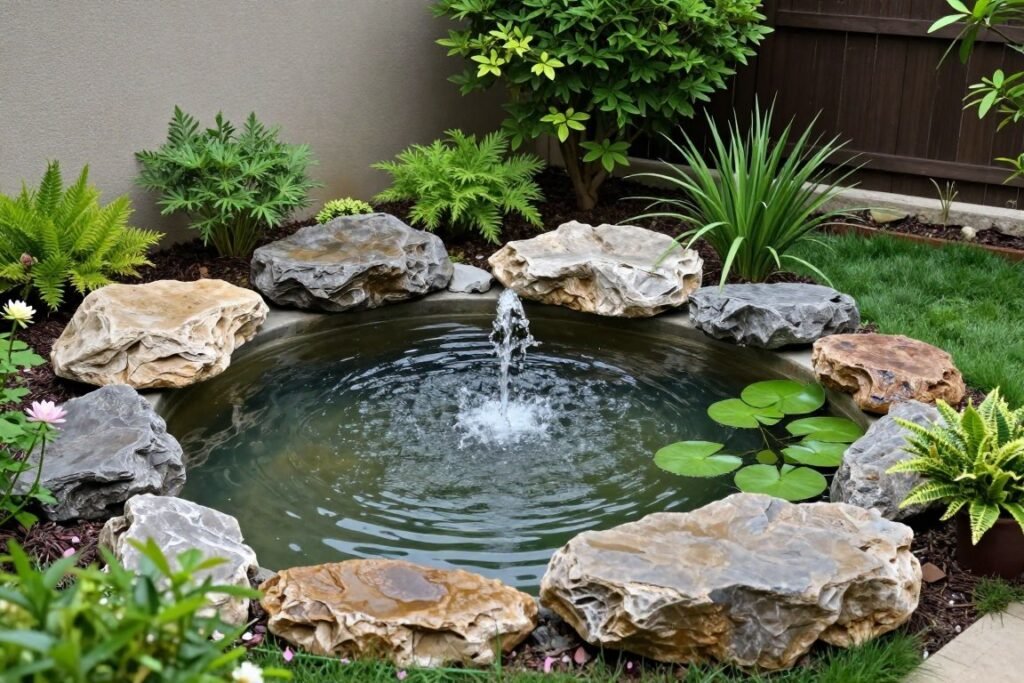
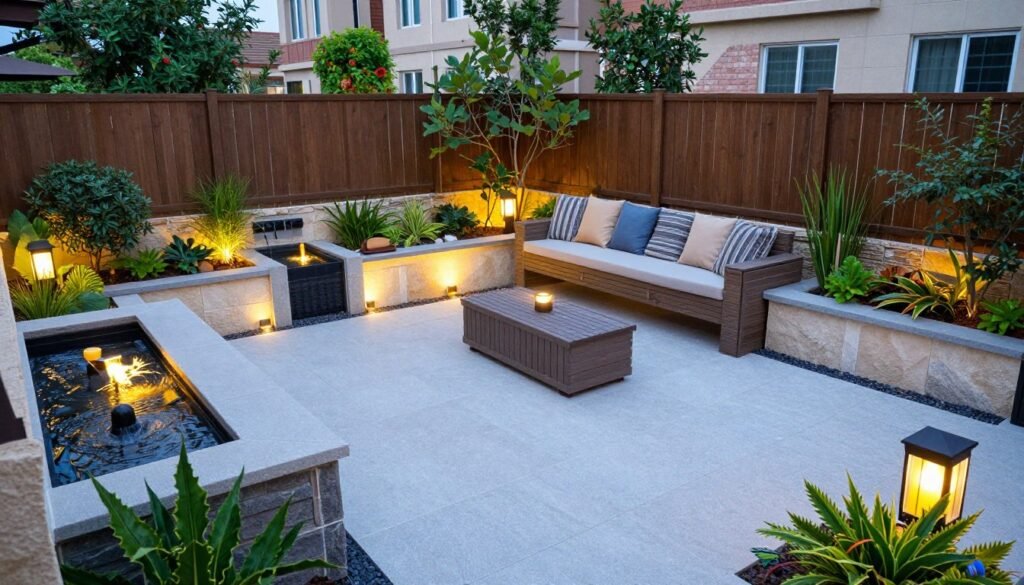
Water elements add soothing sounds and visual movement to your landscape. Options range from simple bubbling fountains to elaborate koi ponds. Even small yards can accommodate a compact water feature that becomes an instant conversation piece.
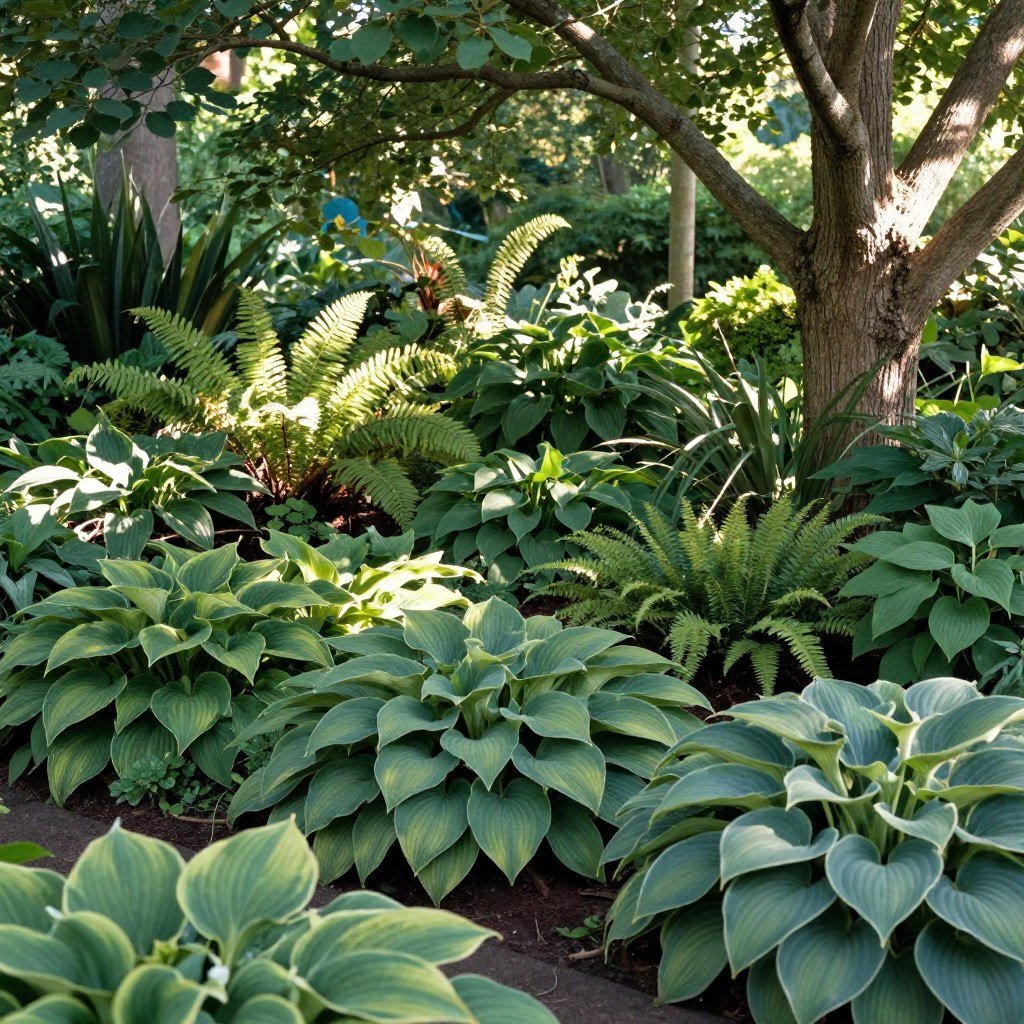
Consider placement carefully to maximize the calming effect of water sounds throughout your outdoor space. Surround your water feature with moisture-loving plants like ferns and hostas. Add strategic lighting to highlight the water at night, creating dramatic visual appeal after sunset.
Garden Structures as Statement Pieces
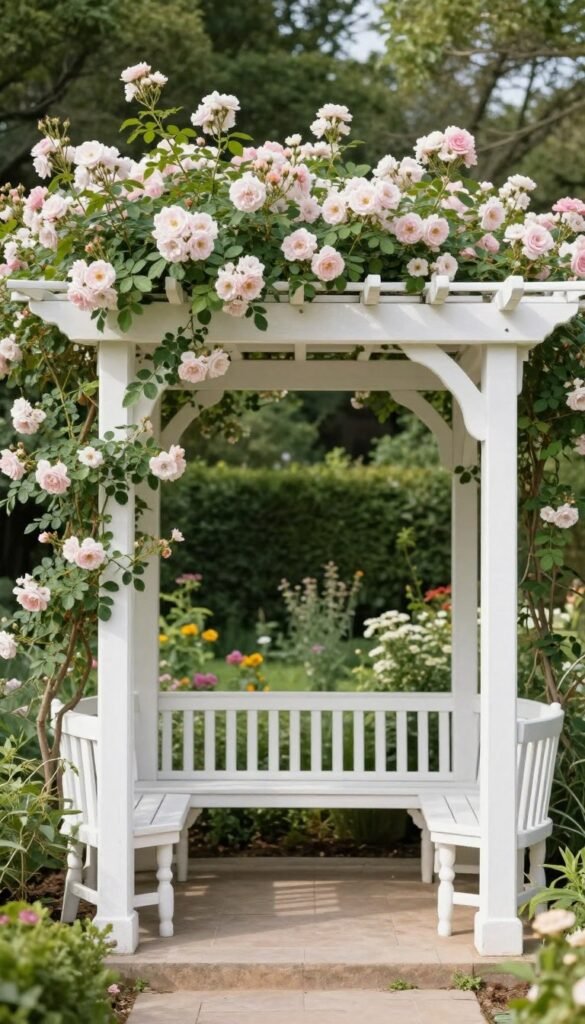
Pergolas, arbors, and gazebos create architectural interest while providing practical shade and plant support. These structures define outdoor rooms and add vertical dimension to flat landscapes. Choose materials that complement your home’s exterior for cohesive design.
Train climbing plants like clematis, wisteria, or roses over your structure for living beauty. The combination of hardscape and softscape creates texture and seasonal interest. Position structures to frame views or create intimate seating areas within your larger landscape.
Modern backyards serve as extensions of indoor living areas. Creating distinct zones for different activities maximizes your yard’s usability while maintaining visual flow. Thoughtful outdoor living space design balances aesthetics with practical functionality for year-round enjoyment.
Patio Design for Entertainment and Relaxation
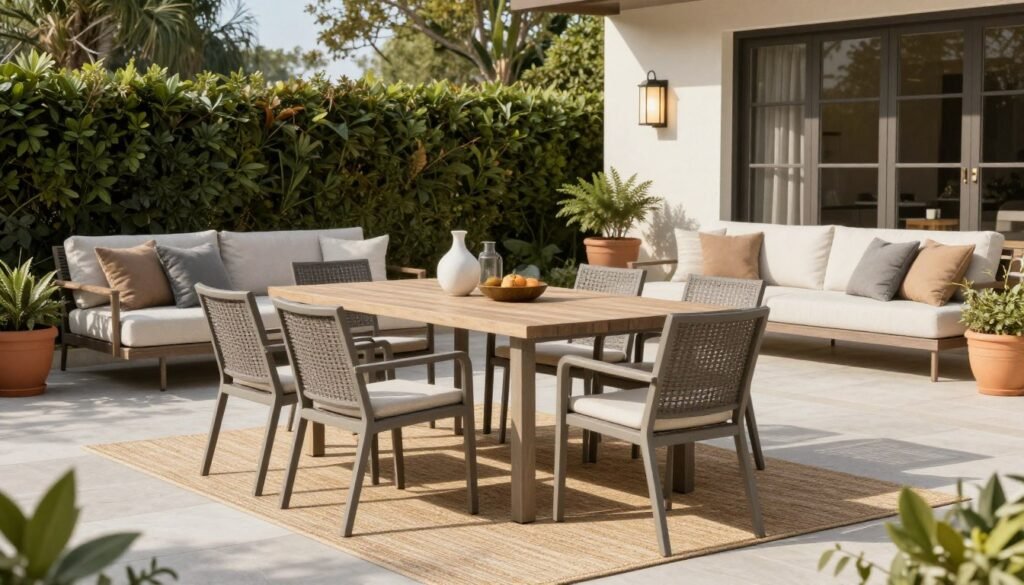
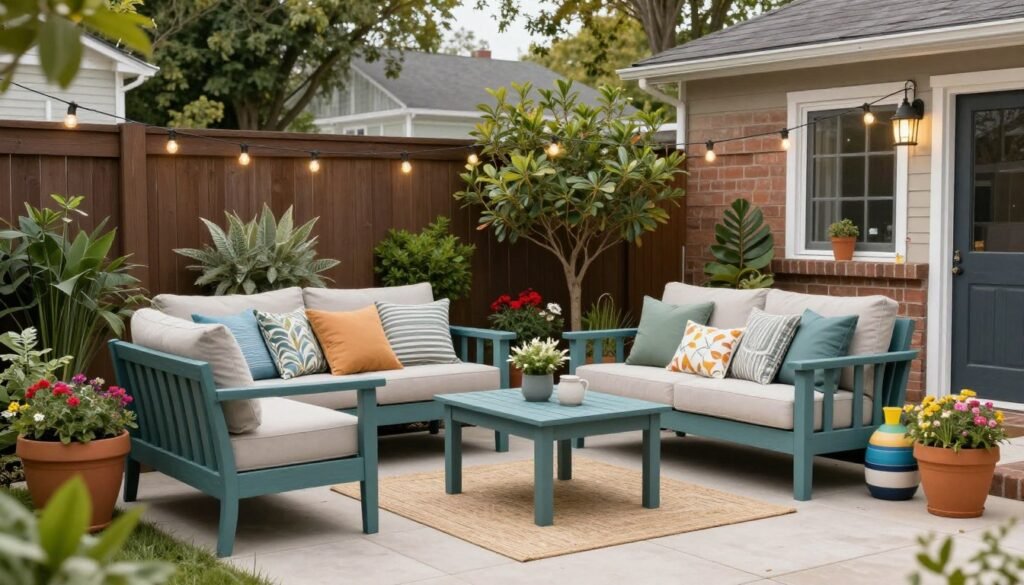
A well-designed patio becomes your backyard’s foundation. This hardscape area provides stable footing for furniture and defines your primary outdoor living zone. Materials like pavers, flagstone, or stamped concrete offer durability and design versatility to match any home style.
Size your patio based on intended use. Dining areas need approximately 12 feet by 12 feet minimum, while lounge spaces require less. Extend your patio with multiple levels to create visual interest and designate separate activity zones within one cohesive space.
Deck Construction for Elevated Views
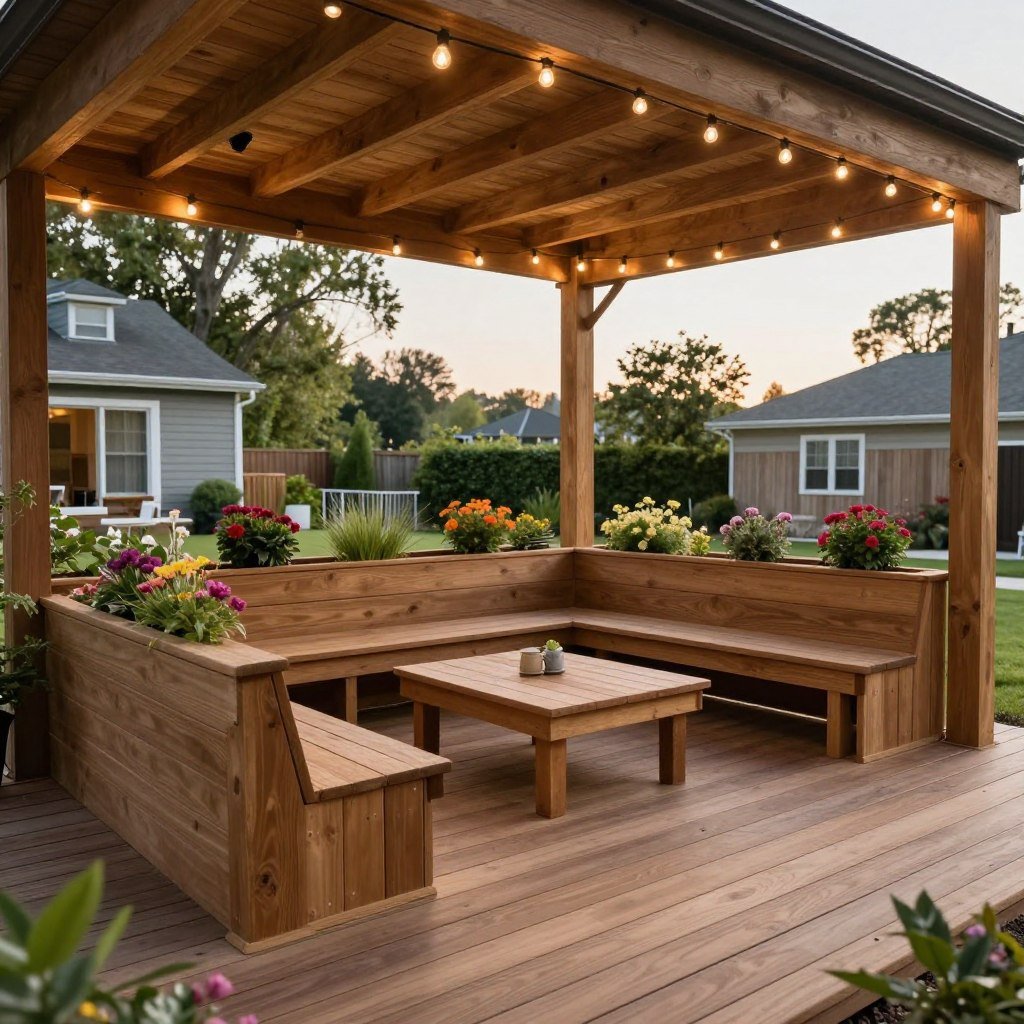
Decks work beautifully for sloped yards or homes with raised foundations. These elevated platforms create distinct outdoor rooms while maximizing views. Wood remains popular for its natural warmth, though composite materials offer low-maintenance alternatives.
Incorporate built-in seating along deck perimeters to maximize usable space. Add planters for greenery and color at multiple levels. Railings provide safety while offering opportunities for decorative elements that enhance your overall backyard aesthetic.
Outdoor Kitchen and Dining Zones
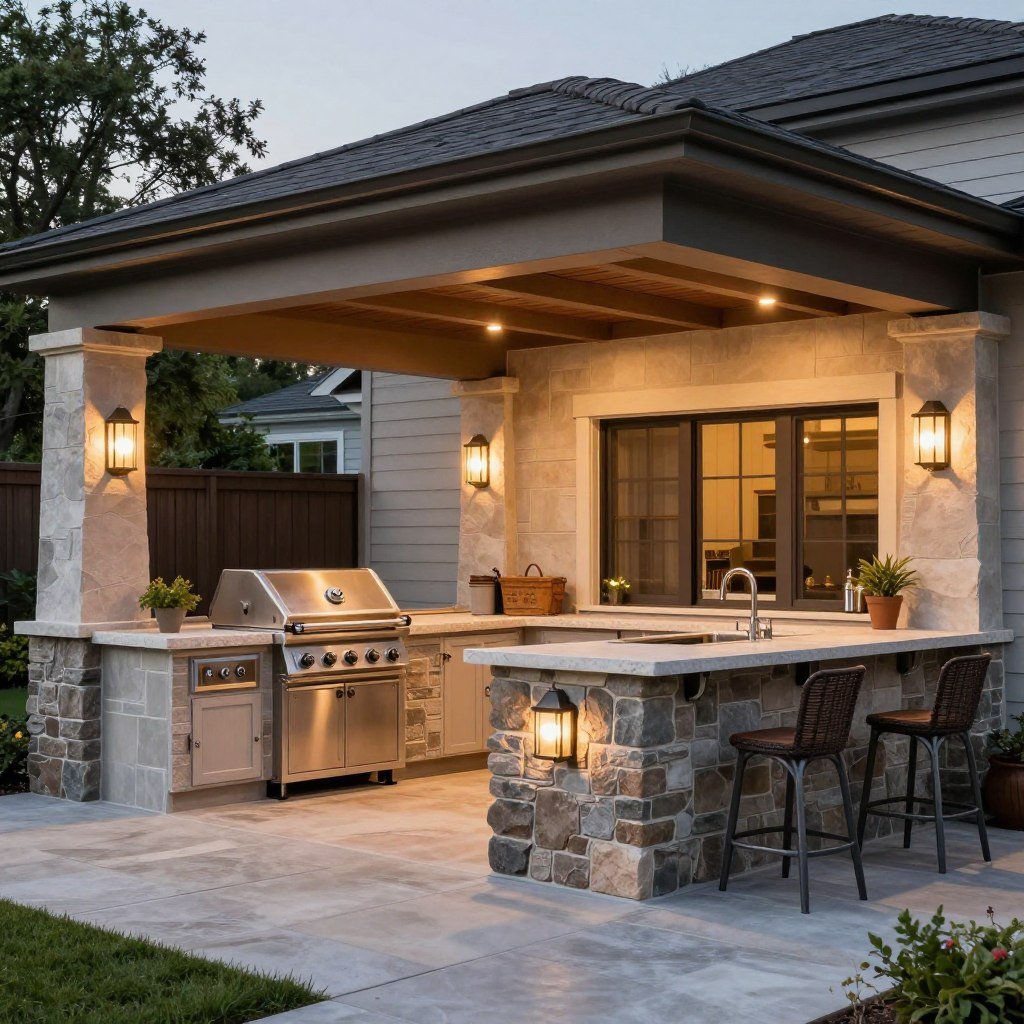
Dedicated cooking areas elevate backyard entertaining to new levels. Start with a quality grill, then expand with countertop space, storage, and perhaps a sink. Position your outdoor kitchen near your indoor kitchen for convenient access to supplies and utilities.
Create a separate dining area adjacent to your cooking space. A pergola overhead provides shade while defining the zone. Consider weather-resistant furniture that withstands the elements year-round. Add an outdoor rug to anchor the dining area and increase comfort underfoot.
Create Your Dream Outdoor Living Space
Access professional landscape plans designed specifically for outdoor entertaining and relaxation. Transform your backyard into a functional paradise.
Strategic plant selection creates a landscape that delights through every season. Understanding your climate zone, sun exposure, and soil conditions ensures your plants thrive with minimal maintenance. Layer different plant types for depth, texture, and continuous color throughout the year.
Foundation Plantings and Shrubs
Shrubs provide structure and year-round presence in your landscape. These versatile plants fill space quickly while requiring less water than lawn grass. Choose a mix of evergreen and deciduous varieties for seasonal interest and consistent greenery.
Plant shrubs in groupings of odd numbers for visual appeal. Consider mature size when spacing to avoid overcrowding. Varieties like boxwood, azalea, and hydrangea offer different textures and bloom times. Prune regularly to maintain shape and encourage healthy growth patterns.
Flowers for Continuous Color
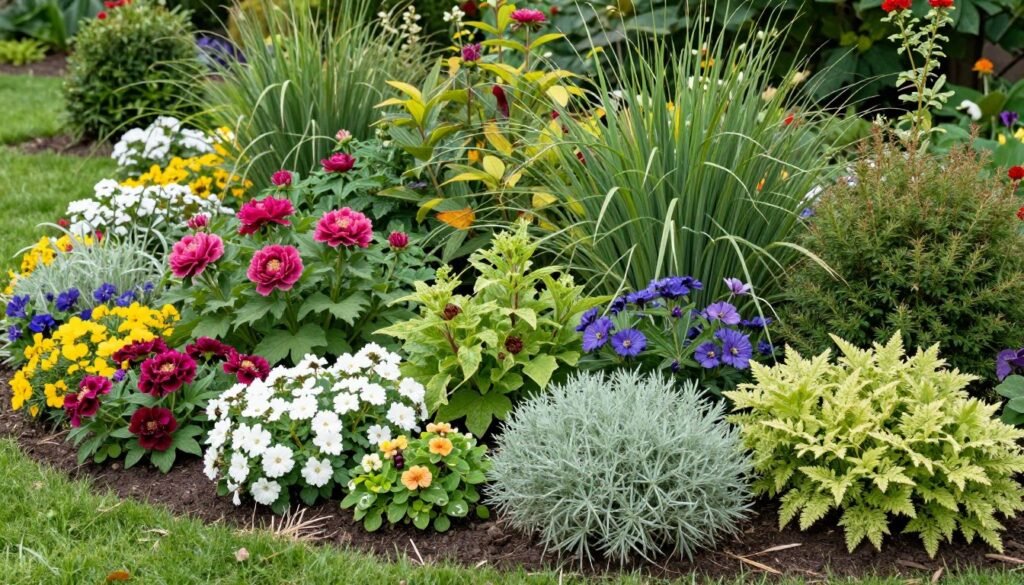
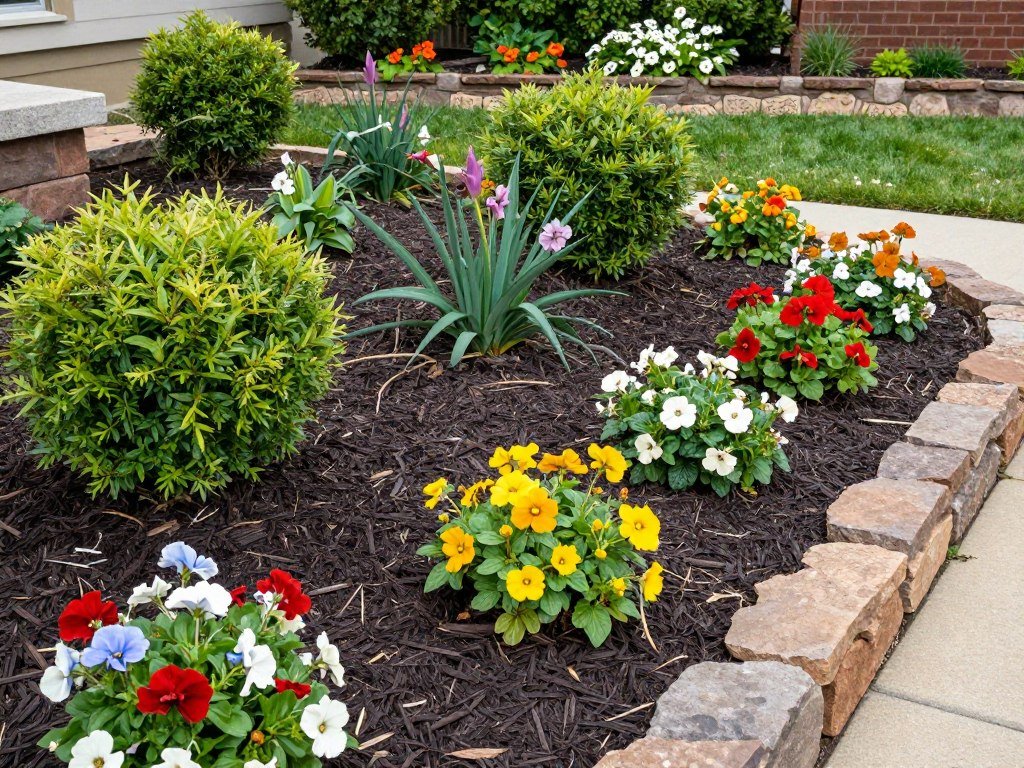
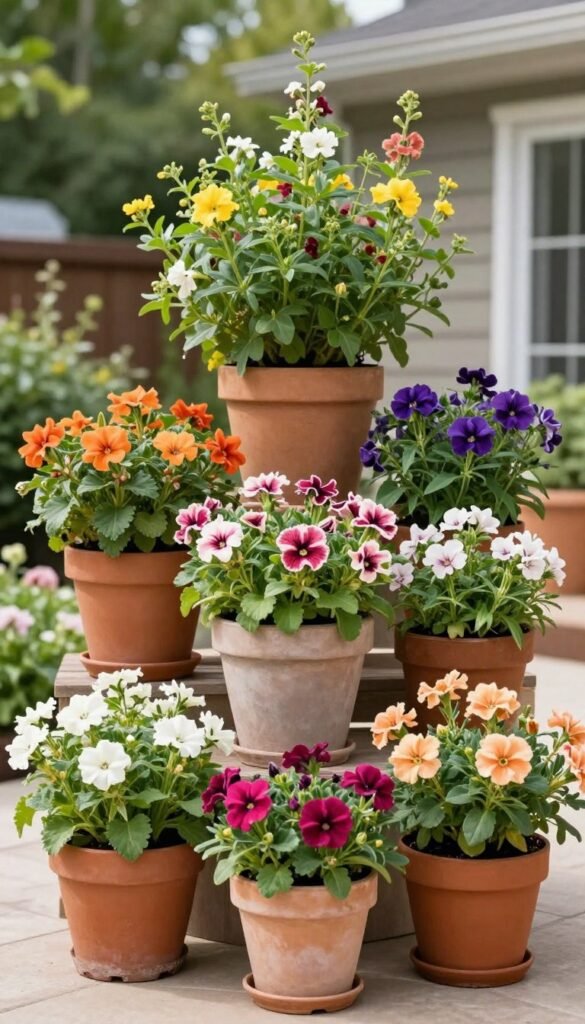
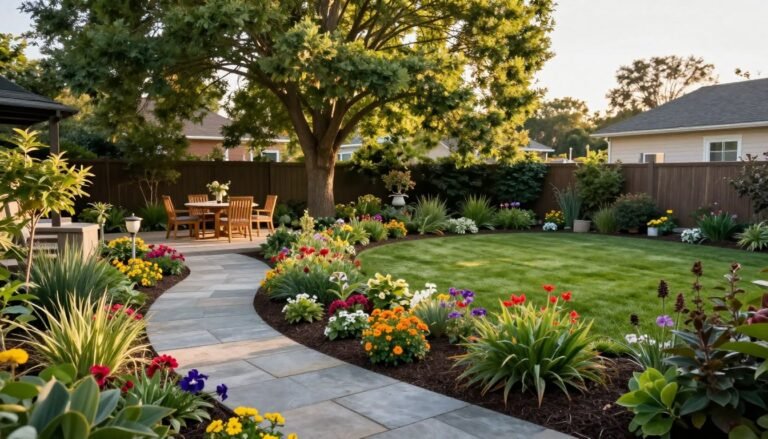
Annual and perennial flowers inject vibrant color into your landscape design. Annuals provide intense blooms for a single season, while perennials return year after year with proper care. Mix both types to balance immediate impact with long-term value and sustainability.
Create flower beds along borders, around focal points, or in dedicated cutting gardens. Group plants with similar water and sun needs together for easier maintenance. Deadhead spent blooms regularly to encourage continued flowering throughout the growing season.
Trees for Shade and Structure
Trees anchor your landscape while providing essential shade and habitat for wildlife. Select species appropriate for your space, considering mature height and spread. Flowering trees like dogwood or cherry add springtime beauty, while shade trees like oak or maple provide summer cooling.
Position trees strategically to shade your home and outdoor living areas. Keep trees at least 15 feet from foundations to prevent root damage. Deciduous trees on the south side allow winter sun while blocking summer heat, reducing energy costs year-round.
Well-designed garden beds define spaces and create opportunities for colorful plant displays. These cultivated areas break up monotonous lawn while allowing you to showcase your favorite plants. Proper bed preparation ensures healthy plant growth and reduces long-term maintenance requirements.
Raised Beds for Improved Growing Conditions
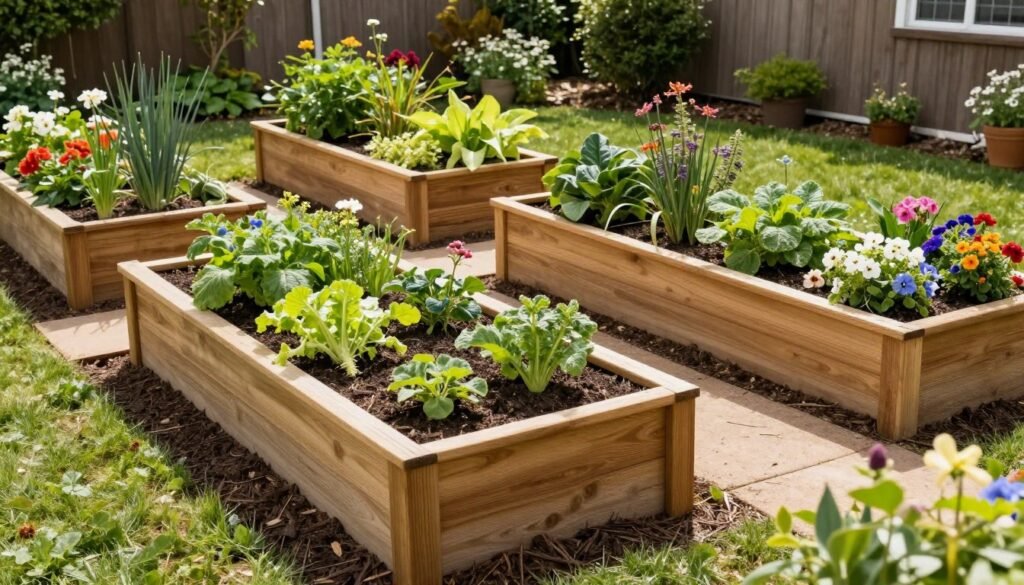
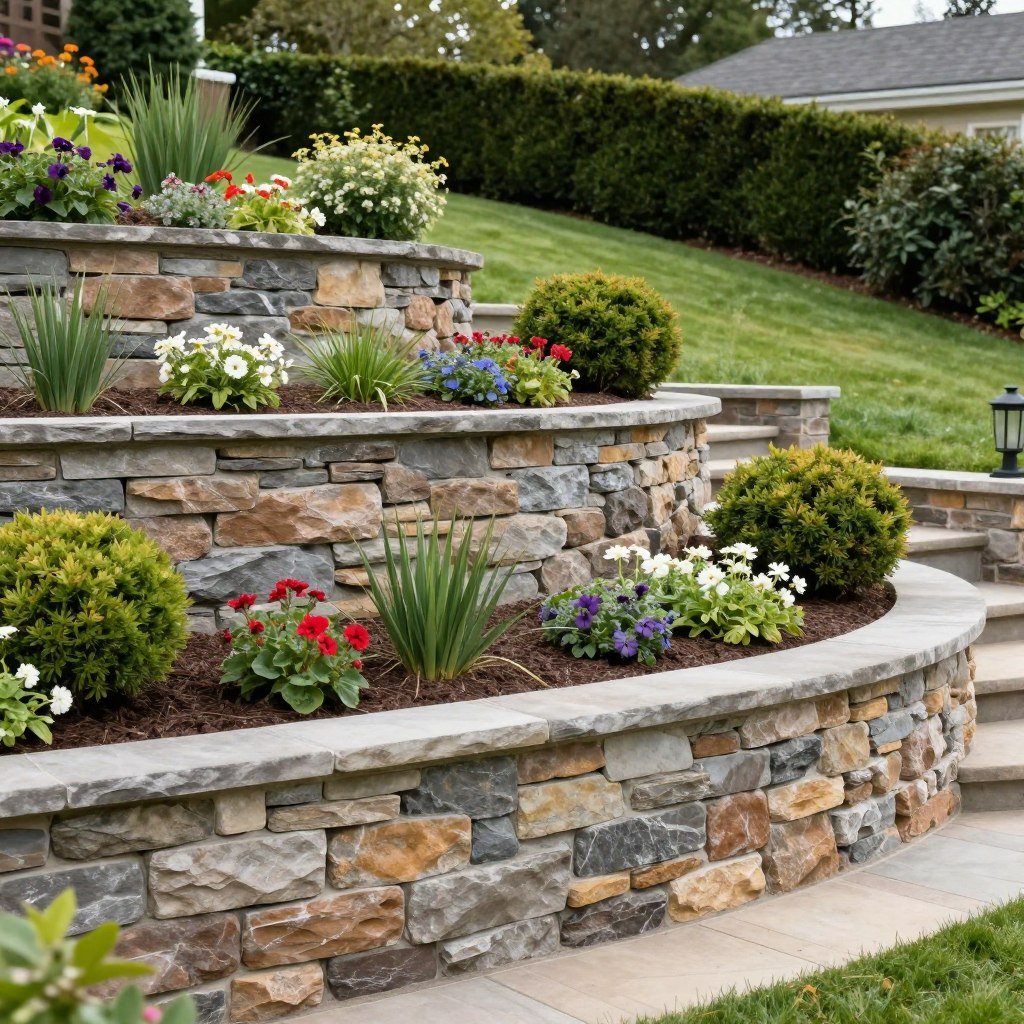
Raised beds solve drainage problems while creating ergonomic growing spaces. These elevated structures warm faster in spring, extending your growing season. Build beds from cedar, stone, or composite materials that resist decay and complement your landscape style.
Fill raised beds with quality soil mix rich in organic matter. Height between 6 and 24 inches provides excellent growing conditions without excessive material costs. Width should allow easy access to the center from either side, typically no wider than four feet for comfortable reach.
Border Design Along Walkways and Edges
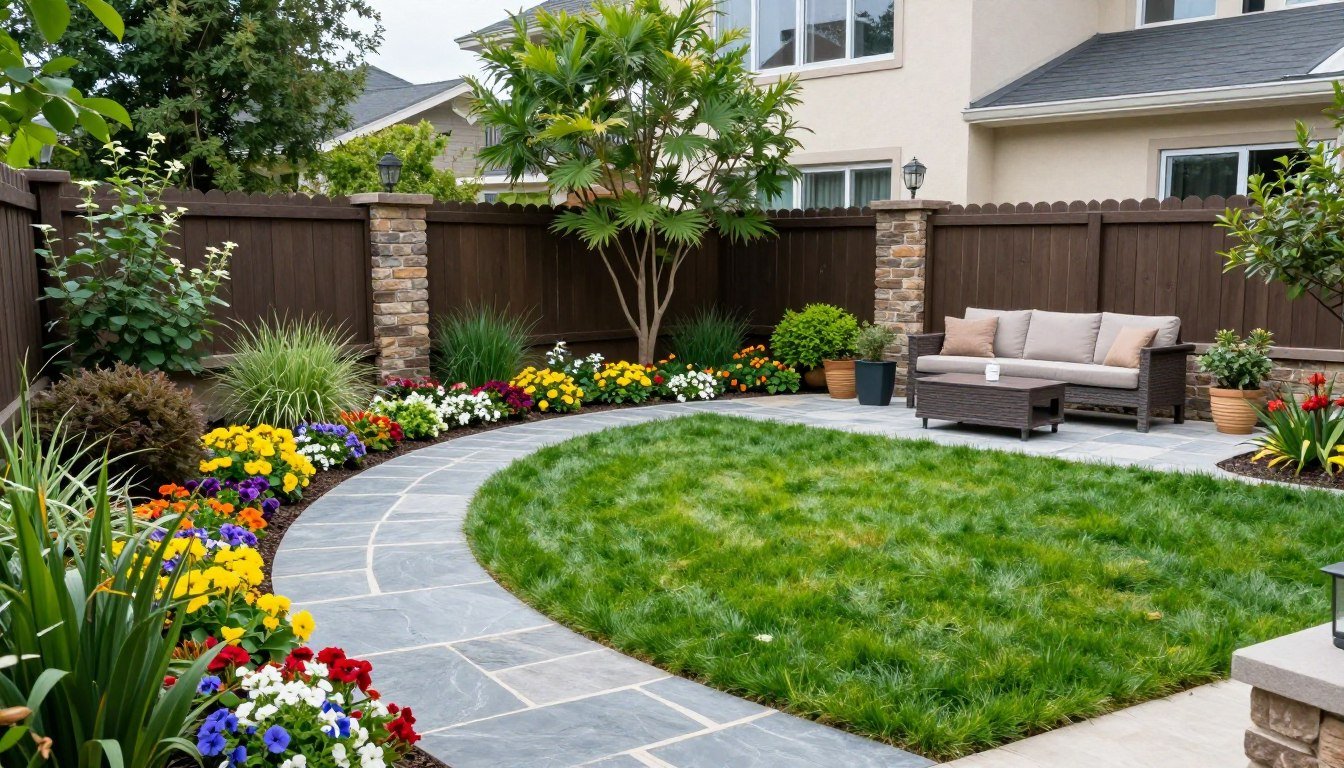
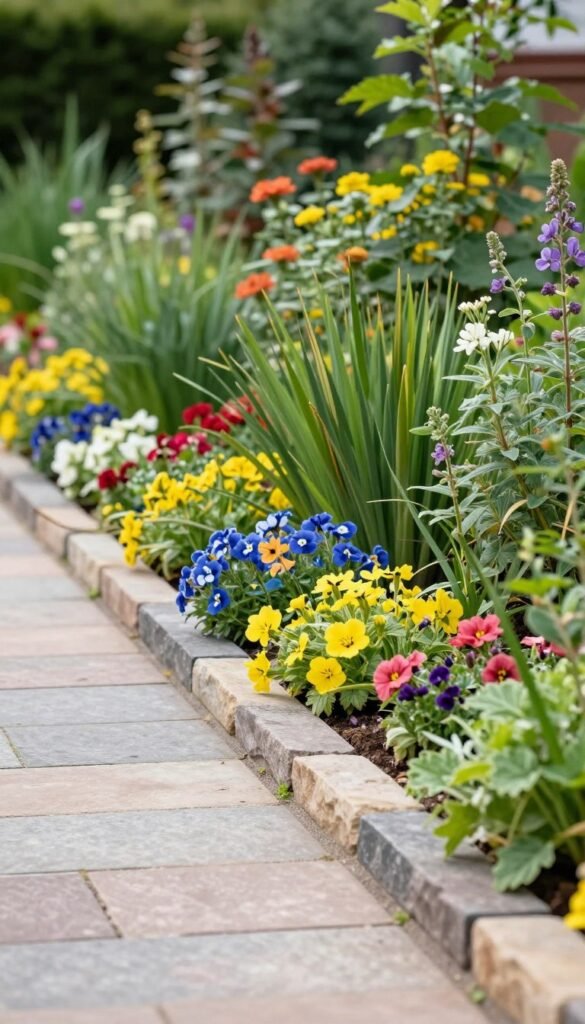
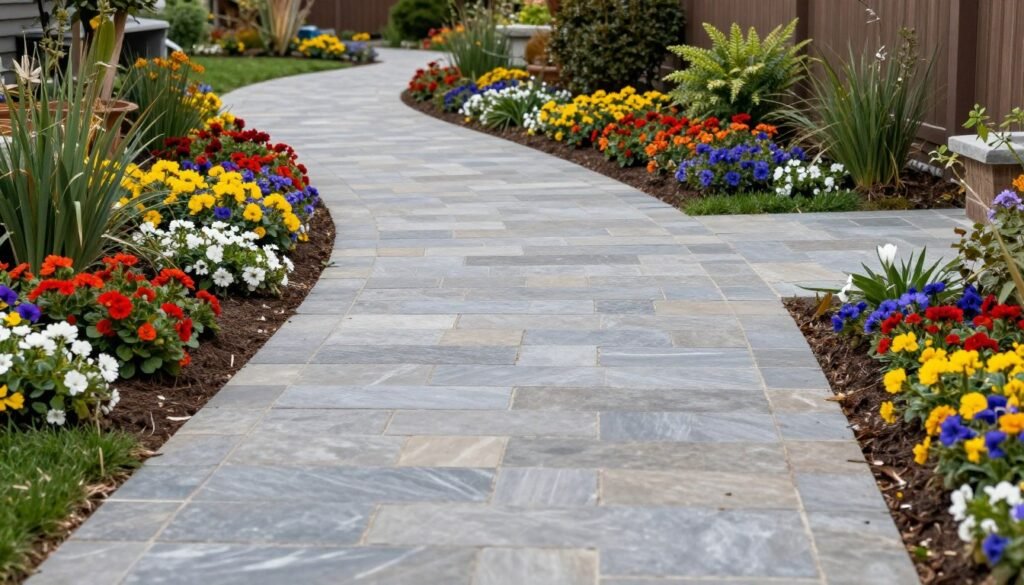
Borders soften hardscape edges while guiding traffic flow through your yard. Line pathways with low-growing plants that won’t obstruct the walkway. Use edging materials like stone, metal, or plastic to create clean lines between beds and lawn areas.
Layer plants by height with tallest at the back and shortest at the front for maximum visibility. Repeat the same plants at intervals along borders for rhythm and cohesion. This repetition creates unity while allowing variety through companion plantings between repeated elements.
Corner Plantings for Maximum Impact
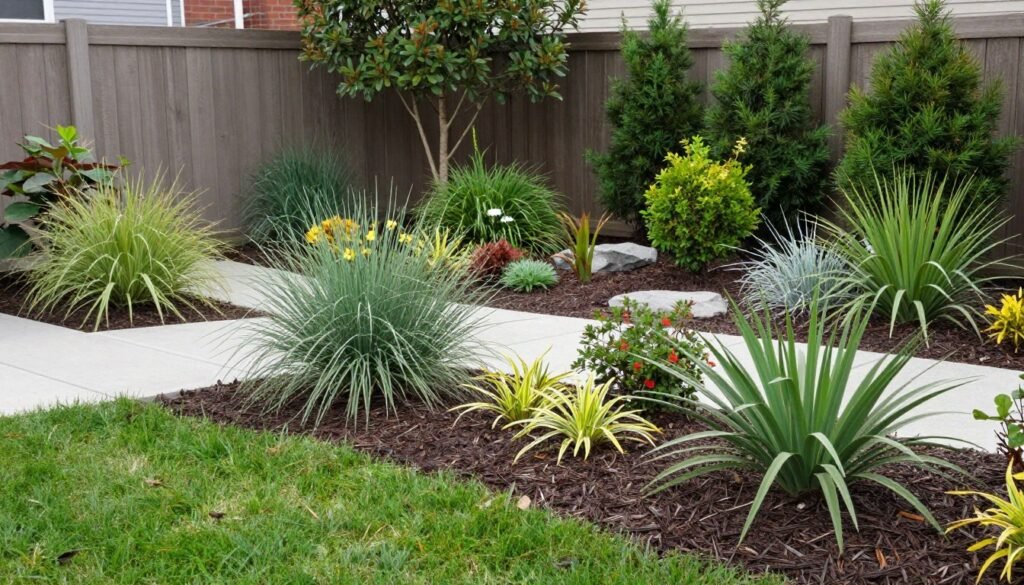
Corners often become neglected dead zones in landscape design. Transform these areas into focal points with specimen plants or creative bed shapes. Curved beds in corners soften angular architecture while creating planting space for larger shrubs or small trees.
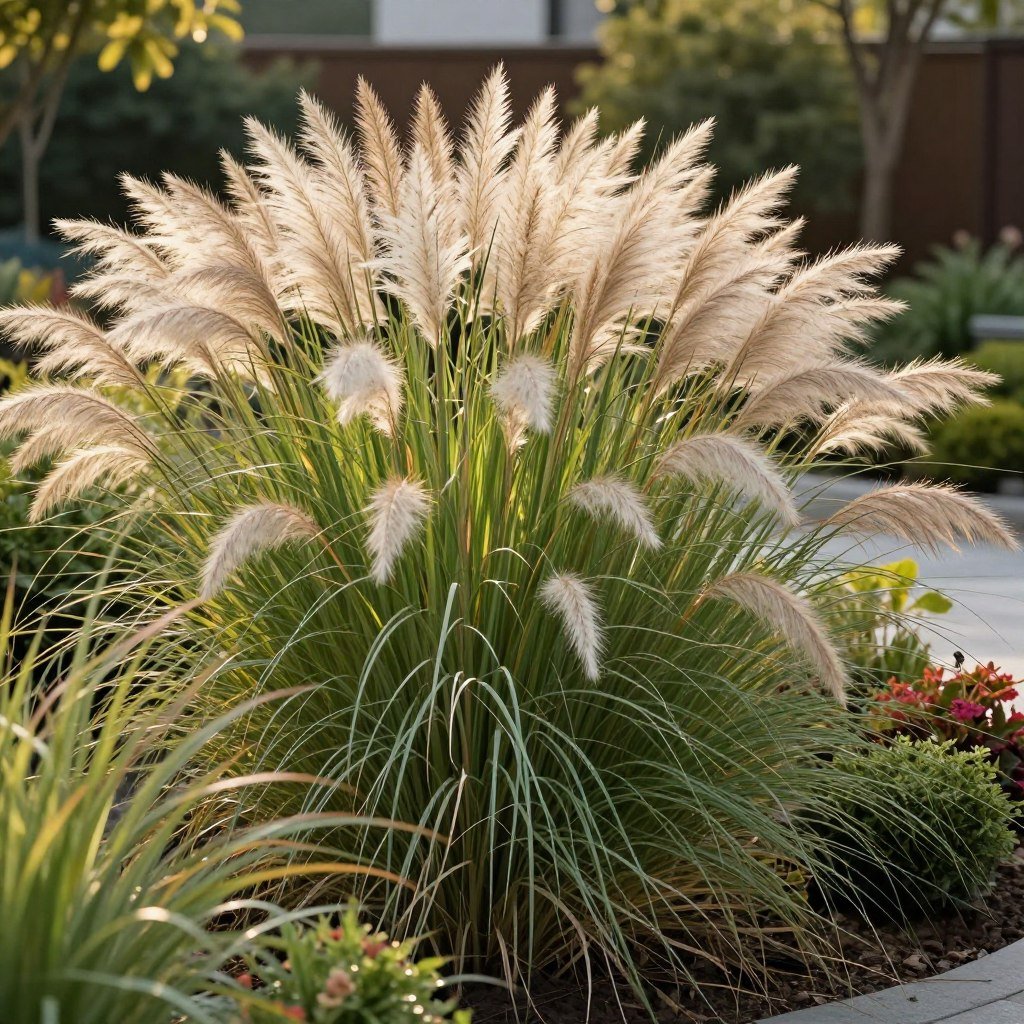
Use corners to showcase statement plants that draw attention. Ornamental grasses, large flowering shrubs, or compact evergreens work beautifully in these spots. Add lighting to highlight corner plantings at night, extending their visual impact beyond daylight hours.
Hardscape Elements That Define Your Design
Hardscape features provide structure and functionality to your landscape year-round. These permanent elements include pathways, walls, and other non-living components that shape your outdoor space. Quality hardscape installation creates lasting value while reducing ongoing maintenance needs.
Walkway and Path Construction
Pathways guide movement through your landscape while protecting your lawn from wear patterns. Materials range from affordable gravel to premium natural stone. Choose options that complement your home’s architecture and withstand your climate’s freeze-thaw cycles.
Design walkways at least 36 inches wide for comfortable single-file passage. Primary paths should measure 48 inches or wider to allow two people to walk side by side. Curve pathways to create interest and reveal landscape surprises around each bend.
Retaining Walls for Slope Management
Retaining walls solve erosion problems while creating usable flat areas on sloped properties. These structures hold back soil, allowing you to create level planting beds or patio spaces. Materials include concrete blocks, natural stone, or timber, each offering different aesthetic appeals and price points.
Install proper drainage behind retaining walls to prevent water pressure buildup. Walls higher than three feet typically require professional engineering for safety. Top walls with cap stones for finished appearance, and plant trailing plants at the top edge to soften the structure’s appearance.
Edging for Clean Definition
Landscape edging creates clean boundaries between different yard areas. This simple addition dramatically improves your landscape’s polished appearance. Options include plastic strips, metal borders, stone, or brick set in trenches along bed edges.
Install edging slightly below ground level to allow mower wheels to ride over without catching. This technique creates neat lines without requiring trimming. Refresh mulch inside edged beds annually to maintain definition and suppress weed growth throughout the growing season.
Master Professional Hardscape Design
Get expert guidance on selecting and installing hardscape elements that transform your landscape. Access detailed plans and material recommendations.
Landscape lighting extends your yard’s usability into evening hours while enhancing security and curb appeal. Strategic illumination highlights architectural features, plants, and pathways while creating ambiance for outdoor entertaining. Modern LED options provide energy efficiency and long-lasting performance with minimal maintenance.
Path and Safety Lighting
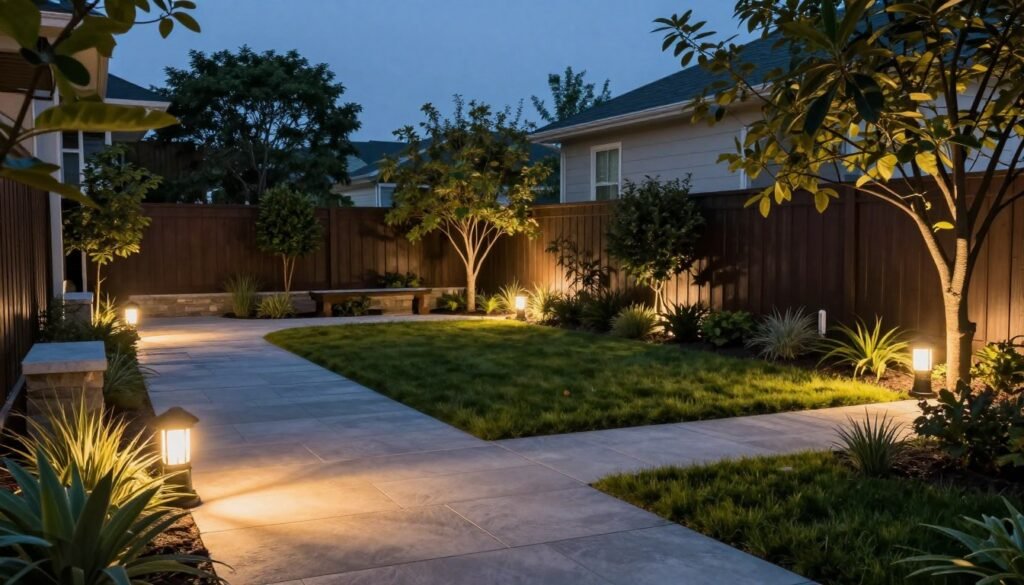
Illuminated pathways ensure safe navigation after dark while guiding guests through your landscape. Space path lights every six to eight feet along walkways for adequate coverage without excessive brightness. Solar options simplify installation but may provide less consistent illumination than low-voltage wired systems.
Place lights alongside paths rather than directly in the center of walkways. This positioning prevents glare while maintaining clear sight lines. Use fixtures with downward-facing shields to direct light where needed without light pollution that disturbs neighbors or nighttime sky viewing.
Accent and Feature Lighting
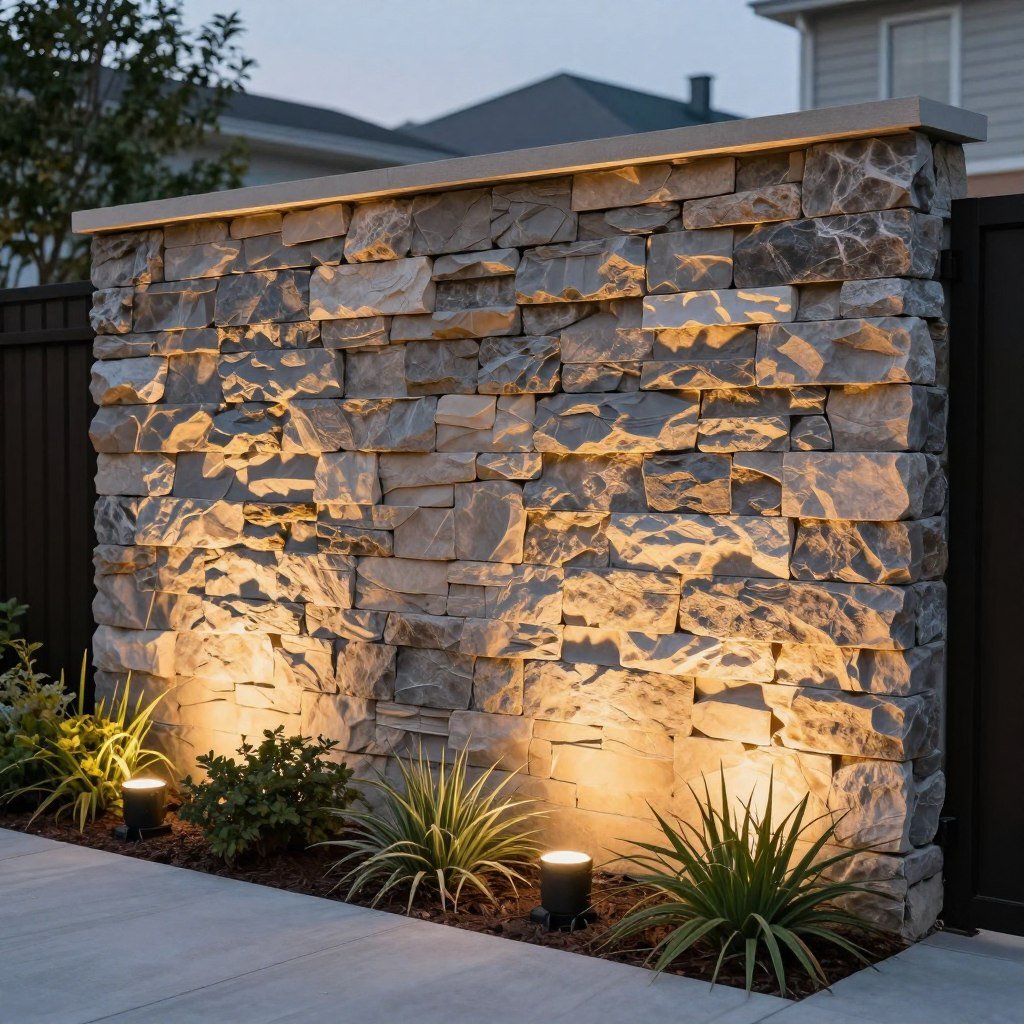
Uplighting showcases specimen trees, architectural elements, and focal point features. Position lights at the base of trees, angling beams upward through branches to create dramatic shadows and depth. Use narrow beam spotlights for precise highlighting and wider floods for washing walls or large plantings.
Layer different lighting types for professional results. Combine ambient lighting for overall illumination with task lighting for specific areas and accent lights for visual interest. This approach creates depth and prevents flat, overlit appearances that lack character and ambiance.
Entertainment Area Illumination
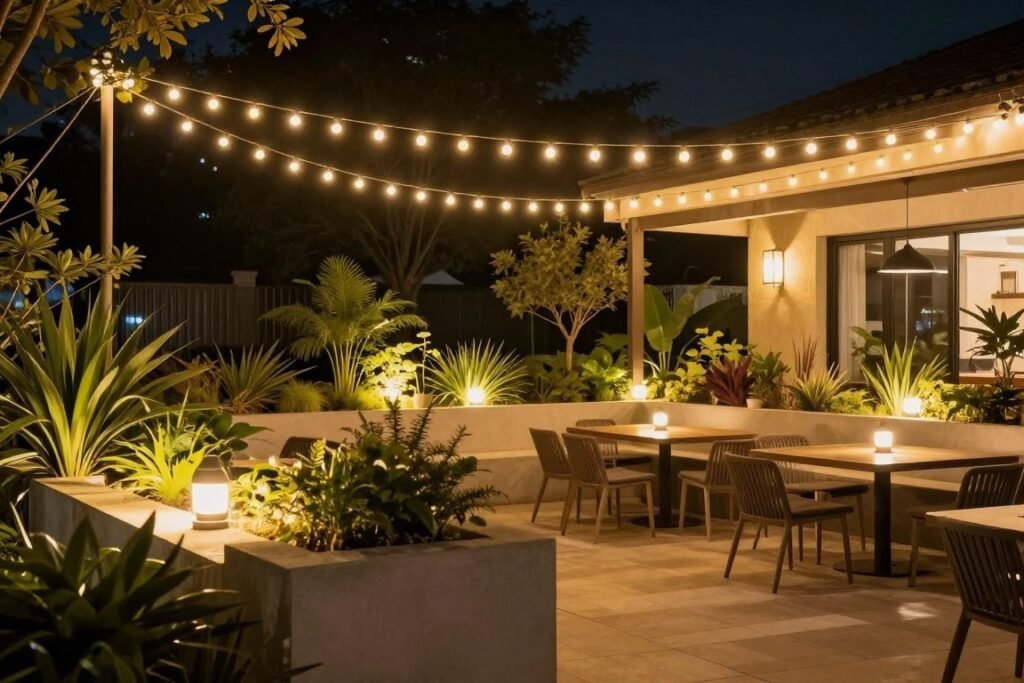
Outdoor living spaces require functional lighting for activities while maintaining ambiance. String lights create festive overhead illumination perfect for dining and conversation areas. Combine with step lights, post lights, or wall-mounted fixtures for adequate light levels without harsh brightness.
Install dimmer controls to adjust lighting intensity based on activities and mood. Brighter settings work for dining and games, while lower levels create intimate settings for evening relaxation. Consider smart lighting systems that allow color changes and remote control for ultimate flexibility.
Sustainable landscape design conserves water while maintaining beauty and functionality. Smart plant selection, efficient irrigation, and proper maintenance reduce water consumption and lower utility costs. These eco-friendly practices benefit both your wallet and the environment without sacrificing aesthetic appeal.
Drought-Tolerant Plant Selection
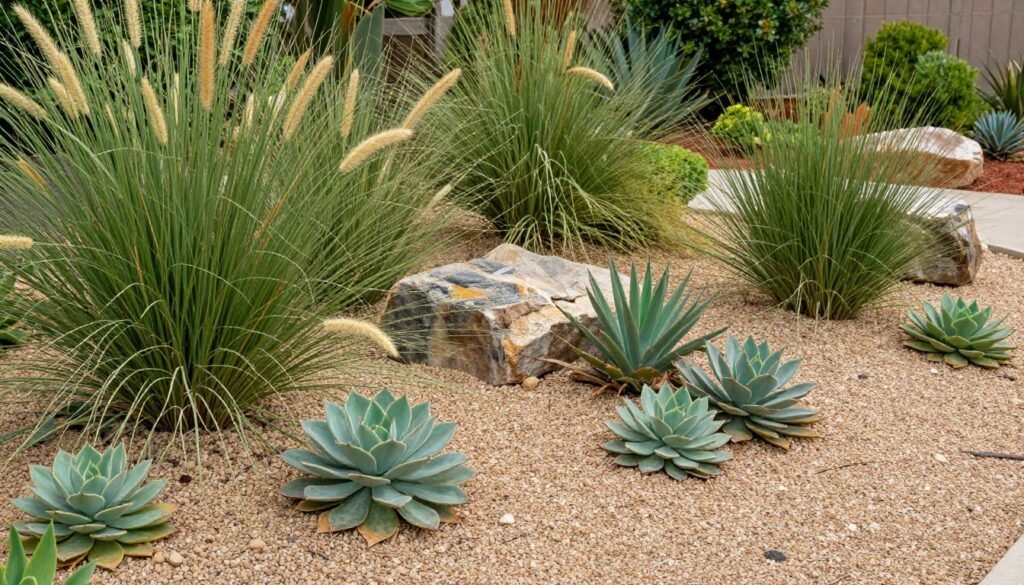
Native and adapted plants thrive with minimal supplemental watering once established. These varieties evolved to survive in your local climate conditions, requiring less intervention than exotic species. Research plants native to your region, then select varieties that match your landscape’s sun and soil conditions.
Group plants with similar water needs together in hydrozones for efficient irrigation management. Place thirstier plants near water sources and in areas that receive natural moisture. Reserve drought-tolerant plants for dry spots and areas difficult to water regularly.
Efficient Irrigation Systems
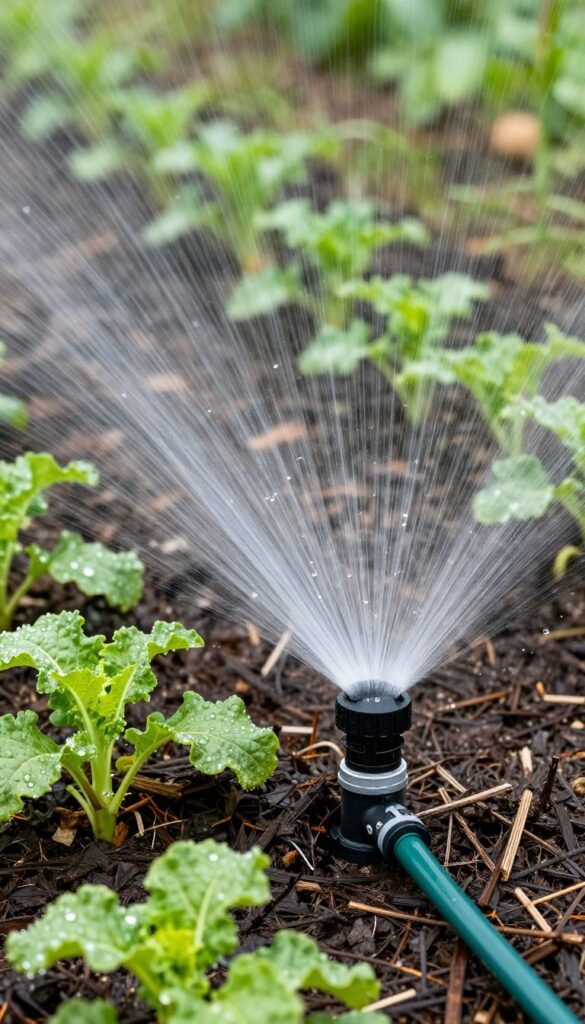
Drip irrigation delivers water directly to plant roots, minimizing evaporation and runoff. This method uses up to fifty percent less water than traditional sprinklers while promoting deeper root growth. Install timers to water during early morning hours when evaporation rates remain lowest.
Zone your irrigation system based on plant water requirements and sun exposure. Shaded areas need less frequent watering than full sun locations. Adjust watering schedules seasonally, reducing frequency during cooler months when plant water needs decrease naturally.
Mulching for Moisture Retention
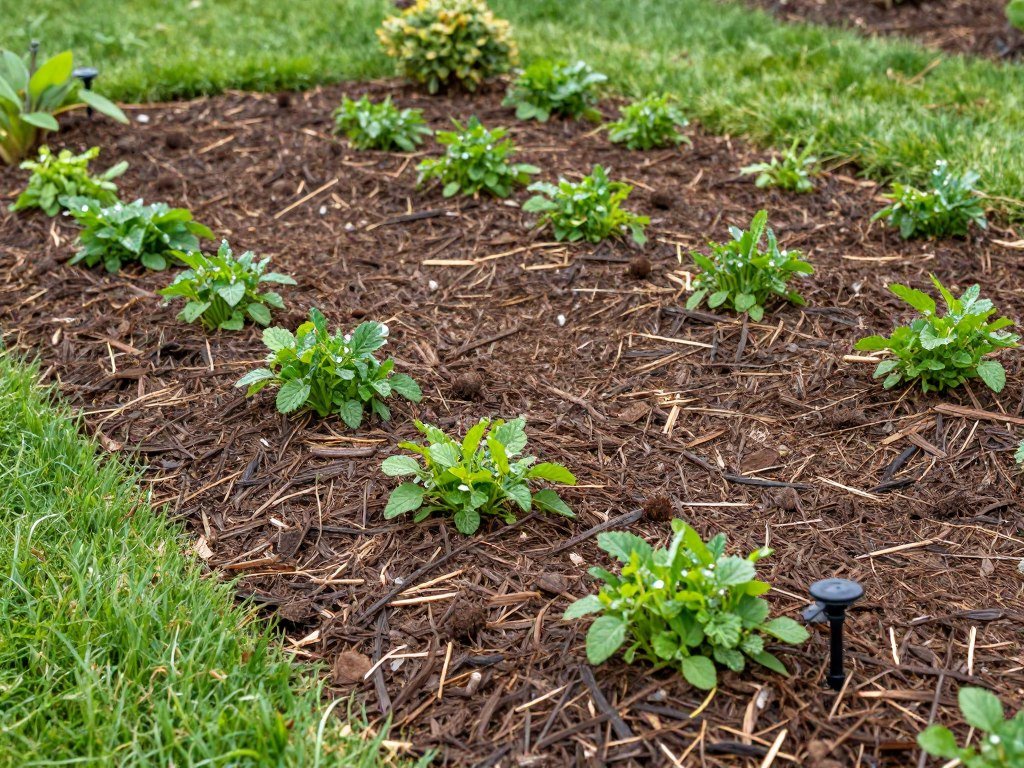
Organic mulch conserves soil moisture, suppresses weeds, and improves soil as it decomposes. Apply two to four inches of mulch around plants, keeping material away from stems and trunks to prevent rot. Refresh mulch annually to maintain depth and appearance.
Wood chips, shredded bark, and compost make excellent mulch choices for most landscape beds. Use pine needles around acid-loving plants like azaleas and blueberries. Gravel or stone mulch works well in succulent gardens and contemporary designs where organic materials would look out of place.
Seasonal Interest Through Strategic Planning
A well-designed landscape offers visual appeal throughout the year with changing colors, textures, and focal points. Planning for four-season interest ensures your backyard never looks dormant or boring. Strategic plant selection and hardscape features create year-round beauty that evolves with the seasons.
Spring Awakening with Bulbs and Blooms
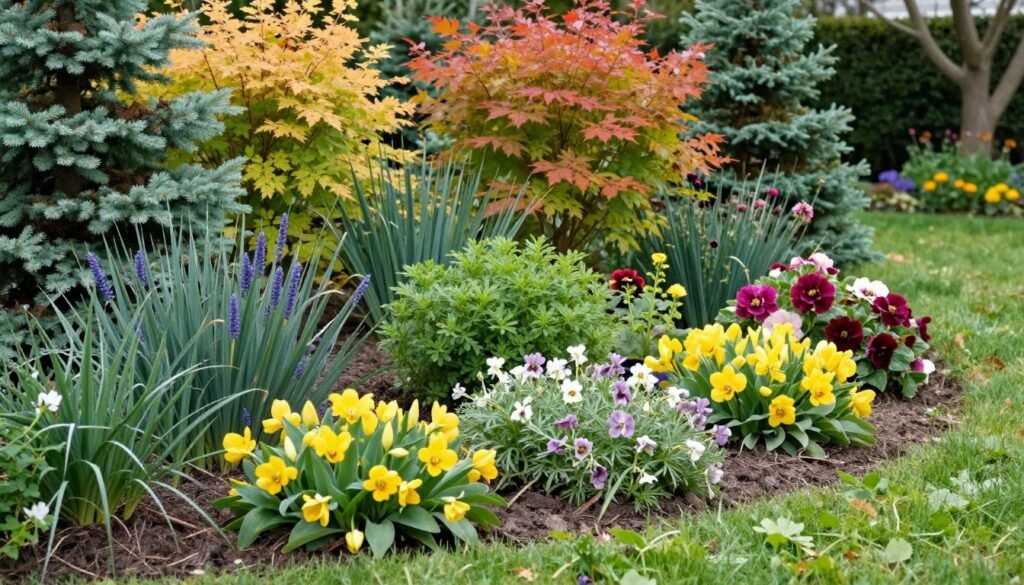
Spring bulbs provide the first color after winter dormancy. Plant tulips, daffodils, and crocuses in fall for spectacular spring displays. Layer early, mid, and late-season varieties for continuous bloom from late winter through late spring months.
Combine spring bulbs with emerging perennials for extended interest. Flowering trees like magnolia, cherry, and redbud add height and drama to spring landscapes. Their blooms appear before leaves, creating stunning displays against bare branches and awakening landscapes.
Summer Color and Lush Growth
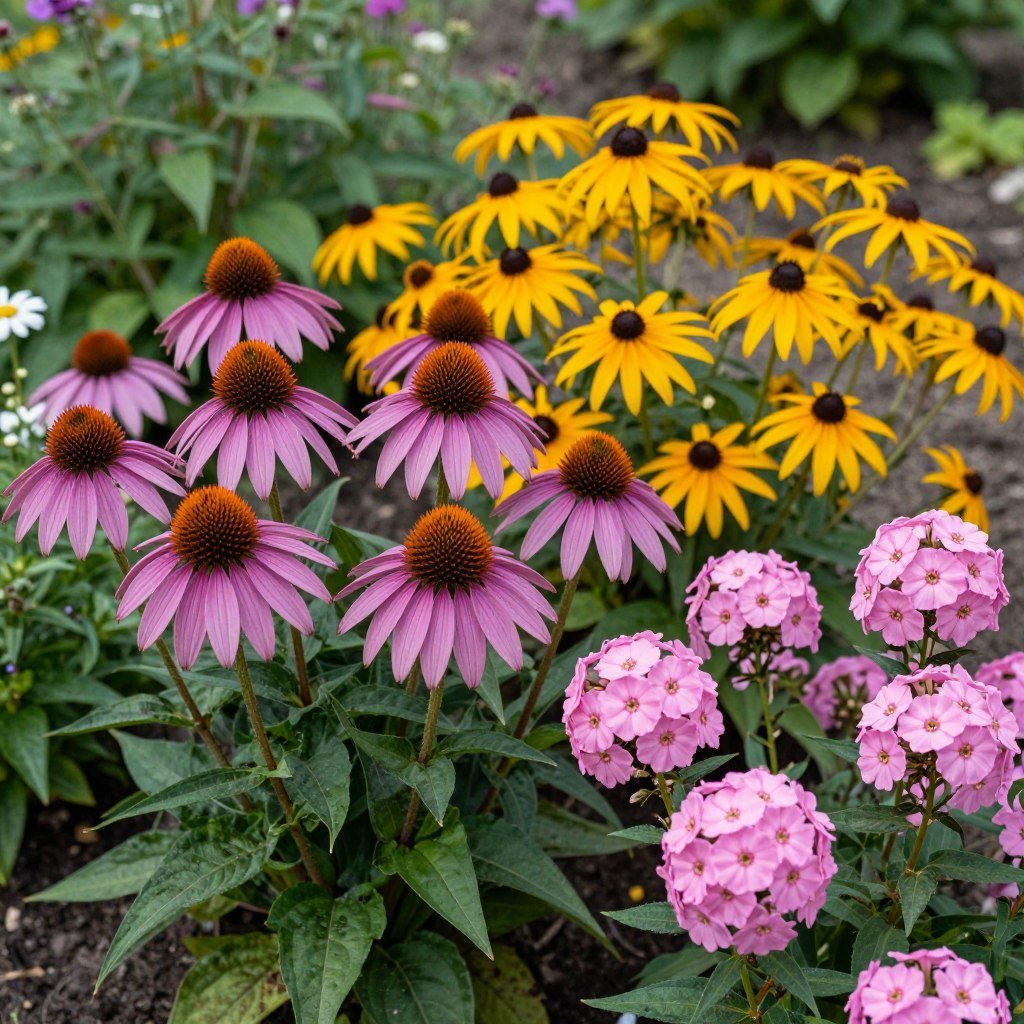
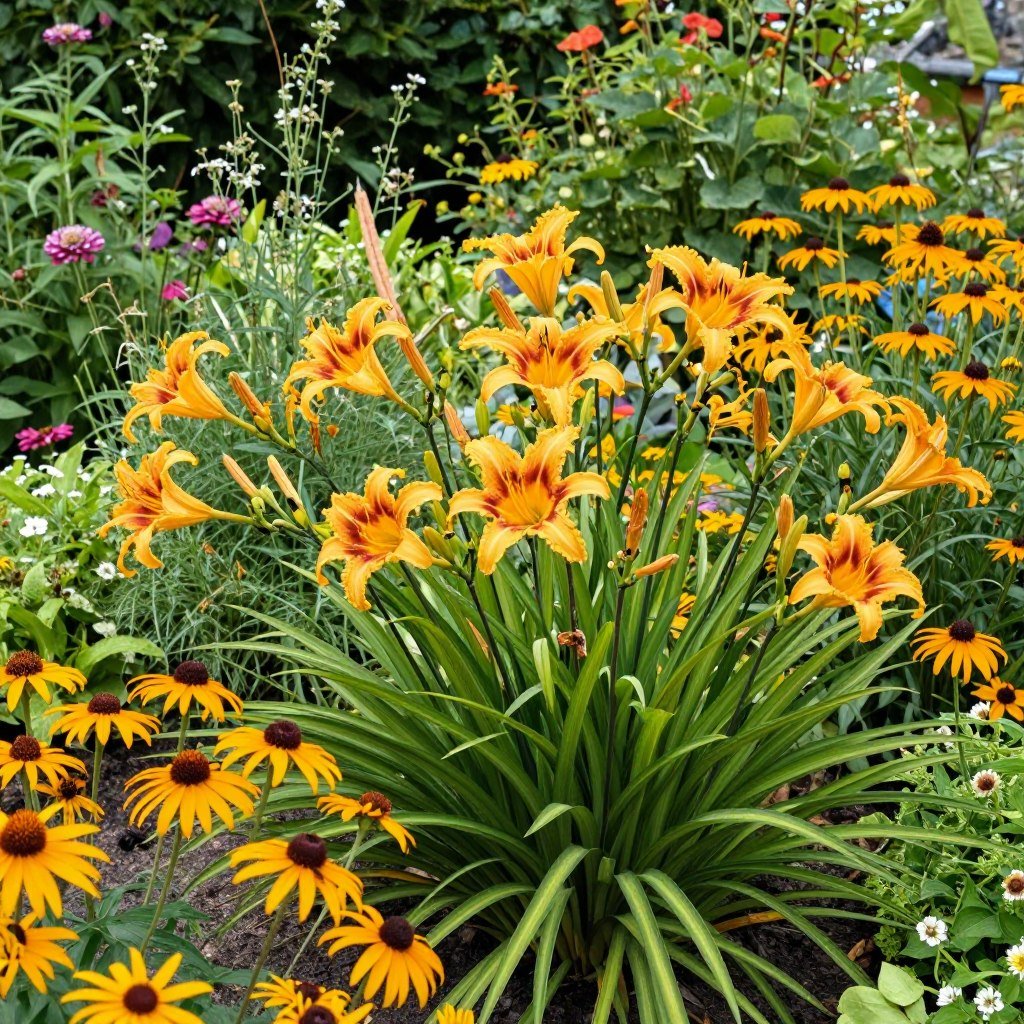
Summer showcases your landscape at peak performance with maximum growth and bloom. Heat-loving annuals like petunias, zinnias, and marigolds provide non-stop color through hot months. Perennials like daylilies, coneflowers, and salvia offer blooms with less maintenance than annuals require.
Lawn grass reaches peak growth during summer, requiring regular mowing to maintain appearance. Outdoor living spaces see maximum use, making summer the perfect time to enjoy your landscape investments. Adequate water during dry spells keeps plants thriving through heat stress.
Fall Foliage and Textural Interest
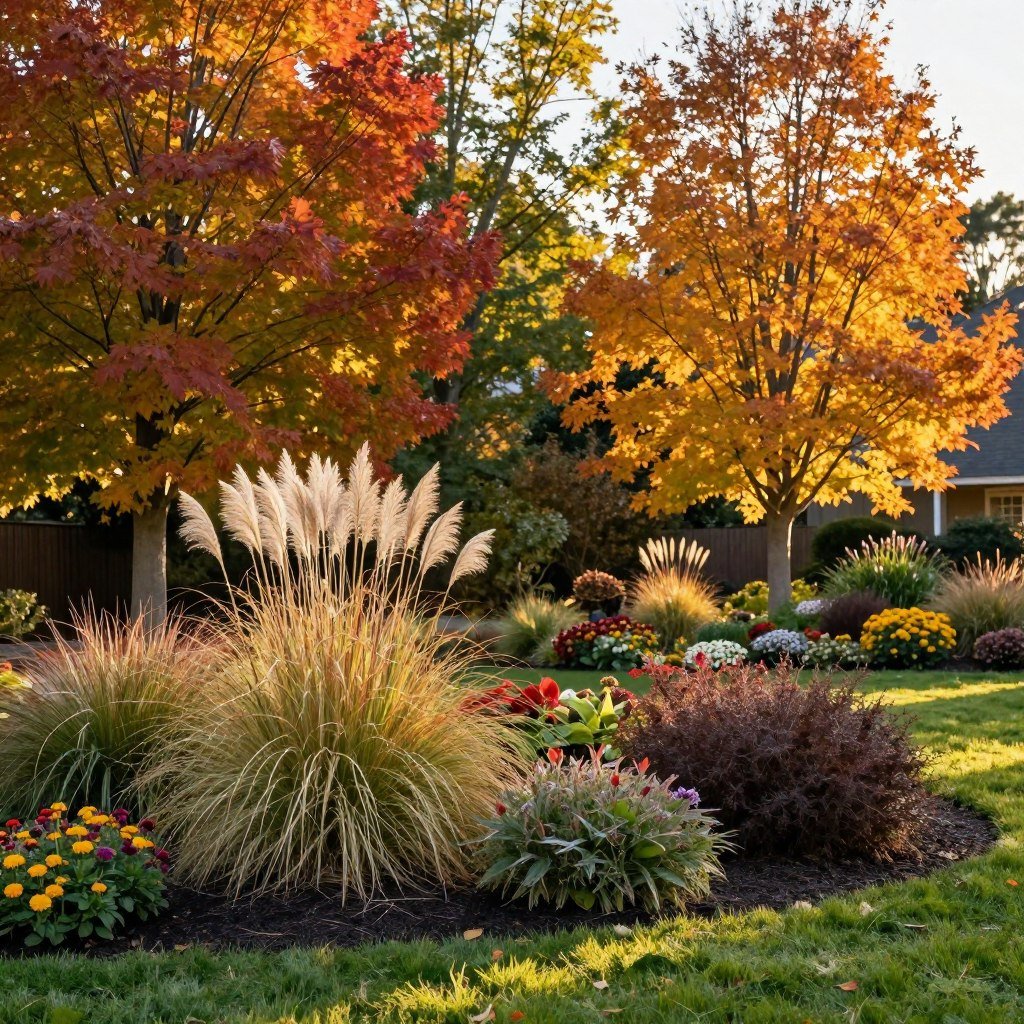
Autumn brings spectacular foliage color from deciduous trees and shrubs. Maples, oaks, and burning bush provide fiery reds and oranges. Ornamental grasses develop attractive seed heads that catch light and movement, creating texture that persists into winter months.
Late-season perennials like asters, sedum, and mums extend bloom time through first frosts. These reliable performers fill gaps left by summer flowers. Fall offers ideal planting conditions for trees, shrubs, and perennials, allowing root establishment before winter dormancy.
Winter Structure and Evergreen Presence
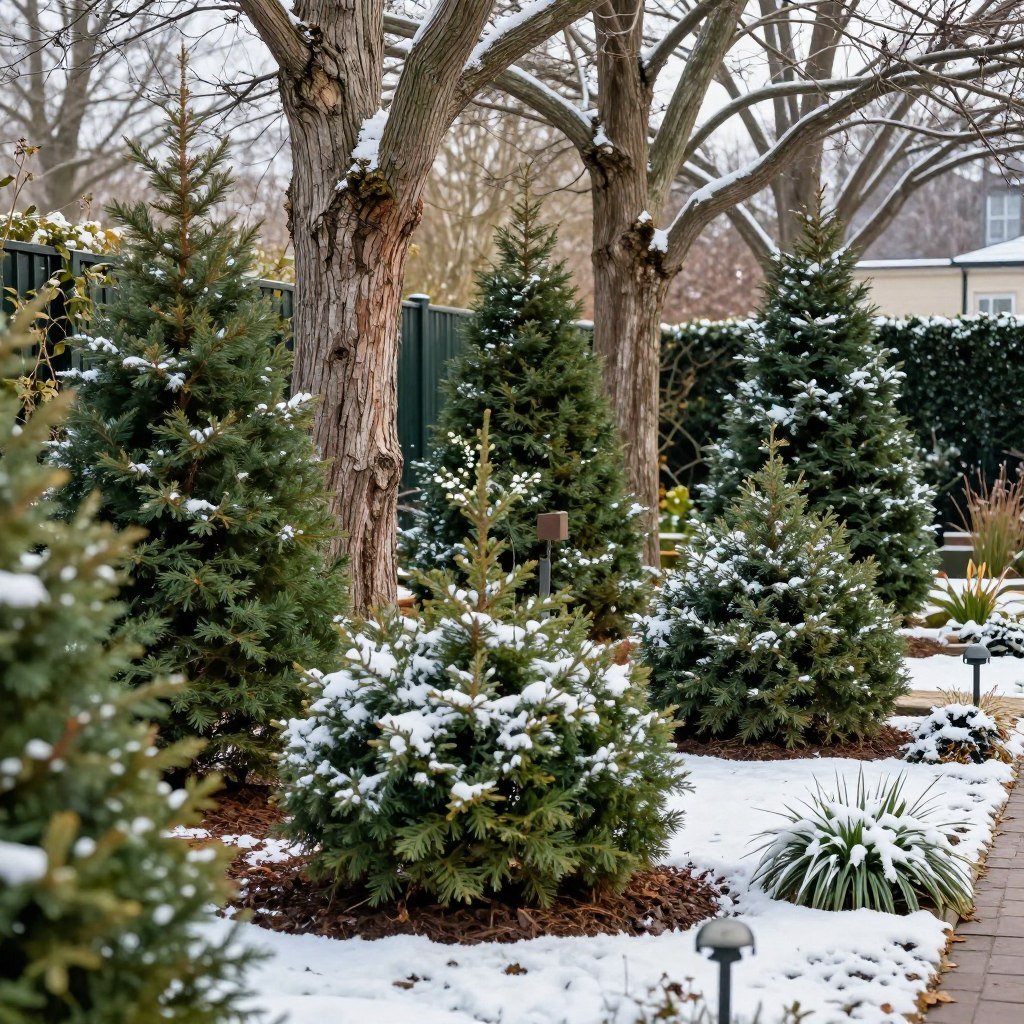
Evergreen plants maintain color and structure when deciduous plants lose leaves. Holly, boxwood, and conifers provide green backdrops against winter skies. Trees with interesting bark like birch or crape myrtle become focal points when leaves fall, revealing textured trunks.
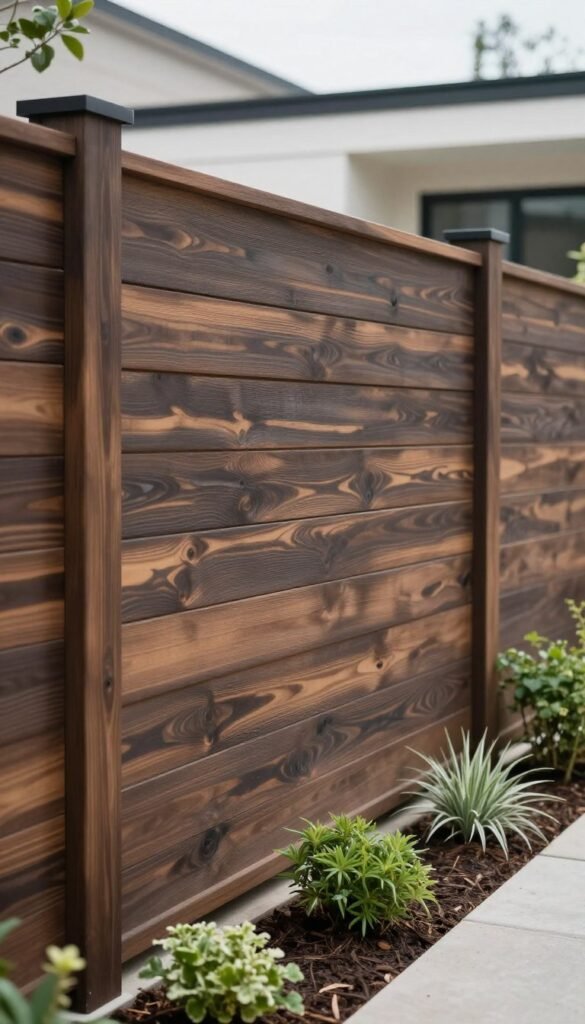
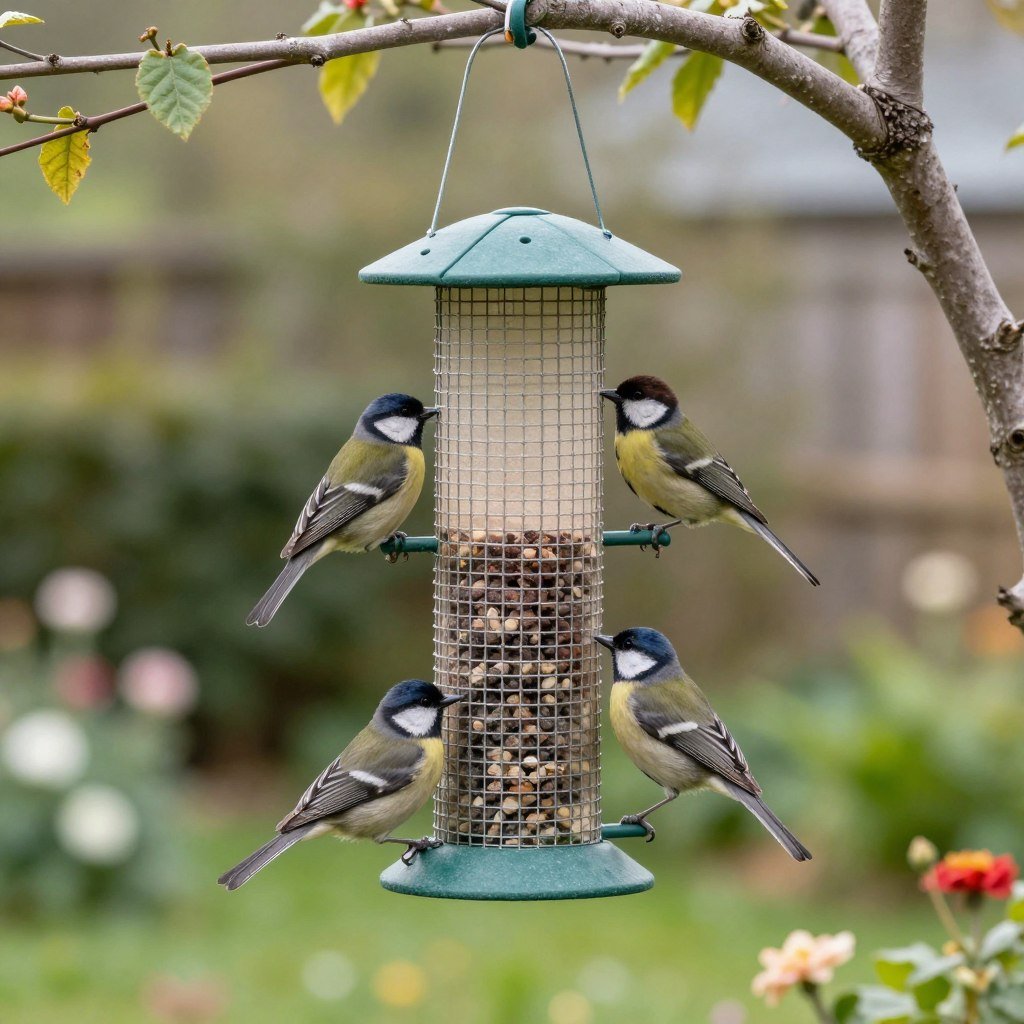
Hardscape elements gain prominence in winter landscapes. Stone walls, decorative fencing, and architectural features stand out without competition from lush plantings. Bird feeders and winter containers with evergreen boughs maintain points of interest throughout cold months.
Design Your Four-Season Landscape
Access comprehensive seasonal planting guides and design strategies for year-round beauty. Create a landscape that delights through every season.
Beautiful landscapes don’t require endless hours of upkeep when designed thoughtfully. Smart choices in plants, materials, and layout reduce maintenance demands while preserving aesthetic appeal. These strategies let you enjoy your backyard without becoming a slave to constant care requirements.
Reducing Lawn Area for Less Work
Grass lawns demand regular mowing, watering, and fertilizing. Reduce lawn size by expanding garden beds, installing hardscape features, or using ground covers in appropriate areas. This strategy cuts maintenance time while increasing visual interest and ecological diversity in your landscape.
Ground covers like creeping thyme, sedum, or pachysandra spread to fill space without mowing. These alternatives work especially well in shady areas where grass struggles to thrive. Allow naturalized areas with native plants to replace formal lawn in less-visible corners of your property.
Selecting Durable, Self-Sufficient Plants
Choose proven performers that thrive in your specific conditions without constant attention. Native plants adapt naturally to local weather patterns, pests, and soil conditions. Perennials return annually without replanting, offering better long-term value than annuals that require seasonal replacement.
Avoid high-maintenance plants that require frequent pruning, staking, or pest control interventions. Research mature plant sizes carefully to prevent constant pruning to control overgrowth. Right plant in the right place eliminates many common maintenance headaches from poor initial selection.
Automated Irrigation and Smart Technology
Automated watering systems eliminate manual watering chores while providing consistent moisture. Smart controllers adjust watering based on weather conditions, preventing waste and overwatering. These systems pay for themselves through reduced water bills and healthier plants that suffer less stress.
Install rain sensors that shut off irrigation during precipitation. Program different zones based on plant needs and sun exposure for optimal efficiency. Monitor soil moisture with sensors that trigger watering only when needed, preventing both drought stress and overwatering problems.
Budget-Friendly Backyard Upgrades
Transforming your landscape doesn’t require enormous budgets. Strategic improvements deliver significant impact without breaking the bank. Prioritize projects based on your goals and budget, implementing changes gradually to spread costs over time while learning what works best in your space.
DIY Projects That Save Money
Many landscape improvements suit do-it-yourself installation with basic tools and weekend effort. Building raised beds from lumber, laying gravel pathways, or installing solar lighting requires minimal expertise but creates noticeable impact. Research proper techniques, then tackle projects at your own pace.
Paint transforms tired furniture and planters at minimal cost. Refresh existing hardscape with power washing to remove years of accumulated grime. Divide overgrown perennials to create more plants for free, filling empty spaces without purchasing new specimens.
Phased Implementation Strategy
Break large landscape projects into manageable phases completed over multiple seasons. Start with essential infrastructure like grading and drainage corrections. Add hardscape features next, then finish with planting once permanent elements are established.
This approach prevents overwhelming costs while allowing you to learn your property’s characteristics. You’ll identify sunny and shady spots, wet and dry areas, and traffic patterns before committing to permanent plantings. Adjust plans based on observations to avoid costly mistakes.
Inexpensive Materials with Big Impact
Mulch provides dramatic transformation at modest cost. A fresh layer instantly improves bed appearance while suppressing weeds and conserving moisture. Bulk purchases reduce per-yard costs compared to bagged products available at retail garden centers.
Perennials cost more initially than annuals but return for years without replanting. Start with smaller sizes that cost less, allowing plants to grow into their spaces. Shop end-of-season sales for deep discounts on quality plants. Many perennials divide easily, letting you multiply your investment within a few years.
Privacy transforms your backyard into a personal retreat free from neighboring views. Strategic screening blocks sightlines while adding beauty and defining property boundaries. Multiple options exist at various price points, allowing you to create seclusion that matches your budget and timeline.
Living Screens with Trees and Shrubs
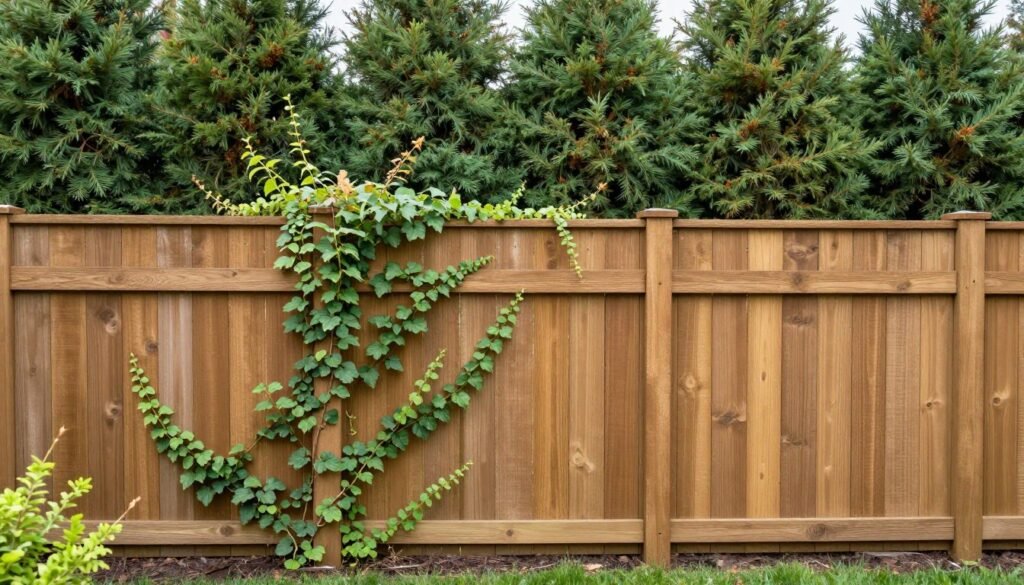
Plant screens provide natural privacy while supporting wildlife and improving air quality. Evergreen species like arborvitae, holly, or bamboo offer year-round coverage. Space plants appropriately for mature spread, or plant closer initially and remove alternates once desired density develops.
Layered plantings create depth and visual interest while blocking views more effectively than single-row screens. Combine tall trees with medium shrubs and low-growing plants for natural appearance. This approach mimics forest edge conditions, providing habitat while serving functional screening purposes.
Fence and Wall Options
Solid fencing provides immediate privacy regardless of season. Wood fences offer traditional appeal and moderate costs, while vinyl alternatives require less maintenance. Metal panels create contemporary looks, and masonry walls provide permanent, high-end solutions with maximum durability.
Check local regulations regarding fence height restrictions before installation. Many municipalities limit residential fences to six feet in rear yards. Consider neighbor relations when installing boundary fencing, discussing plans beforehand to prevent disputes over placement or appearance.
Pergolas and Structures for Overhead Privacy
Overhead structures screen views from neighboring second-story windows while providing shade. Pergolas support climbing plants that fill in over time, creating living ceilings. Add outdoor fabric panels or lattice screens to sides for adjustable privacy that adapts to different situations and seasons.
Position structures to block specific sightlines while maintaining desirable views. Orient seating to face away from privacy concerns and toward attractive landscape features. Combine multiple screening strategies for comprehensive coverage that doesn’t feel closed-in or claustrophobic.
Wildlife-Friendly Landscape Features
Designing for wildlife creates vibrant, dynamic outdoor spaces teeming with life. Birds, butterflies, and beneficial insects enhance your landscape while supporting local ecosystems. Thoughtful plant selection and habitat features attract desirable species while maintaining your backyard’s beauty and functionality.
Native Plants for Pollinators
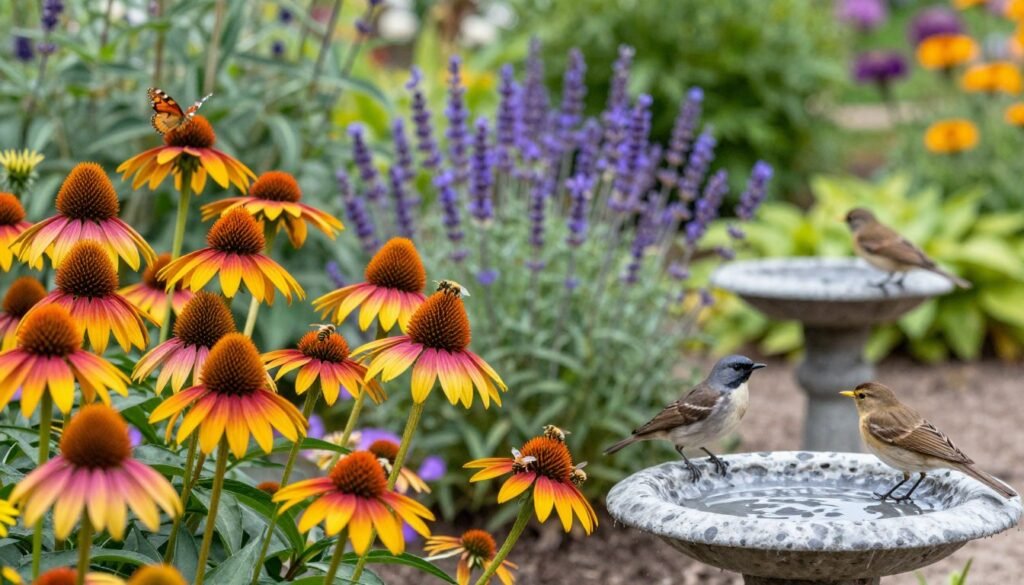
Native flowering plants provide nectar and pollen for bees, butterflies, and hummingbirds. These species evolved together, creating perfect partnerships for mutual survival. Plant varieties with different bloom times to provide continuous food sources throughout growing seasons.
Avoid pesticides that harm beneficial insects along with pests. Accept some leaf damage as part of a healthy ecosystem that supports full food webs. Host plants for butterfly larvae seem damaged but support next generation of beautiful pollinators that enhance your garden’s appeal.
Water Sources for Wildlife
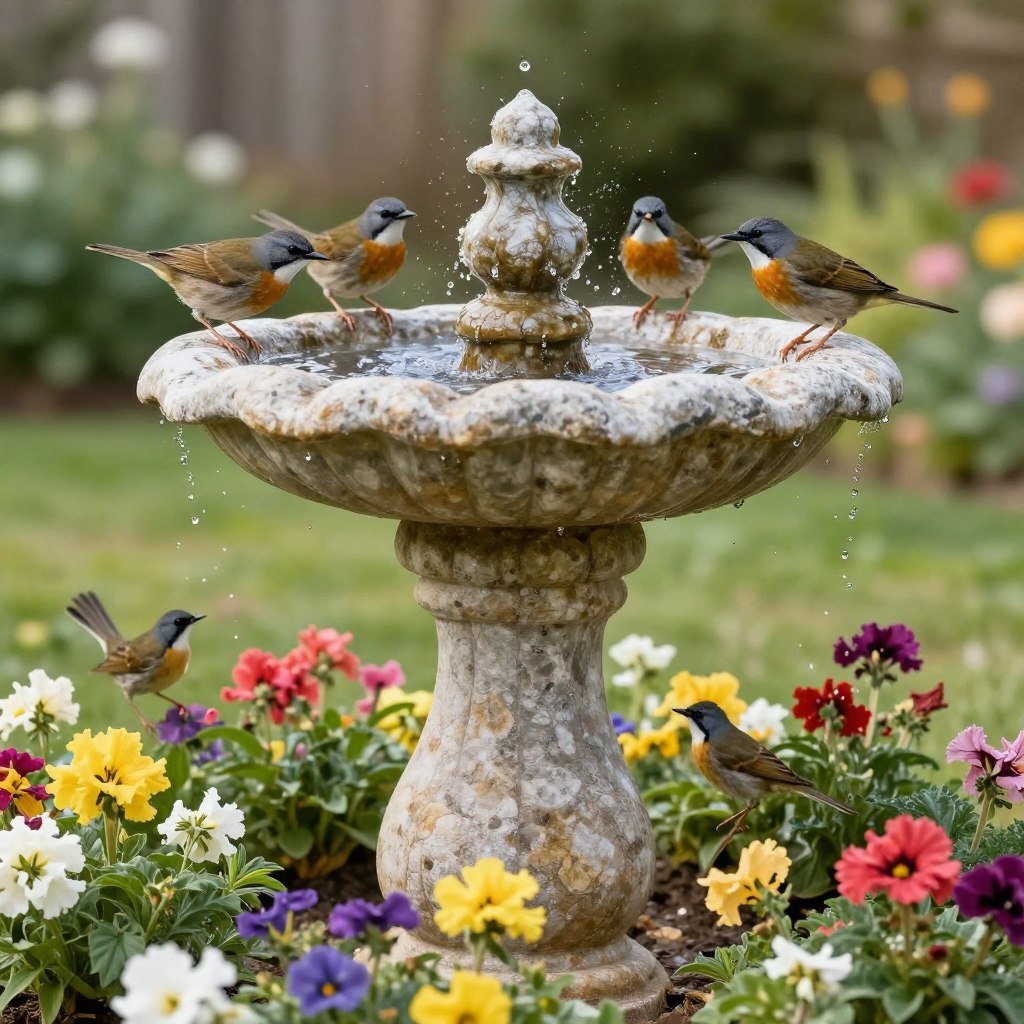
Fresh water attracts birds and beneficial insects to your landscape. Bird baths provide drinking and bathing opportunities, best placed in open areas with nearby cover for quick escape from predators. Clean and refill regularly to prevent mosquito breeding and disease transmission.
Small ponds support frogs, dragonflies, and other aquatic life that control pest insects. Include shallow edges and rocks for safe access. Moving water from fountains or bubblers attracts more wildlife than still water while preventing mosquito problems.
Shelter and Nesting Sites
Dense shrubs provide nesting sites and protective cover for birds and small mammals. Leave some areas wilder with brush piles and fallen logs that shelter ground-dwelling creatures. These naturalized zones complement formal landscape areas while supporting greater biodiversity.
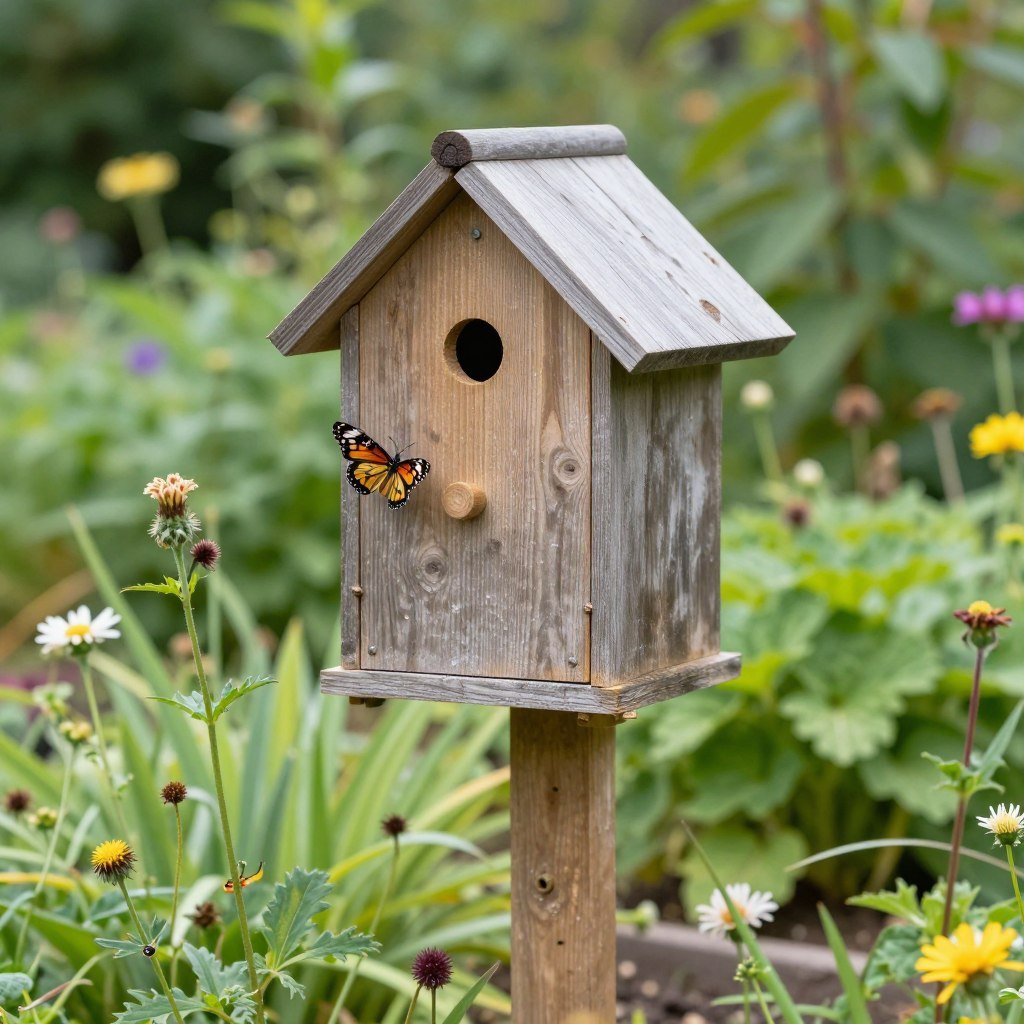
Install nesting boxes designed for species common in your region. Different birds require specific entrance hole sizes and box dimensions. Position boxes away from feeders to reduce competition and territorial conflicts during breeding season.
Create Your Wildlife Paradise
Learn professional techniques for designing landscapes that attract and support local wildlife. Get detailed plans for creating thriving natural habitats.
Limited square footage doesn’t limit design possibilities. Small backyards benefit from creative solutions that maximize every inch while maintaining visual appeal and functionality. Strategic planning makes compact spaces feel larger and more versatile than their actual dimensions suggest.
Vertical Gardening Techniques
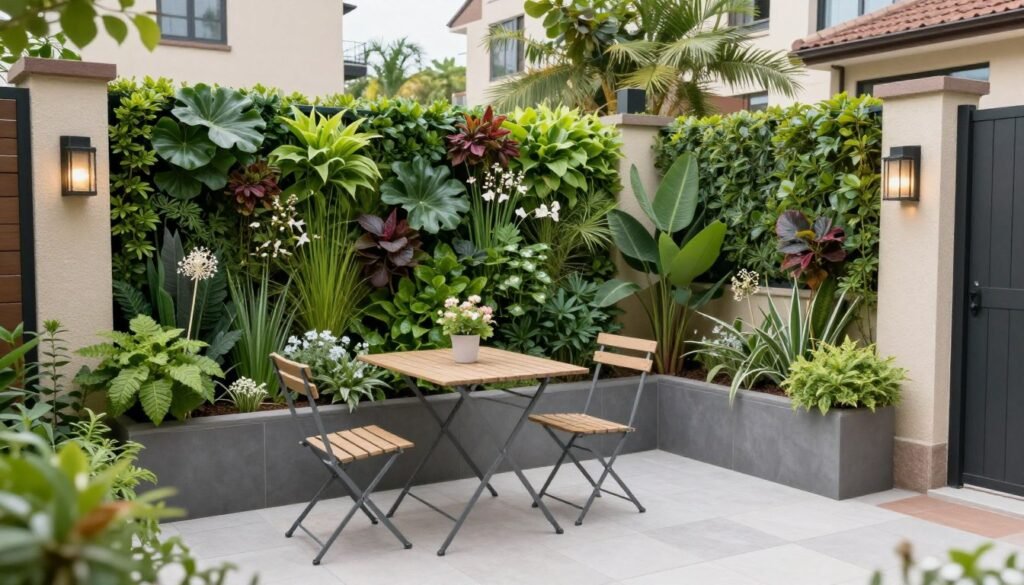
Grow upward when ground space limits horizontal expansion. Wall-mounted planters, trellises, and living walls create lush greenery without consuming precious floor area. Climbing plants like clematis, jasmine, or climbing roses add height and color while occupying minimal ground space.
Hang planters from overhead structures, fences, or walls to increase planting opportunities. Tiered plant stands display multiple containers in the footprint of one. These vertical solutions work especially well on balconies, patios, and narrow side yards where traditional beds won’t fit.
Multi-Functional Features
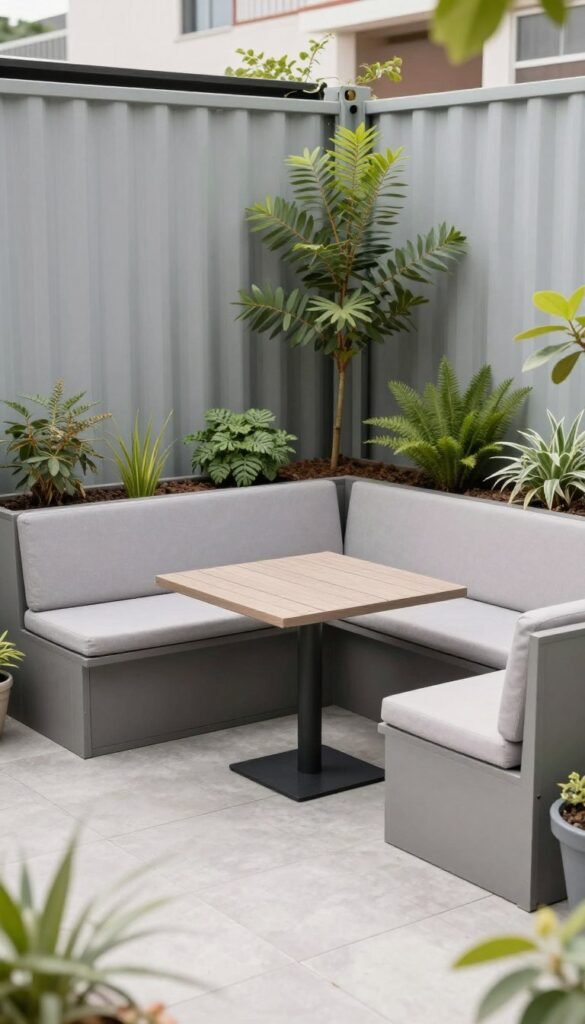
Choose elements that serve multiple purposes in space-limited landscapes. Storage benches provide seating while hiding garden tools and supplies. Fire pits with surrounding ledges offer warmth plus additional seating capacity. Raised beds double as property boundaries or retaining walls.
Folding or stackable furniture stores compactly when not needed, freeing space for other activities. Rolling planters move to optimize sun exposure or clear areas for entertaining. This flexibility lets small spaces adapt to different needs and seasons.
Visual Tricks for Perceived Space
Light colors make spaces feel larger and more open. Paint fences and walls in pale shades to reflect light and push boundaries visually outward. Use mirrors strategically to create depth illusions and reflect garden views, effectively doubling visual space.
Curved pathways create journey impressions even in small areas, making spaces seem larger through mystery of what lies around each curve. Avoid cluttering small spaces with too many elements. Edit ruthlessly to showcase a few quality features rather than cramming numerous items into limited square footage.
Bringing Your Backyard Vision to Life
Your backyard landscape represents unlimited potential for creating outdoor spaces that enhance your daily life. Whether you envision peaceful retreat, entertainment hub, or family playground, thoughtful design transforms ordinary yards into extraordinary personal sanctuaries. The ideas explored throughout this guide provide a foundation for developing your unique outdoor paradise.
Successful landscape design balances aesthetics with functionality, personal preferences with practical constraints. Start with a clear vision of how you want to use your space, then select elements that support those goals. Prioritize projects based on impact and budget, implementing changes gradually as time and resources allow.
Remember that landscapes evolve over time as plants mature and your needs change. Embrace this dynamic quality, adjusting and refining your outdoor space through the years. The most satisfying landscapes grow and improve with age, becoming more beautiful and functional with each passing season.
Professional guidance accelerates your success while helping avoid costly mistakes. Expert resources provide tested strategies, detailed plans, and proven techniques that shortcut the learning curve. With proper planning and quality information, you can create a backyard landscape that exceeds your expectations and provides enjoyment for years to come.
Start Your Backyard Transformation Today
Access comprehensive landscape design resources, professional plans, and expert guidance to create the backyard of your dreams. Transform your outdoor space with proven strategies and detailed blueprints.
Your proposal moment deserves to be captured beautifully. Whether you plan to hire a pro or coordinate with family and friends, proposal photos preserve one of life’s most treasured memories. This comprehensive guide explores creative ideas, stunning locations, perfect timing, and essential tips to help you photograph proposal moments that tell your unique love story….
Your balcony is more than just an architectural feature—it’s an opportunity to create a personal retreat that reflects your style and meets your needs. Whether you have a tiny apartment balcony or a spacious terrace, the right design approach can transform this outdoor space into your favorite spot at home. From cozy reading nooks to…
Your backyard holds incredible potential. Every yard can become a stunning outdoor retreat with the right approach and creative vision. This guide reveals practical strategies to transform any space into your personal oasis. Whether you have a small patio or expansive grounds, landscaping projects offer rewarding ways to enhance your home. The following ideas provide…
Receiving an invitation to a black tie wedding is both exciting and slightly intimidating. This formal dress code calls for elegance, sophistication, and attention to detail. As a wedding guest, you’ll want to honor the couple’s vision while expressing your personal style within the formal framework. This comprehensive guide will walk you through everything you…
Planning a Halloween wedding offers a unique opportunity to blend romance with enchantment. Your special day can embrace the magic of fall while celebrating love in an unforgettable way. Many couples discover that a Halloween wedding allows creative expression beyond traditional celebrations. The beauty of a Halloween wedding lies in its versatility. You can create…
Every relationship thrives on shared experiences and quality time together. Whether you’re newly dating or celebrating decades together, finding fresh couple activity ideas keeps your connection vibrant and exciting. The modern world offers countless distractions, making intentional time with your partner more valuable than ever. Creating memorable moments doesn’t require elaborate plans or significant expense….