Wedding Ring Tattoo Ideas: Complete Guide to Forever Ink
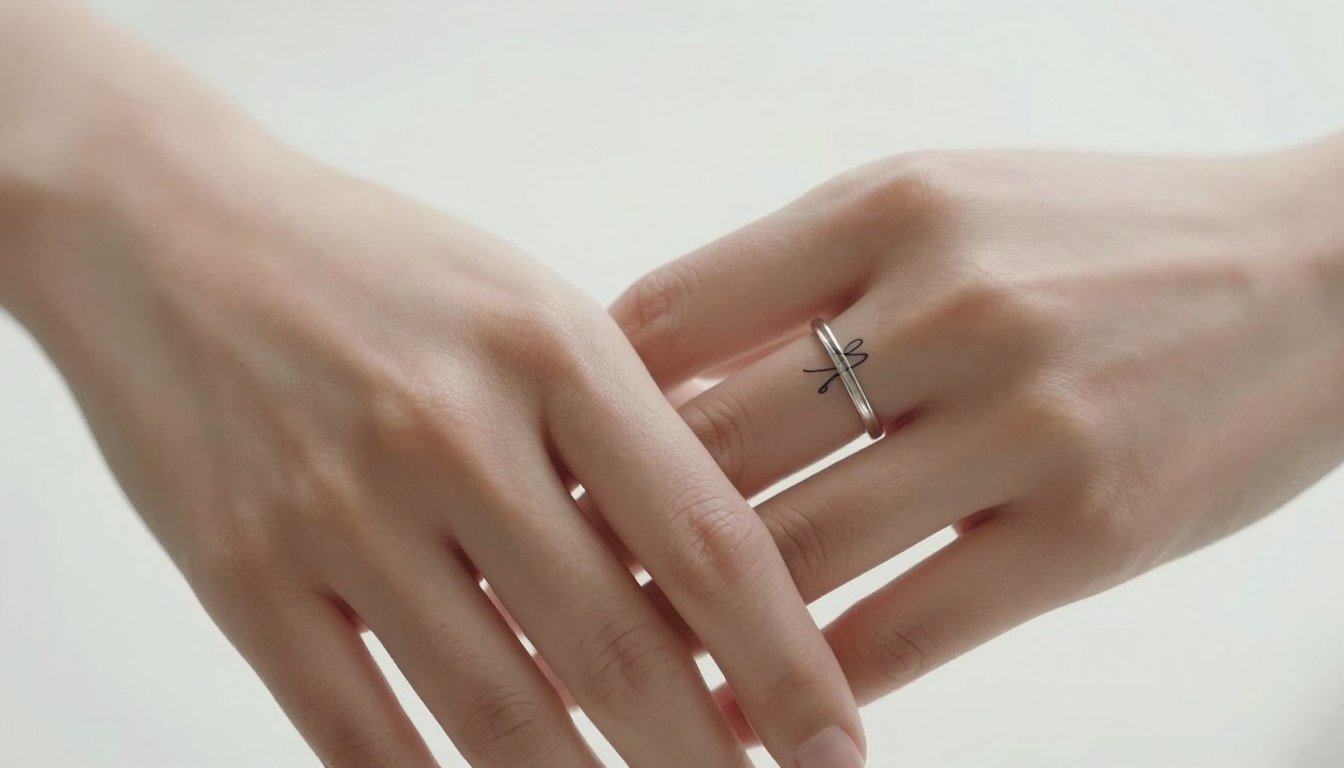
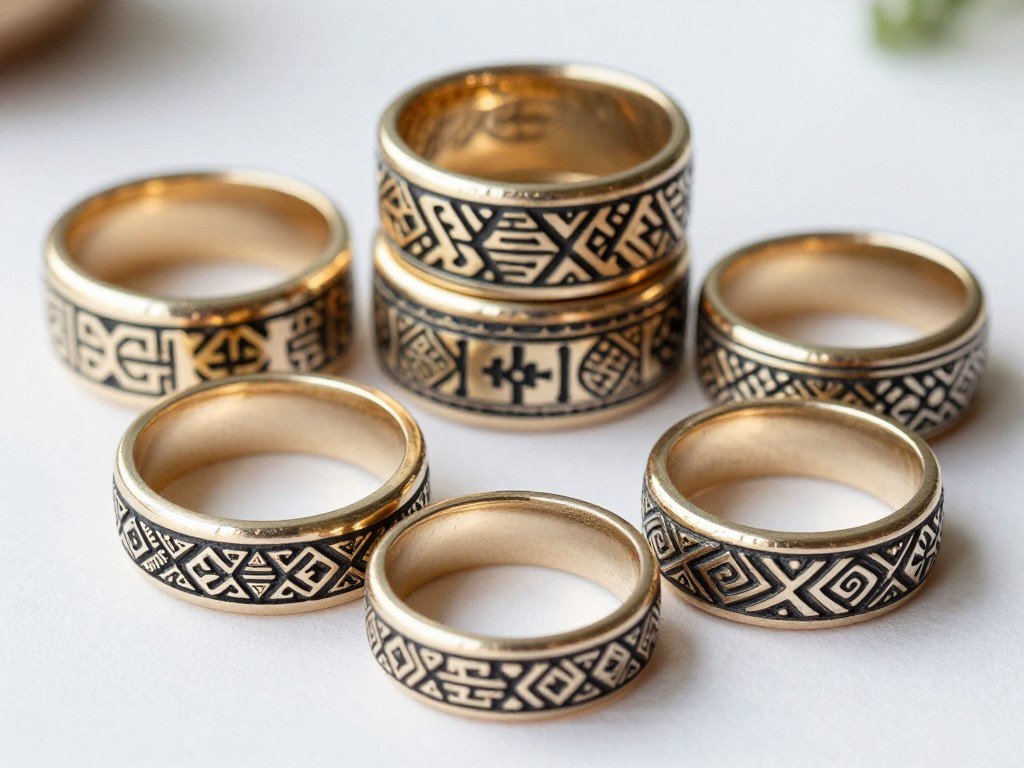
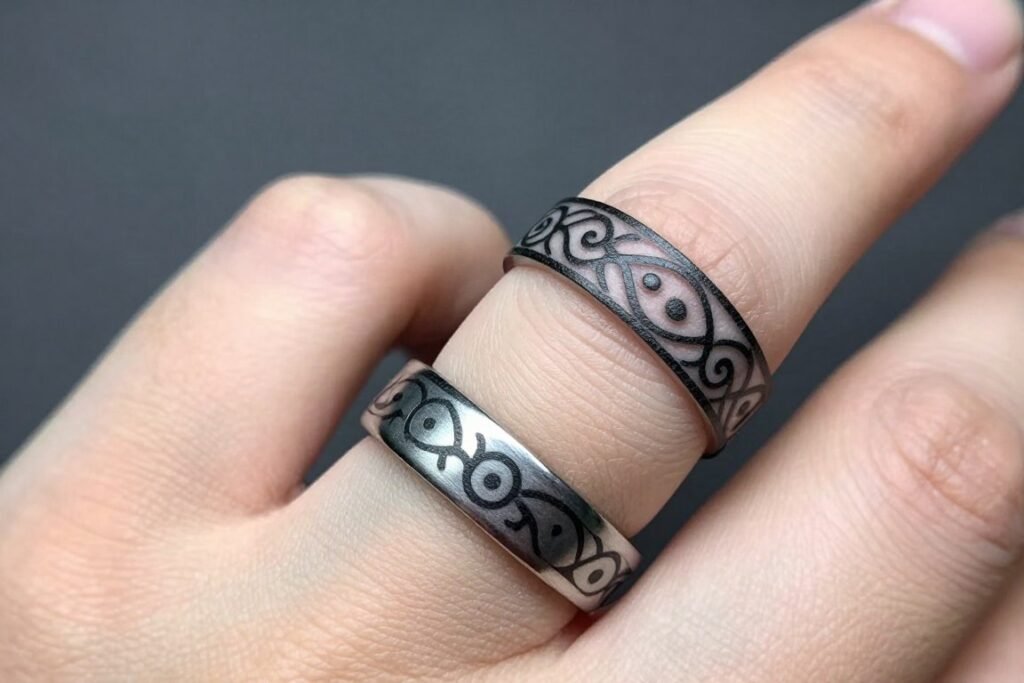
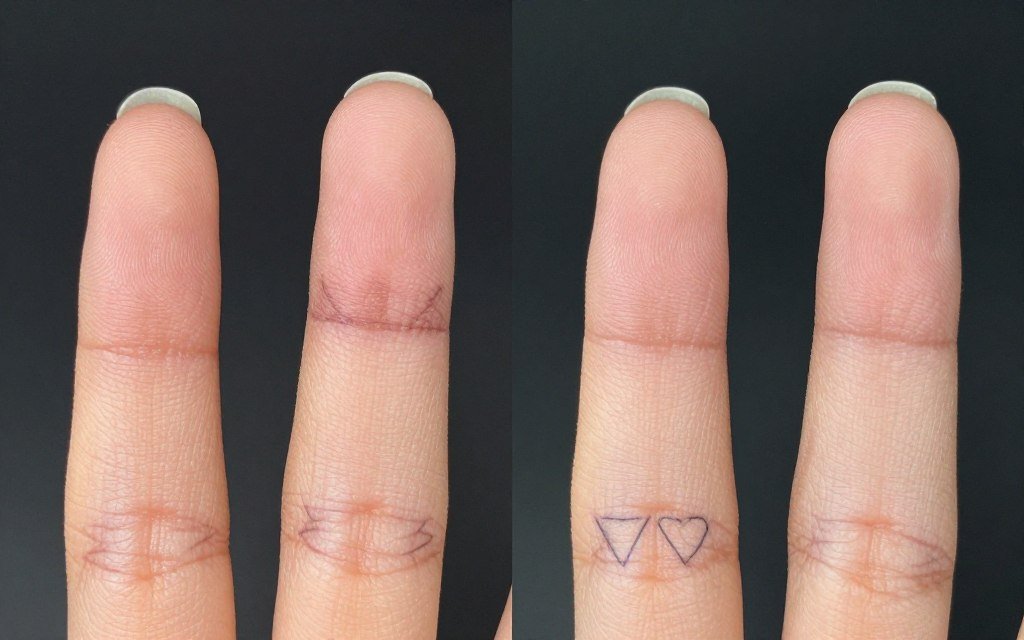
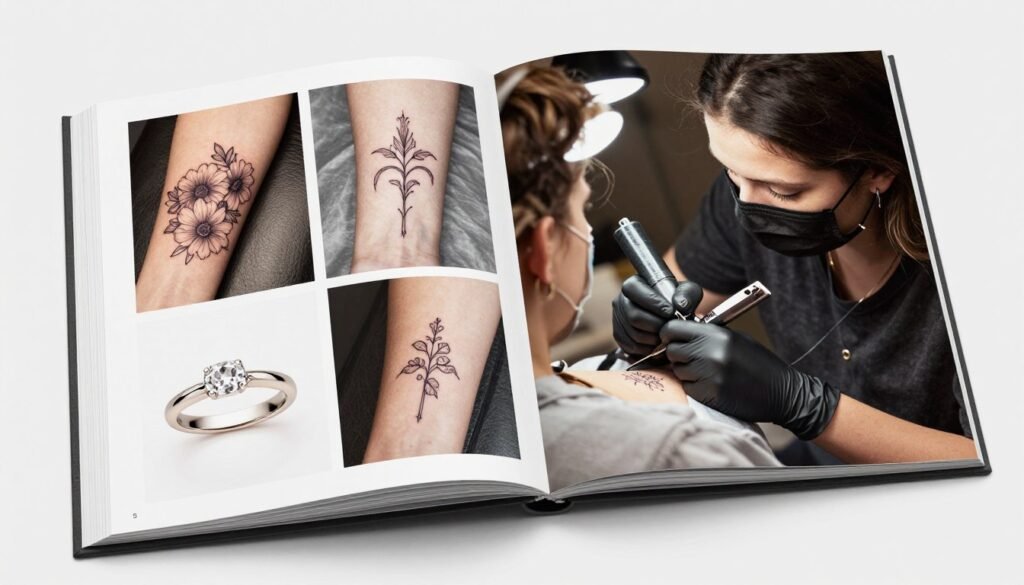
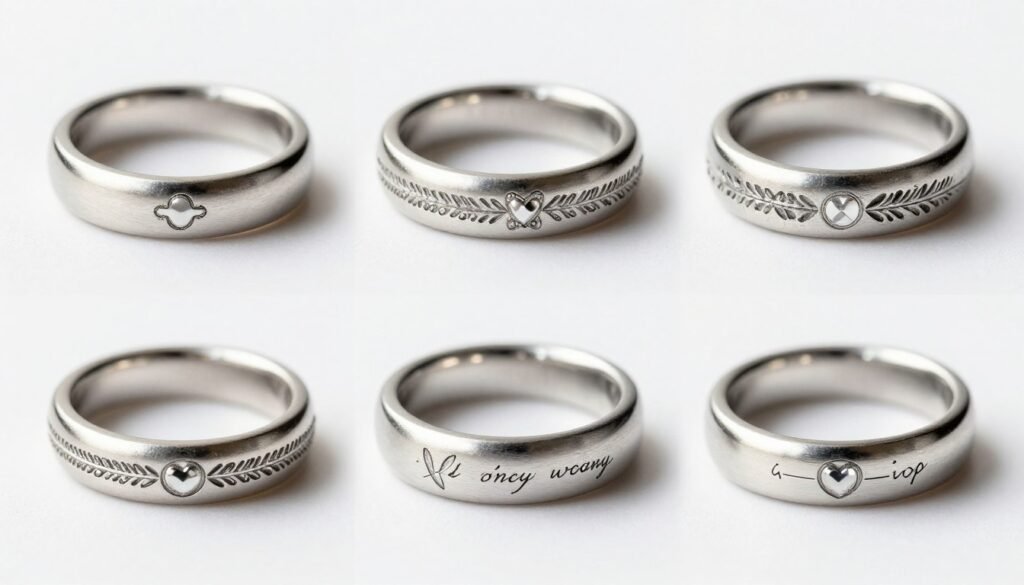
Wedding ring tattoos represent a growing trend among couples seeking permanent symbols of their commitment. These body art expressions offer a unique alternative to traditional wedding bands. Many partners choose tattoo designs that reflect their personal love story and relationship journey.
This Website contains affiliate links. That means I may earn a small commission if you purchase through my links, at no extra cost to you.
The appeal of tattooed ring finger options extends beyond aesthetics. Couples appreciate the permanence that mirrors their marriage vows. Unlike traditional wedding rings that can be lost or removed, ink stays with you through every life experience.
This comprehensive guide explores diverse wedding ring tattoo designs suitable for every couple. From minimalist line work to elaborate symbolic patterns, you’ll discover inspiration for your perfect match. We’ll cover placement options, design styles, and practical considerations for your forever ink.
Why Couples Choose Wedding Ring Tattoos Over Traditional Bands
Modern couples embrace wedding ring tattoos for numerous compelling reasons. The decision to get inked instead of wearing traditional rings reflects changing attitudes toward marriage symbols. Many find that tattoo designs better express their unique bond and personal style preferences.
Financial considerations often influence this choice. Traditional wedding rings, especially those featuring diamond stones, can cost thousands of dollars. Ring tattoos typically range from $50 to $300 per person, making them an affordable alternative for budget-conscious couples.
Practical Benefits of Tattooed Wedding Bands
Active lifestyles make traditional rings impractical for some partners. Healthcare workers, mechanics, athletes, and manual laborers face safety concerns with metal bands. A tattoo artist can create beautiful designs that never interfere with daily activities or professional requirements.
The permanence of ink holds deep symbolic meaning for many couples. Unlike metal rings that can be lost or removed during arguments, a ring tattoo stays constant. This permanent mark represents an unwavering commitment to the relationship and partner throughout life’s journey.
Advantages of Ring Tattoos
Never worry about losing your wedding ring during activities
No metal allergies or skin reactions to jewelry materials
Perfect for hands-on careers that prohibit jewelry wearing
Unique designs that tell your personal love story
Significantly lower cost compared to precious metal bands
No maintenance, cleaning, or resizing requirements needed
Considerations Before Getting Inked
Tattoos are permanent and require commitment to design
Finger tattoos may fade faster than other body locations
Touch-ups might be necessary every few years
Pain levels vary depending on individual tolerance
Professional settings may have visibility concerns
Removal processes are expensive and time-consuming
Personal Expression Through Custom Designs
Ring finger tattoos allow unlimited creative possibilities. Couples can incorporate meaningful symbols, dates, coordinates, or quotes that traditional rings cannot accommodate. This personal touch transforms a simple band into a storytelling piece of body art.
Many partners appreciate the collaborative design process. Working with a skilled tattoo artist to create matching or complementary designs strengthens the emotional connection. The experience itself becomes part of the wedding memories and relationship journey together.
Minimalist Wedding Ring Tattoo Ideas for Modern Couples
Minimalist designs dominate current wedding ring tattoo trends. These subtle options appeal to couples seeking understated elegance rather than bold statements. Simple line work creates sophisticated looks that age gracefully and maintain professional appearance in any setting.
The beauty of minimalist tattoos lies in their timeless quality. Unlike elaborate designs that may feel dated, clean lines remain classic across decades. These simple patterns also heal faster and require fewer touch-ups compared to complex tattoo work.
Simple Line and Band Designs
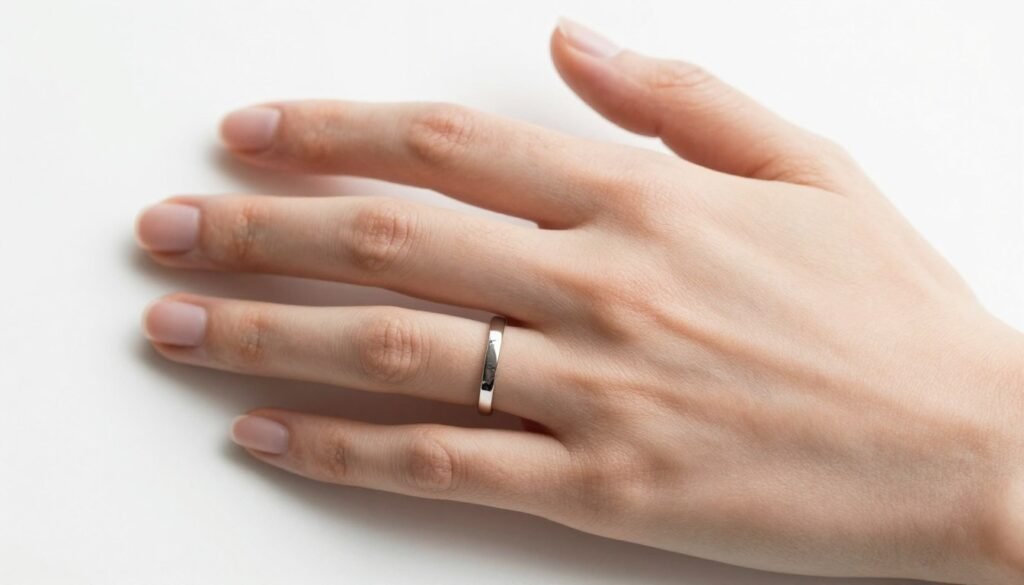
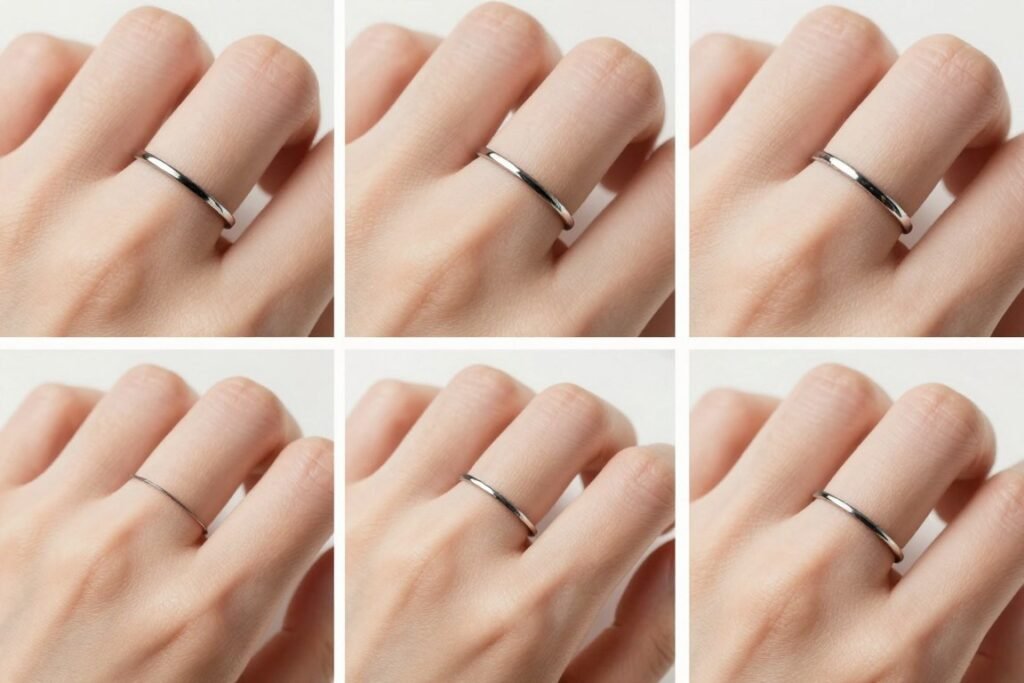
A single black line encircling the ring finger represents the most popular minimalist choice. This classic design mimics traditional wedding bands while maintaining extreme simplicity. The line can vary in thickness from delicate hairline to bold statement width.
Double or triple line designs add subtle complexity without overwhelming the finger. Some couples choose matching line widths while others select complementary patterns. These stacked bands create visual interest while preserving the minimalist aesthetic and clean appearance.
Dotted and Dashed Ring Patterns
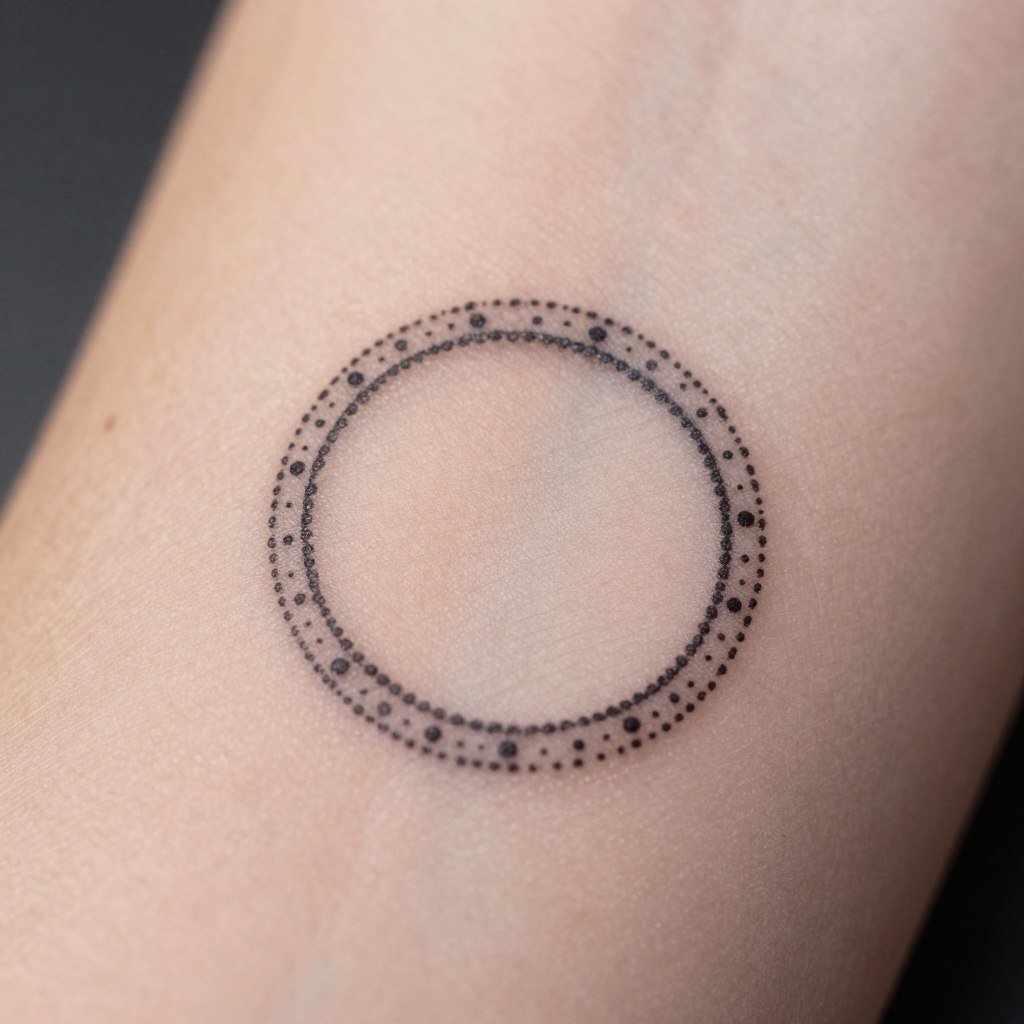
Dotted ring tattoos offer a softer alternative to solid lines. Small dots arranged in a perfect circle create a delicate appearance that suits those preferring extremely subtle ink. This pattern works particularly well for individuals with concerns about visible tattoos in professional environments.
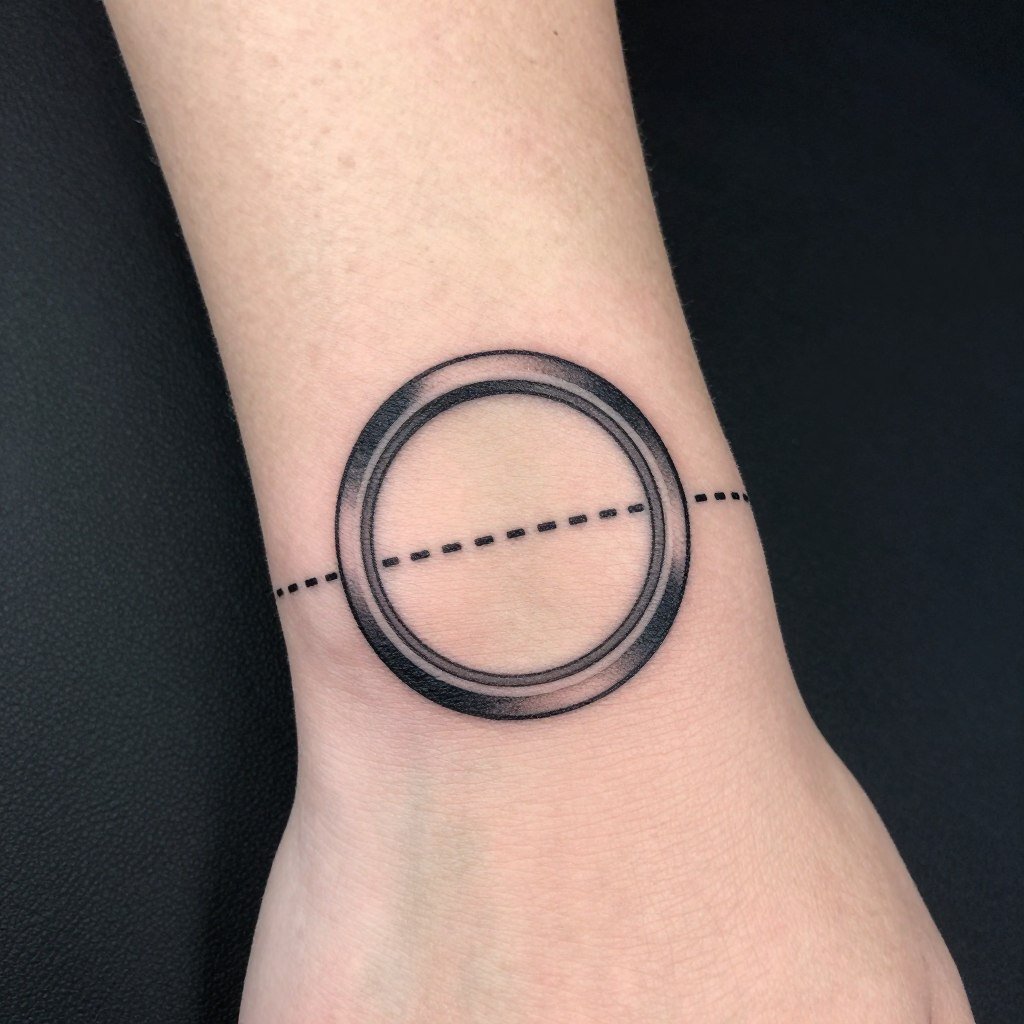
Dashed line patterns provide another elegant variation. Short lines separated by small gaps form a band that appears less permanent than solid ink. This optical softness appeals to those wanting a gentle reminder of their commitment rather than bold statement pieces.
Micro Dot Patterns
Tiny dots create barely-there rings perfect for subtle symbolism. This design works beautifully for those wanting private commitment symbols. The small size means faster healing and minimal pain during the tattoo process.
Geometric Dashes
Evenly spaced dashes create modern geometric appeal. This pattern offers a contemporary take on traditional bands. The negative space between lines adds visual lightness to the design and finger appearance.
Morse Code Messages
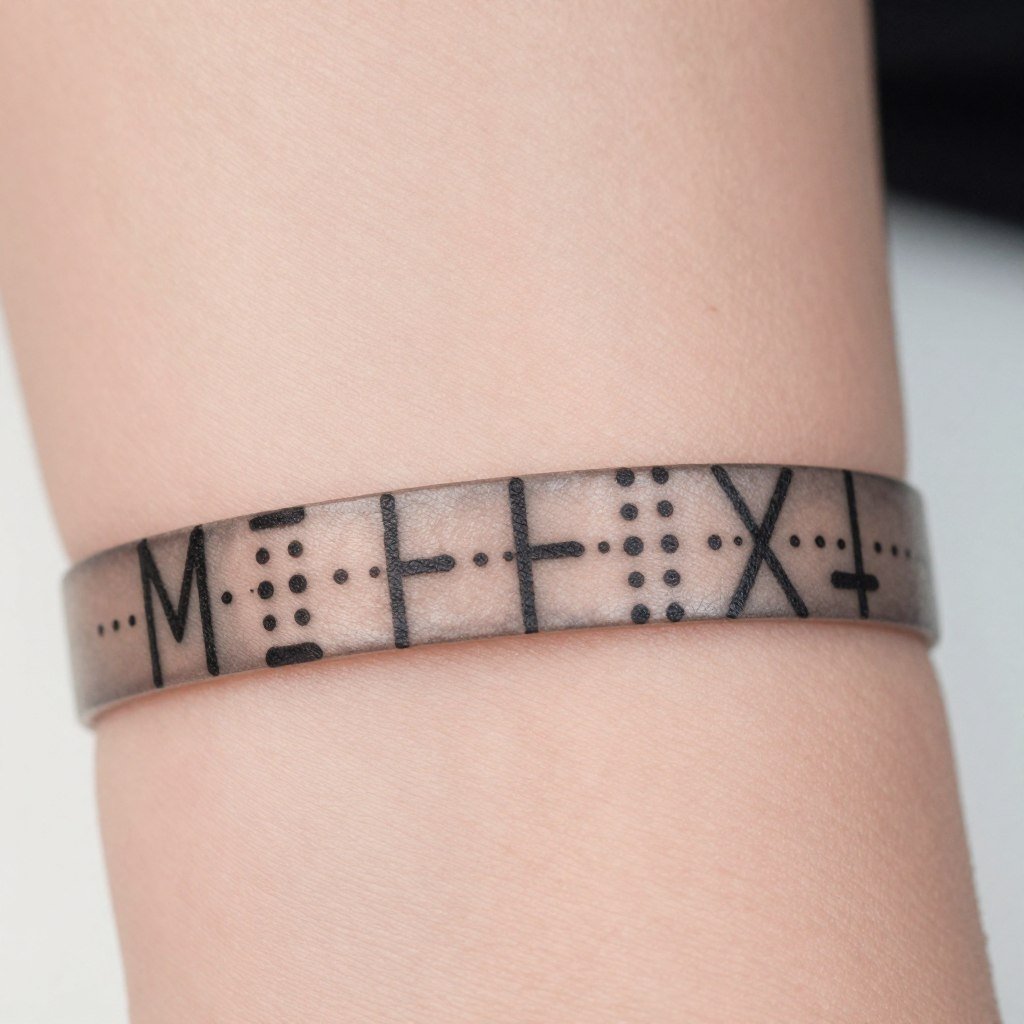
Dots and dashes can spell secret messages in morse code. Couples encode words like “love,” initials, or wedding dates. This clever design combines minimalism with deeply personal meaning only you understand.
Tiny Symbol and Icon Minimalist Tattoos
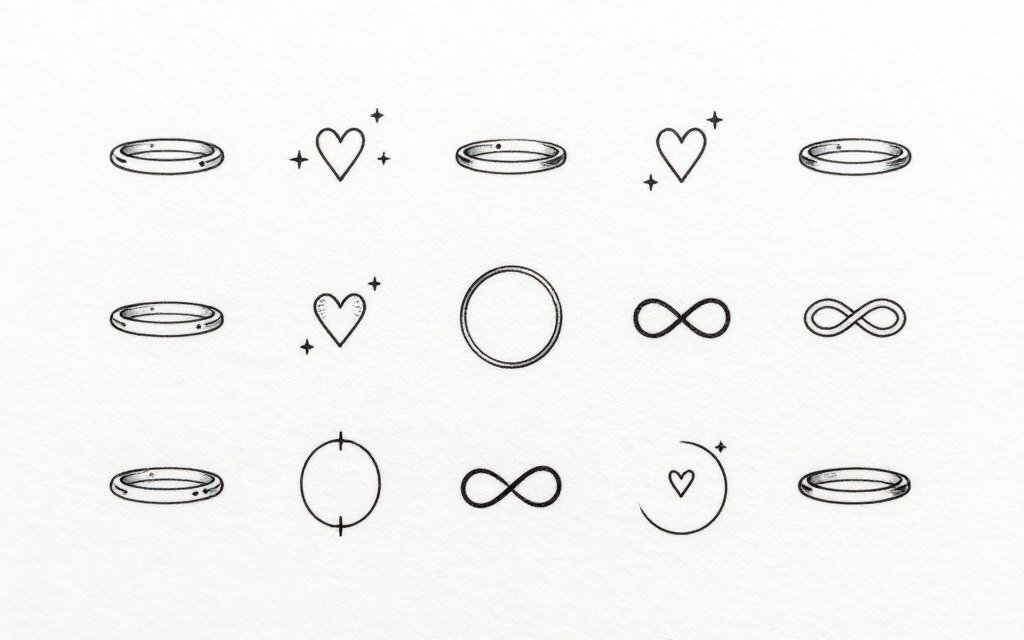
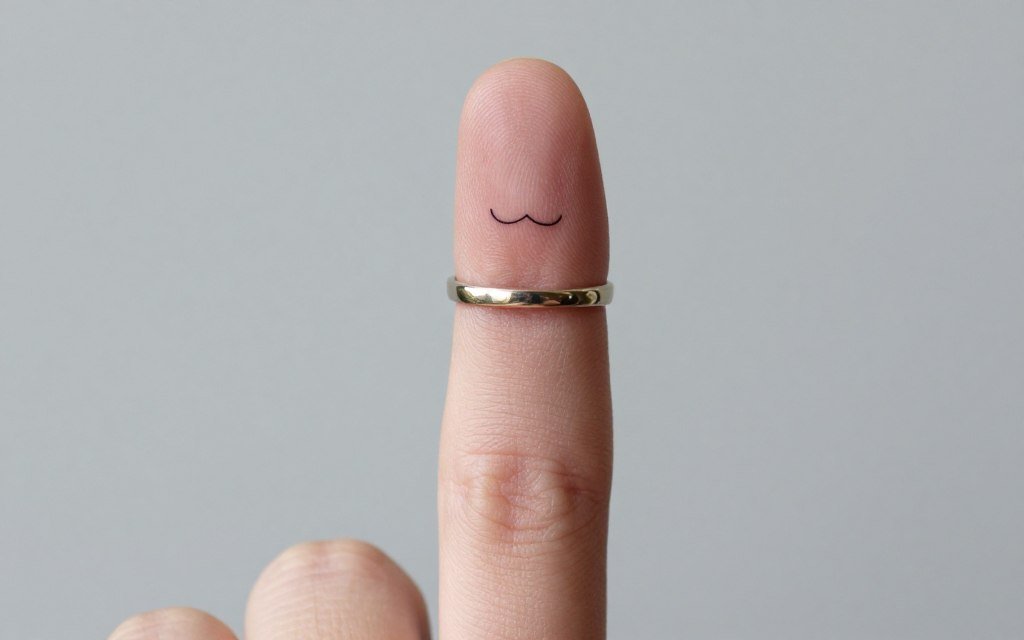
Small symbols replace full bands in some minimalist designs. A tiny heart, star, infinity symbol, or other meaningful icon sits on the ring finger instead of wrapping around. These micro tattoos offer maximum subtlety while maintaining symbolic significance.
The placement of these small symbols matters significantly. Some prefer the top of the finger for visibility when hands rest naturally. Others choose the inner side for a private reminder visible only to themselves and their partner during intimate moments.
Matching Wedding Ring Tattoos That Complement Each Other
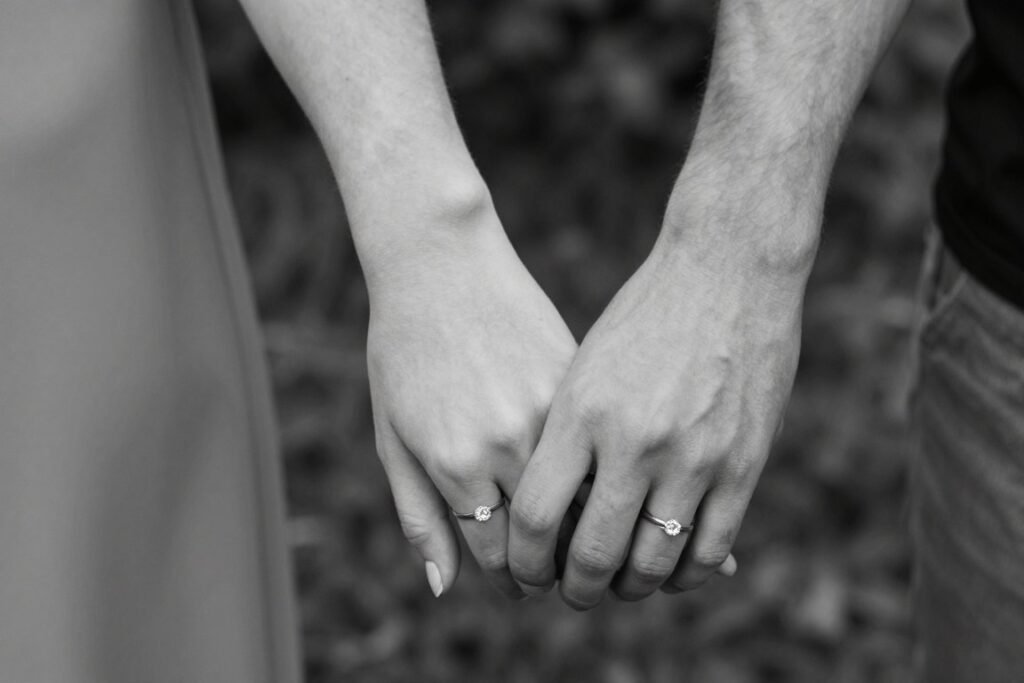
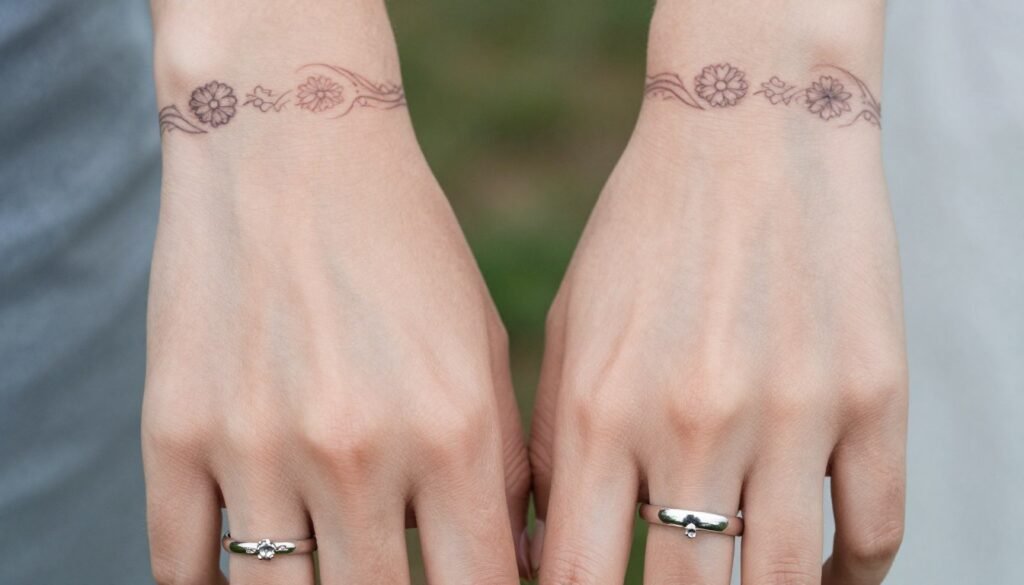
Matching tattoos create powerful visual statements about partnership unity. These coordinated designs demonstrate the couple’s connection through identical or complementary ink work. The coordination process itself strengthens bonds as partners collaborate on their shared body art vision.
Perfect matches don’t require identical designs. Many couples prefer complementary patterns that fit together when hands touch. This approach celebrates both unity and individuality within the relationship, acknowledging two separate people choosing life together.
Identical Design Matching Sets
Identical ring tattoos offer the strongest visual match between partners. Both people receive the exact same design in the same placement, creating perfect symmetry. This approach works especially well with geometric patterns, simple bands, or symbolic elements that suit all gender expressions.
The coordination extends beyond design to include line weight, placement, and sizing. Working with the same tattoo artist ensures consistency in execution. Scheduling appointments together transforms the experience into a memorable bonding moment for the couple.
Complementary Half-Design Concepts
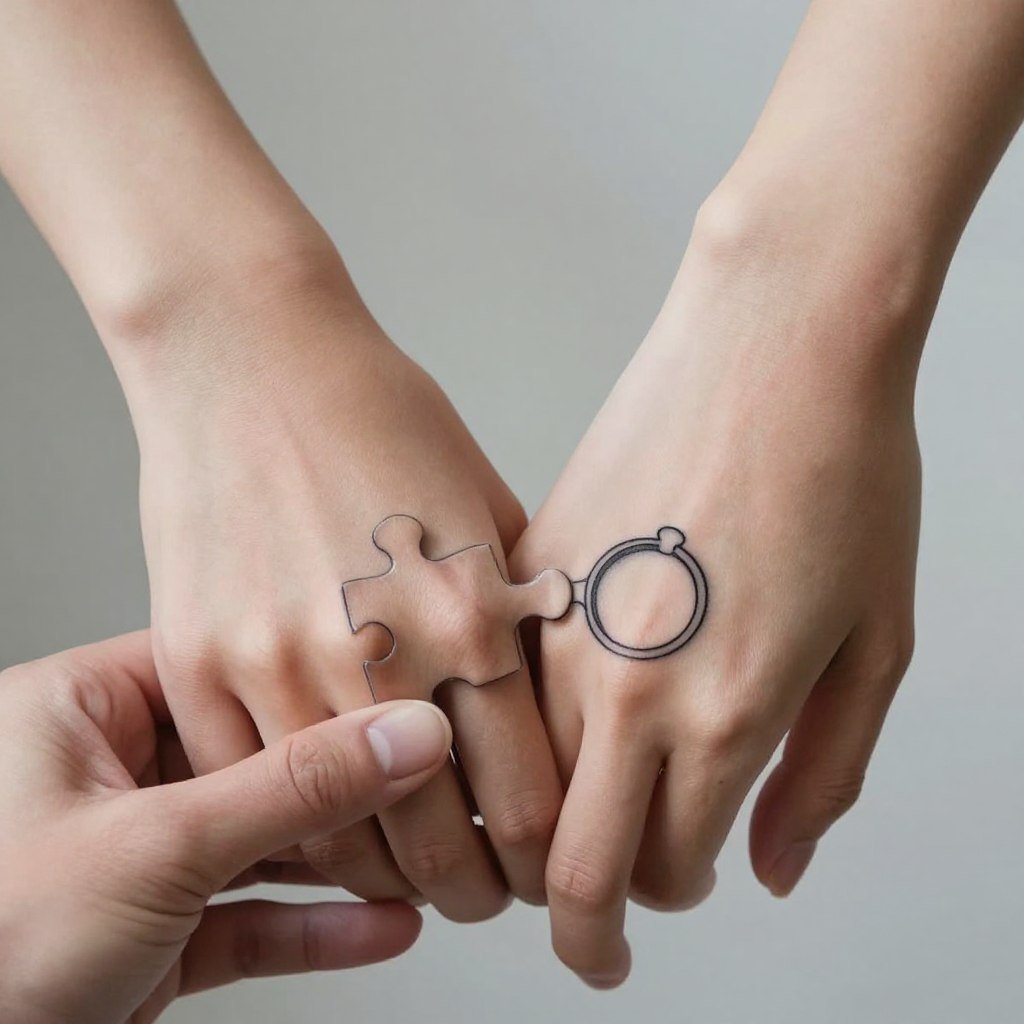
Half-design concepts complete when hands join together. One partner receives the left portion while the other gets the right side. When fingers touch, the separate tattoos form one complete image, symbol, or message that represents their union.
Popular complementary designs include split hearts, puzzle pieces, sun and moon pairs, or divided quotes. The symbolic meaning deepens as each person literally carries half of the whole. Complete unity only exists when the couple comes together physically.
Puzzle Piece Pairs
Interlocking puzzle pieces symbolize how partners complete each other. One finger displays the tab while the other shows the blank space. When hands press together, the pieces visually lock into perfect alignment and completion.
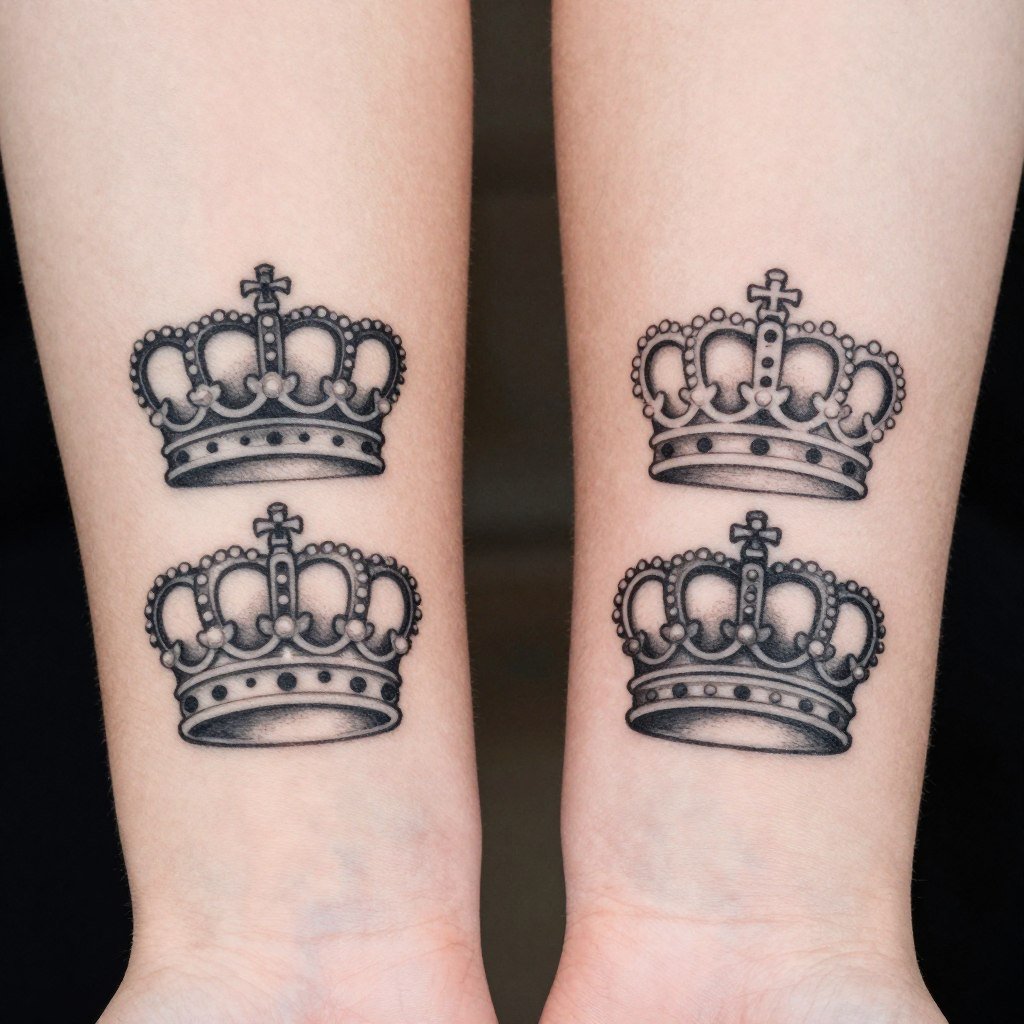
King and Queen Crowns
Royal crown symbols acknowledge each partner’s importance. Simple crown outlines work beautifully on ring fingers without overwhelming small spaces. This design celebrates mutual respect and partnership equality throughout the marriage journey.
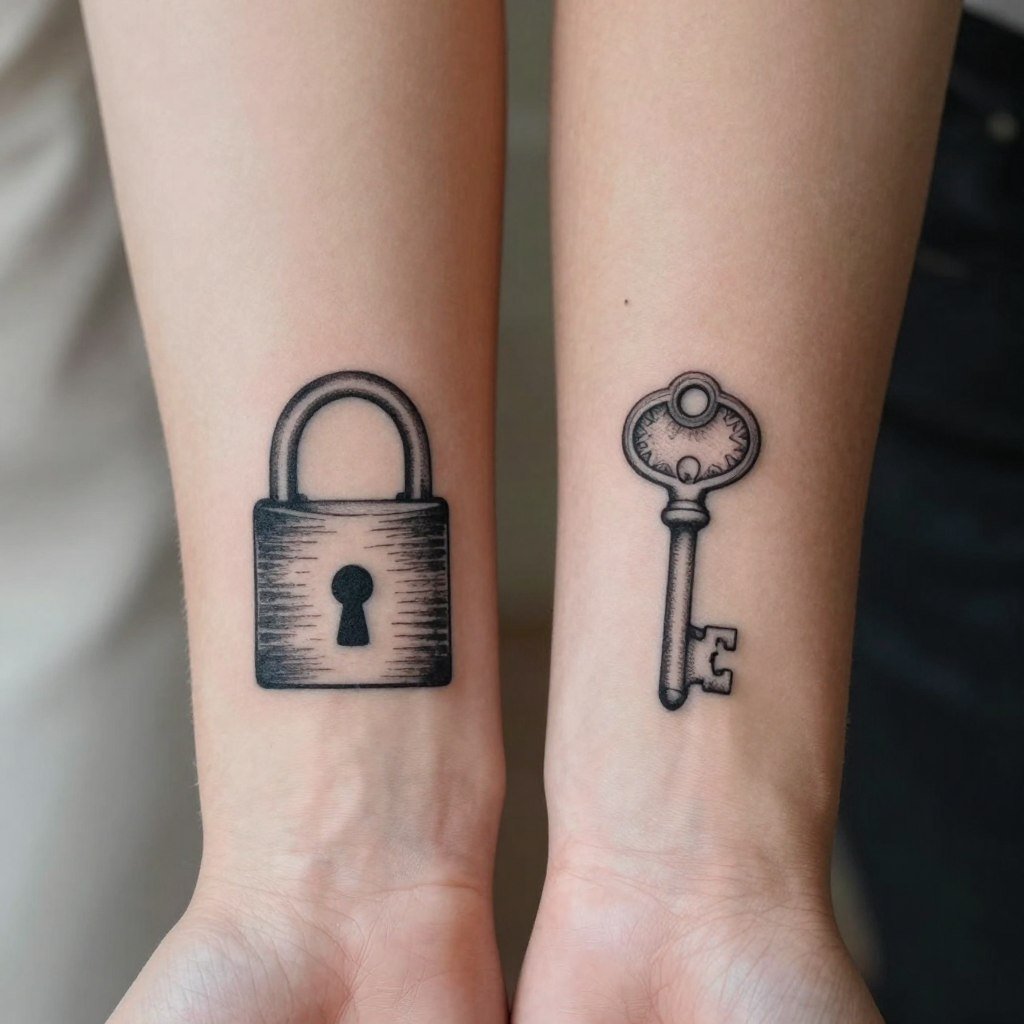
Lock and Key Sets
The lock and key metaphor represents trust and access. One partner wears a small lock while the other displays the matching key design. This symbolizes how each person holds the key to the other’s heart and emotional security.
Coordinated Different Designs
Some couples prefer different designs that share common elements. Both partners might choose nature themes but select different plants or animals. This approach honors individual preferences while maintaining visual connection through shared motifs, colors, or artistic styles.
Coordinated designs might share line weight, dot patterns, or specific symbols while varying the overall composition. One person might choose a floral band while the other selects geometric patterns, both executed in the same line thickness and ink density.
Symbolic Wedding Ring Tattoo Ideas with Deep Meaning
Symbolic tattoos transform simple rings into powerful storytelling devices. These meaningful designs incorporate elements that represent the couple’s unique journey, values, or shared experiences. The symbolism adds emotional depth that generic bands cannot match.
Choosing symbols requires thoughtful consideration of long-term significance. The images you select today will remain throughout your life together. Focus on timeless representations of love, commitment, and partnership rather than trendy icons that might lose meaning.
Infinity Symbol and Endless Love Designs
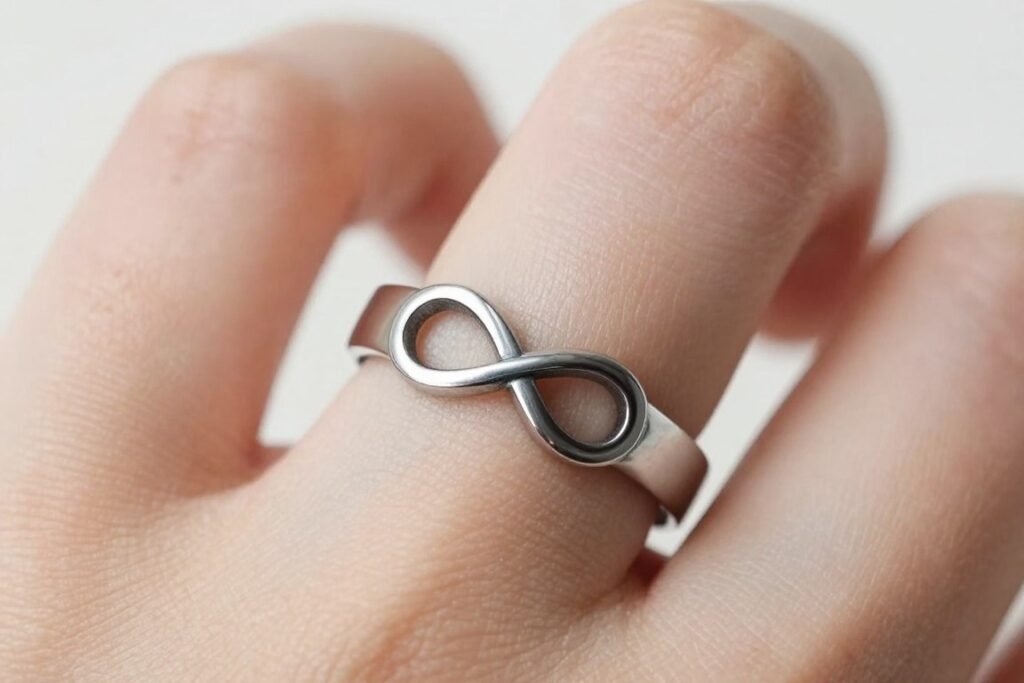
The infinity symbol perfectly represents eternal commitment. This mathematical sign for endlessness translates beautifully to ring finger dimensions. The continuous loop has no beginning or end, mirroring the hopeful permanence of marriage vows and lifelong partnership.
Infinity designs adapt to various styles and preferences. Some couples prefer a simple, clean mathematical symbol. Others incorporate the infinity loop into more elaborate designs, weaving it through names, dates, or other meaningful elements for personalized significance.
Heart Symbols and Love Representations
Heart symbols remain classic choices for wedding ring tattoos despite their universal popularity. The simple heart shape communicates love across cultures and languages without requiring explanation. Small heart outlines fit perfectly on ring fingers without overwhelming the limited space available.
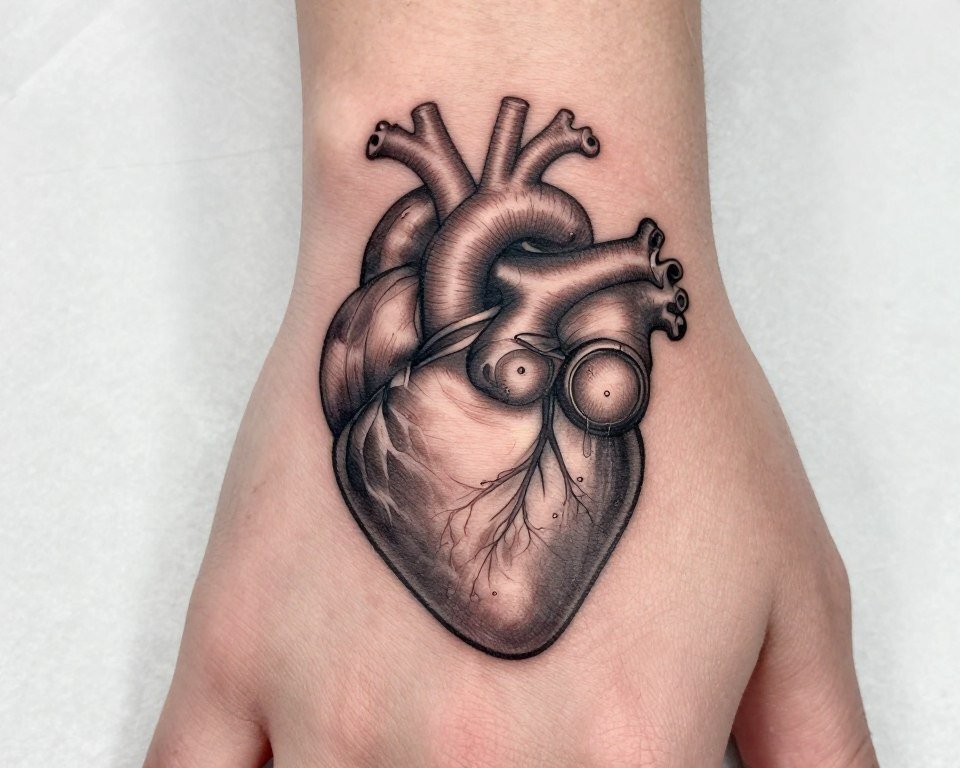
Creative variations include anatomical hearts for medical professionals or couples valuing scientific accuracy. Heartbeat line patterns combine hearts with EKG-style traces. These adaptations personalize the common symbol while maintaining its core meaning of love and life force.
Unique Heart Variations
Traditional outline hearts can feel generic for some couples. Consider watercolor-style hearts, geometric heart shapes, or hearts formed from fingerprints. These creative approaches maintain the love symbolism while adding distinctive personal character to your design.
Celtic heart knots combine heart shapes with intricate knotwork. These designs reference Irish heritage and ancient symbols of eternal love. The complexity requires skilled tattoo artist execution but creates stunning results with deep cultural connections.
Religious and Spiritual Symbol Options
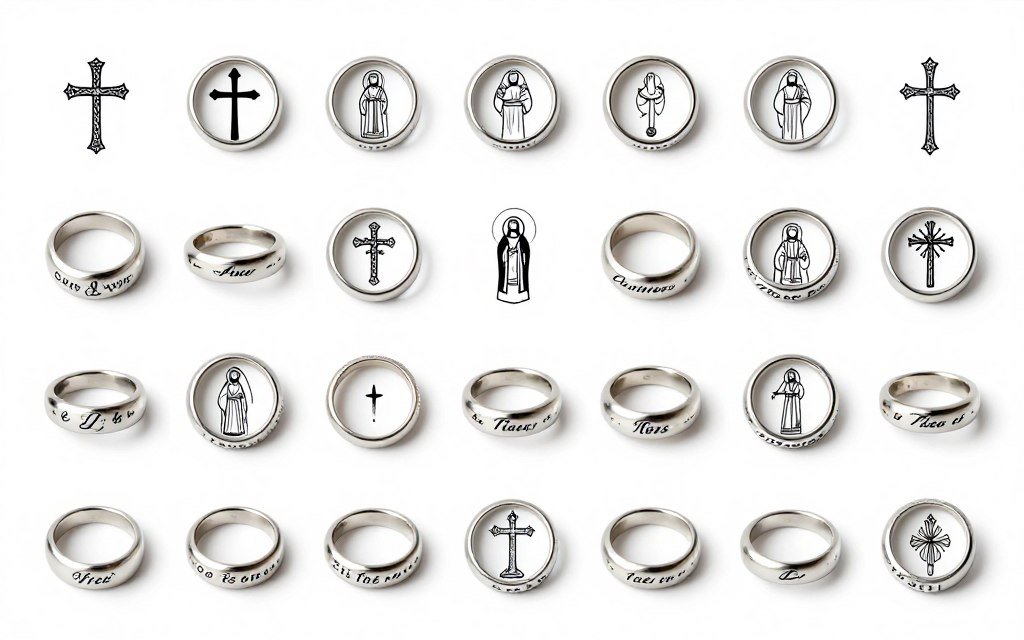
Religious couples often incorporate faith symbols into wedding ring tattoos. Small crosses, stars of David, om symbols, or other religious icons acknowledge the spiritual dimension of marriage. These elements remind partners that their union exists within a larger faith context.
Scripture references work beautifully in minimalist form. Small verse numbers, single words from sacred texts, or religious phrases in Hebrew, Sanskrit, or Latin create meaningful bands. The text circles the finger or appears as a small accent element.
Nature Elements and Organic Motifs
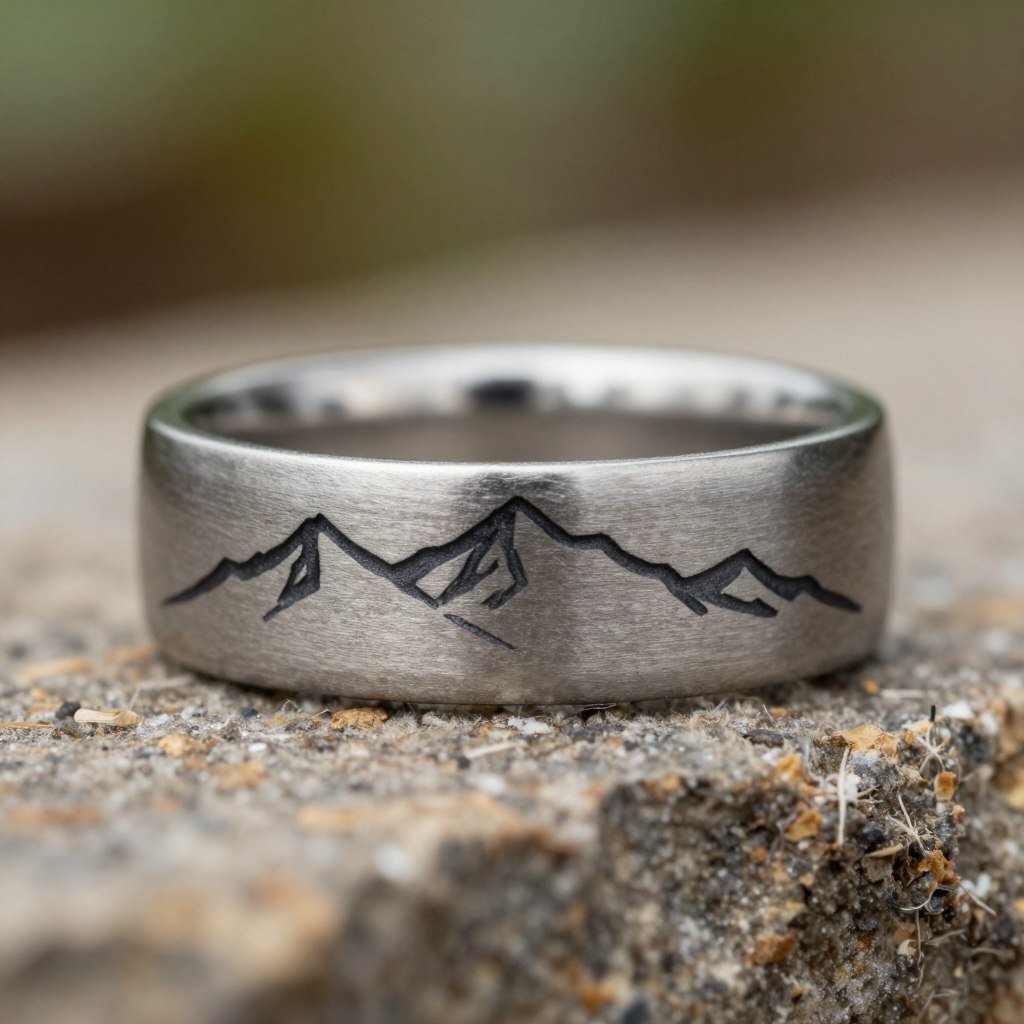
Nature-inspired designs bring organic beauty to wedding ring tattoos. Small leaves, vines, flowers, mountains, waves, or celestial bodies connect the marriage to the natural world. These elements often carry personal significance based on proposal locations, favorite places, or shared outdoor interests.
Mountain outline rings appeal to couples who love hiking and outdoor adventures. Wave patterns suit those with ocean connections. Constellation designs map the night sky from significant dates. These nature elements create unique rings tied to specific memories and experiences.
Botanical Vine Designs
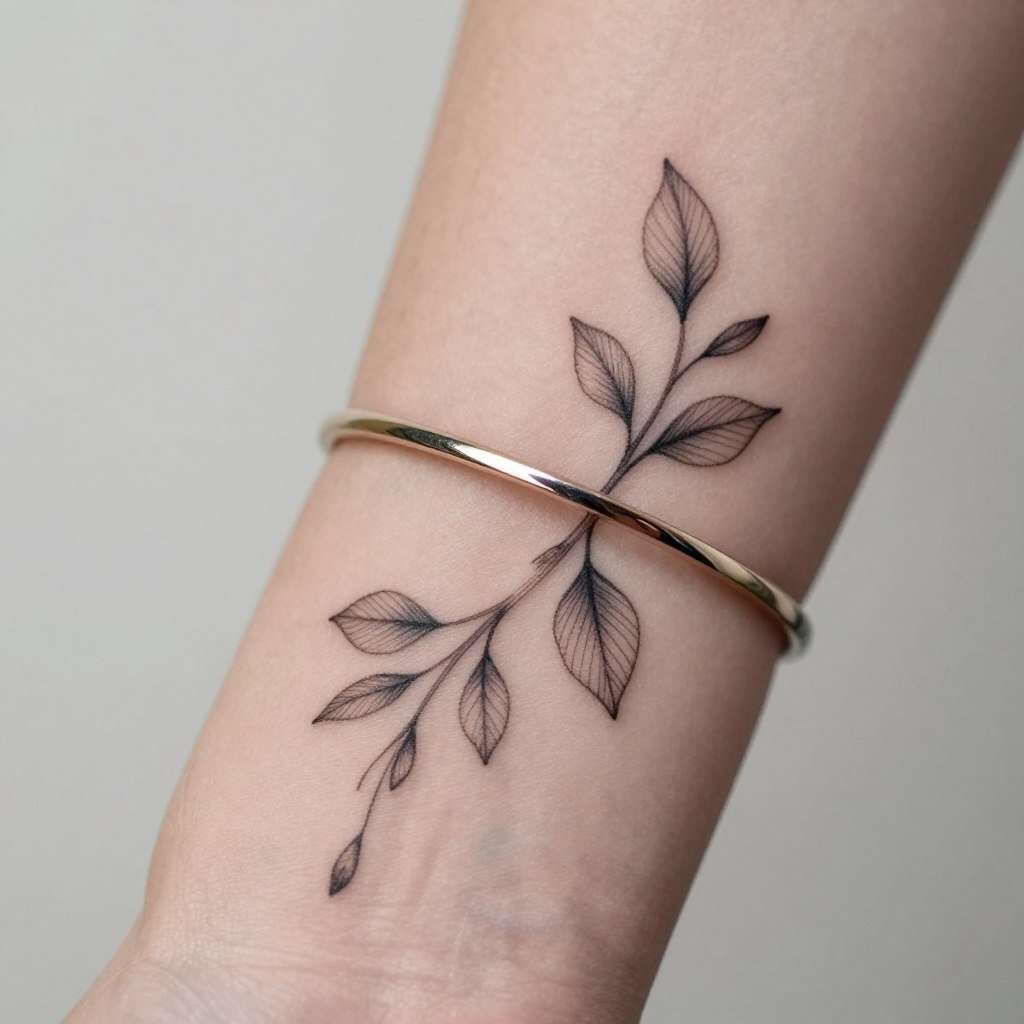
Delicate vines wrap gracefully around ring fingers. Small leaves branch off the main vine at intervals. This organic design grows with your relationship, symbolizing how love develops and flourishes over time together.
Mountain Range Bands
Mountain silhouettes honor couples who met while hiking or share outdoor passions. The peaks and valleys represent life’s journey together. This design particularly suits adventure-loving partners who value nature and exploration experiences.
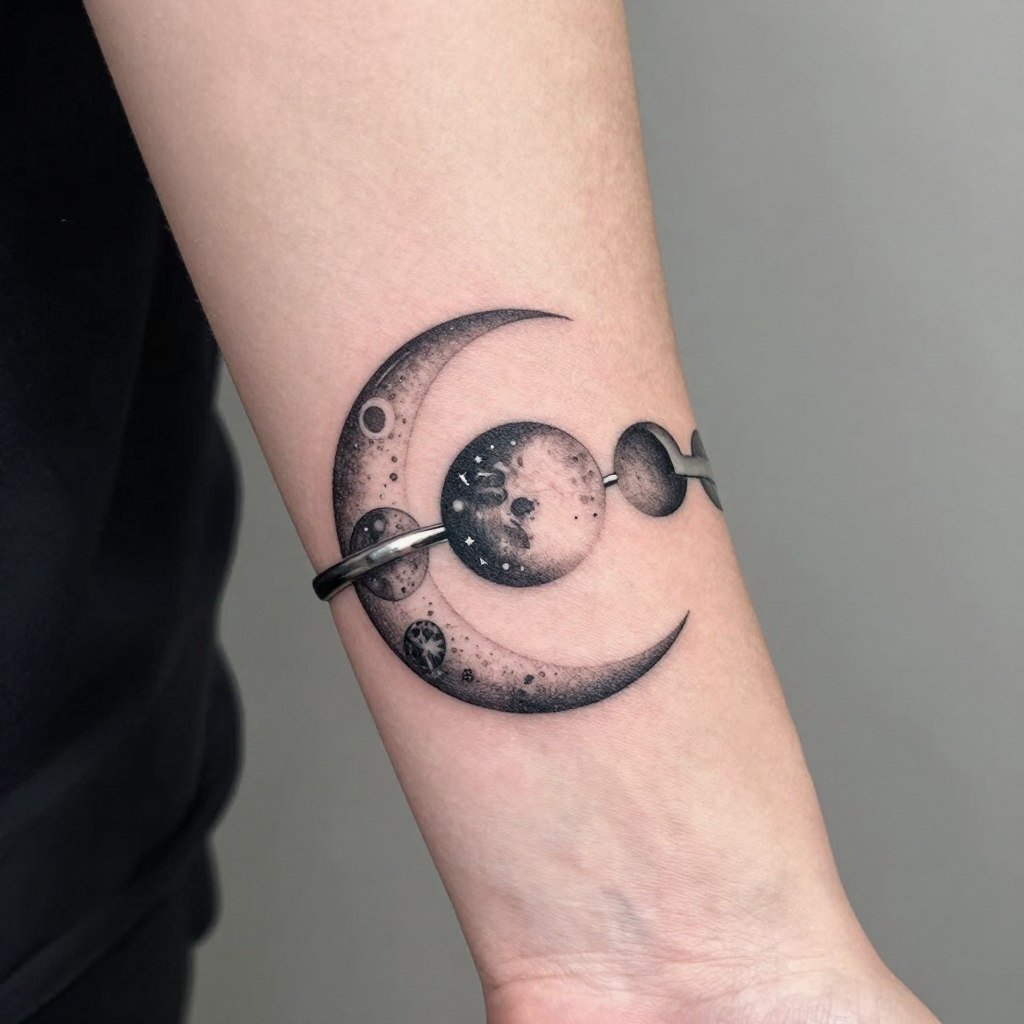
Moon Phase Cycles
Moon phases circling the finger represent constant change within stable cycles. Each phase connects to different relationship seasons. This celestial design acknowledges that love transforms while remaining fundamentally constant throughout all phases.
Prepare Your Skin for Perfect Tattoo Results
Before getting your wedding ring tattoo, proper skin preparation ensures optimal healing and vibrant results. Quality tattoo aftercare products help your meaningful design stay beautiful for years to come.
Coordinate, Date, and Text-Based Wedding Ring Tattoos
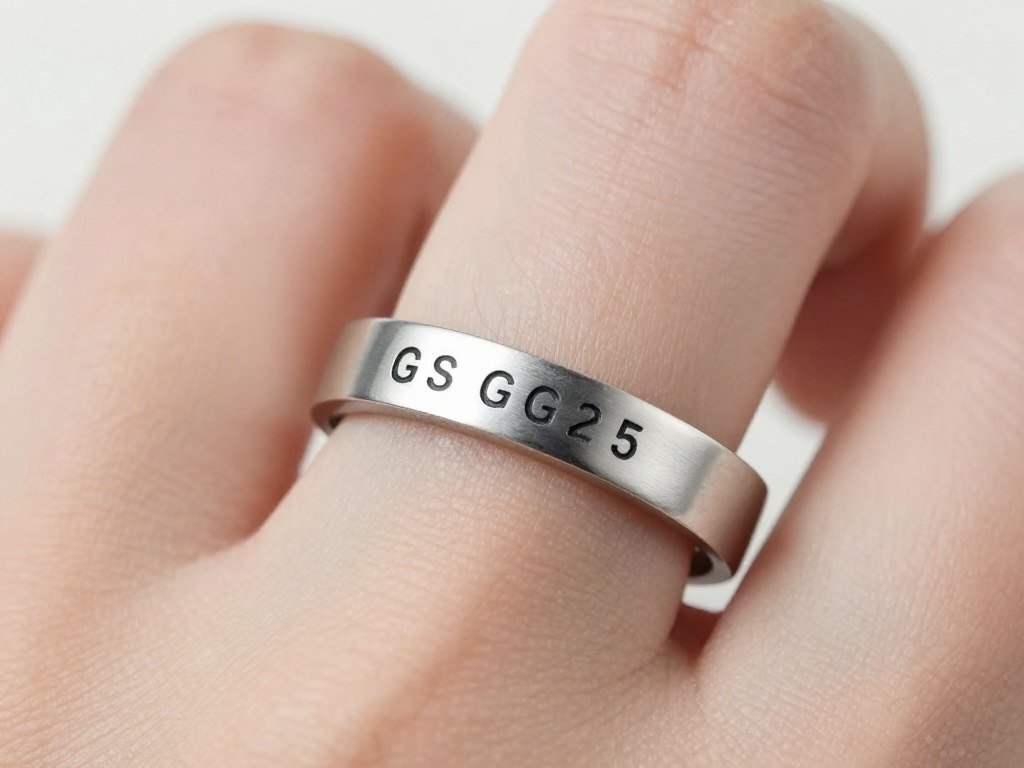
Text-based tattoos capture specific moments in permanent form. Numbers, words, and coordinates tell your unique story in precise detail. These designs appeal to couples who value concrete details and specific memories over abstract symbolism.
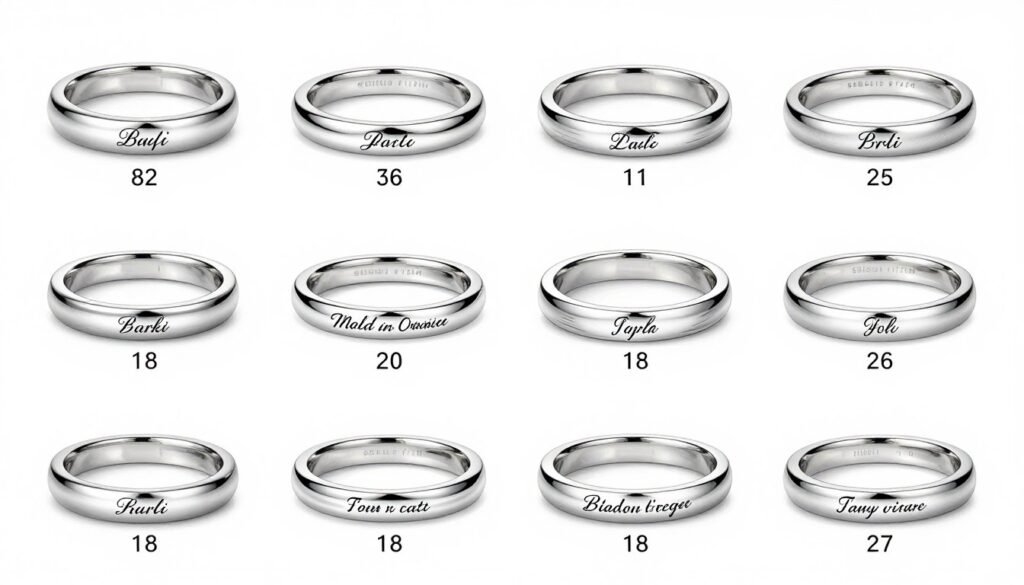
The challenge with text tattoos involves legibility on small ring finger spaces. Careful font selection and appropriate sizing ensure the information remains readable as the tattoo ages. Simple, clean fonts work better than elaborate scripts for long-term clarity.
Geographic Coordinate Ring Tattoos
GPS coordinates mark significant locations permanently. Many couples choose where they first met, got engaged, or married. The numbers appear mysterious to observers but hold deep personal meaning. This privacy appeals to those wanting intimate symbolism without obvious displays.
Coordinate formatting requires careful planning. Degrees, minutes, and seconds create longer number strings than decimal formats. Consider whether you want full precision or simplified versions. Some couples split coordinates between two fingers, with one partner receiving latitude and the other longitude.
Wedding Date and Anniversary Tattoos
Wedding dates commemorate the day your lives officially joined. Roman numerals offer elegant alternatives to standard numbers, creating sophisticated appearance while maintaining meaning. The date format choice affects design length and aesthetic appeal significantly.
Some couples prefer anniversary dates from long relationships rather than legal wedding days. Others mark proposal dates, first meeting days, or other significant milestones. The chosen date should represent what feels most meaningful to your particular relationship journey.
Date Format Options
Roman numerals for classic elegant appearance
Standard numbers in MM.DD.YYYY format
Abbreviated dates using only month and year
European DD.MM.YY format for international couples
Written-out dates like “June Twenty Twenty”
Simple year markers without full dates
Placement Considerations for Dates
Wrapping around the entire finger circumference
Positioned on finger’s top surface only
Inner finger side for private viewing
Split between both partners’ matching fingers
Combined with other symbols or decorative elements
Vertical orientation along finger length
Initial and Name Text Tattoos
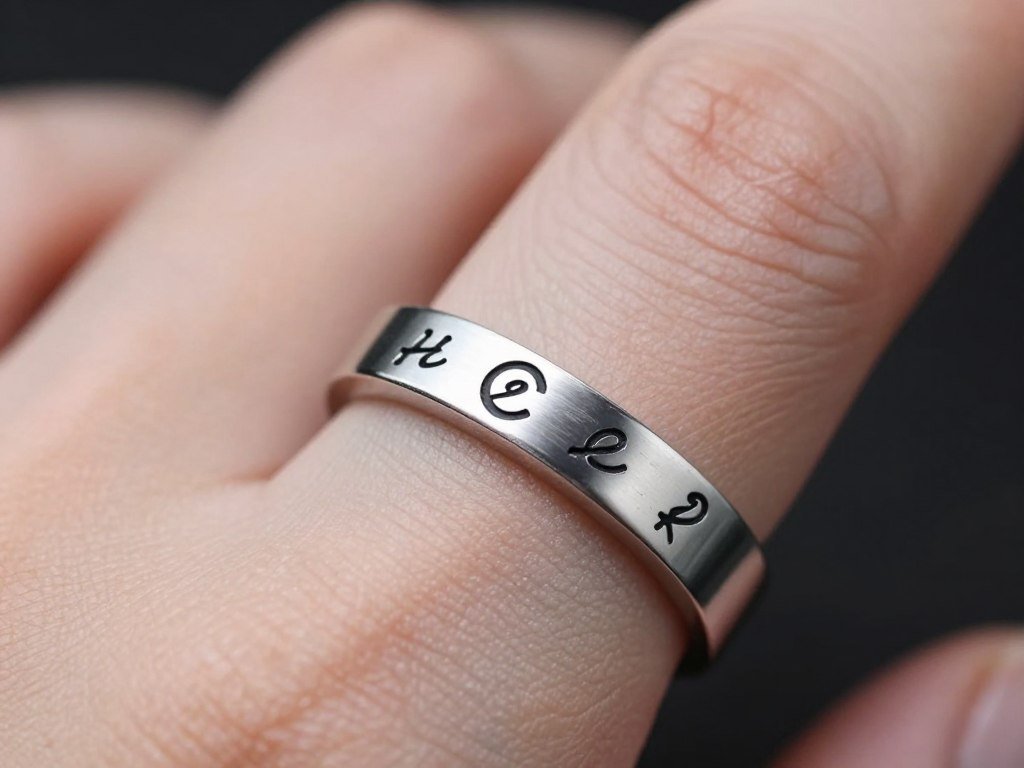
Partner initials create simple yet meaningful text tattoos. Single letters or combined initials mark ownership and commitment. Some couples use ampersands or plus signs to connect their letters, creating visual unity between separate identities within the marriage partnership.
Full names require more space than most ring fingers accommodate comfortably. Consider using nicknames, first names only, or creative abbreviated versions. The font size must remain large enough for long-term legibility as the tattoo ages and potentially spreads.
Quote and Phrase Wedding Bands
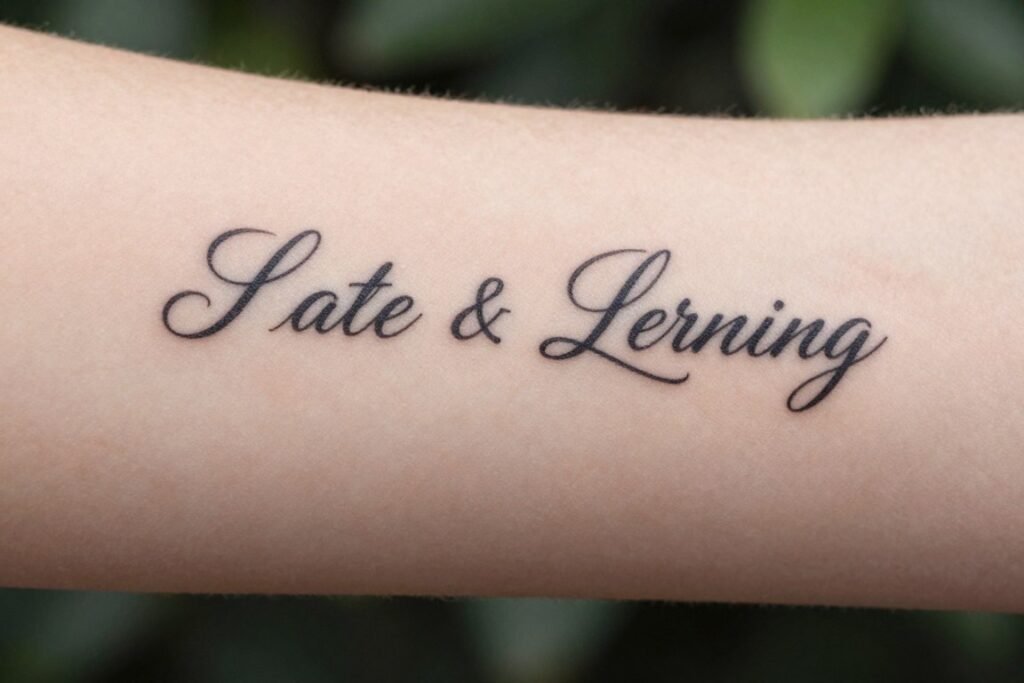
Meaningful quotes or phrases transform ring fingers into personal manifestos. Short phrases from favorite songs, poems, or shared jokes create intimate meanings. The key involves finding phrases brief enough to fit while remaining legible at small sizes.
Consider phrases in meaningful languages like the language you used to say “I love you” first, or languages representing heritage. Latin phrases, words in partner’s native languages, or invented words unique to your relationship add personal character.
Popular Short Phrases
“Forever” or “Always” for simple commitment
“You & Me” acknowledging partnership unity
“My person” from popular culture references
“Soul mate” for spiritual connection belief
“Better half” with playful affection
“Forever yours” showing permanent devotion
“All of me” from song lyrics
“Together” emphasizing unified journey
Creative Text Placements
Wrapping completely around the finger band
Positioned across the top surface only
Vertical text running along finger length
Hidden on inner finger sides
Split phrases between two hands
Combined with decorative border elements
Incorporated into larger symbolic designs
Arranged in circular or curved text
Font Style Guidelines
Simple sans-serif fonts for maximum clarity
Avoid elaborate scripts that blur over time
Ensure adequate letter spacing for aging
Choose bold weights over delicate lines
Test font legibility at actual size
Consider how font matches other tattoos
Verify tattoo artist’s lettering expertise
Request sample sketches before committing
Creative and Unique Wedding Ring Tattoo Design Concepts
Creative designs set your wedding ring tattoo apart from conventional choices. These innovative concepts blend multiple elements or introduce unexpected approaches to ring finger ink. Unique designs require skilled tattoo artist collaboration but result in truly one-of-a-kind symbols of commitment.
The best creative tattoos balance originality with timeless appeal. Avoid designs so trendy they’ll feel dated quickly. Focus on concepts that feel fresh now but will still resonate decades into your marriage. Personal meaning should drive creativity rather than pure novelty.
Fingerprint and Biometric Designs
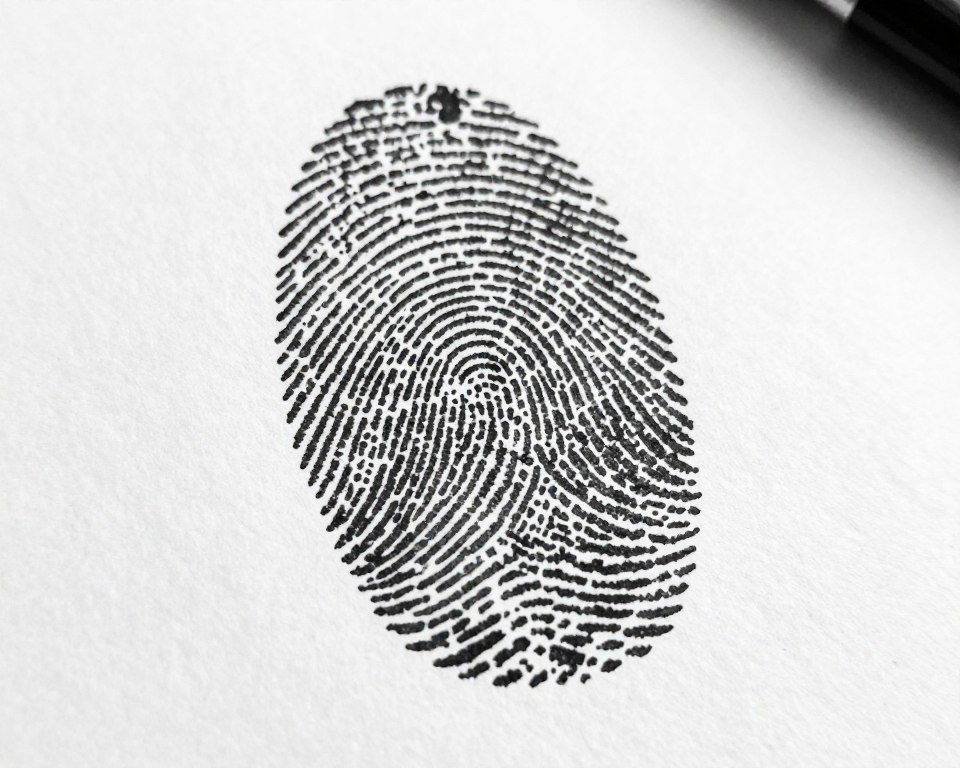
Fingerprint tattoos capture your partner’s actual print permanently. This intimate design acknowledges how your partner literally leaves marks on your life. The unique pattern belongs exclusively to them, making the tattoo impossible for anyone else to replicate or share.
Creating fingerprint tattoos requires obtaining clear prints through ink or professional scanning. The tattoo artist then recreates the ridge patterns in permanent ink. Some designs wrap the entire finger while others place partial prints on top surfaces or inner sides.
Soundwave and Heartbeat Patterns
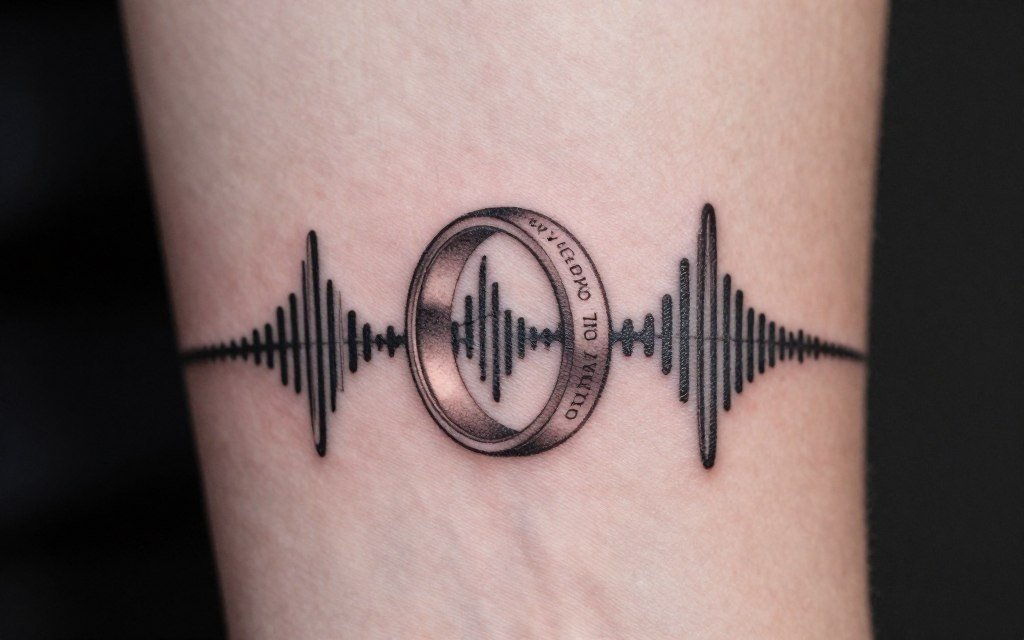
Soundwave tattoos visualize spoken words or significant sounds. Couples record themselves saying “I love you,” their vows, or meaningful phrases. The audio converts to visual waveform patterns that circle the ring finger. Only you know what the pattern represents, creating intimate privacy.
Heartbeat patterns from EKG readings offer medical-themed romance. Some couples use actual heart monitor data from meaningful moments. The steady rhythm line symbolizes life, love, and the physical heart connection between partners throughout their shared journey together.
Watercolor and Artistic Style Rings
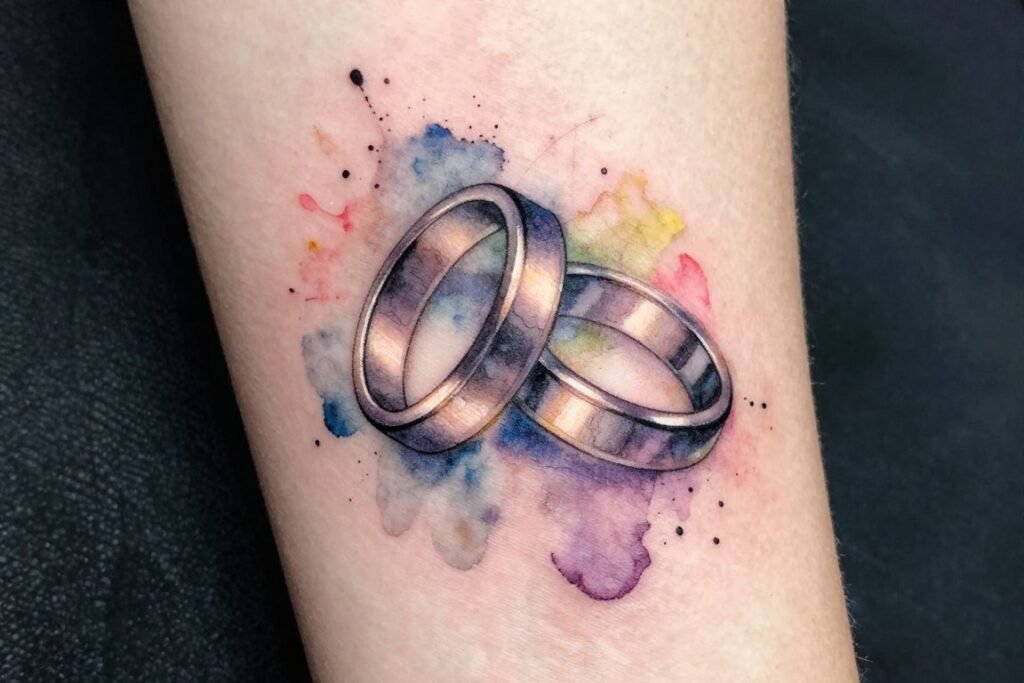
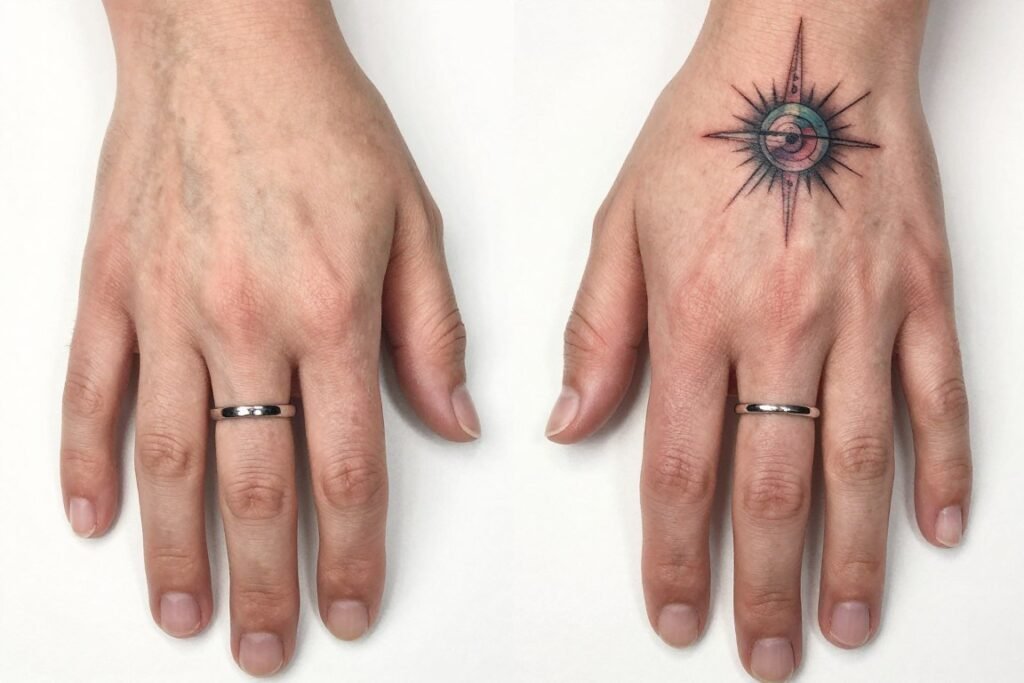
Watercolor tattoos bring painterly aesthetics to ring designs. Soft color washes, gentle blending, and artistic splashes create unique appearances. This style suits creative couples who appreciate fine art and want rings that look like miniature paintings on their fingers.
Artistic styles extend beyond watercolor to include geometric patterns, dotwork, or illustrative approaches. These techniques transform simple bands into artistic statements. The style choice should reflect your personal aesthetic preferences and match any existing tattoo collection you maintain.
Negative Space and Blackwork Designs
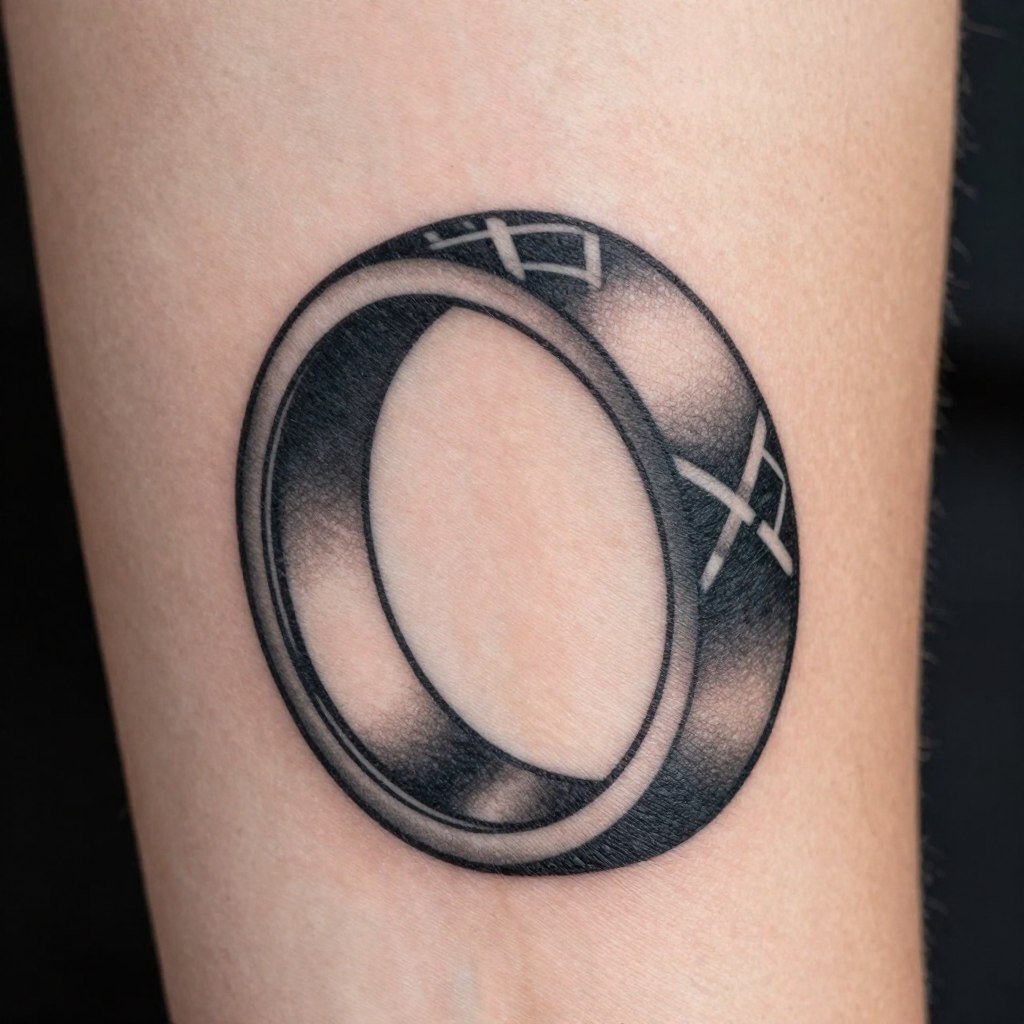
Negative space tattoos use skin color as design element rather than just background. Bold black bands with intentional gaps create striking patterns. This technique produces high-contrast results that remain visible and dramatic even as the tattoo ages over time.
Blackwork involves solid black coverage with designs revealed through empty spaces. These bold tattoos make strong visual statements. The substantial ink coverage requires confidence in your choice since removal becomes more challenging with larger solid black areas.
Geometric Negative Space
Geometric shapes with negative space create modern architectural aesthetics. Triangles, hexagons, or other polygons form patterns where skin shows through. This contemporary approach appeals to couples with minimalist design sensibilities and modern taste.
Mandala Pattern Rings
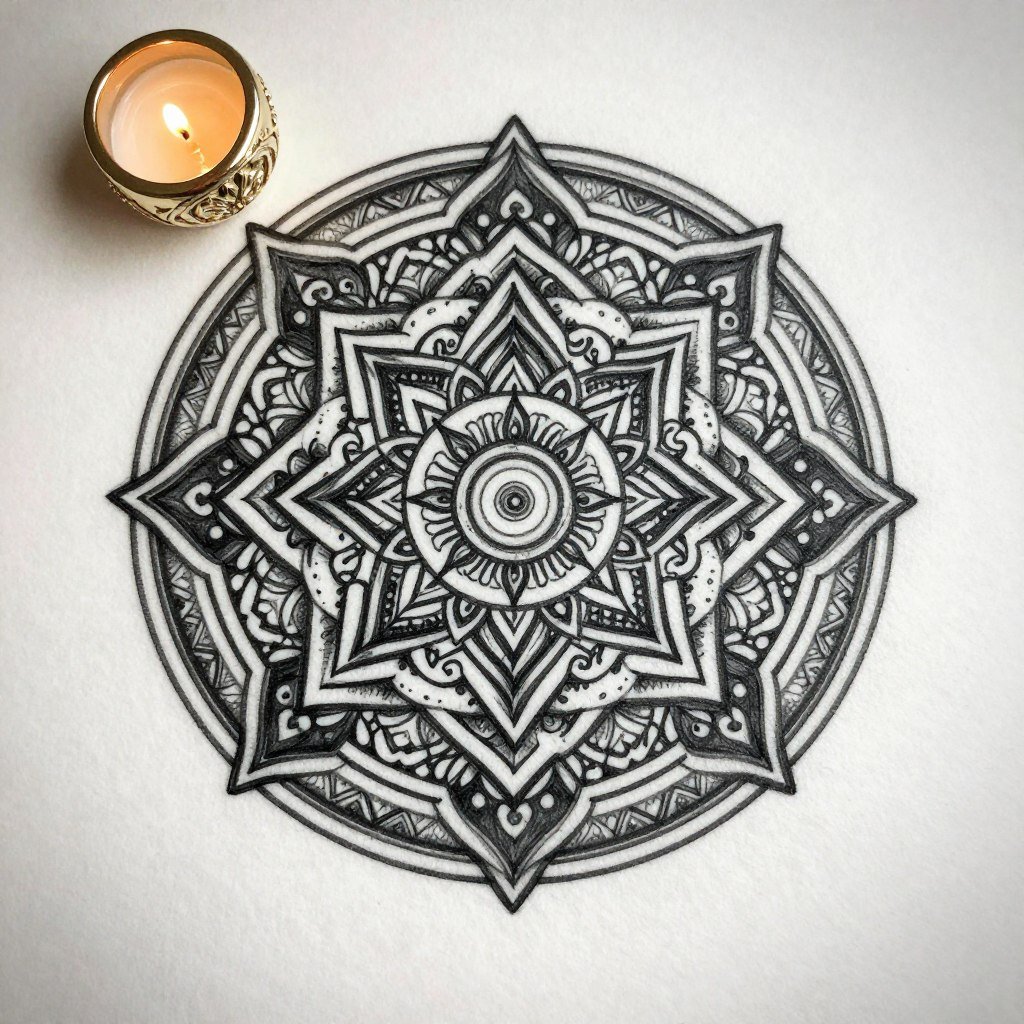
Mandala designs bring spiritual symbolism and intricate beauty. These circular patterns represent wholeness, unity, and the universe. The detailed work requires skilled execution but creates stunning results with deep meditative and spiritual significance for mindful couples.
Celtic Knotwork Bands
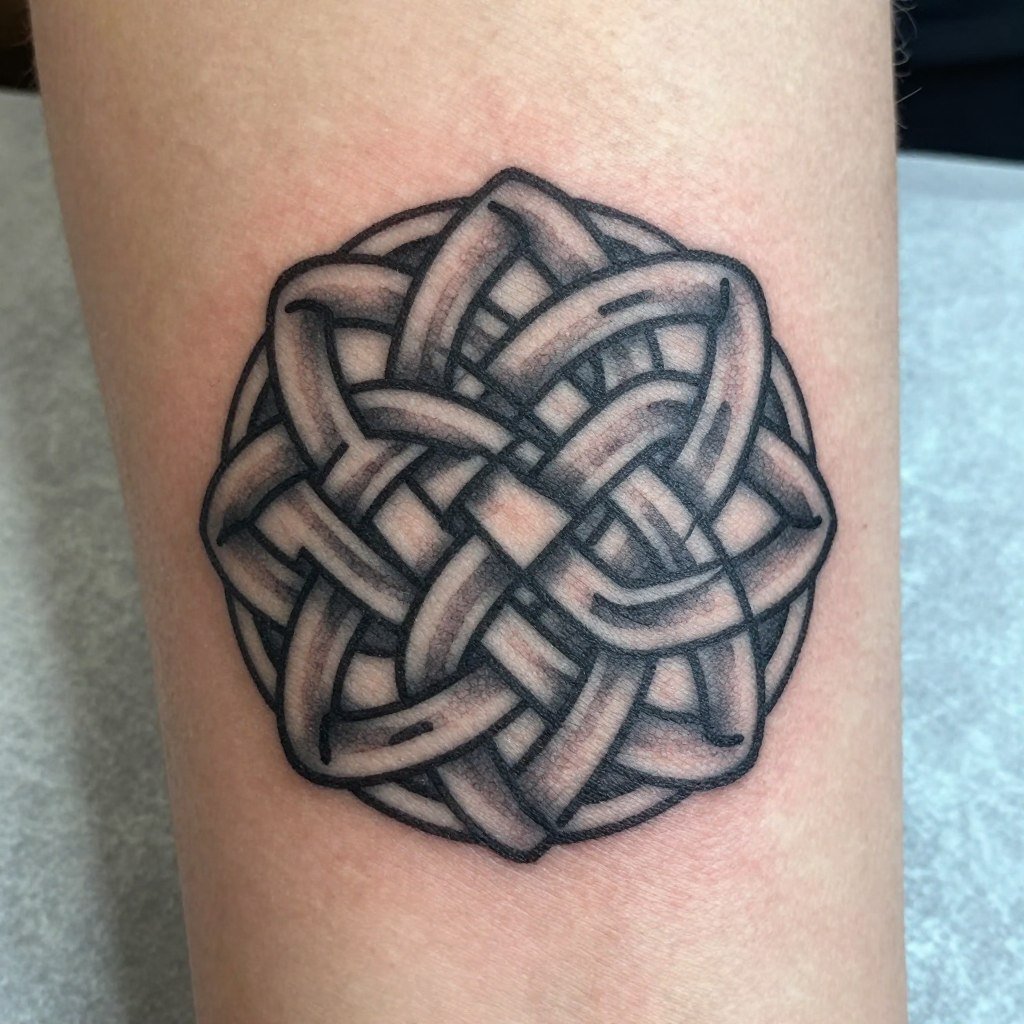
Celtic knots represent eternal love through endless interwoven patterns. These traditional designs carry centuries of cultural meaning. The complex weaving symbolizes interconnected lives, with no beginning or end to the pattern’s continuous flow.
Cultural and Heritage Designs
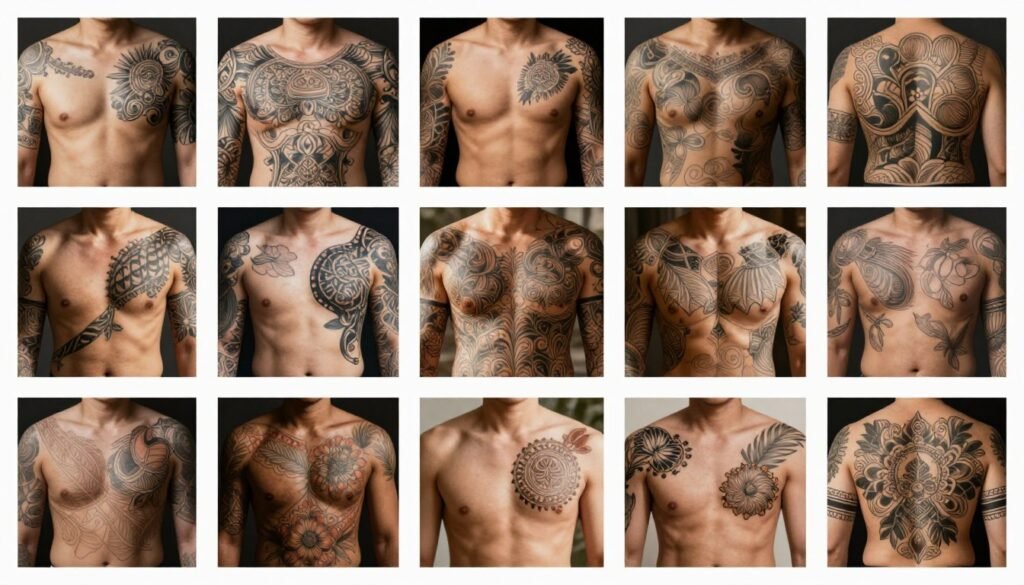
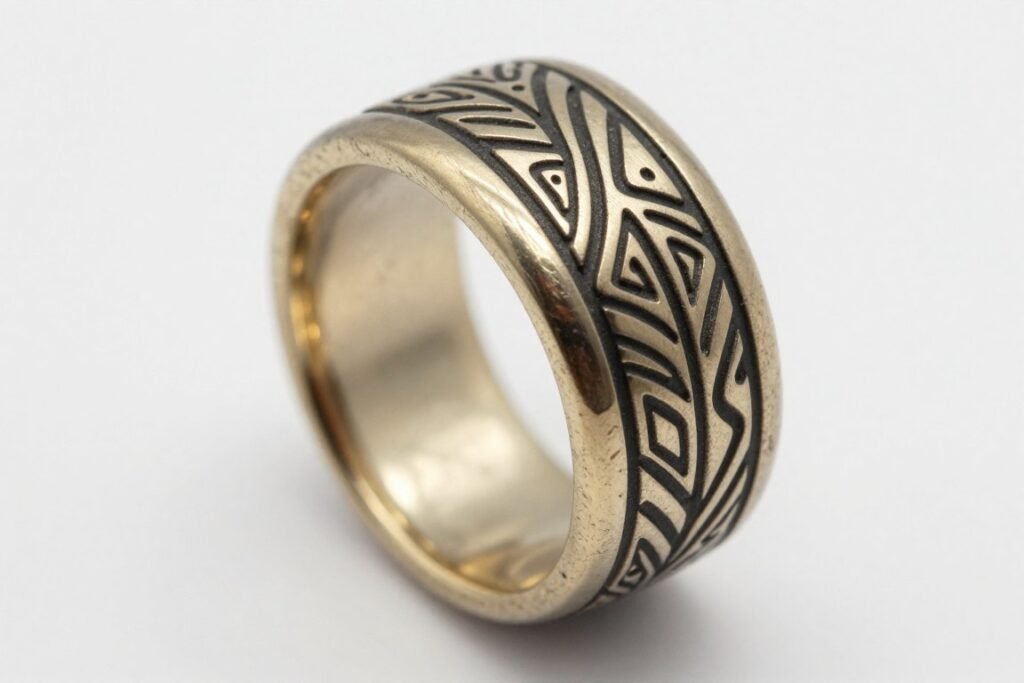
Cultural patterns honor ethnic heritage and ancestral traditions. Maori designs, Polynesian patterns, Native American symbols, or other indigenous art forms connect marriages to cultural roots. These designs require respectful approach and understanding of the symbols’ traditional meanings within their cultures.
Research cultural appropriateness before selecting heritage designs. If the pattern represents your actual ancestry, the choice carries authentic meaning. Ensure your tattoo artist understands the cultural context and can execute traditional patterns with proper respect and technical accuracy.
Ring Finger Placement and Positioning Options
Placement decisions significantly impact your ring tattoo’s appearance and visibility. The ring finger offers multiple surface options beyond simple circumference bands. Each placement choice affects how often you see the tattoo yourself versus how visible it remains to others around you.
Consider your daily hand positions when selecting placement. Do your hands rest palm-down or palm-up naturally? The tattoo placement should account for your personal hand gestures and typical positions throughout normal daily activities and professional work.
Full Circumference Band Placement
Complete bands wrapping fully around the finger mirror traditional wedding ring placement most closely. This classic position ensures visibility from any hand angle. The circumference design requires consistency all the way around, making precise execution critical for satisfactory results.
Full wraps present technical challenges due to finger curvature and varying skin thickness. The inner finger surface holds ink differently than outer areas. Experienced tattoo artist input becomes essential for achieving even line weight and color density throughout the complete circle pattern.
Top Surface and Knuckle Placement
Top surface placement positions the design where you see it when looking down at your own hand. This prominent spot ensures daily visibility for personal reminder purposes. Top placements work especially well for symbols, text, or designs that lose meaning when wrapped around.
Some designs extend toward the knuckle area for additional space. This placement accommodates larger or more complex designs than simple bands allow. However, knuckle proximity increases fading risk due to constant movement and friction from daily hand use and activities.
Inner Side Private Placement
Inner finger placement creates private tattoos visible only to you and your partner. This intimate positioning appeals to those with conservative workplaces or personal preference for subtle ink. The design reveals itself only during deliberate display or intimate moments together.
Inner placements require extra care during healing. This high-friction area faces increased fading risk from constant finger contact. Plan for more frequent touch-ups compared to outer finger placements. The privacy benefit often outweighs maintenance requirements for many couples.
Side and Vertical Orientation Placement
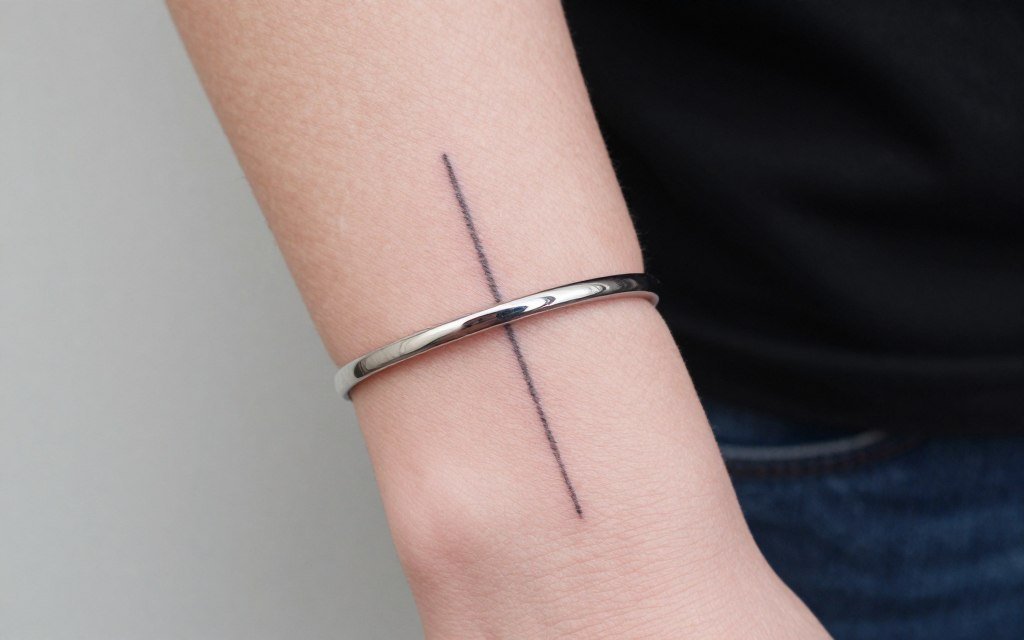
Side placement runs vertically along the finger rather than wrapping horizontally. This unconventional position suits text, line designs, or symbols that work better vertically. The orientation creates distinctive appearance since most ring tattoos traditionally wrap horizontally around fingers.
Vertical designs accommodate longer text strings or stacked symbols impossible to fit in horizontal bands. This placement also avoids some high-wear areas, potentially extending time between necessary touch-ups. The unique positioning makes your tattoo stand out from typical ring designs immediately.
Multi-Finger and Hand Expansion Designs
Some couples expand beyond single ring fingers to incorporate multiple digits. Designs might continue across adjacent fingers or include matching elements on both hands. This approach creates larger canvas space for complex designs while maintaining the ring finger as the focal point.
Hand expansion requires careful planning to ensure the design flows naturally across fingers. Each finger heals at different rates and experiences varying wear. Consider how the design looks when fingers separate versus press together during normal hand movements and gestures.
Test Your Design Before Permanent Commitment
Uncertain about design or placement? Try temporary tattoos to test how different wedding ring tattoo options look and feel on your finger before committing to permanent ink. Experiment with various designs and positions to find your perfect match.
Pain Levels, Healing Process, and Tattoo Aftercare
Understanding pain expectations and healing requirements helps you prepare properly for your wedding ring tattoo. Finger tattoos present unique challenges compared to other body locations. Proper preparation and aftercare significantly impact your final results and long-term tattoo quality.
Pain tolerance varies dramatically between individuals. What feels mildly uncomfortable to one person might cause significant discomfort to another. Honest conversations with your tattoo artist about pain management ensure you approach the experience with realistic expectations and appropriate preparation.
Expected Pain Levels for Ring Finger Tattoos
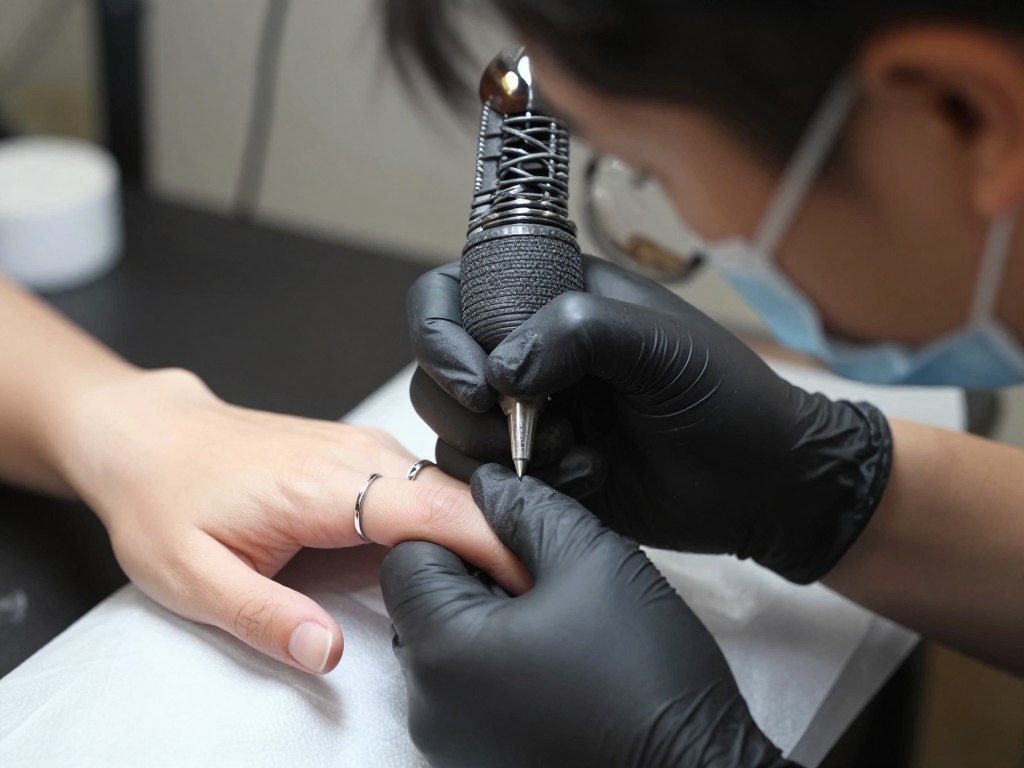
Ring fingers rank moderately high on tattoo pain scales. The thin skin, proximity to bone, and dense nerve endings create sharper sensations than fleshier body areas. Most people describe the feeling as sharp, scratching discomfort rather than deep pain or burning sensations.
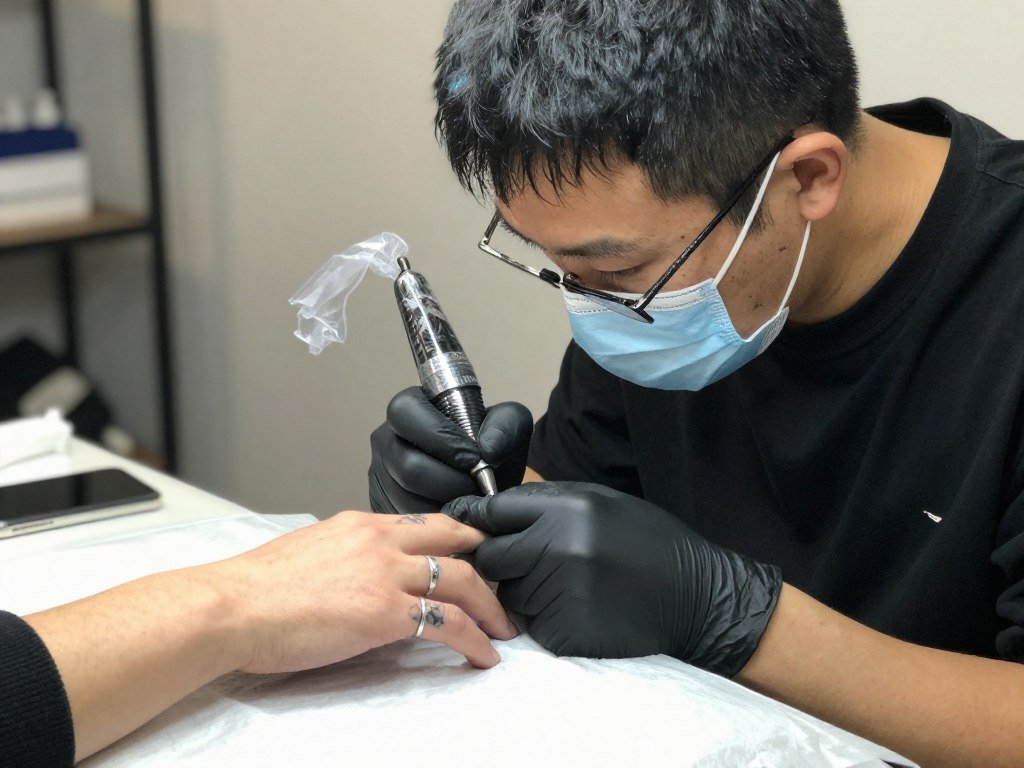
Session duration affects pain perception significantly. Most ring tattoos complete within 15-45 minutes depending on complexity. The relatively short timeframe means discomfort remains tolerable even for people with lower pain thresholds. Taking breaks helps if needed during longer sessions.
Pain Management Strategies
Eat a substantial meal before your appointment
Stay well-hydrated in the days leading up
Avoid alcohol and blood-thinning medications beforehand
Practice deep breathing techniques during tattooing
Bring stress balls or fidget items for distraction
Schedule appointments when you’re well-rested
Communicate openly with your artist about comfort
Consider numbing creams if artist approves their use
Factors That Increase Discomfort
Arriving tired or sleep-deprived to appointment
Consuming alcohol within 24 hours before session
Being dehydrated or having low blood sugar
Menstrual cycles may heighten pain sensitivity temporarily
Anxiety and stress amplify pain perception significantly
Certain medications increase skin sensitivity levels
Very detailed work requiring multiple passes over same area
Inner finger surfaces tend to feel more sensitive
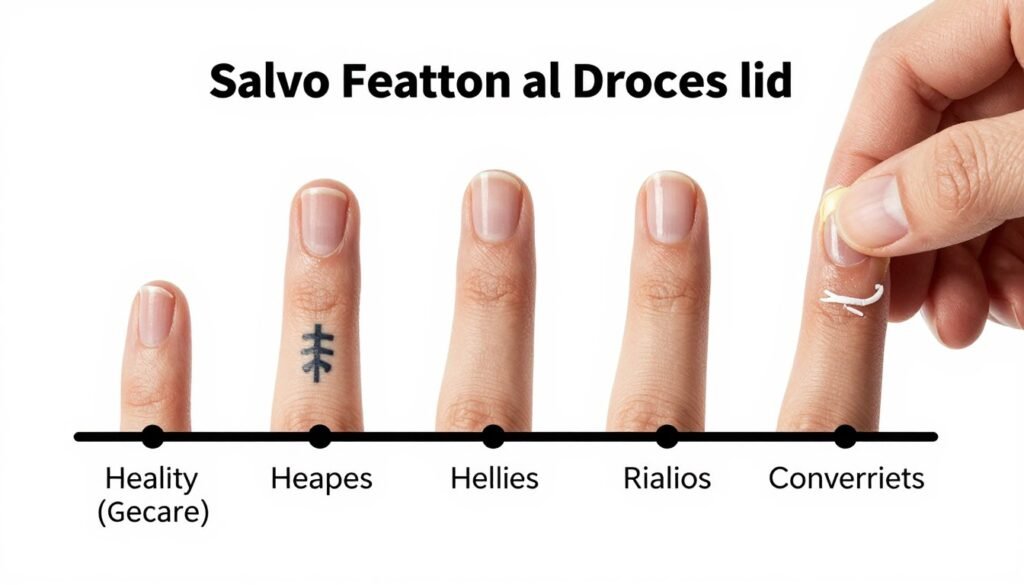
Healing Timeline and What to Expect
Ring finger tattoos typically heal faster than larger pieces due to their small size. Expect 2-3 weeks for surface healing and 2-3 months for complete internal healing. The timeline varies based on individual healing capacity, aftercare quality, and lifestyle factors during recovery.
Initial healing involves redness, slight swelling, and oozing clear fluid mixed with excess ink. This normal response subsides within 2-3 days. Scabbing begins around day 3-4, with flaking occurring through week two. Never pick scabs as this removes ink and causes patchy results.
Days 1-3: Fresh tattoo stage with redness, tenderness, and plasma oozing. Keep clean and moisturized. Expect the tattoo to feel slightly warm and appear darker than the final result will be.
Days 4-7: Scabbing begins forming thin protective layers over the tattoo. Skin feels tight and may itch significantly. Continue gentle washing and moisturizing without picking at scabs regardless of temptation.
Days 8-14: Scabs naturally flake off revealing healed skin underneath. Colors may appear dull during this phase. The dullness is temporary and vibrancy returns once healing completes fully.
Days 15-21: Surface healing completes with most scabbing and flaking finished. Skin texture normalizes though some tightness may persist. Colors begin showing true final appearance and clarity improves.
Weeks 4-8: Deep healing continues internally though surface appears healed. Avoid sun exposure, swimming pools, and activities that stress the area. True final results become visible during this period.
Weeks 8-12: Complete healing finishes with skin returning to normal texture. Evaluate if touch-ups are needed for any areas that healed lighter. Schedule touch-up appointments if necessary with your artist.
Proper Aftercare Instructions for Longevity
Aftercare directly impacts your tattoo’s final appearance and longevity. Follow your tattoo artist’s specific instructions precisely as they understand how their technique and ink respond during healing. General guidelines provide starting points, but artist-specific advice always takes precedence.
Hand washing frequency complicates finger tattoo aftercare. Your hands contact water dozens of times daily, potentially interfering with healing. Extra vigilance ensures the constant exposure doesn’t compromise your tattoo quality or extend healing time unnecessarily beyond normal expectations.
Daily Cleaning Routine
Wash gently with fragrance-free antibacterial soap
Use lukewarm water, never hot temperature
Pat dry with clean paper towels instead of cloth
Clean 2-3 times daily during first week
Avoid soaking the tattoo in water completely
Remove any excess ink or plasma buildup
Moisturizing Guidelines
Apply thin layers of recommended ointment or lotion
Use fragrance-free, dye-free products only
Moisturize 3-4 times daily during healing period
Don’t oversaturate as this causes prolonged healing
Continue moisturizing even after initial healing completes
Switch to regular lotion after two weeks
Activities to Avoid
Swimming in pools, oceans, or hot tubs
Direct sun exposure and tanning beds
Picking, scratching, or peeling scabs
Tight rings or jewelry over the tattoo
Excessive hand washing beyond necessary hygiene
Gym equipment that causes friction on area
Touch-Up Expectations and Timing
Finger tattoos fade faster than tattoos on other body areas. The constant hand washing, sun exposure, and friction from daily activities accelerate fading. Most ring tattoos require touch-ups every 1-3 years to maintain crisp appearance and color vibrancy throughout the marriage.
Initial touch-ups often come free from your original tattoo artist within the first few months. This courtesy service addresses any areas that healed unevenly or lost ink during the healing process. Schedule this appointment once complete healing finishes for optimal assessment.
Stock Up on Essential Healing Products
Proper healing requires quality aftercare products. Complete tattoo care kits include everything you need: antibacterial soap, healing ointment, moisturizing lotion, and protective wraps. Having supplies ready before your appointment ensures you can start aftercare immediately.
Wedding ring tattoo costs vary significantly based on multiple factors. Understanding price influences helps you budget appropriately and avoid surprises. While generally more affordable than traditional diamond wedding rings, quality tattoos still represent meaningful financial investments requiring planning.
The lowest prices don’t guarantee the best value for permanent body art. Skilled tattoo artist expertise costs more but delivers superior results that last longer. Consider ring tattoos as lifetime investments rather than one-time purchases when evaluating whether prices fit your wedding budget.
Typical Price Ranges and Factors
Simple band tattoos typically cost $50-150 per person at reputable studios. More complex designs with detailed work, shading, or color run $150-300 per person. Highly detailed custom pieces from renowned artists may exceed $300 depending on complexity and artist reputation.
Most tattoo shops enforce minimum charges regardless of tattoo size. Even tiny designs may cost minimum fees of $50-100 since setup time, equipment sterilization, and artist expertise remain constant. The per-person pricing means couples should budget for two separate tattoos.
4.5
Average Value Rating
Simple Bands (Under $100)
4.4/5
Medium Complexity ($100-200)
4.6/5
Detailed Custom ($200-300)
4.5/5
Premium Artists ($300+)
4.3/5
Factors That Influence Final Cost
Artist experience and reputation significantly impact pricing. Established artists with strong portfolios command higher rates than newer tattooists. The premium pays for refined technique, consistent results, and reduced risk of complications or unsatisfactory outcomes requiring expensive corrections.
Geographic location affects tattoo costs substantially. Urban studios in expensive cities charge more than small-town shops. However, don’t choose artists based solely on location convenience. Travel to respected artists often proves worthwhile for permanent work you’ll wear forever.
Cost-Increasing Factors
Highly detailed designs with intricate line work
Color ink instead of traditional black only
Custom design work and consultation time
Renowned artist reputation and expertise level
Premium studio locations in major cities
Multiple revision sessions or design changes
Larger designs covering more skin area
Rush appointments or emergency scheduling requests
Money-Saving Opportunities
Simple minimalist designs require less time
Black ink costs less than color applications
Flash designs from pre-drawn art selections
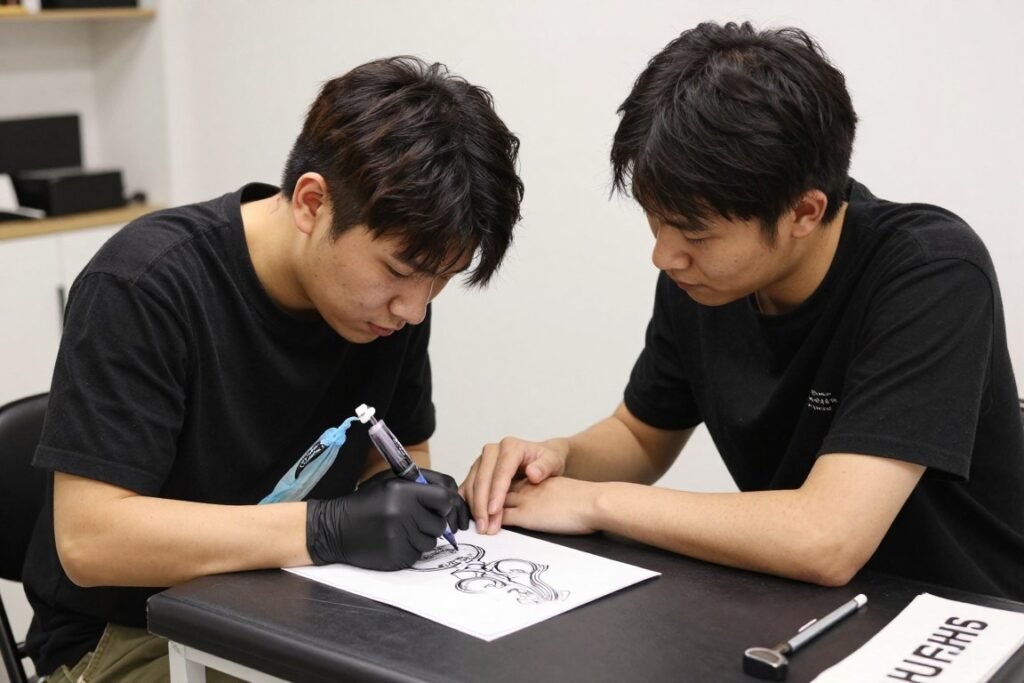
Apprentice artists under supervision for discounts
Smaller studios outside expensive urban centers
Booking both partners together for package deals
Choosing standard placements over complex positions
Off-peak appointment times may offer lower rates
Comparing Costs to Traditional Wedding Rings
Traditional wedding rings average $1,000-5,000 per couple for modest quality bands. Diamond engagement rings add $3,000-10,000 or more to wedding expenses. In contrast, even premium wedding ring tattoos rarely exceed $600-800 for both partners combined.
The cost savings extend beyond initial purchase. Traditional rings require insurance, occasional repairs, professional cleaning, and potential resizing. Ring tattoos eliminate these ongoing expenses entirely, though periodic touch-ups every few years add minor maintenance costs over time.
Budgeting for Touch-Ups and Maintenance
Include touch-up costs in long-term budgeting plans. Most artists charge $30-100 for minor touch-ups depending on extent and time since the original tattoo. Some offer free first touch-ups within 3-6 months, covering areas that didn’t take ink well during initial healing.
Plan for touch-ups every 1-3 years based on your lifestyle and wear patterns. Hand-intensive jobs or frequent sun exposure accelerate fading, requiring more frequent maintenance. Budget approximately $50-75 annually for touch-ups to maintain crisp appearance throughout your marriage.
Choosing the Right Tattoo Artist for Your Wedding Rings
Artist selection ranks among the most critical decisions for your wedding ring tattoos. The right tattoo artist possesses technical skills, artistic vision, and interpersonal qualities that ensure positive experiences and beautiful results. Poor artist choices lead to disappointing outcomes that follow you throughout life together.
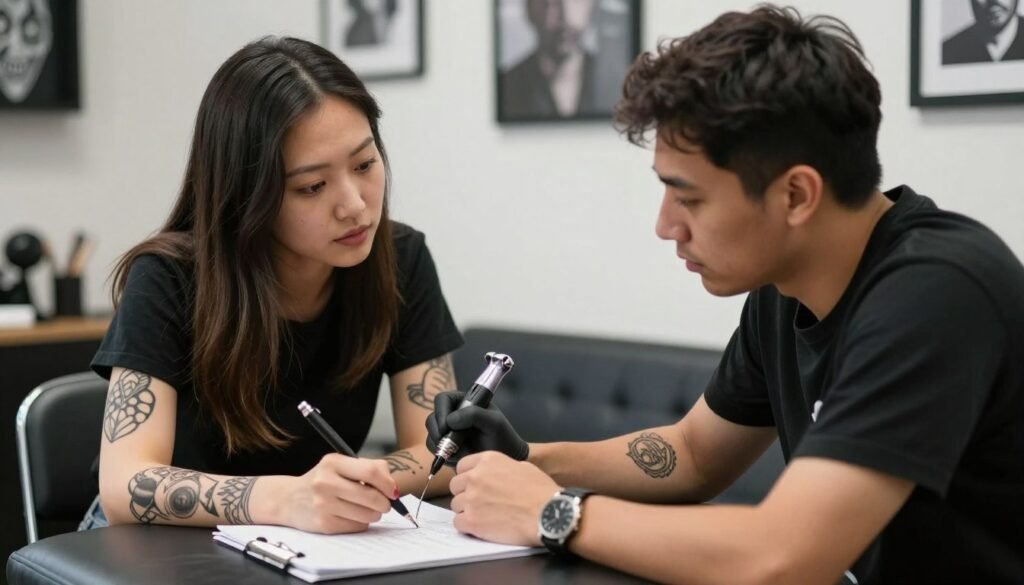
Researching artists thoroughly before committing prevents regret and costly corrections. Examine multiple portfolios, read reviews, and schedule consultations with several candidates. The extra effort invested in finding your perfect artist match pays dividends through superior results and pleasant experiences.
Essential Qualifications to Verify
Verify that your chosen tattoo artist maintains current licensing required by your state or locality. Licensed artists complete training in bloodborne pathogen safety, cross-contamination prevention, and proper sterilization protocols. These qualifications protect your health during the tattooing process.
Check studio cleanliness and sterilization practices during consultations. Reputable shops use autoclave sterilizers for equipment, disposable needles for each client, and maintain spotless work areas. Never compromise on hygiene standards regardless of how much you like an artist’s portfolio or personality.
Green Flags – Good Signs
Portfolio shows consistent fine line work quality
Artist asks detailed questions about your design vision
Studio appears spotlessly clean and well-organized
Reviews mention professionalism and quality outcomes
Artist explains aftercare instructions thoroughly before tattooing
They’re honest about design limitations on finger tattoos
Consultation feels collaborative and respectful of your input
Artist has specific experience with ring finger tattoos
They schedule adequate time for your design complexity
Red Flags – Warning Signs
Portfolio lacks examples of fine line or finger tattoos
Artist dismisses your questions or concerns rudely
Studio looks dirty with questionable hygiene practices visible
Multiple negative reviews mention infections or poor results
They rush consultations without discussing aftercare properly
Artist promises unrealistic results or guarantees against fading
Consultation feels pushy or dismissive of your preferences
No visible licensing or health permits displayed publicly
They try to rush you into booking without time to consider
Evaluating Artist Portfolios and Specialties
Review artist portfolios specifically for fine line work and finger tattoos. Not all skilled tattooists excel at the precise, delicate work ring tattoos require. Look for clean lines, consistent thickness, and examples that have healed well over time rather than just fresh work.
Ask to see healed photos from previous clients’ ring tattoos. Fresh work always looks better than healed results, so healed examples provide realistic expectations. Artists confident in their work readily share healed photos demonstrating how their tattoos age over months and years.
Questions to Ask During Consultations
Prepare a list of questions before consultation appointments to ensure you cover all concerns. Ask about their experience specifically with wedding ring tattoos and finger work. Inquire about their healing success rates and how often they perform touch-ups on finger tattoos.
Discuss design limitations honestly with potential artists. Fingers present unique challenges due to small size, skin texture, and constant movement. Artists who acknowledge these limitations and set realistic expectations demonstrate integrity worth trusting with your permanent body art.
Technical Questions
How many wedding ring tattoos have you completed?
What percentage of your finger tattoos require touch-ups?
Which ink brands do you use for finger work?
How do you ensure consistent line weight on curved surfaces?
What’s your policy on free touch-ups after healing?
Can you show healed examples of similar designs?
Practical Questions
What’s your current booking timeline and availability?
How long will our tattoo session take?
What’s your total cost including consultation fees?
Do you offer couple discounts for matching tattoos?
What’s your cancellation and rescheduling policy?
Can we schedule both partners on the same day?
Design Questions
How will my design idea translate to finger scale?
What modifications would you recommend for longevity?
Which placement option works best for my design?
How thin can lines be while still aging well?
Should we adjust any elements for better results?
Can you create custom design or only flash art?
Booking Your Appointment and Preparation
Book appointments well in advance, especially with popular artists. Quality tattooists often schedule weeks or months ahead for custom work. Rush bookings increase stress and limit design refinement time. Plan your tattoo timing around healing needs if your wedding date approaches soon.
Prepare physically and mentally before your appointment day. Eat a substantial meal, stay hydrated, and get adequate sleep the night before. Bring your partner for emotional support even if you’re getting tattooed on different days. The shared experience strengthens your bond regardless of session timing.
Professional and Workplace Considerations for Ring Tattoos
Workplace policies regarding visible tattoos vary significantly across industries and employers. Understanding your professional environment’s stance on body art prevents potential career complications. Ring tattoos, despite their small size, remain visible during handshakes, presentations, and client interactions throughout your career.
Consider your long-term career trajectory when planning ring tattoos. Entry-level positions in casual industries may accept visible ink that executive roles in conservative fields reject. Your tattoo choice today affects professional opportunities decades into the future across various career paths.
Industry-Specific Tattoo Acceptance
Creative industries typically embrace visible tattoos including ring designs. Graphic designers, artists, musicians, and tech workers rarely face tattoo discrimination. These fields often view body art as personal expression that doesn’t impact professional capabilities or client relationships.
Conservative industries maintain stricter policies regarding visible tattoos. Finance, law, healthcare administration, and traditional corporate environments may discourage visible ink. Research your specific employer’s written policies and observe whether senior employees display visible tattoos before committing.
Discrete Design Options for Conservative Workplaces
Inner finger placement creates near-invisible tattoos in professional settings. These private designs remain hidden during handshakes and normal hand positions. The discretion satisfies both personal desire for wedding ring tattoos and professional appearance standards simultaneously.
Minimalist designs in black ink appear less bold than elaborate colorful pieces. Simple bands or tiny symbols read as professional compared to obviously decorative tattoos. The subtle approach respects workplace norms while maintaining personal meaning and commitment symbolism.
Managing Visibility in Client-Facing Roles
Client-facing positions require extra consideration regarding tattoo visibility. Sales professionals, consultants, and customer service representatives constantly interact with diverse clients who hold varying opinions about body art. Your ring tattoo becomes part of your professional presentation.
Some positions allow temporary coverage using makeup or flesh-toned bandages during critical meetings. However, daily coverage becomes tedious and draws more attention than simply owning your tattoo confidently. Honest assessment of your specific role’s requirements prevents awkward situations later.
Legal Protections and Discrimination Issues
Legal protections for tattooed employees vary by location and circumstance. Most jurisdictions allow employers to enforce reasonable appearance standards including tattoo visibility restrictions. Religious or cultural tattoos may receive more protection than purely decorative body art choices.
Review your employment contract and employee handbook carefully before getting visible tattoos. Some contracts specifically address appearance standards including body modifications. Understanding your legal standing prevents surprise consequences that could impact your career advancement or job security.
Alternative Wedding Ring Tattoo Approaches and Variations
Traditional ring finger placement doesn’t suit everyone’s preferences or circumstances. Alternative approaches offer creative solutions for couples wanting permanent wedding symbols without conventional ring tattoos. These variations maintain symbolic significance while accommodating personal style preferences or practical concerns.
Exploring alternatives expands your options beyond standard band designs. Consider how different placements or concepts might better reflect your relationship’s unique character. The perfect wedding tattoo matches both partners’ comfort levels and authentic personal expression rather than following rigid conventions.
Wrist and Forearm Band Alternatives
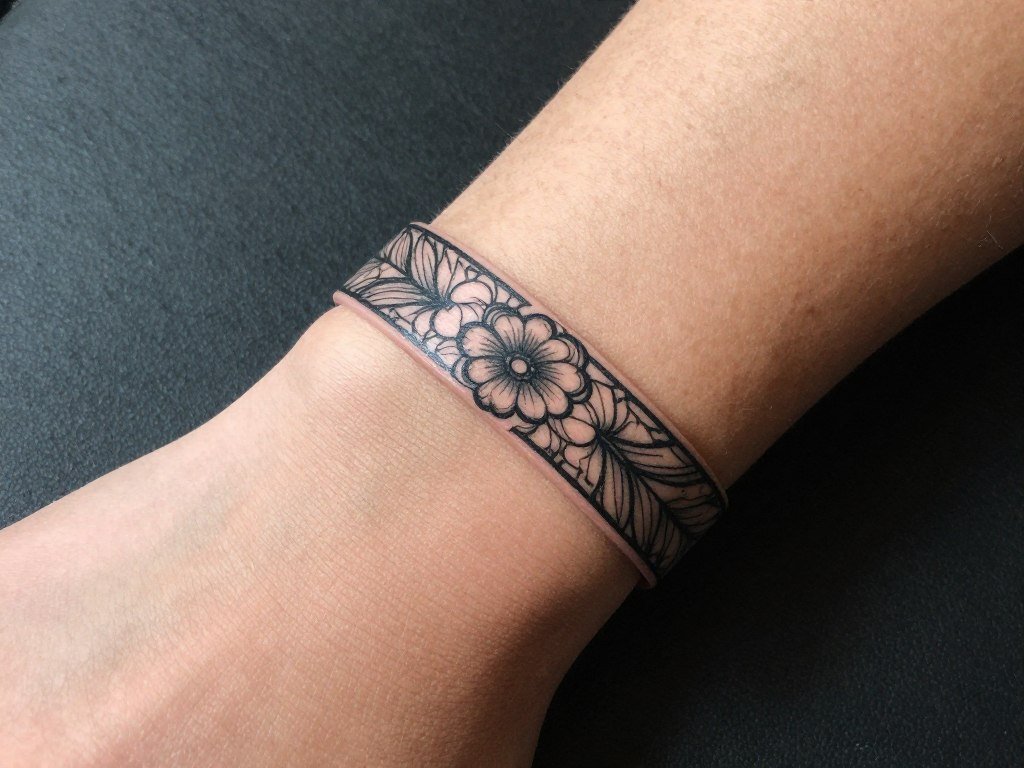
Wrist bands provide larger canvas space for detailed designs impossible on fingers. The increased surface area accommodates intricate patterns, longer text, or elaborate symbols. Wrist placement also experiences less wear and fading compared to constantly-moving fingers throughout daily activities.
Forearm bands make bolder statements visible even with long sleeves. These substantial tattoos demonstrate serious commitment through their size and prominence. The placement allows for incorporating multiple elements like dates, coordinates, names, and symbols into comprehensive wedding memorial pieces.
Matching Tattoos in Non-Ring Locations
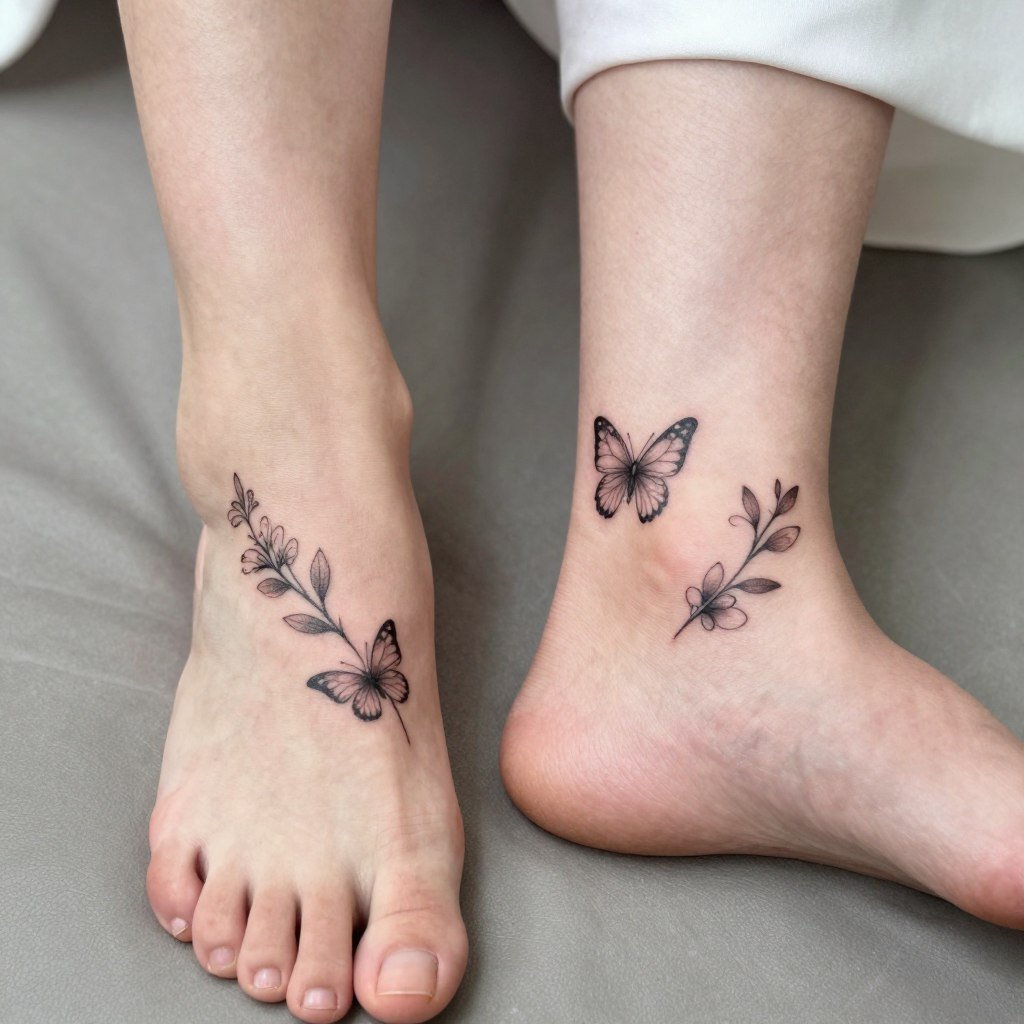
Some couples choose matching tattoos on different body parts entirely. Ankle tattoos, behind-ear designs, or wrist symbols serve as wedding markers without mimicking traditional ring placement. This approach suits those wanting wedding tattoos but preferring to avoid hand visibility issues.
Non-ring placements offer more privacy options while maintaining symbolic connection. The tattoos remain personal reminders rather than public declarations. Some couples appreciate this intimate approach where their wedding tattoos reveal themselves only in private moments or deliberate displays.
Inner Wrist Matching Sets
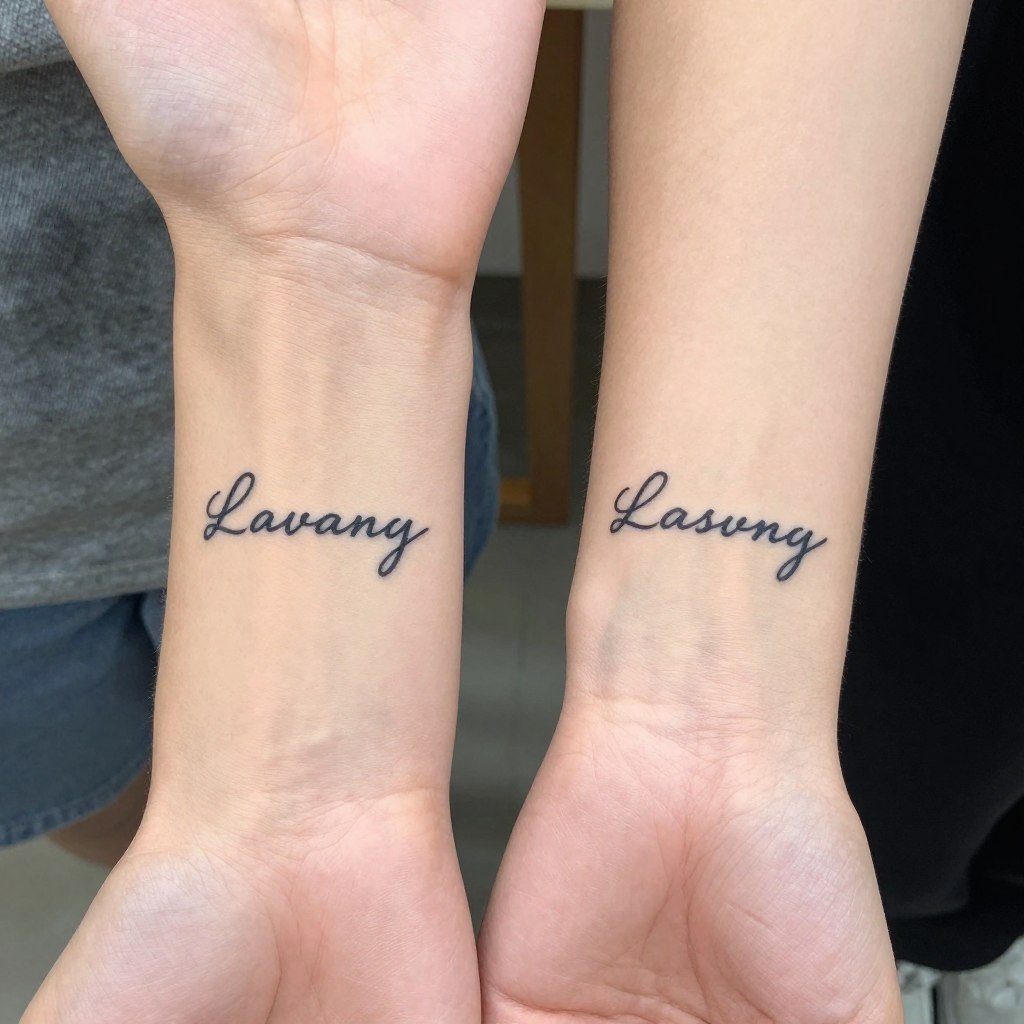
Inner wrist tattoos remain somewhat discrete while offering daily visibility to the wearer. The placement allows for slightly larger designs than fingers accommodate. Couples often choose complementary symbols that complete when wrists press together during hand holding.
Behind-Ear Symbols
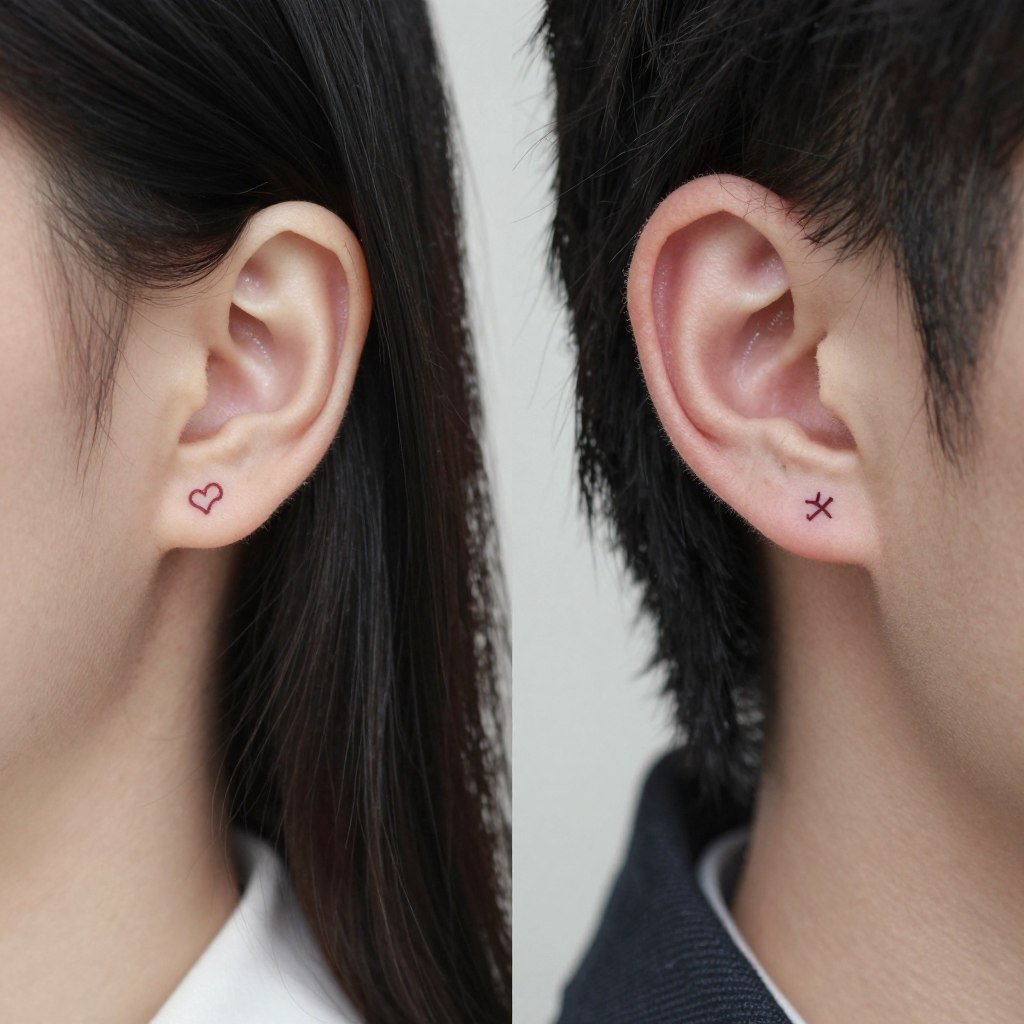
Behind-ear tattoos offer maximum discretion while maintaining romantic symbolism. These tiny designs remain hidden by hair most of the time. The intimate placement feels private and personal, revealed only during specific moments or to those who know about them.
Ankle Band Designs
Ankle tattoos create wedding bands far from hand visibility issues. The placement suits those with conservative workplace requirements. Ankle bands can be shown or hidden depending on footwear choices, offering flexibility traditional hand tattoos cannot provide.
Combining Tattoos with Traditional Rings
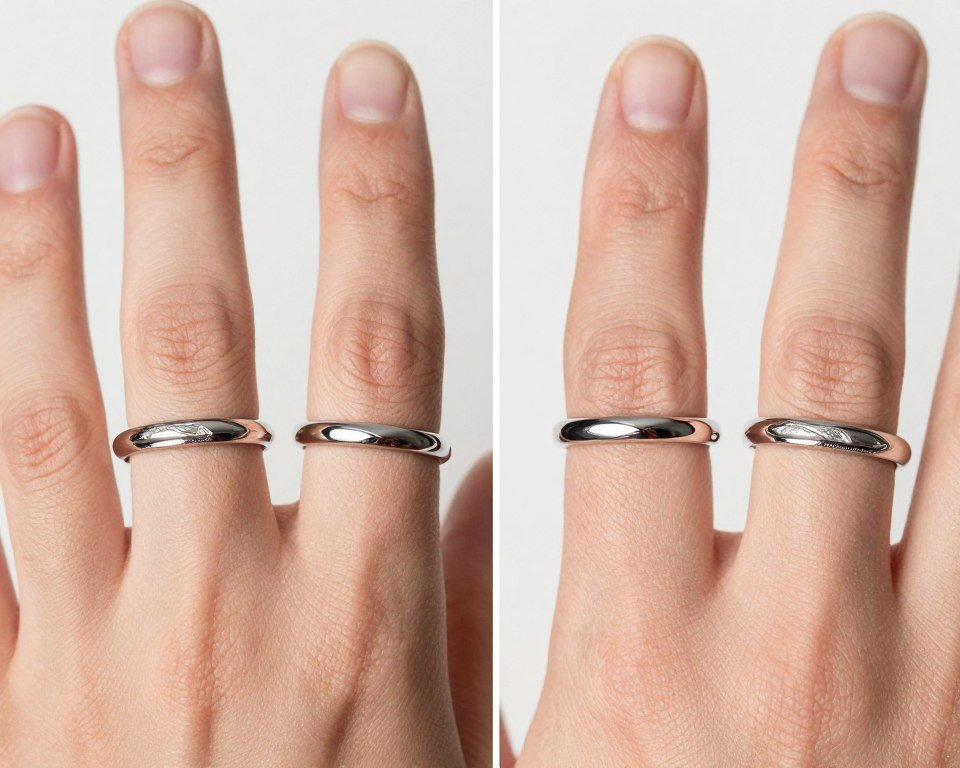
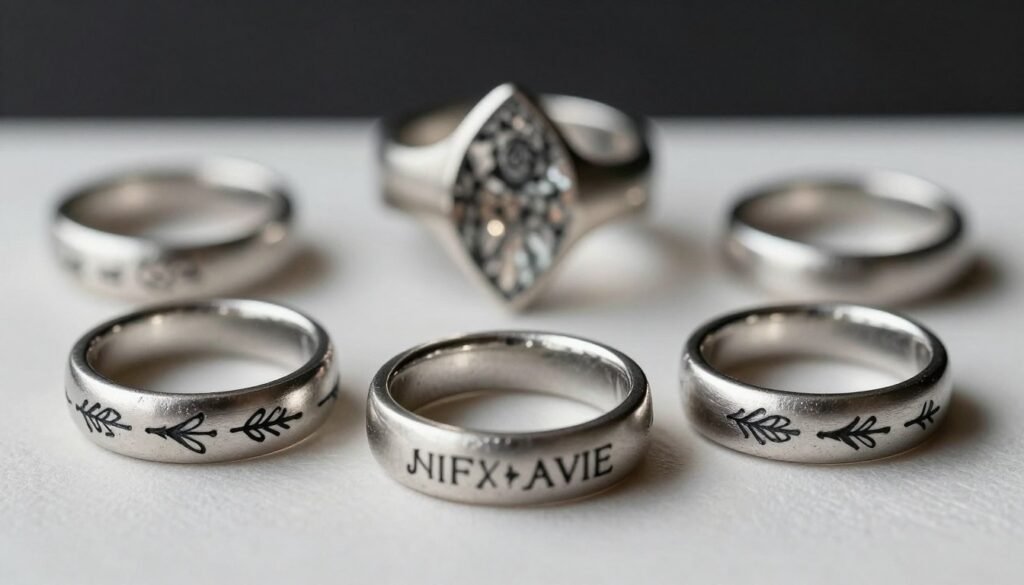
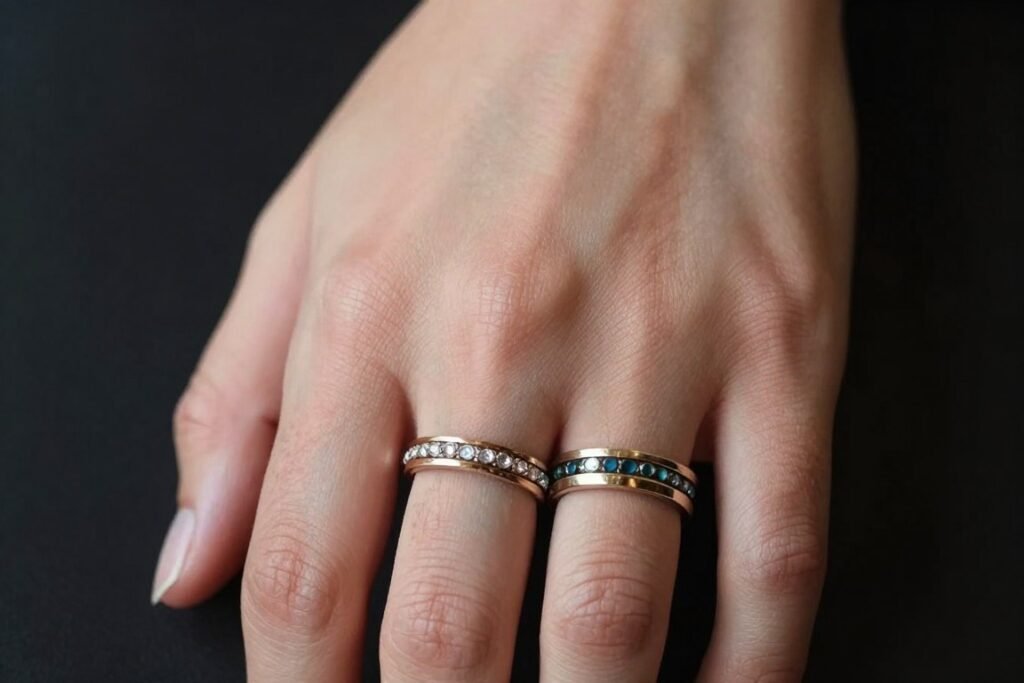
Hybrid approaches combine traditional wedding rings with complementary tattoos. The tattoo serves as permanent backup while metal rings remain the primary symbol. This combination offers flexibility to remove rings when necessary while maintaining visible commitment markers underneath.
Some couples get simple tattoo bands as foundations, then wear traditional rings over them. The layered approach acknowledges both permanence and tradition. If rings are lost or removed, the tattoo ensures a commitment symbol always remains visible to others.
Temporary and Semi-Permanent Testing Options
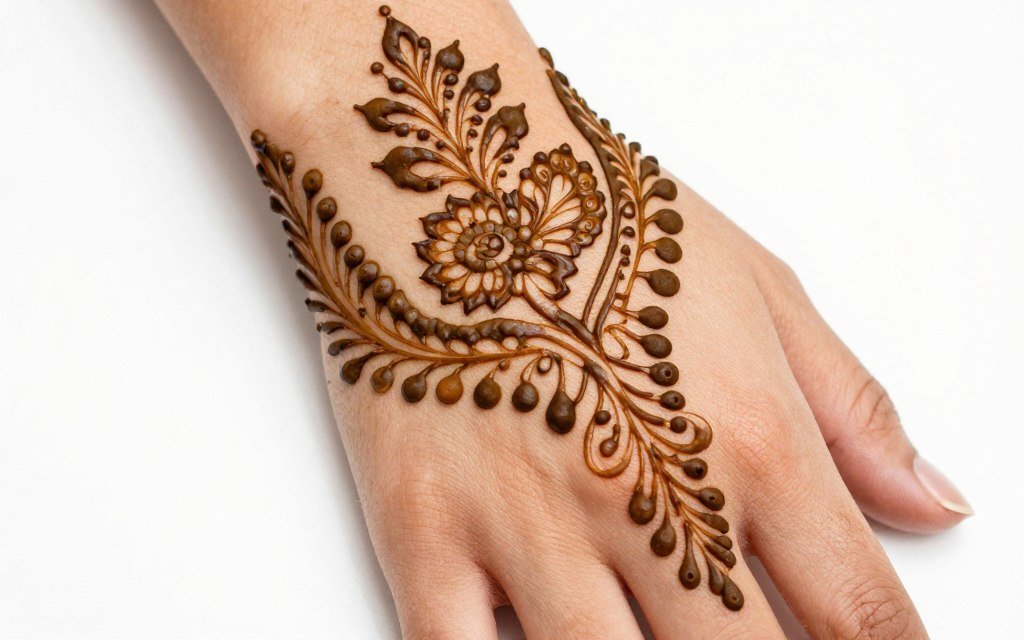
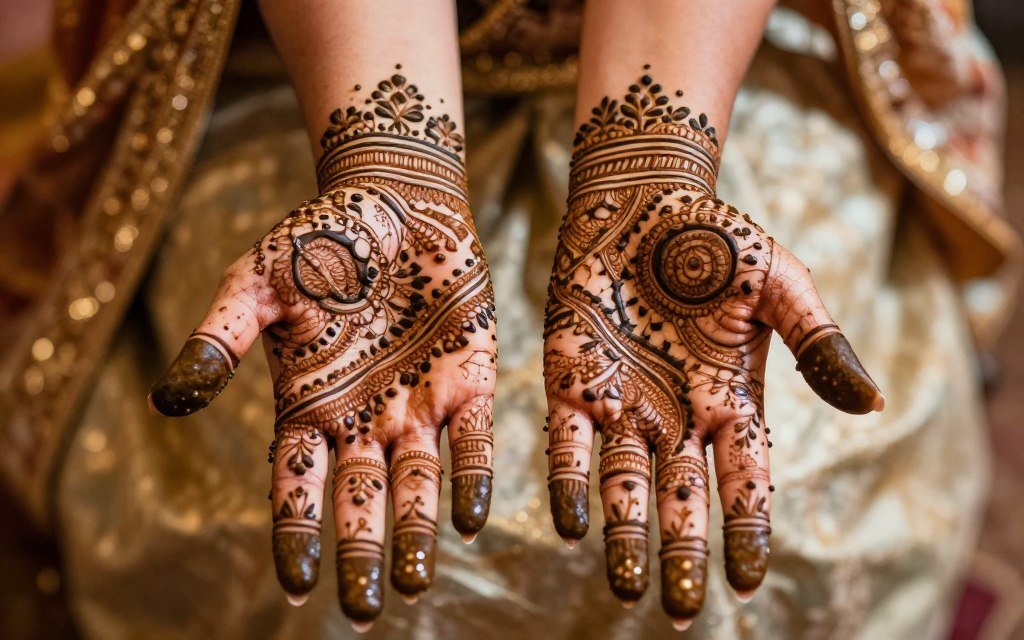
Henna wedding ring designs offer beautiful temporary alternatives lasting 1-3 weeks. These natural plant-based tattoos allow couples to test designs and placement before permanent commitment. Henna traditions hold deep cultural significance in some communities, adding meaningful heritage connections.
Semi-permanent cosmetic tattoos fade over 1-3 years rather than lasting forever. This option suits those wanting longer commitment than henna provides but avoiding lifetime permanence. The middle ground addresses concerns about changing tastes while maintaining several years of visible symbolism.
Cultural Traditions and Historical Wedding Tattoo Practices
Wedding tattoos extend far deeper than modern trends, with rich histories across global cultures. Understanding these traditions adds meaningful context to contemporary choices. Many cultures incorporated permanent body markings into marriage ceremonies long before Western couples adopted the practice.
Exploring cultural tattoo traditions honors heritage while inspiring contemporary designs. These historical practices demonstrate that permanent commitment symbols represent universal human desires transcending specific time periods or geographic locations. The tradition connects modern couples to centuries of relationship celebration.
Ancient Egyptian Wedding Tattoo Customs
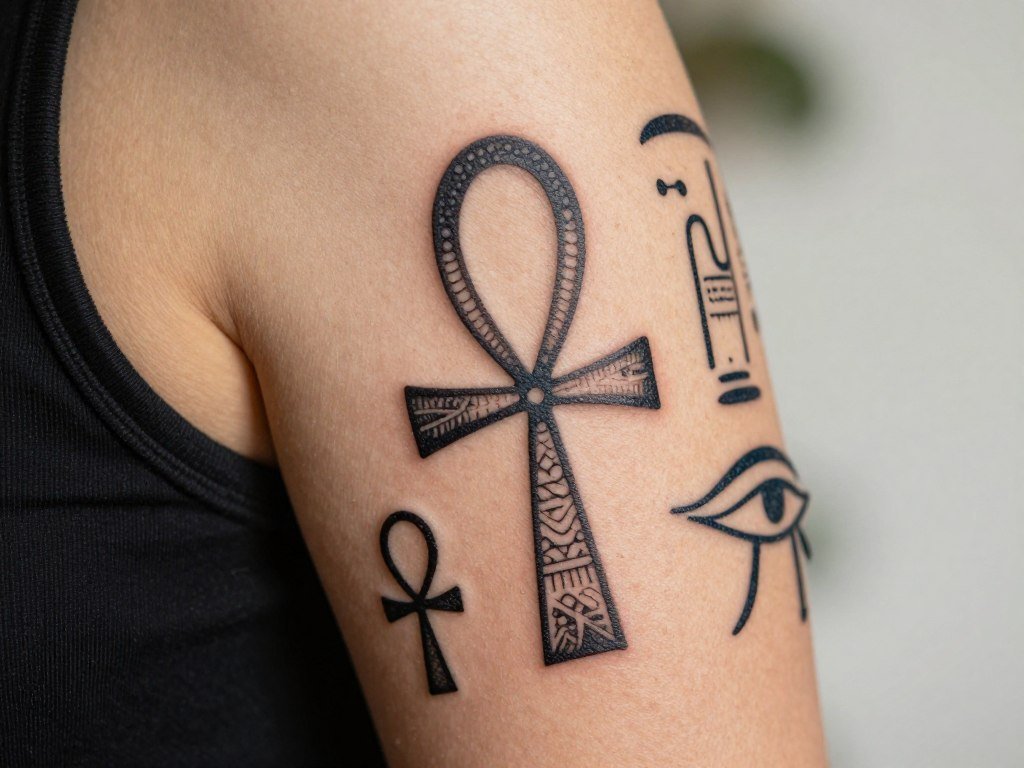
Ancient Egyptians practiced tattooing for various purposes including marking marital status. Archaeological evidence shows mummies with permanent markings believed to indicate relationship bonds. These ancient practices demonstrate humanity’s long-standing desire to permanently mark significant life partnerships.
Modern couples draw inspiration from Egyptian symbols like ankhs representing life, scarab beetles symbolizing transformation, or hieroglyphic characters spelling meaningful words. These ancient designs connect contemporary marriages to one of history’s most fascinating civilizations and their symbolic traditions.
Polynesian and Maori Marriage Markings
Polynesian cultures developed sophisticated tattooing traditions deeply embedded in social structure. Marriage tattoos marked significant life transitions including weddings and partnerships. The intricate patterns carried meanings about lineage, status, and personal history throughout island communities.
Maori ta moko facial and body tattoos include elements representing marriage and family connections. These sacred designs follow specific cultural protocols and meanings. Modern interpretations should respect cultural significance rather than appropriating sacred symbols without understanding their traditional contexts.
South Asian Mehndi Wedding Traditions
Mehndi (henna) traditions form essential wedding elements across South Asian cultures. Brides receive elaborate henna designs on hands and feet before wedding ceremonies. While temporary rather than permanent, these practices demonstrate cultural acceptance of body art marking marriage transitions.
Some modern South Asian couples add permanent tattoo elements inspired by traditional mehndi patterns. Small permanent designs complement temporary henna traditions while providing lasting symbols. This fusion respects cultural heritage while embracing contemporary permanent body art practices.
European Ring Tattoo History
Ring finger tattoos gained popularity in Europe during World War II when soldiers tattooed wedding bands before deployment. The permanent markers ensured they carried marriage symbols even if rings were lost or removed. This practical tradition evolved from wartime necessity into romantic gesture.
The practice continued through subsequent conflicts and eventually entered mainstream culture. Today’s ring tattoos descend directly from these military traditions where permanence symbolized commitment surviving separation and danger. Understanding this history adds depth to contemporary wedding tattoo choices.
Cultural Tattoo Meanings
Egyptian ankh symbols represent eternal life together
Celtic knots signify endless love without beginning or end
Polynesian patterns mark significant life transitions
Norse runes invoke blessings and protection
Chinese characters represent harmony and happiness
Japanese cherry blossoms symbolize life’s beauty and brevity
Native American symbols honor earth and spirit connections
Indian lotus flowers represent purity and enlightenment
Respectful Cultural Appreciation
Research cultural meanings before adopting symbols
Ensure you have cultural connection to chosen designs
Avoid sacred symbols reserved for specific groups
Consult with cultural experts about appropriateness
Acknowledge origin when sharing your tattoo story
Choose artists familiar with cultural traditions
Respect that some symbols aren’t for outside use
Appreciate without appropriating sacred traditions
Tattoo Removal, Cover-Ups, and Modification Options
While wedding ring tattoos symbolize permanent commitment, life circumstances sometimes change. Understanding removal and modification options provides realistic perspective before getting inked. These possibilities shouldn’t deter committed couples but rather inform comprehensive decision-making about permanent body art.
Tattoo removal technology has advanced significantly, though the process remains expensive, time-consuming, and somewhat uncomfortable. Realistic expectations about removal difficulty encourage thoughtful initial design choices. Consider removal possibilities but don’t make decisions based primarily on potential future regret.
Laser Removal Process and Expectations
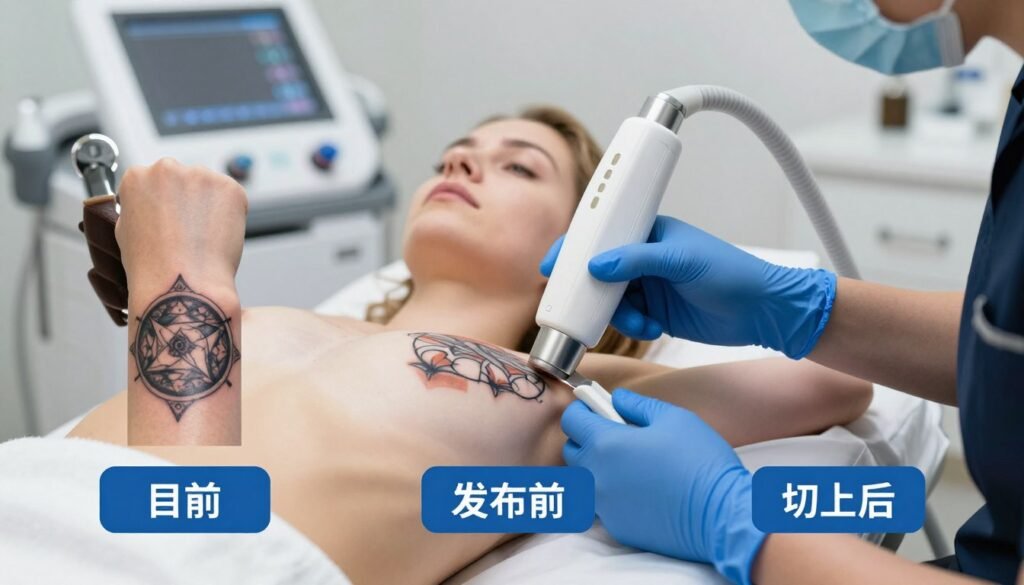
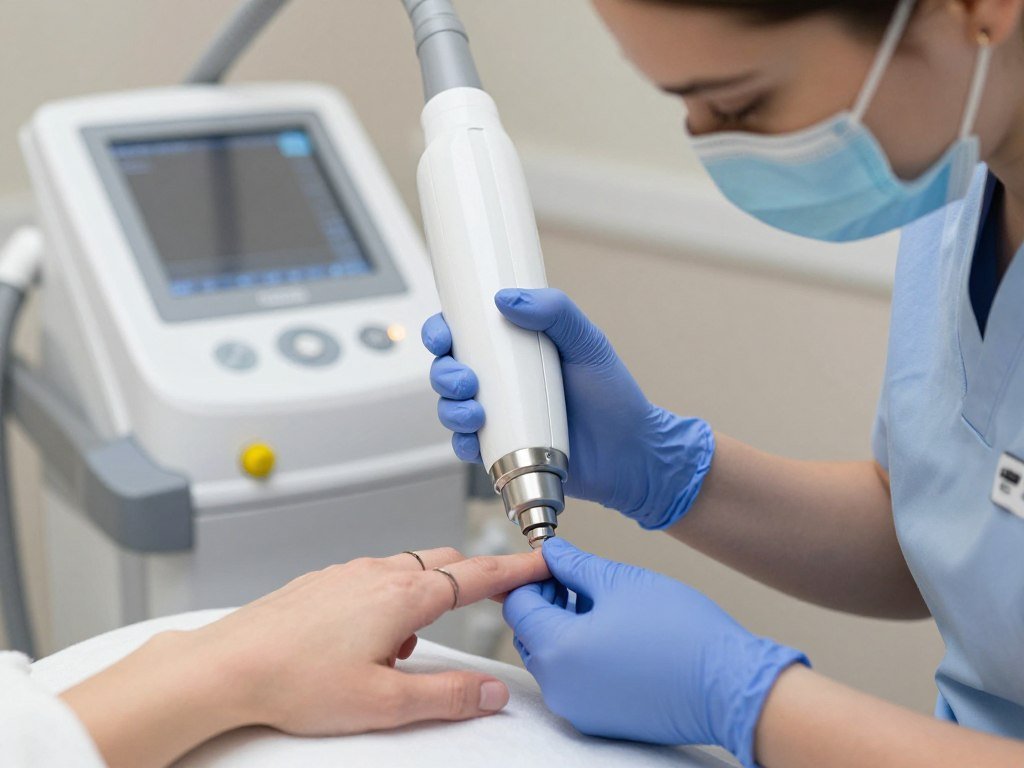
Laser removal breaks down tattoo ink particles allowing your body to absorb and eliminate them naturally. Multiple sessions spaced weeks apart gradually fade tattoos. Small ring tattoos typically require 5-10 sessions depending on ink depth, color, and individual skin characteristics.
Removal costs typically exceed original tattoo prices substantially. Expect $200-500 per session with most ring tattoos needing multiple treatments. Complete removal may cost $1,000-3,000 total. Black ink responds best to laser treatment while certain colors prove more resistant to removal.
Cover-Up Tattoo Possibilities
Cover-up tattoos offer alternatives to complete removal by incorporating old designs into new artwork. Skilled artists can transform unwanted ring tattoos into different designs or expand them into larger hand pieces. This option works well when relationships end but you want to maintain body art.
Successful cover-ups require darker or more substantial new designs than originals. Your artist may recommend partial laser fading before covering to lighten old ink. Cover-ups transform regret into renewed artistic expression while avoiding expensive complete removal processes.
Adding Elements to Existing Ring Tattoos
Existing ring tattoos can be modified or enhanced without complete removal or coverage. Adding decorative elements, extending designs, or incorporating new symbols refreshes old tattoos. This approach works particularly well when updating designs to include children’s birth dates or anniversary markers.
Couples can modify matching tattoos together to mark new relationship milestones. Adding elements celebrates growth while honoring original commitments. These updates acknowledge that relationships evolve while core bonds remain constant throughout life’s changes and developments.
When Relationships End: Practical Approaches
Relationship endings create difficult situations for those with partner tattoos. Some people choose removal while others keep tattoos as relationship reminders regardless of outcome. Neither choice is wrong—the decision depends on personal processing styles and comfort levels.
Some individuals transform wedding tattoos into different symbols after divorce or separation. Converting couple tattoos into self-love reminders, family symbols, or completely different designs helps reclaim body autonomy. The transformation process itself can provide healing and closure during difficult transitions.
Keeping Tattoos After Relationship Ends
Acknowledges relationship was important part of life story
Avoids expensive and uncomfortable removal processes
Serves as reminder of personal growth and lessons learned
Demonstrates self-acceptance of past decisions and experiences
Can be reframed as self-love symbol instead
Saves money that can be used for other priorities
Removing or Covering Tattoos
Provides fresh start without constant visual reminders
Respects new partners who feel uncomfortable with ex-reminders
Removes painful associations with difficult relationship endings
Allows space for new relationship symbols if desired
Eliminates need to explain tattoo meaning to new people
Offers psychological closure through physical transformation
Frequently Asked Questions About Wedding Ring Tattoos
How long do wedding ring tattoos typically last before needing touch-ups?
Wedding ring tattoos typically require touch-ups every 1-3 years depending on your lifestyle and skin type. Factors affecting longevity include sun exposure, hand washing frequency, occupation type, and individual skin characteristics. Proper aftercare and sun protection extend time between maintenance sessions.
Fingers experience constant movement, friction, and exposure to water, which accelerates fading compared to other body locations. Budget for periodic touch-ups as part of long-term tattoo maintenance. Quality initial work from skilled artists lasts longer than poorly executed tattoos requiring frequent corrections.
Do ring finger tattoos hurt more than tattoos on other body parts?
Ring finger tattoos rank moderately high on pain scales due to thin skin, proximity to bone, and dense nerve endings. Most people describe the sensation as sharp and scratchy rather than deeply painful. The relatively short session duration (15-45 minutes) makes discomfort manageable even for those with lower pain tolerance.
Pain perception varies significantly between individuals based on personal pain threshold, stress levels, and physical condition during the appointment. Inner finger surfaces tend to hurt more than outer sides. Proper preparation including eating well, staying hydrated, and managing anxiety helps minimize discomfort.
Can I get a ring tattoo if I have skin allergies or sensitivities?
Most people with skin sensitivities can safely receive ring tattoos after consulting with both tattoo artists and dermatologists. Black ink typically causes fewer allergic reactions than colored inks, particularly red pigments which contain more potential allergens. Patch testing specific inks before full tattoos helps identify potential reactions.
Inform your tattoo artist about any known allergies, sensitivities, or skin conditions before the appointment. Some people with severe nickel allergies who can’t wear metal rings find tattoos perfect alternatives. Professional tattoo studios use hypoallergenic, professionally-manufactured inks minimizing reaction risks for sensitive skin types.
What happens to ring tattoos during pregnancy when fingers swell?
Ring tattoos typically stretch temporarily during pregnancy-related swelling but return to normal appearance postpartum. The temporary distortion doesn’t permanently damage well-executed tattoos. Most healthcare providers recommend avoiding new tattoos during pregnancy due to infection risks rather than specific concerns about existing finger tattoos.
Increased blood flow and fluid retention during pregnancy cause fingers to swell, which may blur tattoo lines temporarily. The stretching effect reverses as post-pregnancy swelling subsides. Touch-ups after childbirth can address any minor distortions if necessary, though most tattoos recover naturally without intervention.
How much do wedding ring tattoos typically cost for couples?
Wedding ring tattoos typically cost $50-300 per person depending on design complexity, artist experience, and geographic location. Simple band tattoos at reputable studios start around $50-100 each, while detailed custom designs may reach $200-300 per person. Most couples should budget $200-600 total for both partners’ tattoos.
Additional costs include tips for your tattoo artist (typically 15-20% of the tattoo price) and aftercare products. Some studios offer couple discounts when booking both partners together. Remember that quality work costs more initially but requires fewer touch-ups and corrections, providing better long-term value.
Can ring tattoos be removed or changed if circumstances change?
Ring tattoos can be removed through laser treatments or modified through cover-up tattoos, though both processes require more time and money than the original tattoo. Laser removal typically requires 5-10 sessions costing $1,000-3,000 total for complete elimination. Cover-up tattoos offer faster, less expensive alternatives by incorporating old designs into new artwork.
Modern laser technology effectively removes or significantly fades most black ink tattoos. However, complete removal isn’t guaranteed and may leave slight shadowing or scarring. Consider removal possibilities before getting tattooed, but don’t make permanent commitment decisions based primarily on potential future regret.
Are there any professions where ring tattoos might be problematic?
Conservative professions including corporate finance, traditional law firms, healthcare administration, and some government positions may discourage visible tattoos including ring designs. However, policies vary significantly between specific employers even within these industries. Research your particular employer’s written policies and observe whether senior employees display visible tattoos.
Many professions increasingly accept tattoos as body art becomes mainstream. Creative fields, technology companies, hospitality, and skilled trades typically embrace visible ink. If concerned about professional impact, consider discrete placements on inner finger surfaces or minimalist designs that appear less obvious than elaborate patterns.
What’s the best time to get ring tattoos before the wedding?
Schedule ring tattoos at least 6-8 weeks before your wedding date to ensure complete healing. This timeline allows for initial healing (2-3 weeks), touch-up appointments if needed (scheduled 4-6 weeks after original tattoo), and final healing before your big day. Fresh tattoos can appear red, swollen, or scabbed during early healing stages.
Some couples prefer getting tattooed during engagement while others wait until closer to the wedding or even afterward as an anniversary celebration. There’s no single correct timing—choose what feels right for your relationship timeline. Just ensure adequate healing time before professional wedding photography if you want the tattoo to appear at its best.
Do ring tattoos fade faster than tattoos on other body parts?
Yes, ring finger tattoos typically fade faster than tattoos on most other body locations due to constant hand washing, sun exposure, and friction from daily activities. Fingers also have thinner skin that doesn’t hold ink as well as fleshier areas. Most finger tattoos need touch-ups every 1-3 years compared to 5-10 years for body tattoos.
Proper aftercare and sun protection slow fading but can’t prevent it entirely given how frequently hands are used and washed. Budget for regular maintenance as part of having finger tattoos. Quality initial work from experienced artists fades more gracefully than poorly executed tattoos, maintaining better appearance between touch-up sessions.
Can I wear traditional rings over my ring tattoo?
Yes, you can absolutely wear traditional wedding rings over ring finger tattoos. Many couples use this hybrid approach, getting tattoos as permanent backup symbols while still wearing metal rings for special occasions or daily wear. The tattoo ensures a commitment symbol remains visible even when traditional rings are removed for activities.
Wait until your tattoo completely heals before wearing rings over it to avoid interference with the healing process or irritation from metal friction. Some designs intentionally complement traditional rings, creating layered symbolism. This flexible approach honors both permanence and tradition within your relationship.
Making Your Wedding Ring Tattoo Decision with Confidence
Wedding ring tattoos offer unique alternatives to traditional bands for modern couples. These permanent symbols represent commitment through meaningful designs, personal symbolism, and intimate connection to your partner. The decision to choose ink over metal requires careful consideration of lifestyle, career, and long-term relationship vision.
Your perfect wedding ring tattoo balances personal meaning with practical concerns. Consider design longevity, professional implications, placement options, and artist selection carefully before committing. The thoughtful approach ensures satisfaction with your choice throughout decades of marriage ahead.
Start your wedding ring tattoo journey by researching designs that resonate with your love story. Save inspiration images, discuss preferences with your partner, and schedule consultations with skilled tattoo artist candidates. The preparation process strengthens your bond while creating beautiful permanent symbols.
Remember that wedding ring tattoos symbolize your unique partnership rather than conforming to others’ expectations. Choose designs reflecting your authentic relationship rather than following trends. The personal meaning matters more than popular opinions or conventional approaches to marking marriage commitments.
Trust your instincts throughout the decision-making process. If wedding ring tattoos feel right for your relationship, embrace the choice confidently. Your commitment deserves celebration through whatever symbols feel most meaningful to both partners as you begin your life journey together.
Your Wedding Ring Tattoo Journey Begins Here
You’ve explored hundreds of wedding ring tattoo ideas and learned everything about designs, placement, costs, and considerations. Now it’s time to take the next step toward your perfect permanent commitment symbol. Start by finding a skilled tattoo artist who specializes in fine line work and has experience with ring finger tattoos.
Book consultations with multiple artists, bring your favorite inspiration images, and discuss how your vision can translate to the unique canvas of your ring finger. Remember that the best tattoo artist will listen to your ideas while offering professional guidance about what works best for long-term results.
Your wedding ring tattoo represents forever love through permanent art. Take your time, make informed decisions, and choose designs that genuinely reflect your unique relationship story. The thoughtful approach ensures you’ll cherish your tattooed wedding bands throughout every year of your marriage journey together.
Your balcony is more than just an architectural feature—it’s an opportunity to create a personal retreat that reflects your style and enhances your living space. Whether you have a spacious terrace or a tiny apartment balcony, the right decor can transform this outdoor area into your favorite spot at home. From cozy reading nooks to…
Graduation day marks a significant milestone in your academic journey—a celebration of your hard work, dedication, and accomplishments. As you prepare to walk across that stage, receive your diploma, and commemorate years of effort, your choice of attire becomes an important decision. A black graduation dress stands as the epitome of timeless elegance, offering versatility,…
Your wedding guest book is more than just a place for signatures—it’s a treasured keepsake that captures the love and well-wishes of everyone who celebrated your special day. While traditional books certainly have their charm, today’s couples are exploring creative alternatives that better reflect their personalities and provide a more meaningful experience for guests. From…
The all black wedding guest outfit has evolved from a once-controversial choice to a sophisticated, elegant option for modern celebrations. Today’s wedding etiquette embraces black attire when styled thoughtfully, offering a timeless canvas that works for nearly any venue or season. Whether you’re attending a formal evening affair or a semi-casual garden celebration, the right…
The kitchen is more than just a place to prepare meals—it’s the heart of your home where family gathers, conversations flow, and memories are made. The right kitchen lighting ideas can transform this essential space from merely functional to absolutely stunning. Whether you’re planning a complete renovation or simply refreshing your current setup, thoughtful lighting…
Planning an outdoor wedding comes with the magical opportunity to create a completely personalized space under the open sky. Wedding tent decorations transform a simple canvas structure into an enchanting venue that reflects your unique style and vision. Whether you’re dreaming of a rustic celebration, an elegant affair, or a bohemian paradise, the right decorative…