Wedding Invitation Ideas: Creative Designs That Set the Perfect Tone
Your wedding invitation serves as the first glimpse guests receive into your special day. This single piece of paper sets expectations and builds excitement for the celebration ahead. The design choices you make now will shape how people remember your wedding before they even arrive.
This Website contains affiliate links. That means I may earn a small commission if you purchase through my links, at no extra cost to you.
Couples today face endless possibilities when selecting their invitation suite. From vintage charm to modern minimalism, the options can feel overwhelming. Understanding current trends helps narrow down choices while ensuring your invites reflect your unique style.
This comprehensive guide explores diverse wedding invitation ideas across multiple themes and budgets. Each section provides practical inspiration to help you create invitations that guests will treasure long after your big day.
Classic Elegant Wedding Invitation Designs
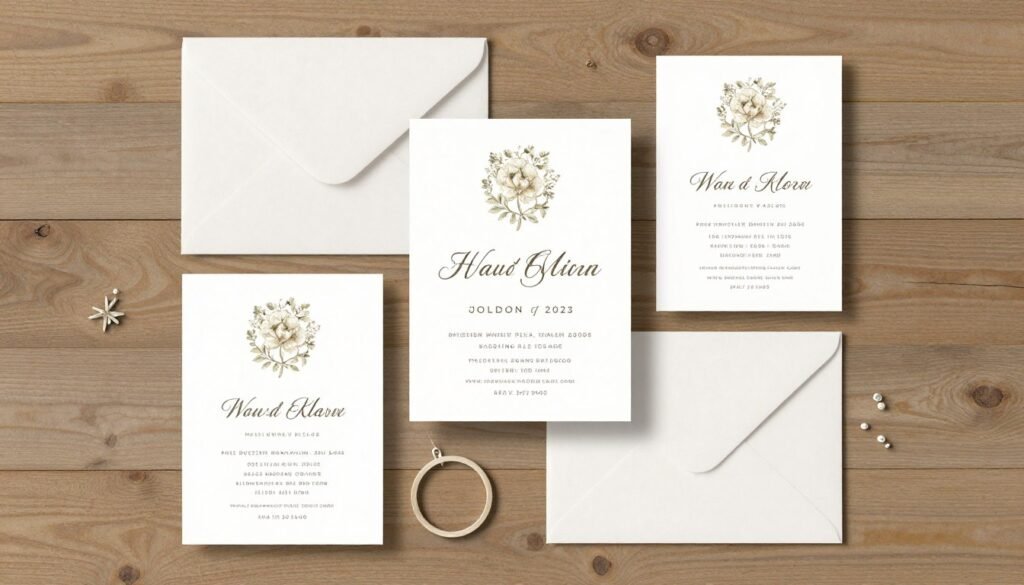
Timeless elegance never goes out of style in wedding stationery. Classic designs feature refined details that communicate sophistication and grace. These invitations work beautifully for formal affairs and traditional venue settings.
Formal Typography and Layout
Traditional invitation design relies on carefully chosen typography to convey formality. Serif fonts like Garamond or Baskerville establish an immediate sense of refinement. The text follows time-honored formatting conventions that guide guests through essential details.
Centered alignment creates symmetry that feels balanced and orderly. Each line of text receives proper spacing to ensure readability. The invitation suite often includes multiple cards for reception details and response information.
Premium Paper and Printing Techniques
High-quality paper stock makes a noticeable difference in how invitations feel. Cotton paper provides a luxurious texture that cheaper alternatives cannot match. The weight and finish of the paper communicate the formality of your event before anyone reads a single word.
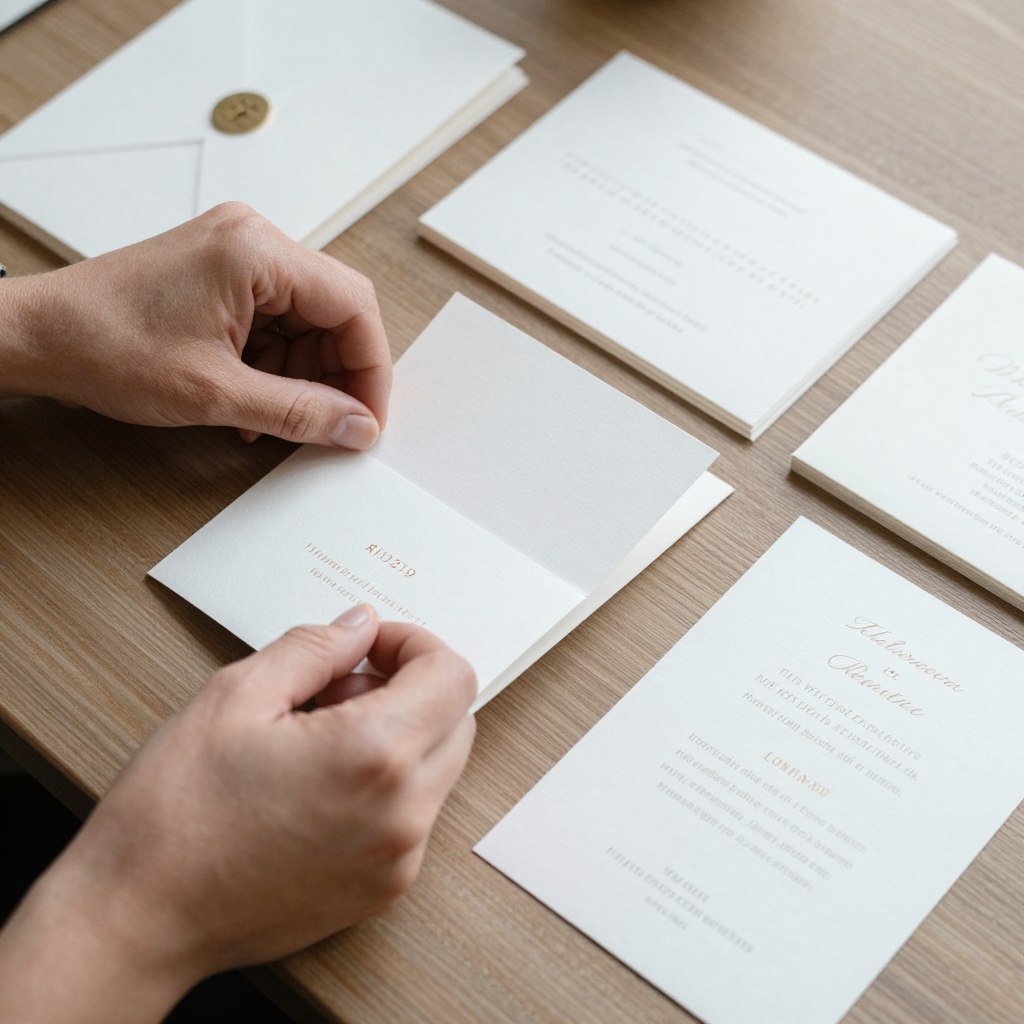
Letterpress printing creates subtle impressions in thick cardstock. This centuries-old technique adds depth and dimension that digital printing cannot replicate. Engraving offers another premium option where text sits slightly raised above the paper surface.
Color Palettes for Elegant Invitations
Classic color schemes lean toward neutral tones that exude sophistication. Ivory, cream, and soft white create an instantly refined foundation. These colors pair beautifully with metallic accents in gold, silver, or rose gold.
Navy blue and burgundy offer rich alternatives when couples want deeper tones. These colors maintain elegance while adding visual interest. Black and white combinations deliver timeless drama that works particularly well for evening celebrations.
Explore Elegant Wedding Stationery
Discover premium paper options, classic fonts, and sophisticated design elements to create your perfect elegant invitation suite.
Rustic wedding invitations bring natural charm and countryside elegance to your stationery. These designs work perfectly for barn venues, outdoor celebrations, and couples who appreciate handcrafted aesthetics. The style embraces imperfection as part of its authentic appeal.
Natural Materials and Textures
Kraft paper provides an earthy foundation that instantly establishes rustic tone. The natural brown color pairs beautifully with white or cream text. This material choice signals an informal yet thoughtful approach to your wedding day.
Wood veneer accents add three-dimensional texture to invitation suites. Thin slices of birch or cedar can serve as backing cards or decorative elements. Burlap ribbon and twine offer additional organic touches that reinforce the natural theme.
Vintage-Inspired Design Elements
Antique typography brings historical character to rustic invitations. Fonts that mimic old typewriters or hand-painted signs create instant nostalgia. These design choices transport guests to a simpler time before digital communication dominated.
Botanical illustrations add gentle romance to vintage designs. Delicate line drawings of wildflowers, leaves, and vines frame text beautifully. These illustrations can be subtle watermarks or bold focal points depending on your preferences.
DIY Rustic Invitation Projects
Handmade elements give rustic invitations personal character that printed designs cannot achieve. Couples can create custom stamps from carved potatoes or rubber blocks. Hand-torn paper edges provide organic texture that machines cannot replicate perfectly.
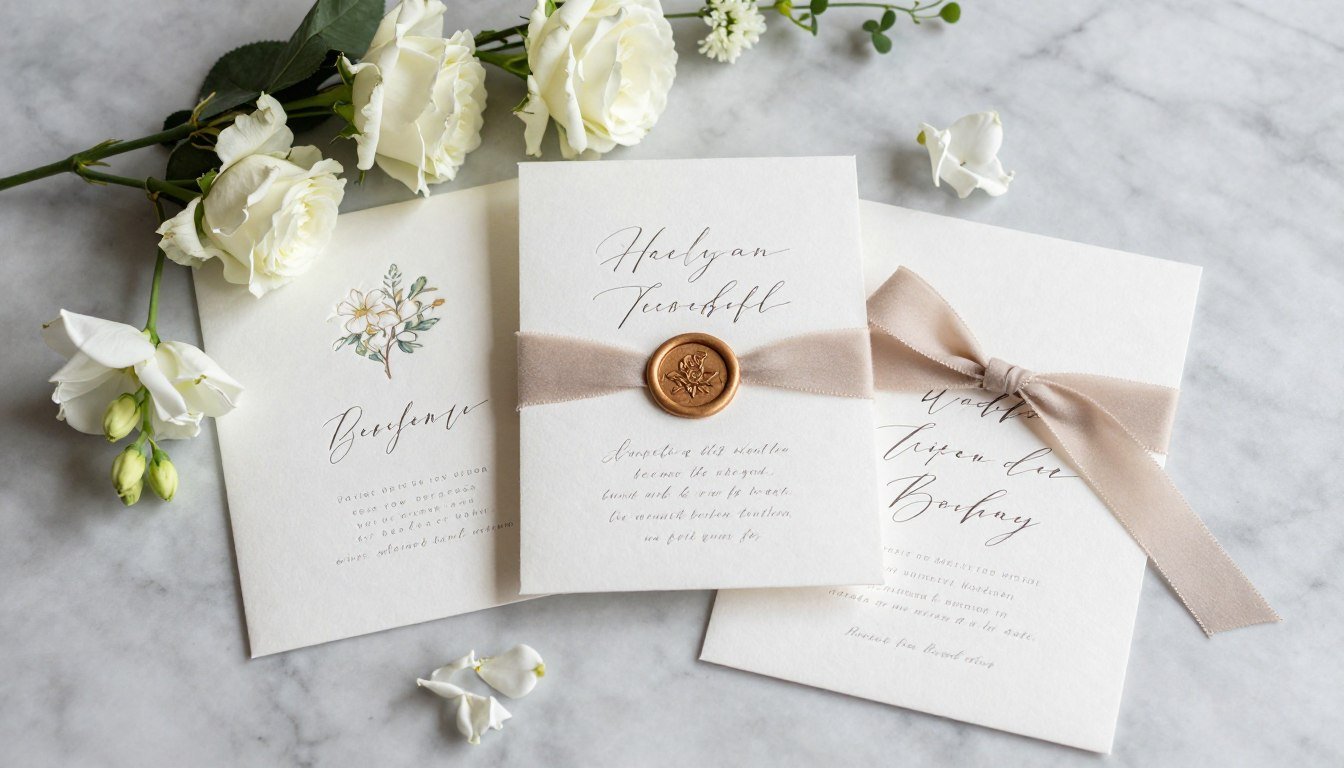
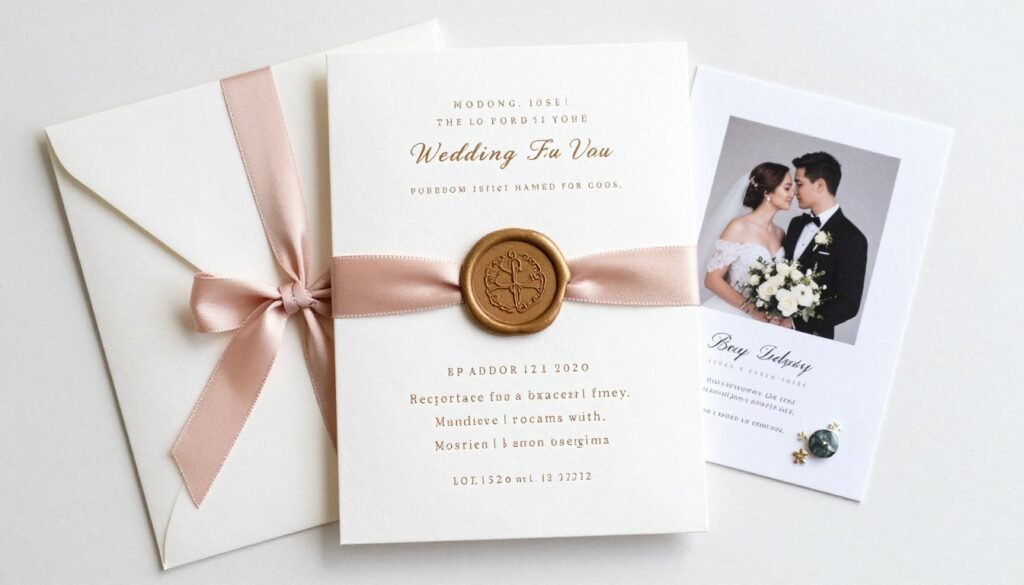
Wax seals add old-world charm while serving a practical purpose. These decorative closures come in countless designs from monograms to nature motifs. The act of melting wax and pressing seals feels ceremonial and special.
Essential Rustic Invitation Supplies
Kraft cardstock in various weights and textures
Natural twine or jute cord for tying elements
Wax seal stamps with custom monograms
Dried flowers and pressed botanical specimens
Vintage postage stamps for authentic period details
Calligraphy pens for hand-lettered addresses
Modern Minimalist Wedding Invitations
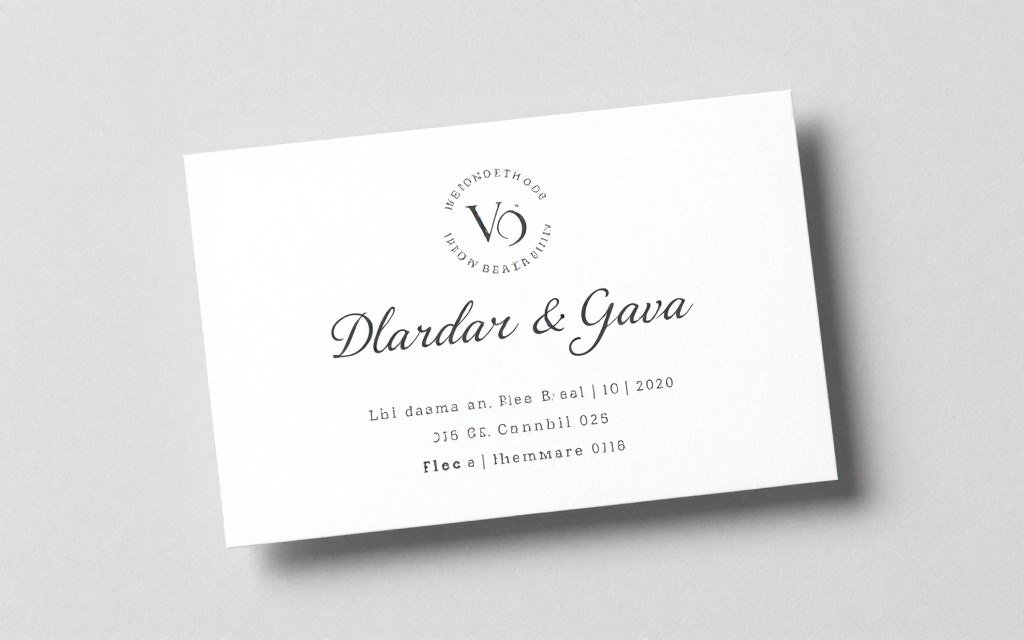
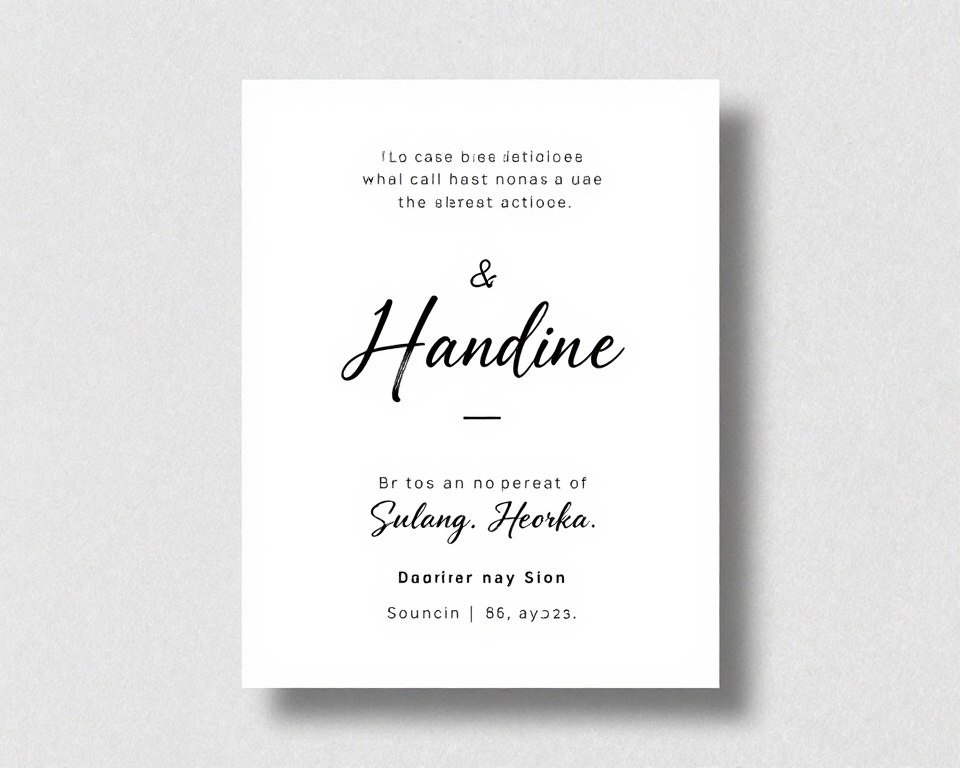
Clean lines and simplified design define modern minimalist invitations. This approach strips away unnecessary decoration to focus on essential information. The result feels contemporary and sophisticated without appearing cold or impersonal.
Geometric Shapes and Clean Typography
Simple geometric forms create visual interest without clutter. Circles, triangles, and rectangles can frame text or serve as subtle background elements. These shapes guide the eye while maintaining the overall minimalist philosophy.
Sans-serif fonts deliver the crisp appearance modern design demands. Typefaces like Helvetica or Futura communicate clarity and confidence. Letter spacing becomes more important when decoration decreases, as proper spacing ensures readability and visual balance.
Monochromatic and Bold Color Schemes
Black and white combinations offer maximum contrast with minimal complexity. This classic pairing works equally well for formal city weddings and casual celebrations. The stark difference between these tones creates drama through simplicity alone.
Single bold colors make powerful statements when used thoughtfully. Deep emerald green or rich burgundy can dominate an invitation while keeping design minimal. The color becomes the focal point when other decorative elements stay restrained.
Negative Space as Design Element
Empty space serves as important a role as printed elements in minimalist design. White areas give text room to breathe and prevent visual overwhelm. This technique helps guests focus on what matters most without distraction.
Asymmetrical layouts use negative space to create dynamic composition. Text placed in one corner or along a single edge feels intentional and modern. This approach breaks from traditional centered alignment while maintaining sophistication.
Find Modern Minimalist Stationery
Browse contemporary invitation designs featuring clean lines, geometric patterns, and sophisticated simplicity for modern celebrations.
Luxury invitations make unforgettable first impressions through exceptional materials and craftsmanship. These suites spare no expense in creating something truly special. Every detail receives careful consideration to ensure the highest quality presentation.
Layered Invitation Suites
Multiple cards stacked together create dimension and intrigue. Each layer serves a specific purpose from main invitation to accommodation details. Silk ribbons or velvet bands hold these pieces together while adding tactile luxury.
Translucent vellum overlays add ethereal beauty to layered designs. These delicate sheets can feature gold foil monograms or subtle patterns. The semi-transparent quality creates depth as layers interact visually.
Metallic Foiling and Embellishments
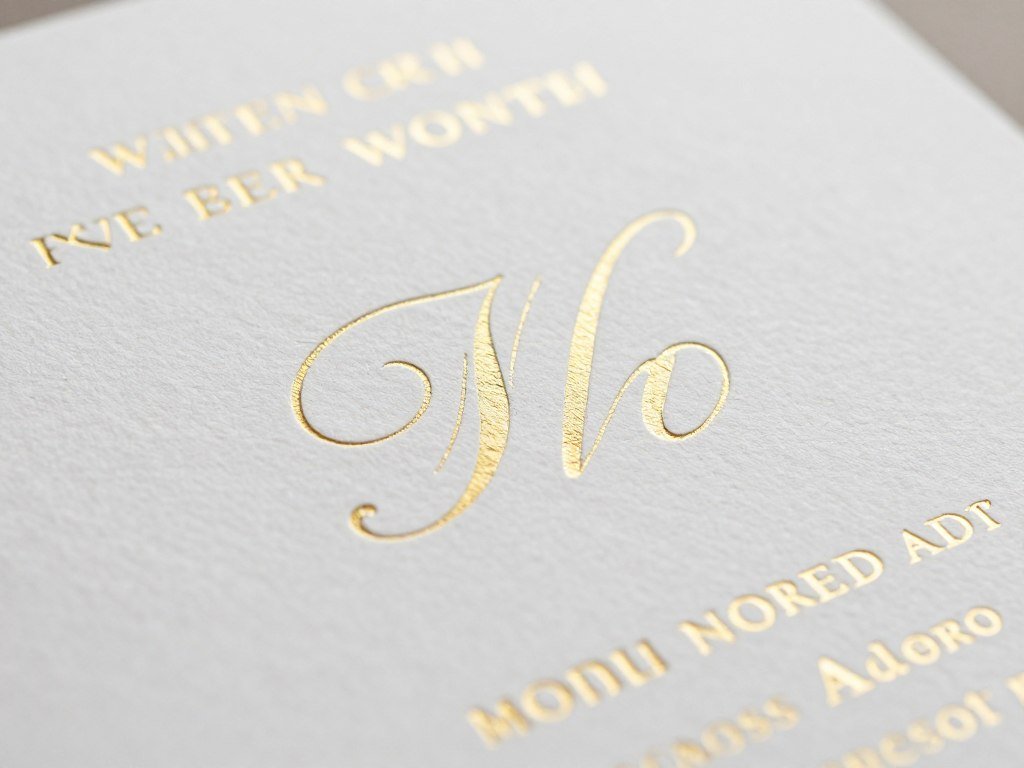
Gold foil stamping transforms ordinary text into gleaming statements. This technique applies thin metallic sheets through heat and pressure. The reflective surface catches light beautifully and photographs exceptionally well.
Rose gold and copper foils offer modern alternatives to traditional gold. These warm metals complement blush and burgundy color schemes perfectly. Silver and platinum foiling suits cooler palettes with blues and grays.
Custom Illustration and Artwork
Commissioned artwork makes invitations one-of-a-kind treasures. Artists can create custom venue illustrations showing where the ceremony takes place. These drawings become keepsakes that guests frame and display after the wedding.
Watercolor paintings add soft romantic elements to luxury stationery. Loose floral washes create dreamy backgrounds for text. The organic nature of watercolor feels personal even when professionally printed.
Luxury Invitation Features
Hand-torn deckled edges on premium cotton paper
Custom wax seals with monogram designs
Silk or velvet ribbon in coordinating colors
Gold or rose gold foil stamping
Letterpress or engraved printing techniques
Lined envelopes with custom patterns
Themed and Destination Wedding Invitation Ideas
Themed invitations set clear expectations for your unique celebration style. These designs incorporate specific motifs and imagery that telegraph your wedding concept. Guests immediately understand the tone and atmosphere you plan to create.
Beach and Tropical Wedding Invites
Ocean-inspired designs transport guests to sandy shores before they book travel. Watercolor waves in blues and teals evoke seaside settings. Coral, starfish, and shell illustrations reinforce the coastal theme without appearing juvenile.
Tropical palm leaf patterns work well for Caribbean or Hawaiian destinations. These bold botanical prints make strong visual statements. The color palette shifts toward vibrant greens, hot pinks, and sunny yellows that reflect island atmospheres.
Mountain and Forest Wedding Themes
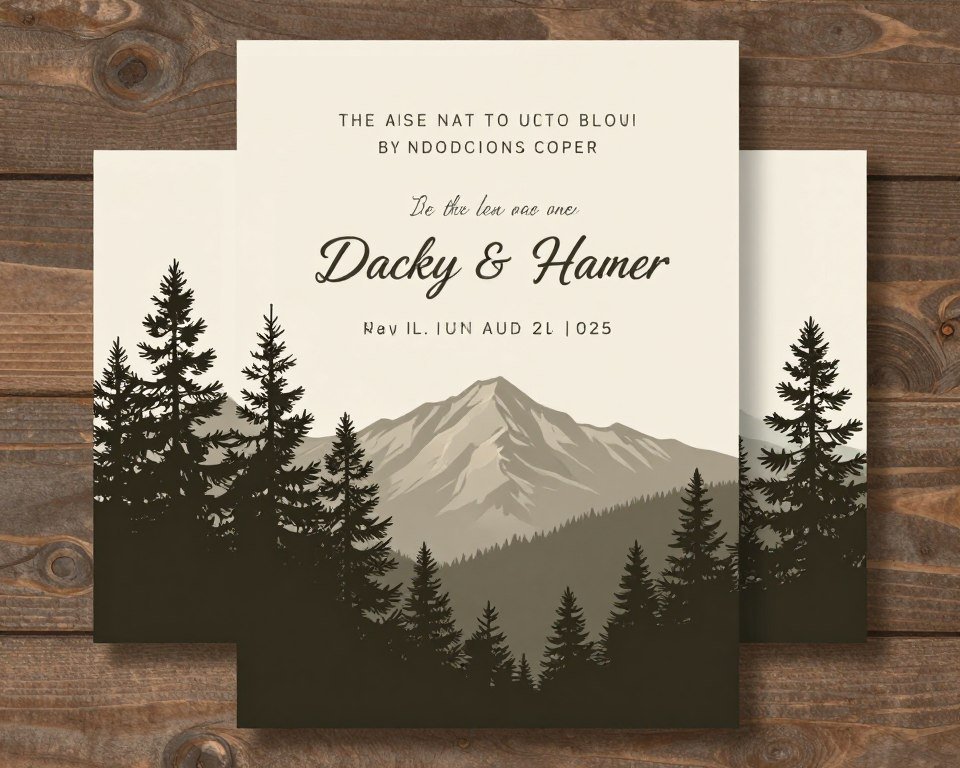
Evergreen tree silhouettes immediately establish mountain settings. These simple shapes work as borders, backgrounds, or accent elements. The deep green color palette connects to forest venues and outdoor celebrations.
Topographic map patterns add unique personality to mountain wedding invites. These contour lines can show actual elevation of your venue location. The design element serves as both decoration and informative detail about your site.
Cultural and Heritage-Inspired Designs
Traditional patterns from specific cultures honor family heritage beautifully. Celtic knots, Indian paisley, or African textile prints can frame invitation text. These meaningful designs celebrate identity while educating guests about cultural significance.
Bilingual invitations accommodate families who speak different languages. Text printed in two languages shows respect for both cultures joining through marriage. This thoughtful touch helps all guests feel included in celebrations.
Seasonal Wedding Invitation Concepts
Seasonal designs align your invitation with the time of year you marry. These theme choices feel natural and help guests envision your wedding day. The right seasonal elements enhance rather than overwhelm your overall design.
Spring Wedding Invitation Ideas
Fresh blooms define spring invitation aesthetics. Cherry blossoms, tulips, and peonies represent the season perfectly. Soft pastels in pink, lavender, and mint green create gentle color palettes that feel optimistic and romantic.
Garden party themes work naturally for spring celebrations. Illustrations of butterflies, birds, and flowering vines add whimsical charm. These delicate details communicate joy and new beginnings associated with the season.
Summer Wedding Invitation Designs
Bold colors reflect summer energy and sunshine. Bright yellows, corals, and turquoise create vibrant combinations. These saturated hues photograph beautifully and stand out in mailboxes full of neutral bills and advertisements.
Citrus motifs bring fun personality to summer invites. Lemons, limes, and oranges add playful sophistication to designs. These fruits work particularly well for casual outdoor celebrations and garden venues.
Fall and Winter Wedding Themes
Autumn invitations embrace rich jewel tones and metallic accents. Burgundy, navy, and forest green create warmth and depth. Gold foiling feels especially appropriate for fall color schemes inspired by changing leaves.
Winter designs can range from elegant snowflakes to cozy cabin aesthetics. Icy blues and silvers suit formal winter balls perfectly. Deeper reds and greens with plaid patterns work for rustic holiday-themed weddings.
Discover Seasonal Stationery Options
Find invitation designs perfect for your wedding season with appropriate colors, themes, and natural elements that reflect the time of year.
Unconventional formats make your invitation memorable before guests read a single word. Breaking from standard rectangular cards shows creativity and personality. These unique shapes require extra postage but deliver maximum impact.
Folded and Interactive Invitations
Gatefold invitations open like doors to reveal ceremony details inside. This format builds anticipation as guests unfold each section. The reveal creates a moment of surprise that flat cards cannot achieve.
Accordion-fold designs allow multiple panels of information to unfold sequentially. Each section can feature different content from venue maps to dress code guidance. This format works well for destination weddings with extensive details to communicate.
Die-Cut and Shaped Invitations
Custom die-cutting creates unique silhouettes beyond standard rectangles. Heart shapes suit romantic themes while architectural shapes can echo venue features. These special cuts require professional printing but create stunning visual effects.
Laser cutting enables incredibly intricate patterns in paper. Delicate lace-like designs create dimensional beauty that flat printing cannot match. Light shining through cut patterns adds another layer of visual interest.
Booklet and Magazine-Style Invites
Multi-page booklets accommodate extensive information elegantly. Each page or spread can address different aspects from schedule to accommodations. This format suits complex weddings with multiple events over several days.
Magazine-style layouts apply editorial design principles to wedding stationery. Photos, pull quotes, and varied typography create dynamic pages. This modern approach works particularly well for couples in creative fields.
Budget-Friendly Wedding Invitation Ideas
Beautiful invitations do not require enormous budgets when you make smart choices. Understanding where to save and where to invest helps stretch wedding stationery dollars. Many affordable options still deliver style and quality that impresses guests.
Printable Digital Templates
Download-and-print templates offer professional design at fraction of custom costs. Many talented designers sell templates through online marketplaces. You customize text and colors then print at home or local print shops.
Digital printing costs significantly less than letterpress or engraving. Modern digital printers produce excellent quality that looks professional. This method allows easy reprints if you need additional invitations or make text errors.
Simplified Invitation Suites
Single-card invitations eliminate costs of multi-piece suites. All essential information fits on one well-designed card. This approach feels intentionally minimal rather than cheap when executed with quality paper and clean design.
Online RSVPs replace printed response cards and return postage. Guests appreciate the convenience of digital responses. This choice saves money while being environmentally friendly and easier to track responses.
DIY Assembly and Finishing
Assembling invitations yourself cuts costs significantly. Friends and family often enjoy helping with this hands-on project. The process becomes fun wedding preparation activity rather than expensive outsourced task.
Purchase supplies in bulk to reduce per-unit costs. Wholesale retailers offer significant discounts on ribbon, envelopes, and embellishments. Planning ahead allows time to shop sales and compare prices across multiple suppliers.
Money-Saving Invitation Tips
Order only what you need plus small buffer for mistakes
Choose standard sizes to avoid custom postage rates
Skip inner envelopes if not traditionally required
Use online RSVP systems instead of printed cards
Print at local shops rather than specialty vendors
Select simpler designs that cost less to produce
Wedding Invitation Color Palette Selection
Color choices communicate more than you realize about your wedding style. The right palette sets mood and coordinates with your overall wedding design. These decisions should come early in planning to ensure consistency across all stationery and decor.
Classic and Timeless Color Combinations
Navy and gold create sophisticated elegance that never dates. This pairing works equally well for formal ballrooms and outdoor garden settings. The deep blue provides stability while gold adds warmth and luxury.
Blush and gray deliver soft romance with modern sensibility. The gentle pink reads feminine without being overly sweet. Gray grounds the palette and prevents it from appearing too saccharine or juvenile.
Bold and Vibrant Wedding Colors
Jewel tones make dramatic statements in wedding stationery. Emerald green, sapphire blue, and ruby red command attention. These saturated colors work beautifully for evening celebrations and formal affairs.
Unexpected color pairings show personality and creativity. Mustard yellow with navy creates retro charm. Terracotta with sage green feels earthy and contemporary simultaneously.
Monochromatic and Neutral Palettes
Single-color schemes in varying shades create subtle sophistication. Different tones of blue from pale sky to deep navy provide visual interest through variation. This approach feels cohesive and intentional.
Neutral palettes in cream, taupe, and brown appeal to minimalist sensibilities. These earthy tones photograph beautifully and coordinate with virtually any venue. The understated nature allows other design elements to shine.
Typography and Font Selection for Invitations
Typography conveys as much meaning as the words themselves. Font choices immediately signal formality level and personal style. The right combination of typefaces creates hierarchy and guides readers through information naturally.
Serif Fonts for Traditional Elegance
Classic serif typefaces bring timeless sophistication to wedding invitations. Fonts like Times New Roman, Garamond, and Baskerville establish immediate formality. The small decorative strokes at letter ends increase readability in printed text.
Modern serif fonts offer contemporary takes on traditional forms. Playfair Display and Lora maintain elegance while feeling current. These updated classics bridge gap between old-fashioned and cutting-edge design.
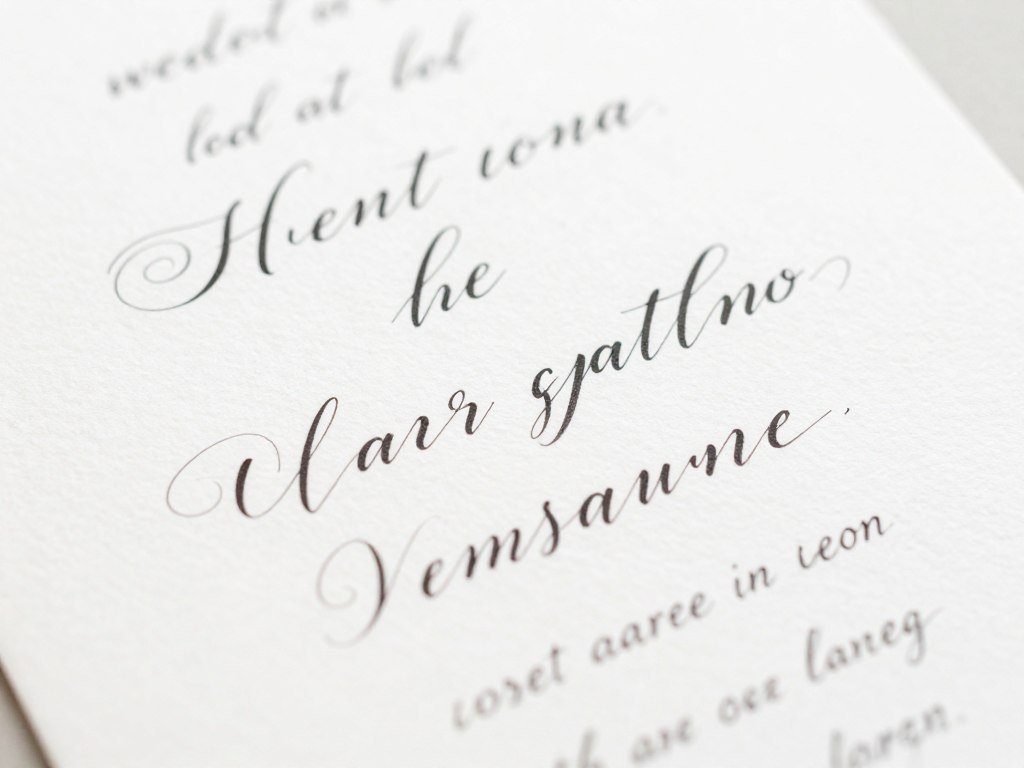
Script and Calligraphy Fonts
Flowing script fonts add romantic personality to invitations. These typefaces mimic handwritten calligraphy but maintain consistency across all printed pieces. Script works beautifully for names and romantic phrases.
Avoid using script for all text as it reduces readability significantly. Reserve decorative fonts for headers and emphasis while using simpler typefaces for body text. This combination maintains romance while ensuring guests can easily read essential details.
Modern Sans-Serif Typography
Clean sans-serif fonts communicate contemporary style and clarity. Helvetica, Futura, and Montserrat deliver modern sophistication. These straightforward typefaces work perfectly for minimalist design aesthetics.
Pairing different weights creates visual hierarchy without multiple font families. Bold headers with light body text guide the eye naturally. This technique maintains cohesion while adding necessary contrast.
Complete Your Wedding Stationery
Find everything you need to create beautiful wedding invitations from quality paper and printing supplies to embellishments and finishing touches.
Proper wording ensures your invitation communicates all necessary information clearly. Traditional etiquette provides helpful guidelines though modern couples often adapt rules to fit their situations. Understanding conventions helps you make intentional choices about what to follow or modify.
Traditional Invitation Wording
Formal wording begins with hosts names, traditionally the bride’s parents. The phrase requests the honor of your presence for religious ceremonies or requests the pleasure of your company for non-religious events. This distinction matters in traditional etiquette.
Full names appear without nicknames in formal invitations. Middle names add additional formality when included. Spell out all dates, times, and addresses completely rather than using abbreviations for maximum formality.
Modern and Casual Phrasing
Contemporary couples often list both sets of parents or themselves as hosts. This modern approach reflects current social norms around who pays for weddings. The wording can be more conversational while still conveying essential information.
Informal language matches casual wedding styles appropriately. Phrases like join us to celebrate or we’re getting married feel warm and personal. This tone works well for backyard weddings and intimate gatherings.
Including Essential Details
Every invitation must communicate who, what, when, and where clearly. Guests need full venue address including city and state. Time should be specific rather than vague references like afternoon or evening.
Dress code guidance helps guests feel comfortable and prepared. Black tie, cocktail attire, or casual dressy provides clear direction. This information can appear on main invitation or separate details card.
Envelope Addressing and Invitation Assembly
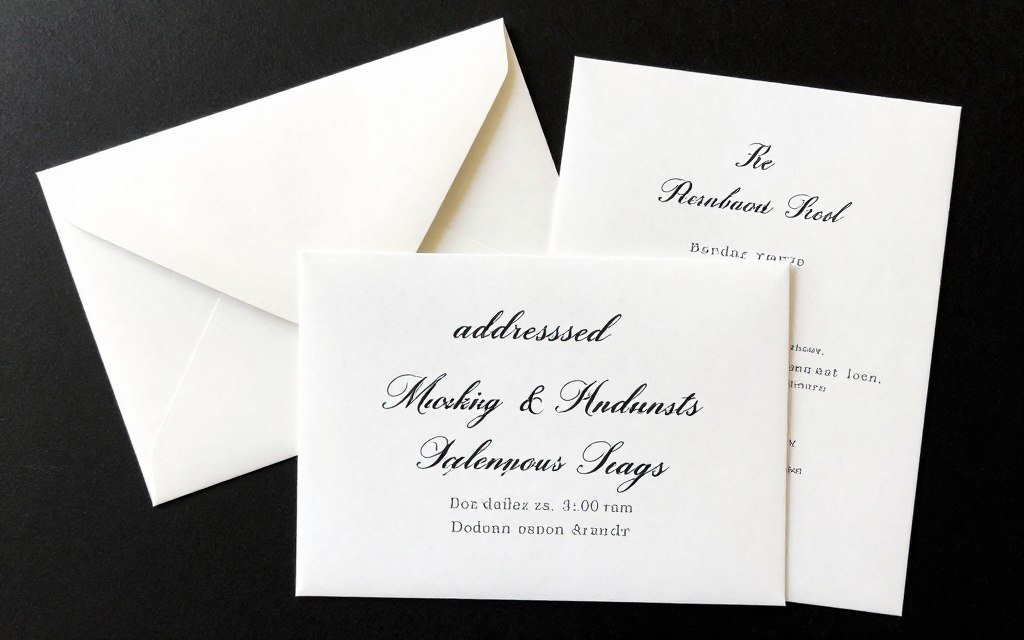
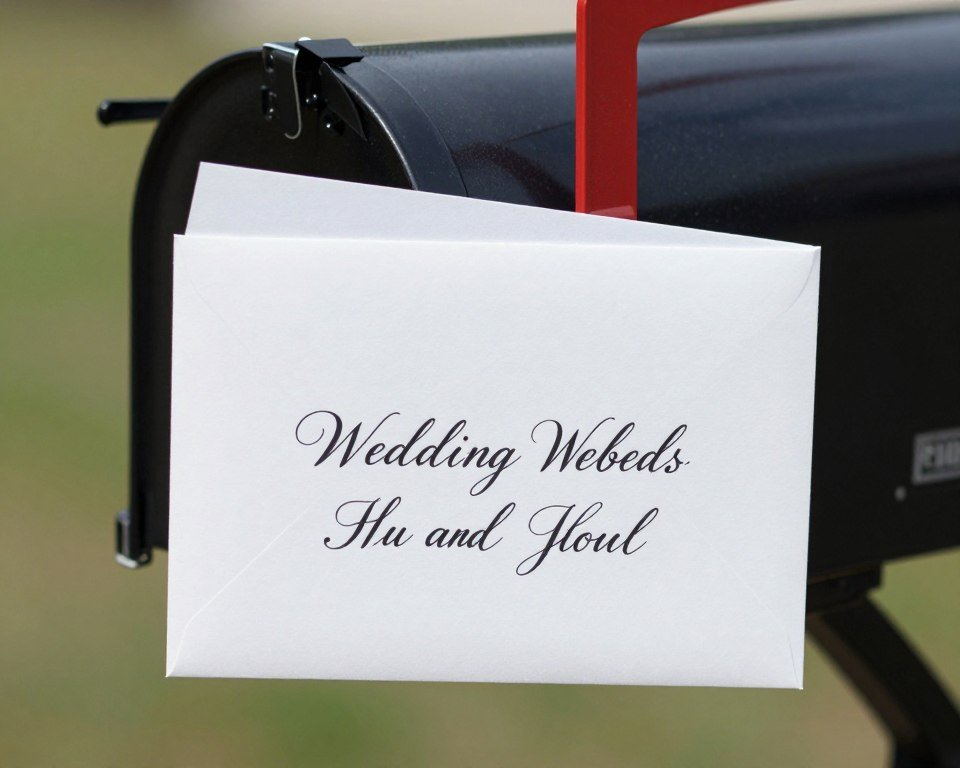
Proper envelope addressing creates positive first impressions in the mailbox. Beautiful calligraphy or careful printing shows attention to detail. Assembly order matters for proper presentation when guests open their invitation.
Calligraphy and Addressing Options
Professional calligraphy transforms ordinary envelopes into artwork. Hand-lettered addresses show care and investment in your stationery. This service costs more but delivers stunning results that guests notice immediately.
Digital calligraphy offers middle ground between handwritten and plain printing. Specialized fonts mimic hand lettering while allowing consistent results. This option works well for couples with large guest lists and limited budgets.
Inner and Outer Envelope Traditions
Double envelopes provide extra protection during mailing. The outer envelope includes mailing address while inner envelope lists guest names without address. This traditional approach adds formality and protects invitation contents.
Modern couples often skip inner envelopes to save costs and reduce waste. Single envelope systems work perfectly fine for contemporary weddings. This choice aligns with minimalist aesthetics and environmental consciousness.
Assembly Order and Finishing Touches
Main invitation goes face up at bottom of stack. Reception card sits on top of invitation followed by other enclosure cards. Response card goes face up inside its stamped envelope.
Tissue paper traditionally protects printed text from smudging. While modern inks do not require this protection, tissue adds luxury feel. The thin translucent sheet creates gentle reveal as guests remove invitation from envelope.
Proper Assembly Steps
Place main invitation face up as base layer
Add tissue paper over invitation if using
Stack reception card and other inserts
Include response envelope with card inside
Insert complete stack into inner envelope
Place inner envelope into outer envelope
Apply postage and mail at post office
Wedding Invitation Timing and Mailing Guidelines
Timing matters significantly in wedding invitation protocol. Sending invitations too early or too late creates problems for both couples and guests. Understanding proper timelines helps ensure everyone receives adequate notice to plan attendance.
Save the Date Timing
Save the dates should mail six to eight months before your wedding. Destination weddings require even earlier notice of nine to twelve months. This gives guests time to request vacation days and book travel.
Save the dates do not need extensive details that formal invitations include. These early notices simply reserve your wedding date on guest calendars. Basic information includes names, date, and city with more details to follow.
Formal Invitation Mailing Schedule
Wedding invitations traditionally mail six to eight weeks before the ceremony. This window provides sufficient time for responses without being so early that guests forget or lose the invitation. Earlier mailing around three months works for destination celebrations.
Request RSVPs three to four weeks before your wedding date. This deadline gives you time to finalize catering numbers and seating arrangements. Follow up personally with guests who miss the deadline as caterers require final counts.
Postage and Mailing Considerations
Weigh completed invitation suite at post office before applying postage. Square envelopes and irregular sizes require additional postage beyond standard stamps. Hand-canceling prevents postal machines from damaging invitations.
Consider hand-delivering invitations to local guests to save postage costs. This personal touch allows you to see loved ones while distributing invitations. Some couples enjoy making these deliveries part of their pre-wedding activities.
Eco-Friendly and Sustainable Wedding Invitation Options
Environmentally conscious couples seek ways to reduce wedding waste including stationery. Many beautiful options exist that minimize environmental impact without sacrificing style. These sustainable choices reflect personal values while creating memorable invitations.
Recycled and Tree-Free Paper Options
Recycled paper offers sustainable choice without compromising quality. Many recycled stocks look and feel identical to virgin paper. Post-consumer waste content reduces environmental impact significantly while maintaining professional appearance.
Tree-free papers use alternative fibers like bamboo, hemp, or cotton. These fast-growing plants regenerate quickly compared to slow-growing trees. The resulting paper often has interesting texture that adds character to invitations.
Seed Paper and Plantable Invitations
Seed paper transforms invitations into wildflowers after the wedding. Guests plant their invitation in soil where embedded seeds germinate and grow. This magical transformation turns paper waste into living memorial of your celebration.
Various seed types suit different climates and garden conditions. Wildflower mixes create colorful blooms while herbs like basil offer practical plants. Choose seeds appropriate for your region to ensure successful germination for guests.
Digital Invitations as Sustainable Alternative
Electronic invitations eliminate paper waste entirely. Beautiful digital designs can be just as elegant as printed versions. This option works particularly well for tech-savvy guests and modern celebrations.
Video invitations add personal touch to digital format. Couples can record message explaining wedding details while showing personality. This creative approach feels intimate despite being transmitted electronically.
Explore Eco-Friendly Invitation Options
Discover sustainable stationery solutions from recycled papers to seed paper that grows into flowers, perfect for environmentally conscious celebrations.
Small details transform standard invitations into memorable keepsakes. These thoughtful additions show guests how much their presence means. Creative embellishments personalize stationery in ways that reflect your unique relationship.
Custom Wax Seals and Stamps
Wax seals add old-world romance to modern invitations. Custom monogram stamps create personalized closures for envelopes. The melted wax process feels ceremonial and results in beautiful dimensional details.
Different colored wax coordinates with your wedding palette. Deep burgundy and navy create classic elegance while metallics add luxury. The physical act of sealing each invitation becomes meaningful ritual during assembly.
Photo Inclusion and Personal Stories
Engagement photos personalize invitations immediately. Guests love seeing happy couples before attending celebrations. These images create connections and build excitement for upcoming weddings.
Story timelines sharing your relationship journey add narrative interest. Brief milestones from first meeting to engagement give context to your celebration. These personal touches make invitations feel less transactional and more intimate.
Map and Venue Illustrations
Custom venue drawings create beautiful focal points for invitations. Illustrated versions of churches, barns, or ballrooms show guests where they will celebrate. These artistic renderings become treasured keepsakes after weddings.
Custom maps help guests navigate unfamiliar areas around venues. Illustrated versions feel more personal than standard digital maps. Highlighting hotels, parking, and landmarks assists out-of-town guests significantly.
Final Considerations for Wedding Invitation Planning
Successful invitation execution requires careful planning and attention to detail. Creating a comprehensive checklist helps ensure nothing gets overlooked. These final considerations tie together all aspects of your wedding stationery project.
Proofreading and Quality Control
Multiple people should review invitation text before printing. Fresh eyes catch errors you might miss after staring at details repeatedly. Pay special attention to dates, times, addresses, and names which must be absolutely accurate.
Order proof copies before printing full quantities. This allows you to see actual size, colors, and paper quality. Many mistakes only become apparent when holding physical samples rather than viewing on screens.
Ordering Extra Invitations
Order ten to twenty percent more invitations than your guest list requires. Last-minute additions, printing errors, and keepsakes consume these extras quickly. The cost difference proves minimal compared to reordering later.
Save digital files and remaining printed pieces after your wedding. These serve as memories and can inspire friends planning their own celebrations. Many couples frame invitation as decoration in their homes.
Coordinating with Other Stationery
Wedding invitation design should coordinate with other printed pieces. Programs, menu cards, and thank you notes work together when they share design elements. This cohesion creates polished, professional appearance throughout your wedding.
Consider entire stationery suite when making design decisions. Colors, fonts, and graphic elements should flow seamlessly from save the dates through thank you cards. This consistent branding makes your wedding feel intentionally designed rather than haphazardly assembled.
Creating Your Perfect Wedding Invitations
Wedding invitation ideas span endless possibilities from classic elegance to creative innovations. Your choices should reflect your personality, wedding style, and budget realities. The perfect invitation balances beauty with practicality while communicating essential information clearly.
Start planning early to allow time for design, printing, and assembly. Rush jobs cost more and create unnecessary stress during already busy engagement periods. Thoughtful preparation ensures your invitations arrive beautifully and on schedule.
Remember that invitations serve as first glimpse into your celebration. These pieces set tone and build anticipation for your special day. Whether you choose luxury letterpress or simple printable templates, your invitation should feel authentically you. The most successful designs balance personal style with guest needs, creating stationery that both looks beautiful and functions effectively.
LED strip lighting has revolutionized home decor with its flexibility, energy efficiency, and stunning visual effects. These thin, adhesive-backed light strips can transform ordinary spaces into extraordinary showcases with minimal effort. Whether you’re looking to add ambient lighting, highlight architectural features, or create a cozy atmosphere, LED strip lights offer endless creative possibilities for every…
Backdrop decorations have become essential elements for creating memorable events and photo-worthy moments. Whether you’re planning a wedding, birthday celebration, baby shower, or professional photoshoot, the right backdrop can elevate your event from ordinary to extraordinary. These versatile design elements set the tone, create atmosphere, and provide the perfect canvas for capturing memories.This Website contains…
An engagement ring is more than just a piece of jewelry—it’s a timeless symbol of love, commitment, and the promise of a shared future. Whether you’re actively shopping or just beginning your research, finding the perfect engagement ring involves understanding the various styles, materials, and considerations that go into this significant purchase. This comprehensive guide…
Planning your wedding decorations can feel overwhelming when you’re staring at thousands of Pinterest boards and endless possibilities. You want your venue to reflect your unique love story while staying within budget and actually being achievable. The good news? Creating stunning wedding decorations doesn’t require a professional planner or an unlimited budget.This Website contains affiliate…
The black wedding guest dress stands as a timeless choice for celebration attire, offering unmatched versatility and sophistication. Once considered taboo at weddings, black has evolved into a go-to option that exudes elegance while providing endless styling possibilities. This comprehensive guide explores the most stunning black dress styles for wedding guests, complete with styling advice…
Your wedding day deserves to be surrounded by beauty that reflects your unique love story. The right wedding decorations transform ordinary spaces into enchanting environments where memories are made. Whether you’re dreaming of a rustic barn celebration, an elegant ballroom affair, or a bohemian garden party, thoughtfully chosen decorations set the tone for your entire…