Transforming Your Outdoor Space with Large Outdoor Planters
Large outdoor planters are more than just containers for plants—they’re architectural elements that define spaces, create focal points, and showcase your botanical style. Whether you’re looking to enhance a spacious garden, create privacy on a patio, or make a statement at your entryway, the right planter can elevate your outdoor design from ordinary to extraordinary. In this guide, we’ll explore everything you need to know about selecting, styling, and maintaining large outdoor planters to create stunning displays that will beautify your space year-round.
This Website contains affiliate links. That means I may earn a small commission if you purchase through my links, at no extra cost to you.
Benefits of Large Outdoor Planters
Large outdoor planters offer numerous advantages that smaller containers simply can’t match. Their substantial presence creates immediate visual impact while providing practical benefits for both your space and your plants.
The generous size of large planters creates an immediate focal point in any outdoor setting. They command attention and can anchor a design scheme, providing structure to open spaces that might otherwise feel empty or undefined.
Beyond aesthetics, large planters offer practical advantages. They can define boundaries, create privacy screens when planted with tall specimens, and even serve as natural room dividers on patios and decks. Their substantial weight provides stability for larger plants.
For plant health, larger containers provide more soil volume, which means better insulation for root systems, improved moisture retention, and more space for roots to develop. This translates to healthier plants that require less frequent watering.
With proper selection, large outdoor planters can serve as permanent landscape features that provide year-round interest. They can be replanted seasonally or filled with evergreen specimens for consistent beauty regardless of the season.
Ready to Explore Large Outdoor Planters?
Browse a wide selection of options to find the perfect planters for your outdoor space.
The material of your planter not only affects its appearance but also its durability, weight, maintenance requirements, and suitability for different environments. Here’s a comprehensive guide to help you choose the right material for your needs.
Ceramic & Terracotta
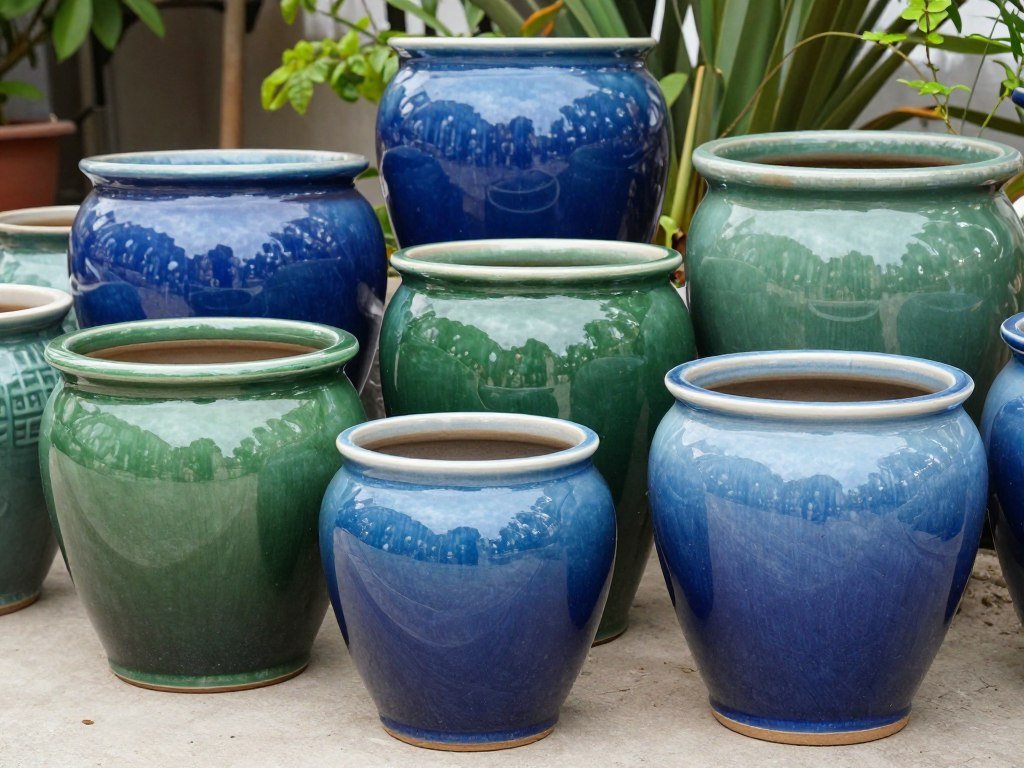
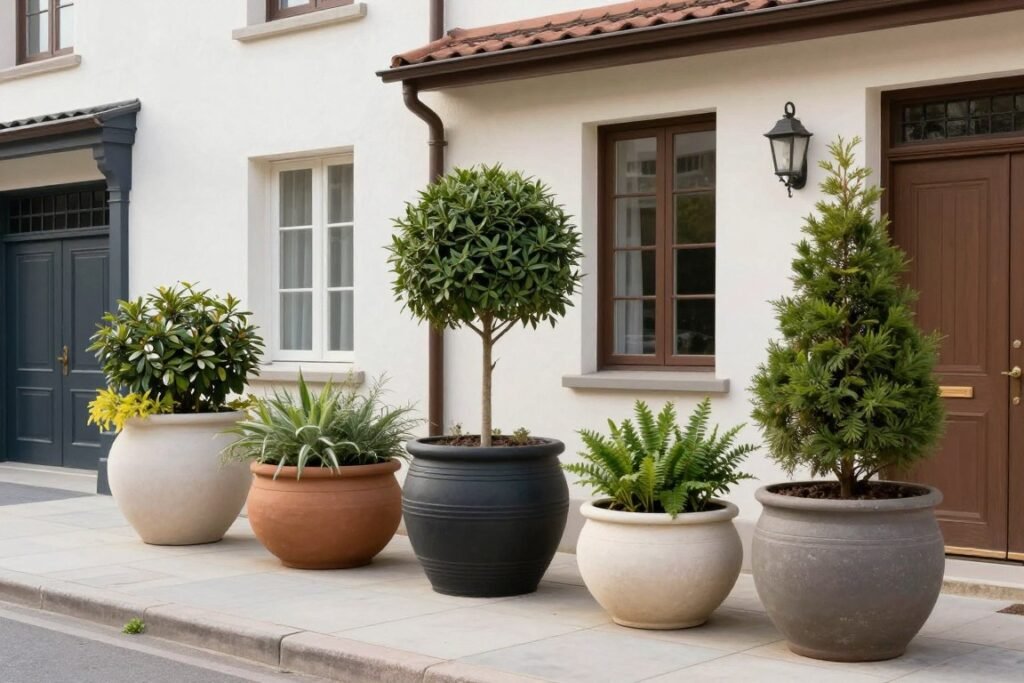
Ceramic planters offer timeless appeal with their classic look and often feature beautiful glazes in a rainbow of colors. They’re excellent for creating focal points and complement both traditional and contemporary settings.
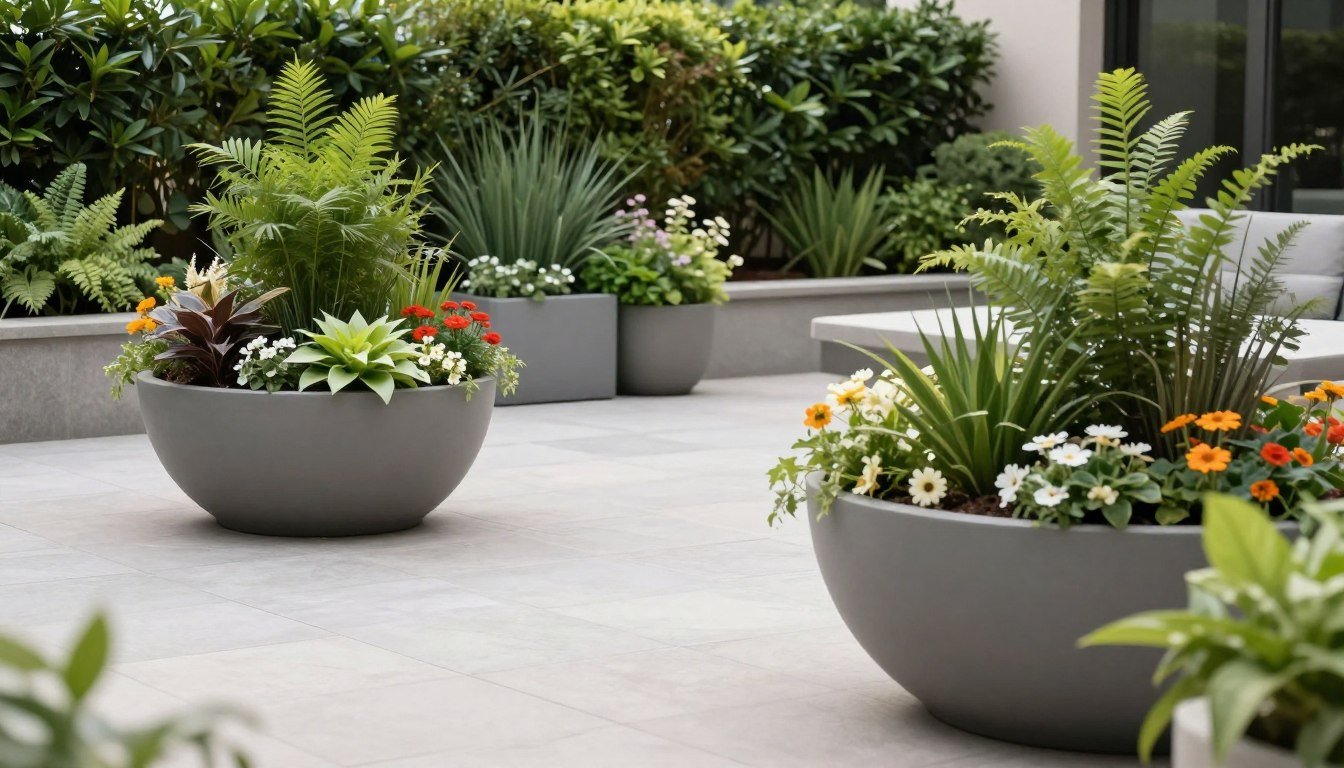
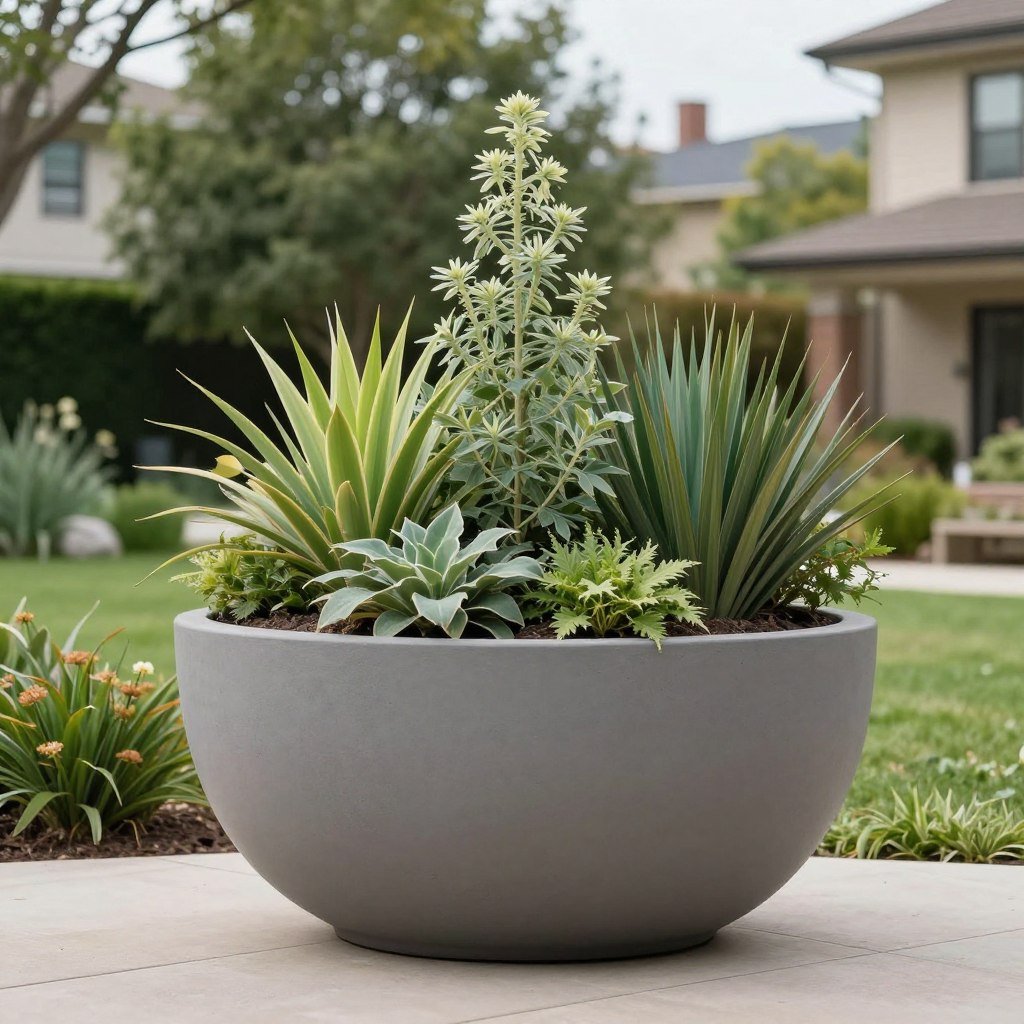
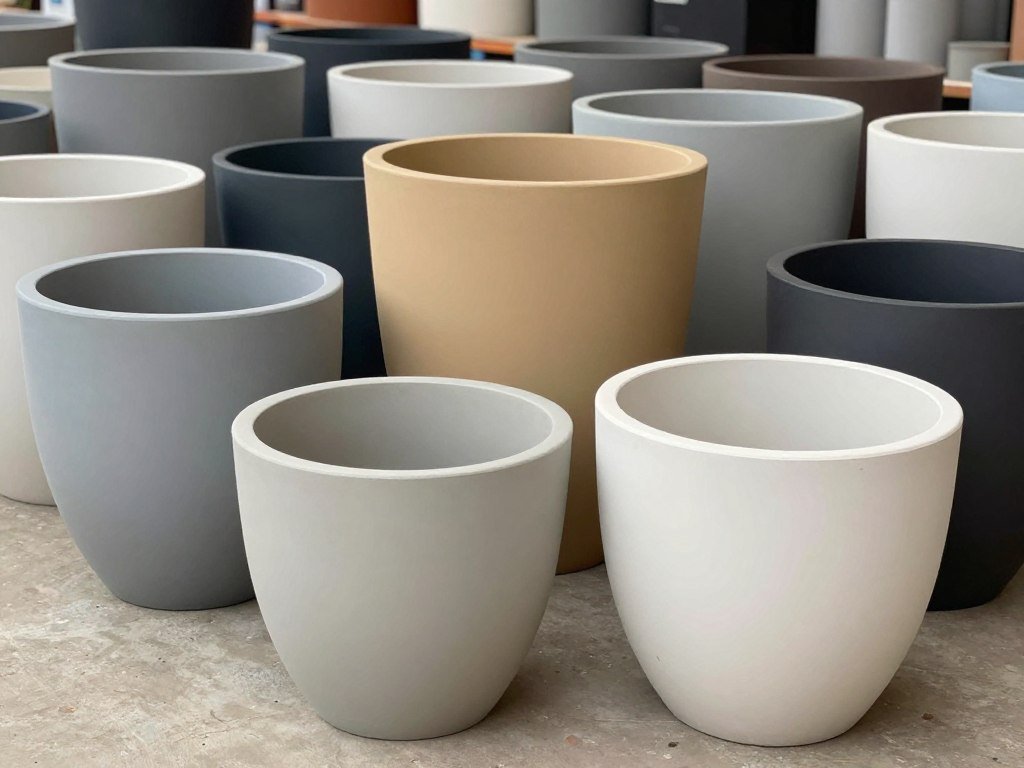
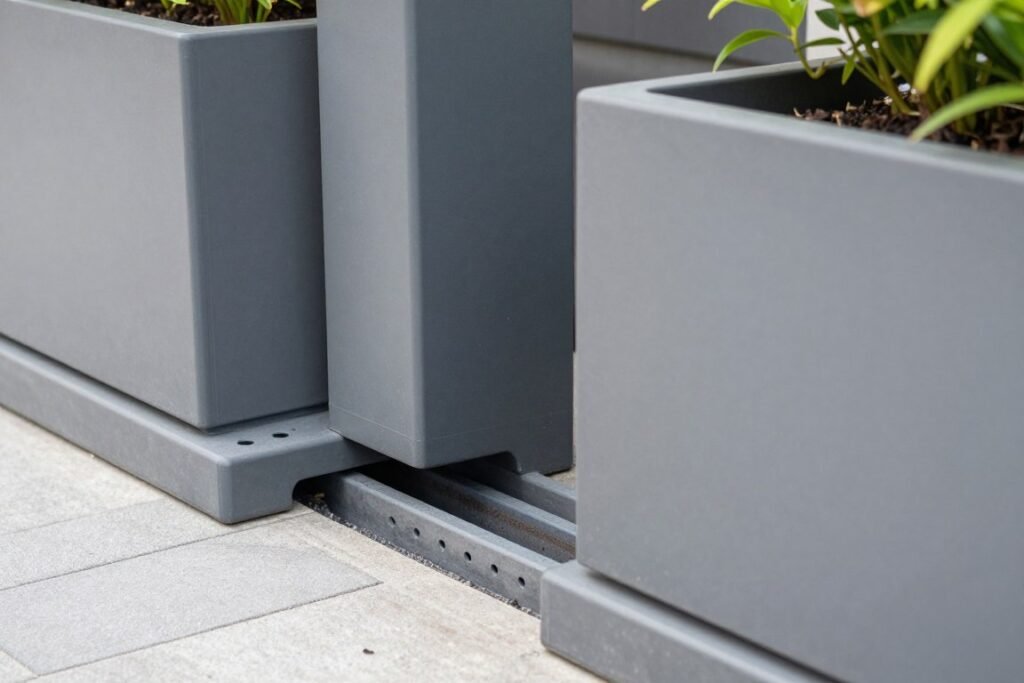
Concrete planters offer unmatched durability and a sophisticated modern aesthetic. Their substantial weight makes them ideal for windy locations, and they develop a beautiful patina over time that adds character.
Advantages
Extremely durable and weather-resistant
Excellent stability for tall plants
Insulates roots from temperature extremes
Limitations
Very heavy and difficult to relocate
Can be expensive for large sizes
Limited design variety compared to other materials
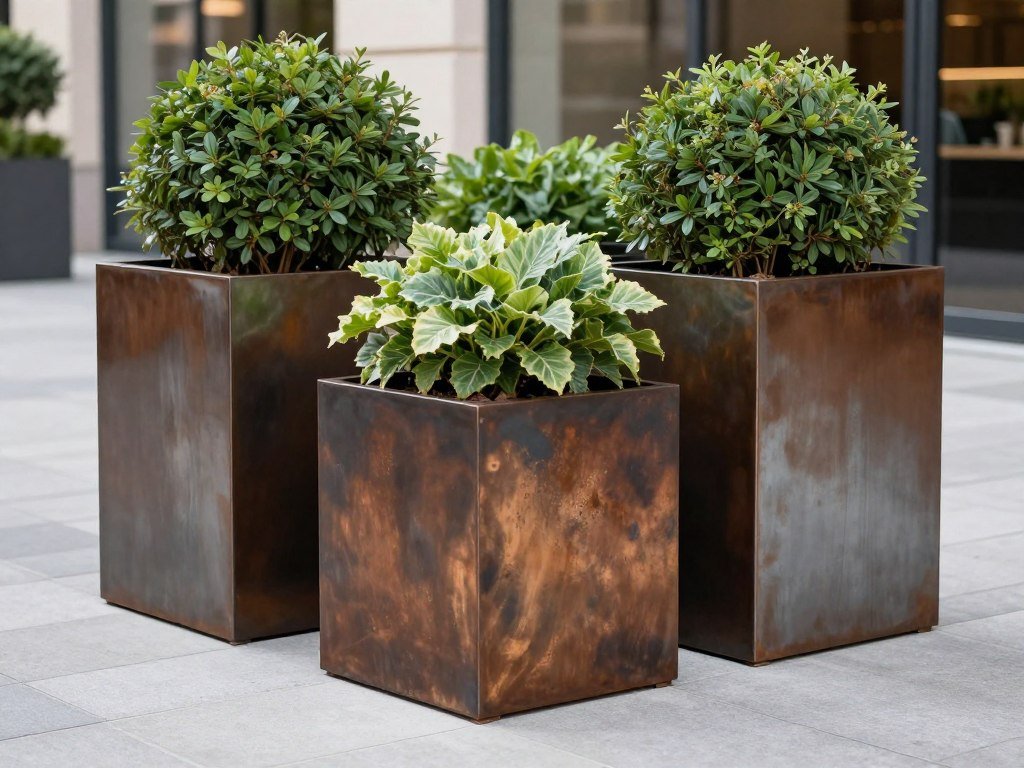
Metal planters bring contemporary flair to outdoor spaces with their sleek lines and modern finishes. Available in aluminum, steel, copper, and more, they offer a range of looks from industrial to refined elegance.
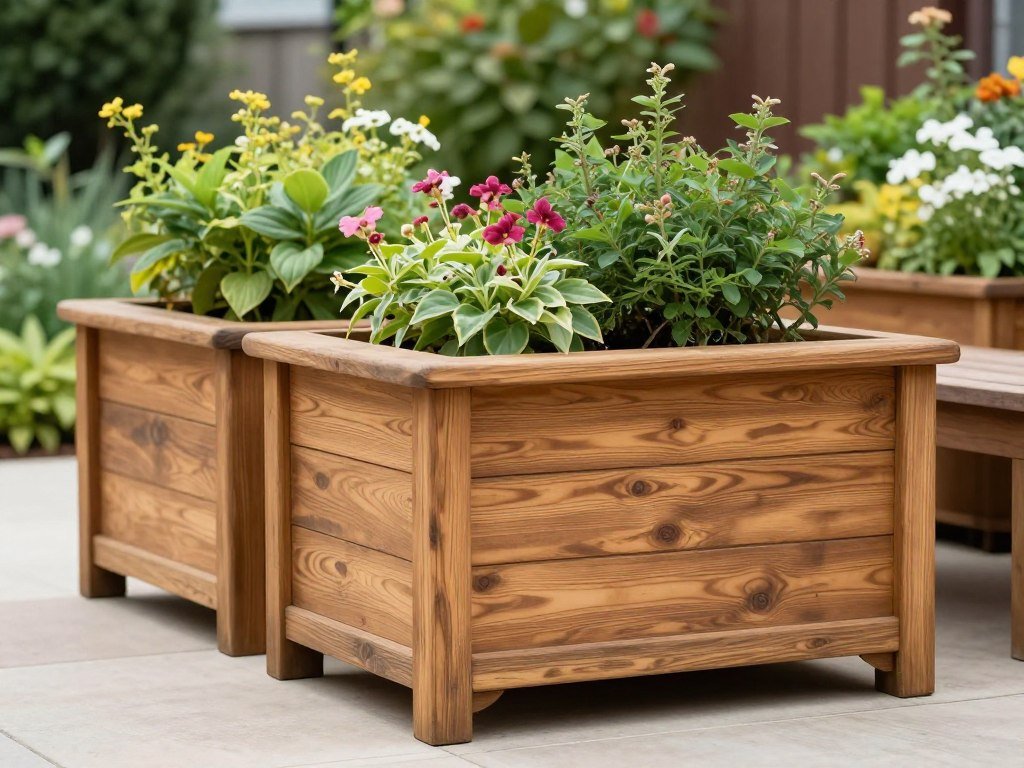
Wooden planters bring natural warmth and organic texture to outdoor spaces. They blend beautifully with landscapes and can be crafted in countless styles from rustic to refined. Cedar, redwood, and teak are popular choices for their natural resistance to decay.
Fiberglass planters offer the perfect combination of durability and lightweight construction. They can mimic the look of heavier materials like stone or concrete while being much easier to move and position. Their UV-resistant finishes maintain color for years.
Modern resin planters offer incredible versatility at budget-friendly prices. Today’s options can convincingly mimic more expensive materials like stone or metal while offering practical benefits like lightweight construction and excellent durability.
Advantages
Very lightweight and easy to move
Affordable compared to other materials
Won’t crack, chip, or fade with quality options
Limitations
Can look artificial with cheaper options
May need additional weight for stability
Not as environmentally friendly as natural materials
Selecting the perfect large outdoor planter involves considering several key factors beyond just aesthetics. Here’s what to keep in mind to ensure you make the best choice for your space and plants.
Size Considerations
When choosing planter size, consider both your space and your plants’ needs. For visual impact, go larger than you might initially think—undersized planters can look insignificant in outdoor spaces. As a rule of thumb, a planter should be at least one-third the height of the mature plants it will contain.
For trees and large shrubs, ensure the container provides adequate root space—generally at least 2 feet in diameter for small trees. Remember that larger soil volume means less frequent watering and better insulation for roots.
Drainage Requirements
Proper drainage is crucial for plant health. Look for planters with drainage holes, or be prepared to drill your own. For planters without built-in drainage, create a reservoir system by adding a layer of gravel at the bottom and using a container with drainage inside the decorative planter.
In areas with heavy rainfall, consider elevated planters or those with feet to ensure water doesn’t pool beneath them. For planters that will sit on decks or patios, use saucers or drip trays to protect surfaces from water damage.
Style & Design Compatibility
Your planters should complement your home’s architectural style and your existing outdoor décor. For traditional homes, consider classic shapes like urns or rectangular planters with detailing. Modern homes pair well with clean-lined, geometric planters in contemporary materials.
Color is another important consideration—neutral tones provide versatility and allow plants to be the focal point, while bold colors can make a statement. Consider how the planter will look year-round, especially if plants are seasonal.
Climate Considerations
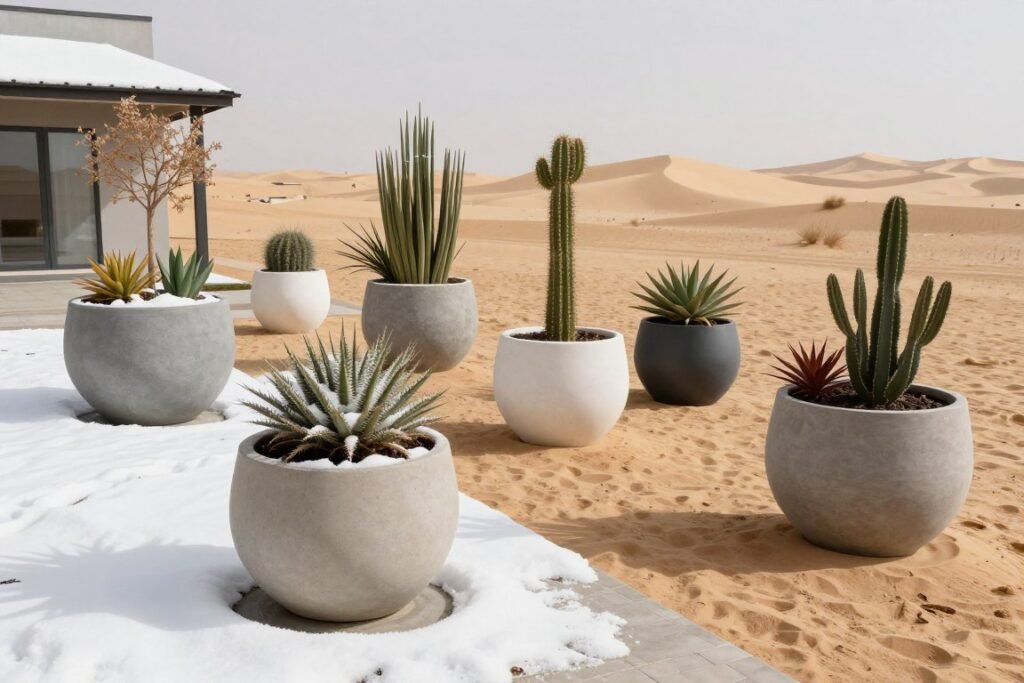
Your local climate should heavily influence your planter material choice. In freeze-thaw climates, opt for frost-resistant materials like fiberglass, certain metals, or specially-treated concrete. Ceramic and terracotta may crack in cold climates unless brought indoors for winter.
In hot, sunny regions, light-colored planters reflect heat and keep soil temperatures lower. Dark planters absorb heat, which can be beneficial in cooler climates but may overheat roots in hot areas. Wind exposure is another factor—heavier planters provide better stability in windy locations.
What size planter do I need for different plants?
As a general guideline:
Small trees: Minimum 24-30 inches in diameter, 24 inches deep
Large shrubs: 18-24 inches in diameter, 18-20 inches deep
Ornamental grasses: 16-20 inches in diameter, 16-18 inches deep
Mixed plantings: Depends on quantity and types, but generally 16+ inches diameter
Vegetables: 18-24 inches deep for root vegetables, 12+ inches for others
Always size up when in doubt—plants will be healthier with more soil volume.
Find Your Perfect Planter
Ready to select the ideal large outdoor planter for your space? Explore options that match your style and needs.
Large planters offer endless creative possibilities for enhancing your outdoor spaces. Here are expert styling tips to help you create stunning planter displays that maximize visual impact.
Create Impactful Groupings
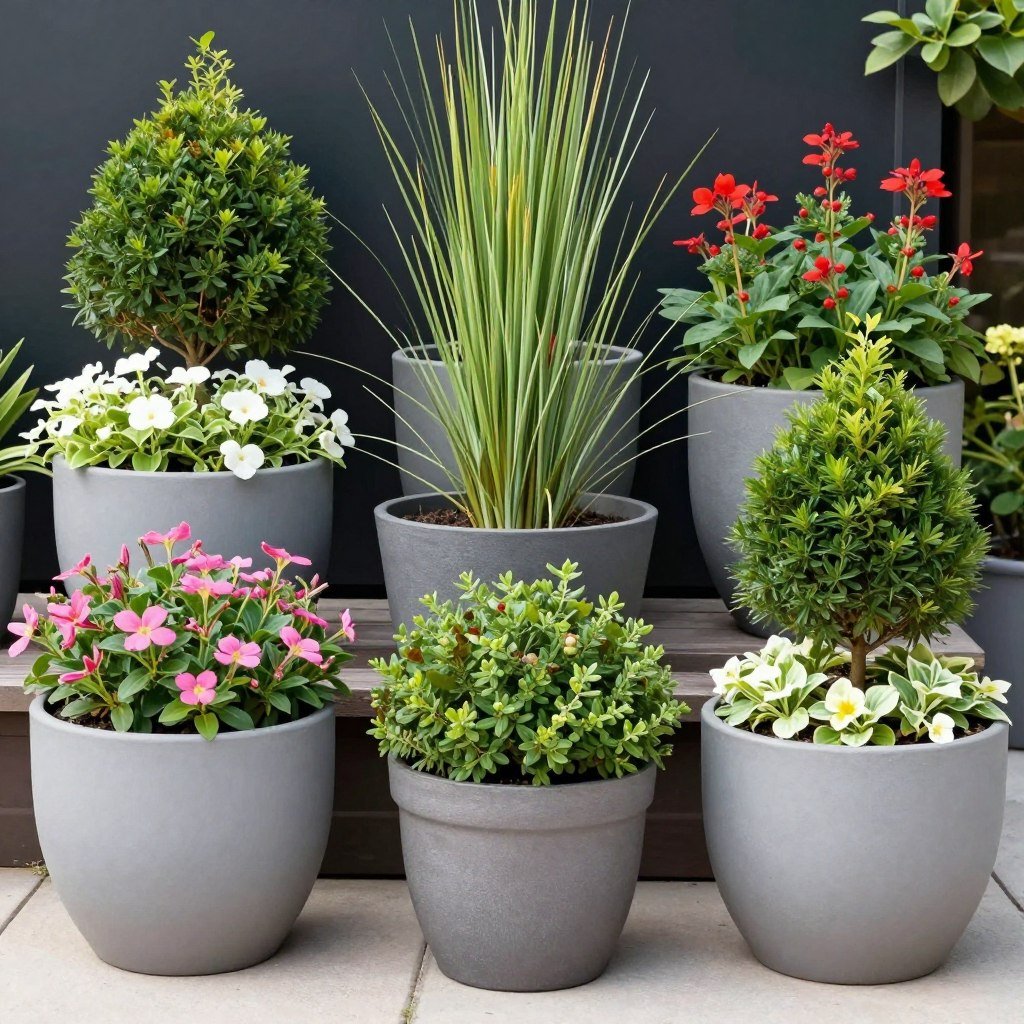
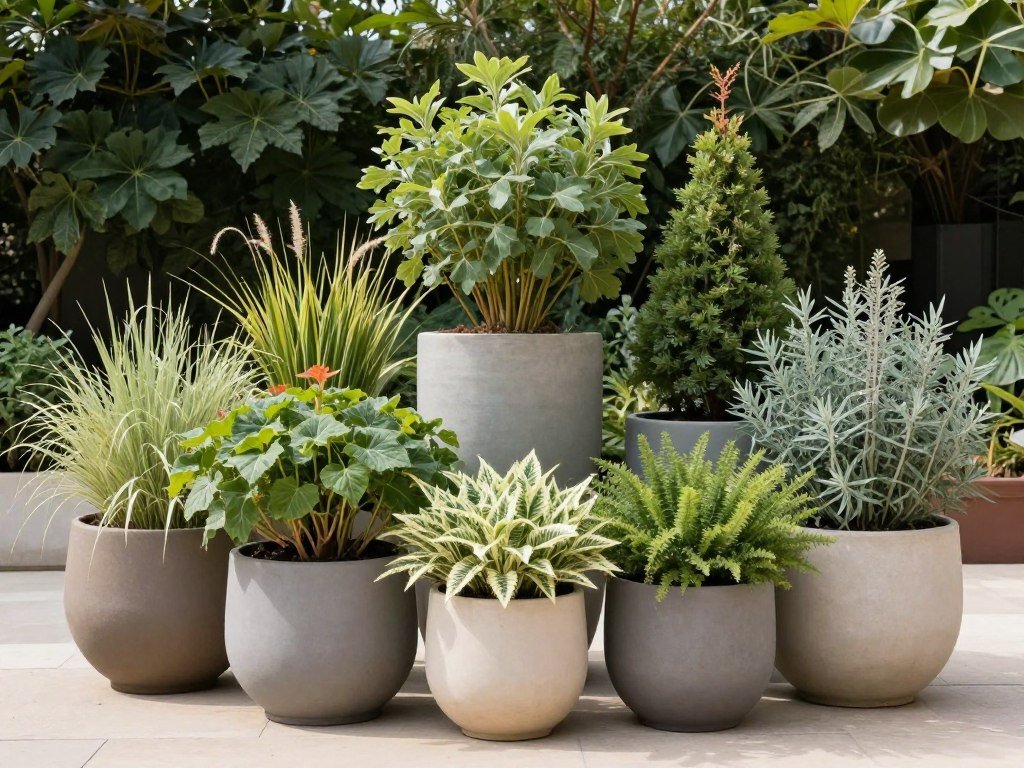
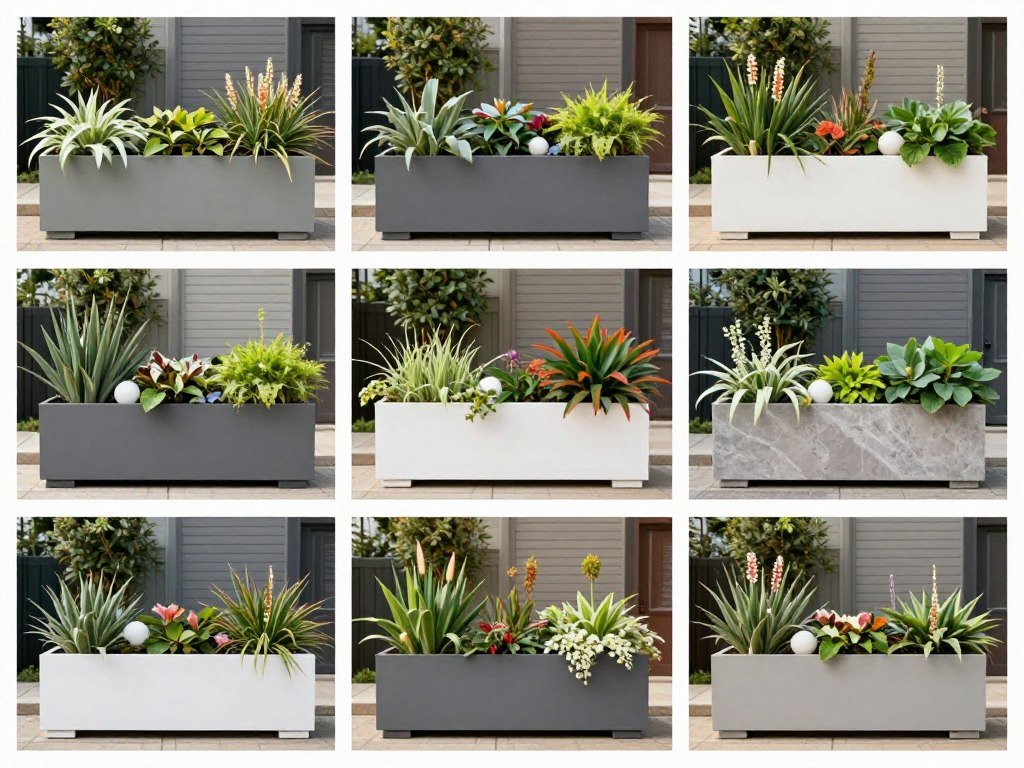
Rather than placing single planters in isolation, arrange them in groups of odd numbers (3, 5, 7) for more visual interest. Vary heights and sizes while maintaining a cohesive look through consistent materials or colors. This approach creates a more designed, intentional appearance than scattered individual planters.
Frame Key Areas
Use large planters to highlight architectural features and important transitions in your landscape. Place matching planters on either side of entrances, gates, or pathways to create a sense of arrival and guide visitors through your space. This symmetrical approach adds formality and structure to your garden design.
Master the Thriller, Filler, Spiller Technique
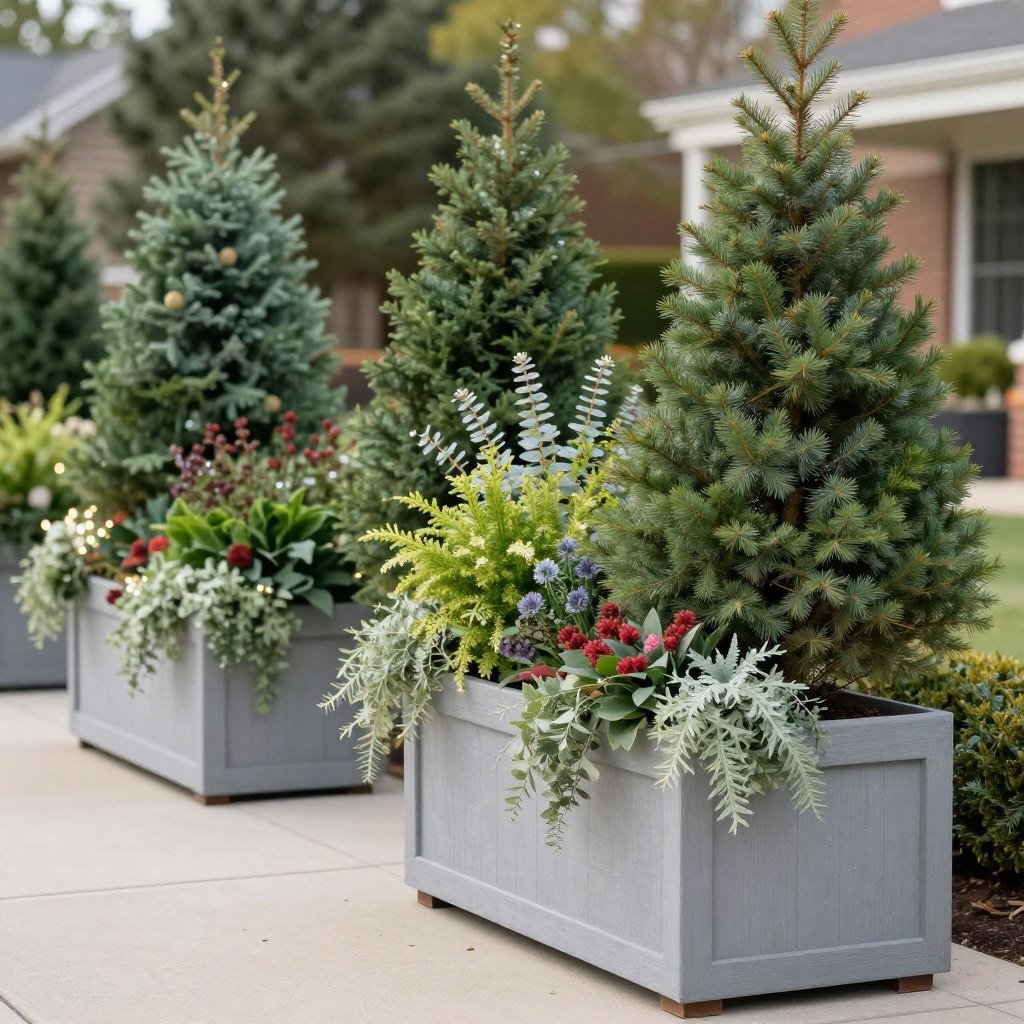
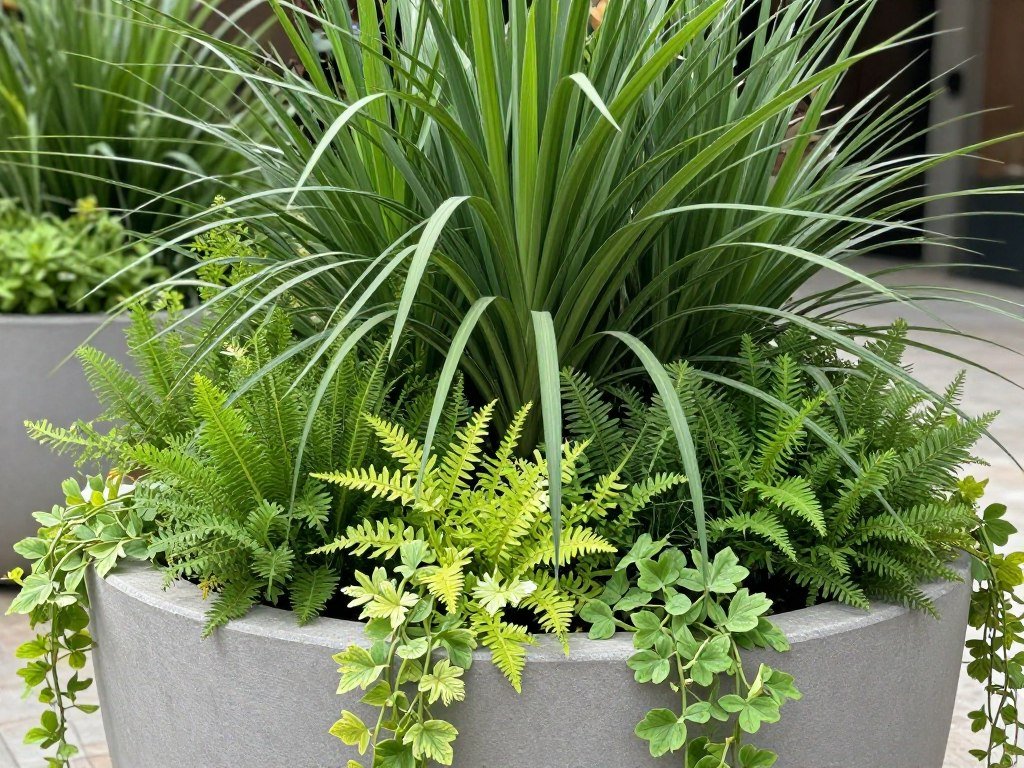
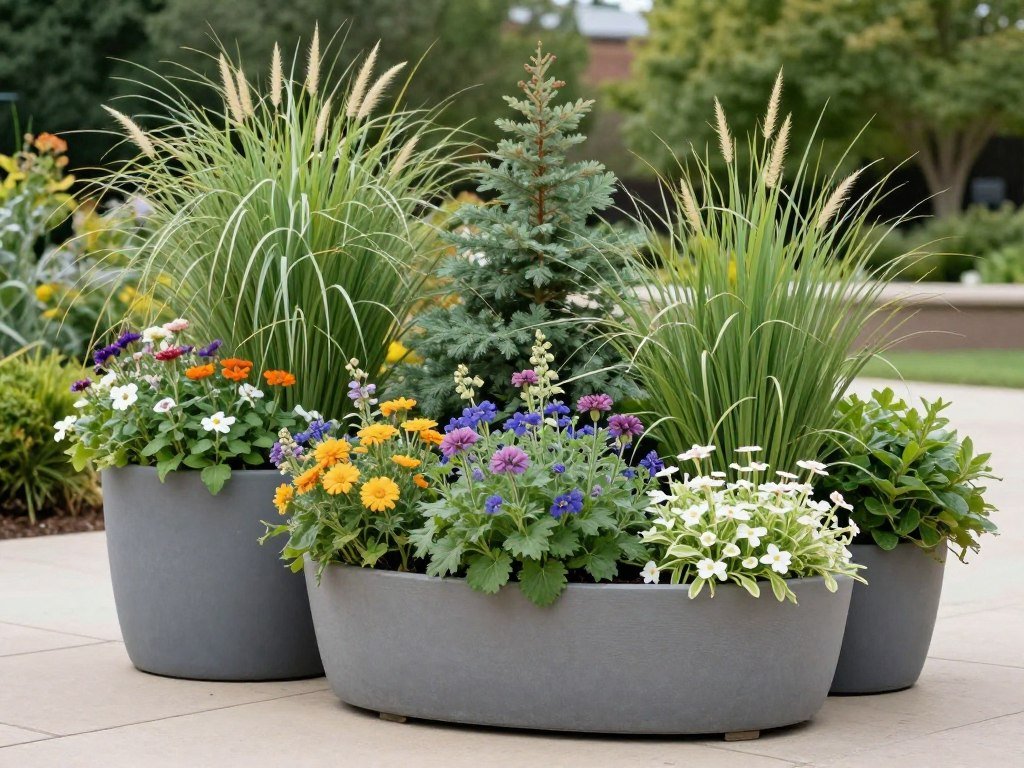
Create professional-looking plant arrangements using the classic “thriller, filler, spiller” approach. Start with a tall, dramatic centerpiece (thriller), surround it with medium-height plants that add fullness (fillers), and finish with cascading plants that spill over the edges (spillers) to soften the look.
Define Outdoor Rooms
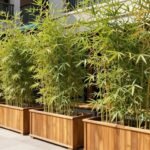
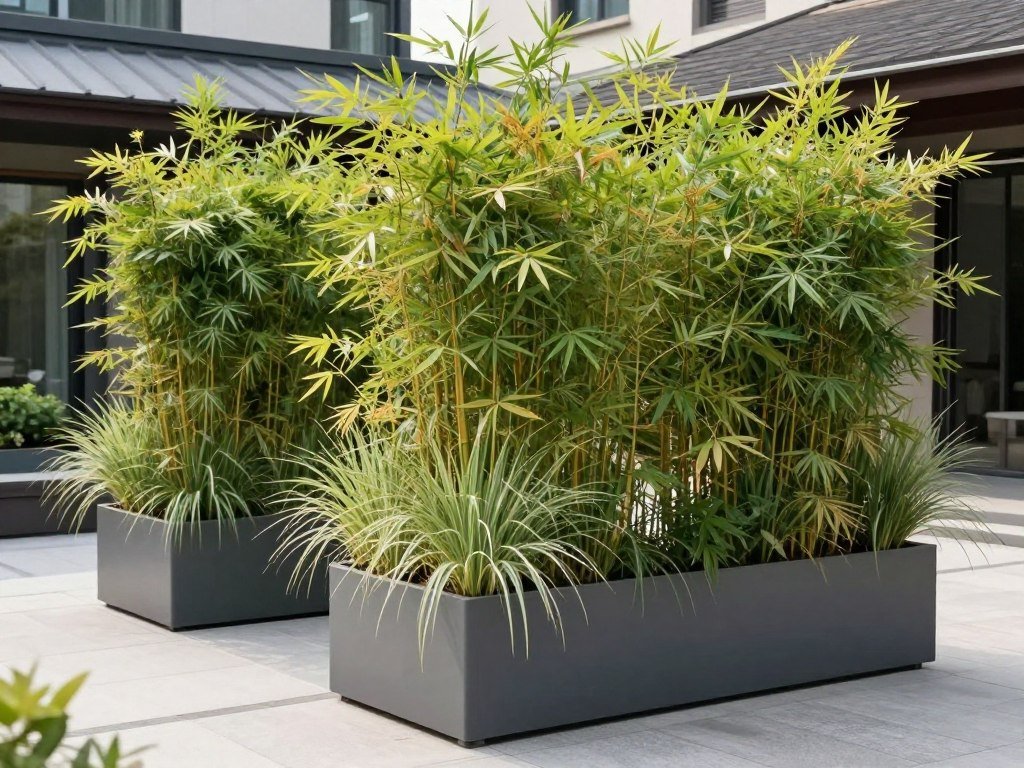
Large planters excel at creating boundaries and dividing open spaces into distinct “rooms.” Use them to separate dining areas from lounging spaces or to create privacy screens on patios and decks. Tall, narrow planters with vertical plants like ornamental grasses or bamboo work particularly well for this purpose.
Embrace Color Strategy
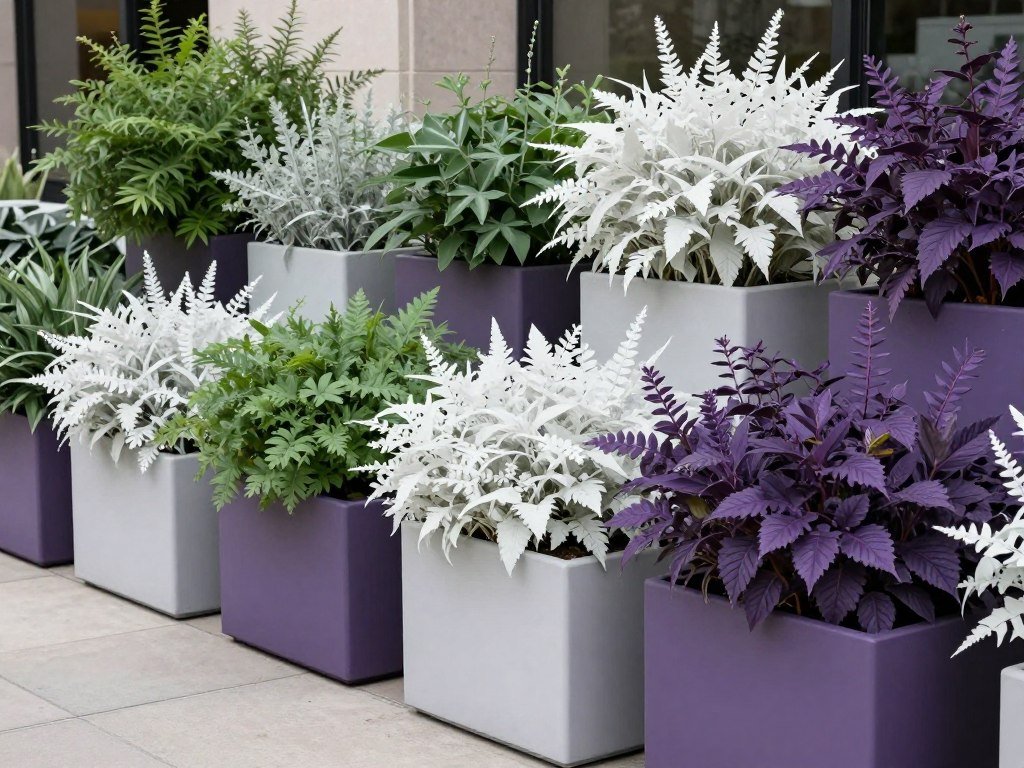
For sophisticated planter displays, consider limiting your color palette. Monochromatic schemes using different shades of the same color create elegant, cohesive looks. Alternatively, complementary colors (opposite on the color wheel) create vibrant, energetic displays. Let your home’s exterior colors guide your choices for a harmonious overall look.
Plan for Year-Round Interest
Design your planter displays with all seasons in mind. Include evergreen structural plants as permanent elements, then supplement with seasonal flowers and foliage. In winter, add branches, berries, or cold-tolerant ornamentals. Consider how your planters will look from indoor viewing points during less hospitable weather.
Designer Tip: Scale Matters
When in doubt, go bigger with your planters. Undersized containers often look insignificant in outdoor spaces, while generously sized planters create presence and impact. For maximum effect, your largest planters should be at least 24 inches in diameter and height, with extra-large specimens reaching 36 inches or more.
Best Plants for Large Outdoor Planters
The generous size of large outdoor planters opens up exciting possibilities for plant selection. Here are outstanding choices that thrive in containers and create maximum impact.
Small Trees
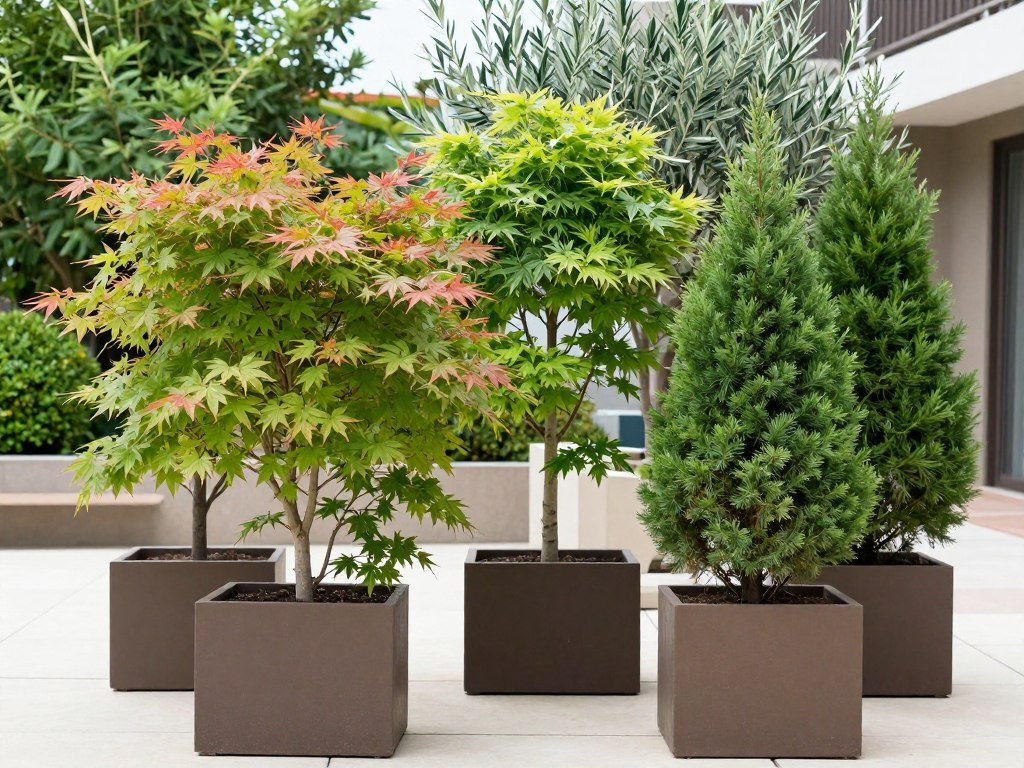
Trees in containers create instant architecture and vertical interest. Look for varieties that remain relatively compact or slow-growing:
Japanese maple (Acer palmatum) – Elegant form with stunning seasonal color
Dwarf Alberta spruce – Conical evergreen with dense foliage
Olive trees – Silvery foliage and Mediterranean charm
Dwarf citrus – Fragrant flowers and ornamental fruit
Crepe myrtle – Summer flowers and interesting bark
Ornamental Grasses
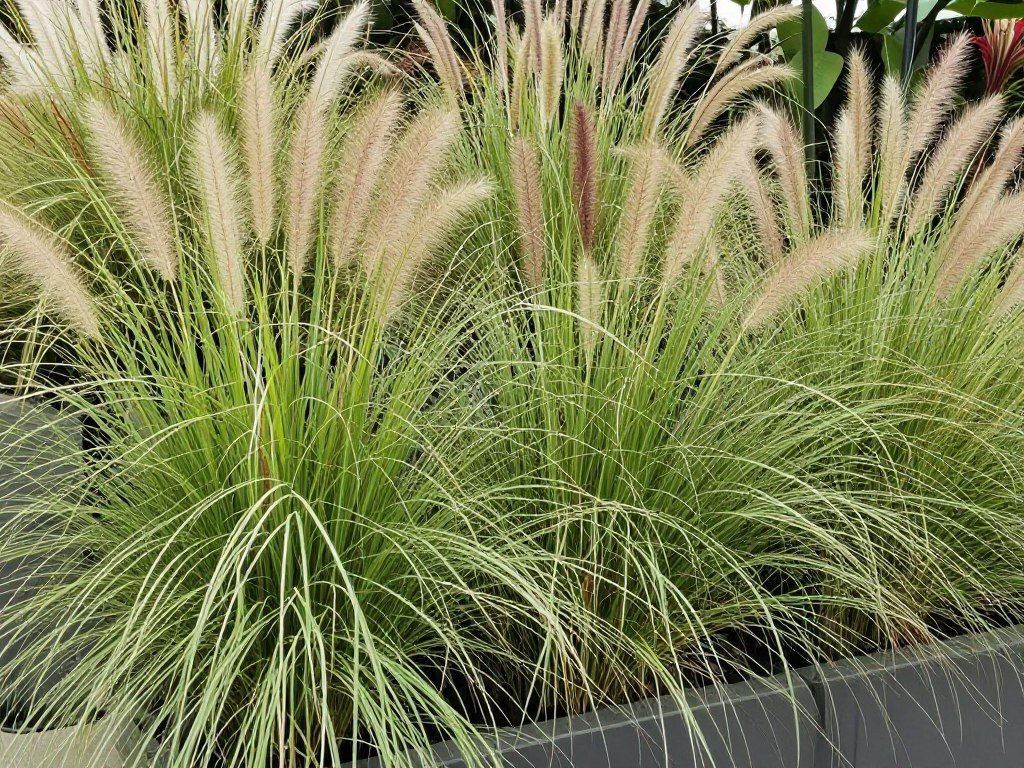
Grasses add movement, texture, and year-round structure to container displays:
Miscanthus varieties – Tall with feathery plumes
Pennisetum (Fountain grass) – Graceful arching form with bottlebrush flowers
Blue fescue – Compact with striking blue-gray color
Japanese forest grass (Hakonechloa) – Elegant cascading habit
Carex varieties – Evergreen with various colors and textures
Flowering Shrubs
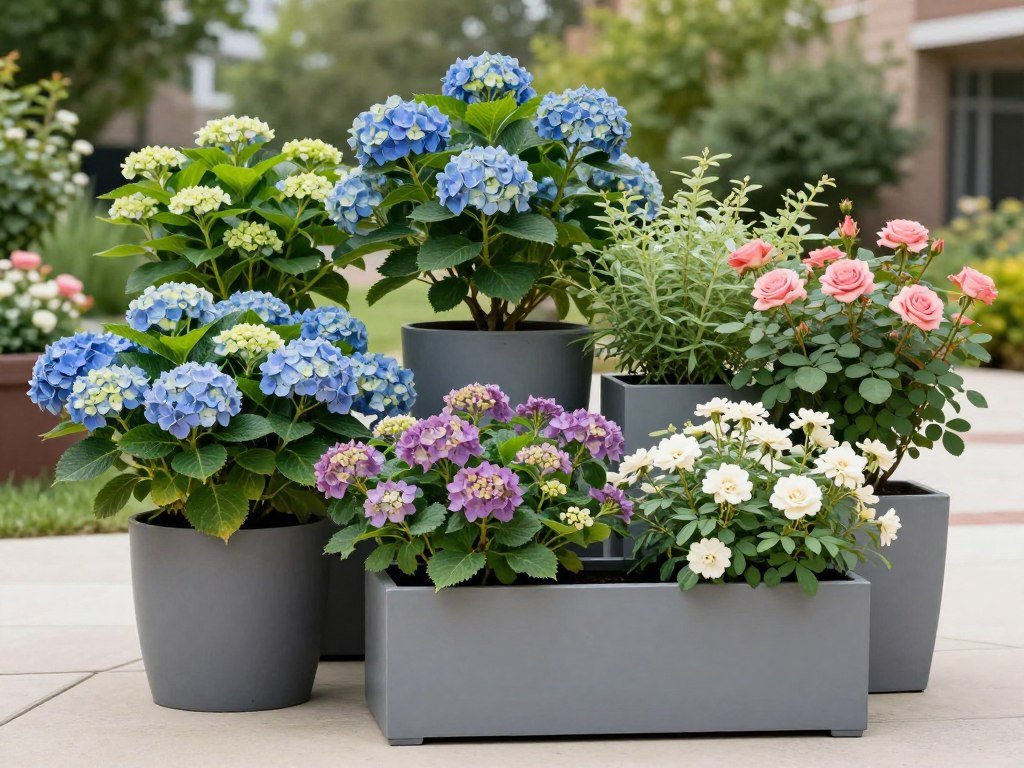
Shrubs provide structure and seasonal interest with flowers, berries, or fall color:
Hydrangeas – Bold flowers in blue, pink, or white
Roses – Choose compact varieties for containers
Azaleas and rhododendrons – Spring flowers and evergreen foliage
Butterfly bush (Buddleia) – Attracts pollinators with fragrant flowers
Boxwood – Classic evergreen for formal settings
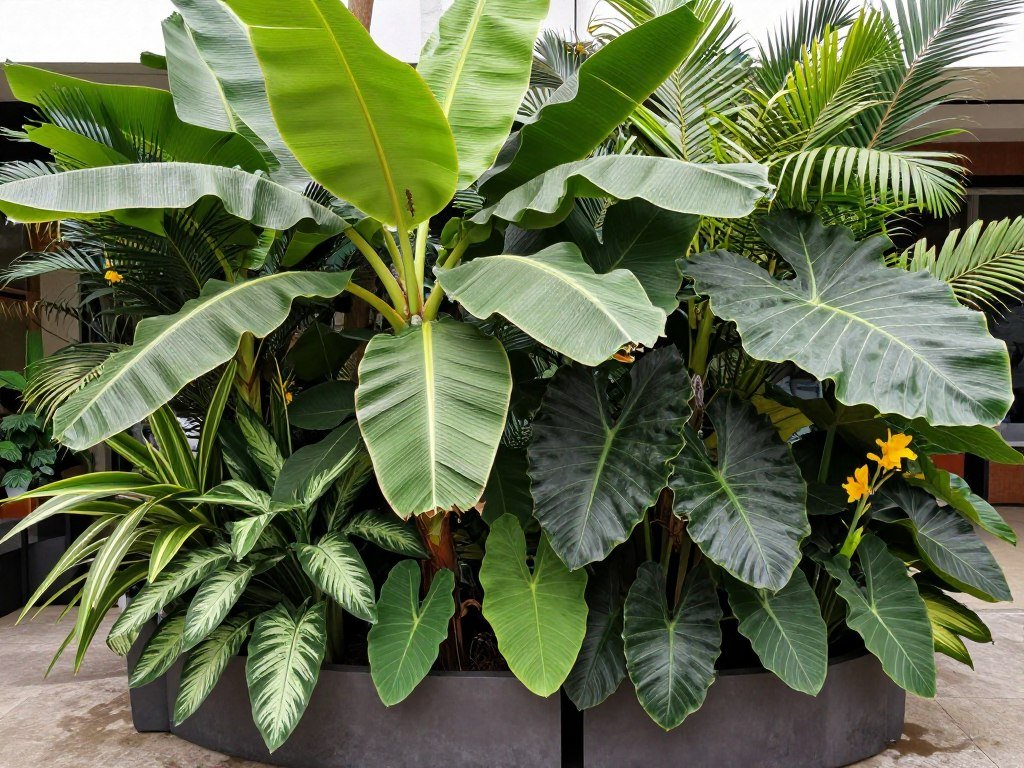
Tropical Statement Plants
Create bold, exotic displays with these dramatic tropical plants:
Proper maintenance ensures your large outdoor planters remain beautiful and functional for years to come. Follow these essential care tips to protect your investment and keep your plants thriving.
Watering Wisdom
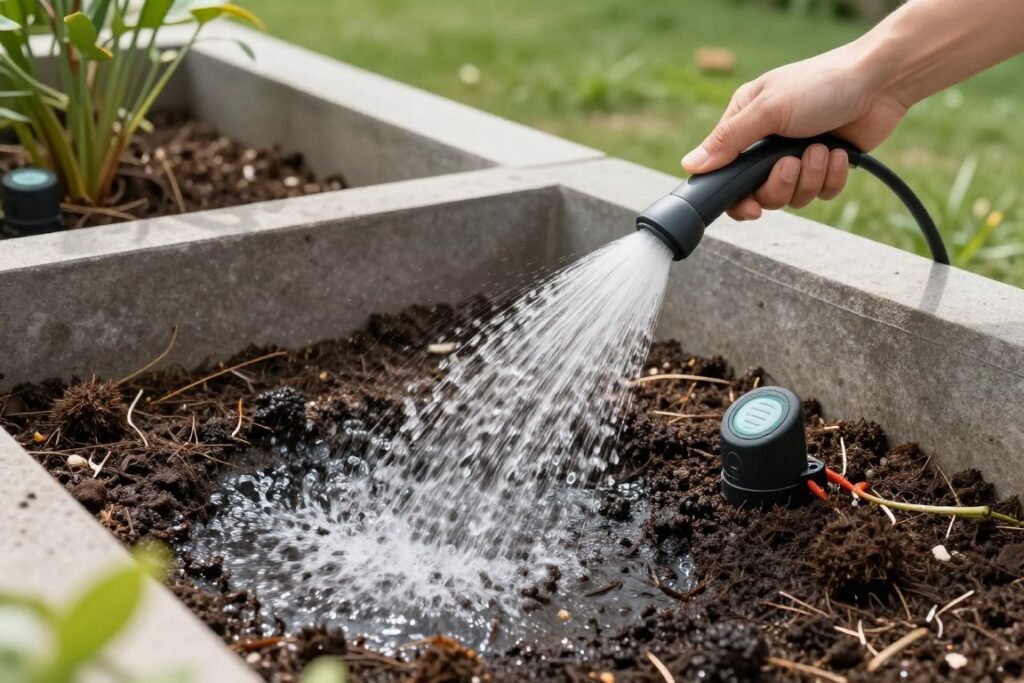
Large planters require thoughtful watering strategies. While their size means they dry out more slowly than smaller containers, they also hold more plants with greater water needs. Install drip irrigation systems for consistent moisture, especially in hot climates. Consider self-watering planters for low-maintenance options.
Always check soil moisture before watering—insert your finger 2-3 inches into the soil and water only when it feels dry at that depth. Water thoroughly until it flows from drainage holes, which ensures deep root development. In extreme heat, you may need to water daily; in cooler weather, weekly watering may suffice.
Seasonal Considerations
In cold climates, protect planters from freeze-thaw damage. For ceramic, terracotta, or concrete planters, either move them to protected areas or wrap them with insulating materials like bubble wrap covered by burlap. Elevate planters on feet or platforms to prevent them from sitting in frozen water.
For wooden planters, apply a fresh coat of sealer or preservative before winter to prevent moisture damage. Metal planters may need touch-up paint to prevent rust. In hot summer months, consider moving planters to provide afternoon shade, which reduces water stress and protects both plants and containers.
Soil Management
Use high-quality potting mix specifically formulated for containers, not garden soil which compacts too readily. For very large planters, fill the bottom third with a lightweight material like packing peanuts or empty plastic bottles covered with landscape fabric to improve drainage and reduce weight.
Refresh the top few inches of soil annually by removing it and adding fresh potting mix. Every 2-3 years, consider completely repotting perennial plants with entirely fresh soil. Incorporate slow-release fertilizer when planting, then supplement with liquid fertilizer during the growing season according to plant needs.
Planter Preservation
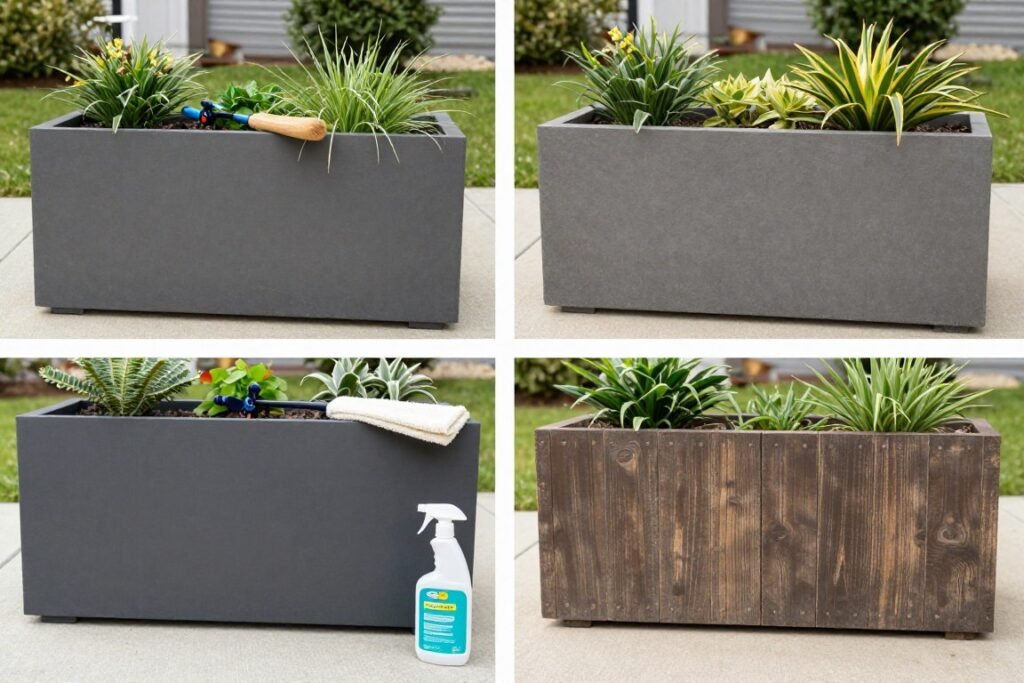
Clean planters annually to prevent buildup of salts, algae, and debris. For most materials, scrub with a solution of 1 part bleach to 9 parts water, then rinse thoroughly. Metal planters may need rust removal and touch-up paint. Wooden planters benefit from gentle sanding and resealing every few years.
Check regularly for cracks or damage and repair promptly to extend planter life. For drainage, ensure holes remain clear and unclogged. If a planter doesn’t have drainage holes, either drill them or create an internal drainage system with gravel and a container that does have drainage inside the decorative planter.
Money-Saving Tip
When filling very large planters, create a false bottom to reduce the amount of potting soil needed. Place a layer of empty plastic bottles, packing peanuts, or upside-down plastic pots in the bottom third of the container, then cover with landscape fabric before adding soil. This technique improves drainage, reduces weight, and saves money on potting mix.
Transform Your Outdoor Space with the Perfect Planters
Large outdoor planters offer endless possibilities for enhancing your landscape, from creating architectural focal points to defining spaces and showcasing your favorite plants. By selecting the right materials, sizes, and styles for your specific needs, you can create stunning displays that elevate your outdoor living areas and provide years of enjoyment.
Whether you’re looking to make a bold statement with a single oversized planter or create a cohesive design with a thoughtfully arranged collection, the right large outdoor planters can transform your garden, patio, or entryway into a more beautiful and functional space. With proper care and maintenance, these versatile garden elements will continue to enhance your outdoor environment season after season.
Ready to Enhance Your Outdoor Space?
Explore a wide selection of large outdoor planters to find the perfect match for your style and needs.
Receiving a wedding invitation brings excitement—and sometimes a touch of anxiety about what to wear. Whether you’re attending a black-tie affair, a casual beach ceremony, or something in between, understanding wedding guest attire expectations helps you celebrate in style while showing respect for the couple’s special day. This comprehensive guide breaks down every wedding dress…
When it comes to symbolizing eternal love, few things capture that sentiment better than a timeless engagement ring. These classic designs have enchanted couples for generations, remaining as captivating today as when they first appeared. Whether you’re drawn to the elegant simplicity of a solitaire or the intricate details of vintage-inspired settings, timeless engagement rings…
Your ceremony deserves a stunning focal point that captures every eye and heart. The altar serves as the backdrop where couples exchange vows and begin their journey together. This sacred space frames one of life’s most treasured moments.This Website contains affiliate links. That means I may earn a small commission if you purchase through my…
Asking your closest friends to stand by your side on your wedding day deserves a moment as special as the celebration itself. The bridesmaid proposal has become a cherished tradition that sets the tone for your entire wedding planning journey.This Website contains affiliate links. That means I may earn a small commission if you purchase…
Your big day deserves hairstyles that make everyone feel beautiful and confident. Down hairstyles for bridesmaids offer a perfect blend of elegance and effortless charm. These styles work beautifully for weddings of every style.This Website contains affiliate links. That means I may earn a small commission if you purchase through my links, at no extra…
Your rehearsal dinner sets the stage for your wedding celebration, creating the first impression for your closest friends and family. The right rehearsal dinner decorations transform an ordinary meal into a memorable event that reflects your personal style and complements your wedding theme. Whether you’re planning an intimate gathering or a larger pre-wedding celebration, thoughtfully…