Timeless Traditional Wedding Decor: Creating an Elegantly Classic Celebration
There’s something undeniably magical about traditional wedding decor that continues to captivate couples across generations. The timeless elegance of classic elements creates a backdrop for romance that never goes out of style. Whether you’re drawn to the sophistication of formal table settings, the grace of white floral arrangements, or the shimmer of golden accents, traditional wedding aesthetics offer a canvas for creating a celebration that will look as beautiful in your anniversary photos decades from now as it does on your wedding day.
This Website contains affiliate links. That means I may earn a small commission if you purchase through my links, at no extra cost to you.
This comprehensive guide will walk you through the essential elements of traditional wedding decor, from ceremony spaces to reception details, helping you craft a celebration that honors time-honored customs while still reflecting your unique love story. Let’s explore how to create a wedding day filled with classic beauty that stands the test of time.
Classic Wedding Color Palettes That Never Fade
The foundation of traditional wedding decor begins with a timeless color palette. These classic combinations create a sense of elegance and formality that sets the tone for your entire celebration.
Nothing says traditional quite like the purity of white and ivory. This classic palette creates a sense of elegance and formality that serves as the perfect canvas for your wedding day. White symbolizes new beginnings and purity, making it the quintessential choice for traditional ceremonies. Consider white table linens paired with ivory napkins for subtle depth, or layer different shades of white in your floral arrangements for a sophisticated monochromatic look.
Gold and Silver Accents
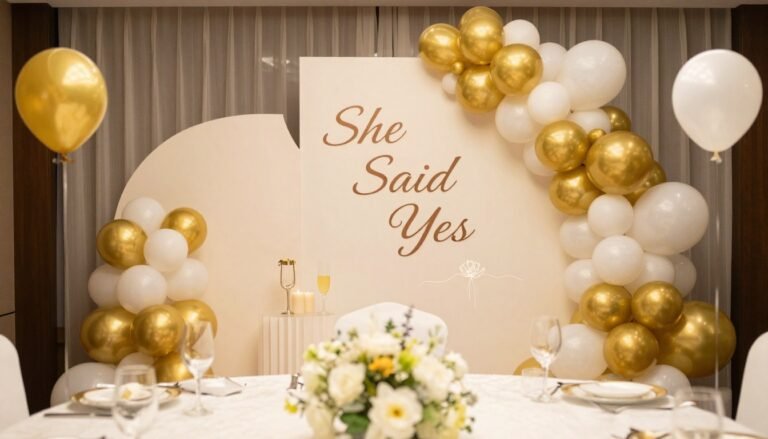
Metallic accents add a touch of luxury to traditional wedding decor. Gold brings warmth and opulence, while silver offers a cool, refined elegance. These precious metals have adorned celebrations for centuries, making them truly timeless choices. Incorporate gold-rimmed charger plates or silver candelabras to elevate your tablescape. For a cohesive look, choose one metallic tone and carry it throughout your decor elements.
Soft Pastels
Gentle pastel hues offer a traditional yet romantic palette. Blush pink, powder blue, lavender, and mint green all provide subtle color while maintaining the classic aesthetic. These soft colors work beautifully as accents against a primarily white backdrop. Consider pastel silk ribbons for bouquets or gentle colored linens for an elegant touch of color that won’t overwhelm your traditional theme.
Rich Burgundy and Navy
For a more formal traditional wedding, deeper colors like burgundy and navy blue offer timeless sophistication. These regal hues have historical significance in formal celebrations and pair beautifully with metallic accents. Use these colors sparingly as accent pieces through table napkins or ribbon details to maintain the classic feel while adding depth to your color story.
Traditional Ceremony Decor Elements
The wedding ceremony space sets the tone for your entire celebration. Traditional decor elements create a sense of reverence and beauty for this meaningful moment.
Classic Altar Arrangements
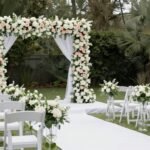
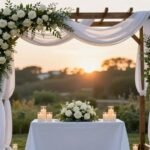
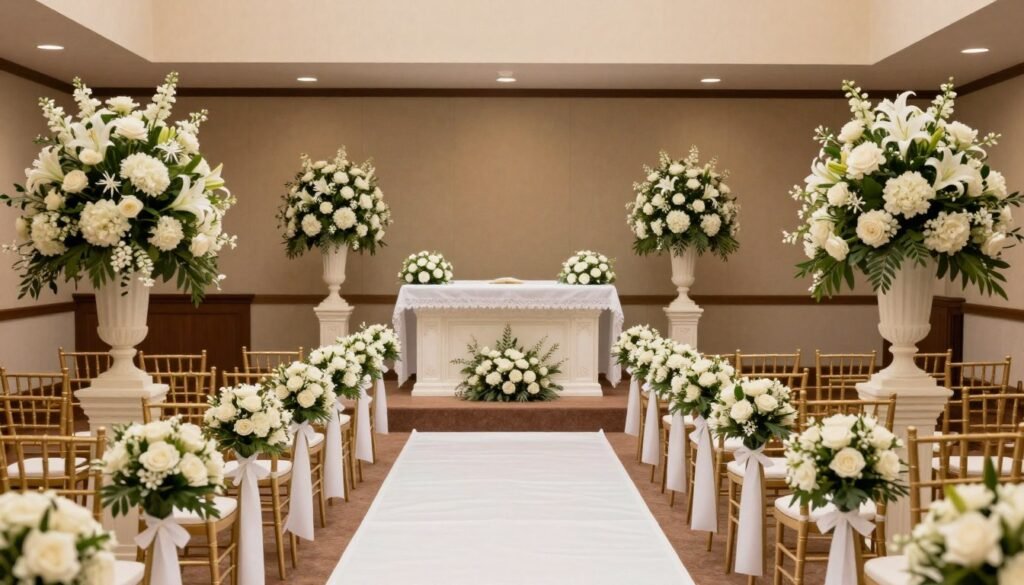
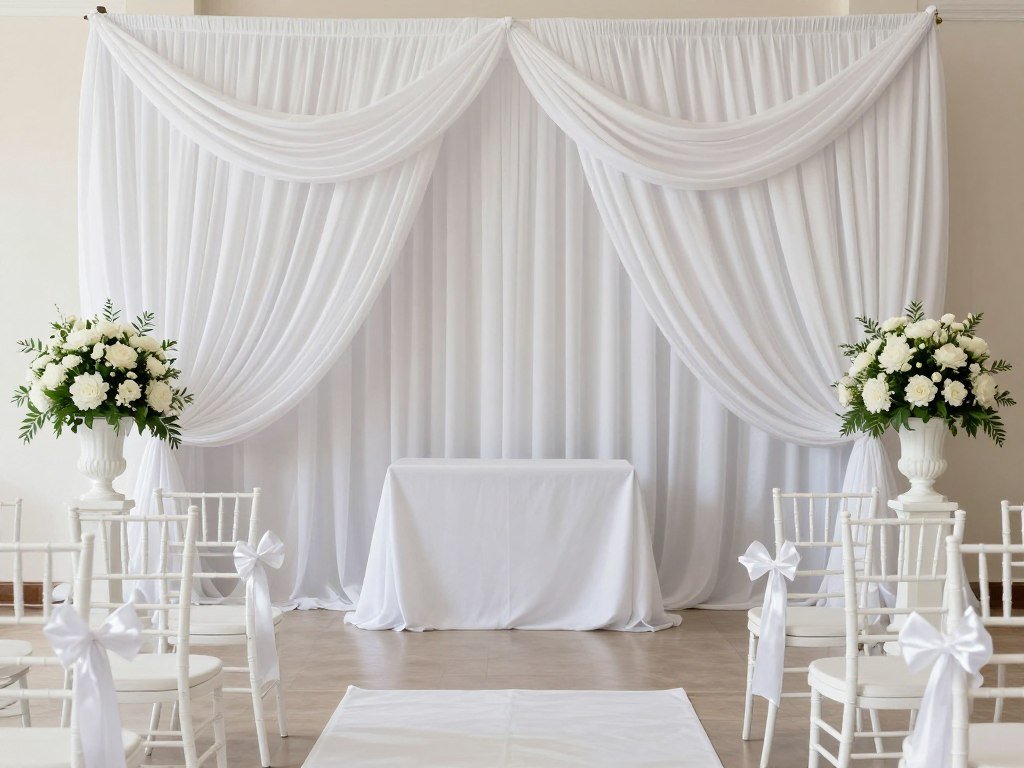
The focal point of any traditional ceremony is the altar or ceremony backdrop. Symmetrical floral arrangements featuring white blooms like roses, hydrangeas, and lilies create a timeless frame for your vows. Consider elegant arches adorned with flowing fabric and fresh flowers, or classic columns topped with substantial floral arrangements. The key is balance and symmetry, hallmarks of traditional design that draw the eye to the central focus—you and your beloved exchanging vows.
Aisle Decorations
The path to your future together deserves special attention. Traditional aisle decor often includes white aisle runners that create a pristine walkway. Enhance the aisle with carefully placed floral arrangements on shepherd’s hooks or elegant pew decorations featuring greenery, ribbon, and select blooms. For evening ceremonies, consider lining the aisle with glass hurricane candles to create a romantic glow that guides your procession.
Ceremonial Elements
Many traditions incorporate special ceremonial items that can become beautiful decor elements. Unity candles displayed on elegant stands, ceremonial wine glasses for Jewish weddings, or a beautifully decorated kneeling bench for Catholic ceremonies all serve both practical and aesthetic purposes. These meaningful objects can be adorned with ribbon, greenery, or small floral accents to integrate them seamlessly into your overall decor scheme.
Traditional Reception Table Decor
The reception tables are where your guests will spend most of their time, making them a crucial element of your traditional wedding decor strategy.
Classic Table Linens
High-quality linens form the foundation of traditional table settings. Crisp white or ivory tablecloths that reach the floor create an elegant base. For added dimension, consider lace table overlays or runners that add texture while maintaining the classic aesthetic. Napkins in coordinating colors, precisely folded or adorned with napkin rings, complete the polished look. The weight and quality of your linens make a subtle but significant difference in the overall impression of refinement.
Essential Traditional Table Elements
Create the perfect traditional tablescape with these timeless elements that bring elegance to your reception.
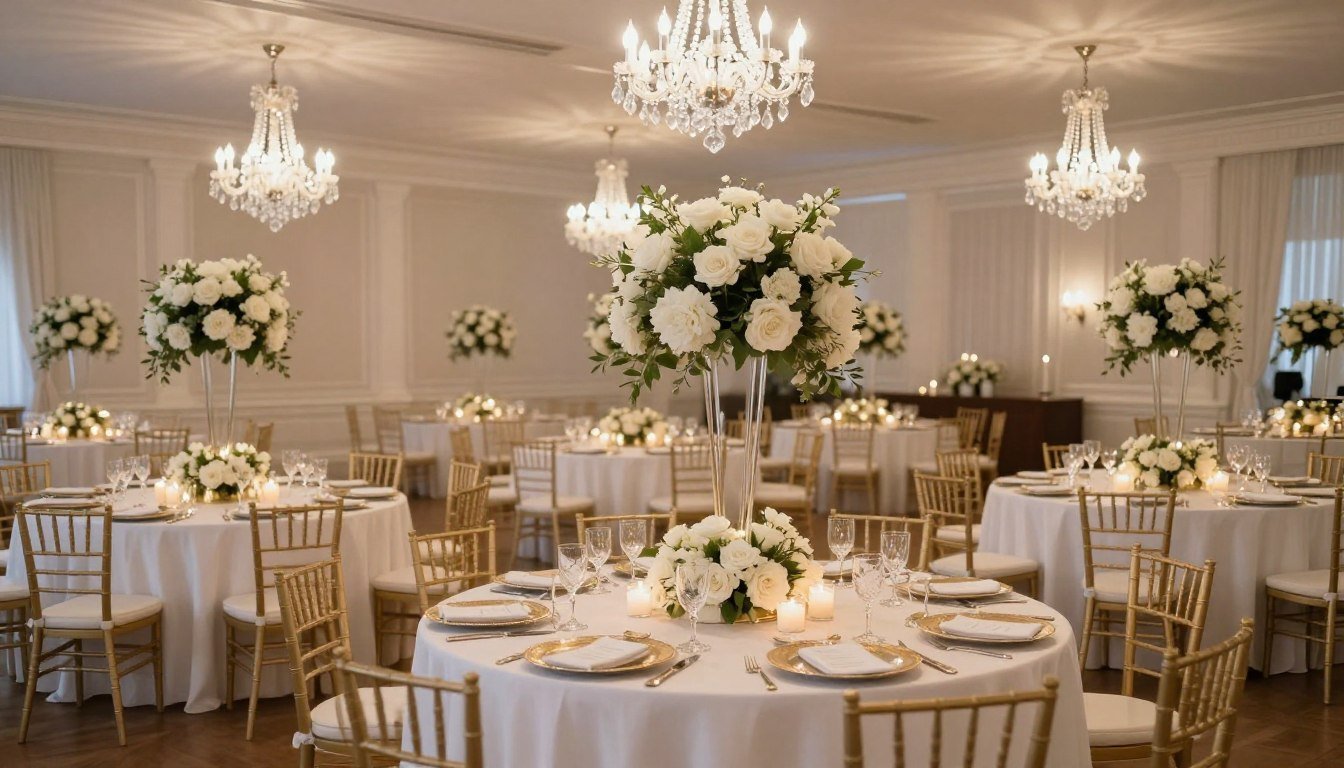
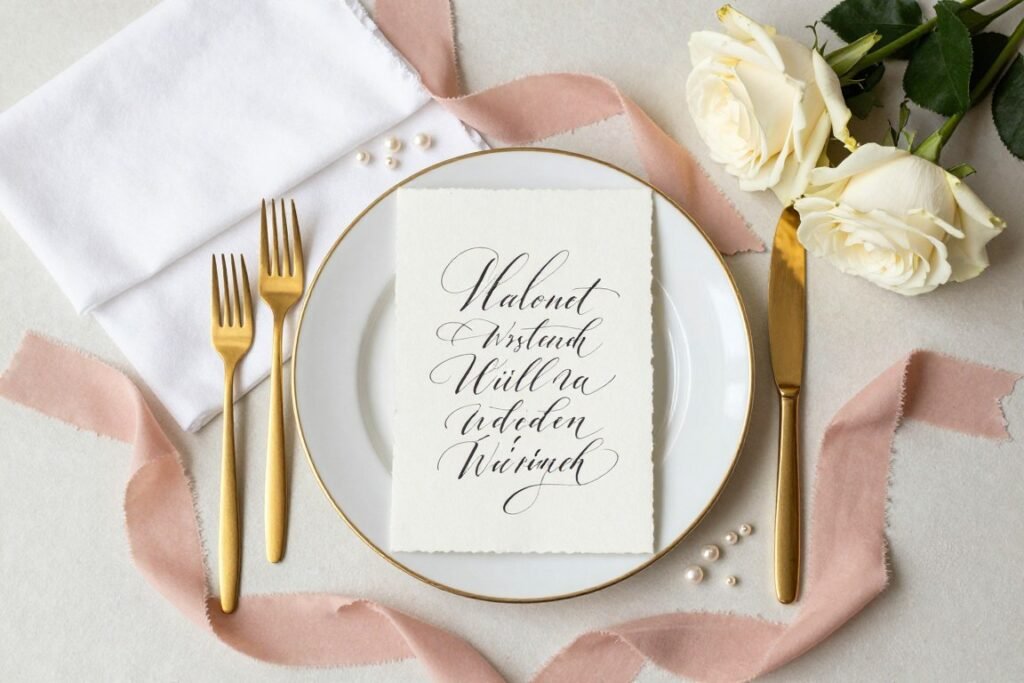
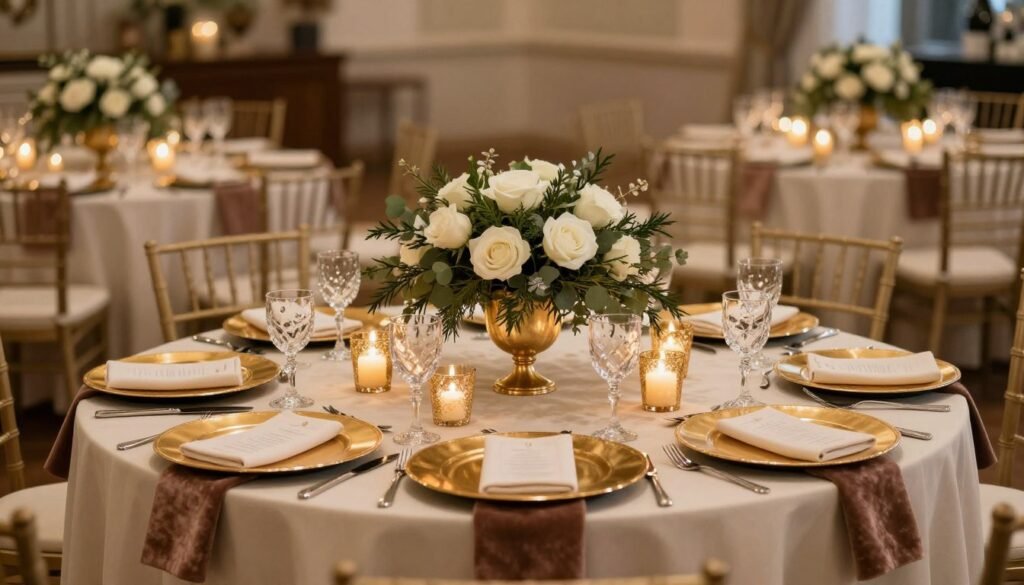
Traditional weddings call for formal place settings that honor the significance of the occasion. Begin with charger plates in gold or silver, topped with fine china dinner plates. Complete the setting with proper placement of multiple flatware pieces, crystal stemware, and elegantly printed place cards. The formality of your place settings signals to guests the reverence with which you’re treating this celebration and creates a luxurious dining experience.
Traditional Centerpieces
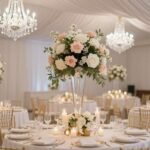
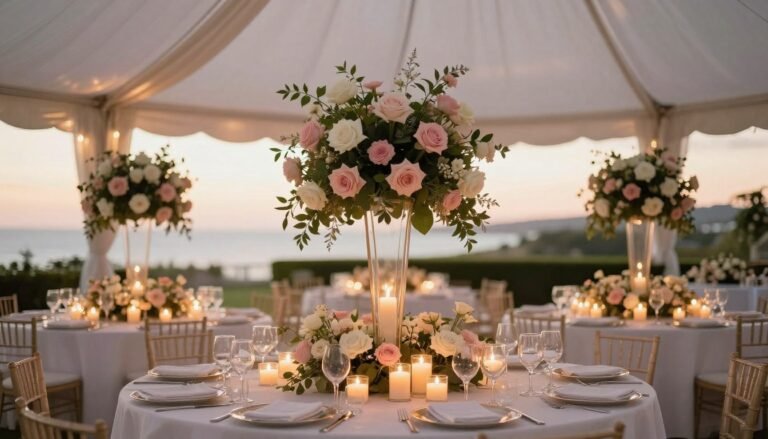
Floral centerpieces remain the cornerstone of traditional wedding table decor. Consider arrangements with classic blooms like roses, peonies, and hydrangeas in white or soft colors. Traditional designs often feature either tall arrangements on elegant candelabras or silver stands that allow for conversation across the table, or lush, rounded arrangements in classic vessels. Greenery like eucalyptus, ivy, or fern adds natural texture while maintaining the traditional aesthetic.
Traditional Wedding Floral Arrangements
Flowers have always been central to wedding celebrations, and traditional weddings typically feature specific blooms and arrangements that convey timeless elegance.
Classic Bridal Bouquets
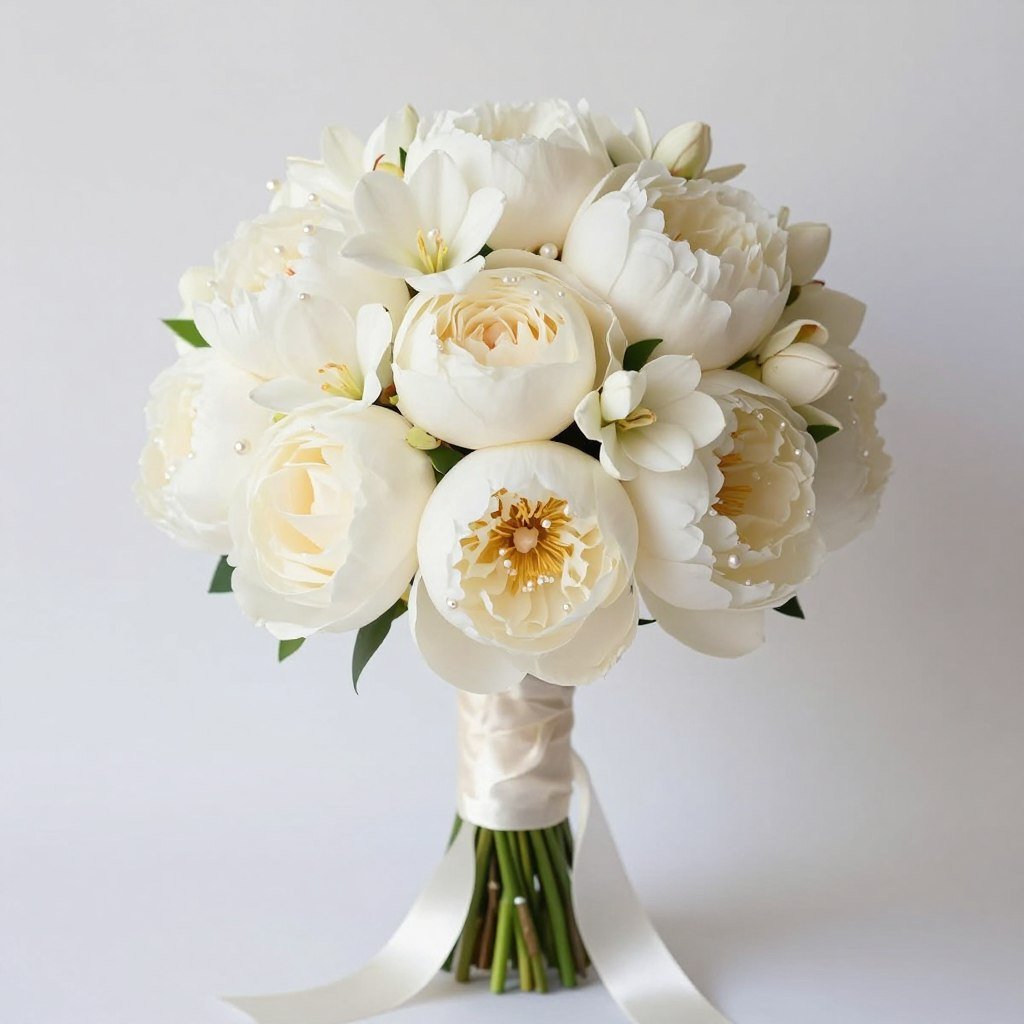
The bride’s bouquet is perhaps the most important floral element in a traditional wedding. Round, symmetrical bouquets featuring roses, peonies, lily of the valley, and stephanotis create a timeless look. For a truly traditional touch, consider an all-white bouquet, which symbolizes purity and new beginnings. Bouquet holders can help create the perfect shape, while satin or silk ribbon wrapped around the stems adds an elegant finishing touch. Many brides also incorporate something borrowed or blue into their bouquet for a personal connection to tradition.
Traditional Ceremony Flowers
Beyond the altar arrangements, traditional ceremonies often feature additional floral elements. Consider pew markers with small, elegant arrangements tied with ribbon, or rose petals scattered by flower girls. For outdoor ceremonies, floral-adorned gates or entryways create a romantic arrival experience. These smaller floral touches create a cohesive look throughout your ceremony space and reinforce your traditional aesthetic.
Reception Statement Pieces
While centerpieces anchor your table decor, traditional weddings often feature additional floral statement pieces throughout the reception space. Consider a floral-adorned cake table with cascading blooms, or elegant arrangements flanking your sweetheart table. Entryway arrangements in classic urns or tall pedestals create an impressive welcome for guests and establish the traditional tone immediately upon arrival.
Traditional Lighting Elements
The right lighting transforms your wedding space and creates the romantic atmosphere essential to traditional celebrations.
Candlelight
Nothing creates a more timeless, romantic ambiance than the warm glow of candlelight. Traditional weddings often feature multiple candle elements, from elegant candelabras on reception tables to taper candles in hurricane glasses lining ceremony aisles. Consider floating candles in crystal bowls for a classic centerpiece element, or cluster pillar candles of varying heights for dimensional light. The flickering glow creates a sense of intimacy and romance that perfectly complements traditional decor.
Crystal Chandeliers
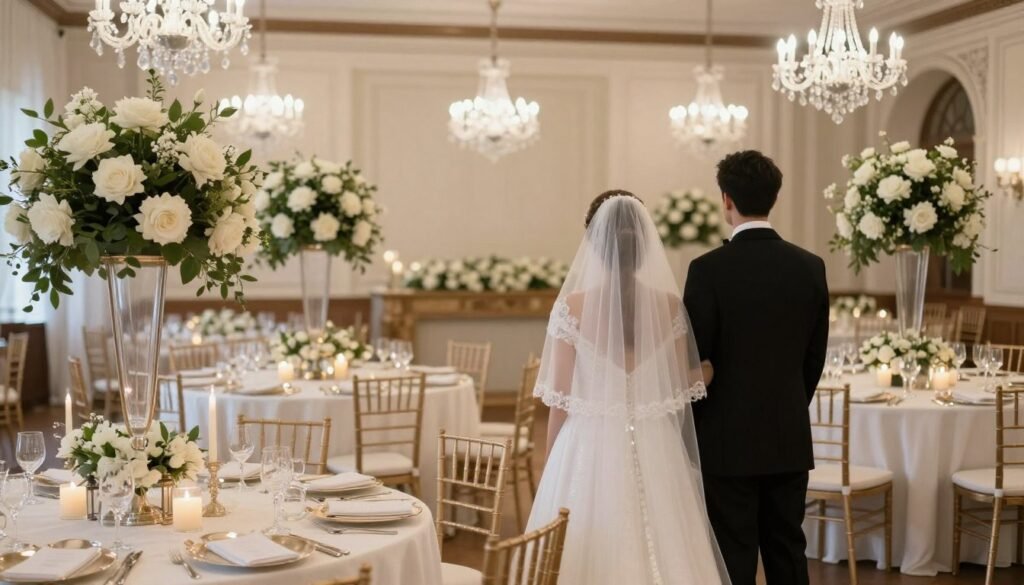
The ultimate traditional lighting element, crystal chandeliers cast a spectacular glow while serving as statement decor pieces. If your venue doesn’t feature built-in chandeliers, consider renting hanging installations for above your dance floor or head table. The prismatic effect of light through crystal elements creates a magical atmosphere and elevates the entire space with timeless elegance.
String Lights and Lanterns
For outdoor traditional weddings, consider the classic elegance of string lights draped overhead or wrapped around columns and trees. White paper lanterns suspended at varying heights create a celestial effect for evening receptions. These lighting elements add romance while providing practical illumination for your celebration as daylight fades.
Traditional Wedding Stationery and Paper Elements
The paper elements of your wedding not only convey important information but also set the tone for your traditional celebration from the moment guests receive their invitations.
Classic Invitation Suites
Traditional wedding invitations typically feature heavyweight paper stock, often with engraved or letterpress printing. Consider cream or white cardstock with black or navy typography for a timeless look. Many traditional suites include multiple enclosure cards (response card, reception card, accommodation information) all nested in a formal inner and outer envelope. Calligraphy addressing adds an elegant touch that signals the formality of your event.
Ceremony Programs
Guide guests through your traditional ceremony with elegant programs that outline the order of events and explain any cultural or religious elements. Booklet-style programs with ribbon binding or single cards with tassels create a keepsake-worthy presentation. Maintain consistency with your invitation suite by using similar paper stock, fonts, and design elements to create a cohesive stationery experience.
Reception Paper Elements
Traditional weddings feature numerous paper elements throughout the reception. Escort cards or seating charts guide guests to their tables, while place cards mark individual seats. Menu cards at each place setting outline the formal dinner service, and table numbers in elegant frames help guests navigate the space. These elements should maintain the design aesthetic established by your invitation suite for a cohesive traditional look.
Traditional Fabric Elements and Drapery
Luxurious fabrics add texture, dimension, and a sense of opulence to traditional wedding decor, creating visual interest and softening architectural elements.
Ceremony Drapery
Fabric elements can transform even the simplest ceremony space into something magnificent. Consider sheer white drapery to frame your altar area or create a dramatic entrance. For outdoor ceremonies, fabric panels gently moving in the breeze create a romantic effect. These soft elements contrast beautifully with more structured floral arrangements and provide a backdrop that focuses attention on the couple during the ceremony.
Chair Treatments
Traditional wedding chairs often feature elegant fabric enhancements. Consider chair covers with sashes tied in perfect bows, or decorative chair caps that add polish without covering the entire chair. For a more subtle approach, simple ribbon or small floral elements attached to ceremony chairs create a refined look without overwhelming the space.
Table Linens and Napkins
Beyond basic tablecloths, traditional weddings often feature additional fabric elements that add luxury to table settings. Consider embroidered table runners, overlay cloths in delicate lace, or napkins in rich fabrics like damask or jacquard. These textural elements add visual interest and tactile luxury to your reception tables while maintaining the traditional aesthetic.
Personalizing Traditional Wedding Decor
While honoring tradition, your wedding should still reflect your unique love story. Here are ways to add personal touches while maintaining the classic aesthetic.
Family Heirlooms
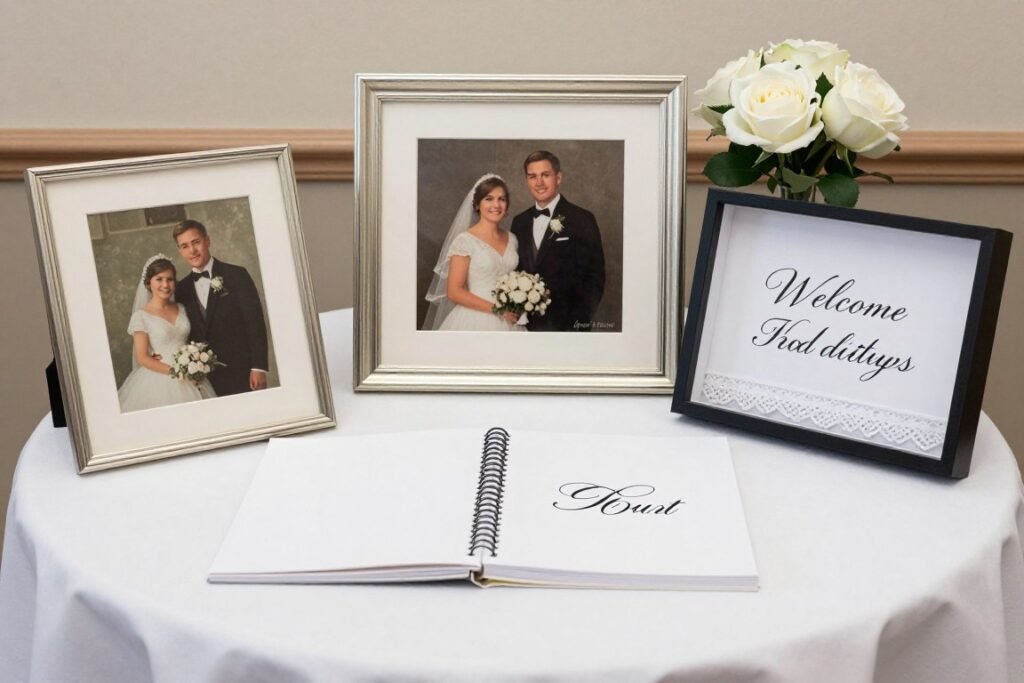
Incorporating family treasures adds both meaning and a traditional element to your decor. Display family wedding photos in vintage silver frames, use your grandmother’s cake knife for your cake cutting, or showcase family heirloom china as part of your decor. These elements connect your celebration to your family history and create a sense of continuity across generations.
Monogrammed Elements
Monograms have been a traditional wedding element for centuries, offering a personalized yet formal touch. Consider projected monograms on the dance floor, custom napkins with your new shared initial, or a monogrammed cake topper. These elements add a personal stamp to your celebration while maintaining the traditional aesthetic through classic typography and presentation.
Cultural Traditions
Honor your heritage by incorporating cultural decor elements that have personal significance. Whether it’s a chuppah for Jewish weddings, colorful mandap decorations for Indian celebrations, or specific flowers that hold meaning in your culture, these elements add depth and personal connection to your traditional decor scheme.
Adapting Traditional Decor for Different Seasons
Traditional wedding decor can be tailored to any season while maintaining its timeless quality. Here’s how to adapt classic elements throughout the year.
Spring Traditional Weddings
Spring celebrations call for fresh, garden-inspired interpretations of traditional decor. Incorporate seasonal blooms like tulips, hyacinths, and cherry blossoms into your arrangements while maintaining classic shapes and designs. Consider pastel ribbon accents on bouquets and chair decorations. Light, airy fabrics like organza work beautifully for spring ceremonies, creating movement and capturing the season’s sense of renewal while still honoring traditional aesthetics.
Summer Traditional Weddings
Summer weddings can maintain tradition while acknowledging the season through thoughtful adaptations. Consider garden roses, hydrangeas, and peonies in classic arrangements, perhaps with touches of greenery for freshness. Crystal vessels filled with water add a cooling visual element to tablescapes, while still appearing formal and traditional. For outdoor summer celebrations, classic paper fans serve both as decor and practical comfort for guests.
Fall and Winter Celebrations
Cooler seasons call for richer interpretations of traditional decor. Consider deeper ivory tones rather than bright white, and incorporate seasonal elements like gold mercury glass or velvet ribbon accents. Winter weddings benefit from abundant candlelight and crystal elements that reflect the light, creating a warm, intimate atmosphere. Traditional flowers like roses and lilies can be supplemented with seasonal greenery like eucalyptus or cedar for a seasonal touch that maintains the classic aesthetic.
Creating Your Timeless Traditional Wedding
Traditional wedding decor offers a timeless foundation that will look as beautiful in your photos decades from now as it does on your wedding day. By focusing on classic elements like symmetrical designs, quality materials, and formal presentation, you create a celebration that honors the significance of your commitment.
As you plan your traditional wedding, remember that the most meaningful celebrations balance time-honored customs with personal touches that tell your unique love story. Select elements that resonate with you as a couple, incorporate family traditions that hold special meaning, and adapt classic decor to suit your venue and season.
Start Creating Your Traditional Wedding
Find all the elements you need to bring your timeless celebration to life.
The beauty of traditional wedding decor lies in its enduring elegance—these are designs that have stood the test of time because they speak to our deepest appreciation for beauty, formality, and celebration. By choosing a traditional approach, you connect your wedding day to a rich history of marriage celebrations while creating memories that will remain beautiful for generations to come.
An engagement party marks the beautiful beginning of your wedding journey. Creating a magical atmosphere with the right decorations not only honors this special milestone but also sets the tone for the celebrations to come. From elegant table settings to eye-catching backdrops, the perfect engagement party decorations transform any space into a celebration-worthy venue that…
Dreaming of a backyard oasis but working with limited funds? Above ground pools offer an affordable alternative to expensive in-ground options, and with a bit of creativity, they can become stunning focal points in your outdoor space. This guide explores budget-friendly DIY ideas to transform a basic above ground pool into a beautiful retreat that…
Planning your wedding decorations can feel overwhelming when you’re staring at thousands of Pinterest boards and endless possibilities. You want your venue to reflect your unique love story while staying within budget and actually being achievable. The good news? Creating stunning wedding decorations doesn’t require a professional planner or an unlimited budget.This Website contains affiliate…
Your balcony, no matter how compact, deserves to be a beautiful extension of your home. With the right small balcony furniture, even the tiniest outdoor space can transform into a cozy retreat for morning coffee, evening relaxation, or entertaining friends. This guide will help you discover space-saving solutions, versatile pieces, and design inspiration to create…
Hanging planters are the perfect solution for plant lovers looking to maximize their green space. Whether you’re dealing with limited floor space, want to add visual interest to empty corners, or simply love the cascading effect of trailing plants, hanging planters offer endless possibilities to transform your home. In this guide, we’ll explore different types…
Gone are the days when tennis shoes were reserved solely for the gym or casual errands. Today’s fashion landscape embraces the versatility of sneakers, allowing you to create stylish outfits with tennis shoes for virtually any occasion. The perfect pair of sneakers can transform your wardrobe, offering both comfort and style without compromise. Whether you’re…