The Ultimate Guide to Track Shoes: Elevate Your Performance on the Track
Track shoes are specialized footwear designed to enhance performance in track and field events. Unlike regular running shoes, track shoes (often called spikes) are engineered with specific features that help athletes achieve maximum speed, power, and precision. Whether you’re sprinting 100 meters, running a 5K, or competing in field events, the right pair of track shoes can make a significant difference in your performance.
This Website contains affiliate links. That means I may earn a small commission if you purchase through my links, at no extra cost to you.
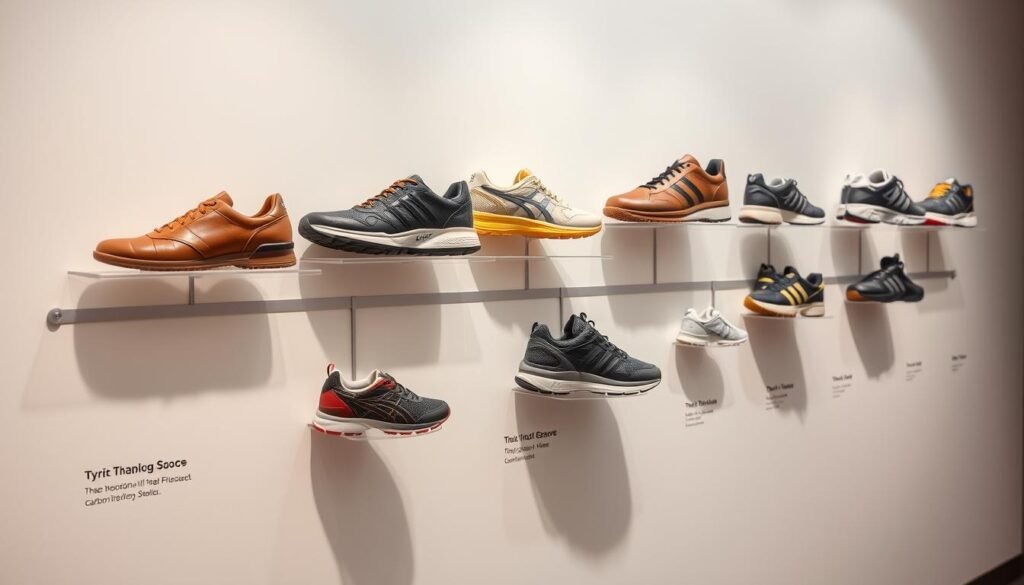
In this comprehensive guide, we’ll explore everything you need to know about track shoes – from the different types available to key features that enhance performance. We’ll also share maintenance tips to extend the life of your track footwear and discuss how these specialized shoes have evolved in both function and style over the years.
What Are Track Shoes and Why Are They Important?
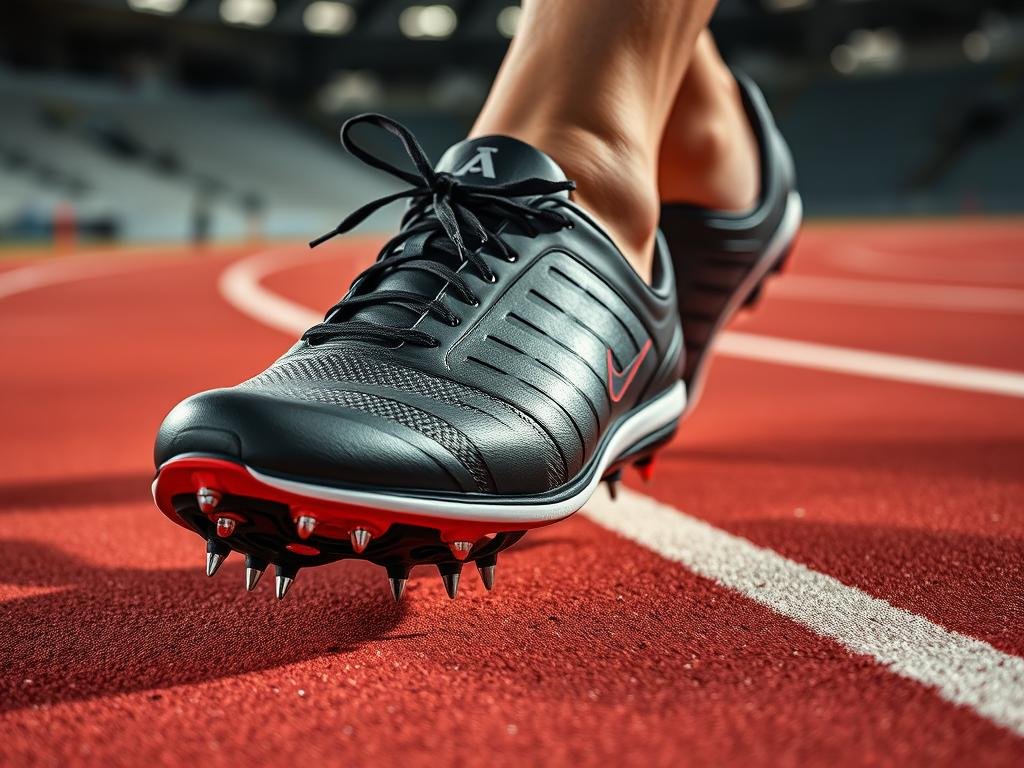
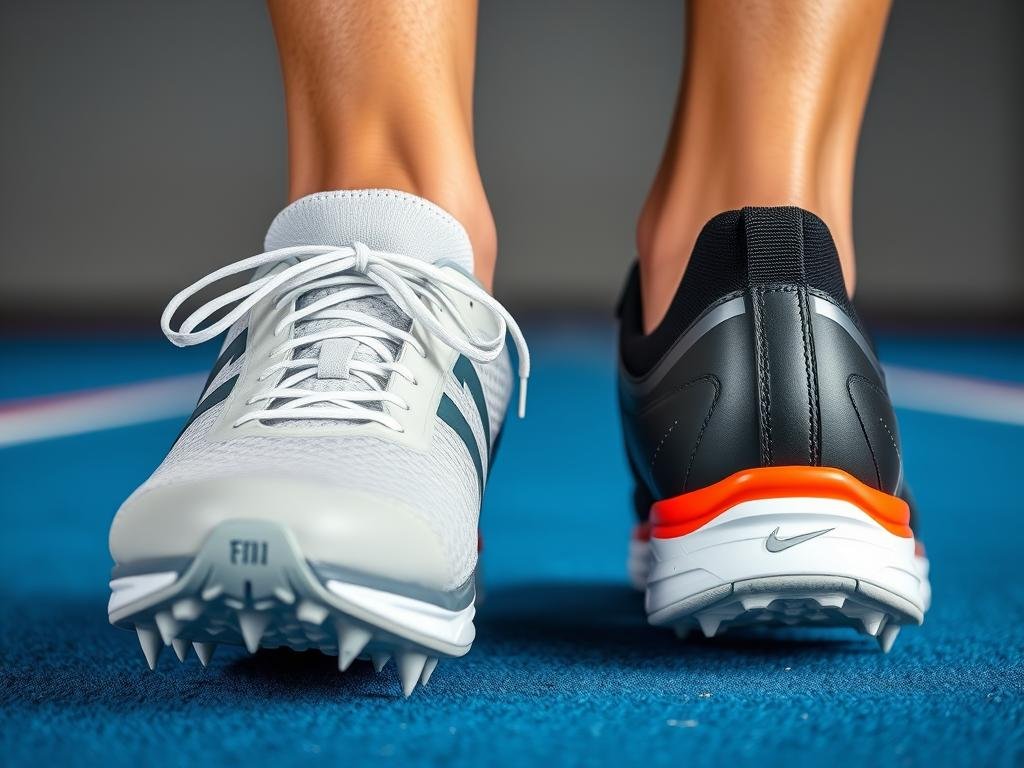
Track shoes are specialized athletic footwear designed specifically for track and field competitions. Unlike regular running shoes, track shoes feature removable metal spikes on the sole that provide enhanced traction on track surfaces. This specialized design helps athletes maintain grip during explosive movements, sharp turns, and high-speed running.
The importance of proper track shoes cannot be overstated. They serve several critical functions that directly impact athletic performance:
Improved traction and grip on track surfaces
Reduced weight for faster movement
Enhanced energy return with each stride
Better foot positioning for optimal running form
Specialized support for specific track and field events
Track shoes are designed with minimal cushioning compared to regular running shoes, creating a more direct connection between the athlete and the track. This design philosophy prioritizes speed, power transfer, and lightweight construction over comfort for long-duration wear.
Different Types of Track Shoes
Track shoes are highly specialized, with distinct designs for different events. Understanding these variations is crucial for selecting the right footwear for your specific event.
Sprint Spikes (100m-400m)
Sprint spikes are designed for maximum power and explosive speed over short distances. These track shoes feature:
Rigid, non-flexible soles that maximize power transfer
Aggressive spike configuration (6-10 pins) for optimal traction
Minimal to zero heel cushioning to promote forefoot running
Lightweight, minimal upper construction
Carbon fiber plates in premium models for enhanced energy return
Sprint spikes are the most aggressive type of track shoes, designed to keep athletes on their toes and generate maximum forward propulsion. They’re ideal for events like the 100m, 200m, 400m, and hurdles.
Find Your Perfect Sprint Spikes
Discover top-rated sprint track shoes from leading brands, designed to shave crucial milliseconds off your time.
Middle distance spikes strike a balance between the aggressive design of sprint spikes and the comfort needed for longer distances:
Semi-rigid soles with some flexibility
Moderate cushioning in the heel for impact protection
4-6 spike configuration for balanced traction
Lightweight but with slightly more structure than sprint spikes
Often feature responsive foam midsoles
These track shoes are perfect for events that require both speed and endurance, such as the 800m and 1500m races. They provide enough stiffness for powerful toe-offs while offering some cushioning for longer distances.
Long Distance Spikes (3000m+)
Long distance spikes prioritize comfort and sustainability over raw speed:
More flexible soles that allow natural foot movement
Enhanced cushioning throughout the shoe
Fewer spikes (typically 4-5) to reduce weight
More substantial upper for extended support
Designed for efficiency rather than explosive power
These track shoes are ideal for events like the 3000m, 5000m, 10,000m, and steeplechase. They provide the right balance of traction, cushioning, and support for extended periods of high-intensity running.
Elevate Your Distance Running
Browse premium distance track shoes designed for comfort and performance in longer events.
Enhanced ground feel for better proprioception and control
Risks of Improper Track Shoes
Incorrect spike type can reduce performance and increase injury risk
Worn-out spikes provide inadequate traction, leading to slips
Poor fit can cause blisters, black toenails, and foot pain
Inadequate support for your event type may lead to biomechanical issues
Using sprint spikes for distance events can cause excessive foot strain
Improper maintenance reduces lifespan and performance benefits
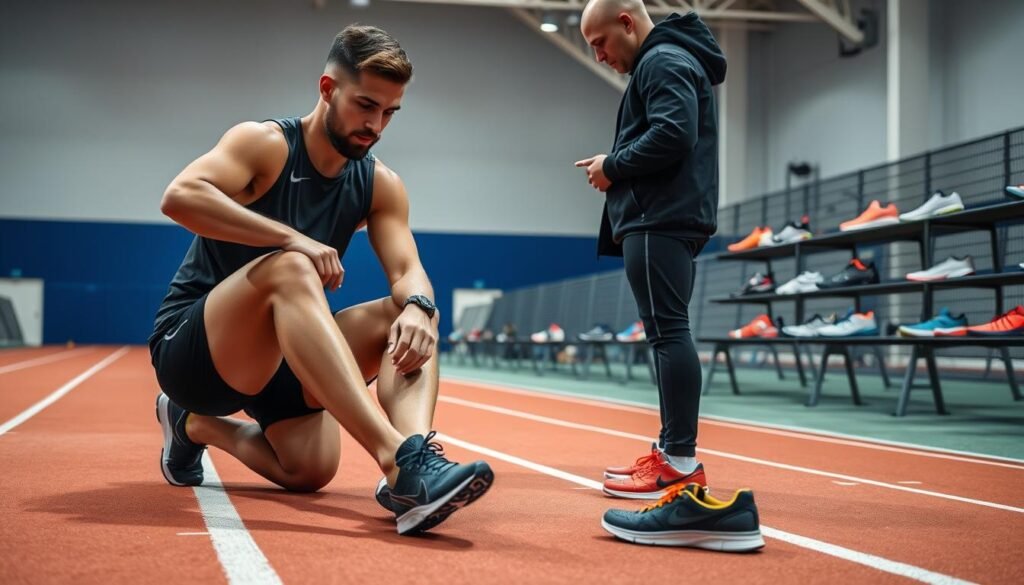
Injury Prevention
Proper track shoes contribute significantly to injury prevention:
Reduced slipping risk with appropriate traction
Event-specific support reduces strain on muscles and joints
Proper alignment encourages biomechanically sound movement patterns
Specialized cushioning where needed absorbs impact forces
Secure fit prevents excessive foot movement within the shoe
“The right track shoes aren’t just about speed—they’re about allowing athletes to train consistently by reducing injury risk. Event-specific footwear is one of the most important investments a track athlete can make.”
— Track coach with 20+ years of experience
Maintenance and Care Tips for Track Shoes
Essential Maintenance Practices
Proper care extends the life and performance of your track shoes:
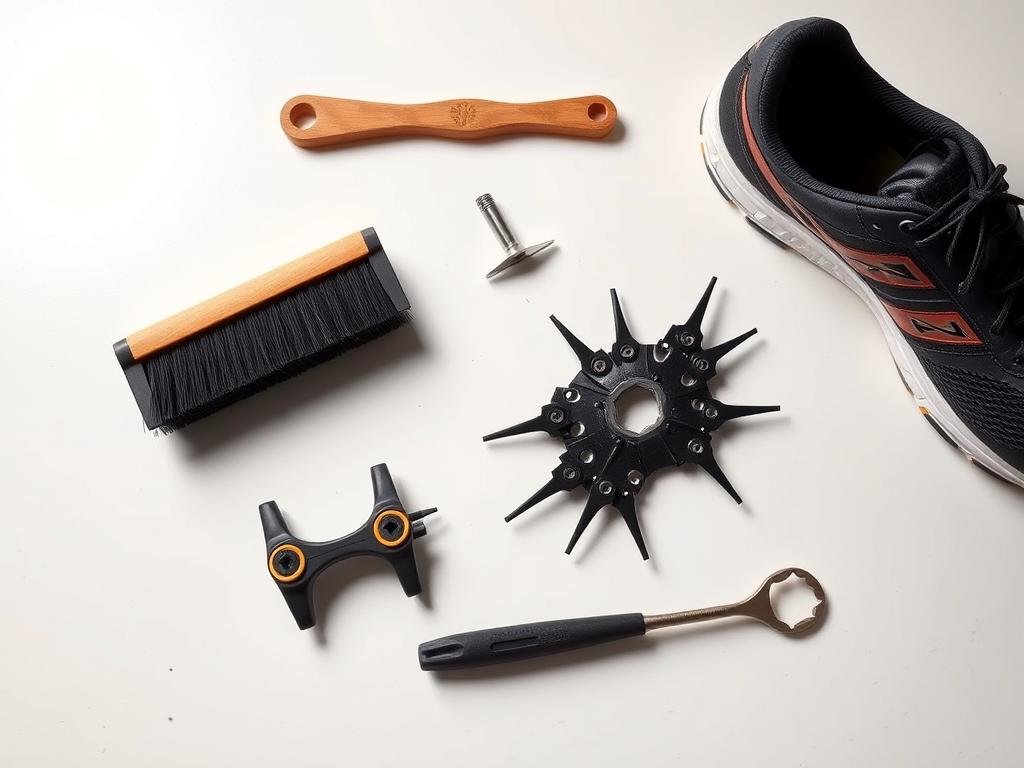
Clean after each use – Remove dirt and track surface material with a soft brush
Air dry naturally – Never use direct heat which can damage adhesives and materials
Remove spikes after competitions – Prevents damage to the spike plate and reduces corrosion
Check spike tightness regularly – Loose spikes can damage the plate or get lost
Store properly – Keep in a cool, dry place away from direct sunlight
Spike Maintenance
Proper spike care is essential for optimal performance:
Inspect spikes regularly for wear and damage
Replace dull or damaged spikes immediately
Use a spike wrench for proper installation and removal
Apply anti-seize compound to prevent spikes from getting stuck
Carry spare spikes and a wrench to competitions
When to Replace Track Shoes
Know when it’s time for new track shoes:
Visible midsole compression or breakdown
Worn spike plates that no longer hold spikes securely
Upper material tears or significant wear
Reduced responsiveness or “dead” feeling
Typically after 1-2 seasons of regular use
Essential Track Shoe Accessories
Keep your track shoes performing at their best with maintenance tools and replacement spikes.
Collaborations between athletic brands and fashion designers
How to Choose the Right Track Shoes
Assessment Factors
Consider these key factors when selecting track shoes:
Primary event(s) you compete in
Experience level and technical proficiency
Track surface type (indoor vs. outdoor)
Foot shape and biomechanics
Competition level and frequency
Budget constraints
Fitting Guidelines
Proper fit is crucial for track shoe performance:
Try shoes on in the afternoon when feet are slightly larger
Wear the same socks you’ll compete in
Expect a snugger fit than regular running shoes
Ensure heel is locked in place without slippage
Allow minimal toe space (about 1/4 inch)
Walk and jog to assess comfort and fit
Should beginners invest in expensive track shoes?
Beginners should focus on proper fit and event-appropriate design rather than price. Mid-range options often provide the necessary features without the premium cost of elite-level shoes. As you advance and can better utilize the technology in higher-end shoes, you can consider upgrading.
Can I use the same track shoes for different events?
While possible, it’s not ideal. If you must use one pair for multiple events, choose shoes designed for your primary event. Multi-purpose spikes exist for athletes who compete in various events, offering a compromise between specialized designs.
How often should I replace my track shoes?
Competitive track shoes typically last 1-2 seasons with regular use. Signs it’s time to replace include visible midsole compression, worn spike plates, upper material damage, or a noticeable decrease in responsiveness.
Conclusion: Investing in Your Track Performance
Track shoes represent one of the most important investments a track and field athlete can make. The right footwear not only enhances performance through specialized features but also helps prevent injuries by providing appropriate support for specific events.
Whether you’re a sprinter seeking explosive power, a distance runner looking for the perfect balance of cushioning and responsiveness, or a field athlete requiring specialized support, understanding the nuances of track shoe design will help you make informed choices.
Remember that track shoes are highly specialized tools designed for specific purposes. By selecting shoes that match your event, maintaining them properly, and replacing them when necessary, you’ll set yourself up for success on the track or field.
Find Your Perfect Track Shoes Today
Browse our comprehensive selection of track shoes for every event and experience level.
Jeans and tennis shoes are the ultimate fashion power couple. This timeless combination offers endless styling possibilities while keeping comfort at the forefront. Whether you’re running errands, meeting friends for coffee, or aiming for a casual-chic look at work, the right jeans and sneakers pairing can elevate your style game instantly.This Website contains affiliate links….
Gone are the days when tennis shoes were reserved solely for the gym or casual errands. Today’s fashion landscape embraces the versatility of sneakers, allowing you to create stylish outfits with tennis shoes for virtually any occasion. The perfect pair of sneakers can transform your wardrobe, offering both comfort and style without compromise. Whether you’re…
Red shoes are the ultimate statement piece that can transform even the simplest outfit into something extraordinary. Whether you’re drawn to fiery stilettos, casual sneakers, or classic flats, red footwear demands attention and exudes confidence. But many of us hesitate, wondering exactly how to style these bold beauties without looking overdone. This comprehensive guide will…
Off white shoes have become a staple in modern wardrobes, offering the perfect balance between versatility and style. Unlike stark white footwear, these subtly tinted shoes provide a softer aesthetic that pairs beautifully with virtually any outfit while being slightly more forgiving when it comes to showing dirt and wear. Whether you’re looking for casual…
There’s something undeniably powerful about slipping on a pair of red shoes. They command attention, exude confidence, and instantly elevate even the simplest outfit. Whether you’re drawn to the classic allure of ruby-red heels or the casual cool of burgundy sneakers, red footwear makes a statement that’s both timeless and trendy. In this guide, we’ll…
Blue shoes are the versatile fashion statement your wardrobe has been missing. From deep navy classics to eye-catching cobalt and subtle powder blue, these stunning footwear options add personality and flair to any outfit. Whether you’re dressing for a casual weekend, important business meeting, or special occasion, the right pair of blue shoes can transform…