The Ultimate Guide to Tennis Shoes: Finding Your Perfect Match on the Court
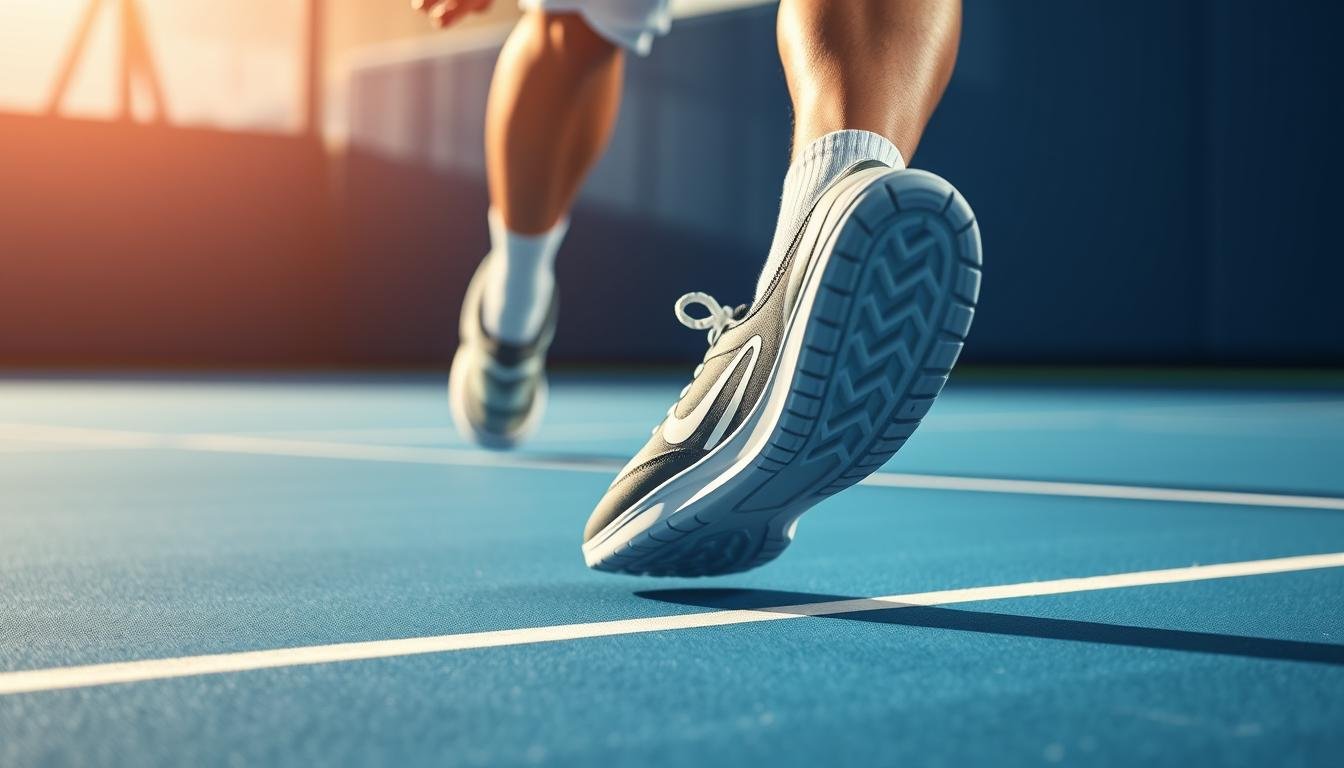
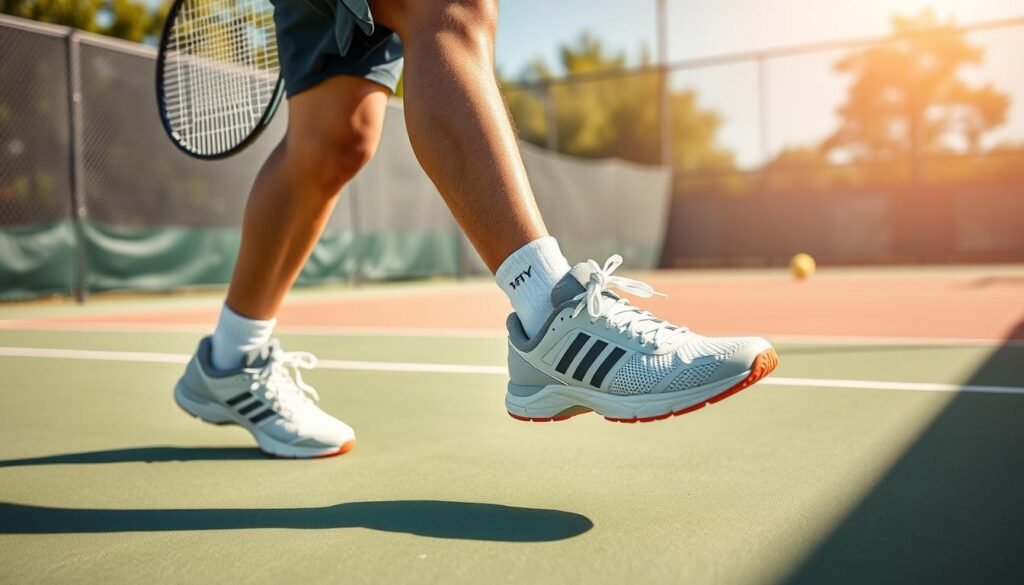
Tennis shoes are specialized athletic footwear designed to withstand the unique demands of tennis – from explosive lateral movements to sudden stops and quick direction changes. Unlike regular sneakers or running shoes, tennis shoes provide the specific support, durability, and traction needed for optimal performance on different court surfaces. Whether you’re a competitive player or weekend enthusiast, the right pair of tennis shoes can significantly impact your game, comfort, and injury prevention.
This Website contains affiliate links. That means I may earn a small commission if you purchase through my links, at no extra cost to you.
Tennis Shoes vs. Regular Sneakers: Understanding the Difference
Many casual players make the mistake of using regular athletic shoes on the tennis court. However, tennis shoes are specifically engineered with features that set them apart from everyday sneakers or running shoes. Understanding these differences is crucial for both performance and injury prevention.
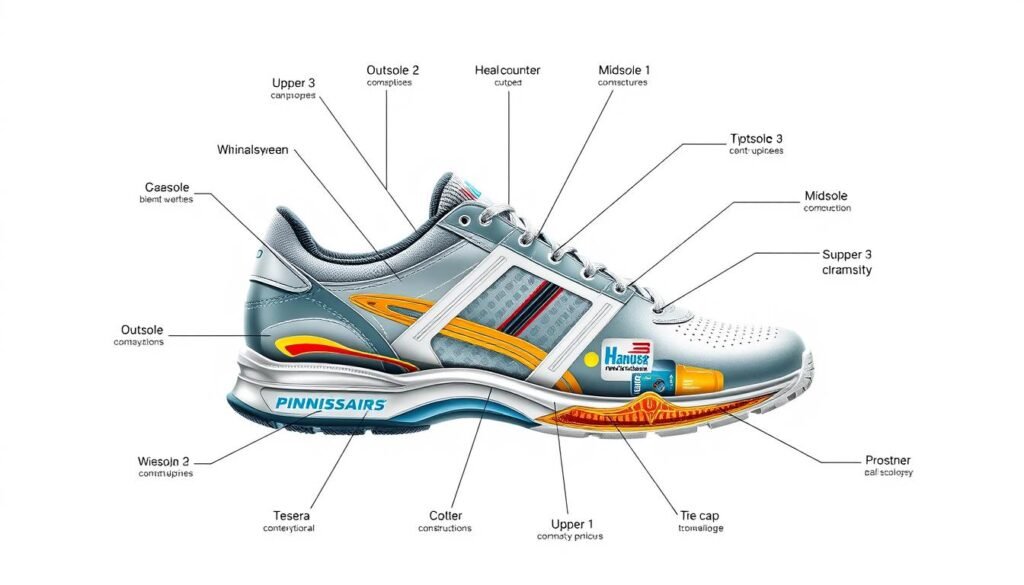
Tennis Shoes Specialized Features
Reinforced toe caps to withstand toe-dragging during serves
Lateral support structures for side-to-side movements
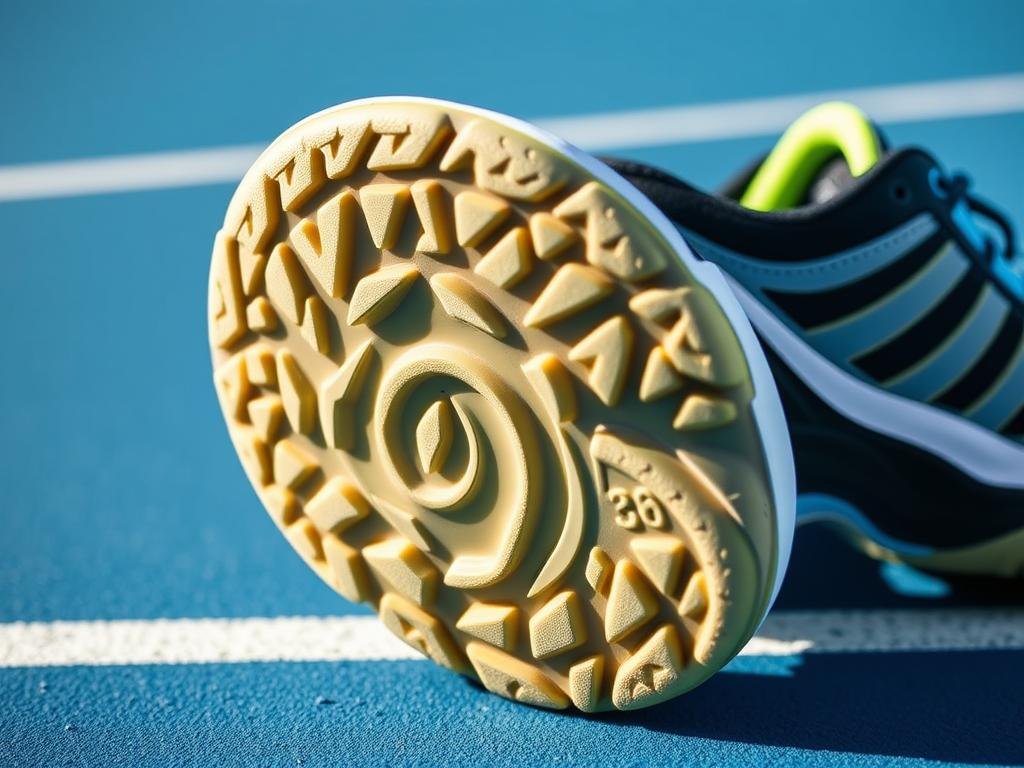
Court-specific outsole patterns for optimal traction
Durable outsole materials that can withstand court abrasion
Stable midsole construction with moderate cushioning
Lower-to-ground design for better court feel and stability
Why Regular Sneakers Don’t Work
Running shoes prioritize forward motion, not lateral stability
Casual sneakers lack durability for intense court movements
Improper traction patterns can cause slipping or catching
Inadequate support increases risk of ankle injuries
Excessive cushioning can reduce court feel and responsiveness
Faster wear and tear, especially in high-abrasion areas
“Using proper tennis shoes instead of regular sneakers can significantly reduce your risk of ankle injuries and improve your on-court performance. The specialized design elements aren’t just marketing – they’re essential for the unique movements in tennis.”
Types of Tennis Shoes: Choosing the Right Shoe for Your Court Surface
Different tennis court surfaces demand specific shoe characteristics. Using the appropriate tennis shoes for your playing surface not only enhances performance but also extends the lifespan of your footwear. Let’s explore the main types of tennis shoes designed for specific court surfaces.
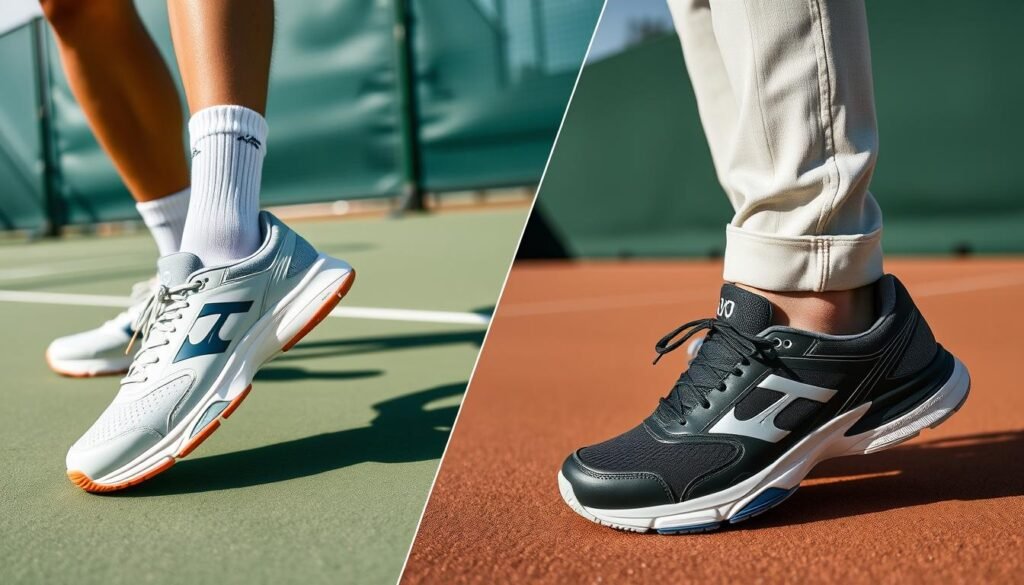
Hard Court Tennis Shoes
Key Features:
Maximum durability to withstand abrasive concrete surfaces
Reinforced toe caps and drag zones
Balanced traction pattern for grip and controlled sliding
Enhanced cushioning to absorb impact on hard surfaces
Often include 6-month outsole durability guarantees
Hard courts are the most common surface in the US and demand shoes that can handle high abrasion while providing enough shock absorption to protect your joints.
Clay Court Tennis Shoes
Key Features:
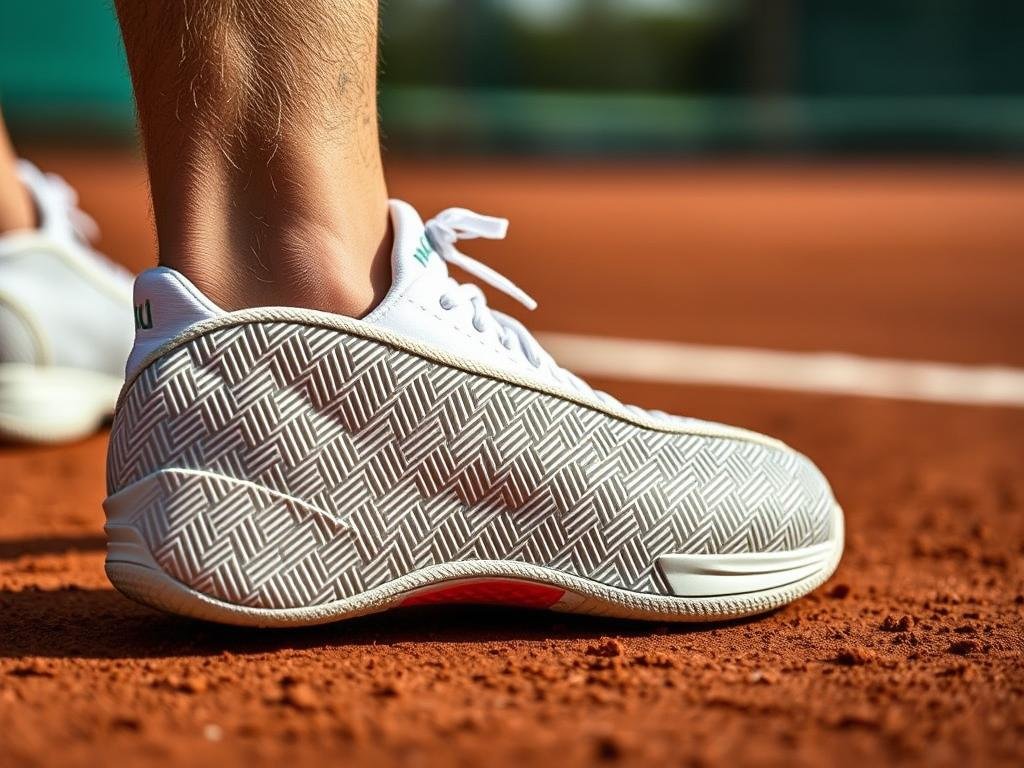
Full herringbone tread pattern for optimal grip on clay
Design that prevents clay from collecting in the outsole
Typically lighter weight than hard court shoes
More flexible construction for easier movement
Often feature lighter colors to minimize visible clay stains
Clay courts require shoes that provide excellent traction while allowing controlled sliding. The herringbone pattern is specifically designed to grip the surface without collecting clay in the treads.
All-Court Tennis Shoes
Key Features:
Hybrid tread pattern suitable for multiple surfaces
Balanced durability and flexibility
Moderate toe reinforcement
Versatile cushioning for different impact levels
Good option for recreational players who play on various courts
All-court shoes offer versatility for players who compete on different surfaces or aren’t sure which specialized shoe they need. While they won’t excel on any specific surface, they provide adequate performance across all court types.
Pro Tip: If you primarily play on one surface type, choose shoes specifically designed for that surface. If you regularly play on multiple surfaces, consider having two pairs of specialized shoes or opt for a quality all-court model.
Key Features to Consider When Choosing Tennis Shoes
Finding the perfect tennis shoes goes beyond just picking the right court type. Several key features contribute to performance, comfort, and durability. Understanding these elements will help you make an informed decision when selecting your next pair.
Stability and Support
Tennis involves frequent lateral movements, quick stops, and direction changes. Proper stability features prevent ankle rolls and provide confidence during aggressive movements.
What to Look For:
Wider outsole base – Creates a stable platform for lateral movements
Midfoot shank – Provides torsional rigidity to prevent twisting
External heel counter – Stabilizes the heel during quick movements
Supportive upper – Secures the foot during directional changes
Stability Ratings:
Tennis shoes are often categorized by their stability level:
Maximum stability – For aggressive baseline players (examples: ASICS Gel Resolution, adidas Barricade)
Moderate stability – Balanced support and mobility (examples: Nike Vapor, K-Swiss Hypercourt)
Proper cushioning protects your joints from the impact of hard courts while maintaining necessary court feel and responsiveness.
Cushioning Technologies:
Gel systems – Absorb impact forces (ASICS GEL)
Foam compounds – Provide responsive cushioning (Nike Zoom, adidas Bounce)
Air units – Lightweight impact protection
Carbon plates – Enhance energy return and stability
Finding the Right Balance:
The ideal cushioning depends on your playing style and court surface:
Hard court players – Need more cushioning to absorb impact
Clay court players – Can opt for less cushioning for better court feel
Aggressive movers – Benefit from more substantial cushioning
Players with joint issues – Should prioritize shoes with maximum shock absorption
Durability and Outsole Construction
Tennis shoes endure significant wear, especially in high-abrasion areas like the toe and lateral edges. Durability features extend their lifespan and maintain performance.
Durability Features:
Reinforced toe caps – Protect against toe drag during serves and volleys
Durable upper materials – Resist tearing during lateral movements
Outsole warranties – Some premium models offer 6-month durability guarantees
Outsole Patterns:
Different tread patterns serve specific purposes:
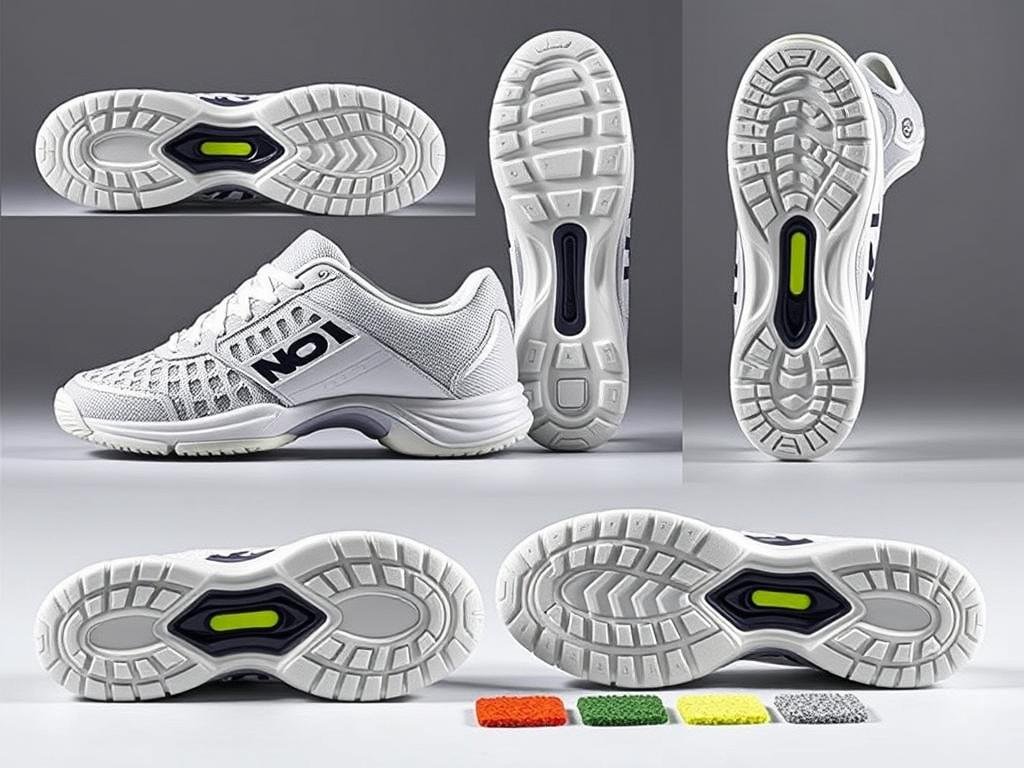
Herringbone – Excellent for clay, allows controlled sliding
Modified herringbone – Versatile for all-court use
Multi-directional patterns – Provide omnidirectional grip on hard courts
Pivot points – Reduce torque during rotational movements
Fit and Comfort
Even the most technically advanced tennis shoe won’t perform well if it doesn’t fit properly. Finding the right fit is essential for comfort, performance, and injury prevention.
Fit Considerations:
Width options – Many brands offer narrow, standard, and wide fits
Toe box space – Should have about a thumb’s width of space
Midfoot lockdown – Secure without pressure points
Heel grip – No slipping during quick movements
Break-in period – Some shoes require time to adapt to your foot
Comfort Features:
Padded collar and tongue – Prevent irritation
Moisture-wicking linings – Keep feet dry
Breathable uppers – Enhance ventilation
Removable insoles – Allow customization or orthotics
Seamless construction – Reduces friction points
Find your perfect fit
Explore top-rated tennis shoes with the stability, cushioning, and durability features that match your playing style.
Top Tennis Shoe Brands and Their Signature Technologies
The tennis shoe market features several established brands, each with their own approach to performance, comfort, and durability. Understanding the strengths and signature technologies of each brand can help you narrow down your options.
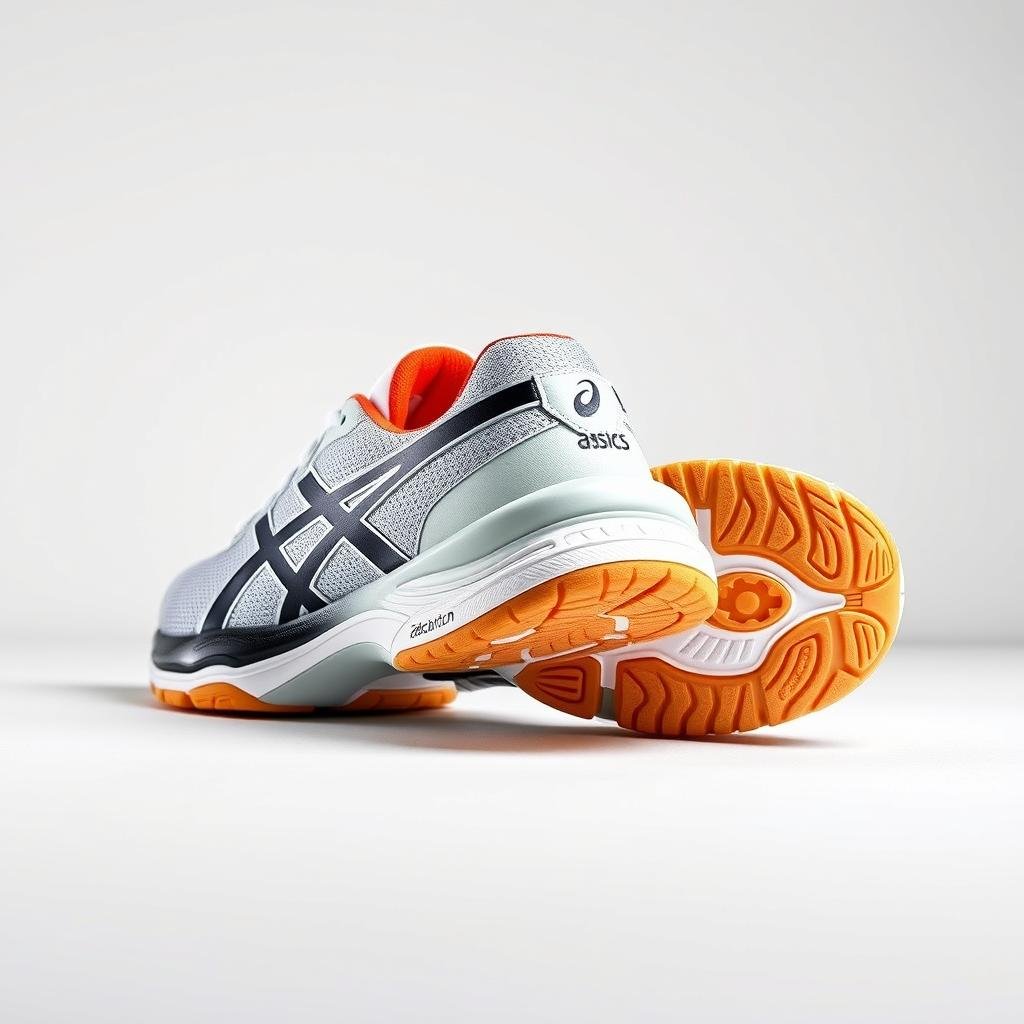
ASICS
Signature Technologies:
GEL Cushioning – Silicone-based impact absorption system
AHAR/AHAR+ – High-abrasion resistant rubber for durability
FlyteFoam – Lightweight, responsive cushioning
DYNAWALL – Midfoot support system for stability
TRUSSTIC – Reduces weight while maintaining structural integrity
Popular Models:
Gel Resolution – Maximum stability and durability
Solution Speed – Lightweight and fast
Court FF – Premium model with Novak Djokovic input
Gel Challenger – Value-oriented all-around performer
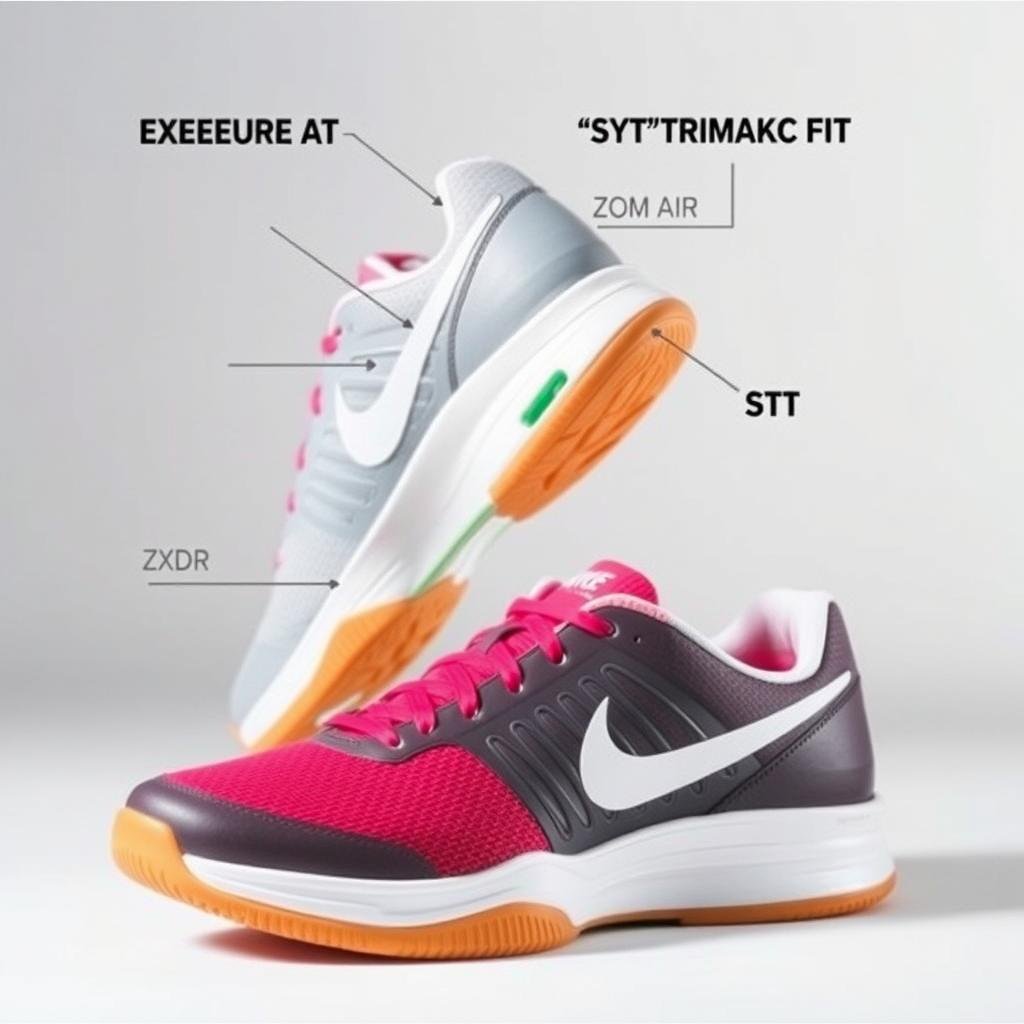
Nike
Signature Technologies:
Zoom Air – Responsive, low-profile cushioning
React Foam – Energy-returning cushioning
Dynamic Fit – Adaptive midfoot support system
XDR – Extra durable rubber compound
Flywire – Lightweight support cables
Popular Models:
Zoom Vapor – Fast, lightweight performance
Vapor Cage – Maximum durability and stability
Zoom GP – Newer performance model
Vapor Lite – Entry-level option
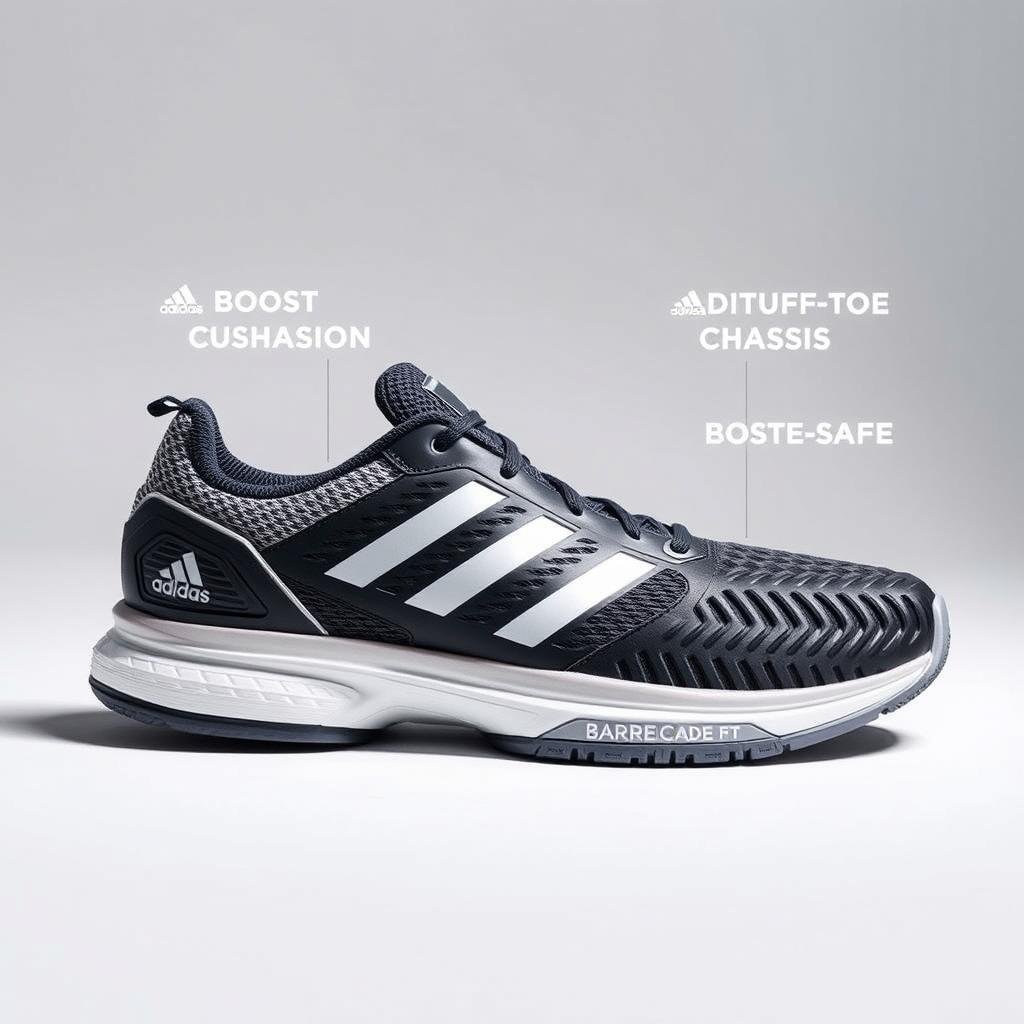
adidas
Signature Technologies:
Boost – Energy-returning cushioning technology
Bounce – Responsive cushioning alternative
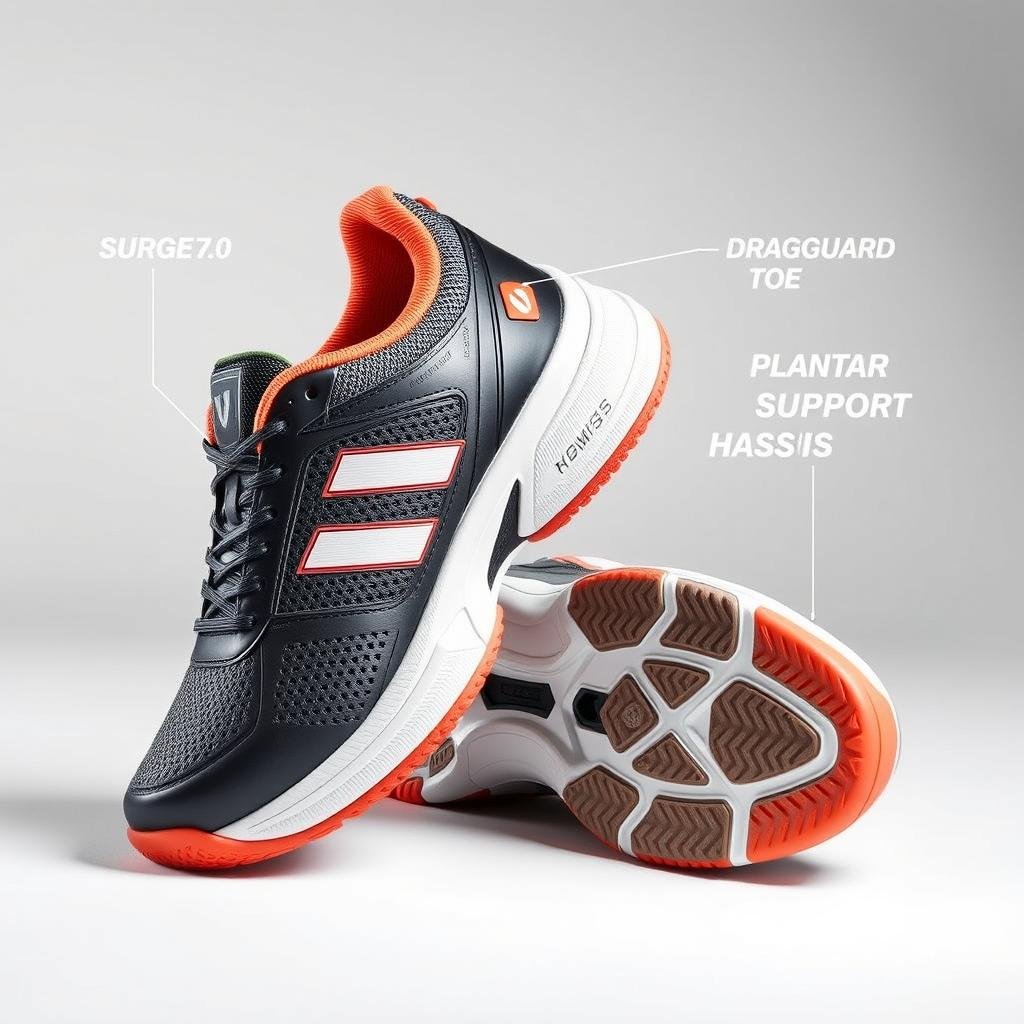
ADITUFF – Abrasion-resistant toe protection
Barricade Chassis – Stability system for support
ADIWEAR – Durable outsole compound
Popular Models:
Barricade – Flagship stability and durability model
Plantar Support Chassis – Midfoot stability system
Aösta 7.0 – High-density outsole rubber
Popular Models:
Hypercourt Express – Comfort-oriented performance
Ultrashot – Maximum stability and support
Bigshot – Value-oriented option
Wilson
Signature Technologies:
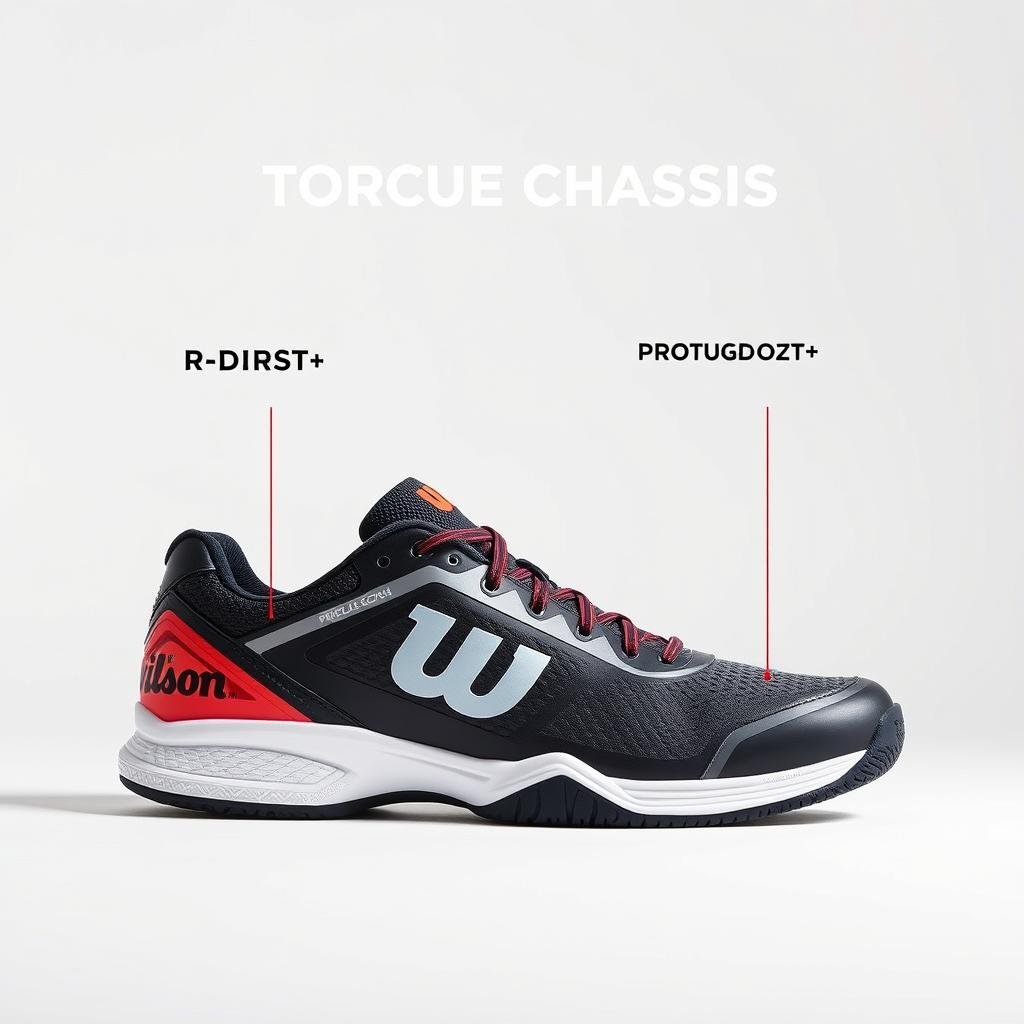
Pro Torque Chassis – Stability system
R-DST+ – Cushioning technology
Endofit – Inner sleeve for enhanced fit
Sensifeel – Upper technology for comfort
Popular Models:
Rush Pro – Performance all-court option
Kaos – Speed-oriented model
Intrigue – Women’s-specific design
Emerging Brands Worth Considering: Beyond the established names, brands like Mizuno (Wave technology), Yonex (Power Cushion), Babolat (S-Jet and Michelin outsoles), and On (CloudTec) are gaining popularity with innovative technologies and performance features.
Men’s vs. Women’s Tennis Shoes: Key Differences
While many tennis shoe technologies are shared across genders, there are important distinctions between men’s and women’s models that go beyond aesthetics. Understanding these differences can help you find the most appropriate fit and support for your needs.
Anatomical Differences
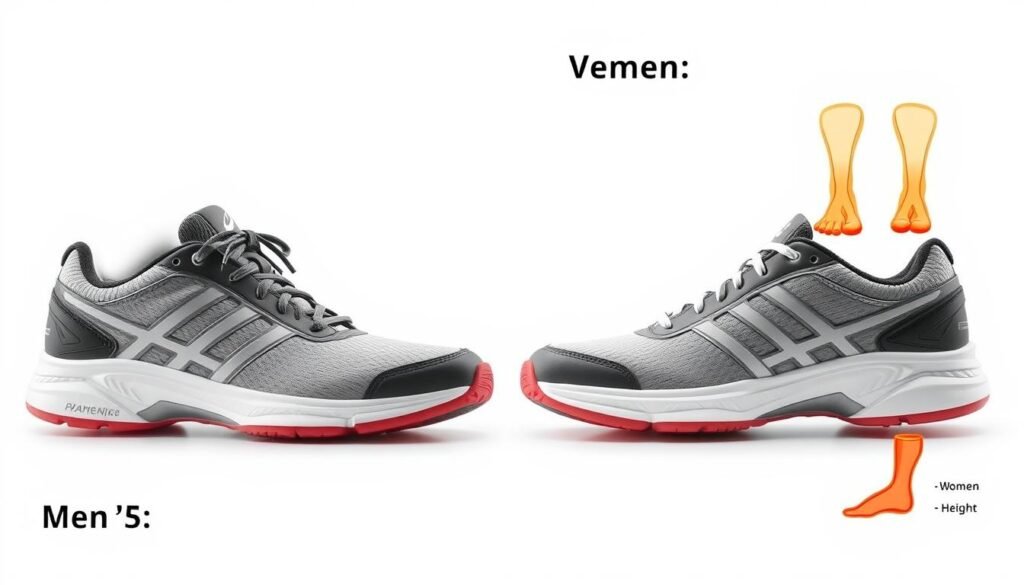
Last shape – Women’s shoes typically have a narrower heel and wider forefoot relative to length
Weight distribution – Women’s models often have adjusted cushioning to accommodate different weight distribution
Arch support – Women’s shoes may feature different arch support profiles
Heel-to-toe drop – Sometimes varies between men’s and women’s versions
Design Considerations
Weight – Women’s shoes are generally lighter overall
Cushioning – May be tuned differently for typical weight differences
Flexibility – Women’s models sometimes offer more forefoot flexibility
Stability features – May be implemented differently based on biomechanical needs
When to Consider Cross-Shopping
Some players find that shoes marketed to the opposite gender actually fit their feet better. Consider cross-shopping if:
Women Considering Men’s Shoes
You have wider feet than typical women’s models accommodate
You need more robust stability features
You prefer firmer cushioning
A specific technology or colorway is only available in men’s models
Sizing tip: Women typically need to go down 1.5 sizes from their women’s size when buying men’s shoes (e.g., women’s 9 = men’s 7.5)
Men Considering Women’s Shoes
You have narrower feet, especially in the heel
You prefer more flexible forefoot construction
You need a specific colorway only available in women’s models
You have a smaller foot size than men’s ranges typically offer
Sizing tip: Men typically need to go up 1.5 sizes from their men’s size when buying women’s shoes (e.g., men’s 8 = women’s 9.5)
Find the perfect fit for your feet
Explore gender-specific tennis shoes designed to accommodate the unique anatomical needs of men and women.
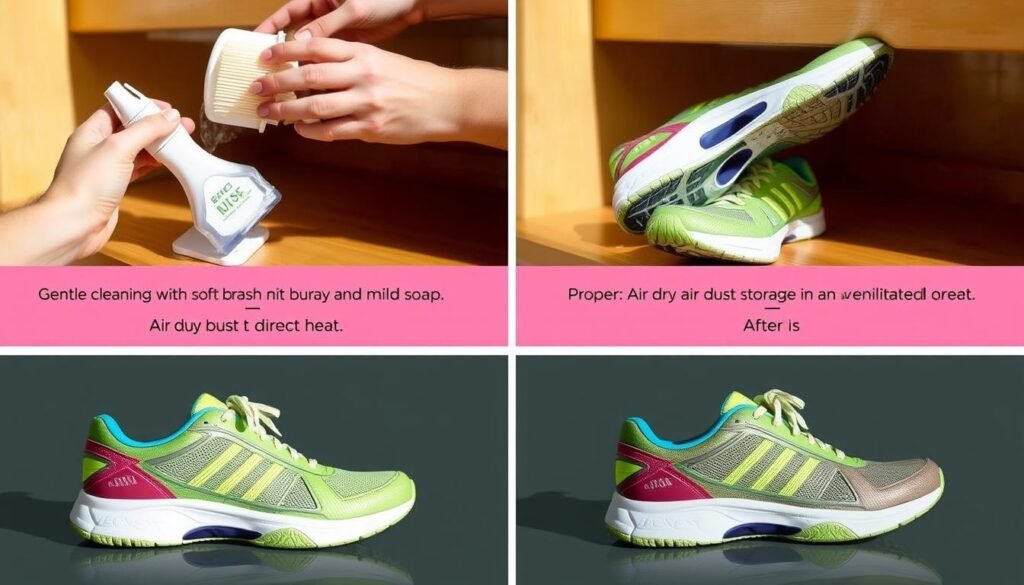
Care and Maintenance: Extending the Life of Your Tennis Shoes
Quality tennis shoes represent a significant investment, and proper care can substantially extend their lifespan and performance. Follow these guidelines to get the most out of your tennis footwear.
Cleaning
Remove surface dirt with a soft brush after each use
For deeper cleaning, use mild soap and lukewarm water
Clean insoles separately to reduce odor
Never machine wash tennis shoes – it damages adhesives and support structures
Remove laces before cleaning for better access to the tongue area
Drying
Air dry at room temperature away from direct heat
Never use dryers, radiators, or heaters – heat damages adhesives
Stuff with newspaper to absorb moisture and maintain shape
Replace damp newspaper every few hours for faster drying
Allow 24-48 hours for complete drying before next use
Storage
Store in a cool, dry, ventilated area
Avoid compressed storage that can deform the shoe
Keep away from direct sunlight which can degrade materials
Don’t leave in hot cars or equipment bags for extended periods
Consider using shoe trees to maintain shape between uses
Rotation and Replacement
When to Rotate Shoes
Having multiple pairs in rotation can extend the life of each pair:
Allows cushioning to fully recover between sessions
Gives shoes time to dry completely after sweaty sessions
Enables you to have specific shoes for different court surfaces
Provides backup options for tournaments or intensive training periods
When to Replace Shoes
Even with proper care, tennis shoes eventually need replacement. Look for these signs:
Visible outsole wear, especially in high-abrasion areas
Compressed or uneven cushioning that doesn’t recover
Decreased stability during lateral movements
Upper tears or separation from the midsole
Consistent foot pain or blisters that weren’t present with new shoes
“Most competitive players should replace their tennis shoes every 45-60 playing hours or when visible signs of wear appear. Recreational players might extend this to 80-100 hours, but should still inspect their shoes regularly for wear patterns that could affect performance or increase injury risk.”
Important: Don’t wait until shoes are completely worn out to replace them. Degraded cushioning and stability can increase injury risk even before visible outsole wear appears. When in doubt, prioritize your foot health over extending shoe life.
While performance should be your primary consideration, tennis shoes have also become fashion statements both on and off the court. Here’s how to balance style and function in your tennis footwear choices.
On-Court Style Trends
Current Aesthetic Directions
Bold color blocking – Contrasting panels for visual impact
Retro-inspired designs – Nods to classic tennis aesthetics
Minimalist options – Clean, understated designs
Tournament-specific colorways – Limited editions for major events
Player signature models – Shoes designed with pro player input
Coordinating Your Tennis Look
Match shoes to your racquet brand for a coordinated equipment look
Consider court surface when selecting colors (white shows clay stains)
Coordinate with your tennis apparel for a cohesive appearance
Express personality while respecting club dress codes
Look to pro players for inspiration on current tennis fashion trends
Off-Court Styling
Performance tennis shoes have influenced casual fashion, with many models designed to transition seamlessly from court to street.
Tennis-Inspired Casual Shoes
Many brands offer tennis-inspired lifestyle models that provide the aesthetic without the technical features:
adidas Stan Smith, Rod Laver, and Grand Court
Nike Court Legacy and Killshot
K-Swiss Classic and Court Cheswick
Lacoste Carnaby Evo and L001
On The Roger Centre Court
Styling Performance Tennis Shoes Casually
Tips for incorporating your actual tennis shoes into everyday outfits:
Pair with casual shorts and a polo for a sporty-preppy look
Contrast with relaxed jeans and a t-shirt for athletic-casual style
Choose models with subtle colorways for greater versatility
Consider white tennis shoes as an alternative to traditional sneakers
Look for models with crossover appeal like Nike Vapor or adidas Barricade
Elevate your tennis style
Browse the latest tennis shoe designs that combine performance technology with on-trend aesthetics.
It’s not recommended. Running shoes are designed for forward motion and lack the lateral support and durability needed for tennis movements. They typically have higher heels which increase ankle roll risk during side-to-side movements, and their outsoles aren’t designed for the abrasion of tennis courts. Using running shoes for tennis increases injury risk and leads to premature shoe breakdown.
How often should I replace my tennis shoes?
Most competitive players should replace their tennis shoes every 45-60 playing hours or when visible signs of wear appear. Recreational players might extend this to 80-100 hours. Watch for outsole wear, compressed cushioning, decreased stability, and upper damage. Even before visible outsole wear, degraded cushioning and stability can increase injury risk, so don’t wait until shoes are completely worn out to replace them.
What’s the difference between tennis shoes and court shoes?
The terms are often used interchangeably, but “court shoes” is a broader category that can include footwear for tennis, volleyball, basketball, and other indoor court sports. Tennis shoes are specifically designed for tennis movements and court surfaces. Some retailers use “court shoes” to refer to tennis-specific models, while others use it as a category that includes multiple court sports.
Should tennis shoes be tight or loose?
Tennis shoes should fit snugly but not tight. You want a secure fit in the midfoot and heel to prevent sliding inside the shoe during quick movements, but you need about a thumb’s width of space in the toe box to accommodate foot swelling during play and prevent black toenails. The best fit allows no heel slippage while providing enough room for toes to splay naturally during push-off movements.
What are the best tennis shoes for wide feet?
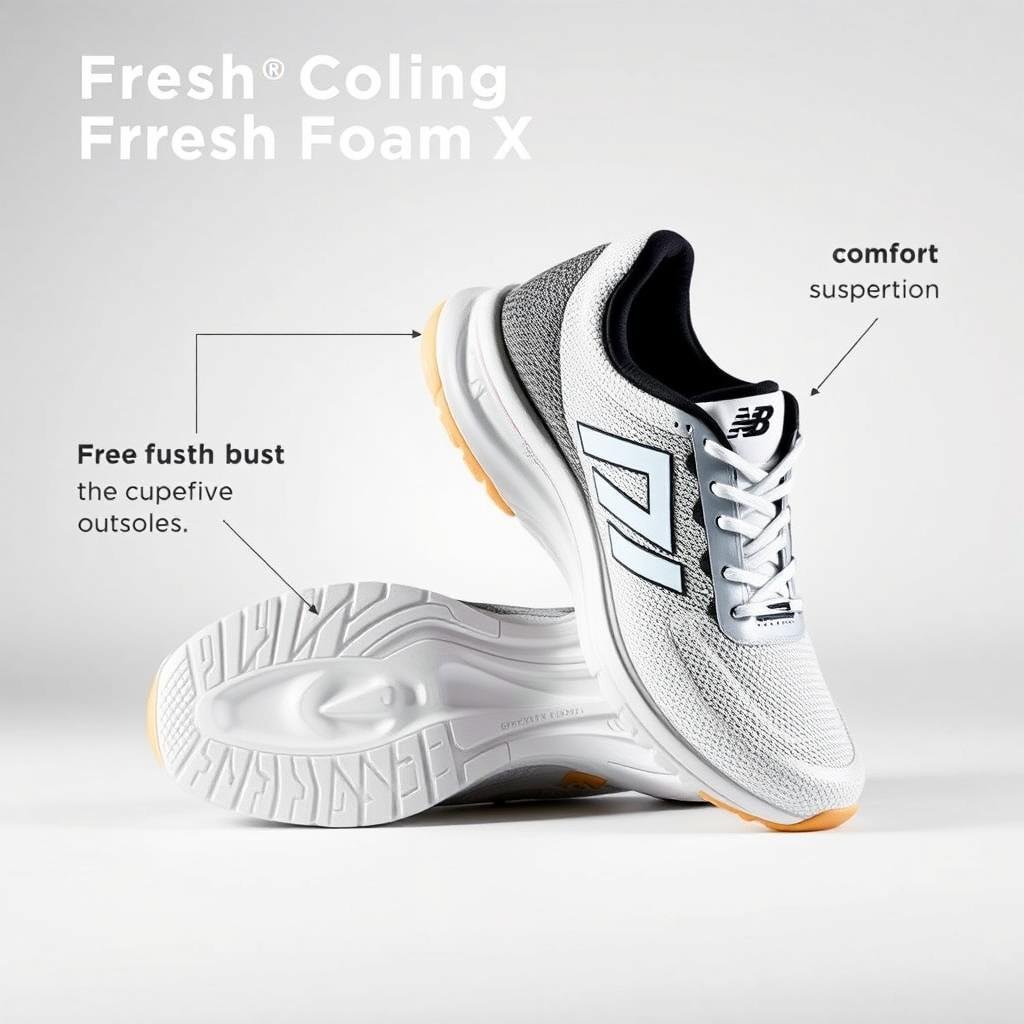
Several brands offer excellent options for wide feet. New Balance is known for their wide and extra-wide options in models like the 806 and Fresh Foam Lav. ASICS Gel Resolution models come in wide widths and have a generally accommodating toe box. K-Swiss Hypercourt Express and Babolat SFX models are designed with a naturally wider last. Always look for shoes specifically labeled with wide (2E for men, D for women) or extra-wide (4E for men, 2E for women) if you need additional width.
Are expensive tennis shoes worth it?
For serious players, premium tennis shoes often justify their higher price through enhanced durability, support, and performance features. They typically last longer, provide better protection against injury, and include technologies that improve on-court performance. However, recreational players who play infrequently may find mid-range options provide sufficient performance at a better value. Consider your playing frequency, intensity, and specific foot needs when deciding how much to invest in tennis shoes.
Ready to find your perfect tennis shoes?
Browse top-rated options from leading brands and take your game to the next level with proper footwear.
Conclusion: Stepping Up Your Tennis Game With the Right Shoes
Selecting the right tennis shoes is a crucial decision that impacts not only your performance but also your comfort and injury prevention on the court. By understanding the specific demands of your playing style, court surface, and foot characteristics, you can make an informed choice that enhances your tennis experience.
Remember that tennis shoes are specialized equipment designed for the unique movements of the sport. The lateral stability, court-specific traction, and durability features aren’t just marketing points—they’re essential elements that support your game and protect your body during the demanding movements tennis requires.
Whether you’re a competitive player seeking maximum performance or a recreational enthusiast looking for comfortable support during weekend matches, investing in proper tennis shoes is one of the most important equipment decisions you can make. Your feet are your foundation on the court, and giving them the support they deserve will pay dividends in both performance and enjoyment of the game.
Planning a wedding with a smaller guest list opens doors to creativity and personal touches that larger events simply cannot achieve. Intimate weddings transform your celebration into something truly meaningful where every detail reflects your unique love story. These smaller gatherings create space for genuine connections with your closest friends and family members.This Website contains…
Receiving an invitation with “black tie optional” listed as the dress code can feel like navigating a fashion gray area. Not quite as rigid as black tie, yet more elevated than cocktail attire, this popular wedding dress code offers both flexibility and sophistication. This comprehensive guide will walk you through everything you need to know…
Asking your closest friends to stand by your side on your big day deserves something special. Your bridesmaids will play such an important role in your wedding journey. They’ll be there for dress fittings and bachelorette party planning. They’ll calm your nerves and celebrate every moment with you.This Website contains affiliate links. That means I…
Is your sunny patio, balcony, or doorstep crying out for a splash of color and life? Full sun areas offer incredible opportunities for vibrant container gardens that can thrive all season long. Whether you’re a seasoned gardener or just starting out, these full sun planter ideas will inspire you to create gorgeous outdoor displays that…
Refresh your home in an afternoon with a straightforward hanging planter diy that adds green life without stealing tabletop room.This Website contains affiliate links. That means I may earn a small commission if you purchase through my links, at no extra cost to you. This friendly guide shows two easy options: a quick rope hanger…
Your balcony is more than just an architectural feature—it’s an opportunity to create a personal retreat that reflects your style and meets your needs. Whether you have a tiny apartment balcony or a spacious terrace, the right design approach can transform this outdoor space into your favorite spot at home. From cozy reading nooks to…