The Ultimate Guide to Planter Boxes: Transform Your Garden Space
Planter boxes are the versatile heroes of modern gardening, offering endless possibilities for both seasoned gardeners and beginners alike. Whether you’re working with a spacious backyard or a tiny apartment balcony, the right planter box can transform your space into a thriving garden oasis. These practical containers allow you to grow flowers, herbs, vegetables, and decorative plants virtually anywhere, while adding visual interest and structure to your outdoor or indoor areas.
This Website contains affiliate links. That means I may earn a small commission if you purchase through my links, at no extra cost to you.
In this comprehensive guide, we’ll explore everything you need to know about planter boxes – from the various types and materials available to choosing the perfect option for your specific needs. We’ll also share practical tips for planting, maintenance, and creative design ideas that will inspire your next gardening project. Let’s dive into the wonderful world of planter boxes and discover how these simple containers can elevate your gardening experience!
Exploring Different Types of Planter Boxes
Planter boxes come in a remarkable variety of styles, each designed to serve specific gardening needs and aesthetic preferences. Understanding the different types available will help you select the perfect option for your space and gardening goals.
Related Posts:

Raised Garden Bed Planters
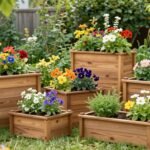
Raised garden bed planters are among the most popular options for outdoor vegetable and flower gardens. These elevated planter boxes typically stand 1-3 feet tall and offer excellent drainage, soil control, and easier access for gardening without excessive bending or kneeling.
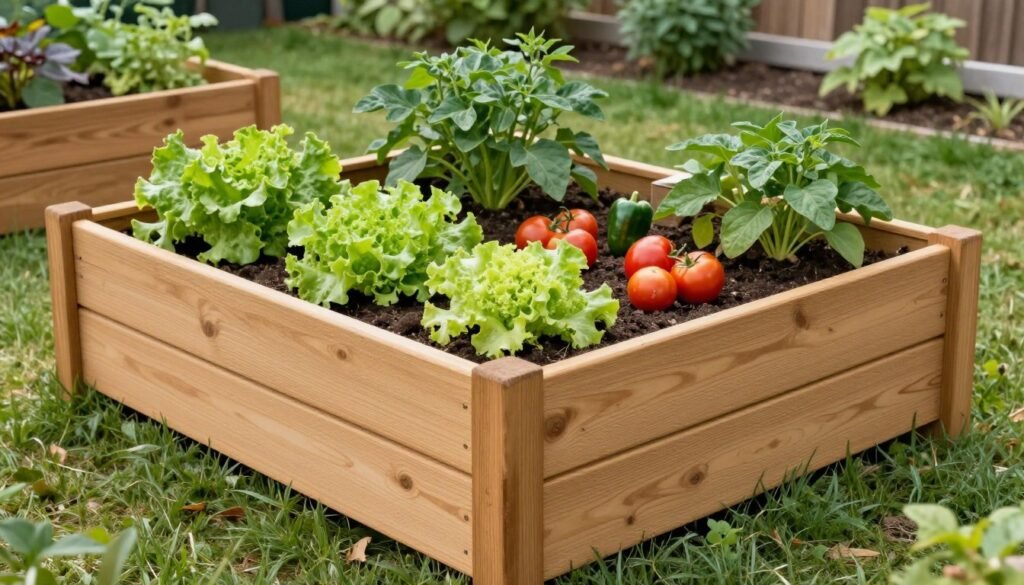
Raised garden beds are perfect for growing vegetables and creating defined garden spaces. They allow for better soil control and drainage while reducing back strain during gardening.
Window Box Planters
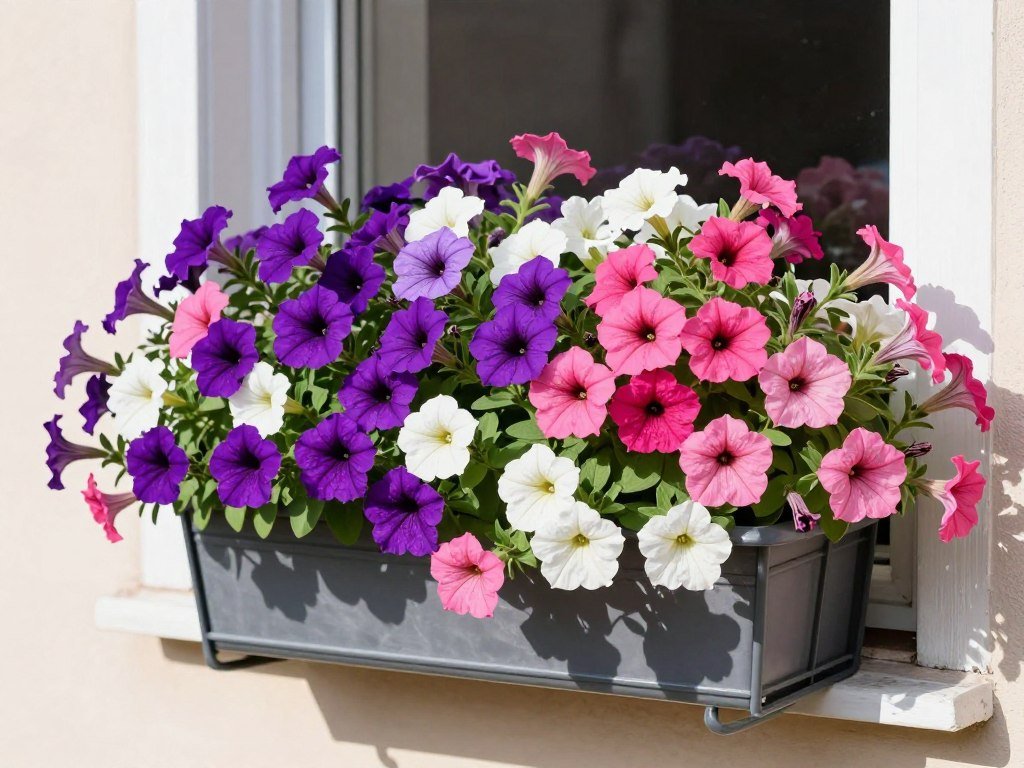
Window box planters add instant charm to any home exterior. These long, narrow containers mount directly beneath windows, creating a beautiful display of flowers or herbs that can be enjoyed from both inside and outside your home.
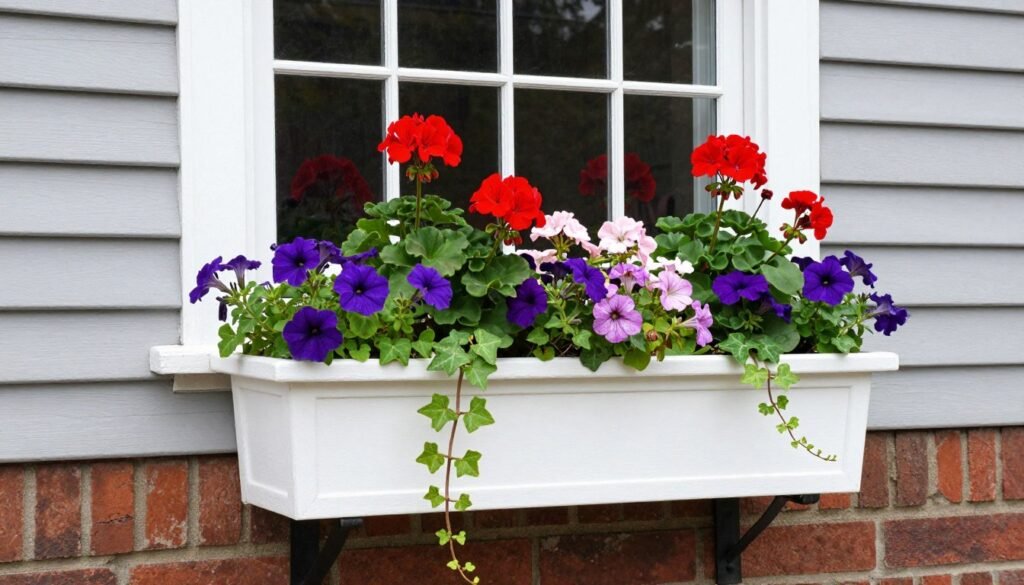
Window boxes instantly enhance your home’s curb appeal while providing the perfect spot for growing flowers, herbs, or small vegetables right outside your window.
Vertical Garden Planters
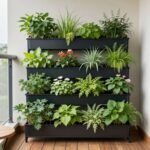
Vertical garden planters make the most of limited space by growing upward instead of outward. These innovative planter boxes are ideal for small balconies, patios, or anywhere you want to maximize your growing area while creating a stunning visual display.
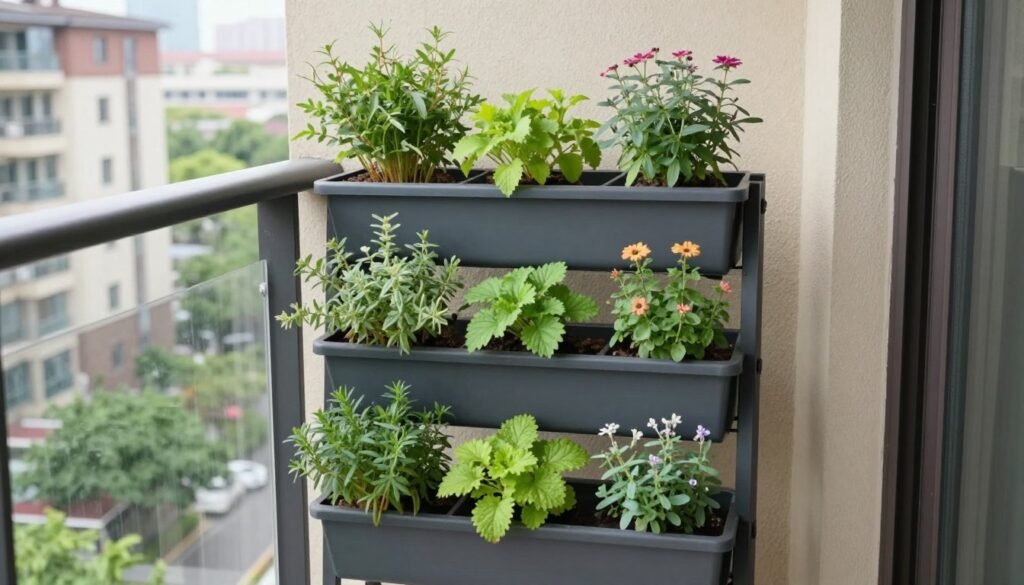
Vertical planters are space-saving solutions that allow you to grow more plants in less floor space – perfect for urban gardeners or anyone with limited outdoor area.
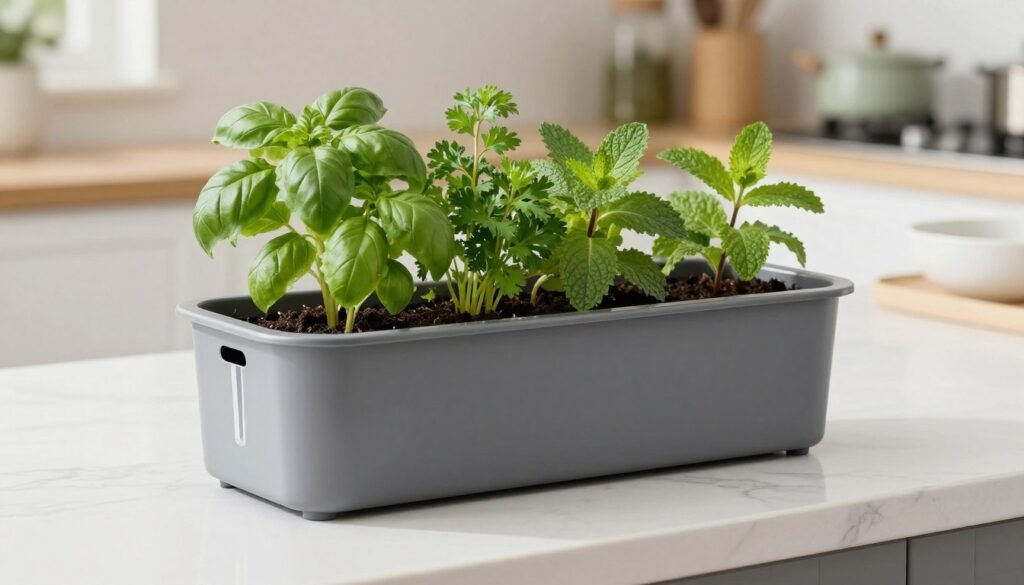
Self-Watering Planter Boxes
Self-watering planter boxes feature a built-in reservoir that supplies water to your plants as needed. These innovative containers are perfect for busy gardeners or those who travel frequently, as they reduce the frequency of watering while promoting healthy plant growth.
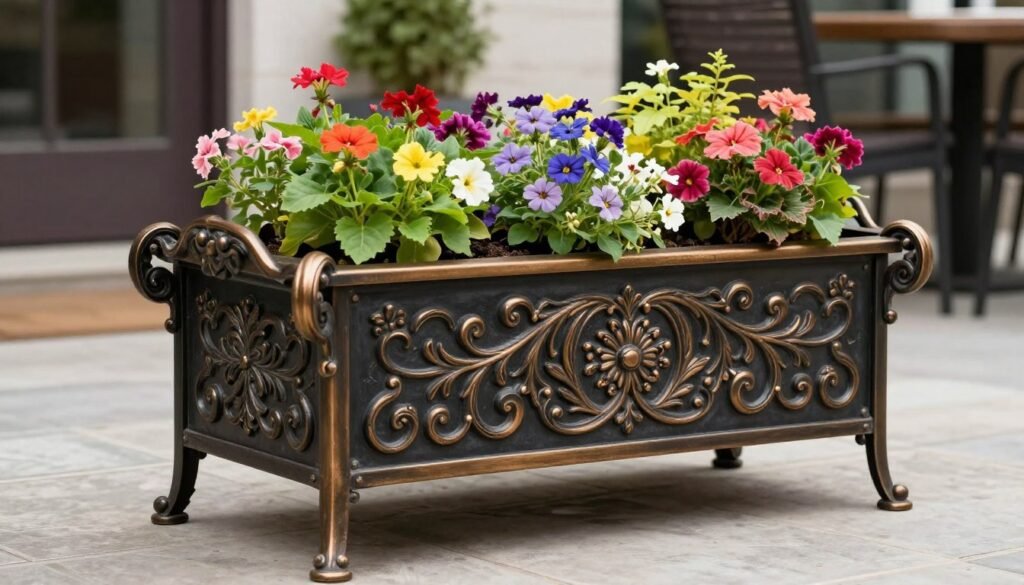
Decorative Planter Boxes
Decorative planter boxes serve as both functional growing containers and stylish design elements. Available in countless styles, materials, and finishes, these planters can complement any décor while showcasing your favorite plants.
Choosing the Right Planter Box Material
The material of your planter box affects not only its appearance but also its durability, weight, maintenance requirements, and suitability for different plants and environments. Here’s a guide to the most common planter box materials to help you make the best choice.
Wooden Planter Boxes
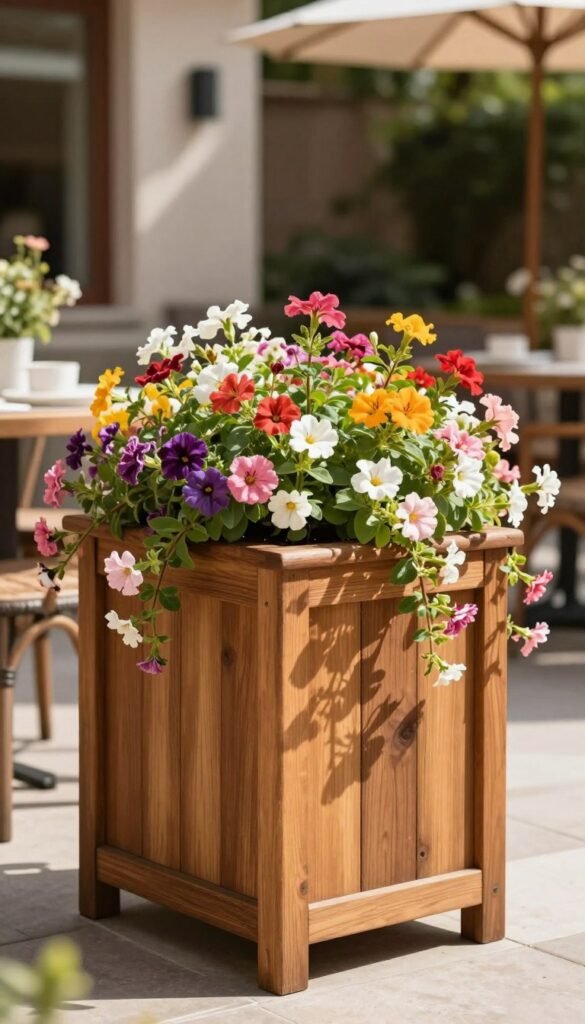
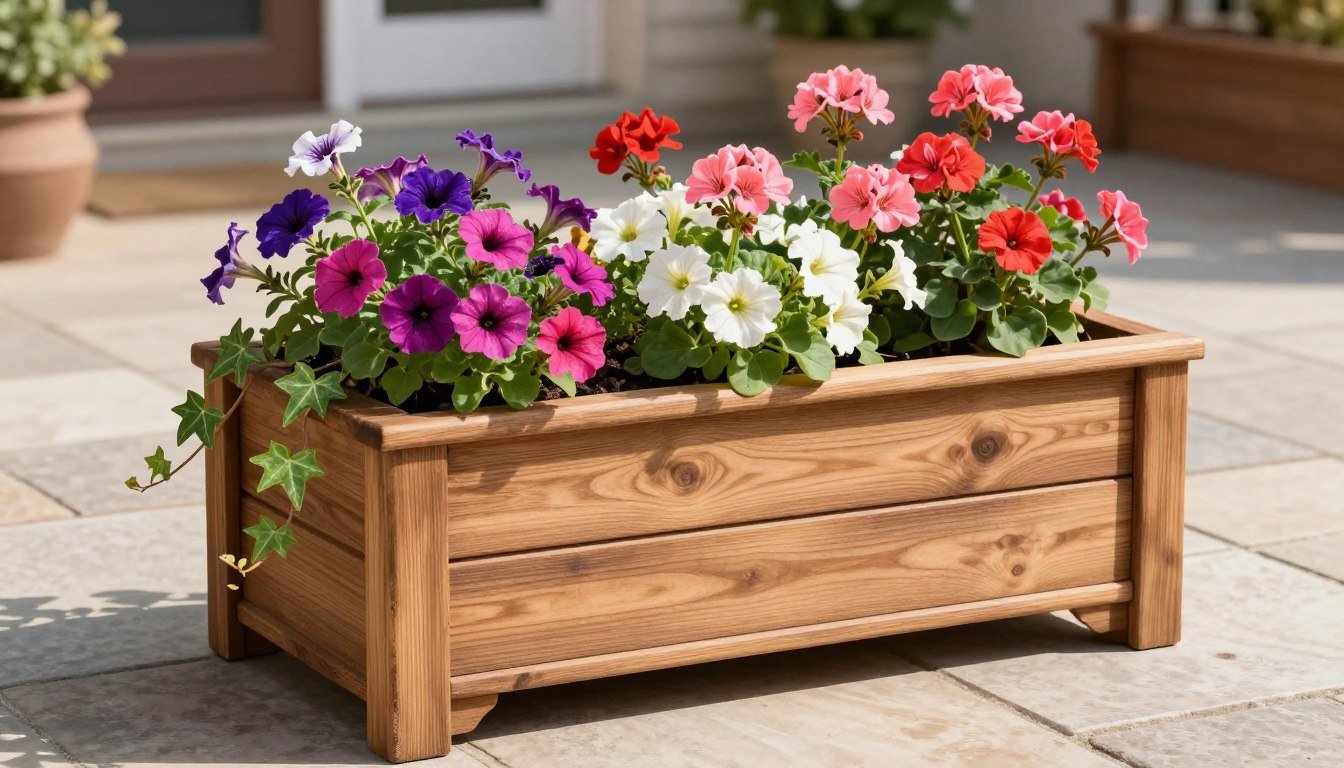
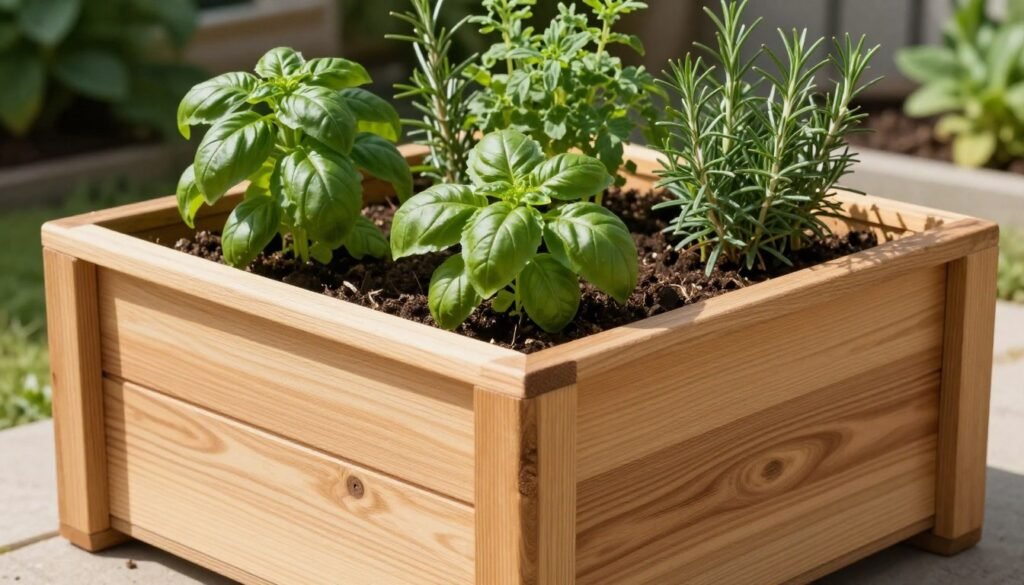
Wood planter boxes offer a timeless, natural aesthetic that blends beautifully with any garden style. Cedar, redwood, and teak are popular choices due to their natural resistance to rot and insects. Wooden planters provide excellent insulation for plant roots and can be customized to any size or shape.
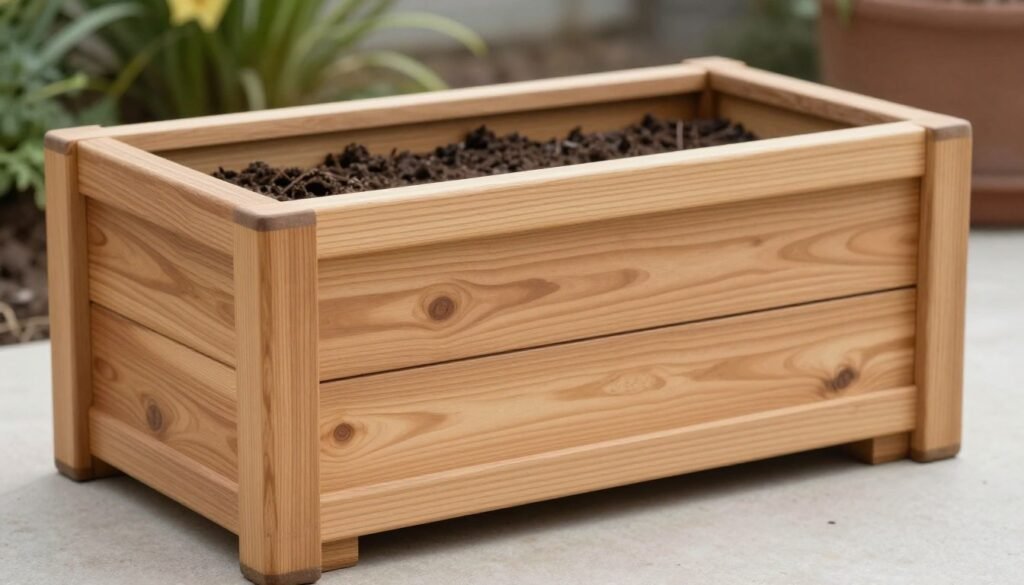
Wooden planter boxes offer natural beauty and excellent insulation for your plants. Cedar and redwood varieties are naturally resistant to rot and insects, making them ideal for outdoor use.
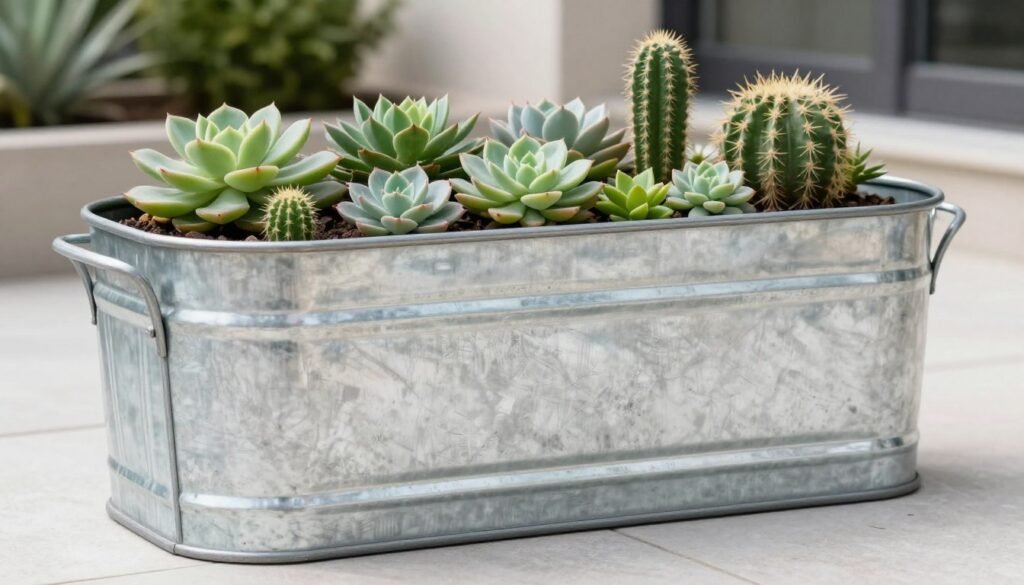
Metal Planter Boxes
Metal planter boxes provide a sleek, contemporary look that works well in modern garden designs. Galvanized steel, corten steel, and aluminum options offer different aesthetics and durability levels. While metal conducts heat, which can affect soil temperature, it’s extremely durable and often recyclable.
Plastic and Resin Planter Boxes
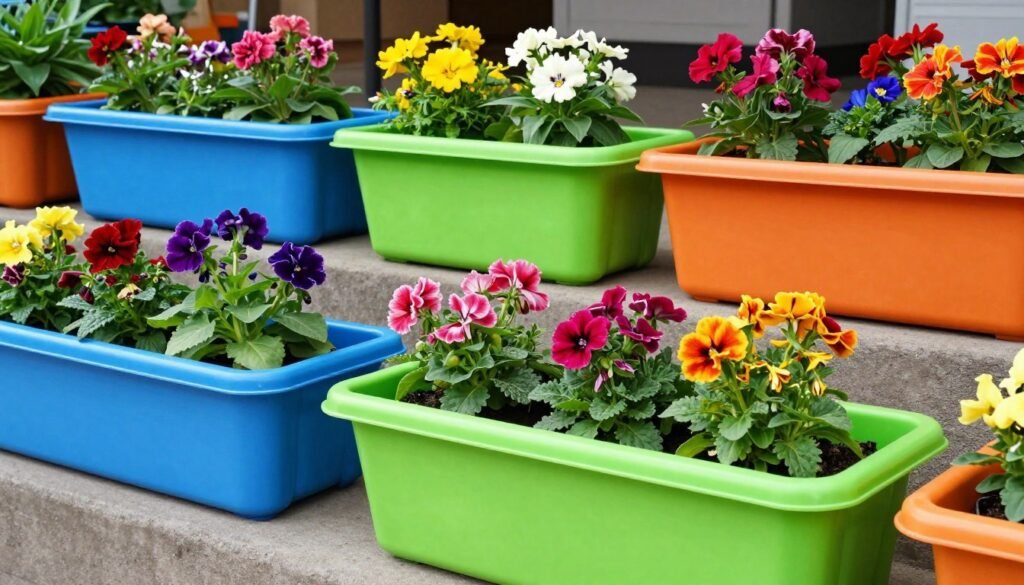
Lightweight and affordable, plastic and resin planter boxes are available in countless colors and styles. Many modern options convincingly mimic more expensive materials like stone or ceramic. These planters are easy to move, resistant to cracking, and require minimal maintenance.
Concrete and Stone Planter Boxes
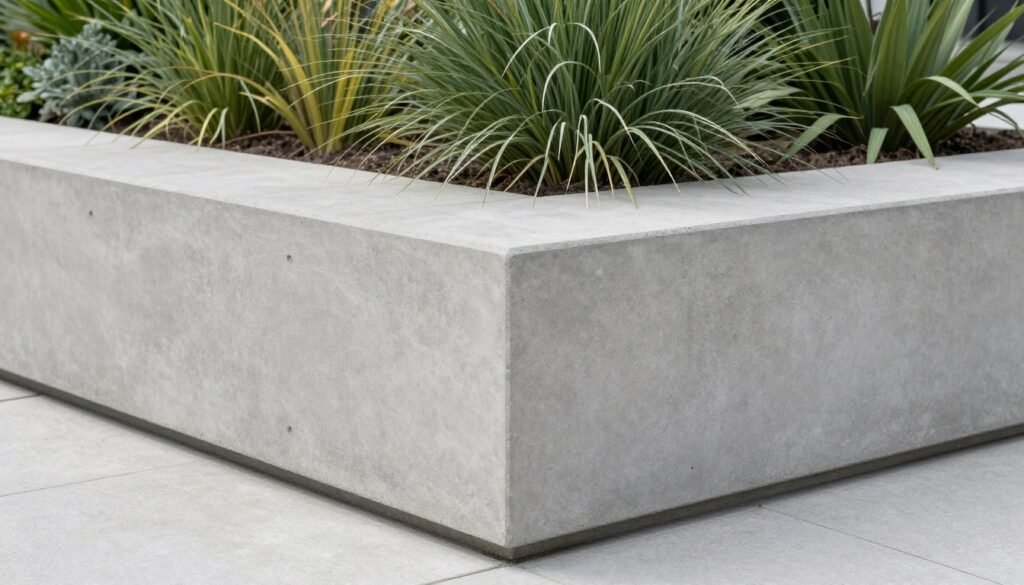
Concrete and stone planter boxes offer unmatched durability and a substantial, architectural presence in the garden. These heavy-duty containers are perfect for permanent installations and provide excellent insulation for plant roots in all seasons.
Benefits of Different Planter Box Materials
- Wood: Natural appearance, good insulation, customizable
- Metal: Modern aesthetic, extremely durable, recyclable
- Plastic: Lightweight, affordable, available in many colors
- Concrete: Extremely durable, provides stability, weather-resistant
- Ceramic: Attractive glazes and designs, good moisture retention
Considerations for Planter Box Materials
- Wood: Requires maintenance, may rot over time
- Metal: Can overheat in direct sun, may rust without proper treatment
- Plastic: Less durable, can fade or become brittle with UV exposure
- Concrete: Very heavy, difficult to move, can crack in freezing temperatures
- Ceramic: Breakable, may crack in freezing temperatures
DIY Planter Box: Build Your Own Custom Garden Container
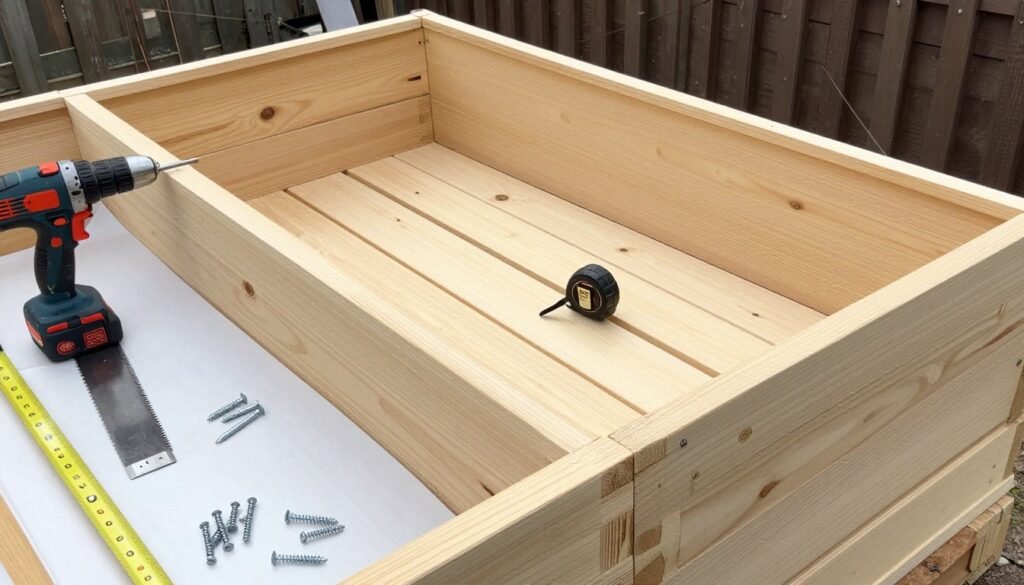
Creating your own planter box allows you to customize dimensions, materials, and design to perfectly suit your space and gardening needs. With some basic tools and materials, you can build a durable, attractive planter box that costs significantly less than store-bought options.
Basic Wooden Planter Box Materials
- Exterior-grade lumber (cedar, redwood, or pressure-treated pine)
- Exterior screws or galvanized nails
- Drill with bits
- Saw (circular, miter, or hand saw)
- Measuring tape and square
- Sandpaper
- Exterior wood sealer, stain, or paint (optional)
- Landscape fabric for lining (optional)
Simple Planter Box Construction Steps
- Measure and cut your lumber to the desired dimensions for your planter box
- Sand all edges to prevent splinters and create a smooth finish
- Assemble the sides by screwing them together at the corners
- Add the bottom pieces, leaving small gaps between boards for drainage
- Drill additional drainage holes if needed
- Apply wood sealer, stain, or paint if desired
- Line with landscape fabric to extend the life of the wood (optional)
- Fill with soil and plants
Always use exterior-grade materials for outdoor planter boxes. For food gardens, avoid pressure-treated lumber that may contain chemicals, and opt for naturally rot-resistant woods like cedar or redwood instead.
Building your own planter box? Get quality materials delivered right to your door and start your DIY garden project this weekend!
Planter Box Planting Guide: Setting Up for Success
Proper setup and planting techniques are crucial for thriving container gardens. Follow these guidelines to ensure your planter boxes provide the ideal environment for healthy, productive plants.
Preparing Your Planter Box
Before adding soil and plants, take these important preparation steps:
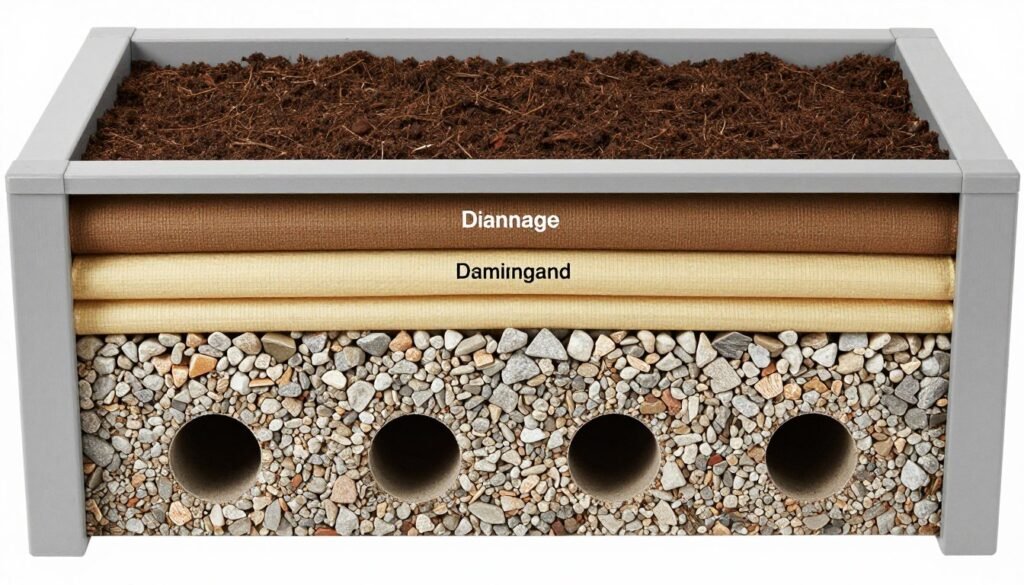
- Ensure adequate drainage by drilling holes in the bottom if they don’t already exist
- Add a layer of landscape fabric to prevent soil from washing out through drainage holes
- For deep planters, consider adding a layer of gravel or broken pottery pieces at the bottom to improve drainage
- For very large planters, you can fill the bottom third with empty plastic bottles or packing peanuts to reduce weight and soil requirements
Choosing the Right Soil
Unlike garden beds, planter boxes require specialized potting mix rather than garden soil. Quality potting mix provides:
- Proper drainage and aeration for container plants
- Lightweight texture that won’t compact in containers
- Balanced nutrition for initial plant growth
- Disease-free growing medium
For vegetable planter boxes, choose an organic potting mix specifically formulated for edible plants. These mixes provide balanced nutrition without synthetic chemicals.
5 Best Plants for Planter Boxes
Herbs
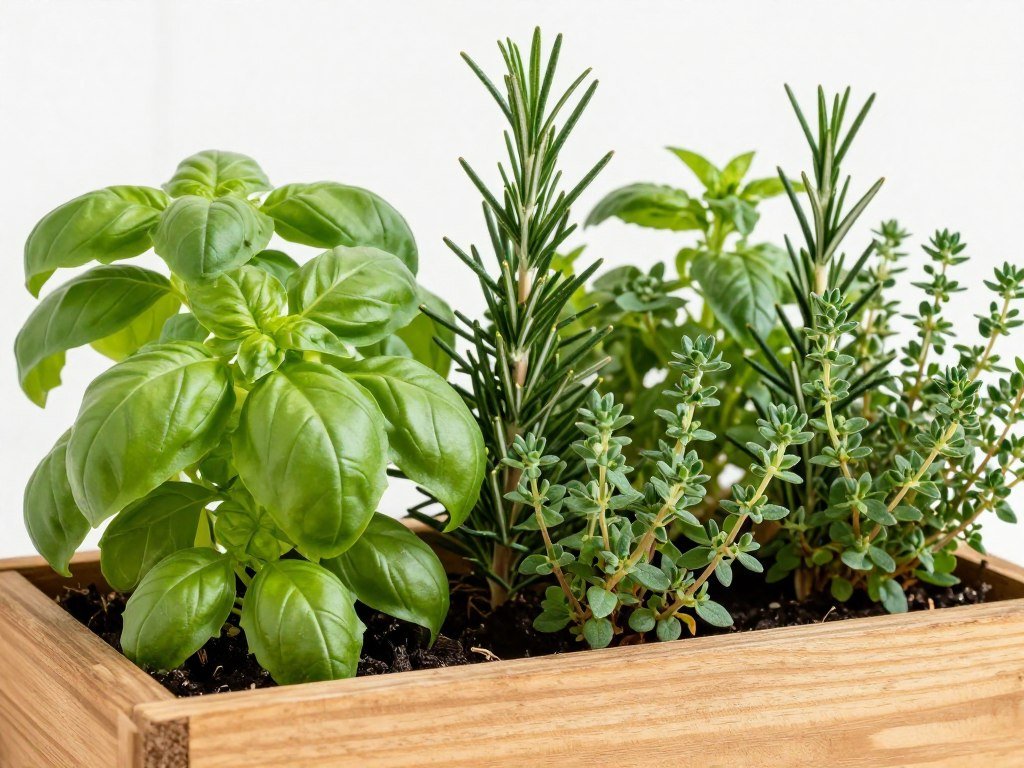
Herbs like basil, rosemary, thyme, and mint thrive in planter boxes and provide fresh flavors for cooking. Most herbs prefer well-draining soil and at least 6 hours of sunlight daily.
Salad Greens
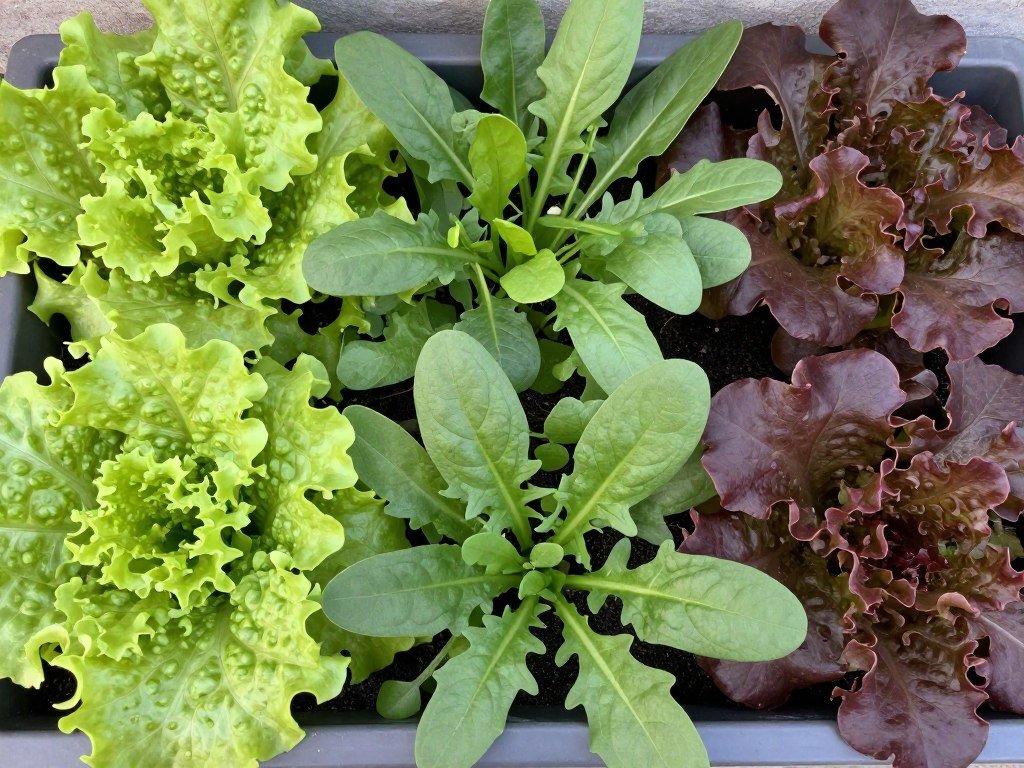
Lettuce, spinach, arugula, and other leafy greens grow quickly in planter boxes and can be harvested continuously. These cool-season crops prefer partial shade in hot climates.
Petunias
These colorful, prolific bloomers are perfect for hanging baskets and window boxes. Available in countless colors, petunias provide continuous flowers from spring through fall with proper care.
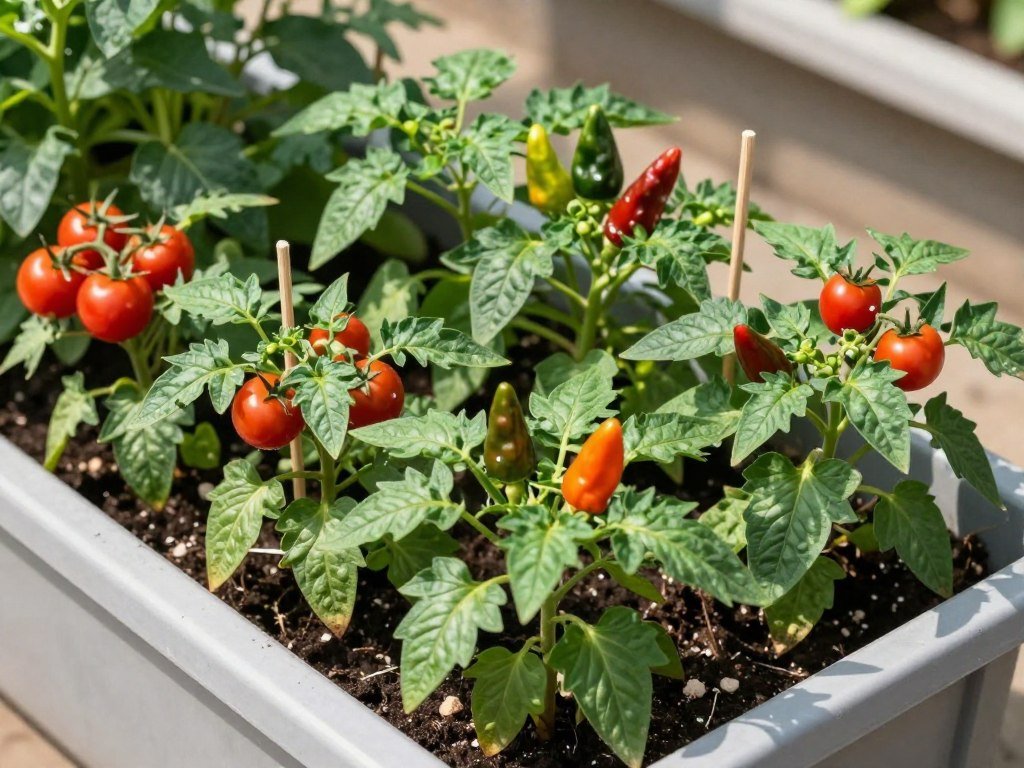
Dwarf Vegetables
Compact varieties of tomatoes, peppers, and eggplants are well-suited to larger planter boxes. These sun-loving plants require at least 6-8 hours of direct sunlight and regular feeding.
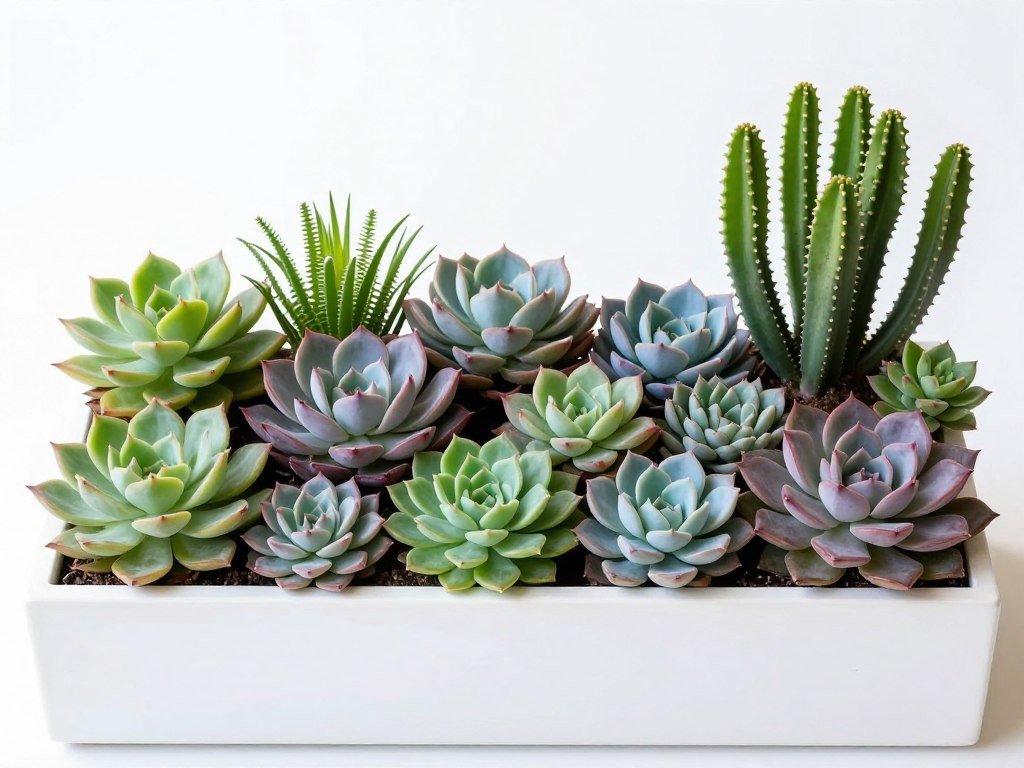
Succulents
These low-maintenance plants come in fascinating shapes and colors, perfect for sunny locations. Succulents require excellent drainage and infrequent watering, making them ideal for busy gardeners.
Ready to start planting? Get high-quality potting soil specifically formulated for container gardening to give your plants the best start.
Maintaining Your Planter Boxes Year-Round
Proper maintenance ensures your planter boxes remain beautiful and productive season after season. Follow these essential care tips to keep your containers and plants in top condition throughout the year.
Watering Guidelines
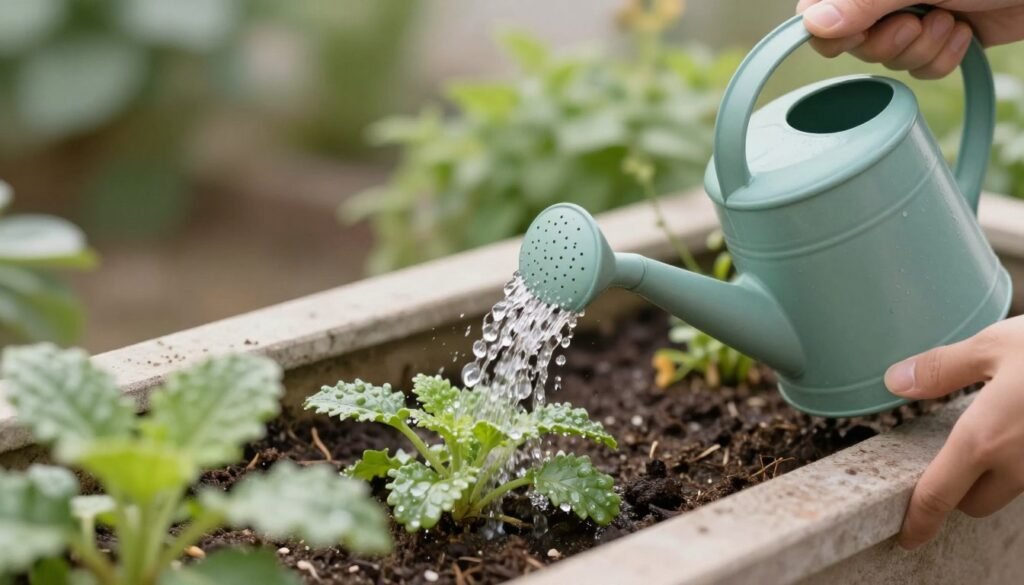
Plants in containers typically require more frequent watering than those in the ground. The exact schedule depends on your climate, plant selection, and planter material.
- Check soil moisture regularly by inserting your finger 1-2 inches into the soil
- Water thoroughly until water flows from drainage holes
- Water in the morning to reduce evaporation and fungal issues
- Consider drip irrigation or self-watering planters for consistent moisture
- Adjust watering frequency seasonally – more in summer, less in winter
Fertilizing Schedule
Container plants deplete nutrients more quickly than garden plants and require regular feeding:
- Apply slow-release fertilizer at planting time
- Supplement with liquid fertilizer every 2-4 weeks during the growing season
- Reduce or eliminate fertilizer during plant dormancy periods
- Use organic options like compost tea for edible plants
Seasonal Planter Box Care
| Season | Maintenance Tasks | Plant Considerations |
| Spring | Clean planters, replace soil, check drainage, repair winter damage | Plant cool-season crops, summer annuals after frost danger passes |
| Summer | Increase watering frequency, monitor for pests, deadhead flowers | Provide shade for sensitive plants, harvest vegetables regularly |
| Fall | Reduce fertilizer, clean out spent plants, plant bulbs for spring | Plant cool-season crops, ornamental kale, pansies |
| Winter | Protect wooden planters, bring fragile containers indoors, reduce watering | Add evergreens, winter interest plants, protect perennials |
Extending the Life of Your Planter Boxes
With proper care, quality planter boxes can last for many years. These maintenance tips will help preserve your containers:
- Elevate wooden planters slightly off the ground to prevent rot
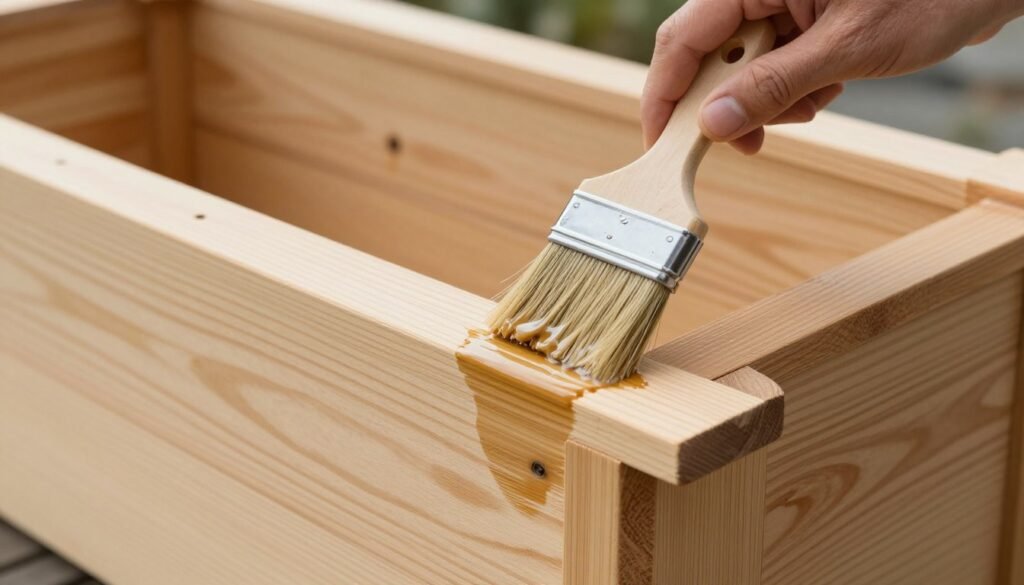
- Apply a fresh coat of sealer or paint to wooden planters annually
- Clean planters thoroughly between plantings to prevent disease
- Store ceramic or fragile planters indoors during freezing weather
- Check and clean drainage holes regularly to prevent clogging
Transform Your Space with the Perfect Planter Box
Planter boxes offer endless possibilities for creating beautiful, productive garden spaces regardless of where you live. From elegant window boxes that enhance your home’s curb appeal to practical raised garden beds that yield bountiful harvests, the right planter can transform any space into a thriving garden.
Whether you choose to purchase a ready-made planter or build your own custom creation, focus on selecting the right size, material, and style for your specific needs and environment. With proper preparation, planting, and maintenance, your planter boxes will provide years of gardening enjoyment and beauty.
We hope this guide has inspired you to explore the wonderful world of planter boxes and container gardening. Start small, experiment with different plants and designs, and watch as your garden grows and evolves. Happy planting!
Found some inspiration? Pin your favorite planter box ideas to your Pinterest boards for future reference! Use the description below when pinning this article:
“Discover the perfect planter box for your space! From wooden raised beds to stylish window boxes, explore types, materials, DIY ideas, and planting tips for beautiful container gardens. #planterbox #gardening #containergardening”