The Ultimate Guide to Flower Planters: Transform Your Space with Container Gardening
Flower planters are the versatile canvas for your gardening creativity, allowing you to bring nature’s beauty to any space—whether you have acres of land or just a tiny balcony. These portable gardens offer endless possibilities for expressing your style while nurturing plants that bring joy, color, and life to your surroundings. In this comprehensive guide, we’ll explore everything you need to know about selecting, placing, planting, and maintaining flower planters that will transform your outdoor and indoor spaces into vibrant, living showcases.
This Website contains affiliate links. That means I may earn a small commission if you purchase through my links, at no extra cost to you.
Choosing the Right Flower Planters: Materials, Sizes, and Styles
The perfect planter does more than just hold soil—it complements your plants, enhances your space, and makes a statement about your personal style. Let’s explore the various materials, sizes, and designs available to help you make the best choice for your gardening needs.
Planter Materials: Finding the Perfect Match for Your Plants
Terracotta and Ceramic Planters
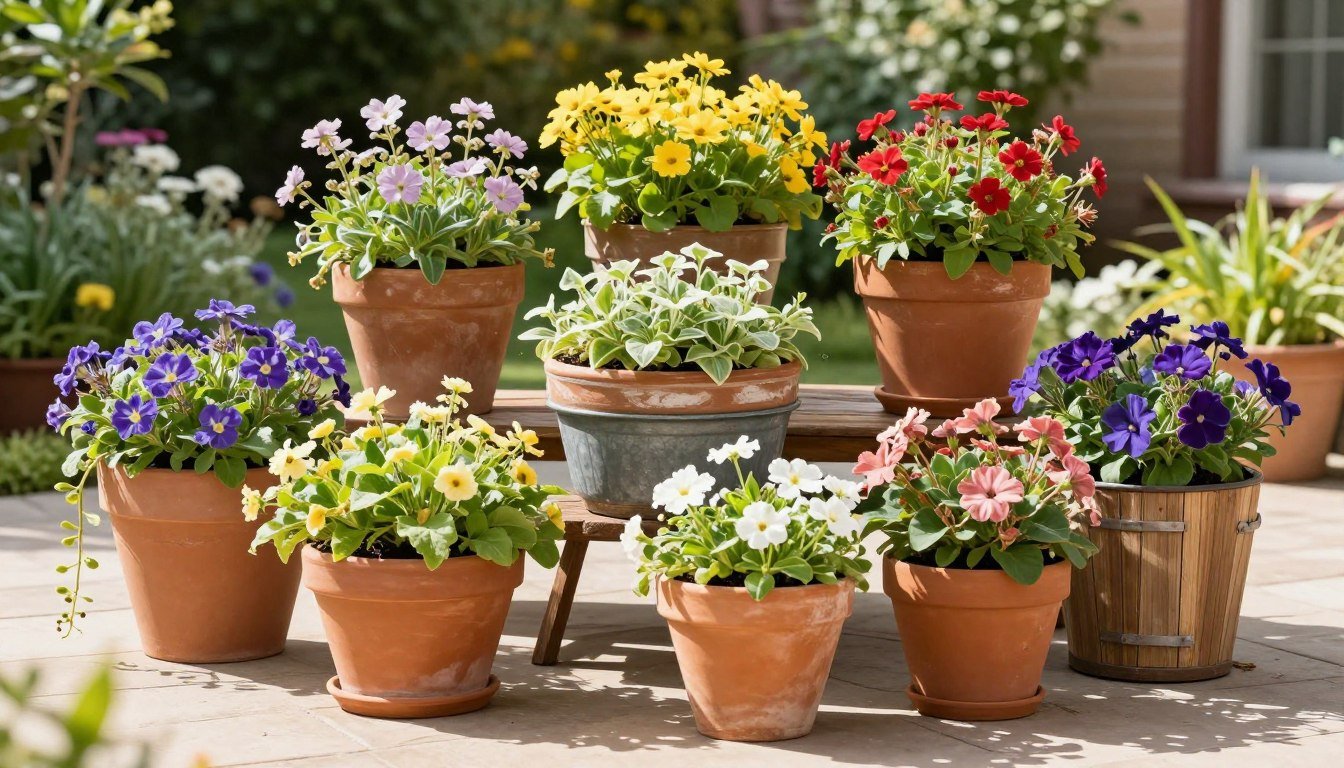
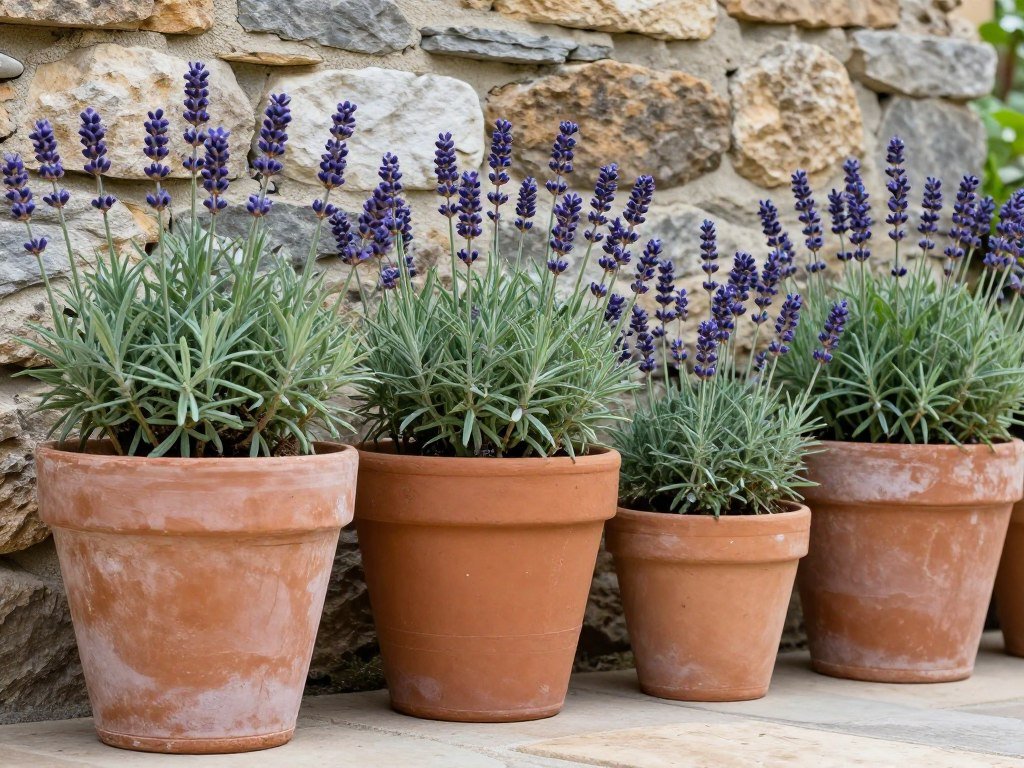
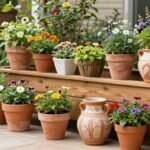
Terracotta planters are timeless classics that breathe naturally, allowing excess moisture to evaporate through their porous walls. This makes them ideal for plants that prefer drier conditions, like succulents and Mediterranean herbs. The natural earthy tones complement any garden setting and develop a beautiful patina over time.
Ceramic planters offer similar benefits but with glazed finishes that retain more moisture and come in endless colors and patterns. They’re perfect for making a decorative statement while providing a stable environment for your plants.
Find the perfect ceramic or terracotta planter for your space with these beautiful, durable options.
Metal planters bring contemporary flair to your garden with sleek lines and modern finishes. Galvanized steel, copper, and aluminum options each offer unique aesthetic qualities while providing durability. Metal heats up quickly, though, so consider placement carefully in hot climates.
Fiberglass planters offer the best of all worlds—lightweight yet durable, weather-resistant, and available in designs that mimic more expensive materials. They’re ideal for large planters that need to be moved occasionally and perfect for rooftops or balconies where weight is a concern.
Wood and Natural Materials
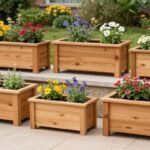
Wooden planters bring warmth and natural texture to your garden. Cedar, redwood, and teak naturally resist rot, while other woods may need treatment or liners. These planters blend beautifully with outdoor spaces and weather to a lovely silver-gray patina over time.
Woven planters made from natural materials like rattan, seagrass, or bamboo add texture and a bohemian touch to indoor spaces. Most require a liner to protect them from moisture but offer unmatched organic appeal.
Concrete and Stone
Concrete planters offer industrial chic with incredible durability. Their substantial weight provides stability for larger plants, and their neutral tones complement any style. Modern manufacturing techniques have made them available in lightweight versions too.
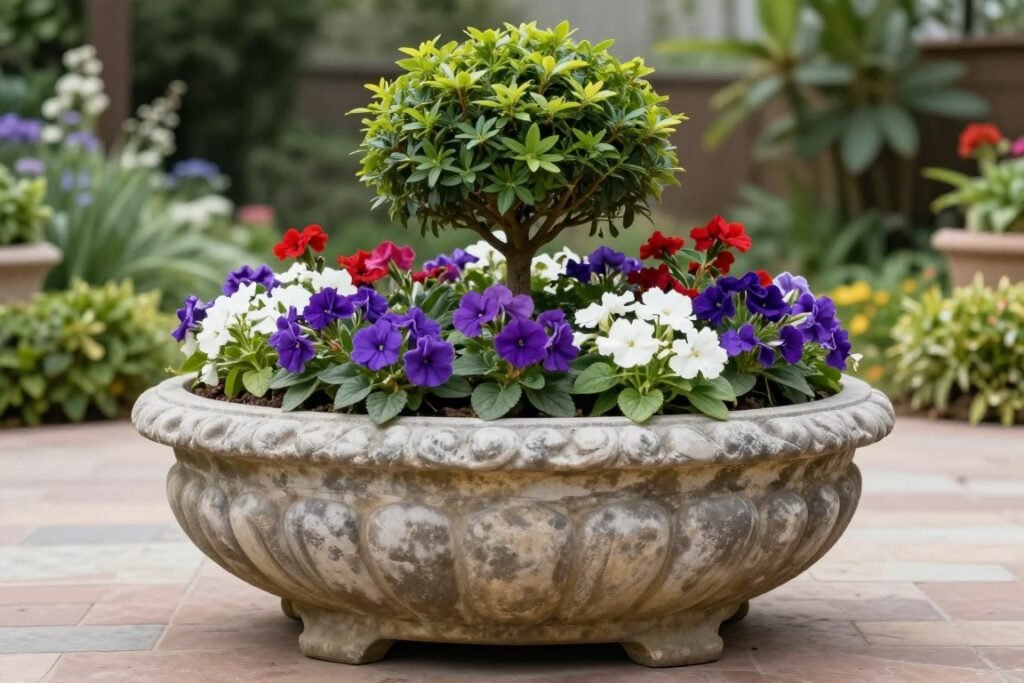
Stone planters—whether natural or cast—bring timeless elegance to gardens. Their substantial presence makes them perfect focal points, and their excellent insulation protects roots from temperature fluctuations.
Explore durable, weather-resistant concrete and stone planters that will last for years.
Finding the Right Size: Matching Planters to Plants
Selecting the right size planter is crucial for plant health and visual impact. Too small, and your plants become root-bound and stressed; too large, and you risk overwatering and root rot. Here’s how to get it right:
Choose planters 1-2 inches larger in diameter than the plant’s current container
Consider the mature size of your plants—trees and shrubs need room to grow
Ensure adequate depth for root development (at least 8-12 inches for most perennials)
Allow for proper spacing between multiple plants in one container
Balance visual proportions—large plants need substantial planters to look balanced
Find the perfect size planter for your specific plants with these versatile options.
Finding the Perfect Spot: Strategic Placement of Flower Planters
Where you place your planters affects not only how they look but also how well your plants thrive. Let’s explore the best locations for your container gardens and how to maximize their impact.
Outdoor Placement Ideas
Patios and Decks
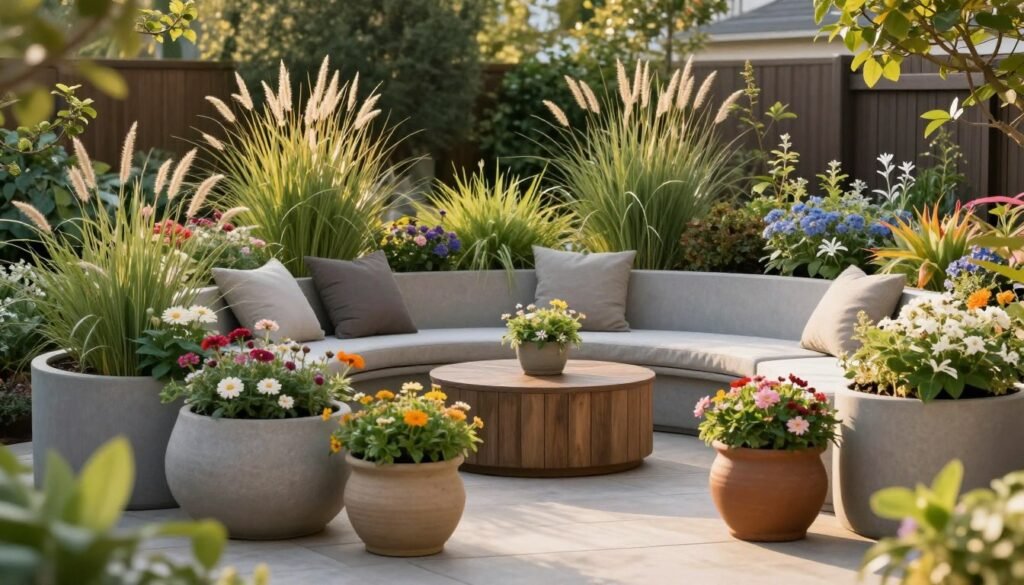
Transform your outdoor living space with strategically placed planters that define areas and create privacy. Large planters can serve as natural room dividers, while hanging planters maximize vertical space. Consider the weight capacity of your deck and use plant stands to create varying heights for visual interest.
For patios, group planters of different heights but complementary styles to create dynamic arrangements. Place fragrant plants near seating areas and colorful specimens where they’ll catch the eye.
Entryways and Front Porches
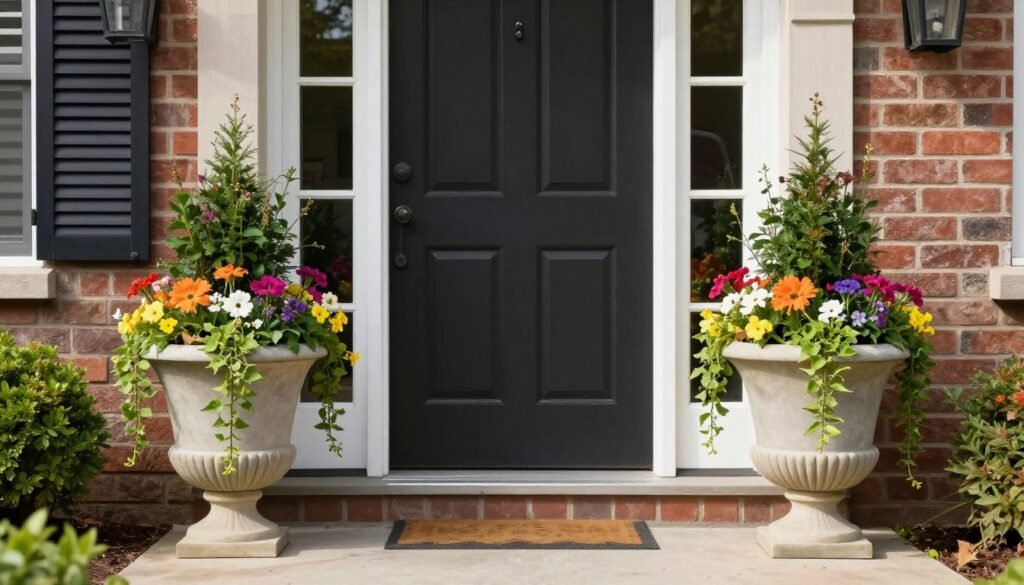
Make a welcoming first impression with planters that frame your entrance. Symmetrical arrangements create a formal, balanced look, while varied groupings offer casual charm. Consider the scale of your entryway—substantial planters work best for grand entrances, while more modest containers suit smaller spaces.
Seasonal rotations keep your entrance fresh and relevant throughout the year. Spring bulbs can give way to summer annuals, fall chrysanthemums, and winter evergreens.
Balconies and Small Spaces
Even the tiniest balcony can become a garden oasis with the right planters. Railing planters maximize space without sacrificing floor area, while vertical gardens and hanging planters utilize wall space efficiently. Consider lightweight materials like fiberglass or plastic that won’t overburden your structure.
For truly limited spaces, focus on a few statement planters rather than many small ones, which can create visual clutter. Multi-tiered plant stands help you grow more in a small footprint.
Maximize your small space with these space-saving planter solutions.
Window boxes bring charm to any home’s exterior while creating a seamless connection between indoors and out. Choose boxes that complement your architecture—wooden boxes for traditional homes, metal for modern aesthetics. Ensure proper mounting for safety, especially for upper-story windows.
Indoor windowsills offer prime real estate for small planters that need abundant light. Group small pots of herbs in kitchen windows or showcase flowering plants where you’ll enjoy them daily.
Indoor Placement Strategies
Light Considerations
Match your indoor planters to available light conditions. South-facing windows accommodate sun-loving plants in decorative containers, while low-light corners need both shade-tolerant species and planters that add visual brightness through color or reflective materials.
Consider rotating planters seasonally to accommodate changing light patterns. Mobile planters on stands with wheels make this adjustment effortless.
Functional Groupings
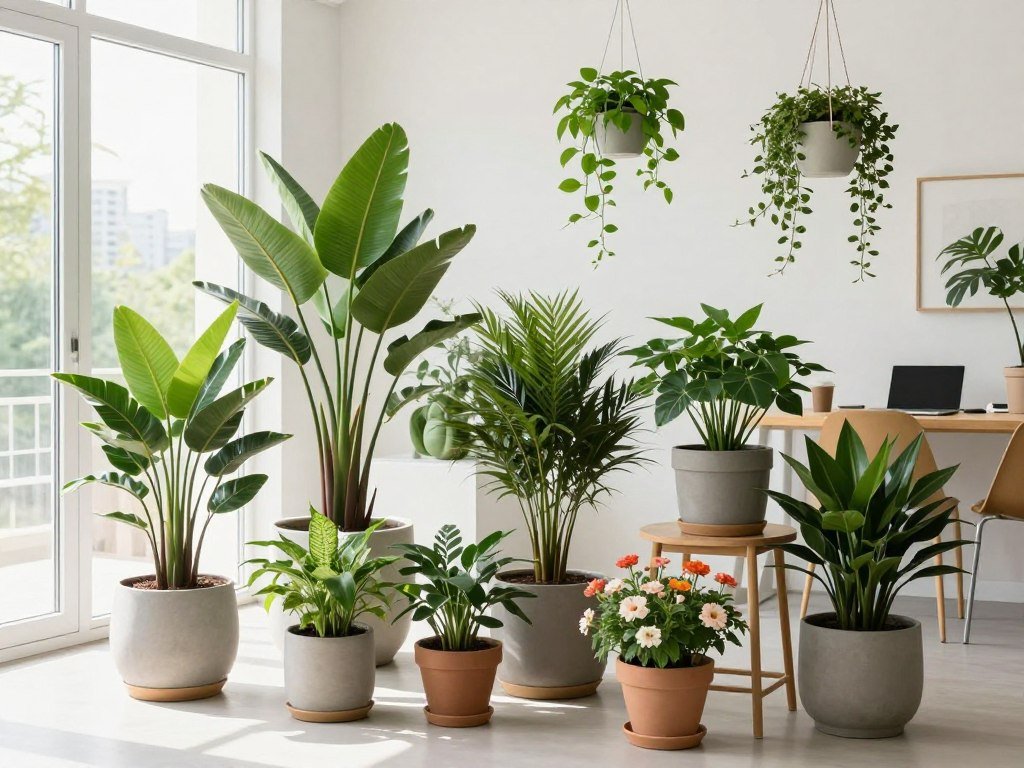
Create impact with thoughtful groupings of indoor planters. The rule of three works well—arrange planters of varying heights but similar style for cohesive displays. Plant stands, shelving, and wall-mounted options help create multi-level arrangements that draw the eye upward.
For practical indoor herb gardens, choose containers with excellent drainage and group them near kitchen windows for easy access while cooking.
Create a stunning indoor garden with these beautiful, functional planters.
Creating Stunning Planter Displays: Design Principles and Plant Combinations
The art of container gardening lies in creating beautiful plant combinations that thrive together while delighting the eye. Let’s explore design strategies that will elevate your flower planters from merely functional to truly extraordinary.
The Thriller-Filler-Spiller Method
This classic container design formula creates balanced, dynamic arrangements that look professional and grow well together:
Thriller: A tall, eye-catching centerpiece plant that adds height and drama (ornamental grasses, cannas, or tall perennials)
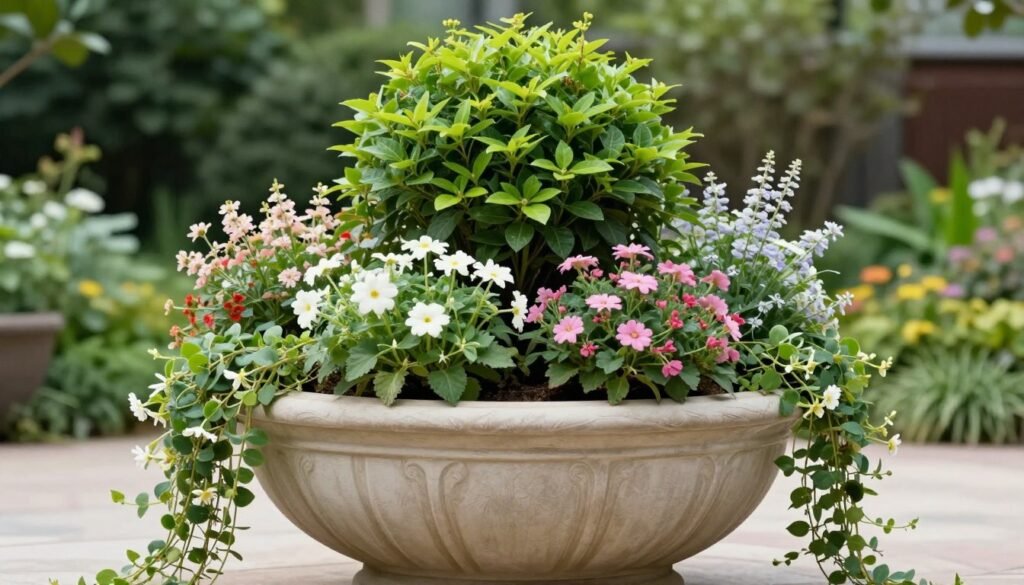
Filler: Mid-height, bushy plants that add volume and fill the middle ground (petunias, geraniums, coleus)
Spiller: Trailing plants that cascade over the edges, softening the container’s lines (ivy, sweet potato vine, trailing lobelia)
This approach works in containers of all sizes—simply scale your plant selections to match your planter dimensions. For very large planters, consider using multiple thrillers or creating repeating patterns for cohesion.
Color Theory for Container Gardens
Harmonious Combinations
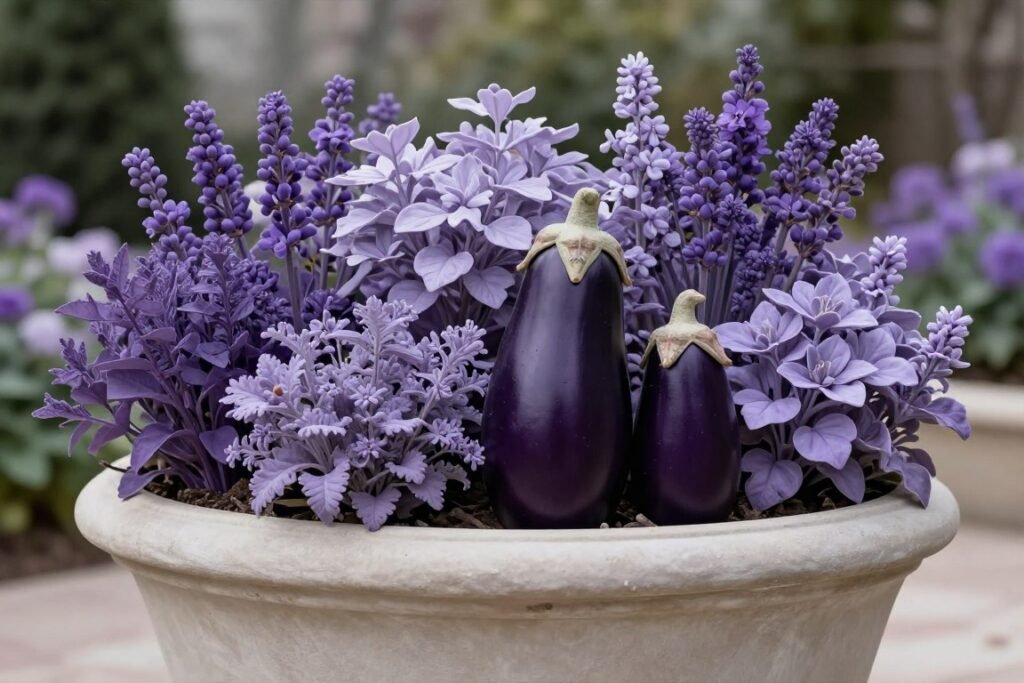
Create peaceful, sophisticated arrangements with colors that neighbor each other on the color wheel. Blue, purple, and pink combinations offer cool serenity, while yellow, orange, and red groupings bring warmth and energy. Monochromatic schemes using varying shades of a single color create elegant, cohesive displays with subtle depth.
White flowers and silver foliage plants act as neutrals that complement any color scheme and can brighten shady areas or create moonlight gardens that glow in evening light.
Contrasting Statements
For bold, eye-catching displays, combine complementary colors from opposite sides of the color wheel. Purple and yellow, blue and orange, or red and green create vibrant energy through their natural contrast. These combinations particularly shine in sunny locations where colors appear most vivid.
Consider seasonal color shifts—many plants change their foliage color throughout the growing season, offering evolving displays that keep your planters looking fresh.
Themed Container Gardens
Edible Beauty
Combine ornamental and edible plants for containers that are both beautiful and functional. Colorful lettuces, rainbow chard, and flowering herbs like lavender and sage offer visual appeal alongside practical harvests. Nasturtiums, pansies, and marigolds provide edible flowers that brighten both your planter and your plate.
For year-round interest, incorporate perennial herbs like thyme and rosemary as structural elements, then rotate seasonal vegetables and annual flowers throughout the growing season.
Start your edible container garden with these perfect planters for herbs and vegetables.
Create planters that celebrate each season’s unique character. Spring containers featuring bulbs, primroses, and pansies give way to summer’s abundant blooms. Fall arrangements showcase chrysanthemums, ornamental kale, and grasses, while winter planters with evergreens, berried branches, and cold-hardy pansies maintain interest during dormant months.
Consider planters with removable liners that allow you to swap entire arrangements quickly when transitioning between seasons.
Maintaining Healthy Flower Planters: Essential Care Tips
Beautiful container gardens require proper care to thrive. From watering techniques to seasonal maintenance, these practical tips will help your planters look their best year-round.
Watering Wisdom for Container Gardens
Finding the Right Balance
Container plants typically need more frequent watering than in-ground gardens since their limited soil volume dries out faster. Check moisture levels by inserting your finger an inch into the soil—if it feels dry, it’s time to water. Water thoroughly until you see drainage from the bottom holes, ensuring complete soil saturation.
Different materials affect watering needs—terracotta dries quickly, while plastic and glazed ceramic retain moisture longer. Adjust your schedule accordingly and always consider your specific plants’ requirements.
Smart Watering Solutions
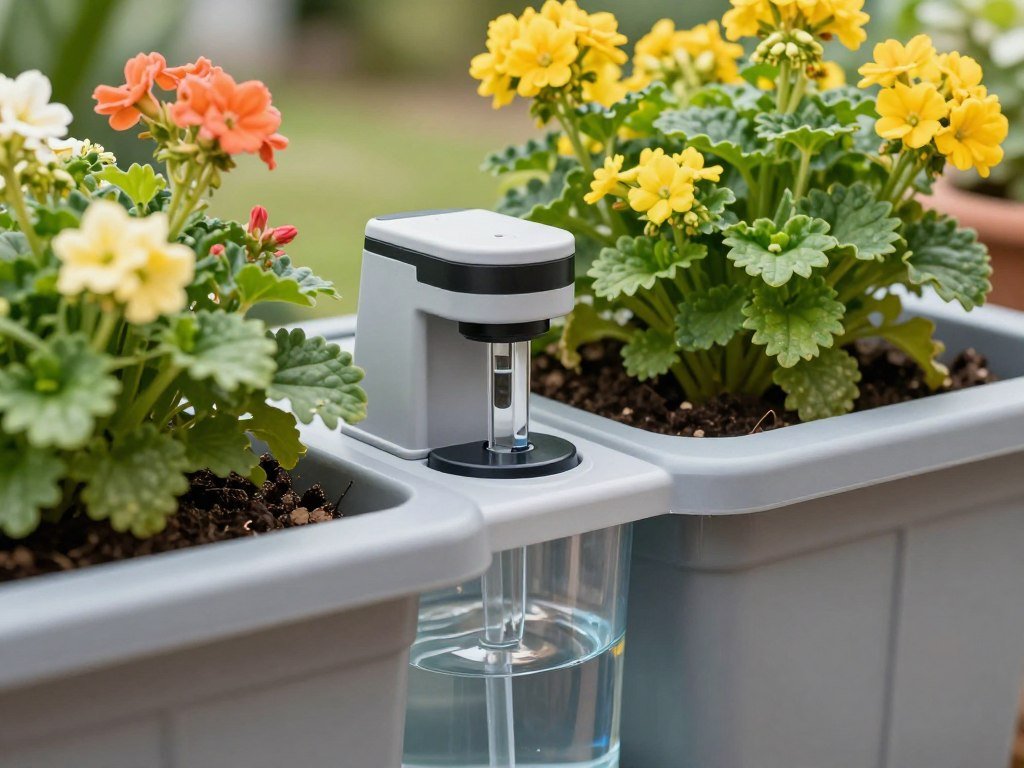
Self-watering planters feature built-in reservoirs that supply water as needed, making them ideal for busy gardeners or during hot weather. These systems promote healthy root development by providing consistent moisture without waterlogging.
For traditional planters, consider water-saving strategies like adding water-retaining crystals to soil mixes or installing drip irrigation systems with timers for effortless, efficient watering.
Make watering effortless with these innovative self-watering planter systems.
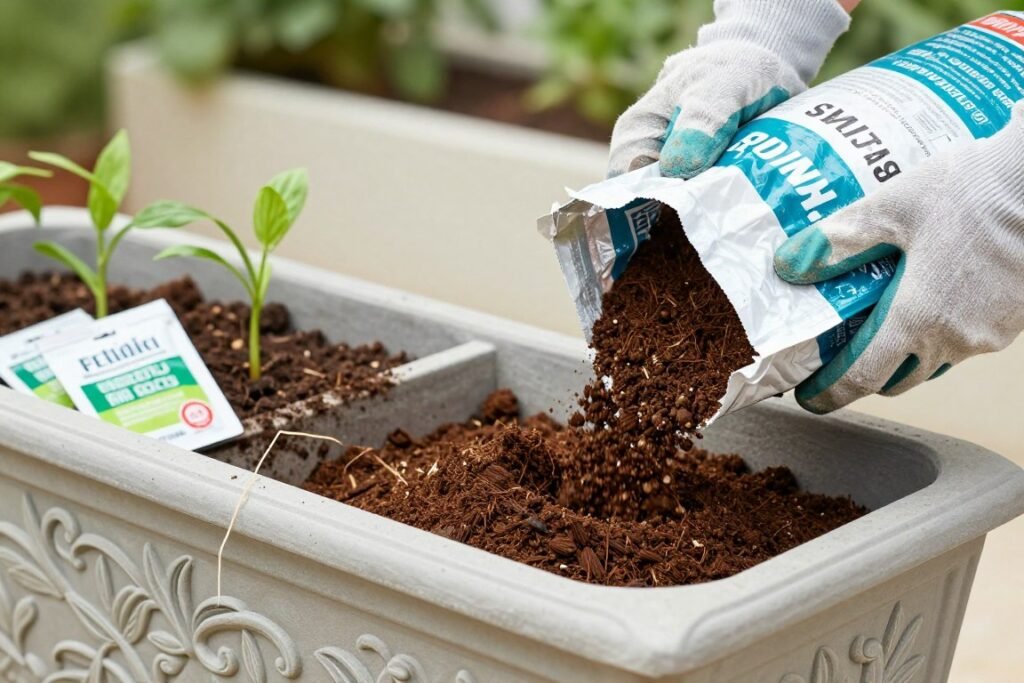
Use high-quality potting mix specifically formulated for containers, not garden soil which compacts easily and drains poorly in planters. Quality mixes contain peat moss or coco coir for water retention, perlite or vermiculite for drainage, and sometimes slow-release fertilizers for initial nutrition.
For specialized plants, choose appropriate mixes—acid-loving plants like blueberries need low-pH soil, while succulents require exceptionally well-draining mixes with added grit or sand.
Feeding Container Plants
Container plants need regular fertilizing since nutrients leach away with frequent watering. Apply balanced, water-soluble fertilizer every 2-4 weeks during the growing season, or use slow-release granules that provide nutrition for several months.
Adjust fertilizer formulations based on your plants’ needs—flowering plants benefit from higher phosphorus, while foliage plants thrive with nitrogen-rich formulas. Always follow package directions to avoid fertilizer burn.
Seasonal Maintenance and Troubleshooting
Year-Round Care Calendar
Spring is the time for refreshing planters with new soil, dividing overcrowded perennials, and planting summer-flowering annuals. Summer requires vigilant watering, deadheading spent blooms, and monitoring for pests.
Fall brings opportunities to plant spring bulbs and cold-hardy annuals like pansies. Winter maintenance includes protecting containers from freezing (which can crack them), moving vulnerable plants indoors, and cleaning empty planters for storage.
Common Container Problems
Address drainage issues immediately—plants sitting in water develop root rot quickly. Drill additional holes in problematic containers or elevate them on pot feet to improve airflow.
For pest management, inspect plants regularly and treat problems early. Many common container pests can be managed with insecticidal soap or neem oil. Rotate plantings annually to disrupt pest and disease cycles.
Creative DIY Flower Planters: Upcycling and Personalization
Express your creativity and reduce waste by transforming everyday items into unique planters that reflect your personal style. These DIY approaches add character to your garden while often saving money.
Upcycled Container Ideas
From Kitchen to Garden
Transform colanders and strainers into ready-made planters with built-in drainage—simply line with moss before adding soil. Old teapots, vintage canisters, and ceramic bowls make charming containers for small plants and succulents; just drill drainage holes carefully using a diamond-tipped bit.
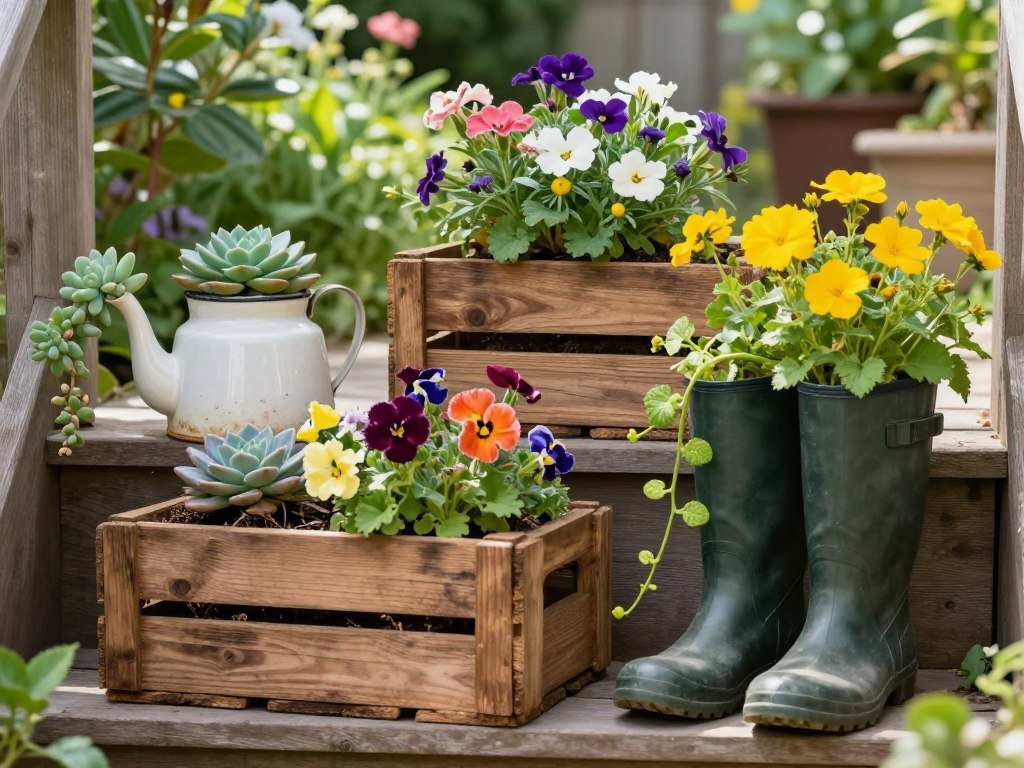
Repurpose wooden crates, wine boxes, or barrels as rustic planters that develop character as they weather. Line with landscape fabric to retain soil while allowing drainage.
Unexpected Containers
Old boots, shoes, and handbags create whimsical planters with personality. Children’s toys like wagons, trucks, and dollhouses offer nostalgic charm when repurposed for growing flowers. Even musical instruments like guitars, pianos, and drums can become conversation-starting planters with proper preparation.
Industrial items like wheelbarrows, toolboxes, and metal tubs provide durable, rustic containers with unique character. Add drainage holes and consider lining metal containers to prevent rust transfer to soil.
Personalizing Your Planters
Decorative Techniques
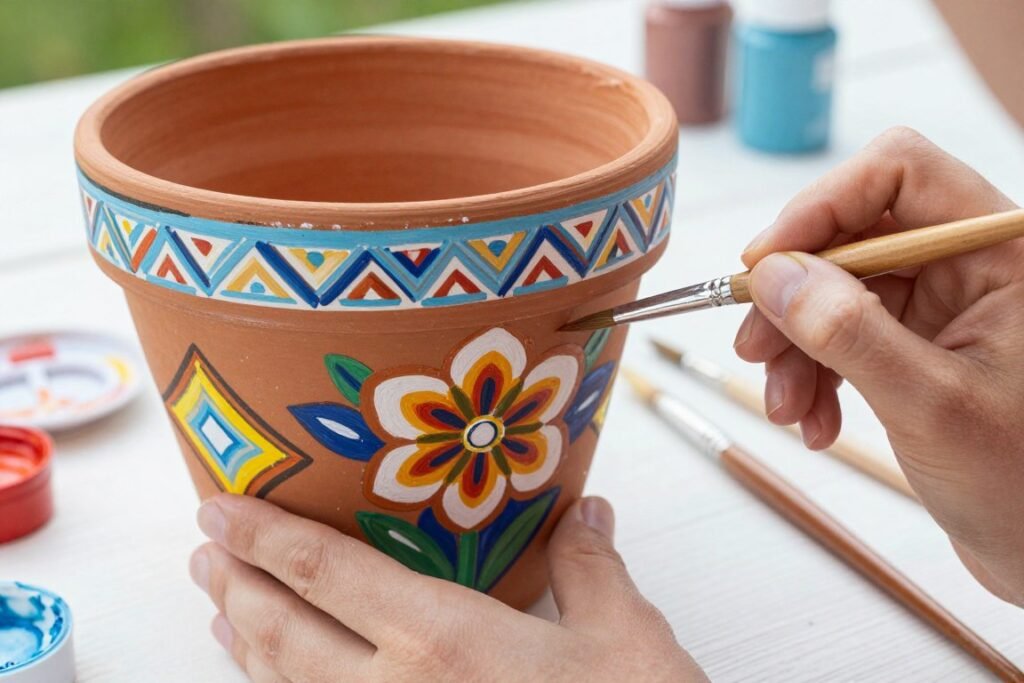
Transform plain containers with paint—use exterior-grade acrylics for outdoor durability. Stencils help create professional-looking patterns, while freehand designs express your artistic side. Consider ombré effects, color blocking, or distressed finishes for trendy looks.
Decoupage techniques using weather-resistant medium allow you to apply botanical prints, maps, or fabric patterns to planters. Seal thoroughly with multiple coats of outdoor-rated polyurethane for longevity.
Functional Customizations
Add casters to heavy planters for mobility—perfect for following the sun or rearranging your space. Create self-watering systems by inserting wicking reservoirs into conventional planters, using plastic bottles or specialized conversion kits.
Build tiered or vertical planters to maximize growing space in small areas. Ladder designs, wall-mounted pocket systems, and stacked arrangements all offer space-efficient solutions with visual impact.
Get started with DIY planter projects using these essential supplies.
Bringing Your Container Garden to Life: Next Steps
Creating beautiful flower planters is a rewarding journey that combines horticultural knowledge with artistic expression. Whether you’re a seasoned gardener or just beginning to explore container gardening, the right planters can transform any space into a personal oasis filled with color, texture, and life.
Begin your container gardening adventure by assessing your space and light conditions, then selecting planters that complement both your practical needs and aesthetic vision. Remember that container gardening offers unparalleled flexibility—you can start small, experiment freely, and adjust as you learn what works best in your unique environment.
Whether you choose ready-made planters or embark on creative DIY projects, the most important element is your personal touch. Your flower planters should reflect your style while providing the perfect home for plants that bring you joy. Happy planting!
Ready to transform your space with beautiful flower planters? Start your container garden today!
Wedding flower decorations have the magical ability to transform any venue into a romantic wonderland. From delicate centerpieces that spark conversation to breathtaking ceiling installations that leave guests in awe, the right floral elements can perfectly express your personal style while creating an unforgettable atmosphere. Whether you’re dreaming of a lush garden-inspired celebration or a…
Finding the perfect hairstyle as a wedding guest is just as important as selecting your outfit. Your chosen hairstyle not only complements your attire but also shows respect for the couple’s special day. Whether you’re attending a casual beach ceremony or a black-tie affair, the right wedding guest hairstyle can elevate your look and help…
Your wedding day ranks among life’s biggest moments. Standing beside you should be the guys who’ve been there through thick and thin. Asking your friends to be groomsmen deserves more than a casual text message. A thoughtful groomsmen proposal sets the tone for your entire wedding party experience.This Website contains affiliate links. That means I…
A beach proposal captures the essence of romance in its purest form. The natural beauty of sand meeting ocean creates a backdrop that photographs beautifully and feels intimately connected to nature. This moment represents the beginning of your forever, and the beach setting adds timeless elegance to your engagement story.This Website contains affiliate links. That…
Pastel bridesmaid dresses create a soft, romantic atmosphere that transforms your wedding day into a fairytale celebration. These gentle hues bring an ethereal quality to your bridal party while offering versatility across seasons and venues. Whether you’re planning a spring garden ceremony or a summer beach wedding, pastel bridesmaid dresses provide the perfect canvas for…
Asking your best friends to stand by your side on your wedding day should feel special. The moment you pop the question to your bridal party deserves thought and care. But here’s the wonderful truth: you don’t need to spend a fortune to create a memorable bridesmaid proposal.This Website contains affiliate links. That means I…