The Ultimate Guide to Finding Your Perfect Running Shoes
Finding the right running shoes isn’t just about style or brand—it’s about understanding your unique running profile, foot mechanics, and training needs. With the right pair, you’ll not only enhance your performance but also protect yourself from potential injuries. Whether you’re a seasoned marathoner or just starting your running journey, this comprehensive guide will help you navigate the complex world of running shoes and find your perfect match.
This Website contains affiliate links. That means I may earn a small commission if you purchase through my links, at no extra cost to you.
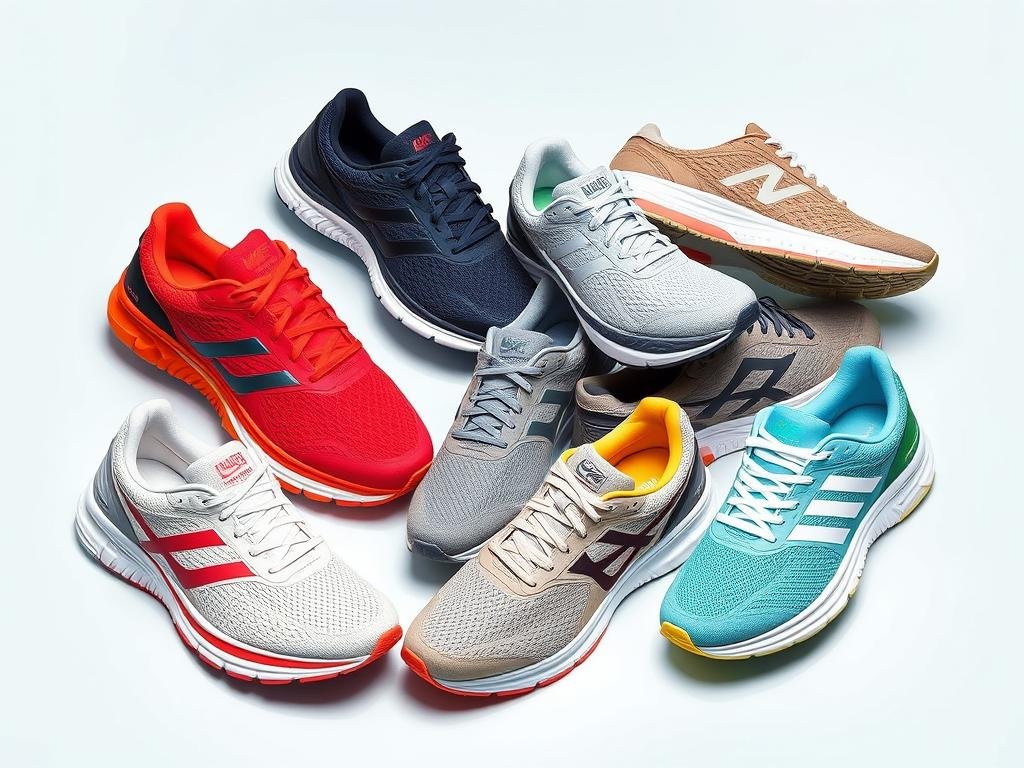
Different types of running shoes designed for various running styles and terrains
Related Posts:






Understanding Different Types of Running Shoes
Running shoes are not created equal. Each type is designed with specific features to address different running styles, foot mechanics, and terrain conditions. Understanding these differences is the first step toward making an informed choice.

Key differences between cushioned, stability, and trail running shoes
Cushioned Running Shoes

Designed with extra padding in the midsole, these shoes excel at absorbing impact and providing a plush, comfortable ride. Ideal for neutral runners and those who need extra shock absorption on hard surfaces.
Stability Running Shoes

Featuring medial support elements, these shoes help correct overpronation by providing extra structure on the inner side of the foot. They offer balanced cushioning with added support for more controlled movement.
Trail Running Shoes
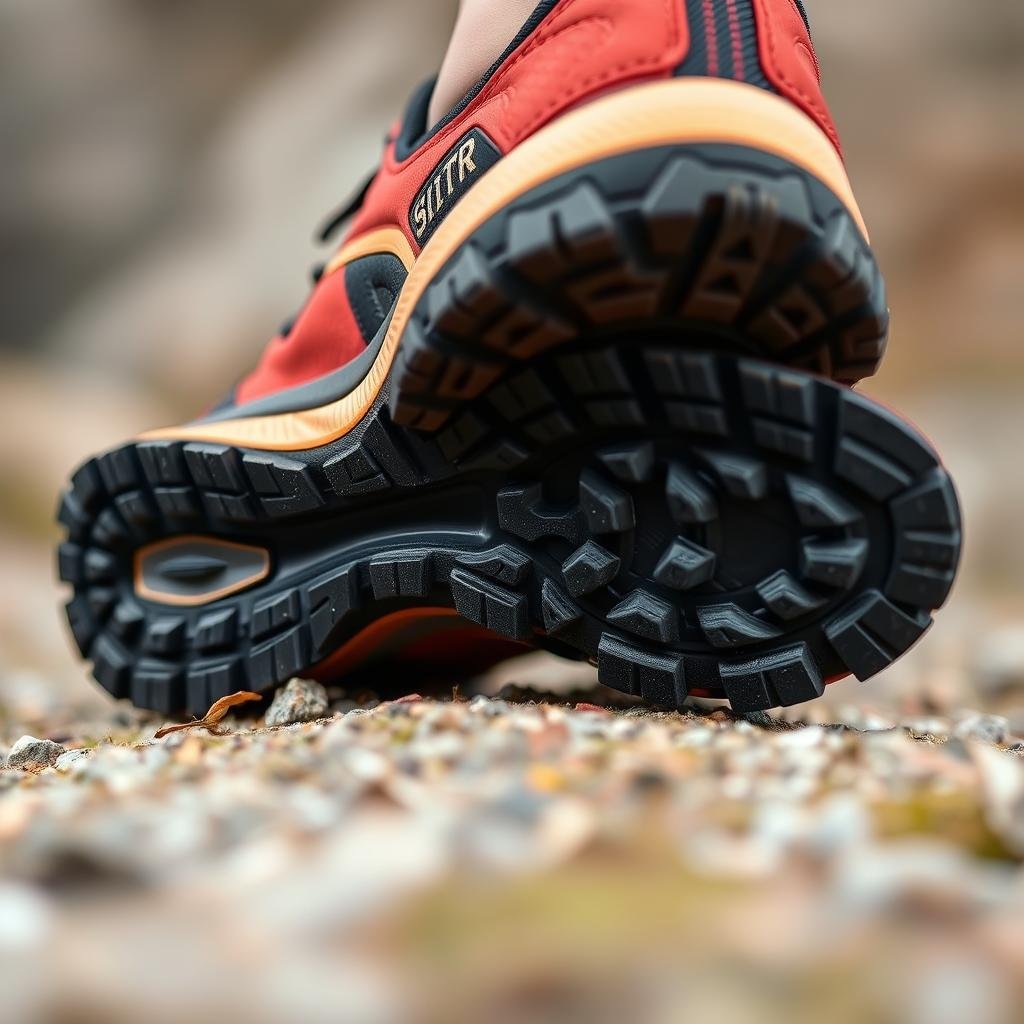
Built with durable materials and aggressive tread patterns, trail shoes provide superior grip on uneven terrain. They typically include rock plates for protection and reinforced uppers to withstand off-road conditions.
Minimalist Running Shoes

With minimal cushioning and low heel-to-toe drop, these shoes promote a more natural running form. They’re lightweight and flexible, encouraging midfoot or forefoot striking rather than heel striking.
Maximalist Running Shoes

Featuring extra-thick cushioning throughout the sole, these shoes provide maximum impact protection. Popular among ultra-runners and those seeking additional comfort for high-mileage training.
Racing Flats

Extremely lightweight with minimal cushioning, racing flats are designed for speed. They typically feature responsive materials and a streamlined design to maximize efficiency during races and speed workouts.
The Anatomy of a Running Shoe
Understanding the different components of a running shoe can help you make more informed decisions about what features matter most for your needs.

Key components of a modern running shoe
Upper
The top portion of the shoe that wraps around your foot. Modern uppers are typically made from engineered mesh that provides breathability while maintaining structure. The upper includes the toe box, which should provide enough room for your toes to splay naturally during your stride.
Midsole
The heart of the shoe’s cushioning system, the midsole is typically made from foam materials like EVA, PU, or proprietary blends. This layer provides impact absorption, energy return, and in some cases, stability features. The thickness and density of the midsole determine how soft or firm a shoe feels.
Outsole
The bottom layer that contacts the ground, usually made from carbon rubber or blown rubber. The outsole provides traction and durability. Different tread patterns are designed for specific surfaces—smooth for roads, aggressive lugs for trails.
Heel Counter
A firm cup at the back of the shoe that helps lock your heel in place and provides additional stability. Some shoes feature reinforced heel counters for extra support.
Heel-to-Toe Drop
The difference in height between the heel and forefoot of the shoe, measured in millimeters. Traditional running shoes typically have a drop of 8-12mm, while minimalist shoes may have 0-4mm drop. This measurement can influence your running form and which part of your foot strikes the ground first.
Stack Height
The total thickness of material between your foot and the ground. Higher stack heights generally provide more cushioning but may sacrifice ground feel and stability.
How to Choose the Right Running Shoes for Your Feet
Finding the perfect running shoes requires understanding your unique foot characteristics and running style. Here’s how to determine what will work best for you:

Professional gait analysis can help determine your ideal running shoe type
Understand Your Foot Type
Normal/Neutral Arch

Your footprint shows a distinct curve along the inside with a band connecting the heel and toe. Neutral arches typically pronate normally and can adapt to various surfaces.
Best Shoes: Neutral running shoes with moderate cushioning
Flat Feet/Low Arch

Your footprint shows little to no curve along the inside. Flat feet tend to overpronate, with the foot rolling excessively inward during your stride.
Best Shoes: Stability or motion control shoes with supportive features
High Arch

Your footprint shows a very pronounced curve with a narrow band or no connection between the heel and toe. High arches often lead to underpronation (supination).
Best Shoes: Cushioned shoes with flexible midsoles
Analyze Your Gait
Neutral Pronation

Your foot rolls inward slightly (about 15%) when it lands, effectively distributing impact forces. Wear patterns on your shoes show even wear across the outsole.
Best Shoes: Neutral running shoes
Overpronation

Your foot rolls inward excessively when it lands. Wear patterns on your shoes show more wear on the inner edge of the sole, particularly at the heel and forefoot.
Best Shoes: Stability or motion control shoes
Supination (Underpronation)

Your foot doesn’t roll inward enough when it lands, placing excess stress on the outer edge. Wear patterns show more wear on the outer edge of the sole.
Best Shoes: Cushioned shoes with flexible midsoles
Not Sure About Your Foot Type?
The wet test is a simple way to determine your arch type at home. Wet your foot, step on a piece of paper, and compare your footprint to the examples above. For a more comprehensive analysis, consider visiting a specialty running store for a professional gait analysis.
Choosing Running Shoes for Different Terrains
The surface you run on plays a crucial role in determining the ideal shoe for your needs. Different terrains demand specific features to ensure comfort, performance, and safety.
Road Running

Paved roads and sidewalks require shoes with good shock absorption to protect your joints from the repetitive impact of hard surfaces. Look for:
- Smooth outsoles with light tread patterns
- Balanced cushioning throughout the midsole
- Breathable uppers for temperature regulation
- Durable rubber in high-wear areas
Trail Running

Off-road trails with rocks, roots, and varying surfaces demand shoes with enhanced traction and protection. Look for:
- Aggressive lugs for grip on loose surfaces
- Rock plates to protect against sharp objects
- Reinforced uppers for durability
- Water-resistant materials for wet conditions
Track & Field

Synthetic tracks require specialized shoes that maximize speed and performance. Look for:
- Lightweight, minimal design
- Spike plates for enhanced traction
- Minimal cushioning for ground feel
- Snug fit for responsive control
Mixed Terrain
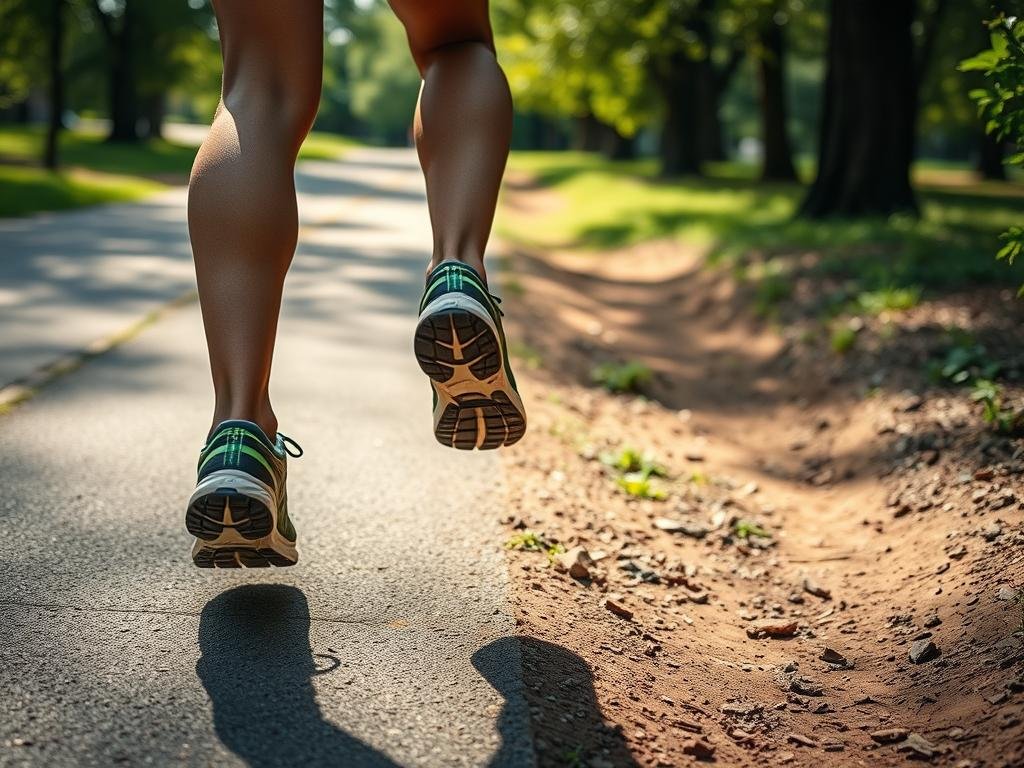
If your routes regularly include both roads and light trails, consider hybrid shoes that offer versatility across surfaces. Look for:
- Moderate lugs for multi-surface traction
- Balanced cushioning for comfort on hard surfaces
- Durable materials that can handle occasional off-road use
- Versatile design that performs well in various conditions
Indoor Tracks

Indoor surfaces require shoes with specific traction patterns designed for synthetic materials. Look for:
- Non-marking rubber outsoles
- Lightweight construction for speed
- Breathable materials for indoor conditions
- Flexible design for quick movements
Treadmill Running

Treadmill running places unique demands on shoes due to the consistent surface and controlled environment. Look for:
- Moderate cushioning for impact absorption
- Breathable materials for temperature management
- Lightweight design for extended workouts
- Flexible construction for natural movement
Performance Benefits of Proper Running Shoes
Investing in the right running shoes isn’t just about comfort—it’s about optimizing your performance and protecting your body from potential injuries. Here’s how proper footwear can enhance your running experience:

Proper running shoes can significantly improve your running efficiency and performance
Injury Prevention
The right running shoes act as your first line of defense against common running injuries. They provide targeted support and cushioning that helps absorb impact forces and reduce stress on your joints, muscles, and tendons.
Did You Know? Studies show that runners wearing inappropriate shoes are at a significantly higher risk of developing injuries like plantar fasciitis, shin splints, and stress fractures.
Enhanced Efficiency
Shoes designed for your specific gait pattern help optimize your running mechanics. When your feet are properly supported, your body expends less energy correcting imbalances, allowing you to run more efficiently and maintain proper form for longer periods.
Improved Comfort
Comfort isn’t just a luxury—it’s essential for performance. When your shoes fit properly and provide the right level of cushioning and support, you can focus on your run rather than discomfort or pain. This leads to more enjoyable training sessions and better overall consistency.
Better Traction and Stability
Running shoes with appropriate outsole designs provide optimal grip for your running surface, reducing the risk of slips and falls. Enhanced stability features help maintain proper alignment throughout your stride, particularly during longer runs when form tends to deteriorate.
Pro Tip: Even the best running shoes have a limited lifespan. Replace them every 300-500 miles to ensure they continue providing the support and cushioning your body needs.
Benefits of Specialized Running Shoes
- Reduced risk of common running injuries
- Improved running economy and efficiency
- Enhanced comfort during long runs
- Better traction on various surfaces
- Proper support for your unique foot structure
- Optimized performance for specific running conditions
Risks of Improper Footwear
- Increased injury risk, especially to knees and ankles
- Reduced running efficiency and wasted energy
- Discomfort and pain during and after runs
- Premature fatigue due to poor biomechanics
- Limited ability to adapt to different terrains
- Potential development of chronic foot problems
Ready to Upgrade Your Running Experience?
The right running shoes can make all the difference in your training and performance. Invest in quality footwear that addresses your specific needs and running style.
Maintaining Your Running Shoes for Optimal Performance
Proper care and maintenance can significantly extend the life of your running shoes and ensure they continue to provide the support and cushioning you need. Follow these guidelines to get the most out of your investment:

Regular maintenance helps preserve your running shoes’ performance and extend their lifespan
Cleaning Your Shoes
- Remove excess dirt: After trail runs, knock shoes together to remove mud and debris before it dries.
- Hand wash only: Use a soft brush or cloth with mild soap and lukewarm water to clean the upper and outsole.
- Avoid machine washing: Washing machines can damage the shoe’s structure and break down cushioning materials.
- Remove insoles: Clean removable insoles separately and allow them to dry completely before reinserting.
Proper Drying Techniques
- Air dry naturally: Allow shoes to dry at room temperature away from direct heat sources.
- Stuff with newspaper: To speed drying and maintain shape, stuff shoes with newspaper and replace as it becomes saturated.
- Avoid direct heat: Never put shoes in the dryer or near heaters, as high heat can warp materials and break down adhesives.
- Remove laces: Take out laces before drying to ensure all parts dry thoroughly.
Extending Shoe Life
- Rotate multiple pairs: Alternating between two or more pairs gives shoes time to decompress and dry out between runs.
- Use shoes only for running: Wearing your running shoes for daily activities accelerates wear and reduces their effective lifespan.
- Store properly: Keep shoes in a cool, dry place away from direct sunlight, which can degrade materials.
- Use a shoe deodorizer: Combat odors with cedar chips, baking soda, or specialized deodorizing products.
When to Replace Your Shoes
Even with proper care, running shoes have a limited lifespan. Look for these signs that it’s time for a new pair:
- Mileage threshold: Most running shoes should be replaced after 300-500 miles (480-800 km).
- Visible wear: Significant outsole wear, especially in key impact areas, indicates diminished support.
- Compressed cushioning: If the midsole feels flat or hard, the cushioning has likely broken down.
- New discomfort: Unexplained aches and pains may signal that your shoes are no longer providing adequate support.
- Uneven wear: If shoes are leaning to one side when placed on a flat surface, the structure has been compromised.
“Taking care of your running shoes is taking care of your body. A well-maintained shoe provides better support, lasts longer, and helps prevent injuries that could sideline your training.”
Important: Even if your shoes still look good visually, the internal cushioning and support structures break down over time. Don’t wait for visible signs of wear to replace high-mileage shoes, especially if you’re experiencing new discomfort during runs.
The Evolution of Running Shoe Design and Style
Running shoes have come a long way from their humble beginnings. Today’s models represent decades of technological innovation, biomechanical research, and evolving aesthetic trends. Understanding this evolution can provide valuable context for appreciating modern running shoe design.

The evolution of running shoe design from the 1970s to today’s advanced models
Historical Development
Early Innovations (1960s-1970s)
The modern running shoe emerged in the 1960s with innovations like the waffle outsole, which provided improved traction. Early models featured simple nylon uppers, basic EVA foam cushioning, and minimal support structures. These shoes prioritized function over fashion, with designs focused primarily on performance.
Technology Boom (1980s-1990s)

This era saw the introduction of revolutionary technologies like air cushioning, gel systems, and the first computer-designed midsoles. Stability features became more sophisticated, and shoes began to be categorized by pronation type. Aesthetically, bold colors and visible technology elements defined this period’s style.
Modern Era (2000s-Present)

Today’s running shoes incorporate advanced materials like engineered knit uppers, responsive foam compounds, and carbon fiber plates. Designs have become more streamlined and lightweight while maintaining support and cushioning. The focus has shifted toward optimizing the runner’s natural biomechanics rather than controlling motion.
Style Trends in Modern Running Shoes
Performance Meets Fashion
The line between performance running shoes and lifestyle sneakers has blurred significantly. Many runners now expect their shoes to look as good as they perform. Brands have responded with stylish colorways and design elements that transition seamlessly from training runs to casual wear.
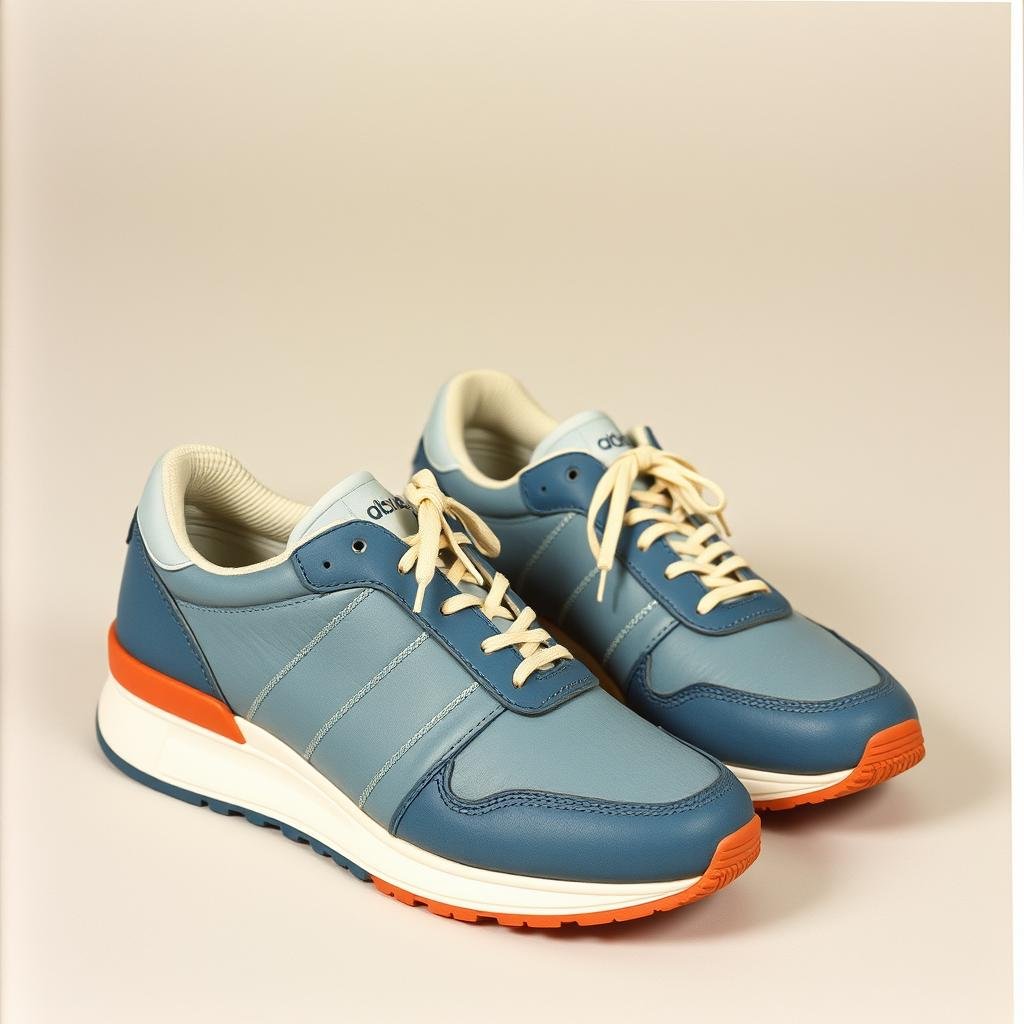
Minimalist Aesthetics
Influenced by the minimalist running movement, many modern shoes feature clean lines, monochromatic color schemes, and subtle branding. This understated approach appeals to runners who prefer sophisticated design over flashy aesthetics.
Bold Colorways and Patterns
At the other end of the spectrum, vibrant colors and eye-catching patterns have become increasingly popular. These distinctive designs help runners express their personality while also improving visibility during early morning or evening runs.

Sustainable Design
Eco-friendly materials and manufacturing processes are influencing both the function and appearance of modern running shoes. Recycled fabrics, water-based adhesives, and natural dyes are creating distinctive looks while reducing environmental impact.
Find Your Style and Performance Match
Today’s running shoes offer an unprecedented combination of performance technology and stylish design. Find a pair that not only meets your biomechanical needs but also reflects your personal aesthetic.
Frequently Asked Questions About Running Shoes
How often should I replace my running shoes?
Most running shoes should be replaced every 300-500 miles (480-800 km). However, this can vary based on factors like your weight, running style, and the surfaces you run on. Heavier runners or those who run on rough terrain may need to replace shoes more frequently. Watch for signs of wear such as compressed cushioning, visible midsole creasing, or outsole wear patterns.
Should running shoes feel tight or loose?
Running shoes should feel snug but not tight. You should have about a thumb’s width of space between your longest toe and the end of the shoe. The midfoot and heel should feel secure with no slipping, while the toe box should allow your toes to splay naturally. Many runners prefer to size up by half a size from their casual shoes to accommodate foot swelling during long runs.
Can I use trail running shoes on roads?
While you can use trail running shoes on roads, it’s not ideal for regular road running. Trail shoes have aggressive tread patterns that can wear down quickly on pavement and may feel uncomfortable due to their firmer cushioning. The extra weight and stiffness designed for trail protection may also reduce efficiency on smooth surfaces. For occasional mixed-terrain runs, trail shoes will work, but dedicated road shoes are better for primarily road running.
Are expensive running shoes worth the investment?
Higher-priced running shoes often feature advanced materials and technologies that can provide better performance, durability, and comfort. However, the most expensive shoe isn’t necessarily the best shoe for your specific needs. Focus on finding shoes that match your foot type, running style, and training goals rather than price point alone. Many mid-range shoes offer excellent quality and performance without the premium price tag.
How can I tell if I need stability shoes?
Signs that you might benefit from stability shoes include excessive wear on the inner edge of your current shoes, pain in your knees or ankles after running, or visible inward rolling of your ankles when you run. A professional gait analysis at a specialty running store can definitively determine if you overpronate and need stability features. You can also check your wet footprint—a complete imprint with little arch visible suggests overpronation that might benefit from stability shoes.
Should I have different shoes for different types of runs?
Ideally, yes. Different types of runs place different demands on your body and shoes. Having a rotation of shoes can be beneficial: cushioned shoes for long runs and recovery days, lighter shoes for speed work and races, and specialized shoes for trail running if you venture off-road. This approach not only optimizes performance for each type of run but also extends the lifespan of each pair by allowing the cushioning to recover between uses.
Finding Your Perfect Running Shoes: The Journey to Better Running
Selecting the right running shoes is a personal journey that combines understanding your unique biomechanics, training needs, and preferences. While it may seem overwhelming at first, the process of finding your perfect match becomes easier with knowledge and experience.

The right running shoes can transform your running experience and help you achieve your goals
Remember that your ideal running shoe may change over time as your body, running style, and goals evolve. Be open to reassessing your needs periodically and trying different models to find what works best for your current situation. The most important factors are comfort, proper fit, and how your body feels during and after your runs.
Whether you’re just starting your running journey or looking to optimize your performance after years on the road or trail, investing time in finding the right running shoes is one of the most important steps you can take. Your feet are your foundation—give them the support they deserve, and they’ll carry you toward your running goals.
Ready to Find Your Perfect Running Shoes?
With the knowledge you’ve gained from this guide, you’re well-equipped to make an informed decision about your next pair of running shoes. Explore options that match your specific needs and take your running to the next level.