Planters for Front Porch: Creating a Welcoming Entrance with Style
Your front porch is the first impression visitors have of your home. Well-chosen planters filled with vibrant flowers and lush greenery can transform an ordinary entrance into a captivating welcome. The right planters for your front porch not only enhance curb appeal but also reflect your personal style and create a seamless transition between your outdoor and indoor spaces. Whether you have a spacious wraparound porch or a small stoop, the perfect planter arrangement can make a dramatic difference in how your home presents itself to the world.
This Website contains affiliate links. That means I may earn a small commission if you purchase through my links, at no extra cost to you.
Choosing the Perfect Planters for Your Front Porch
Selecting the right planters involves considering both aesthetics and practicality. The material, size, and style of your planters should complement your home’s architecture while meeting the needs of your chosen plants.
Planter Materials: Pros and Cons
Terra Cotta
Classic and timeless, terra cotta planters offer excellent breathability for plant roots and develop a beautiful patina over time. They’re perfect for achieving that Mediterranean or cottage garden look. However, they can be prone to cracking in freezing temperatures and may require more frequent watering as they’re porous. For a wide selection of terra cotta planters, you can explore various sizes and designs online.
Related Posts:




Ceramic
Glazed ceramic planters come in countless colors and patterns, making them perfect for adding a pop of color to your porch. They’re less porous than terra cotta, helping soil retain moisture longer. The downside is they can be heavy and may crack in freezing weather if not properly drained. You can find beautiful glazed ceramic planters in various colors to match your home’s exterior.
Fiberglass and Resin
Lightweight and durable, these planters resist cracking and fading. They can mimic the look of more expensive materials like stone or ceramic at a fraction of the weight and cost. These are excellent choices for upper-story porches where weight is a concern. Browse a variety of fiberglass and resin planters that offer durability with style.
Metal
Galvanized metal, copper, and iron planters add industrial charm or rustic appeal. Metal conducts heat, so be mindful of potential root overheating in hot climates. Many develop an attractive patina over time. Metal planters with drainage holes work well for plants that prefer drier conditions. Check out these versatile metal planters for a contemporary or farmhouse look.
Wood
Wooden planters blend beautifully with natural surroundings and can be customized to fit specific spaces. Cedar and redwood naturally resist rot, while other woods may need treatment or lining. They provide good insulation for plant roots but have a shorter lifespan than other materials. Explore rustic and elegant wooden planters to complement your porch style.
Concrete and Stone
Extremely durable and weather-resistant, these heavyweight options provide stability in windy areas. They keep soil temperatures more consistent but are difficult to move once placed. Consider these for permanent installations where you want a substantial presence. Find sturdy concrete and stone planters for a timeless look.
Sizing, Scale, and Arrangement for Front Porch Planters
Creating visual impact with your front porch planters depends largely on proper sizing and thoughtful arrangement. The right proportions can dramatically enhance your entryway’s appeal.
Finding the Right Size
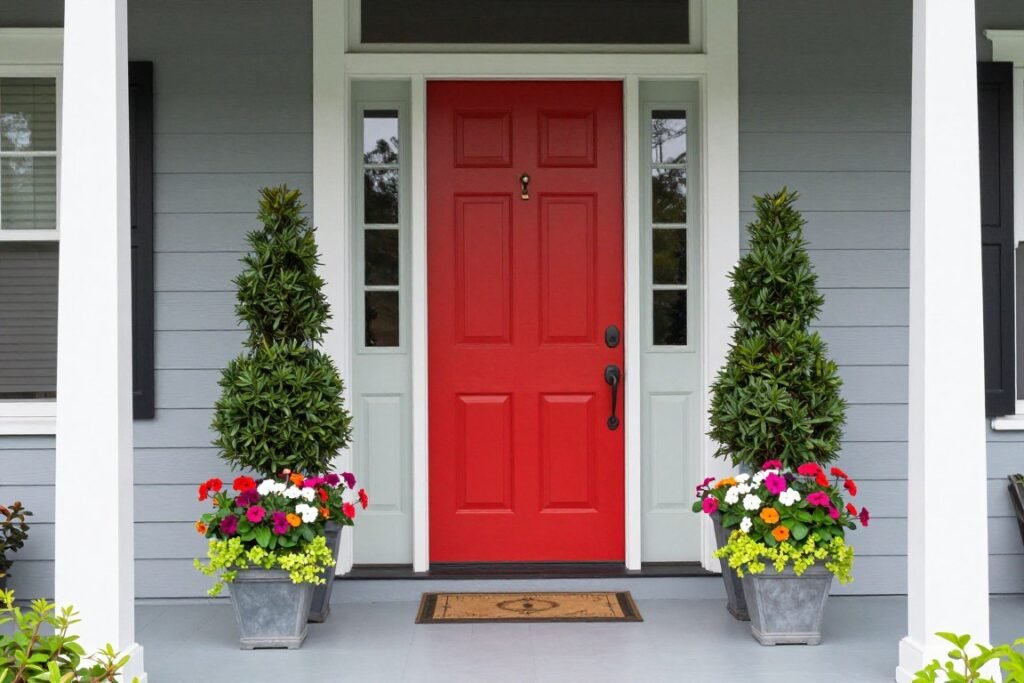
As a general rule, your planters should be proportional to your porch and entryway. For a standard front door, planters should ideally be about one-third the height of your door for visual balance. For small porches, opt for fewer, more impactful planters rather than many small ones that can create visual clutter.
A good rule of thumb: Your planter should be approximately one-third the height of the mature plants it will contain. This provides proper visual balance and ensures adequate root space.
Creating Dimension with Varied Heights
One of the most effective ways to create visual interest is by varying the heights of your planters and plant materials. Consider these arrangement strategies:
For an elegant look, consider using decorative plant stands to create varying heights with your existing planters.
The “Thriller, Filler, Spiller” Concept
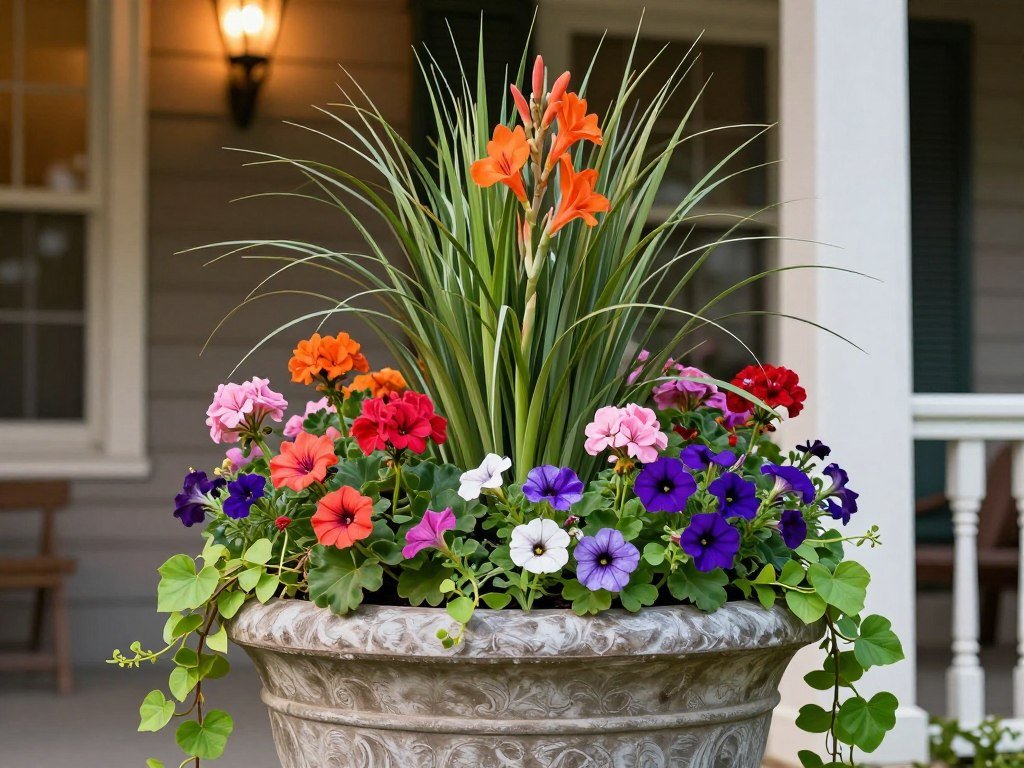
This classic container gardening formula creates visually balanced and dynamic planters:
Thriller
The focal point plant with height or dramatic form. Examples include ornamental grasses, cannas, or dramatic foliage plants like caladiums.
Filler
Mid-height, mounding plants that add fullness. Good fillers include coleus, geraniums, petunias, and begonias.
Spiller
Trailing plants that cascade over the edges, softening the container. Sweet potato vine, creeping Jenny, and trailing petunias work beautifully.
Selecting Plants for Front Porch Planters
Choosing the right plants for your front porch planters depends on several factors including light conditions, climate, and the amount of maintenance you’re willing to provide.
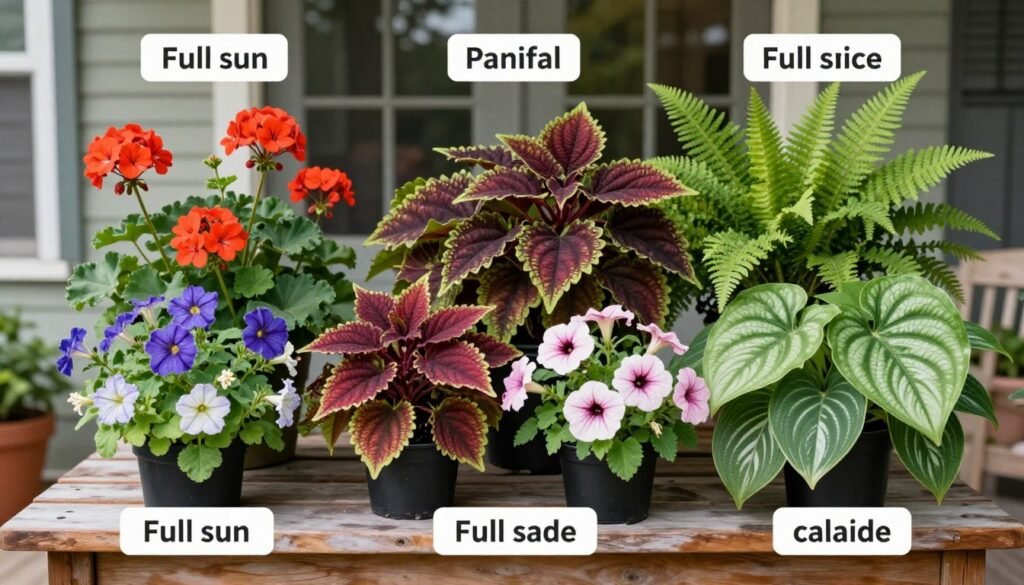
Understanding Your Porch’s Light Conditions
| Light Condition | Description | Recommended Plants |
| Full Sun | 6+ hours of direct sunlight | Geraniums, petunias, lantana, marigolds, zinnias, succulents |
| Partial Sun/Shade | 3-6 hours of direct sunlight | Coleus, begonias, impatiens, caladiums, heuchera |
| Full Shade | Less than 3 hours of direct sunlight | Ferns, hostas, astilbe, coral bells, ivy, pachysandra |
Low-Maintenance Options for Busy Homeowners
If you’re looking for plants that require minimal care but still make a statement, consider these low-maintenance options for your front porch planters:
Drought-Tolerant Plants
Long-Blooming Perennials
For easy-care options that thrive in containers, explore these drought-tolerant container plants that can withstand occasional neglect.
Seasonal Considerations
One of the joys of front porch planters is the ability to refresh them seasonally. Consider these options throughout the year:
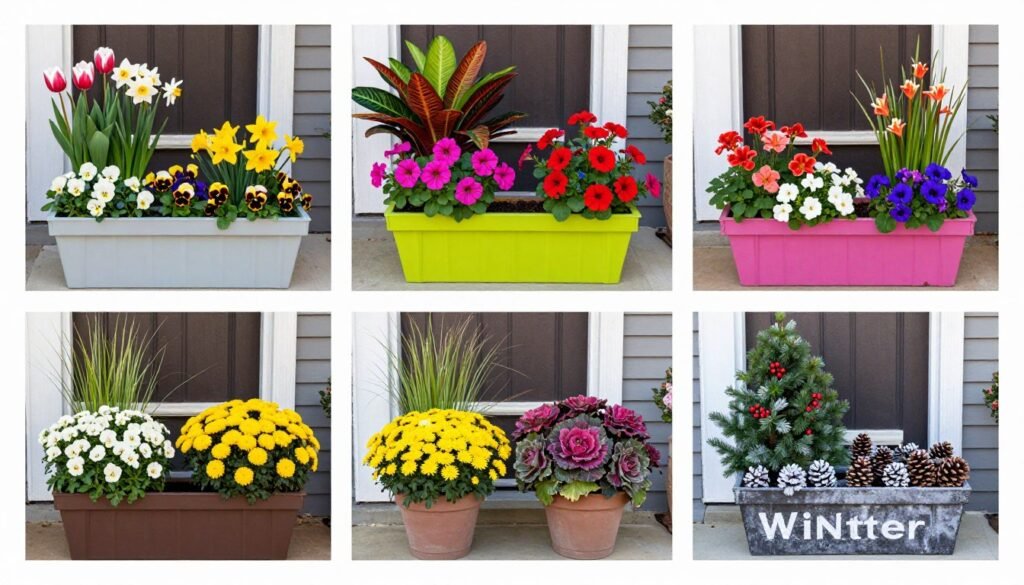
Spring
Tulips, daffodils, hyacinths, pansies, violas, and primroses bring welcome color after winter.
Summer
Heat-tolerant annuals like petunias, geraniums, verbena, and tropical foliage plants thrive in summer warmth.
Fall
Chrysanthemums, ornamental cabbage and kale, ornamental grasses, and pansies extend color into autumn.
Winter
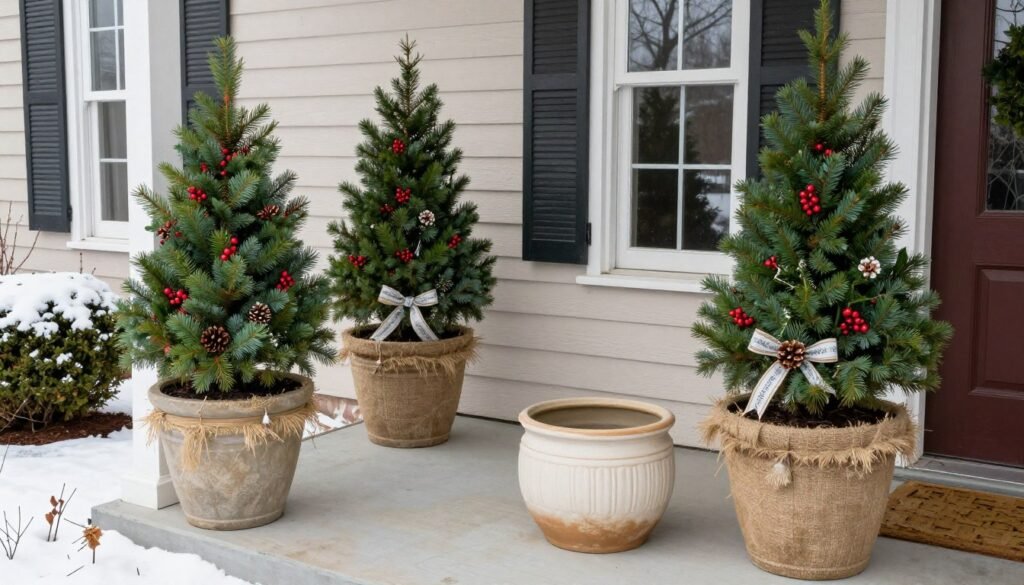
Evergreen boughs, berries, dogwood branches, and cold-hardy plants like hellebores add winter interest.
For year-round structure, consider investing in quality evergreen shrubs for containers that provide a consistent foundation while seasonal accents change.
Styling and Placement of Front Porch Planters
Strategic placement and thoughtful styling of your planters can dramatically enhance your home’s entrance and create a cohesive, welcoming look.
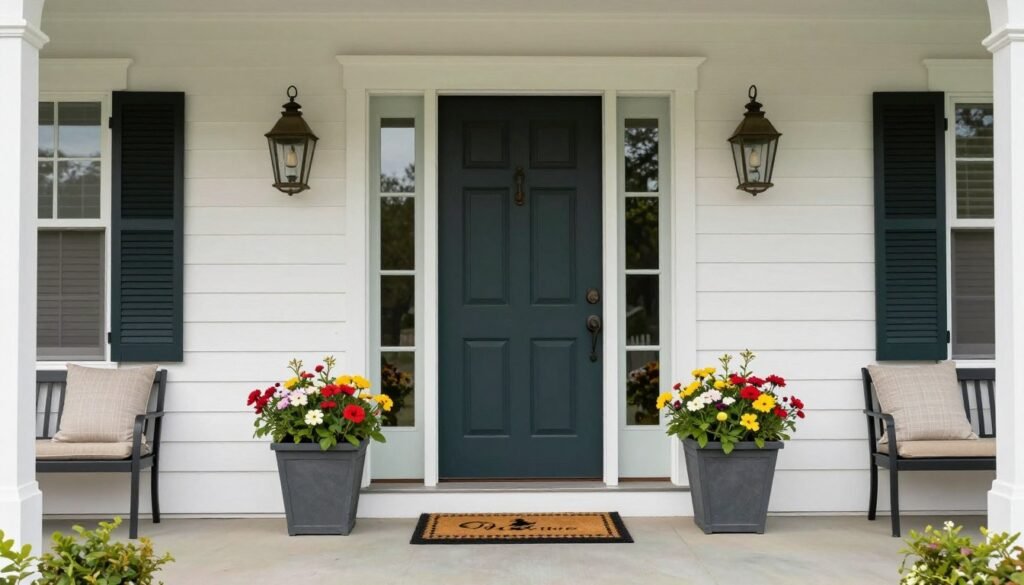
Creating Balance and Symmetry
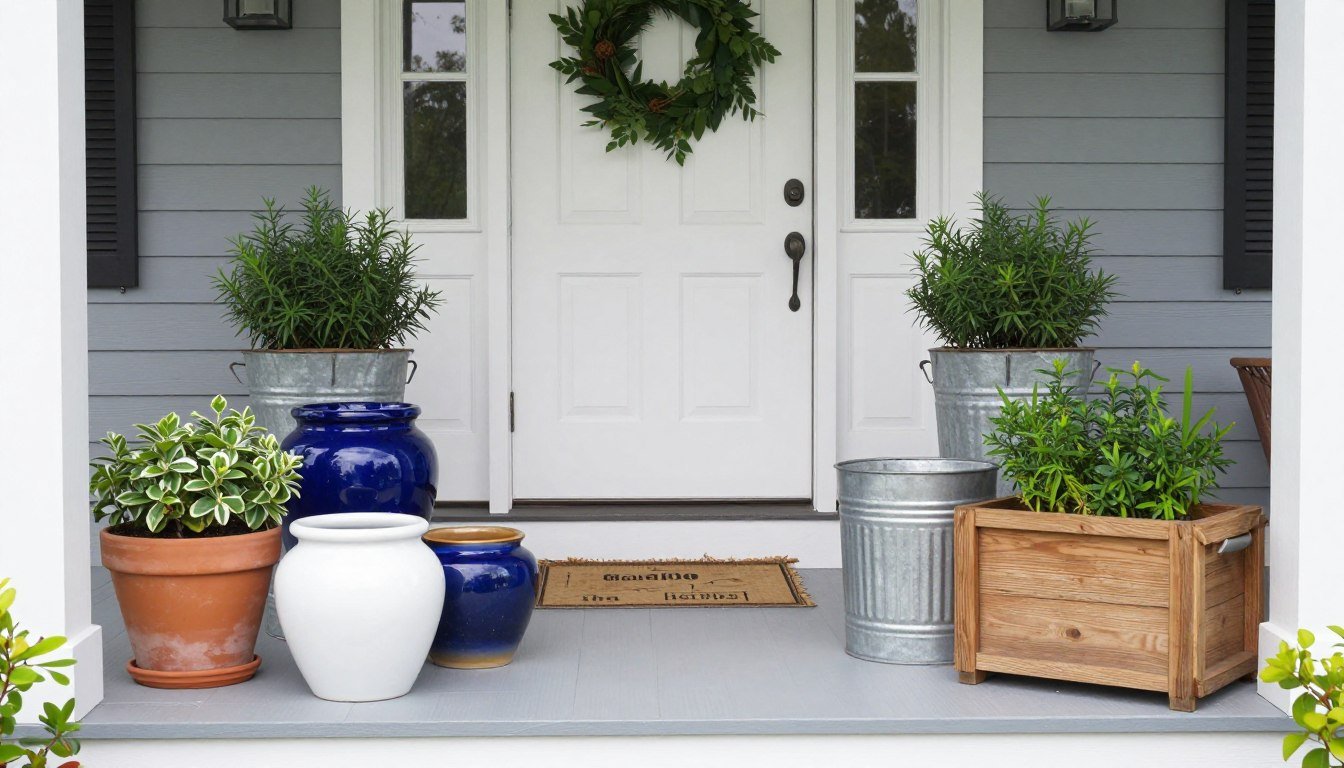
Symmetrical arrangements create a formal, polished look that works well with traditional architecture. Place matching planters on either side of your front door or at the top of porch steps for an instantly pulled-together appearance. For a more relaxed, cottage-style approach, asymmetrical groupings with varied heights and plant types create visual interest while maintaining balance.
Coordinating with Your Home’s Exterior
Your planters should complement your home’s architectural style and color scheme. Consider these pairing suggestions:
Traditional Home
Classic urns or simple rectangular planters in neutral tones with symmetrical arrangements.
Modern Home
Clean-lined, geometric planters in bold colors or metallic finishes with architectural plants.
Farmhouse Style
Galvanized metal containers, wooden crates, or whitewashed pots with casual, abundant plantings.
To find planters that perfectly match your home’s style, browse these decorative outdoor planters in various designs and finishes.
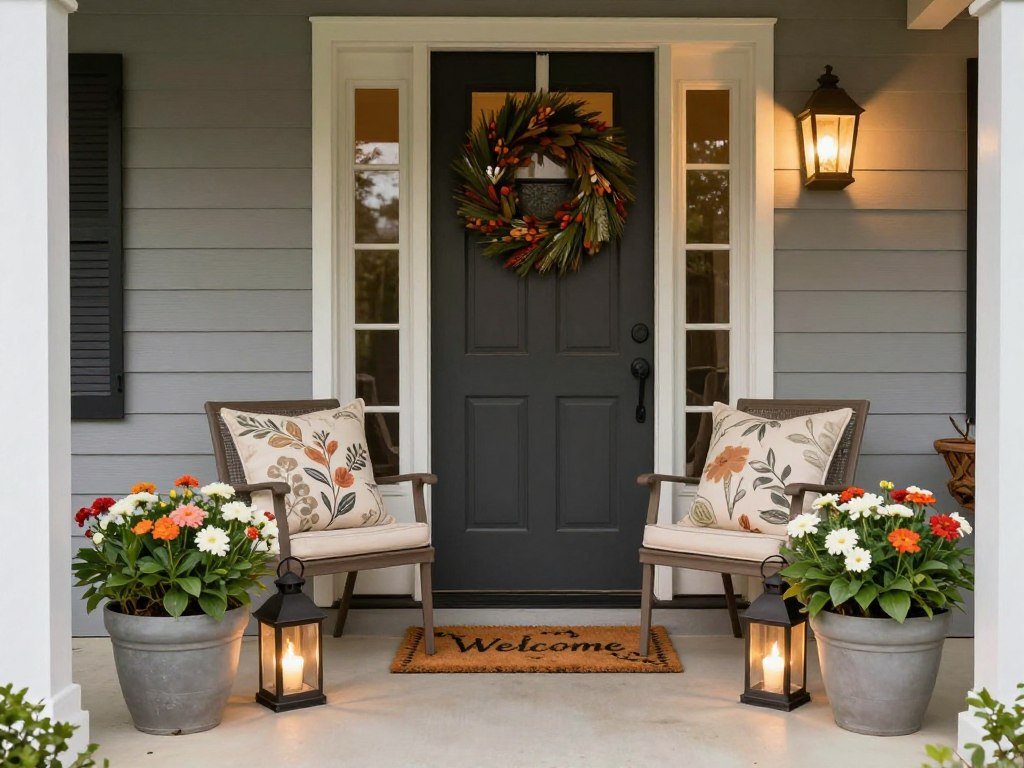
Integrating with Other Porch Elements
Your planters should work in harmony with other elements on your porch to create a cohesive outdoor living space:
Creative Planter Arrangements
Think beyond basic placement with these creative ideas:
Vertical Gardens
Maximize limited space by stacking planters or using wall-mounted options. Tiered plant stands or ladder displays create visual interest while accommodating multiple plants in a small footprint. For space-saving options, explore these vertical garden planters that make a big impact in minimal space.
Grouped Collections
Create vignettes of three or five containers in varying heights and widths but with a unifying element (color, material, or plant type). This approach works particularly well on larger porches where a single planter might get lost. Odd numbers typically create more visually pleasing arrangements than even numbers.
Caring for Your Front Porch Planters
Proper maintenance ensures your front porch planters remain beautiful throughout the growing season and beyond.
Watering Wisdom
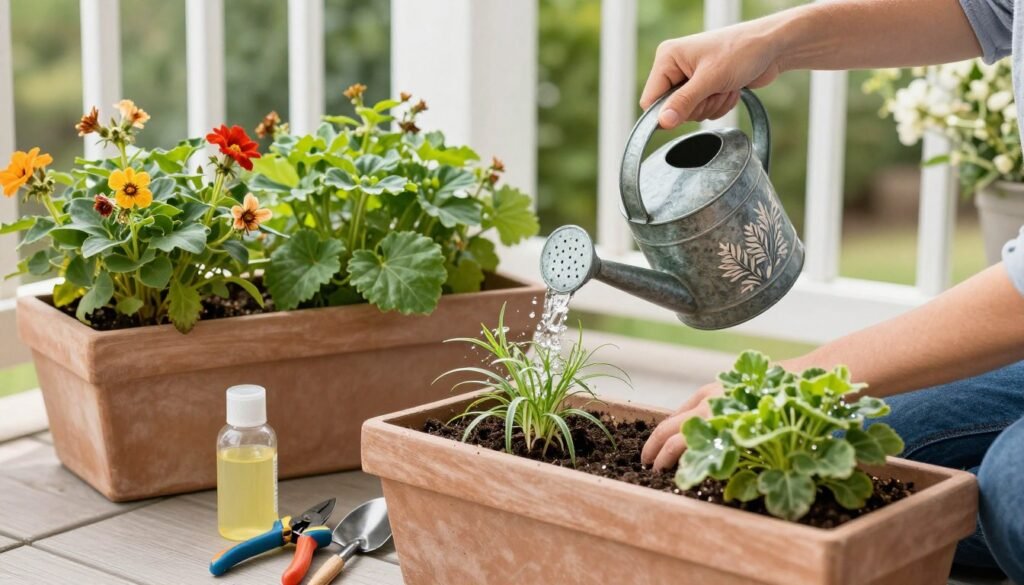
Container plants typically need more frequent watering than those planted in the ground. During hot summer months, you may need to water daily, especially for hanging baskets and small containers. Consider these watering tips:
To simplify your watering routine, explore these self-watering planters that help maintain consistent moisture levels.
Fertilizing for Continuous Blooms
Container plants deplete nutrients quickly and benefit from regular feeding:
Quick Tips
Signs of Nutrient Issues
Seasonal Maintenance
Keep your planters looking their best year-round with these seasonal care tips:
Spring
Summer
Fall/Winter
Creating Your Perfect Front Porch Planter Display
Your front porch planters are more than just containers for plants—they’re an expression of your personal style and a warm welcome to everyone who visits your home. By selecting the right planters, arranging them thoughtfully, and filling them with plants that thrive in your specific conditions, you can create an entrance that enhances your home’s curb appeal and brings you joy every time you come home.
Remember that creating your ideal front porch display is an evolving process. Don’t be afraid to experiment with different combinations of planters, plants, and arrangements until you find what works best for your space and lifestyle. The beauty of container gardening is its flexibility—you can easily refresh your look seasonally or whenever inspiration strikes.
Ready to Transform Your Front Porch?
Start with quality planters that complement your home’s style, then add plants that thrive in your specific conditions. The perfect combination is waiting to welcome you home.
If you found these ideas inspiring, be sure to Pin your favorite porch planter ideas for later! Your perfect front porch transformation is just a planter away.