Kitchen Lighting Fixtures: The Complete Guide to Illuminating Your Culinary Space
The right kitchen lighting fixtures can transform your cooking space from merely functional to truly extraordinary. As the heart of your home, your kitchen deserves thoughtful illumination that enhances both its beauty and utility. Whether you’re preparing meals, entertaining guests, or simply enjoying your morning coffee, proper lighting makes all the difference in how you experience this essential space.
This Website contains affiliate links. That means I may earn a small commission if you purchase through my links, at no extra cost to you.
In this comprehensive guide, we’ll explore the various types of kitchen lighting fixtures, current trends, practical installation advice, and tips for selecting the perfect options based on your kitchen’s layout and style. Let’s brighten up your culinary world with lighting solutions that combine form and function.
Essential Types of Kitchen Lighting Fixtures
Creating a well-lit kitchen requires a thoughtful combination of different lighting types. Each serves a specific purpose and contributes to both the functionality and ambiance of your space. Let’s explore the primary categories of kitchen lighting fixtures you should consider.
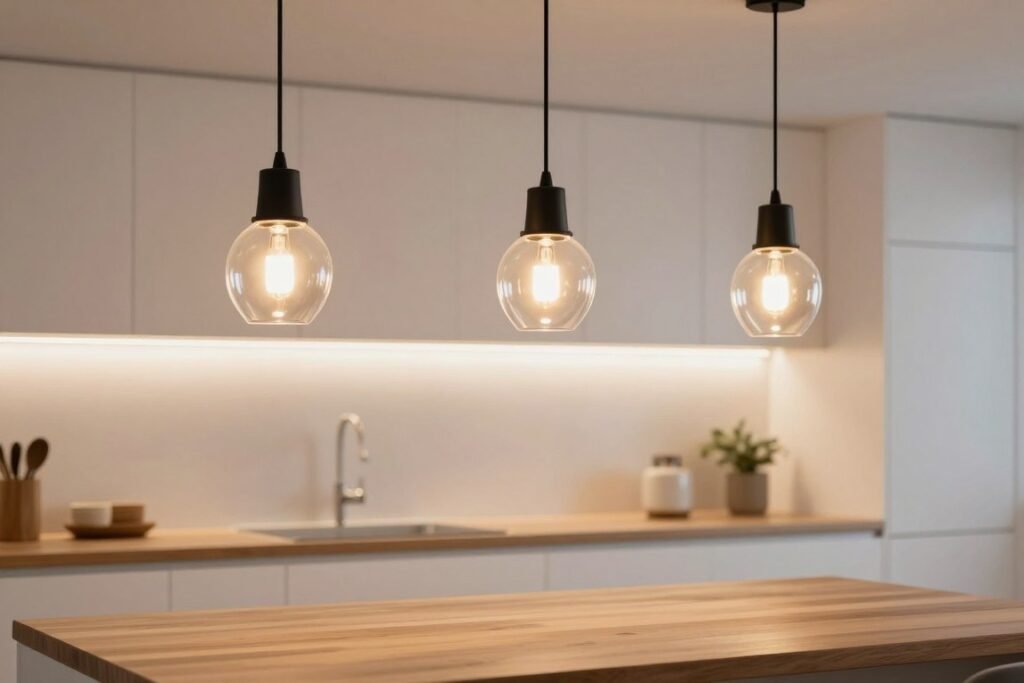
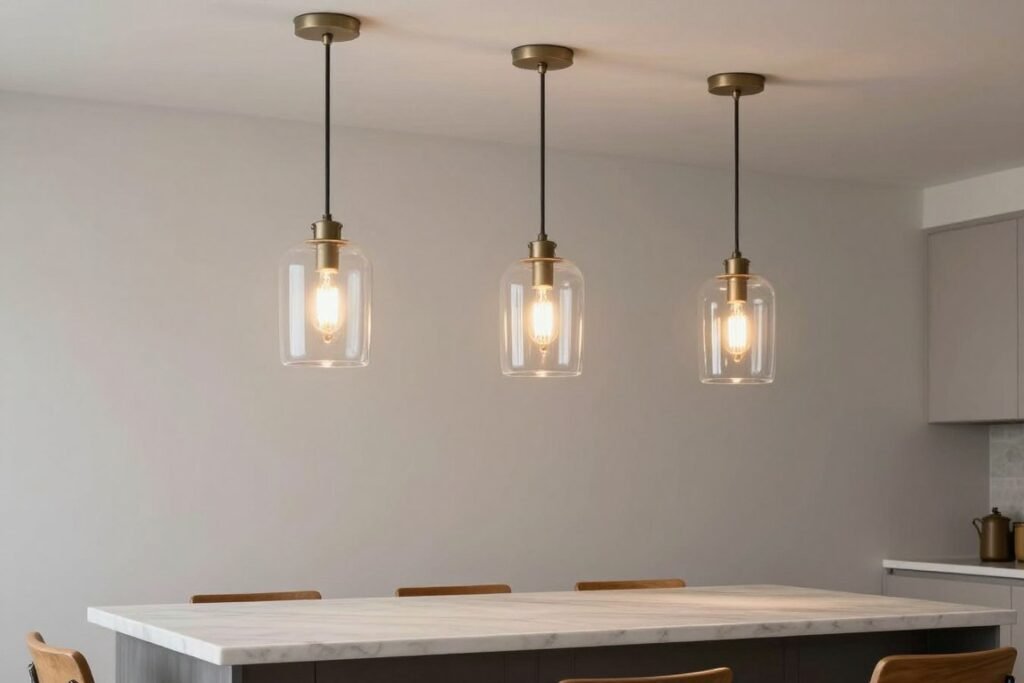
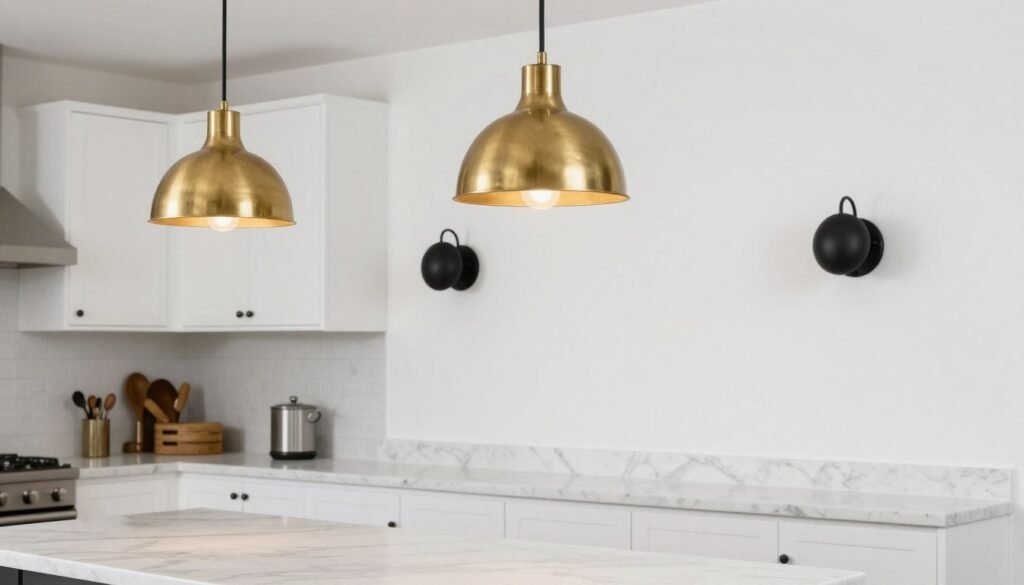
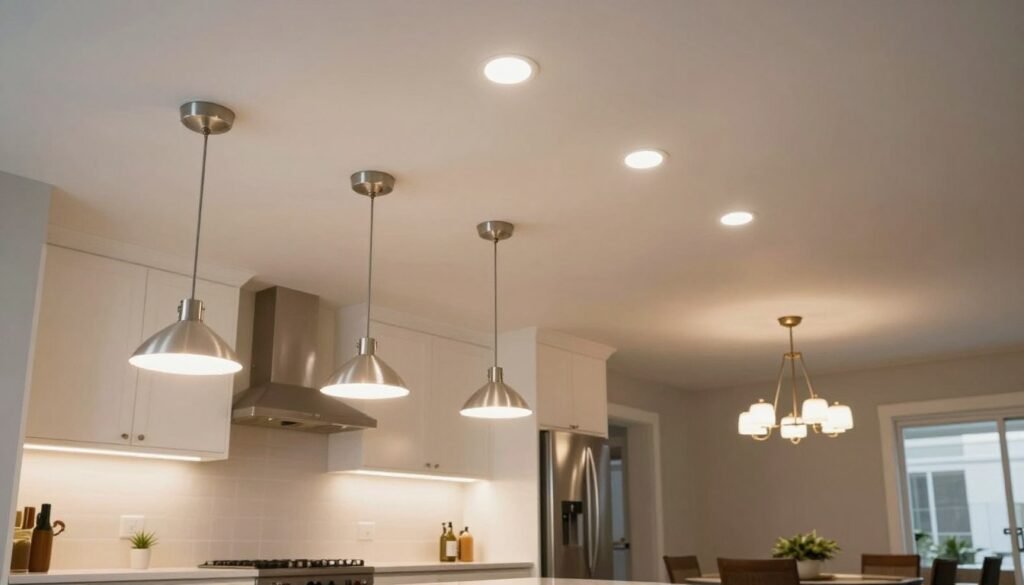
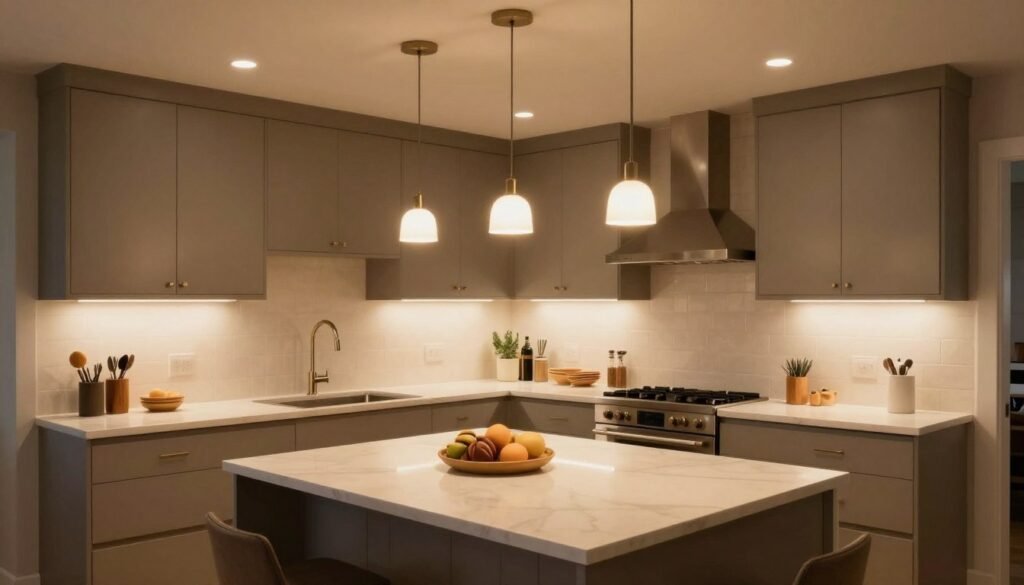
Pendant lights hang from the ceiling and provide focused illumination for specific areas. They’re perfect for kitchen islands, dining areas, and breakfast nooks. Available in countless styles, pendant lights often serve as decorative focal points while delivering essential task lighting.
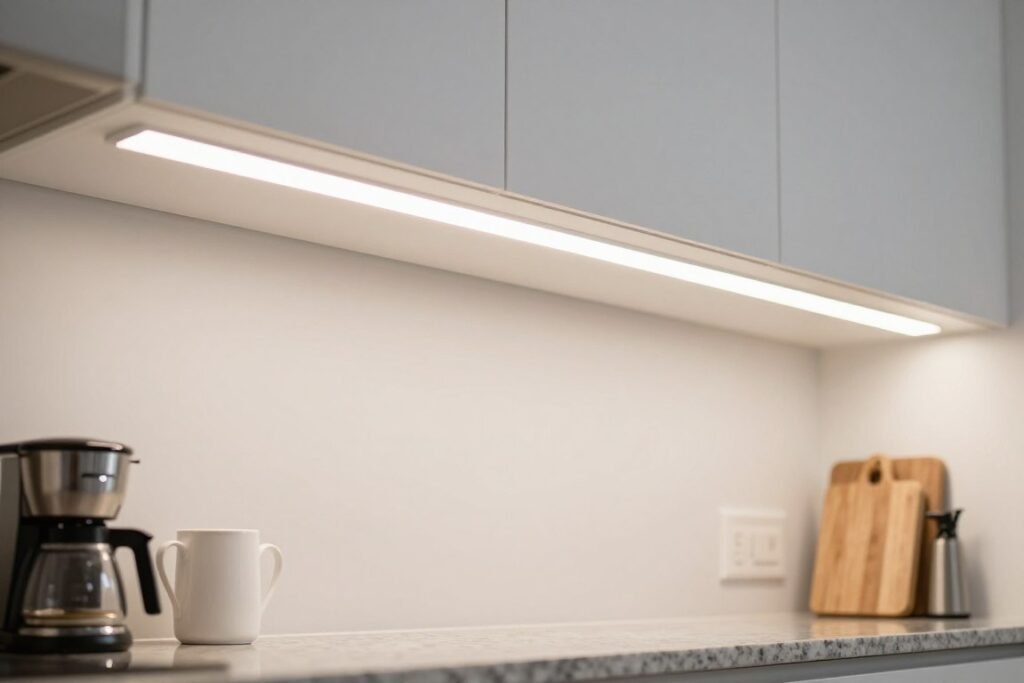
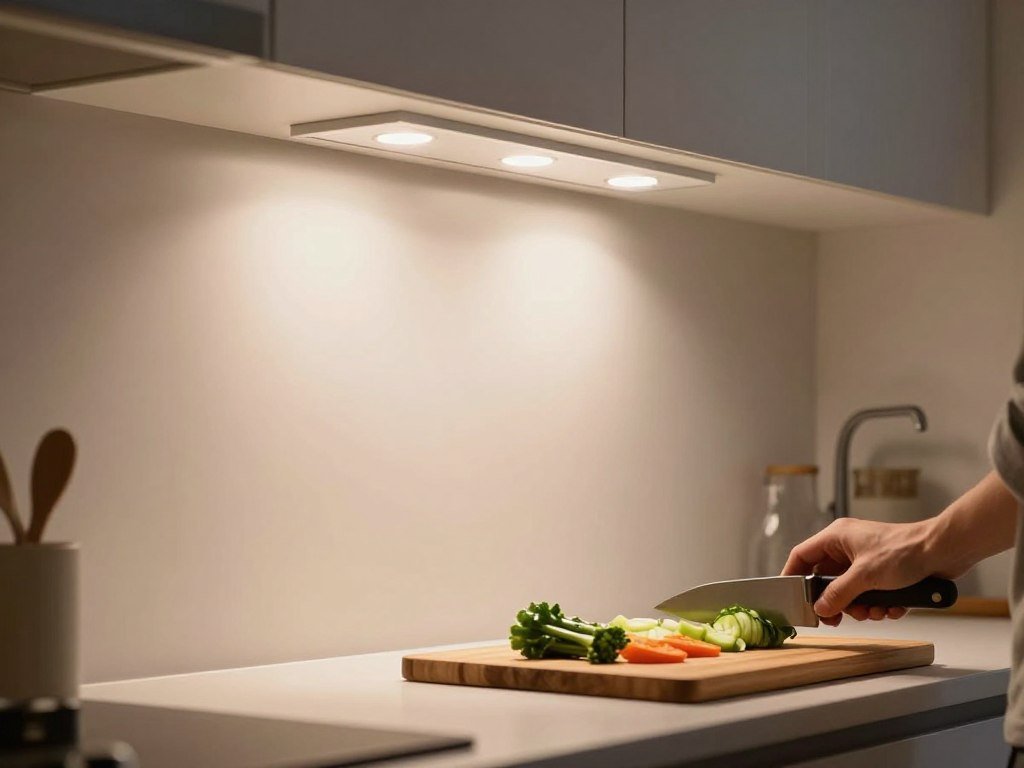
Under-cabinet lighting eliminates shadows on countertops, making food preparation safer and more efficient. These fixtures can be LED strips, puck lights, or linear fixtures that mount discreetly beneath your cabinets, providing essential task lighting without visual clutter.
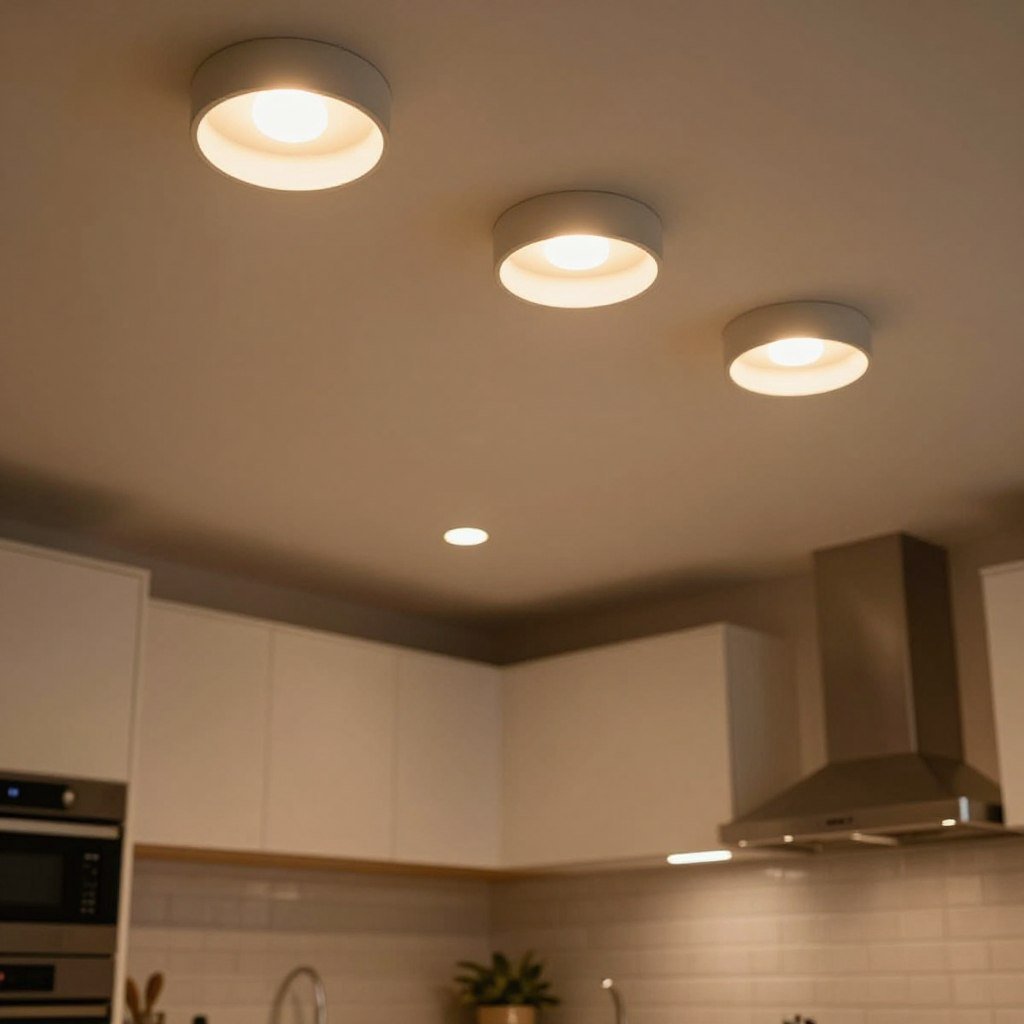
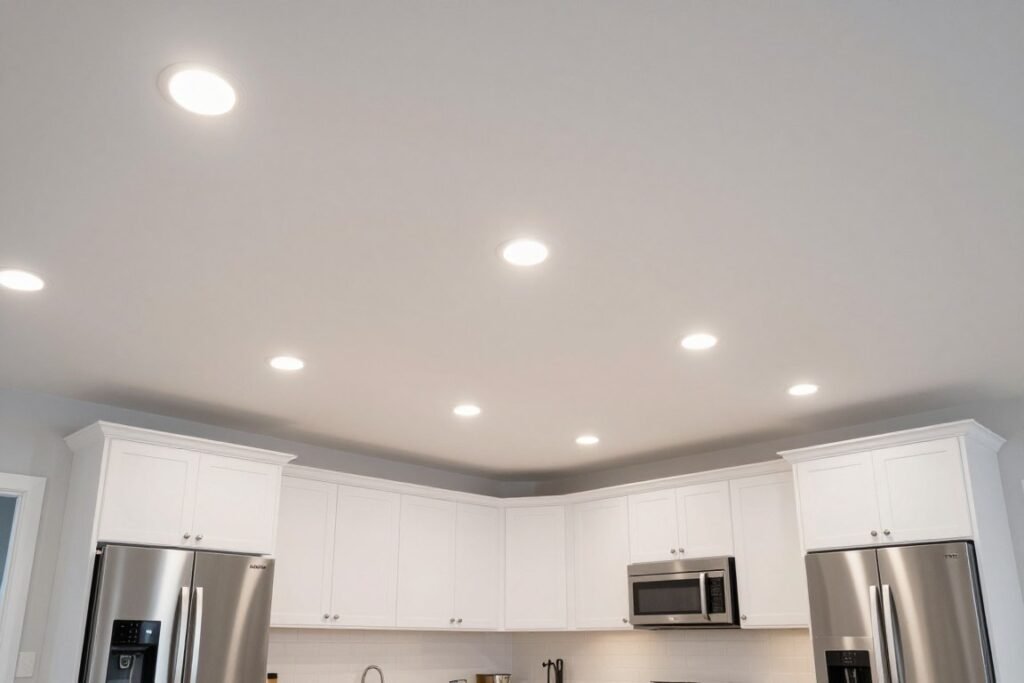
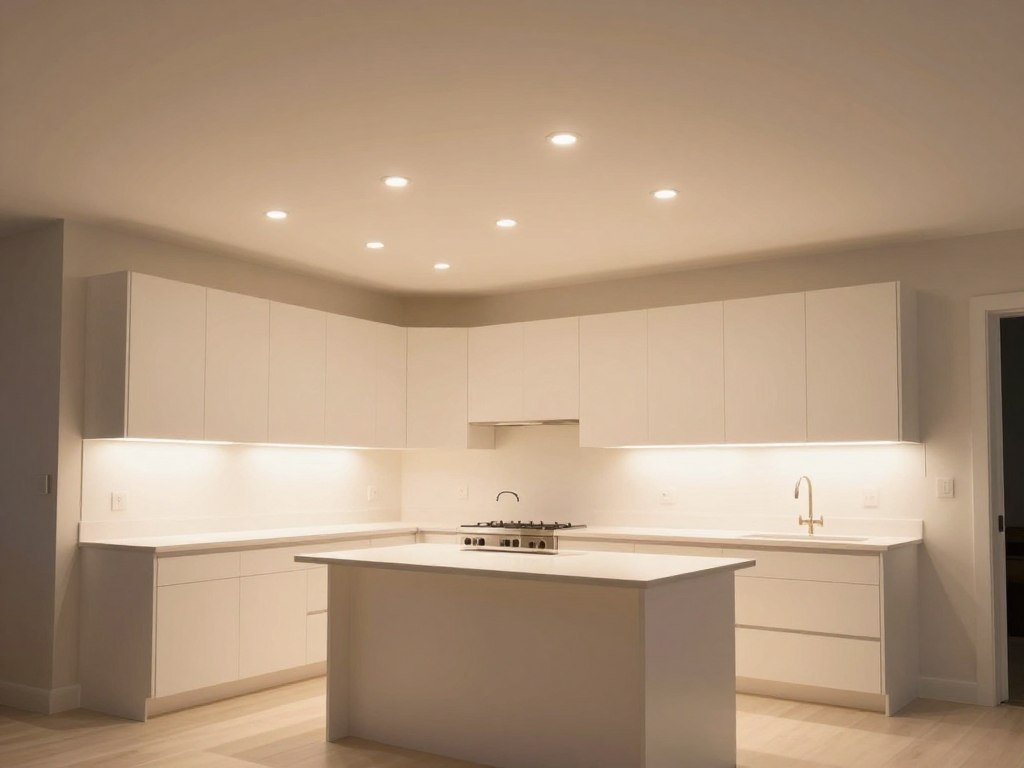
Recessed lights (also called can lights or downlights) are installed flush with the ceiling, creating clean lines and unobtrusive illumination. They provide excellent ambient lighting and can be strategically placed to highlight specific areas or create an even wash of light throughout the kitchen.
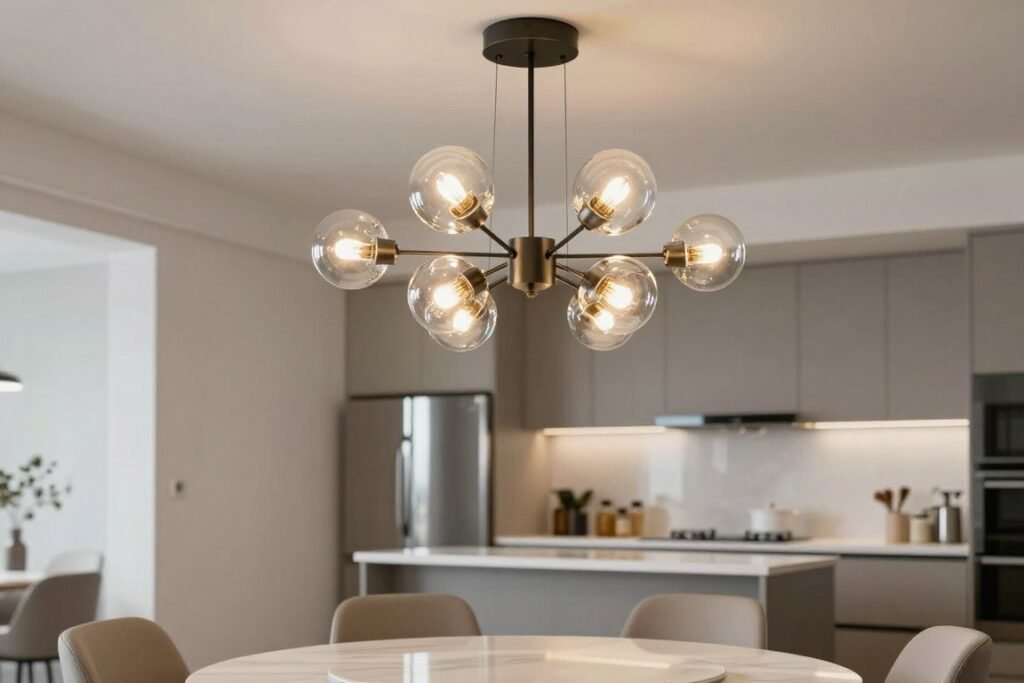
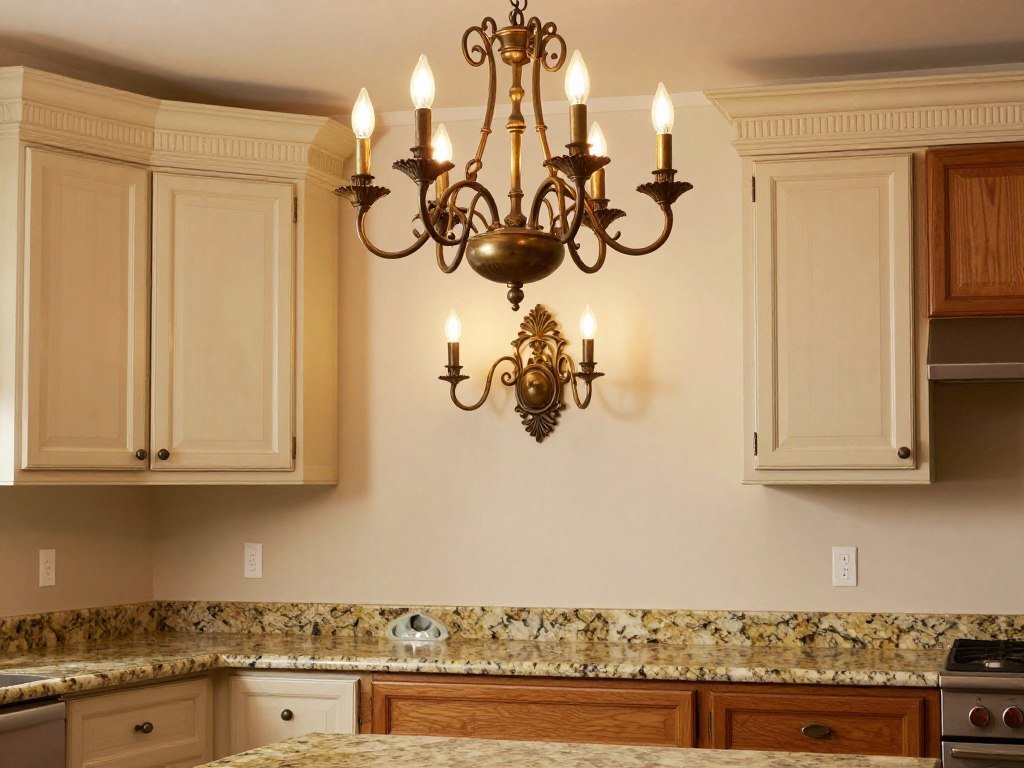
Kitchen chandeliers add drama and sophistication to your space. Modern kitchen chandeliers come in various styles from minimalist to ornate, making them suitable for diverse design aesthetics. They work particularly well over dining areas or as a central fixture in larger kitchens.
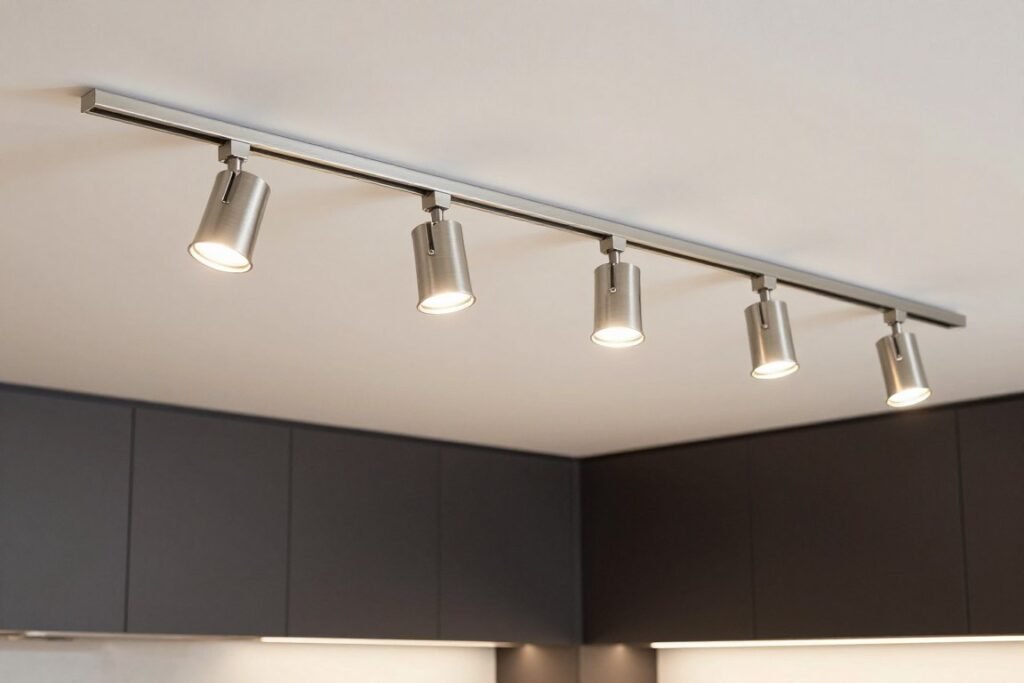
Track lighting offers flexibility with adjustable light heads that can be directed where needed. This versatile option works well for illuminating work areas, highlighting architectural features, or providing general lighting. Modern track systems come in sleek, low-profile designs that complement contemporary kitchens.
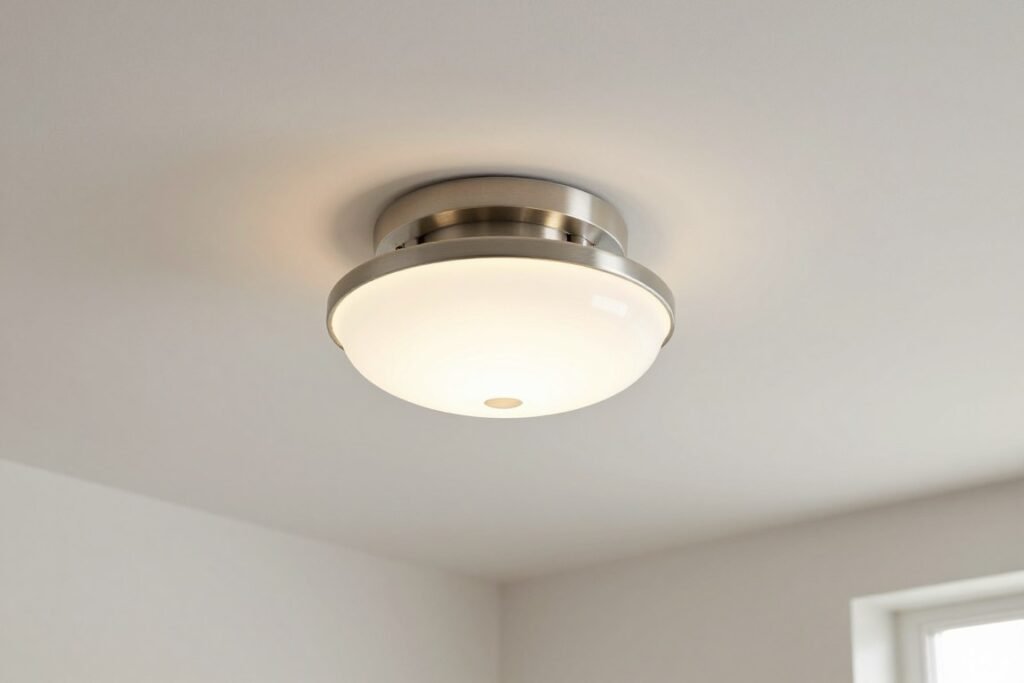
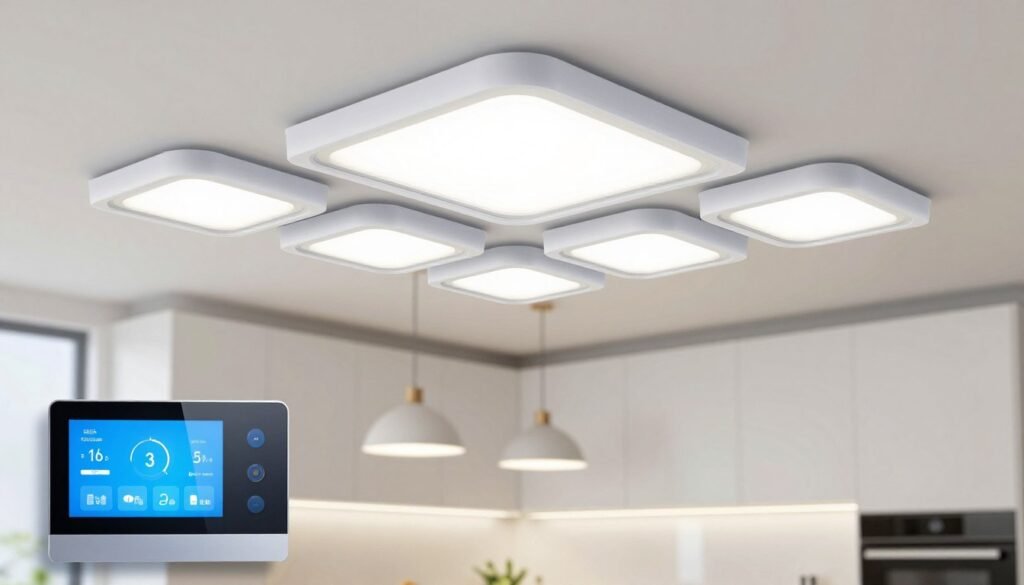
Flush mount fixtures attach directly to the ceiling, making them ideal for kitchens with low ceilings or limited space. These versatile lights provide good general illumination and come in countless styles from simple to statement-making, allowing you to find options that match your kitchen’s aesthetic.
Professional designers approach kitchen lighting using a layered strategy that combines different types of lighting to create a functional, versatile, and beautiful space. Understanding these layers will help you develop a comprehensive lighting plan for your kitchen.
Ambient Lighting
Ambient lighting provides overall illumination for your entire kitchen. This foundational layer ensures you can navigate the space safely and comfortably. Recessed lights, flush mount fixtures, and chandeliers typically serve as ambient lighting sources. For optimal coverage, place recessed lights in a grid pattern with special attention to traffic areas.
Task Lighting
Task lighting focuses bright, direct light on work areas where you perform specific activities like chopping vegetables, reading recipes, or washing dishes. Under-cabinet lights, pendant lights over islands, and well-placed recessed lights all function as task lighting. This crucial layer prevents eye strain and makes kitchen work safer and more efficient.
Accent Lighting
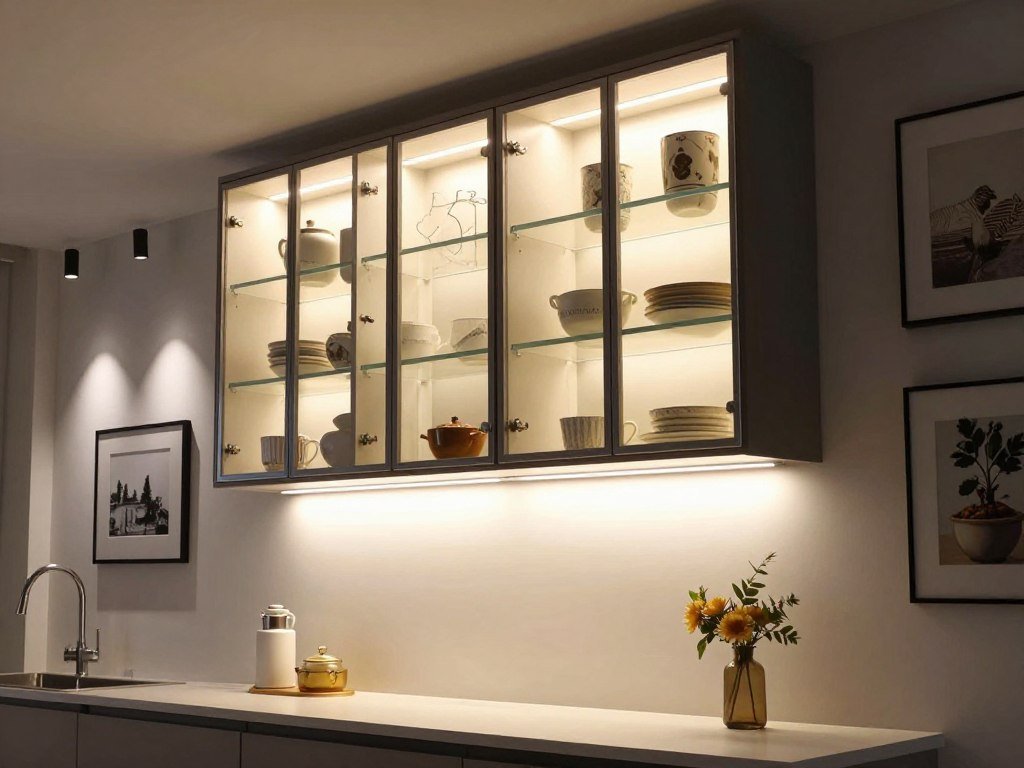
Accent lighting adds visual interest and highlights architectural features or decorative elements in your kitchen. This layer includes toe-kick lighting under cabinets, interior cabinet lighting, and fixtures that illuminate artwork or special collections. While optional, accent lighting adds depth and character to your kitchen’s lighting design.
Creating a well-balanced lighting scheme requires combining all three layers. The right mix will depend on your kitchen’s layout, your aesthetic preferences, and how you use the space.
Kitchen lighting trends evolve alongside broader interior design movements. Staying informed about current trends can help you select fixtures that feel fresh and contemporary while complementing your kitchen’s style. Here are some of the most popular trends in kitchen lighting fixtures today:
Mixed Metal Finishes
The trend of mixing metal finishes has gained significant popularity. Combining brass pendants with matte black sconces or brushed nickel hardware creates visual interest and depth. This approach allows for more creativity and personalization in your kitchen lighting design.
Statement Pendant Lights
Oversized or uniquely designed pendant lights that serve as focal points are trending strongly. These statement fixtures add personality and style to kitchens, particularly when suspended over islands or dining areas. Look for pendants with interesting materials, shapes, or artistic details that reflect your personal style.
Industrial-Inspired Designs
Industrial aesthetics continue to influence kitchen lighting with fixtures featuring exposed bulbs, metal cages, and vintage-inspired details. These fixtures add character and a touch of urban sophistication to both modern and traditional kitchens.
Smart Lighting Systems
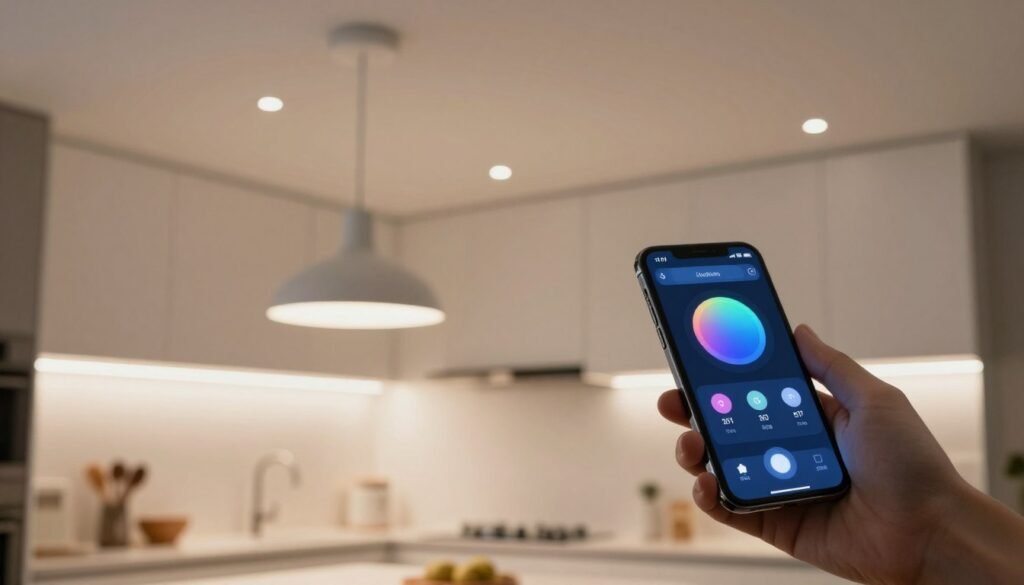
Technology integration has revolutionized kitchen lighting with smart systems that allow control via smartphone apps or voice commands. These systems offer programmable settings, dimming capabilities, and even color temperature adjustments to suit different activities and times of day.
Energy-Efficient LED Fixtures
LED technology continues to dominate kitchen lighting for its energy efficiency, longevity, and versatility. Modern LED fixtures come in sleek, minimal designs that provide excellent illumination while consuming significantly less energy than traditional lighting sources.
Natural and Sustainable Materials
Fixtures made from sustainable materials like bamboo, rattan, recycled glass, and responsibly sourced wood are increasingly popular choices for environmentally conscious homeowners. These natural elements add warmth and texture to kitchen spaces.
Incorporating current trends while staying true to your personal style will help you create a kitchen lighting scheme that feels both timeless and fresh.
Selecting the perfect lighting fixtures for your kitchen requires careful consideration of several factors. The right choices will enhance both the functionality and aesthetic appeal of your space. Here’s a comprehensive guide to help you make informed decisions:
Consider Your Kitchen’s Size and Layout
The dimensions of your kitchen directly impact the size and number of fixtures you’ll need. Larger kitchens may require multiple pendant lights over an island or a combination of recessed lights and a central fixture, while smaller kitchens might benefit from flush mount fixtures that don’t overwhelm the space.
Assess Your Lighting Needs
Think about how you use your kitchen and what activities take place there. Do you primarily cook, or is it also a space for entertaining, homework, or remote work? Different activities require different lighting solutions. A multifunctional kitchen will benefit from a versatile lighting scheme with dimmable options.
Match Your Kitchen’s Style
Your lighting fixtures should complement your kitchen’s overall design aesthetic. Contemporary kitchens pair well with sleek, minimal fixtures, while traditional spaces might call for fixtures with classic details. Farmhouse-style kitchens often feature rustic or industrial-inspired lighting elements.
Consider Ceiling Height
Ceiling height determines which types of fixtures will work best in your space. Kitchens with standard 8-foot ceilings may require flush or semi-flush mount fixtures, while higher ceilings can accommodate pendant lights, chandeliers, or even multi-tiered fixtures that fill vertical space.
Factor in Maintenance
Consider how easy your fixtures will be to clean and maintain. Kitchens are prone to grease and food particles that can accumulate on lighting fixtures. Smooth surfaces and enclosed designs are typically easier to keep clean than intricate or open fixtures.
Calculate Proper Sizing
Fixture size should be proportional to your space. For pendant lights over an island, a general rule is that the combined diameter of multiple pendants should be about 1/2 to 2/3 the width of the surface below. Single fixtures should typically be about 1/3 the width of the table or island they illuminate.
Plan for Proper Placement
Correct placement ensures your lighting is both functional and visually appealing. Pendant lights should hang 30-36 inches above countertops or 72 inches from the floor. Recessed lights work best when placed 12-18 inches away from cabinets to minimize shadows.
Quick Checklist for Choosing Kitchen Lighting
Measure your kitchen dimensions and ceiling height
Identify key work areas that need task lighting
Consider your kitchen’s color scheme and finishes
Determine if you need dimmable fixtures
Check if your electrical system can support your lighting plan
Consider energy efficiency and bulb type compatibility
Ensure fixtures are rated for use in kitchen environments
Calculate your lighting budget
Taking time to carefully consider these factors will help you select kitchen lighting fixtures that enhance both the functionality and beauty of your space for years to come.
Kitchen Lighting Installation Tips and Considerations
Installing kitchen lighting fixtures requires careful planning and, in many cases, professional expertise. Whether you’re renovating your kitchen or simply updating your lighting, these tips will help ensure a successful installation process.
Know When to Hire a Professional
While simple fixture replacements might be DIY-friendly, most kitchen lighting installations benefit from professional expertise. Licensed electricians understand building codes, can identify potential issues with your electrical system, and ensure that installations are safe and compliant. This is particularly important for new wiring, recessed lighting, or complex systems.
Plan Your Lighting During Renovation
If you’re renovating your kitchen, plan your lighting layout early in the process. This allows for proper wiring and junction box placement before walls and ceilings are closed up. Making lighting decisions after construction begins can lead to compromises or additional costs.
Consider Your Electrical Infrastructure
Evaluate whether your existing electrical system can support your lighting plan. Older homes may need electrical panel upgrades or additional circuits to accommodate new lighting, especially if you’re adding numerous fixtures or high-wattage options.
Install Proper Dimming Controls
Dimmers add versatility to your kitchen lighting, allowing you to adjust brightness for different activities and times of day. However, not all fixtures are dimmable, and LED lights require specific dimmer switches. Ensure compatibility between your fixtures, bulbs, and dimming controls.
Consider Future Maintenance
Think about how you’ll change bulbs or clean fixtures when installing them. Pendant lights over islands should be accessible for maintenance, and recessed lights should be positioned for easy bulb replacement. Fixtures in hard-to-reach areas may require special tools or professional assistance for maintenance.
Plan for Proper Spacing
Recessed lights should typically be spaced at a distance equal to half the ceiling height. For example, in a kitchen with 8-foot ceilings, recessed lights would be placed approximately 4 feet apart. This ensures even illumination without harsh shadows or dark spots.
Include Adequate Junction Boxes
Ensure that junction boxes are properly rated for the weight of your fixtures, especially for heavier pendants or chandeliers. Boxes should be securely anchored to ceiling joists or appropriate supports, not just to drywall.
Common Kitchen Lighting Installation Questions
How high should pendant lights hang over a kitchen island?
Pendant lights should typically hang 30-36 inches above the countertop surface of a kitchen island. This provides adequate task lighting while ensuring the fixtures don’t obstruct sightlines or interfere with activities. For higher ceilings, you might position them slightly higher while maintaining proper illumination of the work surface.
Can I install under-cabinet lighting myself?
Many under-cabinet lighting systems, especially plug-in or battery-operated options, are suitable for DIY installation. However, hardwired systems that connect directly to your home’s electrical wiring should be installed by a licensed electrician to ensure safety and code compliance. Always follow manufacturer instructions and turn off power at the breaker before attempting any electrical work.
How many recessed lights do I need in my kitchen?
A common formula is one recessed light for every 4-6 square feet of ceiling space. For a 100-square-foot kitchen, you might need 16-25 recessed lights for optimal coverage. However, this can vary based on ceiling height, fixture brightness, and the presence of other light sources. A professional lighting designer can help create a customized plan for your specific space.
For complex lighting installations, consulting with a professional electrician or lighting designer can save time, ensure safety, and help you achieve the best results for your kitchen.
Your kitchen’s architectural style and design aesthetic should inform your lighting choices. Different kitchen styles call for different lighting approaches to create a cohesive, harmonious look. Here’s how to select fixtures that complement various popular kitchen styles:
Modern/Contemporary Kitchen
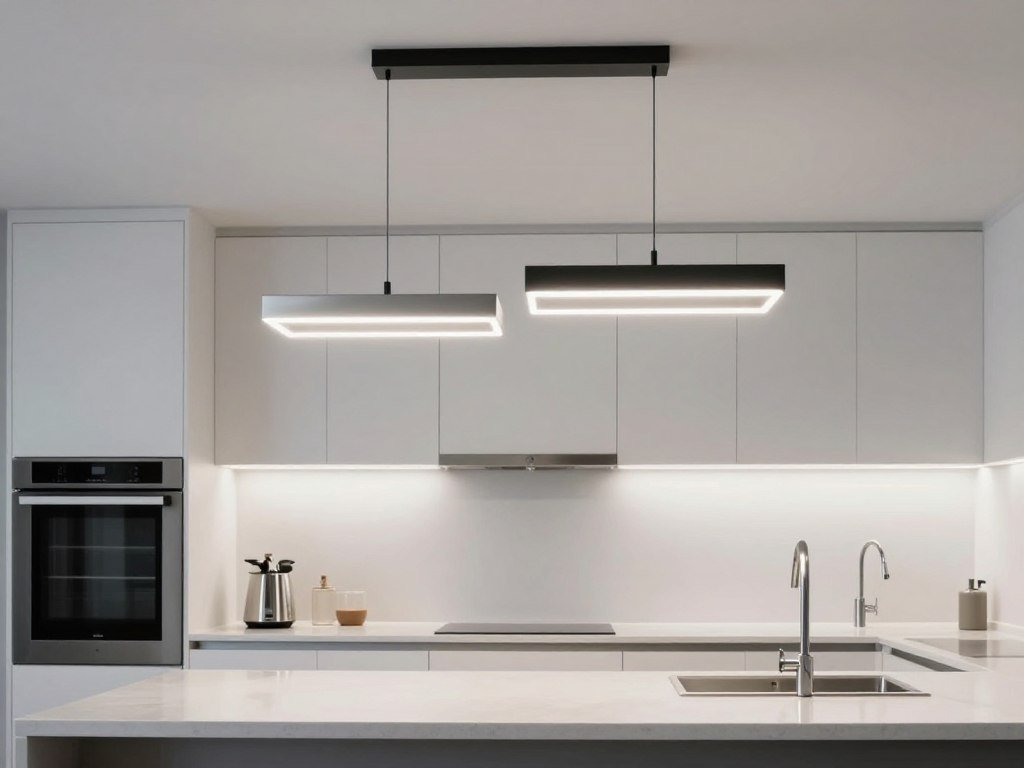
Modern kitchens call for sleek, clean-lined fixtures with minimal ornamentation. Look for geometric shapes, smooth surfaces, and materials like chrome, brushed nickel, or matte black. Linear pendant lights, slim-profile track lighting, and integrated LED systems complement the streamlined aesthetic of contemporary spaces.
Traditional kitchens pair beautifully with fixtures that feature classic details and warm finishes. Consider chandeliers with candle-style lights, lantern pendants, or sconces with decorative elements. Materials like antique brass, bronze, or copper add warmth and elegance that complements traditional cabinetry and architectural details.
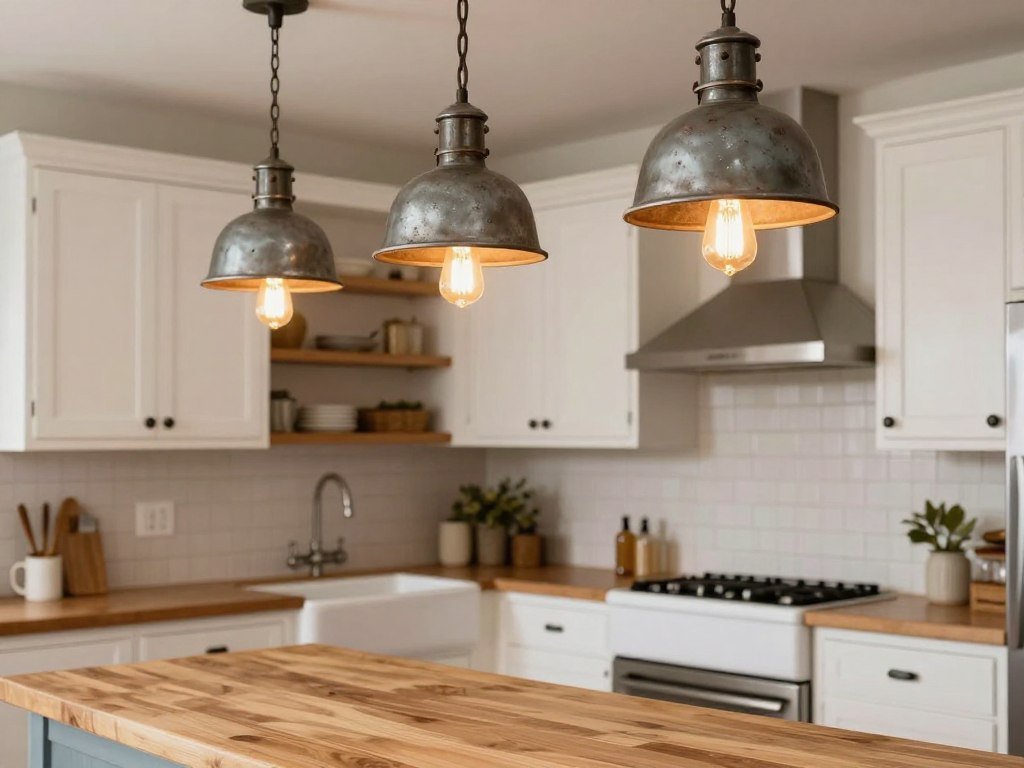
Farmhouse kitchens embrace fixtures with rustic charm and vintage appeal. Look for pendants with galvanized metal, wrought iron, or distressed wood elements. Edison bulbs, cage-style fixtures, and lantern designs enhance the cozy, nostalgic feel of farmhouse spaces. These fixtures often feature simpler forms with character-rich details and finishes.
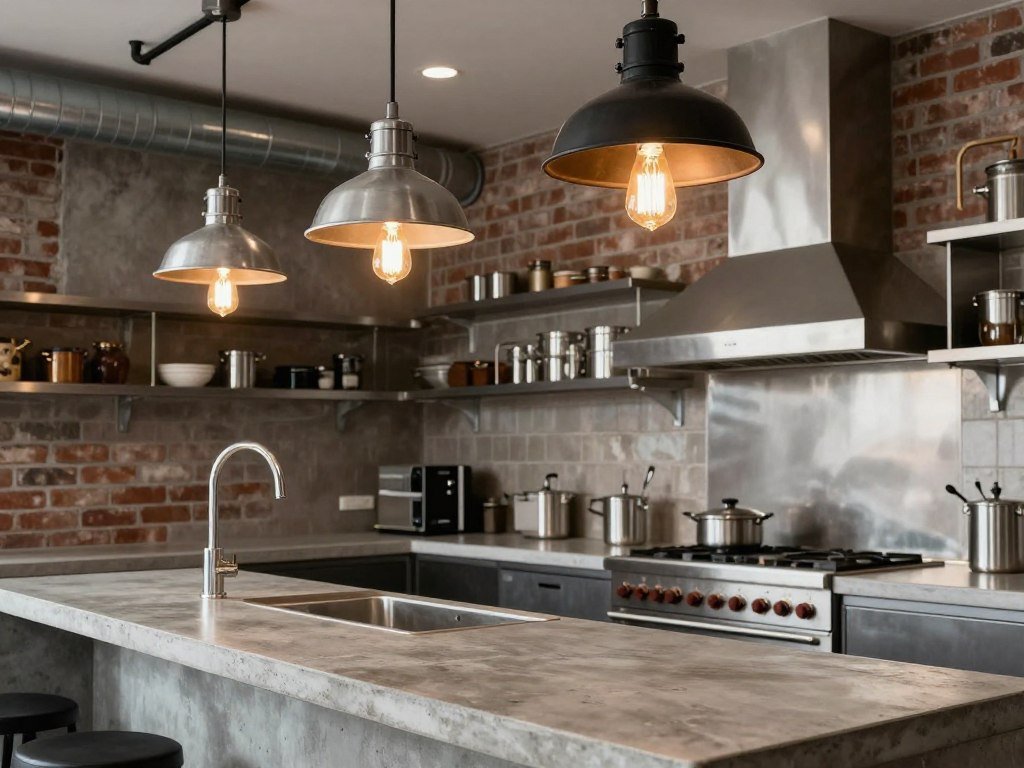
Industrial kitchens call for fixtures with raw, utilitarian appeal. Factory-style pendants, exposed bulb fixtures, and lighting with visible hardware and mechanical elements enhance the urban, workspace-inspired aesthetic. Materials like blackened steel, aluminum, and brass with minimal finishing complement concrete, exposed brick, and other industrial elements.
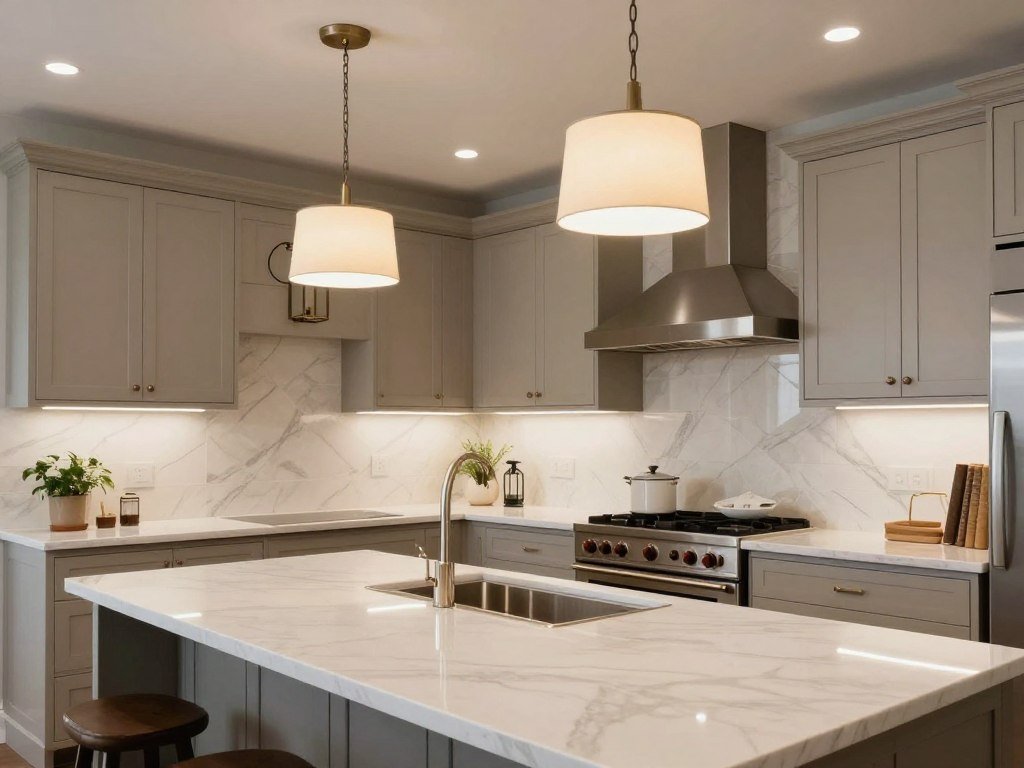
Transitional kitchens blend traditional and contemporary elements, calling for fixtures that strike a similar balance. Look for designs with clean lines but softer details, often in versatile finishes like brushed nickel or chrome. Drum pendants, updated lantern styles, and fixtures with simple silhouettes but refined details work well in these adaptable spaces.
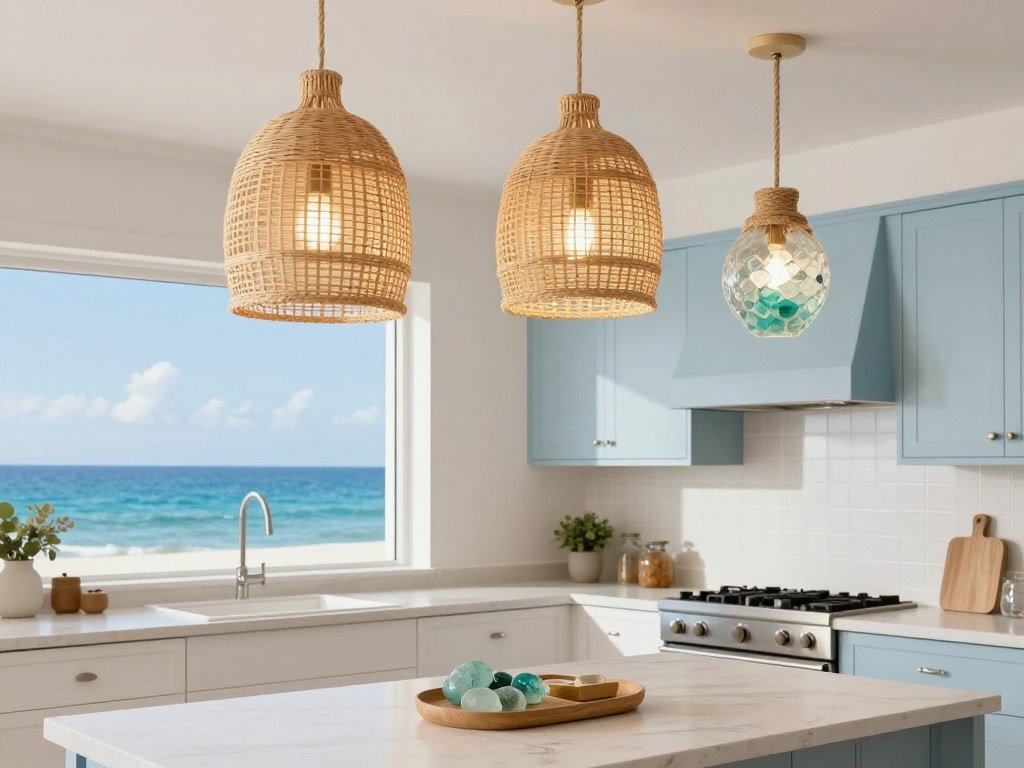
Coastal kitchens embrace fixtures that evoke seaside living with light, airy designs and natural materials. Consider pendants made from rattan, woven fibers, or rope elements. Glass fixtures in sea-inspired blues and greens or with a frosted, sea glass-like quality enhance the beachy vibe. These fixtures often feature organic shapes and textures that complement coastal decor.
Modern kitchen lighting doesn’t just enhance your space visually—it can also help reduce energy consumption and lower utility bills. Energy-efficient lighting options have advanced significantly in recent years, offering excellent illumination while consuming less power.
LED Lighting Benefits
LED (Light Emitting Diode) technology has revolutionized kitchen lighting with numerous advantages:
Energy efficiency: LEDs use up to 75% less energy than incandescent bulbs
Longevity: Quality LED fixtures can last 25,000-50,000 hours (up to 25 years of typical use)
Low heat emission: LEDs generate minimal heat, making them safer and more comfortable in kitchen environments
Versatility: Available in various color temperatures from warm to cool white
Dimmability: Many LED fixtures offer dimming capabilities for adjustable lighting levels
Compact size: Allows for innovative, slim-profile fixture designs
Smart Lighting Technology
Smart lighting systems enhance energy efficiency through advanced control options:
Programmable schedules that automatically adjust lighting based on time of day
Motion sensors that activate lights only when the kitchen is in use
Daylight sensors that adjust artificial lighting based on available natural light
Remote control via smartphone apps for convenient management
Voice control through smart home assistants like Alexa or Google Home
Energy usage monitoring to track and optimize consumption
Energy-Efficient Lighting Strategies
Implementing these strategies can maximize the energy efficiency of your kitchen lighting:
Zone Lighting
Instead of illuminating the entire kitchen at once, create lighting zones that can be controlled independently. This allows you to light only the areas currently in use, reducing unnecessary energy consumption. Consider separate switches or controls for task areas, dining spaces, and ambient lighting.
Dimmer Controls
Installing dimmer switches allows you to adjust light levels based on your needs, time of day, or activity. Dimming lights not only saves energy but also extends bulb life. Ensure your LED fixtures are specifically labeled as dimmable and paired with compatible dimmer switches designed for LED technology.
Natural Light Integration
Design your kitchen lighting to work in harmony with available natural light. Position task lighting to supplement areas where natural light may be insufficient, and consider skylights or solar tubes to bring more daylight into your kitchen, reducing the need for artificial lighting during daytime hours.
Investing in energy-efficient kitchen lighting not only reduces your environmental footprint but can also result in significant cost savings over time. Modern LED and smart lighting solutions offer excellent performance while consuming a fraction of the energy of traditional lighting systems.
Bringing It All Together: Creating Your Perfect Kitchen Lighting Plan
Designing an effective kitchen lighting scheme requires thoughtful consideration of both functional needs and aesthetic preferences. By combining the right fixtures in the right places, you can create a kitchen that’s not only beautifully illuminated but also perfectly suited to how you use the space.
Key Takeaways for Successful Kitchen Lighting
Layer your lighting with ambient, task, and accent sources for a well-balanced scheme
Choose fixtures that complement your kitchen’s architectural style and decor
Consider the scale of fixtures in relation to your space and ceiling height
Incorporate dimmers and controls for flexibility and energy efficiency
Plan for proper placement and spacing of fixtures for optimal illumination
Select appropriate color temperatures that enhance your kitchen’s colors and materials
Invest in quality fixtures and professional installation for lasting results
Remember that your kitchen lighting should evolve with your needs. As you spend time in your kitchen, you may identify areas that would benefit from additional illumination or discover that certain fixtures would work better with different bulb types or brightness levels. Be open to making adjustments to create the most comfortable and functional lighting for your space.
With thoughtful planning and quality fixtures, your kitchen lighting can transform your culinary space into a beautiful, functional heart of your home that’s a pleasure to cook, gather, and live in.
Ready to transform your kitchen with beautiful, functional lighting? Explore our curated selection of kitchen lighting fixtures to find the perfect options for your space.
Pink shoes have evolved from a trendy statement to a versatile wardrobe essential. Whether you’re looking for something subtle like a pale blush sneaker or ready to make a bold statement with hot pink heels, there’s a perfect pair waiting for you. This guide explores the wonderful world of pink footwear, offering styling tips and…
Planning the perfect bridal shower means creating a space where love and celebration come together. The decorations you choose set the entire mood for this special day. Whether you’re envisioning a garden party with flowing florals or a chic modern celebration with clean lines, the right decor transforms any venue into a magical setting. Your…
As winter’s chill gives way to warmer days, it’s time to refresh your wardrobe with the perfect spring shoes. This season brings a delightful array of styles that combine comfort, color, and personality. Whether you’re looking for everyday flats, statement sandals, or versatile sneakers, spring 2023 offers something for every style preference and occasion. Join…
Your sweetheart table is more than just a place to sit during your reception—it’s the visual focal point where you’ll share your first meal as newlyweds. This special table deserves thoughtful decoration that reflects your unique love story and wedding style. From lush floral arrangements to personalized details, the right sweetheart table decor creates an…
Your wedding guest book is more than just a place for signatures—it’s a treasured keepsake that captures the love and well-wishes of everyone who celebrated your special day. While traditional books certainly have their charm, today’s couples are exploring creative alternatives that better reflect their personalities and provide a more meaningful experience for guests. From…
Creating a handmade anniversary card shows your partner how much you care. Each fold of paper and every carefully placed heart becomes part of your love story. Whether you are celebrating your first year together or decades of shared memories, a DIY anniversary card carries meaning that store-bought options cannot match. This Website contains affiliate…