In Loving Memory Wedding Ideas: Heartfelt Ways to Honor Loved Ones on Your Special Day
Your wedding day represents one of life’s most joyous celebrations. Yet for many couples, this special day carries a bittersweet feeling when beloved family members or friends can’t be there to share the moment. Creating meaningful tributes allows you to feel their presence and honor their memory while celebrating your love.
Planning in loving memory wedding ideas doesn’t have to feel overwhelming or sad. These thoughtful touches can bring comfort and create a beautiful homage to those who shaped your life. Whether you lost a parent, grandparent, sibling, or dear friend, incorporating their memory into your wedding day helps keep their spirit alive during this milestone.
This comprehensive guide presents over forty-five touching ways to remember loved ones at your wedding. From memorial tables adorned with framed photos to subtle ceremony tributes, you’ll discover ideas that feel authentic to your relationship and appropriate for your celebration style.
Why Including Memorial Tributes Matters
Honoring deceased loved ones at your wedding serves several meaningful purposes. These tributes acknowledge the important role these individuals played in your life journey. They create a moment to reflect on the love and lessons they shared with you.
Memorial elements also provide comfort to other family members and friends who miss these special people. Guests often appreciate seeing deceased loved ones remembered, as it validates their own grief and celebrates the person’s lasting impact.
Including remembrance touches doesn’t diminish your wedding joy. Instead, these thoughtful gestures demonstrate that love transcends physical presence. Your wedding becomes more meaningful when it acknowledges both those present and those watching over you.
Creating Balance Between Celebration and Remembrance
The key lies in striking the right balance. Your memorial tributes should feel integrated naturally rather than turning your wedding into a somber occasion. Choose one to three main memorial elements that resonate most deeply with you.
Consider the emotional capacity of your guests as well. While honoring loved ones matters, you want your wedding to remain primarily a celebration of your union and future together.
Think about timing and placement too. A quiet memorial moment during your ceremony or a dedicated remembrance space at your reception allows guests to engage with these tributes at their own comfort level.
Beautiful Memorial Table Ideas for Wedding Receptions
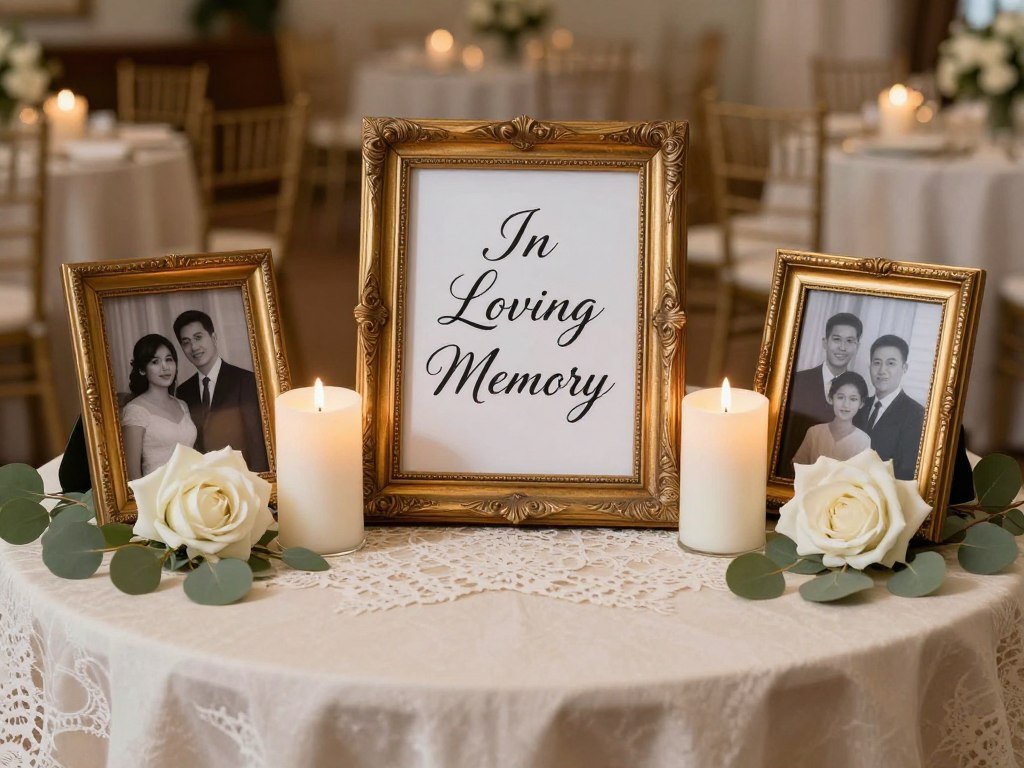
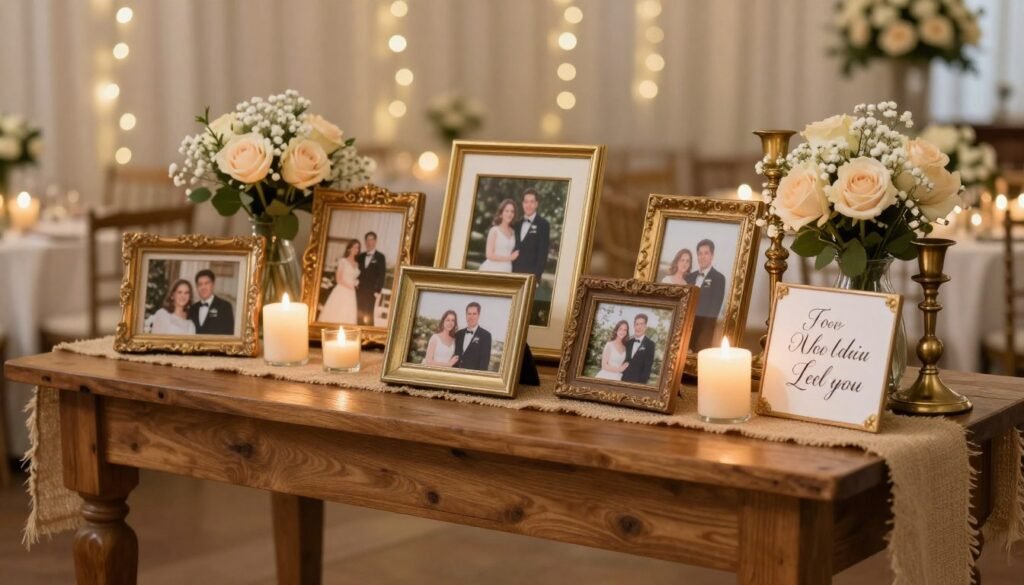
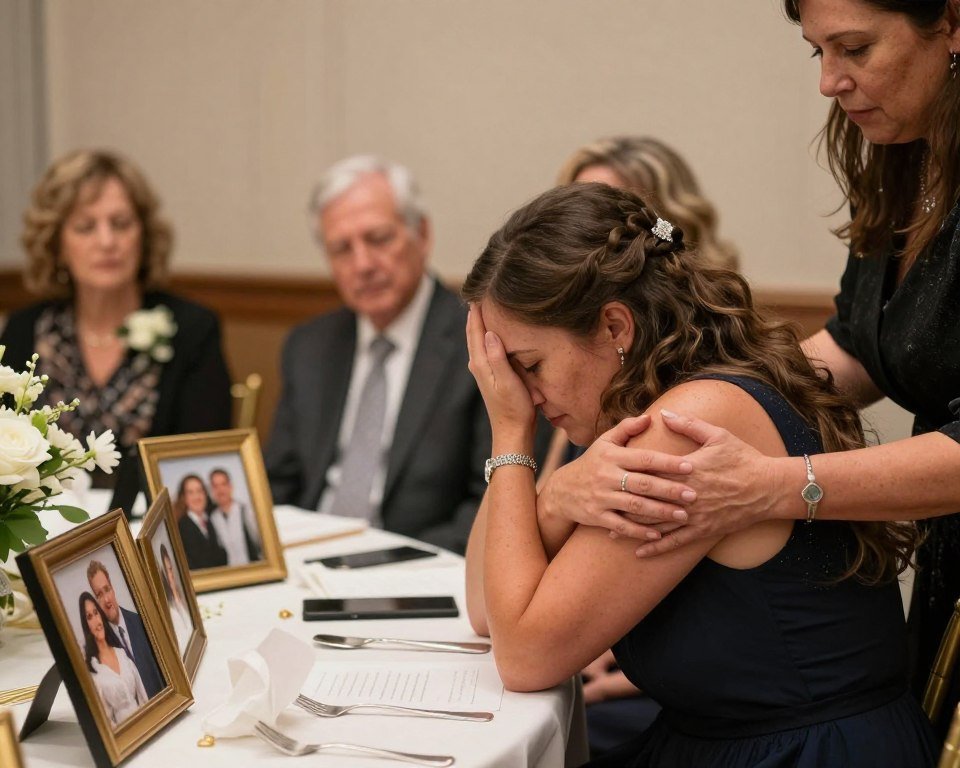
A memorial table serves as a dedicated space where guests can pause and remember those who have passed. This display becomes a focal point that honors your loved ones throughout the reception. Creating this special tribute gives you a meaningful way to include absent family members and friends in your celebration.
Essential Elements for Your Memorial Table
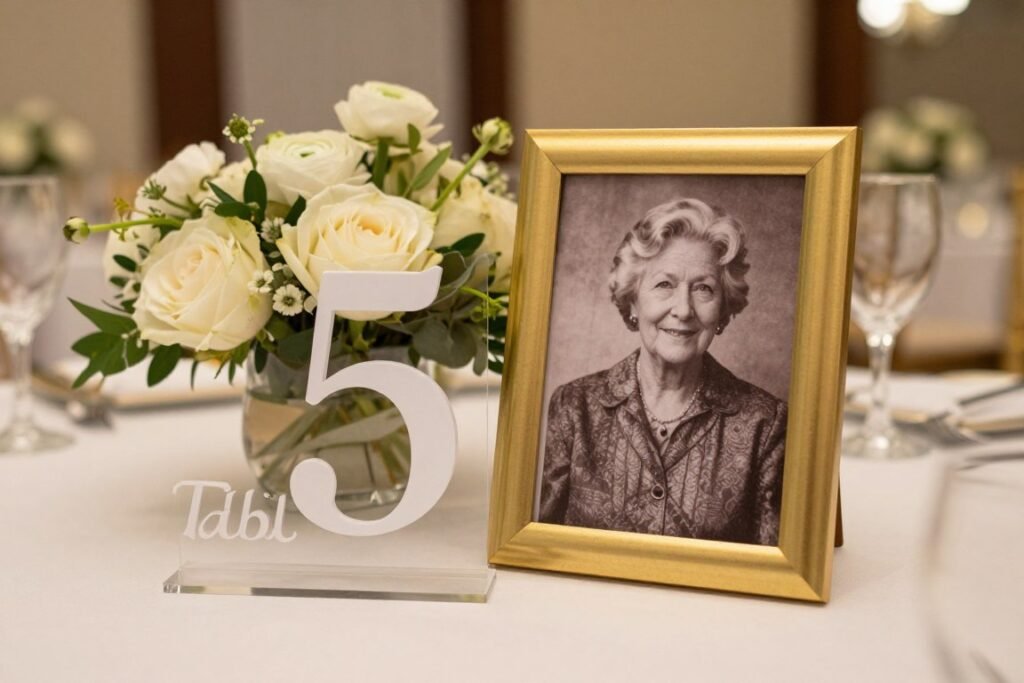
Start with framed photos of the loved ones you want to honor. Choose pictures that capture their personality and spirit. Black and white photos create a classic, timeless look, while color images can feel more vibrant and celebratory.
Add candles to create a warm, reverent atmosphere. Pillar candles in varying heights work beautifully, or consider tea lights for a softer glow. The flickering light symbolizes the enduring presence of those you’ve lost.
Incorporate flowers that held meaning to your loved ones. Perhaps your grandmother adored roses, or your father always brought home sunflowers. These personal touches make your memorial table more intimate and specific to those you’re honoring.
Include a sign with words that capture your sentiment. Simple phrases like “Forever in Our Hearts” or “Always With Us” communicate the purpose of your display without being overly somber.
Creative Memorial Table Display Concepts
Create a photo timeline showing your loved ones throughout different life stages. This visual journey celebrates their full life story and helps guests who may not have known them well understand their impact.
Design a memory tree where guests can hang written memories or messages. Provide small cards and pens so attendees can share their own recollections of the deceased. This interactive element turns your memorial into a collective tribute.
Set up a “reserved seat” concept at your memorial table. Place a beautiful chair with a photo and flowers, symbolizing the space held for your loved one. This poignant image resonates deeply with many couples and guests.
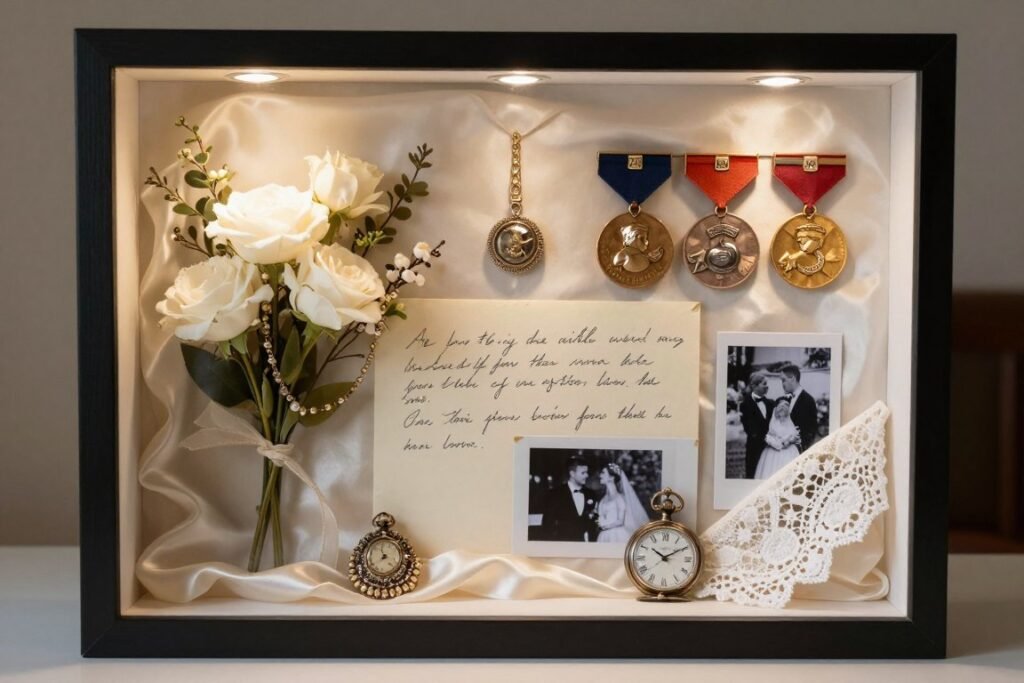
Consider a shadow box display that includes meaningful objects beyond just photos. A piece of jewelry, a favorite book, a special hobby item, or military medals can tell a richer story about who this person was.
Placement and Presentation Tips
Position your memorial table in a visible but not intrusive location. Near the entrance allows guests to pay respects upon arrival, while a quieter corner gives people space for private reflection. Avoid placing it directly in high-traffic areas where the moment might feel rushed.
Use appropriate lighting to draw attention without being dramatic. A small spotlight or string lights can highlight your display beautifully. Natural window light works wonderfully for daytime receptions.
Keep the table height comfortable for viewing. A standard table works fine, but consider a taller cocktail table if you want the display more prominent. Add a beautiful tablecloth or runner that coordinates with your wedding decor.
Provide tissues nearby in a discreet basket or holder. This thoughtful touch acknowledges that some guests may become emotional while viewing your tribute.
Create Your Memorial Table Display
Bring your memorial table vision to life with beautiful frames, candles, and display items. Find everything you need to create a touching tribute that honors your loved ones with grace and beauty.
Your wedding ceremony offers intimate moments to acknowledge loved ones who have passed. These tributes can be brief yet powerful, creating space for remembrance without overshadowing your joyful celebration. The ceremony setting allows for more formal recognition compared to reception tributes.
Moment of Silence or Remembrance
A simple moment of silence during your ceremony provides a dignified way to honor the deceased. Your officiant can announce this pause with words like, “Let us take a moment to remember those who cannot be with us today but remain forever in our hearts.”
Keep this moment brief, typically fifteen to thirty seconds. This duration feels meaningful without becoming uncomfortably long. The quiet pause allows everyone present to think of their own lost loved ones as well.
Consider having soft music playing quietly during this moment rather than complete silence. Instrumental pieces or meaningful songs create a gentle backdrop that feels less stark than total quiet.
Reserved Ceremony Seating
Reserve a seat in the front row for your deceased loved one. Place a single flower, a framed photo, or a meaningful object on the chair. This visual reminder acknowledges their absence while symbolizing their spiritual presence.
You can reserve multiple seats if honoring several people. A small sign reading “Reserved for those watching from above” or “Forever in our hearts” can identify the purpose of these special seats.
Some couples prefer to leave the seat empty without any adornment, finding the vacant space speaks volumes on its own. Choose the approach that feels most appropriate for your ceremony style and emotional comfort level.
Candle Lighting Ceremony
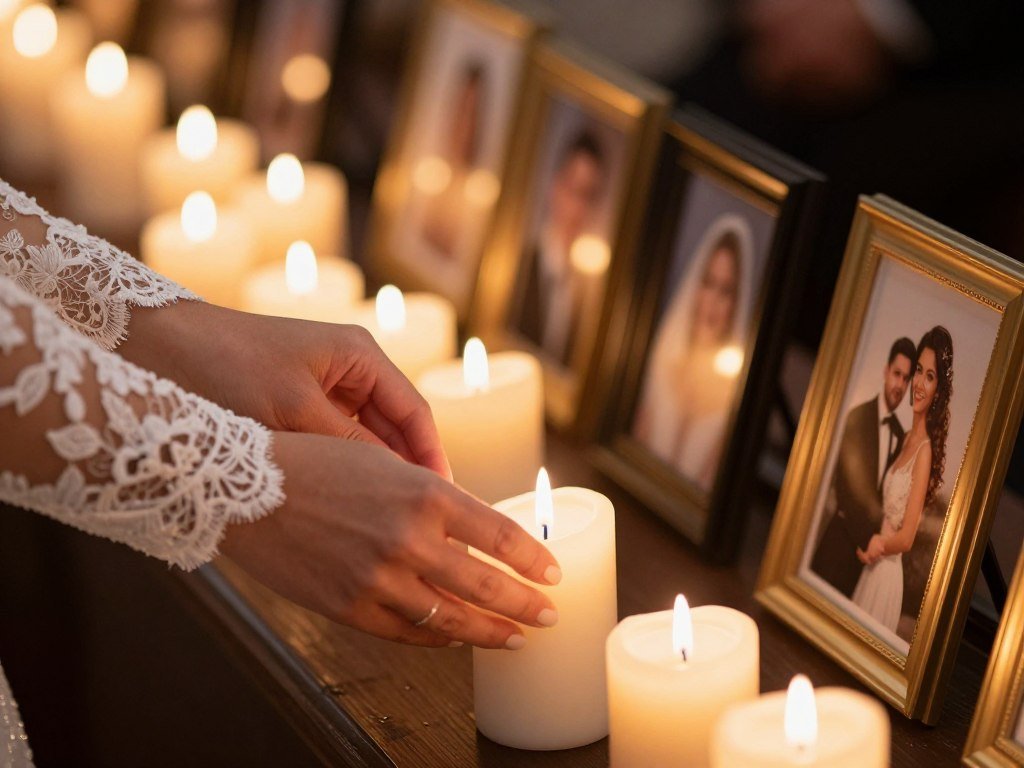
Light a candle in memory of each person you want to honor. This ritual can happen at the beginning of your ceremony, setting an intentional tone, or during a designated memorial moment.
You might light these candles yourself as part of your processional, or ask family members to light them before the ceremony begins. Each flame represents a life that continues to illuminate your path.
Unity candle ceremonies can incorporate memorial elements too. Light your individual candles from memorial candles already burning, symbolizing how your loved ones’ influence continues through you.
Consider using lanterns instead of traditional candles for outdoor ceremonies. These provide the same symbolism while being more practical in breezy conditions.
Reading or Poem Dedication
Include a meaningful reading, poem, or verse dedicated to your loved ones. Choose words that celebrate their life and the lasting impact they made. Your officiant can introduce this piece by naming those being honored.
Ask a family member or close friend to deliver the reading. This involvement can be healing for someone who misses the deceased deeply and wants to contribute to your day.
Select readings that balance remembrance with joy. Avoid overly sad or mournful pieces that might shift the ceremony’s tone too heavily toward grief. Focus on love, legacy, and continuing connections.
Symbolic Gestures During Your Vows
Acknowledge your loved ones within your personal vows. A simple line like “I know my father is here in spirit, and his love helped shape the person standing before you” weaves remembrance naturally into your promises.
Some couples place a hand over their heart or glance skyward when mentioning deceased loved ones during vows. These small gestures can be deeply moving without disrupting your ceremony flow.
You might also honor a loved one by incorporating their marriage advice into your vows. Sharing wisdom they passed down to you keeps their voice present in your ceremony.
Processional and Music Tributes
The music and procession at your wedding provide natural opportunities to honor loved ones. These auditory and visual tributes can be subtle or prominent depending on your preference. Musical choices and processional elements create emotional touchpoints throughout your ceremony.
Carrying Photos in Your Bouquet
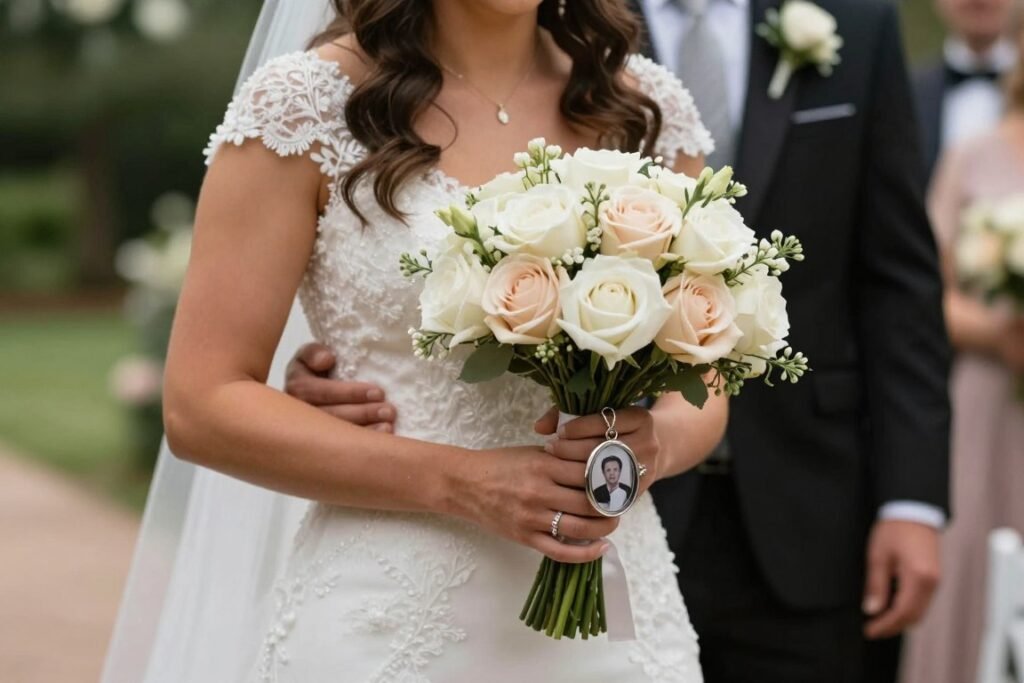
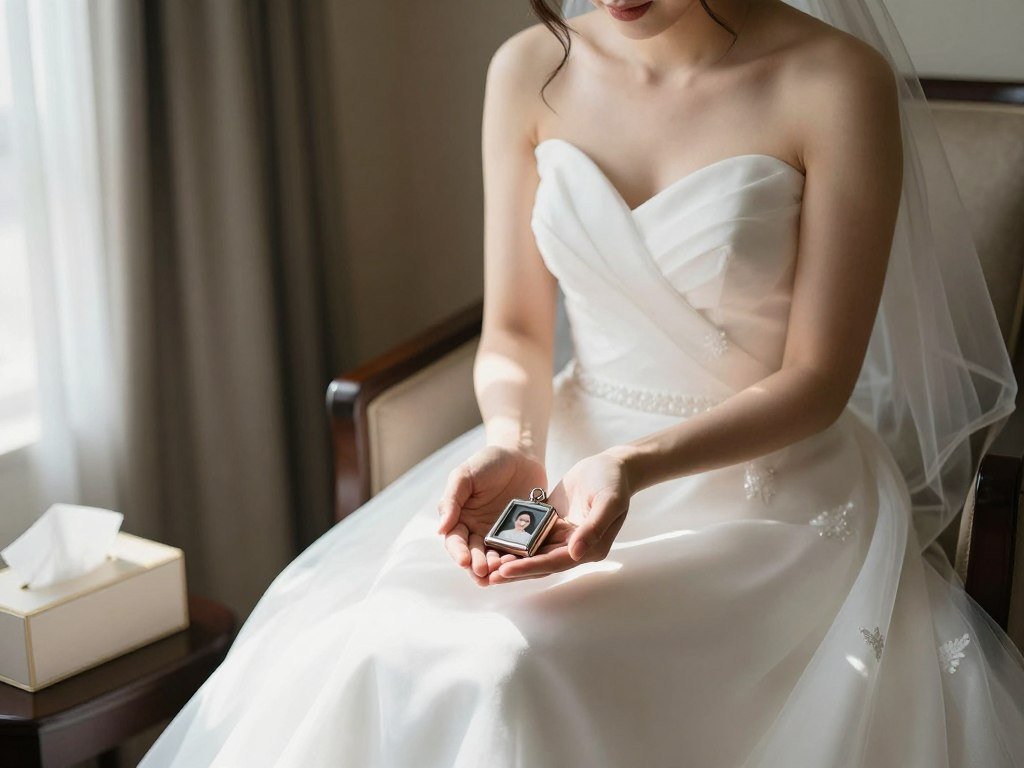
Attach a small photo charm to your bouquet ribbon. These delicate lockets or frames hold tiny pictures of your loved ones, keeping them literally in hand as you walk down the aisle. This personal touch remains visible in your ceremony photos.
Multiple charms can honor several people at once. Attach them at different lengths along your bouquet ribbon for a cascading effect. Silver or gold charms coordinate beautifully with most wedding color schemes.
Some couples attach the photo charm to the bouquet that gets placed at a memorial table or grave site after the ceremony. This creates a secondary tribute moment beyond the wedding itself.
Memorial Boutonniere or Corsage
Pin a small photo or charm to your boutonniere or inside your jacket pocket. This private tribute keeps your loved one close to your heart throughout the day. Only you and your partner need to know it’s there.
Groomsmen can wear memorial pins or special flowers that held significance to the deceased. Perhaps your grandfather always wore a particular flower, or your late mother loved gardenias. These floral choices tell a story.
Create a special boutonniere or corsage for a family member to wear representing the absent loved one. If your father has passed, your mother or sibling might wear a flower arrangement that honors him.
Meaningful Processional Music
Select processional music that held meaning for your loved one. Perhaps this was their favorite song, or a piece they always hummed around the house. Music evokes powerful memories and emotions.
Live musicians can perform a loved one’s favorite song during the processional or as guests are seated. This fills the ceremony space with their musical preferences before you even walk down the aisle.
Consider instrumental versions of meaningful songs if lyrics feel too emotional. The melody alone can trigger fond memories without becoming overwhelming.
Empty Chair with Flowers
Place an empty chair along the aisle as you process, adorned with flowers and a ribbon. This visible marker acknowledges absence while you walk past. The symbolism resonates with guests who also miss this person.
Position this memorial chair where it’s visible but not obstructive. The aisle’s end near the front row works well, or place it slightly off to the side in a spot of honor.
Attach a small sign to the chair with your loved one’s name or a brief message. Keep the wording simple and elegant to match your ceremony aesthetic.
Find Memorial Ceremony Items
Discover beautiful photo charms, memorial flowers, and ceremony decor to honor your loved ones during your wedding ceremony. Create touching tributes that feel personal and meaningful.
Your wedding reception provides numerous opportunities to weave memorial tributes throughout the celebration. These touches can be integrated into existing reception elements or stand alone as dedicated remembrance moments. The relaxed reception atmosphere allows for both formal and creative tribute approaches.
Signature Cocktails Named After Loved Ones
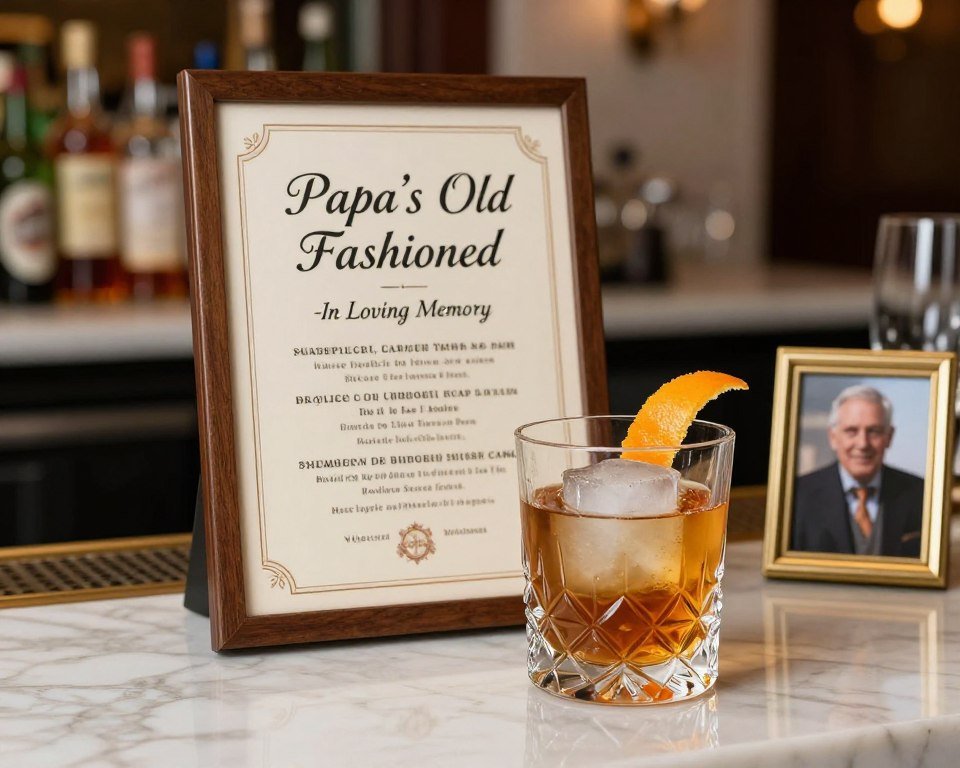
Create a signature drink named in honor of someone you’ve lost. If your grandfather loved whiskey, a “Papa’s Old Fashioned” tells guests about his preferences while you toast his memory. Include a small card at the bar explaining the drink’s significance.
Feature the loved one’s actual favorite drink on your bar menu. Mark it as a tribute drink with a note like “In loving memory of Jane, who never met a margarita she didn’t love.” This brings their personality into your celebration.
Design custom drink stirrers or napkins that mention your memorial cocktail. These small printed details reinforce the tribute throughout the evening as guests enjoy their beverages.
Tribute Toast or Speech
Dedicate a moment during toasts to honor absent loved ones. Keep this acknowledgment brief and positive, focusing on how these individuals would have celebrated with you. Share a favorite memory or piece of advice they gave you about love and marriage.
Ask a family member who was close to the deceased to share a few words. This involvement can help them process grief while celebrating your union. Provide guidance on keeping the tone uplifting rather than sorrowful.
Raise a glass specifically for your loved ones during the toast. The collective gesture of everyone lifting their drinks creates a powerful moment of unified remembrance.
Memory Book or Guestbook Tribute
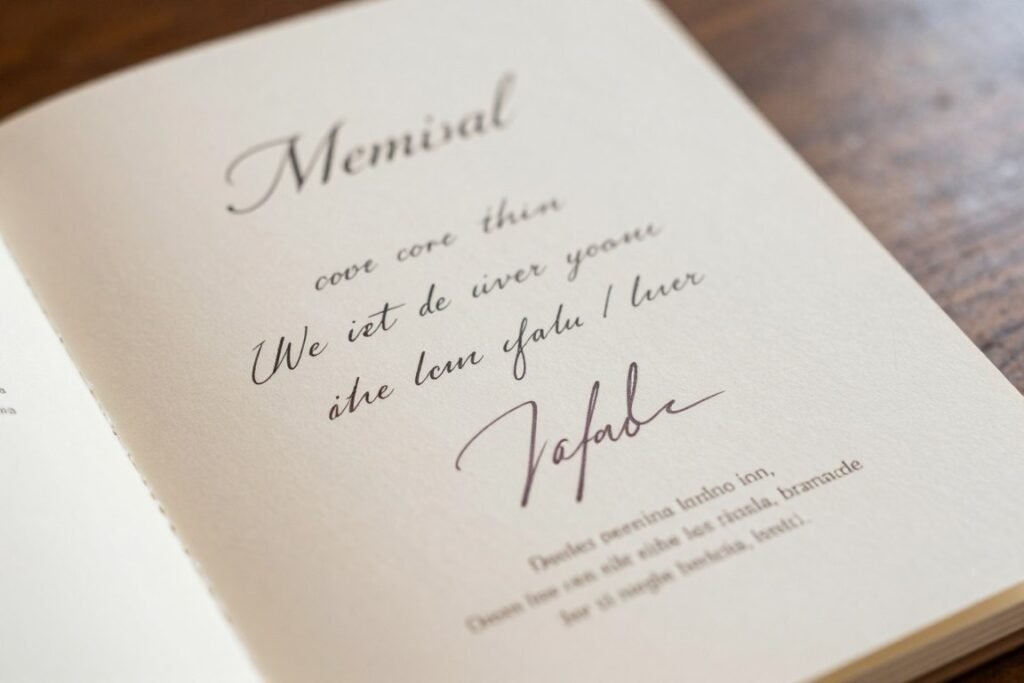
Include a page or section in your guest book dedicated to memories of your loved ones. Invite guests to write down their favorite stories, qualities they admired, or how the person impacted their lives. This creates a keepsake you’ll treasure.
Set up a separate memory book specifically for the deceased. Place it near your memorial table with a sign encouraging guests to contribute their recollections. This collection becomes a gift you can revisit whenever you miss them.
Provide prompts to help guests know what to write. Questions like “My favorite memory of [name] is…” or “One word that describes [name]…” make contributing easier for those who feel uncertain.
Donate Centerpieces in Their Honor
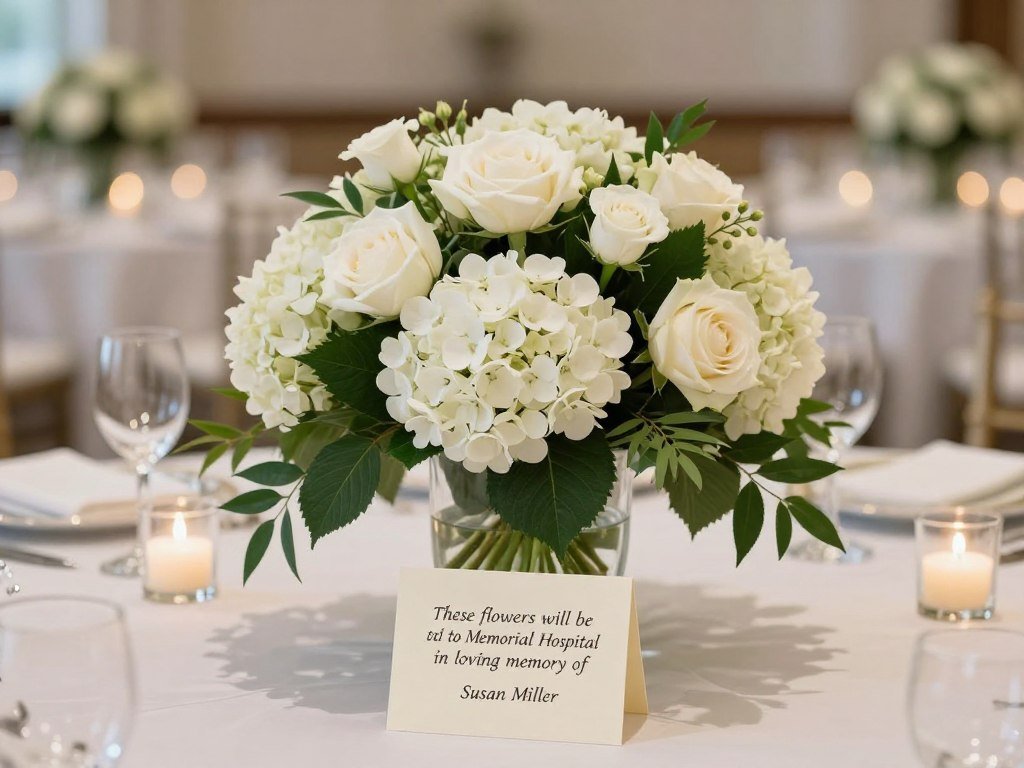
Plan to donate your reception flowers to a hospital, nursing home, or hospice care center where your loved one spent time. Announce this tribute in your program or through your DJ. This gift extends your memorial beyond your wedding day.
Attach cards to centerpieces explaining they’re donated in memory of specific individuals. Recipients of these flowers will know they’re part of honoring someone’s life, adding deeper meaning to the gesture.
Some venues or florists can arrange donation delivery after your reception ends. Coordinate these logistics in advance so the tribute happens smoothly without requiring your attention on your wedding day.
Special Dance Dedication
Dedicate a dance to your loved one by playing their favorite song and inviting everyone to the floor. Your DJ or band can announce, “This dance is in memory of [name], who loved this song.” The shared dancing becomes a celebration of their life.
Dance with someone who represents the absent loved one. If your father has passed, dance with your grandfather, uncle, or another father figure to his favorite song. This honors both the person you’ve lost and the one who stepped into that role.
Some couples choose their parent dance song based on the deceased parent’s music preferences. Playing your late father’s favorite song during your mother-daughter dance acknowledges his presence through music.
Place Settings with Photos
Include small framed photos of loved ones at their customary seat during family dinners or gatherings. This empty place setting with their picture, a candle, and perhaps their favorite flower becomes a touching focal point.
Set this memorial place at the family table or head table where they would have naturally sat. The visible acknowledgment shows other family members you recognize this absence.
Keep the place setting elegant and coordinated with your table decor. The tribute should feel integrated into your design rather than appearing as an afterthought.
Deeply Personal Memorial Touches
The most meaningful tributes often come from highly personal connections to your loved ones. These customized memorial ideas reflect specific memories, interests, or characteristics of the people you’re honoring. Personal touches resonate more deeply than generic remembrance gestures.
Wearing Something That Belonged to Them
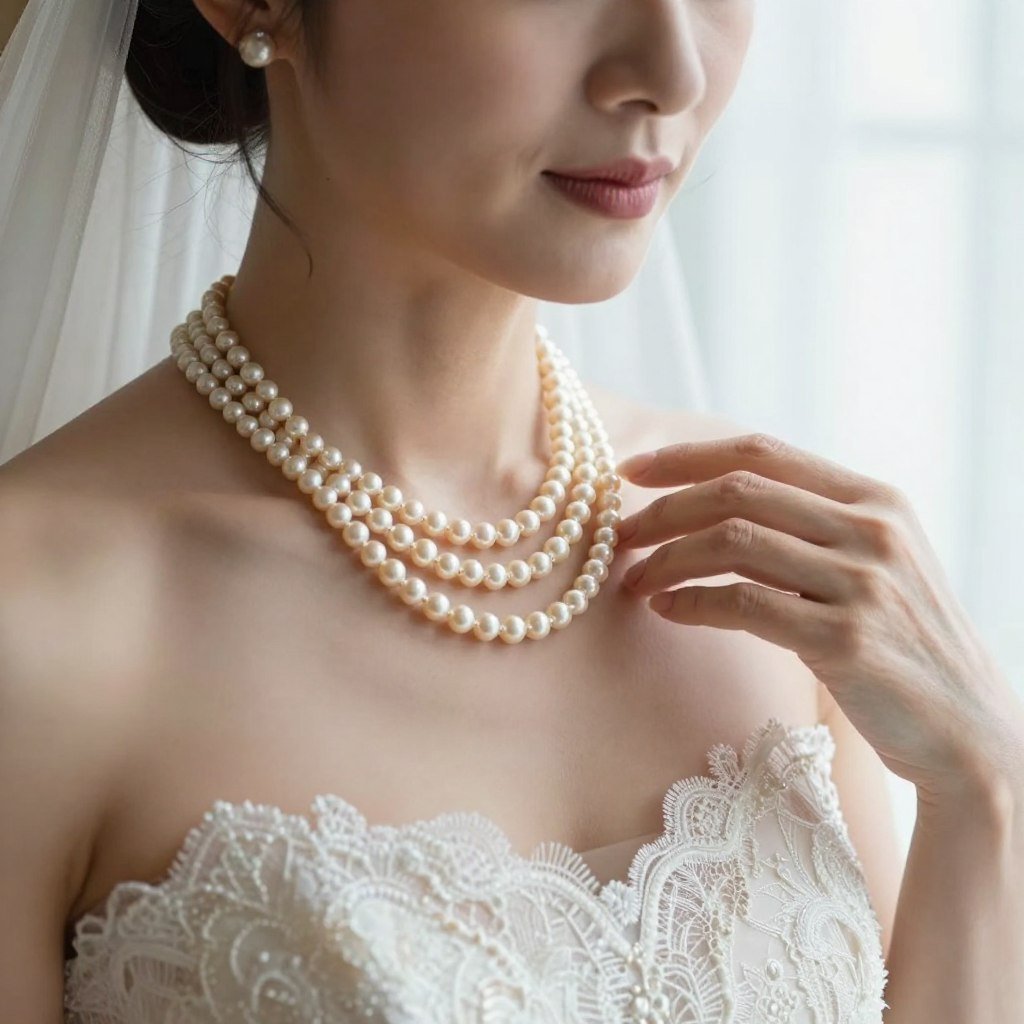
Incorporate jewelry, accessories, or clothing items that belonged to your loved one. A mother’s pearl necklace, a father’s cufflinks, or a grandmother’s handkerchief woven into your bouquet keeps them physically close throughout your day.
Have a piece of their clothing sewn into your wedding attire. A patch from a parent’s wedding dress stitched inside your gown, or fabric from a grandfather’s shirt used in your vest lining creates a hidden tribute only you know about.
Wear their wedding band on a chain around your neck, or have it resized if appropriate. This tangible connection to their own marriage ceremony links their union to yours.
Including Their Recipes or Favorite Foods
Feature your loved one’s signature recipe on your reception menu. If your grandmother made legendary lasagna, work with your caterer to include it. Add a note on the menu explaining this dish’s significance and who created it.
Create a dessert table with recipes from multiple deceased family members. Label each item with the person’s name and relationship. This edible memorial lets guests taste these cherished recipes while celebrating their creators.
Serve their favorite candy or treat as wedding favors. Package it beautifully with a tag explaining why this particular sweet holds meaning. Guests will remember the person each time they enjoy the treat.
Incorporating Hobbies and Interests
Weave your loved one’s passions into your decor. If they loved gardening, use abundant flowers and botanical elements. If they enjoyed fishing, incorporate subtle nautical touches. These thematic elements celebrate who they were.
Display items related to their hobbies near your memorial table. Vintage fishing lures, knitting needles, painting supplies, or sports memorabilia tell visual stories about their interests and personality.
Name reception tables after your loved one’s favorite places, books, or songs. Include brief explanations on table cards about why each name was chosen, sharing pieces of their life with your guests.
Playing Their Favorite Music
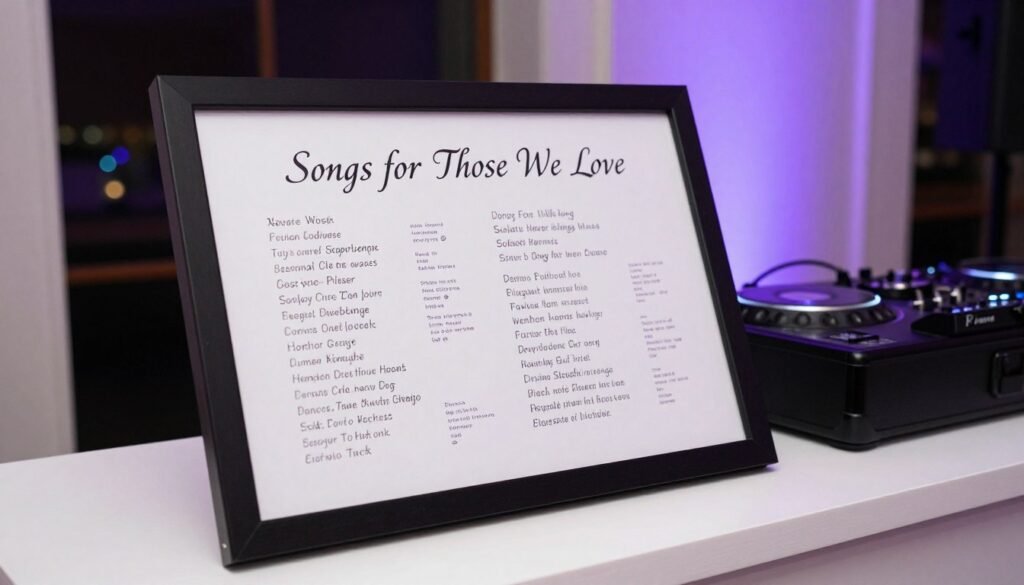
Request that your DJ or band play several of your loved one’s favorite songs throughout the reception. These musical moments trigger memories and create opportunities to think of them during natural breaks in your celebration.
Create a memorial playlist that plays softly during cocktail hour or dinner. Compile songs they loved, performed, or always played at family gatherings. Music carries emotional weight that transcends spoken tributes.
Include a note in your program listing songs chosen specifically because a deceased loved one enjoyed them. This helps guests recognize these musical selections as intentional tributes rather than random playlist choices.
Meaningful Readings from Their Writings
If your loved one wrote letters, poems, or journals, incorporate excerpts into your ceremony or program. Their actual words create powerful connections that speak directly from their voice to your heart.
Use a quote from them as your program’s opening or closing sentiment. Perhaps they shared marriage advice in a letter, or expressed love for your family in a note. These authentic words honor their wisdom.
Frame a meaningful letter or card they gave you and display it at your reception. Other family members might appreciate seeing this correspondence and remembering the person’s communication style and affection.
Releasing Butterflies, Doves, or Balloons
Plan a butterfly or dove release as a symbolic gesture of your loved one’s spirit soaring free. This visual tribute creates a memorable moment for guests and beautiful photo opportunities. Coordinate timing for maximum impact during your reception.
Biodegradable balloon releases offer an alternative that many venues allow. Choose colors significant to your loved one or your wedding palette. The sight of balloons rising skyward resonates emotionally with many people.
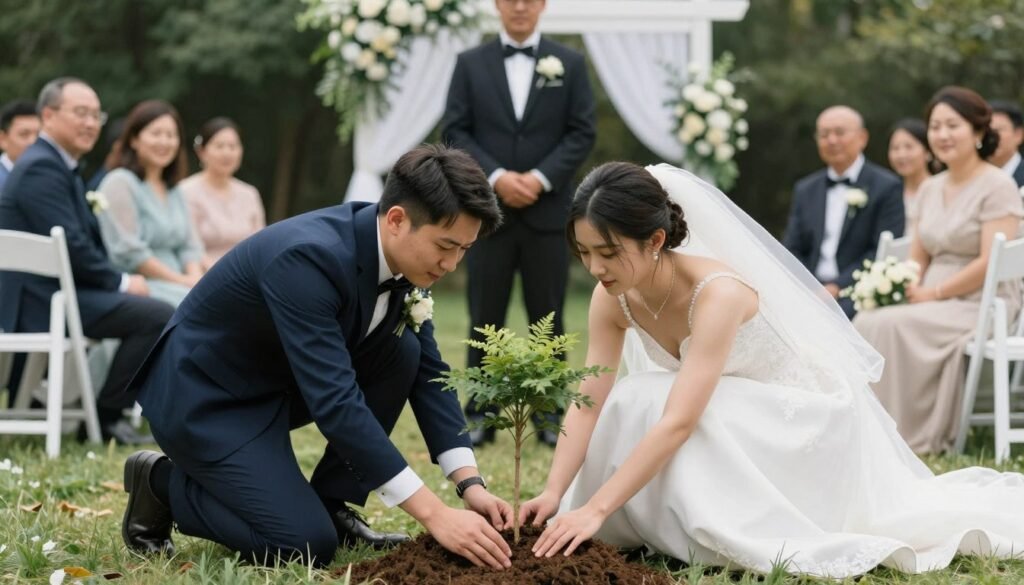
Consider the environmental impact and venue restrictions before planning any release. Some locations prohibit these activities, and eco-conscious couples may prefer alternative symbolic gestures like planting a tree or garden.
Personalize Your Memorial Tributes
Find beautiful items to create deeply personal memorial tributes that reflect your loved one’s unique personality and interests. From display cases to memory books, discover everything you need.
Your wedding program and other printed materials offer permanent ways to acknowledge loved ones. These tangible keepsakes allow guests to take home something that documents your tributes. Printed memorials ensure your remembrances are captured in your wedding records.
Dedicated Memorial Page in Your Program
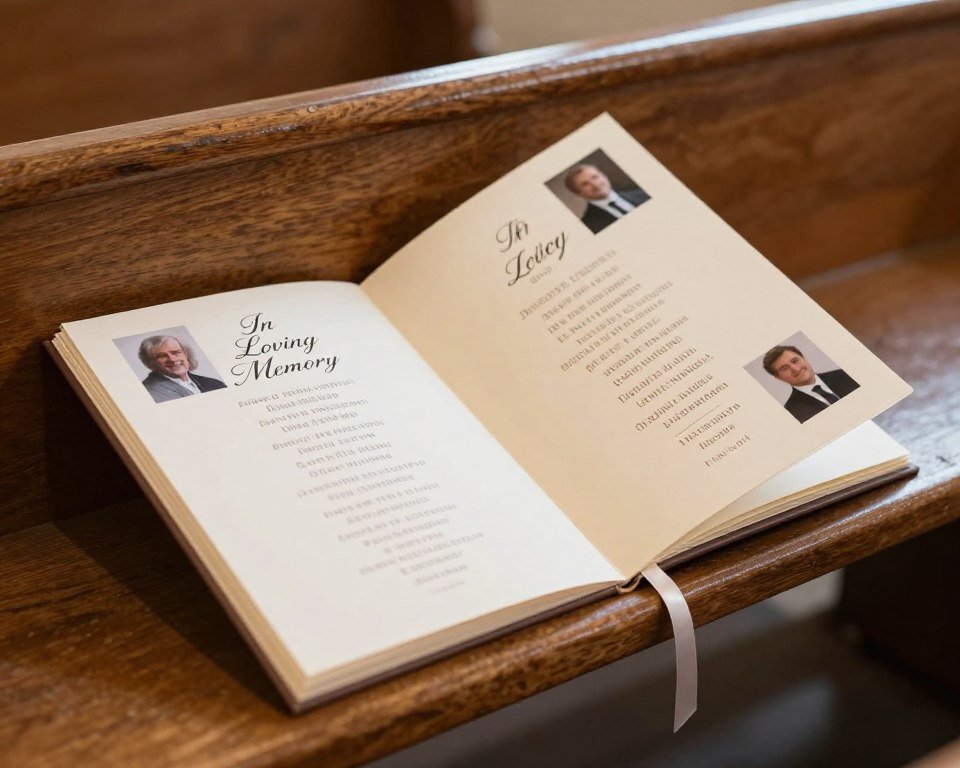
Include a full page in your ceremony program titled “In Loving Memory” or “Forever in Our Hearts.” List the names of deceased loved ones you wish to honor. This formal recognition appears in every guest’s hands.
Add photos to your memorial program page if your budget allows. Small portrait images beside each name create visual connections for guests who may not have known these individuals.
Consider including birth and death years, or just the year of passing. This information provides context, especially for guests who might not know your family history. Keep formatting consistent and respectful.
Memorial Quotes or Poems in Programs
Feature a meaningful quote or short poem about remembrance on your program’s back cover. Choose words that capture your feelings about honoring those who’ve passed while celebrating your future.
Select quotes that balance sadness with hope. Phrases about love transcending death or loved ones watching over you acknowledge grief while maintaining your wedding’s joyful atmosphere.
Consider religious or spiritual verses if they align with your beliefs. Scripture, prayers, or spiritual poetry can provide comfort and meaning for both you and guests who share these faith traditions.
Memorial Section on Your Wedding Website
Create a dedicated section on your wedding website honoring loved ones. This digital space allows more room for photos, stories, and details than printed programs offer. Guests can read these tributes at their own pace before or after your wedding.
Include longer biographies or favorite memories of each person you’re remembering. Share how they influenced your life and relationship. These fuller narratives celebrate their complete impact.
Invite family members to contribute stories or photos to this website section. Collaborative memorial spaces become richer repositories of memories and show the deceased’s broader influence beyond just your life.
Table Numbers with Memorial Photos
Replace traditional table numbers with photos of your loved ones at corresponding ages. Table one features a photo of your grandfather at age one, table two shows him at two years old, and so forth. This creative approach shares their life story.
Create table cards that include a photo plus a brief fact about your loved one at that age. “Table 7 – Grandma Rose at age 7, when she won her first piano competition” gives guests conversation starters and insight into this person.
Use milestone photos at tables corresponding to significant years. Table 25 might show your parents on their 25th anniversary, or table 50 could feature a grandparent’s 50th birthday celebration.
Menu Cards with Dedications
Add a small note at the bottom of your menu cards dedicating a particular course or the meal itself to loved ones. “Tonight’s dessert honors Grandma Betty, who taught us that life is too short to skip dessert” adds personality and tribute.
If featuring a loved one’s recipe on your menu, credit them properly. “Nonna Maria’s Famous Lasagna” or “Uncle Jim’s Championship Chili” shows guests exactly whose culinary legacy they’re enjoying.
Include a subtle memorial symbol at the bottom of printed materials. A small heart, star, or angel icon can represent those watching over your celebration without requiring explanation.
Floral Memorial Tributes and Arrangements
Flowers naturally symbolize life, beauty, and remembrance, making them perfect memorial elements. Floral tributes can be subtle or prominent, woven throughout your wedding or concentrated in specific displays. The language of flowers allows you to communicate deep sentiments through blooms.
Memorial Bouquet or Arrangement
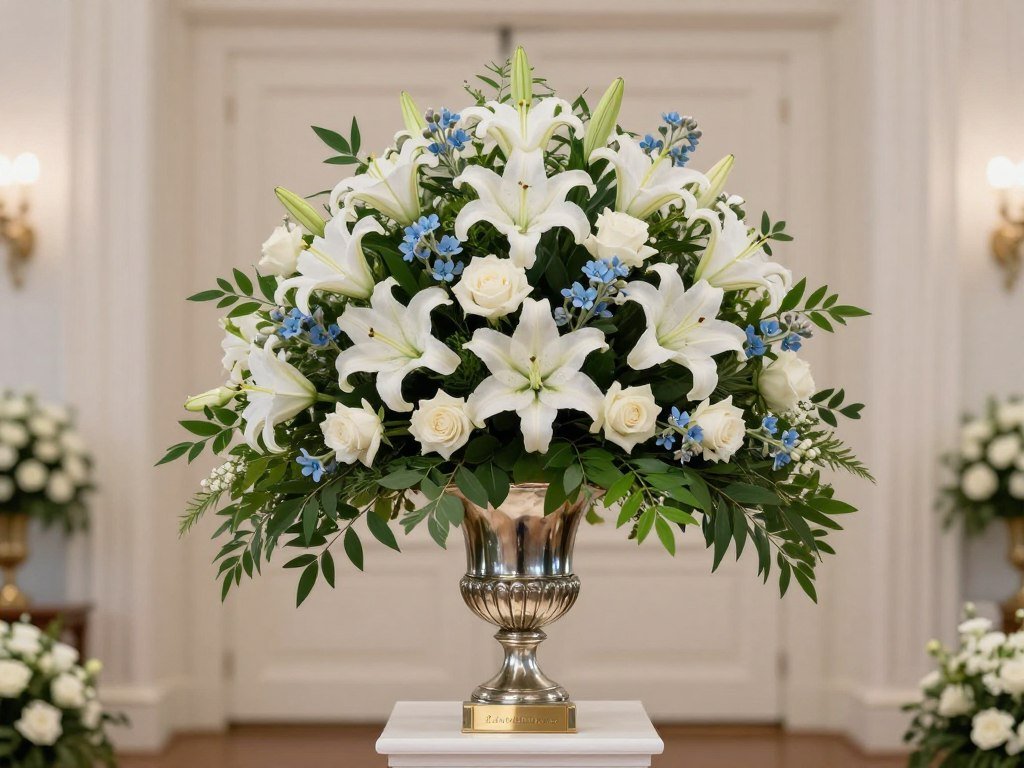
Create a separate memorial bouquet placed at your ceremony or reception in honor of loved ones. Choose flowers with symbolic meanings like forget-me-nots for remembrance, white roses for reverence, or their personal favorite blooms.
Position this memorial arrangement prominently during your ceremony, then move it to your memorial table for the reception. This floral tribute travels through your celebration, maintaining consistent visual remembrance.
Work with your florist to design an arrangement that coordinates with your overall wedding flowers while standing distinct as a tribute piece. Perhaps use slightly different colors or a unique container that sets it apart.
Incorporating Their Favorite Flowers
Feature your loved one’s favorite flower throughout your wedding florals. If your mother adored peonies, make them the star of your arrangements. This subtle tribute runs through every floral element without requiring explanation.
Ask your florist to include specific blooms in your personal bouquet representing each person you’re honoring. Carry their favorite flowers down the aisle with you, keeping them close during your ceremony.
Use their birth month flower as a tribute element. December birthdays connect to holly or narcissus, while July babies link to larkspur or water lilies. These seasonal flowers reference their birthday subtly.
Flower Color Symbolism
Choose flower colors with intentional meaning for memorial arrangements. White flowers symbolize purity and peace, red represents enduring love, pink signifies grace and admiration, while purple conveys dignity and pride.
Blue flowers like hydrangeas or delphiniums evoke serenity and calm. Yellow blooms bring cheerfulness and friendship to mind. Select colors that both honor your loved one and complement your wedding palette.
Consider the deceased’s favorite color when selecting memorial flowers. If they always wore green, incorporate abundant greenery with white flowers. Personal color preferences make tributes more specific and meaningful.
Flower Planting Ceremony
Plant a tree, rose bush, or perennial flowers during your ceremony as a living memorial. This growing tribute continues beyond your wedding day, offering a place to visit and remember in future years.
Provide small potted plants as favors that guests can plant in memory of your loved ones. Include care instructions and a note about the memorial significance. Each plant becomes a growing tribute in guests’ own gardens.
Some couples plant memorial gardens at their homes before the wedding, then photograph the blooming flowers for their ceremony programs or memorial displays. This shows the living tribute you’ve already established.
Sending Flowers to Their Resting Place
Arrange for flowers to be delivered to your loved one’s grave or memorial site on your wedding day. This gesture acknowledges their absence by bringing beauty to the place where they rest while you celebrate.
Take your bridal bouquet to their grave site after your ceremony for photos and a private moment. Many brides find comfort in this ritual, feeling they’ve shared their special day directly with the deceased.
Have a family member visit the grave during your ceremony if you can’t go yourself. They can place flowers and take a photo, allowing you to see later that this tribute happened while you were at your ceremony.
Charitable Actions and Donations as Living Memorials
Memorial tributes that benefit others create lasting positive impact beyond your wedding day. Charitable gestures in honor of loved ones align your celebration with causes they cared about or that relate to their passing. These meaningful actions turn grief into goodness.
Charitable Donation in Lieu of Favors
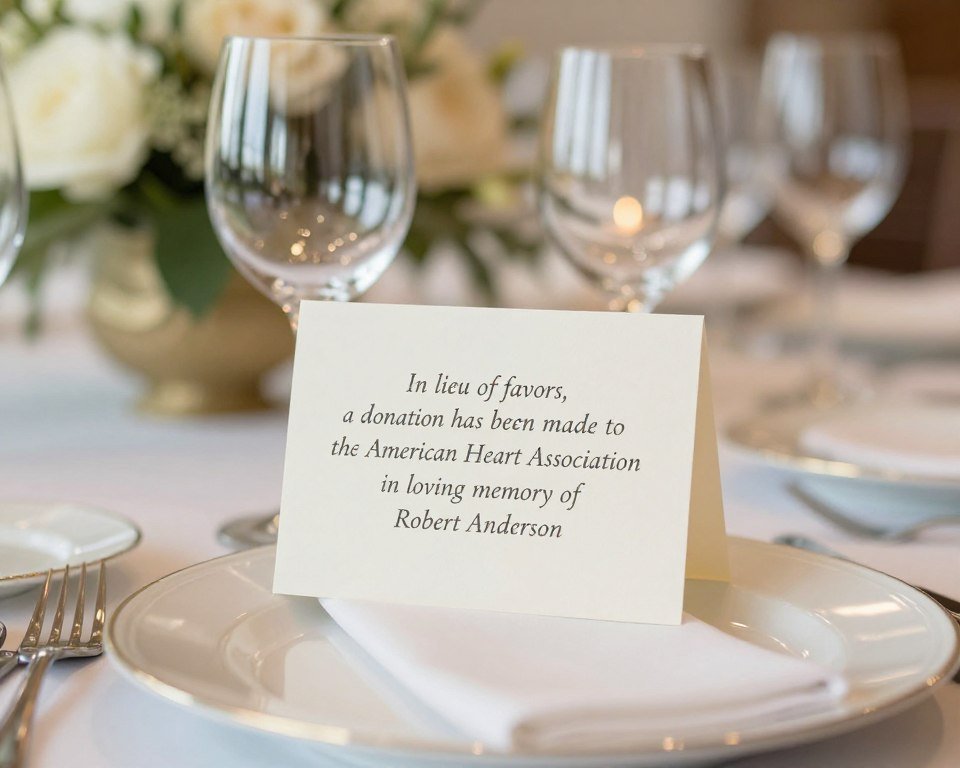
Donate to a meaningful charity instead of providing traditional wedding favors. Place cards at each place setting explaining that a donation was made to [organization name] in memory of your loved ones. Guests appreciate knowing their presence contributed to something meaningful.
Choose organizations that reflect your loved one’s passions or the illness they battled. Cancer research, heart associations, animal shelters, veteran’s groups, or children’s hospitals all make worthy recipients depending on your connection.
Include information about the charity so guests can make their own donations if moved. Provide the organization’s website or contact information on your favor cards. Your tribute might inspire ongoing support.
Fundraising Elements at Your Reception
Set up a donation station at your reception where guests can contribute to a memorial fund or charitable cause. Provide envelopes and information about the organization you’re supporting. This optional giving opportunity extends your tribute.
Create a matching donation promise where you pledge to match guest contributions up to a certain amount. This incentive often encourages more generous giving while amplifying your memorial tribute’s impact.
Some couples sell memorial ribbons, bracelets, or pins at their reception with proceeds going to charity. Guests receive a token they can keep while supporting a cause connected to your loved one.
Establishing Memorial Scholarships
Announce the creation of a scholarship fund in your loved one’s name during your reception. This lasting educational legacy helps others while preserving the deceased’s memory for years to come.
Collect donations toward this scholarship fund as your wedding gift registry option. Direct guests who ask what you need to this meaningful cause instead of traditional presents. Your wedding becomes the scholarship’s launching point.
Present the first scholarship award at your wedding if timing allows. Having the inaugural recipient attend your celebration creates powerful connections between past loss and future hope.
Volunteer Work in Their Honor
Participate in volunteer work related to your loved one before your wedding, then share this experience in your program or during speeches. Explain how you honored their memory through service, inspiring guests to do the same.
Organize a group volunteer event for your wedding party as a pre-wedding activity. This meaningful time together honors your loved one while bonding your attendants around shared purpose beyond just partying.
Continue memorial volunteer work annually on your anniversary. This tradition links your marriage celebration with ongoing remembrance and service, creating positive ritual from loss.
Create Lasting Memorial Tributes
Whether through flowers, charitable donations, or keepsakes, discover items that help you honor loved ones in meaningful ways. Find everything you need to create tributes that celebrate their memory beautifully.
Visual tributes through photography and video create powerful emotional moments at weddings. These multimedia memorial elements allow guests to see loved ones’ faces and remember their presence. Digital displays offer flexibility in how and where you share these memories.
Memorial Photo Display or Gallery Wall
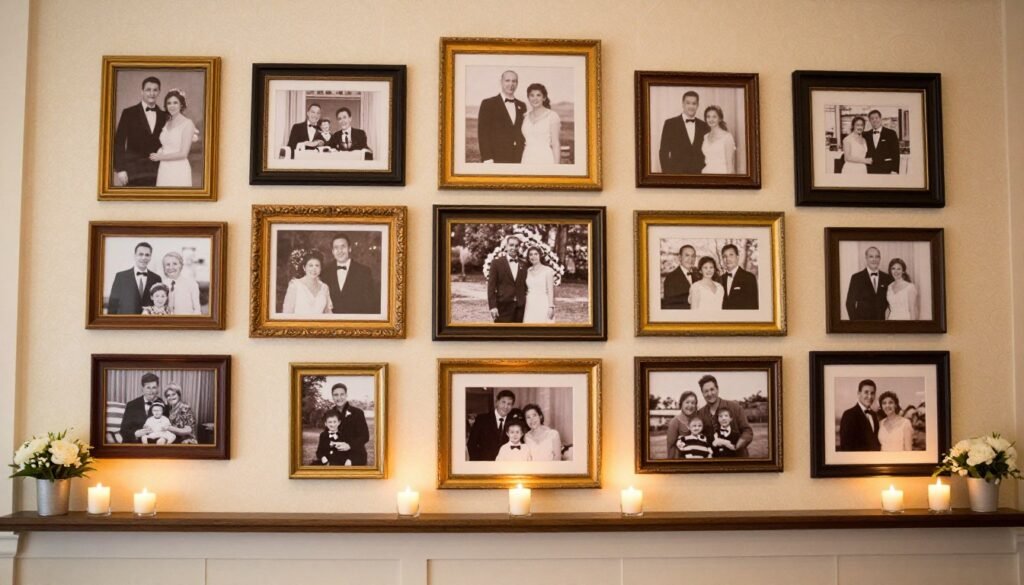
Create a gallery wall featuring multiple framed photos of your loved ones. Arrange pictures from throughout their lives showing their personality, relationships, and the joy they brought. This visual timeline becomes a focal point that guests naturally gravitate toward.
Mix photo sizes and frame styles for visual interest while maintaining cohesive colors. Black frames create classic elegance, while mixed metallics feel more eclectic. Choose a presentation style matching your overall wedding aesthetic.
Include photos of your loved ones at weddings they attended. Images of them celebrating other marriages creates poignant connections between past joy and your current celebration.
Slideshow or Video Montage
Create a memorial video montage playing during cocktail hour or dinner. Set photos to meaningful music that represents your loved one or captures the memorial’s emotional tone. Keep the video length appropriate, typically three to five minutes.
Include video clips if available showing your loved one’s voice and movement. These dynamic elements bring their personality to life more vividly than still photos alone. Hearing their laugh or seeing them dance creates powerful moments.
Loop the slideshow continuously so guests who arrive at different times can watch. Position the display screen where it’s visible but not competing with other focal points like your head table or dance floor.
Photo Guest Book Alternative
Display a large photo of your loved one with space for guests to sign around the image or on mats. This creates a unique keepsake where friends and family leave messages directly on or near the person’s picture.
Use a canvas print that guests sign with permanent markers. The finished piece becomes wall art for your home, keeping both your loved one’s image and guests’ sentiments visible daily.
Provide colorful markers and encourage guests to write favorite memories or qualities they remember. These personal recollections create a treasure more valuable than simple signatures.
Hashtag Memorial Social Media Element
Create a special hashtag for guests to use when posting memorial photos or memories. Perhaps #RememberingDadAtSmithWedding or similar. This digital collection allows everyone to contribute and view shared memories throughout your wedding.
Display a live social media feed at your reception showing posts with your memorial hashtag. Guests enjoy seeing their contributions appear in real-time while celebrating the deceased’s life together.
Compile these hashtagged photos after your wedding into a digital or printed album. This crowdsourced memorial book captures perspectives and memories beyond your own, enriching your remembrance collection.
Professional Memorial Portrait Session
Commission an artist to create a portrait of your loved one displayed at your wedding. Oil paintings, watercolors, or digital art provide beautiful tributes that feel more artistic than photographic. This elevated presentation honors them as the important figure they were.
Display this commissioned portrait prominently during your ceremony or reception, then hang it in your home afterward. The artwork serves dual purpose as wedding memorial and permanent home decor.
Some couples create portraits showing how their loved one might have looked at their wedding. An artist can age or style a person’s appearance to imagine them dressed for your celebration.
Including Them in Your Wedding Photos
Hold a framed photo of your loved one during certain wedding pictures. These images showing you with their portrait acknowledge their absence while including them symbolically in your wedding photography.
Visit their grave or memorial site in your wedding attire for photos. Many couples find this ritual meaningful, feeling they’ve shared their wedding appearance with the deceased. These private photos become treasured keepsakes.
Some photographers can digitally add deceased loved ones to wedding photos using historical images. While controversial, some families find comfort in these composite images showing how weddings might have looked with everyone present.
Cultural and Religious Memorial Traditions
Many cultures and faiths have specific traditions for honoring the deceased. Incorporating these meaningful practices connects your memorial tributes to larger spiritual or cultural contexts. These time-honored rituals carry deep significance across generations.
Lighting a Memorial Candle or Yahrzeit Candle
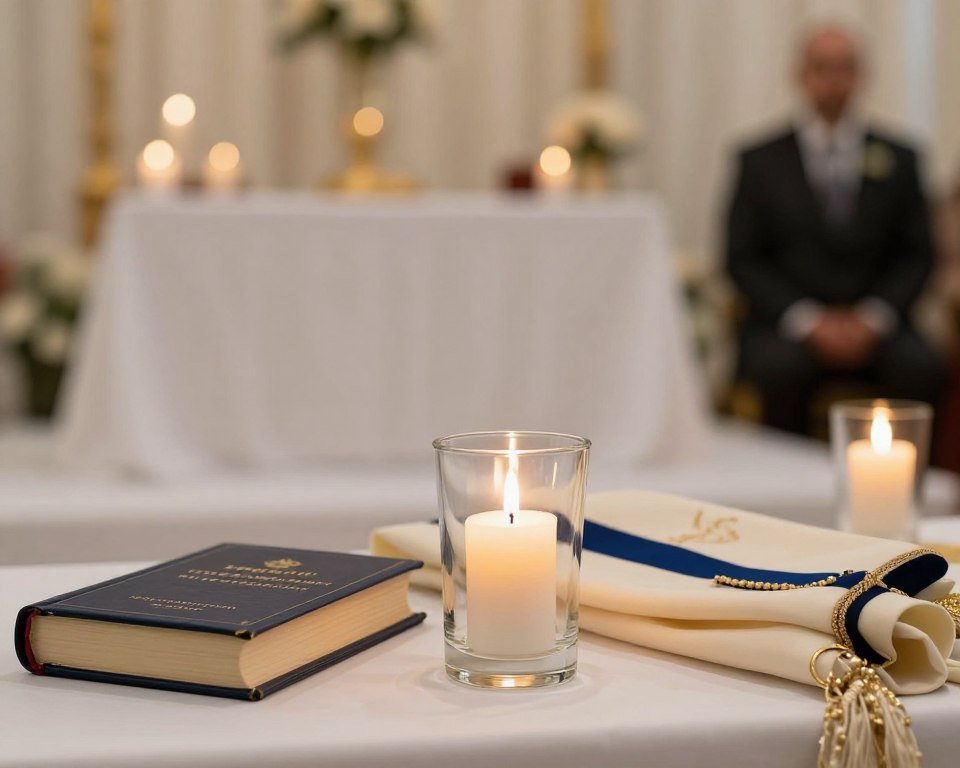
Jewish tradition includes lighting yahrzeit candles in memory of the deceased. Lighting this memorial candle at your wedding honors both your loved one and your cultural heritage. The flame burns throughout your celebration as a symbol of eternal souls.
Catholic and Orthodox Christian traditions also incorporate memorial candles. Lighting candles before icons or religious imagery creates sacred space for remembering those who’ve passed. These spiritual tributes feel natural within religious ceremonies.
Explain the candle lighting tradition to guests who may not share your faith background. A brief program note or officiant’s words provide context, helping everyone understand and appreciate the ritual’s significance.
Offering Prayers or Blessings
Include specific prayers for the deceased within your ceremony. Many religious traditions have established prayers for remembering those who’ve died. Your officiant can incorporate these sacred words naturally into your service.
Invite clergy or spiritual leaders to offer special blessings for your loved ones. Their authority and training in memorial traditions ensures appropriate tone and content for these sensitive moments.
Provide prayer cards at your ceremony entrance with specific prayers guests can recite silently for your loved ones. This participatory element invites everyone into the memorial experience rather than making it passive observation.
Creating an Ofrenda or Day of the Dead Elements
Mexican tradition includes creating ofrendas (offerings) for deceased loved ones, especially during Día de los Muertos. Adapt this beautiful tradition for your wedding with an altar featuring photos, favorite foods, marigold flowers, and meaningful objects.
Decorate your ofrenda with papel picado (decorative paper banners) in your wedding colors. This vibrant presentation celebrates the dead joyfully rather than mournfully, aligning with both Day of the Dead spirit and wedding celebration.
Include sugar skulls decorated with your loved ones’ names. These traditional elements honor Mexican heritage while creating striking visual tributes that guests find beautiful and meaningful.
Honoring Ancestors in African Traditions
Many African cultural traditions emphasize ancestor veneration and their continued presence in family life. Pour libations as an offering to ancestors, acknowledging their ongoing influence and blessing on your union.
Include ancestor recognition in your ceremony through specific words honoring those who came before. African wedding traditions often explicitly name previous generations, establishing lineage connections and family continuity.
Create an ancestor altar with traditional fabrics, symbols, and offerings meaningful to your specific African heritage. Research your family’s particular traditions to ensure authentic representation.
Asian Cultural Memorial Practices
Many Asian cultures maintain strong traditions of honoring deceased family members. Set up an altar with incense, fruit offerings, and ancestral tablets or photos following your cultural specifics.
Bow or perform traditional gestures of respect toward photos or representations of your ancestors during your ceremony. These physical demonstrations of reverence acknowledge their importance to your family.
Include traditional memorial elements like specific flowers, colors, or symbolic objects from your heritage. Chinese traditions might incorporate red and gold elements, while Japanese customs might include specific flower arrangements.
Indigenous Memorial Traditions
Native American and Indigenous traditions often include natural elements in memorial practices. Incorporate feathers, stones, specific plants, or other meaningful natural objects representing your loved ones’ spirits.
Many Indigenous traditions include drums, specific songs, or ceremonial practices for honoring those who’ve passed. Work with tribal elders or cultural advisors to incorporate these appropriately and respectfully.
Create a medicine wheel or sacred circle including representations of your loved ones within the four directions. These powerful spiritual symbols connect your wedding to Indigenous cosmology and ancestor veneration.
Subtle and Understated Memorial Elements
Not every memorial tribute needs to be obvious or public. Subtle remembrances can be equally meaningful while maintaining your wedding’s celebratory atmosphere. These quiet acknowledgments provide personal comfort without requiring guest attention or participation.
Private Moments Before Your Ceremony
Schedule time alone or with your partner before your ceremony to acknowledge your loved ones privately. Visit their photos, light a candle, or simply sit quietly thinking of them. This personal ritual grounds you emotionally before your public celebration.
Write a letter to your loved one on your wedding morning. Express what you wish you could say to them, share your feelings about their absence, and tell them about your partner. This private communication provides emotional release.
Carry a small token representing your loved one in your pocket or tucked into your dress. Only you need to know it’s there. This secret memorial gives you comfort throughout the day without requiring explanation.
Symbolic Jewelry or Hidden Messages
Have a message engraved inside your wedding band referencing your loved one. Phrases like “Dad is with us” or initials of the deceased remain hidden against your skin but ever-present in your awareness.
Wear a small memorial charm on a bracelet under your sleeve or on an anklet beneath your dress. These concealed tributes provide personal comfort without being visible to guests.
Attach a tiny photo or memorial item inside your bouquet wrap where only you can see it. Your florist can secure small lockets, charms, or fabric pieces within the ribbon or stems.
Matching Their Wedding Date or Details
Choose your wedding date to match or honor your loved one’s anniversary or birthday. This numerical connection weaves their memory into your marriage’s foundation without requiring explanation to guests.
Incorporate specific details from your parents’ or grandparents’ weddings as subtle tributes. Perhaps use their cake topper style, match their color scheme, or include similar flowers. These echoes honor their unions.
Time your ceremony to match when your loved one’s wedding occurred if known. Getting married at the same hour creates temporal connection across years and generations.
Choosing Meaningful Locations
Select ceremony or reception venues that held meaning for your loved one. Perhaps they attended church at your ceremony site, or enjoyed events at your reception venue. The location itself becomes a memorial tribute.
Include a site visit to a place meaningful to your loved one as part of your wedding day. Stop briefly at their favorite park, restaurant, or overlook for private photos and reflection.
Choose a honeymoon destination they loved or always wanted to visit. Experiencing this place becomes a way to feel connected to them while creating your own new memories.
Incorporating Their Handwriting
Use your loved one’s actual handwriting in subtle design elements. Scan their signature from documents or letters, then incorporate it into programs, signs, or even embroidered details on your attire.
Display a framed handwritten recipe card, letter, or note in their writing. Their penmanship creates immediate recognition and emotional connection for family members who remember it well.
Some couples tattoo loved ones’ signatures or handwriting as permanent memorials. Getting this tattoo before your wedding allows you to carry their handwriting literally on your body during your celebration.
Symbolic Numbers and Timing
Schedule your ceremony start time to include meaningful numbers connected to your loved one. If they were born on the seventh, begin at 3:07 or 5:07. These numerical references create private connections.
Use their favorite number in various wedding details. Perhaps that number of flowers in your bouquet, that table number reserved for close family, or that many candles lit for their memory.
Create a special toast or private moment at a time that references them. If they passed at 6:47, share a private acknowledgment at that exact time during your reception.
Managing Emotions and Supporting Each Other
Planning memorial tributes while preparing for a joyful wedding creates complex emotions. Grief and happiness can coexist, but navigating these feelings requires awareness and support. Understanding emotional needs helps both you and your guests process loss alongside celebration.
Acknowledging Your Own Grief
Give yourself permission to feel sad about your loved one’s absence even while planning something happy. These conflicting emotions are completely normal. Wedding planning might trigger grief you thought you’d processed.
Talk to your partner about what memorial tributes matter most to you. Be specific about which elements feel essential versus nice to include. This clarity prevents overwhelming yourselves with too many memorial gestures.
Consider working with a therapist if wedding planning brings up particularly difficult grief. Professional support helps you process emotions constructively rather than letting them overshadow your celebration.
Supporting Your Partner’s Grief
Your partner’s loss might feel different from yours, especially if they lost a parent you never knew well. Respect that their grief experience and memorial needs may differ from your own.
Ask what would bring them comfort rather than assuming. They might want extensive tributes or prefer minimal acknowledgment. Let them guide memorial planning related to their loved ones.
Be prepared for unexpected emotional moments. Your partner might break down while planning seemingly small details. Grief arrives unpredictably, especially around significant milestones.
Preparing Family Members
Inform close family about your memorial plans in advance. This prevents surprised emotional reactions during your ceremony or reception. Preparation helps everyone manage their feelings more effectively.
Ask family members how they feel about your planned tributes. They might have suggestions or concerns worth considering. Collaborative memorial planning often results in more meaningful tributes.
Designate a supportive family member or friend as an emotional point person. This individual can comfort others who become upset, allowing you to focus on your celebration rather than managing everyone’s grief.
Creating Quiet Spaces for Emotions
Designate a quiet room where guests can step away if they become overwhelmed. Provide tissues, comfortable seating, and perhaps some water. This refuge acknowledges that memorial tributes might trigger strong feelings.
Position your memorial displays where guests can visit them privately rather than only in high-traffic areas. This allows people to spend time with memories without feeling watched or rushed.
Build buffer time into your timeline around memorial moments. If you’re doing a special tribute or dance, allow extra minutes afterward for people to compose themselves before continuing celebrations.
Maintaining the Celebration Balance
Remember that your wedding should primarily celebrate your future together. Memorial tributes honor the past, but joy about your marriage should remain central. Avoid letting remembrance overshadow celebration.
Limit memorial moments to one or two main tributes rather than threading grief throughout your entire event. Concentrated remembrance allows guests to honor loved ones then return to celebrating your union.
Trust that finding joy on your wedding day doesn’t dishonor those you’ve lost. Deceased loved ones would want you to be happy. Your celebration honors their memory by showing you can move forward while still remembering.
After Your Wedding
Create a lasting memorial from wedding elements afterward. Frame photos from your memorial table, preserve flowers, or compile the memory book guests signed. These keepsakes continue honoring loved ones beyond your wedding day.
Share wedding photos with family members who found the memorial tributes meaningful. Seeing these captured moments helps everyone process emotions they experienced during your celebration.
Establish ongoing traditions that connect your anniversary to memorial practices. Visit graves on your anniversary, make donations yearly, or create rituals that link your marriage celebration to continued remembrance.
Creating Your Perfect Memorial Tribute
Honoring loved ones at your wedding creates meaningful moments that acknowledge important absences while celebrating your future. The most touching tributes reflect authentic relationships and personal memories rather than following prescribed formulas.
Choose memorial ideas that resonate with your heart and match your wedding style. A formal ballroom celebration might incorporate elegant framed photos and program dedications. A casual outdoor wedding could feature wildflowers they loved and rustic memorial displays. Authentic tributes always feel more meaningful than generic ones.
Remember that you can’t include every idea you love. Select one to three main memorial elements that matter most. Quality trumps quantity when creating remembrance moments. A single heartfelt tribute outweighs numerous superficial gestures.
Talk with your partner about balancing memorial elements with celebration. Both your wedding’s joyful purpose and your desire to honor the deceased deserve respect. The right balance feels celebratory while acknowledging important absences.
Involve family members in memorial planning when appropriate. Their input and participation can make tributes more meaningful while providing them healing involvement in your wedding. Shared remembrance often comforts everyone who misses the deceased.
Your wedding day will likely trigger various emotions as you celebrate without certain loved ones present. This bittersweet experience is normal and valid. Creating thoughtful tributes helps channel these feelings into meaningful expressions rather than overwhelming sadness.
Trust that honoring those you’ve lost while celebrating your future doesn’t diminish either experience. Love transcends physical presence. Your wedding becomes more meaningful when it acknowledges both the past that shaped you and the future you’re creating together.
The memorial tributes you create become part of your wedding story. Years later, you’ll remember not just your celebration but how you honored those who couldn’t attend. These moments of remembrance weave into your marriage’s foundation, showing that love endures beyond death.
Take time to honor your loved ones in ways that bring you comfort and peace. Whether through photos, flowers, symbolic gestures, or quiet private moments, your tributes celebrate their lasting influence on your life. They helped create the person your partner fell in love with.
Your wedding day arrives as a milestone they would have cherished. Creating space to acknowledge their absence while celebrating your love creates a day that honors both past and future. This balance makes your wedding truly complete.
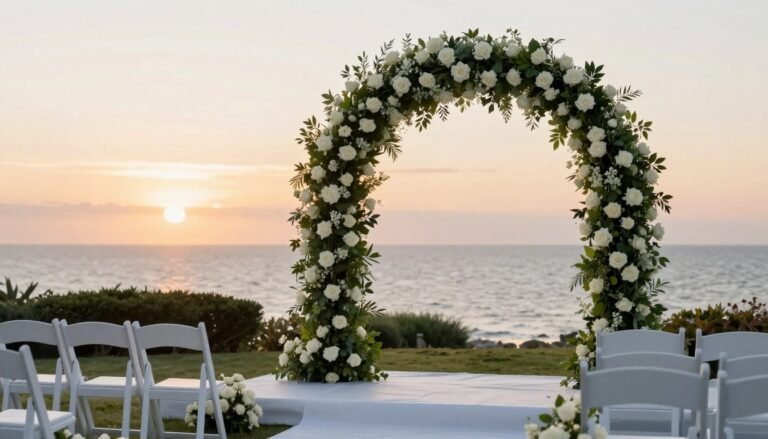
The wedding arch stands as the focal point of your ceremony, framing the moment you say “I do” with beauty and significance. Finding the perfect arch decoration for your wedding can elevate your entire celebration, creating a stunning backdrop for photos and memories that will last a lifetime. From lush floral designs to minimalist modern…
Receiving an invitation to a formal wedding brings both excitement and a touch of anxiety. What exactly does “formal” mean? How can you look elegant without upstaging the couple? Whether you’re attending a black-tie affair or a formal evening celebration, navigating dress codes doesn’t have to be stressful. This comprehensive guide will walk you through…
Asking your closest friends to stand by your side on your wedding day deserves more than a simple text message. A bridesmaid proposal marks the beginning of your wedding journey together and sets the tone for the special role these important people will play. The right gift shows appreciation while creating a memorable moment your…
The cocktail hour sets the tone for your entire celebration, creating that magical transition between ceremony and reception. Whether you’re planning a wedding, anniversary party, or sophisticated soirée, your cocktail hour table decor speaks volumes about the experience your guests can expect. This crucial interlude gives guests time to mingle, enjoy refreshments, and admire your…
Wedding season is upon us, and with the sunshine comes the exciting challenge of finding that perfect summer wedding guest dress. Whether you’re attending a beachside ceremony, garden celebration, or formal evening affair, the right dress can make you feel confident, comfortable, and appropriately festive. This comprehensive guide will walk you through everything you need…
Finding the perfect hairstyle as a wedding guest can feel overwhelming. You want to look elegant and polished without overshadowing the bride. Long hair offers endless possibilities for creating beautiful wedding guest hairstyles that strike the perfect balance between sophisticated and effortless. This guide showcases forty-one stunning options. Each style works for different wedding themes…