DIY Outdoor Grill Projects: Build Your Perfect Backyard Cooking Station
There’s something deeply satisfying about cooking outdoors on a grill you built with your own hands. Not only does a DIY outdoor grill save you hundreds (or even thousands) of dollars compared to store-bought options, but it also gives you the freedom to customize every detail to fit your space and cooking style. Whether you’re working with a tiny patio or a sprawling backyard, this guide will walk you through everything you need to know to create a functional, beautiful outdoor grill that will become the centerpiece of your outdoor entertaining space.
This Website contains affiliate links. That means I may earn a small commission if you purchase through my links, at no extra cost to you.
Why Build a DIY Outdoor Grill?
Before we dive into the how-to, let’s talk about why building your own outdoor grill is such a rewarding project. Understanding these benefits will help keep you motivated throughout the building process.
Cost Savings
Pre-built outdoor kitchens and high-end grills can cost anywhere from $1,500 to $10,000 or more. By contrast, many of the DIY options we’ll cover can be built for under $500, with some simpler designs costing as little as $100 in materials.
Related Posts:



Customization
When you build your own grill, you get to decide everything – the size, height, cooking surface area, storage options, and aesthetic. Want a side burner? Extra counter space? A specific type of stone facing? It’s all up to you.
Pride of Ownership
There’s an undeniable satisfaction that comes from cooking on something you built yourself. Every time you host a barbecue, you’ll get to share not just the food, but also the story of how you created your cooking space.
Learning New Skills
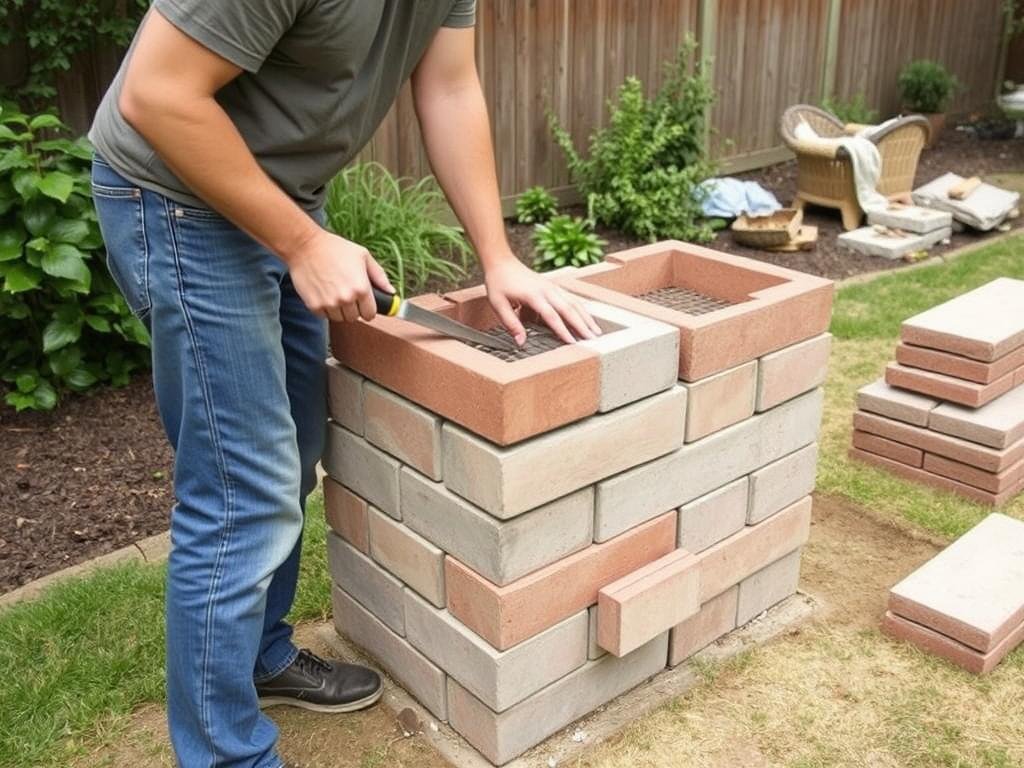
Building a DIY grill teaches valuable skills in construction, masonry, and outdoor design that can be applied to future projects around your home.
Types of DIY Outdoor Grills
There are several popular styles of DIY outdoor grills, each with its own advantages. Choose the one that best fits your space, budget, and cooking needs.
Cinder Block Grill
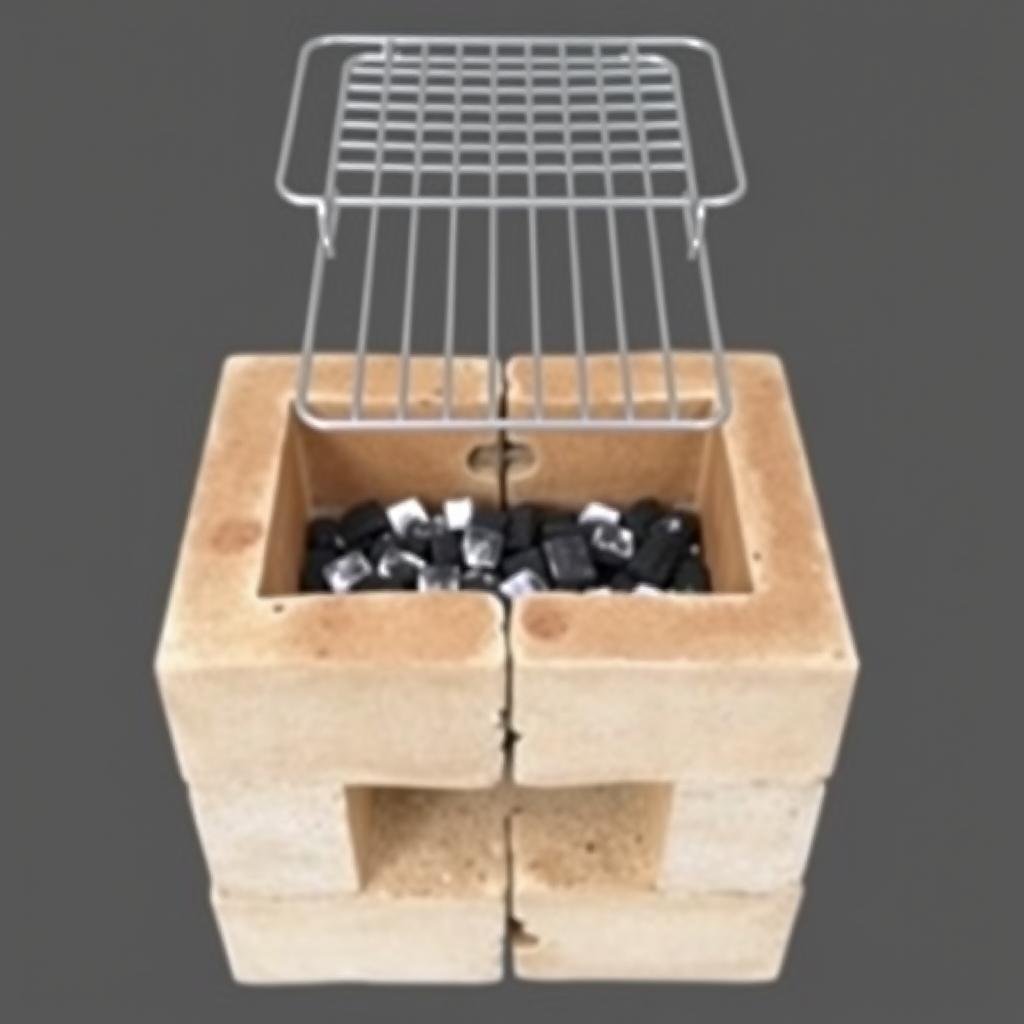
Difficulty: Beginner
Cost: $50-$100
The simplest DIY grill option, requiring just cinder blocks arranged in a U-shape with a metal grate on top. Perfect for beginners or temporary setups.
Brick Grill Island

Difficulty: Intermediate
Cost: $300-$800
A more permanent solution that creates a true outdoor kitchen feel with counter space and potentially storage underneath. Requires basic masonry skills.
Steel Drum Grill
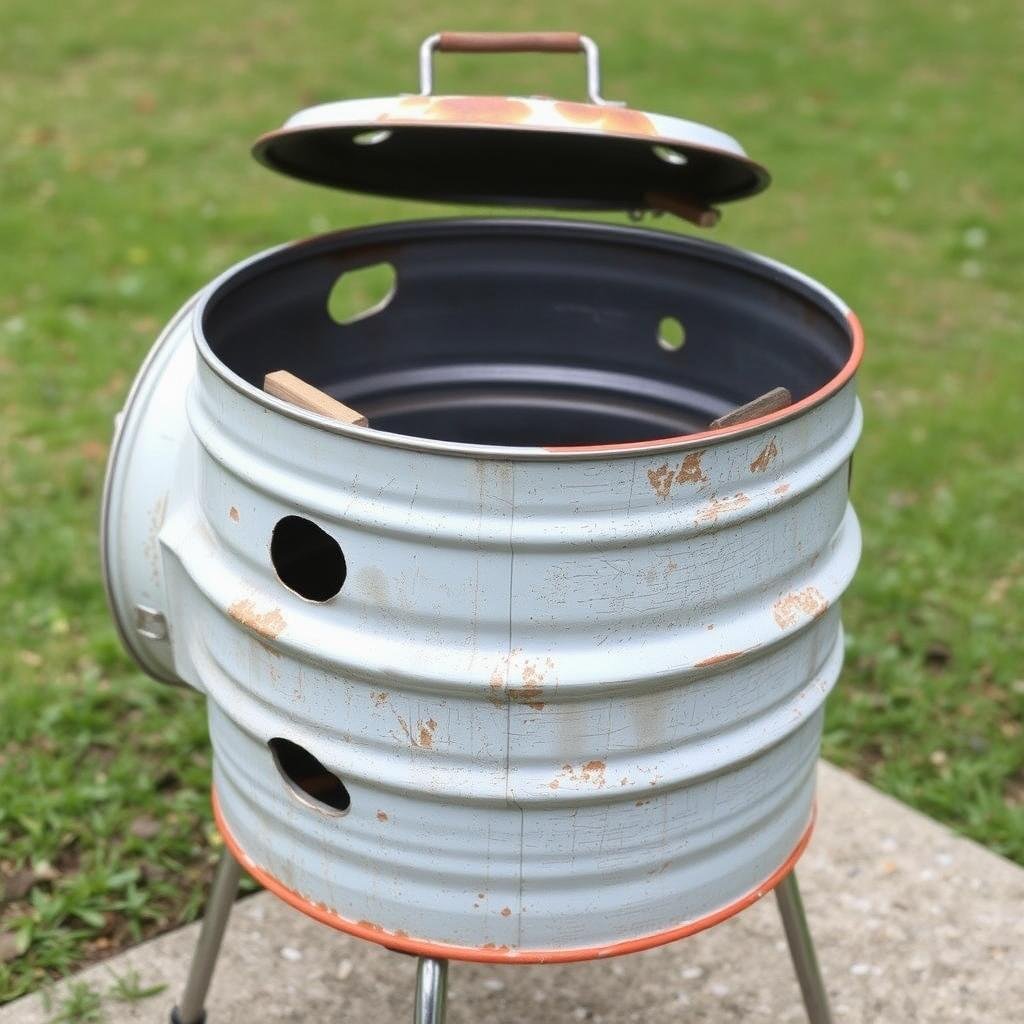
Difficulty: Intermediate
Cost: $100-$200
Repurposing a steel drum into a grill creates a classic smoker/grill combo that’s perfect for slow cooking and smoking meats.
Tabletop Fire Bowl Grill

Difficulty: Beginner
Cost: $30-$75
A compact option perfect for small spaces or apartment balconies, this mini grill can be made from a concrete bowl with a small grate.
Concrete Block Outdoor Kitchen
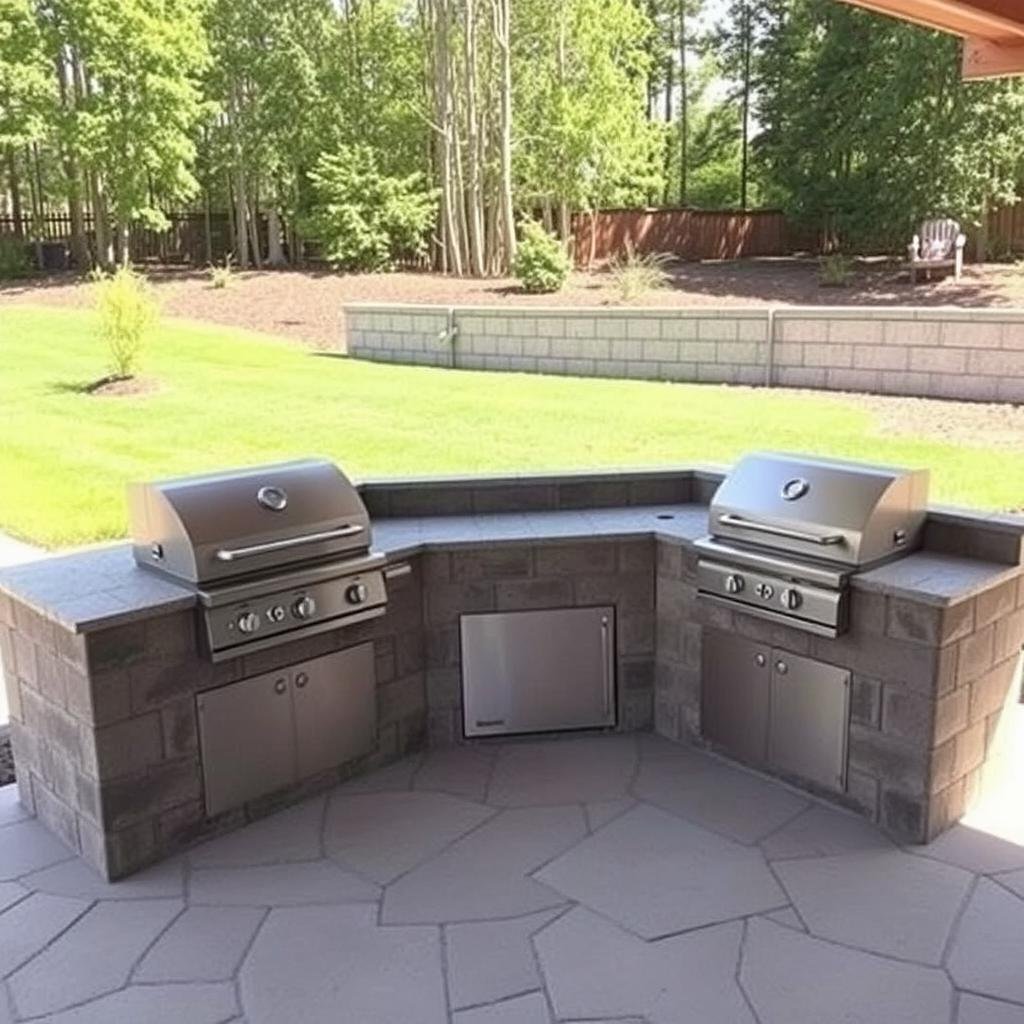
Difficulty: Advanced
Cost: $500-$1,500
The most comprehensive option, creating a full outdoor kitchen with multiple cooking surfaces, storage, and counter space using concrete blocks as the base structure.
Essential Tools & Materials
Before starting your DIY outdoor grill project, gather all the necessary tools and materials. The specific items you’ll need will vary depending on which type of grill you’re building, but here’s a comprehensive list to get you started:
Basic Tools
- Measuring tape – For accurate measurements
- Level – To ensure your grill is perfectly horizontal
- Trowel – For applying mortar between bricks
- Shovel – For digging foundation areas
- Hammer – For general construction needs
- Safety gloves – To protect your hands
- Safety glasses – For eye protection
Materials for Brick/Block Grills
- Fire bricks – Heat-resistant bricks for the interior
- Cinder blocks – For simple, affordable structures
- Refractory mortar – Heat-resistant mortar for fire areas
- Concrete mix – For foundations and countertops
- Gravel – For drainage in foundation
- Steel grill grate – The cooking surface
- Angle iron – For supporting the grill grate
Materials for Steel Drum Grills
- Food-grade steel drum – The main body of your grill
- High-heat paint – For finishing the exterior
- Metal hinges – For the lid
- Metal drill bits – For creating air holes
- Grill thermometer – For monitoring cooking temperatures
Optional Enhancements
- Countertop material – For prep space
- Grill tools – Spatula, tongs, etc.
- Cabinet doors – For storage areas
- Stone veneer – For decorative finishing
- Grill cover – To protect your finished project

Ready to Start Your DIY Grill Project?
Gather your materials with our convenient shopping links above. Each link will take you directly to Amazon where you can find the best options for your specific project needs.
Step-by-Step Building Guide: Simple Cinder Block Grill
Let’s walk through building one of the most accessible DIY grill projects: a cinder block grill. This design is perfect for beginners, requires minimal tools, and can be completed in a single afternoon.

Materials Needed
- 16-20 standard cinder blocks (8″x8″x16″)
- 1 heavy-duty steel grill grate (sized to fit your design)
- Gravel (optional, for drainage)
- Level ground or patio surface
Construction Steps
-
Choose and prepare your location
Select a flat, level area away from any structures, overhanging trees, or flammable materials. The location should be at least 10 feet from your house or any wooden structures. Clear the area of any debris and ensure it’s level.
Safety First: Never build your grill on a wooden deck or directly on grass. If building on a lawn, consider removing the top layer of grass and creating a gravel or paver base.
-
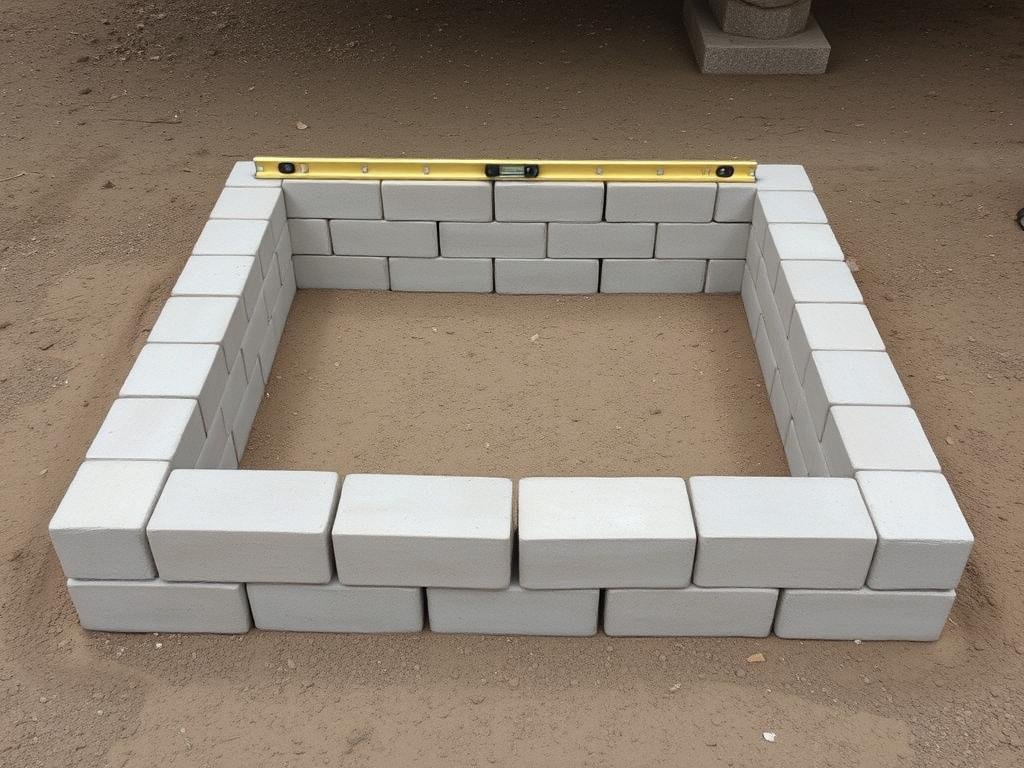
Create the first layer
Arrange 8-10 cinder blocks in a U-shape, with the open side facing the direction you want to access the grill from. Use your level to make sure the blocks are even. This first layer will be the foundation of your grill.

-
Add the second layer
Place another layer of cinder blocks directly on top of the first layer, but stagger them like bricks so that each block on the second layer bridges two blocks on the first layer. This creates a more stable structure. Check again with your level to ensure everything remains even.
-
Create grate supports
Depending on the size of your grill grate, you may need to adjust the placement of some blocks to create ledges for the grate to rest on. You can turn some blocks sideways or use smaller pieces to create the perfect support height.
-
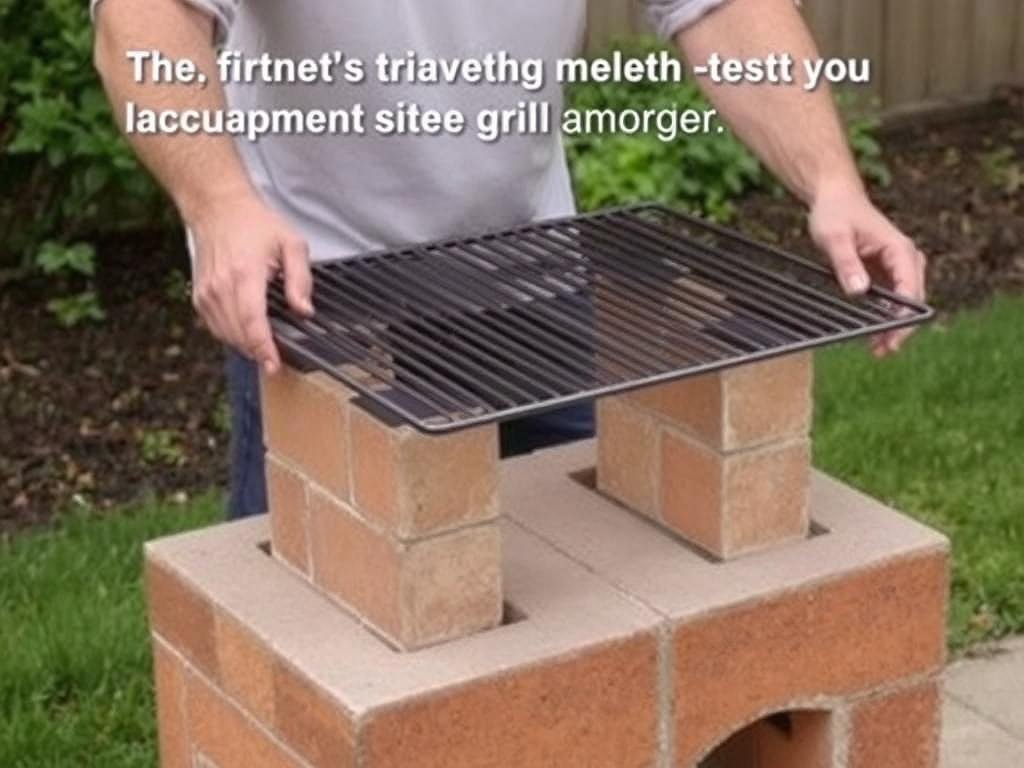
Test fit your grill grate
Place your grill grate on the supports to make sure it fits properly and is stable. It should be level and have enough support on all sides to hold the weight of your food without tipping.
-
Prepare for first use
Before cooking food, it’s important to do a “burn-in” to remove any manufacturing residues from your grill grate. Place charcoal in the bottom of your grill, light it, and let it burn hot for about 30-60 minutes with the grate in place.
-
Start grilling!
Once your burn-in is complete and the grate has cooled, clean it with a grill brush, and you’re ready to cook your first meal on your DIY grill!
Pro Tip: This basic design can be easily modified. Want more cooking height? Add another layer of blocks. Need more cooking space? Make your U-shape wider or create a complete rectangle with an access door on one side.
Safety Tips & Maintenance
Building and using a DIY grill comes with responsibilities. Follow these safety guidelines and maintenance tips to ensure your outdoor cooking experience remains safe and enjoyable for years to come.
Safety Guidelines
- Location: Place your grill on a non-flammable surface at least 10 feet away from any structures, trees, or combustible materials.
- Ventilation: Ensure proper airflow around your grill to prevent carbon monoxide buildup.
- Fire Extinguisher: Always keep a fire extinguisher nearby when grilling.
- Heat-Resistant Materials: Use proper fire bricks and refractory mortar for any surfaces that will be in direct contact with fire.
- Supervision: Never leave a lit grill unattended, especially with children or pets around.
- Food Safety: Use separate utensils for raw and cooked foods to prevent cross-contamination.
Maintenance Tips
- Regular Cleaning: Clean your grill grate after each use while it’s still warm.
- Ash Removal: Remove ashes once they’ve completely cooled to prevent moisture buildup.
- Inspect Regularly: Check for cracks in masonry or loose components before each use.
- Weather Protection: Consider a grill cover or small roof structure to protect from rain and snow.
- Seasonal Care: In cold climates, take extra precautions to prevent freeze-thaw damage to brick or concrete structures.
- Rust Prevention: Apply high-heat paint or oil to metal components to prevent rusting.

Important Safety Warning: Never use regular construction bricks for the fire box area of your grill. Standard bricks can absorb moisture and explode when heated. Always use fire-rated bricks for any surfaces that will be in direct contact with heat.
Conclusion: Your DIY Grilling Journey
Building your own outdoor grill is more than just a weekend project—it’s the beginning of countless memorable meals and gatherings in your outdoor space. The satisfaction of cooking on something you built with your own hands adds a special flavor to every meal that no store-bought grill can match.
Whether you’ve opted for the simple cinder block design we’ve detailed here or you’re feeling inspired to tackle one of the more advanced projects, remember that the perfect grill is the one that fits your specific needs and space. Don’t be afraid to customize these ideas to make them your own.

Share Your DIY Grill Project!
We’d love to see what you create! Save this article to your Pinterest boards for future reference, and tag us in photos of your finished grill projects. Your creative solutions might inspire others in the DIY community!
“The only real stumbling block is fear of failure. In cooking you’ve got to have a what-the-hell attitude.”
Happy building and even happier grilling!