Creating a Magical Small Balcony Garden: Your Complete Guide
A small balcony garden can transform your urban living space into a lush, green sanctuary. Whether you have a tiny apartment balcony or a modest outdoor area, the right approach can help you create a thriving garden that brings nature closer to home. This guide will walk you through everything you need to know about planning, designing, and maintaining a beautiful small balcony garden that maximizes your limited space while creating a peaceful retreat from city life.
This Website contains affiliate links. That means I may earn a small commission if you purchase through my links, at no extra cost to you.
Assessing Your Balcony Space
Before diving into plant selection and containers, take time to understand your balcony’s unique conditions. This crucial first step will determine which plants will thrive in your space.
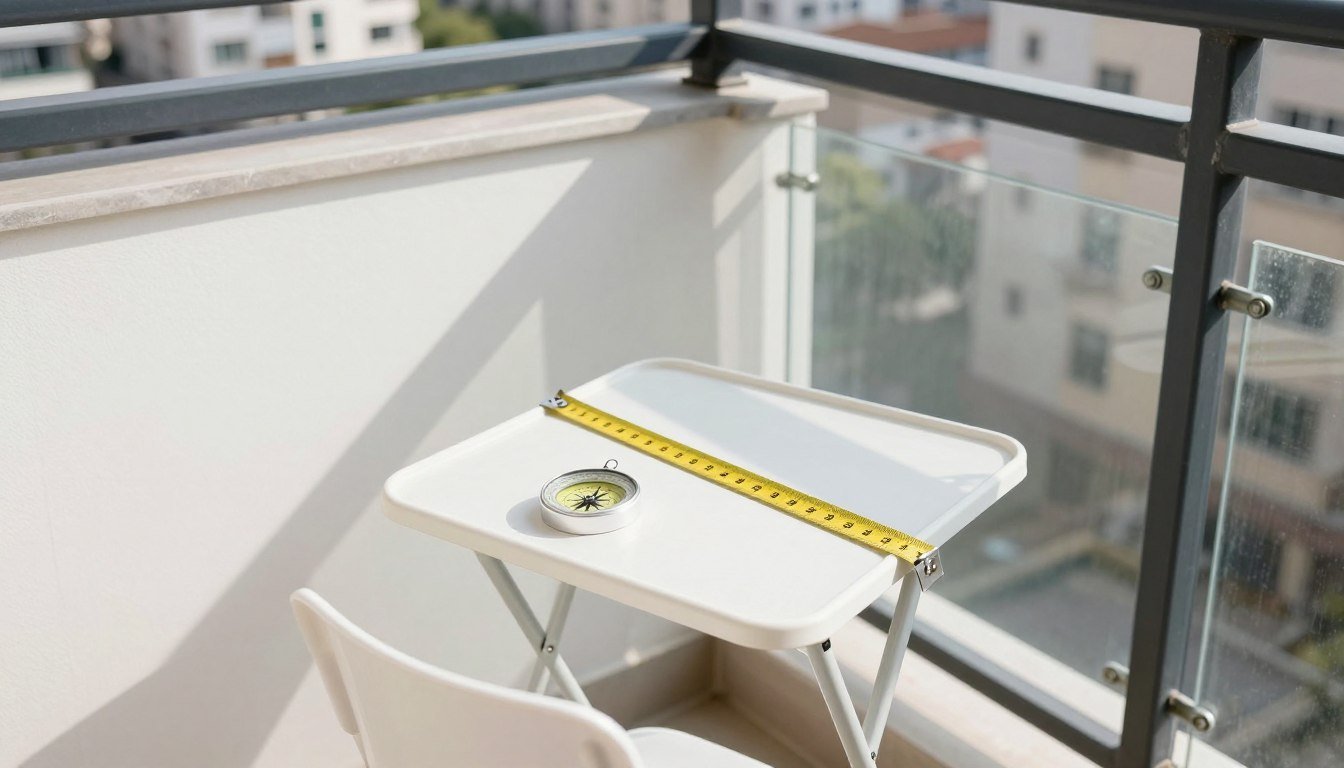
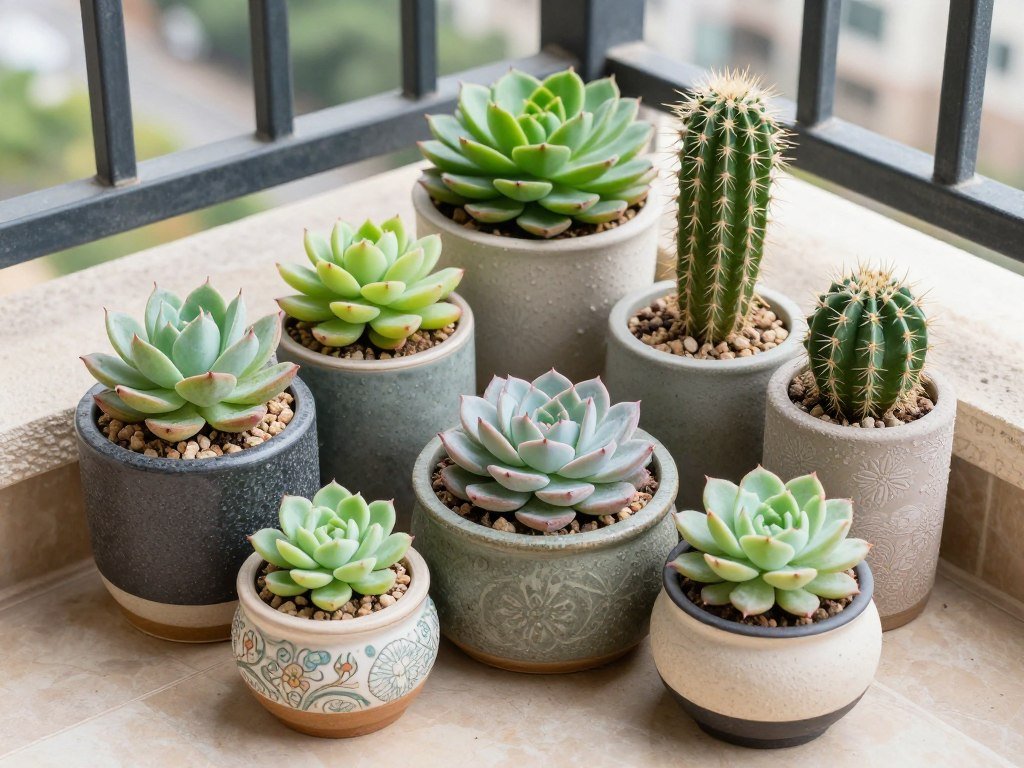
Assessing your balcony’s sunlight, space, and conditions is the first step to a successful garden
Sunlight Exposure
Observe how sunlight moves across your balcony throughout the day. Most balconies fall into one of these categories:
Full sun: 6+ hours of direct sunlight daily (south or southwest facing)
Partial sun: 4-6 hours of direct sunlight (east or west facing)
Shade: Less than 4 hours of direct sunlight (north facing or obstructed)
Use a compass app on your smartphone to determine which direction your balcony faces. South-facing balconies receive the most sun, while north-facing ones get the least. This information is crucial for selecting plants that will thrive in your specific light conditions.
Wind Exposure
Higher balconies often experience stronger winds, which can damage plants and dry out soil quickly. If your balcony is particularly windy, consider installing windbreaks or choosing wind-resistant plants with sturdy stems and smaller leaves.
Weight Restrictions
Most balconies have weight limitations. Check your building regulations or consult with a structural engineer if you’re planning to add multiple heavy planters. Remember that soil becomes significantly heavier when wet, so factor this into your calculations.
Ready to Start Planning Your Garden?
Get accurate readings of your balcony’s sunlight patterns with a sun calculator app. These tools help you visualize sun trajectories throughout different seasons.
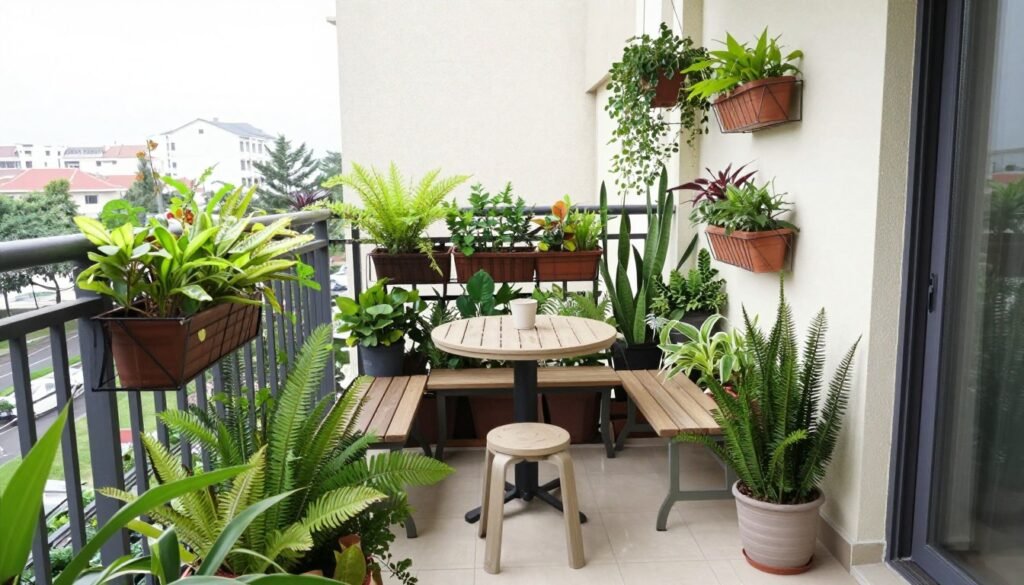
The right containers can make all the difference in a small balcony garden. Choose options that maximize your limited space while complementing your balcony’s aesthetic.
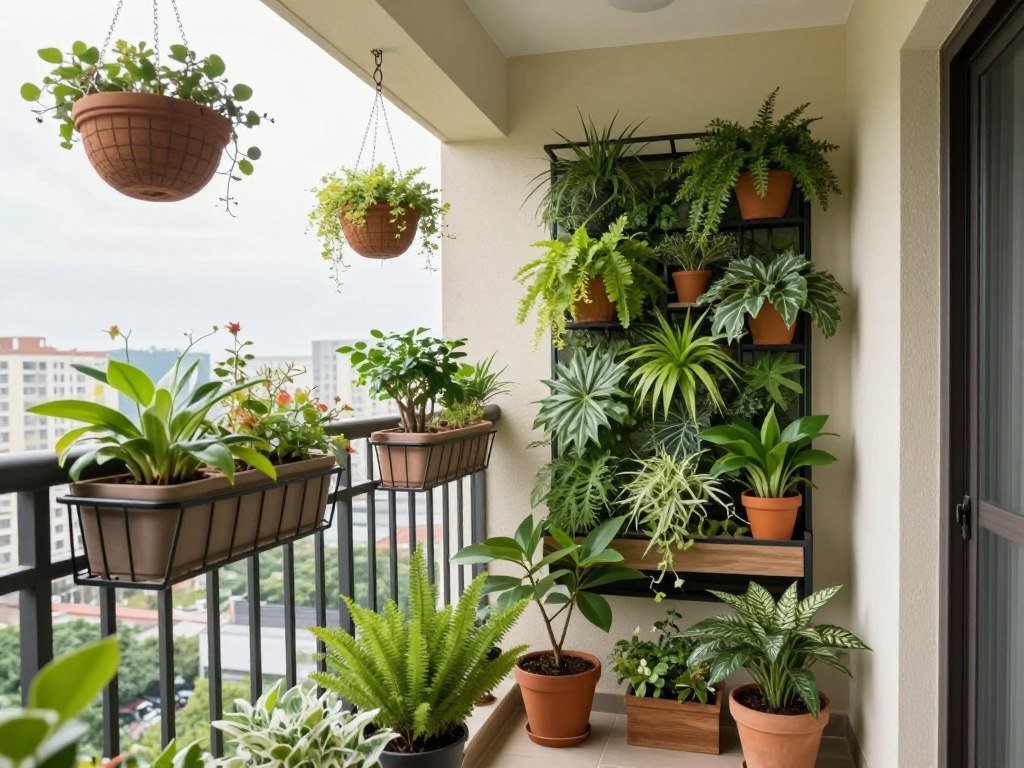
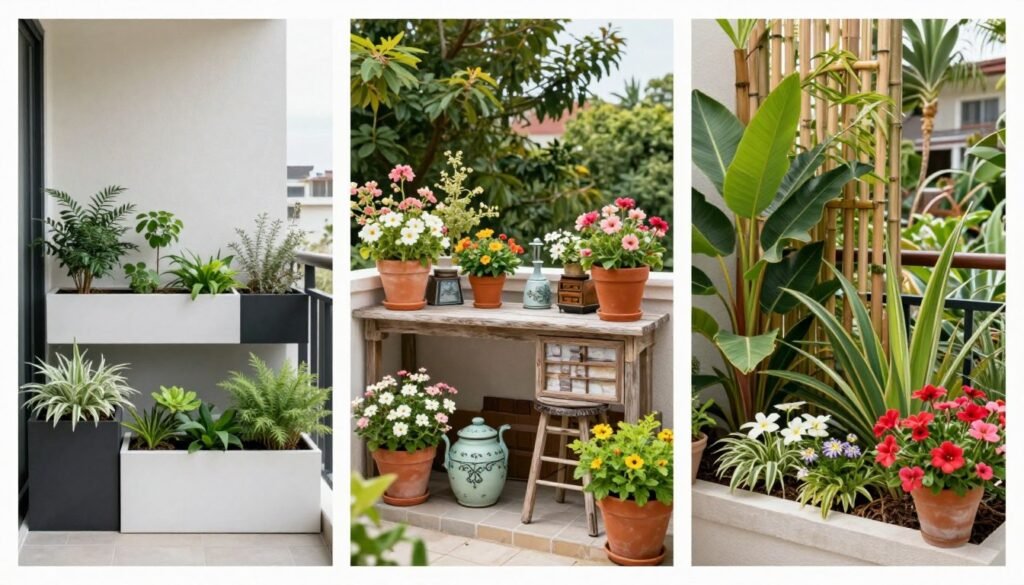
Creative container solutions help maximize limited balcony space
Vertical Gardening Solutions
When floor space is limited, grow upward! Vertical gardening allows you to cultivate more plants in a fraction of the space:
Wall-mounted planters: Attach directly to walls or railings
Tiered plant stands: Create multiple levels of growing space
Hanging baskets: Utilize overhead space
Trellis systems: Support climbing plants like peas, beans, or flowering vines
Railing Planters
Railing planters are perfect for small balconies as they don’t take up precious floor space. Look for adjustable brackets that securely attach to different railing types. These planters are ideal for herbs, trailing flowers, or compact vegetables.
Self-Watering Containers
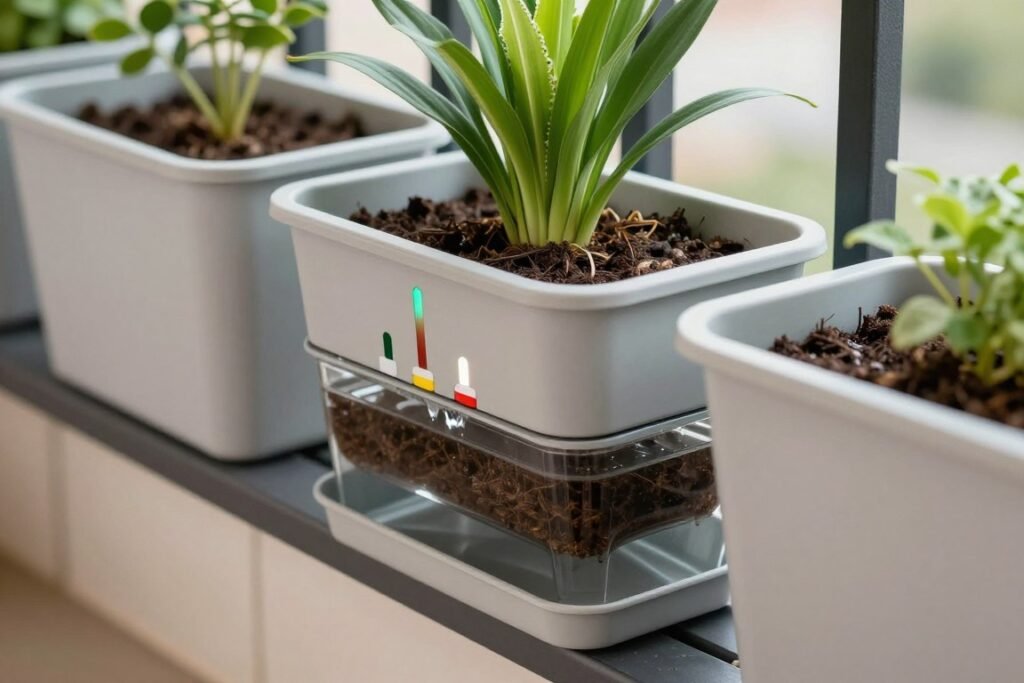
Self-watering planters feature a reservoir that supplies water to plants as needed, reducing maintenance and ensuring consistent moisture levels. These are especially useful if you can’t water daily or during hot weather.
Maximize Your Vertical Space
Explore versatile vertical gardening solutions that can transform even the smallest balcony into a lush garden oasis.
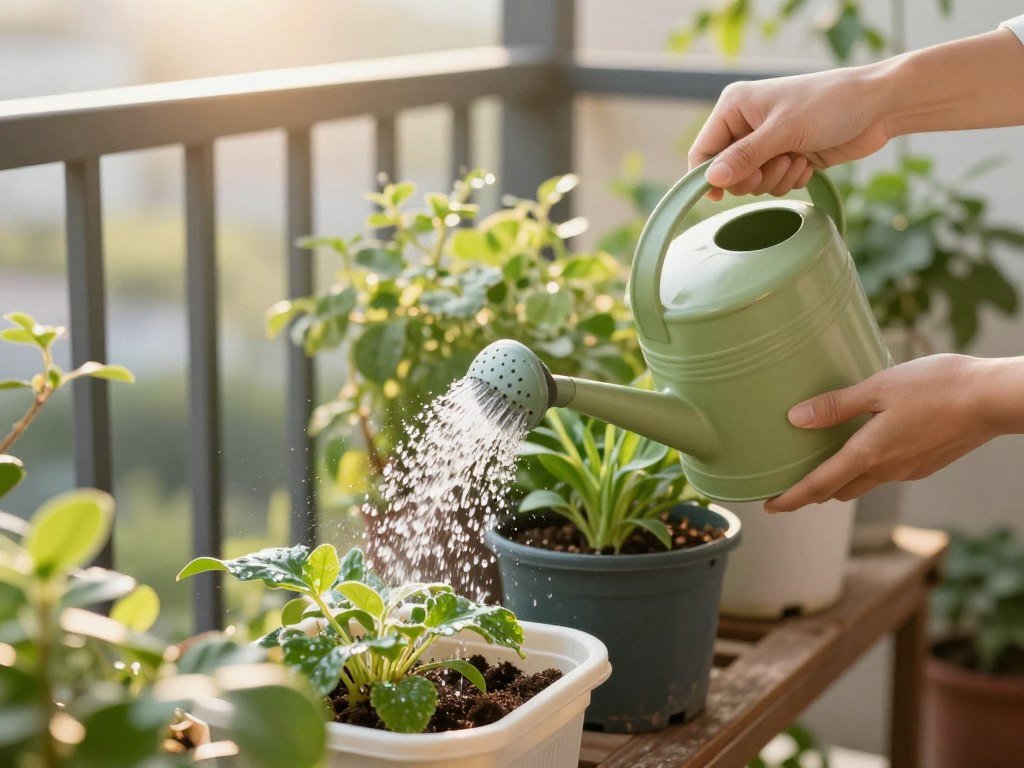
Self-watering containers reduce maintenance and ensure consistent moisture for your plants
Lightweight Materials
Choose containers made from lightweight materials like fiberglass, plastic, or fabric grow bags rather than heavy ceramic or concrete. These options are easier to move and put less strain on your balcony structure.
Selecting the Perfect Plants for Your Balcony
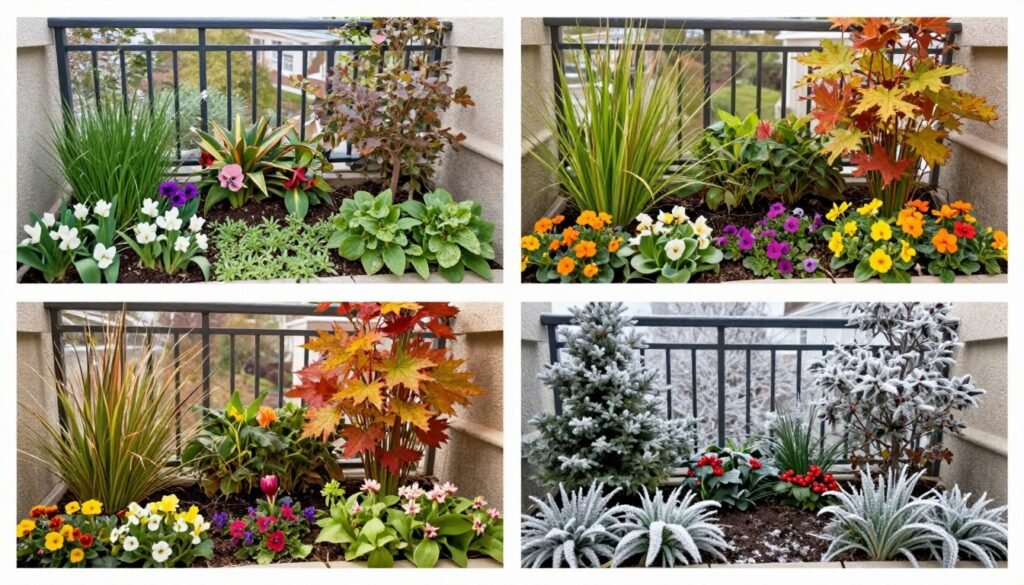
The right plant selection can make or break your balcony garden. Consider your climate, sunlight conditions, and personal preferences when choosing what to grow.
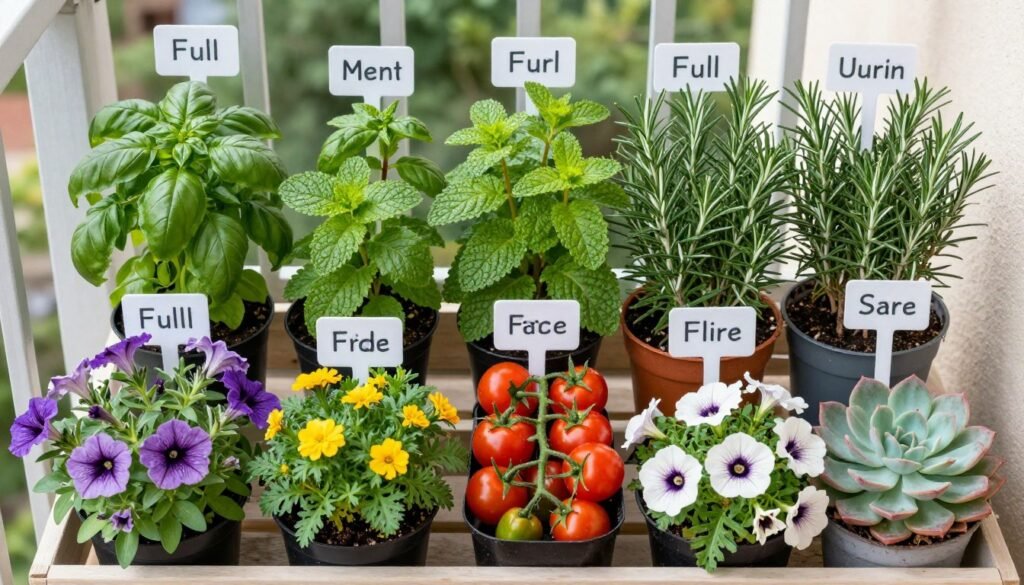
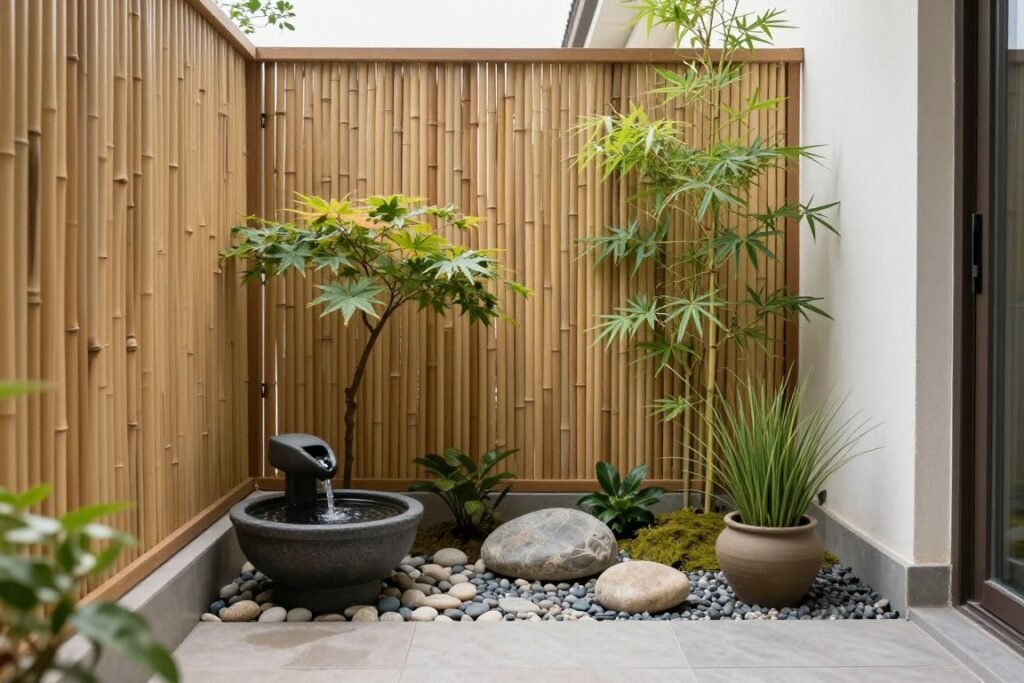
Choose plants that match your balcony’s conditions for the best results
Herbs: Perfect for Beginners
Herbs are ideal for balcony gardens because they’re compact, useful, and often quite hardy. Most herbs prefer at least 4-6 hours of sunlight daily.
Sun-Loving Herbs
Basil
Rosemary
Thyme
Sage
Oregano
Shade-Tolerant Herbs
Mint
Parsley
Cilantro
Chives
Lemon balm
Compact Vegetables
Yes, you can grow vegetables on your balcony! Focus on compact or dwarf varieties specifically bred for containers:
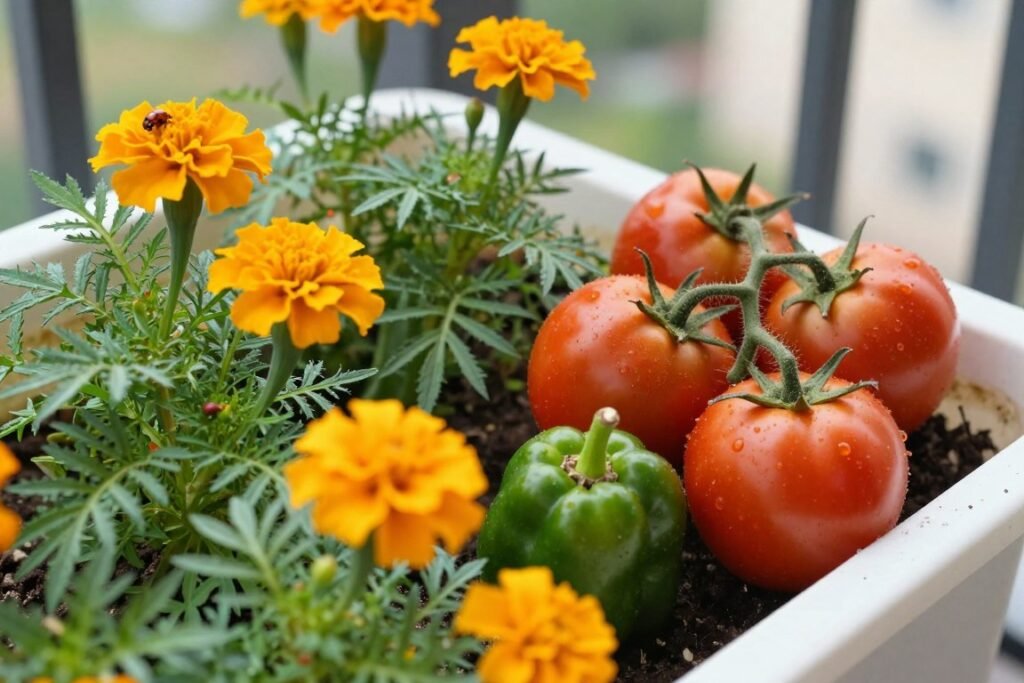
Cherry tomatoes: Varieties like ‘Tiny Tim’ or ‘Balcony Yellow’ are perfect for pots
Lettuce and leafy greens: Harvest outer leaves as needed
Peppers: Compact varieties produce abundantly in containers
Radishes: Quick-growing and shallow-rooted
Bush beans: No trellising required
Flowering Plants for Color and Pollinators
Add visual interest and attract beneficial insects with flowering plants:
Petunias: Trailing varieties work well in hanging baskets
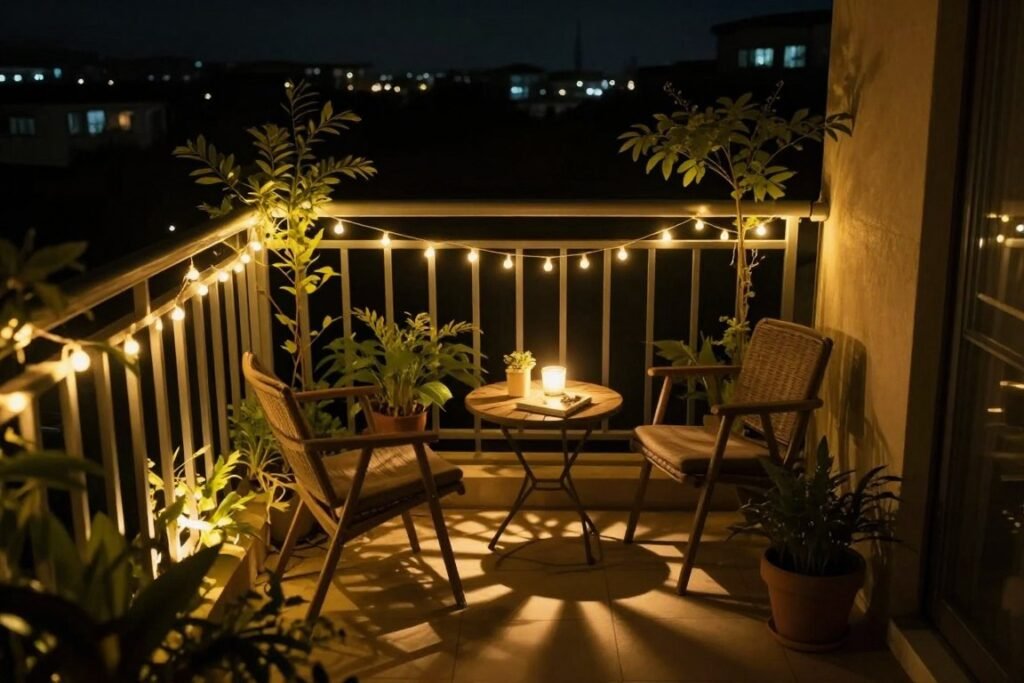
Good lighting transforms your balcony garden into a magical evening retreat
Embracing the Joy of Small Balcony Gardening
A small balcony garden offers big rewards. Beyond the beauty of the plants themselves, you’ll create a personal sanctuary that connects you with nature, even in the heart of the city. Start small, experiment with different plants and arrangements, and watch as your space transforms into a thriving green oasis that reflects your personality and enhances your daily life.
Remember that gardening is a journey, not a destination. Each season brings new opportunities to learn and grow. Embrace the process, celebrate your successes, and don’t worry too much about occasional failures—they’re simply learning experiences on your path to creating the perfect small balcony garden.
Ready to Start Your Balcony Garden?
Get everything you need to create your dream small balcony garden with these essential starter supplies.
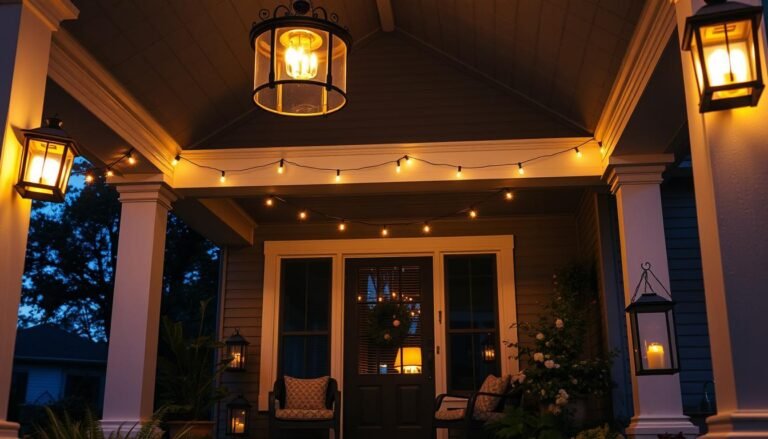
Your porch is the first impression visitors have of your home and a space where memories are made on warm summer evenings. The right porch lighting ideas can transform this area from an ordinary entryway into a magical outdoor retreat that welcomes family and friends while enhancing your home’s curb appeal. Whether you have a…
Asking your closest friends to be part of your wedding party should be a moment they remember forever. The tradition of bridesmaid proposals has grown into an opportunity to show your appreciation and set the tone for your big day. Whether you’re planning an intimate gathering or a destination wedding, the way you pop the…
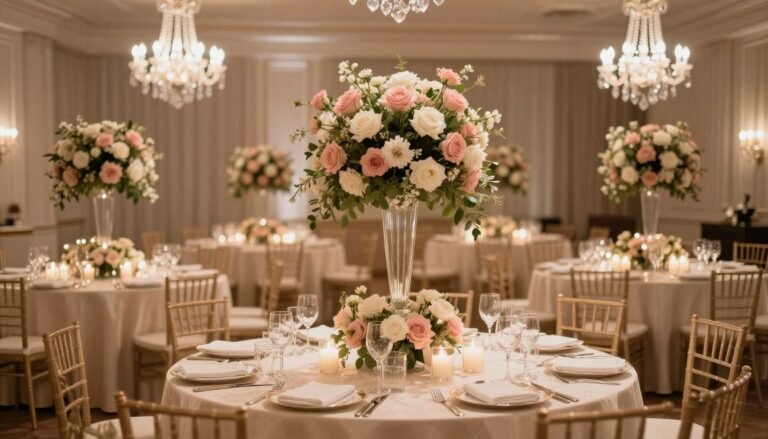
Planning your wedding can feel overwhelming. Between choosing the venue, selecting flowers, and coordinating with vendors, creating the perfect atmosphere might seem impossible. Every couple dreams of transforming their reception space into something magical that reflects their unique love story.This Website contains affiliate links. That means I may earn a small commission if you purchase…
Finding the perfect wedding guest nails can be just as important as selecting your outfit for the special day. Your manicure is a detail that completes your look, appears in photos, and even makes a statement when you’re clinking champagne glasses during the toast. The right nail design strikes a delicate balance—elegant enough to honor…
Tired of coming home to wilted, sad-looking plants? A self watering planter might be exactly what you need. These clever containers create a reservoir of water that your plants can access as needed, keeping them perfectly hydrated for days or even weeks without your intervention. Perfect for busy schedules, frequent travelers, or anyone who’s accidentally…
The fashion world has fully embraced the tennis shoes with dress trend, and for good reason. This versatile pairing offers the perfect blend of comfort and style, allowing you to look put-together while staying comfortable enough to conquer your day. Whether you’re heading to brunch, exploring a new city, or even attending a casual wedding,…