Cedar Planter Boxes: The Ultimate Guide for Beautiful Garden Spaces
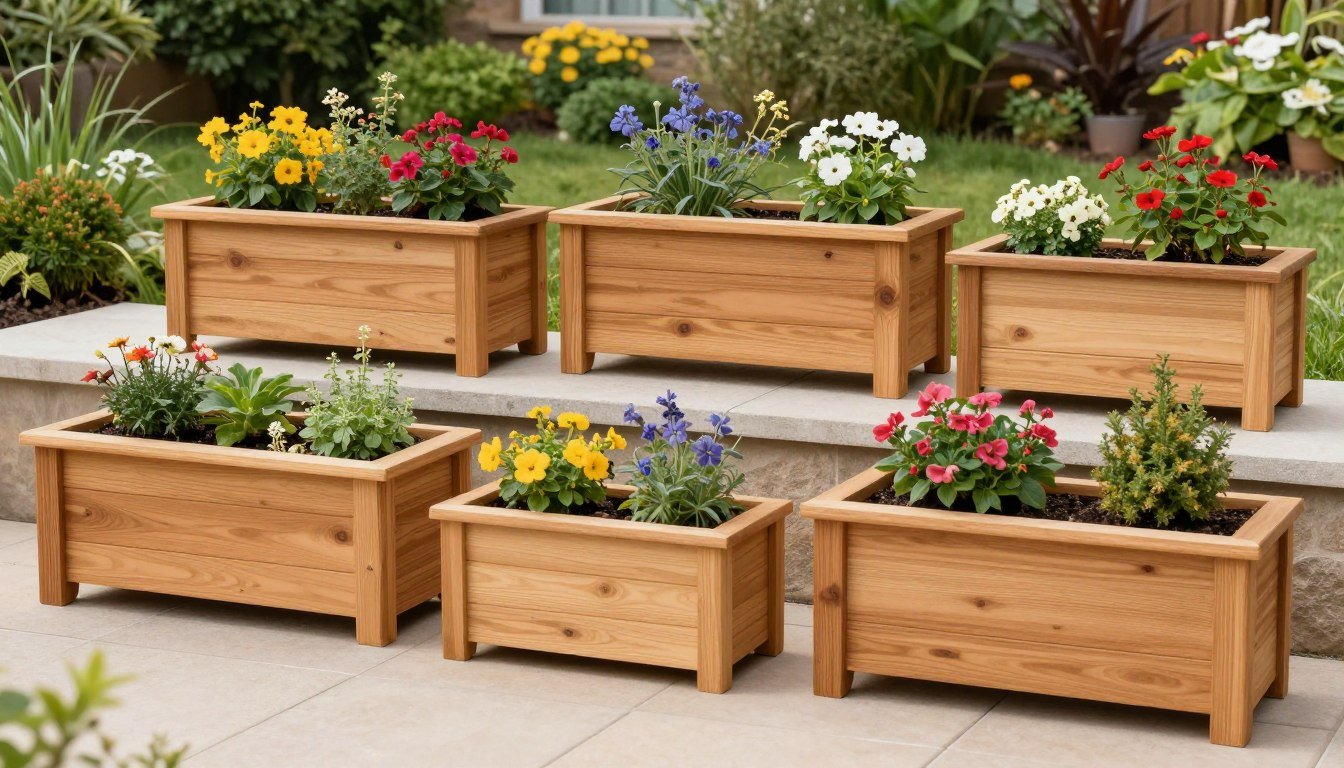
Cedar planter boxes bring natural warmth and durability to any garden space. Whether you’re looking to create a raised vegetable garden, add decorative elements to your patio, or maximize growing space in a small area, cedar planters offer the perfect blend of functionality and aesthetic appeal. Their natural resistance to rot, insects, and weather makes them a superior choice for outdoor use, while their warm, rustic appearance complements virtually any garden style. In this comprehensive guide, we’ll explore everything you need to know about cedar planter boxes – from their many benefits to creative design ideas that will transform your outdoor space.
This Website contains affiliate links. That means I may earn a small commission if you purchase through my links, at no extra cost to you.
Why Choose Cedar for Your Planter Boxes
Cedar stands out as one of the most popular choices for outdoor planter boxes, and for good reason. This remarkable wood offers a combination of practical benefits and aesthetic appeal that few other materials can match.
Natural Durability and Longevity
Cedar contains natural oils that act as preservatives, making it naturally resistant to rot, decay, and insect damage. Unlike many other woods that deteriorate quickly when exposed to moisture and weather, cedar planters can last for many years without treatment. The wood contains thujaplicins, which are natural fungicides that prevent decay.
For those looking to further extend the life of their cedar planters, consider applying a natural cedar wood sealer designed specifically for outdoor use. These sealers enhance the wood’s natural protective properties while preserving its beautiful appearance.
Chemical-Free and Safe for Edibles
Unlike pressure-treated lumber that contains chemicals, cedar is naturally resistant to decay without any added treatments. This makes it an ideal choice for growing vegetables, herbs, and other edibles. You can feel confident that no harmful chemicals will leach into your soil and affect your plants.
Cedar’s natural properties eliminate the need for chemical preservatives, making it an environmentally friendly choice for your garden. The wood is sustainable, renewable, and biodegradable at the end of its life cycle.
Aesthetic Appeal
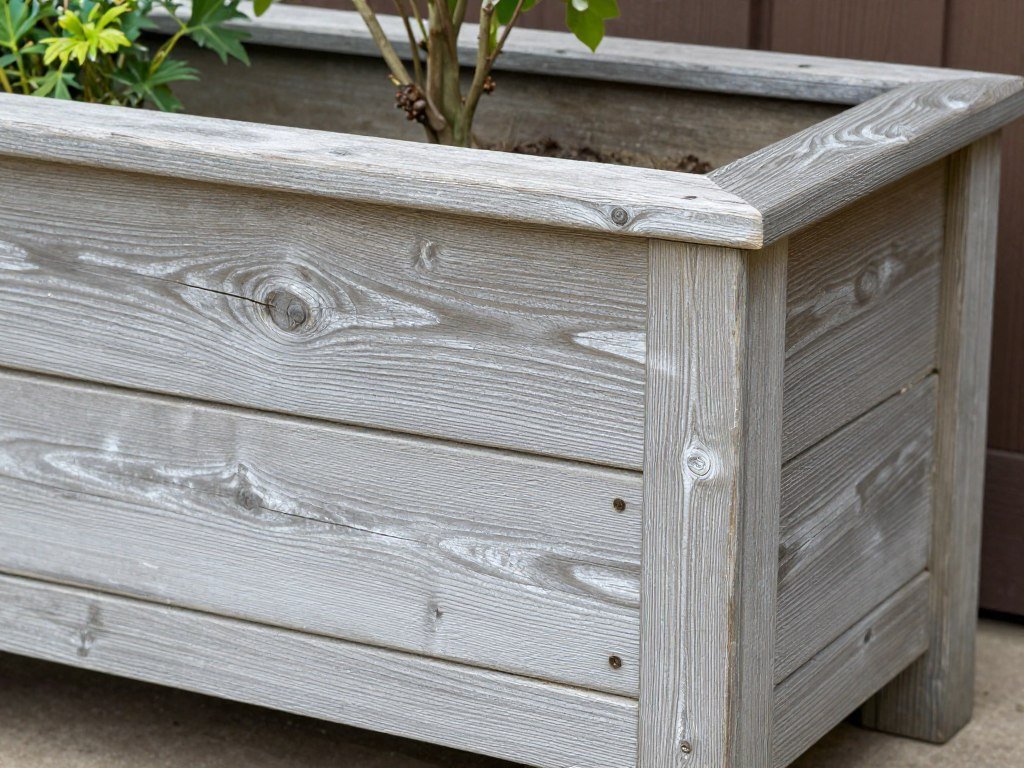
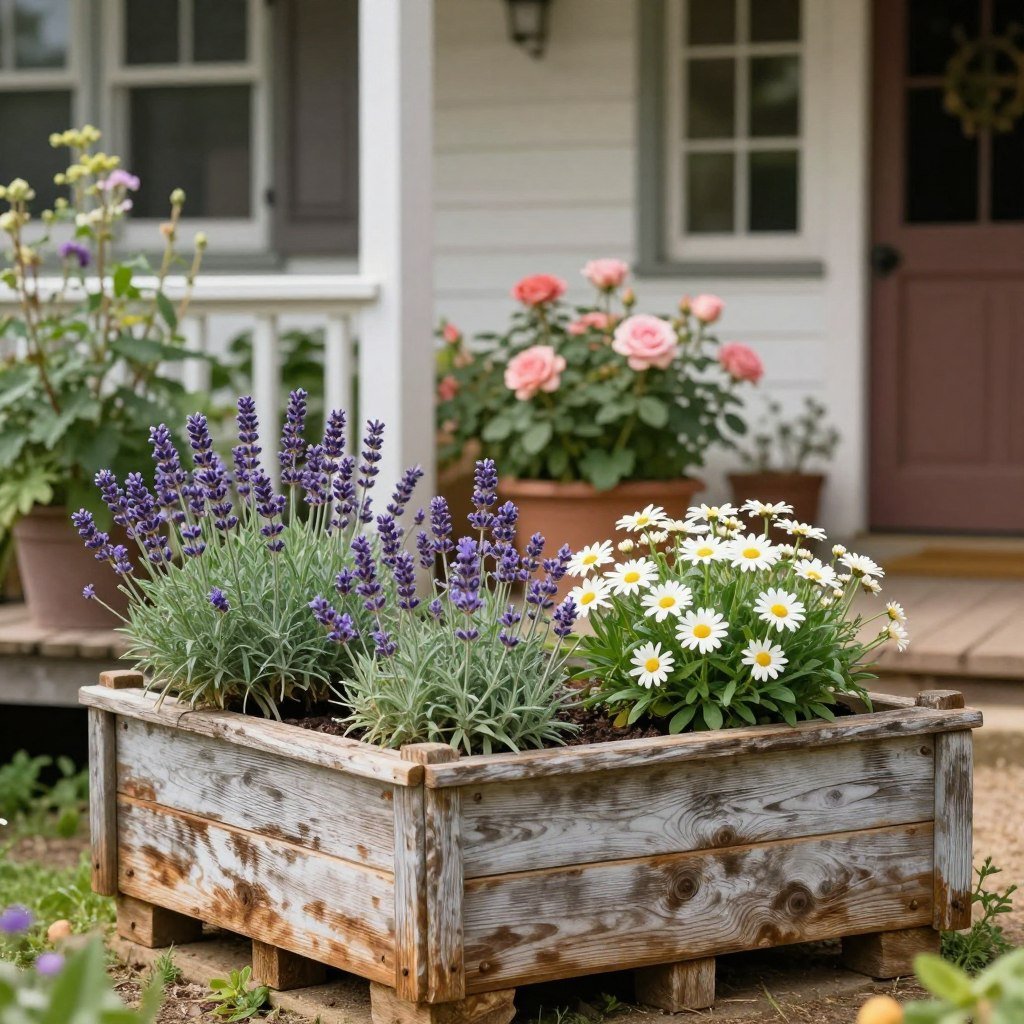
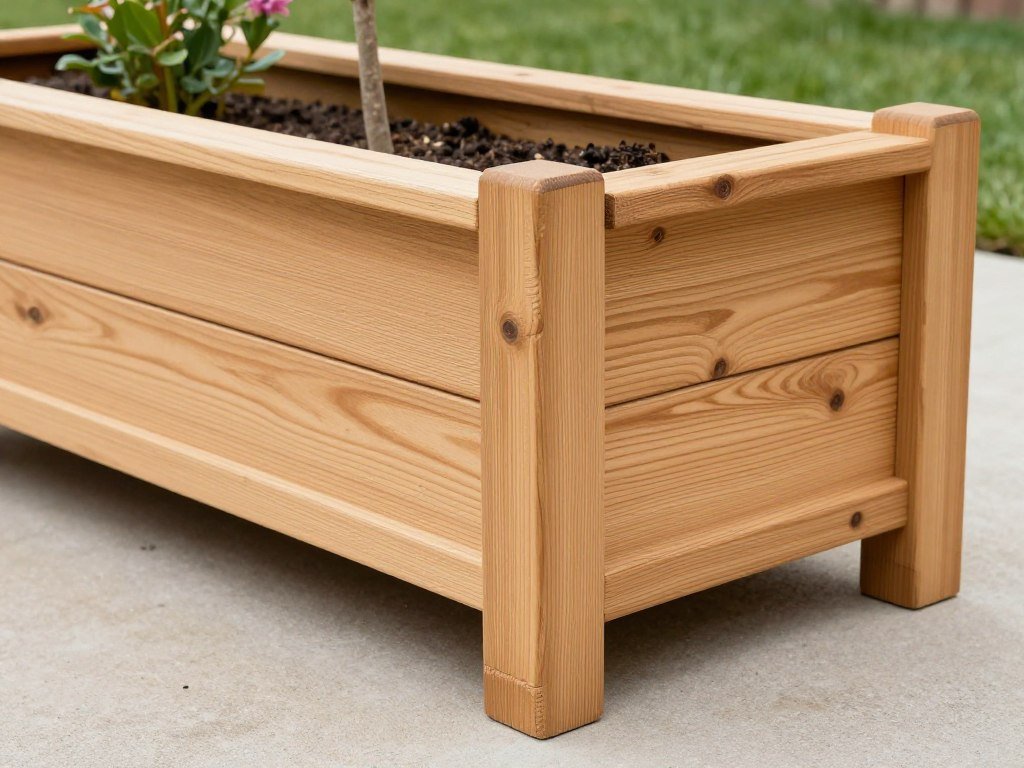
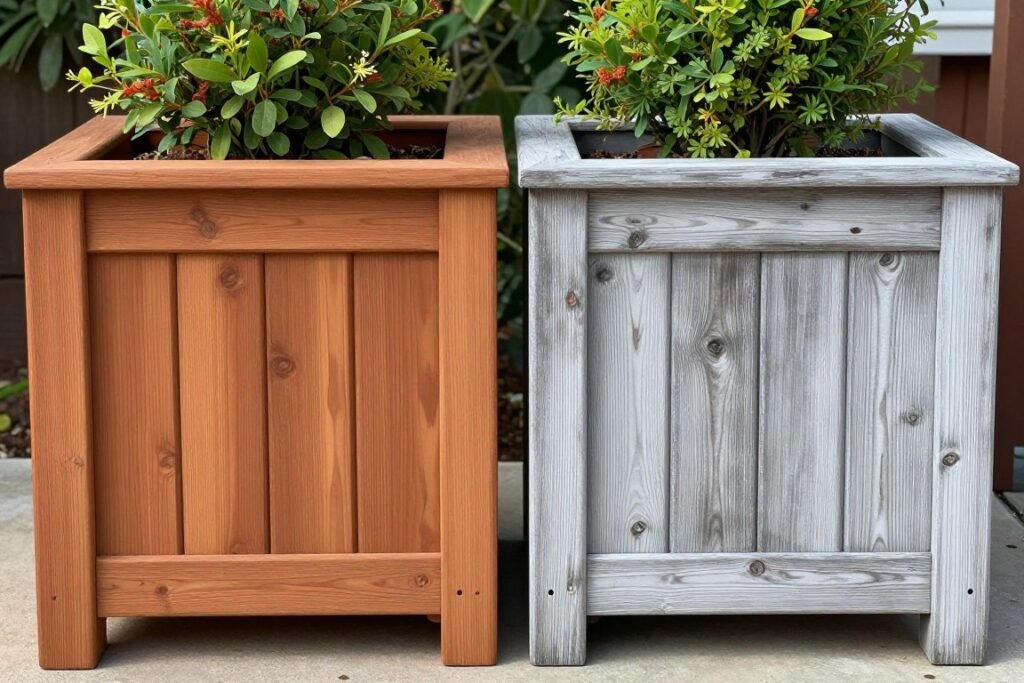
Cedar’s rich, warm color and distinctive grain pattern add natural beauty to any garden space. New cedar has a golden-reddish hue that gradually weathers to an attractive silver-gray patina over time if left untreated. This natural aging process adds character and charm to your garden landscape.
The wood’s natural appearance complements virtually any garden style, from rustic country gardens to modern minimalist designs. If you prefer to maintain the original color, you can find cedar wood oil finishes that preserve the wood’s natural hue while protecting it from the elements.
Insulating Properties
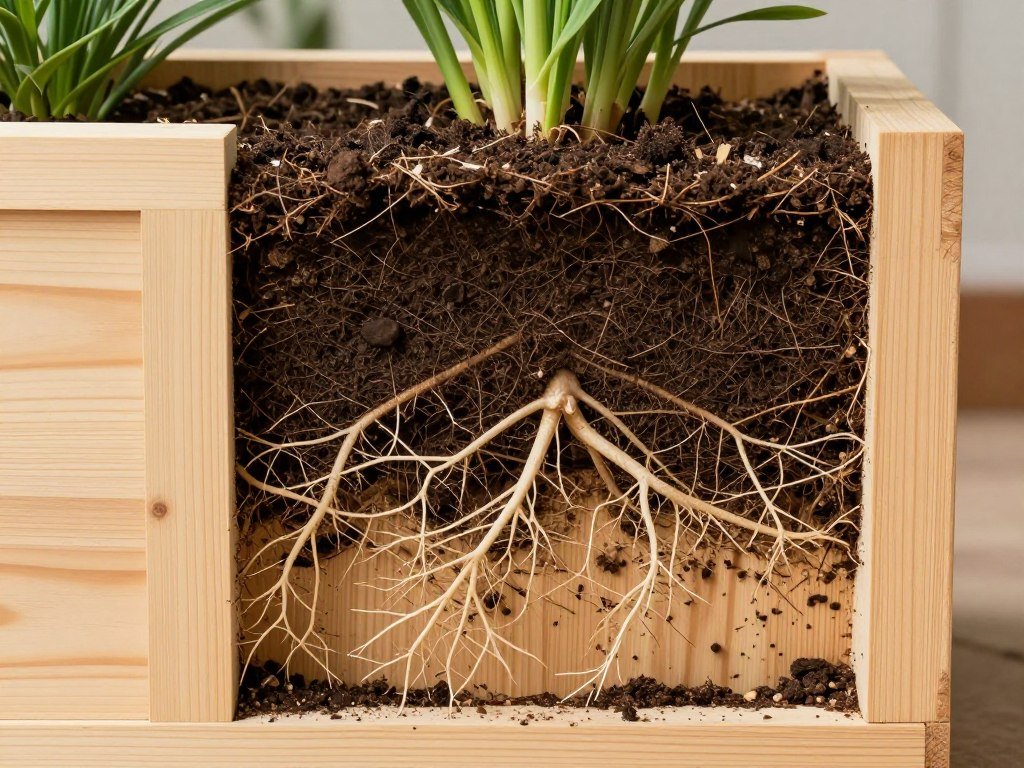
Cedar provides excellent insulation for plant roots, helping to maintain more consistent soil temperatures. This natural insulation protects roots from temperature extremes in both hot summers and cold winters, creating a more stable growing environment for your plants.
The wood’s cellular structure creates tiny air pockets that act as natural insulation. This helps prevent soil from freezing quickly in winter and overheating in summer, extending your growing season and protecting delicate plant roots from stress.
Ready to Start Your Cedar Planter Project?
Explore a wide selection of cedar lumber and supplies to create your perfect garden planters.
Cedar planter boxes come in a variety of styles and designs to suit different gardening needs and aesthetic preferences. Here are some of the most popular types you might consider for your garden or patio.
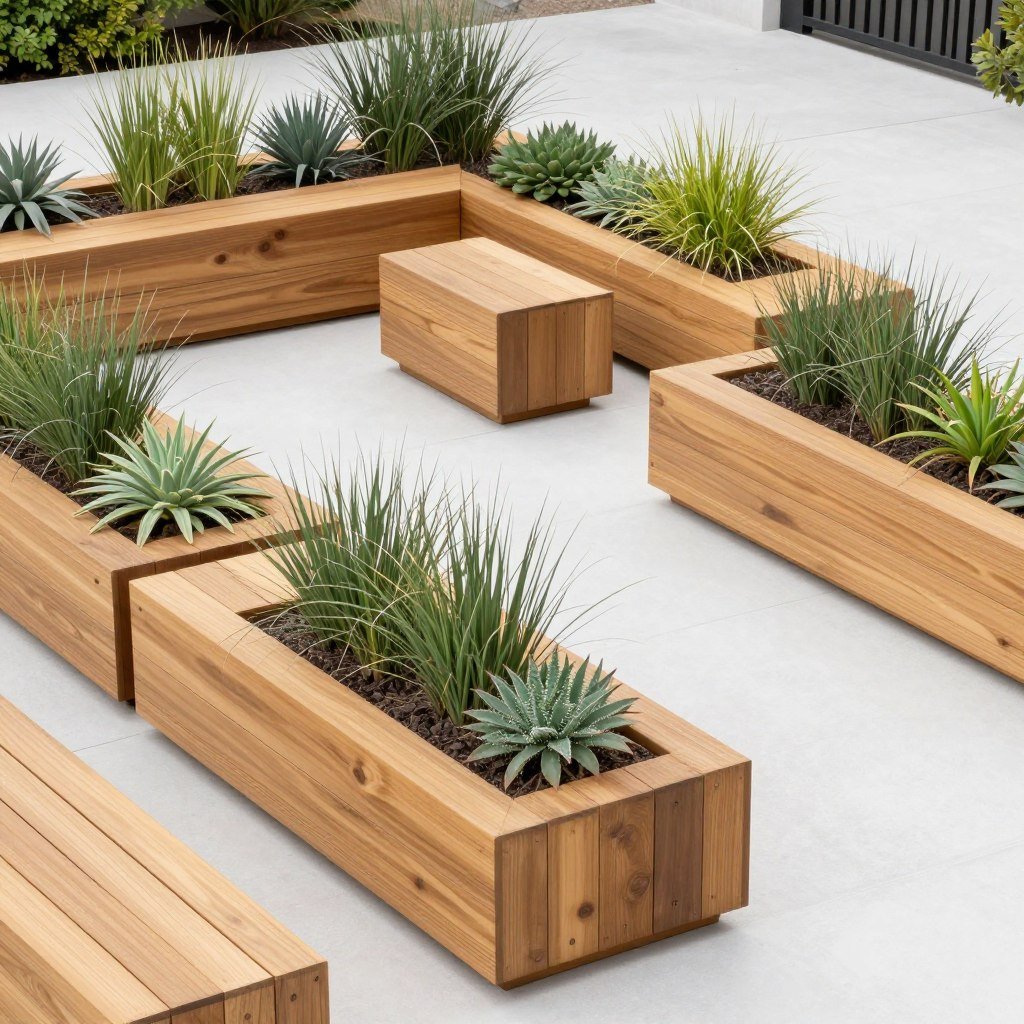
Raised Garden Beds
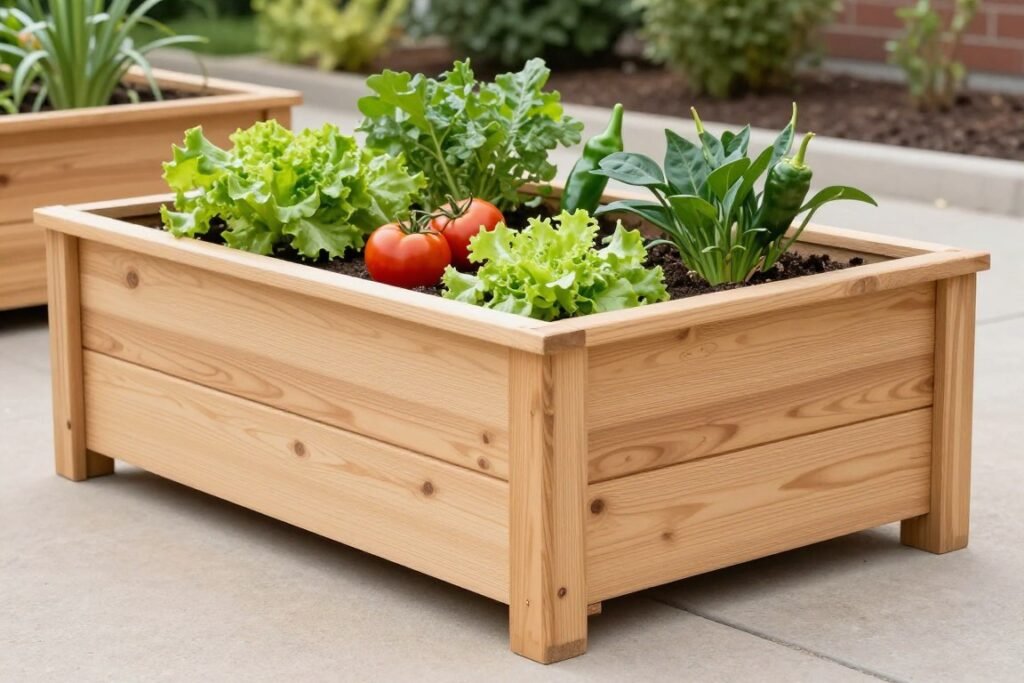
Raised cedar garden beds are perfect for growing vegetables, herbs, and flowers. They typically range from 6 to 24 inches in height and can be built in various sizes to fit your space. The elevated design improves drainage, prevents soil compaction, and makes gardening more accessible by reducing the need to bend over.
Consider cedar raised bed kits if you want a quick and easy solution that requires minimal assembly.
Elevated Planter Boxes
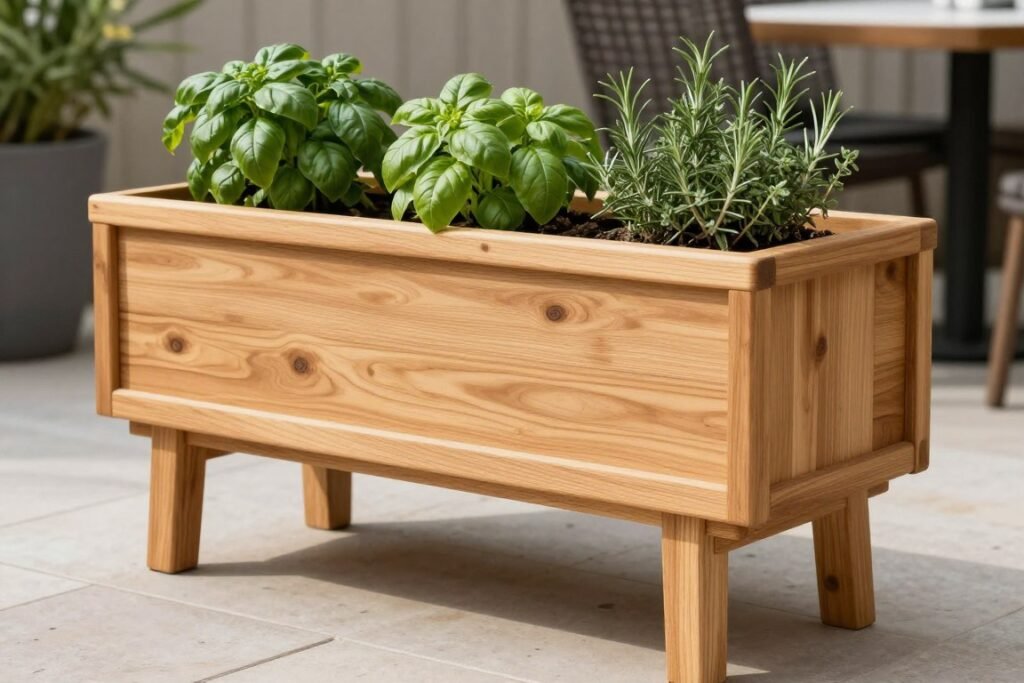
Elevated cedar planters stand on legs, bringing the growing area to waist height. These are ideal for patios, decks, and gardeners with mobility issues. The ergonomic height eliminates the need to kneel or bend, making gardening more comfortable and accessible for everyone.
Look for elevated cedar planters with features like built-in drainage systems and sturdy construction for long-lasting use.
Window Boxes
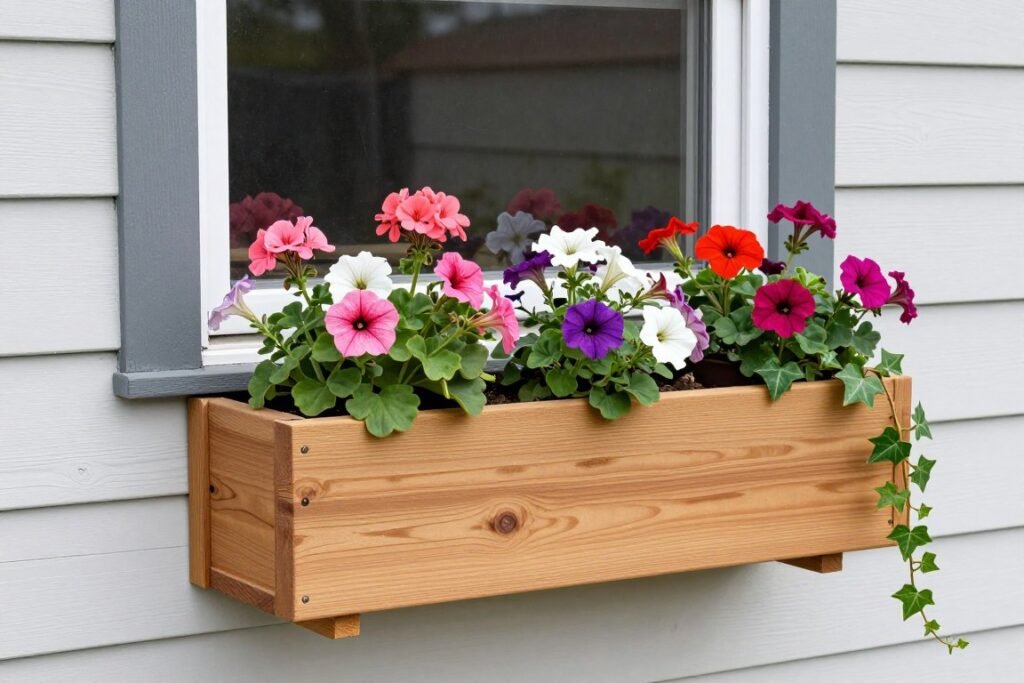
Cedar window boxes add charm and color to home exteriors. Mounted beneath windows, they create a beautiful display of flowers or herbs that can be enjoyed from both inside and outside your home. The natural cedar complements virtually any architectural style.
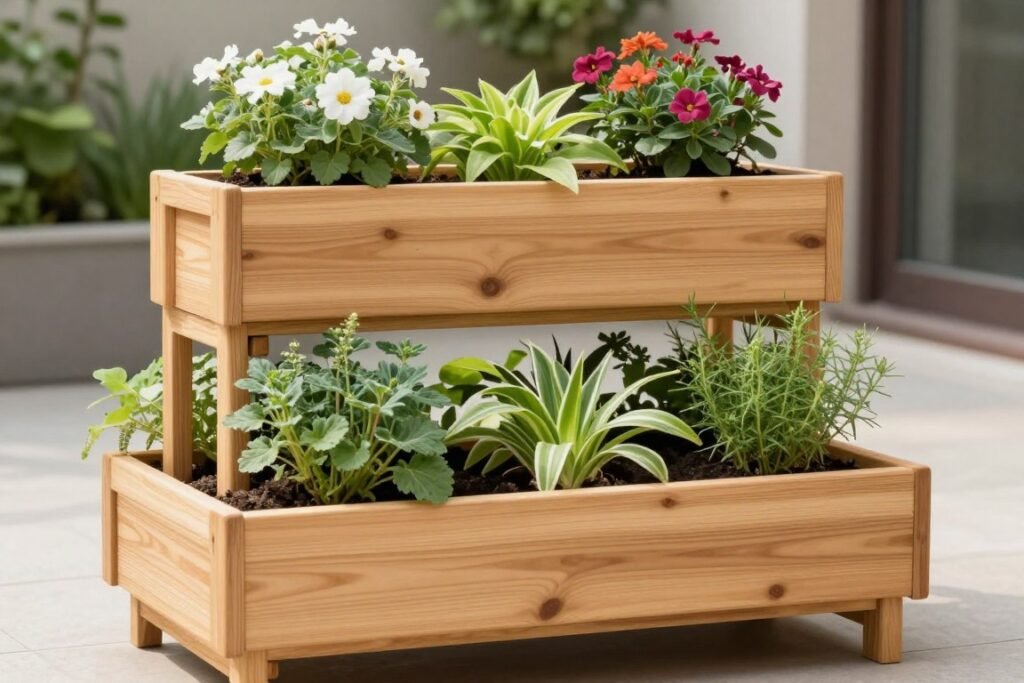
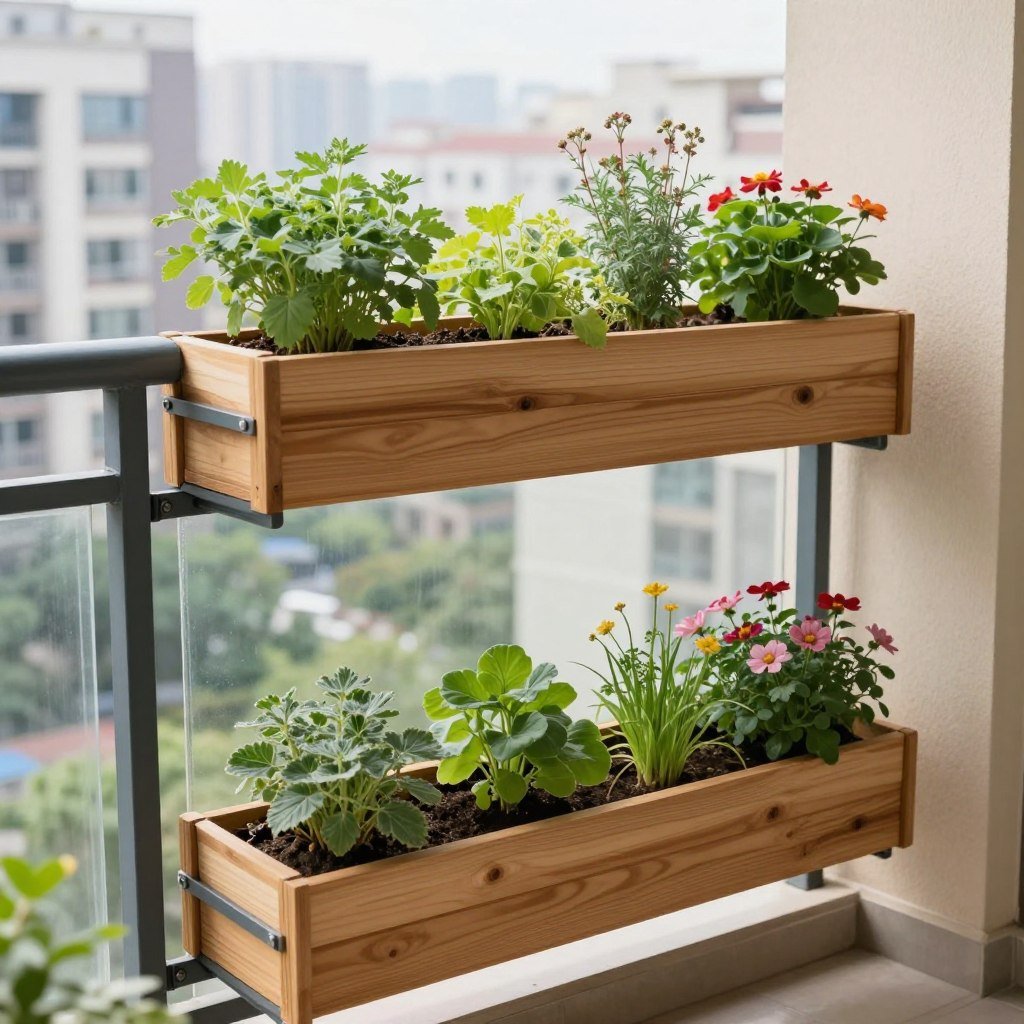
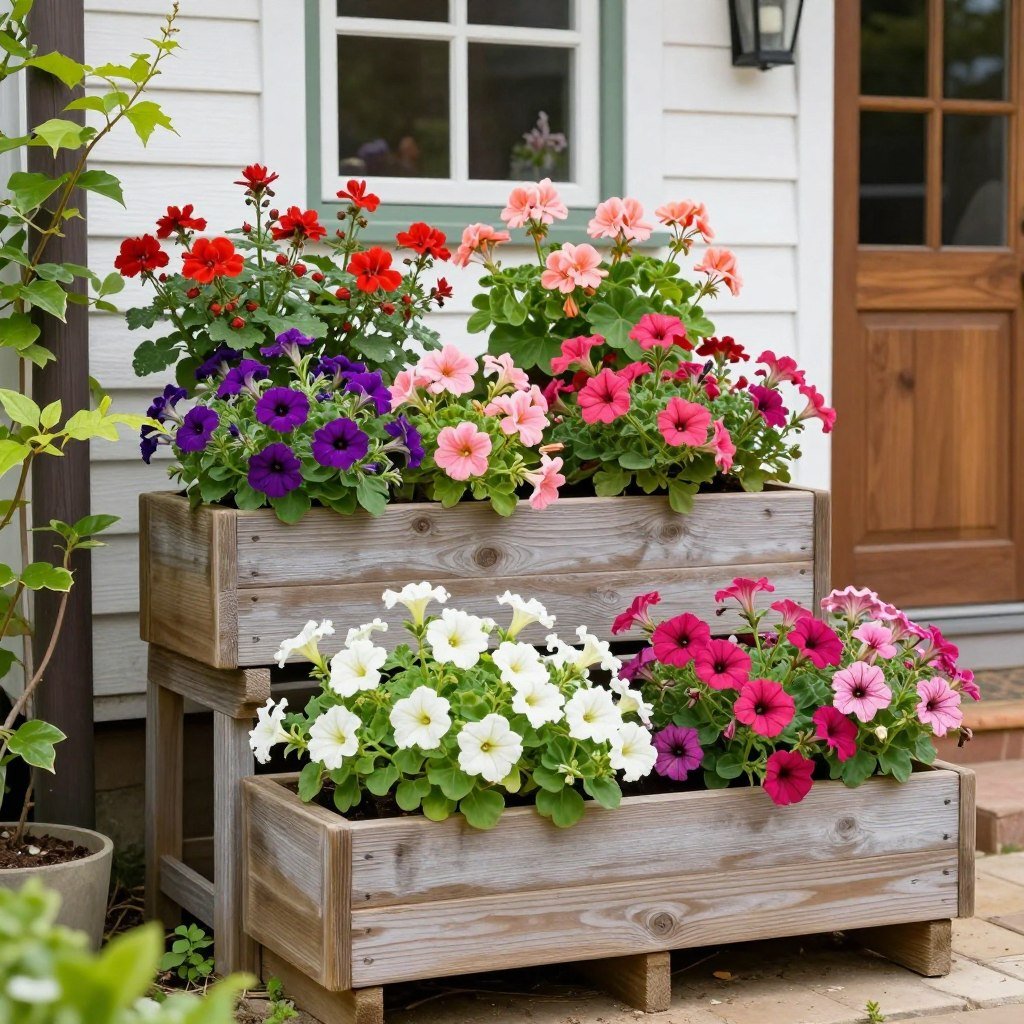
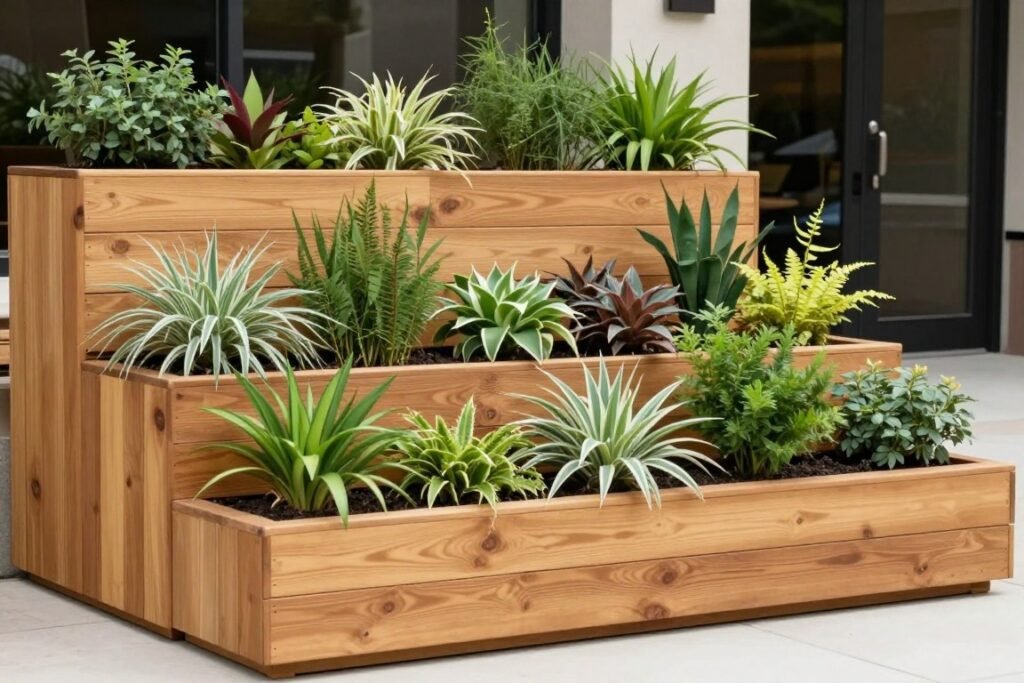
Tiered cedar planters feature multiple growing levels, maximizing your growing space while creating visual interest. These space-efficient designs are perfect for small gardens, patios, or balconies where you want to grow a variety of plants without taking up too much floor space.
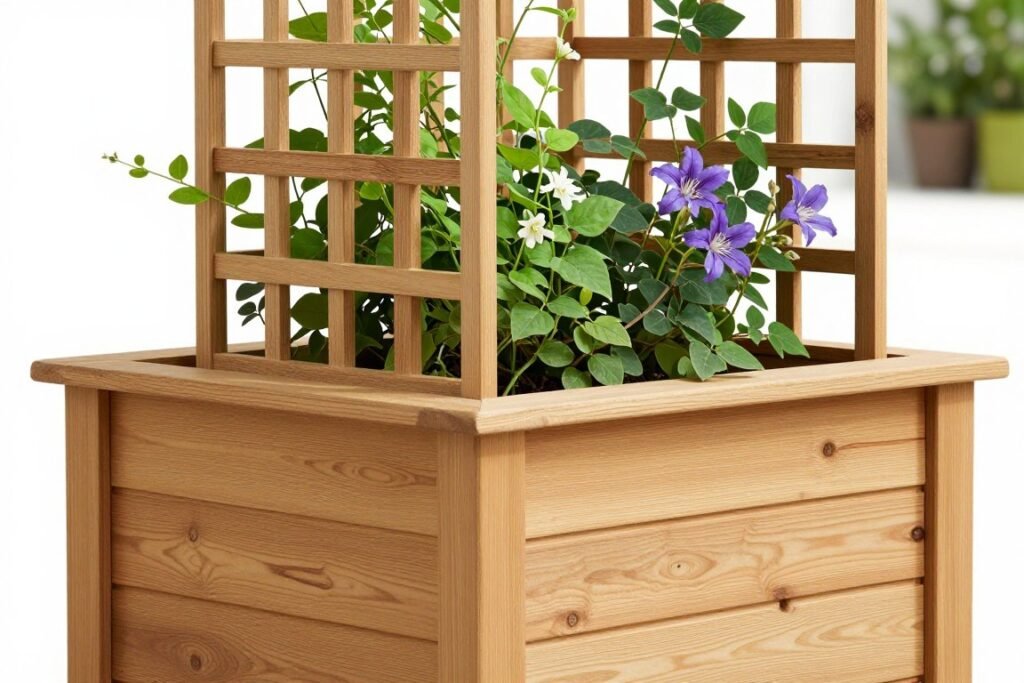
Cedar planter boxes with attached trellises provide support for climbing plants like peas, beans, cucumbers, or flowering vines. These versatile planters allow you to grow vertically, saving space while creating beautiful living screens or garden focal points.
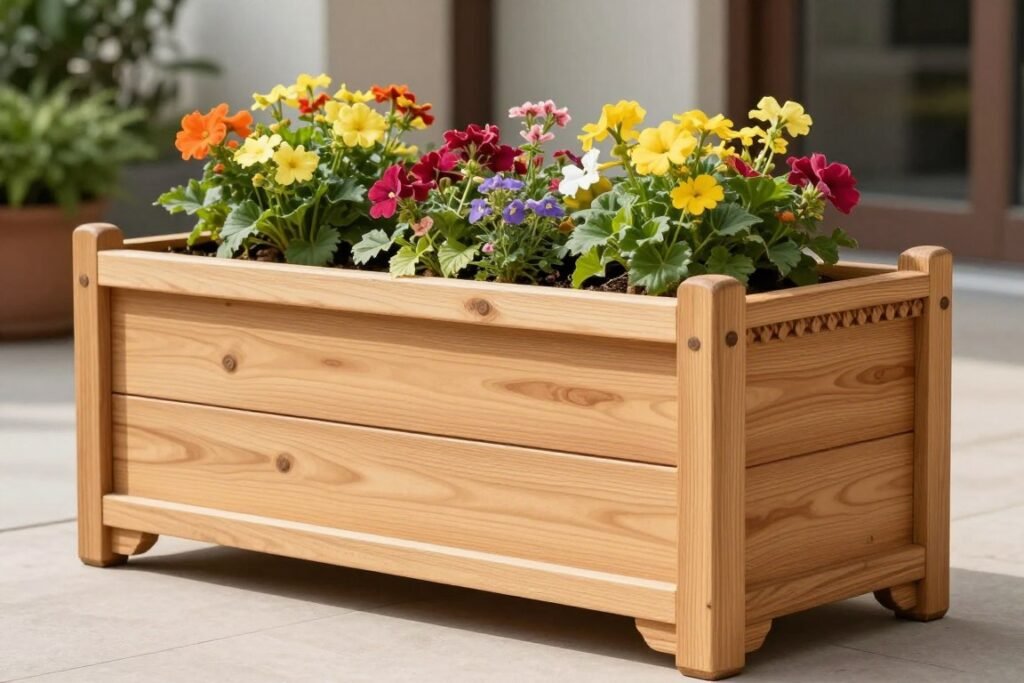
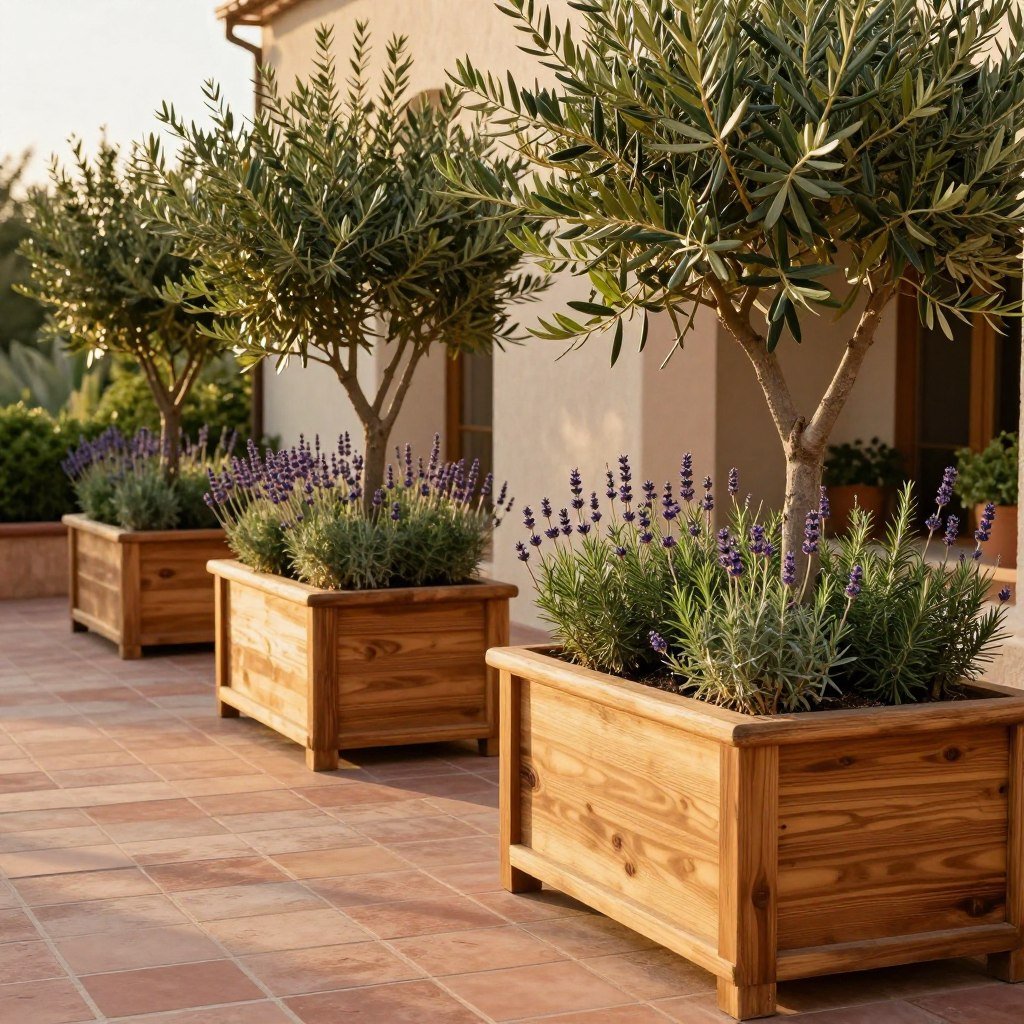
Decorative cedar planters feature ornamental details like beveled edges, lattice panels, or decorative trim. These planters serve as garden focal points, enhancing your outdoor décor while providing a beautiful home for your plants. They’re perfect for entryways, patios, or anywhere you want to make a design statement.
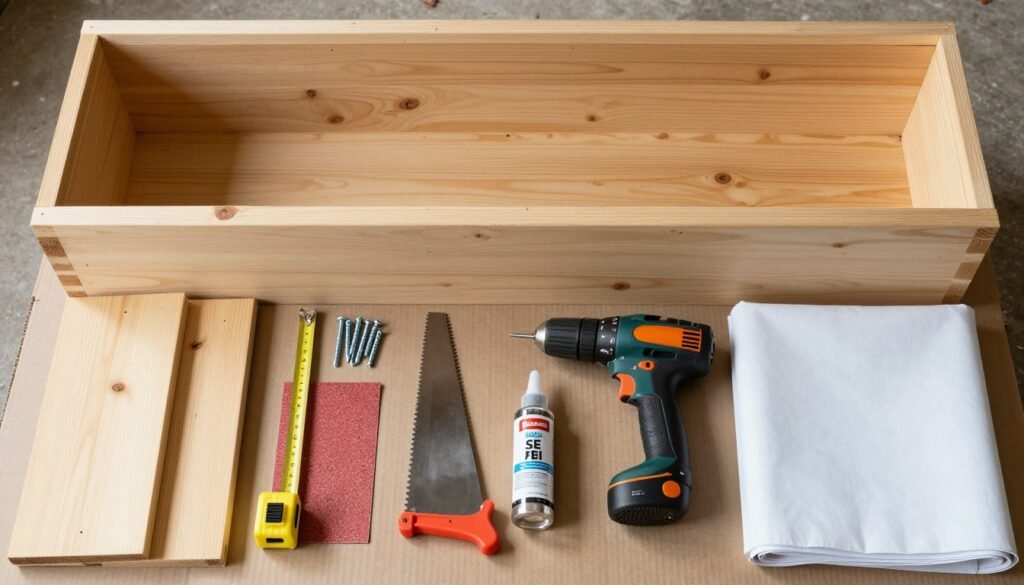
Building your own cedar planter box is a rewarding project that allows you to customize the size, shape, and features to perfectly suit your space and needs. Here’s a straightforward guide to creating a basic cedar planter box.
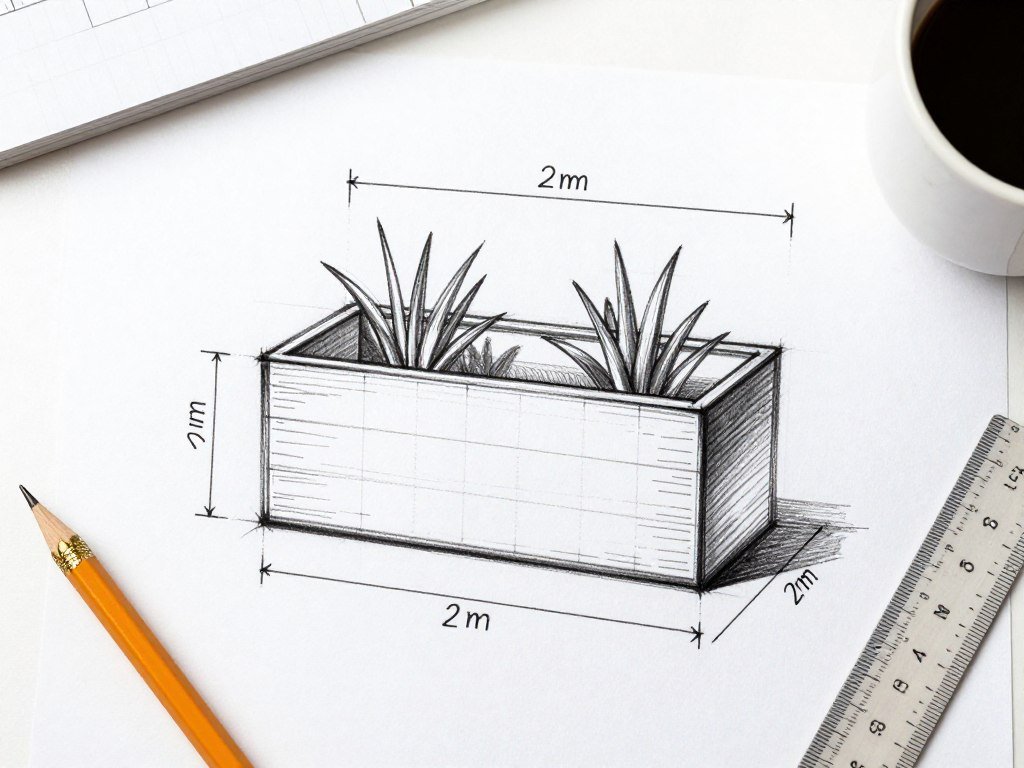
Decide on the size of your planter box. A good starting point for a basic planter is 2 feet long, 1 foot wide, and 1 foot deep. Adjust measurements based on your space and plants’ needs. Remember that deeper planters (at least 10-12 inches) are better for most plants.
Cut Your Cedar Boards
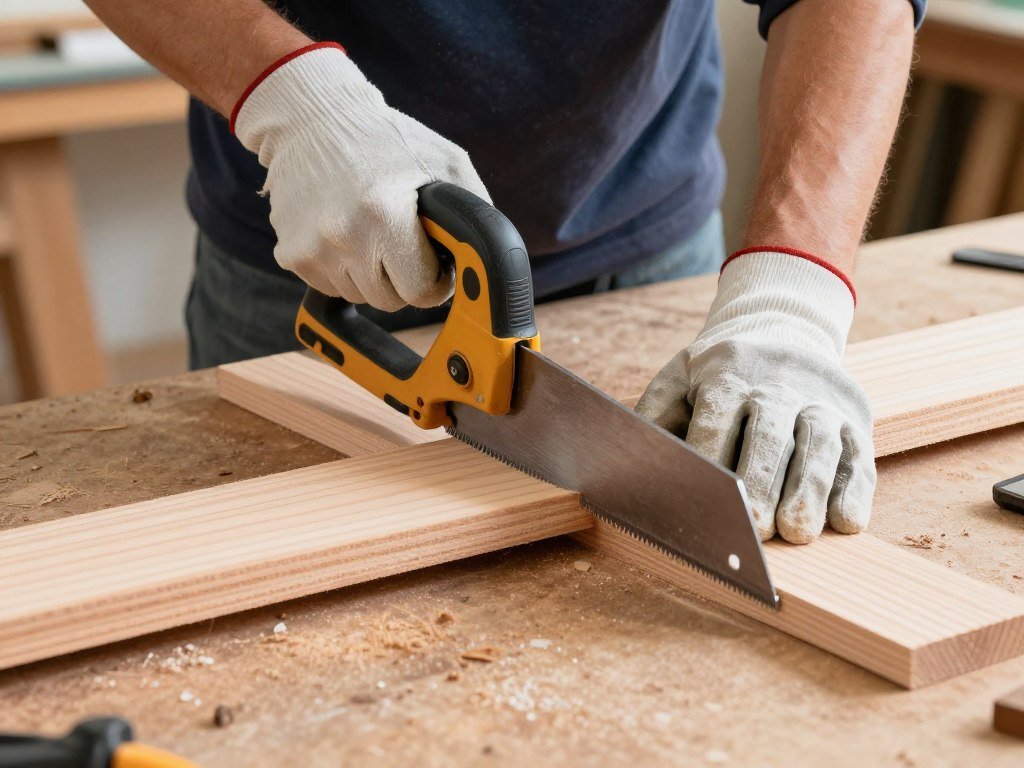
Cut the cedar boards to your desired dimensions. For our example (2’×1’×1′), you’ll need:
Two 24-inch boards for the length
Two 12-inch boards for the width
Four 12-inch 2×2 posts for the corners
Several boards cut to create the bottom (with small gaps between them for drainage)
Sand the Boards
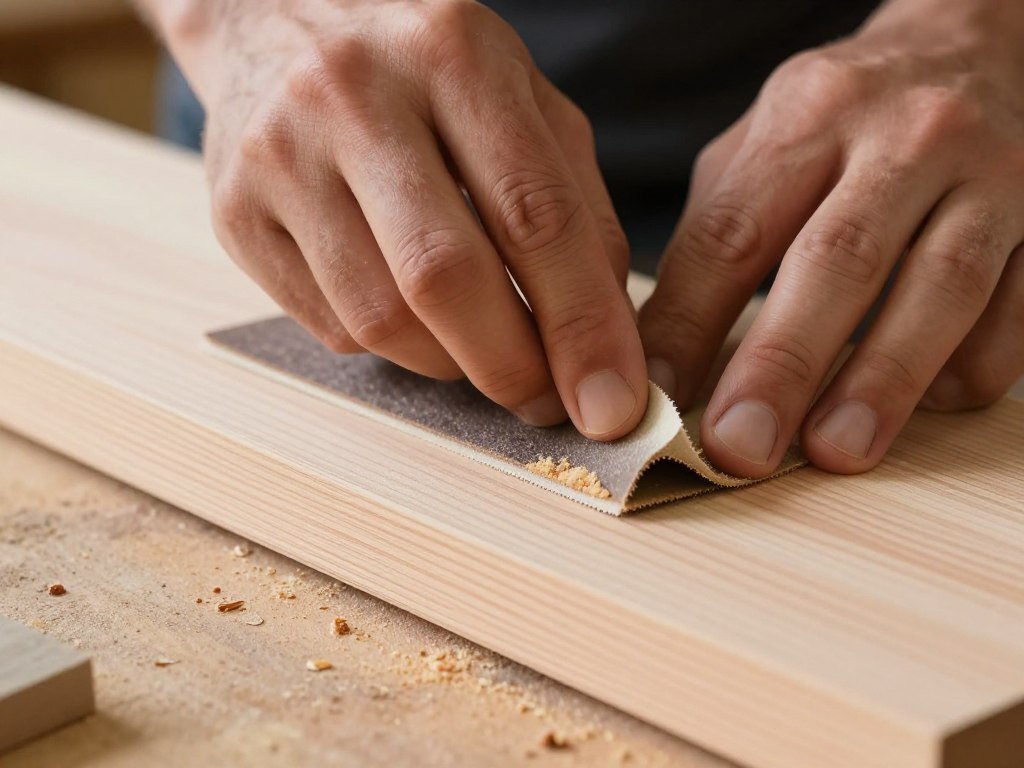
Sand all cut edges and surfaces to prevent splinters and create a smooth finish. Start with medium-grit sandpaper and finish with fine-grit for the best results. This step is important for both appearance and safety.
Assemble the Frame
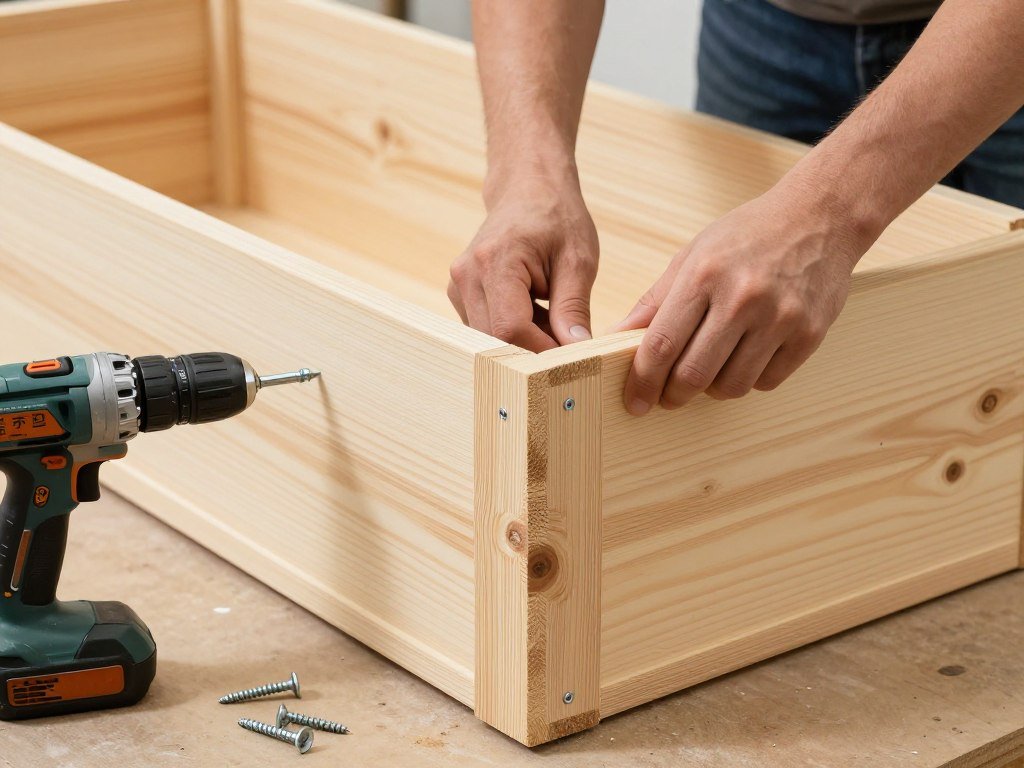
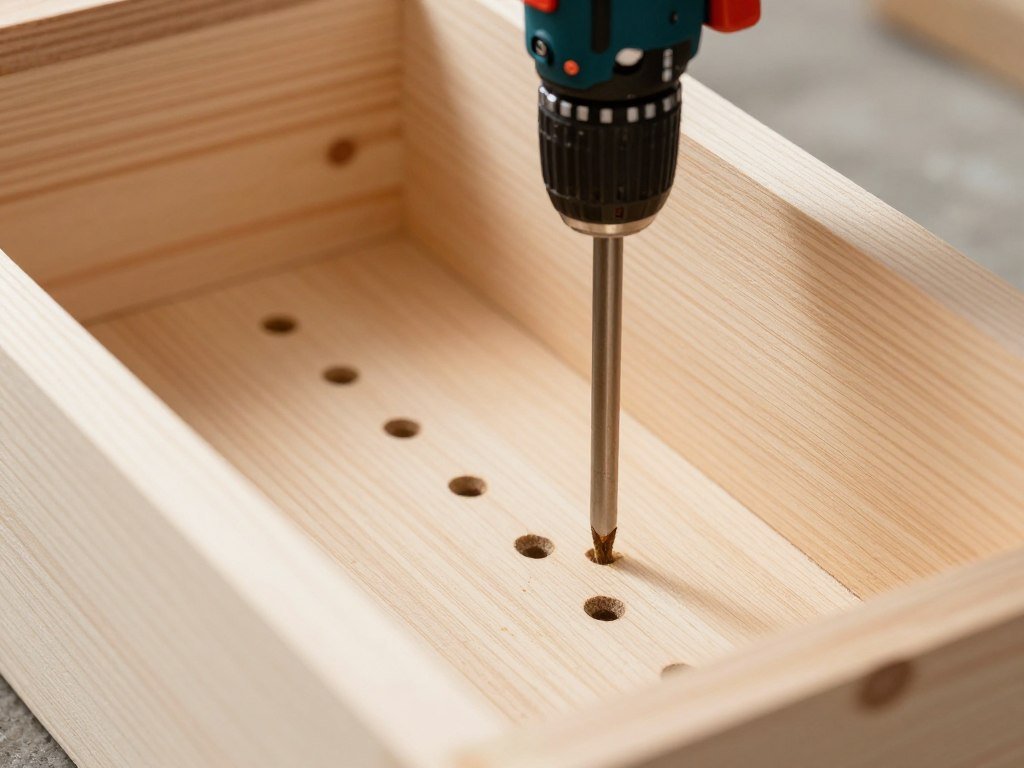
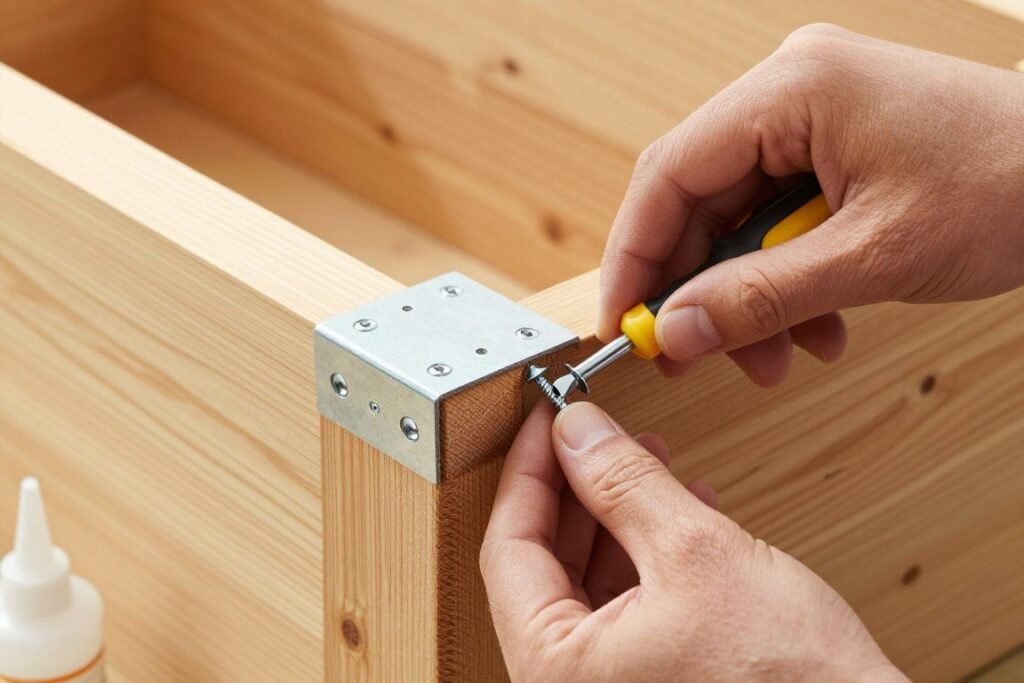
Attach the side boards to the corner posts using stainless steel screws. Pre-drill holes to prevent the cedar from splitting. Position the corner posts on the inside corners of the planter, creating a sturdy frame.
Add the Bottom
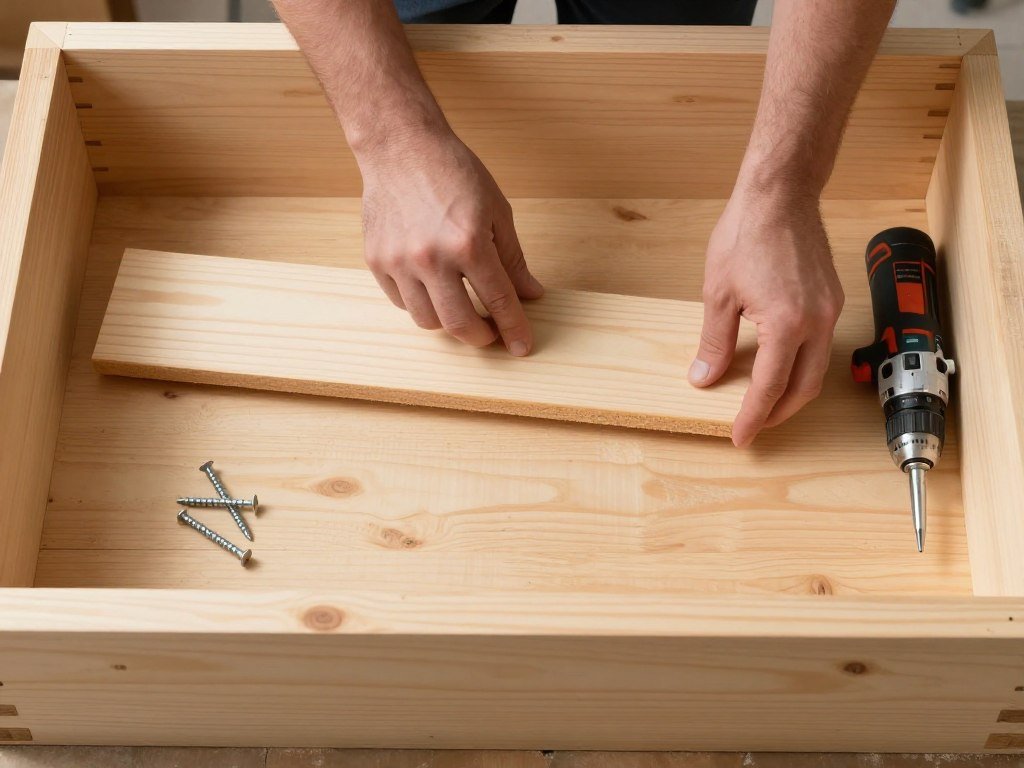
Attach the bottom boards to the frame, leaving small gaps (about 1/4 inch) between boards for drainage. The bottom boards should be placed inside the frame, resting on supporting cleats if needed for larger planters.
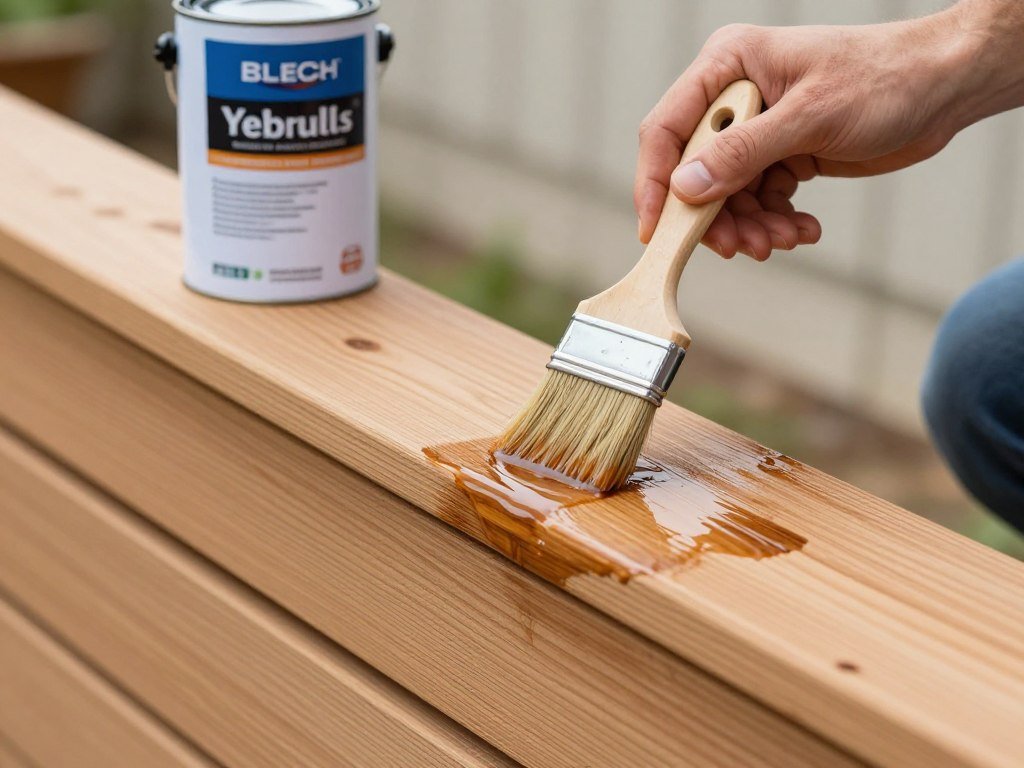
Apply Sealer (Optional)
While cedar is naturally resistant to decay, applying a cedar-safe sealer can extend its life and preserve its color. Choose a non-toxic sealer if you plan to grow edibles. Allow the sealer to dry completely according to the manufacturer’s instructions.
Add Drainage Holes (If Needed)
If you’ve built a solid bottom rather than spaced boards, drill several 1/2-inch drainage holes in the bottom to ensure proper water drainage.
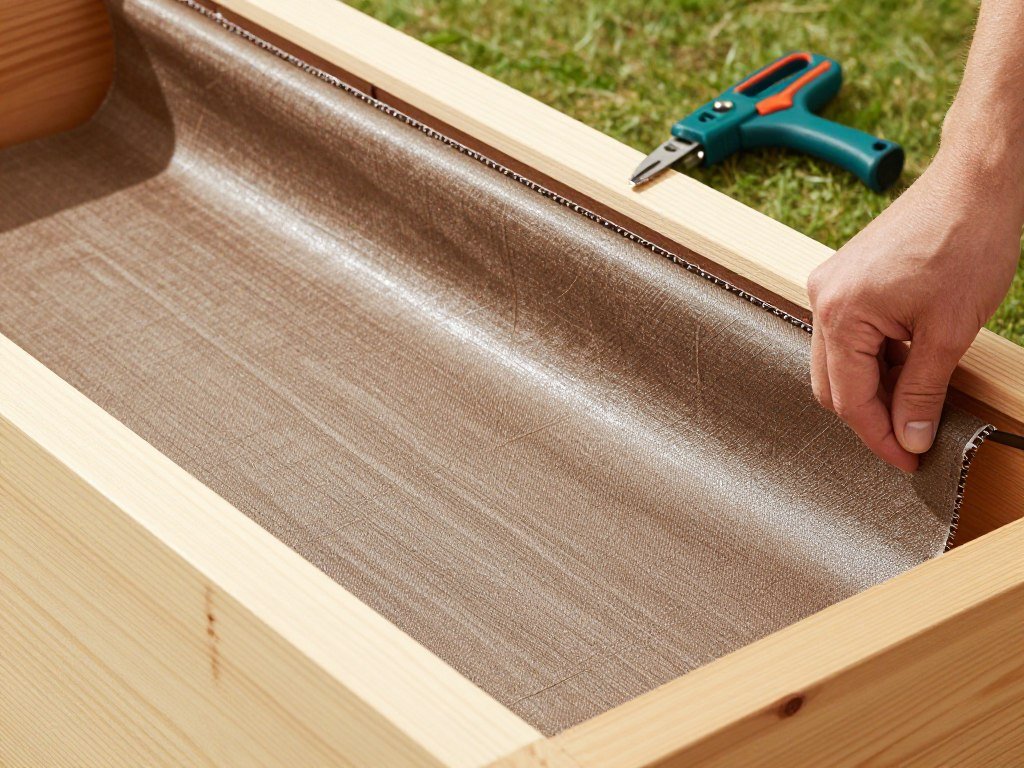
Line the Planter (Optional)
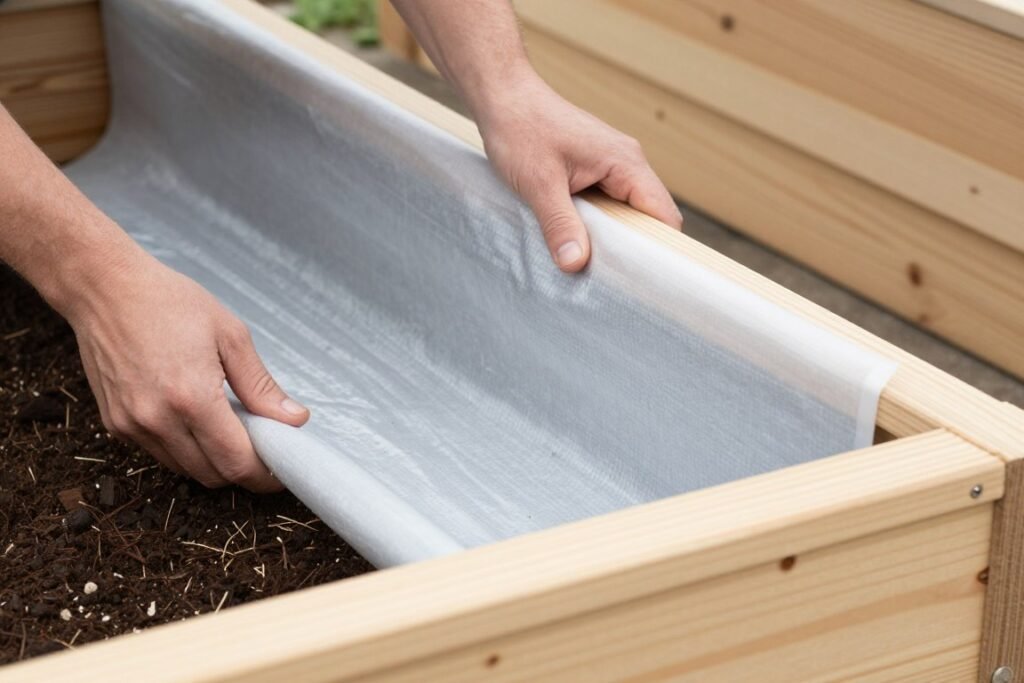
Line the inside of your planter with landscape fabric to prevent soil from washing out through the drainage gaps while still allowing water to drain. Cut the fabric to size and staple it to the inside walls of the planter.
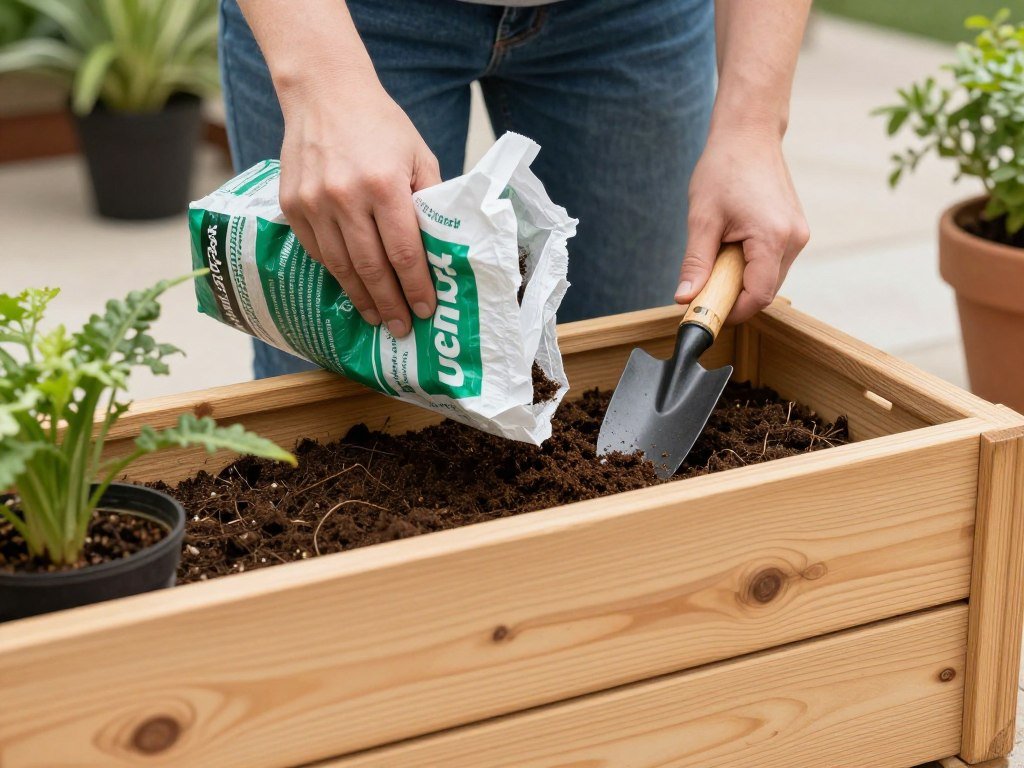
Fill and Plant
Fill your planter with high-quality potting soil mixed with compost for nutrients. Plant your chosen plants, water thoroughly, and enjoy your new cedar planter box!
Get Everything You Need for Your DIY Planter
Find all the tools and materials for your cedar planter box project in one place.
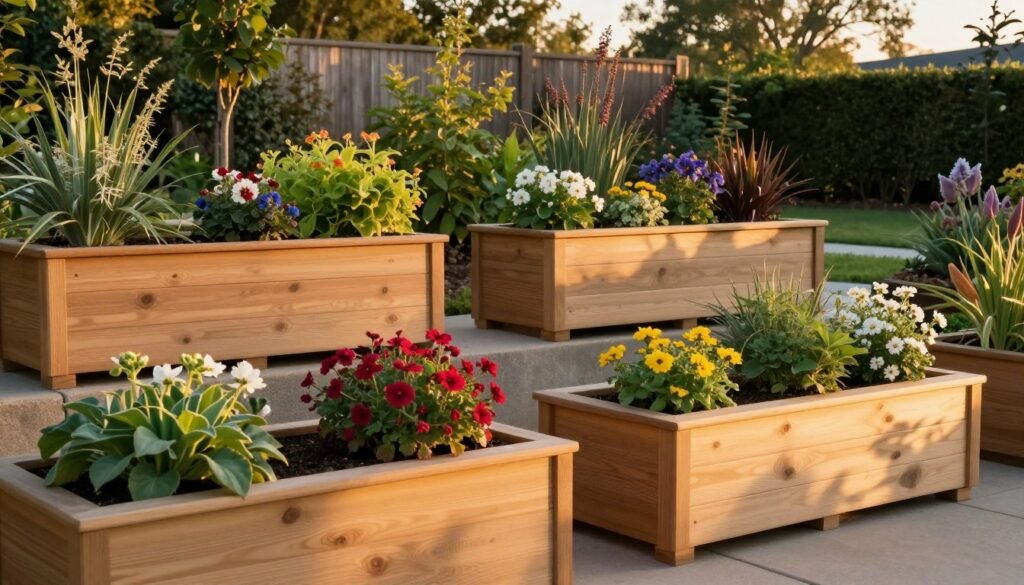
Cedar planter boxes offer endless possibilities for creative garden design. Here are some inspiring ideas to help you incorporate these versatile containers into your outdoor spaces.
Themed Garden Ideas
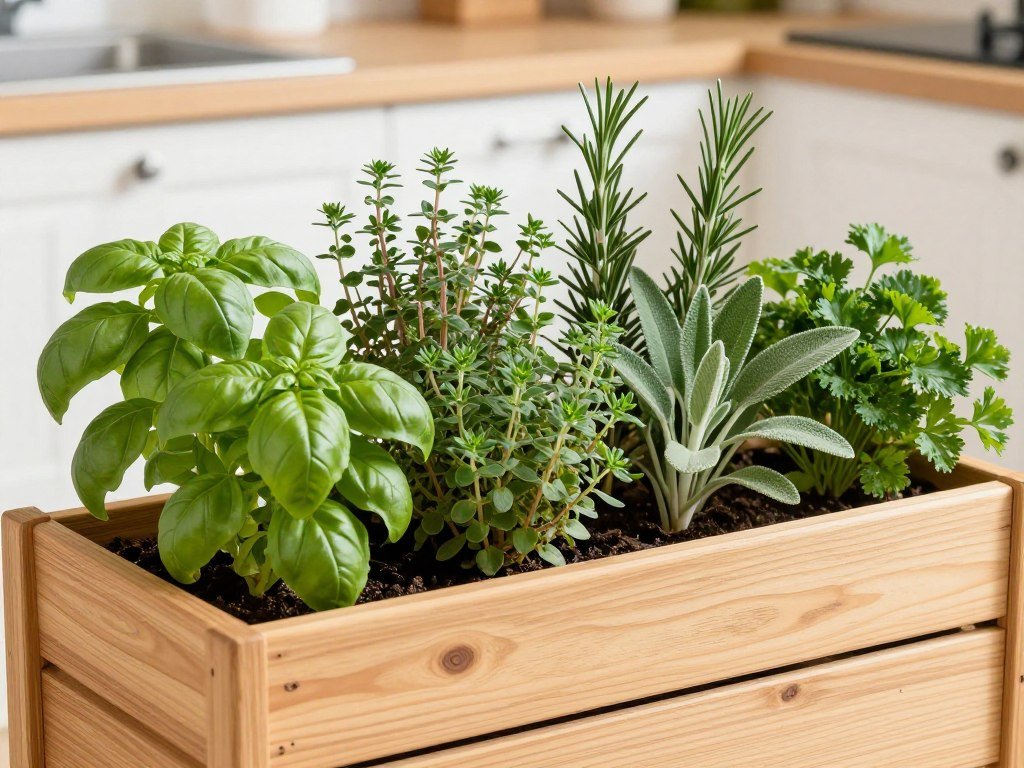
Herb Garden
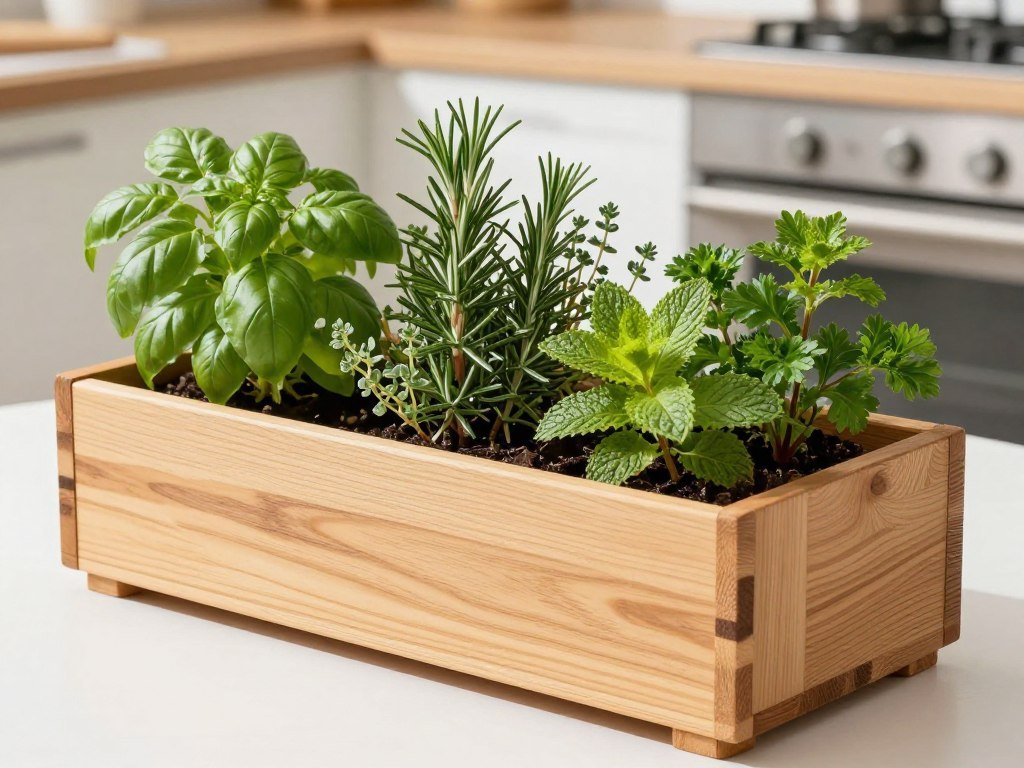
Create a dedicated herb garden in a cedar planter near your kitchen door for easy access while cooking. Divide a larger planter into sections for different herbs, or use multiple small planters grouped together. Popular culinary herbs like basil, rosemary, thyme, and mint thrive in cedar planters.
Consider specialized herb planters designed with dividers to keep aggressive herbs like mint contained.
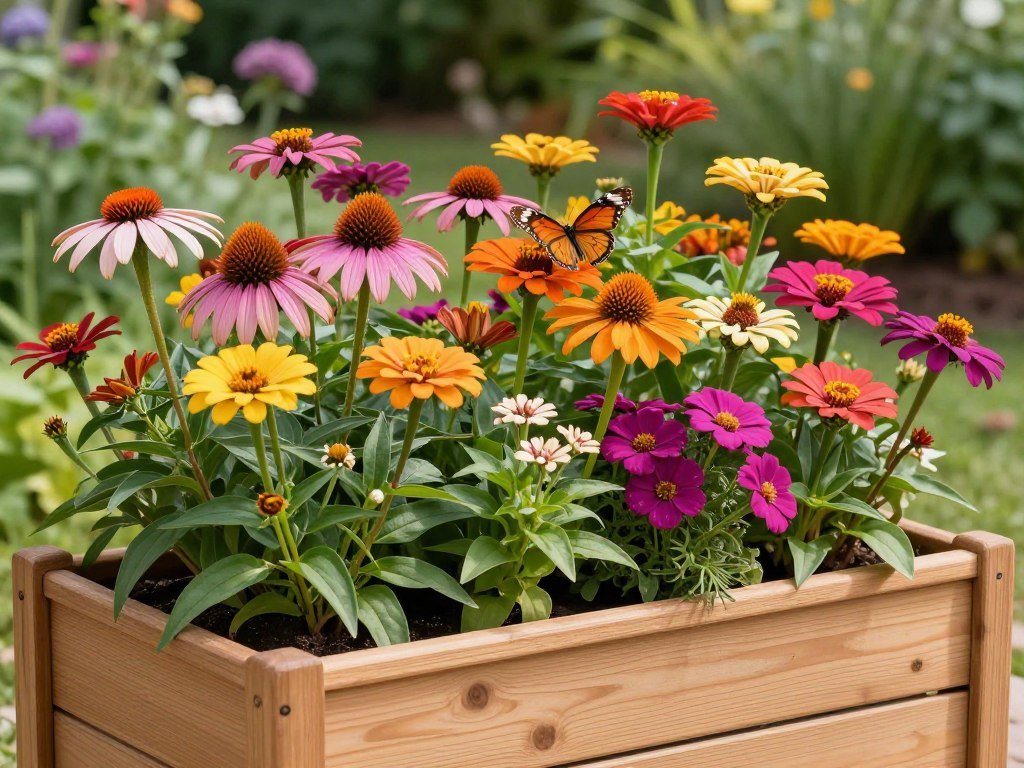
Pollinator Garden
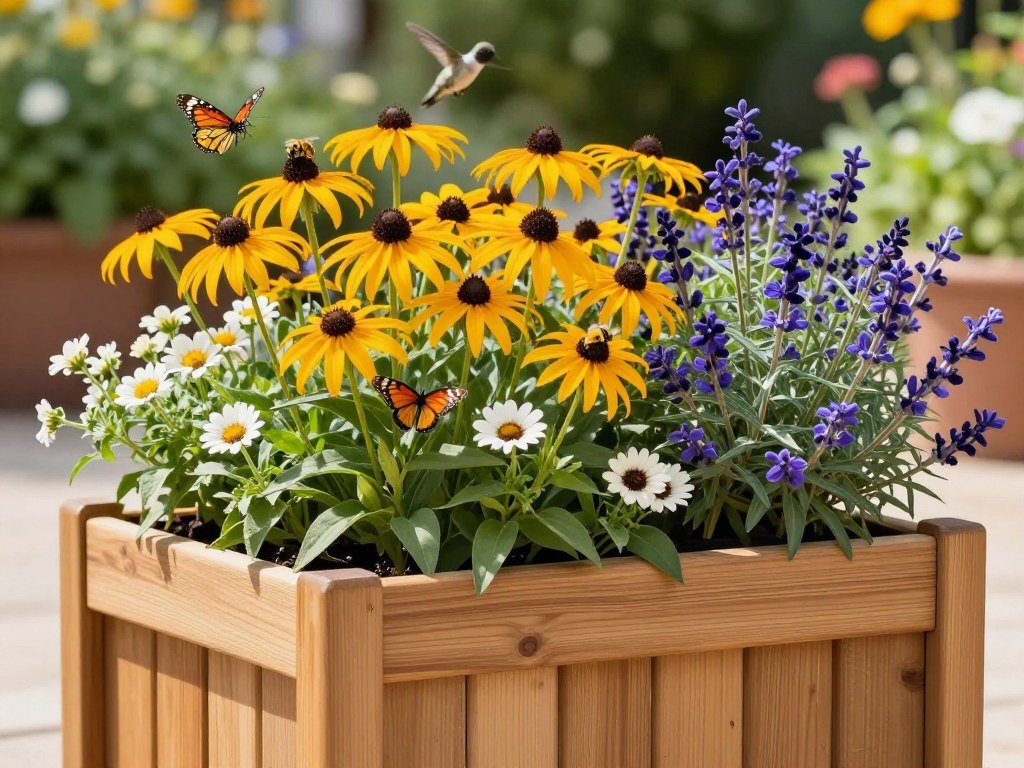
Support local pollinators by filling cedar planters with nectar-rich flowers like coneflowers, salvias, and zinnias. Position your pollinator planters in a sunny location where you can enjoy watching butterflies, bees, and hummingbirds visit throughout the growing season.
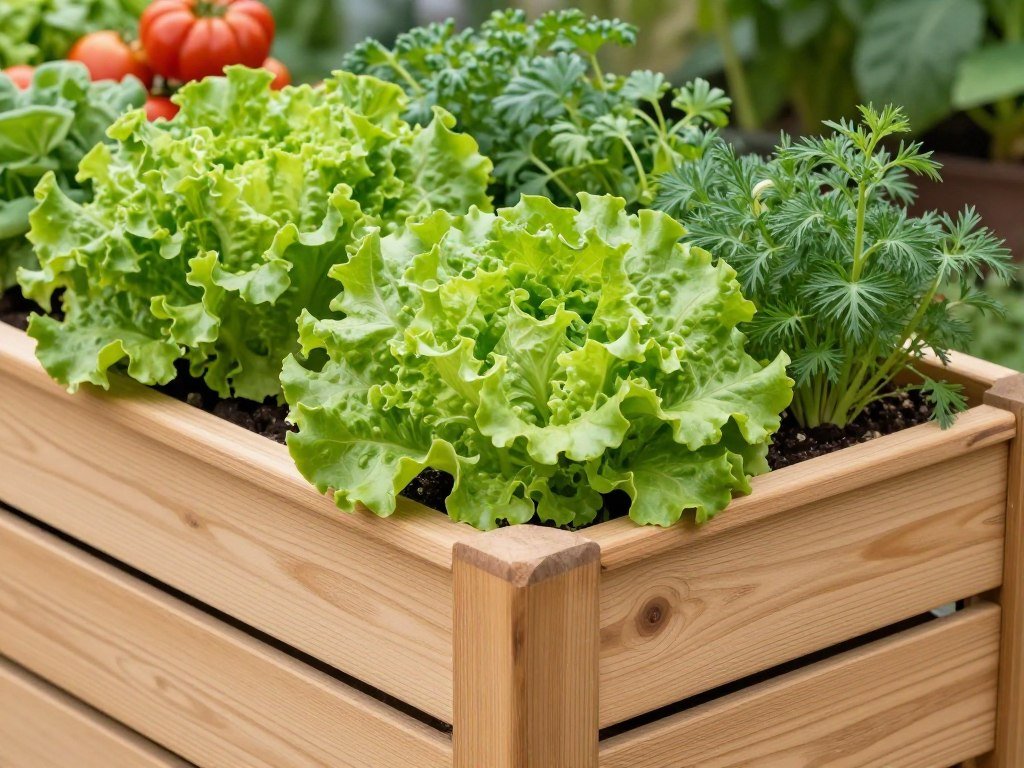
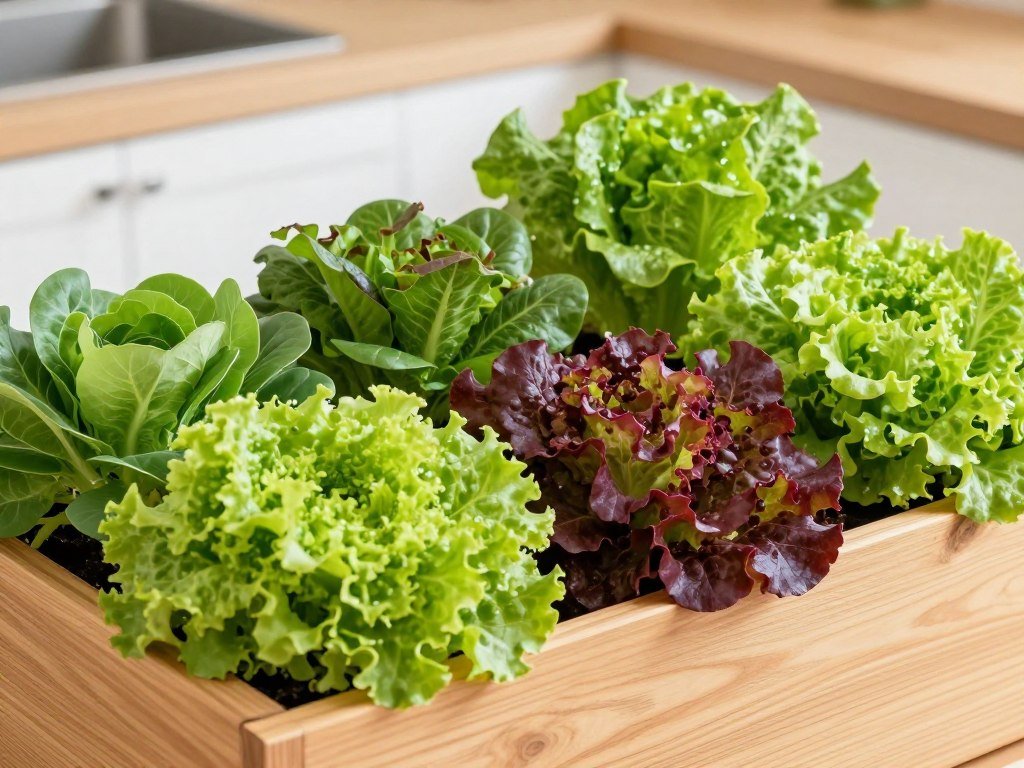
Grow your own fresh salad ingredients in a cedar planter for convenient harvesting. Plant a variety of lettuces, spinach, arugula, and other greens for continuous harvesting. Add radishes, cherry tomatoes, and cucumbers for a complete salad garden.
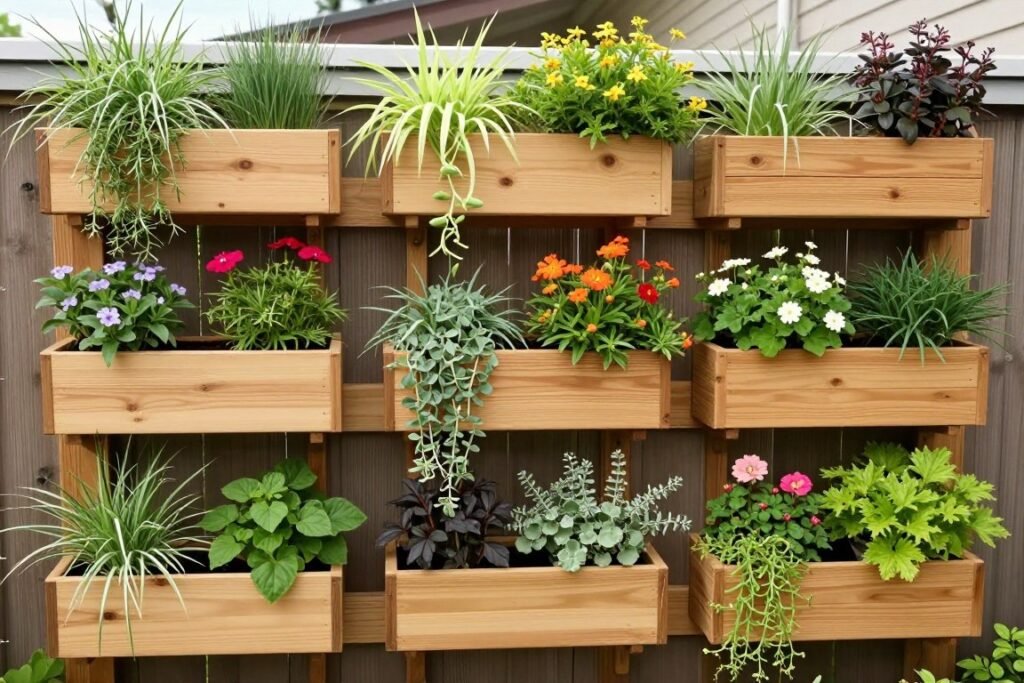
Create a living wall by mounting multiple cedar planters on a fence or wall. This space-saving solution adds visual interest while maximizing your growing area. Arrange planters in a grid pattern or stagger them for a more dynamic display. Plant trailing flowers, herbs, or strawberries that will cascade down.
Tiered Plant Stand
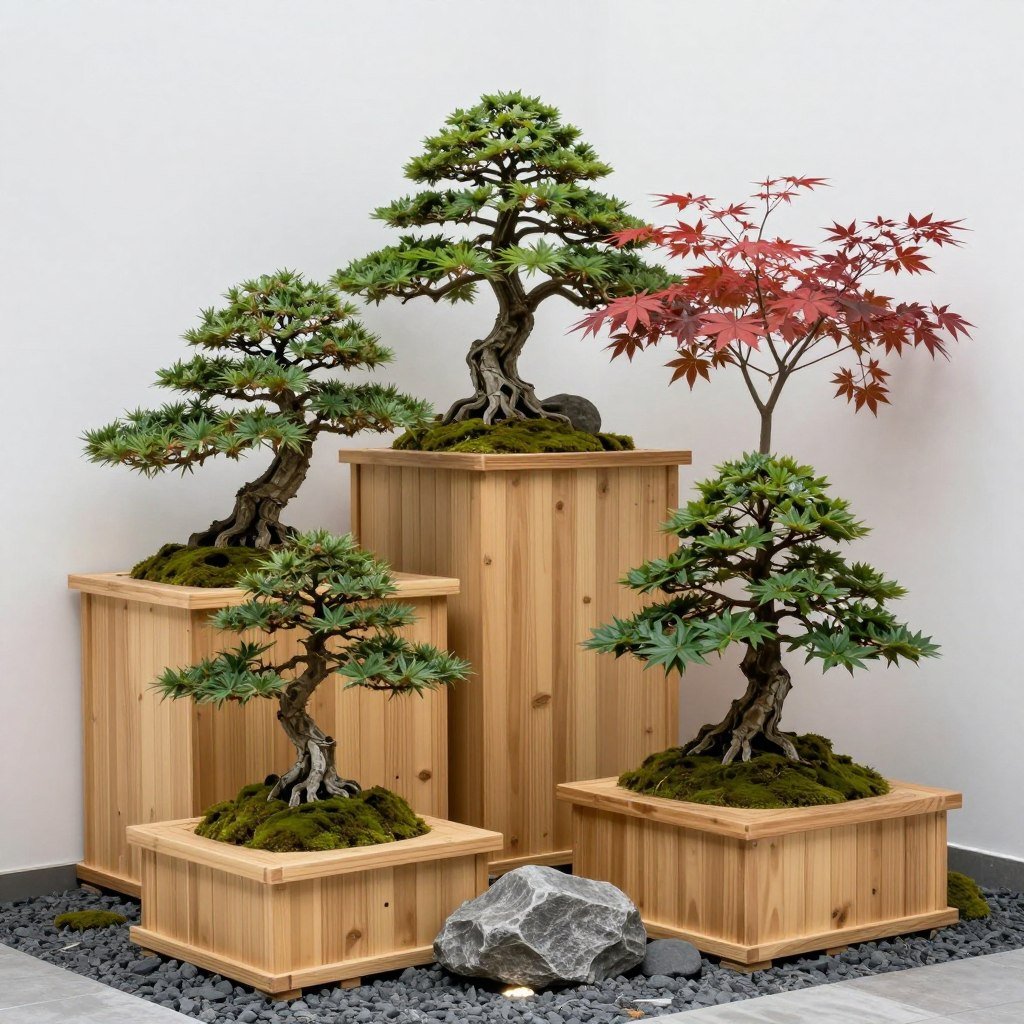
Arrange cedar planters of graduating sizes to create a tiered display. Place larger planters at the bottom and smaller ones toward the top. This creates a beautiful focal point for patios or entryways while allowing you to showcase a variety of plants in a relatively small footprint.
Mixed Material Combinations
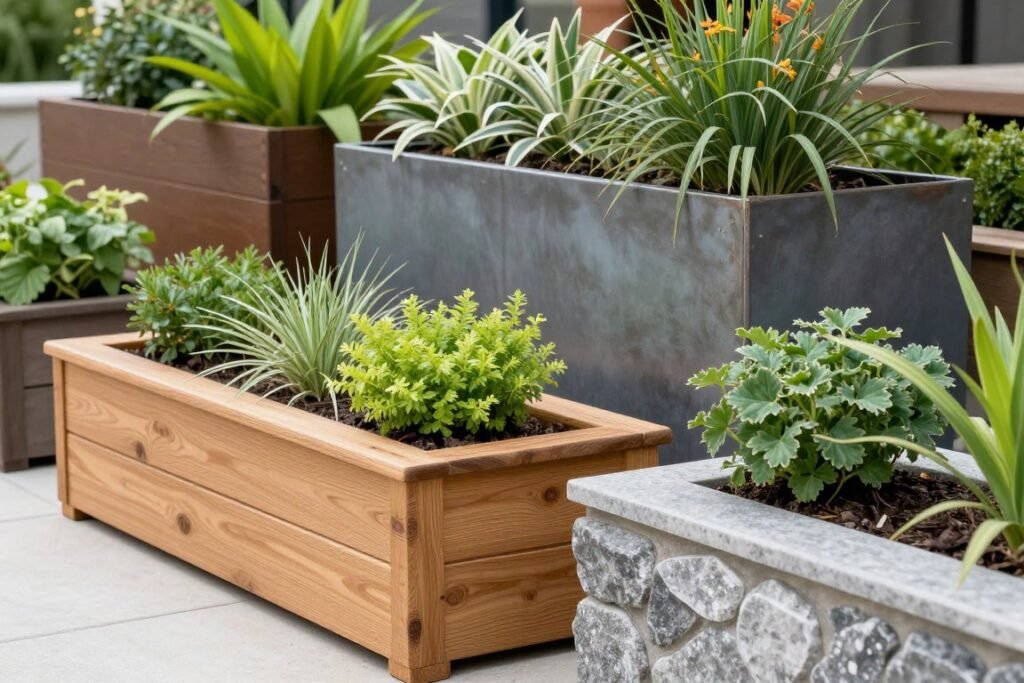
Combine cedar planters with other materials like metal, stone, or concrete for an eclectic, designer look. The warm tones of cedar pair beautifully with industrial metals, creating an interesting contrast. Try placing a row of cedar planters alongside metal ones, or incorporate stone elements into your cedar planter arrangements.
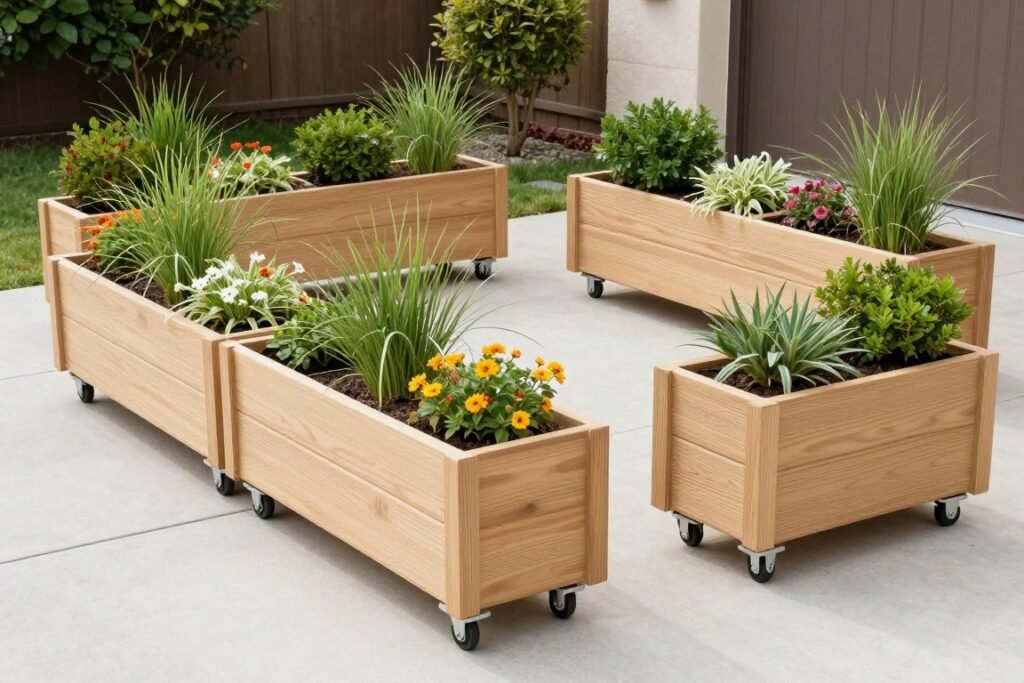
Mobile Garden
Add wheels to the bottom of your cedar planters to create a mobile garden that can be easily repositioned as needed. This is perfect for following the sun throughout the seasons or rearranging your outdoor space for entertaining. Make sure to use quality casters that can support the weight of soil and plants.
What to Plant in Cedar Planter Boxes
Cedar planter boxes are versatile containers that can accommodate a wide variety of plants. Here’s a guide to help you choose the best plants for your cedar planters based on location, planter size, and your gardening goals.
Best Plants for Different Planter Sizes
Planter Size
Depth Needed
Suitable Plants
Notes
Small (Under 12″ wide)
6-8 inches
Herbs, lettuce, radishes, annual flowers
Perfect for windowsills and small spaces
Medium (12-24″ wide)
10-12 inches
Bush beans, peppers, strawberries, dwarf varieties
Versatile size for patios and balconies
Large (Over 24″ wide)
12-18 inches
Tomatoes, cucumbers, zucchini, ornamental grasses
Provides ample room for root development
Deep (18″+ depth)
18+ inches
Root vegetables, small shrubs, dwarf trees
Ideal for plants with deep root systems
Popular Plant Combinations
Culinary Herb Garden
Basil – needs full sun and regular harvesting
Thyme – drought-tolerant and spreads nicely
Rosemary – provides height and structure
Parsley – tolerates partial shade
Chives – adds vertical interest and edible flowers
This combination provides a variety of flavors for cooking while creating an attractive display of different textures and heights. Position your herb planter in a sunny spot near your kitchen for easy access while cooking.
This colorful combination attracts butterflies throughout the growing season while providing a beautiful display of flowers. Place your butterfly garden planter in a sunny, sheltered location where you can observe the visitors it attracts.
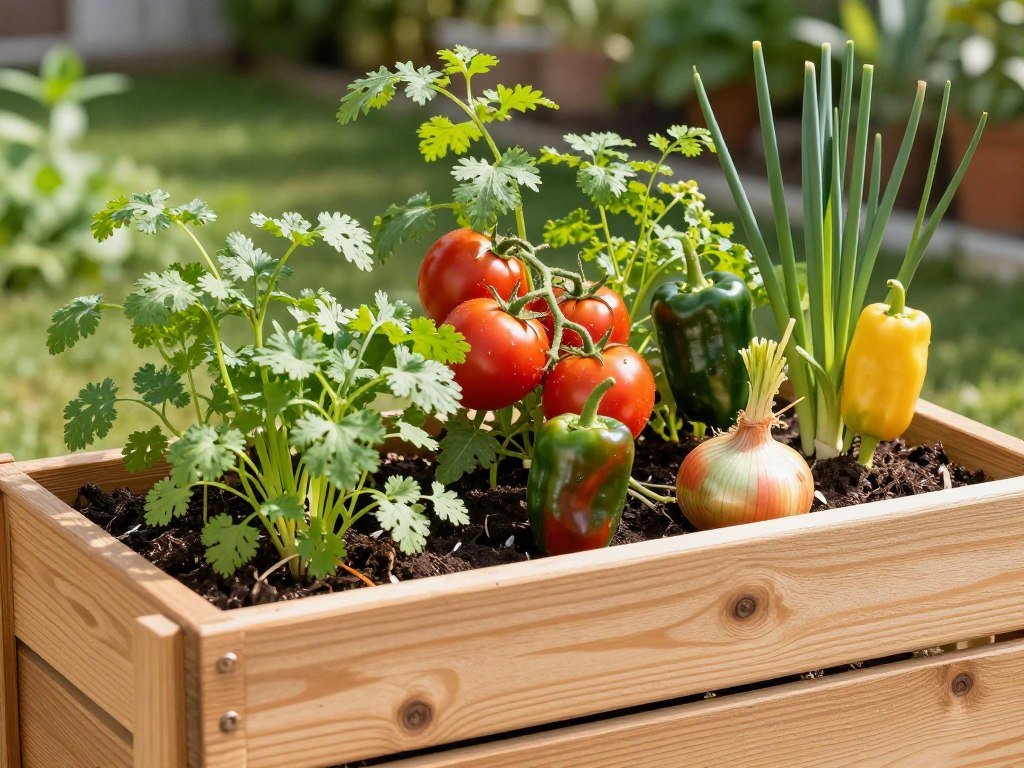
Salsa Garden
Tomatoes (determinate variety) – main salsa ingredient
Jalapeño or serrano peppers – adds heat
Cilantro – essential salsa herb
Green onions – easier in containers than full-size onions
Garlic – plant in fall for summer harvest
Grow all the ingredients for fresh homemade salsa in one convenient planter. This combination requires at least a medium to large planter with good depth for the tomatoes. Position in full sun and provide support for the tomato plants.
Seasonal Planting Ideas
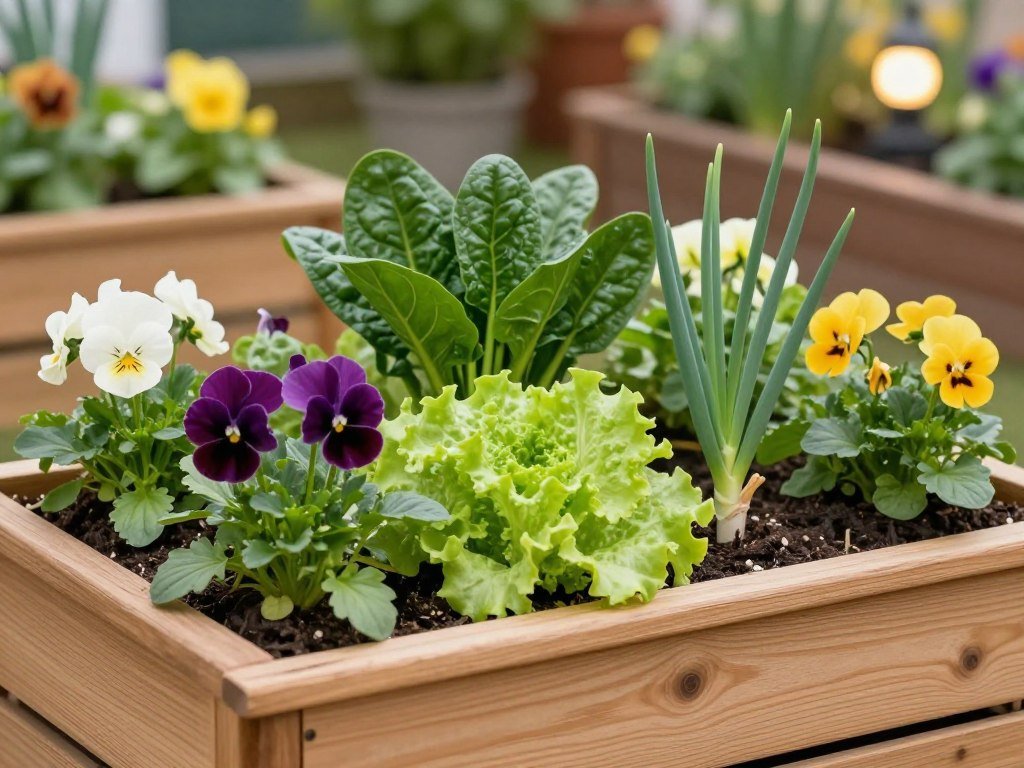
Spring
Take advantage of cedar’s insulating properties in spring by planting cool-season crops and early bloomers:
Pansies and violas for early color
Lettuce, spinach, and other salad greens
Radishes and green onions
Spring-flowering bulbs like tulips and daffodils (plant in fall)
Snap peas on a small trellis
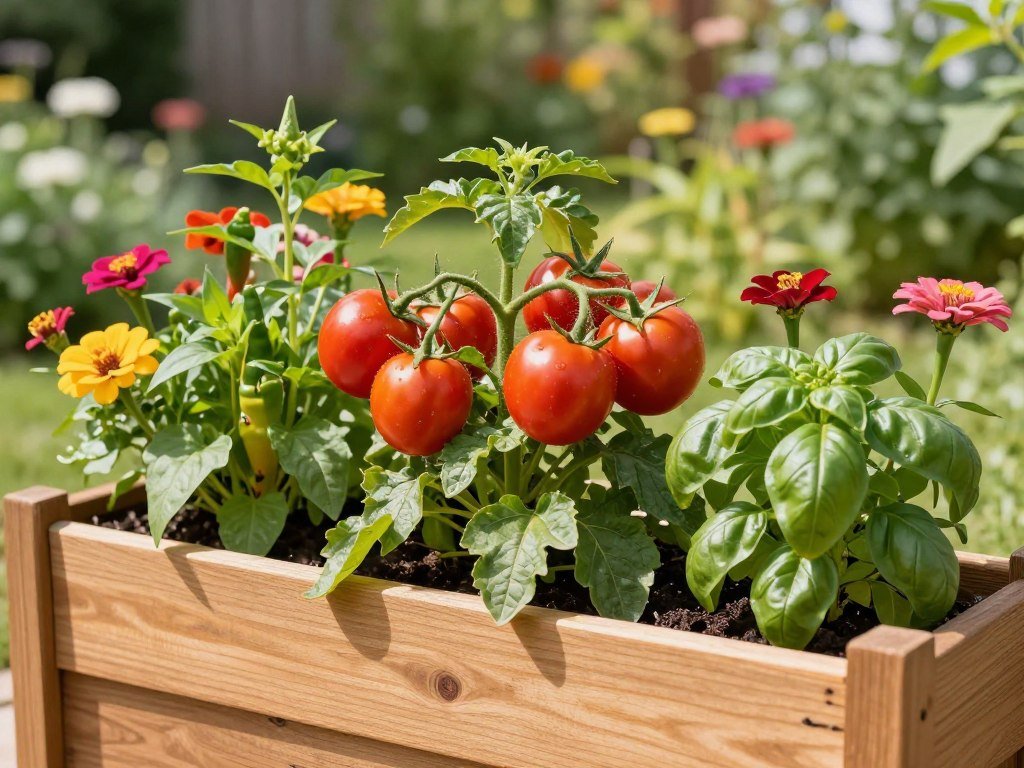
Summer
Fill your cedar planters with heat-loving plants during the summer months:
Tomatoes, peppers, and eggplants
Zinnias, marigolds, and sunflowers
Basil and other summer herbs
Trailing petunias and calibrachoa
Ornamental grasses for texture and movement
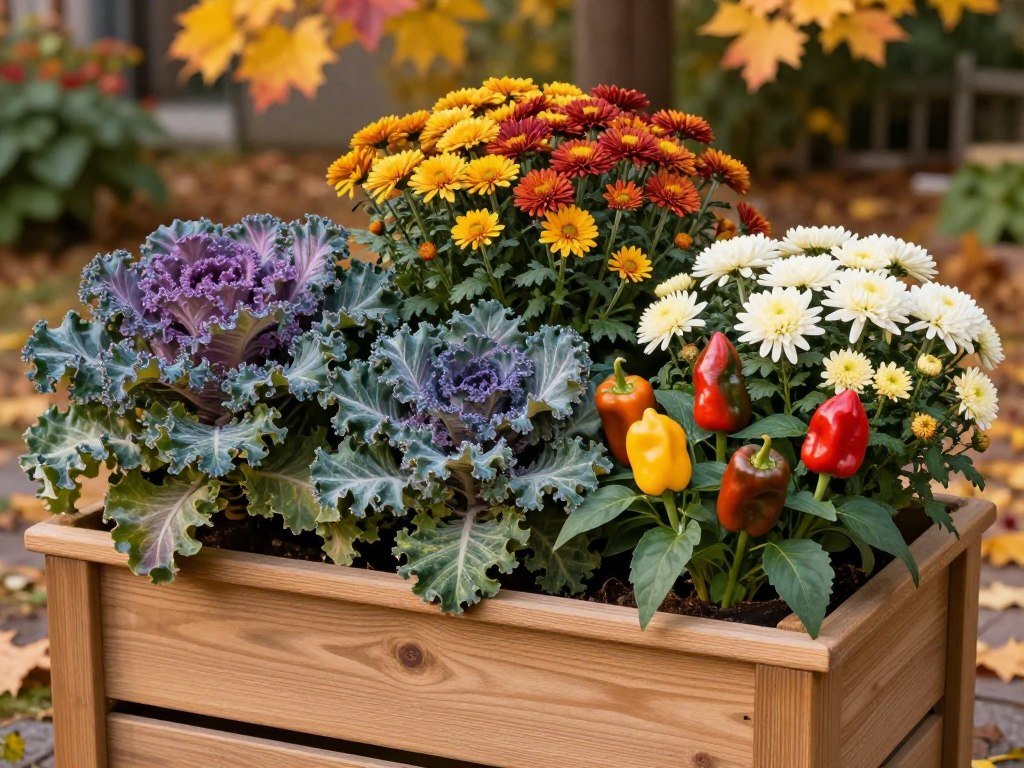
Fall
Extend your growing season with these fall-appropriate plants:
Ornamental kale and cabbage
Chrysanthemums for fall color
Chard, kale, and other cool-season greens
Pansies (they often survive winter in milder climates)
Ornamental peppers with colorful fruits
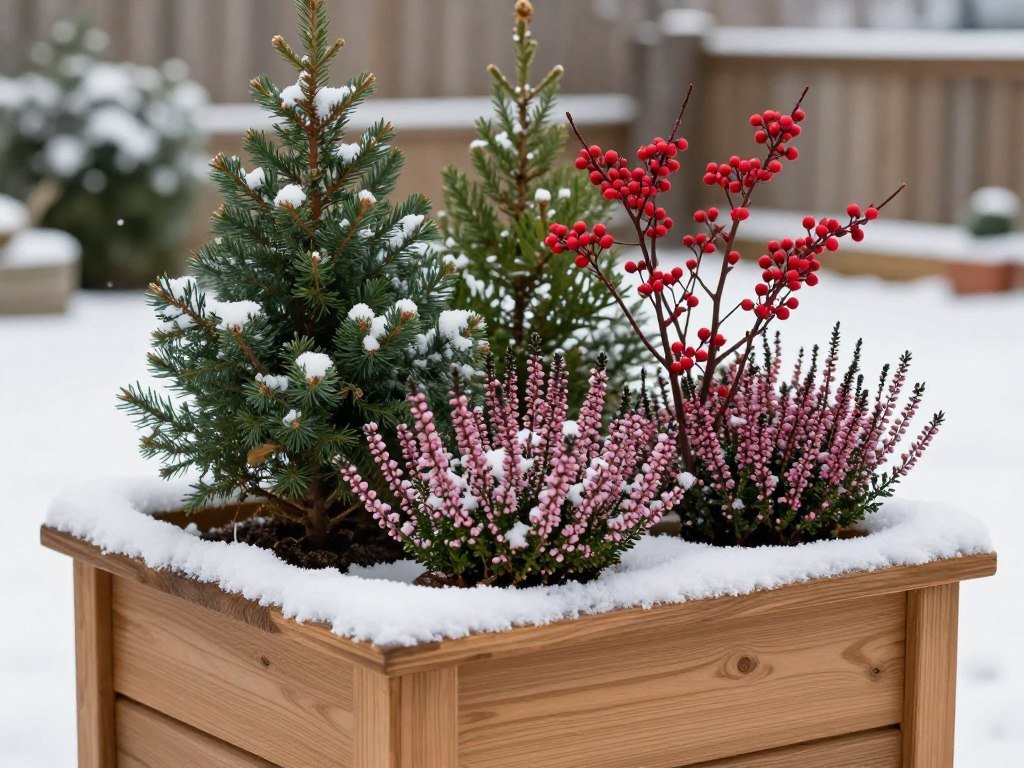
Winter
Even in winter, cedar planters can add interest to your garden:
Evergreen dwarf conifers
Winter-blooming heather
Colorful twig dogwoods
Winter pansies (in mild climates)
Decorative branches and winter berries
Ready to Start Planting?
Find the perfect seeds and plants for your cedar planter boxes.
With proper care, your cedar planter boxes can last for many years while maintaining their beauty and functionality. Here’s how to keep your cedar planters in top condition through the seasons.
Seasonal Maintenance
Spring: Inspect planters for winter damage, tighten any loose screws, and apply a fresh coat of sealer if needed before planting.
Summer: Monitor soil moisture carefully, as cedar planters may dry out quickly in hot weather. Consider adding mulch to retain moisture.
Fall: Clean out annual plants and prepare planters for winter by removing debris that could hold moisture against the wood.
Winter: In harsh climates, consider moving smaller planters to a protected area or elevating them off the ground to prevent ice damage.
Extending Planter Life
Drainage: Ensure proper drainage to prevent water from pooling in the planter, which can accelerate rot.
Elevation: Use pot feet or small blocks to raise planters slightly off the ground or deck surface to improve air circulation.
Liners: Consider using plastic liners inside large planters to create a barrier between the soil and wood, extending the planter’s life.
Sealing: Apply a cedar-safe wood sealer every 1-2 years to maintain the wood’s natural color and enhance its resistance to moisture.
Cleaning and Refinishing
Regular Cleaning
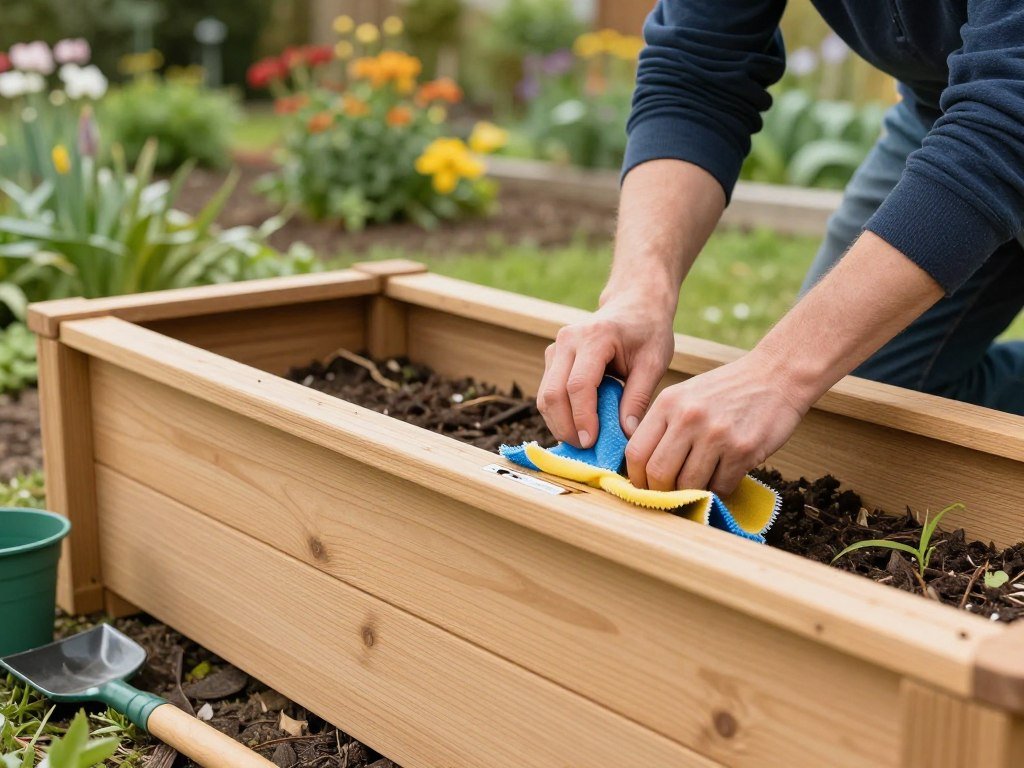
Gently brush away dirt and debris from the exterior of your cedar planters using a soft brush. For more thorough cleaning, use a mild solution of water and gentle soap. Avoid pressure washing, which can damage the wood fibers.
Addressing Mildew
If you notice mildew on your cedar planters, clean it with a solution of 1 part white vinegar to 4 parts water. Apply with a soft cloth, let sit for 20 minutes, then rinse thoroughly. Allow the planter to dry completely in the sun.
Sanding
If the surface of your cedar planter becomes rough or starts to splinter, lightly sand it with fine-grit sandpaper. Sand in the direction of the wood grain for the best results. Wipe away all dust before applying any finish.
Applying Sealer
Choose a non-toxic, cedar-safe wood sealer or oil. Apply according to the manufacturer’s instructions, typically with a brush or cloth. Allow to dry completely before replanting. Look for food-safe wood sealers if growing edibles.
Troubleshooting Common Issues
Splitting or Cracking
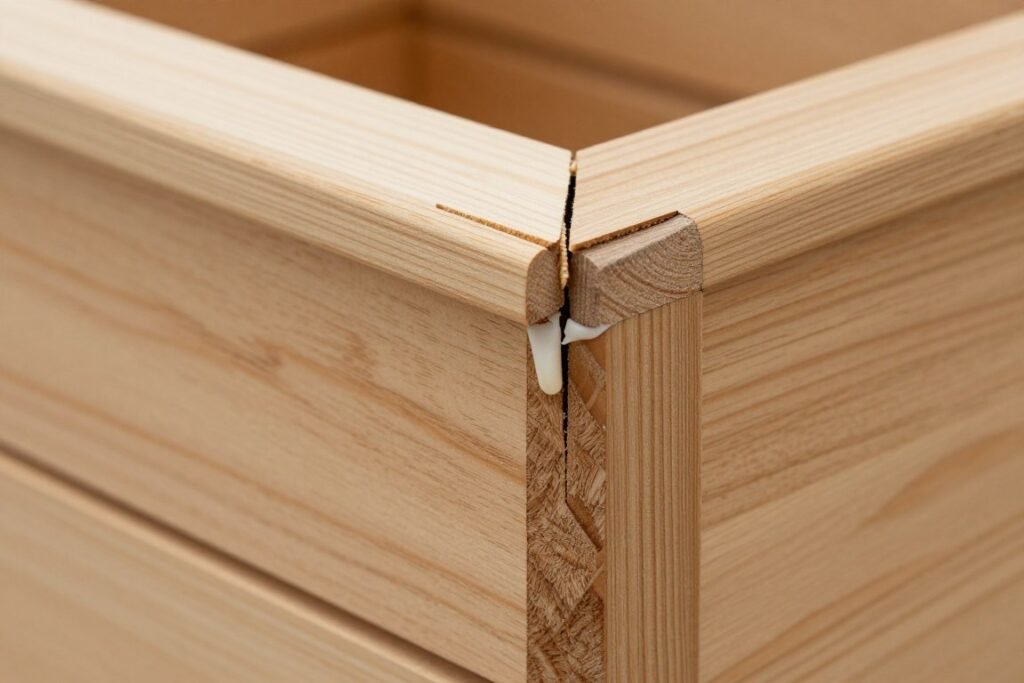
Cedar may develop small cracks or splits over time due to natural expansion and contraction with weather changes. For minor cracks, no action is needed as they won’t affect the planter’s structural integrity. For larger splits, apply wood glue and clamp until dry.
Fading Color
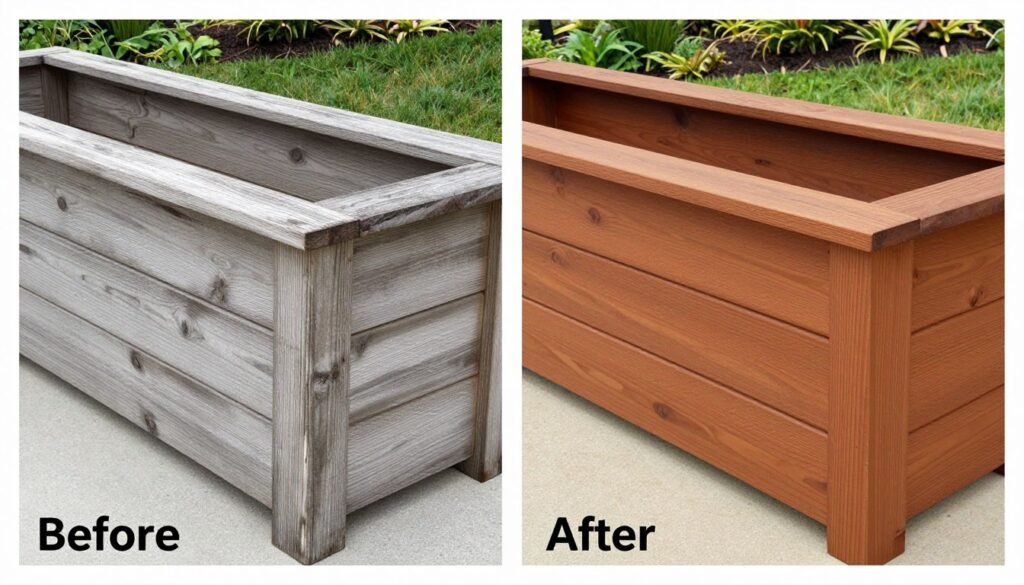
Cedar naturally weathers to a silver-gray patina over time. If you prefer to maintain the original warm color, apply a UV-protective cedar oil or sealer annually. To restore color to weathered cedar, lightly sand the surface and apply a cedar-specific finish.
Loose Joints
Check for and tighten any loose screws at least once a year, typically in spring before planting. If screw holes have enlarged, fill them with wood filler or toothpicks and wood glue before reinserting screws. For structural issues, reinforce corners with metal brackets if needed.
Soil Contamination
If you’re concerned about soil coming into direct contact with the wood, use a food-safe plastic liner or landscape fabric inside your planter. This creates a barrier while still allowing proper drainage. Replace soil every few years to maintain plant health and prevent disease buildup.
Embracing the Beauty and Functionality of Cedar Planter Boxes
Cedar planter boxes offer a perfect blend of natural beauty, durability, and versatility for any garden space. From their natural resistance to rot and insects to their warm, inviting appearance, cedar planters provide an ideal home for your plants while enhancing your outdoor décor. Whether you choose to purchase ready-made planters or build your own, these versatile containers will serve you well for many growing seasons.
As you plan your garden this season, consider how cedar planter boxes might elevate your space – whether it’s a spacious backyard, a cozy patio, or a small balcony. Their adaptability to various plants and design styles makes them a timeless addition to any garden. With proper care and maintenance, your cedar planters will continue to bring joy and beauty to your outdoor living spaces for years to come.
Ready to Transform Your Garden with Cedar Planter Boxes?
Explore a wide selection of cedar planter boxes and supplies to create your perfect garden space.
Navy blue shoes are the unsung heroes of footwear. While black and brown options often steal the spotlight, navy offers a sophisticated alternative that’s both versatile and distinctive. This rich, deep blue hue provides the perfect balance between classic neutrality and subtle color, making navy blue shoes a must-have addition to any wardrobe. Whether you’re…
There’s something deeply satisfying about cooking outdoors on a grill you built with your own hands. Not only does a DIY outdoor grill save you hundreds (or even thousands) of dollars compared to store-bought options, but it also gives you the freedom to customize every detail to fit your space and cooking style. Whether you’re…
Your wedding day rushes by in a beautiful blur. The ceremony moves your heart. The reception fills you with joy. But your bride and bridesmaid pictures? Those freeze the laughter, tears, and love forever. These aren’t just photos. They’re visual stories of your closest friendships during one of life’s biggest moments.This Website contains affiliate links….
A balcony garden offers a slice of nature in urban living, turning concrete spaces into vibrant green retreats. Whether you have a sun-drenched south-facing balcony or a shady north-facing nook, there’s a perfect collection of balcony plants waiting to transform your outdoor space. This comprehensive guide will help you select the right plants, create stunning…
Finding the perfect proposal ring represents one of life’s most meaningful purchases. This sparkling symbol of commitment deserves careful thought and consideration.This Website contains affiliate links. That means I may earn a small commission if you purchase through my links, at no extra cost to you. Your search for an engagement ring connects you to…
There’s something magical about stepping into your outdoor space and seeing it filled with greenery and blooms spilling from planters you’ve crafted with your own hands. DIY planters outdoor projects not only save you money but also allow you to express your creativity and perfectly match your garden’s aesthetic. Whether you have a sprawling backyard,…