Building a House on a Budget: The Complete Guide to Affordable Home Construction
Creating your dream home doesn’t have to drain your bank account. With thoughtful planning, strategic decisions, and creative approaches, building a house on a budget is not only possible but can result in a beautiful, functional home that meets your needs. This comprehensive guide will walk you through every phase of budget-conscious home building—from initial planning and design to material selection, construction methods, and finishing touches. Whether you’re a first-time builder or looking to downsize affordably, these practical strategies will help you maximize your investment while creating a home you’ll love for years to come.
This Website contains affiliate links. That means I may earn a small commission if you purchase through my links, at no extra cost to you.
Mindset and Planning: The Foundation of Budget Building
Before breaking ground or even purchasing land, the most critical phase of building a house on a budget happens on paper. Your mindset and planning approach will set the stage for every decision that follows.
Needs vs. Wants: The Budget Builder’s First Decision
The most successful budget home builders start by creating two lists: absolute necessities and desired features. Your “needs” list might include the number of bedrooms, basic accessibility features, or a minimum square footage. Your “wants” list could contain items like granite countertops, a wraparound porch, or custom built-ins.
This exercise forces you to prioritize what truly matters. Many homeowners are surprised to discover that some “must-haves” are actually flexible when weighed against their budget constraints. Remember that some features can be added later when finances allow, while structural elements are much harder to change.
Setting a Realistic Budget
A comprehensive budget for building a house should account for every expense category. According to the National Association of Home Builders, the average cost to build a home is approximately $284,000, but this varies widely by location, size, and finishes.
Your budget should include:
Land purchase and preparation
Design and architectural fees
Permits and inspections
Foundation and framing
Exterior finishing (roofing, siding, windows)
Interior systems (plumbing, electrical, HVAC)
Interior finishing (drywall, flooring, fixtures)
Landscaping
Contingency fund (10-15% of total budget)
The Contingency Fund: Your Financial Safety Net
Perhaps the most important line item in your budget is the contingency fund. This financial buffer—typically 10-15% of your total budget—protects you from the unexpected costs that inevitably arise during construction.
Common unexpected expenses include:
Site preparation challenges (rock removal, drainage issues)
Material price increases during construction
Weather delays increasing labor costs
Unforeseen structural requirements
Permit or inspection complications
Without this buffer, a single surprise could force you to compromise on important aspects of your home or, worse, halt construction entirely.
Tools for Budget Planning Success
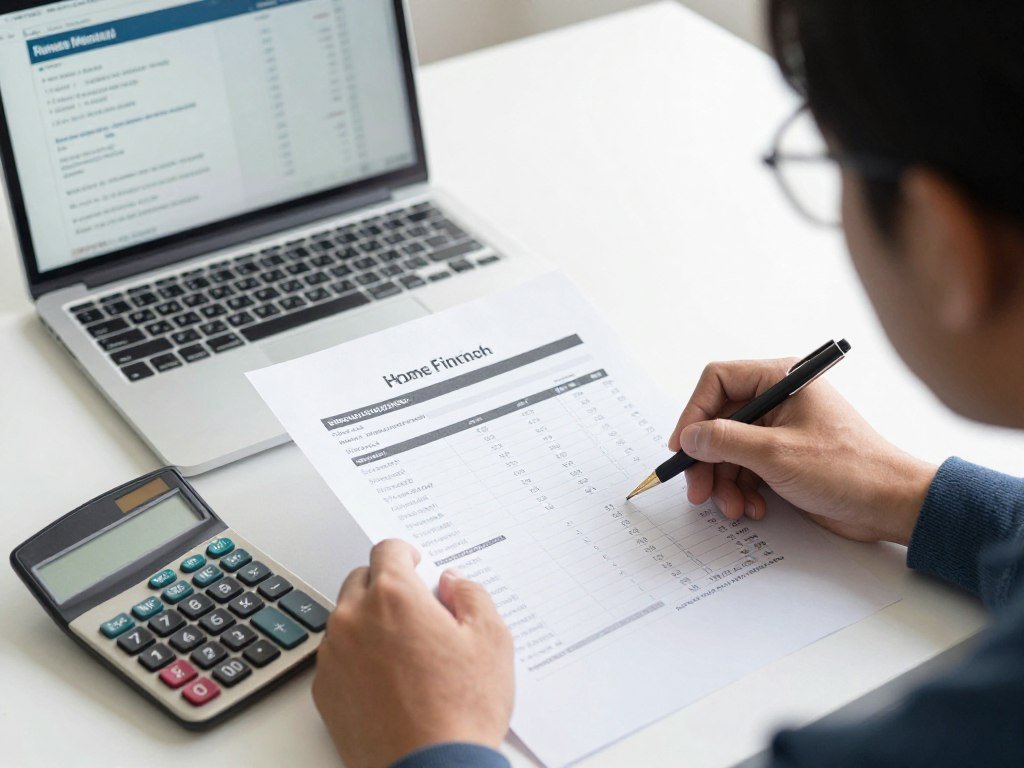
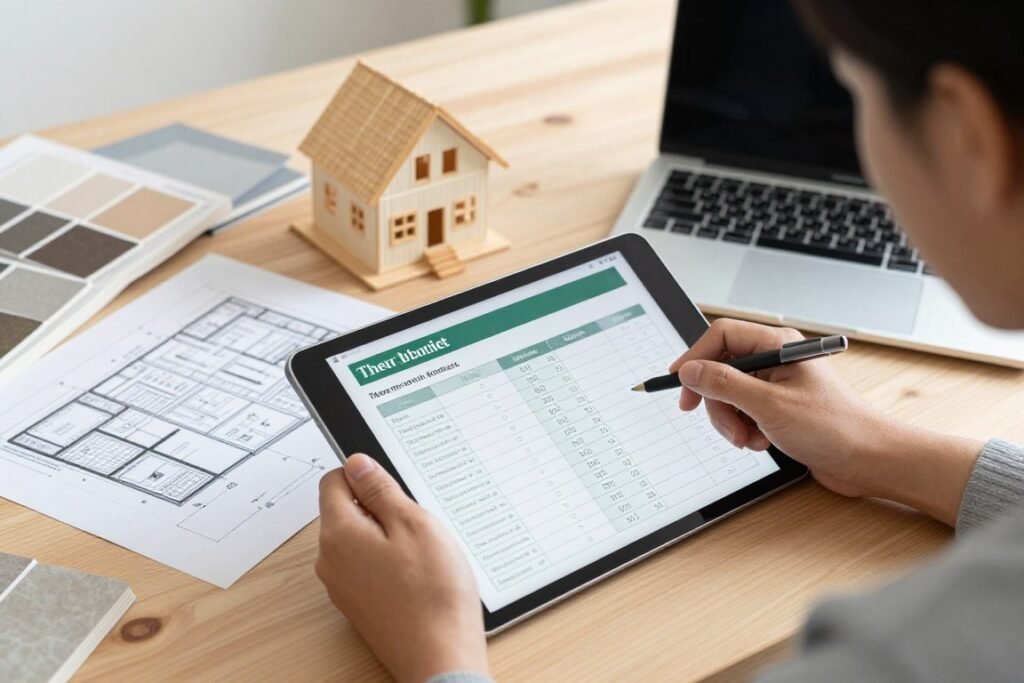
Effective budget planning requires the right tools. A detailed spreadsheet is essential for tracking every expense category and monitoring your spending throughout the building process. Consider using a dedicated budgeting tool like home building budget software or a comprehensive budget template to ensure nothing is overlooked.
“The difference between a successful budget build and a financial nightmare often comes down to the quality of planning before the first nail is driven.”
Take time to research local building costs in your area, as they can vary dramatically by region. Speaking with local builders, reviewing recent builds, and consulting with a real estate professional can provide valuable insights into realistic costs for your specific location.
Land Selection and Design: Smart Choices for Long-Term Savings
Finding Affordable Land
The cost of your land can significantly impact your overall budget. Consider these strategies for finding affordable property:
Location Considerations
Rural and suburban areas typically offer more affordable land than urban centers. While the commute might be longer, the savings can be substantial. According to recent data, land in rural areas can cost 50-80% less per acre than comparable lots in developed suburban neighborhoods.
However, remember to factor in these additional considerations:
Suitable soil conditions (avoids costly foundation requirements)
A seemingly inexpensive lot with significant challenges like rocky soil, poor drainage, or difficult access can quickly become more expensive than a higher-priced lot without these issues.
Cost-Effective Home Design
The design of your home has perhaps the greatest impact on your construction budget. Simple, efficient designs not only cost less to build but can also reduce long-term maintenance and energy expenses.
Shape and Footprint Efficiency
The most cost-effective home designs feature:
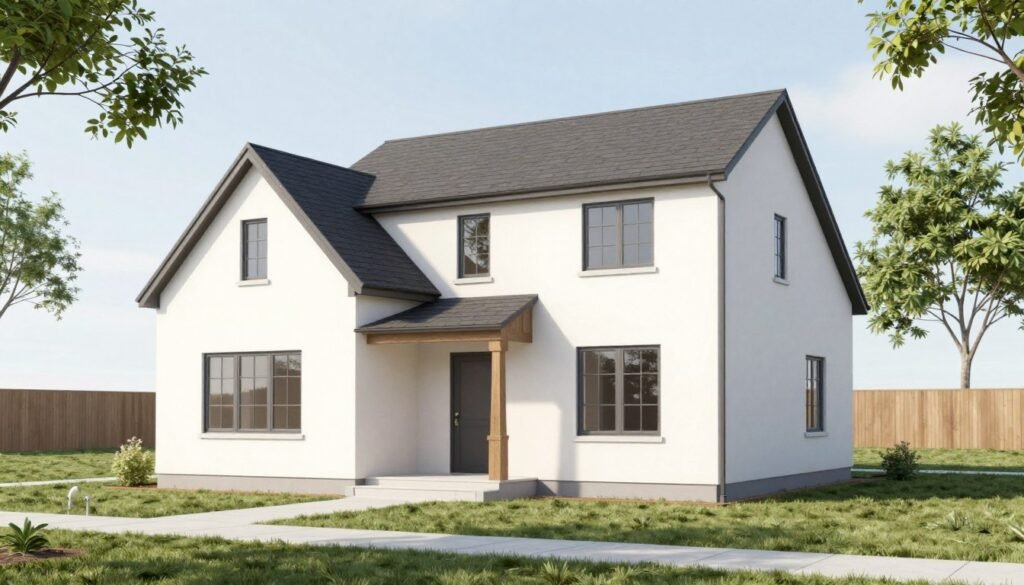
Simple rectangular or square footprints
Two-story designs (which reduce foundation and roofing costs per square foot)
Minimal exterior corners and angles
Stacked plumbing (bathrooms and kitchen aligned vertically in two-story homes)
Simple rooflines (complex roofs can add 5-10% to construction costs)
Each additional corner in your home’s exterior adds complexity and cost to the foundation, framing, and roofing. Similarly, complex roof designs with multiple pitches and valleys increase material waste and labor costs while creating more potential for future leaks.
Space Optimization Strategies
Maximizing the functionality of every square foot is key to building affordably:
Open floor plans that serve multiple purposes
Built-in storage to reduce the need for furniture
Multipurpose rooms (home office/guest room)
Right-sized rooms (avoid oversized spaces)
Efficient circulation (minimize hallways)
Remember that every square foot you add to your home increases costs across all categories: foundation, framing, roofing, flooring, heating, cooling, and long-term maintenance. A well-designed 1,600 square foot home can feel more spacious and functional than a poorly designed 2,000 square foot home.
Working With Designers on a Budget
Professional design help doesn’t have to break the bank. Consider these approaches:
Stock plans with minor modifications (much cheaper than custom designs)
Design-build firms (can optimize plans for cost-efficiency)
Limited-scope architect consultations
Online design services
If you’re working with an architect or designer, be upfront about your budget constraints. Many professionals enjoy the challenge of creating beautiful, functional spaces within tight financial parameters. For affordable stock plans that can be modified to suit your needs, consider browsing house plan books or online plan services.
Materials and Labor: Strategic Savings Without Sacrificing Quality
Alternative and Affordable Building Materials
Material selection offers numerous opportunities for significant savings without compromising structural integrity or aesthetics.
Structural Materials
Consider these alternatives to traditional stick-built construction:
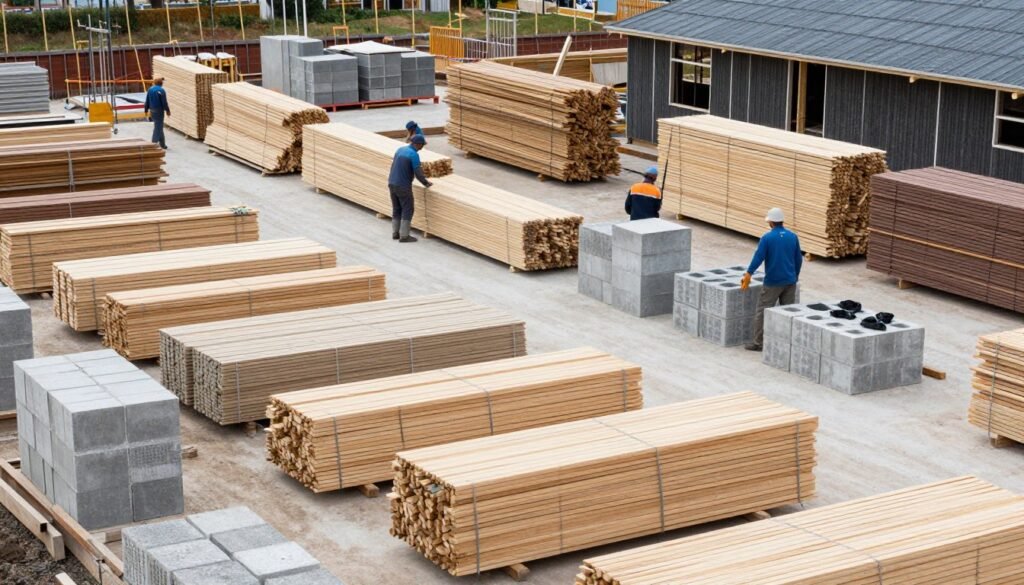
Concrete blocks (durable and often locally available)
Structural insulated panels (SIPs) (reduce labor and energy costs)
Reclaimed lumber (character and potential savings)
Steel framing (durability and resistance to pests)
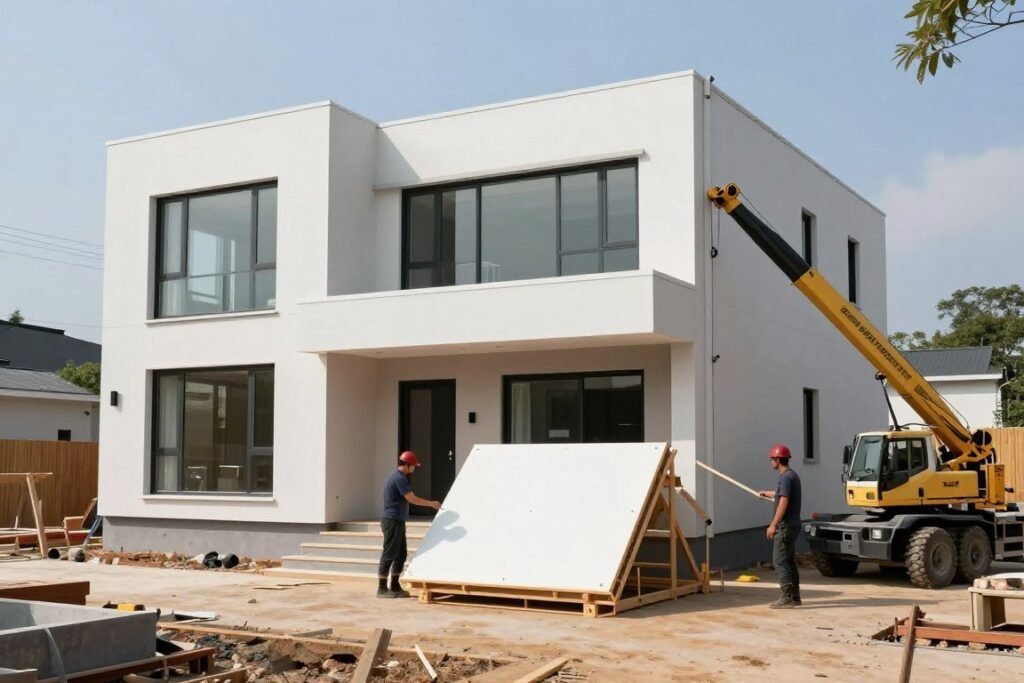
Prefabricated wall systems (faster installation, less waste)
Each option has its own cost-benefit profile depending on your location, climate, and local building codes. Research what’s commonly used in your area, as local builders will have more experience with these materials, potentially reducing labor costs.
Exterior and Interior Finishes
Finishes provide numerous opportunities for savings:
Vinyl siding (inexpensive and low maintenance)
Engineered wood products (less expensive than solid hardwood)
Laminate countertops (dramatic savings over stone)
Stock cabinets (versus custom options)
Standard-sized windows and doors
Remember that some finishes can be upgraded later, while structural elements cannot. Prioritize quality in permanent elements and save on items that can be easily replaced or upgraded in the future.
Sourcing Materials Strategically
Where and how you purchase materials can dramatically impact your budget:
Discount and Surplus Sources
Building material reuse centers and architectural salvage stores
Habitat for Humanity ReStores
Contractor surplus sales
Factory seconds and overstock sales
Auction sites for building materials
For finding local building material reuse centers, consider using a salvage directory or online marketplace specifically for construction materials.
Bulk Purchasing and Timing
Strategic timing and quantity purchases can yield significant savings:
Buy materials in bulk when possible
Purchase during off-season sales (winter for many materials)
Coordinate with other builders to share bulk discounts
Consider future projects when purchasing (extra flooring, paint, etc.)
Building supply prices can fluctuate seasonally and with market conditions. If possible, monitor prices for major components and purchase when favorable.
Labor Strategies: DIY vs. Hiring Professionals
What to DIY
Taking on certain tasks yourself can save substantially on labor costs. Consider DIY for:
Site clearing and basic preparation
Painting (interior and exterior)
Trim work and baseboards
Flooring installation (certain types)
Landscaping
Cabinet installation
Basic fixture installation
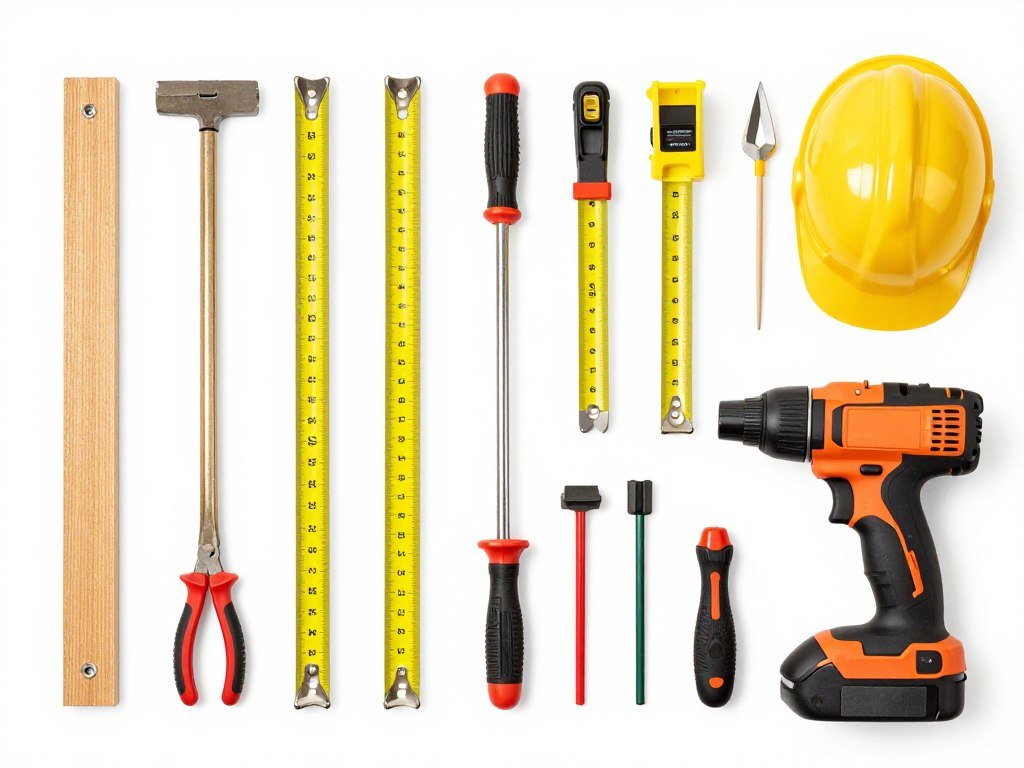
For DIY projects, quality tools make a significant difference in both results and efficiency. Consider investing in essential building tools that will serve you throughout construction and beyond.
When to Hire Professionals
Some aspects of construction should be left to professionals:
Foundation work
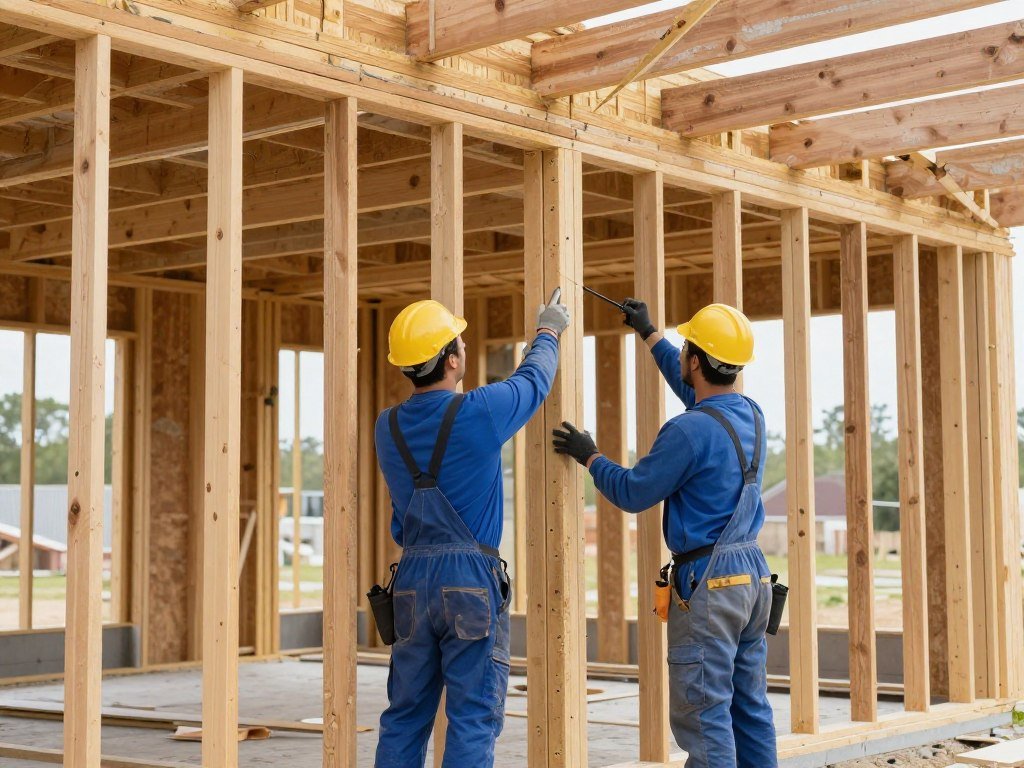
Structural framing
Electrical systems
Plumbing rough-in
HVAC installation
Roofing (especially complex designs)
Specialized finishes
These systems affect safety, code compliance, and long-term durability. Mistakes in these areas can be costly or dangerous to correct later. When hiring professionals, get multiple bids and check references carefully.
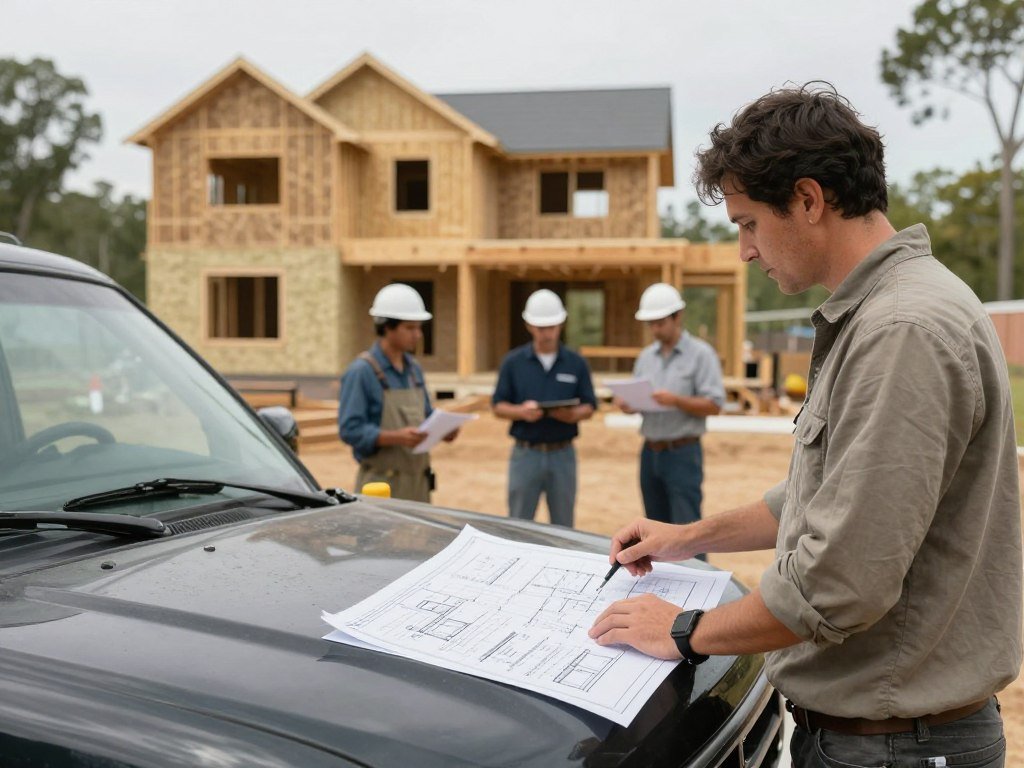
Acting as Your Own General Contractor
Serving as your own general contractor can save 15-20% on your overall budget but comes with significant responsibilities:
Scheduling and coordinating subcontractors
Obtaining permits and managing inspections
Ordering and receiving materials
Quality control and problem-solving
Financial management and payments
This approach requires substantial time, organizational skills, and basic construction knowledge. For those considering this route, resources like books on being your own general contractor can provide valuable guidance.
“The key to successful DIY involvement is honestly assessing your skills and time availability. Overestimating either can lead to costly delays and quality issues.”
Systems and Finishes: Long-Term Savings Through Smart Choices
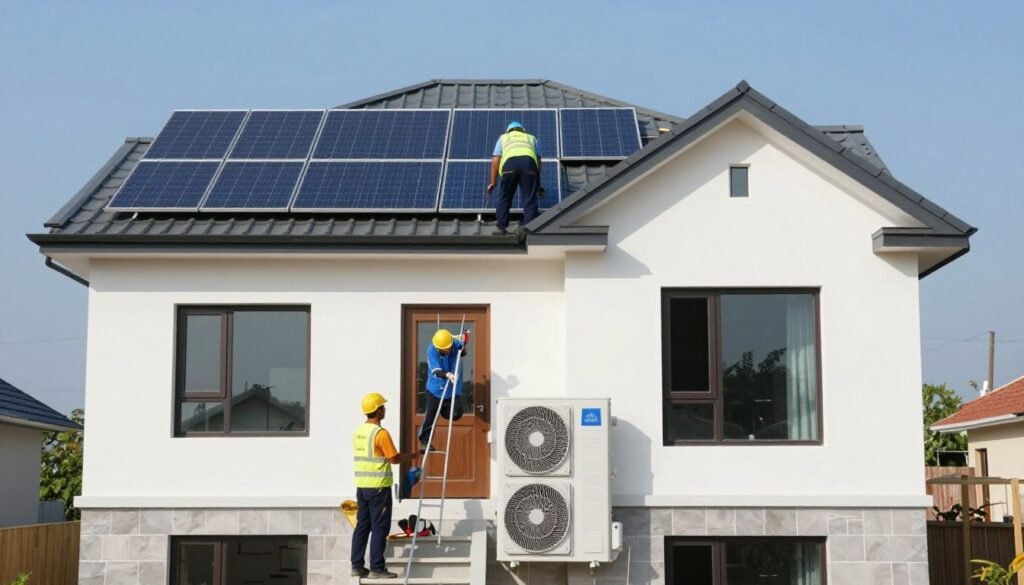
Investing in energy efficiency during construction is far more cost-effective than retrofitting later. These systems may cost more initially but provide substantial long-term savings:
Insulation and Building Envelope
The building envelope—your home’s defense against the elements—offers excellent return on investment:
Higher-grade insulation in walls and attic
Quality windows with appropriate energy ratings for your climate
Careful air sealing throughout the structure
Radiant barriers in hot climates
Insulated doors and garage doors
According to the Department of Energy, proper insulation can reduce heating and cooling costs by up to 20%. This translates to thousands of dollars in savings over the life of your home.
HVAC and Water Heating
Mechanical systems offer significant efficiency opportunities:
Right-sized HVAC system (oversized systems waste energy)
Heat pumps in moderate climates
Tankless water heaters where appropriate
Zoned heating and cooling
Programmable or smart thermostats
For guidance on selecting the most efficient systems for your climate and home design, consider consulting resources like energy efficiency guides specific to your region.
Affordable Yet Attractive Finishes
Interior finishes significantly impact both your budget and your home’s aesthetic. Strategic choices can create beautiful spaces without premium prices:
Flooring Alternatives
Luxury vinyl plank (durable and water-resistant)
Engineered hardwood (more stable than solid hardwood)
Laminate flooring (improved technology has created attractive options)
Stained concrete (for contemporary designs)
Quality carpet in bedrooms (with upgraded padding for comfort)
Modern manufacturing techniques have created budget-friendly flooring options that closely mimic the look of premium materials at a fraction of the cost.
Kitchen and Bath on a Budget
These high-impact rooms don’t require luxury prices:
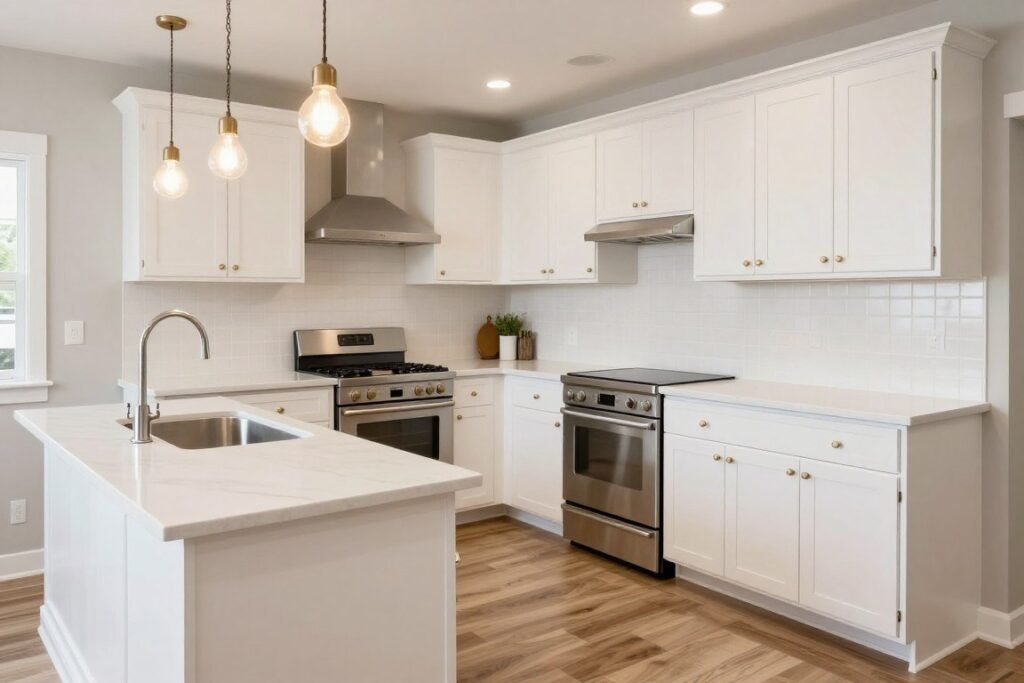
Stock cabinets with upgraded hardware
Laminate countertops (dramatic improvements in appearance)
Standard-sized tubs and showers
Ceramic tile (focus on installation quality rather than premium materials)
Quality mid-range fixtures and appliances
For inspiration on creating stylish kitchens and baths with budget-friendly materials, browse budget kitchen and bath design books that showcase creative approaches to these important spaces.
Lighting and Hardware
Small details can elevate the entire look of your home:
Standard fixtures with designer bulbs
Strategic accent lighting
Consistent hardware finishes throughout
Quality switch plates and outlets
Thoughtful natural lighting through window placement
Lighting has a disproportionate impact on how spaces feel. Prioritize good lighting design even when using budget fixtures, and consider areas where natural light can reduce the need for artificial lighting.
“The most successful budget-conscious homes focus on quality in the elements you touch every day, while finding savings in areas that remain largely unseen.”
Phased Building: Spreading Costs Without Compromising Vision
For many budget-conscious builders, constructing a home in phases offers a practical way to achieve their dream home over time while managing costs effectively.
Planning for Future Expansion
Successful phased building requires thoughtful initial planning:
Design with future additions in mind
Install properly sized mechanical systems for the eventual completed home
Incorporate access points for future connections
Position the initial structure strategically on the lot
Consider pre-plumbing and pre-wiring for future spaces
The key is creating a comprehensive master plan that guides each phase of construction. This ensures that early decisions support rather than hinder future additions.
Strategic Phasing Approaches
Core and Shell First
This approach focuses on completing the structural elements and exterior of the entire home while finishing only essential interior spaces:
Complete foundation for the entire planned footprint
Frame the complete structure
Install roofing and exterior finishes
Finish only essential interior spaces initially
Complete remaining interiors as budget allows
This method protects the structure from the elements while allowing for gradual completion of interior spaces.
Modular Additions
Build a complete but smaller home initially, with plans for distinct additions:
Start with essential living spaces (kitchen, living area, bathroom, bedrooms)
Design for easy addition of wings or second stories
Include appropriate structural supports in the initial build
Plan mechanical systems to accommodate future expansion
Add new modules as finances allow
This approach provides a fully functional home from the beginning while allowing for significant expansion over time.
Finishing Touches and Upgrades Over Time
Even within a completed structure, many elements can be upgraded gradually:
Install basic fixtures initially, upgrade later
Begin with functional but basic landscaping
Start with standard appliances, replace with premium models over time
Use basic flooring in less visible areas, upgrade main living spaces first
Postpone built-ins and custom features
For planning a phased approach effectively, consider resources like expandable house plan books that specifically address staged construction.
Tip: When planning a phased build, create a detailed timeline with specific triggers for beginning each phase. These might be financial milestones, family needs (such as additional children), or set time periods. Having clear criteria helps maintain momentum toward your complete vision.
Financing Your Budget Build: Creative Approaches to Funding
Securing appropriate financing is crucial for a successful budget build. Traditional construction loans work well for some projects, but alternative approaches may offer advantages for phased or owner-builder projects.
Understanding Construction Loans
Construction loans differ from traditional mortgages in several important ways:
Short-term financing (typically 12-18 months)
Higher interest rates than permanent mortgages
Draw schedule based on construction milestones
Convert to permanent mortgage upon completion
Require detailed plans and specifications
These loans typically require more documentation and oversight than standard mortgages, including detailed budgets, plans, and schedules. Lenders will also want to verify the qualifications of your builder.
Alternative Financing Strategies
Owner-Builder Financing
If you’re acting as your own general contractor, specialized owner-builder loans may be available:
Designed for those managing their own construction
May require proof of construction knowledge
Often include additional oversight and inspections
Can offer more flexibility for phased building
Typically have higher down payment requirements
These loans acknowledge the unique nature of owner-managed projects while providing safeguards for the lender.
Creative Funding Approaches
Beyond traditional construction loans, consider:
Home equity loans (if you already own property)
Seller financing for land purchase
Local and regional banks (often more flexible than national lenders)
Credit unions (may offer member-friendly terms)
Family loans or investments (with proper documentation)
For rural properties, USDA construction loans offer attractive terms with low or no down payment requirements for qualified buyers in eligible areas.
Maximizing Financial Resources
Stretch your building budget further with these strategies:
Research tax incentives for energy-efficient building
Investigate utility company rebates for efficient systems
Look into first-time homebuyer programs (even for new construction)
Consider manufacturer rebates for appliances and materials
Explore sweat equity programs through nonprofit organizations
For a comprehensive understanding of available financial resources, consider consulting home building financing guides that outline both traditional and creative funding approaches.
Important: Whatever financing approach you choose, ensure you understand all terms, fees, and requirements before proceeding. Construction financing is complex, and surprises can be costly. Consider consulting with a financial advisor who specializes in construction lending.
Real-World Success: Budget Building Case Studies
Learning from those who have successfully built on a budget provides valuable insights and inspiration. These case studies highlight different approaches to affordable home construction.
The Phased Farmhouse: $120 Per Square Foot
The Martinez family built their 2,400-square-foot modern farmhouse for approximately $288,000 ($120 per square foot) through careful planning and a phased approach:
Purchased rural land with existing well and septic system
Built a 1,600-square-foot core structure initially
Acted as their own general contractor
Used stock plans modified by a local designer
Added an 800-square-foot wing three years later
Performed all painting, trim work, and landscaping themselves
Key savings came from the existing infrastructure on their land and their willingness to live in a partially completed home while saving for the final phase.
The Efficient Craftsman: $145 Per Square Foot
The Wilsons built their 1,800-square-foot craftsman-style home for $261,000 ($145 per square foot) by focusing on efficiency and strategic material choices:
Simple rectangular footprint with efficient floor plan
Two-story design to maximize space with minimal foundation
Standard-sized windows and doors throughout
Mix of high-impact splurges (front door, kitchen island) with budget finishes elsewhere
Energy-efficient systems to reduce long-term costs
Unfinished bonus room above garage for future expansion
Their approach balanced immediate budget constraints with long-term value, investing in structural quality while saving on cosmetic elements that could be upgraded later.
The Prefab Modern: $135 Per Square Foot
The Johnsons built their 1,600-square-foot contemporary home for $216,000 ($135 per square foot) using prefabricated construction methods:
Modular home built in sections in a factory
Assembled on-site in just two weeks
Reduced labor costs through factory efficiency
Minimal waste and weather delays
Standard finishes with strategic upgrades
Designed for future vertical expansion
Their experience highlights how modern prefabricated construction can deliver quality, energy efficiency, and contemporary design at competitive prices.
“What these successful projects share isn’t just a focus on saving money, but a thoughtful approach to where and how to save without compromising on the elements that matter most to each family.”
Even the most carefully planned budget build can be derailed by common mistakes. Awareness of these pitfalls can help you avoid significant cost overruns.
Planning and Design Errors
Many budget-busting issues begin in the planning phase:
Underestimating total costs (especially soft costs like permits and fees)
Designing without considering material dimensions (creating waste)
Frequent plan changes during construction
Inadequate contingency budget
Failing to account for site-specific challenges
Thorough planning and realistic budgeting are your best defenses against these issues. Take time to research local costs, verify site conditions, and finalize plans before breaking ground.
Construction and Management Missteps
During the building process, watch for these common problems:
Poor scheduling creating costly delays
Inadequate site supervision
Improper material storage leading to damage
Hiring based solely on lowest bid rather than qualifications
Failing to verify insurance and licenses
Quality management during construction is essential for staying on budget. Whether you’re acting as your own general contractor or hiring a professional, regular oversight and clear communication prevent expensive mistakes.
The True Cost of Cutting Corners
Not all budget-saving measures are created equal. Some “savings” can cost much more in the long run:
Smart Savings
Simplified architectural design
Standard-sized materials
Strategic DIY for appropriate tasks
Phased construction approach
Energy-efficient systems
Costly Corners to Cut
Inadequate foundation work
Substandard insulation
Cheap roofing materials
Unlicensed electrical or plumbing work
Skipping proper permits and inspections
The most successful budget builds distinguish between areas where savings make sense and those where quality is non-negotiable. For guidance on making these distinctions, consider resources like home building quality guides that highlight critical construction elements.
Warning: Skipping permits or inspections may seem like a money-saving shortcut, but can result in fines, forced reconstruction, difficulty selling your home, and insurance complications. Always build legally with proper documentation.
Sustainable Building on a Budget: Eco-Friendly Without Breaking the Bank
Building sustainably doesn’t have to inflate your budget. In fact, many eco-friendly approaches can reduce both construction and long-term operating costs.
Affordable Green Building Strategies
Site and Design Considerations
Sustainable building begins with thoughtful siting and design:
Passive solar orientation (free heating and lighting)
Low-VOC paints and finishes (standard pricing for many brands)
Recycled content insulation
For guidance on selecting sustainable materials that align with your budget, consider resources like affordable green building guides that focus on practical, accessible options.
Water and Energy Conservation
Resource-efficient systems often pay for themselves through utility savings:
Water-efficient fixtures (minimal cost premium)
Rainwater harvesting systems (can be simple and inexpensive)
Energy Star appliances (modest premium with quick payback)
Programmable thermostats (inexpensive with significant savings)
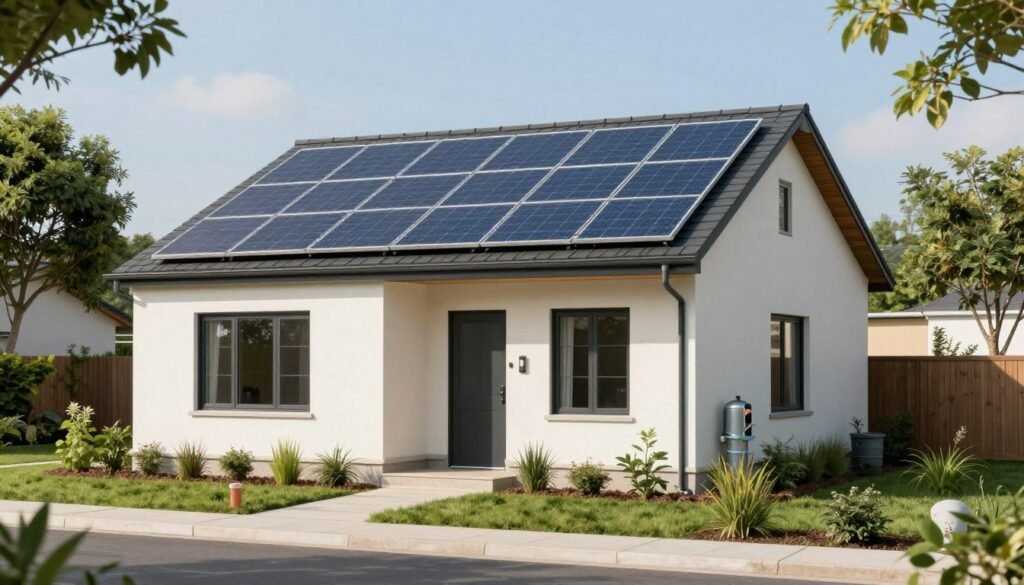
Solar readiness (even if panels are added later)
Many utility companies and government programs offer rebates or incentives for energy-efficient features, further reducing the net cost of these improvements.
“The most sustainable home is one that’s built to last, with quality construction and timeless design that won’t require premature renovation or replacement.”
Remember that durability is a fundamental aspect of sustainability. Investing in quality construction and materials that won’t need frequent replacement is both environmentally responsible and budget-friendly over the life of your home.
Essential Tools and Resources for Budget Home Builders
Successful budget building requires the right tools and resources. These recommendations can help you plan, track, and execute your project effectively.
Planning and Budgeting Tools
Comprehensive budgeting spreadsheets or software
Project management applications
3D home design programs (many free options available)
Material calculators for accurate ordering
Construction scheduling tools
For digital planning tools specifically designed for home construction, explore home building project management software that can help coordinate schedules, budgets, and materials.
Knowledge Resources
Books and Guides
Expand your understanding with these resources:
Owner-builder guides
Construction techniques for specific building methods
Illustrated building encyclopedias
Design idea books for budget-friendly inspiration
DIY manuals for specific tasks
Quality reference materials can prevent costly mistakes and provide creative solutions to building challenges. Consider building a small library of essential home building books that cover your specific construction approach.
Online Resources
Take advantage of free and low-cost digital resources:
Building department websites (local requirements)
DIY and construction forums
Video tutorials for specific techniques
Material supplier resources and calculators
Energy efficiency databases and calculators
Online communities can be particularly valuable for budget builders, offering real-world advice and solutions from those who have faced similar challenges.
Essential Tools for DIY Builders
If you’ll be handling some construction tasks yourself, quality tools are a worthwhile investment:
Power tools for efficiency (drill, circular saw, impact driver)
Safety equipment (never compromise here)
Specialty tools for specific tasks (can often be rented)
Laser measuring tools for accuracy
Quality tools improve results, increase efficiency, and reduce frustration. For beginners assembling their first toolkit, consider home builder starter tool kits that include essential items at a package price.
Tip: Consider tool rentals for specialized equipment you’ll use only briefly. Many building supply stores and dedicated rental companies offer daily or weekly rates for everything from concrete mixers to floor sanders.
Building Your Dream Home on a Budget: The Journey Forward
Building a house on a budget is both a challenge and an opportunity. By embracing thoughtful planning, creative problem-solving, and strategic decision-making, you can create a home that meets your needs without exceeding your financial resources.
Remember these key principles as you move forward:
Prioritize needs over wants, but don’t sacrifice long-term satisfaction
Invest in quality where it matters most—structure, systems, and energy efficiency
Be realistic about your skills, time, and resources
Plan comprehensively before breaking ground
Maintain flexibility when challenges arise
The most successful budget builds aren’t just about saving money—they’re about maximizing value. By focusing on what truly matters to you and your family, you can create a home that feels abundant and satisfying regardless of its cost per square foot.
Your budget-built home may lack some luxury finishes or premium features, but it will have something far more valuable: the pride and satisfaction of creating a space that truly reflects your priorities, ingenuity, and vision. That personal connection to your home—knowing every decision and compromise that shaped it—creates a sense of ownership that no amount of money can buy.
“The true measure of a successful budget build isn’t how little you spent, but how much value, function, and joy your home provides relative to its cost.”
As you embark on your building journey, remember that you’re not just constructing a house—you’re creating a home that will shelter your dreams, witness your life’s moments, and support your aspirations. With careful planning, strategic decisions, and thoughtful execution, your budget-built home can be everything you need it to be and more.
Blue shoes are the unsung heroes of a versatile wardrobe. They offer the perfect balance of boldness and versatility, allowing you to make a statement without overwhelming your outfit. Whether you’re sporting navy loafers, cobalt heels, or powder blue sneakers, this guide will help you create eye-catching blue shoes outfits for every occasion and season….
Your fence does more than just mark property boundaries—it’s an opportunity to create ambiance, enhance security, and showcase your landscaping after dark. The right fence lighting ideas can transform an ordinary yard into a magical nighttime retreat while adding practical benefits like improved visibility and safety. Whether you’re looking for subtle illumination or statement-making designs,…
Your wedding entrance is more than just a doorway—it’s the opening chapter of your love story and the first impression guests will have of your celebration. The perfect wedding entrance decor sets the tone for your entire event, creating a magical moment that captivates guests from the instant they arrive. Whether you’re dreaming of a…
Antique engagement rings carry stories from the past, each one a unique treasure with character that modern mass-produced jewelry simply cannot replicate. These historical pieces offer not just stunning craftsmanship but also sustainable and ethical advantages for today’s conscious couples. From delicate Victorian designs to bold Art Deco statements, these rings connect your love story…
Babydoll tops have become a wardrobe staple for fashion-forward individuals seeking both comfort and style. With their flowy silhouette and versatile appeal, these feminine pieces effortlessly transition from casual daytime looks to elegant evening ensembles. Whether you’re drawn to their flattering cut or their ability to complement various body types, babydoll tops offer endless styling…
Graduation day marks a significant milestone in your academic journey—a celebration of your hard work, dedication, and achievements. As you prepare to walk across that stage, the perfect graduation dress becomes more than just an outfit; it’s a statement piece that captures this momentous occasion. Whether you’re completing high school, earning your college degree, or…