DIY File Cabinet Planter: Transform Office Furniture into Garden Art
Looking for a unique planter that makes a statement without breaking the bank? An upcycled file cabinet planter offers the perfect blend of industrial chic and garden charm. This creative DIY project not only gives new life to discarded office furniture but also provides ample space for your favorite plants. Whether you’re a seasoned DIYer or a beginner looking for an accessible project, transforming a file cabinet into a stylish planter is surprisingly simple and incredibly rewarding. Let’s dive into this step-by-step guide to create your own Pinterest-worthy file cabinet planter!
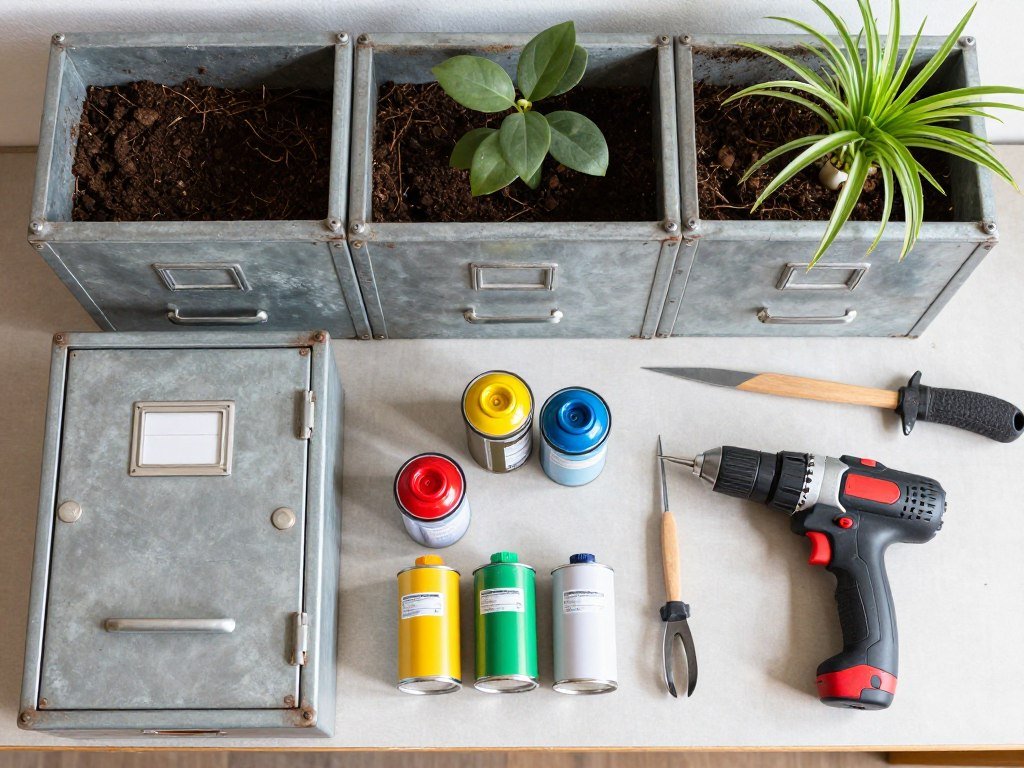
The beauty of this project is that file cabinets are often available for free or very cheap. Look for metal cabinets (they withstand outdoor conditions better than wood) at:
Thrift stores like Goodwill or Habitat for Humanity ReStore
Facebook Marketplace or Craigslist (search the free section)
Office liquidation sales
Neighborhood garage sales
Local recycling centers
When selecting your cabinet, look for one with a solid bottom or back panel that can be repurposed as the bottom of your planter. Older metal cabinets often have this feature, while newer ones might have an open bottom that will require additional work.
Preparing Your Cabinet
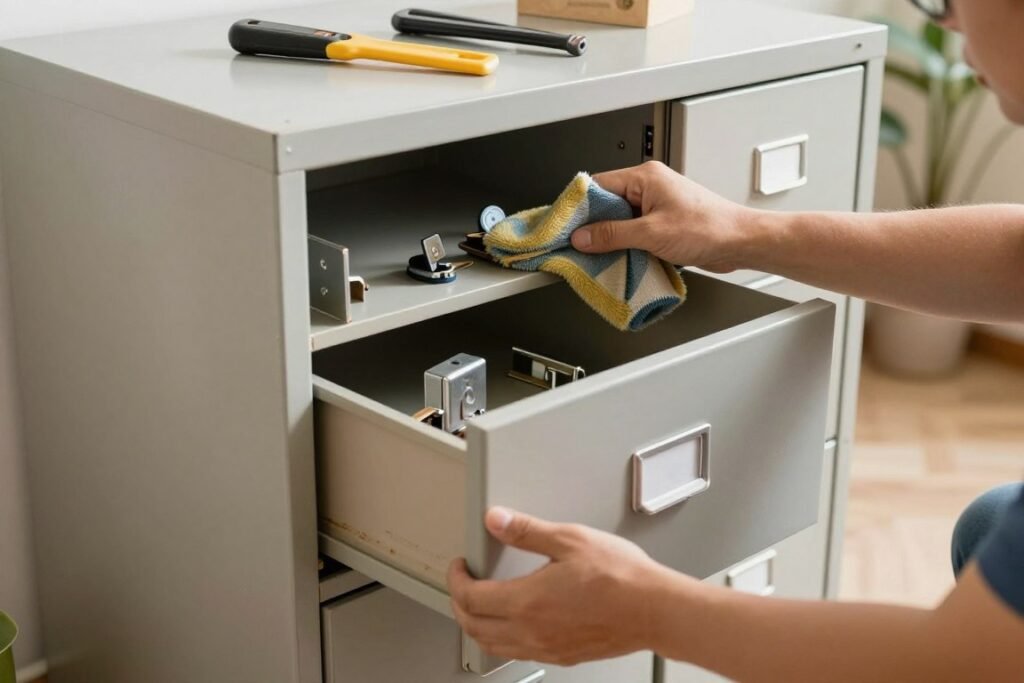
Remove all drawers by pulling them out completely. Some cabinets have stops that need to be pressed or bent to allow full removal.
Remove drawer slides, rails, and any interior hardware that won’t be needed. Keep screws if you plan to add casters.
Clean the cabinet thoroughly with a degreaser to remove dirt, dust, and oils.
Sand any rusty areas down to bare metal. For cabinets with light rust, use medium-grit sandpaper followed by fine-grit for smoothing.
Wipe down the cabinet with rubbing alcohol to remove any residue before painting.
“The key to a successful file cabinet planter is proper preparation. Taking time to clean and sand your cabinet thoroughly will ensure paint adhesion and longevity of your finished planter.”
The Big Transformation: From Cabinet to Planter
Creating Proper Drainage
Proper drainage is crucial for any planter to prevent root rot and plant disease. Here’s how to ensure your file cabinet planter drains effectively:
Determine which side of the cabinet will be the bottom of your planter. For most designs, you’ll position the cabinet horizontally with the drawer openings facing upward.
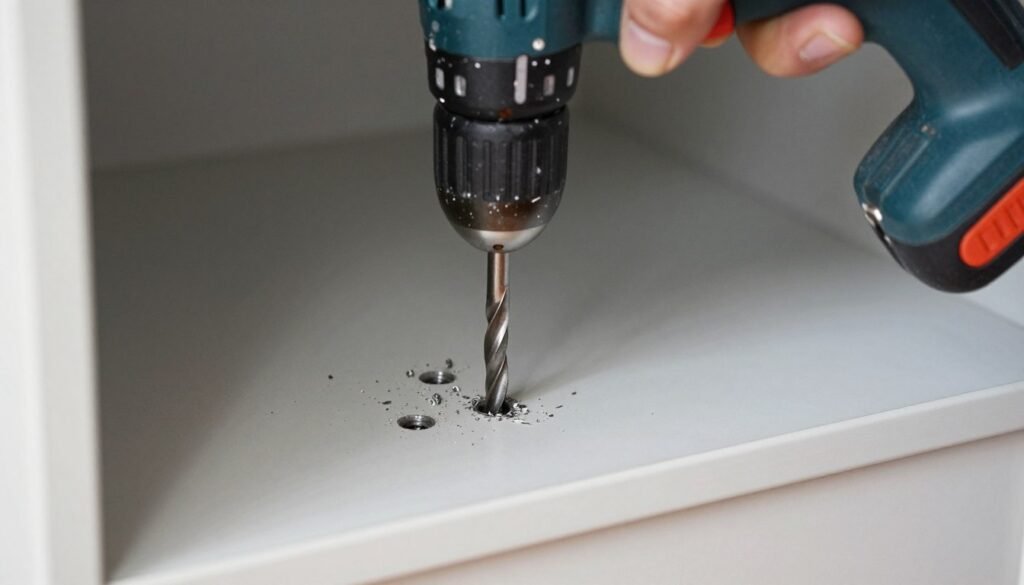
Using a drill with a 3/8″ or 1/2″ metal bit, create 8-12 evenly spaced drainage holes across the bottom surface.
Smooth any sharp edges around the holes with sandpaper to prevent cuts when handling.
Pro Tip: If your cabinet doesn’t have a solid bottom, you can create one by cutting a piece of weather-resistant plywood to size and securing it with construction adhesive or self-tapping screws. Be sure to drill drainage holes through this added bottom as well.
Adding Mobility (Optional)
If you’d like to be able to move your planter around, consider adding casters to the bottom:
Purchase four heavy-duty casters rated for outdoor use.
Position the casters at each corner of what will be the bottom of your planter.
Mark and drill pilot holes for the mounting screws.
Secure each caster with appropriate screws or bolts.
Painting Your Planter
The paint job will determine the final look of your planter and provide crucial protection against the elements:
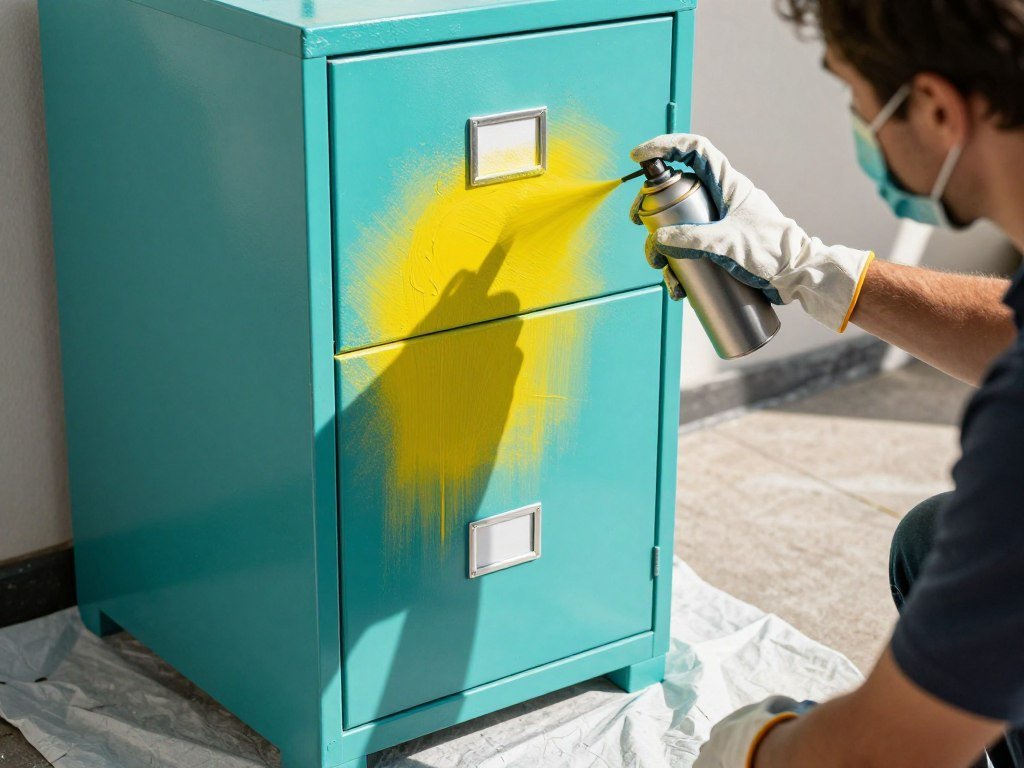
Set up in a well-ventilated area and lay down a drop cloth to protect your work surface.
Apply a coat of rust-resistant primer designed for metal surfaces. Allow it to dry completely according to the manufacturer’s instructions.
Apply 2-3 thin coats of outdoor-rated spray paint in your chosen color, allowing proper drying time between coats. Thin coats prevent drips and ensure better adhesion.
Once the paint is completely dry (usually 24-48 hours), apply a clear protective sealer to help your planter withstand the elements.
“When painting, remember that multiple thin coats will give you a much better finish than one thick coat. Patience during this step pays off with a professional-looking result that lasts longer.”
Planting Your File Cabinet Garden
Creating Drainage Layers
Before adding soil, it’s important to create proper drainage layers:
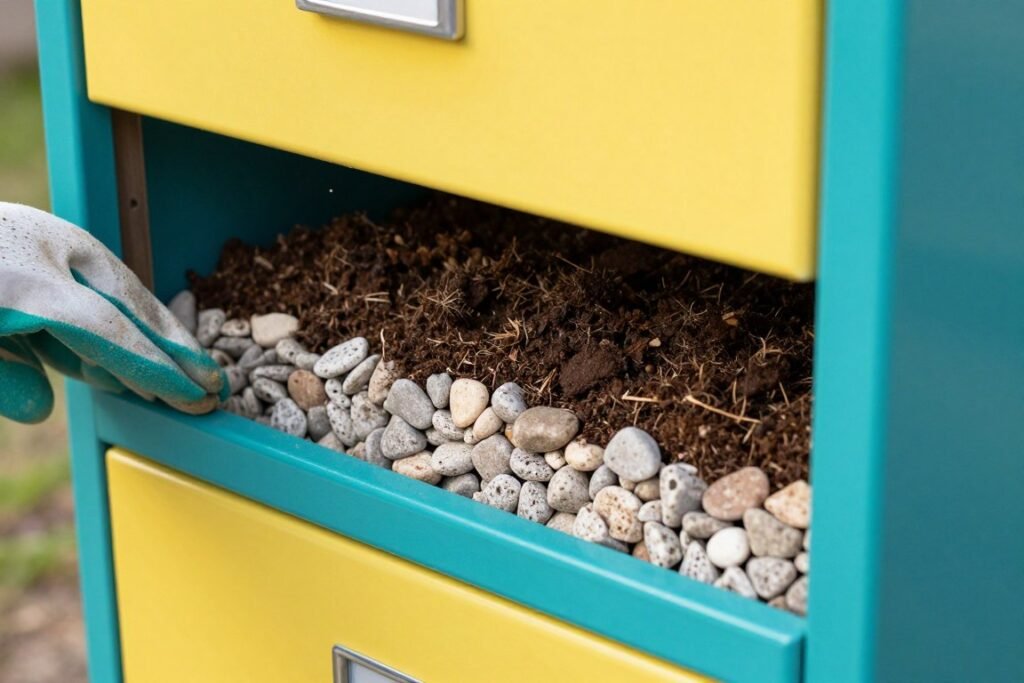
Line the bottom of your planter with a layer of landscape fabric cut slightly larger than the bottom area. This prevents soil from washing out through the drainage holes while allowing water to pass through.
Add a 2-3 inch layer of drainage material such as pebbles, expanded clay pellets, or broken pottery pieces.
For deeper cabinets, you can add a filler layer to reduce the amount of soil needed. Options include:
Eco-Friendly Fillers:
Empty plastic bottles (with caps on)
Biodegradable packing peanuts
Pinecones or twigs
Long-Lasting Fillers:
Packing peanuts in mesh bags
Upside-down plastic pots
Chunks of styrofoam
Choosing the Right Plants
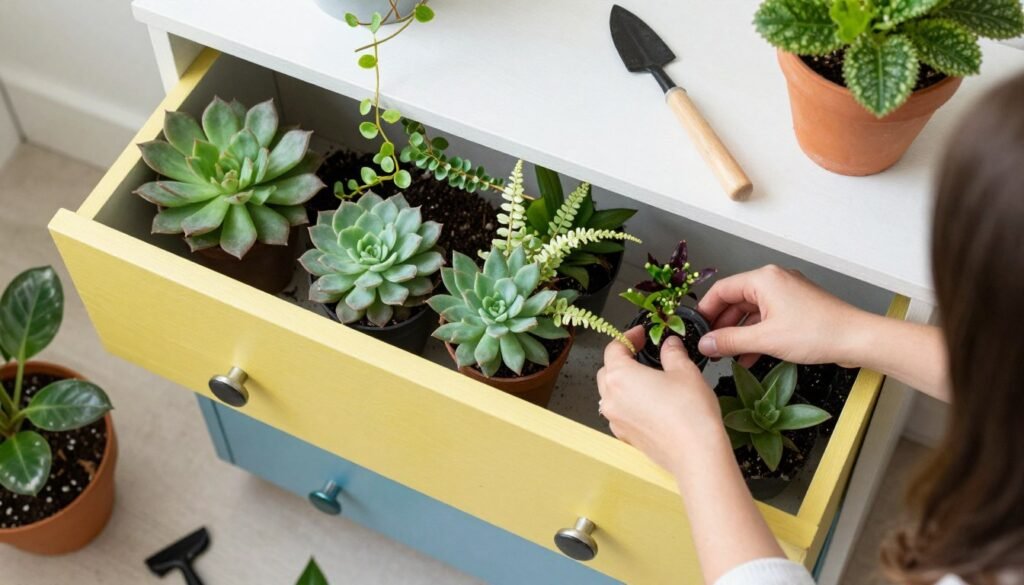
The best plants for your file cabinet planter depend on its location, sun exposure, and your climate. Here are some excellent options:
Fill your planter with high-quality potting soil designed for container gardens, leaving about 2 inches of space at the top.
Arrange your plants while still in their nursery pots to find a pleasing composition before planting.
Remove plants from their containers, gently loosen the root balls, and plant at the same depth they were growing previously.
Add more soil around the plants, gently firming it down without compacting it too much.
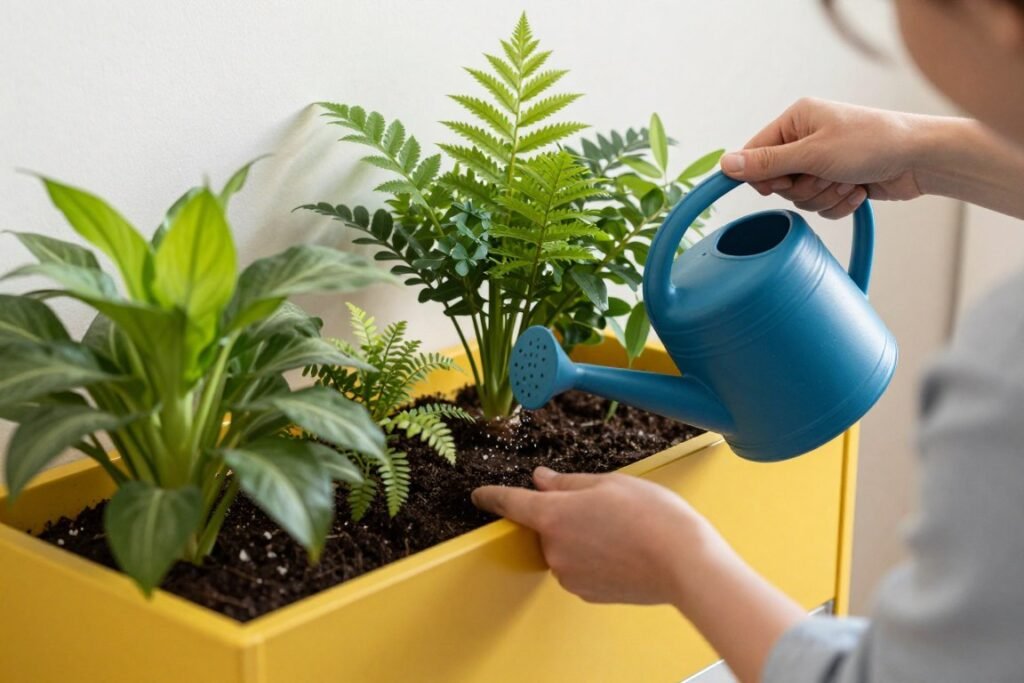
Water thoroughly until water drains from the bottom holes.
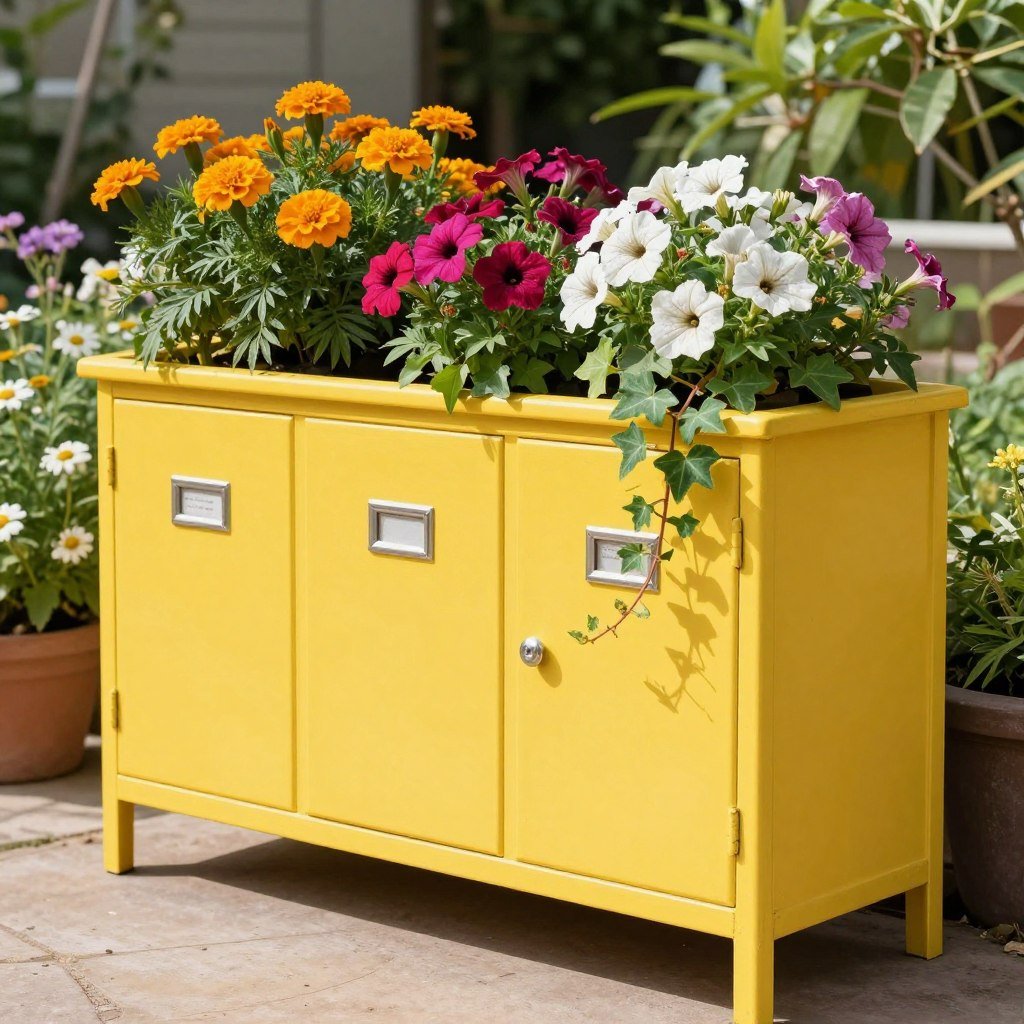
Design Tip: For a visually appealing arrangement, use the “thriller, filler, spiller” approach—tall eye-catching plants in the center (thriller), medium-sized plants to fill in (filler), and trailing plants to cascade over the edges (spiller).
Styling Your File Cabinet Planter for Pinterest-Worthy Photos
Color Selection Tips
The color of your file cabinet planter can dramatically impact its visual appeal:
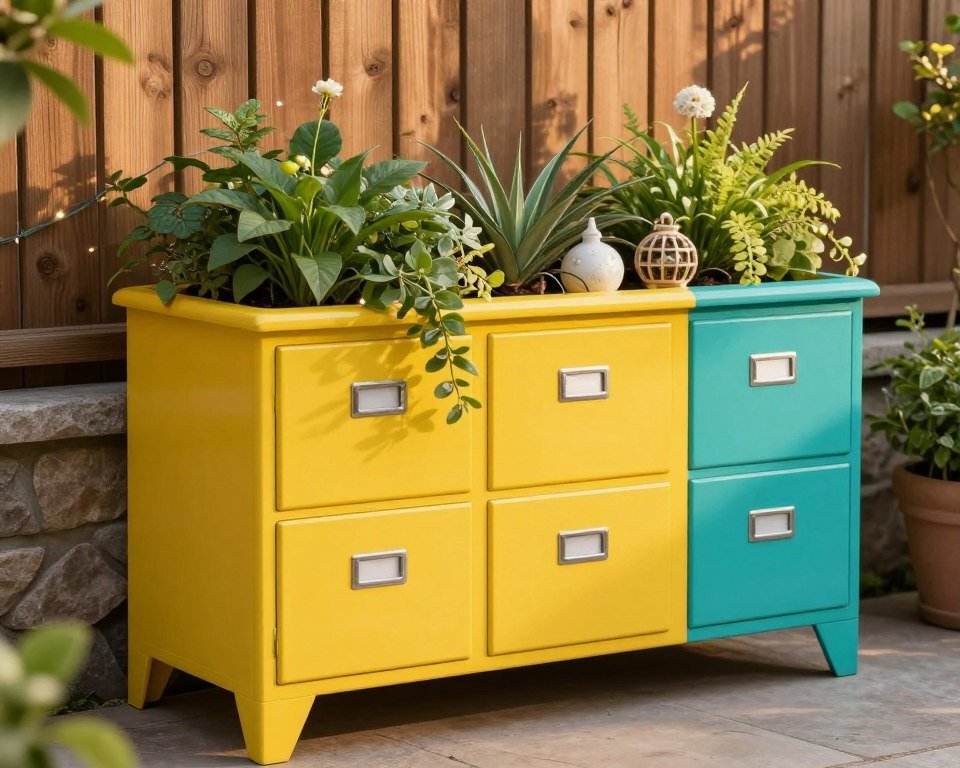
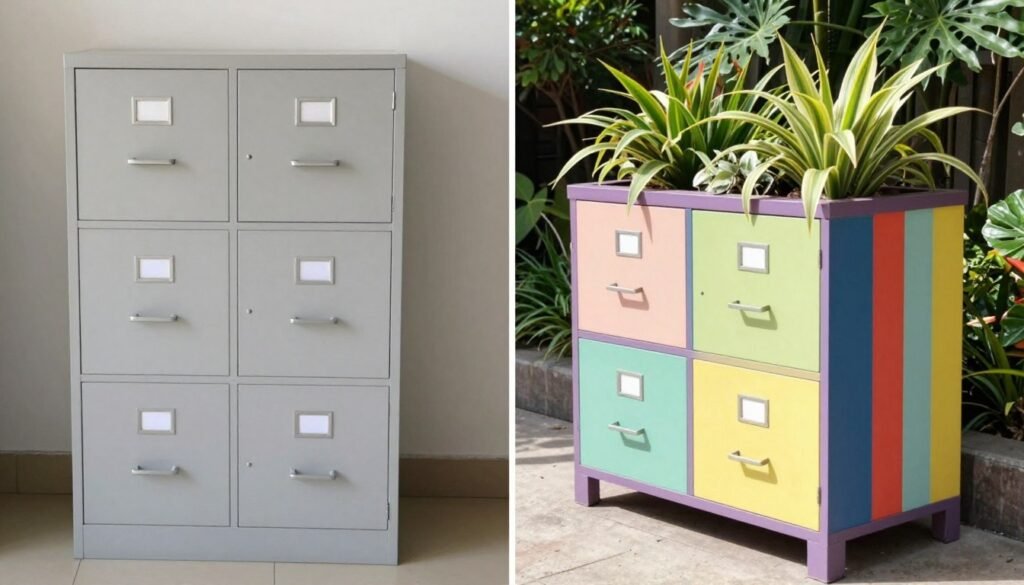
Bold Brights: Colors like turquoise, yellow, or coral create a fun, modern look that pops against greenery.
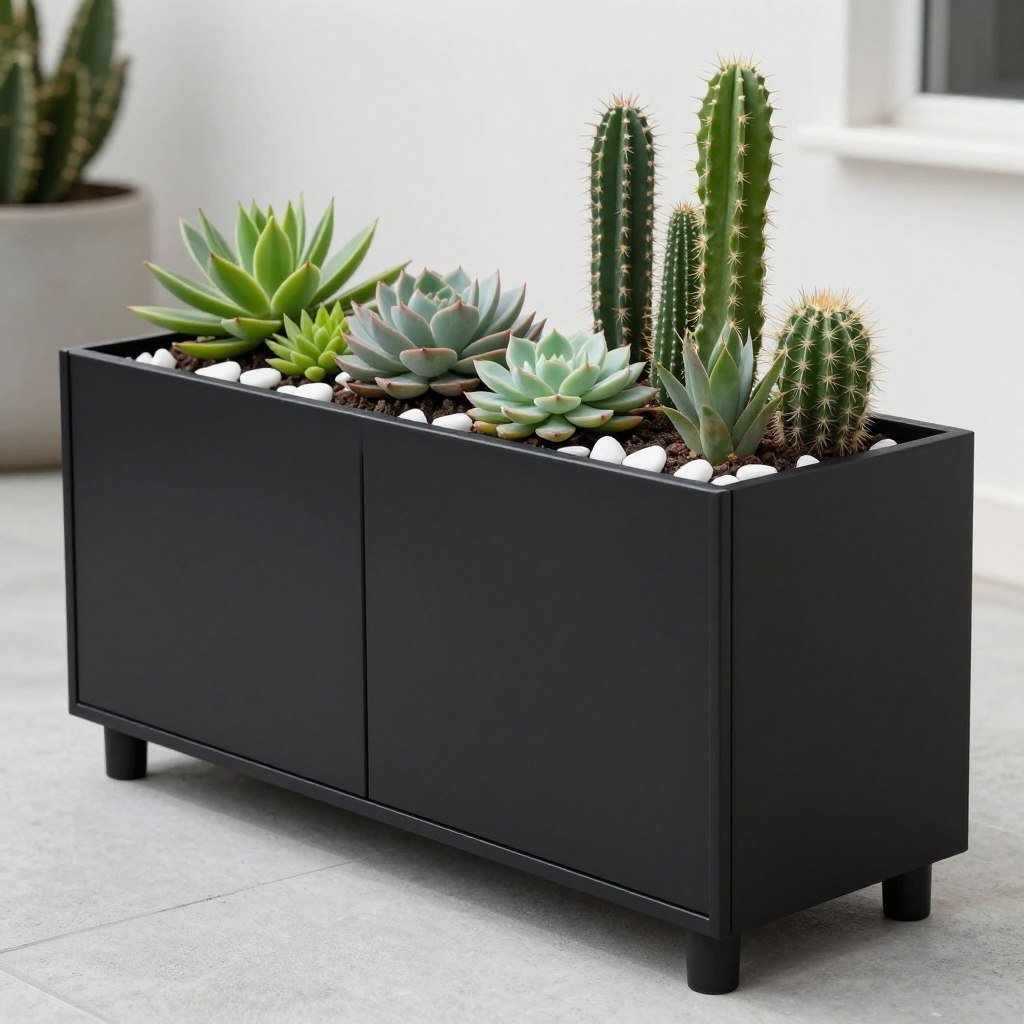
Classic Neutrals: Black, white, or gray offer a sophisticated backdrop that lets your plants be the star.
Garden Blends: Forest green, terracotta, or navy blue harmonize with natural surroundings.
Ombré or Patterns: For the adventurous, try an ombré effect or stenciled patterns for extra visual interest.
Decorative Finishing Touches
Elevate your file cabinet planter with these Pinterest-worthy styling ideas:
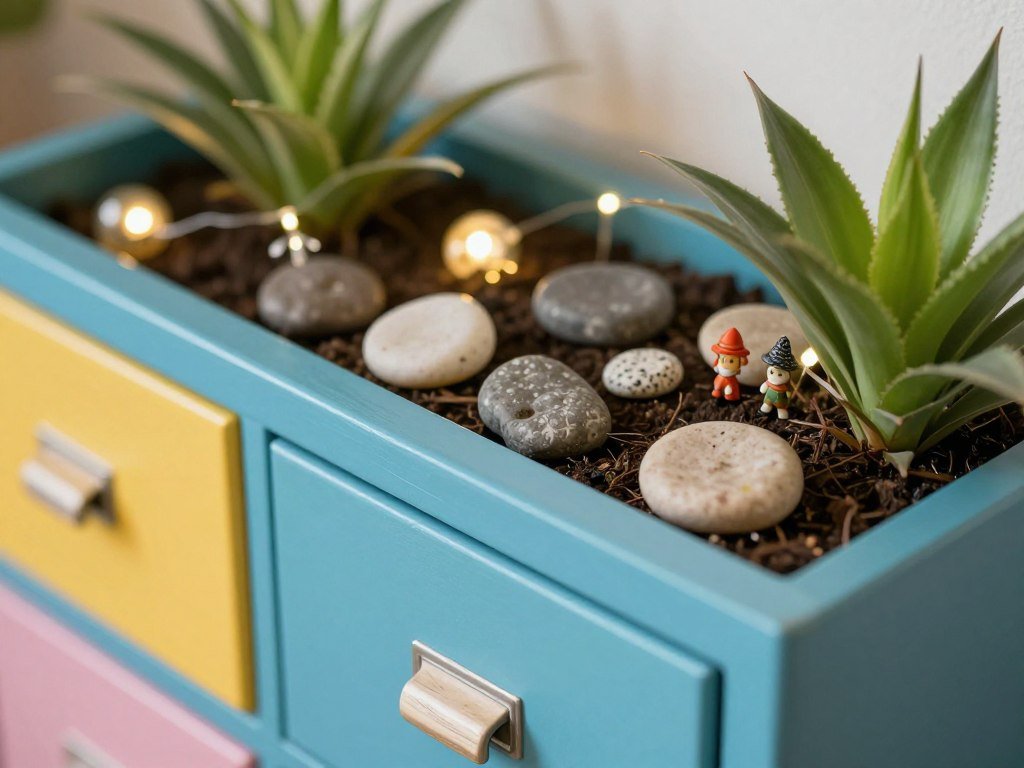
Incorporate small garden ornaments or fairy garden elements
Lighting & Accessories:
Wrap solar-powered fairy lights around the planter or plants
Add solar garden stakes for evening illumination
Attach decorative elements to the sides with strong magnets
Perfect Placement Ideas
Where you position your file cabinet planter can enhance its impact:
Entry Statement: Flank your front door or porch steps with matching file cabinet planters.
Garden Focal Point: Place in the center of a garden bed as a sculptural element.
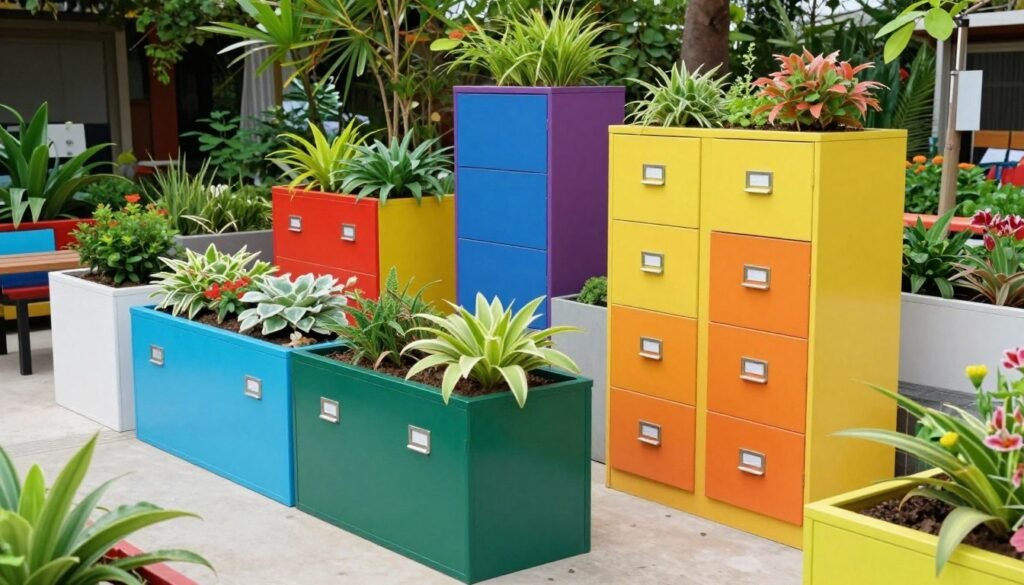
Privacy Screen: Line up several planters to create a green boundary.
Patio Enhancement: Use as a colorful divider on a deck or patio space.
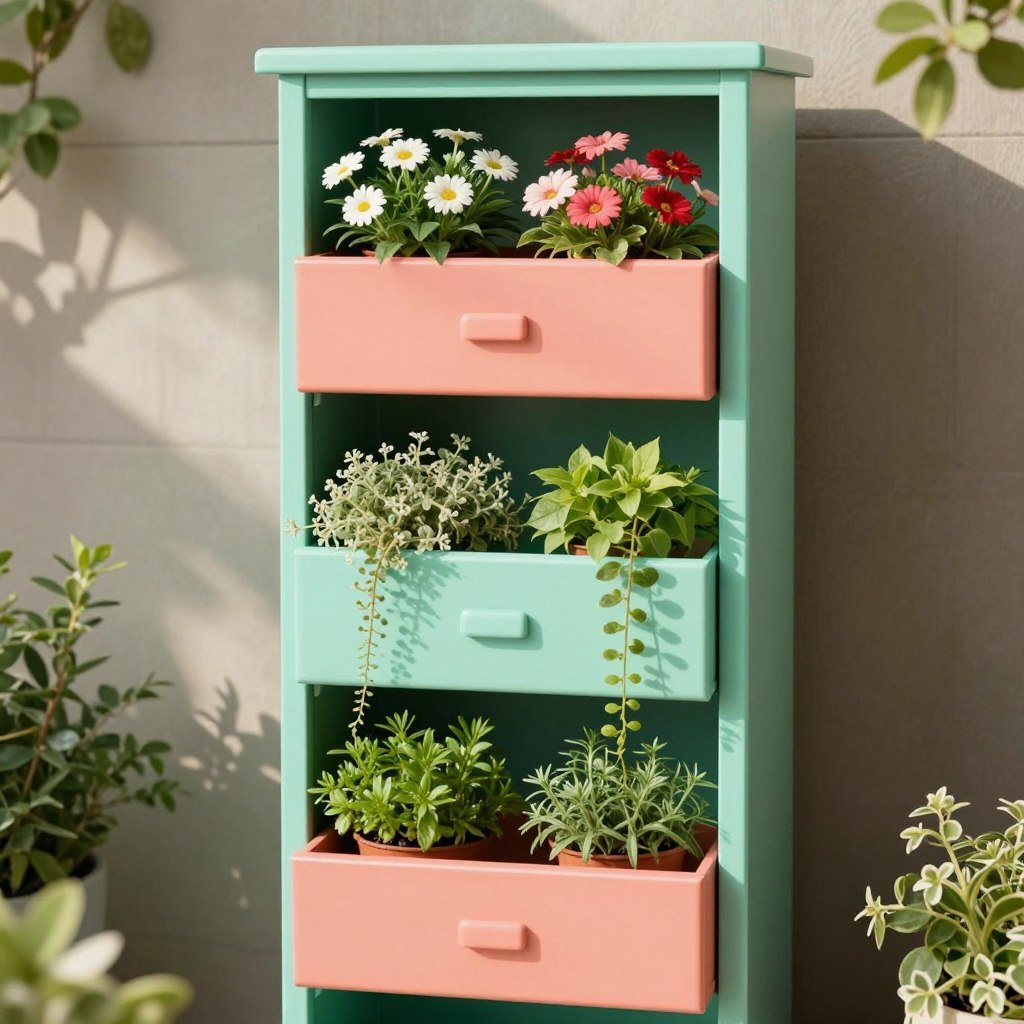
Vertical Garden: For smaller spaces, position the cabinet vertically with plants in each drawer opening.
“The beauty of file cabinet planters is their versatility. They can be as understated or as bold as you like, fitting into nearly any garden aesthetic with the right color choice and plant selection.”
Maintaining Your File Cabinet Planter
Seasonal Care Tips
Keep your file cabinet planter looking its best year-round with these maintenance tips:
Spring & Summer:
Water regularly, checking soil moisture before watering
Apply liquid fertilizer monthly for flowering plants
Deadhead spent blooms to encourage more flowers
Check for and treat any pest issues promptly
Fall & Winter:
Reduce watering frequency as growth slows
Consider moving the planter to a protected area in harsh climates
Check for paint chips and touch up as needed
Clean drainage holes if they become clogged
Longevity Considerations
To ensure your file cabinet planter lasts for many seasons:
Check annually for rust spots and treat immediately
Apply a fresh coat of clear sealer every 2-3 years
Ensure drainage remains unobstructed
In winter, elevate the planter slightly off the ground in cold climates to prevent freezing damage
Rust Prevention Tip: If you notice any chips in the paint, touch them up immediately to prevent rust from forming. Keep a small amount of your paint color for touch-ups.
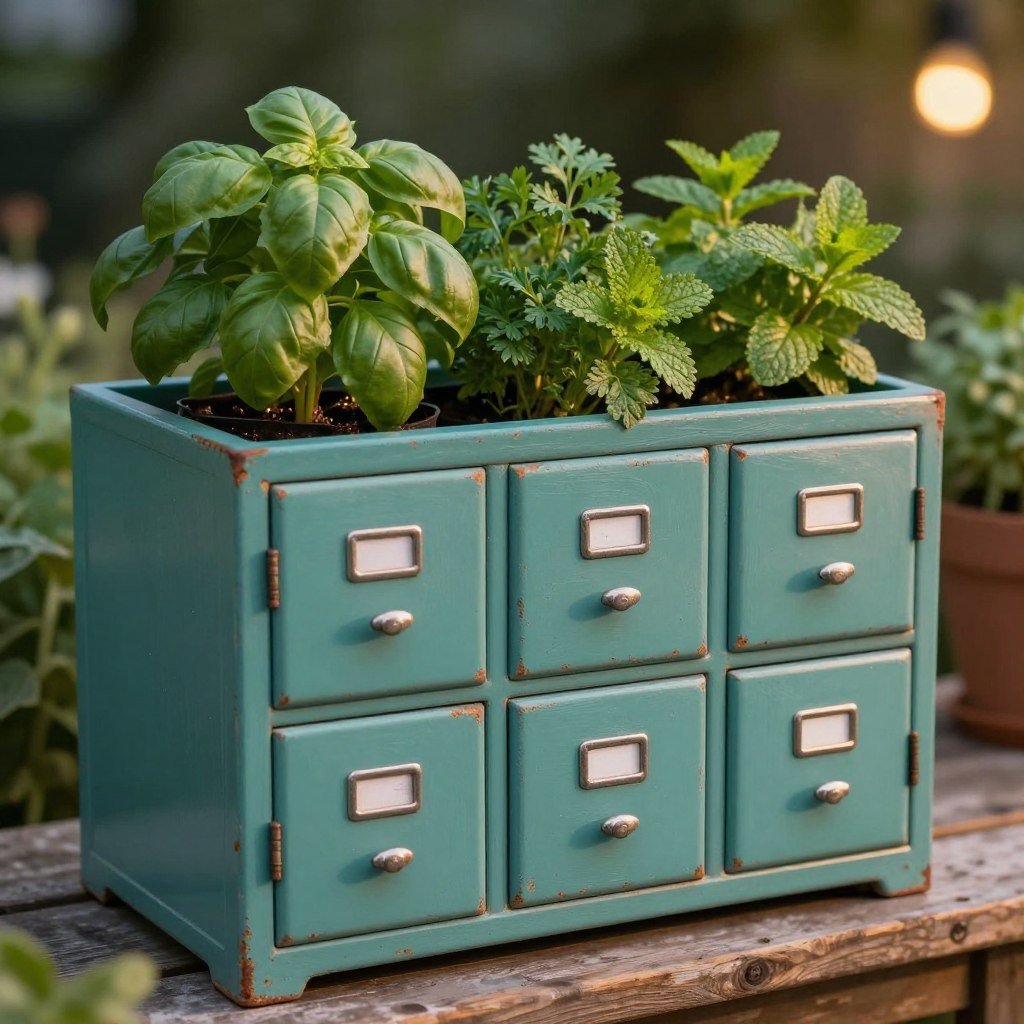
File Cabinet Planter Inspiration Gallery
Ready to Create Your Own File Cabinet Planter?
Get started with the right supplies! Find everything you need to transform an old file cabinet into a stunning garden feature.
Frequently Asked Questions About File Cabinet Planters
Will a metal file cabinet rust when used as an outdoor planter?
Metal file cabinets can rust when exposed to moisture, but proper preparation prevents this problem. Using a rust-resistant primer, quality outdoor paint, and a clear protective sealer creates a moisture barrier. Additionally, ensuring good drainage and occasionally checking for and touching up any chips in the paint will help your file cabinet planter last for many years without significant rust issues.
How deep should the soil be for plants to thrive in a file cabinet planter?
Most plants need at least 6-12 inches of soil depth to thrive. For a file cabinet planter, you can use filler materials in the bottom portion to reduce the amount of soil needed while still providing adequate depth for plant roots. Different plants have different requirements: shallow-rooted plants like succulents and annual flowers need only 6-8 inches, while vegetables and larger perennials typically need 12-18 inches of soil depth.
Can I use a file cabinet planter for growing vegetables?
Yes, file cabinet planters can be excellent for growing certain vegetables, particularly shallow-rooted varieties like lettuce, spinach, radishes, herbs, and some pepper varieties. Ensure your cabinet provides at least 12 inches of soil depth for vegetables. Also, confirm your cabinet was not treated with chemicals that might leach into the soil. For food safety, consider lining the interior with food-safe plastic before adding soil.
How do I prevent my file cabinet planter from becoming too heavy to move?
To reduce weight while maintaining plant health, use lightweight filler materials in the bottom portion of your planter. Empty plastic bottles, packing peanuts in mesh bags, or chunks of styrofoam can take up space without adding weight. Additionally, using a lightweight potting mix rather than garden soil will significantly reduce weight. Finally, installing quality casters on the bottom makes moving even a heavier planter much easier.
Start Your File Cabinet Planter Project Today
Transforming an old file cabinet into a stunning planter is a rewarding project that combines creativity, sustainability, and gardening. With just a few basic tools and materials, you can create a unique garden feature that will become a conversation piece in your outdoor space. The versatility of file cabinet planters means you can customize yours to perfectly match your garden aesthetic, whether that’s sleek and modern or rustic and charming.
Remember that the key to success lies in proper preparation, particularly creating adequate drainage and applying protective coatings to prevent rust. Take your time with these foundational steps, and you’ll create a planter that will serve you beautifully for many seasons to come.
We’d love to see your file cabinet planter creations! Share your projects and any creative variations you’ve developed. Happy planting!
Receiving an invitation to a formal wedding brings both excitement and the inevitable question: “What should I wear?” Finding the perfect formal wedding guest dress requires understanding dress codes, seasonal considerations, and wedding etiquette. This comprehensive guide will help you navigate the world of formal wedding attire, ensuring you look sophisticated and appropriate while honoring…
Your wedding reception tables deserve centerpieces that capture your unique vision and create an unforgettable atmosphere. The right table arrangements transform ordinary dinner settings into extraordinary celebrations that reflect your personal style and love story. Whether you dream of romantic blooms cascading across your tables or prefer clean, modern designs with minimal elements, the possibilities…
Your small backyard holds incredible potential waiting to be unlocked. Many homeowners believe limited space means limited possibilities, but that couldn’t be further from the truth. With smart design choices and creative landscaping ideas, even the smallest yard can become your favorite outdoor room. Small backyard landscaping requires thoughtful planning and strategic design decisions. Every…
Face pots and head planters bring personality and artistic flair to any space. These charming vessels transform ordinary plants into expressive characters that spark conversation and add a touch of whimsy to your decor. From classical Greek-inspired busts to modern abstract faces, these unique planters have become increasingly popular for both indoor and outdoor styling….
Your apartment balcony is more than just an architectural afterthought—it’s a canvas waiting for your personal touch. Whether you have a compact urban nook or a more generous outdoor space, these balcony ideas for apartments will help you transform that overlooked area into your favorite spot at home. From cozy reading corners to mini garden…
Your bridesmaids have been there through every moment of wedding planning. They’ve celebrated your engagement, attended dress fittings, and offered endless support during this special time. Now it’s your turn to show them how much their friendship means to you. Finding the perfect bridesmaid gift can feel overwhelming. You want something meaningful that reflects your…