The Complete Guide to Planter Boxes: Transform Your Garden Space
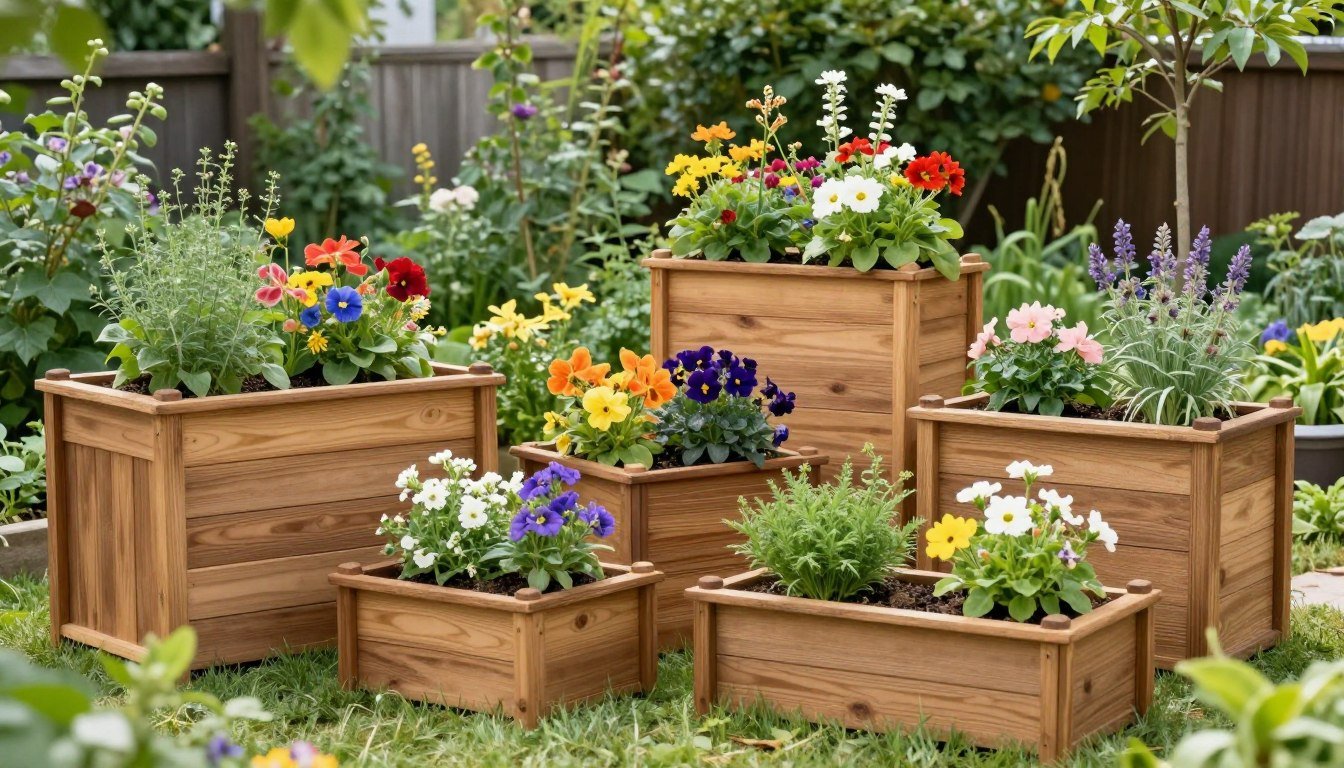
Planter boxes offer endless possibilities for gardeners of all skill levels, whether you have acres of land or just a small balcony. These versatile containers allow you to grow everything from vibrant flowers to fresh vegetables in virtually any setting. With the right planter box, you can elevate your gardening experience, add visual interest to your outdoor spaces, and enjoy the benefits of growing plants in controlled environments.
In this comprehensive guide, we’ll explore the world of planter boxes – from materials and styles to practical tips and creative ideas. Whether you’re a seasoned gardener looking to expand your growing space or a beginner wanting to start small, you’ll discover how planter boxes can transform your gardening journey.
Why Planter Boxes Are Garden Game-Changers
Planter boxes have become increasingly popular among gardeners for good reason. These versatile containers offer numerous advantages over traditional in-ground gardening, making them perfect for both experienced and novice gardeners alike.
Practical Advantages
- Better drainage and soil control than in-ground gardens
- Elevated designs reduce back strain and make gardening more accessible
- Protection from ground-dwelling pests and soil-borne diseases
- Extended growing seasons as soil in raised beds warms faster
- Ability to garden in areas with poor soil quality or limited space
- Easier weed management and maintenance
Aesthetic Benefits
- Create defined, organized garden spaces with clean lines
- Add architectural interest and structure to outdoor areas
- Customize with various materials to match your home’s style
- Arrange in patterns or groupings for visual impact
- Transform patios, balconies, and other hardscaped areas
- Establish clear boundaries between garden and lawn
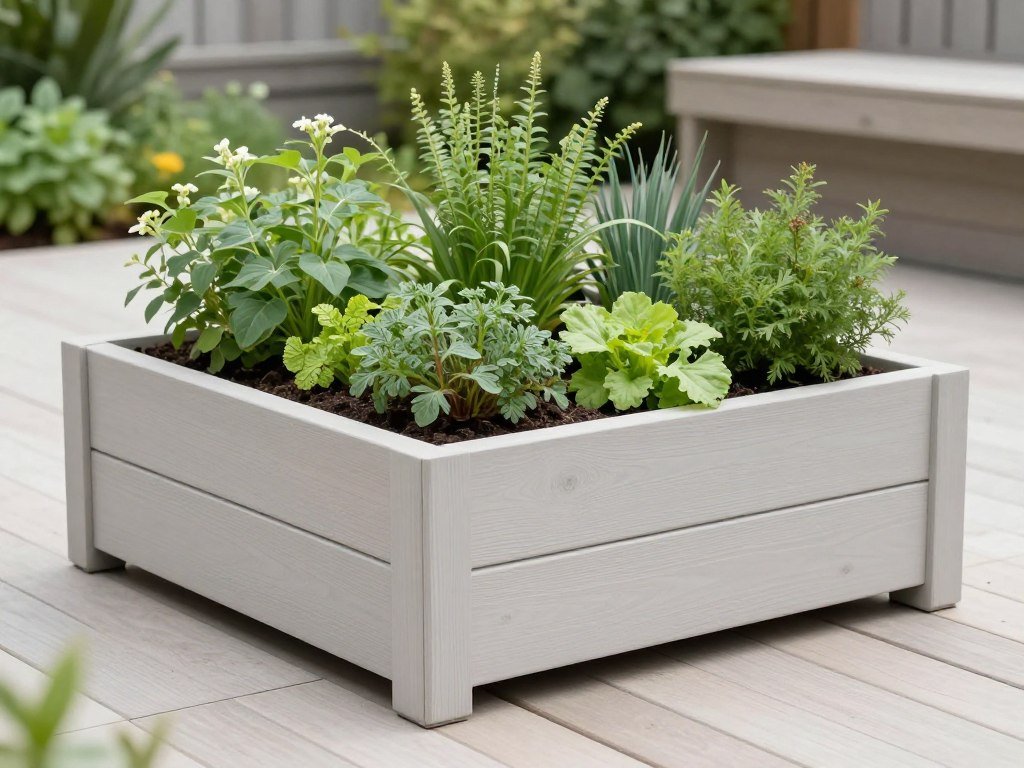
Beyond these practical and aesthetic advantages, planter boxes offer incredible versatility. They can be placed virtually anywhere – from sprawling backyards to tiny apartment balconies. This flexibility makes them ideal for urban gardeners, renters, or anyone with limited outdoor space who still wants to enjoy the pleasures of growing plants.
Types of Planter Boxes: Finding Your Perfect Match
The world of planter boxes is diverse, with options to suit every gardening need, space constraint, and aesthetic preference. Understanding the different types available will help you select the ideal planter box for your specific situation.
Material Matters: Choosing the Right Planter Box Construction
Wooden Planter Boxes
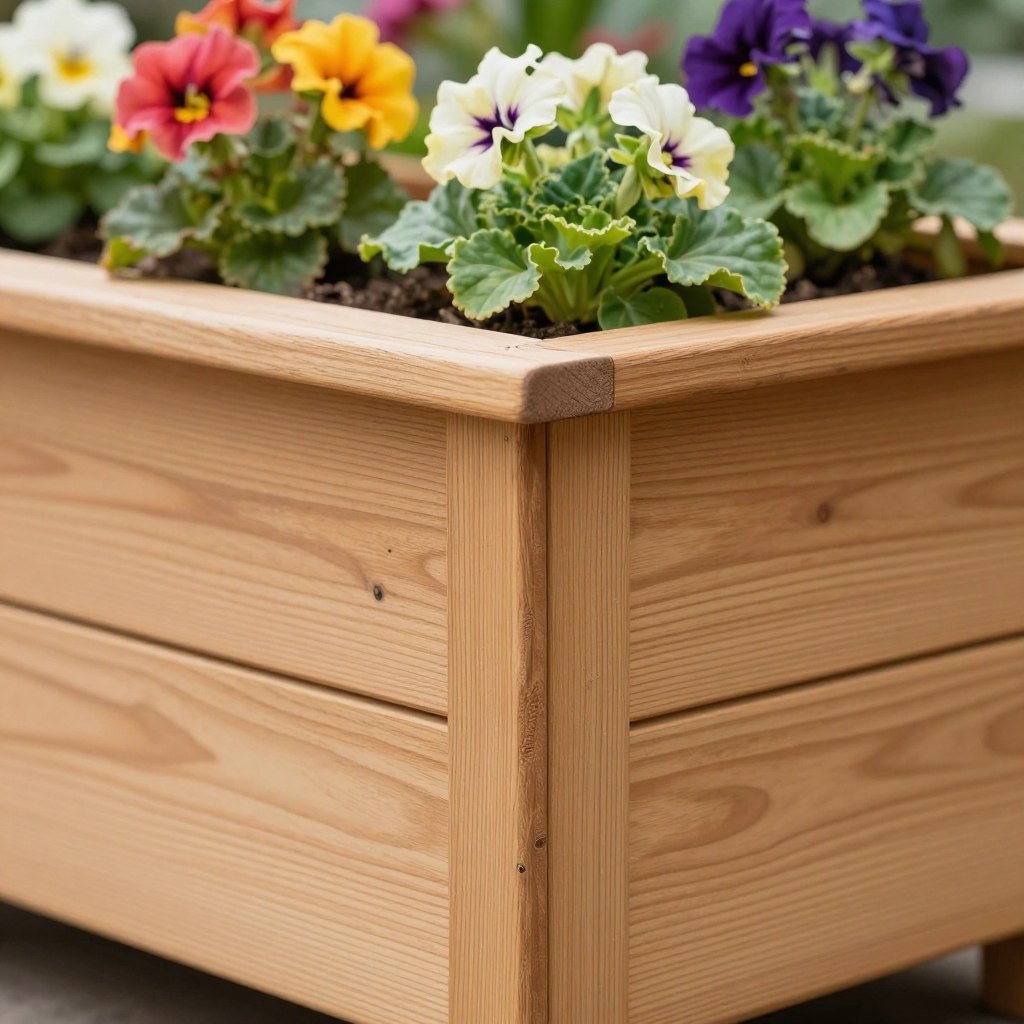
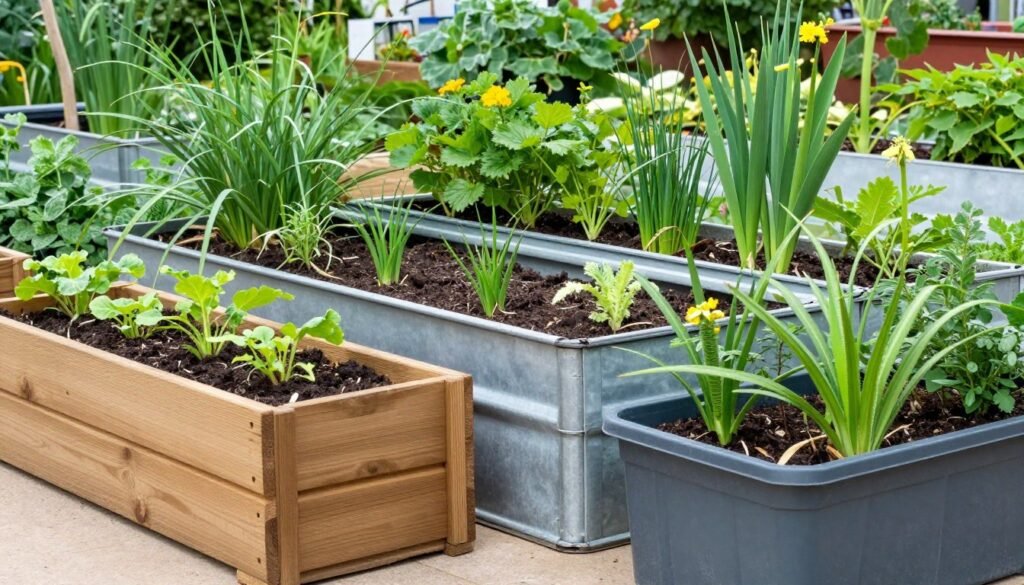
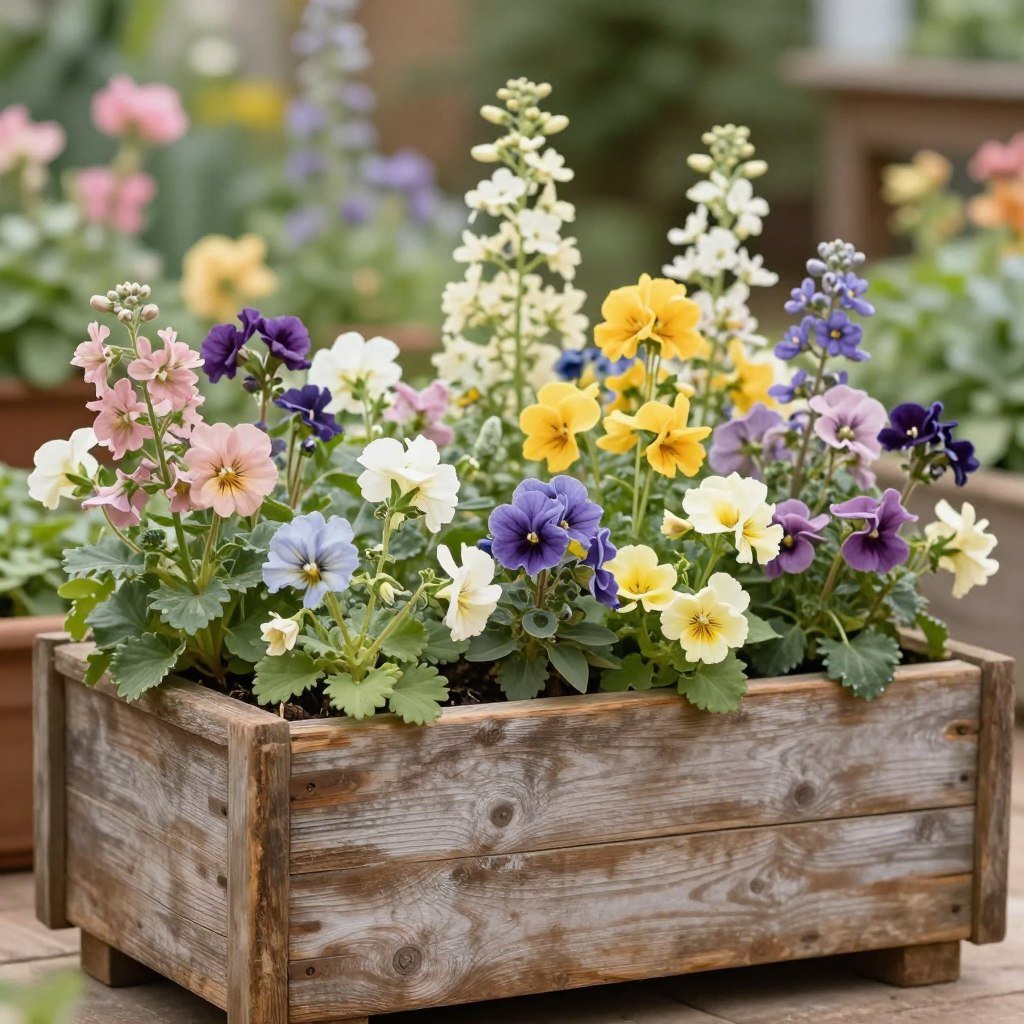
Wooden planter boxes offer timeless appeal and natural beauty. Cedar and redwood are particularly popular choices due to their natural resistance to rot and insects.
Related Posts:
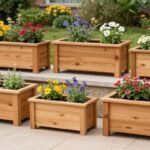
These planters blend seamlessly with most garden styles and weather beautifully over time. For longevity, look for planters made from rot-resistant woods or those treated with non-toxic sealants.
Find beautiful wooden planter boxes in various styles and sizes.
Metal Planter Boxes
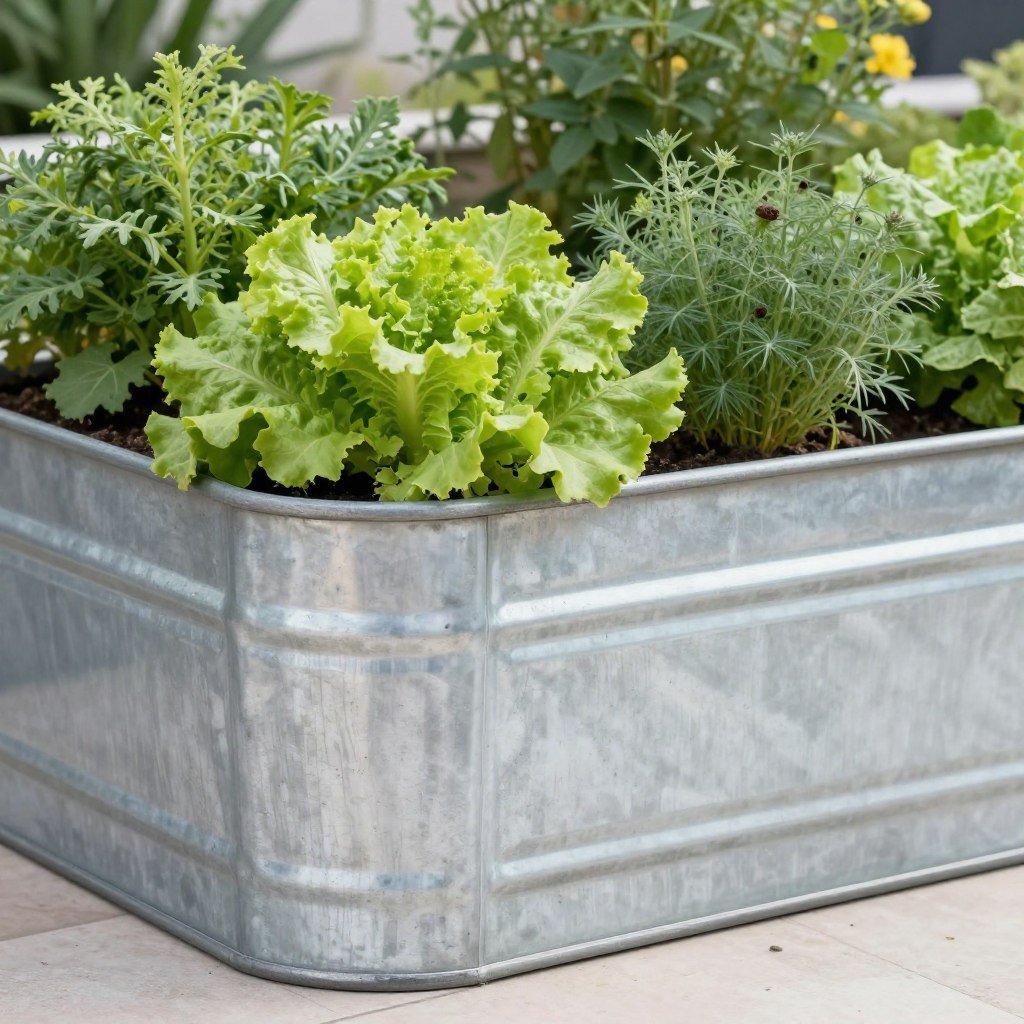
Metal planters provide a contemporary look and exceptional durability. Galvanized steel, Corten steel, and aluminum options resist the elements while adding industrial chic to your garden.
These planters are typically lightweight yet sturdy, and many feature modular designs that allow for customization. Metal heats up quickly, which can extend your growing season in cooler climates.
Discover durable metal planter boxes for modern garden designs.
Plastic & Composite Planters
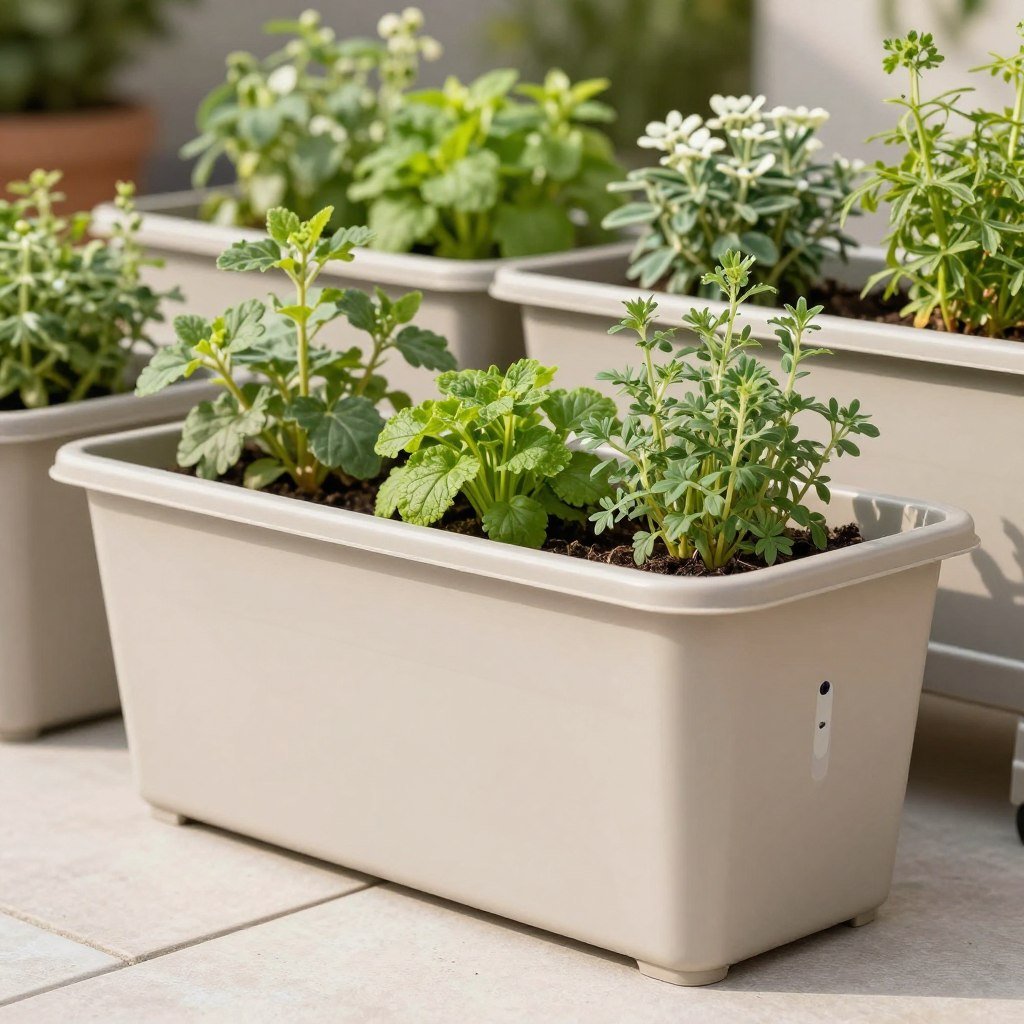
Lightweight and affordable, plastic and composite planters offer practical benefits for budget-conscious gardeners. Many feature self-watering systems and UV-resistant materials for longevity.
These planters come in countless colors and styles, from those mimicking terracotta or stone to sleek modern designs. They’re particularly well-suited for balconies and locations where weight is a concern.
Browse self-watering plastic planters for easy maintenance.
Style & Function: Planter Box Designs for Every Need
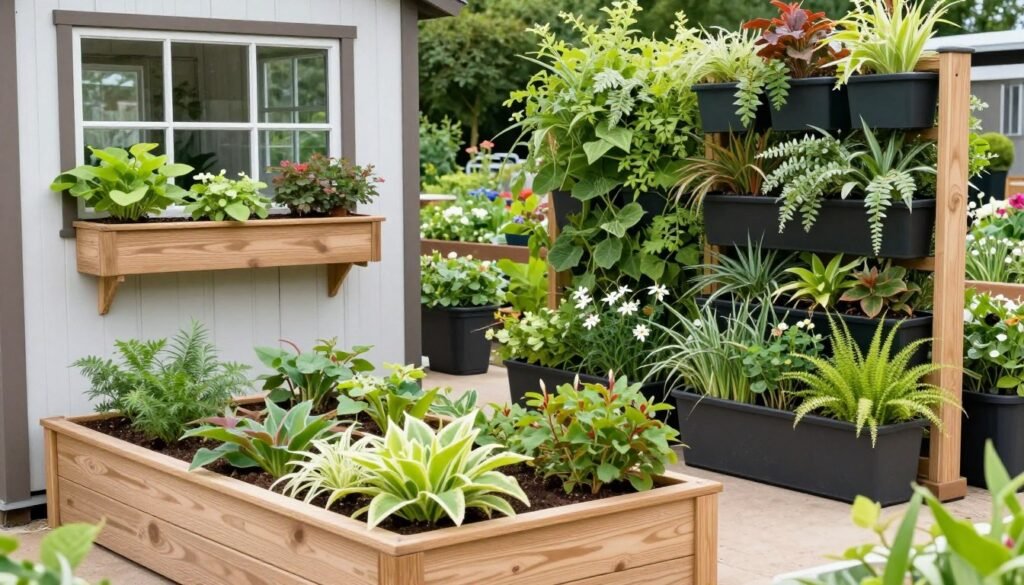
Raised Garden Beds
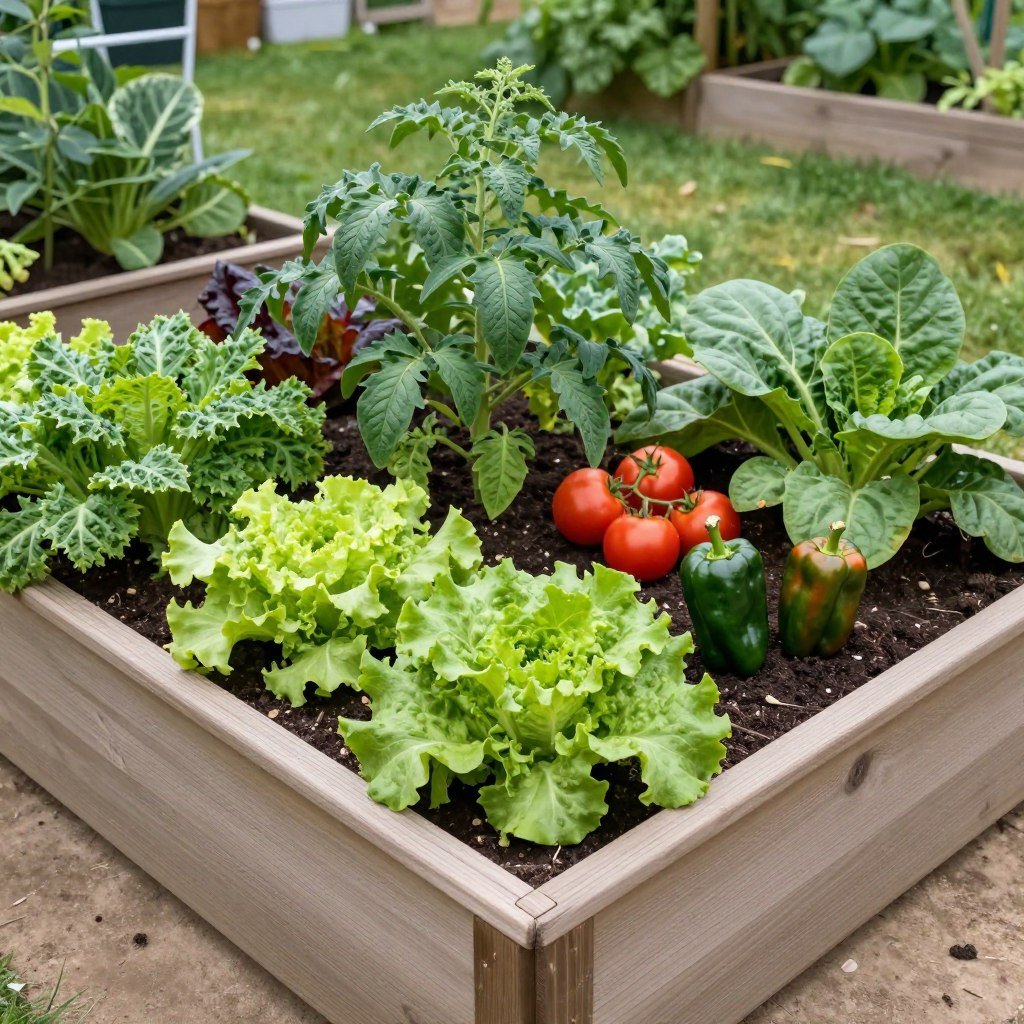
Traditional raised beds typically range from 6 to 12 inches in height and are designed for in-ground placement. These spacious planters are ideal for growing vegetables, herbs, and flowers in larger quantities.
The elevated soil level improves drainage and soil warming while creating defined garden spaces. Many gardeners appreciate how raised beds minimize bending and create clear boundaries in the landscape.
Elevated Planter Boxes
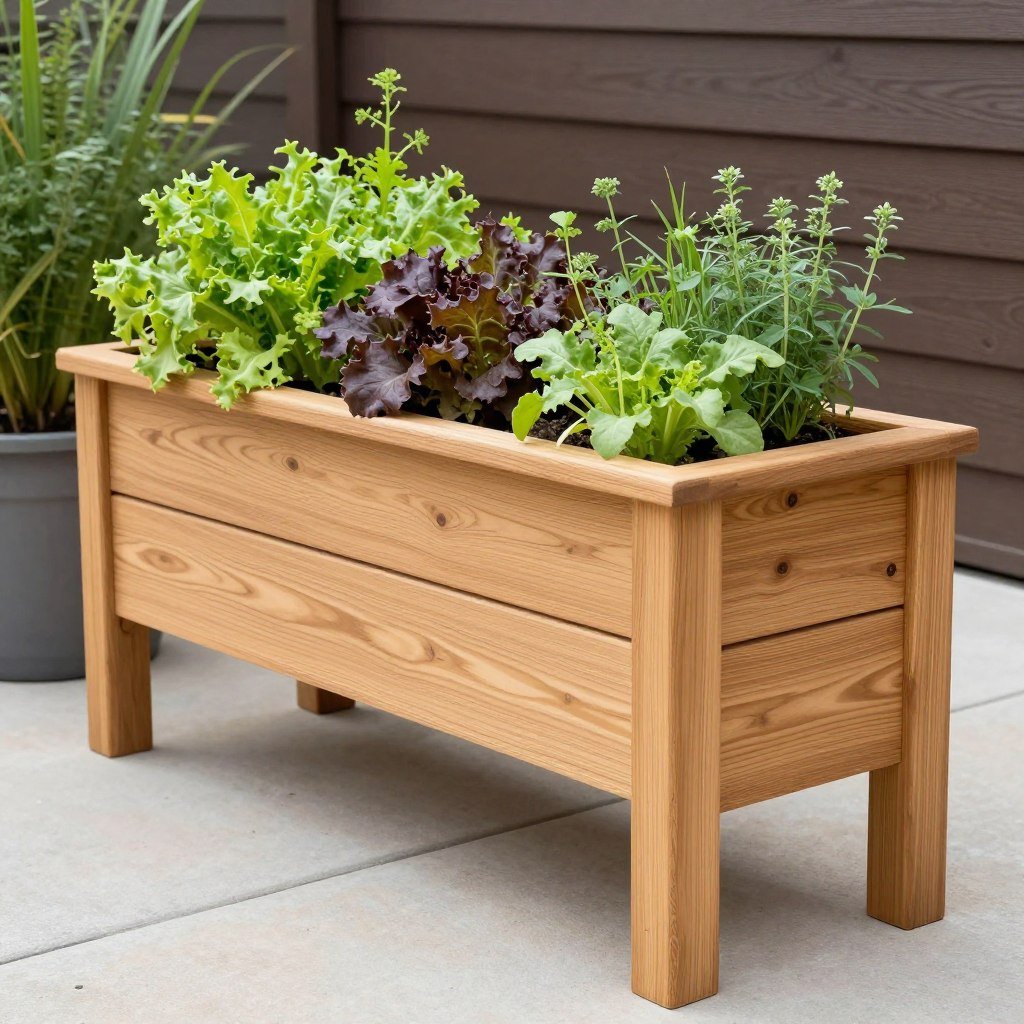
Standing at waist or counter height, elevated planter boxes eliminate the need to bend or kneel while gardening. These accessible planters are perfect for gardeners with mobility issues or anyone who prefers more comfortable gardening.
Many elevated designs include features like bottom shelving for storage, built-in trellises, or self-watering systems. They’re particularly well-suited for patios, decks, and other hardscaped areas.
Window & Railing Planters
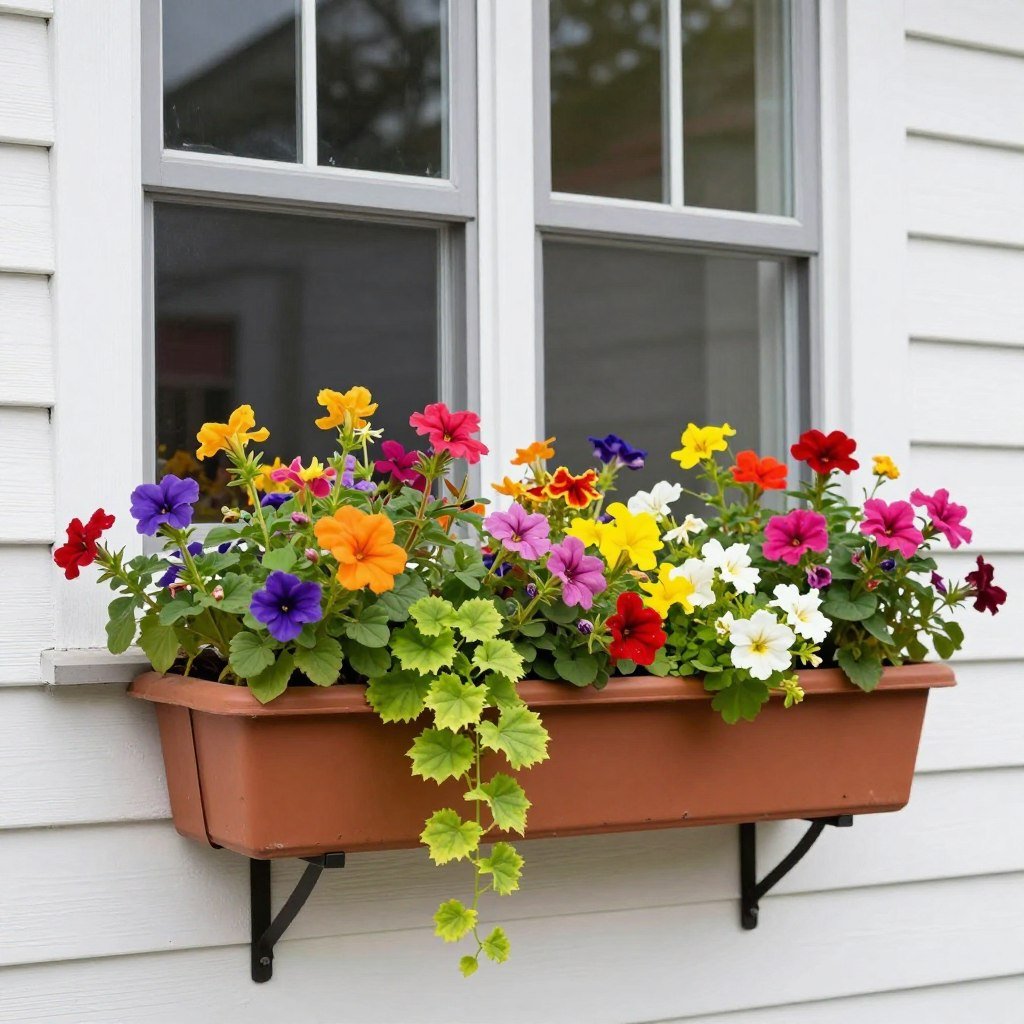
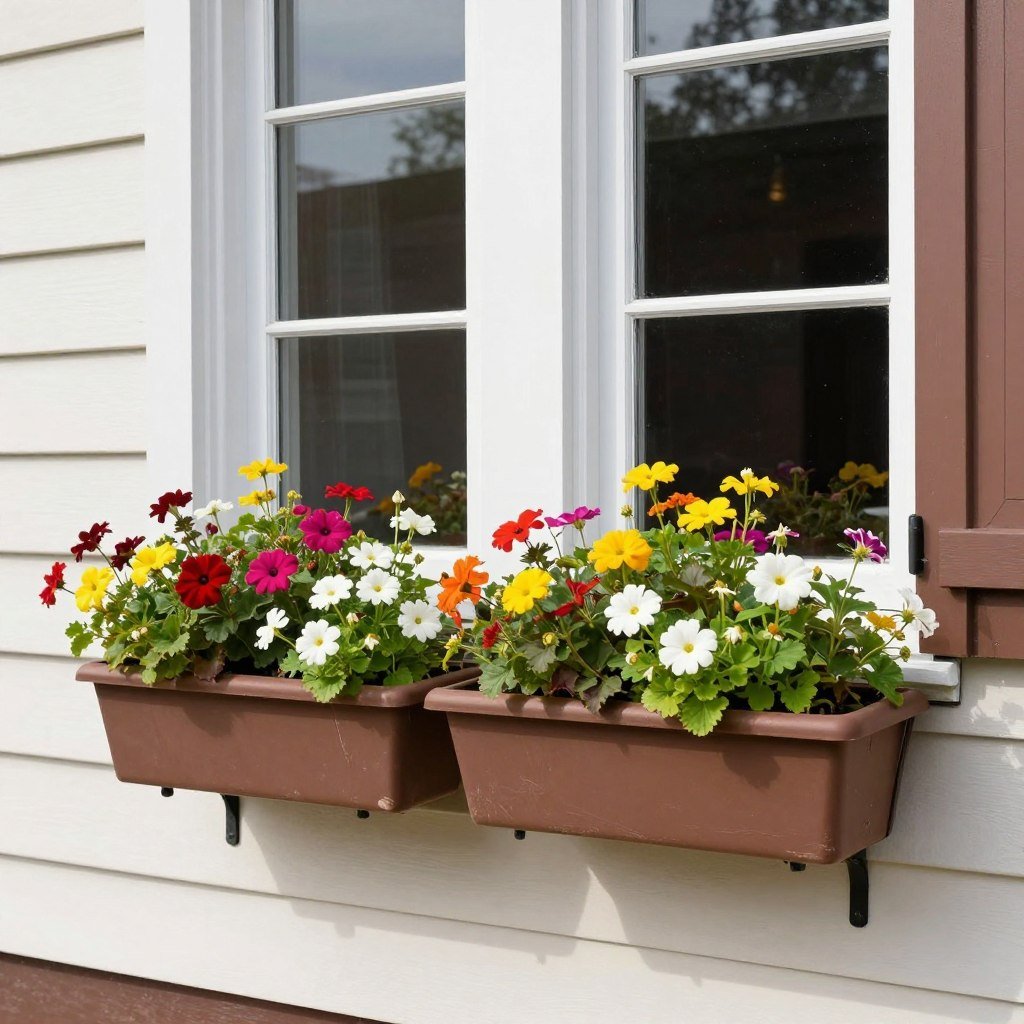
Designed to attach to windows, balconies, or railings, these narrow planters maximize vertical space while adding charm to building exteriors. They’re perfect for growing cascading flowers, herbs, or small vegetables in limited spaces.
Look for designs with secure mounting systems and proper drainage to protect your structures. These planters create instant curb appeal and allow even those with minimal outdoor space to enjoy gardening.
Vertical Planter Systems
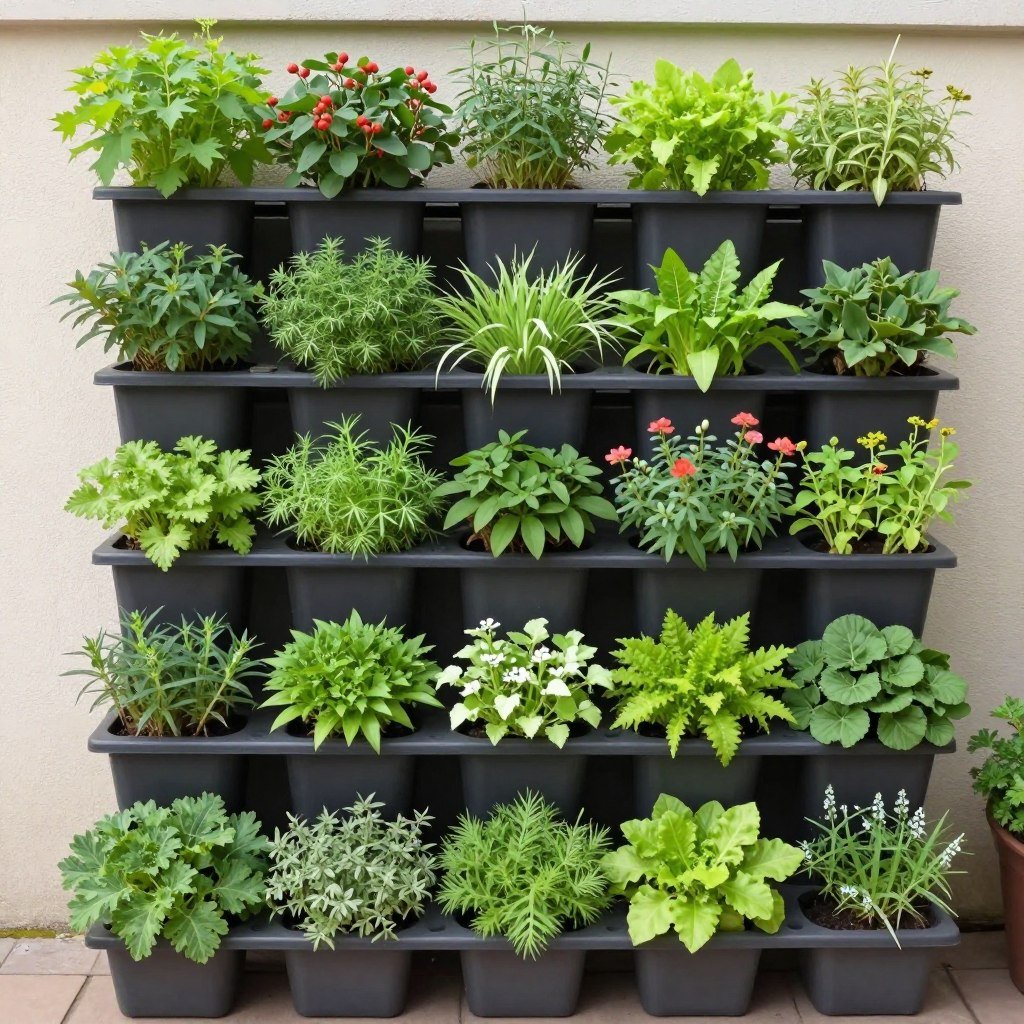
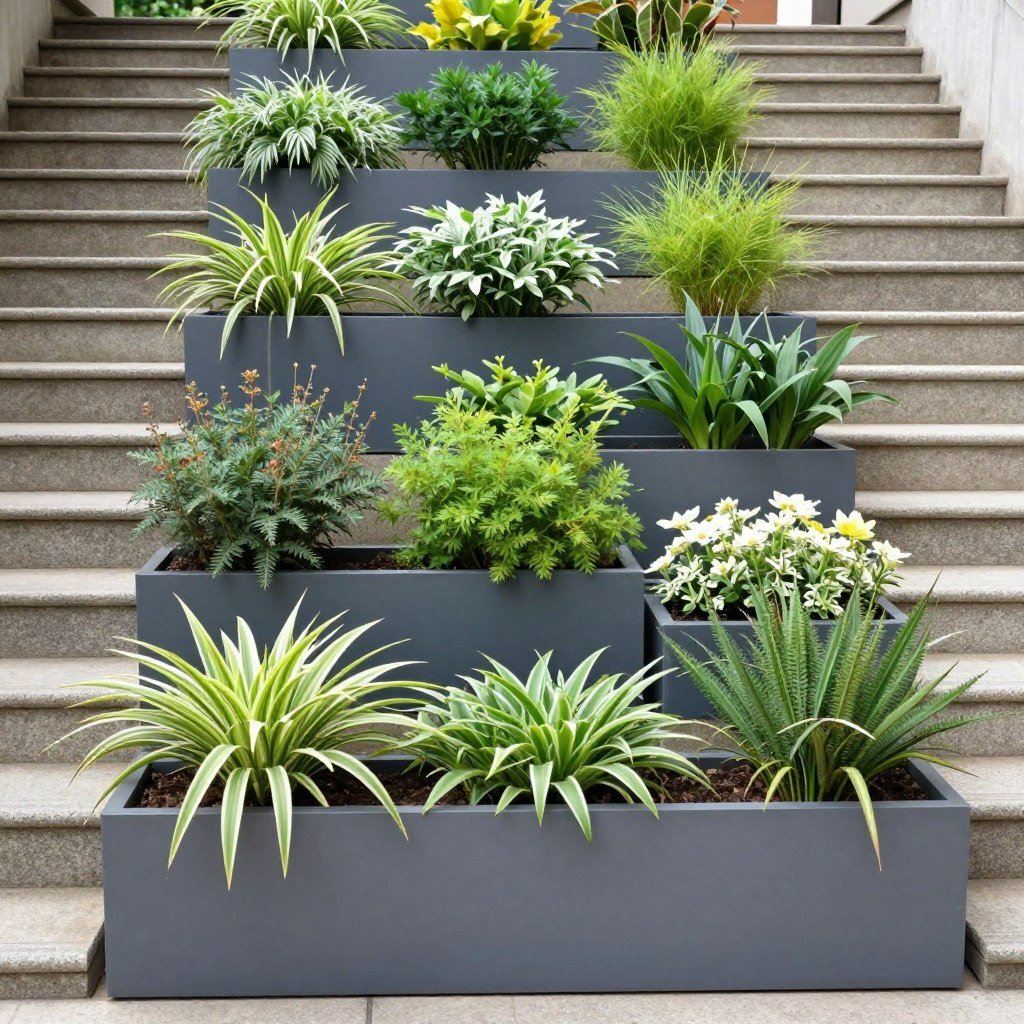
Vertical planters maximize growing space by utilizing wall space or stacked designs. These innovative systems are ideal for small balconies, tiny yards, or as focal points in larger gardens.
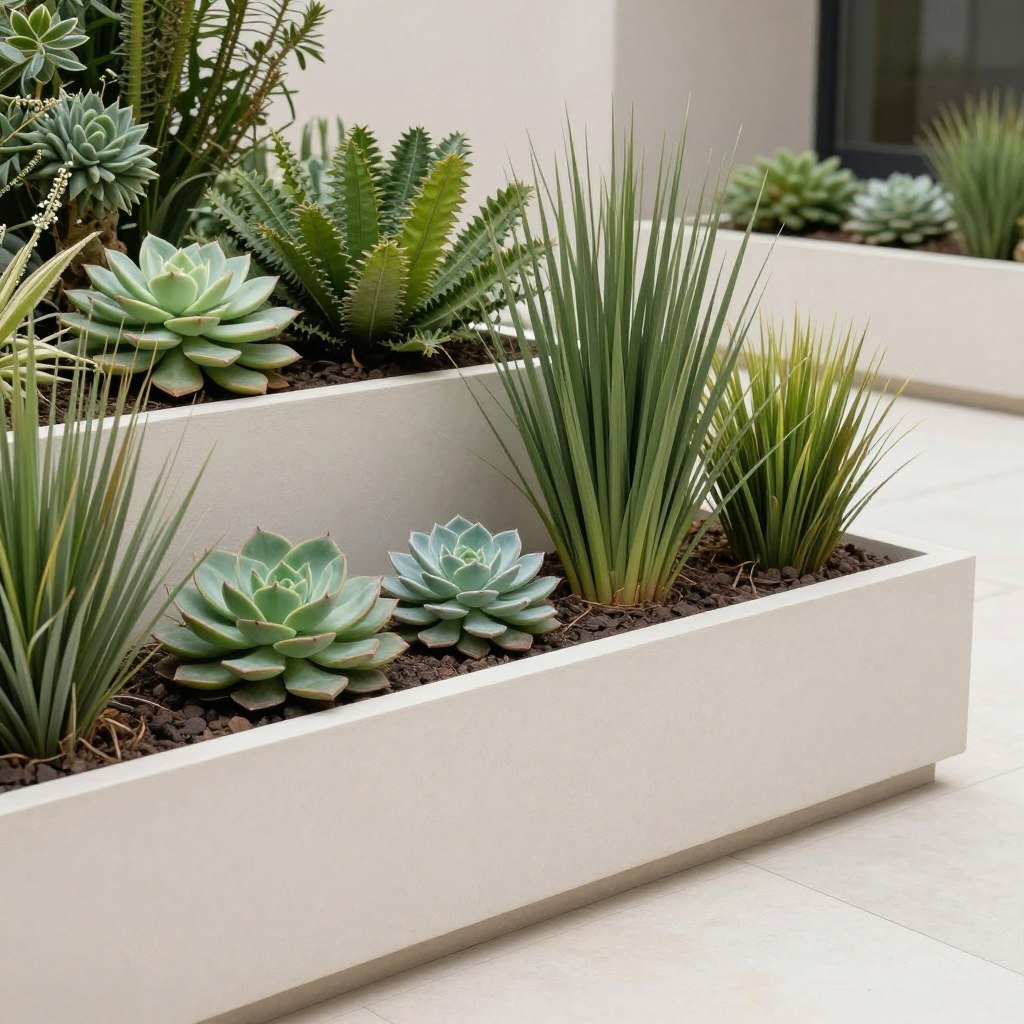
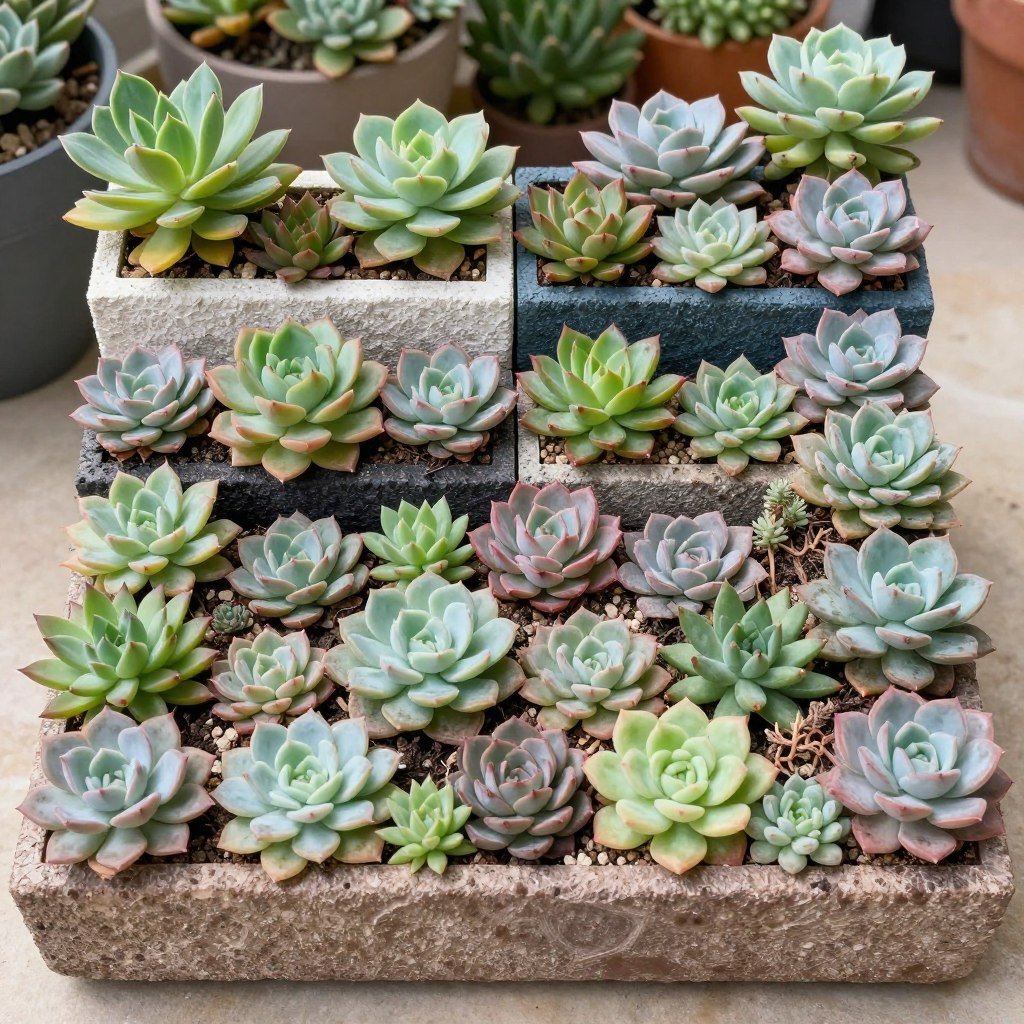
Options range from wall-mounted pocket systems to freestanding tiered planters. They’re excellent for growing herbs, strawberries, succulents, and other small plants in minimal footprints.
Decorative & Specialty Planters
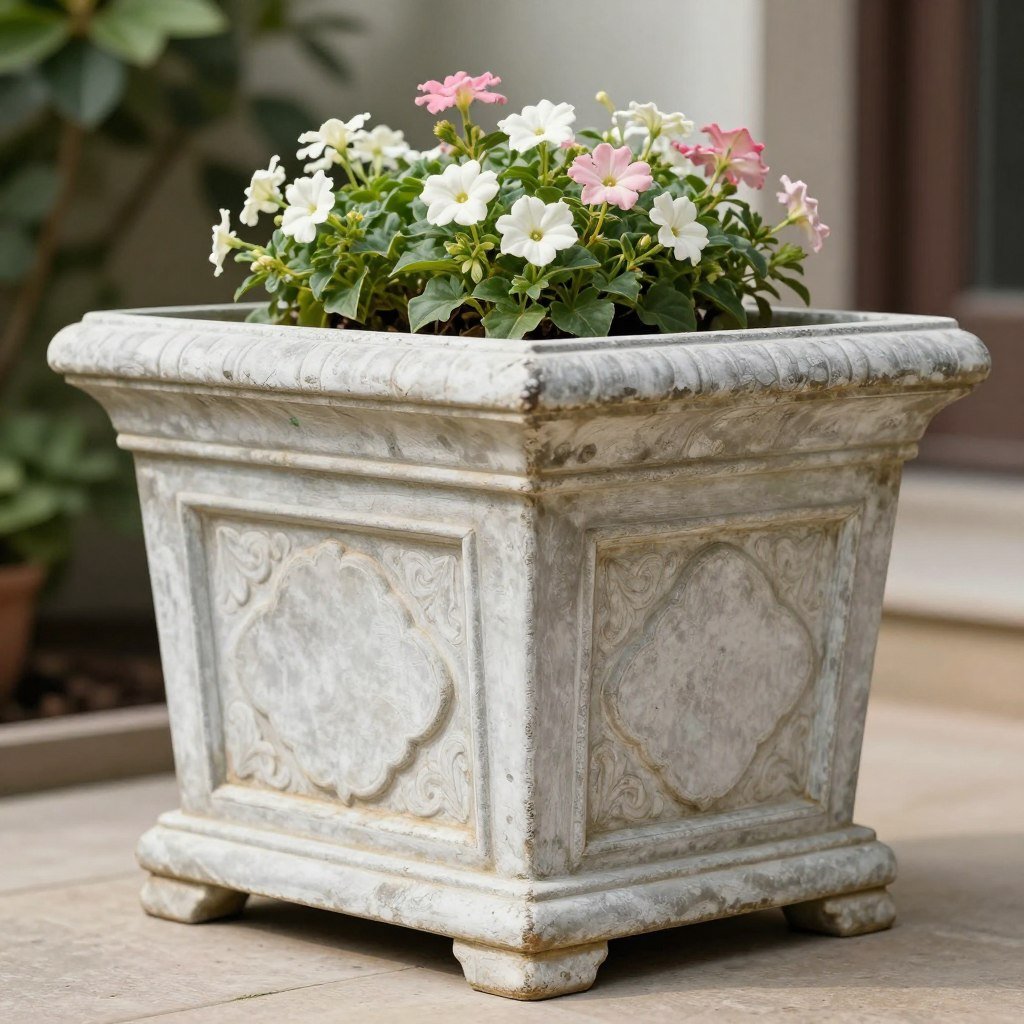
From ornate Victorian-inspired designs to modern minimalist containers, decorative planters serve as garden focal points. These planters often feature unique shapes, patterns, or finishes that complement specific architectural styles.
Specialty planters might include self-watering systems, built-in trellises, or designs specific to certain plants like strawberry towers or herb spirals. These planters combine form and function for specialized gardening needs.
Mobile Planter Boxes
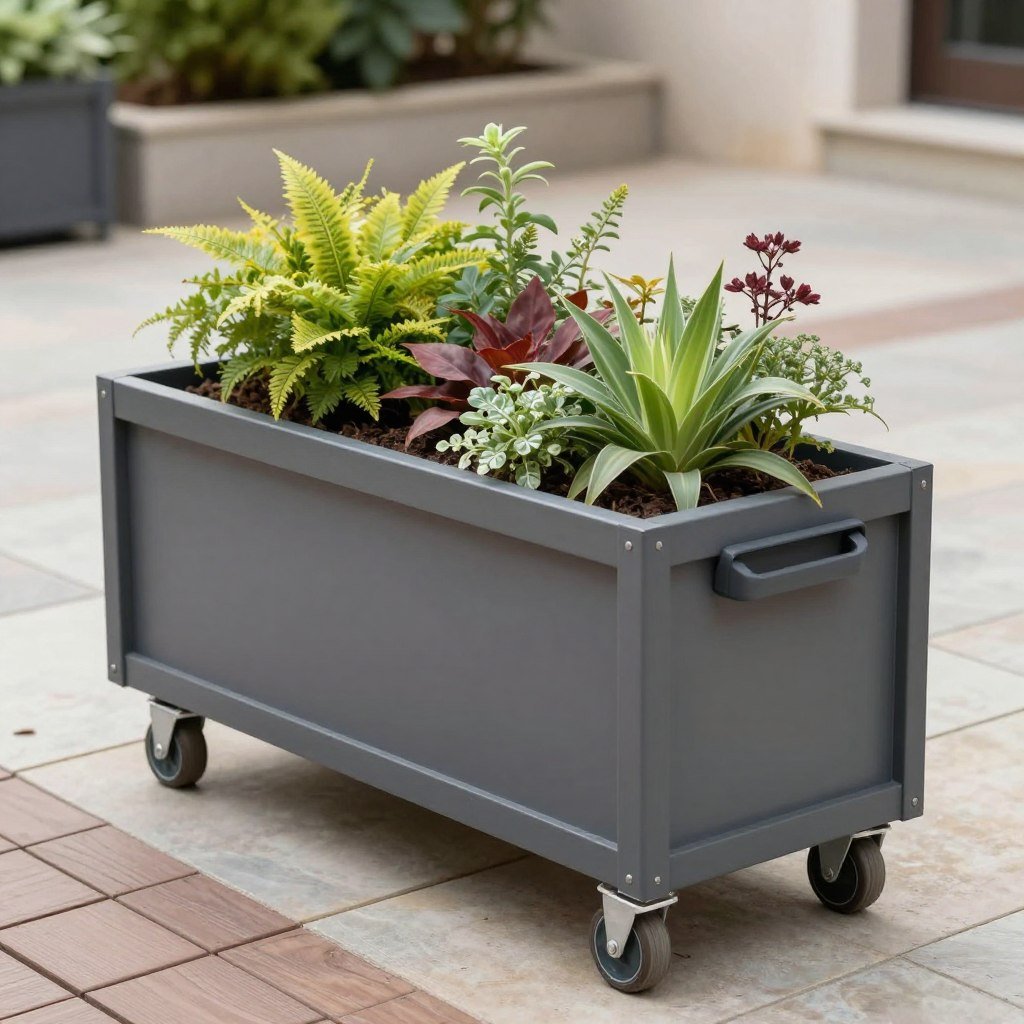
Planters with wheels or casters allow for easy repositioning to follow the sun, protect plants from extreme weather, or reconfigure your outdoor space. These mobile gardens are perfect for patios, rooftops, and other areas where flexibility is desired.
Look for designs with locking wheels for stability when stationary and sturdy handles for easy movement. These practical planters combine the benefits of container gardening with added versatility.
How to Choose the Perfect Planter Box for Your Space
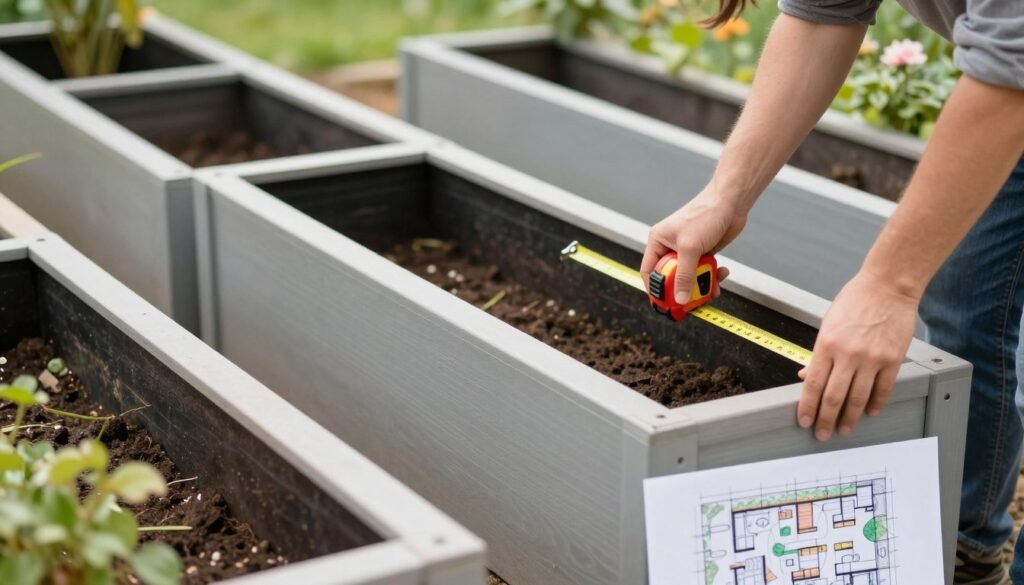
Selecting the right planter box involves considering several key factors that will impact both your plants’ health and your gardening experience. Take time to evaluate these important elements before making your decision.
What size planter box do you need?
Size is crucial for both plant health and space optimization. Consider:
- Plant requirements: Root depth needs vary significantly between plants. Herbs might need only 6-8 inches of soil depth, while root vegetables require 12-18 inches.
- Available space: Measure your intended location carefully, accounting for access paths around the planter (you’ll need at least 24 inches for comfortable access).
- Weight considerations: Larger planters filled with soil become extremely heavy. For balconies, rooftops, or decks, verify weight limitations.
- Ergonomics: For raised beds, the ideal width is 3-4 feet (allowing you to reach the center from either side). For elevated planters, ensure the height is comfortable for your stature.
Which material best suits your needs?
Each material offers distinct advantages and considerations:
- Wood: Natural appearance, moderate durability (5-15 years depending on type), moderate cost. Cedar and redwood offer natural rot resistance.
- Metal: Modern aesthetic, excellent durability (10-20+ years), higher cost. Consider that metal conducts heat, which can affect soil temperature.
- Plastic/Composite: Lightweight, excellent durability (10-20+ years), affordable. Look for UV-resistant options to prevent degradation.
- Climate considerations: In hot climates, dark-colored or metal planters may overheat soil. In wet climates, prioritize rot-resistant materials.
What features should you prioritize?
Consider these practical features for enhanced functionality:
- Drainage: Essential for plant health. Look for pre-drilled drainage holes or the ability to add them.
- Self-watering capabilities: Ideal for busy gardeners or drought-prone areas. These systems include water reservoirs that supply moisture as needed.
- Mobility: Wheels or lightweight construction allow for repositioning to follow sun patterns or protect from weather.
- Integrated trellises: Valuable for vining plants like tomatoes, cucumbers, or ornamental climbers.
- Modular design: Allows for expansion or reconfiguration as your gardening needs evolve.
How will the planter box integrate with your space?
Aesthetic and practical integration matters for long-term satisfaction:
- Design compatibility: Choose styles and materials that complement your home’s architecture and existing landscape.
- Permanence: Consider whether you want a permanent installation or the flexibility to rearrange.
- Multi-functionality: Some planters incorporate seating, storage, or other useful features.
- Grouping potential: Multiple smaller planters offer more flexibility than fewer large ones.
- Seasonal considerations: Plan for how the planter will look during all seasons, including winter when plants may be dormant.
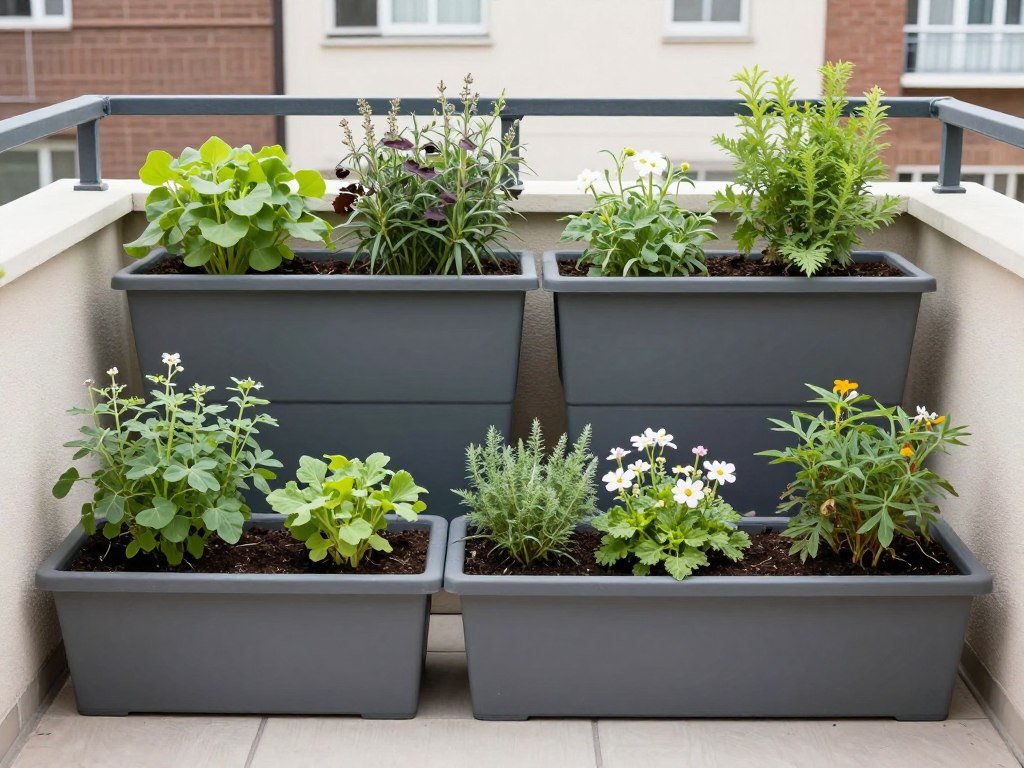
Remember that the perfect planter box balances your aesthetic preferences, the needs of your plants, and the practical realities of your space. Taking time to consider these factors will result in a more successful and enjoyable gardening experience.
DIY Planter Box Projects: Create Your Own Garden Containers
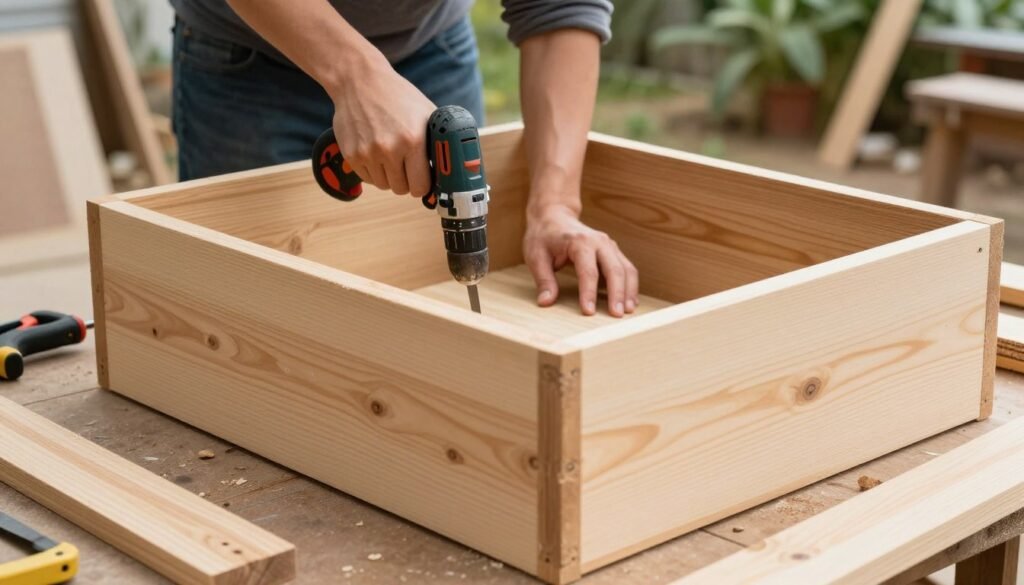
Building your own planter boxes can be rewarding, cost-effective, and allows for complete customization. Here are three DIY planter box projects ranging from beginner to more advanced skill levels.
Simple Wooden Planter Box (Beginner Level)
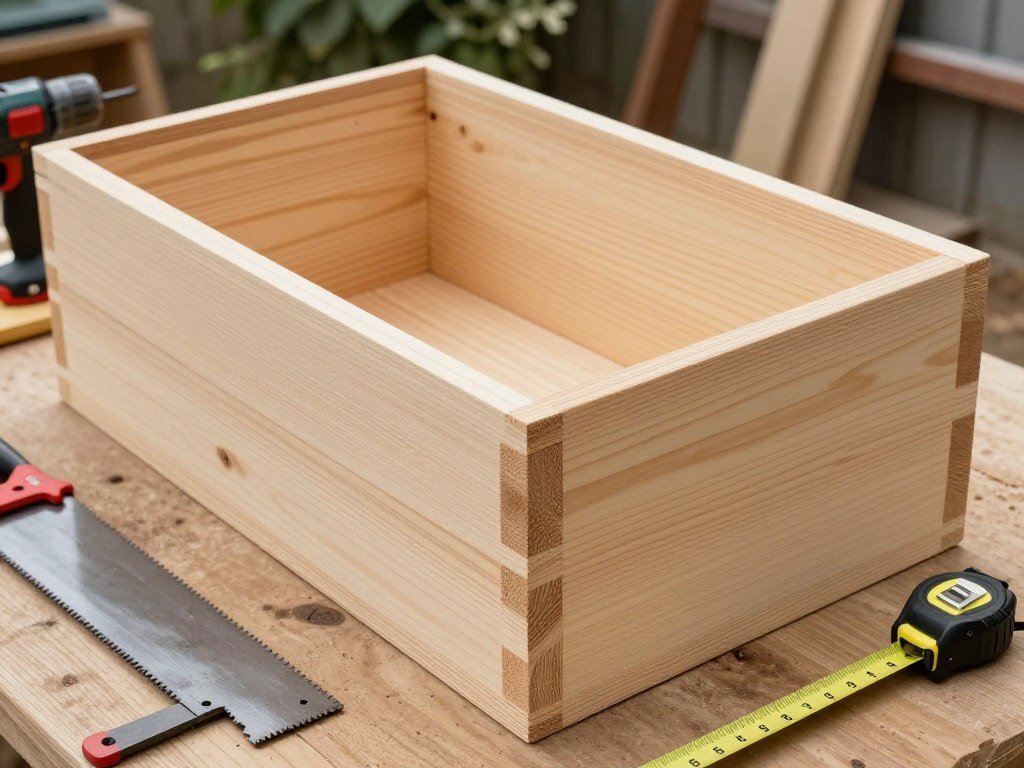
Materials Needed:
- 1×8 cedar or pine boards (quantity depends on desired size)
- 2×2 cedar or pine for corner supports
- Exterior wood screws
- Drill with bits
- Saw (hand or power)
- Measuring tape and square
- Sandpaper
- Non-toxic wood sealer (optional)
- Landscape fabric for lining
Basic Construction Steps:
- Cut boards to desired length for your planter sides
- Cut 2×2 pieces for corner supports (same height as your sides)
- Sand all edges smooth
- Attach side boards to corner supports using screws
- Create drainage holes in the bottom boards
- Attach bottom boards, leaving small gaps between them for drainage
- Apply non-toxic sealer if desired
- Line with landscape fabric before adding soil
Elevated Planter Box with Legs (Intermediate Level)
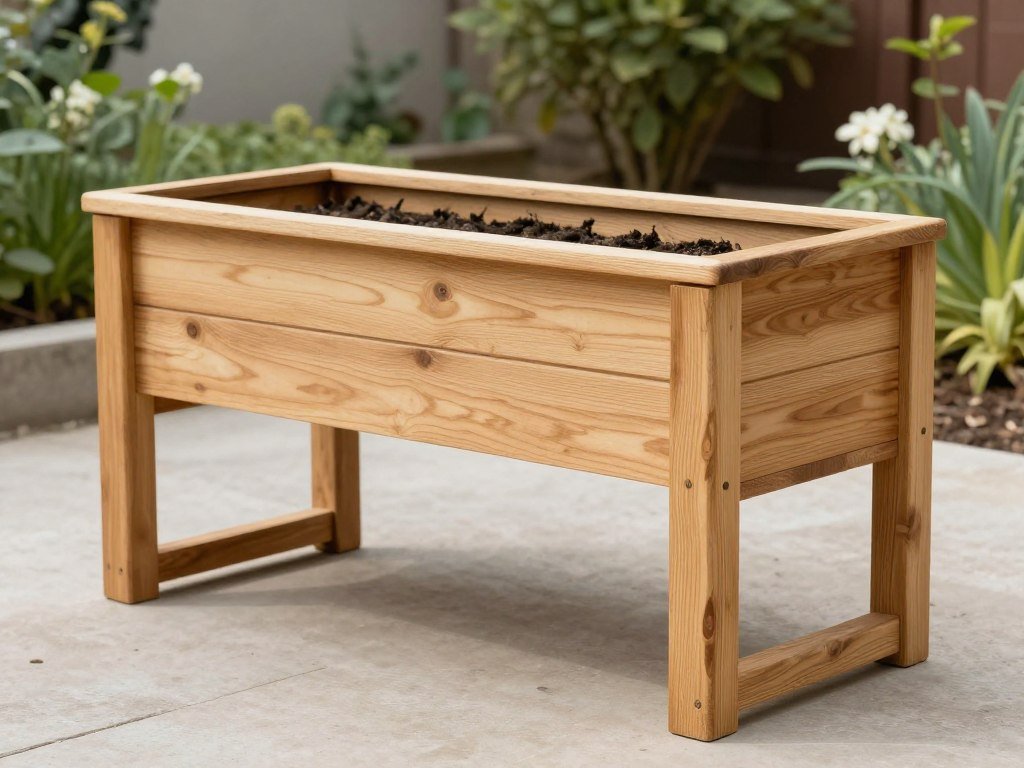
Materials Needed:
- 1×10 cedar boards for sides
- 1×6 cedar boards for bottom
- 4×4 cedar posts for legs
- 2×4 cedar for support frame
- Exterior wood screws
- Galvanized nails or staples
- Hardware cloth (1/4 inch)
- Landscape fabric
- Drill with bits
- Saw (circular or miter preferred)
- Measuring tools
- Non-toxic wood sealer
Construction Overview:
- Cut 4×4 posts to desired height (typically 30-36″ for comfortable standing height)
- Create a support frame with 2×4s that will attach to the legs
- Attach side boards to create the planter box
- Install hardware cloth across the bottom for support
- Add bottom boards with drainage gaps
- Line with landscape fabric
- Add corner braces for stability if needed
- Apply sealer to protect the wood
Tiered Herb Planter (Advanced Level)
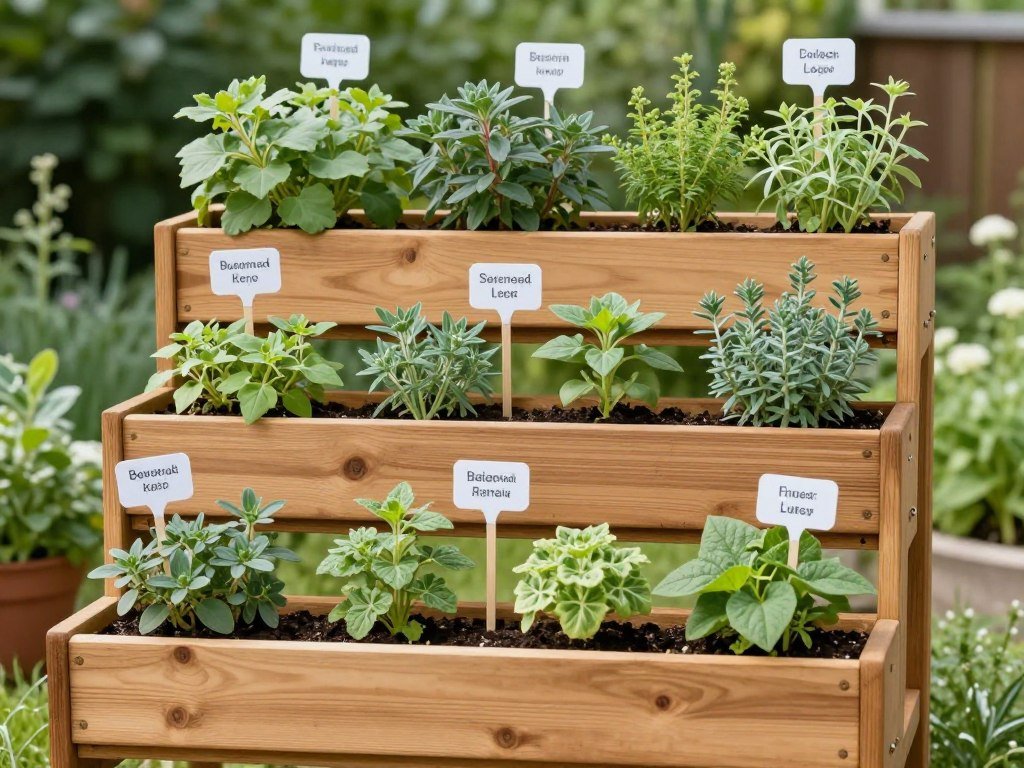
Materials Needed:
- Cedar 1×8 and 1×10 boards
- Cedar 2×2 for internal supports
- Exterior wood screws
- Drill and bits
- Circular saw or table saw
- Miter saw (helpful for angled cuts)
- Measuring and marking tools
- Landscape fabric
- Non-toxic wood sealer
- Optional: herb markers
Construction Approach:
This project creates a stepped planter with 3-4 tiers, each slightly set back from the one below. The design allows for:
- Different soil depths for various herbs
- Excellent drainage between levels
- Maximum sun exposure for all plants
- Visual interest and efficient use of space
- Easy access to all plants for harvesting
The construction requires precise measurements and angled cuts to create the stepped effect. Each tier needs proper drainage and should be lined separately.
When building DIY planter boxes, always use rot-resistant woods like cedar or redwood for longevity, or treat pine with a non-toxic sealer safe for food plants. Ensure adequate drainage and use quality hardware that won’t rust or deteriorate outdoors.
Ready to Build Your Own Planter?
Find all the materials you need for your DIY planter box project.
Planting & Maintenance: Keeping Your Planter Boxes Thriving
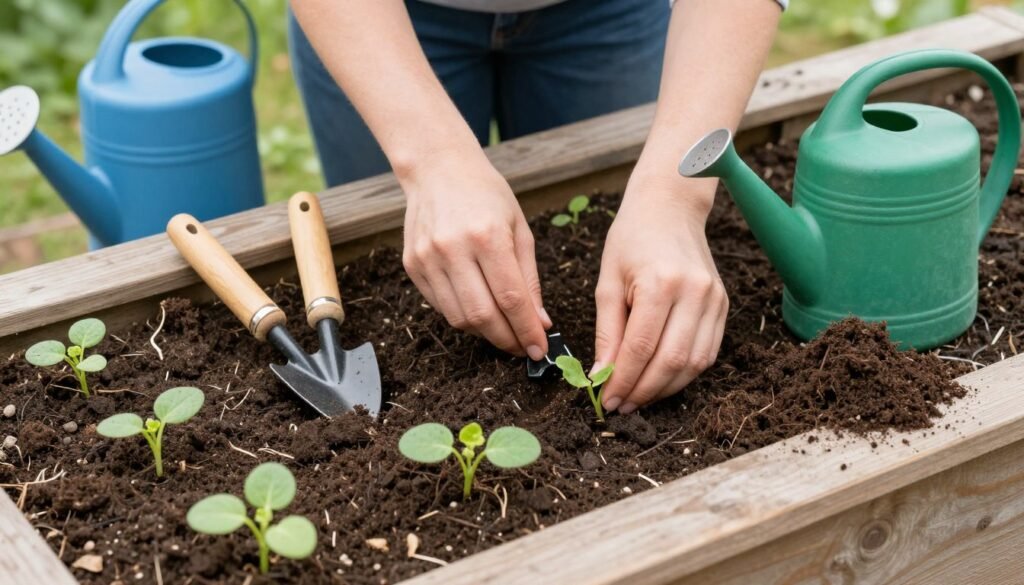
Creating a thriving planter box garden requires proper setup, planting techniques, and ongoing maintenance. Follow these guidelines to ensure your container plants flourish season after season.
Setting Up Your Planter Box for Success
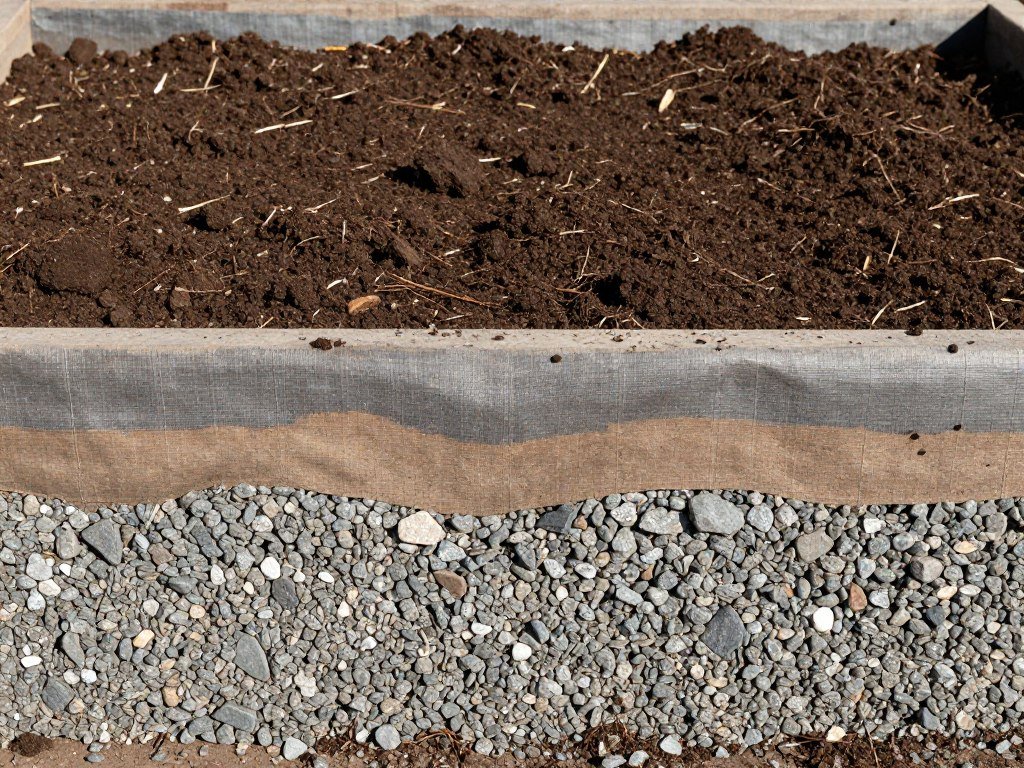
Proper Drainage
Adequate drainage is critical for planter box success. Without it, roots can rot and plants will fail to thrive.
- Ensure your planter has drainage holes (at least one 1/2″ hole per square foot of bottom surface)
- Add a 1-2″ layer of gravel or broken pottery at the bottom for improved drainage
- For planters on hard surfaces, use feet or risers to elevate slightly
- Consider adding a drainage layer of perlite or coarse sand beneath the soil
Quality Soil Mix
Container plants need lighter, more nutrient-rich soil than garden beds. Create or purchase a mix specifically for planters.
- Use a mix of 60% quality potting soil, 30% compost, and 10% perlite or vermiculite
- Avoid using garden soil alone as it compacts too densely in containers
- For vegetables, add slow-release organic fertilizer to the initial mix
- Different plants may require specialized soil mixes (succulents, acid-loving plants, etc.)
Choosing Plants for Your Planter Boxes
Vegetables & Herbs
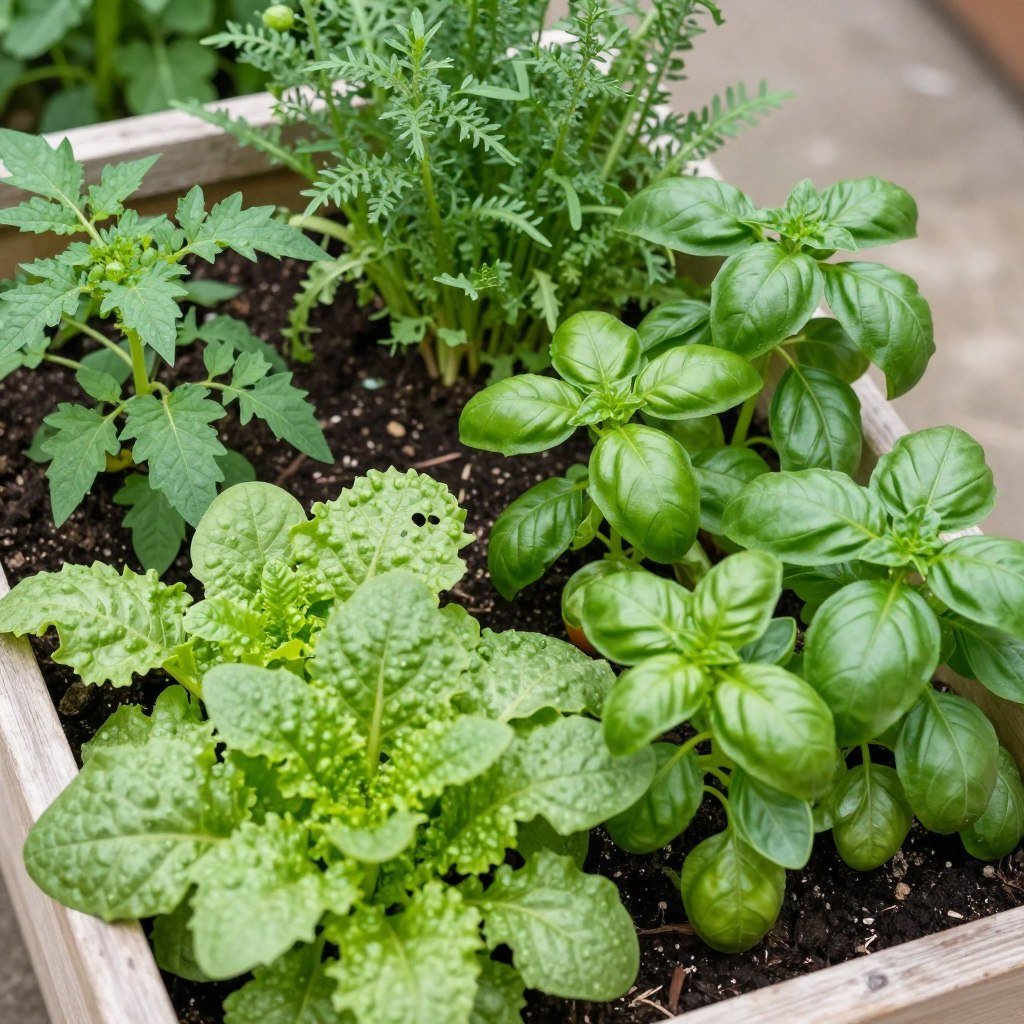
- Shallow-rooted (6-8″ depth): Lettuce, spinach, herbs, radishes, green onions
- Medium-rooted (10-12″ depth): Bush beans, peppers, chard, kale, compact tomatoes
- Deep-rooted (14″+ depth): Tomatoes, eggplant, root vegetables, zucchini
- Consider companion planting to maximize space and deter pests
Flowers & Ornamentals
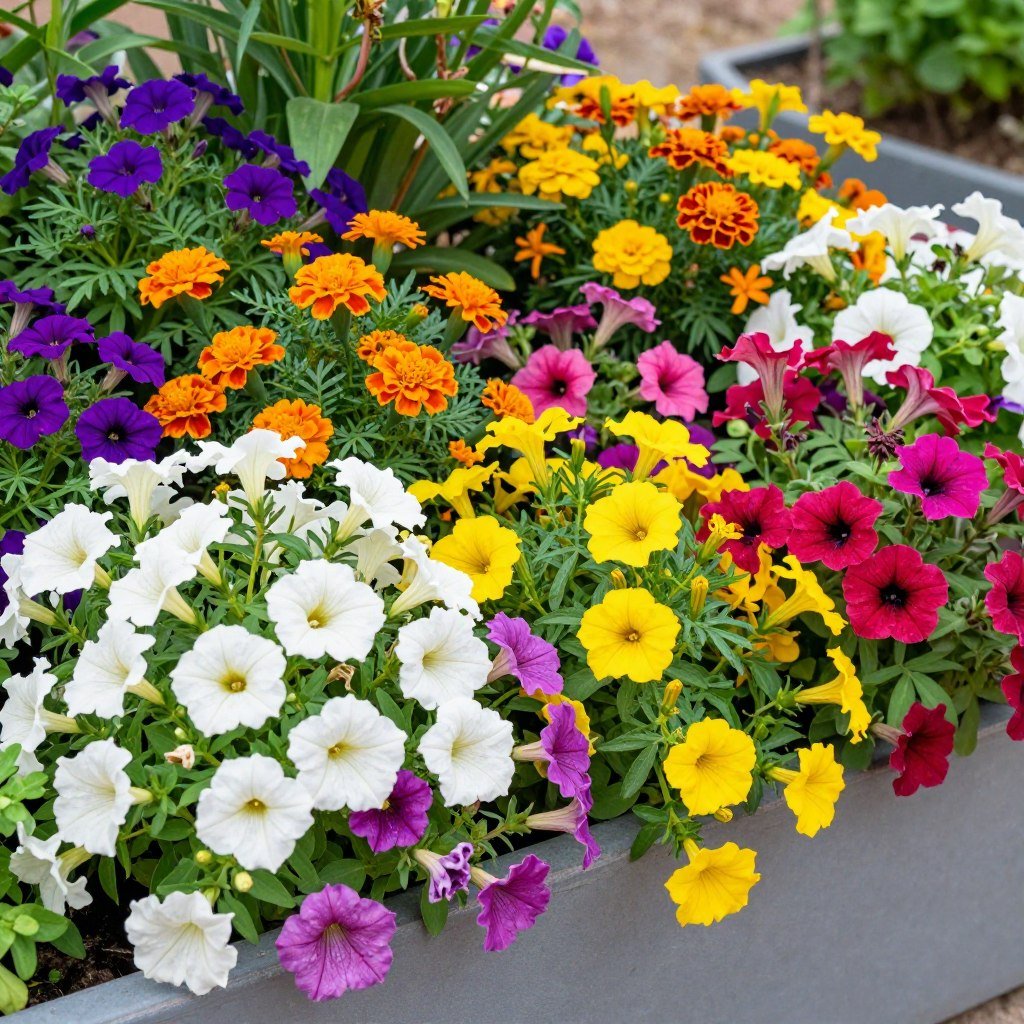
- Annuals: Petunias, marigolds, zinnias, cosmos, nasturtiums
- Perennials: Lavender, coreopsis, sedum, small ornamental grasses
- Bulbs: Tulips, daffodils, lilies (plant in layers for continuous blooms)
- Mix heights, textures, and bloom times for visual interest
Mixed Plantings
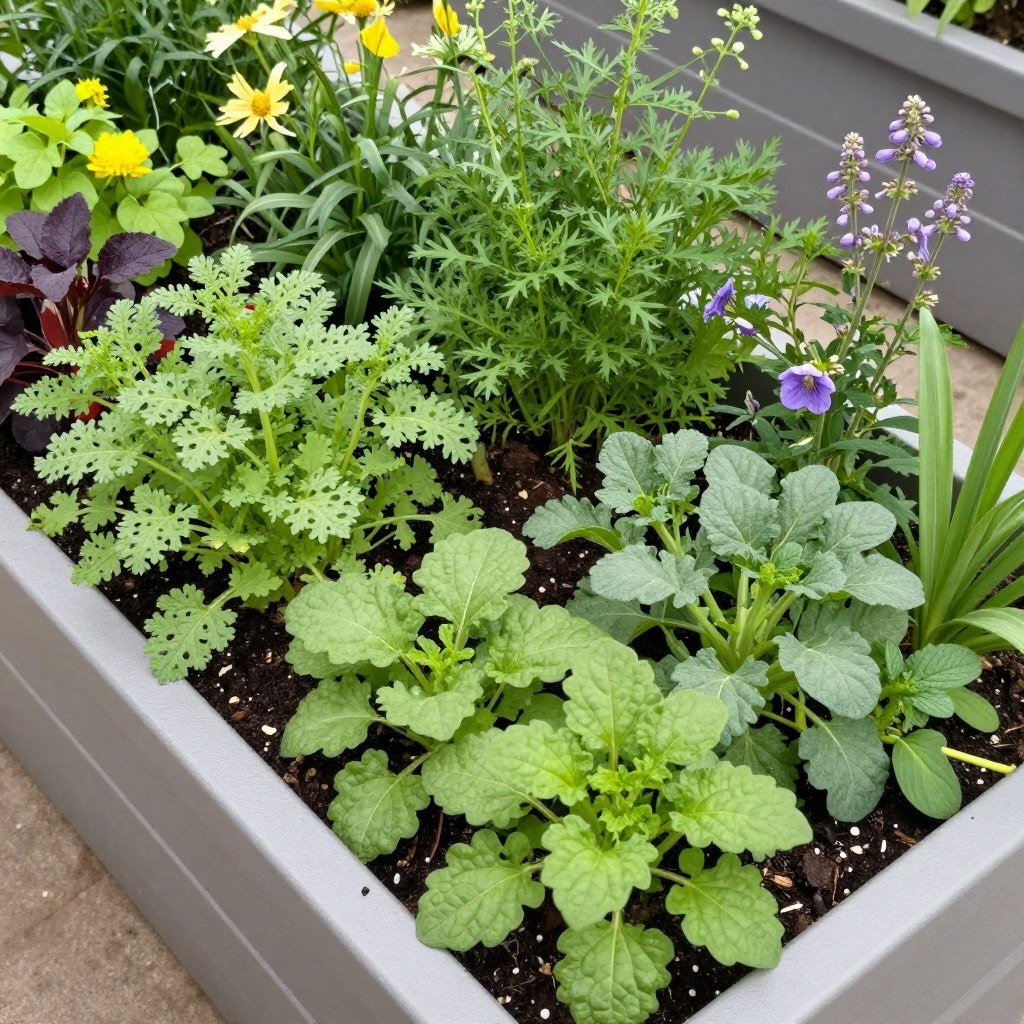
- “Thriller, Filler, Spiller” approach: Tall focal plants, medium fillers, and trailing edge plants
- Edible landscapes: Combine ornamental vegetables with flowers
- Seasonal transitions: Plan for succession planting as seasons change
- Consider color schemes and bloom times for continuous visual appeal
Essential Maintenance for Healthy Planter Boxes
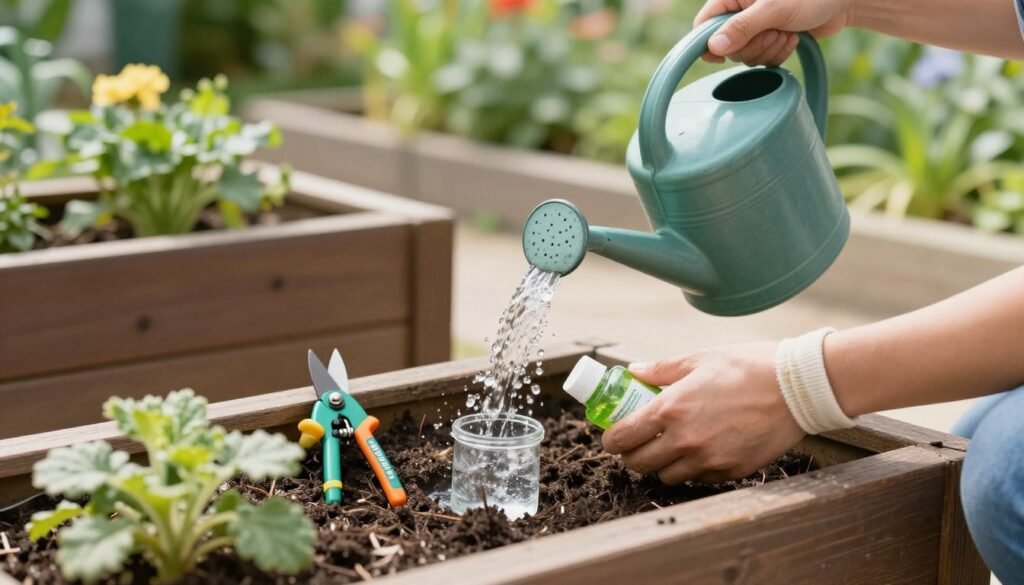
| Maintenance Task | Frequency | Tips for Success |
| Watering | Daily to weekly, depending on weather | Water deeply until it flows from drainage holes. Containers dry out faster than in-ground gardens. Consider self-watering systems for consistent moisture. |
| Fertilizing | Every 2-4 weeks during growing season | Use liquid fertilizer at half-strength for regular feeding. Container plants deplete nutrients quickly and need regular replenishment. |
| Pruning & Deadheading | As needed | Remove spent flowers to encourage more blooms. Prune for shape and to remove damaged growth. Harvest herbs regularly to promote bushiness. |
| Pest Management | Weekly inspection | Check leaf undersides for pests. Use organic solutions like neem oil or insecticidal soap. Introduce beneficial insects when possible. |
| Soil Refreshing | Annually | Replace the top 2-3 inches of soil each spring with fresh compost. Every 2-3 years, consider replacing all soil in perennial planters. |
| Winter Protection | Seasonally | In cold climates, protect planters from freeze-thaw cycles. Consider moving sensitive plants indoors, using frost cloth, or insulating planter sides. |
Pro Tip: Mulching Your Planter Boxes
Adding a 1-2 inch layer of mulch to the soil surface in your planter boxes provides multiple benefits:
- Conserves moisture by reducing evaporation
- Suppresses weed growth
- Moderates soil temperature fluctuations
- Adds organic matter as it breaks down
- Creates a finished, professional appearance
Use small bark chips, cocoa hulls, or straw for vegetable planters. For ornamental planters, consider decorative options like small river stones or colored glass mulch.
Creative Planter Box Inspiration: Design Ideas for Every Space
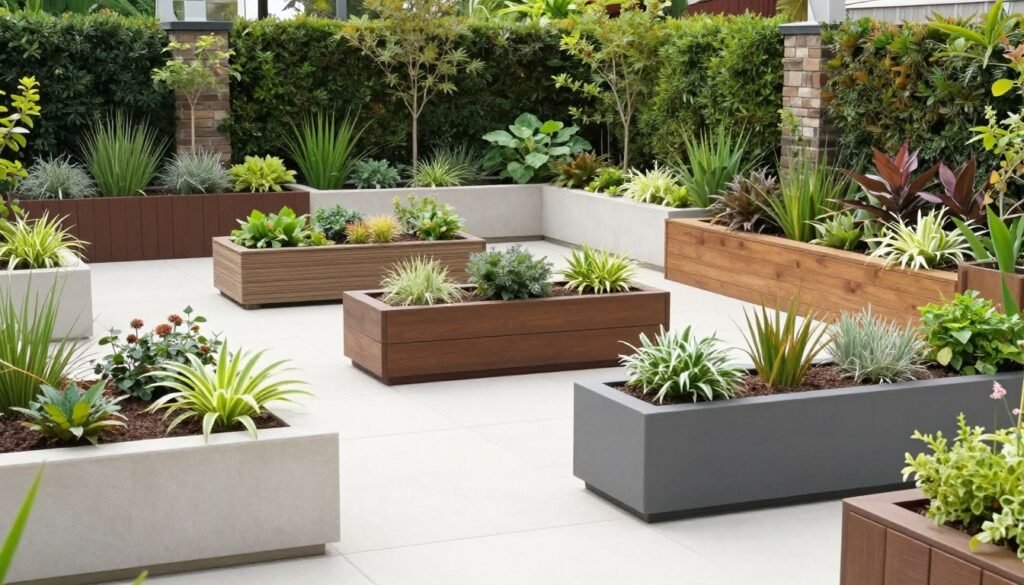
Planter boxes offer endless opportunities for creative expression in your outdoor spaces. Draw inspiration from these design ideas to create your own unique container garden.
Urban Balcony Oasis
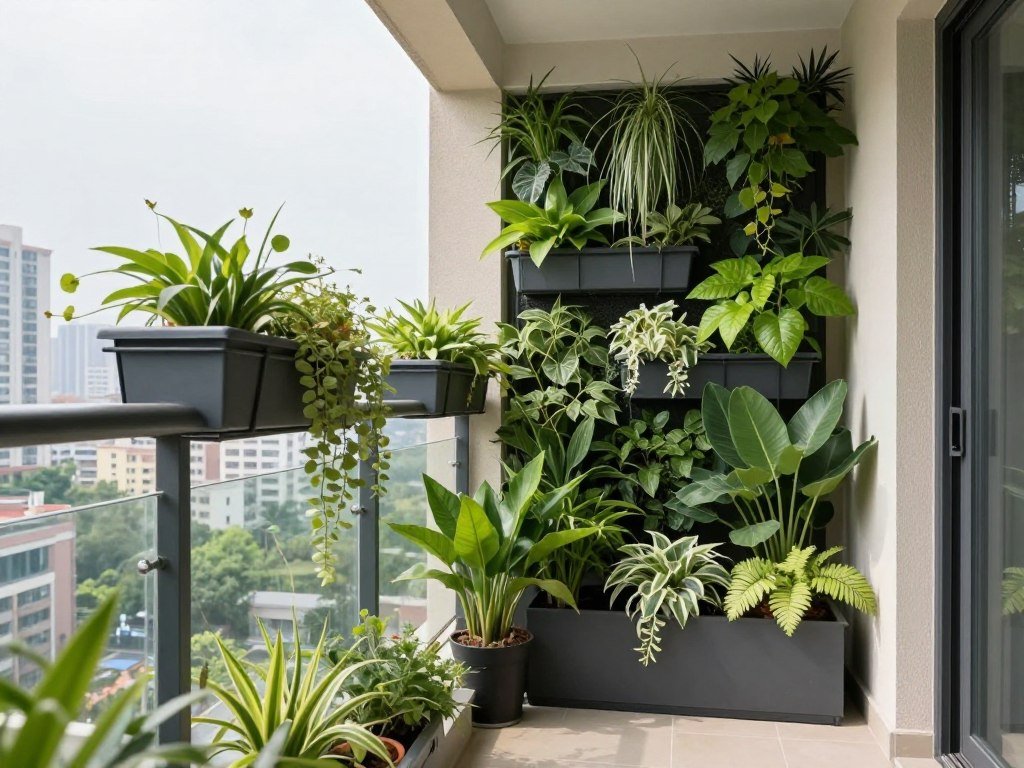
Transform even the smallest balcony into a verdant retreat with strategic planter placement:
- Railing planters with cascading flowers and herbs
- Vertical wall planters to maximize growing space
- Corner elevated planters for vegetables
- Hanging planters from ceiling or pergola
- Modular, movable planters to reconfigure as needed
The key is layering at different heights and using every available surface while maintaining pathways for comfortable movement.
Edible Landscape Design
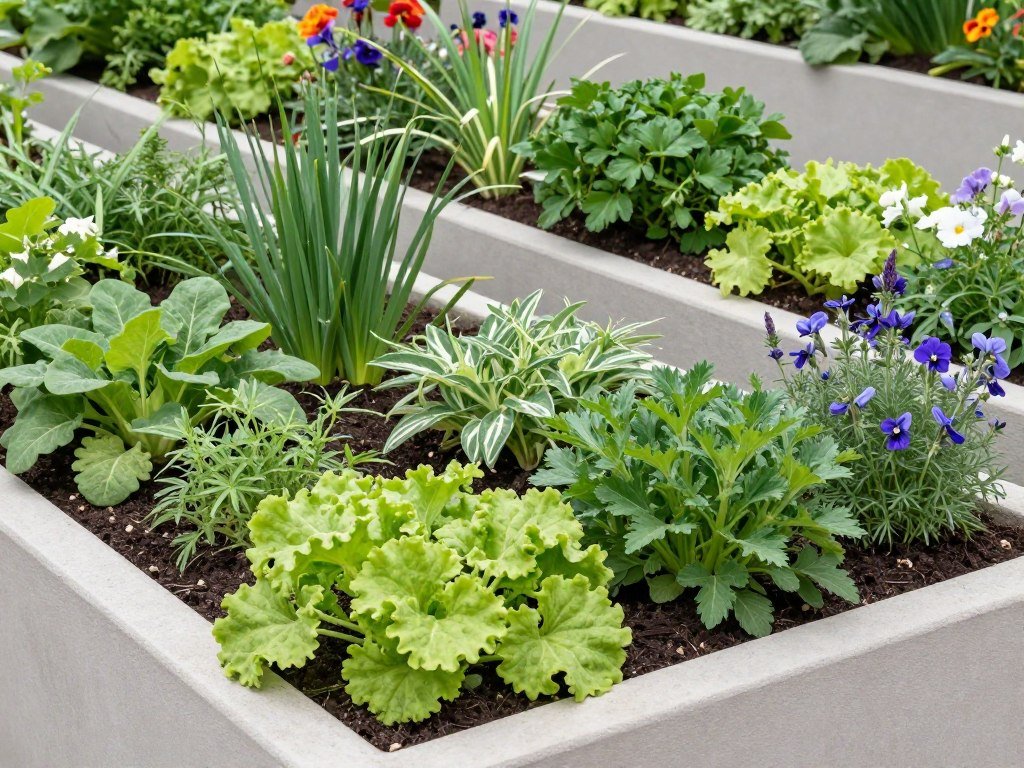
Create beautiful landscapes that produce food by combining ornamental and edible plants:
- Rainbow chard, purple basil, and colorful lettuces as ornamentals
- Trellised vegetables (beans, peas, cucumbers) as living screens
- Themed planters (pizza garden, salsa garden, tea garden)
- Edible flowers like nasturtiums, pansies, and borage
- Dwarf fruit trees or bushes as focal points in larger planters
Focus on contrasting leaf textures, colors, and plant heights to create visual interest while providing fresh harvests.
Coordinated Color Schemes
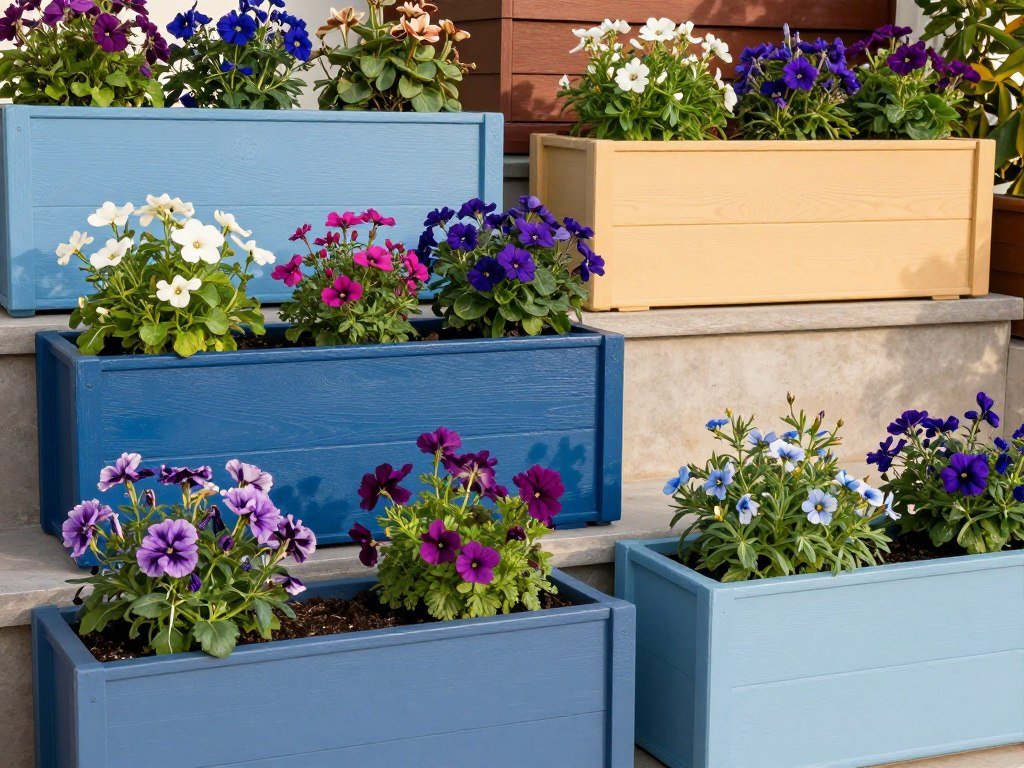
Create visual harmony through thoughtful color coordination:
- Monochromatic schemes using various shades of one color
- Complementary colors (opposite on color wheel) for vibrant contrast
- Analogous colors (adjacent on color wheel) for subtle harmony
- Coordinating planter materials and colors with plant selections
- Seasonal color transitions planned throughout the year
Consider both flower colors and foliage colors in your planning. Even without blooms, interesting foliage can maintain your color scheme.
Multi-Functional Planter Designs
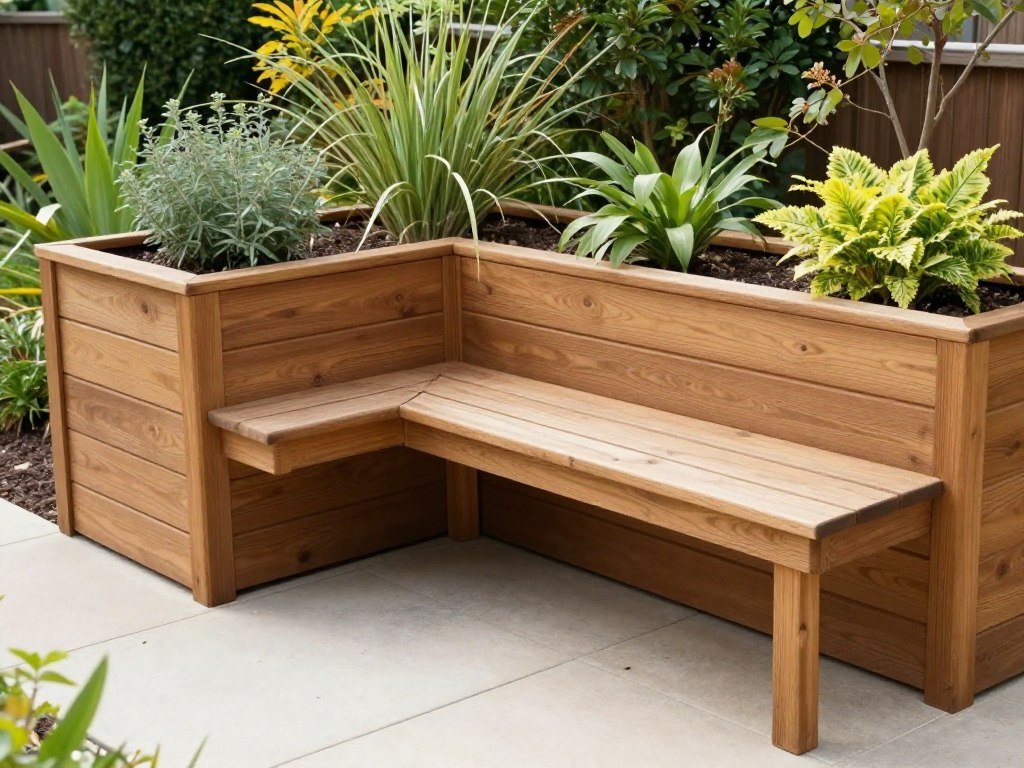
Maximize utility with planters that serve multiple purposes:
- Planter benches combining seating and growing space
- Privacy screen planters to define outdoor rooms
- Planter boxes with built-in storage beneath
- Illuminated planters with integrated lighting
- Mobile planters that double as room dividers
These multi-functional designs are particularly valuable in smaller spaces where every element needs to work hard.
Seasonal Planter Transformations
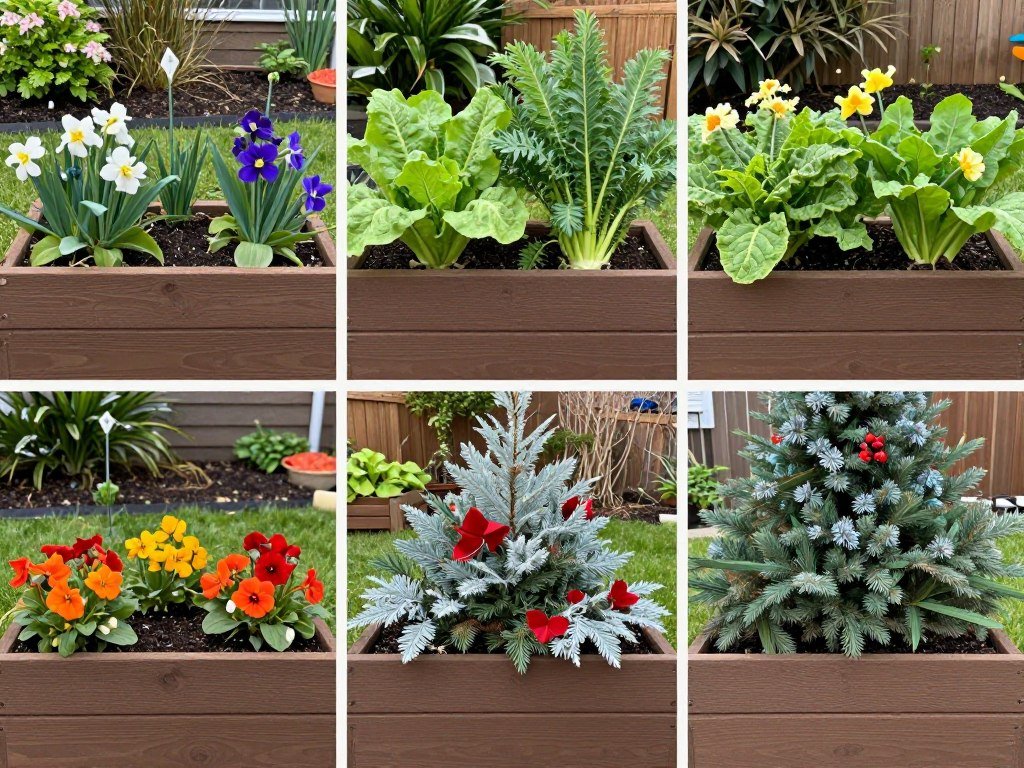
Keep your garden fresh year-round with seasonal planter rotations:
- Spring: Bulbs, primroses, pansies, and early vegetables
- Summer: Heat-loving annuals, vegetables, and tropical accents
- Fall: Mums, ornamental kale, grasses, and late-season vegetables
- Winter: Evergreens, berried branches, colorful twigs, and winter pansies
Plan for easy transitions by using “drop-in” containers that can be swapped out, or design with permanent structural plants and seasonal fillers.
Themed Garden Collections
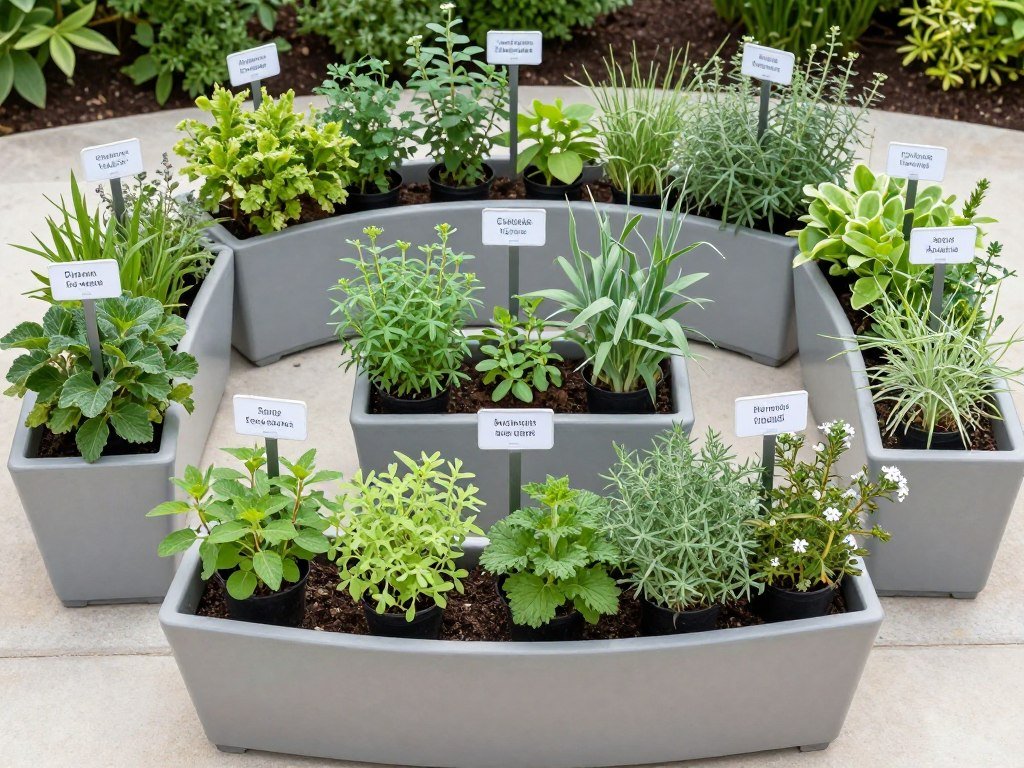
Create cohesive garden stories through themed planter collections:
- Culinary themes: Mediterranean herbs, Asian vegetables, tea garden
- Sensory gardens: Fragrant plants, textural varieties, edible flowers
- Pollinator havens: Butterfly and bee-attracting flowers
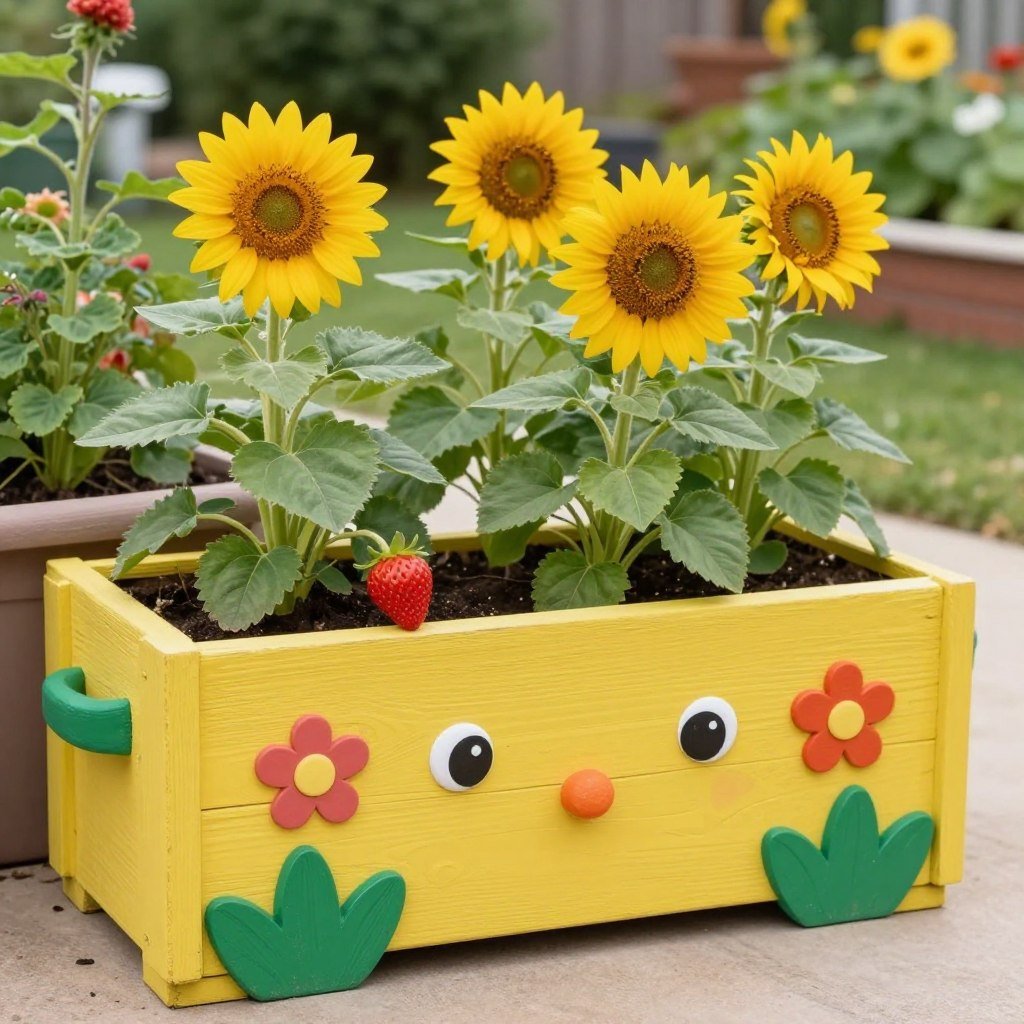
- Children’s gardens: Sensory plants, fast-growing vegetables, whimsical elements
- Color themes: White garden, sunset colors, cool blues and purples
Themed collections create stronger visual impact than random plantings and can tell a story through your garden design.
Conclusion: Your Planter Box Journey
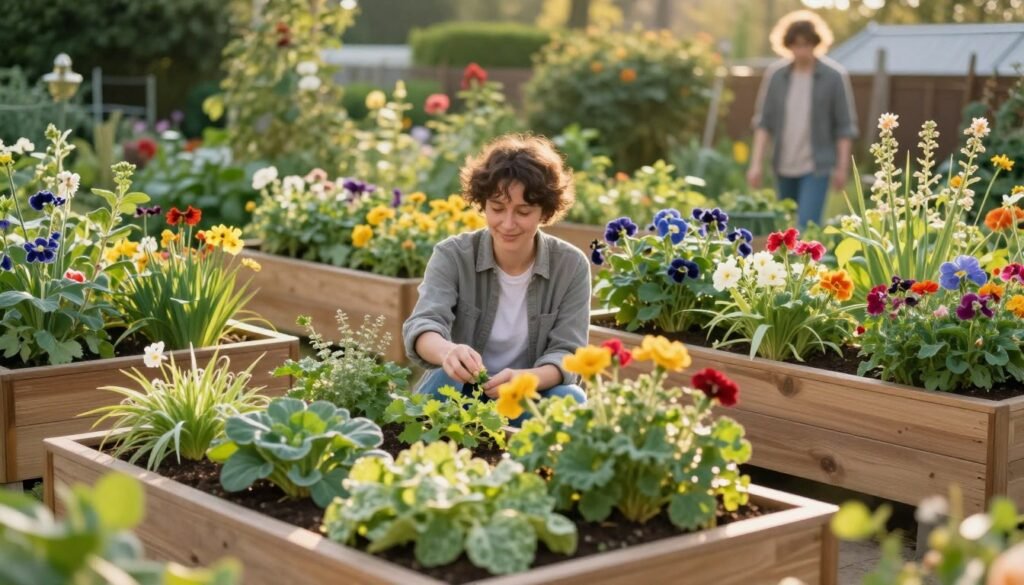
Planter boxes represent one of the most versatile and accessible ways to bring gardening into your life, regardless of your space constraints or experience level. From simple window boxes brightening an apartment to elaborate raised bed systems producing food for a family, these containers offer endless possibilities for creativity and cultivation.
As you embark on your own planter box journey, remember that gardening is both an art and a science—a process of continuous learning and adaptation. Don’t be afraid to experiment with different designs, plants, and arrangements until you find what works best for your specific conditions and preferences.
Whether you’re growing food for sustainability, creating beauty for enjoyment, or simply connecting with nature in a small way, planter boxes provide the perfect framework for your gardening aspirations. Start small, learn as you grow, and watch as your container garden evolves into a source of pride, pleasure, and perhaps even productivity.
The beauty of gardening in planter boxes lies in its accessibility and adaptability. Anyone, anywhere, can experience the joy of nurturing plants and creating green spaces—one container at a time.
Ready to Start Your Planter Box Garden?
Explore a wide selection of planter boxes to find the perfect match for your space and gardening needs.