Elegant Urn Planters: Timeless Garden Decor That Elevates Any Space
Urn planters stand as living sculptures in the garden, bringing classical elegance to outdoor spaces with their distinctive silhouettes and timeless appeal. These graceful vessels trace their origins back to ancient civilizations, where they served both functional and decorative purposes. Today, they’ve experienced a remarkable renaissance in modern landscape design, offering a perfect blend of history and contemporary style. Whether flanking an entryway with symmetrical grandeur or serving as a standalone focal point in a garden bed, urn planters instantly elevate any space with their sophisticated presence.
What Is an Urn Planter?
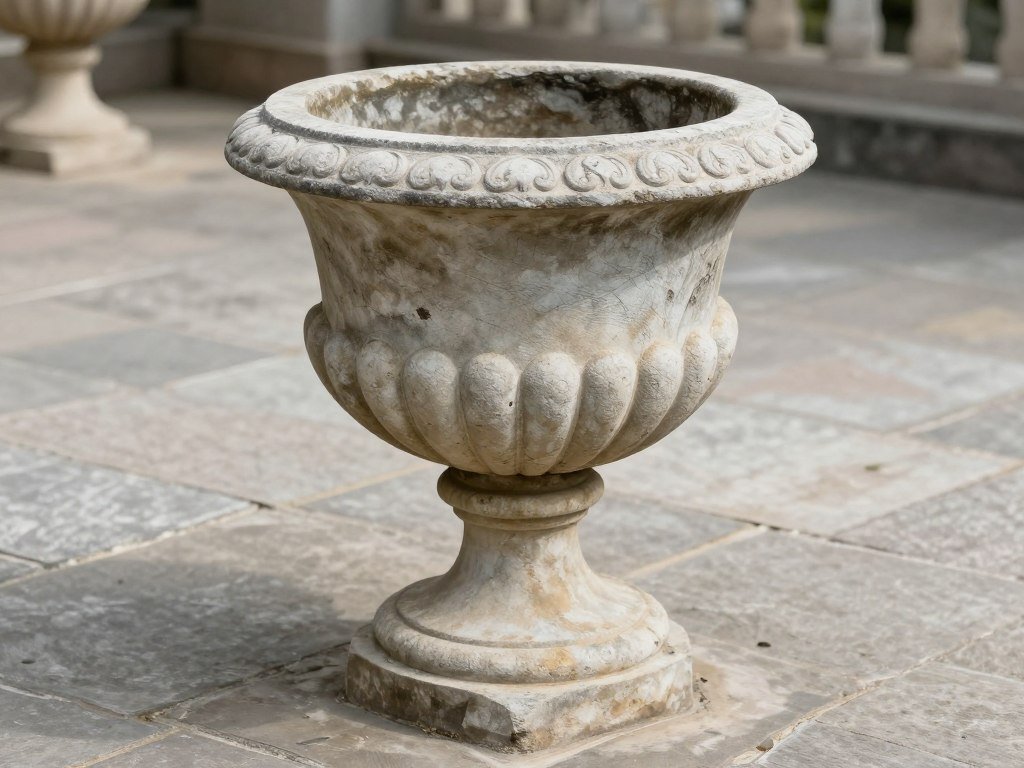
An urn planter is a decorative container characterized by its distinctive vase-like shape, typically featuring a wide bowl that tapers to a narrower base or pedestal. These elegant vessels draw inspiration from classical Greek and Roman designs, often incorporating ornamental details like fluting, scrollwork, or geometric patterns. While traditional urns showcase formal, symmetrical profiles, contemporary interpretations may feature cleaner lines or more abstract forms. What sets urn planters apart is their ability to serve as both functional containers for plants and standalone sculptural elements that enhance architectural features.
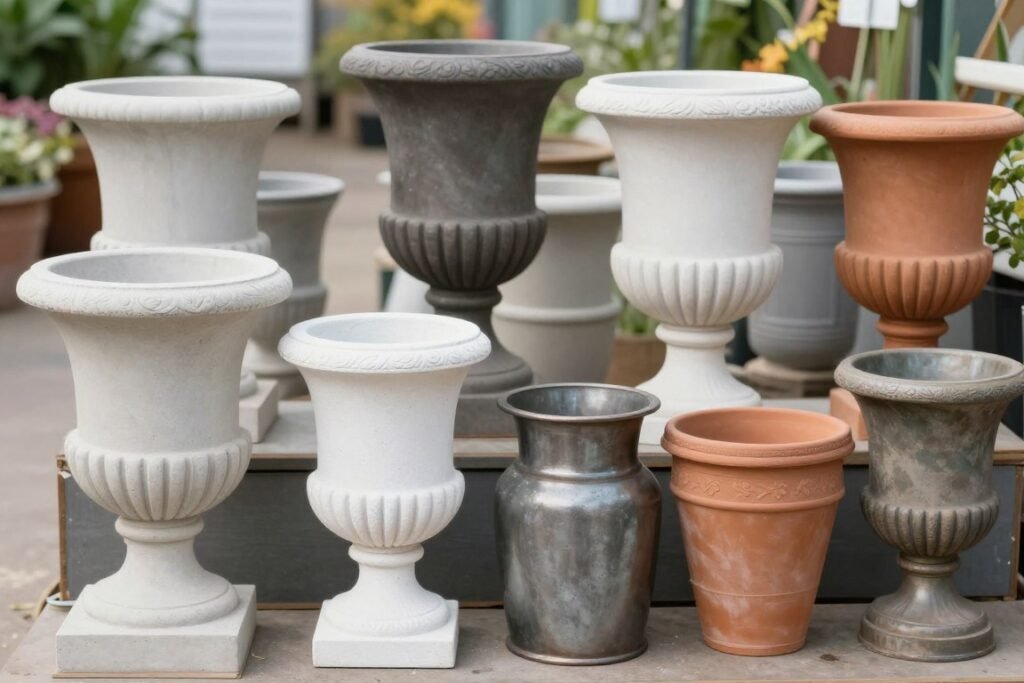
Whether crafted from durable cast stone, lightweight fiberglass, weather-resistant metal, or traditional terracotta, urn planters create an immediate sense of permanence and sophistication. Their elevated design naturally draws the eye upward, adding vertical interest to garden beds or architectural transitions. This timeless garden element bridges the gap between structure and nature, offering a perfect framework for showcasing seasonal plantings or year-round greenery.
Types and Materials: Finding Your Perfect Urn Planter
Classical Elegance: Traditional Urn Designs
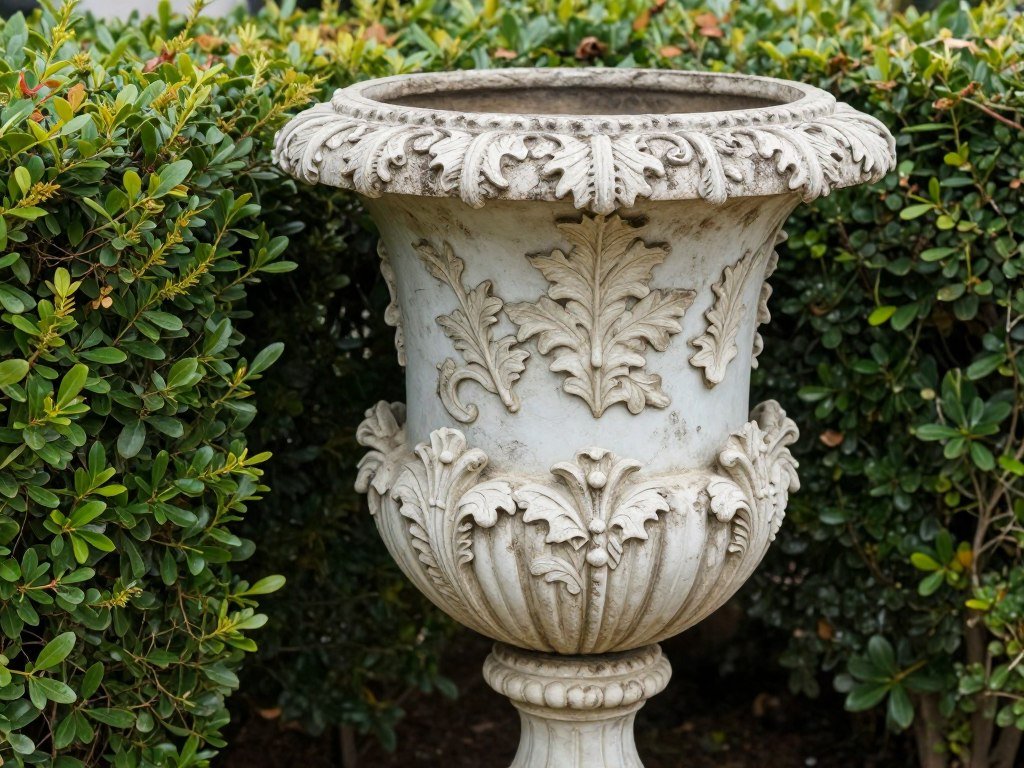
Traditional urn planters draw inspiration from historical periods, featuring ornate details like acanthus leaves, egg-and-dart patterns, or lion head handles. These designs complement formal gardens, historic homes, and classical architecture with their timeless appeal. Look for symmetrical proportions and decorative rims that create striking silhouettes against architectural backgrounds. These stately containers make perfect sentinels for entrances or formal garden paths.
For those seeking authentic classical designs, consider exploring options with historical details. Classical urn planters bring timeless elegance to traditional landscapes and create perfect symmetry when used in pairs.
Contemporary Interpretations: Modern Urn Styles
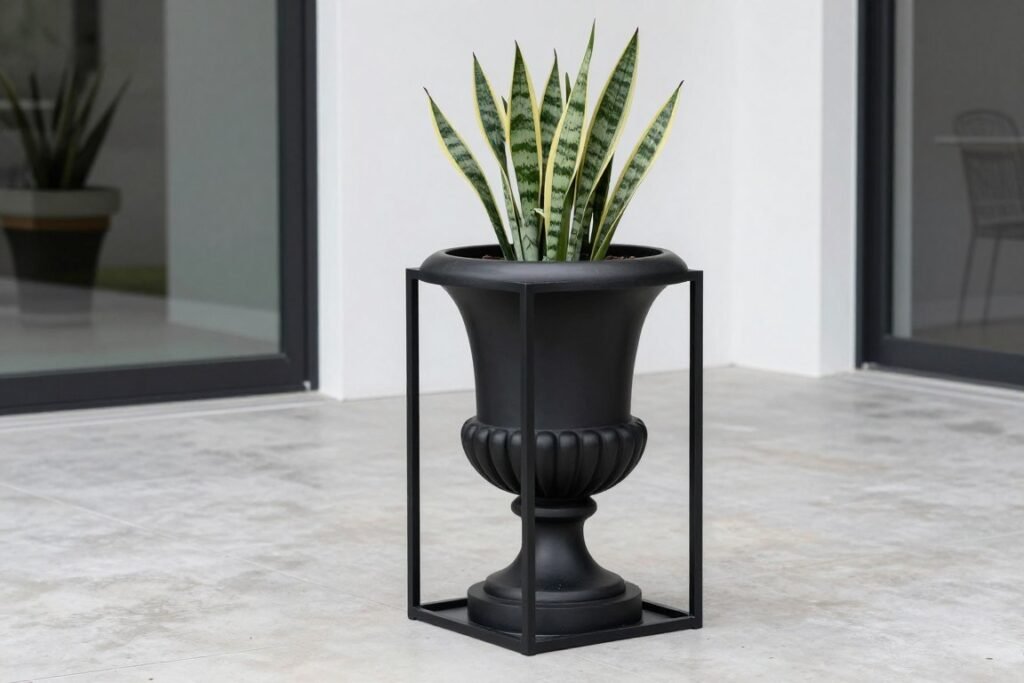
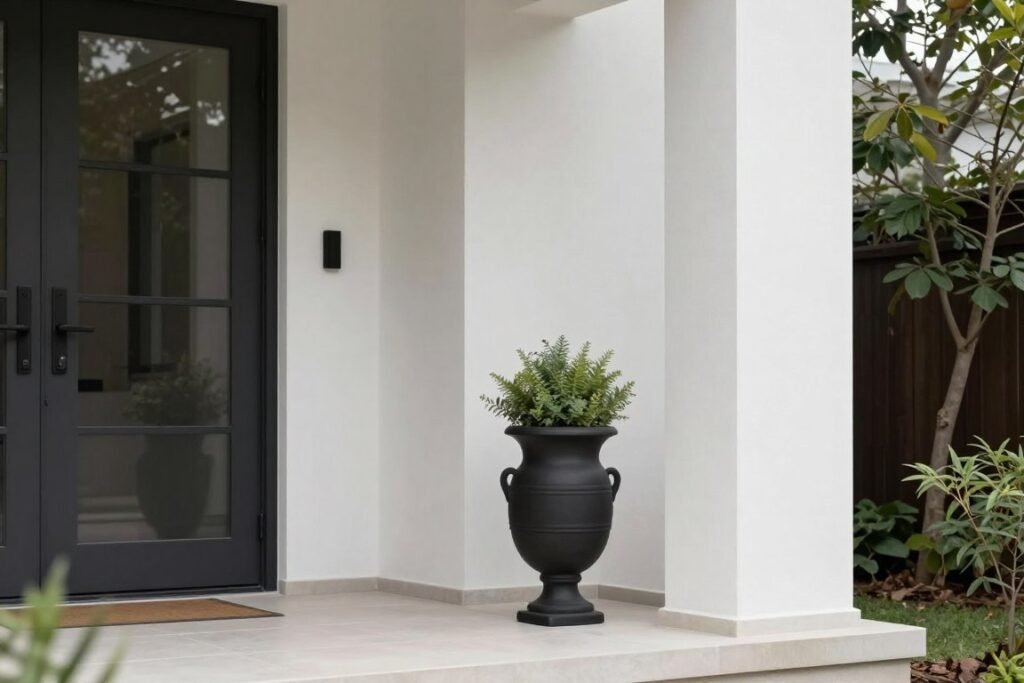
Modern urn planters feature streamlined silhouettes, minimalist details, and often unexpected materials or finishes. These contemporary designs work beautifully in urban settings, modern architectural landscapes, or as striking contrasts in traditional gardens. Look for clean lines, monochromatic finishes, or unexpected proportions that create visual interest without ornate detailing. These sleek vessels can serve as sophisticated focal points in minimalist garden designs.
Modern interpretations often combine traditional shapes with contemporary finishes for versatile appeal. Modern urn planters offer clean lines and updated profiles that complement today’s architectural styles while maintaining the classic urn silhouette.
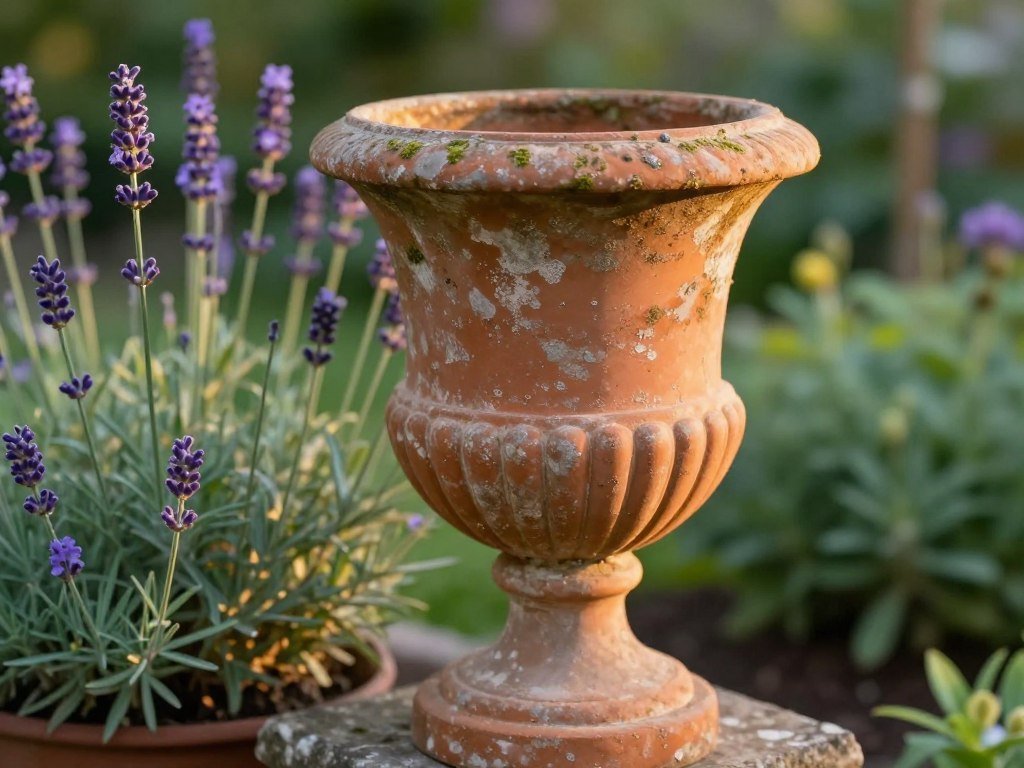
Rustic urn planters embrace the beauty of age and weathering, featuring textured surfaces, distressed finishes, or natural patinas. These earthy designs enhance cottage gardens, farmhouse landscapes, or Mediterranean-inspired settings with their authentic character. Look for urns with visible texture, intentional aging, or handcrafted details that tell a story of time and craftsmanship. These characterful containers bring instant history to newer landscapes.
The weathered appearance of rustic urns creates instant character in any garden setting. Rustic urn planters with their textured finishes and aged patinas bring warmth and established charm to both new and mature gardens.
Material Matters: Choosing the Right Composition
Cast Stone and Concrete
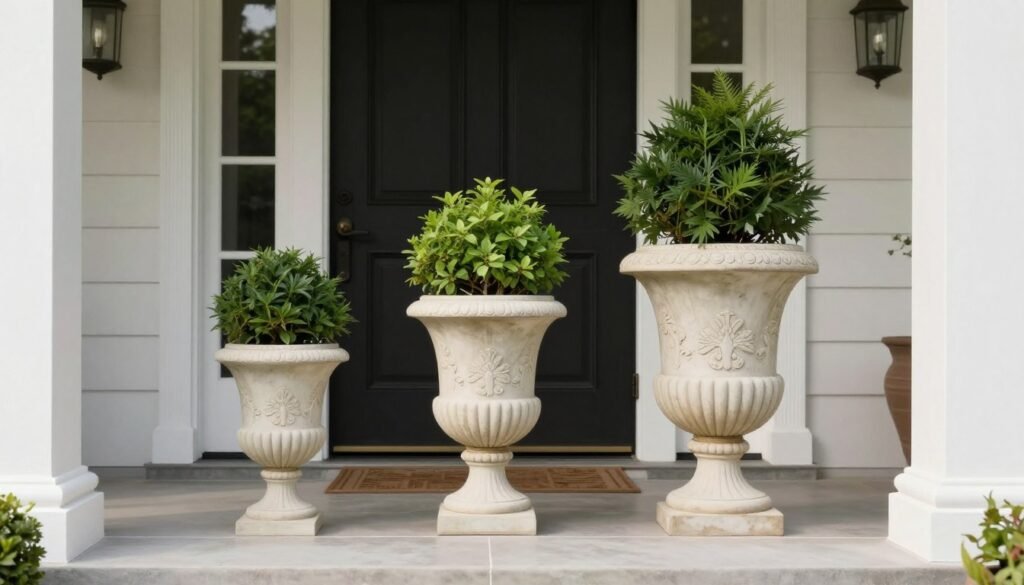
Cast stone urns offer exceptional durability and weather resistance, developing beautiful patinas over time. These substantial planters provide stability for larger plant arrangements and create permanent-feeling garden features. While heavier to move, their weight makes them ideal for windy locations. Many cast stone urns are frost-resistant, though checking manufacturer specifications for specific climate ratings is recommended.
Fiberglass and Resin
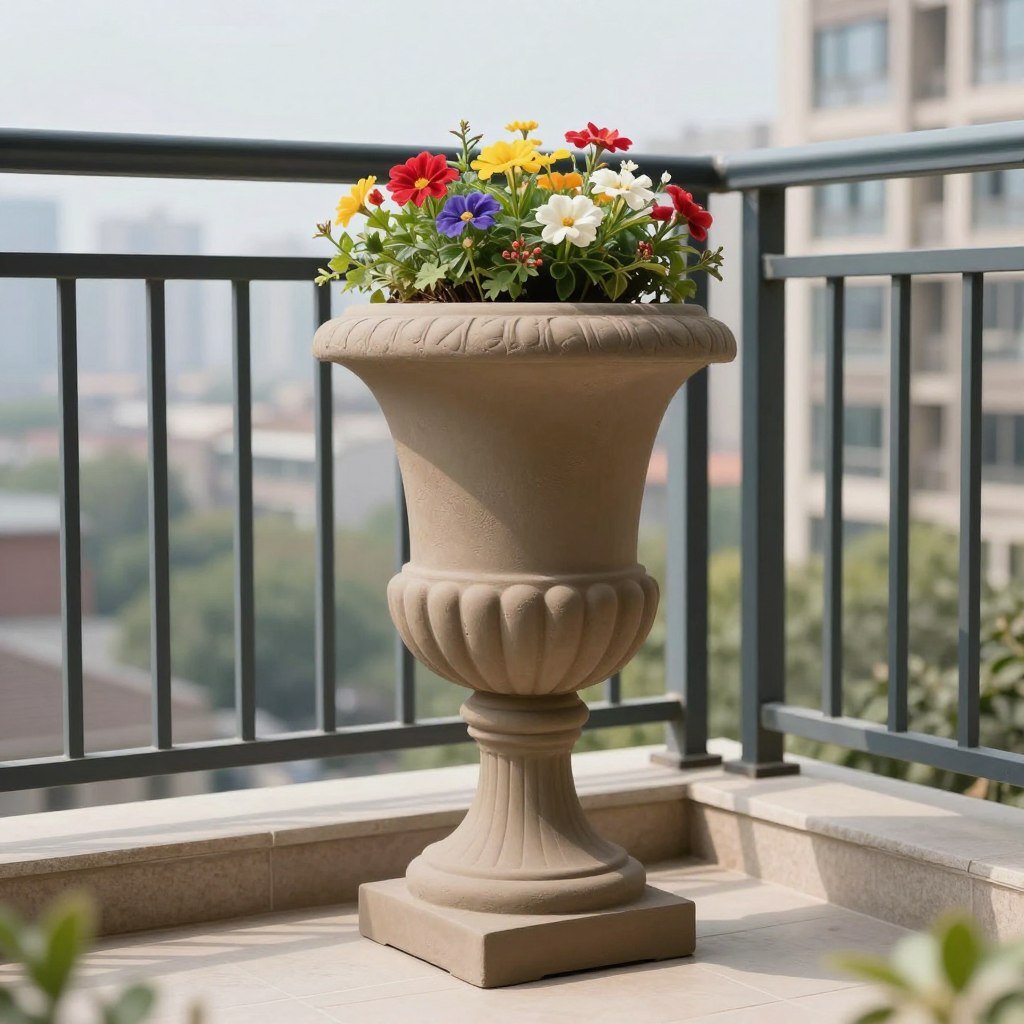
Lightweight fiberglass urns offer the look of stone or metal without the weight, making them perfect for roof gardens, balconies, or locations where mobility matters. These durable planters resist cracking and fading while providing excellent frost resistance. Modern manufacturing techniques create remarkably realistic stone or metal appearances at a fraction of the weight and often at more accessible price points.
Metal
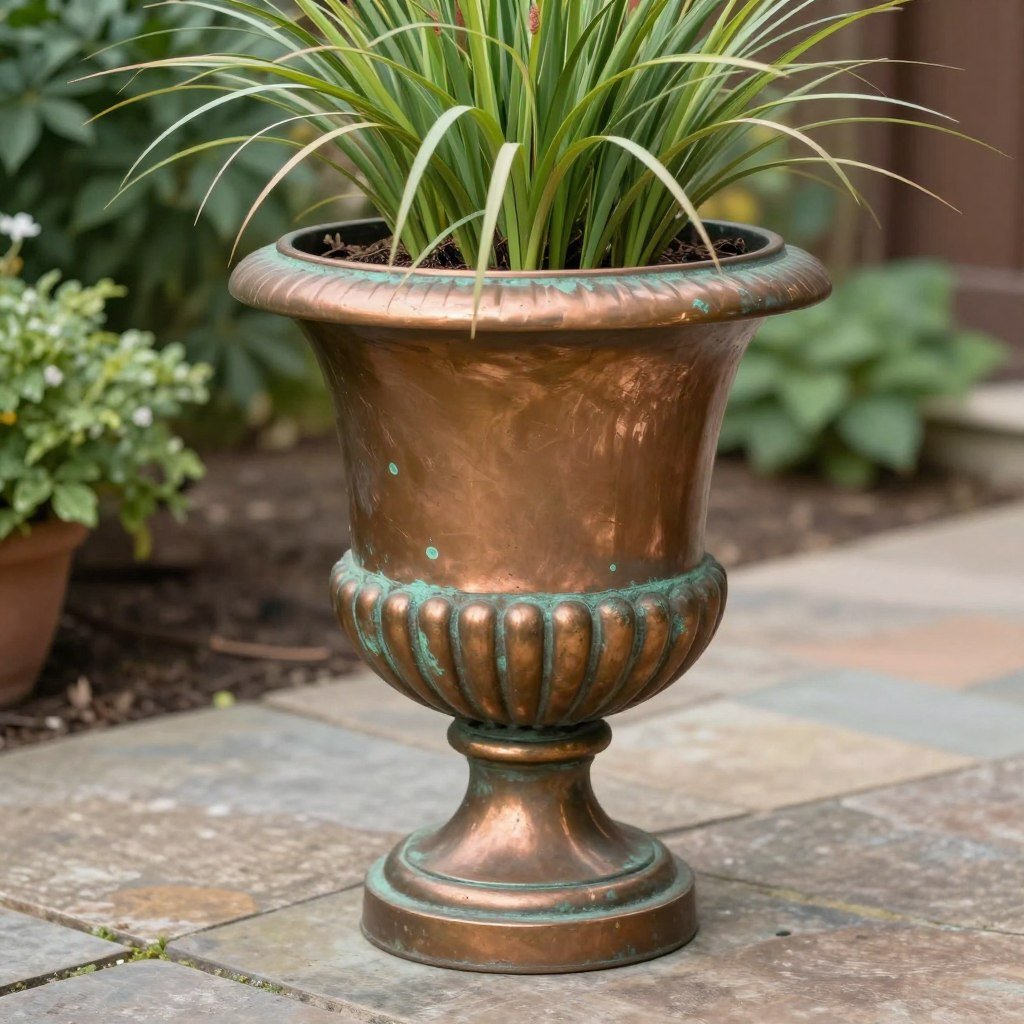
Metal urns in copper, brass, iron, or aluminum develop distinctive patinas over time, adding living character to garden designs. These durable planters offer excellent longevity with proper care, though some may require occasional maintenance to prevent corrosion. Their reflective qualities capture changing light throughout the day, creating dynamic garden features that evolve with the seasons and weather conditions.
Ceramic and Terracotta
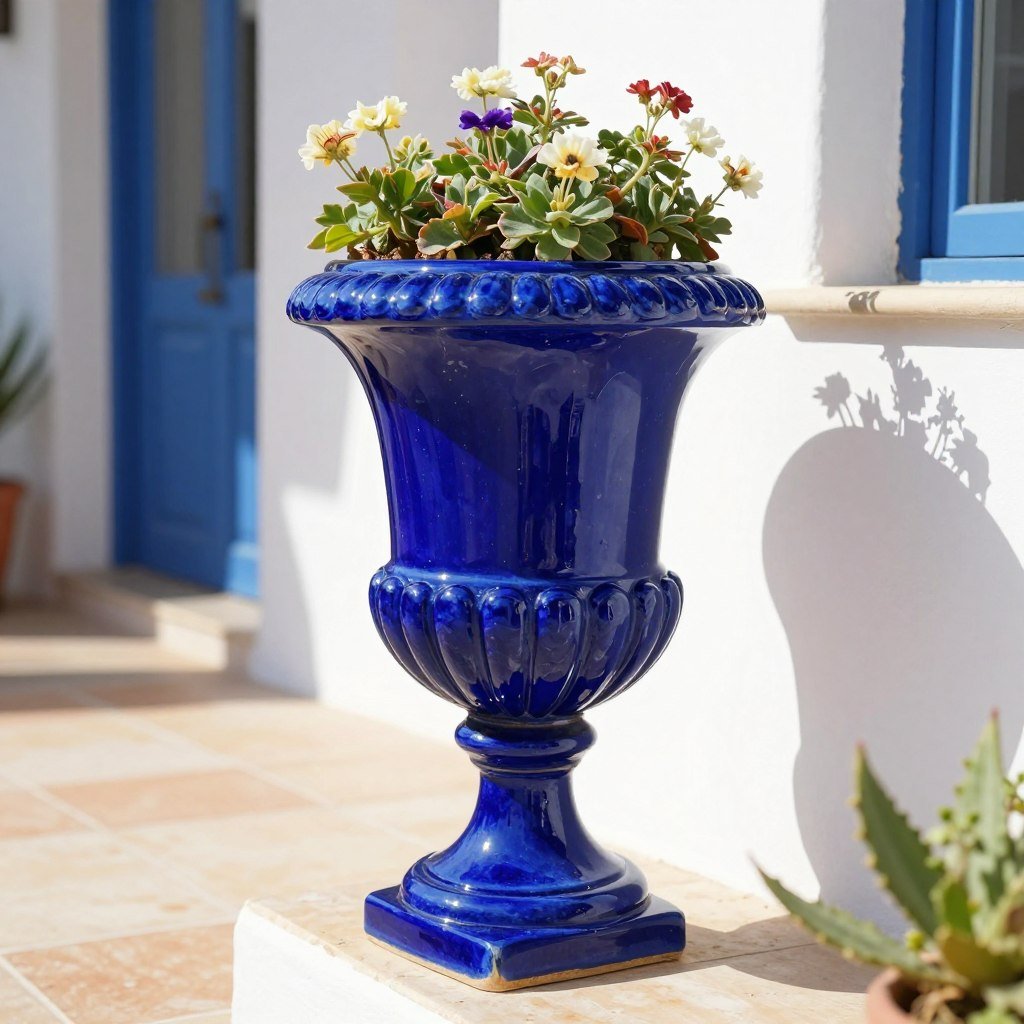
Ceramic and terracotta urns offer natural beauty with excellent breathability for plant roots. These traditional materials develop character with age but may require winter protection in freezing climates. Their porous nature promotes healthy root systems by allowing air exchange and preventing waterlogging, though this same quality means they dry out more quickly in hot weather, requiring more frequent watering.
The material you choose significantly impacts both aesthetics and practicality. Explore various urn planter materials to find the perfect balance between your design vision and practical considerations like weight, durability, and maintenance requirements.
Choosing the Right Urn: Size, Style, and Placement
Scale and Proportion: Finding the Perfect Size
The size of your urn planter should harmonize with its surroundings, creating visual balance rather than appearing awkwardly oversized or insignificantly small. For entryways and front porches, consider the height and width of your doorway—urns typically look best when their height (including plants) reaches about one-third to one-half the height of your door. For garden paths or steps, select sizes that guide the eye without overwhelming the walkway. Remember that urns appear smaller in open landscapes than they do in contained spaces like patios.
When selecting the right size, consider both the visual impact and practical aspects like soil capacity. Large urn planters create dramatic focal points, while smaller versions work beautifully in more intimate settings or grouped in collections.
Style and Architecture: Creating Harmony
Your urn selection should complement your home’s architectural style for a cohesive look. Classical urns with ornate details naturally enhance traditional, colonial, or Victorian homes, while clean-lined, simplified urns better suit mid-century modern or contemporary architecture. For transitional homes that blend elements of traditional and modern design, consider urns with classical profiles but simplified detailing. The color and finish of your urn should also harmonize with your home’s exterior materials and color palette.
Finding urns that complement your home’s style creates a seamless transition between architecture and landscape. Traditional designs and contemporary styles each create distinctive effects that can enhance your home’s character.
Material and Placement: Practical Considerations
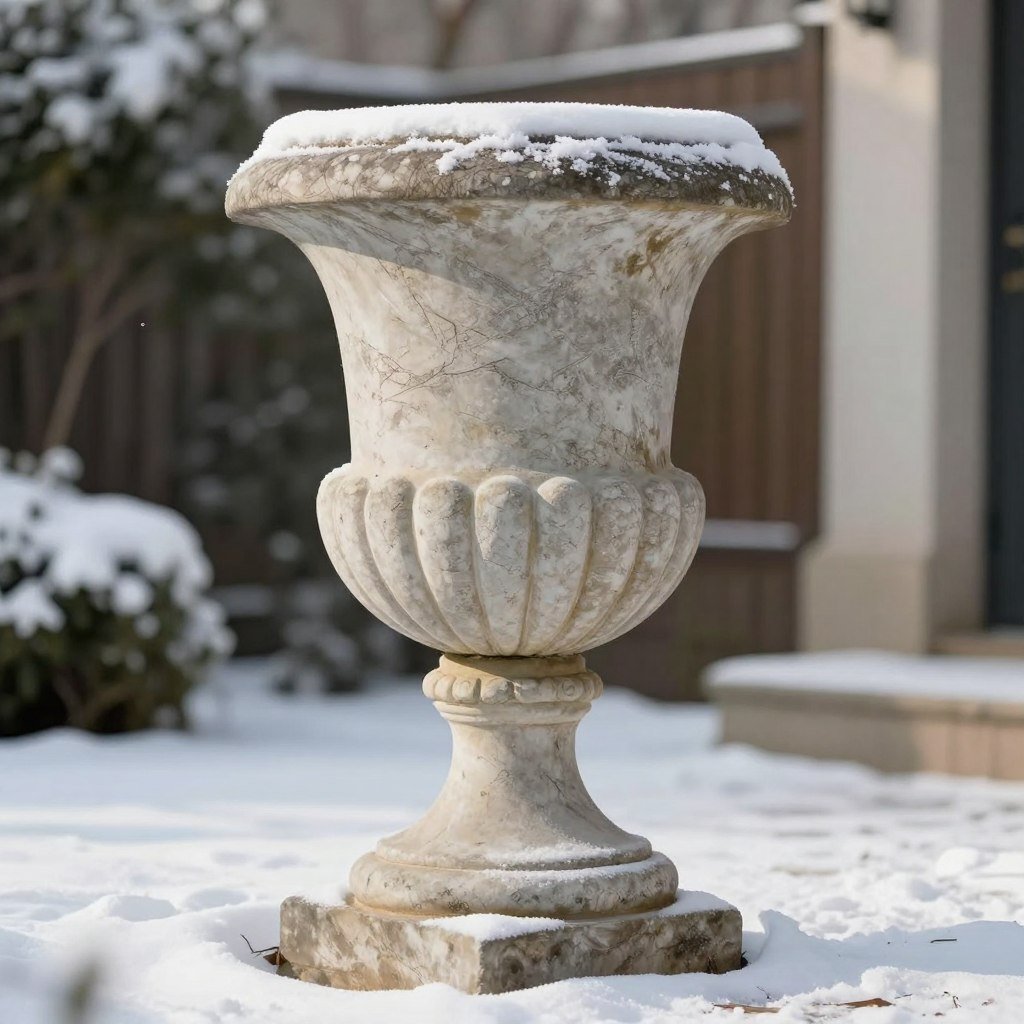
When selecting materials, consider your climate and the urn’s specific location. For areas with freezing winters, choose frost-resistant materials like fiberglass, certain metals, or specially formulated concrete. For hot, sunny locations, light-colored materials reflect heat better, reducing water loss and protecting plant roots. Weight is another crucial consideration—heavier materials provide stability in windy areas but present challenges for seasonal repositioning. Consider drainage needs as well, ensuring your chosen urn allows excess water to escape.
For challenging environments, choose materials specifically designed to withstand the elements. Frost-resistant urn planters provide peace of mind in colder climates, while lightweight options offer flexibility for changing seasonal displays.
Planting and Styling Your Urn Planter
The Thriller, Filler, Spiller Method
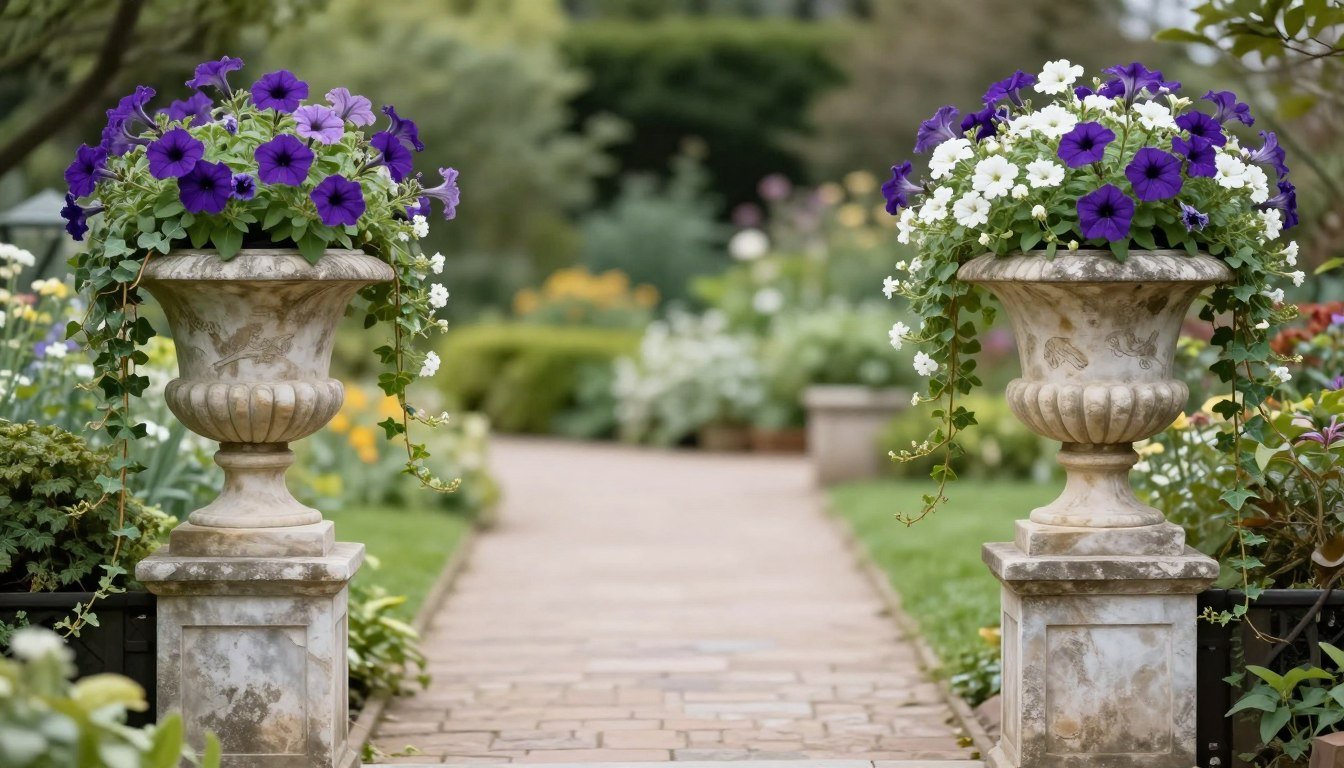
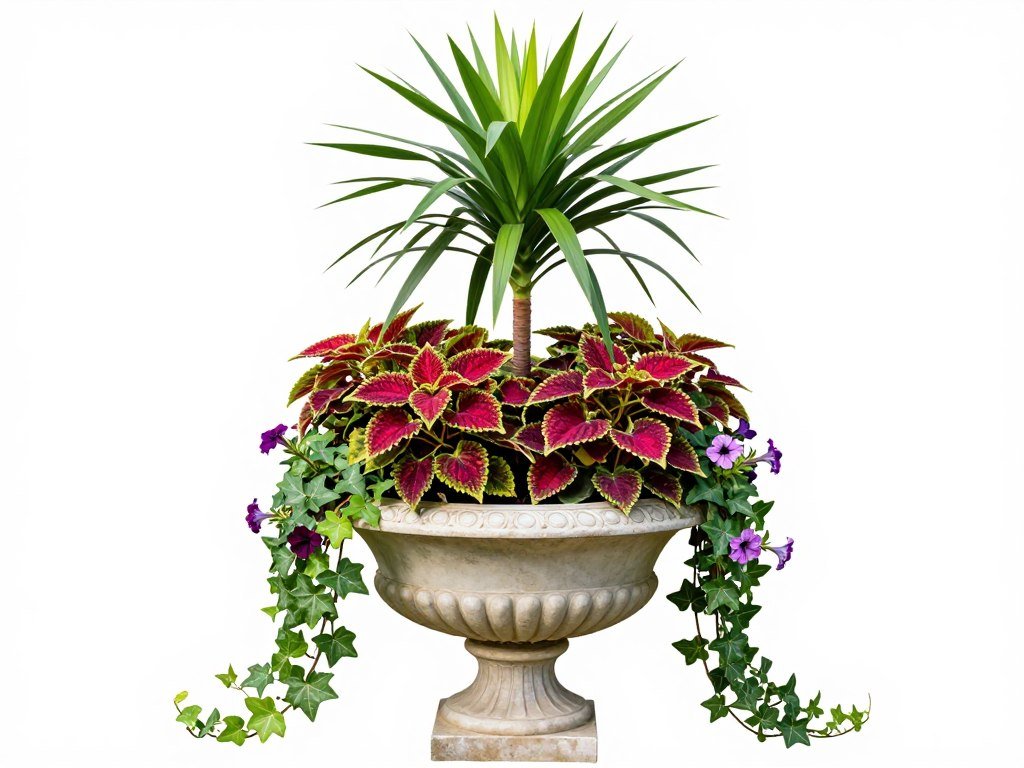
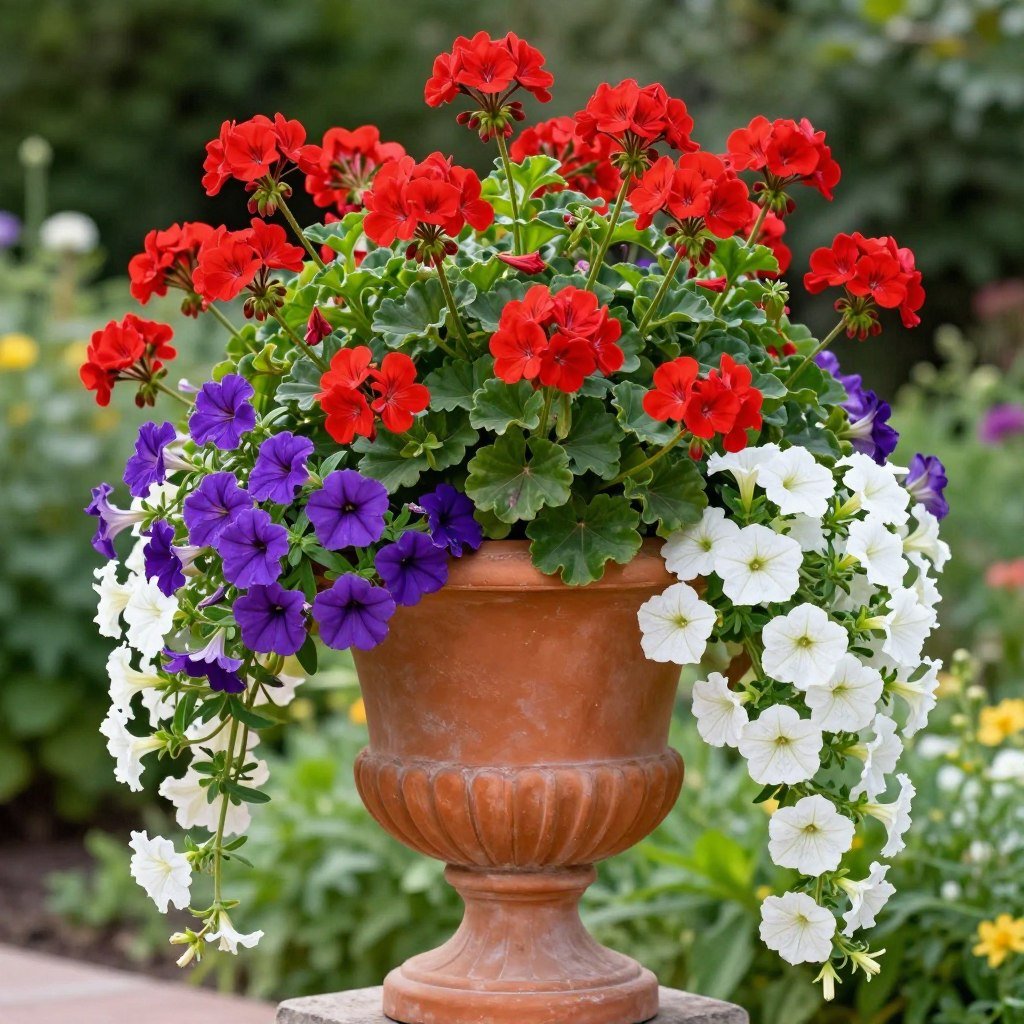
This classic container design approach creates visually balanced and dynamic plant arrangements. Start with a “thriller”—a tall, attention-grabbing plant positioned centrally or toward the back of the urn. Popular thriller choices include ornamental grasses, cannas, or architectural plants like cordyline or dracaena. Next, add “fillers”—mid-height, bushy plants that create volume and fill the middle ground. Good fillers include coleus, heuchera, or flowering perennials like geraniums. Finally, incorporate “spillers”—trailing plants that cascade over the urn’s edge, softening its form. Excellent spillers include ivy, sweet potato vine, or trailing petunias.
This proven design approach creates visually stunning arrangements with depth and movement. Explore plant options that work well together while providing the vertical structure, fullness, and cascading elements that make urn plantings so appealing.
Seasonal Displays: Year-Round Interest
Spring Freshness
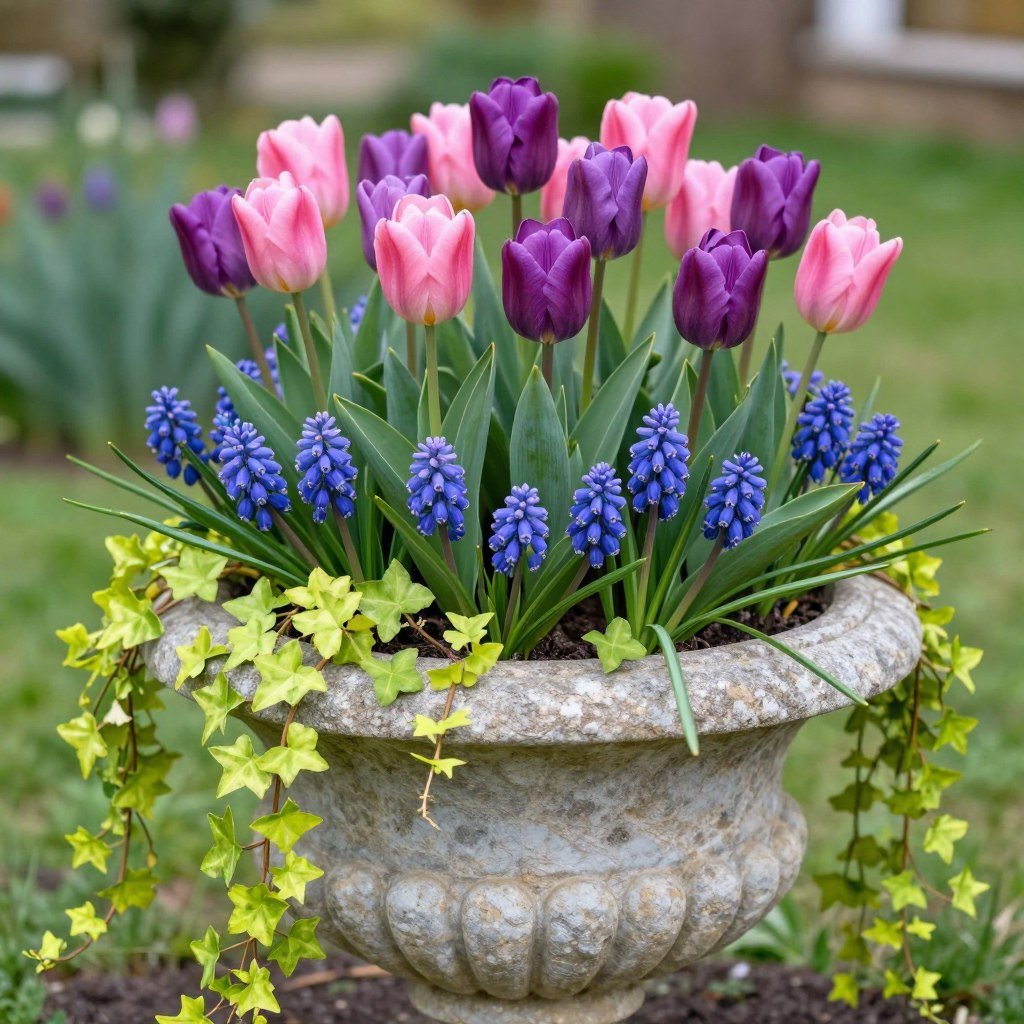
Celebrate spring with bulbs like tulips and daffodils, complemented by pansies, violas, and fresh green foliage plants. These cool-season performers thrive in the moderate temperatures of spring and create bright, cheerful displays that announce the garden’s awakening. Consider adding early-blooming perennials like hellebores or pulmonaria for interesting textures and extended seasonal interest.
Summer Abundance
Summer urns can showcase heat-loving annuals like geraniums, petunias, calibrachoa, and verbena in vibrant color combinations. Add tropical foliage plants like coleus, sweet potato vine, or cannas for dramatic height and texture. These warm-season performers provide months of color and withstand summer heat with proper watering and occasional feeding to maintain their vigorous growth and flowering.
Fall Transitions
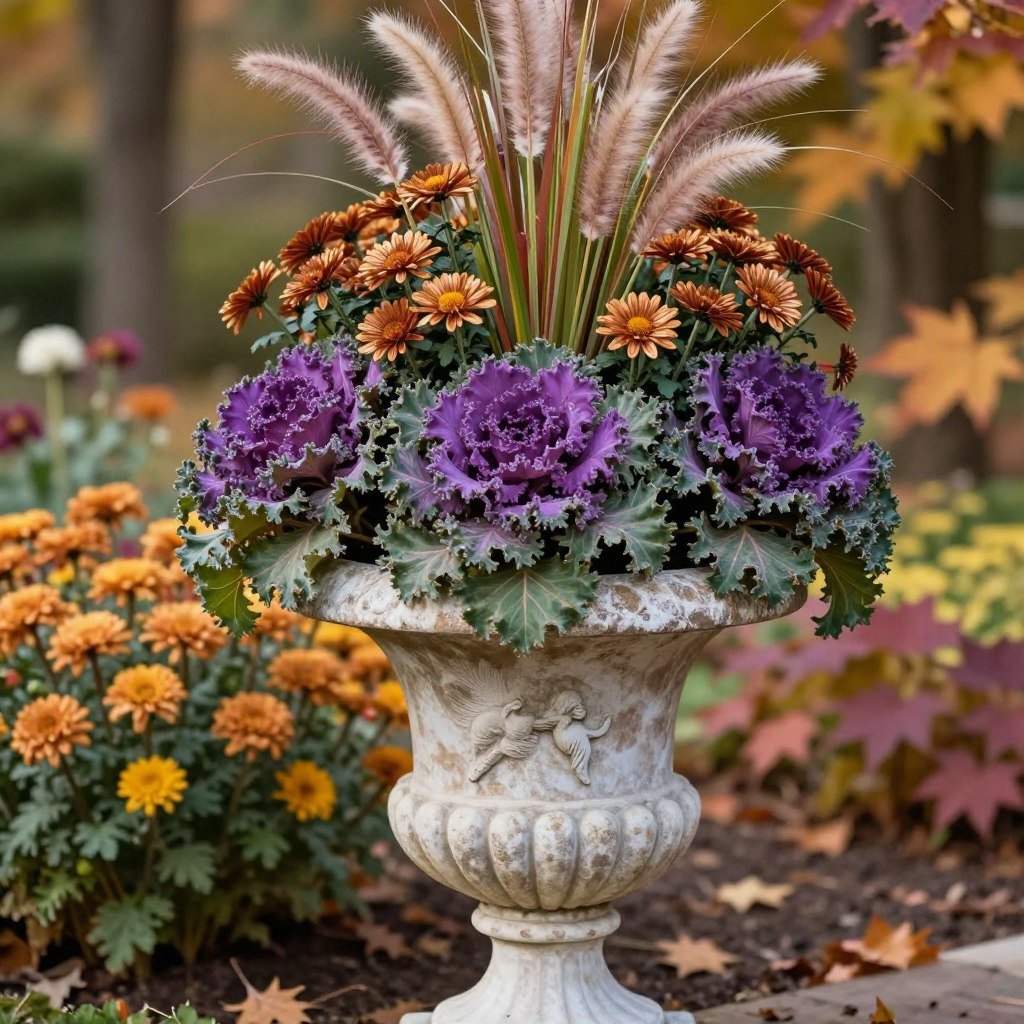
Transition to autumn with ornamental kale, mums, ornamental grasses, and trailing ivy in rich fall colors. Add ornamental peppers, pansies, or flowering cabbage for interesting textures and forms that withstand cooler temperatures. These cool-season plants offer extended color into the fall months and can often survive light frosts, providing garden interest as other plants begin to fade.
Winter Structure
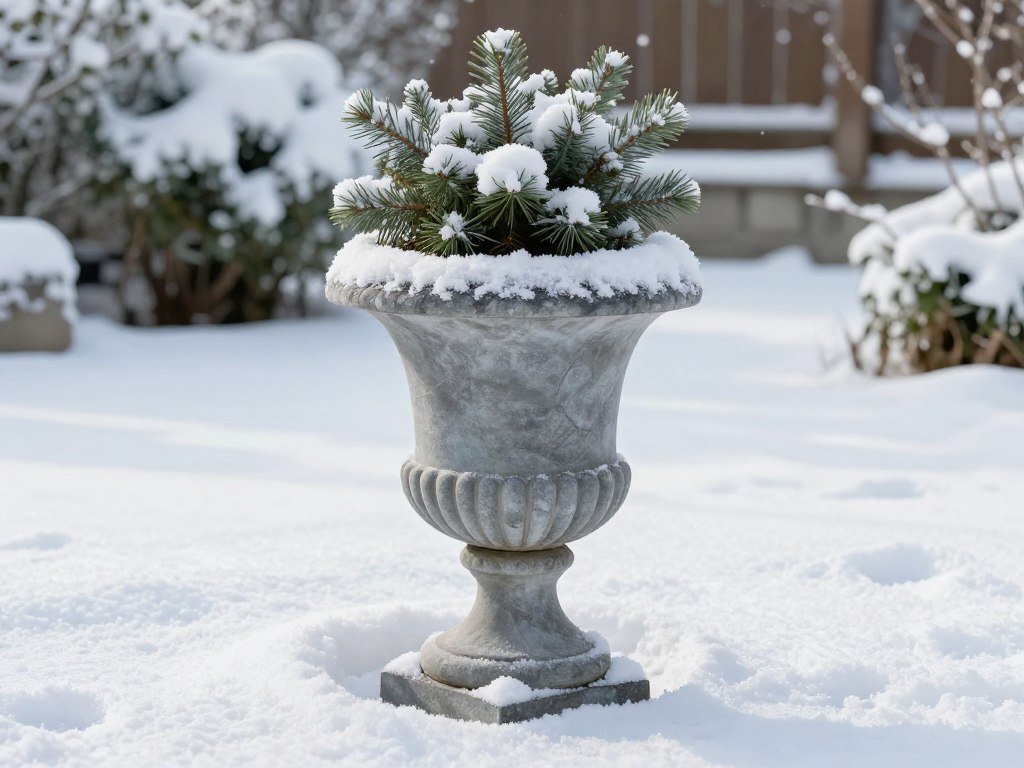
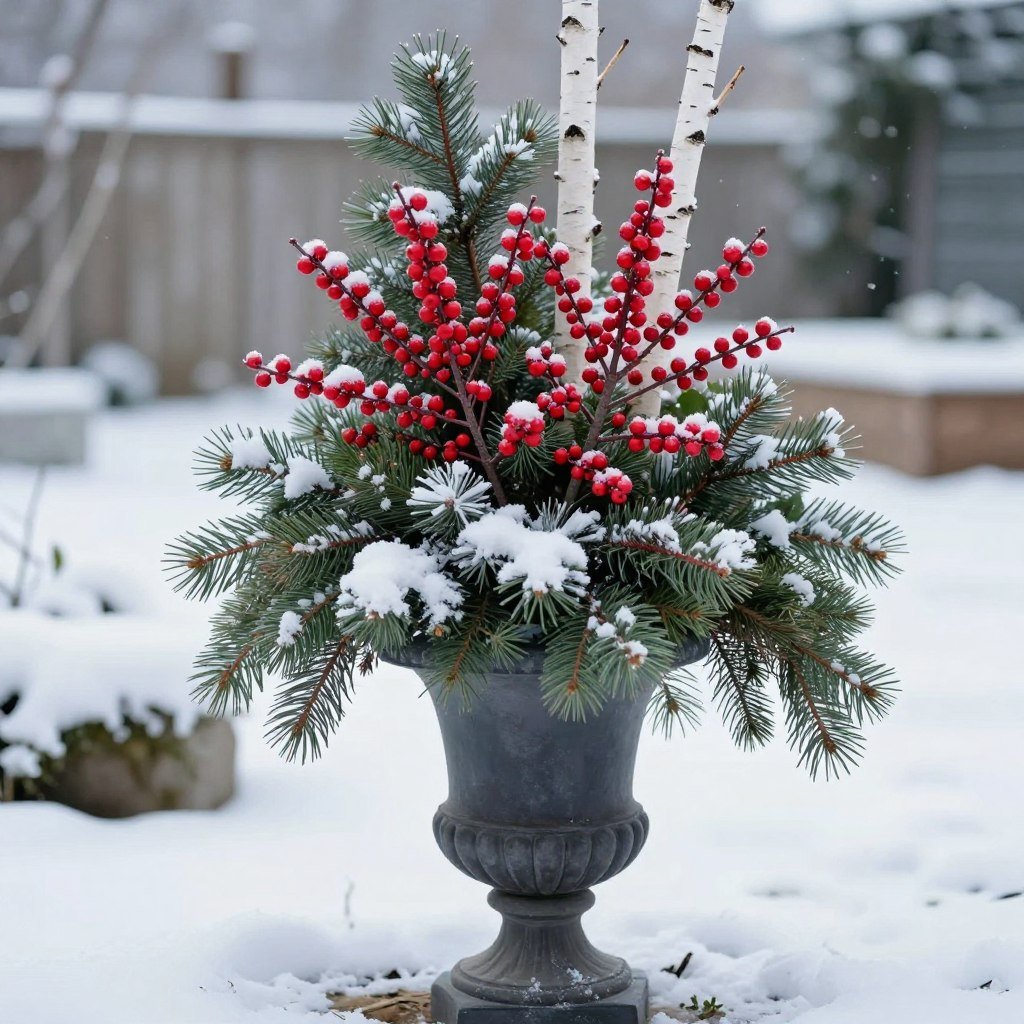
Create winter interest with evergreen boughs, red twig dogwood branches, berried stems, and cold-hardy evergreens like dwarf conifers. These structural elements provide visual interest even when covered with snow and stand up to winter conditions. Consider adding outdoor-rated LED lights or frosted pine cones for holiday sparkle that extends the seasonal display through the darkest months.
Changing your urn displays seasonally keeps your garden fresh and engaging year-round. Seasonal plant options and artificial arrangements provide endless possibilities for creating dynamic displays that evolve with the calendar.
Beyond Plants: Creative Urn Applications
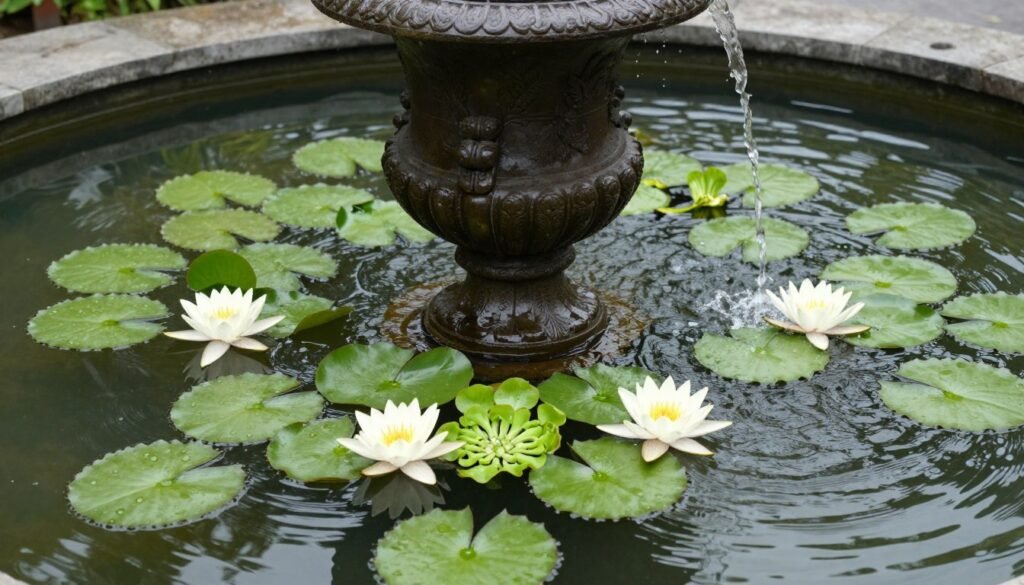
Urns offer versatility beyond traditional plantings. Consider using a large urn as a dramatic water feature by adding a small recirculating pump and water plants. Transform an urn into an outdoor party accessory by filling it with ice to chill beverages. During the holidays, fill urns with collections of ornaments, pine cones, or battery-operated string lights for festive displays. Empty urns can also serve as sculptural elements in the garden, particularly those with interesting patinas or architectural details.
Thinking beyond traditional plantings opens up creative possibilities for your urns. Fountain conversion kits and decorative accessories can transform ordinary urns into unique garden features.
Placement and Styling Ideas: Creating Impact with Urns
Entryway Elegance
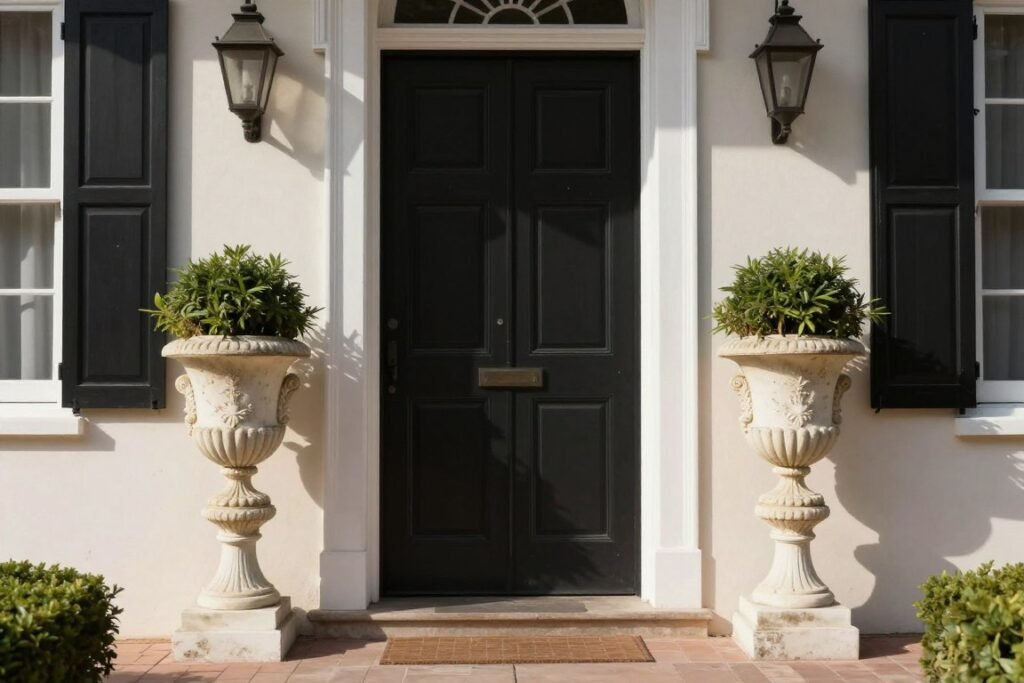
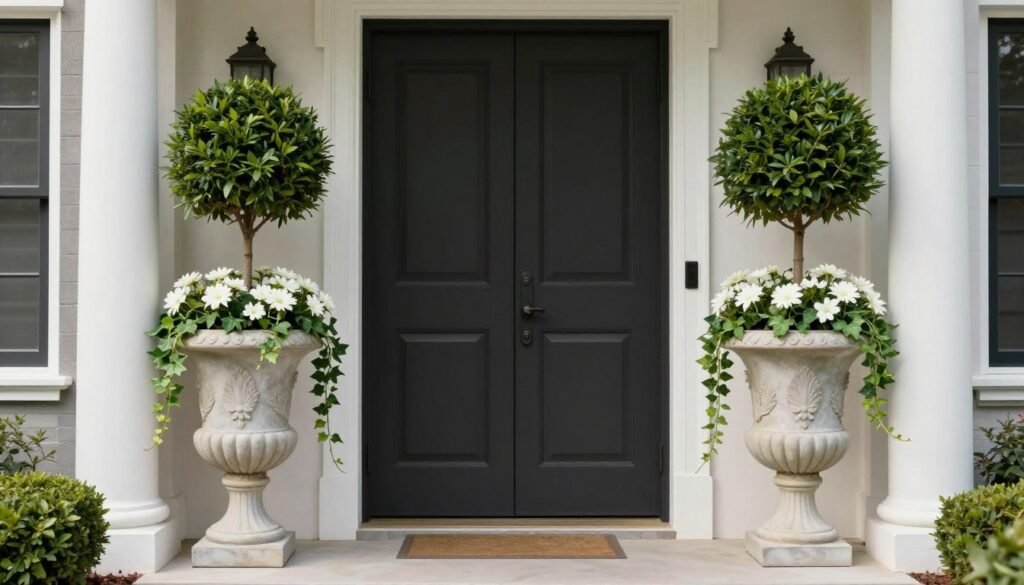
Flank your front door with matching urns to create a welcoming, balanced entrance that frames your doorway and guides visitors. For maximum impact, choose urns proportional to your entryway—taller, more substantial urns for grand entrances, and more modest sizes for smaller doorways. Plant with matching or complementary arrangements that reflect the season and your home’s color palette. Consider adding subtle landscape lighting to highlight these entrance features after dark.
Creating a welcoming entrance sets the tone for your entire property. Matching urn pairs offer instant curb appeal and architectural definition to your home’s entrance.
Garden Focal Points
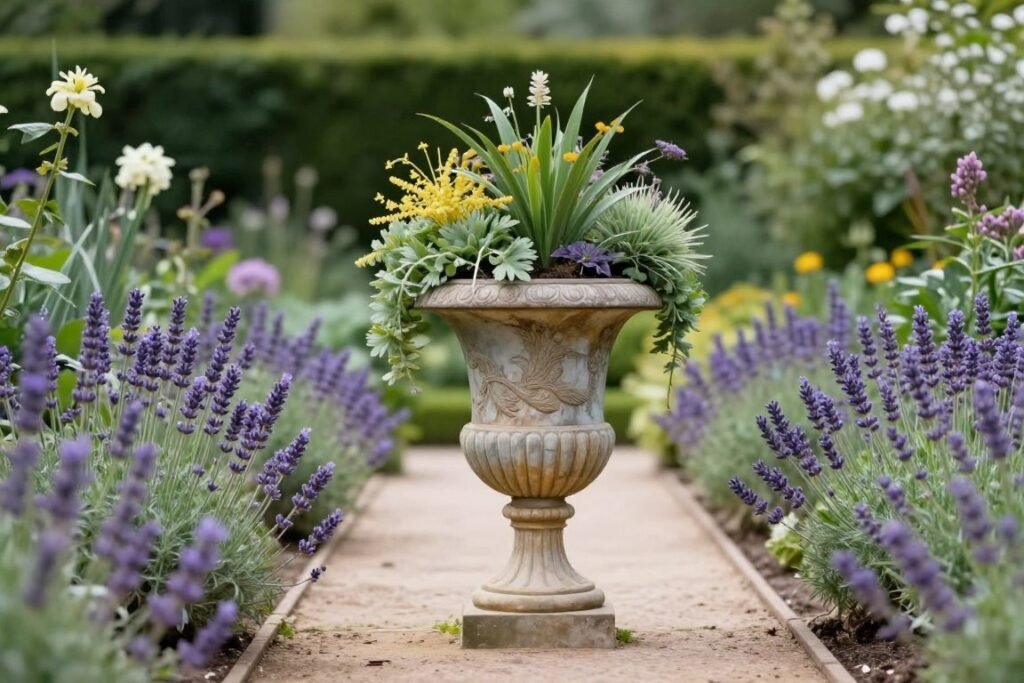
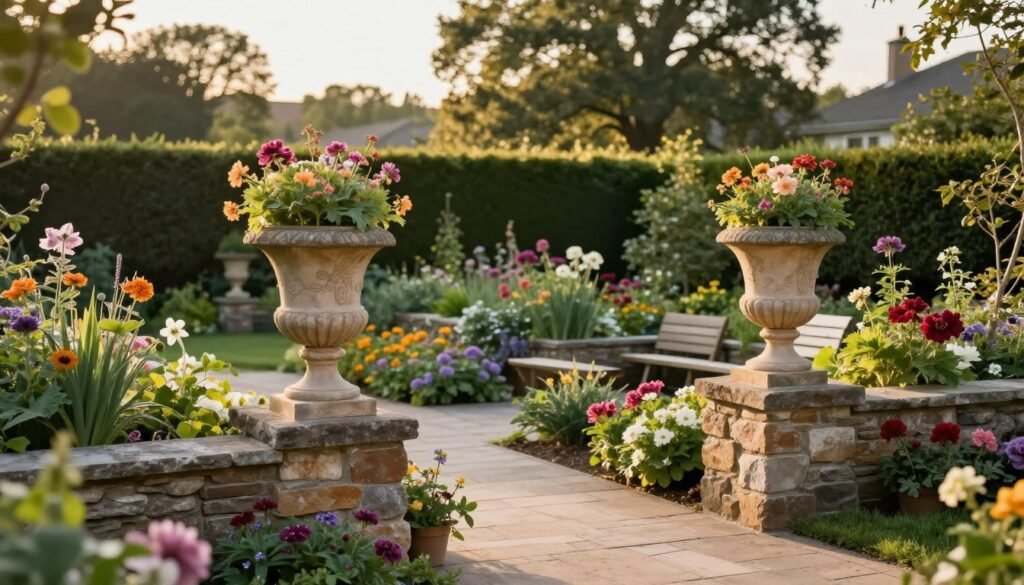
Position a single substantial urn at the end of a garden path, at the intersection of walkways, or centered in a formal garden to create a compelling focal point. Choose an urn with distinctive character—whether through size, ornamentation, or patina—that draws the eye and anchors the surrounding landscape. Plant with attention-grabbing arrangements that change seasonally, or leave empty to appreciate the urn’s sculptural qualities. Consider placing the urn on a simple pedestal to increase its prominence.
Strategic placement transforms urns from mere containers into landscape architecture. Urns with pedestals create heightened drama and presence in garden settings.
Patio and Terrace Arrangements
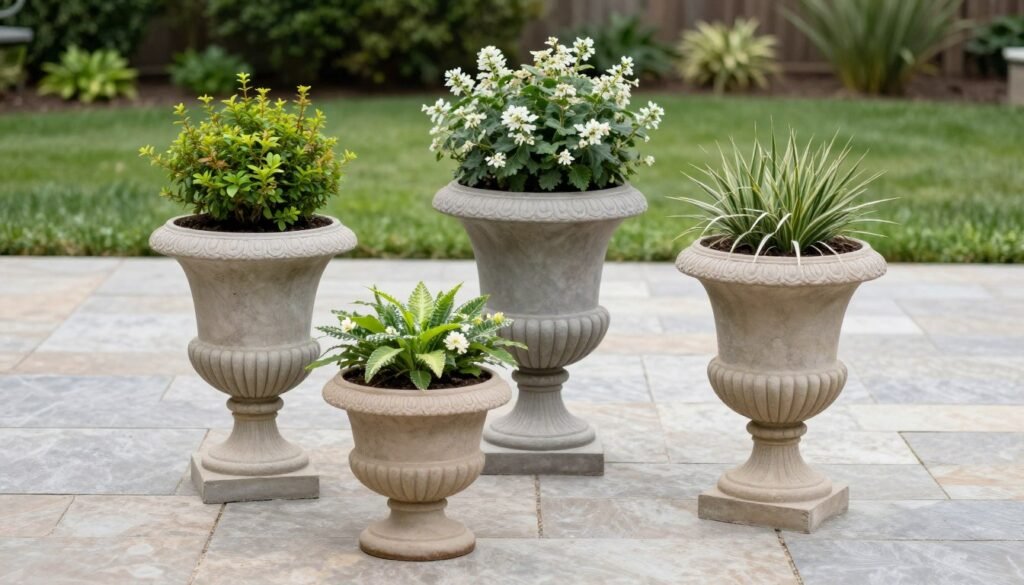
Create dynamic patio displays by grouping urns of varying heights and sizes but complementary styles. Arrange in odd numbers (three or five) for natural-looking compositions, or in symmetrical pairs for more formal settings. Consider how the arrangement will be viewed from both inside and outside your home. Plant with a cohesive color scheme but varying textures and forms to create visual interest throughout the grouping. Position larger urns to anchor corners or define edges of outdoor living spaces.
Thoughtful arrangements transform outdoor living spaces into garden rooms. Coordinated urn sets create instant designer appeal on patios and terraces.
Minimalist Statements
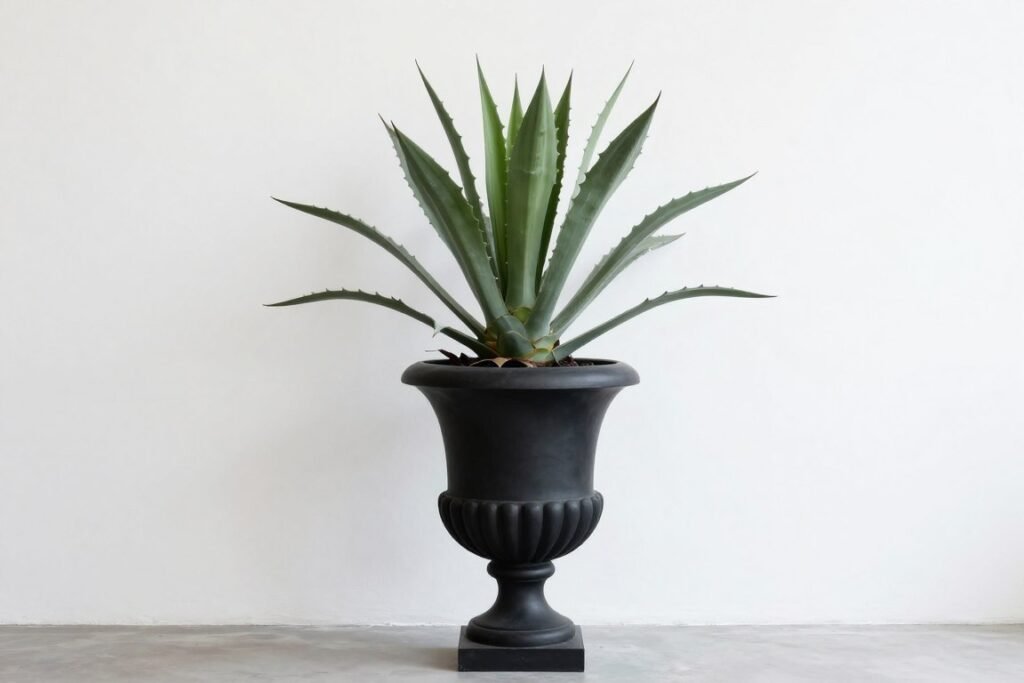
In contemporary settings, a single large urn with clean lines can make a powerful statement through simplicity and scale. Choose monochromatic plantings or a single spectacular specimen plant to maintain the minimalist aesthetic. Position against a simple background like a rendered wall or clipped hedge to emphasize the urn’s sculptural qualities. Consider urns in unexpected materials or finishes—like polished metal or matte black—that contrast with surrounding elements.
Sometimes less truly is more in garden design. Modern minimalist urns create powerful design statements through simplicity and careful placement.
Care and Maintenance
Proper drainage is essential for plant health and urn longevity. If your urn lacks drainage holes, create a reservoir in the bottom using a layer of gravel or broken pottery pieces before adding soil. For winter care in cold climates, either empty and store non-frost-resistant urns or protect them with weatherproof covers. Clean urns annually with appropriate materials for their composition—gentle soap and water for most surfaces, avoiding harsh chemicals that might damage finishes or patinas. Consider elevating urns slightly off the ground using discrete pot feet to improve drainage and reduce staining on decks or patios.
Urn planters stand as perfect examples of how functional garden elements can transcend mere utility to become defining features of outdoor design. Their classical proportions and elegant silhouettes bring instant architectural presence to any setting, while their versatility accommodates everything from formal symmetrical arrangements to casual garden groupings. By selecting urns that complement your home’s style and positioning them thoughtfully throughout your landscape, you create a sense of intention and permanence that elevates the entire space. Whether showcasing seasonal blooms, architectural foliage, or standing empty as sculptural elements, these timeless vessels connect our modern gardens to centuries of horticultural tradition while remaining remarkably relevant in contemporary design.
Ready to Enhance Your Garden with Urn Planters?
Explore a wide selection of styles, materials, and sizes to find the perfect urn planters for your outdoor space.
Pendant lights have become the jewelry of kitchen design, transforming ordinary spaces into stunning culinary showcases. These hanging fixtures not only provide essential task lighting but also serve as statement pieces that reflect your personal style. Whether you’re renovating your entire kitchen or simply looking to refresh your space, the right pendant lights can dramatically…
Picture yourself lounging beside your pool, surrounded by lush greenery, vibrant blooms, and elegant containers that frame your aquatic retreat. Strategic placement of planters around your pool area doesn’t just add beauty—it creates an immersive experience that transforms an ordinary swimming spot into a personal resort destination. Whether you’re looking to enhance privacy, define spaces,…
Your small backyard deserves a stunning fire pit that creates the perfect gathering spot. Even the tiniest outdoor space can become a cozy retreat with the right fire pit design. The challenge isn’t finding ideas but choosing which one fits your unique space. This guide showcases creative solutions specifically designed for compact yards. You’ll discover…
In a world of fashion conformity, funky shoes are your ticket to standing out from the crowd. These statement-making footwear options aren’t just accessories – they’re expressions of personality, conversation starters, and instant mood boosters. Whether you’re drawn to vibrant colors, unexpected patterns, or avant-garde designs, the right pair of funky shoes can transform even…
Your anniversary marks another beautiful chapter in your love story. Whether you’re celebrating your first year together or your silver anniversary, finding the perfect way to honor your special day can feel overwhelming. The good news? Creating unforgettable anniversary memories doesn’t require elaborate planning or expensive reservations. This comprehensive guide brings you over 150 creative…
Summer is the perfect time to refresh your footwear collection with cute summer shoes that combine style and comfort. As temperatures rise, the right pair of shoes can elevate your outfit while keeping your feet happy through beach days, outdoor brunches, and evening strolls. This season brings exciting trends that blend fashion-forward designs with practical…