From Drab to Fab: The Ultimate Guide to Window Planter Boxes for Stunning Curb Appeal
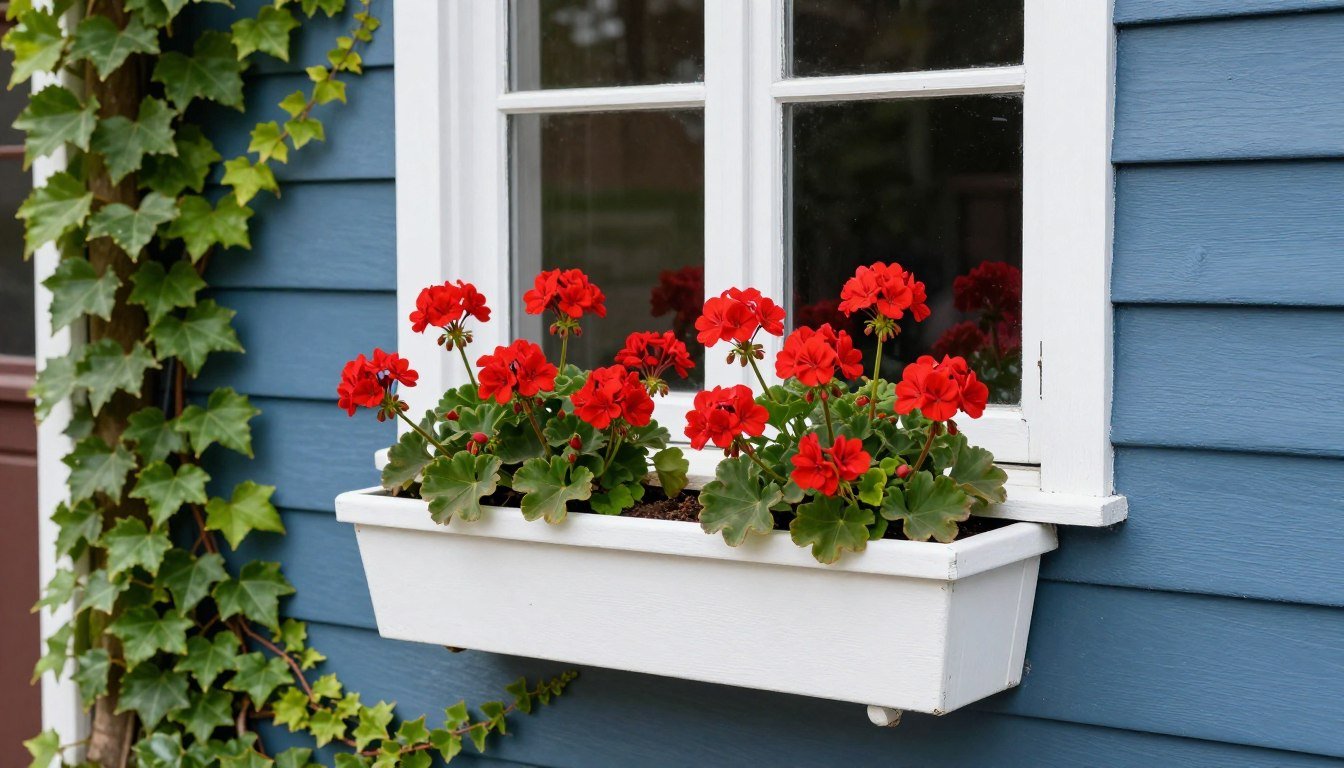
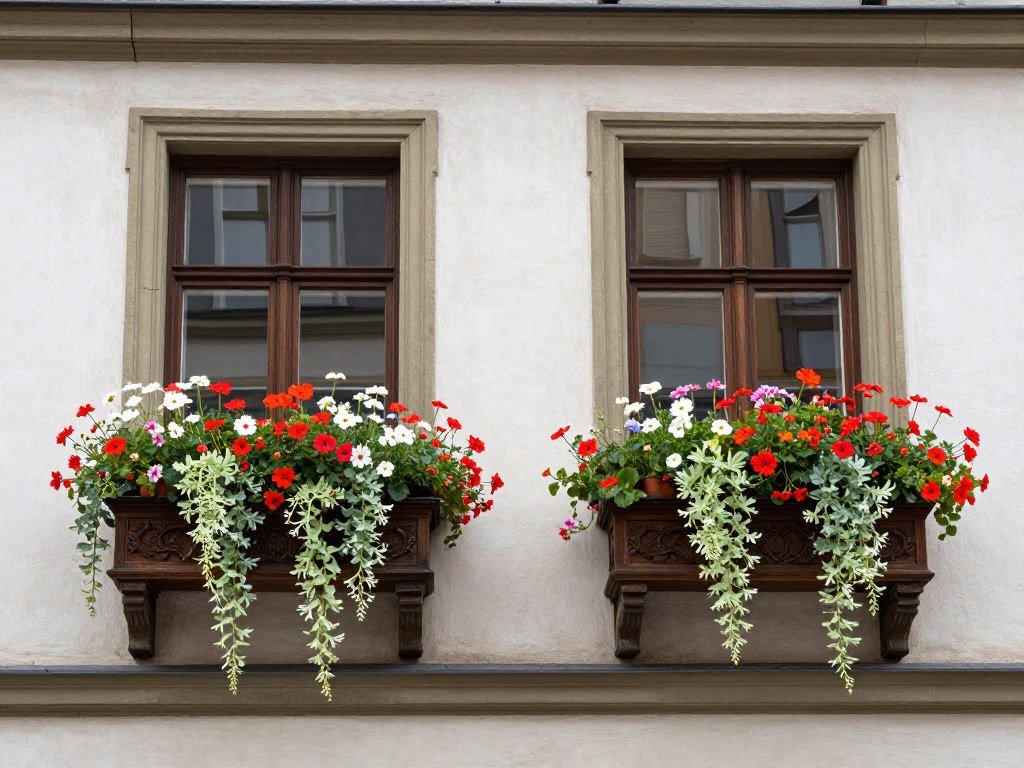
There’s something undeniably charming about a home adorned with vibrant window planter boxes. These simple additions can transform an ordinary facade into a picturesque scene worthy of a magazine cover. Window boxes connect us to nature, add dimension to flat exteriors, and create an instant impression of care and attention to detail. Whether you live in a sprawling countryside home or a compact urban apartment, window planter boxes offer a versatile gardening solution that maximizes limited space while dramatically enhancing your home’s character.
In this comprehensive guide, we’ll explore everything you need to know about selecting, installing, planting, and maintaining window planter boxes that will be the envy of your neighborhood. From material choices to seasonal planting ideas, we’ve got you covered with practical advice and inspiration to help you create stunning displays year-round.
The Allure of Window Boxes: More Than Just Flowers
Window boxes have adorned homes for centuries, dating back to ancient Rome where residents used terracotta containers to grow herbs and small vegetables outside their windows. During the Renaissance, elaborate window gardens became symbols of status and artistic expression. Today, these charming containers continue to captivate homeowners worldwide.
Beyond their aesthetic appeal, window planter boxes offer practical benefits. They provide valuable growing space for those with limited gardening areas, allowing apartment dwellers and urban homeowners to cultivate flowers, herbs, and even small vegetables. Window boxes also help define architectural features, drawing attention to beautiful windows and adding dimension to flat facades.
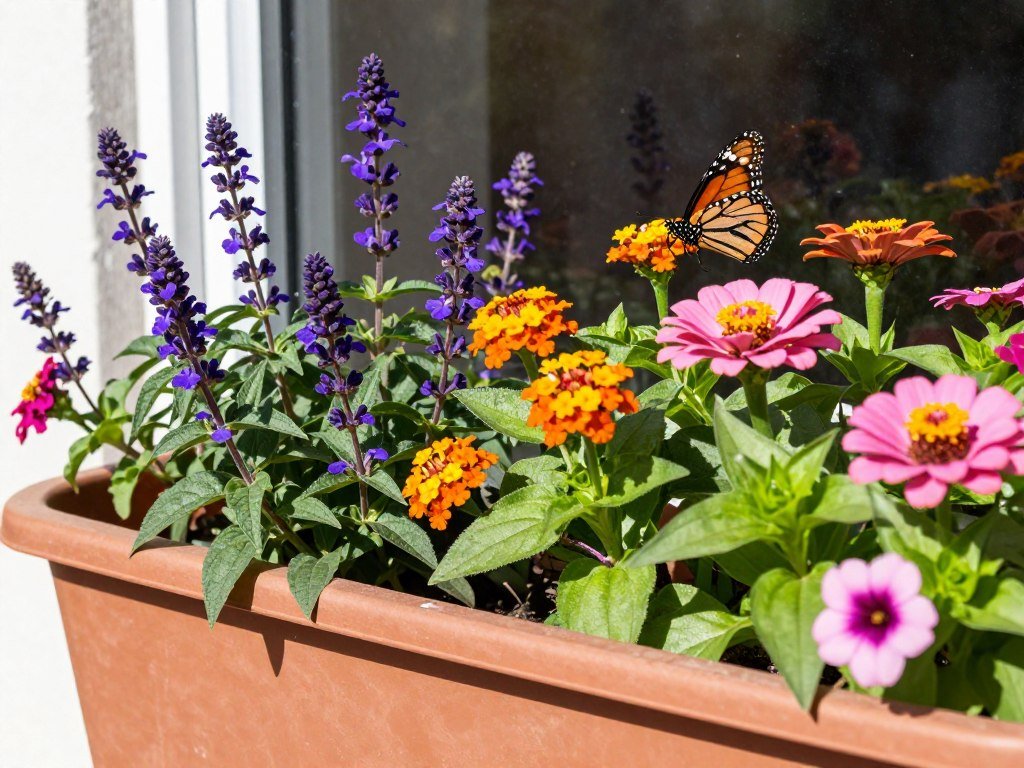
For many homeowners, window boxes create a connection to nature that might otherwise be missing in densely populated areas. They attract beneficial pollinators like butterflies and bees, contributing to local ecosystems while bringing natural beauty right to your windowsill.
Choosing Your Window Box: Material Matters
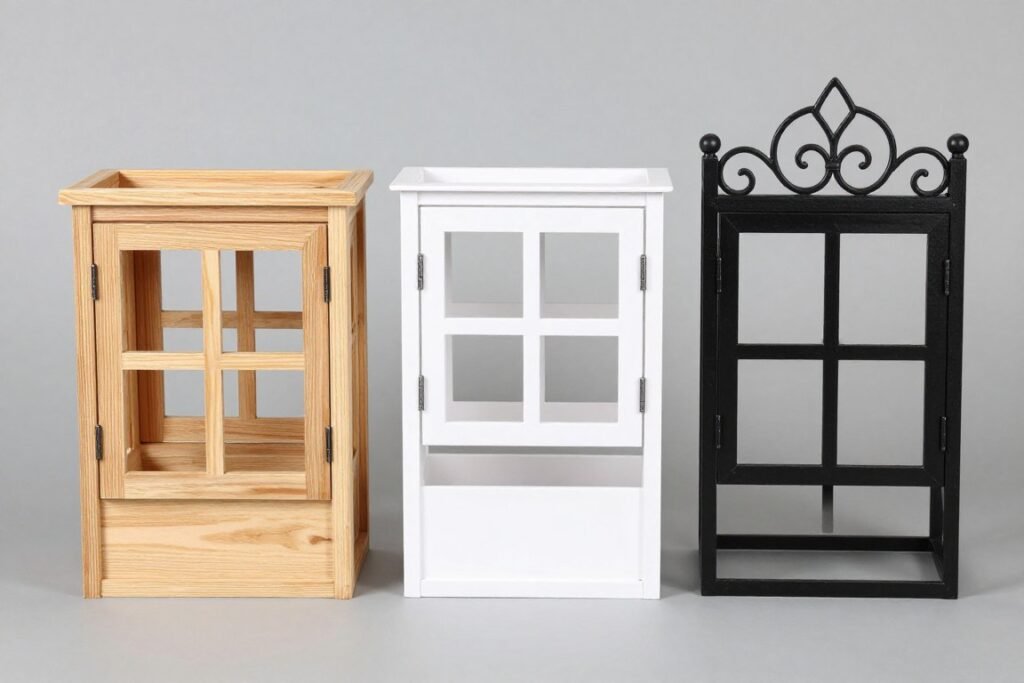
The material of your window planter boxes significantly impacts their appearance, durability, and maintenance requirements. Each option offers distinct advantages and considerations:
Wood
Cedar and redwood window boxes offer natural beauty and excellent insulation for plant roots. They weather beautifully over time, developing a silvery patina that many homeowners find appealing. However, even rot-resistant woods eventually deteriorate without proper maintenance.
Pros: Natural appearance, good insulation, customizable
Cons: Requires maintenance, shorter lifespan without treatment
PVC & Composites
Modern PVC and composite window boxes mimic the appearance of wood without the maintenance concerns. These materials resist rot, insects, and moisture damage, making them ideal for humid climates. Many come with lifetime warranties against deterioration.
Metal window boxes offer sleek, contemporary styling or classic European elegance depending on the design. Wrought iron options provide a sophisticated, traditional look while aluminum and steel versions offer modern appeal.
Pros: Extremely durable, elegant appearance
Cons: Can heat up in sun, may require liners
Find Your Perfect Window Box
Browse a wide selection of window planter boxes in various materials, styles, and sizes to find the perfect match for your home.
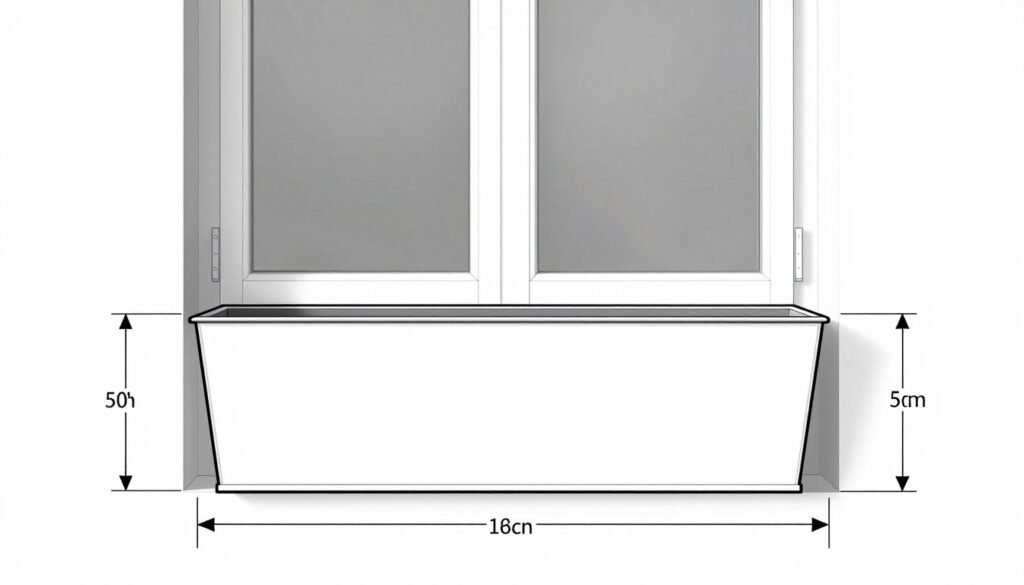
Selecting the right dimensions for your window planter boxes is crucial for both aesthetic appeal and practical functionality. A properly sized window box creates visual harmony with your home’s architecture while ensuring plants have adequate growing space.
Finding the Perfect Proportions
As a general rule, window boxes should be approximately the same width as your window (including trim) or slightly narrower. The depth should be at least 8 inches to accommodate most plants’ root systems, while the height typically ranges from 6-12 inches depending on your home’s scale and the plants you intend to grow.
Installation and Safety Considerations
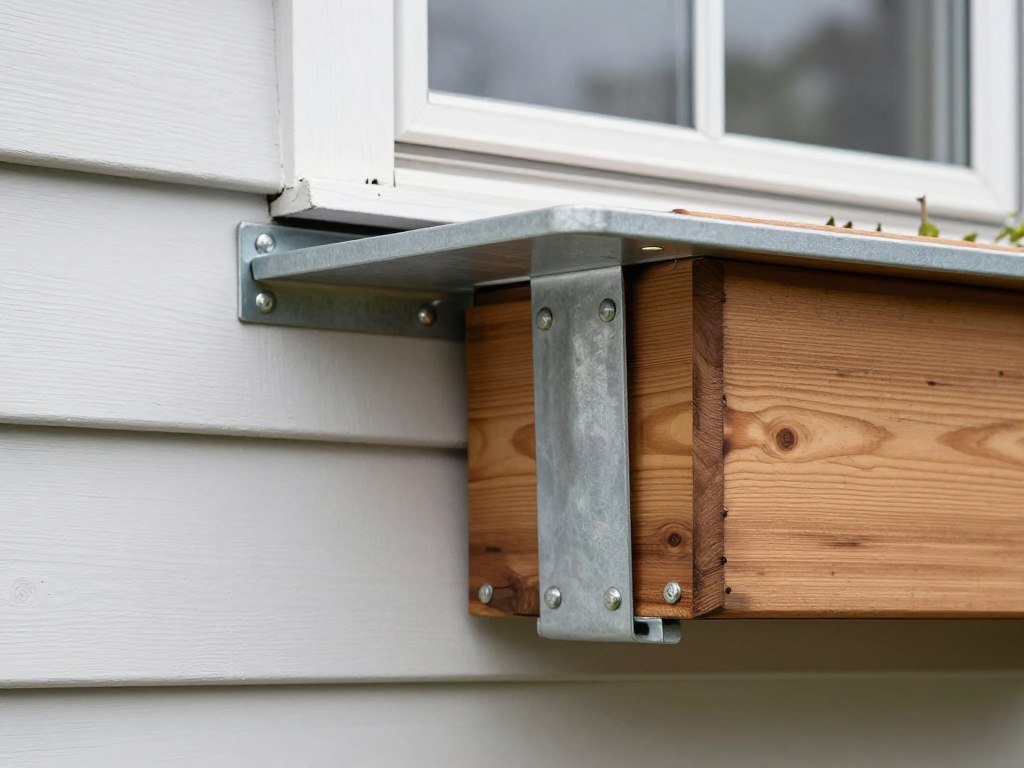
Proper mounting is absolutely essential for window planter boxes. When filled with soil, plants, and water, these containers can weigh 50-100 pounds or more. Secure installation prevents accidents and property damage while ensuring your window boxes remain level over time.
For wood siding or masonry, heavy-duty brackets installed into studs or solid masonry provide the most secure support. For vinyl siding, special mounting systems distribute weight more evenly. Always check your local building codes, as some areas have specific requirements for window box installations, especially on upper floors.
Secure Your Window Boxes Properly
Find heavy-duty mounting hardware designed specifically for window planter boxes to ensure safe, secure installation.
The Perfect Plant Palette: Thrillers, Fillers, and Spillers
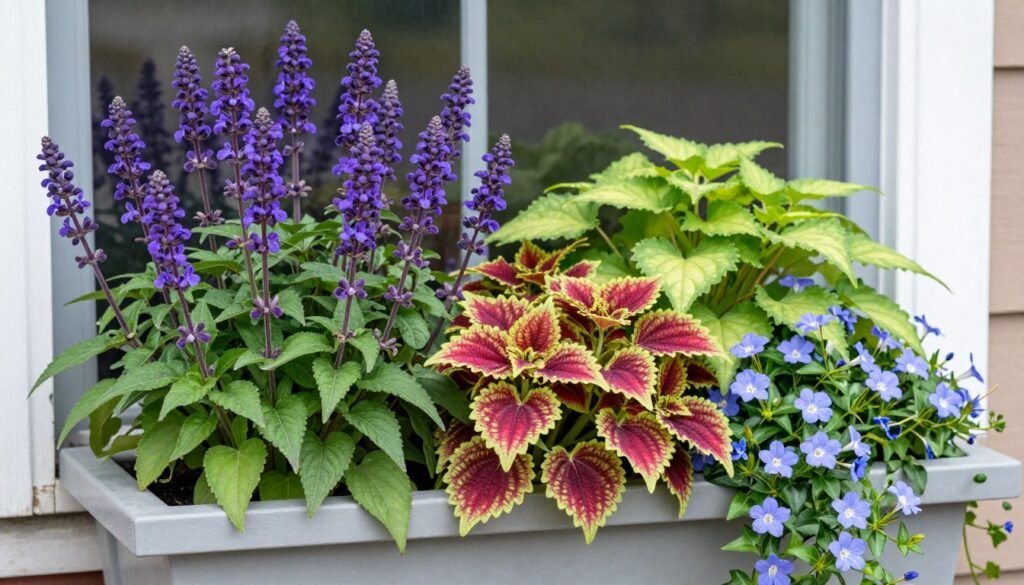
Creating a visually appealing window box arrangement follows a simple yet effective formula known as “Thriller, Filler, Spiller.” This approach ensures your window planter boxes have dimension, balance, and visual interest throughout the growing season.
Thrillers
These are your focal point plants with height and drama. Place them toward the center or back of your window box. Good options include ornamental grasses, cannas, caladiums, or upright flowering plants like geraniums and salvias.
Fillers
These medium-height, bushy plants fill the middle ground and add fullness. Consider coleus, begonias, lantana, calibrachoa, or compact varieties of petunias that will spread and fill empty spaces.
Spillers
These trailing plants cascade over the edges, softening the lines of your window box and creating vertical interest. Excellent choices include sweet potato vine, trailing lobelia, bacopa, ivy, or trailing varieties of petunias.
Matching Plants to Light Conditions
The success of your window planter boxes depends largely on selecting plants suited to your specific light conditions. Before purchasing plants, observe how much direct sunlight your windows receive throughout the day:
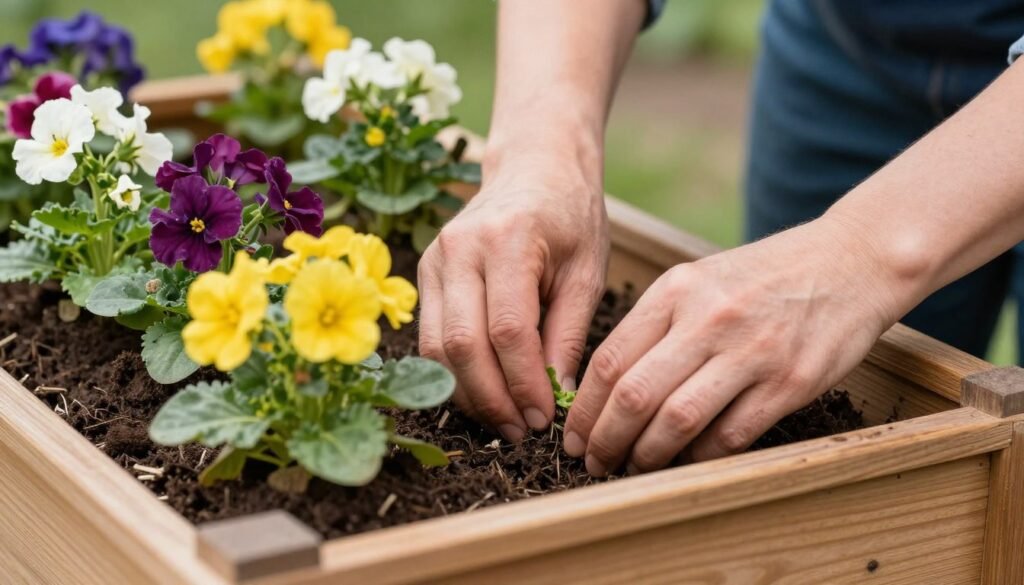
Creating a thriving window box garden starts with proper preparation and planting techniques. Follow these steps to ensure your window planter boxes flourish from day one.
Essential Supplies
High-quality potting mix (not garden soil)
Slow-release fertilizer
Drainage material (if needed)
Container-friendly plants
Trowel and gardening gloves
Watering can with gentle spray
Step-by-Step Planting Process
Ensure proper drainage – Make sure your window planter boxes have drainage holes. If using a liner, poke holes through it to align with the box’s drainage.
Add drainage layer (optional) – For boxes with limited drainage, add a 1-inch layer of small stones or broken pottery pieces at the bottom.
Fill with quality potting mix – Use a lightweight, high-quality potting mix specifically formulated for containers. Fill the box about 2/3 full.
Mix in slow-release fertilizer – Incorporate a slow-release fertilizer according to package directions to provide nutrients throughout the growing season.
Arrange plants while still in pots – Position plants (still in their nursery pots) in your desired arrangement, allowing space for growth.
Plant from largest to smallest – Remove plants from their containers, loosen root balls gently, and plant from largest to smallest, firming soil around each.
Add remaining soil – Fill in around plants, leaving about 1 inch of space below the rim for watering.
Water thoroughly – Water until moisture drains from the bottom holes, ensuring soil is evenly moist.
Get Premium Potting Soil
High-quality potting mix is essential for container gardens. Find the perfect soil for your window boxes.
Keeping the Bounty Alive: Watering and Maintenance
Window planter boxes require more frequent attention than in-ground gardens, but with the right approach, maintenance can be simple and rewarding. The confined space of window boxes means soil dries out faster, nutrients deplete more quickly, and plants need regular attention to thrive.
Watering Wisdom
Proper watering is perhaps the most critical aspect of window box care. During hot summer months, window boxes may need daily watering, especially those in full sun locations. Rather than following a rigid schedule, check soil moisture by inserting your finger about an inch into the soil—if it feels dry, it’s time to water.
Water thoroughly until moisture drains from the bottom holes, ensuring the entire root zone receives moisture. Early morning watering is ideal, giving plants time to absorb moisture before the heat of the day while reducing disease risk.
Simplify Your Watering Routine
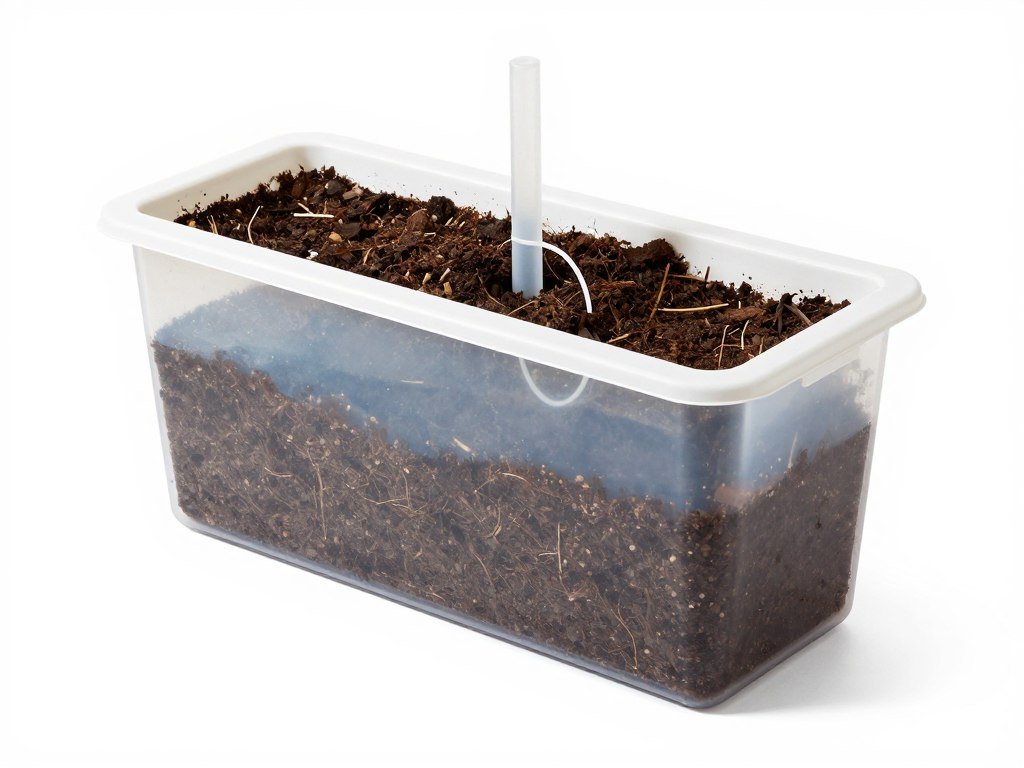
Self-watering window boxes can reduce watering frequency and keep your plants thriving even during hot weather.
Spring: Clean boxes, replace soil if needed, and plant cool-season annuals or perennials.
Summer: Deadhead spent blooms regularly, fertilize monthly, and monitor for pests and diseases.
Fall: Replace summer annuals with cool-season plants like ornamental kale, pansies, and mums.
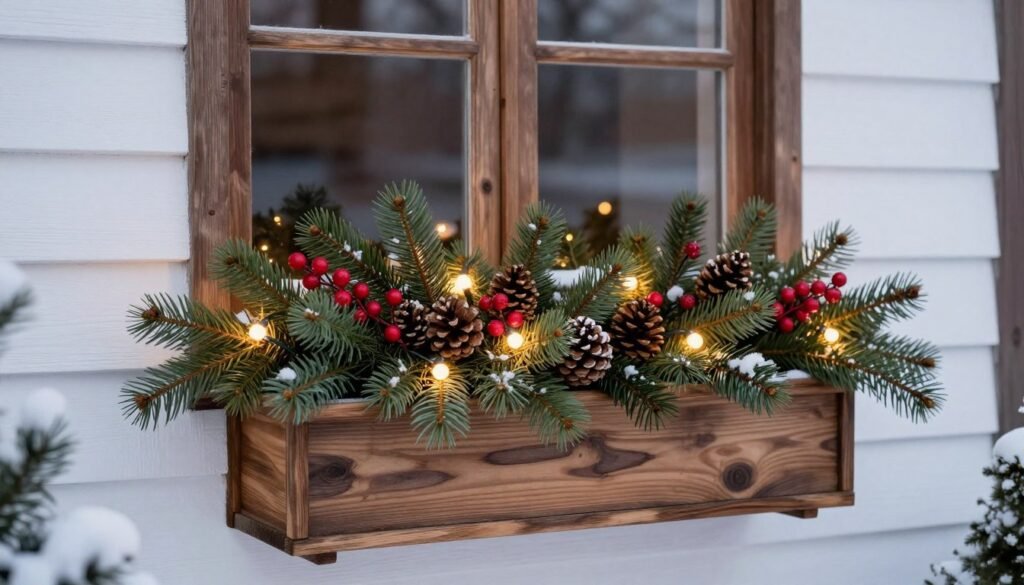
Winter: In mild climates, plant evergreens, berries, and cold-tolerant plants. In harsh winter areas, consider emptying boxes or insulating them to prevent freeze damage.
Year-Round Window Box Ideas
One of the joys of window planter boxes is their versatility throughout the changing seasons. With thoughtful planning, your window boxes can provide year-round interest and beauty.
Spring Awakening
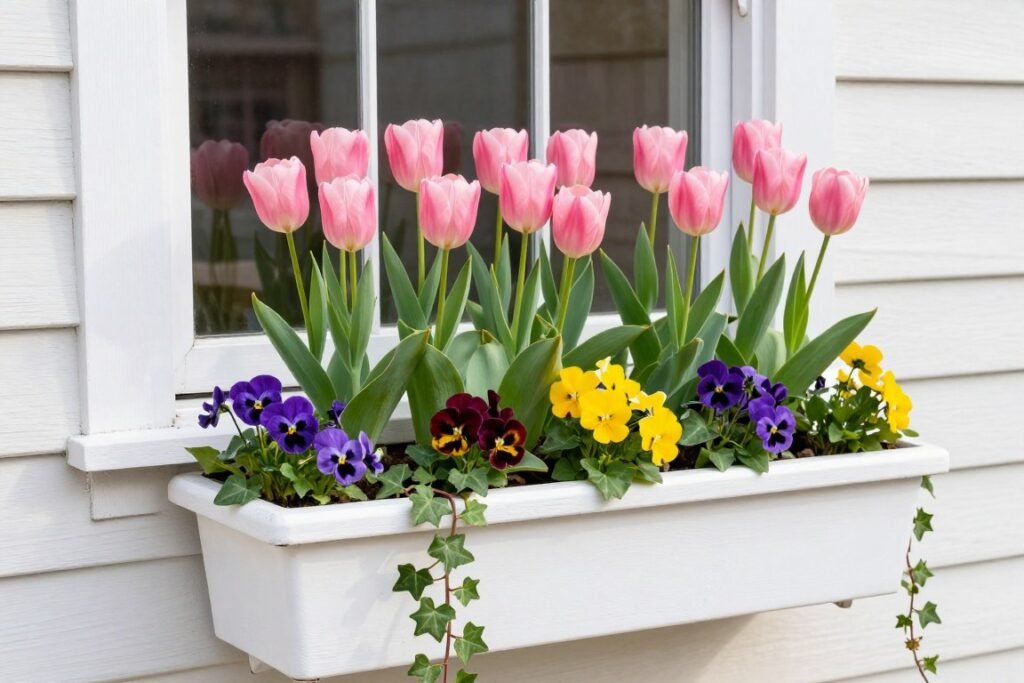
Welcome the season with early bloomers like tulips, daffodils, hyacinths, and pansies. Add primroses, violas, and sweet alyssum for continuous color. Incorporate trailing ivy or vinca for elegant cascades.
Summer Splendor
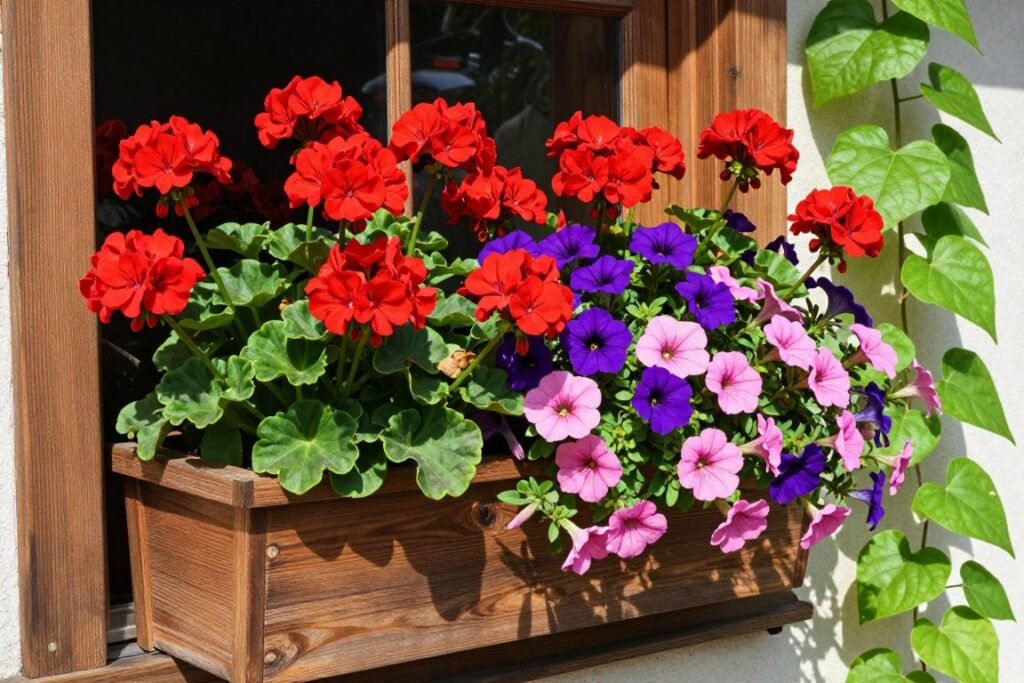
Create dramatic summer displays with sun-loving geraniums, petunias, verbena, and calibrachoa. Add height with ornamental grasses or cannas. For shade boxes, try coleus, begonias, and impatiens with trailing fuchsia.
Autumn Abundance
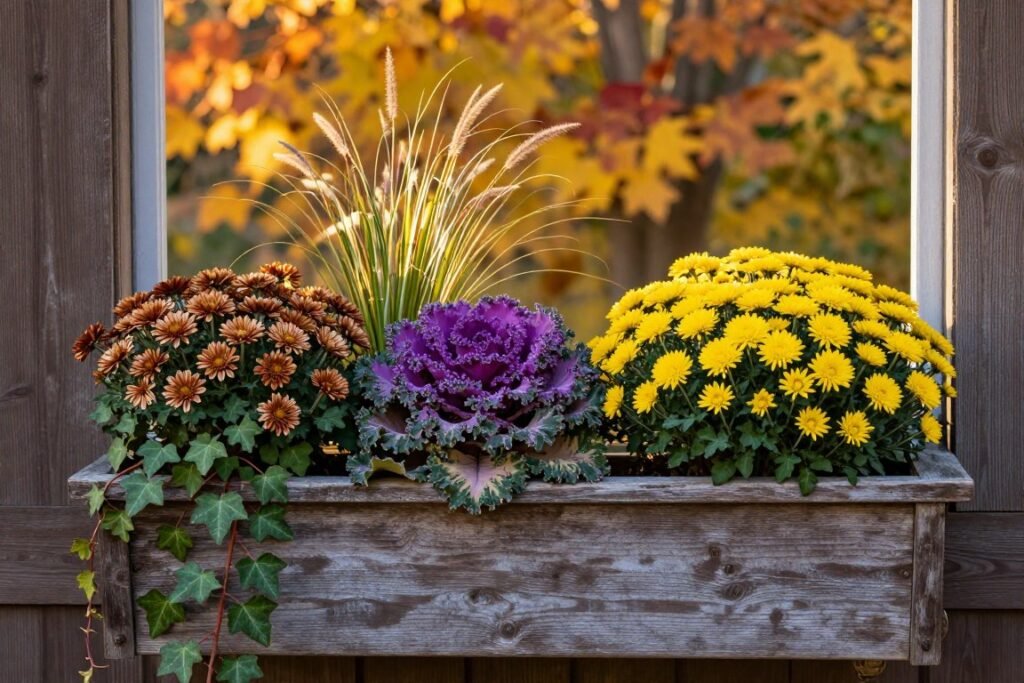
Transition to fall with ornamental kale, mums, pansies, and ornamental peppers. Add texture with ornamental grasses, heuchera, and trailing ivy. Incorporate small gourds or mini pumpkins for seasonal flair.
Themed Window Box Gardens
Kitchen Herb Garden
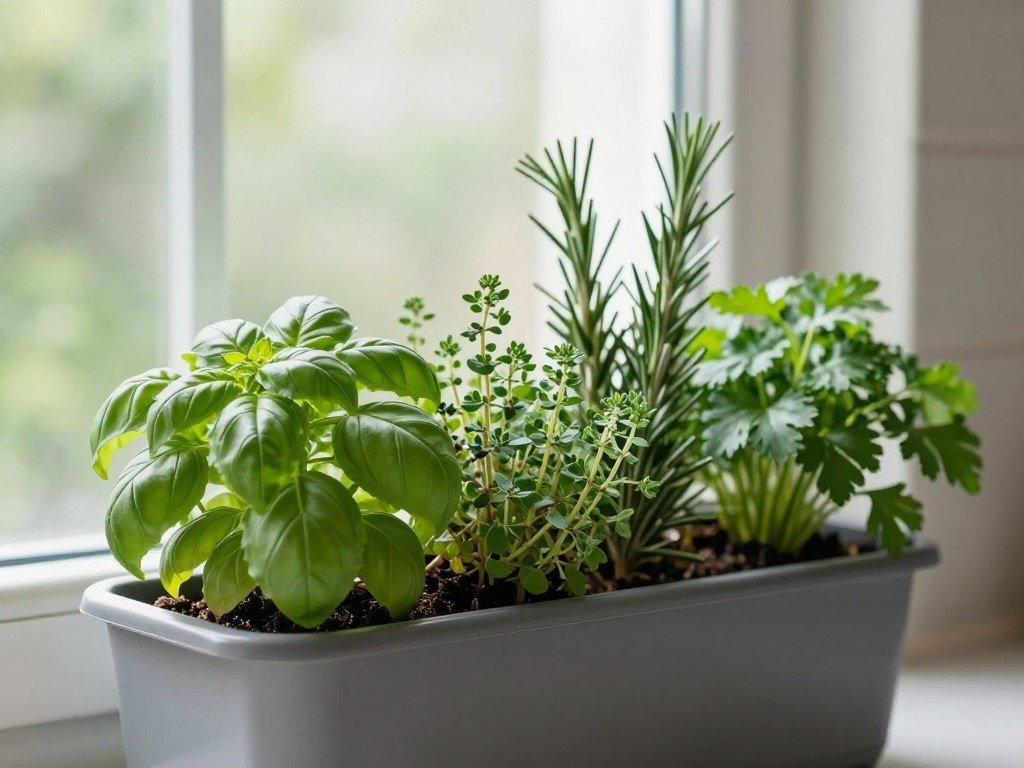
Create a convenient culinary garden with basil, thyme, rosemary, parsley, chives, and trailing oregano. Position near your kitchen window for easy harvesting while cooking.
Butterfly & Bee Haven
Attract pollinators with nectar-rich flowers like lantana, salvia, verbena, and zinnia. Include butterfly favorites like milkweed and parsley as host plants for caterpillars.
Create Your Seasonal Displays
Find everything you need to create stunning seasonal window box displays that will enhance your home year-round.
Window planter boxes offer an accessible entry point into gardening while dramatically enhancing your home’s curb appeal. They connect us to nature, express our creativity, and transform ordinary architecture into something truly special. Whether you’re a seasoned gardener or a complete novice, window boxes provide a manageable canvas for horticultural expression.
Remember that gardening is a journey of experimentation and discovery. Don’t be afraid to try new combinations, learn from occasional failures, and celebrate your successes. Start with quality materials, choose appropriate plants for your conditions, and enjoy the process of creating and maintaining your window box gardens.
As you embark on your window box adventure, you’ll discover that these small gardens bring outsized joy—not just to you, but to neighbors, passersby, and anyone who glimpses your home. In a world that often moves too quickly, window planter boxes invite us to slow down, notice seasonal changes, and appreciate the simple beauty of plants thriving under our care.
Creating a beautiful garden doesn’t require acres of land or a hefty bank account. With some creativity and smart planning, you can transform even the tiniest outdoor space into a lush oasis that looks like a million bucks. These small garden ideas on a budget will help you maximize your space, minimize your spending, and…
Asking your closest friends to stand by your side on your wedding day deserves more than a simple text message. A bridesmaid proposal marks the beginning of your wedding journey together and sets the tone for the special role these important people will play. The right gift shows appreciation while creating a memorable moment your…
Creating your dream home doesn’t have to drain your bank account. With thoughtful planning, strategic decisions, and creative approaches, building a house on a budget is not only possible but can result in a beautiful, functional home that meets your needs. This comprehensive guide will walk you through every phase of budget-conscious home building—from initial…
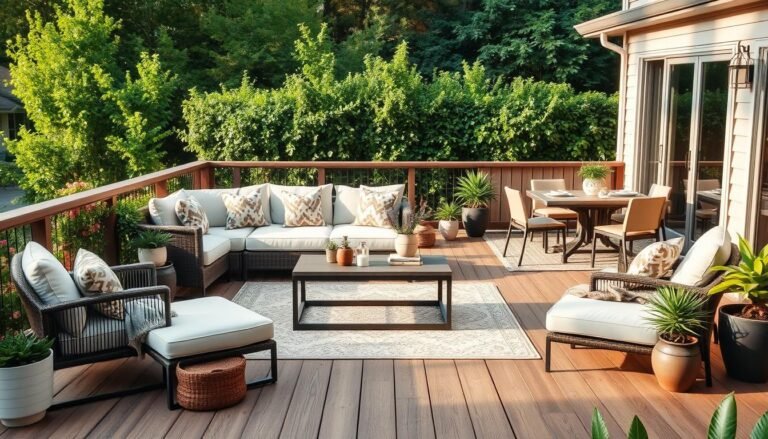
Your outdoor space is an extension of your home—a place to relax, entertain, and connect with nature. The right outdoor patio furniture transforms a simple deck or patio into a stylish, functional retreat that reflects your personal style. Whether you’re working with a sprawling backyard, a modest patio, or a compact balcony, this guide will…
The dream of owning a cozy cabin retreat doesn’t have to remain just a fantasy. With thoughtful planning and smart design choices, building small cabins on a budget is entirely achievable. This guide will walk you through everything you need to know about creating an affordable cabin that doesn’t compromise on charm or functionality. Whether…
Your bridesmaids stand beside you on your big day. They help plan your bridal shower and support you through wedding planning stress. These special girls deserve thoughtful bridesmaid gifts that celebrate your friendship. Finding the perfect bridesmaid gift can feel overwhelming. You want something meaningful that fits your budget. The right gift shows appreciation for…