The Ultimate Guide to Stunning Front Porch Planters
Your front porch is the first impression visitors have of your home. It sets the tone for what lies beyond the front door and reflects your personal style. Well-designed front porch planters can transform an ordinary entrance into a welcoming, vibrant space that enhances your home’s curb appeal and creates a warm invitation to all who approach. Whether you have a sprawling wraparound porch or a small stoop, the right planters filled with carefully selected plants can make a dramatic difference in how your home presents itself to the world.
Choosing the Perfect Planter: Materials That Matter
The material of your front porch planters not only affects their appearance but also their durability, weight, and how well they protect your plants. Let’s explore the most popular options and their unique benefits.
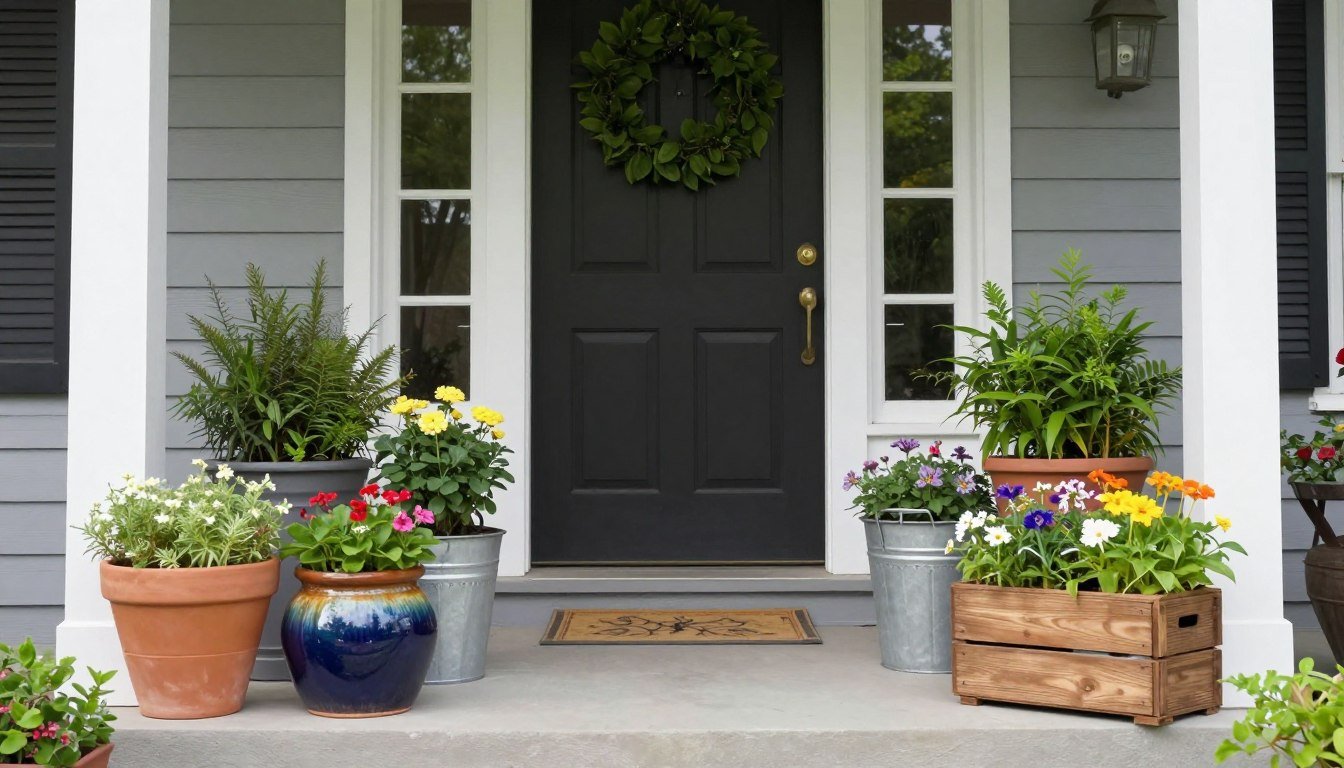
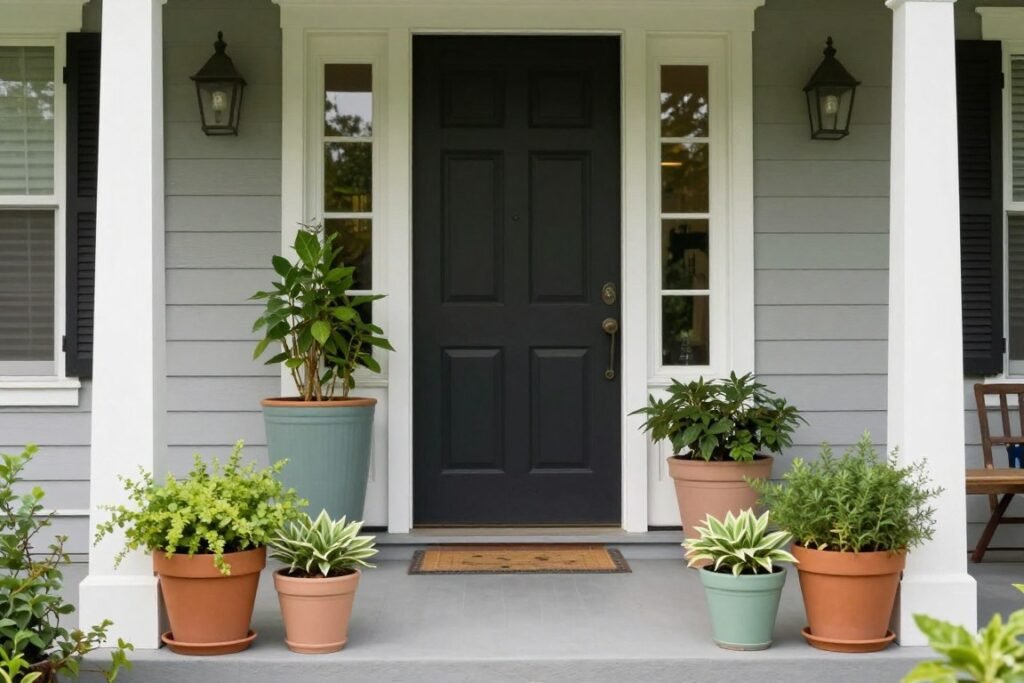
Different planter materials create varied looks and serve different functional purposes on your front porch
Terra Cotta: Timeless and Breathable
Terra cotta planters offer a classic, earthy appeal that complements virtually any architectural style. These natural clay containers are porous, allowing excess moisture to evaporate and reducing the risk of root rot. They’re particularly well-suited for plants that prefer drier conditions like succulents and herbs. However, they can be prone to cracking in freezing temperatures, so consider bringing them indoors during winter months in colder climates. For a wide selection of sizes and styles, check out terra cotta planters that can enhance your front porch.
Ceramic and Glazed Pottery: Colorful Statements
For a pop of color and artistic flair, ceramic and glazed planters are unmatched. These containers come in endless colors, patterns, and finishes that can complement your home’s exterior palette. The glazed surface helps retain moisture better than terra cotta, making them suitable for plants that need consistent soil moisture. Their substantial weight provides stability against wind, but also means they’re more challenging to move. Explore beautiful glazed ceramic planters to add vibrant accents to your porch.
Metal: Modern and Durable
Metal planters in galvanized steel, copper, or wrought iron bring a contemporary or industrial edge to your porch. They’re extremely durable and weather-resistant, though they can heat up in direct sunlight, potentially stressing plant roots. Copper planters develop a beautiful patina over time, while galvanized options maintain their silvery finish for years. Consider adding drainage holes if they don’t already have them. Browse stylish metal outdoor planters for a modern touch.
Wood: Natural and Versatile
Wooden planters offer warmth and natural beauty that blends seamlessly with outdoor settings. Cedar, redwood, and teak are naturally resistant to rot and insects, making them ideal for outdoor use. Wood can be stained or painted to match your home’s exterior and provides good insulation for plant roots. For longevity, look for planters made from weather-resistant woods or those treated with non-toxic sealants. Find durable wooden outdoor planters that complement your porch style.
Fiberglass and Resin: Lightweight and Weather-Resistant
For the look of stone, concrete, or terra cotta without the weight, consider fiberglass or resin planters. These lightweight options are easy to move, resist cracking in freezing temperatures, and come in a variety of styles that mimic more expensive materials. They’re ideal for upper-story porches where weight is a concern or for seasonal rearrangement. Discover versatile lightweight fiberglass planters for easy seasonal changes.
Selecting the Right Plants for Your Front Porch Planters
The plants you choose for your front porch planters should thrive in your specific conditions while creating a visually appealing arrangement. Consider these factors when making your selections.
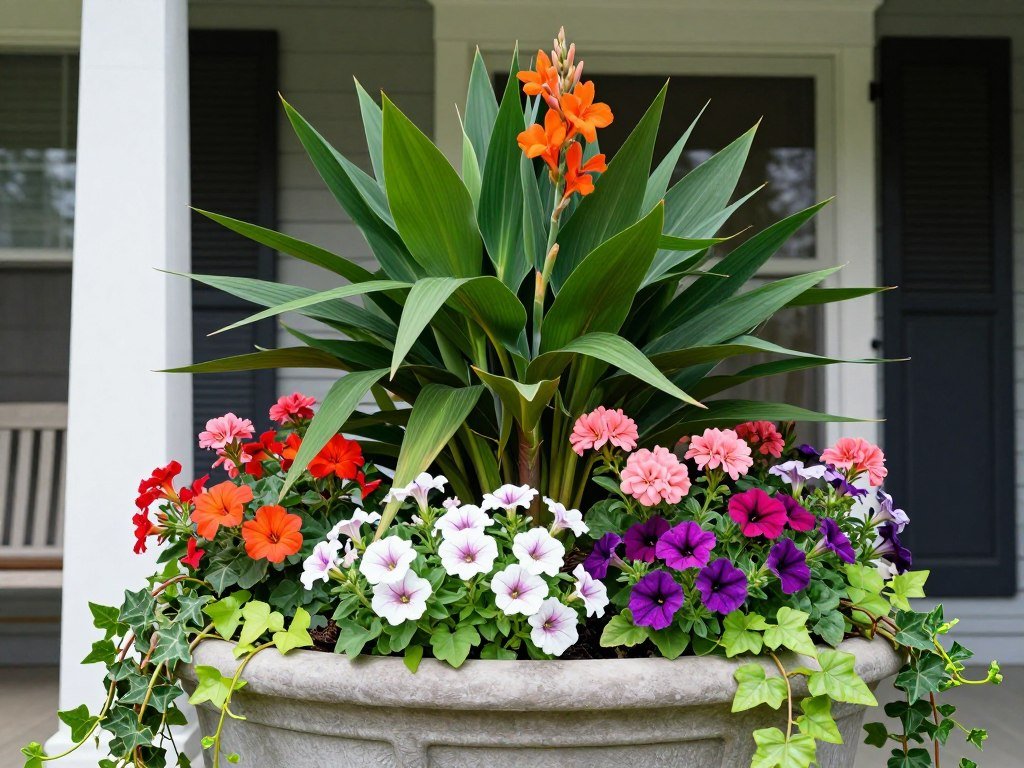
The thriller-filler-spiller approach creates dynamic, professional-looking planter arrangements
Assessing Your Porch’s Light Conditions
Before selecting plants, observe how much sunlight your porch receives throughout the day:
Full Sun Locations (6+ hours direct sun)
Geraniums provide reliable color all season
Petunias and calibrachoas offer cascading blooms
Lantanas attract butterflies with their vibrant clusters
Succulents add interesting texture with minimal care
Ornamental grasses provide height and movement
Partial to Full Shade (Less than 6 hours sun)
Coleus offers stunning foliage in endless color combinations
Begonias bloom continuously in shady conditions
Ferns provide lush, textural greenery
Impatiens create carpets of color in shady spots
Caladiums showcase dramatic, colorful leaves
The Thriller-Filler-Spiller Formula
Professional container designers often use this three-part approach to create dynamic, balanced arrangements:
Thrillers
These are your focal point plants that add height and drama. Place them in the center or back of the container.
Ornamental grasses
Cannas
Tall coleus varieties
Small evergreen shrubs
Dramatic foliage plants
Fillers
These medium-height plants fill in the middle ground, adding fullness and color around your thriller.
Geraniums
Petunias
Lantanas
Salvias
Pentas
Spillers
These trailing plants cascade over the edges of your container, softening the look and adding vertical interest.
Sweet potato vine
Creeping Jenny
Trailing petunias
Ivy
Bacopa
Seasonal Planting Options
Refresh your front porch planters seasonally to maintain year-round interest:
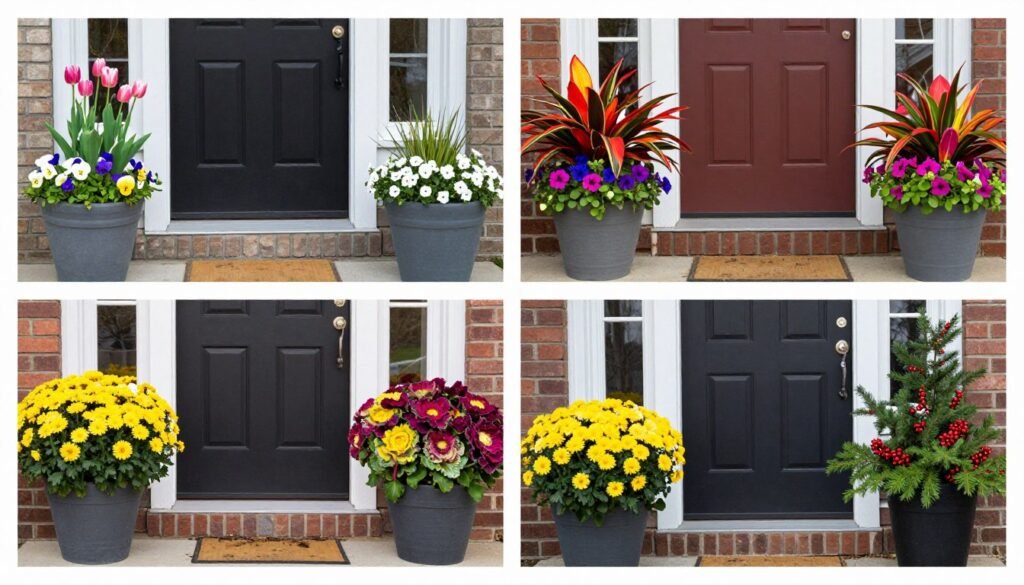
Changing your planter contents seasonally keeps your front porch fresh and relevant year-round
Spring
Tulips and daffodils
Pansies and violas
Primroses
Snapdragons
Summer
Petunias and calibrachoas
Geraniums
Tropical foliage
Colorful coleus
Fall
Chrysanthemums
Ornamental kale and cabbage
Pansies (fall planting)
Ornamental grasses
Winter
Evergreen boughs
Holly with berries
Winterberry
Dwarf conifers
For easy seasonal transitions, consider using self-watering planters that make maintenance simpler as you swap plants throughout the year.
Design Principles for Eye-Catching Front Porch Planters
Creating visually appealing planter arrangements involves more than just selecting beautiful plants. These design principles will help you create professional-looking displays.
Varying heights and sizes creates visual rhythm and draws the eye toward the front door
Scale and Proportion
Your planters should be proportional to your porch size and architectural elements:
For grand entrances with columns, choose substantial planters that won’t be dwarfed by the architecture
For small porches or stoops, select appropriately sized containers that won’t overwhelm the space
Consider the mature size of your plants when selecting container dimensions
Aim for planters that are approximately 1/3 the height of your door for balanced flanking arrangements
Color Coordination
Create cohesive color schemes that complement your home’s exterior:
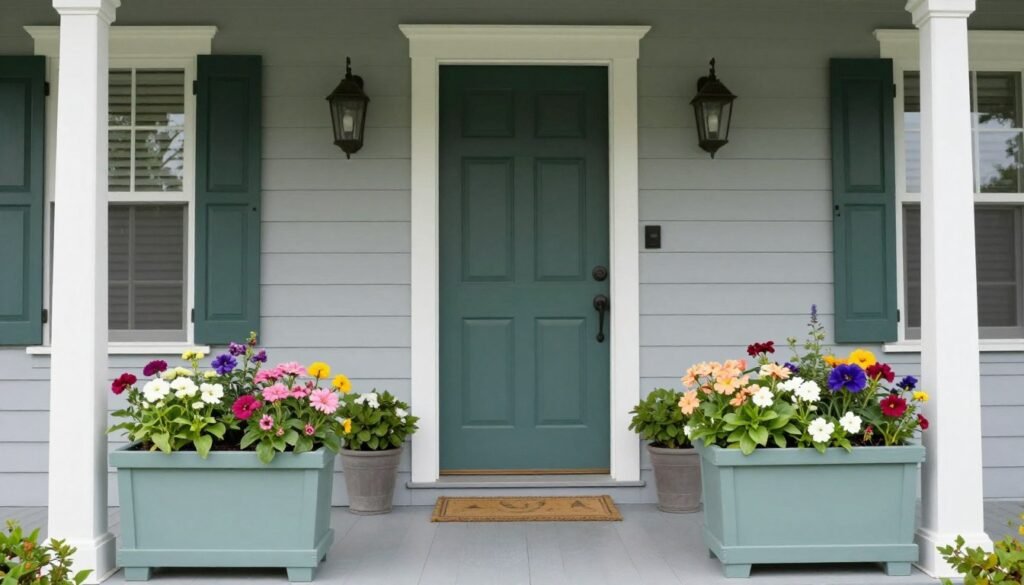
Coordinating planter colors with your home’s exterior creates a cohesive, designed look
Complementary Colors
Pairs of colors opposite each other on the color wheel create vibrant, energetic combinations:
Purple and yellow
Blue and orange
Red and green
Analogous Colors
Colors adjacent on the color wheel create harmonious, soothing combinations:
Blue, purple, and pink
Yellow, orange, and red
Green, blue, and purple
Monochromatic Schemes
Various shades and tints of a single color create sophisticated, elegant displays:
White, cream, and silver
Various shades of blue
Light to dark purple tones
Texture and Form
Combine different plant textures and forms for visual interest:
Pair fine-textured plants (like ferns or grasses) with bold-leaved specimens (like cannas or caladiums)
Mix upright, mounding, and trailing growth habits
Include plants with interesting architectural forms like spikes, rosettes, or umbrella shapes
Consider how plant forms will interact as they grow and mature
For creating these dynamic arrangements, large outdoor planters provide ample space to combine multiple plants with different textures and forms.
Strategic Placement and Arrangement of Front Porch Planters
How you arrange your planters can dramatically impact your porch’s overall appearance and functionality. Consider these placement strategies for maximum impact.
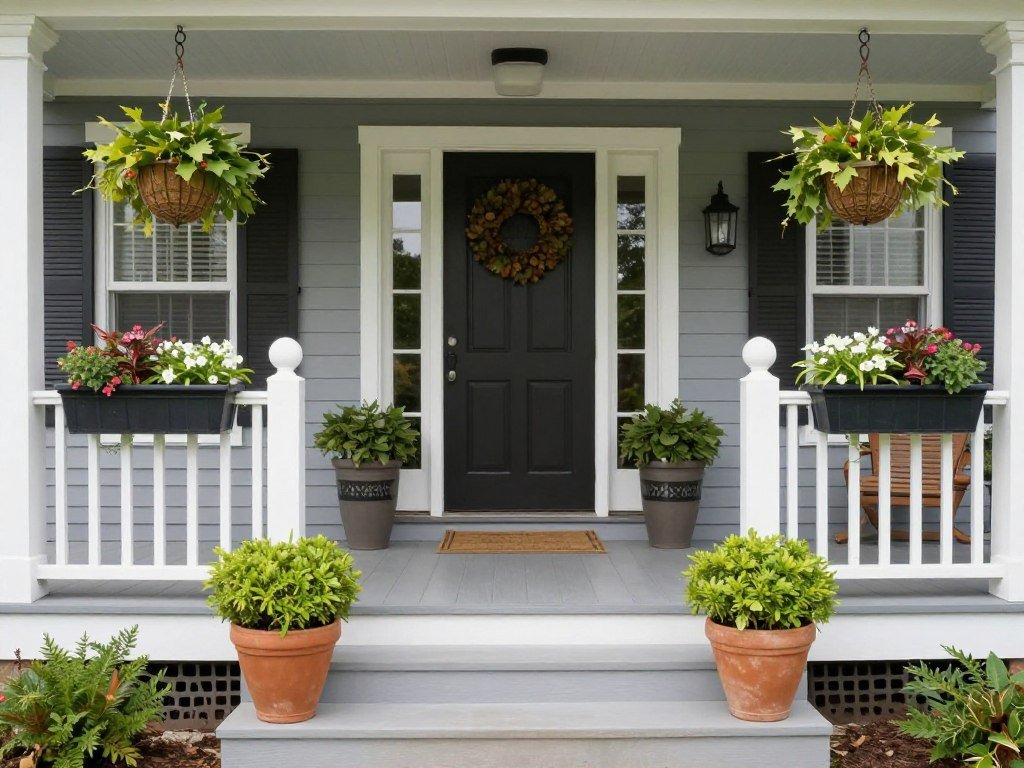
Symmetrical arrangements create a formal, balanced entrance that suits traditional architecture
Symmetrical vs. Asymmetrical Arrangements
Choose an arrangement style that complements your home’s architecture:
Symmetrical Arrangements
Perfect for traditional, colonial, or formal architectural styles:
Identical planters with matching plants on either side of the door
Evenly spaced containers along porch railings
Graduated heights arranged in mirror-image patterns on steps
Creates a sense of order, balance, and formality
Asymmetrical Arrangements
Ideal for cottage, modern, or eclectic home styles:
Different sized containers grouped for visual balance
Varied plant heights and textures creating informal harmony
Clusters of containers at different levels
Creates dynamic, relaxed, and artistic displays
Strategic Placement Options
Strategic placement creates layers of interest and guides visitors toward your entrance
Flanking the Front Door
The classic placement that frames your entrance:
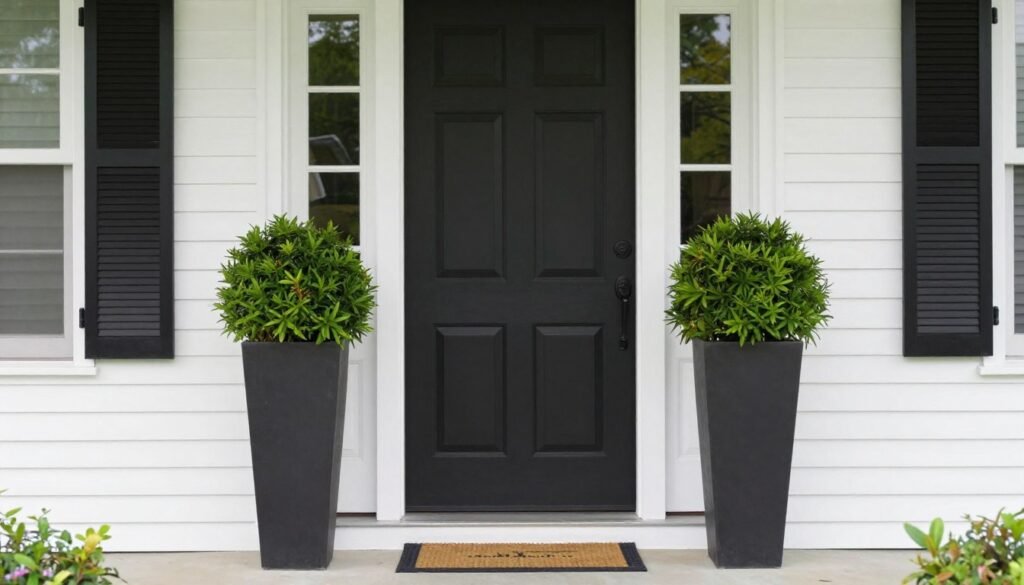
Use substantial planters proportional to your door’s size
For maximum impact, choose containers approximately 1/3 the height of your door
Consider tall, architectural plants like small evergreens or ornamental grasses
Ensure planters don’t obstruct the door’s opening or pathway
Stair Step Arrangements
Create a welcoming approach with planters on steps:
Use graduated sizes with larger planters at the bottom
Ensure containers don’t obstruct foot traffic (leave at least 24″ clear pathway)
Consider safety by placing planters against the riser rather than on the edge
Create rhythm by alternating sides or using consistent spacing
Consider the mature weight of plants when selecting hanging mechanisms
Position at a height that allows easy watering but doesn’t obstruct walkways
Boston ferns, trailing petunias, and ivy are classic choices for hanging baskets
Caring for Your Front Porch Planters
Beautiful front porch planters require regular maintenance to stay looking their best. These essential care tips will help your displays thrive throughout the seasons.
Regular maintenance keeps your front porch planters looking their best all season long
Watering Wisdom
Proper watering is crucial for container plants, which dry out faster than garden beds:
Check soil moisture daily during hot weather by inserting your finger 1-2 inches into the soil
Water thoroughly until water flows from drainage holes, then allow soil to dry slightly before watering again
Water in the morning to reduce evaporation and fungal disease risk
Draw inspiration from these seasonal planter ideas to keep your front porch fresh and inviting throughout the year.
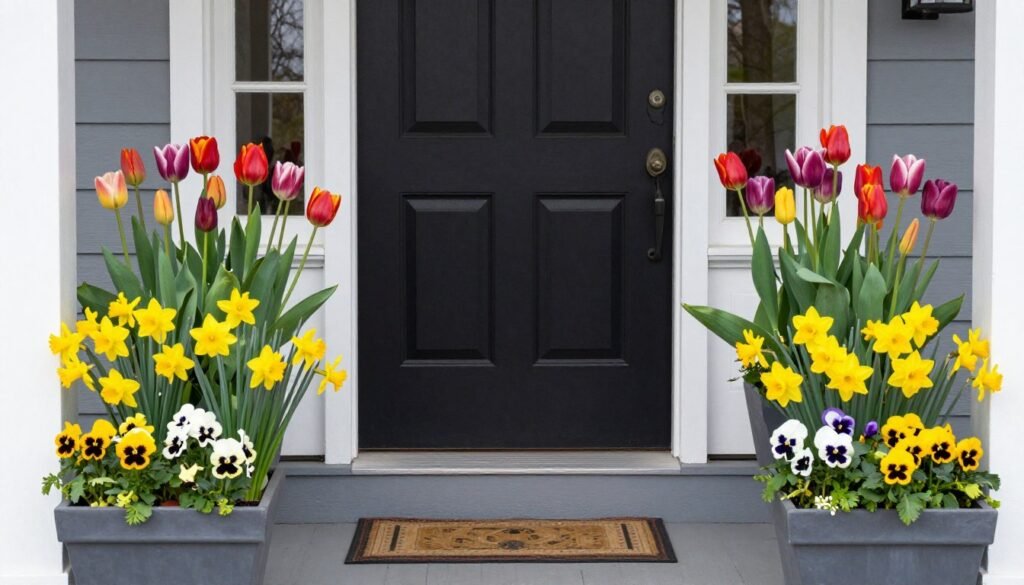
Spring planters with bulbs and cool-season annuals create a cheerful welcome after winter
Spring: Fresh Beginnings
Celebrate the return of color after winter with these spring planter ideas:
Layer spring bulbs (tulips, daffodils, hyacinths) with cool-season annuals like pansies and violas
Include early-blooming perennials such as hellebores and primroses
Add fresh green accents with herbs like parsley and mint
Incorporate pastel color schemes that reflect the season’s gentle awakening
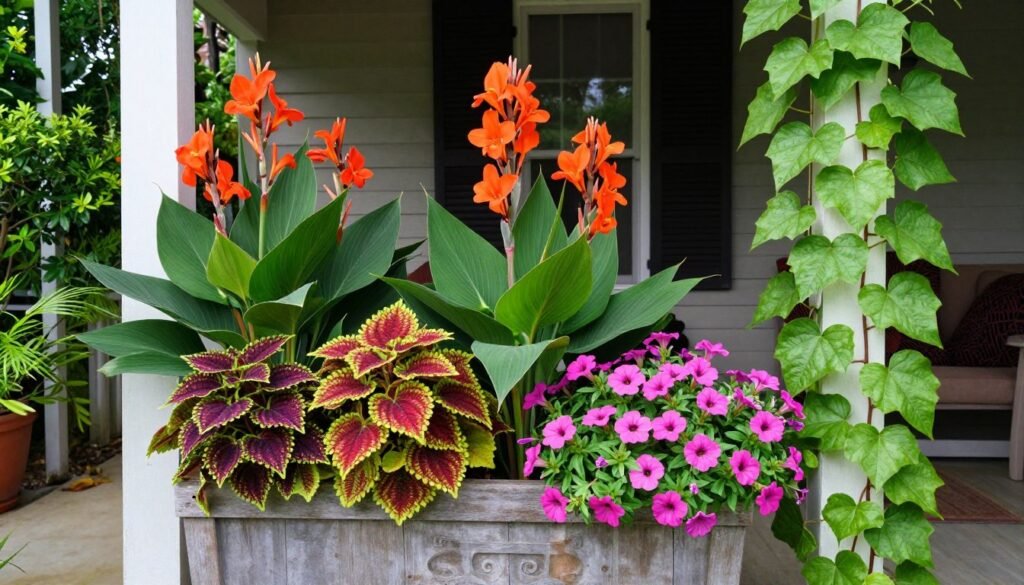
Summer planters with tropical-inspired plants create a lush, vibrant welcome
Summer: Vibrant Abundance
Embrace summer’s warmth with these heat-tolerant combinations:
Create tropical-inspired displays with cannas, elephant ears, and colorful coleus
Include heat-loving bloomers like lantanas, salvias, and zinnias
Add trailing sweet potato vines and calibrachoas for cascading color
Consider drought-tolerant options like succulents and ornamental grasses for low-maintenance displays
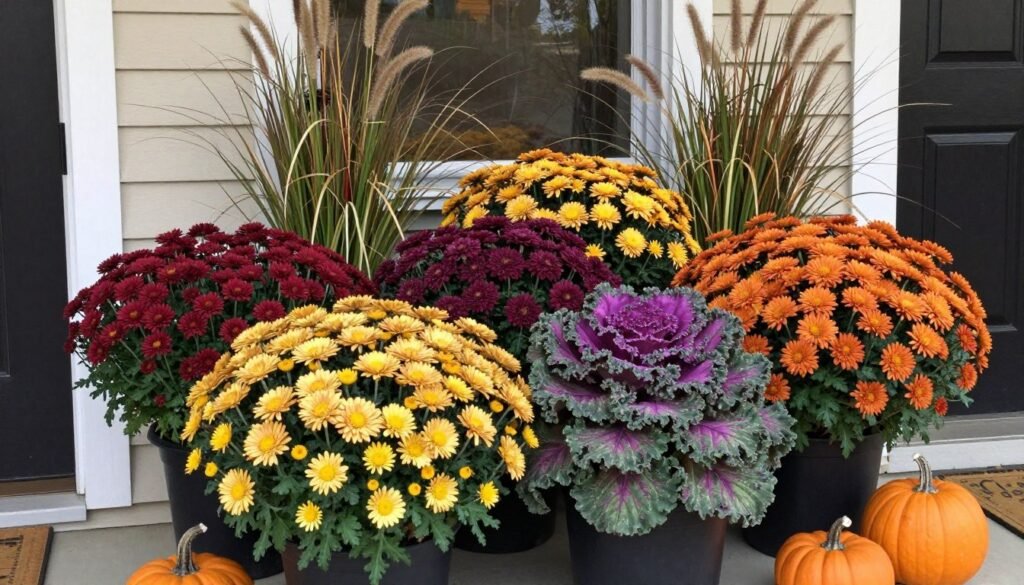
Fall planters with rich, warm tones reflect autumn’s changing landscape
Fall: Rich Harvest Colors
Transition to autumn with these seasonal favorites:
Showcase chrysanthemums in rich autumn hues of gold, burgundy, and bronze
Add textural interest with ornamental kale, cabbage, and peppers
Incorporate ornamental grasses with showy seed heads
Consider adding small pumpkins or gourds as accents around the base of planters
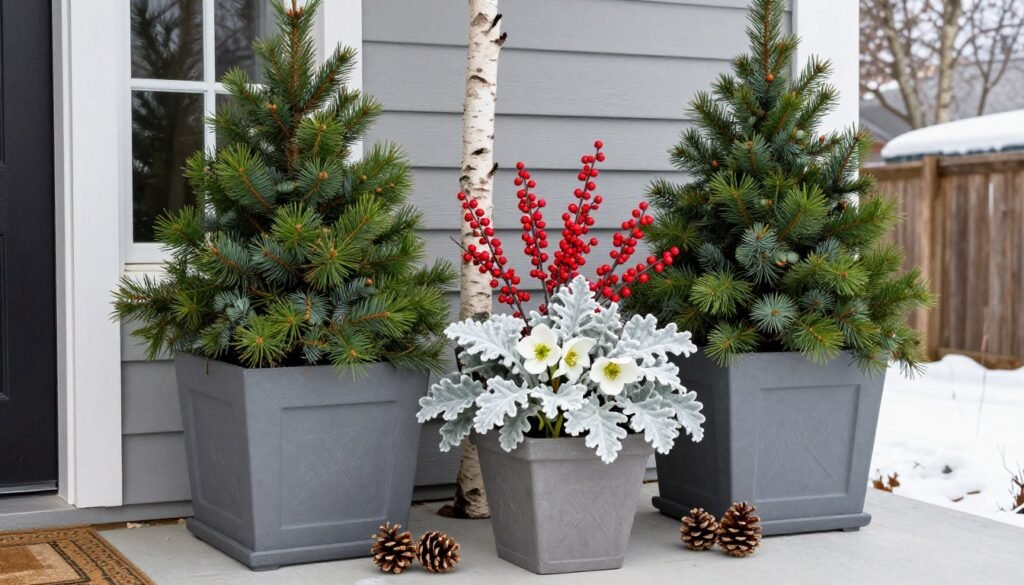
Winter planters with evergreens and berries provide color and texture during the coldest months
Winter: Elegant Evergreens
Maintain interest during winter months with these cold-season ideas:
Create arrangements with evergreen boughs of different textures (pine, spruce, cedar, boxwood)
Add winter berries like holly, winterberry, or pyracantha for bright color
Incorporate cold-tolerant plants such as hellebores, heucheras, and ornamental cabbages
Consider adding battery-operated fairy lights for evening sparkle during the darker months
For easy seasonal transitions, consider investing in all-weather outdoor planters that can withstand temperature fluctuations year-round.
Budget-Friendly Front Porch Planter Ideas
Creating beautiful front porch planters doesn’t have to break the bank. These cost-effective strategies will help you achieve an impressive look for less.
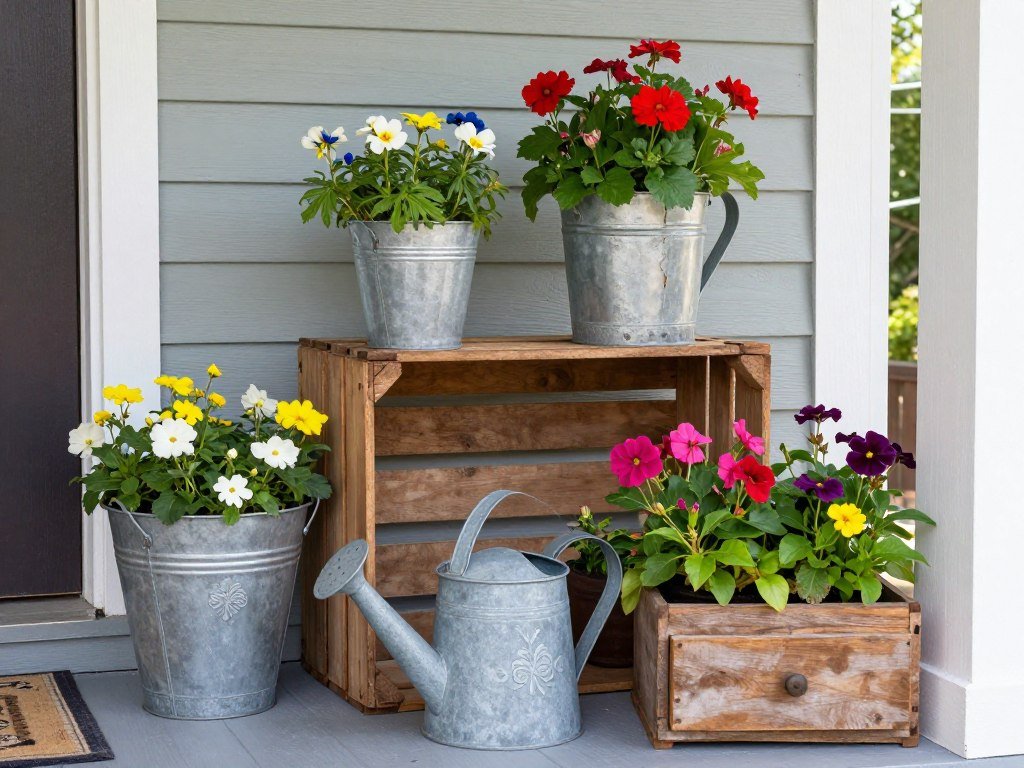
Repurposed containers add character while keeping costs down
Repurposed Container Ideas
Think beyond traditional planters with these creative alternatives:
Transform galvanized buckets, washtubs, or milk cans with drainage holes added
Repurpose wooden crates, barrels, or old drawers lined with landscape fabric
Use vintage finds like old toolboxes, watering cans, or even boots as quirky containers
Paint inexpensive plastic pots with exterior paint to match your color scheme
Plant Selection Strategies
Maximize your plant budget with these smart choices:
Choose perennials that can be transplanted to your garden at season’s end
Select plants known for long-blooming periods like petunias and lantanas
Buy smaller plants that will quickly fill in rather than larger, more expensive specimens
Divide larger plants to create multiple specimens for different containers
Incorporate cuttings from existing garden plants that root easily
DIY Soil and Fertilizer Tips
Save on potting mix and fertilizer with these approaches:
Create your own potting mix by combining garden soil, compost, and perlite
Use plastic bottles or foam peanuts in the bottom of large containers to reduce soil needs
Make compost tea as a natural, cost-free fertilizer
Share and split large bags of potting soil and fertilizer with neighbors
Your front porch planters are more than just containers for plants—they’re an expression of your personal style and a warm welcome to all who visit your home. By thoughtfully selecting the right containers, plants, and arrangements, you can transform your entrance into a vibrant, inviting space that enhances your home’s curb appeal and brings you joy each time you return home.
Remember that creating beautiful front porch planters is an evolving process. Don’t be afraid to experiment with different combinations, adjust as the seasons change, and let your creativity bloom. Whether you prefer formal symmetry or casual abundance, there’s a perfect planter style waiting to enhance your home’s entrance.
With the tips and inspiration in this guide, you’re well-equipped to create stunning front porch planters that will welcome visitors and brighten your home’s exterior throughout the year. Happy planting!
Ready to Transform Your Front Porch?
Explore our recommended supplies to create your perfect front porch planters today!
A sloped backyard presents unique challenges that can leave homeowners feeling frustrated. Erosion washes away soil, water pools in unwanted areas, and usable space seems limited. But your hillside property holds incredible potential waiting to be unlocked. Your slope can become the most striking feature of your home. The elevation changes create opportunities for dramatic…
Finding the perfect western wedding guest outfit requires balancing elegance with country charm. Whether you’re attending a rustic barn celebration or an outdoor ranch event, your dress and accessories should reflect the unique vibe of a western-themed wedding. This guide helps you navigate dress codes, seasonal considerations, and style choices. From maxi dresses to midi…
Your wedding entrance is the first impression guests have of your special day. It sets the tone for the entire celebration and creates that magical “wow” moment as loved ones arrive. From elegant floral arches to twinkling fairy light tunnels, the right wedding entrance decor transforms an ordinary doorway into a captivating gateway to your…
Your wedding day brings together the people you love most. Your bridesmaids stand beside you through every moment. Their hairstyles should make them feel confident and beautiful while complementing your overall wedding aesthetic. Choosing the right bridesmaid hairstyle involves more than picking something pretty. You need to consider hair texture, face shape, dress neckline, and…
The right bathroom lighting transforms an ordinary space into an extraordinary one, balancing both function and beauty. Whether you’re applying makeup, shaving, or simply seeking a spa-like retreat, proper lighting makes all the difference. In this guide, we’ll explore 30 bathroom lighting ideas that cater to every style, space, and budget—from elegant vanity sconces to…
Finding the perfect engagement ring is a meaningful journey that symbolizes your commitment and love. Silver engagement rings offer a beautiful, affordable alternative that doesn’t compromise on style or significance. These elegant rings combine timeless appeal with modern sensibility, making them an increasingly popular choice for couples who value both aesthetics and practicality. Whether you’re…