Ring Stacking Ideas Wedding Bands: 50+ Stunning Styles to Elevate Your Bridal Look
Your engagement ring tells your love story. But what comes next creates an entirely new chapter of personal style.
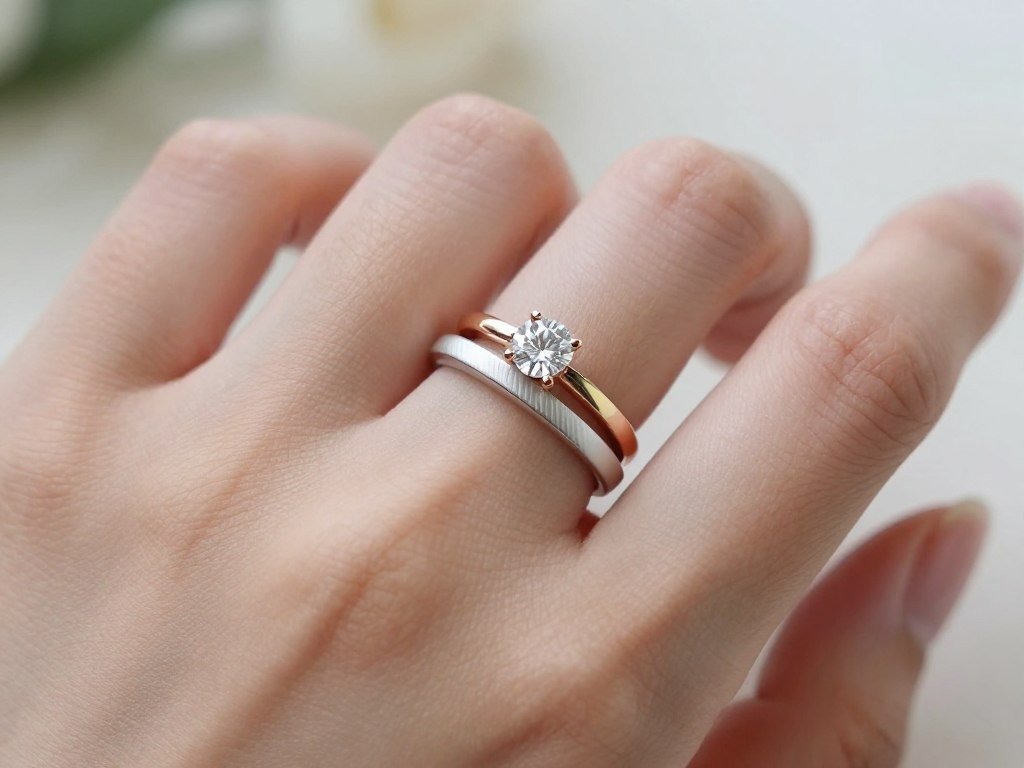
Ring stacking has transformed from a simple wedding band addition into an art form. Modern brides layer multiple rings on one finger to showcase their unique aesthetic.
This approach offers endless creative possibilities. You can mix metals like gold and platinum. Add textured bands alongside smooth ones. Include gemstone pieces between diamond rings.
The perfect ring stack reflects your personality. It combines meaning with visual appeal. Each piece works independently yet shines brighter together.
Creating your ideal stack requires understanding core principles. Metal compatibility matters. Ring proportions affect comfort and look. Placement order changes the entire vibe.
This guide covers everything you need. From beginner-friendly combinations to advanced styling techniques. Whether you prefer classic elegance or bold modern looks.
Ready to Explore Stacking Options?
Discover hundreds of stackable wedding band styles and find inspiration for your perfect combination.
Ring stacking means wearing multiple rings together on one finger. This creates a layered look that showcases different styles simultaneously.
The practice gained popularity when fashion-forward brides wanted more than traditional engagement ring and wedding band pairings. They added anniversary bands. Then fashion rings. Soon entire collections adorned single fingers.
Core Components of a Ring Stack
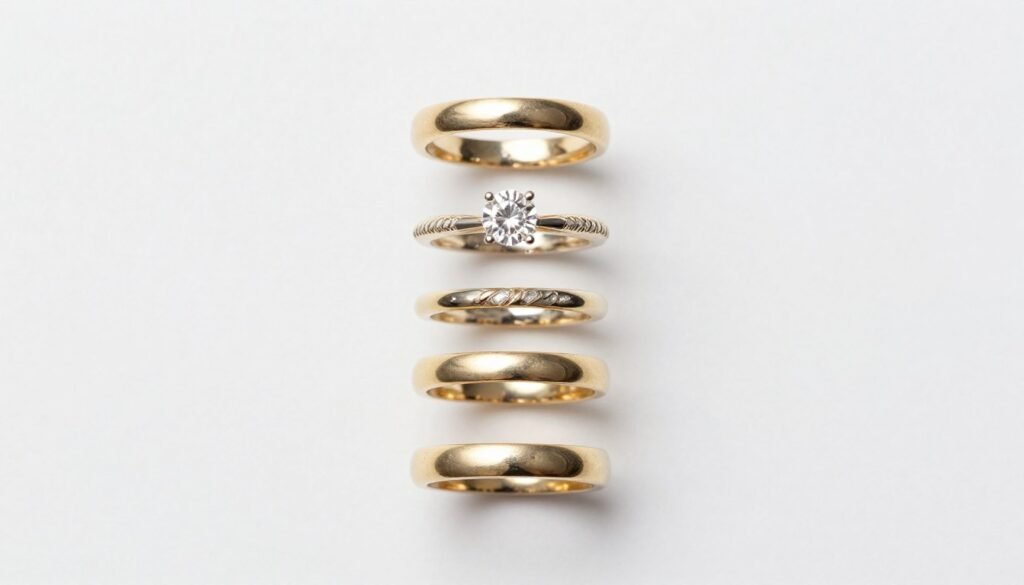
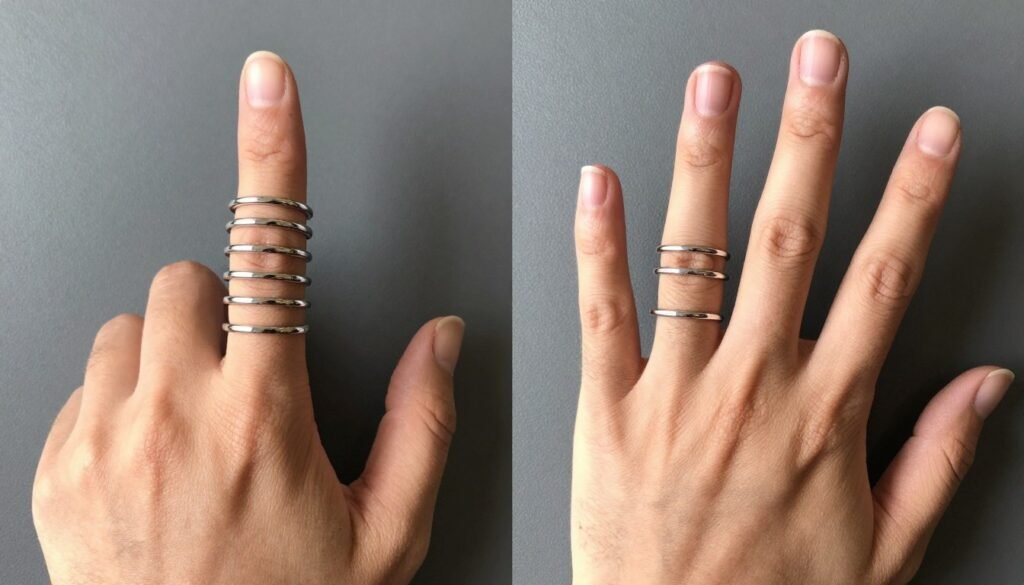
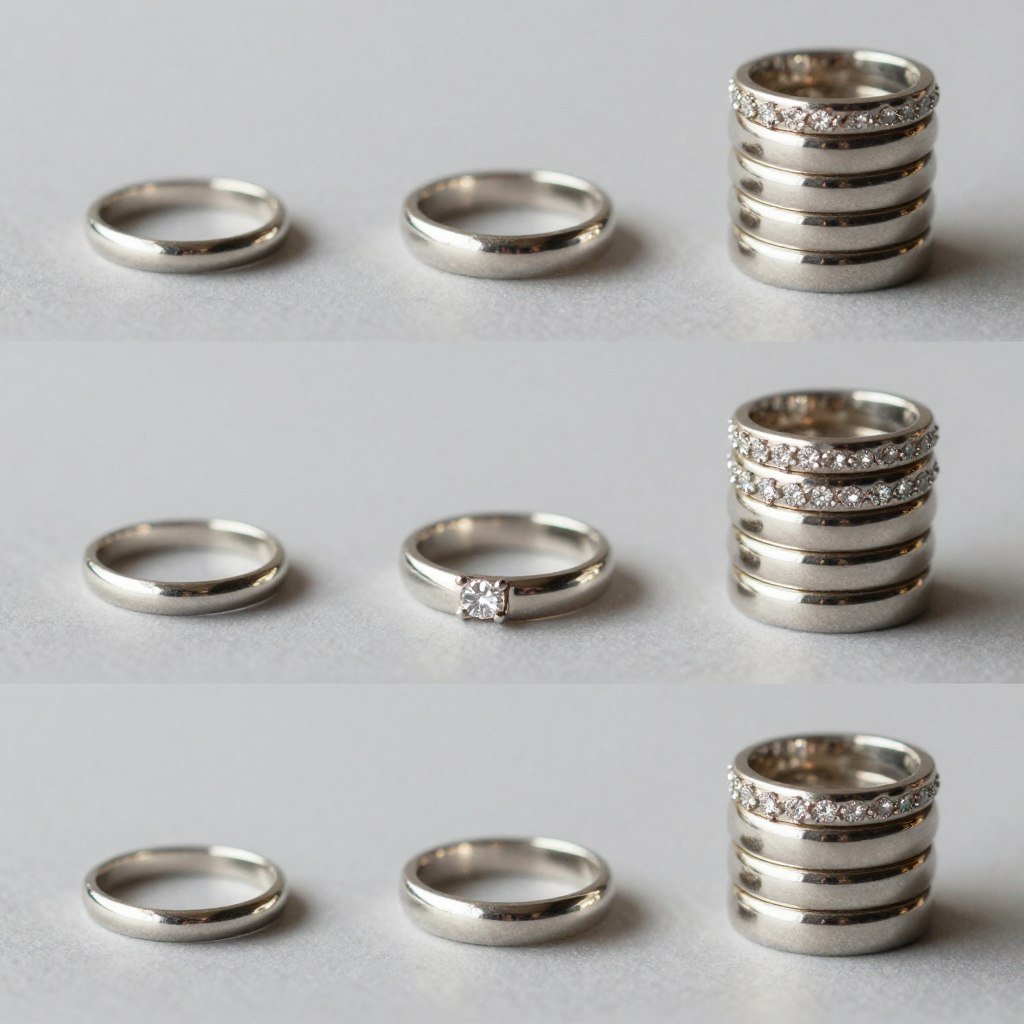
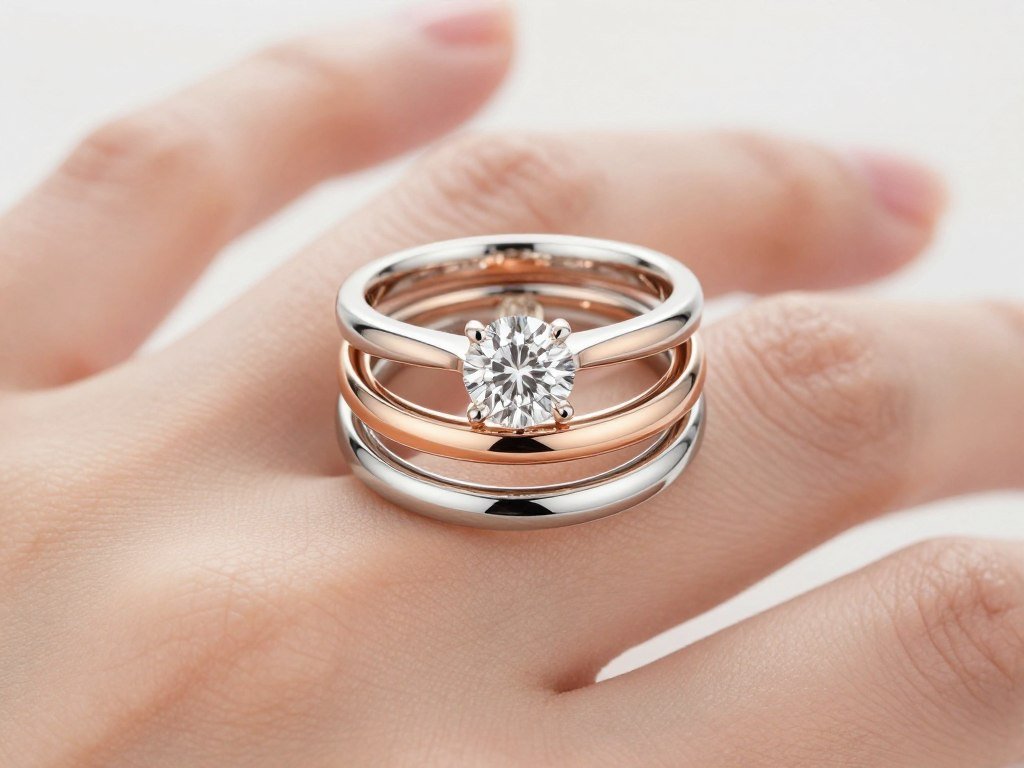
Most stacks include three to five pieces. Your engagement ring typically anchors the center position. Wedding bands flank either side. Additional rings extend above or below.
Each ring serves a purpose. Base bands provide structural support. Statement pieces draw attention. Spacer rings create visual balance between larger designs.
Why Stacking Works
Multiple rings on one finger create dimension impossible with single pieces. Different metals catch light uniquely. Varied textures provide tactile interest. Gemstone colors complement each other.
This approach also solves practical problems. Engagement rings sometimes spin or sit awkwardly alone. Surrounding bands stabilize them. Guard rings protect delicate center stones from damage.
The perfect ring stack balances several factors. Visual weight matters most. Heavy ornate pieces need simple companions. Delicate bands pair well together but may disappear next to chunky rings.
Comfort ranks equally important. Rings must feel good throughout daily wear. Sharp edges catch on clothing. Excessive height makes hand movements awkward. Proper ring selection prevents these issues.
Metal Mixing Mastery: Creating Stunning Contrasts
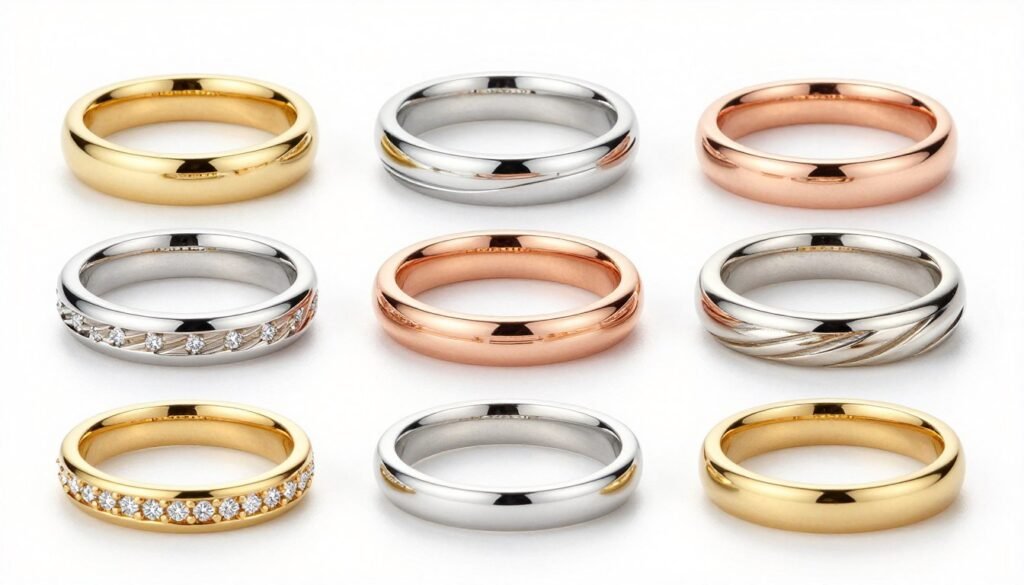
Combining different metals creates the most visually striking ring stacks. The contrast between gold tones and white metals produces sophisticated results.
Traditional jewelry rules discouraged metal mixing. Modern styling embraces it wholeheartedly. Yellow gold warms cool platinum. Rose gold adds romantic touches. White gold bridges different tones seamlessly.
Classic Metal Combinations That Always Work
Certain metal pairings have proven track records. These combinations complement most engagement ring styles and skin tones.
Yellow Gold + White Gold Stack
This pairing offers maximum contrast without being overly bold. The warm yellow tones pop against cool white metal. This combination suits both vintage and contemporary engagement rings.
Place your engagement ring between white gold bands. Add yellow gold pieces above and below the cluster. This creates balanced visual weight across the entire stack.
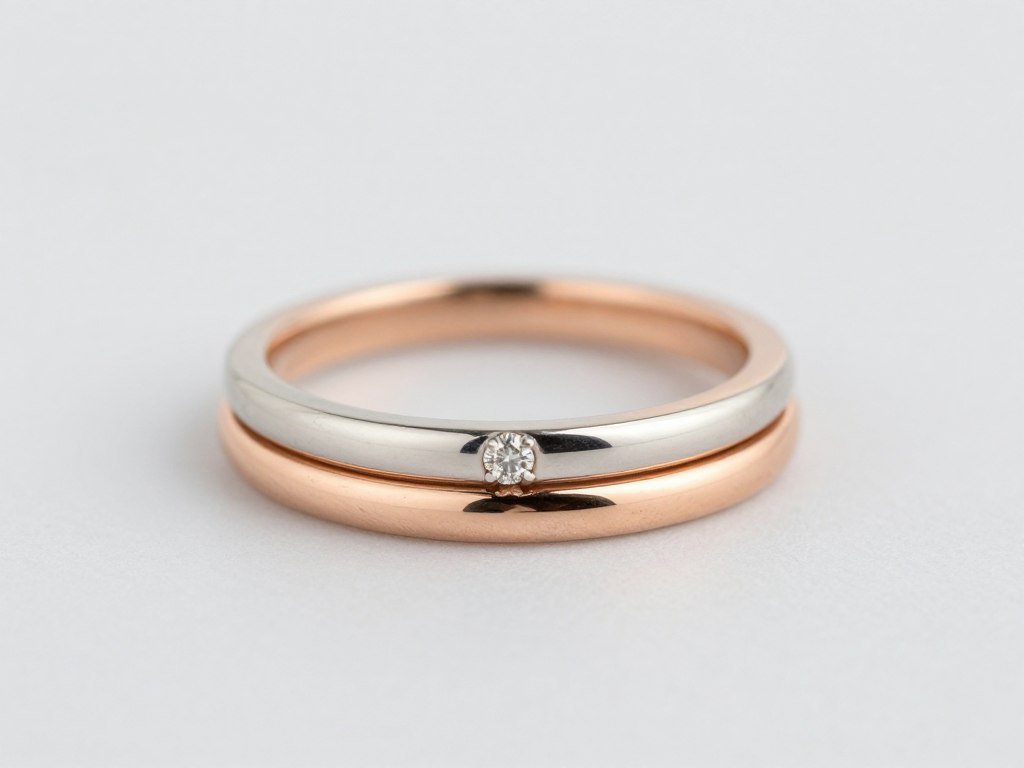
Rose Gold + Platinum Mix
Rose gold brings romantic warmth. Platinum provides cool sophistication. Together they create feminine elegance with modern edge.
This combination works exceptionally well for those with cool skin tones. The pink hues in rose gold complement platinum’s natural gray-white appearance. The metals enhance each other rather than competing.
Advanced Metal Mixing Techniques
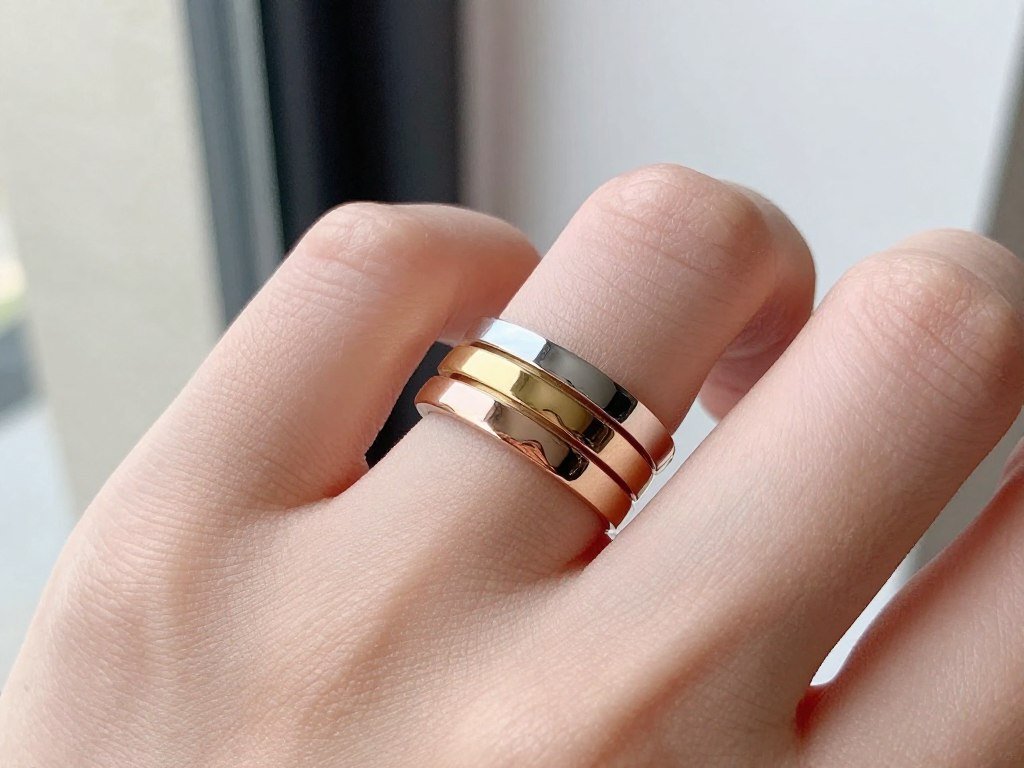
Once you master basic combinations, experiment with more complex arrangements. Tri-metal stacks incorporate three different metals. This requires careful planning for balanced results.
Consider your engagement ring as the anchor point. Match one wedding band directly to your engagement ring metal. Choose contrasting metals for remaining stack pieces. This grounds the look while allowing creative freedom.
Metal Proportion Guidelines
The ratio between different metals affects overall appearance. Follow these proportion rules for harmonious stacks:
Dominant metal should comprise 50-60% of total stack
Secondary metal fills 30-40% of visible space
Accent metal appears in 10-20% for subtle interest
Never split metals exactly evenly (creates visual confusion)
Group similar metals together for impact rather than alternating each band
Metals Like Gold: Exploring Your Options
Not all gold is created equal. Understanding gold variations helps create cohesive stacks. Yellow gold ranges from pale lemon to deep butter tones. Rose gold spans from barely pink to deeply copper.
White gold presents another consideration. This metal requires rhodium plating for bright white appearance. Over time, plating wears and reveals gold’s natural warm tone. Plan maintenance accordingly when building long-term stacks.
Platinum offers permanent color. This dense metal resists scratching better than gold. Its weight feels substantial. Many prefer platinum for engagement rings with gold wedding bands providing contrast.
Texture and Finish Combinations for Visual Interest
Surface treatments dramatically change ring appearance. Combining different textures creates depth within your stack without requiring multiple metals.
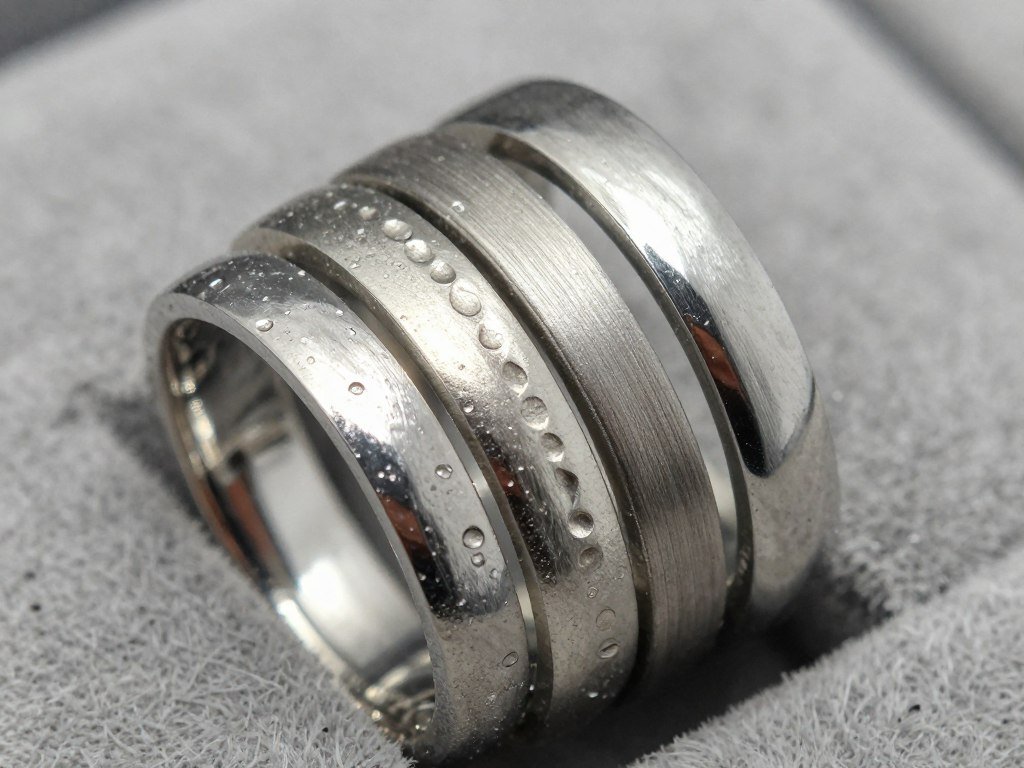
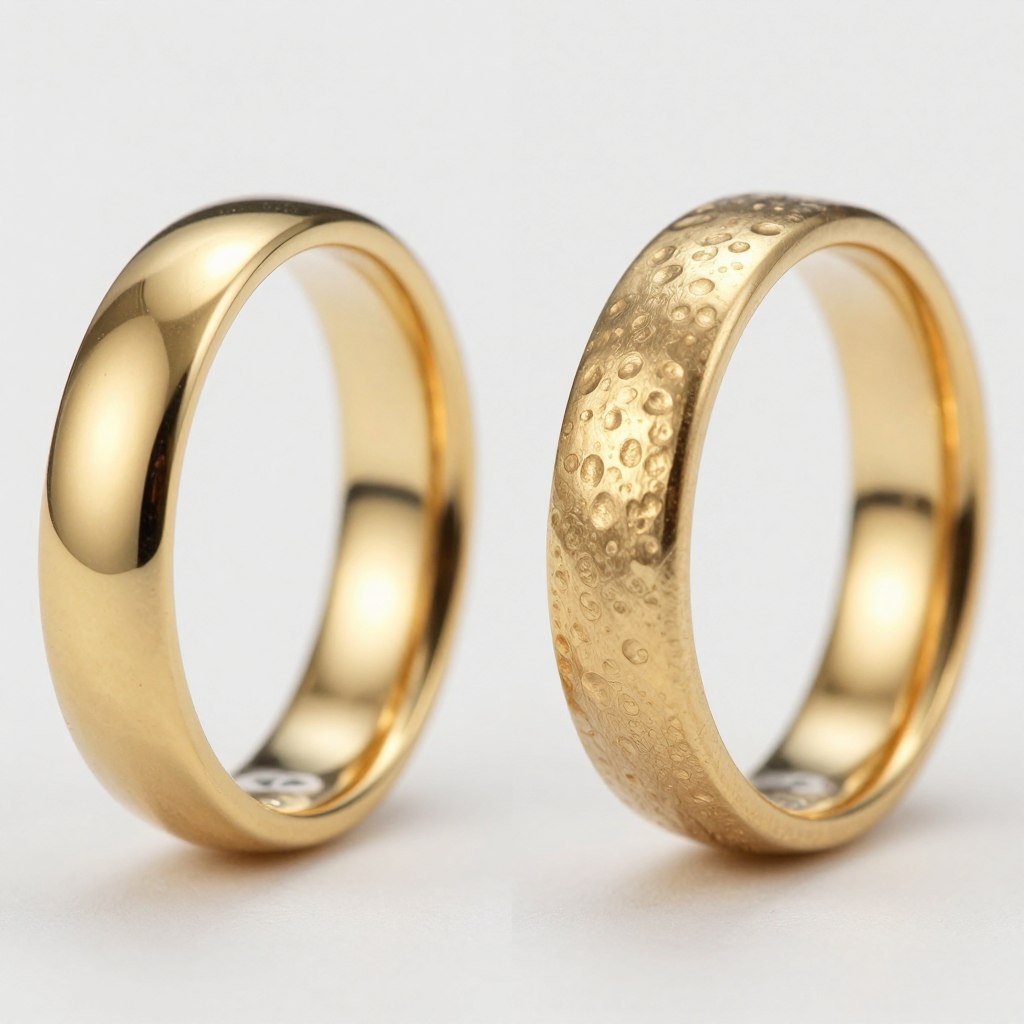
Smooth polished bands reflect maximum light. They appear sleek and modern. Matte finishes absorb light, creating soft understated elegance. Hammered textures catch light unpredictably for organic beauty.
Pairing Smooth and Textured Bands
The interplay between smooth and textured surfaces requires thoughtful arrangement. Too many textured pieces create visual chaos. All smooth bands may appear boring.
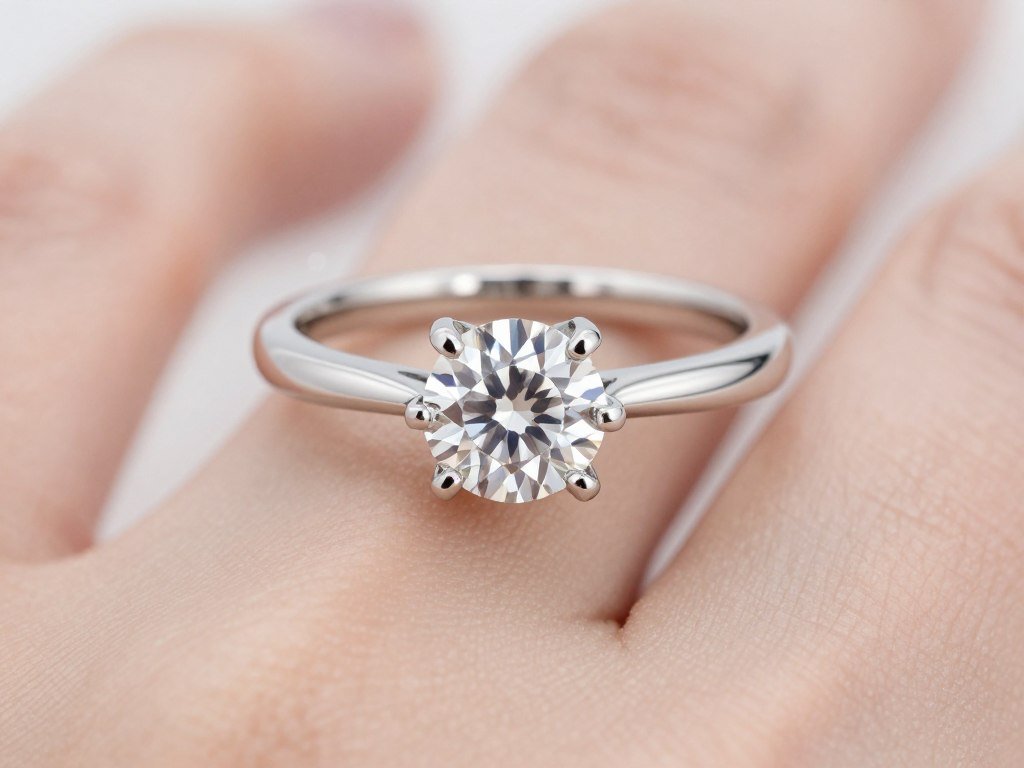
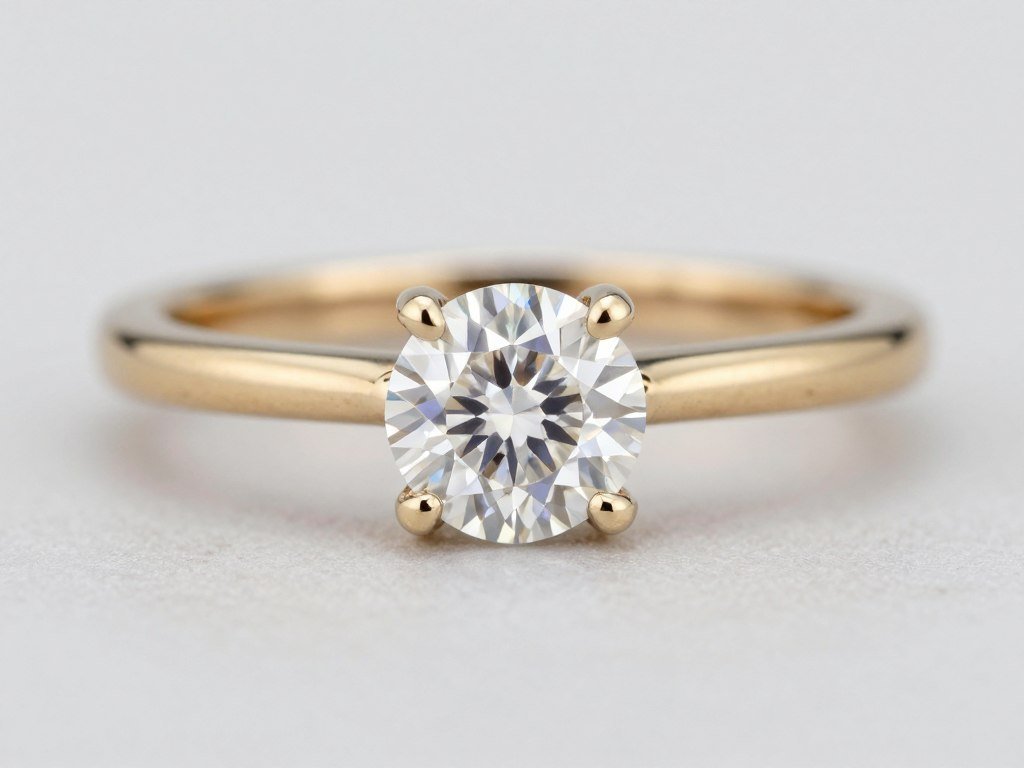
Start with your engagement ring. If it features intricate details or pave diamonds, pair it with simpler bands. A plain solitaire engagement ring welcomes more elaborate wedding band textures.
Texture Placement Strategy
Position textured bands strategically throughout your stack. Place them adjacent to smooth polished rings for maximum contrast. This arrangement makes each texture more noticeable.
Avoid clustering all textured pieces together. Distribute them evenly across the stack. This creates rhythm that guides the eye across your entire hand.
Popular Texture Options
Modern jewelers offer countless surface treatments. Each creates distinct character within your ring stack.
Hammered finishes feature irregular dimpled surfaces that catch light beautifully
Brushed or satin textures provide subtle matte appearance with fine linear patterns
Milgrain detailing adds vintage-inspired beaded edges along band perimeters
Florentine engraving creates crosshatch patterns with old-world charm
Sand-blasted surfaces offer ultra-matte modern minimalism
Explore Textured vs. Smooth Band Options
Compare different surface finishes to find textures that complement your engagement ring style.
Different textures require varying maintenance levels. High polish finishes show scratches easily but refinish simply. Matte surfaces hide wear better yet cannot be re-polished without changing appearance.
Textured bands tend to hide daily wear better than smooth ones. The irregular surfaces camouflage minor scratches. This makes them practical choices for active lifestyles.
Consider your daily activities when selecting finishes. Healthcare workers and frequent hand-washers may prefer textures over high polish. Office professionals might choose gleaming smooth bands that project polished professionalism.
Width and Proportion Guidelines for Balanced Stacks
Ring width dramatically affects both comfort and appearance. Proper proportions ensure your stack looks intentional rather than haphazard.
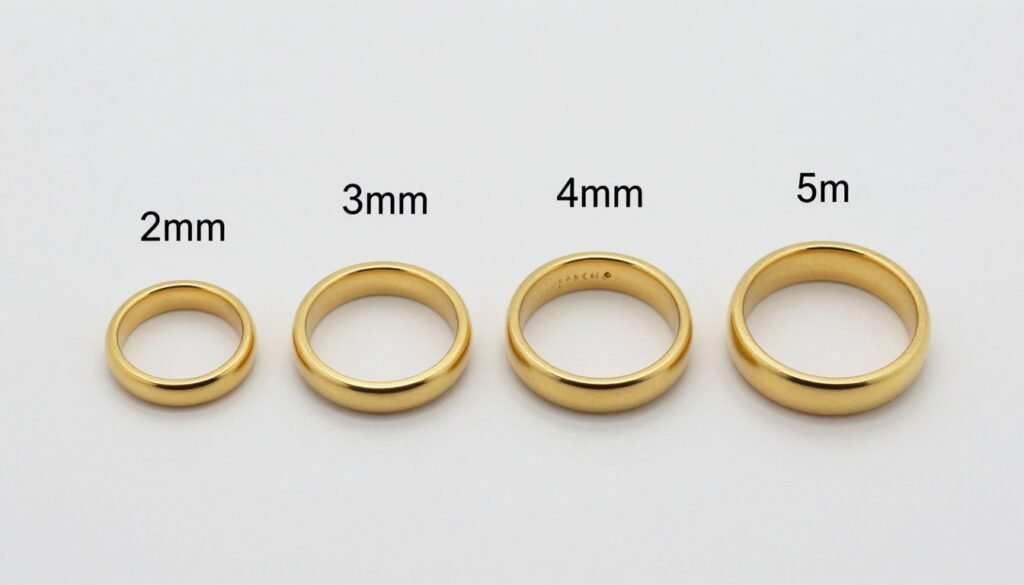
Most engagement rings measure between 2mm and 4mm wide. Your wedding bands and stacking rings should relate proportionally to this base measurement.
The Golden Ratio for Ring Stacking
Jewelry designers often reference the golden ratio when creating balanced ring stacks. While you need not calculate exact mathematics, general proportion principles apply.
Your engagement ring should comprise roughly 40-50% of total stack visual weight. Wedding bands immediately flanking it should measure slightly narrower than the engagement ring. Additional stacking rings decrease in width as you move away from center.
Narrow Band Benefits
Bands measuring 1.5mm to 2.5mm offer several advantages for stacking enthusiasts.
Allow more rings within comfortable total height
Create delicate feminine appearance
Work well for smaller finger sizes
Provide flexibility in stack arrangement
Wide Band Advantages
Bands measuring 3mm to 6mm make bold statements and offer unique benefits.
Provide more surface area for textures and details
Balance larger engagement ring center stones
Feel more substantial during wear
Require fewer total pieces for full stack look
Mixed Width Strategy
Combining various widths creates the most visually interesting stacks when done thoughtfully.
Alternate thick and thin bands for rhythm
Use widest band as visual anchor point
Taper widths gradually from center outward
Maintain proportional relationships between adjacent rings
Comfort Considerations
Total stack height affects daily wearability and requires careful planning.
Keep total height under 15mm for all-day comfort
Choose comfort-fit interiors for wider bands
Test ring combinations before committing
Consider knuckle clearance when stacking many rings
Finger Size and Proportion Relationships
Your natural finger size influences ideal ring proportions. Smaller fingers (sizes 4-6) look best with more delicate stacks. Larger fingers (sizes 7-9) can carry bolder wider combinations.
This does not mean small fingers cannot wear statement stacks. Rather, the proportion between finger width and ring width matters. Excessively wide bands on small fingers appear costume-like. Very thin bands on large fingers may look insubstantial.
Consider your hand shape holistically. Long slender fingers suit dramatic stacks with many rings. Shorter fingers look best with three to four carefully chosen pieces. Wide palms balance bold chunky designs better than narrow hands.
Gemstone Integration: Adding Color to Your Stack
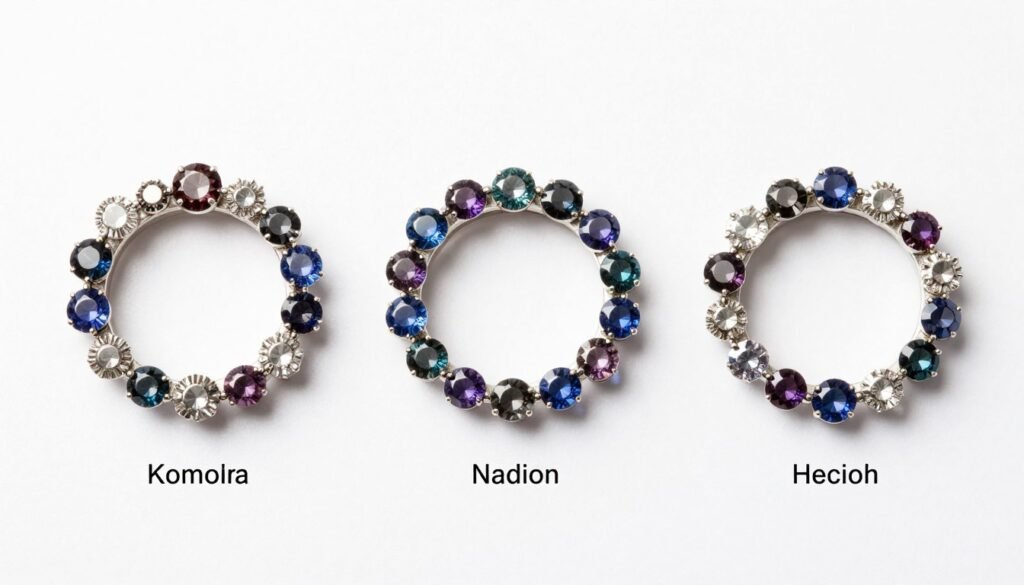
Colored gemstones transform traditional ring stacks into personalized artistic expressions. Sapphires, emeralds, and other stones introduce vibrant personality.
The key to successful gemstone stacking lies in intentional color coordination. Random rainbow collections often clash. Thoughtful color schemes create cohesive beautiful results.
Coordinating Gemstone Colors
Start by identifying your engagement ring’s primary colors. Most feature diamonds, but some include colored center stones or accent gems. Build your stack around these existing colors.
Monochromatic schemes use varying shades of one color. An engagement ring with blue sapphire pairs beautifully with lighter aquamarine bands. Deep ruby looks stunning with pink sapphire accents. This approach feels sophisticated and deliberate.
Complementary Color Stacks
Use color wheel opposites for vibrant contrast. Blue sapphires pair with warm citrine or orange sapphires. Purple amethyst complements yellow diamonds. These combinations create visual excitement without feeling chaotic.
Analogous Color Schemes
Select colors adjacent on the color wheel for harmonious blends. Green emeralds work with blue-green aquamarine and yellow-green peridot. Red rubies combine with orange sapphires and pink tourmalines. These stacks feel naturally balanced.
Neutral Plus One Approach
Keep most rings diamond or plain metal while featuring one colored gemstone band as accent. This conservative approach suits professional environments while adding personality. The single color pop becomes your signature element.
Diamond and Gemstone Placement
The arrangement of stone-set bands within your stack affects overall brilliance and color distribution. Strategic placement maximizes visual impact.
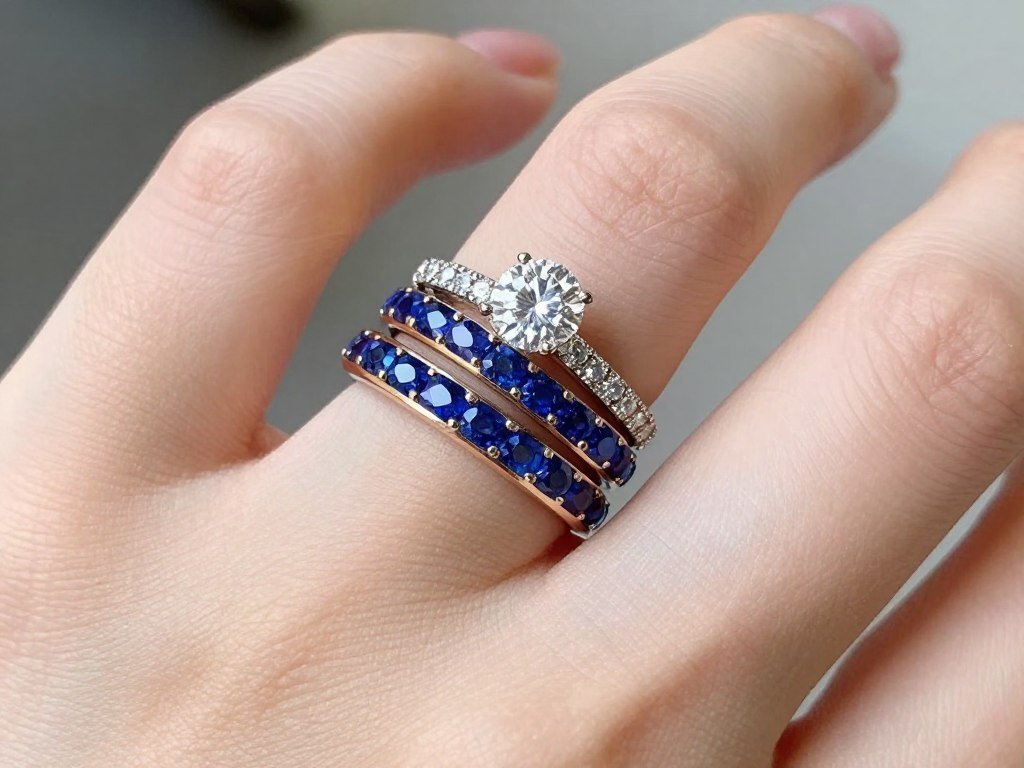
Position your most valuable or meaningful gemstone ring closest to your engagement ring. This protects it from excessive wear while keeping it visually prominent. Place eternity bands with continuous stones next to each other for maximum sparkle.
Alternate gemstone bands with plain metal rings to create breathing room. Continuous sparkle can overwhelm. Plain bands act as visual rests that make gemstones more impactful. This technique also reduces total cost while maintaining impressive appearance.
Birthstone and Anniversary Integration
Many women incorporate meaningful gemstones representing family members or special dates. Birthstone stacks tell personal stories through color.
Start with your engagement ring as foundation. Add your birthstone in a wedding band. Include your partner’s birthstone in another ring. As children arrive, stack additional birthstone bands. This creates a growing family timeline on your finger.
Anniversary bands offer another customization opportunity. Traditional anniversary gemstones include sapphire for fifth anniversaries, ruby for fortieth, diamond for sixtieth. Building these into your stack commemorates relationship milestones.
Discover Gemstone Stacking Bands
Explore colored gemstone wedding bands and find the perfect stones to personalize your ring stack.
Seven Essential Styling Rules for Perfect Ring Stacks
Creating stunning ring stacks requires more than randomly combining pretty rings. These proven rules guide your design decisions.
Rule 1: Start with Your Engagement Ring as Anchor
Your engagement ring determines stack direction. Its style, metal, and size influence all other choices. Honor its design rather than fighting against it.
Vintage engagement rings pair best with similarly detailed bands. Modern minimalist solitaires welcome both simple and ornate companions. Halo designs look balanced with plain wedding bands that do not compete for attention.
Rule 2: Maintain Consistent Ring Quality
Mixing high-karat gold with plated fashion rings creates obvious quality disparities. All pieces in your stack should share similar construction standards. This ensures even wear patterns and cohesive appearance.
Real gold, platinum, and quality gemstones maintain value. Fashion jewelry tarnishes and loses stones. Building your stack with solid precious metals means it lasts decades and potentially becomes an heirloom.
Rule 3: Balance Symmetry and Asymmetry
Perfect symmetry feels formal and traditional. Complete asymmetry may appear accidental. Most successful stacks blend both approaches.
Try symmetrical placement immediately around your engagement ring. Add asymmetrical elements at stack edges. This grounds the design while maintaining interest. Your eye reads the center as balanced while appreciating creative outer portions.
Rule 4: Consider One Finger Focus
Traditional etiquette placed all wedding jewelry on the left ring finger. Modern styling offers more flexibility. Some women stack engagement rings on one finger and wedding bands on another. Others distribute rings across multiple fingers.
The one-finger approach creates maximum impact. Your entire ring collection draws attention to a single focal point. This works especially well for those with stunning engagement rings deserving prominent display.
Multi-finger distribution suits minimalist aesthetics. Place your engagement ring and wedding band traditionally on your left ring finger. Add stacking rings on other fingers for balanced hand jewelry without overwhelming single digit.
Rule 5: Mind Your Proportions
Visual weight distribution prevents lopsided stacks. Heavy ornate pieces need simpler companions. Multiple delicate bands balance one substantial ring.
Look at your stack from across a room. Does your eye immediately understand the design? Or does it appear cluttered and confusing? Step back frequently during assembly to assess proportion.
Rule 6: Leave Room for Growth
Ring stacks evolve over time. Leave space for future additions rather than cramming maximum rings immediately. This allows your stack to grow with your relationship and life milestones.
Start with your engagement ring and wedding band. Add an anniversary band on your first anniversary. Include a push present ring after children. Let your stack tell your story gradually rather than all at once.
Rule 7: Prioritize Comfort Above All
The most beautiful ring stack fails if you cannot wear it comfortably. Rings should not pinch, catch on clothing, or inhibit movement. If your stack feels burdensome, simplify it.
Test your complete stack for several hours before finalizing purchases. Perform normal daily activities. Type on a keyboard. Wash your hands. Drive your car. Notice any discomfort or practical limitations. Adjust accordingly.
Start Building Your Perfect Stack
Apply these styling rules by exploring stackable wedding bands that complement your engagement ring.
Popular Ring Stack Styles and How to Recreate Them
Certain stacking formulas appear repeatedly because they work beautifully. These proven combinations offer starting points for your personal stack.
The Classic Symmetrical Stack
This timeless approach places your engagement ring at center with identical wedding bands on each side. Additional rings mirror outward in matching pairs.
Choose two yellow gold bands flanking your engagement ring. Add two thinner bands in the same metal beyond those. This creates clean lines and balanced elegance suitable for any setting.
When to Choose This Style
The symmetrical stack suits traditional brides who appreciate order and balance. It works beautifully in professional environments where understated elegance matters.
This approach also flatters smaller hands. The balanced design does not overwhelm petite fingers with competing visual elements.
The Modern Asymmetrical Stack
Contemporary styling embraces intentional imbalance. Place your engagement ring off-center. Surround it with varying rings that create interesting tension rather than perfect symmetry.
Try positioning your engagement ring closer to one side. Stack three thin bands below it. Add two thicker bands above. The uneven arrangement feels fresh and artistic.
The Minimalist Three-Ring Stack
Less is more for minimalism enthusiasts. Limit your stack to three pieces maximum. Make each one count through exceptional design or quality.
Select your engagement ring as foundation. Choose one wedding band in the same metal for cohesion. Add a single contrasting metal band for visual interest. This restrained approach highlights each ring’s beauty.
The Bohemian Mixed Stack
Boho styling celebrates eclectic combinations. Mix metals freely. Include gemstone colors. Vary widths dramatically. The goal is collected-over-time charm rather than matched perfection.
Combine rose gold with yellow gold and white gold in a single stack. Add a turquoise band. Include a thin hammered texture ring. Layer in a wider diamond eternity band. The variety creates personality-rich results.
The Vintage-Inspired Stack
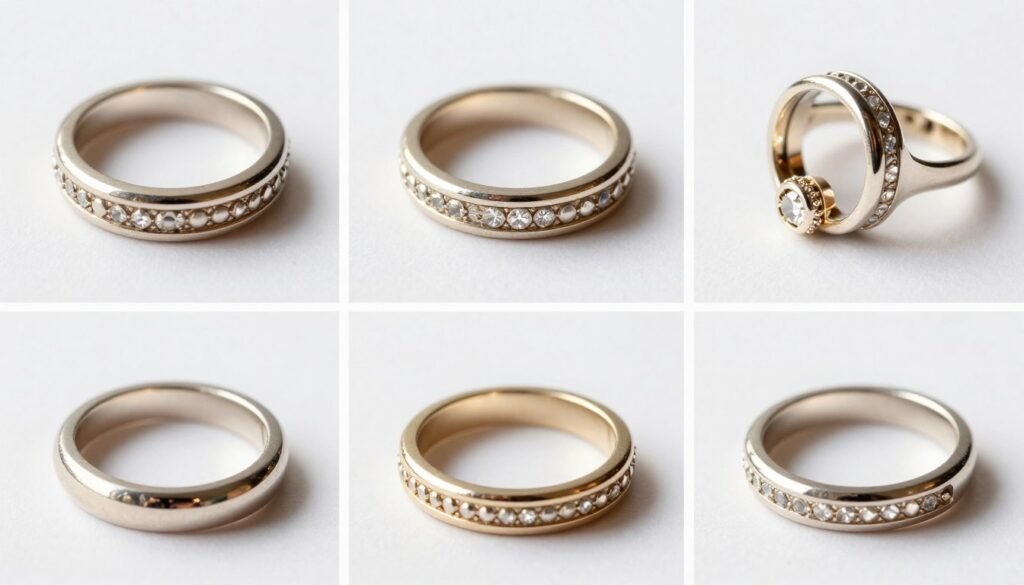
Channel earlier eras through detail-rich bands. Art Deco geometric patterns. Victorian scrollwork. Edwardian milgrain. These decorative elements create romantic nostalgic stacks.
Pair your engagement ring with engraved wedding bands featuring period-appropriate patterns. Add filigree details. Include antique-finished metals that look time-worn. Vintage styling feels timeless yet unique.
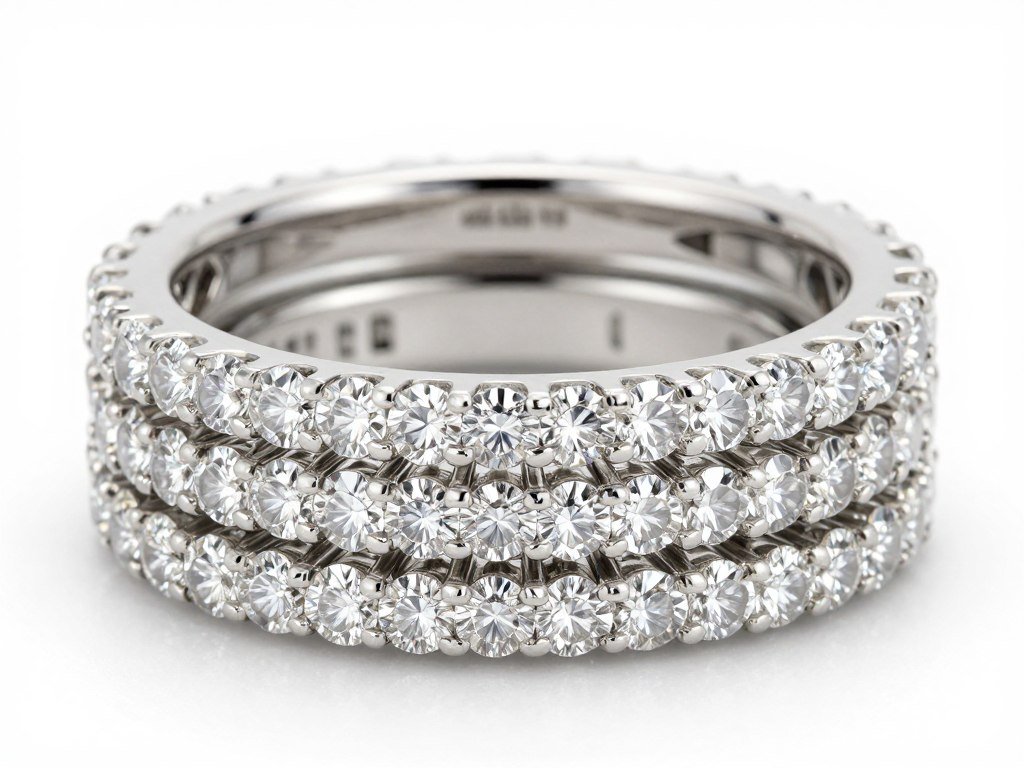
The Eternity Band Stack
Multiple eternity bands create maximum sparkle. These rings feature continuous diamonds or gemstones around entire circumference. Stacking several produces impressive brilliance.
Start with your engagement ring. Add a diamond eternity band on each side. Include a sapphire eternity band for color. Top with a thin plain spacer ring. The combination dazzles without overwhelming.
Practical Considerations for Everyday Ring Stacking
Beautiful design means nothing if your stack proves impractical for daily life. These considerations ensure your rings remain wearable.
Ring Sizing for Multiple Bands
Wearing many rings together affects fit. Multiple bands consume more finger space than single rings. You may need slightly larger sizes when stacking four or more pieces.
Have your finger sized while wearing your engagement ring and wedding band together. Then try on additional stacking rings in this configuration. This reveals your true stacking size rather than your single-ring size.
Some jewelers recommend sizing stacking bands one quarter to one half size larger than your engagement ring. This prevents tightness as rings push against each other. The slight looseness becomes imperceptible when rings sit together.
Ring Maintenance and Cleaning
Multiple rings require more maintenance than single pieces. Dirt accumulates between bands. Prongs catch on adjacent rings. Regular cleaning becomes essential.
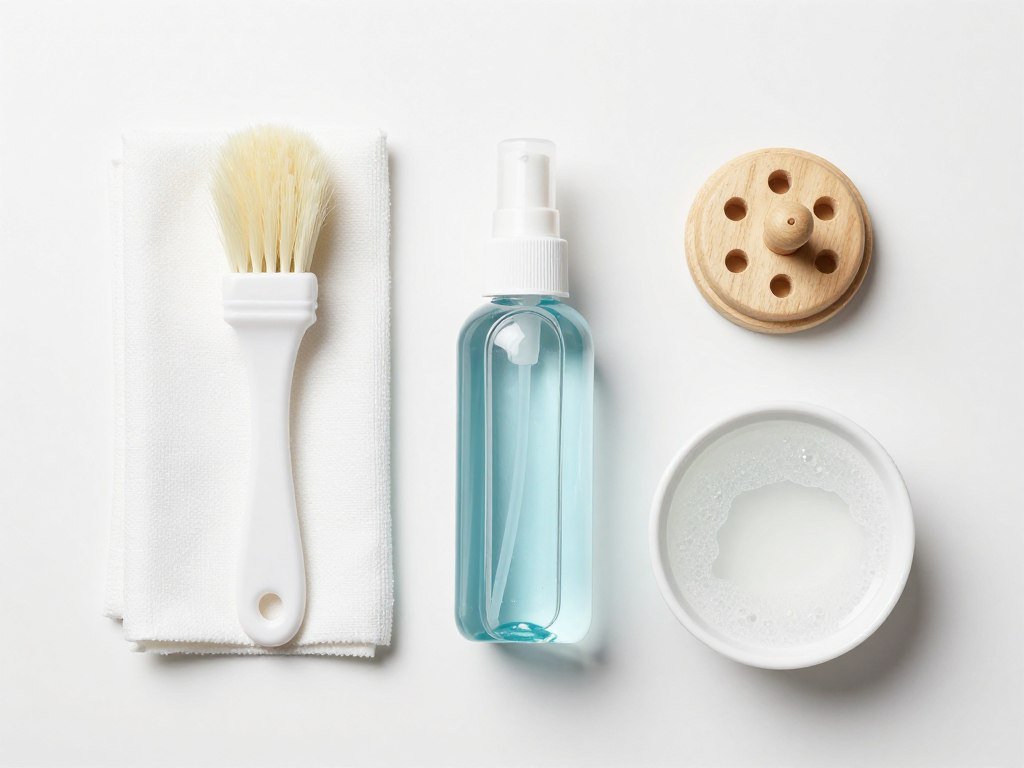
Remove your entire stack for weekly cleaning. Use warm water and mild dish soap with a soft toothbrush. Clean between each band thoroughly. This prevents buildup that dulls stones and metals.
Storage Solutions
Proper storage prevents tangling and damage when rings are not worn. Keep your stack together rather than separating pieces.
Use ring dishes with individual compartments for each stack
Thread stacks onto a ring holder maintaining their order
Store in fabric-lined boxes that prevent scratching
Professional Maintenance Schedule
Stacked rings need regular professional attention to maintain optimal condition.
Inspect prongs and settings every six months
Professional cleaning twice yearly removes stubborn buildup
Check for wear patterns where rings rub together
Activity Considerations
Certain activities demand ring removal regardless of stack beauty. Protect your investment by knowing when to take rings off.
Remove rings before exercising. Weights damage settings. Sweat corrodes metals faster. Swimming pools contain harsh chemicals that harm gemstones and finishes. Gardening exposes rings to abrasive dirt.
Some professions require bare hands. Healthcare workers follow infection control protocols. Food service employees observe sanitation rules. Understand your workplace requirements before investing heavily in ring stacks.
Insurance and Documentation
Ring stacks represent significant value. Proper insurance protects against loss, theft, or damage. Document each piece thoroughly.
Photograph your complete stack from multiple angles. Capture close-ups showing details and any unique characteristics. Store these images securely along with purchase receipts and appraisals.
Update your insurance policy as you add rings. Some homeowner policies include jewelry coverage but with low limits. Consider separate jewelry insurance for valuable stacks. This provides comprehensive protection specifically designed for fine jewelry.
Budget-Friendly Approaches to Building Ring Stacks
Stunning ring stacks do not require unlimited budgets. Strategic planning allows you to create impressive results while respecting financial boundaries.
Starting Small and Building Gradually
Begin with essentials only. Your engagement ring and one wedding band create the foundation. Add pieces over time as budget allows. This approach spreads costs across years while creating a stack that grows with your relationship.
Many jewelers offer payment plans or financing for wedding bands. Take advantage of interest-free periods to acquire quality pieces without immediate full payment. Prioritize well-made rings in solid precious metals rather than numerous lower-quality pieces.
Anniversary-Based Additions
Use anniversaries as milestones for stack expansion. Add one new band each year. This creates tradition while managing expenses.
First anniversary might bring a simple gold band. Fifth anniversary could include a gemstone ring. Tenth anniversary welcomes a diamond eternity band. Your stack becomes a timeline of your marriage.
Mixing Price Points Strategically
Not every ring in your stack requires identical investment level. Vary price points intentionally to maximize visual impact while controlling costs.
Invest most heavily in your engagement ring and primary wedding band. These pieces receive most wear and hold deepest meaning. They deserve superior quality and craftsmanship.
Add less expensive stacking bands in strategic positions. Simple plain bands cost significantly less than gemstone or detailed rings. Use these affordable pieces to create height and visual interest without major expense.
Alternative Metal Options
Precious metals command premium prices. Alternative metals offer budget-friendly substitutes with contemporary appeal. Sterling silver costs a fraction of gold prices. Titanium and tungsten provide durability at accessible price points.
Mix alternative metals with precious metals thoughtfully. A sterling silver band might sit between gold rings without obvious quality disparity. The color contrast becomes an intentional design element rather than budget compromise.
Metal Type
Approximate Cost
Durability
Best For
14K Yellow Gold
$$$$
High
Primary wedding bands, engagement ring settings
14K White Gold
$$$$
High (requires replating)
Mixed metal stacks, diamond settings
14K Rose Gold
$$$$
Very High
Romantic stacks, vintage styles
Platinum
$$$$$
Extremely High
Engagement rings, heirloom pieces
Sterling Silver
$
Moderate (tarnishes)
Fashion stacking rings, temporary additions
Titanium
$$
Very High
Active lifestyles, modern minimalist stacks
Lab-Grown Gemstones
Lab-grown diamonds and gemstones offer identical beauty to mined stones at 40-60% lower prices. Modern technology creates chemically identical gems with better clarity and color consistency.
Use lab-grown stones for eternity bands and stacking rings. Reserve natural stones for your engagement ring if preferred. This hybrid approach maximizes sparkle while respecting budget constraints.
Lab-grown options also provide ethical benefits. No mining means reduced environmental impact. Transparent supply chains eliminate concerns about conflict gemstones. Many couples prefer this responsible choice regardless of cost savings.
Find Budget-Friendly Stacking Options
Explore affordable stackable wedding bands in various metals and styles to build your perfect collection gradually.
Proper care ensures your ring stack remains beautiful for decades. Different metals and gemstones require specific maintenance approaches.
Daily Care Routines
Establish simple daily habits that protect your rings. Remove your stack before applying lotions or cosmetics. These products leave residue that dulls metals and stones. Put rings on after completing your beauty routine.
Take off your stack before bed. This prevents accidental damage during sleep. Store rings in a dedicated safe location rather than leaving them on bathroom counters where they might fall or get misplaced.
Metal-Specific Care
Each metal type demands particular care attention. Gold resists tarnishing but scratches easily. Platinum develops a patina over time that some find desirable. White gold requires periodic rhodium replating to maintain bright finish.
Clean gold rings with warm soapy water and a soft brush. Avoid harsh chemicals that might damage gemstones or weaken solder joints. Pat dry with a lint-free cloth rather than rubbing vigorously.
Platinum jewelry benefits from professional polishing annually. Jewelers buff away surface scratches while preserving metal. This service restores original luster without removing significant material.
Gemstone Protection
Diamonds rank hardest on the Mohs scale but still chip if struck incorrectly. Colored gemstones vary in hardness and durability. Emeralds and opals require especially gentle treatment.
Avoid ultrasonic cleaners for stacked rings containing softer gemstones. The vibrations can loosen stones or damage fragile gems. Hand cleaning remains safest for mixed-stone stacks.
Have prongs checked regularly by a jeweler. Stacked rings experience more abrasion as they rub together. Prongs wear faster than in solo rings. Catching loose stones before they fall prevents heartbreaking losses.
Wear Pattern Management
Rings sitting together create friction that accelerates wear. Metal rubs against metal. This gradually thins bands at contact points. Recognize normal wear patterns versus concerning damage.
Rotate ring positions occasionally if your stack includes identical pieces. This distributes wear more evenly across all bands. The rings age together rather than one wearing significantly faster.
Consider thin spacer rings between pieces prone to excessive rubbing. These inexpensive protective bands absorb friction damage while preserving valuable rings. Replace spacers as they wear rather than allowing damage to primary pieces.
Signs Your Stack Needs Professional Attention
Rings spinning excessively or feeling loose
Visible thinning at contact points between bands
Prongs appearing bent or worn down
Stones feeling rough or catching on fabric
Metal discoloration or dark spots
Preventative Maintenance Tasks
Professional inspection every six months
Deep cleaning twice yearly
Prong retipping as needed
Rhodium plating refresh for white gold
Sizing adjustments for comfort
Shopping Guide: Where to Find Quality Stacking Rings
Finding the perfect rings for your stack requires knowing where to shop. Different retailers offer distinct advantages based on your priorities.
Online Jewelry Retailers
Online shopping provides vast selection and competitive pricing. You can compare hundreds of styles quickly. Many sites offer detailed specifications, customer reviews, and virtual try-on tools.
Amazon features extensive collections of stackable wedding bands from various sellers. The platform offers price comparisons and customer feedback that guide purchasing decisions. Use specific search terms to find exactly what you want.
Explore Complete Stacking Collections
Browse curated sets and individual stackable bands to build your ideal ring combination from countless options.
Brick-and-mortar jewelers offer hands-on experience online shopping cannot match. Try rings on your actual finger. See how metals look against your skin tone. Assess comfort and fit immediately.
Independent jewelers often provide custom design services. They can create stacking bands specifically matched to your engagement ring. This ensures perfect fit and cohesive styling impossible with mass-produced options.
Estate and Vintage Dealers
Pre-owned rings offer character and value. Estate jewelry costs less than new pieces while providing superior craftsmanship from earlier eras. Vintage stacking rings feature details rarely found in modern production.
Inspect estate jewelry carefully for wear and damage. Ensure sizing matches your needs or can be altered. Verify metal purity through hallmarks or professional testing. Quality vintage pieces become cherished elements of unique stacks.
Custom Jewelers and Artisans
Commission custom pieces for truly one-of-a-kind stacks. Work directly with jewelers to design rings reflecting your exact vision. Custom creation costs more but produces heirloom-quality results.
Many artisans specialize in wedding jewelry and understand ring stacking specifically. They recommend proportions, metals, and designs that work together harmoniously. Their expertise prevents costly mistakes.
Shopping Timeline Recommendations
Plan your stacking ring purchases strategically. Do not rush into buying multiple bands simultaneously unless purchasing matched sets. Allow time to live with each addition before adding more.
Purchase your wedding band three to four months before your wedding. This allows time for sizing adjustments and ensures availability. Order engagement ring and wedding band together if possible for optimal matching.
Wait at least six months after your wedding before adding first stacking rings. This lets you understand how your initial set wears daily. You will make better additional choices once familiar with your baseline stack.
Creating Your Signature Ring Stack
Your perfect ring stack combines technical knowledge with personal style. The rings you choose tell your unique story through metal, stone, and design.
Start with your engagement ring as the foundation. Add wedding bands that honor its style while introducing new elements. Build gradually over time rather than rushing to complete your stack immediately.
Remember that ring stacking remains deeply personal. Trends provide inspiration but should not dictate your choices. Wear what makes you happy rather than following others’ formulas blindly.
The best ring stacks balance aesthetics with practicality. They look stunning while feeling comfortable during daily wear. Your rings should enhance your life rather than complicating it.
Invest in quality pieces that endure. Solid precious metals and well-set gemstones maintain beauty for generations. Your stack can become an heirloom passing to future family members.
Take time exploring options before committing. Try different combinations. Live with your choices before adding more. This patient approach ensures satisfaction with your final stack.
Your ring stack evolves as your life changes. Add pieces commemorating milestones. Remove rings that no longer fit your style. Let your stack grow organically reflecting your journey.
Most importantly, wear your rings with joy. They symbolize love, commitment, and personal expression. The perfect ring stack is the one that makes you smile every time you see it on your finger.
The moment you decide to ask your girlfriend to marry you marks the beginning of an incredible journey. This proposal will become a story you both tell for the rest of your lives. Your partner deserves a moment that reflects your unique relationship and the love you share together. Planning the perfect proposal idea doesn’t…
Every anniversary marks another year of your beautiful journey together. Capturing these special moments through photos creates lasting memories you’ll treasure for years to come. Whether you’re celebrating your first anniversary or your fiftieth, a thoughtful photoshoot helps you freeze time and remember the love you share. Planning an anniversary photo shoot can feel overwhelming….
The sound of waves crashing against the shore creates a natural symphony for one of life’s most important questions. A beach proposal combines natural beauty with romantic ambiance in ways few other locations can match. The ocean provides a stunning backdrop while the sand beneath your feet grounds the moment in something timeless and real….
Your backyard holds incredible potential to become the ultimate retreat right outside your door. Whether you have a sprawling yard or a compact space, the right design choices can turn any outdoor area into a stunning oasis. This comprehensive guide brings together innovative backyard ideas that blend style with functionality. You will discover practical solutions…
Planning your wedding day should fill you with joy, not financial stress. A backyard wedding offers the perfect solution for couples who want a beautiful, intimate celebration without the hefty price tag of traditional venues. Your own home or a family member’s property becomes a blank canvas for creating magical moments. Backyard weddings have gained…
Your backyard wedding ceremony can become the intimate celebration you have always dreamed about. Many couples today choose to exchange vows in their own outdoor space or at a family member’s home. This personal approach creates memories that traditional venues simply cannot match. Planning a backyard wedding offers unique advantages that appeal to modern couples….