The Complete Guide to Choosing Your Perfect Proposal Ring
Finding the perfect proposal ring represents one of life’s most meaningful purchases. This sparkling symbol of commitment deserves careful thought and consideration.
Your search for an engagement ring connects you to centuries of tradition. Yet today’s options offer unprecedented variety in styles, diamonds, and settings.
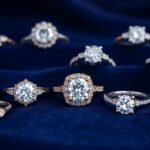
Whether you’re drawn to classic solitaire elegance or modern halo designs, understanding your choices transforms overwhelming decisions into confident selections. This comprehensive guide walks you through everything you need to know about proposal rings.
Understanding Engagement Rings: The Foundation of Your Choice
An engagement ring serves as the ultimate symbol of commitment between partners. This piece of jewelry traditionally features a center stone surrounded by a metal setting.
The tradition of engagement rings dates back centuries. Ancient Egyptians exchanged rings as symbols of eternity, while Romans popularized the custom of proposing with rings.
Modern engagement rings typically feature diamonds as center stones. However, colored gemstones have gained popularity among couples seeking unique expressions of their love.
The engagement ring differs from wedding bands worn after the ceremony. Most couples choose rings that complement each other when worn together.
Understanding ring anatomy helps you communicate with jewelers. The center stone sits in a setting, which attaches to the band that circles the finger.
Popular Engagement Ring Styles That Define Romance
Solitaire Engagement Rings: Timeless Elegance
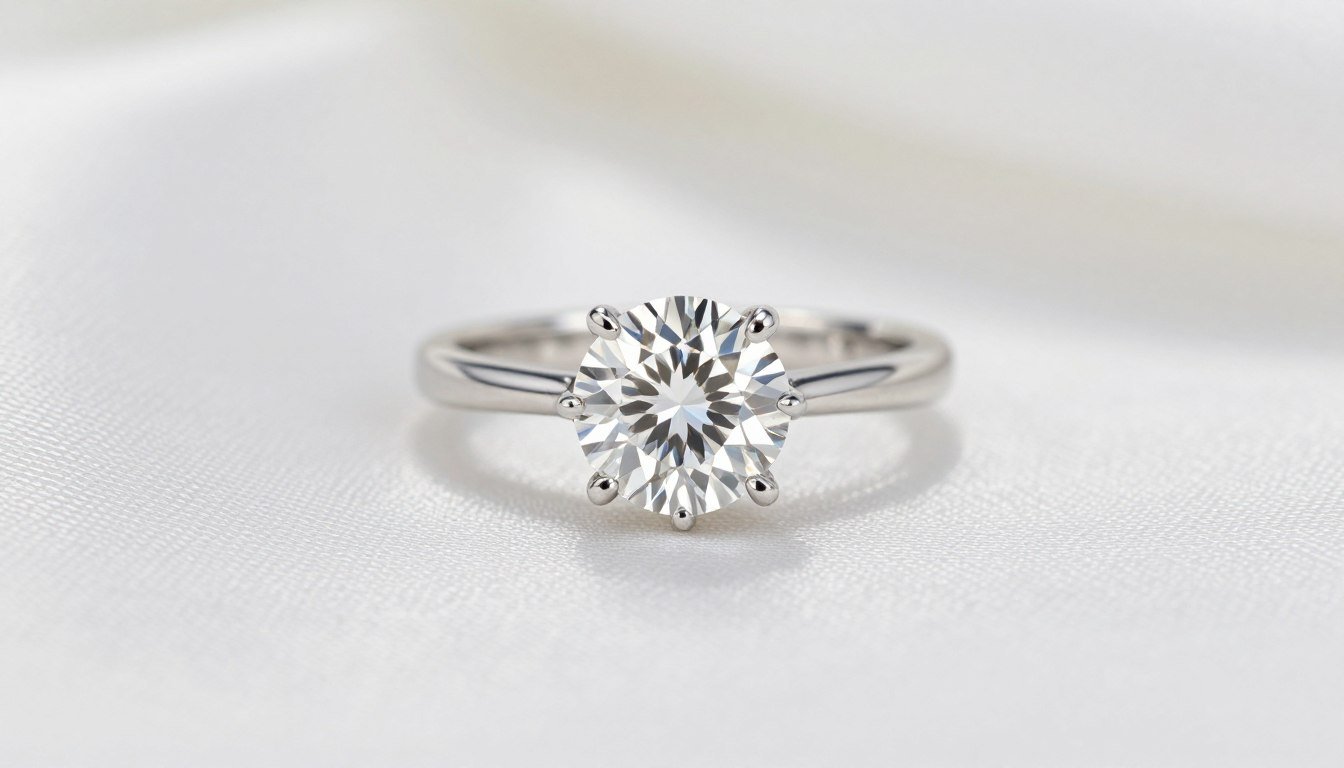
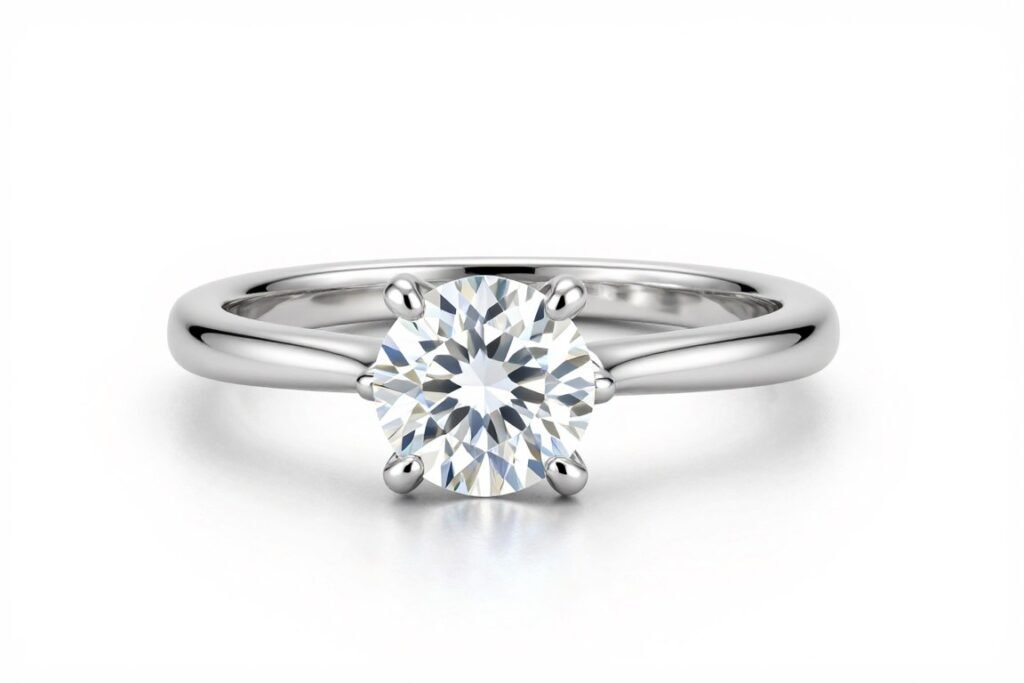
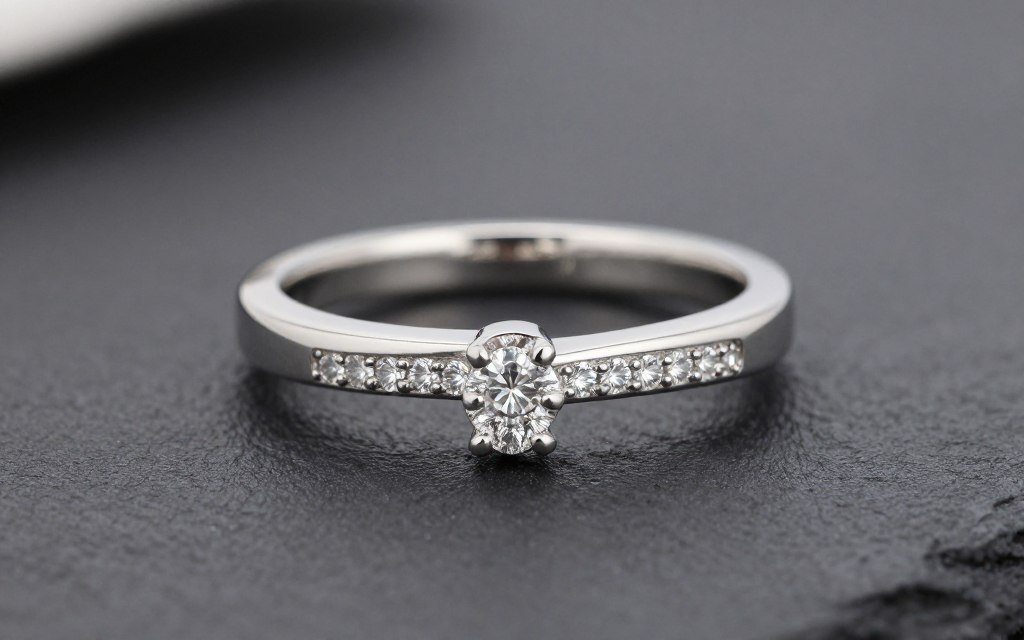
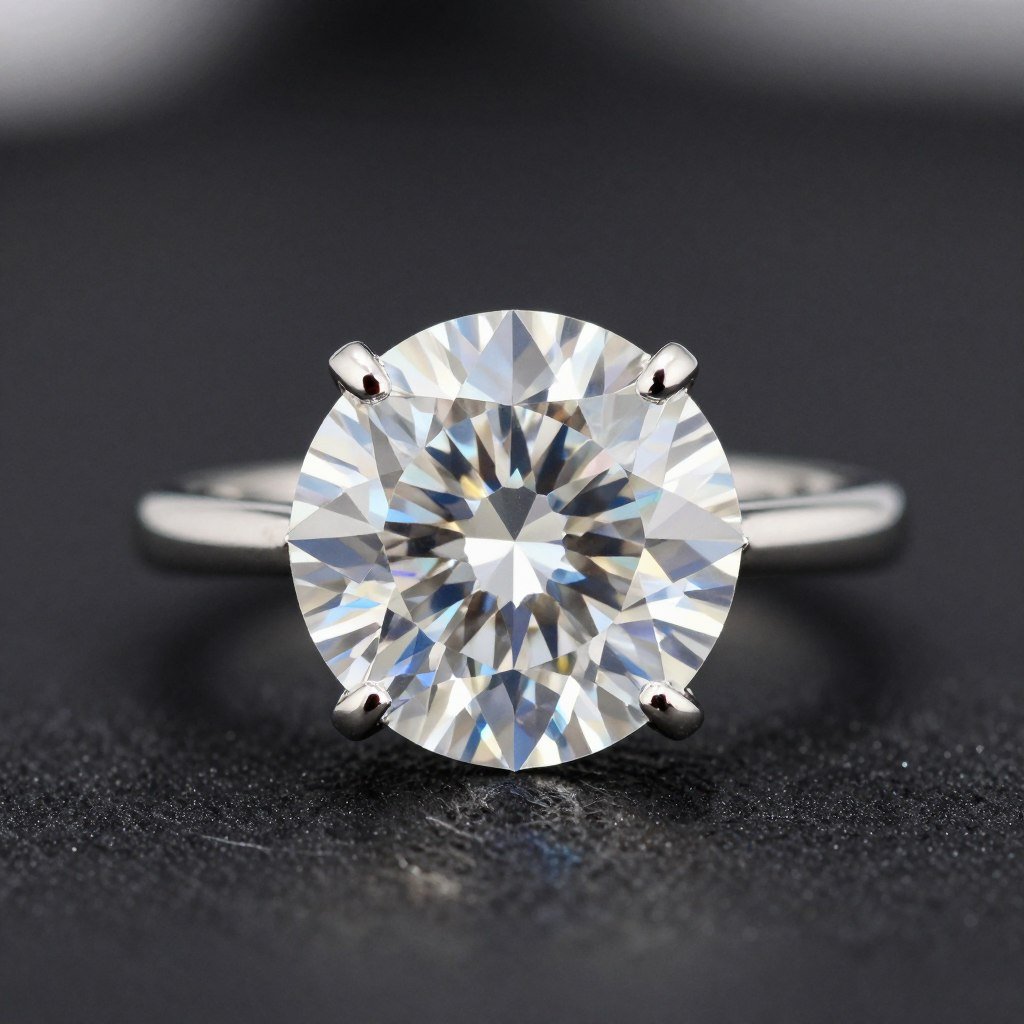
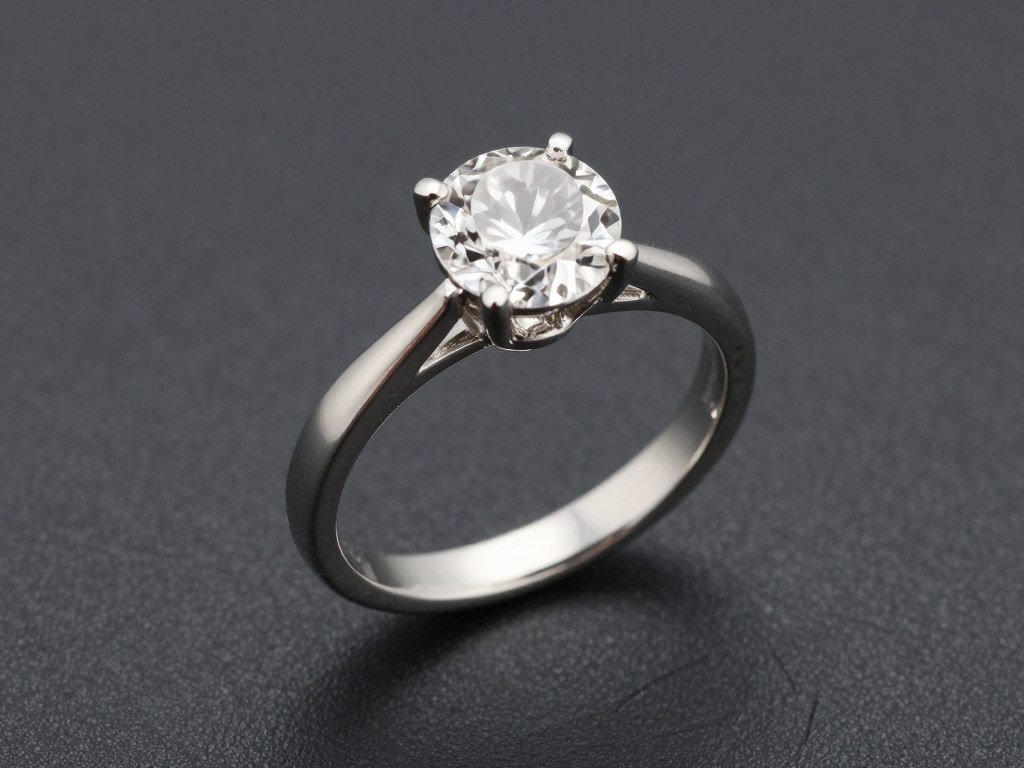
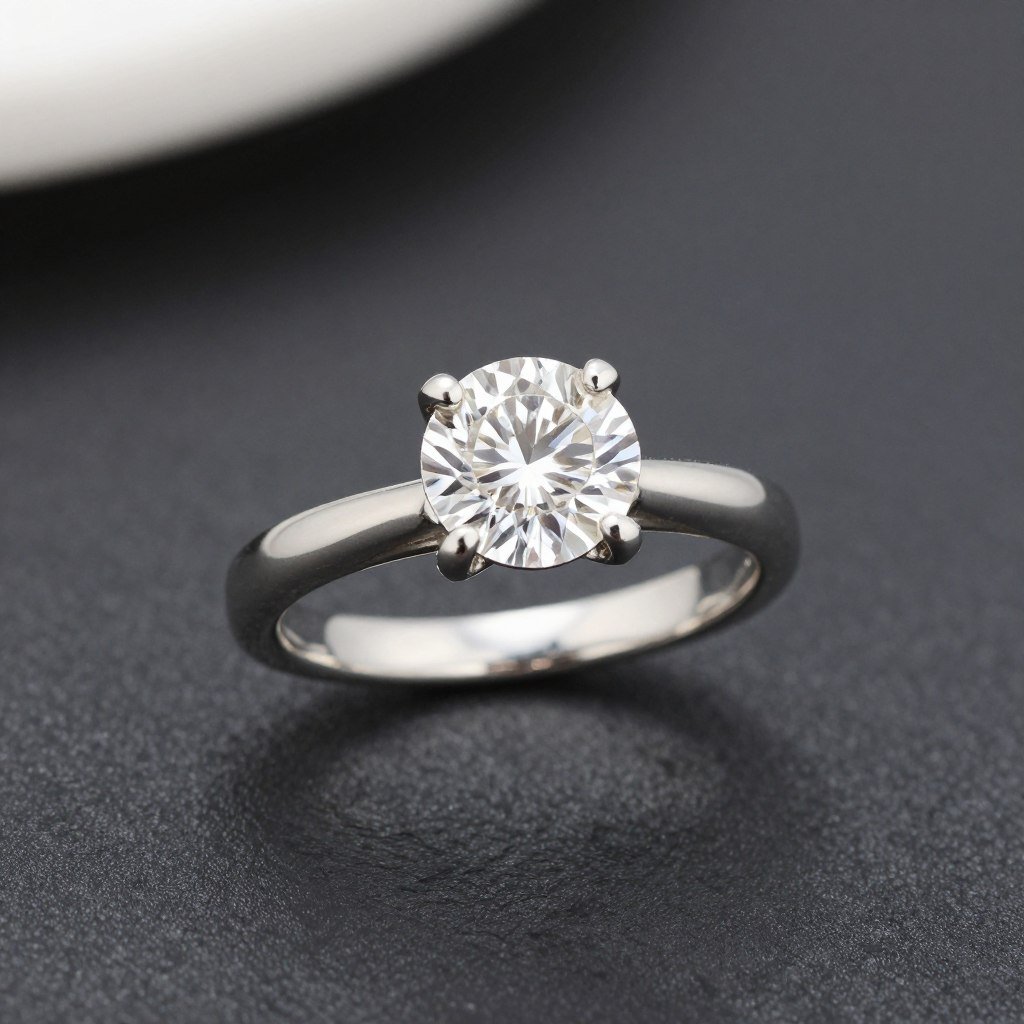
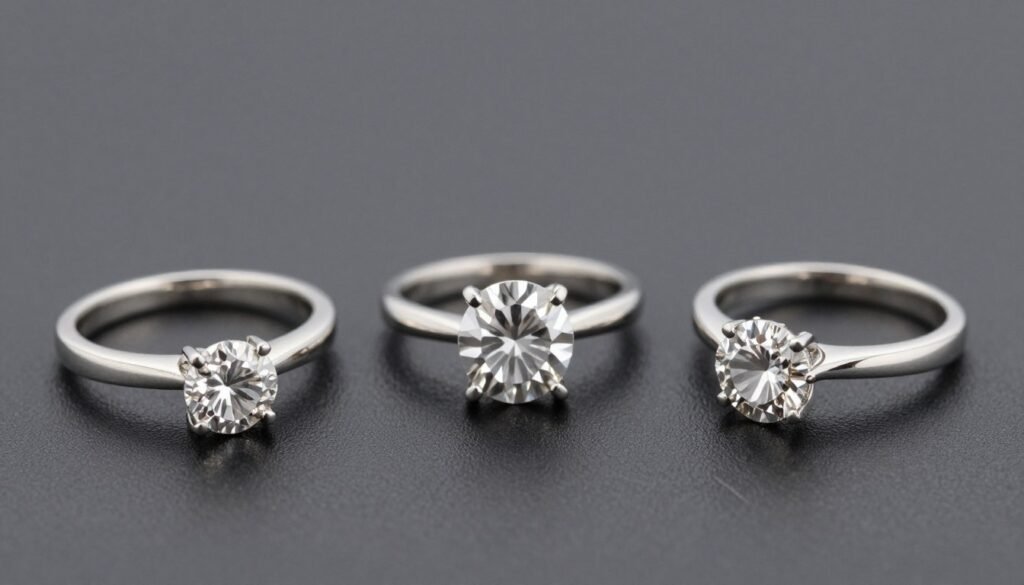
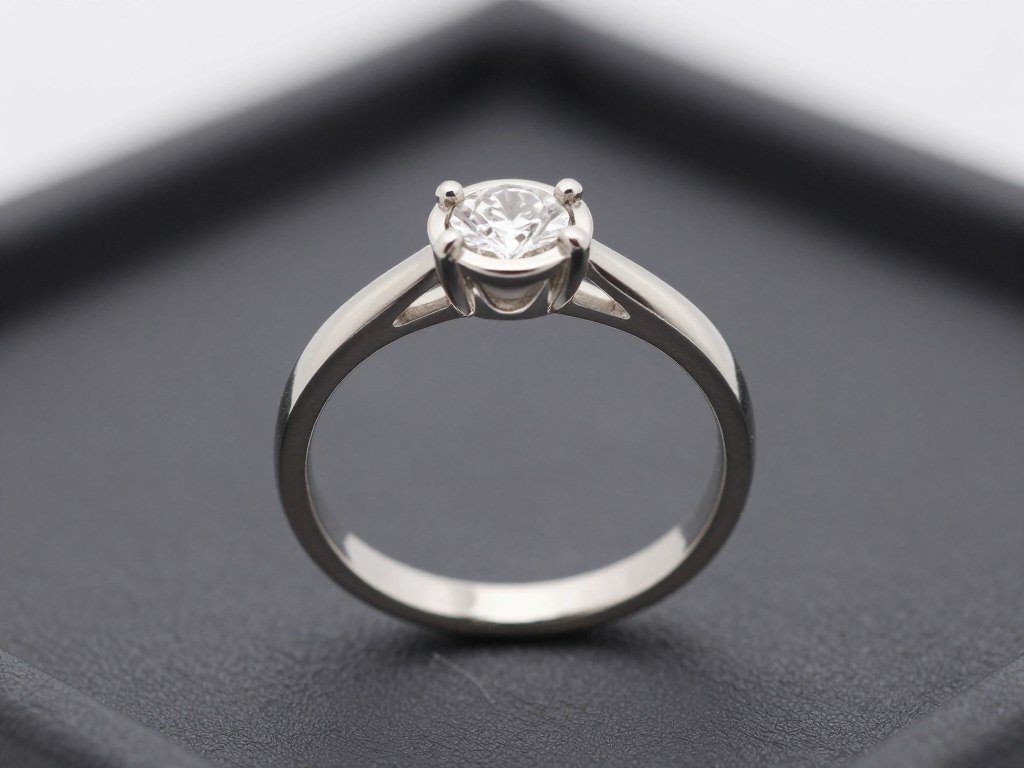
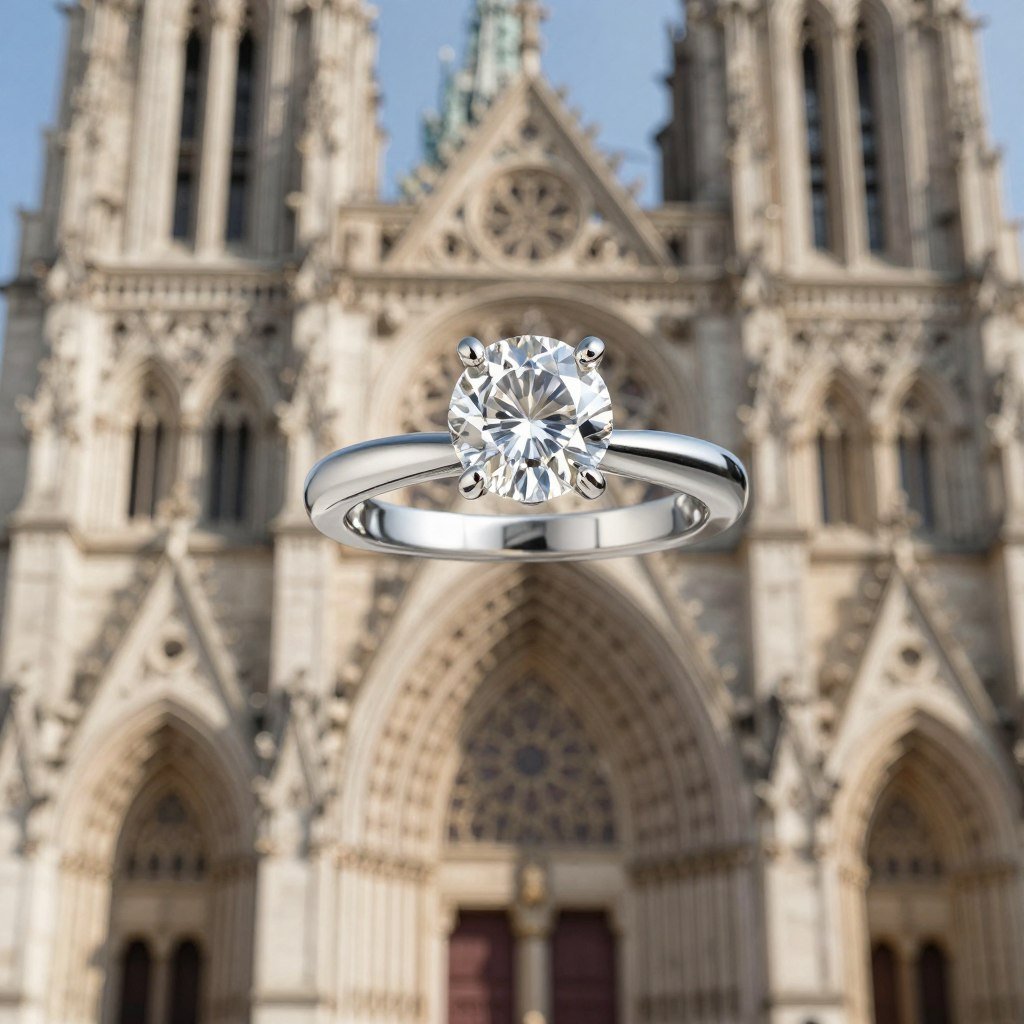
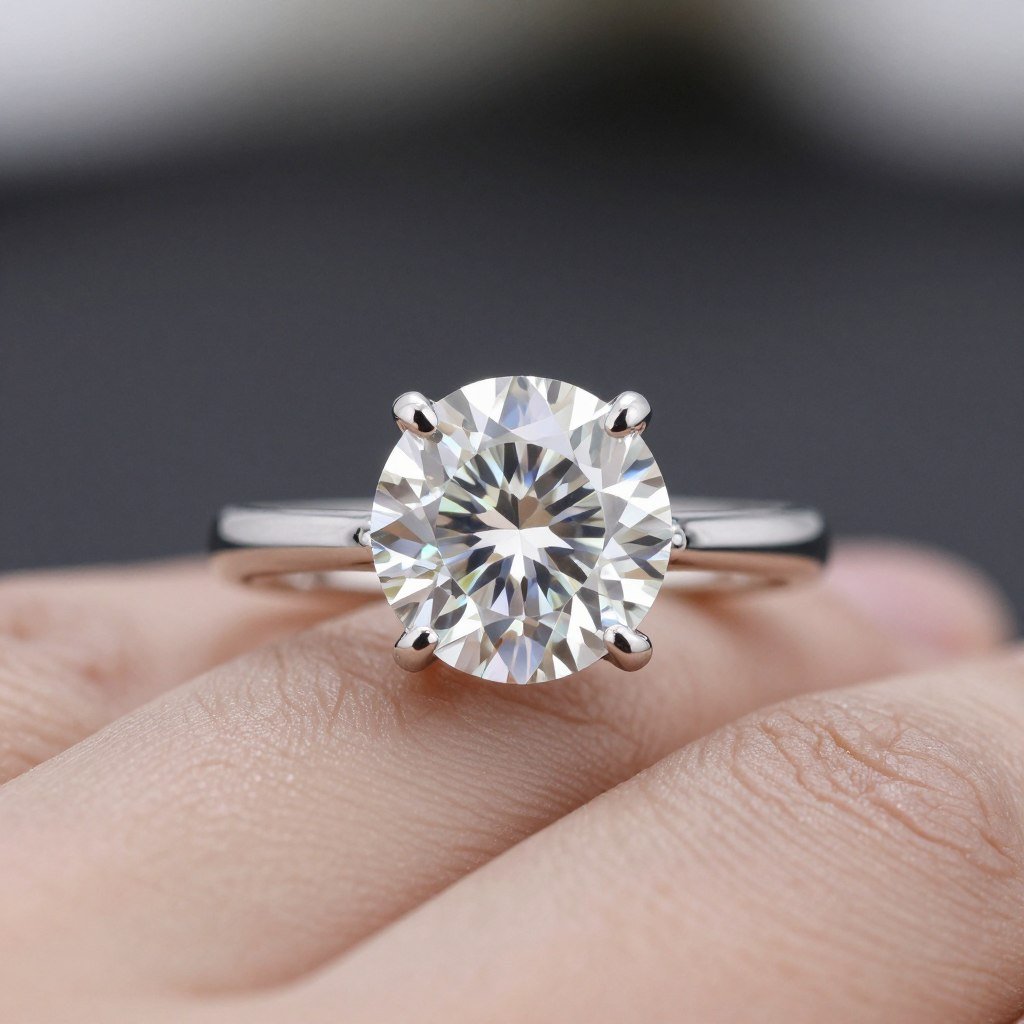
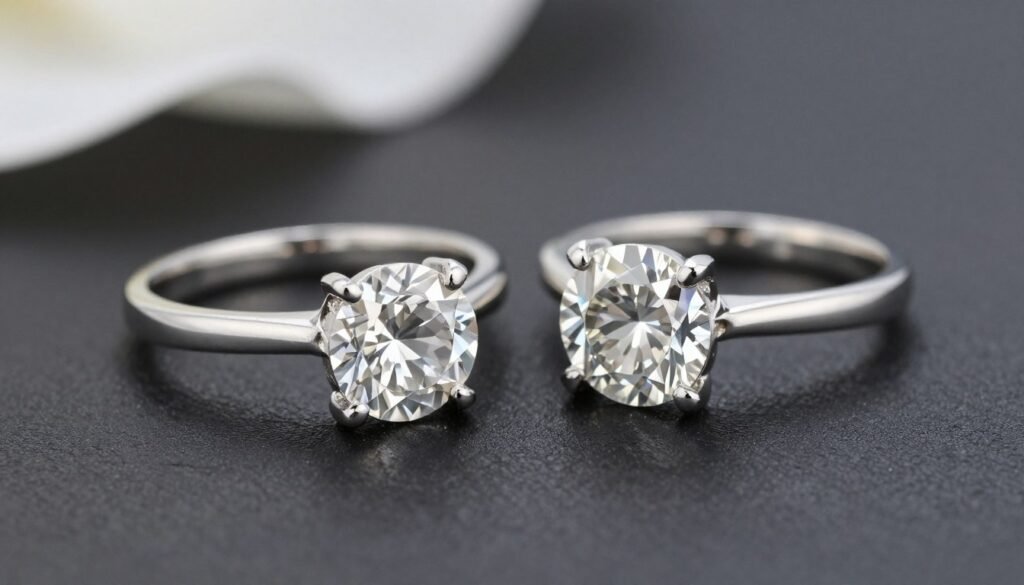
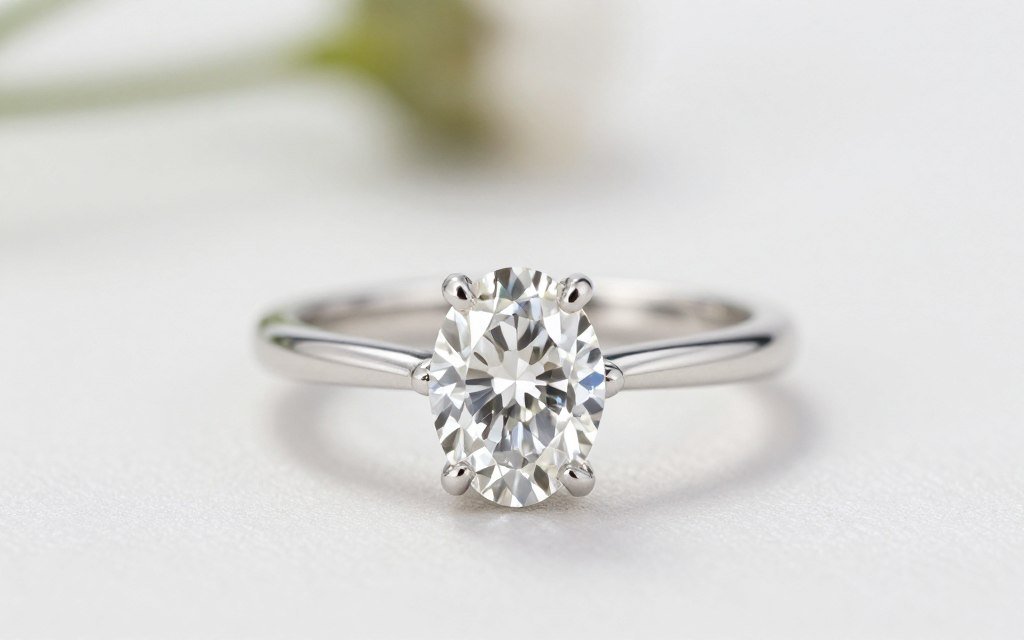
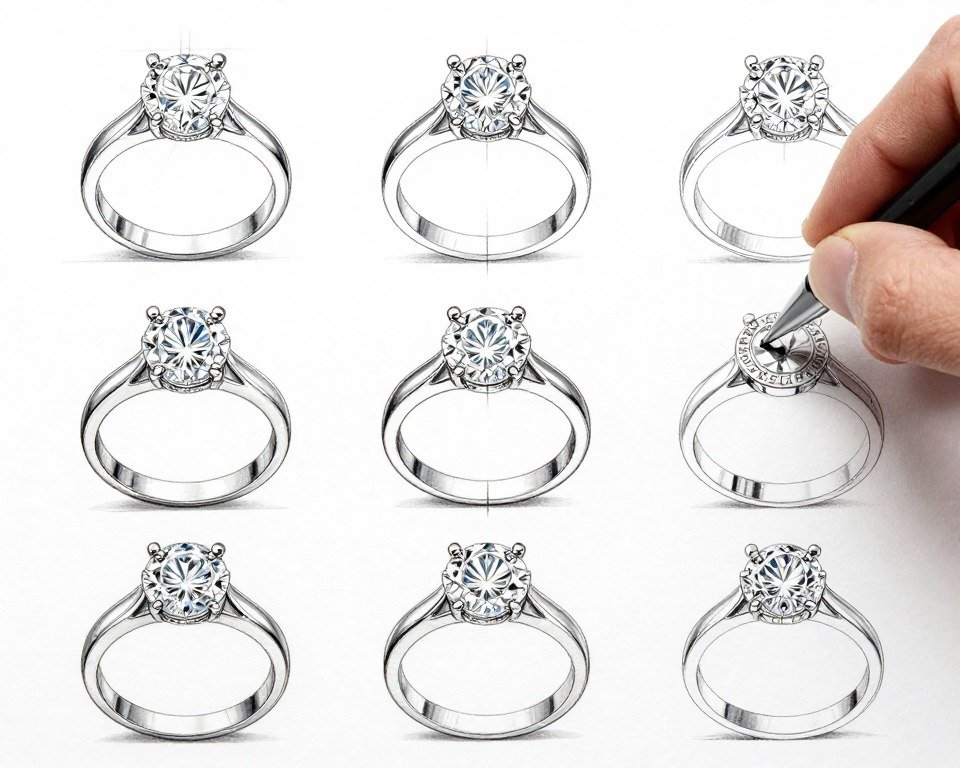
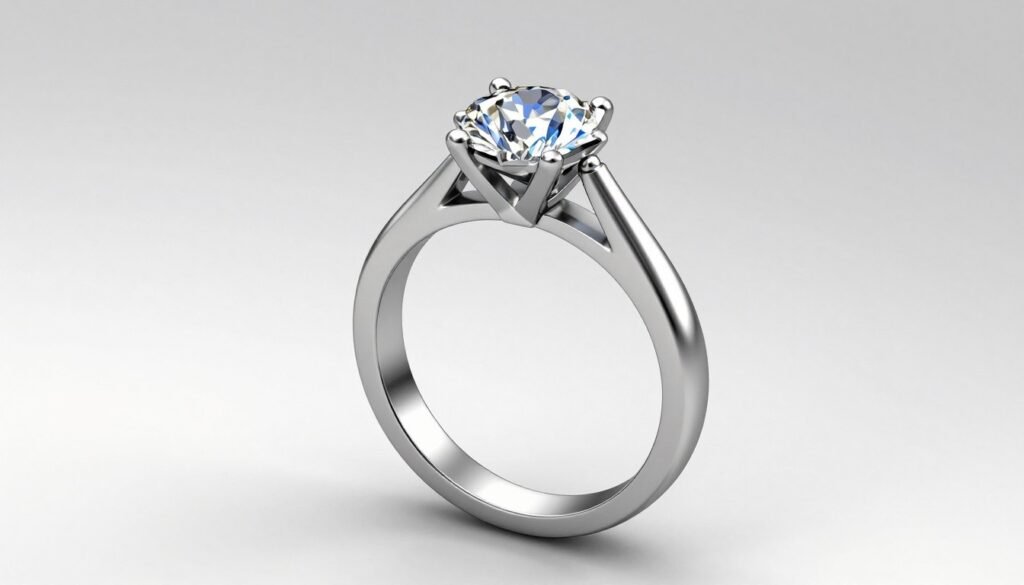
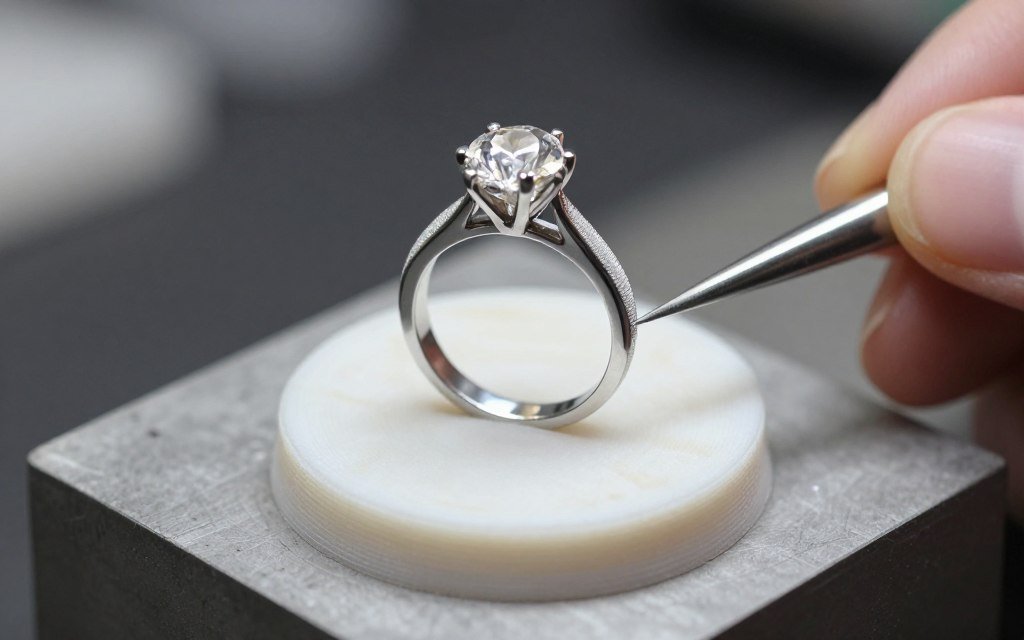
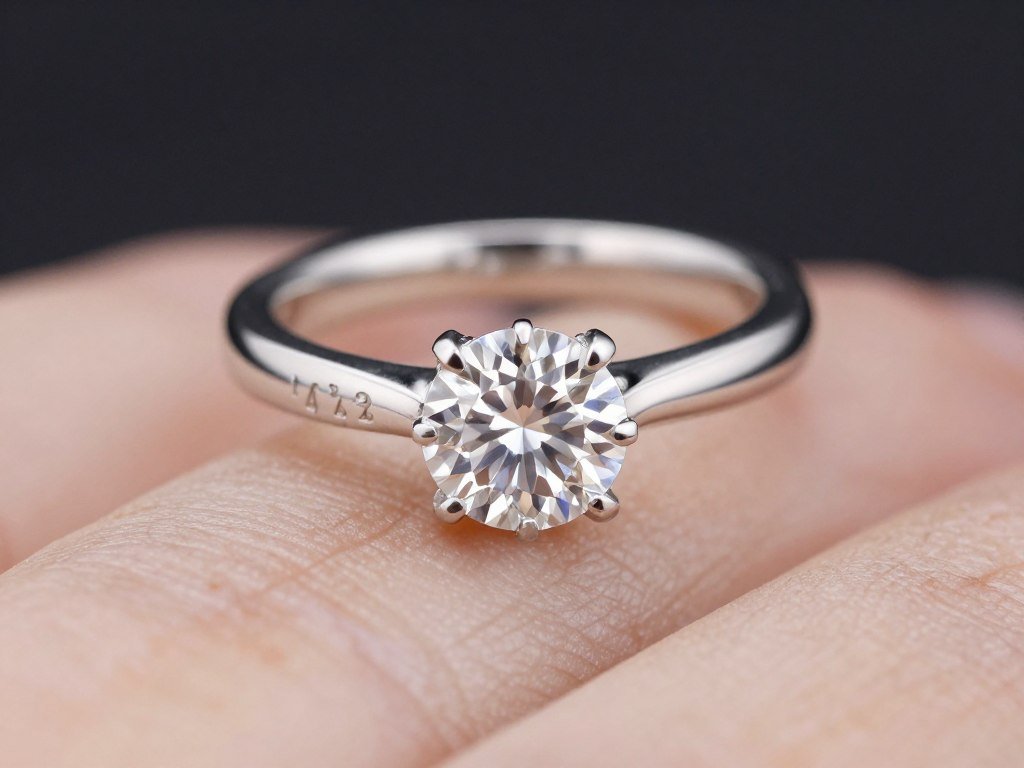
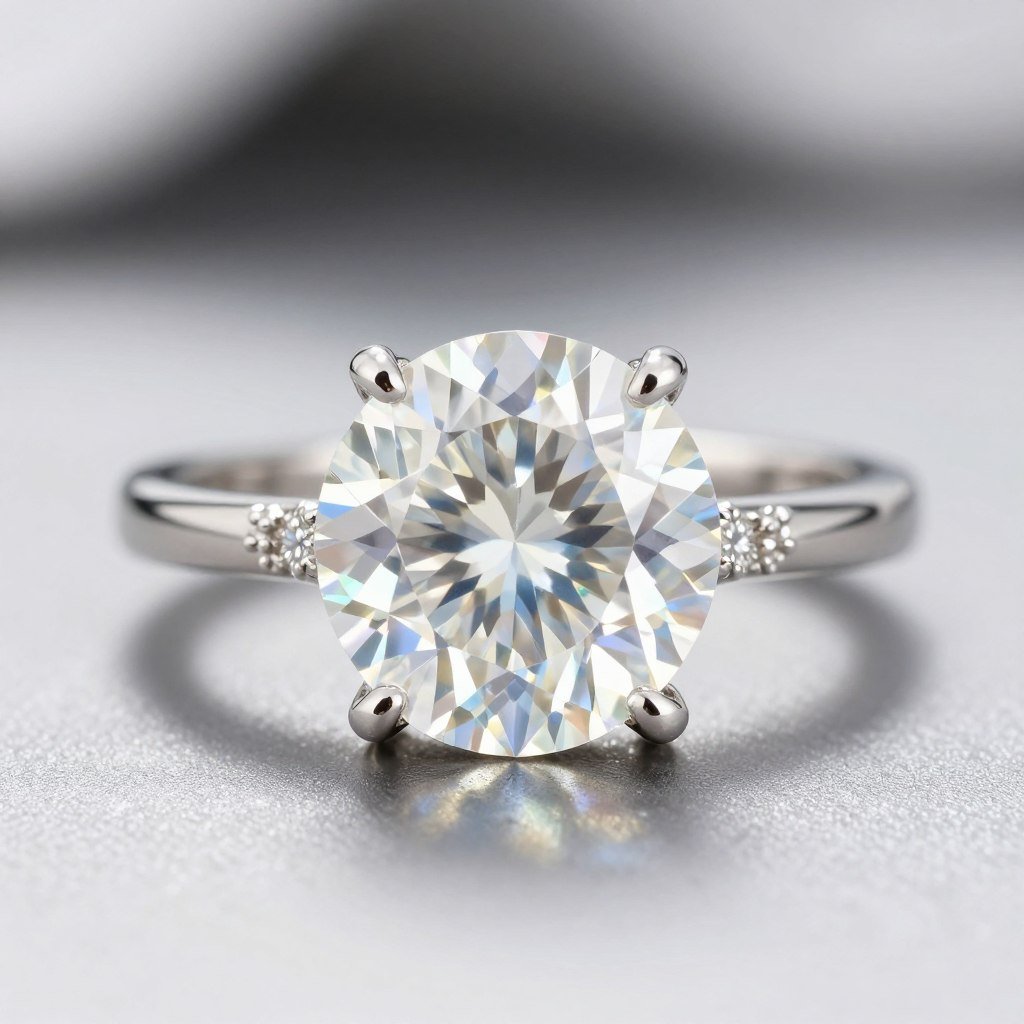
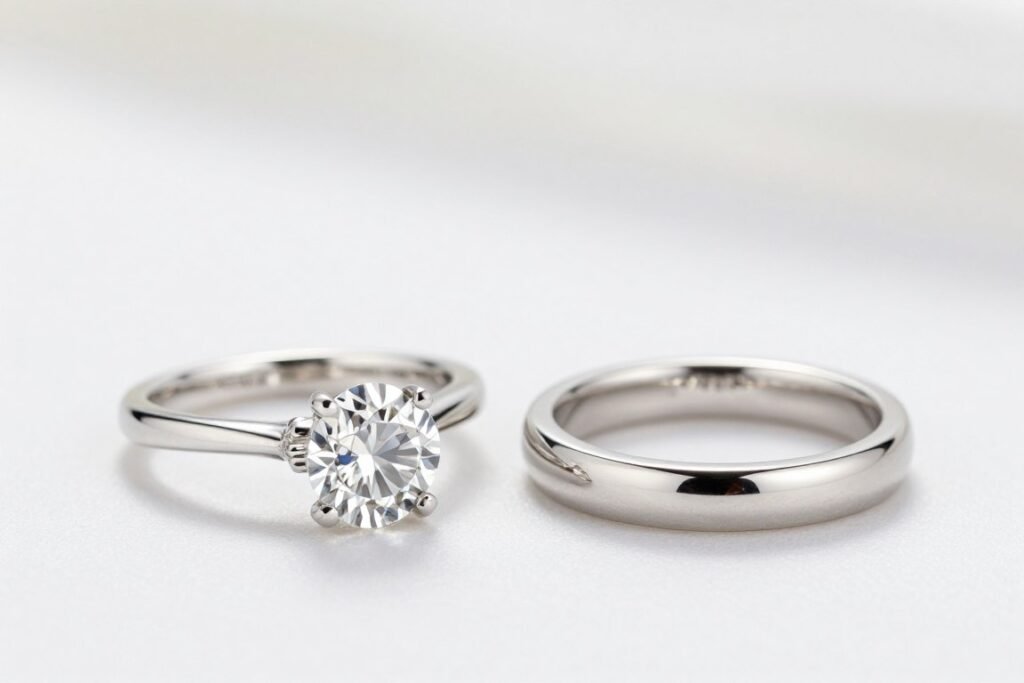
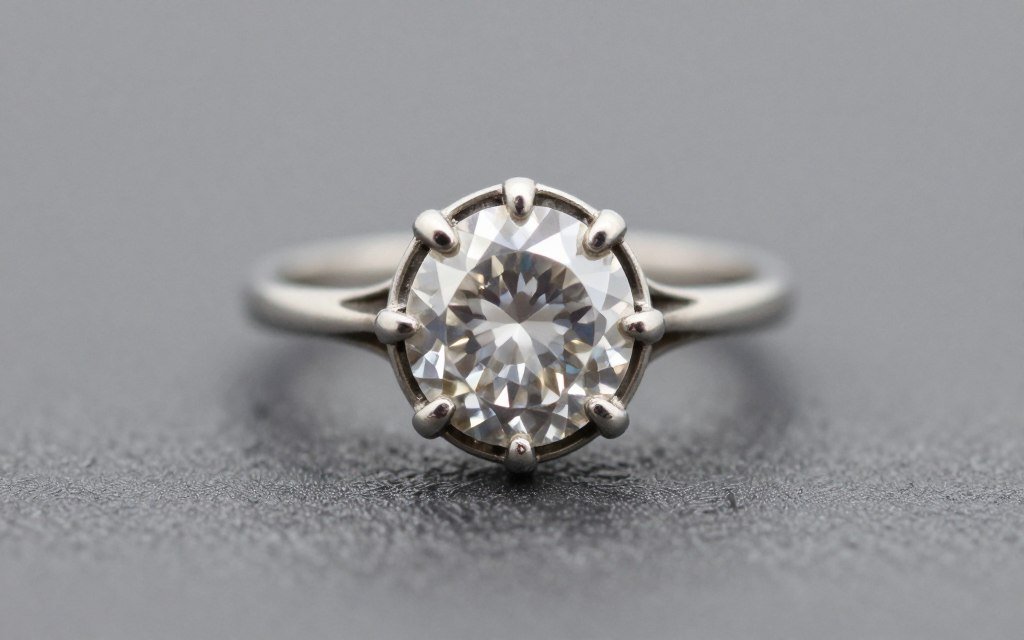
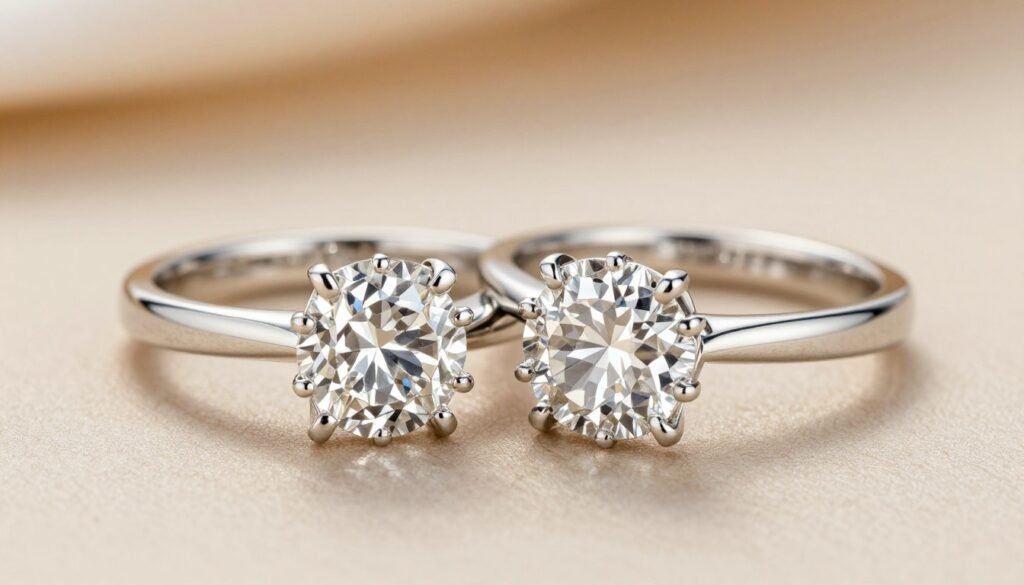
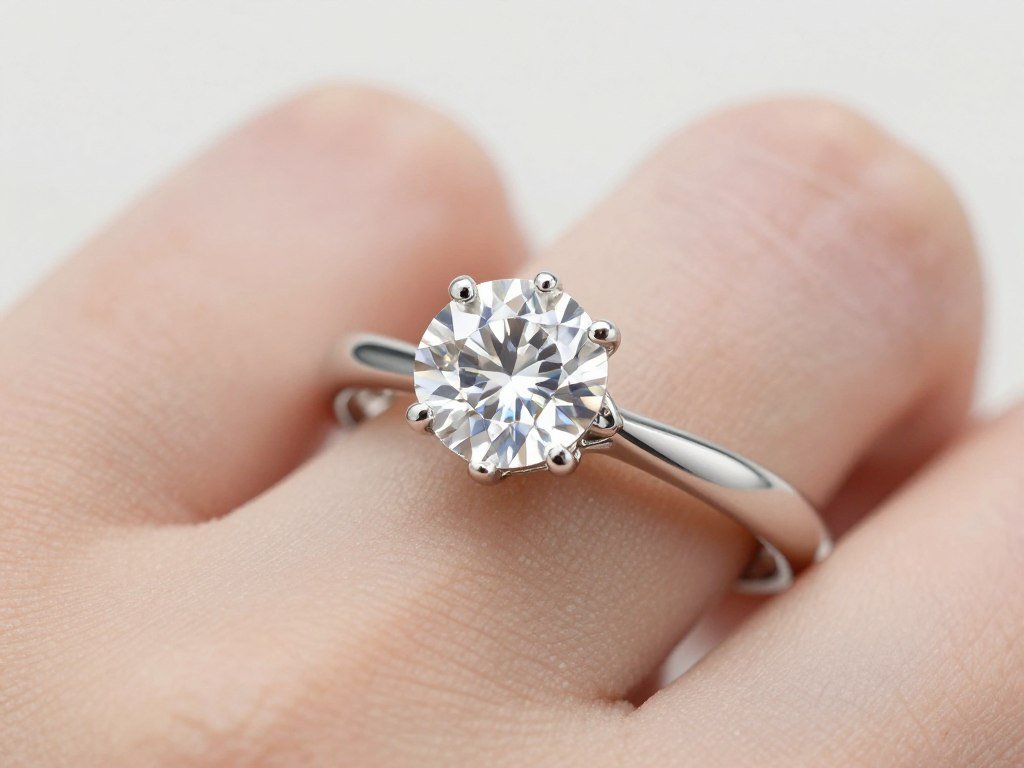
The solitaire engagement ring remains the most iconic style. This design features a single center stone held by prongs or a bezel setting.
Solitaire rings emphasize the diamond’s natural beauty. The simple setting allows maximum light to enter the stone, creating spectacular sparkle.
Four-prong and six-prong settings offer the most popular mounting options. Six prongs provide additional security, while four prongs create a more open appearance.
The solitaire engagement ring style suits all diamond shapes. Round brilliant cuts shine beautifully in this setting, as do princess, oval, and emerald cuts.
Discover Classic Solitaire Designs
Explore timeless solitaire engagement rings in various diamond shapes and metal options.
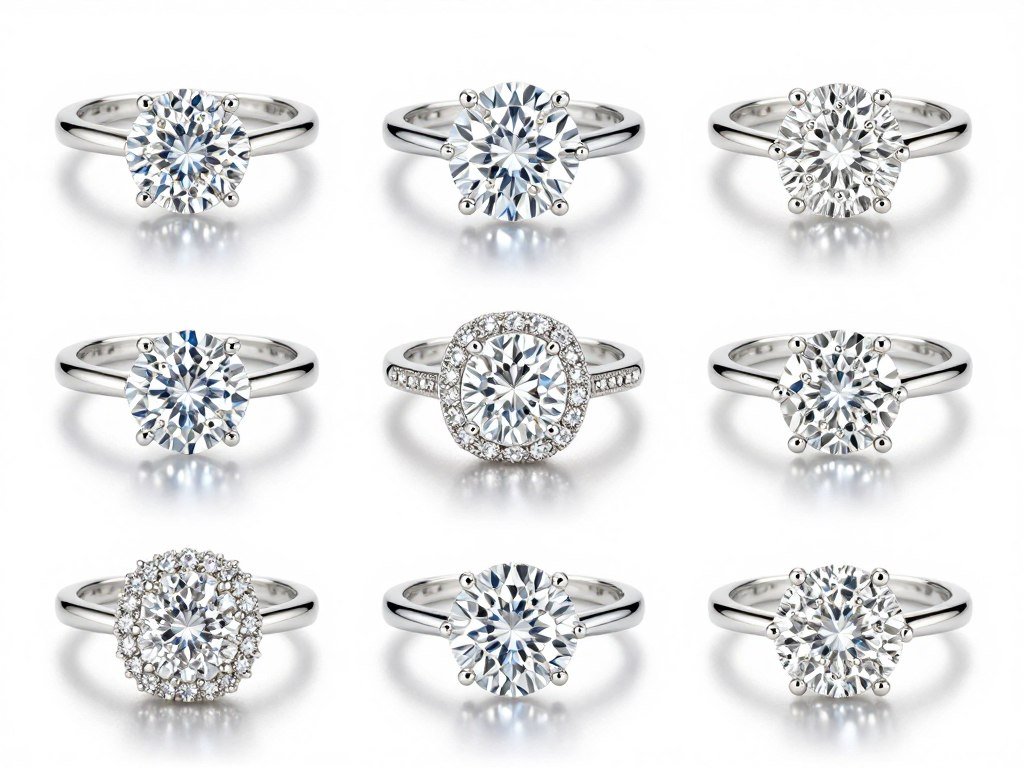
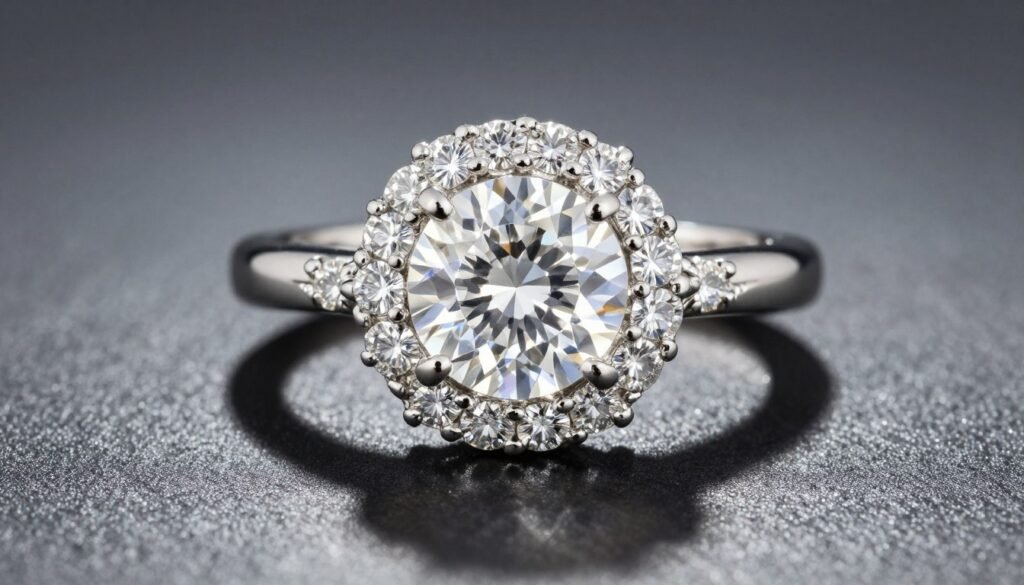
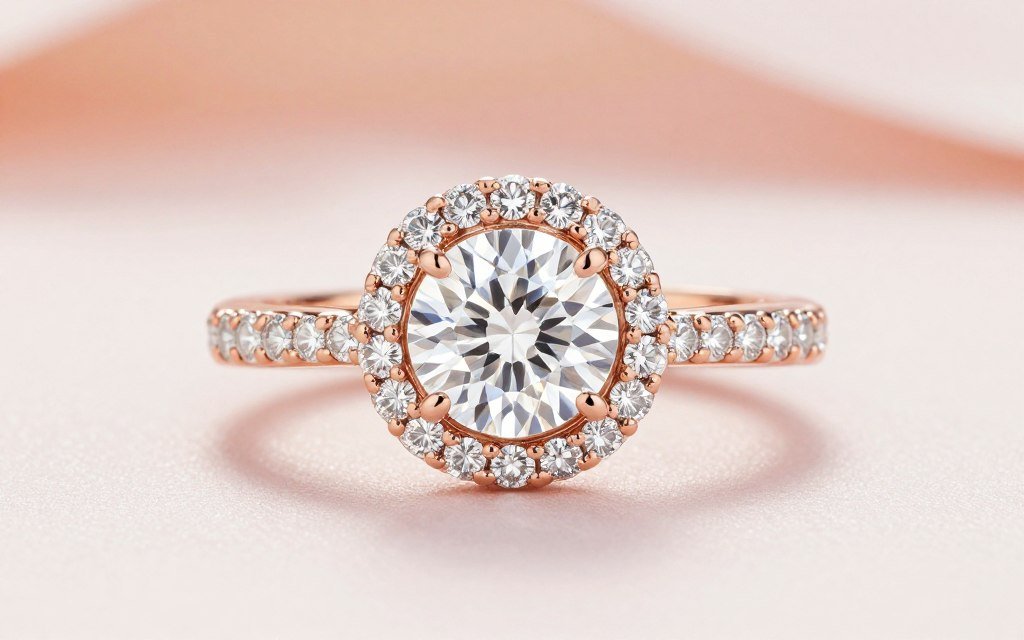
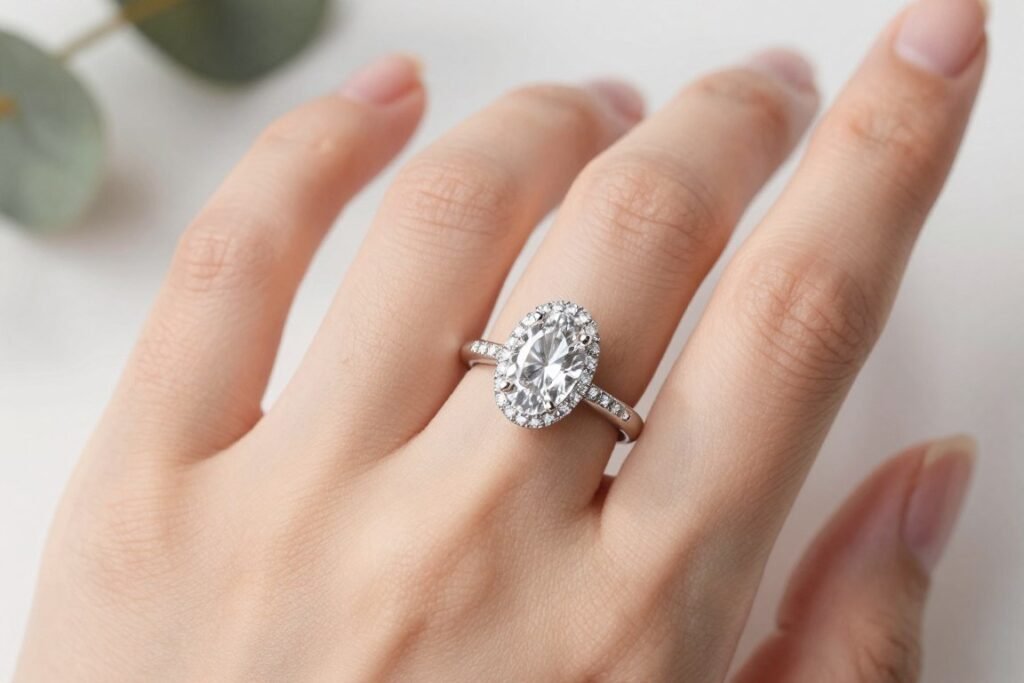
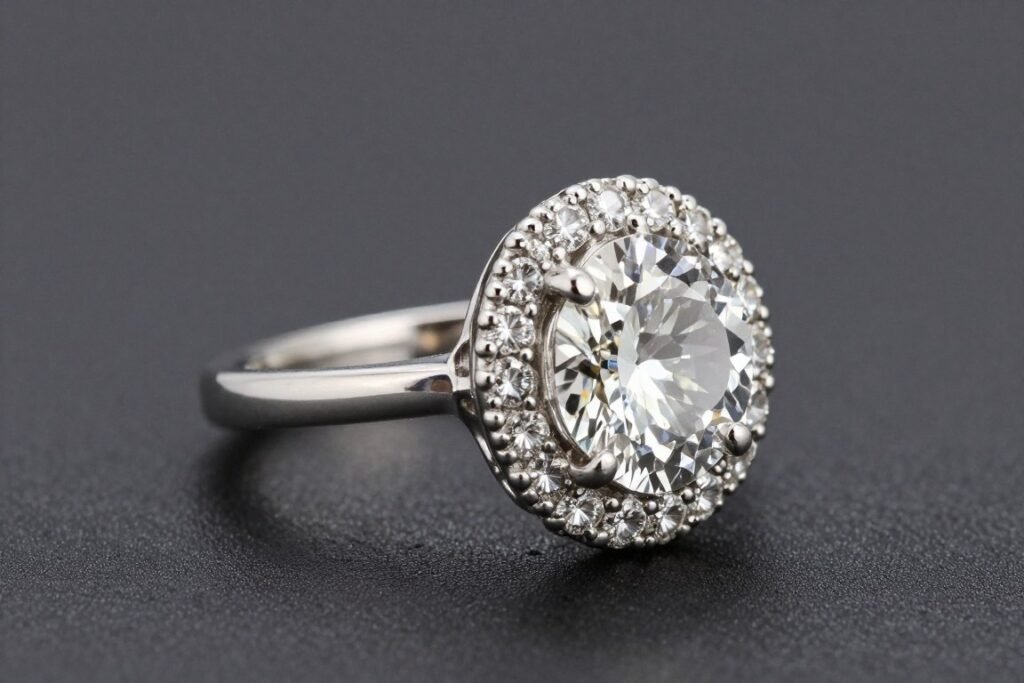
Halo engagement rings feature a center stone surrounded by smaller diamonds. This design creates the illusion of a larger center stone while adding extra brilliance.
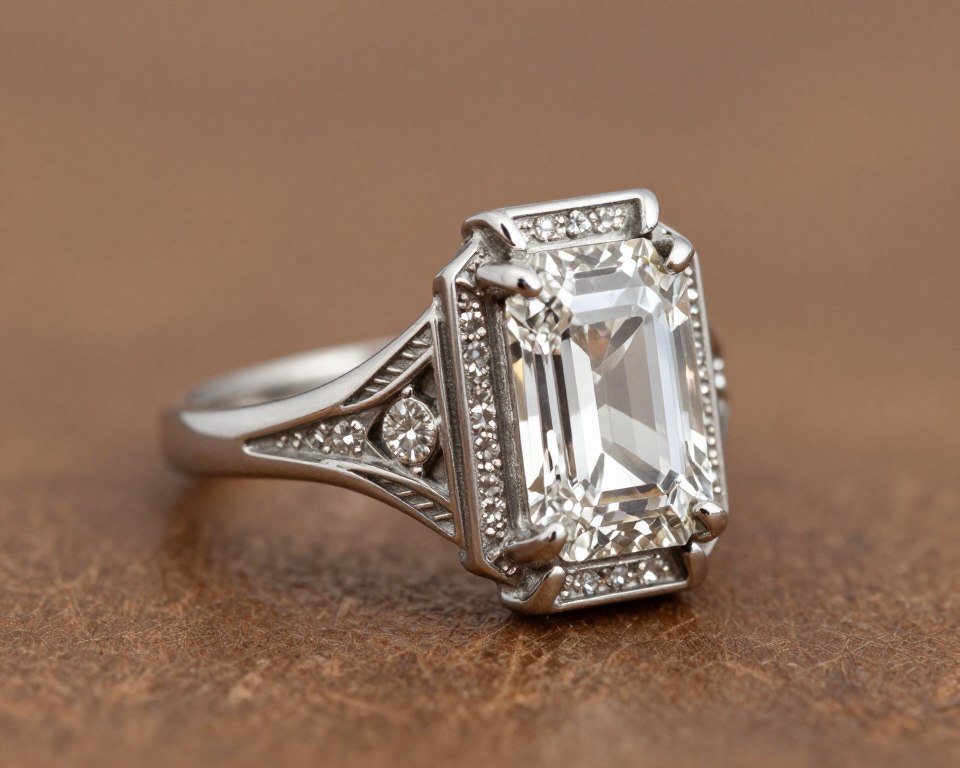
The halo setting originated in the Art Deco era. Modern versions incorporate various shapes and configurations of surrounding stones.
Single halos represent the most common style. Double halo engagement rings take the concept further with two concentric circles of diamonds around the center stone.
Hidden halos add diamonds beneath the center stone. This detail creates sparkle visible from side views while maintaining a classic appearance from above.
Halo engagement ring styles complement smaller center stones beautifully. The surrounding diamonds enhance the overall size and presence of the ring.
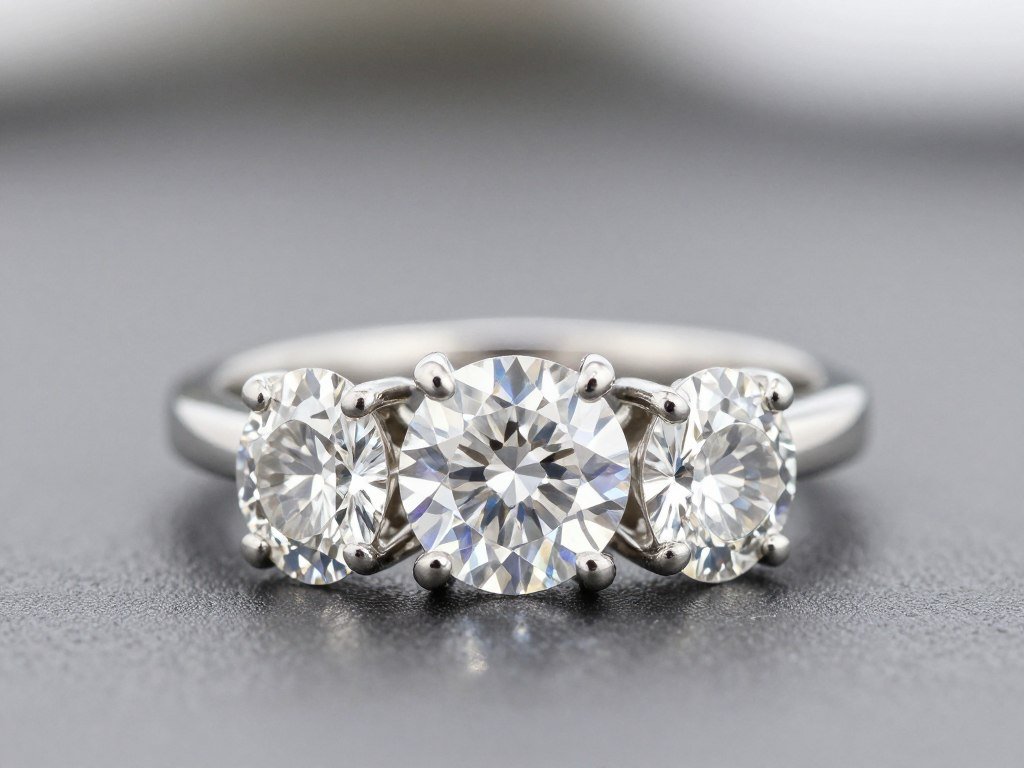
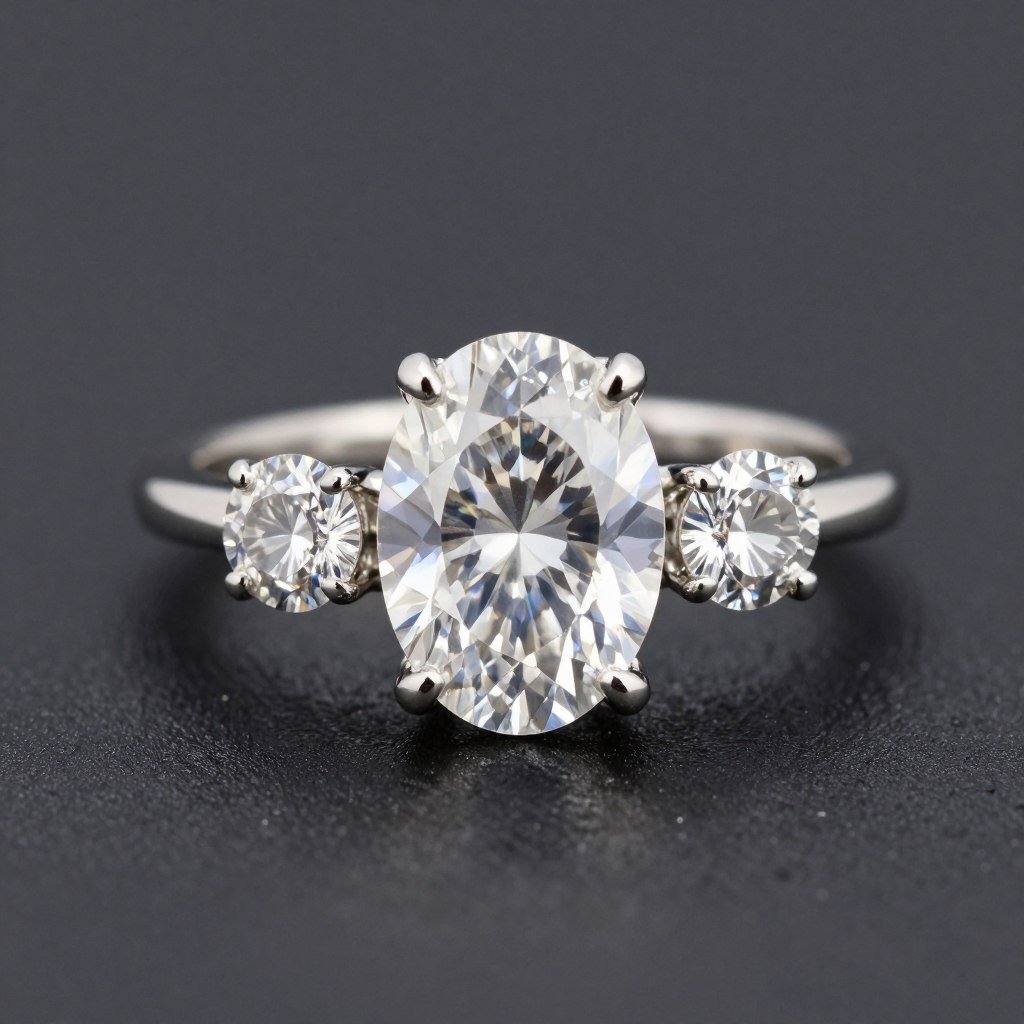
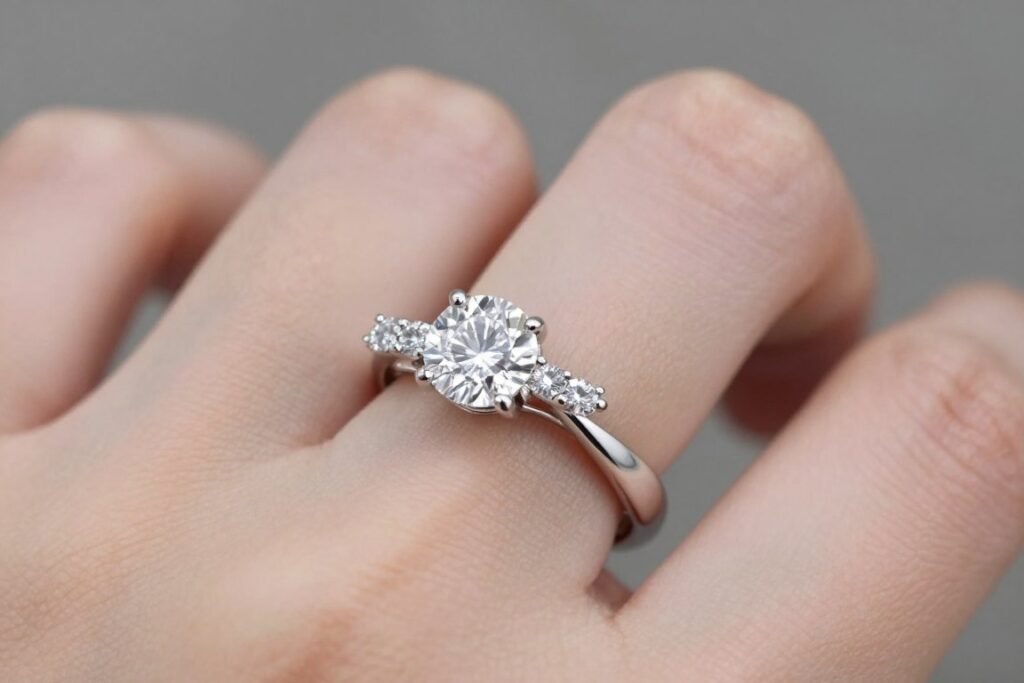
Three-stone engagement rings symbolize a couple’s past, present, and future. This meaningful design features three prominent stones across the band.
The center stone typically measures larger than the flanking stones. However, some couples choose three equal-sized diamonds for balanced visual weight.
Mixed stone shapes create interesting three-stone designs. A round center diamond paired with tapered baguettes offers classic elegance.
Side stone selection significantly impacts the overall appearance. Popular choices include round brilliants, princess cuts, and pear shapes positioned to complement the center stone.
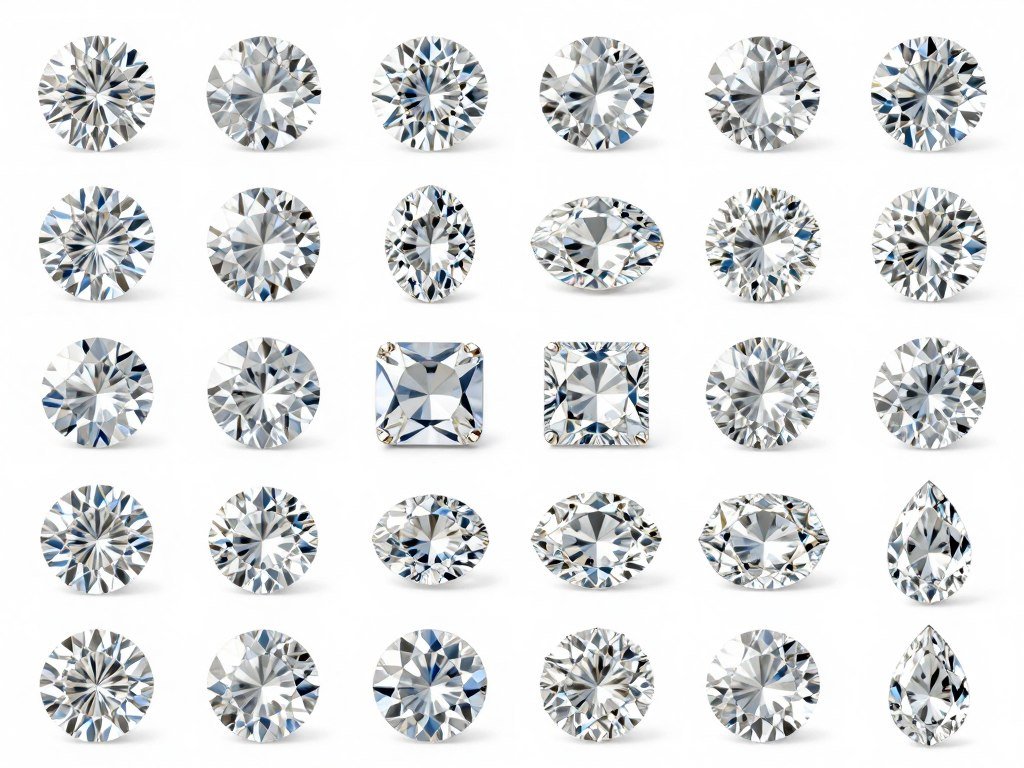
The diamond shape dramatically influences your engagement ring’s overall appearance. Each cut offers distinct characteristics in terms of sparkle, shape, and style.
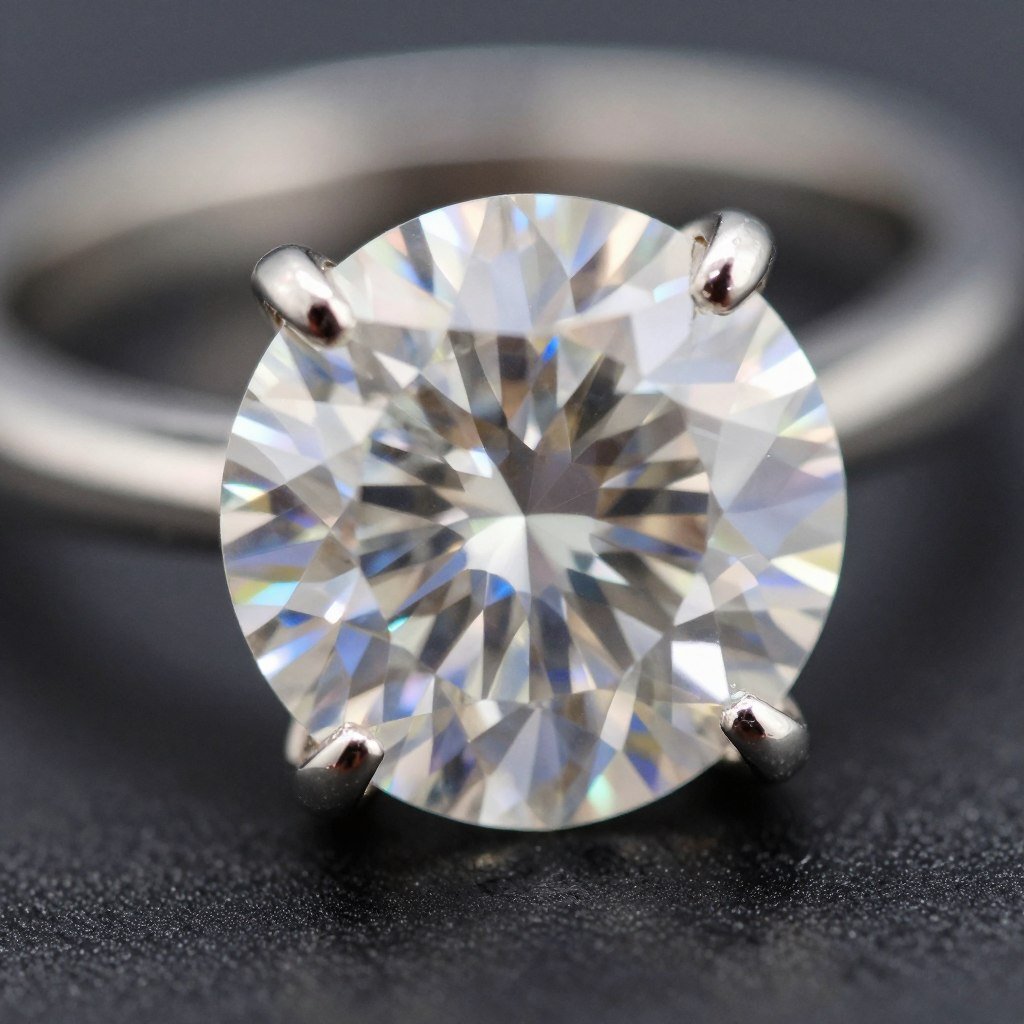
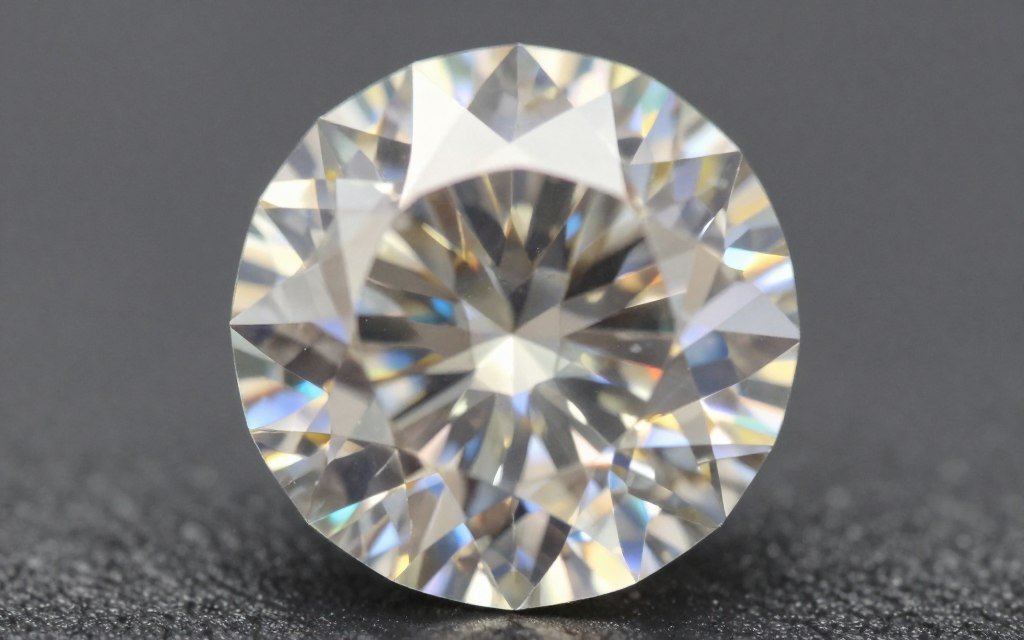
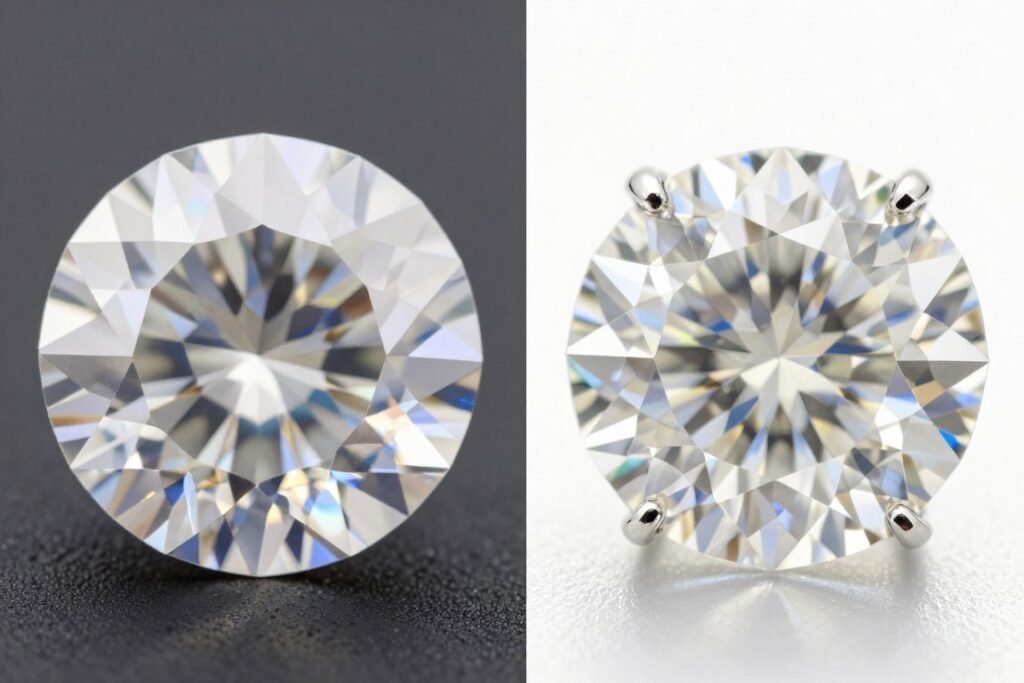
Round brilliant diamonds remain the most popular choice. This 58-facet cut maximizes light return, creating exceptional brilliance and fire.
The round brilliant diamond suits every setting style. From classic solitaires to elaborate halos, this versatile shape complements all designs.
Princess cut diamonds feature square shapes with pointed corners. This modern cut offers brilliant sparkle in a contemporary silhouette.
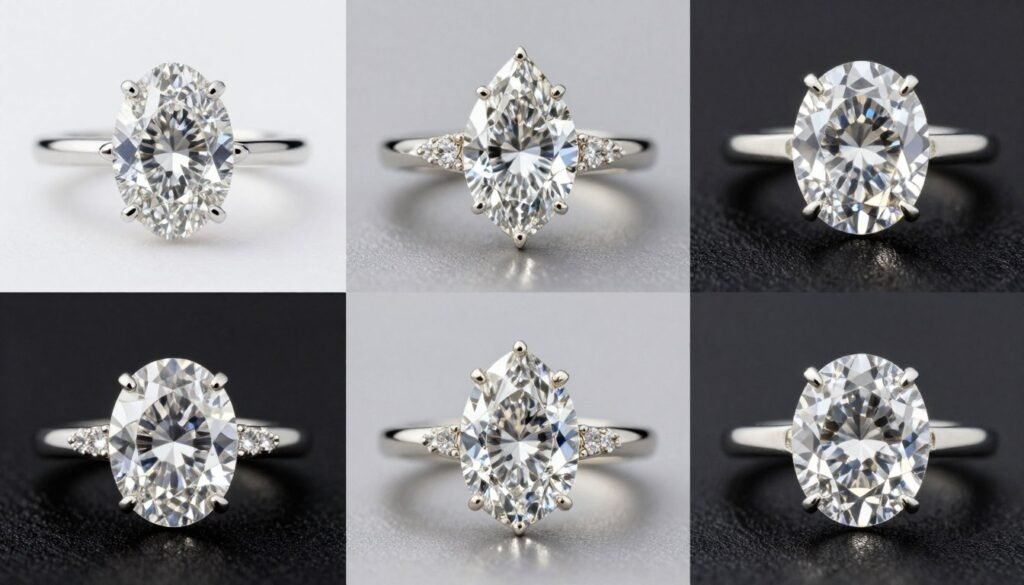
Oval diamonds create elongated elegance on the finger. The elongated shape can make fingers appear longer and more slender.
Cushion cut diamonds combine rounded corners with larger facets. This romantic shape offers a softer appearance than princess cuts while maintaining excellent brilliance.
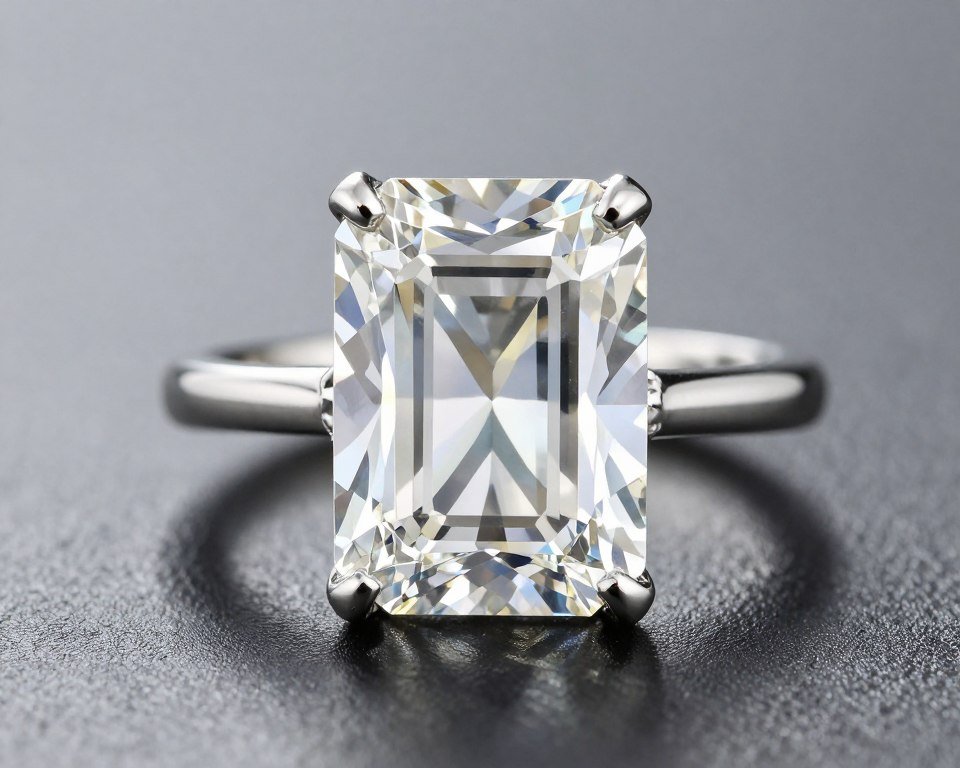
Emerald cut diamonds showcase step-cut faceting. The rectangular shape with cut corners creates sophisticated elegance and a hall-of-mirrors effect.
Pear-shaped diamonds blend round and marquise elements. This teardrop shape offers unique beauty and vintage charm.
Marquise diamonds feature elongated shapes with pointed ends. This cut maximizes carat weight appearance and creates distinctive style.
Asscher cut diamonds present square shapes with step-cut facets. This vintage-inspired cut offers Art Deco elegance and exceptional clarity.
Radiant cut diamonds combine brilliant and step-cut faceting. The rectangular or square shape with cut corners provides versatility and sparkle.
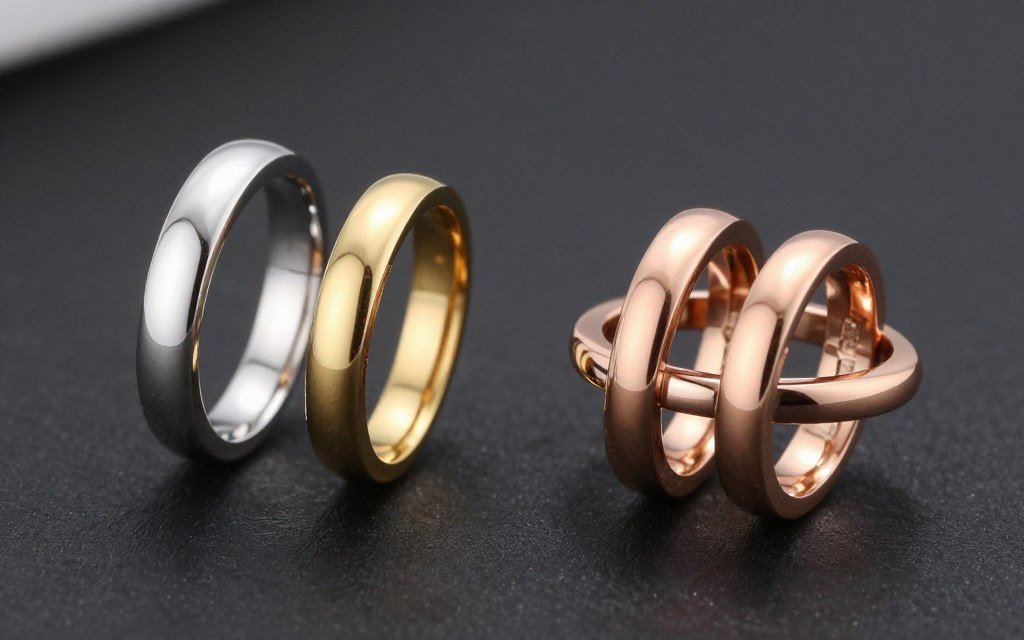
Metal selection impacts both aesthetics and durability. The right choice depends on skin tone, lifestyle, and personal preference.
Platinum offers exceptional durability and purity. This naturally white metal resists tarnishing and maintains its appearance over time.
Platinum’s density provides excellent security for diamonds. The metal develops a patina over years, creating an antique appearance some couples appreciate.
White gold combines gold with white metal alloys. Rhodium plating gives white gold its bright white appearance, requiring occasional replating.
White gold costs less than platinum while offering similar aesthetics. The metal complements diamonds beautifully and suits contemporary styles.
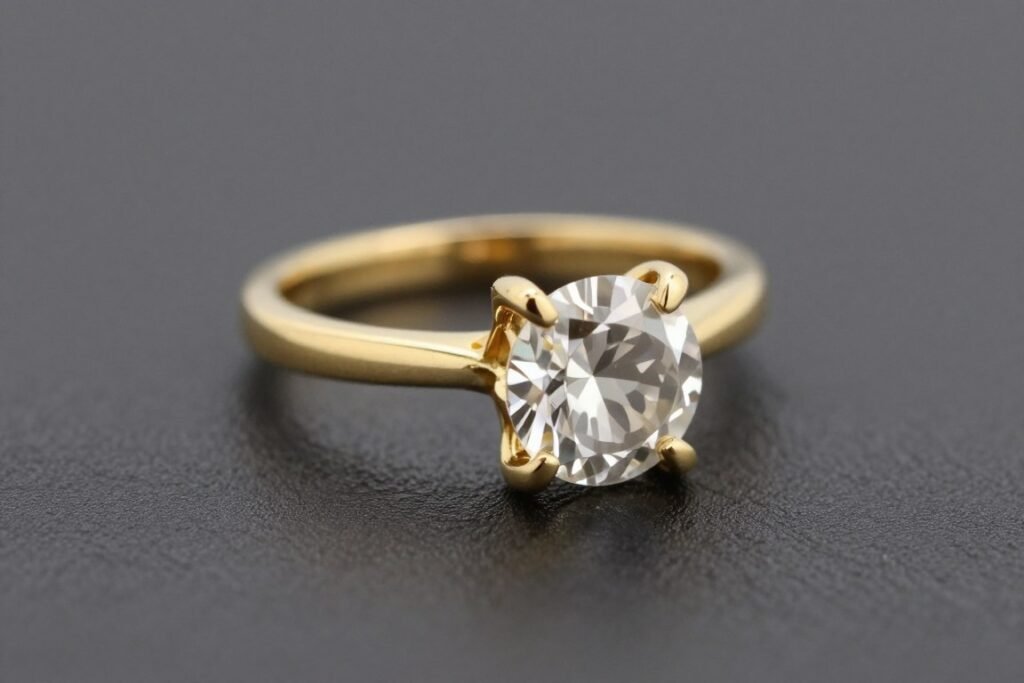
Yellow gold represents the classic choice for engagement rings. This traditional metal offers warm tones that complement various skin tones.
Yellow gold comes in different karats. 14K gold provides excellent durability, while 18K gold offers richer color with slightly less hardness.
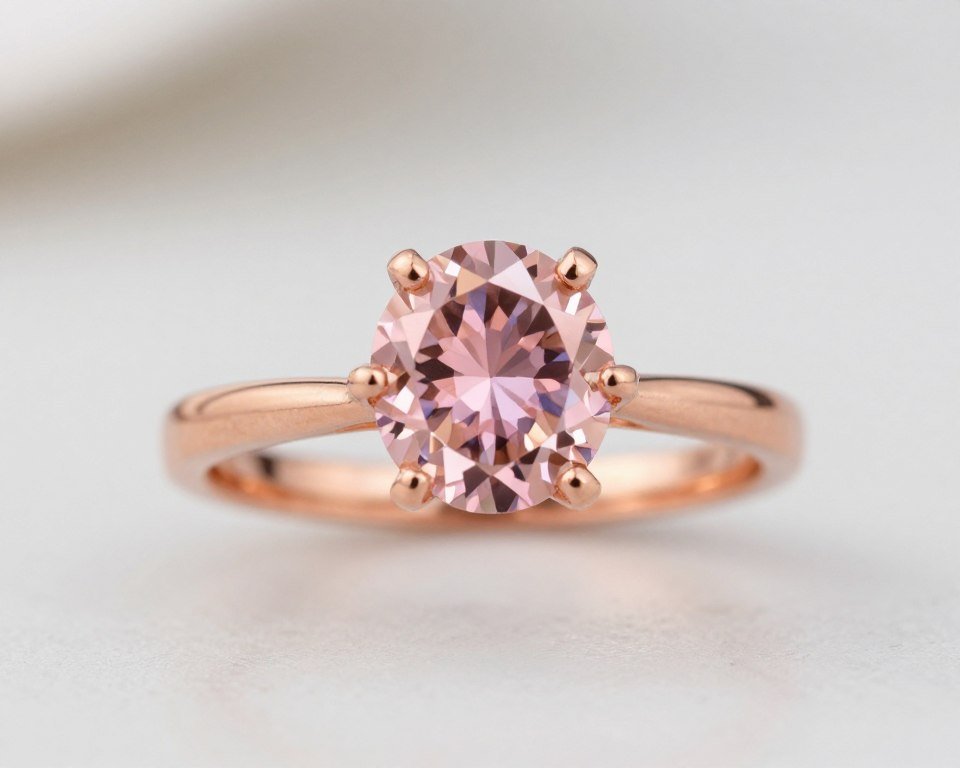
Rose gold has gained tremendous popularity recently. The romantic pink hue results from copper alloy content in the gold mixture.
Rose gold’s unique color stands out from traditional metals. The warm tones flatter many skin tones and create distinctive engagement ring styles.
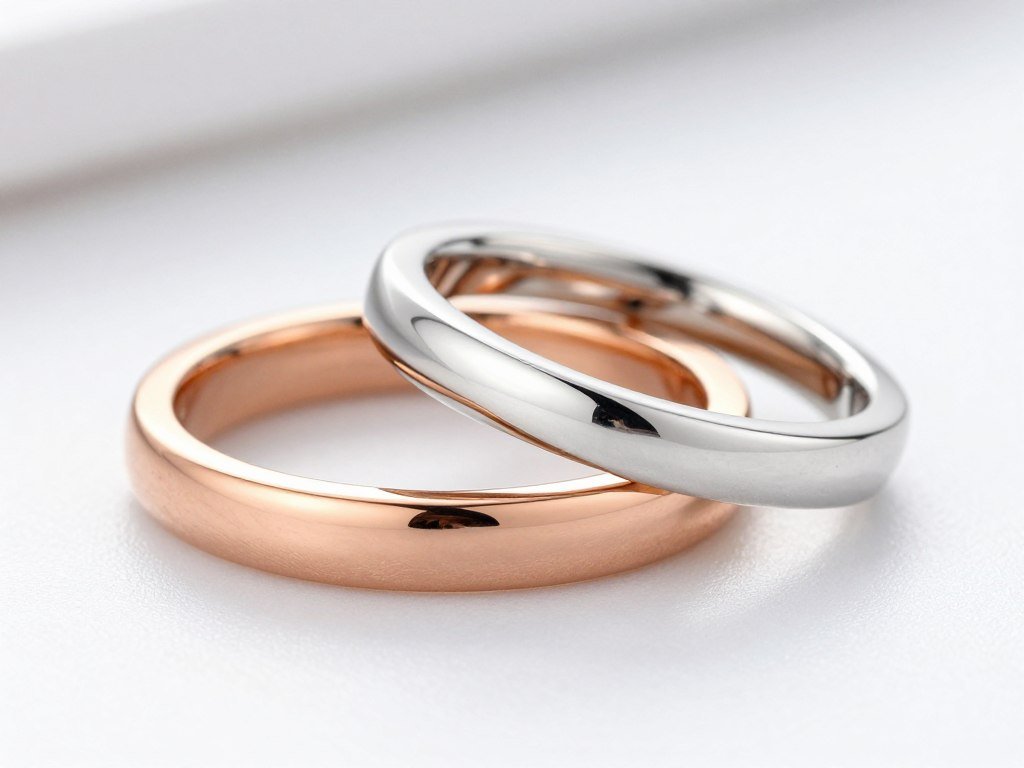
Mixed metal designs combine two or more metals. Rose gold bands with white gold settings create contemporary contrasts.
Understanding Engagement Ring Settings and Mountings
The engagement ring setting determines how the center stone attaches to the band. Different settings offer varying levels of security, style, and diamond exposure.
Prong settings use metal claws to hold diamonds in place. This popular mounting allows maximum light entry for optimal sparkle.
Four-prong settings create modern, open appearances. Six-prong settings provide additional security, especially important for larger center stones.
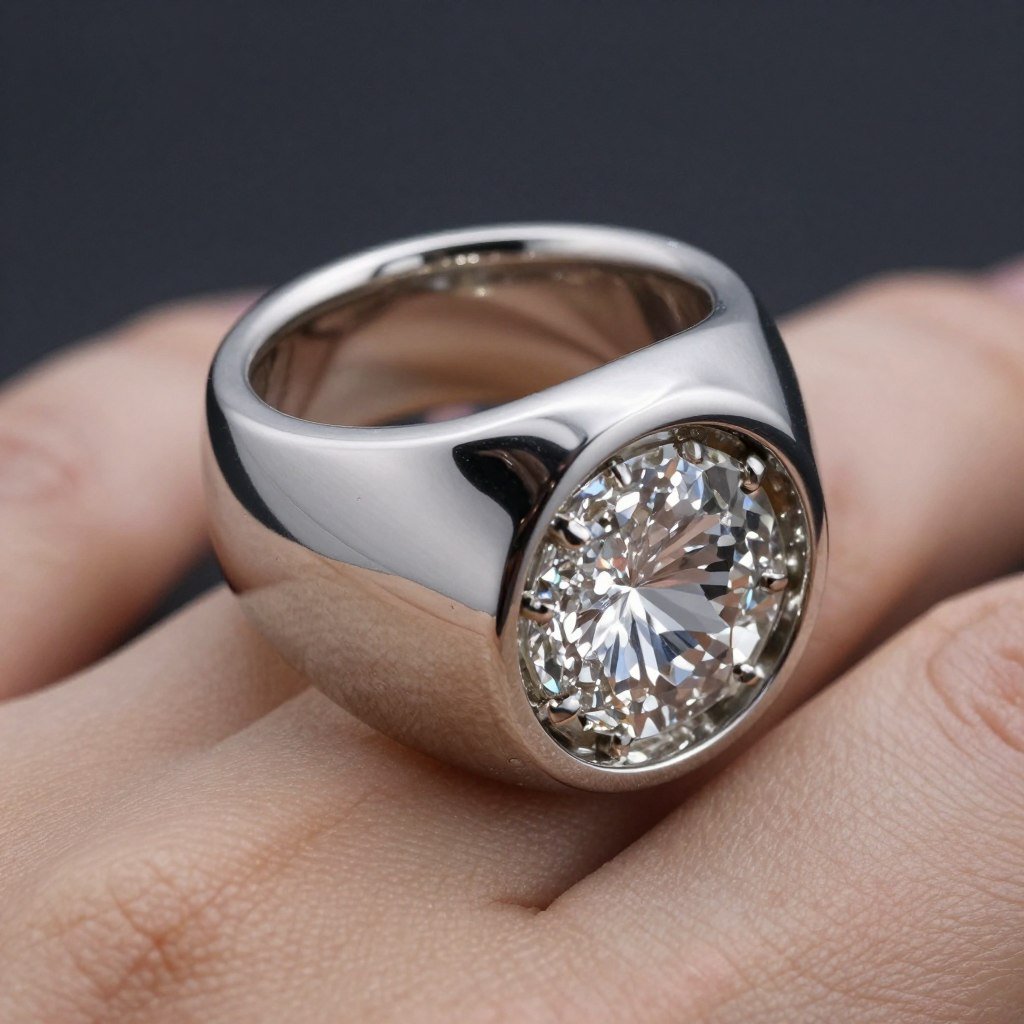
Bezel settings surround diamonds with metal rims. This secure mounting protects stone edges while creating sleek, modern aesthetics.
Full bezels encircle the entire diamond perimeter. Partial bezels cover only portions of the stone, balancing security with sparkle.
Channel settings place smaller diamonds between metal walls. This technique creates seamless diamond bands without protruding stones.
Pavé settings feature tiny diamonds held by small beads. The French term means “paved,” describing the diamond-covered appearance.
Cathedral settings elevate center stones with arching metalwork. This architectural detail adds height and elegance to engagement ring profiles.
Tension settings hold diamonds through metal pressure alone. This contemporary mounting creates dramatic floating appearances.
The engagement ring setting impacts daily wearability. Low-profile settings reduce snagging risk, while higher settings showcase larger diamonds.
How Much Should You Spend on an Engagement Ring
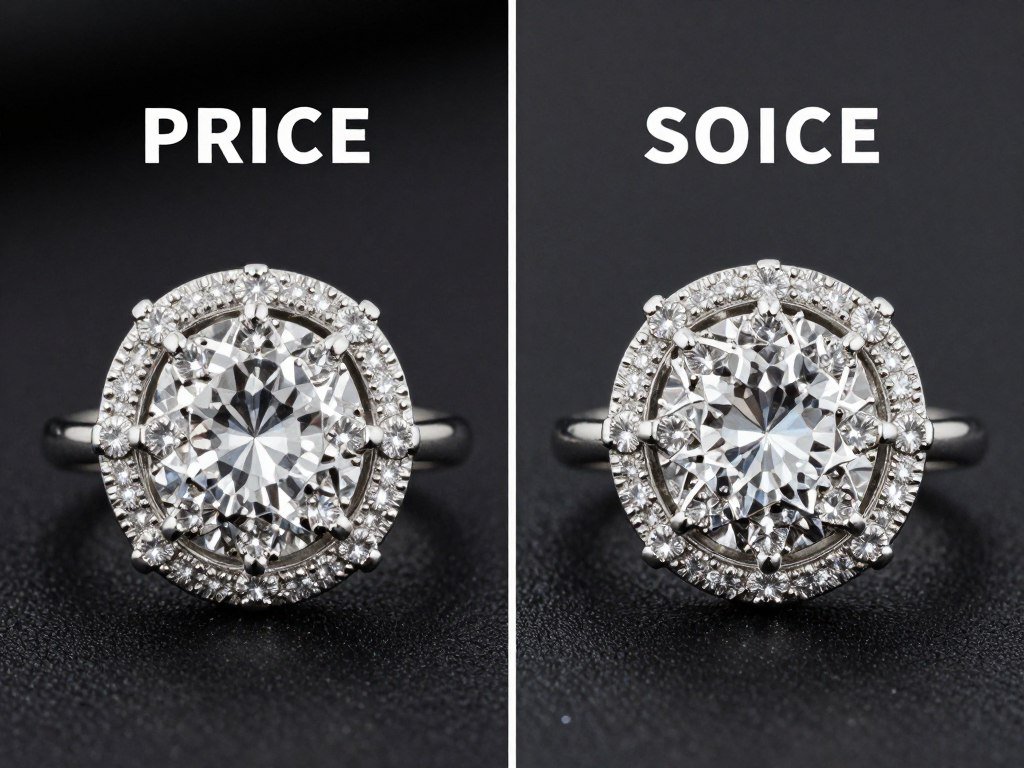
Determining how much to spend on an engagement ring depends on personal financial situations. The old “three months’ salary” rule no longer applies universally.
Modern couples spend varying amounts on engagement rings. Average spending in the United States ranges from three thousand to six thousand dollars.
Setting a realistic budget prevents financial stress. Consider your overall financial health, savings goals, and other upcoming expenses.
The amount you spend on an engagement ring should reflect your values. Some couples prioritize larger diamonds, while others prefer unique designs or ethical sourcing.
Diamond size dramatically impacts price. Dropping just below popular carat weights (like 0.9 carats instead of 1.0) can save significant money without noticeable size differences.
Color and clarity grades affect pricing. Choosing near-colorless grades (G-H) and slightly included clarity (SI1-SI2) balances quality with value.
Setting complexity influences final costs. Simple solitaire engagement rings cost less than elaborate halo or pavé designs.
Alternative gemstones offer budget-friendly options. Sapphires, moissanite, and lab-grown diamonds provide beauty at lower price points.
Financing options make engagement rings more accessible. Many jewelers offer payment plans, though careful consideration of interest rates remains important.
Find Rings Within Your Budget
Explore engagement rings across different price ranges to find beautiful options that align with your financial goals.
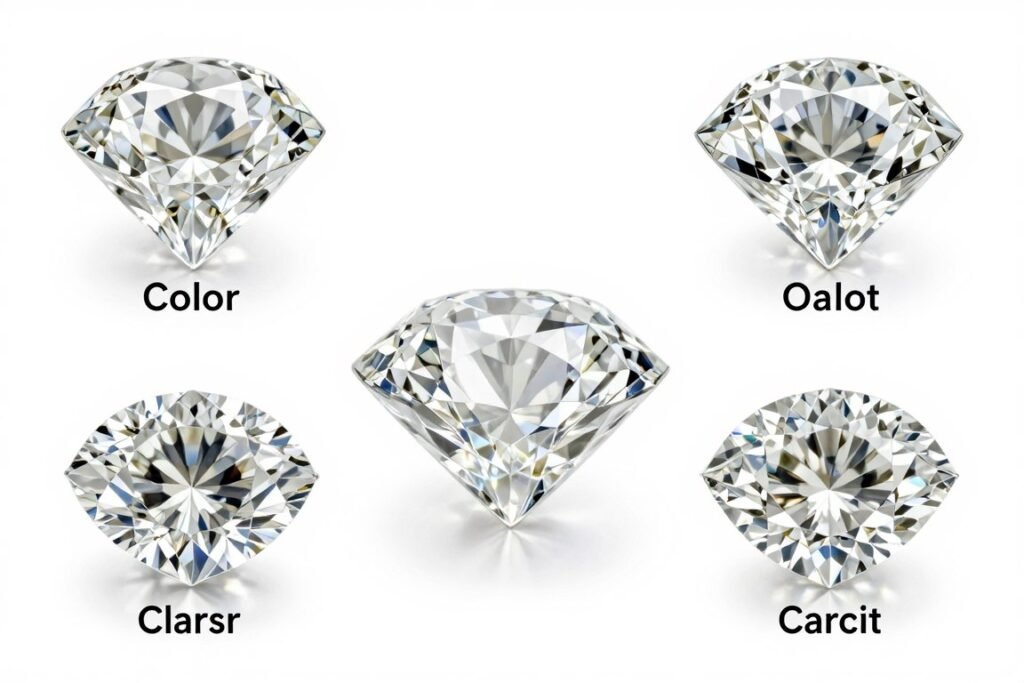
The Four Cs determine diamond quality and value. Understanding cut, color, clarity, and carat weight helps you make informed decisions.
Diamond Cut: The Most Important Factor
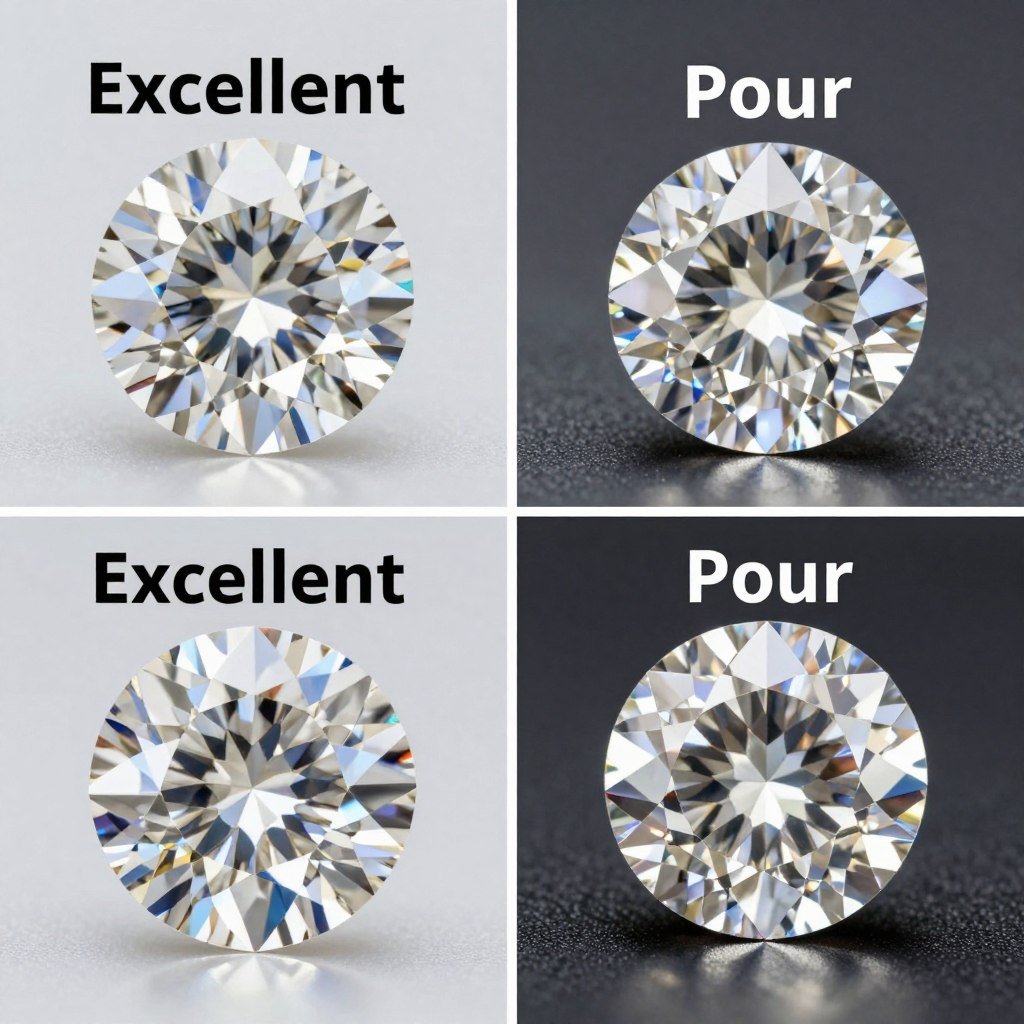
Cut quality determines how well a diamond reflects light. Excellent cut grades maximize brilliance, fire, and scintillation.
Cut differs from shape. While shape describes outline (round, oval, princess), cut refers to proportions, symmetry, and polish.
Ideal cut diamonds command premium prices. The superior light performance justifies higher costs for many buyers.
Cut grades range from Excellent to Poor. Choosing Excellent or Very Good cuts ensures beautiful sparkle in your diamond engagement ring.
Diamond Color: From Colorless to Yellow
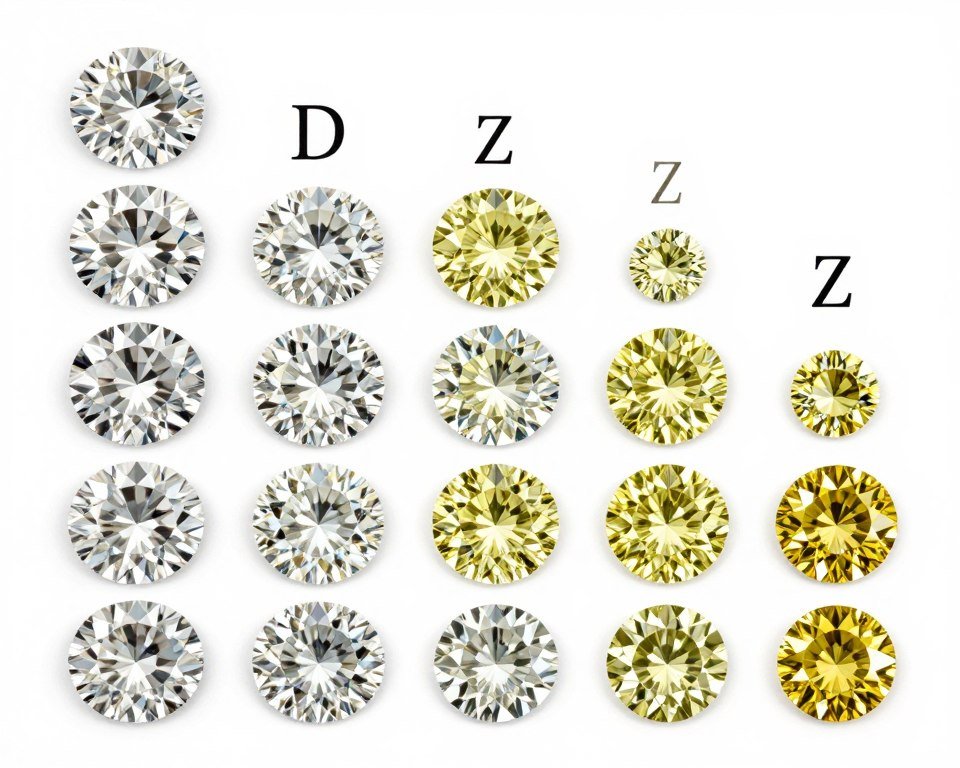
The diamond color scale ranges from D (colorless) to Z (light yellow). Colorless and near-colorless grades appear white in most settings.
D, E, and F grades represent colorless diamonds. These rare stones command the highest prices due to their exceptional whiteness.
G, H, I, and J grades fall in the near-colorless range. These diamonds appear white when mounted, offering excellent value.
Metal choice affects color perception. White metals like platinum emphasize any yellow tints, while yellow gold can make slightly tinted diamonds appear whiter.
Diamond Clarity: Evaluating Inclusions
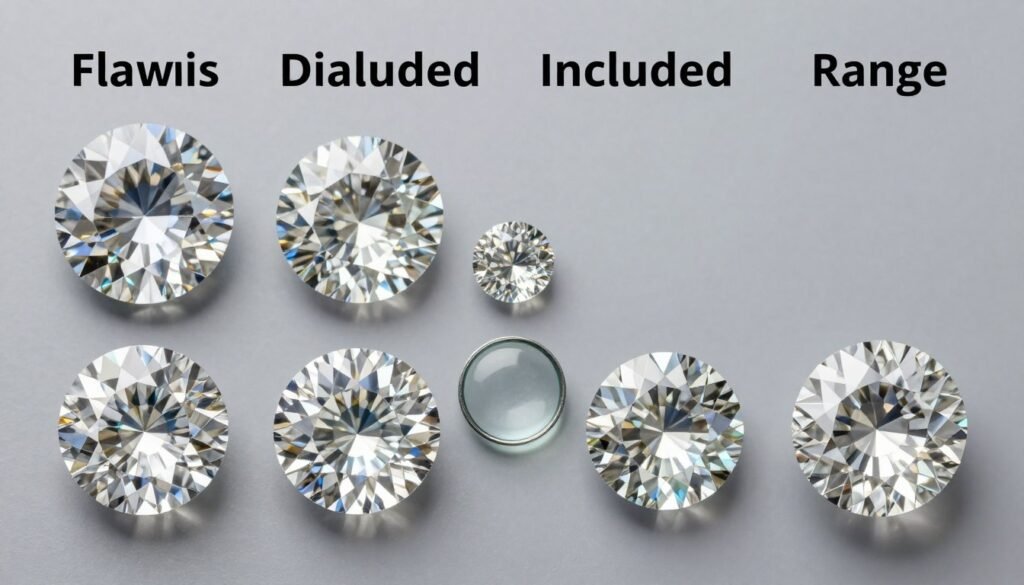
Clarity grades assess internal inclusions and external blemishes. The GIA clarity scale ranges from Flawless to Included.
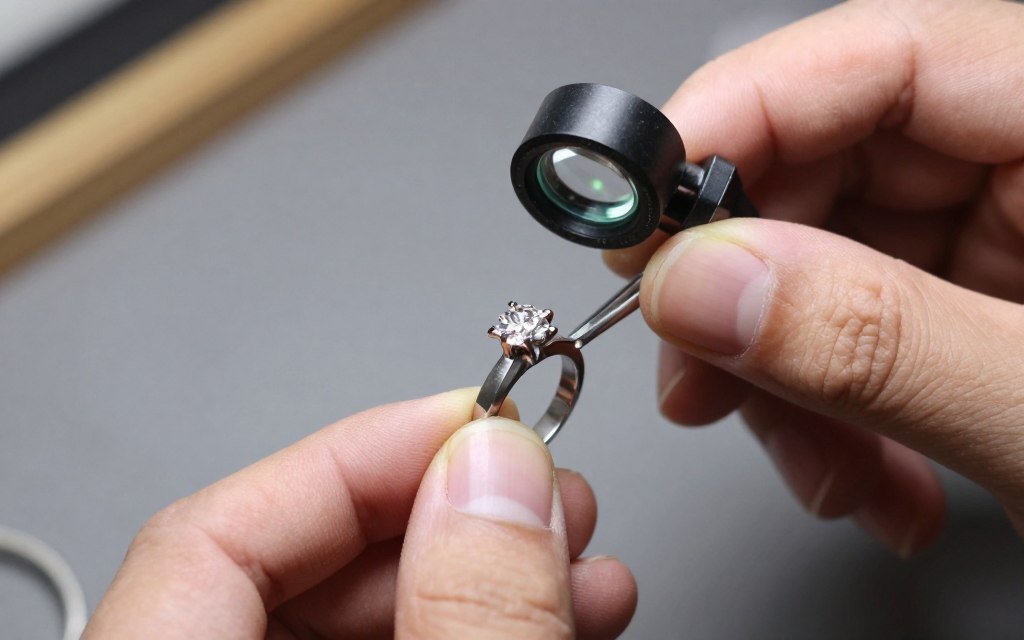
Flawless and Internally Flawless diamonds contain no visible inclusions under 10x magnification. These exceptional stones represent less than one percent of all diamonds.
Very Very Slightly Included (VVS1-VVS2) grades feature minute inclusions. Even trained gemologists struggle to identify these characteristics under magnification.
Very Slightly Included (VS1-VS2) diamonds offer excellent value. Inclusions remain difficult to see under magnification and invisible to the naked eye.
Slightly Included (SI1-SI2) grades contain noticeable inclusions under magnification. Many SI1 diamonds appear eye-clean, providing exceptional value.
Carat Weight: Size Considerations
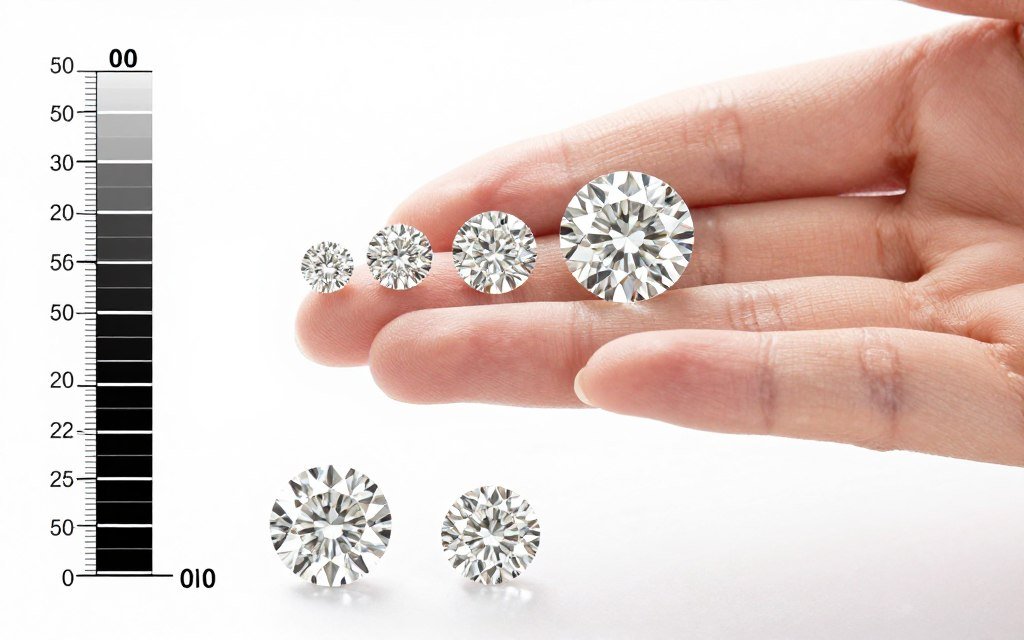
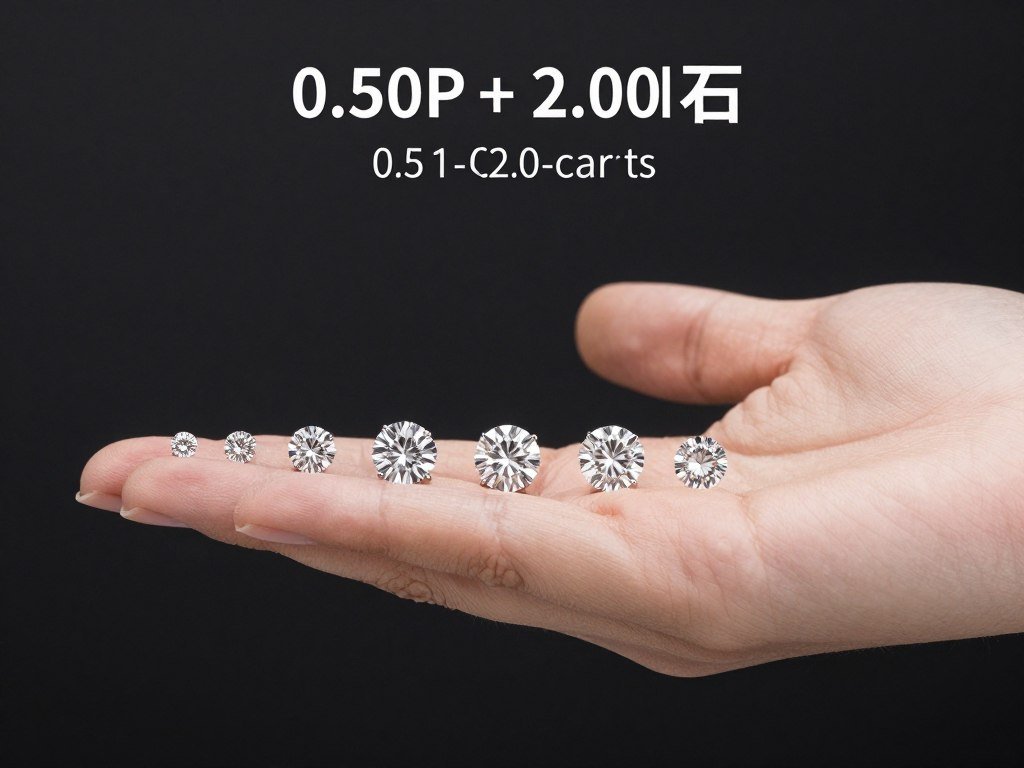
Carat weight measures diamond mass. One carat equals 200 milligrams or 0.2 grams.
Many people wonder how many carats an engagement ring should have. The answer varies based on personal preference and budget rather than any specific standard.
Larger diamonds cost exponentially more per carat. A two-carat diamond costs significantly more than twice the price of a one-carat stone of similar quality.
Diamond shape affects how large stones appear. Elongated shapes like oval and marquise maximize visible size compared to round diamonds of equal weight.
Natural diamonds form deep within Earth’s mantle over billions of years. Extreme heat and pressure transform carbon into crystalline structures.
Lab-grown diamonds share identical chemical composition with natural diamonds. Advanced technology replicates Earth’s natural diamond-forming processes.
The physical properties of lab-grown and natural diamonds remain indistinguishable to the naked eye. Both types contain the same hardness, brilliance, and durability.
Price differences between natural and lab diamonds vary significantly. Lab-grown diamonds typically cost thirty to forty percent less than natural diamonds of comparable quality.
Environmental considerations influence many couples’ choices. Lab-grown diamonds require less earth disruption, though energy consumption varies by production method.
Resale value differs between diamond types. Natural diamonds generally maintain value better in secondary markets compared to lab-grown alternatives.
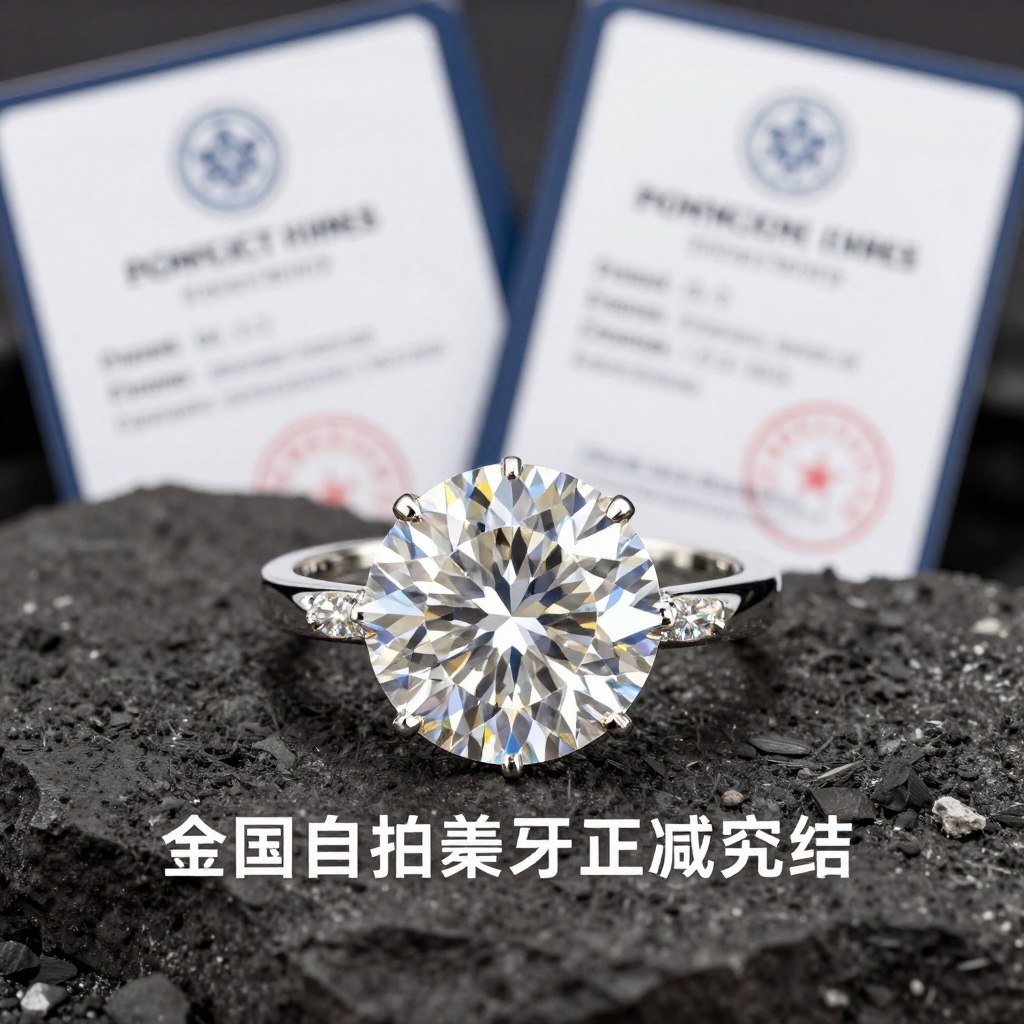
Certification applies to both natural and lab-grown diamonds. Reputable gemological laboratories grade both types using identical standards.
Current Engagement Ring Trends for 2024
Engagement ring trends evolve with fashion and cultural shifts. Understanding current preferences helps you choose styles that feel both current and timeless.
Oval diamonds continue dominating engagement ring trends. The elongated shape offers modern elegance while maximizing perceived size.
Hidden halo settings add surprise sparkle beneath center stones. This detail creates beautiful side views while maintaining classic top profiles.
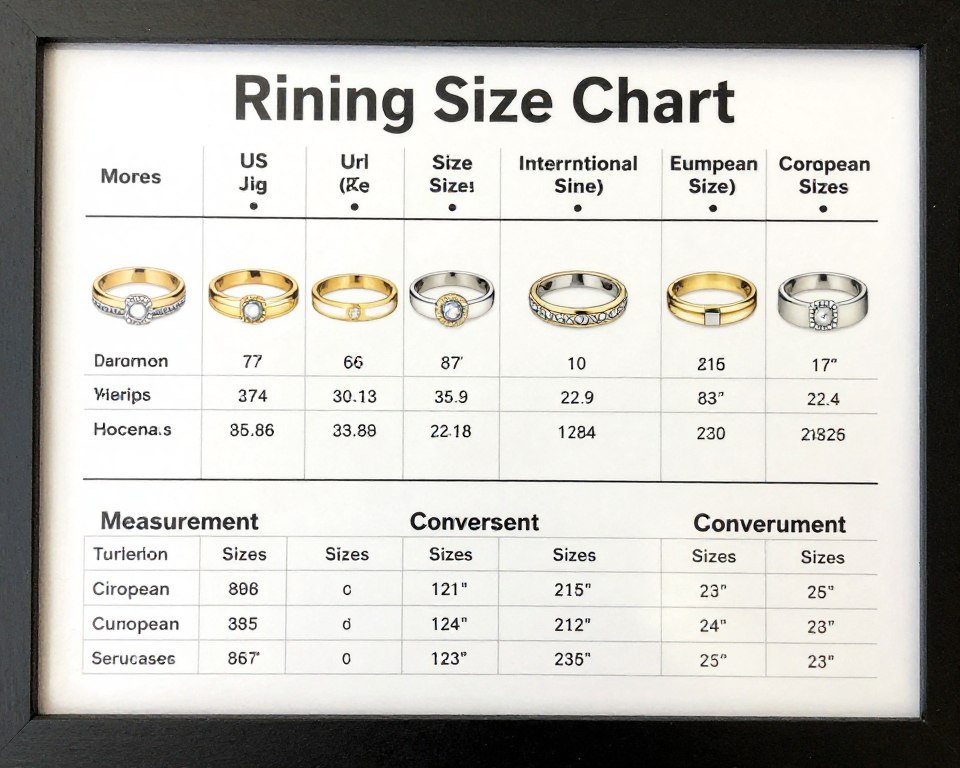
Accurate ring sizing ensures comfortable wear. Too tight rings restrict circulation, while loose rings risk loss.
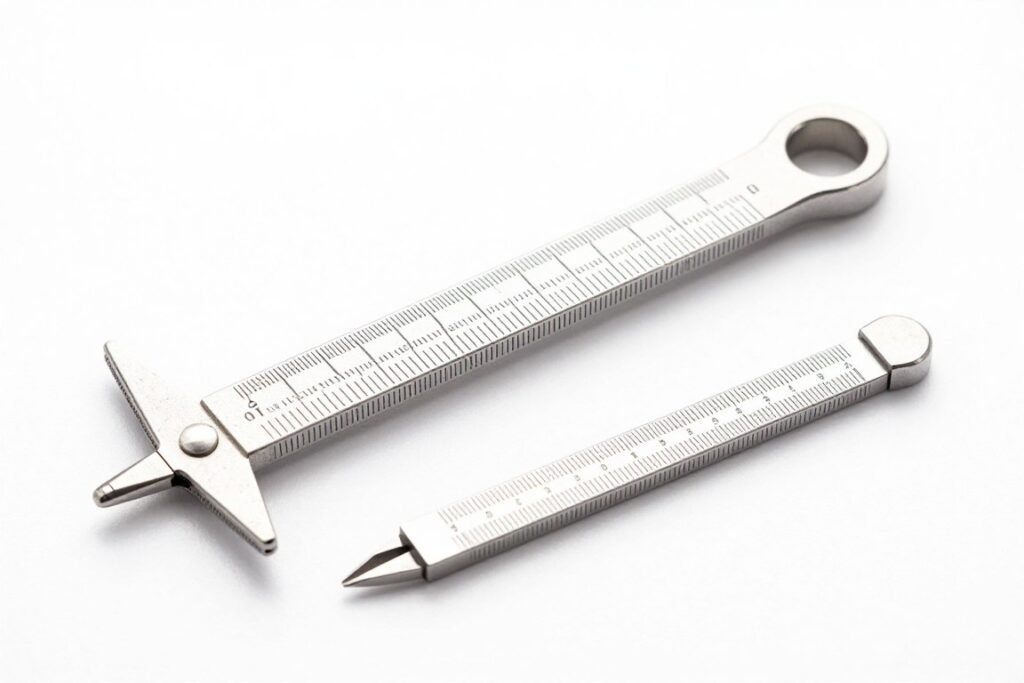
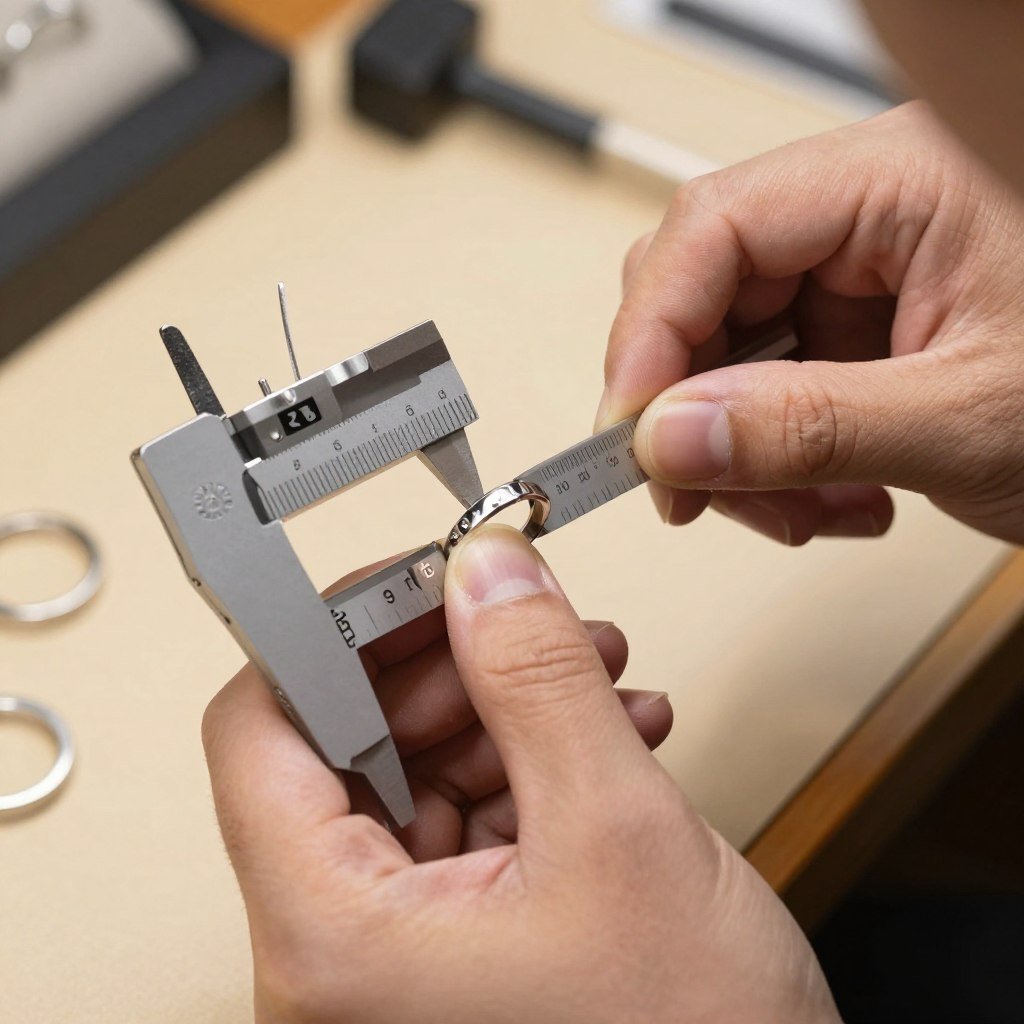
Professional jewelers measure ring size using metal sizers. These calibrated tools provide precise measurements for proper fit.
Secret measuring techniques help with surprise proposals. Borrowing a ring your partner wears on the ring finger provides sizing clues.
Online ring sizers offer at-home measuring options. Printable templates or plastic sizers help determine approximate sizes.
Finger size fluctuates throughout the day. Measuring at different times accounts for swelling from heat, activity, or salt intake.
Wider bands require larger sizes. Thick engagement ring bands need sizing up a quarter to half size for comfortable fit.
Resizing capabilities vary by design. Simple bands resize easily, while eternity bands or complex settings may have limitations.
Most jewelers offer complimentary resizing. Initial sizing adjustments within the first year often come free with purchase.
Creative Proposal Ideas with Your Ring
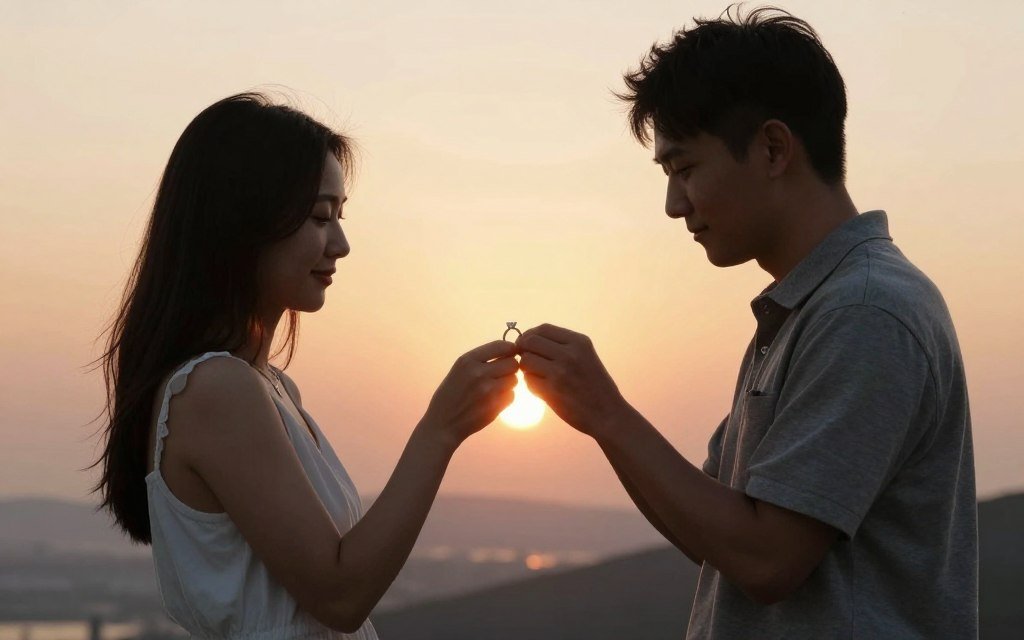
The proposal moment deserves thoughtful planning. Incorporating the engagement ring into creative scenarios makes the experience unforgettable.
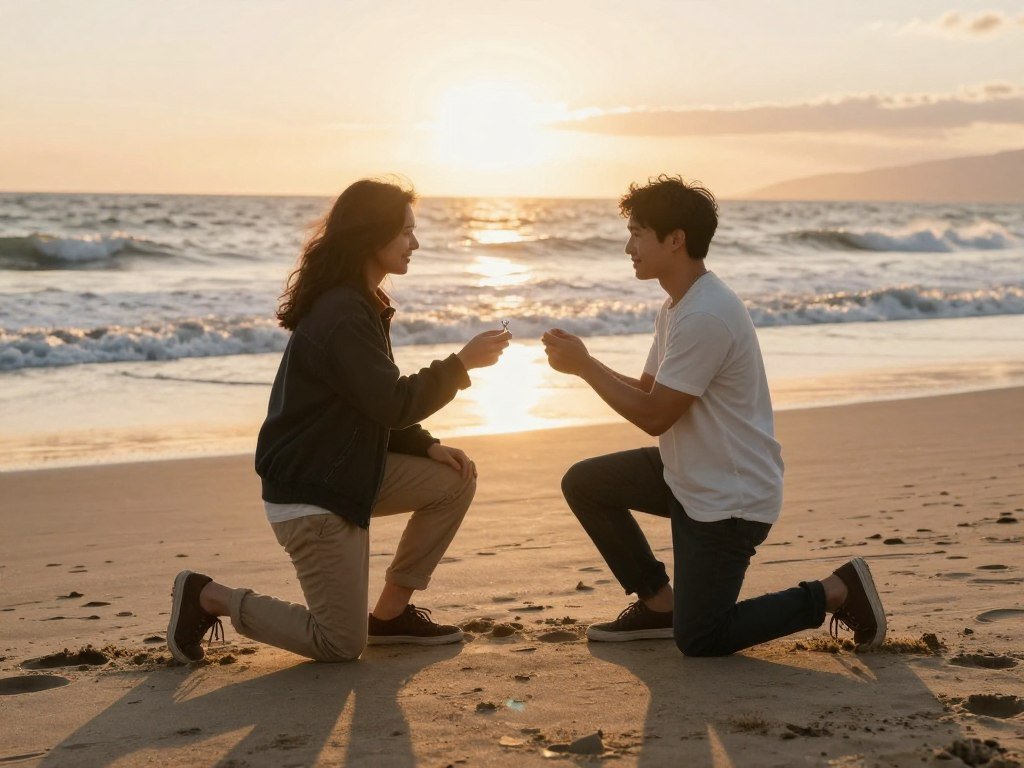
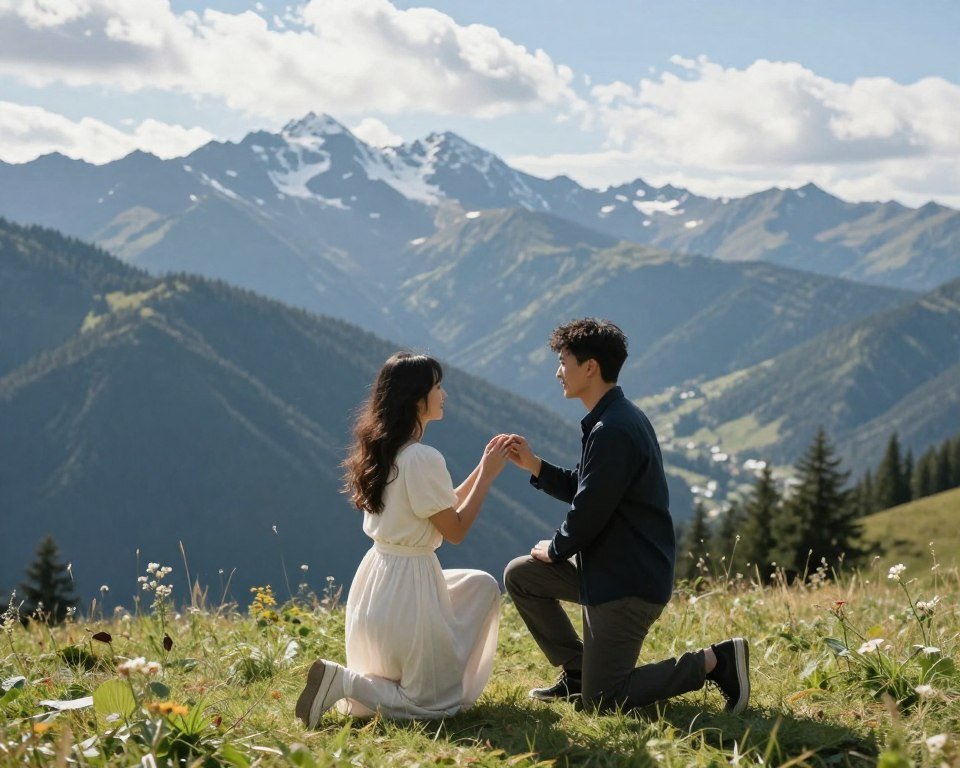
Destination proposals add adventure to the occasion. Scenic locations like beaches, mountains, or iconic landmarks create dramatic backdrops.
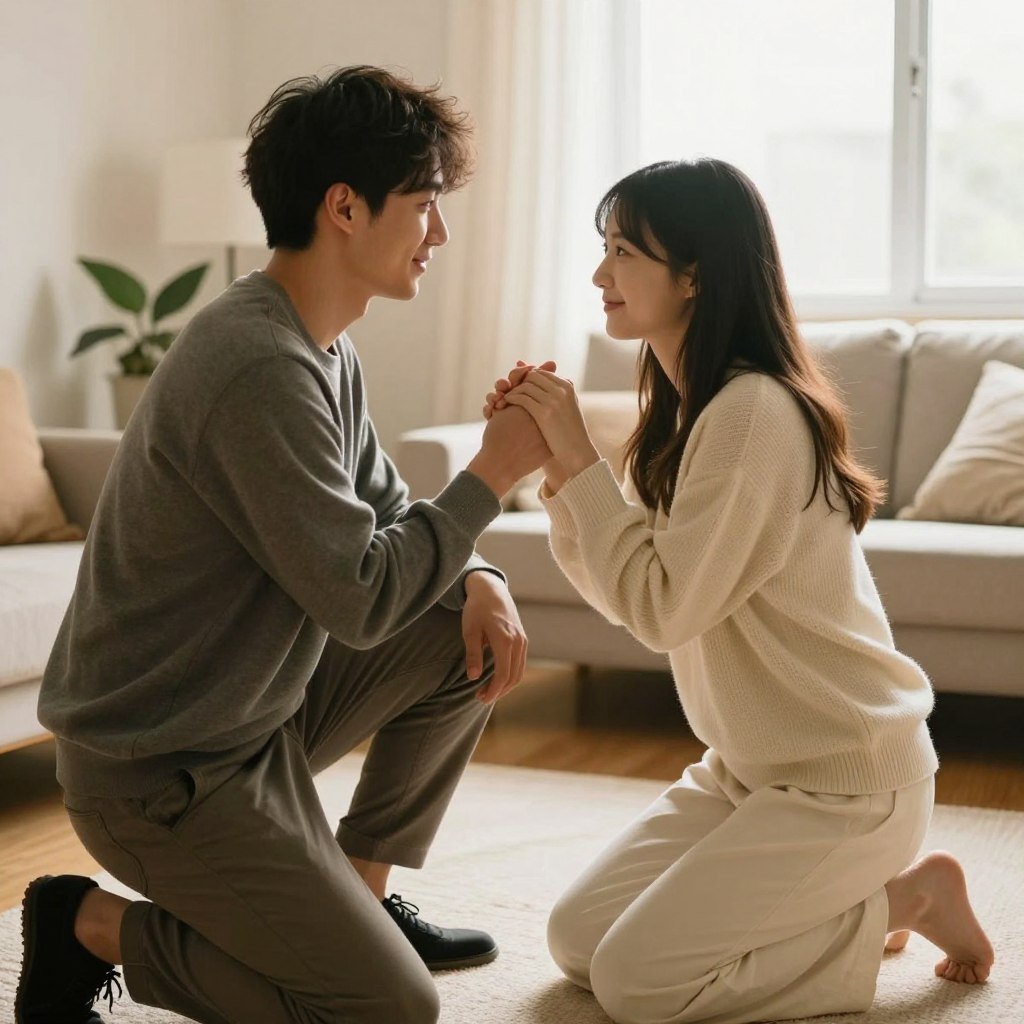
Home proposals offer intimate comfort. Familiar surroundings allow focus on the emotional connection without distraction.
Involving family or friends adds meaningful connection. Surprise gatherings after the proposal let loved ones share the celebration immediately.
Activity-based proposals incorporate shared interests. Hiking to favorite viewpoints, attending special events, or revisiting meaningful places personalize the moment.
The ring presentation matters significantly. Traditional down-on-one-knee proposals remain popular, though creative alternatives suit different personalities.
Timing considerations affect proposal planning. Meaningful dates like anniversaries or holidays add significance, though ordinary days can become extraordinary.
Photography arrangements capture the moment. Hiring professionals or enlisting friends ensures lasting memories of the proposal.
Caring for Your Engagement Ring
Regular maintenance preserves engagement ring beauty. Simple care routines prevent damage and maintain sparkle over decades.
Daily removal during certain activities protects rings. Take off engagement rings before exercising, swimming, cleaning, or applying lotions.
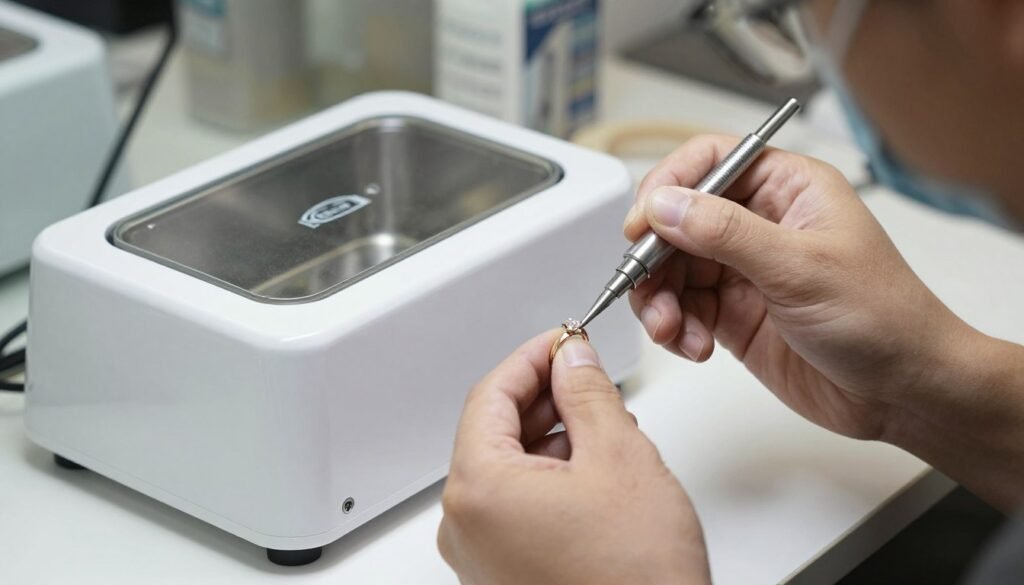
Professional cleaning every six months maintains brilliance. Jewelers use ultrasonic cleaners and steam to remove built-up residue.
At-home cleaning keeps rings sparkling between professional services. Warm water, mild dish soap, and soft brushes safely clean most jewelry.
Inspection catches potential problems early. Jewelers check prong security, look for loose stones, and identify wear during cleaning appointments.
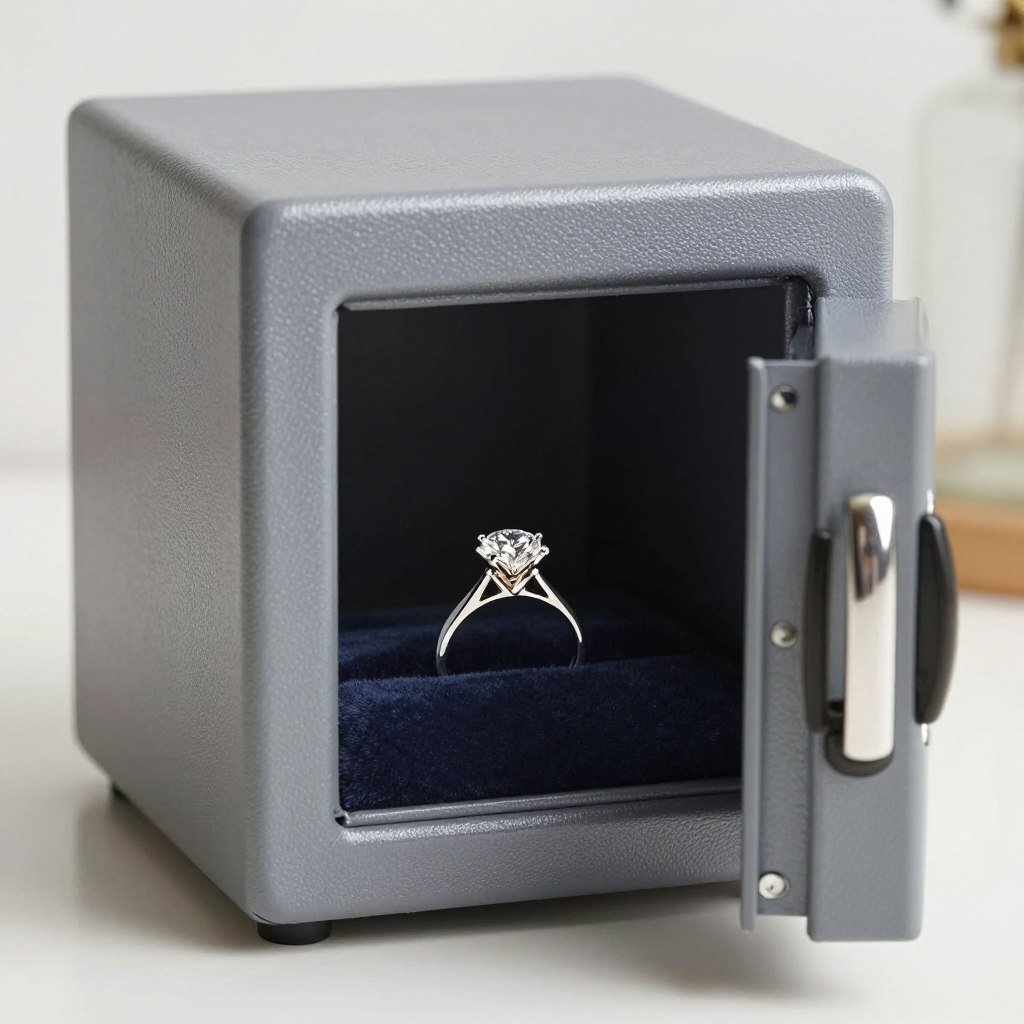
Storage prevents scratches and damage. Separate compartments or soft pouches protect engagement rings when removed.
Insurance protects significant investments. Jewelry insurance covers loss, theft, and damage beyond standard homeowner’s policies.
Chemical exposure dulls metals and damages stones. Remove rings before using harsh cleaners or applying beauty products.
Where and How to Shop for Engagement Rings
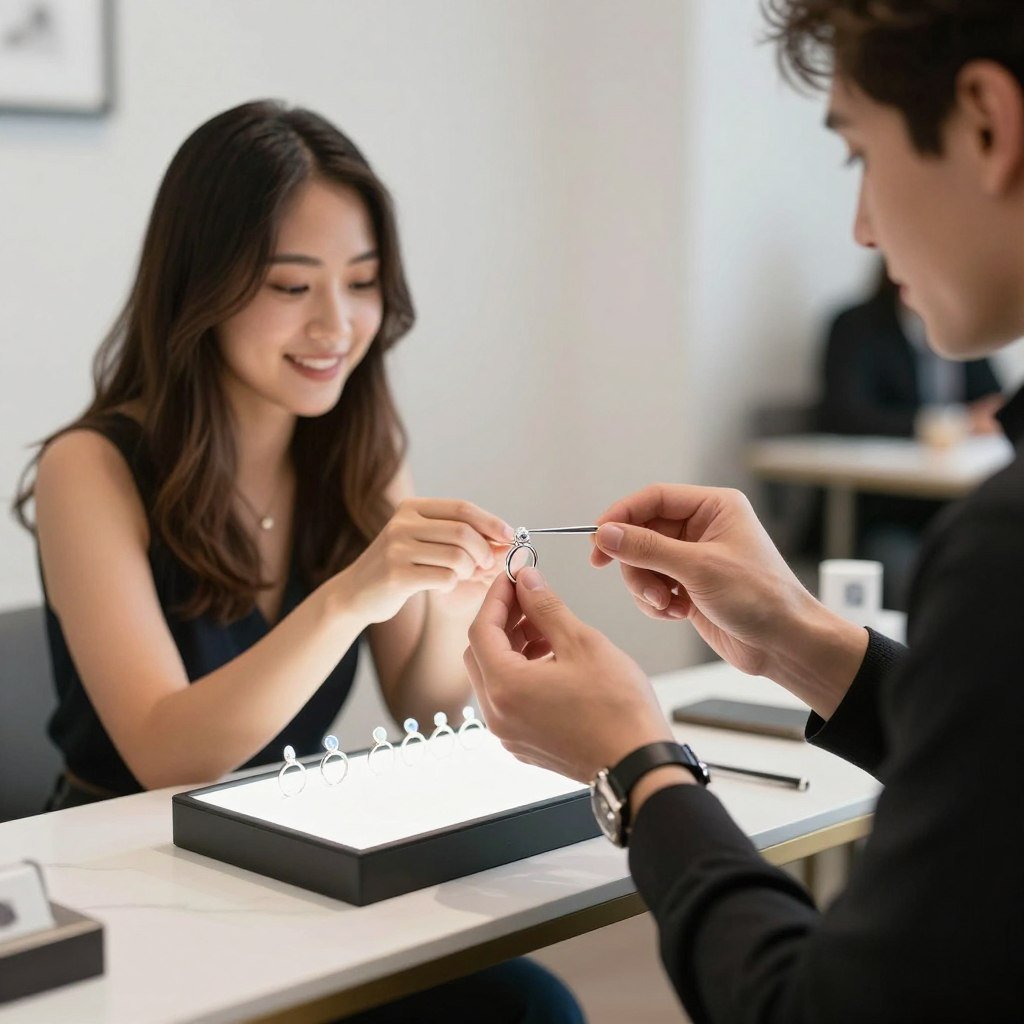
Shopping venues affect price, selection, and service. Understanding options helps you find the best engagement ring buying experience.
Local jewelry stores offer personalized service. Building relationships with jewelers provides ongoing support for maintenance and future purchases.
Chain retailers provide consistent experiences. Standardized policies and nationwide locations offer convenience and reliability.
Online retailers reduce overhead costs. Lower prices and vast selection make internet shopping appealing for engagement ring buying.
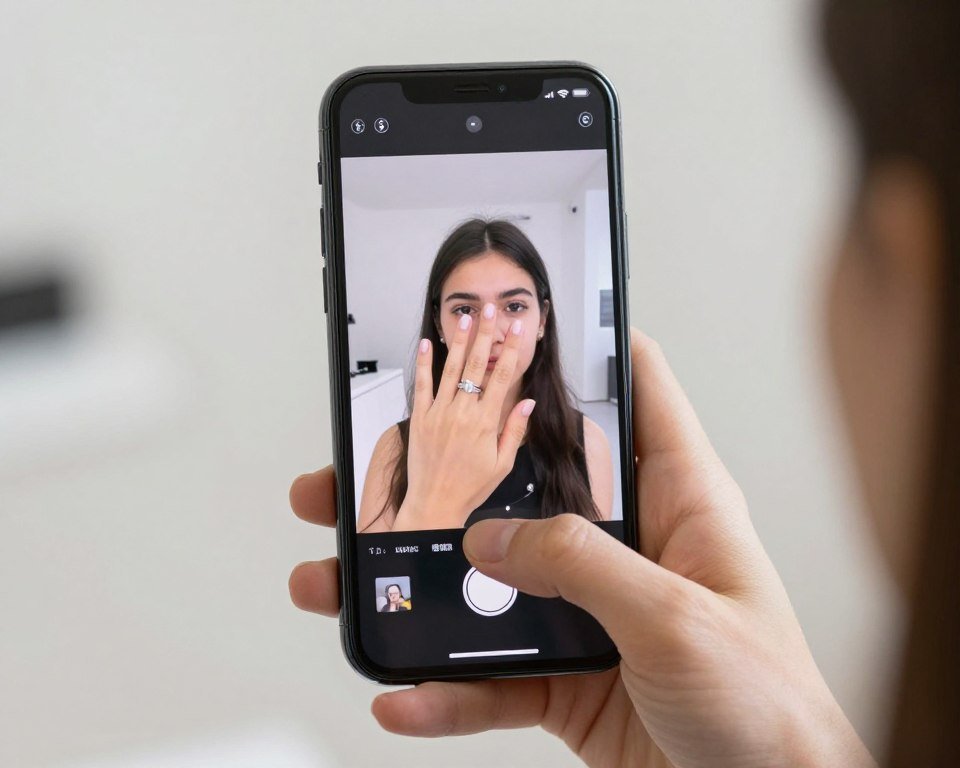
Virtual try-on technology helps online shoppers. Augmented reality features let you visualize rings before purchasing.
Return policies vary significantly between retailers. Understanding terms before purchasing protects you if the ring doesn’t meet expectations.
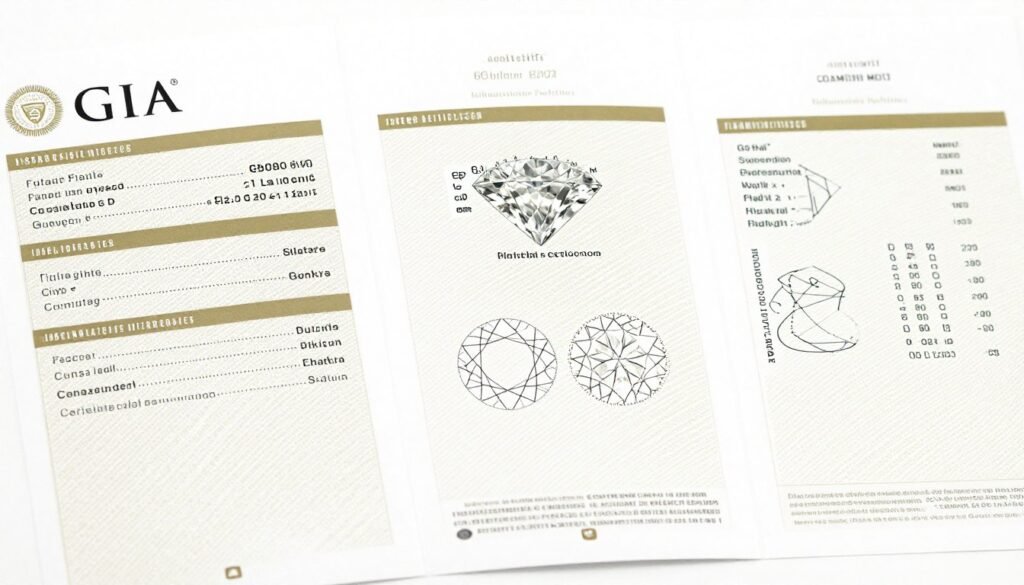
Certification authenticates diamond quality. Reputable gemological laboratories like GIA or AGS provide independent grading reports.
Payment options include various methods. Credit cards offer purchase protection, while financing plans spread costs over time.
Start Your Ring Search
Explore extensive collections of engagement rings to find the perfect symbol of your commitment.
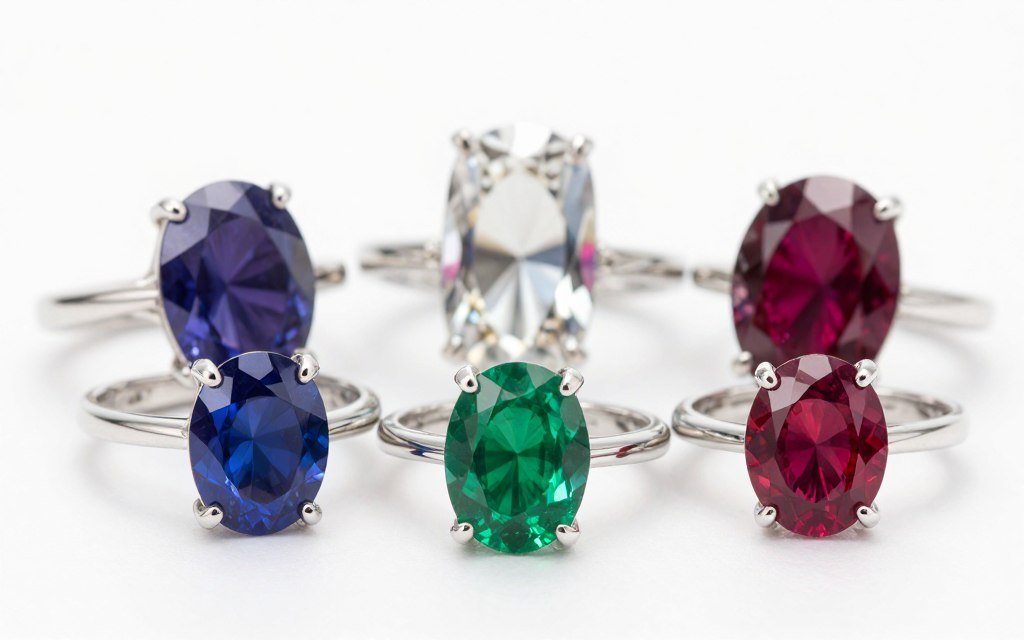
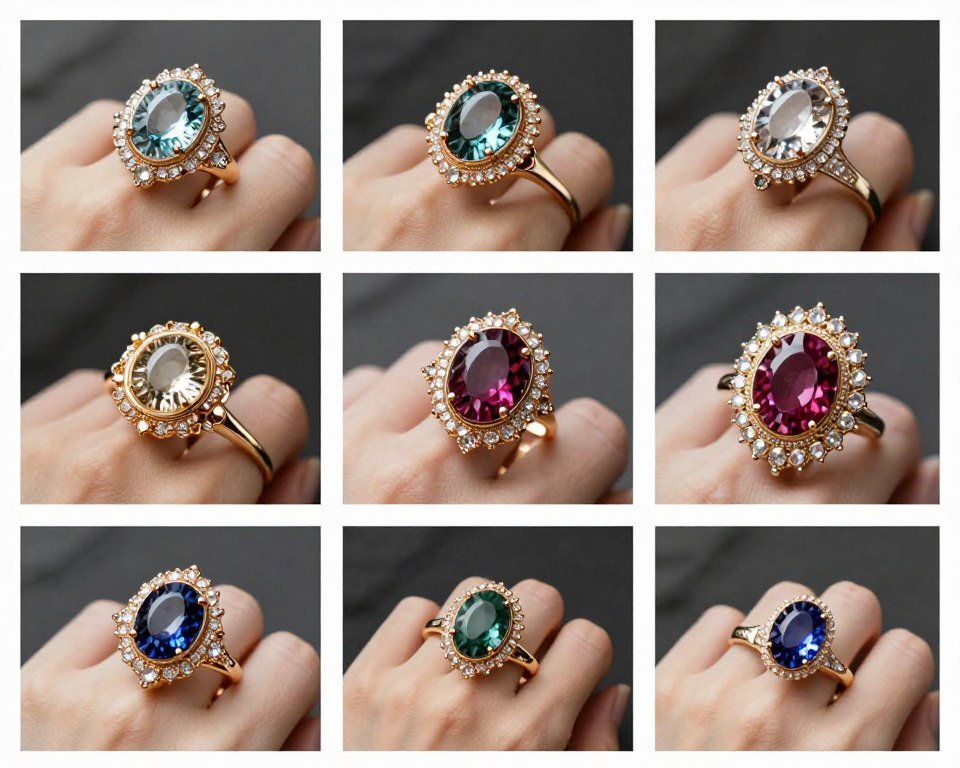
Non-diamond gemstones create distinctive engagement rings. Colored stones offer personal meaning and unique beauty.
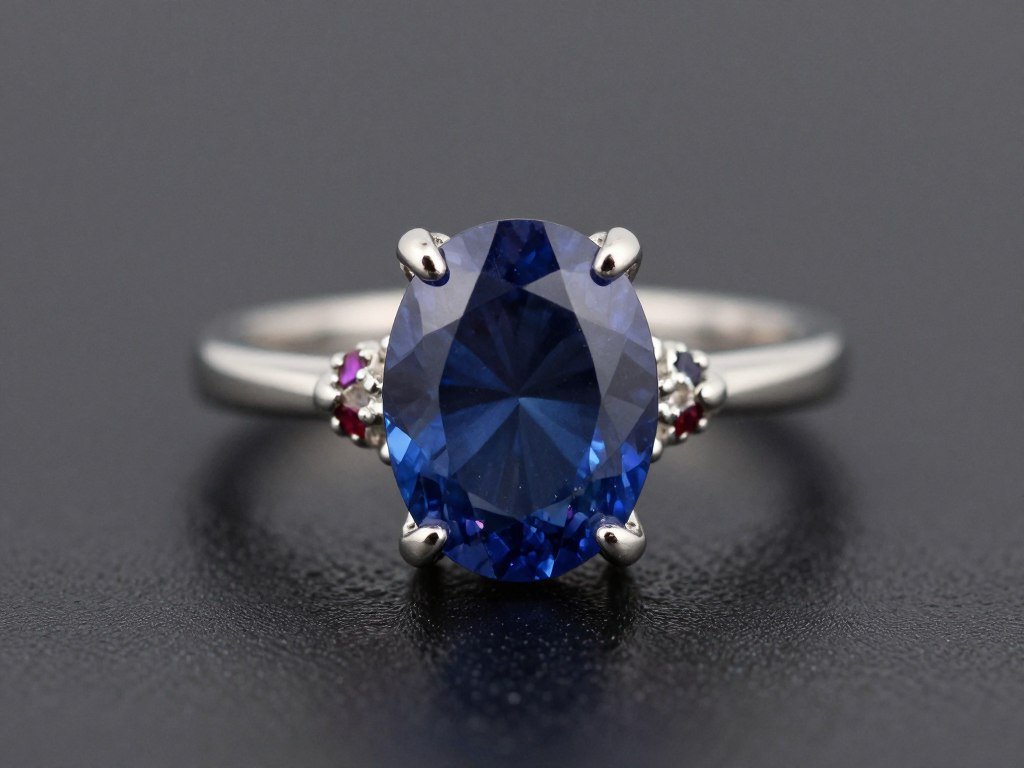
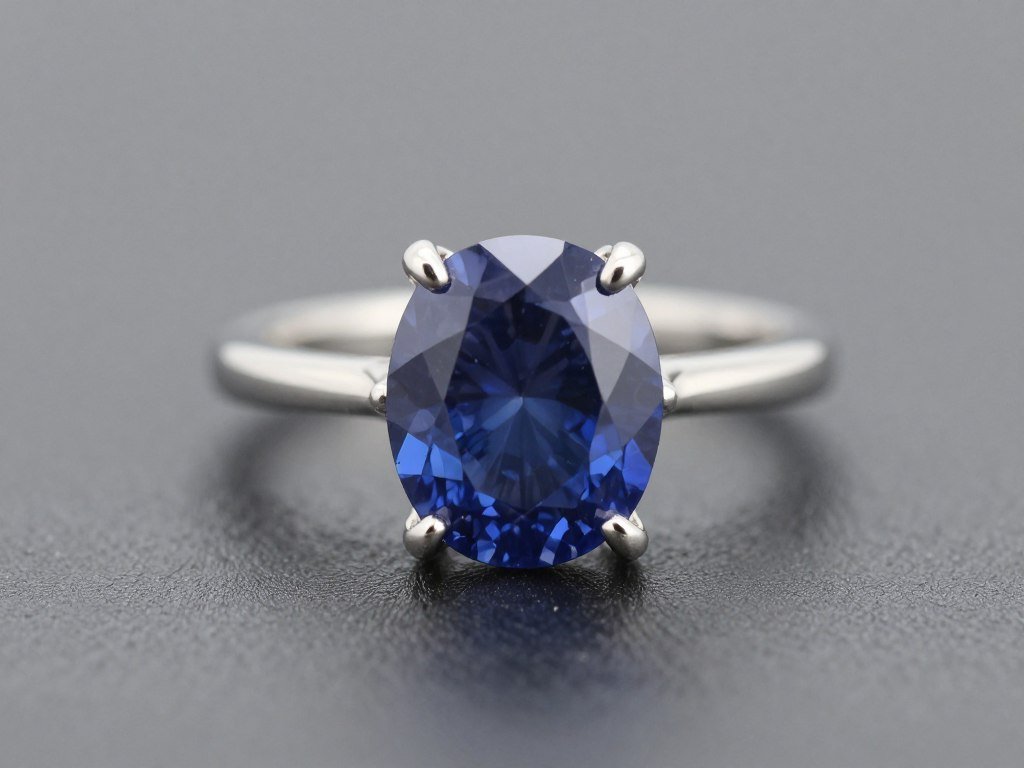
Sapphire engagement rings have grown tremendously popular. The durable gemstone comes in various colors beyond traditional blue.
Blue sapphires represent loyalty and trust. The deep color creates striking contrast with white metal settings.
Pink sapphires offer romantic alternatives to diamonds. The soft color appeals to those seeking feminine, delicate aesthetics.
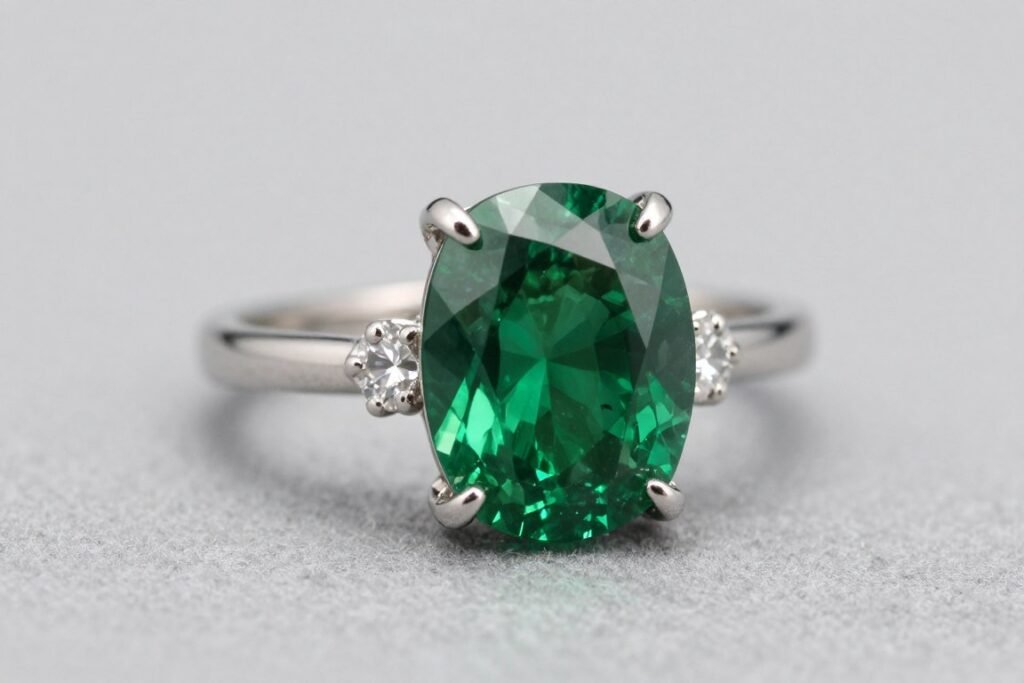
Emerald engagement rings showcase rich green hues. The precious gemstone carries historical significance and luxury associations.
Ruby engagement rings symbolize passion and love. The vibrant red gemstone creates bold, eye-catching designs.
Moissanite provides diamond-like brilliance at lower costs. The lab-created gemstone offers exceptional sparkle and durability.
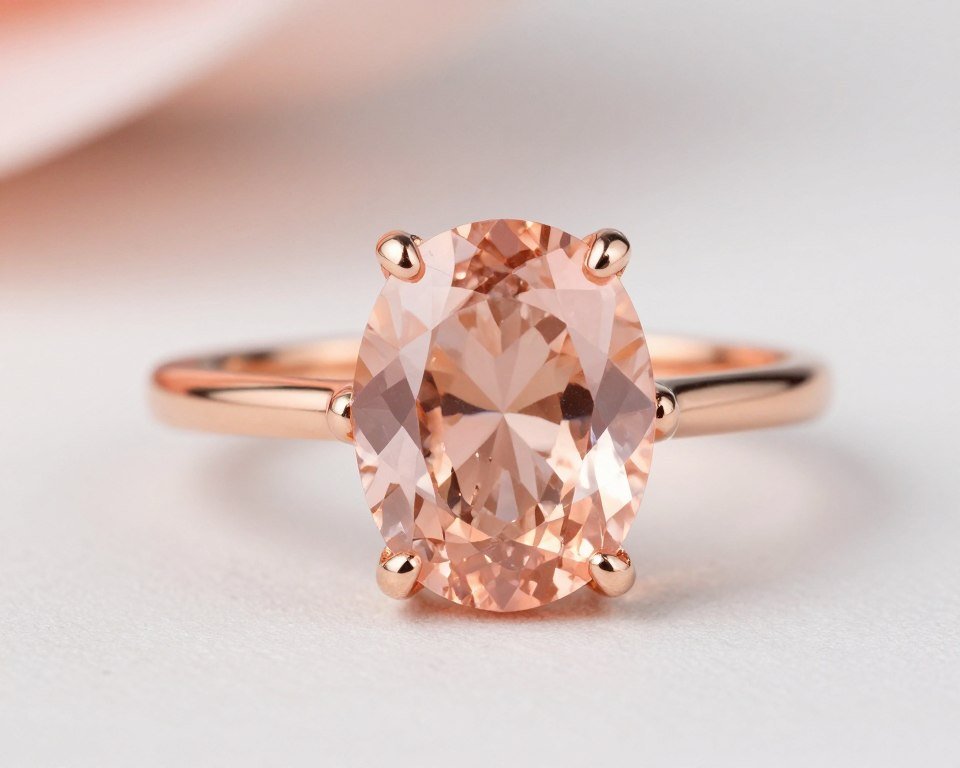
Morganite features soft peachy-pink tones. The beryl family gemstone pairs beautifully with rose gold settings.
Durability considerations matter for alternative gemstones. Sapphires and rubies offer excellent hardness for daily wear, while softer stones require more care.
Choosing Wedding Bands to Match Your Engagement Ring
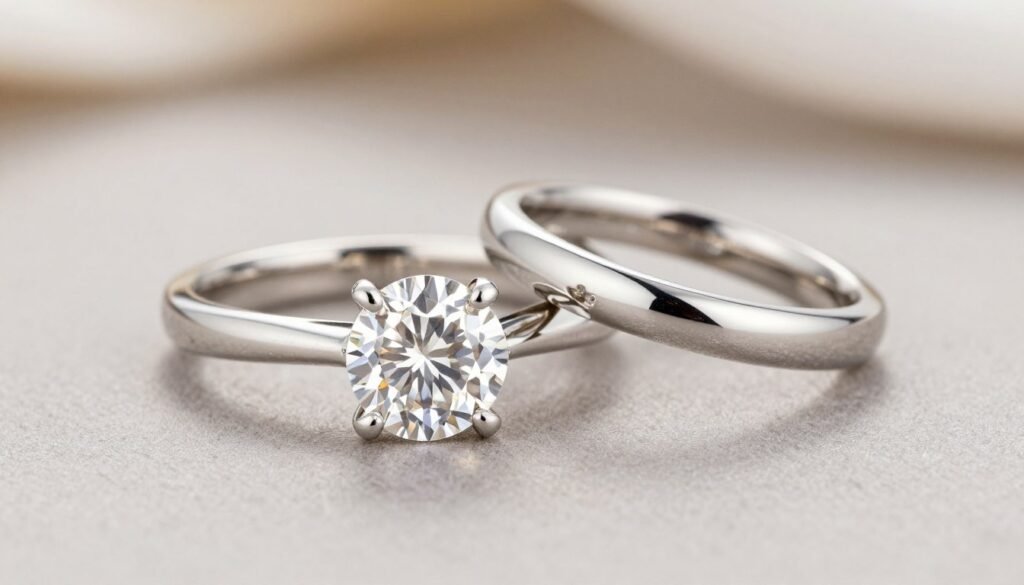
Wedding band selection affects how your engagement ring sits and looks. Coordinating styles creates cohesive bridal sets.
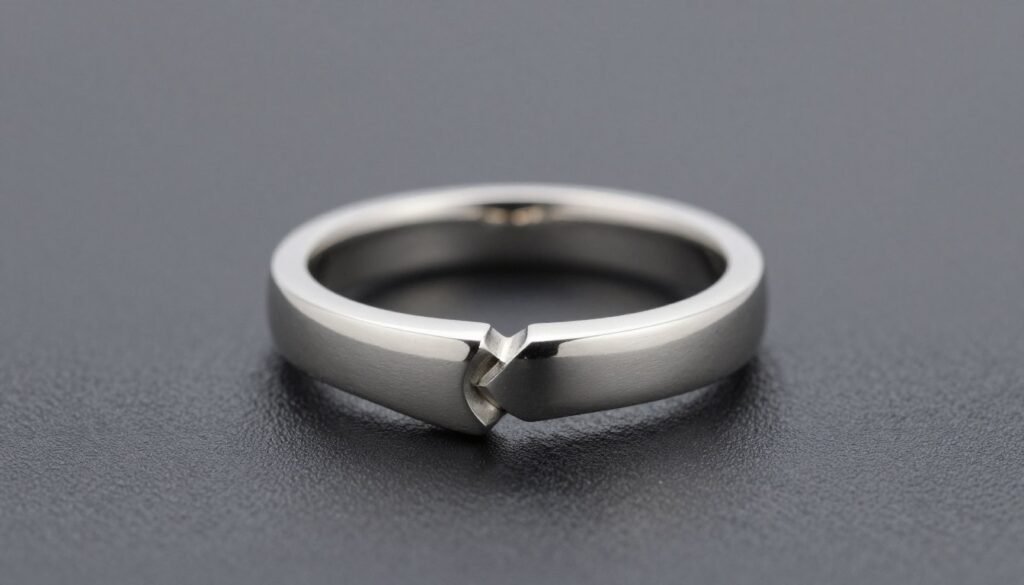
Contoured wedding bands curve around engagement ring settings. This shaped design allows flush wearing without gaps.
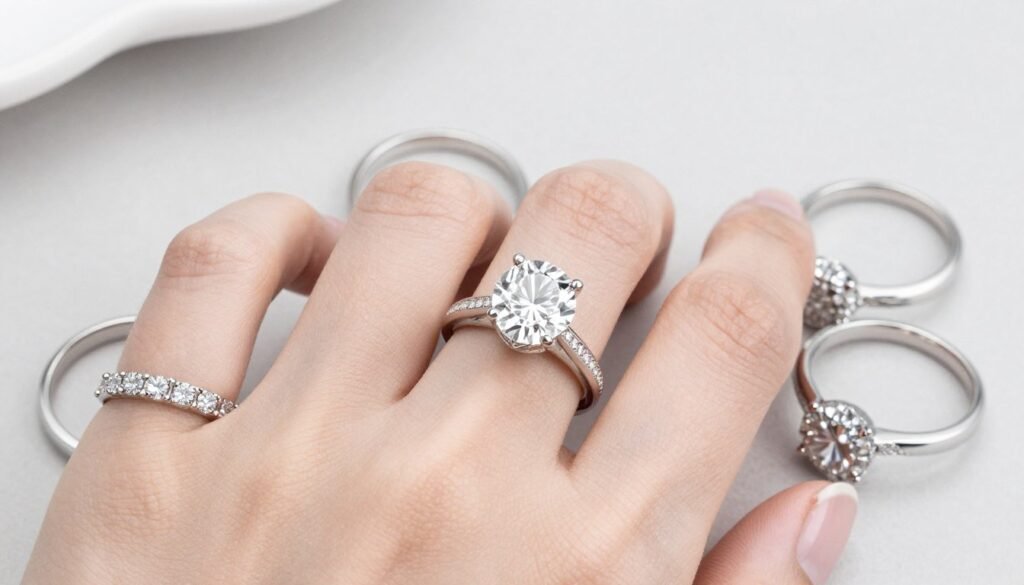
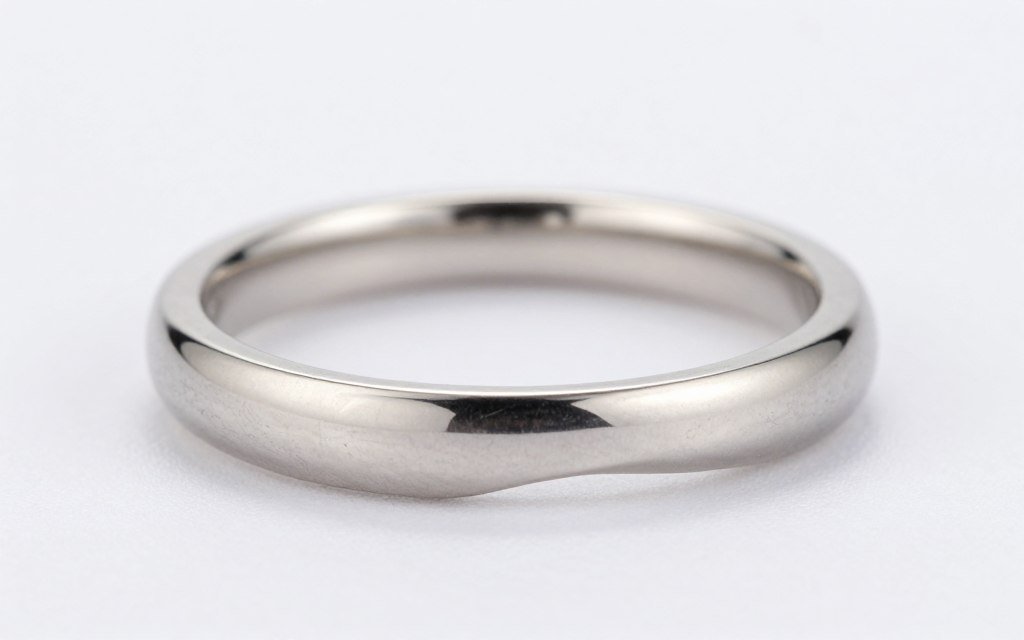
Straight bands offer versatile simplicity. Plain or diamond-set straight bands complement most engagement ring styles.
Metal matching creates uniform appearance. Choosing identical metals ensures color consistency across both rings.
Mixed metals create intentional contrast. Rose gold wedding bands with white gold engagement rings offer contemporary style.
Diamond wedding bands add extra sparkle. Pavé or channel-set bands complement diamond engagement rings beautifully.
Buying sets ensures perfect coordination. Many jewelers offer engagement rings with matching wedding bands designed together.
Considering stacking allows future additions. Some couples add anniversary bands over time, requiring space on the finger.
Ethical and Sustainable Engagement Ring Options
Ethical sourcing matters increasingly to conscious consumers. Understanding jewelry origins helps you make values-aligned choices.
Conflict-free diamonds meet Kimberley Process standards. This international certification system prevents diamonds from funding conflicts.
Beyond conflict-free certification, some jewelers verify ethical mining practices. Fair wages, safe conditions, and environmental protection define responsible sourcing.
Recycled metals reduce environmental impact. Using reclaimed gold and platinum eliminates need for new mining.
Lab-grown diamonds offer guaranteed ethical origins. The controlled production eliminates mining concerns entirely.
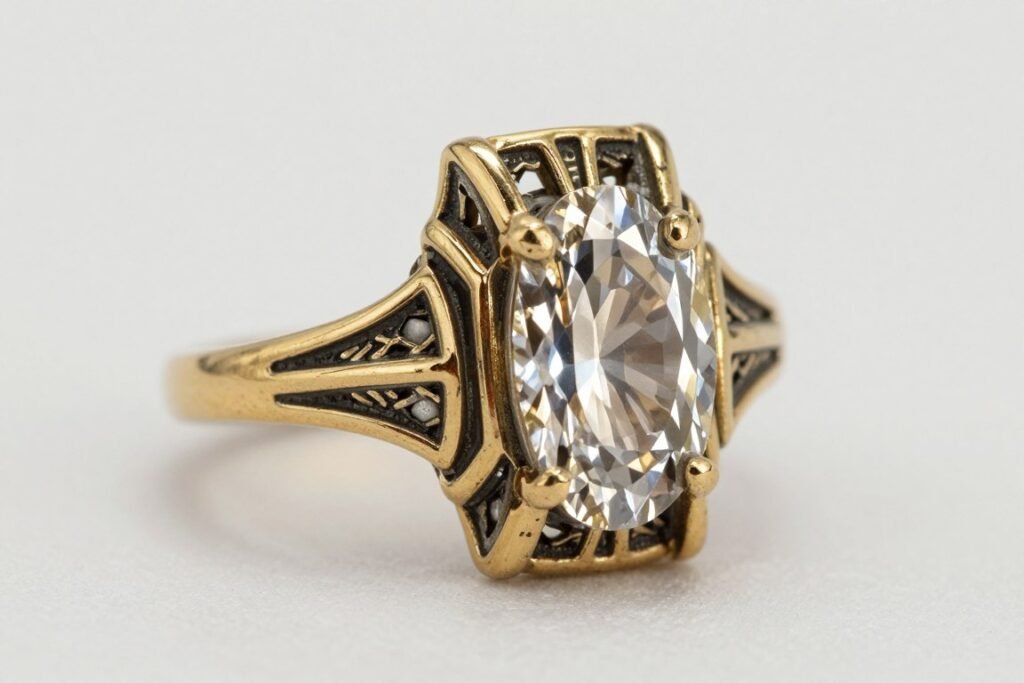
Vintage and antique rings represent ultimate recycling. Pre-owned engagement rings carry history while avoiding new resource extraction.
Transparent supply chains build trust. Jewelers who trace diamonds from mine to market demonstrate commitment to ethics.
Certification from responsible jewelry organizations validates claims. Look for membership in organizations promoting ethical practices.
Protecting Your Investment with Ring Insurance
Engagement ring insurance protects significant investments. Specialized coverage addresses risks standard policies miss.
Homeowner’s or renter’s insurance may cover jewelry partially. However, these policies often include low limits and require deductibles.
Dedicated jewelry insurance provides comprehensive protection. Coverage includes loss, theft, damage, and mysterious disappearance without deductibles.
Appraisals establish ring value for insurance purposes. Professional appraisers document details, quality, and replacement costs.
Insurance costs typically range from one to two percent of ring value annually. A five-thousand-dollar ring might cost fifty to one hundred dollars yearly to insure.
Claims processes vary between insurers. Understanding procedures before needing them prevents stress during difficult situations.
Regular appraisal updates maintain accurate coverage. Ring values change over time, requiring periodic reassessment.
Engagement Ring Traditions Around the World
Engagement ring customs vary globally. Understanding different traditions enriches appreciation for this universal symbol.
American traditions emphasize diamond solitaires. The 1940s De Beers marketing campaigns established diamonds as engagement ring standards.
European traditions often include matching sets. Engagement rings and wedding bands purchased together ensure coordination.
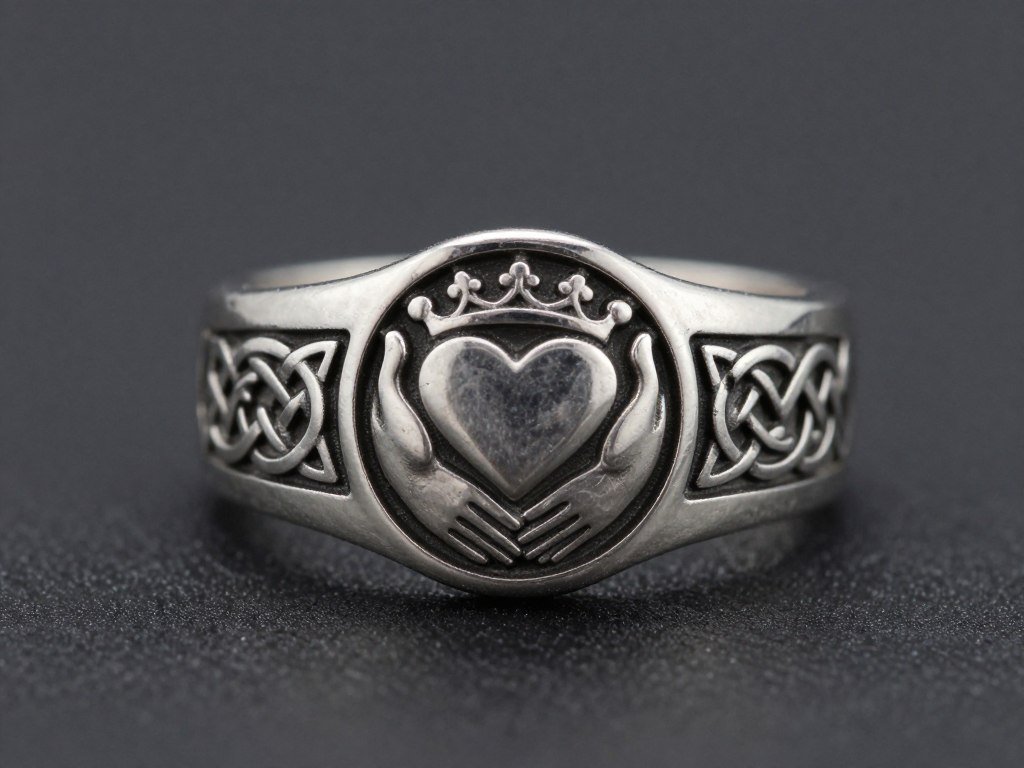
Irish Claddagh rings symbolize love, loyalty, and friendship. The distinctive heart, crown, and hands design represents centuries of tradition.
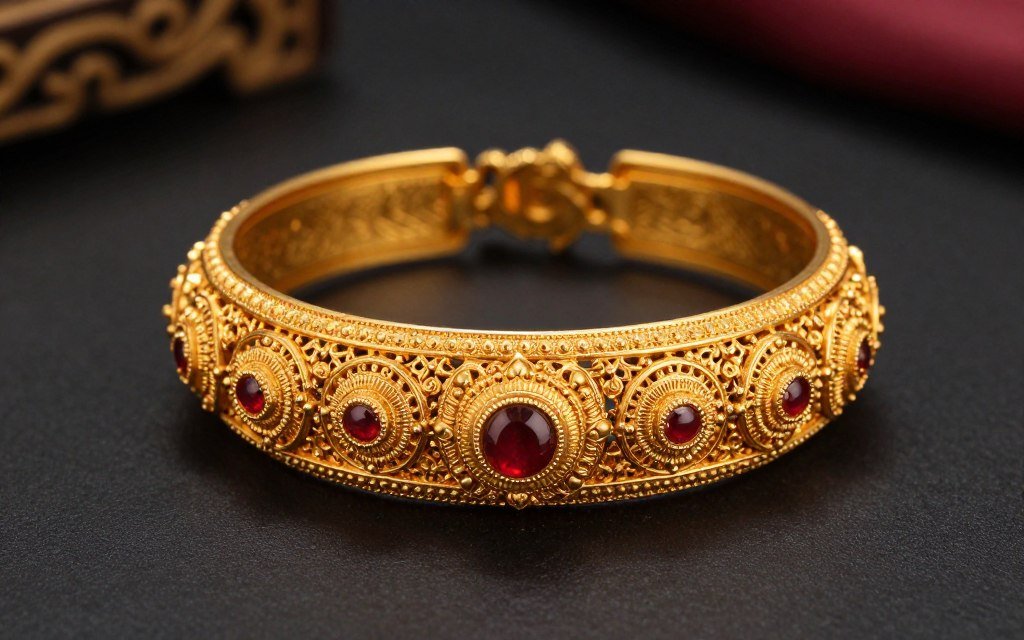
Some Asian cultures prefer gold jewelry over diamonds. Yellow or rose gold bands with intricate designs hold cultural significance.
Scandinavian countries often exchange plain gold bands. Simple designs reflect cultural values of understated elegance.
Latin American traditions may include multiple rings. Engagement rings, wedding bands, and anniversary rings mark relationship milestones.
Modern couples increasingly blend traditions. Multicultural families create unique customs combining different heritage elements.
Planning the Perfect Proposal
Thoughtful proposal planning creates lasting memories. Attention to detail transforms the moment into an unforgettable experience.
Understanding your partner’s preferences guides decisions. Some people prefer private intimacy, while others enjoy public celebrations.
Subtle questioning reveals expectations without spoiling surprises. Casual conversations about marriage provide valuable insights.
Timing considerations balance surprise with readiness. Ensure both partners feel prepared for engagement before proposing.
Backup plans prevent disappointment. Weather contingencies for outdoor proposals or alternative venues provide security.
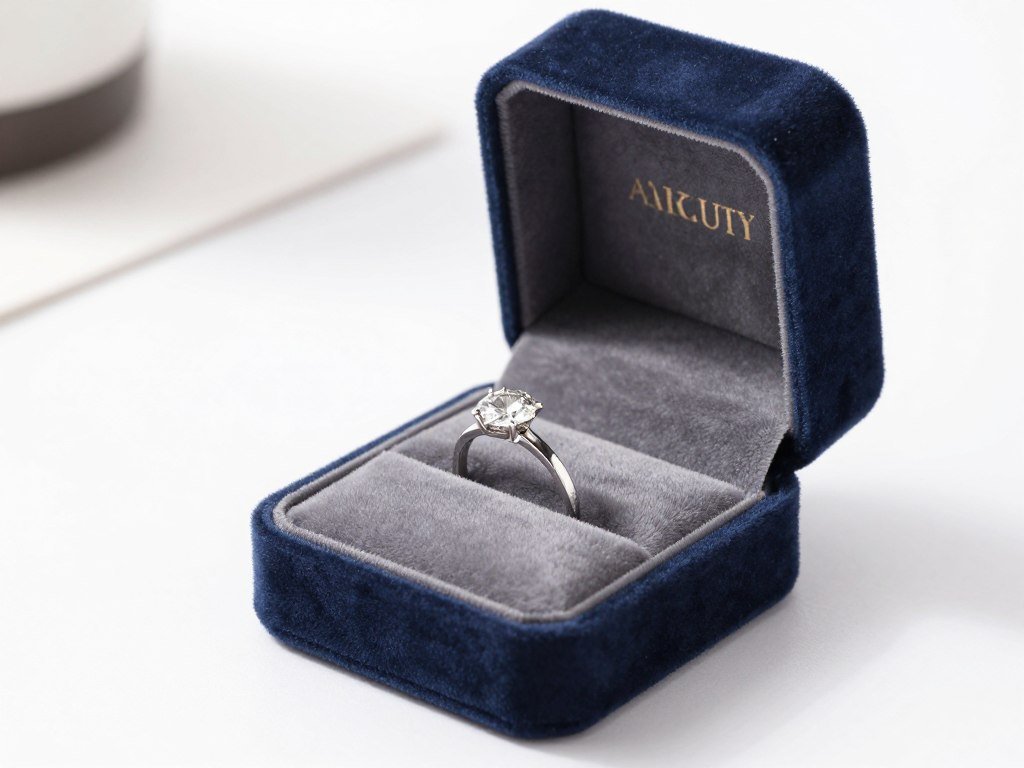
Ring box positioning matters for the moment. Practice removing the box smoothly to avoid fumbling during the emotional occasion.
Speech preparation helps articulate feelings. Writing key points prevents forgotten words during nervous moments.
Post-proposal planning enhances celebrations. Reserved restaurant tables or waiting champagne extend the special day.
Final Thoughts on Choosing Your Proposal Ring
Selecting a proposal ring represents a meaningful journey. The perfect engagement ring reflects your partner’s style while symbolizing your commitment.
Remember that no single right choice exists. The best engagement ring balances quality, aesthetics, and budget while honoring your relationship.
Take time researching options without rushing decisions. Engagement ring selection deserves careful consideration and thoughtful planning.
Trust your instincts when choosing styles. Your knowledge of your partner’s preferences provides valuable guidance throughout the selection process.
The engagement ring marks the beginning of married life together. This meaningful symbol will be cherished for generations to come.
Planning the perfect marriage proposal can feel overwhelming. You want this moment to reflect your unique love story while creating a memory that lasts forever. Whether you envision getting down on one knee at a breathtaking beach or creating an intimate proposal at home, the right idea makes all the difference. This comprehensive guide presents…
Choosing the perfect bridesmaid dress sets the tone for your entire wedding day. Light blue bridesmaid dresses have become a beloved choice for modern brides seeking elegance and versatility. This shade brings a refreshing, romantic atmosphere to any wedding celebration. Whether you envision a beach ceremony or a garden reception, these dresses adapt beautifully to…
Learning how to draw shoes is an essential skill for artists interested in fashion illustration, character design, or simply expanding their drawing repertoire. Shoes add personality and context to your artwork, whether you’re creating a fashion portfolio, designing characters, or practicing everyday objects. This comprehensive guide will walk you through the process of drawing various…
Running shoes have evolved far beyond their original purpose on the track. Today, these comfortable kicks have become fashion staples that can elevate your everyday style while keeping comfort at the forefront. Whether you’re running errands, meeting friends for coffee, or even heading to a casual workplace, the right running shoes outfit can make you…
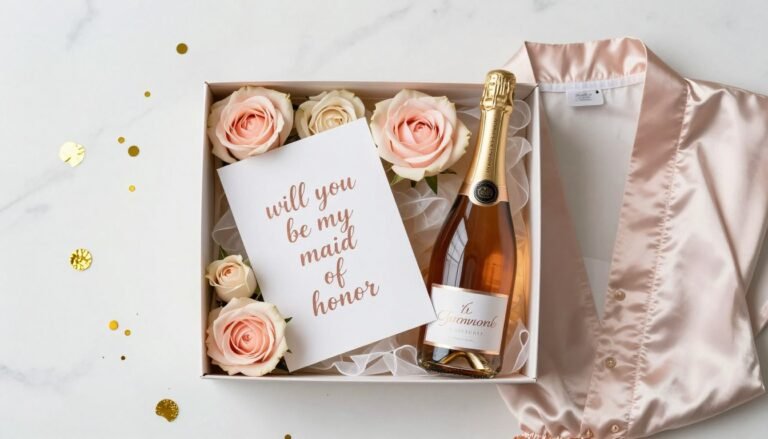
Your wedding day holds special meaning. The person standing beside you should be someone who knows your heart. Asking your closest friend to be your maid of honor marks a beautiful moment in your wedding planning journey. This proposal deserves thoughtfulness and creativity that reflects your unique friendship. The tradition of asking someone to be…
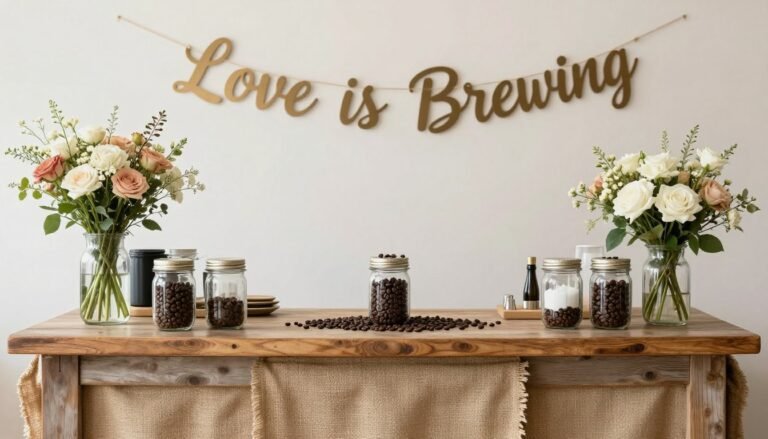
Planning a bridal shower that perfectly captures romance and warmth? A love brewing theme creates an intimate celebration that guests will remember. This coffee-inspired approach combines cozy ambiance with elegant details. The beauty of this theme lies in its versatility. Whether you envision a sophisticated coffee shop aesthetic or a rustic brunch gathering, the concept…