Proposal Pictures: Your Complete Guide to Capturing the Perfect Moment
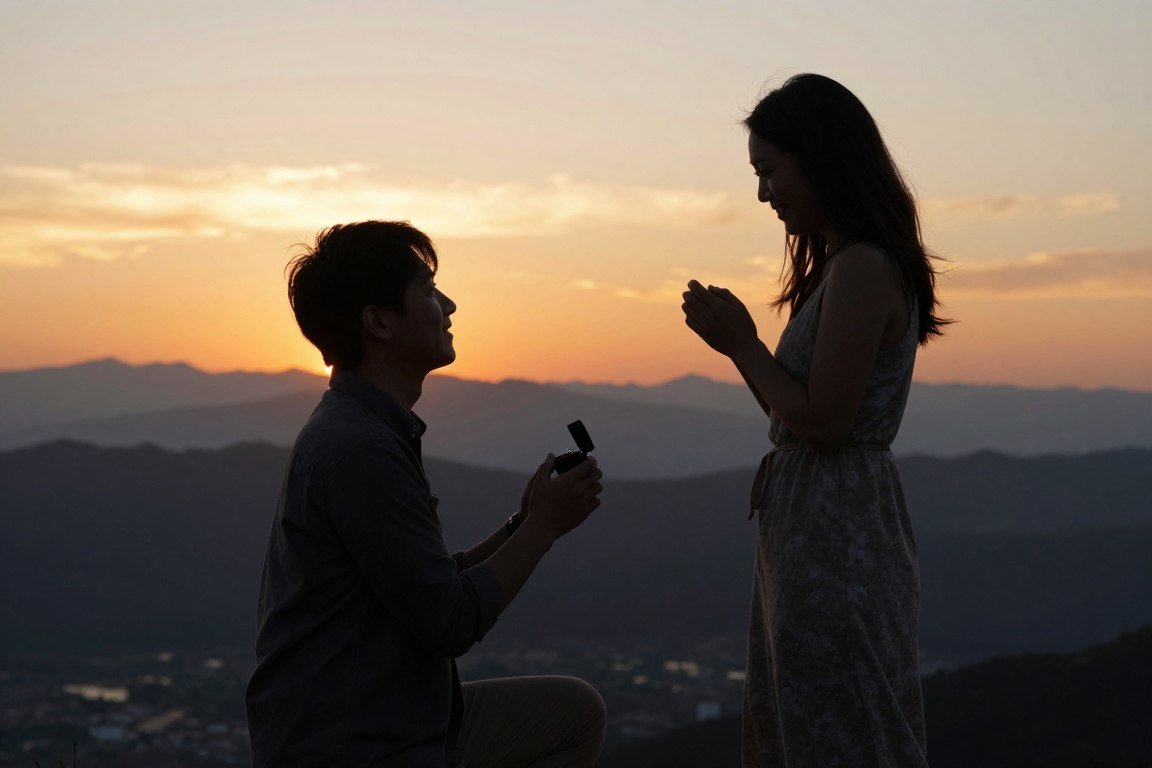
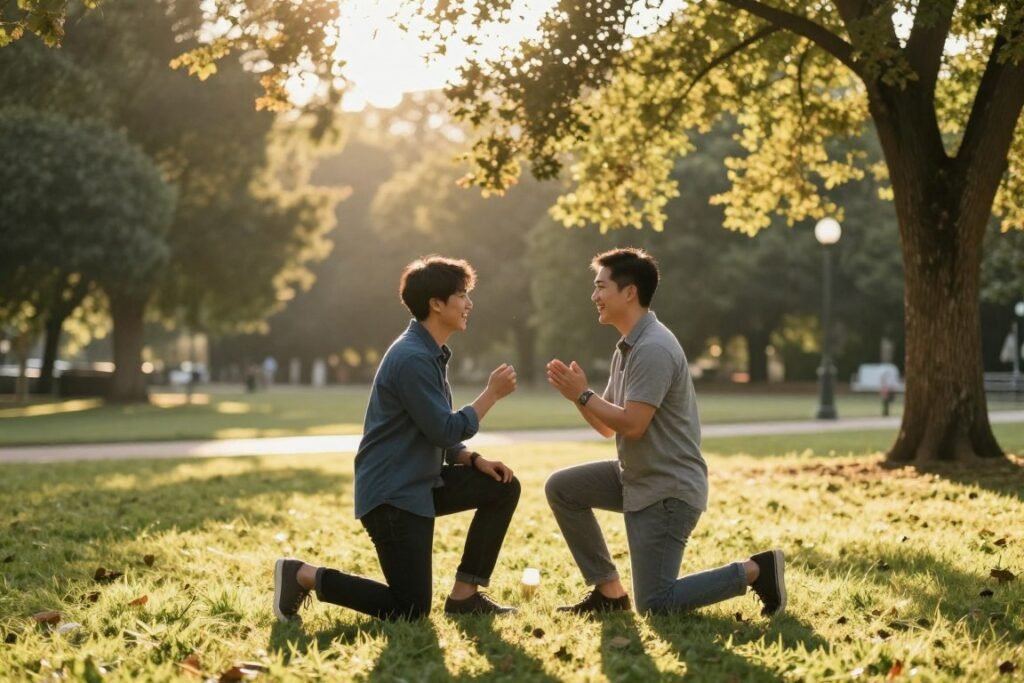
The moment someone drops to one knee is pure magic. It happens in seconds but lasts a lifetime in memory. Proposal pictures freeze that big moment forever, capturing raw emotion that you’ll treasure for years to come.
Whether you’re planning to surprise your partner or helping a friend photograph their proposal, this guide will help you create stunning images. You’ll learn how to plan, prepare, and execute flawless proposal photography that captures genuine emotion and tells your unique story.
From choosing the right camera to selecting the perfect setting, we’ll walk you through every detail. You’ll discover practical tips that make a real difference, even if you’re not a professional photographer. Let’s make sure your proposal pictures become treasured family heirlooms.
Planning Perfect Proposal Photos
Every great proposal picture starts with solid planning. The big moment happens fast, often in under a minute. You need to think through details ahead of time to capture it properly.
Choosing the Right Time and Location
Your setting creates the story behind your proposal pictures. Pick a location that means something to both of you. It could be where you first met, your favorite restaurant, or a scenic spot you’ve always loved.
Time of day matters more than most people realize. The best proposal photos happen during golden hour, which occurs twice each day. This happens in the first hour after sunrise and the last hour before sunset. The light is soft, warm, and incredibly flattering.
Weather plays a huge role in outdoor proposal pictures. Check forecasts well in advance and have a backup plan. Overcast days can work beautifully, creating soft, even lighting. Just avoid harsh midday sun, which creates unflattering shadows.
The proposal itself unfolds in seconds. You need to be ready before the question is asked. Position yourself where you can see both faces clearly. The photographer should arrive at least 15 minutes early to scout the best angles.
Communication is key when you’re coordinating a surprise proposal. The person popping the question should give a subtle signal when they’re about to drop to one knee. This gives the photographer a few seconds to focus and prepare.
Pro Tip: Set your camera to continuous shooting mode before the proposal begins. This way, you’ll capture the entire sequence, from the moment your partner realizes what’s happening to their joyful response. You’ll get dozens of photos in those precious seconds.
Essential Camera Equipment for Proposal Pictures
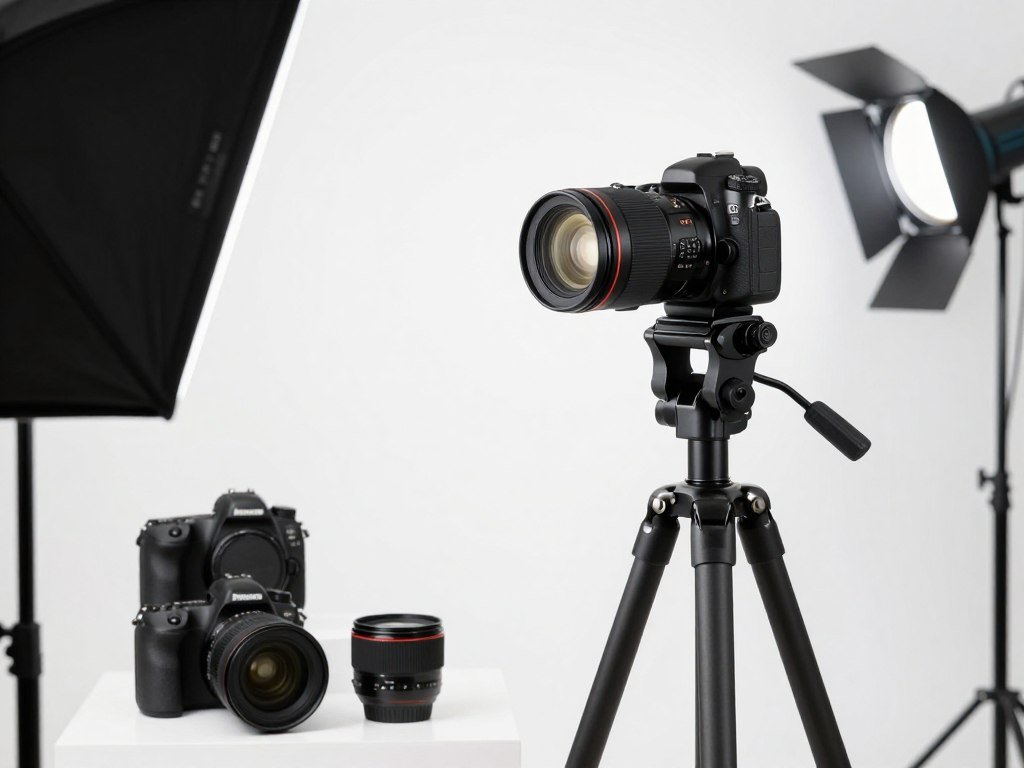
The right equipment makes all the difference when photographing a proposal. You don’t need to spend thousands, but certain tools will dramatically improve your results. Let’s explore what works best for capturing this special moment.
Selecting Your Camera
Modern cameras offer incredible capabilities for proposal photography. You have several options depending on your budget and experience level. Each type has strengths worth considering.
DSLR and mirrorless cameras give you complete control over settings. They perform beautifully in low light and offer fast autofocus. These cameras let you adjust everything manually, which helps when lighting conditions change during the shoot.
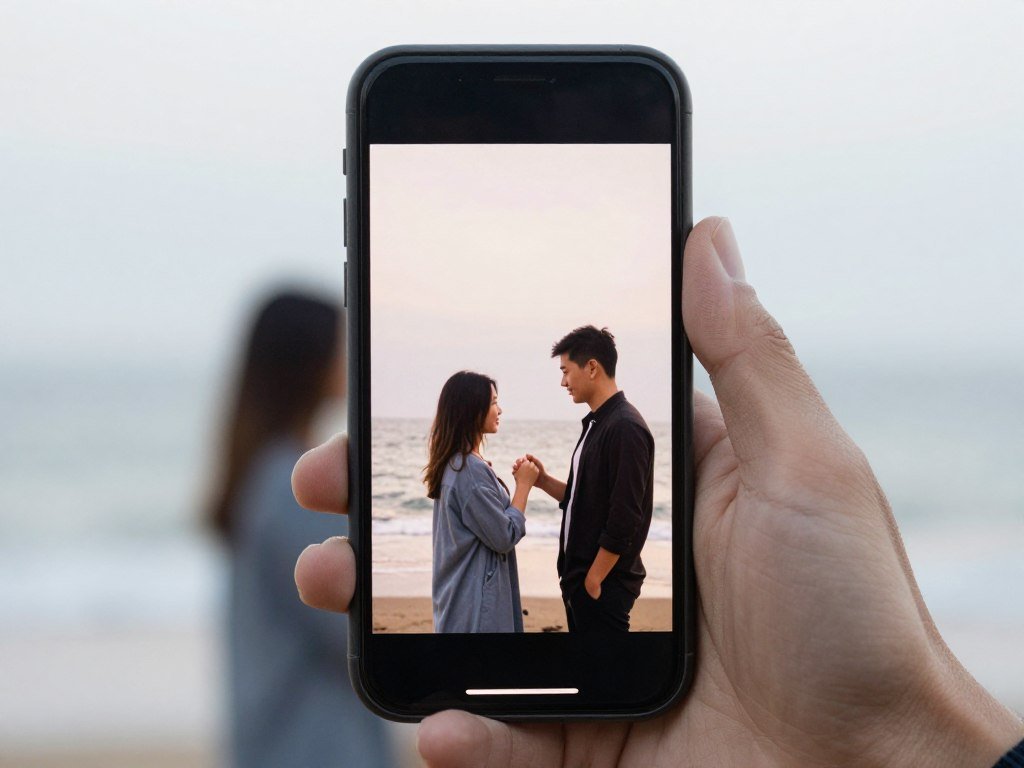
Smartphone cameras have improved dramatically in recent years. Modern phones can capture stunning proposal pictures, especially in good lighting. They’re convenient, discreet, and always with you. Many phones now shoot in burst mode and have portrait features that blur backgrounds beautifully.
DSLR Cameras
Professional photographers swear by DSLR cameras for proposal photography. These cameras excel in challenging lighting and offer extensive manual controls. They capture incredible detail and produce large files perfect for printing.
Excellent low-light performance
Fast, accurate autofocus
Interchangeable lenses for versatility
Large image sensors for quality
Mirrorless Cameras
Mirrorless cameras combine professional quality with compact size. They’re lighter than DSLRs but offer similar image quality. Many photographers prefer them for candid proposal photography because they’re less intimidating.
Compact and lightweight design
Silent shooting modes available
Advanced autofocus systems
Real-time exposure preview
Smartphone Photography
Don’t underestimate your phone for proposal pictures. Modern smartphones capture amazing images, especially in good light. They’re perfect for discreet shooting and offer instant sharing on social media.
Always available and convenient
Discreet for surprise proposals
Built-in editing tools
Instant sharing capability
Critical Camera Accessories
Beyond the camera itself, several accessories significantly improve your proposal photography. These tools help you capture sharp, well-composed images in various conditions.
A tripod provides stability for sharper photos, especially in low light. It also frees you to be part of the moment if you’re using a self-timer. Look for lightweight models that extend to eye level and fold compactly for travel.
Tripods and Stabilizers
Stability is crucial when shooting proposal pictures. A good tripod ensures sharp images even in dim lighting conditions. It also enables you to set up the shot and potentially be in the frame yourself.
Choose a tripod that’s sturdy enough for your camera but light enough to carry. Carbon fiber models offer excellent strength without excess weight. Make sure it has a quick-release plate for fast camera mounting.
Extra Memory Cards
Running out of storage during a proposal would be devastating. Always bring backup memory cards with plenty of space. Fast cards are essential for burst mode shooting, which you’ll use extensively during the proposal.
Professional photographers recommend cards with at least 32GB capacity and fast write speeds. Keep a spare card in your pocket as insurance. Format your cards before the shoot to ensure maximum available space.
Extra batteries are non-negotiable for proposal photography. Cold weather drains batteries faster, and you might be waiting longer than expected. Bring at least one fully charged spare battery and keep it warm in an inside pocket.
Camera Settings and Photography Techniques
Understanding your camera settings transforms good proposal pictures into stunning ones. The right settings ensure you capture crisp, well-exposed images even when the moment unfolds quickly. Let’s break down the essential technical aspects.
Optimal Camera Settings
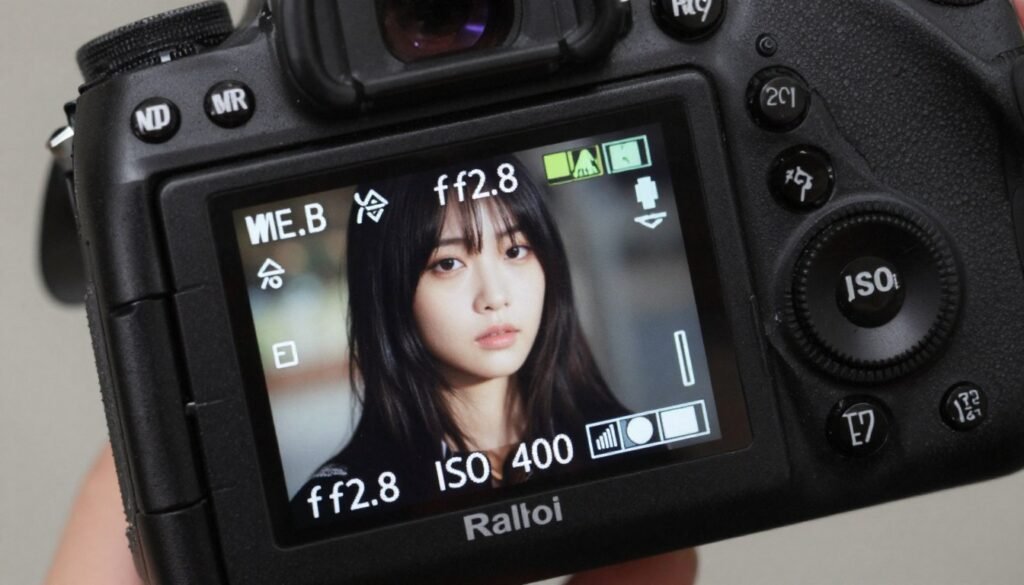
Start with the right mode on your camera. Many photographers use aperture priority mode for proposals. This lets you control depth of field while the camera adjusts shutter speed automatically. Set your aperture between f/2.8 and f/5.6 for beautiful background blur.
Your ISO setting determines how sensitive your camera is to light. In bright outdoor conditions, keep ISO between 100 and 400. As light decreases, you’ll need to raise ISO to maintain proper exposure. Modern cameras handle ISO 1600 or even 3200 beautifully with minimal noise.
Shutter speed affects motion blur in your photos. For proposal pictures, you need at least 1/250th of a second to freeze movement. This ensures sharp images even when your subjects are moving with excitement. Faster speeds like 1/500th work even better for active moments.
Quick Settings Guide: For outdoor daytime proposals, try these settings as a starting point: Aperture f/4, Shutter Speed 1/250, ISO 200. For indoor or evening proposals, adjust to: Aperture f/2.8, Shutter Speed 1/125, ISO 800. Always test your settings before the big moment arrives.
Mastering Focus and Composition
Your focus point makes or breaks proposal pictures. Always focus on the eyes of the person being proposed to. Their expression tells the story. Use single-point autofocus and position it directly on their face.
Composition guides viewers through your image. The rule of thirds creates balanced, pleasing photos. Imagine dividing your frame into nine equal sections with two horizontal and two vertical lines. Place key elements where these lines intersect.
Leave space in the direction your subjects are facing or moving. This gives the image breathing room and feels more natural. If the couple is looking left, position them on the right side of the frame. This simple technique creates more dynamic proposal pictures.
Framing Your Subjects
How you frame the couple affects the entire story. Wide shots show the beautiful setting and context. They work perfectly for establishing where the proposal happened. Include environmental elements that make the location special.
Close-up shots capture raw emotion and intimate details. Zoom in on clasped hands, the ring, or facial expressions. These images become treasured memories because they show genuine feeling. Shoot both wide and tight to tell a complete story.
Using Burst Mode Effectively
Burst mode is your best friend when photographing proposals. This feature takes multiple photos per second, capturing every moment of the proposal sequence. The question itself happens in seconds, and expressions change constantly.
Most cameras can shoot between 5 and 10 frames per second. When you see the proposal starting, hold down the shutter button and keep shooting. You’ll capture the initial surprise, the realization, the tears, and the joyful acceptance. One of these frames will be perfect.
Review your images quickly after the proposal to make sure you captured the moment. Check focus, exposure, and expressions. If something went wrong, you might have time for a few posed shots while emotions are still fresh and genuine.
Lighting for Stunning Proposal Pictures
Lighting transforms ordinary proposal pictures into extraordinary ones. The way light falls on your subjects creates mood, highlights emotion, and determines overall image quality. Understanding light helps you work with it rather than fight against it.
Natural Light Advantages
Natural light creates the most flattering proposal pictures. It’s soft, beautiful, and free. The golden hour, mentioned earlier, provides warm, directional light that makes skin glow and creates gorgeous catchlights in eyes.
Overcast days offer wonderfully diffused light. Clouds act as a giant softbox, eliminating harsh shadows and creating even illumination. This weather is actually ideal for proposal photography because you can shoot at any time without worrying about unflattering shadows.
Position yourself so light falls on your subjects’ faces. Backlight creates beautiful rim lighting but can make faces too dark. Side lighting adds dimension and drama. Front lighting ensures faces are well-lit but can appear flat. Experiment with different angles before the proposal starts.
Artificial Lighting Solutions
Indoor proposals or evening events require artificial lighting. Built-in camera flashes create harsh, unflattering light. External flashes or continuous lights offer much better results with softer, more natural-looking illumination.
External Flash Units
External flashes provide powerful, directional light. You can bounce them off ceilings or walls for softer illumination. This creates natural-looking light that doesn’t scream “flash photography.”
Powerful light output
Adjustable direction and intensity
Bounce capability for soft light
Fast recycling times
LED Light Panels
Continuous LED lights let you see exactly how the lighting looks before you shoot. They’re perfect for video and photos. Many models are compact enough to carry easily and offer adjustable color temperature.
See lighting effect in real-time
Adjustable brightness levels
Daylight or tungsten settings
Battery-powered portability
Light Modifiers
Diffusers and reflectors modify existing light for better results. A simple reflector bounces light onto shadowed areas. Diffusers soften harsh sunlight or flash. These affordable tools dramatically improve image quality.
Soften harsh lighting
Fill in shadow areas
Portable and affordable
Works with any light source
When using artificial light, balance it with ambient light. Your flash or LED shouldn’t overpower the natural atmosphere of the location. Adjust your flash power or LED brightness so it supplements rather than replaces existing light. This creates images that look natural and authentic.
Creative Proposal Picture Ideas
Unique proposal pictures tell your personal story. While traditional poses are lovely, creative ideas make your images stand out. These approaches capture personality and create photos you’ll love sharing with family and friends.
Incorporating Personal Elements
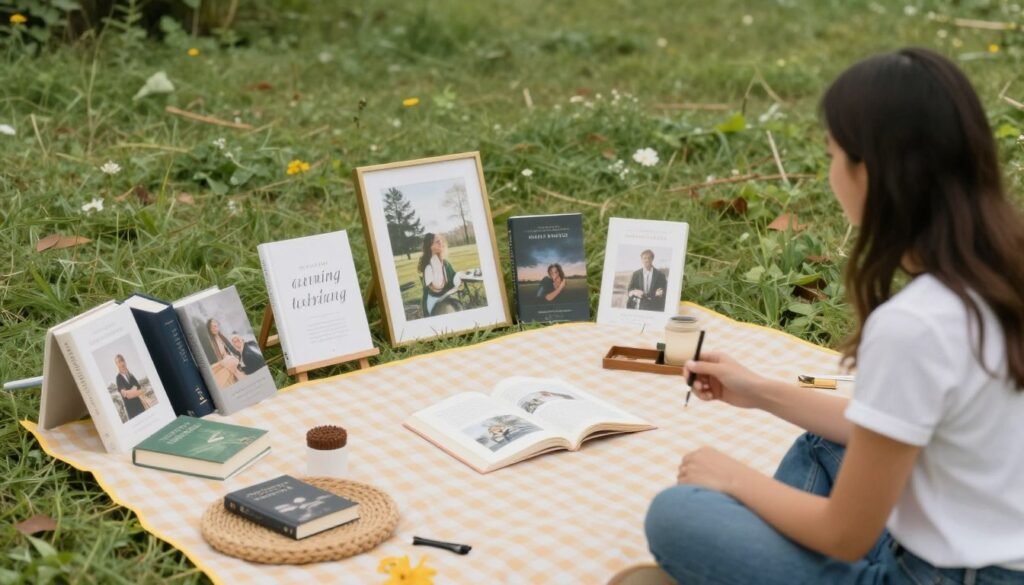
The best proposal pictures reflect who you are as a couple. Include elements that represent your relationship. This could be a favorite book, sports equipment, or items from a shared hobby. These details make photos uniquely yours.
Location tells a powerful story in proposal pictures. Choose a place with personal significance rather than just a pretty backdrop. The spot where you first kissed, your favorite coffee shop, or a meaningful travel destination all add layers of meaning to your photos.
Unique Angles and Perspectives
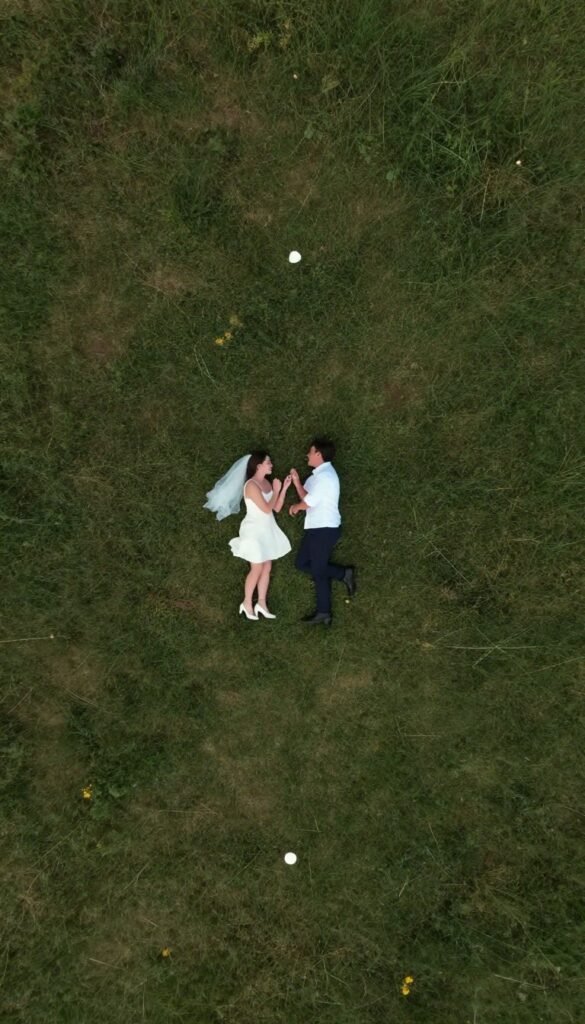
Most proposal pictures are shot at eye level. Changing your perspective creates more interesting images. Shoot from low angles looking up to make the moment feel grand and important. High angles provide context and show the entire scene.
Trying Different Viewpoints
Move around your subjects to find the most compelling angle. Shoot through foliage for natural framing. Photograph reflections in water or windows for artistic effects. These creative choices make proposal pictures memorable and shareable on social media.
Detail shots add variety to your collection. Photograph the ring box before the proposal. Capture the ring on the finger afterward. Close-ups of joined hands or emotional expressions create a complete visual story of the day.
Including Family and Friends
Surprise proposals often happen with hidden family watching. Capture their reactions too. These photos add emotional depth to your collection. Position someone to photograph the proposal from one angle while another captures family reactions.
Group photos after the proposal preserve the memory of who shared this special moment. Gather everyone together quickly while excitement is high. These images become treasured keepsakes, especially as years pass and family grows.
Ready to Create Beautiful Proposal Memories?
Save this guide to your Pinterest board for easy reference when planning your perfect proposal pictures. Share it with friends who are planning to pop the question soon!
Mastering Smartphone Proposal Photography
Your phone can capture incredible proposal pictures. Modern smartphones have powerful cameras that rival professional equipment in many situations. The key is understanding how to use your phone’s features effectively.
Optimizing Phone Camera Settings
Most phone cameras work automatically, but manual controls improve results. Many phones now offer pro modes that let you adjust exposure, focus, and other settings. Explore your camera app to discover available options.
Lock your focus and exposure before the proposal starts. Tap on your subject’s face to set focus. Then hold your finger on the screen until you see “AE/AF Lock.” This prevents your phone from refocusing at the crucial moment, ensuring sharp proposal pictures.
Portrait mode creates beautiful background blur similar to professional cameras. This feature uses software to simulate the shallow depth of field that makes subjects pop. It works best when your subjects are at least six feet from the background.
Phone Photography Accessories
Several accessories enhance smartphone proposal photography. A phone tripod mount lets you set up stable shots. Ring lights provide flattering illumination for evening proposals. External lenses expand creative possibilities.
Smartphone Tripod Mounts
These adapters attach your phone securely to any standard tripod. They prevent shake and enable self-timer shots. Perfect for when you want to be in the proposal pictures yourself.
External Phone Lenses
Clip-on lenses add wide-angle or telephoto capabilities to your phone. Wide lenses capture more of the scene. Telephoto options let you shoot from farther away for more candid proposal pictures.
Portable Phone Lights
Small LED lights clip onto your phone for better illumination. They’re especially useful for indoor or evening proposals. Adjustable brightness helps you balance light naturally with the environment.
Phone Photography Best Practices
Clean your phone lens before shooting. Fingerprints and smudges reduce image quality significantly. A quick wipe with a soft cloth makes a noticeable difference in clarity and sharpness.
Hold your phone horizontally for proposal pictures. Vertical phone photos look great on social media, but horizontal orientation provides better composition for this type of photography. You’ll capture more of the scene and create images that display beautifully when printed.
Use both photo and video capabilities. Start recording video before the proposal begins, then take still photos during the moment. Modern phones can extract high-quality still images from video footage as backup. This gives you double coverage of the big moment.
Important: Make sure your phone is fully charged before the proposal. Enable airplane mode to prevent calls or notifications from interrupting your shooting. Clear enough storage space by deleting unnecessary photos or apps beforehand.
Posing Tips After the Proposal
Once the surprise is over and the question is answered, you have time for posed proposal pictures. These planned shots complement the candid moments captured during the actual proposal. They give you polished images perfect for announcements and framing.
Natural Couple Poses
The best poses look effortless and natural. Start with simple positions that feel comfortable. Have the couple stand close together, with the person who proposed placing an arm around their partner. This creates connection without looking stiff.
Capture the engagement ring prominently in several shots. Have the newly engaged person hold their hand naturally near their face or chest. Avoid awkward finger splaying. Instead, let hands rest gently together or on a shoulder to showcase the ring organically.
Movement creates dynamic proposal pictures. Ask the couple to walk toward you holding hands. Have them spin or dip for playful shots. Laughter and genuine interaction always photograph better than stiff, posed smiles. Give direction but encourage natural responses.
Working with Different Body Types
Everyone looks best from certain angles. Generally, slightly angled poses are more flattering than straight-on shots. Have subjects turn their bodies about 45 degrees toward the camera while their faces look directly at you.
Posing Guidelines
Create space between arms and body for flattering lines
Shift weight to the back foot for better posture
Elongate necks by having subjects think “turtle” and extend slightly forward
Use hands purposefully, never letting them hang awkwardly
Engage subjects in conversation to capture genuine expressions
Photograph from slightly above eye level for most flattering angles
Some of the best proposal pictures happen between posed shots. Keep shooting while couples talk, laugh, and celebrate. These unguarded moments often become favorites because they show real emotion and connection.
Encourage interaction rather than posing. Ask couples to tell each other what they love most about their partner. Have them recall their first date or a favorite memory. Their expressions during these conversations create authentic, emotional proposal pictures.
Video Tips for Proposal Moments
Video captures proposal moments in ways photos cannot. You’ll hear the question, the response, and all the emotion in between. Video preserves tone, laughter, tears, and the complete experience of this life-changing moment.
Setting Up for Video
Position your camera or phone where you have a clear view of both people. Start recording well before the proposal begins. You don’t want to miss the moment because you were fumbling with equipment. Let the video run continuously through the entire proposal and celebration afterward.
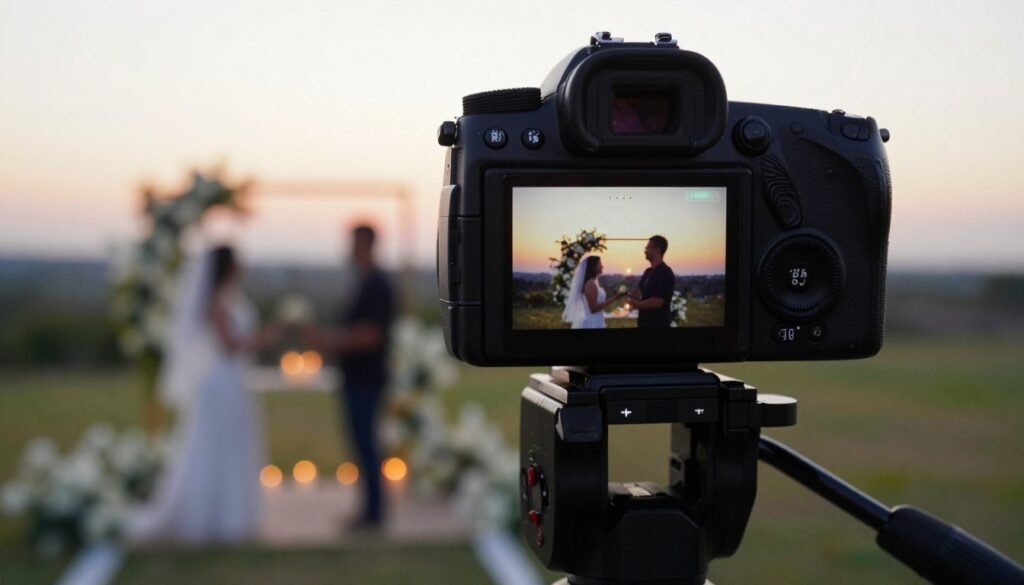
Stability matters even more for video than photos. Any camera shake is obvious and distracting in video footage. Use a tripod or stabilizer whenever possible. If shooting handheld, brace your elbows against your body and breathe steadily to minimize movement.
Audio quality often gets overlooked in proposal videos. Built-in camera microphones work okay if you’re close enough. For better sound, consider an external microphone. Position yourself close enough to hear the proposal clearly without being intrusive.
Combining Photo and Video
Many modern cameras shoot excellent photos and video. Some photographers prefer using two devices—one for photos, one for video. This ensures you capture both formats without choosing between them during the crucial moment.
If working solo, prioritize video during the actual proposal. You can always extract high-quality still images from 4K video footage. This gives you both formats from a single recording. After the proposal, switch to photo mode for posed engagement pictures.
Memory Card Tip: Video files are much larger than photos. A minute of 4K video can use several gigabytes of storage. Make sure you have a high-capacity, fast memory card. Nothing is worse than running out of space during the proposal.
Editing Your Proposal Pictures
Post-processing enhances your proposal pictures without making them look artificial. Good editing brings out the emotion and beauty already present in your images. The goal is natural enhancement, not heavy manipulation.
Basic Editing Adjustments
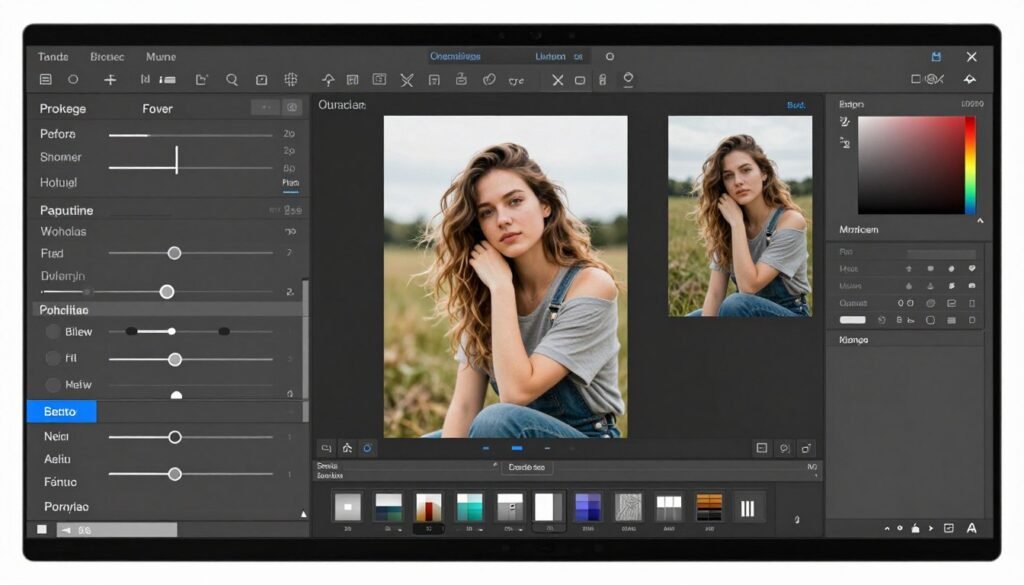
Start with exposure and white balance. Correct any over or underexposure by adjusting the exposure slider. Fix color casts by setting accurate white balance. These two adjustments alone can transform your images dramatically.
Contrast and clarity add punch to proposal pictures. Increase contrast slightly to make images pop. Adjust clarity to bring out details in textures and features. Be subtle with these adjustments to maintain a natural look.
Color adjustments enhance the mood of your images. Warm up photos by shifting the temperature slider toward orange. This creates a romantic, inviting feel. Adjust individual color channels to fine-tune specific elements like sky, foliage, or skin tones.
Software and Apps
Many excellent editing tools exist for both computers and phones. Desktop software offers more powerful controls. Mobile apps provide convenience and are often sufficient for social media sharing.
Desktop Editing Software
Professional programs like Adobe Lightroom offer complete control over your images. They handle RAW files for maximum quality and provide advanced tools for perfect results.
Mobile Editing Apps
Apps like Snapseed, VSCO, and Lightroom Mobile bring powerful editing to your phone. They’re perfect for quick edits and immediate sharing to social media platforms.
Preset Packs
Presets apply consistent editing styles with one click. They’re great starting points that you can customize. Many photographers create preset packs specifically for engagement and proposal photography.
Editing Workflow
Develop a consistent editing workflow for efficiency. Start by culling your images—selecting the best shots and deleting obvious mistakes. This narrows your focus to images worth editing time.
Edit in a logical order. Adjust exposure and white balance first. Then work on contrast, clarity, and color. Finally, add any creative touches like vignettes or film grain. This systematic approach produces consistent, professional-looking proposal pictures.
Don’t over-edit. It’s tempting to keep tweaking, but excessive editing makes images look unnatural. When in doubt, reduce your adjustments by about 20 percent. Your proposal pictures should look like enhanced reality, not artificial creations.
Sharing and Preserving Proposal Pictures
Your beautiful proposal pictures deserve to be shared and preserved properly. How you present and protect these images ensures they’ll bring joy for generations. Let’s explore the best ways to showcase your memorable moment.
Sharing on Social Media
Social media lets you share your excitement with friends and family instantly. Each platform has different image requirements. Instagram favors square or vertical images. Facebook works well with horizontal photos. Optimize your proposal pictures for each platform for best results.
Write thoughtful captions that tell your story. Share details about the proposal that aren’t obvious from photos. Tag the location if it has special meaning. Use relevant hashtags to help others discover your images and draw inspiration for their own proposals.
Consider posting multiple images over time rather than all at once. This keeps your engagement in the feed longer and gives friends multiple chances to celebrate. Share candid moments, detail shots, and celebration photos across several posts.
Creating Physical Keepsakes
Printed photos have a permanence that digital images lack. Create a beautiful album of your proposal pictures. High-quality photo books make stunning coffee table displays and treasured family heirlooms.
Professional Photo Books
Custom photo books preserve your proposal story beautifully. Choose thick, lay-flat pages that showcase images edge-to-edge. Select premium paper stocks for rich color reproduction.
Design your book chronologically, starting with getting ready and ending with celebration photos. Include variety—mix wide environmental shots with intimate close-ups. Add captions to preserve the story details.
Framed Prints
Frame your favorite proposal pictures for display at home. Select your best image and print it large—at least 11×14 inches. Professional printing on quality paper makes a noticeable difference.
Choose frames that complement your home decor. Matting adds elegance and protects photos from touching glass. Display framed proposal pictures where you’ll see them daily to keep the memory fresh.
Backing Up Digital Files
Protect your digital proposal pictures with proper backups. Follow the 3-2-1 rule: Keep three copies of your files, on two different types of storage, with one copy stored off-site.
Cloud storage services provide automatic backup and access from anywhere. External hard drives offer large capacity for minimal cost. Use both for redundancy. Your proposal pictures are irreplaceable, so multiple backups make sense.
Critical Warning: Don’t rely solely on your camera’s memory card or phone storage. Cards can fail, and phones get lost or damaged. Back up your proposal pictures immediately after the event, before anything can go wrong.
When to Hire a Professional Photographer
While DIY proposal pictures can be wonderful, professional photographers bring expertise that’s hard to match. They handle technical details while you focus on the moment. Let’s explore when professional help makes sense.
Benefits of Professional Photography
Professional photographers know how to work in any lighting condition. They position themselves perfectly without being intrusive. Their experience means they anticipate key moments before they happen, capturing every important second.
Professional equipment produces superior image quality. Their cameras excel in challenging lighting. Professional lenses create beautiful background blur and tack-sharp focus. You’ll receive perfectly exposed, professionally edited images ready for printing and sharing.
Hiring a photographer lets you be fully present during the proposal. You won’t worry about camera settings or whether you captured the moment. A professional ensures you’ll have stunning proposal pictures while you experience the emotion without distraction.
Finding the Right Photographer
Look for photographers who specialize in proposals and engagements. Review their portfolio to ensure their style matches your vision. Some photographers prefer bright and airy images, while others create moody, dramatic photos. Choose someone whose work you love.
Questions to Ask
How many proposals have you photographed?
What’s your approach to staying hidden during surprise proposals?
How many edited images will we receive?
What’s the turnaround time for receiving photos?
Do you offer albums or prints?
What happens if you’re sick on our proposal day?
Red Flags to Avoid
No proposal photography examples in portfolio
Unwilling to scout the location beforehand
No backup equipment mentioned
Unclear pricing or hidden fees
Poor communication or slow responses
No contract or agreement offered
Working With Your Photographer
Communication is essential for perfect proposal pictures. Share your vision in detail. Explain what moments matter most to you. Discuss your partner’s personality and likely reactions so the photographer knows what to expect.
Scout the location together before the proposal day. Your photographer needs to identify the best shooting positions and lighting conditions. This planning ensures they’ll be perfectly positioned when the moment arrives.
Create a timeline for the proposal day. Coordinate when everyone should arrive. Plan for traffic and parking. Build in extra time as a buffer. This careful planning prevents rushed, stressful situations that could ruin the surprise or compromise photo quality.
Common Proposal Photography Mistakes to Avoid
Even experienced photographers make mistakes during proposals. The pressure of capturing a once-in-a-lifetime moment creates challenges. Learning from common errors helps you avoid them and create flawless proposal pictures.
Technical Mistakes
Wrong camera settings ruin otherwise perfect moments. Always test your settings before the proposal begins. Take several test shots and review them carefully. Adjust as needed so you’re completely ready when the big moment arrives.
Dead batteries or full memory cards are preventable disasters. Charge all batteries fully the night before. Bring at least one spare battery. Format your memory card before the shoot and bring backup cards. These simple preparations prevent heartbreaking technical failures.
Autofocus can fail at the worst possible moment. Use continuous autofocus mode for moving subjects. Select a single focus point rather than letting your camera choose. Lock focus on your subject before the proposal starts to ensure critical moments are sharp.
Best Practices
Arrive early to scout shooting positions
Shoot in RAW format for editing flexibility
Use continuous shooting mode throughout
Bring backup equipment for everything
Communicate clearly with the proposer
Stay calm and focused during the moment
Mistakes to Avoid
Forgetting to remove lens cap before proposal
Using slow shutter speeds that blur movement
Standing where you block the view
Making noise that reveals the surprise
Stopping shooting too soon after the “yes”
Neglecting backup plans for bad weather
Positioning and Timing Errors
Poor positioning prevents you from capturing key moments. Position yourself where you can see both faces clearly. Avoid backlighting that silhouettes subjects. Scout multiple angles beforehand to identify the absolute best shooting position.
Starting to shoot too late means missing the initial surprise. Begin photographing before the proposer gets down on one knee. Capture the walk to the spot, the nervousness, and every second of the proposal sequence. You can always delete extra photos later.
Stopping too soon is another common mistake. Keep shooting after the “yes” for several minutes. Capture the joy, tears, laughter, and celebration. These moments are just as important as the proposal itself. The emotional high continues, so your camera should too.
Seasonal Proposal Photography Tips
Each season offers unique opportunities and challenges for proposal pictures. Understanding seasonal considerations helps you plan better and create images that capture the beauty of each time of year.
Spring Proposal Pictures
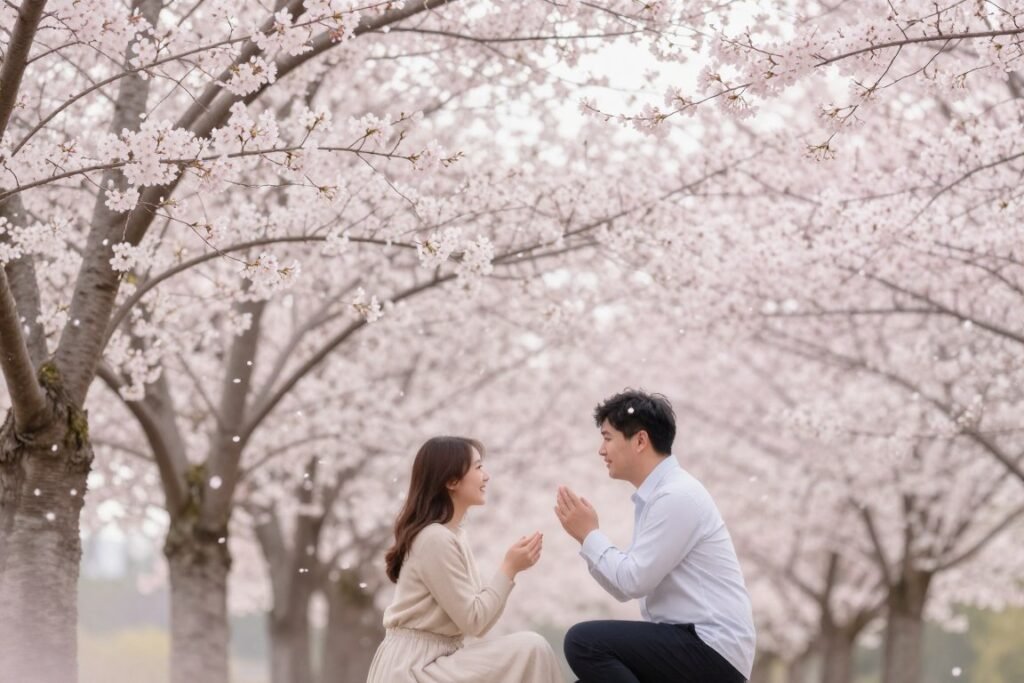
Spring brings blooming flowers and fresh greenery perfect for romantic proposal pictures. Cherry blossoms, tulips, and flowering trees create stunning natural backgrounds. Time your proposal when flowers are at peak bloom for maximum visual impact.
Weather can be unpredictable in spring. Prepare for rain by having covered backup locations. Overcast spring days actually provide beautiful, soft light for proposal photography. Just make sure you adjust your camera settings for the lower light levels.
Summer Proposal Ideas
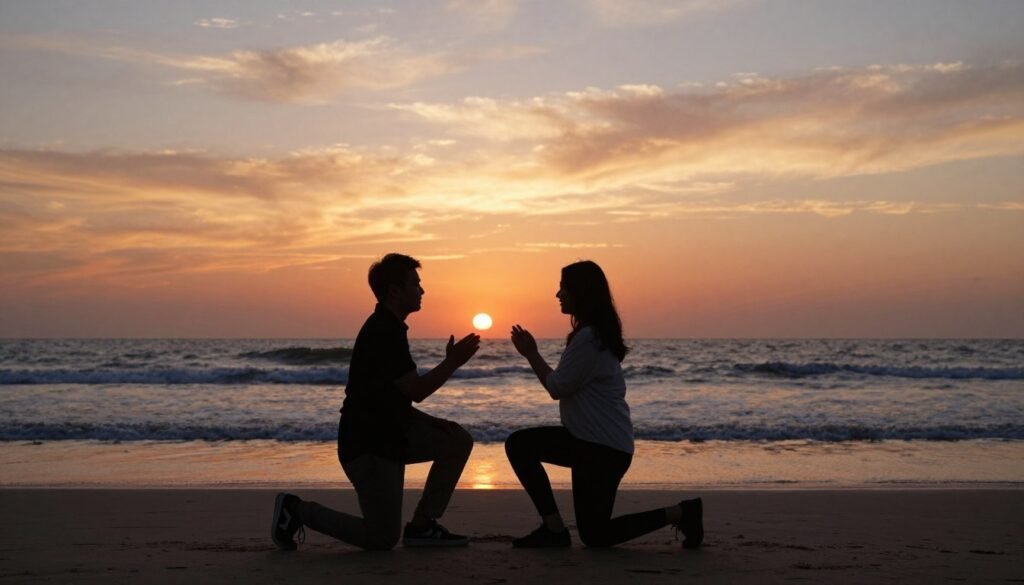
Long summer days give you flexibility with timing. Golden hour lasts longer, providing extended opportunities for beautiful light. Beach proposals become popular in summer, with ocean backdrops and sunset scenes creating magical proposal pictures.
Harsh midday sun creates challenges in summer. Seek shade during midday hours or schedule proposals for early morning or evening. The intense summer sun can cause squinting and unflattering shadows. Plan around the light for better results.
Fall Proposal Photography
Fall foliage creates spectacular proposal pictures. Rich oranges, reds, and yellows add warmth and visual interest. Plan proposals when leaves are at peak color in your area. This typically varies by location and elevation.
Shorter fall days mean less available light. Plan proposals earlier in the afternoon to take advantage of golden hour. Fall weather can change quickly, so bring layers and be prepared for wind that might mess up hair or blow props around.
Winter Proposal Photography
Winter proposals offer unique beauty. Snow creates pristine white backgrounds and magical atmospheres. Holiday lights and decorations add festive elements to proposal pictures. The cool tones of winter photography feel elegant and timeless.
Cold weather presents technical challenges. Batteries drain faster in freezing temperatures. Keep spare batteries warm in inside pockets. Protect your camera from snow and moisture. Allow time for equipment to acclimate when moving between cold outdoor and warm indoor environments.
Dress appropriately for winter proposals. Cold subjects appear uncomfortable in photos. Plan shorter outdoor sessions or provide warming breaks. Hot beverages make great props and help everyone stay comfortable during extended winter photography sessions.
Complete Proposal Photography Planning Checklist
Organization ensures nothing gets forgotten on proposal day. This comprehensive checklist covers everything you need for perfect proposal pictures. Print it out and check off items as you prepare.
Three Weeks Before
Scout and confirm proposal location
Check permit requirements for public spaces
Hire photographer if using professional services
Plan backup location for bad weather
Research best times for lighting at chosen location
Coordinate with any family or friends who’ll attend
One Week Before
Confirm all arrangements with photographer
Check weather forecasts and adjust plans if needed
Test all camera equipment and settings
Charge all batteries fully
Format memory cards and ensure adequate storage
Prepare any props or special elements
Plan your outfit and coordinate with partner’s style
Create detailed timeline for proposal day
Day Before Proposal
Recharge all camera batteries one final time
Pack all equipment and create checklist
Verify memory cards are formatted and empty
Clean camera lenses and sensors
Review camera settings one last time
Confirm timing with all participants
Check weather forecast one final time
Get plenty of rest for steady hands
Proposal Day Morning
Double-check all equipment is packed
Verify batteries are charged and installed
Confirm memory cards are in camera
Remove lens caps and test camera function
Set camera to continuous shooting mode
Arrive at location early to set up
Take test shots and verify settings
Position yourself in optimal shooting location
Save This Checklist for Your Big Day
Pin this comprehensive proposal photography checklist to your Pinterest planning board. Share it with friends who are planning their own proposals to help them prepare for perfect proposal pictures!
Proposal Picture Inspiration Gallery
Visual inspiration helps you imagine possibilities for your own proposal pictures. Different styles, settings, and approaches offer ideas you can adapt to your unique situation. Let’s explore various proposal photography styles.
Classic Romantic Proposals
Timeless romantic proposals never go out of style. Think sunset beaches, elegant restaurants, or beautiful gardens. These settings create universally beautiful proposal pictures with sophisticated, refined aesthetics.
Classic proposals often feature formal attire and traditional poses. The focus is on elegance and romance. These proposal pictures work beautifully in formal announcements and look stunning framed on walls or in wedding albums.
Adventure and Outdoor Proposals
Active couples often prefer proposals in nature. Mountain peaks, forest trails, or lakeside settings reflect adventurous spirits. These proposal pictures tell stories about who you are as a couple and what you love doing together.
Outdoor adventure proposals require extra planning. Hike to the location beforehand to ensure it’s accessible. Consider how you’ll carry camera equipment along with other gear. Weather becomes even more critical for remote outdoor proposals.
The payoff for adventure proposals is spectacular scenery. Mountain vistas, waterfall backdrops, and forest settings create dramatic, memorable proposal pictures. Just make sure safety remains the priority while capturing these stunning images.
Urban and City Proposals
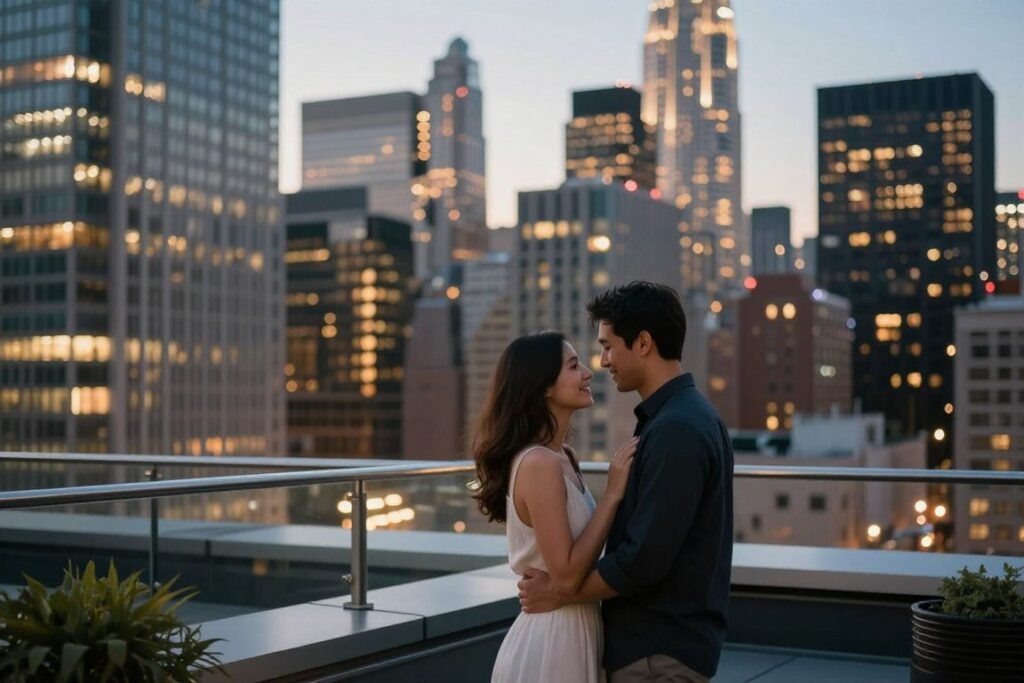
City proposals offer architectural interest and urban energy. Rooftop terraces, historic buildings, or iconic city landmarks create dynamic backgrounds. City lights at night add magic to proposal pictures with sparkling bokeh effects.
Urban locations provide built-in variety. Photograph against modern glass buildings, vintage brick walls, or colorful street art. City proposals work well for couples who love metropolitan life and want their proposal pictures to reflect their lifestyle.
Creating Lasting Memories Through Proposal Pictures
Proposal pictures preserve one of life’s most precious moments. Whether you choose professional photography or DIY approaches, thoughtful planning makes all the difference. The techniques and tips shared throughout this guide give you the tools to capture stunning images.
Remember that perfect proposal pictures come from preparation meeting opportunity. Scout your location. Test your equipment. Understand your camera settings. But also remain flexible and ready to adapt when the moment unfolds.
The most important element isn’t technical perfection—it’s capturing genuine emotion. The surprise, joy, and love in proposal pictures matter more than flawless composition. Focus on preserving authentic moments, and the technical aspects will support rather than overshadow the story.
Your proposal pictures will be treasured for generations. They’ll be shared with family, displayed at your wedding, and eventually shown to your children and grandchildren. The time and effort you invest in capturing them properly pays dividends for a lifetime.
Start planning your proposal photography today. Use this guide as your roadmap to success. Whether you’re proposing next week or next year, preparation ensures you’ll have beautiful images that perfectly capture this milestone moment in your love story.
Share Your Proposal Pictures Story
We’d love to see your beautiful proposal pictures! Pin your favorites to Pinterest and tag them with #ProposalPicturesPerfect. Share this guide with engaged friends who are planning their own special moments. Your experience and photos inspire other couples to create their own unforgettable proposal memories.
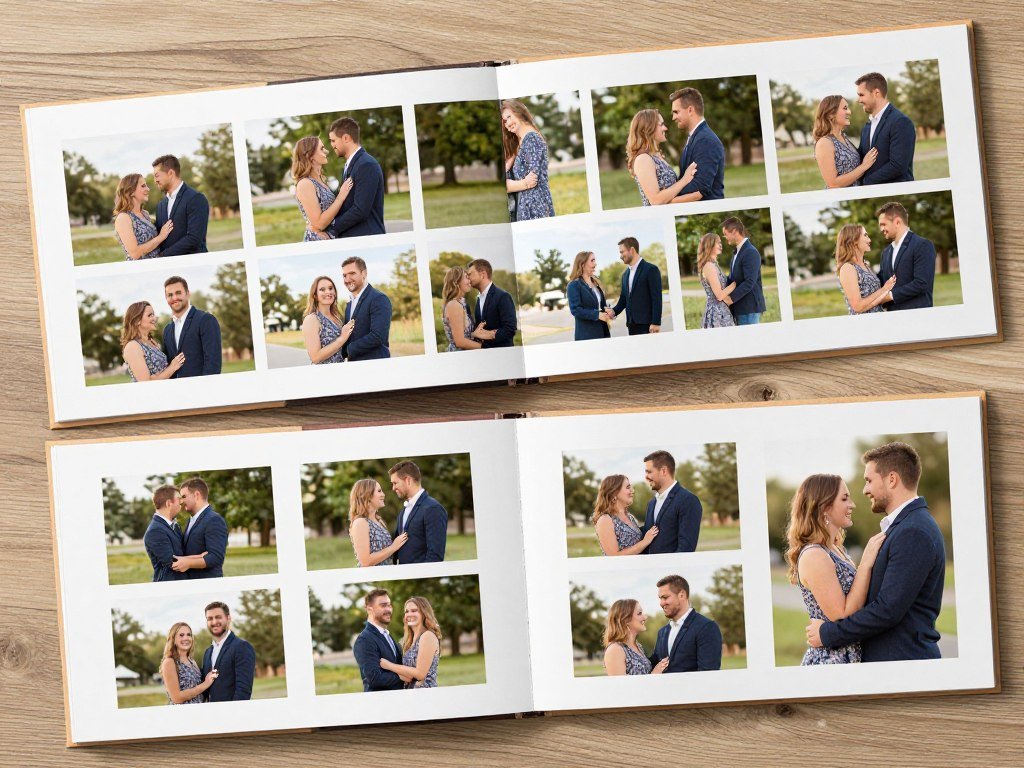
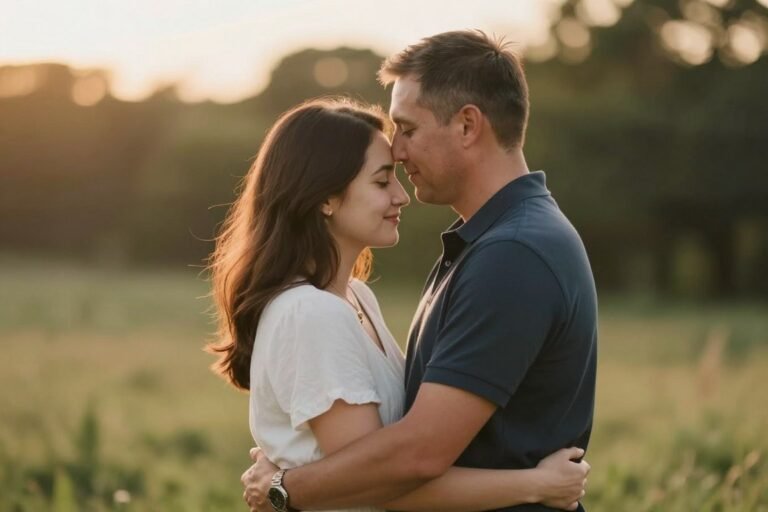
Every anniversary marks another year of your beautiful journey together. Capturing these special moments through photos creates lasting memories you’ll treasure for years to come. Whether you’re celebrating your first anniversary or your fiftieth, a thoughtful photoshoot helps you freeze time and remember the love you share. Planning an anniversary photo shoot can feel overwhelming….
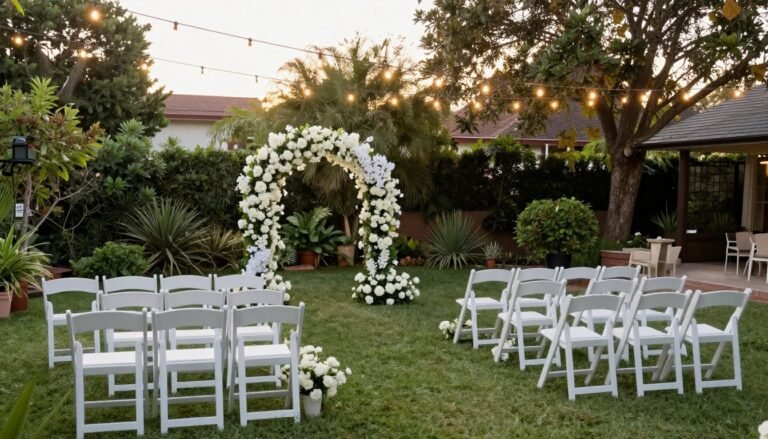
Planning a small backyard wedding offers couples a unique opportunity to create something truly personal. Your own yard transforms into a canvas where memories come to life. Friends and family gather in a space that holds meaning, making the day even more special. Many couples discover that hosting their ceremony at home provides unexpected benefits….
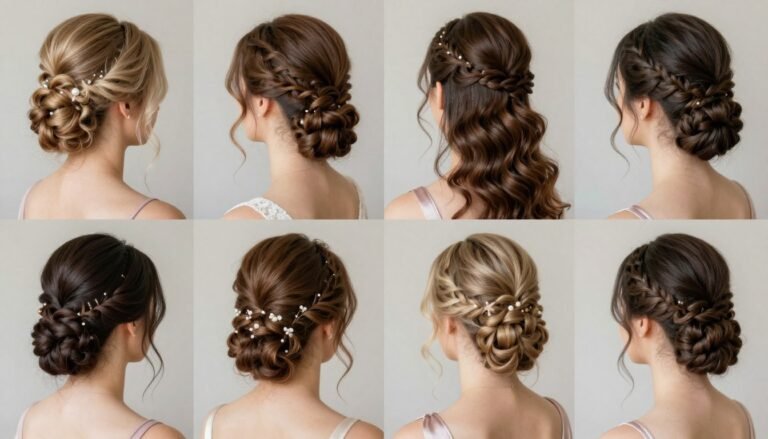
Planning the perfect wedding day look goes beyond choosing the right dress. Hair plays a crucial role in creating a cohesive and beautiful bridal party. Finding the right bridesmaid hair ideas can feel overwhelming with countless options available. Every bridesmaid deserves to feel confident and beautiful. The right hairstyle complements the wedding theme while honoring…
Your wedding reception tables are where guests will spend most of their time celebrating your special day. The perfect wedding table decorations not only showcase your personal style but also create a memorable atmosphere for everyone to enjoy. From elegant floral centerpieces to rustic candle arrangements, the right table decor can truly transform your venue…
Your backyard holds incredible potential. When day turns to night, the right lighting can transform an ordinary outdoor space into something truly magical. Picture warm lights dancing through trees, soft lanterns casting gentle shadows, and a welcoming glow that draws family and friends together. Creating a cozy backyard atmosphere doesn’t require a massive budget or…
Creating stunning planter arrangements is an art form that combines color, texture, and plant varieties to transform ordinary containers into extraordinary focal points. Whether you’re decorating a porch, patio, or indoor space, the right combination of plants can create a lush, professional-looking display that brings joy throughout the seasons. In this guide, we’ll explore the…